The Quad alliance—comprising the United States, India, Japan, and Australia—will issue a powerful joint statement during their summit, aiming to address two of the most pressing security concerns in the Indo-Pacific: North Korea's nuclear ambitions and China's assertiveness in the South China Sea. This declaration marks a significant escalation in the language used by the Quad leaders, underscoring their collective stance against rising geopolitical threats.
The Quad summit, set to take place in Wilmington, Delaware, brings together U.S. President Joe Biden, Indian Prime Minister Narendra Modi, Japanese Prime Minister Fumio Kishida, and Australian Prime Minister Anthony Albanese. The meeting comes at a time when tensions have been growing in the Indo-Pacific region due to North Korea’s expanding missile programs and China's increasing influence in disputed maritime territories.
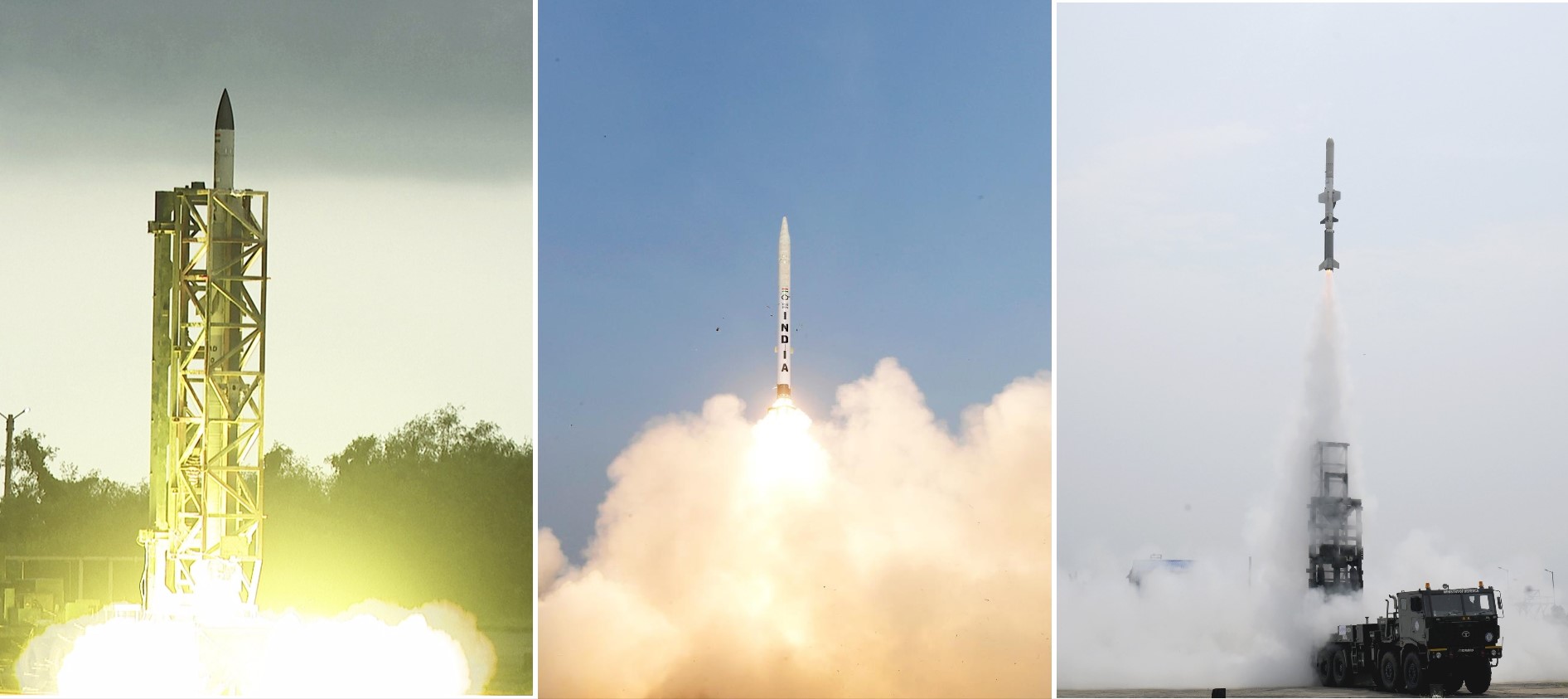
A senior U.S. official, speaking at an online press briefing, noted that this year’s Quad statement would contain "some of the strongest language" seen to date, specifically addressing concerns about North Korea’s ballistic missile threats and China's activities in the South China Sea. By standing together, the Quad leaders aim to send a clear message about their shared commitment to regional security and stability.
The statement is expected to reflect a unified view on these threats, showcasing a convergence of perspectives among the Quad members. Their alignment comes as North Korea continues to defy international sanctions, conducting missile tests that threaten both regional and global peace. Simultaneously, Beijing’s assertive actions in the South China Sea, where it has laid claim to vast swathes of territory, have alarmed several Southeast Asian nations and prompted calls for a stronger international response.
Beyond addressing the threats posed by Pyongyang and Beijing, the Quad summit will also highlight key strategic initiatives designed to enhance cooperation among the four nations. One of the most notable announcements will be the launch of the first-ever Quad Coast Guard exercise, intended to strengthen maritime security in the region. The initiative signals the group's intent to ensure a free and open Indo-Pacific, where international law governs maritime disputes, rather than unilateral actions.
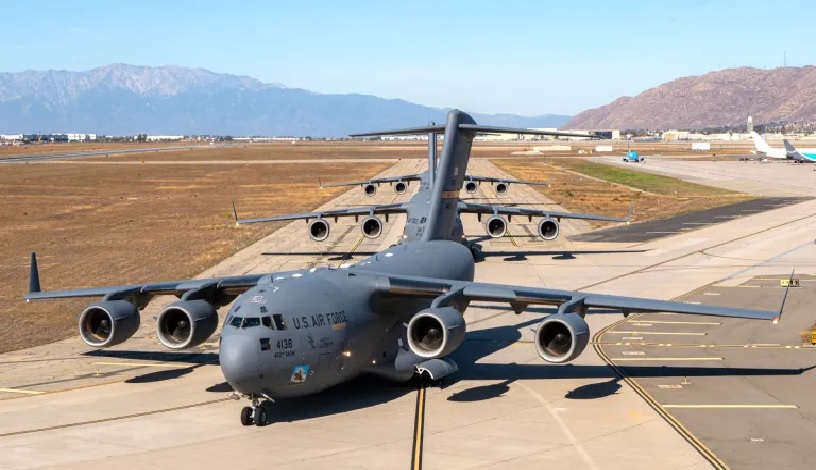
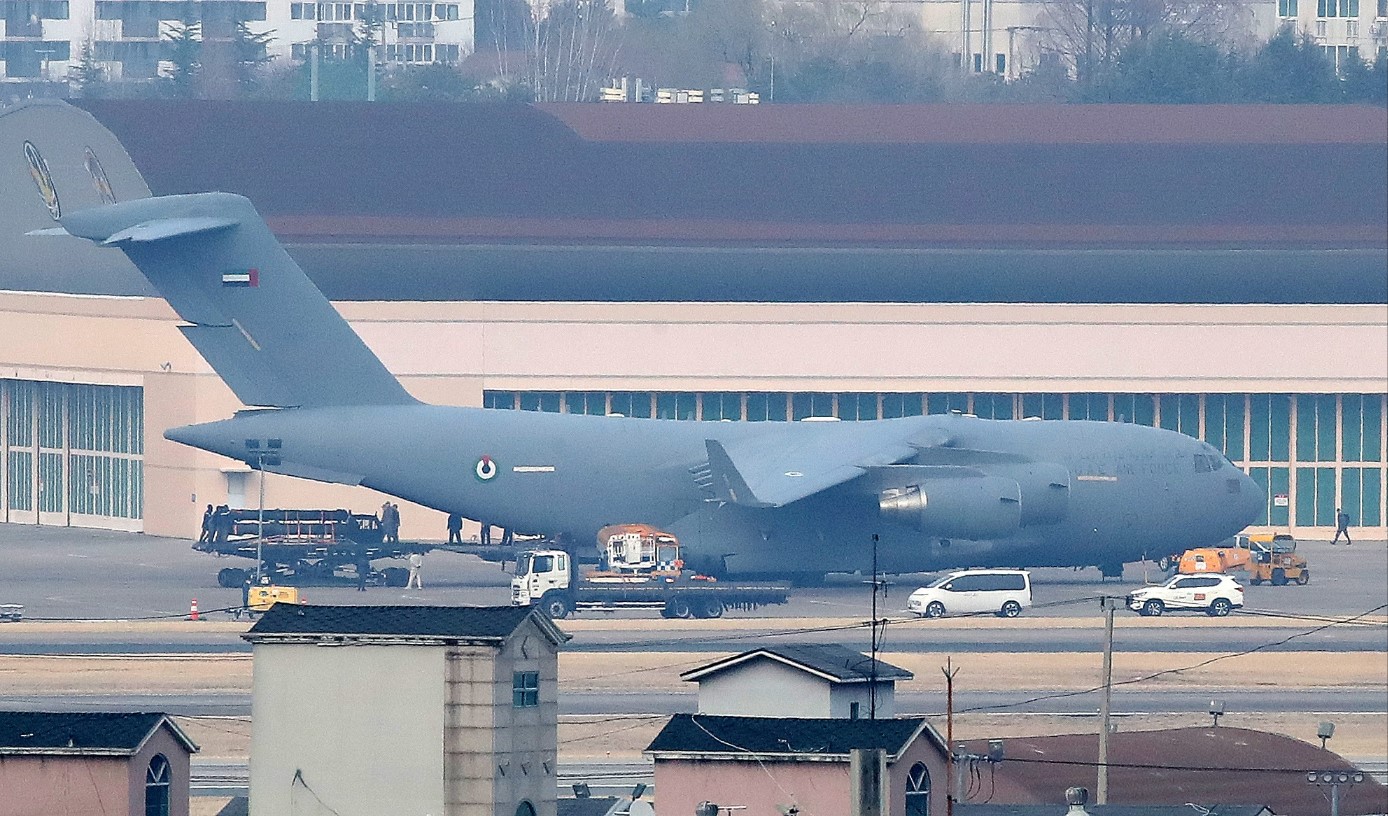
In addition to the coast guard exercise, the Quad will unveil a logistics network that allows for the sharing of cargo space on military aircraft and vessels. This network is expected to facilitate greater cooperation during humanitarian missions and disaster relief efforts, a reflection of the Quad's growing focus on security beyond military threats.
On the domestic front, the Quad alliance is garnering bipartisan support in the United States. The "House and Senate Quad Caucuses" initiative represents a rare instance of bipartisan collaboration, with lawmakers from both parties recognizing the strategic importance of the Quad in addressing not only regional security concerns but also broader economic and political challenges posed by powers like China.
During the summit, the leaders will also launch a significant health initiative, the "Quad Cancer Moonshot." This project focuses on combating cervical cancer, a disease that is largely preventable with proper vaccination, screening, and treatment. The Quad countries will collaborate to provide these vital resources, particularly to underserved regions.
As the Quad’s influence in the Indo-Pacific continues to grow, this latest summit signals a clear message of unity in the face of rising challenges. By addressing North Korea’s missile threats and China’s assertiveness, the Quad leaders are not just reaffirming their commitment to a stable and secure Indo-Pacific—they are also charting a course for deeper cooperation in the future.
This joint statement and the initiatives launched during the summit reflect the Quad’s broader vision for a free, open, and rules-based Indo-Pacific, one that prioritizes international cooperation and respects the sovereignty of all nations. As the leaders conclude their discussions in Wilmington, the world will be watching closely to see how this alliance navigates the increasingly complex security landscape of the region.
——— End of Article ———