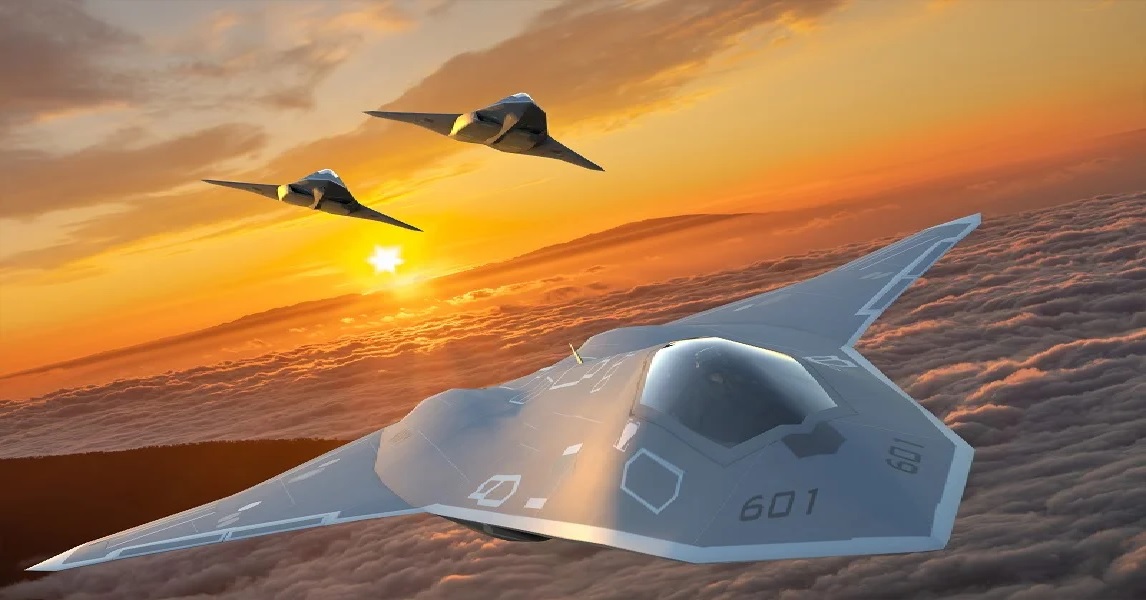
The United States Air Force's Next Generation Air Dominance (NGAD) program, aiming to introduce a 6th generation fighter jet, has sparked significant debate, largely due to its hefty projected cost. The NGAD fighter, anticipated to lead the charge in air superiority for decades to come, is estimated to come with a staggering price tag of $300 million per unit. As the Air Force plans to acquire around 200 of these state-of-the-art jets, many are questioning whether this cost is both realistic and sustainable in the long run.
The NGAD is expected to far surpass the capabilities of existing fighters, like the 5th generation F-35, which itself costs around $82.5 million per unit. While that price already reflects cutting-edge technology, the NGAD brings a host of next-level advancements that make it even more expensive. One of the key technological leaps is the integration of Variable Cycle Engines (VCE), a revolutionary engine technology designed to boost fuel efficiency and mission adaptability. VCE promises to offer flexibility in performance, switching between modes for maximum speed or fuel savings, depending on the mission's demands. This technology alone is likely to increase the overall cost of the aircraft.
However, U.S. Air Force Secretary Frank Kendall has tempered the discussions surrounding the NGAD’s price, stating that no definitive price point has been set for the program. Kendall pointed to the F-35’s price as a possible upper limit but acknowledged that given the NGAD’s unprecedented capabilities, this may be more of a hopeful benchmark than a realistic target.
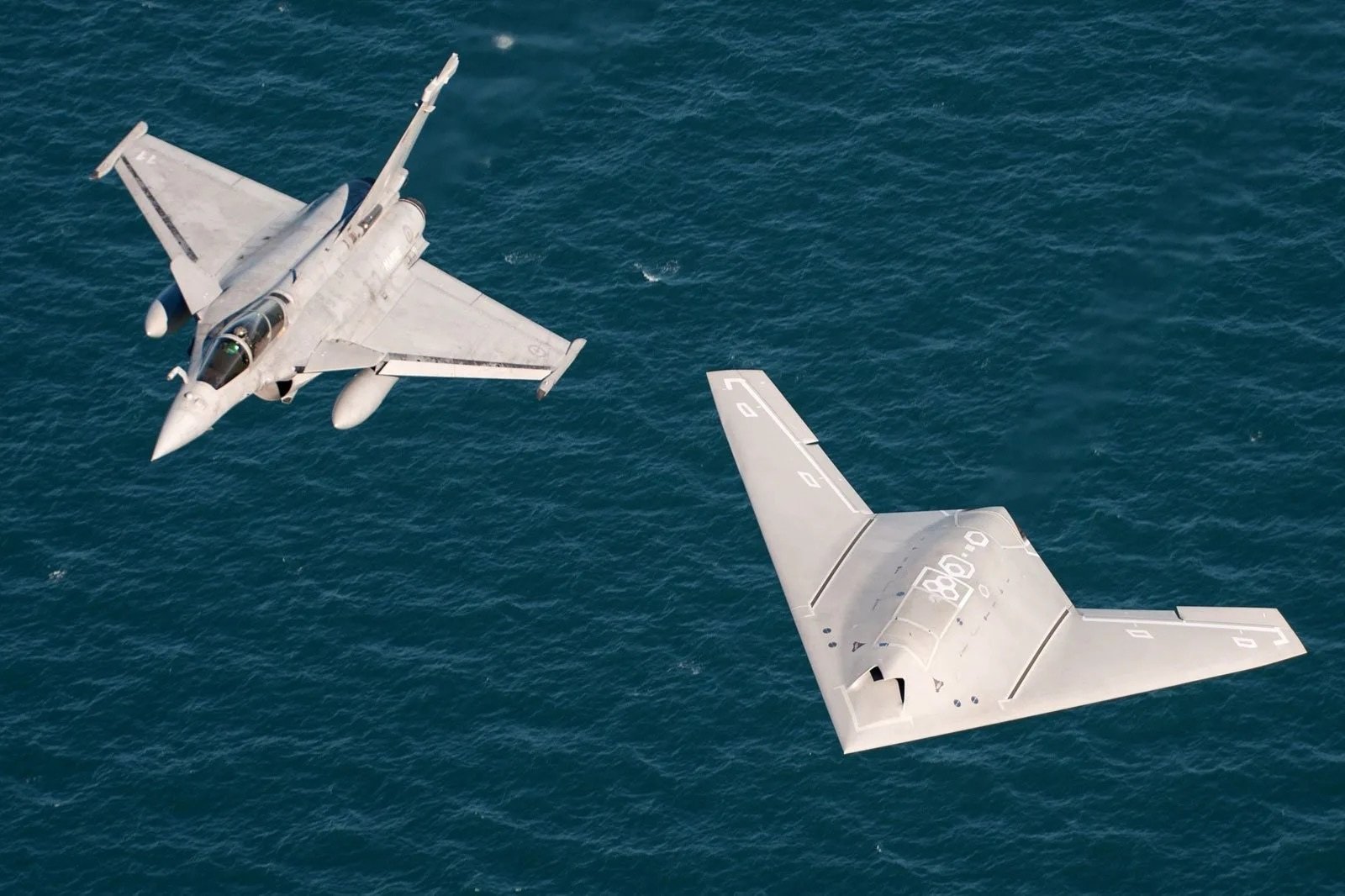
It's clear that NGAD’s development isn't just about building a fighter plane. The aircraft is envisioned as part of an integrated network, working alongside unmanned systems, artificial intelligence (AI), and advanced communication technologies. The aircraft’s role would not be limited to aerial combat; it would likely serve as the centerpiece in a broader system of AI-enhanced decision-making, sensor fusion, and unmanned drone coordination. This expanded vision of air combat changes the discussion on affordability. When you factor in not just the aircraft but its role within a future battle network, the cost could become more justifiable.
Still, at a unit price of $300 million, NGAD would be nearly four times the cost of an F-35. While the F-35 is currently one of the most advanced fighters globally, NGAD represents a significant leap forward, both in terms of technology and mission capability. Yet, many defense analysts and experts wonder if the U.S. can afford to maintain such an expensive fleet, especially with other budgetary pressures and the ever-evolving nature of warfare.
Some have speculated that a redesign of the NGAD could emerge to strike a balance between technological superiority and cost management. Whether this involves scaling back on some advanced features or finding ways to use cost-saving measures in production remains to be seen. The pressure on affordability is further emphasized by the fact that future conflicts are expected to rely heavily on drones, AI, and other unmanned systems, meaning a smaller fleet of manned aircraft might suffice if paired with cheaper, automated combat solutions.
The future of the NGAD project will likely hinge on this balance. It is clear that the U.S. Air Force sees the need for a 6th generation fighter to maintain air superiority, but the question remains: how much can they spend to ensure that dominance? For now, the $300 million per jet estimate looms large, but discussions of affordability will undoubtedly shape how the NGAD progresses from drawing board to battlefield. The broader shift towards integrating this fighter into a multi-domain network could help justify the price, but whether it’s sustainable on a large scale remains the central challenge.
——— End of Article ———