
World
Zen Technologies Limited, a pioneering force in defence training solutions, has achieved yet another significant milestone by securing a patent for its Infantry Virtual Training Simulation System (IVTSS). This achievement underscores the company’s relentless pursuit of innovation in military training technology, solidifying its status as a leader in the defence simulation industry. This patent, which was filed in December 2022, marks the company’s 19th patent in 2024 and the 9th within the financial year. The patent is set to remain valid until December 2042.The IVTSS is designed to meet the ever-evolving demands of modern warfare by offering an immersive, high-tech training environment. It enables comprehensive infantry training through various simulation stations, ensuring soldiers can be prepared for the complex challenges of today’s battlefields. This state-of-the-art system facilitates everything from small arms handling to complex tactical decision-making exercises. What sets it apart is its flexibility and adaptability to different training scenarios, making it an invaluable tool for modern military forces.One of the standout features of the IVTSS is its advanced tactical training module specifically developed for mortar detachments. This module focuses on crucial combat skills like target selection, prioritization, and engagement, offering soldiers realistic training that mirrors actual combat conditions. This level of precision in training ensures that military personnel can make swift and accurate tactical decisions when it matters most, potentially saving lives on the battlefield.Beyond the mortar detachment module, the IVTSS is built to train soldiers in various aspects of infantry warfare. The system provides a broad spectrum of scenarios, ranging from urban combat environments to rural warfare, allowing soldiers to practice and perfect their responses to different kinds of threats. With the IVTSS, Zen Technologies has created a solution that not only enhances individual proficiency but also fosters unit cohesion and operational readiness.Zen Technologies has been at the forefront of defence innovation for years, with products like the Tactical Engagement Simulator (TacSim) already making waves in military training circles. The IVTSS is the latest in a series of innovations that strengthen the company’s reputation as a key player in defence simulation technology. With this new patent, Zen Technologies is poised to play an even greater role in shaping the future of military training, both in India and on the global stage.What makes Zen Technologies’ IVTSS even more impressive is its focus on scalability and versatility. The system can be adapted to fit different military needs, whether it’s for large-scale training exercises or more specialized scenarios. This flexibility allows armed forces to fine-tune their training programs, ensuring that soldiers receive the most effective and relevant training possible. As modern combat scenarios become increasingly complex, having access to adaptable training solutions like the IVTSS is crucial for maintaining an edge over adversaries.In addition to its training systems, Zen Technologies has also made strides in other defence-related areas, such as counter-drone solutions for border security and critical infrastructure protection. The company’s innovations continue to cater to the evolving needs of both military and security forces, providing them with the tools they need to address contemporary security challenges.As the company moves forward, the IVTSS represents another step in its journey to revolutionize military training. With its emphasis on immersive, realistic scenarios, the system promises to elevate the proficiency and preparedness of military personnel across the world. By focusing on both individual and unit training, Zen Technologies ensures that armed forces are well-equipped to face the unpredictable challenges of modern warfare.In conclusion, Zen Technologies' latest patent for the IVTSS is not just a testament to the company’s commitment to innovation but also a significant leap in military training technology. As warfare becomes more sophisticated, tools like the IVTSS will play a pivotal role in preparing armed forces to meet these challenges head-on, enhancing both operational effectiveness and overall combat readiness. Zen Technologies remains a trailblazer in defence simulation, offering cutting-edge solutions that empower soldiers and protect nations.
Read More → Posted on 2024-10-01 15:40:27
World
Northrop Grumman has secured a contract with the US Navy worth up to $162 million to supply its advanced JCREW/DRAKE 2.0 intelligent jamming systems. This cutting-edge technology is poised to enhance the Navy’s defensive capabilities, particularly in the face of modern threats such as drones and improvised explosive devices (IEDs). As warfare becomes increasingly complex and unpredictable, these next-generation jammers are designed to offer 360-degree protection to personnel across various operational environments—whether on land, at sea, or in the air.What Makes JCREW/DRAKE 2.0 Special?At the heart of this system is its ability to use intelligent jamming techniques. JCREW/DRAKE 2.0 doesn't just jam signals indiscriminately; it selectively disrupts hostile communications while preserving those of friendly forces. This precision is crucial for maintaining operational effectiveness, particularly in environments where coordination is key. The system features enhanced signal processing capabilities, an extended frequency range, and instantaneous bandwidth, allowing it to react quickly to new threats as they arise.This capability makes the system a game-changer for the military, offering real-time, dynamic protection. Northrop Grumman has designed it to provide flexibility in both counter-drone and counter-IED operations, allowing seamless switching between these modes without the need for extensive software adjustments. Layered Defense with Advanced TechJCREW/DRAKE 2.0 offers more than just basic jamming capabilities. It utilizes active, reactive, and protocol-based jamming techniques, providing a layered defense that can adapt to different threats. Whether it’s a drone attempting to breach a secure area or an IED planted in a dangerous zone, this system has the ability to neutralize both with precision and speed.Another important feature of the system is its ruggedized interface, which allows military personnel to monitor and control operations in real time via a tablet. This user interface not only displays the threat landscape but also provides detailed information about the location and characteristics of threats. The adaptability of JCREW/DRAKE 2.0 is further enhanced by its open and integrated architecture, enabling future upgrades to keep up with evolving battlefield requirements.A Key Asset for the US NavyThe versatility of JCREW/DRAKE 2.0 extends to its ability to function independently or as part of a larger defense system. It integrates seamlessly with Northrop’s Forward Area Air Defense Command and Control (FAAD C2) system, offering the US Navy a multi-layered defense solution. The FAAD C2 system is designed to defend against various aerial threats, including drones and missiles, further amplifying the effectiveness of the JCREW/DRAKE 2.0 system.Though the exact number of systems being procured under this contract is not clear, it’s evident that the US Navy views this technology as an essential component of their defensive strategy. Northrop Grumman’s vice president for communications solutions, Gordie Russell, emphasized the importance of JCREW/DRAKE 2.0, stating, "JCREW/DRAKE continues to prove itself as a critical component in protecting our warfighters while maintaining the strategic advantage needed to succeed across the modern battlefield."A Future-Proof SystemOne of the standout aspects of JCREW/DRAKE 2.0 is its open architecture, which ensures that it remains future-proof. As threats evolve, the system can be upgraded to counter new challenges, making it a long-term asset for the Navy. Additionally, its extended frequency range means it can operate in a wider spectrum of environments, whether on naval ships or in forward-deployed land-based missions.In conclusion, Northrop Grumman’s JCREW/DRAKE 2.0 represents a significant leap forward in intelligent jamming technology. By offering a highly adaptable, layered defense system, it promises to provide the US Navy with the tools needed to protect personnel and maintain a strategic edge in the modern battlespace. The $162 million contract marks a key investment in advanced defense systems, ensuring that the Navy remains prepared for the complex threats of today—and tomorrow.
Read More → Posted on 2024-10-01 15:19:43
World
After years of anticipation, Taiwan will finally receive its first batch of U.S.-made M1A2T Abrams main battle tanks by the end of 2024. This delivery is part of a larger strategy to modernize Taiwan’s defenses amid rising tensions with mainland China. However, with modern warfare rapidly evolving, many are questioning whether these tanks are up to the task of countering the People’s Liberation Army (PLA) and its advanced military capabilities.A Long-Awaited DeliveryTaiwan’s journey to acquire these tanks began in 2019, when the U.S. approved the sale of 108 Abrams tanks to strengthen Taiwan’s defense posture. This comes at a critical time, with the island bolstering its ability to repel any potential amphibious assault from the PLA. The first shipment, consisting of 38 tanks, is expected to arrive in December. The remaining 70 will be delivered over the next few years, with the final batch arriving by 2026.While the tanks are a powerful addition to Taiwan’s defenses, some analysts wonder whether their capabilities match the modern threats Taiwan faces, particularly from the PLA’s missile, naval, and drone arsenals.The Abrams Tank: A Force to Reckon With?The M1A2T Abrams is a variant of the U.S. Army's M1A2 SEPv2, adapted for Taiwan's defense needs. Known for its advanced technology, the Abrams is equipped with a 120mm smoothbore cannon, capable of firing a range of ammunition, including armor-piercing fin-stabilized discarding sabot (APFSDS) rounds. The gun can penetrate up to 850mm of homogenous steel, giving it an edge in tank-on-tank battles. Its range of up to 4,000 meters allows it to engage enemy forces from a safe distance, which could prove crucial in defending against a PLA coastal assault.In terms of protection, the M1A2T is equipped with advanced composite armor and explosive reactive armor (ERA), providing significant defense against both direct fire and anti-tank missiles. It’s powered by a gas turbine engine, allowing it to reach speeds of up to 42 mph (67 km/h) on roads and 30 mph (48 km/h) off-road, ensuring agility in both open and rugged terrains.Taiwan’s defense ministry sees the Abrams as an upgrade from its aging fleet of M60A3 and M48 Patton tanks, which have long been considered outdated. The PLA’s Type 99 tank is often cited as a comparable platform, but many believe the Abrams' superior firepower and mobility give it a clear advantage. However, much of this depends on how the tanks are deployed.Terrain and Modern Threats: A Challenge for the Abrams?While the Abrams tank is technologically advanced, Taiwan's unique geography presents challenges. Taiwan's landscape is mountainous and densely urbanized in certain areas, which could limit the mobility of these heavy tanks. In urban environments, the Abrams’ large size and weight could make it difficult to maneuver, making them vulnerable to attacks by lighter and more agile forces.One significant concern is the evolving nature of modern warfare. In recent conflicts, such as the war in Ukraine, tanks have increasingly been targeted by drones and anti-tank weapons. As demonstrated, tanks, including models similar to the Abrams, are vulnerable to drone strikes and precision-guided missiles. Analysts like Lu De-yun, a former defense ministry official, have pointed out that tanks and armored vehicles have lost some of their strategic value due to the rise of cheap and effective suicide drones. Given these realities, some experts believe that Taiwan may need to rethink its heavy reliance on battle tanks and instead invest more heavily in asymmetric strategies. This would include weapons like the American-made Javelin or TOW-2B anti-tank missiles, which have proven effective against modern armor and are easier to deploy in Taiwan’s rugged terrain.U.S. Military Aid: A Broader StrategyThe delivery of Abrams tanks to Taiwan comes as part of a larger U.S. strategy to bolster Taiwan’s defenses against potential PLA aggression. Alongside the tank shipment, Washington has also announced its largest military aid package for Taiwan to date, amounting to $567 million under the Presidential Drawdown Authority (PDA). This package will include a range of defense articles, including stockpiles of anti-armor weapons, air defense systems, and multi-domain awareness tools such as drones.The focus on drones underscores the growing emphasis on asymmetric warfare in Taiwan’s defense strategy. These unmanned aerial systems (UAS) play a critical role in detecting, tracking, and potentially neutralizing PLA forces before they even reach Taiwan’s shores. In many ways, drones could be more valuable in Taiwan’s defense than traditional armored units.While the arrival of the M1A2T Abrams tanks will undoubtedly boost Taiwan’s military capabilities, their effectiveness in a potential conflict with the PLA remains uncertain. The tanks are formidable machines, but the dynamics of modern warfare, combined with Taiwan’s challenging geography, raise questions about how useful they would be in an actual invasion scenario.As tensions across the Taiwan Strait continue to rise, Taiwan’s defense strategy will need to remain flexible, incorporating both conventional and asymmetric capabilities. The Abrams tanks are just one part of a broader, multi-layered defense plan. However, as the nature of warfare evolves, Taiwan may need to increasingly rely on technologies like drones and advanced missile systems to stay ahead of potential PLA incursions.
Read More → Posted on 2024-09-30 14:52:15
World
On September 25, 2024, the United States announced the approval of a substantial $920 million Foreign Military Financing (FMF) direct loan to Romania, marking a significant advancement in the country’s military modernization efforts. This financial commitment from the U.S. not only enhances Romania's defense capabilities but also reinforces NATO's Eastern Flank, underscoring the strategic partnership between the two nations.The U.S. Department of State highlighted that this loan will be instrumental in acquiring advanced military equipment, specifically earmarked for the purchase of 54 M1A2 SEPv3 Abrams tanks, which are considered among the most sophisticated main battle tanks in the world. The loan also includes provisions for the co-production of ammunition, which will further bolster Romania's self-sufficiency in defense. This move is particularly timely, given the increasing regional tensions that have prompted many NATO members to reassess their military readiness.Romania's military modernization is a critical response to evolving security dynamics in Eastern Europe. As a key ally of the U.S. in the region, Romania has embarked on a comprehensive upgrade of its armed forces, aimed at enhancing its defense posture. This upgrade is not limited to tanks; it also encompasses the acquisition of advanced U.S. air defense systems, armored vehicles, and combat aircraft. The recent loan underscores the U.S. commitment to assist Romania in its efforts to modernize and strengthen its military capabilities, making it a more formidable player within NATO.In addition to the $920 million loan, the U.S. government is providing $60 million in grant funding to cover the loan’s service costs. This funding will accelerate Romania's procurement of defense articles and services, facilitating a more rapid integration of advanced technology into its military infrastructure.Romania has established itself as a prominent leader within NATO, playing a pivotal role in ensuring regional security, especially in the Black Sea area. The country has demonstrated its commitment to collective defense through various initiatives, including the transfer of a Patriot air defense system to Ukraine and the training of Ukrainian F-16 pilots. These actions reflect Romania’s dedication to regional stability and cooperation with its allies.The integration of American military equipment into Romania’s armed forces is a strategic alignment that also serves the broader goals of NATO. The acquisition of advanced systems such as Patriot PAC-3 air defense systems and HIMARS rocket artillery systems enhances not only Romania's defense capabilities but also its ability to contribute to NATO operations effectively.In conclusion, the approval of the $920 million loan represents a significant milestone for Romania as it seeks to modernize its armed forces amidst a backdrop of increasing geopolitical tensions. This partnership with the U.S. not only strengthens Romania's military but also reinforces the collective defense posture of NATO in Eastern Europe, emphasizing the importance of strategic alliances in an ever-evolving security landscape. This financial support and military upgrade exemplify a proactive approach to defense, ensuring that Romania remains a reliable ally and a vital contributor to regional security efforts.
Read More → Posted on 2024-09-30 14:48:09
World
After over four decades of dedicated service, the Netherlands Ministry of Defence has officially retired its fleet of F-16 fighter jets, closing a significant chapter in its military history. The F-16, which first took to Dutch skies in 1979, has been a symbol of the nation's air defense and has played a vital role in both domestic missions and international operations.The final farewell for the F-16s was marked by a formation flight of eight jets, soaring over Dutch airspace in a tribute to the aircraft's legacy. It was a poignant moment for the Royal Netherlands Air Force, as the retirement signals the country's transition to the more advanced F-35 fighter jet, which is set to replace the F-16 in safeguarding the nation.The F-16: Backbone of Dutch Air DefenseThe F-16 Fighting Falcon has been an integral part of the Dutch Armed Forces since its introduction on June 6, 1979. Replacing the F-104 Starfighter, the F-16 was chosen for its agility, versatility, and relatively low cost. It quickly became the backbone of Dutch air defense, with a total of 213 aircraft purchased over the years. These jets were stationed across several bases, including Eindhoven, Gilze-Rijen, Twenthe, and more recently, Leeuwarden and Volkel airbases.What made the F-16 particularly valuable was its multirole capability. It could perform a variety of tasks—air-to-air combat, ground attack, and reconnaissance. This versatility proved crucial for both national defense and international missions. The jet also featured advanced avionics, a radar system that allowed for beyond-visual-range targeting, and a design that prioritized pilot visibility and maneuverability. Equipped with a single Pratt & Whitney F100-PW-200 turbofan engine, it could reach speeds of over Mach 2, or twice the speed of sound.A Legacy in International and Domestic MissionsThe F-16s were instrumental in maintaining the Quick Reaction Alert (QRA) mission, which safeguarded the airspace of Belgium, the Netherlands, and Luxembourg. These jets were often scrambled in response to violations of airspace, most notably intercepting Russian bombers near Dutch borders—a reminder of their critical role in European defense. In addition to national defense, the F-16s served in several international missions. Dutch F-16s played a key role in NATO operations in the former Yugoslavia during the 1990s, where they enforced no-fly zones and later conducted airstrikes during the Kosovo conflict. Their service extended to Afghanistan from 2002 to 2014 as part of Operation Enduring Freedom, where they provided air support for coalition forces. They were also deployed in Libya during NATO's Unified Protector mission in 2011 and participated in the fight against ISIS in Iraq and Syria under Operation Inherent Resolve from 2014 to 2018.Domestically, the F-16s weren't just limited to defense. They were even used in flood prevention efforts, deploying infrared technology to monitor vulnerable dikes during times of crisis, underscoring their multifaceted utility beyond combat missions.Accidents and SetbacksDespite its operational success, the F-16 program was not without its challenges. Between 1980 and 2006, the Dutch Air Force experienced 45 F-16 crashes, which resulted in the loss of 36 aircraft and tragically claimed the lives of 15 pilots. After 2006, however, the safety record improved significantly, and there have been no major incidents involving the aircraft since then.Transition to the F-35While the F-16 is officially retired from active duty in the Netherlands, its legacy continues in the form of training and donations. Fourteen F-16s have already been stationed in Romania, where they are used to train Romanian and Ukrainian pilots. This marks a continued strategic relevance for the aircraft, even as the Dutch military transitions to the fifth-generation F-35 fighter jet. The F-35, a technologically advanced stealth fighter, is now set to take over the responsibilities held by the F-16. The F-35 offers cutting-edge capabilities, such as advanced sensors, stealth technology, and superior data-sharing capabilities, making it the ideal replacement in modern warfare.Additionally, in support of Ukraine, the Netherlands has pledged to donate its remaining F-16s to the country. These aircraft will bolster Ukraine's defense capabilities in the ongoing conflict with Russia, further highlighting the F-16's enduring value.The retirement of the F-16s in the Netherlands marks the end of an era for the Royal Netherlands Air Force. After more than 45 years of service, the F-16's contribution to national defense and global military operations cannot be overstated. Its legacy, however, will continue to live on, both in the training of future pilots and in its new role aiding Ukraine's defense efforts. The F-35 may be the future of Dutch air power, but the F-16 will always be remembered for its pivotal role in shaping the nation's modern military capabilities.
Read More → Posted on 2024-09-30 14:43:49
World
As the 2024 US presidential election approaches, concerns about foreign interference have once again surfaced. A recent report has shed light on China’s sophisticated efforts to manipulate public opinion in the US using fake social media accounts, AI-generated images, and fabricated content. These actions, part of a broader strategy to sow discord and shape the election outcome, reveal the extent to which foreign powers are using cutting-edge technology to interfere in democratic processes.US intelligence agencies, including the Office of the Director of National Intelligence (ODNI), the Federal Bureau of Investigation (FBI), and the Cybersecurity and Infrastructure Security Agency (CISA), have warned that China, along with other countries like Russia and Iran, is ramping up efforts to influence the November 2024 election. The primary target: fueling polarization and exacerbating social divisions in a bid to tilt the election in a direction favorable to their geopolitical interests. In particular, the Chinese campaigns appear to be supporting narratives that favor Republican candidate Donald Trump.China’s Digital Manipulation TacticsChina’s operations are not limited to conventional disinformation techniques. The country is utilizing artificial intelligence to create fake images and videos, which are then disseminated across social media platforms like X (formerly Twitter). These posts often focus on hot-button social issues in the US, such as immigration, LGBTQ+ rights, abortion, and gun control, all of which have the potential to drive further division among voters.According to an investigation conducted by Voice of America (VOA) in partnership with Doublethink Lab, a Taiwanese social media analytics firm, 201 China-related accounts have been identified as spreading content aimed at manipulating US voters. These accounts employ both real and AI-generated content to stoke fear, outrage, and distrust, creating a fertile ground for political polarization. One key figure in the Chinese propaganda network is an account named “CongCong,” which portrays itself as a seemingly harmless, positive figure. However, this account has shared highly charged and provocative posts, including one where an image shows a gun pointed at Gaza, with Israel depicted as the gunman, the US as the weapon, and the EU as the silencer. This post, designed to incite strong emotional reactions, was shared by 40 other accounts in the Chinese network.Amplifying Domestic DivisionsChina’s efforts extend far beyond single issues or isolated incidents. The report highlights how Chinese operatives are systematically amplifying discussions around controversial domestic topics, such as student loans, healthcare costs, and even the Israel-Gaza conflict. These efforts are intended to deepen divisions within the American electorate.One striking example involved a post from an account named “Little Sister Muxi,” which compared the struggles of US citizens, such as student debt, with the financial benefits allegedly enjoyed by Israelis. This post played on existing frustrations among Americans about economic inequality and was strategically aimed at inflaming the debate over US foreign policy.China’s influence campaign also includes sharing content from state-owned Chinese media, such as cartoons mocking the US for its financial support of Ukraine. AI-generated images depicting homeless Americans are circulated alongside narratives that suggest the US government is neglecting its own citizens while spending billions on overseas conflicts. These tactics aim to undermine public trust in the US government and its policies, creating an environment of disillusionment among voters.The Rise of AI and Deepfakes in Political ManipulationArtificial intelligence has become a powerful tool for foreign interference campaigns. In China’s case, AI-generated images and deepfake videos are being used to create highly realistic but entirely fabricated content. This content often focuses on America’s ongoing issues, such as the opioid crisis, with fake videos depicting drug use and homelessness.One particularly insidious network, known as Spamouflage, is responsible for a large volume of AI-generated content. This state-sponsored operation is designed to support the Chinese government’s interests while simultaneously undermining critics and influencing foreign elections. By promoting false narratives about America’s decline and amplifying divisive issues, Spamouflage is playing a crucial role in China’s broader disinformation strategy.Pro-Trump Networks and Suspicious ActivityIn addition to targeting social issues, China has also been accused of trying to manipulate US voters through pro-Trump networks. The report uncovered two such networks, dubbed “MAGAflage,” which are composed of 25 suspicious accounts posing as Trump supporters. These accounts seek to engage with real American voters, amplifying pro-Trump content while simultaneously promoting China-friendly narratives.One of these networks, “MAGAflage 1,” became highly active after an alleged assassination attempt on Donald Trump in July 2024. The accounts associated with this network began sharing pro-Trump material extensively, presenting Trump as the figure capable of saving America from decline, while subtly promoting pro-China content.Crackdown on Fake AccountsFollowing the release of the report, X (formerly Twitter) suspended many of the identified accounts for violating the platform’s rules on fake and manipulative content. However, the scale of the operation has raised alarms among US officials, who are now working to address the broader implications of AI-driven foreign interference in democratic elections.China’s efforts to influence the US presidential election reveal a disturbing trend of foreign powers using advanced technology to undermine trust in democratic institutions. As the 2024 election draws closer, the battle to protect the integrity of American democracy is likely to intensify, with foreign manipulation campaigns becoming increasingly sophisticated and difficult to detect.The report highlights the growing threat posed by foreign actors, particularly China, in their attempts to influence US elections through AI-generated content and fake social media accounts. As these operations become more advanced, the US faces significant challenges in defending its electoral process from manipulation. With social media platforms like X taking action, and intelligence agencies ramping up their investigations, the focus remains on safeguarding the democratic process and preventing foreign powers from shaping the outcome of the 2024 election.
Read More → Posted on 2024-09-30 14:09:29
World
This week, NATO welcomes its new chief, Mark Rutte, as he steps into one of the most prominent positions in global security. As the former Dutch prime minister assumes leadership of the military alliance, many wonder if his tenure will bring about major shifts or transformative decisions. However, for those hoping for a revolution in NATO’s approach, the reality is that Rutte’s hands are likely tied by the very structure of the alliance.NATO, a collective defense organization with 32 member countries, is known for its cautious and measured approach, largely driven by consensus. Rutte, like his predecessor Jens Stoltenberg, inherits a role that is less about military power and more about diplomacy, coordination, and ensuring member states remain on the same page. In fact, hard power within NATO still resides firmly with its member nations, particularly the United States, whose military capabilities and leadership have long been a cornerstone of the alliance.Rutte, a veteran of Dutch politics who led a series of coalition governments over 13 years, is no stranger to navigating complex relationships and managing diverse interests. His track record as a consensus builder is one of the key reasons he was chosen to replace Stoltenberg, a man who had earned widespread respect for steering NATO through tumultuous times, including the unpredictable presidency of Donald Trump and the ongoing war in Ukraine. But despite these leadership qualities, Rutte will likely face the same structural limitations that have constrained every NATO secretary general before him.**More of the Same, But That’s the Point**In many ways, NATO’s decision to appoint Rutte—a mild-mannered, middle-aged former prime minister from northern Europe—signals a desire for continuity rather than radical change. Stoltenberg’s tenure was marked by stability, and his calm approach to managing internal tensions and external threats left many allies satisfied. Rutte’s similar temperament and diplomatic acumen make him a safe choice at a time when the world is grappling with geopolitical uncertainty.A senior NATO diplomat, speaking anonymously, explained that “in such a difficult geopolitical situation, keeping continuation and the same foreign policy and security line is very important.” The ongoing conflict in Ukraine, increasing competition with China, and the potential for a resurgence of Trump’s influence all weigh heavily on the alliance. In such an environment, drastic shifts in NATO’s approach could create more risks than rewards.However, that doesn’t mean Rutte will simply be a caretaker figure. Diplomats suggest that his direct, straightforward manner might inject some fresh energy into the alliance after Stoltenberg’s extended run. But even with a new personality at the helm, major reforms or shifts are unlikely. NATO operates through consensus, meaning every significant decision must be agreed upon by all member states—a cumbersome process that limits how much any one leader, including Rutte, can accomplish on their own.**A Constrained Role with Limited Power**Though the position of NATO chief might sound like a powerful one, it is, in practice, more of a diplomatic post than a military command. The secretary general oversees NATO’s civilian bureaucracy, a staff of around 1,500 people, and acts as the alliance’s primary spokesperson. The real military power lies in the hands of member countries, particularly with the United States, whose Supreme Allied Commander in Europe controls NATO’s operational forces.The secretary general’s main role is often to ensure unity among the diverse and occasionally divergent interests of NATO’s members. Rutte will need to draw on his experience leading coalition governments in the Netherlands, where he became adept at balancing competing priorities. Jamie Shea, a former NATO official, noted that Rutte “ticked all the boxes” for the role, particularly given his long-standing relationships with key players like the United States, the United Kingdom, France, and Germany.One area where Rutte may have some influence is in setting the alliance’s agenda. While he can’t unilaterally reshape NATO’s policies, he can push certain issues to the forefront. Stoltenberg, for example, used his platform to advocate for increased support for Ukraine, emphasize the impact of climate change on global security, and strengthen partnerships with nations in the Asia-Pacific region.Rutte could focus on fostering closer coordination between NATO and the European Union, a relationship that has long been complicated by tensions between alliance members, particularly Turkey’s strained relations with Cyprus. If he succeeds in smoothing over some of these diplomatic challenges, it could represent a meaningful, if incremental, step forward for the alliance.**Challenges Ahead: Ukraine, Trump, and Global Instability**As Rutte settles into his new role, the geopolitical landscape remains fraught with challenges. The war in Ukraine shows no signs of ending soon, and NATO’s support for Kyiv has been a delicate balancing act. While the alliance has provided significant aid to Ukraine, it has carefully avoided being drawn directly into the conflict with Russia.Looking ahead, Rutte’s tenure could be defined by how he manages two major potential disruptions: the possibility of Donald Trump returning to power in the United States and the evolving situation in Ukraine. Trump’s presidency put significant strain on NATO, with the former president frequently criticizing the alliance and even threatening to withdraw the U.S. entirely. If Trump were to return to office, Rutte would likely need to employ all his diplomatic skill to keep NATO intact and maintain America’s commitment to the alliance.Similarly, any shifts in the Ukraine war could present major challenges for Rutte. If the conflict escalates or takes an unexpected turn, he may find himself navigating uncharted waters and trying to maintain NATO’s unity in the face of growing pressure.While Mark Rutte may not be able to revolutionize NATO, his leadership will still play a crucial role in guiding the alliance through these uncertain times. Whether through diplomacy, consensus-building, or simply keeping things steady, he has the experience and temperament to keep NATO on course—just don’t expect any dramatic departures from the past.
Read More → Posted on 2024-09-30 13:59:57
World
The Philippine Navy has just taken another step toward enhancing its maritime capabilities, with the delivery of two new Fast Attack Interdiction Craft (FAIC) from Israel Shipyards. Arriving at Manila’s South Harbor on September 17, the two new vessels will soon be commissioned under the Acero-class patrol vessel lineup, bearing bow numbers PG-908 and PG-909.This acquisition is part of a broader effort by the Philippines to modernize its naval fleet, enhancing its ability to patrol its waters effectively. These two latest additions bring the total number of FAICs in the Philippine Navy to eight, with one more vessel expected for delivery, either by the end of 2024 or in 2025. In total, nine FAICs are being acquired under a deal valued at approximately 10 billion pesos ($180 million). This procurement is a crucial element of the Philippines’ Horizon 2 modernization program, initiated during the presidency of Rodrigo Duterte in 2019.Power and Precision: The Shaldag V DesignThe FAIC vessels delivered to the Philippine Navy are based on the Shaldag V design from Israel Shipyards. These vessels are not only known for their speed but also for their advanced technological capabilities. The Shaldag V is a high-performance craft that can cruise at a top speed of 40 knots (approximately 74 kilometers per hour or 46 miles per hour). It has an impressive operational range of 1,900 kilometers (1,180 miles) when traveling at 17 knots (around 28 kilometers per hour). This makes it an ideal choice for rapid response and patrol missions in the country's vast territorial waters.What sets the Shaldag V-based FAICs apart is their cutting-edge weaponry. The vessels are equipped with Spike non-line-of-sight missiles, a precision weapon system with a range of up to 25 kilometers (15.5 miles). These missiles provide the Philippine Navy with enhanced maritime interdiction capabilities, allowing it to engage targets with pinpoint accuracy from a significant distance. The Spike missile system is highly regarded for its versatility and accuracy, making it a key asset for the country’s naval defense strategy.In addition to the missile system, some FAICs are armed with Typhoon-mounted 30mm cannons, which are remotely controlled and designed for fast, accurate targeting. These cannons, paired with .50 caliber heavy machine guns, provide the vessels with a powerful arsenal for both offensive and defensive operations.A Modernization Push Under the Self-Reliant Defense PostureThe acquisition of these FAICs is part of a broader push by the Philippine government to modernize its defense forces. Under the Self-Reliant Defense Posture (SRDP) program, the country is striving to enhance its domestic defense manufacturing capabilities, while also importing high-tech systems that cannot yet be produced locally. The SRDP program aims to reduce the country's reliance on foreign military equipment in the long term while ensuring the military remains capable of addressing evolving threats in the region.The newly delivered FAICs represent a crucial component of this strategy, as they are equipped with advanced systems designed for high-speed, high-precision operations. The vessels will be tasked with protecting the country’s maritime borders, particularly in disputed areas of the South China Sea, where tensions continue to rise. The ability to deploy these craft quickly and engage in interdiction operations is a significant boost to the Philippine Navy’s operational readiness.Future ProspectsWith one more FAIC on the way, the Philippine Navy’s modernization efforts are far from over. The continued investment in fast, agile, and technologically advanced naval vessels highlights the country’s commitment to bolstering its maritime defense capabilities. These vessels not only contribute to national security but also strengthen the Philippines' ability to assert its sovereignty in contested waters, as regional powers like China continue to expand their naval presence in the region.As the Philippine Navy looks toward the future, these new FAICs will play a vital role in ensuring that the country remains prepared to defend its territorial waters, protect its interests, and contribute to regional security. The combination of speed, firepower, and advanced technology that these vessels bring will undoubtedly make them a cornerstone of the Philippine naval fleet for years to come. In summary, the acquisition of the Israeli-made FAICs marks a significant leap forward in the country’s naval modernization efforts. With the increasing importance of maritime security in the region, these vessels are a timely addition to the Philippine Navy’s growing arsenal, helping to safeguard the nation’s maritime interests.
Read More → Posted on 2024-09-30 13:46:14
World
In a strategic move to secure its defense supply chain, the British government has purchased a US-owned semiconductor manufacturing plant in northern England. This acquisition comes at a critical time when global semiconductor shortages have been affecting industries worldwide, including the military sector. The factory, now rebranded as **Octric Semiconductors UK**, plays a vital role in producing gallium arsenide chips, a key component in various military technologies.Located in a 310,000 square-foot facility, the plant was previously at risk of closure. The British government, recognizing its importance, stepped in with a £20 million ($26.8 million) purchase to keep it operational. This move not only ensures a steady supply of semiconductors for the country’s defense needs but also preserves 100 skilled jobs in the region. According to reports, Defence Secretary John Healey has already visited the plant, emphasizing the government's commitment to protecting the national defense infrastructure.Why Semiconductors Matter to Military SystemsSemiconductors are at the core of virtually every modern electronic device, from smartphones to advanced military equipment. In defense applications, these chips are essential for powering fighter jets, precision-guided missiles, advanced radar systems, and communication technologies. What makes semiconductors, particularly gallium arsenide chips, so valuable to military systems is their compact size, energy efficiency, and reliability under harsh conditions.Gallium arsenide chips are known for their superior performance in high-frequency applications, making them ideal for radar systems and communication devices that require minimal interference. Moreover, these chips can operate effectively at high temperatures, ensuring that military technology remains functional in extreme environments. With military operations increasingly relying on high-tech solutions, the demand for reliable semiconductor supplies has never been higher.Securing the UK's Defense Supply ChainThe acquisition of the semiconductor plant is part of a broader strategy by the UK government to safeguard its defense supply chain. The Ministry of Defence has made it clear that maintaining a domestic supply of critical technology is essential for national security. The factory in northern England is one of the few remaining facilities in the UK capable of producing gallium arsenide chips, which are increasingly sought after in both commercial and military sectors.Global semiconductor production has been strained by rising demand and supply chain disruptions, leading to shortages across various industries. For the military, these chips are indispensable. The decision to purchase the plant ensures that the UK will have a reliable, local source of these components, minimizing dependence on foreign suppliers. In a world where geopolitical tensions and trade restrictions can easily disrupt supply chains, this move is seen as a proactive step in strengthening the country’s military readiness.Preserving Jobs and Technological ExpertiseBeyond its defense implications, the acquisition also has a significant local impact. By keeping the factory operational, the UK government is preserving 100 skilled jobs in northern England. This is not only a boost to the local economy but also helps maintain the technological expertise required to manufacture advanced semiconductors. The UK's semiconductor industry has been in decline over recent years, with several key facilities closing or relocating. The purchase of this plant signals a renewed commitment to preserving and growing this critical sector.John Healey, the UK Defence Secretary, highlighted the importance of this move, stating, “This acquisition is a clear signal that our government will back British defense production. We’ll protect and grow our UK defense supply chain, safeguarding crucial tech for our armed forces and boosting our national security.”The Bigger Picture: Global Semiconductor DemandThe UK’s decision to secure its semiconductor production capabilities is part of a larger global trend. Semiconductors have become the backbone of modern technology, with over a trillion chips produced each year to meet worldwide demand. However, the ongoing global chip shortage has exposed vulnerabilities in supply chains, prompting governments and companies to rethink their strategies.The military's reliance on semiconductors extends beyond traditional uses in communication and radar systems. Modern warfare increasingly incorporates artificial intelligence (AI), autonomous drones, and cyber-defense systems, all of which require sophisticated semiconductor technology. As the demand for these advanced systems grows, so does the need for a reliable, uninterrupted supply of chips.A Step Towards National Security and Technological IndependenceFor the UK, acquiring this semiconductor factory is more than just a business decision; it’s a step toward ensuring technological independence and strengthening national security. By keeping production of critical components within its borders, the UK is better positioned to face future challenges, whether they be global supply chain disruptions or emerging military threats.As the world becomes more dependent on technology, the strategic importance of semiconductors will only increase. For now, the acquisition of Octric Semiconductors UK is a key part of the British government’s plan to ensure that its armed forces remain equipped with the cutting-edge technology they need to defend the nation.
Read More → Posted on 2024-09-30 13:36:58
World
Taiwan has taken a significant step in bolstering its coastal defense as it welcomed the first delivery of 100 land-based Harpoon missile systems from the United States. The initial batch of these advanced anti-ship missile systems arrived at the port of Kaohsiung, marking a critical milestone in a defense deal that was approved by the U.S. in 2020.The Harpoon Block II missile systems form a core part of Taiwan’s strategy to deter potential naval threats, particularly from China. With a range of over 124 kilometers, these missiles are designed to engage various naval targets with high precision. This long-standing, trusted anti-ship system has been a linchpin of maritime defense for many nations, and its integration into Taiwan's arsenal will provide a robust new layer to its coastal security.The Harpoon missile systems were procured as part of a $2.24 billion defense deal, which includes 400 RTM-84L-4 Harpoon Block II missiles, four maneuver missiles, 100 launcher transporter units, and 25 radar trucks. The full package is expected to be delivered by 2028, but the first phase of deliveries will be completed by 2026. Beyond the hardware, Taiwan has also allocated an additional NT$15 billion (approximately $470 million) for building necessary infrastructure to support the new missile systems, which will be stationed at six bases around the island. These bases will be managed by a new Coastal Defense Command, set to launch in 2026.These shore-mounted Harpoon systems will operate alongside Taiwan's domestically produced Hsiung Feng anti-ship missiles, forming a potent coastal defense network. Together, these missile systems will provide Taiwan with a formidable asymmetric warfare capability—a strategic approach designed to neutralize superior numbers with more advanced, mobile, and precise weaponry.The Harpoon Block II missiles are equipped with enhanced targeting and precision guidance, allowing them to strike enemy ships with devastating accuracy. Their deployment from land-based systems provides Taiwan with a unique defensive advantage, enabling the targeting of enemy naval vessels from shore, creating a formidable deterrent to any potential amphibious assaults or blockades.This delivery is not just about bolstering Taiwan’s missile capabilities but also signals the deepening defense ties between Taiwan and the United States. The U.S. has been a steadfast military partner for Taiwan, providing the island nation with crucial defense technology and hardware to enhance its ability to defend itself. The sale of these Harpoon missile systems is part of a larger effort by the U.S. to ensure Taiwan’s security in the face of growing regional tensions.As Taiwan continues to modernize its military, the addition of the Harpoon missile systems reflects a broader strategy aimed at creating a multi-layered defense system. By 2028, Taiwan’s missile defense capabilities will be significantly enhanced, integrating the Harpoon Block II systems with existing platforms like the Hsiung Feng to create a comprehensive shield against potential maritime threats.This delivery underscores Taiwan’s increasing focus on preparing for possible conflicts in an ever-tenser geopolitical landscape. As China continues to flex its military muscle in the region, Taiwan’s defense buildup, supported by advanced U.S. technology, sends a clear signal of its readiness to protect its sovereignty.The Harpoon missile systems are more than just military hardware—they represent a critical element in Taiwan's strategic posture. By combining mobility, precision, and reach, these systems will enhance Taiwan’s deterrence capabilities and provide a stronger defense against naval aggression.
Read More → Posted on 2024-09-29 15:48:58
World
Denmark has taken a decisive step toward enhancing its air defense capabilities by placing an order for 16 Skyranger 30 air defense systems from the German defense manufacturer, Rheinmetall. The contract was signed between Rheinmetall and the Danish Defence Acquisition and Logistics Organisation (DALO) on September 27, and though financial details remain undisclosed, the deal is set to significantly strengthen Denmark's military readiness. The contract includes the delivery of 16 Skyranger 30 turrets along with the required ammunition.This procurement highlights Denmark’s efforts to modernize its military, particularly in the area of air defense, at a time when aerial threats ranging from drones to low-flying aircraft—are evolving. The Skyranger 30 system, known for its versatility and firepower, is set to be an essential component of Denmark’s Very Short Range Air Defence (VSHORAD) network, aligning with NATO’s strategic requirements.Skyranger 30: A Technological PowerhouseThe Skyranger 30’s primary weapon is a 30mm KCE revolver cannon, firing 30 x 173mm ammunition. This high-velocity cannon is capable of engaging aerial threats like drones, helicopters, and low-altitude aircraft with a firing rate of 1,200 rounds per minute. Its maximum effective range of 3,000 meters ensures that it can neutralize targets from a significant distance.One of the standout features of the Skyranger 30 is its ability to fire Air Burst Munition (ABM). These rounds are designed to explode in mid-air after traveling a pre-programmed distance, releasing a cloud of tungsten sub-projectiles that can destroy small, fast-moving targets like drones. Rheinmetall’s advanced muzzle velocity measurement technology ensures that each projectile’s timing is finely calibrated, enhancing both precision and overall effectiveness.This airburst technology gives the Skyranger 30 a unique edge, making it highly capable of defending against even the most elusive and dynamic aerial threats. Whether it’s a fast-moving drone or a hovering helicopter, the Skyranger 30 is built to handle it with lethal precision.Delivery Timeline and Integration with Piranha VDenmark will receive the first four prototype Skyranger 30 systems by the end of 2026, with the remaining 12 scheduled for delivery in 2027 and 2028. What makes this deal particularly noteworthy is the plan to integrate the Skyranger 30 onto Denmark’s existing fleet of Piranha V 8×8 vehicles, which already serve as a backbone for the Danish Army. The Piranha V platform offers both mobility and protection, making it an ideal choice for housing the Skyranger turrets. The combination of Piranha V and Skyranger 30 will give Danish forces enhanced defensive capabilities without compromising on flexibility in the field.The Danish military has yet to finalize the missile system that will complement the Skyranger 30, but the French-made Mistral missile from MBDA is reportedly under consideration. If chosen, this would further elevate the system’s capacity for countering airborne threats.Part of a Broader NATO StrategyDenmark’s investment in the Skyranger 30 is more than just a standalone defense upgrade—it is part of a broader strategy to enhance NATO’s overall defensive posture. As the alliance looks to counter new and emerging threats, having a robust VSHORAD system is essential for protecting ground forces and key assets such as command posts. The Skyranger 30 is designed to operate within a layered defense system, meaning it can be integrated with other air defense platforms to create a more comprehensive protective network.This acquisition is a vital component of Denmark’s efforts to ensure that its military is equipped to handle modern threats. Lieutenant General Per Pugholm Olsen, head of DALO, underlined the importance of this procurement, stating, “This acquisition is a crucial step towards making the brigade fully operational. The Skyranger 30 system will provide us with a modern, highly effective air defense solution.”Future-Ready Air DefenseWith this purchase, Denmark is not only upgrading its defense systems but also future-proofing its military. The Skyranger 30’s high rate of fire, advanced ammunition technology, and potential missile integration make it a versatile system capable of handling a wide range of threats. Whether deployed in national defense operations or international missions, the Skyranger 30 will provide essential protection to Denmark’s forces, ensuring their security in increasingly complex and contested environments.The Skyranger 30 will be a critical asset in Denmark’s arsenal, allowing the nation to remain agile and responsive to threats that continue to evolve in both scope and sophistication. This acquisition positions Denmark as a forward-thinking member of NATO, ready to meet the challenges of modern warfare head-on.In sum, Denmark’s decision to acquire the Skyranger 30 is a strategic move that bolsters its defensive capabilities and enhances its contribution to NATO’s collective security. With the first deliveries expected by 2026, Denmark will soon have a cutting-edge air defense system ready to safeguard its military assets against a wide array of aerial threats.
Read More → Posted on 2024-09-29 15:43:27
World
During an eye-opening event at the Geneva Press Club, Javed Beigh, a political activist from Jammu and Kashmir, raised alarm about the dwindling Hindu population in Pakistan, which has fallen to less than 2% due to forced conversions, abductions, and systematic persecution. Beigh’s speech addressed the worsening plight of religious minorities, including Hindus, Sikhs, and Christians, in a country where discrimination is deeply embedded within both state institutions and society.Beigh traced the roots of this alarming situation back to Pakistan's creation in 1947, when the country was established as a homeland for Muslims following the partition of British India. At that time, Hindus made up over 15% of Pakistan’s population. However, over the decades, this number has plummeted due to persistent violence, systemic discrimination, and forced conversions. Beigh’s words painted a bleak picture of life for Hindus in Pakistan today, where religious extremists often target these communities with impunity.The activist provided vivid accounts of human rights violations against minority communities in Pakistan. Hindus, especially those from marginalized caste backgrounds, have been subjected to forced conversions, particularly young girls, who are often abducted, married off, and forcibly converted to Islam. Their families, unable to find justice or protection from the state, face intense pressure to flee, with many seeking refuge across the border in India. The tragic stories of these girls reflect the helplessness of minority communities in Pakistan, trapped in a system that appears either unwilling or unable to protect them.Beigh also shed light on the destruction of Hindu religious sites, noting that since 1947, thousands of Hindu temples have been demolished or desecrated with no accountability. The lack of action on these crimes has contributed to the deepening fear and alienation among the Hindu population, many of whom feel they have no place left in the country. These acts of violence against cultural and religious heritage, Beigh stressed, are not isolated incidents but part of a broader pattern of erasing the identity of minorities in Pakistan.The situation for Christians in Pakistan is similarly dire. Beigh highlighted the persecution faced by the Christian minority, which accounts for about 1.6% of the population. Many Pakistani Christians are descendants of Dalits, who converted to Christianity to escape caste oppression but found little refuge in their new religion. They face both religious persecution and ongoing caste-based discrimination. Pakistan’s blasphemy laws, which are often weaponized against Christians, have created an environment of fear, where even minor accusations can lead to violence, imprisonment, or death.The educational system in Pakistan also came under scrutiny during Beigh’s speech. He criticized the curriculum taught in schools, which he argued fosters intolerance, particularly toward Hindus. The portrayal of Hindus as "the other" within the context of a nationalist narrative that views Pakistan’s identity in opposition to "Hindu India" has only deepened the sense of exclusion and alienation experienced by religious minorities. This narrative, according to Beigh, perpetuates religious and cultural discrimination, with Hindus being unfairly labeled as agents of India.Beigh did not stop at describing the abuses but called for immediate international intervention. He urged organizations like the United Nations Human Rights Council (UNHRC) to pressure Pakistan into fulfilling its obligations to protect all its citizens, regardless of religious background. He argued that Pakistan’s failure to address these issues was not only a violation of its international human rights commitments but also a threat to global values of tolerance and pluralism. Beigh’s call for action was clear: the international community must hold Pakistan accountable, not just for the sake of its minorities but for the principles of human dignity and equality worldwide.As Pakistan faces increasing global scrutiny over its human rights record, particularly its treatment of minorities, Beigh’s speech at the Geneva Press Club serves as a critical reminder of the urgent need for reform. He emphasized the role of the Indian diaspora in advocating for the rights of Hindus, Sikhs, and Christians in Pakistan, calling on them to raise awareness and push for international attention on this pressing issue. In conclusion, Javed Beigh’s speech underscored the gravity of the situation for Pakistan’s religious minorities, who continue to live in fear and under oppression. The plummeting Hindu population, forced conversions, and systemic discrimination are not just domestic issues for Pakistan—they are violations of fundamental human rights that demand the world's attention.
Read More → Posted on 2024-09-29 15:39:25
World
In what has become one of the largest drone assaults since the beginning of the war, Russia announced that it successfully shot down more than 100 Ukrainian drones over its territory on Sunday. This massive aerial barrage, one of the most intense since Moscow’s invasion of Ukraine in February 2022, saw 125 Ukrainian drones targeted across seven different regions of Russia. The scale of this attack underscores the growing reliance on drones by Ukraine, marking a strategic shift in its military approach, possibly aimed at disrupting Russian airspace and putting pressure on the Russian military.The Russian Ministry of Defence reported that of the 125 drones, 67 were downed in the Volgograd region alone. This southwestern region experienced the heaviest fire from the Ukrainian forces, though Russia's air defences managed to intercept the majority of the drones. The increasing frequency of such drone attacks demonstrates Ukraine's efforts to target key regions deep inside Russian territory.Drones Cause Wildfires and Damage Residential AreasWhile Russian air defence successfully intercepted a large number of drones, the damage caused by falling debris was significant. In the Voronezh region, 17 drones were spotted, with debris from the downed UAVs (unmanned aerial vehicles) damaging both an apartment building and a private home. A fire broke out on the upper floors of the high-rise, as shown in images circulating on social media. Flames shot out of the building's windows, though fortunately, no casualties were reported. Meanwhile, the Rostov region faced a barrage of 18 Ukrainian drones. The debris ignited a wildfire in the area, engulfing around 20 hectares (almost 50 acres) of forest. Governor Vasily Golubev stated that although the fire was massive, it did not endanger nearby residential areas, and emergency services were swiftly deployed to bring the blaze under control. This event highlights how drone warfare, even when intercepted, can cause significant collateral damage, adding to the strain on Russian civil defence systems.Ukrainian Counteroffensive and Russian Ground Assault WarningsWhile Ukrainian drones were busy over Russian skies, Russia retaliated with its own wave of aerial attacks against Ukrainian cities. Zaporizhzhia, in southern Ukraine, was heavily bombarded by Russian guided bombs overnight. The attacks injured at least 16 civilians and left significant damage in their wake. High-rise buildings, residential homes, and even key transport infrastructure were affected. Ukrainian President Volodymyr Zelenskyy confirmed that the city's railway lines were also damaged, which could hamper Ukraine’s military logistics in the region.The Zaporizhzhia attack comes amid growing concerns that Russia is preparing for a renewed ground offensive in southern Ukraine. Ukrainian military leaders have repeatedly warned that Moscow may be amassing forces in the broader Zaporizhzhia region, aiming for a strategic push. This southern front remains a critical battleground, as controlling this area would give Russia greater access to key transport routes and the potential to cut off parts of Ukraine from crucial supply lines.A Grim Reminder of HistoryOn a day filled with violence and destruction, Ukrainian President Zelenskyy took a moment to attend a memorial service for the 83rd anniversary of the Babyn Yar massacre, a tragic event from World War II where nearly 34,000 Jews were executed in just two days under Nazi occupation in Kyiv. At the ceremony, Zelenskyy drew parallels between the atrocities of the past and the violence seen today, emphasizing the need for the world to learn from history. His words were a poignant reminder of the human toll of conflict and the dangers of authoritarian regimes driven by violence and intimidation.Ukrainian Drone Operations and Russia's Air DefencesUkraine’s drone strikes on Russian soil are becoming more frequent and sophisticated. Sunday's barrage may be a precursor to more intense and regular drone warfare in the coming months. These operations could serve as a means for Ukraine to weaken Russia's defences, create confusion, and divert resources away from other military efforts. At the same time, the fact that Russia was able to down over 100 drones illustrates the robustness of its air defence systems, which have been tested repeatedly throughout this conflict.Ukraine's air force also had to contend with Russian drone attacks over its own skies. Overnight, 22 Russian drones were launched over Ukraine, with 15 shot down by Ukrainian forces in regions including Sumy, Vinnytsia, Mykolaiv, and Odesa. These exchanges of drone warfare signal the increasingly high-tech nature of the conflict, with both sides leveraging UAVs to gain an advantage.The downing of over 100 drones is a stark reminder of how the conflict between Russia and Ukraine has evolved from traditional land battles to sophisticated aerial engagements. As both nations ramp up their drone capabilities, this technological battlefield will likely continue to expand, with drone strikes playing a key role in shaping the next phase of the war. Russia and Ukraine are locked in a deadly chess game, with drones becoming critical pieces in a much larger and increasingly complex war. As each side attempts to outmanoeuvre the other in both the skies and on the ground, the human cost continues to rise.
Read More → Posted on 2024-09-29 15:18:20
World
In a recent demonstration at the Kapustin Yar training range, Russia successfully tested its newest anti-drone system, the "Rapira-2." This cutting-edge system is mounted on the AMN-590951 "Spartak" armored vehicle, which is a highly mobile and versatile platform first developed for the Russian military in 2021. The Rapira-2 has been designed specifically to counter the growing threat posed by small unmanned aerial vehicles (UAVs) in modern warfare, which have become increasingly common in reconnaissance, surveillance, and even offensive operations.At its core, the Rapira-2 employs a sophisticated combination of radar and electro-optical sensors that allow it to monitor airspace, detect, and track aerial targets. This capability ensures that even small, low-flying drones, which can be difficult to detect using traditional systems, are identified early. Once a drone is detected, the system can take one of two approaches to neutralize the threat.First, it features advanced electronic warfare capabilities that can jam drone communications, effectively severing the link between the drone and its operator. This can cause the drone to crash or return to its base depending on its programming. Second, the Rapira-2 is also capable of direct engagement using traditional means, which may include anti-aircraft weaponry mounted on the Spartak vehicle. These dual methods ensure that the system remains effective across a variety of operational scenarios.The "Spartak" platform on which the Rapira-2 is mounted is a multipurpose armored vehicle known for its adaptability and durability in different combat environments. It allows for rapid deployment of the system across both urban and remote regions, providing a significant advantage in terms of mobility. The AMN-590951 Spartak is capable of handling off-road conditions and can transport troops, making it a key asset in a range of military operations, from reconnaissance missions to frontline combat. This versatile vehicle enhances the Rapira-2’s flexibility, allowing it to be integrated seamlessly into existing military units and deployed on short notice.The testing of the Rapira-2 system is part of Russia's broader efforts to modernize its air defense network in response to the increasing use of UAVs in warfare. With drones becoming more sophisticated and accessible, counter-drone systems like the Rapira-2 are seen as essential in future conflicts, where asymmetric warfare and unmanned systems will likely play a critical role.While Russia has long been a leader in air defense technologies, the Rapira-2 represents a focused effort to address the specific challenges posed by modern UAVs. In addition to its jamming capabilities, the system's advanced radar and optical systems enable real-time detection and tracking, providing Russian forces with a precise and reliable means of neutralizing aerial threats.As part of its integration into the broader military infrastructure, the Rapira-2 is expected to complement existing air defense systems, adding another layer of security to critical military and infrastructure sites. The system is also likely to be deployed in areas of conflict or potential conflict, such as Ukraine or other contested regions, where drone warfare has already become a common feature.In conclusion, the successful testing of the Rapira-2 marks a significant step forward for Russian air defense. With its dual capability to jam and destroy drones, combined with its mobility on the Spartak vehicle, the system is poised to play an important role in protecting Russian forces and assets from the growing threat of UAVs in modern warfare.
Read More → Posted on 2024-09-28 16:27:00
World
In a strategic move to safeguard the Crimean Bridge, Russia has installed two sophisticated Pantsir-SM air defense systems on elevated metal towers on Tuzla Island, located in the Kerch Strait. This fortification effort highlights the growing concern over the security of this critical infrastructure link, which connects mainland Russia to the annexed Crimean Peninsula and has previously been a target of attacks.The Crimean Bridge, also known as the Kerch Strait Bridge, is a crucial symbol of Russian control over Crimea and serves as a vital logistics and transportation route. Built after Russia’s annexation of Crimea in 2014, the 19-kilometer bridge is the longest in Europe and has been pivotal for connecting the region to the rest of Russia. Given its strategic importance, any threat to the bridge is seen as a direct challenge to Moscow’s authority in the region.To bolster its defense, Russia has positioned two Pantsir-SM air defense systems atop metal towers on Tuzla Island. This deployment marks a significant upgrade from standard ground-based systems, as the elevated position of the towers provides a more extensive detection and engagement range, effectively closing gaps in air defense coverage around the bridge. The decision to install these systems at such a height mirrors similar measures taken in Moscow, where Pantsir-SM units have been placed on towers to protect critical assets in the Russian capital.The Pantsir-SM systems, in this configuration referred to as Pantsir-S1M, are notable for their enhanced capabilities compared to earlier models. Mounted on a KamAZ-53958 chassis, the Pantsir-SM is designed to tackle a variety of aerial threats, including aircraft, helicopters, cruise missiles, and tactical ballistic missiles. Its ability to engage targets at greater ranges and altitudes is a significant improvement, providing a robust layer of defense against potential attacks. Moreover, the system is equipped with two types of missiles, the 57E6M-E and 57E6-E, allowing it to effectively counter mass aerial assaults.The particular units installed on Tuzla Island are painted in desert camouflage, a detail that links them to a unique prototype displayed during Russia’s Victory Parade in Tula and the “Army” forum, showcasing Russia’s advanced military technology. This deployment is not just about securing the Crimean Bridge; it also sends a message about Russia’s readiness to defend its critical infrastructure with some of its most advanced systems.This enhanced security posture comes amid a tense geopolitical climate. The region around the Kerch Strait has been a flashpoint, with Ukraine and its Western allies challenging Russia’s annexation of Crimea. The bridge, which has been attacked in the past, is seen as a vulnerable yet vital artery for the Russian military and civilian movement. Its security is crucial not only for logistical reasons but also as a statement of Russian sovereignty over Crimea.By installing these air defense systems on high towers, Russia is attempting to deter potential threats from both state and non-state actors. The towers allow the Pantsir-SM systems to have a broader surveillance and engagement field, making it difficult for low-flying drones or aircraft to approach the bridge undetected. This defensive setup significantly enhances the operational effectiveness of the Pantsir systems, providing a layered defense network designed to protect the bridge from all angles.The fortification of the Crimean Bridge with these advanced air defense towers underscores the strategic importance of this infrastructure to Russia. As tensions in the region remain high, this move is a clear indication of Moscow’s intent to secure its key assets and maintain its hold over Crimea. The Pantsir-SM deployment on Tuzla Island represents a significant step in reinforcing the security architecture around one of the most critical and symbolic infrastructures in the region.
Read More → Posted on 2024-09-28 16:25:09Search
Top Trending in 24 Hours
-
 U.S Navy Orders 50 Blackbeard Hypersonic Missiles in New $23.4 Million Contract
-
 F-35 Fleet Readiness Falls to 25% Amid Parts Shortages and Software Delays: GAO Report
-
 U.S. Approves $1.98 Billion Sale of Anduril AI-Powered Counter-Drone Systems to Kuwait
-
 Russia Launches 1,400 Jet-Powered Drones in 2026 as Strike Tactics Evolve to Challenge Ukraine's Air Defenses
-
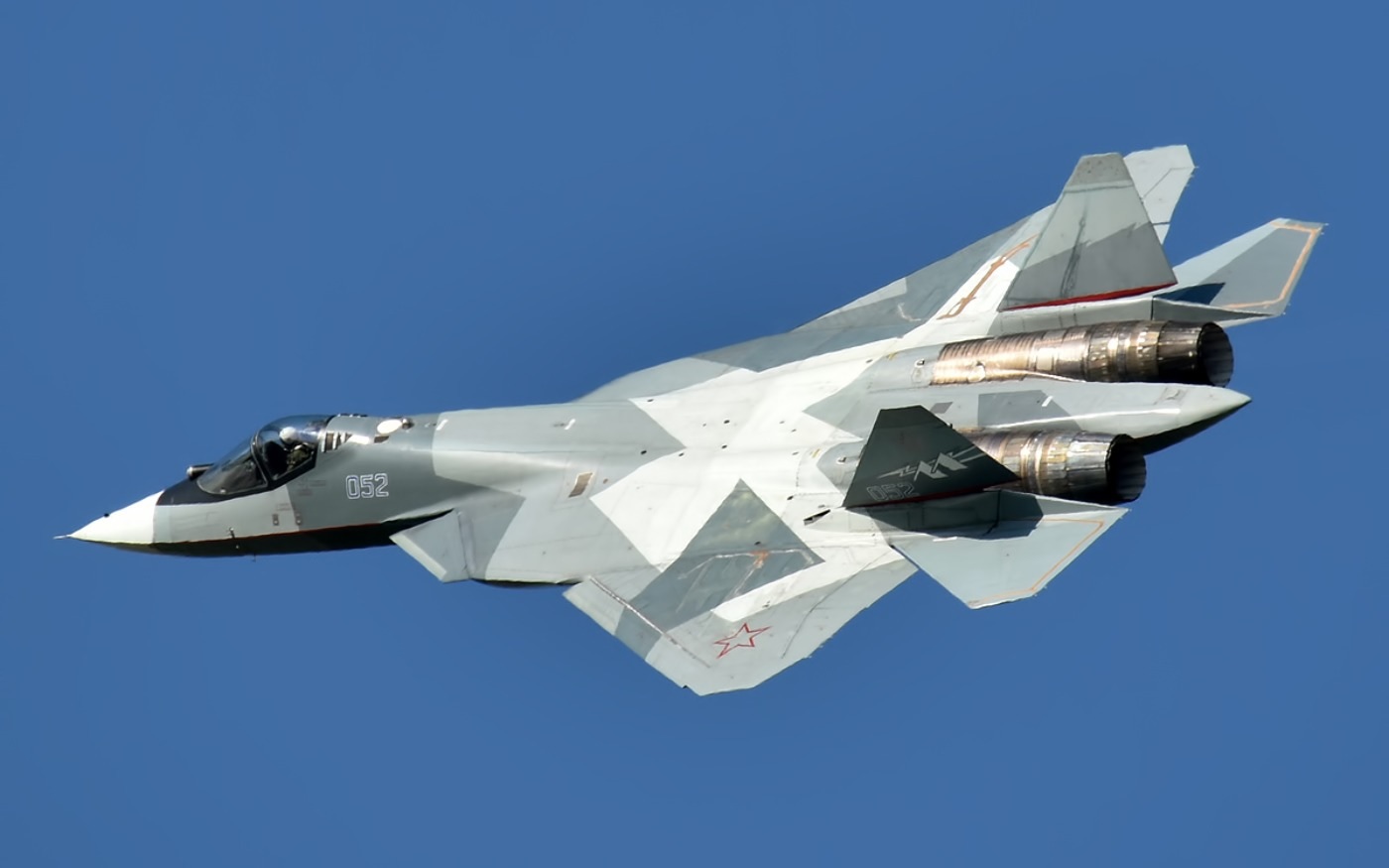 Russian Analysts Debate Su-57 Capabilities After Putin Calls Fighter Superior to F-35
-
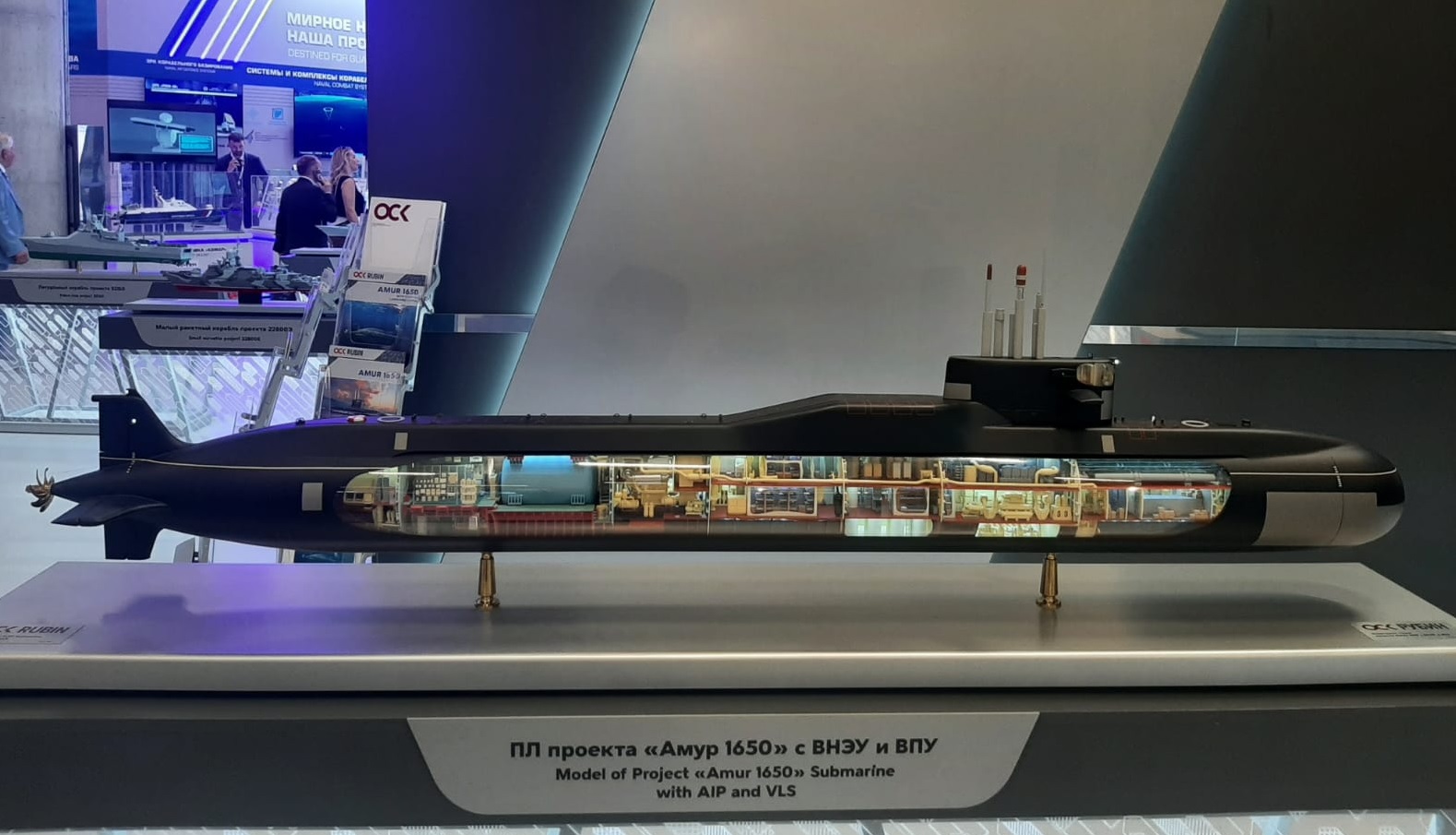 Russia Unveils Amur-1650 AIP Submarine Equipped with BrahMos Vertical Launch System at Fleet-2026
-
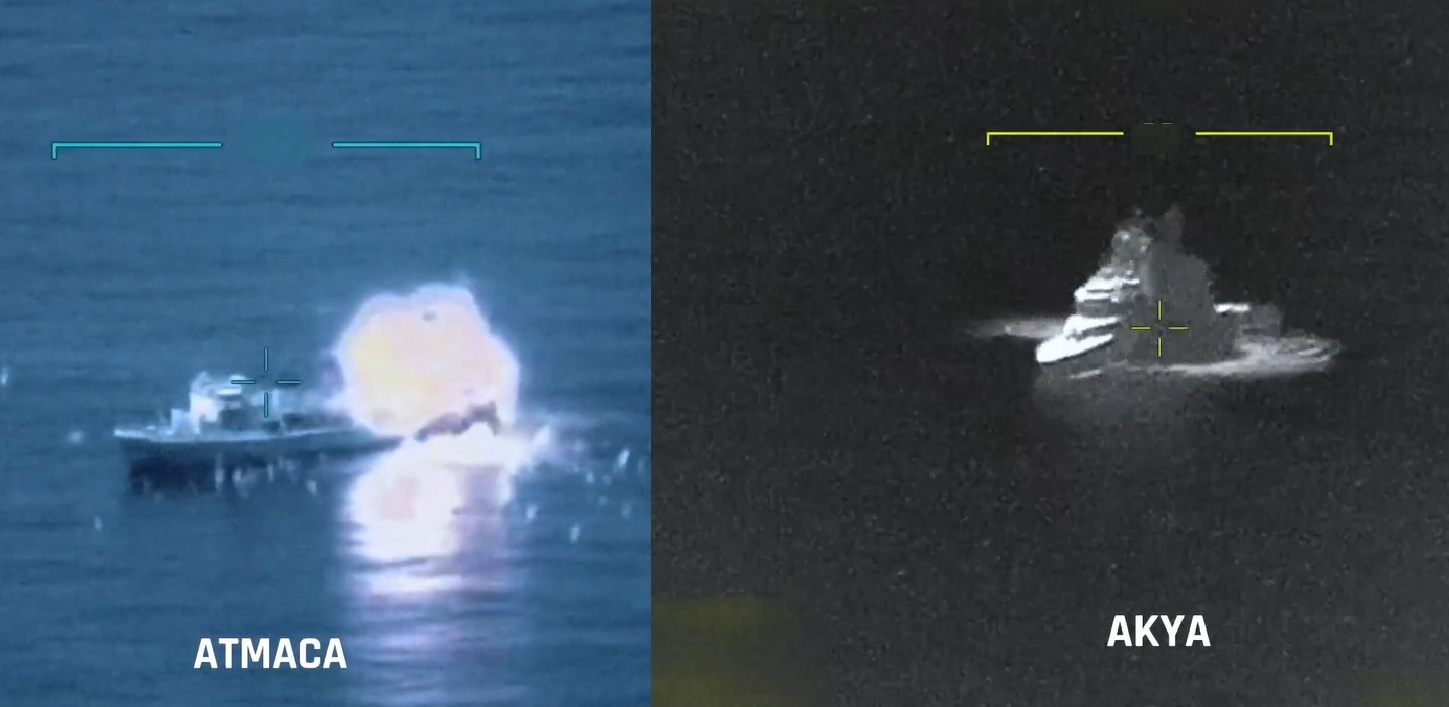 Turkey Navy Successfully Tests AKYA Torpedo and ATMACA Missile During Major Denizkurdu-II Naval Exercise
-
 UAE Denies Reports of Releasing Up to $20 Billion in Funds to Iran Amid Regional De-Escalation Efforts
Top Trending in 4 Days
-
 Iranian Media Leaks 14-Point U.S.-Iran Peace Framework Amid Ongoing Negotiations
-
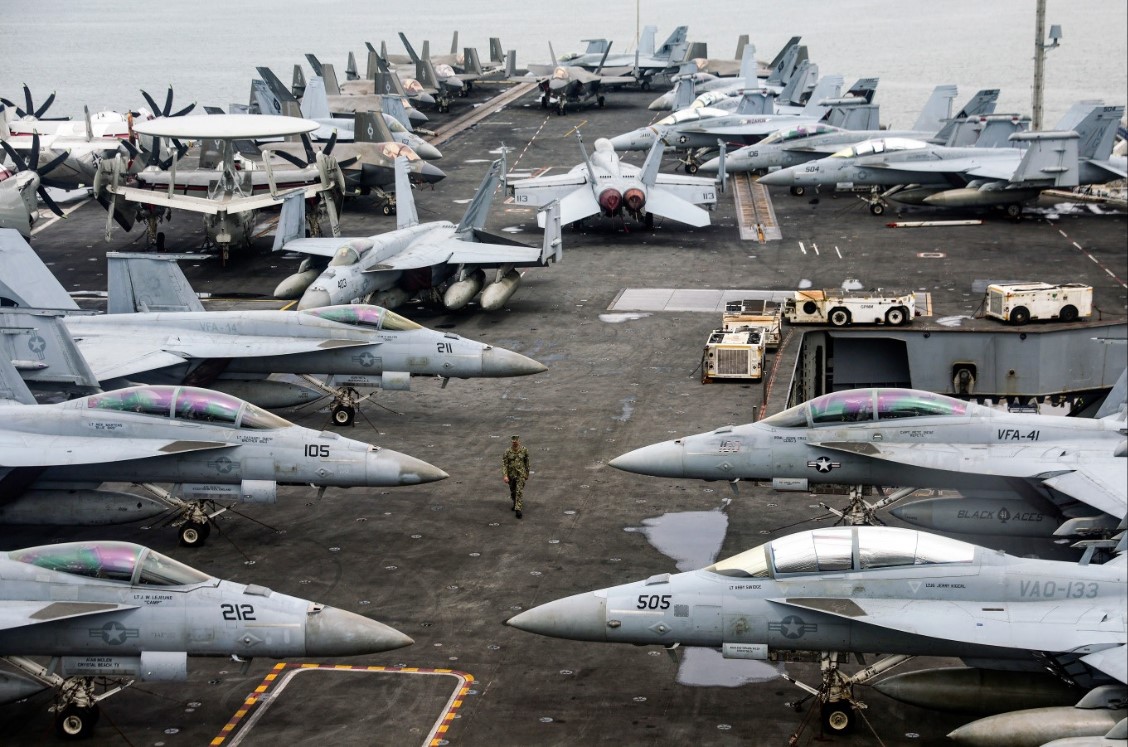 US Plans Significant Reduction of Fighter Jets and Warships for NATO Operations in Europe
-
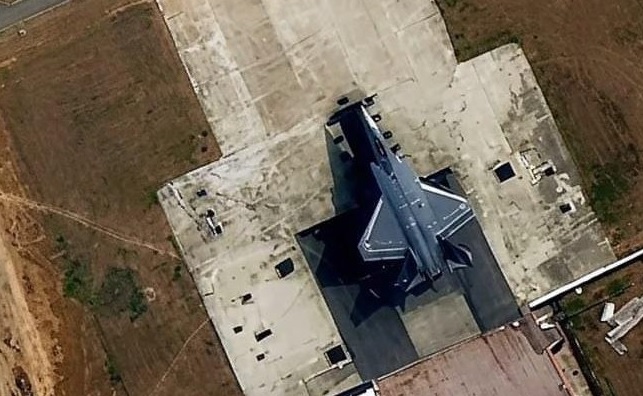 AMCA Airframe Spotted at DRDO’s ORANGE Facility for Radar Cross-Section Testing
-
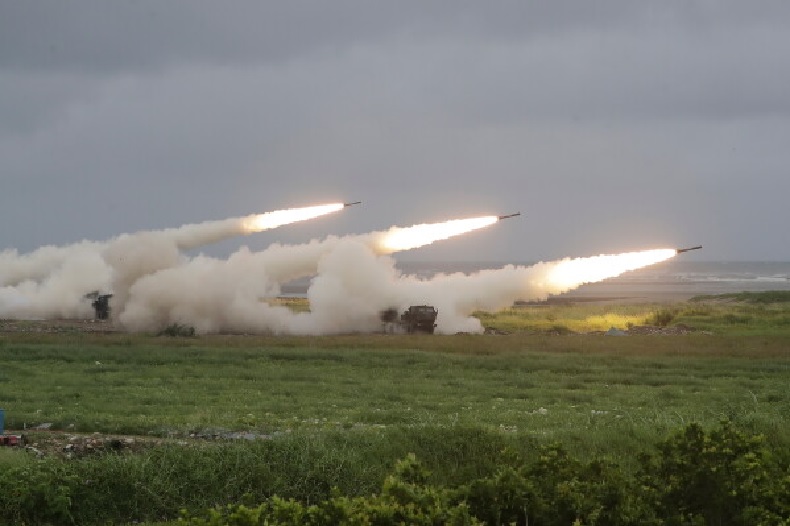 Taiwan Conducts First Live-Fire of HIMARS Rockets From West Coast During Invasion Defense Drill
-
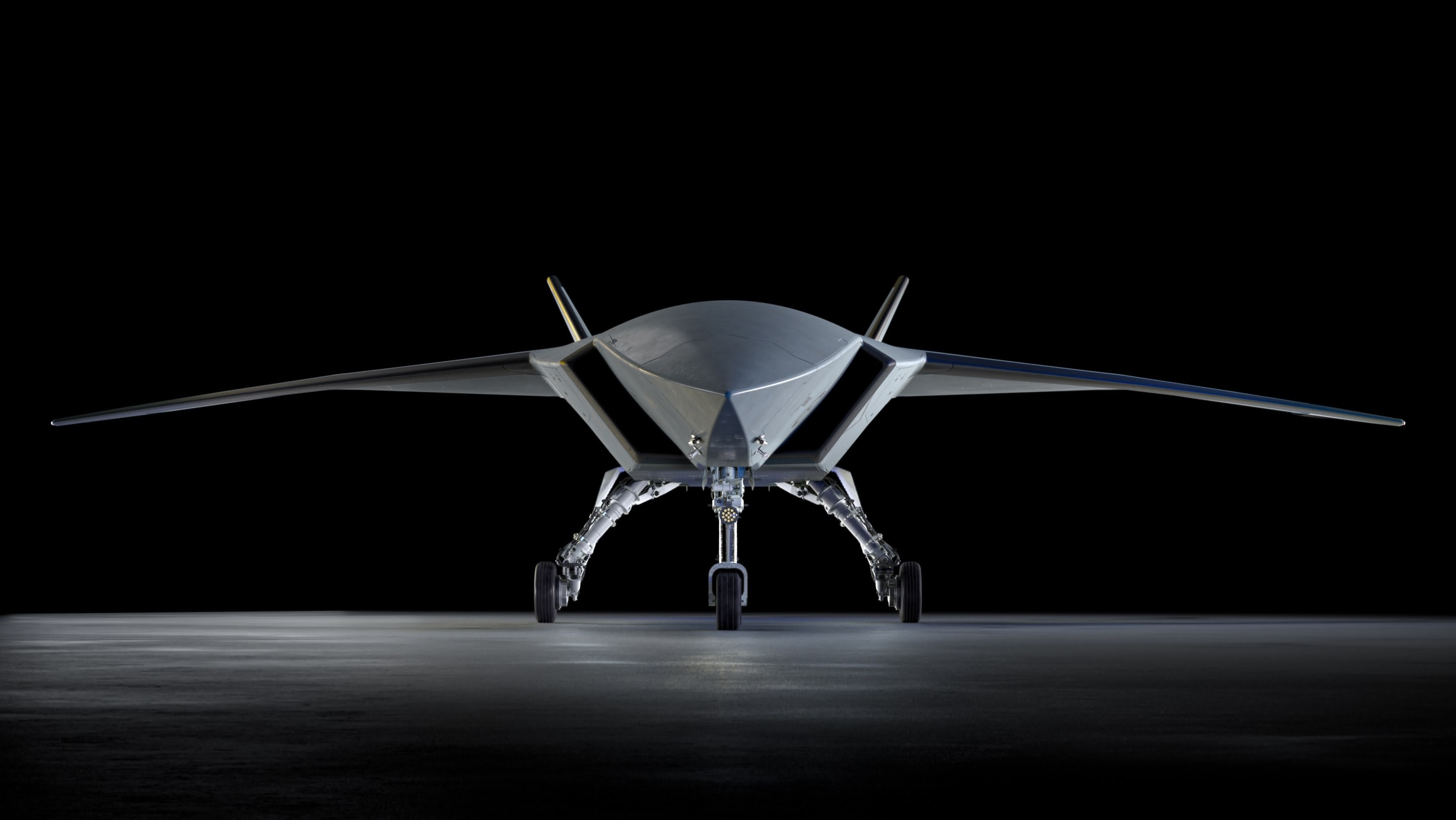 Boeing Introduces New MQ-28 Ghost Bat Upgrades with Increased Range, Payload and Weapons Capacity at ILA Berlin 2026
-
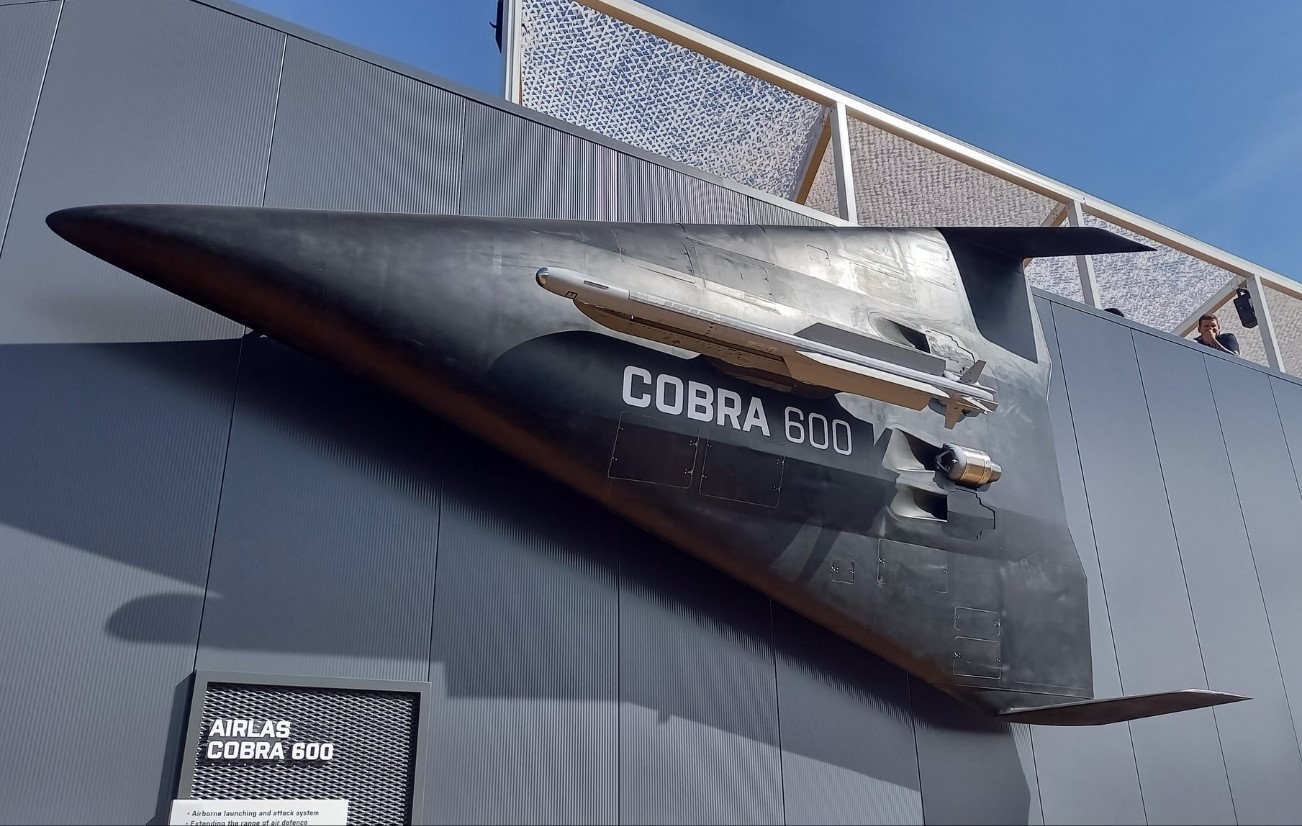 Diehl Defence Unveils IRIS-T Armed Cobra 600 Air Defense Drone at ILA Berlin 2026
-
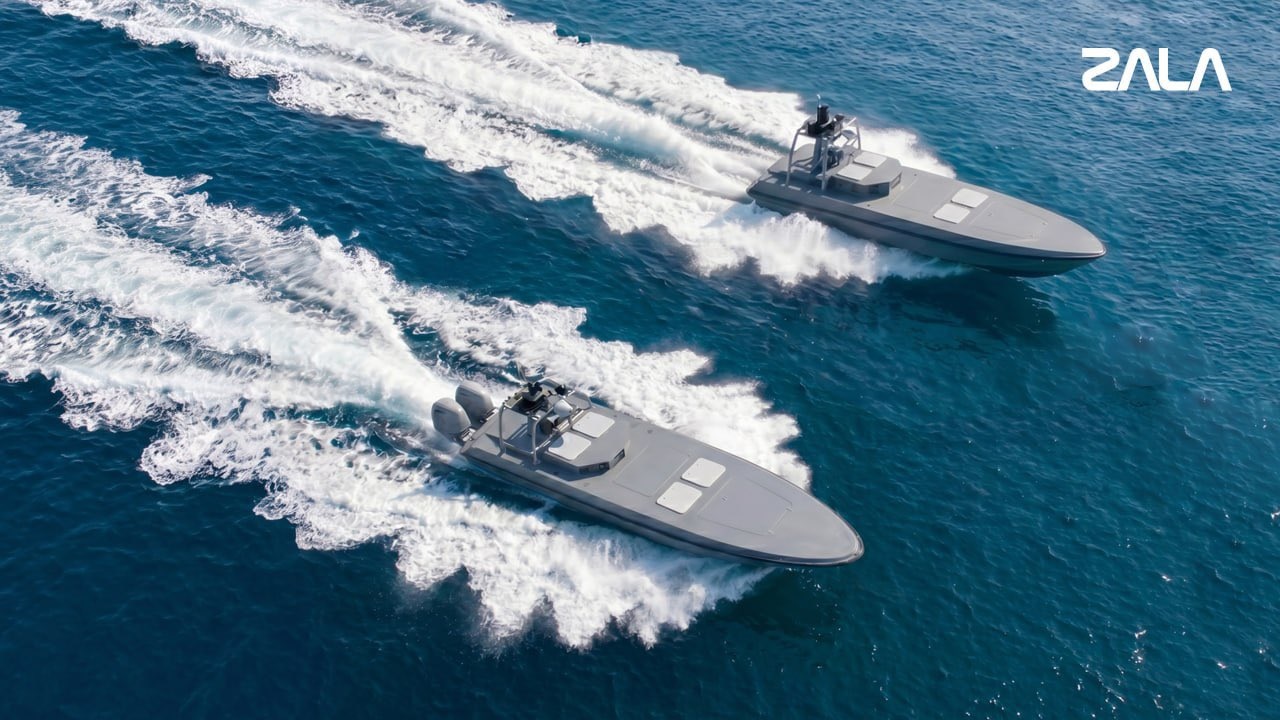 Russian Defense Firm ZALA Unveils KAMA Unmanned Surface Vessel Family at FLOT-2026 Naval Exhibition
-
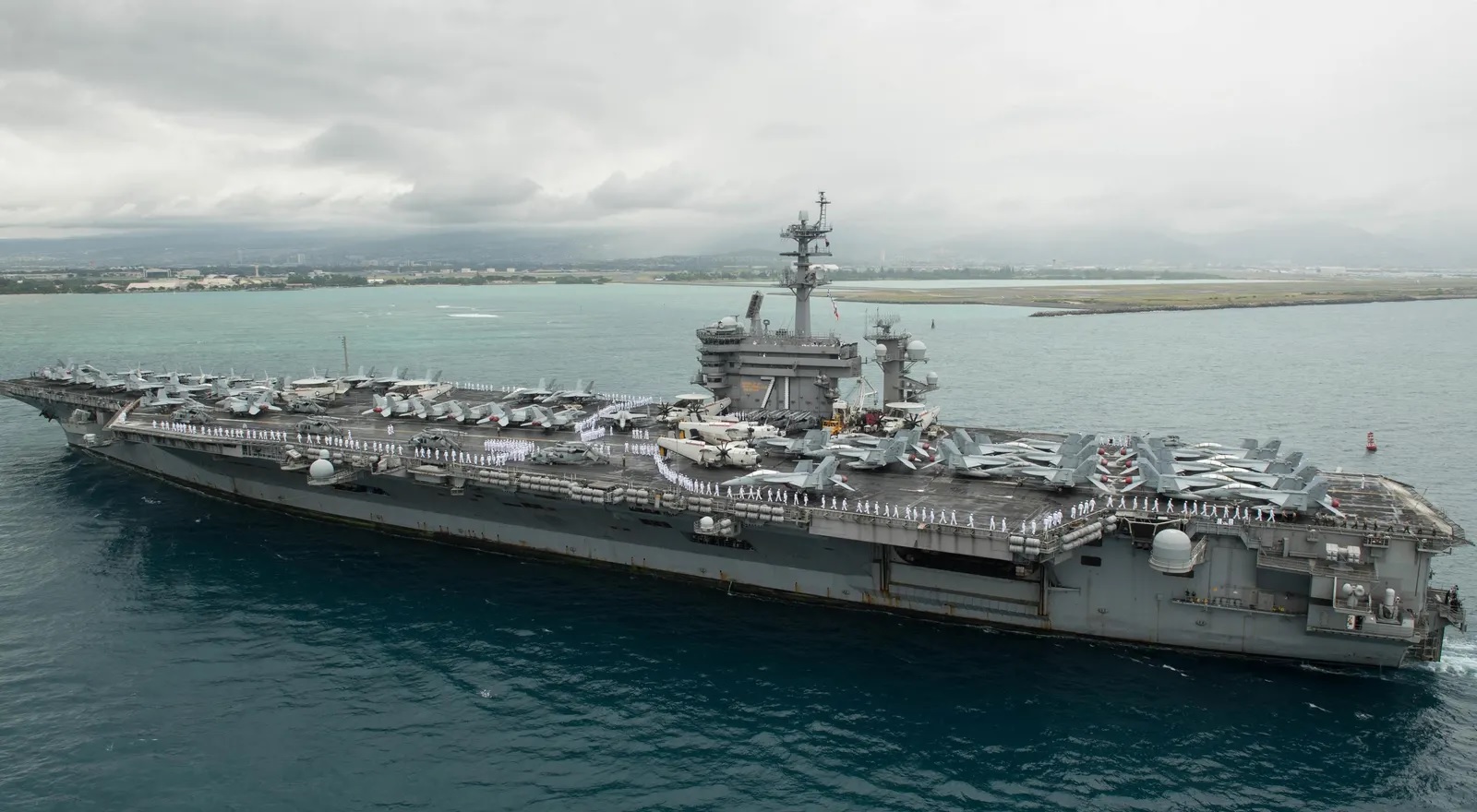 U.S Aircraft Carrier USS Theodore Roosevelt Departs San Diego for Major RIMPAC 2026 Naval Exercise