Tensions along the Israel-Lebanon border have surged to new heights as Israel carried out a targeted airstrike on Beirut, following a massive rocket barrage from Hezbollah. The militant group launched 140 rockets at northern Israel, marking one of the most intense escalations in the ongoing conflict. This latest flare-up is part of the broader fallout from the Israel-Hamas war, which has continued to ripple across the region.
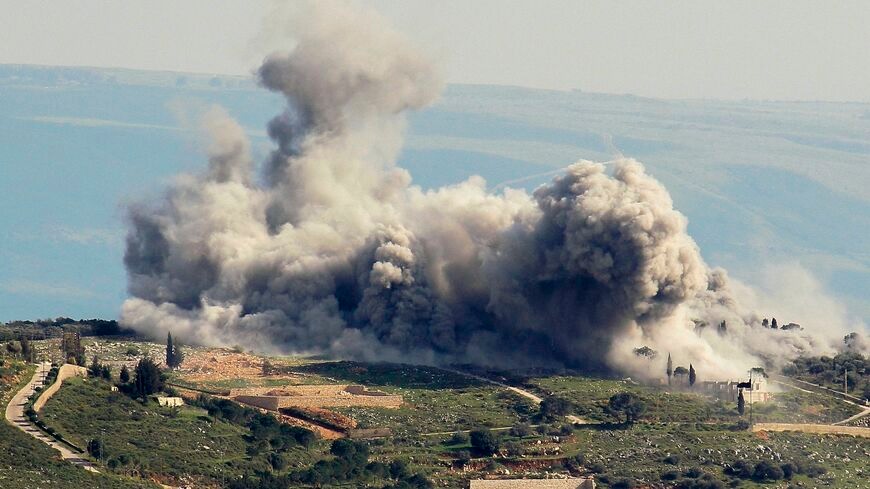
The Israeli military confirmed it conducted a "targeted strike" on a suburb in Beirut, reportedly hitting the Dahiyeh area, a Hezbollah stronghold. Although the military provided few details, explosions were heard echoing through the southern parts of the city. Beirut-based Al-Mayadeen TV reported that a drone fired several missiles at the densely populated suburb. A Hezbollah official, who spoke anonymously to the Associated Press, confirmed the airstrike but offered no further information.
This retaliatory action by Israel followed a Hezbollah offensive that saw 140 rockets launched into northern Israel, particularly targeting areas like the Golan Heights, Safed, and the Upper Galilee. The Israeli military described the attack as occurring in three waves, with at least 120 of the rockets being aimed at sensitive military sites along the Israeli-Lebanese border. Most of the rockets were intercepted, though some debris caused fires and minor damage in certain areas. Fortunately, no casualties were reported.
Hezbollah stated that the rocket fire was in retaliation for Israeli airstrikes on southern Lebanese villages and residential areas. These Israeli strikes, which had taken place earlier in the week, reportedly destroyed numerous rocket launchers Hezbollah was preparing to use against Israel. The escalation in Hezbollah's rocket attacks underscores their leader Hassan Nasrallah’s vow of continuous retaliation against Israel's military operations in Lebanon.
Israel’s response was swift, with airstrikes targeting Hezbollah's infrastructure across southern Lebanon, though specific details of the damage were not immediately disclosed. The ongoing exchange of fire has heightened fears that the conflict could spiral into a full-scale war. Already, Israel has moved significant military reinforcements to the northern border and ordered citizens in certain areas to remain close to shelters, anticipating further rocket fire from Hezbollah.
In addition to the cross-border fighting with Hezbollah, the humanitarian toll in Gaza continues to grow. Israel’s military campaign, which began after Hamas’ attack on October 7, has resulted in thousands of deaths and widespread destruction. Gaza’s health ministry reports that over 41,000 Palestinians have been killed, with more than half of the casualties being women and children. Israel, meanwhile, claims to have killed more than 17,000 militants but provides no specific evidence to support these numbers. The devastation has displaced about 90% of Gaza’s 2.3 million residents, adding to the severity of the ongoing crisis.
This latest military exchange between Hezbollah and Israel further complicates an already volatile situation, as both sides appear committed to escalating their actions in the coming days. Israel has continued its military build-up along the northern border, and Hezbollah, despite suffering a recent sabotage attack on its communication devices, seems determined to strike Israel harder.
The situation remains fluid, with little indication that either side is ready to back down. As the conflict widens, both Israel and Hezbollah brace for more retaliatory strikes, raising concerns of an impending full-scale war in the region.
——— End of Article ———