World
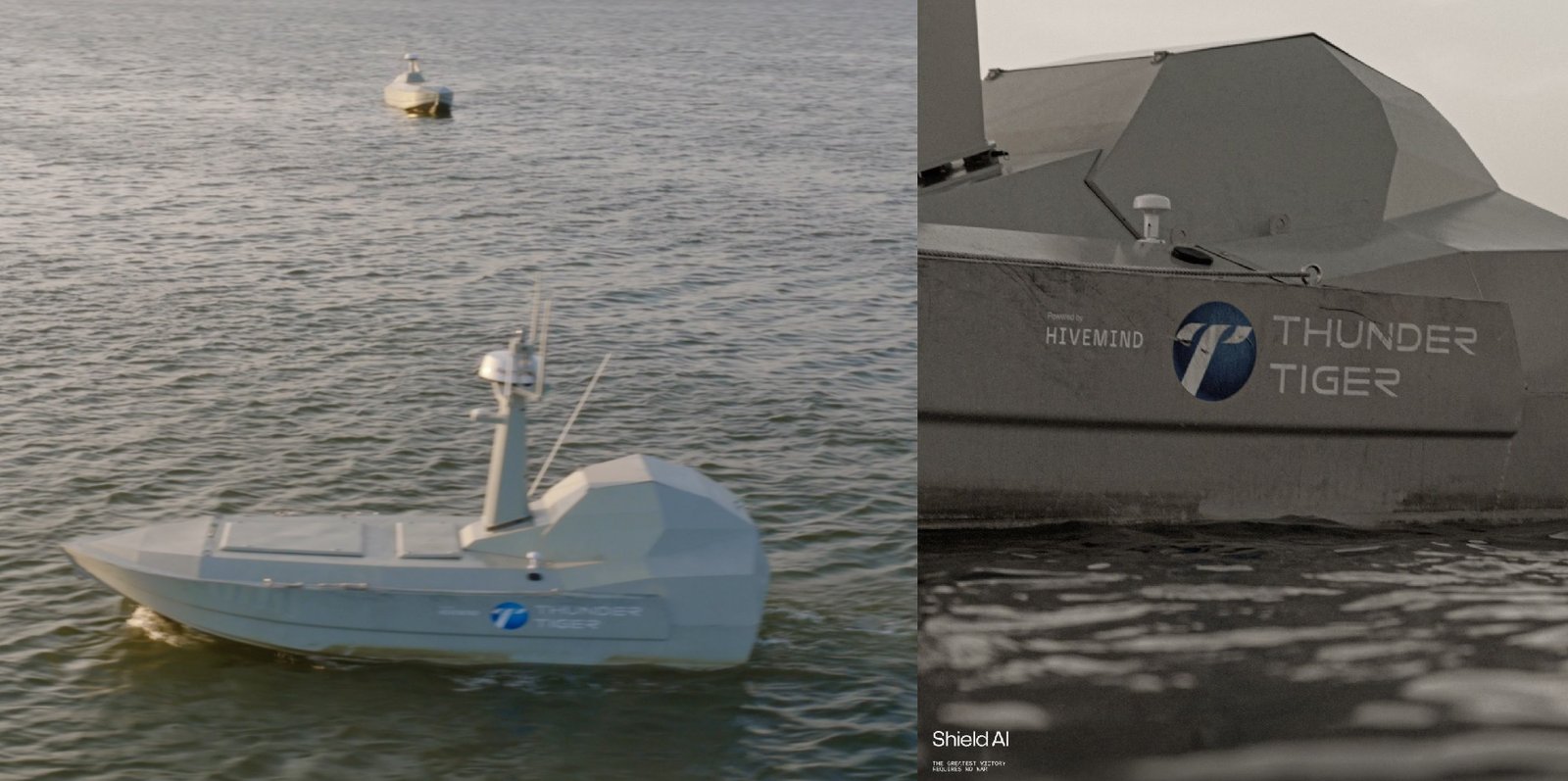
TAIPEI — U.S. defense technology company Shield AI and Taiwan-based Thunder Tiger Corp. have successfully completed Hivemind's first multi-asset autonomous teaming demonstration on water, validating Shield AI's Hivemind artificial intelligence (AI) pilot aboard Thunder Tiger's SeaShark unmanned surface vessels (USVs) during a coordinated maritime mission in Taiwan. The demonstration, held at Dapeng Bay in Pingtung County, marked the first time Hivemind has coordinated multiple autonomous maritime platforms in a live mission and the first integration of the software with maritime radar and Automatic Identification System (AIS) data. Two Autonomous Drone Boats Complete ISR Mission The demonstration involved Thunder Tiger's SeaShark 600 and SeaShark 800 unmanned surface vessels (USVs) conducting a coordinated intelligence, surveillance, and reconnaissance (ISR) mission. Equipped with Shield AI's Hivemind autonomy software, the vessels used maritime radar, onboard imagery, and AIS data to autonomously plan mission waypoints, search a designated maritime area, identify a target vessel of interest, and coordinate to escort the vessel out of the designated search zone—all without human intervention in mission execution. According to reports from the demonstration, Hivemind divided the search area into separate sectors and assigned one USV to each vessel. After one SeaShark detected the target boat, it immediately shared the information with the second USV. The second vessel then calculated an optimized interception route, allowing both autonomous boats to complete the escort mission in coordination. Personnel from Taiwan's National Chung-Shan Institute for Science and Technology (NCSIST) and the Coast Guard Administration attended the demonstration. Shield AI: Mission Autonomy Can Scale Across Domains Nathan Michael, Chief Technology Officer at Shield AI, said the demonstration highlighted the ability of Hivemind to operate across multiple domains and platforms. "Hivemind continues to prove that true mission autonomy can scale across domains, platforms, and functional assets, unlocking new capabilities for distributed intelligence and maritime security missions," Michael said. "As we continue working with Thunder Tiger to expand the scale and sophistication of autonomous maritime teams, these systems will fundamentally reshape maritime surveillance operations and strengthen deterrence through resilient, intelligent operations." Partnership Began Earlier This Year Shield AI and Thunder Tiger announced a strategic partnership and memorandum of understanding (MoU) in May 2026 to integrate the Hivemind AI pilot across Thunder Tiger's unmanned systems portfolio for dual-use maritime missions. Thunder Tiger manufactures a range of unmanned aerial and surface systems, including Blue UAS-approved first-person view (FPV) platforms that meet cybersecurity and supply-chain standards for U.S. and allied defense applications. Building on the demonstration, both companies said they will continue collaborating on additional sensor integrations, more advanced autonomous behaviors, larger autonomous teams, and open-ocean operations. During the event, Maximilian Chen, Shield AI's Director of Government Relations for Asia, said a fleet of five Hivemind-equipped USVs using autonomous route planning could cover up to 8.3 times their combined search area, highlighting the efficiency gains possible through coordinated autonomous operations. Thunder Tiger Highlights Maritime Security Gene Su, Board Director and General Manager of Thunder Tiger Corp., said autonomous maritime systems will play an increasingly important role in Taiwan's security. "As an island nation, the maritime domain is increasingly critical to Taiwan's security. By integrating AI pilots into our portfolio, we can enable distributed, networked teams that coordinate dynamically to build a more complete understanding of the maritime environment—improving the ability to detect, classify, and identify contacts while helping operators respond with greater speed, scale, and effectiveness," Su said. He added that the demonstration represents an important step toward advancing resilient autonomous maritime capabilities and that the partnership with Shield AI is expected to continue delivering increasingly sophisticated autonomous systems. Thunder Tiger Chairman William Chen also highlighted the growing importance of unmanned aerial vehicles (UAVs) and unmanned surface vessels (USVs), referencing lessons from the Russia-Ukraine war. He called for legislative action on a drone procurement bill as Taiwan continues expanding its unmanned defense capabilities. Strengthening Taiwan's Maritime Defense The demonstration comes as Taiwan continues to invest in asymmetric defense capabilities to strengthen maritime surveillance and coastal defense. Taiwan's Ministry of National Defense has sought funding for coastal reconnaissance drones, attack drones, and unmanned surface vessels as part of broader efforts to build distributed maritime capabilities. The integration of autonomous AI software such as Hivemind could provide several operational advantages as China continues expanding both its naval fleet and unmanned maritime systems. Unlike conventionally operated drones that rely on continuous communications with operators, Hivemind processes sensor information and makes navigation and mission decisions onboard the vessel. This allows autonomous USVs to continue operating even when communications are degraded or disrupted by electronic warfare. Autonomous teams of drone boats can also patrol multiple sectors simultaneously, share information in real time, coordinate target tracking, and maintain persistent surveillance over larger maritime areas. These capabilities can improve maritime awareness while complementing manned naval assets with lower-cost unmanned platforms. China has also accelerated the development and testing of unmanned surface vessels for the People's Liberation Army Navy (PLAN), increasing the emphasis on resilient and distributed autonomous maritime systems on both sides of the Taiwan Strait. Lessons from the Ukraine-Russia War Interest in autonomous drone boats has grown significantly following their operational use during the Ukraine-Russia war. Since 2022, Ukraine has employed unmanned surface vessels such as the MAGURA and Sea Baby in operations against Russian naval assets and military infrastructure in the Black Sea. These systems have been used to strike warships and other maritime targets, demonstrating how relatively low-cost unmanned platforms can challenge larger conventional naval forces and influence naval operations. Military planners have drawn lessons from these operations, particularly the value of distributed unmanned systems for surveillance, reconnaissance, maritime security, and coordinated operations while reducing risks to personnel. Taiwan's continued investment in autonomous maritime platforms reflects a broader effort to strengthen coastal defense and maritime situational awareness using unmanned technologies. Hivemind Across Multiple Military Platforms Shield AI said Hivemind enables military platforms to sense, decide, and act independently without human intervention in those functions. Before the Taiwan maritime demonstration, Hivemind had already been integrated with more than 30 different platforms, including F-16 fighter aircraft, jet-powered unmanned aerial vehicles, helicopters, drone boats, and ground vehicles. Founded in 2015, Shield AI develops autonomy software and aircraft, including the V-BAT and X-BAT systems. Thunder Tiger Corp., listed on the Taiwan Stock Exchange, manufactures unmanned aerial and surface systems for defense, inspection, and other applications, with its FPV platforms holding Blue UAS approval.
Read More → Posted on 2026-07-29 16:24:18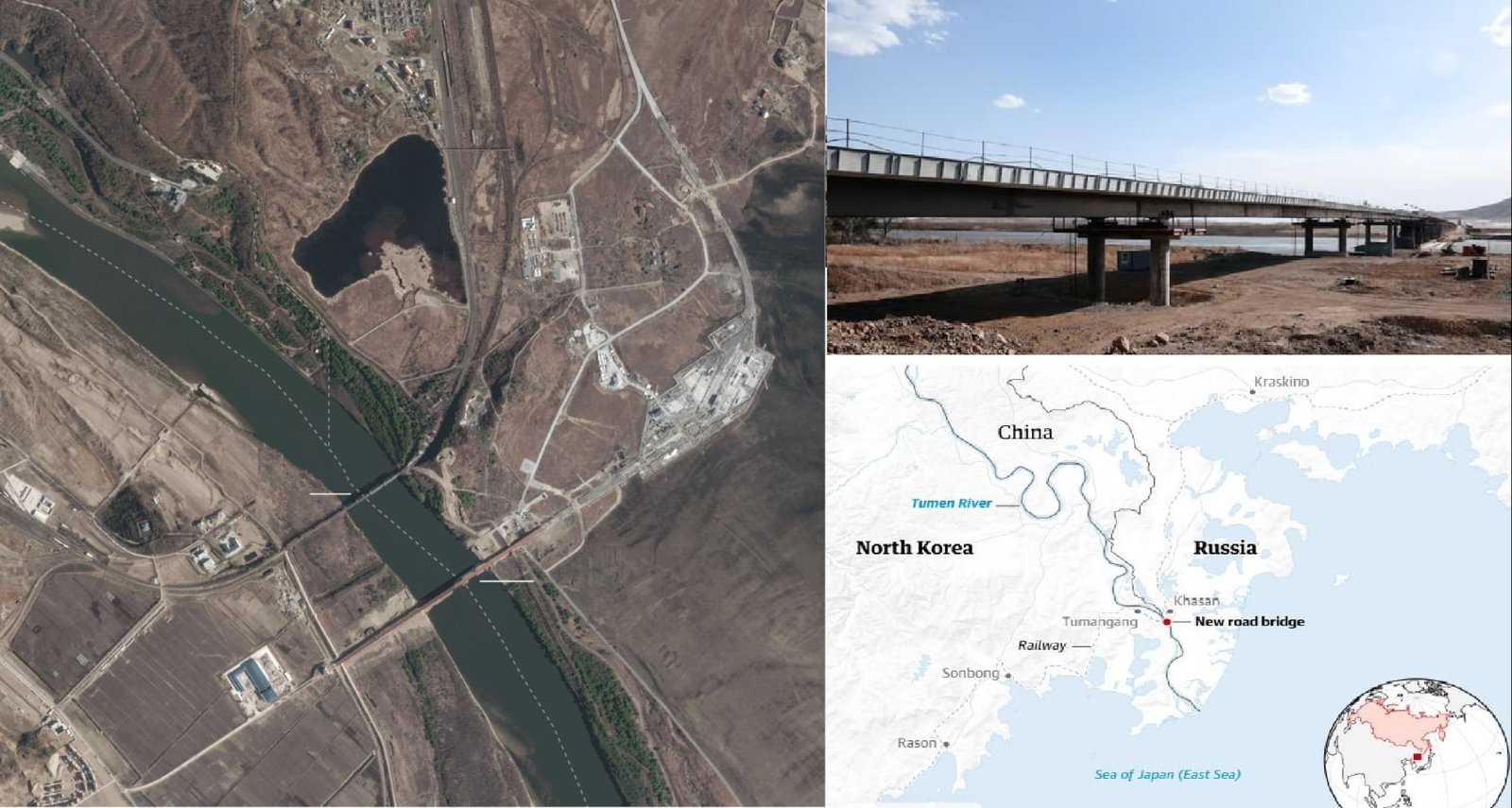
World
KHASAN/TUMANGANG — Russia and North Korea are nearing completion of their first direct road bridge across the Tumen River, a project both governments say is intended to improve trade, tourism and cross-border transport. However, analysts and open-source researchers have raised questions over whether the crossing could also support military logistics as cooperation between the two countries continues to expand. The new bridge links Khasan in Russia's Far East with Tumangang in North Korea. It is approximately one kilometer long and seven meters wide, with two traffic lanes. Including the approach roads, the entire transport crossing extends about 4.7 kilometers. The bridge is located next to the existing Friendship Bridge, a rail-only crossing completed in 1959. Recent commercial satellite imagery analyzed by researchers, including reports by The Guardian and the U.S.-based 38 North project, indicates that the bridge's main structure is largely complete. North Korea has finished its section of the project, including customs, border control and quarantine facilities. Construction on the Russian side is still ongoing. Satellite images show work continuing on a large border checkpoint, supporting infrastructure and other facilities. Reports also indicate that Russia is building a 10-lane border checkpoint and a helicopter landing pad as part of the project. Construction began in early 2025 following an agreement signed during Russian President Vladimir Putin's visit to Pyongyang in June 2024, where Putin and North Korean leader Kim Jong Un concluded a comprehensive strategic partnership agreement. Russian officials had previously targeted June 19, 2026, for the bridge's opening after an April ceremony marking the joining of the two sections. That deadline passed without the crossing becoming operational. As of late July 2026, no revised opening date has been announced. Putin has previously stated that the bridge is expected to open before the end of 2026. Governments Present Economic Purpose Moscow and Pyongyang have consistently described the bridge as an infrastructure project aimed at expanding trade, improving logistics, promoting tourism and supporting economic development in border regions. Russian Transport Minister Andrey Nikitin has said the crossing will increase bilateral trade, improve transport links, strengthen cultural ties and help develop nearby border areas into economic centers. North Korean state media has also presented the bridge as a project that will facilitate travel and the movement of goods. The bridge is estimated to cost around $100 million. Official bilateral trade between Russia and North Korea totaled approximately $34 million in 2024. Tourism between the two countries also remains limited. Around 10,000 Russian tourists visited North Korea in 2025, mostly through organized tours to Pyongyang, which is located nearly 500 kilometers from the new border crossing. Analysts Question Economic Justification Despite the official explanation, several analysts argue that the project's scale exceeds current economic demand. A recent investigation by the Ukrainian human rights organization Truth Hounds, reported by The Guardian, concluded that the bridge's economic justification appears limited when compared with current trade and tourism figures. The organization suggested the crossing could provide a more flexible transport route for personnel, equipment and other cargo as military cooperation between Russia and North Korea has increased since 2024. Road Transport Offers Different Logistics Advantages According to Truth Hounds lead investigator Nazar Myhun, road transport offers practical advantages over rail and sea transport from a logistics perspective. He said trucks are generally more difficult to monitor using satellite imagery because road networks provide many possible routes, making continuous tracking more challenging than monitoring fixed railway lines. Myhun also noted that trucks can be loaded and unloaded more quickly than railway cars, reducing the amount of time cargo remains stationary. He added that railway cars often reveal the type of cargo they are carrying, especially when open railcars are used, while standard transport trucks generally appear similar in satellite images regardless of their contents. Unlike trains, which operate through fixed railway terminals, trucks can be dispatched from many different locations, providing greater operational flexibility. Direct Route Independent of Chinese Infrastructure The new road bridge will also provide Russia and North Korea with a direct land connection that does not rely on Chinese infrastructure. Once operational, the crossing will complement the existing Friendship Bridge and create the first direct road link between the two countries. Infrastructure work on the Russian side, including customs buildings, access roads and related facilities, remains the primary requirement before the bridge can begin operations. Commercial satellite imagery has continued to track steady progress throughout 2025 and 2026, confirming that while the bridge structure is largely complete, work on Russian border infrastructure remains unfinished. As of late July 2026, both governments have not announced a new opening date.
Read More → Posted on 2026-07-29 15:39:57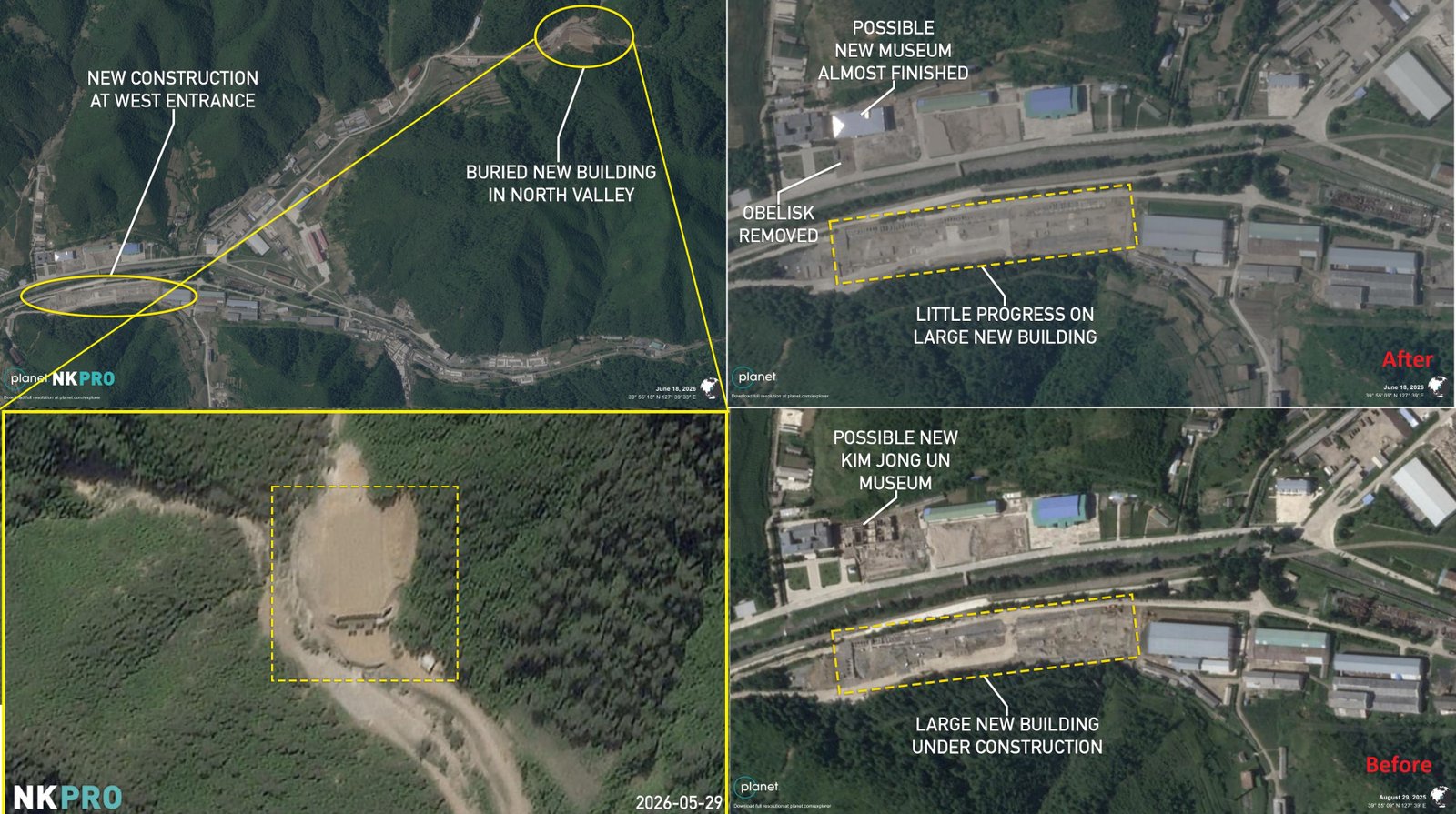
World
HAMHUNG, North Korea — North Korea has constructed a new production building at its primary short-range ballistic missile factory and later buried the structure beneath earth, according to an analysis of Planet Labs satellite imagery published by NK Pro on July 29. Analysts say the move appears intended to improve protection for one of the country's most important missile production sites as Pyongyang continues expanding its manufacturing capacity. The facility, known as the February 11 Factory, or Plant No. 11, is part of the Ryongsong Machine Complex in Hamhung. It is the only publicly known manufacturer of the Hwasong-11 series of short-range ballistic missiles (SRBMs), designated KN-23 by Western countries. The missiles have been used by Russian forces in strikes against Ukraine since late 2023, while Ukrainian officials have also said North Korea has supplied Russia with launchers and other military equipment. New Building Buried Beneath Earth According to NK Pro's analysis, a new building measuring approximately 65 meters by 35 meters and standing two to three stories high was constructed in a secluded valley at the northern end of the complex between late 2024 and February 2026. Satellite imagery shows the structure was fully completed before being covered with earth between March and May 2026, effectively integrating it into the adjacent mountainside. The building's internal layout, featuring a large open central hall surrounded by smaller rooms, closely resembles assembly and inspection facilities seen at other North Korean weapons production sites. Designed to Improve Protection and Safety Analysts assess that the buried structure follows North Korea's cut-and-cover construction method, which provides greater protection than conventional above-ground buildings. The design is believed to serve two purposes. Covering the facility with earth can reduce its vulnerability to aerial attack while also helping contain the effects of accidental explosions during missile manufacturing. However, analysts note that such structures provide less protection than production facilities excavated deep inside mountains. Satellite imagery and state media footage from Kim Jong Un's visits indicate that the factory's most sensitive machining equipment is already located inside underground tunnels, while above-ground buildings are primarily used for final missile assembly and inspection. Several existing buildings at the complex are also protected by packed-earth berms designed to limit blast damage from industrial accidents. Key Missile Production Site The February 11 Factory remains one of North Korea's most significant missile manufacturing facilities. Images released during Kim Jong Un's inspections, including photographs published following a visit in June 2026, showed rows of Hwasong-11 missiles inside assembly halls. Previous state media images have also suggested the factory may manufacture airframes for longer-range missiles and satellite launch vehicles (SLVs). Open-source monitoring has consistently identified the site as North Korea's principal production center for the Hwasong-11 missile family. Larger Expansion Project Appears Stalled The newly buried facility is part of a broader effort to expand production capacity at the factory. In August 2025, North Korean construction crews demolished three existing buildings near the western entrances to the underground production tunnels to make room for a much larger structure measuring at least 330 meters long and 50 meters wide. Satellite imagery shows foundations were completed around the perimeter, while partial walls for edge rooms were erected on the northern and western sides. The design also suggests a large open central area suitable for missile assembly or inspection. However, imagery indicates construction has shown little or no progress since November 2025, suggesting the project has been suspended or significantly delayed. If completed, the facility would substantially increase missile assembly capacity and could support higher production for North Korea's own military requirements as well as future exports. Part of Wider Military Construction The construction at Hamhung reflects North Korea's continued investment in protected military infrastructure. The country has previously used similar earth-covered construction methods at the Hagap site, which open-source assessments have linked to North Korea's nuclear program. Satellite imagery also continues to show tunneling activity at sensitive military locations in Songgan and Kusong. Growing Military Cooperation with Russia The developments at the February 11 Factory coincide with expanding military cooperation between North Korea and Russia. On July 25, 2026, Ukrainian President Volodymyr Zelenskyy, citing Ukrainian intelligence, said Russia is seeking an additional 30,000 North Korean troops and is preparing to receive new North Korean ballistic missile launchers. He also stated that facilities in Russia's Voronezh region have been prepared since June to accommodate the additional personnel. Ukraine has previously stated that North Korea has supplied Russia with Hwasong-11 ballistic missiles, artillery systems, and other military equipment used during the war. Other Changes at the Factory Satellite imagery also shows continued redevelopment at the February 11 Factory beyond missile production facilities. A new building under construction near the western gate, begun in May 2025, appears close to completion and is believed to be a history museum dedicated to Kim Jong Un. It is located next to an existing museum honoring former leaders Kim Il Sung and Kim Jong Il. In mid-June 2026, the factory's main "Tower of Immortality" monument, a common feature at North Korean industrial sites, was dismantled. The reason for its removal has not been disclosed. Ongoing Modernization Effort The February 11 Factory has been inspected by Kim Jong Un several times in recent years, with state media regularly highlighting missile production activities at the site. The latest satellite imagery indicates that North Korea continues to modernize and reorganize one of its most important missile manufacturing complexes. Although one major expansion project appears to have stalled, the completion and burial of the new production building demonstrate continued efforts to strengthen the protection and operational resilience of the facility.
Read More → Posted on 2026-07-29 15:29:01
World
SHANGHAI, China — A Chinese company has started manufacturing domestic immersion deep ultraviolet (DUV) lithography machines, marking an important step in the country's efforts to strengthen its semiconductor manufacturing capabilities following export restrictions on advanced chipmaking equipment. According to a report by The Information, the immersion DUV lithography systems are expected to be delivered later this year to major Chinese semiconductor manufacturers, including Semiconductor Manufacturing International Corp. (SMIC), Hua Hong Semiconductor, and ChangXin Memory Technologies (CXMT). The development comes after export controls imposed by the United States and the Netherlands restricted China's access to advanced lithography equipment, including certain systems produced by Dutch chip equipment manufacturer ASML. Immersion DUV lithography machines are essential tools used to print microscopic circuit patterns onto silicon wafers during semiconductor manufacturing. These systems are widely used to produce mature semiconductor technologies and can also support more advanced chip production through multi-patterning techniques. Reports identify Shanghai Aishengna Electronic Technology Group, a state-backed Chinese company, as the manufacturer behind the new immersion DUV systems. The company has reportedly brought together engineering teams from several domestic startups to develop the equipment as part of China's broader effort to expand domestic semiconductor manufacturing capabilities. Initial Production Remains Limited Current production plans remain relatively modest. Reports indicate that China aims to manufacture about five immersion DUV machines in 2026, with production expected to increase to around 20 units in 2027. By comparison, ASML plans production capacity for approximately 130 immersion DUV lithography systems in 2026, with additional expansion planned afterward. Industry analysts note that manufacturing lithography machines is only one part of the challenge. Long-term performance, production reliability, wafer throughput, alignment accuracy, maintenance, and manufacturing yields remain key factors for large-scale commercial semiconductor production. Reports also indicate that the new Chinese systems still rely on some imported Japanese components, while delays from domestic suppliers have affected production schedules this year. DUV Systems Can Produce Advanced Chips Through Multi-Patterning Immersion DUV lithography systems are primarily used to manufacture 28-nanometer semiconductor chips directly. They can also support production of smaller technology nodes, including 7nm chips, by using a process known as multi-patterning. However, producing advanced chips without access to extreme ultraviolet (EUV) lithography requires significantly more processing steps. Reports indicate that manufacturing a 7nm chip using DUV typically requires approximately 34 exposure steps, compared with about nine exposures using EUV technology. Each additional exposure increases the possibility of alignment errors, raises manufacturing complexity, and increases production costs. Estimates cited in industry reports suggest that wafer costs can rise by 40 to 50 percent compared with leading EUV-based manufacturing processes, while production yields are often lower than half, increasing the cost of each functioning chip. China's Domestic Equipment Industry Continues to Expand China has continued increasing the use of domestically produced semiconductor manufacturing equipment despite export restrictions. According to industry data cited in recent reports, the domestic share of China's chipmaking equipment increased from approximately 25 percent in 2024 to around 35 percent in 2025. Domestic suppliers account for more than 40 percent of etching equipment, while locally produced lithography equipment remains below 10 percent of the market. A lithography scanner contains thousands of highly precise components supplied through a specialized global manufacturing network that has developed over decades. Analysts note that replicating this supply chain remains one of the most difficult aspects of developing competitive lithography systems. Market Reaction and Analyst Views The reports initially affected semiconductor equipment stocks. ASML shares fell following the publication of the news and were trading about 1.8 percent lower on Tuesday during a broader decline across semiconductor stocks. Despite the decline, the company's shares remain up more than 123 percent for the year. Analysts said the reports demonstrate China's continued progress toward semiconductor self-reliance but are unlikely to significantly affect ASML's competitive position in the near future. Stephane Houri, Head of Equity Research at ODDO BHF, told CNBC that the development should be viewed cautiously, noting that China's production could remain limited to lower-end applications. Analysts also point out that the domestic systems primarily replace equipment that ASML is already restricted from exporting to China under existing export controls, limiting the immediate commercial impact on the Dutch company. ASML Continues to Benefit From Global AI Demand Although export controls have reduced ASML's sales into China—from roughly one-third of company revenue in 2024 to around one-fifth more recently—the company continues to benefit from strong demand outside China. ASML has raised its 2026 sales guidance to between €43 billion and €45 billion, supported by continued investment in artificial intelligence infrastructure by semiconductor manufacturers worldwide. Industry analysts note that progress in immersion DUV technology does not automatically translate into success with EUV lithography, which required decades of development and extensive investment by ASML and its technology partners. Broader Supply Chain Challenges Remain The latest development highlights how export controls have encouraged countries to strengthen domestic semiconductor supply chains rather than eliminate demand for advanced manufacturing equipment. A similar trend occurred in 2019, when Japan restricted exports of three key semiconductor chemicals to South Korea. Korean companies subsequently reduced dependence on Japanese materials from 34 percent of imports to 25 percent by sourcing supplies from Belgium and Taiwan. India's semiconductor manufacturing program is also expected to rely initially on imported equipment. The planned semiconductor fabrication facility at Dholera is expected to begin operations using imported tools while gradually developing a domestic supply chain for advanced semiconductor manufacturing equipment. China's production of domestic immersion DUV lithography machines represents a notable milestone in its semiconductor development efforts under export restrictions. However, industry analysts continue to highlight that expanding production, improving reliability, increasing yields, and developing a complete domestic supply chain remain key challenges before the new systems can compete at scale with established global manufacturers.
Read More → Posted on 2026-07-29 15:03:01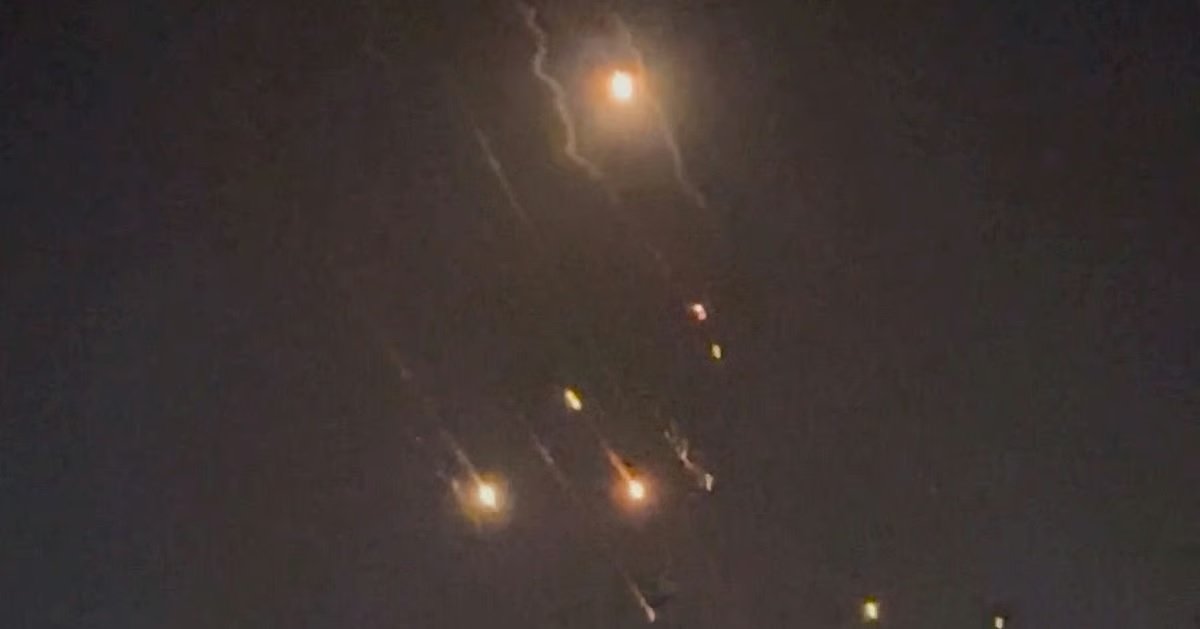
World
WASHINGTON — U.S. and partner forces intercepted multiple ballistic missiles launched by Iran's Islamic Revolutionary Guard Corps (IRGC) toward U.S. military positions in the Middle East on the evening of July 28, according to U.S. Central Command (CENTCOM). CENTCOM said the missiles were launched from Iran at approximately 5:45 p.m. Eastern Time (ET) in what it described as an "attempted surprise attack." The command confirmed that all incoming missiles were successfully intercepted and that no casualties or damage were reported. "U.S. forces remain vigilant and at a high state of readiness," CENTCOM said in a statement following the interceptions. The command did not identify the specific military installation that was targeted. At 5:45 p.m. ET today, Islamic Revolutionary Guard Corps forces launched multiple ballistic missiles from Iran in an attempted surprise attack on U.S. forces based in the Middle East. All Iranian missiles were successfully intercepted. U.S. forces remain vigilant and at a high… — U.S. Central Command (@CENTCOM) July 28, 2026 Jordan Reports Missile Interceptions Jordanian military officials said the country's air defense systems intercepted and destroyed five missiles launched from Iran. Local reports said the interceptions took place over Jordan during the early hours of July 29 local time. Iranian state media, citing the IRGC, reported that the missiles were aimed at Muwaffaq Salti Air Base in Jordan and a U.S. Central Command facility located there. CENTCOM has not confirmed the intended target. The reported target matches the location of an earlier Iranian attack. On July 17, 2026, Iranian ballistic missiles and drones struck the same base. During that attack, two U.S. service members were killed while responding to the strike, one additional service member was listed as missing in action, and four others were evacuated to hospitals in Jordan, according to CENTCOM. End of a Brief Pause in Fighting The July 28 missile launch followed a short period without publicly announced large-scale exchanges between the United States and Iran. Earlier, President Donald Trump had paused a U.S. bombing campaign against Iranian-linked targets after nearly two weeks of military operations. The latest missile attack marks a renewed exchange of hostilities after that temporary lull. CENTCOM said U.S. military personnel worked alongside partner forces to provide air defense during the latest attack but did not disclose the number of missiles fired or additional operational details. Air Defense Response The United States continues to maintain air defense systems across the region to protect military bases and partner facilities. These include systems such as the MIM-104 Patriot and SM-3, although CENTCOM did not identify which interceptor systems were used during the July 28 engagement. The command also did not release information on the missiles' flight paths or other operational details beyond confirming that all incoming ballistic missiles were intercepted successfully. Operation Epic Fury Casualty Figures The latest interception occurred during the wider conflict between the United States and Iran, which began in late February 2026 under Operation Epic Fury. According to the U.S. military's casualty accounting released as of July 16, 2026, 14 U.S. service members had died during Operation Epic Fury. Of those, seven were killed during combat operations, while seven died from non-combat causes or remained under review at the time of that report. The U.S. Army accounted for eight of the deaths, while the U.S. Air Force accounted for six. No casualties were reported for the Navy, Marine Corps, or Space Force in that official accounting. CENTCOM has not announced any additional casualties following the July 28 missile interceptions and said U.S. and partner forces remain prepared to respond to further threats in the region.
Read More → Posted on 2026-07-29 14:41:09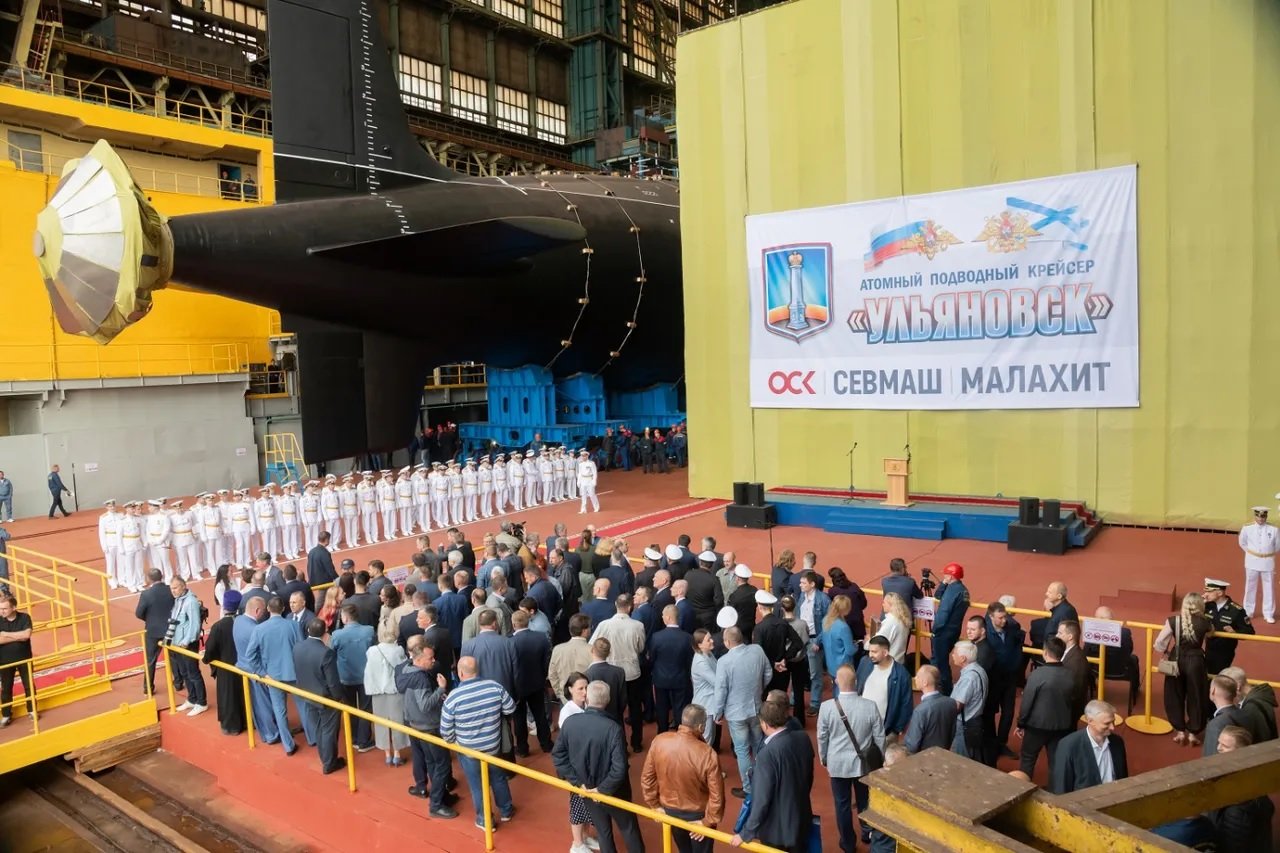
World
SEVERODVINSK, Russia — Russia has completed another milestone in its naval modernization program after the United Shipbuilding Corporation (USC)'s Sevmash shipyard rolled out the Ulyanovsk, the latest Project 885M (Yasen-M) class nuclear-powered attack submarine. The rollout ceremony, held on July 28 at Sevmash in Severodvinsk, marked the completion of the submarine's slipway construction phase. The event was attended by Russian Navy Commander-in-Chief Admiral Alexander Moiseyev and Deputy Prime Minister Yury Trutnev. Although the submarine has now left the covered construction hall, it is not yet ready for operational service. According to the Russian Defense Ministry, Ulyanovsk is scheduled for delivery to the Russian Navy by December 2027 after completing its remaining construction work, testing, and acceptance trials. Rollout Marks Transition to Testing Phase Moving the submarine out of the construction hall confirms that its hull and major internal systems have been assembled. The vessel will now enter the fitting-out stage before beginning a comprehensive testing program. The next phase includes mooring trials, followed by sea trials and state trials. During these tests, engineers and the crew will evaluate the submarine's propulsion system, navigation equipment, weapons integration, deep-diving performance, and overall operational readiness. The full testing period is expected to last roughly a year or more before the submarine is formally handed over to the Russian Navy. Once commissioned, Ulyanovsk will become part of Russia's Northern Fleet, which is responsible for operations across the Arctic, the Barents Sea, and the North Atlantic. Sixth Submarine of the Modernized Yasen-M Series Ulyanovsk was laid down on 27 July 2017 and is the sixth submarine of the modernized Project 885M (Yasen-M) series. Five submarines from the broader Yasen and Yasen-M family are already in service: Severodvinsk (original Yasen class) Kazan Novosibirsk Krasnoyarsk Arkhangelsk The previous Yasen-M submarine, Perm, launched in 2025 and is currently undergoing trials. Sevmash remains the only Russian shipyard responsible for constructing the Yasen and Yasen-M class submarines and has built Russia's nuclear submarines for decades. Multi-Role Nuclear Attack Submarine The Project 885M Yasen-M is an upgraded version of the original Yasen-class submarine and is designed to perform multiple missions, including: Anti-submarine warfare Anti-surface warfare Long-range land-attack missions The submarine measures approximately 130 meters in length and has a displacement of around 8,600 tonnes surfaced and 13,800 tonnes submerged. It is powered by an advanced pressurized water nuclear reactor driving a single-shaft propulsion system, with diesel engines and batteries available as backup power sources. The submarine is designed to operate at depths of approximately 600 meters. Missile and Torpedo Armament The Yasen-M class is equipped with an eight-silo vertical launch system (VLS) capable of carrying 32 to 40 missiles. Its missile load can include: Kalibr land-attack and anti-ship cruise missiles P-800 Oniks anti-ship missiles 3M22 Zircon hypersonic missiles (expected) The submarine also carries 10 angled 533 mm torpedo tubes, positioned amidships rather than in the bow. This arrangement allows space for the large MGK-600 Irtysh-Amfora spherical sonar array in the forward section. The torpedo tubes are capable of launching heavyweight torpedoes, anti-submarine rockets, and naval mines. Design Focuses on Reduced Detectability The Yasen-M design incorporates several measures intended to reduce acoustic and magnetic signatures during underwater operations. These include the use of low-magnetic steel, natural coolant circulation within the nuclear reactor to reduce machinery noise, and a single-hull design intended to improve stealth. Part of Russia's Long-Term Fleet Modernization Russia continues to expand the Yasen-M program as it replaces older Soviet-era attack submarines. On 17 June 2026, Sevmash laid the keel for the ninth Yasen-M submarine, Murmansk, marking the first new keel laying for the class in six years. Russia has stated plans to build approximately 10 to 12 Yasen and Yasen-M submarines by 2035 to replace the aging Oscar II, Akula, and Sierra II attack submarine classes. Next Steps Before Commissioning While the rollout marks an important construction milestone, Ulyanovsk still has several stages to complete before entering operational service. Following fitting-out work, the submarine will undergo mooring, sea, and state trials before its planned delivery to the Russian Navy by December 2027. After commissioning, it is expected to strengthen the capabilities of Russia's Northern Fleet as part of the country's ongoing undersea fleet modernization program.
Read More → Posted on 2026-07-29 13:48:03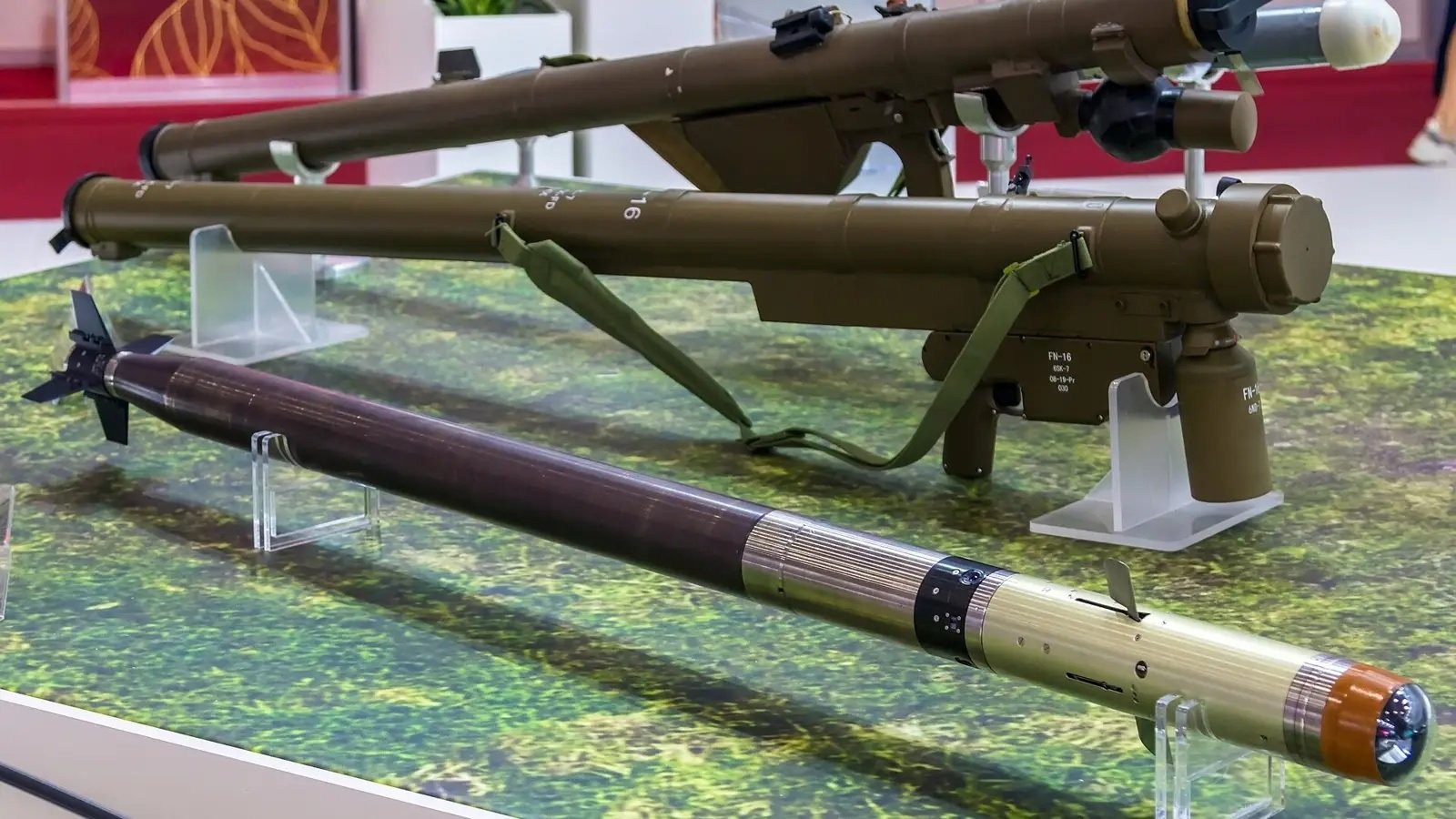
Iran to Receive Up to 400 Chinese QW-12 and FN-16 MANPADS System Within Weeks Under $70 Million Deal
World
TEHRAN — Iran is expected to receive the first shipment within weeks under a contract for up to 400 Chinese-made man-portable air defence systems (MANPADS), according to three sources familiar with the agreement cited by Reuters. The reported contract, valued at $60 million to $70 million, covers between 300 and 400 shoulder-fired air defence missile systems, including the QW-12 and FN-16. If completed as planned, it would represent one of Iran's largest known efforts to strengthen its short-range air defence network since the start of its conflict with the United States and Israel. According to the sources, the agreement was signed with Zhongqing Baoshang International Investment, a Hong Kong-based company that acted as an intermediary between the Iranian side and the Chinese supplier. The company's parent firm, Beijing-based Zhong Qing Bao Shang Group, did not respond to Reuters' request for comment. Focus on Strengthening Short-Range Air Defences The reported purchase comes as Iran seeks to improve protection for military facilities, energy infrastructure and other strategic sites following months of military exchanges involving the United States and Israel. Recent strikes by the United States and Israel have targeted facilities associated with Iran's missile, drone and air-defence programmes. Iran has responded with ballistic missile and drone attacks. Defence analysts note that these developments have highlighted the importance of mobile air-defence systems that can be deployed rapidly around key locations. Unlike fixed air-defence batteries, MANPADS can be carried and operated by small teams, allowing them to be moved quickly and making them more difficult to locate and target. These systems are designed primarily to engage low-flying aircraft, helicopters and drones. QW-12 and FN-16 Missile Systems The reported contract includes the Chinese QW-12 and FN-16 shoulder-fired surface-to-air missile systems. The FN-16 is an upgraded version of the earlier FN-6. It uses a dual-color infrared and ultraviolet (IR/UV) quasi-imaging seeker designed to improve target discrimination and increase resistance to electronic countermeasures such as flares. It is a fire-and-forget missile system with a reported engagement range of up to 6 kilometers. The QW-12 is considered by defence analysts to be less advanced than newer QW-series variants such as the QW-18 and QW-19, but it remains capable of providing short-range protection against low-altitude threats, including drones. The system is reported to offer improved anti-jamming performance while retaining the direct targeting and safe-launch features of earlier models. A European security source told Reuters that authorities were aware of several contracts under discussion involving possible sales of QW-series MANPADS to Iran, including the QW-12, QW-18 and QW-19. Another security source in the Middle East said Iran had sought both QW-12 and QW-18 systems but was unaware that a deal had already been finalized. Planned Delivery Route Sources familiar with the agreement said the initial shipment is planned to be flown from Urumqi in western China before passing through Pakistan en route to Iran. They said it remains unclear whether the final stage of transportation would be completed by air or overland. The sources also cautioned that although the agreement has reportedly been signed, delivery schedules, quantities and other details could still change. Two Western intelligence sources and an Iranian official told Reuters that Tehran has also explored overland routes for transporting Chinese military supplies and dual-use components in a more discreet manner. China and Pakistan Reject the Reports China's Foreign Ministry denied the reports, stating that they were "completely groundless" and adding that China has consistently worked to promote peace and end the conflict. Pakistan's military media wing, the Inter-Services Public Relations (ISPR), also rejected claims that Pakistan would facilitate the transfer of Chinese air-defence systems to Iran, describing such reports as "absolutely concocted and false." Iran's Foreign Ministry did not immediately respond to Reuters' request for comment, while Pakistan's Foreign Ministry also did not provide a response. Broader Defence Procurement Efforts Reuters previously reported that Iran was close to reaching a separate agreement with China involving anti-ship cruise missiles, although it said it could not independently confirm whether that deal had moved forward. The reported MANPADS contract reflects Iran's continuing efforts to strengthen its military capabilities despite long-standing sanctions and restrictions on defence imports. The country continues to rely on a combination of domestic defence production and selected foreign suppliers to maintain and expand its military readiness. Source : Reuters
Read More → Posted on 2026-07-29 13:06:53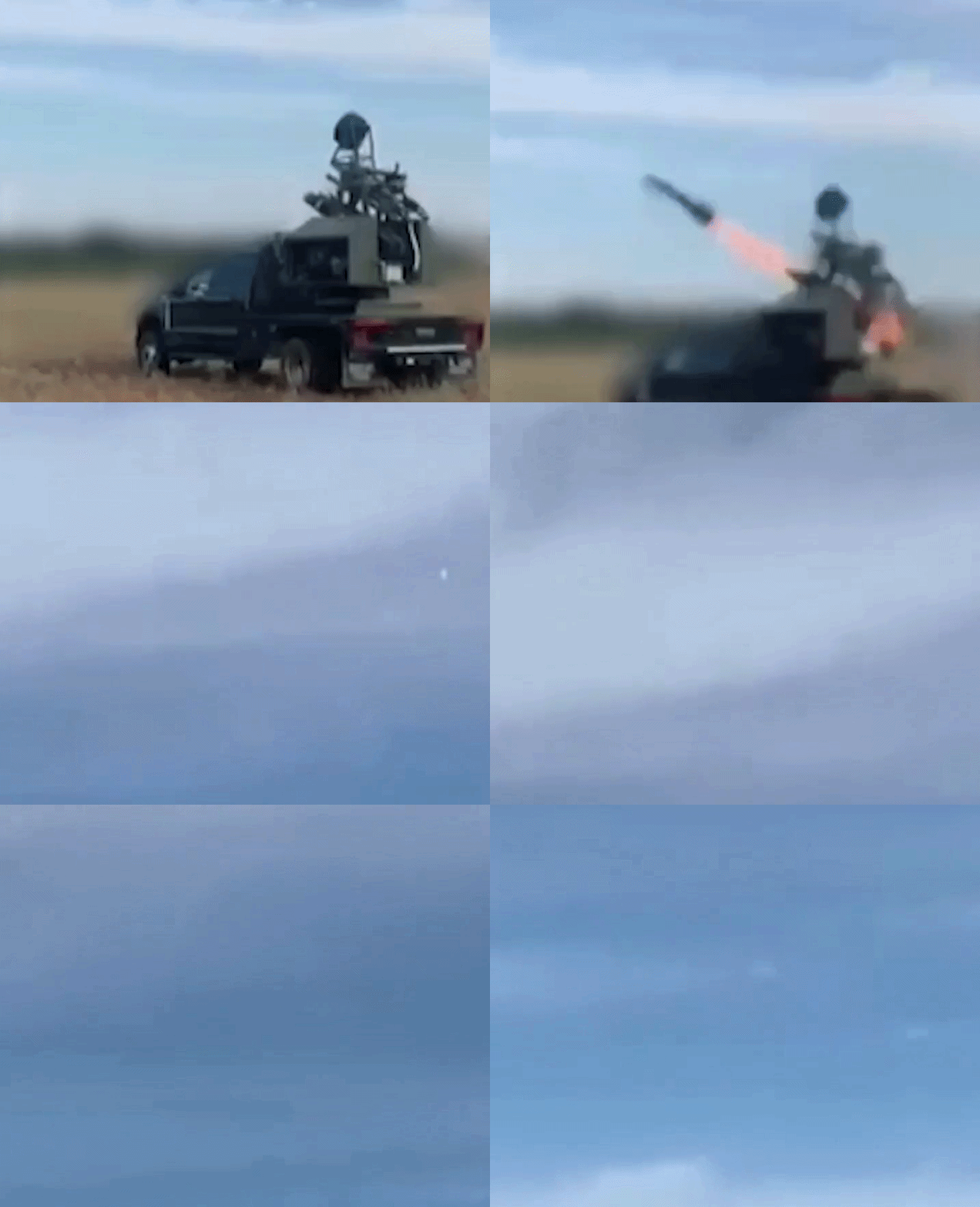
World
KYIV, Ukraine — New footage circulating online appears to show Ukraine operating an upgraded, highly mobile version of its STASH short-range air defense system mounted on a Ford F-350 chassis. The video, published on July 28, 2026, and attributed on social media to Ukraine's 208th Anti-Aircraft Missile Brigade, shows the system tracking and intercepting a Russian Shahed/Geran-series strike drone. The footage has not been independently authenticated by Ukrainian authorities at the time of writing. If confirmed, it would represent the first public appearance of the truck-mounted STASH configuration, several months after the system entered Ukrainian service in a trailer-mounted form. New Mobile Configuration The latest version of the STASH system integrates an Israeli-origin RADA radar, a launcher armed with U.S.-made AGM-114L Longbow Hellfire missiles, and fire-control equipment on a single modified Ford F-350 heavy-duty truck. The July 28 footage is described as showing the interception of a jet-powered Shahed/Geran-type drone. Compared with slower propeller-driven variants, jet-powered drones reduce the time available for air defense crews to detect and engage incoming threats. The AGM-114L Longbow Hellfire, originally developed for anti-armor missions, uses a millimeter-wave active radar seeker that provides a fire-and-forget capability. Once launched, the missile can continue tracking its target without requiring continuous guidance from the launcher. The system's Israeli-origin RADA radar is paired with the missile launcher to detect and engage low-altitude aerial targets. Open-source reporting identifies the radar as the RPS-42 Active Electronically Scanned Array (AESA) radar, an S-band system designed to detect slow and low-flying targets. Publicly available information states that some configurations have an instrumented detection range of about 30 kilometers. Public reporting also indicates the AGM-114L has an engagement range of roughly 7 to 11 kilometers, depending on flight trajectory, and carries an approximately 9-kilogram warhead. The missile has been adapted for aerial targets, including drones and helicopters. Evolution From Trailer-Mounted System The STASH system first appeared in Ukrainian service in May 2026. During a large Russian drone attack on May 1, Ukraine's Air Command West released footage showing the system operating from a concealed four-wheeled trailer configuration. The attack reportedly involved more than 400 unmanned aerial vehicles, with at least 58 drones reported shot down in the western sector. At the time, STASH was presented as a compact, low-profile platform designed to defend against low-altitude threats such as Shahed-type drones. The newly observed Ford F-350 configuration replaces the separate trailer and towing vehicle by integrating the radar, launcher, and fire-control system onto a single platform. Defense analysts note that this arrangement can reduce deployment and relocation time while allowing crews to move more quickly between firing positions. A vehicle-mounted configuration may also reduce the time spent at launch locations and improve the ability to reposition during large-scale drone attacks. Ukraine has not released official information regarding the new version's mobility requirements, crew size, or operational doctrine. Links to V2X Tempest Platform Open-source intelligence and defense analysts have linked STASH to the Tempest mobile fires platform developed by American defense company V2X. V2X introduced Tempest in October 2025 during the Association of the United States Army exhibition. The platform was designed as a commercially based, rapid-response air defense system capable of engaging multiple classes of unmanned aircraft while operating with limited exposure. Early Tempest demonstrations used lightweight all-terrain vehicles, commonly described as Can-Am Maverick X3-style buggies, equipped with dual Hellfire launchers and a compact RADA RPS-42 AESA radar. While publicly available information indicates that STASH uses components or design concepts derived from Tempest, it has not been officially confirmed whether the Ford F-350 configuration is a production variant supplied by V2X or a Ukrainian-developed integration based on the original design. Role in Ukraine's Air Defense Network STASH is part of Ukraine's layered short-range air defense network developed to counter Russian one-way attack drones. The system is intended to engage lower-altitude aerial threats, allowing longer-range surface-to-air missile systems to be reserved for more demanding targets. Open-source reporting notes that the AGM-114L Hellfire missile is relatively expensive compared with the drones it is used to intercept, meaning operators may prioritize higher-value targets or employ the system when other interceptors are unavailable. The deployment of mobile STASH systems by units such as the 208th Anti-Aircraft Missile Brigade, which is tasked with defending southern regions including Kherson and Mykolaiv, reflects Ukraine's continued effort to strengthen defenses against persistent drone attacks using radar-guided interceptors and mobile air defense platforms.
Read More → Posted on 2026-07-29 12:42:04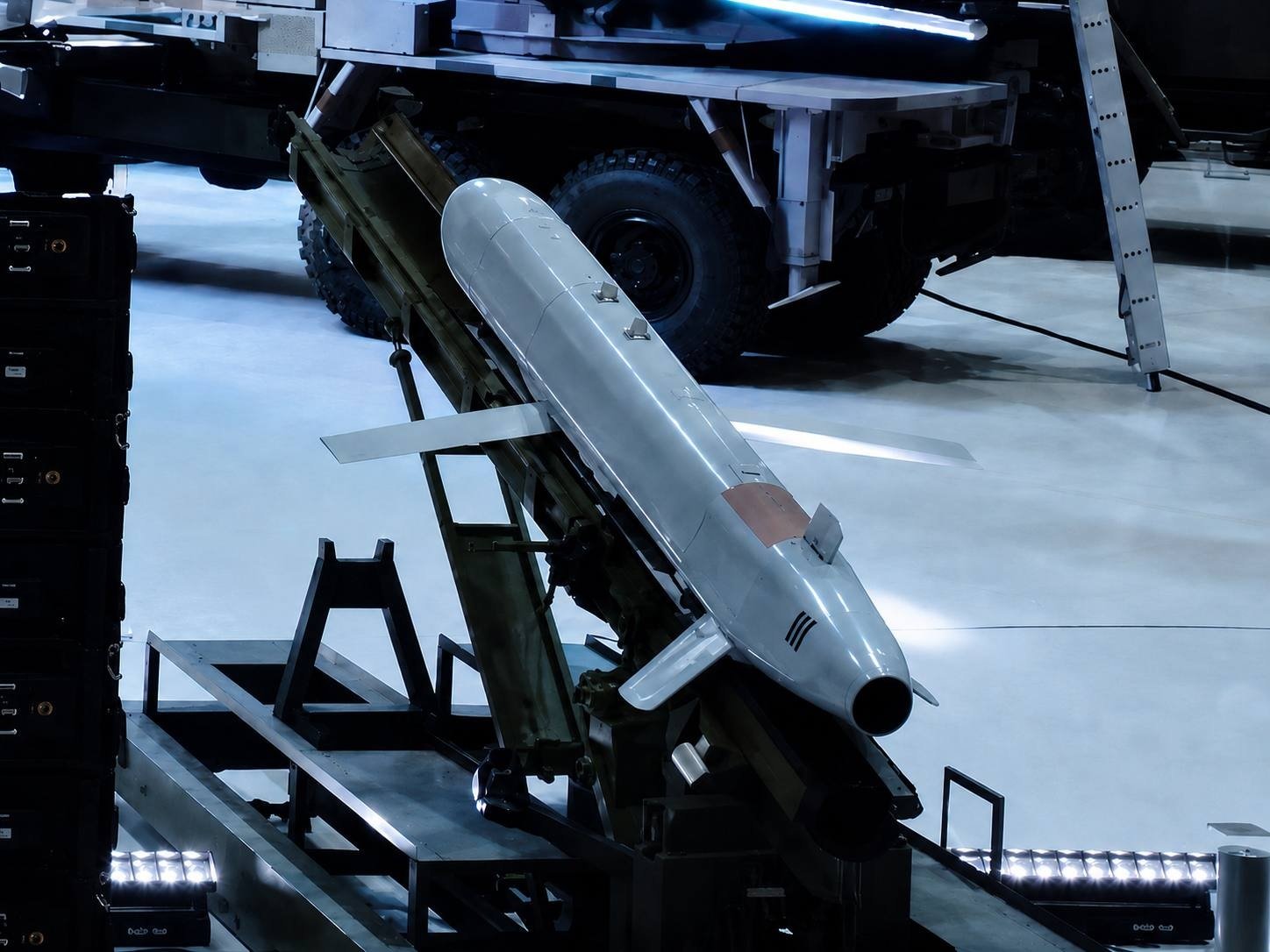
World
Moscow — Recent images indicate that Russia, S8000 Banderol cruise missile, ground-based launcher, Kronshtadt Group, Orion UAV, and Mi-28 attack helicopter have become central to a new development, marking the first public appearance of a launcher designed to fire the weapon from a ground vehicle. Until now, the missile had been associated with air-launched platforms, including the Kronshtadt Orion unmanned aerial vehicle (UAV) and the Mi-28 attack helicopter. A photograph published by the Colonel GSh Telegram channel shows a compact launcher mounted on a platform that appears intended for installation on a pickup-type vehicle. The emergence of the system suggests that Russia is expanding the available launch options for the Banderol missile, allowing it to be deployed without relying exclusively on aircraft. A ground-based launcher could increase operational flexibility by enabling missile launches from mobile land vehicles. However, military analysts note that launching a cruise missile from a stationary ground position requires more energy than releasing it from an aircraft already in flight. As a result, unless the ground-launched version has been modified, its operational range would likely be lower than the air-launched variant. Analysts say maintaining the missile's original range could require changes such as a more powerful engine or a reduction in payload weight. No official information has been released confirming whether the ground-launched version has undergone such modifications. S8000 Banderol Cruise Missile The S8000 Banderol, developed by Russia's Kronshtadt Group (also referred to as Kronstadt Group or Kronstadt JSC), is a small jet-powered cruise missile designed with an emphasis on relatively low production costs and simplified manufacturing. Ukrainian Defense Intelligence (HUR) first disclosed the missile's existence and published technical details and component lists in May 2025. The missile has reportedly been in service since 2025 and has been used by Russian forces during the conflict with Ukraine. Before the appearance of the new launcher, it was primarily associated with the Orion UAV, with reports also identifying the Mi-28 attack helicopter as a launch platform. Specifications According to available technical information, the S8000 Banderol has the following characteristics: Length: Approximately 5 meters Fuselage diameter: 30 centimeters Wingspan: Approximately 2.2 meters Maximum speed: 620–650 km/h Cruising speed: 520–560 km/h Maximum stated range (air-launched): Up to 500 kilometers Fuel load: 50–65 kilograms The missile is powered by a Chinese Swiwin SW800Pro (also identified in some reports as the SW800Pro-A95) commercially available turbojet engine. The engine weighs 8.5 kilograms, operates at up to 65,000 rpm, and produces up to 81.6 kgf of thrust. The Banderol carries an OFBCh-150 high-explosive fragmentation warhead with a total mass of 114.3 kilograms, including 49.5 kilograms of explosive material. The explosive mixture consists of HMX (octogen) combined with aluminum powder and a plasticizer. Some reports also refer to a warhead weight of up to 150 kilograms. The missile uses a combination of inertial navigation and satellite guidance. It is also reported to be equipped with the Kometa-M8 jamming-resistant antenna system, designed to improve resistance to electronic warfare. Foreign Components Technical information published by Ukrainian Defense Intelligence indicates that the missile incorporates a range of foreign-made components sourced from multiple countries. Identified parts reportedly include the Chinese turbojet engine, Japanese batteries, South Korean servo drives, Australian telemetry modules, and various U.S.-manufactured electronic components, along with components from other countries. Operational Significance The appearance of a ground-based launcher expands the potential deployment methods for the S8000 Banderol beyond aircraft-based platforms. The system could allow the missile to be launched from mobile ground vehicles, increasing deployment flexibility. Reports published in July 2026 also indicated increased use of the Banderol missile, with Ukrainian sources documenting multiple strikes over a short period. The newly observed launcher represents the first publicly known ground-based launch system for the missile, although no official Russian announcement has been made regarding its operational status or performance.
Read More → Posted on 2026-07-29 12:13:19
World
TAMPA, Fla., July 28 — U.S. Central Command (CENTCOM) and the United Arab Emirates (UAE) have reached an agreement to establish their first bilateral military task force focused on accelerating the development and deployment of artificial intelligence (AI) applications for defense operations. The new unit, named Task Force Talon Synapse, is scheduled to officially launch in the coming weeks and will be headquartered in Abu Dhabi. The task force will include approximately 20 American and Emirati personnel with expertise in artificial intelligence, data science, and cybersecurity. According to CENTCOM, the task force will work on safely and effectively integrating AI technologies into joint military operations. Its main areas of focus will include improving intelligence support, protecting critical civilian and military infrastructure, and monitoring the regional security environment across the Middle East. CENTCOM Commander Adm. Brad Cooper described the initiative as an important step in expanding cooperation between the two countries. “This will be a historic milestone as we work with one of our most capable regional partners to rapidly deliver evolving AI advancements to our warfighters,” Cooper said in a public statement. “Together, we and our Emirati partners share a strong commitment to adopting AI applications that will foster innovation at speed and scale.” The concept for Task Force Talon Synapse was first discussed last year during meetings between Adm. Brad Cooper and Sheikh Tahnoon bin Zayed Al Nahyan, the UAE's National Security Advisor and Deputy Ruler of Abu Dhabi. CENTCOM officials later traveled to the UAE last month, where they met with Emirati defense officials and AI industry leaders to finalize operational planning for the new task force. The agreement reflects the growing defense and technology partnership between the United States and the UAE. The Emirates has made significant investments in artificial intelligence in recent years, including establishing the Mohamed bin Zayed University of Artificial Intelligence in 2019 and appointing a federal Minister of State for Artificial Intelligence. The initiative also follows broader U.S.-UAE cooperation in AI and advanced technology. Recent developments include plans for a joint U.S.-UAE AI campus and changes to U.S. export rules related to advanced computing hardware. CENTCOM said the task force will help both countries integrate emerging AI technologies into defense operations while strengthening intelligence capabilities, infrastructure protection, and regional security cooperation. The command announced the agreement through its official channels on July 28, with Task Force Talon Synapse expected to begin operations in the coming weeks.
Read More → Posted on 2026-07-28 15:54:44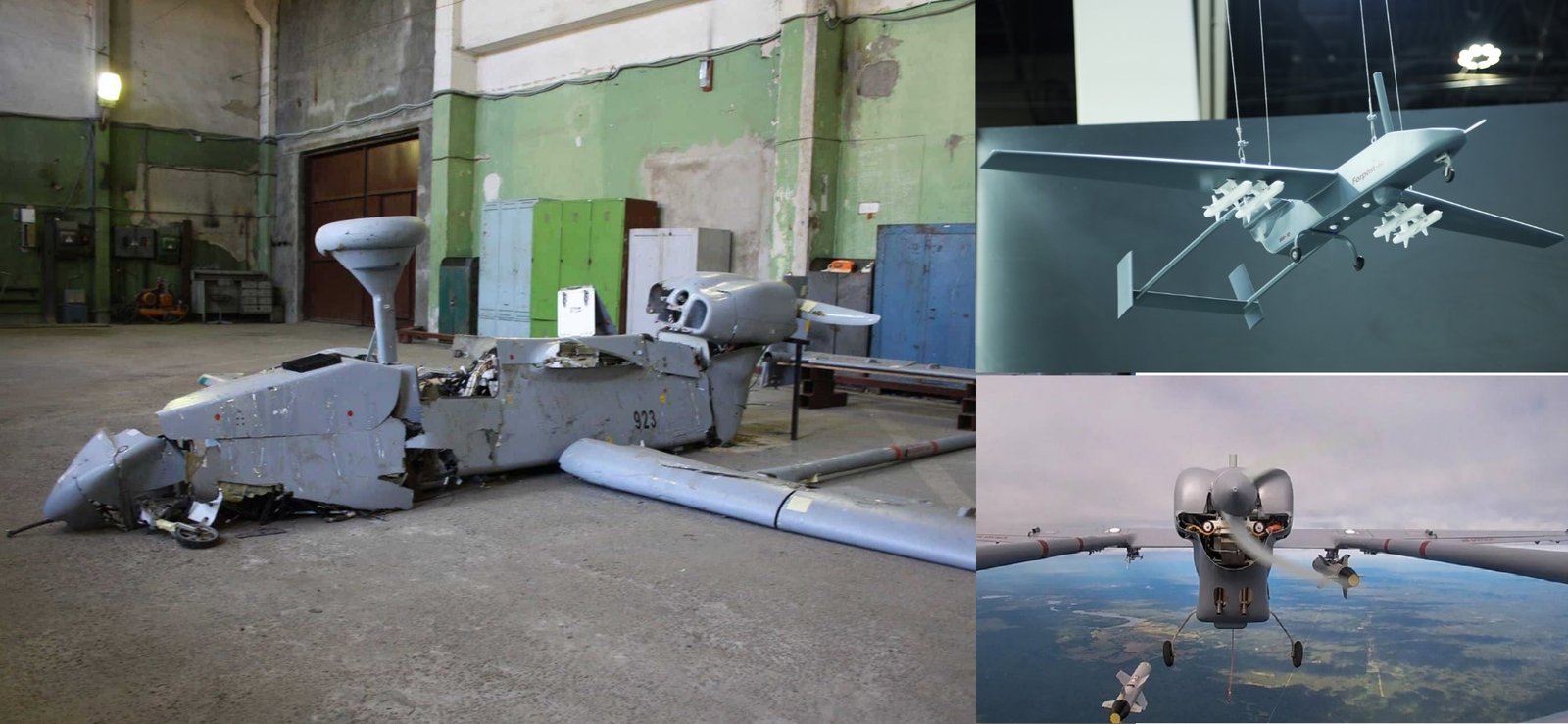
World
KYIV, Ukraine — Ukrainian forces have shot down a Russian Forpost-R multirole unmanned aerial vehicle (UAV) over Russia's Kursk region using a domestically developed Chaklun-KM interceptor drone, marking another confirmed loss of one of Russia's relatively rare reconnaissance and strike drone platforms. According to Ukraine's Unmanned Systems Forces, the interception took place on July 27, 2026, during an operation carried out by drone pilots from the 7th Battalion "Topota" of the 414th Separate Unmanned Systems Brigade, commonly known as "Magyar's Birds." Commander of Ukraine's Unmanned Systems Forces, Robert Brovdi, known by the callsign "Magyar," said the Chaklun-KM interceptor successfully engaged the target at an altitude of 4.3 kilometers (approximately 14,100 feet) over Russia's Kursk region. Video of the interception was later released by the brigade. ⚡️A Russian Forpost-R has been hunted down and shot down – a heavy, high-value strike and reconnaissance UAV capable of carrying guided munitions.The platform, capable of carrying KAB-20 laser-guided aerial bombs, was detected and destroyed on July 27, 2026, over Russia’s Kursk… pic.twitter.com/kCViSek7aC — 414 Magyar's Birds (@414magyarbirds) July 27, 2026 The downed aircraft was identified as a Forpost-R, a reconnaissance and strike UAV capable of carrying guided aerial munitions. According to available records, this is the sixth visually confirmed destruction of a Forpost-R since the start of Russia's full-scale invasion of Ukraine and the second such drone destroyed by the 414th Brigade, following an earlier interception in April 2025. The successful engagement highlights the increasing use of dedicated interceptor drones by Ukrainian forces to counter Russian reconnaissance and strike UAVs operating at higher altitudes. Russian Forpost-R Drone The Forpost is a Russian reconnaissance and strike unmanned aerial system produced under license from the Israeli IAI Searcher Mk II, originally developed by Israel Aerospace Industries. Russia first acquired the platform in 2009, purchasing two Searcher II UAVs for evaluation at a cost of US$12 million. In 2010, Russia signed a US$300 million agreement to assemble the drones from Israeli-supplied kits at the Kazan Helicopter Plant. Localized production began in 2012 at the Ural Civil Aviation Plant, where the aircraft entered service under the name Forpost. Each Forpost system consists of the unmanned aircraft and a ground control station. The original version is equipped with electro-optical and infrared imaging systems that enable day-and-night reconnaissance missions. It has an operational range of up to 250 kilometers when using a directional antenna and an endurance of up to 18 hours. Russia introduced the upgraded Forpost-R in 2019. The newer version is powered by the domestically produced APD-85 engine and has a maximum take-off weight of 500 kilograms. Its service ceiling is 5 kilometers, and unlike the original model, it can carry light guided munitions for strike missions. KAB-20 Guided Bomb One of the primary weapons carried by the Forpost-R is the KAB-20 guided aerial bomb, which is also used by Russia's Orion unmanned aerial system. The KAB-20 measures 900 millimeters in length, has a 130-millimeter body diameter, and a 350-millimeter wingspan. The munition weighs 21 kilograms, including a 7-kilogram high-explosive fragmentation warhead. When released from high altitude, its maximum stand-off range is up to 8 kilometers. The bomb is produced in two known variants. The KAB-20L uses laser guidance, while the KAB-20S employs a satellite navigation guidance system and was officially accepted into Russian service in April 2023. There have also been reports suggesting Russia has been developing a version capable of targeting mobile phone signals. However, no confirmed information has been released regarding its adoption or operational use. Previous Ukrainian Interceptions Ukrainian forces have been engaging Forpost-family drones since the Anti-Terrorist Operation (ATO) in the Donbas. The first confirmed interception occurred in August 2014, when an Israeli-made IAI Searcher UAV with board number 920 was shot down near Vilkhivchyk (then known as Novopetrivske). Later that year, additional IAI Searcher drones with board numbers 905 and 916 were also shot down. On May 4, 2015, reports indicated that another IAI Searcher had been destroyed, although further details were limited. On May 20, 2015, Ukrainian forces confirmed the destruction of a Russian Forpost UAV with board number 923. The last known interception during the ATO period occurred in October 2016, when an IAI Searcher carrying board number 915 was shot down. The latest interception over the Kursk region adds another confirmed loss to the Forpost-R fleet and demonstrates the continued use of Ukrainian-developed interceptor drones against Russian reconnaissance and strike UAVs operating near the battlefield.
Read More → Posted on 2026-07-28 15:46:17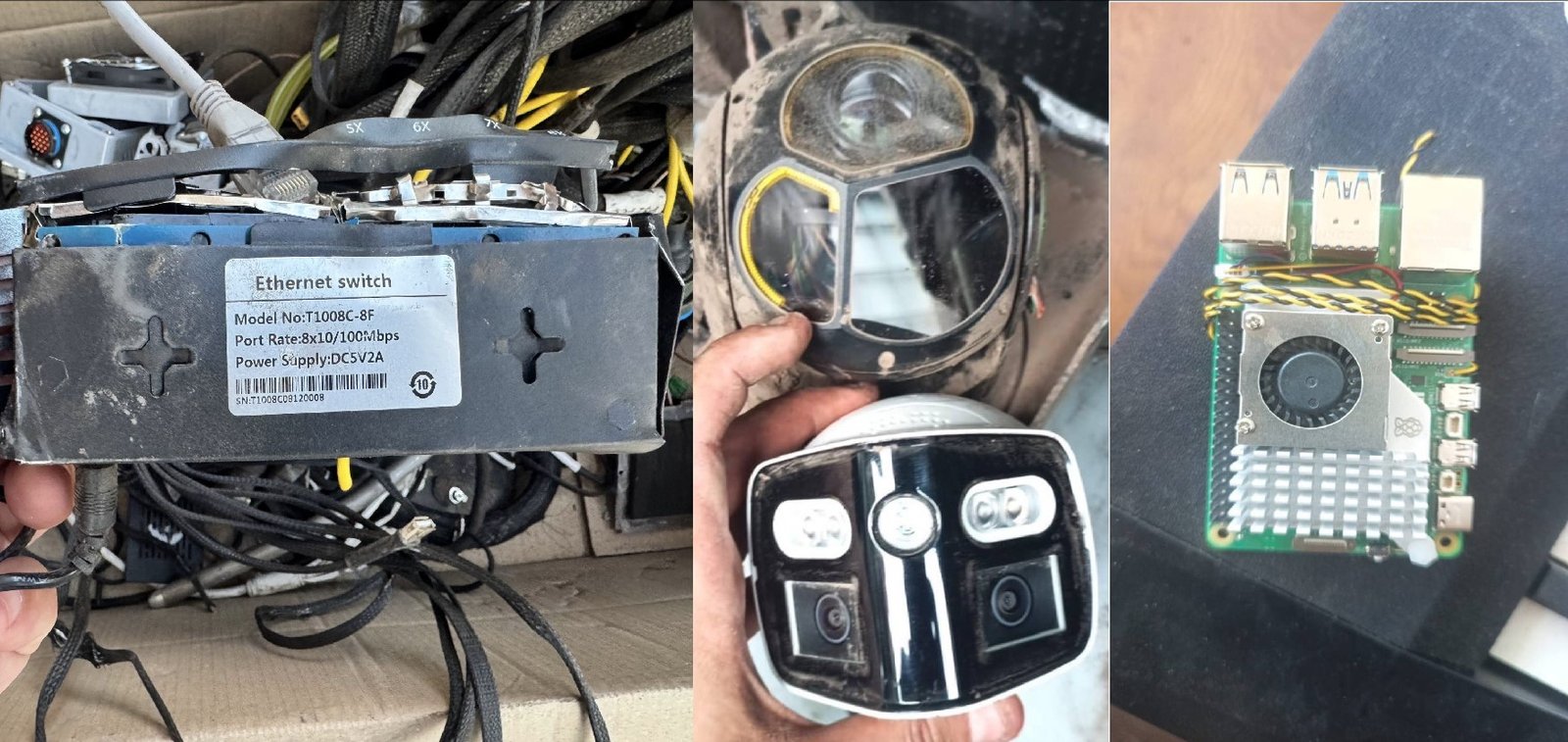
World
ODESA, Ukraine — Russian forces have deployed a modified version of the Geran-series one-way attack drone, known as the Seeker variant, featuring upgraded optical targeting, autonomous terminal guidance, and mesh-network communication systems. The new configuration is designed to engage high-value and dynamic targets, expanding the capabilities of the baseline Geran-2, the Russian-produced version of the Iranian Shahed-136. Information on the upgraded drone comes from the examination of a Seeker-equipped Geran-2 recovered near Odesa, statements by Ukrainian specialists, and open-source imagery analyzed through mid-to-late July 2026. According to the recovered airframe, the Seeker variant incorporates a multi-sensor package that enables operators to identify and engage targets with greater precision than earlier versions, which primarily relied on pre-programmed flight paths and fixed target coordinates. Dual-Camera Targeting System One of the main upgrades is a dual-camera arrangement connected to a mesh modem through an onboard Ethernet switch. One camera provides a rearward view, allowing operators to monitor the surrounding airspace and maintain situational awareness during flight. The second forward-facing camera is designed for target acquisition and includes zoom capability. Analysis of the recovered drone showed that this optical unit also includes day and thermal imaging functions as well as a laser rangefinder, enabling operators to identify and measure the distance to intended targets. The system allows the operator to locate and lock onto a target before the drone begins its final attack phase. Autonomous Terminal Guidance The Seeker variant also incorporates an automatic target recognition (ATR) system supported by onboard processing built around a Raspberry Pi single-board computer architecture. During an attack, the operator uses the drone's camera feed transmitted through the mesh network to identify a target, typically from approximately one kilometer away. After the target is selected and locked, the onboard guidance system takes control of the final approach. This autonomous terminal guidance enables the UAV to continue toward the designated target even if communication with the operator is interrupted during the final stage of flight. Mesh Network and Telemetry The upgraded drone uses mesh-network modems with dedicated antennas to maintain communication between the UAV and its operator. Unlike conventional direct radio links, mesh networking is designed to route data through multiple available paths, supporting command transmission and live video feeds. The Geran-2 recovered near Odesa was also fitted with a commercial LTE modem. According to the available analysis, this modem is used for transmitting real-time flight telemetry. Designed for High-Priority Targets Ukrainian radio-technology specialist and Defense Ministry adviser Serhii Beskrestnov, known by the callsign Flash, described the Seeker as a modification intended to locate and strike particularly important targets. According to the available information, the Seeker equipment package can be integrated into Geran-2 through Geran-4 airframes. Jet-powered Geran-4 Seeker variants have also appeared more frequently in recent months. The combination of electro-optical sensors, thermal imaging, operator video transmitted through the mesh network, onboard target recognition, and autonomous terminal guidance enables the drones to engage both fixed and moving targets. Similar Systems Observed on Other UAVs Open-source analysis has also identified similar camera systems, mesh communication equipment, and autonomous terminal-guidance components on Gerbera unmanned aerial vehicles, suggesting that these technologies are being adopted across related drone platforms. The Seeker modification represents an incremental development of the long-range Geran UAV family. Based on the analysis of recovered airframes, statements from Ukrainian specialists, and publicly available imagery, the upgraded configuration introduces enhanced sensing, communication, and terminal guidance capabilities while maintaining the overall design of the Geran platform.
Read More → Posted on 2026-07-28 15:27:59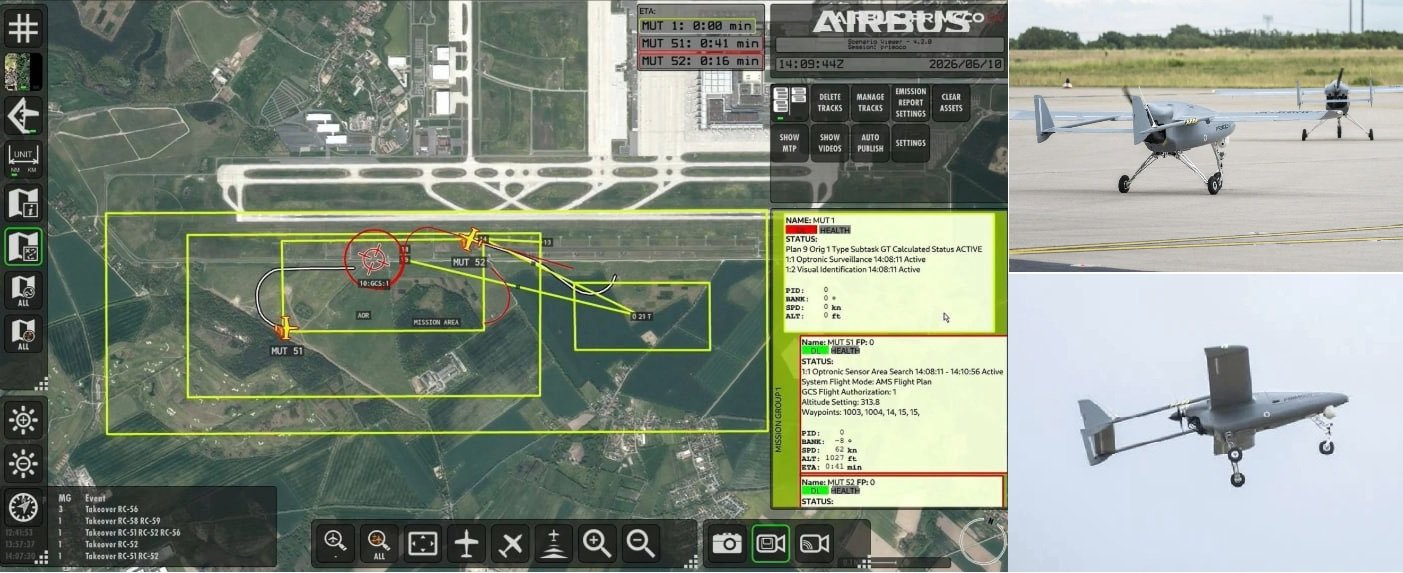
World
BERLIN — Airbus has successfully completed Europe's first live public demonstration of an autonomous collaborative drone operation during the ILA Berlin Air Show 2026, showcasing two Primoco One 150 uncrewed aerial vehicles (UAVs) operating together as a coordinated team using the company's MARS Autonomy software. The demonstration took place on 10 and 11 June 2026 at Berlin ExpoCenter Airport, marking the first time autonomous collaborative operations involving multiple uncrewed aircraft have been performed live at a major public aerospace trade show in Europe. Instead of requiring separate commands for each aircraft, the two UAVs operated as a single coordinated network using shared distributed intelligence. The demonstration highlighted how multiple drones can work together under the supervision of a single operator, reducing the need for continuous manual control while keeping humans responsible for critical decisions. MARS Autonomy Enables Coordinated UAV Operations The demonstration was powered by MARS (Multiplatform Autonomous Reconfigurable and Secure) Autonomy, Airbus' artificial intelligence-based software suite designed to coordinate multiple crewed and uncrewed platforms in real time. The software enables connected platforms to exchange information automatically. If one UAV detects an object or target of interest, that information is immediately shared across the network, allowing the entire team to respond without requiring additional operator input. According to Thomas Schmitt, Programme & Product Manager for Crewed-Uncrewed Teaming & Autonomy at Airbus Defence and Space, the operator only needs to assign the mission objective, while the software distributes tasks among the connected platforms. "In a real-world operation, the operator's command is very simple. Do locate all surface-to-air missile systems in a specified area, do transmit their coordinates and video feed. After that, the Airbus system autonomously distributes tasks among the platforms, which are connected into a single network." During the ILA Berlin demonstration, the two Primoco One 150 UAVs completed two autonomous missions: Teamed multi-role surveillance Teamed surveillance for accelerated response Throughout both missions, MARS Autonomy managed non-critical flight operations, dynamic task allocation, and flight management. The human operator remained in continuous supervision of the mission and retained authority over all critical decisions and the ability to intervene whenever necessary. Primoco One 150 UAV Used for Demonstration The aircraft used for the demonstration was the Primoco One 150, a Czech-built mid-size UAV designed for multiple mission types. The platform has a maximum take-off weight of 150 kilograms, can carry a payload of up to 30 kilograms, and cruises at approximately 120 km/h. Its other specifications include: Maximum take-off weight: 150 kg Payload capacity: Up to 30 kg Flight endurance: Up to 15 hours Ground control range: Up to 200 km Ferry range: Up to 2,000 km The Primoco One 150 is primarily used for reconnaissance missions. Airbus also confirmed that testing is underway on a version equipped with miniature air-to-air missiles. Designed for Multiple Mission Types Airbus said MARS Autonomy has been developed as a platform-agnostic software architecture, allowing integration with both Airbus and third-party crewed and uncrewed systems. The software is intended to support a broad range of missions, including: Automated surveillance and data fusion Suppression and destruction of enemy air defence systems Joint combat and precision strike operations Communications relay Autonomous cargo logistics for troop resupply Convoy protection The system also supports both crewed-uncrewed teaming and fully uncrewed operations. Operational Deployment Planned Later in 2026 Airbus said the first operational deployment of MARS Autonomy on the Primoco One 150 is scheduled for later in 2026. Before the public demonstration in Berlin, Airbus had conducted testing of the teaming software with Primoco UAVs during 2024 and 2025 at Písek-Krašovice Airport in the Czech Republic. The successful flights at ILA Berlin demonstrated the system's readiness for operational use in collaborative autonomous missions. MARS Autonomy is part of Airbus' broader MARS Mission System, which is being developed to support future collaborative uncrewed combat aircraft, including the U740 Valkyrie, which Airbus plans to bring to operational capability by 2029.
Read More → Posted on 2026-07-28 14:27:14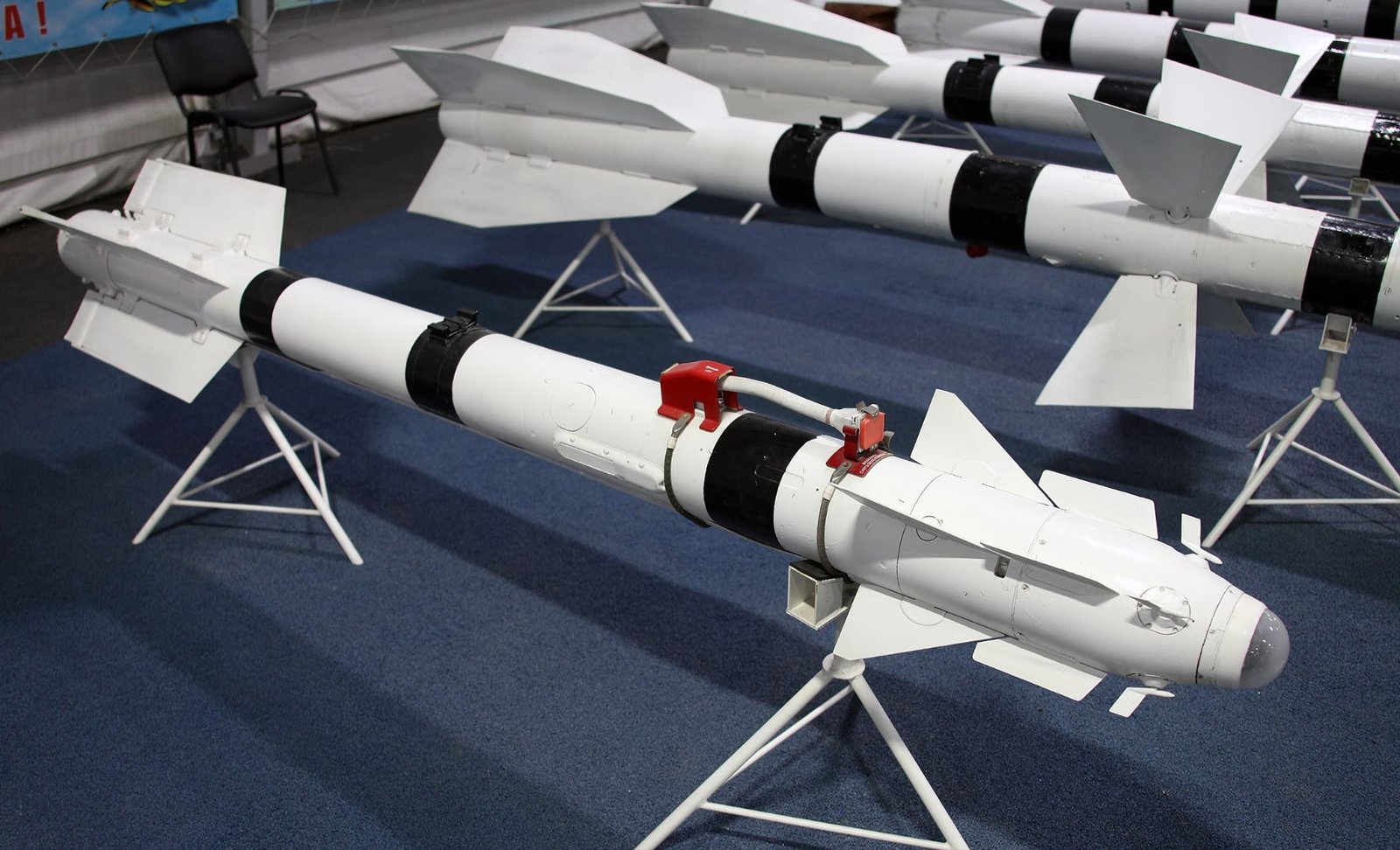
World
MOSCOW — Russia is reportedly considering greater use of ageing Soviet-era air-to-air missiles to intercept Ukrainian long-range one-way attack drones, as the growing scale of drone warfare increases pressure on modern air defence resources. The approach reflects a wider challenge facing militaries around the world: how to defeat relatively inexpensive unmanned aircraft without rapidly consuming stocks of costly modern interceptor missiles. Rising Drone Threat Creates Cost Challenge Long-range one-way attack drones have become an increasingly important feature of the Russia-Ukraine conflict. Russia has frequently used fighter aircraft to intercept Ukrainian drones targeting strategic locations, but this has raised questions over the cost of using advanced air-to-air missiles against comparatively low-cost unmanned systems. Recent footage released in late July 2026 showed a Russian Aerospace Forces Su-35 fighter making multiple attempts to intercept a Ukrainian FP-1 long-range attack drone. The video renewed attention on the economic and operational challenges of defending against large numbers of drones. While many single-use attack drones are reported to cost less than $10,000, larger systems such as the FP-1 are estimated to cost approximately $55,000, according to open-source reports and Ukrainian media. FP-1 Drone Production Expands The FP-1 is a long-range one-way attack drone developed by the Ukrainian company Fire Point. According to available reports, the drone has a range of up to 1,600 kilometers and can carry a warhead weighing between 60 kilograms and 120 kilograms. The drone uses a relatively simple airframe that includes plywood structural elements. Reporting from 2025 and 2026 indicates that production has increased significantly, with estimates ranging from dozens to around 100 drones per day. Some variants have also demonstrated longer operational ranges during specific strikes. The increasing availability of long-range drones has added to the challenge of protecting strategic infrastructure while managing the cost of air defence operations. Soviet-Era Missile Stockpiles Under Consideration One option reportedly under discussion is the use of Soviet-era air-to-air missiles that remain in storage from the Cold War period. During the final decades of the Cold War, the Soviet Union produced large numbers of air-to-air missiles in preparation for a possible large-scale conflict with NATO. Although many of these weapons have been replaced by newer missile systems in frontline service, estimates suggest that more than 10,000 missiles from three major types remain in storage. The missiles include: R-27 medium-range radar-guided and infrared-guided missiles R-73 short-range infrared-guided missiles R-60 short-range air-to-air missiles Many of these ageing missiles are approaching the end of their service lives but are still considered capable of engaging slow-moving, non-manoeuvring targets such as long-range drones. Using these missiles could reduce the need to expend newer and more expensive weapons while also lowering the long-term cost of storing and eventually disposing of ageing stockpiles. R-27 Remains Capable Against Drone Targets The R-27 entered service in 1982 and was developed for the MiG-29 and Su-27 fighter aircraft. The missile is available in both radar-guided and infrared-guided versions. Until the mid-2020s, it remained one of the primary air-to-air weapons carried by Russian fighters, including the Su-30SM and Su-35. Available assessments indicate that all variants remain suitable for engaging relatively slow and low-cost drone targets. R-73 and R-60 Offer Additional Options The R-73 is designed for shorter-range engagements and was regarded as one of the most capable visual-range air-to-air missiles developed during the Cold War. Equipped with a highly manoeuvrable infrared seeker, it is considered effective against drones that lack advanced countermeasures or evasive manoeuvres. The older R-60, which preceded the R-73, has more limited range, manoeuvrability and seeker performance. It has not been carried on frontline Russian fighter aircraft for decades, making it one of the most expendable missiles available for use against relatively simple aerial targets. Conserving Modern Missiles Using older Soviet-era missiles against drones would allow Russia to extract additional operational value from inventories produced decades ago while preserving more advanced weapons for higher-priority threats. Modern air-to-air missiles are generally intended to counter advanced combat aircraft, cruise missiles and long-range precision-guided weapons. Employing legacy missiles against less demanding targets could help conserve these newer systems for missions where their capabilities are most needed. A Broader Air Defence Trend The reported consideration of Soviet-era missiles highlights a broader trend in modern warfare. As long-range drone attacks become more frequent, militaries are increasingly seeking cost-effective ways to maintain effective air defences without exhausting stocks of advanced precision weapons. Footage released in late July 2026 showing a Su-35 attempting to intercept a Ukrainian FP-1 drone has drawn attention to these cost and inventory considerations. However, Russian authorities have not officially confirmed whether Soviet-era air-to-air missiles are being routinely used for drone interception missions.
Read More → Posted on 2026-07-28 11:49:44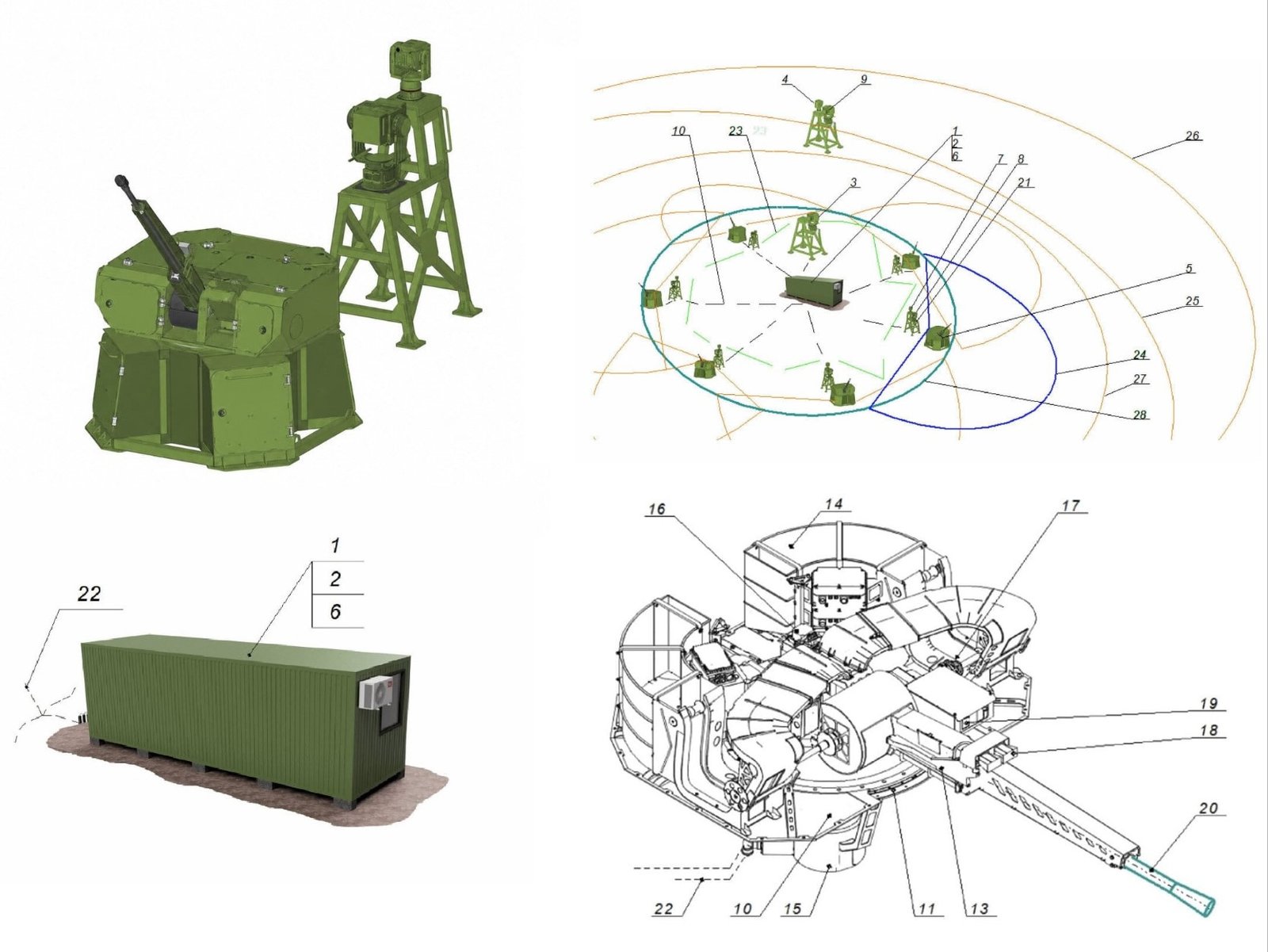
World
MOSCOW — Newly published patent documents from the Russian Federation's Federal Service for Intellectual Property have revealed detailed technical specifications of the ZAK-30 Citadel anti-drone system, providing new information about its architecture, operating concept, and autonomous engagement capabilities. The ZAK-30 Citadel was first presented by Russian state-owned defense conglomerate Rostec on May 25, 2026. The company describes it as a short-range anti-aircraft artillery complex designed to protect stationary facilities, including military sites and critical infrastructure, from attacks by individual unmanned aerial vehicles (UAVs) and drone swarms. The system is projected to reach its initial operational capability by July 2026. Distributed Architecture for Facility Protection According to the patent documents, the ZAK-30 Citadel is built around a distributed network of sensors, combat modules, and command systems. All components assigned to protect a stationary facility are connected through cable communication lines for data exchange. The system receives electrical power through cables connected either to a stationary power source at the protected facility or to a mobile power supply unit. Its main components include: Command Post (CP) housed in a container-based unit Observation Radar Station (RLS-O) Tracking Radar Station (RLS-N) Fire Control System (FCS) Combat modules equipped with missiles and/or artillery systems Command Post Coordinates Target Engagement The container-based command post serves as the control center of the system. It houses the commander's automated workstation and the primary fire control systems. According to the patent, the command post receives information from remote modules, processes incoming target data, and determines the order in which aerial threats should be engaged. The centralized fire control system also coordinates simultaneous remote fire control across multiple anti-aircraft weapon systems operating within the network. Radar Network Provides Detection and Tracking The ZAK-30 Citadel employs two dedicated radar systems with separate roles. The Observation Radar Station (RLS-O) establishes the primary detection zone by searching for incoming aerial threats. Once a target enters the designated engagement area, the Tracking Radar Station (RLS-N) takes over. The electrically driven radar continuously tracks the UAV, calculates its flight path, and provides targeting data for engagement. According to the patent, the use of multiple radars with range-selective capabilities creates several overlapping detection and engagement zones, allowing the system to provide round-the-clock protection against groups of small unmanned aerial vehicles. Modular Weapon Configuration The patent states that the ZAK-30 Citadel supports a modular armament configuration. Depending on operational requirements, the system can be equipped with: 7.62-mm machine guns 12.7-mm machine guns Vertically launched missile launchers A 30-mm automatic cannon The 30-mm automatic cannon is designed to fire programmable ammunition equipped with delayed-action fuses. The programmable airburst rounds contain shrapnel to increase the probability of intercepting small aerial targets. According to Rostec, the fire control system calculates the optimal detonation point based on the target's trajectory, allowing fewer rounds to be used compared with conventional ammunition. Autonomous Engagement Process The patent explains that each aerial target is engaged autonomously according to algorithms integrated into the fire control system. If the first shot does not destroy the target, the system automatically recalculates the firing solution by analyzing the projectile's initial velocity and the measured miss distance. Remote combat modules continue tracking the UAV throughout the engagement. If the target remains inside, or re-enters, the acceptable engagement zone, the system automatically fires the next corrected shot without manual intervention. Integration With Regional Air Defense Network Beyond operating as a standalone system, the patent states that the command and control unit can receive target designations from external command assets within a regional air defense network. This capability allows the ZAK-30 Citadel to coordinate engagements with other anti-aircraft systems, supporting integrated air defense operations rather than functioning independently. Intended Role According to defense industry analysts, the ZAK-30 Citadel has an effective engagement range of approximately 1.2 kilometers and is intended primarily to protect high-value infrastructure, including military installations and oil refineries, from recurring drone attacks. Analysts estimate that protecting a single large industrial facility could require a network of six to ten Citadel units. They also estimate the cost of each system at 3.5 million to 7.2 million euros. They further note that the system's operational effectiveness will depend heavily on the availability and large-scale production of the 30-mm programmable ammunition required to defeat small drone threats.
Read More → Posted on 2026-07-28 11:37:48Search
Top Trending in 24 Hours
-
 North Korea Fires Short-Range Ballistic Missile Toward Sea of Japan After Freedom Edge 26
-
 India’s xTerra Robotics Launches Indigenous DHAV-Hy Wheeled-Legged Quadruped for Industrial Inspection
-
 U.S. Army Awards $10.64 Million Contract to Ukrainian Drone Maker Skyeton for Raybird Systems
-
 U.S. Space Force Seeks Rapid-Response Satellites for Close-Range Orbital Inspections
-
 BEL Showcase X-Band Multi-Function Radar for QRSAM to Japanese Delegation
-
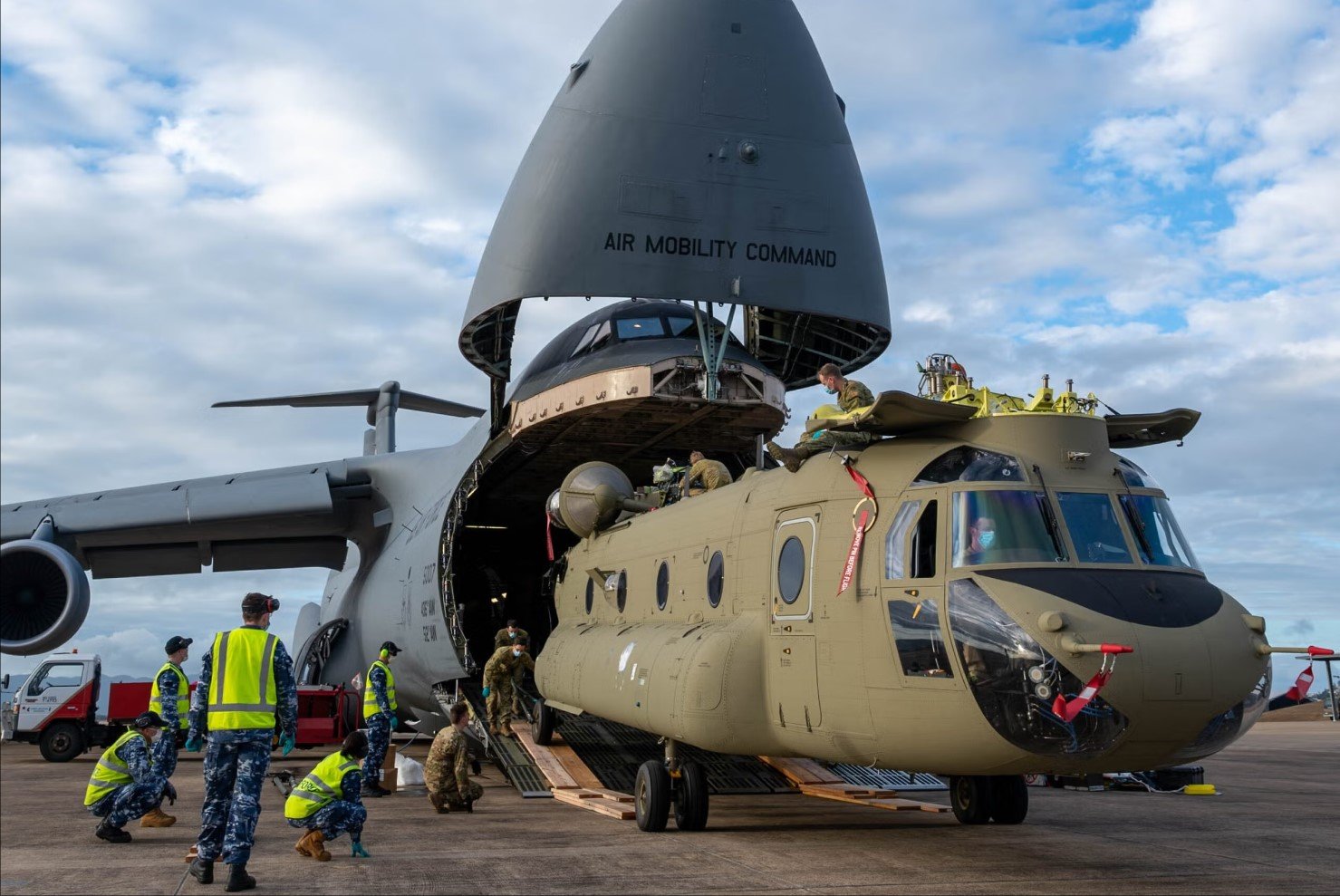 U.S. Delivers First CH-47F Chinook to Egypt Under 12-Helicopter Deal
-
 U.S. Government Seizes Almasirah.net, Houthi-Linked News Website
-
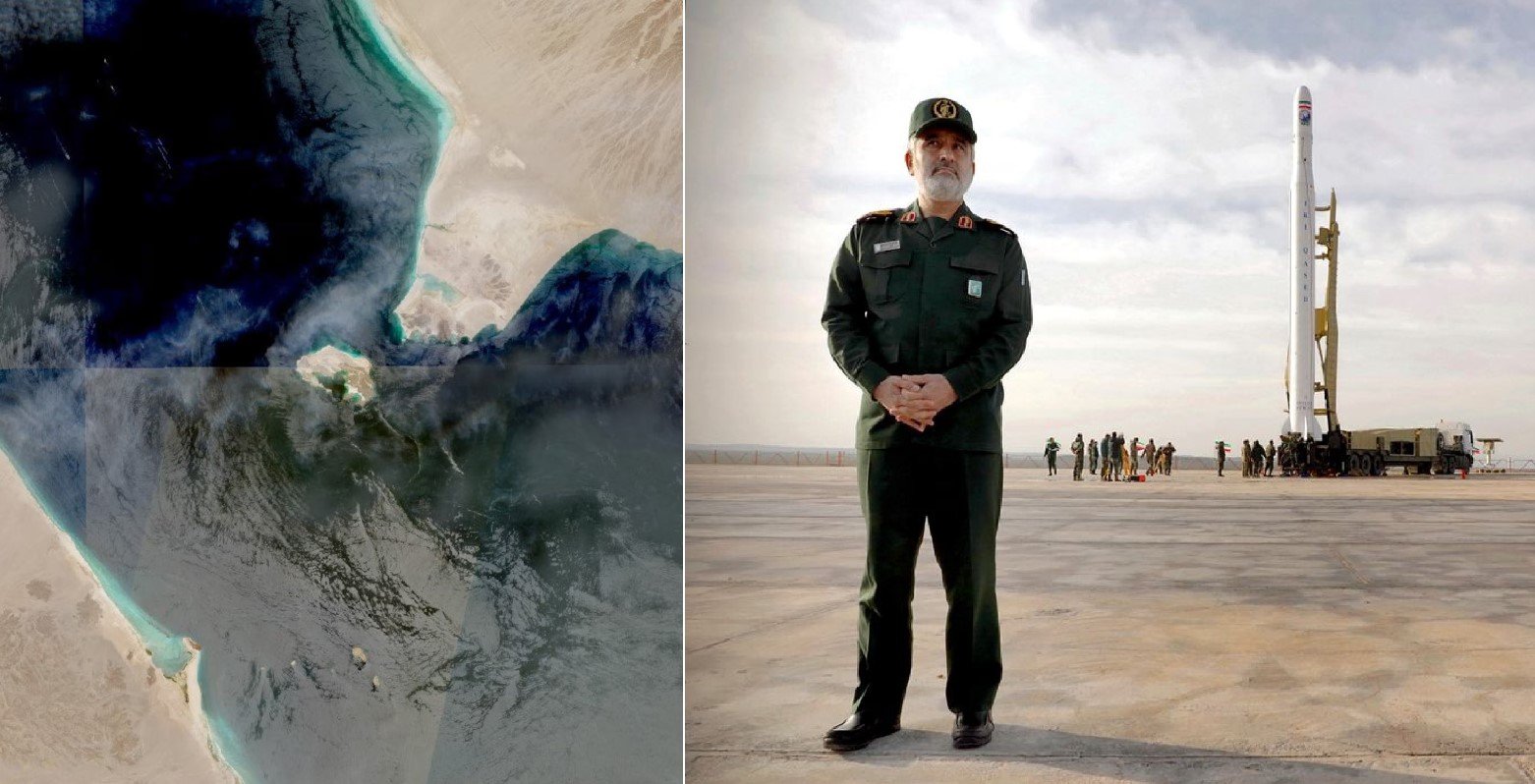 IRGC Experts Visit Bab El-Mandeb to Oversee Radar Installation and Tunneling, Houthi Sources Say
Top Trending in 4 Days
-
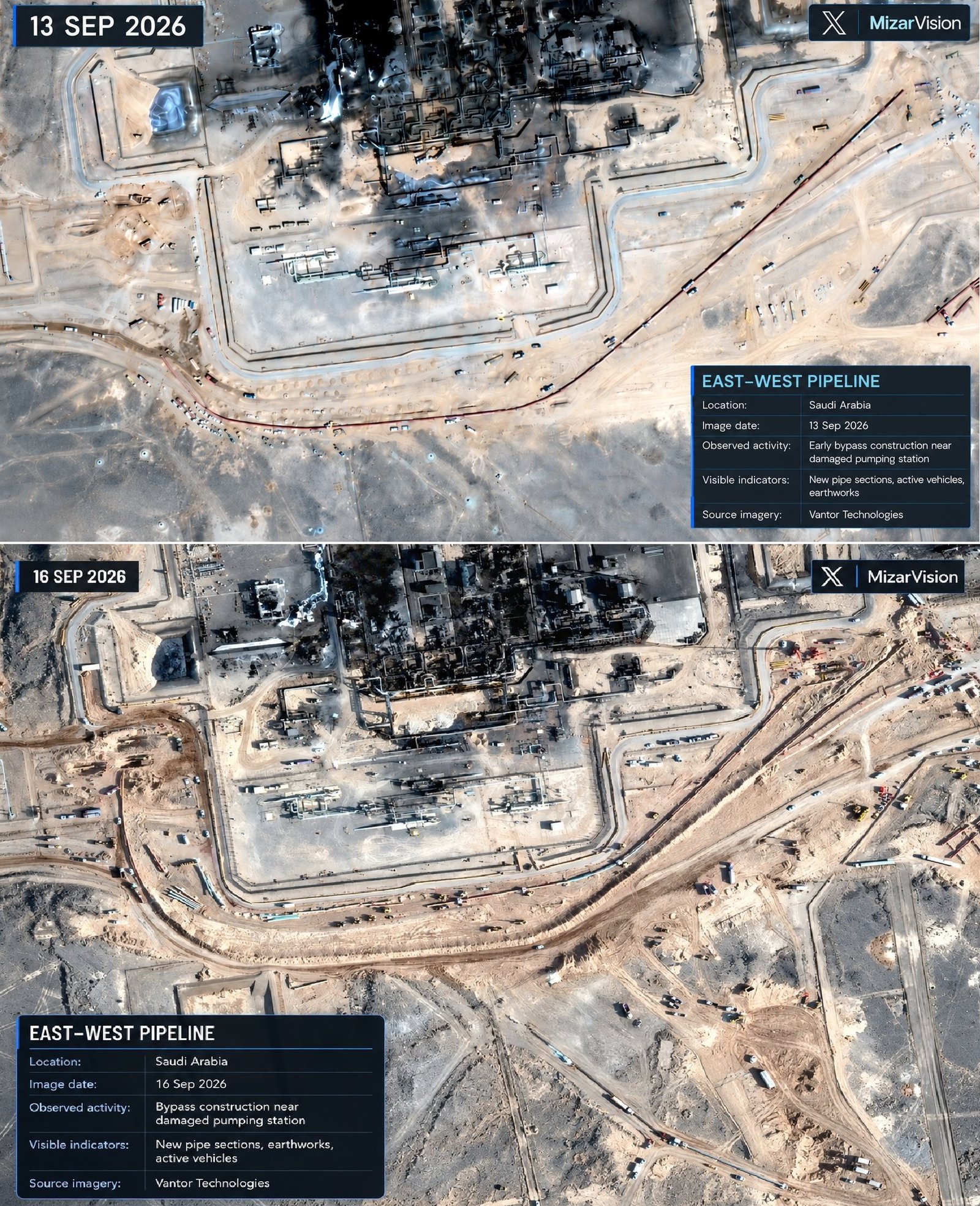 Satellite Images Show Saudi Arabia Building Emergency Bypass Around Damaged East-West Oil Pipeline Station
-
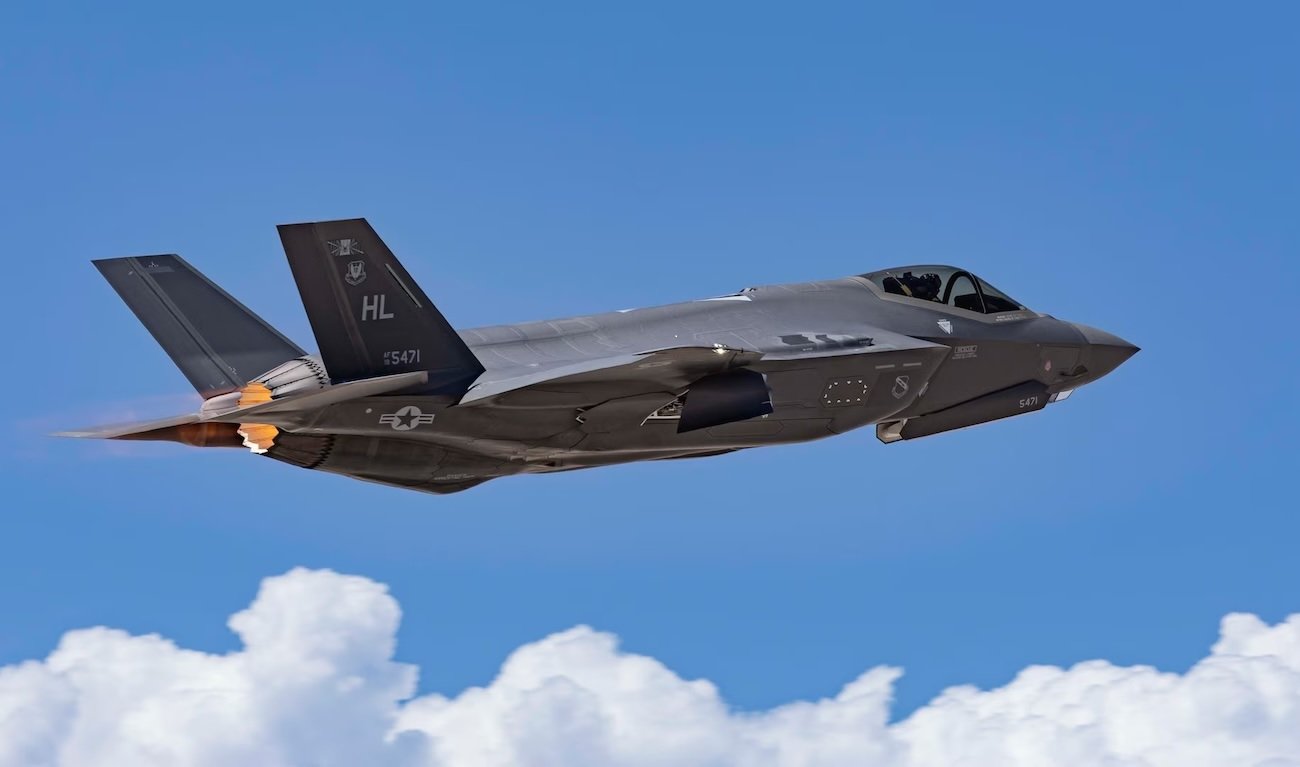 Sensitive F-35 Components Diverted to Hong Kong, Some Parts Missing
-
 Italian Eurofighter Damaged in Houthi Attack on Saudi Arabia’s King Fahd Air Base
-
 U.S. Secures Permanent Military Rights in Greenland in Historic Security Pact with Denmark
-
 U.S. Approves Potential $2.68 Billion Air Defense Package for Ukraine Including S-300 Clone Missiles
-
 BEL Signs Export Deal with Elbit Systems for Directed Infrared Countermeasure Sub-Assemblies, Secures ₹648 Crore in Additional Orders
-
 China Privately Urges Iran to Restrain Houthis After Saudi Appeal
-
 Israeli Firm Arbe Robotics Unveils Alerion High-Resolution 4D Radar for Counter-Drone Operations