
World
ANKARA / BAKU — Turkish defense technology company HAVELSAN has delivered selected critical capabilities of its Air Force Information Command and Control System (AICCS), also known as HvBS, to the Azerbaijani Air Force, marking another step in the growing defense cooperation between Türkiye and Azerbaijan in command and control technologies. The Air Force Information Command and Control System (AICCS) is designed to support the planning, execution, monitoring, and assessment of air operations through an integrated digital environment. By bringing key command and control functions into a unified digital architecture, the system enables air forces to manage operations more efficiently while improving coordination across operational headquarters. Integrated Command and Control for Air Operations According to HAVELSAN, the delivered capabilities allow personnel at operational headquarters to work with a common operational picture, manage mission and operational data in real time, centrally monitor mission-critical information, and accelerate operational decision-making. The company said the integrated architecture improves the speed, accuracy, and effectiveness of operational planning, coordination, and mission execution. It also reduces operational preparation time from several hours to just a few minutes, allowing air forces to respond more quickly and maintain greater operational agility during mission planning and execution. Battle Management and Resource Planning The AICCS architecture consists of two primary subsystems: the Battle Management System (BMS) and the Resources Management System (RMS). The Battle Management System (BMS) supports strategic, operational, and tactical command functions, while the Resources Management System (RMS) manages human resources, logistics, and financial activities. Together, these subsystems provide a comprehensive digital framework for managing air force operations. In addition to supporting operational planning and execution, the AICCS also supports intelligence and flight training processes. The system enables secure information exchange across different levels of command and allows operational plans to be adjusted in real time as mission conditions change. Open and Modular Architecture A key feature of the AICCS is its open and modular design, allowing it to integrate with existing command and control infrastructures while providing flexibility for future expansion as operational requirements evolve. The modular architecture enables the system to be adapted without replacing existing infrastructure, supporting long-term capability development for users. International Deployment HAVELSAN said the AICCS has already been exported to both Pakistan and Azerbaijan, reflecting the company's growing international presence in defense software and command and control technologies. The company also stated that the system has been examined by NATO and has successfully completed four of the six technical analysis and evaluation stages required under NATO's selection program, demonstrating its compatibility with demanding operational standards. Expanding Türkiye–Azerbaijan Defense Cooperation The latest delivery represents another milestone in defense industrial cooperation between Türkiye and Azerbaijan, particularly in the areas of defense software and command and control systems. HAVELSAN said the deployment highlights the increasing international adoption of its indigenous engineering capabilities and mission-critical defense software for allied air forces. The company did not disclose the contract value or the exact scope of the delivered capabilities.
Read More → Posted on 2026-08-04 11:40:35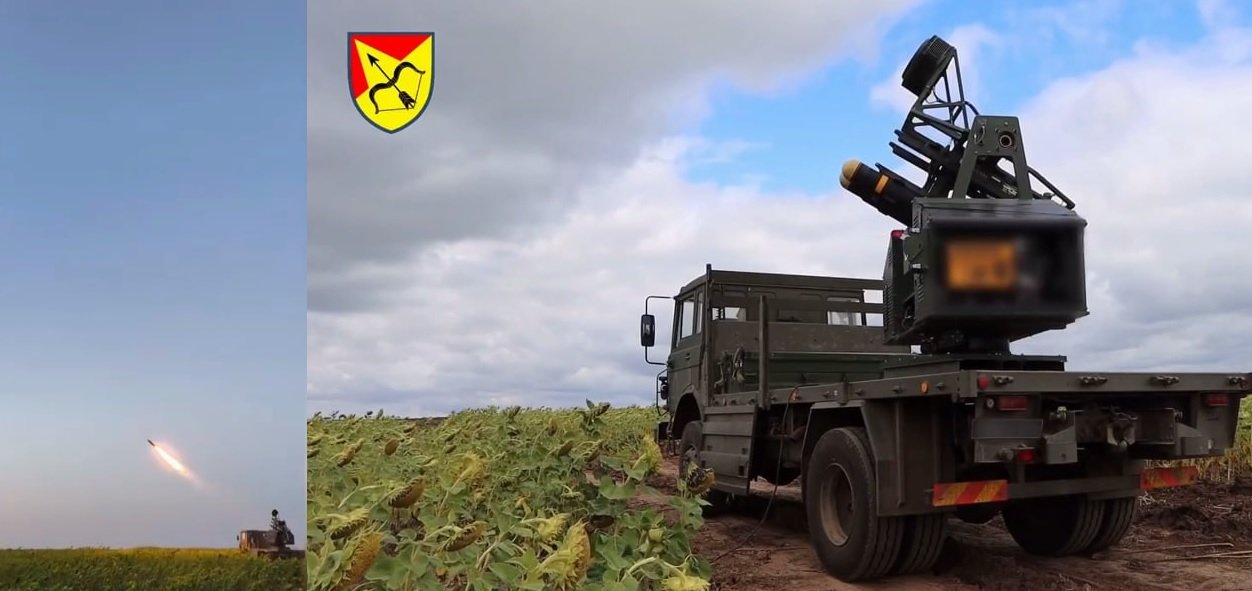
World
KYIV, Ukraine — Ukraine's 302nd Air Defense Missile Brigade has officially unveiled a mobile version of the STASH short-range air defense system, marking the first formal public presentation of the platform by the Ukrainian military. The system was shown in an official video released by the brigade. In its latest configuration, the launcher is mounted on a Dutch-made DAF YA 4442 military transport truck, replacing earlier trailer-mounted and pickup truck versions that had only appeared in unofficial footage and open-source reports. STASH is built around the AGM-114L Longbow Hellfire, an American-made missile originally developed as an air-to-ground weapon for helicopters and aircraft to destroy tanks and armored vehicles. Unlike laser-guided Hellfire variants, the AGM-114L uses a millimeter-wave active radar seeker, allowing it to operate in fire-and-forget mode by locking onto targets after launch without requiring continuous guidance. The launcher carries up to four Hellfire missiles and is paired with RADA's Multi-Mission Hemispheric Radar, an active electronically scanned array (AESA) radar designed to detect and track low-signature aerial targets such as small drones. The system is intended primarily to counter unmanned aerial vehicles (UAVs), including Shahed and Geran-type attack drones. With an engagement range of approximately 8 to 11 kilometers and a flight speed of about Mach 1.3 (roughly 425 meters per second), STASH falls into the short-range air defense (SHORAD) category. It is designed for defending specific sites against slow-moving drones and is not intended to intercept faster threats such as cruise missiles or ballistic missiles. STASH shares its core missile and radar components with the Tempest counter-drone system developed by the American company V2X, which has reportedly been used by Ukrainian forces since early 2026. However, STASH uses a simpler truck- or trailer-mounted configuration that is better suited for protecting fixed locations while reducing complexity and maintenance requirements. The move to the DAF YA 4442 platform indicates Ukraine's efforts to standardize the system on a more practical and mobile chassis. Using a common military truck allows faster deployment, easier relocation, and simpler logistics while expanding short-range air defense coverage. The STASH system forms part of Ukraine's layered air defense network, providing localized protection against low-altitude drone threats while allowing higher-end air defense systems to remain available for more advanced aerial targets.
Read More → Posted on 2026-08-03 15:35:24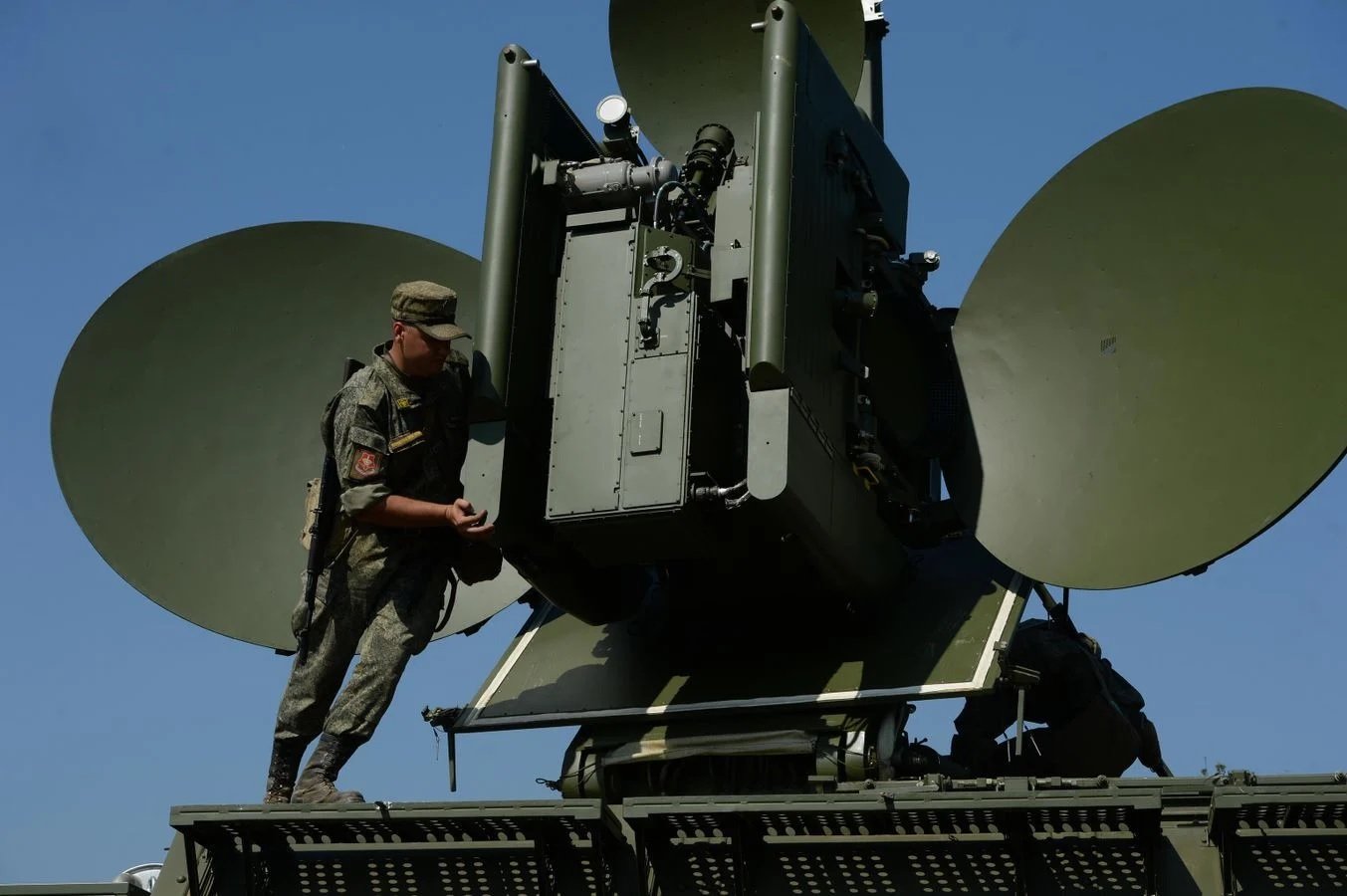
World
Kyiv — Russia has expanded the deployment of electronic warfare (EW) systems along the Novorossiya highway and border regions, making it more difficult for Ukrainian forces to carry out drone strikes, according to Serhii "Flash" Beskrestnov, an electronic warfare specialist and advisor to Ukraine's Ministry of Defense. Beskrestnov said Ukrainian forces had previously conducted active attacks on Russian infrastructure using medium-range unmanned aerial vehicles (UAVs), particularly during June and July. Those strikes targeted several sections of the Novorossiya highway, disrupting traffic and logistics while affecting travel to the Crimean Peninsula and the supply of the region. According to Beskrestnov, Russian forces have responded by expanding the use of electronic warfare systems designed to interfere with Starlink satellite communication terminals used for drone control. Ukrainian drone operators are recording increased activity from these systems, which has made remote control of attack drones more difficult. He also stated that Russia has established a radiographic network along border areas and key highways, while anti-aircraft interceptor drones are conducting regular patrols over the roads. These combined measures have significantly complicated Ukrainian drone operations along the corridor. The Novorossiya highway, also known as the R-280 route, serves as a major land corridor connecting Russian-controlled areas in southern Ukraine with Crimea and is used for military logistics. Independent reporting has previously confirmed that Ukrainian medium-range drone operations targeted vehicles, fuel transports, and related infrastructure along the route earlier in 2026, leading to temporary traffic restrictions and reported supply challenges in occupied territories. New EW System Targets Starlink Communications Beskrestnov identified one of the newly deployed Russian systems as the Volna Kupol Garant, which he said is designed to disrupt Starlink satellite communications rather than directly jamming the drone itself. According to his description, the system was developed by the Simferopol-based company Russian Kupol and operates using eight satellite dishes pointed toward the sky. Each dish transmits interference on one of Starlink's communication channels within the 14 to 14.5 GHz frequency range, with the goal of preventing satellites from communicating with ground-based Starlink terminals. Beskrestnov said a single Volna Kupol Garant complex is mounted on six trailers and can disrupt Starlink communications across an area of approximately 20 square kilometers. The increased use of Starlink-equipped drones has become an important feature of the conflict because satellite communications allow operators to maintain control over UAVs across long distances, where conventional ground-based jamming systems have historically been less effective. Battlefield Impact and Countermeasures According to Beskrestnov, the new electronic warfare network, combined with interceptor drone patrols, has reduced the effectiveness of Ukrainian drone strikes along the Novorossiya highway, at least in the near term. He added that Ukrainian specialists are continuing to develop alternative approaches to overcome the new defensive measures. He also noted that the Volna Kupol Garant system has a potential weakness. Because it emits strong radio-frequency signals and consists of multiple large antenna arrays, it is relatively easy to detect. Beskrestnov stated that Ukraine's 422nd Separate UAV Battalion has already located and destroyed at least two of these complexes in recent weeks. Russian forces have also introduced other protective measures, including changes to convoy operating practices, alongside the deployment of electronic warfare systems. Some of the EW installations themselves have reportedly been targeted during Ukrainian operations. The developments reflect the continuing technological competition between the two sides, with both adapting their tactics as electronic warfare, satellite communications, and unmanned systems play an increasingly important role in operations along the front.
Read More → Posted on 2026-08-03 15:04:25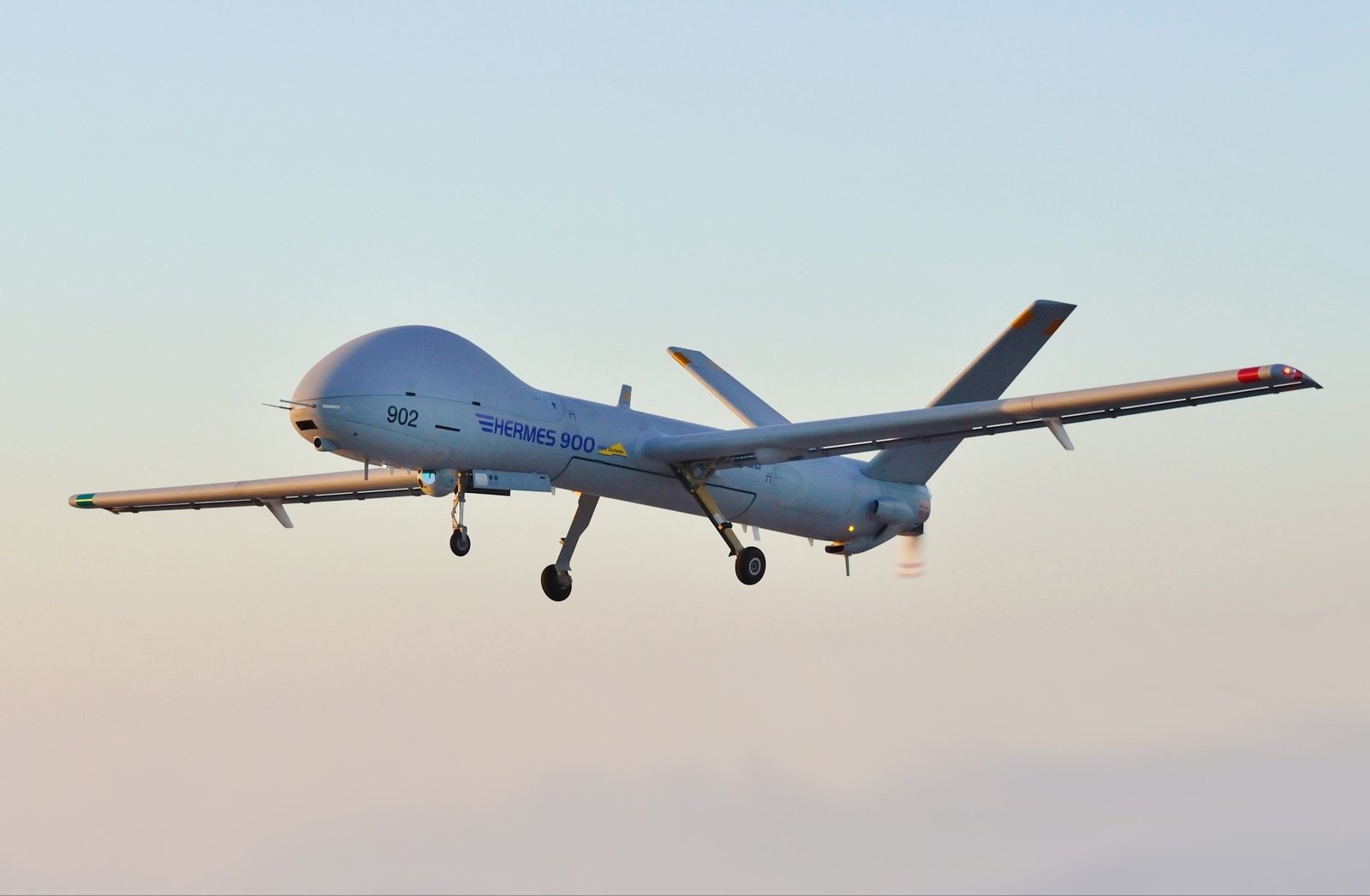
World
TEL AVIV — Leaked internal documents from Israeli defense company Elbit Systems indicate the company held advanced discussions with the United Arab Emirates (UAE) over the possible sale of drones, loitering munitions, and intelligence systems valued at up to approximately $1.3 billion, according to documents published by hacker group Handala and reports by multiple media outlets. The documents, which cover the period from late 2021 to early 2023, include internal correspondence, pricing proposals, sales presentations, and requests from the UAE related to advanced surveillance and intelligence capabilities. However, the leaked material does not confirm whether the specific transactions described were ultimately completed. The documents were published by the pro-Iran hacker group Handala, which claimed it obtained the files after compromising the private Gmail account of an Elbit Systems official who allegedly used the account for internal business communications. The contents were first reported by Drop Site News and later covered by Haaretz, The Times of Israel, and other media outlets. Hermes 900 and SkyStriker proposals According to a 2021 internal Elbit memo cited in the reports, Israel's Defense Ministry approved the company to offer the Hermes 900 surveillance drone and SkyStriker short-range loitering munitions to the UAE. The Hermes 900 is one of Elbit's advanced unmanned aerial systems, designed to provide high-resolution, multi-angle surveillance imagery that operators can review in real time. The leaked correspondence shows that in March 2022, approximately two months after Iran-backed Houthi rebels launched attacks on an airport and oil facilities in Abu Dhabi, the UAE submitted an urgent request for six Hermes 900 systems, with each system consisting of three aircraft. Elbit proposed a price of $40 million per system. According to the leaked documents, the UAE later expressed interest in increasing the planned purchase to 15 systems, bringing the potential value of the proposed deal to about $1.3 billion. Separate documents cited by Drop Site News describe an April 2022 proposal from Elbit's UAE subsidiary covering two Hermes 900 systems—a total of six aircraft—along with SkEye wide-area surveillance sensors, ground control stations, training, logistics support, and related equipment. That package was valued at approximately $154 million, while additional upgrades increased the proposed value to around $225 million. Internal notes described the requirement as urgent and stated the systems were intended to improve detection of missile and drone launches beyond UAE borders while also supporting domestic security missions. Hermes 650 and intelligence capabilities The leaked archive also shows Elbit presenting its Hermes 650 unmanned aircraft to the UAE in March 2023, about one year before the drone was publicly unveiled at a defense exhibition in Singapore. According to the presentation, the Hermes 650 includes signal intelligence (SIGINT) and electronic warfare capabilities. The sales material also stated that the platform can operate alongside Elbit's SkyStriker loitering munitions and attack drones produced by Aeronautics, another Israeli defense company. The documents further include an undated confidential Emirati "airborne SIGINT wish list", requesting four Elbit surveillance aircraft together with cyber, electronic warfare, and related intelligence capabilities to be delivered within 42 months of reaching an agreement. Growing Israel-UAE defense cooperation Elbit Systems established an office in the UAE after Israel and the UAE normalized diplomatic relations under the 2020 Abraham Accords, which opened the way for expanded defense and commercial cooperation between the two countries. The company has publicly confirmed only one defense contract with the UAE—a $53 million agreement announced in January 2022 to supply defense systems for Emirati aerial refueling aircraft. In November 2025, Elbit announced a separate $2.3 billion contract to provide unspecified "strategic equipment" to an unnamed international customer. French publication Intelligence Online, later cited by Globes and other media outlets, reported that the customer was the UAE. The reported contract was described as covering electronic defense systems for aircraft, with deliveries planned over an eight-year period. Company response Elbit Systems declined to comment on the reported negotiations. In a statement quoted by Haaretz, the company said it "does not comment on business matters relating to its customers" and added that "the materials presented do not accurately reflect the company's business activities." The UAE Ministry of Defense has not publicly commented on the reports. Regional security context Defense cooperation between Israel and the UAE has continued to expand amid regional security challenges. During the conflict involving Iran that began on February 28, Israel deployed Iron Dome air defense systems and operating personnel to the UAE. According to contemporaneous reports, the deployment was authorized by Israeli Prime Minister Benjamin Netanyahu following discussions with UAE President Mohamed bin Zayed Al Nahyan. The deployment marked the first reported operational use of the Iron Dome system outside Israel or the United States. The systems intercepted Iranian missiles launched toward the UAE during the conflict. Iron Dome is produced by Rafael, the parent company of Aeronautics. The leaked documents, however, do not include signed contracts, delivery records, or other evidence confirming that the proposed Hermes drone sales discussed between 2021 and 2023 were finalized. Publicly confirmed records remain limited to Elbit's 2022 aircraft protection contract with the UAE and the separate $2.3 billion strategic equipment contract announced in 2025, which has been widely reported to involve the UAE but has not been officially identified by Elbit. Source : timesofisrael
Read More → Posted on 2026-08-03 13:47:56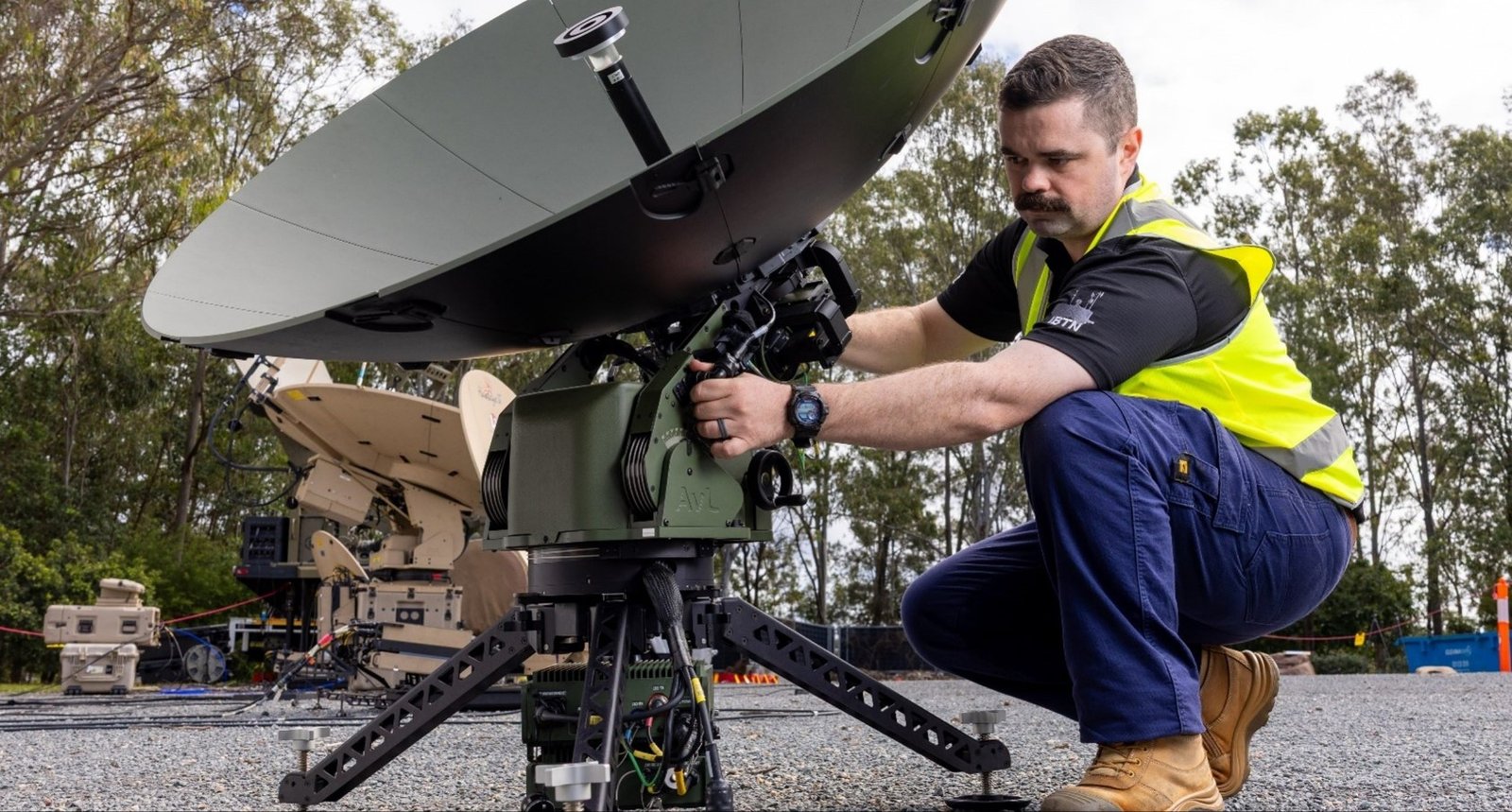
World
BRISBANE, Queensland — Boeing Defence Australia (BDA) has been awarded its second contract under Australia's LAND 4140 program to supply next-generation Class Two Beyond Line-of-Sight (BLOS) satellite communications (SATCOM) ground terminals for the Australian Defence Force (ADF). The contract, announced on Aug. 3, is part of the broader LAND 4140 Land C4 Modernisation Project, which is upgrading the Australian Army's command, control, communications and computers (C4) systems. The new SATCOM capability is intended to provide faster, more reliable and uninterrupted connectivity for military personnel operating in complex operational environments. Next-Generation SATCOM Capability Under the LAND 4140 BLOS SATCOM program, Boeing Defence Australia will deliver Class Two satellite communication ground terminals that support secure, high-speed communications beyond the line of sight. According to the company, the terminals will use high-speed, wideband SATCOM links to enable reliable data exchange across the force, helping maintain communications during military operations. Matt Buckle, Director of Joint Systems at Boeing Defence Australia, said the capability builds on the company's experience in delivering enterprise-wide communications systems for Defence. "This capability will connect Australia's Integrated Force across multiple domains," Buckle said. "Underpinned by high-speed, wideband SATCOM links, the advanced BLOS system will ensure uninterrupted data flow that allows the Australian Defence Force to connect when needed and operate with confidence when it matters most." Built on the Integrated Battlefield Telecommunications Network Buckle said the new capability also supports Defence's ongoing software modernisation efforts by building on the secure Integrated Battlefield Telecommunications Network (IBTN). The IBTN was previously delivered by Boeing Defence Australia under the Currawong program and reached Final Operating Capability in 2024. The network now serves as the foundation for the next-generation integrated communications network being developed under LAND 4140. Second Major LAND 4140 Contract The SATCOM award is Boeing Defence Australia's second major contract under the LAND 4140 program. Earlier in 2026, the company was selected as the systems integrator for the LAND 4140 Battlefield Management System (BMS). That contract became effective on March 6, 2026, with an operative date scheduled for September 2026 and an initial term of five years. As systems integrator, Boeing Defence Australia is responsible for coordinating software applications, services and stakeholders to deliver a unified command and control capability for the Australian Army. The Battlefield Management System is designed to consolidate software, geospatial information, navigation and targeting data into a single command and control platform. Supporting Faster Command and Control According to Boeing Defence Australia, the combination of the Battlefield Management System and the new Class Two BLOS SATCOM terminals will improve the speed at which command and control information, situational awareness data and targeting information can be processed and shared across the force. The integrated capability is intended to strengthen communications between military units and improve information flow during operations. LAND 4140 Modernisation Program LAND 4140 is Australia's land C4 modernisation program, aimed at improving decision-making and strengthening the integration of command and control, intelligence, sensors and weapon system effectors for joint land force operations. Tranche 1 of the program includes: Beyond Line-of-Sight (BLOS) SATCOM High-capacity data networking ICT mobility Network modelling Modular open system standards Boeing Defence Australia's Defence Communications Experience Boeing Defence Australia has supported the Australian Defence Force's communications and network modernisation programs for more than a decade. The company previously delivered the Integrated Battlefield Telecommunications Network under the Currawong program, contributed to the SEA 1442 maritime communications project, and serves as a subcontractor on the AIR 6500 joint air battle management system. The latest LAND 4140 SATCOM contract further expands Boeing Defence Australia's role in supporting the Australian Defence Force's ongoing communications and command-and-control modernisation efforts.
Read More → Posted on 2026-08-03 12:45:10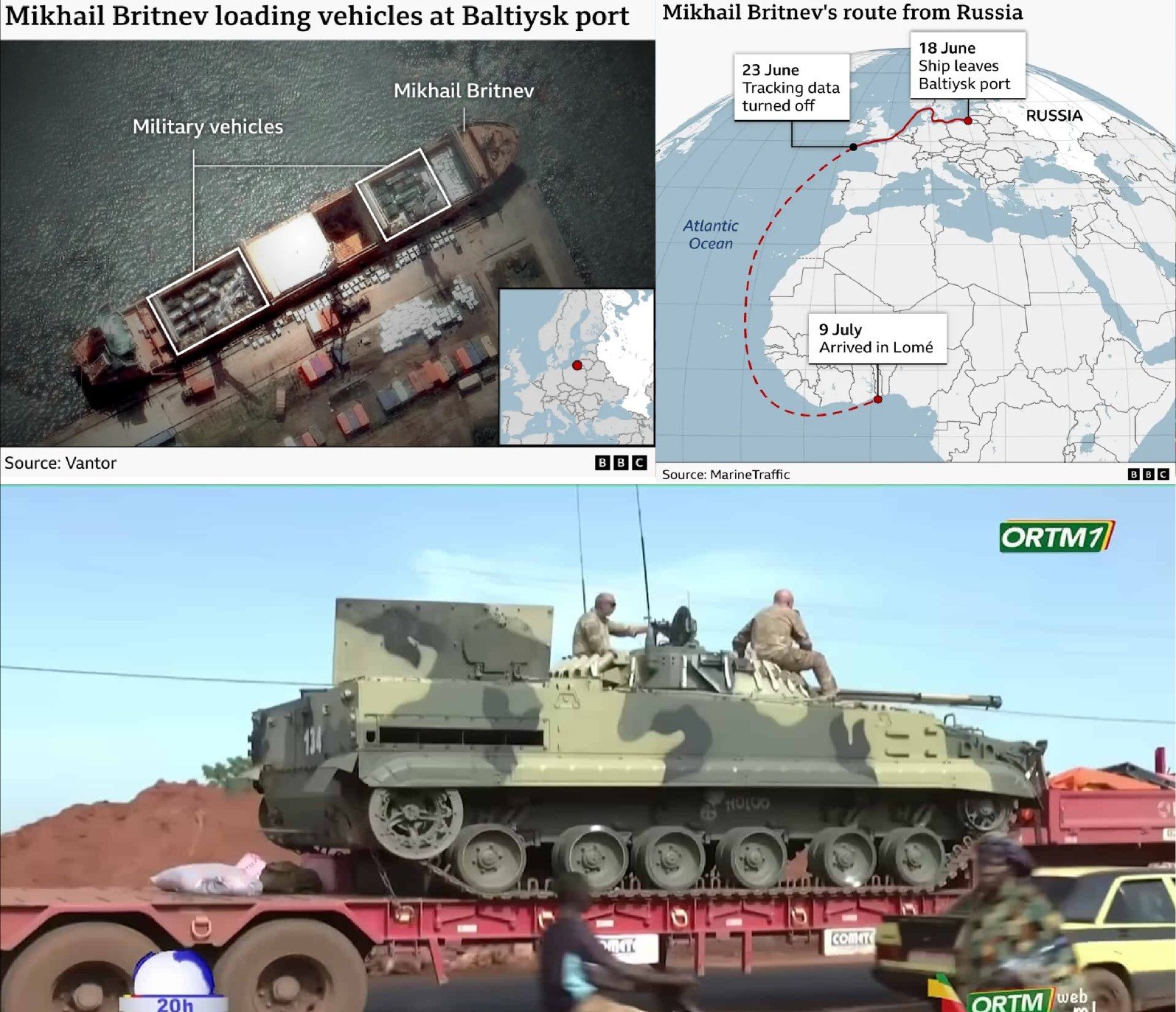
World
BAMAKO, Mali — A large shipment of military vehicles has reached Mali aboard a Russian cargo ship under U.S. sanctions, according to an investigation by BBC Verify, providing new equipment to Malian and Russian forces as the country's military government faces an intensifying rebel offensive in the north. The shipment was first revealed in footage broadcast by Malian state television on July 25, showing a convoy of armored vehicles arriving in the capital, Bamako. Defense analysts identified the convoy as including BTR-82A armored personnel carriers, BMP-3 infantry fighting vehicles, Tigr armored vehicles, and Chinese-made VP11 armored vehicles. BBC Verify Traces Shipment to Sanctioned Russian Vessel According to BBC Verify, ship-tracking data linked the delivery to the Mikhail Britnev, a Russian cargo vessel sanctioned by the United States in 2024. Tracking records show the vessel departed Baltiysk, Russia's Baltic Sea port in the Kaliningrad region, on June 18 before sailing through the North Sea and entering the English Channel. BBC Verify reported that the cargo ship was escorted through the Channel by a Russian Navy Ropucha-class landing ship, although the UK Ministry of Defence declined to comment on the reported escort. After leaving the Channel, the Mikhail Britnev switched off its tracking transponder and disappeared from publicly available tracking data. It reappeared only as it approached the Port of Lomé, Togo, where it docked on July 9, according to ship-tracking records reviewed by BBC Verify. Satellite images taken before the vessel departed Baltiysk appeared to show trucks, armored personnel carriers, and light infantry vehicles matching those later seen in Bamako, according to experts who examined the imagery. Vehicles Transported Overland Through Togo and Burkina Faso Malian state television reported that the armored vehicles were moved overland from Togo, passing through Burkina Faso before arriving in Mali. The route highlights growing military cooperation between Russia and several West African countries. Burkina Faso is also governed by a military junta with close ties to Moscow, while Togo signed a military cooperation agreement with Russia late last year. BBC Verify also identified Baltiysk as an important departure point for Russian military shipments to West Africa. The investigation noted that the bulk carrier Sabetta loaded what appeared to be military vehicles there in February before later docking in Conakry, Guinea, a port previously linked to Russian weapons transfers. Another tanker was also observed loading military vehicles at Baltiysk on June 6. Delivery Comes as Mali Faces Renewed Rebel Pressure The arrival of the military equipment comes as Mali's ruling junta faces continued attacks from Jama'at Nusrat al-Islam wal-Muslimin (JNIM) and Tuareg separatist groups, which have expanded their control across parts of northern Mali. Recent fighting has been reported around the northern town of Anefis, while clashes have also occurred near Niono and other areas of central Mali. According to BBC Verify, the new shipment is intended to resupply Malian and Russian forces operating against the rebel groups. Russia Continues Military Support Through Africa Corps Russia has supported Mali's military government since French forces withdrew from the country in 2022. The Wagner Group initially led Russia's security presence in Mali. Its role has since been taken over by the Africa Corps, which operates under the Russian Ministry of Defence. BBC Verify has previously confirmed footage showing Africa Corps conducting air strikes against rebel positions, although the force has struggled to halt recent rebel advances. Analysts Assess Military Significance Charlie Werb, an analyst with Aldebaran Threat Consultants, said the latest shipment could help Malian and Russian forces strengthen future operations in areas currently controlled by rebel groups. Analysts at defense intelligence firm Janes also assessed that the newly delivered vehicles could support logistics, operational planning, and combat missions. Werb said Russia has maintained military assistance since the conflict entered a new phase on April 25. "The Kremlin has maintained steady military support since the conflict entered a new phase on 25 April by bringing in fresh forces, weapons, and equipment," Werb said. "The delivery highlights that despite recent setbacks, Mali remains central to Russia's strategy in Africa, and the Africa Corps is a key pillar in Bamako's fight against militant groups." Human Rights Concerns Continue Mali's security situation has also drawn international attention. Amnesty International has called for a war crimes investigation following reports that at least 19 Malian soldiers were summarily executed after an ambush earlier this month. The findings published by BBC Verify are based on ship-tracking data, satellite imagery, verified state television footage, and analysis by defense experts, providing a detailed account of the route used to transport the military vehicles from Russia to Mali.
Read More → Posted on 2026-08-02 15:09:04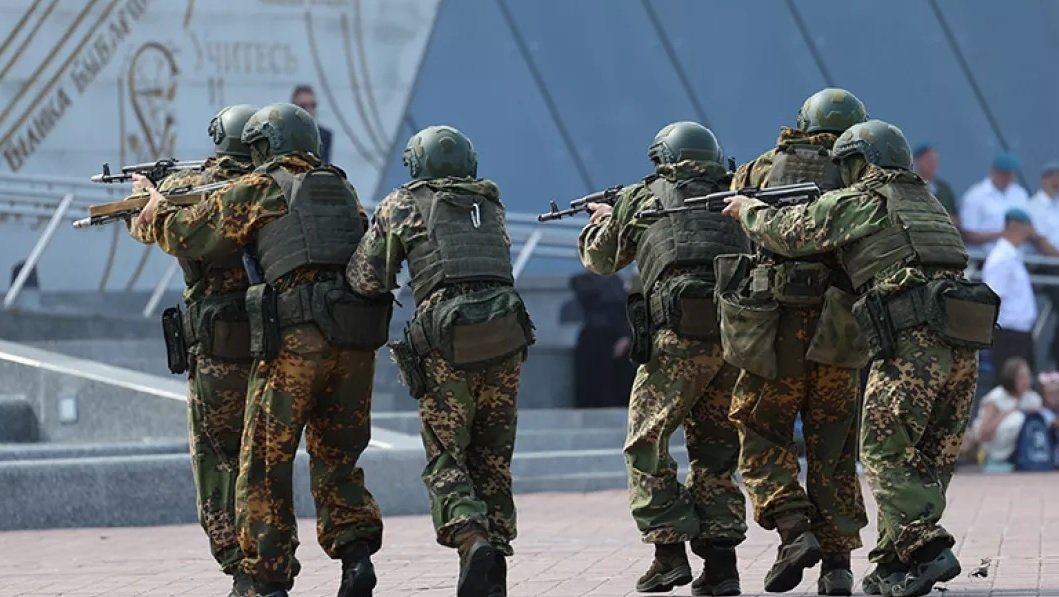
World
GOMEL, Belarus — Belarus is establishing a new airborne assault brigade near its southern border with Ukraine as part of an expansion of its Special Operations Forces (SOF), with the unit expected to strengthen the country's rapid-response military capabilities. The new formation, designated the 37th Separate Airborne Assault Brigade, will be based in the Gomel region, approximately 40 kilometers (25 miles) from the Ukrainian border. The development was confirmed by Alexander Ilyukevich, commander of the Special Operations Forces of the Belarusian Armed Forces, in comments reported by Belarusian military television and independent media on Aug. 2, 2026. Ilyukevich said the brigade's formation is actively underway, with several military units and subunits already established. "Several military units and subdivisions have already been formed. Personnel have already been drafted, officers have been recruited, and planned training is underway to prepare them for their intended purpose," he said. According to Ilyukevich, the formation process began in early 2026. One battalion has already been created, while a second battalion is scheduled to be established before the end of this year. The brigade will also include combat support units, artillery units, air defense units, and reconnaissance units. The brigade is expected to relocate to its permanent base near Gomel in 2027. Once established, the 37th Separate Airborne Assault Brigade will become the fourth airborne assault brigade within Belarus' Special Operations Forces. The existing formations include the 103rd Separate Guards Airborne Brigade in Vitebsk, the 38th Separate Guards Air Assault Brigade in Brest, and the 5th Separate Special Purpose Brigade near Maryina Gorka, south of Minsk. The plan to create the brigade was first outlined by former Special Operations Forces commander Major General Vadim Denisenko. In August 2025, Denisenko said the decision to station the unit in the Gomel region was made to reinforce Belarus' southern direction, which he described as the country's "most restless direction" from a security perspective. At that time, Denisenko said one battalion of what was then referred to as the 37th Separate Airborne Assault Guards Brigade had already been formed. He also announced broader expansion plans for the Special Operations Forces, including the addition of an anti-aircraft missile regiment and progress toward establishing a rocket artillery regiment. The Special Operations Forces are among the highest-readiness ground combat units in the Belarusian Armed Forces, and the creation of the new brigade expands their presence in the southern part of the country. Construction of a military compound for the unit in the Homiel district has also been reported in recent months as preparations continue for the brigade's permanent deployment. The new brigade's location places Belarusian rapid-response forces close to Ukraine's northern border. Belarusian officials have previously described the border situation as stable while continuing military development in the southern region. Belarus and Russia also maintain close defense cooperation, with reports indicating that a significant share of components for Russia's Oreshnik missile system are manufactured in Belarus.
Read More → Posted on 2026-08-02 14:52:35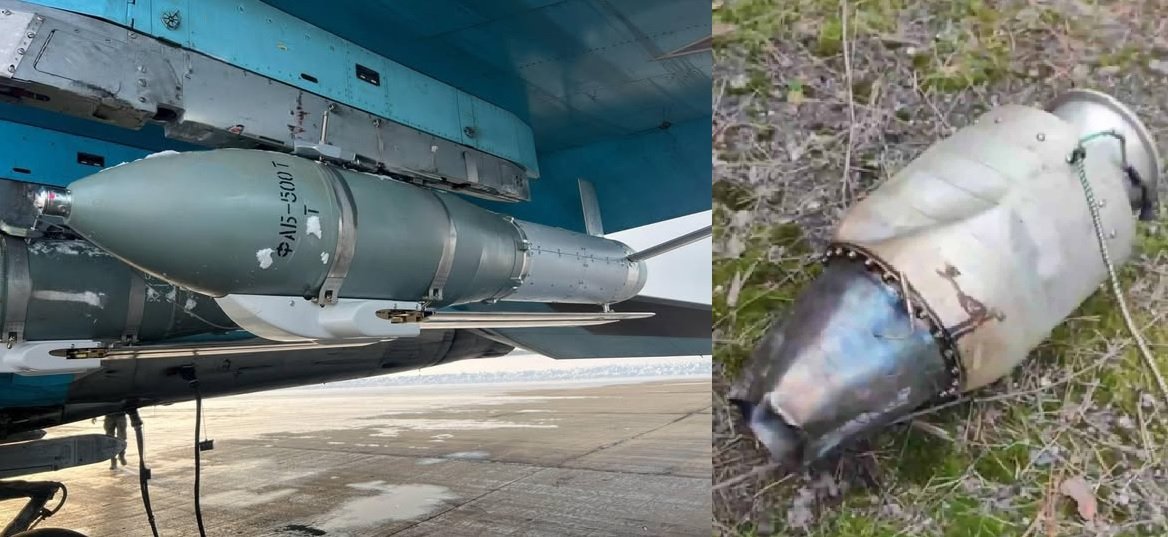
World
PAVLOHRAD, Ukraine — Russian forces carried out three guided aerial bomb attacks on the Ukrainian city of Pavlohrad during the final 10 days of July, raising indications that extended-range aerial munitions may have been used in the strikes. Pavlohrad, located in Ukraine's Dnipropetrovsk region about 75 kilometers from the front line, was hit on July 20, July 23, and July 30, according to local authorities and Suspilne Dnipro. The three attacks killed seven people and injured more than 45 others. The strikes have drawn attention because of the reported distance between the suspected launch points and the impact locations. Open-source intelligence (OSINT) researcher Clément Molin assessed that the Russian aircraft likely released the weapons from approximately 150 kilometers away, a range exceeding that of standard Russian glide bombs. The estimated launch distance has led analysts to suggest that Russia may have resumed using the UMPB-5R, a guided aerial bomb fitted with a jet engine to extend its range. Three attacks in 10 days The first strike on July 20 marked the first reported use of guided aerial bombs near residential buildings in Pavlohrad. According to local authorities, two people were killed and around 15 others were injured, including children. The attack caused fires in apartment buildings and surrounding areas, while several vehicles were also damaged. A second strike followed on July 23, when a guided aerial bomb hit a food industry business at around 11:20 a.m. The attack killed three people and injured at least 19 others, including a two-year-old girl. The strike triggered a fire at the facility. Later updates reported that the number of injured increased, with several people remaining hospitalized the following day, some in serious condition. On July 30, another guided aerial bomb struck the city, killing two people and injuring five others. Regional officials reported fires and damage in residential areas. UMPB-5R suspected due to extended range According to Clément Molin's analysis, the estimated 150-kilometer flight distance from the aircraft's launch point to Pavlohrad suggests the possible use of the UMPB-5R rather than a conventional glide bomb. The UMPB-5R first appeared in limited numbers during late spring and early summer 2025. One of its earliest documented uses occurred on October 18, 2025, when Ukrainian prosecutors reported that a UMPB-5R struck Lozova in Ukraine's Kharkiv region after traveling approximately 130 kilometers. Fragments recovered from the Lozova strike, photographed by military communications specialist Serhii Flash in October 2025, showed remnants of a jet engine matching the Chinese-made Swiwin SW800Pro-Y. The same engine model has also been identified in Russia's S8000 Banderol missile. According to Ukraine's Defense Intelligence (DIU), fitting the UMPB-5R with this jet engine increases its maximum range to up to 200 kilometers. Recent Russian tests of similar powered aerial munitions have reportedly achieved flight distances of 193 kilometers. Photos published in October 2025 showed the SW800Pro-Y turbojet mounted on the bomb. The commercial engine reportedly produces about 80 kilograms of thrust and weighs approximately 10 kilograms. Analysts also note that powered glide bombs of this type can exceed 400 kilometers per hour during the terminal phase of flight. Because of their speed, interception by anti-aircraft drones is considered largely ineffective, requiring conventional surface-to-air missile systems such as the Hawk-3 or Buk for engagement. Other long-range guided bombs in Russian service The UMPB-5R is not the only longer-range aerial weapon available to Russian aircraft. In October 2025, reports indicated that Su-34 aircraft had been equipped with upgraded UMPK-500 unified glide and correction modules for FAB-500T aerial bombs. The upgraded module features an extended tail section and larger wings, with Russian sources claiming a range of more than 100 kilometers. Operational estimates indicate the bomb can reach up to 160 kilometers when released from altitudes between 12 and 14 kilometers. The design is reported to have served as the basis for the powered UMPB-5R. Russian aircraft also carry the Grom-E1 guided bomb, which uses a rocket engine derived from the Kh-38 tactical missile. The weapon carries a 315-kilogram high-explosive fragmentation warhead and has a reported strike range of 10 to 120 kilometers. It is designed for launch from altitudes between 500 and 12,000 meters at aircraft speeds of 140 to 445 meters per second. The integration of jet and rocket propulsion into guided aerial bombs enables launch aircraft to release munitions from greater distances behind the front line, reducing their exposure to Ukrainian air defense systems. The three attacks on Pavlohrad during the final days of July highlight Russia's continued use of long-range aerial strike capabilities against targets well behind the front line. Local officials said the city is facing an increasing threat from such attacks, which provide residents with shorter warning times before impact. Source : militarnyi
Read More → Posted on 2026-08-02 14:20:17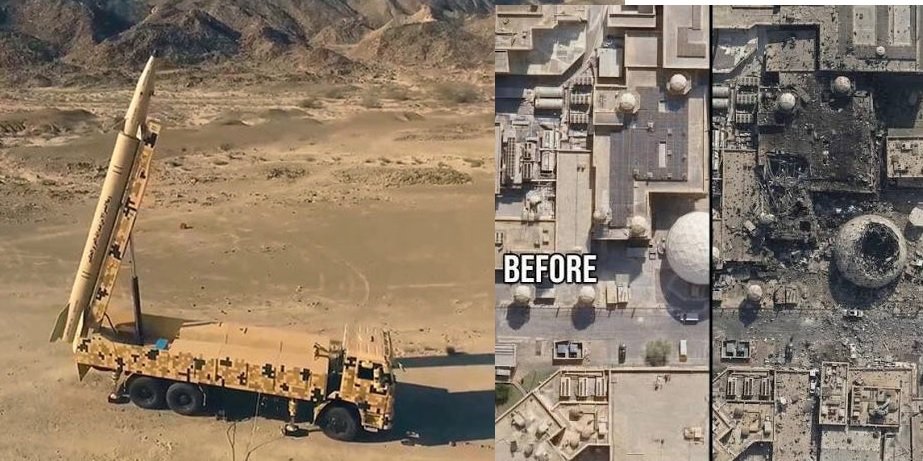
World
WASHINGTON — Iran's Kheibar Shekan medium-range ballistic missile has emerged as a significant challenge for U.S. and allied missile defense systems during the ongoing conflict in the Middle East. U.S. defense officials have raised concerns about the missile's performance and the tactics used in its employment, which are placing increasing pressure on regional air defense networks and interceptor inventories. According to reports citing U.S. officials, Iranian forces are no longer relying on predictable ballistic missile trajectories. Instead, they are employing varied flight paths, different speeds, maneuverable re-entry vehicles, and coordinated drone attacks. These saturation tactics require U.S. and allied air defense systems to launch larger numbers of interceptors while reducing the probability of successful interceptions. Kheibar Shekan's Design and Capabilities The Kheibar Shekan was unveiled by the Islamic Revolutionary Guard Corps (IRGC) Aerospace Force in 2022 as a third-generation solid-fuel medium-range ballistic missile. It has a reported range of up to 1,450 kilometers, measures 11.4 meters in length, weighs approximately 4.5 tons, and carries a 550-kilogram explosive warhead. A key feature of the missile is its solid-fuel propulsion, which allows significantly faster launch preparation than older liquid-fuel ballistic missiles. This reduces the time launch crews are exposed before firing and enables rapid relocation after launch. The missile is carried on 10-wheel commercial transporter-erector-launchers (TELs), providing high road mobility. This allows launch units to fire and quickly move to new positions, making them more difficult to target. Efforts to destroy Iranian missile forces before launch have also been complicated by extensive underground missile facilities that enable operations to resume quickly after attacks. Analysts have linked the missile's development to Iran's acquisition of North Korean Hwasong-10 ballistic missile technology during the 2000s. The Hwasong-10 itself was derived from the Soviet R-27 Zyb submarine-launched ballistic missile. Maneuverable Re-entry Vehicle Increases Interception Difficulty Unlike conventional ballistic missiles that follow relatively predictable paths during the final stage of flight, the Kheibar Shekan is equipped with a maneuverable re-entry vehicle featuring a tri-conic design. The missile's nose section can adjust its flight path during the terminal phase, making interception more difficult. During atmospheric re-entry, the missile is estimated to travel at speeds between Mach 2 and Mach 3. These late-stage maneuvers shorten the available engagement window for missile defense systems and require interceptors to respond to rapid trajectory changes. Pressure on U.S. and Allied Missile Defenses Regional missile defense relies primarily on U.S. Army THAAD and Patriot batteries, along with U.S. Navy Aegis destroyers equipped with SM-3 and SM-6 interceptors. Repeated missile engagements have placed increasing demands on interceptor inventories. U.S. officials have expressed concern about the long-term sustainability of maintaining current interception rates if large-scale missile attacks continue. The financial balance also favors the attacking side. Reports note that the Kheibar Shekan is relatively inexpensive to produce, while a single THAAD interceptor launch costs more than $15.5 million. By launching large salvos designed to saturate defenses, Iran can force defending forces to expend significant numbers of costly interceptors even when many incoming missiles are destroyed. Military analysts also note that this approach allows Iran to preserve more advanced missile systems, including the Fattah 2, which incorporates a hypersonic glide vehicle intended for higher-priority targets. Radar Losses Reduce Situational Awareness The effectiveness of regional missile defenses has also been affected by damage to key radar infrastructure. In March 2026, the Israeli newspaper Haaretz reported that up to 80 percent of Iranian missiles launched against Israel were reaching their targets, indicating declining interception performance during sustained attacks. According to reports, the Islamic Revolutionary Guard Corps (IRGC) has targeted several high-value radar systems supporting U.S. and allied missile defense operations. Reported losses include the AN/FPS-132 early-warning radar in Qatar and two AN/TPY-2 radars located in Jordan and the United Arab Emirates. The AN/TPY-2 radar is a critical component of the THAAD ballistic missile defense network. Damage to these forward-deployed radar sites has reduced situational awareness for U.S. and Israeli air defense systems, increasing reliance on offshore ship-based radars and the remaining AN/TPY-2 radar station in Turkey. Continuing Impact on Regional Air Defense Operations Recent reporting, including coverage published in July 2026, indicates that the Kheibar Shekan has become one of the missiles most frequently used in Iranian attacks against U.S. bases and other military assets. U.S. officials say Iranian forces continue adapting launch methods by varying missile trajectories, speeds, terminal maneuvers, and coordinating attacks with drones based on observed interception patterns. Although U.S. and allied missile defense systems continue to intercept many incoming missiles, officials acknowledge that some have penetrated defensive networks. The Kheibar Shekan's combination of solid-fuel readiness, road mobility, maneuverable re-entry capability, and coordinated employment tactics continues to present a significant operational challenge for U.S. and allied missile defense forces across the region. Source : militarywatchmagazine
Read More → Posted on 2026-08-02 13:59:49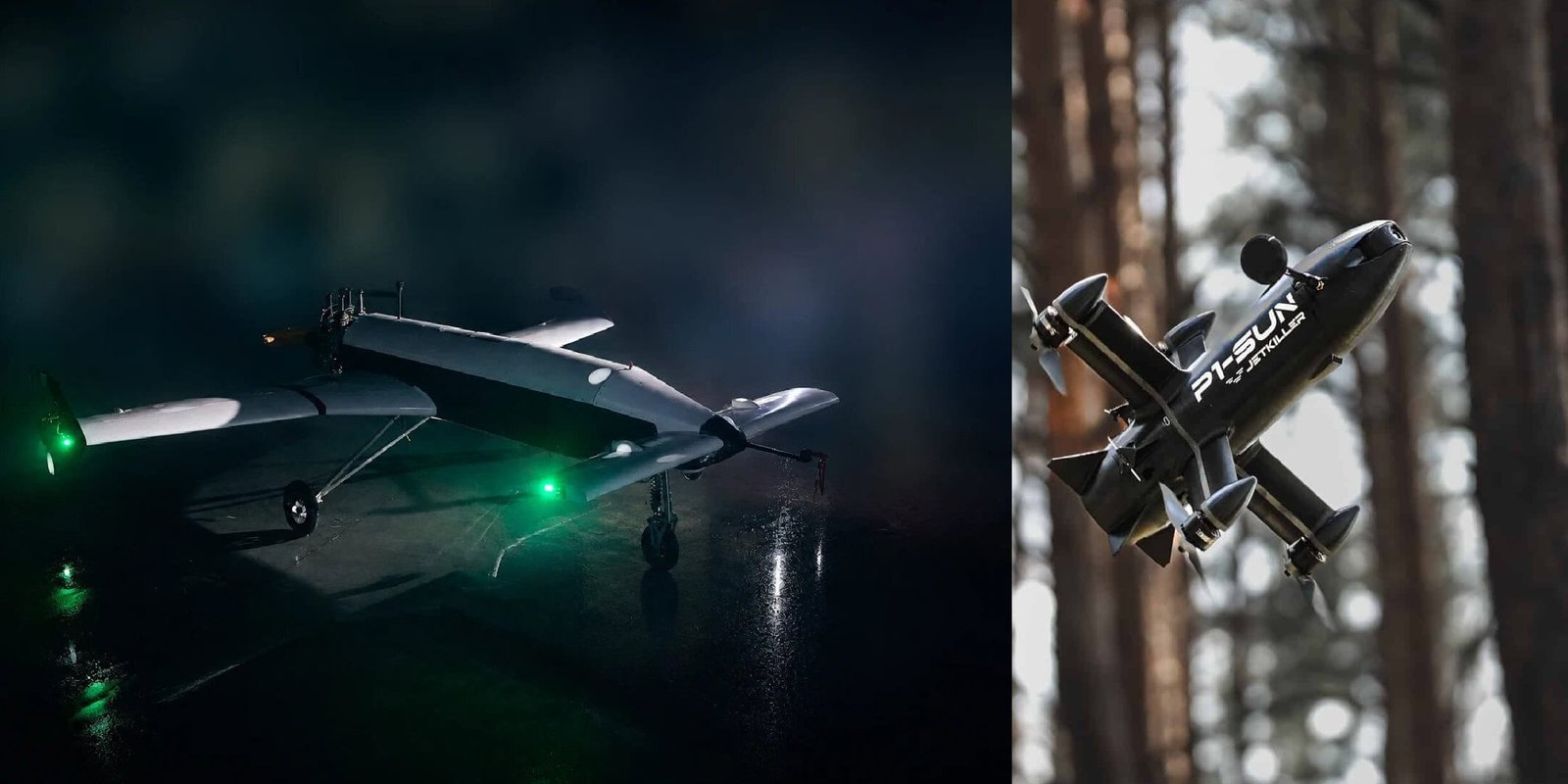
World
KYIV — Ukrainian defense technology company SkyFall has introduced two new unmanned aerial systems (UAVs)—a long-range strike drone and a high-speed interceptor drone—expanding its portfolio of military UAVs already in service with the Ukrainian Defense Forces. The new systems were presented to international media, including Bloomberg, during the Farnborough International Airshow in the United Kingdom in late July 2026. SkyFall is already known in Ukraine's defense sector for developing the Vampire bomber drone, Shrike first-person-view (FPV) drones, and earlier versions of the P1-SUN interceptor. New Mid-Range Strike Drone SkyFall's latest attack platform, currently referred to as the Mid-Strike system, is a fixed-wing drone with a wingspan of approximately 3.5 meters and a maximum operational range of up to 600 kilometers. The propeller-powered drone is designed to carry a 40–50 kilogram payload. Depending on mission requirements, it can be equipped with different types of warheads, including fragmentation and high-explosive fragmentation (HE-FRAG) warheads, as well as other payloads. According to SkyFall, the estimated unit cost ranges between $25,000 and $30,000, depending on the selected configuration. The company stated that the drone has already demonstrated successful performance in combat conditions and is currently in serial production. SkyFall also confirmed that it has signed contracts with international partners to support deliveries of the system to the Ukrainian Defense Forces. To meet planned demand, the manufacturer aims to increase production capacity to 1,000 units per month by the end of this year. SkyFall has not yet announced an official name for the new strike drone. P1-SUN JetKiller Interceptor Alongside the strike drone, SkyFall also unveiled the P1-SUN JetKiller, a new interceptor drone developed to counter jet-powered Shahed attack drones, which fly significantly faster than earlier propeller-driven variants. According to the company, the JetKiller was developed in three months and was introduced for the first time at the Farnborough International Airshow. The interceptor has a maximum speed of 370 km/h, compared with the 310 km/h top speed of the previous P1-SUN model. It has an operational range of up to 30 kilometers, can fly at altitudes of up to 9,000 meters, remains airborne for up to 15 minutes, and carries a 500-gram warhead designed to destroy hostile drones in flight. Multiple Configuration Options SkyFall said the JetKiller is available in several configurations to suit different operational requirements. The interceptor can be equipped with day or night cameras, available in either analog or digital versions. It is also offered with an optional artificial intelligence (AI) module designed to support terminal guidance. According to the manufacturer, the AI system automatically detects, tracks, and acquires targets, and can lock onto them at distances of up to 1 kilometer. SkyFall said the module processes targeting information faster than human reaction time, helping operators engage aerial targets more quickly in complex combat conditions. Combat Trials and Production Plans SkyFall stated that the P1-SUN JetKiller is completing its combat trials and has already intercepted more than a dozen jet-powered Shahed drones during testing. The company plans to begin serial production in August 2026 and has set a production target of up to 50,000 interceptor drones per month. The introduction of the new Mid-Strike drone and the P1-SUN JetKiller expands SkyFall's existing family of unmanned systems, which already includes the Vampire bomber drone, Shrike FPV drones, and previous P1-SUN interceptor variants that have been supplied for use by the Ukrainian Defense Forces.
Read More → Posted on 2026-08-02 10:47:39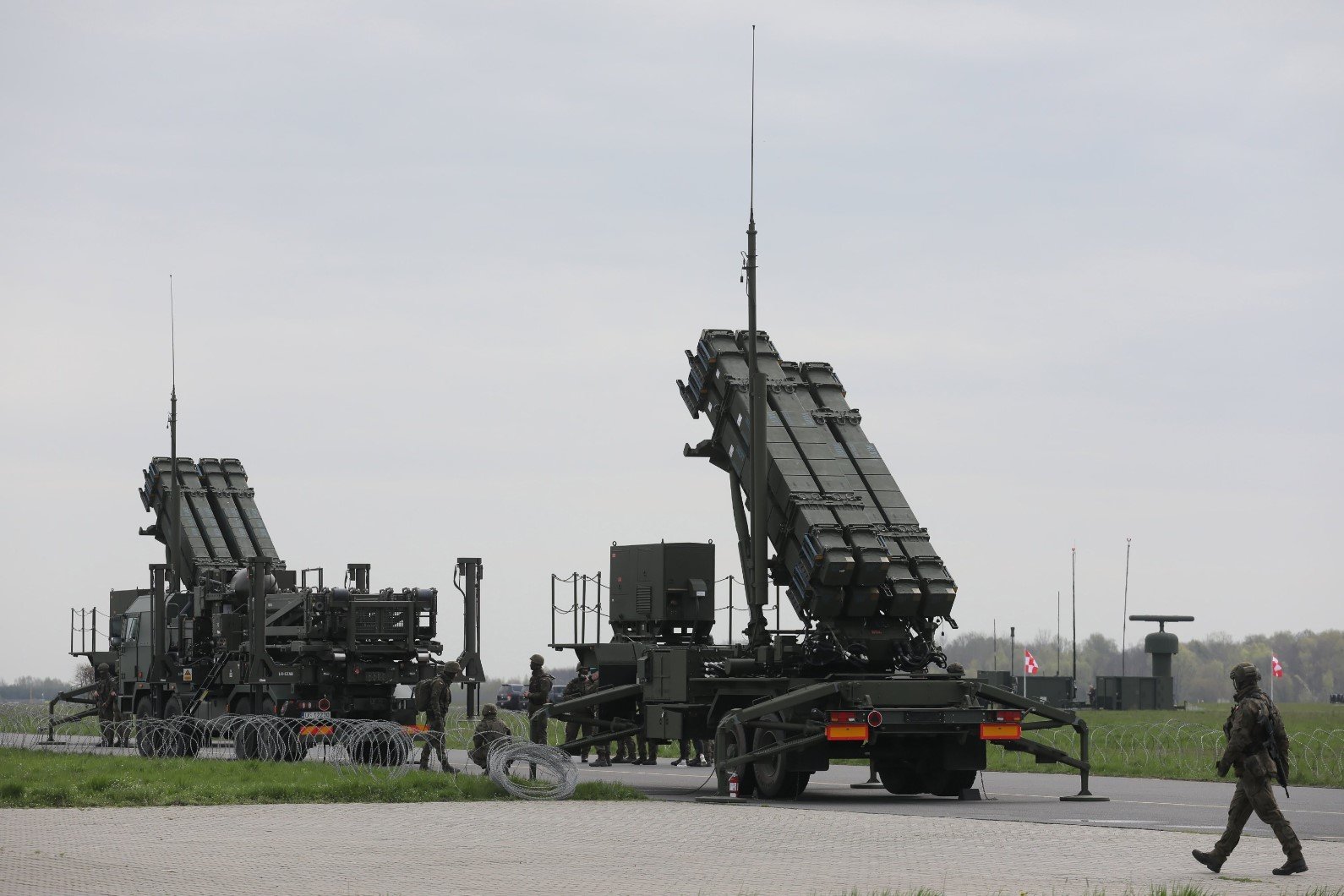
World
KYIV — Ukraine intercepted only one of 27 Russian ballistic missiles launched during a large-scale overnight attack after running short of Patriot interceptor missiles, Ukrainian President Volodymyr Zelenskyy said, as he renewed calls for Western partners to urgently replenish the country's air defense stocks. The overnight assault targeted Kyiv and several other regions across Ukraine, causing civilian casualties, damaging residential buildings and public infrastructure, and highlighting the growing pressure on Ukraine's air defense network as the war enters its fifth year. Large-Scale Missile and Drone Attack According to Ukrainian officials, Russian forces launched 35 missiles, including 27 ballistic missiles, along with 185 attack drones of various types during the night of July 31 to Aug. 1, 2026. Kyiv was the primary target, while attacks were also reported in the Dnipro, Sumy, Kharkiv and Poltava regions. Ukraine's Air Force managed to intercept only one ballistic missile, with Zelenskyy saying the limited success was directly linked to the lack of Patriot interceptor missiles. "Only one ballistic missile was intercepted, simply because there are no interceptors for the Patriot systems," Zelenskyy wrote on X. He said the shortage of Patriot interceptors is allowing Russia to continue conducting ballistic missile attacks against Ukrainian cities. "It is critical that partners hear that these capabilities are needed not somewhere in stockpiles for hypothetical scenarios but here and now to contain and stop the Russian war in Ukraine. Every package of ballistic missile interceptors saves the lives of our people. And every night without them results in more casualties," Zelenskyy said. Casualties and Damage Across Kyiv The attack caused widespread destruction across the Ukrainian capital. According to Zelenskyy and Ukrainian officials, nine people were killed and 28 others were injured, including four children who suffered shrapnel wounds and lacerations. Prosecutors said seven people died in Kyiv's Darnytskyi district, located on the left bank of the Dnipro River, while two people were killed in the Solomyanskyi district on the city's right bank. Authorities reported damage across seven districts of Kyiv, where the strikes hit: 18 residential buildings A school The Lithuanian Embassy Infrastructure facilities Several fires broke out following the attacks, while power outages were reported in parts of the city. The Lithuanian Foreign Ministry said the embassy sustained damage, including broken windows and damaged solar collectors, while debris was scattered across the embassy compound. No embassy staff were injured, although two missiles reportedly landed nearby. Ukrainian Officials Call for More Air Defense Kyiv Mayor Vitali Klitschko said emergency services worked throughout the night to respond to the attack and added that the city continues expanding shelter capacity as Russian missile and drone strikes intensify. Ukrainian Foreign Minister Andrii Sybiha said strengthening Ukraine's air defense remains essential. "It is the battle for the skies that will define the trajectory of this war. The stronger the air shield over Ukraine, the closer peace becomes." Sybiha also urged international partners to provide additional air and missile defense systems along with interceptor missiles. Second Major Strike on Kyiv in One Week The latest barrage marked the second major Russian attack on Kyiv within a week. Ukrainian officials said an earlier attack on Thursday killed nine people, including six members of one family in a village near Kryvyi Rih. During that earlier wave of attacks, a suspected Russian cruise missile also entered Polish airspace. The latest strike occurred during the fifth year of Russia's full-scale invasion of Ukraine. Fighting continues along approximately 1,200 kilometers of frontline, while Ukrainian officials and military analysts say Russian ground advances have slowed significantly this year even as both sides continue long-range missile and drone strikes. Patriot Shortage Remains a Key Concern Ukraine has relied on the U.S.-made Patriot air defense system as its primary capability for intercepting ballistic missiles. Zelenskyy and other Ukrainian officials have repeatedly called on partner nations to supply additional Patriot interceptors and related air defense capabilities, saying they are urgently needed to protect civilians and critical infrastructure from continued missile attacks.
Read More → Posted on 2026-08-01 16:19:37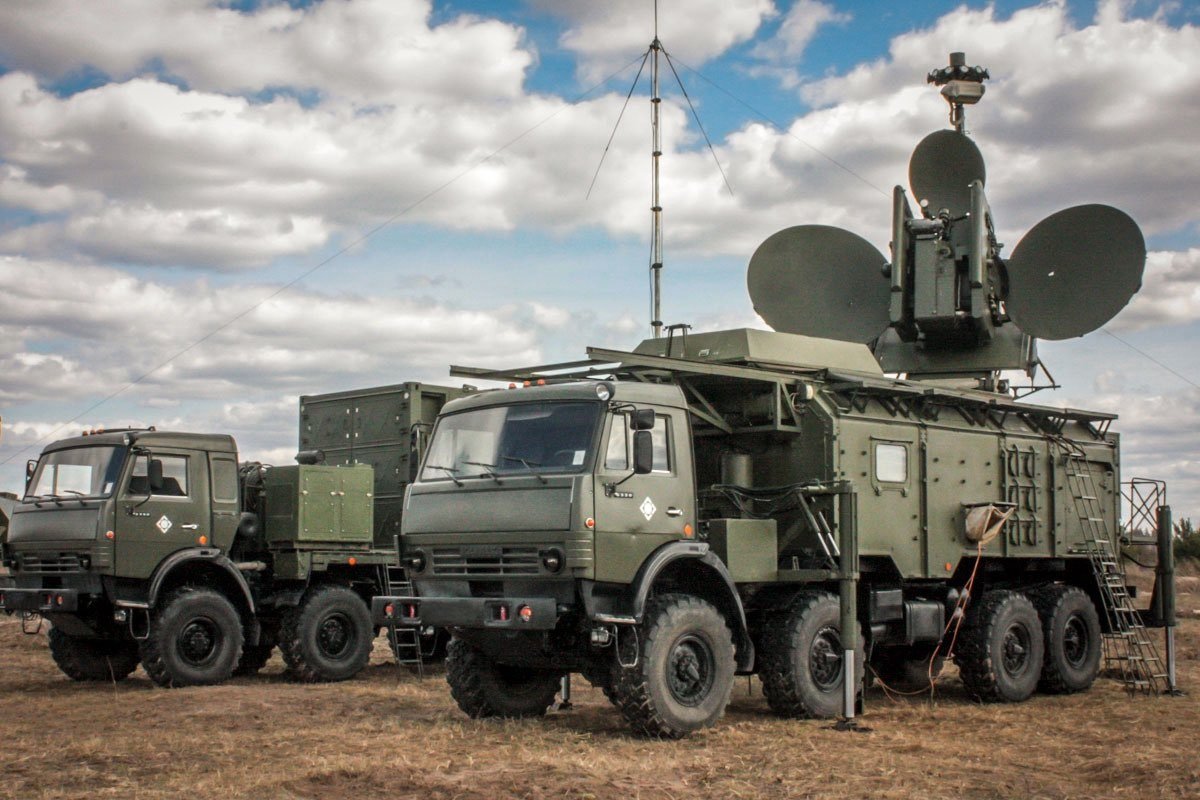
World
WASHINGTON — Russia is reportedly providing Iran with satellite surveillance and signals intelligence that is helping Tehran locate U.S. military forces across the Middle East and improve its ability to counter American military operations, according to U.S. and European officials cited by NBC News. The report, published on July 31, 2026, states that the intelligence sharing includes satellite imagery and signals intelligence collected from communications networks, radar systems, and military equipment. Officials familiar with the matter told NBC News that the information is helping Iran identify U.S. military positions and interfere with American-made aircraft and precision-guided munitions used in strikes against Iranian targets. Intelligence Support to Iran According to U.S. and European officials, the intelligence support is assisting Iran in two key ways. It is helping Tehran identify the locations of U.S. military forces for potential aerial attacks while also improving its ability to jam American-made aircraft and precision-guided weapons during military operations. Officials said the intelligence package combines satellite imagery with signals intelligence, allowing Iran to monitor military activity more effectively. The information is also helping Tehran strengthen the protection of key military assets by improving early warning capabilities against incoming airstrikes. In addition, officials said the intelligence enables Iran to update target databases, conduct post-strike damage assessments, and improve the effectiveness of drone and missile operations against ships, aircraft, and other military targets. Satellite Imagery Strengthens Military Planning Defense analysts cited in the reports said Russia's satellite capabilities provide Iran with access to military-grade imagery that it cannot produce on its own because of its limited number of military satellites. According to the officials, the satellite imagery supports mission planning, target identification, and battle damage assessment, making Iran's long-range drone and missile operations more effective. The reported intelligence sharing follows earlier reports that Russia had provided Iran with satellite imagery that could assist in identifying U.S. military positions. Conflict Enters Sixth Month The reported intelligence cooperation comes as the conflict between the United States and Iran, which began in February 2026, enters its sixth month. According to NBC News, Iran has launched thousands of missiles and drones targeting U.S. military bases, regional infrastructure, and commercial shipping near the Strait of Hormuz. U.S. air defense systems have intercepted most of the attacks, although some strikes caused damage. The report states that at least 18 U.S. service members have been killed during the conflict. Estimates of damage to U.S. military facilities and equipment range between $10 billion and $30 billion. Expert Assessment Jim Lamson, a former CIA analyst and senior research associate at the James Martin Center for Nonproliferation Studies, told NBC News there are increasing indications that Iran is incorporating Russian technical and operational assistance into its long-range strike operations. According to Lamson, the available information suggests Tehran is benefiting from Russian expertise as well as intelligence support during the ongoing conflict. U.S. Administration Response The Trump administration has largely downplayed the reported significance of Russia's assistance. On July 24, President Donald Trump said he accepted Russian President Vladimir Putin's statement that Moscow was not selling weapons to Iran and was not directly participating in the conflict. Responding to earlier reports that Russia had shared satellite imagery with Tehran, Trump said he did not believe such activity was occurring at a significant level and described any assistance as "very unimpactful." Defense Secretary Pete Hegseth told lawmakers that Russia and China have been enabling some of Iran's activities but did not provide additional details. A White House official also told NBC News that actions by outside countries had not increased Iran's ability to target Americans. Expanding Russia-Iran Military Cooperation The reported intelligence sharing reflects the broader military relationship between Russia and Iran. Russia previously assisted in constructing Iran's Bushehr civilian nuclear power plant and has maintained nuclear cooperation with Tehran for years. Military ties expanded further after Iran supplied Russia with Shahed drones following Russia's full-scale invasion of Ukraine. In January 2026, Russia and Iran signed a comprehensive strategic partnership agreement covering defense, trade, energy, and security cooperation. The agreement did not establish a formal mutual defense pact. Western governments have previously stated that Iran supplied Russia with thousands of drones and other military equipment for use during the war in Ukraine. Some analysts view Moscow's reported intelligence assistance as part of the broader military cooperation between the two countries. China's Reported Role China has also been linked in reports to limited assistance for Iran, including access to a surveillance satellite and discussions involving shoulder-launched missiles. Beijing has denied providing military assistance to Tehran. According to the accounts cited by NBC News, Russia's role in providing satellite surveillance and signals intelligence appears more extensive. International Reaction The reported intelligence sharing has also drawn attention from Ukraine. Ukrainian President Volodymyr Zelenskyy said Ukrainian intelligence had detected active Russian satellite surveillance of U.S. military facilities and critical infrastructure in the Gulf. He claimed the collected imagery was later transferred to Iranian authorities. No Official Comment From Moscow or Tehran Officials emphasized that the reported intelligence sharing does not indicate Russia is directing individual Iranian military operations. However, they said the continued flow of satellite imagery and electronic intelligence is one factor that has helped Iran maintain greater resilience than some U.S. officials had expected during the conflict. As of August 1, 2026, neither the Russian government nor the Iranian government had publicly commented on the reported intelligence-sharing arrangements.
Read More → Posted on 2026-08-01 15:50:20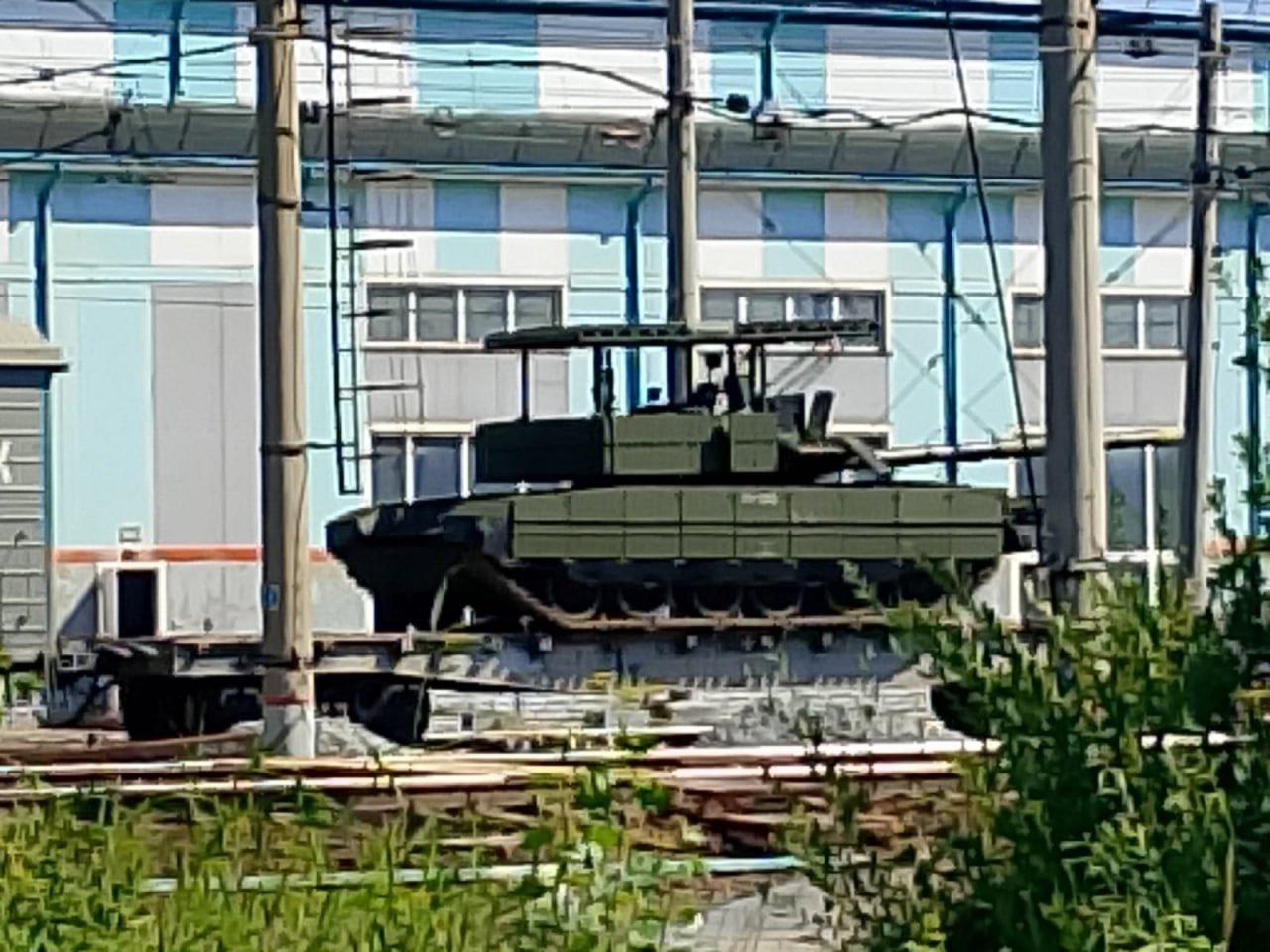
World
MOSCOW — A modernized Russian T-80BVM main battle tank fitted with what appears to be a refined anti-drone protection system and an upgraded side armor package has been photographed on a railway flatcar in Russia. The image, which circulated on social media as a screenshot, shows the vehicle being transported in July 2026 toward an undisclosed destination. While the exact destination of the tank and the receiving military unit remain unknown, the sighting highlights Russia's continued efforts to improve armored vehicle protection against the growing threat posed by first-person-view (FPV) drones and loitering munitions. However, the screenshot alone does not independently verify the precise filming location beyond the July 2026 timeframe claimed in the social media post. Updated Anti-Drone Protection Visible The most noticeable feature in the image is a redesigned turret-mounted anti-drone shield. The wire-mesh or slat-armor structure, commonly known among Russian and Ukrainian troops as the "Mangal" or "barbecue grill," is intended to detonate shaped-charge warheads carried by FPV drones and loitering munitions before they can strike the tank's thinner top armor. The photograph also appears to show an updated arrangement of explosive reactive armor (ERA) along the side skirts and turret. ERA uses explosive-filled armor blocks that detonate outward when hit, helping disrupt incoming anti-tank projectiles before they reach the vehicle's main armor. Although the image suggests further refinements to the protection package, the presence of additional onboard systems cannot be confirmed from the available photograph. T-80BVM Modernization The T-80BVM is the latest modernization of the Soviet-era T-80BV main battle tank. It was first publicly unveiled during Russia's Zapad military exercise in 2017 and entered service with the Russian Ground Forces in 2018. Unlike the diesel-powered T-72 family, the T-80BVM is powered by a GTD-1250 series gas turbine engine producing approximately 1,250 horsepower, providing high mobility across a variety of terrain. Its modernization also introduced the Relikt explosive reactive armor (ERA) system, replacing the earlier Kontakt-1 ERA. Relikt provides improved protection against both shaped-charge warheads and kinetic energy projectiles and covers major sections of the hull front, side skirts, and turret frontal arc. Follows Recent Factory Upgrades The configuration seen in the July 2026 image closely follows recent upgrades introduced by Russian tank manufacturer Uralvagonzavod. On May 9, 2026, ahead of Victory Day, Rostec—the state-owned defense conglomerate that owns Uralvagonzavod—announced the delivery of upgraded T-90M, T-80BVM, and T-72B3M tanks to Russian forces. According to Rostec, the vehicles incorporated lessons learned from combat operations and feedback from frontline personnel. The upgraded tanks featured reinforced anti-drone cages, additional explosive reactive armor on the side skirts and rear sections, and the Volnorez electronic warfare system. Volnorez uses two omnidirectional antennas to jam drone control signals at distances of 600 to 1,000 meters, providing an additional layer of protection against FPV drone attacks. Continued Evolution Against Drone Threats Military Watch Magazine reported that the anti-drone cage designs introduced in the May 2026 deliveries represented a further evolution of protective measures first adopted by Russian forces in 2022. Similar approaches to improving top-attack protection have since appeared in several other countries, including South Korea and Israel. If the July 2026 rail transport image reflects another updated version of the design, it suggests Uralvagonzavod continues refining the protection package based on operational experience rather than adopting a fixed configuration. The latest sighting also reflects the growing importance of drone protection as unmanned aerial systems continue to influence battlefield tactics and armored vehicle survivability. Protection Comes With Operational Trade-Offs Additional protective structures can improve resistance against drone attacks but may also create operational limitations. Analysis published by The National Interest, citing data from the Dutch open-source intelligence group Oryx, which documents equipment losses through verified photographs and videos, reported that 35 Russian T-80BVM tanks have been captured by Ukrainian forces since 2022. According to the same analysis, some of those vehicles carried heavier anti-drone cage designs, often referred to online as "cope cages." While these structures may improve protection against top-attack drones, they can also reduce crew visibility, restrict turret traverse, and limit aiming angles, potentially affecting the tank's responsiveness during combat. Expert Reaction Commenting on the railway image, an account associated with armored vehicle specialist Andrey Tarasenko described the visible configuration as "a step forward compared to the previous one, no joke." The comment suggests the design represents a meaningful improvement over earlier protection layouts. However, the technical reasons behind that assessment and the credentials associated with the circulating account could not be independently verified. Ongoing Battlefield Adaptation The latest sighting adds to the growing record of incremental upgrades being made to Russian armored vehicles as manufacturers continue adapting tanks to counter the widespread use of FPV drones and loitering munitions. While the available image does not confirm where the tank is being deployed, it provides another indication that Russian industry is continuing to refine the T-80BVM's protection package based on operational experience and evolving battlefield requirements. Source : defence-blog
Read More → Posted on 2026-08-01 15:30:25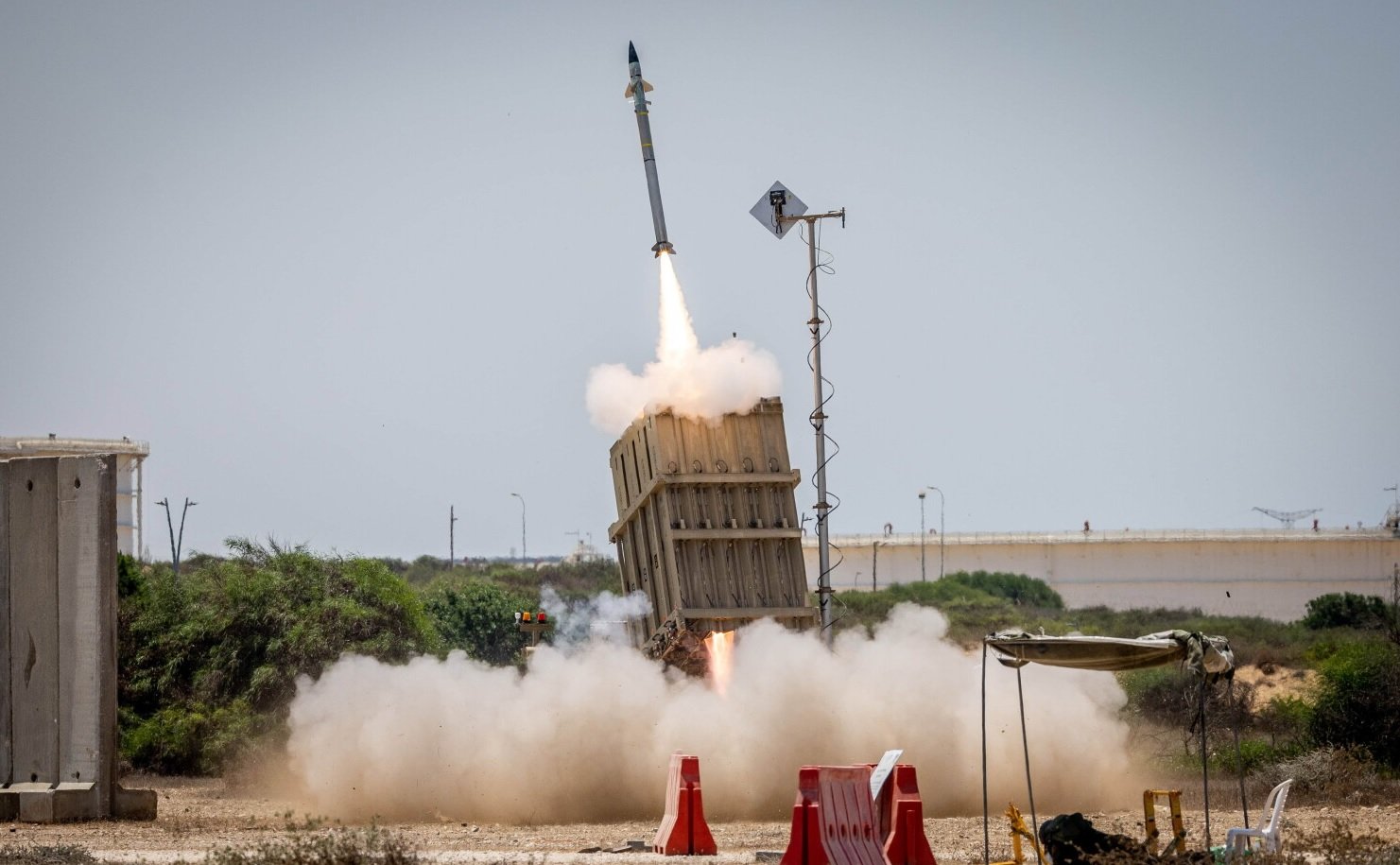
World
WASHINGTON, D.C. — Israel has blocked the United States from transferring two U.S.-owned Iron Dome air defense batteries to Ukraine, a decision that has drawn renewed attention as U.S. lawmakers debate legislation that would expand defense cooperation between Washington and Jerusalem. The issue has highlighted the complexities surrounding jointly developed military systems and raised questions among some members of Congress about future U.S. authority over the transfer of defense equipment to partner nations. Israel Prevented Transfer of U.S.-Owned Iron Dome Systems In 2023, U.S. Senators Lindsey Graham and Chris Van Hollen urged the United States to send two Iron Dome air defense batteries owned by the U.S. Army to Ukraine. The lawmakers said the systems could help protect Ukrainian civilians from Russian attacks and noted that each battery is capable of protecting approximately 150 square kilometers. Although the batteries were purchased and maintained using U.S. funds, the Iron Dome system was jointly developed by the United States and Israel. Under the joint-production agreement, Israel retains the authority to approve or reject transfers of the system to third countries. Israeli Prime Minister Benjamin Netanyahu exercised that authority and blocked the transfer. Israeli officials said the decision was based on concerns that the system's classified technology could be captured on the battlefield and eventually fall into the hands of Iran if deployed in Ukraine. At the time, Senators Graham and Van Hollen emphasized that they were not asking Israel to provide its own Iron Dome batteries but to allow the United States to transfer the American-owned systems. Israel has previously restricted transfers of Iron Dome technology to other countries for similar technology security reasons. Israel's Position on Military Assistance to Ukraine Israel has provided humanitarian assistance to Ukraine throughout the conflict, including field hospitals, water purification systems, and armored ambulances. However, it has consistently avoided supplying lethal weapons or advanced air defense systems. Former British Defence Secretary Ben Wallace has also said that he urged the Israeli government to provide broader military assistance to Ukraine. According to Wallace, Israeli officials declined because they did not want to risk relations with Russia. Patriot Systems Used Instead After the Iron Dome transfer was blocked, the United States pursued another option to strengthen Ukraine's air defenses. In early 2025, Israel returned older U.S.-owned Patriot air defense batteries that had been stored in Israel to the United States. The systems were subsequently refurbished and routed through Poland before being redirected to support Ukraine's air defense. Israeli officials stated that Israel did not directly transfer Patriot systems to Ukraine. Instead, the batteries were first returned to U.S. ownership, after which the United States decided how to use them. The Israeli Prime Minister's Office confirmed the return of the systems to the United States while stating it was not formally aware of their final destination. Debate Over New U.S.-Israel Defense Integration The Iron Dome dispute has gained renewed attention as Congress considers new provisions in the National Defense Authorization Act (NDAA). The House of Representatives has approved its version of the defense bill, including Section 219, which would expand cooperation between the U.S. and Israeli defense industries. The proposal has received support from the American Israel Public Affairs Committee (AIPAC). The measure promotes expanded joint research, development, and co-production in several areas, including: Artificial intelligence Cybersecurity Biotechnology Unmanned and autonomous systems Missile defense Counter-drone technology Supporters say the proposal would strengthen long-standing defense cooperation and advance joint technological development between the two countries. However, critics from both political parties have raised concerns that deeper industrial integration could increase Israel's influence over the future transfer of certain jointly developed U.S. weapons systems to third countries. Representatives Thomas Massie and Ro Khanna have argued that broader cooperation could create situations similar to the Iron Dome case, where the United States is unable to transfer a jointly developed system without Israeli approval. In the Senate, some lawmakers are seeking to block or amend the corresponding provision, known as Section 1217, arguing that it could complicate U.S. decision-making authority over military technology. The Senate's initial procedural vote on the defense bill failed in mid-July, and discussions over the legislation are expected to continue through the fall before Congress finalizes the annual defense authorization bill. The Iron Dome episode has become a prominent example in the ongoing debate over how jointly developed defense systems are managed. While supporters of expanded cooperation view the partnership as important for shared security and technology development, critics argue that the case demonstrates the practical limitations that can arise when transfer authority is shared between partner nations.
Read More → Posted on 2026-08-01 14:12:34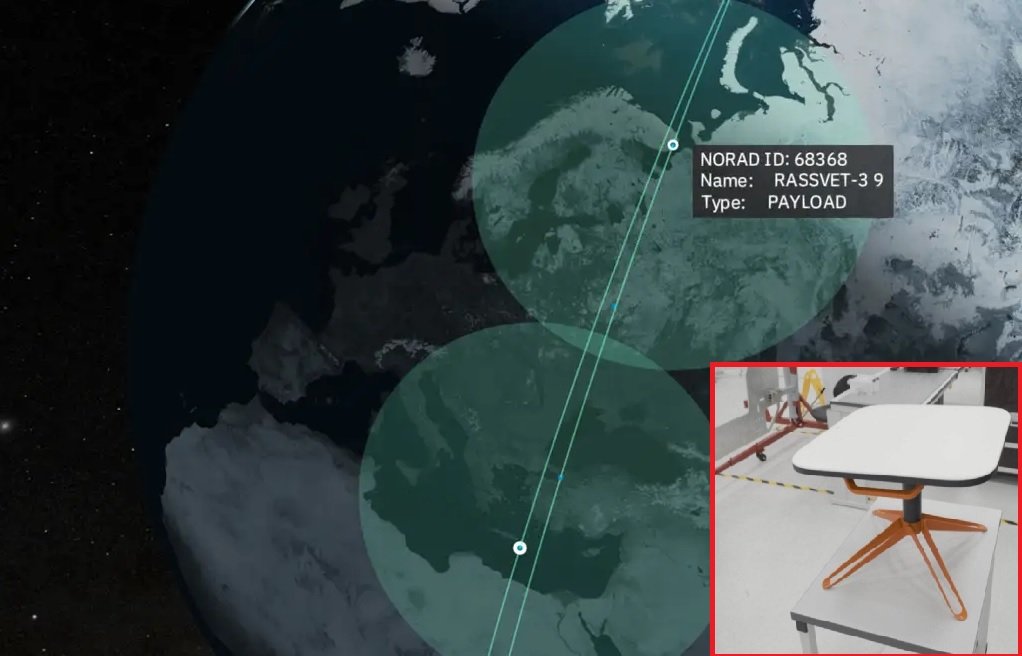
World
MOSCOW — Russia's Bureau 1440 has reached a new milestone in the deployment of its low-Earth orbit (LEO) Rassvet satellite constellation, with the first operational group now providing at least two stable communication windows over Ukraine each day, according to trajectory analysis shared by satellite communications expert Volodymyr Stepanets. Speaking to Ukrainian defense publication Militarnyi, Stepanets said the first batch of 16 Rassvet communications satellites, launched in late March 2026, has formed a configuration capable of supporting regular satellite connectivity over Ukraine. As of July 31, 2026, 12 satellites had reached their planned operational altitude of 550 kilometers, three satellites were still gradually ascending, and one satellite had burned up, reportedly due to a manufacturing defect. According to Stepanets, the current satellite formation provides at least two communication windows per day, each lasting between one and one-and-a-half hours. Additional satellite passes occur more frequently, with multiple satellite chains moving across different regions at intervals of about 1.5 hours, creating relatively dense coverage. Tracking data from the N2YO satellite monitoring service shows that the Rassvet satellites pass within line of sight over Ukraine four times each day. However, only two or three of those passes rise high enough above the horizon to provide stable communication links with ground terminals. During these communication windows, the satellite network could theoretically support communications and control for Russian military systems, including maritime drones and heavier strike and reconnaissance unmanned aerial vehicles (UAVs) such as the Geran-2, Geran-3, and Geran-4 series. Ground Terminals Designed for High-Speed Connectivity Bureau 1440 has also completed development of the base version of its subscriber terminal and is preparing to begin mass production. The terminals measure up to 60 centimeters in length and width, weigh less than 15 kilograms, and provide bandwidth of up to 1 Gbit/s. They are designed to operate in temperatures ranging from -40°C to +40°C. Like SpaceX's Starlink terminals, the Rassvet terminals use active phased-array antenna technology, enabling them to automatically locate satellites, establish connections, and maintain links without manual antenna positioning. Once production increases, the terminals are expected to be introduced into Russian military service. Potential applications include deployment at command posts, aboard military vehicles and naval vessels, and integration with long-range strike and reconnaissance UAVs, including future Geran-5 variants, the Garpiya, and other unmanned platforms. Defense analysts also assess that the communication links could support guidance for cruise missiles, glide bombs, and similar systems. Second Satellite Batch Launched Russia launched a second batch of 16 Rassvet satellites in late July 2026. If these satellites follow the same deployment timeline as the first group, they are expected to reach operational altitude by October or November 2026, adding two more daily communication windows over Ukraine. Bureau 1440's official roadmap targets the start of commercial operations in 2027 as part of its plan to build a domestic low-Earth orbit broadband communications network. Earlier company plans outlined expansion of the constellation to 250 satellites by 2027, 730 satellites by 2030, and more than 900 satellites by 2035. Based on those targets, maintaining the planned schedule would require launching approximately 16 satellites each month. So far, however, launches have taken place at a rate of roughly one mission every four months. Even at the current pace, analysts estimate that a fourth batch of satellites could be launched by March 2027. If deployment continues as expected, the constellation could become large enough to provide continuous satellite coverage over Ukraine by mid-summer 2027. According to Ukrainian defense experts cited by Militarnyi, this timeline provides a limited period for the development and deployment of electronic countermeasures before the Rassvet constellation reaches continuous operational capability. Rassvet Program Development Bureau 1440, a company within IKS Holding, began developing the Rassvet satellite program through the experimental Rassvet-1 and Rassvet-2 missions conducted in 2023 and 2024. The project transitioned to operational satellite deployments in 2026 and is intended to establish Russia's domestic low-Earth orbit broadband communications network. Source : militarnyi
Read More → Posted on 2026-08-01 13:15:44Search
Top Trending in 24 Hours
-
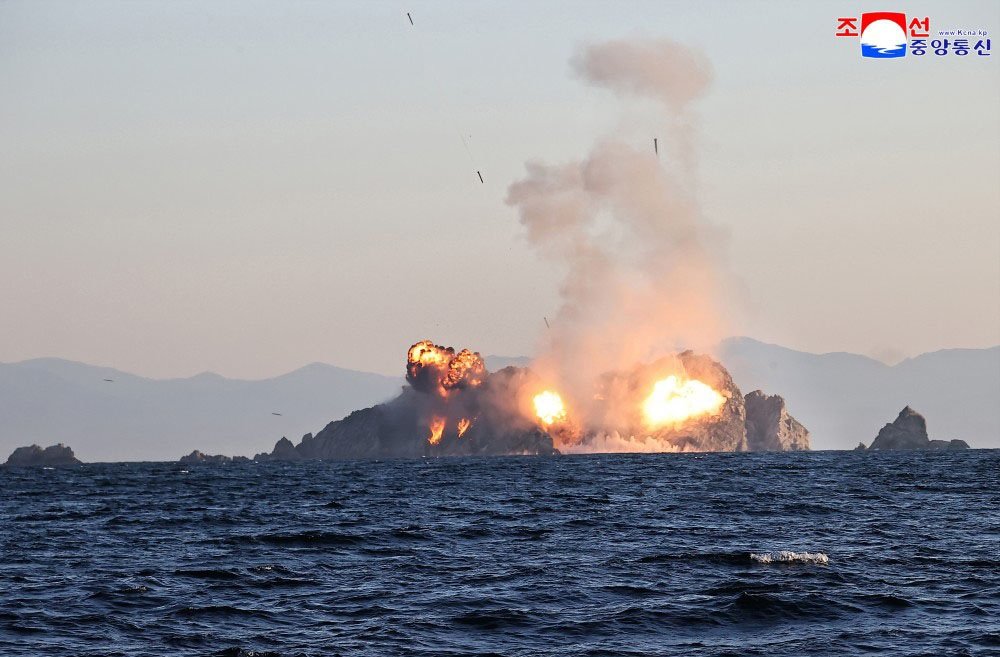 North Korea Fires Short-Range Ballistic Missile Toward Sea of Japan After Freedom Edge 26
-
 India’s xTerra Robotics Launches Indigenous DHAV-Hy Wheeled-Legged Quadruped for Industrial Inspection
-
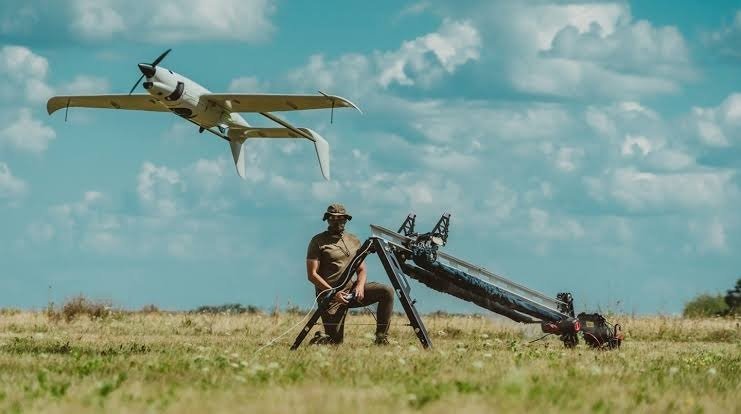 U.S. Army Awards $10.64 Million Contract to Ukrainian Drone Maker Skyeton for Raybird Systems
-
 U.S. Space Force Seeks Rapid-Response Satellites for Close-Range Orbital Inspections
-
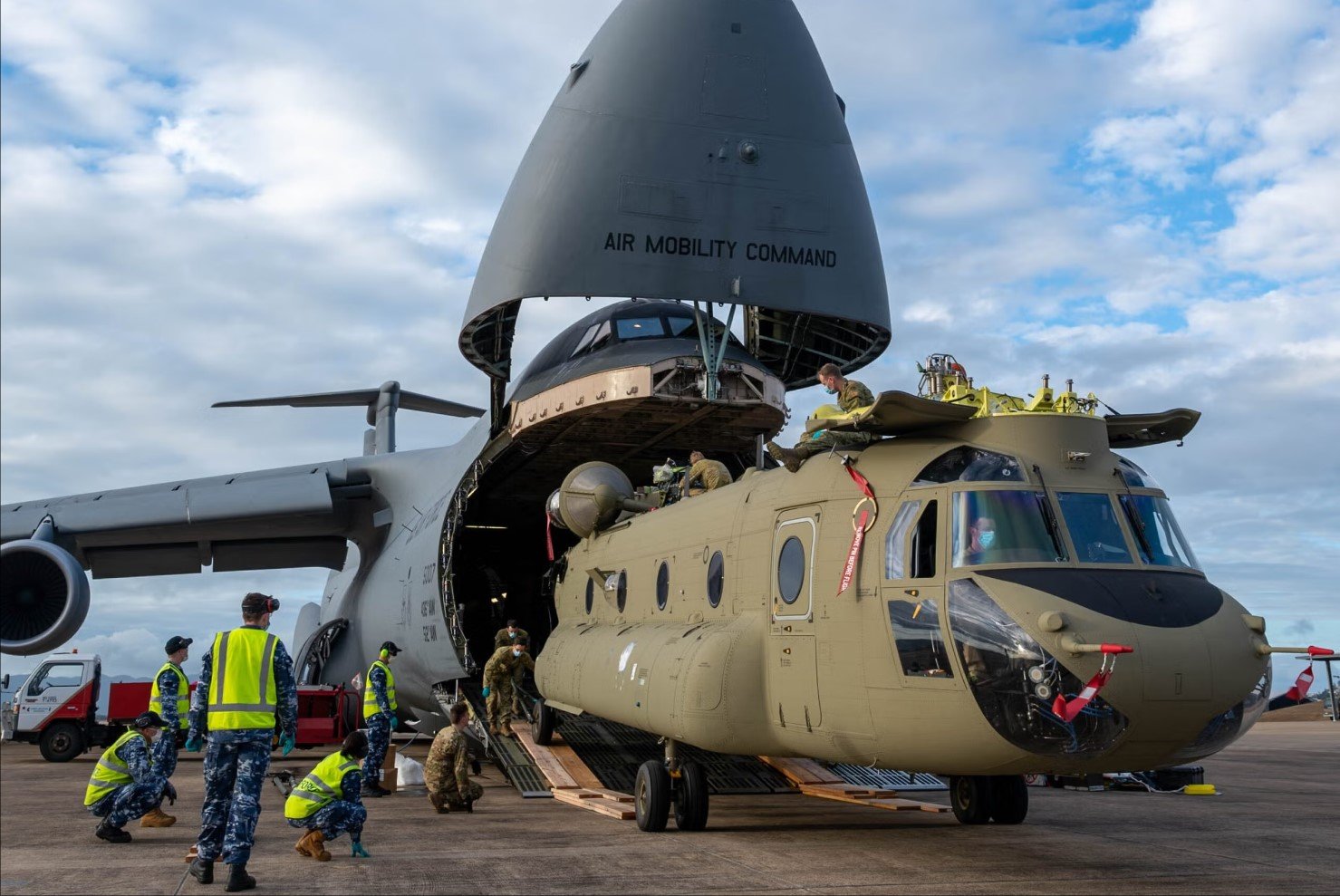 U.S. Delivers First CH-47F Chinook to Egypt Under 12-Helicopter Deal
-
 BEL Showcase X-Band Multi-Function Radar for QRSAM to Japanese Delegation
-
 U.S. Government Seizes Almasirah.net, Houthi-Linked News Website
-
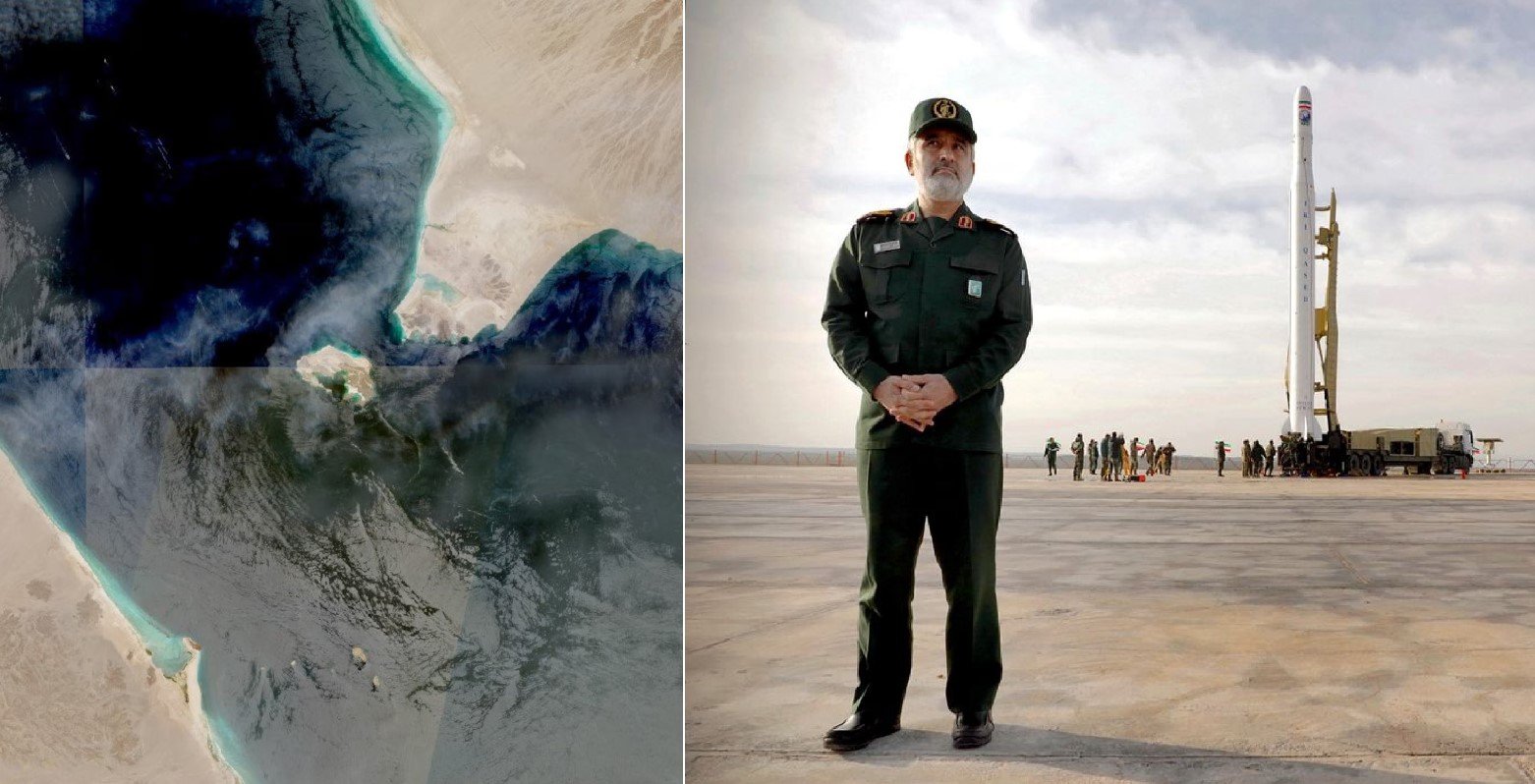 IRGC Experts Visit Bab El-Mandeb to Oversee Radar Installation and Tunneling, Houthi Sources Say
Top Trending in 4 Days
-
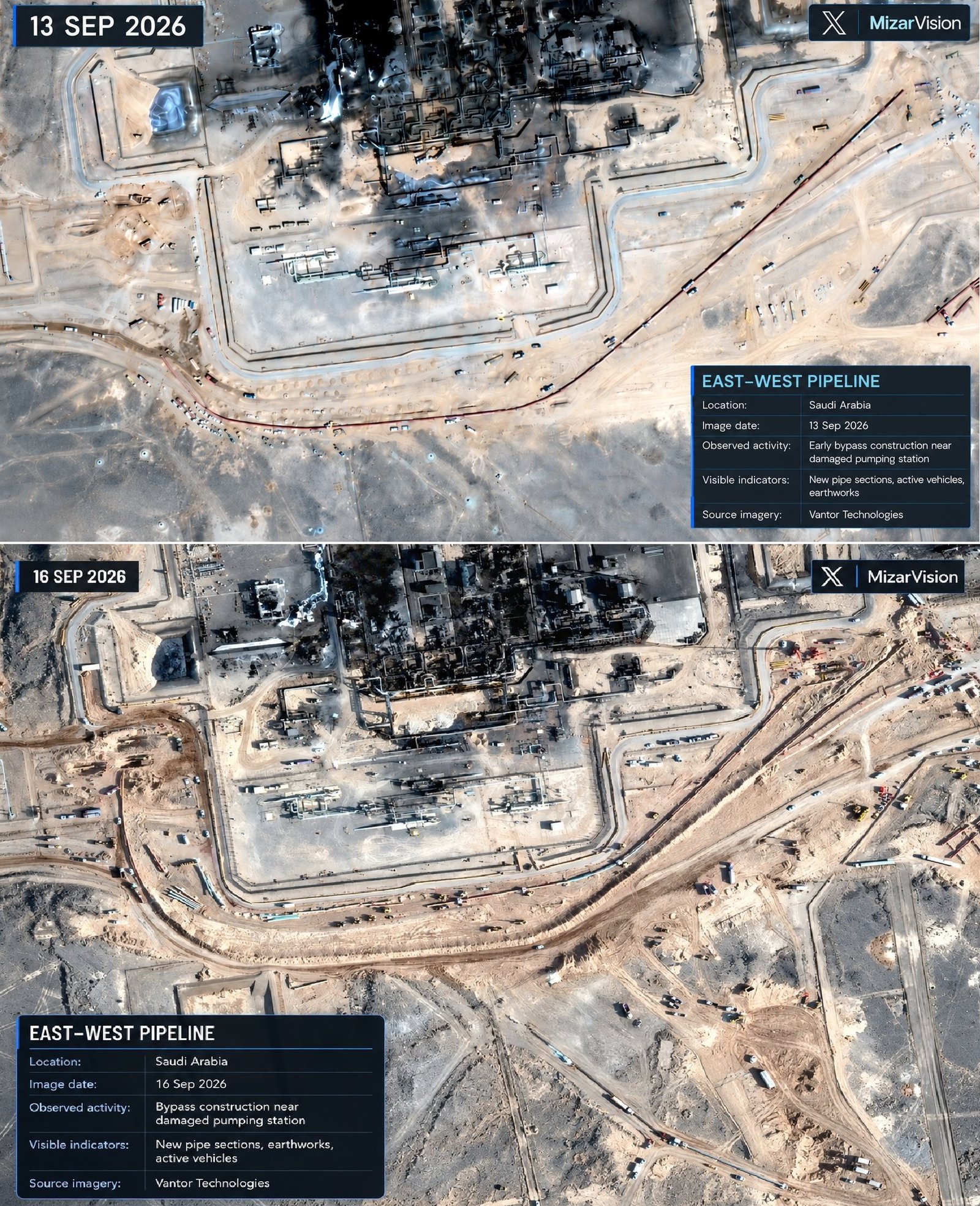 Satellite Images Show Saudi Arabia Building Emergency Bypass Around Damaged East-West Oil Pipeline Station
-
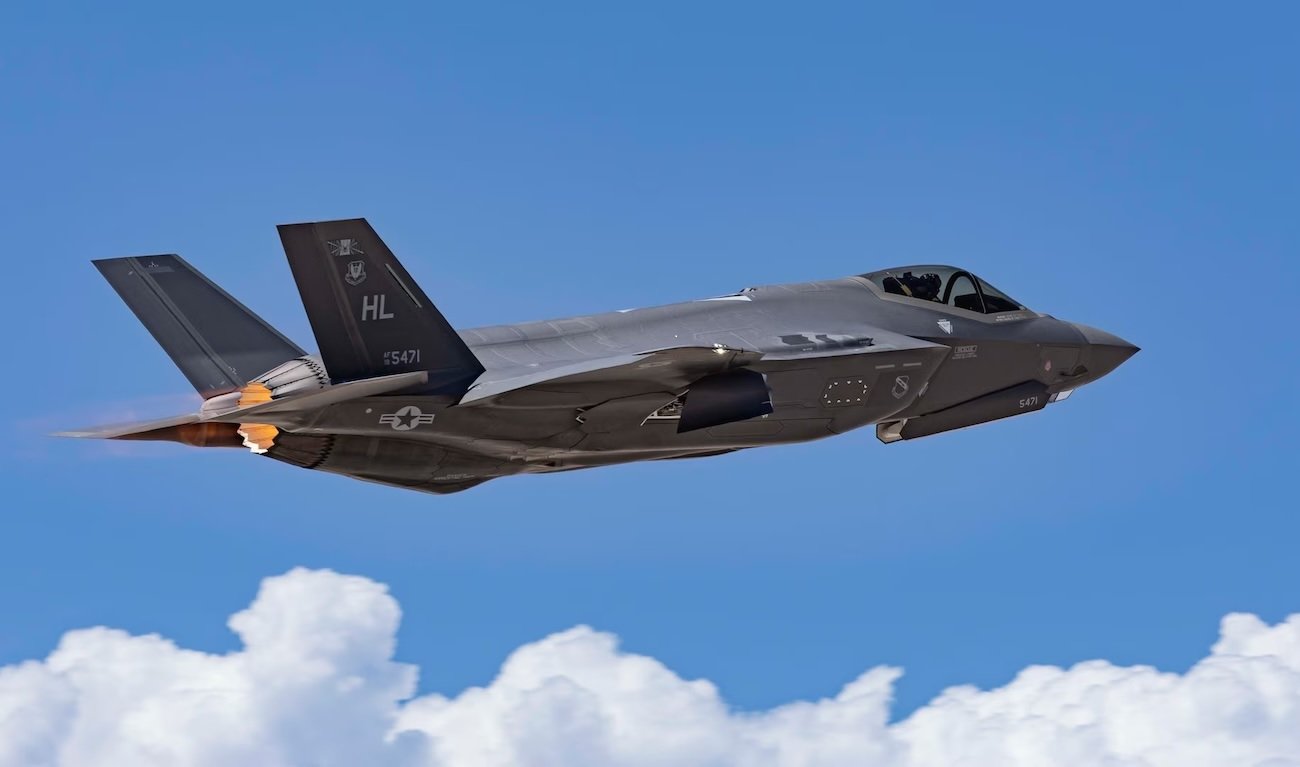 Sensitive F-35 Components Diverted to Hong Kong, Some Parts Missing
-
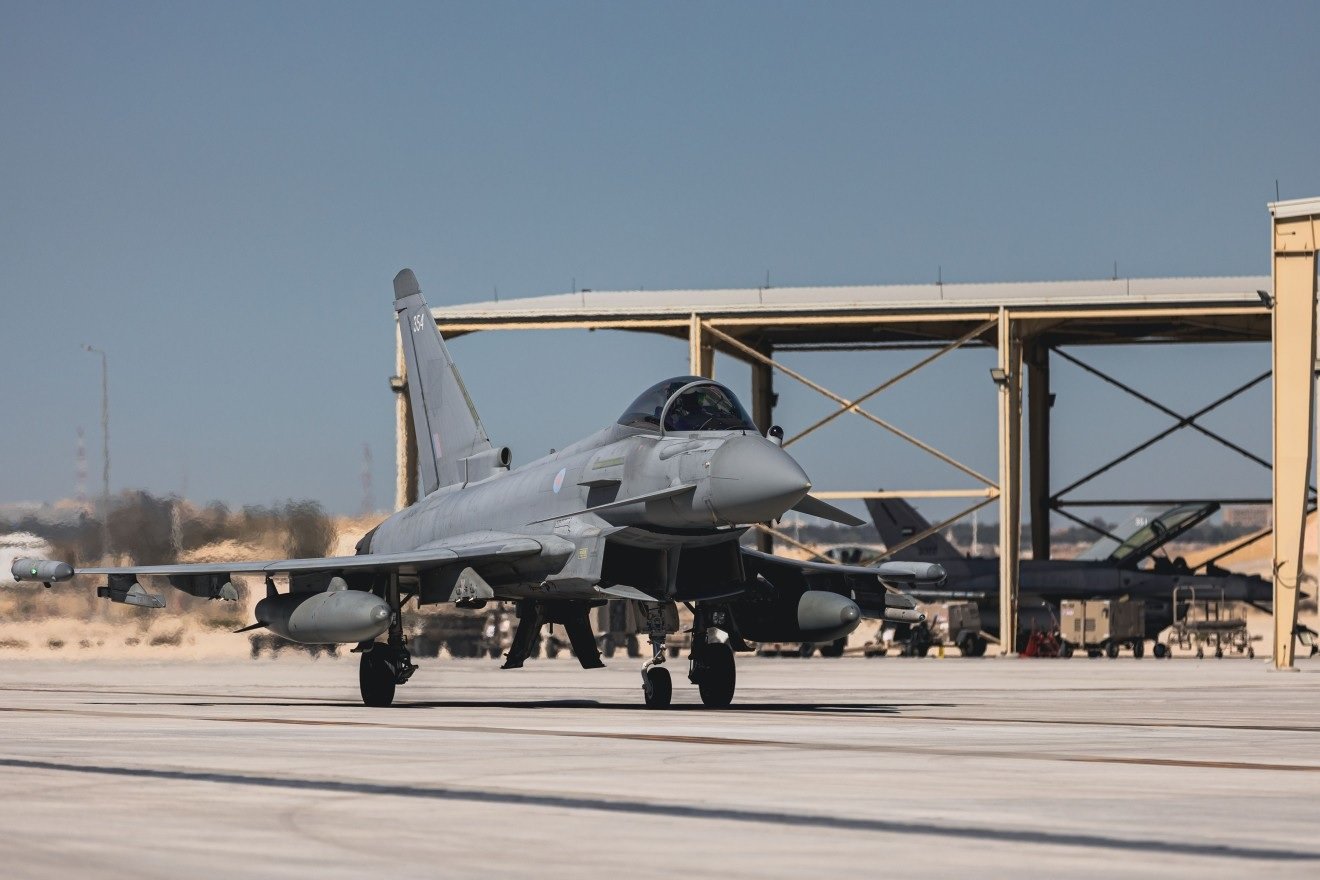 Italian Eurofighter Damaged in Houthi Attack on Saudi Arabia’s King Fahd Air Base
-
 U.S. Secures Permanent Military Rights in Greenland in Historic Security Pact with Denmark
-
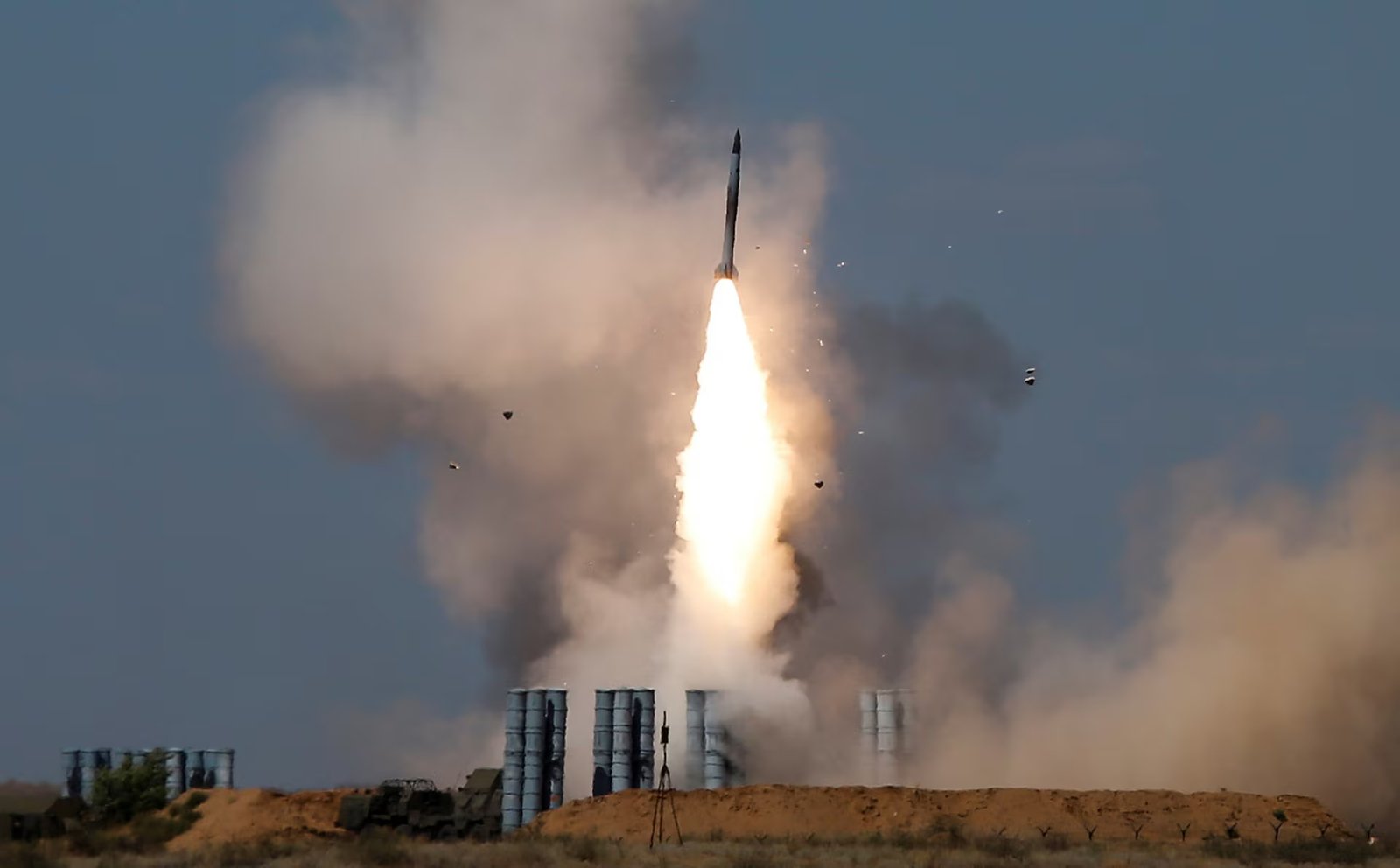 U.S. Approves Potential $2.68 Billion Air Defense Package for Ukraine Including S-300 Clone Missiles
-
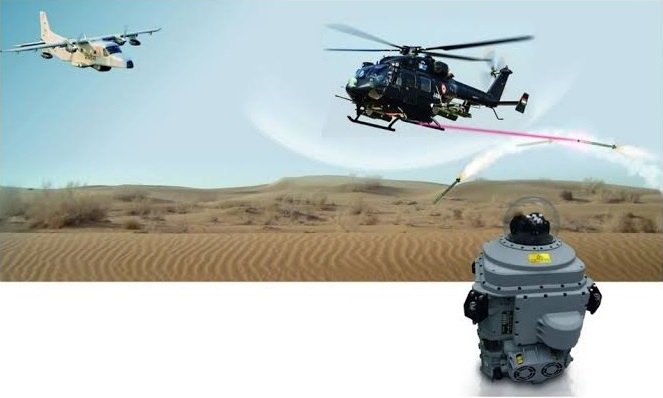 BEL Signs Export Deal with Elbit Systems for Directed Infrared Countermeasure Sub-Assemblies, Secures ₹648 Crore in Additional Orders
-
 China Privately Urges Iran to Restrain Houthis After Saudi Appeal
-
 Israeli Firm Arbe Robotics Unveils Alerion High-Resolution 4D Radar for Counter-Drone Operations