World
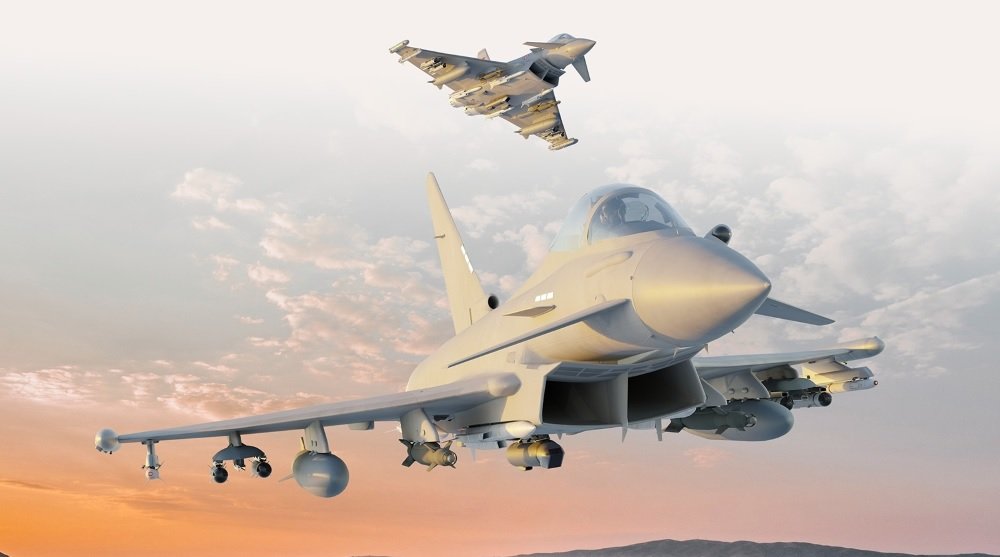
LONDON — Production of Türkiye's first fleet of 20 Eurofighter Typhoon fighter jets has officially begun in the United Kingdom, marking a major milestone in the defense agreement signed between Ankara and London in October 2025. BAE Systems confirmed in its first-half 2026 financial results that manufacturing of components is now underway at its facilities in the United Kingdom and across the Eurofighter partner nations. Final assembly of all 20 aircraft will take place at the company's Warton facility in Lancashire, England. The £5.4 billion (approximately $7.2 billion) agreement covers the production of 20 newly built Eurofighter Typhoon aircraft, along with weapons, training and long-term support. The order also helps sustain Typhoon production at Warton into the 2030s. Deliveries Planned in Three Phases The Turkish Air Force will receive the aircraft in three batches to support the gradual introduction of the new fleet. Six aircraft will be delivered in 2030 Eight aircraft will follow in 2031 The final six aircraft will arrive in 2032 Latest Production Standard Türkiye's aircraft will be built in the Tranche 4 production standard, the latest version currently in production. According to defense reports, the aircraft will be equipped with the Leonardo ECRS Mk 0 Active Electronically Scanned Array (AESA) radar. The Tranche 4 standard also includes updated sensors, avionics and structural improvements. The aircraft will be integrated with: MBDA Meteor beyond-visual-range air-to-air missiles Brimstone precision ground-attack missiles Advanced short-range air-to-air missiles Weapons integration is being carried out by BAE Systems in cooperation with MBDA. Training and Support Package In March 2026, the United Kingdom and Türkiye signed a separate agreement covering training, logistics and technical support for the Typhoon fleet. Reports have valued the package at around £2.5 billion, while other reports indicate it could be worth up to £2.6 billion. The agreement includes high-fidelity flight simulators, electronic warfare systems, spare parts, technical assistance and support services for an initial three-year period after the aircraft enter service. The Royal Air Force will train 10 Turkish instructor pilots and nearly 100 Turkish maintenance personnel to help Türkiye develop its own long-term training and maintenance capability. Turkish personnel are expected to begin travelling to the United Kingdom in August 2026, following the signing of a separate technical and logistics support agreement on March 25, 2026. BAE Systems Statement Simon Barnes, Group Managing Director of BAE Systems' Air sector, said: "We're proud to support the UK's partnership with Türkiye by delivering a trusted defence capability that deepens collaboration and reinforces shared security commitments. Türkiye's acquisition of Typhoon strengthens this partnership and enhances the country's advanced combat air capabilities." Strengthening Türkiye's Air Force With this order, Türkiye will become the tenth operator of the Eurofighter Typhoon, joining Germany, Italy, Spain, the United Kingdom, Austria, Kuwait, Oman, Qatar and Saudi Arabia. The Eurofighter Typhoon is a twin-engine multirole combat aircraft produced by the European consortium of BAE Systems, Airbus and Leonardo. It entered service in 2003 and is designed for air-to-air, air-to-ground and reconnaissance missions. Separately, Türkiye is also discussing the possible acquisition of second-hand Eurofighter Typhoon aircraft from Qatar and Oman to bridge the gap before deliveries of its newly built aircraft begin in 2030. No agreement has been announced.
Read More → Posted on 2026-08-01 12:19:06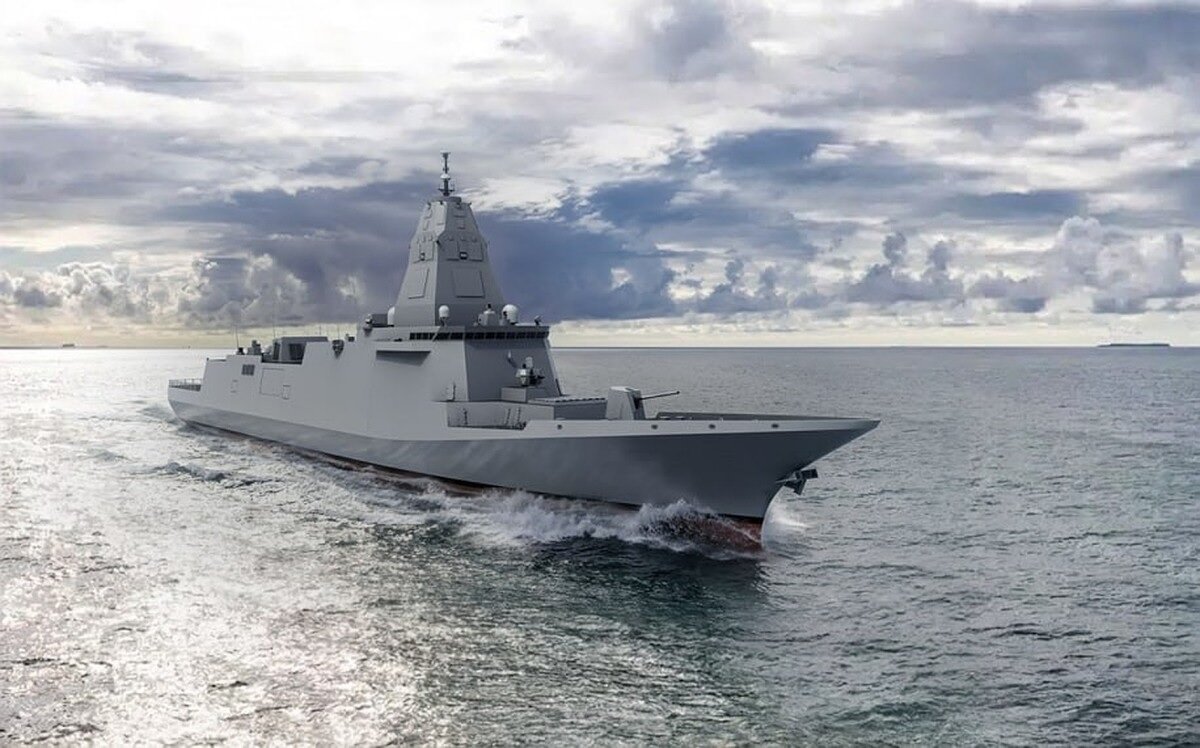
World
SEOUL — South Korea's Defense Acquisition Program Administration (DAPA) has signed a contract with Hanwha Ocean for the detailed design and construction of the lead ship of the Republic of Korea (ROK) Navy's Next-Generation Destroyer (KDDX) program, officially moving the project into its development and construction phase. The KDDX program is valued at KRW 7.8 trillion (approximately US$5.4 billion) and will deliver six next-generation guided-missile destroyers in the 6,000–7,000-ton class for the ROK Navy. The agreement signed on July 31, 2026, covers the detailed design and construction of the first ship and is worth approximately KRW 838 billion (about US$580–585 million). Under the current schedule, the lead destroyer is expected to be delivered by June 30, 2032, while the remaining five ships are planned for sequential delivery through 2036. DAPA also expects procurement of the follow-on ships to begin around late 2028. Hanwha Ocean Selected After Competitive Evaluation The contract follows Hanwha Ocean's selection as the preferred bidder in early July 2026 after a closely contested evaluation against HD Hyundai Heavy Industries (HD HHI). According to DAPA, Hanwha Ocean outscored HD Hyundai Heavy Industries by 0.5867 points in the final evaluation. Although HD HHI completed the KDDX basic design phase in December 2023, a 1.2-point security deduction related to past procurement irregularities, including issues involving military secrets, affected its final score. After review and objection procedures were completed, DAPA proceeded with the signing of the main contract. The award marks a notable shift in South Korea's naval shipbuilding industry. While HD Hyundai Heavy Industries has traditionally led the detailed design and construction of the country's major surface combatants, Hanwha Ocean will now take the primary role in building the ROK Navy's next-generation destroyer. The company has previously built Ulsan-class frigates and has extensive experience in naval shipbuilding, particularly submarines. Designed as South Korea's First Indigenous Aegis-Equivalent Destroyer The KDDX class is intended to replace the aging Gwanggaeto the Great-class (KDX-I) destroyers and become a core asset of the ROK Navy's Task Fleet Command. Unlike the Sejong the Great-class (KDX-III) destroyers, which rely substantially on the U.S.-made Aegis combat system, the KDDX is being developed as South Korea's first fully indigenous Aegis-equivalent surface combatant, often referred to as the country's "Korean Aegis" destroyer. The ships will incorporate several domestically developed systems, including: Integrated Mast (I-MAST) housing an indigenous dual-band S/X phased-array multi-function radar and communication systems. A domestic Combat Management System (CMS) for command and control. An Integrated Electric Propulsion System (IEPS) designed to reduce the ship's acoustic signature while supporting future high-energy weapon integration. Korean Vertical Launch System (KVLS-I and KVLS-II) cells capable of deploying domestically developed surface-to-air and strike missiles. Advanced indigenous sonar systems. New Technologies Planned for the KDDX During the detailed design and construction phase, Hanwha Ocean plans to incorporate several technologies intended to improve the destroyer's operational capability and long-term support. Among the planned features is a digital twin framework that will support ship design, construction, maintenance, and lifecycle management. The destroyer will also include a multi-layered counter-unmanned aerial system (anti-drone) suite to address emerging unmanned aerial threats. To strengthen network-centric operations, the design includes a high-bandwidth 5G-based wired and wireless communications network. Additional technologies under consideration include manned-unmanned teaming (MUM-T) combat systems, enhanced cybersecurity measures to protect operational networks, and automation technologies aimed at reducing crew requirements in response to long-term naval manpower constraints. DAPA Highlights Strategic Importance Jung Jae-jun, Head of DAPA's Advanced Capabilities Program Bureau, described the KDDX project as a national program that brings together South Korea's warship construction and defense industry capabilities. He said DAPA will continue examining execution strategies for follow-on vessels to support timely deployment that meets future operational requirements. He added that successful completion of the KDDX program is expected to strengthen the international competitiveness of South Korean naval shipbuilding and support future warship export opportunities. Following the contract signing, Hanwha Ocean said detailed design work will begin immediately under the agreement, which runs through June 30, 2032 for the lead ship. The KDDX program represents an important step in South Korea's ongoing naval modernization effort and expands the country's role in developing advanced indigenous surface combatants.
Read More → Posted on 2026-08-01 11:52:14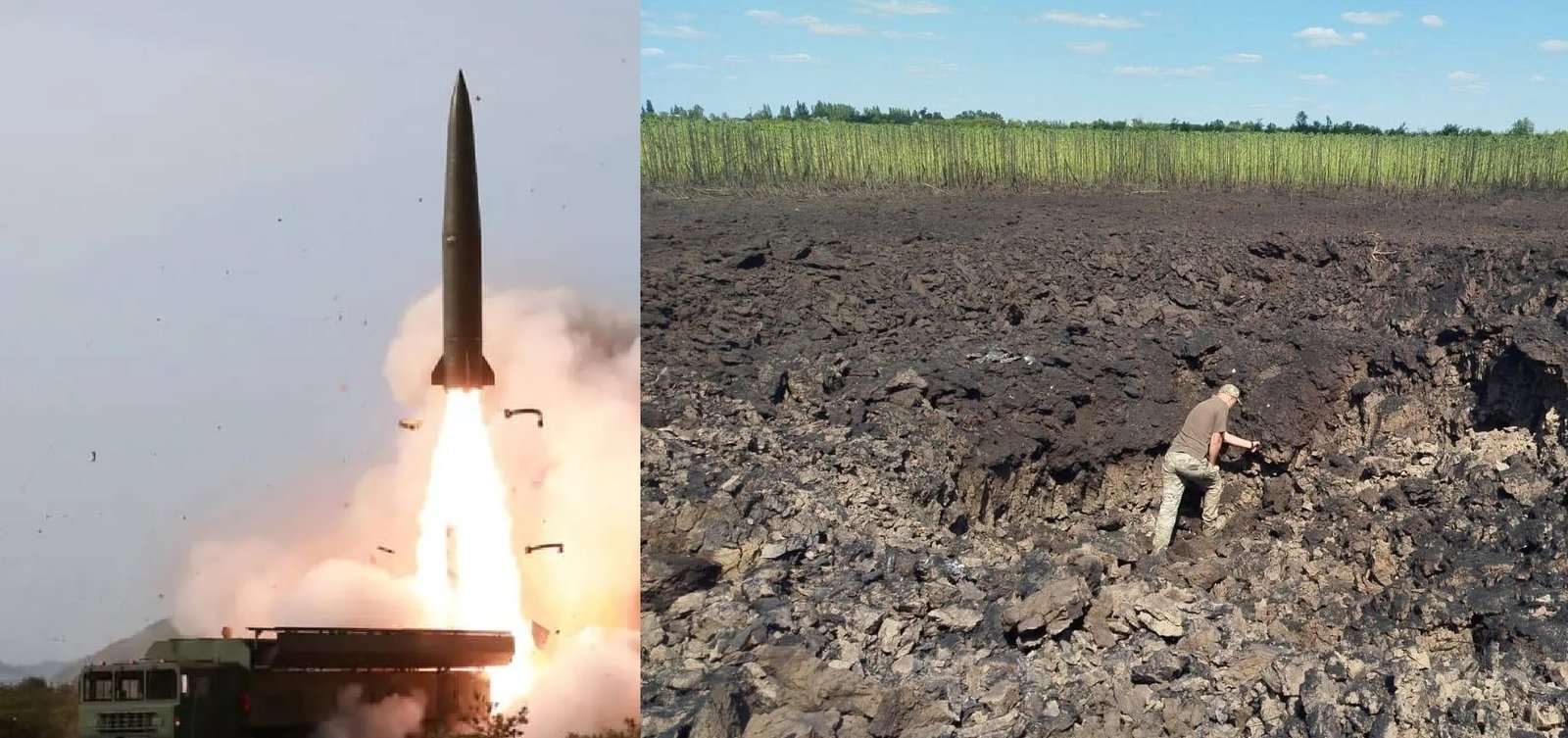
World
KYIV — Ukrainian investigators are examining the accuracy of North Korea's KN-23 short-range ballistic missile after discovering a second impact site linked to Russia's overnight missile attack on Ukraine on July 30, 2026. According to Ukrainian officials, Russian forces launched two North Korean KN-23 ballistic missiles during the attack. One missile struck a private home in the village of Radushne near Kryvyi Rih in Ukraine's Dnipropetrovsk region, while the second landed in an open field approximately 3.5 kilometers (2.2 miles) away. The distance between the two impact sites has become a key focus of the investigation, with Ukrainian authorities assessing the missile's operational accuracy. Second KN-23 Impact Site Located Vladyslav Vlasiuk, Ukraine's presidential commissioner for sanctions policy, confirmed that investigators had located the second impact crater. "A fragment of a second North Korean ballistic missile KN-23, which Russia used during the shelling of Ukraine on July 30, has been found," Vlasiuk said. He stated that the second missile exploded in an empty field rather than a populated area. According to Vlasiuk, there were no potential military or infrastructure targets within a 5-kilometer radius of the impact site. "The first missile of this type hit a private home in Radushne near Kryvyi Rih. The second KN-23 exploded in a field. Between these 'hits' is 3.5 km. There are no potential targets within a 5 km radius," he said. Civilian Casualties in Radushne The first missile struck the home of the Voronov family in Radushne, completely destroying the house. Initial assessments from Vlasiuk reported six fatalities, including three children, while several minors were initially unaccounted for following the strike. Local reports identified the victims as parents Artem Voronov, 47, and Olena Voronov, 41, along with children including Mark, 17; Azarii Ilai, 11; and Emilia, 6. Other family members present included additional siblings and a 1.5-year-old grandson. Later, Ukrainian President Volodymyr Zelensky confirmed that the final death toll had risen to 10 members of the family. In his evening address on July 30, Zelensky condemned the attack and said North Korean-made weapons were being used against Ukrainian civilians far from the front lines. Questions Over Missile Accuracy The KN-23 is a solid-fueled, road-mobile short-range ballistic missile developed by North Korea. Military analysts have frequently noted its similarities in appearance and performance to Russia's Iskander-M ballistic missile system. Vlasiuk described the KN-23 as "practically a full analog of the Russian Iskander." Recent intelligence assessments have indicated that Russian engineers have been working with North Korea to improve the KN-23's accuracy using combat experience gained during the war in Ukraine. Some assessments have suggested that the missile's reported margin of error had been reduced from more than one kilometer to between 1 and 5 meters. However, Ukrainian officials say the latest strike near Kryvyi Rih raises new questions about the missile's real-world performance. Ukrainian defense sources have previously reported that a significant number of North Korean missiles used by Russia have failed to follow their programmed flight paths or have exploded before reaching their intended targets. Shared Components Under Investigation Investigators are also examining debris recovered from the missile strike. According to Vlasiuk, investigators have identified structural similarities between the KN-23 and Russia's Iskander-M missile, including identical Western-manufactured components found inside both systems. He said the findings suggest that the supply networks enabling Russia to obtain foreign electronics, sensors and guidance components despite international sanctions may also be supporting North Korea's missile program. Ukrainian officials are continuing to examine the recovered missile remnants as part of the investigation. Expanding Russia-North Korea Military Cooperation The use of KN-23 missiles reflects the growing military cooperation between Russia and North Korea, which has expanded since 2022. According to Ukrainian and Western assessments, North Korea has supplied Russia with ballistic missiles, large quantities of artillery shells and military personnel to support Russian operations. Commenting on the partnership, Vlasiuk said: "One of the examples of Russia's dependence on North Korea's military assistance. North Korean missiles kill Ukrainian civilians just like Russian ones do. And everyone who ensures the military partnership between Moscow and Pyongyang and the supply of critical components for the defense industry must bear responsibility for this." Part of a Larger Missile and Drone Attack The July 30 strike formed part of a broader Russian overnight attack involving more than 70 missiles and hundreds of drones, according to Ukrainian officials. The barrage caused casualties and damage in multiple regions, including Lviv. Ukrainian Air Force communications head Yurii Ihnat said radar data and operational reports suggested that KN-23 ballistic missiles may have been used alongside Iskander-M ballistic missiles and S-400 missile systems during the attack. Ukrainian air defenses intercepted a significant portion of the incoming missiles and drones, while investigators continue to examine the impact sites and missile debris to determine additional details about the weapons used. Russia and North Korea have not publicly commented on the reported use of KN-23 missiles in the July 30 strike.
Read More → Posted on 2026-07-31 15:03:52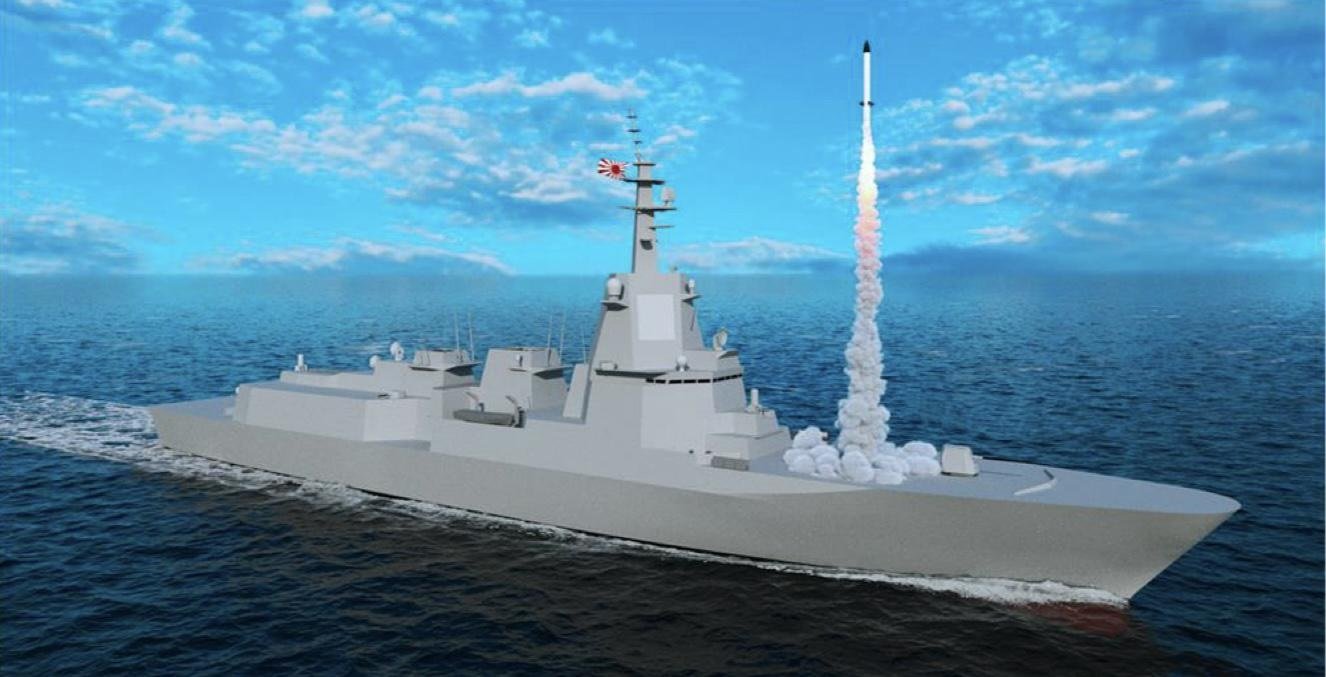
World
TOKYO — Japan is advancing the construction of two Aegis System Equipped Vessels (ASEV), large surface combatants designed primarily for ballistic missile defense that are expected to become the largest active destroyer-sized warships in the world when they enter service. The ASEV program was launched as a sea-based alternative to Japan's cancelled Aegis Ashore missile defense system and has become a key part of the country's efforts to strengthen missile defense and maritime security amid the evolving security environment in East Asia. The first ASEV was laid down on July 18, 2025, at Mitsubishi Heavy Industries' Nagasaki shipyard, while the second began construction on February 5, 2026, at Japan Marine United's Isogo shipyard in Yokohama. According to Japan's Ministry of Defense, the first vessel is scheduled to launch in fiscal year 2026 and enter service in March 2028, with the second expected to launch in fiscal year 2027 and be commissioned in March 2029. The Ministry of Defense has approved the construction of two vessels under the program. Procurement costs are estimated at approximately 392 billion yen per ship, while the overall two-ship program is estimated at around 1 trillion yen (approximately $7.1 billion). Largest Surface Combatants in Japan's Fleet Each ASEV measures approximately 190 meters in length with a 25-meter beam, making the ships significantly larger than Japan's existing Aegis destroyers, including the Maya class. According to the Ministry of Defense, the vessels have a standard displacement of about 12,000 tons, while full-load displacement estimates range between 14,000 and 16,000 tons. At full load, the ships are expected to be larger than most active destroyers worldwide, including China's Type 055 class. For comparison, China's Type 055 destroyer has a displacement of about 13,000 tons, is approximately 180 meters long, and carries 112 vertical launch system (VLS) cells. 128 Vertical Launch Cells The ASEV's primary combat capability is centered on a 128-cell Mk 41 Vertical Launch System, arranged with 64 cells forward and 64 aft. This gives the vessel a larger missile capacity than Japan's Maya-class destroyers, which carry 96 VLS cells, and 16 more cells than the Type 055. The planned missile inventory includes: SM-3 Block IIA interceptors for ballistic missile defense. SM-6 missiles for air and missile defense. Evolved SeaSparrow Missiles (ESSM). Tomahawk cruise missiles for long-range land-attack missions. Extended-range Type 12 surface-to-ship missiles, capable of engaging both maritime and land targets. The future Glide Phase Interceptor (GPI), being jointly developed by Japan and the United States to intercept hypersonic glide vehicles. The integration of Tomahawk cruise missiles and the extended-range Type 12 missile will also support Japan's developing counterstrike capability. Advanced Radar and Combat Systems The ships will be equipped with Lockheed Martin's AN/SPY-7(V)1 Active Electronically Scanned Array (AESA) radar, derived from technology used in the U.S. Long Range Discrimination Radar. Japanese defense officials state that the SPY-7 provides approximately five times the tracking capability of the older SPY-1 radar installed on the Japan Maritime Self-Defense Force's current Aegis destroyers. The radar arrays are mounted above the bridge to improve detection of low-altitude threats, including sea-skimming missiles. Additional sensors and systems include: AN/SPQ-9B horizon-search radar. Three AN/SPG-62 fire-control illumination radars. AN/SLQ-32(V)6 electronic warfare system. Additional Armament and Propulsion Besides its missile systems, the ASEV will be fitted with a Mk 45 Mod 4 5-inch naval gun, Phalanx Close-In Weapon Systems (CIWS), and facilities to operate two SH-60 helicopters. The ships are planned to use Rolls-Royce MT30 gas turbines for propulsion and are expected to achieve speeds of approximately 30 knots. Crew size is estimated at around 240 personnel. Strengthening Japan's Missile Defense The ASEV program originated after Japan cancelled the land-based Aegis Ashore missile defense system in 2020. The new vessels are designed to provide persistent ballistic missile surveillance, tracking, and interception, allowing the Japan Maritime Self-Defense Force's existing Kongō, Atago, and Maya-class Aegis destroyers to focus more on fleet air defense, anti-submarine warfare, and other multi-mission operations. Due to their size and capabilities, the vessels are expected to be designated as guided-missile cruisers rather than destroyers. Once commissioned, they will become a central component of Japan's sea-based ballistic missile defense architecture while supporting the country's expanding long-range strike capability.
Read More → Posted on 2026-07-31 14:24:44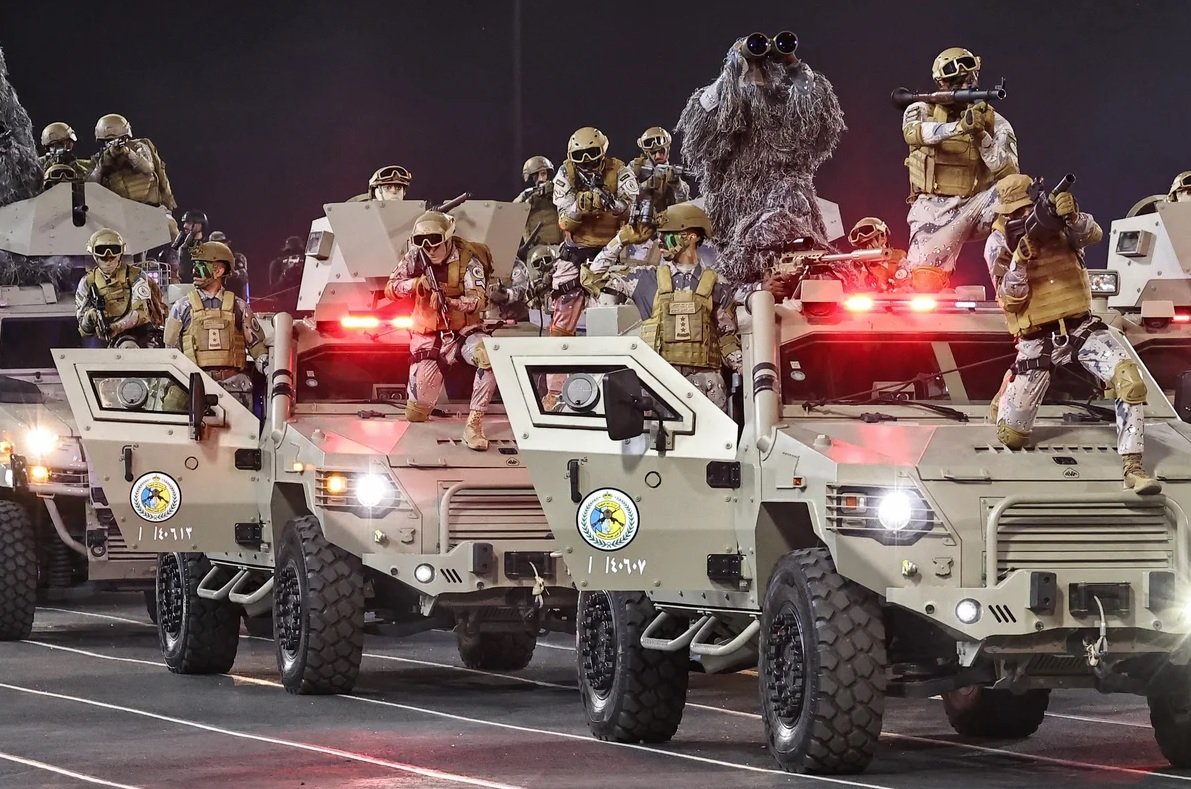
World
RIYADH — Saudi Arabia is preparing a major military operation against Yemen's Houthi movement that could include a maritime campaign and a possible ground offensive in central Yemen, according to Yemeni sources. The reported preparations come as Riyadh seeks to protect its oil export routes through the southern Red Sea and the Bab al-Mandab Strait, both of which have become increasingly important for the kingdom's energy exports. Troop Repositioning and Maritime Preparations According to Yemeni sources, Saudi forces have been withdrawing from eastern Yemen and concentrating troops for a possible advance into al-Bayda governorate. The Houthis took control of the central governorate during 2020 and 2021. Alongside the reported troop movements, Saudi Arabia is organizing a maritime effort to improve the protection of commercial shipping from Houthi attacks in the Red Sea and the Bab al-Mandab Strait. The dual approach reflects Riyadh's focus on securing both land and maritime areas as threats to regional shipping continue. Saudi Arabia Expands International Maritime Support Saudi Arabia is also working to build broader international support for maritime security operations. The Saudi Ministry of Defence said on Thursday that 14 countries, including Turkey, Pakistan, Egypt, Sudan and Djibouti, issued a joint statement supporting a multinational maritime defence coalition. Riyadh has also invited the United States and several European countries, including Germany, France, the United Kingdom and Italy, to participate in the initiative. The European Union already operates the Aspides naval mission in the Red Sea, which is focused on protecting commercial shipping in the region. Houthi Blockade and Recent Military Exchanges The latest developments follow the Houthis' announcement on July 20 that they were imposing a blockade on Saudi ships. The Iran-aligned group, which controls Yemen's capital Sana'a and much of the country's Red Sea coastline, said the blockade would remain in place until Saudi Arabia ends what it describes as its blockade of Yemen. The Houthis have denied reports that they plan to impose tolls on all commercial vessels and have said the dispute is linked to Yemen's future rather than being a direct extension of the wider regional conflict involving Iran. Military exchanges have continued in recent weeks. On July 25, Houthi forces said they had struck oil transport infrastructure inside Saudi Arabia linking oilfields in the Eastern Province to a Red Sea export hub. Saudi Arabia later carried out airstrikes on sites in the Houthi-controlled port of Hodeidah that the kingdom said were being used to threaten commercial shipping. Around the same period, a third Saudi commercial vessel was also attacked in the Red Sea. Strategic Importance of the Red Sea The security of Red Sea shipping has become increasingly important for Saudi Arabia's energy exports. Before the current wider regional conflict, up to 80 percent of Saudi crude exports moved through the Strait of Hormuz. With that route affected, the kingdom has increasingly relied on the Red Sea. More than half of Saudi oil is now transported overland to export terminals at the port of Yanbu. Any disruption to shipping through the Red Sea would place additional pressure on Saudi Arabia's export capacity. Diplomatic Efforts Continue Saudi Defence Minister Prince Khalid bin Salman held an urgent meeting with U.S. President Donald Trump and Vice President JD Vance on Wednesday to discuss possible next steps. Saudi officials have said the kingdom intends to defend its territory and energy infrastructure while continuing to pursue diplomatic efforts to address broader disagreements between the United States and Iran. Meanwhile, talks between Oman and Iran over the Strait of Hormuz are continuing. Iran has called for commercial shipping to use a northen route closer to its coastline. Any agreement that reopens the waterway could reduce pressure on maritime traffic through both the Strait of Hormuz and the Red Sea. Situation Remains Unfolding Saudi Arabia continues to reposition forces inside Yemen while expanding international support for maritime protection measures. At the same time, exchanges of strikes between Saudi Arabia and the Houthis continue, leaving the security situation in Yemen and key regional shipping routes under close watch.
Read More → Posted on 2026-07-31 14:08:02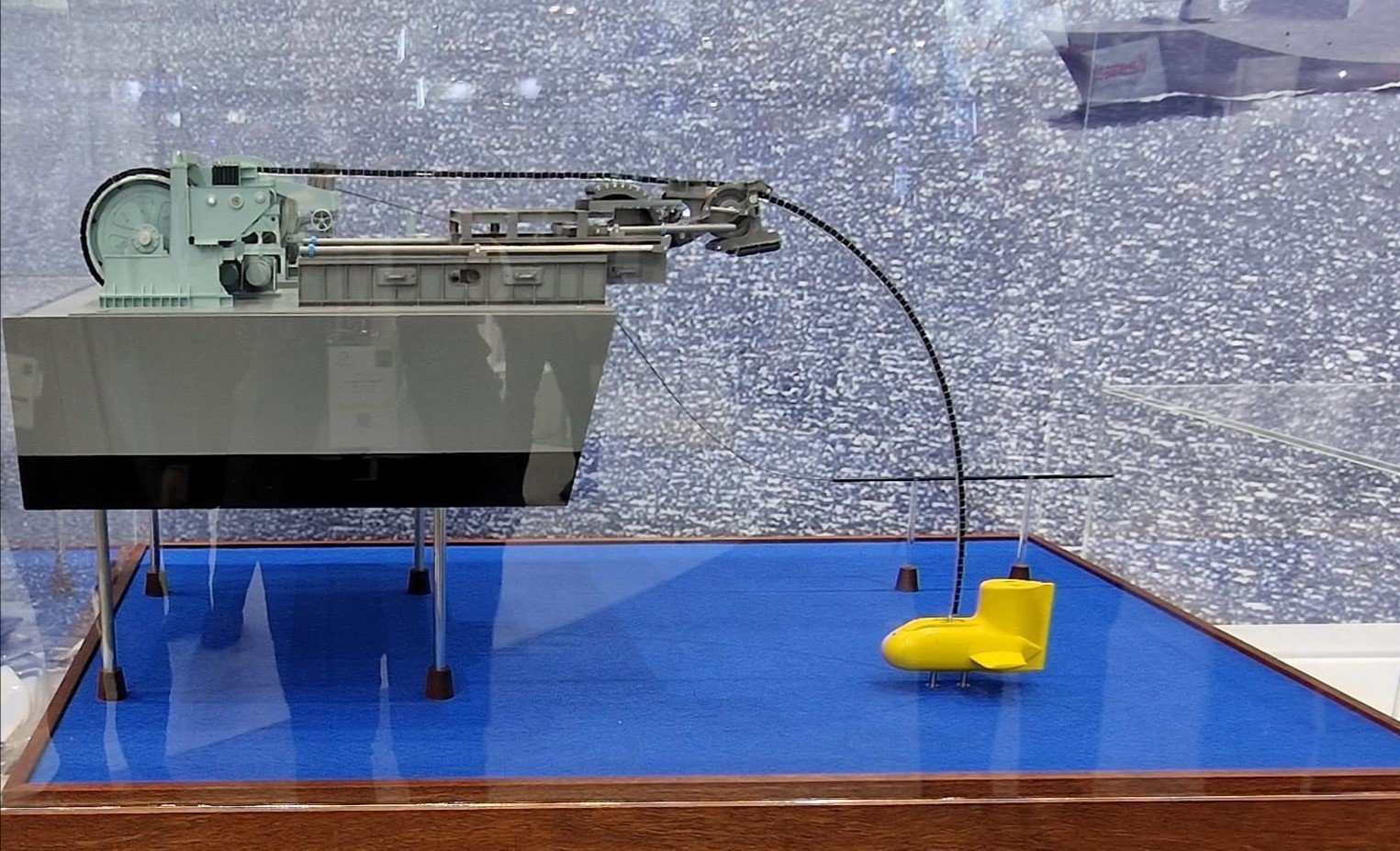
World
TOKYO — Oki Electric Industry (OKI) has signed an agreement with Mitsubishi Heavy Industries (MHI) to supply OQQ-25 towed passive sonar systems and related equipment for the Royal Australian Navy (RAN)’s next-generation general-purpose frigates under Australia’s SEA 3000 program. The agreement marks OKI’s first overseas defense equipment transfer project and covers the first three of Australia’s planned fleet of 11 Upgraded Mogami-class (06FFM) frigates. First Three Frigates to Be Built in Japan Australia selected Japan’s Upgraded Mogami-class frigate in August 2025 after evaluating the design and the performance of systems already integrated into Japan’s existing Mogami-class ships. In April 2026, Australia finalized a multi-billion-dollar agreement with the Japanese government and Mitsubishi Heavy Industries for the construction of the first three frigates. The initial three vessels will be built at MHI’s Nagasaki Shipyard & Machinery Works in Japan, with the first ship scheduled for delivery in December 2029. The remaining eight frigates are planned to be constructed at the Henderson Defence Precinct in Western Australia. OQQ-25 Sonar Selected for Proven Performance The OQQ-25 is a towed passive sonar system designed to detect submarines and other underwater targets by receiving acoustic signals through sensors towed behind the ship. Australia selected the sonar because it is already integrated into Japan’s Mogami-class frigates and has an established operational record. Using an existing, ship-integrated system helps reduce technical risks during construction and integration. Integration with Australia's ASW Network While the OQQ-25 is already part of the Upgraded Mogami design, it will need to operate alongside the Royal Australian Navy’s existing anti-submarine warfare (ASW) assets. Australia’s Hunter-class frigates will use the Thales CAPTAS-4 sonar system. Defence analysts note that the OQQ-25 will need to integrate with the RAN’s wider ASW network, including P-8A Poseidon maritime patrol aircraft and CAPTAS-4-equipped ships, particularly during multi-static anti-submarine warfare operations that involve different sonar systems working together. Upgraded Mogami-Class Frigate Capabilities Australia’s SEA 3000 program is intended to expand and modernize the Royal Australian Navy’s surface combatant fleet. The Upgraded Mogami-class frigates are approximately 142 meters long and displace up to 6,200 tonnes. The ships are designed to operate with a highly automated crew of 92 sailors and officers, reach a top speed of 30 knots, and have a range of up to 10,000 nautical miles. Each frigate will be equipped with a 32-cell vertical launch system (VLS) capable of launching surface-to-air and anti-ship missiles. The ships will also feature a flight deck designed to operate the Royal Australian Navy’s MH-60R Seahawk helicopter. Other Key Systems for the Frigates Alongside the sonar contract, several other major suppliers have been selected for the program. Rolls-Royce will provide MT30 gas turbines, NEC will supply integrated mast technologies, and Raytheon’s SeaRAM close-in weapon system has also been contracted for the Australian frigates. OKI Expands Its International Defense Business OKI has developed underwater acoustic technologies for more than 90 years and has supplied and supported sonar systems for the Japan Maritime Self-Defense Force throughout their operational lifecycle. The Australian contract supports the company's Management Plan 2031, which identifies defense and maritime businesses as key growth areas. OKI said it is expanding its production and overhaul capacity to meet increasing defense demand and plans to use its experience from Japan to support maritime safety and security in international markets. The value of the contract has not been disclosed.
Read More → Posted on 2026-07-31 13:18:27
World
RIYADH — Saudi Arabia and 13 other countries have officially established the Multinational Maritime Defense Coalition, a new regional security initiative aimed at protecting international shipping lanes across the Red Sea, Bab al-Mandab Strait, and Gulf of Aden. The coalition was announced following a high-level meeting hosted by the Saudi Ministry of Defense in Riyadh, where chiefs of staff and military representatives from 43 countries and a European Union delegation discussed maritime security challenges. According to Saudi officials, 51 countries and organizations were invited to the meeting, with participants attending both in person and via video conference. Fourteen Countries Join as Founding Members A joint declaration was signed by 14 countries, marking the formal launch of the coalition and the start of its founding procedures. The founding members are: Middle East & Gulf: Saudi Arabia, Bahrain, Kuwait, Qatar, Jordan, Yemen (internationally recognized government) Africa: Egypt, Sudan, Djibouti, Somalia, Nigeria Asia: Turkey, Pakistan, Bangladesh Saudi Arabia will serve as the coalition's founding and leading state. The Kingdom will host the alliance's permanent headquarters, General Secretariat, Joint Operations Coordination Center, and Joint Maritime Operations Center. Coalition Focuses on Maritime Security According to the joint declaration, the coalition is a framework for maritime defense cooperation designed to strengthen security in some of the world's busiest shipping corridors. Its objectives include: Enhancing maritime security. Protecting freedom of navigation. Securing international trade and energy supply routes. Safeguarding shared maritime interests in the Red Sea, Bab al-Mandab Strait, and Gulf of Aden. Officials emphasized that the coalition is purely defensive and does not target any state, alliance, or international organization. All activities will be conducted in accordance with international law, United Nations conventions, and established international norms while respecting the sovereignty of participating countries. Cooperation Through Joint Operations Member countries will complete their domestic procedures before formally joining the coalition's charter. The alliance plans to strengthen cooperation through: Intelligence and information sharing. Operational planning. Joint military exercises. Training and capacity building. Joint maritime operations. Military planners from participating and interested countries will continue work on finalizing the coalition's charter, organizational structure, command-and-control arrangements, and operating mechanisms. Saudi officials said the initiative will remain open to additional countries that share its objectives and complete the required national procedures. Response to Growing Maritime Threats The Saudi Ministry of Defense said the coalition was established in response to increasing threats against commercial vessels, oil tankers, and maritime infrastructure in the region. According to the ministry, these security risks have affected navigation safety, disrupted global supply chains, and impacted the international economy, highlighting the need for stronger multilateral defense cooperation. The coalition's formation comes amid renewed tensions in the Red Sea. In late July, Yemen's Houthi group announced a maritime blockade targeting Saudi-linked vessels and later claimed responsibility for attacks on several commercial ships. Saudi Arabia has also carried out airstrikes against Houthi military facilities in Yemen's Hodeidah province, targeting sites that it said were being used to threaten international maritime traffic. Strategic Importance of the Waterways The coalition's operational area includes the Bab al-Mandab Strait, a key maritime chokepoint connecting the Red Sea with the Gulf of Aden and the Arabian Sea. Together with the Suez Canal, the route forms one of the shortest maritime links between Europe and Asia and carries a significant share of global seaborne trade, including crude oil, liquefied natural gas (LNG), and container cargo. Recent disruptions in the region have prompted some commercial vessels to use longer alternative routes, increasing transit times and shipping costs. Some Regional States Yet to Join Although the coalition received broad international support during the Riyadh meeting, not all regional partners joined as founding members. The United Arab Emirates and Oman, both members of the Gulf Cooperation Council (GCC), did not sign the joint declaration. The United States participated in the discussions in Riyadh but did not formally join the coalition. Saudi officials said the alliance remains open to additional countries, with further steps to finalize its charter and begin joint maritime activities expected in the coming period.
Read More → Posted on 2026-07-31 13:06:49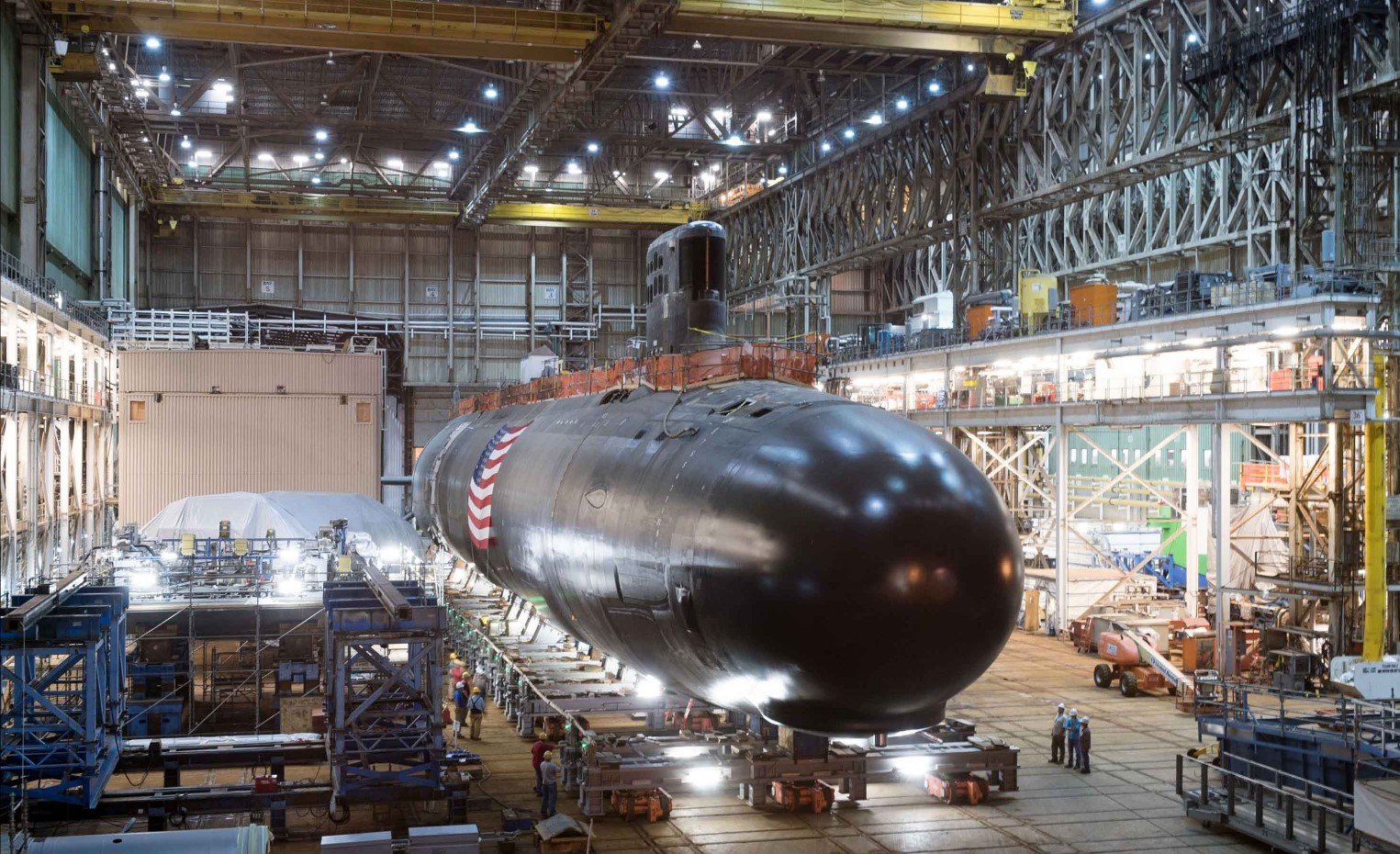
World
CANBERRA, Australia — Australian steel manufacturer Bisalloy Steel has secured a purchase order valued at approximately US$2 million to supply HY80 submarine-grade steel plate for the construction of U.S. Navy Virginia-class fast attack submarines. The order was placed by General Dynamics Electric Boat (GDEB), the lead contractor for the Virginia-class submarine program. The contract marks the first time that Australian-produced steel has entered the supply chain for the U.S. Navy's nuclear-powered Virginia-class submarines. The Australian Government announced the milestone on July 29, 2026, describing it as a significant step in expanding Australia's contribution to the trilateral submarine industrial base established under the AUKUS security partnership between Australia, the United Kingdom, and the United States. The order is also expected to support broader efforts by the United States to strengthen its submarine industrial base by expanding production capacity and improving long-term supply chain resilience for key materials used in submarine construction. Australian Production of HY80 Steel The production of the submarine-grade steel is being carried out through a domestic Australian supply chain. BlueScope Steel manufactures the raw steel plate at its Port Kembla facility in New South Wales. The material is then processed by Bisalloy Steel, based in Unanderra in the Illawarra region, where it undergoes specialized processing and heat treatment to produce the finished HY80 steel. Bisalloy is Australia's only manufacturer of quenched and tempered high-strength steel plate. HY80, short for High Yield 80, is a high-strength steel developed for demanding naval applications. It is designed to provide the strength, toughness and weldability required for critical submarine structural components operating in challenging maritime environments. Qualification Through the DIVQ Program Before receiving the order, Bisalloy successfully qualified to meet the U.S. Navy's structural steel standards through the Australian Government's Defence Industry Vendor Qualification (DIVQ) Program. The DIVQ Program helps Australian companies satisfy the strict technical and manufacturing requirements needed to participate in U.S. submarine construction and sustainment programs. The qualification process involved extensive testing and close collaboration between Bisalloy, BlueScope, the Australian Submarine Agency (ASA), General Dynamics Electric Boat, the U.S. Naval Sea Systems Command (NAVSEA), and the U.S. Navy Direct Reporting Portfolio Manager for Submarines. Submarine steel production requires strict control over every stage of manufacturing. Each batch must consistently meet specific chemical, mechanical and fracture property requirements. The qualification process confirmed that the Australian supply chain could reliably manage alloy composition, heat treatment, mechanical testing and detailed production records in accordance with U.S. Navy standards. Support for AUKUS Industrial Cooperation Australian Minister for Defence Industry Pat Conroy said Australian-made submarine-grade steel will be used in the construction of U.S. Navy Virginia-class submarines for the first time, demonstrating the growing contribution of Australian industry to the AUKUS submarine industrial base. Conroy said the order provides valuable production experience for Australian industry, supports skilled jobs and helps build the industrial capability needed for Australia's future nuclear-powered submarine program under AUKUS. He added that the achievement creates opportunities for Australian companies to compete for future work while raising domestic technical standards. Kylie Wright, Head of Workforce and Supply Chain at the Australian Submarine Agency, described the order as a significant achievement for Australian industry. She said it demonstrates that Australian companies can meet the rigorous standards required by one of the world's most advanced submarine programs and reflects the close collaboration across the AUKUS partnership. Strategic Importance The United States is expanding capacity across its submarine industrial base and has identified steel supply as a key priority. The inclusion of Australian suppliers is intended to strengthen resilience within the trilateral supply chain while supporting increased submarine production and maintenance requirements. Rowan Melrose, Managing Director and CEO of Bisalloy Steel Group, said the company's first order for the Virginia-class program represents an important milestone for both Bisalloy and Australian manufacturing. He said the achievement reflects years of work to meet U.S. Navy qualification standards and positions the company to pursue additional opportunities within allied defence supply chains. The Defence Industry Vendor Qualification (DIVQ) Program forms part of Australia's AUKUS Submarine Industry Strategy, which aims to prepare Australian businesses to meet the standards required for U.S. and UK submarine programs while developing the industrial capability, workforce and skills needed to support Australia's future nuclear-powered submarine enterprise.
Read More → Posted on 2026-07-30 16:34:36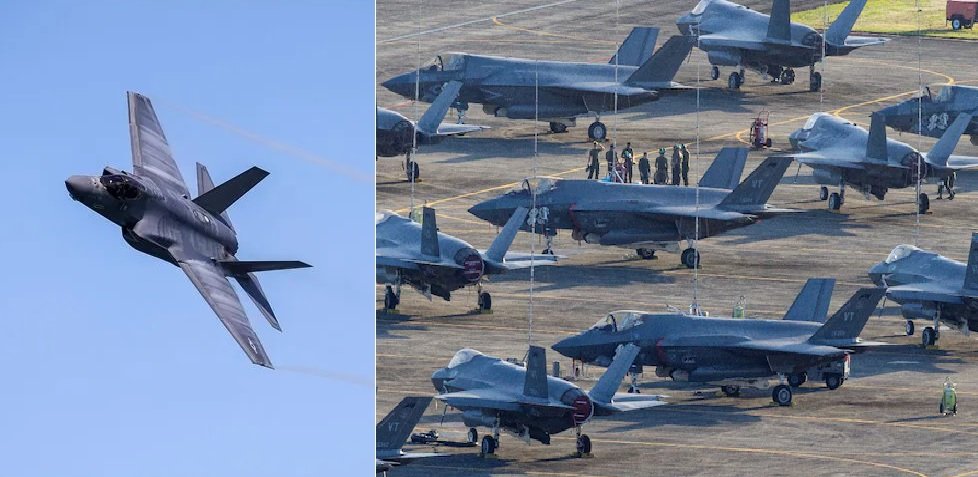
World
WASHINGTON — U.S. Central Command (CENTCOM) has stated that no American military aircraft were destroyed or damaged during recent Iranian attacks, directly rejecting claims made by Iran's Islamic Revolutionary Guard Corps (IRGC). The IRGC had announced that its forces destroyed three U.S. F-35 fighter jets and damaged three others during retaliatory strikes. It also claimed that U.S. personnel were killed in the attack. CENTCOM denied those claims, stating that all missiles and drones launched during the attacks were either intercepted or failed to reach their intended targets. Over the past few hours, Iranian state media have continued to report false claims by the Islamic Revolutionary Guard Corps (IRGC) – three in particular.🚫 FIRST CLAIM: The IRGC (again) claims free and open routes through the Strait of Hormuz are dangerous for commercial… pic.twitter.com/J34ILmDvyk — U.S. Central Command (@CENTCOM) July 30, 2026 According to Iranian statements, the operation was carried out in response to U.S. strikes on targets on Iran's Qeshm Island. The IRGC said it launched ballistic missiles at deployment areas and aircraft maintenance facilities at Al-Azraq Air Base, also known as Muwaffaq Salti Air Base, in Jordan. Jordan's armed forces confirmed that five missiles launched from Iran entered Jordanian airspace but said all were intercepted by the country's air defense systems. Jordan described the incident as the latest in a series of similar missile interceptions in recent days. CENTCOM also responded to Iranian claims regarding the security situation in the Strait of Hormuz. The command rejected Iranian assertions that commercial shipping through the strategic waterway has become unsafe because of U.S. military operations. Instead, CENTCOM said the immediate threat to civilian vessels comes from the IRGC's verbal threats and attempted attacks. The U.S. command reiterated that the Strait of Hormuz remains an international waterway open to commercial transit and said U.S. forces continue to support the safe movement of merchant vessels through the area. Iran has maintained that it controls aspects of the Strait of Hormuz and has issued warnings related to maritime traffic. The IRGC has stated that the strait is under the control of its naval forces. CENTCOM rejected those claims, saying the waterway is governed by international maritime regulations and is not under IRGC jurisdiction. CENTCOM also denied Iranian reports that the commercial oil tanker M/T Nora had broken through a U.S. naval blockade. The command said the vessel did not breach the blockade and added that enforcement operations remain in place. According to CENTCOM, more than 20 U.S. warships, hundreds of aircraft, and thousands of service members are involved in enforcing the maritime measures. The operations target ships entering or leaving Iranian ports while allowing unrestricted passage for vessels that are only transiting the Strait of Hormuz. The command said U.S. forces have redirected multiple commercial vessels as part of those enforcement activities. The latest statements come as military exchanges between the United States and Iran continue. CENTCOM said U.S. forces recently conducted strikes against IRGC targets in Iran, including command centers, missile and drone facilities, coastal sites, and maritime capabilities. The strikes followed what the command described as attempted Iranian ballistic missile attacks against U.S. personnel in the region. CENTCOM said those missiles were intercepted before reaching their targets. The command also said that more than 50,000 U.S. service members remain deployed across the Middle East. The latest developments highlight the continuing exchange of military operations and conflicting official accounts from Washington and Tehran. While Iran has reported successful attacks on U.S. military assets and control over maritime activity in the Strait of Hormuz, CENTCOM has rejected those claims, maintaining that no U.S. aircraft were lost, missile attacks were intercepted, and commercial shipping continues through the international waterway under U.S. support.
Read More → Posted on 2026-07-30 15:56:51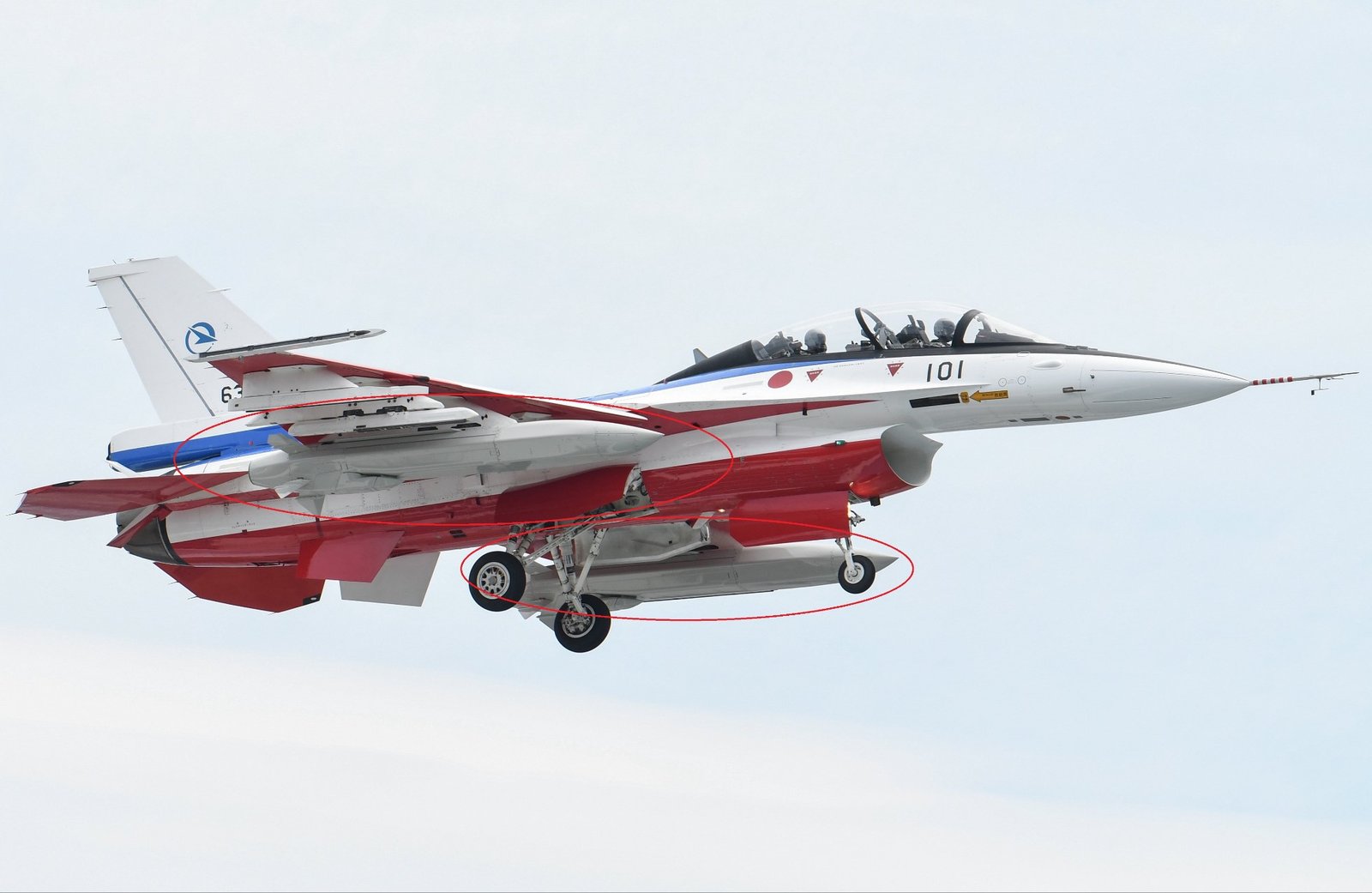
World
TOKYO — The Japan Air Self-Defense Force (JASDF) has begun captive-carry flight tests of its new air-launched Type 25 cruise missile on the Mitsubishi F-2 fighter, marking an important milestone in the development of Japan's next-generation stand-off strike capability. The first flight tests took place on July 30, 2026, from Gifu Air Base, where an F-2B test aircraft (tail number 63-8101) assigned to the Air Development and Test Wing (ADTW) was photographed carrying two missiles beneath its inboard wing pylons. Images of the flight were shared on the social media platform X by the account @AKEBOVO. An accompanying F-2A prototype (tail number 63-8501) flew alongside the test aircraft during the evaluation. 7/30 岐阜基地 RJNG 2nd岐阜基地「夏の夕べ」で飲んで帰るだけのつもりでしたが、ラッキーでした🍻 pic.twitter.com/0N5IfXBXXH — ih168 (@ih1681) July 30, 2026 Captive-Carry Flight Testing The aircraft carried what appear to be inert test versions of the air-launched Type 25 missile. During captive-carry testing, missiles remain attached to the aircraft throughout the flight while engineers evaluate their effects on the aircraft's aerodynamic performance, structural loads, handling characteristics, and overall flight stability. These tests are a standard part of missile integration before progressing to separation trials, in which the missile is safely released from the aircraft, followed by live-fire testing. Air-Launched Version of the Type 25 Missile The new air-launched weapon is based on Japan's Type 25 Surface-to-Ship Guided Missile (25SSM), previously known as the upgraded Type 12 (12SSM-ER) coastal defense missile. Japan officially redesignated the ground-launched system as the Type 25 Surface-to-Ship Guided Missile in March 2026 and has already started deploying it to Japan Ground Self-Defense Force units, including Camp Kengun in Kumamoto Prefecture. The missile is designed to engage both surface ships and land targets, providing a common long-range strike capability across multiple branches of Japan's Self-Defense Forces. Multi-Platform Missile Family The Type 25 missile family has been developed by Mitsubishi Heavy Industries as a standardized long-range weapon that can be launched from land-based systems, aircraft, surface ships, and submarines. In September 2025, Mitsubishi Heavy Industries signed a contract with Japan's Ministry of Defense to produce ship- and submarine-launched cruise missiles. The contract was officially announced in October 2025. According to current plans, submarine-launched variants will be fired through the torpedo tubes of Japan's Sōryū-class and Taigei-class submarines. A future submarine being developed by Kawasaki is also planned to feature dedicated vertical launch cells for these long-range weapons. Missile Specifications Public information on the air-launched Type 25 remains limited. However, the ground-launched version is reported to have a range of about 1,000 kilometers, while earlier estimates for the improved Type 12 missile family placed its range between 1,000 and 1,500 kilometers against surface ships with a displacement of up to 15,000 metric tons. Because the air-launched variant begins its flight at altitude and does not require a launch booster, it is expected to achieve a similar or greater range. The missile is approximately 9 meters long and carries a warhead weighing about 300 kilograms. Its guidance system combines inertial navigation with GPS correction during the cruise phase before switching to an active radar seeker for terminal guidance. The seeker uses an active phased-array antenna, enabling improved target detection in complex environments while increasing resistance to electronic countermeasures. Deployment Timeline Japan has accelerated development of stand-off strike weapons in recent years as part of its broader defense modernization program. The ground-launched Type 25 entered service in 2026, while the ship-launched and air-launched variants are scheduled for designation and deployment around fiscal year 2027. The first operational F-2 fighters equipped with the air-launched Type 25 are planned to be based at Hyakuri Air Base. Next Phase of Testing The start of captive-carry flight testing represents the latest stage in integrating the Type 25 cruise missile with the F-2 fighter. Following completion of aerodynamic and structural evaluations, the program is expected to move to missile separation tests and later live-fire trials before the weapon enters operational service. The Type 25 is intended to provide Japan with a common long-range strike weapon capable of engaging both maritime and land targets from multiple launch platforms, including aircraft, ground launchers, surface ships, and submarines.
Read More → Posted on 2026-07-30 15:42:32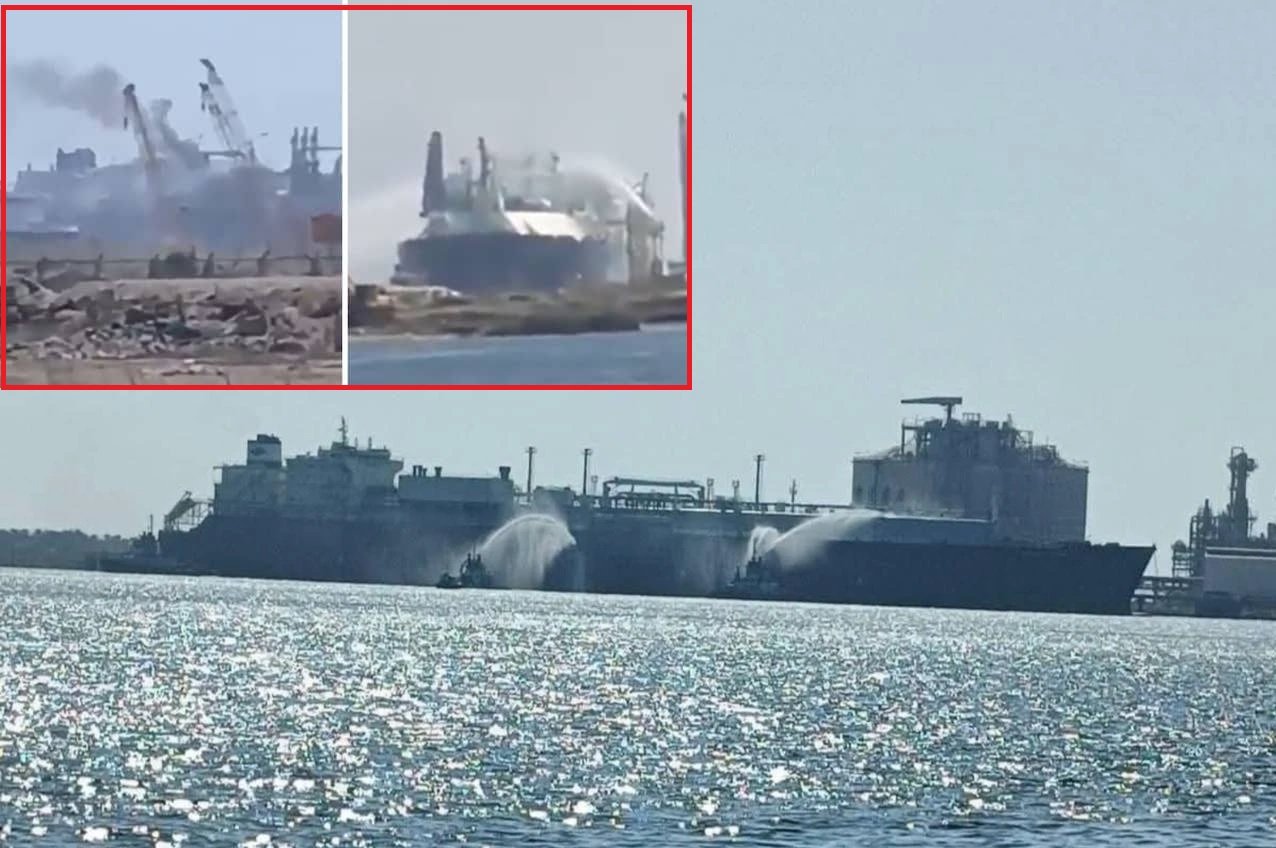
World
Damietta, Egypt — A drone strike on a U.S.-owned floating gas storage vessel at Egypt's Damietta Port has raised new security concerns over energy infrastructure in the eastern Mediterranean, highlighting the growing risks facing maritime energy routes amid the ongoing Middle East conflict. The incident occurred on July 29, when an unmanned aerial vehicle struck the Energos Winter, a U.S.-owned floating storage and regasification unit (FSRU) operating under the Marshall Islands flag while it was docked at Damietta Port during cargo operations. According to the Egyptian cabinet, a preliminary investigation confirmed that a drone caused the fire aboard the vessel. The blaze later spread to the GasLog Salem, a Bermuda-flagged liquefied natural gas (LNG) carrier. The Egyptian Ministry of Petroleum and Mineral Resources said there were no injuries or fatalities. Firefighting and security teams quickly brought the fire under control, and both vessels were moved away from the terminal to prevent further damage. Authorities also confirmed there was no damage to the port's infrastructure, and operations at other berths were expected to resume soon. Maritime security firm Ambrey and trading sources identified the targeted vessel as the Energos Winter, which is owned by U.S.-based Energos Infrastructure and has a storage capacity of about 138,250 cubic metres. The vessel's operations are managed by a subsidiary of Norway's Wilhelmsen Group, while it is leased by Egypt's state-owned Egyptian Natural Gas Holding Company. The second vessel affected by the fire, GasLog Salem, is operated by a Greek shipping company. Verified video footage released by news agencies showed emergency crews and tugboats working to extinguish the flames as smoke rose from the vessels. Investigation Continues No country or armed group has claimed responsibility for the attack, and Egyptian authorities said investigations remain ongoing. The strike took place against the backdrop of the wider Middle East conflict that began in late February 2026 involving the United States, Israel and Iran. Since then, commercial shipping through the Strait of Hormuz, the Red Sea, and the Bab el-Mandeb Strait has faced repeated disruptions due to attacks and security threats, affecting regional energy exports and maritime traffic. Saudi Arabia has adjusted some of its oil export routes in response to security risks in the Persian Gulf, while Yemen's Iran-backed Houthi movement has announced measures targeting Saudi shipping. Two Iranian officials, speaking anonymously to The New York Times, described the Damietta explosion as a drone attack intended to demonstrate that global shipping and energy supplies could face greater disruption if the regional conflict expands further. However, they did not confirm whether Iran or any regional ally was responsible for carrying out the attack. Iranian state media had previously listed Damietta among potential locations linked to separate tensions involving Ukraine, but no official Iranian statement has claimed responsibility for the strike. U.S. President Donald Trump said he had been briefed on the incident and stated that Iran or its proxies were responsible, adding that the United States would respond strongly. Strategic Importance of Damietta Damietta Port is located on Egypt's Mediterranean coast near the northern entrance of the Suez Canal and serves as an important hub for the country's liquefied natural gas (LNG) operations. Egypt has increasingly relied on floating storage and regasification units (FSRUs) such as the Energos Winter to support natural gas imports for electricity generation and industrial demand, alongside remaining LNG export activities at the terminal. The attack has also drawn attention to the security of maritime routes that connect major global energy chokepoints. The Strait of Hormuz remains one of the world's most important energy corridors, traditionally handling about 20% to 25% of global seaborne oil trade. Ongoing disruptions in Hormuz and the Bab el-Mandeb Strait have already affected commercial shipping, prompting some producers to redirect exports through alternative routes linked to the Red Sea and the Suez Canal. Security analysts cited in reports said the Damietta incident appears intended to demonstrate that energy infrastructure along alternative export routes could also be vulnerable during the conflict. However, no official investigation has confirmed the motive behind the attack. Shipping Security Concerns Maritime security companies said the strike increases concerns that the conflict could spread beyond previously affected areas. Many commercial shipping companies have already reduced or rerouted traffic through parts of the Red Sea and the Persian Gulf because of security risks. A drone strike at a Mediterranean port near the Suez Canal introduces an additional security concern for vessels operating through Egyptian facilities. Egyptian authorities said they are continuing to investigate the incident while taking measures to safeguard national security and critical infrastructure. Although analysts noted that the direct impact on global LNG supplies from this single incident is limited because Egypt is not a major global gas exporter, the attack adds to broader concerns over the security of regional energy transportation routes as tensions in the Middle East continue.
Read More → Posted on 2026-07-30 14:32:30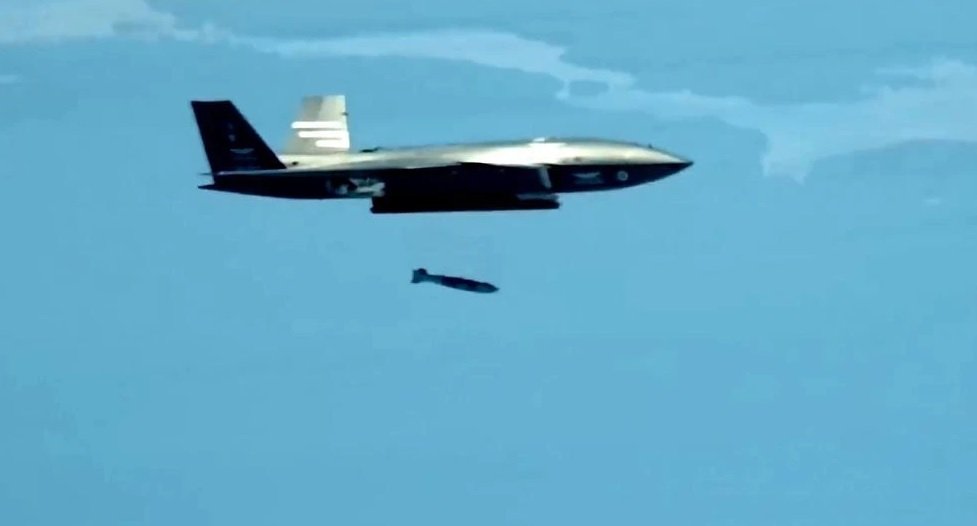
World
ÇORLU, Türkiye — Türkiye's Bayraktar KIZILELMA unmanned combat aircraft has successfully completed its first live-fire tests using its internal weapons bay, marking an important step in the platform's low-observable strike capability. During the tests, the aircraft accurately released two domestically developed smart munitions—ROKETSAN's TEBER-82 and ASELSAN's TOLUN-P—from its internal weapons compartment and achieved direct hits on their designated targets. Baykar, the developer of KIZILELMA, announced the results on July 30, 2026. The tests were conducted at the Çorlu Flight Training and Test Center in Tekirdağ using the serial production aircraft with tail number S2. According to the company, KIZILELMA first conducted a successful internal-bay firing of the ROKETSAN-produced TEBER-82 on July 25. A second test followed on July 28, when the aircraft successfully released ASELSAN's TOLUN-P munition from its internal weapons bay. In both flights, the aircraft took off from Çorlu, flew to the target area, released the weapons from the internal compartment, and accurately struck the designated targets. The successful releases represent the first time both munitions have been fired from KIZILELMA's internal weapons bay. They had previously been tested from the aircraft's external under-wing hardpoints. 🇹🇷 Türkiye's Bayraktar KIZILELMA successfully completed its first live-fire tests from its internal weapons bay, releasing the TEBER-82 and TOLUN-P smart munitions and hitting designated targets. The milestone strengthens the UCAV's low-observable precision strike capability. pic.twitter.com/VDvmkPfjL7 — The Defense News (@TheDefenseNews) July 30, 2026 Internal Weapons Bay Supports Low-Observable Operations The successful use of the internal weapons bay is an important capability for low-observable combat aircraft. Carrying weapons inside the fuselage helps reduce the aircraft's radar cross-section compared with external stores, while also preserving aerodynamic performance by minimizing drag. Baykar said the successful tests confirm KIZILELMA's ability to conduct precision strikes while maintaining a lower radar signature. Internal carriage is intended to improve the aircraft's effectiveness during operations in heavily defended environments and support deeper penetration missions using domestically developed weapons. Munitions Used During the Tests The two precision-guided munitions used during the trials were developed by Turkish defense companies. The TEBER-82, developed by ROKETSAN, is a guidance kit that converts standard MK-82 general-purpose bombs into precision-guided weapons. It uses inertial navigation, GPS, and a semi-active laser seeker for guidance. According to the available specifications, it has a range of 2 to 28 kilometers, weighs approximately 270 kilograms, offers a circular error probable of less than three meters, and can engage both fixed and moving targets. It also includes an optional proximity sensor. Following the successful firing, ROKETSAN CEO Murat İkinci said the internal weapons station test had been completed successfully and highlighted the continued cooperation between the companies. The TOLUN-P, developed by ASELSAN, is an INS/GNSS-guided gliding munition in the 250-pound class designed for precision strikes. According to ASELSAN CEO Ahmet Akyol, its integration involved the SADAK-4T smart pneumatic rack, enabling the weapon to be carried inside KIZILELMA's internal weapons bay. Builds on Previous Weapons Integration The internal weapons bay tests expand KIZILELMA's ongoing weapons integration program. The aircraft has previously completed firing tests with the Gökdoğan air-to-air missile, the JET-230 air-to-surface supersonic missile, LGK-82 guidance kits, and external carriage and release of both TOLUN and TEBER-82 munitions. In mid-July 2026, KIZILELMA successfully test-fired the JET-230 missile at a range exceeding 120 kilometers. According to previous program milestones, the aircraft also became the first unmanned fighter to destroy a jet-powered aerial target using a beyond-visual-range air-to-air missile in November 2025. In December 2025, two KIZILELMA prototypes completed an autonomous close-formation flight. Platform Overview Bayraktar KIZILELMA is Türkiye's first jet-powered unmanned combat aircraft and is designed as a low-observable, single-engine multirole platform. The aircraft has an overall payload capacity of approximately 1.5 tons distributed between its internal weapons bays and external under-wing stations. Depending on configuration, its maximum takeoff weight ranges from approximately 6 to 8.5 tons. Broader Significance Defense analysts note that data collected during KIZILELMA's internal weapons bay testing could support the development of other Turkish low-observable aircraft programs that also use internal weapon bays, including TUSAŞ's ANKA-III unmanned combat aircraft and the KAAN fifth-generation fighter. The successful completion of the internal-bay live-fire tests marks another step in validating KIZILELMA's ability to integrate domestically produced precision-guided weapons while supporting low-observable strike operations.
Read More → Posted on 2026-07-30 13:47:25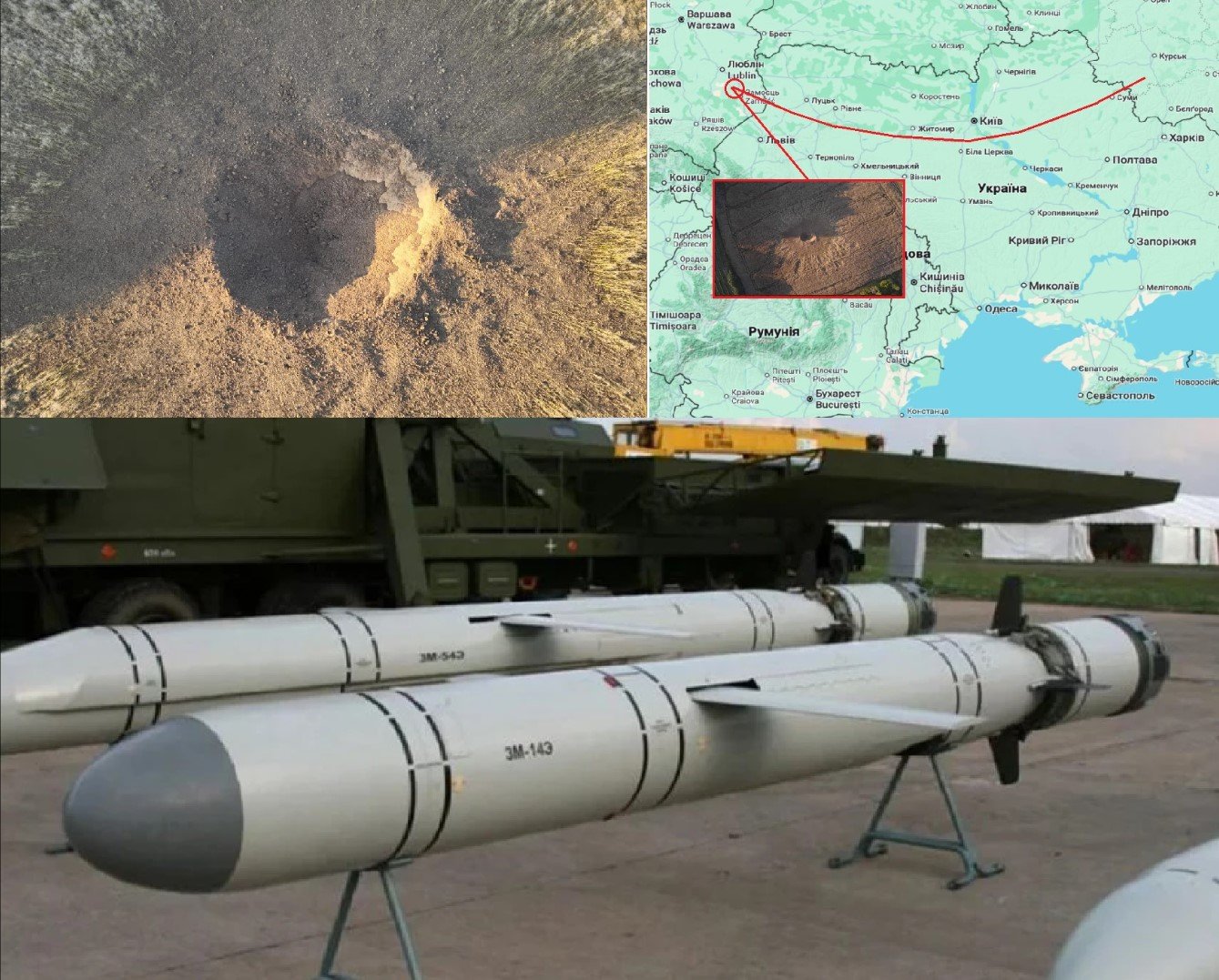
World
WARSAW — A Russian Kh-101 cruise missile entered Polish airspace and crashed in eastern Poland early Thursday during one of Russia's largest overnight missile and drone attacks on Ukraine, prompting a military response from Poland and an official investigation into the incident. The missile crashed in an undeveloped field near the village of Tarnawa-Kolonia in Biłgoraj County, Lublin Voivodeship, approximately 95 kilometers (59 miles) from the Ukrainian border. Polish authorities confirmed that the explosion caused a large crater but resulted in no casualties or structural damage. Missile Entered Polish Airspace According to the Operational Command of the Polish Armed Forces, the missile followed a complex flight path before entering Poland. Tracking data showed it first entered Ukrainian airspace over the Sumy region, flew across western Ukraine toward the Volyn region, and then crossed into Polish territory. The Polish military released the following timeline of the incident: 3:16 a.m. (Polish time): Poland scrambled military aircraft in response to the large-scale Russian attack on Ukraine. 3:29 a.m.: An aerial target approached within 5 kilometers (3.1 miles) of the Polish border. 3:40 a.m.: The object was detected flying westward over Polish territory, and an F-16 fighter jet was dispatched to identify and intercept it. 3:46 a.m.: The missile disappeared from Polish military radar. Around 4:00 a.m.: Residents reported a powerful explosion that shook windows in nearby homes. To verify radar data, the military later dispatched a Mi-24 helicopter to the area. The helicopter crew located the impact site in a rural field near Tarnawa-Kolonia. Crash Site Under Investigation Local Polish media began reporting the explosion and the emergency response by 5:58 a.m. Kyiv time. Police, firefighters and other security services secured the area while investigators examined the impact site. According to local reports, the impact created a crater measuring approximately 10 meters wide and 5 meters deep, with missile fragments scattered across an area of about 200 meters. The site is located roughly 2 kilometers from the nearest residential buildings. Ukraine has also offered assistance with the investigation. Polish Government Responds Polish Prime Minister Donald Tusk, who visited the crash site, said all available evidence indicates the projectile was a Russian Kh-101 cruise missile, although authorities are continuing to verify its exact type and origin. "All the indications are that it was a Russian Kh-101 cruise missile, but we want to be 100% certain about the type of missile and who launched it," Tusk said during an emergency coordination meeting. Tusk said the Polish military had tracked the missile throughout the incident and was prepared to shoot it down if it had continued deeper into Polish airspace or posed a threat to populated areas. He added that investigators are also determining whether the crater was caused by the missile's warhead detonating or by the impact itself. According to Tusk, there is no indication that Poland was the intended target. He also confirmed discussing the incident with President Karol Nawrocki. Polish Air Defences Activated Polish Defence Minister Władysław Kosiniak-Kamysz described the night as highly demanding for Poland's air defence and surveillance systems. He said Polish F-16 fighter aircraft had been operating near the border from around 2:00 a.m., while reconnaissance aircraft and allied aerial refuelling aircraft were also activated. Air raid alerts were issued in Lublin and other parts of the province as a precaution. Monitoring channels, including eRadar and Strategic Aviation, also reported a cruise missile crossing into Polish airspace over Lublin Voivodeship during the attack. Part of a Large-Scale Russian Strike on Ukraine The airspace violation occurred during a major overnight Russian missile and drone attack across Ukraine. According to the Ukrainian Air Force Command, Russia launched 74 missiles and 284 drones during the attack. The missiles included: 61 Kh-101 and Kalibr cruise missiles Four Zircon and Oniks missiles Nine Iskander-M, S-400 and KN-23 ballistic missiles Ukraine said its air defence forces intercepted or suppressed 55 missiles and 265 drones. The primary targets included the Kyiv and Lviv regions, while strikes were also reported in Dnipropetrovsk, Sumy, Vinnytsia, Poltava, Mykolaiv, and Ivano-Frankivsk. According to Ukrainian authorities, the overnight attack killed at least eight people and injured dozens more, while causing damage across multiple regions. Ukraine Calls for Stronger Air Defences Ukrainian Foreign Minister Andrii Sybiha said the missile's entry into Poland demonstrated that strengthening Ukraine's air defence capabilities is important for the security of the wider Euro-Atlantic region. He also described the missile's flight into Poland as a violation of NATO airspace. Investigation Continues The Polish government has launched an investigation to determine the exact circumstances surrounding the missile's entry into Polish airspace, confirm the projectile's identity, and establish whether the crater resulted from the missile's impact or the detonation of its warhead. Authorities have reiterated that no injuries or damage to buildings were reported, while security services continue to examine the crash site.
Read More → Posted on 2026-07-30 13:20:46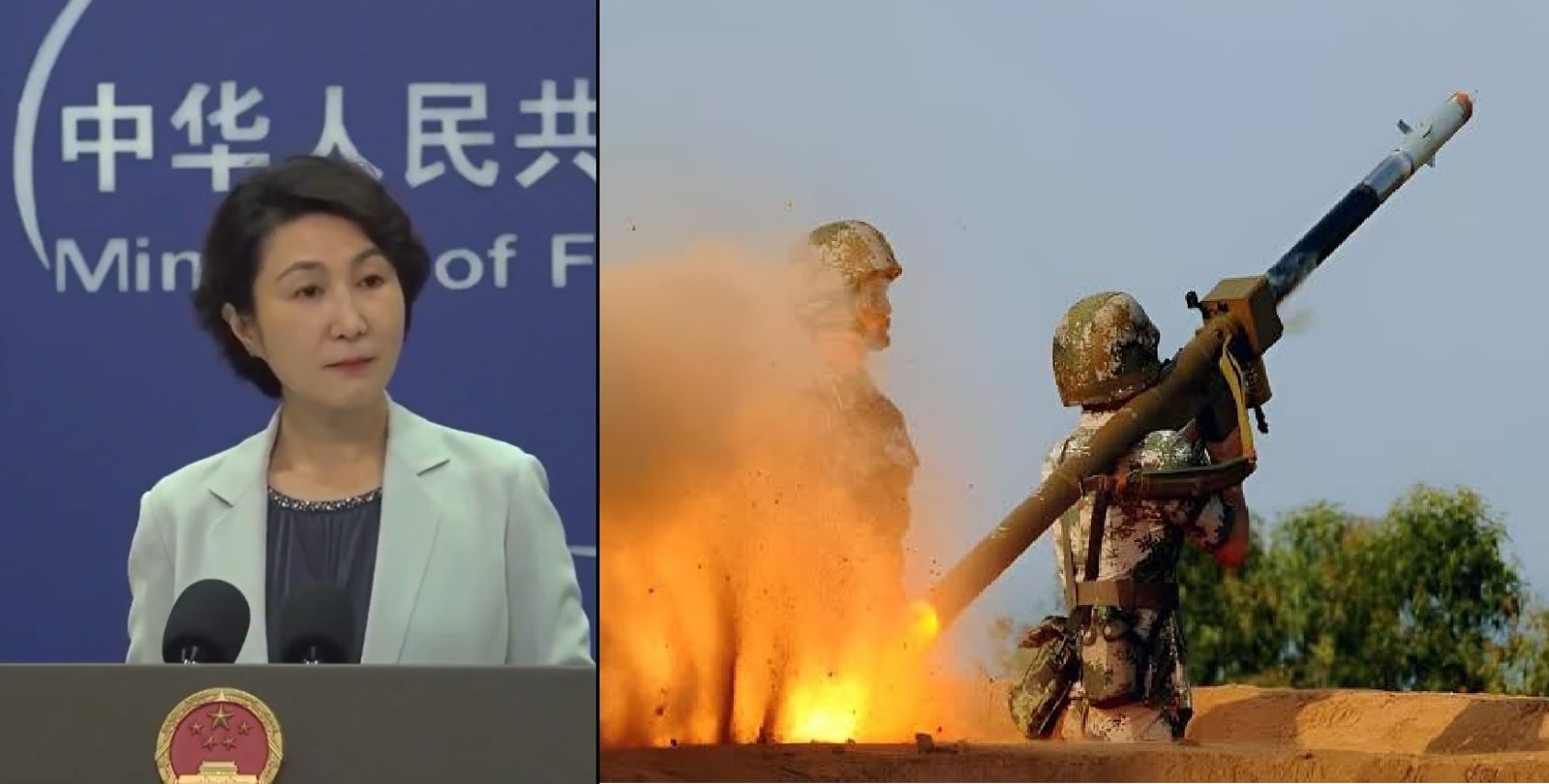
World
BEIJING — China has rejected media reports claiming it plans to supply Iran with hundreds of Chinese-made shoulder-fired air-defense missile systems, calling the reports "not true" and without any factual basis. Speaking at a regular press briefing in Beijing on Thursday, Chinese Foreign Ministry spokesperson Mao Ning said the reports were "groundless" and stressed that China has consistently worked to promote peace and de-escalation. She said Beijing has made its position on such issues clear on multiple occasions. China has denied reports that Iran will receive up to 400 Chinese-made shoulder-fired air-defense missile launchers. Foreign Ministry spokeswoman Mao Ning called the claim "not true" and said it has "no factual basis," adding that China supports peace and an end to the conflict. pic.twitter.com/LYnHql6OkK — The Defense News (@TheDefenseNews) July 30, 2026 The denial follows a Reuters report published on July 29, which cited three unnamed sources claiming that Iran was expected to receive an initial shipment of up to 400 Chinese-made man-portable air-defense systems (MANPADS), including the QW-12 and FN-16 models. The report said the alleged contract covered 300 to 400 systems and was valued at $60 million to $70 million. According to the report, the alleged deal involved Zhongqing Baoshang International Investment, a Hong Kong-based intermediary, with shipments reportedly planned from Urumqi in western China through Pakistan before reaching Iran. Reuters noted that delivery schedules, quantities, and other details could still change. Pakistan also denied the claims. The country's military media wing, Inter-Services Public Relations (ISPR), described reports that Pakistani territory would be used as a transit route as "absolutely concocted and false" and "devoid of truth." The reported purchase emerged amid Iran's efforts to strengthen its short-range air-defense capabilities following months of conflict involving the United States and Israel. However, both China and Pakistan have publicly stated that no such arms transfer is taking place. China has also previously said it strictly controls military exports in accordance with its laws and international obligations, while reiterating its support for regional stability and efforts to reduce tensions.
Read More → Posted on 2026-07-30 12:04:08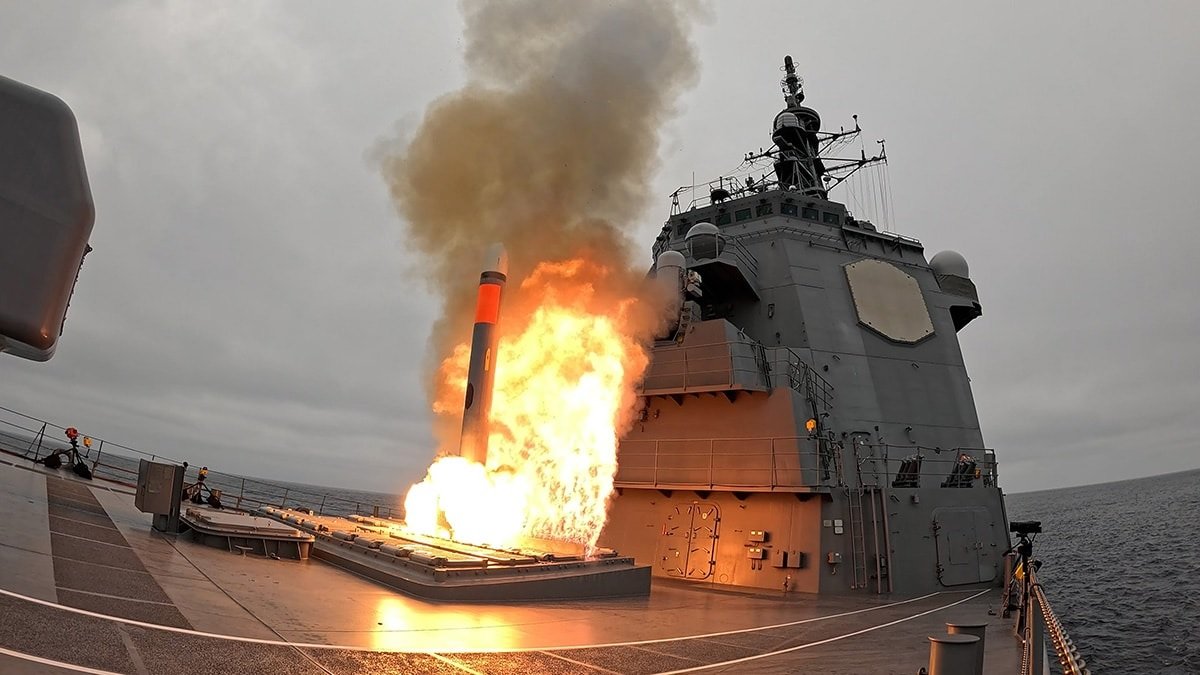
World
TOKYO — Japan's Ministry of Defense announced on July 30 that the Japan Maritime Self-Defense Force (JMSDF) has successfully conducted its first live-fire test of a U.S.-made Tomahawk cruise missile from the Aegis guided-missile destroyer JS Chokai (DDG-176), marking a major step in the country's efforts to strengthen its stand-off strike capability. The live-fire test was carried out on July 29 (Japan time) in the Pacific Ocean while JS Chokai was deployed to the United States as part of Japan's Tomahawk acquisition and training program. The U.S. Navy supported the event by providing the test range, monitoring the surrounding airspace and waters, and assisting with test planning. Japanese officials emphasized that the missile launch was conducted by the JMSDF crew. The successful launch makes Japan the third country outside the United States, after Australia and the Netherlands, to fire a Tomahawk missile from a surface combatant. It is also the fourth country outside the United States to launch the missile overall, following the United Kingdom, which operates Tomahawks from submarines. Test Verified Launch Procedures and Missile Flight Officials from Japan's Acquisition, Technology & Logistics Agency (ATLA) said the test confirmed that JS Chokai and its crew successfully completed the full launch sequence, including all required operational procedures. The test also verified the missile's flight to its designated target. ATLA did not disclose several operational details, citing coordination with the U.S. Navy and the need to protect Japan's defense capabilities. The agency withheld information including the precise test location beyond the Pacific Ocean, the type of target used, the missile's flight range, guidance procedures, the number of missiles launched, and whether the missile was a Block IV or Block V Tomahawk. Months of Preparation Before the Launch Japan's Ministry of Defense announced in March 2026 that JS Chokai had been modified to operate Tomahawk cruise missiles. Officials said the months leading up to the live-fire test were used to verify the newly installed equipment and train the ship's crew in launch procedures. At the time of the announcement, Defense Minister Shinjiro Koizumi said Japan's stand-off defense capability is intended to ensure that any potential adversary understands that attacks against Japan by naval vessels, amphibious forces, or other means can be effectively countered. Following the completion of its deployment in the United States, JS Chokai is expected to return to its homeport in Sasebo around September 2026. Officials declined to say when the Tomahawk capability will officially enter operational service, stating that releasing such information could reveal details about Japan's defense readiness. No Additional Live-Fire Tests Planned ATLA officials said Japan currently has no plans to conduct similar live-fire tests on the other JMSDF Aegis destroyers that are being upgraded to operate Tomahawk missiles. According to the agency, additional shipboard firing tests are not considered necessary because the Mk 41 Vertical Launching System and Tomahawk launch equipment already have a long operational record with the U.S. Navy. Officials said the successful test aboard JS Chokai confirmed the integration of the Tomahawk weapon system with Japan's combat system. Upgrades Planned for Five Aegis Destroyers Japan has allocated approximately 113.6 billion yen (about $694 million) through fiscal year 2026 to equip five of its eight JMSDF Aegis destroyers with Tomahawk launch capability. The ships are: JS Chokai JS Kirishima JS Haguro JS Myoko JS Atago Modification work on Haguro and Kirishima began during fiscal year 2025. Contracts for the required equipment for Atago and Myoko have already been awarded, with modification work scheduled to begin during fiscal year 2026. Funding for upgrades to the remaining three Aegis destroyers will be considered from fiscal year 2027 onward, although officials said it is too early to estimate the cost. Japan is also building two Aegis System Equipped Vessels (ASEVs) scheduled to enter service in fiscal years 2027 and 2028. While the vessels are intended to operate Tomahawk missiles in the future, ministry officials said they are not expected to have Tomahawk launch capability when they first enter service. Tomahawk Procurement Program Remains on Schedule Japan plans to acquire up to 400 Tomahawk cruise missiles through the U.S. Foreign Military Sales (FMS) program at a total cost of approximately 169.4 billion yen (about $1.03 billion). The procurement schedule remains unchanged: Up to 200 Block IV missiles are scheduled for delivery between fiscal years 2025 and 2027. Up to 200 Block V missiles are scheduled for delivery between fiscal years 2026 and 2027. ATLA confirmed that deliveries began during fiscal year 2025, but officials declined to disclose how many missiles have been delivered or provide a detailed delivery timeline, citing operational security. They stated that the acquisition program remains on schedule. Officials also confirmed that Japan does not plan to purchase more than the approved 400 Tomahawk missiles. Future expansion of Japan's stand-off strike capability is expected to rely primarily on domestically developed long-range missiles currently under development. The Ministry of Defense said it announced the successful test as part of its policy of informing taxpayers about the progress of major defense programs funded with public money. Once the current modification program is completed, five of the JMSDF's eight Aegis destroyers will be equipped with Tomahawk launch capability, while upgrades for the remaining three ships are expected to be considered under future budgets. The Tomahawk is a long-range, subsonic cruise missile with a range of more than 1,600 kilometers. Australia conducted its first surface-ship Tomahawk launch from HMAS Brisbane in December 2024, while the Netherlands carried out its first launch from HNLMS De Ruyter in March 2025.
Read More → Posted on 2026-07-30 11:18:24Search
Top Trending in 24 Hours
-
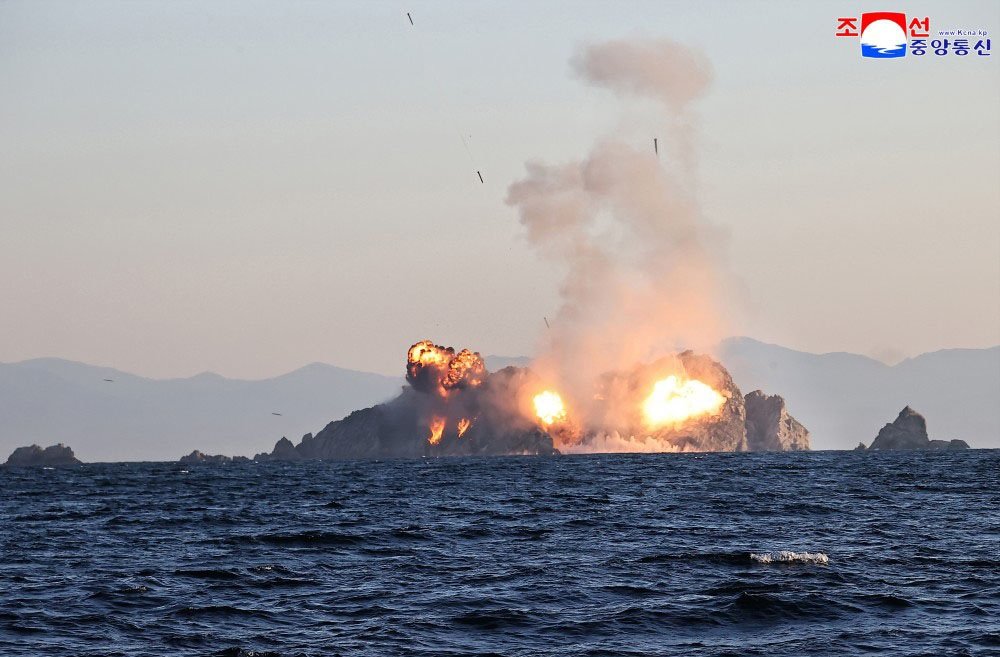 North Korea Fires Short-Range Ballistic Missile Toward Sea of Japan After Freedom Edge 26
-
 India’s xTerra Robotics Launches Indigenous DHAV-Hy Wheeled-Legged Quadruped for Industrial Inspection
-
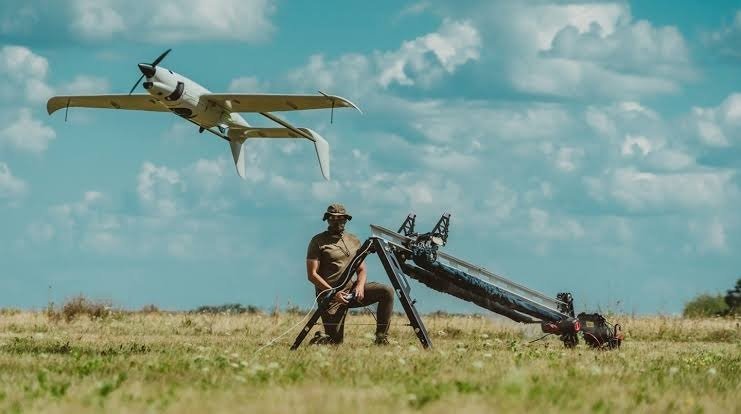 U.S. Army Awards $10.64 Million Contract to Ukrainian Drone Maker Skyeton for Raybird Systems
-
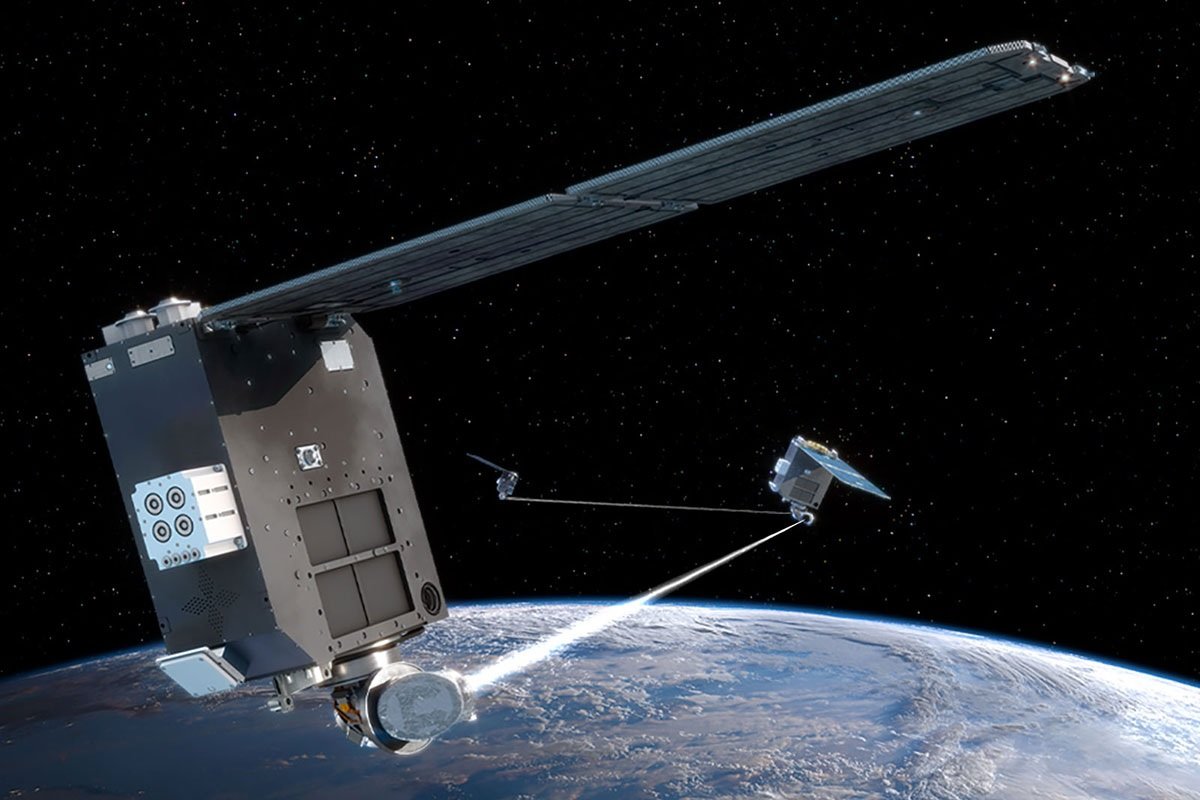 U.S. Space Force Seeks Rapid-Response Satellites for Close-Range Orbital Inspections
-
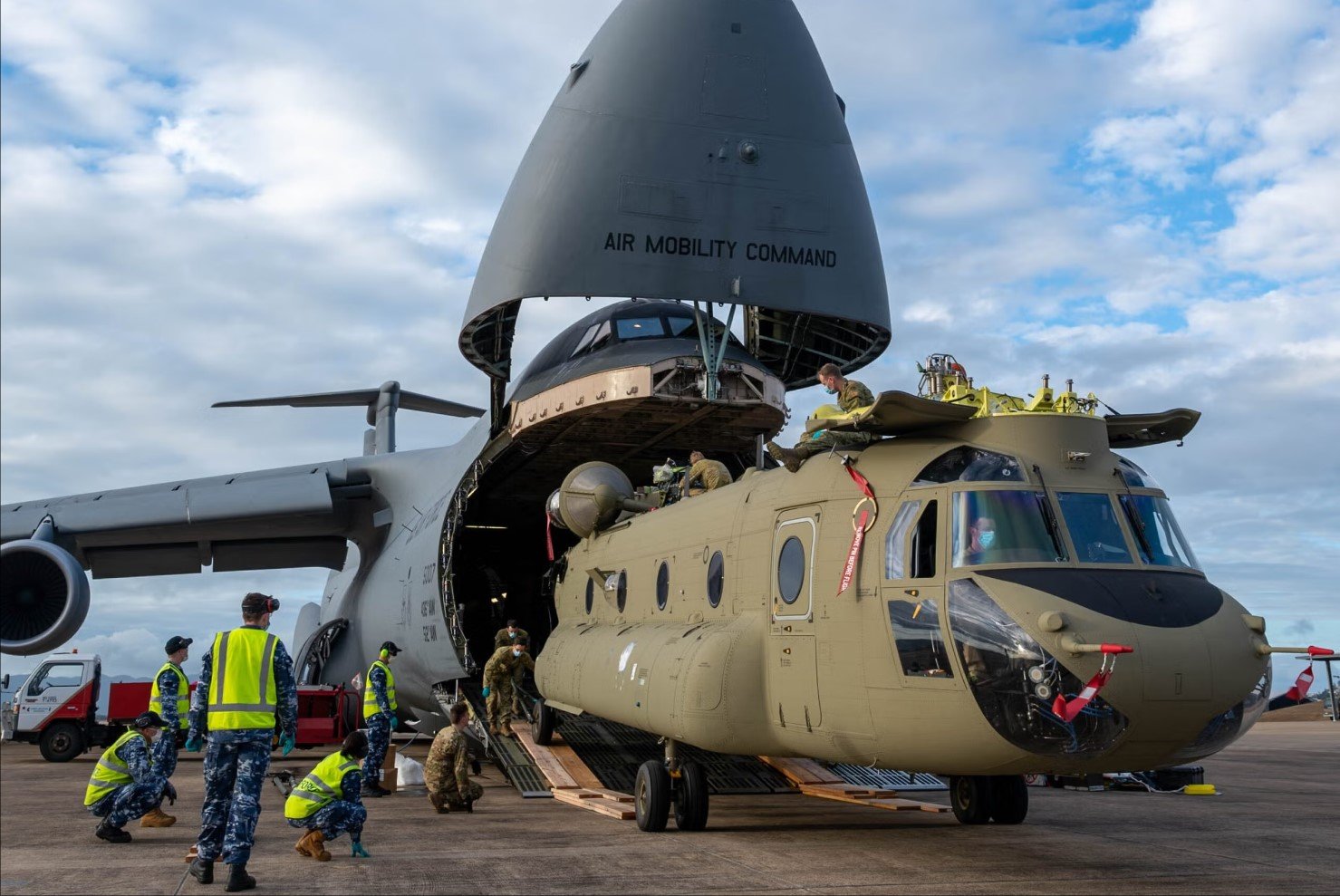 U.S. Delivers First CH-47F Chinook to Egypt Under 12-Helicopter Deal
-
 BEL Showcase X-Band Multi-Function Radar for QRSAM to Japanese Delegation
-
 U.S. Government Seizes Almasirah.net, Houthi-Linked News Website
-
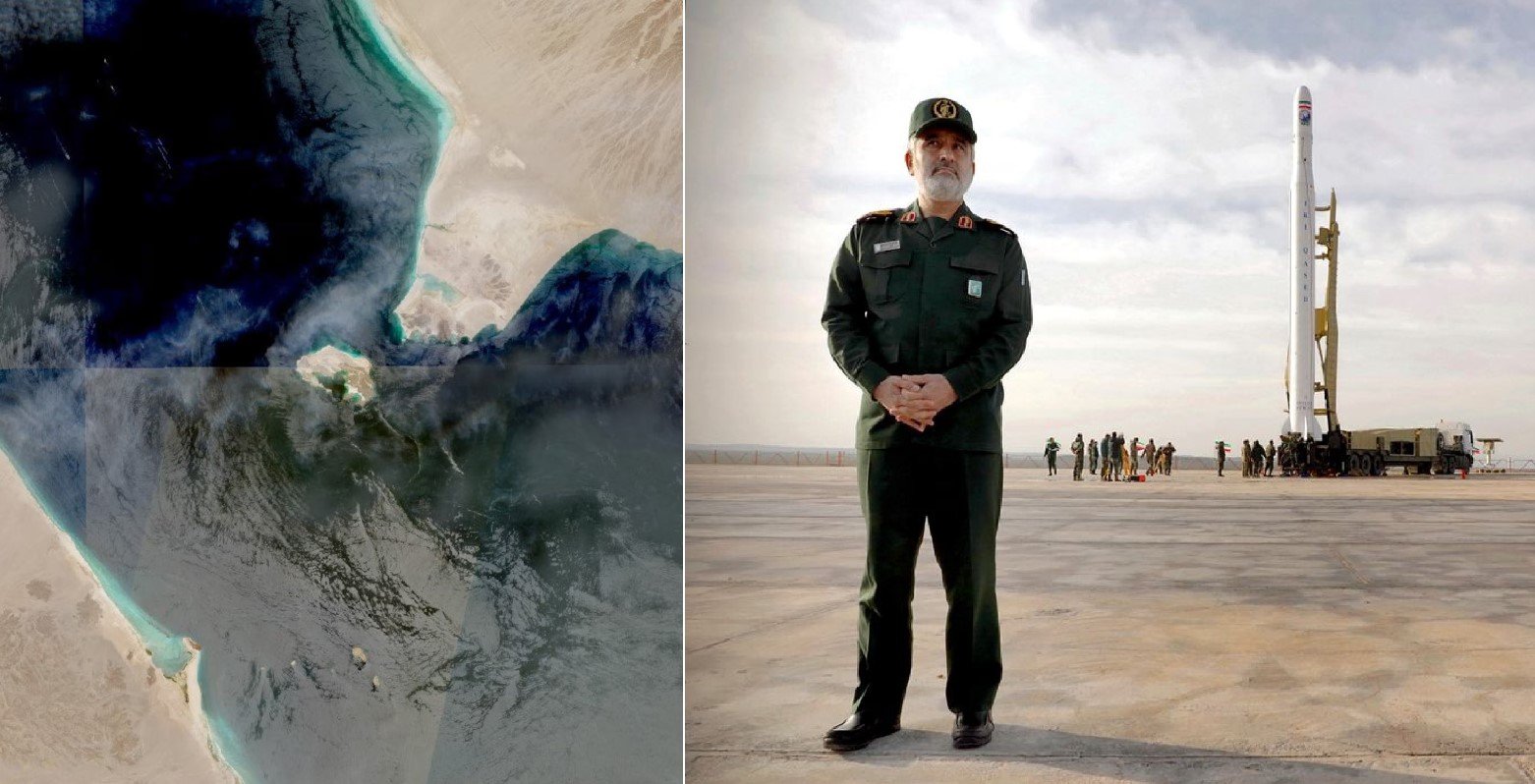 IRGC Experts Visit Bab El-Mandeb to Oversee Radar Installation and Tunneling, Houthi Sources Say
Top Trending in 4 Days
-
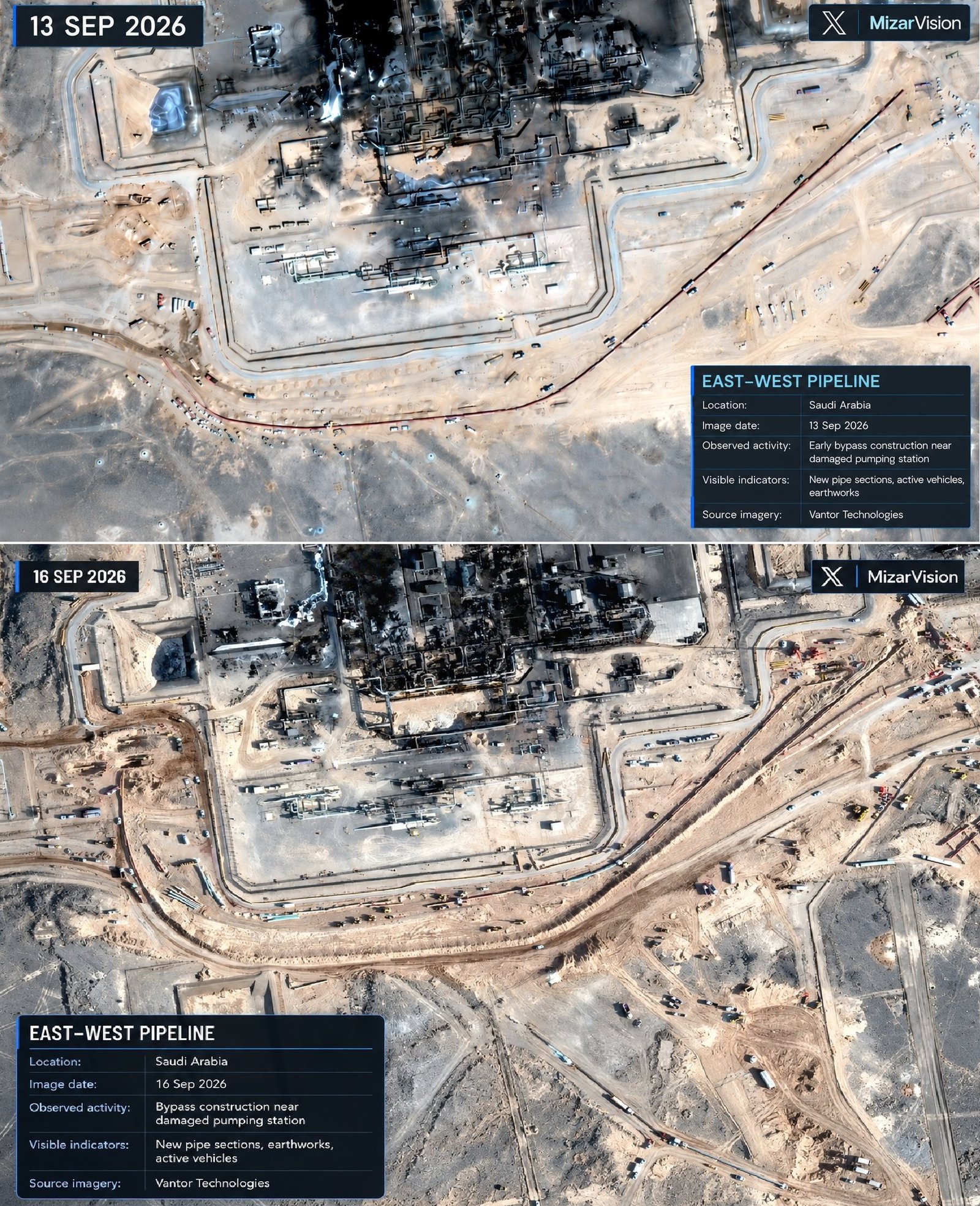 Satellite Images Show Saudi Arabia Building Emergency Bypass Around Damaged East-West Oil Pipeline Station
-
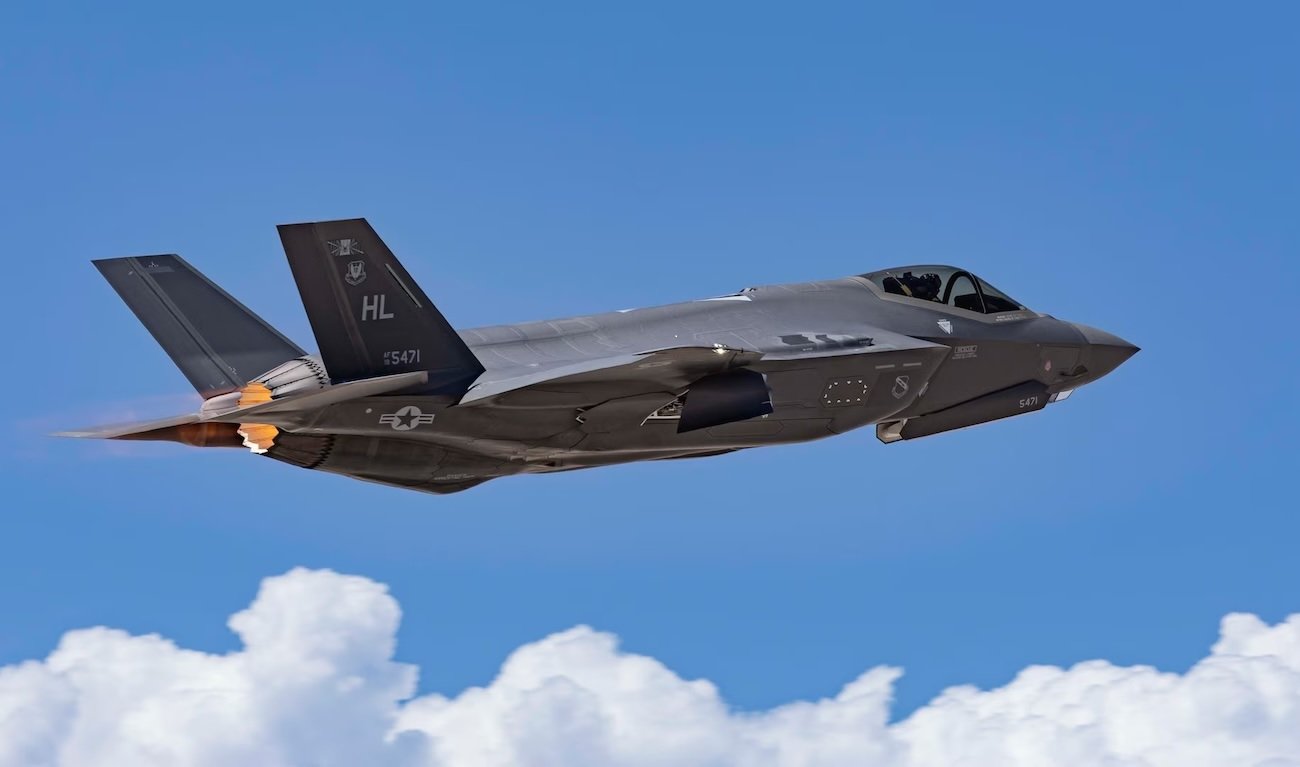 Sensitive F-35 Components Diverted to Hong Kong, Some Parts Missing
-
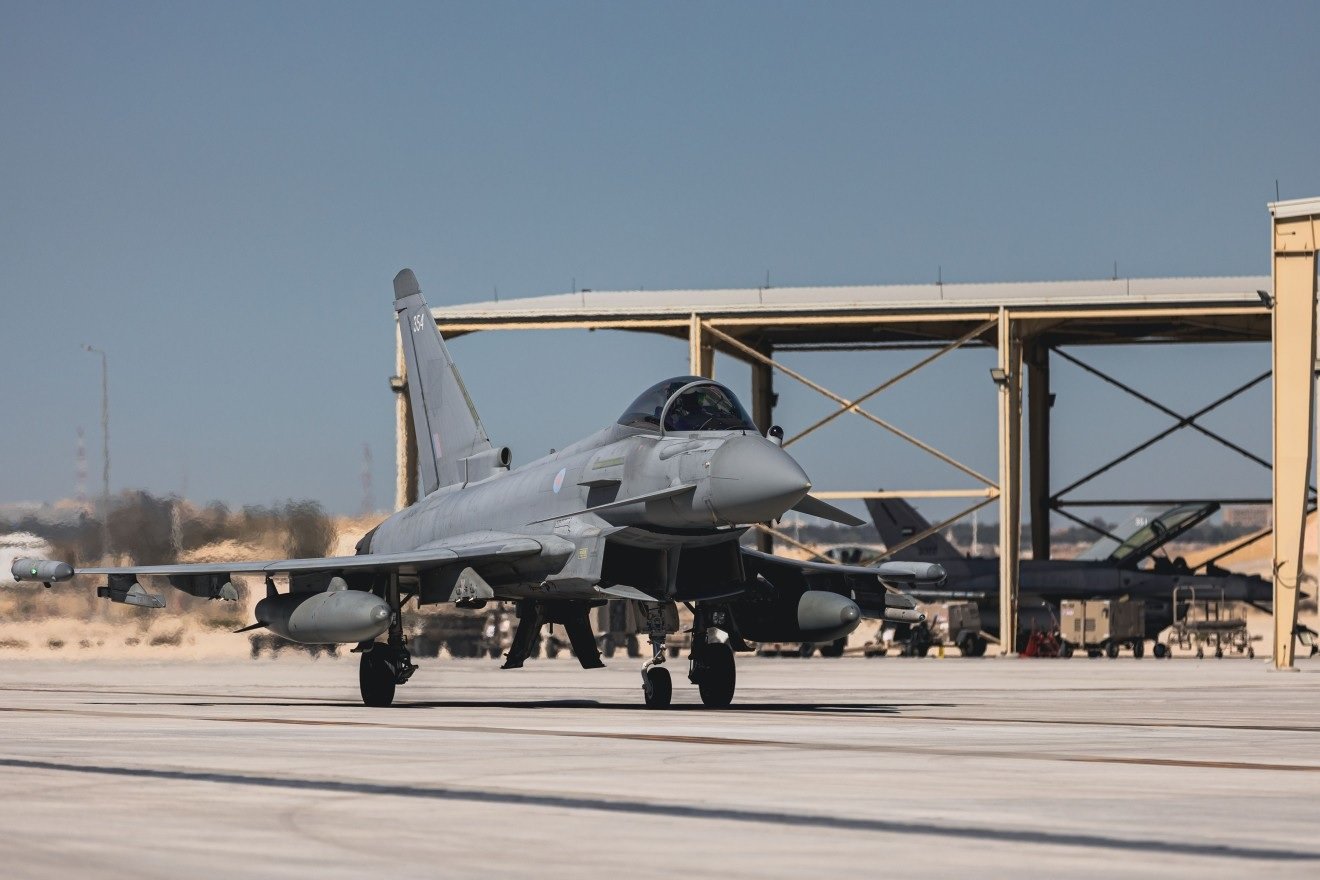 Italian Eurofighter Damaged in Houthi Attack on Saudi Arabia’s King Fahd Air Base
-
 U.S. Secures Permanent Military Rights in Greenland in Historic Security Pact with Denmark
-
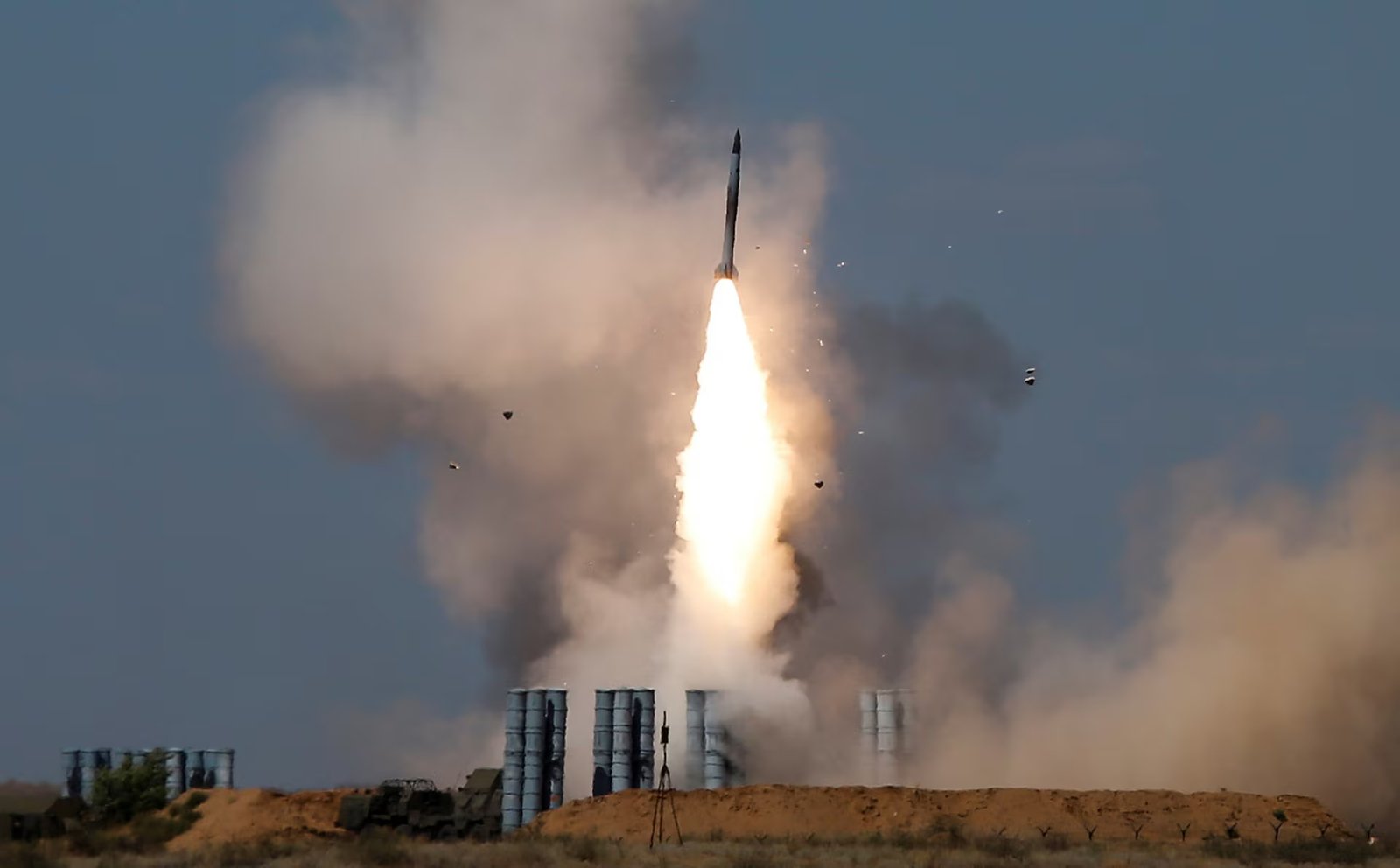 U.S. Approves Potential $2.68 Billion Air Defense Package for Ukraine Including S-300 Clone Missiles
-
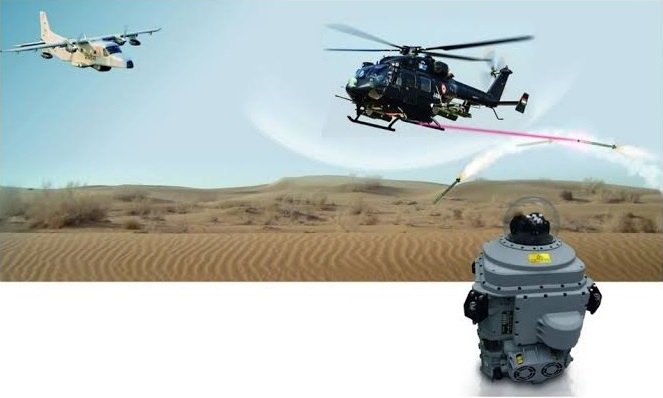 BEL Signs Export Deal with Elbit Systems for Directed Infrared Countermeasure Sub-Assemblies, Secures ₹648 Crore in Additional Orders
-
 China Privately Urges Iran to Restrain Houthis After Saudi Appeal
-
 Israeli Firm Arbe Robotics Unveils Alerion High-Resolution 4D Radar for Counter-Drone Operations