
World
BEIJING — Chinese robotics company Unitree has introduced its latest unmanned ground vehicle (UGV), the Super Athlete AS2-W, a four-wheeled robot that combines legged and wheeled mobility. The new platform is designed to improve movement across different types of terrain by combining the obstacle-crossing ability of legged robots with the speed and efficiency of wheeled systems on flat surfaces. According to information published on Unitree's official website, the AS2-W weighs approximately 25 kg, including its 648 Wh (15,000 mAh) battery. The robot is designed to carry a continuous payload of up to 16 kg while moving, while its structure can support a static payload of up to 150 kg when stationary. Mobility and Performance The AS2-W uses a hybrid wheeled-legged design with 16 degrees of freedom, 7-inch oversized wheels, and industrial-grade joint modules capable of generating up to 95 N·m of peak torque. According to Unitree, the robot can reach a maximum speed of more than 6 meters per second on flat terrain. The company states that the robot can travel more than 30 kilometers on a single battery charge when operating without a payload, with a runtime of more than three hours. When carrying its maximum continuous payload of 16 kg, the operating range is approximately 25 kilometers, while runtime exceeds two hours. The AS2-W is designed to move across a variety of outdoor environments. According to the manufacturer, it can climb 45-degree slopes, cross 30-centimeter stairs, and overcome obstacles up to 80 centimeters high. Unitree's demonstration video also shows the robot traveling over rocky terrain and regaining mobility after falling from elevated platforms. Its chassis is constructed from aluminum alloy and high-strength engineering plastic and carries an IP54 rating for dust and water resistance. The operating temperature range is listed as –20°C to 55°C. Standing dimensions are 721 mm × 493 mm × 521 mm, while the supported supply voltage ranges from 36 V to 50.4 V. Autonomous Navigation and Computing For autonomous operation, the AS2-W uses Unitree's ISS 3.0 (Intelligent Side-follow System) navigation software. The company states that the system provides centimeter-level positioning accuracy for autonomous tracking. The robot is equipped with a high-performance AI expansion module capable of 150 TOPS (trillion operations per second) for on-device data processing. Unitree says the platform supports developer SDKs and APIs for secondary development and integration of AI applications. Depending on configuration, the AS2-W can also be equipped with industrial-grade 64- to 128-line LiDAR, an HD camera, dual encoders, and local air cooling. Connectivity options include Wi-Fi 6, Bluetooth 5.2, GPS, and 4G, with the company stating that GPS and 4G functions are disabled by default and require user authorization before activation. Civilian Applications Unitree markets the Super Athlete AS2-W primarily as a civilian platform intended for security patrols, industrial inspection, and outdoor exploration. The company also offers the robot in standard and education configurations, with custom industry solutions available for specialized applications. Unitree states that the product includes a 12-month warranty and notes that published performance figures are based on laboratory testing and may vary under actual operating conditions. The company also advises users not to modify the robot or operate it in hazardous ways. Reported Military Use According to reports citing Chinese military sources, similar quadrupedal robotic platforms were deployed by the People's Liberation Army (PLA) during the China-Mongolia "Steppe Partner 2026" joint military exercise. Chinese military personnel and state media referred to these systems as "Robotic Wolves." During the exercise, the unmanned platforms were reportedly used in combat reconnaissance and fire-support roles alongside aerial drones, armored vehicles, and artillery during simulated combat operations. According to the reported information, these robotic platforms were used to conduct reconnaissance in hazardous areas, relay battlefield information, and support defensive operations while reducing the need to expose personnel to direct risk.
Read More → Posted on 2026-07-27 15:27:55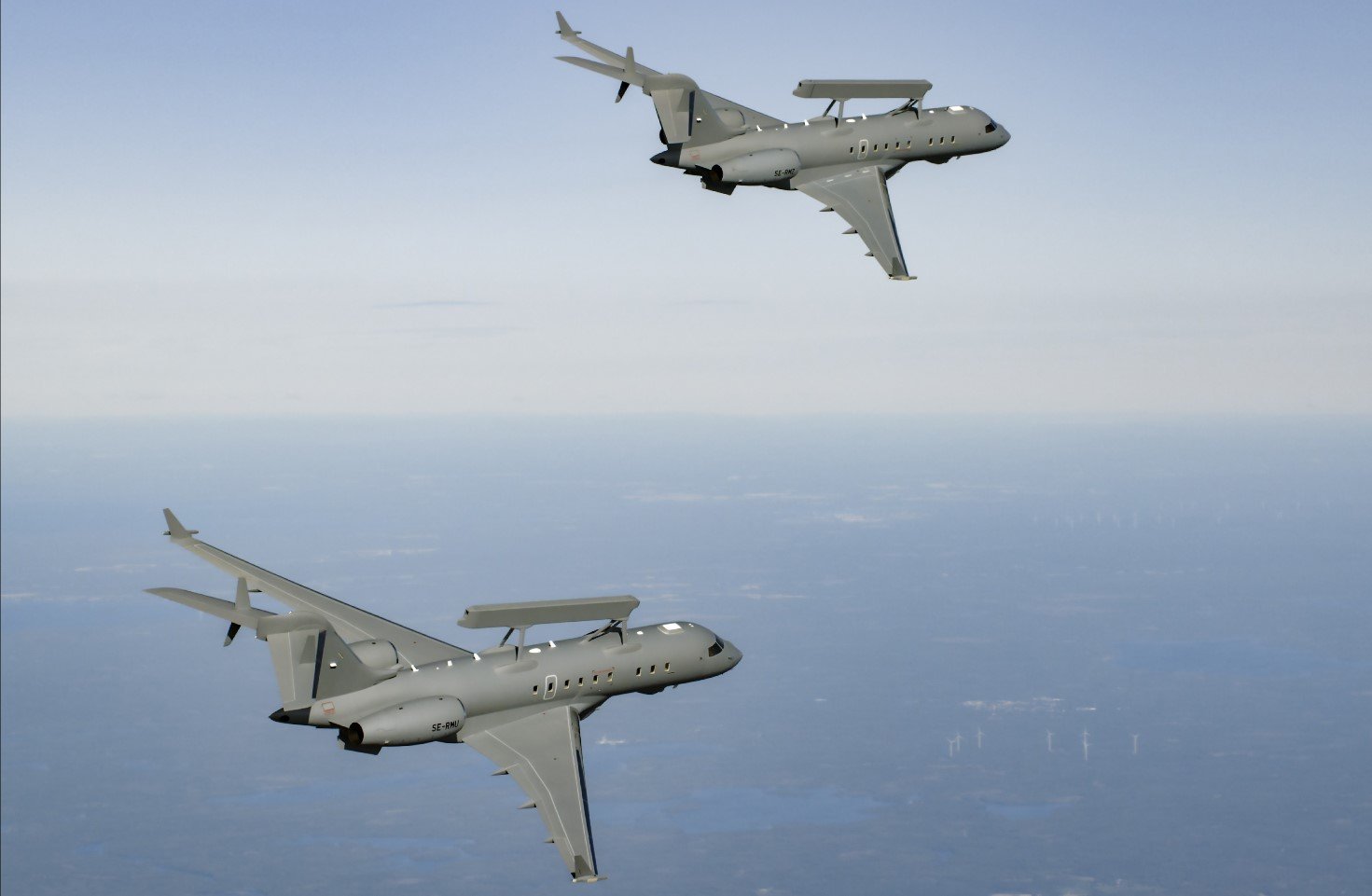
World
OSLO — Swedish defense company Saab has received a contract worth 10.1 billion Swedish crowns ($1.04 billion) to supply two GlobalEye Airborne Early Warning and Control (AEW&C) aircraft to an undisclosed customer in the Middle East. The company announced the order on Monday and said deliveries are scheduled for 2030. Saab did not identify the customer, stating that no additional information about the country or the agreement would be released because of the nature of the defense industry, customer-related circumstances, and national security considerations. The order represents another export contract for Saab's GlobalEye airborne surveillance platform, which has attracted growing interest from countries seeking advanced intelligence, surveillance, and early warning capabilities. Saab President and CEO Micael Johansson said the order reflects increasing international demand for the aircraft. "This order underscores our commitment to providing customers with mission-proven, multi-domain AEW&C capability. The increasing international interest in GlobalEye reflects its effectiveness and reliability in modern air defence operations," Johansson said. GlobalEye Airborne Surveillance System GlobalEye is Saab's Airborne Early Warning and Control (AEW&C) platform designed to provide long-range surveillance across air, sea, and land. The aircraft is built on the Bombardier Global 6000/6500 business jet and combines Saab's Erieye Extended Range (ER) Active Electronically Scanned Array (AESA) radar with additional sensors and a multi-domain command and control system. The aircraft is equipped with active and passive sensors that provide real-time detection, tracking, and identification of objects across multiple operational environments. According to Saab, the system supports situational awareness and early identification of potential threats. Its sensor suite includes: Erieye ER AESA radar for long-range air surveillance. Maritime surveillance radar for monitoring targets at sea. Electro-optical sensors for visual observation and target identification. Electronic Support Measures (ESM) for detecting and analyzing electronic emissions. The integrated sensor package enables operators to monitor aircraft, ships, cruise missiles, drones, and selected ground targets simultaneously while sharing real-time information with air defense networks, naval forces, and ground units. The Bombardier Global 6000/6500 platform provides more than 12 hours of operational endurance in typical configurations. The aircraft has a range of approximately 11,100 kilometers, can fly at speeds of around Mach 0.85, and typically operates with a combined flight and mission crew of seven to nine personnel. Unlike earlier airborne warning aircraft primarily designed for air surveillance, GlobalEye is intended for multi-domain surveillance, allowing military commanders to receive a comprehensive operational picture from a single airborne platform. Middle East Remains an Important Market The latest order further strengthens Saab's presence in the Middle East, where countries continue investing in intelligence, surveillance, reconnaissance (ISR), and integrated air defense capabilities. The United Arab Emirates remains the launch customer and the only publicly confirmed Middle Eastern operator of the GlobalEye system. The UAE has received five aircraft under previous contracts. Saab has also received orders from Sweden for the platform and has previously discussed interest from other countries in the region, including Qatar and Saudi Arabia. Airborne early warning aircraft such as GlobalEye extend radar coverage beyond the limitations of ground-based radar systems, improving the detection of low-flying aircraft, cruise missiles, and unmanned aerial systems while supporting faster decision-making during air defense operations. Adds to Saab's Order Backlog The new contract adds to Saab's growing order backlog as governments continue investing in advanced surveillance and integrated defense systems. Headquartered in Sweden, Saab develops and manufactures systems across aeronautics, weapons, command and control, sensors, and underwater systems. The company employs approximately 28,000 people. Saab stated that deliveries of the two GlobalEye aircraft will be completed in 2030, while no further information regarding the customer or the contract will be disclosed.
Read More → Posted on 2026-07-27 13:55:31
World
GENEVA — A public diplomatic dispute has emerged between the United States and France following a United Nations General Assembly vote to extend the mandate of U.N. High Commissioner for Human Rights Volker Türk for another four-year term. The disagreement began after the General Assembly approved the extension with 144 votes in favor, 10 against, and 13 abstentions. Türk's new term will begin on October 12, 2026, following a proposal by U.N. Secretary-General António Guterres. The United States voted against the extension, joining Israel, Russia, Argentina, North Korea, Nicaragua, Mali, and other countries in opposing the appointment. Russia had proposed extending Türk's mandate only until the end of 2026, but that proposal was rejected. A U.S. request to postpone the vote was also rejected. The US used to be a beacon of human rights. Not anymore. Today, it stands alongside North Korea, Nicaragua, Mali & Russia, isolated. And the world no longer listens to it.#AmericaAlone https://t.co/GLNMsYEH9n pic.twitter.com/UTVvljTMeO — France ONU Genève 🇫🇷🇺🇳 (@FranceONUGeneve) July 25, 2026 The vote was followed by a public exchange on the social media platform X between the U.S. and French missions to the United Nations. Before the vote, U.S. Deputy Ambassador Jeff Bartos criticized the U.N. human rights system, saying it had been "losing credibility for decades." He accused Türk of leading the institution to its "deathbed" and described the reappointment process as dysfunctional, arguing that the agenda item had been introduced at the last minute. Bartos also said the United States would reassess its engagement, participation, and funding for the United Nations. After the vote, the Permanent Mission of France to the United Nations in Geneva responded by criticizing Washington's position. In a post on X, the French mission stated that the United States was once a "beacon of human rights" but was "not anymore." It added that the U.S. now stood alongside North Korea, Nicaragua, Mali, and Russia in opposition to the vote and said the country was becoming increasingly isolated on the issue. The French statement prompted a strong response from American officials. U.S. Representative to the United Nations Mike Waltz described France's comments as "shameful." He said France had supported "someone who lectures free, sovereign democracies like the United States, the United Kingdom, and Israel, while cozying up to the most brutal oppressors in the world." The dispute also spread to other American political figures. U.S. Congressman Randy Fine replied to the French mission's post by making a reference to France's military history, writing, "Don't you have someone to surrender to?" Türk, an Austrian jurist, has faced criticism from several governments during his tenure. His office has repeatedly criticized Israel's military operations in Gaza and its policies toward Palestinians. Israel's Foreign Ministry has accused the Office of the High Commissioner for Human Rights of bias under his leadership. The United States and Russia have also raised concerns about aspects of Türk's record and the timing of the reappointment process, arguing that the decision should have been left to the next U.N. secretary-general. Despite opposition from the United States and several other countries, the General Assembly approved Türk's reappointment, securing another four-year term as the head of the U.N. human rights office. The exchange between U.S. and French officials remained limited to public statements and social media posts following the vote. No additional official statements from either government were immediately reported.
Read More → Posted on 2026-07-27 13:03:57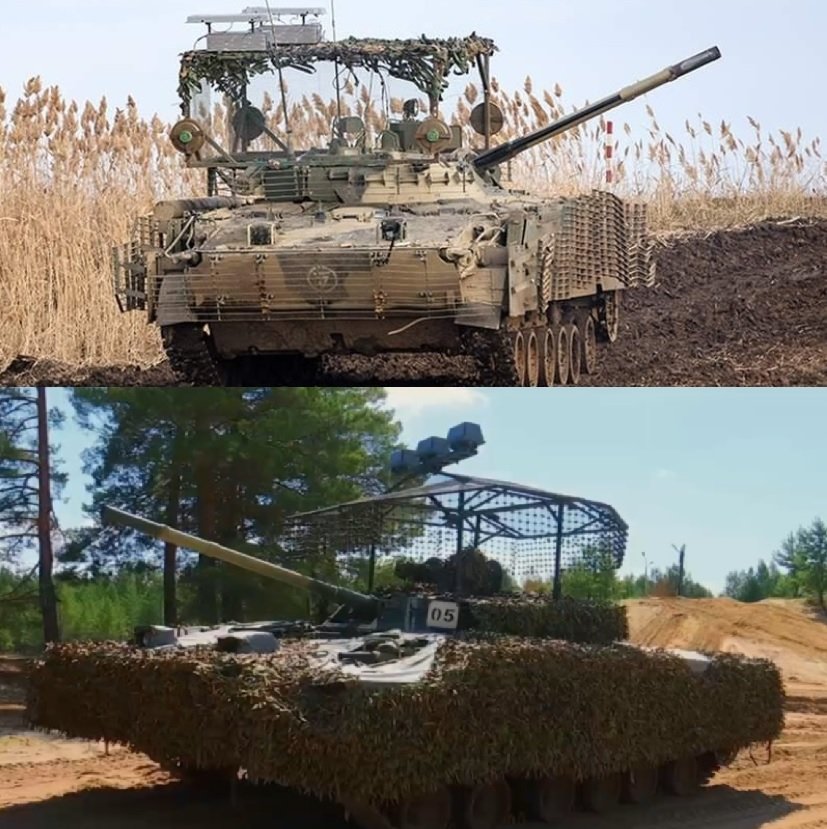
World
MOSCOW — Russia's state-owned defense conglomerate Rostec has delivered a new batch of upgraded BMP-3 infantry fighting vehicles (IFVs) to the Russian Armed Forces, the company announced on July 27, 2026. The vehicles were produced by Rostec's High Precision Systems division at the Kurganmashzavod plant. According to Rostec, production and shipment volumes of the BMP-3 have increased significantly since the start of Russia's full-scale invasion of Ukraine in February 2022. The company said current output is now three times higher than previous levels, reflecting the expansion of Russia's defense manufacturing during the conflict. Bekhan Ozdoev, industrial director of Rostec's weapons cluster and a member of the bureau of Russia's Union of Machine Builders, said production has increased every year since the conflict began and that the vehicle's design continues to evolve based on operational experience. "Since the start of the special military operation, the volume of products shipped by High Precision Systems has increased every year. Today it already exceeds previous figures threefold," Ozdoev said. "At the same time, taking front-line experience into account, the design of combat vehicles is also changing." He added that this year's BMP-3s have received reinforced protection for the hull bottom against mine blasts, along with improved armor fragmentation resistance on the front and rear sections. Factory-Installed Protection Against Modern Battlefield Threats The latest BMP-3 vehicles are leaving the factory with a range of protection upgrades that previously were often added by frontline units in the field. According to Rostec, the upgraded vehicles feature additional protective measures covering the hull from all directions, including protection against attacks from above. The vehicles are fitted with reinforced mine protection for the hull bottom, improved fragmentation protection on the front and rear sections, and upgraded electronic systems intended to improve mobility and weapon effectiveness. The modernized BMP-3s are also equipped with upgraded electronic warfare (EW) systems designed to counter drones and remotely guided munitions. In addition, the vehicles are fitted with cage armor intended to provide extra protection against first-person-view (FPV) drones and are equipped with "Nakidka" signature reduction covers designed to reduce thermal and radar visibility. These upgrades reflect lessons learned from combat, where loitering munitions, FPV drones and extensive minefields have become major threats to armored vehicles. Rostec did not disclose the number of BMP-3s included in the latest delivery, and its production figures could not be independently verified. BMP-3 Remains Russia's Main Infantry Fighting Vehicle The BMP-3 entered Soviet service in the late 1980s as the successor to the BMP-1 and BMP-2. It is designed to transport infantry while providing direct fire support during combat operations. The vehicle has a crew of three and can carry up to seven soldiers. In its standard configuration, it weighs approximately 18.7 tonnes and is powered by a 500-horsepower UTD-29M diesel engine. It can reach speeds of around 70 km/h on roads and remains fully amphibious, using water jets to travel at approximately 10 km/h in water. Its primary armament consists of a 100 mm gun capable of launching anti-tank guided missiles, a coaxial 30 mm autocannon, and machine guns. The BMP-3 has remained in continuous production for decades and has also been exported to several countries. Kurganmashzavod, which manufactures the vehicle, is part of Rostec's High Precision Systems holding and remains Russia's primary BMP-3 production facility. Heavy Battlefield Losses Continue The increased production comes as Russia continues to replace armored vehicles lost during the conflict in Ukraine. According to the Netherlands-based open-source intelligence group Oryx, which documents equipment losses using verified photographs and video evidence, at least 819 Russian BMP-3 infantry fighting vehicles have been visually confirmed as lost since 2022. Because Oryx records only visually confirmed losses, the actual number is likely higher. Defense analysts have also noted that the BMP-3's original aluminum alloy armor, developed to keep the vehicle lightweight and amphibious, offers limited protection against modern anti-tank guided missiles, mines, precision artillery and other battlefield threats. Kurganets-25 Program Still Delayed Russia has been developing the Kurganets-25 infantry fighting vehicle as a future replacement for the BMP family. However, the program has experienced years of development delays and has not entered large-scale operational service. As a result, Russia continues to rely on upgraded BMP-3 vehicles equipped with modern protection systems, including reinforced mine protection, anti-drone measures and electronic warfare equipment, while production of the long-serving platform continues to expand. Independent analysts note that production claims released by Russian defense manufacturers are difficult to verify because of limited publicly available information on Russia's defense industry output.
Read More → Posted on 2026-07-27 12:10:19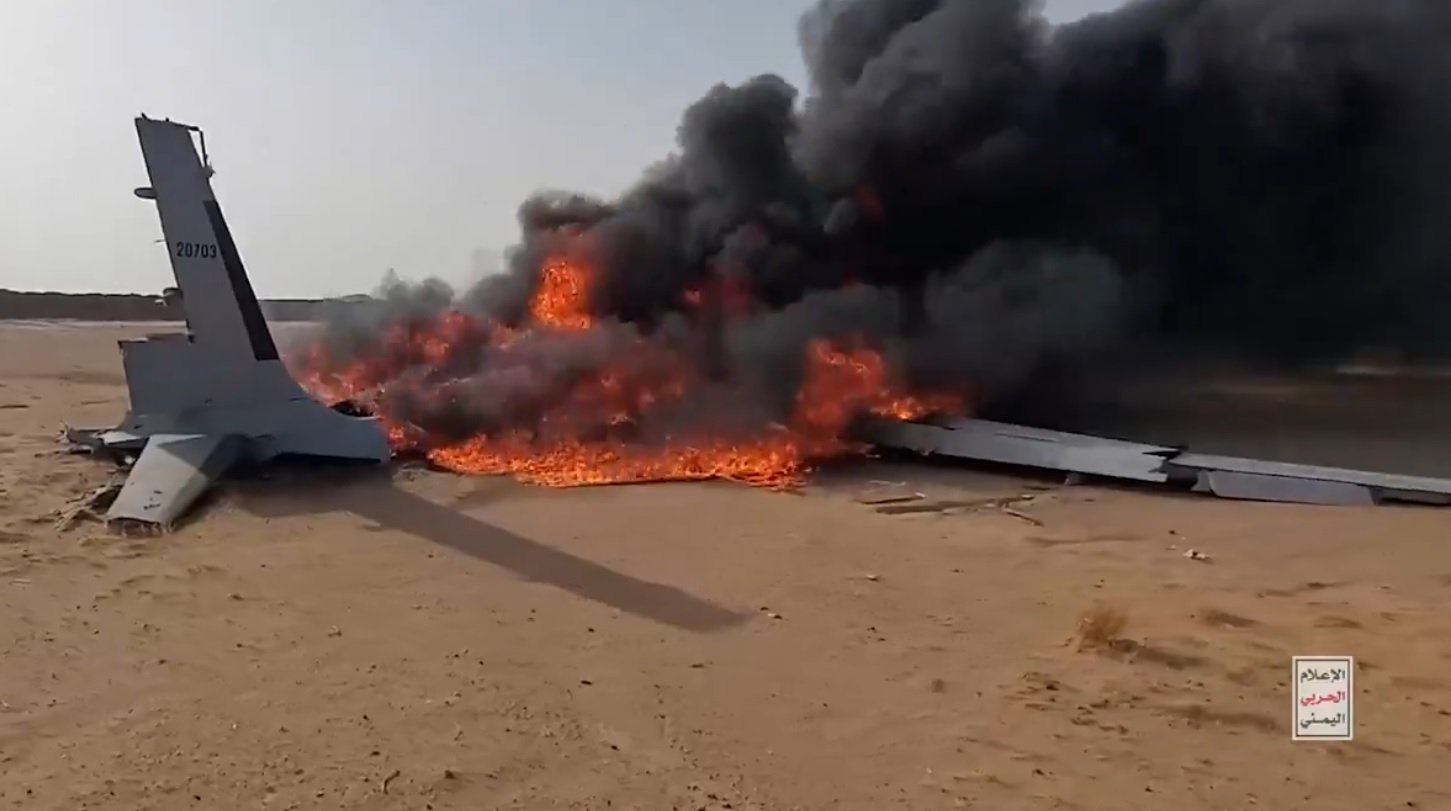
World
SANAA, Yemen — Yemen's Houthi movement claimed on Sunday that its air defense forces shot down a Saudi-operated Turkish-made Bayraktar Akıncı unmanned combat aerial vehicle (UCAV) over Al Jawf Governorate in northern Yemen. Houthi military spokesperson Brigadier General Yahya Saree said the drone was brought down while carrying out what he described as "hostile operations" in Yemeni airspace. According to Saree, the aircraft was hit using an "appropriate weapon." Media affiliated with the Houthis released footage that they said showed the drone, bearing tail number 20703, spinning out of control after being struck before crashing. Images released by the group also showed wreckage displaying the same tail number, which they associated with the Royal Saudi Air Force. Saudi Arabia has not issued an official statement on the claim, and the reported incident has not been independently verified. If confirmed, this would be the first reported loss of a Bayraktar Akıncı drone inside Yemen. The claimed shootdown is the second Saudi-operated drone that the Houthis have reported downing in July 2026. Earlier this month, on July 14, the group said it had shot down a Chinese-made Wing Loong II unmanned combat aerial vehicle over Al-Bayda Governorate. The reported incident took place over Al Jawf Governorate, a northern region bordering Saudi Arabia that has remained one of the key front lines in Yemen's conflict. The governorate has long served as a Houthi stronghold and is strategically important because it connects northern Yemen with the country's eastern governorates while sharing a border with Saudi Arabia. The claim comes amid renewed tensions between the Houthis and the Saudi-led coalition. A day before the reported drone incident, the Houthis announced missile and drone attacks targeting Saudi Aramco facilities in the Red Sea cities of Yanbu and Jizan. Saudi authorities issued air raid alerts in those areas but did not confirm any damage. Those Houthi attacks followed Saudi-led coalition airstrikes on Houthi military targets in Yemen's Hodeidah Governorate, marking another round of military exchanges after the breakdown of a prolonged truce. The Bayraktar Akıncı is a Turkish-developed high-altitude, long-endurance unmanned combat aerial vehicle produced by Baykar. It entered service with the Turkish Armed Forces in 2021 and is designed to conduct reconnaissance and precision strike missions. The aircraft has a maximum takeoff weight of about 6 tons and can carry more than 1,500 kilograms of payload. It is equipped with radar, satellite communications, electronic warfare systems, and advanced sensor suites for intelligence, surveillance, reconnaissance, and strike operations. Saudi Arabia signed a major defense agreement with Baykar in July 2023 to acquire the Bayraktar Akıncı. The agreement, described by the company as its largest defense and aviation export contract, also included technology transfer and cooperation on local production. Industry estimates have valued the deal at around $3 billion, with the drones intended to enter service with both the Royal Saudi Air Force and the Royal Saudi Naval Forces. Saudi authorities have not commented on the reported loss of the aircraft, and no independent confirmation of the incident has been released.
Read More → Posted on 2026-07-27 11:09:09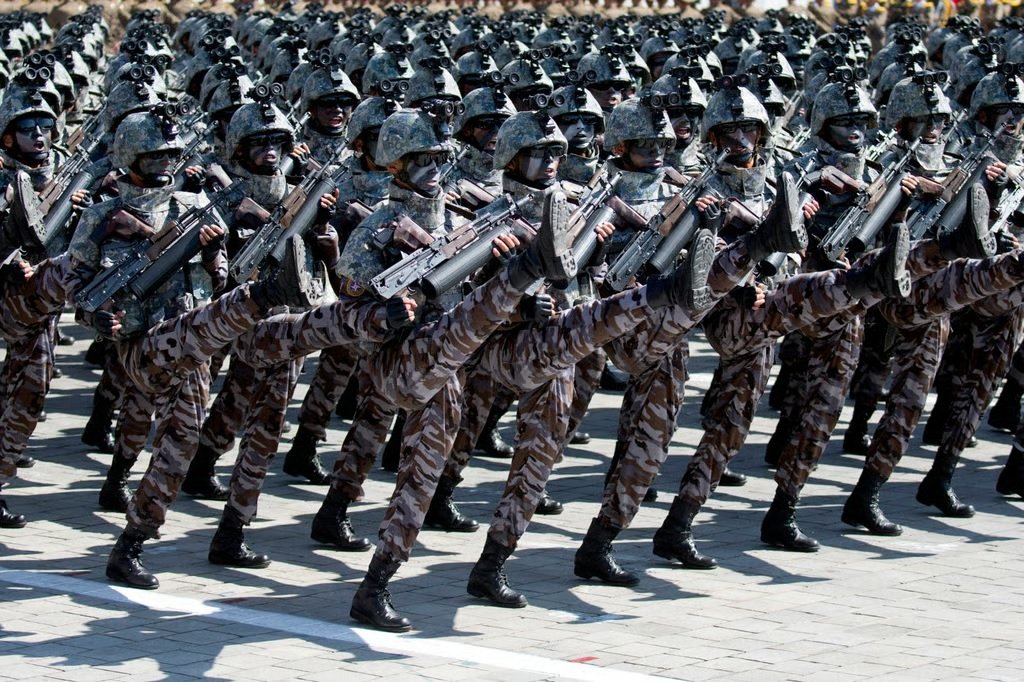
World
KYIV, Ukraine — North Korea is preparing to send up to 30,000 additional military personnel to Russia, according to Ukrainian President Volodymyr Zelensky. If confirmed, the deployment would be the largest foreign military deployment in the history of the Korean People's Army (KPA) and would mark another major step in the growing military partnership between Moscow and Pyongyang. In his nightly address around July 25, 2026, Zelensky said Russia has been preparing facilities in the Voronezh region since June to receive the additional North Korean personnel. He also stated that North Korea is preparing to supply Russia with additional ballistic missile launchers. Reuters and several other international media outlets reported Zelensky's remarks. Neither the Russian government nor North Korean authorities have officially confirmed the reported deployment. Voronezh Identified as Main Staging Area According to Zelensky, preparations for the new deployment have been taking place in Russia's Voronezh region, which lies near the Ukrainian border. The region serves as an important transportation and logistics hub linking Russian territory with operational areas in Kursk and the Donbas. If the reported deployment proceeds, the additional personnel would join thousands of North Korean troops and engineers already operating in Russia. Existing North Korean Military Presence South Korea's National Intelligence Service (NIS) reported in late 2025 that North Korea had already transferred thousands of military personnel to Russia. At that time, nearly 10,000 personnel were stationed near the Russia-Ukraine border for guard duties, while around 1,000 combat engineers supported mine clearance operations. By early 2026, South Korean intelligence assessed that approximately 10,000 combat troops and 1,000 engineer troops were deployed in Russia's Kursk region. So far, North Korean personnel have mainly carried out rear-area security, border defense, engineering work, and mine clearance operations. Their deployment has also provided operational experience alongside Russian forces and exposure to modern battlefield tactics and military equipment. Large-Scale Ammunition Supplies North Korea has also become one of Russia's major suppliers of artillery ammunition. Estimates indicated that more than six million artillery rounds had been delivered to Russia by the end of 2024. Later South Korean military intelligence assessments increased that figure to more than 12 million rounds, calculated as 152 mm artillery shells. By the second quarter of 2025, nearly half of the artillery rounds fired by the Russian Army were reportedly supplied by North Korea. South Korean intelligence also assessed that at least six Russian artillery units were receiving between 50 and 100 percent of their daily ammunition from North Korean stockpiles. Heavy Weapons Delivered to Russian Forces In addition to ammunition, North Korea has supplied military equipment that has appeared on the battlefield. Equipment transfers have included the 170 mm M1989 Koksan self-propelled howitzer and the Bulsae-4 anti-tank missile system. South Korean and Ukrainian intelligence reported that more than 120 Koksan artillery systems had been delivered by early 2025. Several of these systems were later observed moving through occupied Crimea toward combat areas in the Donetsk region. Reports also indicate that Korean People's Army artillery units equipped with 170 mm systems have operated in support roles since late 2024. Industrial Support for Drone Production North Korea's support has also extended to Russia's defense industry. Reports during 2025 stated that around 5,000 North Korean industrial workers were sent to the Alabuga facility in Russia's Republic of Tatarstan, where Geran-2 attack drones are manufactured. Later assessments referred to plans involving larger numbers of workers to help expand production at the same facility. Military Technology Exchange Defense analysts assess that the growing cooperation benefits both countries. Russia receives additional manpower, artillery ammunition, military equipment, and industrial support, while North Korea is believed to be seeking access to advanced Russian military technology. According to analysts, Pyongyang is interested in Russian assistance related to: Tactical nuclear warhead miniaturization Solid-fuel intercontinental ballistic missile (ICBM) technology Warhead separation technology Advanced military technologies Analysts have also assessed that Russia could provide support involving advanced combat aircraft, including the Su-35 or Su-57, as well as technical assistance for North Korea's nuclear submarine program. Manned combat aviation remains one of the areas where North Korea's domestic defense industry has limited capabilities. Growing Military Cooperation North Korean personnel have gained operational experience through their deployment alongside Russian forces. Reports indicate they have received information on NATO-supplied military systems and have operated in active combat zones. However, the extent of any direct engagement between North Korean forces and NATO-linked personnel has not been independently confirmed. If the reported deployment of up to 30,000 additional troops takes place, it would significantly expand North Korea's role in supporting Russia's military operations and further deepen military cooperation between the two countries. As of publication, Russia and North Korea have not officially confirmed the reported troop deployment or the additional military assistance described by President Zelensky. Source : militarywatchmagazine
Read More → Posted on 2026-07-27 10:52:00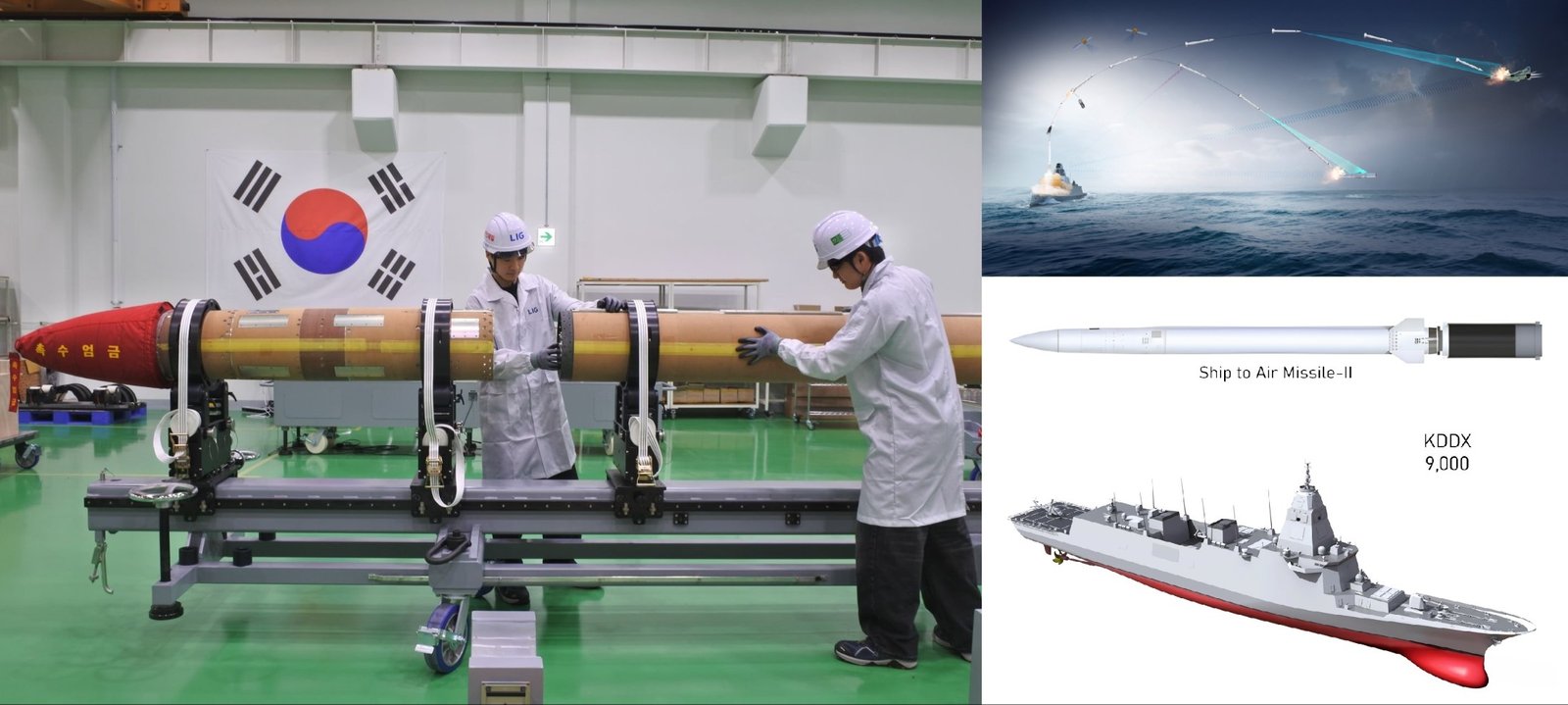
World
GUMI, South Korea — South Korean defense company LIG Nex1 has officially begun assembling the first prototype missiles for the Republic of Korea (ROK) Navy's Ship-to-Air Missile-II (KSAM-II) program, marking a key milestone in the development of the country's next-generation indigenous long-range naval air-defense system. According to a July 14 report by Asia Business Daily, production of the first flight-test prototype missiles is starting this month at LIG Nex1's dedicated missile assembly and inspection facility in Gumi. The facility, which held its completion ceremony in March 2026, includes specialized assembly lines, inspection rooms, and blast-resistant work areas designed to support the production of advanced guided missiles. The KSAM-II is being developed as a domestically produced replacement for the U.S.-made Standard Missile-2 (SM-2) and is intended to become the primary long-range air-defense missile for the ROK Navy's future surface combatants. Dedicated Production Facility Supports Program The Gumi facility represents an important step in South Korea's effort to strengthen its domestic missile manufacturing capability. According to the report, the plant is equipped with dedicated assembly and inspection areas designed specifically for missile production. The first flight-test missiles now entering production will be used during the program's development and testing phase, which is scheduled to continue through 2030. Missile Design and Assembly Process The KSAM-II is derived from the anti-aircraft missile variant of South Korea's L-SAM air-defense system. The missile measures approximately six meters in length and consists of three main sections: A forward guidance section containing electronic systems. A central body housing the warhead and propulsion system. A rear booster. Each interceptor passes through approximately 20 assembly stages, with the complete manufacturing process taking around three months per missile. According to Asia Business Daily, the final assembly stage alone requires about 20 workers, reflecting the complexity of the production process. Advanced Seeker and Performance Targets The KSAM-II is equipped with a third-generation high-precision seeker incorporating a 1-kilowatt Gallium Nitride (GaN) Solid-State Power Amplifier (SSPA). According to the reported specifications, the seeker is designed to provide improved detection, tracking, and interception performance against aerial threats, including small supersonic cruise missiles. Reports state it can detect and track targets as small as 0.3 meters while processing tracking data at a high rate of up to 100 calculations per second for trajectory prediction. The missile is also designed to: Reach speeds of around Mach 5. Withstand maneuvering loads of up to 17G during flight. Planned Integration on KDDX Destroyers The KSAM-II has been designed for the Korean Vertical Launching System (K-VLS) and will be carried at a ratio of one missile per launch cell. The missile is planned for deployment aboard the ROK Navy's future KDDX stealth destroyers, where its primary mission will be to intercept hostile aircraft and incoming anti-ship missiles, providing long-range protection as part of the ships' layered air-defense capability. A 1:3 scale model of the KSAM-II was publicly displayed by LIG Nex1 during MADEX 2025, alongside the existing K-SAAM (Haegung) missile. Program Value and Localization Goals LIG Nex1 was selected as the prime contractor for the KSAM-II program in 2024 after receiving a KRW 330.6 billion system-development contract from South Korea's Defense Acquisition Program Administration (DAPA). Including future production, the total program cost is estimated at approximately KRW 690 billion. One of the program's primary objectives is to achieve a localization rate exceeding 90 percent, allowing the ROK Navy to reduce dependence on imported missile systems and strengthen domestic control over procurement, maintenance, and stockpile management. Development Timeline Development of the KSAM-II is expected to continue until 2030. Before entering operational service, the missile is expected to complete more than ten flight tests as part of its certification process. Separate reports have also discussed a possible future sea-based ballistic missile interceptor concept linked to the KSAM-II program and drawing on M-SAM-III technology. However, South Korean authorities have not officially announced an operational anti-ballistic missile (ABM) variant, and the concept remains in the planning stage. The start of prototype missile assembly at the Gumi facility marks the transition of the KSAM-II program from system development into the production of flight-test hardware, representing another step toward fielding an indigenous long-range naval air-defense capability for the Republic of Korea Navy. Source : asiae.co.kr
Read More → Posted on 2026-07-27 10:07:07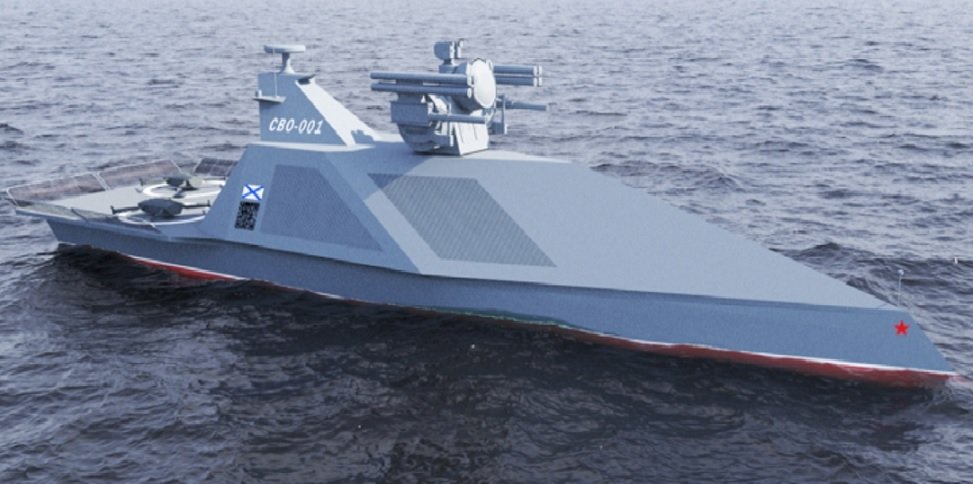
World
MOSCOW, July 26 — Russia is expanding its naval unmanned capabilities while advancing plans for larger surface combatants and continuing the modernization of its strategic naval forces, according to Russian Navy Commander-in-Chief Admiral Alexander Moiseyev. Speaking on the Zvezda television channel during Russia's Navy Day, observed on the last Sunday of July, Moiseyev outlined several ongoing naval programs, including the creation of dedicated unmanned units, development of new warships, and continued upgrades to the country's strategic submarine fleet. First Dedicated Unmanned Regiment Established Moiseyev said the Russian Navy officially established its first regiment dedicated entirely to unmanned systems on July 1 as part of the Northern Fleet. The regiment consists of two divisions of unmanned surface vessels (USVs) and one division of unmanned underwater vehicles (UUVs). He added that Russia plans to expand this capability with a second unmanned systems regiment scheduled to join the Pacific Fleet in 2027. The Navy is also developing larger unmanned naval platforms. According to Moiseyev, construction has already begun on a 500-ton unmanned surface vessel. The platform is intended primarily for anti-submarine warfare as well as underwater search, surveillance, and other complex underwater missions. Plans for a Larger Ocean-Going Warship Alongside unmanned systems, Moiseyev announced plans for a new ocean-going warship with a displacement of about 9,500 tons. The planned vessel would be significantly larger than Russia's current Project 22350 frigates, which have a full-load displacement of around 5,400 tons, reflecting the Navy's continued focus on expanding its blue-water operational capabilities. Admiral Nakhimov Nears Return to Service Moiseyev also said the modernized guided-missile cruiser Admiral Nakhimov is completing its final sea trials and is expected to return to active service before the end of this year. The Admiral Nakhimov, a Kirov-class nuclear-powered cruiser, has undergone extensive modernization and has completed multiple phases of sea trials in recent months. Strategic Naval Deterrence Addressing Russia's strategic naval forces, Moiseyev confirmed that a carrier vessel designed for the Poseidon nuclear-powered unmanned underwater vehicle is already in active service. He also said the Navy's Borei-class strategic nuclear submarines, armed with Bulava submarine-launched ballistic missiles, are expected to remain in service for another 30 to 40 years. These submarines are replacing older-generation strategic missile submarines as part of the fleet's long-term modernization program. Navy Day Observations Moiseyev's remarks were made as Russia marked its annual Navy Day. In recent years, authorities have scaled back large public celebrations, including the traditional main naval parade in St. Petersburg. The information is based on statements made by Admiral Alexander Moiseyev during an interview broadcast on the Zvezda television channel and reported by Xinhua.
Read More → Posted on 2026-07-26 14:20:17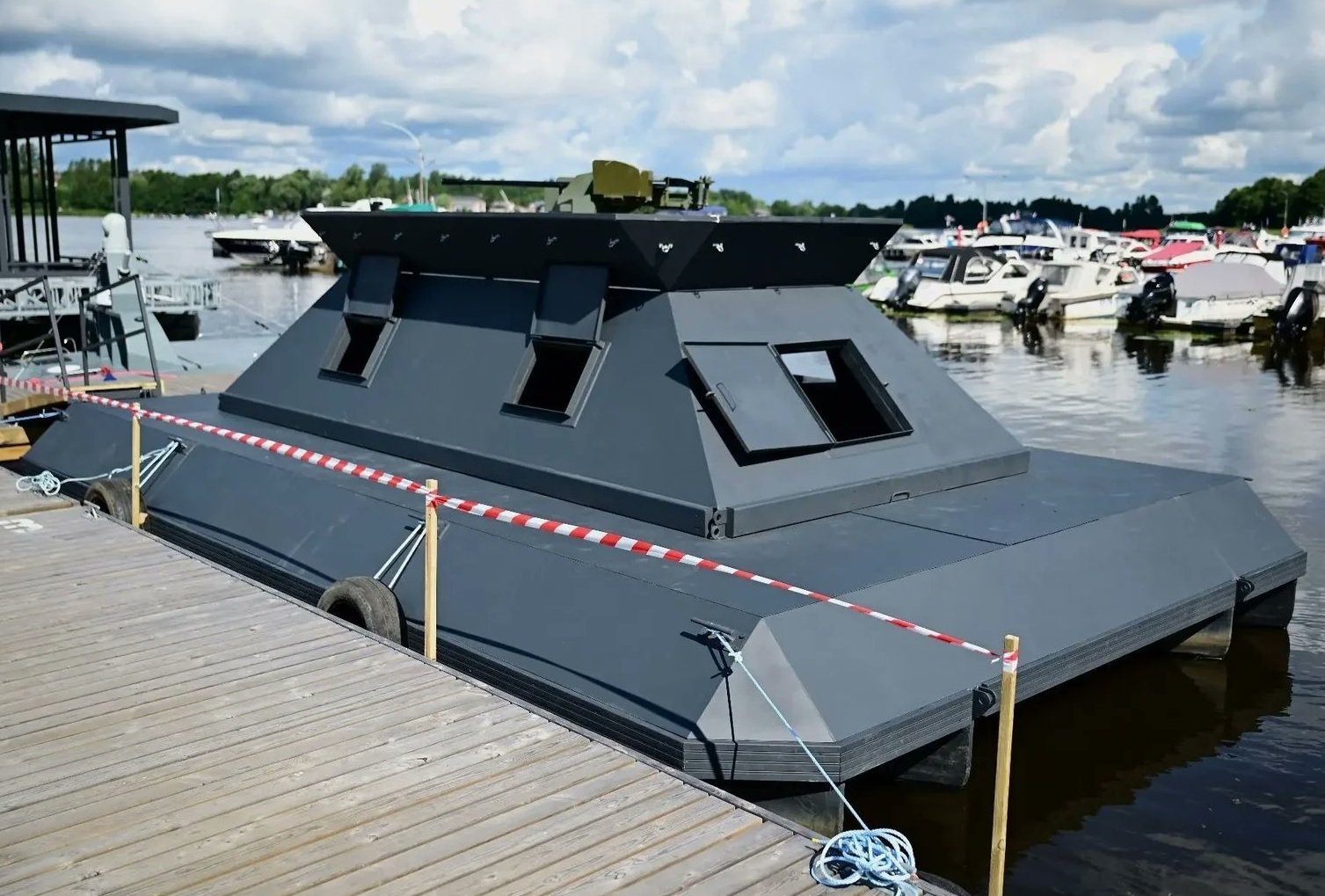
World
VYBORG, Russia — Russia has unveiled an experimental floating fire support platform known as the Plot-40 (Плот-40), a new system designed to help protect naval bases, ports, energy facilities and other coastal infrastructure from uncrewed surface vessels (USVs) and unmanned aerial vehicles (UAVs). The prototype was presented during a working visit to Vyborg by Alexander Drozdenko, governor of Russia's Leningrad region, who also released photographs and videos of the platform. According to regional officials, the project was launched after an analysis of recent attacks on naval facilities identified vulnerabilities in traditional defence systems against modern uncrewed threats. Designed as a stationary or semi-stationary platform, the Plot-40 is intended to remain at sea for extended periods while serving as a surveillance and fire support post for the protection of critical maritime infrastructure. Prototype Designed for Long-Endurance Coastal Protection The Plot-40 is equipped with a roof-mounted remotely operated machine-gun module. However, several technical and operational details have not been disclosed. Officials have not confirmed whether the weapon system requires an onboard operator or whether the platform is intended to use artificial intelligence for automatic target classification and engagement. The platform's displacement has also not been made public. According to Drozdenko, one of the platform's key advantages is its ability to remain deployed at sea for long periods while continuously monitoring surrounding waters. He also stated that production of the Plot-40 will be fully localized within the Leningrad region and that no comparable platform is currently in service elsewhere in Russia. The showcased system is a working prototype. Following its assembly, the project received preliminary approval from a specialized research institute of the Russian Navy, allowing it to proceed with its initial on-water demonstrations. Developed by Marinplast The Plot-40 was presented by the Vyborg-based company Marinplast (ООО "Маринпласт"), which specializes in floating piers, pontoons and related marine structures. Company head Sergey Nemtsov briefed Governor Drozdenko on the project during the presentation. Regional authorities said production of the platform has been localized within the Leningrad region and confirmed that support for similar projects developed by local enterprises will continue. Broader Focus on Uncrewed Naval Systems The Vyborg presentation also included prototype uncrewed surface vessels currently undergoing trials for strike and reconnaissance missions, reflecting Russia's broader efforts to expand the use of unmanned systems in naval operations. Among the projects highlighted was the Briz (Breeze) uncrewed surface logistics vessel, developed jointly by the Russian companies Sea Project (Si Proekt) and Bezekipazhnaya Logistika (Unmanned Logistics). The Briz resembles a rigid-hulled inflatable boat (RHIB) fitted with additional equipment superstructures and is being promoted by its developers for civilian applications. The vessel includes an internal cargo compartment in the bow with automated doors and is powered by a Yaroslavl diesel engine. It is equipped with remote and autonomous navigation systems, an Automatic Identification System (AIS), and collision avoidance technology. During recent testing, the Briz completed a voyage from the Northern Dvina River to the Solovetsky Islands in the White Sea while carrying a 150 kg payload. According to the developers, the vessel completed the one-way journey in 21 hours and operated autonomously for more than 90 percent of the round trip. At maximum capacity, the Briz is designed to transport up to 500 kg of cargo over long distances. The developers have described the Briz as a platform for delivering parcels and humanitarian aid to remote settlements in Russia's Arkhangelsk region. Response to Evolving Maritime Threats The introduction of the Plot-40 and continued testing of the Briz reflect Russia's ongoing efforts to strengthen the use of unmanned and automated systems for maritime operations. According to regional officials, the Plot-40 project was initiated after recent attacks demonstrated that conventional coastal defence systems require additional capabilities to counter emerging threats from uncrewed surface vessels and aerial drones. The experimental platform is intended to provide persistent surveillance and defensive fire support around naval facilities and other critical coastal infrastructure while remaining deployed at sea for extended periods.
Read More → Posted on 2026-07-26 13:16:31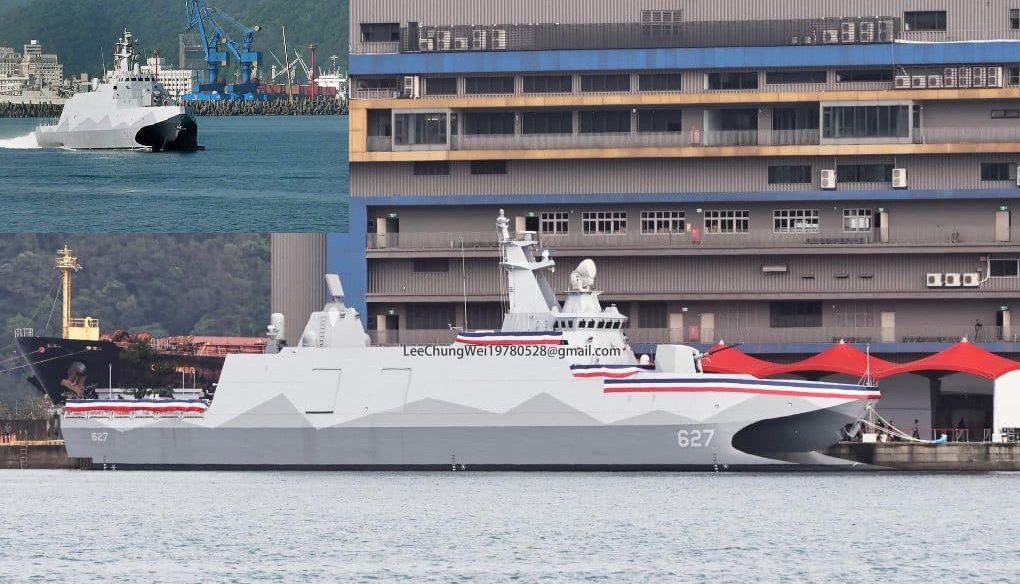
World
KAOHSIUNG, Taiwan — The Republic of China (ROC) Navy officially commissioned ROCS Tan Chiang (PGG-627), the first Batch 2 Tuo Chiang-class catamaran corvette, during a ceremony held on July 24 at Tsoying Naval Base in Kaohsiung. The commissioning marks another step in Taiwan's naval modernization and domestic warship construction program. Taiwanese President Lai Ching-te presided over the ceremony at the island's largest naval facility. Senior officials attending included Minister of National Defense Wellington Koo, National Security Council Secretary-General Joseph Wu, and Navy Commander Admiral Chiang Cheng-Kuo. Sister ships Tuo Chiang and Ta Chiang also participated in the event. Tan Chiang is the eighth vessel in the Tuo Chiang-class and the first ship of the second production batch (Batch 2/Flight II). The ROC Navy plans to commission a total of 12 Tuo Chiang-class corvettes by the end of 2026. In his remarks, President Lai thanked Navy personnel, research and development teams, Lungteh Shipbuilding, and companies across Taiwan's defense supply chain for overcoming technical challenges to bring the new warship into service. He said that building warships domestically supports Taiwan's defense autonomy, allows maintenance without foreign assistance, and strengthens military resilience. Fire-Control Radar Changed for Batch 2 The most significant change introduced with the Batch 2 vessels is the replacement of the fire-control radar. The first production batch of Tuo Chiang-class corvettes is equipped with the Thales STIR 1.2 EO Mk2 fire-control radar. However, after the French government did not approve further export licenses for the Thales radar systems to Taiwan, the ROC Navy adopted the Leonardo NA-30S Mk2 fire-control radar for the second production batch. Beginning with ROCS Tan Chiang, all Batch 2 corvettes will use the Leonardo NA-30S Mk2, a dual-band X-band and Ka-band radar featuring a low-observable antenna design intended to improve tracking performance against sea-skimming missiles and low-flying targets. The follow-on ships are divided into two production groups. The first group—Ta Chiang (PGG-619), Fu Chiang (PGG-620), Hsu Chiang (PGG-621), Wu Chiang (PGG-623), An Chiang (PGG-625), and Wan Chiang (PGG-626)—uses the STIR 1.2 EO Mk2 radar, while the second group, beginning with Tan Chiang, is fitted with the Leonardo system. Taiwan has operated STIR-series radars since the 1980s. Designed for High-Speed Coastal Operations Built by Lungteh Shipbuilding, the Tuo Chiang-class is designed for coastal warfare using asymmetric tactics against larger naval forces. The corvette features a 65-meter wave-piercing catamaran hull with low radar observability, providing improved stability at sea while reducing its radar cross-section. Powered by MTU diesel engines driving waterjets, the vessel has a full-load displacement of approximately 685–732 tonnes and can reach speeds of 40 to 45 knots. Its engine exhaust is also pre-cooled to reduce the ship's infrared signature. Despite its relatively compact size, the vessel carries a substantial weapons package. It is armed with up to eight Hsiung Feng II subsonic anti-ship missiles, eight Hsiung Feng III supersonic anti-ship missiles, 16 TC-2N (Sea Sword II) medium-range surface-to-air missiles, an Otobreda 76mm main gun, and a Phalanx Close-In Weapon System (CIWS). According to the information provided, the ships can also fire Hsiung Feng III supersonic extended-range missiles against land and sea targets at ranges of up to 400 kilometers. Peacetime and Wartime Missions According to Taiwan's Ministry of National Defense, the Tuo Chiang-class corvettes perform a wide range of missions during both peacetime and wartime. During peacetime, the vessels conduct maritime patrols, escort transport ships to offshore islands, participate in readiness exercises, and operate alongside larger surface combatants to help secure sea lines of communication. They are also tasked with providing rapid defense of offshore islands and responding to operational contingencies. In wartime, the corvettes support sea-control operations as part of surface combat task groups and can independently command and control missile boats. Their missions include joint counter-blockade and strike operations, engaging hostile naval forces approaching Taiwan's coastline, extending operational reach, patrol and port-area defense, reconnaissance, offensive and defensive minelaying, support for special operations, infiltration missions, and transporting supplies to offshore islands. Remaining Batch 2 Ships Construction of the five Batch 2 vessels began in 2024, with deliveries scheduled between March and December 2026. Tan Chiang was delivered in March 2026 before entering service during the commissioning ceremony on July 24. The remaining vessels are expected to join the ROC Navy by the end of the year, completing the planned 12-ship Tuo Chiang-class fleet.
Read More → Posted on 2026-07-26 12:21:45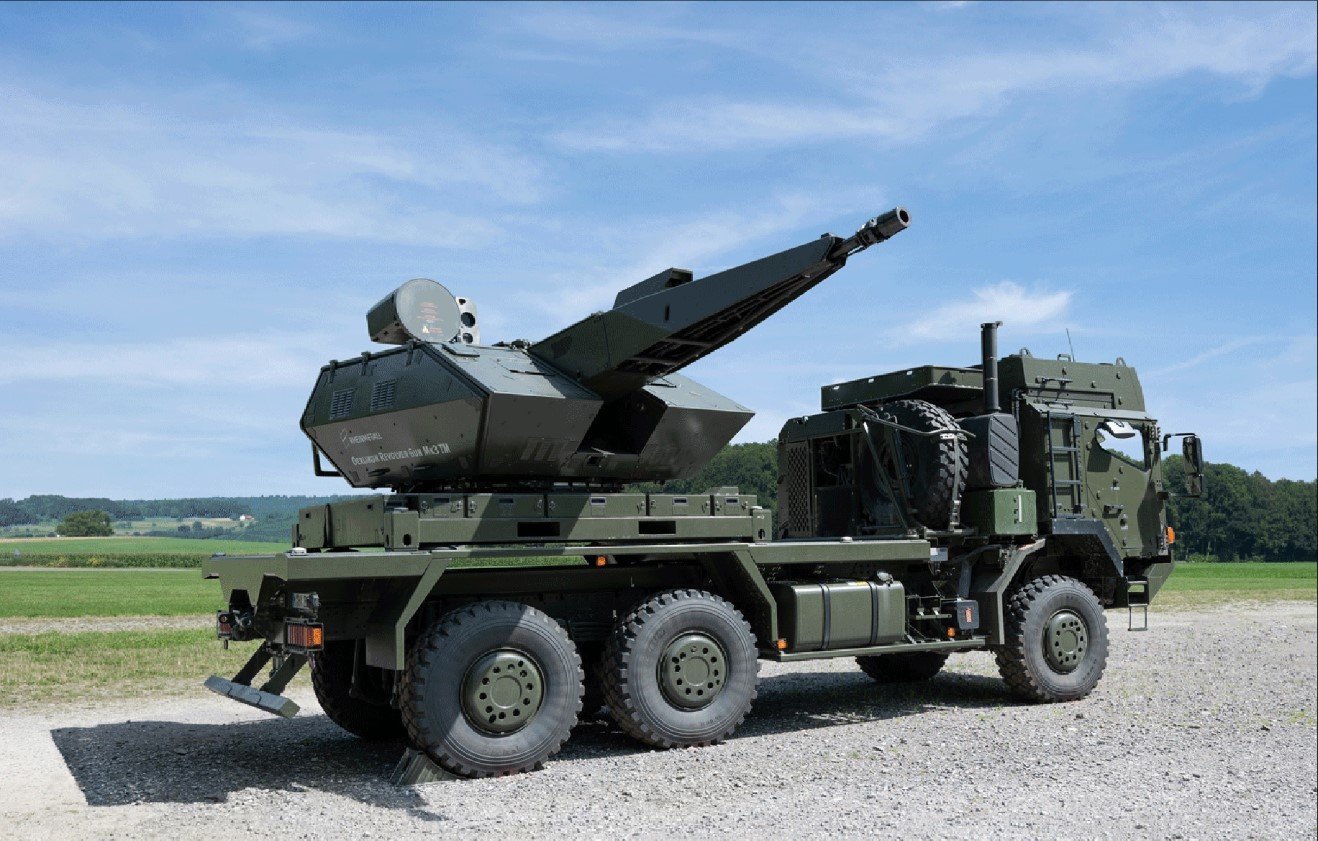
World
BEIJING — China has imposed export controls on 14 European Union entities, prohibiting the export of dual-use goods to the listed organizations with immediate effect. The measure, announced by China's Ministry of Commerce (MOFCOM) on Friday, comes in response to the European Union's latest sanctions package against Russia. According to MOFCOM, the decision was taken to safeguard China's national security and interests while fulfilling its international non-proliferation obligations. The ministry said the action was implemented under the Export Control Law of China and the Regulations on Export Control of Dual-Use Items. The move follows the European Union's 21st package of sanctions against Russia, which included restrictions on 14 companies from mainland China and Hong Kong over allegations that they supplied dual-use goods and technologies to Russia for use in the war in Ukraine. Export Restrictions Take Effect Immediately Under the new measures, Chinese exporters are prohibited from supplying dual-use items to the 14 listed European entities. Dual-use items include goods, technologies, software and materials that can be used for both civilian and military purposes. The restrictions also extend beyond China's borders. MOFCOM said overseas organizations and individuals are prohibited from transferring or supplying Chinese-origin dual-use items to the listed entities. Any ongoing related transactions must cease immediately. However, the ministry noted that Chinese exporters may apply for special permission in exceptional cases if shipments are considered necessary. Companies Added to China's Export Control List The 14 entities placed on China's export control list are: Italy: Lafert S.p.A. and Garnet S.r.l. Germany: Sindlhauser Materials GmbH, Rheinmetall AG and Antraco Chemie-Handelsgesellschaft mbH France: InPACT S.A., III-V LAB and Cavok UAS Poland: Vigo Photonics S.A. and Politechnika Wroclawska Netherlands: IHC Merwede Holding B.V. Czech Republic: TATRA TRUCKS a.s. Bulgaria: Opticoelectron Group Lithuania: Ekspla UAB Defense and Industrial Companies Among Those Affected Several companies on the list have operations related to defense, advanced technology and manufacturing. German defense company Rheinmetall AG supplies equipment used by the Ukrainian Armed Forces, including Marder 1A3 infantry fighting vehicles, Skynex air defense systems, Caracal tactical vehicles, 35 mm ammunition for Gepard anti-aircraft systems and NATO-standard 155 mm artillery ammunition. Czech manufacturer Tatra Trucks produces heavy all-wheel-drive vehicles and specialized chassis used as the platform for several Ukrainian military systems, including the Neptune coastal missile system, the Bureviy multiple rocket launcher and certain versions of the Bohdana self-propelled howitzer. The list also includes Italian electric motor manufacturer Lafert S.p.A., Polish technology company Vigo Photonics S.A., Dutch shipbuilder IHC Merwede Holding B.V., Bulgarian optics manufacturer Opticoelectron Group, Polish research institution Politechnika Wroclawska, Lithuanian laser manufacturer Ekspla UAB, and other companies from Germany, France and Italy. European Union Reviewing China's Measures The European Commission said it is reviewing China's latest export control measures. European Commission spokesperson Paula Pinho said the EU will consult with member states and the affected companies while seeking clarification from Chinese authorities. "We will seek clarification with our counterparts in China in order to better understand what is at stake," Pinho said. Tatra Trucks Expects No Operational Impact Tatra Trucks said it does not expect the Chinese restrictions to affect its business operations. Company spokesperson Andrej Čírtek said the company does not use Chinese components or technologies covered by the new export controls in the production of its vehicles. "We do not use components or technologies supplied by China that are subject to these export restrictions in the production of our vehicles," Čírtek said. He added that the company does not expect any impact on production, supply chains or customer deliveries. Rheinmetall had not issued a public response to China's export control decision at the time of publication. Part of Broader China-EU Trade Measures China's latest export controls represent its direct response to the European Union's latest sanctions package targeting Chinese companies over alleged exports of dual-use goods to Russia. The measures add to the series of reciprocal trade and export restrictions introduced by China and the European Union in connection with sanctions related to Russia's war in Ukraine. Source : mofcom.gov.cn
Read More → Posted on 2026-07-25 15:20:54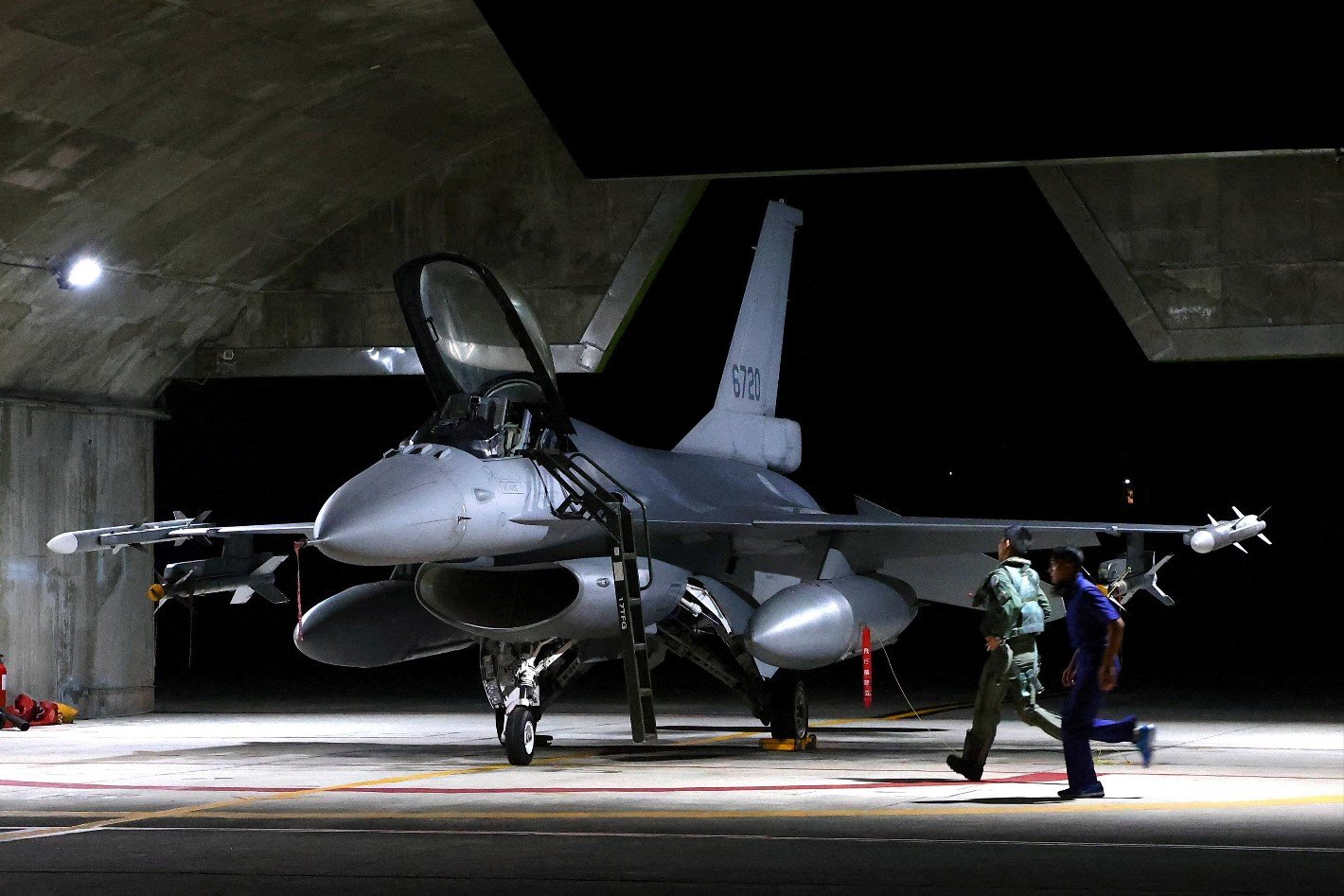
World
TAIPEI — Taiwan's Ministry of National Defence has confirmed it is seeking compensation from the United States and Lockheed Martin over repeated delays in the delivery of 66 F-16 Block 70 fighter aircraft ordered for the Republic of China Air Force. Rather than pursuing direct financial compensation, the ministry is prioritizing practical support that will improve the long-term readiness and sustainment of the future fleet. The aircraft were ordered under an $8.2 billion agreement signed in 2019 through the U.S. Foreign Military Sales (FMS) program. The original contract called for all 66 fighters to be delivered by the end of 2026. However, the program has faced repeated delays due to global supply chain disruptions and labor shortages following the COVID-19 pandemic and the Russia-Ukraine war. According to Taiwanese officials, only two aircraft have been completed so far, and both remain in the United States. First Delivery Now Expected in September 2026 Speaking before the Legislative Yuan's Foreign Affairs and National Defense Committee, Lieutenant General Lee Ching-ran, Chief of Staff of the Air Force Command, said the first F-16 Block 70 is now expected to arrive at Republic of China Air Force facilities in September 2026, instead of the original schedule. Lee told lawmakers that Taiwan has repeatedly raised the issue with U.S. authorities and has requested the U.S. government to assist in seeking compensation from Lockheed Martin. "There are many ways to seek compensation," Lee said during the hearing. He emphasized that the ministry's priority is not cash reimbursement but support that strengthens long-term operational readiness. Focus on Operational Support Taiwanese officials said practical compensation could include: Additional spare parts inventories Engineering and maintenance support Software upgrades Extended warranty coverage According to defense officials, these forms of compensation can help reduce long-term maintenance costs, improve aircraft availability, and strengthen fleet readiness more effectively than direct financial payments. Lockheed Martin has reportedly increased its workforce and introduced a two-shift production schedule at its Greenville, South Carolina, production facility in an effort to accelerate aircraft assembly. Despite these measures, military officials acknowledged that the original delivery timeline cannot be met. Taiwan has already paid more than $4.87 billion toward the procurement but is still awaiting the arrival of its first aircraft. FMS Process Limits Legal Options The compensation process is also influenced by the structure of the procurement. The F-16 acquisition was conducted through the U.S. Foreign Military Sales (FMS) program rather than a Direct Commercial Sale (DCS). As a result, Taiwan has limited legal avenues to pursue direct claims against Lockheed Martin. In late 2025, Premier Cho Jung-tai said the government had not ruled out legal action against the manufacturer. However, he noted that the FMS framework limits the ability to seek direct compensation in the same manner as commercial defense contracts. Instead, Taiwan plans to continue requesting remedial support to offset the operational impact of the delayed deliveries. Delays Add to Broader U.S. Arms Backlog The delayed F-16 deliveries are part of a wider backlog affecting U.S. defense equipment ordered by Taiwan. By the end of 2025, the value of undelivered U.S. military equipment ordered by the Republic of China Armed Forces had exceeded $21 billion, reflecting broader delays across multiple procurement programs. Modernizing Taiwan's F-16 Fleet Taiwan's current procurement follows its 1992 purchase of 140 F-16A/B Block 20 fighters, many of which have since been upgraded to the F-16V standard. The new F-16 Block 70 aircraft are intended to further modernize the Republic of China Air Force as security concerns across the Taiwan Strait continue. The first production F-16 Block 70 for Taiwan was rolled out and underwent acceptance testing in the United States during 2025 and early 2026. A Ministry of National Defence delegation also visited the production facility in March 2026 to inspect the aircraft. Although production is reported to be operating at full capacity, the first aircraft is still scheduled to arrive in Taiwan in September 2026. Taiwan Continues to Seek Practical Compensation Taiwanese officials said they will continue working with the U.S. government and Lockheed Martin to accelerate deliveries while pursuing practical forms of compensation that improve the long-term readiness, maintenance, and operational support of the incoming F-16 Block 70 fleet. Source : militarywatchmagazine
Read More → Posted on 2026-07-25 14:32:01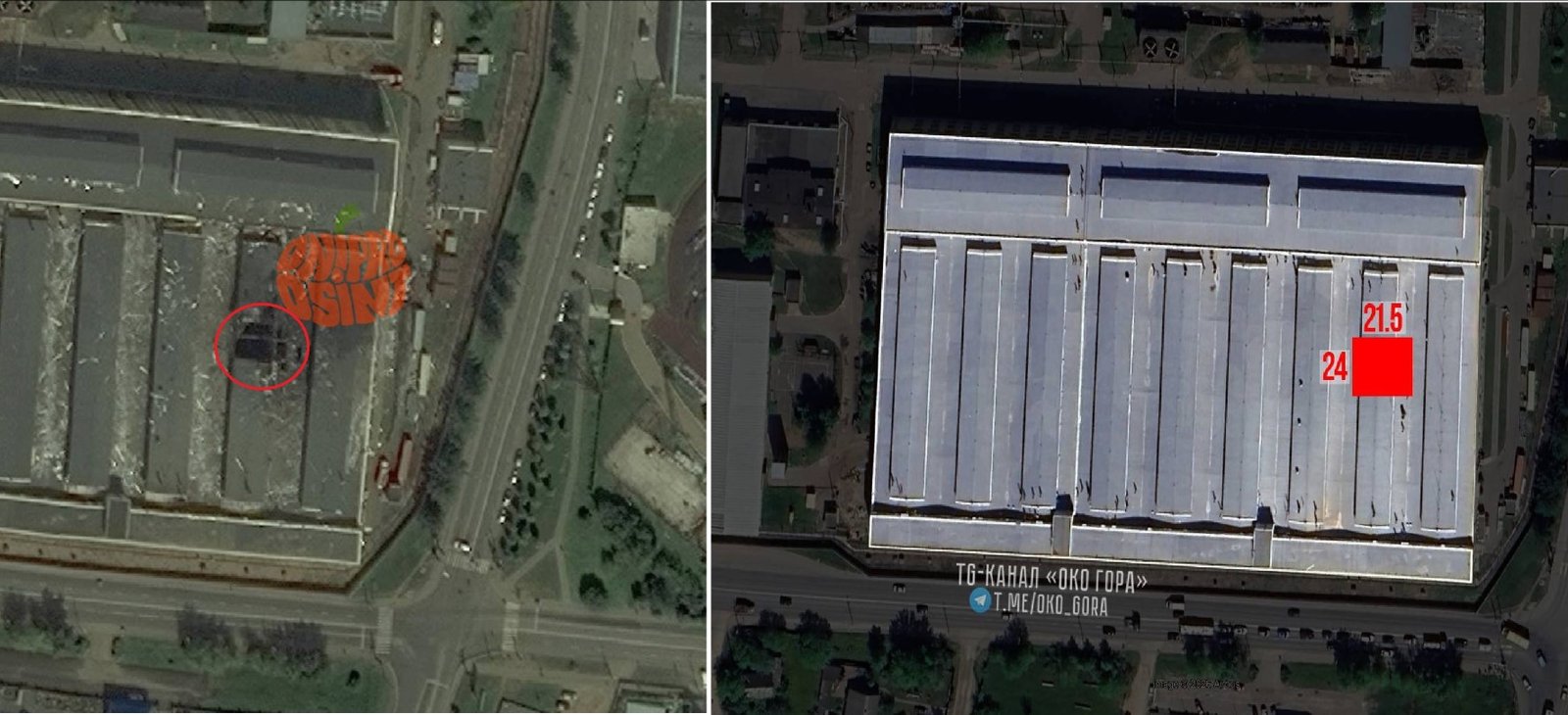
Satellite Images Confirm Damage to Russian Avitek Plant After Ukrainian FP-5 Flamingo Missile Strike
World
KIROV, Russia — Satellite imagery has confirmed damage to a production hall at the Avitek plant in the Russian city of Kirov following a Ukrainian FP-5 Flamingo cruise missile strike carried out on the morning of July 24, 2026. The satellite images, published by the Dnipro OSINT community, show a hole measuring approximately 21.5 by 24 meters in the roof of one of the plant's production buildings. Analysis of the imagery indicates that the strike directly damaged the facility. Additional photographs taken by eyewitnesses show that the building's window frames were bent outward by the blast. According to the image analysis, this pattern suggests the main explosion occurred inside the building, causing significant internal damage rather than being limited to the roof. Residents of Kirov reported hearing explosions at around 7:00 a.m. local time. Shortly afterward, smoke was seen rising from the area of the plant, and videos showing the aftermath were shared on social media. Kirov is located more than 1,200 kilometers from the Ukrainian border, making it one of the deeper strikes reported inside Russian territory. The use of the FP-5 Flamingo cruise missile was confirmed by Denys Shtilerman, chief designer and co-owner of the Ukrainian company Fire Point, who also shared video footage of a missile launch linked to the operation. According to OSINT Varta, JSC Vyatka Machine-Building Enterprise Avitek is part of the Almaz-Antey defense concern and specializes in the production of aviation equipment and pilot rescue systems. The facility is Russia's only serial producer of ejection seats for fighter and attack aircraft, including those used on Su-34 and Su-57 aircraft. It also manufactures anti-aircraft guided missiles, target missiles, aerial target simulators, and components associated with cruise missiles, including the Kh-101 and Kh-59. Avitek is under sanctions imposed by the United States, the European Union, Ukraine, Canada, Switzerland, and New Zealand because of its role in Russia's military-industrial complex. Russian regional authorities reported casualties following the strike. Governor Alexander Sokolov said that six people were killed and 26 others were injured. Ukrainian sources have reported higher casualty figures in some accounts. Ukrainian President Volodymyr Zelenskyy also confirmed the strike, stating that the facility supplies components for Russian aircraft and missile systems. The FP-5 Flamingo is a ground-launched cruise missile developed by Fire Point. The strike on the Avitek plant marks another confirmed use of the missile against a Russian defense-related facility in 2026. Source : militarnyi
Read More → Posted on 2026-07-25 13:44:16
World
DUBAI — Kuwait and Bahrain reportedly carried out joint airstrikes against military targets inside Iran earlier this month, marking the first known direct military action by the two Gulf nations against Tehran since the start of the 2026 Iran war. According to The Wall Street Journal, which cited people familiar with the matter, Bahraini and Kuwaiti fighter jets targeted Iranian drone and missile storage depots, along with other military installations. The operation reportedly took place sometime after July 11. Israeli military sources, who were briefed by their Emirati counterparts, said the participating aircraft landed safely at an airbase in the United Arab Emirates (UAE) after completing the mission. UAE Provided Intelligence and Defensive Air Cover The report said the UAE supported the operation by providing targeting intelligence and defensive air cover for the Bahraini and Kuwaiti aircraft. The UAE had previously carried out its own strikes against Iranian targets earlier in the conflict, including an attack on an oil refinery on Lavan Island in April. To reduce the risk of Iranian retaliatory attacks, Bahrain and Kuwait also repositioned part of their air forces. According to the report, fighter aircraft from Bahrain's Sheikh Isa Air Base and Kuwait's Ahmad Al-Jaber Air Base and Ali Al-Salem Air Base were relocated to the UAE's Al Dhafra Air Base. Operational indications also suggested that some aircraft may have been dispersed to at least one additional Emirati airbase. Strikes Follow Weeks of Iranian Attacks The reported operation followed weeks of Iranian drone and missile attacks on Bahrain and Kuwait. Both countries host major U.S. military facilities, including Sheikh Isa Air Base in Bahrain and Ali Al-Salem Air Base and Ahmad Al-Jaber Air Base in Kuwait. Iranian attacks have also targeted civilian infrastructure. Earlier this week, Kuwait's Foreign Ministry said Iran struck a power plant and a water desalination facility. Bahraini authorities have previously reported attacks on Sheikh Isa Air Base, while Kuwait has also reported strikes targeting its international airport and other infrastructure. According to the report, Bahrain and Kuwait launched the operation after concluding they could no longer continue absorbing repeated attacks without a direct military response. The reported targets included drone and missile storage depots believed to support those attacks. Regional Military Involvement Expands The reported participation of Bahrain and Kuwait would further broaden regional military involvement in the conflict. The UAE and Saudi Arabia were already involved during the early stages of the war, with the UAE taking a more active military role by conducting multiple strikes against Iranian targets. Bahrain established diplomatic relations with Israel under the 2020 Abraham Accords. Iran has carried out repeated attacks against Bahrain and Kuwait during the conflict, while largely avoiding direct attacks on Saudi Arabia and the UAE. Kuwait and Bahrain are considered particularly vulnerable because of their geography and their dependence on the Strait of Hormuz for energy exports and regional trade. Bahrain is an island nation connected to Saudi Arabia by a causeway, while Kuwait lies at the northern end of the Gulf and borders Iraq. Regional officials have also said Kuwait has faced attacks from both Iran and militia groups in Iraq allied with Tehran. Conflict Continues to Escalate The wider conflict has continued to intensify following the collapse of the ceasefire extension signed in June. Fighting has included Iranian drone and missile attacks on Gulf states and vessels operating in the Strait of Hormuz, while U.S. and partner forces have conducted repeated airstrikes on Iranian military infrastructure, including command centers, drone storage facilities, coastal surveillance sites and other military targets. The U.S. military said Friday marked the 13th consecutive night of strikes on Iranian targets. Separately, U.S. President Donald Trump told Axios on Thursday that he was considering "a massive attack" on Iran. No Official Confirmation At the time of publication, the governments of Bahrain, Kuwait and the UAE had not officially confirmed the reported fighter-jet operation. Kuwait's ambassador denied any involvement in the reported strikes, while Bahrain had not issued a public statement. The Wall Street Journal report was based on unidentified sources familiar with the matter and did not provide details on the number of aircraft involved, the extent of damage, or the exact bases from which the aircraft operated. The report therefore remains based on unnamed sources and has not been officially confirmed by the governments involved. Source : WSJ
Read More → Posted on 2026-07-25 12:19:03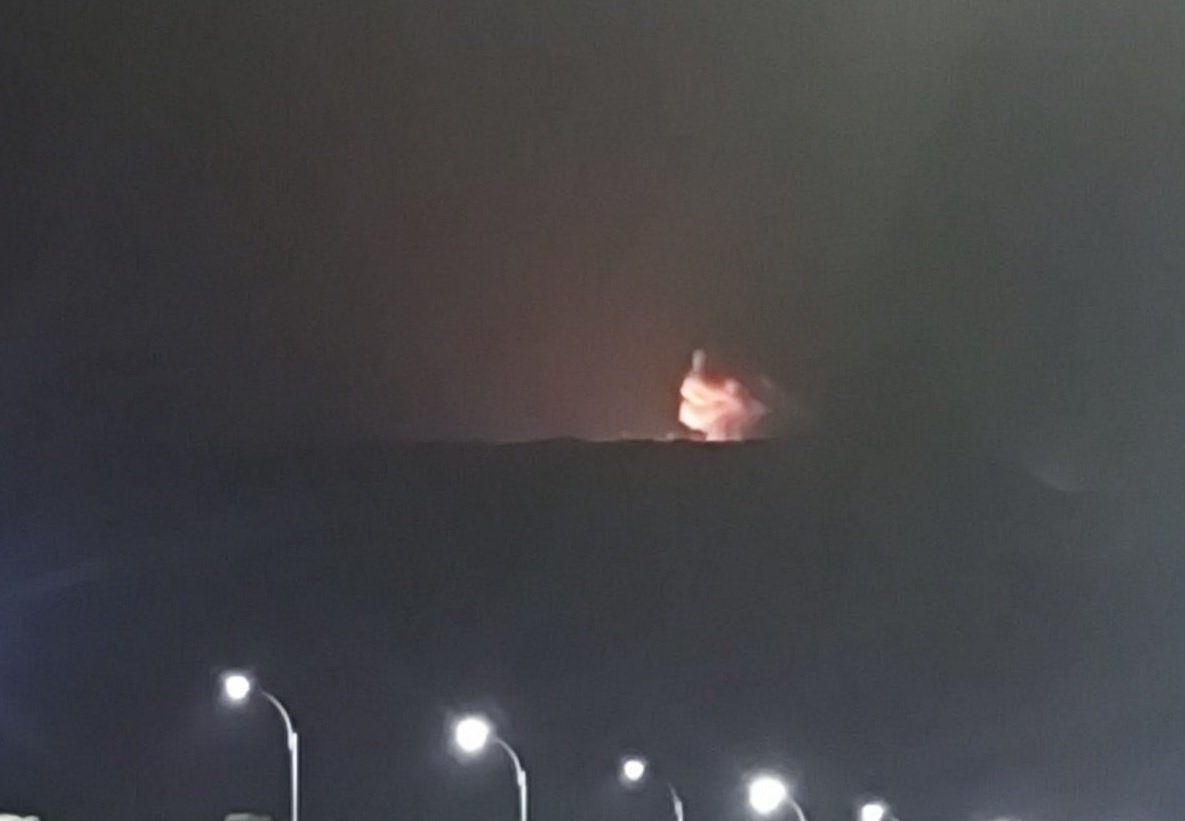
World
TEHRAN — U.S. airstrikes targeted military infrastructure across central Iran early Friday, including a missile base associated with the Islamic Revolutionary Guard Corps (IRGC) Aerospace Force near Taft in Yazd Province, according to Iranian officials and local reports. The strike near Taft was reported at approximately 03:30 local time. Residents said a powerful explosion occurred in the mountainous Bam-e Taft and Shirkuh area southwest of the city. Witnesses described seeing a bright flash followed by a large cloud of dust, with the blast shaking nearby homes. Local reports indicated the attack was carried out using missiles, as residents said they did not hear aircraft flying over the area before the explosion. Iranian state television later confirmed that an explosion had occurred outside the city of Taft. The targeted site near Taft is associated with the IRGC Aerospace Force, which is responsible for Iran's missile capabilities. Additional Strikes Reported in Markazi and Isfahan Iranian authorities also reported strikes in other parts of central Iran during the same period. In Markazi Province, the Deputy Governor said two projectiles struck a location outside the city of Khondab at approximately 03:05 local time. Khondab is home to Iran's heavy-water production facility and a nuclear complex located about 250 kilometers southwest of Tehran. Shortly before the Khondab strike, authorities in Isfahan Province reported another attack. The Deputy Governor of Isfahan said an area in Na'in County was targeted at around 03:00 local time and described it as an American attack. Borujerd Reports Clarified Initial reports from the western city of Borujerd suggested that two explosions had been heard overnight. However, subsequent local updates clarified that no verified explosions had occurred within or near the city. Authorities said the sounds were caused by military aircraft flying overhead at high speed. Damage and Casualty Information Not Yet Released Iranian authorities have not released details regarding damage or casualties resulting from the strikes. IRGC-affiliated media outlets, including Fars News and Tasnim News, were among the first Iranian outlets to acknowledge explosions in Taft, Khondab, and Na'in early Friday. Iranian state media described the incidents as American attacks. U.S. officials had not issued public statements specifically addressing these reported strikes at the time of writing. The reported attacks come amid continued military activity between the United States and Iran. According to previous statements from U.S. Central Command, American forces have been conducting consecutive nightly strikes against Iranian military targets as part of operations aimed at reducing threats posed by the IRGC. Source : X
Read More → Posted on 2026-07-24 15:08:57Search
Top Trending in 24 Hours
-
 North Korea Fires Short-Range Ballistic Missile Toward Sea of Japan After Freedom Edge 26
-
 India’s xTerra Robotics Launches Indigenous DHAV-Hy Wheeled-Legged Quadruped for Industrial Inspection
-
 U.S. Army Awards $10.64 Million Contract to Ukrainian Drone Maker Skyeton for Raybird Systems
-
 U.S. Space Force Seeks Rapid-Response Satellites for Close-Range Orbital Inspections
-
 BEL Showcase X-Band Multi-Function Radar for QRSAM to Japanese Delegation
-
 U.S. Delivers First CH-47F Chinook to Egypt Under 12-Helicopter Deal
-
 U.S. Government Seizes Almasirah.net, Houthi-Linked News Website
-
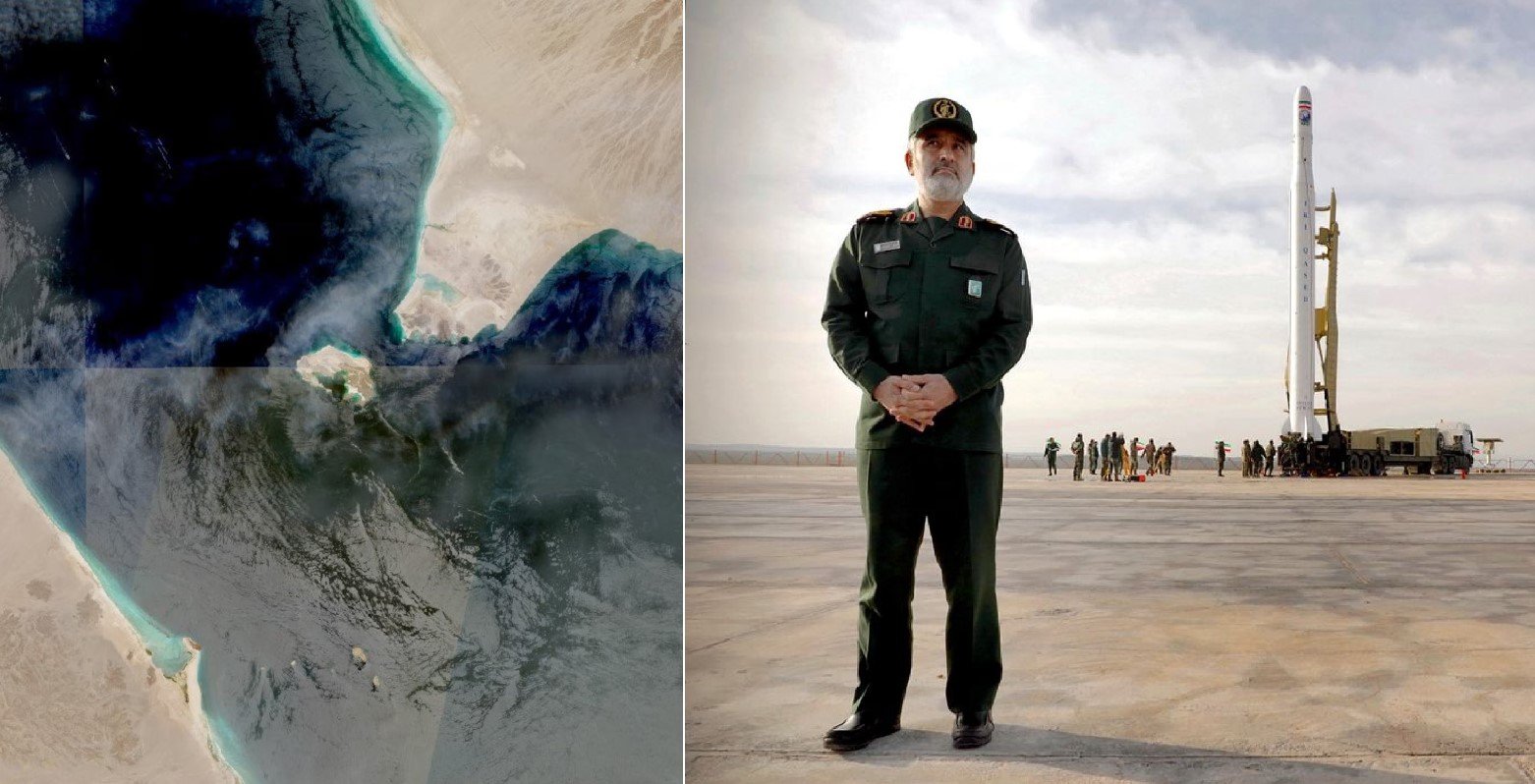 IRGC Experts Visit Bab El-Mandeb to Oversee Radar Installation and Tunneling, Houthi Sources Say
Top Trending in 4 Days
-
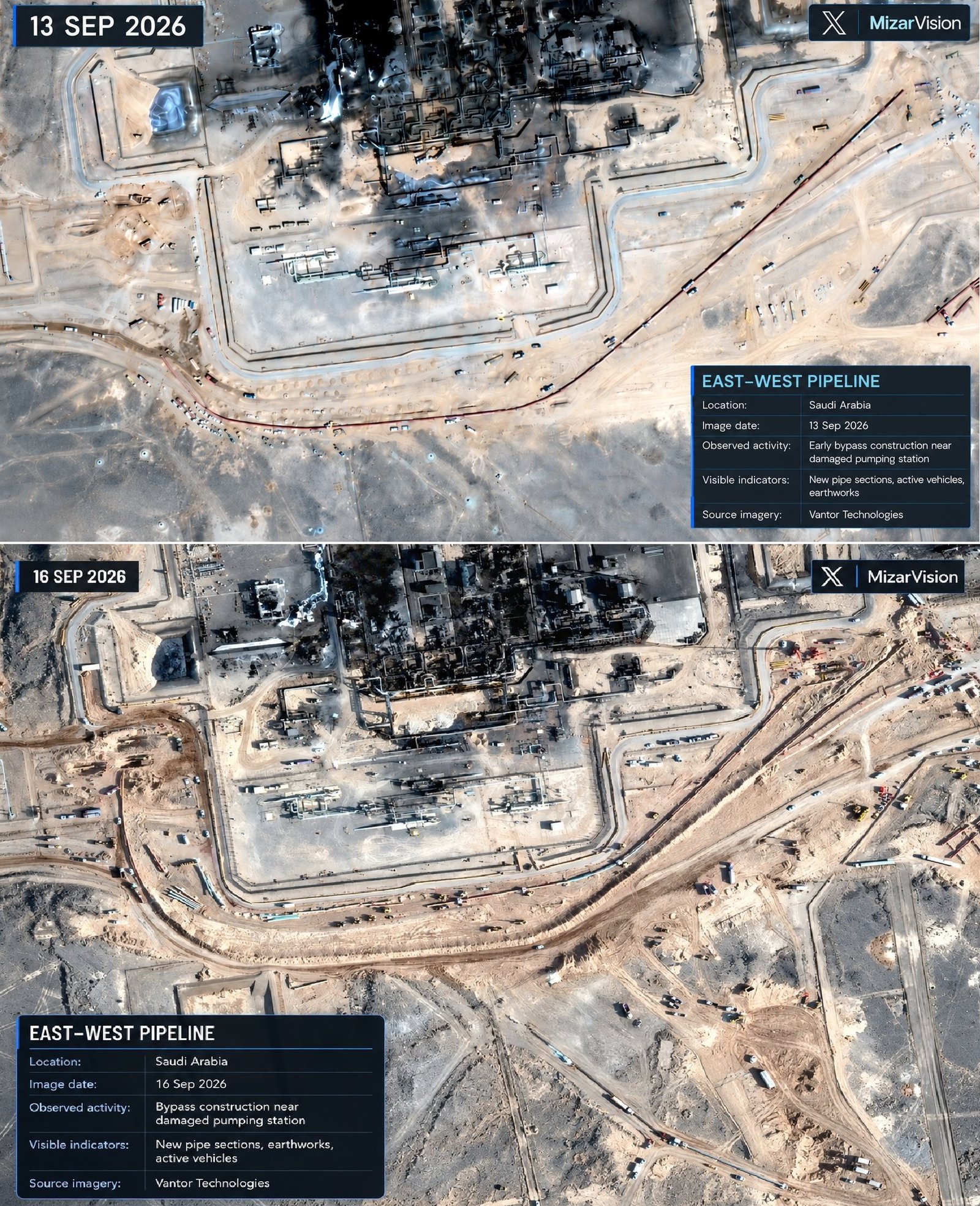 Satellite Images Show Saudi Arabia Building Emergency Bypass Around Damaged East-West Oil Pipeline Station
-
 Sensitive F-35 Components Diverted to Hong Kong, Some Parts Missing
-
 Italian Eurofighter Damaged in Houthi Attack on Saudi Arabia’s King Fahd Air Base
-
 U.S. Secures Permanent Military Rights in Greenland in Historic Security Pact with Denmark
-
 U.S. Approves Potential $2.68 Billion Air Defense Package for Ukraine Including S-300 Clone Missiles
-
 BEL Signs Export Deal with Elbit Systems for Directed Infrared Countermeasure Sub-Assemblies, Secures ₹648 Crore in Additional Orders
-
 China Privately Urges Iran to Restrain Houthis After Saudi Appeal
-
 Israeli Firm Arbe Robotics Unveils Alerion High-Resolution 4D Radar for Counter-Drone Operations