India
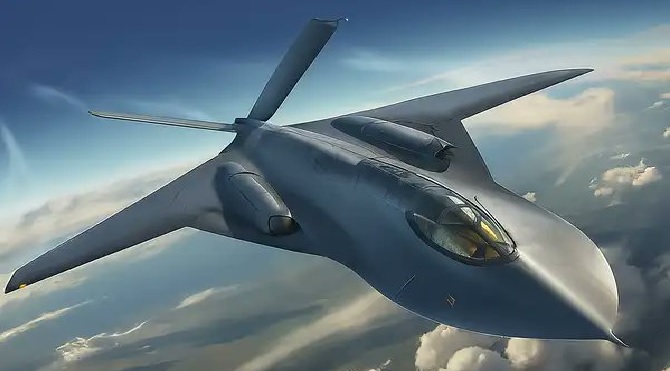
India is reportedly preparing to enter an elite class of nations by developing a next-generation strategic bomber capable of striking targets over 12,000 kilometers away. Internally referred to as the Ultra Long-Range Strike Aircraft (ULRA), this ambitious project—if realized—could mark a pivotal shift in India’s military posture from regional defense to intercontinental deterrence and global power projection. However, it's important to note that this development has not been officially confirmed by the Indian government or the Ministry of Defence. The information comes from a recent article by The Economic Times, which cites unnamed defense officials and project insiders. As such, the ULRA currently remains a conceptual or speculative project, not a sanctioned or publicized defense program. A Game-Changer in Airpower – On Paper According to the report, the ULRA is envisioned as a stealth-capable, long-endurance strategic bomber that can carry both conventional and nuclear payloads. The aircraft is expected to feature variable-geometry wings, similar to the Russian Tupolev Tu-160 'Blackjack', allowing it to optimize speed, maneuverability, and fuel efficiency mid-flight. The projected range of 12,000 km would place the ULRA in the same strategic category as the Tu-160 and even surpass the United States’ upcoming B-21 Raider, whose range is estimated around 9,300 km. Such reach would allow India to conduct strategic strikes across Europe, North America, and the Indo-Pacific without refueling, significantly boosting its nuclear second-strike capability and power projection footprint. The bomber is also expected to incorporate stealth technologies, radar-absorbing materials, electronic warfare suites, and carry weapons like BrahMos-NG supersonic missiles, Agni-1P short-range ballistic missiles, precision-guided munitions, and anti-radiation weapons—making it a versatile asset for both conventional and nuclear operations. Foreign Collaboration and Engine Challenges The ULRA is reported to be a collaborative effort between DRDO, HAL, and the Aeronautical Development Agency (ADA). However, India may still depend on foreign partners for critical technologies such as high-bypass turbofan engines, advanced avionics, and stealth composites. Russia and France are believed to be the leading contenders for collaboration, especially in the areas of engine design and stealth coatings. One of the most complex components of the project is the engine. A platform like ULRA would require a high-thrust, long-endurance engine with a low infrared signature. Speculations suggest India is evaluating possibilities such as Russia’s NK-32 engine (used in the Tu-160) or a scaled-up variant of the GE F414 engine currently being indigenously produced for the Tejas Mk2 fighter. Reality Check: Is India Ready for a Strategic Bomber? While the idea of a strategic bomber fits neatly into India's evolving defense narrative, many experts believe the country is not currently pursuing a full-fledged bomber project—at least not one as complex and resource-intensive as the ULRA. India is still developing the Ghatak UCAV (Unmanned Combat Aerial Vehicle), a project that has faced technological and funding hurdles over the past decade. Experts argue that any future manned bomber platform would likely evolve only after the successful deployment of Ghatak, by scaling up its airframe, enhancing endurance, and incorporating powerful engines and advanced stealth systems. Aerospace analysts also point out that India’s focus has traditionally been on ballistic missile capabilities and nuclear submarines to maintain its strategic deterrence. Developing and maintaining a strategic bomber fleet would require a significant doctrinal shift, as well as massive investment in infrastructure, global basing options, mid-air refueling, and maintenance logistics. Strategic Timing or Media Overreach? The timing of such a speculative report coincides with rising regional tensions, especially with China’s H-20 stealth bomber reportedly nearing operational status. The United States is also actively modernizing its bomber fleet, and Russia continues to field the Tu-160 and Tu-95 platforms. In this context, some Indian defense thinkers may see the ULRA as an aspirational platform to balance power dynamics in the Indo-Pacific. However, others view this as media overreach or premature speculation. With India still working to fully operationalize projects like Tejas Mk2, AMCA, and Ghatak UCAV, a complex platform like ULRA could be decades away, if pursued at all. A Strategic Vision or a Future Dream? While the concept of the ULRA is undoubtedly bold and futuristic—one that could redefine India’s role as a true aerospace power—it is crucial to recognize that no official confirmation or budgetary allocation exists for such a bomber program yet. The report from The Economic Times offers an exciting glimpse into what India might pursue in the next decade, but for now, it remains an unverified proposal. In all likelihood, India’s focus will remain on developing unmanned combat platforms, fifth-generation fighters, and hypersonic weapons in the near term. If the Ghatak UCAV and AMCA projects succeed, they could pave the way for a future bomber like ULRA. Until then, the idea of an Indian 12,000-km-range stealth bomber remains more ambition than reality—a concept to watch, but not yet a part of India’s strategic arsenal.
Read More → Posted on 2025-07-16 17:38:55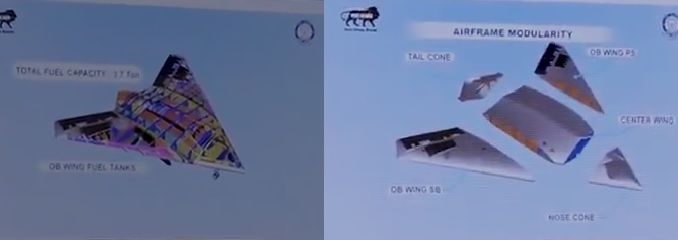
India
India’s long-anticipated Remotely Piloted Strike Aircraft (RPSA), known by its popular name Ghatak UCAV, has officially entered the production phase, marking a decisive step toward bolstering the country’s future combat airpower. Developed by the Aeronautical Development Establishment (ADE) under DRDO, this stealthy flying-wing unmanned combat aerial vehicle is poised to become one of India’s most significant indigenous defence assets. A major highlight of this program is the confirmation that Larsen & Toubro (L&T) has been selected as the Design and Core Production Partner (DcPP), a critical role that places the private sector at the heart of advanced defence aerospace manufacturing in India. What sets Ghatak apart from other drone systems is its impressive internal fuel capacity of 3.7 tons, which is 1.2 tons more than the indigenous Tejas fighter jet. This massive fuel load gives Ghatak a substantially larger combat radius, enabling it to conduct deep-strike missions, loitering surveillance, and precision targeting well beyond frontline areas. The drone’s design is tailored for long-range autonomous missions without refueling or pilot risk, making it a potent strategic platform for the Indian Armed Forces. As of mid-2025, the detailed design review has been successfully completed, and the manufacturing of the first prototype airframe has officially begun. The design is based on a modular approach, as shown in recent official visuals from DRDO and ADE. The airframe components include a center wing, outer wing sections, nose cone, and tail cone, all of which are being produced with stealth shaping and radar-absorbing features. This modularity not only aids in rapid assembly but also simplifies testing, maintenance, and future upgrades. Powering this advanced UCAV will be the Kaveri Dry Engine (KDE), a modified version of DRDO’s indigenous Kaveri turbofan, optimized for unmanned applications. The KDE has already completed major altitude and performance tests in Russia aboard an IL-76 testbed aircraft, and is now nearing final certification. Producing approximately 52 kN of thrust, the Kaveri Dry engine is expected to give Ghatak a powerful yet efficient propulsion system while drastically reducing dependence on imported engines. At a recent workshop held at the Manekshaw Centre in Delhi, DRDO presented detailed updates on Ghatak’s progress. The presentation highlighted that the project has completed the Preliminary Design Review (PDR) and 16 subsystems PDRs, while the Critical Design Review (CDR) has cleared wind tunnel testing, computational fluid dynamics simulations, and structural layout assessments. In addition, integrated flight control computers, quad-channel software systems, landing gear, and structural test rigs are now in advanced stages of development. Also highlighted were the extensive mission studies conducted using the CLAW simulation environment, validation of radar cross-section data, and early payload integration concepts. The project has completed feasibility analysis, cost and time estimation, and has received AON (Acceptance of Necessity) from the Indian Air Force (IAF), with the Cabinet Committee on Security (CCS) proposal currently under review. The Ghatak UCAV is designed to be a stealthy, weaponized, and fully autonomous combat drone, capable of carrying precision-guided munitions and penetrating heavily defended enemy airspace. Once operational, it will be India’s answer to cutting-edge UCAVs like the U.S. X-47B or Russia’s S-70 Okhotnik, offering a mix of intelligence, surveillance, and lethal capability in a single platform. The decision to bring in L&T as the core production partner demonstrates a mature shift in India’s defence production strategy, ensuring that world-class manufacturing standards and rapid scalability can be achieved. L&T's involvement also reinforces the government's ‘Aatmanirbhar Bharat’ push, aimed at achieving full self-reliance in critical military technologies. With airframe production now underway and the engine entering final certification, India’s Ghatak UCAV is well on track to achieve its first flight in the next 18 to 24 months. Once airborne, it will mark the beginning of a new era in Indian aerospace—one defined by stealth, autonomy, and home-grown innovation.
Read More → Posted on 2025-07-16 17:28:08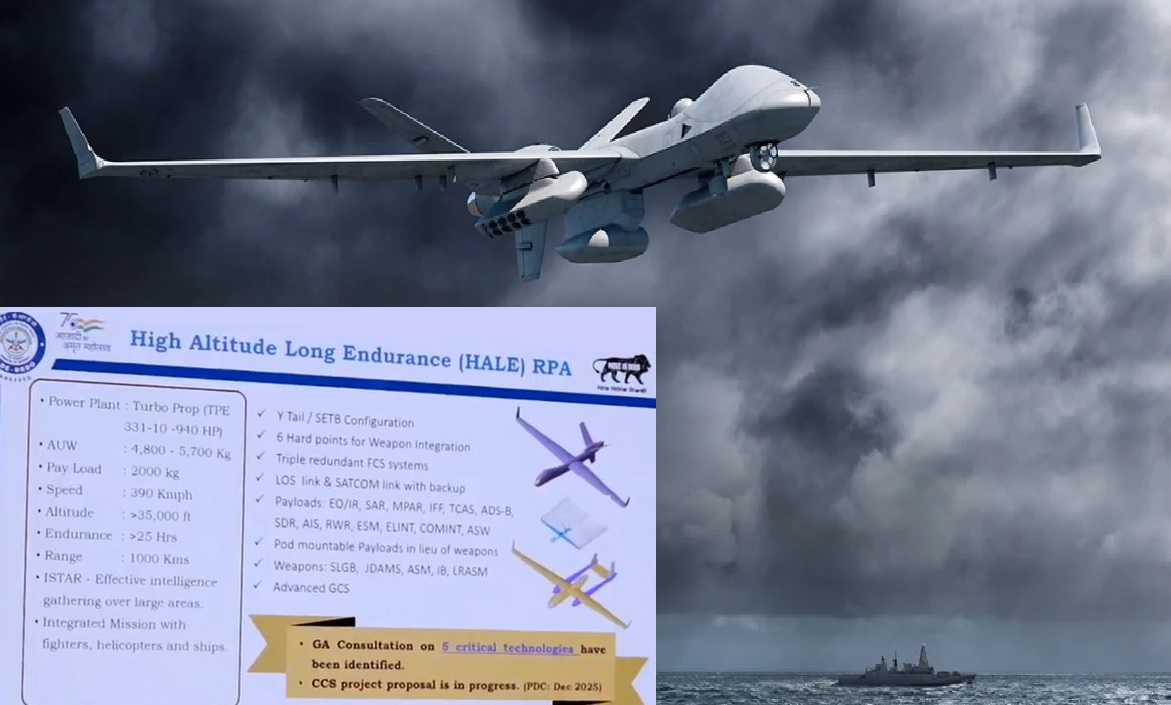
India
India is steadily advancing its unmanned aerial warfare capabilities with the development of a state-of-the-art High Altitude Long Endurance (HALE) drone, designed by the Aeronautical Development Establishment (ADE) under the Defence Research and Development Organisation (DRDO). The platform is expected to serve both surveillance and strike roles, and a recent presentation has confirmed that it will be powered by the Honeywell TPE-331-10 turboprop engine—a globally proven propulsion system used in several high-end UAVs including the MQ-9 Reaper. This marks a critical step in India's roadmap for autonomous aerial platforms, enhancing capabilities in border surveillance, maritime patrol, and deep-strike operations. Powerplant and Payload Capacity The HALE drone will be equipped with the TPE-331-10 engine, capable of delivering between 940 horsepower, enabling long-endurance missions at high altitudes. This engine family is known for its fuel efficiency, compact design, and digital control features, which allow for better performance and easier integration with modern UAV systems. All-Up Weight (AUW): 4,800 to 5,700 kg Maximum Payload: 2,000 kg The drone’s heavy-lift capacity allows it to carry a mix of sensors, communication systems, and precision-guided munitions on a single sortie. Key Performance Features Designed for long-range strategic missions, the HALE drone offers: Cruising Speed: 390 km/h Service Ceiling: Over 35,000 feet Endurance: More than 25 hours of continuous flight Range: 1,000 km operational radius Such specifications place it in the league of advanced HALE platforms globally, capable of providing 24x7 surveillance over India's vast land and maritime borders. Surveillance and Strike Capabilities The drone is equipped with a comprehensive range of ISR (Intelligence, Surveillance, Reconnaissance) and combat sensors: EO/IR (Electro-Optical/Infrared) Cameras Synthetic Aperture Radar (SAR) Maritime Patrol Radar (MPAR) ELINT/COMINT Modules IFF, RWR, AIS, SDR, ADS-B, TCAS This makes it ideal for multi-domain operations, including coastal surveillance, battlefield observation, electronic warfare, and target tracking. For strike missions, the drone features six hardpoints for mounting advanced Indian and imported weaponry such as: Smart Laser-Guided Bombs (SLGBs) Joint Direct Attack Munitions (JDAMs) Air-to-Surface Missiles (ASMs) Long Range Anti-Ship Missiles (LRASMs) This dual capability allows the HALE drone to play both defensive and offensive roles in a single mission—detecting, tracking, and destroying targets with precision. Network-Centric Operations The platform will support: Line-of-Sight (LOS) Data Links Satellite Communication (SATCOM) with Backup Advanced Command Ground Stations (GCS) Triple-Redundant Flight Control Systems (FCS) These features enable seamless integration with fighter aircraft, naval warships, and ground forces, forming the backbone of network-centric warfare. Development Timeline and Strategic Goals According to official sources, the Cabinet Committee on Security (CCS) is currently reviewing the project proposal. The Planned Date of Completion (PDC) is December 2025, Five critical technologies have already been identified and are under consultation with key stakeholders. The HALE drone is being developed under India’s Aatmanirbhar Bharat initiative and will be manufactured using largely indigenous components, supported by a domestic supply chain and future export potential. India’s upcoming HALE drone, powered by the TPE-331-10 engine, represents a significant leap in the country’s quest for autonomous strategic platforms. With combat-ready payloads, deep surveillance capabilities, and interoperability with other military assets, this drone will be a critical force multiplier in India’s defence arsenal. As the December 2025 deadline approaches, the world will be watching closely as India prepares to field one of its most advanced unmanned platforms yet—entirely designed, developed, and deployed on Indian soil.
Read More → Posted on 2025-07-16 17:06:35
India
Bharat Forge has emerged as the lowest (L1) bidder in a large-scale carbine procurement tender floated by the Ministry of Defence, securing a contract to manufacture 2,55,128 Close Quarter Battle (CQB) carbines. These weapons were developed by DRDO’s Armament Research and Development Establishment (ARDE) and are intended to modernize India’s infantry with more reliable, compact, and indigenous solutions for close-combat operations. The total requirement for the Indian armed forces is 4,25,213 carbines, and with Bharat Forge securing the L1 status, the remaining 1,70,085 carbines—about 40% of the total order—are likely to be awarded to the second-lowest (L2) bidder, PLR Systems, under India’s procurement policy that allows for parallel contracting in large-volume orders. Aatmanirbhar Weapon for Close Combat The CQB carbine is chambered in 5.56×45 mm, compatible with both NATO standard and INSAS ammunition, and is optimized for close-quarters urban combat, especially for infantry, mechanized forces, and special operations units. Key specifications of the carbine include: Caliber: 5.56×45 mm Weight: Approx. 3–3.5 kg Effective Range: ≥200 meters Magazine: 30-round detachable box Firing Mode: Semi-automatic & automatic The carbine is lighter than a kitchen pressure cooker, as highlighted in recent reports, and was designed for fast deployment, high mobility, and effective lethality in tight environments like bunkers, buildings, and trenches. It successfully passed summer and winter trials across diverse Indian terrains, earning qualification under Naval Staff Qualitative Requirements (NSQR). Contract Value and Distribution According to information shared during a recent interaction with India TV, Bharat Forge’s bid for the 60% share is valued at approximately ₹1,700 crore, while PLR Systems is estimated to receive the remaining 40% share, worth around ₹1,100 crore. Company Units Allocated Estimated Value Bharat Forge (L1) 2,55,128 ₹1,700 crore PLR Systems (L2) 1,70,085 ₹1,100 crore (est.) Total 4,25,213 ₹2,800 crore (est.) This deal marks one of the largest infantry weapon contracts in recent Indian defence history. Indigenous Defence Ecosystem in Motion Bharat Forge, a key player in India's defence manufacturing sector, partnered with DRDO to refine and produce this weapon through advanced forging, precision machining, and metal injection molding (MIM) processes. Its manufacturing strength and experience in artillery systems gave it an edge during technical evaluations and pricing. The carbine’s development falls under the "Buy (Indian Designed, Developed and Manufactured)" [Buy (IDDM)] category, which mandates high levels of indigenous content—further boosting the Aatmanirbhar Bharat initiative. PLR Systems: Trusted Partner for the Remaining 40% The L2 contender, PLR Systems, is a joint venture between Adani Group and Israel Weapon Industries (IWI). PLR has already been manufacturing the Tavor, Galil ACE, and X95 rifles in India and is expected to absorb 40% of the carbine order under the multi-vendor procurement clause. PLR Systems’ experience in local assembly and supply chain management, backed by Israeli firearm expertise, makes it a strong choice to complement Bharat Forge in this dual-sourcing strategy. Strategic Importance for Indian Armed Forces This large-scale procurement comes after years of stalled tenders and shifting strategies to replace aging 9mm Sterling submachine guns, which have been in service for decades. With this new order: Frontline troops will finally get a modern, compact, high-performance carbine for CQB roles. Two domestic companies will lead high-volume defence manufacturing, reducing reliance on foreign imports. DRDO’s R&D capabilities are validated through successful deployment of a combat-ready weapon designed in-house. With contract finalization expected soon, production is likely to begin later this year, with initial deliveries projected by mid-2026. This deal also opens the door for future exports to friendly nations, once domestic deliveries are fulfilled. The Indian Army’s carbine requirement is finally being met—not by imports, but through homegrown innovation and industrial capacity. With Bharat Forge taking the lead and PLR Systems likely to follow, India is demonstrating its ability to build, test, and scale modern infantry weapons entirely on its own soil. This not only strengthens the military but also marks a victory for India’s growing defence manufacturing ecosystem.
Read More → Posted on 2025-07-16 16:53:32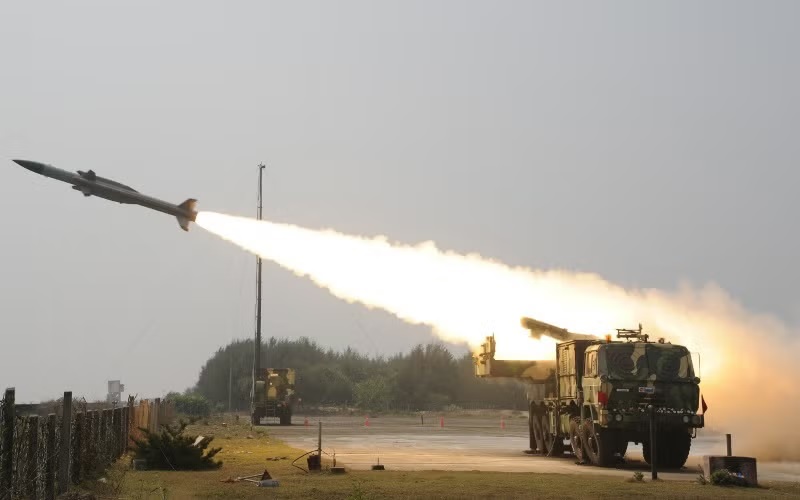
India
The Indian Army has successfully conducted high-altitude trials of the Akash Prime surface-to-air missile system in the Ladakh sector. The test was carried out at a height of over 15,000 feet, showcasing the missile's effectiveness in challenging terrain and thin air conditions. According to defence officials, the test was conducted by the Army Air Defence Corps along with senior scientists from the Defence Research and Development Organisation (DRDO). During the trial, the Akash Prime missile scored two direct hits on fast and manoeuvring aerial targets, proving its precision and agility in a high-altitude environment. Officials stated that “The Akash Prime system demonstrated its operational readiness by scoring two direct hits against fast, manoeuvring target aircraft under difficult high-altitude conditions.” What is Akash Prime? Akash Prime is an upgraded version of the original Akash missile system. It is designed to better detect and destroy aerial threats like fighter jets, drones, and helicopters, even under extreme weather or terrain conditions. The missile comes with an improved seeker, allowing it to lock onto targets with greater accuracy, especially in difficult environments like high-altitude zones or deserts. It uses command guidance and a phased array radar system to track and guide the missile until it hits the target. The system can work independently or as part of a group, making it flexible for different combat situations. Proven in Combat: Operation Sindoor The Akash Prime system has already been tested under real battlefield conditions. During Operation Sindoor, which took place on the night of May 8–9, the Indian Army used it to successfully counter a wave of drone attacks and ceasefire violations by Pakistan along the Western border and the Line of Control (LoC) in Jammu and Kashmir. According to Army sources, more than 50 Pakistani drones were shot down during this large-scale operation. These included Chinese-origin aircraft and Turkish-made drones used by Pakistani forces. The Indian Armed Forces also managed to repel coordinated attacks on multiple military installations across northern and western India during the same period. In retaliation, Indian forces neutralised an Air Defence system in Lahore, showcasing the strategic effectiveness of India's air defence assets. Part of a Bigger Plan The success of Akash Prime in Ladakh is part of a larger plan by the Indian Army to strengthen its layered air defence network. Officials confirmed that the third and fourth regiments of the Akash system are likely to be formed using the Akash Prime variant. This development also aligns with India’s commitment to Aatmanirbhar Bharat (self-reliant India) in defence production. The Akash Prime, developed entirely within India, is a key symbol of how Indian technology is now capable of meeting modern battlefield needs. Why It Matters High-altitude success: Testing at 15,000 feet proves the system can operate in Himalayan battle zones. Combat-ready: Already deployed in real conflict situations. Indigenous tech: Fully developed in India by DRDO, supporting domestic defence manufacturing. Flexible operations: Can be used independently or in networked mode, day or night. With this successful test, India has taken another confident step in securing its skies and building a robust air defence shield, especially in sensitive border regions like Ladakh.
Read More → Posted on 2025-07-16 16:11:30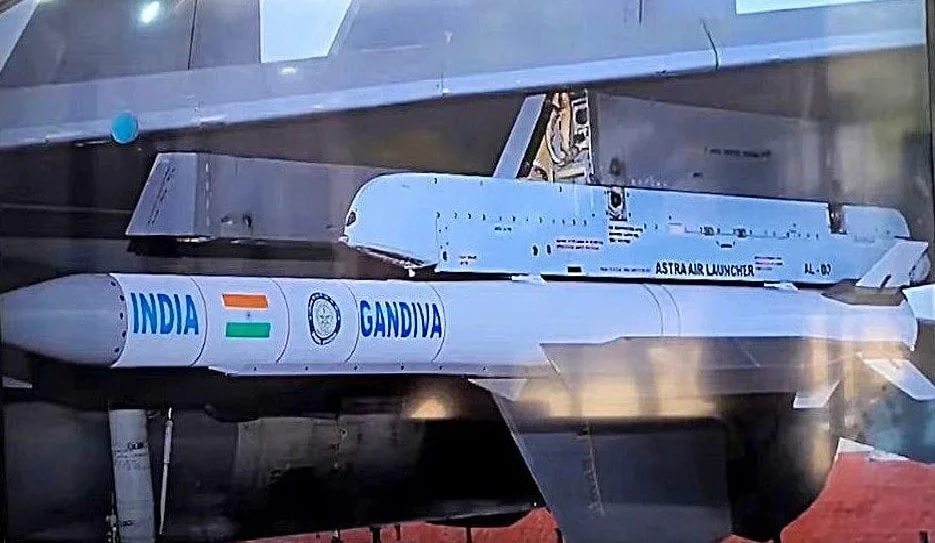
India
India is steadily moving closer to fielding one of its most advanced air-to-air weapons yet—the Astra Mk-3 missile, officially named ‘Gandiva’, after the legendary bow wielded by Arjuna in the Mahabharata. Developed by the Defence Research and Development Organisation (DRDO), Gandiva is designed to be a next-generation Beyond Visual Range Air-to-Air Missile (BVRAAM) that could transform the Indian Air Force’s ability to strike distant and stealthy aerial threats. What makes Gandiva so advanced is its Solid Fuel Ducted Ramjet (SFDR) engine, a cutting-edge propulsion system that offers greater speed, range, and fuel efficiency compared to traditional rocket-powered missiles. Instead of carrying both fuel and oxidizer like a rocket, the SFDR system uses atmospheric air for combustion, making the missile lighter and faster. This allows Gandiva to reach speeds of up to Mach 4.5 (more than four times the speed of sound) and achieve a strike range of over 300 kilometers. This long range makes it one of the most powerful air-to-air missiles in the world, capable of hitting targets far beyond visual distance. Importantly, the SFDR engine also has throttle control, which means the missile can adjust its speed mid-flight. This expands its “no-escape zone”, allowing it to chase and destroy even highly maneuverable enemy jets. Another key highlight of Gandiva is its advanced seeker system, which guides the missile toward its target. In the current phase, the missile is equipped with an Active Electronically Scanned Array (AESA) seeker based on Gallium Arsenide (GaAs) technology. This seeker provides accurate tracking, even at long distances, and maintains a strong data link with the launching aircraft. But DRDO has bigger plans. For the final version of Gandiva, it is developing an AESA seeker based on Gallium Nitride (GaN)—a newer, more efficient material. GaN seekers are known for their high power output, resistance to heat, and superior performance against electronic jamming. This makes Gandiva more reliable and effective in modern warfare where enemies often use stealth technology and electronic warfare to avoid detection. The use of GaN will be a big advantage against stealth aircraft, like China’s J-20, which rely on low radar visibility. The enhanced seeker can better detect and lock onto low-signature targets, giving India’s jets the ability to neutralize stealth threats before they can strike. Development and testing of Gandiva are progressing through several important phases: Ground tests have already confirmed that the SFDR engine meets expected performance. Captive carriage trials—where the missile is carried by fighter jets like the Sukhoi Su-30MKI—are currently ongoing, ensuring it works well with aircraft systems. Live-fire trials are expected next, where Gandiva will be launched at real targets to test its range, speed, and precision, even in difficult flight scenarios. Once ready, Gandiva will be deployed on various Indian fighter jets including the Su-30MKI, HAL Tejas, and potentially even Rafale and MiG-29. This will give the Indian Air Force a common, long-range missile platform across multiple types of aircraft. Strategically, the Gandiva missile is expected to counter threats like China’s PL-15 missile and strengthen India’s response to stealth fighters and airborne early-warning systems. If DRDO achieves its goal of mass production by 2030–31, Gandiva will represent a major leap in India’s missile self-reliance under the Aatmanirbhar Bharat vision. In summary, Astra Mk-3 'Gandiva' combines long range, speed, smart guidance, and stealth-hunting ability—making it a future-ready weapon that will keep Indian skies safer in the years to come.
Read More → Posted on 2025-07-16 16:04:35
India
India's next-generation unmanned combat aerial vehicle (UCAV) program — the CATS Warrior — is rapidly accelerating toward its first flight in 2026, and Tata Elxsi has emerged as a crucial player in the project's early success. In a remarkable achievement, Tata Elxsi partnered with Hindustan Aeronautics Limited (HAL) to deliver the full-scale demonstrator of the CATS Warrior within just 14 weeks, a record-setting pace that highlights India’s growing aerospace innovation capabilities. The CATS Warrior (Combat Air Teaming System) is an autonomous, stealthy unmanned combat aircraft designed to function as a "loyal wingman" to frontline fighter jets. Once deployed, it will undertake strike missions, electronic warfare, surveillance, and reconnaissance, operating in high-risk environments while being controlled by or flying in coordination with manned aircraft such as the LCA Tejas or Su-30MKI. Tata Elxsi played a lead role in the design and development of key components of the CATS Warrior: The airframe, ensuring low radar signature and aerodynamic efficiency. The fuel system, designed for optimal balance and endurance. The landing gear, tailored for autonomous operations. Complete system integration and validation, ensuring each subsystem works flawlessly within the larger UCAV architecture. The recently delivered demonstrator has already cleared its engine ground runs and taxi trials, hitting all planned performance benchmarks. It reflects both structural integrity and functional alignment, laying the foundation for building and testing the flying prototype. Currently, Tata Elxsi is developing fuselage assembly jigs—large, precision-engineered tools that hold the UAV’s structure in place during manufacturing. These are critical to achieving the dimensional accuracy and alignment needed for flight-worthy prototypes. Meanwhile, HAL is converting a Kiran jet trainer into a manned-unmanned teaming (MUM-T) testbed. The instructor’s cockpit of the twin-seater will be modified to host avionics and control systems that replicate UCAV command architecture. In early 2026, this aircraft will take to the skies first under a human pilot, later transitioning to “pilot-in-the-loop” remote operation, simulating real-time battlefield scenarios. This dual-phase test strategy will allow India to validate not only autonomous flying but also the intricate data-linking required for cooperative combat missions involving manned and unmanned aircraft. On the propulsion front, HAL successfully conducted ground testing of a low-powered engine for the Warrior in January this year. Though not the final powerplant, this test marked a crucial milestone. HAL is now in talks with international OEMs to co-develop a compact, high-thrust jet engine specifically tailored for the UCAV. Rolls-Royce has shown strong interest in collaborating, opening the door for advanced propulsion technologies to be built in India. The CATS Warrior’s roadmap includes extensive testing phases, covering: Flight autonomy and mission adaptability Sensor and communication integration Electronic warfare resilience Swarm coordination with other unmanned systems Designed for low observability, long-range operation, and modular payload capacity, the Warrior is expected to play a transformative role in next-generation air warfare, enhancing the Indian Air Force’s ability to penetrate defended airspace and neutralize high-value targets without risking pilot lives. As part of India’s Atmanirbhar Bharat push for self-reliance in defense manufacturing, the CATS Warrior is not just a technological project — it's a symbol of strategic autonomy, blending indigenous design, accelerated development, and cutting-edge innovation. With its maiden flight just around the corner, the Warrior is poised to change the face of aerial combat for India in the coming decade.
Read More → Posted on 2025-07-16 15:13:55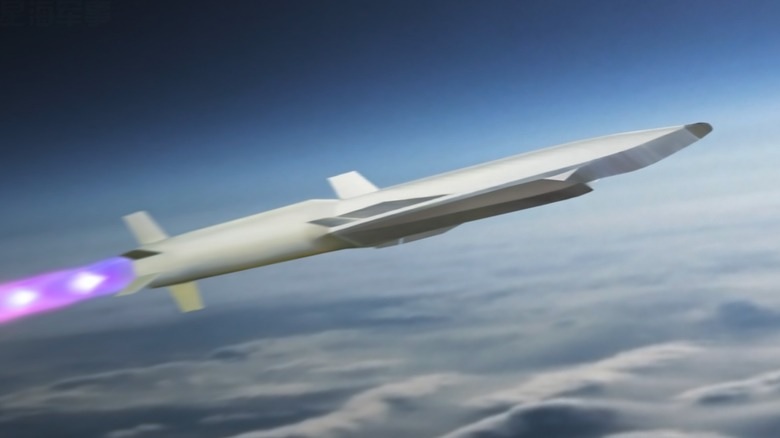
India
In a quiet but powerful step forward, India has successfully test-fired its first long-range hypersonic cruise missile, marking a major breakthrough in missile technology. Developed under a top-secret project codenamed Project Vishnu, the missile—known as the Extended Trajectory Long Duration Hypersonic Cruise Missile (ET-LDHCM)—reached speeds of Mach 8, or roughly 11,000 km/h, and is capable of striking targets as far as 1,500 km away. This feat places India on the brink of joining an exclusive club. So far, only Russia has been able to successfully develop and operationalize a hypersonic cruise missile—specifically the 3M22 Zircon, which has already been inducted into service with the Russian Navy. While the United States, China, France, and others are still in the development race, India’s successful test puts it in a strong position to become the second country in the world to field such a weapon. What Makes This Missile Special? At the heart of the ET-LDHCM is a scramjet engine—an air-breathing propulsion system that uses oxygen from the atmosphere instead of carrying its own oxidiser. This keeps the missile lighter, faster, and more efficient, allowing it to sustain extreme speeds for longer durations. In November 2024, DRDO conducted a 1,000-second ground test of this scramjet engine. It confirmed the system could withstand extreme conditions, including temperatures exceeding 2,000°C caused by atmospheric friction at hypersonic speeds. Designed for Flexibility, Built for the Future The ET-LDHCM is designed to be launched from multiple platforms—including land-based launchers, naval vessels, and aircraft—making it versatile for deployment across all three branches of India’s military. It can carry both conventional and nuclear warheads, with payloads up to 2,000 kg. A standout feature is its in-flight manoeuvrability, which allows the missile to change direction mid-flight. This capability makes it extremely difficult for modern air defense systems to detect, track, and intercept. Project Vishnu: India’s Hypersonic Ambition The ET-LDHCM is the flagship of Project Vishnu, an ambitious and mostly classified programme by DRDO aimed at developing at least 12 different hypersonic weapons systems, including offensive strike missiles and interceptors. According to a senior DRDO scientist involved in the project: “The first scramjet test in November 2024 ran for 1,000 seconds. That showed the engine could do what we needed.” Looking ahead, India plans to induct hypersonic glide vehicles into military service by 2027–2028, with the ET-LDHCM expected to become fully operational by 2030. A defining feature of this missile is its completely indigenous design. Developed with significant contributions from Indian startups, SMEs, and private contractors, the project is a major milestone in India's push for Atmanirbhar Bharat (self-reliance in defence). Advanced heat-resistant and anti-oxidation coatings, co-developed with the Department of Science and Technology, ensure the missile remains structurally stable during high-speed flight and can operate in naval environments as well. India’s hypersonic missile success sends a strong signal—both regionally and globally. As nations compete to dominate the next frontier of missile technology, India has quietly surged ahead. While others still work through development and testing stages, India now stands shoulder to shoulder with Russia in this advanced arena. This isn't just about power projection—it's about reducing dependence on foreign weapon systems, shaping regional deterrence, and ensuring that India remains a technologically capable and self-reliant defence force for the decades to come.
Read More → Posted on 2025-07-16 15:03:13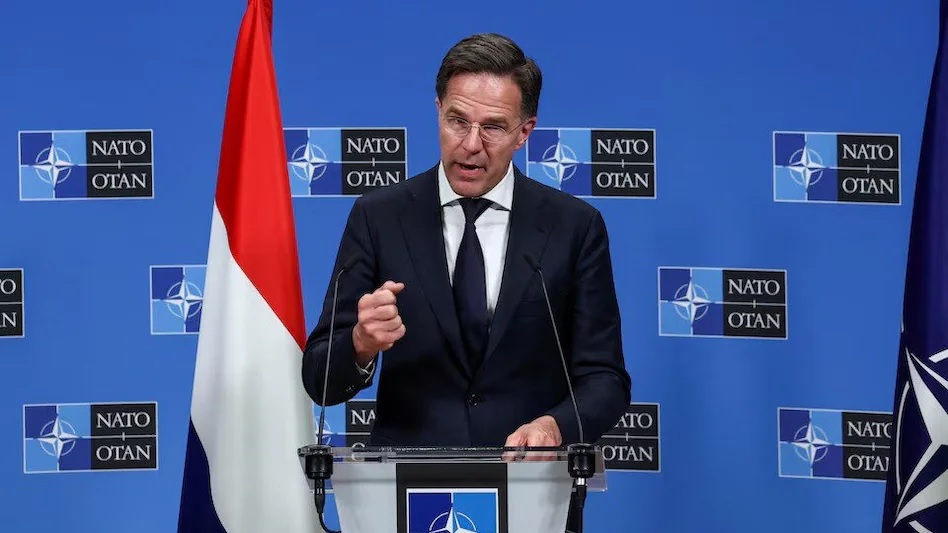
India
In a strong warning with potentially far-reaching global consequences, NATO Secretary General Mark Rutte has cautioned major economies like India, China, and Brazil that they could face severe secondary sanctions—including 100% tariffs—if they continue their economic ties with Russia. The message came as NATO aligned with a new U.S. initiative spearheaded by former President Donald Trump, who is pressuring for a peace deal in Ukraine within 50 days or else introducing punitive trade penalties on nations dealing with Russia. Speaking to U.S. lawmakers on Capitol Hill on Wednesday, Rutte made it clear that while NATO doesn’t directly enforce sanctions, it supports collective pressure to isolate Moscow. "If you live now in Beijing, or in Delhi, or you are the president of Brazil, you might want to take a look into this, because this might hit you very hard," he said bluntly. The secondary sanctions being discussed would involve 100% tariffs on goods imported from countries doing business with sanctioned Russian entities. Such measures, if enacted, could seriously impact the export-driven economies of China and India, especially in sectors like energy, defense, fertilizers, and manufacturing components—all of which maintain active trade ties with Russia. Rutte urged these countries to take diplomatic steps, even suggesting they "make the phone call to Vladimir Putin" to push for peace. The former Dutch Prime Minister said NATO is aligned with the U.S. on ensuring maximum pressure on Russia, while also massively stepping up military support to Ukraine, including weapons systems, ammunition, and air defense capabilities. Do All NATO Leaders Agree? While Rutte made his remarks in Washington alongside U.S. leaders, the consensus among major NATO powers like the UK, France, and Germany appears broad but nuanced. The United Kingdom, under the Conservative government, has been one of the most vocal and steadfast supporters of Ukraine. London would likely support stronger sanctions, including secondary ones, especially if coordinated with Washington and Brussels. However, UK officials have yet to publicly endorse the 100% tariff measure. France has shown strong support for Ukraine militarily and diplomatically but traditionally favors multilateralism and diplomatic off-ramps. French President Emmanuel Macron may be more cautious about secondary sanctions that could strain ties with India and Brazil—two important global players in Paris’s foreign policy outreach. Germany, Europe’s largest economy, remains a key pillar of NATO and Ukraine support. Berlin has significantly increased its military aid but often walks a pragmatic line, balancing support with concerns about energy security and global economic fallout. While German leaders are unlikely to oppose sanctions outright, they may seek a more calibrated approach to avoid antagonizing non-NATO partners like India. Technical Impact on India and China India, in particular, has deep strategic and economic ties with Russia: It continues to import Russian crude oil at discounted rates, a move that has helped stabilize domestic fuel prices but has drawn scrutiny from Western capitals. India is also a major defense partner of Russia, with a significant portion of its military hardware and spare parts still dependent on Russian supply chains. Furthermore, Indian companies operate in fertilizer, energy, and heavy engineering sectors where Russian partnerships are active. China, meanwhile, remains Russia’s largest trading partner, especially in energy, raw materials, and technology components. Beijing has already been under U.S. scrutiny for alleged support to Russia’s wartime economy and could be the primary target of any sweeping secondary sanctions regime. Blowback Risk: Sanctioning India, China, and Brazil Could Hurt NATO Economies Too Imposing such harsh penalties on India, China, and Brazil—three of the world’s largest and most dynamic economies—could have unintended negative consequences for the very NATO countries pushing for these sanctions. Here's how: India is a major pharmaceutical, software, and manufacturing partner for countries like the UK, France, and Germany. Sanctioning India could disrupt supply chains, defense cooperation (like jet engines, semiconductors), and trade in critical goods including generic medicines and tech services. China, despite being seen as a strategic competitor, remains deeply embedded in global supply chains. Germany, for instance, is heavily reliant on Chinese components and raw materials for its automotive and manufacturing industries. UK and French businesses also have major investments in China. Sanctions could boomerang, causing economic contraction or inflation in Europe. Brazil is a top exporter of agricultural commodities like soybeans and meat to European countries. Disrupting trade with Brazil could increase food prices and create political tensions in Latin America, where NATO already has limited influence. On top of this, all three countries are members of the BRICS economic bloc, which has already been actively working on alternate trade systems, including de-dollarization, reducing reliance on Western financial networks. A Ticking Clock The urgency is compounded by the 50-day countdown announced by Trump, who warned of “biting” measures unless a peace agreement is reached. While some lawmakers praised the plan for increasing pressure on Russia and its global enablers, others expressed concern that the delay might give Putin time to capture more ground or consolidate power before negotiations. Republican Senator Thom Tillis said he feared the window could be used by Moscow to "murder and potentially collect more ground", rendering peace talks skewed in Russia's favor. Rutte responded by assuring NATO's commitment to fully equipping Ukraine to enter any negotiations from a position of strength. “We are talking not just defensive weapons, but offensive capabilities too,” Rutte said. While long-range missiles are reportedly on the table, the final package is still being worked out by the Pentagon, NATO's Supreme Allied Commander in Europe, and the Ukrainian leadership. This escalating situation presents a complex dilemma for India and other neutral nations: whether to continue their strategic balancing act or reconsider trade ties with Russia to avoid falling afoul of looming Western sanctions. The next 50 days could prove pivotal—not just for Ukraine, but for the future of global trade and geopolitics.
Read More → Posted on 2025-07-16 14:47:13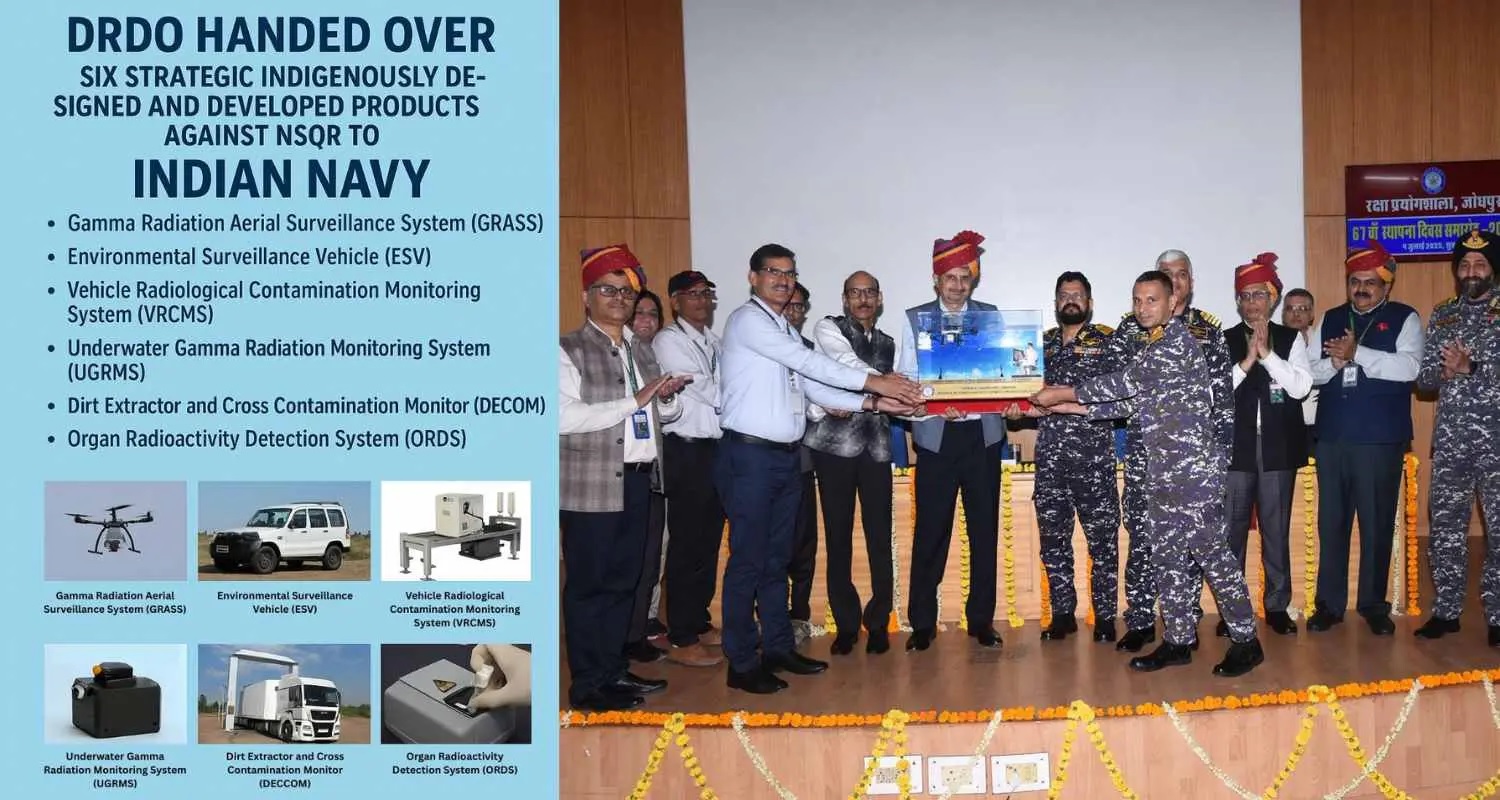
India
In a major step toward enhancing India's naval preparedness against nuclear, biological, and chemical (NBC) threats, the Defence Research and Development Organisation (DRDO) has formally handed over six indigenously developed radiation surveillance systems to the Indian Navy. This significant transfer of technology reflects India’s growing self-reliance in critical defence domains and strengthens the Navy’s operational safety in sensitive environments. The handover ceremony took place at the Defence Laboratory in Jodhpur, a key DRDO establishment, and was attended by senior defence officials, including Dr. Samir V. Kamat, Chairman of DRDO and Secretary, Department of Defence R&D, and Rear Admiral Sriram Amur, Assistant Chief of Naval Staff (Submarines and Strategic Projects). A Comprehensive Radiation Detection Suite The six systems handed over to the Navy are designed to detect, monitor, and mitigate radiological threats in a variety of operational settings—on land, at sea, underwater, and even in the air. All six products meet the Naval Staff Qualitative Requirements (NSQR) and were developed through indigenous research and engineering, underlining DRDO’s capability to deliver sensitive systems tailored to the specific needs of the armed forces. 1. Gamma Radiation Airborne Surveillance System (GRAS) A cutting-edge airborne platform designed to detect gamma radiation over large areas, GRAS can be deployed rapidly using aircraft to survey suspected nuclear-contaminated zones. It is especially critical for reconnaissance missions and post-nuclear incident assessment in remote or inaccessible areas. 2. Environmental Surveillance Vehicle (ESV) This mobile ground-based platform allows continuous monitoring of radiation levels in the environment. It’s equipped with real-time sensors that help identify hotspots and guide decontamination operations. The ESV will be particularly valuable for naval bases and facilities dealing with nuclear material. 3. Vehicular Radiological Contamination Monitoring System (VRCMS) Mounted on standard military or logistic vehicles, this system monitors radiological contamination on land surfaces, including roads and equipment. It will assist naval units during NBC drills, disaster response missions, and while handling contaminated cargo or assets. 4. Underwater Gamma Radiation Monitoring System (UGRMS) A specialized unit developed for sub-surface gamma detection, the UGRMS can monitor underwater platforms like submarines, ship hulls, or ports for radioactive contamination. Its deployment will significantly enhance naval capability to manage nuclear safety below the waterline. 5. Dirt Extraction and Cross-contamination Monitoring System (DECCOM) DECCOM is tailored for detecting cross-contamination in soil and other particulates. This is particularly useful in ensuring cleanliness and safety in nuclear-sensitive areas, as well as forensics and decontamination verification. 6. Organ Radioactivity Detection System (ORDS) This human-body monitoring system helps detect internal radioactive contamination in naval personnel. It plays a key role in medical triage and post-exposure assessment, ensuring that affected individuals receive timely diagnosis and treatment. Strategic Impact These systems collectively form a multi-layered radiation surveillance network for the Indian Navy. From real-time aerial monitoring to underwater gamma detection and human exposure assessment, this suite of tools will enable commanders to respond quickly and efficiently to radiological threats—intentional or accidental. Speaking at the event, DRDO Chairman Dr. Samir Kamat highlighted the importance of such technologies for modern naval forces: "These systems mark a significant stride in strengthening the Indian Navy’s NBC defence capabilities. The fact that all six are indigenously developed reflects India’s growing technological maturity and our commitment to Aatmanirbharta." Rear Admiral Sriram Amur commended DRDO’s achievement, noting that these systems will provide the Navy with a critical edge in radiation detection and management, especially during high-risk missions and strategic operations involving nuclear-powered platforms. Aligned with Aatmanirbhar Bharat The handover of these strategic tools comes at a time when India is pushing aggressively toward self-reliance in defence manufacturing. Each of these systems not only substitutes foreign imports but also reflects the technological capabilities of Indian scientists and engineers working within the DRDO ecosystem. In the broader context, this initiative supports the Indian government’s Aatmanirbhar Bharat Abhiyan and the Navy’s objective to modernize with home-grown, customized technologies that meet operational requirements and reduce dependency on external suppliers. With the induction of these six advanced systems—GRAS, ESV, VRCMS, UGRMS, DECCOM, and ORDS—the Indian Navy has significantly enhanced its NBC defence readiness. Developed through indigenous R&D, these systems showcase the capability of Indian defence science and mark another milestone in India’s journey toward strategic autonomy in critical defence technologies. These tools will now become part of naval operations, exercises, and readiness drills—quietly, but crucially, safeguarding the nation's maritime forces in an increasingly unpredictable security environment.
Read More → Posted on 2025-07-15 16:15:31
India
In a landmark achievement for India’s space journey, Group Captain Subhanshu Shukla and three international astronauts have safely returned to Earth after completing an 18-day mission aboard the International Space Station (ISS). Their SpaceX Crew Dragon capsule “Grace” made a smooth splashdown in the Pacific Ocean off the coast of Southern California at 3:01 PM IST on July 15, 2025, marking the successful end of the Axiom-4 mission. A Triumphant Return to Earth Moments after the splashdown, rescue teams reached the capsule by sea and air. Subhanshu Shukla, emerging from the spacecraft at approximately 3:35 PM IST, smiled and waved at the cameras, visibly healthy and proud. Medical teams conducted routine checks to ensure the wellbeing of all four astronauts, who were then ferried to the recovery vessel. India’s Defence Minister Rajnath Singh congratulated the IAF officer, stating: “A proud moment for India… He lifted the nation’s aspirations to new heights.” Mission Timeline: From Launch to Splashdown June 25, 2025: The Dragon spacecraft launched from Kennedy Space Center in Florida with four astronauts on board. June 26: Docked with the ISS, beginning an 18-day stay focused on scientific experiments and international collaboration. July 14, 4:45 PM IST: The spacecraft undocked from the ISS, initiating its return to Earth. July 15, 2:07 PM IST: Performed a de-orbit burn to begin controlled re-entry. July 15, 3:01 PM IST: Safely splashed down in the Pacific Ocean, near San Diego. The International Crew of Axiom-4 Peggy Whitson (USA) – Mission Commander, a record-setting NASA astronaut. Subhanshu Shukla (India) – Indian Air Force test pilot, second Indian ever in space. Slawosz Uznanski-Wiśniewski (Poland) – Mission Specialist. Tibor Kapu (Hungary) – Mission Specialist. All astronauts were part of the privately organized Axiom-4 mission, which carried out more than 60 scientific experiments aboard the ISS. These included studies on human physiology in microgravity, materials science, and biological systems, in addition to educational outreach activities. A New Chapter in India’s Space Journey Subhanshu Shukla’s journey marks a pivotal milestone, as he became the first Indian astronaut to visit the ISS and the second Indian in space, after Rakesh Sharma’s mission in 1984. His participation comes ahead of India’s upcoming Gaganyaan crewed spaceflight mission, for which he is widely expected to be a leading candidate. Prime Minister Narendra Modi, in a congratulatory message, said: “Subhanshu has inspired a billion dreams. This mission strengthens India’s commitment to human spaceflight and international collaboration.” Post-Mission Plans and Recovery Following the successful splashdown, the crew was flown to Houston, Texas, for medical monitoring and rehabilitation. Shukla will remain under observation for about a week before returning to India around August 17, where a formal debrief with ISRO and IAF officials is expected. In Houston, Shukla will also hand over over 580 pounds of experiment samples and data, collected during the mission, for further analysis and global scientific research. Subhanshu Shukla’s return from space marks more than just the end of a mission—it is the beginning of India’s deeper role in global human spaceflight. From the pride on his face during splashdown to the outpouring of national admiration, this moment symbolizes India’s rising stature in space exploration. With Gaganyaan on the horizon and Shukla as a national symbol of aspiration, India is no longer just watching from Earth—it’s now a part of the stars.
Read More → Posted on 2025-07-15 16:05:18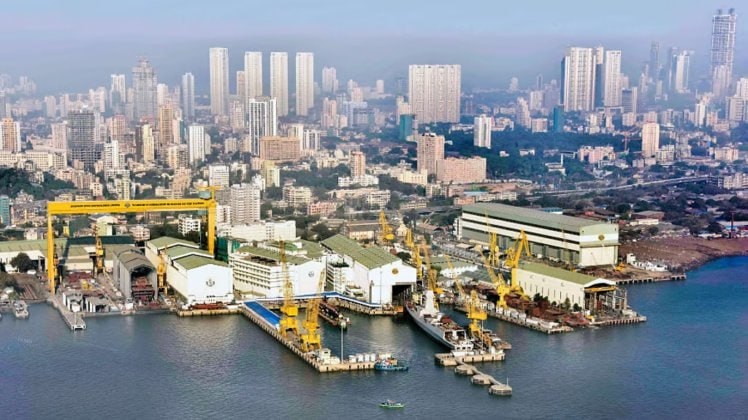
India
In a bold move to elevate India’s maritime manufacturing capabilities, Mazagon Dock Shipbuilders Limited (MDL) has launched a multi-phase expansion plan to increase its shipbuilding capacity from the current 40,000 Deadweight Tons (DWT) to 200,000 DWT in the coming years. This strategic leap, backed by substantial infrastructure investment and land acquisition, aims to place MDL among Asia’s top shipyards. Massive Land Acquisition and Reclamation Efforts As part of the first phase, MDL has leased 15 acres of land from the Mumbai Port Authority for ₹354 crore. This will decongest current operations and allow for new facilities to be built within the main yard. In addition, 10 more acres are being reclaimed adjacent to the shipyard, which will increase the capacity to 80,000 DWT at the Mumbai location. In a parallel development, MDL has acquired 37 acres at Nhava Sheva Port, with an estimated investment of around ₹3,000 crore. This site will serve as a satellite facility and host India’s largest floating dry dock. Investment in State-of-the-Art Infrastructure The total investment for the expansion is expected to range between ₹4,000–5,000 crore, and includes new dry docks, wet basins, and outfitting areas. At its Mumbai location, two new basins are planned, complementing the existing Kanhoji Angre wet basin, which already supports two frigates and two submarines simultaneously. At Nhava, MDL will build India’s largest floating dry dock, measuring 180 meters long, 44 meters wide, and 19.5 meters high. Once complete, it will be capable of docking eight vessels simultaneously, each weighing up to 12,800 tons. This dry dock is expected to be operational by late 2025. Phased Expansion to 200,000 DWT Phase 1 (Mumbai Expansion): Boosts MDL’s capacity from 40,000 DWT to 80,000 DWT through land lease, reclamation, and new basins. Phase 2 (Nhava Sheva Facility): Scales up to the final 200,000 DWT target by leveraging new land, floating dry dock, and larger construction infrastructure. This phased growth model ensures that MDL can maintain ongoing naval production while scaling up operations steadily and sustainably. Boosting Strategic and Commercial Shipbuilding MDL’s expanded infrastructure will support the simultaneous construction of 11 submarines and 10 warships, significantly enhancing India’s defence production capabilities. Beyond military projects, the new capacity will enable MDL to take on larger commercial ships and ship-repair contracts, making it a more versatile and globally competitive player. The Nhava facility, with its high-throughput capacity, is expected to reduce bottlenecks and attract international commercial orders—an area where Indian yards have lagged behind regional competitors like China and South Korea. International Ambitions: Colombo Dockyard Stake In addition to domestic expansion, MDL is set to acquire a 51% stake in Sri Lanka’s Colombo Dockyard PLC, enabling it to handle vessels up to 125,000 DWT and expand its footprint in South Asia. This move marks MDL’s entry into the international shipbuilding arena, supporting India’s broader maritime and strategic interests in the Indian Ocean Region. Phase Location Land Area Target Capacity Key Features Phase 1 Mumbai 15 acres leased + 10 acres reclaimed 80,000 DWT 2 new basins, expanded outfitting Phase 2 Nhava Sheva Port 37 acres acquired 200,000 DWT Floating dry dock (180x44x19.5m), graving dock Overseas Expansion Colombo (Sri Lanka) Strategic 51% stake 125,000 DWT International ship repair & construction capacity Mazagon Dock’s ambitious expansion from 40,000 to 200,000 DWT is more than just an infrastructure upgrade—it represents a significant stride in India’s journey toward self-reliance in naval construction and global competitiveness in commercial shipbuilding. With strategic land acquisitions, modern shipyard technologies, and an eye on international collaboration, MDL is positioning itself as a true maritime powerhouse in the Indo-Pacific.
Read More → Posted on 2025-07-15 15:19:09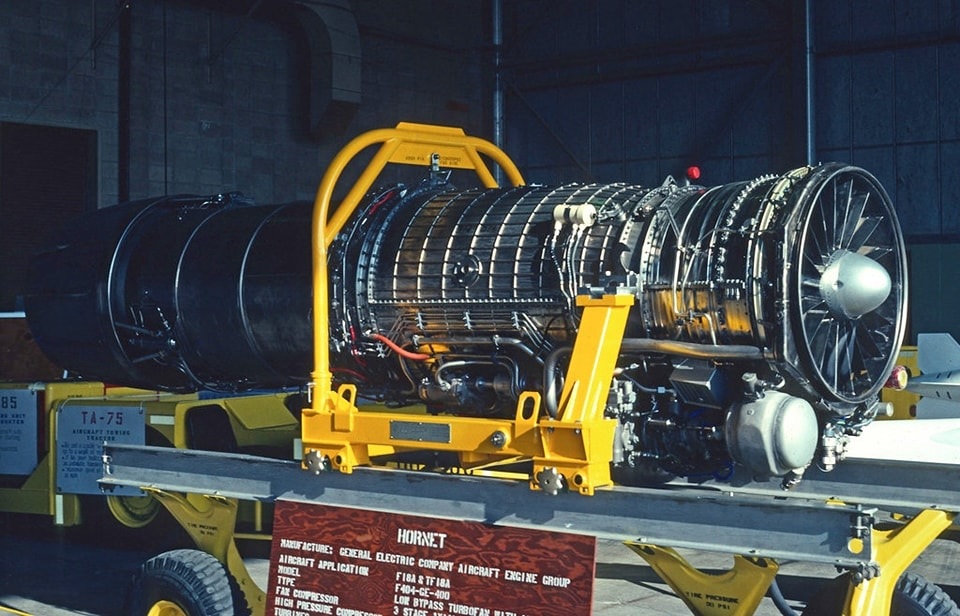
India
India’s ambitious fighter jet programme marked a key milestone this week with Hindustan Aeronautics Limited (HAL) receiving the second GE-404 engine from the United States for its Tejas Mk1A production line. The third engine is expected to be delivered by the end of July, indicating a steady ramp-up in deliveries that are essential to meet the Indian Air Force's growing needs. These GE-404 engines, manufactured by GE Aerospace, are critical components of the Tejas Mk1A, India’s indigenous Light Combat Aircraft (LCA). A total of 12 engines are scheduled to be delivered by March 2026, enabling HAL to maintain its production targets. The engine is known globally for its high thrust-to-weight ratio, proven reliability, and performance in combat aircraft. The Indian Air Force has already placed a firm order for 83 Tejas Mk1A jets, a contract worth nearly ₹48,000 crore signed in 2021. This version of the Tejas marks a significant upgrade over the initial variants, positioning it as a frontline fighter in India's air defense network. The Ministry of Defence has also cleared a proposal for 97 additional Mk1A units, which is currently in the final stages of approval. If cleared, this would take the total Mk1A fleet strength to 180 aircraft, making it the largest indigenous fighter fleet in the country’s history. The Tejas Mk1A brings with it several technological enhancements, including an AESA radar for superior target acquisition, an advanced electronic warfare suite, improved maintenance and logistics systems, and the ability to deploy a wider variety of air-to-air and air-to-ground weapons. All of these improvements aim to make the Mk1A not just a replacement for older platforms like the MiG-21, but a credible multirole combat aircraft. The consistent delivery of engines by GE Aerospace is pivotal for HAL to meet its production timelines, with the first batch of Mk1A jets expected to roll out for squadron service in 2024–25. HAL has already completed ground integration trials and initial flight testing, and with engines arriving on schedule, assembly can now move ahead at full speed. This progress also reflects India’s growing emphasis on self-reliant defence manufacturing, supported by foreign technology partnerships and robust domestic production. The Tejas Mk1A, being a symbol of that vision, is set to be the backbone of the IAF’s combat fleet for decades to come.
Read More → Posted on 2025-07-15 14:59:25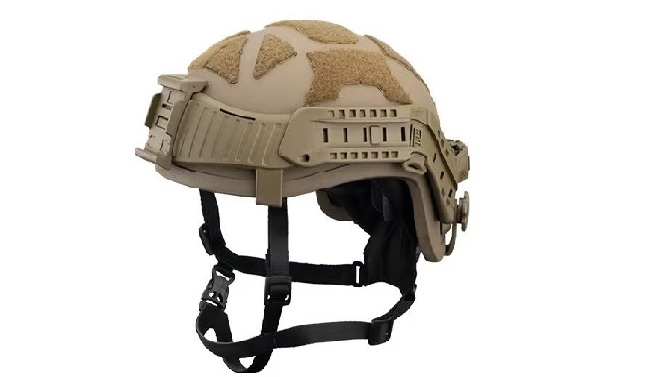
India
In a significant stride for India's defense manufacturing sector, MKU Limited, a leading defense technology company based in Kanpur, has been awarded a multi-year framework contract to supply more than 200,000 Kavro ballistic helmets to one of Asia’s most elite and operationally demanding armed forces. The announcement marks one of the largest ballistic headgear contracts of its kind in the region, signaling the growing global trust in Indian-made protective solutions. The selection of MKU was the result of a rigorous and competitive evaluation process, involving some of the world’s most well-established defense manufacturers from Europe, Southeast Asia, and India. The bidding process reportedly involved exhaustive trials and technical assessments, where parameters like ballistic performance, ergonomics, weight, compatibility with modern soldier systems, and adaptability to specialized roles were evaluated in detail. While the identity of the receiving armed force remains undisclosed for strategic reasons, defense analysts suggest that the customer is known for its demanding operational standards, especially in environments like high-altitude warfare, counterinsurgency, and airborne operations — conditions that require extremely reliable and lightweight protective gear. The Kavro helmet family, developed by MKU, is renowned for integrating state-of-the-art protection technology with enhanced wearer comfort. The helmets offer a bolt-free shell design, which avoids structural weak points and provides better ballistic resistance. Furthermore, the helmets are compatible with night vision goggles, tactical communications gear, and other modular battlefield accessories, making them suitable for the modern digital soldier. A special portion of the contract also includes helmet configurations tailored for paratrooper and airborne applications, which demand ultra-lightweight construction and exceptional shock absorption capabilities during jumps and impact landings. MKU’s proprietary technologies such as GEN-6 ballistic composite systems and Reduced Helmet Trauma (RHT) technology play a key role in minimizing the blunt force trauma that can occur even when a helmet successfully stops a projectile. These helmets are also designed with a modular suspension system to improve fit and long-duration wear comfort. Neeraj Gupta, Chairman and Managing Director of MKU, said in a statement, "This contract is more than a commercial win — it is a recognition of MKU’s technological capabilities and our commitment to protecting those who serve on the frontlines. The sheer scale of this order demonstrates the global confidence in our ability to deliver cutting-edge protection equipment that meets the highest operational requirements.” With this deal, MKU further cements its reputation as a global supplier of personal protection and optronic systems, having already delivered equipment to over 230 forces in more than 100 countries, including NATO members and United Nations peacekeeping forces. The contract also aligns with India's vision of becoming a leading defense exporter under its ‘Make in India’ and ‘Atmanirbhar Bharat’ initiatives. As geopolitical uncertainties grow and demand for battlefield survivability increases, India’s defense manufacturers are finding more opportunities to showcase their capabilities on the global stage. For MKU, this contract is not just a delivery challenge — it’s a moment of validation, signaling that Indian innovation can match and, in some cases, surpass long-established global players in protective technology.
Read More → Posted on 2025-07-14 16:34:02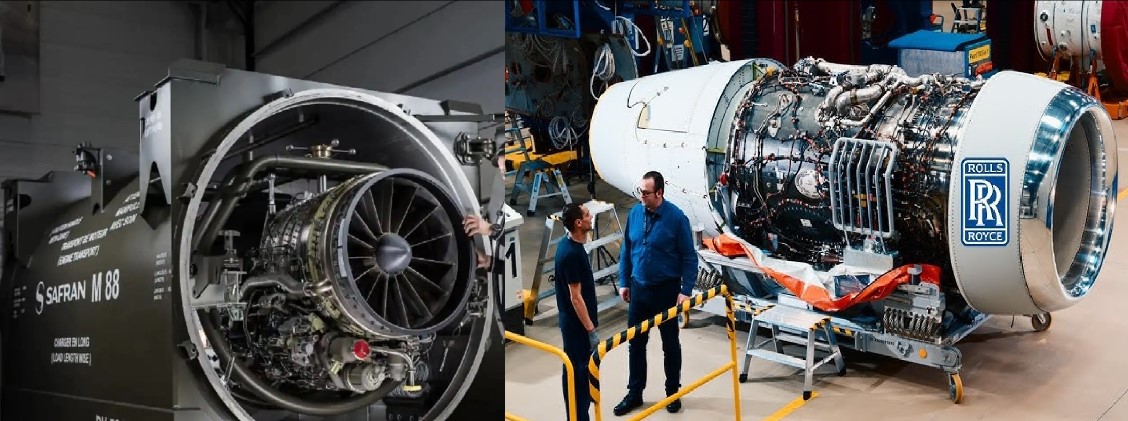
India
India’s ambitious Advanced Medium Combat Aircraft (AMCA) project has reached a defining moment as it prepares to select a foreign partner for co-developing the engine that will power its fifth-generation stealth fighter. The two contenders—Rolls-Royce of the UK and Safran of France—have both submitted competing proposals, but the stark contrast between the two offers is shaping an increasingly one-sided debate. At the heart of the Indian requirement is a 110–130 kilonewton (kN) class jet engine for the AMCA Mk2 variant. The decision will not only impact the AMCA program but also India's long-term vision under Aatmanirbhar Bharat—to become a global defence technology and manufacturing hub. Safran's M88-Based Proposal: Proven but Aged Safran, the French aerospace company that supplies the M88 engine for the Rafale fighter, has proposed an enhanced version of this fourth-generation engine to meet AMCA's thrust requirements. This derivative approach suggests incremental development based on a legacy platform, backed by experience and proven service in the Indian Air Force (IAF). While this proposal may offer faster timelines and leverage offsets from India’s previous Rafale deal, it presents critical limitations: The M88 architecture, originally designed for a lighter airframe, might struggle to meet fifth-generation benchmarks like supercruise and low infrared signature. Past cooperation between Safran and India on the Kaveri engine revival faltered due to disagreements over Intellectual Property Rights (IPR) and core technology transfer, sowing doubt about long-term independence. Despite a recent willingness to match Rolls-Royce’s promise of full IPR, analysts remain cautious about relying on French proprietary technologies. Rolls-Royce’s 6th-Gen Clean-Sheet Approach: A Leap into the Future Rolls-Royce’s counteroffer represents a radical departure from legacy thinking. Rather than upgrading an older engine, the British firm has proposed co-developing a brand-new engine built from the ground up using sixth-generation design principles. Key features of the Rolls-Royce proposal include: A Variable Cycle Engine (VCE)—a transformative technology that allows the engine to switch between high-speed and fuel-efficient modes by altering the bypass ratio mid-flight. This improves combat performance, range, and fuel efficiency. A modular core design, capable of being scaled up into a range of engines delivering between 140 to 280 kN of thrust—suitable for heavy fighters, transport aircraft, and even civil aviation platforms. A firm commitment to 100% Transfer of Technology (ToT) and full IPR ownership, ensuring that India gains complete strategic autonomy over the engine's lifecycle, upgrades, and exports. The creation of a domestic engine ecosystem, reducing long-term costs through economies of scale and opening opportunities for use across multiple platforms. This proposal aligns directly with India’s goal of building a future-ready aerospace ecosystem, enabling it not only to meet current needs but also to future-proof its defence aviation sector for decades. Strategic and Technological Implications While both proposals come with political and industrial considerations, the Rolls-Royce offer appears to provide superior long-term benefits: It encourages homegrown innovation through real technology absorption rather than mere assembly. It offers a chance to leapfrog into sixth-generation engine technologies, putting India in a rare league of nations with such advanced propulsion capability. It reduces the risk of foreign dependency and recurring negotiations over access, upgrades, and spares. For the Gas Turbine Research Establishment (GTRE) under DRDO, which is managing this partnership decision, the stakes are exceptionally high. The failure of the Kaveri engine program, largely due to technological bottlenecks and lack of foreign cooperation, has made Indian policymakers particularly sensitive to IPR ownership and self-reliance. What Lies Ahead India is expected to announce its decision by the end of the year. The final choice will determine not just the future of the AMCA but also India’s standing as a global player in aerospace technology. Choosing Rolls-Royce’s clean-sheet, sixth-generation engine proposal offers a path toward true strategic independence, wider technological applicability, and export potential across both military and civilian aviation. In contrast, opting for Safran’s M88-based engine might seem familiar, but it risks locking India into an outdated architecture with limited growth headroom. For a nation aiming to design, develop, and power next-generation fighters and beyond, the smart bet is clearly on a future-focused engine—and that’s exactly what Rolls-Royce is putting on the table.
Read More → Posted on 2025-07-14 15:01:59Search
Top Trending in 24 Hours
-
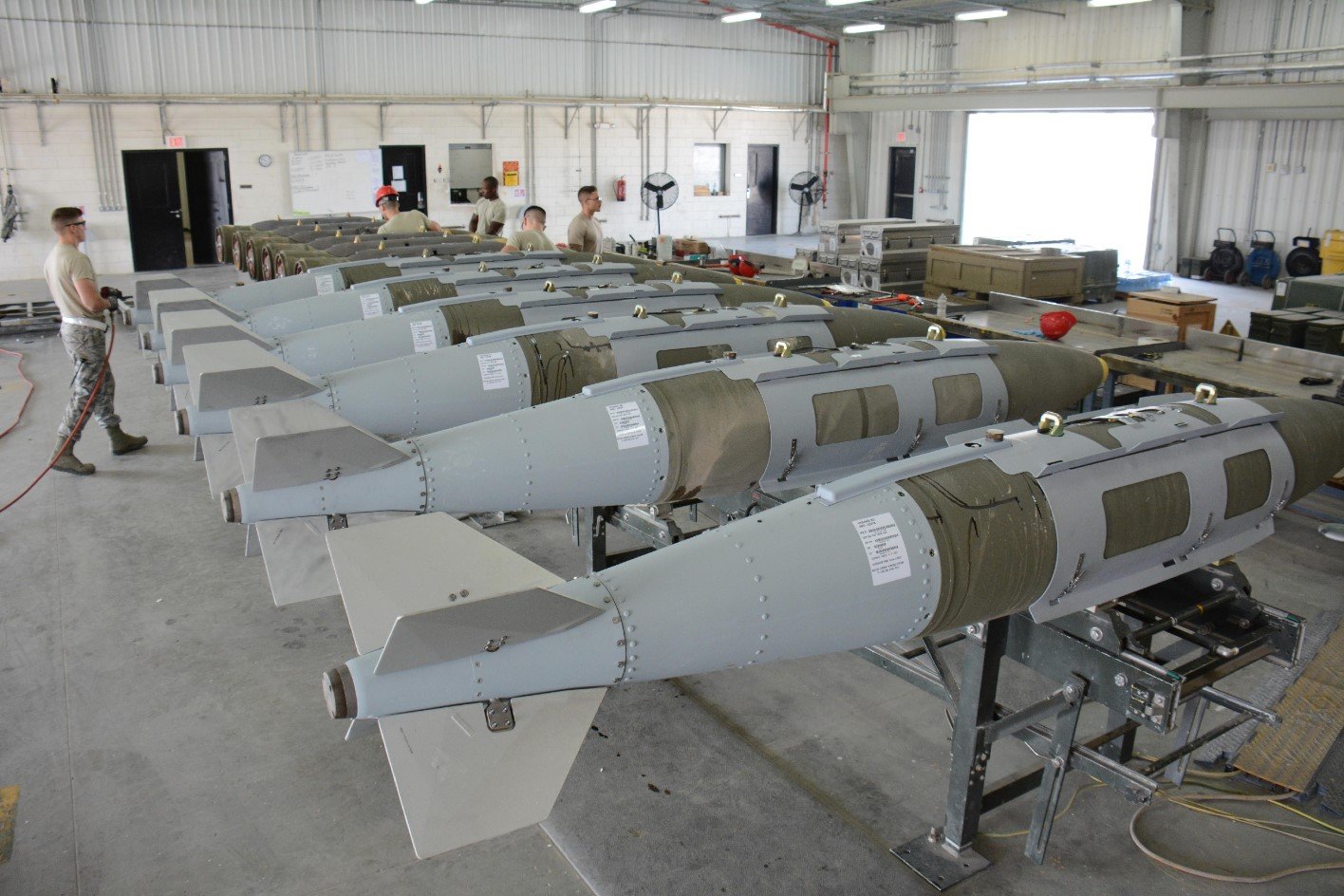 U.S. Plans $2.8 Billion Sale of 40,000 Heavy Bombs and 20,000 I-2000 Penetrator Warheads to Israel
-
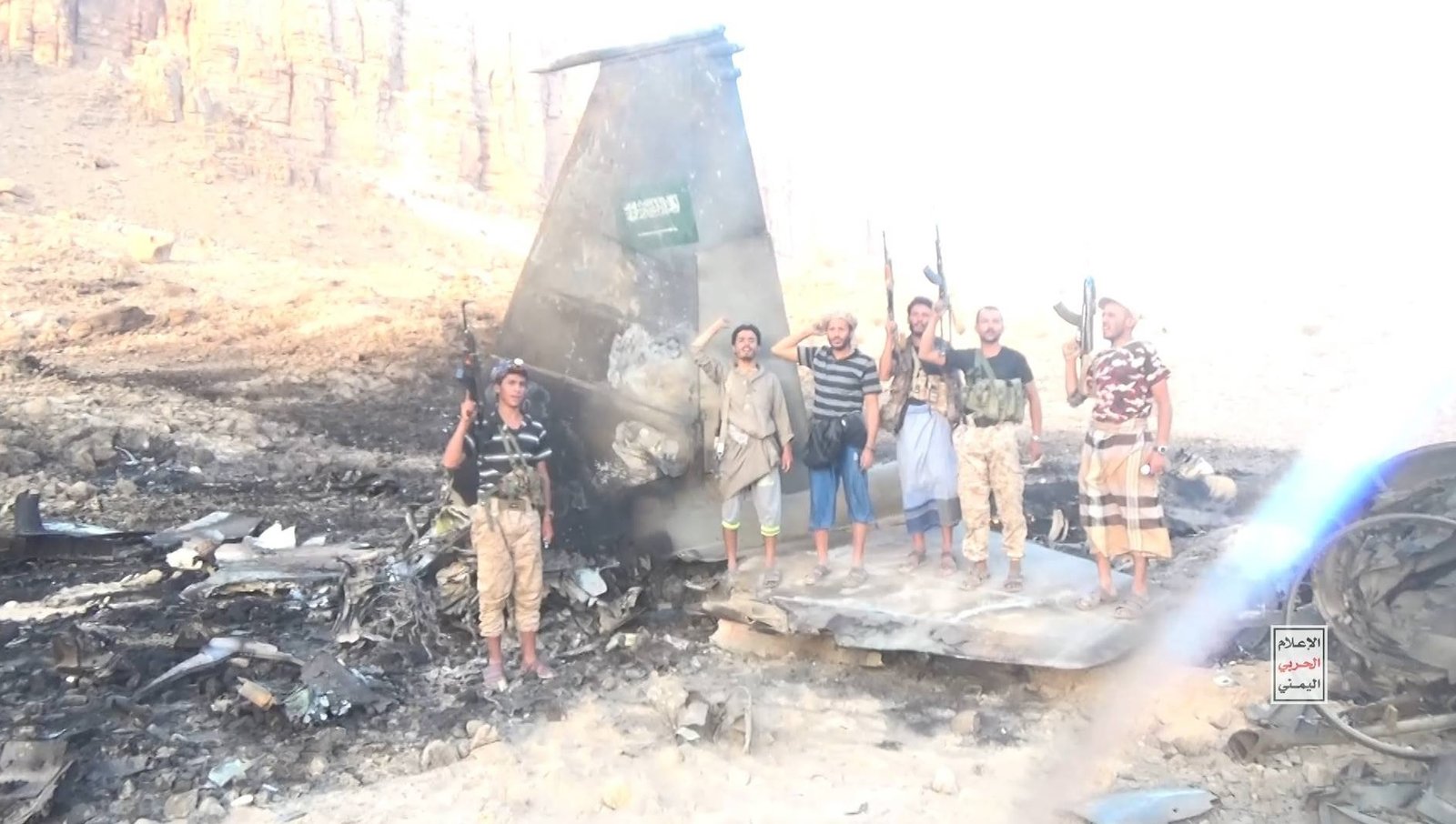 Houthis Claim Downing of Saudi F-15 and Wing Loong II Drone Over Marib
-
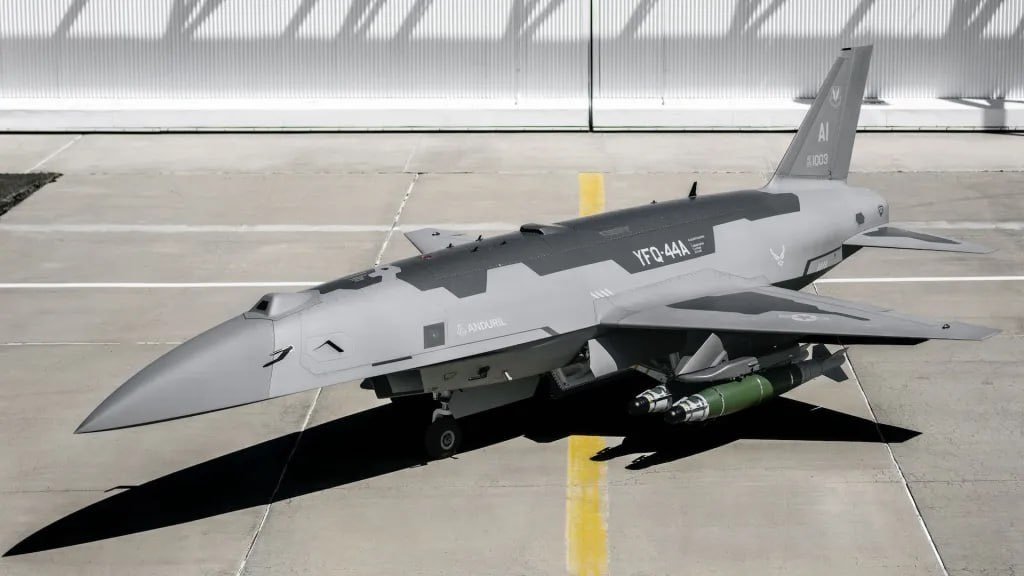 Anduril Conducts Ground Fit-Checks of Air-to-Ground Weapons on YFQ-44A Fury
-
 Photos Reveal Damaged E-3 Sentry, Buildings and Vehicles at U.S. Bases in Saudi Arabia and Kuwait After Iranian Strikes
-
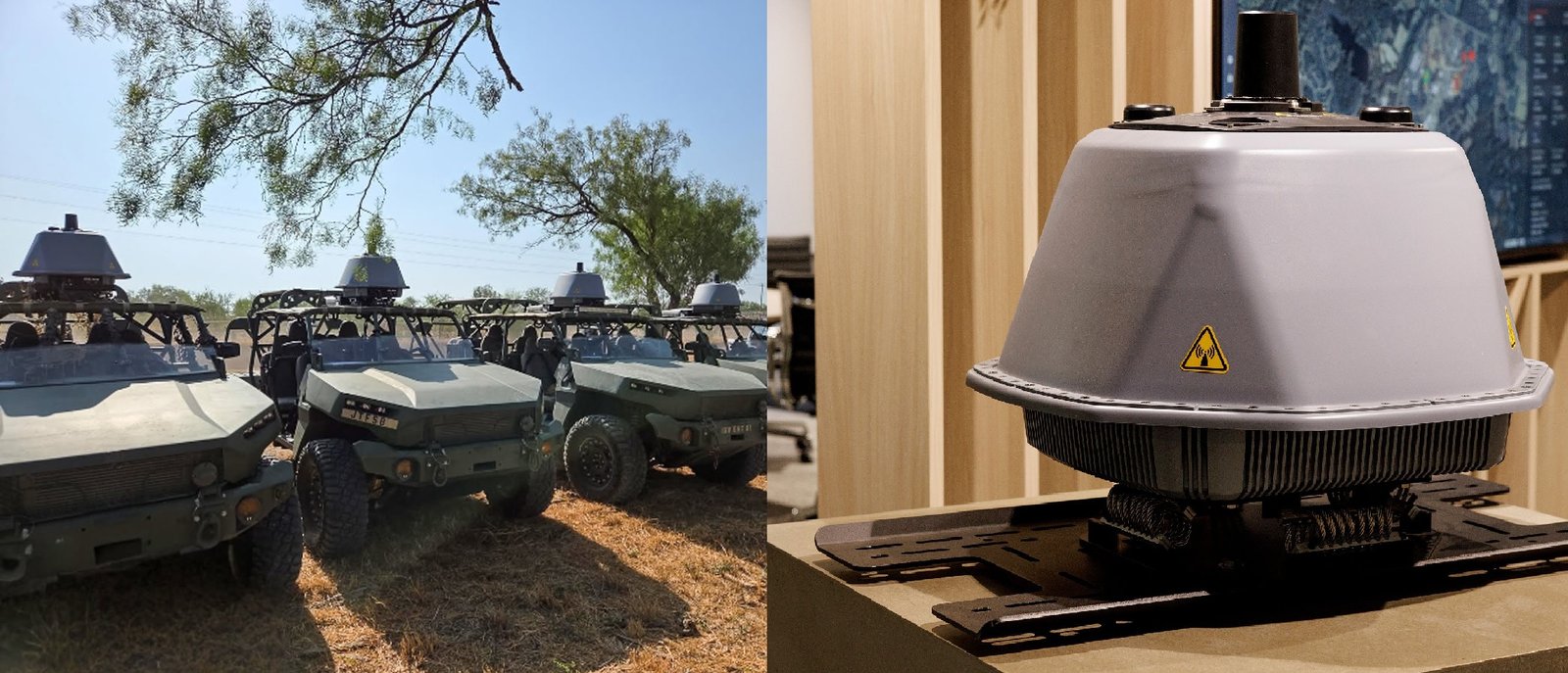 U.S. Military Deploys DroneShield Counter-Drone Systems on Infantry Squad Vehicles
-
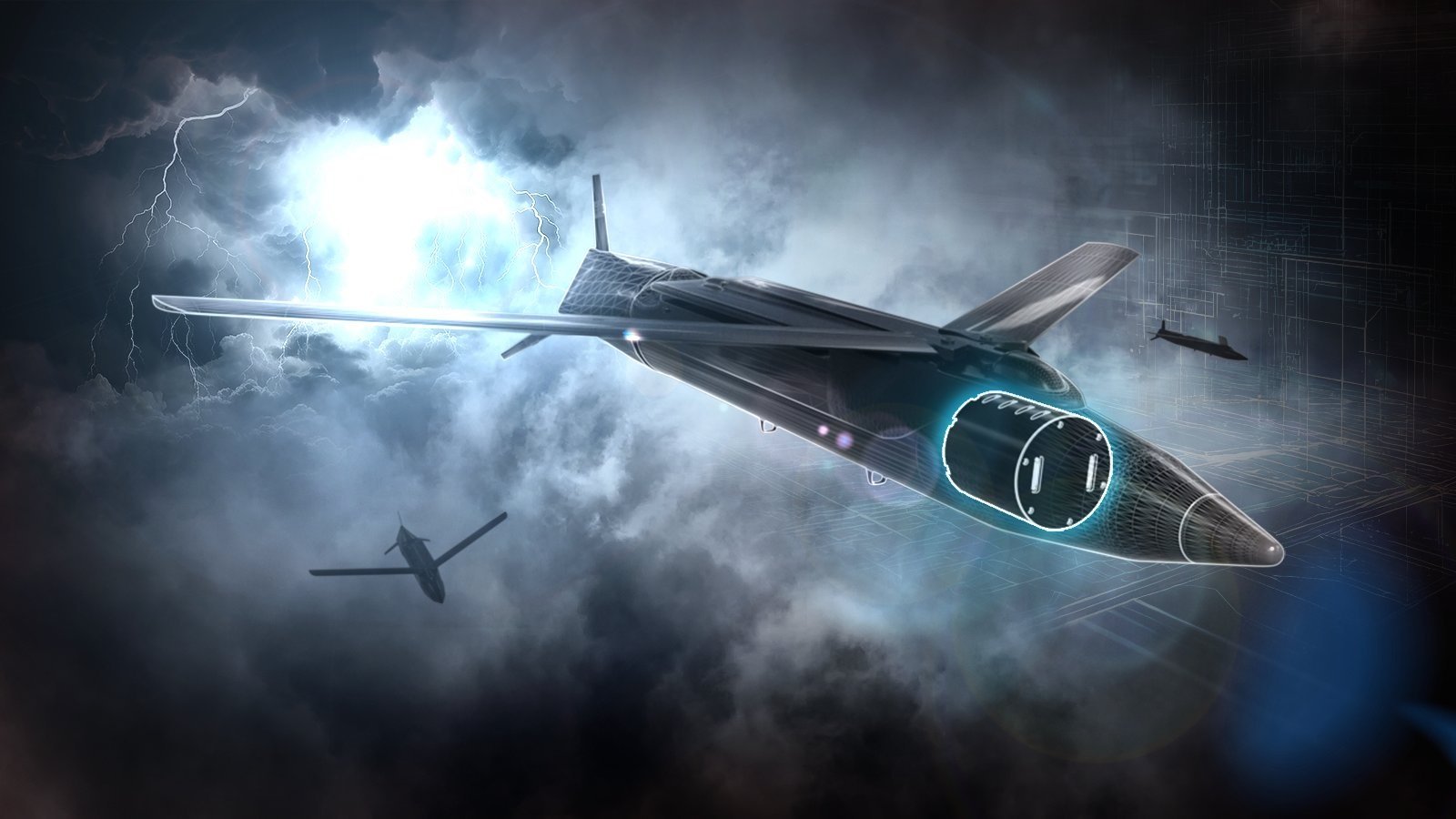 BAE Systems Unveils Shadow EW Suite for Small Drones and Autonomous Aircraft
-
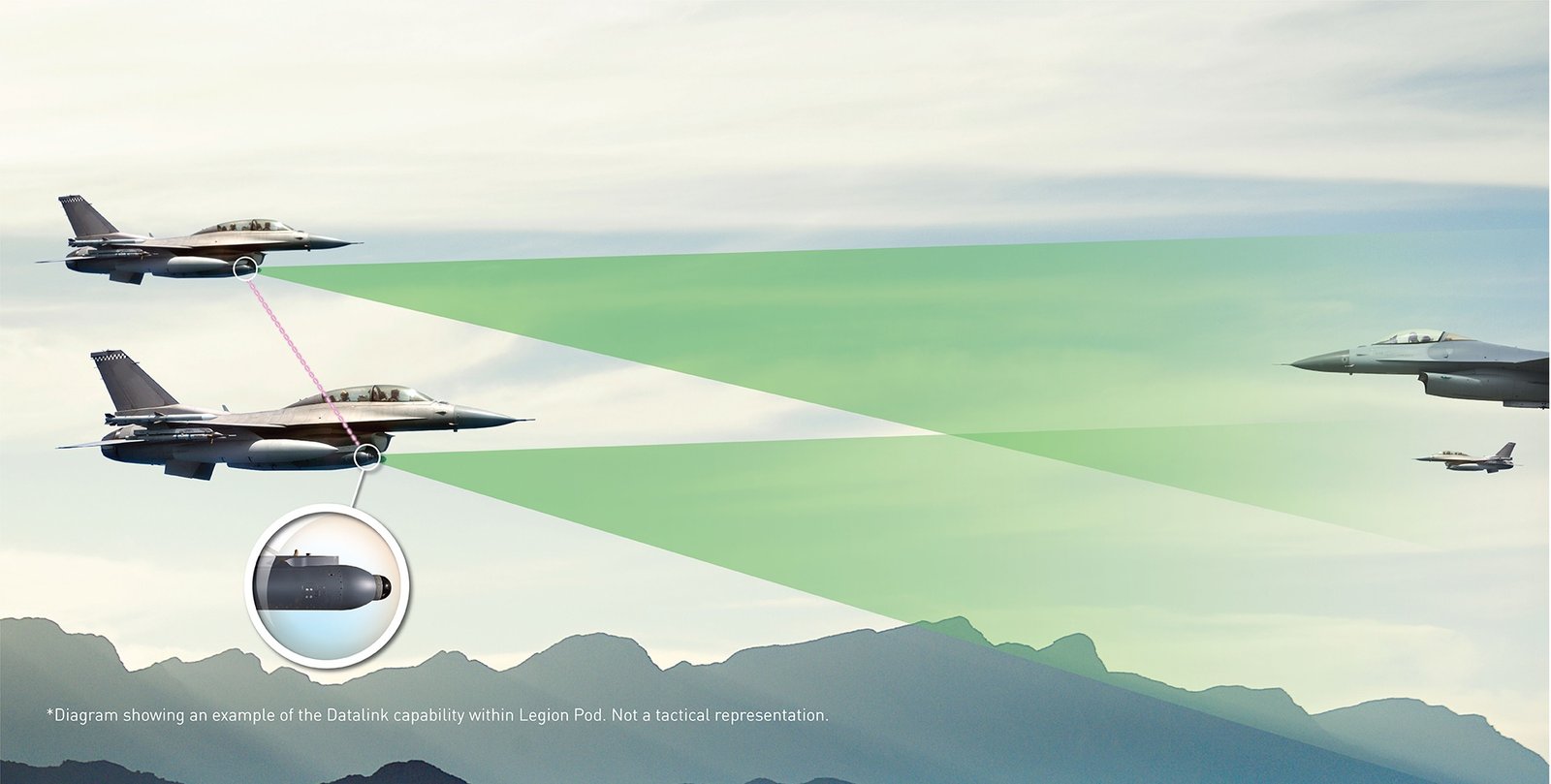 Lockheed Martin Demonstrates Legion Pod-to-Pod Data Link on F-16s for Passive Targeting
-
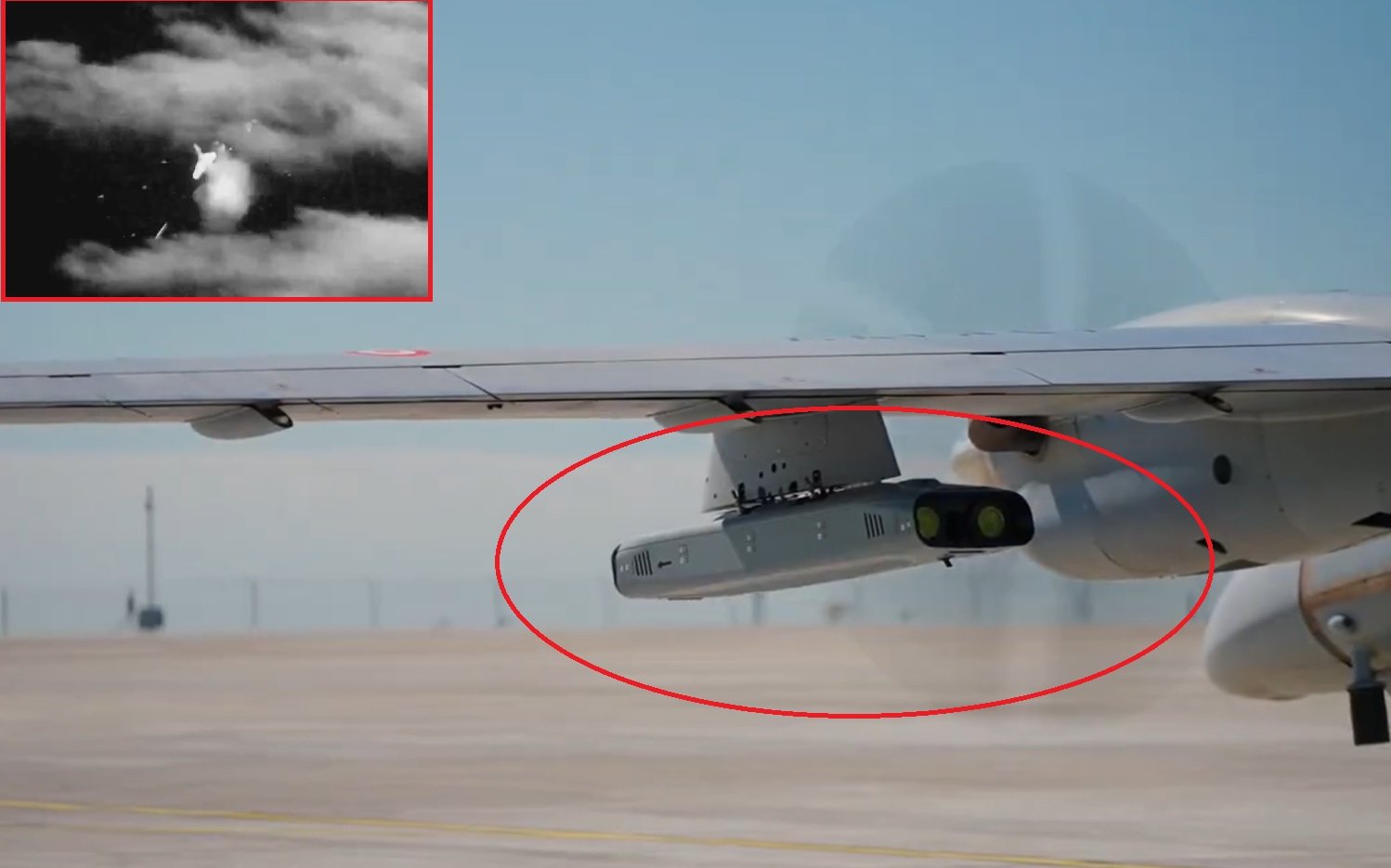 Turkey’s AKINCI Drone Hits High-Speed Aerial Target with SUNGUR Missile in Black Sea Test
Top Trending in 4 Days
-
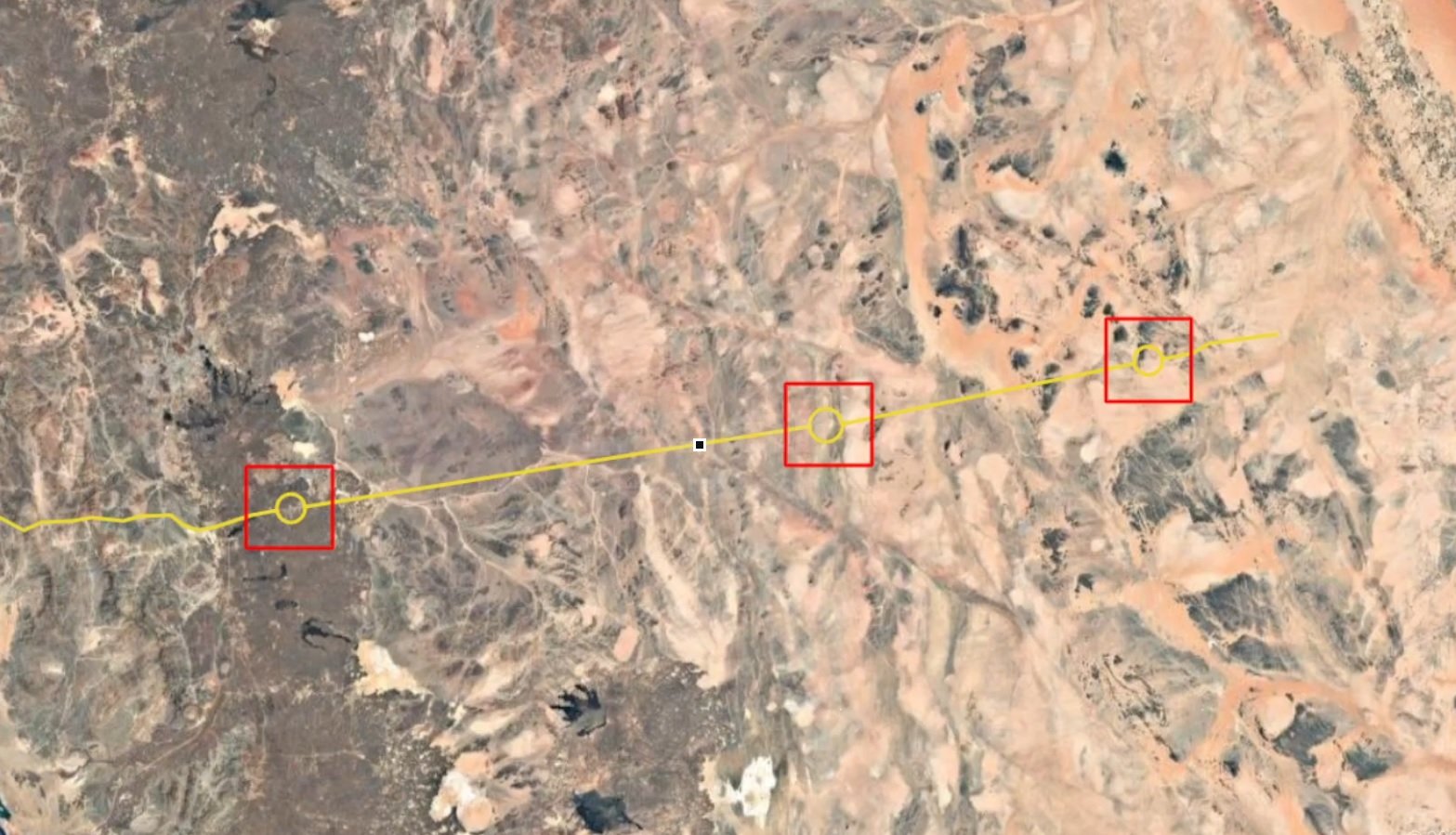 Satellite Imagery Shows Extensive Damage to Saudi Arabia’s East-West Oil Pipeline, Indicating More Than a Single Strike
-
 Pentagon Awards BlueHalo Up to $99.8 Million Contract for Orbital Battlespace R&D Program
-
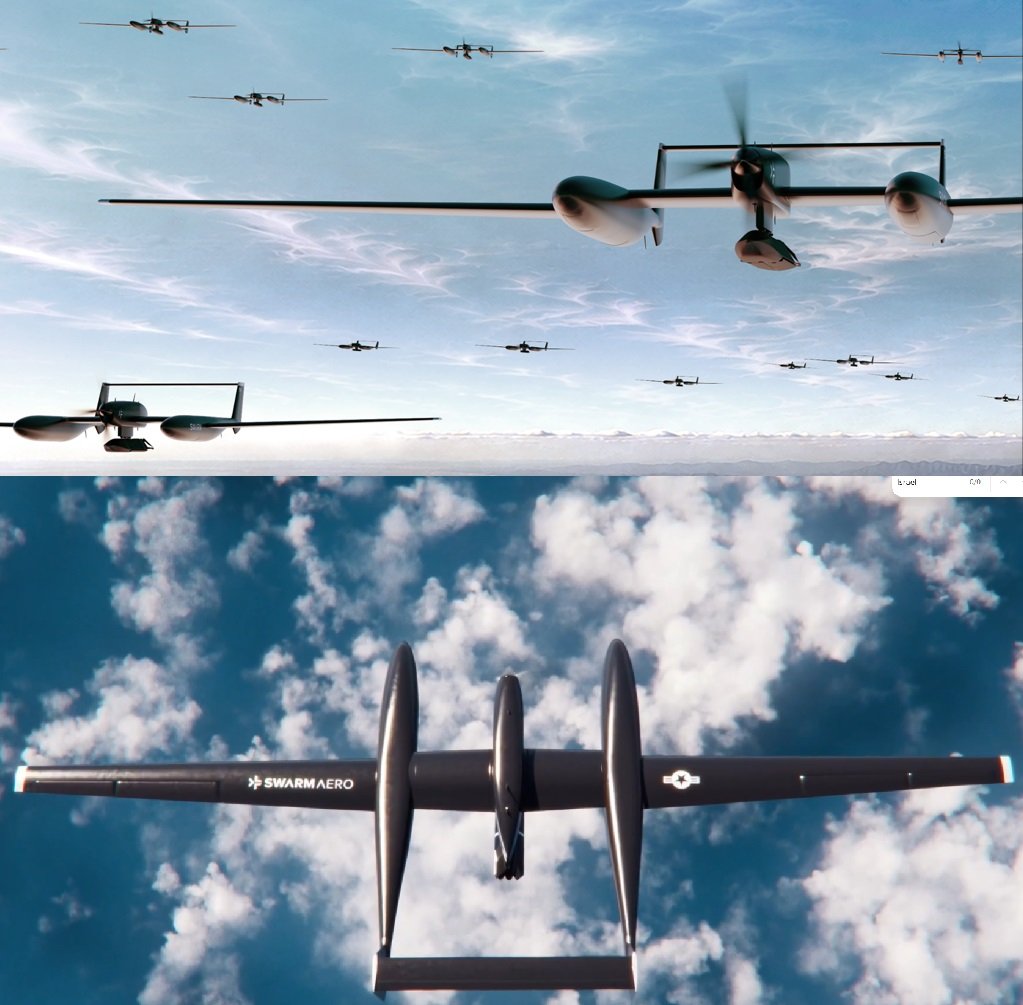 U.S. Firm Swarm Aero Unveils Gamera Group 5 UAS With 9,000-Nautical-Mile Range and Heavy Strike Payload
-
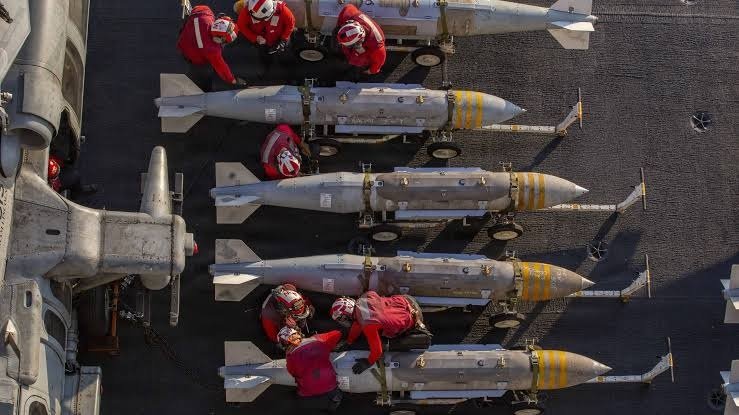 Pentagon Inspector General Report Finds Iran War Caused U.S. Ammunition Shortfalls and Industrial Bottlenecks
-
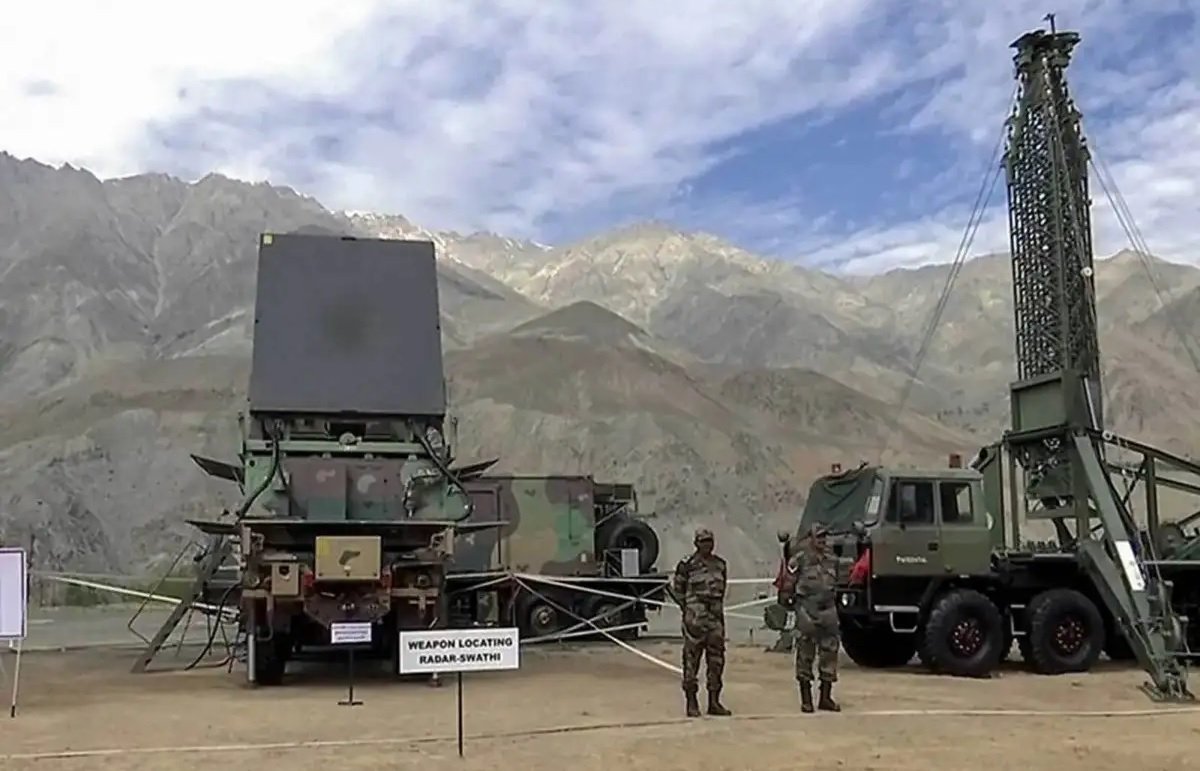 DRDO Demonstrates Indigenous 3.5×3 mm GaN Chip Delivering 30 Watts for Next-Generation Radars and Electronic Warfare
-
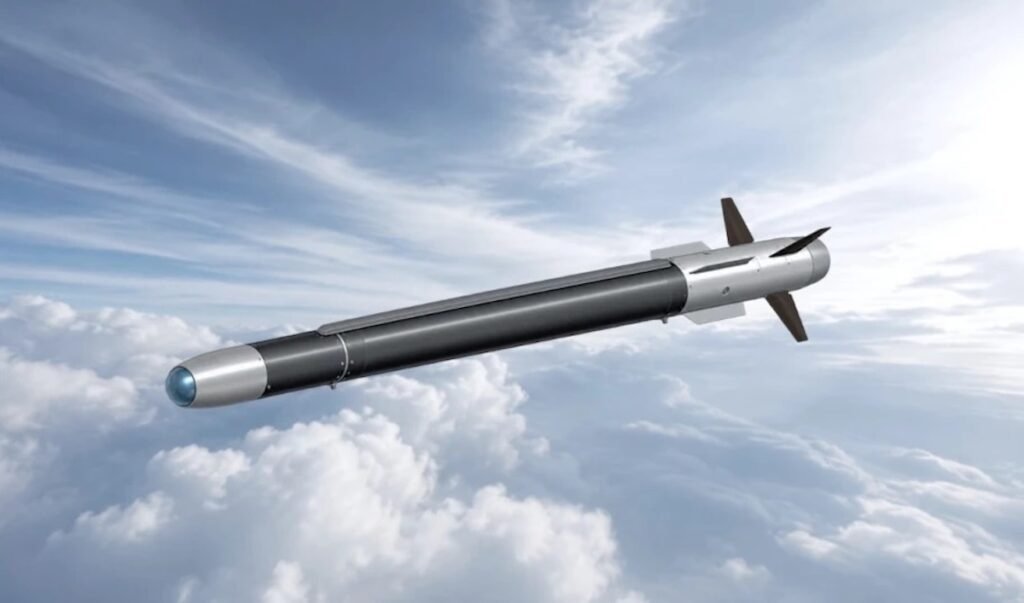 MBDA and Poland’s WITU Advance Low-Cost Supersonic Interceptor Against Swarm Attacks, Seeker Trials Successfully Completed
-
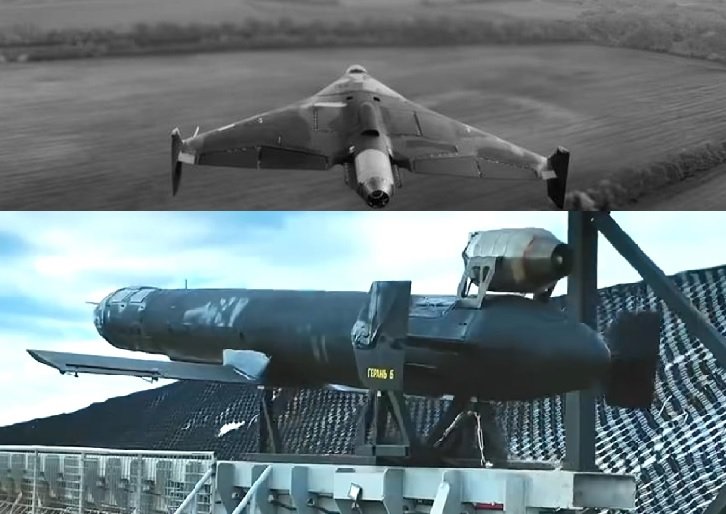 Iran Requests Advanced Geran-4 and Geran-5 Drones From Russia, FT Reports
-
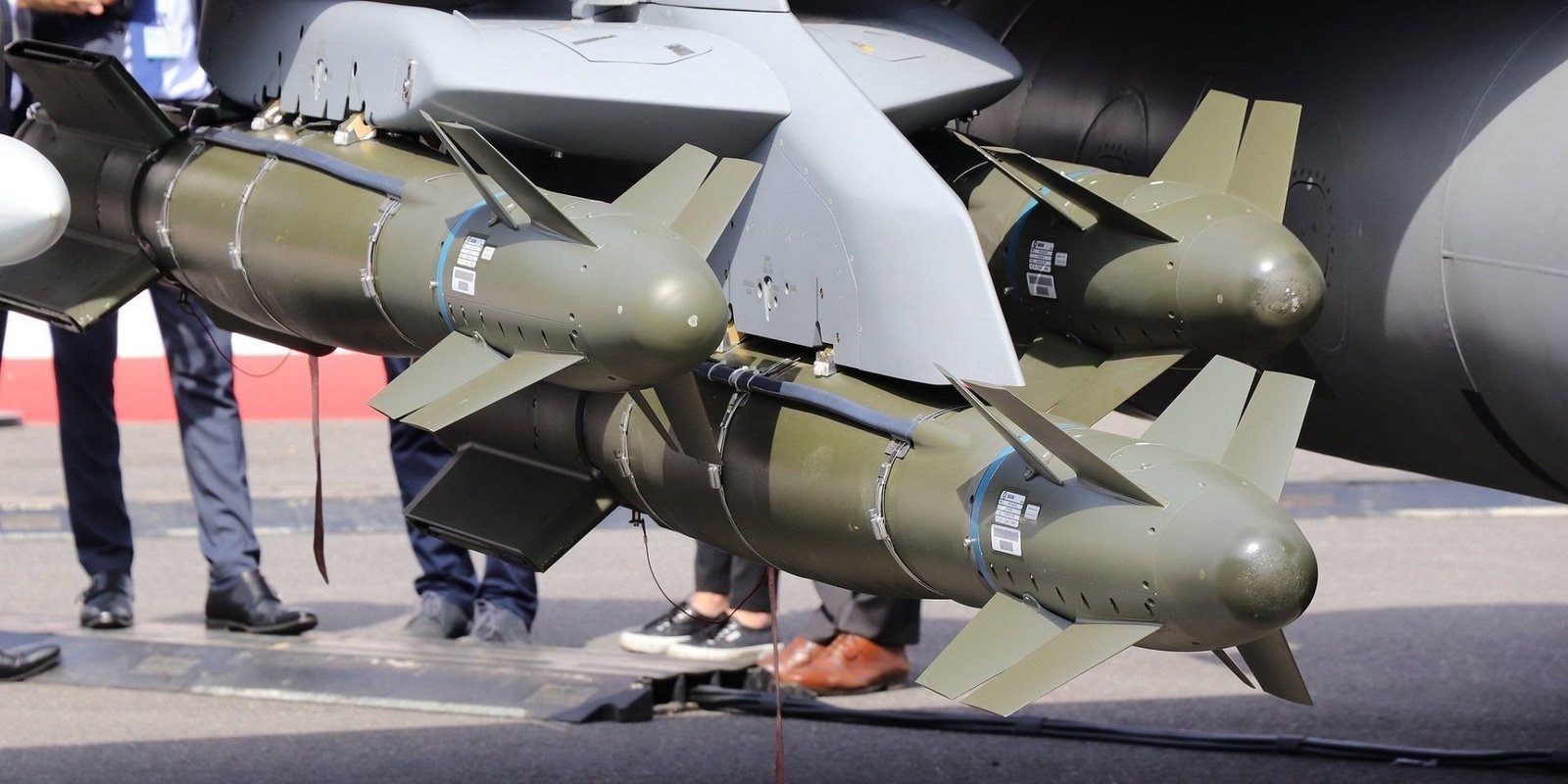 Swedish Gripens Bound for Ukraine to Be Armed with French Rocket-Assisted Hammer Precision Bombs