India
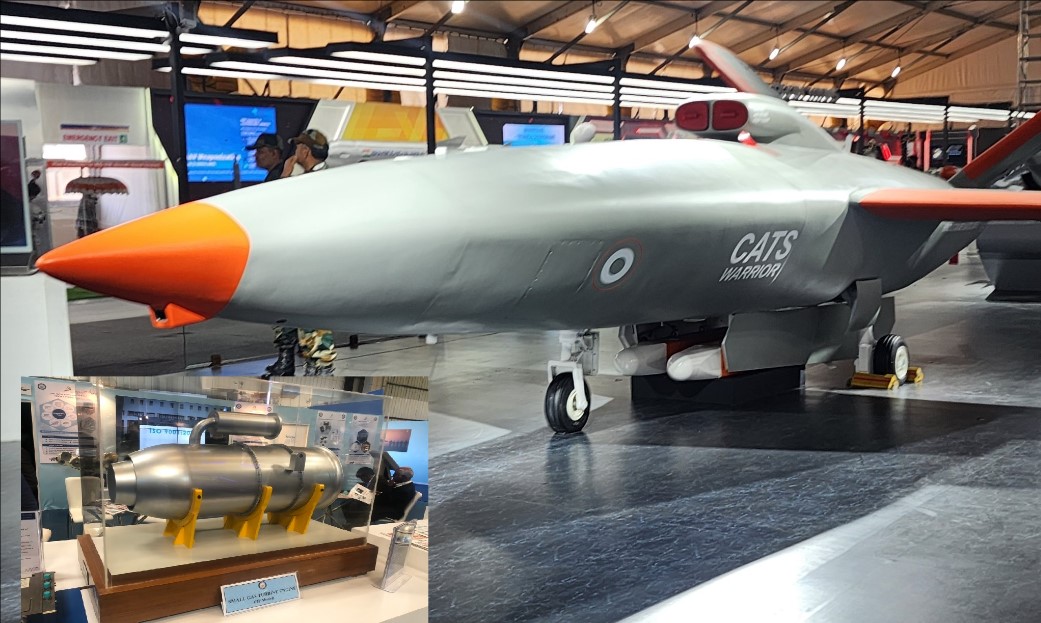
The Defence Research and Development Organisation (DRDO) explores a more powerful variant of the Manik engine—a 10 kilonewton (10kN) class turbofan engine—specifically aimed at powering next-generation military drones like the CATS Warrior and a jet-powered Medium Altitude Long Endurance (MALE) UAV. The new 10kN engine is being proposed by the Gas Turbine Research Establishment (GTRE), a Bengaluru-based DRDO lab. It will be a scaled-up version of the current Small Turbo Fan Engine (STFE)—commonly known as the Manik engine—which currently delivers 4.5kN thrust (around 450 kgf). This existing engine has already demonstrated its reliability, having successfully powered the Indigenous Technology Cruise Missile (ITCM) during a test flight in October 2022. While the Manik engine is primarily suited for platforms like the Nirbhay subsonic cruise missile and other small Unmanned Aerial Vehicles (UAVs), the 10kN version is designed to meet the demands of heavier and more capable unmanned systems. With more than double the thrust, this upgraded engine will allow future drones to carry heavier weapon payloads, perform longer surveillance missions, operate at higher altitudes, and better integrate with manned fighter aircraft in combat scenarios. Likely Platforms: CATS Warrior and MALE UAV According to defence sources, this engine is likely being designed for two futuristic DRDO programmes: A jet-powered MALE UAV, capable of long-duration surveillance missions across vast areas. The CATS Warrior, an autonomous loyal wingman drone that will fly in formation with frontline fighter aircraft like the HAL Tejas and the future AMCA. The CATS Warrior is part of the Combat Air Teaming System (CATS) initiative and is expected to play a multi-role mission profile: Intelligence, Surveillance, Reconnaissance (ISR), and strike operations. A 10kN engine would enable it to fly at 30,000–40,000 feet, match fighter jet speeds, and deliver meaningful offensive payloads, all while protecting manned jets during missions. Building on Proven Technology The 10kN engine will evolve from the Manik/STFE’s modular design, which includes a multi-stage axial compressor, annular combustor, and axial turbine. This proven structure will serve as the engineering baseline for the larger engine. Critical to this development is DRDO’s parallel work on high-temperature materials, especially single-crystal turbine blades developed by the Defence Metallurgical Research Laboratory (DMRL). These blades are vital to sustaining extreme internal engine conditions, a key requirement for high-thrust turbofans. The proposed engine effort will also complement other major Indian engine projects such as the Kaveri Derivative Engine, a 48.5kN thrust class design being tested for use on Ghatak, India’s future stealth Unmanned Combat Aerial Vehicle (UCAV). Strategic Implications By advancing development across multiple thrust categories—from sub-5kN for cruise missiles to over 45kN for UCAVs—India is steadily building an indigenous propulsion ecosystem for its expanding defence aviation needs. The 10kN engine fills a crucial middle slot, aimed at drones that need agility, endurance, and power without relying on foreign technology. Despite the strong technical foundation, scaling the Manik engine to 10kN comes with challenges: achieving higher thrust without sacrificing fuel efficiency, managing weight, and ensuring reliability in combat conditions. Past engine programmes have suffered due to funding gaps and inconsistent user commitment, especially from the Indian Air Force and Navy. To succeed, the new 10kN engine programme will require steady financial support, timely testing, and strong end-user engagement. But if successful, it will mark another significant milestone in India’s journey towards defence self-reliance, especially in the critical field of aero-engine technology. With the proposed 10kN Manik engine, India is aiming to give its future military drones the power, endurance, and autonomy to meet 21st-century battlefield needs—all built at home.
Read More → Posted on 2025-07-21 15:13:40
India
The Indian Air Force’s (IAF) high-altitude airbase at Mudh–Nyoma in eastern Ladakh is set to become operational by October 2025, government officials have confirmed. Located just 50 kilometres from the LAC and sitting at an elevation of 13,700 feet, this will be the world’s highest fighter-capable airbase once completed. Strategically positioned to counter China's growing military infrastructure along the border, the Nyoma airbase is being constructed under the supervision of the Border Roads Organisation (BRO) as part of a broader infrastructure push in Ladakh. The project, once completed, will allow for rapid deployment of fighter jets, transport aircraft, UAVs, and helicopters close to the frontier, significantly reducing reaction time during emergencies. History of the Airstrip Originally used as an Advanced Landing Ground (ALG), the Nyoma airstrip was built in 1962 and was first activated for fixed-wing aircraft operations in 2009, when an Indian Air Force AN-32 landed there. For years, it remained underutilized due to the lack of paved infrastructure. However, after the 2020 Galwan clash and heightened border tensions with China, the airfield's strategic value was reassessed. Construction for its transformation into a full-fledged fighter-capable airbase began in earnest in 2022, after environmental clearances were secured. The BRO has now completed over 95% of the runway work, with remaining infrastructure—including hangars, air traffic control towers, fuel and weapon storage units, and radar systems—expected to be finished by September 2025. Strategic Significance Once operational, Nyoma will become the closest fighter airbase to the LAC, offering a major tactical advantage. In contrast, the next nearest major IAF bases—Leh and Thoise—are located much farther away, limiting quick air response during heightened tensions or conflict. "The Nyoma airbase gives us a decisive edge in operational reach and response time in eastern Ladakh," a senior defence official stated. “This isn’t just symbolic—it’s a game-changer.” The new airbase will be capable of supporting IAF frontline fighters such as Sukhoi Su-30MKI, MiG-29UPG, and Rafale, as well as C-130J, C-17 Globemaster, and An-32 transport aircraft. Helicopters like the Apache AH-64E, Chinook, and ALH Dhruv will also operate from the base, bolstering troop mobility and logistics in the remote mountainous terrain. In addition, Nyoma will serve as a launch point for unmanned aerial vehicles (UAVs) and combat drones for surveillance and strike missions across the border. Countering China’s Build-Up Over the past few years, China has been steadily building military facilities on its side of the LAC, including new airstrips, heliports, and roads in Tibet and Xinjiang. Facilities such as Rutog and Tianshuihai, located close to Indian territory, have prompted New Delhi to step up its own preparedness. Military experts suggest that with Nyoma operational, India will match or exceed China’s air posture in eastern Ladakh. The base will allow IAF to launch missions with minimal delay, conduct more persistent patrols, and maintain stronger air superiority in high-altitude zones. “The ability to launch fighters within minutes from Nyoma during a crisis will be a significant deterrent,” said Air Vice Marshal (retd.) Manmohan Bahadur. “It closes a critical gap in our defensive architecture.” Broader Infrastructure Push Nyoma is part of a larger strategic development in Ladakh, which also includes the construction of a new road network to Daulat Beg Oldie (DBO), a vital military post near the Karakoram Pass. Together, these projects form a robust logistic and operational framework, allowing Indian forces to remain agile and prepared in a volatile region. The Indian Air Force currently maintains three other key bases in Ladakh—Leh, Thoise, and Kargil—but none are as close to the LAC or as high as Nyoma. Once inaugurated later this year, the Mudh–Nyoma airbase will not only cement India’s tactical depth in the Himalayas but also serve as a lasting signal to adversaries that New Delhi is ready to meet any challenge head-on—both from the ground and the sky.
Read More → Posted on 2025-07-20 17:11:05
India
Russia has unveiled upgraded version of the Iranian-designed Shahed-136 drone, rebranded and heavily modified as the Geran-2. The new variant is equipped with radar-absorbing materials (RAM), advanced electronic warfare (EW) shielding, and an onboard AI guidance system—making it far more capable than its earlier versions and far more dangerous on the modern battlefield. The modified drone, produced at Russia’s Alabuga and Izhevsk facilities, reflects Moscow’s push to develop long-range autonomous strike capabilities that can operate effectively even in GPS-denied and EW-heavy environments. Stealth Enhancements and Survivability New satellite images and leaked interior footage from the Alabuga production site show that the Russian Geran-2 now incorporates a composite airframe coated in radar-absorbent material. The redesign is reportedly aimed at minimizing radar cross-section and enhancing the drone’s ability to evade detection by air defense systems. According to reports from The War Zone and independent defense analysts, Russian engineers have also reinforced the drone’s rear engine housing with armored materials. The internal layout has been adjusted to relocate fuel tanks to the fuselage, increasing protection and range. Electronic Warfare Resistance The Geran-2 has been outfitted with advanced EW shielding, including Controlled Radiation Pattern Antenna (CRPA) arrays, which allow it to resist GPS jamming and spoofing. This means the drone can maintain satellite navigation in contested zones where traditional UAVs would fail. In addition, some recovered drone wreckage in Ukraine revealed the presence of 3G/4G modems, suggesting that Russian operators are testing new telemetry and live-video transmission systems for mid-course correction and target confirmation, even during active electronic warfare. Autonomous Targeting with AI Perhaps the most significant advancement is the integration of artificial intelligence-based target recognition. The latest versions of the drone include AI modules—possibly using Nvidia Jetson-class processors—that allow the drone to independently identify and engage targets based on visual or thermal signatures. Ukrainian defense officials and battlefield reports have confirmed that recent Geran-2 drones were capable of switching from GPS-based navigation to heat signature tracking when encountering interference. These drones have been seen altering their flight paths and reprioritizing targets mid-mission, indicating a new level of autonomy. Swarm Coordination and Deep-Strike Capability With an estimated range exceeding 1,000 km, these upgraded drones give Russia the ability to launch coordinated, long-distance strikes far behind enemy lines. Their ability to operate in swarms and self-coordinate mid-flight—without external input—makes them especially difficult to intercept. According to Ukrainian military intelligence, Russian forces are now deploying the drones in tandem, using one as a decoy at low altitude to draw fire and another at a higher altitude to execute the strike. The Ukrainian Air Force has confirmed an uptick in these tactics since May 2025. Why It Matters The emergence of a RAM-coated, AI-guided, EW-shielded Shahed-136 variant marks a dangerous evolution in drone warfare. No longer cheap and expendable, the Geran-2 now represents a smart, survivable, and highly autonomous long-range weapon. Its effectiveness is already being seen on the battlefield, with critical infrastructure and military targets hit hundreds of kilometers from the frontlines. For Russia, this technology fills a critical gap in long-range strike capability without risking manned aircraft. For adversaries like Ukraine—and potentially NATO in the future—it signals a growing need to develop advanced countermeasures, from drone-detection mesh networks to AI-enabled air defense systems. Russia is already rumored to be working on a next-generation drone based on the Iranian Shahed-238, featuring a jet engine and even higher speed and range. The mass production of these long-range drones—estimated at over 2,500 per month—suggests Moscow is preparing for sustained and sophisticated drone warfare well beyond the current conflict. As battlefield technology continues to evolve, one thing is certain: the age of autonomous, AI-driven aerial combat has fully arrived.
Read More → Posted on 2025-07-20 16:55:59
India
The Defence Research and Development Organisation (DRDO) is now preparing to test a truck-mounted version of its Vertical Launch Short-Range Surface-to-Air Missile (VL-SRSAM) system. This comes after a string of successful trials of the naval variant, which has already proven effective in defending Indian warships. The land-based version is expected to begin initial trials by late 2025 or early 2026, and is specially designed for the Indian Army and Indian Air Force. Mounted on high-mobility 8x8 trucks, this mobile version will offer a fast, relocatable, and powerful shield against various aerial threats. The VL-SRSAM is an advanced missile system derived from the Astra Mk-1, India’s indigenous beyond-visual-range air-to-air missile currently deployed on Su-30MKI and Tejas fighter jets. For the naval version, it was developed as a replacement for the aging Israeli Barak-1 missile systems on Indian warships. During a critical test in June 2022 from a warship off the Odisha coast, the system successfully intercepted a fast, low-flying aerial target, showcasing its ability to respond to modern airborne threats like drones, helicopters, fighter jets, and even sea-skimming missiles, within a range of about 50 km. Technically, the VL-SRSAM missile features indigenous components, including a highly accurate Radio Frequency (RF) seeker for terminal guidance, giving it precise interception capability. Its vertical launch capability with thrust vectoring allows the missile to turn sharply towards targets post-launch. Additional fins on the airframe have been introduced to ensure in-flight stability when launched from land platforms. Each mobile launcher is expected to carry eight missiles, forming part of a larger unit consisting of a command vehicle, 4 to 6 mobile launchers, and support vehicles for reloads. These will be deployable to forward areas, protecting key assets like mobile army columns, air bases, and command posts. Crucially, the system will be fully integrated with India’s existing air defence networks, such as the Indian Air Force's Integrated Air Command and Control System (IACCS) and the Indian Army's ‘Project Akashteer’ network. This will allow it to plug into multi-layered defence coverage, complementing both very short-range systems and medium-range systems like the Akash missile. The VL-SRSAM programme represents a joint effort by DRDO and key Indian defence firms, including Bharat Dynamics Limited (BDL) for missile production and Bharat Electronics Limited (BEL) for radar and control systems. With the launcher platform now fabricated, the upcoming tests will focus on evaluating the missile’s performance on land and ensuring smooth integration with military radar grids. If successful, this will be another major milestone in India’s pursuit of self-reliance in high-end defence technologies under the ‘Aatmanirbhar Bharat’ initiative. By bringing the proven naval system to land in a mobile format, DRDO is aiming to offer the Indian Armed Forces a flexible, quick-reaction air defence system that can be deployed anywhere, anytime.
Read More → Posted on 2025-07-20 16:28:10
India
The Indian Navy’s race to acquire 48 submarine-launched heavyweight torpedoes has narrowed down to two powerful contenders — Italy’s Black Shark and France’s F21. This high-stakes competition is not just about military hardware; it reflects India’s strategic choices, its Make in India goals, and its partnerships in the evolving Indo-Pacific region. The tender, expected to be finalised soon, aims to equip the Navy’s Kalvari-class submarines under Project-75, which are modern French-origin Scorpene-class diesel-electric submarines built by Mazagon Dock Shipbuilders Limited (MDL) in partnership with France’s Naval Group. Germany Exits, Italy Takes Lead In April 2025, Germany’s ThyssenKrupp Marine Systems (TKMS) withdrew from the race, altering the landscape significantly. Their exit left Italy’s Black Shark and France’s F21 in direct competition. According to sources, the Italian option may be more cost-effective, which aligns well with India’s policy of balancing performance with affordability. Italy’s Black Shark: Back From Controversy The Black Shark torpedo has a long and controversial history in India. It was first selected in 2008-09 as part of a plan to buy 98 torpedoes for the Kalvari submarines. But in 2013, the deal was suspended due to alleged corruption involving its parent company, Finmeccanica (now Leonardo), connected to the AgustaWestland VVIP chopper scam. Despite this setback, the Black Shark is making a comeback. In late 2021, Leonardo was removed from India’s blacklist, and in January 2025, the torpedo division was acquired by Fincantieri, another major Italian defence firm. This acquisition has restored credibility to the offering. The Black Shark is a 533mm heavyweight torpedo equipped with: Aluminium-silver oxide (Al-AgO) battery propulsion Speed over 50 knots Range up to 50 km Advanced ECCM (Electronic Counter-Counter Measures) Fibre-optic wire guidance 350 kg high-explosive warhead (STANAG 4439 compliant) Its combination of stealth, speed, and smart tracking makes it a strong fit for the Indian Navy’s needs. France’s F21: The Modern Challenger The F21 torpedo, built by Naval Group, was developed under France’s Artémis program to replace its old F17 Mod 2 torpedoes. The F21 is already in service with the French Navy and Brazil, and has proven itself operationally. Key specifications include: 533mm NATO-standard diameter Length: 6 meters Weight: 1,550 kg Speed over 50 knots Range over 50 km Operational depth: 10 to 500 meters Wire-guided launch, acoustic homing in terminal phase Al-AgO battery system Advanced sonar, data fusion, and fibre-optic datalink Its real-time data processing, multi-mode homing, and counter-countermeasure resistance make it one of the most technologically advanced torpedoes in the world. Kalvari-Class Needs Urgent Arming The Kalvari-class submarines are India’s frontline attack submarines. Armed with six 533mm torpedo tubes, they can carry torpedoes, missiles, and sea mines. Five submarines are already in service, with the sixth nearing completion. These subs feature: SUBTICS combat system Advanced sonar Crew: 25 to 31 Stealth optimized for modern naval warfare Without a suitable torpedo, these submarines cannot fully operate in combat roles, making this procurement urgent. India’s Indigenous Torpedo Drive Alongside the foreign acquisition, India is developing its own torpedoes. The DRDO’s Takshak (Electronic Heavy Weight Torpedo or EHWT) is an advanced version of the Varunastra torpedo. In December 2024, India signed a deal worth ₹877 crore with Naval Group France to integrate the indigenous Takshak with the Kalvari-class. This step not only supports self-reliance in defence (Atmanirbhar Bharat) but also allows technology transfer and future collaboration. Make in India Both France and Italy have shown interest in local production partnerships, in line with India’s Make in India initiative. Fincantieri has proposed setting up local manufacturing, which could help lower costs and boost Indian industry. The Indian Navy is expected to open price bids by July 2025 for the first batch of 48 torpedoes, with a larger total requirement of over 200 units anticipated in the future. Strategic Decision Beyond Technology While both Black Shark and F21 meet the Navy’s technical needs, the final decision will likely hinge on: Cost-effectiveness Technology transfer Make in India commitments Long-term geopolitical alignment This torpedo competition highlights the complex mix of military need, industrial collaboration, and strategic partnerships that now define India’s modern defence procurement. Whichever torpedo India chooses, it will play a key role in securing India's maritime interests in the Indian Ocean, bolstering underwater warfare capabilities for decades to come.
Read More → Posted on 2025-07-20 16:01:43
India
The Indian Army has rejected the US-made Stryker Armoured Fighting Vehicle (AFV) after it failed to meet key performance standards during field trials in Ladakh and Sikkim. The vehicle, built by General Dynamics Land Systems, was being considered as a potential addition to India’s wheeled armoured vehicle fleet. However, technical limitations and operational weaknesses became evident in India’s unique battlefield environments. Key Weaknesses Revealed During Trials Despite its strong service record with the US Army, especially in Iraq and Afghanistan, the Stryker failed to adapt to India’s terrain and strategic needs. ❌ No Amphibious Capability: The version of the Stryker tested by India could not operate in riverine or waterlogged areas, which are common along the Line of Actual Control (LAC), particularly in the North East. This was a major shortfall for Indian planners, who see amphibious capability as essential for border deployments. ❌ Engine Performance at High Altitude: The Stryker runs on a 350-horsepower Caterpillar C7 diesel engine, which performed poorly in high-altitude areas like Ladakh, where operations can take place above 16,000 feet. The thin air led to reduced engine power, limiting its mobility on steep terrain. ❌ Limited Modularity for Indian Needs: Although the Stryker supports modular mission kits, it lacks the level of terrain-specific customisation that the Indian Army demands across diverse environments—ranging from Himalayan mountains to deserts and floodplains. Indigenous Vehicles Outshine the Stryker India’s homegrown alternatives have shown better performance and adaptability: Tata-DRDO Wheeled Armoured Platform (WhAP): This 8x8 amphibious vehicle is India’s first of its kind, co-developed by Tata Motors and the DRDO. It comes with a 600-horsepower engine, top speeds of 100 km/h on road, and 10 km/h in water using hydrojets. The WhAP supports 30mm cannons, anti-tank guided missiles, and offers high protection against mines and IEDs. Mahindra-DRDO NBC Reconnaissance Vehicle: Designed for detecting nuclear, biological, and chemical threats, this vehicle is part of India's move to develop role-specific solutions. It also features modular payload systems for multiple missions. Both vehicles are already inducted into service by the Indian Army and paramilitary forces, a sign of growing confidence in Indian defence production. Strategic Move Towards Self-Reliance The rejection of the Stryker is consistent with India’s ‘Atmanirbhar Bharat’ (Self-Reliant India) mission, which focuses on developing and buying from indigenous defence suppliers. Since 2020, India has limited foreign imports, promoted local manufacturing, and pushed for critical technology transfers. The move also ties into India’s Future Infantry Combat Vehicle (FICV) program, a project to replace ageing BMP-2 tracked vehicles with new, high-tech platforms made in India. Companies like TATA Advanced Systems, L&T, and Mahindra Defence are competing to produce next-generation armoured vehicles with digital systems, amphibious operations, and heavy firepower. What This Means for India’s Defence Path India’s decision to turn away from the Stryker doesn’t mean the platform is inherently flawed. Instead, it shows India’s emphasis on terrain-specific design and self-sufficiency. Foreign platforms, no matter how proven globally, must now pass rigorous tests based on India’s unique challenges. With growing export interest in Indian vehicles like the WhAP and an active FICV development race underway, India is not just becoming a buyer but an emerging global supplier of advanced combat vehicles. The Stryker’s failure in Indian trials underlines how India’s defence strategy is shifting—from import-dependence to building platforms tailored for the subcontinent, powered by its own defence ecosystem.
Read More → Posted on 2025-07-20 15:26:36
India
Hindustan Aeronautics Limited (HAL) is working on a bold new plan — to transform its HJT-36 Yashas intermediate jet trainer into a light attack aircraft aimed at global defence markets looking for low-cost yet capable combat jets. This move comes as many developing nations seek affordable alternatives to expensive fighter aircraft. Countries involved in counter-insurgency, border patrol, and internal security operations often don’t need high-end multirole jets. Instead, they want aircraft that are cheaper to operate, easier to maintain, and good enough to handle threats in low-intensity, uncontested airspace. That’s where the Yashas could fit in perfectly. Originally designed to replace the ageing HJT-16 Kiran in the Indian Air Force’s Stage-II training program, the HJT-36 Yashas already has features that can be adapted for light combat duties. The aircraft has five external hardpoints — one on the fuselage and two under each wing — that can carry up to 1,000 kg (2,200 lb) of weapons and external stores. This makes it ideal for carrying a mix of rockets, bombs, and missiles needed for tactical missions. To make it combat-ready, HAL plans to equip the modified Yashas with short-range air-to-air missiles, such as the European ASRAAM or the Russian R-73, giving it some capability for limited air defence as well. These weapons, combined with precision-guided munitions or even gun pods, would allow it to strike ground targets, provide close air support to troops, or defend airspace against slow-moving threats like drones or helicopters. The Yashas is powered by a Russian AL-55I turbofan engine, which provides 3,800 kgf thrust, giving it respectable performance for its class. Its maximum speed is over 800 km/h, and its operational ceiling is well above 9,000 meters (29,500 feet), making it suitable for high-altitude missions. What makes this project even more appealing is the cost factor. Compared to heavy jets like Su-30MKIs or Rafales, the Yashas would be significantly cheaper to manufacture, fly, and maintain, opening up export opportunities in Africa, Latin America, and Southeast Asia, where budget constraints limit access to high-end defence platforms. HAL is not the first to explore such conversions. Countries like the U.S. have used aircraft like the A-29 Super Tucano and AT-6 Wolverine for similar light attack roles. HAL’s advantage lies in using an existing Indian-designed airframe and adding new capabilities without needing to build a new platform from scratch. If successful, this upgrade could give India a strong foothold in the light combat aircraft market, and the HJT-36 Yashas could become a symbol of India’s growing defence manufacturing capability aimed at Make-in-India and export-driven growth. HAL is currently evaluating the technical and market feasibility, and more details are expected in the coming months as this idea progresses. In a world looking for smarter, leaner, and more economical defence tools, HAL’s plan could hit the mark at just the right time.
Read More → Posted on 2025-07-20 15:17:06
India
India’s standard-issue AK-203 assault rifle, locally known as ‘Sher’, is set to become fully indigenous by the end of 2025, according to Major General SK Sharma, CEO and Managing Director of Indo-Russian Rifles Private Limited (IRRPL). Currently being manufactured at the Korwa factory in Uttar Pradesh under the ₹5,200 crore ‘Make in India’ initiative, the rifle has already achieved 50% indigenisation. Sharma confirmed in a recent interview that “Fifty percent indigenisation has been completed so far. This will reach 100% by the end of the year.” He added that once full localisation is achieved, the production rate will rise significantly, eliminating delays from overseas validation. Now, all testing and quality assurance is done in India. At full capacity, the Korwa unit will be able to produce up to 600 rifles per day, or one every 100 seconds. According to Sharma, “Every material now has an alternate source in India,” showcasing India’s growing strength in small arms manufacturing. AK-203: The Future of India’s Infantry The AK-203 is a modernized fifth-generation version of the iconic AK-47, combining legendary reliability with advanced ergonomics and updated technology. It is set to replace the outdated INSAS rifles across the Indian Army, especially in forward operational zones like the Line of Control (LoC) and Line of Actual Control (LAC). This rifle is the product of a joint venture signed in 2019 under an intergovernmental agreement between Russia's Rosoboronexport and Kalashnikov Concern, and India's Advanced Weapons and Equipment India Limited (AWEIL) and Munitions India Limited (MIL). India holds a 50.5% stake, while Russia owns 49.5%. Early Delivery Targets Surpassing Expectations Originally scheduled for final delivery by October 2032, IRRPL now aims to deliver over 600,000 rifles by December 2030 — a full two years ahead of schedule. So far, 48,000 rifles have been handed over to Indian forces, and 70,000 are expected by year-end. The factory will ramp up to produce 12,000 rifles per month starting in 2026. Sharma noted, “Another 7,000 rifles will be handed over in the next two to three weeks and 15,000 more by December.” Precision and Quality: Built Into Every Rifle Each AK-203 rifle contains 50 components and 180 sub-parts, built to fire up to 15,000 rounds. Every weapon passes through the hands of 120 workers for quality checks. To date, 60 critical parts have been indigenised, and Indian vendors are now supplying the rest. IRRPL currently employs over 260 people, most of them local hires. Plans are in place to expand this to 537 employees, supported by permanent Russian technical experts. From Imports to Self-Reliance Before the Korwa plant was operational, India imported 70,000 AK-203 rifles to meet urgent needs and also purchased 147,000 SIG Sauer 716 rifles from the US. Sharma explained that initial delivery was slow due to the localisation process, but that phase is now nearly complete. “We are planning to deliver all rifles by end of 2030, two years ahead of the contract.” Beyond AK-203: Plans for Expansion and Exports The Korwa factory could also produce other Kalashnikov weapons, Sharma revealed. “Yes, we are expecting to expand. AK-203 is just the entry product, and there are efforts to diversify.” He added that IRRPL is now preparing for its first international export order, targeting friendly countries, and emphasized that “Nothing will affect the vendors irrespective of embargoes.” Sharma proudly described the project as the “younger brother of BrahMos”, citing it as a shining example of India-Russia defence cooperation. “Russia has always stood with us. Every Indian Army officer has used a Russian weapon at some point — they’re trusted and reliable.” By 2032, IRRPL aims to become one of the top five small arms manufacturers in the world. Missile Tests Also Hit the Mark In a separate development, India also successfully test-fired two short-range ballistic missiles — Prithvi-II and Agni-I — from Odisha’s Chandipur test range. The Ministry of Defence confirmed that all technical and operational parameters were validated, boosting confidence in India’s missile arsenal under the Strategic Forces Command. With a fast-track delivery of AK-203 rifles, expanding localisation, and new export ambitions, India is marking a significant step towards self-reliance in small arms production — setting the foundation for both national security and defence industry growth.
Read More → Posted on 2025-07-19 16:37:19
India
Boeing has dispatched the first three of six AH-64E Apache attack helicopters ordered by the Indian Army, with their arrival scheduled for July 21 at Hindon Air Force Station. This delivery marks a critical advancement in the Indian Army’s offensive aviation capabilities and a significant milestone in Indo–US defense cooperation. First-Ever Apaches for Indian Army Unlike the Indian Air Force, which already operates 22 AH-64E Apache Guardians procured under a 2015 deal, this is the first dedicated Apache fleet for the Indian Army. The helicopters will be inducted into the Army Aviation Corps and deployed along the western front, enhancing India's ability to respond swiftly and forcefully in high-intensity border scenarios. According to defense sources, the helicopters will likely be based in Jodhpur under the newly raised 451 Army Aviation Squadron, which has already been trained for Apache operations. Deal Details The $796 million (approx. ₹5,691 crore) deal was signed in February 2020 under the U.S. Foreign Military Sales (FMS) program. It includes six AH-64E helicopters, weapons systems, radar, training, maintenance support, and spares. The Apaches for the Indian Army are a customized variant with enhancements for high-altitude operations, consistent with India's unique geographic requirements. Despite delays due to global supply chain disruptions, the first three helicopters have been dispatched, and the remaining three are expected to arrive by the end of 2025. Indian Industry Participation The helicopters feature fuselages manufactured in India by Tata Boeing Aerospace Limited (TBAL) in Hyderabad. The facility, which became operational in 2018, is Boeing’s first joint venture in India dedicated to building AH-64 fuselages for global customers, underscoring the success of the “Make in India” initiative. TBAL has delivered over 200 Apache fuselages to date and is a critical component of Boeing’s global supply chain for the AH-64E program. Capabilities of AH-64E Apache The AH-64E is the latest and most advanced variant of the Apache platform. It is equipped with: A 30mm M230 chain gun AGM-114 Hellfire missiles 70mm Hydra rockets Advanced sensors and targeting systems including Longbow radar Night-vision and all-weather combat capability Ability to control UAVs from the cockpit Designed for all-weather, day-and-night operations, the Apache can operate in both conventional and asymmetric warfare environments. It is also equipped with advanced avionics, survivability systems, and a modular design for rapid field repairs. Strategic Impact The induction of Apaches into the Army comes at a time when India is modernizing its ground-attack and air-assault capabilities. The Apaches are expected to play a key role in combined arms operations, supporting armored thrusts, providing close air support, and enhancing battlefield reconnaissance. By operating its own Apache fleet, the Army Aviation Corps will no longer have to depend solely on the Air Force for attack helicopter support, allowing for more independent and agile operations tailored to ground force requirements. The delivery of the AH-64E Apaches strengthens India’s tactical edge along its borders and adds a formidable asset to the Indian Army’s growing arsenal of modern, precision warfare systems.
Read More → Posted on 2025-07-19 16:12:39
India
The Indian Army has issued a Request for Proposal (RFP) to buy a new generation of Very Short-Range Air Defence (VSHORAD) missile systems. The Army is looking to purchase 100 missiles and 48 launchers in the first phase. These new systems must be infrared-guided, meaning they can track and destroy targets using heat signatures. Importantly, the total length of the missile and launcher together should be less than 1.85 meters. This requirement will help soldiers carry and operate the system more easily, especially in tough terrains like mountains and deserts. Currently, the VSHORADS missile developed by DRDO is around 2 meters long, which makes it slightly too big for this tender. DRDO’s version has already gone through successful trials, including tests in Odisha and Pokhran, where it showed its ability to hit targets like drones and low-flying aircraft. It uses a dual-thrust motor, an advanced imaging infrared seeker, and can hit targets up to 6 km away and 3.5 km in altitude. However, since the new requirement calls for a more compact system, DRDO or other vendors may need to modify their designs or offer a different version. The Army wants this new system to be effective in all weather conditions, day or night, and usable across various terrains – from plains and deserts to high-altitude areas up to 4,500 meters. To support India’s “Make in India” push, the RFP also says that any Indian-designed system must have at least 50% indigenous content, while foreign systems must offer 60% local manufacturing if selected. This move is part of India’s larger plan to modernize its short-range air defence and replace older systems like the Russian-made Igla. These new VSHORADs will play a key role in protecting Indian troops from aerial threats such as drones, helicopters, and low-flying aircraft. More orders are expected in the future, as the Army, Air Force, and Navy together plan to buy over 3,000 missiles and 500 launchers to strengthen India’s air defence network.
Read More → Posted on 2025-07-19 15:02:10
India
The Indian Army has issued a Request for Information (RFI) for up to 45 GaN-based 3D Active Electronically Scanned Array (AESA) Low Level Lightweight Radars (LLLWR). These next-generation radars are intended to be mounted on 4x4 light vehicles, enhancing the Army’s rapid deployment abilities in forward and high-altitude areas. The radars will be a significant upgrade over existing systems, incorporating Gallium Nitride (GaN) semiconductor technology. GaN enables superior power efficiency, thermal performance, and electronic counter-countermeasure (ECCM) resilience—critical features for operations in complex electronic warfare environments. According to the RFI, these radars must offer 360-degree 3D surveillance, capable of detecting and tracking small, low-flying aerial threats, including micro and mini unmanned aerial vehicles (UAVs), helicopters, and fixed-wing aircraft. The requirement emphasizes swift deployability and high mobility, with the systems expected to function effectively even in mountainous terrain at elevations up to 5,000–6,000 meters. Each radar system should be capable of detecting multiple aerial targets with small radar cross-sections, such as drones with an RCS as low as 0.001 m², at ranges up to 50 kilometers. The radars are also expected to provide data to higher command centers using secure communication links, and interface seamlessly with the Army's Akashteer air defence command and control system, developed by BEL. One of the key demands is for the system to track at least 20 targets simultaneously while remaining resistant to jamming and hostile electronic interference. The radar must also have Low Probability of Intercept (LPI) modes and built-in software-defined capabilities to allow for future upgrades. The Indian Army’s focus on GaN-AESA radar technology reflects a broader shift in military radar systems, as older mechanically scanned radars are increasingly replaced by electronically steered arrays that can operate in multiple modes, require less maintenance, and react faster to threats. The radars will form a critical layer in India's expanding Counter-Unmanned Aircraft Systems (C-UAS) architecture. They will be integrated with other indigenous solutions such as Bhargavastra, a micro-missile-based hard-kill anti-drone system, and passive sensors designed to detect radio-frequency emissions from hostile drones. This RFI is being pursued under the "Buy (Indian)" category of the Defence Acquisition Procedure (DAP) 2020, aimed at promoting self-reliance under the ‘Atmanirbhar Bharat’ initiative. Likely contenders for the radar development and supply include Bharat Electronics Limited (BEL), along with private Indian defence firms possessing radar integration capabilities. Defence analysts suggest that once the RFI process concludes, a formal Request for Proposal (RFP) could follow by early 2026, with field deployment expected to begin within the next 18–24 months. With the increasing frequency of drone incursions along India’s borders and the proliferation of small UAVs in asymmetric warfare, the Indian Army’s move to induct mobile, high-performance 3D AESA radars marks a proactive step in strengthening its air defence grid.
Read More → Posted on 2025-07-19 14:55:48
India
The Indian Navy has initiated plans to procure a new generation of 360° Active Electronically Scanned Array (AESA) radar systems specifically designed to enhance and unify the gun control systems onboard its warships. A Request for Information (RFI) has been officially issued, inviting responses from global and domestic vendors for a radar solution that can seamlessly integrate with guns of all calibres deployed across different ship classes. The proposed system will not only serve as a fire-control radar but is envisioned to become a core element in the Navy's move towards a unified weapon management structure—streamlining targeting, tracking, and engagement across small-calibre guns, medium-range naval artillery, and even close-in weapon systems (CIWS). Centralized Gun Control for All-Calibre Naval Weapons According to the RFI, the Indian Navy is looking for a system capable of delivering full 360° coverage either through rotating sensor heads or fixed panel arrays that can electronically scan the entire azimuth in real-time. This coverage is critical in a multi-threat environment where modern warships need to defend against high-speed missiles, fast attack craft, and drone swarms, often approaching simultaneously from different directions. The new radar will be required to interface with the ship’s Combat Management System (CMS) and provide accurate data to gun fire control systems, improving both precision and reaction time. It must support multiple targeting modes and should be able to operate effectively in electronic warfare environments—a capability native to most advanced AESA technologies. Leveraging AESA Technology for Naval Superiority AESA radars are known for their ability to steer radar beams electronically without any moving parts, allowing for extremely fast reaction times, enhanced multi-target tracking, and high reliability. These radars are less susceptible to jamming and offer better resistance against electronic countermeasures compared to older mechanically scanned radars. In the naval domain, such capabilities are crucial not just for air defense but also for surface-to-surface engagements, especially in littoral combat environments where threats can emerge with little warning. The Indian Navy currently employs systems like the EL/M-2248 MF-STAR on its Visakhapatnam-class destroyers and the upcoming Nilgiri-class frigates, but those radars are multi-function and primarily optimized for missile and aerial threat detection. The new system under consideration will focus exclusively on improving gunnery effectiveness, particularly for smaller calibre guns and CIWS that form the last line of defense on a ship. Indigenous Push Under Atmanirbhar Bharat This development comes at a time when India is ramping up efforts to build a more self-reliant defense manufacturing ecosystem under the Atmanirbhar Bharat initiative. While the RFI is open to global solutions, there is significant expectation that Indian companies—both state-owned and private—will play a leading role in offering indigenous radar solutions. Organizations like Bharat Electronics Limited (BEL) and DRDO’s Electronics and Radar Development Establishment (LRDE), which have already developed systems like the Uttam AESA radar for the Indian Air Force, could be prime candidates to contribute to this program. The Navy’s long-term vision involves standardizing radar and sensor systems across its fleet to simplify maintenance, training, and logistics, while also reducing dependence on foreign imports. Strategic Implications for Naval Warfare The implementation of such a system could drastically improve the Indian Navy’s ability to deal with asymmetric and high-speed threats. By unifying the fire control inputs across all gun systems, warships would gain faster response times, better coordination in layered defense scenarios, and reduced crew workload. This is particularly relevant in the context of future naval battles, which are expected to involve greater reliance on automation and network-centric warfare. Moreover, the radar's capability to support both low- and medium-calibre guns makes it an ideal fit for the Indian Navy’s diverse fleet, which includes destroyers, frigates, corvettes, and amphibious vessels—many of which carry different types of artillery and defensive guns. With the RFI stage now open, vendors will respond with their proposals, after which the Navy will likely shortlist technologies for field evaluation and prototype testing. The focus will be on modularity, integration flexibility, and indigenous content—key aspects that align with India’s long-term defense planning goals. This move signals yet another step in the Indian Navy’s transition toward smarter, faster, and more resilient warfighting platforms capable of handling threats in increasingly complex maritime environments. A dedicated 360° AESA radar for unified gun control could soon become a standard feature on future Indian naval warships, adding another layer to India’s evolving blue water capabilities.
Read More → Posted on 2025-07-19 14:48:30
India
The Government of India has initiated proceedings to acquire the entirety of Bitra Island—one of the smallest and most remote inhabited islands in the Lakshadweep archipelago—for strategic defence purposes. The move, formalized through a notification issued on July 11, 2025, by the Lakshadweep Administration’s Revenue Department, cites the island’s critical location in the Arabian Sea as the primary rationale for the acquisition. Located approximately 483 kilometers west of Kochi, Bitra Island spans a mere 0.187 square kilometers in land area but holds strategic value due to its proximity to key sea lanes and its expansive 54.6 square kilometer lagoon. The island is home to a small population of around 250–350 residents across 105 families, most of whom depend on fishing and coconut farming for their livelihood. The administration’s notice has sparked concern among locals, who fear displacement and the loss of their ancestral homes and means of sustenance. Bitra is not only a place of residence but also a cultural and economic hub for the islanders. Community leaders argue that the lagoon, often used by fishers from across the Lakshadweep group, is vital for tuna and reef fish harvesting and should be protected from militarization. Speaking out against the decision, Lakshadweep’s Member of Parliament, Hamdullah Sayeed, has pledged to oppose the move both legally and politically. He expressed frustration over what he called a lack of consultation with the local community and warned that such decisions, made without public engagement, could lead to significant unrest. “This is not just about land,” Sayeed said in a statement. “It is about the very identity, culture, and survival of our people. We will not allow an entire island to be taken over without a fight.” Despite the opposition, the administration has moved forward with a Social Impact Assessment (SIA), a procedural requirement under the Right to Fair Compensation and Transparency in Land Acquisition Act of 2013. However, the process does not require the explicit consent of the affected community, a loophole that critics say is being exploited in this case. The SIA is expected to be completed within two months. Currently, Bitra is equipped with minimal infrastructure, including a school, a health sub-center, a helipad, and a jetty. It also hosts the shrine of Malik Mulla, a revered figure believed to have brought Islam to the island. The island’s peaceful isolation has until now shielded it from large-scale development or disruption. This move follows broader efforts by the Indian government to reinforce its strategic presence in the Indian Ocean region. Earlier this year, the Navy commissioned INS Jatayu, a forward operating base on Minicoy Island, signaling a larger plan to turn Lakshadweep into a key node for maritime defence and surveillance. While the central government has maintained that national security concerns must take precedence, locals continue to argue for a more inclusive approach that balances defence imperatives with the rights and welfare of indigenous communities. As the process unfolds, Bitra Island may become a flashpoint for a growing debate over the intersection of security, environment, and human rights in one of India’s most ecologically sensitive territories.
Read More → Posted on 2025-07-19 14:34:16
India
INS Nistar, the country's first indigenously designed and built Diving Support Vessel (DSV), was formally commissioned into the Indian Navy at Visakhapatnam. The commissioning ceremony took place in the presence of Minister of State for Defence, Sanjay Seth, and marks a major step forward in India’s journey towards self-reliance in shipbuilding. Built by Hindustan Shipyard Limited, INS Nistar is the first of two such vessels and is equipped to carry out deep-sea diving and submarine rescue operations, a rare capability that only a few advanced navies possess globally. During the event, Chief of the Naval Staff, Admiral Dinesh K. Tripathi, called INS Nistar “not just a technological asset, but a crucial operational enabler.” He highlighted its role in providing critical submarine rescue support to both the Indian Navy and regional partners, reinforcing India’s position as a ‘Preferred Submarine Rescue Partner’ in the Indo-Pacific region. The Naval Chief also emphasised that the commissioning of this vessel reflects the growing capability and maturity of India’s maritime industrial base, calling it a shining example of Aatmanirbhar Bharat. The ship is loaded with state-of-the-art diving technology, including remotely operated vehicles (ROVs), self-propelled hyperbaric lifeboats, and diving compression chambers. It can carry out rescue and salvage operations up to 300 metres deep, and also acts as the ‘Mother Ship’ for Deep Submergence Rescue Vessels (DSRV) – crucial for rescuing crew from distressed submarines. Minister Sanjay Seth, in his speech, praised both the Indian Navy and the domestic shipbuilding industry for developing such a complex platform. He called INS Nistar a technological leap and said it reinforces India’s position as a ‘First Responder’ and ‘Preferred Security Partner’ in the region. He added that India remains fully prepared to deal with any misadventure from adversaries and continues to invest in future-ready forces. With a length of 118 metres and displacing over 10,000 tons, INS Nistar showcases India’s ability to build large, advanced naval platforms. It features over 80% indigenous content, developed with the contribution of around 120 MSMEs, demonstrating India's rising capabilities in high-end naval engineering. The induction of INS Nistar strengthens India's underwater rescue capacity and adds a new dimension to its strategic maritime reach, particularly in times of submarine emergencies, both for India and its friendly neighbours.
Read More → Posted on 2025-07-19 14:23:24
India
The European Union (EU) on July 18, 2025, announced new sanctions—and for the first time, they directly impact an Indian company. The sanctions target Nayara Energy Ltd, a large Indian oil refinery located in Gujarat and partly owned by Russian oil giant Rosneft, which holds a 49.13% stake. The move is part of the EU’s broader effort to cut off Russia’s oil revenues being used to fund the war in Ukraine. Why Nayara Was Targeted The EU alleges that Russia is using third countries, including India, to bypass earlier sanctions. Nayara Energy, previously known as Essar Oil Ltd, runs one of India’s biggest refineries and operates more than 6,750 retail fuel stations across the country. It processes a significant portion of Russian crude oil, which has increased sharply after the West stopped buying directly from Russia. The new EU sanctions block Nayara from exporting refined products like diesel and petrol to any EU country. The aim is to stop Russia from indirectly accessing European markets through countries not formally part of Western sanctions. India’s Response India responded strongly, saying it “does not subscribe to any unilateral sanctions” and remains “a responsible actor” committed to its legal obligations. New Delhi has consistently maintained that its energy trade decisions are driven by national interest and economic security, not political alignment. What Else Is in the Sanctions Package The EU’s latest measures also include: Blacklisting 105 vessels that are part of Russia’s so-called “shadow fleet”—a group of ships used to secretly move Russian oil and evade sanctions. This fleet has grown from 100 ships in 2023 to nearly 800 ships in 2025. Excluding 20 more Russian banks from the global payments system, tightening financial restrictions that already froze around two-thirds of Russia’s $330 billion central bank reserves. Lowering the oil price cap from $60 to $47.60 per barrel on Russian crude. This cap, enforced by the G7 countries, is designed to limit Moscow’s oil income while allowing oil to continue flowing to global markets to avoid price shocks. Impact on Global Oil Market India and China, which have been buying large amounts of discounted Russian oil, may now find more pricing advantages due to the lowered cap. However, the EU’s action on Nayara indicates that Asian refiners could face more scrutiny going forward if they’re seen as helping Russia sidestep Western sanctions. Why This Matters This is the first time a non-Russian, non-Western company has been directly punished for its involvement in Russian oil trade. The EU is now clearly expanding its sanctions to target third-party countries, not just Russia itself. These new measures show that the EU is closing the loopholes in its sanction system and sending a message that neutral countries dealing with Russian energy might also face consequences. The Nayara Energy case may become a precedent, signaling that the EU and its allies are ready to act against any player—regardless of nationality—that helps Russia’s war economy survive.
Read More → Posted on 2025-07-19 14:07:31Search
Top Trending in 24 Hours
-
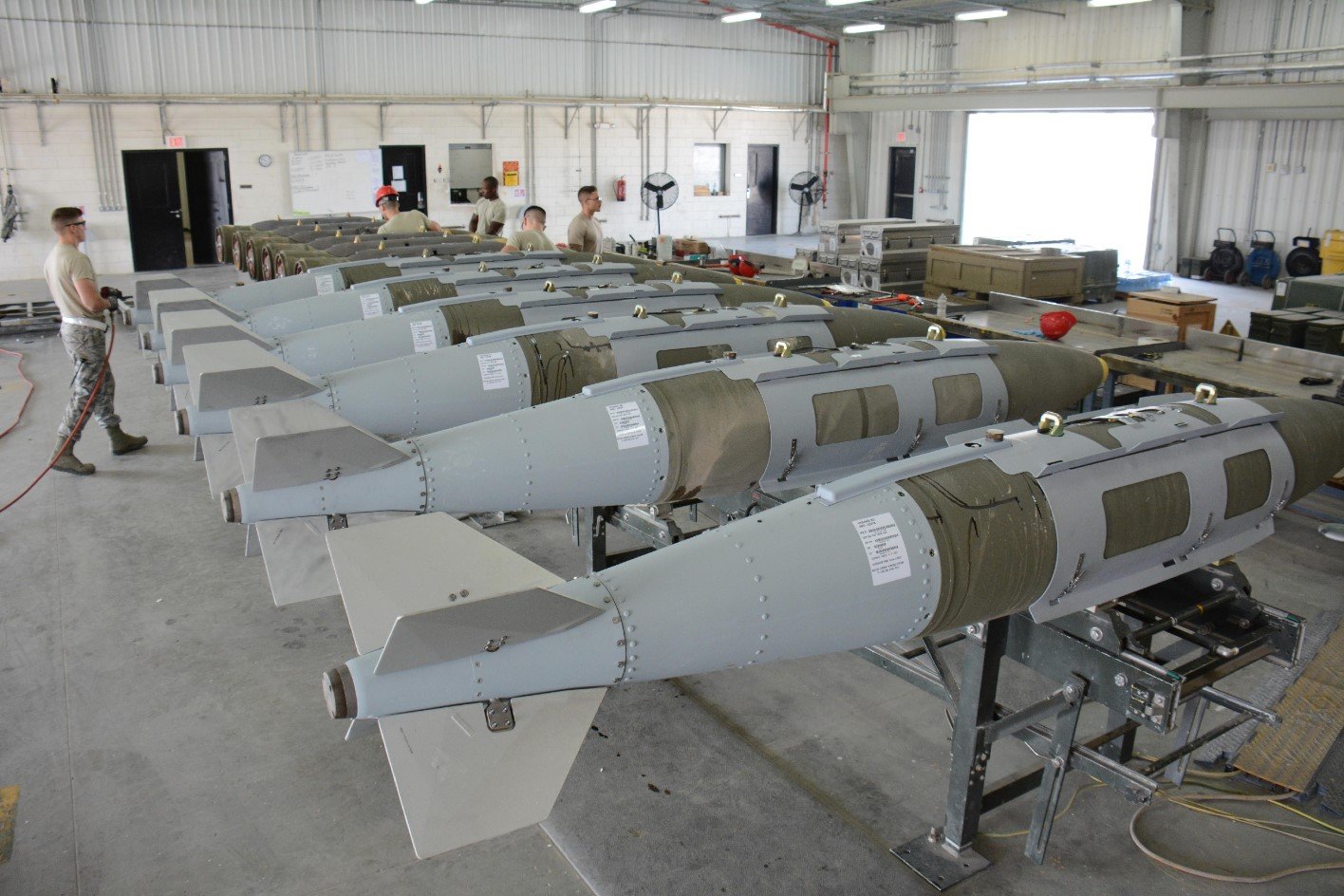 U.S. Plans $2.8 Billion Sale of 40,000 Heavy Bombs and 20,000 I-2000 Penetrator Warheads to Israel
-
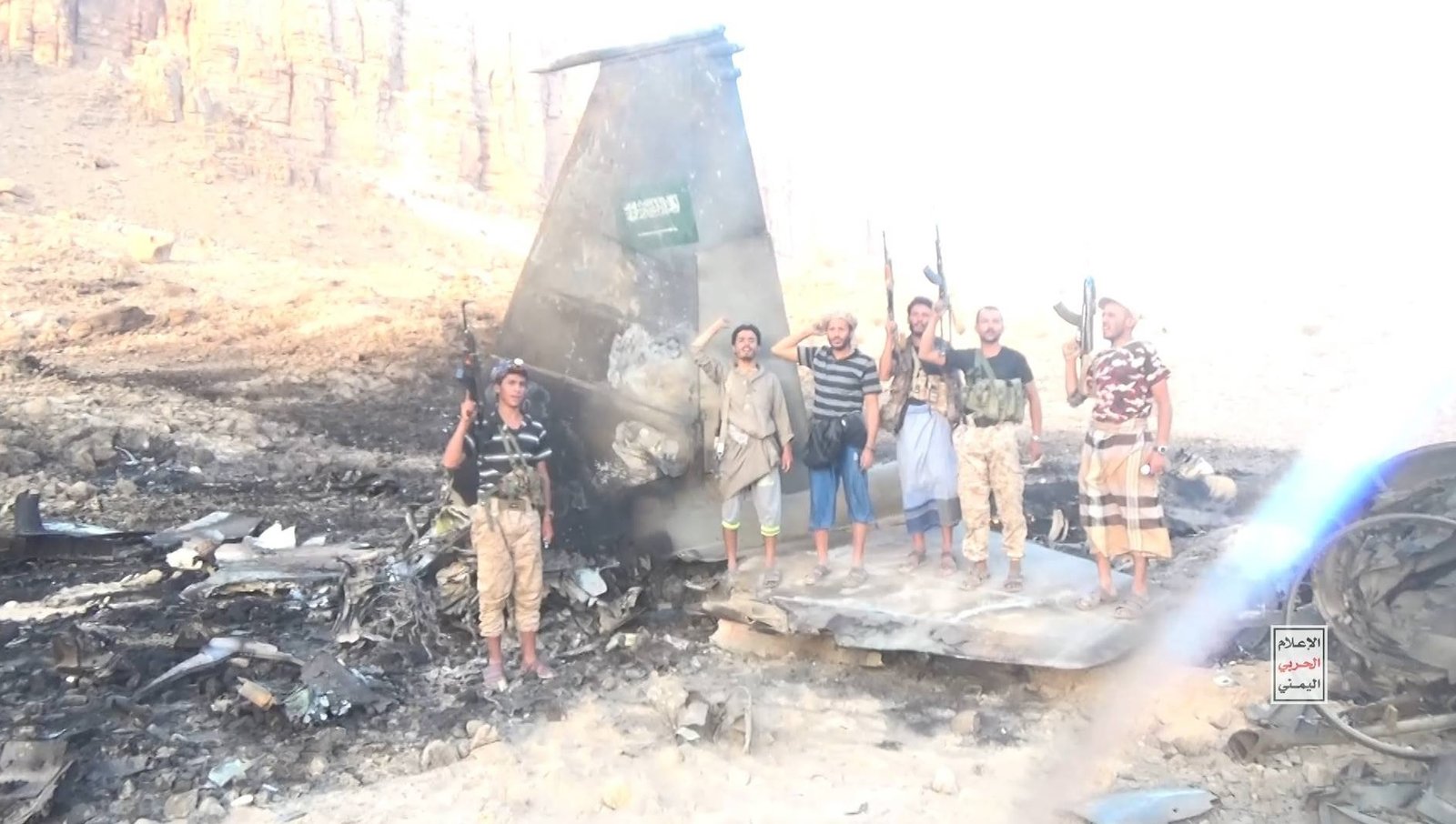 Houthis Claim Downing of Saudi F-15 and Wing Loong II Drone Over Marib
-
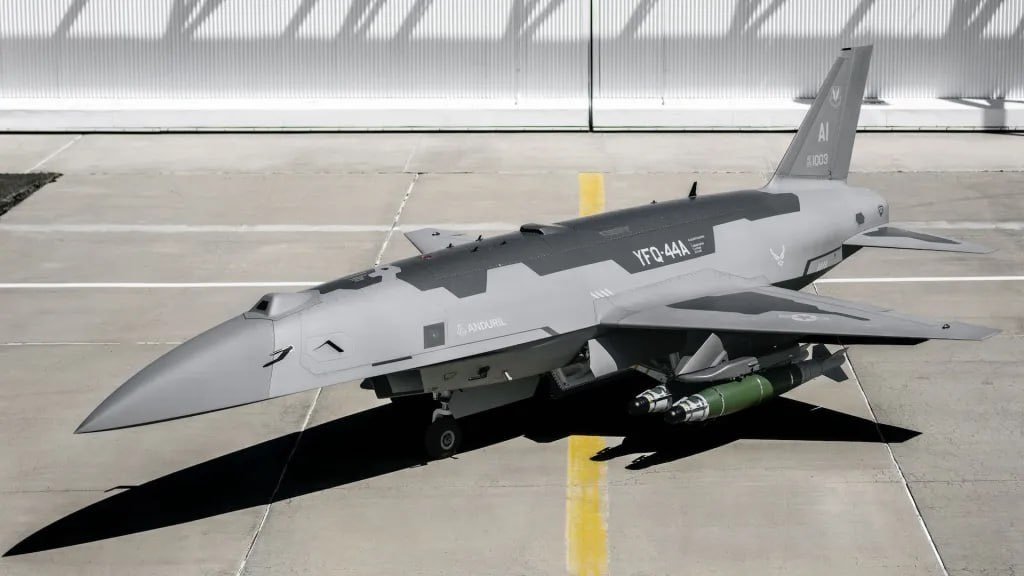 Anduril Conducts Ground Fit-Checks of Air-to-Ground Weapons on YFQ-44A Fury
-
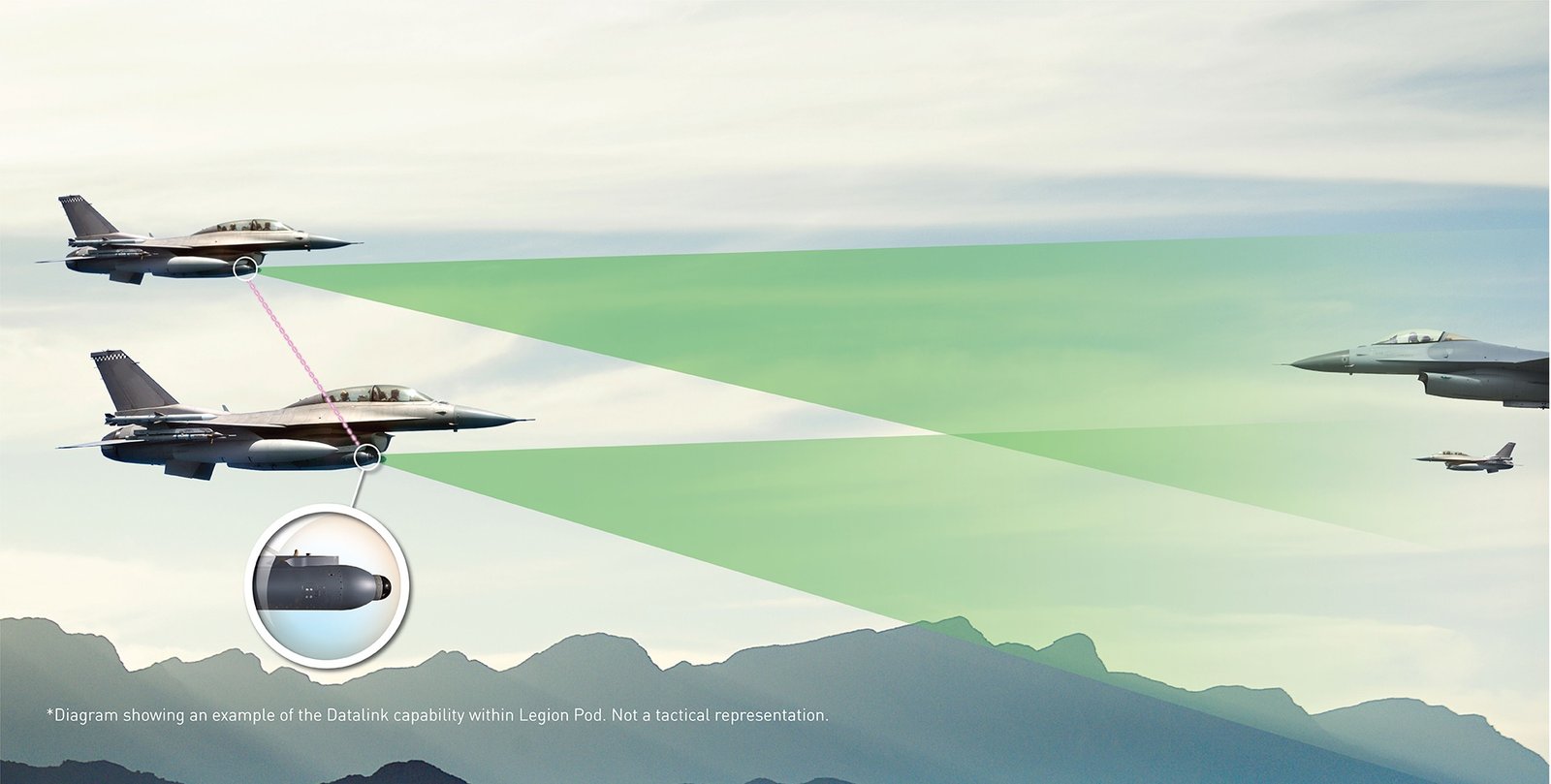 Lockheed Martin Demonstrates Legion Pod-to-Pod Data Link on F-16s for Passive Targeting
-
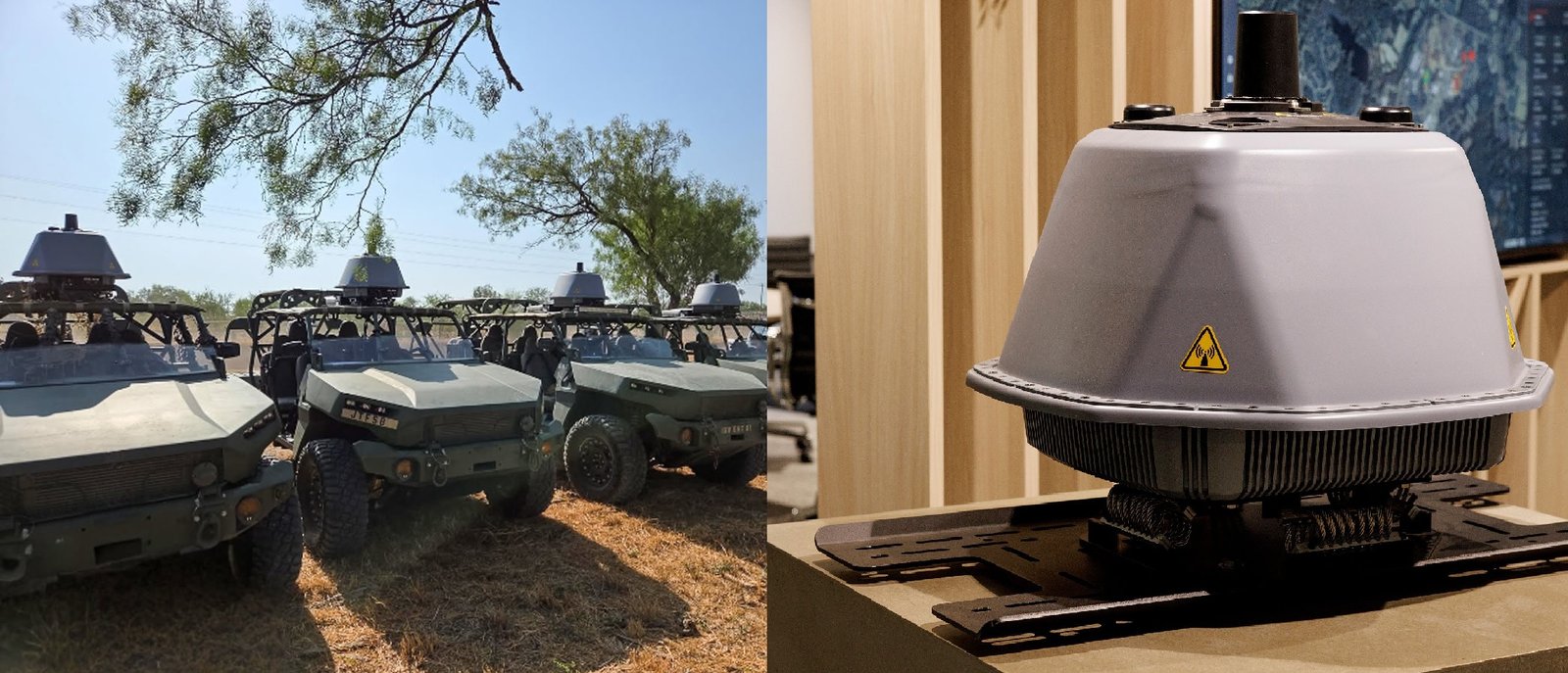 U.S. Military Deploys DroneShield Counter-Drone Systems on Infantry Squad Vehicles
-
 Photos Reveal Damaged E-3 Sentry, Buildings and Vehicles at U.S. Bases in Saudi Arabia and Kuwait After Iranian Strikes
-
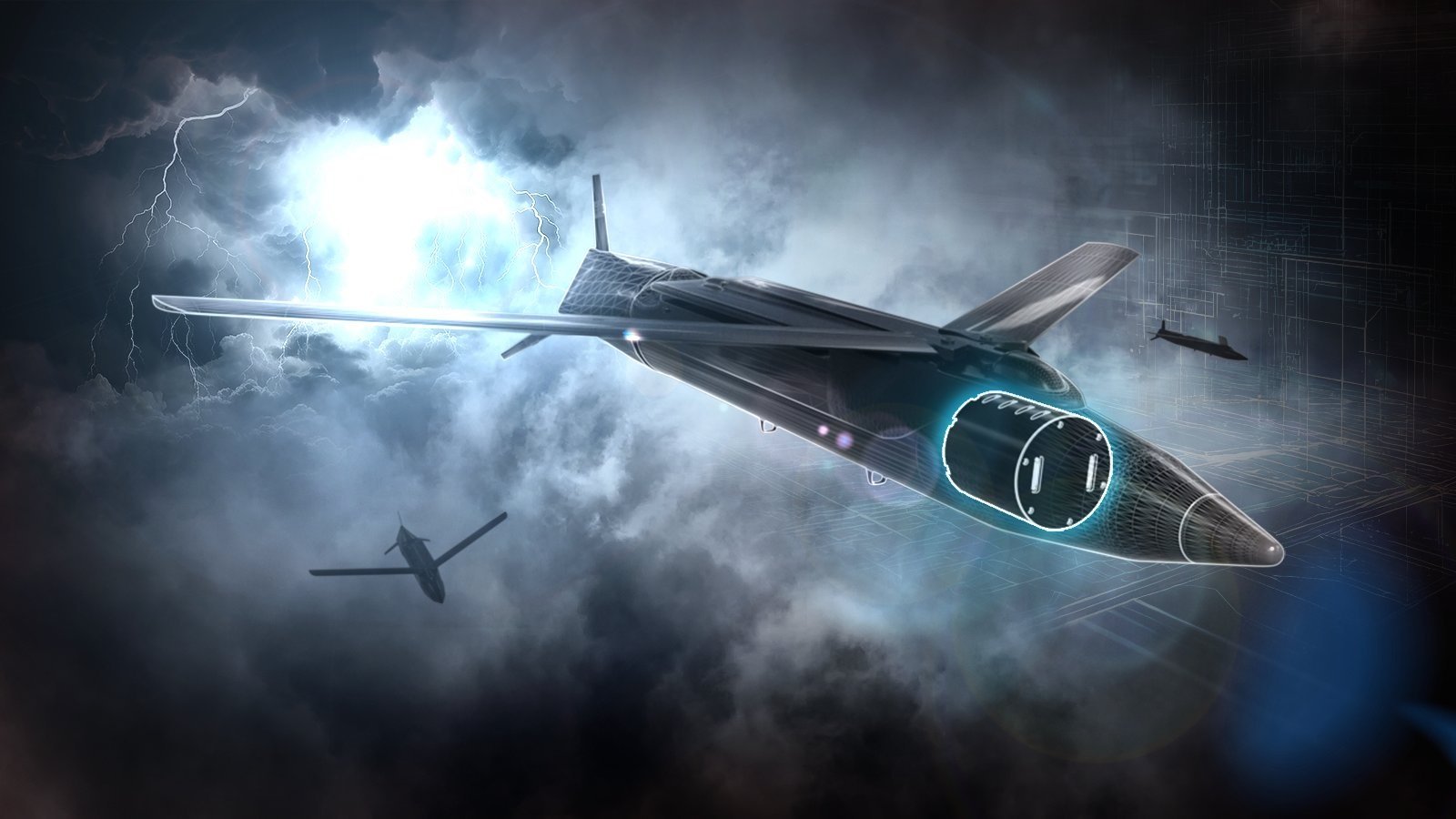 BAE Systems Unveils Shadow EW Suite for Small Drones and Autonomous Aircraft
-
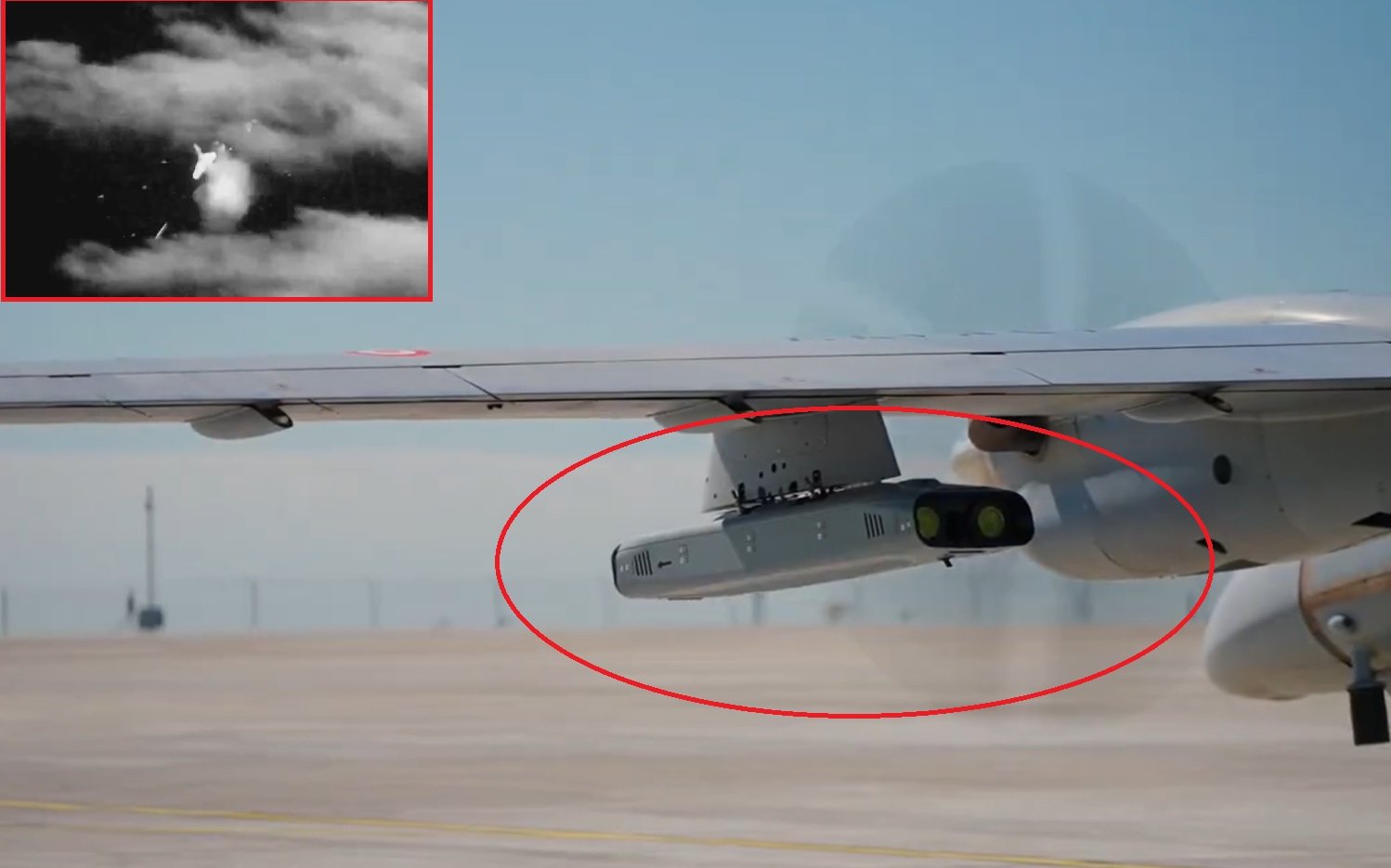 Turkey’s AKINCI Drone Hits High-Speed Aerial Target with SUNGUR Missile in Black Sea Test
Top Trending in 4 Days
-
 Pentagon Awards BlueHalo Up to $99.8 Million Contract for Orbital Battlespace R&D Program
-
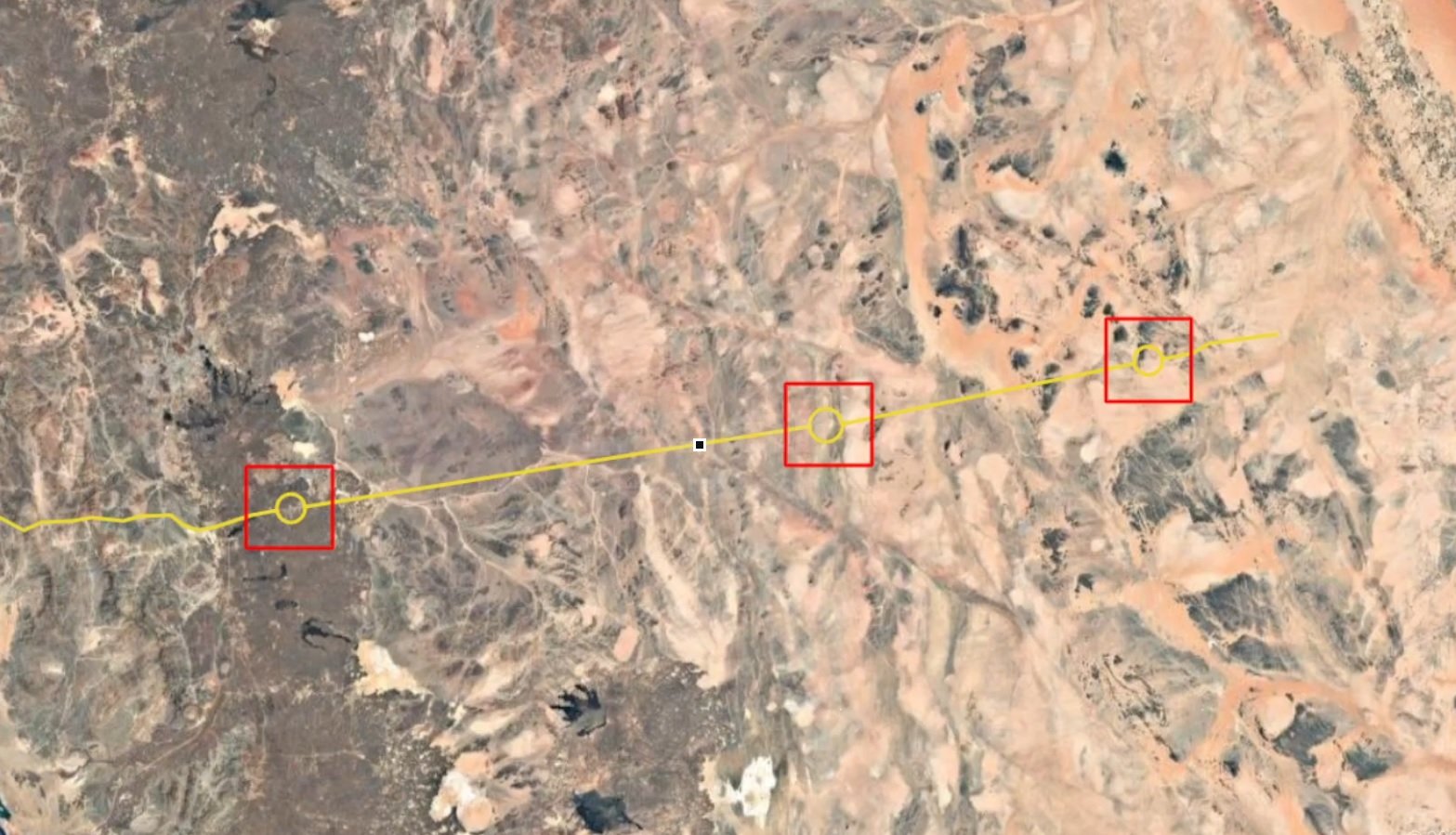 Satellite Imagery Shows Extensive Damage to Saudi Arabia’s East-West Oil Pipeline, Indicating More Than a Single Strike
-
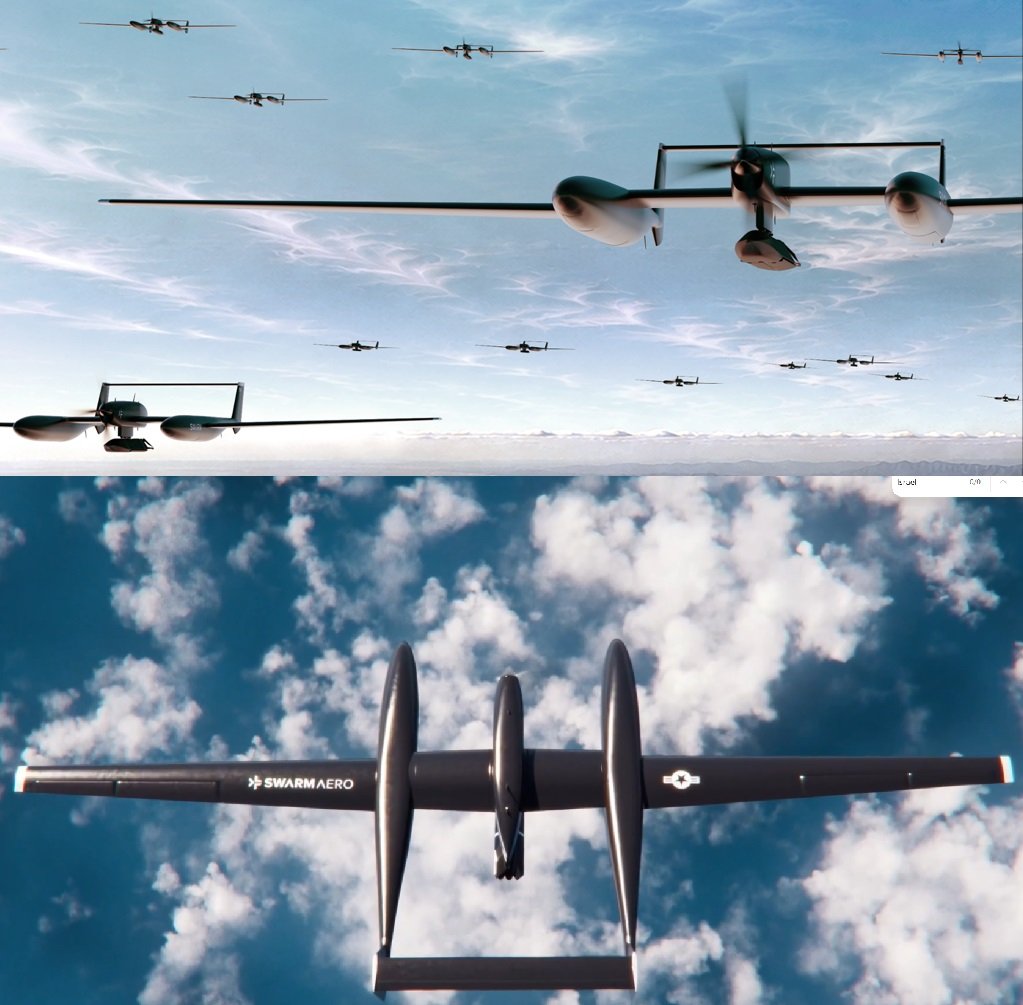 U.S. Firm Swarm Aero Unveils Gamera Group 5 UAS With 9,000-Nautical-Mile Range and Heavy Strike Payload
-
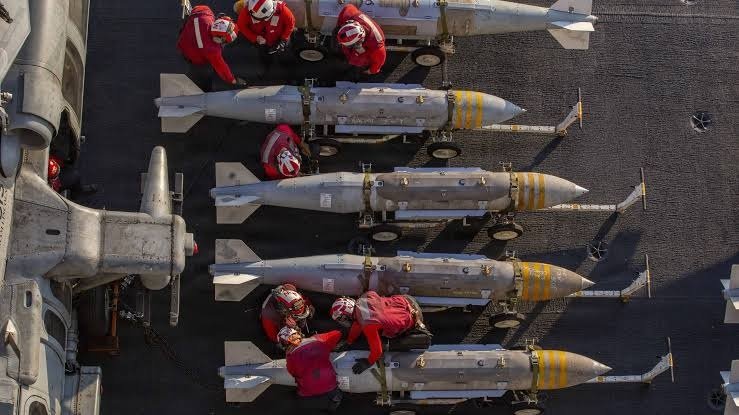 Pentagon Inspector General Report Finds Iran War Caused U.S. Ammunition Shortfalls and Industrial Bottlenecks
-
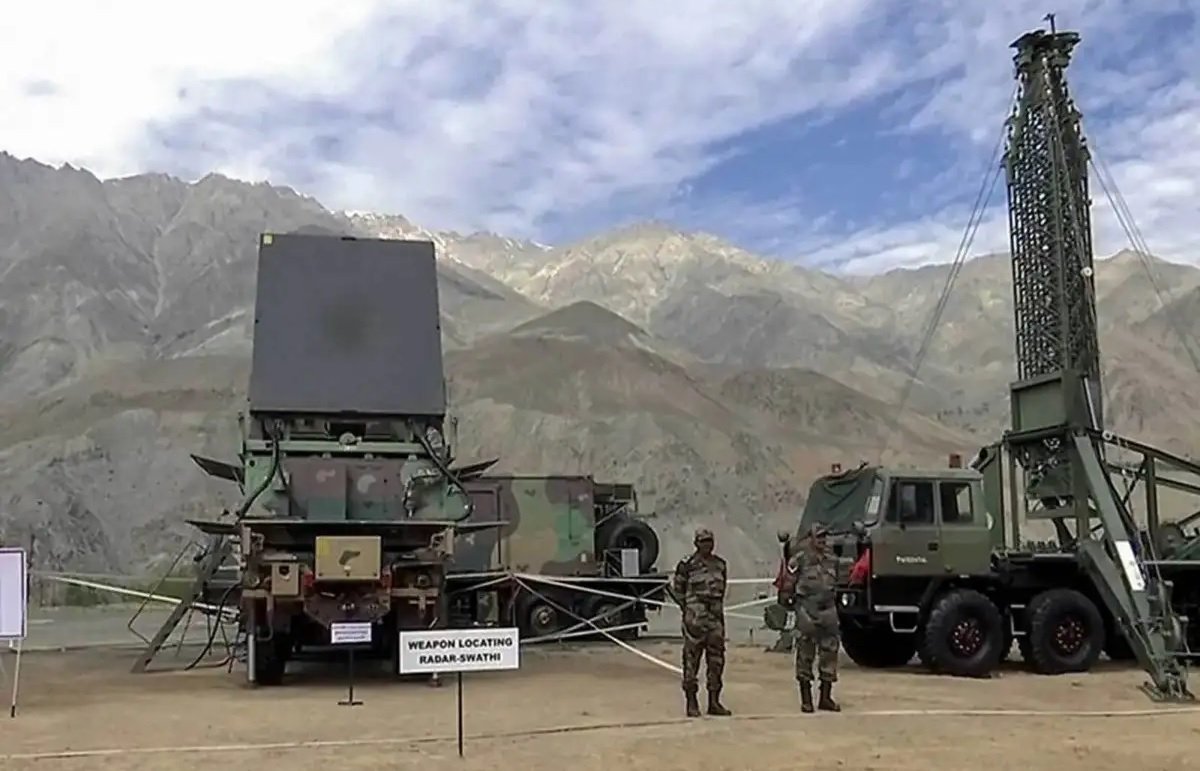 DRDO Demonstrates Indigenous 3.5×3 mm GaN Chip Delivering 30 Watts for Next-Generation Radars and Electronic Warfare
-
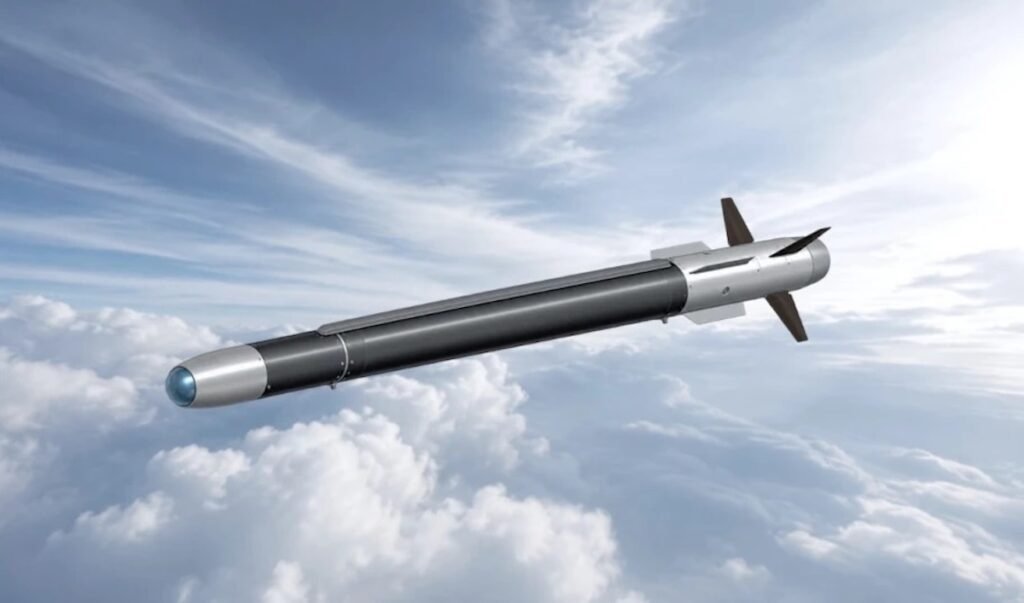 MBDA and Poland’s WITU Advance Low-Cost Supersonic Interceptor Against Swarm Attacks, Seeker Trials Successfully Completed
-
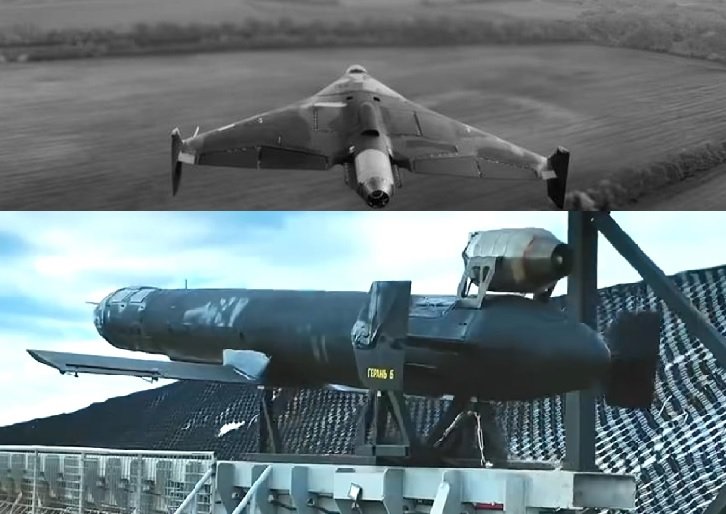 Iran Requests Advanced Geran-4 and Geran-5 Drones From Russia, FT Reports
-
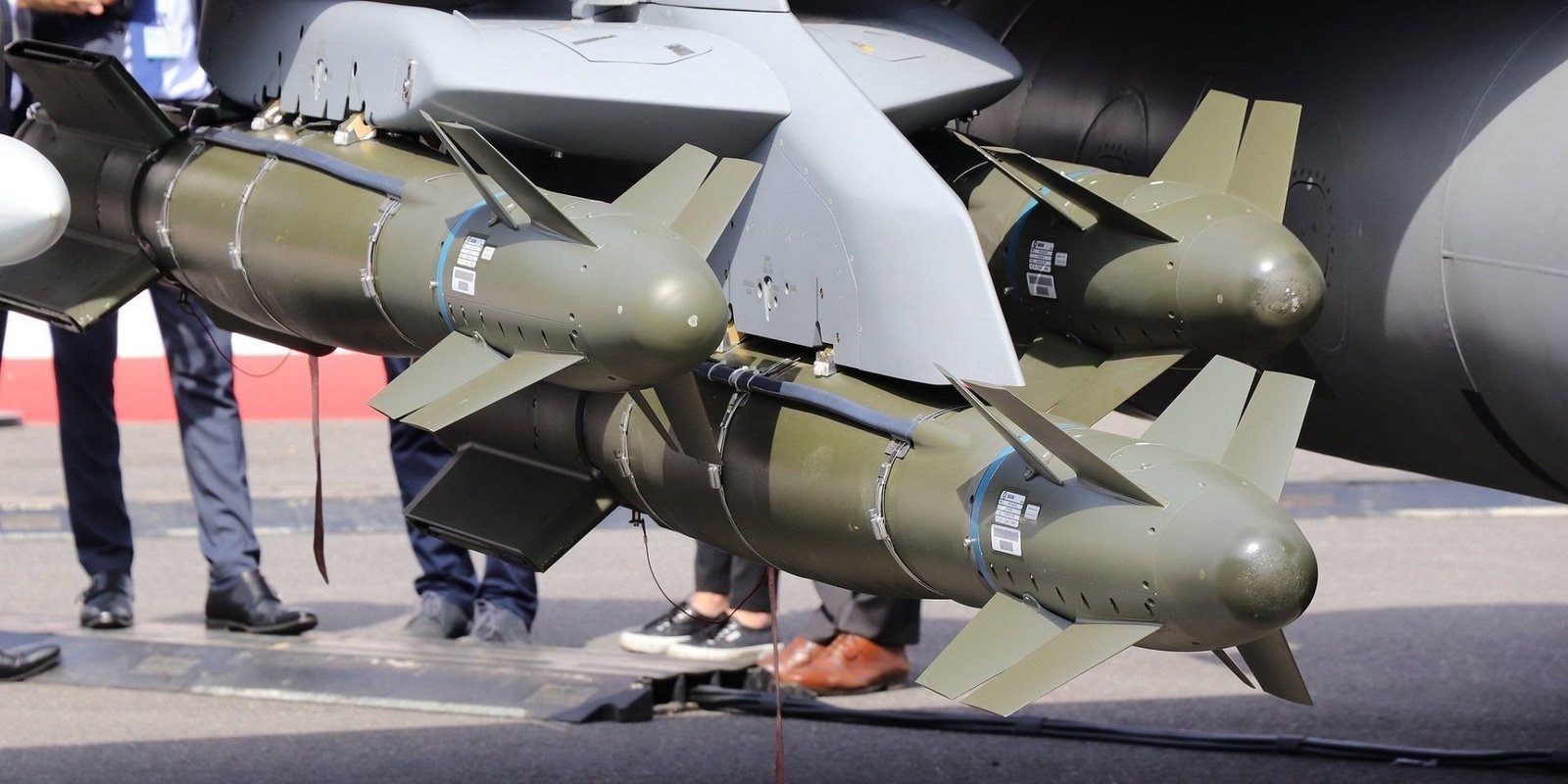 Swedish Gripens Bound for Ukraine to Be Armed with French Rocket-Assisted Hammer Precision Bombs