
India
India is preparing to accelerate a massive ₹20,000 crore defense program aimed at acquiring 87 cutting-edge Medium Altitude Long Endurance (MALE) drones, a move that signals a decisive push toward strengthening surveillance across both its land and maritime borders. This development comes amid the ongoing Operation Sindoor, which has increased the urgency for advanced aerial intelligence capabilities, especially along sensitive borders with Pakistan and China. The proposal is part of the Make in India initiative and will be spearheaded by the Indian Air Force in collaboration with the Army and Navy. A high-level meeting in the Ministry of Defence is expected soon to formally take up the tri-service procurement plan. Once cleared, the plan will mark the first large-scale indigenous MALE drone acquisition effort, significantly reducing dependency on foreign suppliers. These drones will be engineered to fly for over 30 hours continuously at altitudes exceeding 35,000 feet, offering persistent aerial surveillance over vast and challenging terrains. The specifications are aimed at matching international standards while encouraging domestic innovation and manufacturing. One of the standout features of the program is the requirement for over 60% indigenous content, which aligns with the government's push for self-reliance in defense manufacturing. This requirement opens the door for major Indian defense companies to compete for contracts and build critical capabilities. Likely contenders include Adani Defence, Solar Industries' Solar Defence and Aerospace Limited, Raphe mPhibr, Tata Advanced Systems, Larsen & Toubro, and Hindustan Aeronautics Limited (HAL). So far, most of India’s MALE drone acquisitions have been from Israeli firms, especially the Heron series, but this project shifts focus to homegrown solutions. The strategic requirement for 87 drones is not arbitrary—it stems from a detailed scientific study conducted by the Integrated Defence Staff, which assessed the number and type of drones needed to effectively monitor India’s expansive and diverse operational zones. In parallel, India is also finalizing a deal to procure 32 High Altitude Long Endurance (HALE) MQ-9B Predator drones from the United States under a Foreign Military Sales (FMS) agreement. While the Predators will fulfill specialized long-range missions, the indigenous MALE drones will be a workhorse for day-to-day surveillance, reconnaissance, and potentially even strike missions in future upgrades. Apart from enhancing military readiness, the project is expected to play a catalytic role in building a full-fledged drone production ecosystem in India. With this program, Indian defense firms will gain experience in producing sophisticated aerial platforms, integrating advanced avionics, secure data links, and sensor payloads—all critical for future drone warfare. By fast-tracking this MALE drone project, India is not only responding to current operational requirements but also preparing for the long-term goal of strategic autonomy in drone technology, essential in modern warfare. The initiative could also pave the way for India to eventually become a global exporter of high-performance military UAVs.
Read More → Posted on 2025-07-09 15:33:20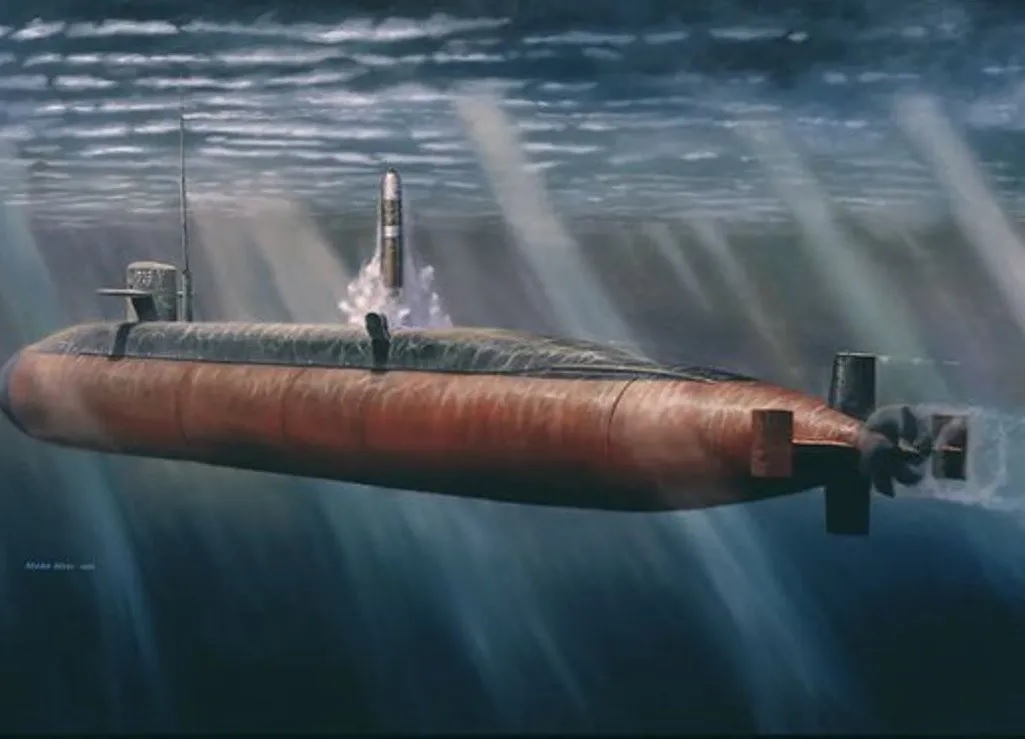
India
In a significant move to bolster India’s maritime defence capabilities, the Indian government has approved the construction of two state-of-the-art nuclear-powered attack submarines (SSNs) under the ambitious Project-77. This project, which ultimately aims to deliver a fleet of six such submarines, marks a major step forward in India's indigenous defence manufacturing and underwater warfare readiness. These submarines will be powered by a next-generation 190 megawatt (MW) nuclear reactor, developed by the Bhabha Atomic Research Centre (BARC). The Compact Light Water Reactor (CLWR-B2), designed specifically for submarines, is a significant technological upgrade over the 83–100 MW reactors used in the Arihant-class ballistic missile submarines. This new power plant will allow the submarines to operate at higher speeds and remain submerged for longer durations, offering unmatched stealth and endurance in contested waters. The propulsion system is expected to be a pump-jet type, further enhancing quietness and survivability, essential traits for a hunter-killer submarine operating in hostile waters. The submarines will be built at the Ship Building Centre (SBC) in Visakhapatnam, in collaboration with the Warship Design Bureau and private industry partners such as Larsen & Toubro (L&T). Construction is expected to begin soon, with the first submarine anticipated to be launched for sea trials around 2036–37 and the second by 2038–39. The project received final clearance from the Cabinet Committee on Security (CCS) in October 2024, with a projected cost of ₹40,000 crore (approximately USD 4.7 billion) for the first two boats. Beyond propulsion and stealth, what makes these submarines particularly formidable is their cutting-edge weapons package. They will be armed with Vertical Launch Systems capable of firing the Indo-Russian BrahMos supersonic cruise missile. Even more significantly, they are being designed to carry India’s upcoming hypersonic cruise missiles, which are currently under development. These high-speed weapons will give India the capability to strike land and sea targets from long distances at speeds over Mach 5, greatly expanding the strategic reach of the Indian Navy. In addition to these cruise missiles, the SSNs will also be equipped with advanced heavyweight torpedoes for anti-ship and anti-submarine roles. This diverse and powerful payload makes the Project-77 submarines ideal for deep-sea hunting missions, blockades, and precision strikes on enemy naval assets and coastal infrastructure. Their ability to carry out offensive operations deep in enemy waters makes them a vital complement to India’s nuclear ballistic missile submarines, which are focused on second-strike deterrence. What sets these submarines apart from India’s existing underwater fleet is their attack role. Unlike nuclear-powered ballistic missile submarines (SSBNs) which are primarily used for strategic deterrence, SSNs are designed for fast, agile, and aggressive missions. They are tasked with hunting enemy submarines, escorting aircraft carrier groups, and gathering intelligence in hostile territory. The addition of these submarines will significantly enhance India’s presence and power projection in the Indian Ocean and beyond, especially amid the growing presence of Chinese naval forces in the region. The decision to move ahead with Project-77 reflects India’s long-term strategic thinking in an increasingly competitive Indo-Pacific security environment. As global powers modernize their naval fleets with advanced submarines, India’s investment in indigenous nuclear-powered attack submarines ensures it won’t be left behind. These platforms will not only secure India's maritime interests but also signal its emergence as a technologically advanced and self-reliant naval power. The approval of these two SSNs is only the beginning. The Indian Navy plans to build a total of six nuclear-powered attack submarines under Project-77, and the experience gained from these first two will lay the foundation for future vessels. The program also strengthens India's broader vision of “Aatmanirbhar Bharat” (Self-Reliant India) by pushing the boundaries of domestic defence technology, from nuclear propulsion to advanced missile integration. With construction now moving toward execution and reactor testing already in progress, the Indian Navy is poised to enter a new era of underwater combat capability. Once operational, these submarines will serve as the silent sentinels of India’s maritime frontiers, capable of projecting power and protecting national interests across a vast stretch of ocean.
Read More → Posted on 2025-07-08 17:13:16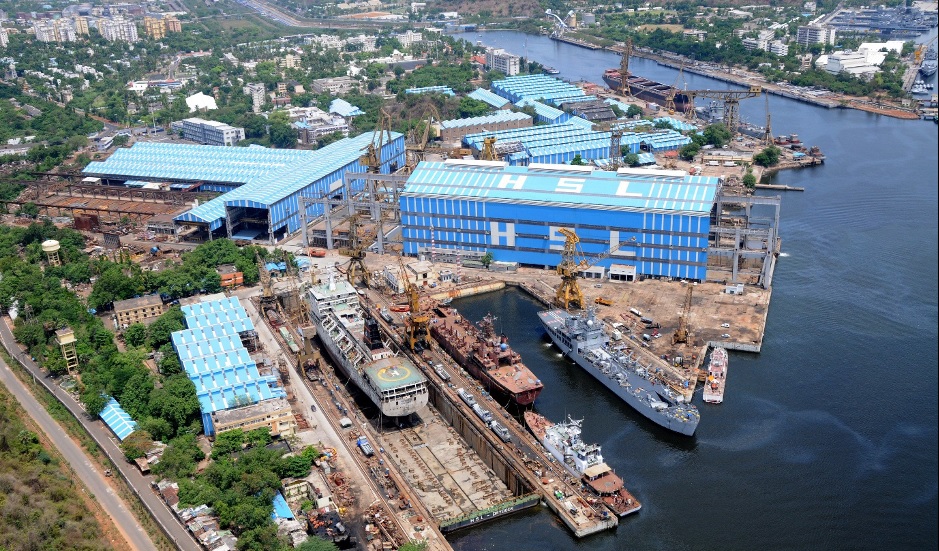
India
India has launched an ambitious maritime plan to transform itself into a global shipbuilding powerhouse by establishing eight mega shipbuilding clusters along its coastline. This move is part of the country’s broader Atmanirbhar Bharat (self-reliant India) initiative and the Maritime India Vision 2030. The aim is not only to boost domestic manufacturing but also to position India among the world’s top five shipbuilding nations by 2047. The plan involves five new greenfield shipbuilding clusters in Andhra Pradesh, Odisha, Tamil Nadu, Gujarat, and Maharashtra, and three brownfield expansions in Gujarat’s Vadinar and Kandla, and near Cochin Port in Kerala. These projects will be developed and managed by Special Purpose Vehicles (SPVs) formed by respective state governments and backed by the central government. All necessary land parcels and approvals have already been secured, according to Union Shipping Secretary T.K. Ramachandran. Each cluster will be more than just a shipyard—it will be a complete maritime industrial ecosystem. The facilities will include ship manufacturing units, dry docks, repair yards, marine equipment manufacturing hubs, ship leasing offices, vendor bases, bunkering services, maritime insurance, and training institutes. This integrated infrastructure will also feature robust connectivity with dedicated road and rail links, breakwaters, jetties, and portside logistics support, ensuring seamless movement of goods and labor. At present, India’s contribution to global shipbuilding is less than 1%, a stark contrast to countries like South Korea, China, and Japan, which dominate the sector. However, India has set a goal to increase its domestic fleet build content from about 5% currently to 7% by 2030, and a staggering 69% by 2047. This would include building not just cargo vessels and tugs, but also sophisticated platforms like naval ships, offshore vessels, and green ships. The total investment estimated for the development of these shipbuilding clusters is around Rs 2 trillion (₹2 lakh crore) over the next five to six years. This is part of a larger Rs 3–3.5 trillion push under Maritime India Vision 2030, which also encompasses port modernization, inland waterways development, and shipping industry reforms. To fast-track progress and align with global standards, Indian delegations have visited major shipbuilding hubs in South Korea, Japan, and Scandinavian countries. These study visits have focused on technology sharing, process optimization, and identifying potential foreign partners. Government sources have indicated that some tie-ups with international shipbuilding firms are in the pipeline and may be announced soon. The strategic intent behind this move is clear: India wants to reduce its reliance on foreign-built ships, create thousands of skilled jobs in the maritime sector, attract foreign investment, and develop globally competitive shipyards. If executed successfully, this initiative could turn India’s long coastline into a bustling corridor of maritime manufacturing, contributing significantly to exports and defense preparedness alike. As global maritime trade shifts and demand for green, cost-effective ships rises, India’s timely entry with well-planned infrastructure and policy support could mark the beginning of its rise as a formidable shipbuilding nation.
Read More → Posted on 2025-07-08 16:28:26
India
In a major step toward bolstering maritime strength, the Indian Navy is preparing to issue a Request for Proposal (RFP) for the construction of seven next-generation stealth frigates under Project 17B (P-17B), with an estimated cost of ₹70,000 crore (approximately $8 billion). This ambitious move is part of a much larger naval expansion and modernisation programme aimed at replacing aging vessels and keeping pace with global maritime powers, particularly the rapidly expanding Chinese Navy. What is Project 17B? Project 17B is the advanced phase of the earlier Project 17A and Project 17, which delivered the Shivalik-class and Nilgiri-class frigates—stealthy, multi-role warships with enhanced radar-evading features, advanced sensors, and versatile weapon systems. The upcoming P-17B frigates will be even more advanced, designed to operate as stealth surface combatants capable of engaging threats in all domains—air, surface, and subsurface. These new frigates will likely be equipped with: Active Electronically Scanned Array (AESA) radars for superior air and surface tracking, Vertical Launch Systems (VLS) to carry Barak 8 or similar surface-to-air missiles, BrahMos supersonic cruise missiles for anti-ship and land attack roles, Advanced sonar suites and torpedoes for anti-submarine warfare, Integrated combat management systems, stealth shaping, and reduced radar cross-section. The frigates will be constructed domestically, reinforcing India’s "Aatmanirbhar Bharat" (self-reliant India) defence manufacturing policy, and are likely to be built by public sector shipyards like Mazagon Dock Shipbuilders Ltd (MDL) and Garden Reach Shipbuilders and Engineers (GRSE), who are currently delivering the Nilgiri-class under P-17A. A Fleet in the Making According to naval sources, the RFP for these frigates will be issued alongside a project to build two Multi-Purpose Vessels (MPVs), further expanding the Indian Navy’s support and logistical capabilities. Currently, around 61 warships and submarines are under construction across various Indian shipyards. Additionally, 17 more warships and nine submarines are undergoing approvals, with the Ministry of Defence aiming to ensure all these vessels are domestically built. Broader Naval Expansion: ₹2.4 Lakh Crore Pipeline Beyond P-17B, several mega projects are moving forward: Project 75-India (P-75I): A ₹70,000 crore initiative to build six modern diesel-electric submarines with air-independent propulsion (AIP), offering greater underwater endurance. Project 75 (Add-ons): Construction of three additional Scorpene-class submarines at a cost of ₹36,000 crore. Next Generation Corvettes (NGC): A ₹36,000 crore project to build eight stealth corvettes for anti-surface and anti-submarine warfare. If all these are approved, the cumulative cost of naval projects will exceed ₹2.4 lakh crore, reflecting India’s strategic push to grow naval power amid increasing threats in the Indo-Pacific region. The Urgency of Modernisation Retired Commodore Anil Jai Singh, a naval analyst, emphasized that the Navy's approach is not reactive to immediate threats but focused on long-term capability building. India’s naval strength is currently just over 130 warships and submarines—significantly smaller than the Chinese PLA Navy, which boasts over 355 vessels, the largest in the world. He also raised concerns about the ageing destroyer fleet, with the Delhi-class destroyers, commissioned in the late 1990s, now over 25 years old. Despite overhauls, these platforms may need replacements within the next decade to maintain combat readiness. However, there is no major destroyer project currently in the pipeline, which could lead to capability gaps unless addressed soon. Furthermore, while India added six Scorpene-class submarines, the submarine arm continues to operate 12 older submarines, some over three decades old. Despite multiple ongoing submarine projects, obsolescence remains a challenge, particularly in comparison to China’s modern undersea fleet. The Road to a 175-Ship Navy The Indian Navy’s long-term goal is to reach a fleet strength of 175 ships by 2035. Achieving this will require not just replacing older platforms but significantly increasing the pace of new inductions. The push for indigenous production is crucial in this regard, not only for strategic self-reliance but also to support India's growing defence industrial base. As maritime security becomes increasingly central to geopolitical stability in the Indo-Pacific, the Indian Navy's investments in next-generation platforms like the P-17B frigates mark a crucial step in ensuring that India remains a dominant and self-sufficient naval power in the region.
Read More → Posted on 2025-07-08 16:13:10
India
In a significant boost to India’s maritime defence capabilities, the Indian Navy has successfully completed user trials of the Extended Range Anti-Submarine Rocket (ERASR), developed indigenously by the Defence Research and Development Organisation (DRDO). These trials were conducted onboard the Indian Navy's anti-submarine warfare (ASW) corvette INS Kavaratti, between June 23 and July 7, 2025. The successful testing marks a major milestone in India’s journey toward self-reliance in underwater warfare technologies and represents a major upgrade to its anti-submarine arsenal. What is ERASR? The Extended Range Anti-Submarine Rocket (ERASR) is a new-generation underwater weapon designed to target enemy submarines from long distances. It is a replacement for the ageing RGB-60 rockets used with the Soviet-origin RBU-6000 launchers. ERASR provides a significant advantage with an extended strike range and improved accuracy. The rocket can be launched using the Indigenous Rocket Launcher (IRL) installed on frontline Indian Navy warships. Its standout feature is a twin-rocket propulsion system, allowing selectable range modes—either short or long—depending on the tactical requirements. Key Technical Features One of the most significant advancements in the ERASR is the use of an indigenously developed Electronic Time Fuze, which increases targeting precision by ensuring detonation at the optimal point near the enemy submarine. Here’s a quick look at the core specifications: Range: Up to 8.9 kilometers Launcher: Compatible with the IRL system Propulsion: Dual-mode rocket motor (short & long range) Fuzing: Indian Electronic Time Fuze for accurate detonation Payload: Anti-submarine warhead capable of underwater detonation The enhanced range offers ships greater stand-off distance during anti-submarine operations, thereby improving survivability in combat scenarios. Trials Aboard INS Kavaratti The testing campaign took place from INS Kavaratti (P31), a modern stealth ASW corvette of the Indian Navy’s Kamorta class. Over the course of the user evaluation, a total of 17 ERASR rockets were fired. Each trial assessed different mission profiles, fuze reliability, and overall weapon effectiveness. All performance parameters were reportedly met with full success. These tests validate the rocket’s readiness for frontline naval deployment. The Navy is expected to proceed with full-scale induction in the coming months. Indigenous Development Effort The ERASR is the result of collaboration among several DRDO laboratories: ARDE Pune (Armament Research and Development Establishment) – Lead developer HEMRL Pune (High Energy Materials Research Laboratory) – Propulsion and energetic materials NSTL Visakhapatnam (Naval Science and Technological Laboratory) – Warhead and systems integration This achievement is a strong demonstration of India's growing ability to develop complex naval weapon systems in-house. Industrial Production and Future Outlook Production of the ERASR rocket will be carried out by: Bharat Dynamics Limited (BDL), Hyderabad Solar Defence & Aerospace Limited, Nagpur This public-private production model ensures both scalability and participation of India’s private defence sector. Defence Minister Rajnath Singh and DRDO Chairman Dr. Samir V. Kamat praised the successful trials and lauded the efforts of the DRDO scientists, naval engineers, and industrial partners for delivering a strategic capability within India’s growing arsenal. Strategic Importance Anti-submarine warfare has long been a critical domain for the Indian Navy, especially given the growing undersea threats in the Indian Ocean Region. The ERASR significantly enhances the Navy’s capacity to detect and neutralize enemy submarines at longer ranges—thereby offering tactical superiority. By replacing imported systems with a fully indigenous solution, India not only reduces dependence on foreign technologies but also ensures adaptability and sustainability in future naval warfare scenarios. With the successful completion of these trials, the ERASR is poised to become a key component of India’s naval combat system. Its upcoming induction will mark yet another leap forward in the country’s mission of “Aatmanirbharta” (self-reliance) in defence technologies.
Read More → Posted on 2025-07-08 15:57:57
India
A big air battle took place on 7 May 2025, when India launched Operation Sindoor — a large and intense air strike against terror camps inside Pakistan. The Indian Air Force (IAF) used its best fighter planes, including the Rafale, during this operation. Soon after the attack, Pakistan claimed it had shot down five Indian fighter jets, including three Rafales, using its J-10C fighter planes armed with PL-15E missiles. However, there was a problem. Even after days of these claims, no proof was shown by Pakistan. No photos, no videos, no wreckage — nothing. It quickly started to look like a false story made up to claim a fake victory. To clear up the confusion, Éric Trappier, the Chairman and CEO of Dassault Aviation (the company that makes Rafale jets) spoke up. In an interview with a French aviation magazine, he said that Pakistan’s claims were false and baseless. He explained that Rafale jets are equipped with the Spectra electronic warfare system, which can detect enemy missiles and threats. But during Operation Sindoor, the system showed no sign of any enemy attack. Also, the flight records of the Indian Air Force confirmed that no Rafale was shot down in combat. Some news reports said that Trappier admitted one Rafale was lost, but due to a technical issue at a high altitude and not because of any Pakistani missile. Later, Dassault Aviation officially denied that Trappier made any operational or technical comments about the operation. They clarified that he had not said anything like that regarding Rafale’s performance in Operation Sindoor. Things took an even bigger turn when France’s Defence Ministry accused China of spreading fake news. French intelligence found out that Chinese embassies and their online teams were sharing fake pictures, AI-made videos, and false stories about Rafales being shot down. Their goal was to damage Rafale’s reputation and promote China’s J-10C fighter jets as a better and cheaper option to other countries. This was not just about fighter jets — it was about business, diplomacy, and trust. If people believed Rafale jets were weak, countries might stop buying them and instead look at Chinese fighter planes. France’s Defence Ministry said this was a planned move to harm France’s defence industry and its image as a reliable partner in the global arms market. On India’s side, the government made a clear statement. Defence Secretary R.K. Singh told a news channel that the claim of losing multiple Rafales was absolutely untrue. He said India had caused much bigger losses to Pakistan in terms of terrorist deaths and damaged military assets. India admitted it lost One aircraft in the operation but strongly denied that three Rafales were among them. Captain Shiv Kumar, India’s defence attaché to Indonesia, later explained that some planes were lost on the first day, but mainly because the government had given strict orders to only hit terrorist camps, not military airbases or air defences. This made the missions a bit riskier, and it led to a few losses. In between all this, General Jérôme Bellanger, the head of the French Air Force, told the press that he had seen evidence suggesting India lost one Rafale, a Mirage 2000, and a Sukhoi fighter. If true, it would be the first Rafale ever lost in combat out of over 500 built so far. At the same time, India’s Air Force also hit back at Pakistan. Air Marshal A.K. Bharti said that India had shot down several Pakistani planes, stopping them from entering Indian airspace. Unconfirmed reports suggested that Pakistan lost several JF-17 Thunders, Mirage III/Vs, an F-16, a C-130 transport aircraft, and two Saab Erieye airborne radar planes. Losing those radar planes was a big blow to Pakistan, as they act like flying control towers, keeping an eye on enemy fighters and missiles from far away. Meanwhile, China denied France’s accusations, calling them “groundless rumours and slander”, and said it always follows international rules when selling military equipment. As the dust settled, Dassault Aviation’s stock price, which had dropped briefly during the controversy, started to rise again after India’s Defence Secretary rejected Pakistan’s claims. In the end, this incident showed how modern wars are not only fought with missiles and fighter planes but also through fake news, online propaganda, and information warfare. While the actual battle in the sky was over quickly, the battle of headlines and rumours continued for weeks. Final Word: Operation Sindoor was a tough and dangerous mission. While India admitted one losses, the claim that three Rafales were shot down by Pakistan was proven false. Dassault stood by its aircraft and cleared the air. At the same time, the incident exposed how countries like China and Pakistan may try to use social media and false stories as weapons in modern-day conflicts.
Read More → Posted on 2025-07-08 15:42:47
India
The Bharatiya Janata Party (BJP) has mounted a sharp political offensive against Congress leader Rahul Gandhi, accusing him of echoing narratives aligned with China's recent disinformation campaign against the French-made Rafale fighter jets. This comes after reports emerged suggesting that Beijing deliberately sought to undermine the credibility of Rafale aircraft—especially after their deployment in India-Pakistan hostilities—by spreading doubts about their performance and promoting rival Chinese alternatives. BJP IT cell head Amit Malviya led the charge, asserting that Rahul Gandhi has consistently undermined India’s armed forces and bolstered foreign military platforms, particularly those linked to China. He pointed to Gandhi’s previous remarks made between 2021 and 2023, in which the Congress leader allegedly praised China’s military capabilities and criticized India’s approach to defense technology. In 2021, during a parliamentary debate, Gandhi questioned why India had not adopted Chinese-style surveillance drones and even praised the Chinese People’s Liberation Army’s (PLA) tactics in the Ladakh stand-off. He followed up these views in 2022 during a closed-door meeting with defense analysts, reportedly advocating that India study and emulate Chinese drone warfare strategies for tactical superiority along the Line of Actual Control (LAC). Gandhi further stirred controversy in 2023 during an interaction at an academic institution in London, where he stated that China was "winning the technology race" and urged Indian policymakers to learn from Chinese innovation in fields like battlefield drones, electronic warfare, and logistics automation. Malviya argued that such statements fit squarely into a pattern of undermining India’s military morale, especially at a time when, according to an investigative report by the Associated Press, Chinese embassies allegedly engaged in an organized global campaign to discredit Rafale aircraft. The AP report suggested that Beijing’s motive was not only to harm France’s defense exports, but also to weaken the strategic trust between France and its Indo-Pacific allies, particularly India. The Rafale jets—formally inducted into the Indian Air Force in 2020—have played a pivotal role in reshaping India’s air dominance. These 4.5-generation multirole fighters are equipped with AESA radars, advanced electronic warfare suites, Meteor air-to-air missiles, and SCALP deep-strike cruise missiles. The aircraft proved their value during tensions with Pakistan and are seen as a major deterrent in both western and eastern sectors. Malviya argued that Gandhi’s criticisms of the Rafale deal in the past and his apparent appreciation for Chinese capabilities now fall into a troubling pattern of "being on the wrong side of the national interest." He said this not only gives ammunition to India’s adversaries but aligns with China’s broader strategic goal of denting Indian defense credibility. In response, Congress spokesperson Pooja Tripathi dismissed the BJP’s attack as political deflection. She stated that Rahul Gandhi had raised valid concerns about China’s growing assertiveness and warned as early as 2022 in Parliament that pushing Pakistan closer to China could pose a two-front threat to India. Tripathi claimed that Gandhi’s remarks were rooted in long-term strategic thinking, not endorsement of China, and that the government should focus on bolstering real-time intelligence capabilities and defense preparedness rather than targeting opposition voices. The Rafale deal has long been a point of political contention, with Congress previously alleging irregularities in its pricing and procurement process. The BJP, on the other hand, has defended the acquisition as a critical upgrade for India’s military preparedness. Now, with reports of China's coordinated propaganda to damage Rafale's image globally, the political debate has acquired a new dimension—placing Rahul Gandhi's past remarks under intense scrutiny and reviving questions about how India navigates its internal political discourse amid external psychological warfare campaigns. In an era where information has become a battlefield, both national unity and credibility in defense posture are increasingly seen as crucial tools—something the BJP insists Gandhi is eroding, while the Congress maintains he is trying to strengthen it by calling out vulnerabilities.
Read More → Posted on 2025-07-08 14:37:01
India
The Indian Air Force’s (IAF) most numerous and combat-proven fighter jet, the Su-30MKI, is on the brink of a massive technological transformation. Under the ambitious “Super-30” upgrade program, a new indigenous 64-bit mission computer developed by the Defence Research and Development Organisation (DRDO) is set to replace the aircraft’s aging 32-bit system, promising a leap in combat power that will push the aircraft’s capabilities closer to that of a fifth-generation fighter. At the heart of this upgrade is the Digital Flight Control Computer (DFCC)—a cutting-edge quad-channel (quadraplex) mission computer built on a 64-bit PowerPC architecture. Designed and developed by Defence Avionics Research Establishment (DARE), a key DRDO lab, this new system offers significantly faster processing power, superior data handling, and next-generation avionics support. The DFCC is specifically tailored for the complex mission profiles of a heavy multirole aircraft like the Su-30MKI. The Su-30MKI, a twin-engine air dominance fighter jointly developed by Russia’s Sukhoi and India’s HAL, currently forms the backbone of the IAF with around 272 aircraft in active service. However, its original mission computer—designed in the late 1990s—has begun to show its age. Built on a 32-bit architecture, the older system struggles to handle modern digital systems like AESA radars, electronic warfare suites, and networked warfare tools, which are essential in today’s high-threat aerial environments. The new 64-bit DFCC is designed to fix that. With exponentially higher data throughput and processing capability, the computer will allow the upgraded Su-30MKIs to integrate several high-end systems that were previously limited by computing constraints. Among the key enhancements made possible by the new DFCC: Virupaksha AESA Radar: A fully indigenous Active Electronically Scanned Array radar with enhanced range, resolution, and target tracking capabilities. Advanced Electronic Warfare (EW) Systems: Capable of jamming, spoofing, and resisting enemy radar and missile locks using real-time situational awareness and reactive countermeasures. Sensor Fusion: The system will combine data from radar, infrared, electronic sensors, and data links into a single coherent view for the pilot—essential for faster and more accurate decision-making. Support for Long-Range PGMs (Precision Guided Munitions): Including upcoming indigenous stand-off weapons like the Rudram anti-radiation missile, Astra beyond-visual-range air-to-air missile, and possibly the air-launched BrahMos missile. One of the most remarkable achievements of this upgrade is the compliance with DO-178C Level-A, the highest safety certification in the aviation industry. This ensures the new computer is not just powerful but also dependable during high-risk and time-critical combat missions. DARE has applied its experience from developing avionics for the Tejas Mk1, Mk1A, and Mk2 fighters, but has taken the performance and complexity of the DFCC for the Su-30MKI even further, given the jet's demanding multirole profile. Under the Super-30 initiative, an initial batch of 84 Su-30MKI aircraft will undergo these upgrades. The modernization will extend the operational life of the aircraft well into the 2040s while making them far more lethal and survivable in modern combat environments. Importantly, the upgrade is fully indigenous, in line with India’s “Atmanirbhar Bharat” (self-reliant India) vision. It reduces dependency on foreign technology, especially in critical systems like mission computers, and positions India as a key player in advanced aerospace systems design. As global air forces move toward fifth and sixth-generation capabilities, the Su-30MKI’s transformation through Super-30 ensures that India’s frontline fighter force doesn’t fall behind—but instead rises to meet future challenges with confidence and homegrown innovation.
Read More → Posted on 2025-07-08 14:31:35
India
India is steadily transforming its missile defence architecture to counter increasingly sophisticated aerial threats. At the heart of this evolution is the development of Multiple Kill Vehicles (MKVs) — an advanced interception technology being integrated into the AD-AM interceptor missile under the country’s ambitious Phase-III Ballistic Missile Defence (BMD) program. Why India Needs MKVs The modern missile threat landscape is changing rapidly. Adversaries are deploying ballistic missiles capable of carrying Multiple Independently targetable Re-entry Vehicles (MIRVs), where a single missile releases several warheads that strike different targets. Additionally, new-age hypersonic missiles and decoys complicate the task for conventional single kill-vehicle interceptors. To counter these challenges, India's DRDO (Defence Research and Development Organisation) has initiated work on MKVs — a system where multiple small kill vehicles are carried aboard a single interceptor missile like AD-AM. Each kill vehicle can independently seek, track, and neutralize a warhead or decoy in space, dramatically improving the probability of a successful interception in complex attack scenarios. AD-AM Interceptor: The New BMD Spearhead The AD-AM (Advanced Air Defence–Atmospheric Missile) is a high-speed, highly maneuverable interceptor currently in development to tackle hypersonic missiles and MIRV-equipped ballistic threats. It forms a vital component of India’s Phase-III BMD program, which extends the country's defensive envelope to counter threats traveling at Mach 5 and above, both inside and outside the atmosphere. Designed for kinetic hit-to-kill engagements, AD-AM uses advanced seekers, possibly a combination of active radar and infrared (IR) guidance, to lock onto fast-moving targets. The interceptor will likely employ dual-pulse solid propulsion for rapid acceleration and high-altitude interception capability, along with a divert and attitude control system (DACS) for final-phase maneuvering. How MKVs Work Inside AD-AM Once an AD-AM interceptor is launched towards an incoming missile carrying MIRVs or decoys, it approaches the target zone guided by its onboard sensors and ground-based radar networks. As it nears the interception point, the interceptor deploys a carrier vehicle equipped with an infrared telescope. This carrier vehicle then releases several Multiple Kill Vehicles (MKVs). Each MKV is a small, highly agile, autonomous kill vehicle equipped with its own sensors and propulsion for terminal guidance. These MKVs fan out and independently target each incoming warhead or decoy, ensuring multiple simultaneous engagements in a single defensive salvo. This multi-kill capability significantly reduces the discrimination burden — the challenging task of distinguishing real warheads from decoys in the heat of battle — and increases the overall success rate of intercepting advanced missile threats. A High-Firepower Solution for Next-Gen Missile Defence The MKV-AD-AM integration aligns with global trends where nations like the United States have tested and planned MKV systems for their Ground-Based Midcourse Defense (GMD) program. By deploying multiple kill vehicles from a single interceptor, India aims to develop a high firepower, multi-engagement missile defence shield capable of handling complex, multi-warhead threats. As per publicly available DRDO briefings, the Indian MKV system is intended to: Launch multiple small kill vehicles from a single interceptor. Use an IR telescope on the carrier vehicle for mid-course target tracking. Have each MKV conduct autonomous terminal kill. Be launched from ground-based interceptors in India’s layered BMD network. India’s move to integrate Multiple Kill Vehicles (MKV) with the AD-AM interceptor marks a decisive step towards future-proofing its ballistic missile defence grid. As threats become faster, stealthier, and more numerous per missile, the ability to simultaneously engage multiple objects using a single interceptor launch is a game-changing capability. The combination of hypersonic interception with multi-target engagement positions India among a small, technologically advanced group of nations developing next-generation missile defence systems. Once operational, this Phase-III BMD capability will add a critical layer of strategic deterrence and homeland defence, capable of neutralizing even the most sophisticated missile attack scenarios.
Read More → Posted on 2025-07-06 16:17:49
India
Pakistan’s former foreign minister, Bilawal Bhutto Zardari, recently made headlines by declaring that Islamabad is open to extraditing Hafiz Saeed and Masood Azhar—two of India’s most wanted terror suspects—to New Delhi. On the surface, this appeared to be a dramatic shift in Pakistan's long-standing reluctance to act against terrorists wanted for deadly attacks on Indian soil. But on closer examination, the offer looks less like a bold policy decision and more like a hollow diplomatic bluff. Bilawal's offer came with conditions: India must first "cooperate" by providing evidence and witnesses for ongoing legal proceedings in Pakistan. While that sounds reasonable in theory, it ignores the extensive legal and diplomatic steps India has already taken over the years. For instance, after the 2008 Mumbai attacks, India submitted over 1,000 pages of dossiers detailing Hafiz Saeed's direct role as the mastermind. Despite this, the Pakistani judicial process has dragged on for over a decade without a single conviction tied directly to the attacks. Hafiz Saeed, the founder of Lashkar-e-Taiba, is currently serving a 33-year sentence in Pakistan—not for 26/11, but for terror financing. His confinement is widely viewed as symbolic. Many reports from intelligence agencies and independent observers have claimed to spot him freely attending religious and political gatherings under heavy security. Meanwhile, Masood Azhar, the founder of Jaish-e-Mohammad and the man India holds responsible for the 2016 Pathankot airbase attack, is supposedly untraceable. Pakistan claims he is in Afghanistan, a claim that lacks evidence and is rejected by Indian security agencies. What makes Bilawal Bhutto's statement particularly hollow is his current political irrelevance. As of now, he holds no government office or executive authority in Pakistan. Any serious offer on extradition must come from the sitting government or be backed by the powerful Pakistani military establishment, which historically has wielded major control over the country’s India policy and counterterrorism approach. Bilawal’s comments seem more like a diplomatic trial balloon—testing the waters or attempting to show a moderate face without any real commitment. Historically, Pakistan’s credibility on such matters has been dismal. The country has consistently dodged international pressure when it comes to dismantling terror networks operating from its soil. Both Lashkar-e-Taiba and Jaish-e-Mohammad are officially banned in Pakistan as per the National Counter Terrorism Authority (NACTA), but these bans often exist only on paper. Their operations frequently continue under different names, and their leadership enjoys a level of protection that raises questions about the state’s complicity or at least its tolerance. India’s frustration is rooted in decades of similar tactics. Whether it was the delayed response after the 2001 Parliament attack or the lack of follow-through after Pathankot and Pulwama, Pakistan has repeatedly avoided accountability by using legal technicalities and bureaucratic inertia. Offers of cooperation are often coupled with shifting blame, and procedural delays are used to shield terrorists from real justice. The timing of Bilawal’s comments is also suspect. They come right after India suspended the Indus Waters Treaty, a move that carries serious implications for Pakistan’s water security. It’s no coincidence that this peace overture follows such a setback. Many analysts believe the offer is less about justice and more about damage control—an effort to soften international scrutiny and possibly reopen stalled diplomatic channels. Technically, extradition between India and Pakistan is a complex issue. The two countries do not have a formal extradition treaty, making any transfer of accused individuals legally difficult even if political will exists. Moreover, Pakistan’s legal framework focuses primarily on offenses committed within its own borders, such as terror financing, rather than cross-border attacks, limiting its ability—or willingness—to prosecute Saeed or Azhar for their roles in terrorism against India. To add another layer of irony, Bhutto blamed India for the lack of progress in these cases, alleging non-cooperation in terms of witness testimony. However, Indian officials insist they have offered to facilitate virtual testimony, which Pakistan has routinely rejected on procedural grounds. This back-and-forth has become a cycle of mutual accusations that effectively stalls justice. Bilawal Bhutto Zardari’s recent offer to extradite Hafiz Saeed and Masood Azhar sounds conciliatory but lacks any real substance. With no formal power, no military backing, and no change in ground realities, his statements are unlikely to translate into action. Given Pakistan’s long history of insincerity, strategic denial, and judicial inaction on terror cases, the offer is viewed in India and among global observers as little more than a diplomatic distraction. Without concrete steps, genuine arrests, and transparent legal proceedings, such overtures will continue to be dismissed as empty rhetoric dressed in the language of peace.
Read More → Posted on 2025-07-06 15:28:00
India
In a major stride towards self-reliance in defence technology, India is preparing to begin mobility trials of the Datran 1500, a new, domestically developed 1500-horsepower tank engine that boasts 90% indigenous content. This powerful V12 engine, developed by the Combat Vehicles Research and Development Establishment (CVRDE) under the Defence Research and Development Organisation (DRDO), is being tailored to power the Indian Army’s Arjun Main Battle Tank (MBT) in future deployments. After successfully completing the majority of its ground-based evaluations, including rigorous tests on power output, thermal stability, and fuel efficiency, the Datran 1500 is now gearing up for real-world mobility trials. These trials mark a pivotal phase, potentially leading to full integration of the engine into India's frontline armored units and replacing the long-used German MTU MB 838 Ka-501 engine. A Homegrown Powerhouse The German engine currently used in Arjun MBTs is a 10-cylinder, 1400 HP unit, known for its compact, U-shaped design. The new Datran 1500 offers not just a 7% increase in horsepower, but also brings enhanced torque delivery at lower RPMs, a critical advantage for navigating challenging terrains like deserts and high-altitude zones. The Indian engine is built with an emphasis on fuel efficiency, mechanical simplicity, and high torque, which are essential for sustaining long-duration operations. Collaboration and Manufacturing Push The Datran engine is being developed in collaboration with Bharat Earth Movers Limited (BEML), which has already rolled out an initial production batch of 20 engines. These units will support the dynamic testing phase and allow DRDO engineers to tweak and refine the engine’s performance based on test results. Due to its different physical dimensions and configuration, the engine requires modifications to the Arjun tank’s engine bay, particularly to accommodate the cooling systems and fuel supply lines. For the first round of mobility tests, an older Arjun MBT is being retrofitted and prepared in Chennai. These modifications not only address integration challenges but also help in refining future production models. Upcoming Trial Roadmap The mobility trial phase will begin with a 200-kilometre test run, supervised by BEML and CVRDE, to assess the engine’s real-world handling, temperature control, and reliability under operational stress. Following this, the tank will be transferred to a joint DRDO-Indian Army testing team. From late 2025 to 2027, the Datran-powered Arjun will undergo extensive field testing across India’s most demanding environments—from the scorching heat and sandy terrain of the Thar Desert to the icy, oxygen-starved altitudes of Ladakh. These trials will test performance metrics like engine acceleration, endurance, torque, cooling efficiency, and overall survivability. Strategic Significance The Datran project is not just a technical achievement—it’s a strategic milestone in reducing India's dependency on foreign defence suppliers. With its 90% indigenous content, the engine aligns perfectly with the 'Aatmanirbhar Bharat' (Self-Reliant India) initiative and signals a maturing Indian defence ecosystem capable of delivering critical technology for complex platforms. If the mobility trials prove successful, the Datran 1500 engine could receive clearance for full-scale production by 2027, opening the door for deployment in future batches of Arjun MBTs or even other armored platforms. This would mark a significant evolution in India's armored warfare capabilities and strengthen its position as a nation increasingly capable of designing and manufacturing key military assets indigenously.
Read More → Posted on 2025-07-06 15:19:14
India
India’s defence industry has taken a significant leap forward with the unveiling of the ALS-250, a fully indigenous long-range loitering munition developed by Tata Advanced Systems Limited (TASL). This advanced weapon system, with a range of 250 kilometres, marks a new chapter in India’s growing arsenal of precision-guided autonomous weapons. Designed to neutralise high-value enemy assets deep within hostile territory, the ALS-250 is engineered to operate in some of the most challenging operational environments, including high-altitude border regions. The ALS-250 is a successor to TASL’s earlier success, the ALS-50, which had a range of 50 kilometres and was inducted into service by the Indian Air Force and Indian Army in 2023. While the ALS-50 served as an effective tactical tool in suppressing enemy air defences and neutralising forward-deployed assets, the ALS-250 dramatically extends India’s standoff strike capability. Powered by an internal combustion engine, unlike its battery-powered predecessor, this new loitering munition can remain airborne for extended durations and travel distances up to 250 kilometres, allowing it to strike deep into enemy territory without putting manned aircraft or pilots at risk. What makes the ALS-250 especially significant is its dual warhead capability. Depending on mission requirements, it can be equipped with either an 8-kilogram high-explosive pre-fragmented (HEPF) warhead for soft-skinned or infrastructure targets, or an 8-kilogram tandem anti-armour warhead for engaging fortified positions, enemy vehicles, and heavily protected bunkers. Additionally, the system is designed to operate reliably in high-altitude conditions, with the ability to launch from forward airstrips situated at altitudes exceeding 10,000 feet. Another defining feature of the ALS-250 is its advanced navigation and targeting suite. It incorporates a visual targeting guidance system, allowing operators to identify and lock onto targets in real-time, even in GPS-denied or heavily jammed environments. This makes it particularly valuable in modern electronic warfare scenarios where traditional guided weapons may struggle to maintain navigational accuracy. The strategic significance of the ALS-250 lies in the range of critical enemy military targets now falling within its operational envelope. From launch points within Indian territory, it can effectively threaten Pakistan’s most sensitive military installations. Within a 250-kilometre radius, potential high-value targets include IV Corps Headquarters in Lahore, Pakistan Army GHQ in Rawalpindi, PAF Mushaf Base and Central Air Command in Sargodha, as well as XI Corps HQ and air bases in Peshawar. Other valuable military logistics hubs and command centres in Faisalabad, Multan, Bahawalpur, Rahim Yar Khan, Sukkur, and even strategic weapons storage facilities near Hyderabad (Akro region) are now well within range of precision loitering munition strikes. This capability fundamentally alters the tactical equation along the western front. By providing a credible long-range, stand-off strike option, the ALS-250 enables Indian forces to neutralise enemy high-value assets, airbases, and command centres early in a conflict scenario without the need for deep-penetration manned missions. In contested and heavily defended airspace, this represents a game-changing advantage. Beyond its tactical and operational merits, the ALS-250 also strengthens India’s commitment to the Aatmanirbhar Bharat (self-reliant India) initiative. The munition has been entirely designed, developed, and manufactured in India. From its airframe to its avionics, propulsion, and guidance systems, the ALS-250 is an indigenous product, reducing reliance on imported loitering munition systems, which have gained increasing relevance in modern warfare. Its performance and capabilities have drawn attention internationally as well, positioning India as a potential exporter of long-range precision loitering munitions in a global market increasingly interested in affordable, reliable, and effective autonomous strike systems. TASL’s success with the ALS-250 reflects the rapid technological progress being made within India’s private defence sector. Following its official unveiling and successful flight trials, the system is expected to be inducted by Indian armed forces in operational roles and eventually showcased to friendly foreign militaries. Its arrival is timely, particularly as regional adversaries like Pakistan and China have been expanding their own loitering munition capabilities in recent years. In modern warfare, where quick, precise, and unmanned engagements often determine the tempo of battle, systems like the ALS-250 are no longer luxury additions but essential components of a balanced, forward-looking military. By fielding this indigenous platform, India not only strengthens its immediate deterrence and tactical strike options but also sends a clear message about the maturing capabilities of its domestic defence ecosystem.
Read More → Posted on 2025-07-05 15:43:45
India
In a major boost to its indigenous missile capabilities, India is set to equip its homegrown Indigenous Technology Cruise Missile (ITCM) with an advanced self-defence system designed to protect it from heat-seeking missiles like MANPADS (Man-Portable Air Defence Systems) and other close-combat threats. This critical upgrade marks a significant leap in enhancing the missile’s survivability in modern high-threat combat environments. The ITCM, developed by the Defence Research and Development Organisation (DRDO), is a subsonic cruise missile with a range of approximately 1,500 kilometres. Designed for long-range precision strikes, it follows a low-altitude flight path—either sea-skimming over oceans or terrain-hugging over land—to avoid detection by enemy radar. However, this stealthy flight approach exposes the missile to a different class of threats: short-range infrared-guided missiles that lock on to the heat emitted by the missile’s engine. To address this vulnerability, the DRDO is integrating the ITCM with an intelligent flare-dispensing system. These flares are high-temperature pyrotechnic devices that, when deployed, create false heat signatures far hotter than the missile's engine exhaust. Heat-seeking missiles, attracted to the brightest infrared source, are deceived into following the flare instead of the actual missile, allowing the ITCM to continue its mission unharmed. This self-protection upgrade is inspired by global battlefield experiences, especially in recent conflicts where even high-end drones and low-flying missiles have been intercepted using compact, shoulder-launched air defence systems. By integrating this defensive capability, India aims to ensure its cruise missiles remain effective even in contested environments saturated with layered air defence systems. The ITCM itself is a refined and upgraded version of the earlier Nirbhay cruise missile, and it represents one of the most advanced products of India’s indigenous defence manufacturing ecosystem. A key component of this missile is the Manik small turbofan engine, also developed in-house by DRDO’s Gas Turbine Research Establishment (GTRE). The Manik engine has been tested successfully in multiple flight trials and has shown reliable performance in delivering the sustained propulsion needed for long-range missions. Technically, the ITCM features: Terrain-following navigation for evading radar detection Inertial navigation with GPS/GAGAN augmentation for high-accuracy targeting Stealthy airframe design with composite materials Range: 1,000–1,500 km depending on warhead and flight profile Warhead: Conventional and potentially strategic options The missile has already undergone a series of successful developmental flight tests, validating its engine performance, guidance systems, and low-altitude flying capabilities. It is expected to be deployed across the Indian Army, Navy, and Air Force and form a vital component of the proposed Integrated Rocket Force, a tri-service command that will manage India’s growing arsenal of precision-guided munitions and missile platforms. This new flare countermeasure integration also reflects a broader trend in Indian military planning: designing not only offensive firepower but also survivability against increasingly sophisticated adversary systems. Ensuring that high-value assets like cruise missiles can penetrate defended airspace and reach their targets is becoming as important as developing them in the first place. As the ITCM moves closer to induction, further testing of the flare defence system against advanced MANPADS and dual-mode seekers will be crucial. But with this step, India is not only advancing its missile technology but also proving its ability to adapt and evolve based on lessons from real-world conflict zones.
Read More → Posted on 2025-07-05 15:07:24
India
India’s ambitious fighter aircraft upgrade program is about to witness a game-changing development in the form of Virupaksha — an advanced, ultra-powerful AESA Multi-Mode Radar (MMR) designed specifically for the Super Sukhoi upgrade of the Indian Air Force’s frontline Su-30MKI fleet. This radar is an upscaled, enhanced version of DRDO’s Uttam Mk2 FCR, and based on technical specifications released so far, it’s set to become one of the most powerful fighter aircraft radars in the world. What is Virupaksha? Named after the ancient Indian deity meaning "all-seeing," Virupaksha is an AESA (Active Electronically Scanned Array) radar that has been developed to give the Su-30MKI fleet a new lease of life, bringing them to 5th generation sensor capabilities. It is built on the proven design of DRDO’s Uttam radar but massively scaled up — with 2,500 GaN-based Transmit/Receive Modules (TRMs), a feat no operational fighter aircraft radar in the world currently matches. This places Virupaksha ahead of the world’s leading airborne radars like the AN/APG-77 on the F-22 Raptor and the AN/APG-81 on the F-35 Lightning II, both of which have between 1,600 to 1,900 GaAs-based TRMs. Technical Highlights of Virupaksha Feature Specification Type AESA Multi-Mode Radar TRM Count ~2,400 to 2,500 (GaN-based) Antenna Diameter ~950 mm Antenna Type Vivaldi (Tapered Slot) Ultra-Wideband Detection Range (1m² RCS) ~600 km Detection Range (stealth target) ~200 km Target Tracking 64-100 simultaneous tracks Fire Control Up to 6 BVR missiles simultaneously Antenna Repositioner ±90° azimuth, ±20° elevation (swashplate) Electronic Warfare (EA) Capable of active jamming and deception ECCM Capability Advanced LPI and ECM resistance The radar uses Gallium Nitride (GaN) amplifiers instead of older Gallium Arsenide (GaAs) technology, providing significantly higher power output, better heat handling, and greater bandwidth. Its Vivaldi Tapered Slot Antennas enable Ultra-Wideband (UWB) operation, greatly improving detection of stealth targets and low-probability-of-intercept (LPI) operations. Combined with a swashplate repositioner, Virupaksha can scan a much wider volume of airspace than conventional fixed AESA arrays. How It Outranks the Best: F-22 and F-35 Radars Compared While the F-22’s AN/APG-77 and F-35’s AN/APG-81 AESA radars are widely considered world leaders, both use GaAs-based TRMs and have lower module counts than Virupaksha. F-22 APG-77: ~1,900 TRMs (GaAs), detection range ~200 km against fighter-sized targets F-35 APG-81: ~1,200-1,600 TRMs (GaAs), detection range ~150 km By contrast: Virupaksha: ~2,500 TRMs (GaN), detection range up to 250+ km for standard targets, with advanced capability against stealth aircraft due to UWB operation. In addition to raw detection range, Virupaksha's Electronic Attack (EA) functionality lets it jam enemy radars and communications, essentially giving Su-30MKIs a mini-AWACS role in combat formations. Why This Matters The induction of Virupaksha will fundamentally change the operational capability of the Su-30MKI, which forms the backbone of the Indian Air Force. The original N011M Bars radar, though powerful for its time, is now outdated in the face of stealth threats and modern BVR warfare. Virupaksha will: Extend BVR combat ranges Detect and track stealth fighters Improve situational awareness Provide Electronic Warfare (EW) support Integrate seamlessly with Astra Mk2/3 and future Indian air-to-air missiles It will also reduce India's dependence on Russian-origin systems, a significant strategic step given global geopolitical dynamics. The Bigger Picture This radar program marks India’s entry into the elite club of nations producing advanced, GaN-based AESA radars for frontline fighter aircraft. The move aligns with India’s Make in India in Defence initiative and boosts indigenous R&D capability in high-end electronic warfare systems. Virupaksha is not just an upgrade — it’s a strategic leap that positions India at the forefront of airborne radar technology. Its combination of high TRM count, GaN power, UWB capability, and integrated Electronic Attack makes it a truly formidable sensor suite, capable of taking on the best the world has to offer, including the F-22 and F-35. Once fully operational, the Super Sukhois armed with Virupaksha and long-range Astra missiles will give the Indian Air Force a decisive edge in the air.
Read More → Posted on 2025-07-04 15:53:34
India
In a powerful and revealing statement, the Deputy Chief of Army Staff, Lieutenant General Rahul R. Singh, has accused China of using the recent India-Pakistan military confrontation as a “live laboratory” to test its weapons and tactics—using Pakistan as the front and backing it with full strategic and military support. Speaking at an event hosted by FICCI (Federation of Indian Chambers of Commerce & Industry), Lt Gen Singh laid bare how China played an active behind-the-scenes role during Operation Sindoor, the Indian military response launched on May 7 against terrorist camps in Pakistan and Pakistan-occupied Kashmir (PoK). The operation came in retaliation to the Pahalgam terror attack on April 22, which claimed several Indian lives. Over the course of the four-day conflict that followed, India and Pakistan engaged in intense cross-border hostilities. However, according to Lt Gen Singh, India wasn’t only dealing with its traditional rival Pakistan, but was effectively facing a triad of adversaries—Pakistan as the executor, China as the enabler, and Turkiye as a significant military supplier. China, he said, supplied Pakistan with extensive military support, including weapons, technology, and surveillance tools, and even allegedly tested new weapon systems on Pakistani soil during the hostilities. This support wasn’t a surprise, the general pointed out, as a staggering 81% of Pakistan’s military hardware in the last five years has originated from China. “He would rather use the neighbour to cause pain to India than get involved in a mudslinging match on the northern border,” Lt Gen Singh remarked, referring to Beijing’s strategic approach. He drew attention to an ancient Chinese military concept from the “36 stratagems” – the tactic of “killing with a borrowed knife,” where an enemy is attacked through a proxy. “That’s exactly what we saw,” he emphasized. China’s assistance during Operation Sindoor reportedly included logistical, technological, and operational aid. Drones, some suspected to have been supplied by Turkiye, were used to bolster Pakistan’s response. “We saw numerous drones coming and landing during the war, along with the individuals who were there,” Lt Gen Singh added, referring to Turkish-origin drones that had been spotted during the conflict. Despite this three-pronged pressure, Lt Gen Singh said the Indian response was strong, data-driven, and strategically planned. The Indian armed forces used detailed intelligence to select high-value targets in Pakistan and PoK, and the country’s political leadership conveyed a clear and firm message to the adversaries. India’s Operation Sindoor reportedly dealt a significant blow to Pakistan’s terror infrastructure and military assets. By May 10, with casualties mounting and pressure intensifying, Islamabad was reportedly forced to seek an end to hostilities. The revelation that China treated the India-Pakistan conflict as a “testbed” for its weapons has added a new layer of complexity to the regional security landscape. It also highlights the deepening military ties between China and Pakistan, raising concerns for India and its defense establishment about future confrontations. Lt Gen Singh’s comments underline the challenges India faces in a changing security environment, where state-sponsored proxies and trilateral partnerships are increasingly being used to undermine national sovereignty.
Read More → Posted on 2025-07-04 15:18:31Search
Top Trending in 24 Hours
-
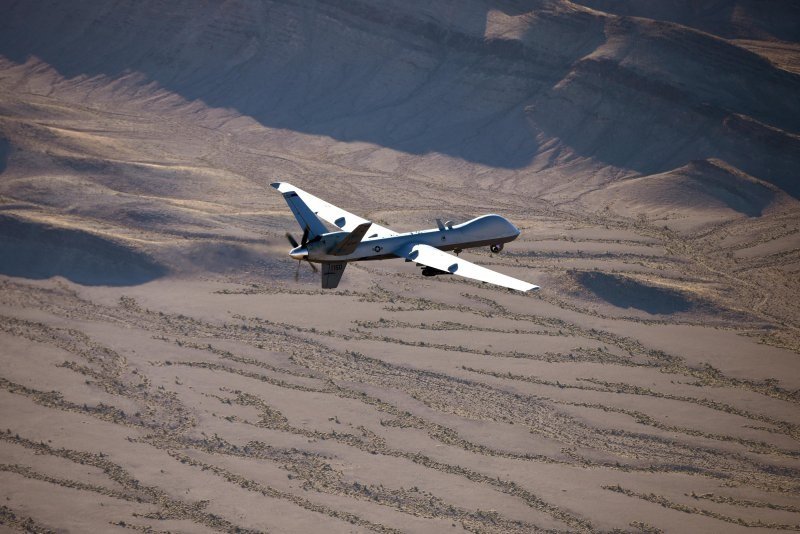 Iran’s IRGC Claims It Shot Down 53rd U.S. MQ-9 Reaper Over Qeshm Island
-
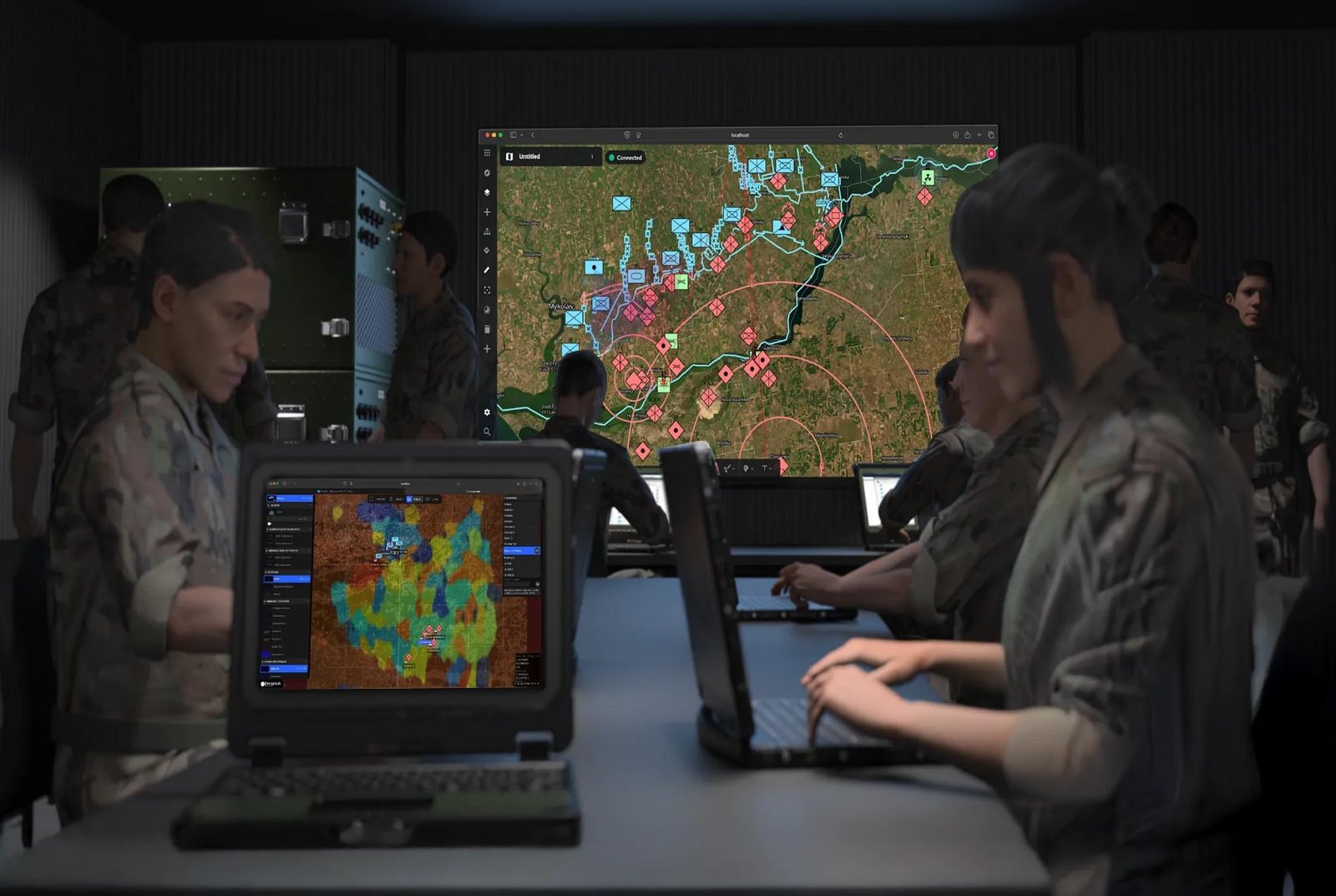 Thales Launches HexaForce AI-Enhanced Command and Control System for Multi-Domain Operations
-
 China Privately Urges Iran to Restrain Houthis After Saudi Appeal
-
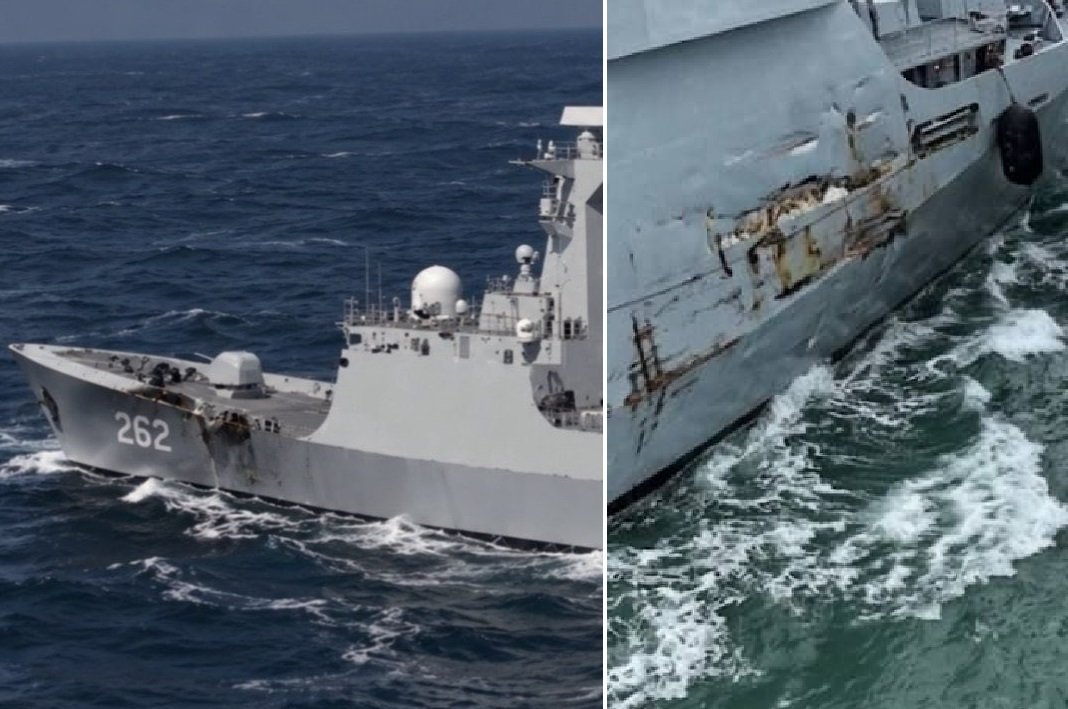 Pakistani Navy’s PNS Hunain Damaged After Collision With Indian Navy Warship in North Arabian Sea
-
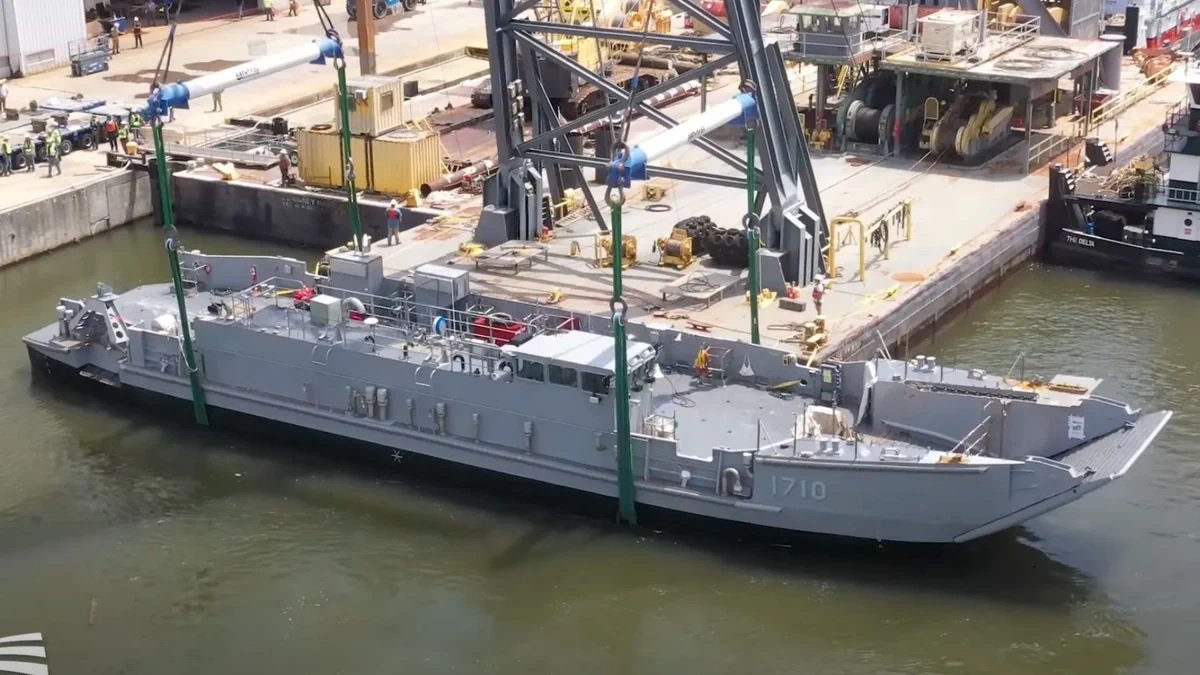 U.S. Navy Awards $280.5 Million in Prototype Agreements to Three Shipyards for LCU 1700 Landing Craft
-
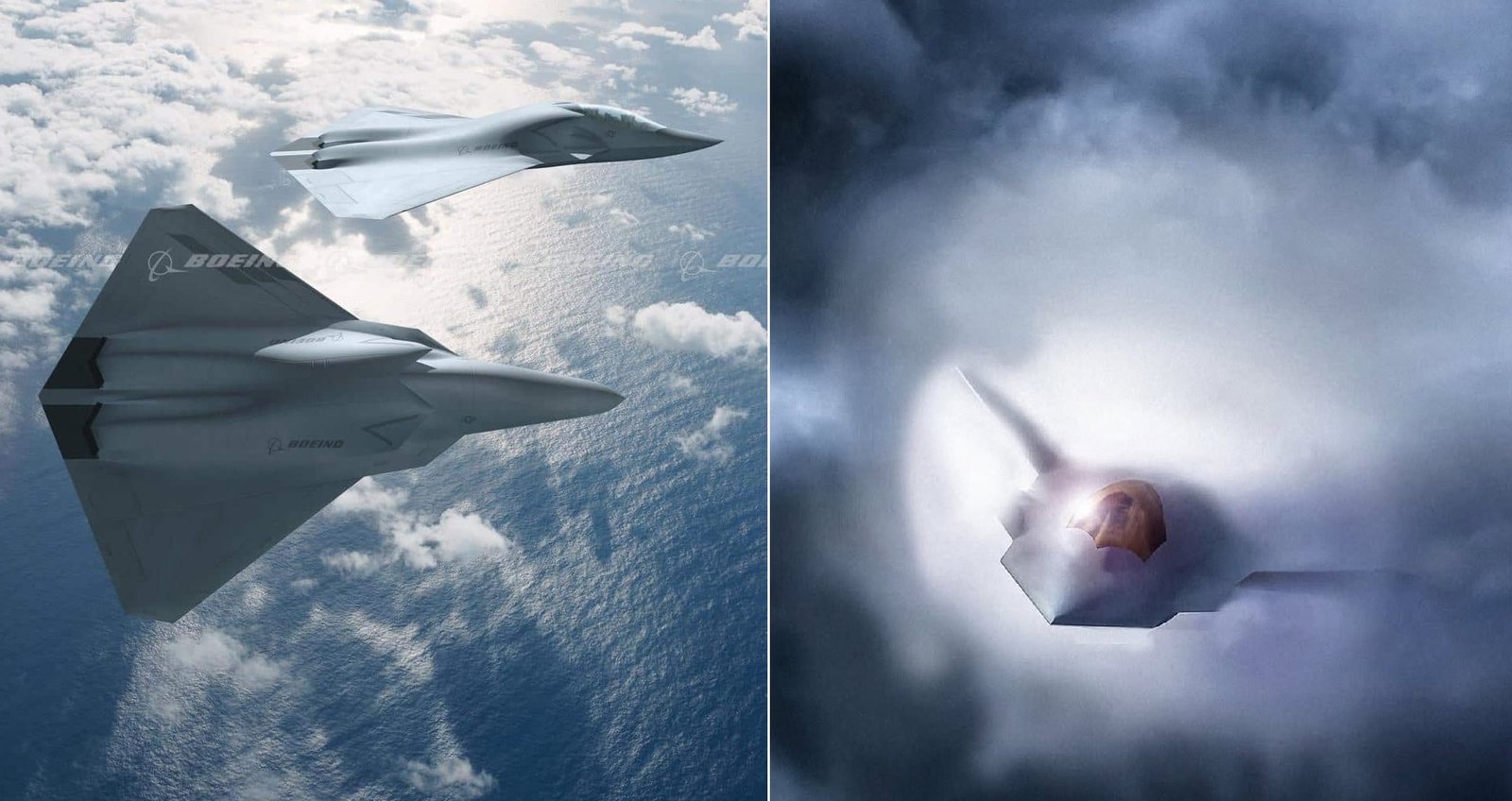 Pentagon Raises Concerns Over Defense Industry Capacity for F-47 and F/A-XX Sixth-Generation Fighter Programs at the Same Time
-
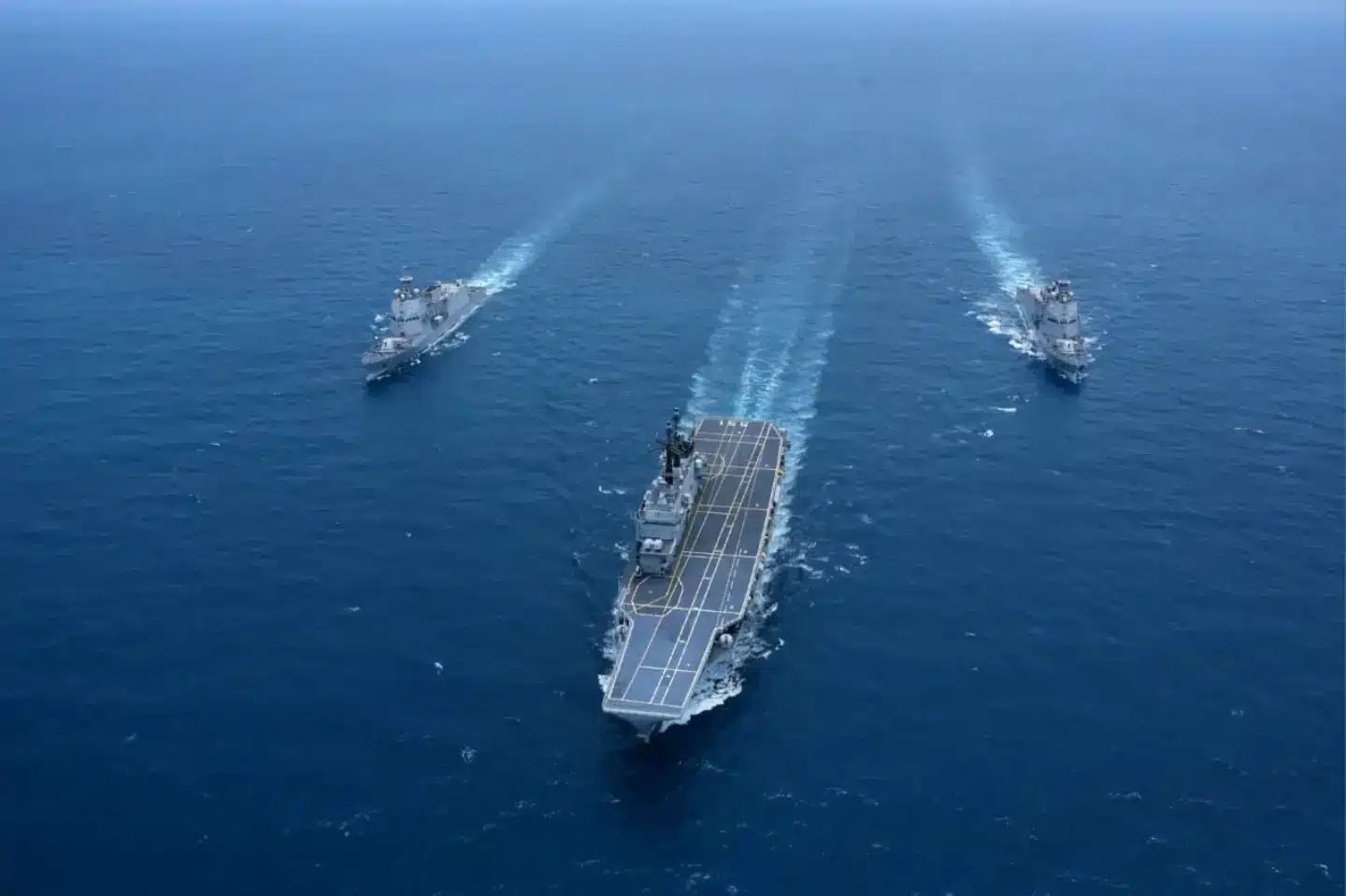 Former Italian Navy Carrier Enters Indonesian Waters to Join Indonesian Navy as Indonesia’s First Aircraft Carrier
-
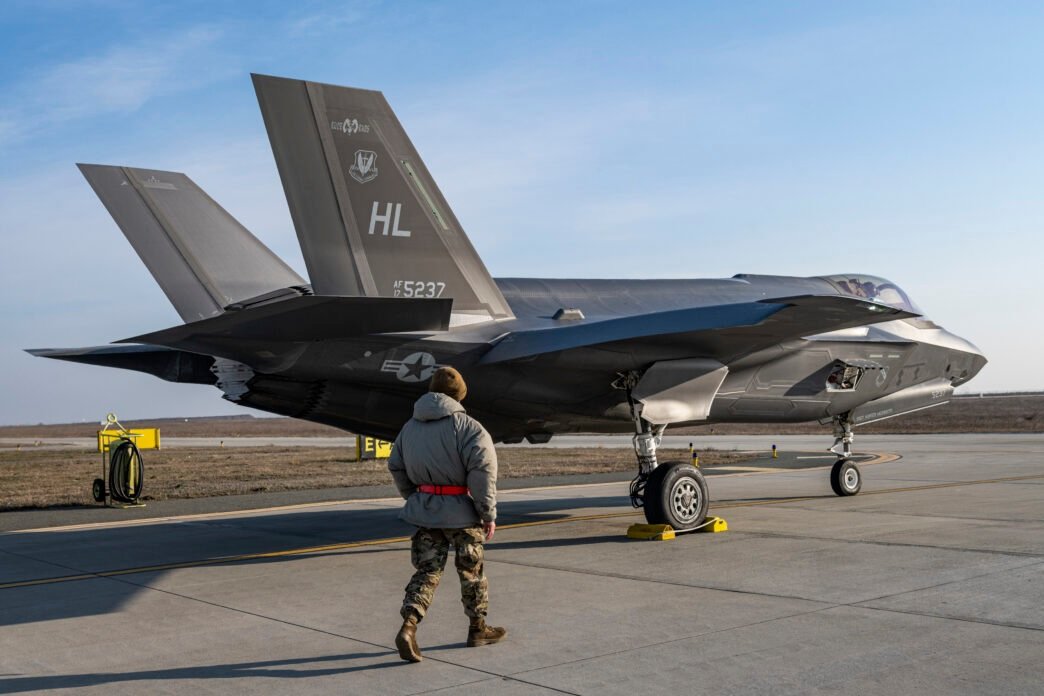 U.S. Intelligence Warns Proposed F-35 Sale to Saudi Arabia Could Expose Technology to China
Top Trending in 4 Days
-
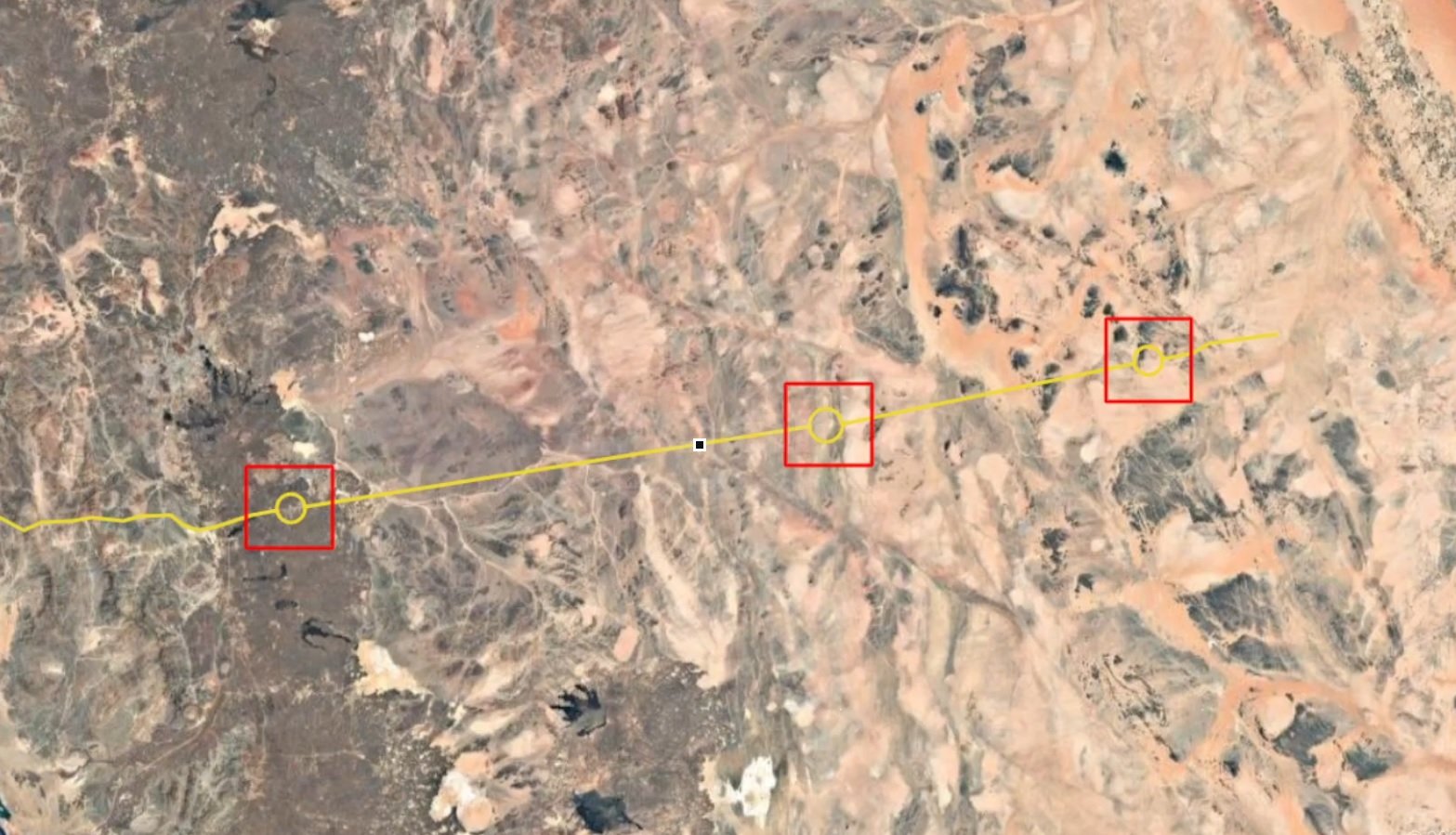 Satellite Imagery Shows Extensive Damage to Saudi Arabia’s East-West Oil Pipeline, Indicating More Than a Single Strike
-
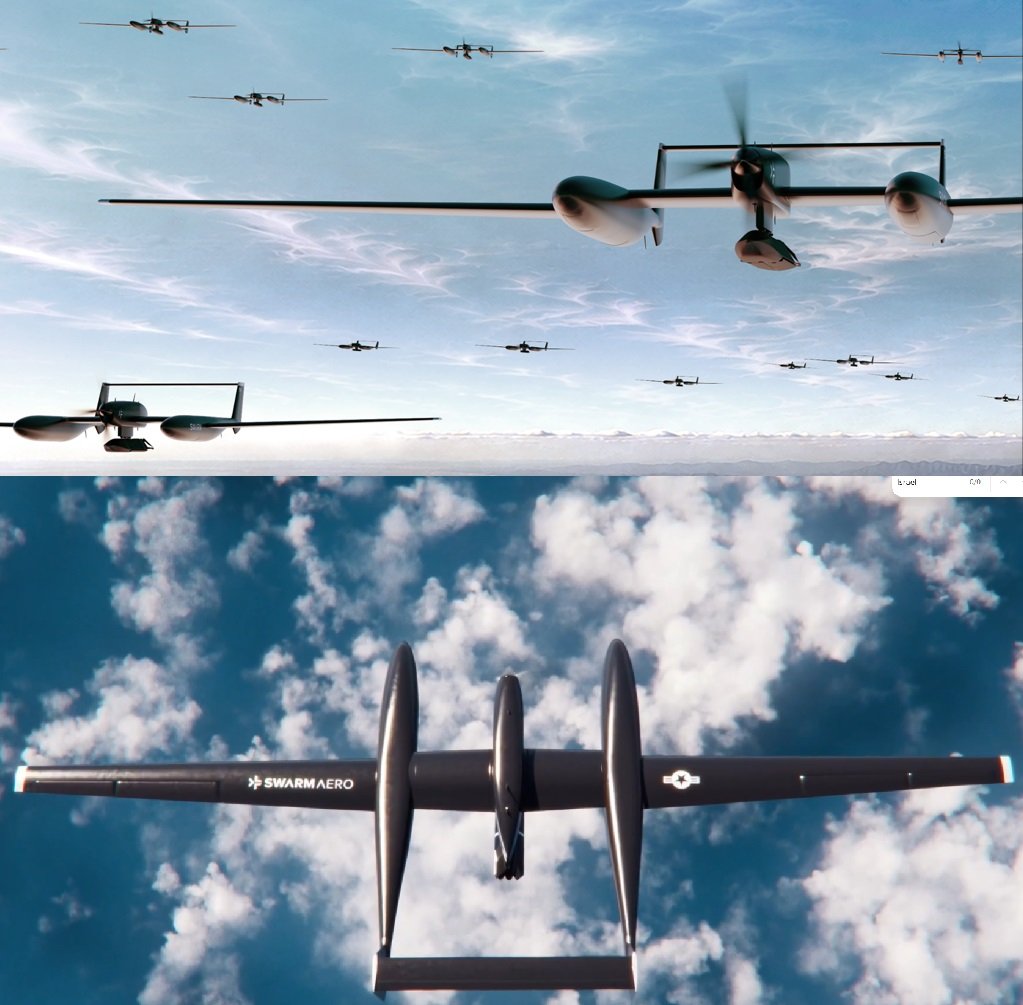 U.S. Firm Swarm Aero Unveils Gamera Group 5 UAS With 9,000-Nautical-Mile Range and Heavy Strike Payload
-
 Pentagon Inspector General Report Finds Iran War Caused U.S. Ammunition Shortfalls and Industrial Bottlenecks
-
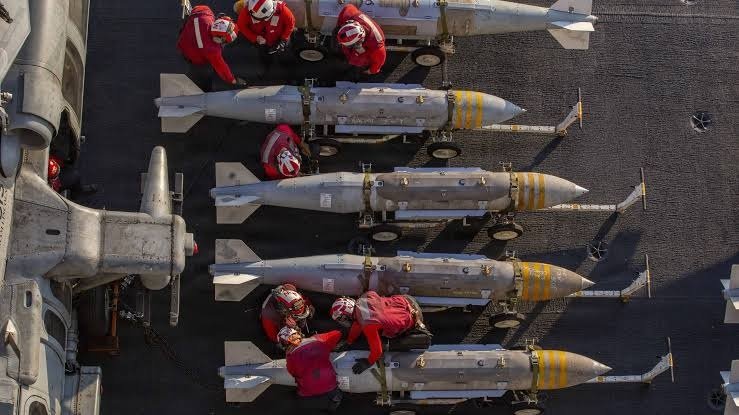
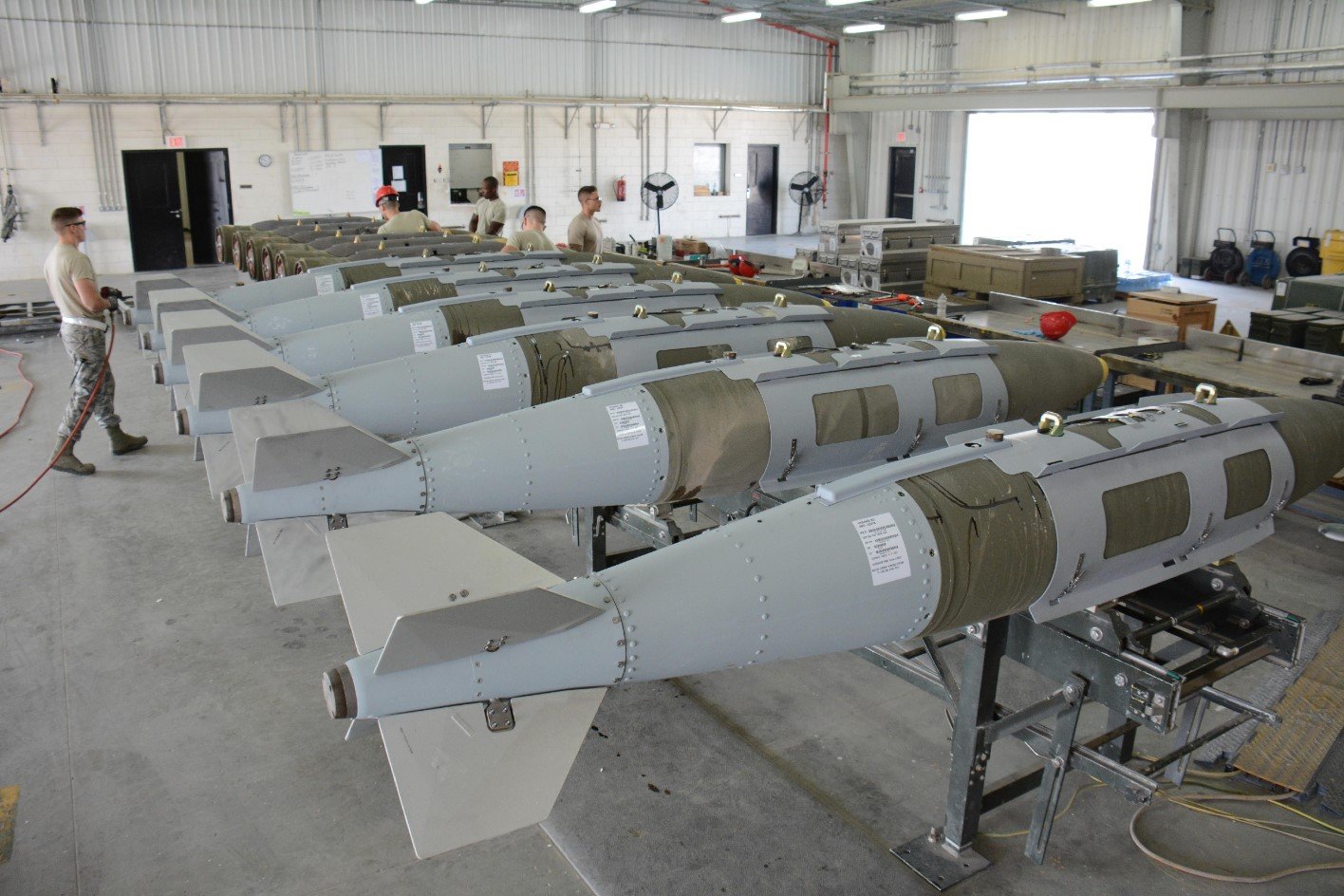 U.S. Plans $2.8 Billion Sale of 40,000 Heavy Bombs and 20,000 I-2000 Penetrator Warheads to Israel
-
 Pentagon and Honeywell Complete Four-Hour Pacific Flight Using Quantum Magnetic Navigation Without GPS
-
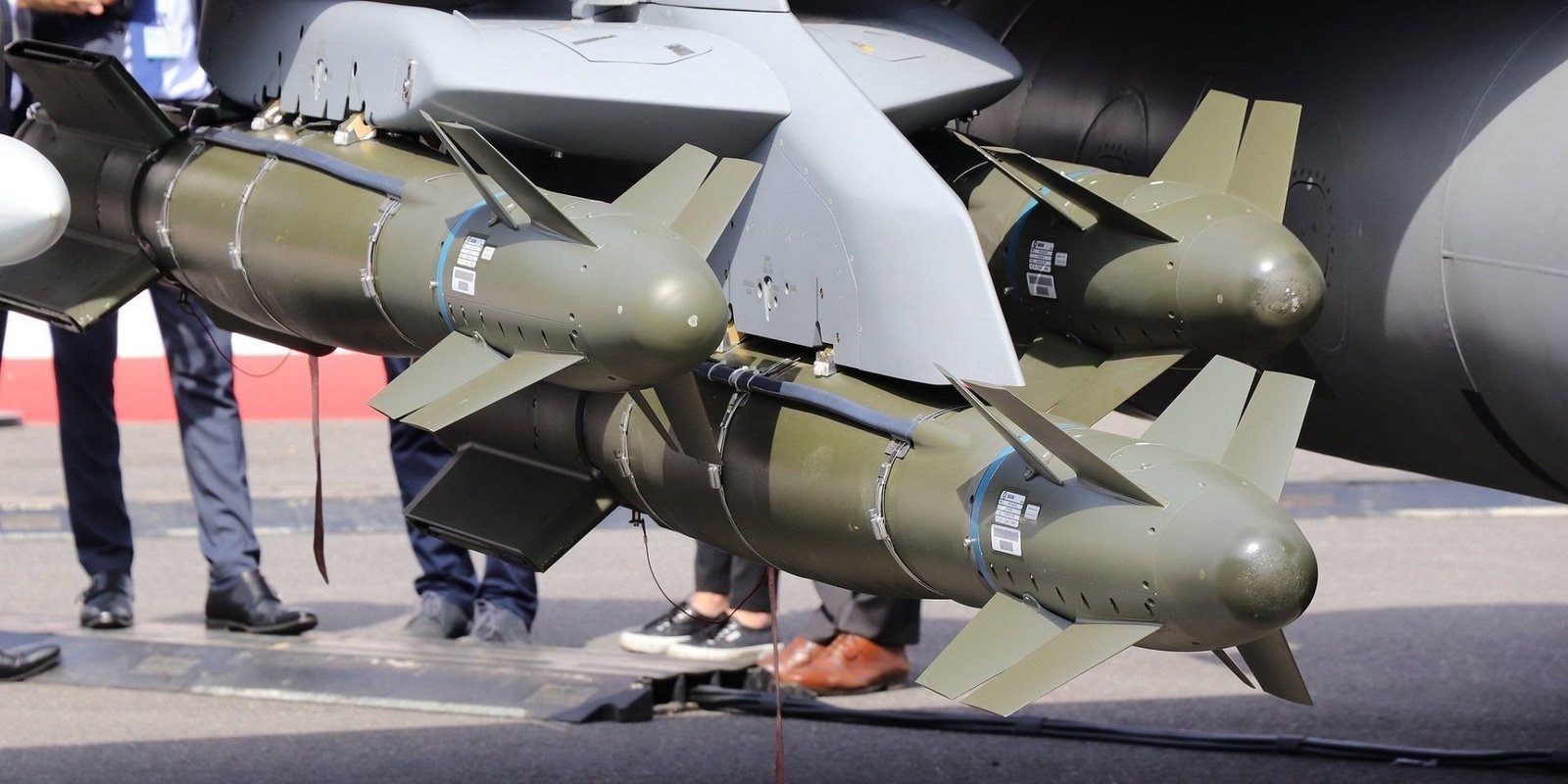 Swedish Gripens Bound for Ukraine to Be Armed with French Rocket-Assisted Hammer Precision Bombs
-
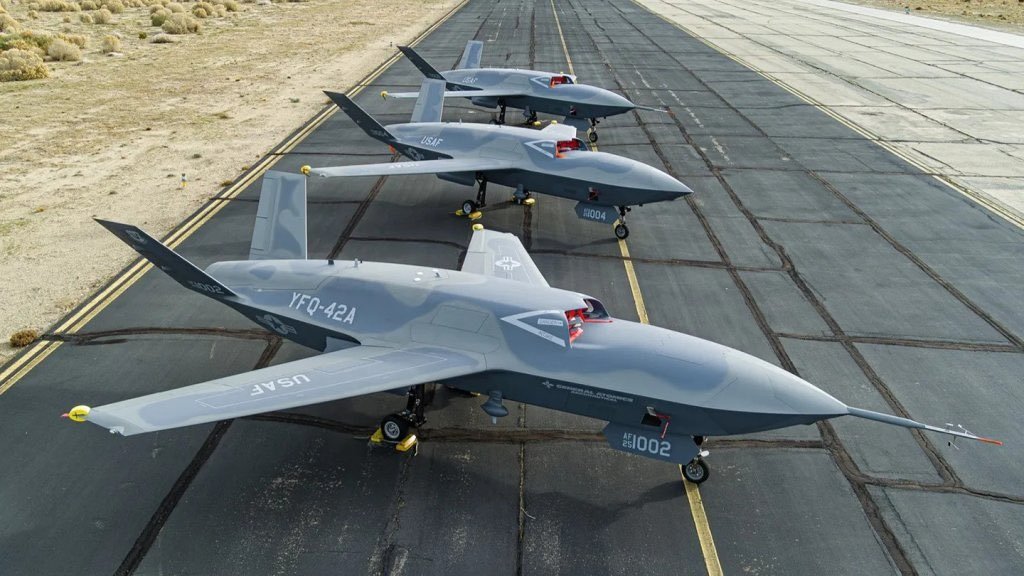 U.S. Air Force Officially Names First Collaborative Combat Aircraft FQ-42 Vengeance and FQ-44 Fury, Targets 500 by 2032
-
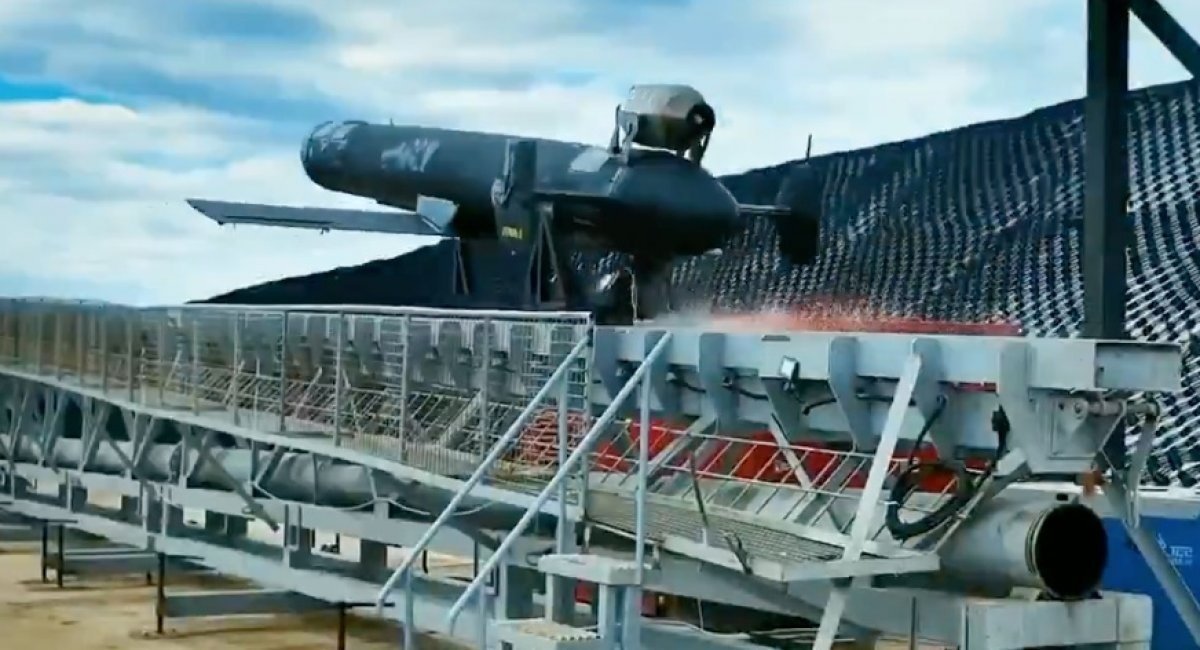 Russia Ramps Up Production of Jet-Powered Geran-5 Drones and Banderol Missiles, With Low Cost of Around $100,000 Per Unit