
India
The European Union (EU) on July 18, 2025, announced new sanctions—and for the first time, they directly impact an Indian company. The sanctions target Nayara Energy Ltd, a large Indian oil refinery located in Gujarat and partly owned by Russian oil giant Rosneft, which holds a 49.13% stake. The move is part of the EU’s broader effort to cut off Russia’s oil revenues being used to fund the war in Ukraine. Why Nayara Was Targeted The EU alleges that Russia is using third countries, including India, to bypass earlier sanctions. Nayara Energy, previously known as Essar Oil Ltd, runs one of India’s biggest refineries and operates more than 6,750 retail fuel stations across the country. It processes a significant portion of Russian crude oil, which has increased sharply after the West stopped buying directly from Russia. The new EU sanctions block Nayara from exporting refined products like diesel and petrol to any EU country. The aim is to stop Russia from indirectly accessing European markets through countries not formally part of Western sanctions. India’s Response India responded strongly, saying it “does not subscribe to any unilateral sanctions” and remains “a responsible actor” committed to its legal obligations. New Delhi has consistently maintained that its energy trade decisions are driven by national interest and economic security, not political alignment. What Else Is in the Sanctions Package The EU’s latest measures also include: Blacklisting 105 vessels that are part of Russia’s so-called “shadow fleet”—a group of ships used to secretly move Russian oil and evade sanctions. This fleet has grown from 100 ships in 2023 to nearly 800 ships in 2025. Excluding 20 more Russian banks from the global payments system, tightening financial restrictions that already froze around two-thirds of Russia’s $330 billion central bank reserves. Lowering the oil price cap from $60 to $47.60 per barrel on Russian crude. This cap, enforced by the G7 countries, is designed to limit Moscow’s oil income while allowing oil to continue flowing to global markets to avoid price shocks. Impact on Global Oil Market India and China, which have been buying large amounts of discounted Russian oil, may now find more pricing advantages due to the lowered cap. However, the EU’s action on Nayara indicates that Asian refiners could face more scrutiny going forward if they’re seen as helping Russia sidestep Western sanctions. Why This Matters This is the first time a non-Russian, non-Western company has been directly punished for its involvement in Russian oil trade. The EU is now clearly expanding its sanctions to target third-party countries, not just Russia itself. These new measures show that the EU is closing the loopholes in its sanction system and sending a message that neutral countries dealing with Russian energy might also face consequences. The Nayara Energy case may become a precedent, signaling that the EU and its allies are ready to act against any player—regardless of nationality—that helps Russia’s war economy survive.
Read More → Posted on 2025-07-19 14:07:31
India
India's Defence Research and Development Organisation (DRDO) has officially released a Request for Proposal (RFP) to onboard a Development-cum-Production Partner (DcPP) for the Virupaksha AESA radar, an advanced combat radar system designed for the Su-30MKI upgrade program. The RFP was issued by Electronics and Radar Development Establishment (LRDE), a key DRDO lab based in Bengaluru, which is responsible for designing and developing the radar system. The invitation marks a critical phase in the radar’s journey from prototype to serial production and reflects India’s intent to significantly boost indigenous capabilities in defense electronics. Next-Gen Radar for India’s Workhorse Fighter The Virupaksha radar is a state-of-the-art Active Electronically Scanned Array (AESA) radar intended to replace the Russian-origin N011M Bars radar currently used on Su-30MKI jets. This transition to a more powerful and versatile radar system is part of the broader Super Sukhoi upgrade initiative, which aims to keep India’s most numerous fighter aircraft relevant against emerging aerial threats. Unlike traditional mechanically scanned radars, AESA radars like Virupaksha employ hundreds of tiny transmit-receive modules that electronically steer radar beams at lightning speed, offering improved target tracking, multi-target engagement, resistance to jamming, and high-resolution mapping for strike missions. Notably, the radar uses Gallium Nitride (GaN)-based T/R modules, which are more energy-efficient and capable of operating at higher temperatures, giving the system longer range and durability in combat conditions. India’s Push for Self-Reliance The decision to induct a private or public sector partner through the DcPP model is in line with the Indian government’s Atmanirbhar Bharat (self-reliant India) initiative. The selected partner will work alongside LRDE in refining the radar for production, scaling manufacturing, and integrating the system onto Su-30MKI airframes, beginning with flight test platforms under the IAF. Sources suggest that over 150 Su-30MKIs are likely to be retrofitted with the radar in the coming decade, making it one of the most significant indigenous radar production efforts ever undertaken in India. A Broader Upgrade Program The radar is only one part of the Super Sukhoi package, which includes upgrades to avionics, mission computers, electronic warfare (EW) suites, new cockpit displays, and integration of indigenous weapons like the Astra Mk2, Rudram anti-radiation missiles, and smart glide bombs. Together, these upgrades are expected to transform the Su-30MKI into a significantly more lethal and survivable platform. Flight testing of the radar is expected to begin by 2026, with limited series production possibly starting around 2028, pending successful trials and certification. A Strategic Leap in Radar Technology With the Virupaksha AESA radar, India joins a select group of nations capable of developing and manufacturing fighter-grade AESA radars, a field traditionally dominated by the US, Russia, France, and Israel. The system will allow Indian engineers to incorporate custom features suited to subcontinental conditions, including low-observable target detection, terrain-following strike profiles, and highly adaptive ECCM capabilities. This project is also expected to create spin-off benefits for other platforms, including future unmanned combat aircraft, naval fighters, and surveillance systems.
Read More → Posted on 2025-07-18 17:11:22
India
The Ministry of Defence (MoD) has awarded a contract worth ₹185 crore (approximately $21 million USD) to BEML Limited, a Government of India undertaking, for the supply of 79 indigenously developed PAT bulldozers. This contract comes under the "Buy (Indian)" category and aligns with the Government’s Aatmanirbhar Bharat vision, which encourages domestic manufacturing of critical equipment for armed forces. The PAT (Proven Articulated Track) Bulldozers, developed in-house by BEML, are heavy-duty engineering equipment specially designed for deployment by the Indian Army in rugged terrains, including high-altitude border areas and forward bases. These bulldozers are intended for multiple roles such as road construction, earth moving, military engineering operations, clearing debris, and obstacle removal in tactical zones. According to BEML’s official statement, these bulldozers feature: High drawbar pull and power-to-weight ratio, ensuring effective performance in harsh environments Advanced hydraulic and powertrain systems High mobility over snow-bound, mountainous, and semi-desert terrains Fully indigenous content, making them eligible for India’s defence procurement policy advantages The machines are being produced at BEML’s manufacturing complex in Kolar Gold Fields (KGF), Karnataka, and deliveries will commence soon in batches over the next 12–18 months. Defence experts say the deal highlights the government's ongoing commitment to strengthening logistics and mobility in remote and strategic border regions, especially amid ongoing infrastructure upgrades near LAC (Line of Actual Control). This procurement follows earlier successful supply of BEML’s dozers to the Indian Army and Border Roads Organisation (BRO), both of whom have provided strong feedback on the platform’s reliability. With this deal, BEML continues to cement its position as a trusted supplier of mission-critical ground mobility solutions to the Indian armed forces.
Read More → Posted on 2025-07-18 17:02:07
India
Hyderabad-based defence tech start-ups Veera Dynamics and Binford Research Labs have collaborated to develop India’s first stealth drone, now undergoing field testing with ground troops. This advanced drone features dual-stealth technology, designed to significantly reduce both infrared (IR) and radar signatures, making it far harder to detect during missions. What makes this project groundbreaking is the integration of Veera Dynamics’ advanced stealth material—developed under Project RAMA (Radar Absorption & Multispectral Adaptive)—with Binford’s battle-proven drones. Project RAMA is a specialised coating that can be applied to various platforms like drones, naval vessels, and aircraft, enabling them to operate with reduced visibility in radar and IR spectrums. “The material can be applied to a wide range of platforms... to enable low-observability operations in modern threat environments,” said Sai Teja Peddineni, CEO of Veera Dynamics. On the other hand, Binford’s drones are already capable of functioning in GPS- and RF-denied environments, which makes them highly suitable for operations in hostile or signal-jammed areas. These capabilities, combined with RAMA’s stealth coating, aim to create drones that can perform covert, high-risk missions in contested zones. According to Siddhant Jain, Founder of Binford Research Labs, “Integrating Project RAMA into Binford’s drones enhances their ability to carry out covert, high-risk missions... The combination is aimed at delivering a new generation of unmanned aerial systems optimised for survivability, precision, and mission adaptability.” The joint venture is now working on scaling up production of these stealth drones to meet the Indian Armed Forces’ growing need for mass-deployable unmanned systems. These drones are expected to play a key role in future battlefield environments, especially where stealth, agility, and electronic warfare resilience are critical. This marks a milestone in India's push for self-reliant, next-gen defence technology, showcasing how start-ups are driving innovation in national security.
Read More → Posted on 2025-07-18 16:52:46
India
The Ministry of Defence (MoD) has recommended a partnership with France’s Safran Group to jointly develop a 120kN fighter jet engine for the upcoming Advanced Medium Combat Aircraft (AMCA). The deal, estimated at ₹61,000 crore (around $7 billion), is poised to become one of the biggest Indo-French defence collaborations in history. According to top defence officials, this decision follows an intense evaluation of competing offers from Safran and UK-based Rolls-Royce. Safran’s proposal was found to be technically superior and more in tune with India’s long-term requirements. The French side has committed to complete technology transfer and co-development, including design, development, testing, and certification of the engine entirely on Indian soil. The engine program will incorporate critical technologies that India currently does not possess—such as hot-end components, advanced single-crystal blade manufacturing, laser drilling, and thermal coatings. These technologies are key to building high-thrust, efficient, and durable fighter engines. The 120kN engine will power future versions of AMCA, particularly the Mk2 variant, and is expected to support a fleet of over 250 next-generation aircraft in the coming decades. For now, the initial AMCA Mk1 will continue with GE’s F414-INS6 engines, developed in the United States. Currently, all Indian fighter jets—from the Su-30MKI and Mirage 2000 to the Tejas and Rafale—rely on foreign-made engines. Developing an engine domestically is seen as crucial to reducing dependency, cutting lifecycle costs, and ensuring national security. Jet engines are considered one of the most difficult defence technologies to master. Only a handful of countries—the United States, France, Russia, and the UK—have succeeded in building fighter-class engines from scratch. India’s previous attempt to develop a fighter engine, the Kaveri project, could not meet the required thrust levels for manned fighters. Although a modified version of Kaveri is being considered for unmanned combat aerial vehicles (UCAVs), the country still lacks a modern, full-scale jet engine for frontline fighter aircraft. The proposed deal with Safran is expected to address this gap. It also comes at a time when India is negotiating with the US for technology transfer of GE’s F414 engine for AMCA Mk1. However, those talks are still ongoing, particularly around India’s demand for over 80% technology transfer, including access to hot-section parts—one of the most tightly guarded technologies in aerospace. Defence experts believe that the Safran project, once cleared, could establish a robust engine ecosystem in India. This would not only fuel the AMCA program but also support future technologies like 6th-generation fighters, stealth drones, and hypersonic platforms. Backed by Defence Minister Rajnath Singh, the engine program is being viewed as a long-term strategic investment in India’s aerospace independence. If finalized, the partnership with Safran could place India in the select league of countries capable of developing and manufacturing advanced fighter jet engines—a capability that has eluded the nation for decades.
Read More → Posted on 2025-07-18 16:21:40
India
An alarming claim from a top aviation expert and former U.S. official has intensified scrutiny over Boeing 787 Dreamliner’s onboard automation systems following the Air India AI185 incident, in which the aircraft reportedly lost engine thrust mid-cruise, and the pilot tragically died soon after. While early speculation from Western media outlets blamed the crew, growing evidence suggests that automated software — not pilot error — may be at the heart of the near-catastrophe. The Air India Dreamliner was flying from Delhi to Frankfurt when it experienced what airline sources described as a “transient but unexplained power loss” from both engines. The pilot in command, Captain Aditya Chauhan, 45, suffered a cardiac arrest shortly afterward and passed away during an emergency diversion. The co-pilot managed to land the aircraft safely. Now, voices from within the international aviation community are pushing back against attempts to scapegoat the deceased pilot, who, as critics point out, “is no longer here to defend himself.” Mary Schiavo: “Software Can Cut Fuel Mid-Air — It’s Happened Before” Mary Schiavo, a prominent aviation attorney and former U.S. Department of Transportation Inspector General, has directly cautioned against prematurely blaming the pilot, instead urging investigators to focus on the Boeing 787’s automated engine control systems, particularly the Thrust Control Malfunction Accommodation (TCMA). “In about 75% of the cases, the pilots are blamed — and in many cases, we've been able to disprove that,” Schiavo said in an interview with Barkha Dutt. “It is not only unfair but simplistic and harmful to blame the pilots… there are too many suspicious things to say, ‘Oh, it’s the pilots’.” She cited past incidents — including a 2019 All Nippon Airways (ANA) case — where the TCMA system mistakenly cut off fuel mid-air, believing the aircraft had landed when it was still flying. “The plane thought it was already on the ground and it was still in the air, and it cut the fuel. The plane came in like a very heavy glider — luckily, it was landing and not taking off,” she explained. Dreamliner’s TCMA System Under Scrutiny At the heart of these concerns is the TCMA, a software system mandated by the FAA, designed to automatically cut engine power under certain misinterpreted conditions. “This system can and will cut the thrust to both engines if it malfunctions,” Schiavo warned. “And that has happened before.” She also mentioned another troubling incident involving a United Airlines Dreamliner flying from Washington D.C. to Nigeria, where the aircraft entered a nose dive due to a sudden thrust reduction, again without clear pilot input. Pilot Community Pushes Back at Western Media Narrative The rush by several Western outlets to imply pilot error has drawn sharp criticism from Indian aviation circles, who argue the narrative is both premature and biased. “He’s not here to defend himself. Blaming a dead pilot without all the facts is a disgrace,” said a retired Air India captain. Schiavo echoed this concern, stressing that the investigation is far from complete. “Just having one pilot allegedly say to the other, ‘Why did you cut off?’ and the other say, ‘I didn’t,’ — that’s not nearly enough,” she emphasized. She noted that data analysis from the flight data recorder (FDR) will take time. “There will be millions of lines of data. This aircraft has one of the most advanced recorders in the world,” she said. “And we must examine all of it before reaching any conclusions.” What Really Happened to AI185? According to Air India officials, the aircraft experienced a dual thrust anomaly approximately 40 minutes into cruise. Pilots tried to stabilize the situation, but moments later, Captain Chauhan reportedly collapsed in the cockpit. While the airline has cited “natural causes,” insiders are now wondering if the stress of a cascading system failure may have played a role in his death. India’s Directorate General of Civil Aviation (DGCA) and Air India are now conducting an internal probe, and have reportedly requested Boeing for software diagnostic logs from the aircraft’s flight control systems. A Pattern with Boeing? This latest controversy adds to Boeing’s growing troubles regarding automated systems overriding human control. The infamous MCAS system in the 737 MAX led to two fatal crashes, killing 346 people. That software, too, was later found to operate with limited pilot override ability, a design flaw that Boeing eventually admitted. “Altitude is time,” Schiavo said. “At cruise altitude, you have some buffer. But during takeoff or descent, when these software systems act unpredictably, pilots don’t have that luxury.” Caution Before Conclusion Until the full investigation concludes, experts like Schiavo warn the public — and media — to reserve judgment. “We owe it to the victims, the crew, and aviation safety worldwide to do the hard work of investigating this properly. Not to point fingers based on speculation,” she said. As more data comes to light, the incident may not just be a tragedy for one airline — but a wake-up call for the global aviation industry and its growing dependence on automation.
Read More → Posted on 2025-07-18 16:07:18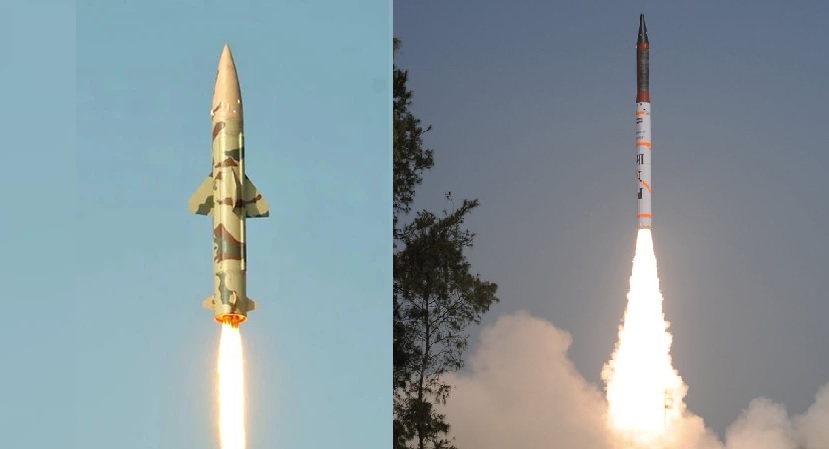
India
India on July 17, 2025, successfully test-fired two nuclear-capable ballistic missiles — the Prithvi-II and Agni-I — from the Integrated Test Range (ITR) in Odisha, as part of routine user trials by the Strategic Forces Command (SFC). According to the Ministry of Defence, both missiles achieved their objectives flawlessly, validating all key operational and technical parameters. These tests are seen as an important signal of India's credible minimum deterrence and commitment to maintaining a strong and ready strategic arsenal. The Prithvi-II missile, which has been in service since 2003, is a short-range ballistic missile (SRBM) developed by the Defence Research and Development Organisation (DRDO). It has a range of around 350 km and can carry a 500 kg payload, including both nuclear and conventional warheads. The missile is known for its liquid propulsion system, high accuracy, and quick launch capability, making it a key tactical weapon in India's arsenal. Alongside it, India also tested the Agni-I missile, a medium-range ballistic missile (MRBM) that can strike targets 700 to 900 km away. With a payload capacity of up to 1,000 kg, the Agni-I serves as an essential component of India’s strategic force, especially suited for regional deterrence. It bridges the gap between the Prithvi series and longer-range Agni missiles. Both tests were conducted under the supervision of the Strategic Forces Command, which is responsible for the deployment and management of India’s nuclear weapons. The successful launches confirm the missiles’ combat readiness and operational reliability, reinforcing India's defence posture amid a complex regional security environment. These tests come just over two months after the military tensions seen between India and Pakistan in early May, underlining India's continued focus on strategic preparedness and maintaining peace through strength. Experts believe that such periodic tests ensure that India’s deterrent forces are well-maintained, technologically sound, and ready for any scenario. They also reflect India’s firm commitment to a “No First Use” nuclear policy, while keeping its deterrent forces in a state of constant readiness. With this successful test, India has once again sent a strong message of technological self-reliance, military preparedness, and strategic stability, keeping pace with its security challenges in the region.
Read More → Posted on 2025-07-18 14:20:02
India
India has strongly rejected NATO Secretary-General Mark Rutte’s warning of “100% secondary sanctions” on countries continuing to buy Russian oil, asserting that energy security is its sovereign priority and cautioning against “double standards.” During remarks from Washington this week, Rutte cautioned that nations like India, China, and Brazil could be hit “very hard” by secondary sanctions or steep tariffs if they continue their oil trade with Russia . The warning echoed similar threats from former US President Donald Trump, who indicated that buyers of Russian exports might face 100% tariffs unless Russia negotiates peace in Ukraine within 50 days . India’s Steadfast Reply India’s External Affairs Ministry, through spokesperson Randhir Jaiswal, stated: “Securing the energy needs of our people is understandably an overriding priority. We would particularly caution against any double standards on the matter.” The statement reaffirmed India’s commitment to market-based sourcing in alignment with global circumstances, without succumbing to external pressure . Energy Minister Downplays Tariffs Speaking separately, Oil Minister Hardeep Singh Puri indicated India is well-prepared to mitigate any impacts from sanctions or tariffs, thanks to diversified sourcing: India now imports from approximately 40 countries, compared to 27 previously . Top Russian oil suppliers, such as Reliance Industries and Nayara Energy, contributed significantly during the first half of the year . Should Russian supplies be affected, India stands ready to pivot to alternatives like Guyana, Brazil, Canada, and ramp up domestic production and global sourcing . Puri emphasized: “I’m not worried at all. If something happens, we’ll deal with it.” Context and Strategic Outlook India relies on 85% imported oil, with Russia accounting for around 35% of its crude intake . Russian oil’s discounted rates have been instrumental in easing India’s forex import costs . Analysts warn that steep tariffs could force import shifts to pricier grades like West Texas Intermediate (WTI) or Brazilian pre-salt, impacting the country’s import bill and inflation . Still, India maintains it has strategic buffers, including 21–25 days of oil reserves, and the ability to handle supply disruptions like a Strait of Hormuz shutdown . No Compromise on Sovereignty India made it clear: “We don’t need your speeches” when it comes to national energy choices. The government's firm rebuke underscores its resolve to act independently, balancing diplomatic engagement with economic necessity. By resisting external pressure and maintaining diversified energy ties, India continues to chart a sovereign and pragmatic path aimed at stabilizing domestic markets and preserving autonomy in global affairs. India’s firm stance signals a clear message: energy security and national interests rank above external coercion, and any attempt to impose economic penalties will be met with strategic adaptability and resilience.
Read More → Posted on 2025-07-17 16:30:09
India
Defence Research and Development Organisation (DRDO) has successfully completed low- and high-speed taxi trials of its next-generation drone, Archer-NG. The trials pave the way for the drone’s first flight, which is now scheduled for the first week of August 2025. Developed by the Aeronautical Development Establishment (ADE), a DRDO laboratory, the Archer-NG (Next Generation) is a Medium Altitude Long Endurance (MALE) class Remotely Piloted Aircraft (RPA), designed for a mix of surveillance and precision-strike missions. "The Archer-NG is a key step toward strengthening India's self-reliance in high-end drone warfare systems," a senior DRDO official confirmed following the successful trials. Advanced Capabilities with Indigenous Power At the heart of Archer-NG is a 177 HP indigenous turbocharged engine, allowing it to reach a maximum altitude of 30,000 feet, and operate for up to 29 hours. The platform boasts: Maximum Takeoff Weight (MTOW): 1,800 kg Wingspan: 18.6 meters Maximum Speed: 225 km/h Weapon Payload: 300 kg across four hard points Range: 250 km (Line of Sight), 1,000 km (Beyond Line of Sight via SATCOM) The use of an indigenous engine and subsystems marks a major leap in India's domestic aerospace ecosystem. The aircraft is intended to fulfill critical Intelligence, Surveillance, Target Acquisition, and Reconnaissance (ISTAR) roles in both peace and conflict scenarios. Equipped for Modern Battlefield Requirements The Archer-NG UAV is fitted with a broad range of electronic payloads and sensors, making it ideal for multi-domain operations. Key onboard payloads include: Electro-Optical/Infrared Systems: MREO, LREO Radar Systems: SAR (Synthetic Aperture Radar), MPAR (Maritime Patrol Radar) Electronic Warfare (EW): ELINT and COMINT Situational Awareness: IFF, TCAS, Unified Communications Radio (UCR) Armaments: Precision-guided munitions and ISR sensors This rich payload mix will enable persistent surveillance, high-resolution imaging, and real-time targeting, while also being capable of delivering pinpoint strikes in hostile zones. Strategic Significance and Future Plans The Archer-NG is expected to complement the larger TAPAS-BH-201 UAV and will play a frontline role in border monitoring, counter-terrorism, and tactical strike missions. Given its indigenous design, the platform could become a cost-effective alternative to imported systems. According to officials, once flight trials are successfully completed, DRDO may initiate user evaluations with the Indian Army and Indian Air Force, with a possible eye on naval variant development in the future. Additionally, the drone is being seen as a strong candidate for defence exports, especially to friendly nations in Asia, Africa, and Latin America seeking reliable and affordable MALE-class drones. Archer-NG is part of the Indian government’s broader push under ‘Aatmanirbhar Bharat’ (Self-Reliant India), which aims to reduce dependency on foreign-origin platforms. With the successful development of this drone, India is set to join a select group of nations capable of designing, developing, and manufacturing long-endurance armed UAVs. As the maiden flight approaches, DRDO and ADE are optimistic that Archer-NG will redefine India’s unmanned air warfare doctrine, offering unmatched endurance, precision, and battlefield adaptability—entirely powered by Indian innovation.
Read More → Posted on 2025-07-17 15:50:04
India
Defence Research and Development Organisation (DRDO) has successfully completed field testing of the Integrated Drone Detection and Interdiction System (IDD&IS) Mk-IIA, equipped with a powerful 30kW laser weapon. The system is now ready for Limited Access Technology Transfer (LA-ToT) to private Indian firms for mass production, marking a critical step in indigenising India’s directed-energy weapon systems. According to the information displayed in the image, DRDO has also already transferred the technology for the IDD&IS Mk-II variant, featuring a 10kW laser, to the private sector, while the most advanced version, IDD&IS Mk-III—armed with a 50kW high-energy laser—is currently under development. Key Features and Capability The IDD&IS (Integrated Drone Detection and Interdiction System) is designed as a multi-layered, mobile counter-drone solution to detect, track, and neutralize hostile UAVs using both kinetic and non-kinetic methods. As seen in the image above, the system is mounted on a military-grade mobile truck platform, enabling quick deployment in the field. Here’s how the three main versions of IDD&IS compare: System Mk-II (10kW Laser) Mk-IIA (30kW Laser) Mk-III (50kW Laser) Detection/Tracking Radar (LRDE) 5 km 6 km 20 km EO/IR Tracking (IRDE) 3 km 5 km 10 km Soft Kill (Jamming - DLRL) 3 km 5 km 5 km Hard Kill (Laser - CHESS) 1 km 2 km 5 km Laser Power 10 kW 30 kW 50 kW Status LA-ToT Signed Field Testing Completed Under Development This layered approach makes it a versatile defence tool, capable of jamming (soft kill) or destroying drones with lasers (hard kill), depending on the threat level. The system is expected to be deployed to protect critical infrastructure, military bases, airports, and VIP events where UAV threats are becoming increasingly common. Strategic Impact The development and successful field trials of the Mk-IIA come at a time when drone incursions across India’s western borders and high-profile attacks using UAVs have grown. In such a security landscape, directed-energy weapons like high-power lasers provide a cost-effective, instant-response solution to take down multiple targets without collateral damage. DRDO's effort to transfer this technology to the Indian private defence industry is a major push toward the ‘Aatmanirbhar Bharat’ vision. It not only ensures self-reliance in next-gen defence tech, but also encourages the growth of indigenous production ecosystems, creating jobs and building local capabilities. 50kW Laser Variant in Development While the Mk-II and Mk-IIA systems are already battle-ready or nearing production, the Mk-III version, with a formidable 50kW laser and enhanced detection and tracking range, promises to bring India’s anti-drone strategy to the global forefront. Once operational, it will match or exceed capabilities of international counterparts like the US's HEL-MD or Israel's Iron Beam system. The IDD&IS program is rapidly maturing into a flagship indigenous solution for countering drone threats. By combining radar, jammers, EO/IR sensors, and high-energy lasers into one integrated system, DRDO has placed India at the cutting edge of drone defence. As production begins in the private sector, we may soon see widespread deployment of these systems across India’s borders, urban hubs, and high-security zones. The era of laser warfare in India has officially begun.
Read More → Posted on 2025-07-17 15:38:06
India
Defence Research and Development Organisation (DRDO) has successfully tested a High-Power Microwave (HPM) system that was able to disable a swarm of four drones at a distance of 1 kilometer. This marks a significant leap in India’s counter-drone and electronic warfare capabilities. The test, recently conducted as part of DRDO's ongoing trials of advanced defence systems, demonstrated how HPM radiation can be used as a non-kinetic method to neutralize hostile drones, especially those flying in coordinated swarms. The drones used in the demonstration were DJI Tello, a common small quadcopter, and all four were simultaneously disabled by a single pulse of high-powered microwave energy. What the System Includes A close analysis of the image from the test site and technical documentation on display reveals several key details about the system: A large 3-meter diameter directional microwave antenna is mounted on a military-grade mobile platform, allowing deployment in operational environments. The HPM container houses the core energy generation and control systems, while an auxiliary vehicle likely supports power management and system control. The S-band frequency is used, which is effective for targeting electronic components in drones. Peak output power reaches into the hundreds of megawatts, enough to burn out drone circuitry instantly. Pulse width: 20 nanoseconds Burst interval: 2 seconds ON, 5 minutes OFF Pulse Repetition Frequency (PRF): Adjustable from single shot up to 500 Hz These characteristics enable the HPM system to deliver intense bursts of microwave energy in short, focused intervals, ideal for surgical strikes against small UAVs and electronic systems. Strategic Significance The ability to disable multiple drones simultaneously at such a range is particularly important in today’s battlefield scenarios where low-cost drone swarms are increasingly used by both state and non-state actors. These drones can carry explosives, conduct reconnaissance, or jam communication systems. Traditional kinetic weapons (like guns or missiles) are often expensive or inefficient against swarms. But an HPM system offers a cost-effective, reusable, and rapid-response alternative. This successful test also reinforces India’s push for indigenous defence technologies. The HPM system appears to have been developed entirely by DRDO and associated Indian defence labs, in line with the 'Aatmanirbhar Bharat' (self-reliant India) initiative. While similar technologies are being developed by countries like the US, China, and Russia, DRDO’s achievement demonstrates that India is now entering this elite league of directed-energy weapons developers. Potential Deployments Such systems could be deployed to: Protect vital installations like military bases, airfields, or power stations. Secure high-profile events or convoys from drone-based threats. Provide frontline protection during active military operations, especially in anti-infiltration scenarios near borders. In addition to drones, HPM systems can also target communication equipment, vehicle electronics, and radar systems, making them highly versatile. This successful HPM test showcases the future of warfare, where non-lethal, energy-based weapons will play a larger role in defending against increasingly sophisticated threats. With this, DRDO has taken another significant step in ensuring India’s technological edge in modern and asymmetric warfare scenarios.
Read More → Posted on 2025-07-17 15:16:03
India
Lucknow-based startup Kalam Labs has announced its plans to develop a supersonic Unmanned Aerial Vehicle (UAV) as part of an advanced R&D pipeline targeting high-speed aerial and maritime surveillance systems. The project was revealed in a presentation that highlighted some of the most ambitious specs seen in Indian UAV development to date. According to visuals shared during the presentation, the supersonic UAV—tentatively designated "MD-19"—will cruise at an altitude of 18–20 kilometers at Mach 2, significantly higher and faster than current operational drones. One of the standout features is its ramjet propulsion system, which will be deployed after launch at an altitude of 118,300 feet to ensure high-speed cruise and sustained thrust in thinner air. Key Specifications: Cruise Altitude: 18–20 km Speed: Mach 2 (~2,470 km/h) Deployment Altitude: 118,300 feet for ramjet activation Range: Over 800 kilometers The ambitious project places Kalam Labs at the forefront of India’s efforts to develop indigenous high-speed UAVs for strategic surveillance and possible strike capabilities. Experts suggest that such a UAV could be a game-changer for missions requiring rapid ingress and egress, especially across hostile or contested borders. According to defence analysts familiar with India's drone roadmap, the ramjet integration is particularly notable. Most current UAVs rely on turbofan or propeller engines, which are not suitable for sustained supersonic speeds. Ramjet propulsion, though technically demanding, offers a pathway to build high-speed, high-endurance drones that can outrun and outmaneuver conventional air defenses. Broader Context This development aligns with India’s growing focus on hypersonic and supersonic platforms, both in crewed and unmanned categories. Organizations like DRDO have also been working on scramjet and hypersonic systems under various programs like HSTDV and SWiFT. Kalam Labs, while a private entity, is reportedly collaborating with various academic and defense institutions to access advanced testing and material science infrastructure. The planned UAV's range of 800+ km suggests use-cases such as deep reconnaissance, maritime patrol, and potentially even long-range precision strike roles. The project also complements India's broader interest in developing multi-day maritime systems capable of persistent surveillance in the Indian Ocean Region. Air-Defence Challenges at These Heights There are very few systems worldwide capable of targeting threats cruising at 18‑20 km—this includes high-end systems such as S‑400, Aster‑30, NASDAQ and THAAD, but those mostly belong to a select few nations What Experts Are Saying Speaking to Defense Today, aerospace analyst Rajat Misra said: “This is India’s closest step yet toward developing a true supersonic drone with possible strike capability. The focus on ramjet propulsion and deployment altitude suggests serious thought has gone into making it both survivable and lethal.” If successful, Kalam Labs’ UAV could join a small club of countries experimenting with high-speed drones, including the United States’ XQ-58A Valkyrie, Russia’s Okhotnik, and China’s WZ-8. While still in the research and development phase, the UAV project signals a significant shift in India’s drone ambitions. With technologies like ramjet propulsion, high-altitude deployment, and Mach 2 cruising speeds, Kalam Labs is aiming for a future where Indian drones are not just eyes in the sky—but supersonic ones.
Read More → Posted on 2025-07-17 14:37:26
India
Government unveils ₹5 lakh crore plan to reroute Western rivers, impact Pakistan’s supply by 25% The Government of India has revealed a master plan to construct six major canals between 2025 and 2035, aiming to divert a substantial portion of Indus river waters currently flowing into Pakistan. The move is expected to cut Pakistan’s water supply by up to 25% and reshape the water-sharing dynamics between the two nuclear-armed neighbors. According to a high-level strategic proposal accessed by InfoData and circulated across multiple government departments, the project envisions a 3,500-kilometer-long canal network, originating in Jammu and Kashmir and extending deep into the arid and water-deficient regions of Rajasthan, Gujarat, Haryana, Delhi, and Uttar Pradesh. The cost of the project is pegged at ₹5 lakh crore over the next ten years and could directly benefit over 50 crore Indians across six states. The plan is expected to be a key part of India's evolving water security doctrine, particularly amid ongoing tensions with Pakistan and climate-induced water stress in both countries. The Six-Canal Strategy: A Game-Changer for India's Water Grid The proposed canal network is designed to carry 28 to 36 Million Acre-Feet (MAF) of water—comparable to China’s South-North Water Transfer Project (36 MAF over 2,900 km). The Indian project, if completed, will match this scale and serve domestic needs far more efficiently. The six canals, as outlined in the official proposal, include: Canal 1: Akhnoor to Bikaner – 590 km Canal 2: Jammu to Bhuj – 1,400 km Canal 3: Akhnoor to Agra – 490 km Canal 4: Jammu to Meerut – 420 km Canal 5: Akhnoor to Sri Ganganagar – 310 km Canal 6: Jammu to Churu – 610 km These six high-capacity arteries will create a parallel water grid, capable of drawing from Chenab, Jhelum, and other Indus tributaries, redirecting flows internally instead of allowing them to cross into Pakistan. Treaty Revisited: India Asserts Rights Under the Indus Waters Treaty The move follows India’s formal notification to Pakistan in January 2023 to modify the Indus Waters Treaty (IWT)—a 1960 agreement brokered by the World Bank that allocates control of the eastern rivers (Ravi, Beas, Sutlej) to India and western rivers (Indus, Jhelum, Chenab) to Pakistan. While India is permitted to use the western rivers for non-consumptive purposes like hydroelectricity, navigation, and limited irrigation, experts argue that India has underutilized its treaty rights for decades. Former Central Water Commission Chairman S.K. Haldar, speaking on the sidelines of a water governance summit in Delhi, noted: “There is no violation of the treaty. India is well within its rights to use the western rivers more assertively. This canal system is an overdue measure of national resilience.” Implications for Pakistan: Water, Power, and Policy The plan is expected to hit Pakistan’s water availability hard, especially in regions dependent on Mangla and Tarbela dams, which rely on Jhelum and Indus flows. Water experts warn that a 25% reduction in supply could severely impact Pakistan’s irrigation network, agriculture, and hydropower generation, particularly in Punjab and Sindh provinces. With Pakistan already facing water stress and ranking among the top 10 water-scarce countries globally, this move from India could serve as both a strategic pressure point and a policy signal. Water for India’s Drylands: A National Priority Beyond geopolitics, the Six-Canal Plan is being framed as a lifeline for India’s water-deficient regions. States like Rajasthan, Gujarat, and parts of Haryana and Uttar Pradesh experience frequent droughts and aquifer depletion. This project promises to stabilize irrigation, drinking water supply, and industrial use across large parts of India’s heartland. According to officials from the Ministry of Jal Shakti, the canals will be built in phased modules, prioritizing regions with the greatest water stress and available infrastructure readiness. Land acquisition and inter-state water coordination will be managed under a special Central Water Grid Authority, currently under formation. Environmental, Engineering, and Political Hurdles Ahead Despite the bold vision, experts caution that building a canal network of this magnitude will involve huge logistical, environmental, and political challenges. It will require: Extensive land acquisition across six states Alignment with existing river linking projects Environmental Impact Assessments (EIA) Coordination between state and central governments Possible international objections A senior official with the National Water Development Agency (NWDA), speaking on condition of anonymity, said: “This is more than just canals. It’s about national water security. We’re creating a buffer against water wars.” A Watershed Moment in India-Pakistan Relations The Six-Canal Plan may well become a watershed moment—both literally and diplomatically. While it offers immense benefits to India’s domestic water grid, it also serves as a clear message to Pakistan: India will no longer underutilize its rights over shared rivers. If executed effectively, this plan has the potential to alter the trajectory of Indus water diplomacy, while safeguarding India’s future against climate volatility, population pressure, and water scarcity.
Read More → Posted on 2025-07-17 13:59:57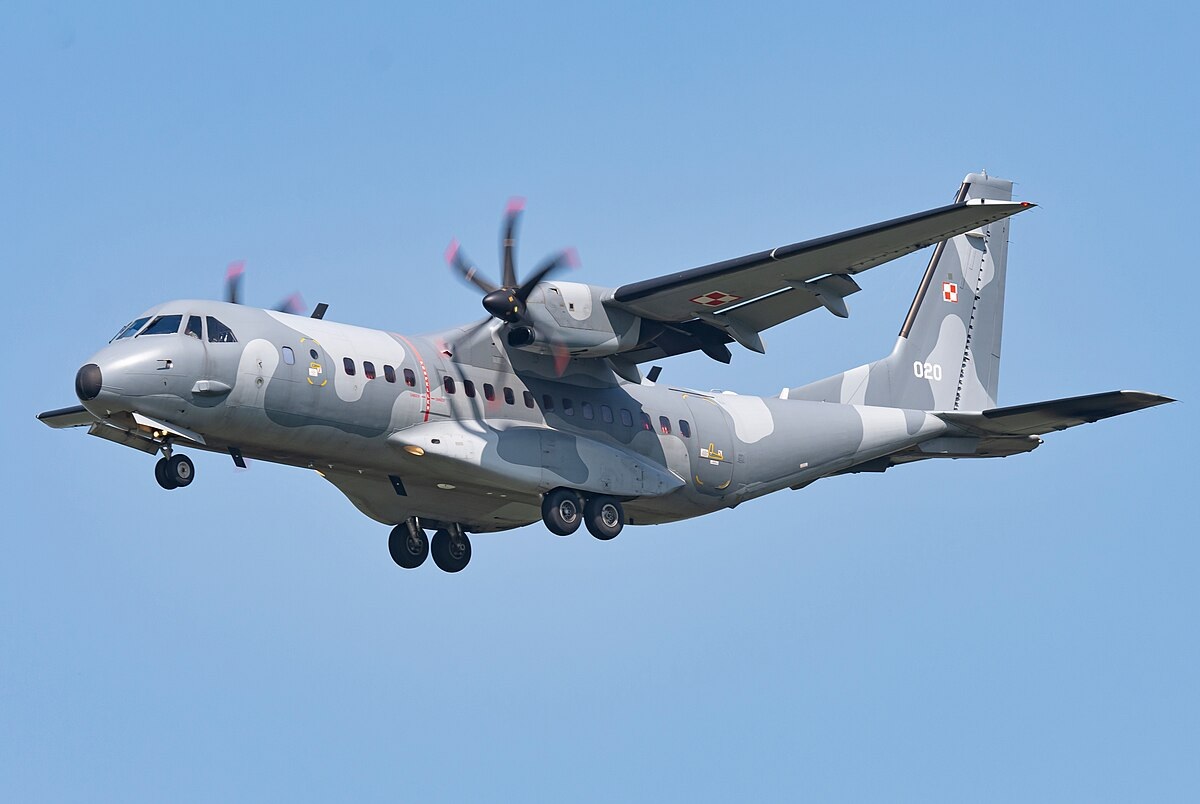
India
The Ministry of Defence (MoD) has officially issued a Request for Proposal (RFP) to the Tata-Airbus joint venture for the supply of 15 C-295 maritime patrol aircraft, specifically for the Indian Navy and the Indian Coast Guard. This landmark proposal marks another step forward under the "Make in India" initiative and comes after receiving prior clearance from the Defence Acquisition Council (DAC) earlier this year. These aircraft will be modified versions of the C-295 military transport plane, tailored for maritime surveillance, anti-submarine warfare, anti-surface warfare, and ISR (intelligence, surveillance, and reconnaissance) missions. As per the procurement plan, the Indian Navy will receive 9 aircraft in the Medium-Range Maritime Reconnaissance (MRMR) configuration, while the Coast Guard will get 6 aircraft in the Multi-Mission Maritime Aircraft (MMMA) role. These aircraft will carry cutting-edge Indian-developed systems, such as Active Electronically Scanned Array (AESA) radar, electro-optic/infrared (EO/IR) sensors, IFF (Identification Friend or Foe) systems, sonobuoys, and lightweight torpedoes. Notably, they will also be armed with the DRDO-developed Naval Anti-Ship Missile – Short Range (NASM-SR). The C-295 fleet will play a key role in filling the capability gap between the long-range P-8I Poseidon aircraft and the smaller Dornier DO-228, creating a multi-layered aerial maritime surveillance network to guard India’s 7,516-kilometre coastline and vast Exclusive Economic Zone (EEZ). Crucially, 12 out of the 15 aircraft will be assembled in India at the Tata-Airbus Final Assembly Line (FAL) in Vadodara, Gujarat, inaugurated in October 2024. This is India’s first private-sector military aircraft production facility, and the C-295 project will feature up to 78% indigenous content, with parts manufacturing, final assembly, testing, and future maintenance all happening within India. The move is a significant step towards building a self-reliant aerospace ecosystem, expected to generate over 600 direct high-skill jobs and more than 6,000 indirect employment opportunities. It also solidifies the strategic collaboration between Tata and Airbus, aligned with the MoD's Strategic Partnership (SP) model, which promotes technology transfer and joint production. This RFP follows the larger ongoing deal of 56 C-295 aircraft for the Indian Air Force (IAF), some of which have already been delivered from Spain. The remaining are now being assembled domestically. The Navy and Coast Guard versions will leverage the same platform but with maritime mission enhancements developed with inputs from DRDO’s Centre for Airborne Systems (CABS). Captain D.K. Sharma (Retd.), former Indian Navy spokesperson, emphasized the aircraft’s strategic impact, noting that it will “dramatically improve India’s maritime domain awareness” and allow for better deployment of larger assets like the P-8I. The aircraft’s flexibility will also support search and rescue, anti-piracy, anti-smuggling, and maritime law enforcement operations. There are already indications that this could be the beginning of a larger acquisition program, with a potential need for up to 75 additional C-295 aircraft across various wings of India’s armed and internal security forces. With this RFP, India not only strengthens its coastal security but also reinforces its commitment to defence indigenisation, setting a strong foundation for a more self-reliant and strategically prepared future.
Read More → Posted on 2025-07-17 13:19:47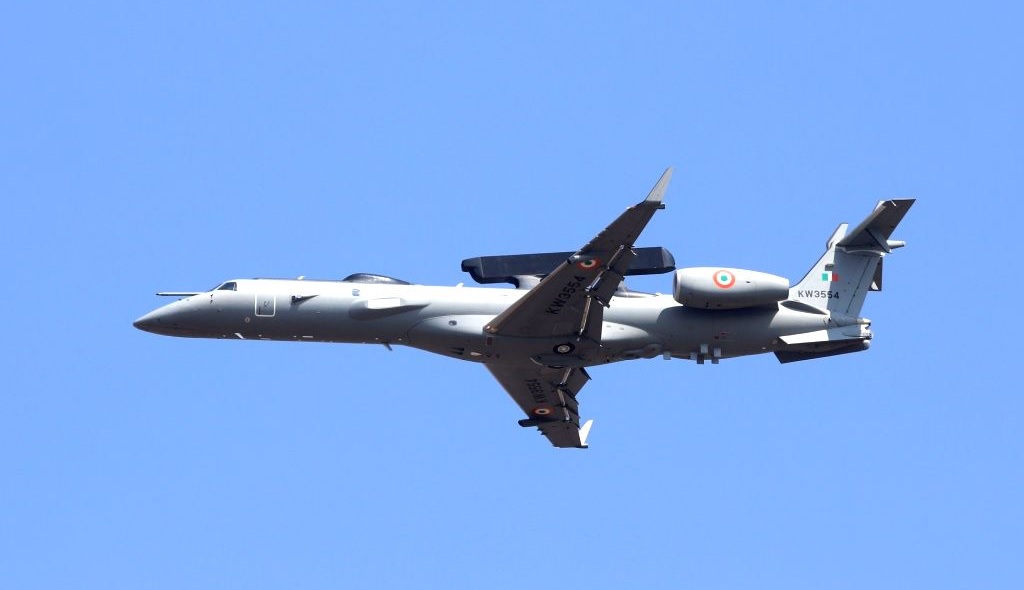
India
In a major push for self-reliance in defence, the Indian government has approved a ₹20,000 crore project to develop indigenous Airborne Warning and Control Systems (AWACS) for the Indian Air Force. The program, known as Netra MK-2, will be developed by the Defence Research and Development Organisation (DRDO), marking one of India’s most ambitious aerospace projects to date. This homegrown AWACS system is designed to act as the “eyes in the sky”, giving the Indian Air Force the ability to detect enemy aircraft, track missile launches, and control air operations far beyond the visual range. Once completed, this will significantly enhance India’s surveillance and combat readiness along its borders and beyond. Six Airbus A321 Jets to Become Flying Radar Stations As part of this program, six Airbus A321 aircraft, earlier taken from Air India, will be structurally modified to house a powerful radar dome on their fuselage. These aircraft will be equipped with state-of-the-art AESA (Active Electronically Scanned Array) radars, enabling 360-degree radar coverage and long-range detection of threats in the air and on the ground. In a significant development, Adani Defence & Aerospace will be a lead partner in the project, helping to manufacture and integrate key mission systems. The mission control suite, radar electronics, and software will be developed entirely in India, underlining the project’s alignment with the Atmanirbhar Bharat initiative. What Makes Netra MK-2 Special? The Netra MK-2 will provide several major improvements over current systems: Full 360° coverage using a large radar dome and additional forward-mounted sensors Ability to monitor enemy aircraft and ground threats at long ranges Advanced ELINT and COMINT functions to intercept enemy communications and electronic signals Real-time command and control for air operations Increased endurance and altitude, making it ideal for long missions over vast areas This project builds on the earlier Netra MK-1, a smaller system mounted on the Embraer EMB-145 aircraft. While effective, it has limited range and capacity. India also operates three imported IL-76-based Phalcon AWACS from Israel, which have proven useful but are aging and have limited availability due to maintenance challenges. Why This Is a Big Deal For the first time, an Airbus platform will be adapted for such a complex military role in India—a space traditionally dominated by American Boeing aircraft. Once operational, the Netra MK-2 will be a powerful force multiplier for the Indian military, improving airspace surveillance, response coordination, and battlefield management. The first aircraft is expected to be ready by 2026–27, with DRDO aiming for a three-year development window. Once delivered, these aircraft will fill a crucial gap in India’s air defence network. Beyond the IAF, the project is also expected to build valuable expertise within Indian defence firms, opening the door for future exports of AWACS systems to friendly countries. The indigenous AWACS program is not just a technology upgrade—it is a strategic leap forward for India’s air power and defence industry. With its emphasis on Indian innovation, industry partnerships, and high-end aerospace engineering, the project represents a shining example of what self-reliant defence capability looks like in action.
Read More → Posted on 2025-07-17 13:06:43Search
Top Trending in 24 Hours
-
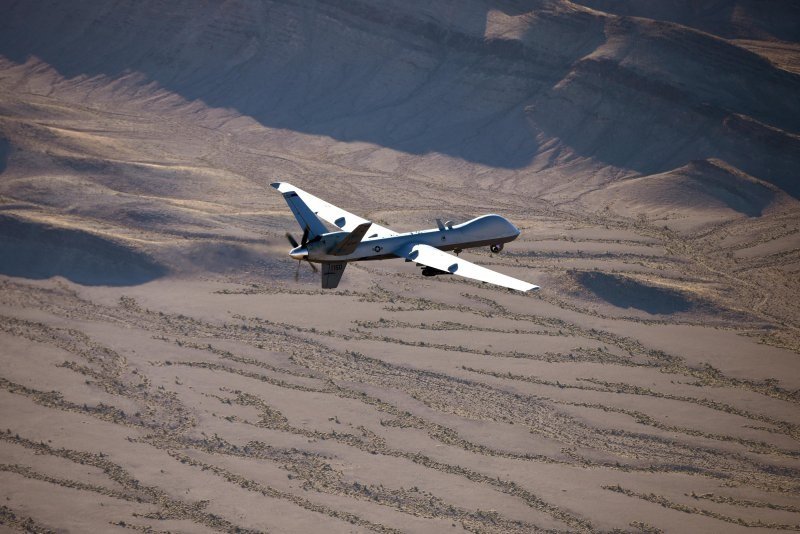 Iran’s IRGC Claims It Shot Down 53rd U.S. MQ-9 Reaper Over Qeshm Island
-
 Thales Launches HexaForce AI-Enhanced Command and Control System for Multi-Domain Operations
-
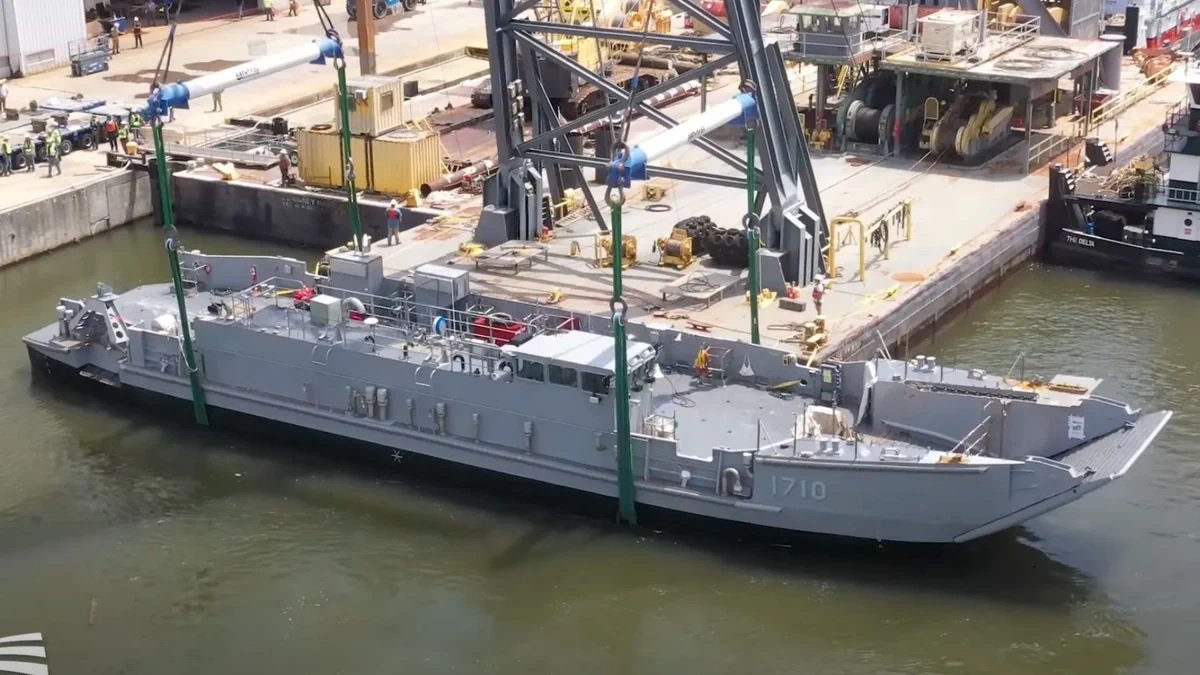 U.S. Navy Awards $280.5 Million in Prototype Agreements to Three Shipyards for LCU 1700 Landing Craft
-
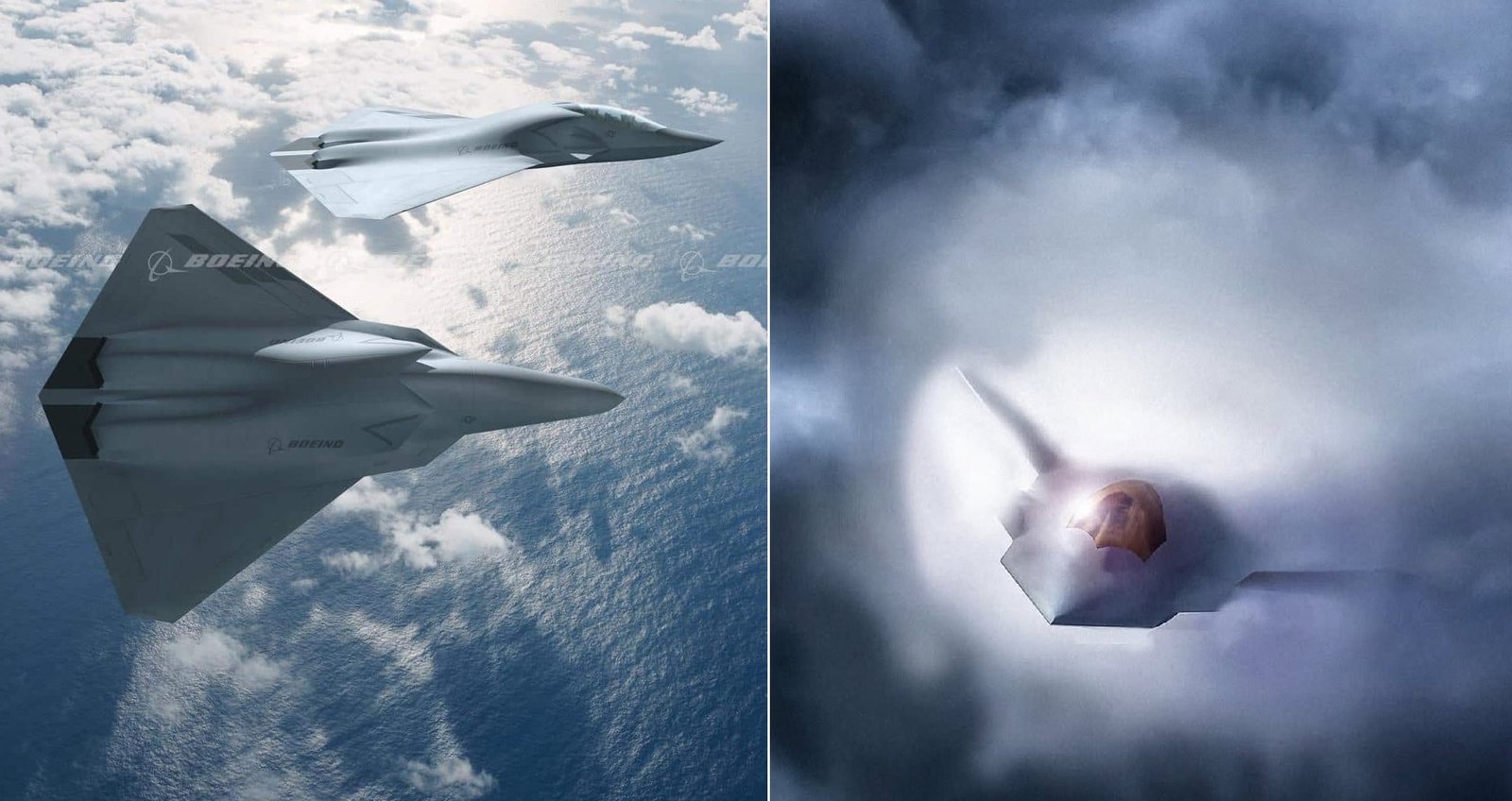 Pentagon Raises Concerns Over Defense Industry Capacity for F-47 and F/A-XX Sixth-Generation Fighter Programs at the Same Time
-
 China Privately Urges Iran to Restrain Houthis After Saudi Appeal
-
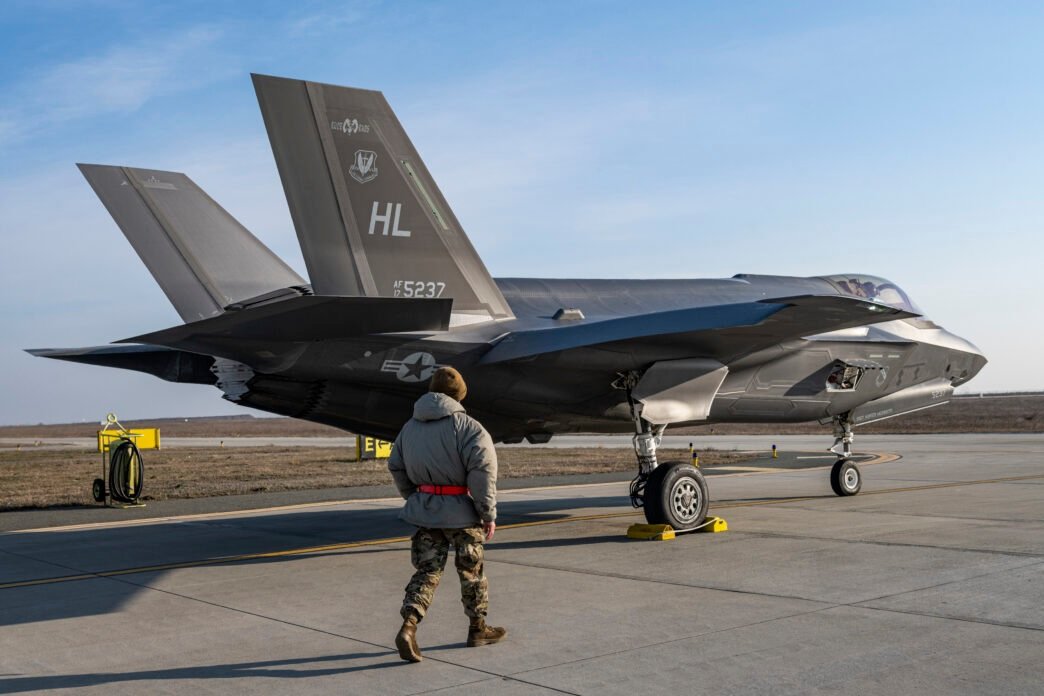 U.S. Intelligence Warns Proposed F-35 Sale to Saudi Arabia Could Expose Technology to China
-
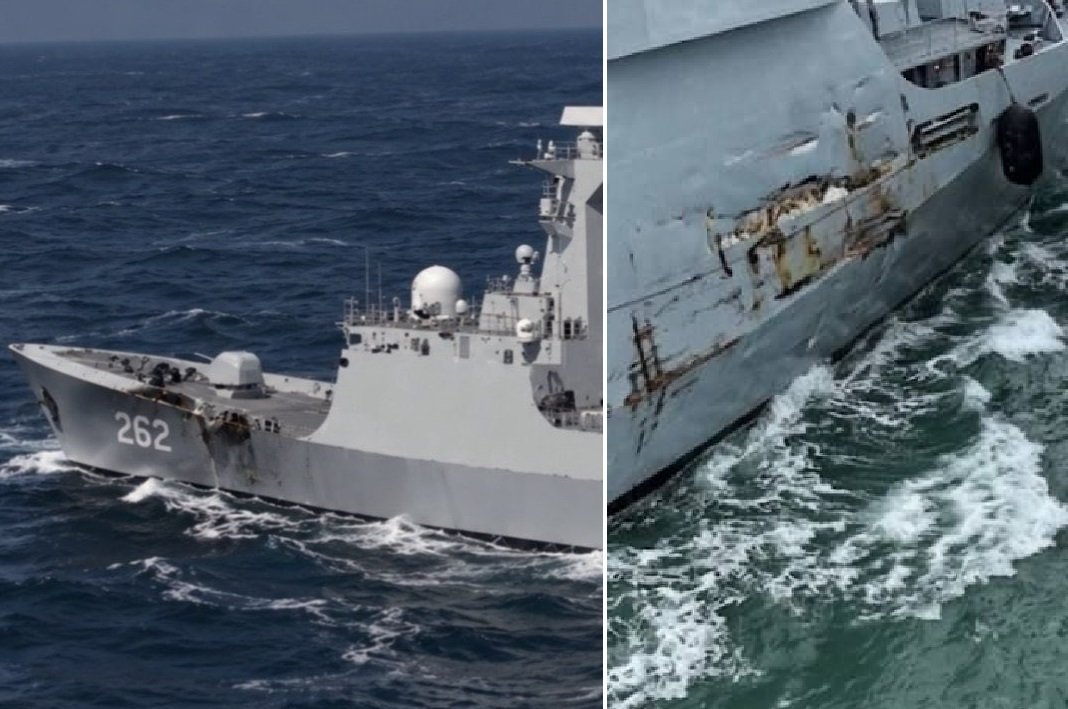 Pakistani Navy’s PNS Hunain Damaged After Collision With Indian Navy Warship in North Arabian Sea
-
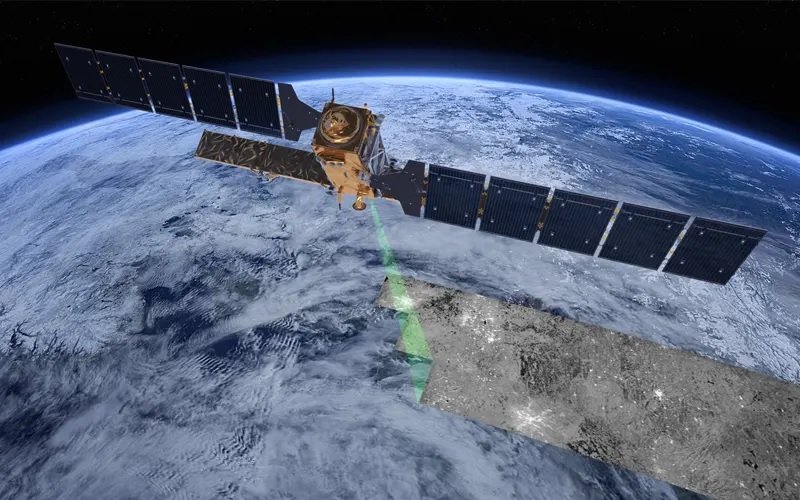 France Awards Next-Generation CASSIOPÉE Military Satellite Contract to Airbus and Unseenlabs
Top Trending in 4 Days
-
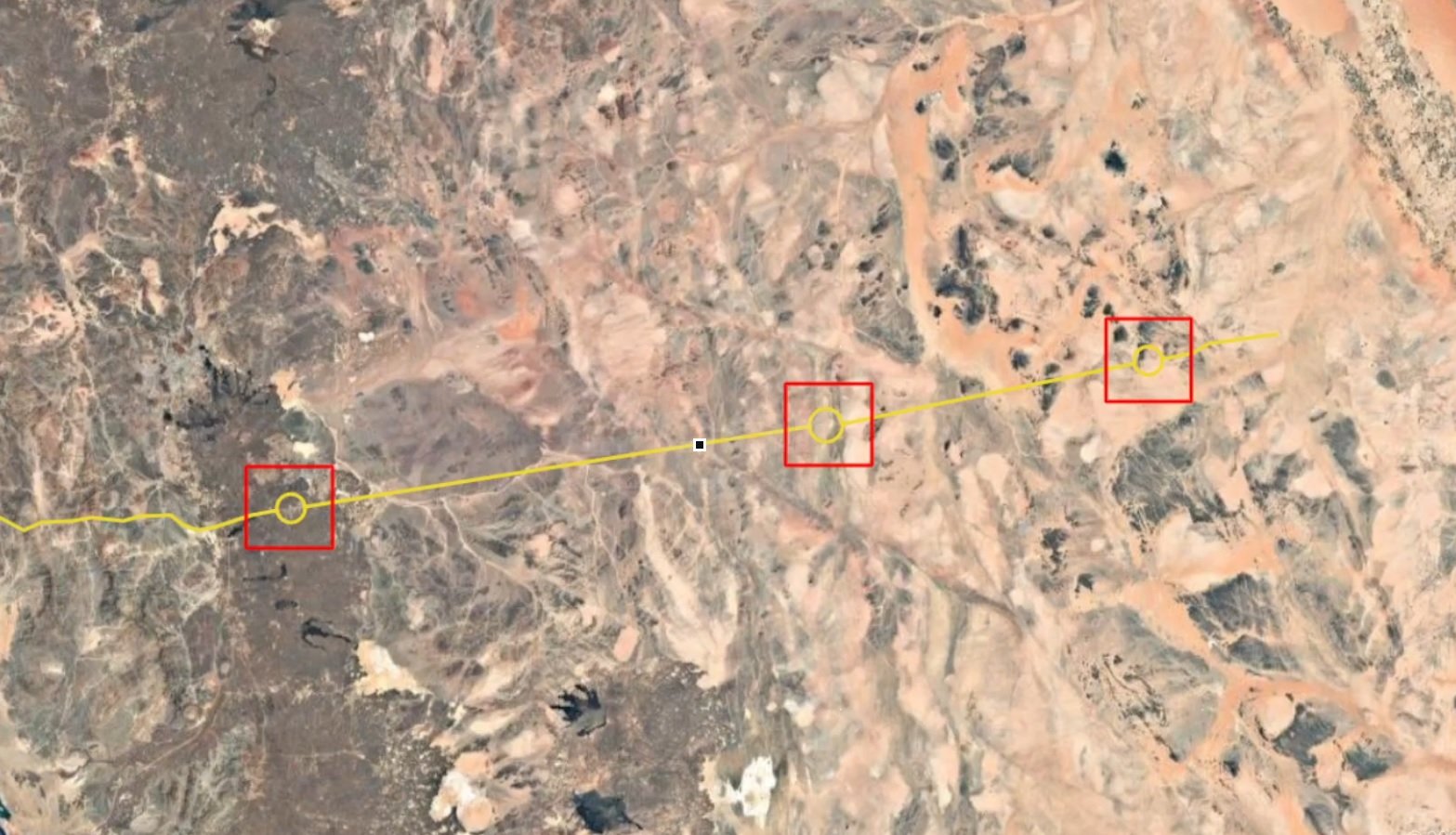 Satellite Imagery Shows Extensive Damage to Saudi Arabia’s East-West Oil Pipeline, Indicating More Than a Single Strike
-
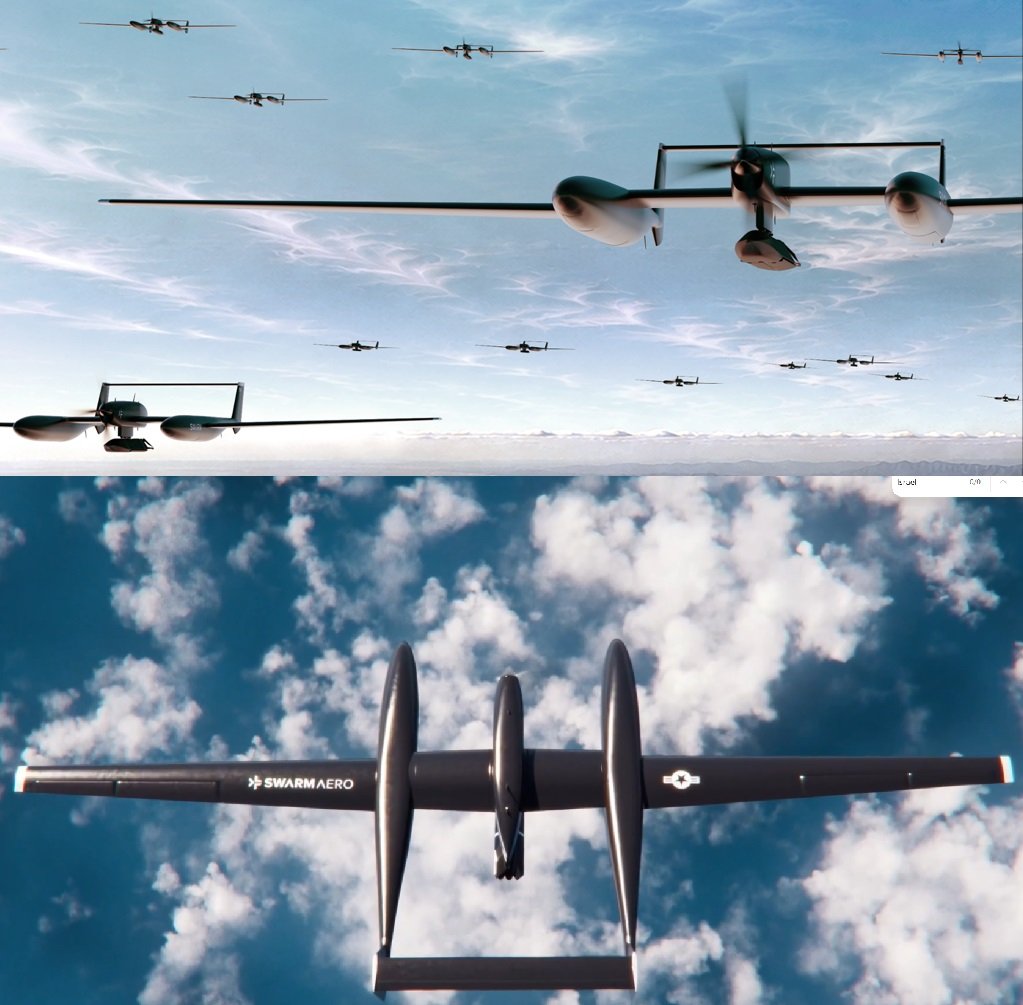 U.S. Firm Swarm Aero Unveils Gamera Group 5 UAS With 9,000-Nautical-Mile Range and Heavy Strike Payload
-
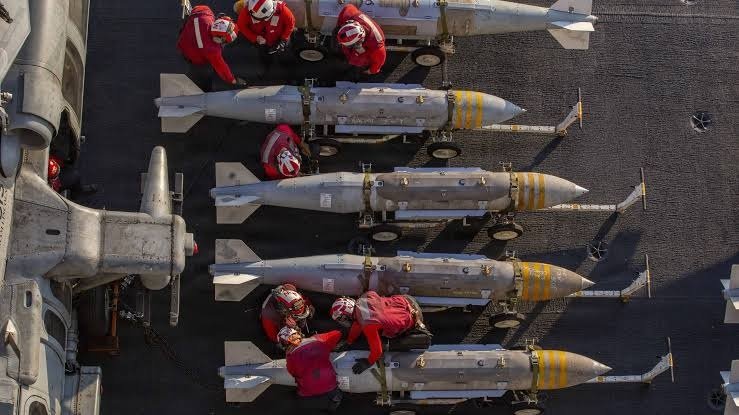 Pentagon Inspector General Report Finds Iran War Caused U.S. Ammunition Shortfalls and Industrial Bottlenecks
-
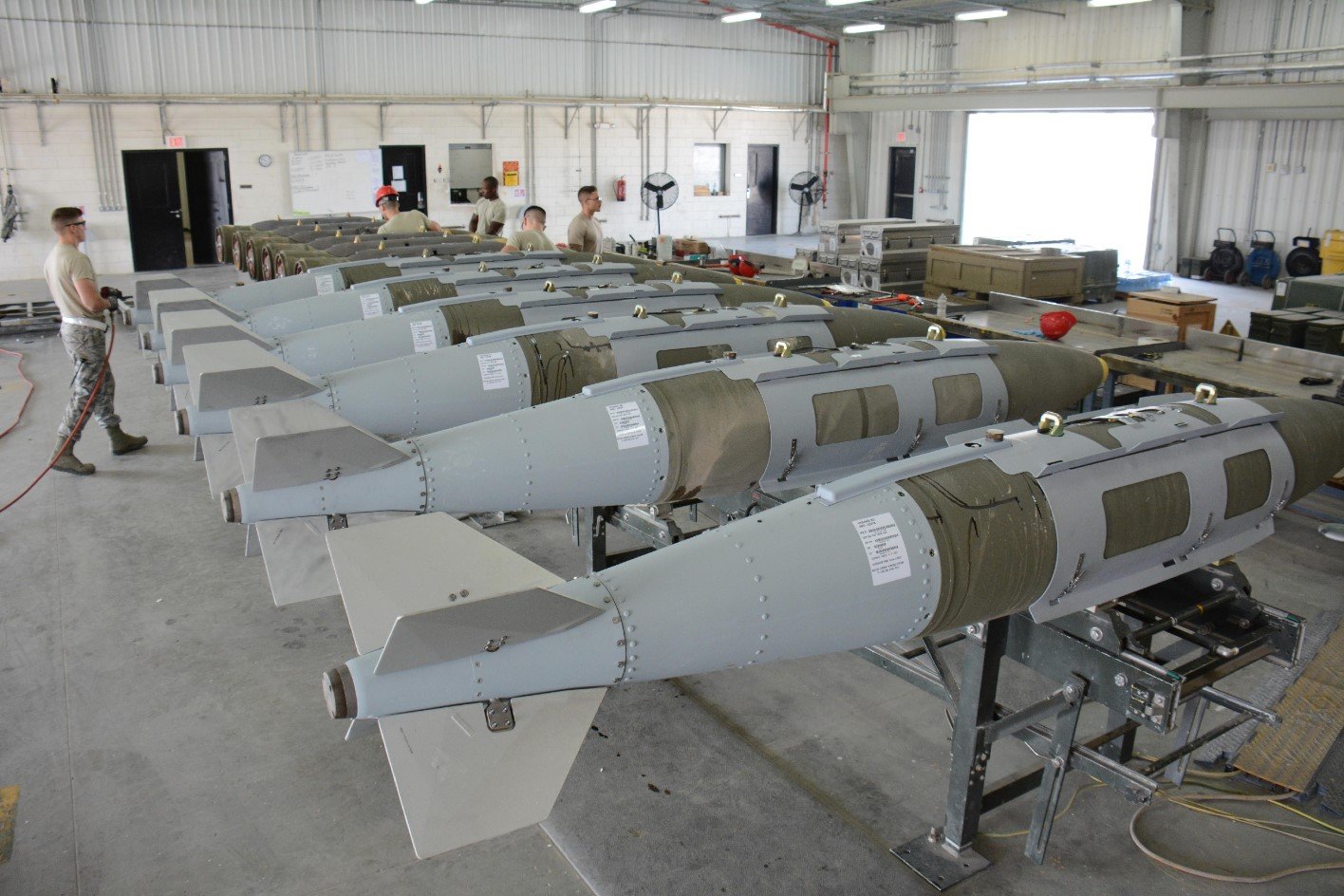 U.S. Plans $2.8 Billion Sale of 40,000 Heavy Bombs and 20,000 I-2000 Penetrator Warheads to Israel
-
 Pentagon and Honeywell Complete Four-Hour Pacific Flight Using Quantum Magnetic Navigation Without GPS
-
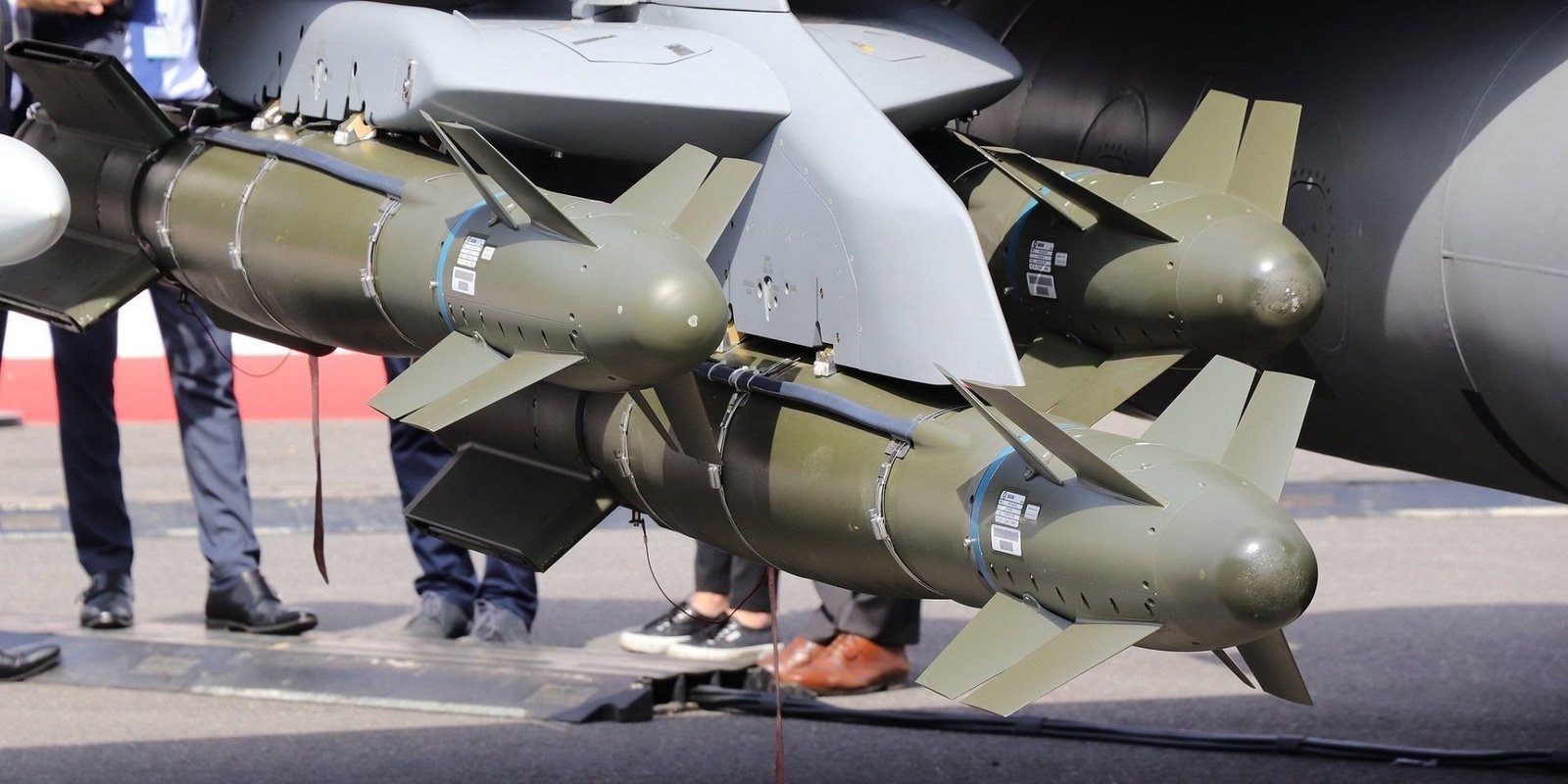 Swedish Gripens Bound for Ukraine to Be Armed with French Rocket-Assisted Hammer Precision Bombs
-
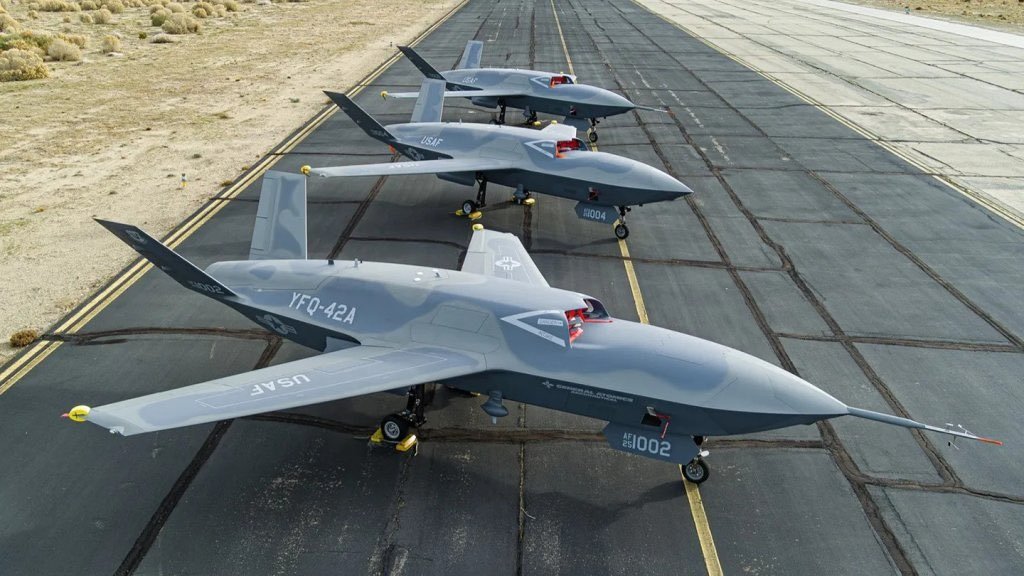 U.S. Air Force Officially Names First Collaborative Combat Aircraft FQ-42 Vengeance and FQ-44 Fury, Targets 500 by 2032
-
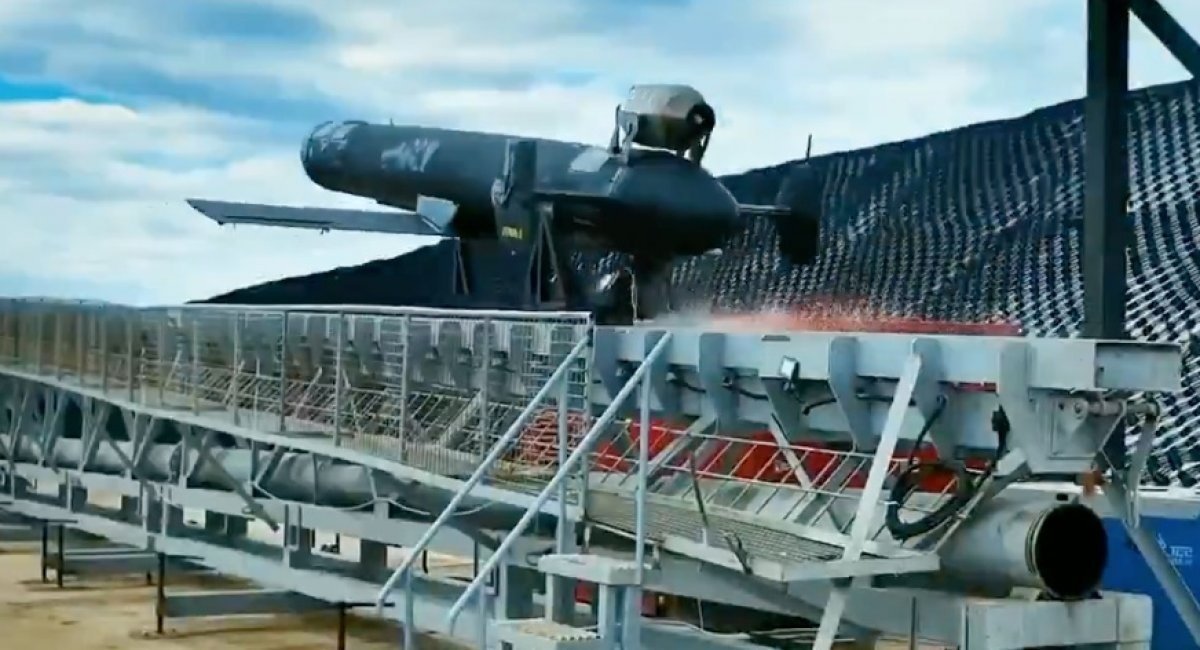 Russia Ramps Up Production of Jet-Powered Geran-5 Drones and Banderol Missiles, With Low Cost of Around $100,000 Per Unit