
India
Russia is making a major offer to bolster India's underwater warfare capabilities as both countries prepare for their 23rd annual high-level summit in September 2025, during Russian President Vladimir Putin’s planned visit to India. The centerpiece of this offer includes six refurbished Kilo-class conventional submarines, the lease of a second Akula-class nuclear-powered attack submarine, and advanced 1,500 km-range Kalibr cruise missiles—technologies that Russia has rarely offered in the past. This comes at a time when the Indian Navy is facing a serious challenge: most of its conventional submarines, acquired during the 1980s, are nearing retirement, creating a capability gap until the new Project 75I submarines arrive by the mid-2030s. Meanwhile, both Pakistan and China are rapidly expanding their own submarine fleets. Pakistan is set to receive its first of eight Chinese-built Yuan-class submarines this year, while China is producing multiple nuclear-powered submarines annually. The Kilo-Class Offer Russia has proposed the sale of six refurbished Kilo-class submarines, which are part of the Indian Navy's existing fleet. These diesel-electric attack submarines are known for their stealth, endurance, and torpedo capabilities. Under this proposal, the submarines would be delivered at a rate of one per year over six years. In addition to refurbishment, Russia is offering to upgrade these submarines with the ability to launch cruise missiles from all six of their torpedo tubes. Currently, Indian Kilo-class submarines can fire missiles from only two tubes. This would significantly enhance their strike power and flexibility in naval combat operations. Long-Range Kalibr Missile Package One of the most notable parts of Russia’s proposal is the offer to supply Kalibr land-attack cruise missiles with ranges of up to 1,500 kilometers. These long-range variants were previously withheld by Moscow, and even India's leased Chakra III nuclear submarine was only equipped with the 500-kilometer version. The Kalibr missiles are capable of striking deep inland targets with high precision and could greatly enhance India’s ability to project power from the sea. If integrated across both Kilo and nuclear-powered submarines, these missiles would give India a formidable sea-based conventional strike capability, rivaling the U.S. Tomahawk missile in performance. Second Akula-Class Nuclear Submarine Russia has also renewed its offer to lease a second Akula-class nuclear-powered attack submarine to India. This would complement the INS Chakra III, which is already under a $3 billion, 10-year lease and scheduled to join the Navy in 2028. The Akula-class submarines are powered by nuclear reactors, allowing them to remain submerged for months and operate silently over long distances. While they carry only conventional weapons, their stealth and endurance make them ideal for patrolling vast ocean areas, trailing enemy submarines, and delivering cruise missile strikes. India’s plan to lease another Akula fills the gap until its own Project 77 indigenous nuclear submarines begin arriving by the late 2030s. Strategic Context and Implications This Russian offer comes amid growing competition in India’s defense market, particularly from the United States. Over the last few years, Washington has emerged as a significant arms supplier to India, but remains hesitant to transfer key technologies like nuclear-powered submarines or long-range cruise missiles. Russia, on the other hand, is leveraging its decades-old defense ties with India by focusing on these high-end areas where the U.S. cannot or will not compete. India has also been pushing for greater self-reliance in defense production. However, with urgent gaps in submarine capability and delays in indigenous programs, the Russian offer provides a timely and strategic bridge. This move also reinforces the India-Russia defense partnership, which remains vital despite geopolitical pressures and supply challenges posed by the ongoing Russia-Ukraine war. Over 60% of India’s defense inventory is of Russian origin, and both countries continue to jointly develop systems like the BrahMos missile, which India recently used during Operation Sindoor. As President Putin prepares to visit New Delhi in September 2025, these proposals will be central to discussions at the 23rd India-Russia summit. If accepted, the offers could shape the Indian Navy's combat capabilities for the next decade, especially in light of increasing maritime threats from neighboring adversaries. For India, this is more than just a procurement opportunity—it is a critical moment to fill pressing capability gaps and maintain underwater dominance in a rapidly evolving regional security landscape.
Read More → Posted on 2025-07-03 16:29:59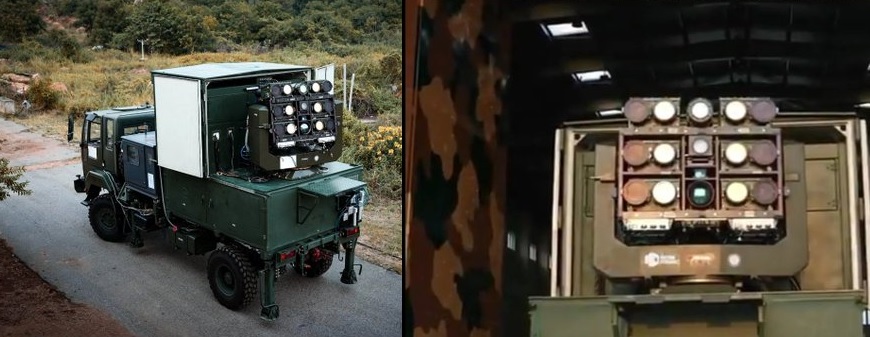
India
India is set to take a major leap in futuristic defence capabilities as the Defence Research and Development Organisation (DRDO) prepares its indigenous 30-kilowatt laser-based Directed Energy Weapon (DEW) — codenamed ‘Sahastra Shakti’ — for user trials later this year. Designed to neutralize drones, sensors, and low-flying aerial threats, this system marks a significant stride in India’s efforts to develop high-precision, cost-effective weaponry for the future battlefield. Developed by DRDO’s Centre for High Energy Systems and Sciences (CHESS), located in Hyderabad, the system recently completed a round of successful internal demonstrations. According to defence sources, it is now ready for trials with operational users, including the Indian Army, Navy, and Air Force. The Weapon Behind the Name The Sahastra Shakti laser is a second-generation system, officially designated as the Mk-II(A) DEW, and is a significant upgrade over earlier prototypes. It uses multiple 5kW fiber laser modules, combining them to produce a continuous wave beam with a total output of 30kW. Mounted on a mobile platform, this weapon is capable of tracking, locking, and engaging targets up to 5 kilometers away. This class of weaponry, which uses high-intensity laser beams to destroy or disable targets without using traditional kinetic ammunition, is particularly effective against small drones, UAV swarms, surveillance balloons, and even soft-skinned ground targets. At its core, the system features: 360-degree Electro-Optical/Infrared (EO/IR) tracking turret Advanced beam-directing optics with automated targeting and kill-assessment Integrated radar and sensor suite for detection and cueing Truck-mounted mobility for rapid deployment and coverage of forward areas Power, Precision, and Speed The standout advantage of DEWs like Sahastra Shakti lies in their near-instantaneous target engagement. Unlike missiles or bullets, which take seconds to reach their targets, a laser beam travels at the speed of light — hitting the object almost as soon as it’s detected and tracked. This gives laser weapons a vital edge in intercepting fast-moving threats such as kamikaze drones or swarm UAVs. In successful field demonstrations conducted at DRDO’s National Open Air Range (NOAR) in Kurnool, the Sahastra Shakti DEW was able to disable reconnaissance drones, burn out their sensors, and structurally damage small UAVs in a matter of seconds. Targets were engaged at varying distances, ranging between 3.5 and 5 km, validating the system’s effectiveness in realistic threat environments. The Strategic Significance Directed Energy Weapons are no longer the stuff of science fiction. Countries like the United States, China, Russia, and Israel have already begun inducting laser-based systems into their armed forces for roles such as drone defence and base protection. With Sahastra Shakti, India is now stepping into this elite club of nations that possess operationally viable laser weapon technology. What makes laser weapons especially attractive to militaries is their cost-efficiency. Once installed, a DEW system’s cost per shot is significantly lower than traditional missiles or ammunition — often equating to just the cost of electricity required to power the laser. Moreover, there is no ammunition stockpile to maintain or reload time, which means sustained operation during swarm drone attacks or border infiltrations is feasible. This is particularly relevant in the context of recent conflicts, where inexpensive commercial drones have been used to overwhelm air defence systems. A laser weapon provides a clean, quiet, and scalable response to such threats, without the logistical burden of rearming. Scaling Up the Future According to DRDO officials, the Sahastra Shakti platform is only the beginning. Work is already underway to develop more powerful DEWs in the 50kW–100kW class, which will be capable of neutralizing faster and more heavily built aerial targets, including cruise missiles and rocket artillery. Beyond that, DRDO is planning a next-generation 300kW laser platform, reportedly under the project name "Surya", which could provide longer-range area denial capabilities. This future system is expected to be integrated with naval vessels, airbases, and space-based platforms — dramatically expanding India’s layered defence grid. Additionally, the organisation is exploring the use of high-power microwave weapons and electromagnetic pulse (EMP) systems, which would complement laser weapons by targeting electronics and communications rather than physical structures. Private Sector Entry and Operationalization To accelerate production and deployment, DRDO is expected to transfer technology to private sector defence firms under its 2025 tech-transfer policy. This move will allow for faster scaling of the system, localized manufacturing of subsystems, and possible integration with existing air defence networks. User trials with the Army, Navy, and Air Force are expected to focus on real-world validation of tracking accuracy, target discrimination, and weapon endurance under different terrain and weather conditions. Upon successful trials, the system could be inducted for critical infrastructure protection — including airfields, ammunition depots, forward operating bases, and border surveillance zones. The upcoming trials of DRDO’s 30kW Sahastra Shakti DEW represent not just a milestone in Indian military R&D, but a broader shift toward energy-based, precision warfare. As drones, loitering munitions, and low-cost threats proliferate, India’s ability to counter them with a clean, cost-effective laser system will offer both tactical and strategic advantages. In a future battlefield increasingly defined by speed, saturation, and electronic warfare, the silent beam of Sahastra Shakti may well become one of India's most potent shields.
Read More → Posted on 2025-07-03 16:12:51
India
In a major step toward bolstering maritime security in the Indo-Pacific, India and Australia have entered into a groundbreaking three-year defence research agreement to co-develop advanced undersea surveillance technology. At the heart of this collaboration lies the ambition to improve early detection and tracking of enemy submarines and autonomous underwater vehicles (AUVs), a critical capability in an era of increasingly stealthy underwater threats. The program brings together two of the region’s foremost defence research institutions — India’s Defence Research and Development Organisation (DRDO) and Australia’s Defence Science and Technology Group (DSTG). Specifically, DRDO’s Naval Physical and Oceanographic Laboratory (NPOL) will work alongside DSTG’s Information Sciences division to jointly design, test, and refine detection systems based on passive acoustic methods. Listening to the Deep: The Promise of Towed Array Systems Central to the research is the development and refinement of Towed-Array Target Motion Analysis (TMA) — a technique that uses a long cable of hydrophones to passively “listen” to underwater sound. These arrays can be deployed from submarines or surface ships and are used to detect, classify, and track underwater threats at long ranges without giving away the vessel’s position. Unlike active sonar, which sends out sound pulses and listens for echoes, passive systems rely entirely on the noise produced by other vessels. This is particularly advantageous for navies aiming to operate discreetly. But making sense of the ocean’s vast and noisy soundscape — filled with marine life, wave action, and civilian ships — requires sophisticated algorithms capable of filtering signals, determining bearing lines, and estimating the motion of targets. The joint India-Australia program is set to focus heavily on improving these algorithms, ensuring better performance in complex environments where background noise can easily mask vital acoustic signatures. Shared Expertise, Shared Security According to Australian defence officials, the program is designed not just as a technology-sharing exercise but as a true co-development effort. Research teams will conduct joint trials, compare acoustic models, and iteratively refine tracking systems based on real-world data gathered from both Indian and Australian waters. Amanda Bessell, the Australian lead for the collaboration at DSTG, noted, “The science underpinning this initiative is critical to understanding how best to locate submarines while maintaining passive operations. Target Motion Analysis allows vessels to track and monitor undersea targets quietly and precisely.” India, meanwhile, brings to the table decades of expertise in sonar and undersea technology. DRDO’s NPOL is best known for developing the USHUS sonar suite, a domestically designed system fitted on Indian Navy submarines. The lab is also involved in developing seabed sensor networks, active and passive sonars for surface ships, and advanced signal processing tools for AUVs. Together, the two nations are looking to push the envelope in terms of both hardware (towed arrays, hydrophone configurations) and software (signal processing, AI-assisted classification, and real-time tracking solutions). Why This Matters Now The agreement comes at a time when the undersea domain is becoming increasingly contested. Submarines equipped with air-independent propulsion (AIP), unmanned underwater vehicles with extended range, and deep-sea surveillance drones are changing the dynamics of naval warfare. Nations across the Indo-Pacific are investing heavily in silent and longer-endurance platforms that can operate undetected — raising the stakes for nations like India and Australia to develop superior detection capabilities. Moreover, as Quad cooperation deepens, particularly in the realm of maritime domain awareness (MDA), this bilateral agreement acts as a technological force multiplier. The results of this collaboration could later be integrated with regional underwater tracking networks, enabling more coordinated responses to undersea incursions. This is also part of a larger push by both nations to reduce dependence on external suppliers for critical defence technologies and to invest in sovereign capability development. For India, this aligns with the “Atmanirbhar Bharat” (self-reliant India) initiative; for Australia, it ties into its Defence Strategic Review objectives of building long-term capability in the maritime domain. What Comes Next Over the next three years, researchers will conduct laboratory simulations, acoustic tank experiments, and at-sea trials. These tests will not only refine the performance of TMA algorithms under different environmental conditions — such as thermal layers, salinity variations, and sea-state noise — but also inform the design of the next generation of towed-array hardware and underwater acoustic processors. The insights gleaned from this effort are expected to feed directly into the next-generation sonar and surveillance systems for both navies. They may also shape the future of Indian-Australian defence-industrial cooperation, potentially extending into joint production or export-ready solutions for partner countries in the Indo-Pacific. This undersea surveillance partnership signals a deepening of strategic trust between India and Australia. It’s not just about developing cutting-edge technology — it’s about laying the foundation for a shared maritime security architecture. In a world where the ocean floor is fast becoming the next frontier of defence competition, India and Australia are diving in — together, and with purpose.
Read More → Posted on 2025-07-03 15:41:35
India
In a major push towards self-reliance and modernisation of the armed forces, the Defence Acquisition Council (DAC), chaired by Defence Minister Rajnath Singh, has approved capital acquisition proposals worth over ₹1.05 lakh crore. All ten proposals were cleared under the ‘Buy (Indian–IDDM)’ category, which prioritises systems that are indigenously designed, developed, and manufactured. This strategic decision comes at a time when India is rapidly enhancing its defence capabilities in response to evolving security challenges. The approvals span across the Army, Navy, and Air Force, and are aimed at strengthening the country’s operational readiness on both land and sea. Key Systems Approved Among the systems approved for procurement is the Armoured Recovery Vehicle (ARV), essential for supporting and retrieving disabled tanks and armoured vehicles during combat. These vehicles significantly enhance battlefield mobility and logistics by ensuring continuous movement and serviceability of armoured formations. The Army will also benefit from advanced Electronic Warfare (EW) Systems, designed to intercept, jam, and disrupt enemy communications and radar systems. These systems improve battlefield awareness and survivability by reducing the adversary’s electronic advantage. For joint operations across the Army, Navy, and Air Force, the DAC cleared the Integrated Common Inventory Management System (ICIMS). This tri-service platform will improve inventory tracking, logistics coordination, and reduce redundancy across services, making military supply chains more efficient. Boost to Air and Naval Defences The approval of Surface-to-Air Missile (SAM) systems is another major highlight. These systems are critical for defending key military installations, command centres, and strategic assets from aerial threats including enemy aircraft, drones, and missiles. For the Indian Navy, the DAC has cleared several acquisitions to enhance maritime warfare and underwater surveillance capabilities. These include: Moored Mines: Used for harbour defence, these are anchored explosive devices designed to deter or destroy enemy vessels. Mine Counter Measure Vessels (MCMVs): These specialised ships detect and neutralise naval mines, ensuring safe passage for both military and commercial ships. Super Rapid Gun Mounts (SRGM): Naval guns capable of high rates of fire, essential for air defence and surface engagements. Submersible Autonomous Vessels (SAVs): Unmanned underwater vehicles equipped for mine detection, reconnaissance, and surveillance. Promoting ‘Make in India’ The DAC’s move is aligned with the Indian government’s push for ‘Aatmanirbharta’ (self-reliance) in defence manufacturing. By approving all proposals under the ‘Buy (Indian–IDDM)’ category, the government is ensuring that Indian defence firms and domestic suppliers play a central role in supplying cutting-edge systems to the armed forces. This policy not only reduces dependence on foreign vendors but also fosters innovation and high-tech manufacturing within the country. Indian companies will now be responsible for both the production and support of these systems, creating job opportunities and advancing indigenous R&D in defence technology. With this record-setting approval, India is taking a significant leap in transforming its armed forces into a more modern, self-sufficient, and technologically advanced military. The ₹1.05 lakh crore investment is not just about procuring new weapons and systems—it’s a strong statement of intent to develop a robust domestic defence ecosystem that can meet both current and future challenges.
Read More → Posted on 2025-07-03 15:32:34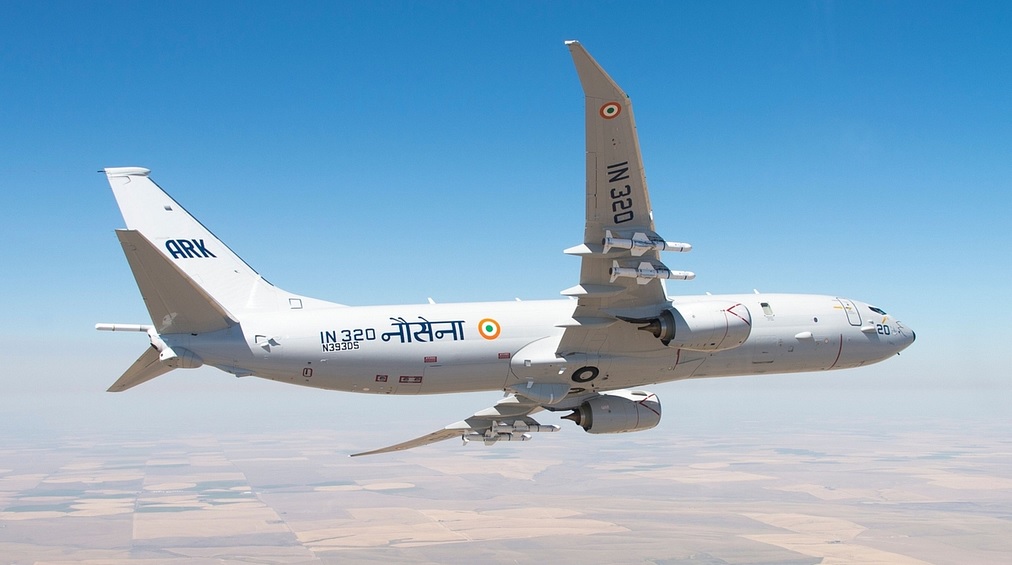
India
India is poised to deepen its maritime surveillance and anti-submarine warfare (ASW) capabilities with the acquisition of six additional P‑8I Neptune long-range maritime patrol aircraft (LRMPA). Formally confirmed during high-level diplomatic discussions in February 2025, this acquisition will increase the Indian Navy's P‑8I fleet to a formidable total of 18 aircraft . Origins & Previous Acquisitions First Batch (2009): India signed an agreement worth US $2.1 billion for eight P‑8I aircraft—an export variant of the U.S. P‑8A Poseidon—equipped with specialized systems including an aft-facing radar and Magnetic Anomaly Detector (MAD). Follow-on Order (2016): Four additional P‑8I aircraft were contracted via an option clause, with deliveries completed by early 2022, marking 12 aircraft in total. Pending Enhancement (2019–2021): In November 2019 the Defence Acquisition Council approved six more aircraft, with U.S. State Department clearance following in May 2021 under a Foreign Military Sale worth US $2.42 billion. Technical Marvels The P‑8I Neptune is based on the Boeing 737 Next Generation airliner, but fortified with robust military-grade sensors, communications, and weapons systems: Radar Suite & Sensors: Equipped with Raytheon’s AN/APY-10 multi-mission surface-search radar, India’s export version also incorporates a Telephonics APS-143 aft radar and a MAD in the tail—delivering near 360° coverage for submarine detection . Onboard Data Systems: Bharat Electronics Limited (BEL) supplies the Data Link II tactical datalink, plus indigenous IFF systems, enabling secure communications with ships, aircraft, and command centers . Armament Loadout: Featuring 11 hardpoints—five internal for Mk 54 torpedoes, two fuselage racks, and four underwing stations capable of deploying AGM‑84L Harpoon anti-ship missiles, depth charges, and free-fall bombs. It can also carry sonobuoys via a rotary dispenser for active/passive submarine acoustic tracking . ASW Innovations: Integration of advanced rotary launcher for sonobuoys, hydrocarbon sensors to sniff for sub-surface vessels, and compatibility with aerial-launch kits such as HAAWC elevate its submarine warfare efficacy . Performance Snapshot: Capable of operating at altitudes up to 41,000 feet with a range exceeding 2,200 km (over 1,200 nautical miles), and cruising speeds up to 490 knots (~789 km/h), executing endurance sorties up to 8,300 km . Operational Footprint & Deployment Induction Timeline: The first P‑8I arrived in Indian service in May 2013, forming INAS 312 “Albatross” at INS Rajali (Tamil Nadu). Four more formed the nucleus of INAS 316 “Condors” at INS Hansa (Goa) from March 2022 . Operational Record: The fleet has amassed over 35,000 flight hours across deterrence patrols, surveillance missions (e.g., MH370, Doklam, Pulwama standoff), and humanitarian assistance . P‑8Is have demonstrated impressive availability (~85%) since entering service . Fleet Expansion & Strategic Context Contract Details (2025): The latest six-aircraft deal, valued at US $2.4 billion, includes substantial Indian offsets (~30%), reinforcing national industrial capabilities . Rationale: The expanded fleet will enhance persistent maritime domain awareness across the Indian Ocean, counter increased Chinese naval deployments, and compensate for retiring Soviet-era patrol squadrons . Enhanced ASW: Upgrades under Increment 3 Block 2 will include advanced processing, wideband SATCOM, SIGINT suites, and optimized track management—significantly boosting submarine detection and targeting prowess . The Road Ahead & Synergies The expanded fleet of 18 P‑8I aircraft is slated to deliver transformative maritime security benefits: Layered Surveillance: Enabling near-continuous patrols across India's eastern and western seaboards. ASW Dominance: Advanced sensors and weapons make it a potent submarine-hunter, capable of tracking and engaging underwater threats. Regional Presence: Enhanced interoperability under COMCASA bolsters coordination with U.S., Quad, and other navies. Industrial Boost: The offset package feeds into India’s aerospace supply chain and MRO centers, expanding local capabilities. India's pursuit of six more P‑8I Neptune aircraft underscores a strategic pivot to prime maritime deterrence and domain control. These platforms bring decades of advanced ASW, surveillance, and ISR capabilities—integrated with indigenous systems—to ensure regional stability and secure Indian interests in pivotal oceanic theaters. As the first of these next-generation aircraft is delivered, the Indian Navy moves toward a future-ready fleet capable of sustained, decisive maritime operations.
Read More → Posted on 2025-07-03 14:46:23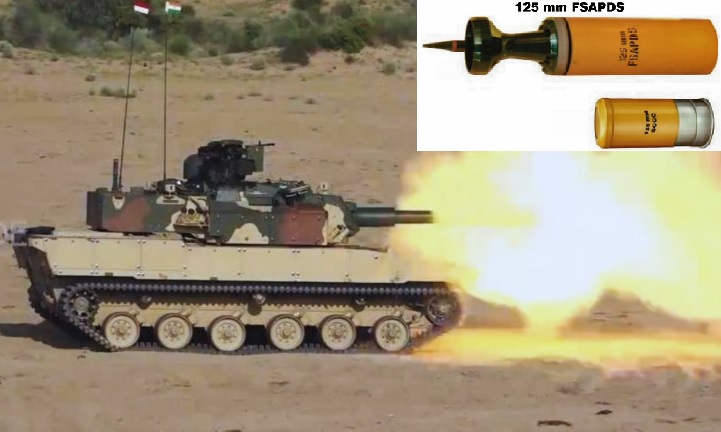
India
In a major push toward self-reliance in critical defence technologies, India’s Defence Research and Development Organisation (DRDO) has invited bids from local industries for the co-development and production of an indigenous 105mm Fin-Stabilised Armour-Piercing Discarding Sabot (FSAPDS) ammunition. This cutting-edge kinetic energy round will be the primary tank-killer munition for India’s upcoming Zorawar light tank, which is being developed to counter threats along high-altitude borders and in rapid-deployment scenarios. The Expression of Interest (EoI), issued by DRDO’s Armament Research and Development Establishment (ARDE), calls upon Micro, Small, and Medium Enterprises (MSMEs) and private-sector players to join hands in designing, testing, and eventually manufacturing the FSAPDS round. This initiative is part of a broader national strategy to indigenise tank ammunition and reduce dependence on foreign suppliers, especially for advanced rounds used in modern tank warfare. A Critical Capability for Mountain Warfare The Zorawar light tank, jointly developed by DRDO’s Combat Vehicles Research & Development Establishment (CVRDE) and Larsen & Toubro (L&T), is tailored for operations in challenging terrains like Ladakh and Arunachal Pradesh. Weighing under 25 tonnes, the tank is designed for strategic mobility, including air transportability and amphibious operations. Its firepower will center on the Cockerill 3105 high-pressure 105mm gun, an advanced rifled cannon integrated with an autoloader and modern fire control systems. To complement this advanced gun, the FSAPDS round under development will provide the necessary punch to penetrate modern armour threats, including China’s new-generation Type-15 light tanks. These rounds are known for their high muzzle velocity and long-rod tungsten or depleted uranium penetrators, which can defeat explosive reactive armour and composite protection. Technical Details of the Indigenous Round Although DRDO has not released exhaustive technical specifications in the public domain, available information outlines key design targets: Calibre: 105mm Round Type: FSAPDS (Fin Stabilised Armour Piercing Discarding Sabot) Weight (Shot): Approx. 6.0 – 6.7 kg Penetration: Comparable to globally deployed NATO standards like the DM63 Components: Long-rod penetrator, aluminium or carbon-fibre sabot, tail fins, ignition system, and propellant casing The FSAPDS functions by discarding the sabot after it exits the barrel, allowing the fin-stabilised penetrator to travel at hyper-velocity and deliver maximum kinetic impact on the target. This is not DRDO’s first experience with FSAPDS ammunition. The ARDE had previously developed 105mm rounds for legacy platforms like the Vijayanta and T-55 tanks, though production was discontinued in the early 2000s. With the Zorawar now entering limited series production, the requirement for a new, high-performance 105mm FSAPDS has become critical. Industry Involvement and Make-in-India Focus The EoI is also a call for industrial collaboration under the Ministry of Defence’s Technology Development Fund (TDF). Indian companies will be involved not only in the final assembly and supply chain but also in co-design and validation phases, including ballistic trials. The aim is to build a robust domestic production line capable of supporting long-term Indian Army requirements as well as potential exports. Industry experts see this as a golden opportunity for Indian defence startups, private OEMs, and ammunition suppliers to enter a niche but crucial sector. Developing a world-class FSAPDS round indigenously is both a technical and strategic milestone, considering that most such rounds today are imported from countries like Germany, Israel, or Belgium. Zorawar and Ammunition Synergy The integration of indigenous FSAPDS ammunition with the Zorawar platform also boosts operational efficiency. The tank will carry a complement of 105mm FSAPDS, High Explosive Squash Head (HESH), and possibly programmable air-burst munitions, all integrated with a digital fire control system, panoramic sights, and thermal imaging. Importantly, the decision to develop domestic ammunition also ensures that India’s frontline units are not held hostage to foreign embargoes, export restrictions, or logistical delays during wartime. A Strategic Step Forward The need for agile and heavily armed light tanks has gained renewed urgency after India’s 2020 standoff with China in eastern Ladakh. While heavy tanks like the T-90 and Arjun remain indispensable for the plains and deserts, mountainous and riverine terrain calls for platforms like the Zorawar. By ensuring the development of its core armament—the 105mm FSAPDS—within Indian borders, DRDO is reinforcing the strategic autonomy of the Indian Army. As the project moves forward, prototypes of the Zorawar are undergoing trials, and with indigenous ammunition in the pipeline, the day is not far when Indian soldiers on the frontlines will rely entirely on homegrown firepower—from platform to projectile. The DRDO’s move to develop an indigenous 105mm FSAPDS round for the Zorawar light tank is a defining moment in India’s defence journey. It’s not just about creating another shell—it’s about ensuring that every link in India’s warfighting capability is secure, sovereign, and superior. With local industry poised to play a pivotal role, the success of this program will mark a new chapter in indigenous armoured warfare readiness.
Read More → Posted on 2025-07-03 14:33:49
India
In a key leap for India's next-generation airpower, the Aeronautical Development Agency (ADA) is redesigning the internal weapons bay of the Advanced Medium Combat Aircraft (AMCA) Mk2 to house six Astra Mk2 air-to-air missiles. This major enhancement will significantly strengthen the fighter's air-to-air combat capabilities while preserving its stealth signature, a critical feature of any fifth-generation aircraft. The AMCA program, led by ADA under the Ministry of Defence, is India's ambitious attempt to develop an indigenously designed stealth fighter jet. The twin-engine, multi-role aircraft is being built to deliver cutting-edge features like radar-absorbent materials, advanced avionics, supercruise capability, and a reduced radar cross-section. One of the core aspects of its stealth design is the Internal Weapons Bay (IWB), which allows the aircraft to carry weapons within its fuselage rather than on external pylons, drastically reducing its radar visibility. Initially, the AMCA Mk1 was configured to carry four Astra Mk1 beyond-visual-range air-to-air missiles (BVRAAMs) inside the weapons bay. However, the AMCA Mk2 is undergoing refinements to allow the internal bay to carry six Astra Mk2 missiles, offering a substantial firepower boost without compromising the jet’s low observability. Why This Upgrade Matters The Astra Mk2 is India’s next-generation BVRAAM, developed by the Defence Research and Development Organisation (DRDO). It features a dual-pulse solid-fuel rocket motor and an improved seeker, giving it an extended range of about 160 kilometers—nearly double that of its predecessor. The missile is designed to maintain high energy at the terminal phase of its flight, improving kill probability against agile, maneuvering targets at long distances. With six of these missiles stored internally, the AMCA Mk2 can: Simultaneously engage multiple enemy aircraft from beyond visual range. Retain stealth during combat, as no weapons are exposed on external hardpoints. Maintain aerodynamic efficiency, which enhances speed, range, and fuel efficiency. Surprise enemy radar systems, thanks to a very low radar cross-section and long-range strike capabilities. This combination ensures the pilot remains undetected longer, engages threats first, and exits contested airspace safely—all crucial in modern aerial warfare. Looking to the Future This internal configuration is only the beginning. The AMCA’s internal weapons bay is also being designed to be modular and future-proof, allowing integration of newer missiles like the Astra Mk3, which is currently under development. The Mk3 is expected to feature a ramjet propulsion system, pushing its range and speed even further—potentially rivalling Western counterparts like the Meteor missile. The ongoing redesign reflects ADA’s commitment to making AMCA not just stealthy but also deadly and adaptable. As threat environments evolve, the fighter will be able to incorporate newer, smarter munitions, ensuring it remains relevant well into the 2050s. Timeline and Production Outlook The AMCA program was formally greenlit by the Cabinet Committee on Security (CCS), with the prototype development now in full swing. The first test flight is targeted for 2029, and full-scale production is expected to begin by 2035. Once operational, the AMCA will place India among the handful of nations with homegrown fifth-generation fighter capabilities, joining an elite club that includes the US, China, and Russia. This upgrade to carry six Astra Mk2 missiles internally is more than just a technical modification—it’s a strategic leap forward in India's vision for future air dominance.
Read More → Posted on 2025-07-03 14:21:22
India
In a significant leap forward for India’s indigenous defense capabilities, Gurugram-based deep-tech startup Sharang Shakti has unveiled vajR, a fully autonomous hard-kill drone interceptor system designed to take down hostile UAVs in real-time. This marks one of the first attempts by an Indian private firm to deliver a reusable, AI-enabled kinetic drone defense platform—tailored for modern aerial threats. At a time when drone incursions pose growing security concerns across borders, vajR stands out with its combination of smart targeting, high-speed interception, and reusability—all developed entirely in India. A New Breed of Aerial Interceptor Unlike traditional counter-drone systems that rely on soft-kill methods like jamming or spoofing, vajR is built for kinetic elimination. It launches automatically from a dedicated autonomous hangar, receives targeting data from radar or optical sensors, and then flies toward the hostile drone. Using onboard sensors and neural networks, vajR identifies and locks on to its target in mid-air, before physically colliding with it to neutralize the threat. This hard-kill approach is especially valuable in high-threat zones where soft-kill techniques may fail due to signal interference or latency. Key Features and Technology Stack What makes vajR unique isn’t just its capability—but the indigenous technology under the hood. The system has been designed entirely in-house by Sharang Shakti, from the control software and avionics to the sensor fusion and onboard AI. Proprietary Autonomy Engine: At the core of vajR lies Sharang Shakti’s own guidance and control system. It enables precise maneuvering at high speeds, even during complex engagements with agile enemy drones. Onboard EO/IR Sensor & ML Models: Once within 50–100 meters of the target, vajR switches from remote guidance to its internal targeting system. Using a forward-looking electro-optical/infrared (EO/IR) sensor and a deep learning model trained on thousands of drone profiles, it performs autonomous target recognition, tracking, and engagement. Kinetic Kill with Kevlar Protection: Upon target lock, the drone executes a full-speed collision. Critical components are housed in a Kevlar-reinforced dome, allowing vajR to survive and return safely—making it reusable, unlike many interceptors that are destroyed in action. Swarming Capability: vajR is designed to operate in coordinated swarms, enabling multiple interceptors to work together against large drone formations. Autonomous Hangar: The ground module houses and maintains vajR units. These hangars can autonomously charge, launch, and recover the drones without human intervention—allowing for round-the-clock readiness. A Mission-Ready Kill Chain The kill chain begins with the detection of a suspicious aerial object by a radar or an optical system. This data is sent to the vajR ground station, which then deploys the interceptor. During flight, it is guided by an AI-enhanced control system until it switches to its own onboard sensors for terminal guidance. Notably, the system includes a “human-in-the-loop” safeguard, allowing an operator to abort the mission at any point before impact. Designed for Indian & Global Battlefields Sharang Shakti’s broader vision is “from India, for global,” and vajR reflects that ambition. The system is modular, scalable, and has applications across defense, critical infrastructure, and even civilian drone monitoring. India has seen a surge in drone activity along its borders, including attempts to drop weapons, drugs, or surveillance devices. vajR is a timely solution, offering a rapid-response capability that doesn’t rely on imported tech or fragile communication jammers. Its integration into India’s multi-layered counter-drone defense—alongside soft-kill systems, radars, and upcoming directed-energy weapons—could dramatically strengthen perimeter security for armed forces, airports, and strategic installations. A Step Toward Sovereign Drone Defense The unveiling of vajR is more than just a product launch—it’s a reflection of India’s evolving defense-industrial ecosystem. As a private player, Sharang Shakti represents a new wave of defense tech startups that blend deep engineering with real-world military utility. With its smart design, indigenous development, and battlefield relevance, vajR could soon become a core part of India’s counter-UAS doctrine. And in a world where drones are no longer just surveillance tools but potential strike weapons, vajR offers a decisive, homegrown answer—fast, intelligent, and deadly.
Read More → Posted on 2025-07-02 16:09:41
India
In a major boost to India’s defense preparedness and domestic defense manufacturing, SMPP Pvt Ltd has been awarded two significant contracts by the Indian Army under the fast-tracked Emergency Procurement Procedure 5 (EP-5). The combined value of the contracts is over ₹300 crore and includes the supply of 27,700 bulletproof jackets (BPJs) and 11,700 advanced ballistic helmets. The contracts mark another strategic step in India’s long-term vision of self-reliance in critical defense gear under the “Make in India” initiative. The deliveries are expected to be completed within strict timelines—12 months, as mandated under EP-5 guidelines, which are designed for urgent operational requirements. SMPP: India’s Armour Specialist Headquartered in New Delhi, SMPP Pvt Ltd is a leading Indian defense manufacturer with over 30 years of experience specializing in ballistic protection. It has supplied armor products to not just the Indian Armed Forces but also over 100,000 soldiers across 20 different countries, including NATO forces. SMPP was among the first private firms in India to indigenously develop Level III and Level IV bulletproof jackets using Boron Carbide ceramic composite plates, one of the lightest and hardest materials known for stopping high-velocity rounds. The company’s jackets meet NIJ (National Institute of Justice) standards, and the company is certified by Indian and international quality assurance agencies. What Makes These BPJs and Helmets Advanced? 1. Bulletproof Jackets The 27,700 bulletproof jackets being supplied are expected to be Modular and Scalable, offering protection from 7.62×39mm mild steel core and 7.62×51mm NATO Ball bullets, commonly used in AK-47s and other battlefield rifles. Features include: Lightweight design for high mobility. Enhanced upper torso and side protection. Adjustable MOLLE pouches for combat utility. Designed for hot climates, with breathable and sweat-resistant materials. These jackets may also feature quick-release mechanisms and compatibility with additional hard armor plates (HAPs), depending on operational needs. 2. Ballistic Helmets The 11,700 helmets will be made from composite hybrid materials, offering Level IIIA protection against 9mm and .44 Magnum rounds. Notable features include: Compatibility with night vision devices (NVDs). Integrated communication system mounts. Lightweight and ergonomic design for extended wear. High resistance to fragments and shrapnel, essential in asymmetric warfare zones. These helmets may also include modular face shields and are expected to be compatible with existing infantry systems used by the Indian Army. Why EP-5 Matters The Emergency Procurement Procedure-5 (EP-5), approved by the Ministry of Defence, is a streamlined acquisition mechanism to meet immediate and critical operational requirements. The Indian Army has invoked this route multiple times since the Galwan clash in 2020, leading to quicker induction of frontline gear and systems. Under EP-5: The procurement process bypasses multi-tier delays. Delivery timelines are fixed at less than 12 months. Contracts are generally awarded to proven Indian vendors, reinforcing Atmanirbhar Bharat. Strengthening the Soldier First Approach The acquisition of these 39,400 pieces of critical protective gear underscores the Indian Army’s continued emphasis on the “Soldier First” philosophy—ensuring those on the frontlines are equipped with the best life-saving equipment available. This procurement is particularly vital given the volatile and high-risk zones along India’s northern and western borders, where troops face not just small arms fire but also artillery and IED threats. The twin contracts awarded to SMPP Pvt Ltd are a testament to the growing confidence in India's indigenous defense manufacturing capabilities. With global-standard bulletproof jackets and advanced helmets on their way to frontline soldiers, the Indian Army is not only enhancing troop survivability but also reinforcing its commitment to modernizing infantry forces under Make in India. As SMPP gears up to fulfill the orders within tight deadlines, this move is set to significantly bolster India's operational readiness and soldier protection architecture in an increasingly hostile regional environment.
Read More → Posted on 2025-07-02 08:26:47
India
After months of logistical bottlenecks and technical setbacks, the Indian Army is finally set to induct the first batch of its long-awaited AH-64E Apache “Guardian” attack helicopters by the end of July 2025, marking a pivotal moment in the modernization of its aviation wing. Boeing, the American aerospace and defense giant, has committed to delivering all six helicopters under the deal by October 2025, ending a delivery schedule that had slipped well past its original 2024 target. The move is not just about new airframes; it’s about adding teeth to the Army’s evolving battlefield doctrine and filling a crucial capability gap in direct aerial fire support for armored and mechanized units, especially in the western deserts and northern highlands. From Deal to Delay: A Turbulent Journey The deal for six AH-64E Apache helicopters for the Indian Army was signed in February 2020, during then-President Donald Trump’s state visit to India. Valued at around $800 million, it was cleared under the U.S. Foreign Military Sales (FMS) program and was meant to complement the 22 Apaches already inducted by the Indian Air Force since 2019. Initially, the first units were expected to be delivered by February 2024, but global disruptions—ranging from the pandemic-era supply chain collapse to component shortages and a critical power generator issue causing cockpit smoke risk—delayed the program significantly. Moreover, India's previous low prioritization under the U.S. Defense Production Act allocation system (DPAS) further complicated the timeline. It wasn’t until 2024, after a concerted diplomatic effort, that India's DPAS status improved, allowing Boeing to accelerate the backlog and put deliveries back on track. Technical Muscle: What the Apache Brings The AH-64E Apache is considered the most advanced variant of the combat-proven helicopter, sporting cutting-edge sensors, battlefield connectivity, and mission flexibility. Some key features of the AH-64E include: 30mm M230 chain gun with 1,200 rounds capacity and high firing accuracy. Capacity to carry 16 AGM-114 Hellfire missiles, Hydra-70 rockets, and Stinger air-to-air missiles for threat versatility. Longbow fire control radar mounted atop the rotor mast enables the aircraft to detect and prioritize up to 128 targets simultaneously, including armor columns and low-flying drones. Advanced AESA radar, night-vision targeting systems, data links, and helmet-mounted sights. Enhanced flight performance with composite rotor blades, twin GE T700-GE-701D engines, and fly-by-wire controls, enabling speeds up to 280 km/h and high-altitude operations. One of the most game-changing capabilities of the Apache is its ability to control UAVs (Unmanned Aerial Vehicles) in-flight, extending its situational awareness and target acquisition capability without relying on ground assets. Operational Induction: 451 Squadron to Get First Batch The helicopters will be inducted into the Indian Army's 451 Aviation Squadron, based at Nagtalao near Jodhpur, Rajasthan—a region critical to India’s western theater doctrine. The squadron was activated in March 2024, but has remained on standby due to the non-delivery of aircraft. With the first three helicopters expected by July-end and the next three between October and November, the Army is preparing to rapidly operationalize the unit. Pilot conversion, crew training, and integration with ground formations are already underway. Made in India, Made for the Battlefield While the helicopters themselves are being delivered from the U.S., the fuselages for India’s Apaches are manufactured by Tata Boeing Aerospace Limited (TBAL) in Hyderabad. The joint venture has emerged as a global supplier, having produced over 300 Apache fuselages for Boeing’s worldwide customers by early 2025. This “Make in India” component not only boosts the indigenous defense industry but ensures a more reliable sustainment pipeline for the future. Boeing has also committed to providing lifecycle support, spares, and training infrastructure through its Indian partners. Strategic Impact: Game-Changer for Army Aviation For the Indian Army, the AH-64E Apaches are not just a new platform—they’re a transformation. These helicopters are intended to support ground operations with rapid, responsive, and lethal firepower, especially in Cold Start-type operations where speed, precision, and air cover are paramount. Unlike the IAF’s Apaches, which focus on broader strategic air dominance, the Army’s fleet will be tightly integrated into combined arms operations, operating closely with tanks and infantry in fast-moving battle scenarios. More importantly, they fill a longstanding gap: India’s only dedicated attack helicopters until now—like the outdated Chetak/Cheetah variants—were neither survivable nor powerful enough for modern warfighting. The Apache changes that paradigm. The long-awaited induction of the AH-64E Apaches marks a defining chapter in India’s push toward a more agile, networked, and lethal battlefield force. While delays have tested patience, the payoff is set to arrive this year, rotor blades spinning above the desert sands of Rajasthan. As geopolitical tensions simmer and India modernizes across all three services, the Apache's arrival isn’t just another procurement—it’s a symbol of India’s evolving military doctrine, one that pairs indigenous production with global partnerships to secure its strategic frontiers.
Read More → Posted on 2025-07-01 14:57:28
India
In a momentous leap for India’s indigenous naval modernization drive, Mazagon Dock Shipbuilders Limited (MDL) has officially delivered the second Nilgiri-class frigate, INS Udaygiri, to the Indian Navy on July 1, 2025. As the latest entrant into the Indian fleet under Project 17A, INS Udaygiri represents not only cutting-edge warfighting capability but also a defining moment in the evolution of Indian ship design and self-reliant defense production. Designed by the Warship Design Bureau (WDB)—the Navy’s in-house think tank for maritime architecture—INS Udaygiri is the 100th warship to be delivered by WDB, underscoring decades of accumulated experience and technological ambition. A Legacy Reimagined INS Udaygiri takes its name from a distinguished predecessor—a Leander-class frigate that served for 31 years before decommissioning in 2007. The new avatar, however, is far more than a namesake. It is a thoroughly modern, stealth-optimized, multi-role platform designed for blue-water operations—capable of handling both conventional and asymmetric threats in India’s maritime domain, particularly in the Indian Ocean Region. A Stealth Warship with Teeth Part of the Project 17A stealth frigate program, INS Udaygiri is a technological successor to the Shivalik-class but introduces substantial improvements in stealth, combat capability, and automation. At its core, the ship embodies a balance of brute power and silent agility: Stealth Design: Radar-absorbent materials, angular hull lines, and reduced infrared signatures ensure Udaygiri can avoid detection by enemy radars. Compared to its predecessor, the P17A design is 4.54% larger, allowing for better onboard systems and survivability. Weapon Suite: Armed to the teeth, Udaygiri features the BrahMos supersonic surface-to-surface missile, a Medium-Range Surface-to-Air Missile (MRSAM) system, a 76 mm Super Rapid Gun Mount, 30 mm close-in weapon systems, and 12.7 mm remote-controlled guns. Together, these systems allow it to take on aerial threats, surface targets, and close-in dangers with lethal precision. Anti-Submarine Warfare: Indigenous torpedo tubes and RBU-6000 rocket launchers make the ship a formidable hunter of underwater threats. Coupled with state-of-the-art sonar systems like HUMSA-NG and ATAS, Udaygiri boasts credible undersea warfare strength. Sensors and Combat Systems: The frigate’s brain is the indigenous CMS-17A combat management system, seamlessly integrating all weapons, sensors, and command tools. It is aided by the MF-STAR AESA radar, providing 360° tracking and engagement capabilities. Powered by Indigenous Innovation Perhaps the most defining feature of INS Udaygiri is not what it fights with, but what it symbolizes. Built with over 75% indigenous content, the ship showcases India’s growing mastery in high-end military technology. The hull, electronics, propulsion, sensors, and even armaments are sourced predominantly from Indian defense firms and MSMEs, including BEL, BHEL, BrahMos Aerospace, L&T, and Electronics Corporation of India Ltd. The ship runs on a Combined Diesel or Gas (CODOG) propulsion system, integrating diesel engines and gas turbines to power controllable pitch propellers (CPPs). This hybrid setup allows high-speed bursts or fuel-efficient cruising—depending on mission requirements. Behind the scenes, the Integrated Platform Management System (IPMS) gives the ship’s crew total control over machinery, power, HVAC, damage control, and onboard diagnostics—furthering the ship’s automation and reducing crew workload. Industrial Ecosystem in Action The delivery of INS Udaygiri is also a triumph of the Aatmanirbhar Bharat initiative. With over 200 MSMEs involved in its production, and direct employment for 4,000 people and indirect employment for over 10,000 others, the warship is a floating testament to the strength of India's growing defense-industrial base. Moreover, the warship’s completion using integrated modular construction—where large pre-outfitted sections are assembled like Lego blocks—significantly reduced the build time to just 37 months from launch to delivery. This marks one of the fastest turnarounds for a major frontline Indian warship. A Strategic Asset for the Indo-Pacific As India faces an increasingly contested maritime environment, the addition of a modern, multi-role frigate like INS Udaygiri enhances deterrence and operational flexibility. Whether as part of a carrier battle group, a maritime strike task force, or a lone sentinel on anti-submarine patrol, Udaygiri is built to adapt and dominate. Its endurance and versatility allow it to perform long-range deployments, humanitarian missions, anti-piracy operations, and high-intensity combat—all critical as India positions itself as a net security provider in the Indo-Pacific. What’s Next? INS Udaygiri is the second of seven Nilgiri-class stealth frigates. The remaining five vessels are currently under various stages of construction and are expected to be delivered progressively by 2026. Together, these ships will form a cornerstone of India’s future surface fleet. INS Udaygiri is more than just a warship; it is a reflection of India’s growing confidence and capability in defense production, naval strategy, and global power projection. Designed by Indians, built in Indian shipyards, armed with Indian weapons—it is a sharp-edged symbol of national pride, readiness, and resolve. As it prepares to hoist the tricolor at sea, Udaygiri sails not only into the oceans, but into a new era for the Indian Navy.
Read More → Posted on 2025-07-01 14:49:26
India
In a major boost to India’s growing defence export capabilities, Maharashtra-based Paras Defence and Space Technologies has secured a €2.2 million (approximately ₹22.21 crore) order from French company CERBAIR. The deal involves the supply of 30 advanced CHIMERA-200 counter-drone systems, designed and developed by Paras Anti Drone Technologies, a subsidiary of Paras Defence. This agreement marks a key milestone in India’s ambition to become a global hub for defence technology and exports. It also aligns with the Indian government's target of achieving $5 billion in annual defence exports by 2025 under the "Make in India" and Defence Export Promotion Policy. The CHIMERA-200 is a state-of-the-art, man-portable counter-unmanned aerial system (C-UAS) that has been engineered to detect, track, and neutralize drones and even drone swarms. It is especially useful in protecting sensitive infrastructure, military bases, and public gatherings against modern drone threats. The system has already been deployed across critical Indian locations and is known for its operational reliability in real-world scenarios. Technically, the CHIMERA-200 is packed with sophisticated features. It offers wideband detection and neutralization, covering frequencies from 400 MHz to 6 GHz, and can handle up to five simultaneous radio bands. This makes it capable of identifying and jamming a broad variety of drone communication signals. The system supports both omnidirectional and directional operations, offering flexibility depending on the nature of the threat. Its adaptive and upgradeable architecture allows it to not only detect drones but also their controllers and take-off points, giving forces a comprehensive view of the threat environment. The system is modular and field-upgradable, making it a future-ready solution in an ever-evolving drone warfare landscape. According to Ashutosh Baheti, CEO of Paras Anti Drone Technologies, this collaboration is a clear indicator of India’s rising status as a provider of cutting-edge, battle-tested defence technologies. "We're committed to delivering solutions that meet global standards and strengthen India's reputation as a defence manufacturing hub," he said. Lucas Le Bell, President of CERBAIR, echoed similar sentiments, citing the increasing need for robust counter-drone systems in Europe amid rising geopolitical tensions. With conflicts such as the war in Ukraine highlighting the strategic value of drone warfare and the need for effective countermeasures, systems like CHIMERA-200 are in high demand across Europe. CERBAIR plans to begin with 30 units, with possibilities for expanded cooperation and further deliveries through 2026 and beyond. The French company has also requested power enhancements and software customizations to better address evolving drone technologies, further indicating the trust placed in Indian engineering. Paras Defence’s success with this order highlights a broader transformation in India’s defence sector—from being a buyer and licensee of foreign technologies to becoming an exporter of high-performance, indigenous solutions. With production facilities across India, the company is well-positioned to meet the growing global demand for smart, affordable, and customizable defence systems. This deal not only cements Paras Defence’s international credibility but also sends a strong message: Indian technology is ready for the global stage—battle-tested, export-ready, and built for the challenges of tomorrow.
Read More → Posted on 2025-07-01 14:37:59
India
India's next-generation fighter jet, the Tejas Mk2, is steadily advancing toward its much-anticipated maiden flight, scheduled for the first quarter of 2026. Confirming the timeline, DRDO Chief Dr. Samir V. Kamat stated that the advanced aircraft’s assembly and ground testing are progressing smoothly, keeping the project on track to roll out by March 2026 and fly soon after. The Tejas Mk2 is not just an upgrade—it's a major leap over its predecessors. While the Tejas Mk1 and Mk1A have strengthened the Indian Air Force’s (IAF) light fighter fleet, the Mk2 is being developed as a more powerful medium-weight multirole combat aircraft. It is designed to replace several aging aircraft types such as the Jaguar, MiG-29, and Mirage 2000, which have served the IAF for decades. Key Technical Features of Tejas Mk2: Engine Power: At the heart of the Mk2 is the General Electric F414-GE-INS6 turbofan engine, delivering a strong 98 kilonewtons of thrust. This upgrade allows the aircraft to carry more fuel and a heavier weapons load over longer distances. Design and Size: Compared to Mk1, the Tejas Mk2 has a larger fuselage, greater internal fuel capacity, and bigger wings—resulting in improved stability, agility, and payload capacity. Radar and Sensors: A major leap in avionics comes from the integration of the indigenous Uttam AESA (Active Electronically Scanned Array) radar, enabling simultaneous tracking and engagement of multiple targets with high accuracy and resistance to jamming. Electronic Warfare (EW): The Mk2 will be equipped with a sophisticated electronic warfare suite, enhancing survivability by detecting, jamming, and deceiving enemy radar and missiles. Weapon Payload: With 11 hardpoints and a payload capacity of 6.5 tonnes, the aircraft can carry a wide variety of weapons including Beyond Visual Range (BVR) missiles, precision-guided bombs, and stand-off weapons, making it capable of both air superiority and ground attack missions. Cockpit and Avionics: Pilots will benefit from a modern glass cockpit, touchscreen interfaces, and advanced data fusion systems for real-time mission management. Currently, Hindustan Aeronautics Limited (HAL) is focused on completing the prototype assembly and integrating all onboard systems by March 2026. Following this, the aircraft will undergo rigorous ground testing to ensure airworthiness and compliance with the Indian Air Force’s performance and safety benchmarks before its first flight. The Tejas Mk2 is expected to become a central pillar in India’s future air combat fleet. The IAF has indicated a need for at least six squadrons (approximately 120 jets), with potential for more as older platforms are phased out. This aligns with the IAF’s goal to reach its full sanctioned strength and maintain operational readiness in an increasingly volatile regional environment. Beyond military readiness, the Tejas Mk2 program also reinforces India’s ambition for self-reliance under the ‘Aatmanirbhar Bharat’ initiative. The aircraft's development is stimulating the growth of India’s aerospace ecosystem, encouraging greater private sector participation, and reducing dependency on foreign suppliers. With every component and test milestone, the Tejas Mk2 is shaping up to be not just an aircraft, but a symbol of India’s rising technological and strategic capabilities in defense.
Read More → Posted on 2025-07-01 14:22:32
India
In a significant milestone for India's maritime defense, the Indian Navy is set to commission INS Tamal, a powerful stealth-guided missile frigate, at a ceremony held in Kaliningrad, Russia. This modern warship, built at the Yantar Shipyard, is the last Indian Navy vessel to be constructed outside the country, underlining a turning point toward full-scale indigenous warship production in line with the 'Aatmanirbhar Bharat' vision. Presided over by Vice Admiral Sanjay J Singh, Flag Officer Commanding-in-Chief of the Western Naval Command, the ceremony marks the formal addition of INS Tamal into the Indian Navy's Western Fleet — famously known as the "Sword Arm" of the Navy. INS Tamal is the eighth and final Krivak-class frigate to be procured from Russia over the past two decades and is the second ship of the upgraded Tushil class, which follows the earlier Talwar and Teg classes. While this marks the end of foreign-built additions, two more similar warships — the Triput class — are currently under construction at Goa Shipyard Limited with Russian design assistance, highlighting a strong India-Russia shipbuilding partnership transitioning into Indian hands. Technical Might of INS Tamal At approximately 3,900 tonnes displacement and 125 meters in length, INS Tamal carries formidable combat power. Equipped with state-of-the-art weapons and sensor systems, the ship is a significant step up from its predecessors. It features: BrahMos supersonic cruise missiles for land and sea attack Vertical-launched Surface-to-Air Missiles (VL-SAM) for aerial threats 100mm upgraded naval gun, along with 30mm CIWS (Close-In Weapon System) Heavyweight torpedoes and anti-submarine rocket launchers Electro-optical/Infrared (EO/IR) sensors, modern fire control radars, and Advanced HUMSA NG Mk II sonar and anti-submarine warfare suite Its aviation facilities allow it to deploy both Multi-Role and Airborne Early Warning helicopters, enhancing its situational awareness and long-range engagement abilities. The ship is also fully fitted with Network Centric Warfare systems, encrypted communication links, and a powerful Electronic Warfare suite, making it a formidable multi-role frigate capable of operating independently or as part of a fleet. Despite being constructed in Russia, over 26% of the ship’s components are of Indian origin, including key combat systems. This includes radar systems, sonar equipment, data links, and the communication backbone — doubling the indigenous content compared to earlier frigates in its class. Symbolism and Legacy The name "Tamal" draws from mythology — representing the divine sword wielded by Indra, the King of the Gods — and the ship’s mascot is a fusion of Indian and Russian strength: the mythical Jambavant, India’s immortal bear king, and the Eurasian Brown Bear, Russia’s national animal. The crew proudly refer to themselves as "The Great Bears", embracing this symbolism of resilience, power, and unity. With a crew of over 250 naval personnel, all trained in the harsh winters of St. Petersburg and Kaliningrad, INS Tamal has already completed three months of rigorous sea trials, validating its systems, weapons, and combat readiness. Its commissioning highlights more than just the addition of a powerful warship — it reflects two decades of Indo-Russian naval collaboration, the Indian Navy’s rising technological edge, and the country's clear shift toward indigenous naval production. With its motto “Sarvada Sarvatra Vijaya” (Victorious Always Everytime), INS Tamal is not just a ship — it's a floating embodiment of India’s naval ambition and strategic resilience in an increasingly complex maritime environment.
Read More → Posted on 2025-07-01 14:18:06
India
In a move that reflects the growing tension between operational urgency and self-reliance in India's defense sector, Hindustan Aeronautics Limited (HAL) has decided to equip all 73 Tejas Mk1A fighter jets with Israeli-made radar and electronic warfare (EW) systems. This decision marks a major deviation from earlier plans to incorporate Indian-developed technologies, specifically the Uttam AESA radar and Swayam Raksha Kavach (SRK) EW suite, from the 41st aircraft onward. The Tejas Mk1A is a significantly upgraded version of India’s indigenous Light Combat Aircraft (LCA) program. Designed to replace aging MiG-21 fighters in the Indian Air Force (IAF), the Mk1A boasts improved avionics, radar systems, electronic warfare capabilities, and weapon integration. It is viewed as a critical component in strengthening India's air combat capabilities in the coming years. However, HAL has now issued a Letter of Intent to Israeli firm ELTA Systems for supplying all 73 jets with the ELM-2052 Active Electronically Scanned Array (AESA) radar and Scorpius-SP electronic warfare pod. These systems are known for their reliability and have already been tested in various operational environments. While the ELM-2052 radars will be assembled in India under a technology transfer agreement, the core technology remains foreign—a fact that has reignited debates about India's path to defense self-reliance. Technical Highlights ELM-2052 AESA Radar:A multi-mode fire control radar with advanced air-to-air, air-to-ground, and air-to-sea capabilities. It supports multiple target tracking, synthetic aperture radar (SAR) imaging, and delivers superior situational awareness, even in dense electronic warfare environments. Its high power and digital beam steering make it particularly suitable for modern air combat missions. Scorpius-SP EW Suite:An advanced self-protection pod designed to detect, identify, and counter threats such as radar-guided missiles. It uses digital radio frequency memory (DRFM) techniques and is capable of jamming multiple threats simultaneously, offering the pilot enhanced survivability in contested airspace. Meanwhile, DRDO’s Uttam AESA radar and SRK EW suite—the indigenous alternatives—have reportedly completed multiple successful trials. DRDO officials claim the radar was cleared for production in 2023, and that HAL had been advised to begin preparations for integration. However, HAL cited delays in final certification and integration validation, which, it argues, could not be aligned with the IAF’s urgent need to induct the Tejas Mk1A into service without further slippage. The situation underscores the challenges in synchronizing development timelines between public-sector R&D institutions and state-run production agencies. While DRDO maintains that additional time would have enabled deployment of the indigenous systems, HAL has prioritized assured delivery and combat-readiness, especially as the aircraft faces tight induction schedules. Adding further complexity to the project is a delay in the supply of F404 engines from GE Aerospace, which are critical to powering the Tejas Mk1A jets. These delays threaten to cascade into production timelines, making timely deployment of the full fleet even more difficult. Ultimately, the choice of Israeli systems for all 73 aircraft ensures the IAF receives fully capable fighters without risking further delays. But it also reflects the persistent struggle in turning India’s ambitious “Atmanirbhar Bharat” (Self-Reliant India) vision into operational reality, particularly in the demanding domain of frontline military aviation. As India continues its push to reduce foreign dependency in defense manufacturing, the Tejas Mk1A case illustrates how operational priorities, technology maturity, and bureaucratic hurdles must be balanced carefully to achieve long-term strategic goals.
Read More → Posted on 2025-07-01 13:43:39Search
Top Trending in 24 Hours
-
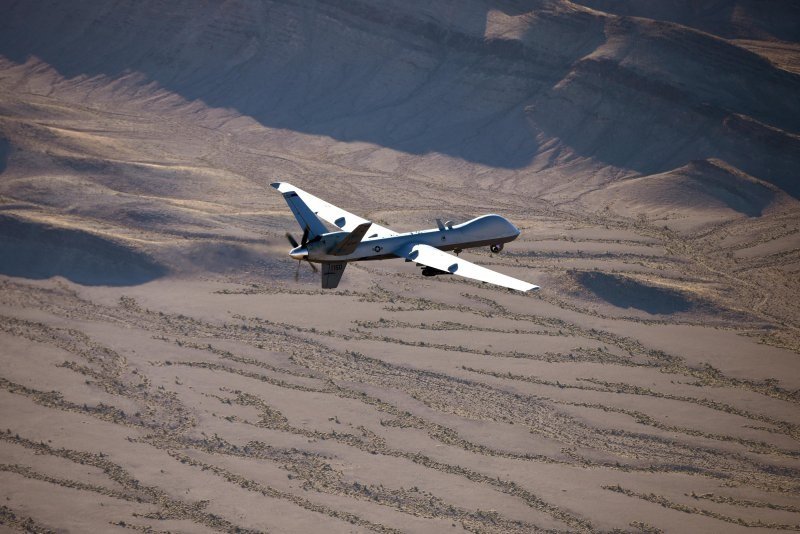 Iran’s IRGC Claims It Shot Down 53rd U.S. MQ-9 Reaper Over Qeshm Island
-
 Thales Launches HexaForce AI-Enhanced Command and Control System for Multi-Domain Operations
-
 China Privately Urges Iran to Restrain Houthis After Saudi Appeal
-
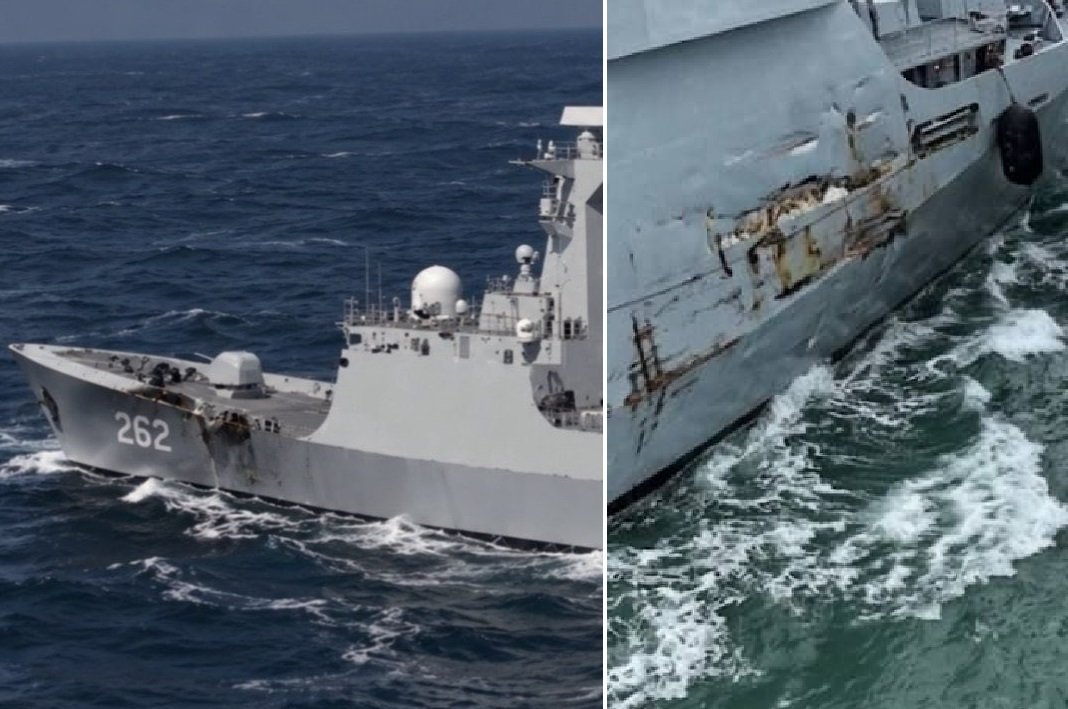 Pakistani Navy’s PNS Hunain Damaged After Collision With Indian Navy Warship in North Arabian Sea
-
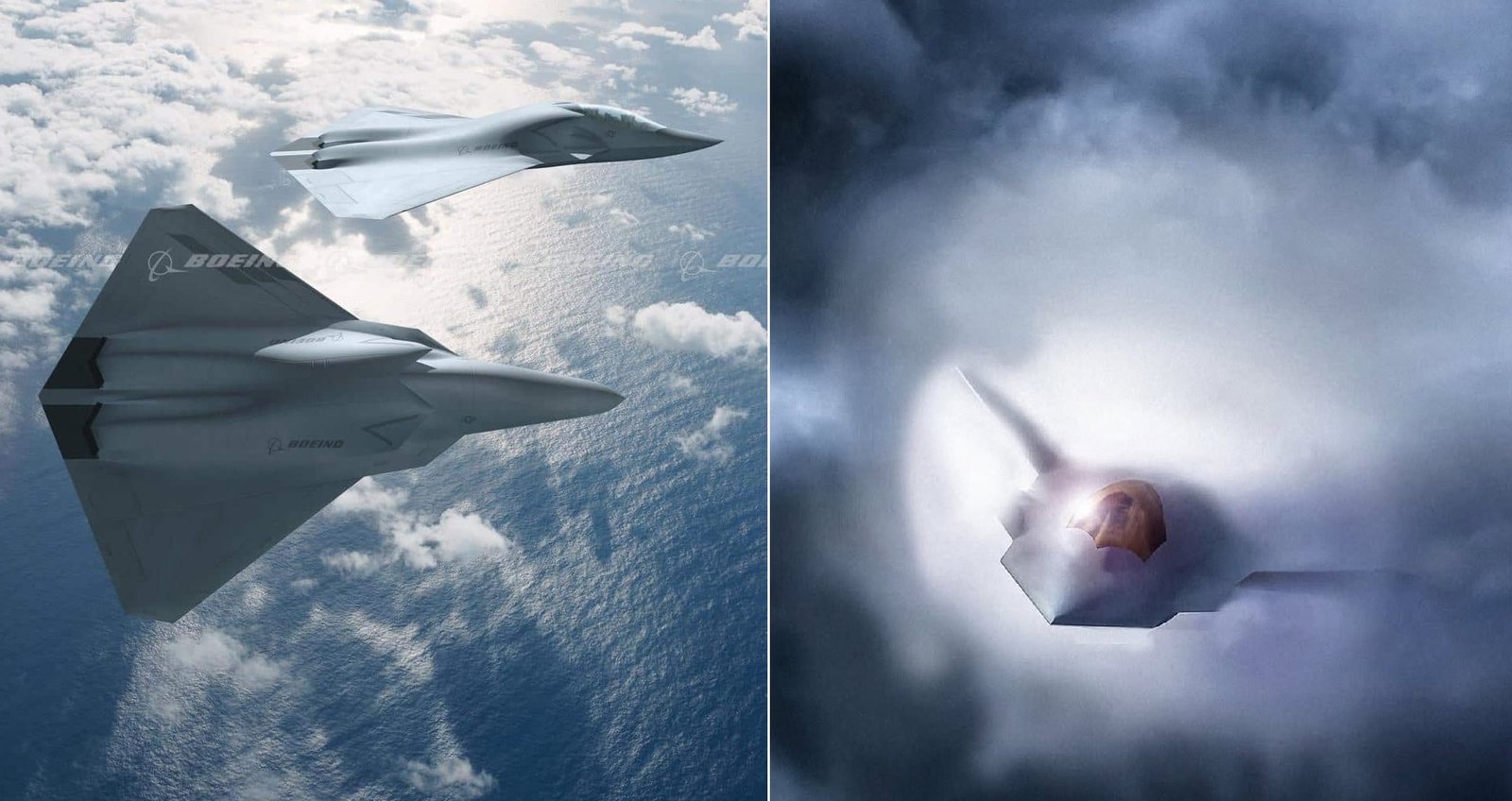 Pentagon Raises Concerns Over Defense Industry Capacity for F-47 and F/A-XX Sixth-Generation Fighter Programs at the Same Time
-
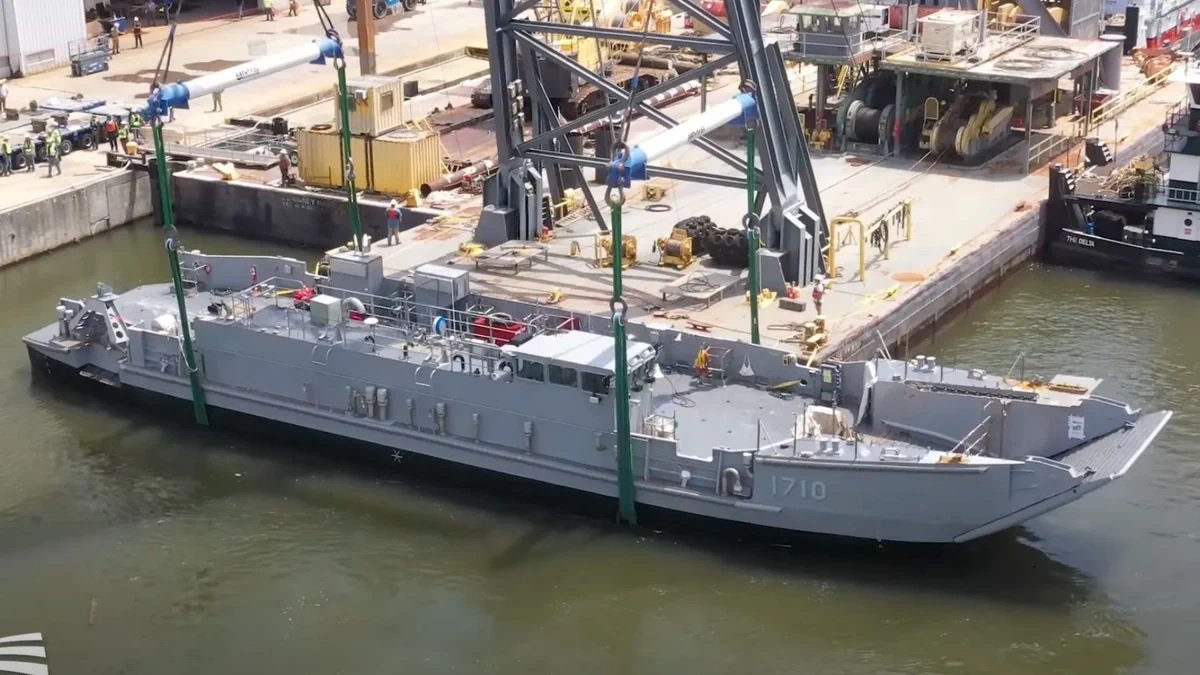 U.S. Navy Awards $280.5 Million in Prototype Agreements to Three Shipyards for LCU 1700 Landing Craft
-
 Former Italian Navy Carrier Enters Indonesian Waters to Join Indonesian Navy as Indonesia’s First Aircraft Carrier
-
 U.S. Intelligence Warns Proposed F-35 Sale to Saudi Arabia Could Expose Technology to China
Top Trending in 4 Days
-
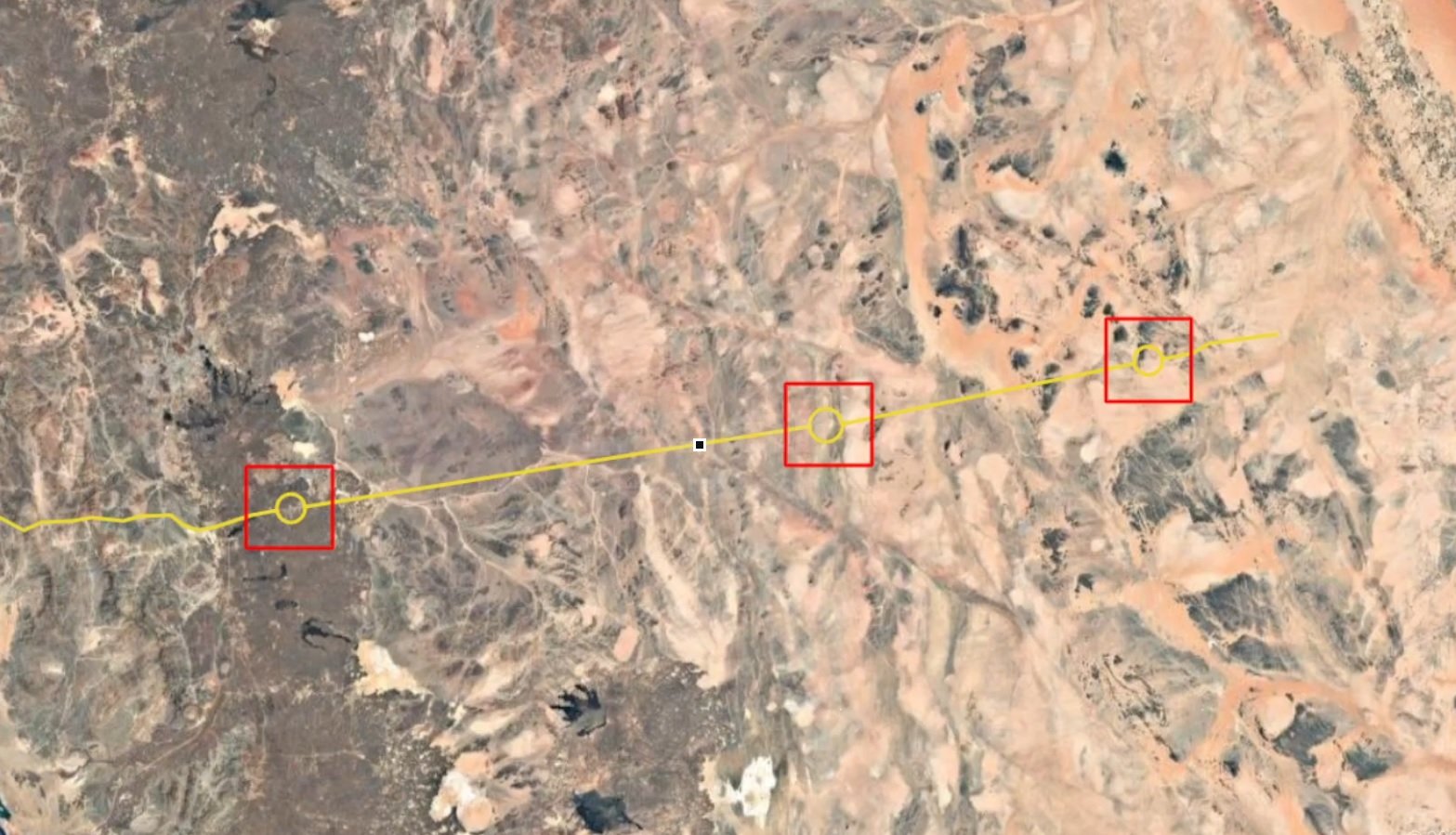 Satellite Imagery Shows Extensive Damage to Saudi Arabia’s East-West Oil Pipeline, Indicating More Than a Single Strike
-
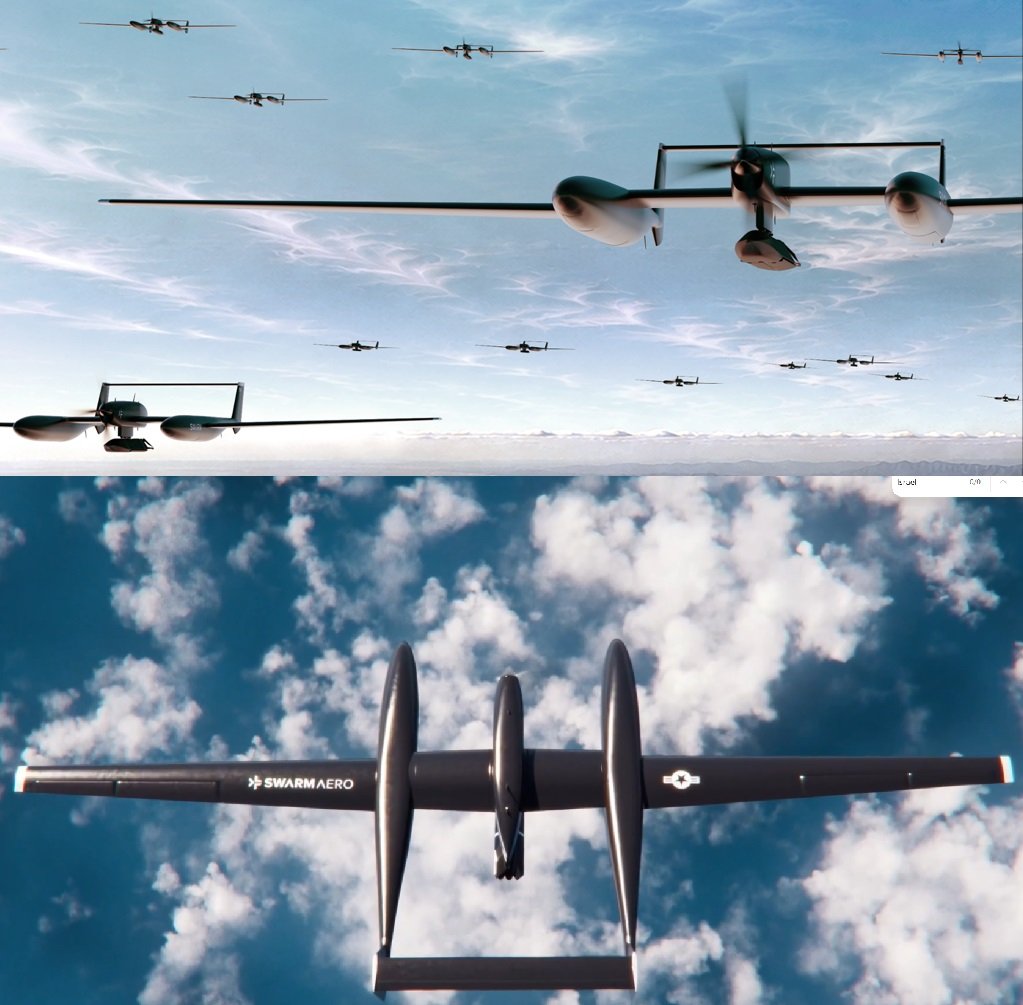 U.S. Firm Swarm Aero Unveils Gamera Group 5 UAS With 9,000-Nautical-Mile Range and Heavy Strike Payload
-
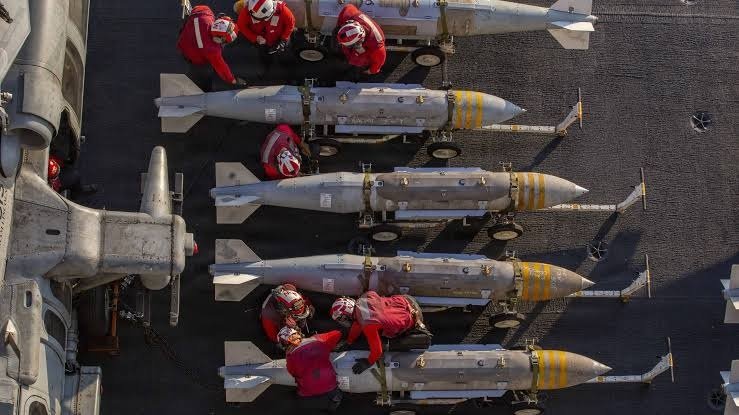 Pentagon Inspector General Report Finds Iran War Caused U.S. Ammunition Shortfalls and Industrial Bottlenecks
-
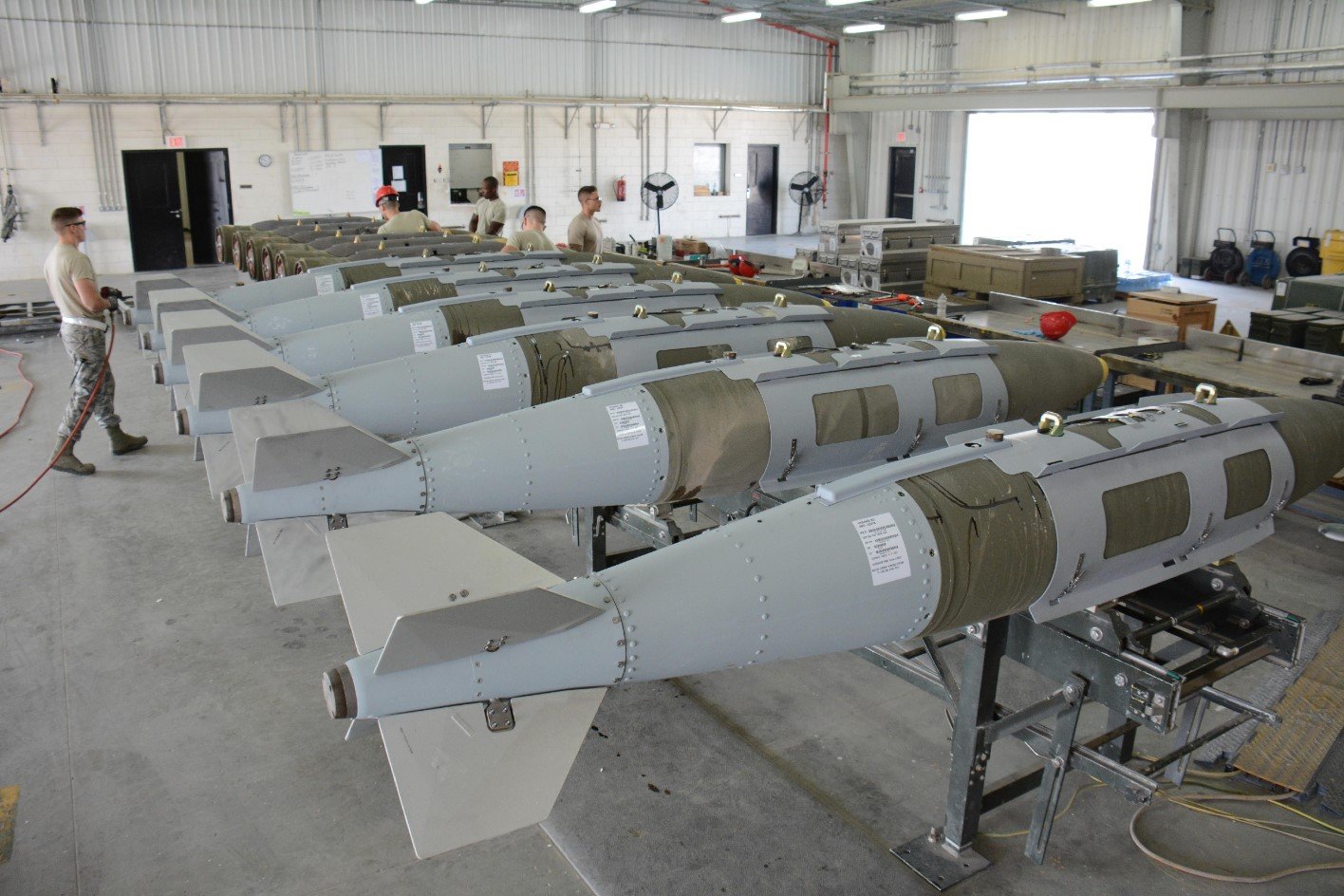 U.S. Plans $2.8 Billion Sale of 40,000 Heavy Bombs and 20,000 I-2000 Penetrator Warheads to Israel
-
 Pentagon and Honeywell Complete Four-Hour Pacific Flight Using Quantum Magnetic Navigation Without GPS
-
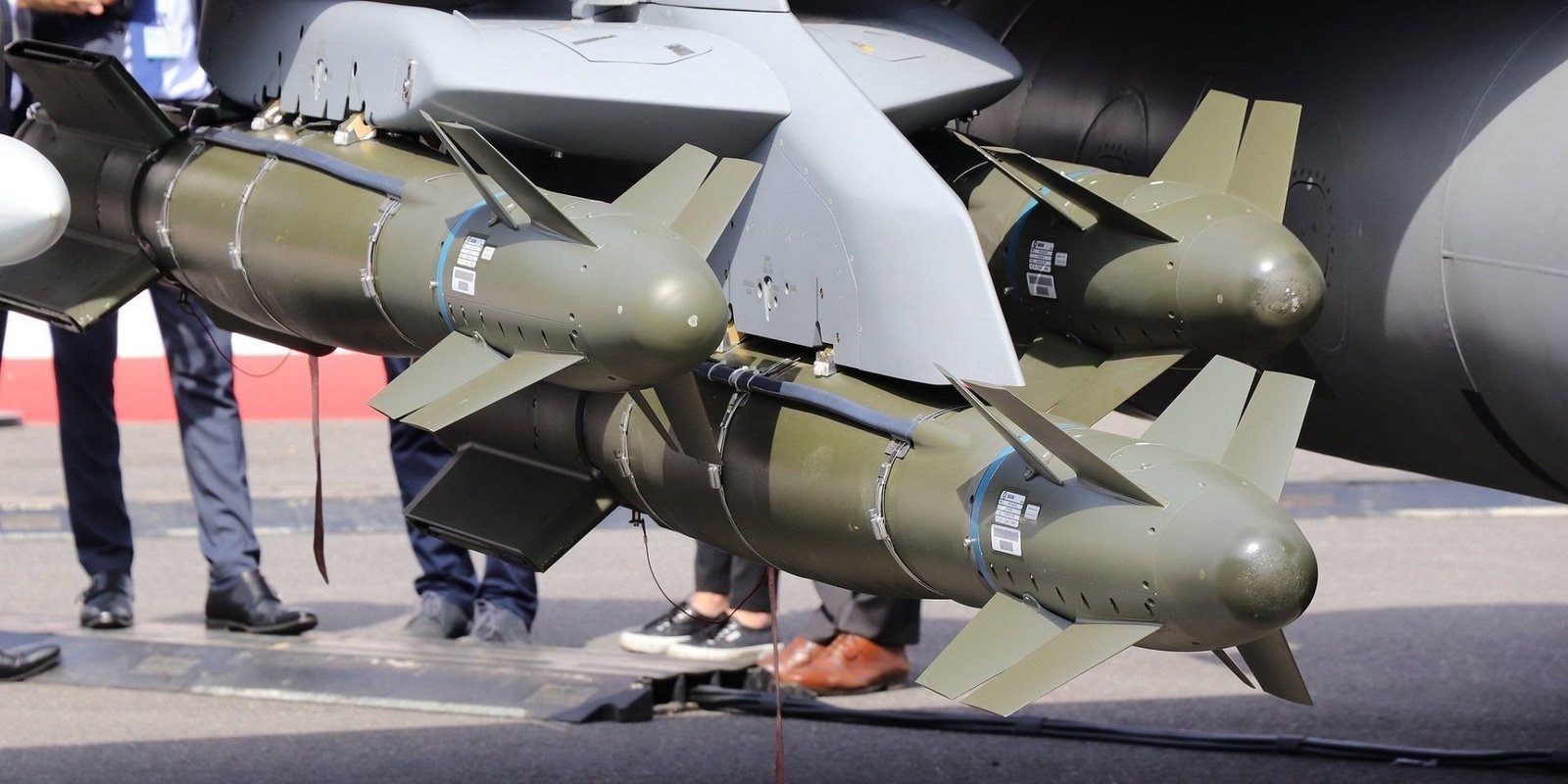 Swedish Gripens Bound for Ukraine to Be Armed with French Rocket-Assisted Hammer Precision Bombs
-
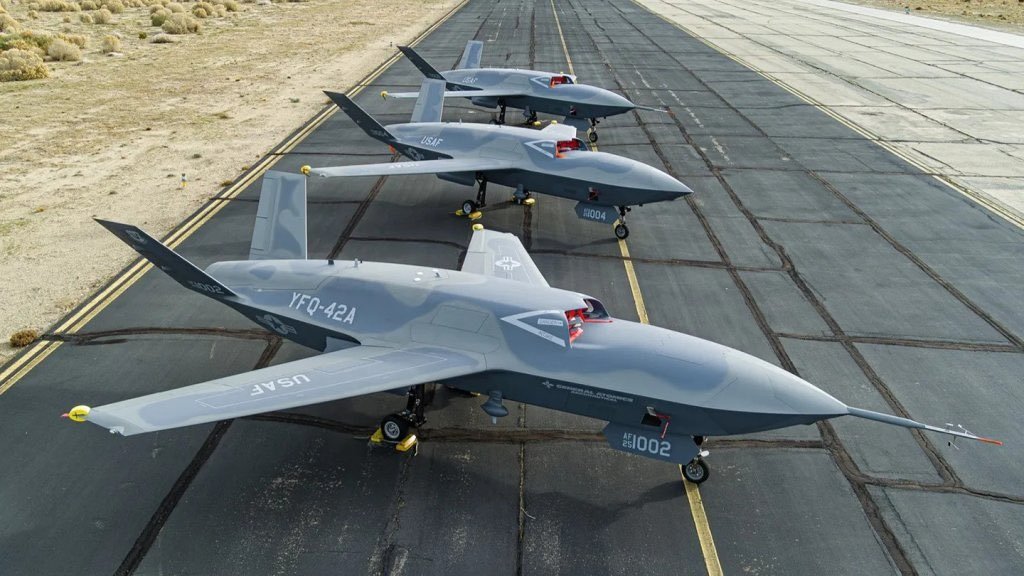 U.S. Air Force Officially Names First Collaborative Combat Aircraft FQ-42 Vengeance and FQ-44 Fury, Targets 500 by 2032
-
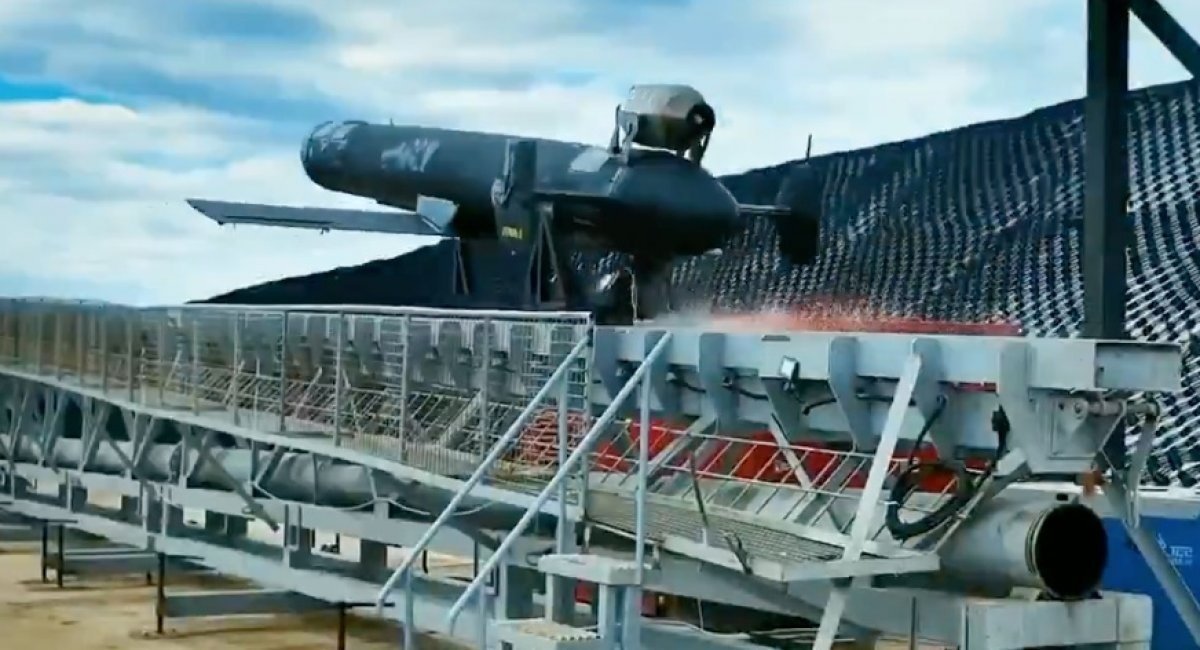 Russia Ramps Up Production of Jet-Powered Geran-5 Drones and Banderol Missiles, With Low Cost of Around $100,000 Per Unit