India
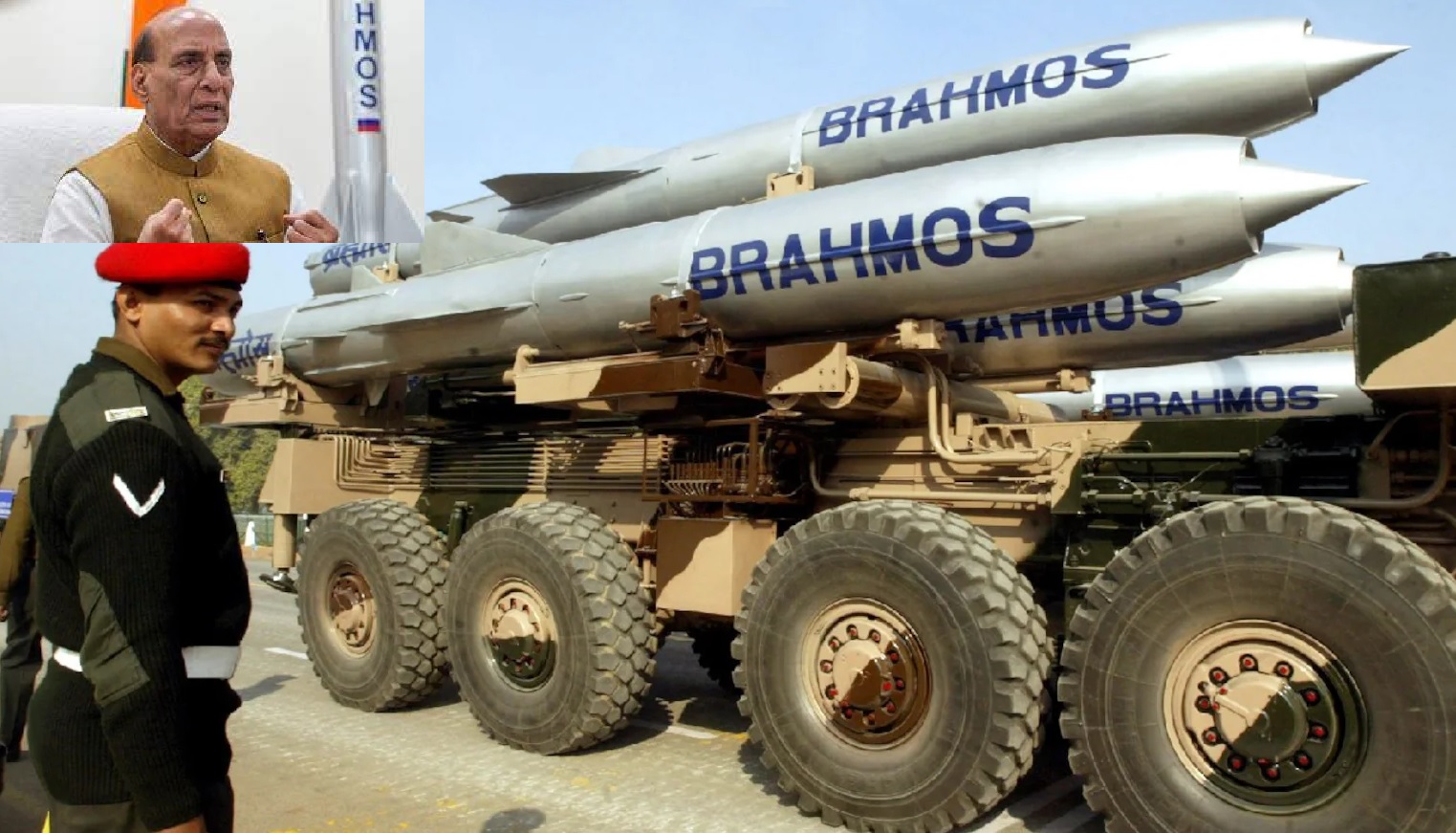
In a strong endorsement of India's growing defence capabilities, Defence Minister Rajnath Singh revealed that more than a dozen countries have expressed interest in the BrahMos missile system following its outstanding performance in Operation Sindoor. He made this announcement while addressing a gathering at an event in Lucknow, where he also unveiled a statue of former Uttar Pradesh Chief Minister Chandra Bhanu Gupta and released a commemorative postage stamp in his honour. Speaking at the National PG College, Singh said, "The BrahMos missile has done a miraculous job in Operation Sindoor. After this operation, around 14 to 15 countries have officially shown interest in acquiring this world-class missile system from India." He added that BrahMos missiles will now be exported directly from Lucknow, where a new airspace integration and testing facility has been inaugurated. This facility is expected to not only strengthen India’s self-reliance in the defence sector under the ‘Atmanirbhar Bharat’ initiative but also generate new employment opportunities and attract further industrial investment in Uttar Pradesh. The BrahMos is one of the fastest and most accurate supersonic cruise missiles in the world, jointly developed by India’s DRDO and Russia’s NPOM. It is known for its pinpoint precision, high speed (Mach 2.8 to 3), and versatile launch platforms—land, sea, air, and submarine. Its proven combat capabilities and reliability have made it a key asset in India's strategic arsenal and a sought-after product in the global defence market. Operation Sindoor, though not officially detailed by the government, is widely understood to have involved a precision strike where the BrahMos was reportedly used with significant success, enhancing the missile’s global reputation. Highlighting the broader vision for Uttar Pradesh, Singh noted, "The state is witnessing historical transformations. With major developments like expressways, airports, metro networks, and medical colleges, the face of infrastructure is changing rapidly." He credited the state’s improving law and order and business-friendly environment for the rising interest from industries, including those in defence manufacturing. As the Lok Sabha MP from Lucknow, Singh used the platform to remember the legacy of Chandra Bhanu Gupta. "Gupta ji's life is a lesson in responsibility, public service, and leadership. He reminds us that politics should be about people, not personal enmity," Singh remarked. The growing interest in the BrahMos missile—especially after its successful deployment—signals a new phase in India’s defence exports, potentially opening doors to significant strategic partnerships and further establishing the country as a reliable defence supplier on the global stage.
Read More → Posted on 2025-07-14 14:53:49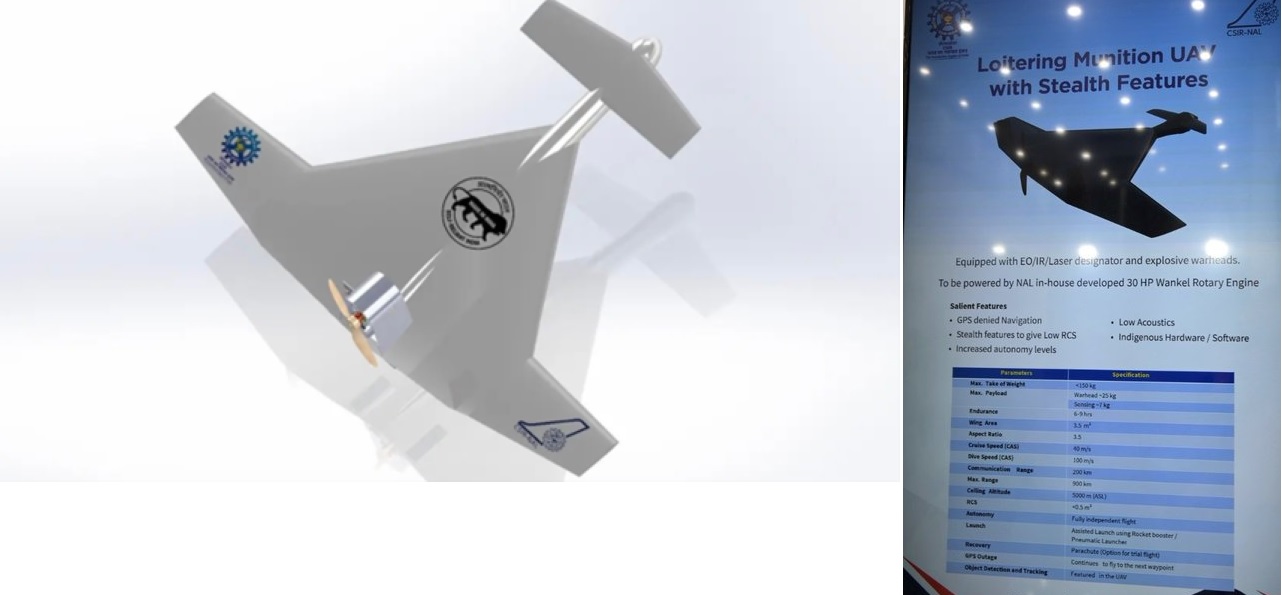
India
In a significant advancement for India’s indigenous unmanned weapons program, SolarDefense & Aerospace Ltd. (SDAL), in collaboration with Economic Explosives Ltd., Nagpur, has been ranked first and shortlisted by CSIR-National Aerospace Laboratories (CSIR-NAL) to develop and manufacture a next-generation 150 kg-class stealth loitering munition. This program is a key part of India’s drive to develop a long-range, precision-guided, stealth unmanned aerial weapon system under full domestic control. The selection, announced via an official CSIR-NAL office memorandum dated 27th June 2025, places SDAL ahead of other leading contenders, including Bharat Dynamics Ltd., Raphe mPhibr, Bharat Electronics Ltd., and NewSpace Research & Technologies. SDAL scored 80.30 points in the Combined Technical Cum Commercial Based System (CTCCBS), securing the opportunity to enter into formal joint collaboration with CSIR-NAL. A Stealthy Lethal Loiterer: The Proposed System As per official technical presentations and documentation reviewed, the proposed LM-UAV (Loitering Munition UAV) is set to redefine India’s air-launched precision strike capabilities. Below are its key performance features: Technical Highlights: Total Weight (AUW): ~150 kg Wingspan: 3.5–4.0 meters Cruise Speed: 143 km/h Dive Speed: 360 km/h Endurance: 6–9 hours Range: Up to 900 km Cruise Drag: 16 kg (estimated) Maximum Altitude: 5 km Payload and Sensors: Warhead Payload: ~15 kg high-explosive Sensing Payload: 10–15 kg, including EO/IR (electro-optical/infrared), laser designator Navigation: GPS-denied capable Launch Method: Assisted (possibly pneumatic or catapult) Propulsion: The LM-UAV will be powered by NAL’s indigenous 30 HP Wankel engine, a compact rotary engine design optimized for low-noise and fuel-efficient flight—an essential component for a stealth platform. Designed for Stealth and Deep Precision Stealth is a core design priority for this UAV. The proposed airframe adopts a low radar cross-section (RCS) profile using modern stealth shaping and materials. It is specifically engineered to survive in heavily contested airspace and can loiter over the battlefield for hours, scanning and engaging high-value or time-sensitive targets with precision. This system aims to bridge the gap between tactical drones and heavier cruise missiles, providing India's armed forces with an affordable, long-range, air-launched loitering munition that can be deployed from manned or unmanned platforms. Operational Flexibility and Strategic Role With a range of 900 km and up to 9 hours of flight time, the LM-UAV can support a variety of missions, including: SEAD (Suppression of Enemy Air Defenses) Deep strike operations in contested zones Maritime surveillance and anti-ship strikes Border area precision attacks on mobile launchers or radar assets Its assisted launch system also opens the door for ship-based or ground mobile launcher deployment, greatly increasing operational flexibility. A Competitive Selection Process According to CSIR-NAL’s evaluation (Memo No. PBMD/LM-UAV/RFP/2025-26), SDAL emerged as the top scorer among five commercial bidders. The full list and scores are as follows: Rank Firm CTCCBS Score 1 SolarDefense & Aerospace Ltd. (Nagpur) 80.30 2 Bharat Dynamics Ltd. (Hyderabad) 78.62 3 Raphe mPhibr Pvt. Ltd. (Noida) 76.78 4 Bharat Electronics Ltd. (Bangalore) 73.43 5 New Space Research & Technologies (Bangalore) 66.85 Some major players, including Adani Defence Systems, Tata Advanced Systems, and Triveni Engineering, qualified technically but failed to submit a commercial bid. As per CSIR-NAL’s protocol, if SDAL fails to enter a collaboration agreement within the stipulated timeframe, the opportunity will be offered to the next highest-ranked bidder. The Road Ahead With SDAL now poised to lead this critical R&D and production program, prototype development is expected to begin in the coming months, followed by rigorous static and flight trials. If successful, this loitering munition will significantly bolster India’s offensive capabilities in both conventional and hybrid warfare environments. The system not only underscores India’s growing aerospace self-reliance but also places Indian industry among a select few globally—alongside Israel, China, Turkey, and the United States—capable of producing long-endurance, stealth loitering munitions. India’s decision to move ahead with a stealth-capable, indigenous loitering munition platform reflects a maturing defence ecosystem. With SolarDefense at the helm, the country is set to enter a new era of autonomous, precise, and survivable strike capabilities from the skies.
Read More → Posted on 2025-07-13 17:25:43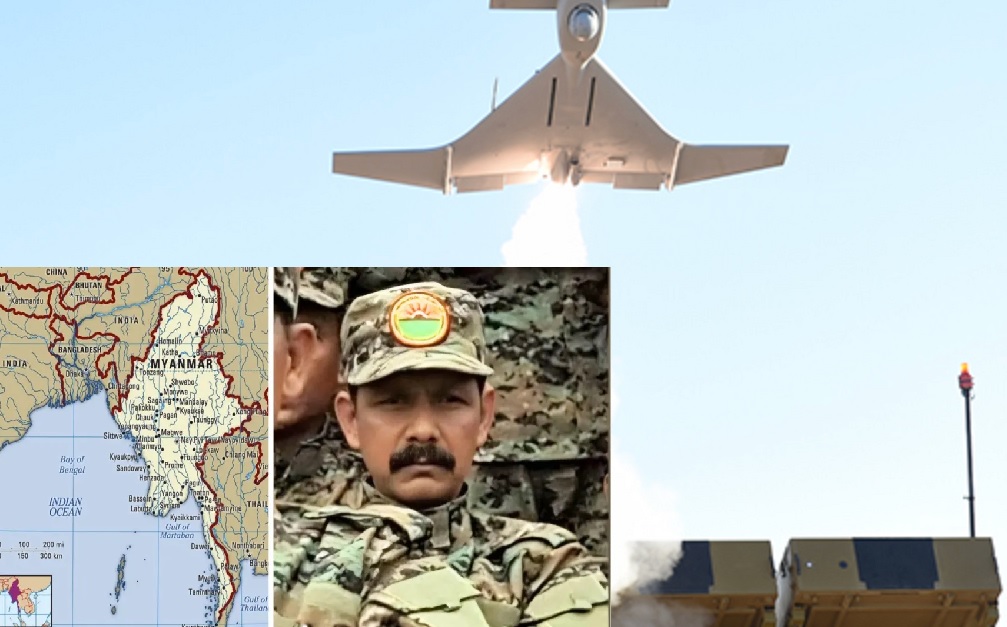
India
In a high-impact cross-border move, the Indian Army is reported to have conducted surgical drone strikes on militant camps belonging to ULFA-I (United Liberation Front of Asom - Independent) and NSCN-K (National Socialist Council of Nagaland - Khaplang) inside Myanmar territory. The operation, which took place in the early hours of Sunday, marks one of the largest and most technologically advanced actions taken by Indian forces against Northeast insurgent groups in recent years. The Operation: Precision and Coordination According to intelligence and security sources, over 100 unmanned aerial vehicles (UAVs) were deployed in the operation that targeted multiple camps across the Naga Self-Administered Zone, near the India-Myanmar border. The airstrikes reportedly took place between 2 AM and 4 AM, with drone swarms conducting coordinated assaults on pre-identified insurgent hideouts. Though the Indian Defence Ministry has not officially confirmed the strikes, multiple sources have corroborated that the operation was executed in close coordination with the Myanmar military, ensuring the success of the mission while respecting international boundaries. Targets and Damage: Heavy Blow to ULFA-I As per reports, key camps of ULFA-I, including the Eastern Command Headquarters (ECHQ) at Hoyat Basti and the 779 Camp at Waktham Basti, were completely neutralized. Two additional camps, possibly used for training and logistics, were also hit. ULFA-I, in a rare public statement, confirmed that the strikes occurred and admitted to the deaths of three senior leaders and injuries to 19 others. Among those reportedly killed was Nayan Medhi, alias Nayan Asom, a top commander and military trainer for ULFA-I. The outfit claimed that he died during his funeral, when the site was hit by another precision missile strike that also killed Brigadier Ganesh Asom and Colonel Pradip Asom. The group also alleged that the attacks continued even after the initial strikes, stating that “airstrikes are still ongoing”, and vowed retaliation. Drones Used: Advanced and Foreign-Origin ULFA-I claimed that the UAVs used in the strikes were of Israeli and French origin, hinting at advanced military technology being used by Indian forces. While details remain unverified, India is known to operate Heron drones from Israel and has acquired loitering munitions and surveillance drones from various foreign and domestic sources. The deployment of such a large fleet of drones indicates an evolution in India’s counter-insurgency tactics—from ground assaults to remote-controlled precision warfare. The use of drones also allows forces to minimize risk to personnel while carrying out deep strikes in difficult terrain. Understanding ULFA-I and NSCN-K ULFA-I is a banned separatist group based in Assam that seeks the creation of a sovereign Assam, independent of India. The group operates primarily under the leadership of Paresh Baruah, who remains at large. Over the years, ULFA-I has established strategic alliances with other Northeast insurgent groups like the People's Liberation Army (PLA) and Revolutionary People's Front (RPF). NSCN-K, on the other hand, is a Naga insurgent group that has long demanded sovereignty for Nagaland and adjacent areas. The Khaplang faction has been involved in anti-India activities and has used Myanmar's remote regions as safe havens for years. Both groups have been known to use the porous India-Myanmar border to maintain camps, recruit cadres, and launch attacks on Indian security forces. Strategic Significance This drone operation is significant for multiple reasons: First known use of large-scale drone strikes by India in cross-border insurgent operations. First major Indian strike inside Myanmar against Northeast militants since the 2015 cross-border raids. It sends a clear message of zero tolerance towards insurgent groups operating from foreign soil. It showcases India’s growing reliance on indigenous and high-tech military solutions, including surveillance, targeting, and autonomous systems. The last such major counter-insurgency operation in the region was back in 2003, when the Royal Bhutan Army, in collaboration with Indian forces, dismantled insurgent camps in southern Bhutan. While official silence from the Indian side continues, the statements from ULFA-I confirm that the group has suffered a significant setback, both strategically and symbolically. The loss of senior leadership and key infrastructure could limit the group’s operational capacity in the near future. As the Indian Army continues to evolve its tactics with the help of cutting-edge technology, such operations may become more common, especially against groups using foreign soil as cover. This strike underscores a clear shift in India’s security doctrine—from passive containment to proactive elimination, especially when national security and territorial integrity are at stake.
Read More → Posted on 2025-07-13 17:11:04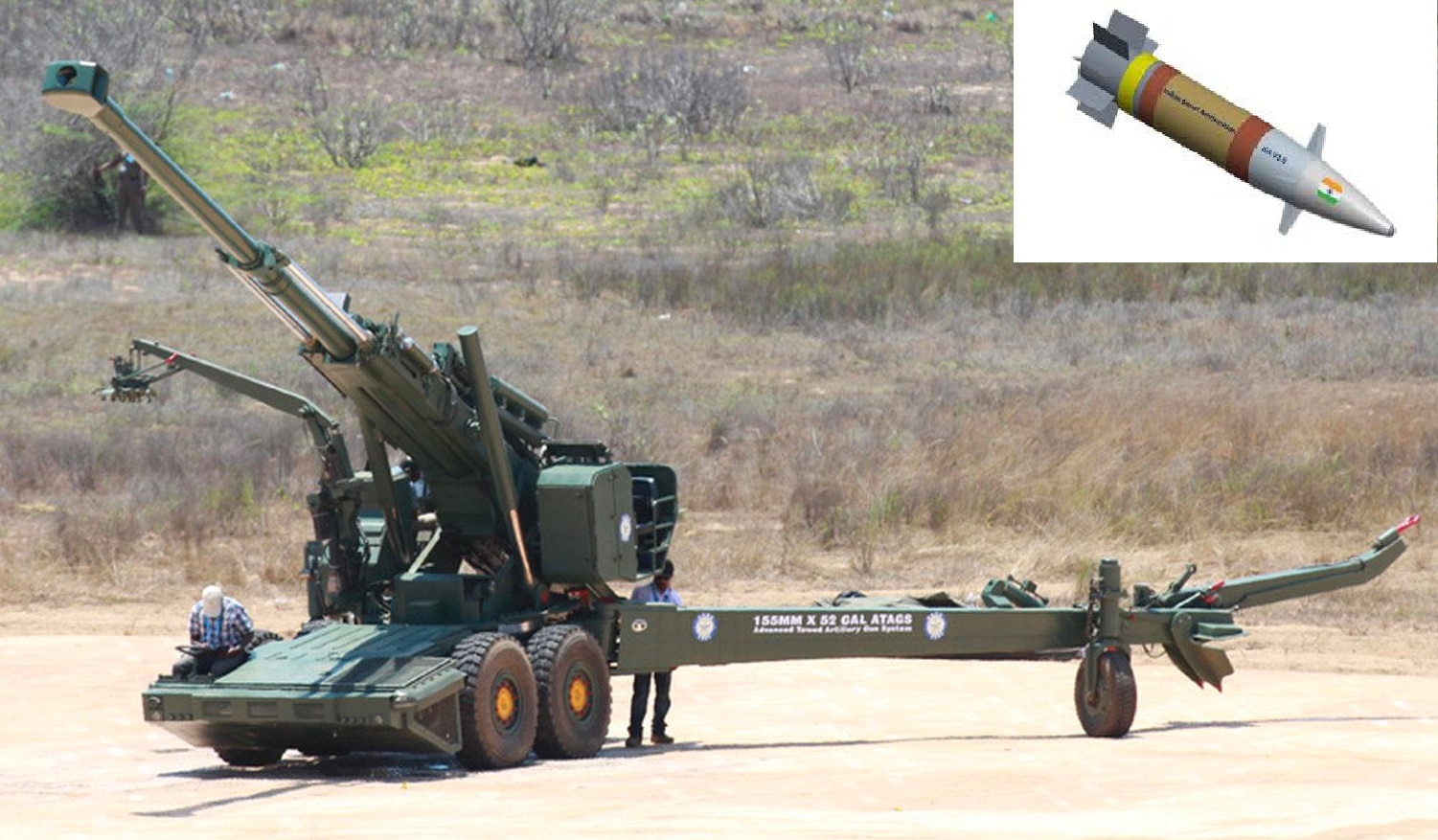
India
India’s artillery firepower is set to take a massive leap forward with the Advanced Towed Artillery Gun System (ATAGS), an indigenously developed long-range artillery platform, now being prepared for integration with next-generation smart ammunition that could extend its range beyond 80 km. Currently, the ATAGS, a 155mm/52 calibre howitzer developed by the Defence Research and Development Organisation (DRDO) in collaboration with TATA Advanced Systems and Bharat Forge, has already demonstrated an impressive firing range of 48 km using conventional ammunition. It is considered one of the most powerful towed artillery systems in the world, combining precision, automation, and rapid deployment. But now, DRDO’s focus is shifting toward an even more ambitious goal—increasing the range and accuracy of artillery rounds with cutting-edge smart ammunition technologies. What’s Coming Next: Smart and Ramjet-Powered Shells The first step in this upgrade is the Bourrelet series of smart ammunition, aimed at delivering incremental improvements in range and precision. However, the real game-changer lies in the pipeline: precision-guided shells and ramjet-powered projectiles. The precision-guided rounds, set to arrive around 2027, will be equipped with NavIC-based satellite navigation (with GPS as a fallback) and in-flight guidance systems, allowing for pinpoint accuracy over extended distances. These will be particularly useful for deep-strike operations in high-value target zones, even under challenging terrain and weather. The crown jewel of DRDO’s plan is the development of ramjet artillery shells. Unlike conventional shells, these rounds will carry their own propulsion system, allowing them to travel beyond 80 km—a significant jump from the current 48 km capability. DRDO expects this technology to mature within the next five years. These shells will also come with a Precision Guidance Kit for mid-flight corrections, drastically increasing hit accuracy at extreme ranges. What makes them even more versatile is their compatibility with all standard 155mm platforms used by the Indian Army, including the Haubits FH77, Dhanush, and K9 Vajra-T, apart from ATAGS. ATAGS: India’s Most Advanced Gun System The ATAGS platform itself stands as a symbol of India’s defence indigenisation drive. It is over 80% indigenous and features: Fully automated operation, Rapid deployment (ready to fire in under 90 seconds), Wide traverse range for greater battlefield flexibility, and Compatibility with a full range of 155mm ammunition, including high-explosive, smoke, illumination, and soon, smart and guided shells. In March 2025, the Ministry of Defence signed contracts for 307 ATAGS units and 327 high-mobility towing vehicles, marking the largest artillery acquisition in decades. These new systems will significantly boost the Indian Army’s long-range strike capability, offering deep precision engagement in high-altitude, desert, and jungle terrain alike. A New Chapter in Indian Artillery The DRDO’s smart ammunition initiative is not just about range—it’s about transforming how artillery is used in modern warfare. With accurate, long-range firepower, India will be able to strike deeper, respond faster, and reduce collateral damage—all while relying on home-grown technologies. Once fully integrated, the ATAGS + smart ammo combination will place India among the global leaders in next-generation artillery warfare, signaling a new age of high-lethality, precision-guided military capability rooted in indigenous innovation.
Read More → Posted on 2025-07-13 15:50:29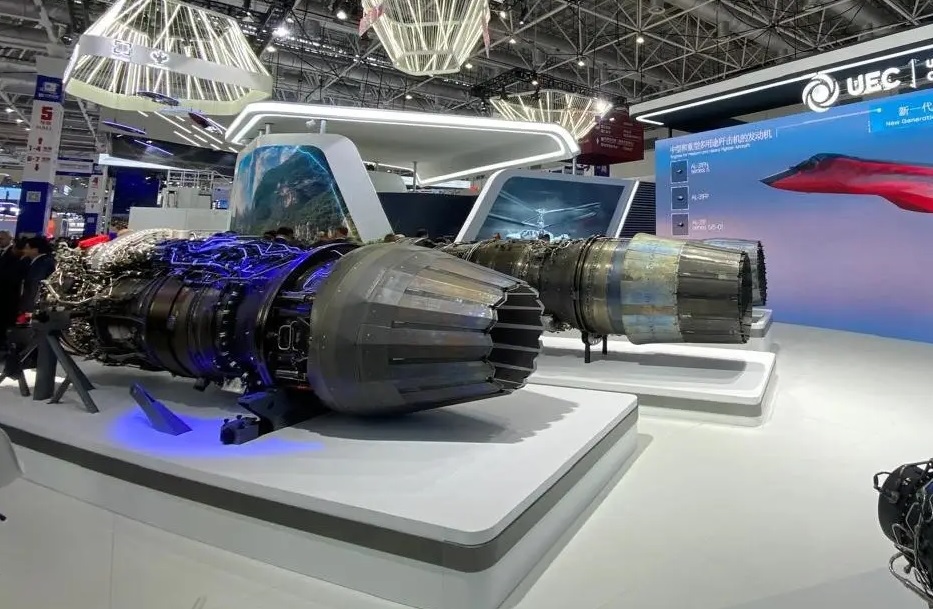
India
In a significant move reflecting India’s growing emphasis on defence self-reliance, the Indian government has set stringent conditions for Russia’s proposal to upgrade its Su-30MKI fighter aircraft with the next-generation Product 117S engines. The conditions mark a major shift in the country’s defence procurement policy, rooted firmly in the Atmanirbhar Bharat initiative and a drive for strategic autonomy. India’s demands include at least 80% technology transfer and mandatory on-site testing in India in the presence of Russian engineers. This is a stark departure from earlier practices where India often accepted limited technology-sharing in major defence contracts. Russia’s Engine Offer: A Technological Leap Russia’s United Engine Corporation (UEC) has offered two options to power the Indian Air Force’s frontline Su-30MKI fleet — the AL-41F, which powers the Russian Su-35, and the more advanced Product 117S (also known as Izdeliye 117S). The 117S engine is a major upgrade, drawing on the AL-51F1 technology used in Russia’s fifth-generation Su-57 stealth fighter. Technically, the Product 117S engine offers: 14,500 kgf of thrust (compared to the current AL-31FP’s 12,500 kgf) A thrust-to-weight ratio of 9.5:1, significantly higher than the current 8.2:1 A service life of 6,000 hours, three times longer than existing engines Improved fuel efficiency, reduced operational cost, and stealth-enhancing features These performance upgrades could make the Su-30MKI one of the most advanced fourth-generation fighters in service today, bridging the gap between legacy systems and fifth-generation platforms. India’s 80% Technology Transfer Demand What sets this proposal apart is India’s insistence on a minimum 80% transfer of technology. This is much higher than the current level of technology transfer for AL-31FP engines, which are manufactured by Hindustan Aeronautics Limited (HAL) at the Koraput plant, with only about 60% localisation and even lower indigenous content (below 54%). With the new demand, India aims to: Gain access to core engine technologies Reduce dependency on Russian suppliers Empower HAL and other domestic firms to handle future engine programs, especially for the upcoming Advanced Medium Combat Aircraft (AMCA) This push for deeper indigenisation is also a reaction to decades of one-sided agreements, where India remained dependent on foreign partners for spare parts, raw materials, and intellectual property. On-Site Testing in India: A Safety Clause Along with the technology transfer, India is also requiring that all testing and integration of the Product 117S engine be done within India, with Russian engineers on the ground. This ensures two key goals: Indian engineers gain hands-on exposure to cutting-edge propulsion systems The testing program remains uninterrupted, regardless of global geopolitical uncertainties With the 117S engine still under development, India’s insistence on local testing ensures that technical issues can be ironed out before large-scale production begins. It also guards against delivery delays, similar to those faced in the S-400 missile system program due to Russia’s ongoing military commitments. Part of the Super Sukhoi Vision The engine upgrade is a critical part of the Indian Air Force’s ₹63,000–66,000 crore Super Sukhoi modernization program, which seeks to upgrade 84 Su-30MKIs in the first phase. The goal is to enhance the aircraft’s lifespan and combat potential, bringing it closer to fifth-generation capabilities. The upgrade plan includes: Indigenous Virupaksha AESA radar Next-gen electronic warfare suites AI-enabled avionics Support for Manned-Unmanned Teaming (MUM-T) An increase in indigenous content from 63% to 78% The Defence Acquisition Council cleared the plan in November 2023, and once final clearance is given by the Cabinet Committee on Security, the first upgraded jets could be ready by 2028, with complete upgrades taking nearly 15 years. Risk Mitigation and Long-Term Strategy India’s tough negotiating position is also a risk mitigation strategy. With the 117S engine not yet in full service in Russia and the country's defence industry facing strain due to global sanctions and prolonged warfare, India wants to ensure that its investments are safe. These new terms help India: Avoid future supply chain disruptions Ensure performance standards are met Reduce post-deployment surprises with untested systems By demanding a significant transfer of knowledge and on-site integration, India is also preparing its industrial base for greater self-sufficiency in advanced military technologies. The Future of India-Russia Defence Ties This deal could be a turning point in India-Russia defence relations. If Russia agrees to India’s terms, it would signal a new level of trust and partnership, opening doors for joint development of other high-end technologies, such as fifth-generation fighters and long-range missiles. However, if Russia finds India’s conditions too difficult, it may push India further toward diversifying its defence partnerships, especially with Western nations. The recent GE-F414 engine deal with the US and joint ventures with France and Israel are clear indicators that India is no longer tied to any one supplier. India’s firm stance on the Su-30MKI engine upgrade reflects a broader transformation in its defence approach—from a passive buyer to a confident, assertive partner. By placing technology transfer and domestic testing at the heart of negotiations, India is not only protecting its strategic interests but also investing in the future of its defence industry. This is more than just an engine upgrade; it is a statement of intent. As India marches toward becoming a global defence manufacturing hub, such high-stakes deals will define how the country asserts its sovereignty, builds capacity, and reshapes its place in the global defence ecosystem.
Read More → Posted on 2025-07-12 16:47:06
India
In a strong and confident statement, National Security Adviser Ajit Doval declared that India successfully destroyed all nine targeted terrorist camps deep inside Pakistan and Pakistan-occupied Kashmir during Operation Sindoor, with no damage to any Indian military installations. Doval made the remarks on Friday at the 62nd convocation ceremony of IIT Madras, shedding light on the details of the covert and swift military operation that lasted just 23 minutes past 1 a.m. on May 7. Doval underlined that "We missed none. We hit nowhere else except that." He revealed that Indian forces had accurate intelligence on terrorist locations, enabling high-precision strikes without collateral damage. The terror camps, he said, were located well inside Pakistan’s interior—not just near the border—and were completely neutralised. The operation was a direct military response to the April 22 Pahalgam terror attack that left 26 people dead. Following the strikes, a four-day period of escalating exchanges ensued between India and Pakistan, involving drones, long-range missiles, and precision weapons, before both sides agreed to cease hostilities on May 10. Refuting Pakistan’s claims of having damaged Indian military targets, Doval challenged the narrative:"Tell me one photograph, one image, which shows any damage to any Indian (structure), even a glass having been broken."He added that satellite imagery confirmed damage to 13 Pakistani airbases, while Indian bases remained untouched. “That is the truth,” Doval asserted firmly. Another key highlight from Doval’s address was the emphasis on indigenous technology. He proudly noted that systems like the BrahMos missile, advanced radars, and targeting platforms used in the operation were largely developed within India. He called the operation a testament to India’s growing self-reliance in the defense sector. "We are really proud of how much of indigenous content was there," Doval said, stressing the need to eliminate foreign dependency. He also shared India’s vision of fully indigenising communication systems for data protection and national security. Looking forward, Doval called Artificial Intelligence (AI) a “game changer” and encouraged India’s scientific and technological community to adopt emerging technologies swiftly. "We must not depend on others when it comes to critical technology," he said, urging institutions like IIT Madras to take the lead in this national mission. Operation Sindoor not only demonstrated India’s military precision and strategic intent, but also highlighted the country’s technological confidence in safeguarding its sovereignty.
Read More → Posted on 2025-07-12 15:47:38
India
India’s ambitious Advanced Medium Combat Aircraft (AMCA) project has reached a crucial stage, with global aerospace leaders Rolls-Royce and Safran offering cutting-edge Variable Cycle Engine (VCE) technology to power the indigenous stealth fighter. In a significant development, both companies have committed to offering 100% transfer of technology (ToT) and full intellectual property rights (IPR)—a long-standing demand of India’s defence establishment aimed at achieving true self-reliance in critical aerospace systems. The new engine, designed to deliver 110–130 kilonewtons (kN) of thrust, will be co-developed with India’s Gas Turbine Research Establishment (GTRE) under the Defence Research and Development Organisation (DRDO). This engine is intended for the AMCA Mk-2 variant, which is set to fly in the early 2030s, with full induction into the Indian Air Force planned around 2035. What makes this offer particularly transformative is the inclusion of Variable Cycle Engine technology—a hallmark of sixth-generation fighter platforms. By incorporating VCE into the AMCA program, India is not only catching up with global technology trends but potentially future-proofing its fighter for decades to come. The Promise of Variable Cycle Engine Technology Traditional jet engines are optimized for either fuel efficiency during cruise or maximum thrust during combat. In contrast, a Variable Cycle Engine can switch between modes mid-flight by adjusting internal airflow paths. This dynamic capability offers a significant operational advantage. With VCE, a fighter jet can cruise long distances efficiently and instantly shift into high-performance mode when needed for combat maneuvers. According to estimates, this flexibility could offer up to 30% more range and 20% faster acceleration compared to current fifth-generation engines. More importantly, such engines are capable of supporting advanced technologies like AI-assisted combat systems, drone swarms, and directed-energy weapons, making them essential for future warfare. Strategic Value of the AMCA Program The AMCA is India’s answer to the rising need for stealth and multirole capabilities in a contested airspace, especially with the growing influence of adversarial platforms like China’s J-20. Designed as a 5.5-generation stealth aircraft, the AMCA will feature internal weapons bays, supercruise capability, sensor fusion, and low observability across spectrums. While the initial Mk-1 version will fly with an existing foreign engine, the Mk-2 variant is slated to be fully Indian—powered by the new VCE-equipped engine co-developed under this program. This aligns perfectly with India’s Atmanirbhar Bharat (self-reliant India) initiative, ensuring not just operational capability but sovereign control over its most advanced aerial weapon. The Bidding War: Rolls-Royce vs. Safran Both Rolls-Royce and Safran have brought their best offers to the table, each with unique strengths and strategic promises. Safran, known for developing the M88 engine used in France’s Rafale fighters, has revised its proposal to meet India’s full tech control requirement. Previously hesitant to share IPR, the French engine-maker is now ready to design a completely new 110–130 kN thrust engine with India, which could also be adapted for use in the Twin Engine Deck-Based Fighter (TEDBF) program of the Indian Navy. Rolls-Royce, meanwhile, has proposed a completely new engine design specifically for India, separate from its involvement in the Global Combat Air Programme (GCAP) with the UK, Japan, and Italy. Leveraging experience from the EJ200 engine that powers the Eurofighter Typhoon, and incorporating GCAP’s advanced technologies, Rolls-Royce is offering an engine that promises better stealth through low infrared signatures and superior thermal management. Crucially, Rolls-Royce is also ready to build a manufacturing ecosystem in India, helping the country emerge as a regional hub for next-gen aero-engine production. A Decision with Long-Term Impact The Indian government, including the Prime Minister’s Office, is overseeing the final selection process, which involves an estimated investment of $4.5 to $5 billion. Once a partner is chosen, it will take 7–10 years to fully develop, test, and certify the engine, with mass production expected to begin around 2032–33. This decision is not just about powering a fighter jet—it is about establishing India’s place in the elite circle of nations with the capability to design and manufacture advanced jet engines. Today, only a few countries—the U.S., Russia, China, France, and the UK—possess such capacity. With both Rolls-Royce and Safran now offering full technology transfer and next-generation Variable Cycle Engine technology, India stands at a decisive crossroads. The right partnership could transform the AMCA into a future-ready platform and give India the technological independence it has long sought in aerospace defense. As the AMCA project moves closer to reality, the engine that will power it is set to become a symbol of India’s rise as a self-reliant defence power, and a catalyst for building an indigenous aerospace ecosystem that can serve both military and commercial needs in the decades ahead.
Read More → Posted on 2025-07-12 15:18:21
India
In response to growing regional instability in West Asia, India is fast-tracking the delivery of a critical defensive upgrade for its Rafale fighter jets — the X-Guard fibre optic towed decoy system developed by Israel’s Rafael Advanced Defense Systems. This move comes amid supply chain disruptions and geopolitical tension affecting deliveries from the region, particularly Israel, where the decoy system is manufactured. Indian defence officials are pushing for quicker delivery of the system, which significantly enhances the self-protection capabilities of the Air Force’s Rafale fleet by allowing it to operate safely in contested airspace. The X-Guard system, already in use by the Israeli Air Force, is a reusable airborne decoy that is connected to the aircraft through a fibre-optic line and deployed mid-flight during high-risk missions. It mimics the radar signature of the fighter jet, confusing enemy air-to-air and surface-to-air missiles and diverting them away from the actual aircraft. Once the threat is over, the decoy can be retracted and stored back into the pod during flight — a key advantage for extended missions. Though the system has already been successfully integrated and tested on the Indian Rafales, its induction has been delayed due to the ongoing conflict and instability in West Asia. The Indian Air Force (IAF), recognizing the urgent need for enhanced survivability during operations, is working to accelerate the arrival of the pending systems despite current logistical hurdles. India's 36 Rafale jets, acquired from France, have already received several customised upgrades to suit operational requirements. These include: Helmet Mounted Displays (HMDs) for better pilot situational awareness Infrared Search and Track (IRST) sensors to detect enemy aircraft passively Ability to operate from high-altitude airfields such as Leh and Srinagar These jets played a pivotal role in Operation Sindoor, during which the IAF carried out precision strikes on terror hubs in Bahawalpur and Muridke, along with follow-up missions that targeted key Pakistani military infrastructure. During the operation, SCALP long-range cruise missiles launched from Rafales struck several high-value assets, including UAV hangars, command centres, and early warning aircraft. With tensions on multiple fronts and evolving air combat threats, the integration of systems like X-Guard represents a vital step toward ensuring India’s air dominance and the safety of its frontline fighter platforms. The expedited induction would bolster the IAF’s readiness for both defensive and offensive missions in volatile zones.
Read More → Posted on 2025-07-12 15:12:06
India
In a major boost to India’s indigenous defence capabilities, the Defence Research and Development Organisation (DRDO) successfully conducted two flight tests of the Astra beyond-visual-range air-to-air missile (BVRAAM) on July 11, 2025. What made these tests particularly significant was the successful validation of a newly developed indigenous radio frequency (RF) seeker — a critical component that enhances the missile’s terminal guidance and overall performance. These back-to-back tests mark a key milestone in India’s quest for self-reliance in advanced missile technologies and secure the Astra missile’s place among top-tier global air-to-air weapon systems. Astra: India’s Answer to Modern Aerial Threats The Astra BVRAAM is India’s first fully operational beyond-visual-range air-to-air missile, developed by DRDO for the Indian Air Force and Navy. Designed to engage and destroy highly maneuverable aerial targets at ranges well beyond visual range, Astra has already been integrated on the Su-30MKI and is planned for integration on other platforms such as the Tejas Mk-1A and MiG-29UPG. The missile has an effective range of over 100 km when launched from high altitudes. It can achieve speeds up to Mach 4.5, making it highly effective against fast-moving aircraft in both head-on and tail-chase scenarios. With a length of around 3.8 meters, a diameter of 178 mm, and equipped with a 15 kg high-explosive fragmentation warhead, the Astra is compact yet powerful. The RF Seeker: Small Component, Big Impact The main highlight of today’s test was the use of a newly developed indigenous Ku-band RF seeker. This seeker is crucial for the final phase of the missile’s flight — known as the terminal homing phase — where it locks onto the target using active radar signals. The specifications of the new seeker are impressive: Operating Band: Ku-band (typically 12–18 GHz), ideal for high-resolution tracking and lower vulnerability to jamming. Weight: Just 12.5 kg, allowing integration without affecting missile balance or dynamics. Gimbal angle: ±55 degrees, enabling the seeker to lock onto targets that are off-axis from the missile’s initial path, enhancing its no-escape zone and flexibility. This indigenous seeker, developed by DRDO's Research Centre Imarat (RCI), has been under development for several years and marks a significant technological breakthrough. Prior versions of Astra used imported seekers, but this successful test now clears the path for full-scale production with 100% indigenous content. Why This Matters The successful flight tests validate not only the seeker but also India's ability to master complex missile subsystems — something only a handful of countries like the United States, Russia, France, and China have achieved. Developing and integrating an RF seeker in-house gives India greater autonomy over its missile inventory, reduces dependency on foreign suppliers, and ensures availability even during geopolitical tensions. Moreover, the seeker’s design allows it to operate effectively in electronically contested environments, offering strong resistance to jamming and spoofing. This capability is particularly important in modern air combat scenarios, where electronic warfare plays a pivotal role. Future Prospects Following these successful trials, the Astra missile with indigenous seeker is expected to be cleared for production and operational deployment. It will eventually be fitted on all frontline fighter aircraft of the Indian Air Force and Navy, including future platforms like the Advanced Medium Combat Aircraft (AMCA) and Twin Engine Deck Based Fighter (TEDBF). There are also parallel developments of Astra Mk-2 (with longer range of up to 160 km) and Astra Mk-3, which may employ dual-pulse propulsion or solid fuel ducted ramjet (SFDR) technology for even greater engagement envelopes. The successful test-firing of the Astra missile with an indigenously developed Ku-band RF seeker represents a major stride for India in high-tech missile warfare. It underscores DRDO's growing ability to deliver world-class technologies in-house and marks a key achievement in the country’s long-term vision of strategic self-reliance in defence systems. With these developments, Astra not only strengthens India’s aerial combat edge but also establishes its defence industry as a credible global player in advanced missile technology.
Read More → Posted on 2025-07-11 16:33:40
India
India's drive toward military modernization has received a significant boost with the announcement that the Indian Army's first regiment of the indigenous Advanced Towed Artillery Gun System (ATAGS) will be fully operational by February 2027. The powerful, long-range 155mm/52 calibre artillery guns are set to replace older, vintage artillery pieces as part of a broader effort to enhance India’s firepower and achieve self-reliance in defense technology. The Ministry of Defence confirmed that the delivery of 307 ATAGS units, jointly produced by Bharat Forge Limited and Tata Advanced Systems Ltd, will take place over a period of five years. The landmark procurement deal, valued at ₹6,900 crore, was signed on March 26, 2024, and includes gun-towing high mobility vehicles as part of the complete artillery package. ATAGS has been developed indigenously under the leadership of DRDO’s Armament Research and Development Establishment (ARDE), Pune. The project began in 2012, and in just 12 years, it has transitioned from concept and design to full-scale manufacturing and induction—a timeline the Ministry has called an "exemplary mission mode success". These advanced artillery guns come with a maximum firing range of 48 km, a significant leap compared to the older Bofors guns, and are equipped with an all-electric drive system for gun laying and ammunition handling. This not only ensures more accurate targeting and faster deployment, but also reduces maintenance needs, making it ideal for harsh terrains including mountains and deserts. The ATAGS guns also boast quick mobility, automated controls, and day-night firing capabilities, making them a formidable asset for battlefield dominance. In addition to improved performance, the system represents a major success for the Make in India and Aatmanirbhar Bharat (self-reliant India) initiatives by bringing together the Indian Army, DRDO, and domestic private sector defense companies. Director of ARDE, A. Raju, highlighted the critical role that ATAGS plays in India’s self-reliance journey. “We started this project in 2012. And, within a span of 12 years, we could complete the total process of design to manufacturing, testing and induction,” he said in a video released by the ministry. As the first regiment readies for deployment by 2027, India moves one step closer to reducing dependence on foreign artillery systems, ensuring that future conflicts are fought with state-of-the-art equipment made entirely on Indian soil. This development not only strengthens the Army’s firepower but also reinforces India's strategic autonomy in defense production.
Read More → Posted on 2025-07-10 16:44:21
India
Following the resounding success of Operation Sindoor in May 2025, the Indian Army is now preparing to place additional orders for the M982 Excalibur GPS-guided artillery shells. The move comes after the Army used these precision rounds to destroy seven high-value terrorist targets across the Line of Control (LoC), delivering a powerful message while ensuring zero collateral damage. This development marks a major step in India’s shift toward precision warfare, with artillery now playing a surgical role in operations traditionally dominated by air power. The Operation That Proved a Point During Operation Sindoor, the Indian Army’s artillery regiments — equipped with M777 ultralight howitzers and surveillance drones — struck a series of terror camps and launch pads located in Pakistan-occupied Kashmir (PoK). Out of nine identified targets, seven were destroyed using precision-guided munitions, primarily the M982 Excalibur. These strikes were conducted at standoff ranges of 6 to 16 kilometers, with laser or GPS data fed from overhead drone surveillance. Despite the complex terrain and densely clustered enemy hideouts, the shells hit with sub-5-meter accuracy. A senior officer told The New Indian Express: “This operation was not just about firepower — it was about demonstrating that our artillery can now strike with the same precision as air-delivered bombs.” What Is the Excalibur Shell? The M982 Excalibur is a 155mm extended-range, precision artillery round developed by Raytheon and BAE Systems. It uses a GPS+Inertial Navigation System (INS) for mid-course correction and features: Range: Up to 50 km Accuracy: Circular Error Probable (CEP) of <4 meters Fuze Options: Airburst, delay, and impact — allowing top attack on structures or penetration before detonation Warhead: Fragmentation-based, optimized for maximum lethality against soft targets and fortified bunkers This system allows artillery to be used like a sniper rifle — precise, deliberate, and surgical. India’s Growing Excalibur Inventory India first procured Excalibur shells from the United States in 2019, as an urgent purchase to complement the newly inducted M777 howitzers. The first batch included around 500 shells with standard precision and 100 with enhanced CEP (2 meters). Since then, the Army has continued to test and integrate Excalibur rounds with other 155mm platforms like the K9 Vajra-T and Dhanush guns, supported by battlefield surveillance radars and UAVs. After Operation Sindoor, sources confirm that the Army has requested new procurement, which will likely: Expand operational reserves Ensure readiness for precision retaliation across LoC and LAC Enhance integration with drone and satellite-guided targeting platforms Precision in the Mountains: Why It Matters Mountain warfare — particularly along the LoC — demands low-collateral, high-accuracy strikes. Terrorist camps are often located near civilian infrastructure or in rugged terrain, making conventional shelling ineffective or risky. The Excalibur changes that equation. Its near-vertical terminal dive angle, real-time guidance, and programmable fuzing allow it to: Hit specific buildings or cave mouths Penetrate rooftops or bunkers before exploding Minimize unintended damage even in populated valleys Paired with the Indian Army’s UAV fleet and fire-control networks, Excalibur has transformed artillery into a smart strike force — all from a position of safety, without crossing the border. The Ministry of Defence is now evaluating larger batch purchases of Excalibur shells. Meanwhile, DRDO is also working on indigenous GPS- and NavIC-guided artillery shells, though Excalibur remains India’s most combat-tested option for now. Reports also indicate that Indian artillery regiments are training for automated fire missions, where target data from drones is fed directly to fire control systems — cutting response time from minutes to seconds. With seven terror hideouts flattened during Operation Sindoor using Excalibur rounds, the Indian Army has proven that precision-guided artillery is not just a luxury — it's a battlefield necessity. Now, with additional orders in the pipeline, India is fortifying its firepower with smart shells that can strike surgically, deeply, and decisively — marking the future of modern ground warfare.
Read More → Posted on 2025-07-10 16:35:22
India
India has unveiled a game-changer in mobile artillery: the Mounted Gun System (MGS) developed by the Defence Research and Development Organisation (DRDO). At an approximate cost of just ₹15 crore per unit, the Indian MGS not only offers affordability but also outperforms or matches some of the world’s top wheeled howitzers in key performance metrics — including range, mobility, and power-to-weight ratio. While imported systems like France’s CEASER, Israel’s ATMOS, and Serbia’s NORA cost anywhere between ₹35 crore to ₹45 crore each, India’s MGS delivers high-end specs at just a fraction of the price — 2 to 3 times cheaper. How the Indian MGS Stacks Up According to a comparative chart of 155mm/52 caliber mounted systems: Feature MGS (India) CEASER (France) ATMOS (Israel) ZUZANA (Czech) NORA (Serbia) Power-to-Weight Ratio (kW/ton) 10.15 9.88 8.09 9.45 9.59 Maximum Range (km) 45 42–55 30–41 41 41.2 Fire Rate (rds/min) 6 6 4–9 5–6 4 Top Speed (km/hr) 90 90 80 80 80 These figures show that India’s MGS matches or exceeds competitors in: Mobility: With a top speed of 90 km/h, it matches France’s CEASER and outruns others. Range: The MGS offers 45 km range — better than most except for the CEASER’s upper limit of 55 km (using specialized ammunition). Power-to-Weight Ratio: At 10.15 kW/ton, it boasts the best agility and performance in off-road and rugged conditions. Firepower: With a steady rate of fire at 6 rounds per minute, it ensures sustained battlefield impact. Why the MGS Is a Breakthrough for India The Mounted Gun System is part of India’s push for Atmanirbhar Bharat (self-reliant India) in defense production. Developed by DRDO and integrated by Indian firms like Bharat Forge and Tata Advanced Systems, this system is mounted on a high-mobility 8x8 wheeled truck and offers: Rapid deployment and mobility Shoot-and-scoot capability to avoid counter-battery fire Advanced fire control systems and GPS integration Operability in diverse terrain, including deserts and mountains Notably, its performance is not only cost-effective but battlefield relevant, suited for India's challenging western and northern borders. Cost Advantage While European or Israeli-made systems can cost ₹35–45 crore per unit, India’s domestically produced MGS is expected to cost ₹15–18 crore, depending on configuration. This not only saves on foreign exchange but also ensures faster delivery, easier spares management, and local maintenance. Strategic Edge In a future-oriented battlefield, mobility, precision, and cost-effectiveness are crucial. India’s MGS offers all three — with indigenous production that empowers the Indian defense industry and provides a reliable, high-performance alternative to expensive imports. With its standout mix of affordability and performance, the MGS could become the backbone of India’s mobile artillery force and a competitive export product for friendly nations seeking advanced but economical solutions.
Read More → Posted on 2025-07-10 16:24:41
India
India has taken a significant technological leap in missile tracking and post-launch analysis with the unveiling of its first indigenously developed Electro-Optical Tracking System (EOTS) for automatic Time-Space-Position Information (TSPI) capture. Designed for precision tracking of missile and hypersonic projectiles across land, sea, and air, this cutting-edge system combines multi-spectral sensors, mechanical stabilization, GPS synchronization, and real-time data acquisition — making it a vital asset for India's missile testing ecosystem and defense research. This system, known as the Avenger TSPI, is a product of advanced indigenous engineering, tailored specifically for use in missile range instrumentation, defense R&D, and real-time performance validation of high-speed projectiles. What Is TSPI and Why It Matters? Time-Space-Position Information (TSPI) is a critical dataset used to evaluate the performance of missiles and other fast-moving airborne systems. It captures precise information about an object’s location and movement over time — essential for: Trajectory prediction Post-test video forensics Telemetry validation Missile hit/miss assessment Avenger TSPI automates this process using an advanced Electro-Optical and Infrared (EO+IR) sensor suite, delivering sub-millisecond synchronized tracking data that aligns seamlessly with radar and telemetry systems. Technical Overview of the Avenger TSPI System At its core, the Avenger TSPI system integrates several advanced technologies, working together to provide real-time, high-precision tracking of missiles in even the harshest operational environments. Key Features: Multi-Spectral Imaging Suite: HD Daylight Imager for high-resolution visual tracking during daytime launches. MWIR (Mid-Wave Infrared) Thermal Imager ensures uninterrupted tracking at night or in low-visibility conditions (smoke, fog, or clouds). Eye-Safe Laser Rangefinder provides accurate distance measurements to moving targets at long range. Multi-Axis Gyro-Stabilized Platform: Compensates for vibrations, wind, platform movement (especially at sea or in air), ensuring mechanically stabilized imaging and accuracy. Embedded Hardware Video Tracker: AI-assisted target recognition and tracking for high-speed, maneuvering projectiles — allowing automated reacquisition after obscuration or loss. Time Synchronization: All sensor outputs are tightly aligned using IRIG-B and GPS-based timestamping, enabling sub-millisecond synchronization across video, telemetry, and measurement data. Real-Time Operating System (RTOS): Ensures low latency, deterministic performance for real-time use, ideal for rapid-response testing scenarios. How the System Works to Capture Missile Launches When a missile is launched: Initial Detection: The EO+IR sensors automatically detect the missile’s infrared signature or visual profile as it exits the launcher. Tracking and Acquisition: The embedded video tracker locks onto the missile in real-time. Its multi-sensor fusion ensures consistent tracking even as the missile speeds up, turns, or climbs. Data Collection: GPS and IRIG systems begin timestamping the visual and positional data, allowing precise alignment with other range instrumentation (radars, telemetry systems). Distance Measurement: The laser rangefinder continuously measures how far the missile is from the tracking system, allowing for accurate 3D trajectory mapping. Post-Processing and Analysis: The recorded video and sensor data are used to reconstruct the missile’s flight path, evaluate seeker performance, engine burn characteristics, and check flight stability or any anomalies. This allows Indian defense scientists to analyze exact trajectory behaviors, hit probabilities, and aerodynamic dynamics — an essential step in missile development and validation. Multi-Domain, Multi-Platform Capability Unlike many imported or legacy systems, the Avenger TSPI is designed with flexibility and rugged deployment in mind, making it effective across all domains: Land-Based Use: Trailer-mounted with auto-leveling systems; ideal for static test ranges or mobile tracking. Naval Platforms: Stabilized bases compensate for ship movements, crucial during missile testing at sea. Airborne Configurations: Lightweight and modular for helicopter or UAV integration, allowing tracking from aerial perspectives. The system’s aerodynamic, weather-hardened housing ensures all-weather operation — critical for long-duration missile trials or unplanned launch windows. Strategic Importance and Indigenous Innovation The Avenger TSPI represents a major milestone in India's defense R&D ecosystem. Until now, India relied partially on foreign or semi-imported missile range instrumentation. With this fully indigenous EOTS solution, India now possesses the capability to: Independently validate missile and hypersonic trials Improve data accuracy in strategic weapon programs Support next-gen weapons like MIRVs, hypersonics, and glide vehicles It also supports India’s ongoing efforts in missile defense testing, where precise TSPI data is crucial to evaluate interceptor effectiveness. A Force Multiplier for India’s Missile Programs In a world where hypersonic threats, high-speed interceptors, and precision strike systems are reshaping warfare, having an indigenous, high-performance TSPI system is no longer a luxury — it's a necessity. The Avenger TSPI EOTS, with its blend of AI-enabled tracking, multi-sensor fusion, and real-time precision, offers the Indian armed forces and defense researchers a critical advantage in both development and operational validation of future-ready missile systems. And with export potential to friendly nations, it could soon become a globally recognized tool for missile range instrumentation.
Read More → Posted on 2025-07-10 14:26:55
India
In May 2025, during the high-stakes aerial engagement known as Operation Sindoor, the Indian Air Force (IAF) pulled off one of the most brilliant tricks in modern air combat. Using a deceptively small, 30kg AI-powered decoy system called X-Guard, Indian Rafale jets outsmarted Pakistan’s air defense systems, leading them to falsely believe they had scored a direct hit on a Rafale fighter. The reality, however, was far more fascinating — and humiliating for the other side. Even a retired U.S. F-16 pilot, speaking anonymously in a post-operation debrief, admitted in awe: “That’s the best trick I’ve ever seen in modern air combat. Absolutely brilliant.” The Phantom Jet That Wasn't There At the heart of this technological deception lies the X-Guard — an AI-powered towed decoy system that uses cutting-edge Digital Radio Frequency Memory (DRFM) technology. Originally developed by Israeli firm Elisra (now Elbit Systems) and later customized with Indian software and AI integration, the X-Guard does more than just jam enemy radar. It mimics the exact radar signature of the aircraft it's protecting — in this case, the formidable Rafale fighter jet. Once deployed in the sky, this 30kg decoy becomes a ghost twin of the real jet. It matches the aircraft’s speed, direction, and even radar-emission patterns, creating an almost indistinguishable copy on enemy radar screens. This digital illusion causes radar-guided missiles and enemy air defenses to lock onto the decoy rather than the actual fighter. How It Played Out Over the Skies of Operation Sindoor As the operation unfolded over contested airspace near the western sector, Pakistani air defenses scrambled to respond to IAF Rafale incursions. Believing they had acquired a radar lock on one of the jets, they launched air-to-air and surface-to-air missiles to intercept. What they didn’t realize was that what their systems had locked onto was not the real Rafale — but an AI-controlled decoy trailing behind it. The X-Guard had been activated just moments before the missile lock. It: Ejected from the Rafale’s pod system Simulated the jet’s radar signature perfectly Mirrored its flight path and speed Created a ‘phantom jet’ that enemy radars couldn't distinguish from the real one The enemy missiles obediently chased the fake signature — and blew up nothing more than a flying computer. Pakistan’s radar teams, convinced by the resulting explosion, quickly reported a successful kill. But in reality, all Rafales returned to base unscathed. The Science Behind the Trick The X-Guard system leverages DRFM technology, which records enemy radar pulses and sends them back in real-time, slightly altered to create confusion. When combined with machine learning algorithms developed by India’s Defence Research and Development Organisation (DRDO) and the IAF’s cyber division, the decoy becomes dynamic — capable of adapting to multiple radar threats during a single mission. Here’s how it breaks down: Weight: ~30kg Deployment: Towed or ejected from a pod Power: Self-contained, with high-speed computing for real-time signal processing Effectiveness: Confuses radar, missile seekers, and even electronic surveillance systems This AI-electronic warfare hybrid is part of India’s next-gen air combat doctrine, where deception, survivability, and smart systems are prioritized over brute force alone. Pakistan Fooled — And the World Watches Operation Sindoor’s outcome didn’t just signal a tactical victory. It showcased a new era of warfare, where artificial intelligence isn’t just confined to drones or analytics — it's now at the frontlines, fooling enemy radars, missiles, and even trained pilots. Pakistan, left red-faced, failed to produce any wreckage, flight data, or visual confirmation of a Rafale kill — because there was none. Just a smoldering decoy pod somewhere in no-man’s-land. The incident has since become a case study in military academies, and a wake-up call for countries still relying solely on traditional radar and missile systems. AI-driven deception is no longer science fiction; it’s operational reality. War Has Changed: AI + Electronic Warfare = Future Combat In today’s rapidly evolving battlespace, weapons alone don’t win wars. Information dominance, signal warfare, and tactical AI are becoming key. India’s use of the X-Guard system demonstrates how a tiny piece of equipment, barely the size of a suitcase, can save lives, preserve national assets, and humiliate the enemy — all in one move. And for anyone in Pakistan who still believes they hit a Rafale during Operation Sindoor, there’s only one response: “Bro, that was a hologram with attitude.”
Read More → Posted on 2025-07-09 17:40:02
India
India is preparing to accelerate a massive ₹20,000 crore defense program aimed at acquiring 87 cutting-edge Medium Altitude Long Endurance (MALE) drones, a move that signals a decisive push toward strengthening surveillance across both its land and maritime borders. This development comes amid the ongoing Operation Sindoor, which has increased the urgency for advanced aerial intelligence capabilities, especially along sensitive borders with Pakistan and China. The proposal is part of the Make in India initiative and will be spearheaded by the Indian Air Force in collaboration with the Army and Navy. A high-level meeting in the Ministry of Defence is expected soon to formally take up the tri-service procurement plan. Once cleared, the plan will mark the first large-scale indigenous MALE drone acquisition effort, significantly reducing dependency on foreign suppliers. These drones will be engineered to fly for over 30 hours continuously at altitudes exceeding 35,000 feet, offering persistent aerial surveillance over vast and challenging terrains. The specifications are aimed at matching international standards while encouraging domestic innovation and manufacturing. One of the standout features of the program is the requirement for over 60% indigenous content, which aligns with the government's push for self-reliance in defense manufacturing. This requirement opens the door for major Indian defense companies to compete for contracts and build critical capabilities. Likely contenders include Adani Defence, Solar Industries' Solar Defence and Aerospace Limited, Raphe mPhibr, Tata Advanced Systems, Larsen & Toubro, and Hindustan Aeronautics Limited (HAL). So far, most of India’s MALE drone acquisitions have been from Israeli firms, especially the Heron series, but this project shifts focus to homegrown solutions. The strategic requirement for 87 drones is not arbitrary—it stems from a detailed scientific study conducted by the Integrated Defence Staff, which assessed the number and type of drones needed to effectively monitor India’s expansive and diverse operational zones. In parallel, India is also finalizing a deal to procure 32 High Altitude Long Endurance (HALE) MQ-9B Predator drones from the United States under a Foreign Military Sales (FMS) agreement. While the Predators will fulfill specialized long-range missions, the indigenous MALE drones will be a workhorse for day-to-day surveillance, reconnaissance, and potentially even strike missions in future upgrades. Apart from enhancing military readiness, the project is expected to play a catalytic role in building a full-fledged drone production ecosystem in India. With this program, Indian defense firms will gain experience in producing sophisticated aerial platforms, integrating advanced avionics, secure data links, and sensor payloads—all critical for future drone warfare. By fast-tracking this MALE drone project, India is not only responding to current operational requirements but also preparing for the long-term goal of strategic autonomy in drone technology, essential in modern warfare. The initiative could also pave the way for India to eventually become a global exporter of high-performance military UAVs.
Read More → Posted on 2025-07-09 15:33:20Search
Top Trending in 24 Hours
-
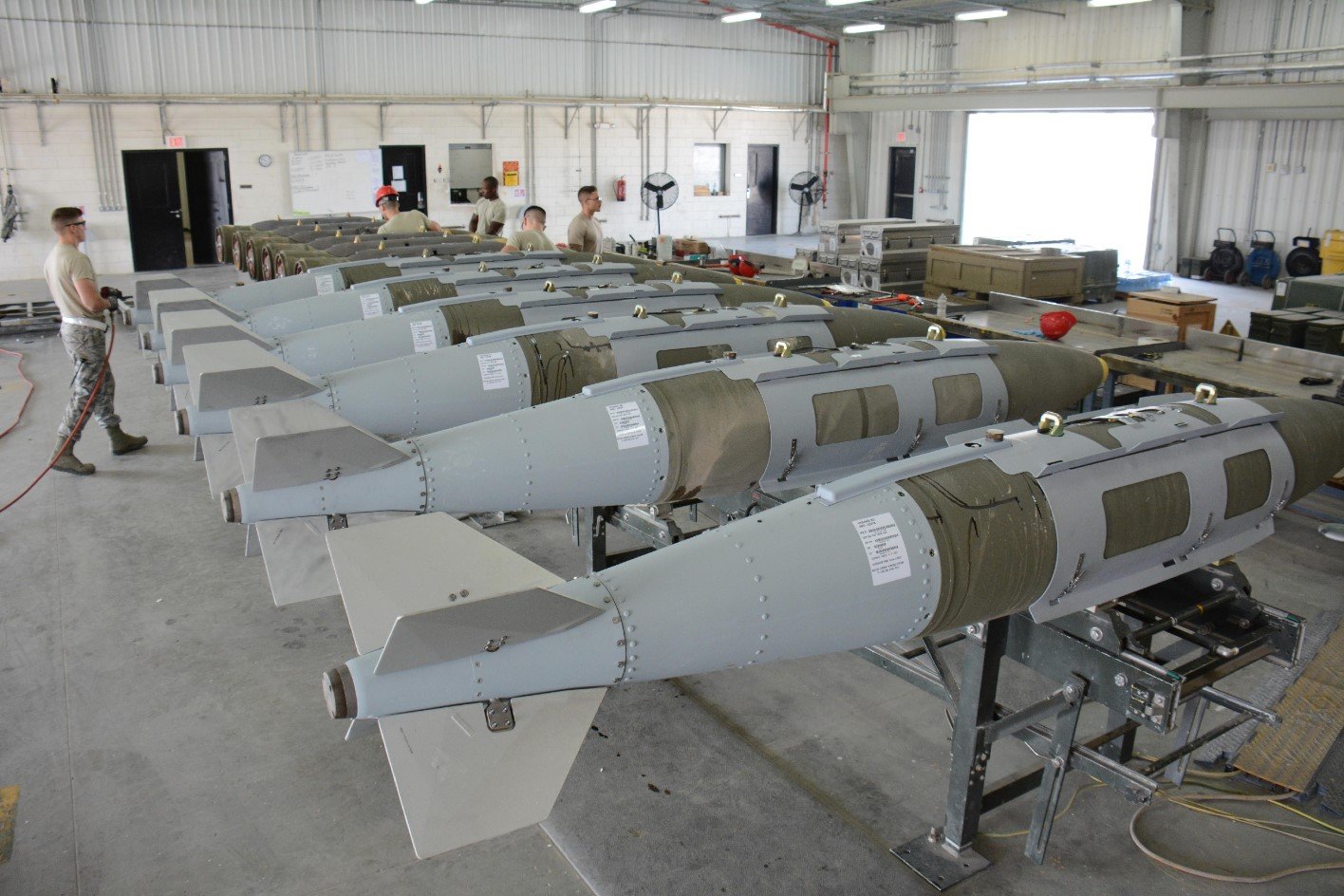 U.S. Plans $2.8 Billion Sale of 40,000 Heavy Bombs and 20,000 I-2000 Penetrator Warheads to Israel
-
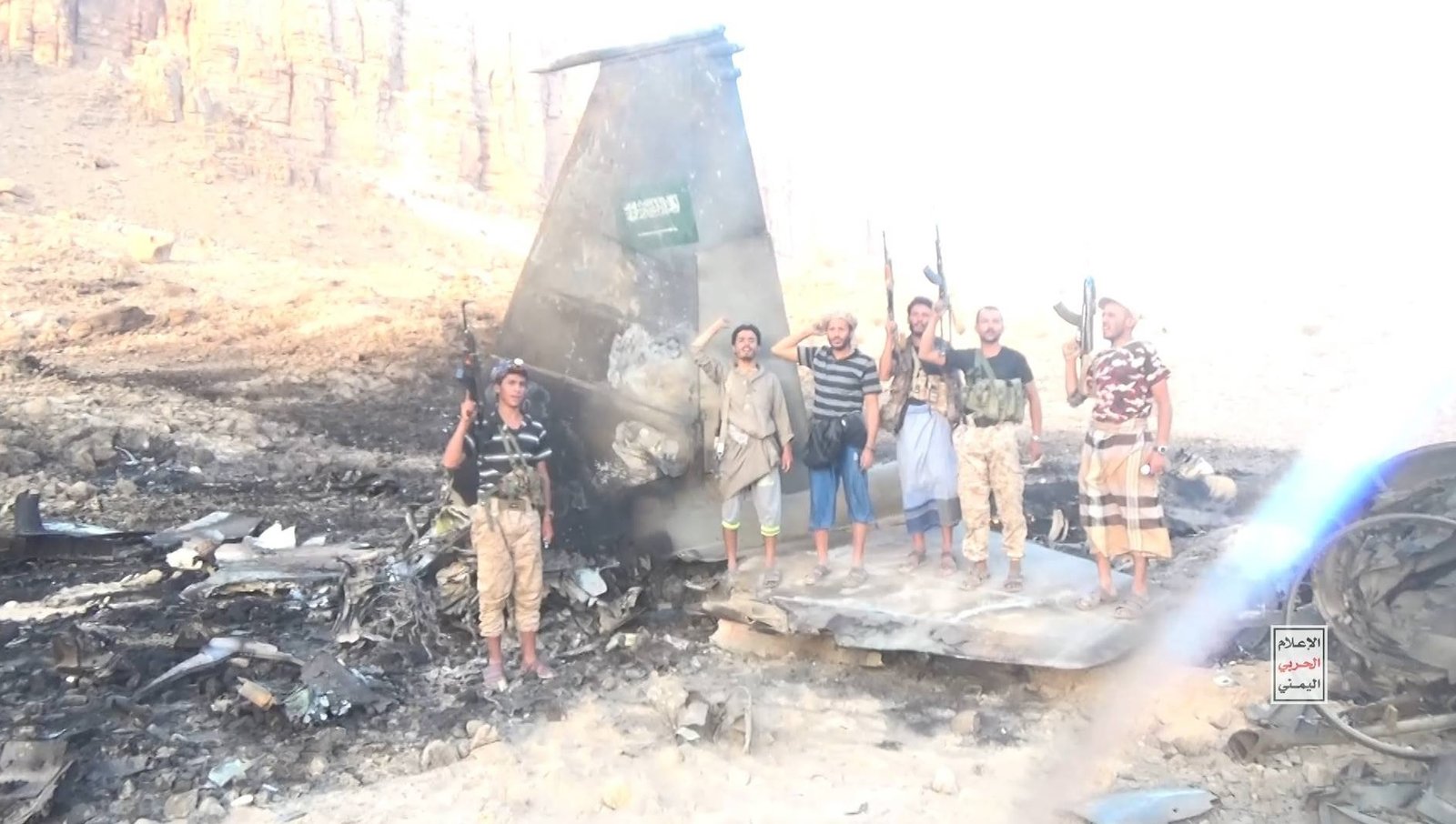 Houthis Claim Downing of Saudi F-15 and Wing Loong II Drone Over Marib
-
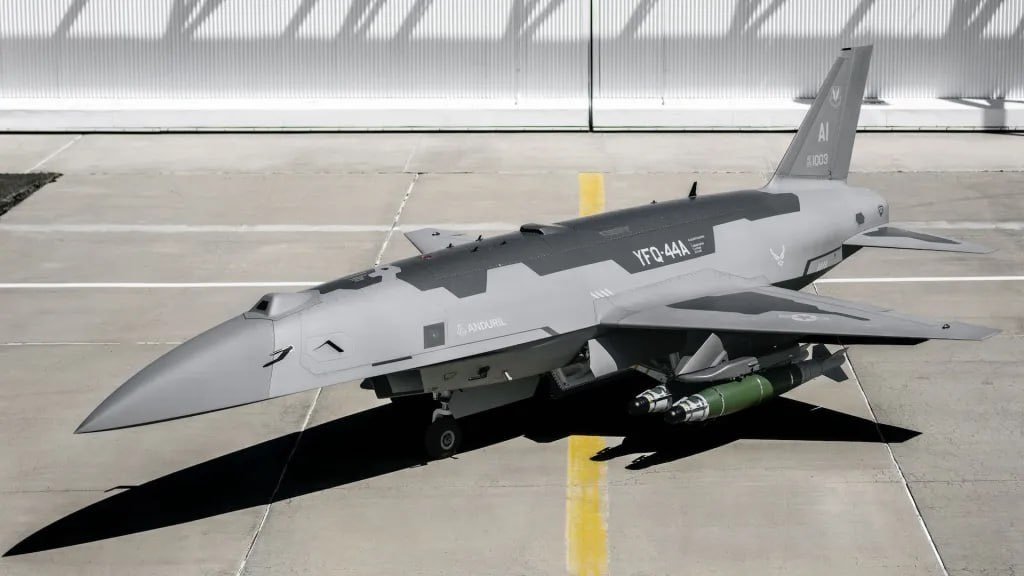 Anduril Conducts Ground Fit-Checks of Air-to-Ground Weapons on YFQ-44A Fury
-
 Photos Reveal Damaged E-3 Sentry, Buildings and Vehicles at U.S. Bases in Saudi Arabia and Kuwait After Iranian Strikes
-
 U.S. Military Deploys DroneShield Counter-Drone Systems on Infantry Squad Vehicles
-
 BAE Systems Unveils Shadow EW Suite for Small Drones and Autonomous Aircraft
-
 Lockheed Martin Demonstrates Legion Pod-to-Pod Data Link on F-16s for Passive Targeting
-
 Turkey’s AKINCI Drone Hits High-Speed Aerial Target with SUNGUR Missile in Black Sea Test
Top Trending in 4 Days
-
 Pentagon Awards BlueHalo Up to $99.8 Million Contract for Orbital Battlespace R&D Program
-
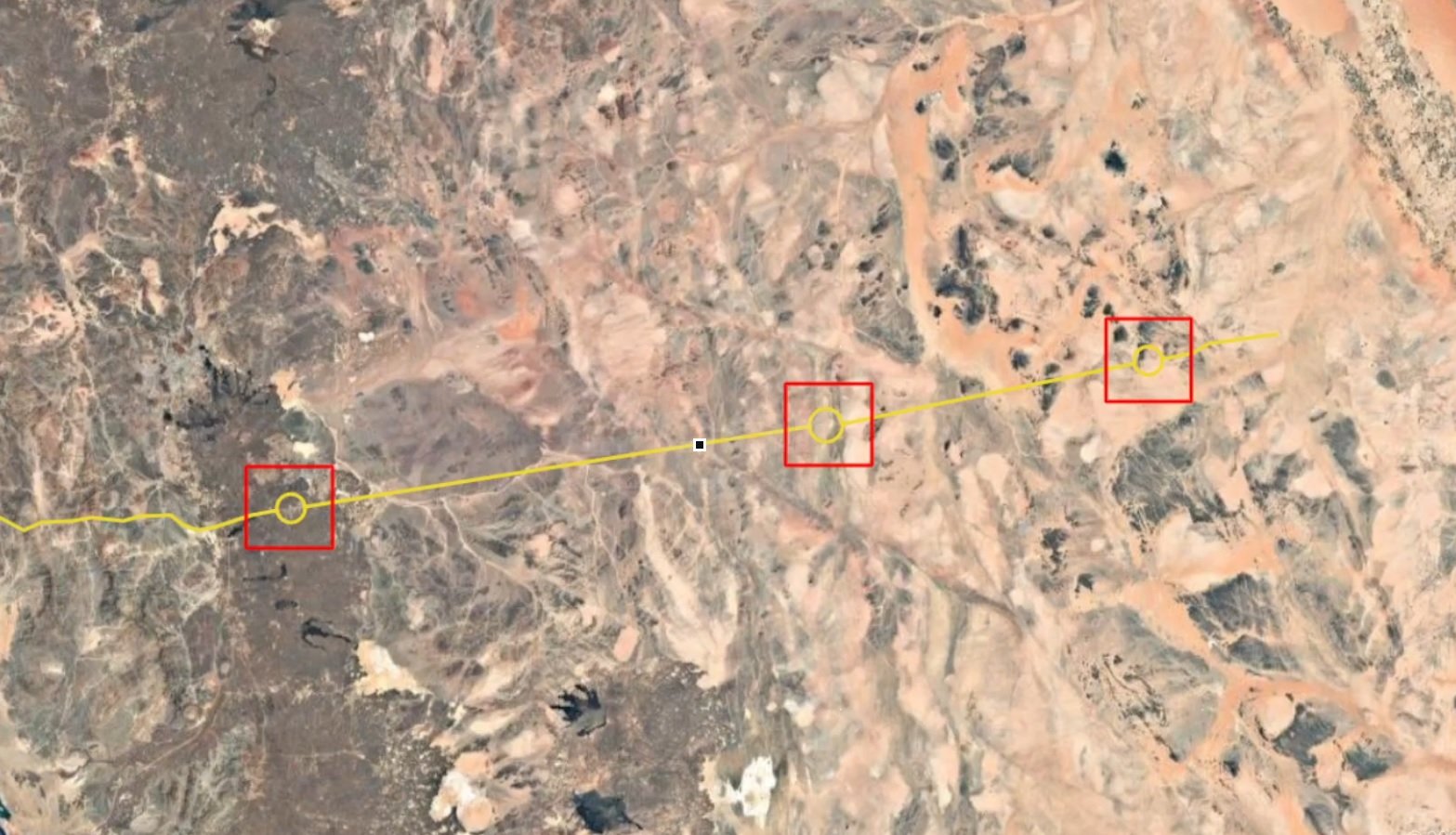 Satellite Imagery Shows Extensive Damage to Saudi Arabia’s East-West Oil Pipeline, Indicating More Than a Single Strike
-
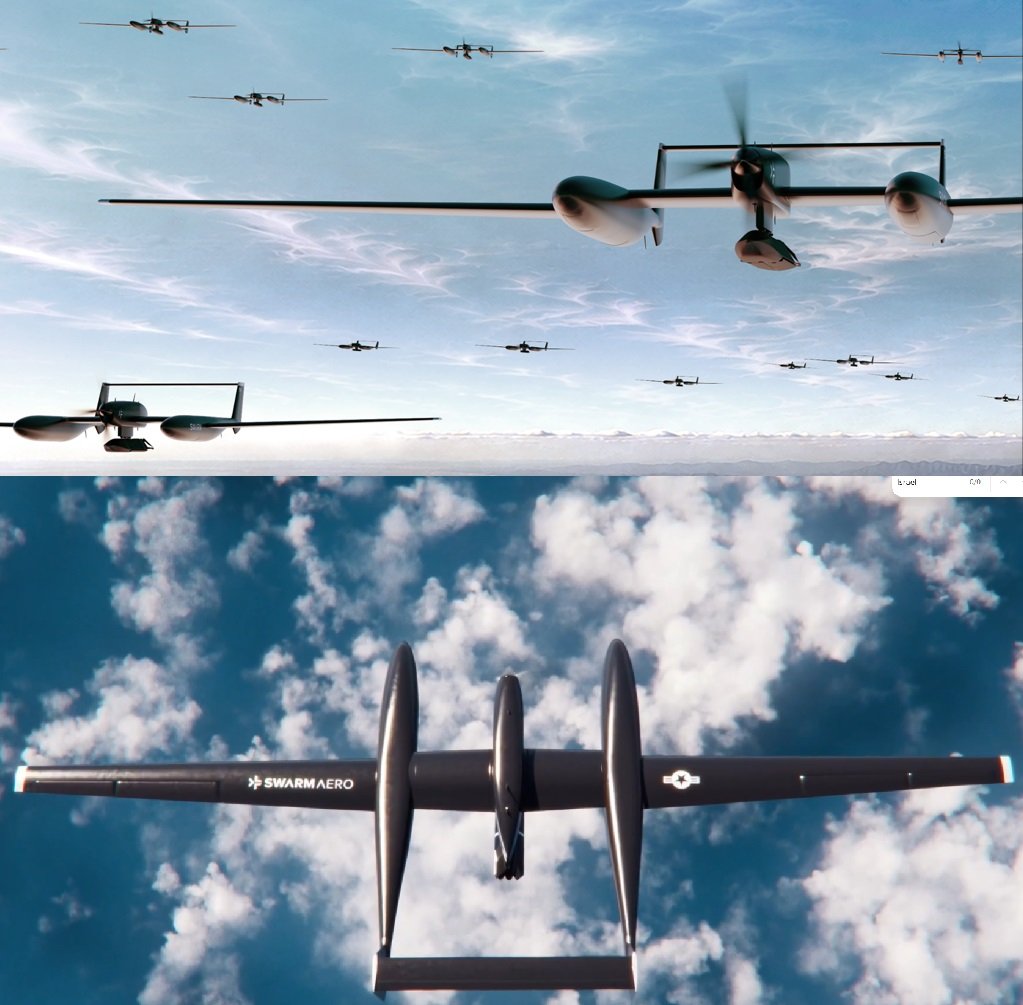 U.S. Firm Swarm Aero Unveils Gamera Group 5 UAS With 9,000-Nautical-Mile Range and Heavy Strike Payload
-
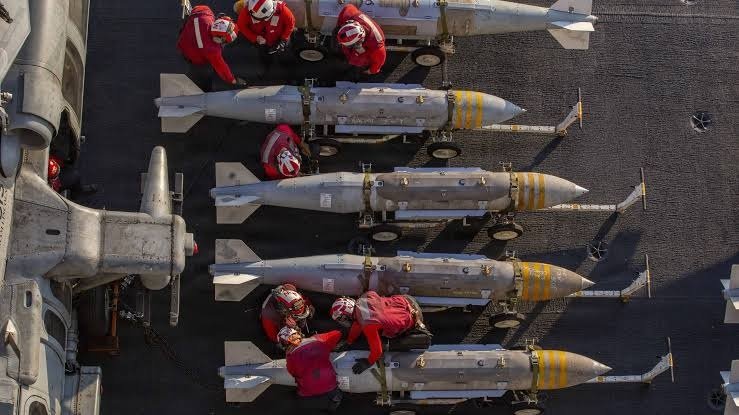 Pentagon Inspector General Report Finds Iran War Caused U.S. Ammunition Shortfalls and Industrial Bottlenecks
-
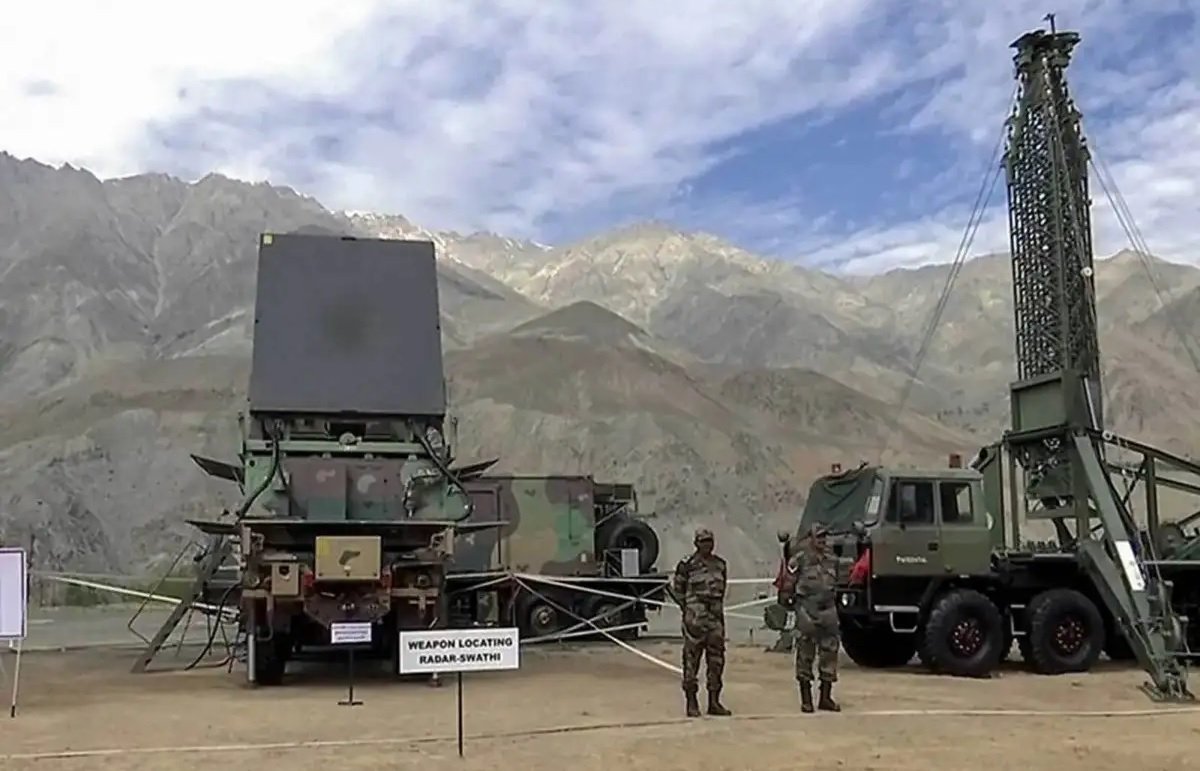 DRDO Demonstrates Indigenous 3.5×3 mm GaN Chip Delivering 30 Watts for Next-Generation Radars and Electronic Warfare
-
 MBDA and Poland’s WITU Advance Low-Cost Supersonic Interceptor Against Swarm Attacks, Seeker Trials Successfully Completed
-
 Iran Requests Advanced Geran-4 and Geran-5 Drones From Russia, FT Reports
-
 Swedish Gripens Bound for Ukraine to Be Armed with French Rocket-Assisted Hammer Precision Bombs