
India
In a major breakthrough for global trade and diplomacy, India and the United Kingdom have officially signed a historic Free Trade Agreement (FTA) on Thursday, marking a new chapter in economic ties between the two nations. The deal, long in the making, was finalised in the presence of Prime Minister Narendra Modi and his British counterpart Keir Starmer, and is expected to boost bilateral trade by a staggering $34 billion annually. This agreement, described by Indian officials as the most significant trade pact ever signed by India, eliminates duties on 99% of Indian exports to the UK. This sweeping tariff relief will benefit Indian textiles, pharmaceuticals, medical devices, leather goods, chemicals, and agriculture products, giving these sectors a competitive edge in the British market. At the same time, British exports such as Scotch whisky, electric vehicles, luxury cars, and cosmetics will find it easier and cheaper to enter India. For instance, the import duty on Scotch whisky will be halved immediately to 75%, and gradually lowered to 40% over ten years. Likewise, electric vehicle tariffs will fall sharply from 110% to just 10%, albeit in a quota-based phased manner. India has also agreed to reduce 90% of its tariff lines, cutting the average levy on UK products from 15% to just 3%, a move expected to significantly enhance UK’s trade access. Beyond goods, the deal includes chapters on services, procurement, and intellectual property rights, addressing key concerns on both sides. Notably, British firms will now be allowed to bid for Indian government contracts at the federal level, opening the doors to a major new market. And despite earlier fears, India’s ability to export affordable generic medicines will not be compromised, officials confirmed. The impact on various Indian industries could be transformative. Electronics and engineering exports are projected to double by 2030, chemical exports may grow by 30–40% in the coming fiscal year, and gems and jewellery exports, currently worth $941 million, are expected to double within three years. The leather sector alone could gain a 5% market share in the UK in just two years. Software services exports are forecast to grow by 20% annually. UK Prime Minister Keir Starmer called the agreement a “landmark deal” that will create thousands of jobs, attract over £6 billion in new investments and export wins, and increase UK exports to India by nearly 60% in the long term. According to his office, over 2,200 new jobs will be created across the UK as Indian businesses expand their operations there. For India, this deal is not just about numbers. It’s a strategic signal—a shift towards opening up trade, lowering barriers, and diversifying economic partnerships beyond traditional allies. Indian officials highlighted that the deal aligns with broader ambitions to position India as a global investment and manufacturing hub, especially in emerging sectors like green energy, fintech, and digital innovation. Anil Talreja, Partner at Deloitte India, called the deal a “watershed moment,” saying it demonstrates a shared vision to deepen cooperation and strengthen resilience against external economic shocks. While the bilateral investment treaty is still under negotiation, the FTA will now move forward for cabinet approval in India and ratification in the UK Parliament. As the world’s most populous democracy and a major global economy, India’s move to embrace free trade on such a large scale signals a deeper integration into the global market—an evolution that may have ripple effects for other trade talks with the EU, US, and beyond.
Read More → Posted on 2025-07-24 17:23:42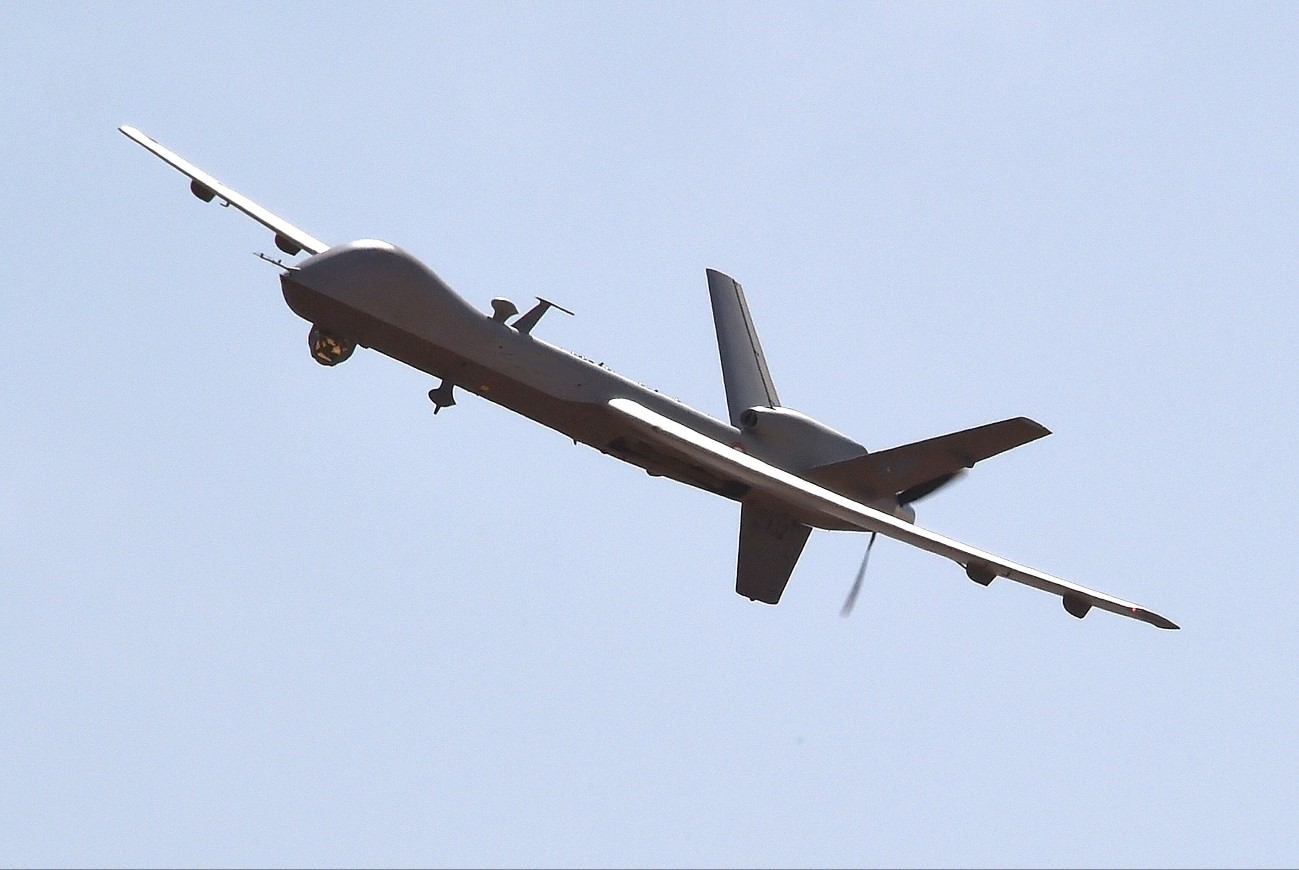
India
n a major step towards boosting India’s self-reliance in defence technology, Solar Defence and Aerospace Limited has officially joined the race to build 87 Medium Altitude Long Endurance (MALE) drones for the Indian Armed Forces. This high-stakes project, with an estimated worth of ₹20,000 crore, is a significant part of India’s push under the Atmanirbhar Bharat (self-reliant India) mission. Solar Defence, which is backed by industrial explosives giant Solar Industries, may be relatively new in the aerospace sector, but it’s quickly making its presence felt. The Indian Ministry of Defence (MoD) has already given the company official approval to develop a homegrown MALE drone, which is being tailored to meet the demanding requirements laid out by the military. The drones being sought under this tri-services tender—led by the Indian Air Force (IAF)—are meant to perform intelligence, surveillance, and reconnaissance (ISR) missions across India's borders with China and Pakistan as well as the strategically important Indian Ocean Region. These UAVs will provide real-time intelligence to commanders and help in monitoring hostile activity, troop movements, and maritime threats. To qualify, the drones must be capable of flying above 35,000 feet and stay airborne for more than 30 hours. They must also be at least 60% indigenous, ensuring that key technologies and manufacturing stay within Indian hands. These high-performance demands place the new drone in the same league as the U.S.-made MQ-9 Reaper and Israel's Heron TP, both renowned for their long-range and high-altitude capabilities. Although Solar Defence’s prototype is still under wraps, it is reportedly being engineered for 28–30 hours of flight endurance and an altitude ceiling of 30,000 feet, with further upgrades expected to meet the full requirement. One of Solar Defence’s major strengths is its newly established UAV testing facility, which is designed to carry out advanced aerodynamic, payload, and endurance tests. This facility is vital for simulating real-world conditions—from the freezing altitudes of the Himalayas to the humid and corrosive environment of the Indian Ocean—ensuring that the drone performs reliably in all scenarios. This dedicated infrastructure is expected to speed up development and gives Solar Defence a serious edge as it competes against other major Indian defence players like the Adani Group. What’s more, the company isn’t stopping at MALE drones—it has ambitions to develop even more advanced High Altitude Long Endurance (HALE) UAVs capable of flying at 50,000 feet for over 36 hours, which could give India far-reaching surveillance and monitoring power over distant lands and sea lanes. With this bold move, Solar Defence is positioning itself as a major contender in India’s future drone warfare capabilities, offering not just machines but indigenous innovation and strategic autonomy.
Read More → Posted on 2025-07-24 15:22:05
India
In a bold step to protect its frontline armoured forces in hostile terrain, India is equipping its upcoming Zorawar light tank with Israel’s battle-proven Trophy Active Protection System (APS)—a high-tech shield designed to stop deadly threats like anti-tank guided missiles (ATGMs), rocket-propelled grenades (RPGs), and armed drones before they can do any damage. The first 59 Zorawar tanks, built for high-altitude warfare and tailor-made for the mountains of Ladakh, will feature this advanced defensive system. These tanks are set to begin trials in 2025, and they represent the first phase of a much larger Indian Army plan to induct up to 350 Zorawars over the coming years. What makes this announcement stand out is the clear message it sends: India is not waiting around for slow-paced tech development when there are urgent threats on its doorstep. China’s deployment of the Type 15 light tank near the Line of Actual Control pushed India to fast-track the Zorawar project, and now it’s doing the same with protection systems. Developed by Israel’s Rafael Advanced Defence Systems, the Trophy APS is one of the most combat-tested and reliable protection technologies in the world. Here’s how it works: the system uses radar sensors to scan for incoming threats around the tank. The moment it spots a hostile missile or grenade, it calculates the trajectory in real-time and fires a countermeasure to physically intercept and destroy the threat before it hits. Unlike traditional tank armour—which can be pierced by modern top-attack weapons or loitering munitions—Trophy creates an invisible but active defensive bubble around the vehicle. This has proven incredibly effective in real-world battlefields, especially in the Middle East. Israeli Merkava tanks fitted with Trophy have survived direct hits that would have otherwise been fatal. The U.S. Army has also deployed Trophy on its M1 Abrams tanks, showing its confidence in the system. For India, the timing couldn't be more relevant. Lessons from recent conflicts like the Russia-Ukraine war have shown how vulnerable even heavily armoured vehicles are to modern guided weapons and drones. The integration of Trophy with the Zorawar is meant to ensure survivability, especially in narrow mountain passes where there’s little room for error or retreat. While India’s Defence Research and Development Organisation (DRDO) is also working on its own indigenous APS, those efforts are still in the testing phase and may not be ready until late 2025 or 2026. That’s why the Indian Army has opted for a “buy and build” approach—deploy the Israeli system now, and switch to the homegrown one once it’s ready. The partnership between Larsen & Toubro (L&T) and Rafael, cemented through an MoU signed at Aero India 2025, also includes plans to locally manufacture and customise the Trophy system under the ‘Make in India’ initiative. This could eventually benefit other Indian tanks as well, especially the T-90S Bhishma, which is still reliant on older armour protection. In short, India’s move to arm the Zorawar tank with the Trophy APS is a calculated, strategic decision. It ensures the Army’s newest tanks will enter service not just with cutting-edge mobility, but also top-tier survivability—a rare but essential combination in modern high-altitude warfare.
Read More → Posted on 2025-07-24 14:59:43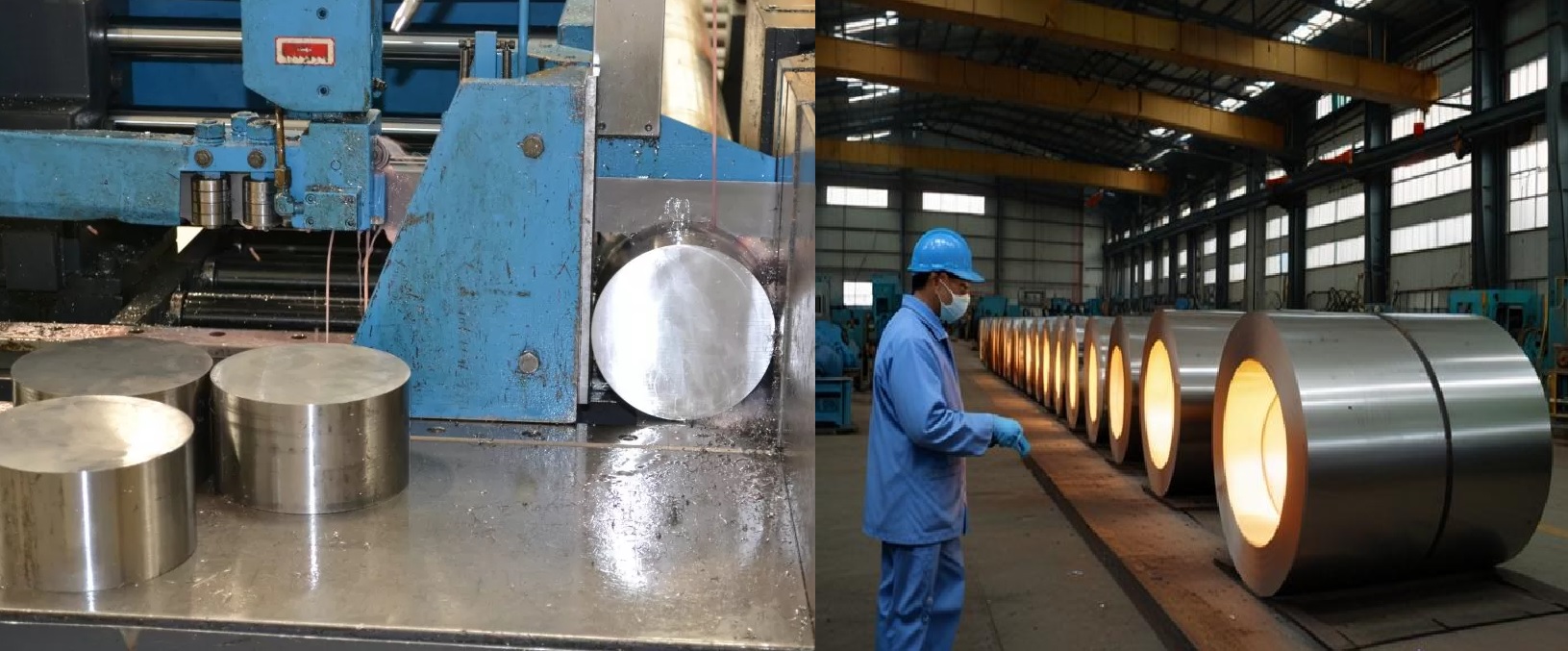
India
PTC Industries, via its subsidiary Aerolloy Technologies, is embarking on a ₹1,000 crore ($120 million‑plus) investment to set up four new manufacturing plants in Uttar Pradesh. These facilities, spread across a 50‑acre campus in the UP Defence Industrial Corridor, are aimed at producing aerospace‑grade titanium and superalloy components—not just for Indian defence needs but for global customers. The firm has already started supplying titanium parts to BAE Systems for its M‑777 ultra‑lightweight howitzers currently in service with the Indian Army. Other strategic clients in the pipeline include Safran Aircraft Engines, Dassault Aviation, and Israel Aerospace Industries (IAI). The Big Picture: Why India? Traditionally, India’s titanium requirements were met primarily through imports, mostly from titanium sponge and alloy producers in Russia or China—a supply route that has come under stress following geopolitical tensions. PTC’s plan is to bridge this capability gap and reduce dependency on external sources. While the public sector powerhouse MIDHANI (Mishra Dhatu Nigam) has long produced titanium alloys like TITAN‑26A and 29A for aerospace and defence, their output has been comparatively modest. According to PTC, no private Indian firm today rivals its breadth of capability—from casting to forging to machining. From Castings to Engine Blades: How PTC Fills the Void PTC’s rise reflects a tightly orchestrated strategy to control the entire value chain of advanced materials: In February 2023, Aerolloy Technologies secured a contract with Safran Aircraft Engines to supply titanium cast parts for LEAP engines—one of the world’s most popular jet engines powering commercial aircraft globally. This was the first instance of Safran sourcing such critical parts from India. In early 2024, Aerolloy signed a multi‑year agreement with Dassault Aviation to provide titanium casting parts for the Rafale fighter and Falcon business jets, anchoring India in the global supply chain for strategic defence platforms. A milestone came in January 2025, when Aerolloy commissioned a Vacuum Arc Remelting (VAR) furnace, enabling production of aerospace‑grade titanium alloy ingots—about 1,500 metric tonnes per year, with single ingots up to 10 tonnes and 1 m diameter. Analysts flagged it as India’s first private VAR melt facility, closing a key materials gap. This move positions PTC to not just make intermediate components but also supply base material like ingots and billets—something few Indian PSUs or manufacturers currently accomplish. Narrative Flow: A Personal Tone Imagine walking through the gleaming new Aerolloy facility in Lucknow. The hum of giant furnaces, precision forging units, and machining centers all buzzing on a single campus. This is the ambition that began with a gap study seven or eight years back, according to PTC leadership—and has grown into a vision to make India a titanium and superalloy hub. Chairman Sachin Agarwal often recounts the strategic realisation: “India has vast titanium ore reserves, yet imports most of its aerospace‑grade material. That’s a mismatch of potential versus capability.” With the plant inauguration by Defence Minister Rajnath Singh and UP Chief Minister Yogi Adityanath on 12 May 2025, PTC is no longer just making parts—they’re challenging the status quo. What Was the Situation Before PTC? Before PTC’s move: Domestic production of critical aerospace material was limited to PSUs like MIDHANI, supplying small volumes of titanium alloys and super‑alloys. Global aerospace firms had to rely largely on imports—often from China or Russia—for titanium casting and forging work. The West‑Russia conflict and supply chain turbulence post‑pandemic spurred firms like Safran and Dassault to look for alternative sources. India—with its resource base—became a natural candidate. Contracts with global OEMs (Safran, Dassault, IAI, BAE) were historically served via suppliers outside India; now PTC is emerging as an in‑country alternative. Why This Matters Strategic advantage: India’s plan to build indigenous engine systems (for fighter jets and helicopters) hinges on having local production of titanium sponge, superalloy ingots, forgings and components. PTC is building that ecosystem. Global supply chain relevance: As Western firms diversify away from China and Russia, PTC offers a non‑aligned, scalable, cost‑competitive alternative. ‘Make in India for the world’ ambition: With contracts from top aerospace companies and VAR furnace capability, India can now pitch as a credible titanium hub—rather than just a consumer. Final Thought This isn’t just about metal—it's about rewriting India’s role in global high‑tech manufacturing. What started as a capability gap is turning into a competitive edge. The next time a Rafale flies off the runway or a M‑777 howitzer gets deployed, know that the titanium parts may well have been forged in Lucknow. A private firm, bold vision, and ₹1,000 crore later, India is asking the world to watch—and source—.
Read More → Posted on 2025-07-23 15:40:38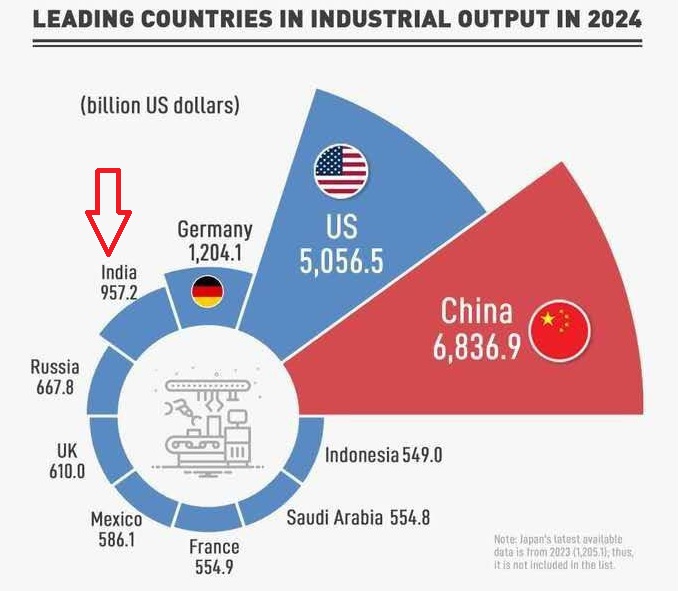
India
India has surged past several major economies to secure the 4th position in global manufacturing output by 2024, according to recent World Bank data . Once ranked 9th in 2014, India’s output has nearly tripled—from around $307 billion in that year to $745 billion in 2024—marking a 2.4× increase . From Modest Origins to Industrial Powerhouse Back in the early 2000s, India’s manufacturing output hovered around $75 billion (in 2000) and rose gradually to $94 billion by 2003 . The decade that followed saw robust growth; by 2008, output reached roughly $205 billion, before dipping during the global financial crisis but recovering to about $285 billion by 2010. The upward trajectory continued through the early 2010s, with output hitting $307 billion in 2014—the base of India’s leap to its current position . A Decade of Momentum: 2014–2024 This dramatic rise aligns with India’s “Make in India” initiative, launched in 2014, aimed at boosting manufacturing's share of GDP and attracting foreign investment . Between 2014 and 2024: Manufacturing output grew from $307 billion to $745 billion. India climbed from 9th to 4th among global manufacturers . FDI into manufacturing increased from about $98 billion (2004–14) to $165 billion (2014–24), a 69% rise . Production Linked Incentives (PLI), improved ease of doing business, and infrastructure pushed the sector forward. Two-Decade Journey: Steady Growth with Periods of Surge India's manufacturing share of GDP has naturally fluctuated. In the mid‑1990s, it peaked around 17.9%, but fell to ~15% by 2014 and further down to ~13% by 2020 . Growth rates across decades show: 2000s: Average industrial growth near 8–12%, with spikes in manufacturing and machinery sectors . 2010s: Growth slowed to about 5–6% annually, but post-2014 policy reforms reversed the trend . This long-term journey reflects how India steadily built a broad industrial base—from $5 billion in the 1960s to over $745 billion today . Why the Rise Matters India’s 4th-place ranking underscores its emergence as a serious player in global supply chains. From automotives to electronics, pharmaceuticals to steel, the country is scaling up capability and volume: Manufacturing exports reached record highs of $447 billion in FY23 . Technology adoption (Industry 4.0), robotics, and rising employment have reshaped competitiveness . Steel output jumped: India rose to become the 2nd largest global steel producer by 2023–24 . In a Nutshell This is not just a story of climb—it’s a tale of consistent ambition, reform, investment, and innovation. From languishing in the lower ranks two decades ago to now sitting among the industrial giants, India’s rise in manufacturing output is a defining chapter in its modern economic narrative. If the trajectory continues, the day is not far when India may challenge the top three and rewrite the global industrial map.
Read More → Posted on 2025-07-23 15:20:10
India
The Border Security Force (BSF) is creating its first-ever “drone squadron” for deployment along the India-Pakistan border. This step follows the lessons learned during Operation Sindoor, where Pakistan retaliated with a massive wave of drone attacks after India targeted terrorist infrastructure in Pakistan and Pakistan-occupied Kashmir (PoK). The new drone squadron will include a range of surveillance, reconnaissance, and attack drones. These drones will be handled by specially-trained BSF personnel stationed at select Border Outposts (BoPs). The operations of the squadron will be remotely coordinated through a central control room based at the BSF’s Western Command Headquarters in Chandigarh. This strategic upgrade comes after a detailed review of BSF’s capabilities post-Operation Sindoor. The operation was launched on May 7 by Indian forces, including the Army and BSF, in retaliation to the April 22 terror attack in Pahalgam that claimed 26 innocent lives, mostly tourists. In the days following the operation, Pakistan responded with drone swarms, targeting military and civilian areas on the Indian side. One deadly incident occurred on May 10, when a bomb-laden Pakistani drone struck the Kharkola border post in the RS Pura sector of Jammu, killing two BSF jawans and one Army soldier, and injuring four others—one of whom lost his leg. In response, the BSF’s new drone squadron will be deployed across vulnerable BoPs spanning the 2,000+ km Indo-Pak border, from Jammu to Gujarat. Each team will have 2–3 specially trained personnel with access to both small and large UAVs for real-time surveillance and response in combat or emergency scenarios. Sources confirmed that special drones and advanced equipment are being procured, and training of BSF personnel is already underway in batches. The focus is on quick deployment, precision targeting, and live reconnaissance during crises like Operation Sindoor or any future hostilities. To counter the increasing threat of cross-border drone attacks, the BSF is also fortifying its bunkers. Walls and roofs at border posts are being reinforced with metal alloys to withstand blasts from drone-dropped explosives. Additional anti-drone technologies are being planned in collaboration with defence and intelligence agencies, enabling the force to detect and neutralise rogue UAVs. A senior BSF officer noted that these enhancements are being done quietly but effectively, and many details are being kept confidential for security reasons. Union Home Minister Amit Shah had earlier declared that more than 118 Pakistani posts were destroyed and their surveillance systems dismantled during Operation Sindoor, showcasing India’s offensive and defensive readiness. With this new BSF drone squadron, India is taking another bold step in modernising border defence and neutralising threats from the skies—a move that signals seriousness in dealing with emerging aerial warfare along one of the country’s most sensitive frontiers.
Read More → Posted on 2025-07-23 14:09:02
India
India's Ministry of Defence (MoD) has decided to recalibrate its ambitious plan to acquire 114 fighter jets for the Indian Air Force (IAF). Instead of buying all 114 aircraft of the same type, the plan is now being split between two types—60 Rafale F4 jets from France and 60 fifth-generation stealth fighters from another international partner. This decision is part of an interim strategy to strengthen the IAF’s capabilities while India’s homegrown stealth jet, the Advanced Medium Combat Aircraft (AMCA), is still in development. The original Multi-Role Fighter Aircraft (MRFA) tender was designed as a competitive global program. But now, the government is moving toward a Government-to-Government (G2G) model, which simplifies and speeds up large defence purchases. Under this new plan, India will buy 60 Rafale F4 jets through a G2G deal with France, and explore acquiring 60 fifth-generation stealth jets from other countries. Possible contenders for the stealth fighter include the American F-35 and Russia’s Su-75 Checkmate. These aircraft will act as a strategic stopgap to avoid any capability gap, as the IAF currently has only 31 squadrons, well below the sanctioned strength of 42 squadrons. Officials say this dual-track acquisition is meant to quickly fill operational gaps, gain experience with stealth technology, and counter regional threats from adversaries like China and Pakistan. It also helps avoid the risk of relying solely on the timeline of India’s AMCA, which is still years from production, with induction expected by the mid-2030s. The Rafale deal will also focus on 'Make in India'. Even with a reduced number of jets, Dassault Aviation—the French manufacturer—will be asked to set up partial assembly operations in India. This complements recent developments, such as Tata Advanced Systems Ltd (TASL) getting a contract to build complete Rafale fuselages in the country. The IAF will also seek greater integration of Indian systems into the Rafale jets—like locally developed avionics, electronic warfare suites, and weapons—to cut costs and boost India's defence industry. Earlier, Dassault wanted a firm commitment for at least 110 Rafales to make a full-scale production line in India feasible. But the Indian government is being careful with its defence budget, given the massive investments already lined up for indigenous aircraft. India plans to buy over 337 locally made jets in the coming years. These include: 83 Tejas Mk1A More Tejas Mk2 At least 120 AMCA stealth fighters This revised MRFA approach gives India a balanced and modern strategy. By combining a proven 4.5-generation platform like the Rafale F4 with a fifth-generation stealth aircraft, India can quickly strengthen its air force, gain valuable stealth experience, and smoothly transition to its own next-generation AMCA—cementing its path toward self-reliance in defence.
Read More → Posted on 2025-07-23 13:59:44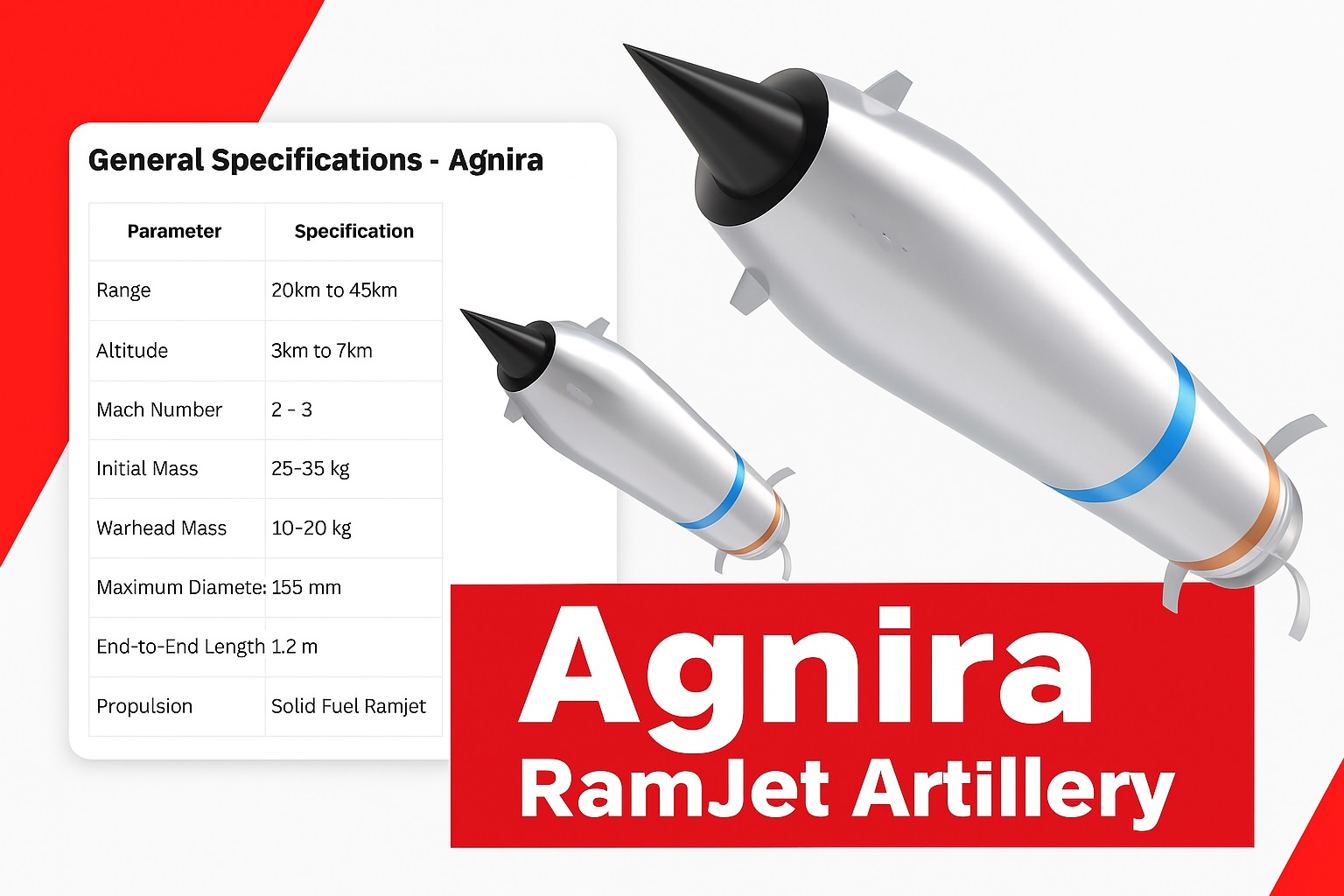
India
Bengaluru-based Prime Toolings has announced the development of Agnira, India’s first solid-fuel ramjet-powered 155mm artillery projectile, aimed at redefining long-range, high-speed battlefield artillery. This next-generation munition — currently in the prototyping phase — was unveiled with an open call for collaborations under India’s Make in India and MSME Ministry initiatives. The shell promises to combine the raw punch of conventional artillery with the extended range and accuracy traditionally reserved for missiles. Specifications at a Glance As per official promotional materials released by Prime Toolings, Agnira boasts: Parameter Specification Range 20 km to 45 km Altitude 3 km to 7 km Speed (Mach) Mach 2 – 3 Initial Mass 25 – 35 kg Warhead Mass 10 – 20 kg Diameter 155 mm Length 1.2 meters Propulsion Solid Fuel Ramjet How Agnira Works: Ramjet in Artillery Form Agnira’s most innovative feature is its solid-fuel ramjet propulsion. Unlike traditional artillery shells that rely on kinetic momentum after firing, Agnira sustains thrust mid-flight using atmospheric oxygen, significantly extending its range and speed. Ramjet Activation: The shell is fired from a standard 155mm artillery gun. Once it achieves a threshold velocity (~Mach 1+), the ramjet system activates, drawing in air through the nose cone, mixing it with onboard solid fuel, and combusting it — enabling sustained supersonic flight at Mach 2–3. Extended Range & Precision: This propulsion approach overcomes drag and ballistic trajectory limitations of conventional rounds, allowing precision strikes up to 45 km while maintaining high terminal speed — a key feature for defeating mobile or fortified targets. Strategic Implications The Agnira projectile could become a game-changer in India’s tactical strike doctrine, allowing ground forces to engage targets beyond conventional artillery reach, while still using standard howitzer systems. Key advantages: Rapid Deployment: Uses existing 155mm artillery platforms like the Dhanush or M777. High Mobility: Lightweight and compact (1.2 meters long), suited for rapid fire missions. Smart Munitions Potential: Future versions could integrate terminal guidance, GPS, or seeker heads for enhanced precision. With speeds exceeding Mach 2 and an altitude ceiling of 7 km, Agnira could challenge emerging UAVs, mobile radar units, and command posts — particularly in mountainous terrain where maneuverability is constrained. “Made in India” Momentum Prime Toolings, an MSME-certified company, is actively seeking collaborators for production, integration, and refinement under India’s Atmanirbhar Bharat defense manufacturing push. Their goal is to field-test Agnira within a few development cycles and provide India with an indigenous alternative to costly imported smart shells like the Excalibur. India’s artillery landscape may be on the cusp of transformation. The Agnira shell — compact, lethal, and supersonic — promises to bring missile-like performance to cannon-based platforms. If successful, it could put India in the elite club of nations with ramjet artillery capability, rivalling U.S. and Russian smart munition technologies. As Prime Toolings boldly states: "Coming Soon... Looking for Collaborators." Agnira might just be the fiery spearhead India’s gunners have been waiting for.
Read More → Posted on 2025-07-22 16:23:57
India
A British F-35B Lightning fighter jet, which had been grounded at Kerala’s international airport since June 14 due to a technical fault, finally took off on Tuesday morning after successful maintenance, airport sources confirmed. The F-35B, one of the most advanced stealth jets in the world and part of the British Royal Navy’s air fleet, had made an emergency landing at the airport over a month ago. Since then, the aircraft had remained in a hangar as technical teams worked on repairing the fault. On Monday, the jet was moved out of the hangar and positioned at the airport bay in preparation for departure. At 10:50 AM on Tuesday, it successfully took off, heading toward Darwin, Australia, officials said. The F-35B Lightning, which costs over USD 110 million, is known for its short takeoff and vertical landing (STOVL) capability, making it ideal for aircraft carrier operations. Its grounding in India had drawn significant attention due to the aircraft’s strategic importance and the rarity of such incidents involving a fifth-generation stealth fighter. This marks the end of a 34-day stay in India, with the aircraft now safely continuing its journey as part of the Royal Navy’s global operations.
Read More → Posted on 2025-07-22 16:00:45
India
The Indian Navy has taken a major step to boost its underwater strike capabilities by moving forward with a key deal to acquire heavyweight torpedoes (HWTs) for its frontline Kalvari-class submarines. Among the global contenders, Italy’s Black Shark torpedo, offered by Leonardo’s subsidiary Whitehead Alenia Sistemi Subacquei (WASS), has emerged as a leading candidate, mainly due to its cost advantage and promise of domestic production in India. The tender initially calls for 48 torpedoes, but the long-term vision involves manufacturing over 200 units within India, aligning closely with the government’s ‘Make in India’ defence policy. This move is crucial, as the Kalvari-class subs—built under Project 75 with French assistance—currently lack their primary anti-ship and anti-submarine weapons, leaving them reliant on outdated torpedoes. This is the third time the Navy has tried to equip its advanced submarines with modern HWTs after earlier efforts failed. An earlier deal for the Black Shark, signed in 2008, was scrapped following corruption allegations linked to Leonardo's then-parent company Finmeccanica during the VVIP helicopter scandal. Later, France’s F21 torpedo, though technically sound, also didn’t result in a final agreement. Now, with the ban on Leonardo lifted, the Black Shark is back in the running. This time, the Navy is likely to avoid time-consuming new field trials, instead relying on past performance data to speed up the selection. The Black Shark Advanced (BSA) is a powerful 533mm torpedo equipped with a lithium-polymer battery, giving it a speed of 50 knots and a range of up to 50 km. It features a cutting-edge ASTRA guidance system that ensures precision strikes even in challenging underwater conditions. An added advantage is its rechargeable battery, enabling up to 100 training launches—a cost-saving benefit for the Navy. France’s F21 torpedo, made by Naval Group, is its closest competitor. It is already in service with the French and Brazilian navies and has been successfully tested by India. It is well-suited for complex coastal environments and offers a strong technical proposition. However, its higher cost may weigh against it in the final decision. A third competitor, Germany’s SeaHake Mod 4 from Atlas Elektronik, is also in the mix but is viewed as a less prominent contender. Although Naval Group has the advantage of being deeply integrated into the Kalvari-class program—with existing industrial support in India—the Italian bid is reportedly more affordable and better aligned with India’s strategic industrial goals. WASS is already exploring partnerships with Indian firms like Bharat Dynamics Limited (BDL) and Larsen & Toubro (L&T) to set up local production facilities. The Navy plans to import the initial batch of torpedoes to meet urgent needs and later shift production to India, cutting down long-term costs and ensuring supply chain security. India does have its own indigenous Varunastra heavyweight torpedo, developed by DRDO, which is in service. However, it is not yet compatible with the Kalvari-class submarines, making foreign procurement essential for now. The potential deal with Leonardo could do more than just arm the Navy’s submarines. It could strengthen India’s defence manufacturing ecosystem, create export opportunities, and push the country closer to its goal of strategic autonomy. With the promise of advanced technology, cost efficiency, and domestic production, Italy’s Black Shark torpedo appears to be leading the race to fill one of the Indian Navy’s most pressing capability gaps.
Read More → Posted on 2025-07-22 14:41:08
India
India’s iconic MiG-21 fighter jet—the backbone of its air power for over six decades—is finally set to retire on September 19, 2025, after 62 years of service, bringing an end to one of the longest-serving aircraft careers in the world. Inducted into the Indian Air Force (IAF) in 1963, the MiG-21 “Vikram” was India’s first supersonic combat aircraft. Known for its speed, agility, and dependability, the MiG-21 played an active role in all major Indian conflicts, including the 1965 and 1971 wars with Pakistan, the Kargil War of 1999, and even in Balakot air strikes in 2019. Its record in combat, combined with the skill of its pilots, made it a symbol of India’s air power for generations. At its peak, India operated over 850 MiG-21s, with around 600 produced domestically by Hindustan Aeronautics Limited (HAL)—a testament to India’s growing defense manufacturing capability. The aircraft served not only as a frontline fighter but also as a training ground for generations of IAF pilots. However, with age came problems. The aircraft became increasingly difficult to maintain and was involved in multiple crashes, leading to the infamous nickname “flying coffin.” Still, due to delays in acquiring replacements like the indigenous LCA TEJAS, its retirement was postponed multiple times. Now, the final chapter is set. The last active MiG-21 unit, the 23 Squadron “Panthers”, will give the aircraft a ceremonial send-off at Chandigarh airbase on September 19, 2025. With this, India becomes the latest country to retire the MiG-21, closing a proud but complicated chapter in its aviation history. Countries That Retired the MiG-21 and When: Here is a list of countries that operated and retired the MiG-21, including India: Country Retirement Year Notes Germany (East) 1990 (after reunification) Integrated into Luftwaffe and phased out after Cold War Poland 2022 Retired final MiG-21s from combat role; replaced with newer platforms Croatia 2023 Announced plans to replace with Dassault Rafale Romania 2023 Retired MiG-21 LanceR jets; transitioning to F-16s Serbia 2023 Retired MiG-21s after decades of use India 2025 (Planned) Last to retire the aircraft, ending global military use of MiG-21s With this move, the Indian Air Force’s squadron strength will fall to 29—its lowest in decades, raising concerns about combat readiness in the face of regional threats. Until newer fighters like the TEJAS Mk1A, Rafale, or those from the MRFA programme arrive in greater numbers, the IAF will be working with fewer aircraft than required. The retirement of the MiG-21 is both a farewell to a warhorse that protected Indian skies for generations, and a reminder of the urgent need to modernize the IAF’s fighter fleet. A salute to the MiG-21—the jet that served India with unmatched loyalty, courage, and strength for over half a century.
Read More → Posted on 2025-07-22 14:35:23
India
Garden Reach Shipbuilders and Engineers (GRSE) Ltd, a Defence Public Sector Undertaking (PSU) based in Kolkata, on Monday launched the eighth and final Anti-Submarine Warfare Shallow Water Craft (ASW SWC) for the Indian Navy. The newly launched ship, named ‘Ajay’, marks the completion of a significant defence project aimed at strengthening India’s coastal security. The launching ceremony took place in Kolkata and was graced by Vice Admiral Kiran Deshmukh, Chief of Materiel of the Indian Navy, with his wife Priya Deshmukh ceremonially launching the ship. These vessels are part of an advanced naval series designed for detecting and neutralizing underwater threats. According to GRSE officials, all eight ships in this class have been completely built by GRSE, showcasing the strength of India’s indigenous defence manufacturing capabilities. Key Features of ASW Shallow Water Craft: Length: 77.6 metres Width (Beam): 10.5 metres Low draught design: Ideal for shallow coastal operations High maneuverability: Suitable for low-intensity maritime operations, including mine-laying and surface attack missions Advanced sensors and weapons for full-scale sub-surface surveillance Anti-Submarine Suite includes: Lightweight torpedoes Anti-Submarine Warfare (ASW) rockets Naval mines The GRSE spokesperson highlighted that these ships are versatile platforms capable of coordinated anti-submarine missions with aircraft, making them a powerful asset for India’s maritime defence. This launch of ‘Ajay’ completes the Indian Navy's plan to enhance its coastal surveillance and anti-submarine capabilities through this specialized shallow water craft class. With this achievement, GRSE continues to demonstrate its leadership in India's self-reliant naval defence manufacturing, aligned with the vision of ‘Aatmanirbhar Bharat’.
Read More → Posted on 2025-07-21 16:34:49
India
As India advances toward its ambitious goal of fielding the fifth-generation Advanced Medium Combat Aircraft (AMCA), one of the most critical and closely watched aspects of the program is the engine. The choice of powerplant will not only define the jet’s performance but also shape India’s aerospace future. In this high-stakes race, two global engine giants—France’s Safran and Britain’s Rolls-Royce—are vying to co-develop a next-generation fighter engine with India. Both companies have made bold offers, and both have strengths. But only one will ultimately partner with India to build what could be the first truly indigenous 5th-gen fighter jet engine in Indian history. Two Titans, One Engine On one side stands Safran, the French aerospace firm behind the Rafale’s M88 engine and a key partner in the Franco-German-Spanish Future Combat Air System (FCAS) project. On the other, Rolls-Royce, a name synonymous with British aerospace engineering and a leading propulsion partner in the UK-Japan-Italy Global Combat Air Programme (GCAP), formerly known as Tempest. Both companies are competing to provide an engine that meets the Indian Air Force’s requirement for a 110–125 kN class thrust engine to power future AMCA variants beyond the initial GE F414-powered Mk-1. Adaptive Cycle Engines: The Next Frontier At the heart of this competition lies a critical technology—adaptive cycle propulsion—a game-changing advancement that allows fighter engines to shift performance modes mid-flight. It provides more thrust when needed, and improved fuel efficiency during cruise, making it ideal for stealth aircraft operating in contested environments. Safran's Adaptive Push Safran is currently in the early demonstrator phase of its adaptive cycle engine work. Under the FCAS program, the company is exploring airflow modulation, variable geometry nozzles, and future hot-section technologies. Although full-scale adaptive cycle testing is yet to begin, Safran plans to field a demonstrator engine early in the next decade, aligning with FCAS timelines. Notably, Safran has proposed full technology transfer to India, including the establishment of a local production facility and knowledge-sharing in core technologies such as turbine blade cooling and high-pressure compressor design. This level of openness has been well received by India’s DRDO and GTRE, who seek deep design-level access rather than mere assembly rights. Rolls-Royce's Adaptive Advantage Rolls-Royce is ahead in adaptive cycle development. As part of its work on GCAP, the company has already bench-tested key adaptive components, including variable bypass ducts and advanced thermal management systems. It has also demonstrated high-temperature turbine modules using next-generation Ceramic Matrix Composites (CMC)—a critical material innovation that allows engines to run hotter, longer, and more efficiently. The British firm is expected to field a full-scale adaptive cycle demonstrator engine by 2028–2030, giving it a significant technological edge. Rolls-Royce is also offering a joint development program with India, promising Intellectual Property (IP) sharing and potential private-sector collaboration, but past experiences with limited tech transfer on programs like the Adour engine have made Indian agencies cautious. Comparing the Core Technologies Feature Safran Rolls-Royce Adaptive Cycle R&D Stage Early demonstrator phase Component-tested; nearing integration Thrust Class (Planned) 110–125 kN 110–125 kN Ceramic Matrix Composites Limited use Advanced use (Tempest core) Stealth Optimization Yes, under FCAS Yes, under Tempest Engine Demo Readiness Early 2030s Late 2020s India-Specific Proposal Full ToT and local assembly IP-sharing and co-development India’s Strategic Considerations India wants more than just an engine. It wants the ability to build, modify, and upgrade that engine independently in the future. This means full access to design data, hot-section materials, and testing capability. Safran’s pitch includes deep involvement of DRDO and GTRE, with the promise to co-design a new engine specifically for the AMCA Mk-2. The French government’s previous willingness to transfer sensitive technology (as seen in the Rafale deal) adds credibility to their offer. Rolls-Royce, on the other hand, is offering superior technical maturity and potentially quicker delivery timelines, especially with Tempest engine testing already on the horizon. The UK’s recent pivot to deeper Indo-Pacific defence engagement could also strengthen its political case. Yet, both proposals remain under negotiation, with India’s final decision expected by late 2025 or early 2026. The Geopolitical Engine War Beyond performance, this contest is also geopolitical. Choosing Safran could further cement India’s strategic alignment with France, which has supported Indian autonomy in defence platforms and is less entangled in restrictive arms control regimes like ITAR. Selecting Rolls-Royce would deepen ties with the UK and its Indo-Pacific posture, potentially linking India to a larger future air combat ecosystem that includes Japan and Italy. It may also open doors for cooperation on sixth-generation technologies, including directed energy weapons, AI-powered engine health monitoring, and unmanned stealth platforms. Who Will Win? There is no clear favorite yet. Safran is willing to go further on tech transfer, a key Indian demand. Rolls-Royce is ahead on adaptive engine maturity, a key performance goal. What India must weigh is this: should it prioritize sovereign capability-building with a long-term vision, or should it leapfrog into advanced propulsion tech faster—even if it means less control in the short run? If India wants deep indigenous know-how and production sovereignty, Safran has the edge. If India prioritizes technical superiority and integration with a future global fighter ecosystem, Rolls-Royce may be the stronger partner. More Than Just Thrust In the end, this is more than just a contract for an engine. It’s a strategic decision that will define whether India remains a buyer of fighter jet power—or becomes a builder. With AMCA poised to take to the skies later this decade, the race is on. France and the UK are ready. The engine bays are waiting. And whichever turbine India selects will become a symbol of its aerospace destiny. The question now is: who will ignite that future first? For now, signals from the Ministry of Defence suggest that India may lean toward France’s Safran, given its greater flexibility on technology transfer and commitment to building engine sovereignty from the ground up.
Read More → Posted on 2025-07-21 16:33:03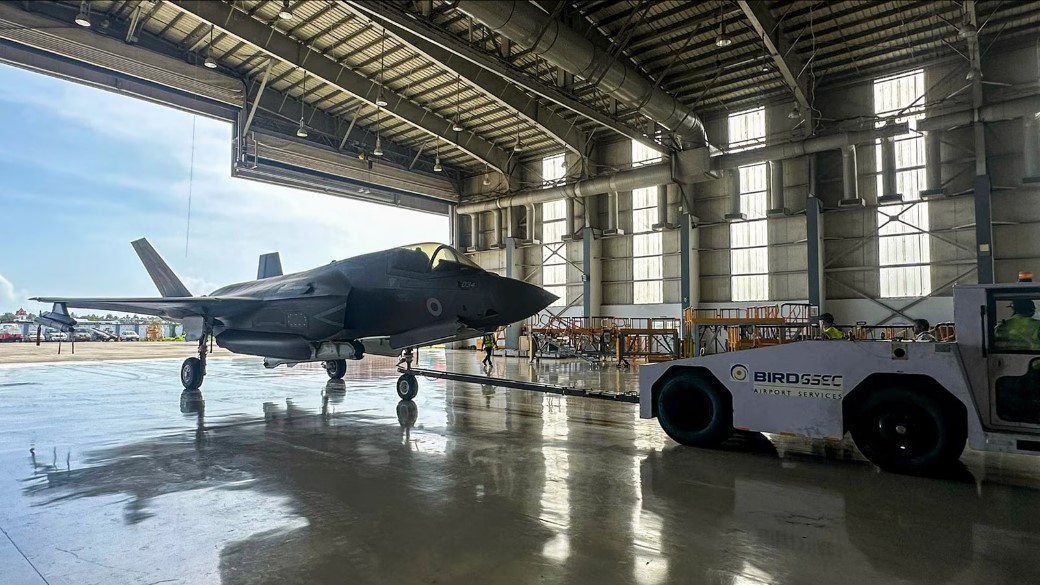
India
The Royal Navy’s F-35B Lightning II, the world’s most advanced stealth fighter jet, is finally expected to fly out of Thiruvananthapuram International Airport on Tuesday, over a month after it made an emergency landing in Kerala on June 14 due to technical issues. The F-35B, part of the United Kingdom’s elite fifth-generation combat aircraft fleet, had been en route to the aircraft carrier HMS Prince of Wales when it faced severe weather and a critical fuel shortage. The pilot issued an emergency SQUAWK 7700 signal, prompting the Indian Air Force to guide the jet to Bay 4 of the Thiruvananthapuram airport, a zone usually reserved for VIP aircraft. The IAF later confirmed that the jet’s emergency landing was due to fuel exhaustion, after several failed attempts to land at sea. Since that day, the fighter jet has remained grounded due to a suspected hydraulic system failure. A small technical team from the Royal Navy arrived soon after the incident, but could not fix the issue, prompting a second, larger technical team of 40 specialists from the United Kingdom and the United States to take over the repair efforts. According to airport officials, the repairs have now been completed, and preparations are underway to move the jet out of the hangar. “It is being brought to our bay and will fly back on Tuesday,” a source told PTI, although the exact departure time is still unconfirmed. Heavy Costs for Parking and Stay Officials confirmed that the UK government will have to pay airport parking charges for the fighter jet’s extended stay. These include landing charges, daily parking rent, and other fees. However, as the aircraft is military and foreign-owned, the final billing may be handled through central government agencies. A senior official told The Times of India that special considerations are likely given the unique nature of the situation. Dismantling Option Considered At one point, engineers reportedly considered dismantling the aircraft and flying it back to the UK in parts using a Boeing C-17 Globemaster. That plan, however, appears to have been shelved after successful repair efforts. As of now, all eyes are on Tuesday, when the jet is finally expected to lift off from Indian soil, bringing an end to a rare and high-profile military aviation incident in Kerala.
Read More → Posted on 2025-07-21 15:29:23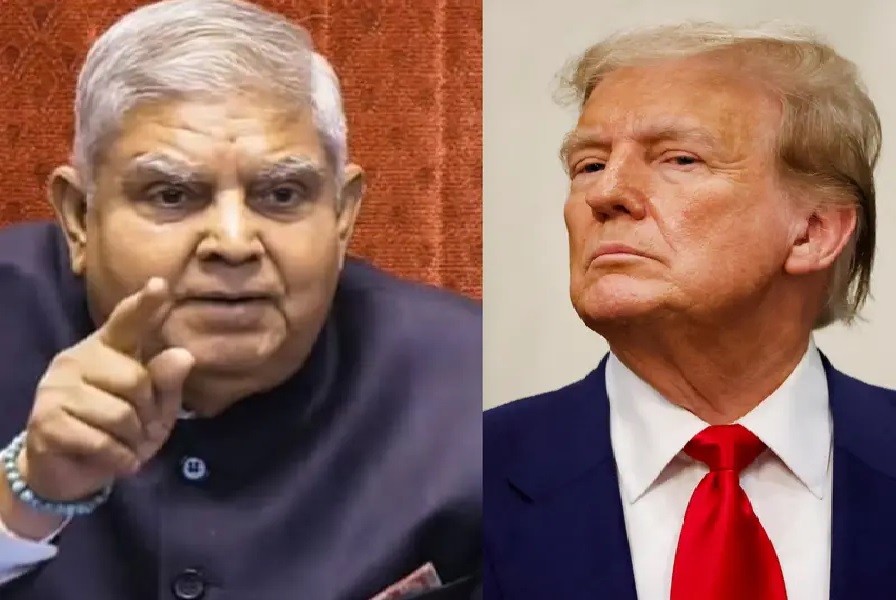
India
Vice President Jagdeep Dhankhar has strongly rejected former US President Donald Trump’s claim that he helped stop a war between India and Pakistan during his time in office. Speaking to young civil service officers on July 19, Dhankhar made it clear that India is a strong and independent country, and no foreign leader can tell India what to do. He said that while India respects friendly relations with other countries, all decisions about India's security and foreign policy are made by Indian leaders only. His comments came after opposition parties in India asked the government to respond to Trump’s statement. Trump recently claimed that he personally stopped a conflict between India and Pakistan, even saying five fighter jets were shot down—a statement that has no proof and hasn’t been confirmed by India. Pakistan welcomed Trump’s claim, but India has never accepted that any outside country helped in such matters. To explain his point, Dhankhar used a cricket example, saying that just like in cricket, you don’t need to hit every ball—some things are better ignored. He advised people and leaders not to react to every foreign comment, especially when they are misleading or false. He also said that India knows how to handle its own problems, and doesn’t need outside help when it comes to national issues like defence or foreign policy. With this speech, the Vice President made it clear that India will never allow any country to interfere in its matters, and that India stands proud, strong, and independent in the world.
Read More → Posted on 2025-07-21 15:17:28Search
Top Trending in 24 Hours
-
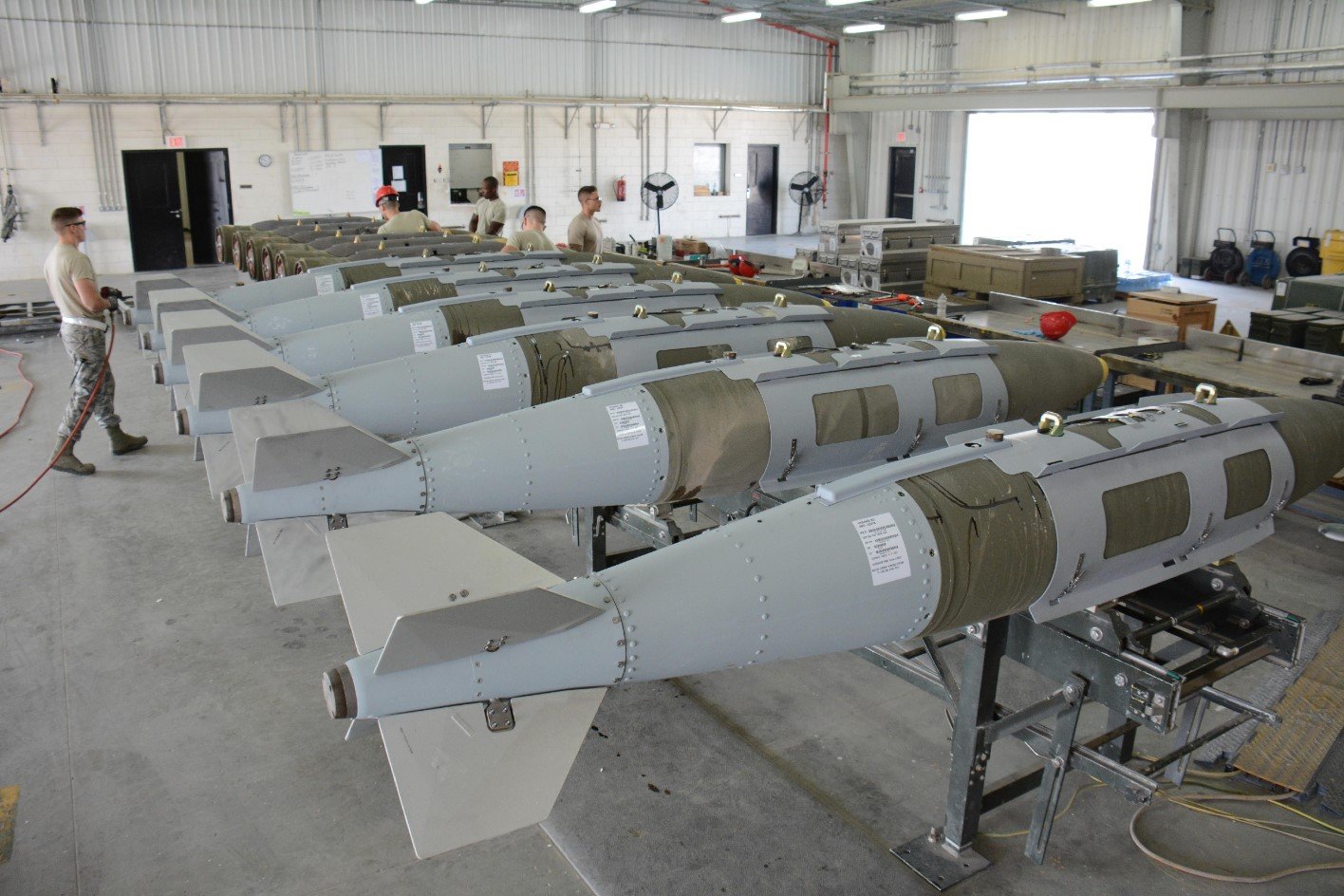 U.S. Plans $2.8 Billion Sale of 40,000 Heavy Bombs and 20,000 I-2000 Penetrator Warheads to Israel
-
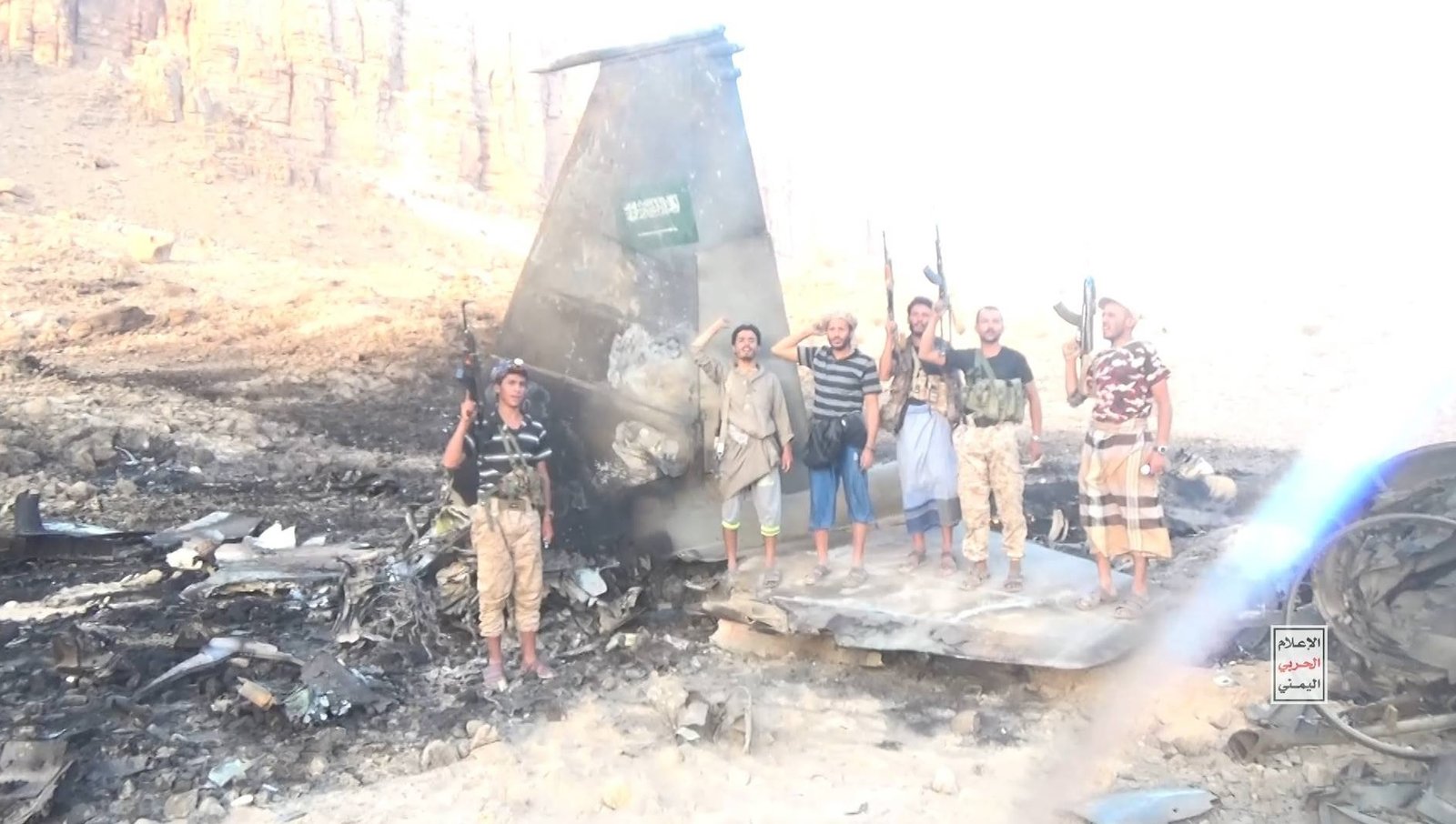 Houthis Claim Downing of Saudi F-15 and Wing Loong II Drone Over Marib
-
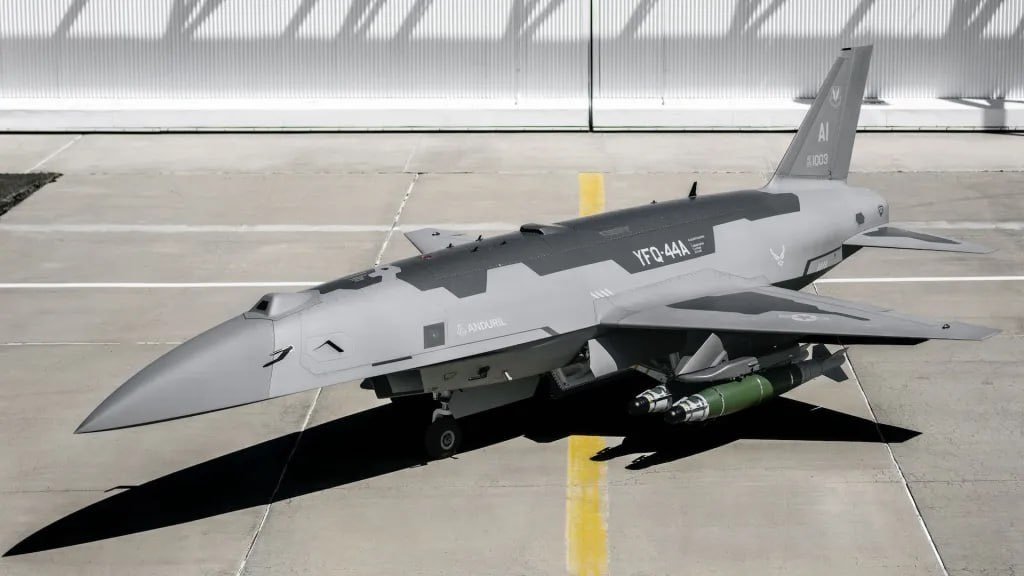 Anduril Conducts Ground Fit-Checks of Air-to-Ground Weapons on YFQ-44A Fury
-
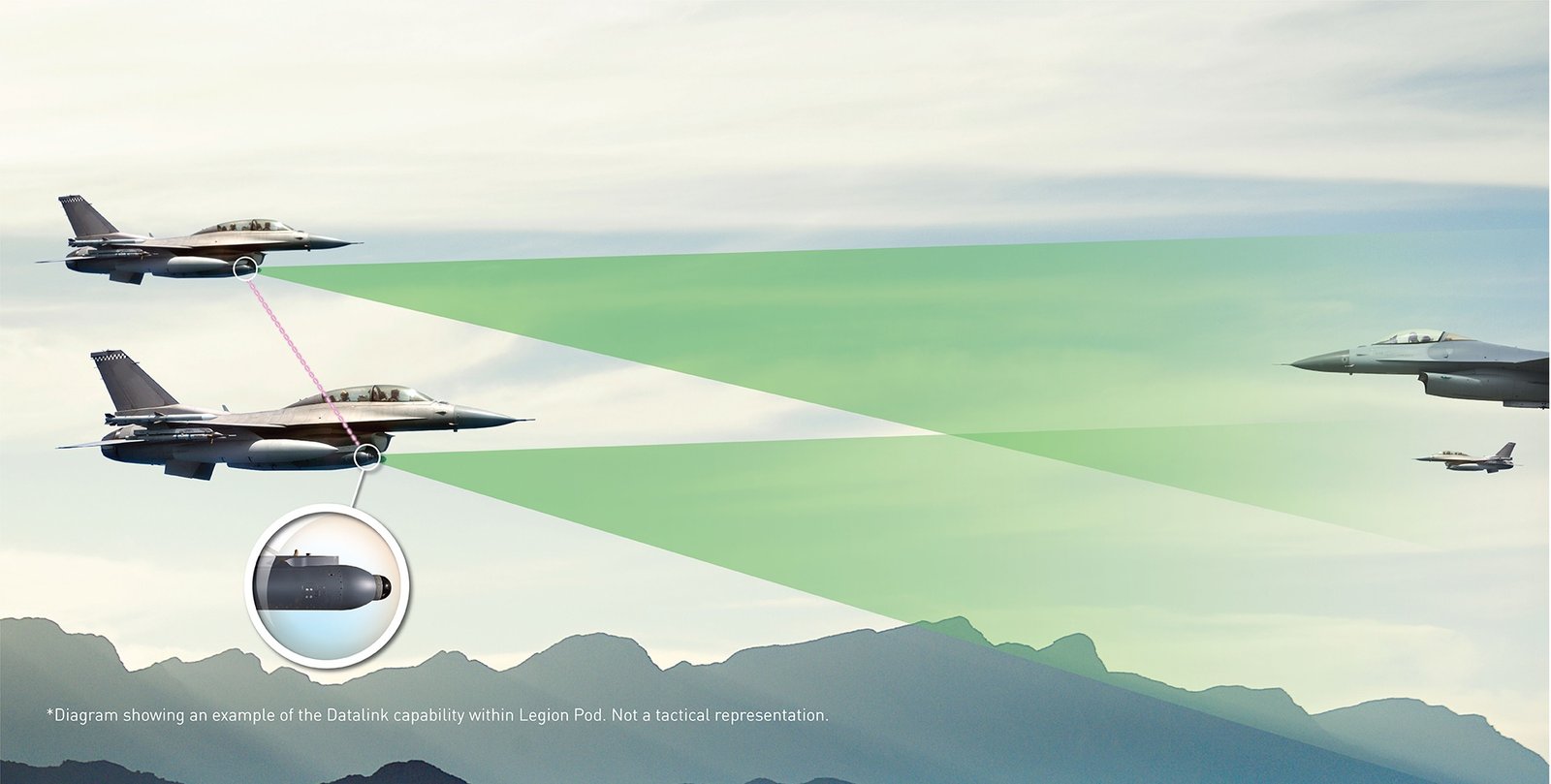 Lockheed Martin Demonstrates Legion Pod-to-Pod Data Link on F-16s for Passive Targeting
-
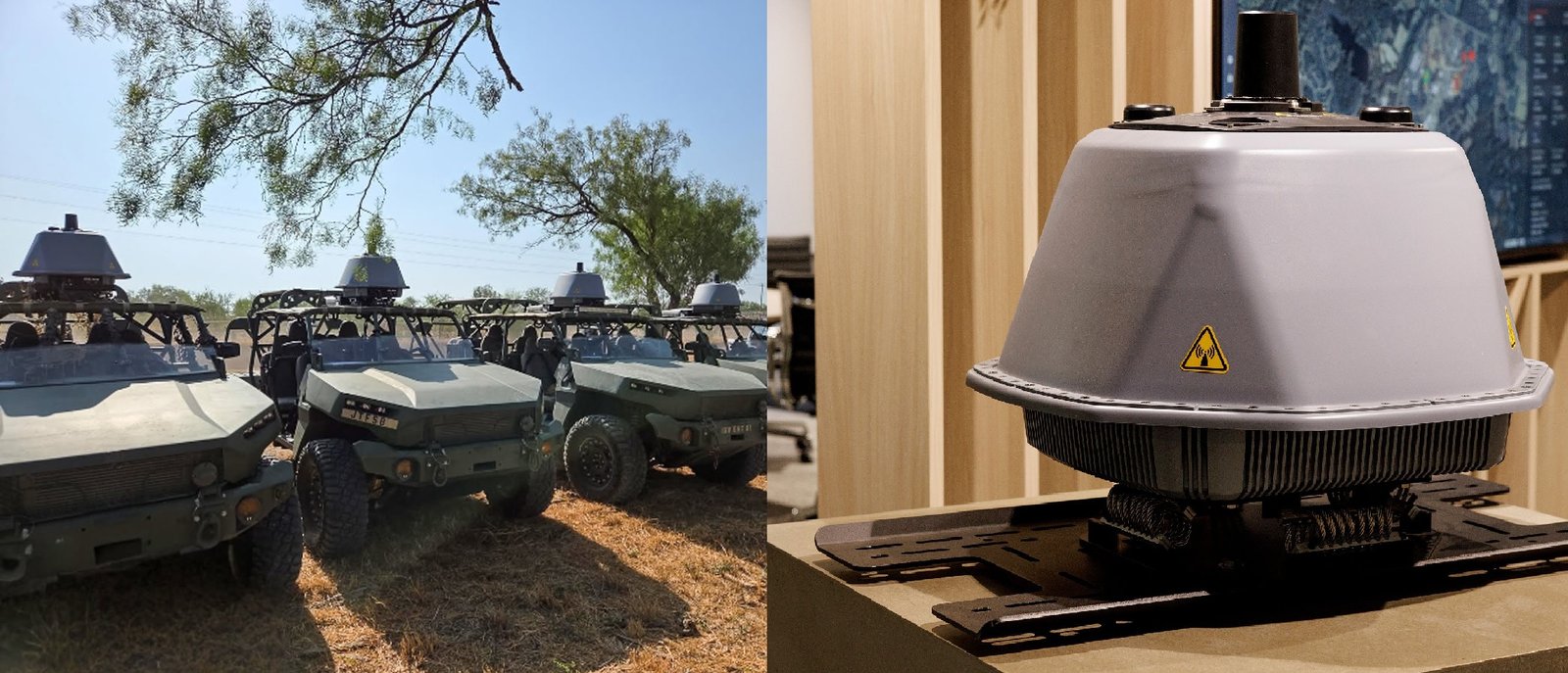 U.S. Military Deploys DroneShield Counter-Drone Systems on Infantry Squad Vehicles
-
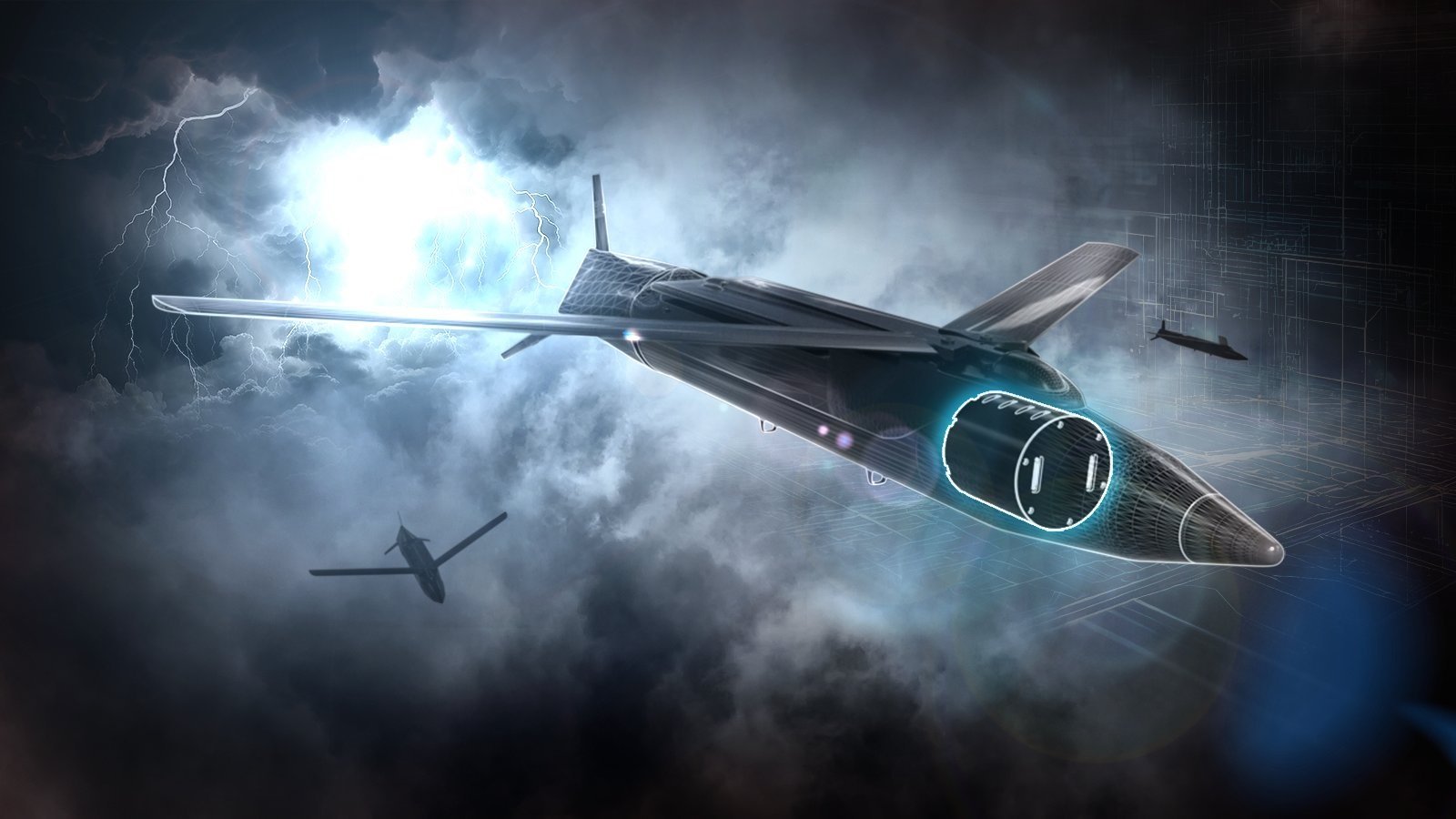 BAE Systems Unveils Shadow EW Suite for Small Drones and Autonomous Aircraft
-
 Photos Reveal Damaged E-3 Sentry, Buildings and Vehicles at U.S. Bases in Saudi Arabia and Kuwait After Iranian Strikes
-
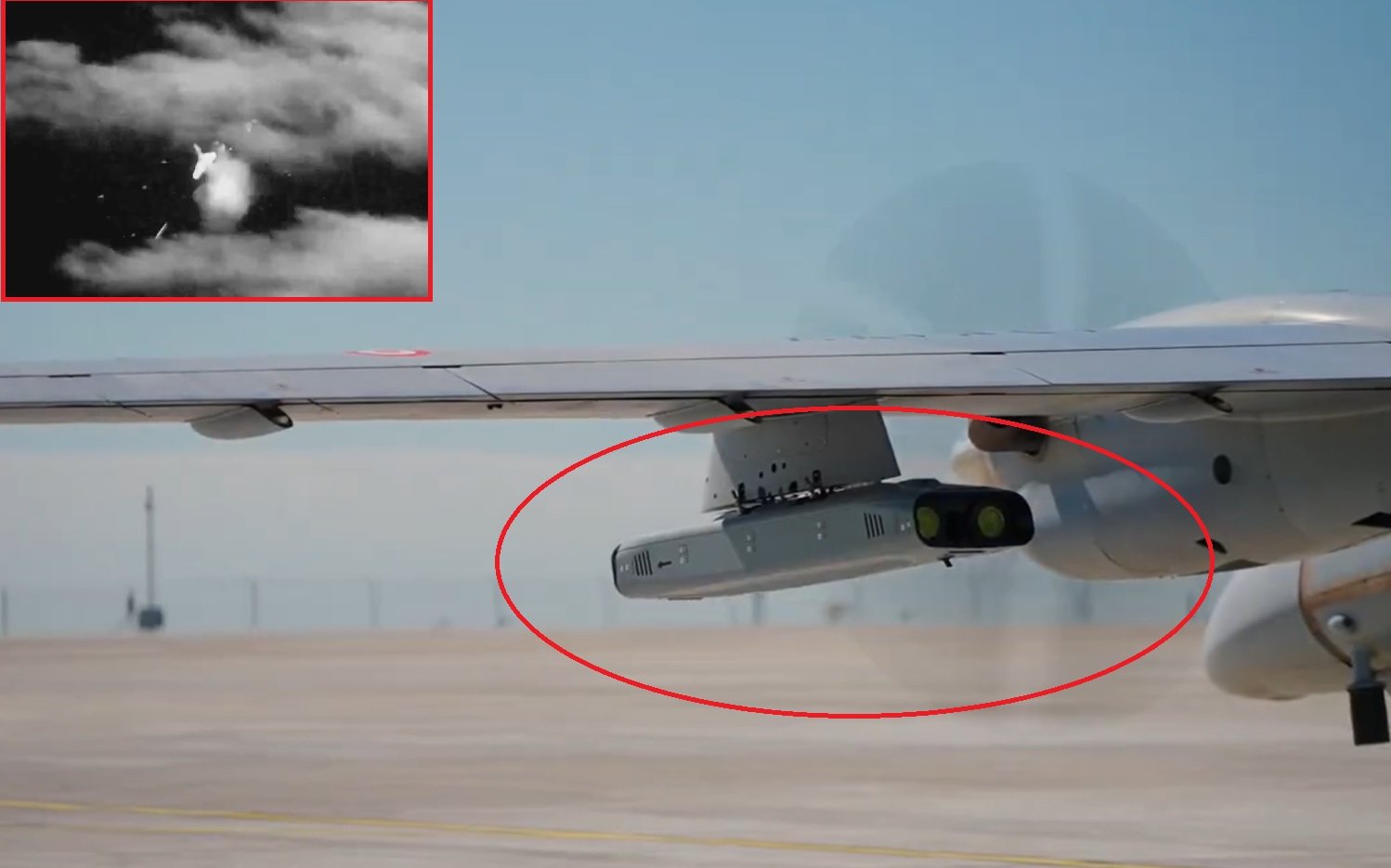 Turkey’s AKINCI Drone Hits High-Speed Aerial Target with SUNGUR Missile in Black Sea Test
Top Trending in 4 Days
-
 Pentagon Awards BlueHalo Up to $99.8 Million Contract for Orbital Battlespace R&D Program
-
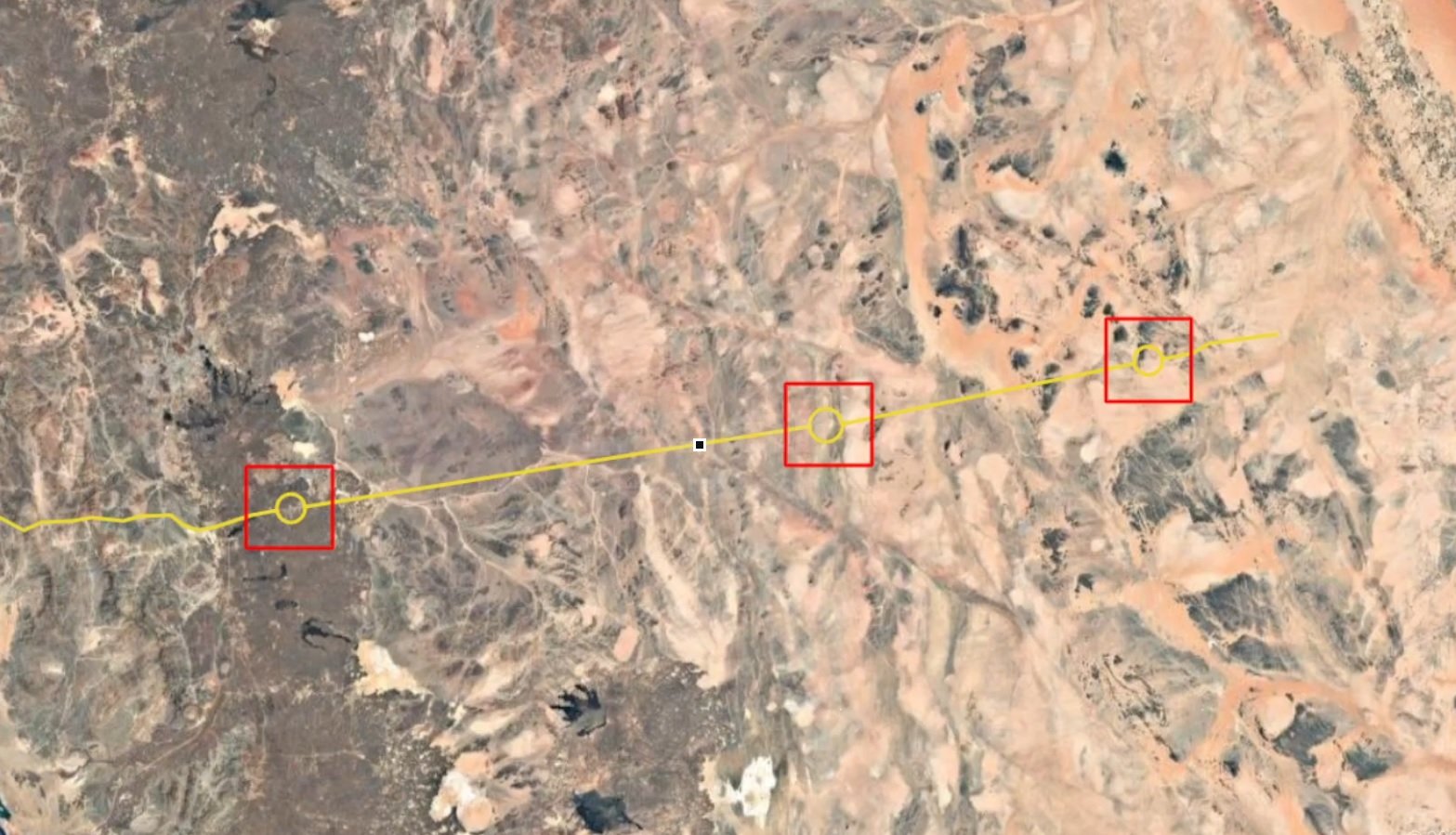 Satellite Imagery Shows Extensive Damage to Saudi Arabia’s East-West Oil Pipeline, Indicating More Than a Single Strike
-
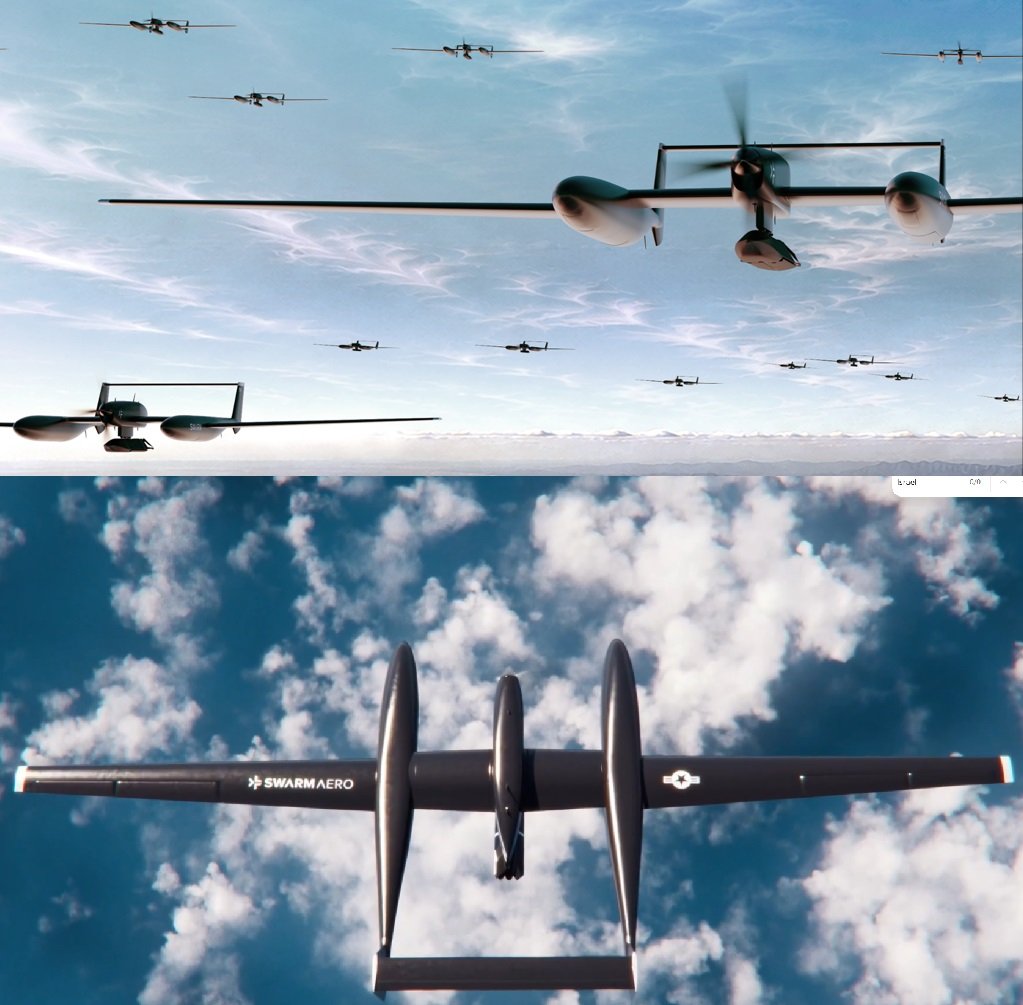 U.S. Firm Swarm Aero Unveils Gamera Group 5 UAS With 9,000-Nautical-Mile Range and Heavy Strike Payload
-
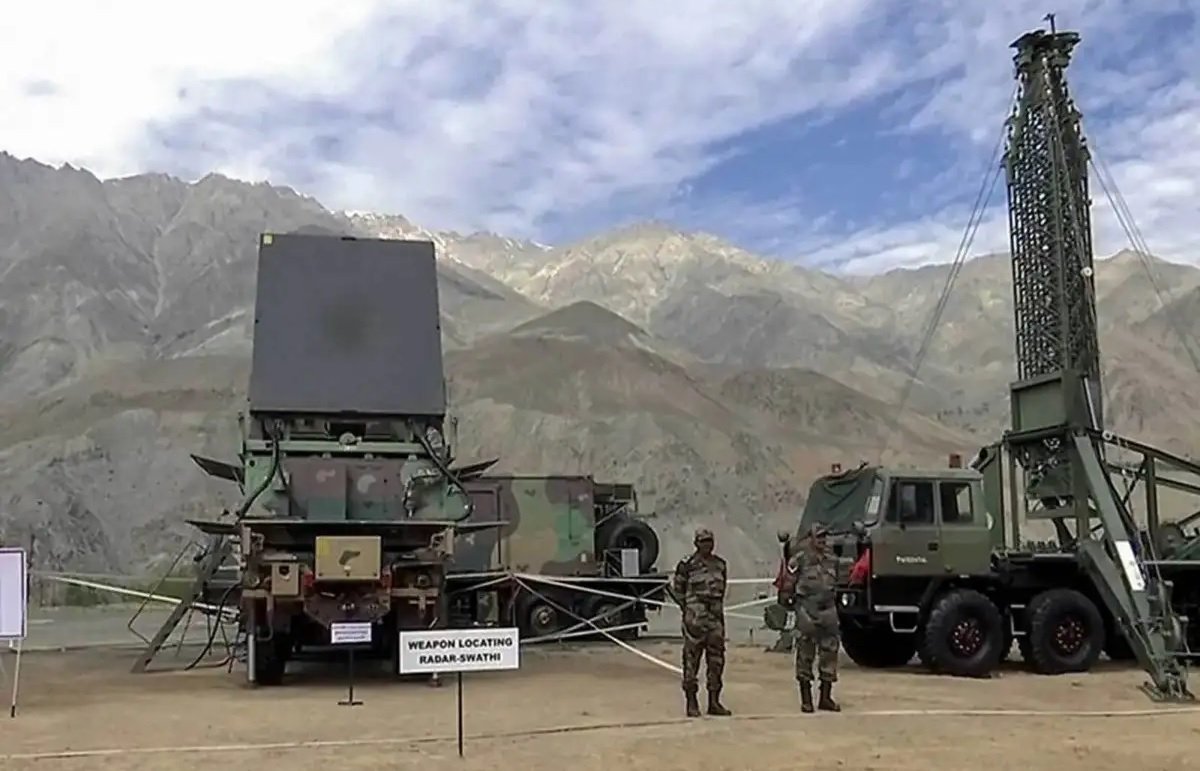 DRDO Demonstrates Indigenous 3.5×3 mm GaN Chip Delivering 30 Watts for Next-Generation Radars and Electronic Warfare
-
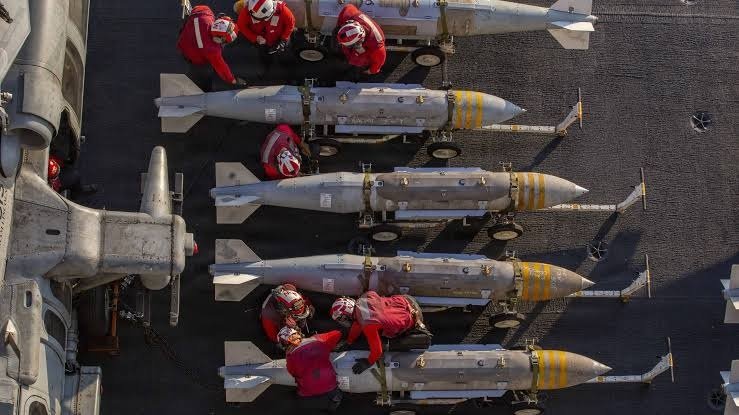 Pentagon Inspector General Report Finds Iran War Caused U.S. Ammunition Shortfalls and Industrial Bottlenecks
-
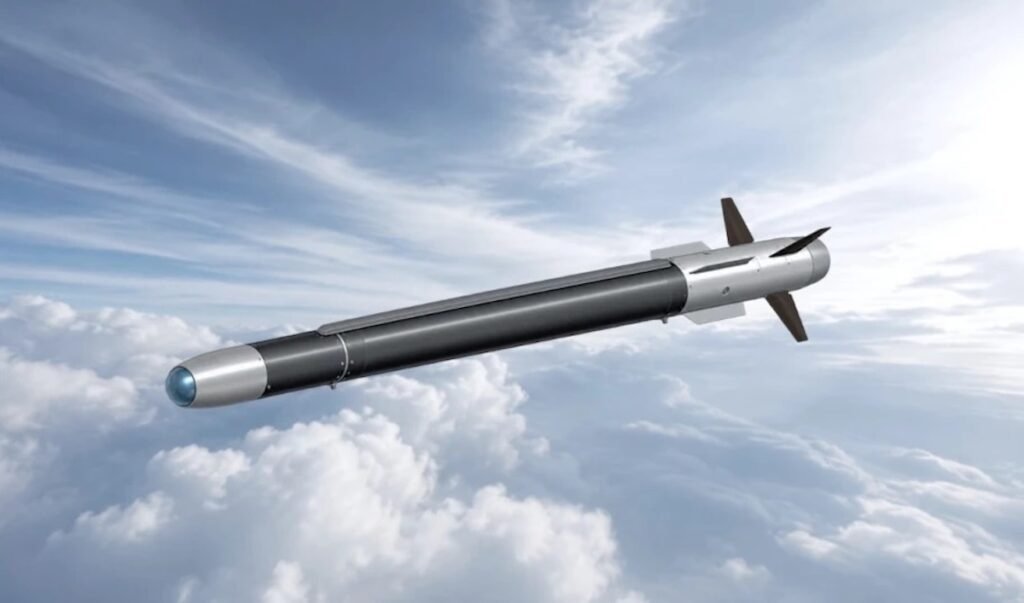 MBDA and Poland’s WITU Advance Low-Cost Supersonic Interceptor Against Swarm Attacks, Seeker Trials Successfully Completed
-
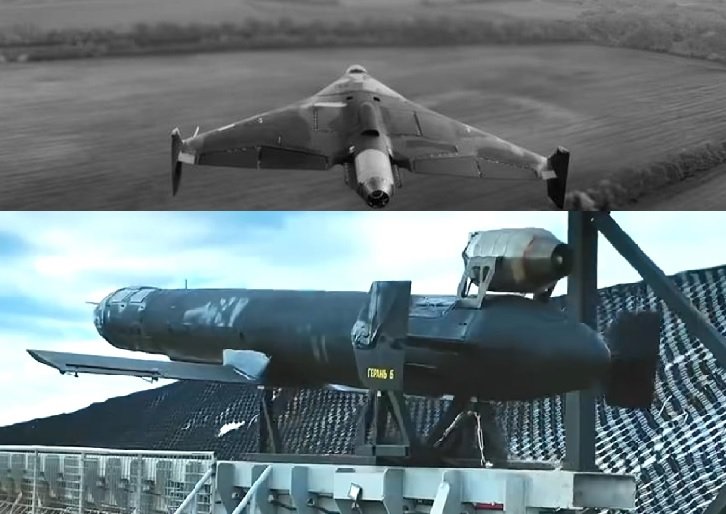 Iran Requests Advanced Geran-4 and Geran-5 Drones From Russia, FT Reports
-
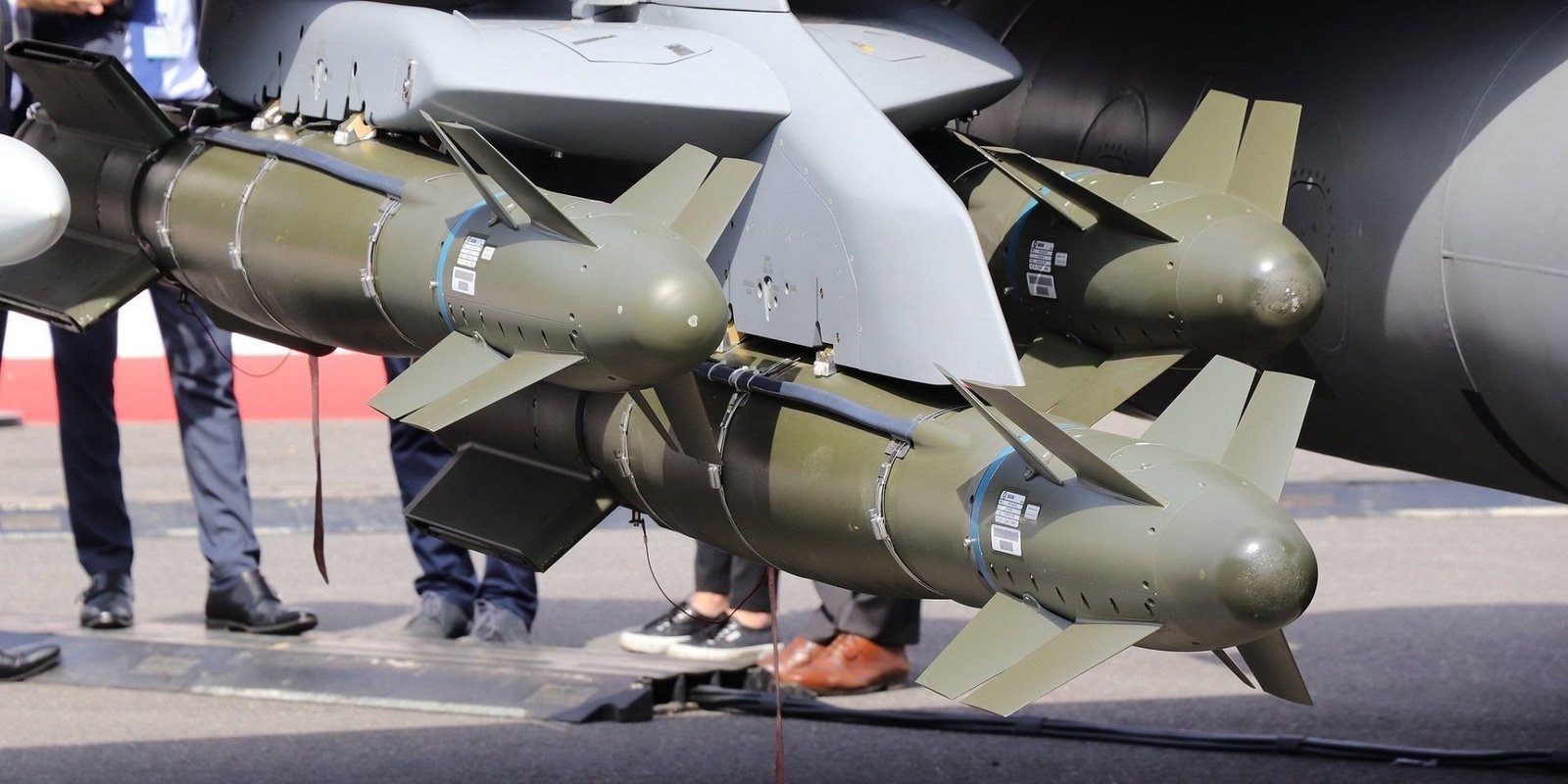 Swedish Gripens Bound for Ukraine to Be Armed with French Rocket-Assisted Hammer Precision Bombs