
India
BENGALURU / LYNN (Massachusetts), — April 2, 2026 : GE Aerospace has implemented a series of structural and operational measures to accelerate the production and delivery of F404-IN20 engines to Hindustan Aeronautics Limited (HAL), in support of India’s Light Combat Aircraft (LCA) Tejas Mk1A programme. The company has established an additional dedicated production line for the F404-IN20 variant, introduced higher levels of automation in engine testing processes, and appointed a new management team to oversee production and delivery timelines. These steps form part of a coordinated ramp-up plan agreed between GE Aerospace and HAL to address supply chain delays and stabilise engine availability. Delivery Schedule and Production Targets Under the revised roadmap, HAL is expected to receive 20 engines in the second half of the financial year 2026–27. HAL Chairman and Managing Director D.K. Sunil confirmed that deliveries are projected to increase to 24 engines during FY 2026–27, with further scaling to 30 engines annually from FY 2027–28 onward. As of early April 2026, GE Aerospace has delivered six engines under the original 2021 contract for 99 F404-IN20 units. Deliveries under this contract began in March 2025 after the production line was restarted. The line had previously been shut down in 2016 following completion of an earlier order of 65 engines. Initial delays in delivery were attributed to a combination of geopolitical tensions, pandemic-related supply chain disruptions, and the technical challenges associated with restarting a dormant production line. Follow-on Orders and Programme Expansion In November 2025, HAL placed a follow-on order for 113 additional F404-IN20 engines, including spares and modules. Deliveries under this contract are scheduled to begin in 2027 and continue through 2032. The order supports the production of 97 additional Tejas Mk1A aircraft approved by India’s Ministry of Defence in September 2025. To support increased production requirements, GE Aerospace has also invested $14 million in its Pune facility in India. The investment focuses on expanding component manufacturing capacity, incorporating advanced manufacturing technologies, and increasing automation for specific engine parts. Global Production Outlook and Platform Integration The F404 engine family, previously considered a mature or legacy platform, has seen its production lifecycle extended by nearly two decades due to renewed demand from multiple aerospace programmes. Current production timelines for new-build F404 engines are aligned with major platform requirements: HAL Tejas Mk1A (India): production expected until approximately 2032 Boeing T-7A Red Hawk (United States): production expected until approximately 2034 TAI Hürjet (Turkey): production expected to continue through 2030 and beyond The Boeing T-7A Red Hawk programme includes plans for more than 350 aircraft for the U.S. Air Force, with initial production deliveries beginning in late 2025 and initial operational capability targeted for 2027. Turkey’s Hürjet programme has entered mass production, supported by a manufacturing line capable of producing two aircraft per month. A memorandum of understanding signed in July 2025 between Turkish Aerospace Industries (TAI), GE Aerospace, and Turkish Engine Industries (TEI) provides for local assembly, inspection, testing, and maintenance of F404 engines within Turkey. Additional agreements, including the supply of F404 engine kits to Hanwha Aerospace in South Korea for integration into the FA-50/TA-50 aircraft family—also operated by the Polish Air Force—are contributing to sustained global demand. Technical Characteristics and Long-Term Support The F404-IN20 is the highest-thrust variant within the F404 engine family, capable of delivering up to 85 kN of thrust. It incorporates Full Authority Digital Engine Control (FADEC) and advanced single-crystal turbine blade technology designed for modern combat aircraft requirements. Although the final new-build F404 engines are projected to be produced by the mid-2030s, GE Aerospace plans to continue manufacturing spare parts and critical components until 2050 or later. This extended support framework is intended to maintain operational readiness for global fleets operating F404-powered aircraft, including those in the United States, India, South Korea, and Poland. Industrial Coordination and Programme Alignment The production ramp-up is aligned with HAL’s aircraft manufacturing expansion. HAL inaugurated a third Tejas Mk1A production line at its Nashik facility in October 2025 to meet increased aircraft output targets. GE Aerospace’s additional production line, combined with enhanced automation at its primary facility in Lynn, Massachusetts, and expanded manufacturing capabilities in Pune, is aimed at ensuring consistent engine supply. The company continues to coordinate closely with HAL on supply chain stabilisation measures to support the overall Tejas Mk1A production schedule.
Read More → Posted on 2026-04-02 15:45:05
India
New Delhi, — April 1, 2026 : According to report American aerospace manufacturer GE Aerospace has handed over the sixth F404-IN20 engine to Hindustan Aeronautics Limited (HAL) under a 2021 contract to power India’s indigenous Tejas Mk1A fighter jets. The latest delivery, confirmed at the close of the financial year 2025–26 on March 31, remains below revised targets and underscores ongoing supply chain and production constraints affecting the programme. HAL had expected 11 engines during the fiscal year; however, only six were delivered. According to HAL sources, the sixth engine has not yet physically arrived in India, with the handover completed at GE’s facilities in the United States. A spokesperson for GE Aerospace confirmed the development, stating that the company has delivered the sixth engine against the 2021 order and continues to coordinate closely with HAL to maintain visibility on production schedules. Contract Scope and Delivery Timeline The original contract, signed in February 2021 and valued at approximately $716 million, covers the supply of 99 F404-IN20 engines along with logistics support, technical assistance, and associated equipment. These engines are intended for 83 Tejas Mk1A aircraft ordered by the Indian Air Force (IAF) on February 3, 2021. The first engine under this agreement was delivered in March 2025, followed by the fifth engine in December 2025. The sixth engine was handed over in March 2026. Earlier delays in the programme were attributed to the restart of the F404 production line, which had remained inactive for approximately five years after completion of earlier Tejas Mk1 orders. Despite these deliveries, engine availability has remained the primary constraint affecting the production timeline. Defence sources indicate that the engine supply issue has been the central bottleneck, with other challenges considered secondary. Discrepancies in Delay Attribution Sources within the defence establishment stated that GE Aerospace attributed recent delays to the ongoing conflict involving the United States, Israel, and Iran, which began on February 28, 2026. However, a review of the delivery timeline indicates that no engines were supplied between December 2025 and late February 2026—a gap of more than two months prior to the outbreak of the conflict. This sequence suggests that supply chain disruptions predated the conflict, raising questions about the extent to which recent geopolitical developments have contributed to the slowdown. Tejas Mk1A Programme Delays and Revised Timeline The Tejas Mk1A fighter, developed by the Aeronautical Development Agency (ADA) and manufactured by HAL, was originally scheduled for delivery to the Indian Air Force in March 2024. Multiple revised timelines have since been missed. Current projections indicate that the first batch of aircraft will be inducted no earlier than June or July 2026, representing a delay of more than two years from the initial schedule. To facilitate early deliveries in the current fiscal year, the Indian Air Force and the Ministry of Defence (MoD) agreed in February 2026 to grant HAL limited exemptions from certain contractual requirements. Under this arrangement, the Indian Air Force will accept the aircraft once three essential conditions are fulfilled: Completion of missile-firing tests Integration of the radar system with the electronic warfare suite Validation of the full weapons package Defence sources confirmed that missile-firing trials have been completed, and the certification process for the remaining systems is underway. These parameters have been identified as mandatory for acceptance under the revised framework. Certification Status and Acceptance Process According to programme officials, major capabilities associated with the Tejas Mk1A are currently progressing through the certification pipeline, with completion expected by the end of April 2026. Following certification, the Indian Air Force is expected to begin its acceptance trials. This process is anticipated to take several weeks before the aircraft are formally inducted into service. HAL has maintained that a significant portion of the pending work falls under the purview of the Aeronautical Development Agency and relates to certification rather than manufacturing delays at HAL’s end. Follow-On Orders and Future Production Plans In November 2025, HAL signed an additional contract with GE Aerospace for 113 more F404-IN20 engines to support an expanded Tejas Mk1A programme, which now includes 97 aircraft. Deliveries under this follow-on agreement are scheduled to begin in 2027 and continue through 2032. GE Aerospace has outlined plans to supply 20 engines in financial year 2026–27, with production expected to scale up to 30 engines annually from 2027–28 onward.
Read More → Posted on 2026-04-01 17:10:31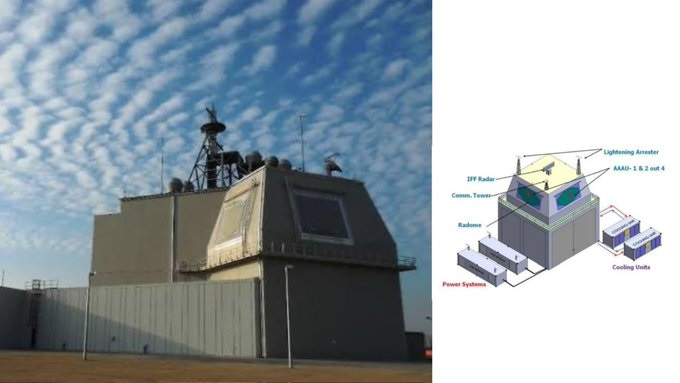
India
NEW DELHI, March 31, 2026 — The Ministry of Defence (MoD) has signed a capital acquisition contract worth ₹1,950 crore with Bharat Electronics Limited (BEL) for the procurement of two advanced Mountain Radar systems for the Indian Air Force (IAF). The agreement, finalised in New Delhi on the last day of the financial year 2025–26, covers the manufacturing, supply, installation, and commissioning of the radar systems, along with associated equipment, logistics support, and forward deployment infrastructure. The procurement has been executed under the Buy (Indian–Indigenously Designed, Developed and Manufactured) [Indian-IDDM] category, in line with the government’s Aatmanirbhar Bharat and Make in India initiatives. The project follows the Acceptance of Necessity (AoN) granted by the Defence Acquisition Council in August 2025 for the induction of Mountain Radars into the IAF. Strategic Deployment in High-Altitude Regions The two radar systems will be deployed in Gulmarg (Jammu and Kashmir) and Pfütsero (Nagaland), targeting critical gaps in air surveillance along India’s northern and northeastern borders. These locations are characterized by complex mountainous terrain, including deep valleys, steep ridgelines, and harsh weather conditions that limit the effectiveness of conventional radar systems. The Mountain Radars are specifically designed to operate in such environments, ensuring reliable surveillance coverage and enhancing early warning capabilities in strategically sensitive sectors. Advanced Capabilities for Air Surveillance The Mountain Radar is a fixed, medium-power 4D surveillance system based on a modified version of the Arudhra radar, adapted for high-altitude operations. It incorporates Active Aperture Phased Array (AESA) technology and operates in both rotation and staring modes. In rotation mode, the radar provides 360-degree azimuth coverage at speeds of 7.5 or 15 revolutions per minute, with an elevation coverage of 30 degrees. In staring mode, it focuses on a fixed azimuth sector of ±60 degrees, maintaining the same elevation coverage. The system has an instrumented range of 400 km and can detect targets with a radar cross-section of 2 square metres at distances up to 300 km. It offers altitude coverage ranging from 100 metres to 30 km, enabling detection and tracking across a wide operational envelope. Designed to address radar shadow zones, the system enhances detection of low-flying aerial threats that may otherwise evade conventional radar coverage. It is capable of tracking multiple targets simultaneously, including fighter aircraft, helicopters, unmanned aerial vehicles (UAVs), drones, cruise missiles, and ballistic missiles, while determining parameters such as range, azimuth, altitude, and velocity vectors. The radar uses S-band solid-state transceiver modules and supports track-while-scan functionality, allowing continuous monitoring of multiple airborne objects. Integration into IAF’s Network-Centric Operations The Mountain Radar systems will function as critical nodes within the IAF’s integrated air defence network, bridging coverage gaps between low-level and long-range surveillance systems. This integration is expected to improve situational awareness, reduce response times, and strengthen command and control capabilities. The systems are engineered to maintain operational reliability in thin air conditions, rugged terrain, and variable weather, ensuring sustained performance in high-altitude deployments. Indigenous Development and Industrial Participation The radar systems have been indigenously designed and developed by the Electronics and Radar Development Establishment (LRDE), a Bengaluru-based laboratory under the Defence Research and Development Organisation (DRDO). BEL will serve as the prime contractor, responsible for manufacturing, system integration, supply, installation, and lifecycle logistics support. The project also involves participation from a network of domestic suppliers, including Micro, Small, and Medium Enterprises (MSMEs), contributing to component manufacturing and raw material supply. Strengthening Domestic Defence Capability According to defence ministry officials, the induction of these Mountain Radars will enhance India’s air defence architecture, particularly in terrain where surveillance limitations have persisted. The programme is also expected to contribute to the development of domestic technological capabilities and reduce dependence on foreign-origin military systems. The contract represents a continuation of India’s efforts to expand indigenous defence production while reinforcing operational preparedness in geographically challenging regions.
Read More → Posted on 2026-03-31 14:40:25
India
LUCKNOW — March 28, 2026 : Lucknow-based defence technology startup HoverIt has reported significant progress in its indigenous unmanned aerial vehicle (UAV) programs, with the DIVYASTRA MK1 loitering munition currently undergoing flight trials and the next-generation DIVYASTRA MK2 long-range strike UAV entering taxi trials. The developments mark a coordinated advancement in India’s domestic unmanned combat systems ecosystem under the Atmanirbhar Bharat initiative. Parallel Development of Tactical and Strategic UAV Systems HoverIt is pursuing a dual-track development approach, simultaneously advancing a tactical loitering munition (MK1) and a long-range autonomous strike UAV (MK2). The two platforms are designed to address different operational requirements, ranging from battlefield-level engagements to deep strike missions in contested environments. The systems are being developed at the company’s facility in the Uttar Pradesh Defence Industrial Corridor, with planned production at the Lucknow node. The location provides proximity to established defence manufacturing entities such as BrahMos Aerospace and PTC Industries. DIVYASTRA MK1: Tactical Strike, ISR, and Decoy Operations The DIVYASTRA MK1 is an AI-enabled loitering munition designed for multi-role tactical operations. It integrates precision strike capability, intelligence, surveillance and reconnaissance (ISR), and decoy functions within a single platform. The UAV has an operational range of 500 km and endurance of up to five hours, enabling extended loitering over target areas. It carries a payload of up to 15 kg and achieves attack speeds between 300 and 400 km/h during the terminal phase. HoverIt stated that the MK1 is capable of supporting real-time battlefield intelligence gathering alongside autonomous target engagement, using onboard processing systems to identify and engage targets with limited human intervention. The platform includes AI-assisted targeting, autonomous navigation, and swarm-enabled coordination, allowing multiple units to operate in a synchronized manner. In addition to strike roles, the MK1 is configured for decoy operations, where it can deliberately trigger adversary radar emissions. This function enables the identification and mapping of enemy air defence systems without exposing manned aircraft to risk. DIVYASTRA MK2: Long-Range Autonomous Strike Platform The DIVYASTRA MK2, currently in taxi trial phase, represents a shift toward long-range, high-endurance autonomous strike capabilities. The UAV is designed for deep strike missions, long-range surveillance, and precision targeting in hostile and heavily defended airspace. Projected specifications for the MK2 include an operational range of 1,500 to 2,000 km and flight endurance of 8 to 12 hours, supporting extended missions deep inside adversary territory. The platform is expected to carry a payload of 50 to 100 kg, with configurations that may include high-explosive warheads, ISR sensor suites, or electronic warfare systems. The UAV operates at a cruise speed of approximately 180 km/h, with a terminal attack speed of 300 to 400 km/h, aligning with strike mission requirements. HoverIt has indicated that the MK2 is designed to move beyond traditional loitering munitions into the category of long-range autonomous strike systems, capable of both independent operations and integration into networked combat environments. AI Swarm Capability and Electronic Warfare Resilience A central feature of both DIVYASTRA platforms, particularly the MK2, is the integration of AI-driven swarm intelligence. This capability enables multiple UAVs to coordinate missions simultaneously, allowing for saturation attacks against advanced air defence networks and improved mission effectiveness through distributed operations. The systems are engineered for operations in GPS-denied environments, incorporating advanced navigation systems and anti-jamming technologies. HoverIt confirmed that the UAVs use encrypted, sovereign command and control (C2) links, designed to prevent interception and ensure secure communication during missions. These features are intended to enhance survivability in electronically contested battlefields, where adversaries may deploy signal jamming and cyber-electronic warfare measures. Operational Roles and Deployment Concepts According to HoverIt, the DIVYASTRA MK1 is suited for tactical missions, including: Precision strikes on battlefield targets ISR and real-time intelligence gathering Decoy deployment to expose enemy radar systems Saturation and coordinated swarm attacks The DIVYASTRA MK2 is designed for strategic and deep operations, including: Long-range deep strike missions High-value target engagement in contested airspace Persistent surveillance over extended distances Network-centric and multi-domain warfare operations The MK2 is expected to operate either as a standalone strike asset or as part of a coordinated swarm configuration. Testing Progress and Industrial Context The flight trials of the MK1 indicate ongoing validation of its operational capabilities, while the taxi trials of the MK2 mark the initial phase of ground-based testing prior to full flight evaluation. HoverIt recently showcased the DIVYASTRA platforms at Invest UP events, attended by state officials, highlighting the role of defence startups in strengthening India’s indigenous defence manufacturing base. In addition to the DIVYASTRA series, the company is developing a broader UAV portfolio, including: AANKH-01 for ISR and surveillance BAAZ for tactical payload delivery RAFTAAR eVTOL, a long-range fixed-wing platform Programme Status HoverIt has not announced specific timelines for full operational clearance or induction of the DIVYASTRA systems. The ongoing trials reflect continued development and validation efforts. The parallel progression of the 500 km-range MK1 and the 1,500–2,000 km-range MK2 demonstrates a scalable approach to unmanned combat systems, covering both tactical and strategic mission requirements within India’s evolving defence technology landscape.
Read More → Posted on 2026-03-28 14:33:59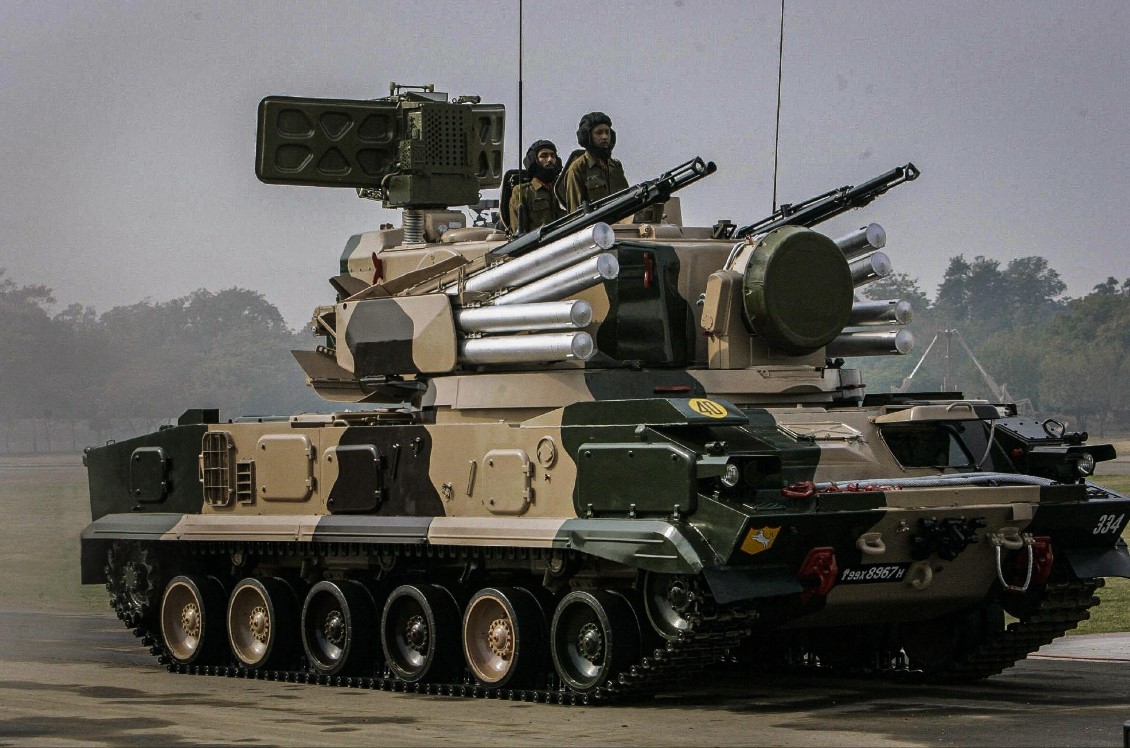
India
NEW DELHI — March 27, 2026: The Ministry of Defence (MoD) has signed a ₹445 crore contract with Russia’s state arms exporter JSC Rosoboronexport for the procurement of Tunguska Air Defence Missile Systems for the Indian Army. The agreement was formalised in New Delhi in the presence of Defence Secretary Rajesh Kumar Singh, according to an official release. The contract is part of a broader ₹858 crore defence package concluded on the same day, which also includes a separate agreement with Boeing India Defense Private Ltd for the maintenance of the Indian Navy’s P-8I maritime reconnaissance aircraft fleet. The official statement noted that the deal includes “cutting-edge missiles”, which are expected to significantly enhance India’s multilayered air defence capabilities. These systems are designed to counter a range of aerial threats, including unmanned aerial vehicles (UAVs), low-flying aircraft, attack helicopters, and cruise missiles, reflecting the growing complexity of modern battlefield environments. The Tunguska system, a self-propelled short-range air defence (SHORAD) platform, combines surface-to-air missiles with twin 30 mm autocannons, providing a layered hard-kill capability against low-altitude targets. Its mobility allows it to operate alongside mechanised and forward-deployed formations, offering continuous protection during manoeuvre operations. While the government has not disclosed the exact number of missiles included in the ₹445 crore contract, defence cost assessments suggest that the deal could involve approximately 150 to 300 missiles, depending on the final package structure, which may include associated equipment, spares, and support services. This estimate remains unofficial. The Indian Army currently operates around 80 Tunguska systems, inducted between 1997 and 2009. The new procurement is expected to replenish missile inventories and enhance operational readiness, particularly in the context of increasing threats from drone swarms and precision-guided munitions observed in recent conflicts. The agreement also underscores the continued role of Russian-origin platforms in India’s defence ecosystem, particularly for sustaining and augmenting legacy systems. At the same time, India continues to pursue a diversified procurement strategy, balancing imports with domestic manufacturing under the Aatmanirbhar Bharat initiative. Further details regarding delivery timelines and system integration have not been disclosed.
Read More → Posted on 2026-03-27 16:02:13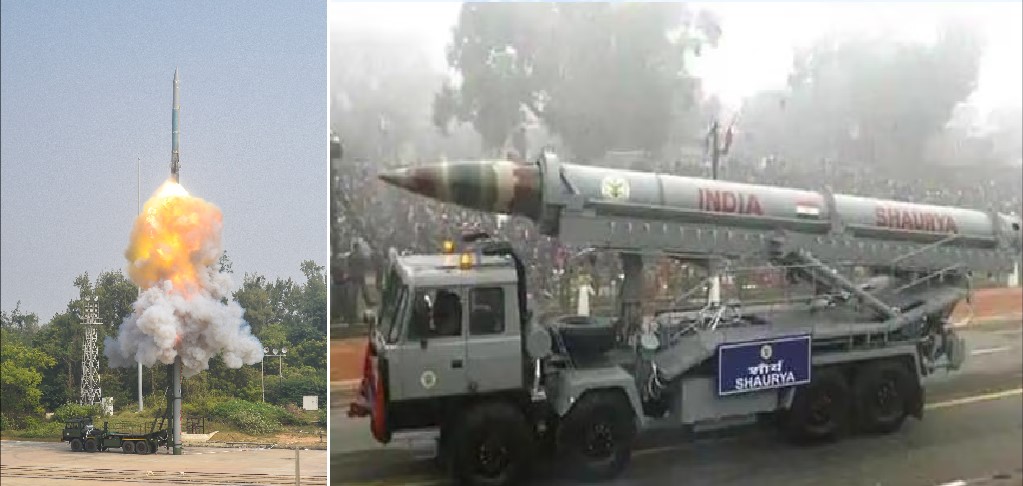
India
NEW DELHI — March 27, 2026 : The Defence Research and Development Organisation (DRDO) is preparing to conduct a test of the Shaurya Next Generation (NG), an upgraded hypersonic surface-to-surface missile designed to improve survivability against modern air defence systems while maintaining precision strike capability. Technical Upgrades Focus on Evasion and Accuracy The Shaurya NG introduces significant enhancements in flight profile and terminal-phase performance. Unlike traditional ballistic missiles that follow predictable parabolic trajectories, the system employs a quasi-ballistic trajectory, allowing mid-course adjustments and high-G manoeuvres during the final phase of flight. This manoeuvrability reduces predictability and complicates interception by advanced anti-ballistic missile (ABM) systems. The missile is specifically engineered to evade modern layered air defence networks through these unpredictable flight paths. To maintain accuracy under such conditions, DRDO has integrated an indigenous multi-mode seeker combining Imaging Infra-Red (IIR) and active radar guidance. The system is designed to operate effectively despite the extreme thermal and plasma conditions generated during hypersonic flight, ensuring sustained target lock throughout the terminal phase. Speed, Range, and Launch Configuration Powered by a two-stage solid-fuel rocket motor, the Shaurya NG is capable of speeds exceeding Mach 7. The missile has an operational range estimated between 700 and 1,000 kilometres. The system is canisterised, meaning it is stored and transported in a sealed, climate-controlled launch tube that also functions as the launch platform. This configuration supports long-term storage with minimal maintenance requirements. Operational deployment is based on road-mobile transporter erector launcher (TEL) vehicles. The system is designed for rapid response, with launch readiness achievable in under five minutes. A gas generator mechanism ejects the missile from the canister before ignition of the main rocket motor, improving launch safety and reliability. Background and System Evolution The Shaurya missile family forms part of India’s broader strategic missile programme and is derived from the K-15 Sagarika submarine-launched ballistic missile (SLBM), though the programmes have been described as distinct in certain official contexts. The original Shaurya missile, first successfully tested in 2011, is a two-stage solid-fuel system approximately 10 metres in length and 0.74 metres in diameter, with a launch weight of around 6.2 tonnes. It is capable of carrying payloads ranging from 200 to 1,000 kilograms, including both conventional and nuclear warheads. Earlier variants demonstrated ranges between 700 and 1,900 kilometres depending on configuration and achieved speeds of up to Mach 7.5. Next-Generation Enhancements and Test Objectives The Shaurya NG incorporates multiple upgrades over earlier versions, including improved terminal manoeuvrability, the integration of the multi-mode seeker, and enhanced resistance to plasma interference during hypersonic flight. The upcoming test will focus on validating these improvements, particularly the seeker performance, manoeuvrability under high-G conditions, and overall effectiveness against modern air defence threats. No official date for the test has been announced. The system is intended to strengthen India’s precision-strike capabilities, with emphasis on rapid deployment, survivability, and effectiveness in contested operational environments.
Read More → Posted on 2026-03-27 14:51:49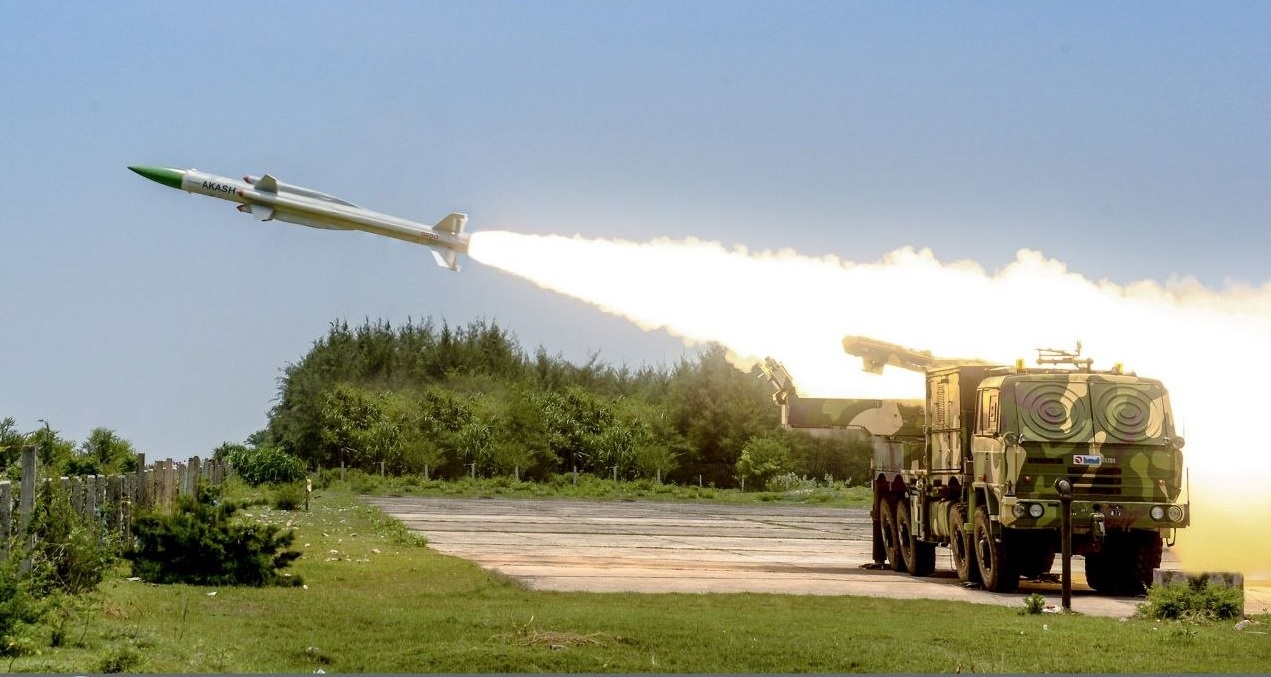
India
NEW DELHI / HYDERABAD — March 26, 2026 : Bharat Dynamics Limited (BDL) has completed the First-off Production Model (FOPM) of the Advanced Akash Weapon System, marking a key milestone in the program’s transition from development and validation to serial production. The update was disclosed through a regulatory filing on Thursday, confirming that the system is now ready for manufacturing and induction into service with the Indian Armed Forces. The Advanced Akash system has been developed by the Defence Research and Development Organisation (DRDO), with BDL serving as the designated production agency responsible for delivering complete weapon systems. The completion of the FOPM establishes a production-standard configuration, verifying that the system meets all design specifications, quality benchmarks, and operational requirements set by the military. System Overview and Capability Enhancements The Advanced Akash is an upgraded version of India’s indigenous medium-range surface-to-air missile (SAM) system, designed to provide area air defence in all-weather conditions. The system has an engagement range of approximately 40 kilometres and is capable of intercepting a range of aerial threats, including fighter aircraft, unmanned aerial vehicles (UAVs), and cruise missiles. The upgraded variant incorporates multiple improved sub-systems aimed at enhancing accuracy, response time, and combat effectiveness. During evaluation trials, the system demonstrated a high level of precision in engaging diverse aerial targets under varied operational conditions. Among the key enhancements is the integration of an advanced radio frequency (RF) seeker, which enables improved target identification and more accurate interception. The command and control architecture has also been upgraded, including enhancements to radar systems that allow simultaneous tracking and engagement of multiple targets. The system is equipped with electronic counter-countermeasure (ECCM) capabilities, allowing it to operate effectively in contested environments where electronic jamming or interference is present. These upgrades collectively improve the system’s ability to function in modern electronic warfare scenarios. Transition to Production and Deliveries The completion of the FOPM represents a critical stage in defence manufacturing, as it validates the production process prior to large-scale manufacturing. It ensures that the production model aligns precisely with the approved design and performance parameters established during testing phases. With this milestone achieved, BDL is set to begin full-scale production of the Advanced Akash Weapon System. According to the company’s filing, deliveries to the Indian Army and the Indian Air Force are expected to commence shortly. The system is designed for seamless integration into existing ground-based air defence networks operated by both services. It will provide medium-range air defence coverage and contribute to the protection of critical assets and formations against aerial threats. Role in India’s Air Defence Architecture The Advanced Akash Weapon System forms part of India’s layered air defence framework, which is structured to address threats at varying ranges and altitudes. Within this architecture, the system is intended to secure medium-range airspace and complement longer-range systems such as the S-400. By filling operational gaps between short-range and long-range air defence systems, the Advanced Akash enhances overall network resilience and response capability. Its ability to engage multiple targets simultaneously supports modern battlefield requirements, where saturation attacks and mixed threat environments are increasingly common. Indigenous Development and Industrial Role The Akash family of missile systems represents a significant component of India’s indigenous defence manufacturing efforts. DRDO has led the system’s design and development, while BDL has been responsible for production, integration, and delivery. BDL stated that the completion of the FOPM validates its manufacturing processes and readiness for scaled production. The program supports broader national objectives aimed at strengthening domestic defence capabilities and reducing reliance on imported systems. The Advanced Akash Weapon System is expected to play a central role in enhancing India’s air defence preparedness as it moves into operational deployment with frontline units in the near term.
Read More → Posted on 2026-03-26 15:46:21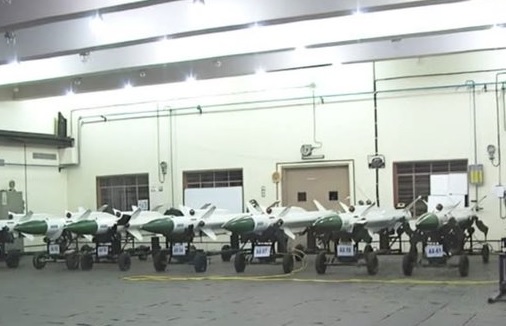
India
NEW DELHI — March 25, 2026 : Indian state-owned aerospace and defence manufacturer Bharat Dynamics Limited (BDL) has announced the establishment of two new manufacturing facilities at Ibrahimpatnam (Telangana) and Jhansi (Uttar Pradesh), as part of a broader capacity expansion plan aligned with the growing operational requirements of the Indian armed forces and the government’s self-reliance initiatives. The two facilities are expected to be inaugurated shortly, with full-scale manufacturing operations scheduled to commence in the financial year 2026–27 (FY27). The expansion is supported by BDL’s current order book of approximately ₹26,000 crore, along with anticipated additional orders worth ₹15,000 crore expected during FY27. Expansion to Support Production Scale-Up The new units are being developed to augment BDL’s existing manufacturing network, which includes facilities in Hyderabad, Bhanur, Ibrahimpatnam (Telangana), and Visakhapatnam (Andhra Pradesh). The expansion is intended to increase throughput across multiple missile and munitions programs while reducing dependence on external supply chains, particularly in propulsion and energetics. Ibrahimpatnam Facility: Assembly and Advanced Testing The Ibrahimpatnam unit, located near Hyderabad, is being configured as an integrated assembly and testing hub for advanced weapon systems. The facility will house eight dedicated assembly lines designed to support both current and next-generation weapon systems. These lines are expected to enable scalable production in response to future procurement requirements. In addition to assembly infrastructure, the site will incorporate specialized in-house testing capabilities, including a rocket motor testing facility and a warhead penetration testing facility. These are intended to validate performance parameters, ensure reliability, and improve production yield prior to deployment. The facility is also positioned to support increased manufacturing of surface-to-air missile systems, including new-generation variants. Jhansi Facility: Propellants, Energetics, and Rocket Production The Jhansi facility, located within the Uttar Pradesh Defence Corridor, will focus on propulsion systems, chemical energetics, and bulk munitions production. A primary function of the unit will be the manufacturing of missile and rocket propellants to meet BDL’s growing internal demand. This is expected to reduce reliance on external suppliers and strengthen supply chain integration. The facility will also undertake bulk production of Grad rockets, which are standard artillery munitions used by the Indian armed forces. In addition, the Jhansi unit will house a dedicated research and development (R&D) component focused on the development of advanced energetics. It will also support the production of propulsion systems for anti-tank guided missiles and future missile programs. Increased Output of Key Weapon Systems The operationalisation of the Ibrahimpatnam and Jhansi facilities is expected to significantly increase production volumes across BDL’s existing portfolio of missile systems and underwater weapons. A key focus area is the Akash Weapon System, an indigenously developed, mobile, all-weather surface-to-air missile system capable of engaging aerial targets such as fighter aircraft, cruise missiles, and unmanned aerial vehicles (UAVs). The system has a range of up to 30 km and can engage targets at altitudes of up to 18 km. It incorporates Electronic Counter-Counter Measures (ECCM) and is currently deployed by both the Indian Army and the Indian Air Force. BDL has already increased monthly production of Akash missiles from 50 to 100 units to meet existing orders. Major contracts, including a ₹8,161 crore order signed in 2023 for two regiments of the Indian Army, have driven the requirement for further scaling up production. The new assembly lines at Ibrahimpatnam are expected to support this increased demand. Broader Missile and Weapons Portfolio In addition to the Akash system, the expanded manufacturing capacity will support a wide range of BDL-produced weapon systems across multiple domains. These include surface-to-air missile systems such as the Medium Range Surface-to-Air Missile (MRSAM), Quick Reaction Surface-to-Air Missile (QRSAM), and Vertically Launched Short-Range Surface-to-Air Missile (VLSRSAM). The company also manufactures the Astra beyond-visual-range (BVR) air-to-air missile for the Indian Air Force. Its anti-tank guided missile (ATGM) portfolio includes systems such as MILAN 2T, Konkurs, Invar, and Helina (Dhruvastra), designed for heavy armor engagement. BDL’s air-to-surface capabilities include the Smart Anti-Airfield Weapon (SAAW), while its underwater systems include the Advanced Lightweight Torpedo (TAL) and the Heavyweight Torpedo (Varunastra), both used by the Indian Navy for anti-submarine warfare. Additional systems in production include Multi-Influential Ground Mines (MIGM), Counter Measures Dispensing Systems, and Grad rockets. Alignment with Defence Industrial Policy The establishment of the Jhansi facility within the Uttar Pradesh Defence Corridor aligns with ongoing government efforts to develop regional defence manufacturing hubs. The initiative is aimed at strengthening domestic industrial capacity, promoting indigenous design and production, and reducing import dependency in critical defence technologies. The integration of propellant manufacturing, advanced energetics research, and in-house testing infrastructure across the two new facilities represents a step toward greater vertical integration within BDL’s production ecosystem. With the addition of these facilities, Bharat Dynamics Limited (BDL) is expected to enhance its ability to meet current and future requirements of the Indian armed forces while supporting long-term objectives under the ‘Make in India’ framework.
Read More → Posted on 2026-03-25 18:18:49
India
NEW DELHI — March 25, 2026 : According to report, the Indian Air Force (IAF) has initiated ‘Vayu Baan’ (Air Arrow), an indigenous program to develop a helicopter-launched unmanned aerial vehicle (UAV) system capable of performing both surveillance and precision strike missions. The project is being led by the IAF’s Directorate of Aerospace Design (DAD), with a formal Request for Proposal (RFP) issued through the Regional Aerospace Innovation Division–Gandhinagar (RAID-GN), inviting bids exclusively from domestic industry. The Vayu Baan initiative marks a structured move toward integrating Air-Launched Effects (ALE) into India’s rotary-wing operations. The system is designed to be deployed directly from helicopters in flight, enabling stand-off engagement and reconnaissance without exposing aircrew to high-risk air defence environments. System Design and Deployment Concept Vayu Baan is engineered as a compact, autonomous drone that can be released from a helicopter’s hatch or door while airborne. After deployment, the UAV is designed to fall to a safe separation distance before automatically deploying its wings and initiating powered flight. Once stabilized, it transitions into a guided mission profile controlled either from the launching helicopter or from ground-based control stations. The system supports dual operational roles. It can function as an intelligence, surveillance, and reconnaissance (ISR) platform using onboard electro-optical and infrared (EO/IR) sensors, or as a loitering munition capable of executing a precision strike using an integrated warhead. The architecture allows for multiple drones to be deployed sequentially from a single helicopter, enabling limited swarm-like operations during missions. Operational Capabilities and Technical Parameters According to RFP specifications and associated defence sources, the UAV must meet defined performance criteria. The system requires a minimum control range of 10 kilometres from the launch platform. In autonomous mode, it must achieve a range exceeding 50 kilometres with approximately 30 minutes of endurance, or up to 80 kilometres with a reduced endurance of 15 minutes. The altitude envelope for operations is specified between 150 feet and 8,000 feet, allowing flexibility across low-level and moderate-altitude missions. Payload capacity is defined between 500 grams and 1,000 grams, with interchangeable mounting options to accommodate mission-specific equipment. Payload configurations include an EO/IR sensor suite for surveillance and target acquisition, a minimum 500-gram high-explosive warhead for strike missions, and provisions for integration with standard 57 mm and 80 mm launch tubes, although the rockets themselves are not part of the current procurement scope. The UAV is required to incorporate advanced navigation and mission systems, including the ability to operate in GNSS-denied environments where GPS signals may be degraded or jammed. Additional features include AI-enabled target identification, real-time video telemetry, autonomous waypoint navigation, and configurable strike profiles. Procurement Scope and Timeline The initial procurement outlined in the RFP includes 10 UAV units, supported by two airborne control stations for onboard helicopter operation and two ground control stations for remote mission management. The package also includes associated payloads, spares, and integration components. The IAF has placed the Vayu Baan program on an accelerated development schedule. The complete cycle—covering design, development, payload integration, helicopter drop trials, and high-altitude testing—is expected to be completed within 12 months from the date of contract signing. Full delivery and system integration are also required within this timeframe. Operational Role and Strategic Utility The primary operational objective of Vayu Baan is to extend the engagement envelope of rotary-wing platforms while reducing vulnerability to threats such as man-portable air-defence systems (MANPADS). By enabling stand-off deployment, helicopters can conduct surveillance and strike missions beyond visual range without entering heavily defended zones. The system also enhances mission flexibility by allowing both airborne and ground-based control, supporting dynamic tasking during operations. Its autonomous navigation and targeting capabilities further reduce operator workload while maintaining precision engagement capability. International Context With the launch of Vayu Baan, India enters a limited group of countries actively developing air-launched unmanned systems for operational use. Globally, such systems remain in early deployment or advanced demonstration phases. In the United States, the Defense Advanced Research Projects Agency (DARPA) has demonstrated mid-air launch and recovery of unmanned systems under the Gremlins program using C-130 transport aircraft. Parallel efforts under the U.S. Army’s Air-Launched Effects framework are focused on integrating similar capabilities onto platforms such as the UH-60 Black Hawk and AH-64 Apache helicopters. China has also demonstrated air-deployed drone swarm concepts, including launches from platforms such as the Xi’an H-6 bomber, although these systems are not widely reported to be in operational service. The Vayu Baan program reflects India’s focus on developing indigenous, networked aerial capabilities that integrate manned and unmanned systems for future operational requirements.
Read More → Posted on 2026-03-25 14:25:53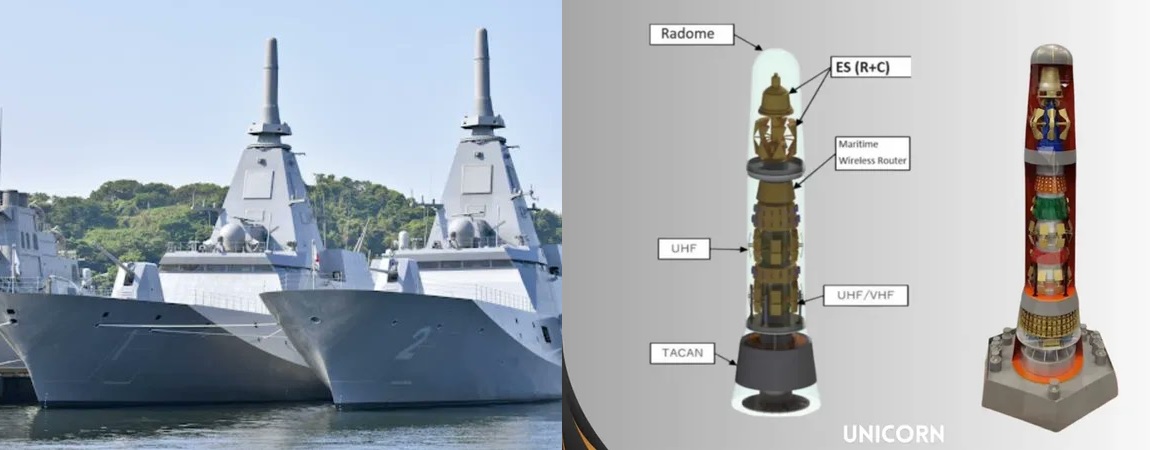
India
NEW DELHI — March 24, 2026 : According to theprint , India and Japan are nearing the finalisation of co-production and co-development arrangements for the UNICORN mast system, in what is set to become the first major joint defence manufacturing project between the two countries under their technology transfer framework. The development was outlined by Japanese Ambassador to India Ono Keiichi during remarks at the International Conference on India-Japan Cooperation in the Indo-Pacific, organised by the India Foundation in New Delhi. The envoy stated that bilateral security cooperation, particularly in the maritime domain, has matured significantly, and both countries are now focusing on enhancing interoperability across land, sea, air, and emerging technological domains. Advancing a Flagship Defence Technology Project The UNICORN (Unified Complex Radio Antenna), also known as NORA-50, represents one of the most advanced integrated naval antenna systems currently in operational use. Developed by a Japanese industrial consortium led by NEC Corporation, alongside Sampa Kogyo K.K. and The Yokohama Rubber Co., Ltd., the system has been deployed on the Japan Maritime Self-Defense Force’s Mogami-class multirole frigates. The system consolidates a wide range of communication and sensing functions—including radar-waveband omnidirectional detection, communication-waveband direction finding, Wi-Fi-band connectivity, Link 16 data links, UHF/VHF transmission and reception, Tactical Air Navigation (TACAN), and Identification Friend or Foe (IFF) response—into a single enclosed radome structure mounted on a unified mast. This design replaces the conventional arrangement of multiple exposed antennas, resulting in measurable operational advantages. Performance Gains in Stealth and Detection The UNICORN mast’s enclosed architecture significantly reduces a vessel’s radar cross-section (RCS) by eliminating external antenna clutter and enclosing systems within a fibre-reinforced plastic radome designed for low observability. This reduction in electronic signature enhances survivability by making naval platforms more difficult to detect and track. In addition, the internal configuration optimises antenna placement, reducing electromagnetic interference between systems. This improves bandwidth efficiency and enables secure, high-speed communications across multiple frequency ranges. It also enhances the maximum detection range for incoming radio-frequency signals, strengthening early warning capabilities against threats such as incoming missiles and unmanned systems. The system incorporates features such as integrated lightning protection and weather-resistant construction, improving durability in maritime environments. Its modular design allows for entire mast units to be replaced as a single component, simplifying maintenance cycles and enabling damaged units to be serviced onshore without prolonged vessel downtime. Integration into India’s Naval Capability Under the planned agreement, Bharat Electronics Limited (BEL) will co-develop and co-produce the UNICORN mast in collaboration with Japanese partners. The system is expected to be integrated into Indian Navy platforms, replacing legacy solutions such as the Advanced Composite Communication System (ACCS). The introduction of the UNICORN system is expected to provide Indian naval vessels with improved stealth characteristics, enhanced maritime domain awareness, and more robust communication capabilities. These upgrades are particularly relevant for operations in the Indo-Pacific, where electronic warfare and detection avoidance are increasingly critical. Evolution of India-Japan Defence Ties The UNICORN project builds on a defence relationship that has evolved steadily since the signing of the Agreement on Transfer of Defence Equipment and Technology (2015). Ambassador Ono noted that bilateral ties have expanded across four key pillars encompassing diplomatic, security, economic, and technological cooperation. A Memorandum of Cooperation (MoC) for the UNICORN mast was signed in November 2024, making India the second Asian country after the Philippines to enter into such an arrangement with Japan. Discussions on technology transfer were further advanced during talks between External Affairs Minister S. Jaishankar and Japan’s then Foreign Minister Toshimitsu Motegi during a visit to New Delhi in January. Economic Security and Industrial Cooperation Beyond defence manufacturing, both countries are also increasing engagement in economic security. Ambassador Ono highlighted ongoing efforts to build resilience against supply chain disruptions and economic coercion. The first business-to-business (B2B) dialogue on economic security between Indian and Japanese stakeholders is scheduled to take place later this week. Japan, under Prime Minister Sanae Takaichi, is accelerating its defence modernisation agenda. Tokyo is on track to raise defence spending to two percent of GDP by FY2026. The government is also expediting the revision of three key national security documents, aiming to complete the process one year ahead of schedule. Regional Security Context The deepening India-Japan partnership is unfolding against a backdrop of evolving security challenges in the Indo-Pacific. Ambassador Ono reiterated Japan’s concerns regarding regional stability, including the presence of a nuclear-armed North Korea and increasing strategic competition with China. Japan has maintained its position against unilateral attempts to alter the regional status quo by force. Recent tensions between Tokyo and Beijing have intensified following remarks by Prime Minister Takaichi indicating that Japan’s Self-Defense Forces (SDF) could be mobilised in the event of a contingency involving Taiwan. Although Japan, like India and many other countries, does not formally recognise Taiwan as an independent state, the comments prompted a series of responses from China. These included the deployment of naval assets, restrictions on rare earth exports, curbs on Chinese tourist travel, and the recall of two giant pandas previously loaned to Japan. Expanding Strategic Alignment Japan also reaffirmed its commitment to multilateral frameworks such as the Quad, viewing them as mechanisms to promote a free, open, and rules-based Indo-Pacific. Ambassador Ono stated that India and Japan are aligning both militarily and economically to address shared challenges, while strengthening interoperability and industrial cooperation. The finalisation of the UNICORN mast co-production agreement is expected to mark a significant step in this broader trajectory, linking advanced defence technology collaboration with long-term strategic alignment between the two countries.
Read More → Posted on 2026-03-24 16:48:30
India
NEW DELHI — March 24, 2026 : The Indian Army is progressing with a programme to convert its fleet of legacy T-72 main battle tanks into remotely operated and autonomous armoured combat platforms, aiming to extend their operational service life by 15 to 20 years beyond the planned retirement timeline beginning around 2030. The initiative targets a fleet of approximately 2,400 Soviet-origin T-72 tanks, which have formed the backbone of the Army’s armoured corps since their induction in 1979, including units licence-produced domestically. These tanks have been deployed across varied operational environments, including plains, desert sectors, and high-altitude regions such as Ladakh, as well as in overseas missions like the Indian Peacekeeping Force deployment in Sri Lanka. Programme Objective and Strategic Rationale The conversion effort is designed as a cost-effective alternative to immediate large-scale procurement of new main battle tanks, while supporting the Army’s transition toward network-centric and technology-driven warfare. By repurposing existing platforms into unmanned systems, the Army intends to maintain force levels and operational capability during the transition to future platforms such as the Future Ready Combat Vehicle (FRCV), expected to begin induction from 2030 onward. Under the plan, the upgraded T-72 platforms will be capable of operating as optionally manned or fully unmanned systems. The conversion focuses on preserving the tanks’ existing mechanical reliability while integrating advanced digital and autonomous capabilities. Operational Role and MUM-T Integration The programme is aligned with the Army’s Manned-Unmanned Teaming (MUM-T) doctrine, which integrates crewed and uncrewed systems to improve battlefield effectiveness. Within this framework, the converted T-72 units are intended to operate alongside manned platforms such as the T-90, functioning as force multipliers. Operational roles identified for the unmanned T-72 platforms include minefield entry and breaching, forward assault operations, reconnaissance patrols, and decoy missions. These roles are specifically suited for high-risk environments where reducing crew exposure is a priority. The platforms are expected to operate ahead of manned formations, absorbing initial engagement, identifying enemy positions, and enabling safer maneuvering for crewed units. The MUM-T concept, including the use of such “loyal wingman” ground systems, was validated during field exercises conducted in 2025. Development Framework and ADITI Scheme The project has moved from conceptual planning into the development phase following the release of a requirements document by Defence Minister Rajnath Singh on March 19, 2026. The programme is being executed under the fourth edition of the Acing Development of Innovative Technologies with iDEX (ADITI) scheme, part of the Ministry of Defence’s Innovations for Defence Excellence (iDEX) initiative aimed at promoting domestic defence industry participation. The Ministry has opened the programme to private defence companies and technology firms, initiating a competitive process for industry collaboration. Technical Requirements and Prototype Development According to the Army’s requirements, selected industry partners will be tasked with developing an autonomous conversion kit that enables the T-72 to operate in both optionally manned and fully unmanned modes. A key requirement is the integration of an IP-based digital interface, allowing seamless connectivity with higher-level command and control networks while retaining the platform’s core mechanical systems. The scope of development includes multiple advanced technology domains such as robotics, sensor fusion, automation, guidance, navigation, and control systems. These technologies are intended to provide situational awareness, remote operation capability, and varying degrees of autonomy. As part of the initial phase, industry participants are required to deliver two fully functional prototypes of the autonomous kit. These prototypes will undergo validation and field testing before any decision is made on large-scale retrofitting across the T-72 fleet. Current Status and Parallel Upgrades As of the release of the requirements document, no contracts have been awarded and no prototypes have been produced. The selection of industry partners and subsequent development process will proceed under the ADITI framework. In parallel with the unmanned conversion programme, the Army continues to implement upgrades to portions of the existing T-72 fleet. These include the recent installation of indigenously developed Thermal Imaging Fire Control Systems on 96 tanks, aimed at improving targeting and night-fighting capability. These upgrades are separate from the autonomous conversion effort. Role in Future Force Structure The T-72 conversion programme is positioned as an interim capability enhancement as the Army prepares for the gradual induction of next-generation armoured platforms. By extending the utility of existing assets and integrating them into a MUM-T operational architecture, the Army aims to maintain operational readiness while adapting to evolving battlefield requirements. The initiative reflects a broader shift toward incorporating unmanned systems into conventional armoured operations, with an emphasis on reducing risk to personnel and enhancing operational flexibility through technology integration.
Read More → Posted on 2026-03-24 14:19:43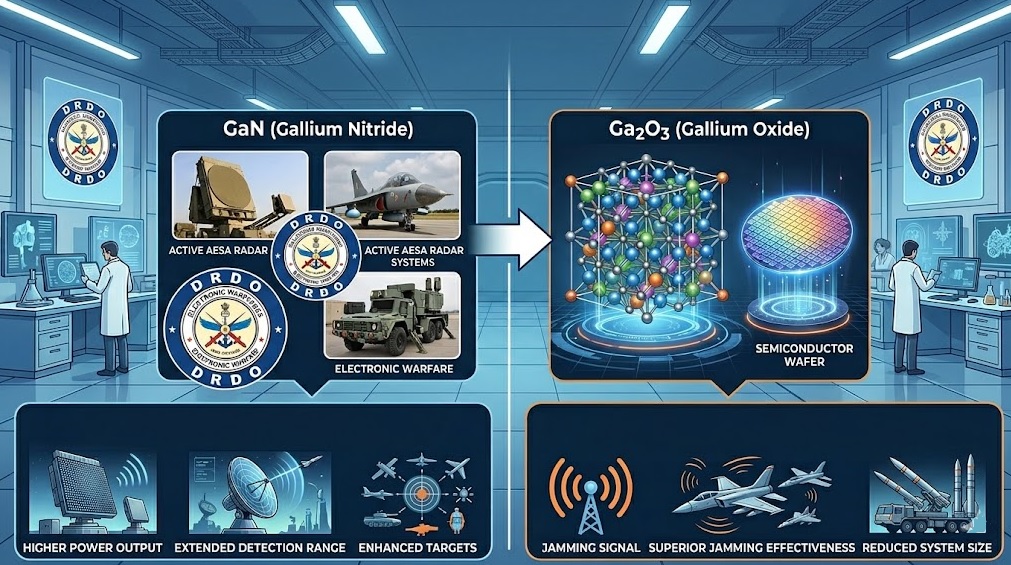
India
NEW DELHI — March 23, 2026 : India’s Defence Research and Development Organisation (DRDO) has initiated development of Gallium Oxide (Ga₂O₃) semiconductor technology for next-generation radar and electronic warfare (EW) systems, following the successful indigenisation and operational integration of Gallium Nitride (GaN) devices across multiple defense platforms. The programme is being led by the Solid State Physics Laboratory (SSPL) in Delhi and represents a transition toward ultra-wide bandgap (UWBG) semiconductor materials aimed at supporting future high-power, high-frequency defense electronics. Gallium Oxide Technology and Core Properties Gallium Oxide (Ga₂O₃) is classified as a fourth-generation ultra-wide bandgap semiconductor with a bandgap of approximately 4.8–4.9 electron volts (eV), compared with 3.4 eV for GaN and 1.1 eV for silicon. The material exhibits a critical breakdown electric field of around 8 megavolts per centimetre (MV/cm), more than double that of GaN at 3.3 MV/cm. These properties enable devices based on Ga₂O₃ to operate at higher voltages, deliver greater power density, and support more compact high-frequency radio-frequency (RF) systems. In practical terms, Ga₂O₃ is intended to enable the development of high-efficiency power amplifiers for Active Electronically Scanned Array (AESA) radars, allowing increased transmission power from smaller antenna modules and improved signal resolution. Applications in Radar and Electronic Warfare Ga₂O₃-based devices are expected to support next-generation AESA radar systems with enhanced detection capabilities, particularly against low-observable (stealth) targets. Defense estimates indicate that such systems could potentially detect and track stealth aircraft at ranges between 360 and 600 kilometers, depending on system configuration and integration. In electronic warfare applications, the material’s high power-handling capability supports wideband jamming, signal intelligence, and electronic countermeasure operations, enabling more effective disruption of adversary radar and communication systems. The technology is also applicable to space-based systems, including missile warning sensors and radiation-hardened electronics, due to its inherent resistance to high-radiation environments. Development Work and Institutional Roles The SSPL is currently focused on establishing indigenous epitaxial growth processes for Ga₂O₃ materials. These processes form the foundation for high-performance electronic and optoelectronic devices, including solar-blind ultraviolet photodetectors capable of detecting missile launches, rocket plumes, and aircraft exhaust signatures without interference from sunlight. Following material development and optimization, prototype Ga₂O₃ monolithic microwave integrated circuits (MMICs) are planned to be transferred to the Gallium Arsenide Enabling Technology Centre (GAETEC) in Hyderabad for fabrication of RF and microwave components. DRDO has also initiated collaborative programmes with academic institutions, including the Indian Institute of Technology (IIT) Ropar, focusing on process optimisation and development of thermally stable Ga₂O₃-based devices. Comparison with GaN-Based Systems GaN technology currently underpins several modern Indian radar systems, including the Uttam AESA radar, offering improved efficiency and performance over earlier gallium arsenide (GaAs)-based systems. Key comparative parameters between GaN and Ga₂O₃ include: Bandgap: GaN (3.4 eV) vs Ga₂O₃ (4.8–4.9 eV) Breakdown Field: GaN (3.3 MV/cm) vs Ga₂O₃ (~8 MV/cm) Electron Mobility: GaN (>1,500 cm²/V·s) vs Ga₂O₃ (~150–300 cm²/V·s) Thermal Conductivity: GaN (>200 W/m·K) vs Ga₂O₃ (10–27 W/m·K) While Ga₂O₃ offers superior voltage handling and power density, it has significantly lower thermal conductivity, which presents a primary engineering challenge. To address this, DRDO is evaluating advanced thermal management approaches, including integration with silicon carbide (SiC) or diamond substrates, as well as specialized packaging and cooling techniques. Manufacturing and Material Advantages Unlike GaN, which relies heavily on complex epitaxial growth processes, Ga₂O₃ can be produced using melt-growth techniques such as Czochralski and edge-defined film-fed growth (EFG) methods. These processes allow for the production of larger wafers at potentially lower cost, supporting scalability for future applications. This manufacturing advantage is expected to play a role in long-term adoption, particularly if thermal challenges are resolved. Global Development Landscape Ga₂O₃ technology remains in the research and prototyping phase globally, with no country having fielded operational radar or EW systems based on the material as of March 2026. Japan leads in material synthesis and commercialisation of α-Ga₂O₃ devices, with companies such as FLOSFIA and Novel Crystal Technology advancing large-wafer production. United States programmes, supported by the Department of Defense, DARPA, and the Air Force Research Laboratory, focus on high-voltage electronics, RF systems, and radiation-hardened devices, with companies such as Kyma Technologies involved in supply chain development. China is pursuing Ga₂O₃ for military applications, with research institutions reporting progress in crystal growth and integration aimed at compact radar systems. South Korea and Germany are developing Ga₂O₃ primarily for power electronics, with indirect applications in defense sectors. Programme Status and Outlook DRDO’s Ga₂O₃ initiative is currently in the advanced laboratory research and prototyping stage, with ongoing work focused on material purity, epitaxial growth, device architecture, and thermal management solutions. No timelines have been disclosed for transition to operational systems. The programme represents a long-term effort to develop indigenous ultra-wide bandgap semiconductor capabilities, building on existing GaN infrastructure. The transition to Ga₂O₃ is intended to position India among a limited group of countries capable of developing next-generation high-power semiconductor technologies for future radar and electronic warfare systems.
Read More → Posted on 2026-03-23 16:41:31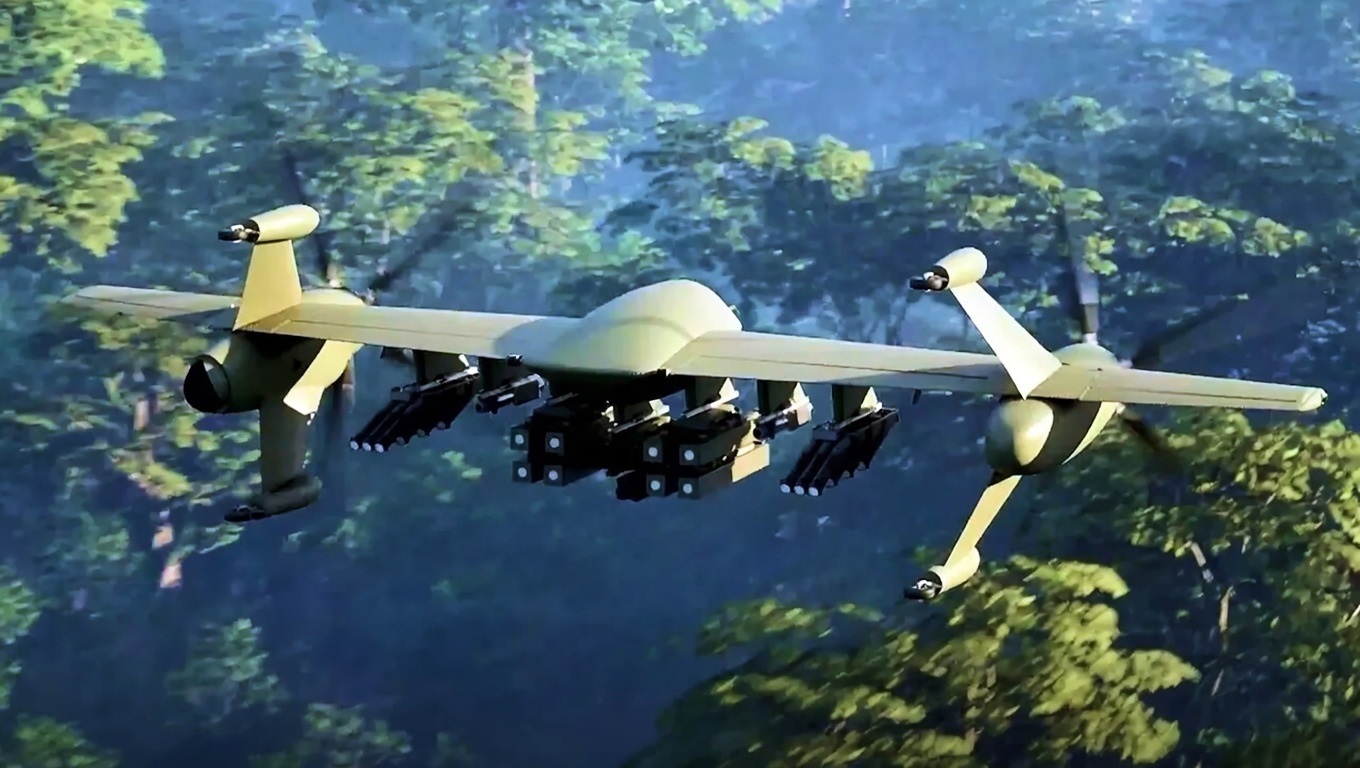
India
NEW DELHI — March 23, 2026 : The Indian Air Force (IAF) has issued a Request for Information (RFI) for the procurement of a next-generation Micro Unmanned Aerial Vehicle (UAV) system intended for high-altitude surveillance and reconnaissance operations by its Garud Special Forces unit. The requirement outlines a compact, man-portable UAV system designed to support special operations in extreme terrain, particularly at altitudes exceeding 16,000 feet. The initiative forms part of the IAF’s broader effort to enhance situational awareness, targeting capability, and operational flexibility in mountainous frontier regions. System Configuration and Portability Requirements According to the RFI, the complete Micro UAV system must be fully man-portable and optimized for rapid deployment in field conditions. The total system weight is specified at approximately 12 kg (±20 percent), with an overall load not exceeding 25 kg (±20 percent). The entire system must be packed into two all-weather tactical backpacks. Each system is required to include two aerial vehicles, rechargeable spare battery packs, one man-pack ground control system, two remote video terminals with control functionality, two electro-optical/infrared (EO/IR) stabilized gimbal payloads, one power supply and universal charging system, two RF data link sets, two carry backpacks, and a field repair kit. The UAV must support vertical take-off and landing (VTOL) from confined or unprepared terrain, enabling deployment in areas where conventional launch and recovery options are not available. Assembly and disassembly time is limited to 15 minutes, with system boot-up required within 20 seconds. A default climb profile to 30 meters is specified to ensure obstacle clearance during launch. High-Altitude Performance and Environmental Standards The UAV system is required to operate at launch altitudes up to 16,400 feet above mean sea level and achieve at least 1,700 feet above ground level during flight. Performance specifications include a mission radius of not less than 15 kilometers under line-of-sight conditions and a minimum flight endurance of 60 minutes. The system must maintain stable operation in wind speeds up to 30 km/h during vertical take-off and landing and up to 50 km/h during flight. Environmental resilience requirements include compliance with IP56 standards for dust and drizzle resistance. The UAV must operate within a temperature range of minus 20°C to plus 50°C and be capable of storage between minus 30°C and plus 55°C, with relative humidity tolerance up to 90 percent at 30°C. Acoustic signature is limited to below 40 dB(A) at 300 meters above ground level. The system must meet military standards including MIL-STD-461 and MIL-STD-810 for electromagnetic compatibility, environmental durability, and operational stress. Sensor Payload and Detection Capabilities The UAV is required to carry a compact, stabilized EO/IR gimbal payload for day and night operations. The day camera must provide full HD resolution (minimum 1920 × 1080), with continuous optical zoom of at least 30x, a wide field of view of at least 28 degrees, and a narrow field of view not exceeding 2 degrees. The system must be capable of identifying human targets at distances up to 1,000 meters during daylight and 800 meters at night. Vehicle targets must be identifiable at up to 1,500 meters during daylight and 1,200 meters at night. The infrared sensor must offer a minimum resolution of 640 × 480 pixels, with at least 4x optical zoom to support night-time surveillance. Onboard Processing and Software Integration The RFI specifies onboard GPU-based processing capabilities to enable real-time video analytics, including automated target tracking, moving target indication, and autonomous engagement modes. The system must support simultaneous streaming of EO and IR feeds and provide onboard video recording capacity of up to eight hours. Software integration requirements include compatibility with defense geospatial systems, including WGS-84 datum and Indian Military Grid Reference formats. The UAV must feature modular architecture, built-in test equipment, and software upgradability in accordance with Government of India IT policies. Communication and Electronic Warfare Resilience The UAV system must incorporate secure, encrypted, military-grade RF data links capable of operating in GPS-denied and electronically contested environments. The communication system must be resistant to jamming and support seamless control transfer between ground control stations and remote video terminals. Ground control systems and terminals must be ruggedized and capable of sustained field operations, with sufficient battery endurance to support extended missions. Lifecycle, Training, and Support Requirements The UAV platform must have an operational life of at least seven years or 500 landings, whichever occurs earlier, with a system shelf life of 10 years. Ground control systems, payloads, and communication equipment are also required to meet a minimum operational life of seven years. Battery systems must support at least two years of service or 1,000 recharge cycles. The procurement includes a training requirement for 30 operator personnel and 30 maintenance personnel, to be conducted in two batches over two weeks each. Training must include sufficient flight instruction to qualify personnel to train others. Procurement Framework and Timeline The RFI is issued under the Defence Acquisition Procedure 2020, with procurement categorized under “Buy (Indian)” and requiring a minimum of 60 percent indigenous content. Responses are invited from original equipment manufacturers and authorized representatives, with submissions due by April 20, 2026, to the Directorate of Operations (Offensive)/Garud at Air Headquarters. The RFI does not constitute a financial commitment, and the Ministry of Defence retains the right to amend or withdraw the requirement. Shortlisted vendors will be invited for subsequent stages, including request for proposal issuance and “No Cost No Commitment” field trials in high-altitude and extreme-weather conditions. Operational Context The requirement reflects the Indian Air Force’s ongoing effort to expand unmanned capabilities tailored to special operations forces operating in high-altitude regions such as the Line of Actual Control (LAC) and Line of Control (LoC). By deploying compact, intelligent UAV systems, the IAF aims to enhance reconnaissance reach, improve targeting precision, and reduce operational risk for personnel operating in challenging terrain.
Read More → Posted on 2026-03-23 15:51:30
India
NEW DELHI — March 22, 2026 : India’s Defence Research and Development Organisation, in collaboration with Bharat Electronics Limited, has completed the first development trials of Project Kusha, marking a transition from preliminary design and ground validation to the next phase of flight testing for the indigenous long-range air defence system. The milestone, reported by Times Now and supported by official updates, represents a key step in advancing India’s domestic extended-range air defence capabilities under the Extended Range Air Defence System (ERADS) programme. System Overview and Operational Role Project Kusha is designed as a multi-layered, network-centric air defence system capable of protecting military bases, strategic infrastructure, and major urban centres from a wide spectrum of aerial threats. These include fighter aircraft, stealth platforms, cruise missiles, tactical ballistic missiles, drones, and airborne early warning and control (AEW&C) systems. The system architecture incorporates advanced active electronically scanned array (AESA) radars, enabling simultaneous tracking of multiple targets, automated threat prioritisation, and coordinated missile engagements. This allows the creation of overlapping engagement zones, increasing defensive depth and reducing adversary operational flexibility. Three-Tier Interceptor Structure Project Kusha is built around a family of three interceptor missiles, each designed for distinct engagement ranges and threat profiles: M1 Interceptor : The short-to-medium range variant, designed for engagements in the 100–150 kilometre range, targets tactical aircraft, precision-guided munitions, and low-flying threats. Initial development trials, including structural fabrication and subsystem validation, have been successfully completed. The system is now preparing for imminent flight testing, including validation of its dual-pulse solid rocket motor. M2 Interceptor : The mid-tier interceptor extends coverage to approximately 250 kilometres, bridging medium- and long-range defence requirements. Development efforts are focused on enhancing propulsion efficiency and integrating advanced radar seekers to counter high-speed and manoeuvring targets. M3 Interceptor : The long-range variant is designed for engagements beyond 350 kilometres, potentially reaching up to 400 kilometres under optimised conditions. It is intended to neutralise high-value airborne assets, including strategic bombers, reconnaissance platforms, and certain ballistic threats at extended stand-off distances. The phased development ensures that all three layers operate in a complementary and redundant configuration, strengthening survivability and interception reliability. Development Progress and Industrial Role The initial development trials covered fabrication, subsystem integration, and ground-based validation of key components. With these milestones achieved, the programme is transitioning toward flight evaluations, beginning with the M1 interceptor in the near term. Project Kusha was approved by the Cabinet Committee on Security in May 2022, followed by an Acceptance of Necessity (AoN) issued by the Ministry of Defence in September 2023 for the procurement of five squadrons for the Indian Air Force, at an estimated cost of ₹21,700 crore (approximately $2.6 billion). Subsequent planning has expanded the projected requirement to up to eight squadrons, with overall programme costs estimated at around ₹40,000 crore. Bharat Dynamics Limited, along with BEL, is responsible for manufacturing, system integration, and scaling production infrastructure. Timeline and Induction Plans Following the completion of initial trials, flight testing of the M1 interceptor is expected in the coming months of 2026. Progressive testing of the M2 and M3 variants is planned through 2027 and 2028, followed by user trials conducted by the Indian Air Force. Initial operational capability for the M1 variant is projected by 2028, while full deployment of the complete three-tier system is targeted around 2030. Defence officials have indicated that early testing results have been positive, supporting confidence in the programme’s transition into advanced development stages. Integration with Mission Sudarshan Chakra Project Kusha is a central component of Mission Sudarshan Chakra, India’s planned nationwide, AI-enabled, multi-layered air defence network, announced by Prime Minister Narendra Modi on August 15, 2025. The initiative aims to integrate multiple systems into a unified architecture, including Akash-NG, Quick Reaction Surface-to-Air Missile (QRSAM), Very Short-Range Air Defence (VSHORAD) systems, as well as existing platforms such as Barak-8 and the S-400 (locally designated Sudarshan Chakra). The framework is designed to incorporate space-based surveillance, AI-driven decision-making, and future directed-energy systems, enabling real-time threat detection, tracking, and response across multiple domains. Strategic and Industrial Implications Project Kusha reflects India’s broader objective of achieving self-reliance in defence manufacturing and reducing dependence on imported systems. By developing an indigenous long-range air defence capability comparable to advanced global systems, India aims to strengthen its strategic autonomy and ensure control over critical technologies and supply chains. The programme is also expected to create opportunities for future exports of advanced air defence systems to partner nations, subject to operational maturity and policy approvals. In addition, a naval variant of the system is under consideration for integration with future warships, including planned destroyers under Project 18. The progression of Project Kusha into flight testing marks a significant stage in India’s long-term effort to build a comprehensive and layered air and missile defence capability aligned with evolving threat environments.
Read More → Posted on 2026-03-22 15:34:38
India
BENGALURU / RAMANAGAR — March 20, 2026 : The Defence Research and Development Organisation (DRDO) has released a Request for Information (RFI) through its Gas Turbine Research Establishment (GTRE) to establish the National Aero Engine Test Complex (NAETC). The proposed facility will be located in Raman Nagar, Karnataka, and is intended to provide India with comprehensive, independent ground-based testing infrastructure for aero engines and their critical sub-systems. The NAETC will comprise the following specialised test facilities: High Altitude Engine Test Facility – Simulates extreme high-altitude conditions (low pressure, low temperature, reduced oxygen) to evaluate engine starting, relight, performance, surge margin, and stability without requiring actual high-altitude flight tests. Fan and Compressor Test Facility – Dedicated to aerodynamic and mechanical performance assessment of fan and compressor stages, including efficiency, pressure ratio, surge/stall characteristics, and blade vibration. Combustor Test Facility – Enables detailed testing of combustion chambers for fuel-air mixing, flame stability, combustion efficiency, emissions, liner durability, and heat transfer under realistic operating conditions. Turbine Test Facility – Focuses on turbine stage performance, cooling effectiveness, aerodynamic efficiency, material behaviour under high thermal and centrifugal loads, and creep/fatigue evaluation. Afterburner Test Facility – Specifically designed for testing afterburner systems, measuring thrust augmentation, combustion stability, infrared signature, thermal management, and durability during reheat operation. The establishment of the NAETC marks a significant step toward self-reliance in aero-engine development and certification. At present, India depends on foreign test facilities—particularly in Russia, France, and the United States—for certain high-altitude, afterburner, and advanced sub-system trials. This reliance has contributed to delays in key indigenous programs. The facility will directly support ongoing and future propulsion initiatives, most notably the Kaveri engine programme. The dry variant (Kaveri Derivative Engine / KDE), producing approximately 49–51 kN of thrust, has already undergone extensive ground runs, high-altitude simulation tests in Russia, and limited flight evaluations. Parallel efforts are advancing an afterburning configuration, commonly referred to as Kaveri 2.0 or the afterburning Kaveri variant. In February 2026, Defence Minister Rajnath Singh witnessed a successful full afterburner ignition and operation test of the Kaveri derivative engine at GTRE Bengaluru. Following multiple design iterations, material improvements (including enhanced single-crystal turbine blades and advanced thermal barrier coatings), and integration of a new afterburner module developed with industry partners such as BrahMos Aerospace, the engine demonstrated thrust in the 80–83 kN range during afterburning mode. This positions the afterburning Kaveri 2.0 closer to the thrust class of contemporary fighter engines like the GE F404 (used in Tejas Mk1A) and opens the possibility of future integration into manned fighter platforms after additional qualification and flight testing. Only a limited number of countries possess fully integrated, state-of-the-art aero-engine test complexes that include all these capabilities in a single ecosystem: United States – Extensive infrastructure at the Arnold Engineering Development Complex (AEDC), with large high-altitude simulation cells and specialised component rigs. France – Advanced altitude and propulsion test facilities at CEPr (Centre d’Essais des Propulseurs). Russia – Long-established high-altitude simulation chambers and component test beds. China – Rapidly expanded high-altitude simulation platforms and large-scale test complexes in recent years. United Kingdom and Germany – Sophisticated test infrastructure operated by industry (e.g., Rolls-Royce) and research organisations. The NAETC will enable faster design validation, reduce the financial and logistical burden of overseas testing, shorten certification timelines, allow greater control over proprietary technologies, and strengthen national security in a strategically sensitive domain. It will benefit multiple programmes, including further maturation of the Kaveri family, development of next-generation high-thrust engines for the Advanced Medium Combat Aircraft (AMCA), and other military propulsion requirements. The RFI invites detailed responses from Indian companies, global original equipment manufacturers (OEMs), specialised test-facility integrators, joint ventures, and consortia with proven experience in building advanced aero-engine test infrastructure. Industry submissions, initially due in mid-June following the RFI release, will help refine technical specifications, cost estimates, and implementation models. Subsequent steps include stakeholder consultations and progression toward formal procurement, contingent on Defence Acquisition Council approval. This project forms part of India’s broader push for Atmanirbhar Bharat in defence aviation and aligns with parallel international cooperation efforts, including the National Aero Engine Mission, engagements with France, and joint studies with the United Kingdom, aimed at building sustained capability in aero-propulsion technologies.
Read More → Posted on 2026-03-20 17:26:20Search
Top Trending in 24 Hours
-
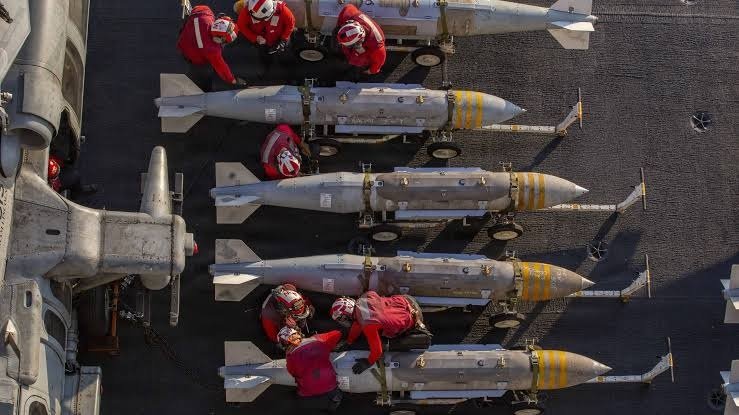 Pentagon Inspector General Report Finds Iran War Caused U.S. Ammunition Shortfalls and Industrial Bottlenecks
-
 Satellite Imagery Shows Extensive Damage to Saudi Arabia’s East-West Oil Pipeline, Indicating More Than a Single Strike
-
 U.S. Navy Awards Boeing $562 Million Contract for First Production MQ-25A Stingray Tanker Drones
-
 Pentagon and Honeywell Complete Four-Hour Pacific Flight Using Quantum Magnetic Navigation Without GPS
-
 U.S. Air Force Special Operations Command Clears AGM-190A Havoc Spear for Wider Service After Combat Evaluation in Africa
-
 U.S. Confirms Deployment of On-Orbit Space Control Weapons for First Time
-
 Japan Air Self-Defense Force Loses Contact With Global Hawk Surveillance Drone Off Tottori Coast; Aircraft Presumed Crashed
-
 China Builds New Shanghai Vessel to Serve as Mothership for Large Uncrewed Submarines
Top Trending in 4 Days
-
 Satellite Imagery Shows Heavy Damage to Saudi East–West Oil Pipeline Pumping Stations
-
 U.S. Air Force Awards Antares $161 Million to Develop Nuclear Reactor for Spacecraft
-
 Pentagon Awards BlueHalo Up to $99.8 Million Contract for Orbital Battlespace R&D Program
-
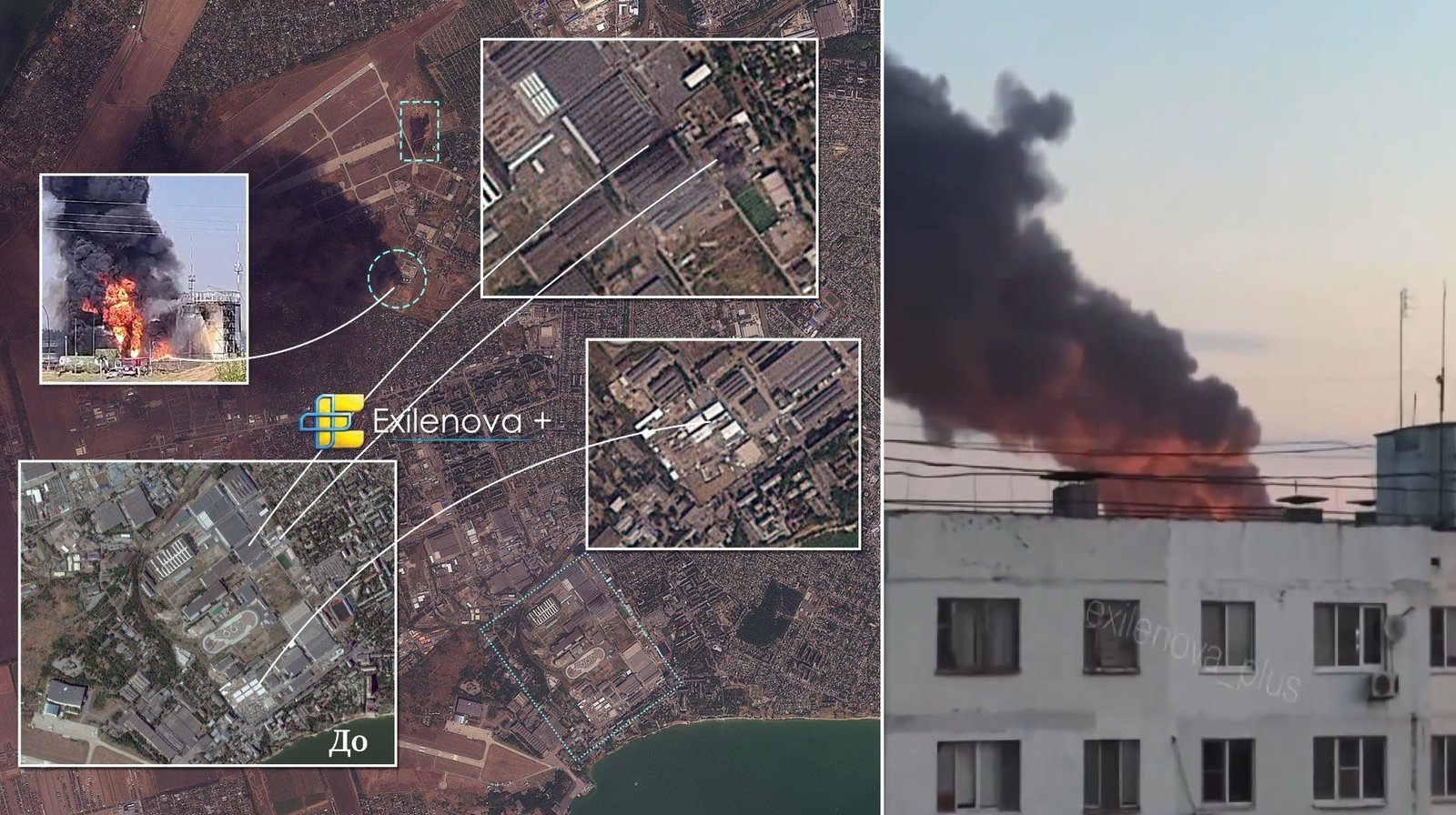 Ukrainian Drones Strike Russian UAV Manufacturer and Chemical Plants in Taganrog and Tolyatti
-
 U.S. Officials Link Chinese Satellite Imagery to Iranian Strike That Killed Three American Soldiers in Jordan
-
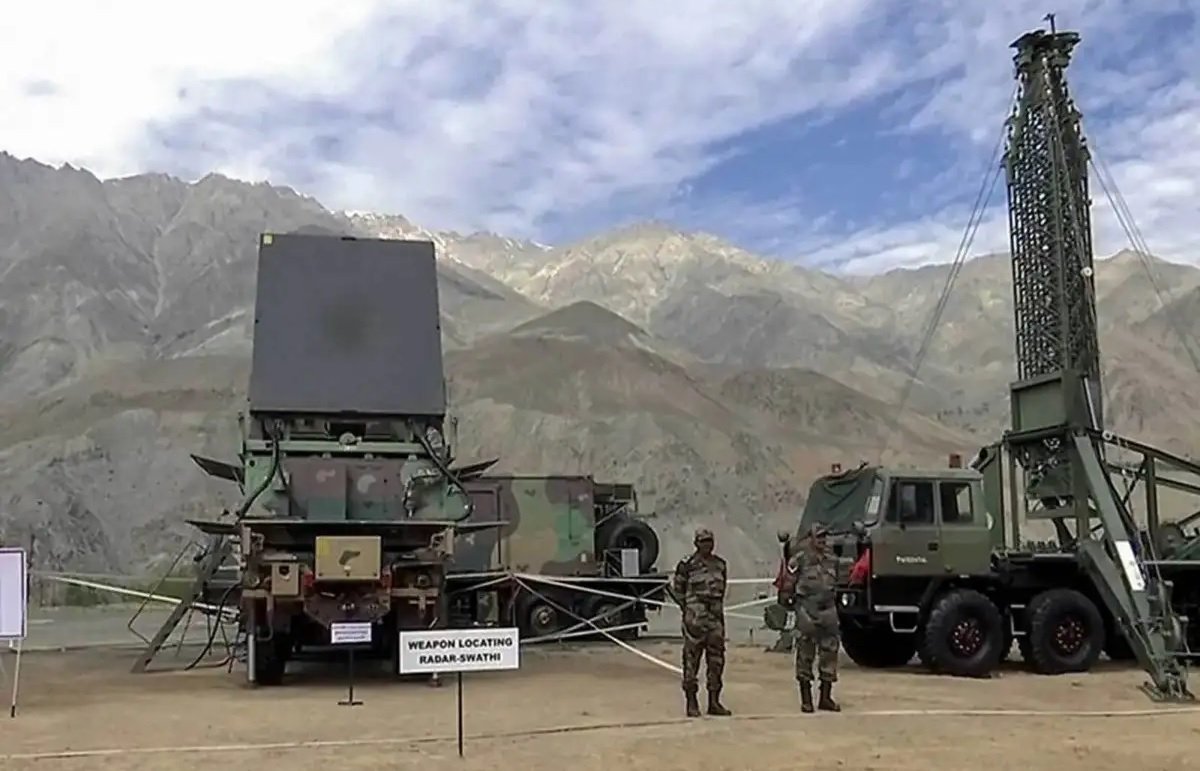 DRDO Demonstrates Indigenous 3.5×3 mm GaN Chip Delivering 30 Watts for Next-Generation Radars and Electronic Warfare
-
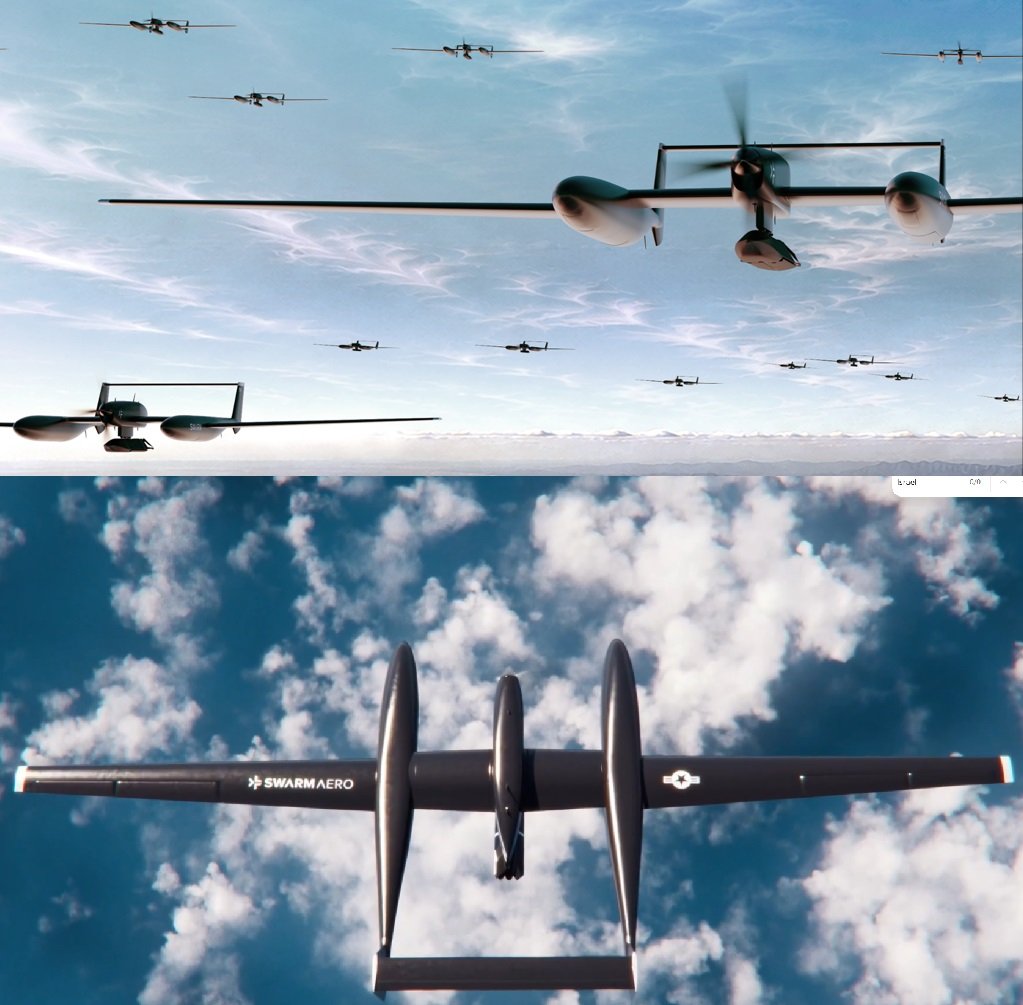 U.S. Firm Swarm Aero Unveils Gamera Group 5 UAS With 9,000-Nautical-Mile Range and Heavy Strike Payload
-
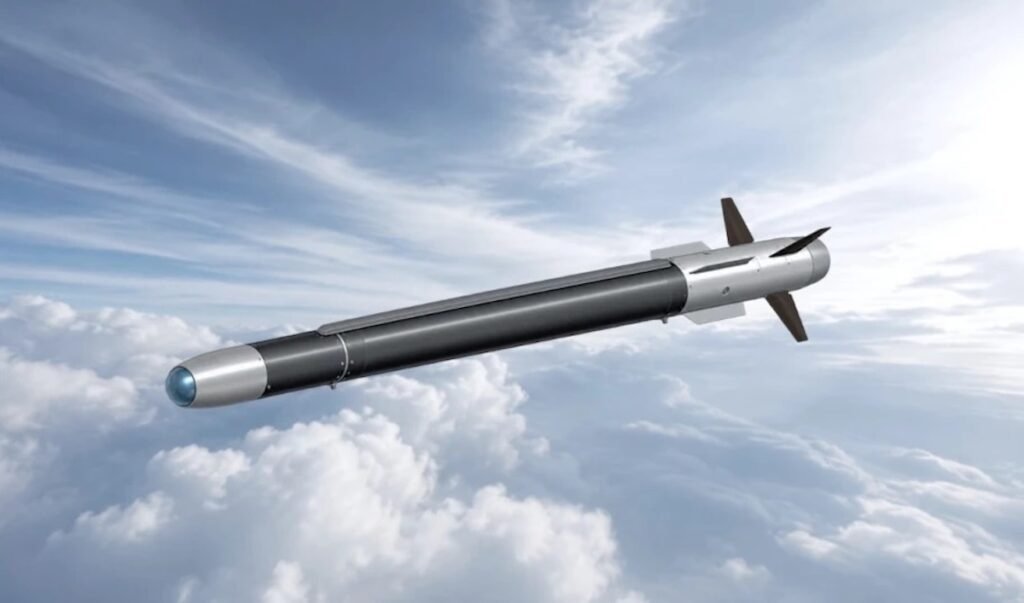 MBDA and Poland’s WITU Advance Low-Cost Supersonic Interceptor Against Swarm Attacks, Seeker Trials Successfully Completed