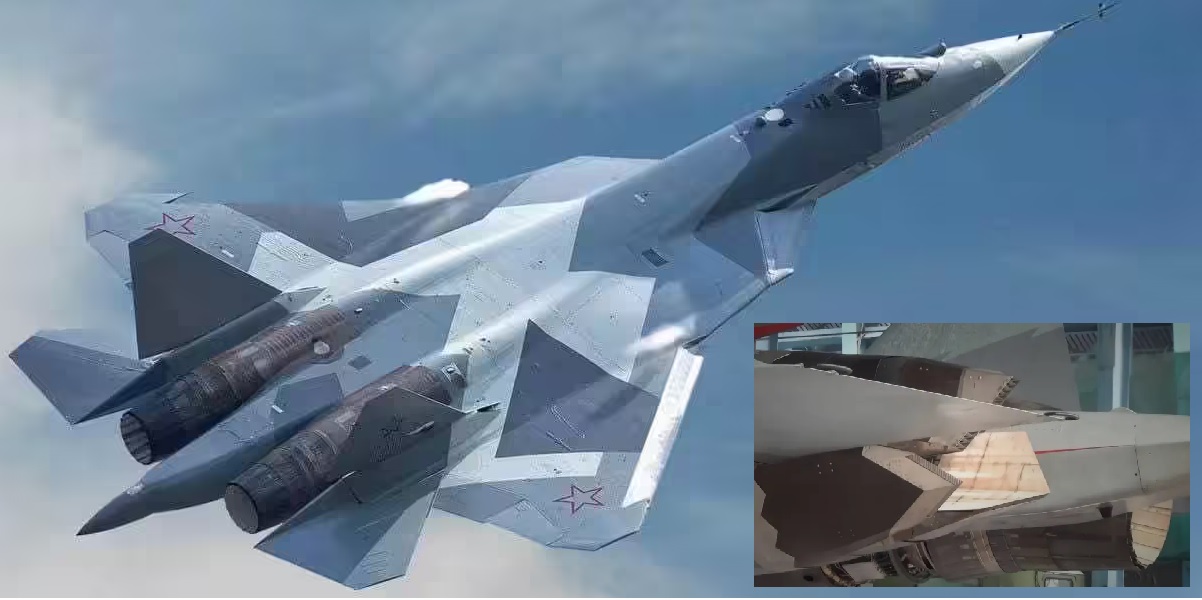
India to Procure Initial Su-57 Fighters Off-the-Shelf While Awaiting Su-57M1 for Licensed Production
India
NEW DELHI — April 19, 2026 : India’s Ministry of Defence has finalised contracts to procure Su-57 fifth-generation fighter aircraft from Russia, adopting a phased acquisition strategy that combines immediate off-the-shelf purchases with long-term licensed production of an upgraded variant. The decision follows confirmation by Russia’s state arms exporter, Rosoboronexport, that multiple countries have placed orders for the Su-57, with Algeria already receiving deliveries beginning in late 2025 and additional interest reported from Iran. Two-Phase Acquisition Plan According to defence sources, India is evaluating the near-term procurement of approximately 40 baseline Su-57 fighters to rapidly strengthen the Indian Air Force’s frontline capabilities. These aircraft will be sourced directly from Russia while negotiations for local production continue. The approach mirrors India’s late-1990s acquisition of Su-30MK fighters, which were inducted ahead of the more advanced Su-30MKI variant that later entered licensed production in the early 2000s. In January 2026, the Ministry confirmed that discussions on licensed production of the Su-57 had reached an advanced technical stage. However, large-scale domestic manufacturing is expected to proceed only after the improved Su-57M1 variant becomes available for export. Transition to Su-57M1 Variant The Indian Air Force is expected to procure the enhanced Su-57M1 in significant numbers under a future license production agreement. The interim induction of baseline aircraft is intended to familiarise pilots, engineers, and maintenance personnel with the platform before transitioning to the upgraded version. The Su-57M1 incorporates major technological improvements over the current model. Central to the upgrade is the AL-51F-1 engine (Izdeliye 30), which enables sustained supersonic flight without afterburners while improving thrust, fuel efficiency, and maintenance cycles. The engine is assessed to provide performance exceeding the U.S. F-22 and comparable to China’s J-20. Additional enhancements include a widened airframe for improved lift and supersonic stability, a flatter fuselage and redesigned internal weapon bays to reduce radar and infrared signatures, and a new primary sensor replacing the N036 AESA radar. The aircraft will also feature AI-assisted avionics, an advanced helmet-mounted targeting system, and compatibility with the Izdeliye-810 hypersonic air-to-air missile, capable of speeds of Mach 6–7 and a range of approximately 300 kilometres. Strategic Context India’s move comes amid a widening capability gap with China’s expanding fleet of J-20 stealth fighters and the Pakistan Air Force’s induction of J-10C aircraft. With U.S. F-35 fighters and Chinese platforms excluded for political and strategic reasons, the Su-57 remains India’s only near-term option for acquiring a fifth-generation combat aircraft. The urgency is further reinforced by delays in India’s indigenous Advanced Medium Combat Aircraft (AMCA) programme, which is now projected to enter service in the 2040s. Technology Transfer and Local Production The long-term plan involves using the Su-57M1 as the baseline for a heavily customised Indian variant, potentially incorporating indigenous avionics, local subsystems, and a twin-seat configuration. This model is expected to follow the trajectory of the Su-30MKI programme, under which more than 270 aircraft were produced. Russia has reportedly offered extensive technology transfer to support the deal. In June 2025, the Russian Defence Ministry proposed providing full access to the aircraft’s source code. In December 2025, Dmitry Shugayev, Director of the Federal Service for Military-Technical Cooperation, indicated the possibility of a joint development programme for an India-specific variant. Hindustan Aeronautics Limited (HAL) has assessed that approximately 50 percent of its existing infrastructure can support Su-57 production, though additional investments will be required. Russia has proposed manufacturing at least 100 aircraft in India, including at HAL’s Nashik facility. Industrial and Export Outlook The proposed collaboration could provide India with partial ownership of key technologies, enabling future export opportunities. Defence analysts note that a customised Su-57M1 variant developed jointly by India and Russia could be positioned competitively in international markets. India’s procurement strategy is therefore structured to address immediate operational requirements while establishing a foundation for long-term domestic production and technological integration.
Read More → Posted on 2026-04-19 14:32:09
India
NEW DELHI / MUSCAT — April 18, 2026 : India’s Ministry of External Affairs (MEA) on Saturday summoned Iran’s Ambassador to India, Dr. Mohammad Fathali, and lodged a formal protest following firing incidents involving two Indian-flagged commercial vessels in the Strait of Hormuz. The developments occurred amid Iran’s decision to reimpose restrictions on maritime transit through the strategic waterway. Incidents Reported on April 18 According to the United Kingdom Maritime Trade Operations (UKMTO), two separate security incidents were recorded on April 18, 2026, in waters northeast of Oman. At 09:20 UTC, approximately 20 nautical miles northeast of Oman, a tanker reported being approached by two gunboats belonging to Iran’s Islamic Revolutionary Guard Corps (IRGC) Navy. The vessels reportedly did not establish communication via VHF radio before opening fire. The tanker and its crew were reported safe, and an investigation is ongoing. At 11:25 UTC, around 25 nautical miles northeast of Oman, a container ship reported being struck by an unidentified projectile. The incident caused damage to cargo containers onboard. No fire or injuries were reported. Maritime tracking service TankerTrackers.com and ship tracking data indicated that the vessels involved in these incidents were Indian-flagged. Indian-Flagged Vessels Identified The two Indian vessels directly affected were identified as: Sanmar Herald (IMO 9330563), a Very Large Crude Carrier (VLCC) owned by Chennai-based Sanmar Shipping, carrying approximately 2 million barrels of Iraqi crude oil. Jag Arnav (IMO 9705354), a bulk carrier owned by Mumbai-based Great Eastern Shipping Company. Both vessels had reportedly received clearance to transit the Strait of Hormuz before being intercepted by IRGC Navy gunboats. Warning fire was directed at the vessels, forcing them to abort their passage and turn back westward into the Persian Gulf. No damage or injuries were reported on either vessel. An audio transmission recorded on maritime Channel 16 from the Sanmar Herald was released by TankerTrackers.com. In the recording, the vessel’s master is heard stating:“Sepah Navy! Motor Tanker Sanmar Herald! You gave me clearance to go. My name second on your list. You gave me clearance to go. You are firing now! Let me turn back!” Additional Indian Shipping Affected Ship tracking data further indicated that multiple Indian-flagged vessels altered course following the incidents. These included: Desh Vaibhav and Desh Vibhor, both operated by the state-owned Shipping Corporation of India. Additional vessels, including Desh Suraksha, were also reported to have turned back after the firing incidents. At least four Indian-flagged ships reversed course after Iran announced renewed restrictions on transit through the strait. One Indian tanker, Desh Garima, had successfully transited earlier in the day before the enforcement measures were reinstated. At the time of the incidents, approximately 14 Indian-flagged vessels were reported to be present in the Persian Gulf. Diplomatic Response from India During the meeting at the MEA in New Delhi, Foreign Secretary Vikram Misri conveyed India’s “deep concern” regarding the firing on Indian merchant vessels. The Indian government emphasized the safety of its seafarers and reiterated that the Strait of Hormuz constitutes an international trade route that should remain open to all commercial shipping. India urged that vessels bound for Indian ports be allowed safe passage through the strait. The MEA stated that the protest was conveyed in the “strongest terms,” though further details of the diplomatic exchange were not disclosed. Iran Reimposes Strait Restrictions The incidents followed Iran’s announcement on April 18, 2026, that the Strait of Hormuz had returned to its previous operational status under the control of its armed forces, effectively restricting civilian maritime traffic. Earlier, on April 8, Iranian Foreign Minister Abbas Araghchi had stated that the strait would remain open to commercial vessels following a ceasefire in Lebanon that came into effect on April 16. However, transit was limited to routes approved by Iran’s Ports and Maritime Organization due to the presence of previously laid sea mines that had not been fully cleared. Iran’s decision to reimpose restrictions was linked to ongoing tensions with the United States. On April 16, the United States expanded its naval blockade measures targeting Iranian and sanctioned vessels globally. Iranian authorities cited these actions as the basis for restoring stricter control over maritime access in the strait. Radio broadcasts from Iranian forces were reported to have informed civilian vessels that the strait had been closed again and that vessel movement was prohibited without authorization. Impact on Maritime Traffic The Strait of Hormuz remains a critical global energy corridor, handling a significant share of international crude oil shipments. Following the incidents, multiple commercial vessels, including Indian-flagged ships, were reported to have halted movement or anchored in nearby waters awaiting further clarity. No casualties or confirmed structural damage to the Indian-flagged vessels involved in the April 18 incidents were reported by UKMTO or maritime tracking sources.
Read More → Posted on 2026-04-18 17:36:01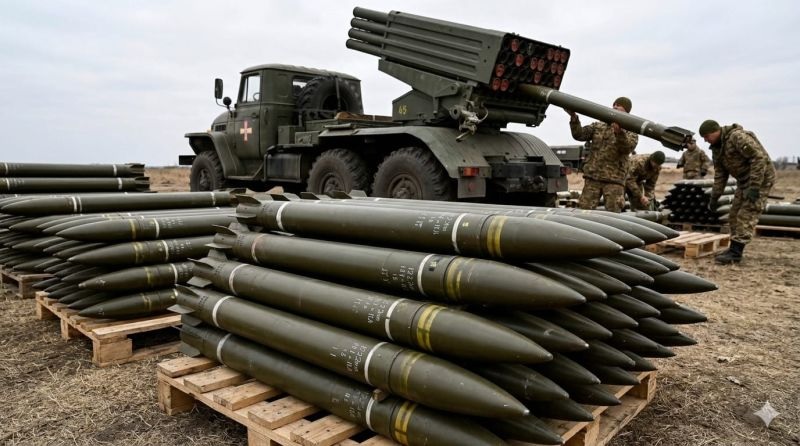
India
NOIDA, UTTAR PRADESH — April 18, 2026 : Brahmastra Explosives and Ammunition Private Limited has announced the immediate availability of its 122mm GRAD rockets with an extended operational range of up to 40 kilometers. The Noida-based defense manufacturer stated that the munitions are ready for supply to address both urgent operational requirements and long-term procurement demands from domestic and international customers. The company confirmed that availability is subject to prior sale and existing inventory conditions. Interested buyers have been advised to contact the firm directly for detailed technical specifications, pricing structures, and delivery timelines. System Compatibility and Technical Characteristics The 122mm GRAD rockets are designed for deployment across standard Multiple Launch Rocket Systems (MLRS), including the widely used BM-21 Grad platform and its derivatives. The extended-range variant offers a maximum reach of 40 kilometers, representing a significant increase over legacy configurations that typically operate within a 20 to 30 kilometer range. In addition to the extended-range system, Brahmastra Explosives continues to manufacture the standard 20-kilometer variant of the 122mm GRAD rocket, ensuring availability across different operational requirements. The rockets are configured as High-Explosive Fragmentation (HE-Frag) munitions. They are intended for targeting personnel concentrations, field fortifications, lightly armored vehicles, and for breaching minefields. Flight stability is achieved through a combination of fin and spin stabilization mechanisms, supporting trajectory consistency over extended distances. Manufacturing Capacity and Supply Chain Brahmastra Explosives and Ammunition stated that it has secured manufacturing arrangements with its original equipment manufacturer (OEM) partners. These arrangements are intended to ensure consistent production output and supply chain reliability. The company emphasized that its current inventory is positioned for immediate deployment, enabling rapid fulfillment of operational requirements where needed. Strategic Partnerships and International Agreements The company’s production and technology capabilities are supported by two key agreements concluded in early 2026. In February 2026, Brahmastra Explosives signed an exclusive business and technical cooperation agreement with Holding Corporation Krušik, a Serbian state-owned defense manufacturer established in 1939. Under this arrangement, Brahmastra is responsible for domestic sales, localization, and product development aligned with Indian armed forces requirements, while Krušik provides technical expertise and operational support. The agreement includes provisions for technology transfer and joint development of ammunition and related defense systems. Additionally, during the World Defence Show 2026 in Riyadh, the company entered into a partnership with Nadrah Trading Company of Saudi Arabia. This agreement focuses on facilitating defense market advisory services, coordinating tenders, and supporting engagement with end users within the Kingdom of Saudi Arabia, thereby strengthening Brahmastra’s access to international markets. Role in Domestic Defence Manufacturing The indigenous production of 122mm GRAD rockets contributes to the Indian Army’s artillery capabilities, where such systems have long been used for area saturation roles. Domestic manufacturing reduces dependence on external suppliers, supports quality control, and enables scalable production based on operational requirements. The company also noted that localized production opens opportunities for export to countries that operate 122mm GRAD-compatible systems, expanding India’s presence in the global defense supply chain.
Read More → Posted on 2026-04-18 17:06:05
India
Moscow/New Delhi, — April 18, 2026 : India and Russia have published the full text of an intergovernmental agreement governing the procedures for the reciprocal deployment of military formations, warships and military aircraft, along with provisions for technical and logistical support. The document appeared on Russia’s official legal information portal on April 17, 2026, bringing into the public domain a framework that had already entered into force earlier this year. The agreement, formally titled the Reciprocal Exchange of Logistics Support (RELOS), establishes standardized procedures for dispatching and hosting military units between the two countries during authorised activities. It defines the administrative, logistical and operational arrangements required when forces of one country are temporarily present on the territory or within the airspace of the other. Deployment Limits and Operational Scope According to the published document, unless otherwise agreed by both sides, the number of deployed assets at any one time is capped at five warships, 10 military aircraft and up to 3,000 military personnel from the sending state. These limits apply both to the physical territory and the airspace of the receiving state. The agreement allows visiting forces to utilise ports, airspace and airfield infrastructure, with clearly defined procedures governing access, movement and support. It does not establish any provisions for permanent basing, and all deployments are explicitly temporary and limited to agreed purposes. Logistical and Technical Support Framework The RELOS agreement outlines comprehensive support mechanisms to be provided by the host country. These include accommodation, transportation and medical services for personnel, as well as the supply of food, water and electricity. It also covers fuel, lubricants, spare parts and maintenance services for deployed military equipment. For naval deployments, the agreement provides for port services, berthing arrangements and access to repair facilities. These provisions are intended to ensure continuity of operations during joint activities without the need for case-by-case negotiations. Application Areas The procedures established under the agreement apply to a range of activities, including joint military exercises and training programmes, humanitarian assistance missions, and operations related to the mitigation of natural disasters and man-made catastrophes. The framework also allows for its use in other situations as may be mutually agreed by India and Russia. Strategic and Operational Implications By formalising logistics support arrangements, the agreement is expected to streamline operational coordination between the armed forces of both countries. It removes procedural delays related to refuelling, resupply and maintenance during overseas deployments. For India, the framework facilitates logistical support for long-range naval and air operations, particularly in extended regions such as the Indo-Pacific. It also supports India’s scientific and civilian activities in the Arctic by enabling access to Russian infrastructure and ports. For Russia, the agreement provides structured access to logistical facilities in the Indian Ocean region, supporting the sustainment and mobility of its naval and air assets operating in that region. Timeline and Legal Status Discussions on such a framework date back to 2018. The agreement was formally signed in Moscow on February 18, 2025. Russia ratified the document through Federal Law No. 458-FZ on December 15, 2025, signed by President Vladimir Putin. The agreement entered into force on January 12, 2026. Its publication on April 17, 2026, marks the first time the detailed provisions, including deployment limits and operational procedures, have been made publicly accessible. Duration and Extension Clause The RELOS agreement is valid for an initial period of five years. It includes a provision for automatic renewal for successive five-year terms unless either party decides to terminate it in accordance with the procedures outlined in the document. Overall, the agreement codifies existing patterns of defence cooperation between India and Russia by introducing a structured and predictable framework for logistical support and temporary deployments during authorised bilateral activities.
Read More → Posted on 2026-04-18 13:47:05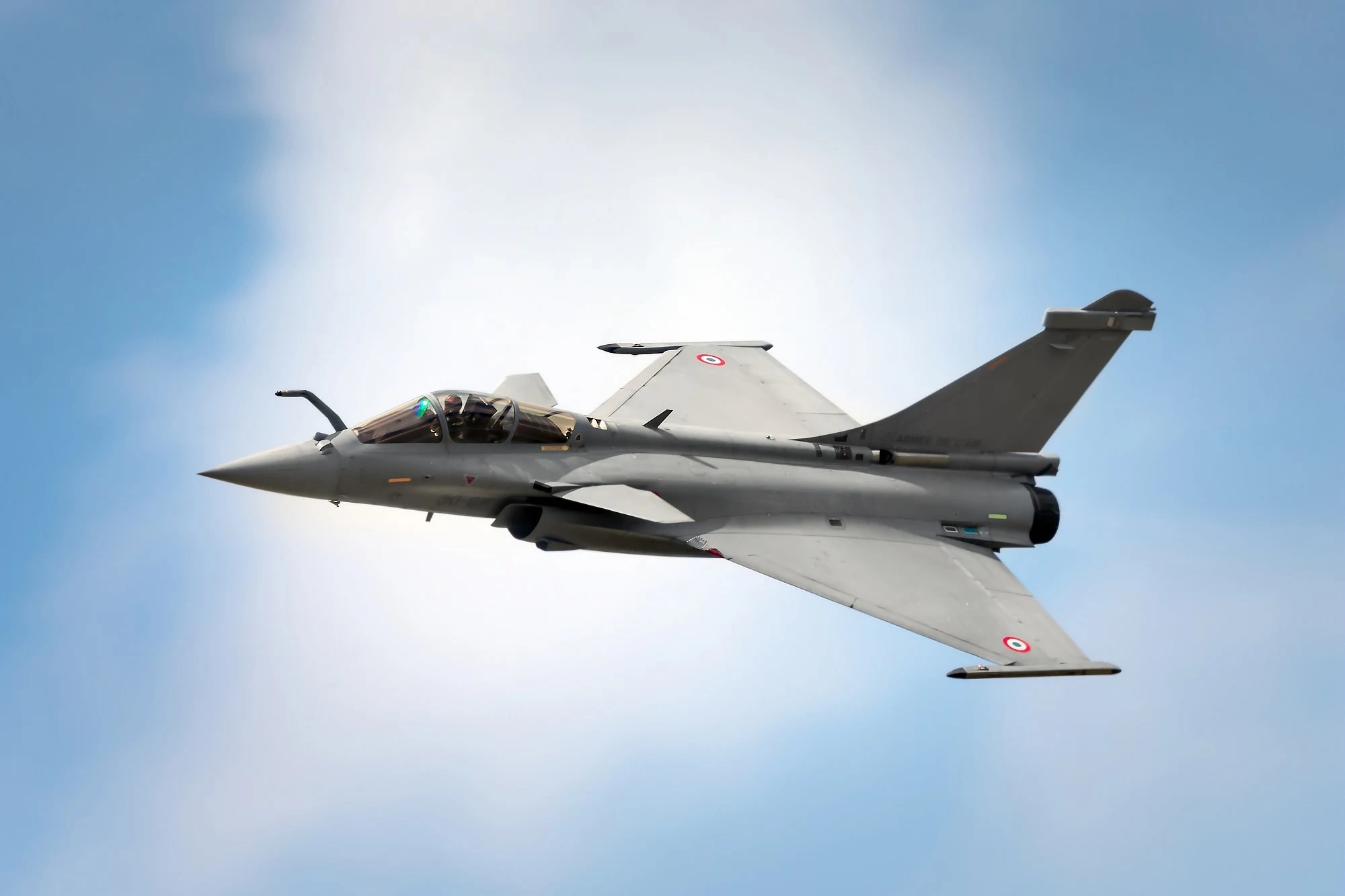
India
PARIS — April 17, 2026 : France’s Dassault Rafale program is undergoing a period of adjustment across key export markets, as discussions in India, the United Arab Emirates (UAE), and Indonesia reflect differing positions on technology transfer, financing, and future procurement. At the same time, France is continuing development of the Rafale F5 standard, supported by updated national defense spending plans and the integration of a next-generation missile system. India Reviews MRFA Procurement Amid Technology Access Concerns India’s planned acquisition of 114 additional Rafale fighter aircraft under the Multi-Role Fighter Aircraft (MRFA) program remains under consideration. The program, estimated at approximately $36 billion (Rs 3.25 lakh crore), received Acceptance of Necessity (AoN) from the Defence Acquisition Council earlier in 2026. The proposal now awaits final approval from the Cabinet Committee on Security. Discussions over the past month have focused on access to aircraft source codes and system-level integration. India has requested the ability to integrate indigenous weapons and radar systems, which would require access to key software and interface frameworks. French authorities have not agreed to provide source code access for systems including the Thales RBE2 AESA radar, the Modular Data Processing Unit, and the SPECTRA electronic warfare suite. New Delhi has instead sought interface control documents to enable partial integration of domestic systems. The outcome of these discussions may influence the final scale and structure of the MRFA procurement. Separately, India continues to process its planned acquisition of 26 Rafale-M carrier-based aircraft for naval operations. UAE Withdraws from Rafale F5 Co-Financing Plan The United Arab Emirates has withdrawn from a proposed co-financing arrangement for the Rafale F5 development program. The UAE, which signed a $19.2 billion agreement in 2021 for 80 Rafale aircraft, had been expected to contribute approximately €3.5 billion toward the estimated €5 billion cost of the F5 initiative. According to reporting published earlier in April 2026, the withdrawal followed France’s position on limiting the transfer of sensitive technologies, particularly in the field of optronics, which are critical for advanced targeting and electronic warfare systems. With the UAE no longer participating in funding, France is expected to finance the F5 development independently. Deliveries under the UAE’s existing Rafale order are scheduled to begin at the end of 2026. Indonesia Maintains Existing Order, No Expansion Decision Indonesia has confirmed that it is not proceeding with an additional Rafale purchase at this stage. In 2022, Indonesia signed an $8.1 billion contract for 42 aircraft. Recent speculation suggested a potential follow-on order of 12 to 24 additional units. Following a meeting in Paris on April 14, 2026, between Indonesian President Prabowo Subianto and French President Emmanuel Macron, reports of a possible expansion gained attention. However, on April 16, 2026, Indonesian Defense Ministry spokesman Rico Ricardo Sirait stated that no decision had been made and that the government continues to review the proposal. The first three aircraft from Indonesia’s existing order are scheduled for delivery in May 2026. French Defense Planning Supports Rafale F5 Development France is proceeding with development of the Rafale F5 variant under an updated 2024–2030 Military Programming Law. The revision, reviewed on April 8, 2026, allocates an additional €36 billion to defense spending, bringing the total planned expenditure to €449 billion over the period. The Rafale F5 standard is intended to expand the aircraft’s operational role, including integration with unmanned systems and enhanced electronic warfare capabilities. The aircraft is expected to operate alongside unmanned combat aerial vehicles derived from the nEUROn program, supporting missions such as suppression and destruction of enemy air defenses (SEAD/DEAD). The upgrade also includes improvements to propulsion and onboard power generation under the T-REX program led by Safran, aimed at increasing engine thrust and supporting next-generation avionics. STRATUS RS Missile to Equip Rafale F5 A central component of the F5 standard is the STRATUS Rapid Strike (RS) missile, developed by MBDA in cooperation with the United Kingdom under the Future Cruise/Anti-Ship Weapon (FC/ASW) program. The system was rebranded as STRATUS in September 2025. The missile is ramjet-powered and operates at high supersonic speeds below Mach 5. It is designed for multiple mission profiles, including suppression and destruction of enemy air defenses (SEAD/DEAD), anti-ship operations, engagement of moving ground targets, and strikes against high-value airborne platforms such as airborne early warning and control aircraft and aerial refueling tankers. Testing of propulsion systems has been conducted in supersonic wind tunnels at Bourges, France, while seeker development involves contributions from Thales and MBDA UK. The STRATUS RS is intended to complement existing weapons deployed on current Rafale variants, including the SCALP (Storm Shadow) cruise missile, the Exocet AM39 and MM40 anti-ship missiles, and the MdCN naval cruise missile. Unlike subsonic cruise missiles that rely on stealth and terrain-following guidance, the STRATUS RS combines high speed and maneuverability to penetrate advanced air defense systems. Program Outlook The Rafale F5 standard is expected to enter service after 2030, incorporating increased processing capacity, expanded sensor integration, and collaborative combat capabilities with unmanned systems. Recent developments in India, the UAE, and Indonesia reflect ongoing negotiations and national policy considerations related to technology access, financing, and procurement timelines. France continues to advance the Rafale program within its broader objective of maintaining sovereign control over critical defense technologies while supporting future operational requirements.
Read More → Posted on 2026-04-17 16:39:43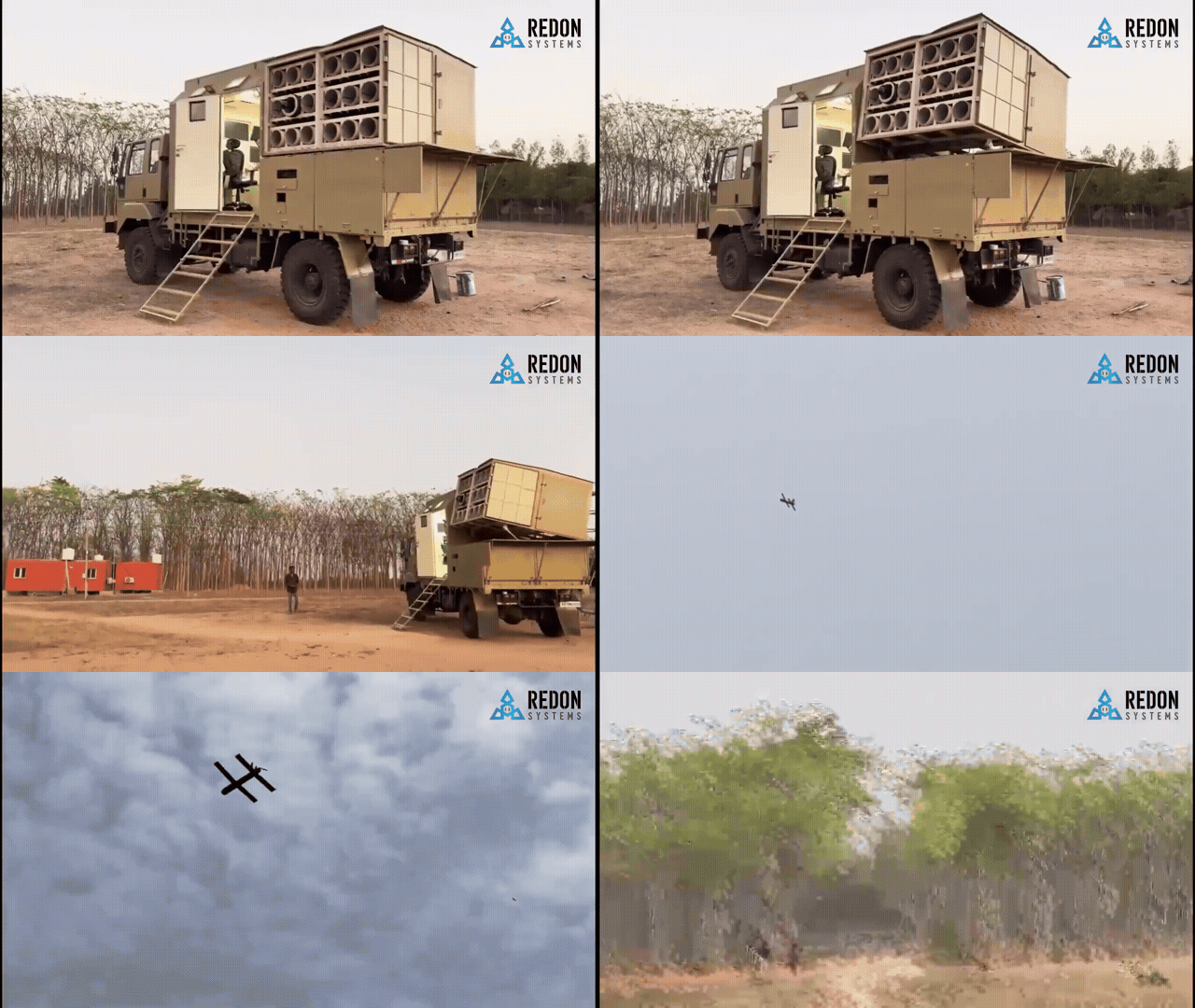
India
HYDERABAD — April 16, 2026 : Redon Systems has developed the Bheeshan Multi-Barrel Munition Launcher System (MBMLS), a vehicle-mounted platform designed for rapid deployment of loitering munitions to support precision strikes and coordinated multi-target engagements. The system is described as India’s first multi-barrel loitering munition launcher and has been developed entirely in-house as part of the company’s indigenous unmanned systems portfolio. Mounted on a Stallion 4x4 vehicle, the Bheeshan system is capable of launching up to 18 loitering munitions within two minutes, with a firing interval of four seconds per munition. It has an operational strike range of up to 30 km and supports deployment in high-altitude environments up to 4,500 metres, while the munitions operate at approximately 500 metres above ground level. The platform also carries an additional 18 munitions onboard, enabling a second salvo without requiring reloading. The system weighs approximately 7,000 kg, including the vehicle and launcher, and offers road mobility of up to 60 km/h. It is designed for operations across varied terrain and can function in temperatures ranging from -10°C to +50°C. The launcher uses a pneumatic ejection mechanism powered by a 200-bar compressor, with adjustable launch pressure and speed depending on munition weight. The loitering munitions feature foldable wings for compact storage and are equipped with warheads for precision targeting. Command and control are managed through a Linux-based Ground Control Station (GCS) equipped with a graphical interface for mission planning and execution. The system includes dual workstations, allowing operators to control nine munitions each simultaneously, enabling coordinated strikes against multiple targets. The system can be made operational within 15 minutes. The Bheeshan MBMLS is part of Redon Systems’ broader Bheeshan series of multi-barrel UAV launchers and is intended for artillery support, counter-insurgency operations, and high-altitude warfare. It is designed to enhance rapid deployment capability, improve precision engagement, and enable swarm-like attack profiles to overwhelm adversary defences. The system integrates with the company’s indigenous platforms, including the Achuk loitering munition series and the Pehra tethered surveillance drone. The Achuk platform supports semi-autonomous and autonomous missions, with electric propulsion and AI-enabled targeting. It offers modular payload configurations, including High Explosive (HE) and High-Explosive Anti-Tank (HEAT) warheads, with payload capacities ranging from 1.1 kg to 3.5 kg and operational ranges between 10 km and 30 km depending on the variant. Redon Systems recently demonstrated the Bheeshan system during Exercise TOPCHI at the Artillery School in Deolali, attended by senior Indian Army officials, including Lt Gen NS Sarna. The development aligns with India’s Atmanirbhar Bharat and Make in India initiatives aimed at strengthening domestic defence manufacturing. No official details regarding production timelines or induction status have been disclosed.
Read More → Posted on 2026-04-16 15:48:44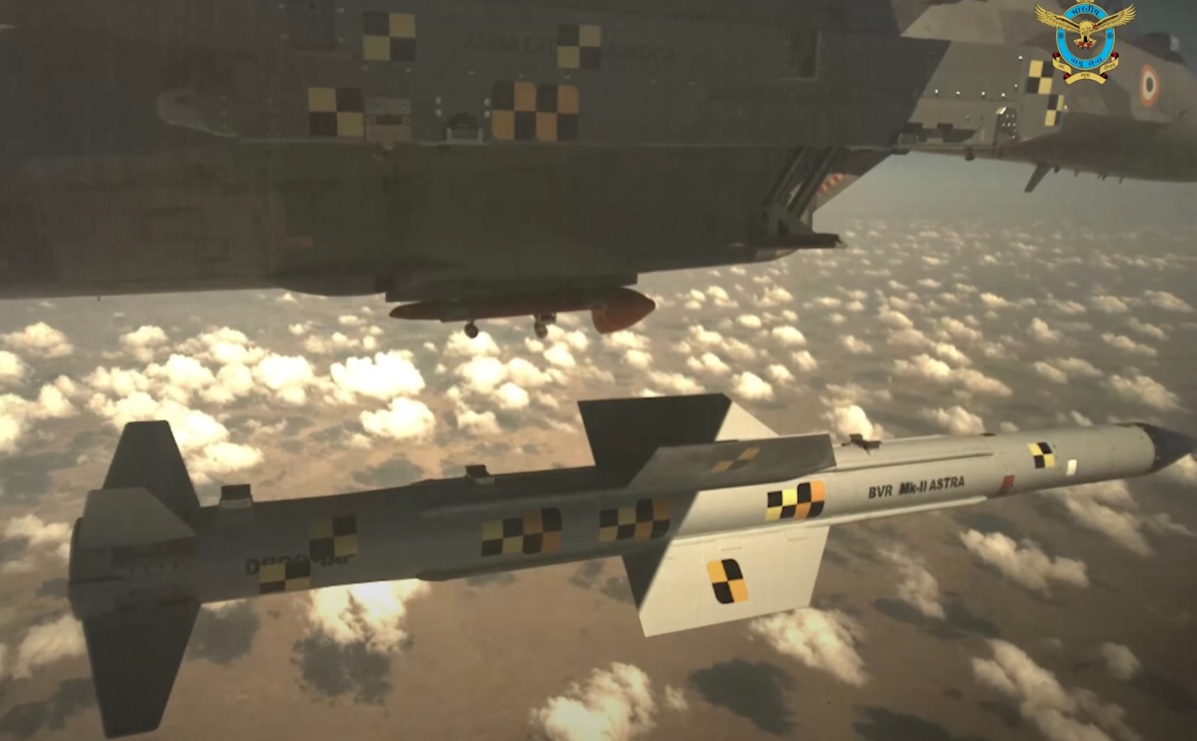
India
NEW DELHI — April 16, 2026 : India’s Defence Research and Development Organisation (DRDO) has successfully completed preliminary trials of the Astra Mk2 beyond-visual-range air-to-air missile (BVRAAM), validating key performance parameters including aerodynamics, propulsion, and guidance systems. The missile, designed as an extended-range variant of the Astra family, is intended to provide the Indian Air Force (IAF) with a long-range air combat capability of approximately 240 km. Subsystem Validation and Flight Performance The preliminary trials assessed the missile’s performance across multiple flight conditions, focusing on core subsystems. DRDO confirmed aerodynamic stability, including controlled maneuverability at high speeds and varied engagement profiles. The propulsion system, based on a dual-pulse solid rocket motor, demonstrated consistent thrust delivery across two phases of flight, enabling improved energy management and extended engagement range. Guidance and control systems, including the onboard seeker and datalink, were also validated for accuracy and reliability. Propulsion and Guidance Enhancements The Astra Mk2 incorporates a smokeless dual-pulse solid rocket motor, which differs from conventional single-pulse systems by reserving energy for a second thrust phase during terminal engagement. This configuration enhances the missile’s no-escape zone and maintains higher kinetic energy against maneuvering targets at long distances. The missile is equipped with an indigenous Active Electronically Scanned Array (AESA) radar seeker operating in the Ku-band, integrated with electronic counter-countermeasure (ECCM) capabilities. This enables improved resistance to jamming and enhances target acquisition and tracking in contested environments. A two-way datalink supports mid-course updates from the launch aircraft or networked platforms, enabling real-time trajectory corrections before terminal guidance activation. Integration and Production Timeline Following successful preliminary trials, the Astra Mk2 will proceed to integrated user trials with the Indian Air Force. These trials, involving live-fire testing on operational platforms, are scheduled for completion by the end of 2026. Limited series production is expected to begin around July 2026, subject to successful validation during this phase. Initial integration will be carried out on the Su-30MKI fighter aircraft, followed by the Light Combat Aircraft (LCA) Tejas Mk1A. Integration activities for the Astra family on Tejas platforms are already underway, including captive and planned firing trials. The missile is also expected to be compatible with future IAF fighter platforms. It supports both direct hot-launch and cold-ejection modes, allowing flexibility across different aircraft configurations. Design, Specifications, and Compatibility The Astra Mk2 weighs approximately 170–175 kg and includes a laser proximity fuze designed to support a high single-shot kill probability in beyond-visual-range engagements under all-weather conditions. The missile retains compatibility with existing Astra Mk1 production infrastructure, facilitating a smoother transition to manufacturing through established supply chains and industrial partners such as Bharat Dynamics Limited (BDL). Procurement and Strategic Context The Indian Air Force is expected to procure a substantial number of Astra Mk2 missiles, with reported plans indicating up to 700 units to equip its fighter fleet. The system is positioned to become a primary BVR weapon within the IAF inventory, offering extended standoff engagement capability comparable to contemporary global systems. The Astra Mk2 builds on the operational Astra Mk1, which has a range exceeding 110 km and is already deployed on the Su-30MKI platform. The Mk2 introduces advancements in propulsion, seeker technology, and datalink integration to address evolving air combat requirements. The program aligns with India’s broader effort to strengthen indigenous defense manufacturing under the Atmanirbhar Bharat initiative and reduce dependence on imported long-range air-to-air missile systems. DRDO officials have indicated that the Astra Mk2 program remains on schedule, with full user trials and production clearance expected following the completion of integrated testing. Future development within the Astra series includes the Astra Mk3, which is projected to incorporate Solid Fuel Ducted Ramjet (SFDR) technology for further range enhancement.
Read More → Posted on 2026-04-16 13:44:28
India
POKHRAN, Rajasthan — April 15, 2026 : India has successfully conducted a flight and strike test of the indigenous Sheshnaag-150 long-range loitering munition at the Pokhran test range, marking a significant step in the country’s development of AI-enabled autonomous strike systems. The trial was carried out by the Indian armed forces in coordination with Bengaluru-based defense start-up NewSpace Research and Technologies (NRT). The test validated the platform’s long-range navigation, endurance, and precision targeting capabilities under operational conditions. During the trial, the Sheshnaag-150 covered a flight distance of 720 kilometers and demonstrated a Circular Error Probable (CEP) of less than 10 meters. The munition successfully delivered a 25-kilogram high-explosive (HE) warhead to the designated target area. System Performance and Technical Parameters The Sheshnaag-150 is an indigenous 150 kg-class loitering munition designed for deep-strike missions. Although the Pokhran test recorded a 720-kilometer flight, the system is engineered for an operational range exceeding 1,000 kilometers, with an endurance of approximately three to five hours. The platform supports a payload capacity ranging from 25 to 40 kilograms. The drone is powered by a high-performance air-cooled Boxer engine optimized for long-endurance missions. It has been developed as part of a broader family of collaborative autonomous systems and is capable of executing multiple mission profiles, including precision strikes, suppression of enemy air defenses (SEAD), intelligence, surveillance and reconnaissance (ISR), and electronic warfare support. Development of the Sheshnaag-150 began as an internal initiative by NRT, with its first flight conducted around early 2025. Subsequent trials included launches from mobile highway-based platforms and evaluations across multiple test ranges. Earlier controlled tests reportedly achieved CEP values as low as five meters. AI-Driven Swarm Capability A key feature of the Sheshnaag-150 is its integration of artificial intelligence-driven swarm technology. The system uses proprietary autonomy algorithms that enable multiple loitering munitions to operate as a coordinated unit. These drones can communicate with each other, share targeting data, synchronize flight paths, and execute saturation attacks designed to overwhelm layered air defense systems. The platform is also designed to operate in GPS-denied or jammed environments. It incorporates a visual navigation system and onboard sensors that allow it to identify targets and maintain its flight path without reliance on satellite navigation signals. This capability is intended to improve survivability and mission reliability in contested electromagnetic environments. Operational Role and Strategic Context The Sheshnaag-150 is optimized for SEAD missions, targeting high-value enemy assets such as radar installations, surface-to-air missile systems, and communication nodes. By deploying coordinated swarms, the system is intended to degrade or neutralize enemy air defense networks prior to the use of manned aircraft or conventional strike systems. The platform is positioned as a cost-effective and expendable alternative to traditional cruise missiles. Its relatively lower cost allows for mass deployment, enabling saturation tactics without the financial constraints associated with high-value munitions. NRT has indicated that the Sheshnaag-150 draws conceptual inspiration from global loitering munitions such as Iran’s Shahed-136, while incorporating advanced indigenous swarm algorithms and navigation resilience tailored to Indian operational requirements. Testing, Development, and Future Induction The Pokhran trial focused specifically on range validation, strike accuracy, and warhead performance. Additional testing has been conducted at multiple facilities, including evaluations of high-altitude operations, endurance, and autonomous coordination. The system was publicly showcased at the World Defense Show 2026 in Riyadh, highlighting India’s progress in autonomous combat systems. NRT, founded in 2017 by aerospace entrepreneurs Sameer Joshi and Julius Amrit, specializes in AI-enabled unmanned systems and swarm robotics. The company is also developing shorter-range variants within the Sheshnaag family, including the canister-launched Sheshnaag-20, designed for battlefield missions with ranges up to 50 kilometers. Following the successful validation of flight mechanics and strike accuracy at Pokhran, defense sources indicate that India may proceed with the induction of the Sheshnaag-150 into active service. Plans under consideration include procurement of large numbers of such systems for theatre-level operations. The development and testing of the Sheshnaag-150 align with India’s broader push for indigenous defense capabilities under the Aatmanirbhar Bharat initiative. The system is expected to complement existing manned aircraft and missile systems, enhancing the armed forces’ long-range precision strike capabilities through scalable, AI-enabled unmanned platforms. No official timeline for full-scale induction has been announced.
Read More → Posted on 2026-04-15 18:02:30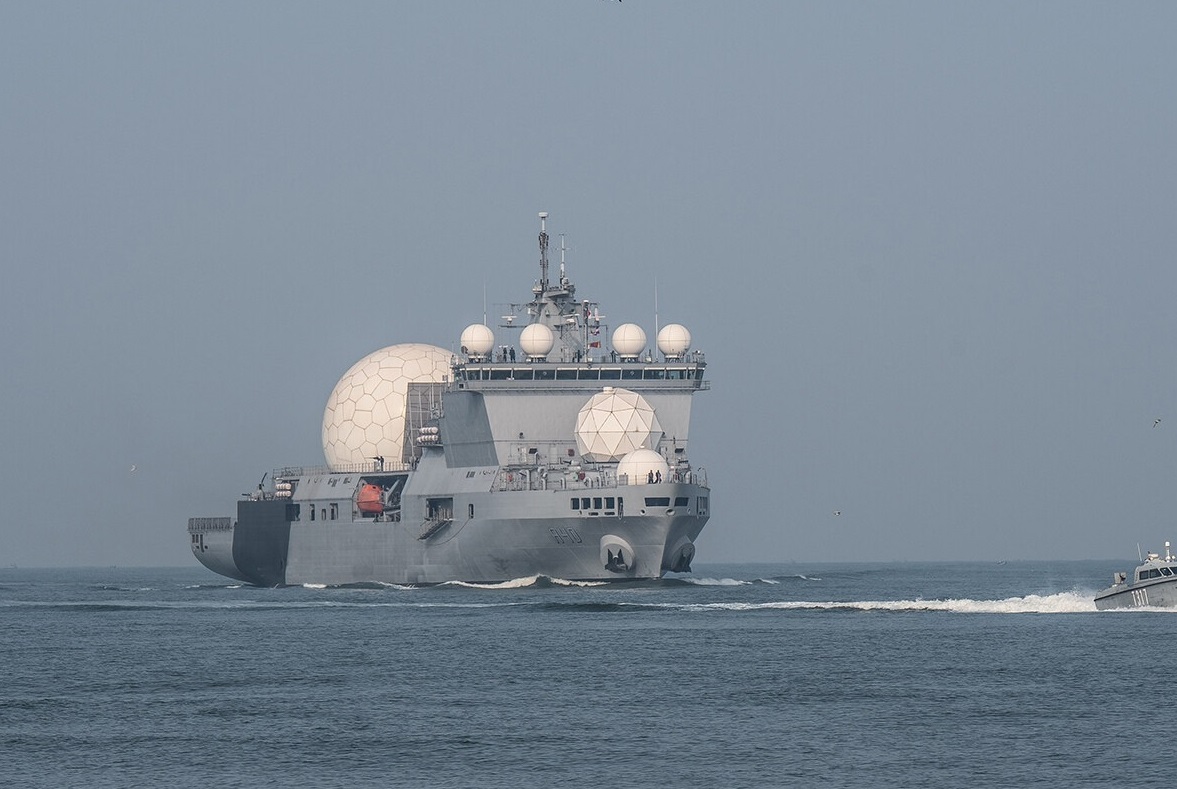
India
NEW DELHI/ISLAMABAD, — April 15, 2026 : Pakistan conducted a scheduled missile test in the North Arabian Sea on April 14 and April 15, 2026, within a designated exclusion zone announced through a Notice to Airmen (NOTAM), while India deployed its ocean surveillance vessel INS Dhruv to monitor the activity from international waters. Test Zone and Airspace Restrictions Pakistan Navy authorities established a restricted zone covering an area of approximately 415 by 450 kilometers in the northern Arabian Sea. The designated region lies off the country’s coastline near Karachi, Ormara, Gwadar, and Sonmiani. The NOTAM imposed temporary restrictions on air traffic routes over the area, extending from sea level to unlimited altitude, to ensure safety during the live-fire exercise. The exclusion zone was active across April 14 and April 15, with maritime and aviation advisories issued in advance. Pakistani officials did not disclose the specific missile system involved in the tests, and no official confirmation has been released regarding the type, range, or configuration of the missile tested. Possible System Characteristics While no formal identification has been provided, defence assessments indicate the test may involve a surface-to-surface ballistic missile, a sea-launched system, or a long-range cruise missile. Analysts note that several of Pakistan’s missile platforms incorporate design elements and technical inputs derived from cooperation with China in both ballistic and cruise missile development programs. Pakistan has previously conducted missile trials in the Arabian Sea region as part of routine validation of its strategic and naval strike capabilities, including systems launched from both land-based and maritime platforms. Indian Navy Deployment In response to the announced test window, the Indian Navy deployed INS Dhruv into the Arabian Sea on April 13, 2026, positioning the vessel in international waters outside the declared exclusion zone approximately 24 hours before the scheduled launch period. INS Dhruv (A40) is a specialized ocean surveillance and missile-tracking ship with a displacement estimated between 15,000 and 17,000 tons. The vessel was built by Hindustan Shipyard Limited with technical contributions from the Defence Research and Development Organisation (DRDO) and the National Technical Research Organisation (NTRO). The ship measures approximately 175 meters in length with a beam of 22 meters and is powered by a combined diesel and diesel (CODAD) propulsion system using twin diesel engines. Tracking and Sensor Capabilities INS Dhruv is equipped with a suite of advanced sensors designed for long-range tracking and telemetry interception. Its primary systems include an X-band active electronically scanned array (AESA) radar and a secondary S-band AESA radar, both housed within large radomes. These systems enable detection, tracking, and analysis of ballistic missile trajectories and satellite movements over extended distances. In addition to radar tracking, the vessel is fitted with telemetry receivers and electronic intelligence systems capable of capturing data related to missile flight characteristics, including velocity, trajectory, staging events, maneuver profiles, and terminal phase behavior. Intelligence Collection Role Operating from international waters allows INS Dhruv to monitor the missile test without entering Pakistan’s restricted zone or violating maritime regulations. From this position, the vessel can collect real-time technical data generated during the launch, including radar signatures and electronic emissions. The deployment enables the Indian Navy to gather direct observational data on the performance parameters of the tested system. Such information is used for analysis, system modeling, and calibration of India’s ballistic missile defence architecture, including early-warning systems and interceptor guidance algorithms. Strategic Context India is among a limited group of countries—including the United States, Russia, China, and France—that operate dedicated missile-tracking ships designed for strategic intelligence collection. The ongoing test by Pakistan forms part of its broader program to validate operational readiness and performance of its strategic missile inventory. The use of the Arabian Sea as a testing range allows for extended flight paths and controlled monitoring conditions. As of April 15, 2026, neither Pakistan’s military authorities nor India’s Ministry of Defence have issued official public statements detailing the outcome of the test or additional operational specifics regarding the deployment of INS Dhruv.
Read More → Posted on 2026-04-15 10:42:47
India
NEW DELHI, — April 14, 2026 : The Indian Army has issued an open tender for the procurement of 572,692 units of 30mm VOG-17/30 high-explosive fragmentation grenades equipped with a self-destruct mechanism (SDM), as part of its ongoing effort to maintain operational ammunition reserves for infantry units. The Request for Proposal (RFP), released on April 9, 2026, has been issued by the Integrated Headquarters of the Ministry of Defence (Army) under tender reference A/18153/30mm VOG AGL/MGS/Brig Proc. The tender was published approximately five days prior to April 14 and follows the standard Global Tender Enquiry process adopted for such procurements. Procurement Scope and Timeline According to the tender document, the total requirement stands at 5,72,692 rounds of 30×29mm VOG-17/30 ammunition. The bidding process is scheduled to open on April 22, 2026, and close on April 29, 2026, with bid opening set for April 30, 2026. The tender specifies an Earnest Money Deposit (EMD) of ₹20.27 crore, while the contract execution period has been defined as 730 days. Additionally, the bid validity period is set at 540 days. The procurement will follow a two-cover bidding system, in line with Ministry of Defence procedures. The acquired ammunition is designated for delivery to the Central Ammunition Depot (CAD) in Pulgaon, Maharashtra. No official details regarding the estimated contract value or potential participating vendors have been disclosed. Ammunition Characteristics and Operational Role The VOG-17/30 is a 30mm high-explosive fragmentation grenade designed for use in automatic grenade launchers. It is a belted 30×29mm cartridge featuring a thin-walled steel body, a copper driving band, and a pre-fragmented wire coil. The grenade contains approximately 0.032 kg of high explosive and has a total weight of about 0.35 kg. In operational terms, the ammunition is used for area suppression and anti-personnel roles. It provides effective fire support against personnel in open terrain or behind light cover. The standard VOG-17 variant has a lethal fragmentation radius of approximately 7 metres, while improved variants such as the VOG-30 offer an increased radius. The grenade has a maximum effective range of up to 1,700 metres and is fired at a muzzle velocity of approximately 185 metres per second. Platform Compatibility The ammunition is compatible with the AGS-17 “Plamya” and AGS-30 automatic grenade launchers, both of which are currently in service with the Indian Army. These Soviet-origin systems have been deployed since the 1980s and continue to serve as standard platoon-level support weapons, capable of delivering both direct and indirect fire. Self-Destruct Mechanism and Safety Features A key technical requirement in the current procurement is the inclusion of a self-destruct mechanism (SDM) integrated into the fuze system. The fuze is of the point-detonating, super-quick type and is designed to arm after the grenade has traveled a safe distance of 10 to 60 metres from the launcher. If the grenade fails to detonate upon impact, the SDM initiates automatic detonation within 28 to 36 seconds. This feature is intended to reduce the presence of unexploded ordnance (UXO) on the battlefield, thereby minimizing risks to military personnel and civilians in post-engagement environments. Sustained Inventory Management The Indian Army has operated the AGS-17 and AGS-30 systems for several decades and conducts periodic procurement cycles to replenish ammunition stocks. Previous tenders have included components such as fuzes for VOG-17 grenades and training-related cut models. The current procurement of complete rounds with integrated SDM reflects a continuation of these sustainment efforts, incorporating updated safety specifications while ensuring compatibility with existing weapon platforms.
Read More → Posted on 2026-04-14 15:40:19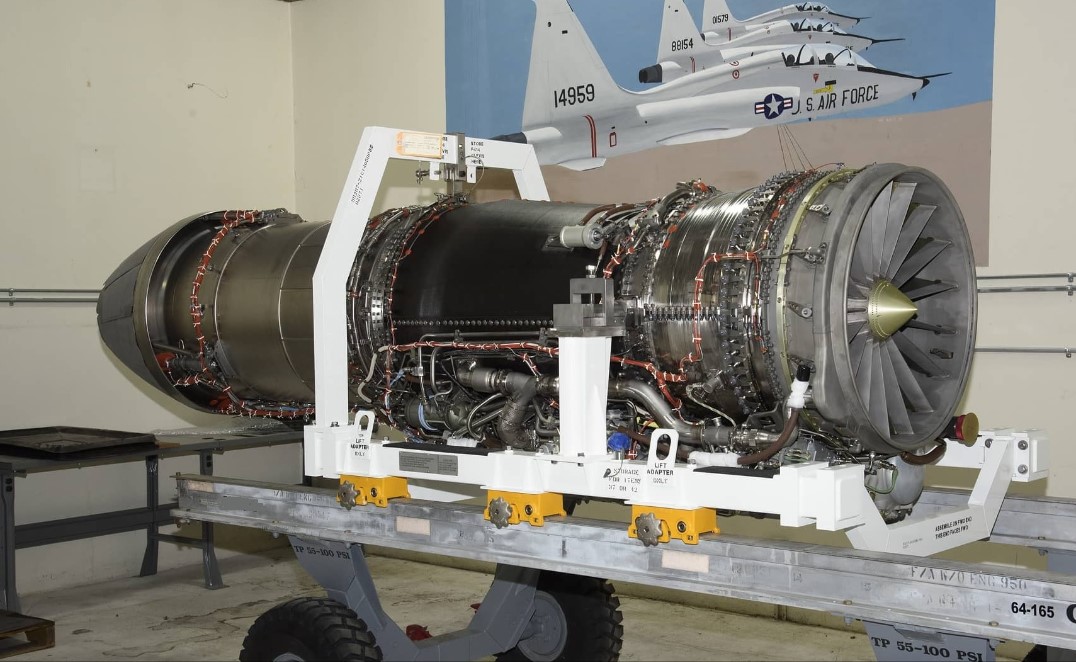
India
NEW DELHI, — April 13, 2026 : India and the United States have reached a significant milestone in defence aerospace cooperation as GE Aerospace and Hindustan Aeronautics Limited (HAL) concluded technical discussions on the co-production of the F414 fighter jet engine. In parallel, GE Aerospace has signed a contract with the Indian Air Force (IAF) to establish an in-country maintenance, repair, and overhaul (MRO) depot for the F404-IN20 engines powering the Light Combat Aircraft (LCA) Tejas fleet. F414 Co-Production Moves to Commercial Phase The completion of technical discussions marks the end of the most complex phase of the F414 engine co-production agreement, particularly covering the transfer of technology (ToT), which accounts for approximately 80 percent of the programme by value and is largely focused on manufacturing processes. With technical parameters now finalized, the programme will transition into the commercial negotiation phase. The final contract is scheduled to be signed within the current financial year. Under the agreement, a domestic production facility will be established by HAL. The manufacturing line is expected to become operational within two years following the signing of the final contract. The initial scope includes the production of 99 F414 engines, with provisions to scale output as the Indian Air Force projects a requirement for approximately 120 to 130 Tejas Mk-2 fighter aircraft. The F414 engines are designated to power the upcoming Tejas Mk-2 variant. The programme is expected to support the development of infrastructure required for manufacturing a 4.5-generation class fighter engine in India. It will also facilitate the creation of testing facilities, exposure of the workforce to advanced manufacturing technologies, and development of practical expertise in engine production processes. From an operational perspective, the arrangement aligns stakeholder interests. The Indian Air Force secures engine availability for future platforms, while the Ministry of Defence advances its objective of reducing import dependence in defence procurement. Rita Flaherty, Vice President for Sales and Business Development for Defence and Systems at GE Aerospace, stated that agreement has been reached on all technical aspects of the work related to the F414 programme. F404-IN20 Depot Facility for Tejas Fleet Alongside the F414 progress, GE Aerospace has finalized a separate contract with the Indian Air Force to establish a domestic depot-level MRO facility for the F404-IN20 engines currently in service with the Tejas Mk-1 and Mk-1A fleets. The facility will be fully owned, operated, and maintained by the Indian Air Force. GE Aerospace will provide technical support, including training of personnel, supply of specialized equipment, support staff, and necessary spare parts required to operationalize the depot. The F404-IN20 is the highest-thrust variant of the F404 engine family and is equipped with full authority digital engine control (FADEC). It currently powers the operational Tejas LCA fleet. Once operational, the depot facility is expected to eliminate the need to send engines overseas for major servicing. This is anticipated to reduce turnaround times for engine maintenance and improve fleet availability and operational readiness. Strengthening Domestic Sustainment Ecosystem These parallel developments indicate a structural shift in India’s military aviation sustainment and manufacturing ecosystem. The establishment of a domestic production line for F414 engines, combined with a local MRO facility for the F404 fleet, reduces reliance on foreign supply chains and overseas repair infrastructure. The initiatives are aligned with India’s broader defence indigenisation objectives by integrating manufacturing, maintenance, and lifecycle support capabilities within the country.
Read More → Posted on 2026-04-13 15:21:10
India
NEW DELHI, — April 12, 2026 : The Defence Procurement Board (DPB) has cleared a procurement proposal for the Indian Army covering two additional regiments of the Medium Range Surface-to-Air Missile (MRSAM) system, the indigenously developed Man-Portable Anti-Tank Guided Missile (MPATGM), and Counter-Unmanned Aerial Vehicle (Counter-UAV) Electronic Warfare (EW) systems. The approval is part of the Ministry of Defence’s effort to strengthen ground-based air defence, improve infantry anti-armour capability, and address emerging threats from unmanned systems observed in recent conflicts. Air Defence Expansion with MRSAM The MRSAM system, jointly developed by the Defence Research and Development Organisation (DRDO) and Israel Aerospace Industries (IAI), provides medium-range air defence with an interception range of about 70 km. It is designed to engage aircraft, helicopters, cruise missiles, and other aerial threats. The addition of two regiments will augment existing MRSAM units already deployed with the Indian Army and the Indian Air Force, contributing to a more integrated and layered air defence network. The system includes radar, command and control, and launcher components with significant indigenous content. Counter-UAV Systems for Asset Protection The procurement includes dedicated Counter-UAV electronic warfare systems intended to protect high-value assets such as MRSAM batteries and other air defence installations. These systems are designed to detect, track, and neutralise hostile drones and loitering munitions through electronic jamming of radio frequencies, GPS signals, and communication links. The systems may also integrate with kinetic interceptors where required. The deployment of these systems alongside MRSAM regiments reflects operational lessons from conflicts in Eastern Europe and the Middle East, where drone swarms and low-cost unmanned systems have been used to target radar and missile infrastructure. The EW-based counter-drone layer is intended to prevent such threats from degrading air defence effectiveness. Induction of Indigenous MPATGM The DPB also cleared procurement of the MPATGM to strengthen infantry anti-armour capabilities. Developed by DRDO, the MPATGM is a third-generation, fire-and-forget missile equipped with an imaging infrared (IIR) seeker, tandem high-explosive anti-tank (HEAT) warhead, and top-attack capability. The system has a range of approximately 4 km and uses an all-electric control actuation system. Flight trials conducted in January 2026 successfully engaged a moving target, validating operational performance. The missile is designed to defeat modern main battle tanks equipped with explosive reactive armour (ERA). Production is expected to be led by Bharat Dynamics Limited (BDL) along with other domestic partners, supporting indigenous manufacturing under the Aatmanirbhar Bharat initiative. Layered Defence Approach and Procurement Process The combined procurement of MRSAM and Counter-UAV systems reflects a shift toward a layered defence approach, integrating long- and medium-range interceptors with electronic warfare capabilities to counter mixed aerial threats. The decision also aligns with broader modernisation efforts, complementing existing systems such as Akash and S-400, and supporting requirements for mobile, networked operations in contested electromagnetic environments. Following DPB clearance, the proposal will be forwarded to the Defence Acquisition Council (DAC) for Acceptance of Necessity (AoN). Subsequent stages will include contract finalisation and production. No contract value or delivery timeline has been disclosed.
Read More → Posted on 2026-04-12 17:26:58
India
NEW DELHI, — April 12, 2026 : India’s Defence Research and Development Organisation (DRDO) has initiated fabrication of specialised jigs and fixtures required for integrating the H1 booster with an indigenous scramjet engine under the Extended Trajectory–Long Duration Hypersonic Cruise Missile (ET-LDHCM) program, being developed as part of the classified Project Vishnu. The booster designated for this phase is code-named “H1.” Officials confirmed that fabrication of the tooling systems is currently underway and represents a necessary step before structural assembly and integrated testing of the hypersonic vehicle can begin. Integration Tooling and Technical Role The specialised jigs and fixtures are being developed to support precise mechanical and aerodynamic alignment between the booster and the air-breathing scramjet engine. These systems are designed to ensure alignment accuracy of critical centerlines required for stable hypersonic flight, maintain structural integrity under high mechanical loads and vibration during launch, and enable repeatability in assembly to maintain consistent tolerances across test and production units. Defence analysts indicate that the initiation of tooling fabrication reflects a transition in the program from component-level validation to full system integration. ET-LDHCM Program Overview The ET-LDHCM is a scramjet-powered, long-range hypersonic cruise missile designed for sustained flight at speeds of up to Mach 8, or approximately 11,000 km/h. The system is intended to operate at lower altitudes to reduce radar detectability and is capable of carrying both conventional and nuclear payloads. The missile is projected to have an operational range between 1,500 and 2,500 kilometers. Its propulsion system relies on a scramjet engine, which uses atmospheric oxygen for combustion and requires initial acceleration by a high-speed booster such as the H1 to reach operational conditions. Development Milestones Recent work by DRDO’s Defence Research and Development Laboratory (DRDL) has supported progress toward this integration phase. In January 2026, DRDL conducted a long-duration ground test of a full-scale, actively cooled scramjet combustor at the Scramjet Connect Pipe Test (SCPT) facility, achieving operation for over 12 minutes under simulated hypersonic conditions. Earlier tests included a subscale actively cooled combustor run exceeding 1,000 seconds in April 2025, along with additional trials lasting over 60 seconds. These efforts build on earlier work from the Hypersonic Technology Demonstrator Vehicle (HSTDV) program and are focused on enabling sustained scramjet-powered cruise. Supporting technologies developed for the program include endothermic fuels for active cooling and advanced thermal barrier coatings capable of withstanding temperatures of approximately 2,000°C generated during hypersonic flight. Manufacturing and Program Status The ET-LDHCM system is being designed and manufactured at the Dr. A.P.J. Abdul Kalam Missile Complex with participation from Indian private defence firms and small and medium enterprises. Construction activities are reported to be ongoing, with preparations underway for future flight testing, although no official timeline has been announced. The fabrication of H1 booster integration tooling represents a key step toward full missile assembly. Accurate tooling is required to maintain precision in high-speed, high-temperature environments and to support consistent integration standards across developmental stages. The ET-LDHCM program forms part of India’s broader hypersonic weapons development effort, which includes both air-breathing cruise missile systems and boost-glide technologies aimed at expanding long-range precision strike capabilities.
Read More → Posted on 2026-04-12 16:27:59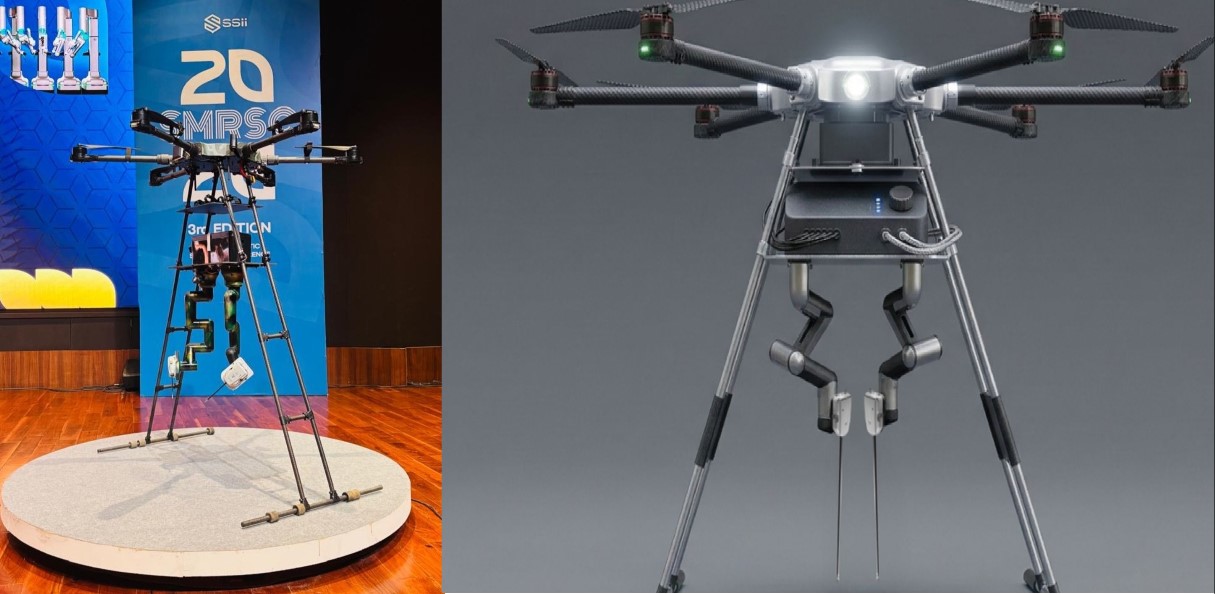
India
NEW DELHI, — April 11, 2026 : SS Innovations International, Inc. (SSI), a Gurugram-based medical technology company, is developing a drone-deployed robotic surgical system under Project Vimana, aimed at enabling remote emergency medical procedures for wounded personnel in forward combat zones. The system, also referred to as the SSi Vimana Aero, was presented during the third Global SSI Multi-Specialty Robotic Surgery Conference (SMRSC 2026), held from April 9 to April 11, 2026, at Bharat Mandapam in New Delhi. The project was unveiled by Union Minister of State for Health and Family Welfare Pratap Rao Jadhav alongside other SSI initiatives, including Project Operion. Project Vimana integrates a GPS-guided heavy-lift autonomous drone with a compact robotic surgical unit. Designed for rapid deployment, the drone navigates to the casualty’s location, lands nearby, and deploys two miniature robotic arms. Each arm features seven degrees of freedom and is equipped with 5 mm surgical instruments such as forceps, scissors, cautery tools, suction devices, and needle drivers. The system is operated remotely by a trauma surgeon using the SSI Mantra Surgeon Command Center, based on the company’s SSi Mantra modular robotic surgery platform adapted for field conditions. Through real-time visual transmission and control, the surgeon can perform critical stabilisation procedures, including haemorrhage control, chest decompression, shrapnel extraction, wound repair, and suturing. These interventions are intended to stabilise injured personnel during the interval between injury and medical evacuation. According to available specifications, the drone has an estimated flight endurance of approximately 30 minutes and supports an operational window of about 30 minutes for surgical procedures. The system remains in the proof-of-concept and development stage, with no confirmed deployment timeline. SSI has indicated that ensuring resilience against electronic interference, including cyber threats and signal jamming, is a key requirement prior to operational use. The underlying SSi Mantra platform is a modular, multi-arm robotic surgery system developed for accessibility and cost efficiency. It has been used in more than 100 types of surgical procedures across India and supports telesurgery capabilities, forming the technological base for Project Vimana. SSI, founded by Dr. Sudhir Srivastava, focuses on robotic surgical technologies. While Project Vimana is primarily intended for battlefield applications, the company stated that the system could also be adapted for civilian use cases, including disaster response, road accident care, and medical support in remote or inaccessible regions. No additional performance details, including payload capacity or operational range beyond stated endurance, were disclosed during the conference. Project Vimana forms part of SSI’s broader effort to extend robotic surgical capabilities beyond conventional hospital environments.
Read More → Posted on 2026-04-11 18:05:15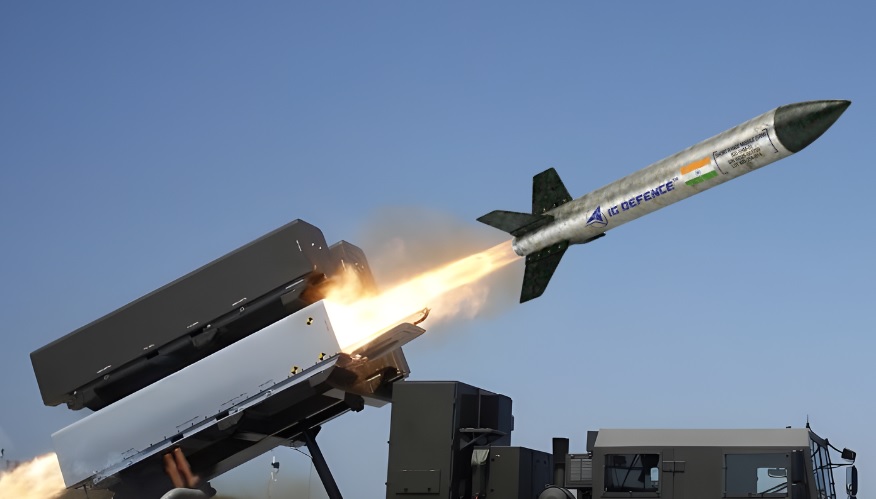
India
NEW DELHI, — April 11, 2026 : Indian defence technology startup IG Defence is developing the IG JWALA short-range missile system, marking a continued expansion of private-sector participation in India’s indigenous strike weapon programs. The IG JWALA is engineered as a fully indigenous system designed for rapid-response, high-precision battlefield operations. It utilizes solid-fuel propulsion to enhance reliability, reduce launch preparation time, and enable high-velocity engagement. The system integrates advanced inertial navigation with optimized terminal-phase guidance, allowing for precise targeting accuracy during the final stage of flight. According to the company, the missile is built for all-weather operational readiness and is capable of functioning effectively across diverse combat environments, including high-altitude regions and desert theatres. Its ruggedized construction is intended to ensure durability under harsh battlefield conditions. The system features a modular launch architecture that supports both vehicle-mounted and static deployment configurations. This multi-platform capability is designed to facilitate rapid redeployment and flexible use across different operational scenarios. IG Defence states that the IG JWALA is a 100% indigenous design and manufacturing effort, incorporating a secured supply chain lifecycle and proprietary control algorithms. The system is equipped with a decisive warhead and is intended to enhance sovereign strike capabilities through tactical mobility and adaptability. No specific performance parameters, including range or warhead weight, have been disclosed. The company has also not announced timelines for testing, production, or potential induction into the Indian armed forces. In parallel with the IG JWALA program, IG Defence is developing loitering munition systems, including the KAL loitering munition with a reported range of 1,000 km, and the IG TURBOJET loitering munition, which has a range of 100 km and is powered by a turbojet-based propulsion system. The developments reflect a broader shift within India’s defence sector, where private companies are increasingly contributing to advanced missile and unmanned strike system development—areas traditionally led by state-run organizations. IG Defence describes its approach as focused on indigenous capability development, stating that its systems are “built in Bharat for Bharat” while also being positioned for global markets.
Read More → Posted on 2026-04-11 17:54:14Search
Top Trending in 24 Hours
-
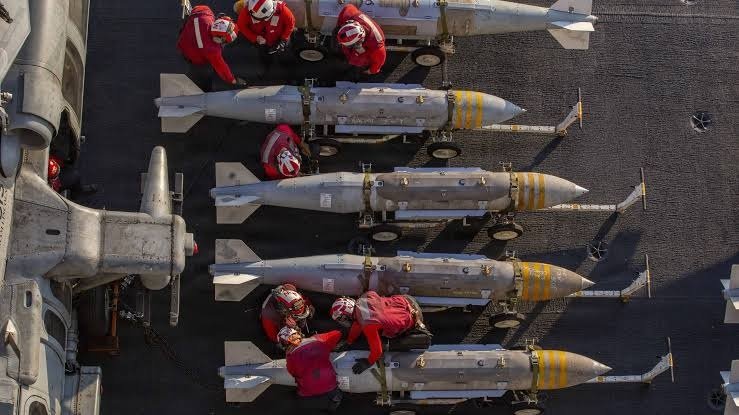 Pentagon Inspector General Report Finds Iran War Caused U.S. Ammunition Shortfalls and Industrial Bottlenecks
-
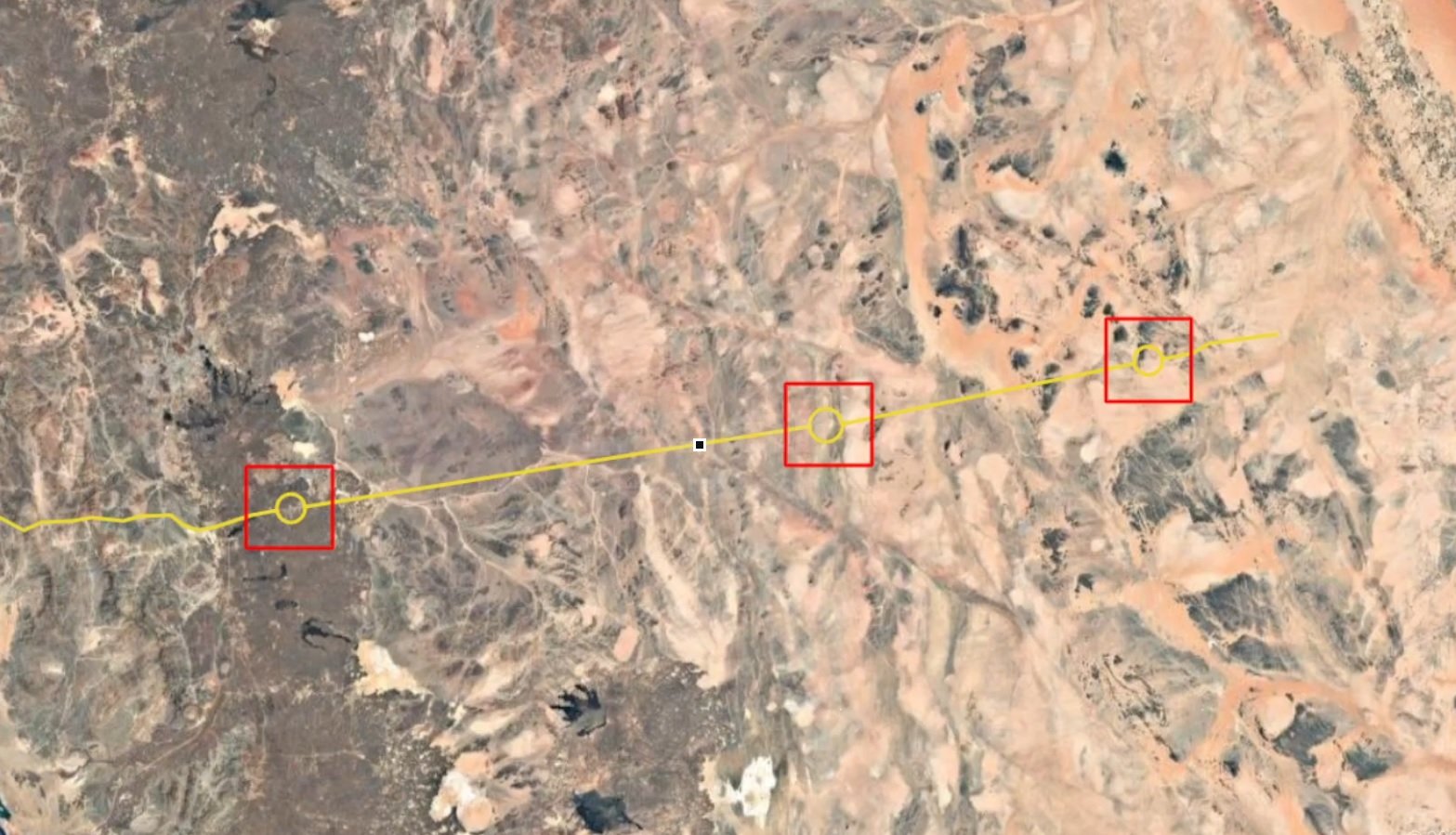 Satellite Imagery Shows Extensive Damage to Saudi Arabia’s East-West Oil Pipeline, Indicating More Than a Single Strike
-
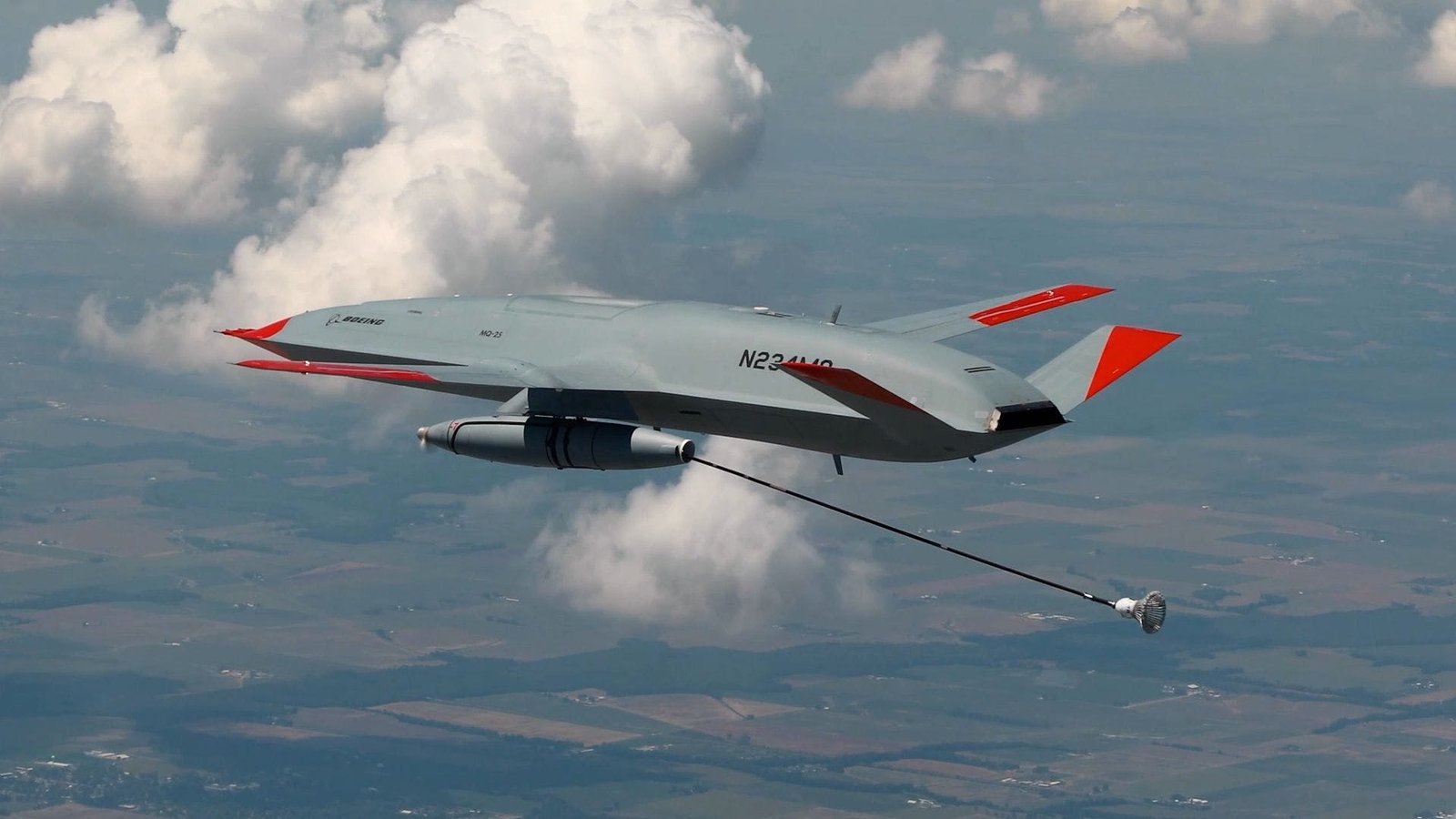 U.S. Navy Awards Boeing $562 Million Contract for First Production MQ-25A Stingray Tanker Drones
-
 Pentagon and Honeywell Complete Four-Hour Pacific Flight Using Quantum Magnetic Navigation Without GPS
-
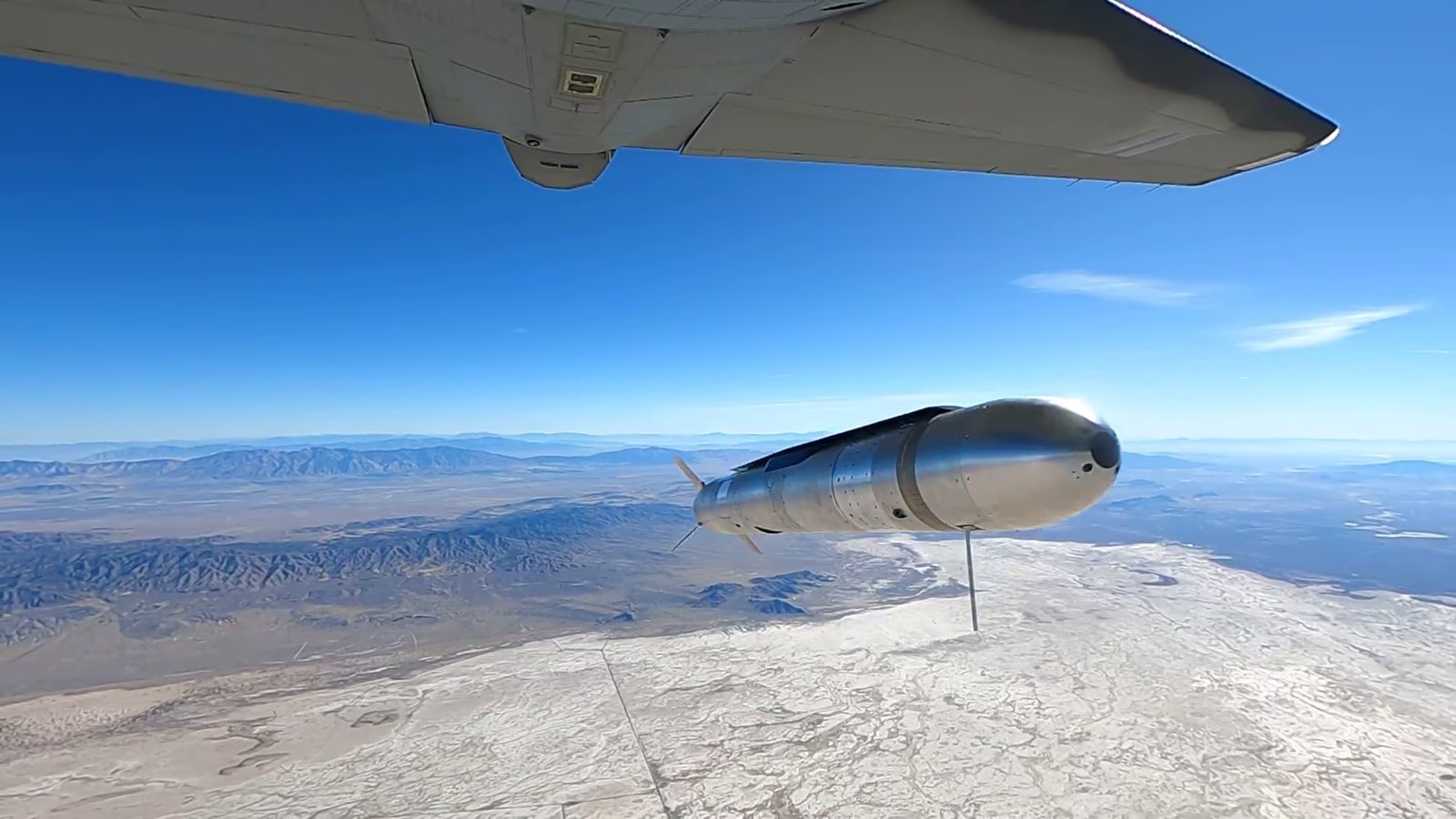 U.S. Air Force Special Operations Command Clears AGM-190A Havoc Spear for Wider Service After Combat Evaluation in Africa
-
 U.S. Confirms Deployment of On-Orbit Space Control Weapons for First Time
-
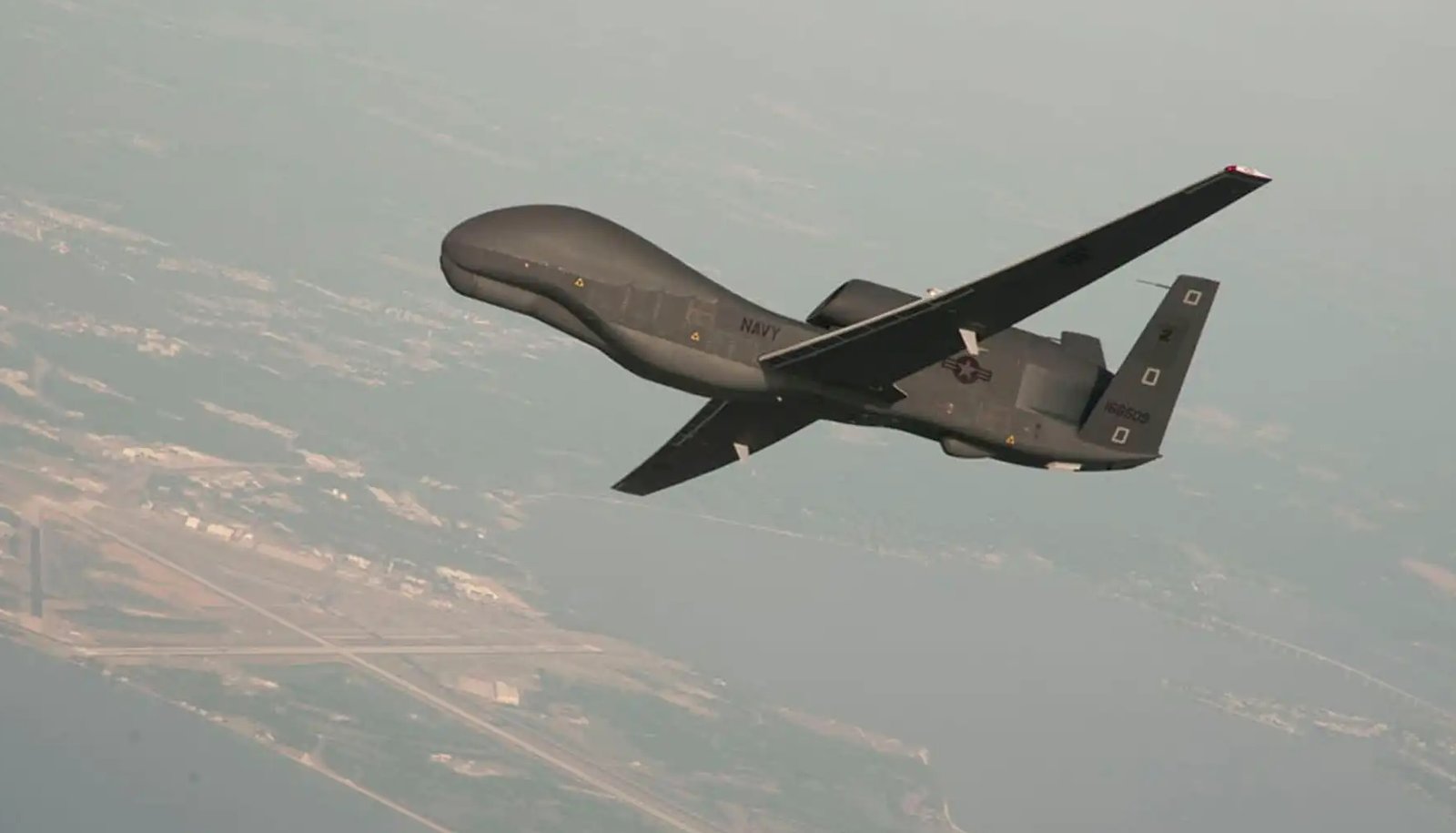 Japan Air Self-Defense Force Loses Contact With Global Hawk Surveillance Drone Off Tottori Coast; Aircraft Presumed Crashed
-
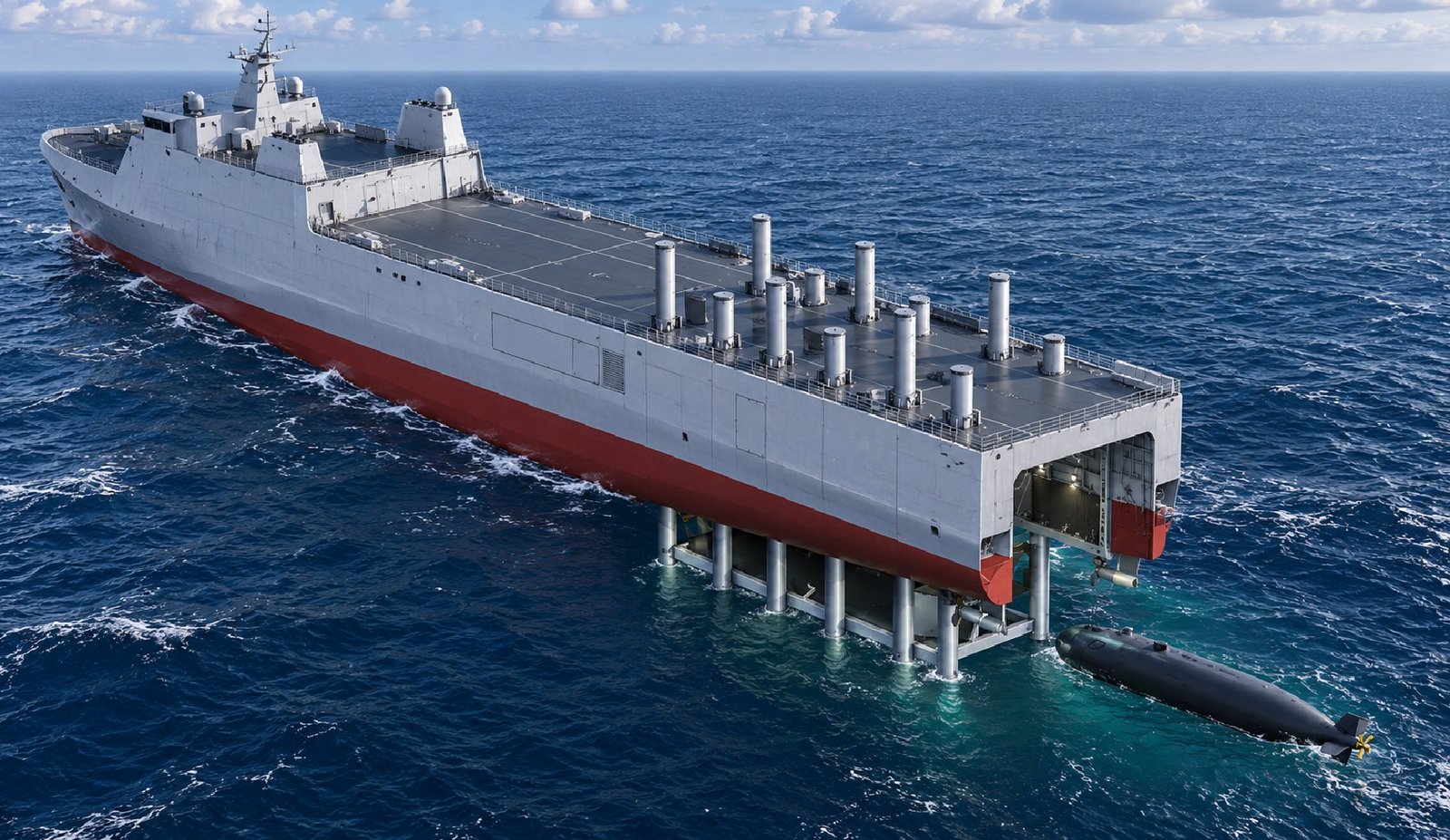 China Builds New Shanghai Vessel to Serve as Mothership for Large Uncrewed Submarines
Top Trending in 4 Days
-
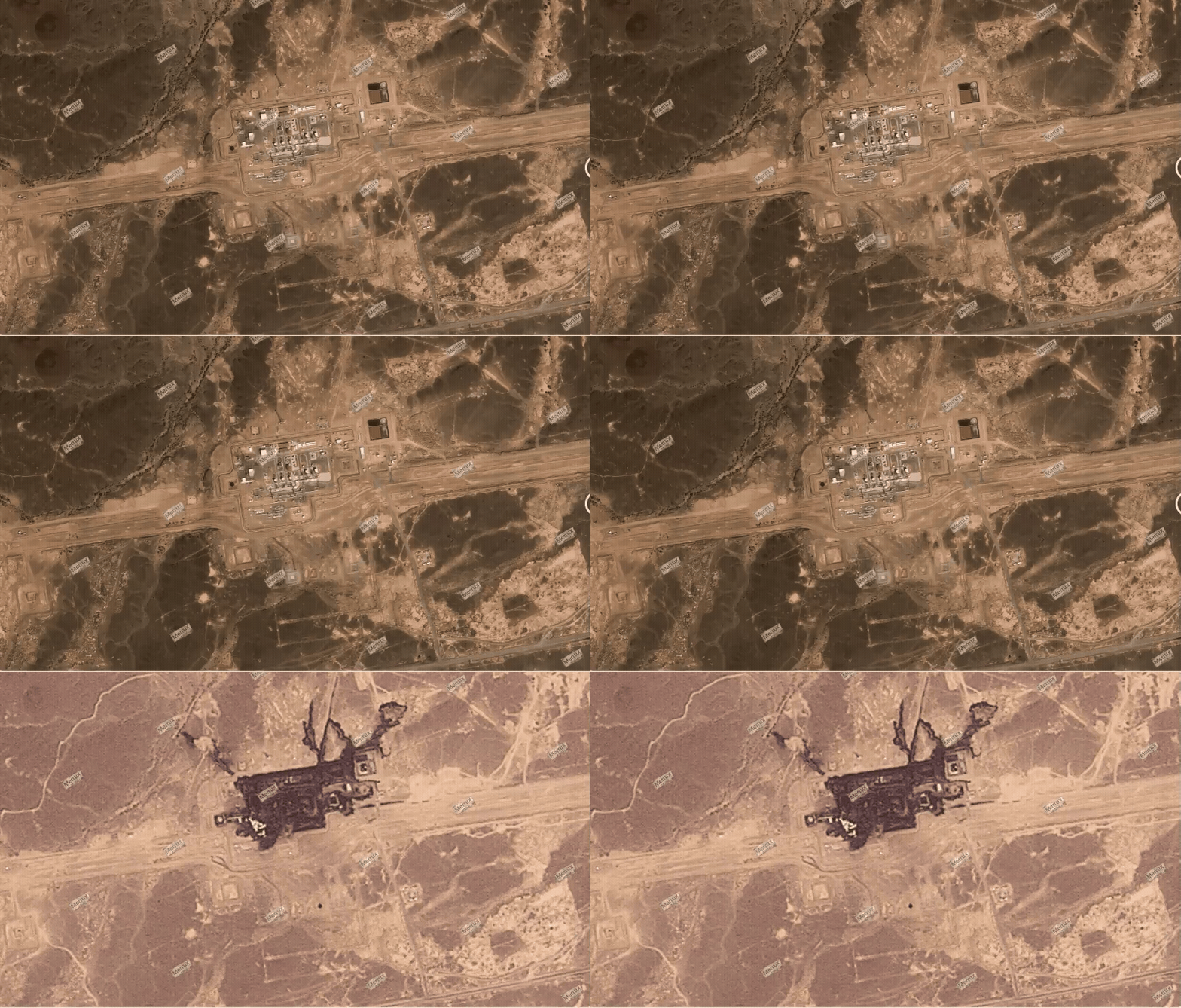 Satellite Imagery Shows Heavy Damage to Saudi East–West Oil Pipeline Pumping Stations
-
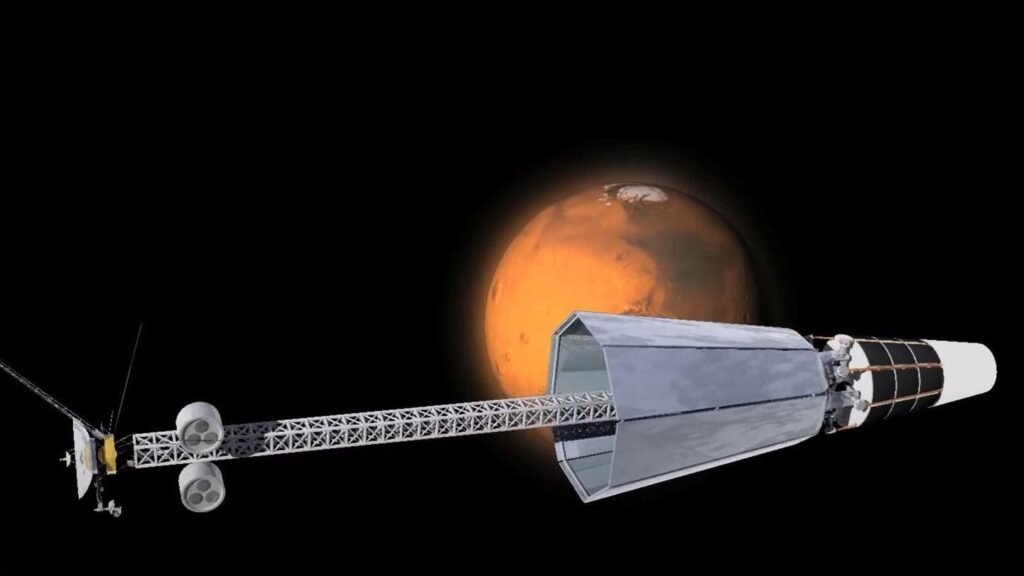 U.S. Air Force Awards Antares $161 Million to Develop Nuclear Reactor for Spacecraft
-
 Pentagon Awards BlueHalo Up to $99.8 Million Contract for Orbital Battlespace R&D Program
-
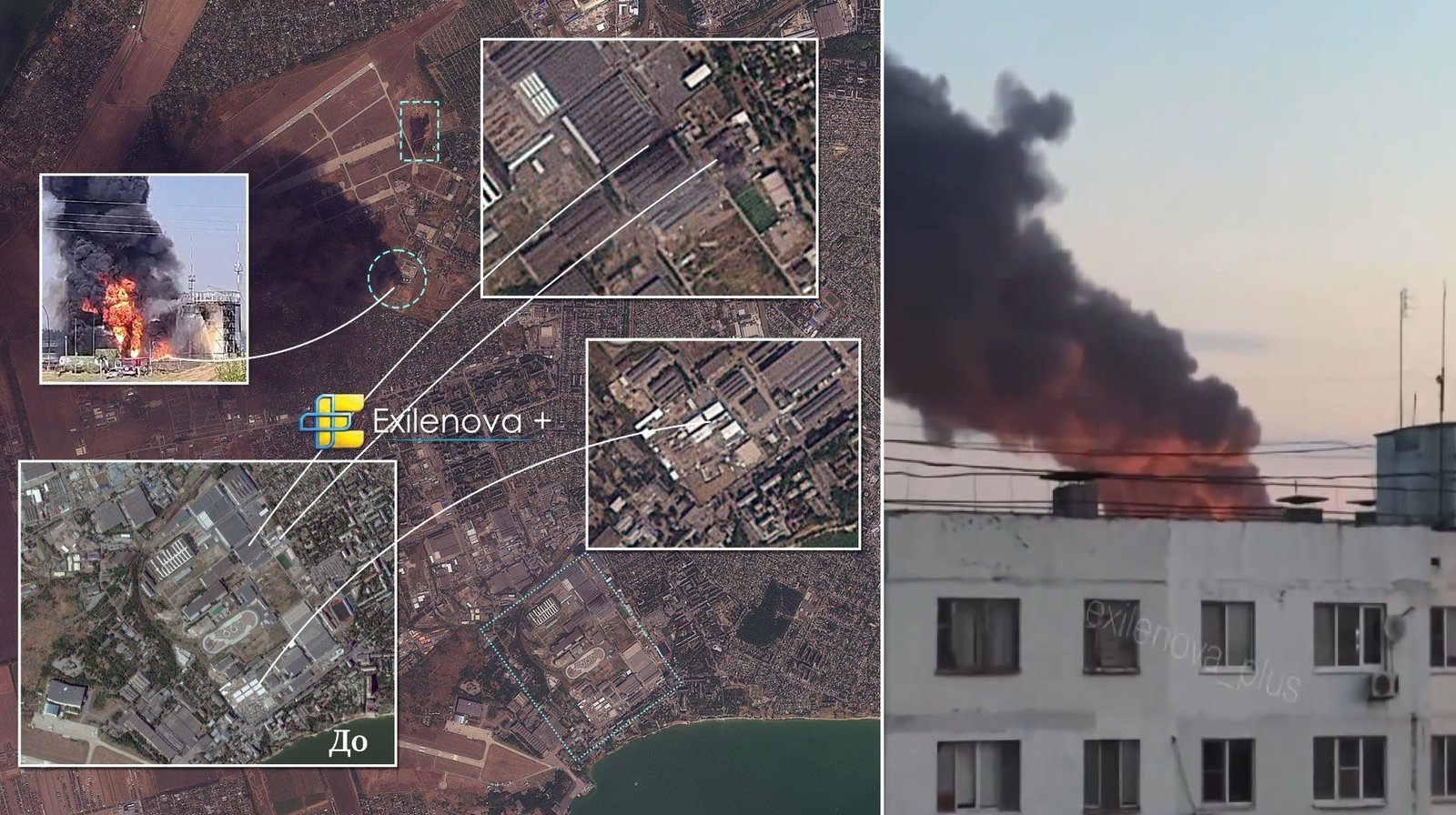 Ukrainian Drones Strike Russian UAV Manufacturer and Chemical Plants in Taganrog and Tolyatti
-
 U.S. Officials Link Chinese Satellite Imagery to Iranian Strike That Killed Three American Soldiers in Jordan
-
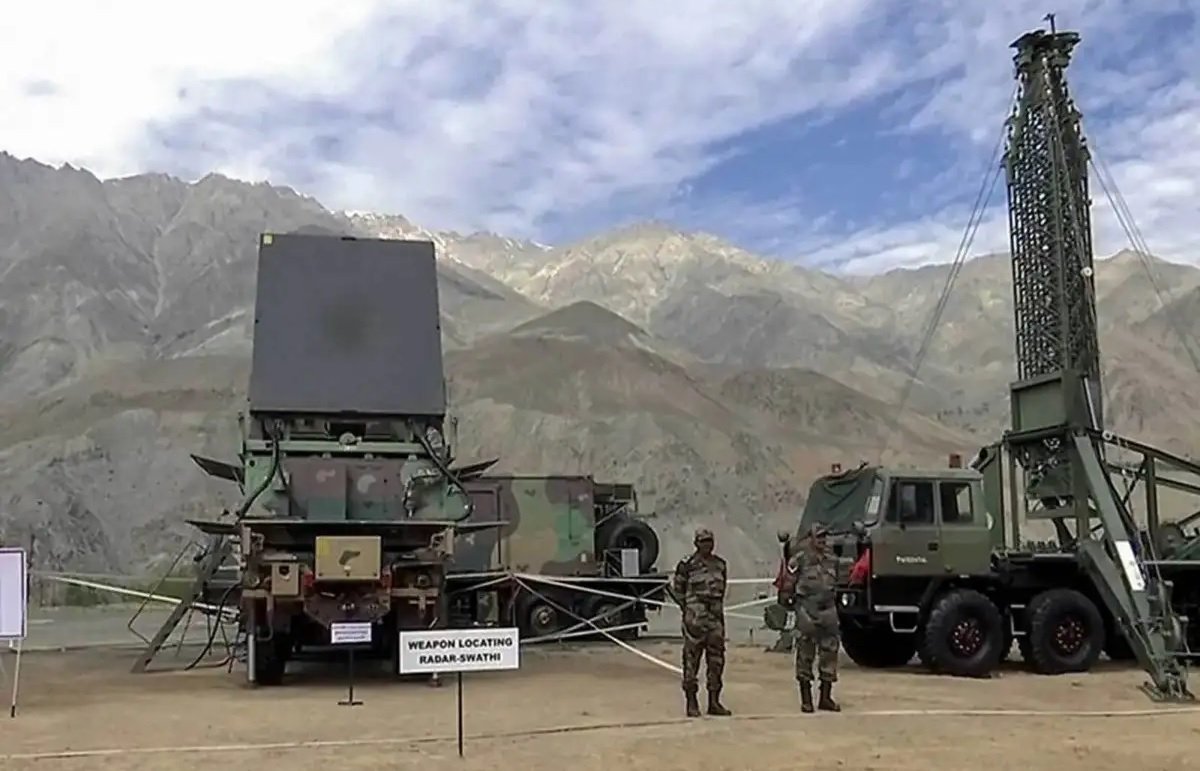 DRDO Demonstrates Indigenous 3.5×3 mm GaN Chip Delivering 30 Watts for Next-Generation Radars and Electronic Warfare
-
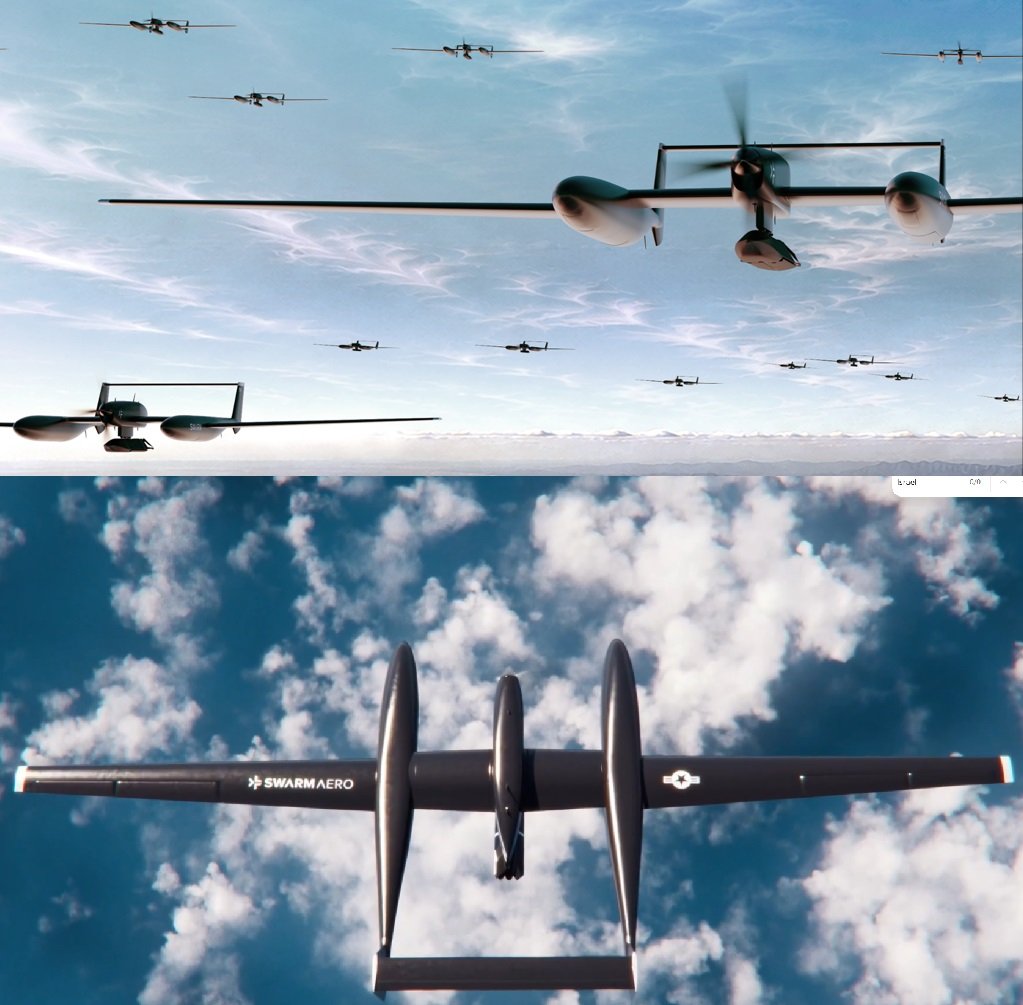 U.S. Firm Swarm Aero Unveils Gamera Group 5 UAS With 9,000-Nautical-Mile Range and Heavy Strike Payload
-
 MBDA and Poland’s WITU Advance Low-Cost Supersonic Interceptor Against Swarm Attacks, Seeker Trials Successfully Completed