India
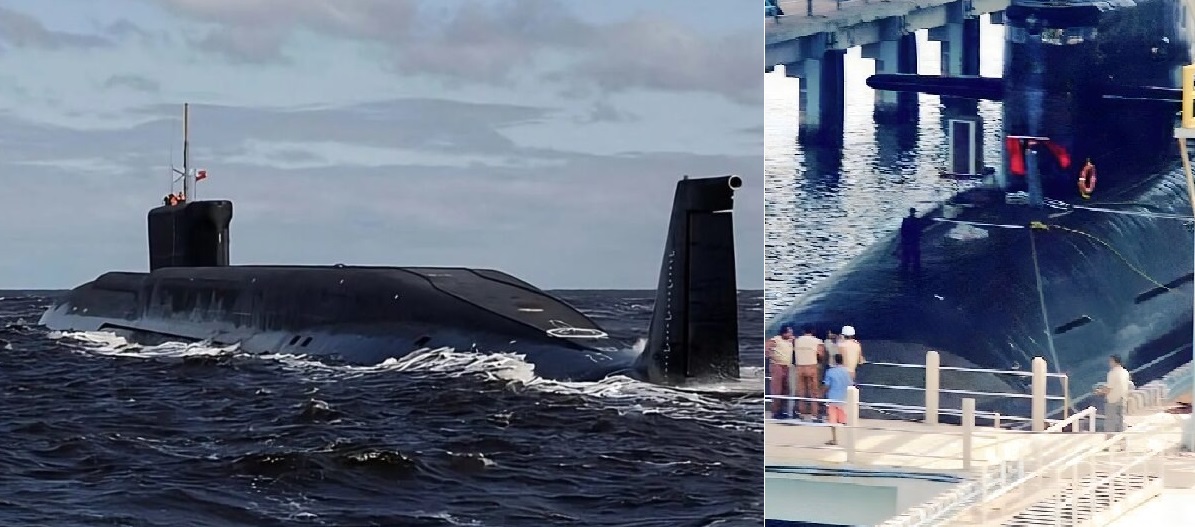
New Delhi : The Indian Navy is set to commission its third nuclear-powered ballistic missile submarine (SSBN), INS Aridhaman, between April and May this year, further expanding India’s indigenous sea-based strategic deterrent capability. INS Aridhaman, designated S4 during development, is the third submarine of the Arihant class under the Advanced Technology Vessel (ATV) programme. It follows the commissioning of INS Arihant (S2) in 2016 and INS Arighat (S3) in August 2024. The submarines are constructed at the Ship Building Centre, Visakhapatnam, as part of India’s long-running indigenous nuclear submarine development programme. Compared to its predecessors, INS Aridhaman incorporates structural modifications and increased dimensions. The submarine is longer and larger than INS Arihant and INS Arighat, reflecting design refinements made after the first two vessels. A key change is its expanded missile capacity. While the earlier Arihant-class boats are fitted with four vertical launch tubes, INS Aridhaman is equipped with eight missile silos, allowing it to carry a greater number of submarine-launched ballistic missiles (SLBMs) during deterrent patrols. The submarine is designed to deploy both the K-15 Sagarika SLBM, with an approximate range of 750 kilometres, and the K-4 ballistic missile, which has a tested range of about 3,500 kilometres. The increase in launch tubes enables a higher missile load-out or a mixed configuration, depending on operational requirements. With the induction of INS Aridhaman, the sea-based leg of India’s nuclear triad will gain additional operational depth. SSBNs are central to ensuring a survivable second-strike capability, a core element of India’s credible minimum deterrence doctrine. Their ability to remain submerged for extended durations enhances assured retaliatory capability. The commissioning of INS Aridhaman marks the continued progression of the ATV programme and strengthens India’s indigenous strategic submarine fleet, which will comprise three operational SSBNs in the Arihant class.
Read More → Posted on 2026-02-19 18:14:00
India
New Delhi, : The Ministry of Defence (MoD) has declared Cochin Shipyard Limited (CSL) as the lowest bidder (L1) for the construction of five Next Generation Survey Vessels (NGSV) for the Indian Navy. The development was confirmed following a meeting held at the Ministry of Defence on February 16, 2026. The estimated value of the contract is approximately ₹5,000 crore. Cochin Shipyard has secured L1 status in the commercial evaluation process; however, the formal award of the contract will be subject to the completion of standard administrative, contractual and technical formalities in accordance with defence procurement procedures. Project Scope and Operational Role The five Next Generation Survey Vessels are intended to replace the Indian Navy’s existing ageing survey fleet and enhance its hydrographic and oceanographic capabilities. The primary role of the NGSVs will be to conduct full-scale hydrographic surveys in coastal and deep-water areas, including ports, navigational channels and India’s Exclusive Economic Zone (EEZ). These surveys are essential for updating nautical charts, ensuring maritime safety, and supporting naval operations. The vessels will also collect oceanographic and geophysical data required for both civilian navigation and defence-related applications. Accurate seabed mapping and environmental data are significant for submarine operations, mine countermeasure planning and maritime domain awareness. In addition to their primary hydrographic function, the NGSVs will be capable of supporting Search and Rescue (SAR) operations and ocean research missions. The ships are designed with modular capabilities that allow them to be configured as hospital ships during emergencies, providing medical support in Humanitarian Assistance and Disaster Relief (HADR) scenarios. Technical Features The Next Generation Survey Vessels will be equipped with advanced autonomous and remotely operated systems to enhance underwater survey capabilities. These include: Autonomous Underwater Vehicles (AUVs) Remotely Operated Vehicles (ROVs) High-resolution multi-beam echo sounders The integration of multi-beam echo sounders will enable the creation of precise three-dimensional seabed maps. The deployment of AUVs and ROVs will support survey operations in deeper and complex underwater environments with improved accuracy and operational efficiency. Alignment with Indigenous Defence Manufacturing The project is aligned with the Government of India’s “Make in India” and “Aatmanirbhar Bharat” initiatives, which aim to increase indigenous design, development and manufacturing in the defence sector. The NGSV programme is expected to incorporate a high level of domestic content, contributing to local industry participation and supply chain development. Cochin Shipyard Limited, a state-owned shipbuilding and maintenance facility under the Ministry of Ports, Shipping and Waterways, has an established track record in executing complex naval construction projects. The shipyard previously constructed India’s first indigenous aircraft carrier, INS Vikrant, for the Indian Navy. In addition to the NGSV project, CSL’s current order book includes contracts for electric green tugs and the ongoing construction of Next Generation Missile Vessels (NGMV). The addition of the five survey vessels further expands the company’s defence portfolio and strengthens its long-term project pipeline. Financial and Market Response Following the announcement on Tuesday, Cochin Shipyard’s shares rose by more than 7 percent during intraday trading, reaching ₹1,574.50 on the National Stock Exchange (NSE). Market analysts indicated that the ₹5,000 crore project provides long-term revenue visibility, as naval shipbuilding contracts typically extend over multiple years from design to delivery. In its regulatory filing, Cochin Shipyard clarified that none of its promoters or group companies have any personal interest in the Ministry of Defence’s awarding authority. The company stated that the bidding and evaluation process complies with applicable corporate governance and transparency standards. The final contract signing will be subject to the completion of procedural requirements under the defence procurement framework. Once formalized, the project will proceed as part of the Indian Navy’s fleet modernization and capability enhancement programme.
Read More → Posted on 2026-02-17 15:57:51
India
NEW DELHI — India’s long-term combat aviation strategy appears to be entering a new phase following recent remarks by Defence Minister Rajnath Singh indicating that the country must begin advancing toward sixth-generation fighter technologies. The statement, delivered during his visit to the Defence Research and Development Organisation (DRDO)’s Gas Turbine Research Establishment (GTRE) in Bengaluru, has prompted discussion across defence and industry circles regarding whether India will pursue an indigenous sixth-generation program or explore participation in an existing multinational consortium such as the UK-led Global Combat Air Programme (GCAP) or the European Future Combat Air System (FCAS). The Directive for 6th-Generation Advancement The discussion was triggered by the Defence Minister’s public remarks emphasizing the need to move beyond fifth-generation aero-engine development and initiate research into sixth-generation capabilities. During his visit to GTRE, Singh stated: “हमें future की तरफ भी देखना होगा। हम सिर्फ 5th generation के engines तक सीमित नहीं रह सकते। 6th generation की, advanced technologies का development भी, हमें जल्द से जल्द start करना होगा। उस पर research, समय की माँग है। जैसे-जैसे दुनिया में technology बदल रही है, Artificial Intelligence, Machine Learning और New Materials का प्रयोग बढ़ रहा है, हमें उनमें आगे रहना होगा।” (Translation: “We also have to look towards the future. We cannot remain limited only to 5th-generation engines. We must start the development of 6th-generation advanced technologies as soon as possible. Research on this is the need of the hour. As technology is changing in the world, and the use of Artificial Intelligence (AI), Machine Learning (ML) and New Materials is increasing, we must stay ahead in them.”) The reference to Artificial Intelligence (AI), Machine Learning (ML) and advanced materials indicates that the Ministry of Defence is positioning sixth-generation development as a technology-driven evolution rather than a platform-only program. The focus on propulsion through GTRE further signals that next-generation engine capability will be central to future combat aircraft design. Sixth-generation fighter concepts globally are expected to incorporate adaptive cycle engines, enhanced thrust-to-weight ratios, improved thermal management, advanced stealth coatings, integrated sensor fusion, optionally manned configurations, and networked system-of-systems architectures including unmanned loyal wingman platforms. Global Sixth-Generation Programs: GCAP and FCAS At present, the Western aerospace sector is organized around two principal multinational sixth-generation combat aircraft programs. The Global Combat Air Programme (GCAP) — formerly known as Tempest — is a trilateral partnership between the United Kingdom, Italy, and Japan. The program aims to field a sixth-generation stealth fighter by 2035. GCAP focuses on advanced propulsion, integrated sensor systems, artificial intelligence-driven mission systems, and collaborative combat aircraft (unmanned systems operating alongside manned fighters). The United Kingdom has previously engaged India in exploratory discussions, including delegations from the UK Ministry of Defence and industry representatives such as BAE Systems, to assess potential Indian participation, particularly in software, digital systems, and AI domains. The Future Combat Air System (FCAS) is a European initiative involving France, Germany, and Spain, led industrially by Dassault Aviation and Airbus. FCAS targets operational capability around 2040 and is structured as a “system of systems.” In addition to a next-generation fighter, the program includes remote carrier drones, cloud-based combat networks, and advanced data fusion platforms. Both programs require substantial financial investment, technological depth, and industrial coordination across multiple nations. The 5th-Generation Dynamic: India’s Distinct Position India’s potential entry into either GCAP or FCAS presents a unique strategic dynamic. None of the core partner nations leading GCAP or FCAS have independently developed a native fifth-generation stealth fighter. The United Kingdom, Italy, and Japan currently fulfill their fifth-generation requirements through procurement of the American F-35. France, Germany, and Spain have not fielded a fifth-generation aircraft domestically and continue to operate advanced 4.5-generation platforms such as the Rafale and Eurofighter Typhoon. India, in contrast, is actively developing its indigenous fifth-generation Advanced Medium Combat Aircraft (AMCA). The Cabinet Committee on Security (CCS) approved the AMCA program for prototype development, marking a significant milestone in India’s domestic stealth fighter initiative. The AMCA program involves DRDO, Hindustan Aeronautics Limited (HAL), and private-sector industry partners. The aircraft is expected to incorporate stealth shaping, internal weapons bays, advanced avionics, sensor fusion, and phased development of indigenous propulsion systems. This positions India as one of the few countries currently executing a ground-up fifth-generation program while simultaneously considering sixth-generation research pathways. Strategic and Industrial Implications of Potential Participation If India were to join either GCAP or FCAS, the partnership would reshape both the industrial and geopolitical balance within those consortiums. For the multinational programs, India would bring substantial development funding, a large projected procurement requirement from the Indian Air Force, and an extensive software and IT ecosystem capable of supporting AI-driven mission systems and digital architecture development. A larger production base would also contribute to economies of scale, potentially lowering per-unit costs. For India, participation would provide access to advanced propulsion research, stealth material science, directed-energy weapon integration studies, and collaborative combat aircraft development. Shared technological risk and cost distribution could accelerate timelines compared to a fully independent sixth-generation program. Conditions and Lessons from the FGFA Program Defence analysts note that any multinational participation would require clearly defined conditions related to workshare, domestic manufacturing, and technology transfer. India’s previous experience with the Fifth Generation Fighter Aircraft (FGFA) program with Russia remains a significant reference point. India partnered in the co-development of a derivative of the Su-57 but withdrew from the program in 2018 due to concerns regarding limited technology transfer, unequal workshare allocation, delays, and restricted access to critical source codes and stealth technologies. To avoid similar outcomes, any future sixth-generation agreement would likely include mandatory provisions for domestic production within India, full participation of Indian public and private sector firms, protection of intellectual property rights, and equitable development status rather than a buyer-supplier arrangement. Policy Direction and Next Steps At present, the Ministry of Defence has not announced formal negotiations with either GCAP or FCAS. The Defence Minister’s directive appears to signal the initiation of research and capability planning rather than an immediate procurement decision. India’s expanding defence budget, modernization requirements for the Indian Air Force, and emphasis on indigenous capability development under national defence industrial policies will influence the trajectory of any future sixth-generation initiative. Whether through an independent program, multinational partnership, or a hybrid model combining domestic development with international collaboration, the policy direction articulated by the Defence Minister indicates that sixth-generation aerospace technologies are now formally entering India’s long-term strategic planning framework.
Read More → Posted on 2026-02-16 17:17:01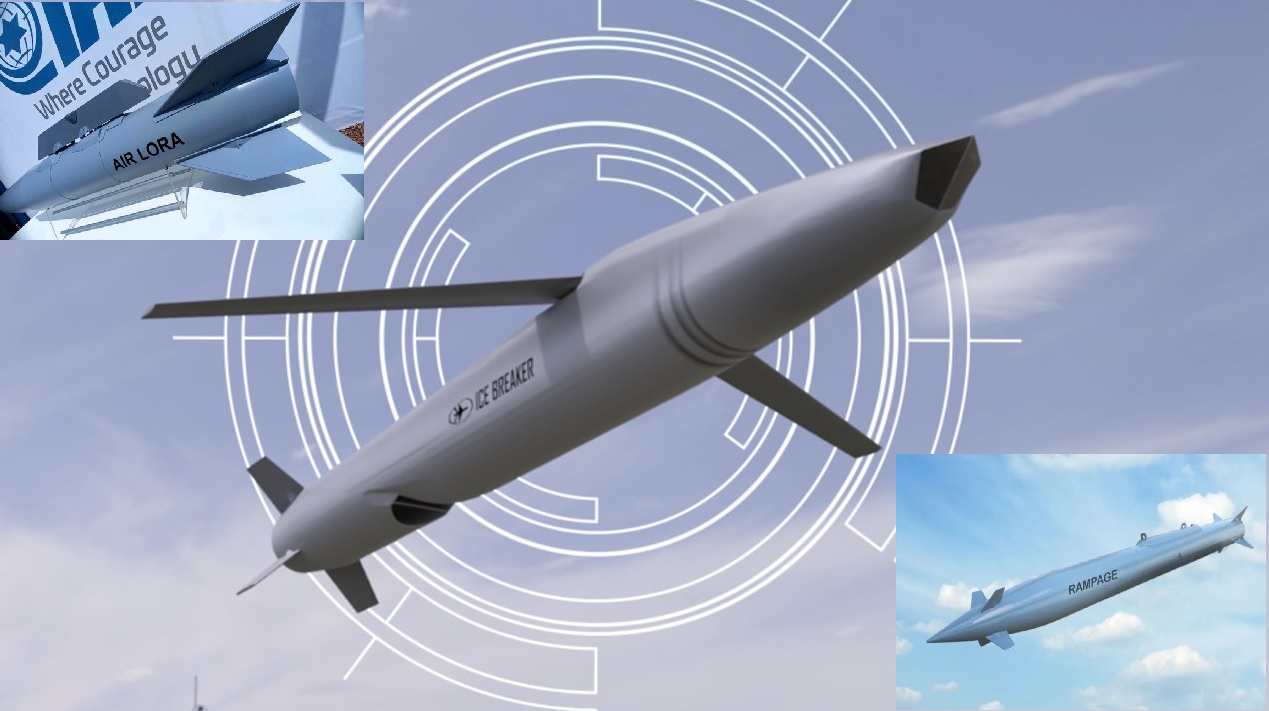
India
NEW DELHI : The Government of India has approved a major defence procurement package from Israel valued between $8.6 billion and $8.7 billion, equivalent to approximately ₹72,000 crore to ₹78,217 crore. The clearance was granted by the Defence Acquisition Council (DAC), the apex body responsible for capital acquisition decisions for the Indian Armed Forces. The package focuses on precision-guided munitions, long-range stand-off strike systems, and associated support equipment for the Indian Air Force (IAF) and the Indian Navy. The approval further consolidates Israel’s position as India’s second-largest arms supplier after France. According to export data covering the period from 2020 to 2024, India accounted for 34 percent of Israel’s total defence exports, making New Delhi the largest customer for Israeli defence equipment during that period. Procurement Overview and Operational Focus The acquisition is designed to strengthen stand-off strike capability, improve survivability of combat aircraft against layered air defence systems, and enhance operational flexibility in contested environments. The systems cleared under the package include precision-guided bombs, long-range air-to-surface missiles, air-launched ballistic missiles, cruise missiles, loitering munitions, air-to-air missiles, radar systems, simulators, and network-enabled command-and-control equipment. The emphasis of the procurement is on GPS-independent guidance, anti-jamming resilience, and extended-range engagement capability, allowing Indian aircraft to strike targets while remaining outside hostile air defence envelopes. SPICE 1000 Precision-Guidance Bomb Kits A central component of the package is the procurement of approximately 1,000 units of the SPICE 1000 precision-guided bomb kits, manufactured by Rafael Advanced Defense Systems. The SPICE 1000 is a 500-kilogram class autonomous air-to-ground system with a strike range of up to 100 kilometres. It employs an electro-optical homing head combined with scene-matching algorithms. The system is designed to operate independently of GPS signals, enabling effective performance in electronically contested environments. It offers a circular error probable (CEP) of under three metres. The integration of these systems is intended to enhance the IAF’s ability to conduct precision strikes against fixed targets, including hardened structures and high-value infrastructure, without reliance on satellite navigation. Rampage Air-to-Surface Missiles The package also includes the Rampage stand-off air-to-surface missile, developed jointly by Israel Aerospace Industries (IAI) and Elbit Systems. The Rampage missile has an operational range between 150 and 250 kilometres. It weighs approximately 570 kilograms, measures 4.7 metres in length, and is equipped with a GPS/INS guidance system featuring anti-jamming capabilities. The missile is designed for high-speed precision strikes against surface targets such as air defence systems, command centres, and military installations. The IAF and the Indian Navy have already integrated Rampage missiles on multiple fighter platforms, including the Su-30MKI, MiG-29, Jaguar, and the carrier-based MiG-29K. The current procurement expands available stockpiles and enhances sustained operational readiness. Air LORA Air-Launched Ballistic Missile The Air LORA system, produced by Israel Aerospace Industries, forms another major component of the procurement. It is the air-launched variant of the Long-Range Artillery (LORA) system. The missile has a strike range of approximately 400 to 430 kilometres and weighs about 1,600 kilograms. It is capable of supersonic speeds up to Mach 5. Designed as a fire-and-forget system, Air LORA allows launch aircraft to disengage immediately after release. The system is intended for precision engagement of high-value targets, including air bases, military infrastructure, and air defence nodes, while maintaining stand-off distance from hostile engagement zones. Ice Breaker Cruise Missile System The Ice Breaker missile, manufactured by Rafael Advanced Defense Systems, is a lightweight cruise missile weighing under 400 kilograms. It has a low-altitude operational range of up to 300 kilometres. The missile features a Very Low Observable (VLO) design and is equipped with an electro-optical imaging infrared (IIR) seeker. It incorporates automatic target recognition and artificial intelligence-enabled processing. The system is designed to operate effectively in GPS-denied and electronically contested environments. Ice Breaker provides flexible deployment options from multiple air platforms and is intended to enhance precision strike capability against land and maritime targets. Additional Systems and Support Equipment Beyond primary strike systems, the approved package includes loitering munitions for precision engagement and battlefield surveillance, air-to-air missiles for enhanced aerial combat capability, advanced radar systems to improve detection and tracking, high-fidelity simulators for training and operational preparedness, and network-enabled command-and-control systems to support integrated operations. These elements are intended to support force multiplication, improve coordination between services, and ensure interoperability across platforms. Domestic Production and Technology Transfer The procurement agreement incorporates technology transfer provisions aligned with India’s Atmanirbhar Bharat initiative, aimed at strengthening domestic defence manufacturing capacity. State-owned enterprises, including Hindustan Aeronautics Limited (HAL) and Bharat Electronics Limited (BEL), along with the Defence Research and Development Organisation (DRDO), are expected to undertake domestic production, systems integration, electronics assembly, and aircraft mounting work related to the Air LORA and Ice Breaker systems. This arrangement is intended to enhance indigenous capability in missile integration, avionics, and network-centric warfare systems, while reducing long-term dependency on direct imports. Strategic and Operational Context According to defence officials, the accelerated procurement responds to evolving operational requirements along India’s borders. Particular emphasis has been placed on systems capable of functioning in environments where satellite navigation signals may be degraded or denied. The selection of GPS-independent and anti-jamming systems such as SPICE 1000 and Ice Breaker reflects assessments related to advanced air defence deployments along the Line of Actual Control (LAC) and the reported use of GPS-jamming tactics during recent military engagements, including Operation Sindoor in May 2025. The combination of extended-range ballistic and cruise missile systems is expected to expand India’s stand-off strike envelope, enabling layered response options across varying threat scenarios.
Read More → Posted on 2026-02-15 17:29:31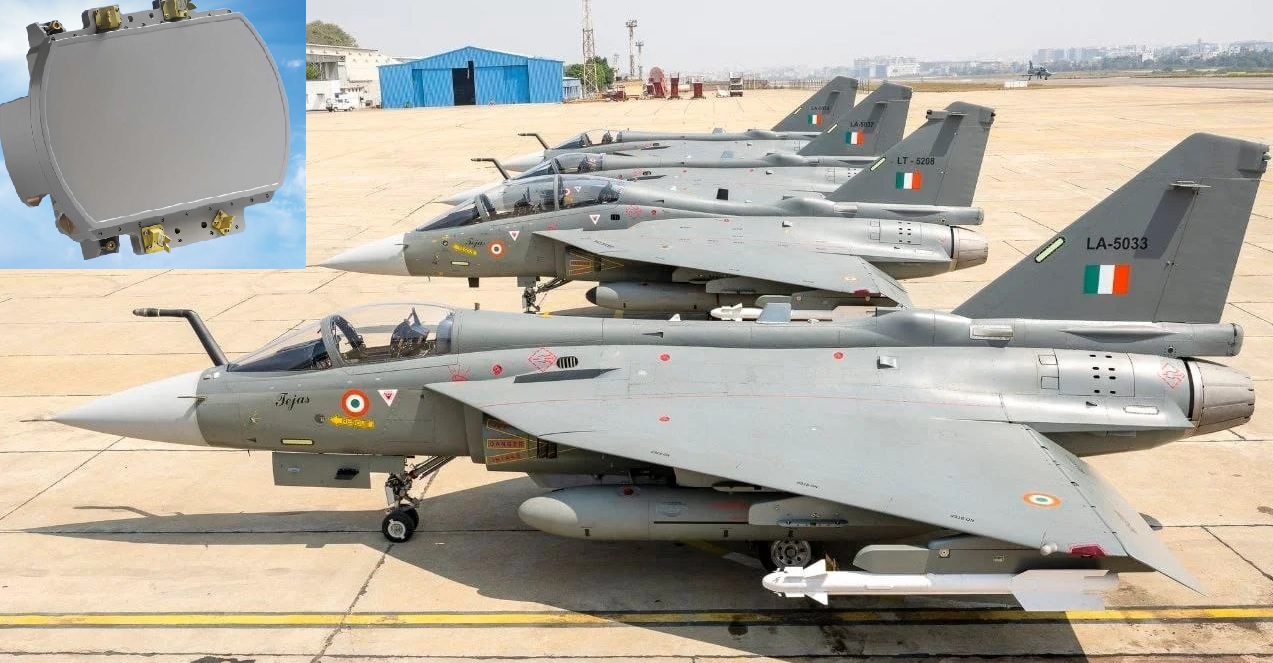
India
NEW DELHI : Deliveries of the Light Combat Aircraft (LCA) Tejas Mk1A are facing additional delays due to technical incompatibilities between the aircraft’s Active Electronically Scanned Array (AESA) radar and its onboard Electronic Warfare (EW) suite, according to recent reporting by Business Standard India and defense sources familiar with the program. The integration challenges have prompted Hindustan Aeronautics Limited (HAL) to seek temporary capability concessions from the Indian Air Force (IAF) in order to meet delivery targets for the current financial year. Integration Challenges Between AESA Radar and EW Suite At the center of the delay is the integration of the Israeli-origin ELTA EL/M-2052 AESA radar, which is being manufactured in India under license. Defense sources indicate that the radar is experiencing operational issues in cueing and functioning seamlessly alongside the aircraft’s advanced Electronic Warfare suite and other avionics subsystems. The Mk1A upgrade, compared to the earlier Mk1 configuration, includes a fully integrated AESA radar and enhanced EW suite as primary features. These systems are required to operate in coordination to ensure situational awareness, threat detection, electronic countermeasures, and target-tracking capability during combat operations. Sources further indicate that software synchronization between the Israeli radar code and indigenous weapons systems remains under refinement. This includes integration work related to the Astra beyond-visual-range air-to-air missile, which requires seamless data exchange between the radar, mission computer, and weapon control systems. Officials have clarified that the current challenges relate to system interoperability and validation, rather than structural or airframe deficiencies. HAL Seeks Capability Concessions for Initial Deliveries In response to the integration hurdles, HAL has approached the IAF seeking relaxations in the agreed Air Staff Quality Requirements (ASQRs) for the first batch of aircraft. According to defense officials, HAL has proposed delivering the initial five Tejas Mk1A fighters by March 2026 under a “capability concession” framework. Under this arrangement, the aircraft would be handed over without complete integration of all contracted systems, with pending software updates and refinements to be incorporated in subsequent upgrades. If the IAF insists on full compliance with baseline ASQR standards before acceptance, officials estimate that deliveries of the first batch could shift to May, June, or July 2026. The IAF is expected to conduct a formal project review to assess whether the aircraft in its current configuration meets acceptance criteria. Production Status and Engine Deliveries Despite the integration bottlenecks, HAL has outlined the current production status of the program. According to the company: Five Tejas Mk1A aircraft have been fully built and are physically ready for handover. Nine additional airframes have been manufactured and have completed initial test flights using reserve engines. HAL has received five F404-IN20 engines from GE Aerospace as of February 2026, covering the requirement for the first batch of five aircraft. The initial delivery timeline for the Mk1A was February 2024. However, delays in the supply of GE F404-IN20 engines, attributed to global supply chain disruptions, significantly pushed back the schedule. With engines now being delivered, software integration and avionics compatibility have emerged as the primary constraints. Contract Details and Financial Commitments The Indian Air Force has placed orders for a total of 180 Tejas Mk1A aircraft under two contracts: 83 aircraft ordered in February 2021 at a cost of ₹36,400 crore. 97 aircraft ordered in late 2025 at a cost of ₹62,370 crore. The Tejas Mk1A variant incorporates enhancements including the AESA radar, advanced EW suite, improved maintainability features, and expanded weapon compatibility compared to the earlier Mk1 version. Operational Implications for the IAF The induction of the Tejas Mk1A remains central to the IAF’s force structure planning. Following the retirement of legacy MiG-21 squadrons, the IAF’s active fighter strength has reduced to 29 squadrons, against an authorized strength of 42 squadrons. The service is relying on sustained production of the Mk1A to stabilize fleet numbers before the planned induction of the Tejas Mk2 and the Advanced Medium Combat Aircraft (AMCA) in the coming decade. The outcome of the upcoming IAF project review will determine whether deliveries proceed under interim capability concessions or are deferred until full system integration compliance is achieved.
Read More → Posted on 2026-02-15 15:47:02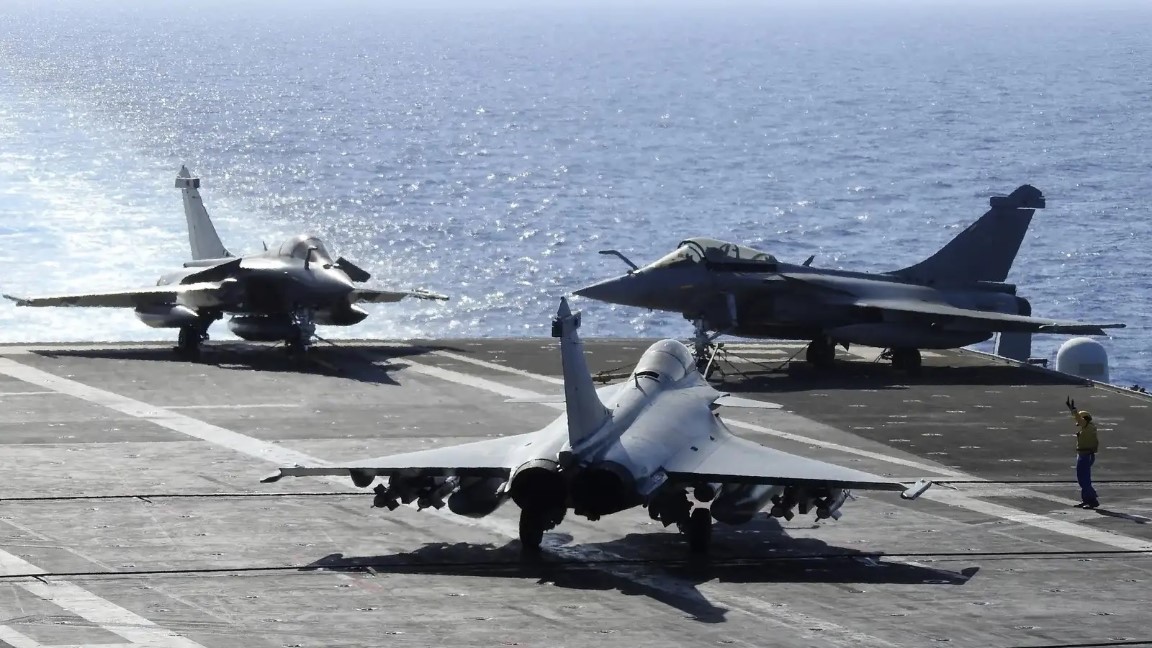
India
NEW DELHI : The Government of India has formally approached France to request the supply of 31 additional Rafale Marine (Rafale-M) fighter jets, expanding on the 26 aircraft contracted in April 2025. If the proposal is finalized, the Indian Navy’s total fleet of Rafale-M fighters will reach 57 aircraft, exceeding the approximately 41 naval Rafales currently operated by France. The initial agreement signed in April 2025 covered 26 Rafale-M aircraft at an estimated cost of ₹63,000 crore (approximately $7.6 billion). The newly proposed 31 aircraft are intended to meet the Indian Navy’s long-standing requirement for 57 Multi-Role Carrier-Borne Fighters (MRCBF), ensuring sustained operational capability across its carrier fleet. Procurement Structure and Fleet Requirement Under the April 2025 contract, the Indian Navy ordered 22 single-seat Rafale-M fighters and four twin-seat trainer variants. These aircraft are currently under production. The additional request for 31 jets would bring the total to 57 aircraft, aligning with the Navy’s original operational calculation for maintaining continuous air wing availability across multiple aircraft carriers. The requirement accounts for: Operational deployment Maintenance cycles Training at shore-based facilities such as INS Hansa Attrition reserves If completed, India would become the largest operator of the Rafale Marine variant globally. Naval Rafale Fleet Comparison France: Approximately 41 aircraft (operational) India: 26 aircraft (ordered April 2025, under production) India: 31 aircraft (additional request, proposed) India Total (Projected): 57 aircraft Operational Rationale The procurement strategy is structured to support India’s aircraft carrier force, currently comprising INS Vikramaditya and the indigenous carrier INS Vikrant. The first batch of 26 Rafale-M jets was intended primarily to replace the aging MiG-29K fleet and strengthen air wing operations on both carriers. The proposed expansion to 57 aircraft is linked to long-term planning for the second indigenous aircraft carrier program (IAC-2), commonly referred to as INS Vishal. Defense planners have indicated that early procurement aligns aircraft production timelines with projected carrier construction schedules, ensuring availability of fully operational squadrons upon commissioning. The fleet size also enables the Navy to maintain a “force-in-being” posture, with dedicated squadrons for each carrier while preserving training, overhaul, and standby capacity. Technical Configuration The Rafale-M is the naval variant of the Rafale platform and is engineered for carrier operations. Key structural adaptations include: Reinforced landing gear for deck operations Arrestor hook for arrested landings Strengthened airframe for maritime stress conditions “Jump strut” nose wheel enabling ski-jump launches Compatibility with catapult-assisted takeoff systems Despite these naval-specific modifications, the Rafale-M maintains approximately 95% commonality with the Rafale variants currently operated by the Indian Air Force (IAF). This commonality simplifies logistics, pilot conversion training, spare parts management, and long-term sustainment. Industrial Participation and Local Integration The Rafale-M framework incorporates industrial cooperation provisions aligned with the “Make in India” initiative. Local Production Infrastructure: Fuselage manufacturing facilities are being established through the Dassault–Reliance joint venture in Nagpur. Weapons Integration: The platform is expected to integrate Indian-developed systems, including the Astra beyond-visual-range (BVR) air-to-air missile and the Naval Anti-Ship Missile (NASM). Maintenance, Repair, and Overhaul (MRO): Plans include establishing domestic MRO infrastructure to support engines, avionics, and airframe servicing. The facility is expected to function as a regional support hub for Rafale operators. Broader Defence Cooperation Context The expanded naval request comes amid increased Indo-French defense engagement. The Defence Acquisition Council (DAC) has recently granted “Acceptance of Necessity” for the procurement of 114 Rafale aircraft for the Indian Air Force under the Multi-Role Fighter Aircraft (MRFA) program. With French President Emmanuel Macron scheduled to visit India later this month, discussions are expected to address both the naval and air force requirements. Negotiations concerning pricing, delivery schedules, industrial participation, and technology transfer are likely to form part of ongoing government-to-government engagement. If finalized, the additional 31 Rafale-M aircraft would consolidate India’s long-term carrier aviation plans and significantly expand the operational footprint of the Rafale Marine platform within the Indian Navy.
Read More → Posted on 2026-02-15 14:53:51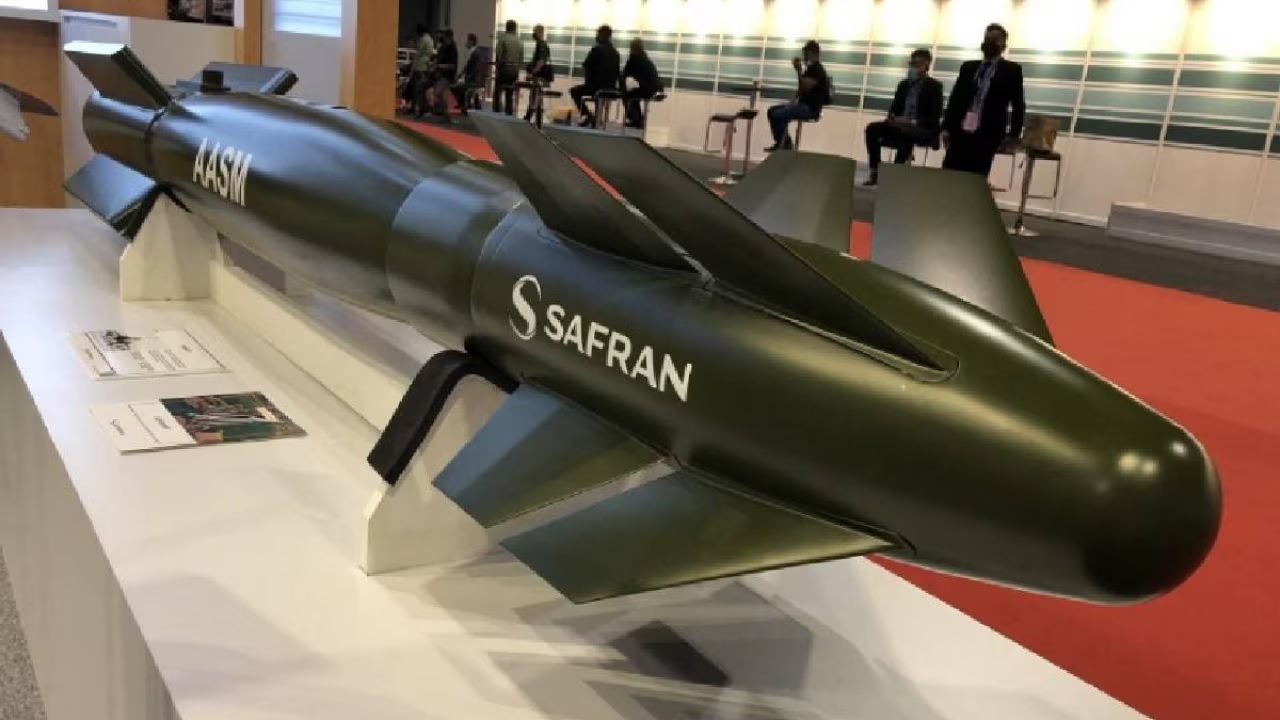
India
BENGALURU, : India and France are set to expand their strategic defence partnership during the 6th India–France Annual Defence Dialogue scheduled for February 17, 2026, in Bengaluru. Defence Minister Rajnath Singh will co-chair the talks with French Minister of the Armed Forces and Veterans Affairs Catherine Vautrin, marking her first official visit to India since assuming office on October 12, 2025. The annual dialogue serves as a structured institutional mechanism to review the full spectrum of bilateral defence cooperation, including military collaboration, defence industrial partnerships, technology transfer, and long-term strategic planning. The meeting comes ahead of India’s anticipated acquisition of 114 additional Rafale multi-role fighter aircraft, a program expected to significantly shape future aerospace cooperation between the two countries. MoU on Indigenous Manufacturing of Hammer Missiles A key outcome expected from the dialogue is the signing of a Memorandum of Understanding (MoU) to establish a joint venture for the indigenous production of the Hammer (Highly Agile Modular Munition Extended Range) precision-guided munition. The proposed joint venture will be formed between Bharat Electronics Limited (BEL) and Safran Electronics & Defence on a 50:50 equity basis. The project targets approximately 60 percent indigenization under India’s “Make in India” framework. The Hammer is a precision-strike, air-to-ground weapon designed to neutralize hardened structures and high-value targets. It is currently integrated with the Indian Air Force’s Rafale fighter aircraft fleet as well as the Light Combat Aircraft (LCA) Tejas. Local production is expected to enhance supply chain resilience and reduce long-term dependency on imports. Renewal of Defence Cooperation Framework Both sides are also expected to renew the existing India–France Defence Cooperation Agreement for another 10-year period. The renewal will provide continuity to ongoing programmes and establish a stable framework for expanded cooperation across services and defence industries. The agreement covers joint research, defence manufacturing, military training, operational coordination, and structured policy consultations. Rafale Programme and Aerospace Manufacturing The dialogue takes place amid discussions surrounding India’s proposed acquisition of 114 additional Rafale multi-role fighter aircraft. If finalized, French aerospace major Dassault Aviation is expected to manufacture the majority of these aircraft in India. Local production of Rafale jets would significantly expand India’s aerospace manufacturing ecosystem and build upon previous India–France industrial collaborations. Existing cooperation includes Safran’s joint venture with Hindustan Aeronautics Limited (HAL) for helicopter engine production, supporting indigenous rotorcraft programs. The Rafale programme is expected to involve technology transfer, supply chain localization, and participation of Indian private and public sector firms. H125 Helicopter Final Assembly Line in Karnataka During the visit, Rajnath Singh and Catherine Vautrin are expected to witness the virtual inauguration of the H125 Light Utility Helicopter Final Assembly Line (FAL) at Vemagal, Karnataka. The facility is a partnership between Tata Advanced Systems Limited (TASL) and Airbus Helicopters. It will be inaugurated virtually by Prime Minister Narendra Modi and French President Emmanuel Macron. The Vemagal unit is India’s first private-sector helicopter final assembly line. The H125 helicopter is intended for civil and utility roles, and the project reflects expanding aerospace manufacturing collaboration between Indian and French firms. Military-to-Military Engagement and Interoperability Beyond industrial cooperation, the ministers are expected to review operational and personnel exchanges between the two armed forces. An announcement is anticipated regarding reciprocal deployment of officers at Indian Army and French Land Forces establishments to improve interoperability and professional military education exchanges. The dialogue will also review progress in regular tri-services exercises conducted between the two countries: Exercise Shakti (Army)Exercise Varuna (Navy)Exercise Garuda (Air Force) These exercises focus on joint operational planning, maritime security, air combat training, and counter-terror operations. Regional Security and Indo-Pacific Cooperation Discussions are expected to address regional security developments and the India–EU Security and Defence Partnership, reflecting shared interests in the Indo-Pacific region. Strategic Context of Bilateral Relations Defence cooperation remains a central pillar of India–France relations, supported by high-level political engagement. Prime Minister Narendra Modi attended France’s Bastille Day Parade in July 2023 as Guest of Honour, and President Emmanuel Macron was Chief Guest at India’s Republic Day celebrations in January 2024. The 6th Annual Defence Dialogue follows the previous edition held in France in October 2023, continuing the established framework for bilateral defence engagement.
Read More → Posted on 2026-02-15 14:36:53
India
MEERUT, UTTAR PRADESH : The Government of India has initiated construction of the country’s first dedicated military aviation base for unmanned aerial systems in Meerut, Uttar Pradesh, following operational experience gained during Operation Sindoor (May 2025). The ₹406-crore project is being executed by the Border Roads Organisation (BRO) and is designed to support sustained, high-tempo Remotely Piloted Aircraft (RPA) operations. The facility will be developed across approximately 900 acres and is planned as a central operational hub for unmanned systems. Core infrastructure includes a 2,110-meter-long and 45-meter-wide runway, engineered to support both High Altitude Long Endurance (HALE) drones and select military transport aircraft. Runway and Airside Infrastructure The runway specifications enable operations of large unmanned platforms used for extended surveillance missions, along with transport aircraft in the C-295 and C-130 class for logistics and operational support. The width and load-bearing standards are structured to accommodate heavy transport aircraft as well as large UAV systems. The airfield will be equipped with ICAO Category-II compliant lighting systems and advanced navigational aids, enabling flight operations during low-visibility conditions, including night-time and adverse weather. To support maintenance, storage, and rapid deployment, the base will include two hangars, each measuring 60 meters by 50 meters. These facilities are designed for routine servicing, mission preparation, and protection of unmanned platforms. Project Structure and Implementation Timeline The project follows an 85-month implementation schedule. The initial seven months are allocated for pre-award activities and preparation of a Detailed Project Report (DPR). This will be followed by an 18-month supervised construction phase. Post-construction provisions include a 24-month defect liability period to address structural or technical issues, along with 36 months of maintenance oversight to ensure infrastructure reliability and operational stability. Once operational, the Meerut base is projected to handle approximately 1,500 RPA sorties annually, averaging four drone missions per day. Operational Background: Operation Sindoor The establishment of the drone aviation base follows the deployment of unmanned aerial systems during Operation Sindoor in May 2025. During the operation, drones were used extensively for surveillance and reconnaissance over sensitive border regions. Unmanned systems provided real-time intelligence inputs, supported precision targeting, and enhanced situational awareness. The operational experience demonstrated the requirement for dedicated infrastructure to sustain expanded unmanned operations. Strategic Role The Meerut airbase represents an institutional shift toward integrating autonomous and remotely piloted platforms within India’s defense framework. The development of a purpose-built runway, supported by maintenance and logistics infrastructure, is intended to facilitate continuous surveillance capability, structured deployment cycles, and coordination with manned aircraft. Compatibility with heavy transport aircraft ensures that unmanned systems can receive logistical support, equipment transfers, and personnel movement without dependence on separate airfields. Upon completion, the facility is expected to function as a key operational center for unmanned aviation, supporting surveillance, reconnaissance, and related defense missions within India’s national security architecture.
Read More → Posted on 2026-02-14 17:20:38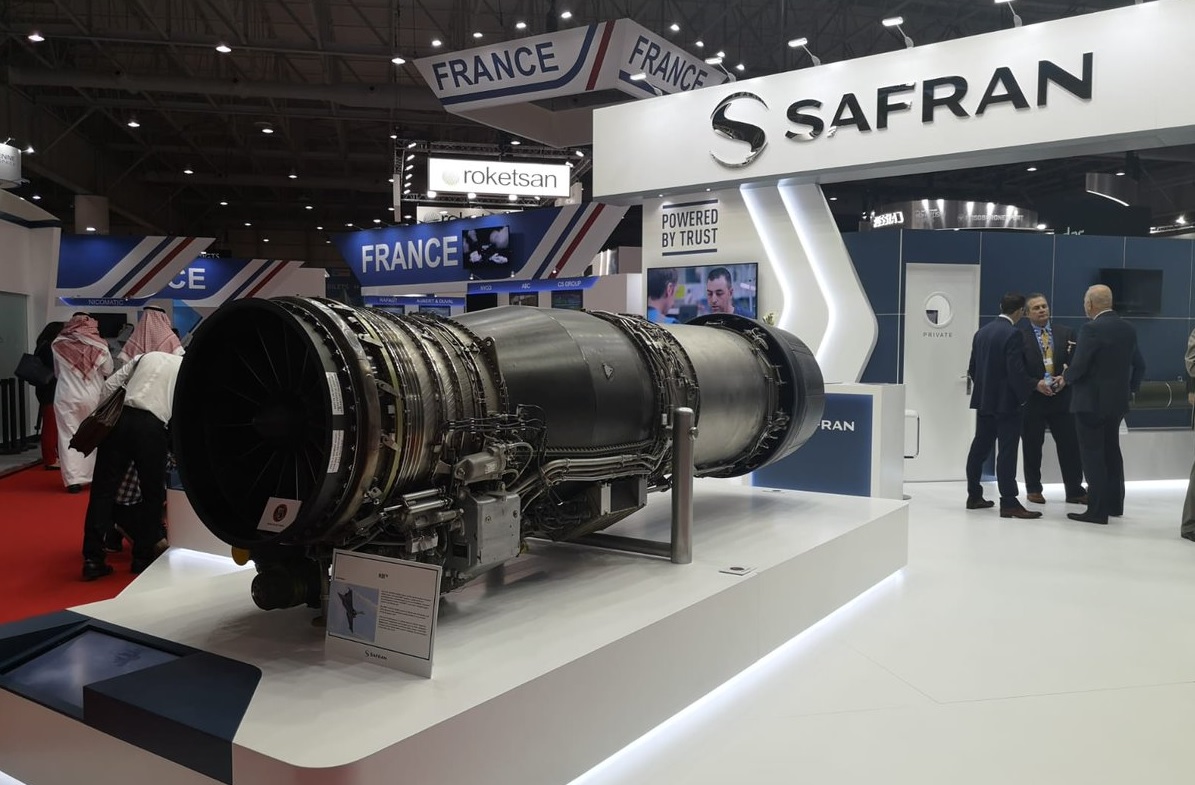
India
NEW DELHI : French aerospace and defense major Safran has expressed readiness to establish a dedicated engine assembly line in India as New Delhi and Paris advance negotiations for the acquisition of 114 additional Rafale fighter aircraft manufactured by Dassault Aviation for the Indian Air Force (IAF). Safran Chief Executive Officer Olivier Andries stated that the company is prepared to expand its industrial footprint in India in line with the requirements of the proposed fighter aircraft program, indicating a further strengthening of Indo-French defense industrial cooperation, particularly in aero-engine manufacturing and long-term maintenance support. Localization of M88 Engine Production Safran manufactures the M88 turbofan engine that powers the Dassault Rafale aircraft. Under the proposed framework, the company would assemble M88 engines in India and integrate Indian suppliers into its production ecosystem. The plan includes sourcing parts and components from domestic vendors, with a gradual increase in local content. This approach is aimed at strengthening India’s aerospace manufacturing base, enhancing supply chain capabilities, and supporting the government’s objective of increasing indigenous content in defense procurement while reducing reliance on overseas maintenance and overhaul support. If implemented, the facility would mark the first Rafale engine assembly line outside France, while also creating opportunities for repair, overhaul, and lifecycle support for engines operated by Indian armed forces. Progress on 114 Rafale Fighter Procurement The proposed engine assembly line is directly linked to India’s plan to procure 114 multi-role fighter jets for the IAF. The project has received Acceptance of Necessity (AoN) from the Defence Acquisition Council (DAC), chaired by Defence Minister Rajnath Singh. The estimated value of the fighter aircraft program is approximately ₹3.25 lakh crore. Under the current proposal: 18 aircraft will be delivered in flyaway condition from France. 96 aircraft will be manufactured in India under a strategic partnership model, involving technology transfer and collaboration with Indian industry partners. The discussions are taking place amid ongoing high-level engagement between India and France, including the scheduled visit of French President Emmanuel Macron to New Delhi. Defense cooperation remains a central component of bilateral relations. Additional Procurement Approvals During the same DAC meeting, approval was also granted for additional acquisitions, including Boeing P-8I maritime patrol aircraft for the Indian Navy. The 114-fighter program is intended to address the IAF’s squadron requirements as older aircraft are phased out. The IAF currently operates 36 Rafale jets inducted under a previous government-to-government agreement. Additionally, 26 carrier-capable Rafale-Marine aircraft are on order for the Navy. Safran’s Expanding Presence in India Safran recently conducted a groundbreaking ceremony for a 5,000-square-meter Maintenance, Repair, and Overhaul (MRO) facility in Hyderabad dedicated to the M88 engine, which will support engines powering Indian-operated Rafale aircraft. The company has also established a major MRO center in Hyderabad for commercial LEAP engines, reinforcing its long-term presence in India’s civil and military aviation sectors. Localized engine assembly and integration of Indian suppliers are expected to support higher fleet availability, streamlined maintenance cycles, and long-term industrial capability development within India. The establishment of the engine assembly line will depend on the finalization of the 114-aircraft procurement agreement.
Read More → Posted on 2026-02-14 15:48:20
India
NEW DELHI : The Defence Acquisition Council (DAC), chaired by Defence Minister Rajnath Singh, has granted Acceptance of Necessity (AoN) for the procurement of 288 additional surface-to-air missiles for the Indian Air Force (IAF)’s S-400 Triumf air defence system. The proposal, cleared under the Fast Track Procedure (FTP), is valued at approximately ₹10,000 crore (about $1.1 billion). The approval follows an internal operational assessment of the S-400 system’s performance during “Operation Sindoor.” According to defence officials, the system’s operational deployment during the exercise validated its strategic role within India’s integrated air defence network, leading the IAF to seek replenishment of missile inventories to ensure sustained readiness for future contingencies. Replenishment to War-Wastage Reserve Levels The sanctioned procurement forms part of a broader capital acquisition package worth ₹3.60 lakh crore cleared by the DAC to strengthen the operational preparedness of the Indian Armed Forces. Within this framework, the 288 missiles are intended to restore and maintain the IAF’s authorised war-wastage reserve levels for the S-400 system. The approved package comprises two categories of missile interceptors: 120 short-range missiles, intended for point defence roles and engagement of low-altitude aerial threats. 168 long-range missiles, designed for high-altitude interception and neutralisation of targets at extended standoff distances. Officials stated that the use of the Fast Track Procedure underscores the immediate operational requirement to maintain adequate stockpiles across deployed S-400 squadrons. Current Deployment and Upcoming Deliveries The S-400 Triumf, procured from Russia under a government-to-government agreement, serves as the backbone of India’s long-range air defence capability. The IAF has operationalised three S-400 squadrons to date. Two remaining squadrons, delayed earlier due to supply chain constraints, are now scheduled for delivery in June and November 2026. The additional missile order is intended to ensure that both operational and forthcoming S-400 units remain fully equipped. Defence sources indicated that maintaining adequate interceptor inventories is essential for sustained air defence coverage, particularly given the system’s layered engagement envelope against aircraft, cruise missiles, unmanned aerial vehicles, and other aerial threats. Proposal for Additional Systems In parallel, the Indian Air Force is making a case for the procurement of five additional S-400 systems from Russia. The proposal also includes consideration of the Pantsir short-range air defence system to strengthen close-in protection of high-value assets and long-range air defence batteries. If approved, the expansion would enhance India’s multi-layered air defence architecture by combining long-range and short-range systems to address threats at varying altitudes and distances. Strategic Context The latest AoN approval reflects a continued emphasis on strengthening India’s air defence umbrella amid evolving regional security dynamics. By replenishing missile inventories and considering further system acquisitions, the IAF aims to ensure sustained operational capability across all S-400 units currently deployed and those scheduled for induction in 2026. The ₹10,000 crore fast-track clearance marks one of the key air defence-related decisions within the larger ₹3.60 lakh crore capital acquisition approvals, reinforcing the priority placed on maintaining high readiness levels within the armed forces.
Read More → Posted on 2026-02-13 13:59:43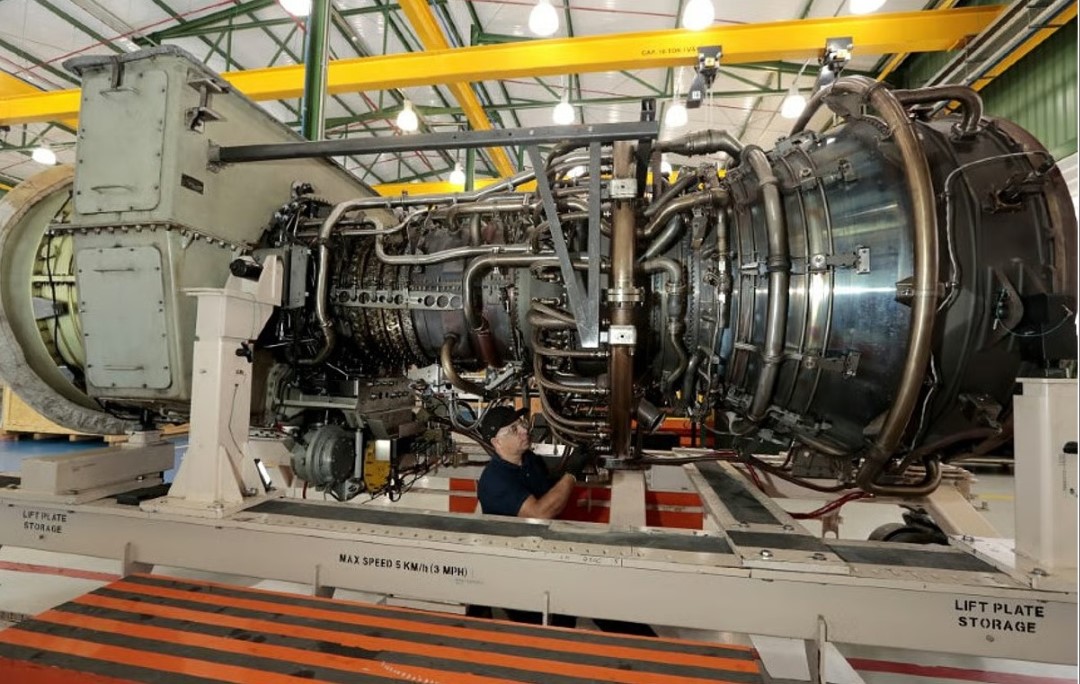
India
NEW DELHI : According to Report, the Defence Acquisition Council (DAC) has granted Acceptance of Necessity (AoN) for capital acquisition proposals worth ₹3.60 lakh crore, marking one of the largest modernization clearances in recent years. The approval includes procurement of 114 Rafale fighter aircraft under the Multi-Role Fighter Aircraft (MRFA) program and six additional P-8I maritime reconnaissance aircraft, alongside sanction for development of a 4 MW Marine Gas Turbine-based Electric Power Generator under the Make-I category of the Defence Acquisition Procedure (DAP) 2020. The 4 MW marine gas turbine generator project is designed to establish an indigenous marine turbine ecosystem and reduce reliance on foreign suppliers for critical propulsion and shipboard power systems. The 4 MW Marine Gas Turbine Program The approved system falls within the 4-megawatt class of marine gas turbines used globally for high-performance naval applications. In international benchmarks, the General Electric LM500 marine gas turbine produces approximately 4.6 MW and is deployed on patrol vessels and as auxiliary power units on larger warships. India’s naval fleet has historically depended on foreign-origin gas turbines and propulsion systems. The Indian Navy operates LM2500 turbines supplied by General Electric for several destroyers and aircraft carriers. Older platforms have used turbines from Zorya-Mashproekt of Ukraine, while diesel and mixed propulsion solutions have been sourced from Russian and British suppliers for smaller vessels. The new 4 MW generator is intended primarily for shipboard electric power generation rather than main propulsion. The project has been categorized under Make-I of DAP 2020, under which the government funds up to 70 percent of prototype development costs, promoting indigenous design and development. Technical Scope and Strategic Rationale Defence officials consider the 4 MW class a technically manageable starting point for domestic turbine development. Smaller turbines operate at comparatively lower temperature and stress thresholds than 25 MW-class propulsion units, enabling industry to build capability in high-temperature metallurgy, precision casting, blade cooling technologies, and combustion systems. The program will also require development of Full Authority Digital Engine Control (FADEC) systems and specialized marinization processes to protect turbines from salt-laden maritime environments. These competencies are essential for scaling toward larger 24–28 MW indigenous marine turbines currently under planning and evaluation. Modern naval vessels increasingly depend on high-capacity onboard electric power for advanced systems such as Active Electronically Scanned Array (AESA) radars, electronic warfare suites, and integrated combat management systems. A compact 4 MW gas turbine generator provides high power density within limited shipboard space, supporting next-generation surface combatants. Expected Naval Applications The 4 MW marine gas turbine generator is expected to support several upcoming naval platforms. These include Next-Generation Missile Vessels (NGMV), which require high power-to-weight ratios for sustained high-speed operations. Advanced corvette programs may integrate the turbine either as a primary generator or alongside conventional diesel generators to meet increasing electrical load demands. The system may also facilitate Integrated Electric Propulsion (IEP) architectures, enabling ships to operate on electric drive for efficiency during cruising while reserving higher-output systems for operational requirements. Industry Participation and Recent Developments The approval follows industry-level developments earlier this year. In February 2025, Triveni Engineering and Industries Limited signed a memorandum of understanding with Rolls-Royce Marine to collaborate on 4 MW marine gas turbine generators. The agreement reflects private-sector participation under the Make-I framework. Under this category, the government funds a majority portion of prototype development, reducing financial exposure for participating firms while maintaining oversight of technology transfer and indigenous content requirements. Financial Context Within the ₹3.6 Lakh Crore Package Of the total ₹3.60 lakh crore AoN approvals, approximately ₹3.25 lakh crore has been linked to the Rafale MRFA procurement program. The acquisition of six additional P-8I maritime patrol aircraft will enhance long-range surveillance and anti-submarine warfare capabilities. The inclusion of the 4 MW naval gas turbine program within this broader capital acquisition package reflects simultaneous emphasis on frontline combat platforms and core propulsion technologies. Program Specifications Output: 4.0 Megawatts (MW) Category: Make-I (Indigenous Design and Development) Primary Application: Shipboard Electric Power Generation Strategic Objective: Reduction of dependency on foreign suppliers, including U.S. and Ukrainian turbine manufacturers Implementation Timeline Following the grant of Acceptance of Necessity (AoN), the project will move into the prototype development phase under the Make-I funding structure. Subsequent stages will include ground testing, sea trials, certification, and platform integration on designated naval vessels. The development of a domestic 4 MW marine gas turbine generator is expected to build capabilities in turbine design, materials engineering, digital engine control systems, and naval systems integration, supporting future indigenous propulsion initiatives within India’s defence modernization framework.
Read More → Posted on 2026-02-12 14:30:52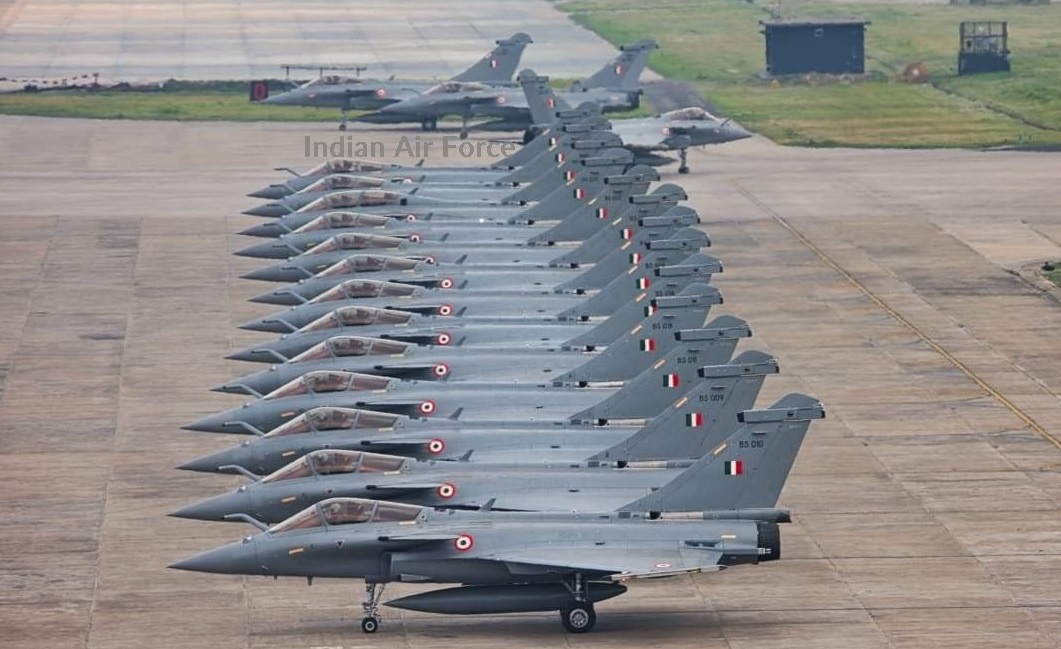
India
NEW DELHI : The Defence Acquisition Council (DAC), chaired by Rajnath Singh, has granted Acceptance of Necessity (AoN) for the acquisition of 114 Rafale fighter aircraft for the Indian Air Force (IAF). The estimated value of the procurement is ₹3.25 lakh crore (approximately $35–36 billion). The package includes the aircraft, a comprehensive weapons suite, and long-term maintenance and logistical support. The approval relates to the Multi-Role Fighter Aircraft (MRFA) programme and comes ahead of the scheduled state visit of Emmanuel Macron to India. The acquisition is intended to address the IAF’s fighter squadron shortfall, with the force currently operating 29 squadrons against a sanctioned strength of 42 squadrons. Procurement Model and Manufacturing Plan The acquisition will follow a Government-to-Government (G2G) framework with Dassault Aviation. 18 aircraft will be delivered in fly-away condition from France to meet urgent operational requirements. 96 aircraft will be manufactured in India under the Make in India framework. The programme envisages at least 60% indigenous content through partnerships with Indian defence firms. A final assembly line in Nagpur is planned, which is expected to function as a regional Maintenance, Repair and Overhaul (MRO) hub for Rafale aircraft. Variants and Configuration The fleet will comprise aircraft in the F4 and F5 standards. The F4 variant includes improved connectivity, enhanced sensor fusion, and upgraded avionics. The F5 variant is designed with advanced electronic warfare capabilities and compatibility with “loyal wingman” unmanned systems. The order consists of 88 single-seat combat aircraft and 26 twin-seat trainer variants. The first batch is expected to be inducted by 2030. Weapons Package and Technology Transfer The procurement includes advanced weapon systems: Meteor missile beyond-visual-range (BVR) air-to-air missiles. SCALP missile long-range air-launched cruise missiles. The agreement provides for transfer of critical technologies and integration of indigenous Indian weapon systems, aligned with the Atmanirbhar Bharat initiative. Fleet Expansion and Consolidation Following completion of deliveries, the IAF’s Rafale fleet will rise to 150 aircraft. In addition, 26 Rafale M aircraft have been ordered for the Indian Navy’s aircraft carriers. This will bring India’s total Rafale inventory across the armed forces to 176 aircraft. Additional DAC Approvals The DAC also cleared other capital acquisition proposals amounting to ₹3.60 lakh crore, including: Six additional Boeing P-8I Neptune maritime surveillance aircraft for the Navy. High-Altitude Pseudo-Satellites (HAPS) for persistent intelligence and surveillance missions. Vibhav anti-tank mines and combat missiles to enhance stand-off ground attack capability. The proposal will now be submitted to the Cabinet Committee on Security, chaired by Narendra Modi, for final financial and administrative approval before the signing of a formal contract.
Read More → Posted on 2026-02-12 13:50:21
India
NEW DELHI : The Ministry of Defence has granted Acceptance of Necessity (AoN) for the procurement of Air-Ship Based High Altitude Pseudo-Satellite (AS-HAPS) systems at an estimated cost of ₹15,000 crore. The clearance was approved by the Defence Acquisition Council, chaired by Defence Minister Rajnath Singh, on February 12, 2026. The approval forms part of a broader capital acquisition package valued at approximately ₹3.60 lakh crore, aimed at strengthening the operational preparedness of the armed forces. The package also includes procurement plans for 114 Multi-Role Fighter Aircraft (MRFA), long-range maritime patrol aircraft, combat missiles, and other modernization initiatives across the services. High-Altitude Platform System Capabilities The AS-HAPS platform is designed to operate in the stratosphere at altitudes between 18 and 20 kilometers. Positioned above commercial air traffic and most weather systems, the solar-powered airship functions as a “pseudo-satellite,” bridging the operational gap between unmanned aerial vehicles (UAVs) and space-based satellites. Unlike conventional drones, which have endurance limitations, or low-earth orbit satellites with restricted revisit windows, HAPS platforms can remain stationed over a designated area for extended durations, potentially for months. Energy requirements are met through solar power during the day and high-density battery storage at night. According to defence officials, the system will support persistent Intelligence, Surveillance and Reconnaissance (ISR) operations, electronic intelligence (ELINT) collection along sensitive borders, and secure telecommunications. The airborne platform can also serve as a relay node to provide communication coverage in remote or operationally contested areas. Strategic Utility The induction of HAPS platforms is expected to enhance surveillance coverage across India’s extensive land borders. While satellites offer strategic-level observation, their orbital paths prevent continuous monitoring of a fixed location. In contrast, HAPS can maintain a near-stationary presence over a targeted area, enabling uninterrupted real-time data and video transmission. Officials indicate that the system provides a cost-efficient complement to satellite assets by reducing the need for repeated launches while delivering sustained observation capability. Parallel Modernization Approvals The AoN for HAPS was cleared alongside several major defence procurements. For the Indian Air Force, the council approved the acquisition of 114 fighter aircraft under the MRFA program and additional combat missile systems to strengthen stand-off strike capability. For the Indian Navy, approvals include the procurement of P-8I long-range maritime reconnaissance aircraft and indigenous marine gas turbine generators. The Indian Army received clearances for “Vibhav” anti-tank mines and upgrade programs for T-72 tanks and BMP-II infantry combat vehicles. The Acceptance of Necessity (AoN) marks the initial stage of the defence acquisition process and enables the issuance of a Request for Proposal (RFP), followed by technical evaluation and commercial negotiations before final contract award.
Read More → Posted on 2026-02-12 12:59:59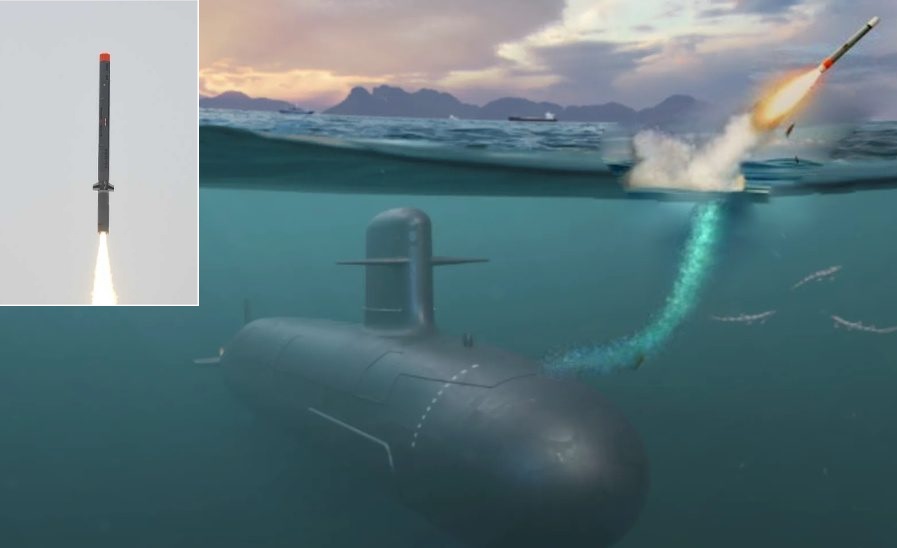
India
NEW DELHI : The Indian Navy has formally issued a Request for Information (RFI) for the procurement of Land Attack Cruise Missiles (LACM) for deployment from its conventional submarine fleet, initiating the acquisition process for a long-range land-strike capability under India’s established defence framework. Under the RFI specifications, the proposed missile must provide a strike range exceeding 500 kilometers, maintain a total weight below 1,500 kilograms, and ensure compatibility with standard submarine torpedo tubes, enabling integration with the Navy’s existing diesel-electric submarines. Structured Procurement Under DAP 2020 The RFI has been issued in accordance with the Defence Acquisition Procedure (DAP) 2020, which governs capital procurement under the Ministry of Defence (MoD). The RFI stage does not constitute vendor selection but serves as an exploratory assessment phase. Its objectives include: Benchmarking global missile capabilities against domestic systems Validating technical specifications Assessing integration feasibility with existing submarines Strengthening acquisition documentation prior to higher-level approvals This process ensures compliance before moving toward fleet induction. Indigenous Capability and DRDO’s SLCM India’s domestic defence sector currently has no publicly disclosed private-sector torpedo-tube-launched LACM, and there is no licensed foreign production line operating in this category. This places the Submarine Launched Cruise Missile (SLCM) developed by the Defence Research and Development Organisation (DRDO) as the primary indigenous candidate. DRDO successfully trialled the SLCM in 2023. The demonstrated configuration aligns with the Navy’s RFI parameters and features: Approximate range: 500 km Diameter: 505 mm (torpedo-tube compatible) Propulsion: Two-stage system (solid booster + turbofan sustainer) Guidance: Inertial Navigation System (INS) with GPS and terminal seeker Unless a foreign OEM proposes a compliant solution under “Make in India”, the DRDO SLCM remains the only publicly recognized domestic system meeting the stated requirements. Acceptance of Necessity (AoN) Stage The next major milestone is the Acceptance of Necessity (AoN), where the Ministry of Defence will determine the formal acquisition category under DAP 2020 and define indigenous content thresholds. Possible categorization pathways include: Buy (Indian–IDDM) — Prioritizes indigenously designed, developed, and manufactured systems Buy (Global) — Opens direct competition to foreign vendors Buy & Make (Indian) — Allows foreign collaboration with domestic production The AoN decision will determine whether the program advances primarily through sovereign development or global competition. Operational Role A submarine-launched land attack cruise missile enhances the operational flexibility of diesel-electric submarines by enabling precision engagement of land-based targets from extended stand-off ranges while remaining submerged. Torpedo-tube-launched LACMs preserve the submarine’s stealth profile, as the platform does not need to surface for launch. The capability provides a long-range conventional strike option from underwater platforms. The program remains at the RFI stage, with further clarity expected following the AoN decision under DAP 2020.
Read More → Posted on 2026-02-11 13:50:06
India
New Delhi : Solar Industries has publicly showcased a three-dimensional (3D) model of its new Medium Altitude Long Endurance (MALE) unmanned aerial vehicle, designated Vijayastra, marking the first detailed public view of the platform. The MALE-class UAV has been designed to perform Intelligence, Surveillance, Target Acquisition and Reconnaissance (ISTAR) missions, while also supporting precision strike roles through dedicated weapon integration. The display of the Vijayastra model offers insight into the company’s entry into heavier, long-endurance unmanned systems, with emphasis on indigenous propulsion, extended persistence, and multi-mission adaptability. The platform is positioned as a high-endurance asset capable of sustained operations across land and maritime domains. Platform Design and Performance Profile Vijayastra is engineered for prolonged missions at medium altitude and is powered by a domestically developed 177 horsepower turbocharged engine. The airframe features a wingspan of 18.6 metres, optimized for aerodynamic efficiency and long-duration endurance. According to the technical details presented, the UAV is capable of operating at altitudes of up to 30,000 feet and sustaining flight for approximately 29 hours. The maximum takeoff weight (MTOW) of the platform is rated at 1,800 kilograms, with a maximum speed of 225 kilometres per hour. These parameters place Vijayastra firmly within the MALE category, intended for persistent surveillance and extended-area coverage. Operational reach varies by communications mode. In line-of-sight (LOS) configuration, the UAV supports operations up to a radius of 250 kilometres, while beyond-line-of-sight (BLOS) missions enabled through satellite communications (SATCOM) extend the operational range to approximately 1,000 kilometres. Payload Capacity and Hardpoint Configuration The Vijayastra UAV has been designed with a total weapon and mission payload capacity of 300 kilograms, distributed across four dedicated external hard points. This configuration allows the platform to carry a combination of sensors, mission-specific equipment, and precision-guided munitions, enabling a rapid transition from surveillance to engagement roles when required. The hardpoint architecture supports modular payload integration, allowing the UAV to be configured according to mission demands without changes to the core airframe. Sensor Suite and Surveillance Capabilities For intelligence, surveillance, and reconnaissance tasks, Vijayastra is designed to integrate both medium-range electro-optical (MREO) and long-range electro-optical (LREO) systems, providing day-and-night imaging capabilities. These systems are complemented by synthetic aperture radar (SAR), enabling high-resolution ground mapping and target detection in adverse weather conditions. A maritime patrol radar (MPAR) option is also included, extending the platform’s suitability for over-sea surveillance and coastal monitoring missions. The sensor architecture is intended to provide persistent situational awareness over wide areas, supporting both strategic reconnaissance and tactical battlefield observation. Intelligence Collection and Electronic Warfare Support Beyond conventional ISR roles, Vijayastra incorporates electronic intelligence (ELINT) and communications intelligence (COMINT) payloads. These systems enable the interception, detection, and analysis of electronic emissions and communication signals, contributing to broader intelligence-gathering and electronic support operations. The integration of ELINT and COMINT modules allows the UAV to function as a node in network-centric operations, supporting real-time intelligence dissemination to command and control elements. Airspace Integration and Mission Systems To support safe operation in controlled and contested airspace, Vijayastra is equipped with Identification Friend or Foe (IFF) capability and a Traffic Collision Avoidance System (TCAS). Unified Communications Routing (UCR) is included to manage secure data links and coordinate sensor feeds, command inputs, and mission data transmission during extended sorties. These systems are intended to ensure interoperability with existing airspace management frameworks while maintaining secure communications during BLOS operations. Expansion of Unmanned Systems Portfolio The unveiling of the Vijayastra MALE UAV represents an expansion of Solar Industries’ unmanned systems portfolio into higher-endurance and higher-payload platforms. With its combination of long-range surveillance, electronic intelligence capability, and precision strike integration, the platform reflects a move toward multi-role unmanned aircraft designed for sustained operational deployment. The company has not disclosed timelines for flight testing or induction, but the public presentation of a detailed 3D model indicates that the design has reached an advanced configuration stage, with clearly defined performance parameters and mission roles aligned to MALE-class operational requirements.
Read More → Posted on 2026-02-10 15:08:19Search
Top Trending in 24 Hours
-
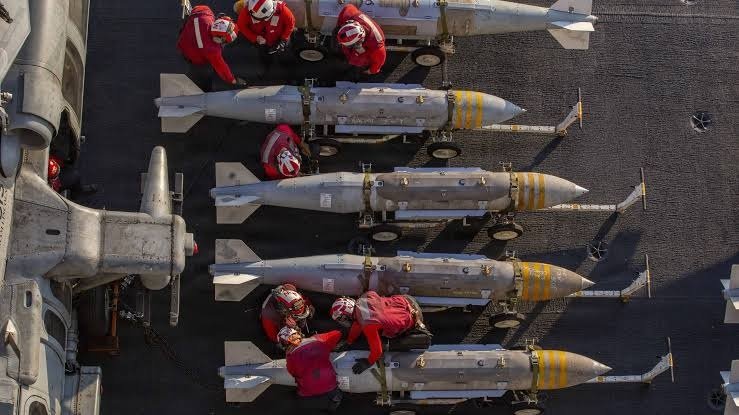 Pentagon Inspector General Report Finds Iran War Caused U.S. Ammunition Shortfalls and Industrial Bottlenecks
-
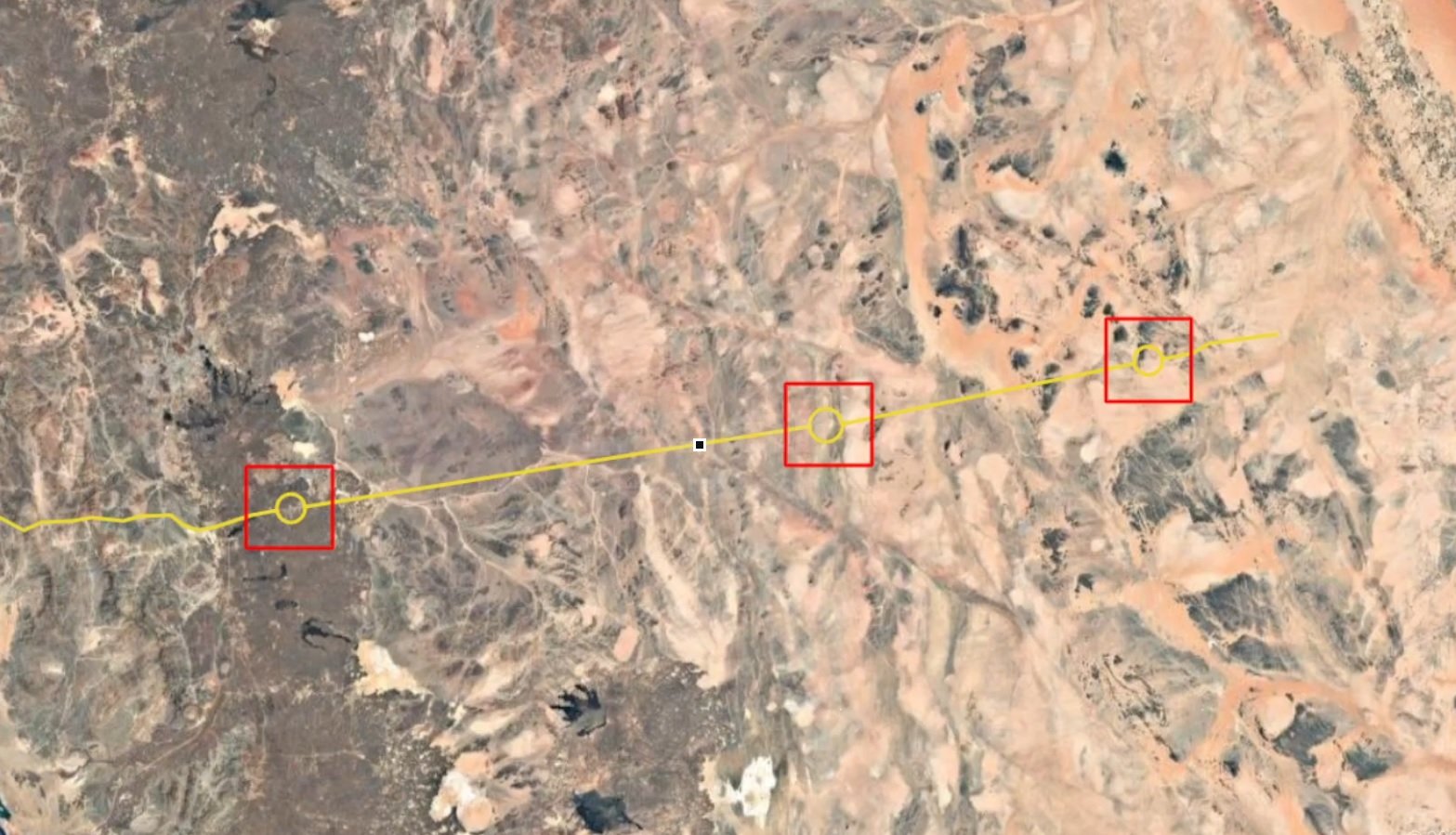 Satellite Imagery Shows Extensive Damage to Saudi Arabia’s East-West Oil Pipeline, Indicating More Than a Single Strike
-
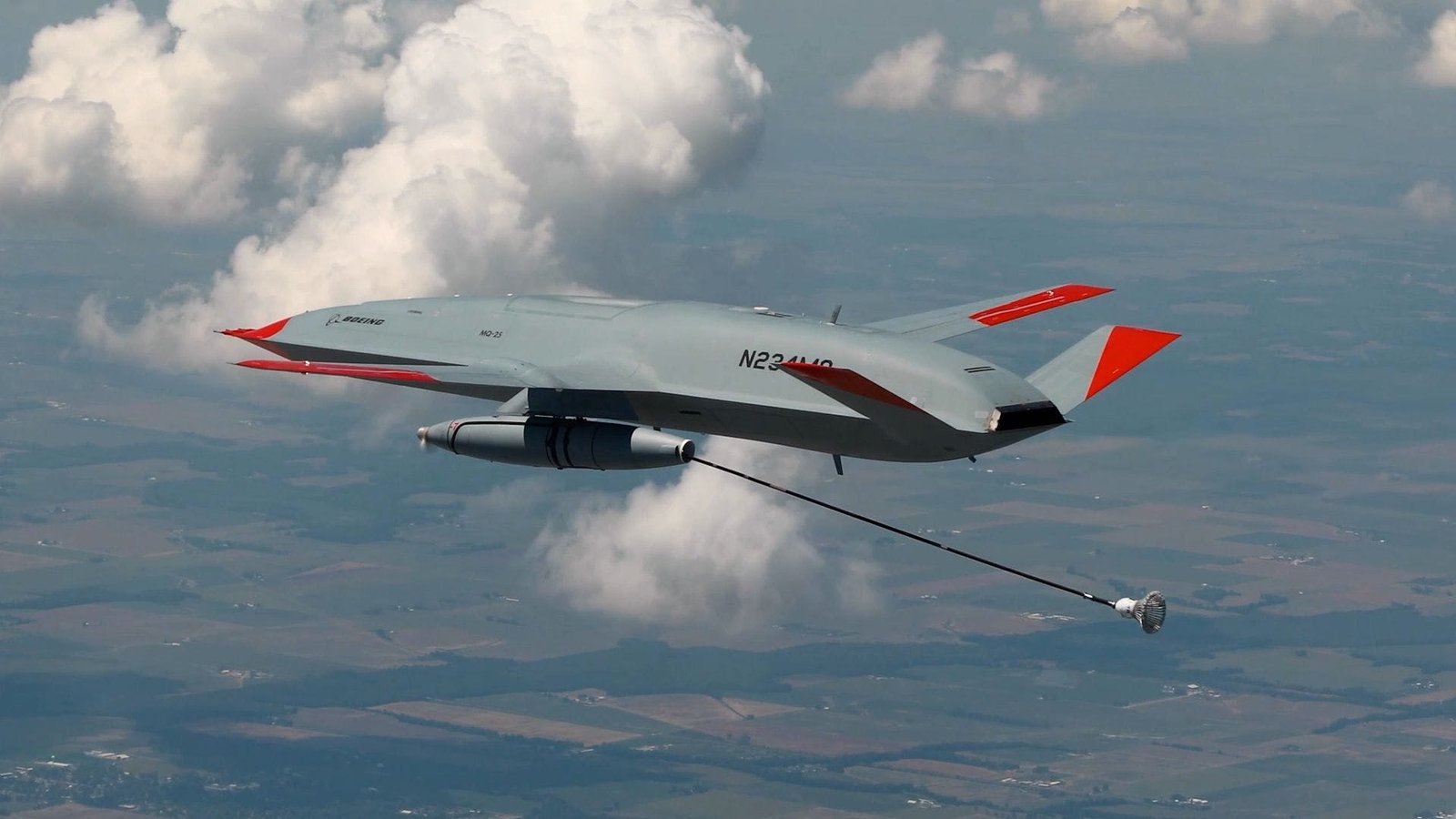 U.S. Navy Awards Boeing $562 Million Contract for First Production MQ-25A Stingray Tanker Drones
-
 Pentagon and Honeywell Complete Four-Hour Pacific Flight Using Quantum Magnetic Navigation Without GPS
-
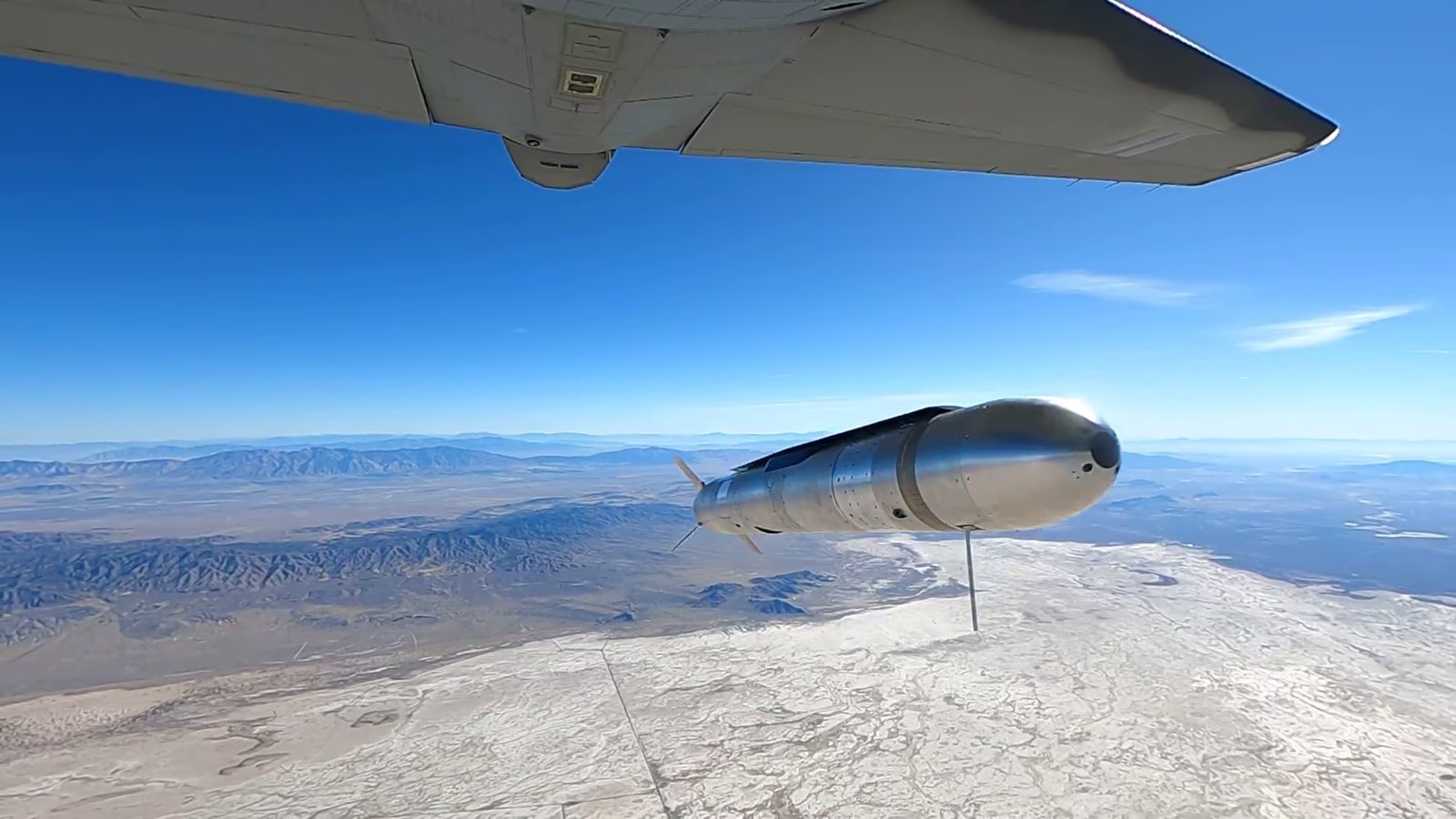 U.S. Air Force Special Operations Command Clears AGM-190A Havoc Spear for Wider Service After Combat Evaluation in Africa
-
 U.S. Confirms Deployment of On-Orbit Space Control Weapons for First Time
-
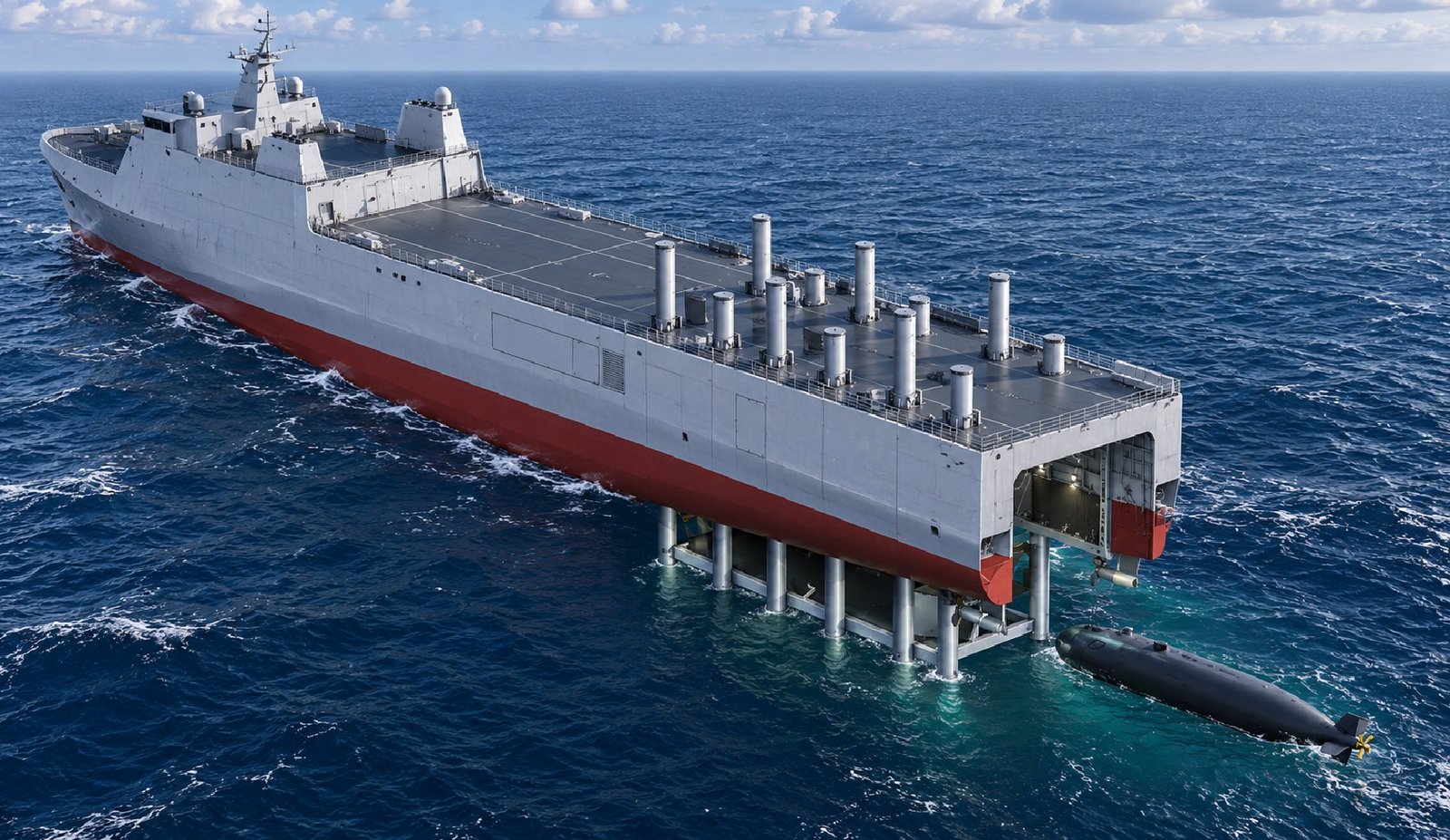 China Builds New Shanghai Vessel to Serve as Mothership for Large Uncrewed Submarines
-
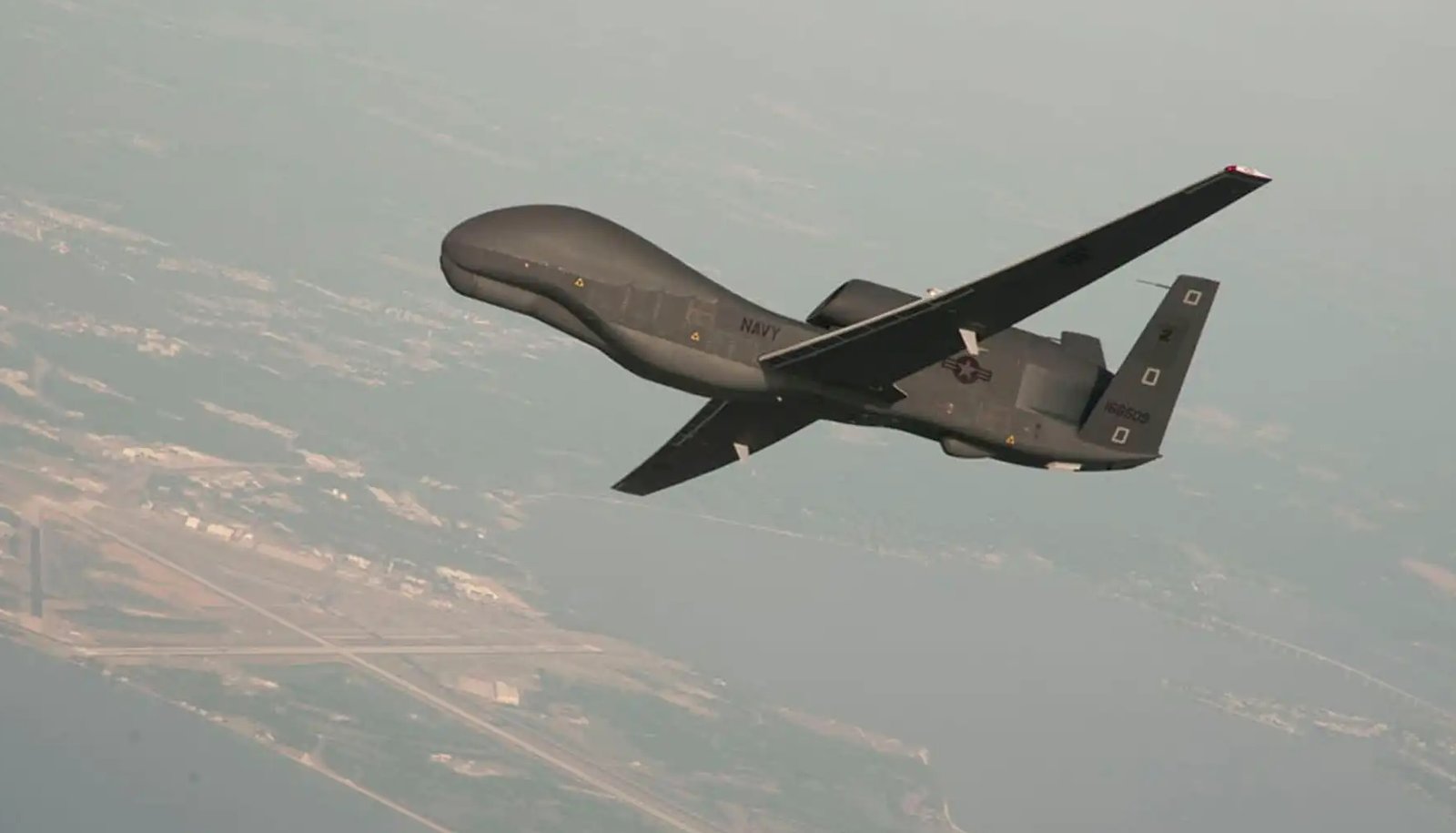 Japan Air Self-Defense Force Loses Contact With Global Hawk Surveillance Drone Off Tottori Coast; Aircraft Presumed Crashed
Top Trending in 4 Days
-
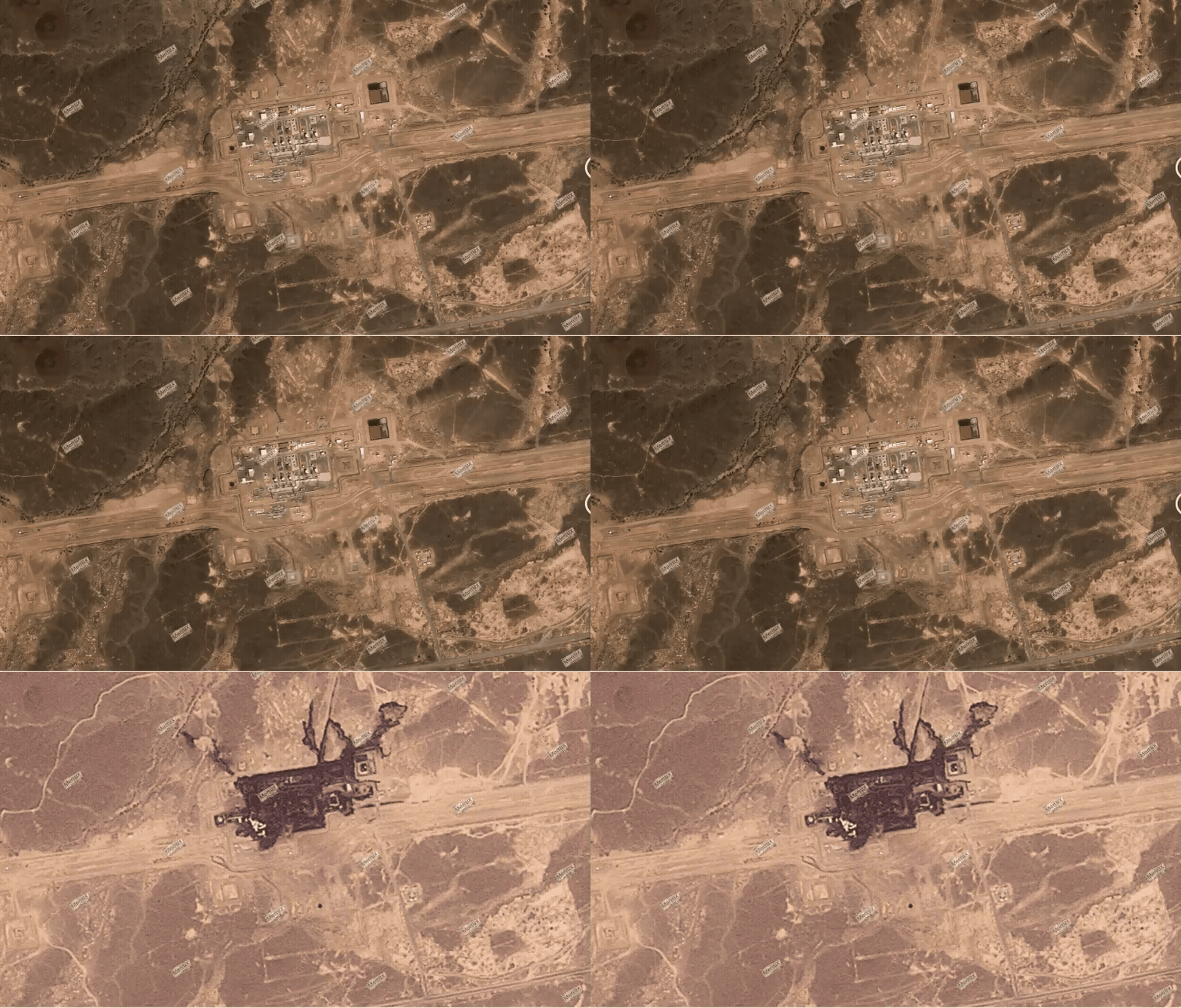 Satellite Imagery Shows Heavy Damage to Saudi East–West Oil Pipeline Pumping Stations
-
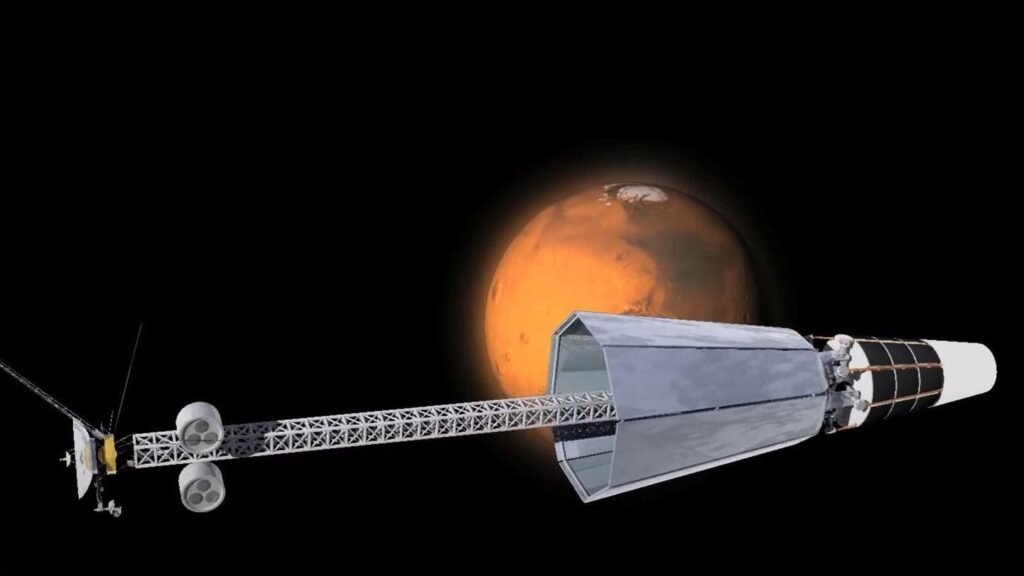 U.S. Air Force Awards Antares $161 Million to Develop Nuclear Reactor for Spacecraft
-
 Pentagon Awards BlueHalo Up to $99.8 Million Contract for Orbital Battlespace R&D Program
-
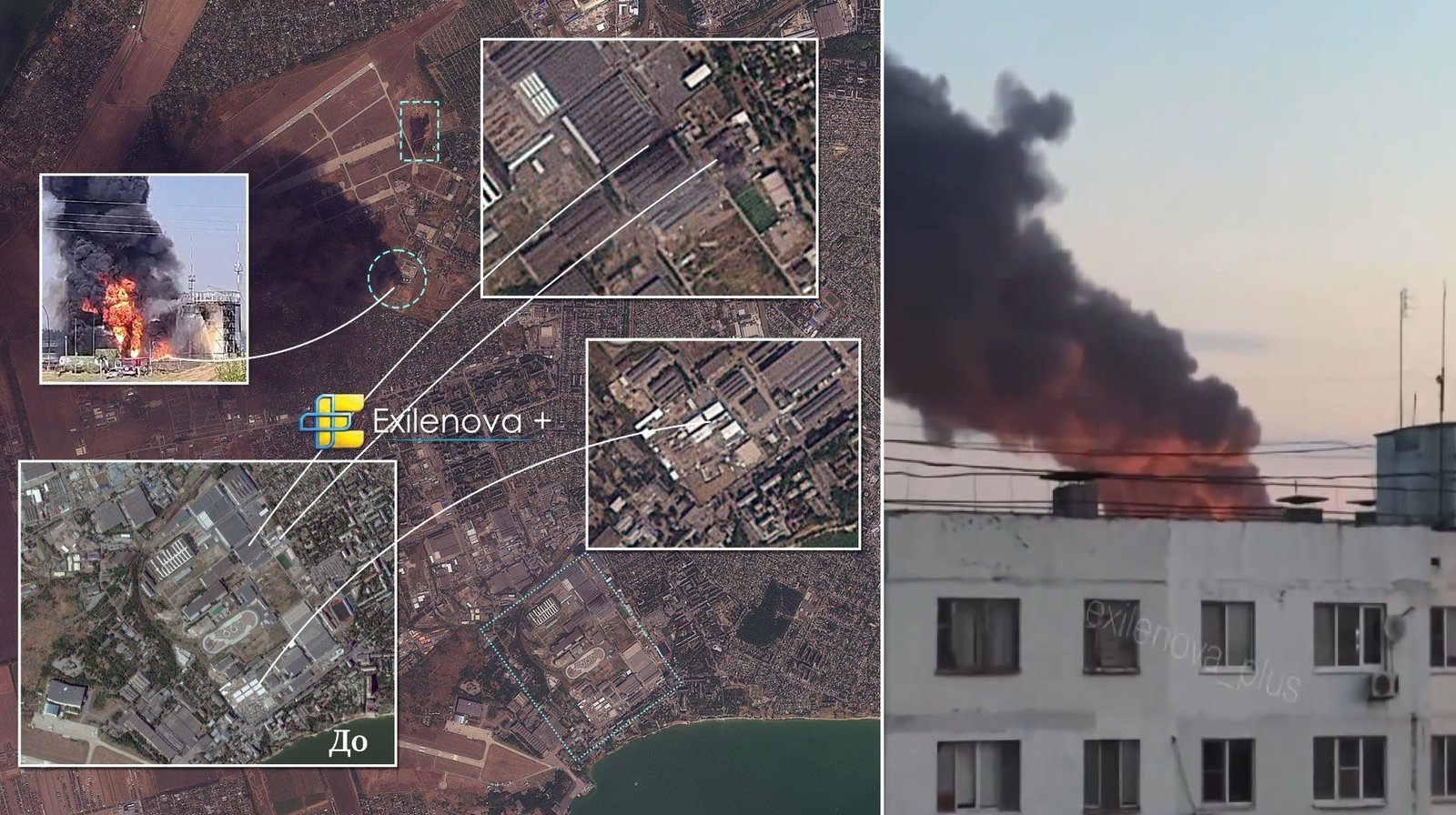 Ukrainian Drones Strike Russian UAV Manufacturer and Chemical Plants in Taganrog and Tolyatti
-
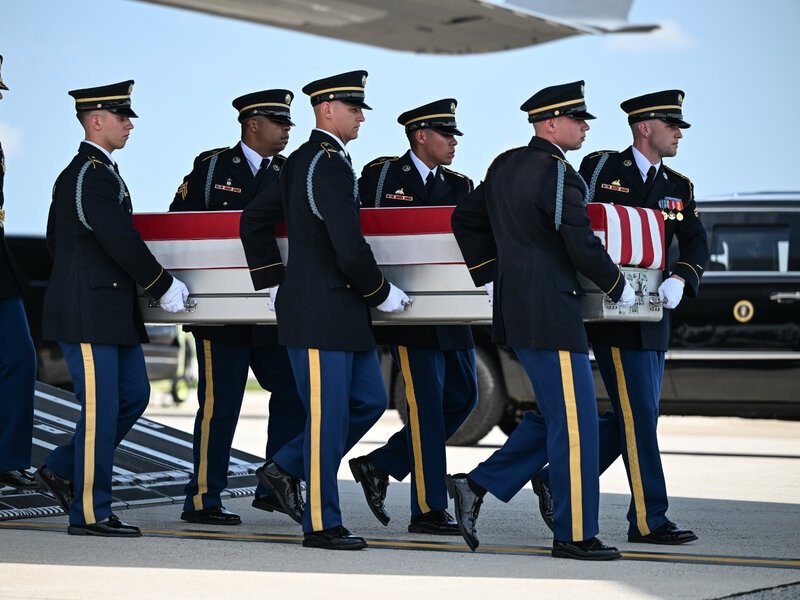 U.S. Officials Link Chinese Satellite Imagery to Iranian Strike That Killed Three American Soldiers in Jordan
-
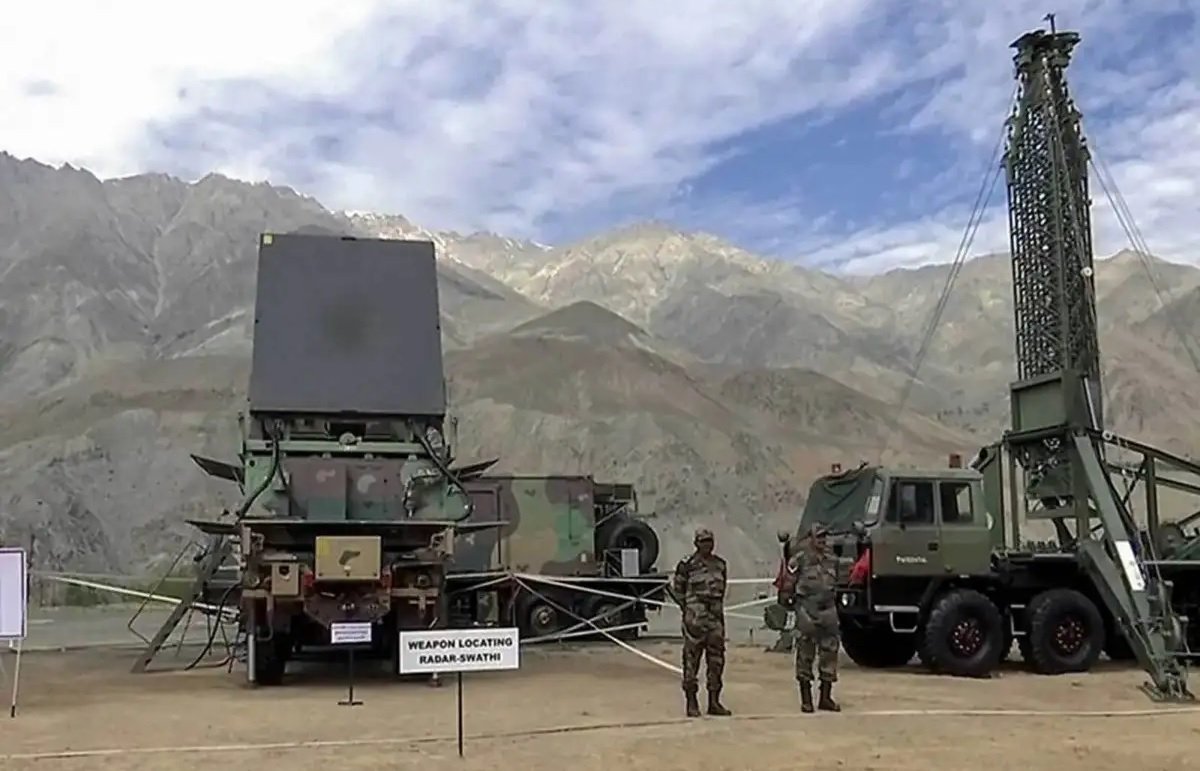 DRDO Demonstrates Indigenous 3.5×3 mm GaN Chip Delivering 30 Watts for Next-Generation Radars and Electronic Warfare
-
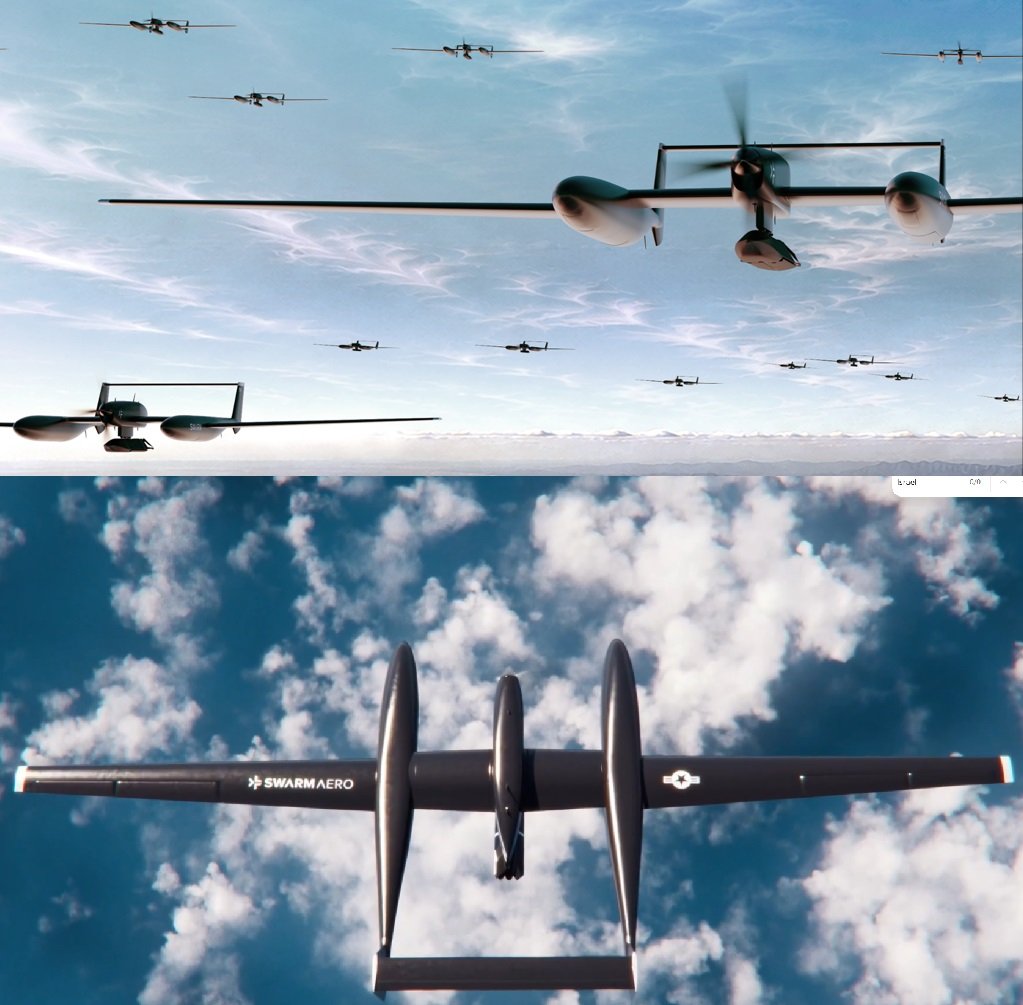 U.S. Firm Swarm Aero Unveils Gamera Group 5 UAS With 9,000-Nautical-Mile Range and Heavy Strike Payload
-
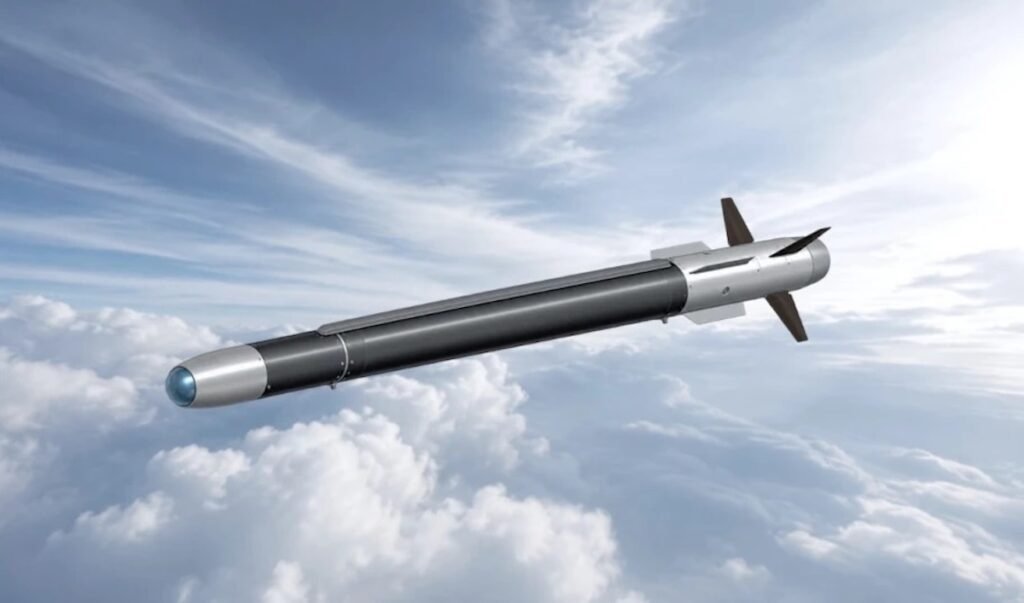 MBDA and Poland’s WITU Advance Low-Cost Supersonic Interceptor Against Swarm Attacks, Seeker Trials Successfully Completed