India
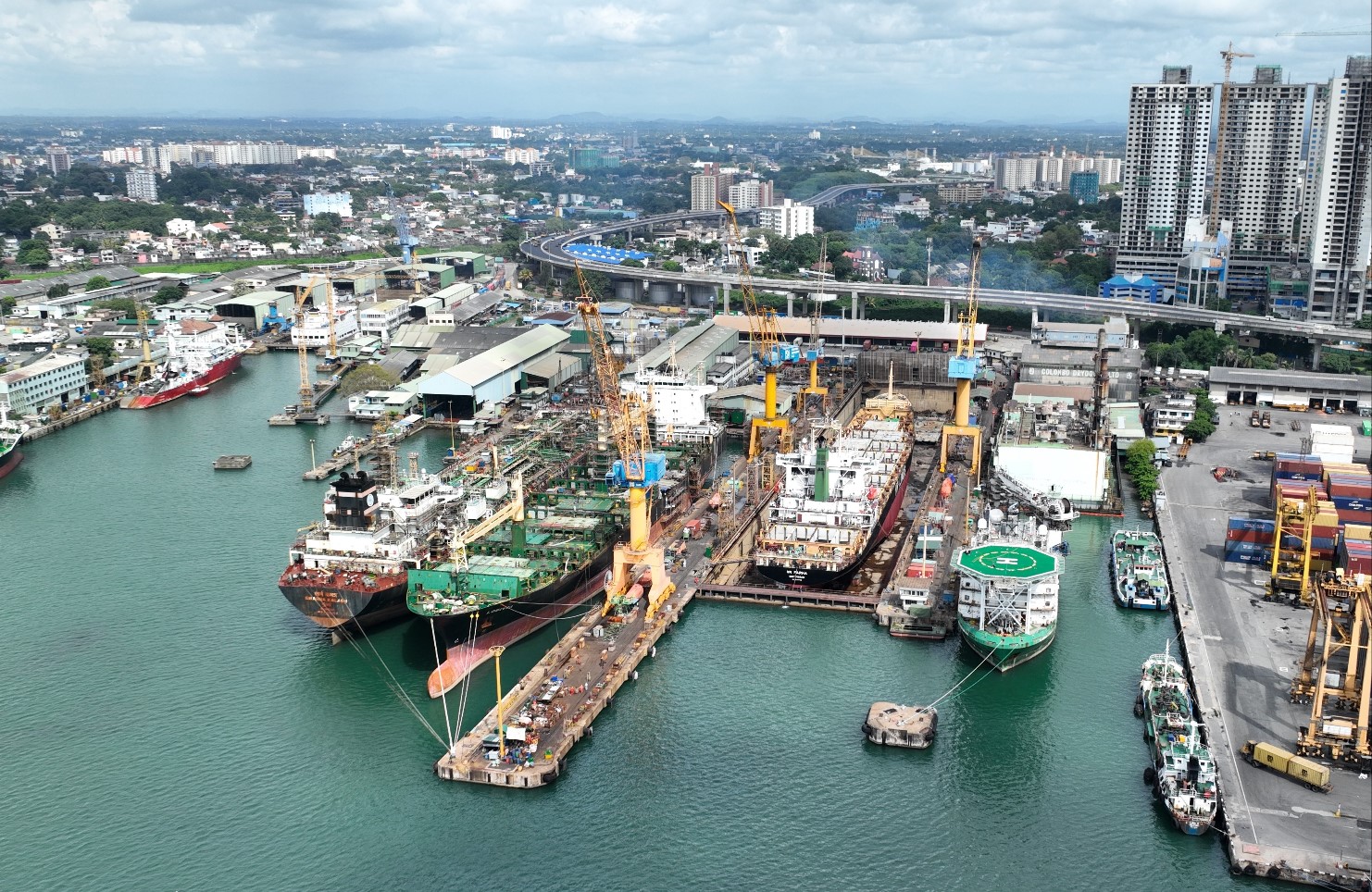
MUMBAI/COLOMBO, — April 11, 2026 : Mazagon Dock Shipbuilders Limited (MDL), a public sector undertaking under India’s Ministry of Defence, has completed the acquisition of a 51% controlling stake in Colombo Dockyard PLC (CDPLC), Sri Lanka’s largest shipbuilding and repair facility. The transaction, valued at approximately $26.8 million (₹249.5 crore to ₹250 crore), establishes CDPLC as a subsidiary of the Mumbai-headquartered shipbuilder and marks MDL’s first international acquisition. The deal was executed through a phased process under a tripartite agreement involving MDL, CDPLC, and Onomichi Dockyard Co. Ltd., the former majority shareholder. As part of the initial phase, MDL acquired a 41.73% stake by purchasing 164.9 million unsubscribed rights shares previously allotted to Onomichi Dockyard at a price of 40 Sri Lankan Rupees per share, amounting to ₹16.49 crore. This initial acquisition triggered a mandatory open offer in accordance with Sri Lanka’s Takeovers and Mergers Code. Following the completion of the open offer process, MDL acquired an additional 9.27% stake, equivalent to 36,649,271 fully paid ordinary shares at the same price of LKR 40 per share. With a total holding of 201,565,500 ordinary shares, MDL has secured a 51% majority stake in CDPLC. Indian law firm Khaitan & Co advised MDL on the structuring of the cross-border transaction. Board Reconstitution and Management Continuity Following the completion of the acquisition, the board of Colombo Dockyard PLC has been reconstituted to reflect MDL’s majority ownership. Effective April 7, 2026, Captain Jagmohan (Retd.), Chairman and Managing Director of MDL, has been appointed as the Non-Executive Chairman of CDPLC. Additional MDL nominees appointed to the board include Biju George, Director of Shipbuilding, and Ruchir Agrawal, Director of Finance. Vish Govindasamy, Deputy Chairman of Sunshine Holdings PLC, has also been inducted as an MDL nominee director. To ensure operational continuity, Thimira S. Godakumbura will continue in his role as Managing Director and Chief Executive Officer of Colombo Dockyard PLC. Strategic Alignment and Infrastructure Capabilities The acquisition aligns with the Government of India’s “Maritime Amrit Kaal Vision 2047,” a long-term policy framework issued by the Ministry of Ports, Shipping and Waterways aimed at expanding India’s maritime infrastructure and global presence. The strategy outlines more than 300 initiatives across 11 thematic areas, including positioning India among the top five global shipbuilding nations, achieving leadership in ship recycling, developing next-generation port infrastructure, and promoting sustainable maritime practices. Colombo Dockyard PLC operates within the Port of Colombo and maintains four graving dry docks, including one with a maximum capacity of 125,000 deadweight tonnes (DWT). The facility also includes multiple repair berths and services more than 200 vessels annually. CDPLC has capabilities spanning shipbuilding, ship repair, heavy engineering, and offshore engineering, supporting both civilian and military vessel construction. In addition to its Colombo operations, CDPLC is developing an engineering workshop at the Hambantota International Port in southern Sri Lanka, providing MDL access to additional infrastructure in the Indian Ocean region. Financial Context and Performance The acquisition follows a period of financial stress for Colombo Dockyard PLC. The company reported a loss of $38.3 million in 2023 amid a global downturn in shipbuilding and broader macroeconomic challenges in Sri Lanka. These pressures led to CDPLC shares being placed on a watch list by the Colombo Stock Exchange in 2024 and contributed to the termination of its management agreement with Onomichi Dockyard. Despite these challenges, CDPLC recorded consolidated revenues of LKR 36,168 million (approximately ₹976.5 crore) in FY2023 and LKR 25,447 million (approximately ₹687.1 crore) in FY2024. Integration and Operational Outlook The integration process following the acquisition is expected to focus on addressing CDPLC’s working capital constraints, enabling access to refund guarantees for new shipbuilding contracts, and aligning operations with Indian maritime supply chains. The transaction is also expected to support capacity expansion and operational improvements at the Sri Lankan yard through MDL’s technical and financial resources. Mazagon Dock Shipbuilders Limited, India’s largest warship builder, designs and constructs naval vessels, submarines, and other defence platforms for the Indian Navy and Coast Guard. The acquisition of Colombo Dockyard PLC represents a significant step in extending its operational footprint beyond India and strengthening its position within the regional maritime industry.
Read More → Posted on 2026-04-11 17:38:37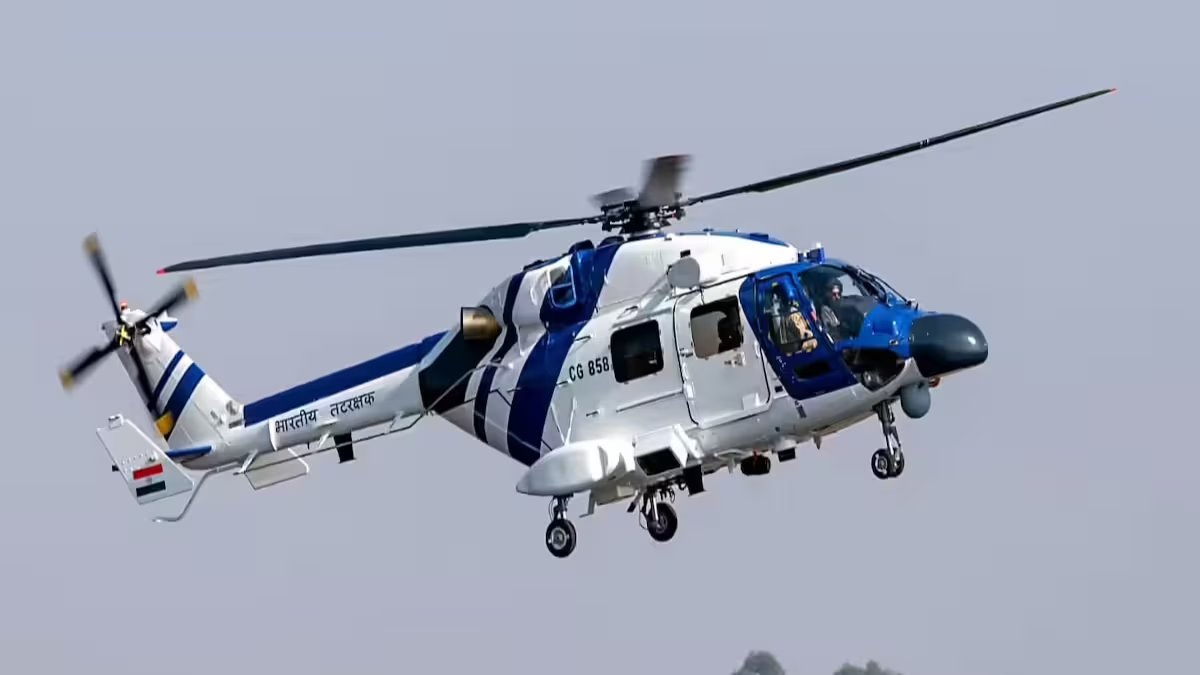
India
BENGALURU, — April 10, 2026 : Hindustan Aeronautics Limited (HAL) has delivered four Advanced Light Helicopter (ALH) Mk III Maritime Role (MR) helicopters to the Indian Coast Guard (ICG) during a formal handover ceremony held in Bengaluru. The helicopters were officially received by Rajesh Makwana, Deputy Inspector General and Coast Guard Commander (Western Seaboard), from PB Rangarao, Chief Executive Officer of HAL’s Helicopter Complex. The transfer of operational documentation was carried out by the Office of the Regional Director, Aeronautical Quality Assurance (ORDAQA), along with HAL’s Helicopter Division. Following the completion of documentation formalities, the newly delivered helicopters have been assigned to Coast Guard squadrons based in Kochi and Porbandar, where they will support maritime operations along the western seaboard. Procurement and Delivery Timeline The latest delivery forms part of a broader procurement framework between the Ministry of Defence and HAL aimed at strengthening the Coast Guard’s rotary-wing fleet. HAL had earlier completed the delivery of 16 ALH Mk III (MR) helicopters to the Indian Coast Guard by 2022. A subsequent contract for nine additional helicopters was signed in March 2024, under which the four helicopters handed over on April 10, 2026, represent a partial fulfillment. More recently, in March 2026, the Ministry of Defence signed another contract valued at ₹2,901 crore for six additional ALH Mk III (MR) helicopters. This contract includes not only the airframes but also operational role equipment, an engineering support package, and performance-based logistics support. The procurement falls under the Buy (Indian-IDDM) category, reflecting a significant level of indigenous design and manufacturing. Design and Technical Enhancements The ALH Mk III represents an upgraded configuration of the earlier Mk II variant, incorporating 19 major improvements. The helicopter is powered by twin Shakti-1H1 turboshaft engines, also known as Safran Ardiden 1H1, delivering higher power output compared to the Turbomeca TM 333 engines used in the Mk II. This enhancement provides improved performance margins, especially in maritime and high-altitude environments. The platform features a fully digital glass cockpit equipped with HAL’s Integrated Architecture Display System (IADS), replacing conventional instrumentation. It also incorporates an upgraded automatic flight control system and open-architecture avionics, enabling enhanced situational awareness and improved flight handling. Additional refinements include improved vibration control, reduced empty weight through the use of lightweight avionics and sensors, and increased payload capacity. The helicopter’s maximum all-up weight has been increased to approximately 5.5 to 5.75 tonnes, contributing to better operational flexibility. Specifications of ALH Mk III (Maritime Role) The ALH Mk III (MR) is a twin-engine, multi-role helicopter designed for both shore-based and ship-borne operations. It is operated by a crew of two, consisting of a pilot and co-pilot, and can accommodate between 12 and 14 passengers or troops. The helicopter has a maximum speed ranging between 250 and 291 km/h, with a cruise speed of approximately 250 km/h. It offers an operational range of about 630 to 700 kilometers and an endurance of up to 4 hours and 20 minutes. The service ceiling is between 6,000 and 6,500 meters. The platform is capable of carrying up to 1,500 kilograms as a slung load, along with higher payload capacity for deck-based operations. Dimensionally, the helicopter has a main rotor diameter of 13.2 meters, an overall length of approximately 15.87 meters with rotors turning, and a height of around 4.98 meters. Maritime Role Equipment and Mission Systems The Maritime Role variant is equipped with a comprehensive suite of mission systems tailored for coastal and offshore operations. These include a nose-mounted 270-degree surveillance radar capable of detecting ships and boats at ranges of up to 120 nautical miles. The helicopter is also fitted with a multi-spectral electro-optical/infrared (EO/IR) pod for target identification and tracking, along with an automatic identification system (AIS) for vessel monitoring. Additional equipment includes a high-intensity searchlight, loudhailer, and a 360-degree search-and-rescue homer. For rescue operations, the platform is equipped with an electrically operated winch with a 250 kg lifting capacity and a rescue basket. Safety systems include a traffic alert and collision avoidance system (TCAS). The helicopter can also be fitted with a 12.7 mm cabin-mounted machine gun for mission-specific requirements. A removable Medical Intensive Care Unit (MICU) is integrated for casualty evacuation missions, enabling critical care during transit. The helicopter also supports pressure refueling and features folding main rotor blades and tail boom, allowing efficient operation from ships. Operational Roles and Capability Expansion The induction of these helicopters enhances the Indian Coast Guard’s operational capabilities across multiple mission profiles. These include maritime surveillance, interdiction operations, search and rescue (SAR), pollution response, medical evacuation, and logistics support. The helicopters are also capable of supporting island protection missions and can operate seamlessly from both shore bases and vessels at sea, providing flexibility in deployment. With over 57 percent indigenous content, the ALH Mk III program aligns with India’s domestic defense manufacturing objectives. The continued induction of these helicopters is expected to strengthen maritime security, offshore patrol capabilities, and disaster response readiness along India’s coastline.
Read More → Posted on 2026-04-10 16:16:48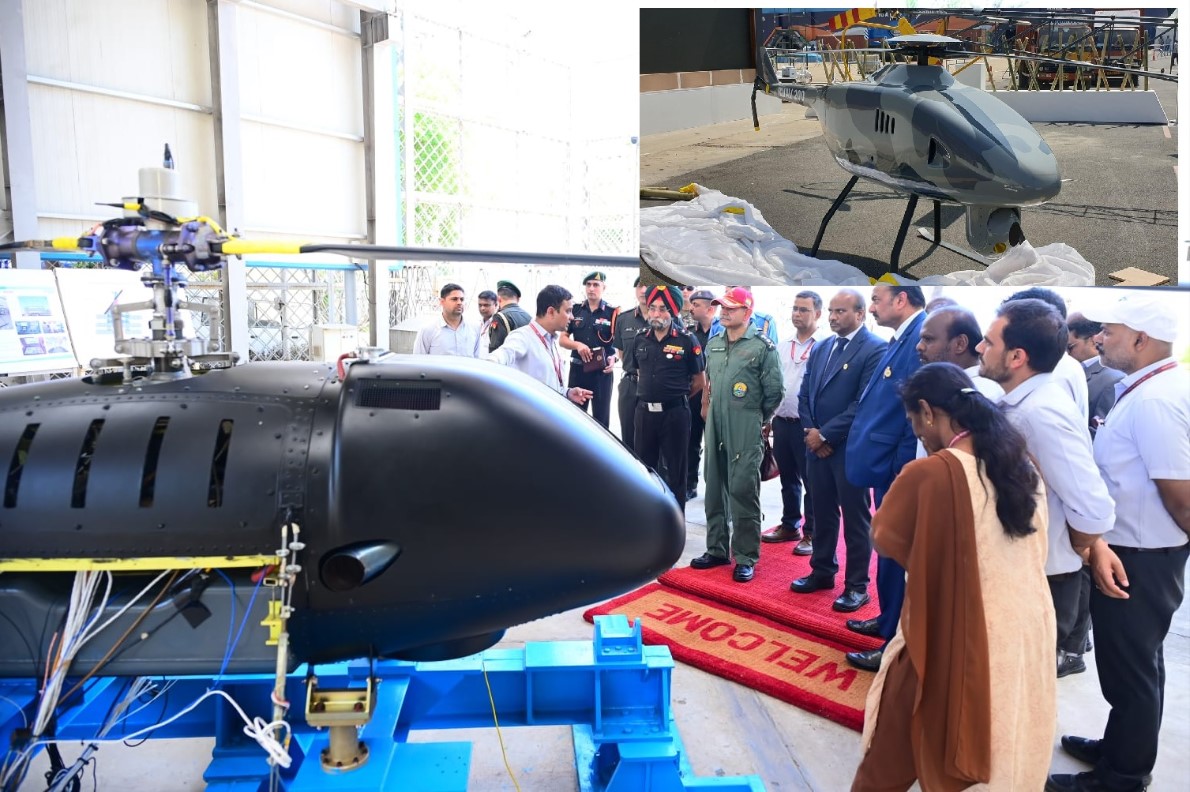
India
BENGALURU, — April 8, 2026 : General Upendra Dwivedi, Chief of the Army Staff, visited the rotary unmanned aerial vehicle (RUAV) hangar at Hindustan Aeronautics Limited (HAL) to review the development progress and operational potential of the RUAV-200 platform, an indigenous rotary-wing unmanned system designed for high-altitude missions. The visit focused on a detailed assessment of the full-scale RUAV-200 prototype, including its design configuration, onboard systems, and mission capabilities. Senior officials from HAL briefed the Army Chief on the programme’s current status, highlighting its role in meeting operational requirements for both the Indian Army and Indian Navy, particularly in challenging and inaccessible terrains. Development Background and Collaboration The RUAV-200 is being developed through a collaborative effort involving HAL, the Defence Research and Development Organisation (DRDO), specifically its Aeronautical Development Establishment (ADE), and the Indian Institute of Technology Kanpur. The programme was first publicly demonstrated as a full-scale model during Aero India 2019, and has since progressed with a focus on autonomy, mission systems integration, and high-altitude performance. Officials indicated that the platform is part of a broader national effort to expand indigenous unmanned aerial capabilities while reducing reliance on imported systems for critical defence roles. Design Configuration and Technical Specifications The RUAV-200 is a rotary-wing unmanned helicopter with an approximate length of 4.2 metres. The current prototype incorporates a two-blade rotor configuration and is powered by a locally developed petrol aero-engine producing approximately 34 kW. The platform is designed to operate across a wide environmental envelope, with an operating temperature range from -35°C to +55°C, enabling deployment in extreme conditions such as those found in high-altitude regions. According to programme specifications presented during the visit, the RUAV-200 has the following performance characteristics: All-up weight: 200 kg (250 kg at sea level) Payload capacity: 30 kg (80 kg at sea level) Endurance: 4.5 hours Service ceiling: 6,000 metres Maximum speed: 100 km/h Data link range: 100 km The system is equipped with an electro-optical and infrared payload, supporting day and night operations for intelligence, surveillance, and reconnaissance (ISR) missions. Autonomous Capabilities and Avionics A key aspect of the RUAV-200 highlighted during the review was its autonomous operational capability. The platform is integrated with a Full Authority Digital Engine Control (FADEC) system and uses an SLR-DC datalink to maintain communication with its ground control station. The UAV is designed for fully autonomous mission execution, including take-off, navigation through pre-programmed waypoints, landing, and return-to-home recovery. These features are intended to reduce operator workload while enabling sustained operations in contested or GPS-degraded environments. Operational Role and Logistics Applications In addition to ISR missions, the RUAV-200 is being developed to support logistics operations in high-altitude and remote areas. The platform is intended to function as a “mule drone”, capable of transporting essential supplies such as ammunition, medical equipment, and other critical materials to forward-deployed troops in regions such as Siachen and Ladakh. Its modular and crashworthy design is aimed at ensuring operational reliability, ease of transport, and rapid deployment under field conditions. Future Integration and Programme Outlook HAL officials outlined that the RUAV-200 programme aligns with ongoing procurement initiatives by India’s Ministry of Defence to acquire high-altitude and medium-altitude logistics UAVs with a minimum of 50 percent indigenous content. The development roadmap includes further enhancements in mission management systems and potential integration into network-centric warfare architectures. Future variants of the platform may also incorporate armed capabilities, including the ability to carry anti-tank and air-to-surface munitions. General Dwivedi’s visit marks a formal review stage as the RUAV-200 approaches subsequent testing phases. No specific timelines for flight testing completion or induction into service were disclosed following the visit.
Read More → Posted on 2026-04-08 15:37:07
India
New Delhi, — April 7, 2026 : The Indian Navy has issued a detailed problem statement titled “Rearming by Drone (REARM-D) at Sea” under the 14th edition of the Defence India Startup Challenge (DISC-14), outlining a requirement for a heavy-lift multi-rotor unmanned aerial vehicle (UAV) capable of reloading surface-to-air missiles (SAMs) into vertical launch system (VLS) cells while warships remain deployed at sea. The requirement reflects operational challenges observed during sustained maritime deployments, where warships face rapid depletion of onboard SAM inventories while countering low-cost drones and incoming missile threats. At present, replenishment of VLS cells is conducted in harbour using jetty-based crane infrastructure, necessitating the withdrawal of combat vessels from operational areas and resulting in reduced mission availability. Operational Requirement and Concept of Employment The REARM-D concept is designed to enable ship-to-ship transfer of missile canisters without requiring vessels to return to port. Under the proposed system, a multi-rotor UAV will transport SAM canisters from a logistics or supply ship to a receiving warship under controlled movement conditions at sea. During the transfer phase, the UAV will carry the missile canister using a gyro-stabilised platform to minimise oscillation caused by wind, ship motion, and relative movement between vessels. Upon reaching the receiving ship, the UAV will establish a hover position above the designated Vertical Launch Unit (VLU) module and align precisely with the target VLS cell. A winch-based deployment system integrated into the UAV, supported by real-time stabilisation mechanisms, will then lower the canister vertically into the launch cell. The process will be assisted by a portable and removable loading interface temporarily installed on the selected VLU cell to ensure accurate alignment and safe insertion. Technical Specifications and Performance Parameters The Indian Navy has defined stringent technical parameters for the proposed UAV system. The platform must demonstrate an operational endurance exceeding two hours and a payload capacity greater than 900 kilograms, placing it significantly above the capability range of most currently available multi-rotor UAVs in India. To meet endurance and stability requirements in maritime conditions, the UAV will be powered by an internal combustion engine rather than conventional electric propulsion systems. This configuration is intended to support extended flight duration, sustained hover capability, and reliable performance across varying wind directions, sea states, and ship speeds. The UAV must also maintain precise positional control during hover and payload deployment, ensuring accurate alignment with VLS cells under dynamic conditions at sea. Missile Compatibility and Limitations The REARM-D system is intended to support reloading of medium and short-range naval air defence missiles currently deployed on Indian Navy platforms. These include the Barak-8 Medium-Range Surface-to-Air Missile (MRSAM) and Long-Range Surface-to-Air Missile (LRSAM), as well as future systems such as the Vertical Launch Short Range Surface-to-Air Missile (VLSRSAM). The payload capacity threshold excludes heavier strike weapons from the scope of the system. Notably, the BrahMos supersonic cruise missile, with an approximate weight of 3,000 kilograms, cannot be handled by the proposed UAV-based rearming solution. Industrial and Technological Challenges The development of a multi-rotor UAV capable of lifting payloads in excess of 900 kilograms represents a significant technological step for the domestic defence industry. Most multi-rotor UAVs currently developed in India for defence applications have payload capacities below 100 kilograms. Achieving the required lift capability, endurance, and stability in maritime environments places the REARM-D system in a category comparable to large electric vertical take-off and landing (eVTOL) aircraft under development. In addition to propulsion and lift challenges, the system must integrate advanced stabilisation, precision navigation, and ship-relative positioning technologies. DISC-14 Framework and Related Naval Challenges The REARM-D problem statement is listed as Challenge 35 within DISC-14, which includes a total of 82 problem statements issued by the Indian Army, Indian Navy, Indian Air Force, and Indian Coast Guard. The initiative is being conducted under the Innovations for Defence Excellence (iDEX) framework, aimed at promoting indigenous development of advanced defence technologies through startup participation. In addition to REARM-D, the Indian Navy has included multiple unmanned and autonomous system requirements in DISC-14. These include vertical take-off and landing (VTOL) UAVs for anti-submarine warfare, submersible intelligence, surveillance, and reconnaissance (ISR) unmanned surface vessels, and long-range VTOL multi-role attack drones. Global Context and Comparable Developments The Indian Navy’s focus on at-sea rearming aligns with similar efforts underway in other naval forces. The United States Navy has conducted initial trials of at-sea VLS replenishment using the Transferrable Reload At-sea Method (TRAM), which enables missile transfer from replenishment ships using specialised handling systems. In 2026, General Dynamics presented a destroyer tender concept designed to support simultaneous reloading of up to four destroyers at sea. The French Navy has also initiated testing of procedures and technologies aimed at enabling at-sea reloading of vertical launch systems. Strategic Significance The REARM-D initiative represents an early publicly disclosed indication of the Indian Navy’s intent to develop at-sea rearming capability for vertical launch systems. Such a capability would allow sustained deployment of surface combatants by reducing dependence on port infrastructure and enabling continuous replenishment during operations. If successfully developed, the system is expected to enhance operational endurance and maintain air defence readiness of naval task groups operating in high-threat environments without interruption to mission timelines.
Read More → Posted on 2026-04-07 16:30:17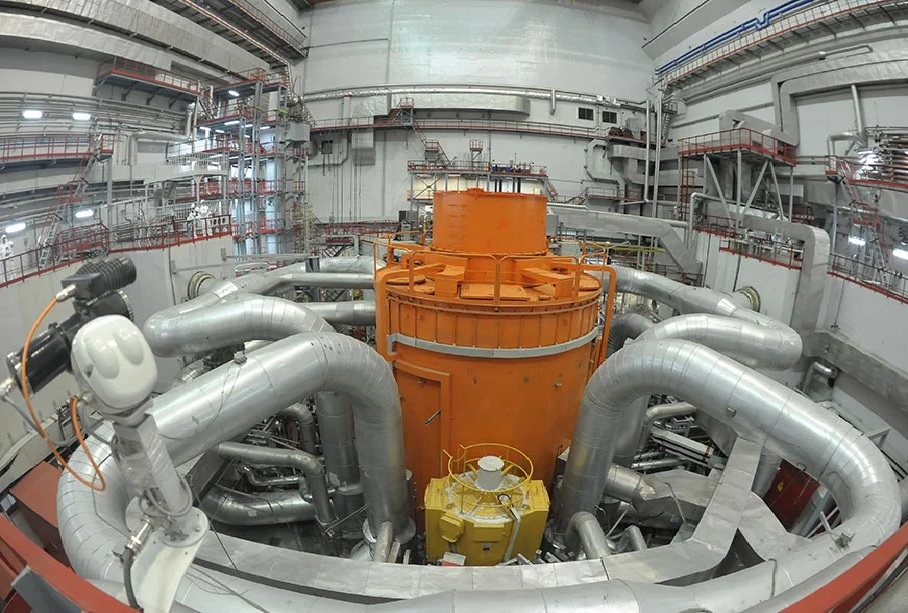
India
Kalpakkam, Tamil Nadu, — April 7, 2026 : India’s indigenously developed 500 MWe Prototype Fast Breeder Reactor (PFBR) at Kalpakkam attained first criticality on April 6, 2026, at 20:26 IST, marking the initiation of a controlled, self-sustaining nuclear fission chain reaction. The milestone represents a key operational phase preceding calibrated power escalation and eventual commercial electricity generation, and formally advances India into Stage II of its three-stage nuclear power programme. The PFBR has been designed by the Indira Gandhi Centre for Atomic Research (IGCAR) and constructed by Bharatiya Nabhikiya Vidyut Nigam Limited (BHAVINI), a public sector enterprise under the Department of Atomic Energy (DAE). The reactor is located at the Madras Atomic Power Station site in Kalpakkam. Its commissioning follows regulatory clearance from the Atomic Energy Regulatory Board (AERB), which conducted detailed safety evaluations after the completion of initial core loading. Fuel loading for the reactor began in October 2025. The first criticality achieved on April 6, 2026, signifies that the reactor has entered a stable configuration where the nuclear chain reaction is self-sustaining under controlled conditions. The next operational steps will involve low-power physics experiments, followed by a gradual and closely monitored increase in power levels before synchronization with the electricity grid. Commercial operations are scheduled to commence by September 2026. Technical Configuration and Reactor Design The PFBR is a sodium-cooled fast breeder reactor that operates using a uranium-plutonium mixed oxide (MOX) fuel core. Surrounding the core is a blanket of fertile uranium-238. Unlike conventional thermal reactors, which rely on moderated neutrons, the PFBR uses fast, unmoderated neutrons to sustain fission and facilitate breeding. During reactor operation, neutron interactions convert uranium-238 in the blanket into fissile plutonium-239. This breeding process enables the reactor to generate more fissile material than it consumes, supporting a closed nuclear fuel cycle. The system is designed to reprocess spent fuel and reintroduce it into the reactor, improving fuel utilization efficiency and reducing dependence on imported uranium. A dedicated Fast Reactor Fuel Cycle Facility (FRFCF) is under construction at the Kalpakkam site to support reprocessing and refuelling operations associated with the PFBR and future fast breeder reactors. Role in India’s Three-Stage Nuclear Programme The PFBR forms the central component of Stage II of India’s long-term nuclear power strategy, originally conceptualized by Dr. Homi J. Bhabha. The programme is structured to optimize the use of limited domestic uranium resources while leveraging abundant thorium reserves. Stage I of the programme is based on pressurised heavy water reactors (PHWRs) fueled by natural uranium, which produce plutonium-239 as a byproduct. Stage II utilizes this plutonium in fast breeder reactors such as the PFBR to multiply fissile material inventories. Stage III is planned to deploy thorium-based systems, where thorium-232 will be transmuted into uranium-233 for sustained nuclear power generation. The PFBR is designed with provisions to incorporate thorium into its blanket in future configurations. This will enable the production of uranium-233, which is intended to fuel advanced systems such as the 300 MWe Advanced Heavy Water Reactor (AHWR), currently under development. Industrial Participation and Expansion Plans The construction and development of the PFBR involved participation from more than 200 Indian industries, including micro, small, and medium enterprises (MSMEs), contributing to the expansion of the domestic nuclear manufacturing ecosystem. India’s prior operational experience in fast reactor technology includes the 13.5 MWe Fast Breeder Test Reactor (FBTR), which has been in service at Kalpakkam since 1985. The PFBR builds on this experience at a commercial scale. Following the PFBR, plans are in place to construct six additional fast breeder reactors with capacities of 600 MWe each. Two of these units are planned at a site adjacent to the PFBR, while a separate location is to be identified for the remaining four reactors. Strategic and International Context Upon achieving full operational capability and grid connectivity, India is expected to become the second country after Russia to operate a commercial-scale fast breeder reactor. The development supports long-term energy security objectives by enabling efficient utilization of domestic nuclear resources within a closed fuel cycle framework. Prime Minister Narendra Modi acknowledged the milestone on April 6, 2026, stating that the reactor’s ability to produce more fuel than it consumes reflects advancements in domestic scientific and engineering capabilities. He noted that the PFBR represents a significant step toward enabling thorium utilization in the future stages of India’s nuclear programme. The attainment of first criticality at the PFBR marks the transition from construction and commissioning into operational testing, with subsequent phases focused on validation, scaling, and integration into the national power grid.
Read More → Posted on 2026-04-07 13:45:18
India
NEW DELHI, — April 6, 2026 : The Defence Research and Development Organisation (DRDO) is preparing to initiate user-evaluation trials (UET) of the indigenous ‘Takshak’ electric heavyweight torpedo (EHWT) aboard the Indian Navy’s Kalvari-class submarines, with testing scheduled to commence in late 2026. The trials are intended to validate the system’s operational performance ahead of its planned induction into service. The Takshak torpedo has been developed by the Naval Science and Technological Laboratory (NSTL), a Visakhapatnam-based laboratory under DRDO. It is designed as a submarine-launched heavyweight torpedo capable of engaging both enemy submarines and surface vessels. The system is positioned as an advanced electric-propulsion derivative of the Varunastra torpedo, optimized for deployment from standard 533 mm submarine torpedo tubes. According to program details, the torpedo measures approximately 6.4 meters in length and weighs over 1,300 kilograms in its operational configuration. It is powered by an electric propulsion system using silver-oxide batteries, enabling low acoustic signature movement underwater. The estimated operational range is approximately 40 kilometers, with an operational depth capability of up to 400 meters. Testing Roadmap and Schedule The evaluation process will follow a phased testing structure aligned with the refit schedules of the Kalvari-class submarines. Initial harbour-based trials will include both dry and wet testing procedures conducted while the submarine remains docked. These trials are intended to verify safe launch characteristics and ensure that torpedo deployment does not affect the submarine’s hull integrity, onboard sensors, or internal systems. Following successful harbour validation, dynamic sea trials are scheduled for late 2026. During this phase, the torpedo will be deployed under operational conditions at varying depths and speeds. A key focus of this stage will be the validation of the fibre-optic wire guidance system, particularly its performance during high-speed underwater maneuvers. A live-fire test phase is planned for 2027. This stage will involve the launch of a fully armed torpedo against a decommissioned ship or designated underwater target to assess warhead effectiveness and overall system reliability. Guidance, Navigation, and Control Systems The Takshak is equipped with a Ring Laser Gyroscope (RLG)-based inertial navigation system (INS), supported by satellite-based inputs from GPS and India’s NavIC navigation system. For tactical guidance, the torpedo uses a fibre-optic wire link, allowing real-time data exchange between the submarine and the weapon. This fibre-optic guidance enables sonar operators onboard the submarine to transmit course corrections and targeting updates during the engagement. In the event that the wire link is severed, the torpedo is programmed to transition into an autonomous homing mode, allowing it to continue toward the target using onboard sensors. The system also incorporates advanced sonar capabilities and resistance to electronic countermeasures, improving target acquisition and engagement reliability in contested environments. Launch Mechanism and Submarine Integration The Takshak torpedo is deployed using a “swim-out” launch mechanism, which allows the weapon to exit the submarine’s torpedo tube under its own propulsion rather than being expelled using compressed air. This method reduces the acoustic signature associated with launch, supporting the stealth characteristics of the submarine. Integration of the torpedo with the Kalvari-class submarines is being carried out in coordination with ongoing submarine refit programs. During the refit of INS Kalvari, the lead vessel of the class, hardware required for the torpedo’s launch system is being installed along with other upgrades. To support system integration, the Ministry of Defence signed a contract valued at ₹877 crore (approximately $102.4 million) with France’s Naval Group on December 30, 2024. The agreement covers the integration of the Takshak torpedo with the Submarine Tactical Integrated Combat System (SUBTICS), which is deployed across the Kalvari-class fleet. The integration ensures compatibility between the torpedo and the submarine’s combat management system, enabling coordinated target tracking, fire control, and weapon deployment. The effort is being undertaken jointly by the Indian Navy, DRDO, and Naval Group. Platform and Production Details The Kalvari-class submarines, also known as Scorpene-class submarines, are being constructed in India by Mazagon Dock Shipbuilders Limited (MDL) under Project 75. These submarines form a key component of the Indian Navy’s conventional underwater fleet. The Takshak torpedo is intended to be manufactured by Bharat Dynamics Limited (BDL) following successful completion of trials and acceptance into service. As of late 2024, the torpedo had completed required redesign work, including modifications to its tail section, positioning it for the upcoming evaluation phase. Separate development activity related to an extended-range or deeper-strike variant of the EHWT has been reported, though it is not part of the current trial program for the Kalvari-class submarines. Strategic Context The development and planned induction of the Takshak torpedo form part of India’s broader efforts to enhance indigenous defence manufacturing under the “Aatmanirbhar Bharat” initiative. The system is expected to reduce dependence on imported heavyweight torpedoes while strengthening the operational capabilities of the Indian Navy’s submarine fleet.
Read More → Posted on 2026-04-06 17:14:08
India
NEW DELHI, — April 6, 2026 : India is set to carry out a two-day series of Global Navigation Satellite System (GNSS) jamming trials in the Bay of Bengal from April 11 to April 12, 2026, as part of ongoing efforts to strengthen its electronic warfare (EW) capabilities. The exercise will focus on evaluating ground-based systems designed to disrupt satellite navigation signals, including GPS and other GNSS networks, within designated maritime zones. According to official notifications, including a Notice to Airmen (NOTAM), the trials will be conducted under controlled conditions to ensure the safety of civil aviation and maritime traffic operating in the region during the specified period. Focus on Denial of Satellite-Based Navigation The primary objective of the trials is to assess the effectiveness of GNSS jamming in denying Positioning, Navigation, and Timing (PNT) services in operational scenarios. PNT data is a critical component of modern military operations, supporting navigation, targeting, synchronization, and coordination across platforms. The systems under evaluation are intended to degrade or deny access to satellite-based navigation for hostile assets, including precision-guided munitions (PGMs), unmanned aerial vehicles (UAVs), and other systems dependent on network-centric operations. By limiting access to reliable PNT data, the trials aim to test India’s ability to operate in an environment where satellite navigation is contested or unavailable. Operational Relevance in Maritime Domain The Bay of Bengal has been selected as the test location due to its relevance to India’s maritime security environment and its proximity to key operational areas within the Indian Ocean Region (IOR). Conducting trials in this setting allows for realistic assessment of system performance against simulated aerial and maritime targets. Defense agencies will monitor multiple parameters during the exercise, including signal disruption range, interference density, system stability, and overall effectiveness of the jamming equipment in a dynamic operational environment. Strategic and Deterrence Implications The trials form part of a broader effort to enhance India’s preparedness for operations in electronically contested battlespaces. By demonstrating the capability to disrupt satellite navigation systems, India aims to improve the survivability of its naval and coastal assets and strengthen its defensive posture in the IOR. The ability to deny or degrade GNSS signals is increasingly viewed as a key element of modern deterrence, particularly in scenarios involving high-precision weapons and autonomous systems. Alignment with Evolving Threat Environment The initiative aligns with global trends in electronic warfare, where interference with satellite navigation systems has become more frequent in conflict zones. Incidents of GPS jamming and spoofing have been reported in various regions over the past two years, including areas near India’s western and northeastern borders. In response, India has expanded its investments in EW technologies, including ground-based VHF–UHF communication jammers and integrated mobile systems such as the Samyukta platform. These systems are designed to disrupt enemy communications and command networks in addition to navigation signals. Role of Indigenous Systems and Industry The GNSS jammer systems being tested are part of India’s broader push to develop an indigenous electronic warfare ecosystem. Key organizations involved in this effort include the Defence Research and Development Organisation (DRDO), Bharat Electronics Limited (BEL), and private sector defense firms. The trials are expected to provide operational data that will support further development and refinement of domestically produced EW systems, reducing reliance on imported technologies. India’s use of its regional navigation satellite system, NavIC, also forms part of its strategy to ensure continuity of navigation services for its own forces in environments where global GNSS signals may be disrupted. Continuity of Electronic Warfare Development India has previously conducted electronic warfare exercises and continues to invest in counter-GNSS technologies. The April 11–12 trials represent a continuation of these efforts, with a focus on improving resilience, operational capability, and integration of EW systems across different domains. No specific technical details regarding the jammer systems or exact trial coordinates have been disclosed in the public domain. The exercise will remain under close observation by defense authorities throughout its duration.
Read More → Posted on 2026-04-06 16:07:26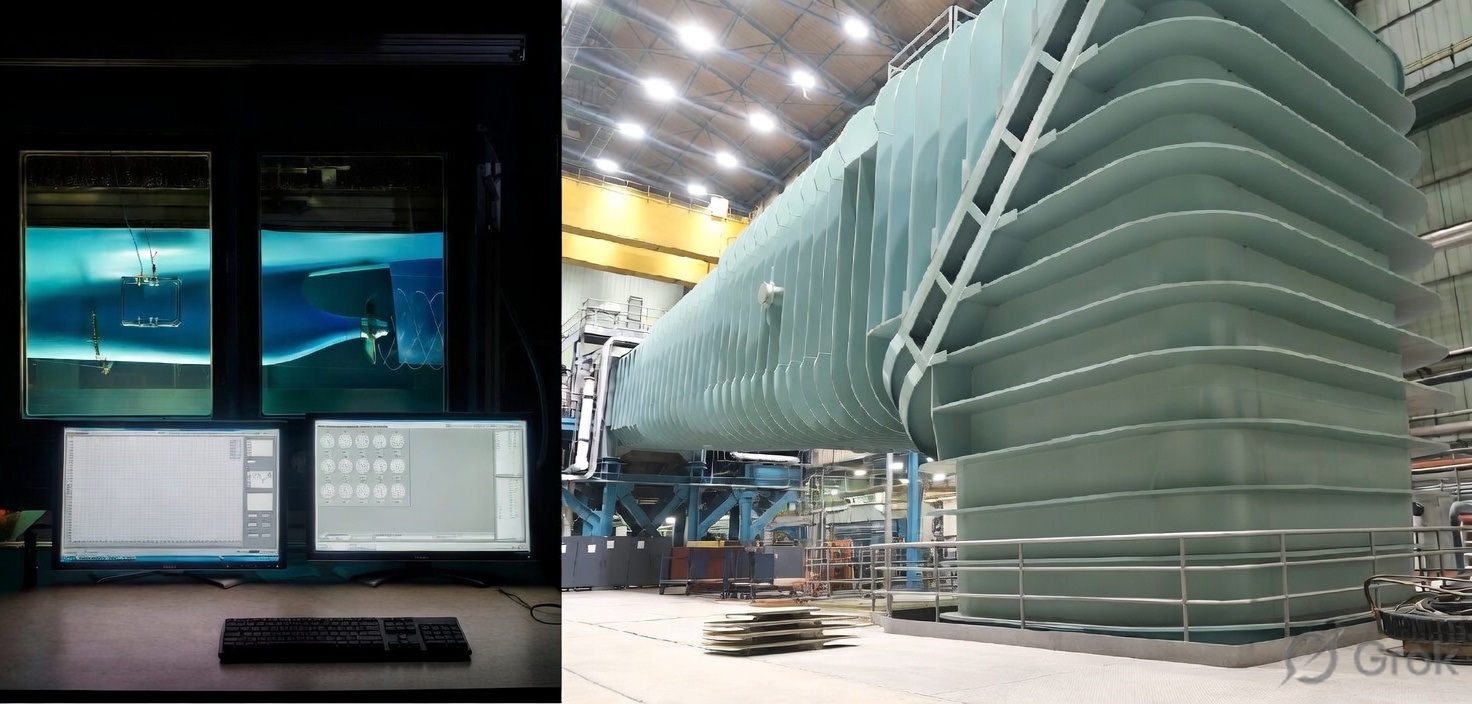
India
Visakhapatnam, — April 5, 2026 : Defence Minister Rajnath Singh on April 3, 2026, laid the foundation stone for a Large Cavitation Tunnel (LCT) facility at the Naval Science and Technological Laboratory (NSTL), a key laboratory of the Defence Research and Development Organisation (DRDO), in Visakhapatnam. The project is intended to expand India’s domestic capacity for advanced hydrodynamic testing of naval platforms and underwater systems. The Large Cavitation Tunnel is designed as a state-of-the-art facility capable of simulating complex hydrodynamic conditions encountered by submarines and surface ships. It features an integrated configuration that supports both closed-loop simulations for submarine studies and free surface simulations for surface vessels within a single setup. This combined capability is expected to enable comprehensive testing of propellers, torpedoes, and other critical underwater components. Once operational, the facility will allow detailed validation of hydrodynamic designs and propulsion systems for a wide range of naval platforms, including destroyers and aircraft carriers. It will support studies of cavitation effects—pressure-induced vapor bubble formation and collapse—which are critical in determining propulsion efficiency, structural durability, and acoustic performance of naval systems. Focus on Indigenous Capability and Data Security The development of the LCT addresses a longstanding gap in India’s defence testing infrastructure. Until now, advanced hydrodynamic testing for high-end naval systems has often been conducted at facilities in the United States, France, and Russia, or through limited domestic capabilities. This reliance raised concerns related to data security and restricted the ability to carry out full-scale validation of sensitive designs within the country. With the establishment of the LCT, India aims to reduce dependence on foreign testing infrastructure and enable end-to-end indigenous design, development, and validation of naval equipment, systems, and sub-systems. The project has been sanctioned by the Government of India and is being executed in turnkey mode with international technical collaboration. Impact on Naval Design and Underwater Warfare Systems The facility is expected to contribute to the development of quieter propulsion systems for submarines by enabling precise analysis of cavitation and fluid dynamics. Reduced acoustic signatures will improve stealth characteristics and enhance sonar performance. In addition, the LCT will support improvements in warship efficiency and durability and facilitate the development of next-generation torpedoes and underwater weapons. NSTL, which is responsible for research and development of torpedo systems, underwater mines, decoys, and autonomous underwater vehicles (AUVs), will integrate the new facility into its ongoing programs. During the visit, Defence Minister Singh was briefed by DRDO Chairman Dr. Samir V. Kamat on current and planned initiatives. He also visited the Seakeeping and Manoeuvring Basin and observed demonstrations of underwater systems, including torpedoes, naval mines, decoys, and a swarm of man-portable AUVs. The minister additionally reviewed spin-off technologies developed by the Naval Systems Materials cluster following Operation Sindoor and examined ongoing work in lithium-ion battery development for defence applications. Official Statements and Strategic Context Addressing scientists and personnel at NSTL during the foundation stone laying ceremony, Singh stated that the LCT is intended to function as an enabling system for future naval engineering efforts. He noted that the facility would strengthen work on propulsion systems, noise reduction, and stealth technologies, and serve as a foundational infrastructure for submarine and ship design. He also highlighted that, despite progress in developing defence systems domestically, India had previously depended on foreign facilities for critical testing. According to Singh, the commissioning of the LCT is expected to change this situation and contribute to strengthening India’s position in naval technology development through indigenous resources. The Defence Minister commended NSTL for its contributions to advancing underwater warfare capabilities and self-reliance in defence research, noting that its progress reflects ongoing efforts to prepare for future operational requirements. Ceremony and Related Developments The foundation stone laying ceremony was attended by senior defence leadership, including Chief of Defence Staff General Anil Chauhan, Chief of the Naval Staff Admiral Dinesh K. Tripathi, and Flag Officer Commanding-in-Chief of the Eastern Naval Command Vice Admiral Sanjay Bhalla. The event coincided with the commissioning of the stealth frigate INS Taragiri into the Indian Navy at the Naval Dockyard in Visakhapatnam on the same day, April 3, 2026. Both developments form part of broader initiatives to strengthen indigenous naval design, testing infrastructure, and shipbuilding capabilities. Project Status No official timeline for completion of the Large Cavitation Tunnel or details of the project cost have been disclosed. The facility is expected to support long-term development of India’s shipbuilding ecosystem and enhance domestic capabilities in naval research and engineering under the self-reliance initiative.
Read More → Posted on 2026-04-05 14:40:23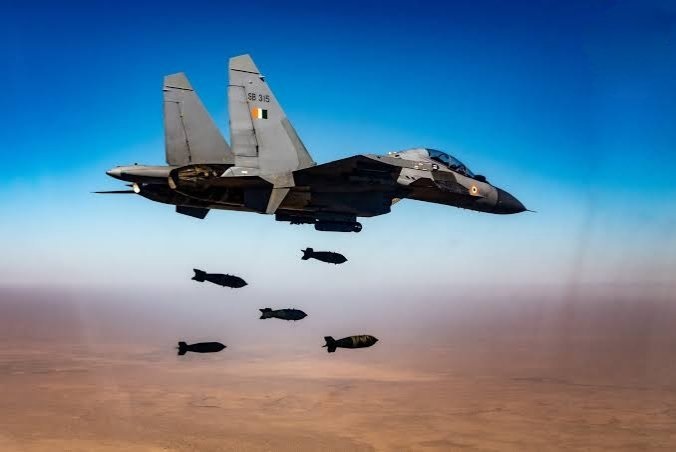
India
New Delhi, — April 5, 2026 : The Ministry of Defence (MoD) has initiated a program to indigenously design, develop, and procure 1,000-kg aerial bombs for the Indian Air Force (IAF), issuing a formal Expression of Interest (EoI) under the Defence Acquisition Procedure (DAP) 2020. According to official details, the EoI covers the development of heavy general-purpose bombs comparable to the Mk-84 class currently in service with the IAF. The ministry has outlined plans to procure an initial batch of approximately 600 such bombs following successful development and evaluation. Program Structure and Procurement Framework The project will be executed in two phases under established procurement categories. The first phase falls under the ‘Make-II’ category, which is industry-funded. Selected Indian entities will be responsible for designing and developing the bombs, including associated tail units and supporting equipment. A minimum of 50 percent indigenous content has been mandated during this stage. Development agencies will be required to produce six prototypes, including both live and inert variants. These prototypes will undergo Single-Stage Composite Trials (SSCT), along with comprehensive flight and drop testing from specified Indian Air Force aircraft at designated testing ranges. Data from these trials will be used to refine Preliminary Staff Qualitative Requirements (PSQRs) into formal Air Staff Qualitative Requirements (ASQRs). The second phase will proceed under the ‘Buy (Indian-IDDM)’ category—Indigenously Designed, Developed, and Manufactured. A commercial Request for Proposal (RFP) will be issued to qualifying agencies for the production and supply of the 600 bombs after successful completion of development and trials. The overall timeline from the issuance of the EoI to the signing of the final procurement contract is estimated at approximately 2.5 years. Technical Characteristics and Operational Role The proposed 1,000-kg (approximately 2,000-pound) aerial bomb is categorized as a high-calibre munition designed to deliver substantial blast effects, natural fragmentation, and significant peak over-pressure (PoP). Such munitions are typically employed against high-value and hardened targets, including underground bunkers, reinforced concrete structures, bridges, aircraft runways, and large ammunition storage facilities. The EoI specifies that the bombs and their associated systems must be compatible with both Russian-origin and Western-origin aircraft in the IAF inventory. This includes integration across platforms such as the Su-30 MKI, Rafale, and the indigenous Tejas, without requiring major modifications. Current Dependence and Strategic Rationale At present, the Indian Air Force procures Mk-84 class general-purpose bombs from foreign original equipment manufacturers (OEMs). The move toward indigenous production is aimed at reducing dependence on external suppliers and ensuring availability during extended operational scenarios. The requirement also reflects operational lessons observed in recent conflicts in the Middle East, where 2,000-pound class bombs have been widely used against fortified and deeply buried targets. The development of a domestic capability is intended to support long-range strike operations and improve logistical resilience. Industry Participation and Collaboration Participation in the EoI is open to eligible Indian entities, including private sector companies and micro, small, and medium enterprises (MSMEs). The MoD has permitted foreign collaboration through joint ventures or technology transfer arrangements, provided that the primary applicant complies with indigenous design and manufacturing requirements. The initiative forms part of ongoing efforts to strengthen domestic defence manufacturing capabilities and aligns with broader policy objectives focused on indigenisation under the DAP 2020 framework.
Read More → Posted on 2026-04-05 13:54:26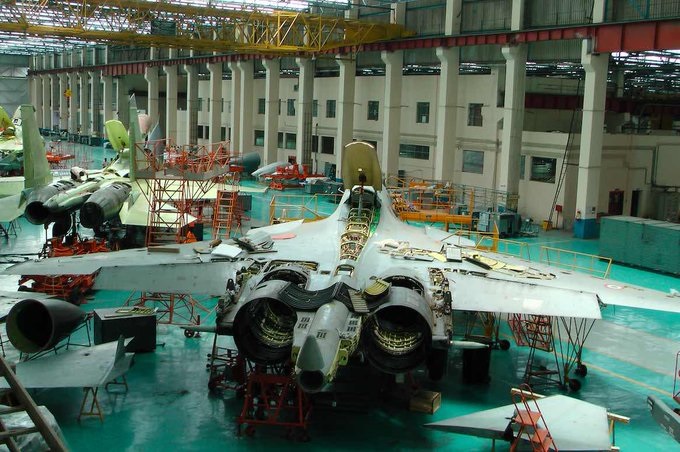
India
NASHIK, INDIA — April 4, 2026 : Hindustan Aeronautics Limited (HAL) has received foundational material kits from Russia for the licensed production of 12 Su-30MKI multi-role fighter aircraft at its Nashik division, marking the restart of assembly activities under a contract aimed at reinforcing the Indian Air Force (IAF) combat fleet. The delivery supports a ₹13,500 crore (approximately $1.6 billion) agreement signed on December 12, 2024, between India’s Ministry of Defence (MoD) and HAL. According to officials, the arrival of these kits enables HAL to begin assembly operations, with the company maintaining its target to deliver all 12 aircraft to the IAF by the end of 2026. Production Restart and Facility Role HAL’s Nashik facility in Maharashtra will serve as the lead integrator for the program, carrying out final assembly, integration, and testing of the aircraft. The production line had remained inactive for over 12 months prior to the contract’s finalization and is now being reactivated to execute the order. The facility has extensive experience with Russian-origin platforms and has previously produced 222 Su-30MKI aircraft under license since 2004. In total, HAL has manufactured and supported nearly 1,000 aircraft across multiple programs, including earlier MiG variants. Indigenous Content and Industrial Contribution The 12 aircraft will incorporate a reported 62.6 percent indigenous content, reflecting ongoing efforts under India’s Aatmanirbhar Bharat initiative to increase domestic manufacturing in defense production. Key areas of indigenization include: Mission systems and avionics: Integration of Indian-developed mission computers, avionics suites, and communication systems supplied by domestic industry partners. Engine manufacturing: The AL-31FP turbofan engines are being produced at HAL’s Koraput division, with increasing use of locally sourced raw materials and forgings. Weapons integration: Compatibility with indigenous systems such as the Astra beyond-visual-range (BVR) air-to-air missile and the BrahMos supersonic cruise missile. The higher level of local content compared to earlier production batches indicates progressive replacement of imported components with domestically manufactured systems. Fleet Role and Operational Context The Su-30MKI remains the backbone of the IAF’s combat fleet. India has procured a total of 272 aircraft, of which 50 were delivered directly by Russia, while the remainder were assembled by HAL from completely knocked-down (CKD) kits. Currently, the IAF operates approximately 30 to 31 fighter squadrons, below its sanctioned strength of 42. The additional 12 aircraft are intended to serve two primary purposes: Attrition replacement: Replacing aircraft lost in accidents over the past decade. Capability bridging: Addressing squadron shortages amid delays in the Tejas Mk-1A program linked to international engine supply constraints. The Su-30MKI fleet accounts for nearly 60 percent of India’s combat aircraft inventory, with around 270 aircraft currently in service. Technical Characteristics The Su-30MKI is a twin-engine, two-seat heavy air superiority fighter designed for both air-to-air and air-to-ground missions. Its core specifications include: Maximum speed: Mach 2.0 (approximately 2,100 km/h) Combat radius: 1,300 km without aerial refueling Radar: N011M Bars passive electronically scanned array (PESA) Payload capacity: Up to 8,000 kg across 12 hardpoints Upgrade Path and “Super Sukhoi” Program The newly produced aircraft are expected to incorporate elements aligned with the planned “Super Sukhoi” upgrade program, valued at approximately ₹60,000 crore. This modernization effort will retrofit the existing fleet with: Virupaksha active electronically scanned array (AESA) radar Advanced electronic warfare (EW) suites New digital cockpit systems developed by the Defence Research and Development Organisation (DRDO) and Indian private sector partners The program aims to extend the operational lifespan of the Su-30MKI fleet by 20 to 30 years. Strategic and Industrial Outlook The delivery of material kits reflects the continuation of Indo-Russian defense cooperation under the licensed production framework established in 2000. At the same time, the increased indigenous content highlights India’s gradual shift toward greater self-reliance in defense manufacturing. Following completion of this batch, HAL’s Nashik facility is expected to transition toward large-scale modernization work under the Super Sukhoi program, alongside ongoing maintenance, repair, and overhaul (MRO) activities for the existing fleet. No detailed breakdown of delivery milestones for individual aircraft has been released. However, officials indicate that production timelines remain aligned with the scheduled completion by December 2026.
Read More → Posted on 2026-04-04 16:11:45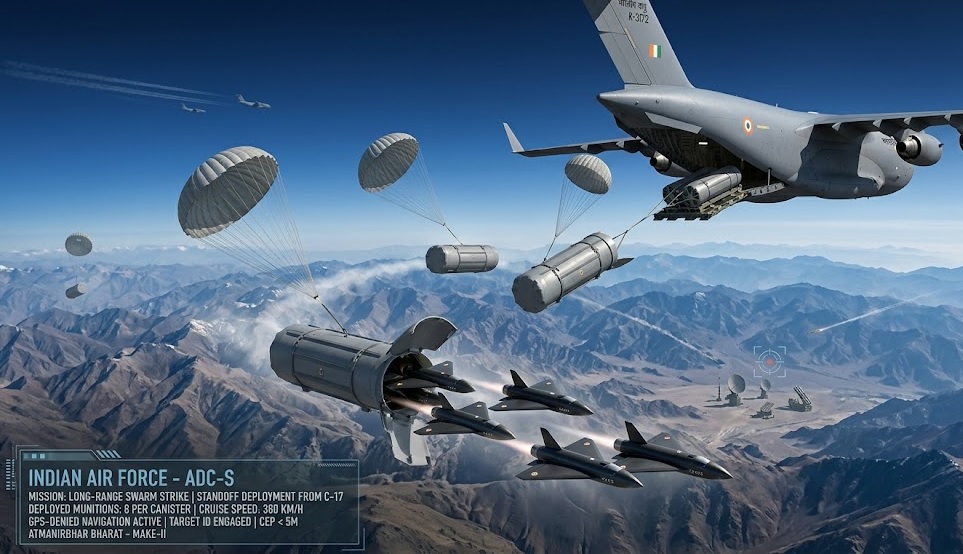
India
NEW DELHI — April 3, 2026 : The Indian Air Force (IAF) has initiated a new procurement and development program for an Air-Dropped Canisterised Swarm (ADC-S) system, advancing its push toward autonomous, long-range strike capabilities in contested environments. The project is being pursued under the Make-II category of the Defence Acquisition Procedure (DAP) 2020, with Air Headquarters’ Directorate of Operations (Remote) designated as the nodal agency. The program, referenced as CF No/ Air HQ/C 18488/69/DAD, focuses on the design, development, and manufacture of an indigenised, multi-use swarm munition system capable of engaging high-value and time-sensitive targets deep inside adversary territory. Deployment Concept and Launch Platforms The ADC-S system will be deployed using a palletised weapon airdrop mechanism from the IAF’s existing transport aircraft fleet, including the C-17 Globemaster III, C-130J Super Hercules, and C-295. This approach allows the use of transport aircraft as stand-off launch platforms rather than relying on frontline fighter jets. The system is designed to achieve a minimum operational range of approximately 500 kilometers from the point of release. This stand-off distance enables launch aircraft to remain outside hostile air defence engagement zones, particularly in anti-access/area denial (A2/AD) environments. The final range parameter will be confirmed following feasibility studies. System Architecture and Swarm Composition Each air-dropped canister will contain a minimum of six to eight swarm munitions, with the possibility of higher payload configurations depending on system design. Once deployed, the canister disperses these munitions, which operate as a coordinated swarm. Individual swarm units are required to achieve cruise speeds between 350 and 400 km/h and carry a munition payload of at least 30 kilograms. The design also incorporates modularity, allowing integration of additional sensors or mission-specific payloads alongside the primary munition package. Autonomy, Navigation, and Precision Requirements The ADC-S system is designed to operate in contested electromagnetic environments, including areas where Global Navigation Satellite Systems (GNSS) may be denied or degraded due to electronic warfare. To address this, the system incorporates advanced artificial intelligence and autonomous capabilities. These include autonomous navigation, target search, detection, identification, and engagement decision-making. The swarm must also be capable of continuing mission execution even in the absence of communication links. Precision requirements specify a Circular Error Probable (CEP) of 5 meters or less, supported by terminal guidance systems to ensure accuracy against designated targets. Operational Role and Battlefield Application In operational scenarios, the ADC-S is intended to provide the IAF with a stand-off strike capability against high-value, time-sensitive targets such as radar installations, surface-to-air missile systems, command and control nodes, and other critical infrastructure. The use of swarm tactics enables multiple munitions to be deployed simultaneously, creating a saturation effect that can overwhelm adversary air defence systems. This distributed attack profile is particularly relevant in heavily defended environments where conventional strike aircraft may face higher risk. The reliance on autonomous operation further enhances survivability and mission reliability in conditions where electronic warfare may disrupt communications or navigation systems. Industrial Participation and Procurement Pathway The project is being executed under the Make-II category, which requires Indian industry to undertake design and development using its own funding. The initiative mandates a minimum indigenous content of 50 percent, aligning with the government’s Atmanirbhar Bharat policy for self-reliance in defence manufacturing. Following successful prototype development and validation, the program is expected to transition to procurement under the “Buy Indian–IDDM” (Indigenously Designed, Developed and Manufactured) category. The IAF has indicated an anticipated minimum order quantity ranging between 1,000 and 2,000 units, subject to the outcomes of feasibility studies and recommendations from the Project Facilitation Team. Industry Engagement and Timeline A project questionnaire was uploaded on the Make in India Defence Production portal on 1 April 2026. Indian companies interested in participating in the program have been invited to submit responses by 30 April 2026. Further refinement of system specifications and preliminary service qualitative requirements will be carried out following industry consultations and feasibility assessments. The ADC-S program represents a step in expanding the IAF’s capability portfolio in autonomous warfare systems, with a focus on extending operational reach, reducing risk to manned platforms, and enabling precision engagement in contested airspace.
Read More → Posted on 2026-04-03 14:41:02
India
NEW DELHI — April 2026 : The Indian Air Force (IAF) has initiated a new development program for an Unmanned Combat Search and Rescue (CSAR) aircraft under the Make-I sub-category of the Defence Acquisition Procedure (DAP) 2020, marking a step toward autonomous recovery capabilities in high-risk operational environments. The project, referenced as CF No/ Air HQ/C 18488/69/DAD and managed by the Directorate of Operations (Remote) at Air Headquarters, seeks to design, develop and manufacture a runway-independent unmanned platform capable of recovering downed aircrew in hostile territory without exposing additional personnel or manned aircraft to risk. Operational Requirement and Role Expansion The IAF’s requirement focuses on deploying an unmanned system for Combat Search and Rescue missions in contested airspace where conventional helicopter-based recovery operations may be considered too hazardous. By removing onboard crew, the platform is intended to conduct extractions in high-threat zones while reducing operational risk. In addition to personnel recovery, the aircraft is expected to perform logistics missions, including the transport of supplies and equipment to forward operating bases, remote areas and terrain inaccessible to conventional aircraft. The system is designed to operate in challenging environmental conditions, including extreme temperatures and degraded visibility scenarios such as whiteout conditions in snow-bound regions and brownout conditions in desert or dusty environments. Technical Specifications and Performance Parameters According to the project brief, the unmanned CSAR platform must meet defined operational and performance criteria. The system is required to support a minimum payload capacity of 400 kilograms, enabling it to carry at least four personnel or accommodate medical evacuation stretchers. The aircraft must have a minimum radius of action of 200 kilometers and be capable of maintaining a loiter time of at least 45 minutes over the target area. Higher operational ranges are considered desirable. Altitude requirements specify operational capability from sea level up to 16,000 feet AMSL, with a desirable ceiling of 20,000 feet AMSL to support high-altitude missions. A key requirement is runway independence, with the platform required to take off and land on unprepared or unpaved surfaces. Additionally, it must maintain stability during operations in wind conditions of up to 30 knots, with a gust tolerance of ±10 knots during takeoff and landing phases. Navigation, Autonomy and Mission Systems The unmanned system will incorporate multiple navigation frameworks, including Global Navigation Satellite Systems (GNSS), IRNSS, and NAVIC. Importantly, the platform must retain full operational capability in GNSS-denied environments or electronically contested environments. Autonomy is a central feature of the program. The aircraft must be capable of fully automated takeoff, navigation and landing without direct human intervention. For its primary mission, the system must autonomously search, detect, identify and land near downed personnel by integrating with Emergency Locator Transmitters (ELTs). Indigenous Development Framework The project is being executed under the Make-I category, which provides government funding support for prototype development. It aligns with India’s Atmanirbhar Bharat initiative aimed at increasing self-reliance in defense manufacturing. Under program requirements, the platform must achieve a minimum indigenous content level of 50 percent, covering design, materials, subsystems and software. Following prototype development, certification by CEMILAC and subsequent field trials, the Ministry of Defence plans to procure an initial batch of approximately 10 units. The acquisition will be conducted under the Buy Indian–IDDM category. Industry Participation and Timeline Indian defense companies meeting the eligibility criteria outlined in DAP 2020 have been invited to participate in the program. Desirable qualifications include experience in aviation manufacturing, maintenance, repair and overhaul (MRO), logistics support, and familiarity with certification and quality assurance processes under DGAQA and CEMILAC. Interested entities are required to submit proposals along with responses to a detailed questionnaire by April 30, 2026, to the designated nodal directorate at Air Headquarters. The IAF stated that detailed project specifications and preliminary staff qualitative requirements will be refined through industry consultations and feasibility assessments as the program progresses.
Read More → Posted on 2026-04-03 14:18:22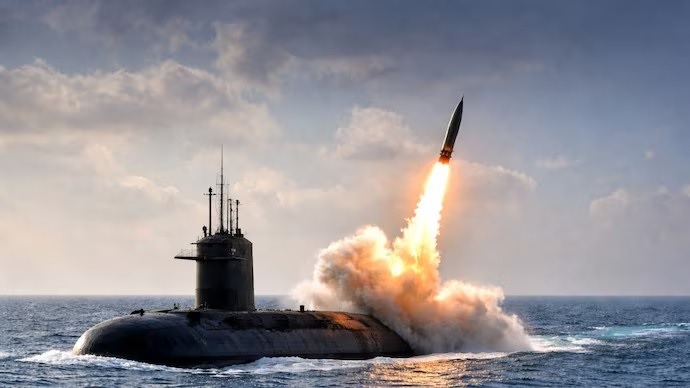
India
VISAKHAPATNAM, — April 3, 2026 : India on Friday commissioned its third nuclear-powered ballistic missile submarine (SSBN), INS Aridhaman, into the Indian Navy at a ceremony held in Visakhapatnam and presided over by Defence Minister Rajnath Singh. The induction marks a continued expansion of India’s sea-based nuclear deterrent and strengthens the maritime leg of its nuclear triad. The submarine, designated S4 under the classified Advanced Technology Vessel (ATV) program, is the third vessel in the Arihant-class series and the first of an enlarged subclass with improved design and capabilities. Its commissioning coincided with the induction of the stealth frigate INS Taragiri, reflecting ongoing efforts by the Ministry of Defence to expand naval capacity through indigenous platforms. Platform Development and Construction INS Aridhaman was constructed at the Ship Building Centre (SBC), Visakhapatnam, with fabrication support from Larsen & Toubro. The keel was laid around 2018, and the submarine was launched on November 23, 2021. It completed its sea trials by late 2025 before being cleared for operational service. The vessel has a displacement of approximately 7,000 tonnes, making it larger than earlier Arihant-class submarines such as INS Arihant and INS Arighaat, which displace around 6,000 tonnes. It measures about 130 metres in length with a beam of 11 metres and incorporates a more streamlined hull design aimed at improving hydrodynamic efficiency and reducing acoustic signature. Propulsion and Performance The submarine is powered by an 83 MW Compact Light Water Reactor, an upgraded pressurised water reactor developed by the Bhabha Atomic Research Centre (BARC). The reactor enables extended submerged endurance and contributes to lower detectability compared to earlier configurations. INS Aridhaman is fitted with a seven-blade propeller and is capable of speeds ranging from 12 to 15 knots on the surface and up to 24 knots when submerged. The nuclear propulsion system allows the submarine to remain underwater for prolonged periods without surfacing, enhancing operational survivability. Armament and Combat Systems The submarine is equipped with eight vertical launch system (VLS) tubes located in its missile compartment, doubling the missile capacity compared to earlier boats in the class. It can carry: Up to 24 K-15 (Sagarika) submarine-launched ballistic missiles (SLBMs) with a range of 750 km, or Up to 8 K-4 SLBMs with a range of approximately 3,500 km The platform has also been designed to integrate future K-5 SLBMs, which are currently under development and expected to have a range of around 6,000 km. In addition to ballistic missile capability, INS Aridhaman is fitted with six 533 mm torpedo tubes and is estimated to carry up to 30 munitions, including torpedoes, cruise missiles, or naval mines. The submarine is equipped with indigenous sensor and combat systems, including the USHUS integrated sonar suite and the Panchendriya unified submarine control and underwater communication system. Operational Role and Basing INS Aridhaman will operate under India’s Strategic Forces Command and is expected to be based at Project Varsha, a high-security naval facility with underground submarine pens near Visakhapatnam. With the induction of the third SSBN, the Indian Navy improves its ability to maintain continuous at-sea deterrence, ensuring that at least one nuclear-armed submarine remains on patrol while others undergo maintenance or transit. Fleet Integration and Strategic Context INS Aridhaman joins INS Arihant (commissioned in 2016) and INS Arighaat (inducted on August 29, 2024). This marks the first time India operates three Arihant-class SSBNs simultaneously. India remains among a limited group of countries operating nuclear-powered submarines, alongside the United States, Russia, China, the United Kingdom, and France. A fourth submarine of similar configuration, expected to be named INS Arisudan, is currently under construction and is projected to enter service around 2027. In parallel, India is progressing toward the development of the next-generation S5-class submarines, expected to displace around 14,000 tonnes. Concurrent Commissioning of INS Taragiri Alongside INS Aridhaman, the Indian Navy commissioned INS Taragiri, an advanced stealth frigate built by Mazagon Dock Shipbuilders Limited (MDL) under Project 17A. The 6,670-tonne frigate is equipped with a Combined Diesel or Gas (CODOG) propulsion system and features a modern weapons suite, including supersonic surface-to-surface missiles and medium-range surface-to-air missile systems. Program Continuity Officials indicated that the expanded missile capacity, improved propulsion system, and reduced acoustic signature of INS Aridhaman contribute to strengthening the credibility of India’s sea-based deterrent. Development work under the ATV program continues at the Ship Building Centre as part of India’s long-term indigenous submarine construction roadmap.
Read More → Posted on 2026-04-03 13:52:29
India
NEW DELHI, — April 2, 2026 : The Ministry of Defence (MoD) has initiated a major procurement process for more than 200 New Generation Air Defence Gun (ADG-NG) systems for the Indian Army, issuing a Request for Information (RFI) to industry. Vendors have been asked to submit technical and product responses by June 11, 2026, marking the early stage of a program aimed at strengthening India’s short-range air defence capabilities. The planned acquisition forms a core component of Mission Sudarshan Chakra, a long-term initiative designed to establish an artificial intelligence-enabled, multi-layered national air and missile defence architecture by 2035. The program integrates sensors, command-and-control networks, and weapon systems across the Army, Air Force, and Navy, with gun-based systems forming a key layer for close-in protection. Operational Background and Threat Assessment The requirement for ADG-NG systems is based on operational lessons drawn from Operation Sindoor conducted in May 2025. During that period, adversaries deployed electrically powered drone swarms along India’s western front for surveillance and precision targeting of civilian and military infrastructure. These drones, including commercial and improvised platforms, presented detection challenges due to their low radar cross-section and minimal infrared signatures. The experience highlighted limitations in existing air defence systems, particularly against low-cost, small, and slow-moving aerial threats. In response, the ADG-NG systems are required to detect, recognise, identify, track, and engage a wide spectrum of aerial targets. These include conventional threats such as fixed-wing aircraft, helicopters, and cruise missiles, as well as unconventional platforms like micro and mini unmanned aerial systems, para-motors, paragliders, and micro-light aircraft. The systems are also expected to handle high-performance targets, including fighter aircraft such as the Dassault Rafale, alongside small commercial drones like the DJI Mavic Pro 3. Technical Specifications and System Requirements According to the RFI, the ADG-NG will be a vehicle-mounted or towed platform equipped with advanced automation and fire control technologies. Key operational and technical parameters include: The system must achieve a minimum firing range of 4,000 metres and an engagement altitude of at least 2,500 metres. It is required to sustain a rate of fire exceeding 300 rounds per minute and engage targets travelling at speeds up to 500 metres per second. The guns will use programmable smart ammunition, including pre-fragmented and proximity-fused rounds, along with conventional high-explosive tracer ammunition. All ammunition must incorporate a self-destruct mechanism to minimise collateral damage and maintain a minimum shelf life of 10 years. Each system will be fitted with an integrated Electro-Optical Fire Control System (EOFCS) capable of autonomous, all-weather, day-and-night operation. This includes target acquisition, tracking, and engagement without continuous operator input. Operational requirements specify the inclusion of an autoloader system manageable by no more than two personnel. The platforms must also support silent operations through onboard power solutions such as generators, batteries, or external mains supply to reduce acoustic detection. Industrial Participation and Competing Systems Three Indian defence manufacturers are expected to participate in the ADG-NG program based on their existing capabilities and involvement in similar projects. Larsen & Toubro (L&T) is offering its Sudarshan Close-in Weapon System (CIWS), which incorporates a 3D Active Electronically Scanned Array (AESA) radar and is designed for autonomous tracking and engagement, including high-altitude operations. Bharat Heavy Electricals Limited (BHEL), in partnership with Italy-based Leonardo S.p.A., is proposing a system focused on high fire density. This configuration is intended for point defence roles, particularly for protecting critical infrastructure and high-value assets. The partnership builds on ongoing collaboration between the two companies in gun and fire control system development. Advanced Weapons and Equipment India Limited (AWEIL), headquartered in Kanpur, is presenting an upgraded version of the legacy Bofors L-70 air defence gun. The proposed system incorporates modern electronics, digital fire control systems, and improved radar integration. Indigenous Content and Procurement Framework The MoD has stipulated that the ADG-NG systems must achieve a minimum of 50 percent indigenous content based on cost. This requirement aligns with the government’s Atmanirbhar Bharat policy, which prioritises domestic manufacturing, technology transfer, and local supply chain development in defence procurement. The systems are expected to feature modular architecture to ensure compatibility with existing Indian Army radar, communication, and navigation systems. The program also emphasises scalability and future upgrades as part of the broader integrated air defence framework. Modernisation Context and Previous Efforts The ADG-NG program is part of ongoing efforts to replace legacy air defence guns currently in service, including the ZU-23-2 twin-barrel autocannons and mechanically operated L-70 systems. These older platforms have limited capability against emerging threats such as drone swarms and precision-guided munitions. The current RFI builds on earlier procurement initiatives. In October 2022, the MoD issued a Request for Proposal (RFP) for 220 towed air defence guns under the Buy and Make (Indian) category, also requiring 50 percent indigenous content. The ADG-NG program represents a shift toward more advanced, vehicle-mounted systems with higher levels of automation and integration.
Read More → Posted on 2026-04-02 16:36:24
India
BENGALURU, — April 2, 2026 : Hindustan Aeronautics Limited (HAL) has invoked contractual penalty provisions against GE Aerospace over delays in the supply of F404-IN20 engines, a key component of the Light Combat Aircraft (LCA) Tejas Mk1A programme for the Indian Air Force (IAF). The penalties, structured as liquidated damages, are being applied for each engine delivered beyond agreed timelines under the engine procurement contract signed in 2021. HAL officials confirmed that the contract explicitly mandates financial penalties for schedule slippages, and deductions are being made as per the agreed terms. Contract Details and Delivery Status The 2021 agreement between HAL and GE Aerospace covers the supply of 99 F404-IN20 engines, valued at approximately $716 million (around $1 billion in broader programme estimates), intended to power 83 Tejas Mk1A aircraft ordered by the IAF. Deliveries, initially expected earlier, formally commenced in March 2025. As of early April 2026, HAL has received five engines. A sixth engine has been handed over in the United States and is expected to reach India by the end of April. HAL Chairman and Managing Director D. K. Sunil stated that GE Aerospace has committed to delivering at least 20 engines during the second half of calendar year 2026, between June and December. He described this projection as a “pessimistic” estimate, noting that the manufacturer has indicated the possibility of exceeding that figure. A follow-on agreement signed in November 2025 provides for an additional 113 F404-IN20 engines, including spares and modules, to support production of 97 more Tejas Mk1A aircraft. Deliveries under this second contract are scheduled from 2027 through 2032. Impact on Tejas Mk1A Production In February 2021, the Ministry of Defence awarded HAL a ₹48,000 crore contract to manufacture 83 Tejas Mk1A jets, including 73 fighter variants and 10 trainers. While HAL’s production lines remain active and multiple airframes have been completed, final assembly has been constrained by the shortage of engines. HAL currently has five aircraft fitted with engines and expects to have six aircraft integrated with Category-A engines by the end of April 2026. The company is targeting delivery of more than 20 Tejas Mk1A jets by December 2026, subject to completion of ongoing testing milestones. These include radar integration, avionics validation, and simultaneous missile-firing trials from twin launch pods. A comprehensive programme review scheduled for May 2026 will assess readiness prior to formal aircraft deliveries to the IAF. Financial and Contractual Implications The liquidated damages clause allows HAL to deduct a percentage of the value of each delayed engine. However, the delays have also created downstream contractual obligations. HAL is liable to pay penalties to the Indian Air Force for delays in delivering completed aircraft under its separate contract. HAL officials emphasized that while domestic production infrastructure is fully prepared, engine availability remains the primary constraint affecting delivery timelines. IAF Monitoring and Fleet Status The Indian Air Force is closely monitoring developments related to engine deliveries and programme progress. The planned review in May 2026 is expected to evaluate the overall status of the Tejas Mk1A programme before acceptance of aircraft. Separately, the existing Tejas Mk1 fleet, which had been grounded for approximately two months for routine maintenance checks and software updates related to its braking system, has been cleared to resume operations. The fleet is expected to return to active flying status by the second week of April 2026. Supply Chain Challenges GE Aerospace has attributed earlier delays to global supply chain constraints, which affected production schedules and delivery commitments. HAL has reiterated that its assembly lines are ready to scale output once engine supplies stabilize, indicating that future delivery rates will depend largely on the consistency of engine shipments.
Read More → Posted on 2026-04-02 16:02:46Search
Top Trending in 24 Hours
-
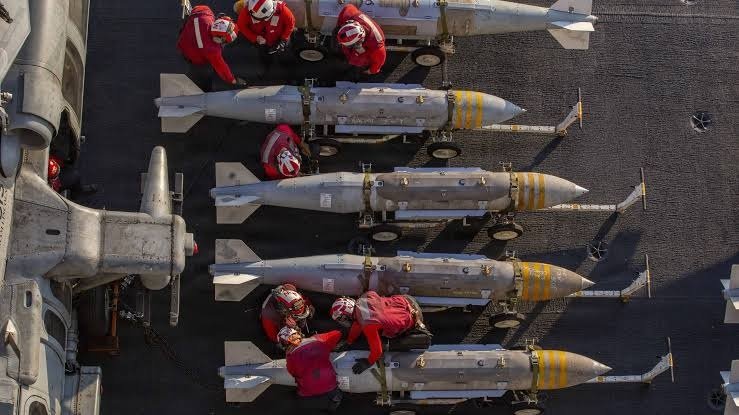 Pentagon Inspector General Report Finds Iran War Caused U.S. Ammunition Shortfalls and Industrial Bottlenecks
-
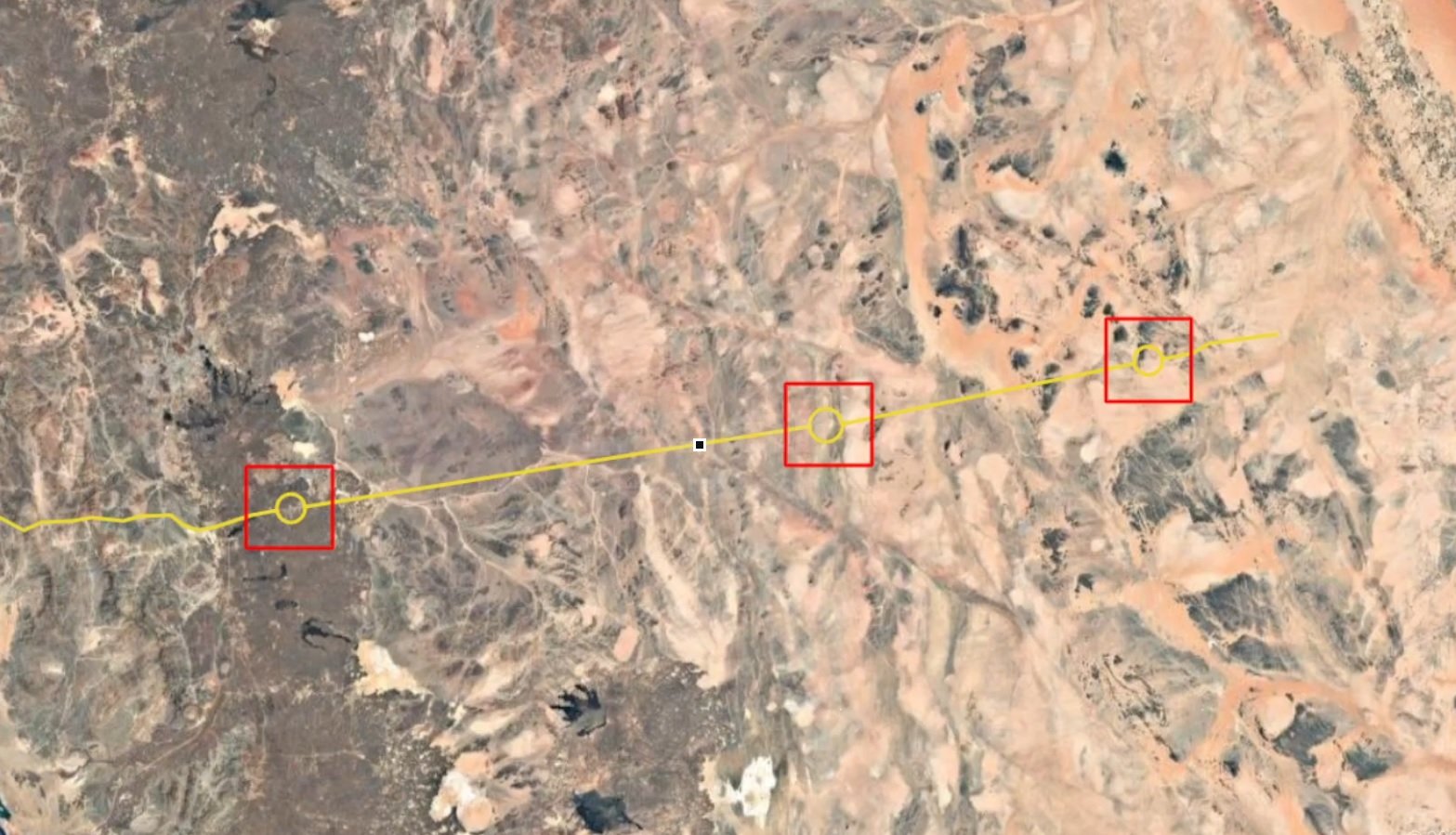 Satellite Imagery Shows Extensive Damage to Saudi Arabia’s East-West Oil Pipeline, Indicating More Than a Single Strike
-
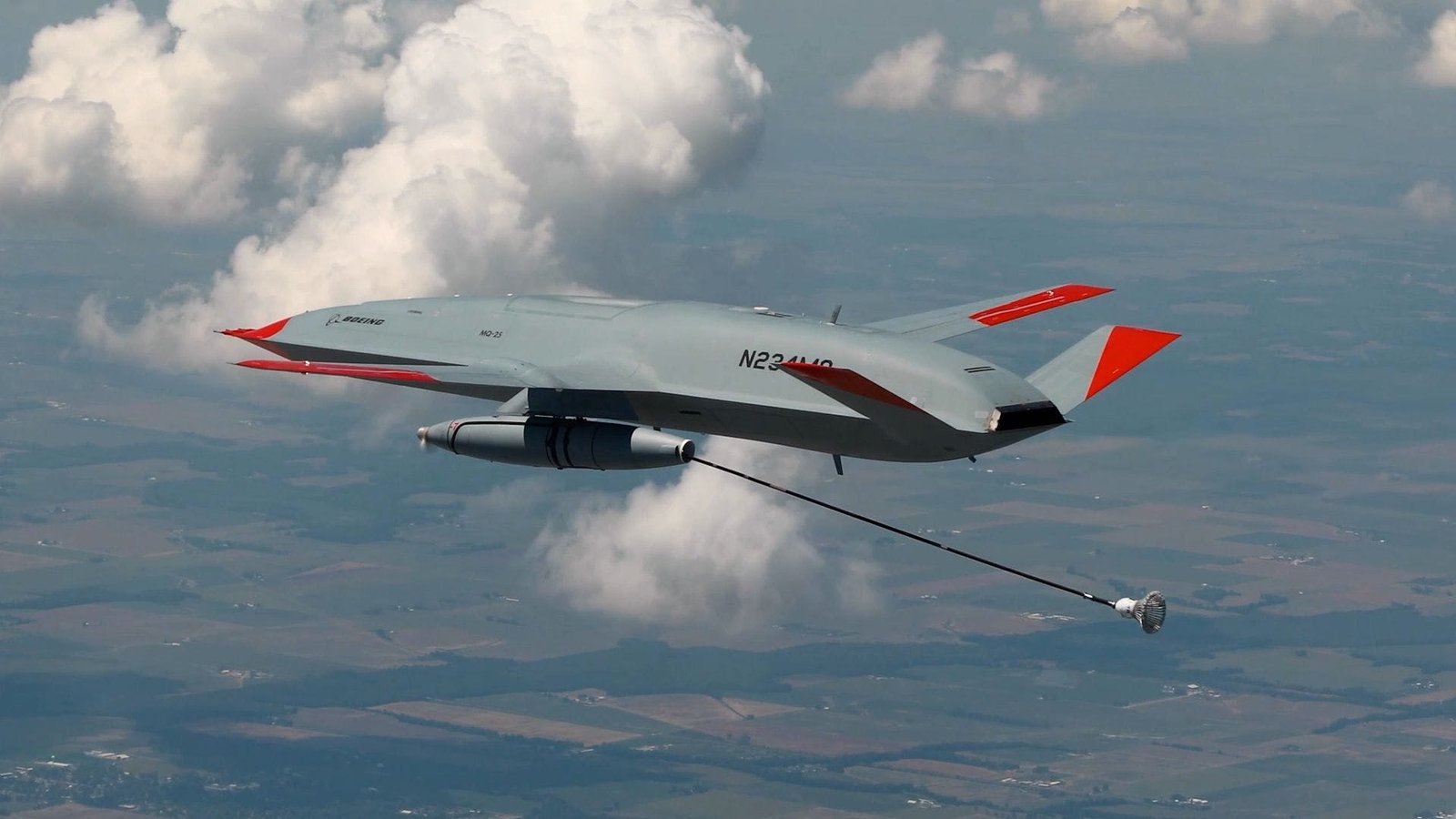 U.S. Navy Awards Boeing $562 Million Contract for First Production MQ-25A Stingray Tanker Drones
-
 Pentagon and Honeywell Complete Four-Hour Pacific Flight Using Quantum Magnetic Navigation Without GPS
-
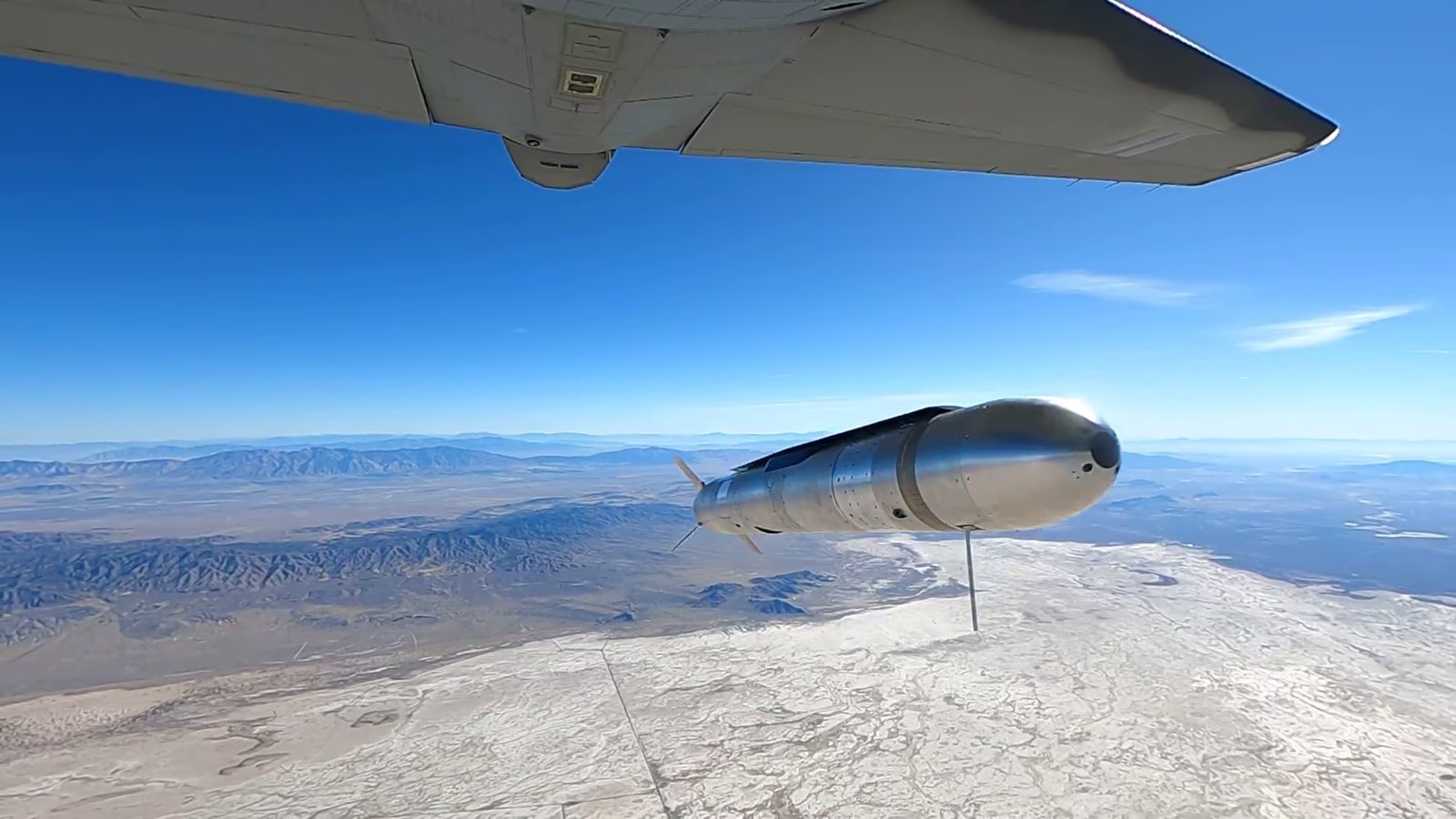 U.S. Air Force Special Operations Command Clears AGM-190A Havoc Spear for Wider Service After Combat Evaluation in Africa
-
 U.S. Confirms Deployment of On-Orbit Space Control Weapons for First Time
-
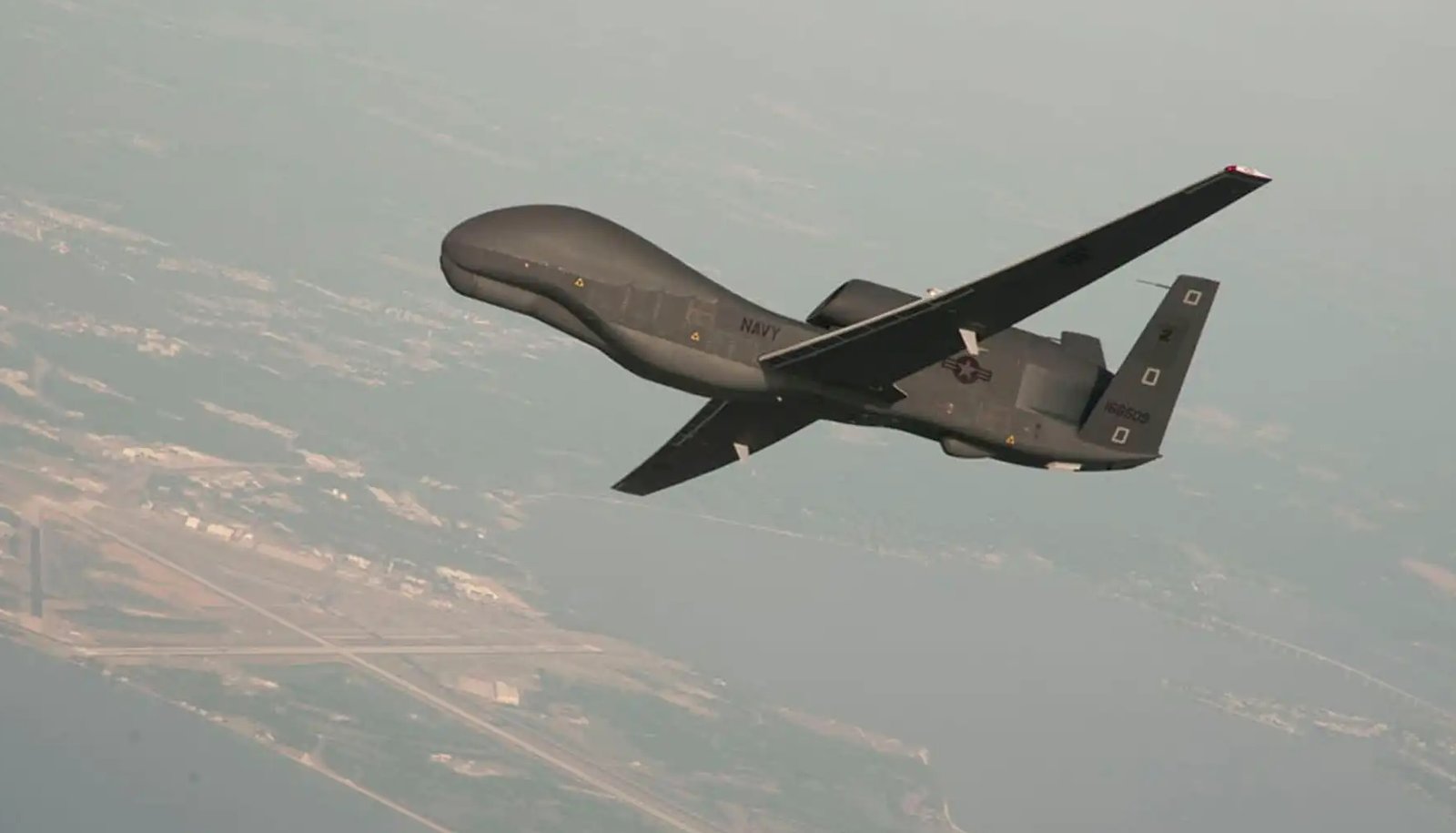 Japan Air Self-Defense Force Loses Contact With Global Hawk Surveillance Drone Off Tottori Coast; Aircraft Presumed Crashed
-
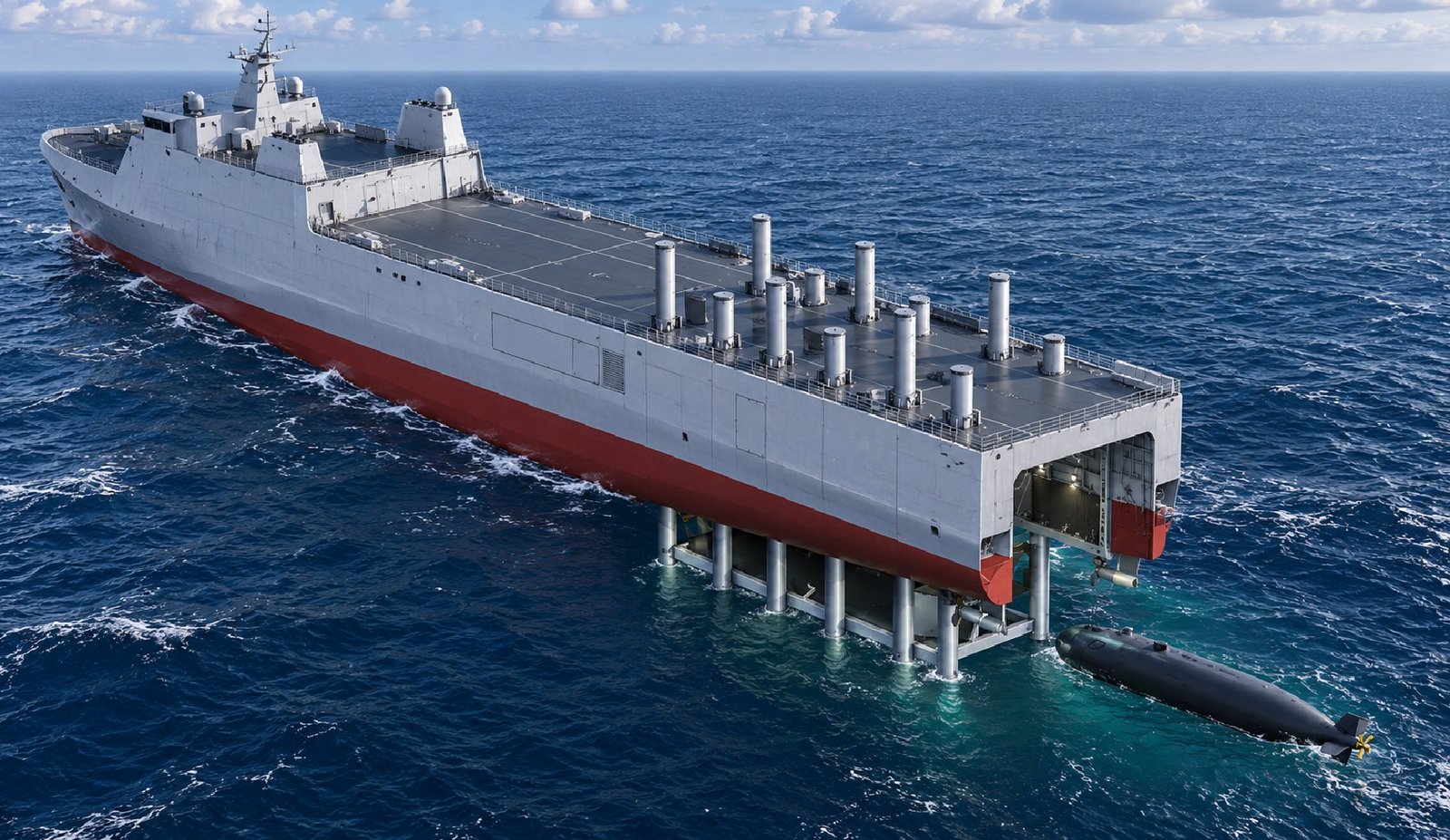 China Builds New Shanghai Vessel to Serve as Mothership for Large Uncrewed Submarines
Top Trending in 4 Days
-
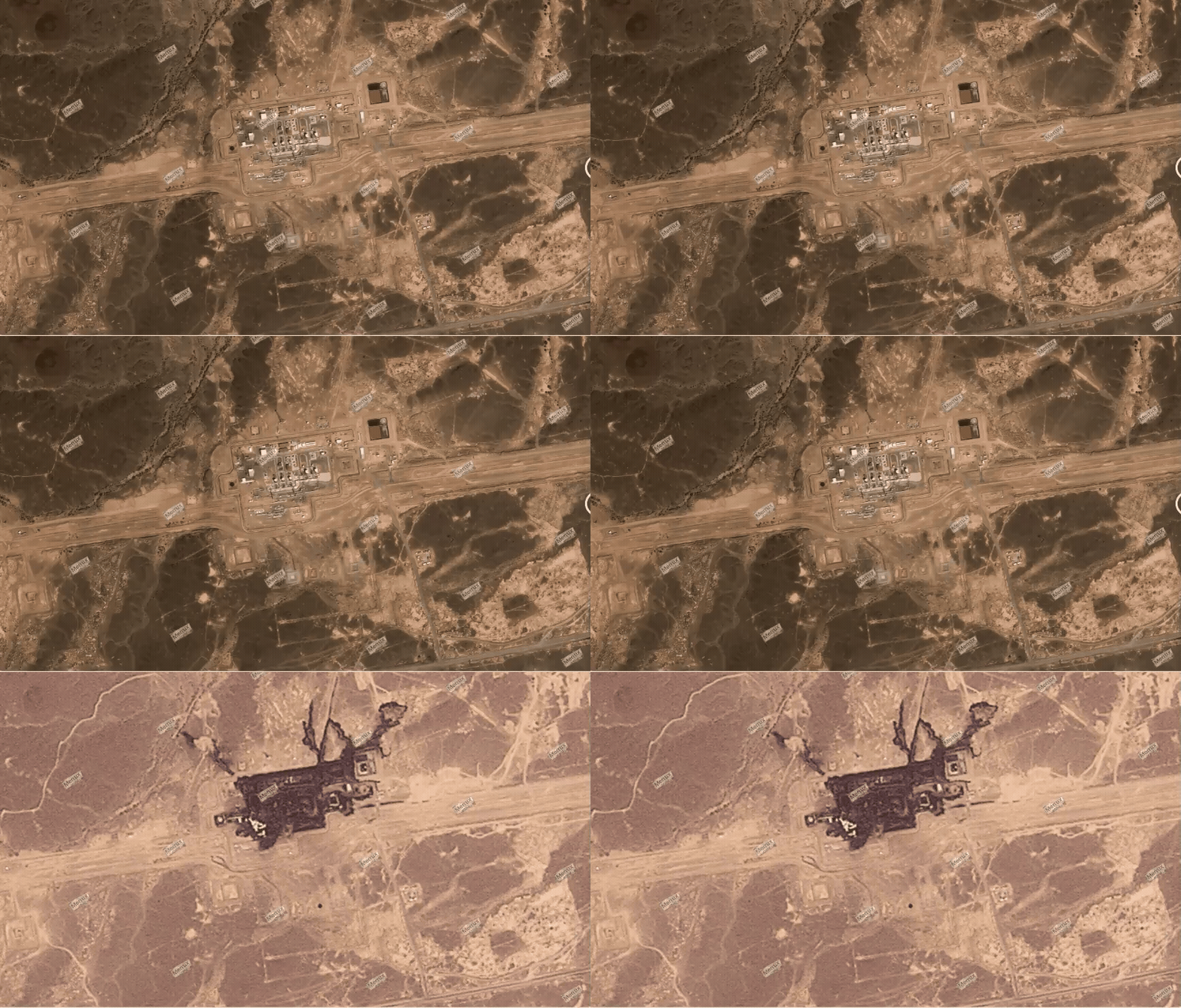 Satellite Imagery Shows Heavy Damage to Saudi East–West Oil Pipeline Pumping Stations
-
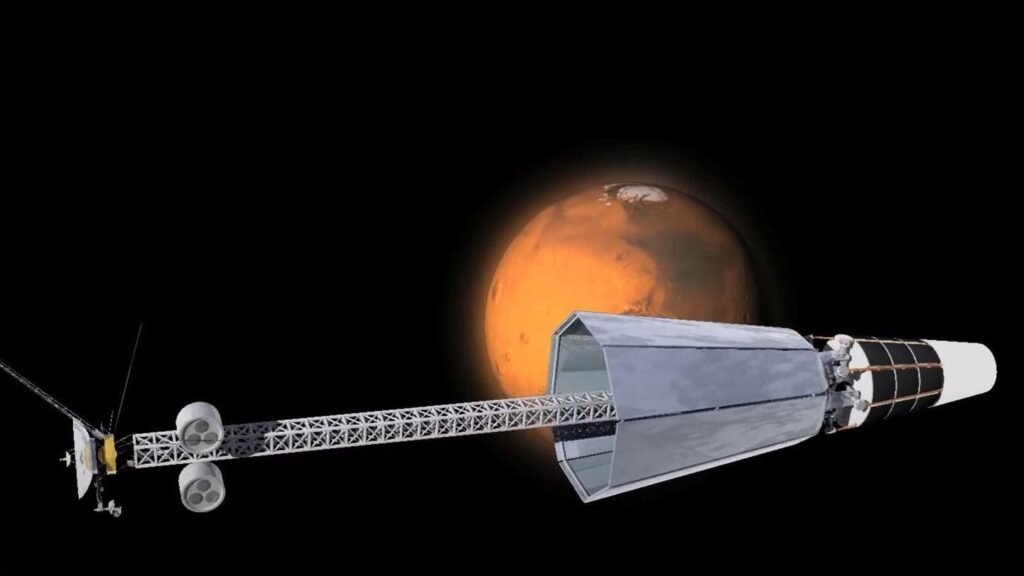 U.S. Air Force Awards Antares $161 Million to Develop Nuclear Reactor for Spacecraft
-
 Pentagon Awards BlueHalo Up to $99.8 Million Contract for Orbital Battlespace R&D Program
-
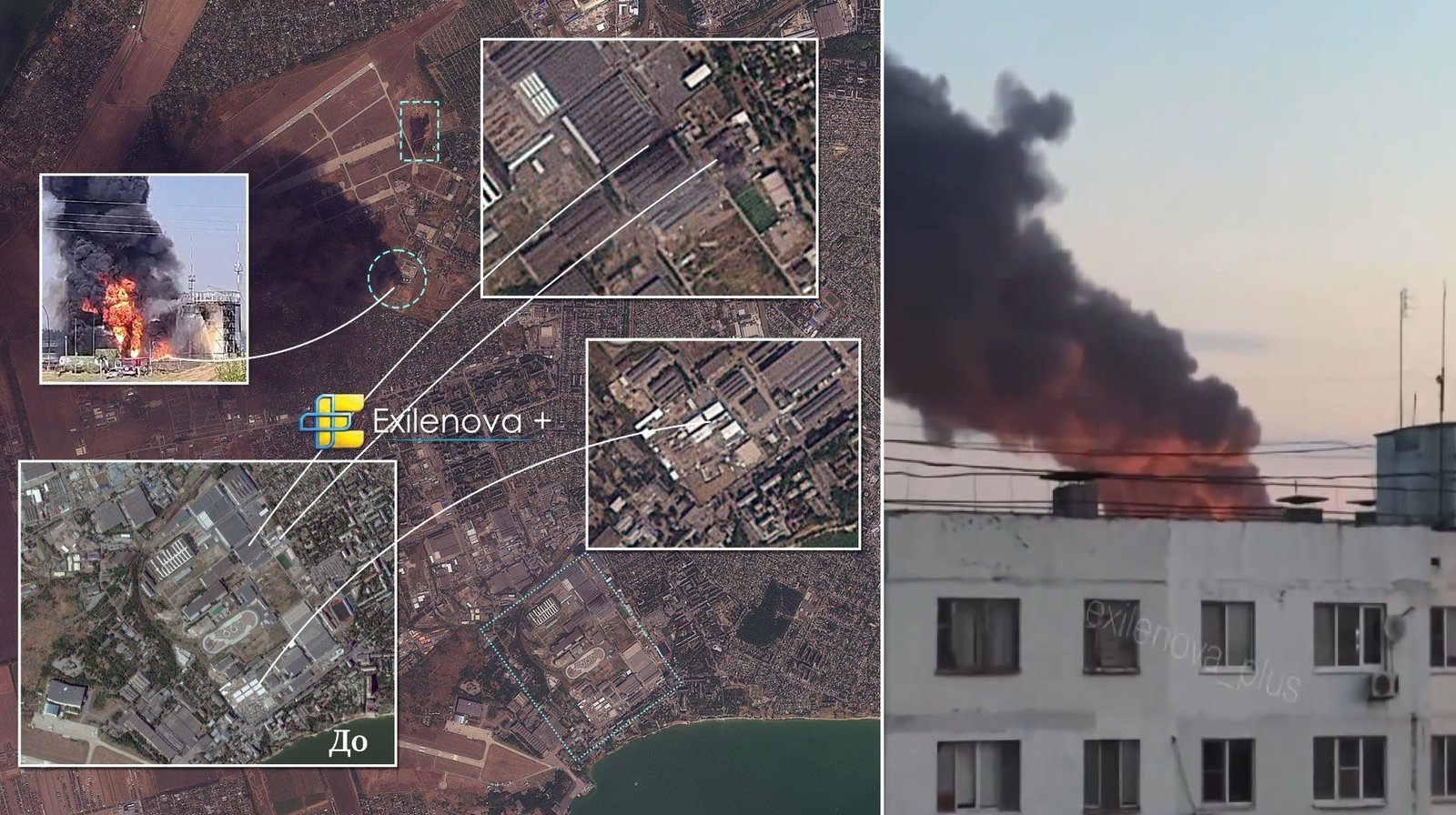 Ukrainian Drones Strike Russian UAV Manufacturer and Chemical Plants in Taganrog and Tolyatti
-
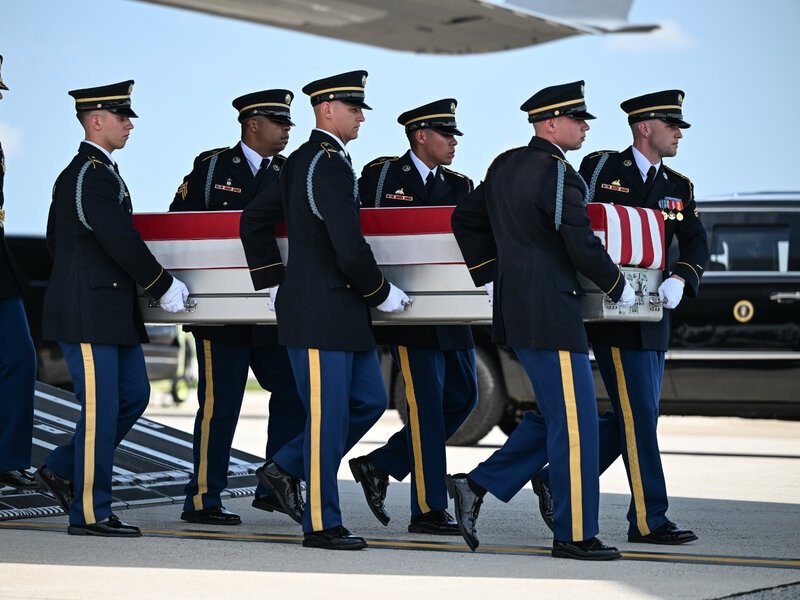 U.S. Officials Link Chinese Satellite Imagery to Iranian Strike That Killed Three American Soldiers in Jordan
-
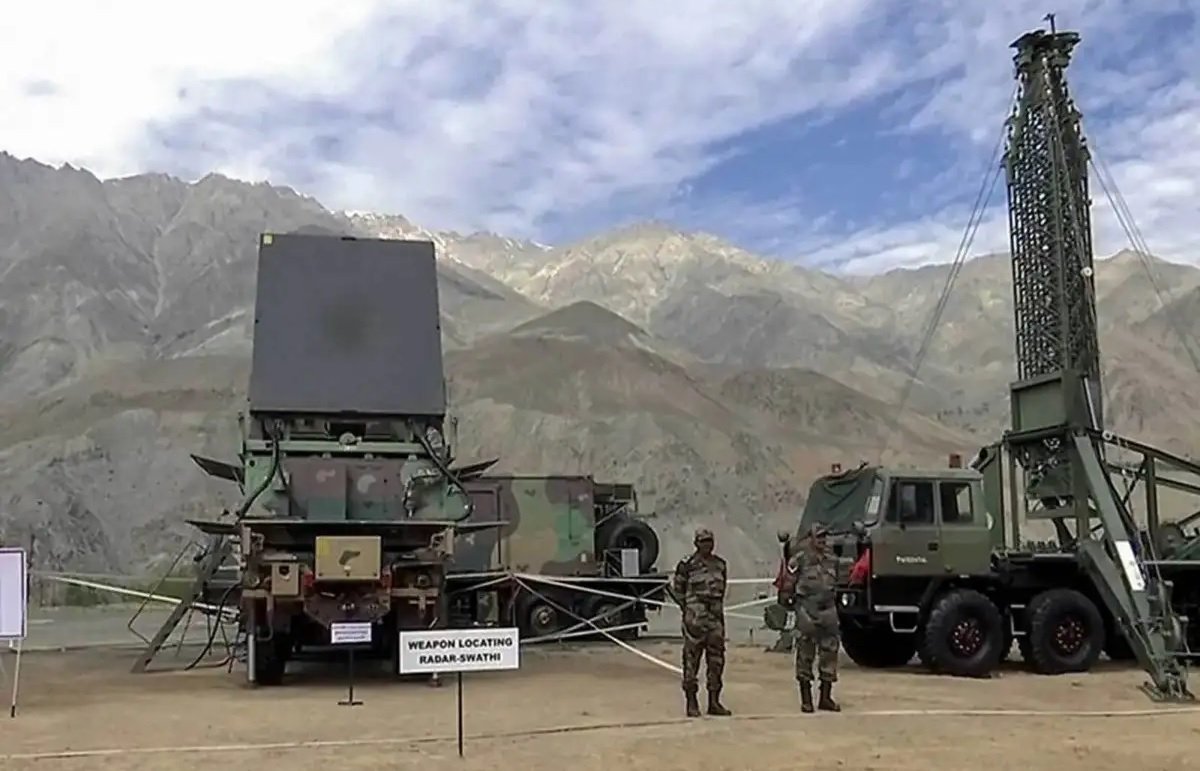 DRDO Demonstrates Indigenous 3.5×3 mm GaN Chip Delivering 30 Watts for Next-Generation Radars and Electronic Warfare
-
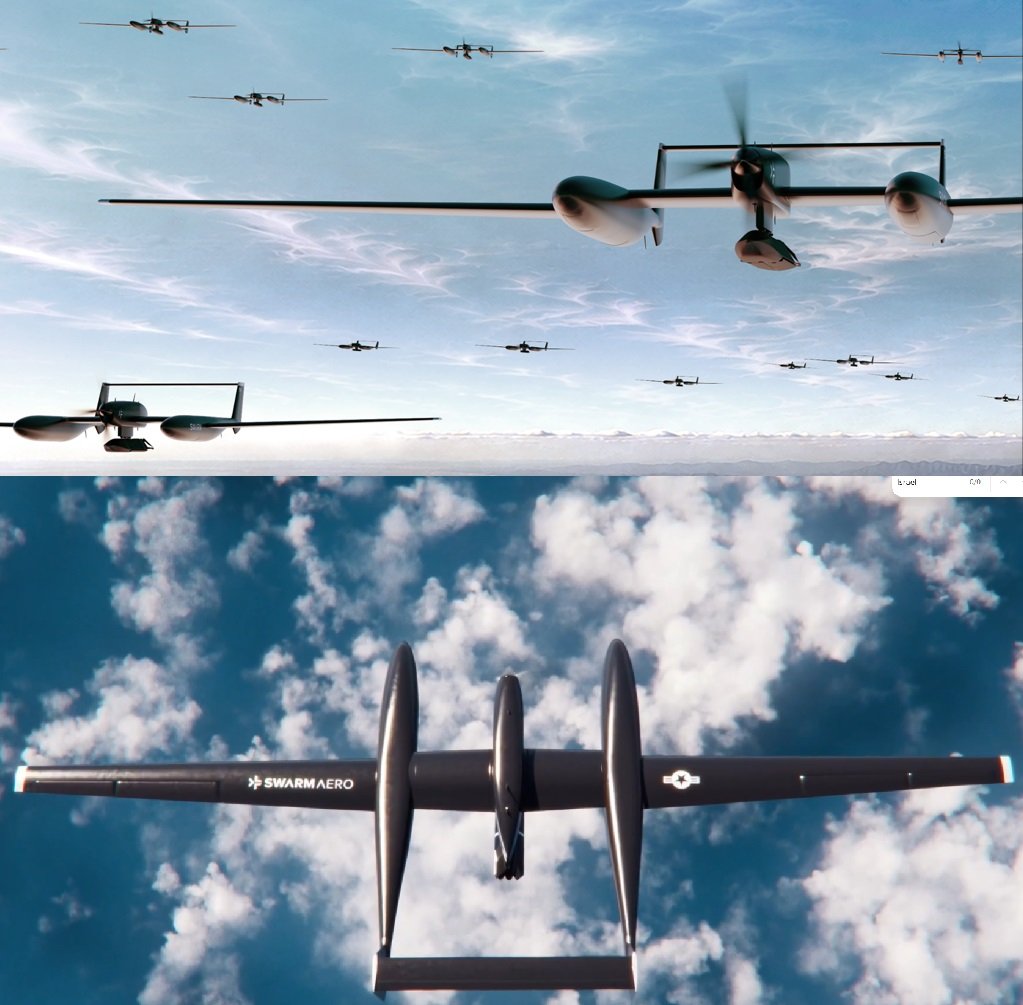 U.S. Firm Swarm Aero Unveils Gamera Group 5 UAS With 9,000-Nautical-Mile Range and Heavy Strike Payload
-
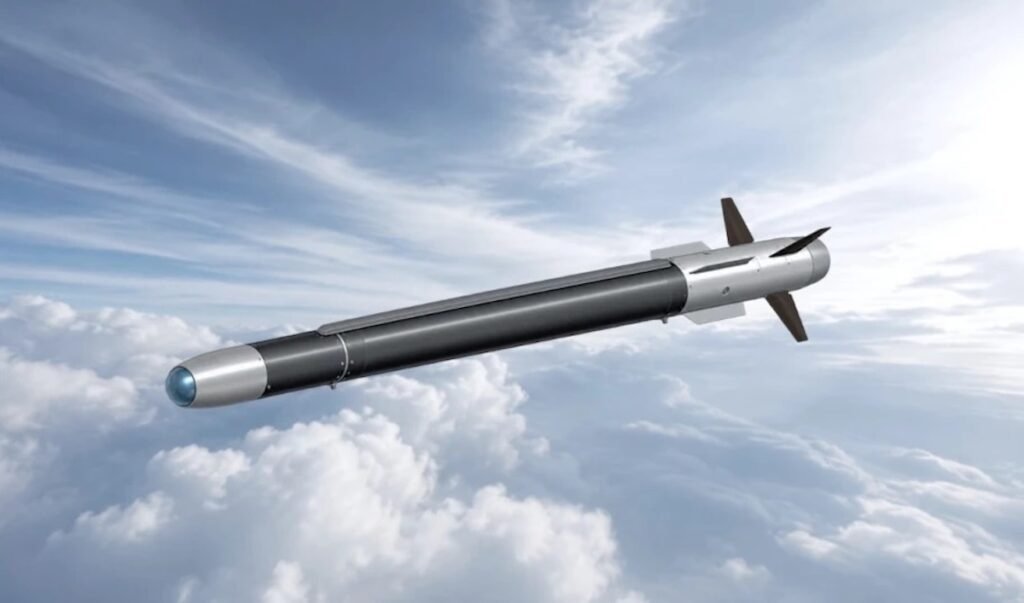 MBDA and Poland’s WITU Advance Low-Cost Supersonic Interceptor Against Swarm Attacks, Seeker Trials Successfully Completed