India
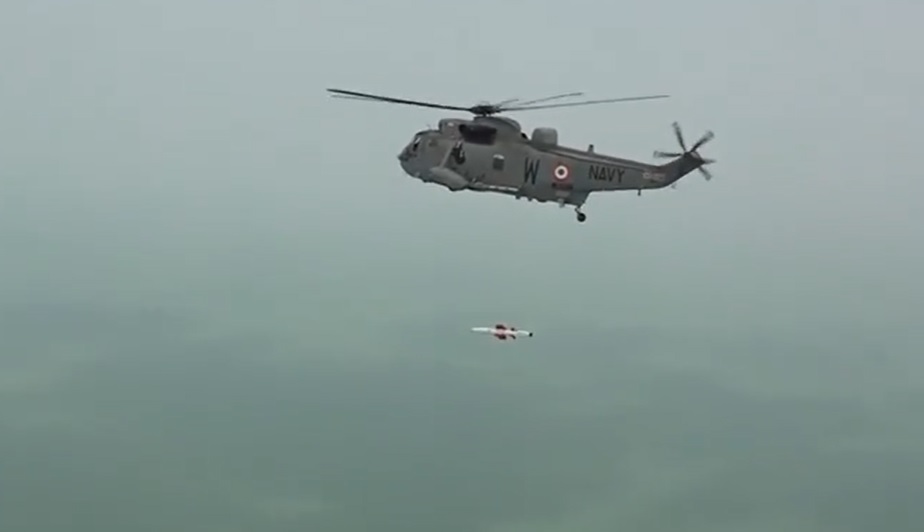
NEW DELHI — April 29, 2026 : Defence Research and Development Organisation and the Indian Navy have successfully carried out the maiden salvo launch of the Naval Anti-Ship Missile-Short Range (NASM-SR), marking a key milestone in India’s indigenous naval strike capability development. The test was conducted from an Indian Navy helicopter platform off the coast of the Bay of Bengal near Chandipur. During the trial, two missiles were launched in rapid succession from the same helicopter, representing the first successful salvo firing of this air-launched anti-ship missile system. The launch validated the missile’s ability to engage maritime targets with coordinated multi-shot capability. A salvo launch involves firing multiple missiles within a short interval to overwhelm enemy air defence systems and improve strike probability. In this configuration, medium-lift helicopters such as the Westland Sea King—used as the standard test platform—typically carry two NASM-SR missiles on side pylons. The trial therefore demonstrated a full single-platform operational salvo. The NASM-SR is India’s first indigenously developed air-launched anti-ship cruise missile, designed to replace legacy systems such as the Sea Eagle missile. It is intended to neutralize small to medium-sized vessels and strengthen the Navy’s close-range maritime strike capability. The missile has a launch weight of approximately 380 kg, a length of around 3.6 metres, and a diameter of 300 mm. It carries a 100 kg high-explosive insensitive munition warhead, including a multi-explosively formed penetrator configuration with a radio proximity fuze. Propulsion is provided by a solid-propellant rocket motor with an in-line ejectable booster and sustainer engine, enabling subsonic speeds of about Mach 0.8. With an operational range of approximately 55 kilometres, the missile follows a sea-skimming flight profile to evade radar detection. It operates at altitudes up to 3 km during mid-course and descends to as low as 5 metres in the terminal phase. Launch altitude ranges from 91 metres to 3 km. The guidance system combines a fibre optic gyroscope-based inertial navigation system (FOG-INS), GPS updates, and a radio altimeter for mid-course navigation. In the terminal phase, an indigenous imaging infra-red (IIR) seeker enables precise target identification and engagement. The missile also features a high-bandwidth two-way datalink, allowing man-in-the-loop control and in-flight retargeting by the helicopter crew. The system has been developed through collaboration among multiple DRDO laboratories, including the Research Centre Imarat, Defence Research and Development Laboratory, High Energy Materials Research Laboratory, and Terminal Ballistics Research Laboratory. It is planned for integration across several Indian Navy helicopter platforms, including the Sea King, MH-60R, and HAL Dhruv. The successful salvo test concludes the primary developmental phase of the NASM-SR programme. The missile is expected to transition toward serial production, with Bharat Dynamics Limited identified as the production partner ahead of induction into operational service. Separately, DRDO’s Naval Science and Technological Laboratory, in collaboration with the Indian Navy’s Warship Design Bureau, recently completed hydrodynamic performance assessments for a frontline warship project. The work included computational fluid dynamics simulations and model testing covering hull resistance, propulsion efficiency, sea-keeping, and maneuverability. Project deliverables were handed over by DRDO Chairman Samir V Kamat to Sanjay Sadhu, Controller of Warship Production and Acquisition. Officials did not disclose additional operational parameters of the missile test or specify the exact helicopter variant used during the salvo launch.
Read More → Posted on 2026-04-29 13:54:53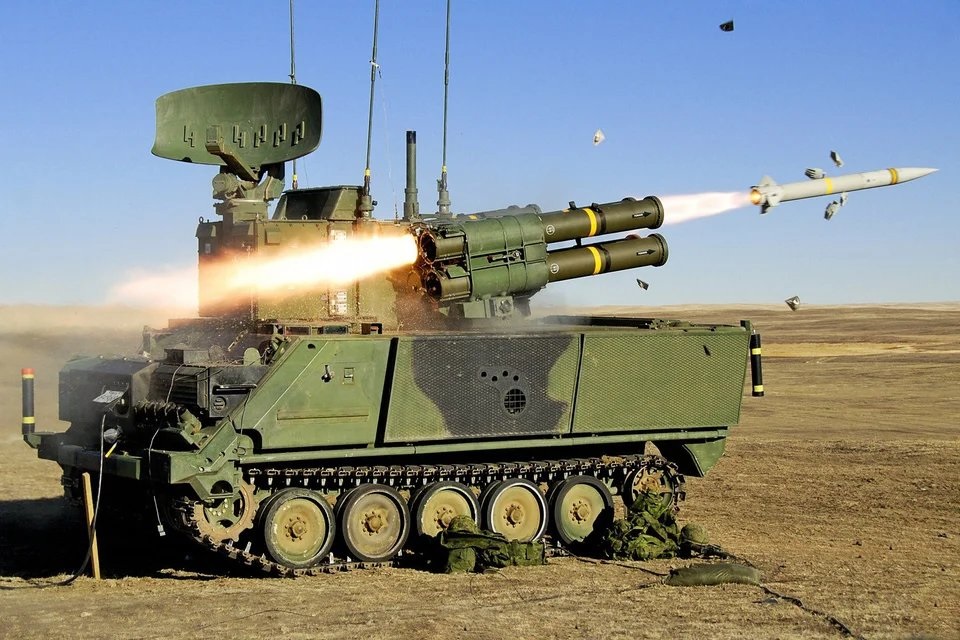
India
NEW DELHI — April 28, 2026 : The Ministry of Defence has issued a Request for Proposal (RFP) for the procurement of 83 Carrier Air Defence Tracked (CADET) systems intended to modernize the Indian Army’s air defence architecture for mechanised formations. The programme will be executed under the “Buy (Indian-IDDM)” category, mandating a minimum of 65 per cent indigenous content. The CADET platform is defined as a high-mobility, tracked command-and-control vehicle designed to host and operate the Akashteer Air Defence Control and Reporting System. It is intended to function as a mobile node within the Army’s air defence network, accompanying armoured and mechanised units across varied operational environments. Key Technical Requirements The RFP specifies a set of operational, environmental, and technical parameters to ensure the platform’s suitability for deployment across plains, deserts, semi-deserts, and high-altitude sectors: Operating Altitude: Certified capability up to 5,000 metres for high-altitude operations Operational Range: Minimum range of 320 kilometres Auxiliary Power: Integration of a 30 kW Auxiliary Power Unit (APU) to support onboard systems without running the main engine Navigation Systems: Integration of Global Navigation Satellite System (GNSS) Electronic Compliance: Full adherence to military-grade Electromagnetic Interference and Electromagnetic Compatibility (EMI/EMC) standards Service Life: Minimum operational lifespan of 20 years The tracked configuration is intended to ensure mobility parity with tanks and infantry combat vehicles, allowing the system to operate alongside frontline formations in difficult terrain. Operational Role and System Integration The CADET system is structured to act as a forward-deployed command-and-control node within ground-based air defence networks. By integrating the Bharat Electronics Limited-developed Akashteer system, the platform will process real-time inputs from multiple radar and sensor networks. Akashteer enables automated detection, tracking, and engagement coordination for aerial threats, including aircraft, helicopters, unmanned aerial systems (UAS), and missiles. The system assigns engagement tasks to nearby Self-Propelled Air Defence units and anti-aircraft guns, reducing response times and improving coordination. The system operates within a broader C4ISR framework and is designed to interface with the Integrated Air Command and Control System of the Indian Air Force and the Indian Navy’s TRIGUN network, creating a unified air picture across services. CADET is also designed with an open architecture, allowing integration of future counter-UAS systems such as the Integrated Drone Detection and Interdiction System. Its vehicle-mounted configuration enables deployment in contested electronic warfare environments while maintaining operational continuity. Platform Design and Configuration The CADET platform features a tracked chassis with a box-type superstructure to house crew, mission systems, and electronic equipment. External mounting provisions are included for sensors, communication modules, and potential weapon systems. The design allows for scalability and modular integration, enabling the platform to support evolving air defence technologies while maintaining compatibility with existing systems. Global Operational Comparisons The concept of tracked, mobile air defence command platforms is consistent with operational doctrines followed by major militaries: Russia: The Barnaul-T Air Defence Command System provides automated command and control for short-range air defence units and is deployed on tracked chassis to accompany manoeuvre formations. United States: The Armored Multi-Purpose Vehicle (AMPV) in its Mission Command variant (M1286) functions as a protected mobile command post for brigade-level operations, though not exclusively dedicated to air defence. Other mobile air defence platforms globally include systems such as the Pantsir-S1 and 2K22 Tunguska, which combine guns and missiles on mobile platforms for close-range protection of mechanised forces, and the AN/TWQ-1 Avenger mounted on wheeled chassis. However, no foreign system is clearly documented as fully certified for multi-terrain operations up to 5,000 metres altitude in the same way the CADET requirement specifies. This requirement, combined with the strict indigenous content mandate, increases the likelihood that a domestically developed platform will be selected. Indigenous Platform Options To meet the indigenous content requirement, the CADET system must be integrated onto a domestically produced tracked platform. Two primary options are under consideration: BMP-2 “Sarath” (Legacy Platform):The BMP-2 Sarath, produced by Armoured Vehicles Nigam Limited, is currently in service in large numbers. Variants of this platform are already used for specialized roles such as the NAMICA missile carrier and Akash missile launch systems. Its established logistics and maintenance ecosystem make it a viable option. Vikram VT-21 Advanced Armoured Platform (Modern Platform):The Vikram VT-21 Advanced Armoured Platform, developed by the Defence Research and Development Organisation in collaboration with Tata Advanced Systems Limited and Bharat Forge Limited, represents a newer alternative. The tracked variant (AAP-Tr), flagged off for trials in April 2026, aligns with CADET requirements through: High power-to-weight ratio and automatic transmission suited for operations up to 5,000 metres Modular design capable of reconfiguration from a combat role to command-and-control functions Internal volume sufficient for hosting Akashteer systems and the 30 kW APU Advanced composite construction (including GFRP and CFRP) providing STANAG 4569 Level 4 and 5 protection Gross weight below 25 tonnes Indigenous content exceeding 65 per cent At present, Indian-developed platforms already meet the 65 per cent indigenous content baseline, directly fulfilling the procurement categorization requirements outlined in the MoD’s RFP, further strengthening their position in the selection process. Procurement Context and Expected Outcome The RFP emphasizes domestic development under the government’s indigenous procurement policy, aligning with broader self-reliance objectives in defence manufacturing. The CADET system is envisioned as a common tracked platform capable of carrying current and future air defence systems while maintaining mobility alongside mechanised units. Upon induction, the system is expected to enhance the Army’s ability to deploy layered air defence in forward areas without dependence on fixed infrastructure. The selection process will involve evaluating the operational suitability, production timelines, and lifecycle support of candidate platforms, particularly between the established BMP-2 base and the newer Vikram VT-21 platform. The programme represents a step toward integrating automated command-and-control capabilities with mobile air defence assets, enabling real-time co
Read More → Posted on 2026-04-28 14:41:44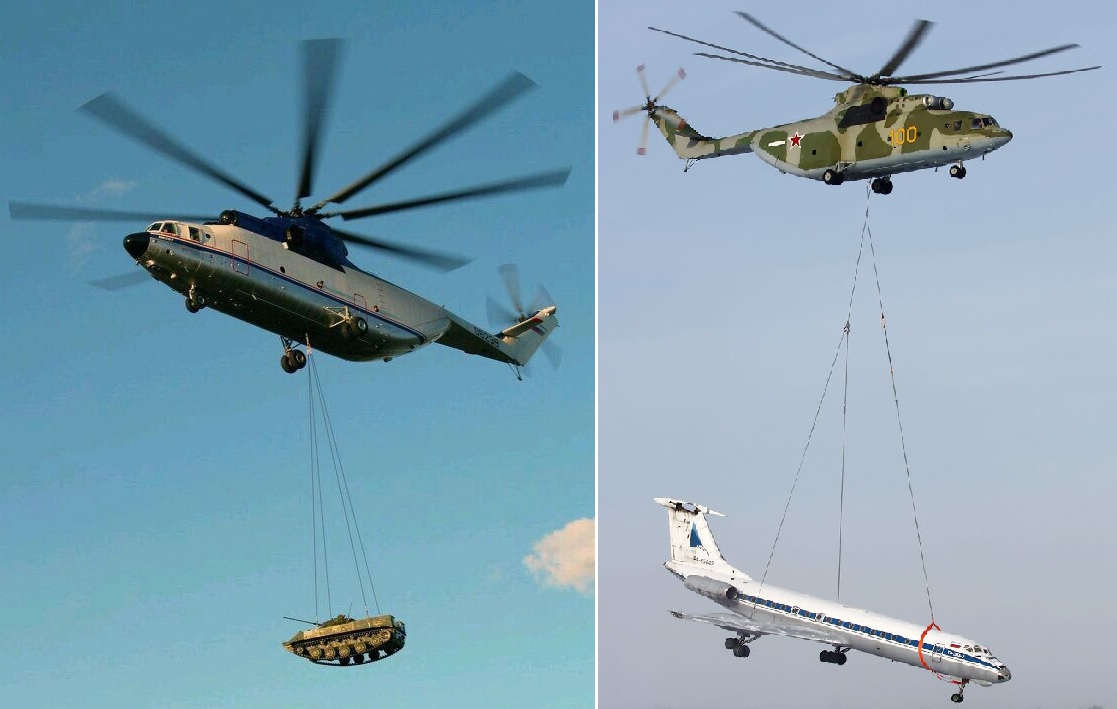
India
NEW DELHI — April 28, 2026 : The Ministry of Defence has issued a Request for Information (RFI) seeking the damp lease of three ultra heavy-lift helicopters to strengthen the Indian Air Force (IAF) ability to rapidly move heavy equipment, troops, and supplies, particularly in high-altitude and remote border regions. The RFI outlines an accelerated procurement timeline, requiring delivery within three to six months of contract signing, alongside a mandated 95 percent fleet availability. The requirement is intended to address an immediate operational gap in transporting heavy artillery, armored vehicles, and large troop contingents to forward areas along India’s northern and eastern borders. Operational Requirement and Lease Model The proposed acquisition will follow a “damp lease” model, under which the supplier provides the aircraft, flight crew, maintenance, insurance, and technical support, while the IAF supplies loadmasters or cabin crew. This arrangement shifts maintenance responsibility to the vendor and is structured to help achieve the high availability benchmark specified in the RFI. The helicopters are expected to support a range of missions, including logistics sustainment in terrain with limited road access, high-altitude deployments, disaster relief operations, and routine heavy transport tasks. Technical Specifications The RFI defines stringent performance criteria for the platform. The Ministry requires a helicopter capable of carrying a minimum payload of 20,000 kilograms (20 tonnes), either internally or as an external load. The aircraft must have a cruising speed exceeding 230 km/h and be capable of transporting at least 45 fully equipped troops or accommodating 20 medical stretchers. In addition to performance metrics, the Ministry has emphasized rapid induction and sustained operational readiness, with a delivery window of three to six months and a 95 percent availability requirement. Only Platform Meeting 20-Tonne Payload Requirement A key technical condition in the RFI is the 20,000 kg payload threshold, which significantly narrows the pool of eligible platforms. As of 2026, the Mil Mi-26 is the only operational helicopter in the world that fully meets this requirement. The Mi-26 offers a certified maximum payload of 20 tonnes, both for internal and external lift operations, along with a cruising speed of approximately 255 km/h. It can carry up to 90 troops or 60 stretchers, exceeding the Ministry’s baseline troop and medical evacuation requirements. Its capability to transport extremely heavy and oversized loads, including artillery systems and armored vehicles in a single sortie, aligns directly with the operational intent behind the RFI. No other helicopter currently in active service matches this 20-tonne payload benchmark, making the Mi-26 uniquely compliant with the Ministry’s stated ultra heavy-lift criteria. Sikorsky CH-53K King Stallion as Second Near Contender The Sikorsky CH-53K King Stallion, the U.S. Marine Corps’ newest heavy-lift helicopter, emerges as the second closest contender after the Mi-26, though it does not meet the full payload requirement. The CH-53K has demonstrated external lift capabilities of up to 16,329 kg (36,000 lb) during testing, with a standard operational payload of approximately 15,876 kg (35,000 lb). While these figures fall short of the 20,000 kg threshold, they represent the highest payload capacity among Western heavy-lift helicopters currently in service or entering service. The platform is designed with modern avionics, fly-by-wire controls, and improved lift efficiency, making it relevant for high-intensity logistics operations. However, the CH-53K is not yet in widespread international service and would require further evaluation against the full set of RFI parameters, including availability, delivery timelines, and sustainment requirements under a damp lease model. Chinook as a Practical Option Despite Payload Gap The Boeing CH-47F Chinook, already in service with the IAF, represents another operationally relevant platform, though it does not meet the 20-tonne payload requirement. The IAF operates 15 Chinooks, inducted starting in 2019 under a 2015 contract. The platform has a maximum payload capacity of approximately 10–12 tonnes and can carry up to 55 troops. It exceeds the RFI’s speed requirement and is optimized for high-altitude operations. Despite not meeting the payload threshold, the Chinook’s established logistics chain, maintenance infrastructure, and operational familiarity within the IAF may position it as a practical candidate under a damp lease arrangement, particularly given the urgent delivery timeline and the need for high availability. Fleet Context and Capability Gap The IAF’s heavy-lift capability has historically relied on a mix of Mi-26 and Chinook helicopters. The Mi-26 provided unmatched single-lift capacity, while the Chinook enhanced reliability and operational flexibility. However, India’s Mi-26 fleet, inducted in the late 1980s, has faced prolonged grounding due to maintenance challenges and technical life expiry, despite ongoing overhaul efforts. This has resulted in a gap in true ultra heavy-lift capability. Next Steps Responses to the RFI will allow the Ministry of Defence to evaluate available options and leasing models. Potential pathways may include Mi-26-based solutions, CH-53K evaluation, or alternative platforms offering partial compliance with strong support packages. The RFI represents a short- to medium-term measure aimed at restoring critical heavy-lift capacity while broader modernization and long-term acquisition plans continue.
Read More → Posted on 2026-04-28 13:59:46
India
New Delhi, — April 27, 2026 : India has issued a Notice to Airmen (NOTAM) along with a corresponding Maritime Area Restriction (MAR), designating a temporary no-fly and restricted sea zone over the Bay of Bengal for likely missile testing activity scheduled between May 1 and May 3, 2026. According to the notification issued by the Directorate General of Civil Aviation and maritime authorities, the restricted corridor will be active daily from 05:00 UTC to 07:00 UTC during the three-day window. The designated hazard zone extends to a maximum length of approximately 1,680 kilometres, originating from the eastern coast and projecting southward into the Bay of Bengal toward the broader Indian Ocean region. The launch is expected to take place from Abdul Kalam Island, which hosts the Integrated Test Range (ITR) operated by the Defence Research and Development Organisation. The facility serves as India’s primary site for testing strategic and tactical missile systems, including the Agni-series ballistic missiles, BrahMos cruise missiles, and various hypersonic technology demonstrators. Civil aviation operators and maritime traffic have been instructed to avoid the specified corridor during the notified timeframes to ensure safety along the projected flight path and potential impact area. Based on the declared range profile and testing window, defence analysts assess that the trial may involve one of several systems currently under development or validation. These include the Agni-Prime (Agni-1P), a two-stage, solid-fuelled, canister-launched medium-range ballistic missile with an estimated range of 1,000 to 2,000 kilometres and advanced guidance systems derived from the Agni-IV and Agni-V programmes. Other potential candidates include the Extended Trajectory-Long Duration Hypersonic Cruise Missile (ET-LDHCM), a scramjet-powered system developed under Project Vishnu. The missile has demonstrated speeds of up to Mach 8 and a range of approximately 1,500 kilometres in earlier trials conducted in July 2025, with capabilities for sustained hypersonic flight and flexible payload configurations. The Long Range Anti-Ship Missile (LR-AShM), a hypersonic boost-glide system designed for maritime strike roles, is also considered a possible candidate. The system employs a two-stage booster to deploy a hypersonic glide vehicle capable of engaging moving and static targets at ranges near 1,500 kilometres. Officials have not confirmed the specific system scheduled for testing. The issuance of NOTAMs and maritime advisories is a standard procedural measure ahead of missile trials to ensure the safety of civilian air and sea operations. Similar notifications have been issued in recent months for test activities in the same region, reflecting ongoing validation cycles within India’s missile development programmes.
Read More → Posted on 2026-04-27 17:44:32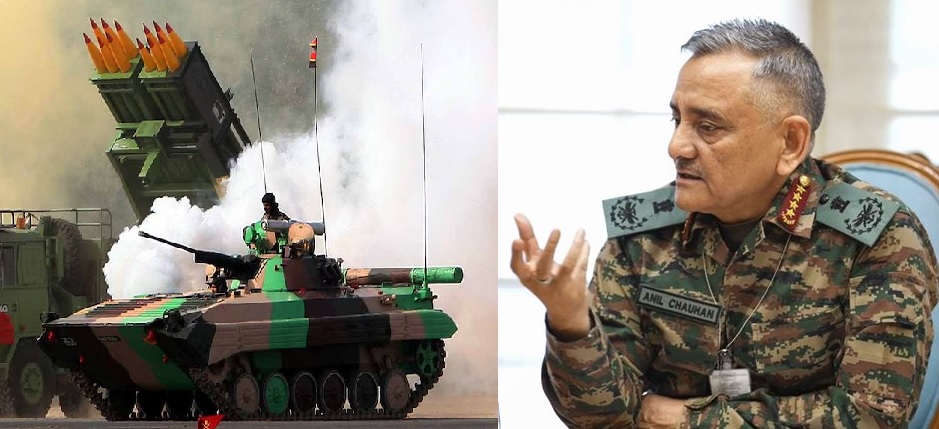
India
NEW DELHI — April 27, 2026 : Anil Chauhan, India’s Chief of Defence Staff (CDS), has formally submitted the final proposal for the creation of Integrated Theatre Commands to Defence Minister Rajnath Singh, marking the completion of inter-service deliberations internally referred to as “Operation Tiranga.” The proposal will now undergo examination within the Ministry of Defence before being placed before the Cabinet Committee on Security for final approval. The submission follows extensive consultations among the Indian Army, Indian Navy, and Indian Air Force (IAF), including discussions during the Ran Samwad 2026 seminar in Bengaluru, and reflects a consolidated military consensus on long-pending structural reforms initiated after the creation of the CDS post in 2019. Transition to Joint Theatre-Based Structure The plan outlines a comprehensive reorganization of the Indian Armed Forces, shifting from the current single-service command system to an integrated, theatre-based operational framework. At present, India maintains 17 single-service commands—seven each under the Army and Air Force, and three under the Navy—along with two tri-service commands: the Andaman and Nicobar Command and the Strategic Forces Command, supported by the Headquarters Integrated Defence Staff. Under the proposed model, operational control will be reorganized into three primary Integrated Theatre Commands: Northern Theatre Command: Focused on the Line of Actual Control (LAC) with China, likely headquartered in Lucknow and led by a senior Indian Army officer. Western Theatre Command: Responsible for the Pakistan front, likely headquartered in Jaipur and expected to be commanded by an Indian Air Force officer. Maritime Theatre Command: Covering the Indian Ocean Region (IOR), likely headquartered in Thiruvananthapuram and led by an Indian Navy officer. The Andaman and Nicobar Command is expected to be subsumed into the Maritime Theatre Command. Existing service commands will continue to function for administrative and training roles while operating under theatre commanders for operational tasks. Concept and Function of Theatre Commands An Integrated Theatre Command combines assets from the Army, Navy, and Air Force under a single operational commander within a defined geographical area. This structure replaces the current system where each service operates independently through separate regional commands. Each theatre will have a Theatre Commander responsible for unified operational planning and execution across land, air, and maritime domains. To reinforce jointness, a Deputy Commander from a different service will be appointed in each theatre. Theatre commanders will exercise authority over integrated forces, including combat units, logistics, intelligence systems, and communication networks, enabling coordinated decision-making without multiple layers of inter-service approvals. Leadership and Organizational Changes The implementation of theatreisation will introduce significant changes to the higher defence management structure: Four-Star Theatre Commanders: Commanders of the three theatre commands will hold four-star rank, placing them at parity with the Chief of Army Staff (COAS), Chief of Naval Staff (CNS), and Chief of Air Staff (CAS). Vice Chief of Defence Staff (Vice CDS): A new four-star position will be created to oversee day-to-day operational coordination alongside the CDS and service chiefs. This restructuring would result in eight four-star officers at the apex level: the CDS, Vice CDS, three service chiefs, and three theatre commanders. Service headquarters will retain responsibility for force generation, training, and sustainment, while operational employment will be assigned to theatre commanders. Handling of Strategic and Air Assets A key issue during deliberations involved the allocation of high-value and limited air assets. The proposal addresses concerns of the Indian Air Force by retaining centralized control of strategic assets under Air Headquarters in New Delhi. Assets such as mid-air refuellers, Airborne Warning and Control Systems (AWACS), heavy-lift transport aircraft, and future space-based surveillance platforms will not be permanently assigned to individual theatres. Instead, they will be dynamically allocated based on operational requirements across different theatres. Integration of Multi-Domain Capabilities The theatre command structure incorporates emerging domains of warfare. Each command will integrate capabilities related to cyber operations, space-based systems, and electronic warfare, alongside enhanced Intelligence, Surveillance, and Reconnaissance (ISR) frameworks. This integration is intended to support real-time information sharing, coordinated targeting, and unified operational responses across multiple domains. Rationale for Reform The move toward theatre commands is driven by operational and structural requirements identified over the past two decades. The Kargil Review Committee and subsequent Group of Ministers report highlighted deficiencies in inter-service coordination during the 1999 Kargil conflict. The current service-centric model has been associated with duplication of resources, fragmented planning, and slower decision-making processes. The proposed structure aims to address these issues through: Resource Optimization: Consolidation of logistics and infrastructure across services. Faster Decision-Making: Reduction in command layers during operational scenarios. Improved Jointness: Unified planning and execution across services. Enhanced Multi-Domain Operations: Integration of land, air, sea, cyber, and space capabilities. Rapid Mobilisation: Improved response capability for potential simultaneous threats along northern and western borders. The restructuring also aligns with ongoing military modernization initiatives, including the development of integrated battle groups and domain-specific operational capabilities. Implementation Process Following approval by the Cabinet Committee on Security, the government is expected to announce a phased implementation plan. Initial steps will likely include the appointment of theatre commanders and the establishment of supporting command structures. Operational details such as precise command locations, asset distribution, and transition timelines are expected to be refined during the implementation phase under the supervision of the Department of Military Affairs. The proposal represents the most significant restructuring of India’s military command system since independence, with the objective of creating a unified, efficient, and responsive operational framework.
Read More → Posted on 2026-04-27 15:58:43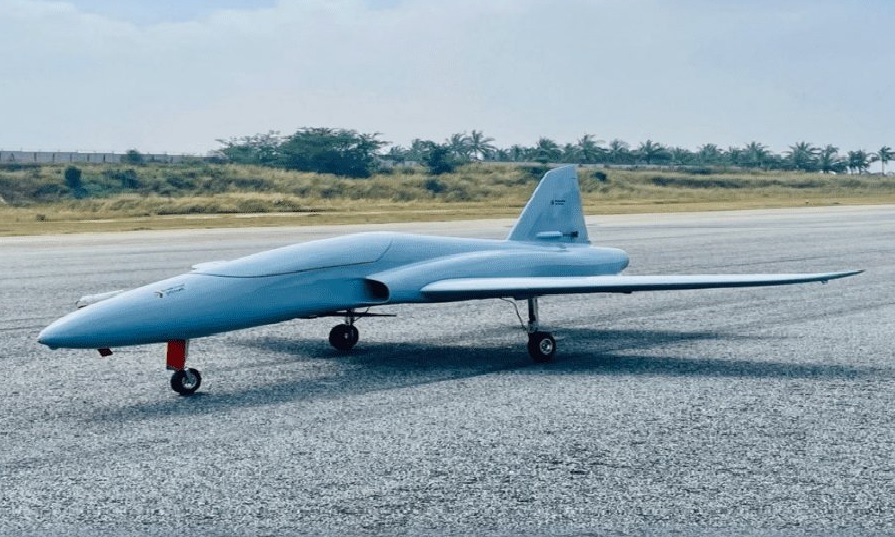
India
BENGALURU — April 27, 2026 : Dynamatic Technologies has outlined plans for a new supersonic loitering munition, designated “Super Kaatil,” under its Dynauton Systems division. The programme focuses on expanding India’s indigenous capabilities in long-range autonomous strike systems designed for deep-penetration missions. The Super Kaatil is being developed as a jet-powered loitering munition that combines high-speed transit with precision strike functionality. According to the company, the system is configured as a 100 kg-class platform and is powered by a compact jet engine, enabling it to achieve supersonic speeds—significantly higher than conventional subsonic loitering munitions currently in service. The munition is designed with an operational strike range of up to 350 kilometres and carries a 35 kg warhead. This payload capacity is intended to support engagement of high-value and fortified targets at extended stand-off distances. Flight Profile and Survivability The Super Kaatil incorporates a terrain-following flight capability, allowing it to operate at low altitudes by tracking ground contours. This flight profile is intended to reduce radar visibility during ingress into contested airspace. The system is also designed to function in GPS-denied and electronically contested environments. Its onboard guidance architecture is expected to maintain navigation and targeting performance under conditions of signal jamming or disruption, a requirement for operations against modern integrated air defence systems. The use of a jet propulsion system enables faster time-to-target compared to propeller-driven or electrically powered loitering munitions. This reduces exposure time to interception and enhances mission survivability. Evolution from Earlier Kaatil System The Super Kaatil represents an upgraded iteration of the original “Kaatil” loitering munition developed by Dynauton Systems. The earlier platform featured a range of approximately 100 kilometres and operated at speeds of around 600 km/h. The baseline Kaatil system is a compact jet-powered kamikaze unmanned aerial vehicle with a maximum take-off weight of about 12 kg and a wingspan of roughly 2 metres. It is capable of carrying a 1 kg modular payload and supports both catapult and short-runway launch configurations. For guidance, the original system uses GNSS combined with optical and electro-optical systems, enabling autonomous “fire-and-forget” operation, including in environments where satellite navigation signals are degraded or unavailable. The Super Kaatil extends the operational range to 350 kilometres—more than three times that of the earlier version—while introducing supersonic flight capability and a substantially increased payload capacity. Industrial Context and Development Status Dynauton Systems, the unmanned systems division of Dynamatic Technologies, has been involved in the design and development of unmanned aerial platforms as part of broader defence manufacturing efforts in India. The Super Kaatil programme aligns with ongoing national initiatives to increase domestic production of advanced unmanned and precision-strike systems. As of now, the company has not disclosed a timeline for prototype rollout, testing phases, or potential induction into service. Additional technical and programme details are expected to be released as development progresses.
Read More → Posted on 2026-04-27 15:42:50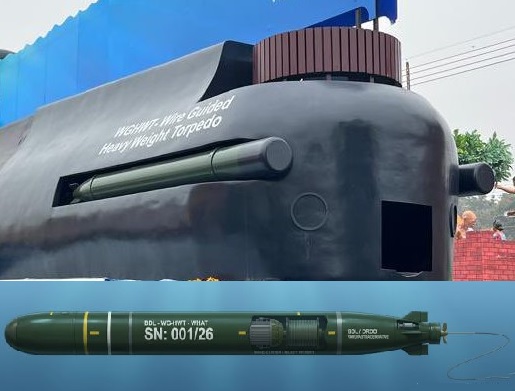
India
VISAKHAPATNAM — April 25, 2026 : On April 23, 2026 Bharat Dynamics Limited (BDL) has delivered India’s first production-grade Wire-Guided Heavy Weight Torpedo (WGHWT) to the Naval Science and Technological Laboratory (NSTL) at its Visakhapatnam unit, marking a key development in the country’s indigenous naval weapon production. The torpedo was developed under the Development-cum-Production Partner (DcPP) framework in collaboration with NSTL, a laboratory of the Defence Research and Development Organisation (DRDO). BDL acted as the production partner, with participation from Indian Navy teams throughout the realisation process. The system has been produced in both practice and combat configurations, enabling commonality between training and operational deployment. The WGHWT incorporates a fibre-optic wire-guided mechanism combined with active-passive acoustic homing. The system allows real-time guidance updates from the launching platform, improving resistance to acoustic countermeasures. It is equipped with advanced homing and propulsion systems, along with programmed search, attack, and re-attack capabilities designed to operate across varied underwater environments. The manufacturing process involved a network of industrial partners, including multiple micro, small, and medium enterprises (MSMEs) supplying key components. Officials stated that the integration of these suppliers supported the transition from development to production-grade realisation. The handover ceremony was held at BDL’s Visakhapatnam facility and attended by senior officials from BDL, NSTL, DRDO, and the Indian Navy. Among those present were R V Hara Prasad, Distinguished Scientist and Director General (Naval Systems & Materials); A Madhavarao, Chairman and Managing Director of BDL; and Abraham Varughese, a senior defence official, along with specialised teams from all participating organisations. The production-grade units will support further evaluation and integration activities by NSTL and the Indian Navy. The development also builds on earlier indigenous torpedo programmes, including the ship-launched Varunastra heavyweight torpedo, and contributes to expanding the Navy’s anti-submarine warfare inventory. With this delivery, India joins a limited group of around eight countries capable of producing advanced wire-guided heavyweight torpedoes.
Read More → Posted on 2026-04-25 14:23:54
India
PUNE / NEW DELHI — April 25, 2026 : The Defence Research and Development Organisation (DRDO) has rolled out the first two prototypes of the Vikram VT-21 Advanced Armoured Platform (AAP), marking a key stage in India’s effort to develop a next-generation infantry combat vehicle and armoured personnel carrier for the Indian Army. The prototypes comprise two distinct configurations developed under a public-private partnership model led by DRDO’s Vehicles Research and Development Establishment (VRDE). The tracked variant has been developed in collaboration with Tata Advanced Systems Limited (TASL), while the wheeled variant has been produced with Kalyani Strategic Systems Limited (KSSL), a subsidiary of Bharat Forge Limited. Development Timeline and Programme Context The Vikram VT-21, also referred to as the Advanced Armoured Platform, is being developed as a candidate for the Future Infantry Combat Vehicle (FICV) programme. The programme is intended to replace the Army’s existing fleet of BMP-2 vehicles deployed across approximately 49 mechanised infantry battalions. The Indian Army’s projected requirement under the FICV programme is estimated at 1,750 to 1,770 vehicles across multiple configurations, including infantry combat, command, reconnaissance, and surveillance roles. The metal-cutting ceremony for the prototypes was conducted on April 2, 2025, at manufacturing facilities in Pune. The rollout of the first prototypes has been completed within three years of project initiation, reflecting accelerated timelines under the Development cum Production Partner (DcPP) framework adopted by the Ministry of Defence. Firepower and Combat Systems The Vikram VT-21 is equipped with a 30 mm crewless turret designed as a remote-controlled weapon station. The turret uses standard 30×165 mm ammunition and eliminates the need for personnel inside the turret structure, reducing vehicle silhouette and improving crew protection. The platform is integrated with an anti-tank guided missile (ATGM) system to provide capability against heavily armoured targets. DRDO has scheduled the integration and testing of the Nag Mk-2 ATGM on the platform as part of the next phase of development and trials. Protection and Survivability The platform incorporates modular armour compliant with NATO STANAG 4569 Level 4 and Level 5 protection standards. The armour design includes layered composite panels developed using GFRP, CFRP, and PVC foam materials. This configuration provides scalable protection against ballistic threats, artillery fragments, and explosive shocks. The vehicle structure also incorporates a double-floor design and a V-shaped hull configuration to enhance resistance against mine blasts and improvised explosive devices (IEDs). Mobility and Platform Characteristics Both tracked and wheeled variants are powered by high-output diesel engines coupled with automatic transmission systems, targeting a power-to-weight ratio of approximately 30 hp per tonne. The overall vehicle weight is in the 18 to 25 tonne class. The wheeled variant follows an 8×8 configuration derived from the Wheeled Armoured Platform (WhAP) programme. It includes run-flat tyre inserts and is designed for high mobility across varied terrain conditions. Both variants are amphibious and capable of operating in riverine and water-crossing environments with minimal preparation. The platform accommodates a crew of three personnel and can carry eight infantry soldiers. It is equipped with advanced thermal and optical sights, a fire control system, a digital dashboard, and enhanced crew vision systems. Modular Design and Multi-Role Capability The Vikram VT-21 has been designed with a modular, plug-and-play architecture that allows rapid reconfiguration for multiple operational roles. These include infantry combat vehicle (ICV), armoured personnel carrier (APC), command-and-control vehicle, reconnaissance platform, and medical evacuation configurations. This modularity is intended to reduce lifecycle costs and improve operational flexibility for the Indian Army. Indigenisation and Industrial Participation At the prototype rollout stage, the Vikram VT-21 platform has an indigenous content level of approximately 65 per cent. Plans are in place to increase this to 80–90 per cent through phased localisation of key subsystems, including power packs and critical components. The programme is aligned with the Atmanirbhar Bharat initiative, which seeks to enhance self-reliance in defence manufacturing. The development model under the DcPP framework has enabled direct participation of private-sector companies such as Tata Advanced Systems Limited and Bharat Forge Limited in core design and production activities. Trials and Next Steps Following the rollout, the Vikram VT-21 prototypes are expected to enter Indian Army trials in the coming months. The evaluation process will include testing across varied terrain and climatic conditions to assess operational performance, mobility, protection, and system integration. Successful completion of trials could lead to further development phases and potential production orders under the FICV programme. The Vikram VT-21 programme reflects DRDO’s continued focus on developing modular, reconfigurable armoured systems in collaboration with domestic industry partners to meet the evolving operational requirements of the Indian armed forces.
Read More → Posted on 2026-04-25 13:54:28
India
LONDON / MUMBAI — April 24, 2026 : UK-based advanced air mobility developer LYTE Aviation Ltd has received ten conditional purchase orders from Vman Aviation Services IFSC Pvt Ltd for its SkyClinic vertical take-off and landing (VTOL) aircraft, in a deal valued at €500 million. The agreement includes milestone-linked deposits totaling €10 million and represents a significant early-stage commitment in the emerging aeromedical mobility sector. Agreement Structure and Strategic Rationale The order was placed by Vman Aviation Services, a boutique aviation leasing firm established in India’s GIFT City financial hub. The company intends to deploy the aircraft to address gaps in healthcare infrastructure, particularly across Tier 2 and Tier 3 cities, remote regions, and disaster-affected areas. Vishok Mansingh, Chief Executive Officer of Vman Aviation Services, stated that the SkyClinic platform is designed to deliver advanced medical capabilities directly to underserved areas where building and maintaining conventional hospital infrastructure is not feasible. The initiative is aligned with broader efforts to improve healthcare accessibility and reduce the need for patient transfers to major urban centres. Aircraft Design and Technical Specifications The SkyClinic is a purpose-built aeromedical aircraft derived from LYTE Aviation’s LA-44 SkyBus platform. It uses a tandem tilt-wing configuration and hybrid-hydrogen electric propulsion system. Key technical characteristics include a payload capacity of 4.5 tonnes and an operational range of up to 1,000 kilometres. The aircraft is designed to operate with minimal infrastructure, requiring approximately 50 metres of landing space and no dependence on traditional runways or helipads. The propulsion system is based on LYTE Aviation’s proprietary “PowerBridge” architecture, integrating combustion engines, electric motors, liquid hydrogen fuel cells, and compatibility with sustainable aviation fuels. Following a preliminary design review completed in 2025, the aircraft’s configuration was revised from eight engines to four, improving efficiency, reliability, and maintenance requirements. Medical Capabilities and Onboard Systems Unlike conventional air ambulances, the SkyClinic is configured as a deployable flying hospital. The cabin includes a fully equipped surgical suite capable of accommodating up to six patients simultaneously. The onboard medical infrastructure features an operating theatre designed to support remote robotic surgery, advanced diagnostic equipment, and continuous patient monitoring systems. The aircraft is also equipped with high-speed 5G and 6G connectivity, enabling real-time data transmission and remote specialist consultation. These capabilities are intended to support a wide range of use cases, including emergency response, specialised medical outreach, and humanitarian assistance in underserved or inaccessible locations. Operational Use Cases and Broader Applications In addition to civilian healthcare delivery, the SkyClinic platform is designed for deployment in disaster relief scenarios and conflict zones. Its rapid deployment capability and integrated medical logistics systems allow it to function as a mobile field hospital. The aircraft’s potential applications extend to military use cases, including frontline medical response, casualty evacuation, and support for operations in remote or infrastructure-limited environments. Programme Status and Development Timeline LYTE Aviation, founded in 2023 and headquartered in London, is developing a portfolio of heavyweight hybrid-hydrogen-electric VTOL aircraft. This includes the passenger-focused SkyBus, the cargo-oriented SkyTruck, and the medical SkyClinic variant. The company completed a preliminary design review in 2025 and is progressing toward the development of a subscale prototype. Discussions with fuel cell and propulsion system partners are ongoing as part of the next phase of development. The SkyClinic orders contribute to LYTE Aviation’s total pre-order pipeline, which the company states is valued at approximately €1.42 billion across its aircraft portfolio. Commercial Outlook and Next Steps Freshta Farzam, Chief Executive Officer of LYTE Aviation, described the agreement as an indication of market interest in advanced aeromedical mobility solutions and validation of the company’s platform strategy. The current agreement remains conditional, with conversion to firm orders dependent on specified technical and commercial milestones. Neither LYTE Aviation nor Vman Aviation Services disclosed timelines for certification, delivery schedules, or entry-into-service dates. Both companies indicated that further updates regarding programme progress and contractual developments will be provided as milestones are met.
Read More → Posted on 2026-04-24 14:03:46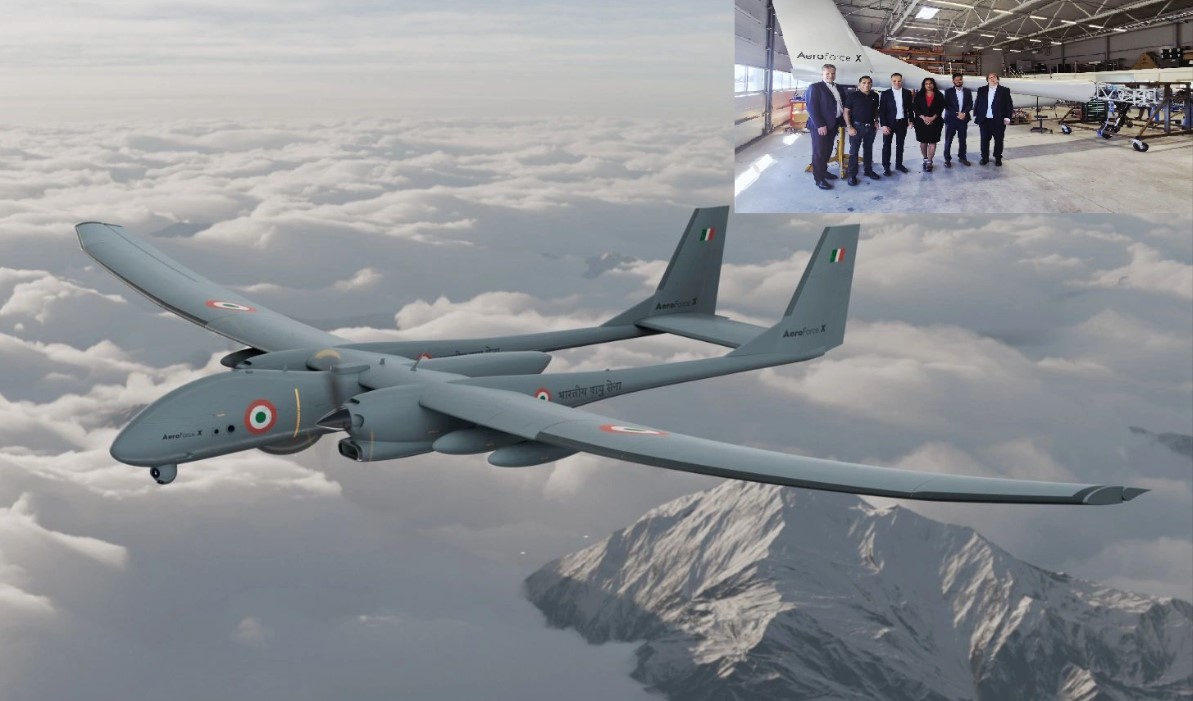
India
BENGALURU, — April 24, 2026 : Dynamatic Technologies Limited, through its unmanned systems division Dynauton Systems, has signed a Memorandum of Understanding (MoU) with Germany-based aviation firm Aerodata AG to jointly develop and manufacture the AeroForce X unmanned aerial vehicle (UAV) platform tailored for Indian requirements. The agreement was signed on April 22, 2026, in Bengaluru by Udayant Malhoutra, CEO and Managing Director of Dynamatic Technologies Limited, and Neset Tükenmez, CEO of Aerodata AG. It establishes a framework for collaboration on an unmanned airborne surveillance and reconnaissance solution designed for operations across the Indian region. Platform Development and Technical Framework The partnership centres on the AeroForce X, a modular Medium Altitude Long Endurance (MALE) unmanned aircraft system (UAS) designed for Intelligence, Surveillance, and Reconnaissance (ISR) missions over both land and maritime environments. Under the MoU, both companies will evaluate the development and deployment of the platform to meet Indian operational requirements. The AeroForce X platform falls within the 5-tonne UAV category, with a maximum take-off weight of approximately 4,800 kg and a payload capacity of up to 1,300 kg. The system is designed to support both MALE and High Altitude Long Endurance (HALE) variants. Operational specifications include: MALE variant capable of flying at altitudes exceeding 30,000 feet above mean sea level HALE variant designed for operations above 50,000 feet Endurance of up to 40 hours for extended missions The UAV features a modular architecture that allows rapid reconfiguration for different mission profiles. It is designed to integrate advanced mission systems and sensor technologies, enabling a wide range of surveillance and reconnaissance roles. The platform is classified as ITAR-free, meaning it is not subject to United States export control regulations, allowing flexibility in international deployment and collaboration. Operational Roles and Mission Scope According to the companies, the AeroForce X is being developed for multi-domain ISR missions, including maritime surveillance and reconnaissance, border patrol, monitoring of exclusive economic zones (EEZ), pollution surveillance, anti-narcotics operations, fishery patrol, search and rescue, and anti-piracy operations. The system is being specifically adapted for sustained operations in high-altitude terrain such as the Himalayas and in maritime environments across the Indian Ocean Region. Division of Responsibilities Under the terms of the MoU, Dynauton Systems will contribute its engineering and manufacturing capabilities in unmanned systems, while Aerodata AG will provide expertise in integrating complex airborne surveillance, reconnaissance, and mission management systems. The collaboration also includes plans to combine Aerodata’s mission systems and sensor technologies with Dynauton’s proprietary software stack. Production elements of the adapted UAV platform are expected to be carried out in India using Dynauton’s manufacturing infrastructure. Corporate Background Dynauton Systems was established in 2023 as a deep-technology startup by Dynamatic Technologies Limited, focusing on unmanned systems and mission-critical technologies for surveillance and security applications. The division was formally incorporated as Dynauton Limited in mid-April 2026. Dynamatic Technologies Limited is a precision engineering company with operations in India and Europe, engaged in the design and manufacture of products for aeronautics, hydraulics, metallurgy, and security sectors. Aerodata AG, headquartered in Braunschweig, Germany, specializes in aviation solutions, particularly airborne surveillance, flight inspection systems, and mission management technologies. Executive Statements Neset Tükenmez stated that the agreement represents a step toward adapting the AeroForce X platform for ISR missions in the Himalayas and the Indian Ocean Region, combining the technological strengths of both companies. Udayant Malhoutra said the collaboration enables Dynauton Systems to build on an established platform and jointly develop solutions for complex surveillance and reconnaissance requirements. Industry Context and Next Steps The partnership aligns with India’s ongoing efforts to expand domestic aerospace manufacturing capabilities and reduce reliance on imported unmanned systems. By integrating European mission system expertise with local engineering and production, the collaboration is positioned to address requirements of Indian defence and security agencies. The companies indicated that further evaluation and development activities will follow under the MoU framework. No financial details or specific timelines for deployment or production were disclosed.
Read More → Posted on 2026-04-24 13:31:16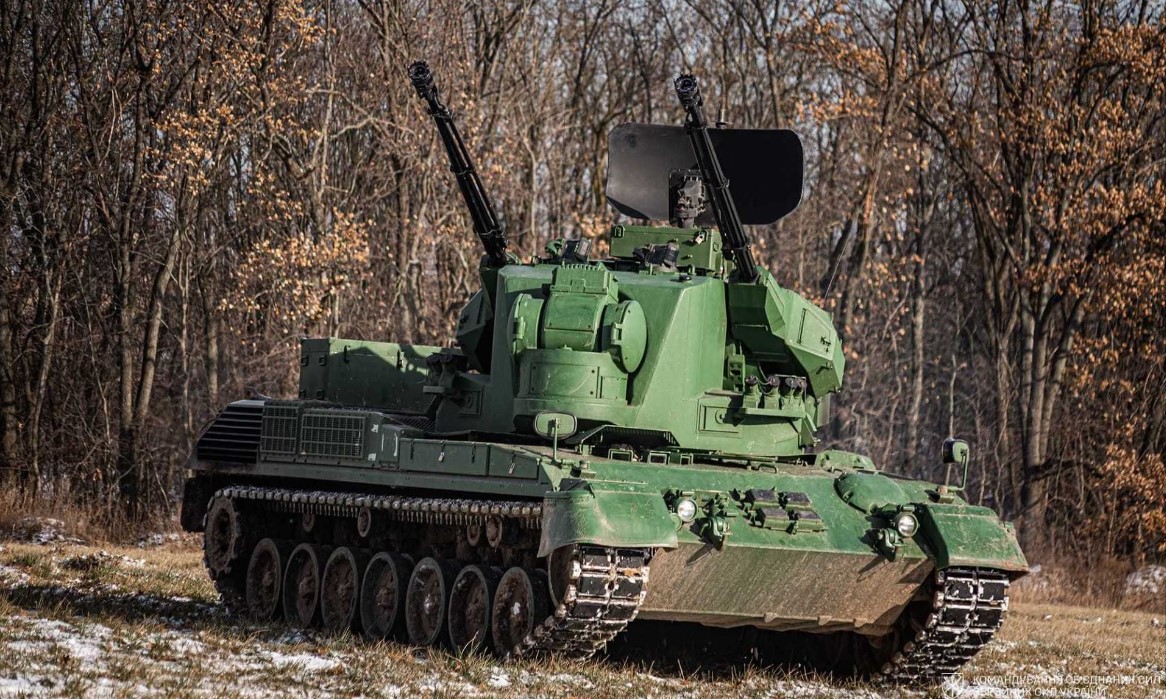
India
BRUSSELS, — April 22, 2026 : The Belgian government has confirmed it will acquire and transfer 15 refurbished Gepard self-propelled anti-aircraft systems to Ukraine as part of a €1 billion military assistance package approved earlier in April 2026. The decision formalizes a procurement process involving the reacquisition of decommissioned systems currently held within Belgium’s private defence inventory. The Gepard systems will be purchased from OIP Land Systems, a Belgian company that operates as a subsidiary of Elbit Systems. The vehicles were originally part of the Belgian Army’s inventory before being retired in the 1990s and sold to private industry in the early 2000s. The transaction represents a domestic acquisition rather than a drawdown from active military stocks. Procurement Structure and Validation The procurement was approved under Belgium’s broader €1 billion aid envelope announced in early April 2026. Minister of Defence Theo Francken validated the structure of the acquisition, indicating a preference for sourcing equipment from domestically held private inventories rather than relying on external suppliers. The approach is intended to reduce procurement timelines and limit dependency on foreign supply chains. No official figures have been released regarding the acquisition cost, refurbishment expenses, or the delivery schedule. Belgian parliamentary disclosures have also not provided a detailed financial breakdown for the Gepard component within the overall aid package. Inventory Background and Storage The 15 systems selected for transfer originate from a larger stock of approximately 38 Gepard vehicles currently held by OIP Land Systems. These systems are stored alongside other armoured vehicles in facilities near Tournai. The vehicles have remained in storage for roughly two decades. Belgium initially acquired 55 Gepard units between 1977 and 1980. Manufactured in the 1970s by a German industrial consortium, the systems formed part of Belgium’s Cold War-era air defence network. Following the end of the Cold War and subsequent reductions in defence spending, the Belgian Army began phasing out the Gepard fleet after 1994. The systems were fully retired in the early 2000s and sold to the private firm Sabiex, which was later integrated into OIP Land Systems. Refurbishment and Transfer Plan The refurbishment process will be conducted in two stages across Belgium and Ukraine. Belgian contractors will carry out initial restoration work focused on the vehicle chassis and propulsion systems. After this phase, the systems will be transferred to Ukraine, where further work will be undertaken on the turret assemblies and systems integration. The division of refurbishment responsibilities reflects both logistical considerations and Ukraine’s existing technical capacity to complete integration work domestically. Technical Characteristics and Operational Role The Gepard is a tracked self-propelled anti-aircraft platform based on the Leopard 1 main battle tank chassis. It is equipped with twin 35 mm Oerlikon KDA autocannons capable of a combined rate of fire of approximately 1,100 rounds per minute. The system incorporates an S-band search radar and a Ku-band tracking radar, each with an operational range of around 15 kilometers. The platform is designed for short-range air defence, with an effective engagement range of up to 5.5 kilometers. Its configuration enables sustained rapid-fire engagement against low-altitude threats, including unmanned aerial vehicles (UAVs), helicopters, and cruise missiles, under all-weather conditions. Although the system was phased out by NATO operators between the 2000s and 2010s in favor of missile-based air defence solutions, recent operational use has demonstrated its continued relevance in countering high-volume, low-cost aerial threats. The Gepard offers a lower cost per engagement compared to surface-to-air missile systems, making it suitable for sustained defensive operations. NATO Service History and Exports Belgium, Germany, and the Netherlands were the primary NATO operators of the Gepard system during its service life. The platform was also exported in limited numbers to countries including Romania, Brazil, and Jordan. Its gradual withdrawal from service reflected a broader shift toward missile-centric air defence architectures in the post-Cold War period. Context Within Ongoing Military Support Belgium’s decision follows earlier transfers of Gepard systems to Ukraine, primarily led by Germany through both national stocks and third-party arrangements. Those systems have reportedly been used to counter drones and cruise missiles. Initial constraints related to ammunition supply—previously affected by Swiss export restrictions—have been addressed through resumed production in Germany, enabling continued operational use of the platform. Belgium had previously assessed the potential transfer of its former Gepard inventory but did not proceed at that time. The current decision marks the first confirmed transfer of Belgian-origin Gepard systems to Ukraine under a structured procurement and refurbishment framework aligned with the April 2026 aid package.
Read More → Posted on 2026-04-22 13:51:50
India
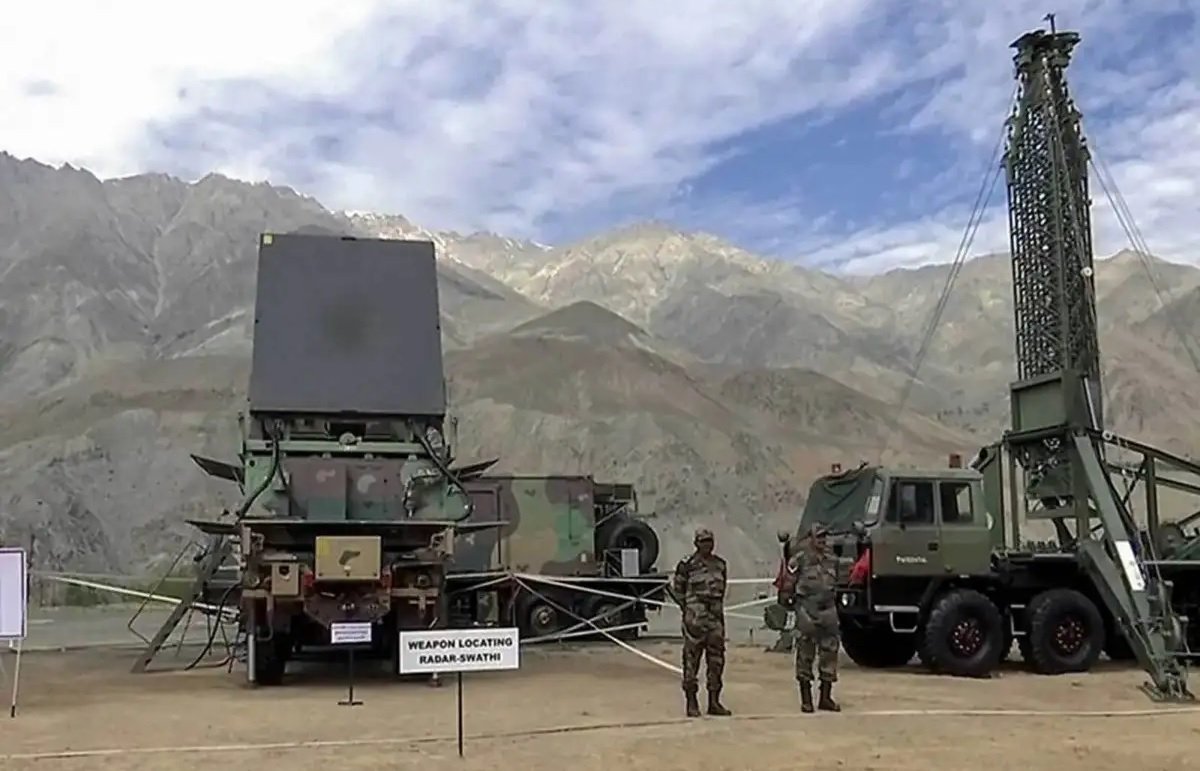
BENGALURU / NEW DELHI, — April 21, 2026 : Bharat Electronics Limited (BEL), a Navratna defence public sector undertaking, has initiated a new technology development programme under its DRISHTI framework to address emerging gaps in the detection and tracking of hypersonic cruise missiles. The challenge, titled “Detection of Hypersonic Missile,” is being executed under the broader DPSU-driven Research & Innovation for Strategic and High-impact Technology Integration (DRISHTI) programme in coordination with the Innovations for Defence Excellence (iDEX) platform. The initiative targets one of the most complex operational challenges in modern air defence: reliably detecting and continuously tracking hypersonic threats operating at speeds above Mach 5. These systems combine high manoeuvrability, low-altitude flight profiles, and reduced radar cross-sections, which significantly degrade the performance of existing Multi-Function Surveillance Radars. Operational Challenge and Technical Scope According to the official problem statement issued by BEL, current radar systems face limitations in both early detection and sustained tracking due to the unique signatures generated by hypersonic vehicles, including plasma effects and rapidly changing trajectories. The DRISHTI challenge calls for solutions capable of addressing three key technical requirements: Detection of low-altitude, high-speed targets with reduced radar cross-sections amid ground clutter and atmospheric interference Processing of non-linear and manoeuvring trajectories involving rapid changes in velocity and direction Maintenance of continuous tracking despite intermittent or degraded radar returns To meet these objectives, proposed solutions are expected to integrate advancements in radar signal processing, multi-domain sensor fusion, and artificial intelligence and machine learning. These technologies would enable identification of hypersonic targets within complex signal environments, improve classification accuracy, and support predictive tracking models for highly manoeuvrable threats. System Architecture and Indigenous Focus BEL’s approach reflects a “system-of-systems” architecture, combining multiple sensing and processing layers rather than relying on a single detection mechanism. Key technological elements under consideration include: Multi-static radar configurations, where distributed transmitters and receivers improve detection probability by capturing scattered signals, including those affected by plasma sheaths AI-driven predictive algorithms, trained on simulated and real trajectory datasets to anticipate target movement and reduce decision latency Enhanced AESA radar modules, including upgrades in refresh rates and tracking fidelity using advanced materials such as Gallium Nitride (GaN) Sensor fusion frameworks, integrating radar, infrared, and potentially space-based inputs to generate a unified operational picture The programme places strong emphasis on fully indigenous development, covering both hardware and software components. This aligns with national objectives to strengthen domestic capabilities in strategic defence electronics. Programme Structure and Participation BEL has allocated a tentative budget of ₹3.60 crore for the development phase of the challenge. The programme is open to a broad ecosystem, including defence technology firms, startups, MSMEs, and academic or research institutions with expertise in radar systems, signal processing, and high-speed tracking technologies. Selected proposals will progress through structured stages, including proof-of-concept validation and subsequent development phases. Submissions are being accepted through the iDEX platform, and BEL has conducted an online outreach session to brief potential participants. The nodal officer for the challenge is Smt. Vani KN, Additional General Manager, Advanced Defence Systems-Navy, BEL, Bengaluru. BEL’s Existing Capabilities and Integration Path BEL currently produces a range of radar and defence electronic systems, including the Swathi Weapon Locating Radar, various AESA-based multi-function radars, and land-based surveillance systems used across the Indian armed forces. These platforms are designed for conventional air and surface threat environments. However, hypersonic threats introduce requirements that exceed existing design parameters, particularly in tracking continuity and early detection timelines. The DRISHTI challenge is intended to bridge this gap by leveraging external innovation while retaining system integration and production within BEL’s framework. Solutions developed under this programme are expected to be integrated into India’s broader air defence network, complementing ongoing radar upgrades and existing systems such as the Akash air defence system. Comparison with International Efforts Hypersonic missile detection remains a global technological challenge due to the combination of extreme speed, manoeuvrability, low-altitude flight, and radar signal attenuation caused by plasma formation. United States: Focuses on space-based detection through the Hypersonic and Ballistic Tracking Space Sensor (HBTSS) programme under the Space Development Agency. This includes low-Earth orbit satellite constellations equipped with infrared sensors for persistent tracking. Ground-based systems, including Upgraded Early Warning Radars (UEWR), are being enhanced for improved classification. The U.S. is also developing the Glide Phase Interceptor for mid-course engagement. China: Has reportedly developed advanced ground-based radar systems capable of tracking multiple hypersonic targets simultaneously, supported by integrated sensor networks. Detailed information on signal processing and fusion techniques remains limited in open sources. Russia: The S-500 Prometheus air defence system is designed to counter hypersonic and ballistic threats using a multi-layered radar architecture integrated with command systems. Testing has included engagements against hypersonic-representative targets. In contrast, India’s DRISHTI initiative prioritises ground- and platform-based radar enhancements combined with AI-driven processing and sensor fusion, rather than immediate reliance on large-scale space-based constellations. This approach is intended to complement national programmes such as DRDO’s radar developments and the Project NETRA space situational awareness initiative. Strategic Context and Next Steps The launch of the DRISHTI challenge comes amid increasing global deployment and testing of hypersonic weapons by countries including the United States, Russia, China, and India. These systems reduce reaction times for defensive networks, necessitating parallel advancements in detection and tracking technologies. The DRISHTI programme forms part of a broader set of 101 problem statements issued across multiple defence public sector undertakings. It is designed to accelerate targeted innovation through structured collaboration with industry and research entities. By focusing on indigenous solutions and leveraging a distributed innovation model, BEL aims to strengthen India’s capability in a critical area of air defence where existing systems require significant augmentation.
Read More → Posted on 2026-04-21 16:05:35
India
NEW DELHI — April 21, 2026 : The Ministry of Defence (MoD) on Tuesday signed contracts valued at approximately ₹975 crore for the procurement of indigenous TRAWL (Track Width Mine Plough and Roller) assemblies for the Indian Army’s T-72 (Ajeya) and T-90 (Bhishma) main battle tanks. The agreements were finalized in the presence of Defence Secretary Rajesh Kumar Singh with Bharat Earth Movers Limited (BEML) and Electro Pneumatics and Hydraulics (India) Private Limited. The procurement has been executed under the ‘Buy (Indian–IDDM)’ (Indigenously Designed, Developed and Manufactured) category, aligning with the government’s Aatmanirbhar Bharat policy aimed at strengthening domestic defence manufacturing capabilities and reducing reliance on imports. Contract Structure and Industrial Participation Under the contractual arrangement, BEML has secured a major share of the order valued at approximately ₹590 crore. The remaining portion of the contract has been awarded to Electro Pneumatics and Hydraulics (India) Private Limited. The Ministry stated that the programme is expected to generate direct and indirect employment, particularly through the participation of Micro, Small and Medium Enterprises (MSMEs), which will be involved in the supply of sub-components and manufacturing support for the system. The contracts mark the transition from development to series production, following earlier transfer-of-technology arrangements signed between DRDO and BEML in 2023. System Development and Technical Configuration The TRAWL assembly has been designed and developed by the Defence Research and Development Organisation (DRDO), specifically through its Research and Development Establishment (Engineers) unit in Pune. The system integrates multiple subsystems, including a trawl roller, a track-width mine plough, and an electro-magnetic device (EMD). The equipment is mounted on the front of the tank and is engineered to neutralize various types of anti-tank mines. It combines mechanical and electronic countermeasures to address both pressure-activated and proximity-fused threats. A key feature of the system is its ability to counter mines equipped with proximity magnetic fuses. The electro-magnetic device generates a magnetic signature that triggers such mines at a safe distance ahead of the tank. Simultaneously, the roller and plough components physically detonate or displace mines, enabling the creation of cleared lanes. The system underwent blast trials in collaboration with the High Energy Materials Research Laboratory (HEMRL), Pune, in 2017, where it demonstrated survivability under repeated mine detonations. Operational Parameters and Deployment The TRAWL system is designed to support rapid minefield breaching operations. Operational parameters indicate a trawling speed of approximately 4 km/h. Tank alignment for deployment takes around five minutes, while clearing a distance of 1,000 metres requires approximately 30 minutes under standard conditions. The system enables the creation of “vehicle-safe lanes”, allowing not only the lead tank but also follow-on armoured vehicles, infantry carriers, and logistics elements to traverse mined areas without additional clearance. It is designed for operation across diverse terrains and environmental conditions, supporting both day and night missions. Role in Mechanised Warfare The integration of TRAWL assemblies into the T-72 and T-90 fleets enhances the Indian Army’s minefield breaching capability within mechanised operations. By enabling tanks to clear mines independently, the system reduces reliance on dedicated combat engineering units during forward movement. This capability supports sustained operational tempo by minimizing delays at obstacle zones. In combat scenarios, minefields are often used to restrict manoeuvre or channel advancing forces. The TRAWL system allows armoured units to breach such obstacles while maintaining formation movement. Additionally, the system improves survivability by reducing the risk of immobilisation or damage caused by anti-tank mines, thereby lowering exposure of crews and supporting elements to enemy observation and fire. Strategic and Industrial Significance The Ministry of Defence described the procurement as a step toward strengthening indigenous capability in combat engineering equipment. The programme contributes to domestic industrial capacity through participation of both public and private sector entities, along with MSMEs. The induction of TRAWL assemblies into operational service is expected to enhance battlefield mobility, ensure safer movement of armoured columns, and support integrated operations involving infantry and logistics units. No details regarding delivery timelines or the total number of systems to be supplied were disclosed in the official statement.
Read More → Posted on 2026-04-21 15:41:19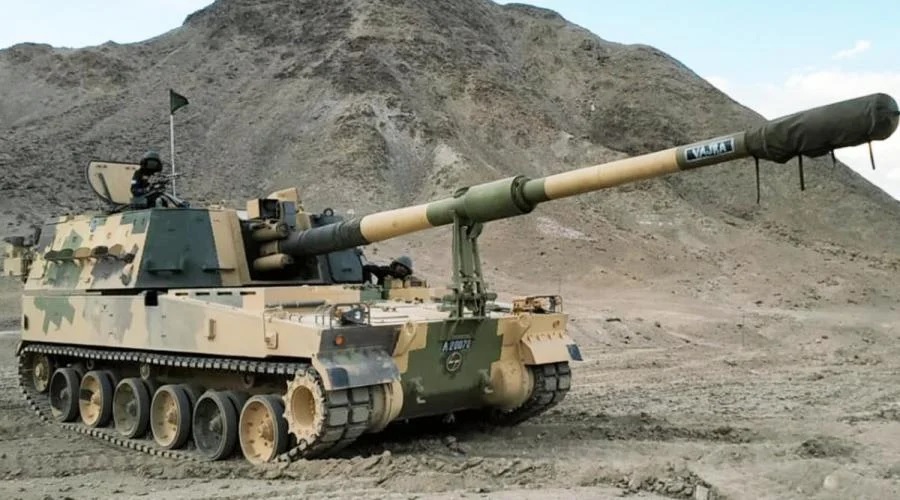
India
NEW DELHI — April 20, 2026 : India has initiated negotiations for Phase 3 of the K9 Vajra self-propelled howitzer programme, with the Ministry of External Affairs (MEA) and the Ministry of Defence (MoD) confirming plans to procure an additional 100 to 200 units. The expansion is intended to strengthen the Indian Army’s heavy artillery capabilities along the Line of Actual Control (LAC) and the western borders, while advancing domestic manufacturing under the Aatmanirbhar Bharat initiative. The proposed phase places a strong emphasis on increasing indigenous content. Earlier batches of the programme achieved approximately 50 percent localisation, while some systems have reportedly crossed 60 percent and, in certain cases, reached up to 82 percent. Phase 3 negotiations are focused on establishing a consistent domestic content level of 60 to 70 percent, with particular attention on local production of engines, advanced sensors, and electronic warfare subsystems that were previously imported. Programme Background and Current Status The K9 Vajra-T is the Indian variant of the South Korean K9 Thunder 155 mm/52-calibre tracked self-propelled howitzer. It is manufactured by Larsen & Toubro (L&T) at its Armoured Systems Complex in Hazira, Gujarat, under licence from Hanwha Aerospace. The system is designed for high mobility and automated fire control, and it has demonstrated operational capability in both desert and high-altitude environments, including deployments in Ladakh. The howitzer carries 48 rounds and supports multiple firing modes, including burst firing of three rounds in 30 seconds, intense firing of 15 rounds in three minutes, and sustained firing of up to 60 rounds per hour. The programme has progressed through two earlier phases. The initial contract, signed in 2017, covered 100 units, with the first 10 supplied from South Korea and the remaining 90 assembled in India. A second order for 100 units was approved by the Cabinet Committee on Security in December 2024 and contracted in early 2025. A follow-up component supply agreement valued at approximately $253 million was finalised between L&T and Hanwha Aerospace to support production. Deliveries from this second batch are expected to begin by late 2025, bringing the total fleet to 200 units upon completion. Expanded Role and System Enhancements While originally designed for indirect fire support, the K9 Vajra platform is undergoing capability upgrades in response to evolving battlefield requirements. The Phase 3 configuration is expected to introduce a multi-role profile combining artillery operations with enhanced survivability against aerial threats. One of the key upgrades involves the integration of anti-drone electronic warfare systems under the D4 (Drone Detect, Deter and Destroy) framework. These systems include directional jammers and a 360-degree electronic protection suite designed to reduce vulnerability to reconnaissance drones and loitering munitions. In addition, new units are expected to incorporate automated Remote Weapon Stations (RWS) to replace manual machine guns. These systems use thermal and electro-optical sensors and are capable of engaging aerial threats using programmable airburst ammunition. The upgraded fleet will also be integrated with Project Akashteer, an artificial intelligence-driven air defence command-and-control network developed by Bharat Electronics Limited (BEL). This integration enables real-time data sharing with external sensors, including radars and satellites, allowing faster detection and response to aerial threats. India–South Korea Defence Cooperation Phase 3 discussions are being conducted in coordination with South Korean defence company Hanwha Aerospace, which has been a long-standing partner in the K9 programme. The MEA has indicated that additional artillery systems are under consideration as part of ongoing modernisation efforts. Industry assessments suggest that discussions may also include short-range air defence technologies. Among the systems referenced is the K30 Biho (Flying Tiger), a South Korean self-propelled anti-aircraft platform equipped with twin 30 mm cannons and surface-to-air missile capability. There is ongoing analysis within defence circles regarding the feasibility of integrating similar air defence turrets onto the K9 tracked chassis, streamlining maintenance and logistics across mechanised formations. No procurement decision on this system has been confirmed. Production and Industrial Impact Production of Phase 3 units will continue at L&T’s Hazira facility, which has served as the primary manufacturing hub for the programme. The increased localisation of key components, particularly engines and sensors, is expected to reduce dependence on foreign supply chains and improve lifecycle support within India. The push for higher indigenisation aligns with broader national objectives to strengthen domestic defence manufacturing capacity. By expanding local production and technology transfer, the programme supports operational readiness while enabling adaptation of systems to specific Indian requirements, including high-altitude deployment conditions along the LAC. Strategic Significance The expansion of the K9 Vajra fleet reflects the Indian Army’s ongoing artillery modernisation programme and the need to address emerging threats, particularly from unmanned systems observed in recent conflicts. The integration of electronic warfare and air defence features into a traditionally artillery-focused platform indicates a shift towards multi-role survivability in contested environments. Negotiations for Phase 3 are ongoing, and no formal timeline for contract finalisation has been announced. However, the continuation of deliveries from earlier phases and the establishment of supply chain agreements indicate a steady progression toward expanded deployment in the coming years.
Read More → Posted on 2026-04-20 15:39:30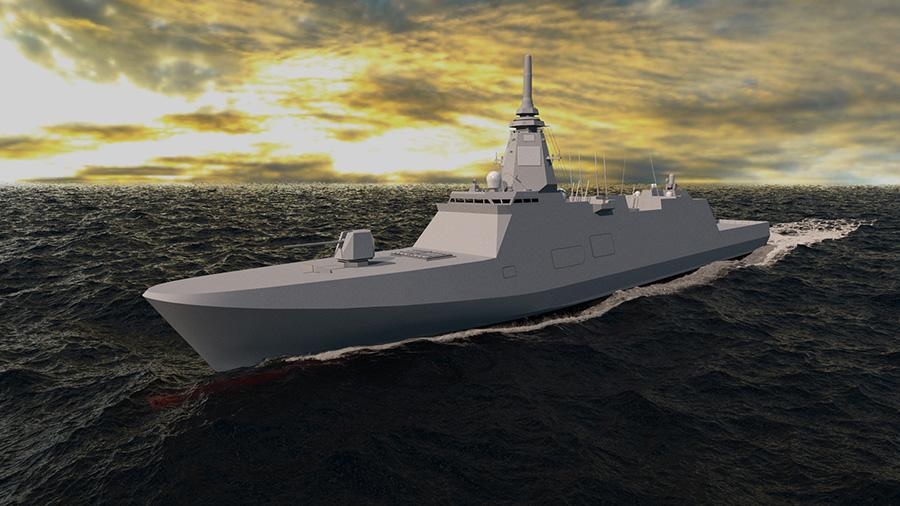
India
NEW DELHI / TOKYO — April 20, 2026: Japan has formally offered India the design and co-production framework for its advanced upgraded Mogami-class frigates, known as the New FFM or 06FFM, in a move aimed at strengthening bilateral defence cooperation and supporting India’s domestic shipbuilding capability. The proposal предусматривает construction of the frigates in Indian shipyards under a “Make in India” model, with technical support and partial material supply from Japan. The design has been developed by Mitsubishi Heavy Industries for the Japan Maritime Self-Defense Force (JMSDF), which has already placed contracts for the first ships of the upgraded class and plans to induct up to 12 vessels. Design and Technical Characteristics The upgraded Mogami-class represents an evolution of the baseline 30FFM design currently in service with the JMSDF. The New FFM features a standard displacement of approximately 4,880 tonnes and a full-load displacement of around 6,200 tonnes. The vessel measures about 142 metres in length with a beam of 17 metres. Propulsion is based on a combined diesel and gas (CODAG) configuration, enabling speeds exceeding 30 knots. Despite its size and multi-mission capability, the ship operates with a crew of around 90 personnel due to a high degree of automation. The upgraded variant incorporates a 32-cell Mk 41 vertical launch system, doubling the missile capacity of the original Mogami-class. It also includes an improved radar suite, a redesigned main mast, and additional systems carried over and enhanced from the baseline platform. The design integrates an advanced “clean” integrated mast (UNICORN), which consolidates sensors and antennas to reduce radar cross-section. The hull and superstructure use sloped surfaces and shaping techniques to further enhance stealth characteristics. Baseline Mogami-Class and Core Capabilities The original Mogami-class frigate, already in service with the JMSDF, has a standard displacement of 3,900 tonnes and a length of 133 metres. It is equipped with a 16-cell vertical launch system and incorporates extensive automation, allowing operations with a similarly small crew of approximately 90 personnel. A distinguishing feature of the baseline design is its integrated mine countermeasures capability. The ship includes an internal mission bay and stern ramp for deploying unmanned surface vehicles (USVs) and unmanned underwater vehicles (UUVs), making it the first JMSDF escort vessel with organic mine warfare functions. Enhanced Features of the New FFM Upgrade The upgraded Mogami-class builds on these capabilities with a larger hull to accommodate additional sensors and weapons, alongside enhanced air-defence performance. The platform is designed for multi-mission roles, including anti-submarine warfare, anti-surface warfare, air defence, and mine countermeasures. A key feature is its support for crewed-uncrewed teaming, enabling integrated operations with unmanned platforms for reconnaissance, mine clearance, and other missions. The ship’s modular design allows for rapid integration of future systems and mission packages. The combat information centre (CIC) features a 360-degree circular display system, providing integrated situational awareness by combining sensor inputs and visual data. Automation extends to ship control, damage management, and combat operations, contributing to reduced manpower requirements. Comparison with India’s Nilgiri-Class Frigates The upgraded Mogami-class differs notably from India’s Nilgiri-class (Project 17A) frigates in both design philosophy and operational emphasis. The Nilgiri-class has a displacement of around 6,700 tonnes, a length of approximately 149 metres, and a crew complement of about 200 to 250 personnel. In contrast, the Mogami-class operates with significantly fewer crew—around 90—due to its high level of automation. While the Nilgiri-class is a stealth multi-role frigate optimized for blue-water operations with strong emphasis on anti-submarine and air defence capabilities, the Mogami-class prioritizes automation, modularity, and reduced radar signature. Its integrated mast and advanced shaping techniques provide a lower observable profile compared to more conventional stealth designs. Additionally, the Mogami-class incorporates organic mine countermeasure capabilities using unmanned systems—an area not inherently built into the Nilgiri-class design. The Japanese platform also offers greater flexibility for modular mission configurations and unmanned operations through its dedicated mission bay. Industrial and Strategic Implications The Indian Navy has shown interest in the Mogami-class automation model, particularly as it explores ways to reduce crew requirements in future surface combatants. Senior Indian Navy officers have recently visited JMSDF Mogami-class vessels as part of ongoing bilateral engagement. Under the proposed arrangement, Indian shipyards would construct the frigates domestically using the Japanese design, with partial supply of materials and technical inputs from Japan. The framework is intended to support local manufacturing while maintaining industrial collaboration between the two countries. If implemented, the project would mark a significant step in Japan’s evolving defence export policy, involving the construction of a frontline Japanese-designed warship in a foreign shipyard. It would also deepen Japan’s role as a strategic defence partner for India. The New FFM upgraded Mogami-class is positioned as a next-generation multi-mission frigate tailored for Indo-Pacific operations, combining automation, stealth, modularity, and seamless integration of unmanned systems within a single platform.
Read More → Posted on 2026-04-20 15:21:18Search
Top Trending in 24 Hours
-
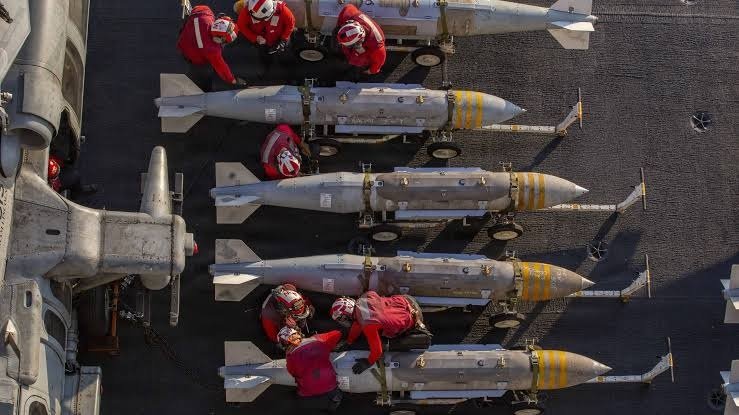 Pentagon Inspector General Report Finds Iran War Caused U.S. Ammunition Shortfalls and Industrial Bottlenecks
-
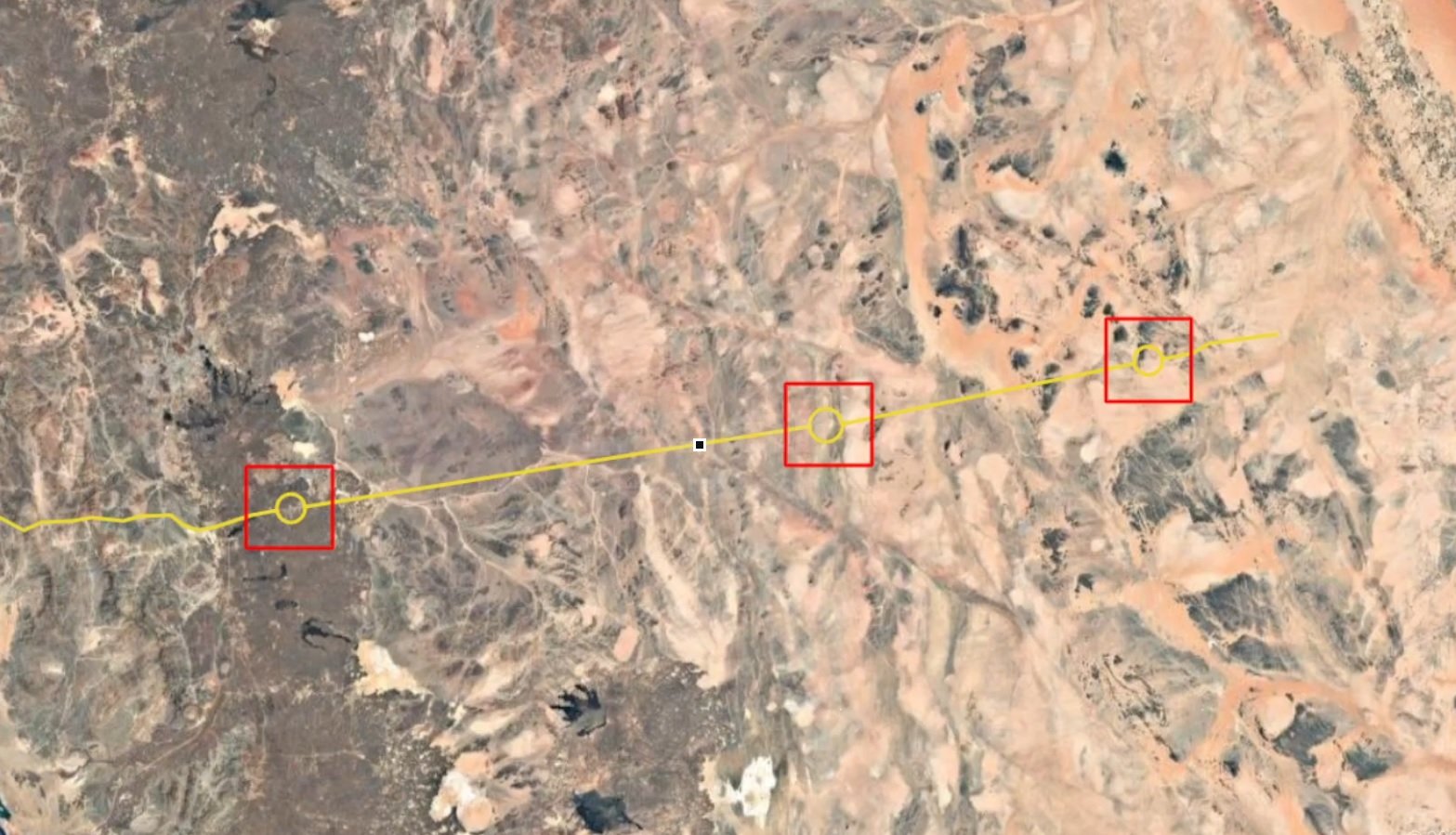 Satellite Imagery Shows Extensive Damage to Saudi Arabia’s East-West Oil Pipeline, Indicating More Than a Single Strike
-
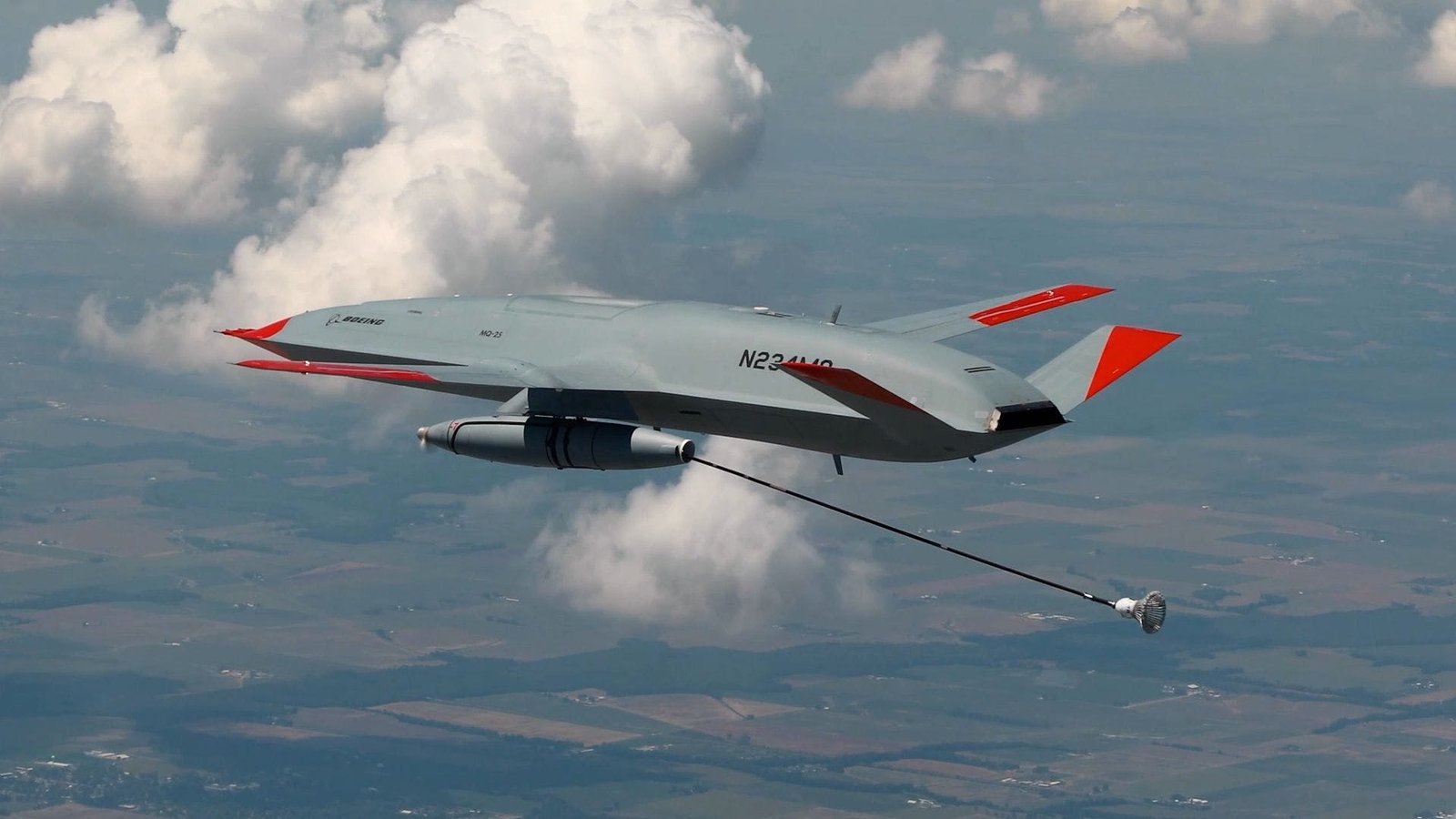 U.S. Navy Awards Boeing $562 Million Contract for First Production MQ-25A Stingray Tanker Drones
-
 Pentagon and Honeywell Complete Four-Hour Pacific Flight Using Quantum Magnetic Navigation Without GPS
-
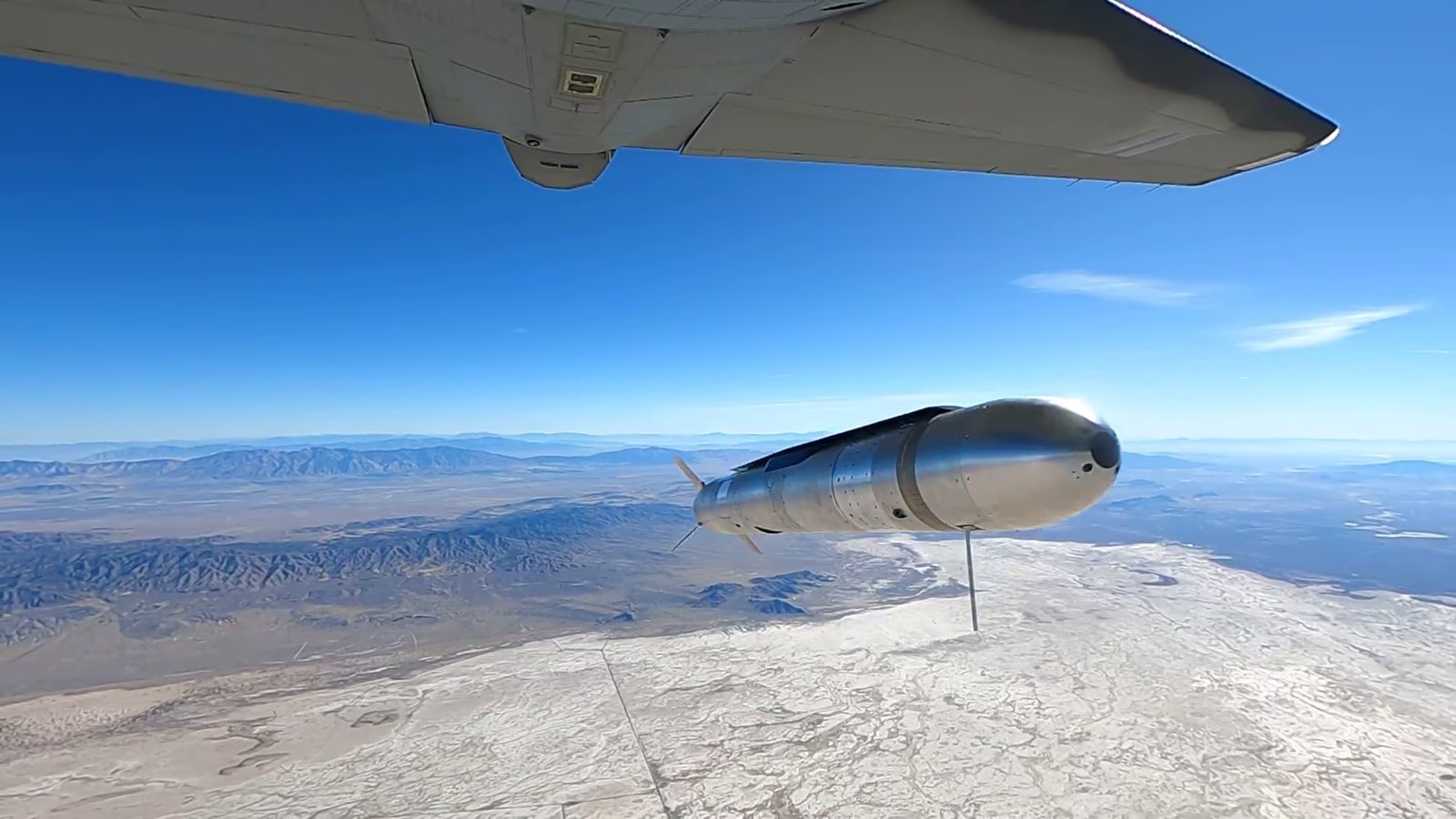 U.S. Air Force Special Operations Command Clears AGM-190A Havoc Spear for Wider Service After Combat Evaluation in Africa
-
 U.S. Confirms Deployment of On-Orbit Space Control Weapons for First Time
-
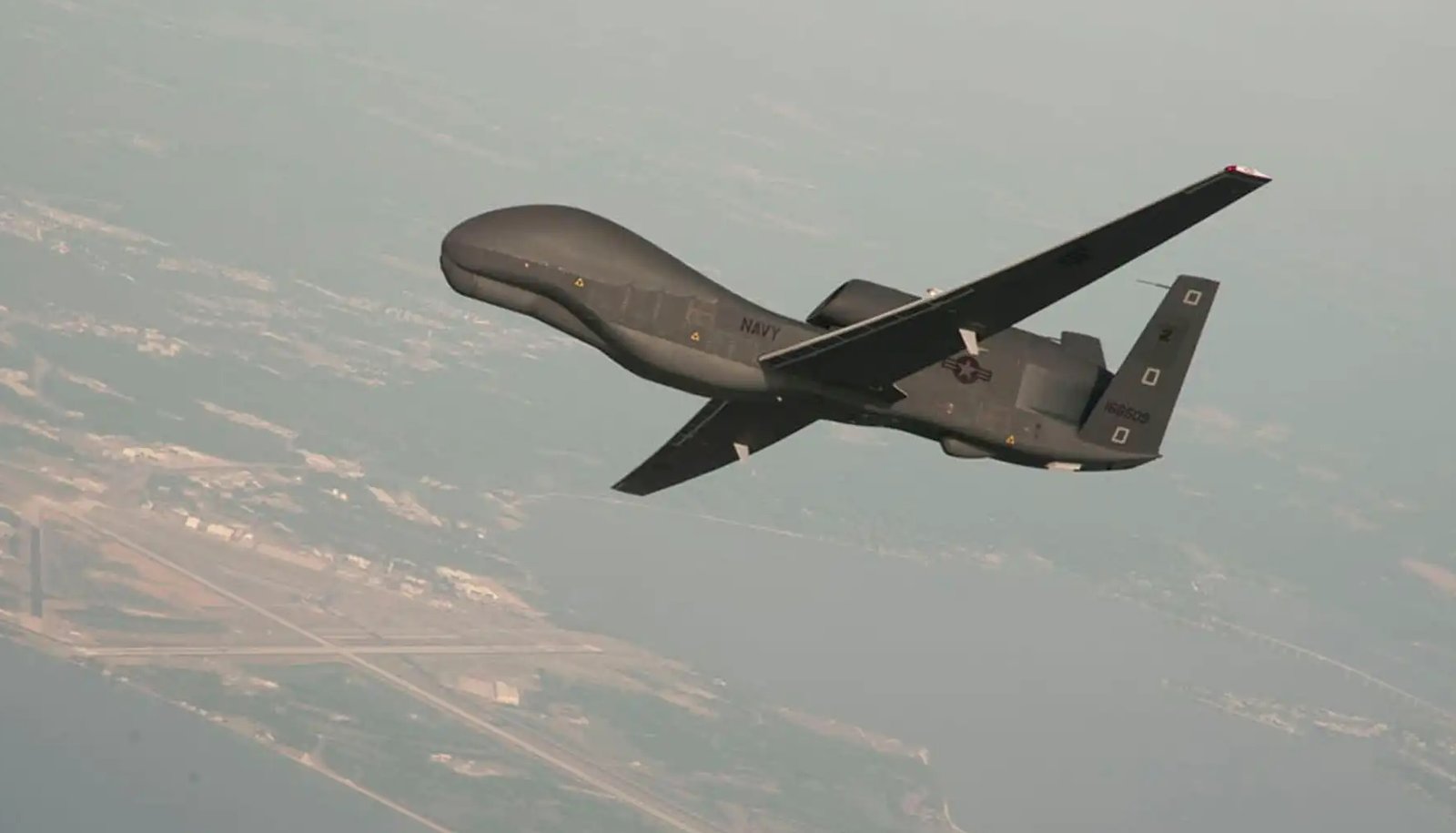 Japan Air Self-Defense Force Loses Contact With Global Hawk Surveillance Drone Off Tottori Coast; Aircraft Presumed Crashed
-
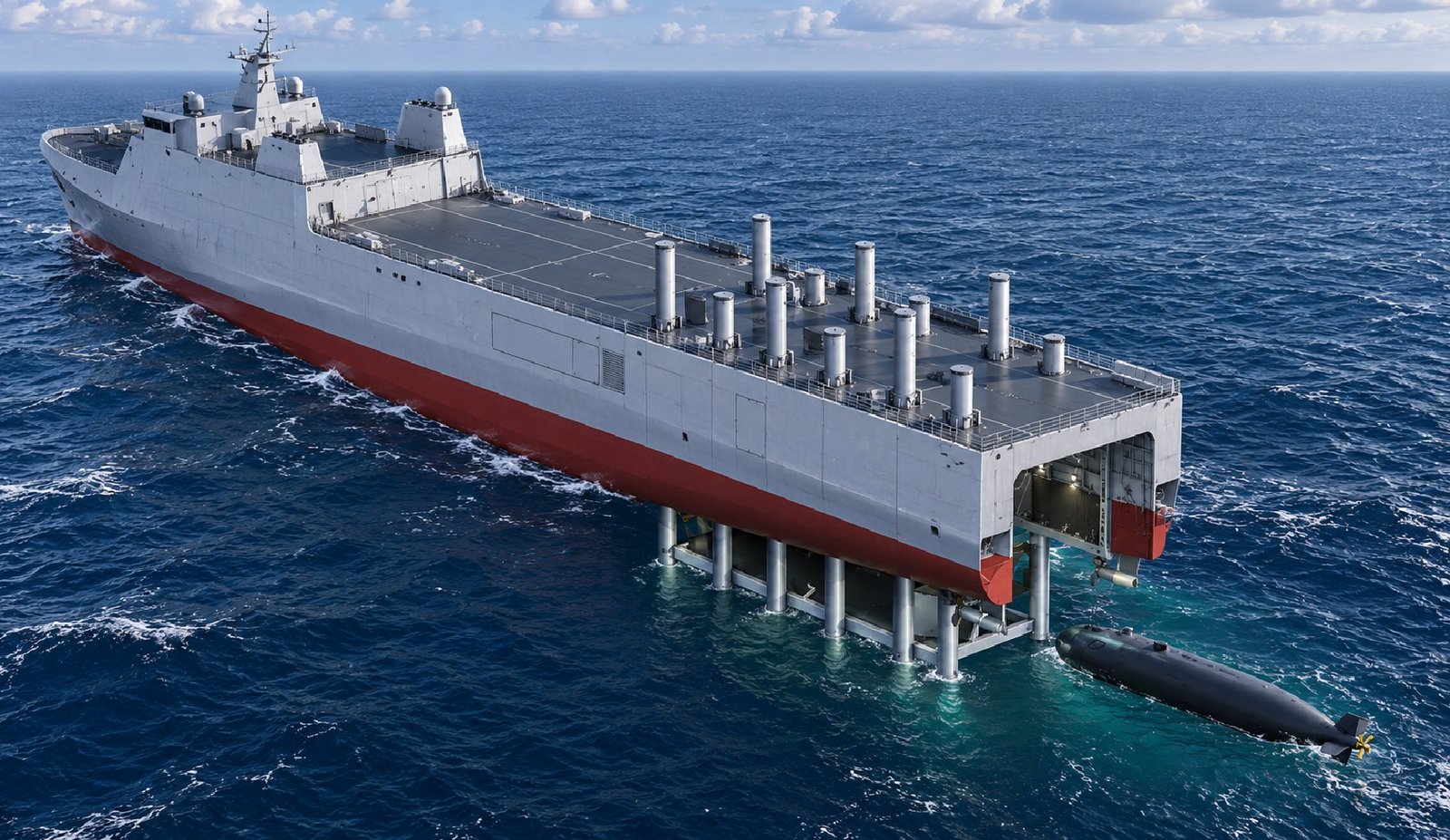 China Builds New Shanghai Vessel to Serve as Mothership for Large Uncrewed Submarines
Top Trending in 4 Days
-
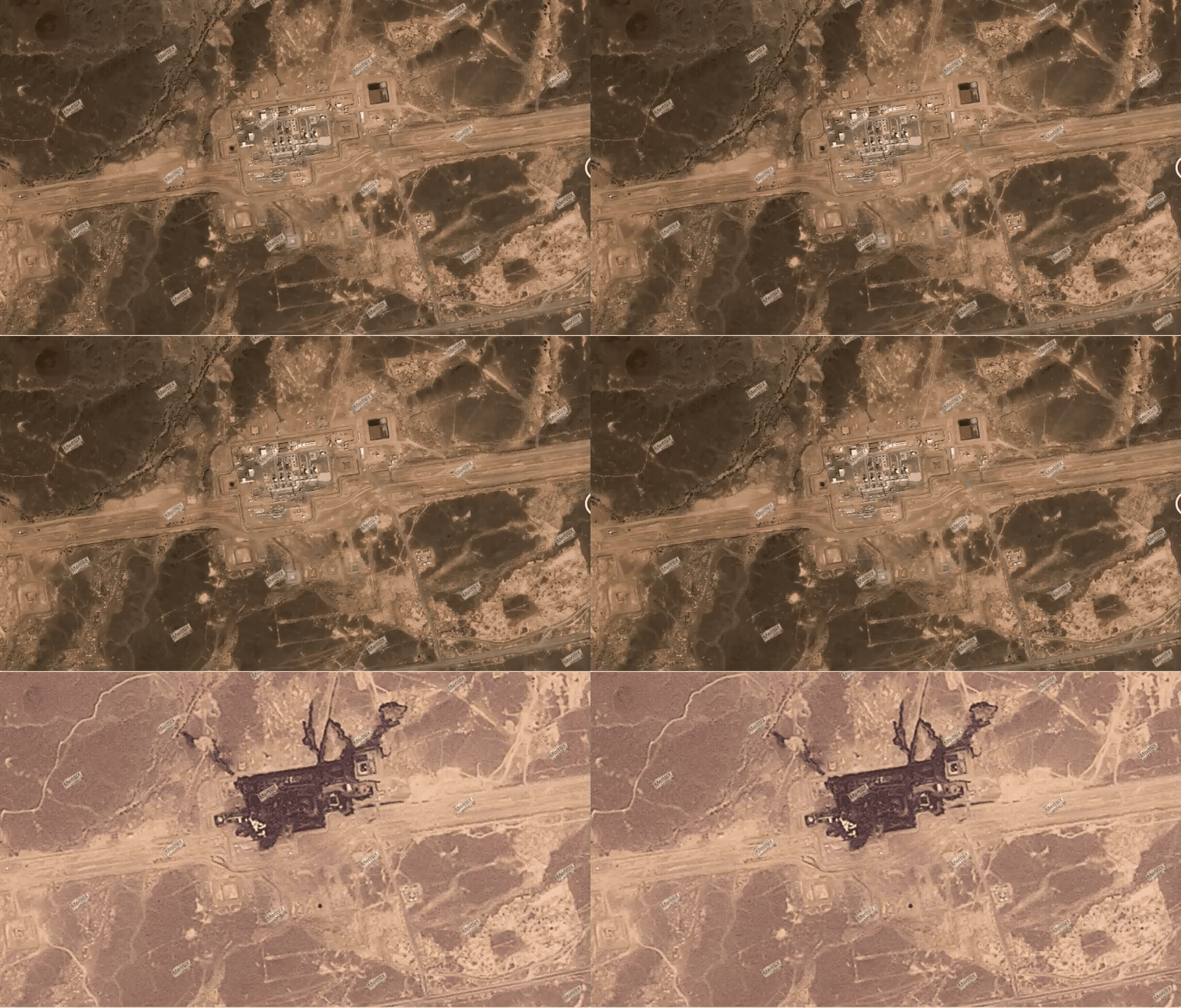 Satellite Imagery Shows Heavy Damage to Saudi East–West Oil Pipeline Pumping Stations
-
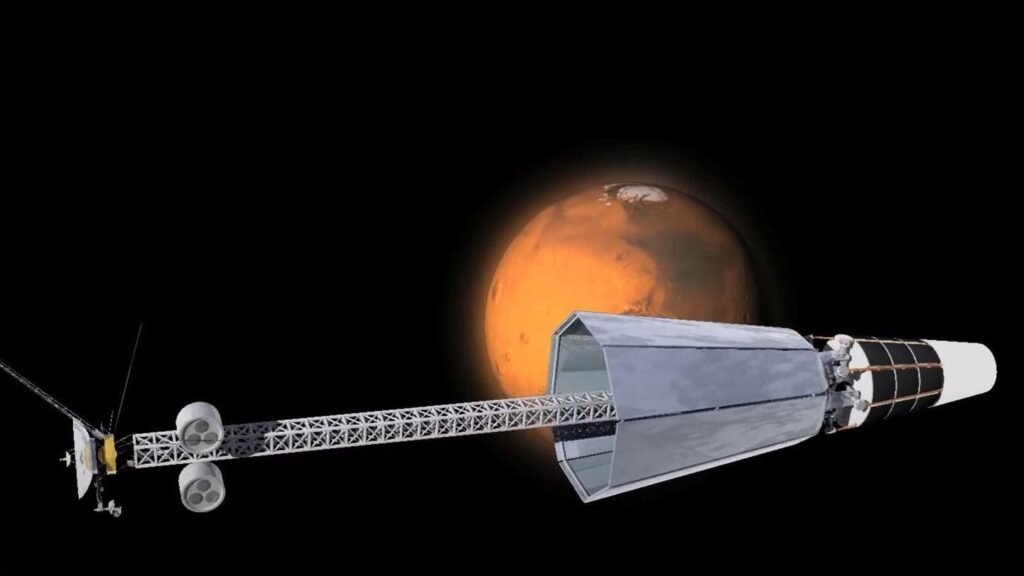 U.S. Air Force Awards Antares $161 Million to Develop Nuclear Reactor for Spacecraft
-
 Pentagon Awards BlueHalo Up to $99.8 Million Contract for Orbital Battlespace R&D Program
-
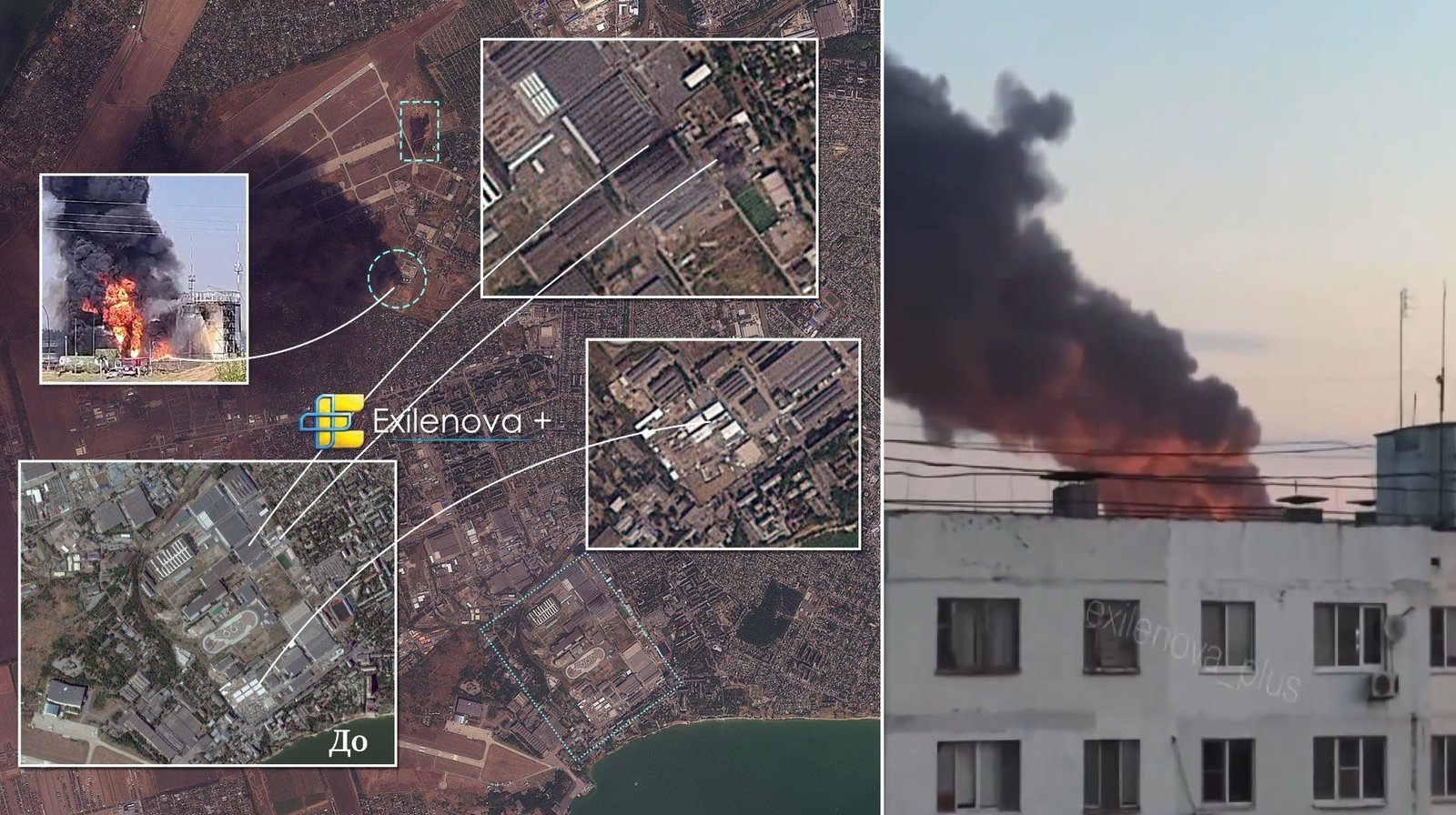 Ukrainian Drones Strike Russian UAV Manufacturer and Chemical Plants in Taganrog and Tolyatti
-
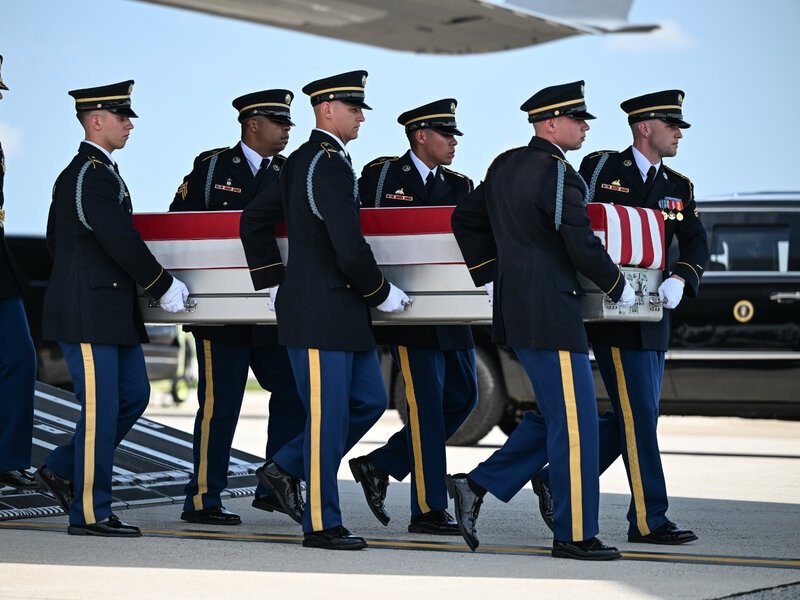 U.S. Officials Link Chinese Satellite Imagery to Iranian Strike That Killed Three American Soldiers in Jordan
-
 DRDO Demonstrates Indigenous 3.5×3 mm GaN Chip Delivering 30 Watts for Next-Generation Radars and Electronic Warfare
-
 U.S. Firm Swarm Aero Unveils Gamera Group 5 UAS With 9,000-Nautical-Mile Range and Heavy Strike Payload
-
 MBDA and Poland’s WITU Advance Low-Cost Supersonic Interceptor Against Swarm Attacks, Seeker Trials Successfully Completed