
India
NEW DELHI — March 6, 2026: Indian defense technology company IG Defence has unveiled the first conceptual details of Project KAL, an indigenous long-range one-way attack drone currently under development. The project aims to establish a domestically produced deep-penetration strike platform designed to expand India’s unmanned combat capabilities as part of the national Atmanirbhar Bharat (self-reliant India) initiative in defense manufacturing. The company released the initial concept information and imagery on March 6, providing an early look at the platform’s intended role and projected performance characteristics. Project KAL is being designed as a long-range strike unmanned aerial vehicle (UAV) capable of conducting precision attacks against high-value targets located deep inside contested environments. Indigenous Development and Strategic Role Founded in Odisha and currently headquartered in New Delhi, IG Defence specializes in indigenous defense technologies including FPV strike drones, counter-UAS systems, intelligence-surveillance-reconnaissance platforms, and logistics drones. The company describes Project KAL as a cost-effective long-range strike system intended to strengthen India’s domestic unmanned warfare ecosystem. The platform is designed as a one-way attack UAV, meaning the drone carries an explosive payload and is intended to strike the target directly rather than return to base. Project KAL is intended to support operations targeting strategic military infrastructure such as logistics hubs, radar installations, and other high-value assets located well beyond frontline areas. Projected Technical Specifications According to the concept specifications released by the company, Project KAL is being developed with the following projected operational parameters: Maximum range: up to 1,000 kilometers Flight endurance: approximately 3 to 5 hours Payload type: high-explosive strike payload Operational role: long-range deep-penetration strike missions The planned endurance window would allow the drone to travel significant distances into contested territory while remaining airborne long enough to monitor target areas and adjust its flight path before executing a strike. The drone’s payload configuration is designed for precision strikes against strategic infrastructure and military installations. Specific details about propulsion systems, guidance mechanisms, onboard sensors, and payload capacity beyond the explosive role have not yet been publicly disclosed. Context in Modern Unmanned Warfare Long-range one-way attack drones have become a significant component of contemporary military operations. Recent conflicts in the Middle East involving Iran, Israel, and the United States have demonstrated the operational impact of low-cost long-range strike drones. Platforms such as the Iranian Shahed-136 loitering munition have been widely used in recent conflicts, illustrating how inexpensive unmanned systems can challenge sophisticated air-defense networks. The concept behind Project KAL follows a similar operational logic: providing a scalable strike capability that can impose cost and operational pressure on advanced air-defense networks while extending the reach of unmanned strike operations. Leadership Statements Bodhisattwa Sanghapriya, Founder and Chief Executive Officer of IG Defence, stated that long-range unmanned strike systems are increasingly shaping the trajectory of global military operations. He noted that Project KAL represents an effort to develop a domestic ecosystem for this emerging category of defense technology. RC Padhi, a retired Major General and Senior Vice President at IG Defence, said that recent geopolitical conflicts have reinforced the need for platforms combining extended operational reach, persistence, and cost-efficient strike capability. Development Status Project KAL is currently in the early stages of development, and the unveiling represents the first public disclosure of the program. The company has indicated that additional technical information and development updates will be released in the coming months as the project progresses toward prototype development and testing phases. The initiative aligns with India’s broader effort to expand domestic production of unmanned military technologies and reduce reliance on imported systems. If successfully developed and integrated, Project KAL would contribute to India’s growing portfolio of indigenous unmanned combat platforms.
Read More → Posted on 2026-03-06 15:30:02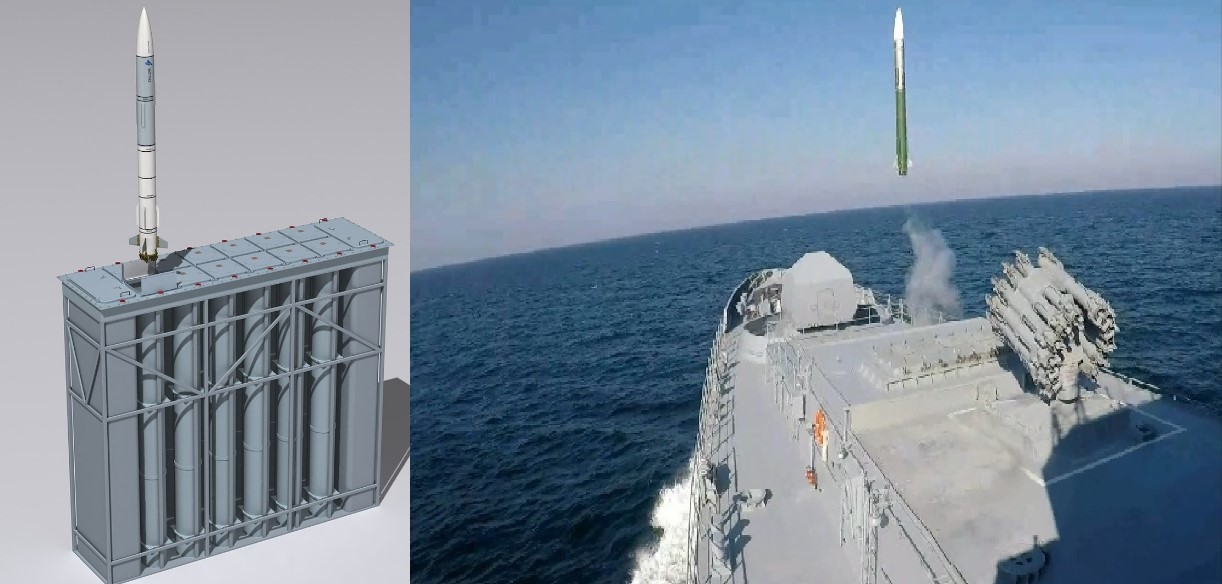
India
NEW DELHI — March 6, 2026 : India has signed a ₹2,182 crore (approximately $236 million) defence contract with Russia for the procurement of Shtil-1 naval air defence missiles and associated missile holding frames, the Ministry of Defence confirmed. The agreement was concluded on March 3, 2026 with Russia’s state arms export agency JSC Rosoboronexport. According to the Ministry of Defence, the acquisition will strengthen the layered air defence capability of Indian Navy frontline warships by providing rapid-reaction, all-weather engagement capability against a wide range of aerial threats. The procurement forms part of a broader ₹5,083 crore defence acquisition package that also includes Advanced Light Helicopter (ALH) Mk-III maritime variants for the Indian Coast Guard. Officials stated that the missile systems are intended to enhance survivability of naval platforms operating in contested maritime environments by improving their ability to counter aircraft, drones, and anti-ship missiles. Shtil-1 Naval Air Defence System The Shtil-1 is a naval area air defence missile system developed by Russian defence manufacturer Almaz-Antey. It is designed primarily for light warships and frigates and represents an evolution of the earlier Shtil and Uragan naval air defence systems. Earlier variants used a single-arm rail launcher system that required mechanical rotation toward incoming targets. The Shtil-1 replaces this with a modular below-deck cellular Vertical Launch System (VLS). The vertical launch architecture allows missiles to be launched in any direction, providing full 360-degree coverage and eliminating the delay associated with rotating launchers. The system is capable of launching interceptor missiles at intervals of approximately two to three seconds, enabling warships to respond rapidly to multiple incoming threats. 9M317ME Missile The Shtil-1 system employs the 9M317ME surface-to-air missile, a specialised naval adaptation of the interceptor used in Russia’s Buk-M2 land-based air defence system. The missile is a single-stage solid-fuel interceptor equipped with folding aerodynamic fins so it can fit inside compact vertical launch canisters. During its mid-course flight phase, the missile relies on inertial navigation guidance before transitioning to terminal homing. Operational parameters Range: approximately 3.5 km to 50 km Altitude engagement envelope: 5 metres to 15 km Target spectrum: aircraft, helicopters, unmanned aerial vehicles, and anti-ship missiles Maximum target speed: up to Mach 4.5 Simultaneous engagements: up to 12 targets per system installation The system is designed to counter saturation attacks and high-speed anti-ship missiles approaching at low altitude, including sea-skimming threats. Semi-Active Radar Homing Guidance The 9M317ME missile uses a semi-active radar homing (SARH) guidance method. In this configuration, the missile relies on radar illumination provided by the host ship’s fire-control radar throughout the terminal phase of engagement. Indian Navy vessels operating the Shtil-1 system use dedicated fire-control radars such as the MR-90 Orekh radar to illuminate targets. The missile’s onboard seeker detects radar energy reflected from the target and guides itself toward the impact point. Engineering considerations The SARH guidance approach involves several technical trade-offs when compared with active radar homing (ARH) systems: Cost and design efficiency: SARH seekers are simpler and cheaper to manufacture because they do not require an onboard radar transmitter, cooling systems, or large power units. Eliminating these components allows designers either to reduce the missile’s physical size or allocate additional internal space for fuel or a larger warhead. Radar illumination power: In a SARH engagement, the ship provides high-power radar illumination. By contrast, ARH missiles rely on a small battery-powered transmitter within the missile itself, which produces weaker radar signals. Electronic warfare resilience: Because the SARH seeker only receives reflected radar signals and does not transmit its own signal, it is generally harder to jam directly. To interfere with the engagement, an adversary would have to overcome the power of the ship’s fire-control radar. Operational limitations SARH systems require continuous radar illumination of the target until interception. This means the host warship must maintain line-of-sight tracking throughout the engagement. The requirement can complicate interception of sea-skimming missiles flying below the radar horizon. In addition, radar reflection strength decreases with distance due to the inverse square law, which can reduce signal strength at longer ranges. Integration with Indian Navy Warships The Shtil-1 system is already installed on the Indian Navy’s Tushil-class frigates, derivatives of Russia’s Project 11356 design. Several existing Indian Navy warship classes that currently operate earlier Shtil or Uragan launchers are undergoing modernization programs to integrate the vertical-launch Shtil-1 system. Talwar-class frigates (Batch I and II) The ships include: INS Talwar INS Trishul INS Tabar INS Teg INS Tarkash INS Trikand These vessels were originally equipped with the 3S-90 single-arm launcher positioned forward of the bridge and carrying 24 missiles. Delhi-class destroyers The destroyers scheduled for upgrades include: INS Delhi INS Mysore INS Mumbai These ships originally operated two 3S-90 launchers—one located forward and one aft—capable of firing earlier 9M38M1 missiles. Their mid-life refit programs include integration of the Shtil-1 system as well as upgrades to the Fregat-M2EM radar, improving detection and engagement capability against modern saturation attacks. Shivalik-class stealth frigates The Indian Navy’s three Shivalik-class stealth frigates are also undergoing or scheduled for Shtil-1 upgrades: INS Shivalik INS Satpura INS Sahyadri These ships were originally equipped with the older single-arm launcher configuration. Comparison with MR-SAM (Barak-8) The Indian Navy currently operates two primary naval area air defence systems: the Russian-origin Shtil-1 and the Indo-Israeli MR-SAM (Barak-8). The MR-SAM system uses an active radar homing (ARH) seeker and provides fire-and-forget capability. It is equipped with a dual-pulse rocket motor that improves manoeuvrability in the terminal phase and offers an operational range of approximately 70 kilometres. In contrast, the Shtil-1 relies on SARH guidance and uses a single-stage, single-pulse solid-fuel motor. While its engagement range is shorter, the system is considered more cost-effective and suitable for smaller warships such as frigates. Indian naval planners therefore use both systems as part of a layered air defence architecture, with MR-SAM typically deployed on high-value capital ships and Shtil-1 providing coverage for additional fleet platforms. Broader Defence Procurement Package The Shtil-1 acquisition forms part of a wider defence procurement package approved by the Government of India valued at approximately ₹5,083 crore. In addition to the missile procurement, the package includes Advanced Light Helicopters Mk-III (Maritime Role) intended for service with the Indian Coast Guard. These helicopters will support maritime surveillance, search and rescue operations, and coastal security missions. India–Russia Defence Cooperation The contract reflects continuing defence cooperation between New Delhi and Moscow, which has historically included naval systems, combat aircraft, submarines, and missile technology. High-level engagement between the two countries has continued in recent years. Russian President Vladimir Putin and Indian Prime Minister Narendra Modi held discussions on bilateral cooperation during the Shanghai Cooperation Organisation Summit 2025 in Tianjin on September 1, 2025. Indian defence officials stated that the Shtil-1 procurement will support the modernization of the Indian Navy’s surface fleet air defence capabilities and strengthen protection of frontline warships against evolving aerial threats.
Read More → Posted on 2026-03-06 13:52:46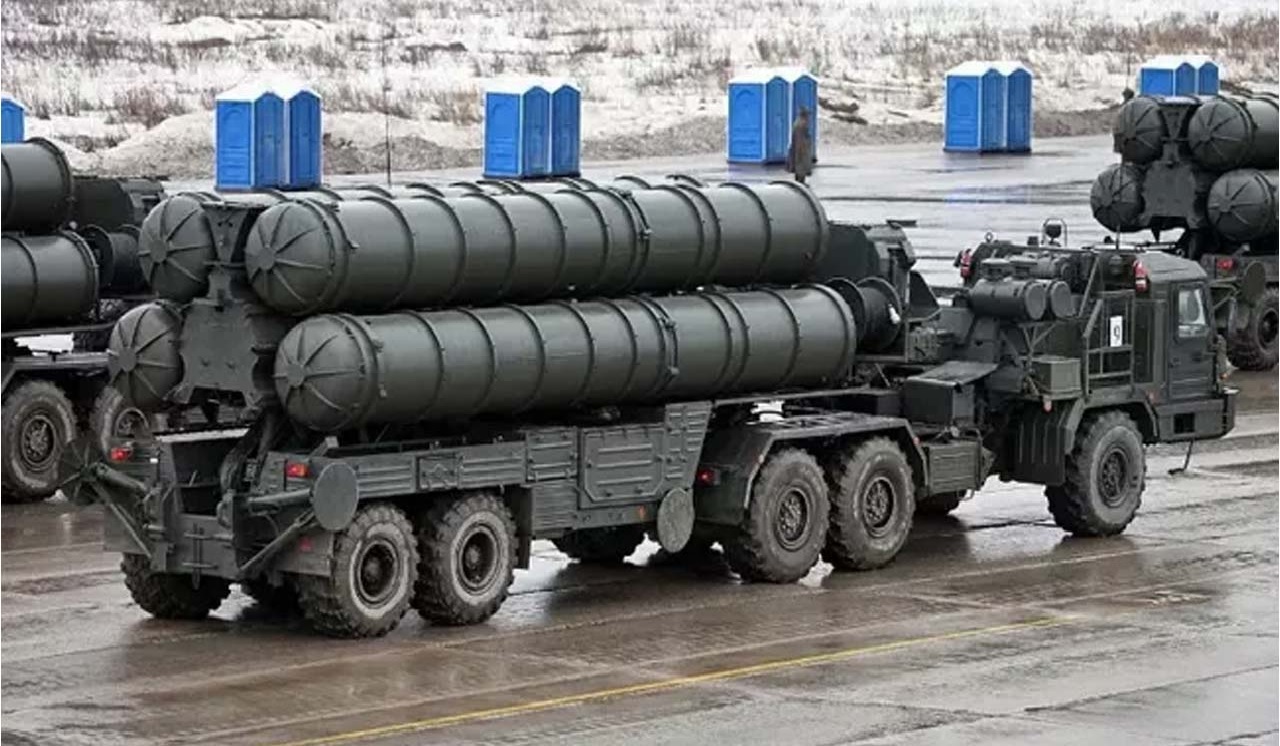
India
NEW DELHI, — March 3, 2026 : India is preparing to procure five additional squadrons of the S-400 Triumf long-range surface-to-air missile system from Russia, a move that would double its planned inventory to ten squadrons and significantly expand coverage across the western and eastern sectors. The proposed acquisition follows the 2018 intergovernmental agreement valued at approximately $5.4–$5.5 billion for five S-400 squadrons. Three have been delivered and inducted into service, while the remaining two are expected by 2026 or 2027. Deliveries under the original contract were delayed due to disruptions in Russian defense production and supply chains. The Indian Air Force has submitted a proposal for five additional squadrons along with expanded missile stocks. The Ministry of Defence is expected to examine the proposal, and preliminary discussions with Russian officials are underway. India has also approved procurement of 288 additional S-400 missiles worth approximately ₹10,000 crore. Some reports indicate that longer-term evaluations of the S-500 system are also being considered. Complete Structure of One S-400 Squadron in Indian Service In Indian service, a single S-400 squadron functions as a fully self-contained, mobile fire unit designed for autonomous and networked operations. Each squadron is organized into two batteries, with integrated command, surveillance, engagement, and launch elements. Command and Control At the core of the squadron is the 55K6E command-and-control post. This vehicle-based command unit fuses radar tracks, assigns targets, prioritizes threats, and manages missile engagements. It connects to higher-echelon air defense networks, including the Integrated Air Command and Control System (IACCS), enabling coordinated and centralized operations. The command post can also interface with legacy systems such as S-200D and S-300 radars and receive cueing from airborne early warning platforms including the Beriev A-50. Primary Surveillance Radars Each squadron includes two long-range surveillance radars, one assigned per battery. The primary search radar is the 91N6E “Big Bird”, a three-dimensional phased-array radar with a detection range between 340 km and 600 km depending on target characteristics. It can track up to 300 targets simultaneously and is designed with resistance to electronic jamming. This radar provides early detection of aircraft, cruise missiles, and certain ballistic missile trajectories. Engagement and Fire-Control Radars Each battery is equipped with one 92N6E “Grave Stone” multi-function engagement radar, for a total of two per squadron. The 92N6E performs target tracking and missile guidance functions. It has a range of approximately 340 km and can track up to 20 targets while guiding multiple interceptors simultaneously for fire control. Together, the surveillance and engagement radars form the core sensor chain of the squadron. Launchers A standard S-400 squadron in Indian configuration typically fields approximately 12 Transporter-Erector-Launchers (TELs), six per battery. Each TEL carries four canisterized interceptor missiles, resulting in 48 ready-to-fire interceptors per squadron before reload. Separate missile transport-and-reload vehicles accompany the launchers for replenishment. Additional support vehicles provide power supply, communications, mobility support, and maintenance capability. The entire squadron remains road-mobile and can relocate to reduce vulnerability to counter-strikes. Additional and Specialized Radar Options Beyond the baseline radar set, the S-400 architecture allows integration of additional sensors depending on operational requirements and terrain. The 96L6E “Cheese Board” radar, with a detection range of up to 300 km, is commonly deployed as an all-altitude detector. It enhances detection of low-flying targets such as cruise missiles and terrain-masking aircraft and is installed when the squadron operates autonomously or requires enhanced target acquisition in complex terrain. For anti-stealth and low-observable target detection, the Protivnik-GE UHF radar (400 km range) or the Gamma-DE L-band radar can be integrated. These frequency bands improve detection probability against aircraft with reduced radar cross-sections. VHF-band radars such as the 1L119 Nebo SVU provide sector search and tracking against certain stealth profiles. Passive electronic intelligence systems including Moscow-1 and Avtobaza-M, both capable of detection ranges around 400 km, can be incorporated to identify emitting targets without revealing the squadron’s own position. Electronic warfare support systems such as the 1RL220BE jamming radar may also be integrated for countermeasure support. The 15I6ME system extends coverage by 30 km, 60 km, or 90 km depending on configuration. For improved radar horizon in forested or hilly terrain, radars such as the 92N6E or 96L6E can be mounted on the 40B6M mast assembly to elevate sensors and improve detection of low-altitude cruise missiles. Missile Types and Engagement Capabilities The S-400 employs a mixed-load missile strategy, allowing different interceptor types to be launched from the same TEL. The 48N6 series provides engagement ranges up to 250 km against aerodynamic targets. The 9M96 series offers ranges up to 120 km and is optimized for maneuvering targets and precision-guided munitions. The 40N6E long-range missile extends engagement distances to approximately 380–400 km against aerodynamic targets and up to 60 km against ballistic missiles. Engagement altitudes reach up to 30 km for aircraft and cruise missiles and 25 km for ballistic missile targets. The system is capable of intercepting targets traveling at speeds up to 4,800 meters per second. A full squadron can engage dozens of targets simultaneously under heavy electronic countermeasures. Operational Role and Network Integration The S-400 functions as a mobile, multi-sensor fire unit optimized for layered defense. Its architecture enables sensor fusion, automated target allocation, and coordinated engagements across multiple batteries. In Indian deployment, the system integrates into higher-level command networks, contributing to a common air picture. It operates alongside indigenous systems including Akash and MRSAM, and is expected to complement the forthcoming indigenous long-range air defense program known as Project Kusha, which received Acceptance of Necessity in September 2023 for five squadrons with interceptor tiers of 150 km, 250 km, and 350–400 km. Strategic Context The planned expansion of the S-400 inventory is intended to address two-front security considerations involving Pakistan and China. Reported operational performance during Operation Sindoor against Pakistan has reinforced the Indian Air Force’s assessment of the system’s utility. Doubling the number of squadrons will increase coverage for airbases, command nodes, logistics hubs, industrial infrastructure, and population centers. It also provides greater operational flexibility, allowing for rotation, maintenance cycles, dispersal, and sustained readiness during prolonged high-intensity scenarios. The procurement deepens India-Russia defense cooperation while India continues parallel efforts to reduce long-term import dependence through indigenous development. Immediate priorities include completion of pending deliveries under the 2018 contract, accelerated missile replenishment, and seamless integration of Russian-origin systems with India’s expanding domestic air defense architecture.
Read More → Posted on 2026-03-03 16:29:05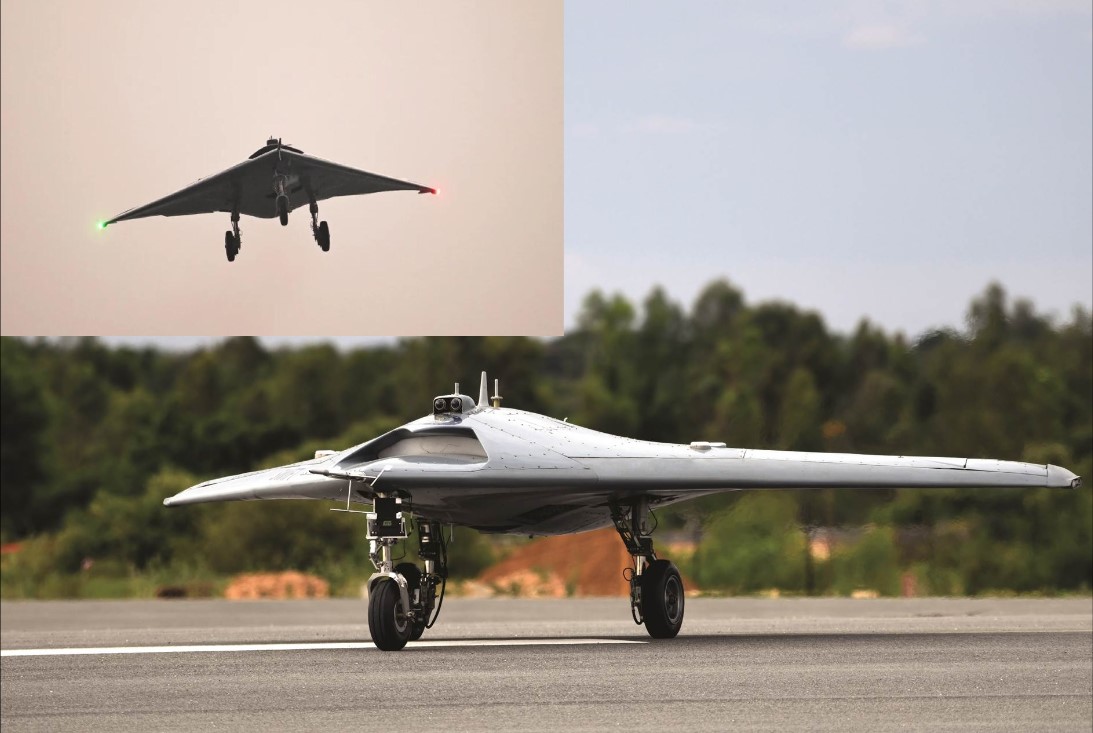
India
NEW DELHI, — March 3, 2026 : India’s Defence Procurement Board (DPB) has approved the acquisition of 60 units of the indigenous Ghatak Unmanned Combat Aerial Vehicle (UCAV), marking the first formal procurement step for the stealth combat drone developed under the Defence Research and Development Organisation (DRDO). The approval covers an initial batch intended for deployment across the Indian armed forces. While the platform is primarily aligned with requirements of the Indian Air Force, interest has also been noted from the Indian Navy regarding potential deck-based variants. Details regarding contract value, production schedules, and lead production agencies will be determined in subsequent stages of the defence acquisition process. Programme Background and Development Structure The Ghatak UCAV, previously referred to as the Indian Unmanned Strike Air Vehicle (IUSAV) and Autonomous Unmanned Research Aircraft (AURA), is being developed by the Aeronautical Development Establishment (ADE), a laboratory under DRDO. Overall design responsibility is managed by the Aeronautical Development Agency (ADA). The programme followed completion of the AURA feasibility study in April 2013. In 2016, the Ministry of Defence sanctioned initial funding of Rs 231 crore for design and critical technology development, with certain technology streams shared with the Advanced Medium Combat Aircraft (AMCA) programme. Development and fabrication activities include public and private sector participation, with companies such as Larsen & Toubro involved in structural and system integration work. Design Configuration and Airframe Characteristics The Ghatak employs a flying-wing configuration, eliminating conventional vertical and horizontal tail surfaces to reduce radar cross-section. The platform’s stealth characteristics are derived primarily from airframe geometry, accounting for approximately 70 percent of its signature reduction, supplemented by radar-absorbent materials and coatings contributing the remaining 30 percent. The airframe is constructed using lightweight carbon composite materials and incorporates integrated structural health monitoring systems. The flying-wing layout provides increased internal volume for fuel and payload compared to conventional fuselage-and-tail configurations. The full-scale UCAV is expected to have a maximum takeoff weight of approximately 13 tonnes, with overall weight under 15 tonnes. It is designed to operate at high-subsonic speeds and at operational altitudes of up to 30,000 feet. Propulsion and Powerplant Development The Ghatak will be powered by a dry (non-afterburning) variant of the indigenous Kaveri turbofan engine, producing thrust in the range of 46–52 kN. The Ministry of Defence has targeted certification of the dry Kaveri engine for 2026. Weapons and Payload Capability To maintain low observability during combat operations, the UCAV features an internal weapons bay with a payload capacity of up to 1.5 tonnes. Armaments are rail-launched from the internal bay to preserve the aircraft’s radar profile. The platform is designed to carry a mix of precision-guided munitions, bombs, and air-to-air missiles. Variants under consideration include dedicated strike and air-superiority configurations. The air-superiority variant is expected to integrate air-to-air missiles such as Astra Mk-1 or Astra Mk-2. Avionics, Autonomy and Operational Roles The Ghatak is designed as an autonomous system capable of waypoint navigation, target identification, and mission execution with minimal human intervention. Its onboard systems include mission computers, fire control radars, identification friend-or-foe (IFF), data links, and collision avoidance systems. While capable of autonomous operations, the UCAV includes a ground override capability allowing human operators to assume control during complex mission phases. The aircraft is also intended to support manned-unmanned teaming roles, operating as a loyal wingman alongside crewed fighter aircraft. Operational roles include deep-penetration strike missions, suppression of enemy air defences (SEAD), intelligence, surveillance and reconnaissance (ISR), and potential air-superiority missions depending on configuration. Technology Demonstration and Flight Testing Core aerodynamic and autonomous flight control technologies were validated through a scaled-down technology demonstrator known as the Stealth Wing Flying Testbed (SWiFT). The approximately one-tonne demonstrator, with a wingspan of about five metres and length of four metres, conducted its maiden flight on July 1, 2022, at the Chitradurga Aeronautical Test Range. SWiFT has since completed multiple autonomous sorties, including taxi trials, high-speed automatic takeoff and landing, and its seventh flight in December 2023. Testing validated flight control laws, stealth shaping, and GAGAN-based autonomous landing capability. Fabrication of the full-scale prototype has progressed, with flight trials of the complete system expected during 2025–2026. Developmental testing will follow before entry into full-rate production, which is currently targeted for the late 2030s, subject to successful trials and acceptance. Procurement Significance The DPB approval for 60 units formalizes the transition of the Ghatak programme from technology demonstration to acquisition planning. The platform shares technologies in stealth materials, avionics, and systems integration with the AMCA programme, supporting broader indigenous capability development in advanced aeronautics. Further details on contract structuring, phased induction, and production timelines are expected to be finalized as the acquisition process advances.
Read More → Posted on 2026-03-03 15:07:40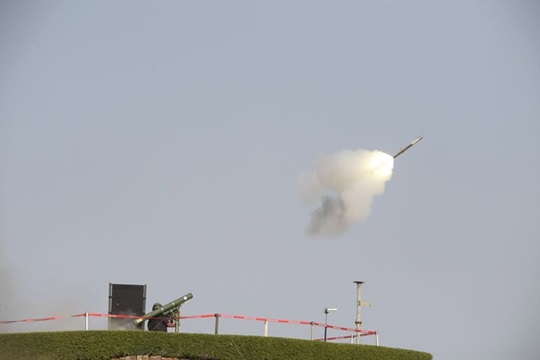
India
CHANDIPUR, ODISHA : The Defence Research and Development Organisation (DRDO) on Friday successfully carried out three consecutive flight trials of the indigenously developed Very Short Range Air Defence System (VSHORADS) from the Integrated Test Range (ITR) at Chandipur, off the Odisha coast. The trials were conducted in the system’s final deployment configuration and validated its capability to intercept high-speed aerial threats under varied operational conditions. According to the Ministry of Defence, the tests were aimed at revalidating the missile system’s performance parameters against targets flying at different speeds, ranges and altitudes. During the trials, the missiles successfully intercepted and destroyed high-speed aerial targets simulating enemy unmanned aerial vehicles (UAVs), helicopters and fighter aircraft across multiple threat scenarios. The launch operations were executed by field operators to simulate real-time battlefield conditions. Target acquisition, tracking and missile firing procedures were carried out as per operational protocols. Comprehensive flight data was recorded through telemetry systems, electro-optical tracking instruments and radar assets deployed at ITR Chandipur. The collected data confirmed the missile’s accuracy, seeker performance, propulsion response and control system effectiveness at extreme engagement ranges. The VSHORADS missile tested during the trials has a weight of 20.5 kilograms and is designed for short-range air defence with an operational range of up to 6 kilometres. The missile is capable of achieving speeds up to Mach 1.5 and can engage aerial targets at launch altitudes of up to 3.5 kilometres above mean sea level. It is equipped with a 2-kilogram pre-fragmented (PF) warhead designed to ensure effective target neutralisation. The missile uses an Imaging Infrared (IIR) seeker for terminal guidance, enabling accurate tracking of heat signatures in varied environmental conditions. The propulsion system consists of a dual-thrust solid rocket motor that supports rapid acceleration and sustained flight stability. The system employs digital electro-mechanical actuators with reaction control for precise manoeuvrability during engagement. The launcher configuration is man-portable and tripod-based, enabling quick deployment in forward operational areas. The system is designed to meet the close-air defence requirements of the Indian Army, Indian Navy and Indian Air Force, particularly against low-altitude aerial threats. The VSHORADS has been designed and developed by Research Centre Imarat (RCI), a Hyderabad-based DRDO laboratory, in collaboration with other DRDO facilities and domestic industry partners. The development programme forms part of India’s broader efforts to strengthen indigenous air defence capabilities and reduce dependence on imported systems. Defence Minister Rajnath Singh congratulated DRDO, the Armed Forces and industry partners on the successful completion of the three flight trials. He stated that the consecutive successful tests indicate that the system is progressing towards induction into the armed forces. Secretary, Department of Defence Research and Development and Chairman of DRDO, Dr. Samir V. Kamat, also commended the scientists, engineers and associated teams involved in the design, development and testing of the system. With the completion of these three consecutive validation trials at ITR Chandipur, the VSHORADS missile system moves closer to operational deployment as a short-range air defence solution for India’s armed forces.
Read More → Posted on 2026-02-27 18:05:52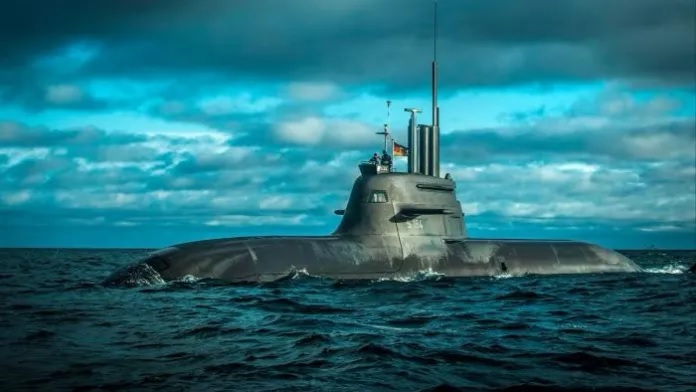
India
NEW DELHI, February 26, 2026 : The Indian Navy has concluded cost negotiations with Germany’s ThyssenKrupp Marine Systems (TKMS) for the construction of six advanced diesel-electric submarines under Project 75 India (P-75I), marking a major step in one of India’s largest conventional submarine acquisition programmes. The negotiations were finalised between the Ministry of Defence (MoD), state-owned Mazagon Dock Shipbuilders Limited (MDL), and TKMS following prolonged commercial and technical discussions. The proposal will now undergo financial vetting and inter-ministerial consultations before being placed before the Prime Minister-led Cabinet Committee on Security (CCS) for final approval. Project Valuation and Financial Framework The Cost Negotiation Committee has finalised the project valuation in the range of ₹66,000 crore to ₹70,000 crore, equivalent to approximately $8–9 billion. The negotiated figure represents a substantial reduction from an earlier commercial bid submitted by MDL and TKMS that reportedly exceeded ₹1.2 lakh crore. Project 75(I) received Acceptance of Necessity (AoN) in 2018 with an initial estimated cost of around ₹43,000 crore. The revised valuation reflects expanded requirements including transfer of technology (ToT) provisions, lifecycle support packages, integration of advanced combat systems, and the effects of global inflation. Defence officials are targeting CCS clearance within the current quarter, which would allow formal contract signing in the early part of the 2025–26 financial year. Design and Technical Characteristics The six submarines will be constructed in India and will be based on an advanced variant of TKMS’s Type 214 design, derived from the broader Type-214/Type-218 next-generation lineage. The configuration has been modified to meet specific Indian Navy operational requirements. A central feature of Project 75(I) is the integration of fuel-cell-based Air Independent Propulsion (AIP) technology. The AIP system enables submarines to remain submerged for up to three weeks without surfacing, significantly enhancing underwater endurance and reducing detection risk compared to conventional diesel-electric submarines. The submarines will incorporate advanced combat management systems, modern sensor suites, heavyweight torpedoes, and missile systems including land-attack capability. They will also feature stealth enhancements and acoustic quieting technologies designed for anti-surface and anti-submarine warfare roles. No additional details on specific weapon configurations have been disclosed. Indigenous Construction and Technology Transfer All six submarines will be built at MDL’s Mumbai shipyard under the Strategic Partnership model of the Ministry of Defence. MDL previously constructed the Scorpène-class (Kalvari-class) submarines for the Indian Navy and will act as the Indian strategic partner for this programme. TKMS will serve as the design authority and technology partner, providing engineering support, technical consultancy, and transfer of critical technologies, including the AIP system. The programme mandates indigenous content starting at 45 percent for the first submarine, increasing to 60 percent by the sixth vessel. The phased indigenisation approach is intended to expand domestic capability in modular submarine construction, systems integration, and defence supply chain development. Programme Structure and Timeline Project 75(I) provides for the acquisition of six advanced conventional submarines under the Strategic Partnership framework. The first submarine is scheduled for delivery seven years after contract signing, with subsequent submarines planned at the rate of one per year. TKMS and MDL emerged as the only compliant bidder in the programme. A competing bid from Larsen & Toubro in partnership with Spain’s Navantia was disqualified in January 2025. Formal negotiations with the TKMS-MDL team began in 2025 after approval from the CCS to proceed with commercial discussions. Role in Fleet Modernisation The Indian Navy currently operates a combination of conventional and nuclear-powered submarines, including ageing Kilo-class submarines of Russian origin, German HDW submarines, and the French-designed Kalvari-class vessels built under Project 75. Project 75(I) is intended to replace older conventional submarines expected to retire in the 2030s and to enhance underwater capability with improved endurance, stealth, and combat effectiveness. The programme also forms part of India’s broader submarine modernisation roadmap and is expected to serve as a transitional phase toward Project-76, which envisions the development of future conventional submarines based on a fully indigenous design. The advancement of the TKMS-MDL agreement effectively replaces an earlier proposal to procure three additional Scorpène-class submarines, which was placed on hold in favour of the more advanced P-75(I) configuration. With cost negotiations completed and approval processes underway, Project 75(I) is entering its final pre-contract stage within India’s long-term submarine acquisition framework.
Read More → Posted on 2026-02-26 15:47:45
India
NEW DELHI, February 24, 2026 : The Indian Navy has issued an Expression of Interest (EoI) for the indigenous design and development of a 30mm Naval Surface Gun (NSG) integrated with an Electro-Optical Fire Control System (EOFCS), marking a further step in the service’s effort to expand domestic capability in critical naval weapon systems. The EoI was uploaded on the Indian Navy’s official website on December 30, 2025. The deadline for submission of responses by interested industry participants is February 25, 2026. The project is being progressed under the Make-II category of the Defence Acquisition Procedure (DAP) 2020 with Indian-IDDM (Indigenously Designed, Developed and Manufactured) status. Under the Make-II framework, prototype development is to be funded by industry, with assured procurement by the government upon successful completion of development and trials. Project Framework and Industrial Participation The Navy has invited participation from eligible Indian companies, industry consortia, original equipment manufacturers (OEMs), micro, small and medium enterprises (MSMEs), and start-ups. The EoI specifies that the programme will proceed even if only a single vendor qualifies. Selected development agencies will be required to design, develop and deliver two prototype systems for evaluation by the Navy. Following successful trials and validation, procurement is planned under the Buy (Indian-IDDM) category, ensuring that the final product is indigenously designed, developed and manufactured in India. The initiative aligns with the Government of India’s Aatmanirbhar Bharat programme aimed at strengthening domestic defence manufacturing capability and reducing reliance on imported systems. Operational Requirement and System Role The proposed 30mm Naval Surface Gun is intended to be a stabilised, remotely operated, networked weapon system integrated with an electro-optical fire control suite. The system is designed to enhance close-in defence capabilities of Indian naval platforms against evolving maritime and aerial threats. According to the EoI, the primary operational role of the system includes engagement and neutralisation of: Unmanned Aerial Vehicles (UAVs) and drone swarms Fast inshore attack craft Asymmetric maritime threats The system is intended to function as a primary weapon on smaller surface combatants and auxiliary vessels, and as a secondary weapon on larger ships. It may also be considered for retrofit on existing naval platforms. Technical and Integration Requirements The integrated Electro-Optical Fire Control System will include thermal imagers, daylight television cameras, and laser rangefinders. This configuration is intended to enable autonomous target acquisition, continuous tracking, and accurate engagement in both day and night conditions, as well as in low-visibility environments and contested electromagnetic scenarios. The gun system is required to integrate seamlessly with the host ship’s Combat Management System (CMS), allowing centralised fire control and real-time data sharing across the vessel’s networked architecture. Design requirements also specify adherence to deck integration weight limits and the ability to withstand harsh marine operating conditions. The system must be capable of operating under exposure to shock, vibration, electromagnetic interference, and corrosive maritime environments. Replacement of Legacy Systems The indigenous 30mm NSG programme is intended to gradually replace aging foreign-origin close-in weapon systems currently in service with the Indian Navy and the Indian Coast Guard. These include legacy Soviet-era platforms such as the 30mm CRN-91 and the AK-630. By shifting to an indigenously designed and manufactured system, the Navy aims to enhance supply chain security, ensure availability of spares, and reduce maintenance turnaround times. Procurement Background The EoI follows the grant of Acceptance of Necessity (AoN) by the Defence Acquisition Council (DAC) in late October 2025. The DAC cleared the procurement of 30mm Naval Surface Guns as part of a larger defence acquisition package valued at approximately ₹79,000 crore. The AoN specified that the guns would enhance the capability of the Indian Navy and the Indian Coast Guard to undertake low-intensity maritime operations, including anti-piracy missions and coastal security tasks. Industrial Developments Indian shipbuilders have already demonstrated progress in this segment. In May 2025, Garden Reach Shipbuilders & Engineers (GRSE) completed sea acceptance firing trials of a 30mm Naval Surface Gun onboard a newly constructed Anti-Submarine Warfare Shallow Water Craft (ASW SWC), in collaboration with domestic and international technology partners. The current EoI seeks to standardise and further indigenise the capability through a structured development and procurement process. Upon successful prototype development and evaluation, the 30mm Naval Surface Gun integrated with EOFCS is expected to be deployed across a range of Indian naval platforms, including frigates, corvettes, offshore patrol vessels, smaller combatants, and auxiliary vessels, with potential integration on future shipbuilding programmes as well as retrofits on existing fleets.
Read More → Posted on 2026-02-24 17:42:05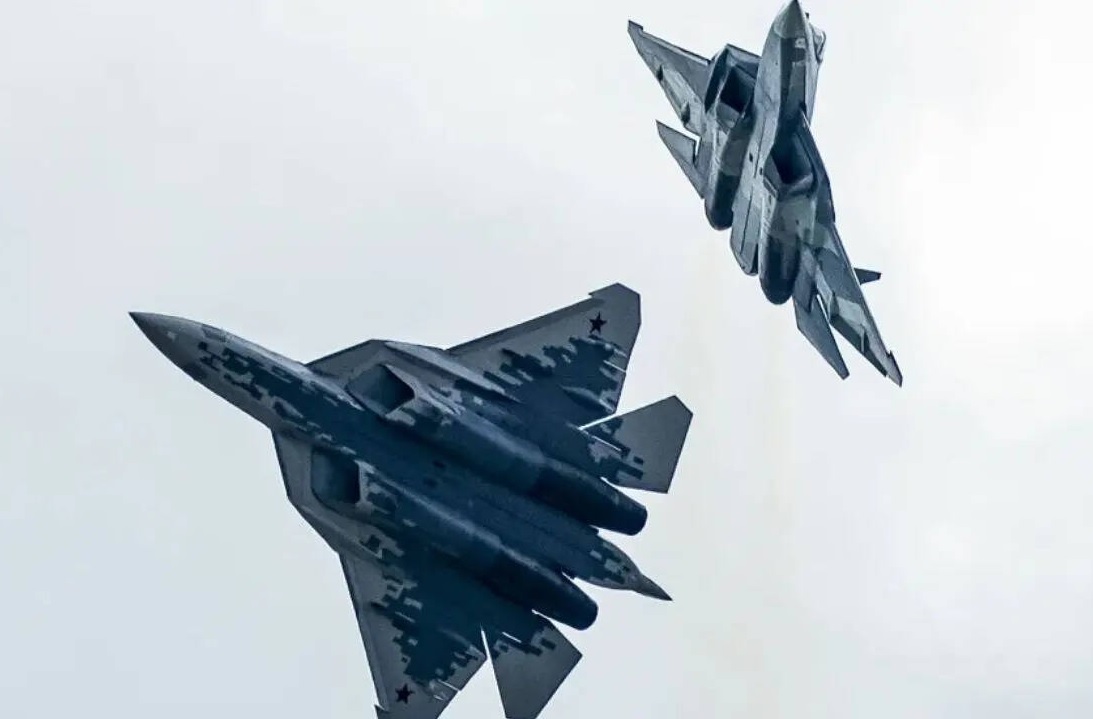
India
NEW DELHI, February 23, 2026 : India is preparing to formalise the procurement of a fifth-generation stealth fighter aircraft, with Russia’s Sukhoi Su-57 identified as the primary option to meet the Indian Air Force (IAF) interim operational requirements. The move follows the recent clearance of an expanded Dassault Rafale acquisition from France and is intended to bridge the capability gap until the indigenous Advanced Medium Combat Aircraft (AMCA) enters service in the mid-2030s. The Ministry of Defence (MoD) and the IAF have held discussions on the immediate requirement for a fifth-generation platform amid evolving regional security dynamics. China currently operates the Chengdu J-20 and Shenyang J-35 fifth-generation fighters and has offered the J-35 to Pakistan. Beijing announced the offer as its first major measure of support to Islamabad following the India–Pakistan conflict in May 2025. Interim Capability Before AMCA Induction The Su-57 is being evaluated as a stopgap arrangement pending the induction of the AMCA, India’s indigenous fifth-generation fighter programme led by the Aeronautical Development Agency (ADA) and Hindustan Aeronautics Limited (HAL). The AMCA programme targets prototype rollout between late 2026 and 2028, first flight between 2028 and 2029, and service induction around 2034–2035. Defence sources indicated that no formal negotiations with Russia have commenced. Discussions are expected to begin only after IAF technical teams complete a detailed operational and technical evaluation of the Russian offer. The Su-57 conducted a flying demonstration at Aero India 2025 in Bengaluru in February 2025, following which Russia extended a formal offer for the aircraft. Production and Industrial Participation A Russian delegation recently visited the Hindustan Aeronautics Limited facility in Nashik to assess existing infrastructure. The Nashik plant currently manufactures the Sukhoi Su-30MKI under licence production. Officials indicated that the production line could be adapted for licensed manufacturing of the Su-57 with significant Indian industry participation, including co-production and technology transfer arrangements. Russia has reportedly offered full source code access and customisation options for an Indian variant of the Su-57. Such an arrangement would enable integration of Indian-origin systems and weapons and ensure supply chain security. Maintenance commonality with the Su-30MKI fleet is considered a key operational advantage. The IAF’s Su-30MKI aircraft have already integrated the BrahMos supersonic cruise missile, a configuration employed during Operation Sindoor. The ability to integrate indigenous weapons is viewed as an important requirement in the evaluation process. US F-35 Not Under Consideration The United States’ Lockheed Martin F-35 Lightning II is not under consideration. Defence sources cited concerns over potential operational restrictions, including limitations on integrating Indian weapons such as BrahMos, requirements for US monitoring of sorties, and the possible presence of US engineers at Indian airbases for maintenance oversight. Officials referenced the existing arrangement between the United States and Pakistan regarding the General Dynamics F-16 Fighting Falcon, under which sortie monitoring and maintenance protocols involve US oversight. Such constraints are viewed as incompatible with India’s operational autonomy requirements. In February 2025, during a joint press conference in Washington DC with Prime Minister Narendra Modi, then US President Donald Trump stated that the United States was prepared to expand defence sales to India and was paving the way to eventually provide F-35 stealth fighters. However, current assessments indicate that the platform is not being pursued. Historical Background: FGFA Programme India and Russia previously collaborated on a fifth-generation fighter initiative under the Fifth Generation Fighter Aircraft (FGFA) programme. In 2007, the two countries signed an agreement for joint development, with an initial financial commitment of $6 billion. India withdrew from the project in 2018, citing concerns related to cost, work-share distribution, and capability parameters. Fifth-Generation Fighter Characteristics A fifth-generation fighter aircraft is characterised by low-observable stealth technology, advanced onboard sensors, sensor fusion, high levels of software integration, and internal weapons bays designed to reduce radar signature. These features provide decision superiority and cannot be retrofitted into earlier-generation platforms. The generational classification of fighter aircraft is broadly defined as follows: First-generation subsonic jets (mid-1940s to mid-1950s); Second-generation (mid-1950s to early 1960s); Third-generation (early 1960s to 1970); Fourth-generation (1970 to late 1980s); Four-and-a-half generation (subsequent advanced upgrades); Fifth-generation, which began with the induction of the Lockheed Martin F-22 Raptor in 2005. The Su-57 is a twin-engine, single-seat multirole fighter equipped with supercruise capability, advanced avionics, and internal weapons bays. Russia’s proposal includes provisions for technology transfer and industrial cooperation at the Nashik facility. The proposed procurement forms part of the Indian Air Force’s broader modernisation plan aimed at maintaining operational balance in the region while the AMCA programme progresses toward indigenous fifth-generation capability.
Read More → Posted on 2026-02-23 16:01:05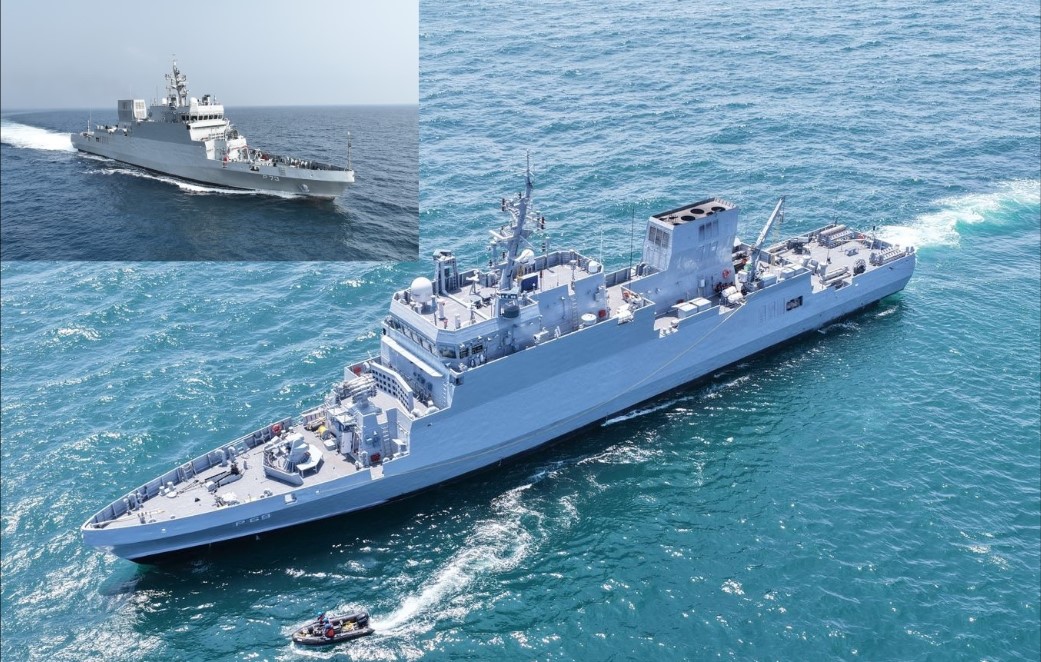
India
CHENNAI, — February 23, 2026 : The Indian Navy will commission INS Anjadip on February 27, 2026, at Chennai Port, marking the induction of the third Anti-Submarine Warfare Shallow Water Craft (ASW-SWC) under the Arnala-class program. Admiral Dinesh K. Tripathi, Chief of the Naval Staff, will preside over the commissioning ceremony. INS Anjadip is the third vessel in the Arnala subclass being constructed by Garden Reach Shipbuilders & Engineers (GRSE) under a Public-Private Partnership (PPP) model in collaboration with Larsen & Toubro (L&T) Shipyard, Kattupalli. The keel for the vessel was laid in June 2022, it was launched in June 2023, and it was delivered to the Indian Navy on December 22, 2025. Project Background The ASW-SWC program involves the construction of 16 vessels in total — eight under the Arnala subclass by GRSE and eight under the Mahe subclass by Cochin Shipyard Limited (CSL). The ships are being inducted to replace the aging Abhay-class corvettes that have been in service since 1989. INS Anjadip follows INS Arnala, commissioned in June 2025, and INS Androth, commissioned in October 2025. Upon commissioning, the vessel is expected to join the Eastern Naval Command to strengthen anti-submarine operations along India’s eastern seaboard, including the coasts of Tamil Nadu and Puducherry. Design and Construction Constructed in accordance with the classification rules of the Indian Register of Shipping (IRS), INS Anjadip incorporates approximately 88 percent indigenous content. Major systems and equipment are sourced from Indian defense manufacturers, including Bharat Electronics and Mahindra Defence, in line with the government’s Aatmanirbhar Bharat initiative aimed at increasing domestic defense production. The vessel incorporates stealth features designed to reduce radar cross-section, along with measures to lower acoustic and infrared signatures to enhance survivability in contested environments. INS Anjadip is named after Anjadip Island off the coast of Karwar, Karnataka. The vessel carries forward the legacy of the earlier INS Anjadip, a Petya-class corvette that served the Navy until its decommissioning in 2003. Operational Role The primary mission of the Arnala-class ASW Shallow Water Craft is the detection, tracking, and neutralization of submarines in coastal and shallow waters. With a draught of 2.7 meters, the vessel is designed to operate effectively in restricted littoral zones where larger, deep-draught warships face limitations. In addition to anti-submarine warfare, INS Anjadip is configured for: Coastal surveillance Low-Intensity Maritime Operations (LIMO) Subsurface mine-laying Search and Rescue (SAR) missions Interdiction of unmanned underwater vehicles and midget submarines Coordinated ASW operations with maritime aircraft The vessel is capable of sustained sub-surface surveillance in coastal waters up to 200 nautical miles from shore. Technical Specifications INS Anjadip belongs to the Arnala-class Anti-Submarine Warfare Shallow Water Craft category and displaces approximately 900 tonnes (standard), with gross tonnage reaching up to 1,490 tonnes. The ship measures 77.6 meters in length, has a beam of 10.5 meters, and a draught of 2.7 meters. It is powered by three marine diesel engines connected to three waterjets through reversible reduction gears, making it the largest Indian naval warship class propelled by waterjet systems. The propulsion configuration provides enhanced maneuverability and agility in shallow-water operations. The vessel has a maximum speed of 25 knots and a cruising speed of 14 knots. Its operational range is approximately 1,800 nautical miles at cruising speed, with an endurance of up to 10 days. The ship accommodates a complement of 57 personnel, including seven officers and 50 sailors. Sensors and Combat Systems INS Anjadip is equipped with an indigenous combat management and sensor suite. Its underwater detection capability includes a DRDO-developed ‘Abhay’ Hull-Mounted Sonar and a Low-Frequency Variable Depth Sonar (LFVDS). The vessel also carries towed array sonar systems for extended sub-surface surveillance. The anti-submarine weapons package includes: RBU-6000 anti-submarine rocket launchers Two triple-tube torpedo launchers configured for Advanced Light-Weight Torpedoes Automated mine-laying rails For surface and close-range defense, the vessel is fitted with: A 76 mm Super Rapid Gun Mount (SRGM) A 30 mm Naval Surface Gun Two 12.7 mm stabilized remote-controlled guns Two AK-630M Close-In Weapon Systems (CIWS) Two 12.7 mm DShK machine guns The ship also features a helicopter deck capable of operating a Chetak or Dhruv helicopter for maritime reconnaissance and coordinated anti-submarine operations. Strategic Significance The commissioning of INS Anjadip strengthens the Indian Navy’s coastal and littoral anti-submarine warfare capabilities in the Indian Ocean Region. The ASW-SWC program reflects continued emphasis on indigenous warship design, modular construction, and domestic supply chains, with all vessels under the program expected to be inducted by the end of 2026. With its shallow draught, waterjet propulsion, and integrated indigenous combat systems, INS Anjadip enhances India’s layered maritime defense framework, particularly in near-shore and shallow-water operational environments.
Read More → Posted on 2026-02-23 14:59:48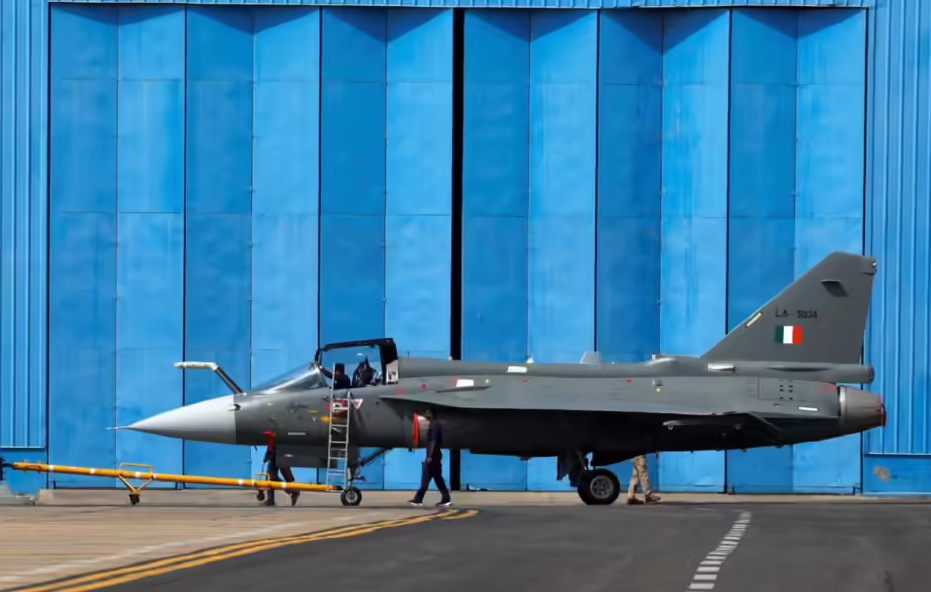
India
NEW DELHI — Hindustan Aeronautics Limited (HAL) has formally dismissed media reports claiming that an Indian Air Force (IAF) Tejas Light Combat Aircraft (LCA) was involved in a crash earlier this month, clarifying that the episode was limited to a minor technical incident on the ground and did not involve any airborne accident. In a statement issued on the social media platform X on Monday, the state-run aerospace manufacturer addressed reports that had circulated citing authoritative sources. Those initial reports claimed that on February 7, an IAF Tejas jet sustained significant structural damage after overshooting the runway at a frontline airbase, reportedly due to a suspected brake failure following a training sortie. It was further reported that the pilot ejected safely. Responding to these claims, HAL stated: “HAL acknowledges the recent media reports on the LCA Tejas incident and wishes to provide factual clarification. There has been no reported crash of the LCA Tejas. The event in question was a minor technical incident on ground.” The company emphasized that the aircraft did not suffer a crash and reiterated the platform’s safety record. “LCA Tejas maintains one of the world’s best safety records among contemporary fighter aircraft. As a standard operating procedure, the issue is being analysed in depth and HAL is working closely with the Indian Air Force (IAF) for a speedy resolution,” the statement added. Following the February 7 incident, the IAF reportedly grounded its fleet of approximately 30 single-seat Tejas aircraft to conduct a comprehensive technical audit and safety inspection. The precautionary review is understood to be part of established operational protocols whenever a technical issue is reported, even if categorized as minor. The February event comes after two previous accidents involving the Tejas platform. In March 2024, a Tejas aircraft crashed near Jaisalmer. A subsequent incident occurred in November 2025, when a Tejas jet crashed during an aerial demonstration at the Dubai Airshow. Both incidents were treated as separate events under their respective investigative processes. The latest technical review is taking place amid ongoing delays in the delivery of the upgraded Tejas Mk-1A variant to the IAF. In February 2021, the Ministry of Defence signed a ₹48,000 crore contract with HAL for the procurement of 83 Tejas Mk-1A fighter aircraft. Deliveries under this contract have faced delays, largely attributed to GE Aerospace missing multiple deadlines for the supply of the aero engines that power the aircraft. In addition to the 83-aircraft order, the Defence Ministry finalized another agreement in September last year worth ₹62,370 crore for the procurement of 97 more Tejas Mk-1A aircraft for the IAF, further expanding the planned fleet strength. The Tejas Light Combat Aircraft is a single-engine, multi-role fighter designed by the Aeronautical Development Agency and manufactured by HAL. The aircraft is configured to operate in high-threat environments and is capable of undertaking air defence, maritime reconnaissance, and strike missions.
Read More → Posted on 2026-02-23 13:32:00
India
NEW DELHI : The Indian Navy’s decision to procure 26 carrier-borne Rafale M fighter aircraft required a detailed technical assessment of compatibility with existing aircraft carrier infrastructure before the contract was finalized. The evaluation focused primarily on dimensional constraints associated with aircraft elevators aboard India’s Short Take-Off But Arrested Recovery (STOBAR) carriers, INS Vikrant and INS Vikramaditya. Unlike the Russian-origin MiG-29K currently operated by the Navy or the American F/A-18 Super Hornet evaluated during trials, the French-built Rafale M does not incorporate a folding-wing mechanism. This structural characteristic created a dimensional challenge, as the carriers’ elevators were originally optimized around aircraft with reduced folded wingspans. Dimensional Assessment and Carrier Constraints The compatibility issue centered on the relationship between the Rafale M’s physical dimensions and the elevator platform sizes on both carriers. The Rafale M has an overall length of 15.30 meters and a height of 5.30 meters. Its baseline wingspan measures 10.90 meters when fitted with wingtip missile launch rails. In comparison, INS Vikrant is equipped with two deck-edge elevators, each measuring 10 meters in width and 16.5 meters in length. INS Vikramaditya operates a center-deck elevator with an approximate width of 9.9 meters. Because the Rafale M’s standard wingspan of 10.90 meters exceeds the 10-meter width of INS Vikrant’s elevators—and is wider than the 9.9-meter platform on INS Vikramaditya—a direct, straight-on transfer between the flight deck and the hangar deck was not feasible without modification. The carriers were originally configured around the MiG-29K, which features folding wings that reduce its span to approximately 7.9 meters when stowed. The absence of a folding mechanism on the Rafale M therefore required a procedural or mechanical workaround rather than structural alterations to the ships. Shore-Based Validation at SBTF Goa To resolve the issue prior to procurement clearance, the Indian Navy, in coordination with Dassault Aviation, conducted detailed trials at the Shore Based Test Facility (SBTF) in Goa. These evaluations were designed to simulate carrier operating conditions and validate deck handling, launch, recovery, and movement procedures. During these trials, the Navy confirmed that the Rafale M could be accommodated within existing elevator dimensions through adjustments to its external configuration, eliminating the need for modifications to carrier steel structures. Primary Technical Solution: Wingtip Rail Removal Although the Rafale M’s wings are fixed and non-folding, its wingtip pylons—used to mount MICA air-to-air missiles—are detachable components. The dimensional adjustments were assessed as follows: Baseline configuration with wingtip rails installed: 10.90 meters wingspan With missiles removed but rails retained: 10.21 meters wingspan With wingtip missile launch rails physically detached: approximately 9.6 meters wingspan At 9.6 meters, the aircraft can clear a 10-meter-wide elevator with roughly 40 centimeters of total clearance, providing a workable safety margin for controlled movement. Under the validated procedure, aviation armorers would detach the wingtip launch rails prior to lowering the aircraft into the hangar deck. The rails would then be reattached on the flight deck before operational deployment. While this introduces an additional handling step within the sortie preparation cycle, naval planners assessed it as an operationally manageable adjustment. Importantly, the Navy determined that this approach avoided structural modification to either INS Vikrant or INS Vikramaditya, preserving ship integrity and preventing cost-intensive redesign. Operational Employment and Hangar Utilization Strategy To minimize the frequency of elevator transfers requiring rail removal, the Indian Navy is expected to implement a topside parking strategy for Rafale M operations at sea. Under this approach, the majority of deployed single-seat Rafale M aircraft will remain secured and parked on the flight deck during active carrier operations. Elevator use and hangar storage will be reserved primarily for: Aircraft undergoing deep maintenance Engine replacement or significant servicing Protection during severe weather conditions This operational model reduces repeated configuration changes and streamlines deck cycle management. Procurement Context The dimensional compatibility solution formed a critical part of the technical validation process preceding the Navy’s decision to proceed with procurement of 26 Rafale M aircraft. By confirming that the fighter could be safely integrated into existing STOBAR carriers without structural alteration, the Navy eliminated a key logistical constraint prior to finalizing the order. The outcome reflects a procedural adaptation rather than a redesign of naval infrastructure, ensuring compatibility within current carrier architecture while maintaining operational flexibility for future deployments.
Read More → Posted on 2026-02-21 19:13:44
India
NEW DELHI : Bharat Heavy Electricals Limited (BHEL) has received new project sanction orders from the Aeronautical Development Agency (ADA) for the development and supply of critical thermal management systems for India’s indigenous fighter aircraft programs, including the Light Combat Aircraft (LCA) Tejas Mk2) and the Advanced Medium Combat Aircraft (AMCA). The orders further expand BHEL’s engagement with ADA, the design agency for India’s combat aircraft programs operating under the Defence Research and Development Organisation (DRDO). The latest mandates assign BHEL responsibility for the design and development of key components essential to aircraft environmental and cooling systems. Project Scope and Technical Mandates Under the newly awarded contracts, BHEL will develop advanced Pump Modules for the Liquid Cooling System (LCS), which forms a central part of the aircraft’s Environmental Control System (ECS). These pump modules will be integrated into both the LCA Tejas Mk2 and the fifth-generation AMCA platforms. In addition to pump modules, BHEL has been commissioned to supply Compact Heat Exchangers and Fuel Coolers specifically for the AMCA program. These components are integral to maintaining thermal balance within high-performance fighter aircraft operating under varying flight conditions. The Liquid Cooling System plays a critical role in regulating the temperature of avionics and onboard electronic systems. The Environmental Control System manages cockpit pressurization, air conditioning, and overall environmental stability required for safe aircraft operation. Integration with Indigenous Fighter Programs The LCA Tejas Mk2 represents an advanced iteration of India’s indigenous light combat aircraft, incorporating upgraded avionics, improved payload capacity, and enhanced propulsion systems. The AMCA is India’s proposed fifth-generation stealth fighter platform, designed with advanced sensor integration, electronic warfare capabilities, and next-generation propulsion architecture. Thermal management systems are critical for both aircraft categories due to the high heat loads generated by powerful engines, AESA radars, mission computers, and electronic warfare suites. Efficient cooling systems ensure operational safety, system reliability, and sustained performance across mission profiles. Continuity of Aerospace Manufacturing Role The new orders build upon BHEL’s long-standing involvement in India’s aerospace and defense manufacturing ecosystem. The company’s Heavy Plates and Vessels Plant (HPVP) in Visakhapatnam has been supplying heat exchangers for the LCA Tejas program since 1996. Prior to the current contracts, BHEL had successfully designed, manufactured, and delivered various types of Compact Heat Exchangers for earlier variants of the aircraft, including the LCA Tejas Mk1, Mk1A, and baseline Mk2 configurations. These prior deliveries established BHEL’s technical capabilities in high-precision aerospace heat transfer systems, which now extend to the more advanced requirements of the AMCA program. Indigenous Development and Supply Chain Impact The development and domestic production of Pump Modules, Compact Heat Exchangers, and Fuel Coolers contribute to reducing reliance on imported aerospace subsystems. These components require precision engineering, advanced material expertise, and compliance with stringent aerospace standards. By executing these projects in collaboration with ADA, BHEL strengthens domestic design-to-production capabilities within India’s defense sector. The partnership aligns with broader efforts to expand indigenous manufacturing capacity across critical aerospace subsystems, including propulsion support, avionics cooling, and environmental control technologies. The latest project sanction orders mark a continuation of BHEL’s participation in advanced combat aircraft programs and reinforce its position as a supplier of specialized thermal management systems for India’s indigenous fighter platforms.
Read More → Posted on 2026-02-21 18:12:05
India
CHENNAI, : Bengaluru-based aerospace manufacturer Aequs Group has signed a Memorandum of Understanding (MoU) with the Government of Tamil Nadu to establish India’s first fully vertically integrated aircraft engine manufacturing hub. The proposed investment of ₹4,000 crore will anchor a new Aerospace & Defence cluster at the SIPCOT Shoolagiri Industrial Park in Krishnagiri district and is expected to generate approximately 7,000 high-skilled jobs over the project lifecycle. The MoU was formalized in the presence of Tamil Nadu Chief Minister M.K. Stalin and Industries Minister T.R.B. Rajaa. The agreement outlines the development of an integrated industrial ecosystem consolidating multiple stages of aircraft engine and critical aerospace systems manufacturing within a single location. 250-Acre Integrated Aerospace & Defence Cluster The project will span 250 acres within the SIPCOT Shoolagiri Industrial Park. The facility is designed to integrate activities that are traditionally distributed across a fragmented supply chain. The objective is to enable end-to-end aerospace manufacturing operations under shared infrastructure. The cluster will focus on technologically intensive segments of aviation manufacturing, including aero-engine components and complete engine structures, complex gearbox assemblies, landing gear systems, ultra-precision machining, and advanced sub-assemblies. The integration will extend from raw material processing to precision manufacturing and localized testing capabilities. According to project details, the hub will be structured to comply with the certification and quality standards required by global aerospace Original Equipment Manufacturers (OEMs). The co-location model is intended to improve supply chain efficiency, reduce lead times, and strengthen traceability and quality control processes. Why a Vertically Integrated Aircraft Engine Hub Is Significant A vertically integrated aircraft engine manufacturing hub differs from conventional industrial models where production stages are dispersed across multiple suppliers and geographies. In the aerospace sector, engine manufacturing typically involves separate vendors for forgings, castings, precision machining, heat treatment, coating, assembly, and testing. By consolidating these functions within a single coordinated industrial ecosystem, the Shoolagiri hub will reduce dependency on geographically dispersed suppliers. This structure allows tighter quality control, improved process synchronization, and faster certification cycles, all of which are critical in aircraft engine manufacturing where tolerances are measured in microns and regulatory compliance standards are stringent. Vertical integration also enhances supply chain resilience, particularly in high-technology sectors where disruptions can affect global production schedules. With raw material processing, component manufacturing, assembly, and testing co-located, manufacturers can better manage production timelines and maintain traceability from material input to final certified component. In addition, aircraft engine manufacturing represents one of the most technologically advanced and capital-intensive segments of aerospace production. Establishing such an integrated hub domestically enables India to build deeper capabilities in advanced metallurgy, precision engineering, and aerospace-grade quality systems, areas that traditionally require long-term capability development and significant investment. Investment Structure and Phased Execution The total projected investment for the 250-acre Aerospace & Defence cluster is estimated at ₹4,000 crore. Aequs Limited will serve as the anchor investor, committing ₹1,900 crore directly over a 10-year period. Aequs Executive Chairman and CEO Aravind Melligeri stated that capital expenditure will be phased. In the initial three years, the company plans to invest between ₹200 crore and ₹300 crore to begin construction, establish core infrastructure, and initiate ecosystem development. Subsequent phases will scale manufacturing capabilities in line with production readiness and market requirements. Commercial production is targeted for the financial year 2028, with first outbound shipments of aero-engine and landing gear components expected during the same period. Focus on High-Value Aerospace Manufacturing Aircraft engine and landing gear manufacturing represent high-value segments within the global aerospace industry. These areas require advanced materials processing, high-precision engineering, specialized tooling, and rigorous quality assurance systems. The Shoolagiri facility will integrate machining, assembly, and testing functions under shared industrial infrastructure. By localizing these capabilities, the project supports India’s move toward higher participation in the global aerospace manufacturing value chain, reducing reliance on imported systems and components. The vertical integration model is intended to support global supply chains by providing consolidated manufacturing solutions, from raw material conversion to finished assemblies, within a single industrial campus. Employment and Skill Development The project is projected to create approximately 7,000 high-skilled jobs across engineering, precision manufacturing, quality assurance, testing, supply chain management, and allied technical services. The development of the cluster is also expected to stimulate indirect employment through supplier networks and ancillary industries. The concentration of advanced aerospace manufacturing in Krishnagiri is likely to require specialized workforce development initiatives, including training in high-precision machining, materials engineering, aerospace-grade quality systems, and certification processes. Regional Industrial Expansion The investment strengthens the industrial profile of the Hosur–Krishnagiri belt in Tamil Nadu. While Bengaluru has historically served as India’s primary aerospace manufacturing hub, the Krishnagiri region offers access to large contiguous land parcels and established industrial infrastructure through SIPCOT. The proximity to Bengaluru provides logistical and technical advantages, including access to existing aerospace suppliers, skilled labor pools, and research ecosystems. The development of the Shoolagiri cluster represents a geographic expansion of India’s aerospace manufacturing footprint. Alignment with National Manufacturing Objectives The establishment of a vertically integrated aircraft engine manufacturing hub aligns with broader national objectives to enhance domestic aerospace production capacity, improve supply chain resilience, and expand participation in global aviation manufacturing programs. Aircraft engine manufacturing requires high capital investment, advanced engineering capabilities, and compliance with stringent international certification standards. By consolidating these capabilities within India, the project supports long-term growth in high-technology manufacturing. Construction and phased development activities are expected to commence following project clearances and infrastructure preparation at the SIPCOT Shoolagiri Industrial Park, with production milestones aligned to the FY2028 target for commercial operations.
Read More → Posted on 2026-02-21 16:21:51
India
NEW DELHI : Israel has offered India an advanced air-launched ballistic missile (ALBM) system, informally referred to in defense reporting as the “Golden Horizon,” for potential integration with the Indian Air Force’s Sukhoi Su-30MKI fleet. According to defense sources cited in strategic circles, the system has not been offered to any other country to date. If finalized, the proposal would mark one of the most sensitive missile-technology transfers between the two countries. The missile is intended to provide the Indian Air Force (IAF) with extended stand-off strike capability by enabling launch from outside the engagement envelopes of adversary Beyond Visual Range (BVR) fighter aircraft and layered Surface-to-Air Missile (SAM) systems. Integrated onto the Su-30MKI heavy air-superiority platform, the system would expand the aircraft’s role from air dominance and conventional strike to strategic, long-range precision attack missions. Technical Background and Design Lineage Available technical assessments indicate that the Golden Horizon ALBM is derived from Israel’s Silver Sparrow target missile program, developed to simulate long-range ballistic threats during missile defense testing. The baseline Silver Sparrow measures approximately 8 meters in length, weighs close to 3 tonnes, and is assessed to have a range of around 2,000 kilometers in its ground-launched configuration. In its adapted air-launched role, the missile’s operational range depends significantly on launch parameters such as aircraft altitude, velocity, and release profile. Standard operational estimates place the ALBM’s effective range between 800 and 1,000 kilometers. However, intelligence-based assessments suggest that under optimized high-altitude and high-speed launch conditions from the Su-30MKI, the range could extend between 1,500 and 2,000 kilometers. The missile follows a high-altitude ballistic trajectory after release, transitioning into a hypersonic terminal phase. This flight profile reduces engagement windows for interception systems and increases kinetic impact energy. The system is designed to strike hardened and high-value targets (HVTs), including fortified command centers, underground infrastructure, and critical strategic installations requiring deep penetration capability. Operational Integration with the Su-30MKI The Sukhoi Su-30MKI serves as the backbone of the IAF’s combat fleet and is capable of carrying heavy payloads over long distances. Integration of a 3-tonne-class missile would require structural, avionics, and fire-control modifications, along with flight certification and weapons separation trials. Given the aircraft’s high thrust-to-weight ratio and long combat radius, it is considered a suitable platform for carrying large stand-off munitions. If inducted, the Golden Horizon would significantly expand the strike envelope of the Su-30MKI beyond current air-to-ground capabilities. The combination of extended range and ballistic flight characteristics would allow engagement of defended targets without entering dense enemy air defense networks. Comparison with Other Israeli-Origin Systems in Indian Service The proposed ALBM would complement existing Israeli-origin stand-off and precision-strike systems associated with India’s armed forces. Air LORA, an air-launched version of the Long-Range Artillery quasi-ballistic missile, has an operational range of approximately 400 kilometers and is designed for precision strikes against defended targets such as airbases and radar installations. Rampage, a supersonic, GPS-guided air-to-ground missile, has an approximate range of 250 kilometers and is optimized for tactical high-value targets. It has already been integrated into Indian aircraft platforms. While both Air LORA and Rampage provide operational-level and tactical strike capabilities, the Golden Horizon is positioned as a strategic-level system offering substantially greater reach and deeper penetration capacity. Strategic and Industrial Considerations The offer of the Golden Horizon ALBM raises broader questions regarding India’s long-term missile development trajectory. While acquisition of the system would provide near-term enhancement of deep-strike capability, defense planners face the parallel issue of whether to pursue a fully indigenous air-launched ballistic missile program. Developing a domestic ALBM would involve extended research, testing, and certification timelines, including propulsion adaptation for air launch, guidance refinement, re-entry vehicle optimization, and integration with existing aircraft. Such a program would align with India’s broader emphasis on indigenous defense production but may not align with immediate operational requirements. Officials have not publicly confirmed contractual negotiations, cost details, technology-transfer provisions, or delivery timelines related to the Golden Horizon offer. If discussions progress, integration of the system into the Su-30MKI fleet would represent a significant addition to India’s long-range precision-strike architecture and further deepen strategic defense cooperation between India and Israel.
Read More → Posted on 2026-02-21 13:21:14
India
New Delhi, : India’s Ministry of Defence has awarded a contract to a partnership between Kalyani Strategic Systems Limited (KSSL) and Canada-based MetOcean Telematics for the supply of advanced Anti-Submarine Warfare (ASW) surveillance capabilities. The award formalizes a strengthened strategic collaboration between the two companies focused on deploying autonomous undersea sensing and satellite-enabled monitoring systems for the Indian defence sector. The agreement centers on enhancing persistent undersea situational awareness through the integration of long-endurance autonomous maritime surveillance platforms. The systems are designed to support submarine detection, acoustic monitoring, and secure data transmission across wide operational areas. Autonomous Undersea Surveillance Integration Under the contract, MetOcean Telematics will provide proprietary undersea sensing systems and satellite-enabled telemetry technologies. Although the official contract documentation did not publicly specify individual system names, MetOcean’s flagship ASW technology — the NiKA platform — reflects the type of capability involved in the deployment. The autonomous platforms are equipped with custom hydrophone assemblies engineered to collect high-resolution acoustic data by cycling through different layers of the water column. This vertical profiling approach enables improved detection and localization of submarine activity by separating structural acoustic signatures from ambient marine noise. Operational characteristics of MetOcean’s autonomous systems include: Depth Rating: Capabilities to operate at depths of up to 1,000 meters. Acoustic Profiling: Real-time acoustic detection and localization of submarines, distinguishing structural signatures from ambient marine noise. Data Transmission: Surface-level relay of collected acoustic and positional data utilizing the mid-band Iridium Certus 100 satellite service for secure, pole-to-pole coverage. Endurance: Highly configurable operational lifespans that can exceed 12 months, serving as a long-term complement to traditional sonobuoys and fixed or towed arrays. The systems are designed to operate autonomously for extended periods, reducing reliance on frequent redeployment and enabling persistent monitoring across designated maritime zones. Domestic Integration and Support KSSL will manage in-country delivery, systems integration, and ongoing support for the deployment of these autonomous ASW systems. Leveraging its domestic defense manufacturing and engineering infrastructure, the company will ensure that operational, technical, and maintenance requirements are met within India. The collaboration also supports long-term knowledge transfer and indigenous capability growth within India’s defence manufacturing ecosystem. The integration work is expected to support sustained capability expansion within the ASW domain. Executive Statements Both companies indicated that this initial contract establishes the foundation for a broader, long-term ASW surveillance program within India. Tony Chedrawy, Chief Executive Officer of MetOcean Telematics, outlined the strategic scope of the agreement, stating that the award reflects strong confidence in the company’s scalable and operationally relevant autonomous ASW surveillance capability and highlights the strength of its partnership with KSSL. He added that the program represents the beginning of a long-term ASW initiative in India with potential for future growth and capability expansion. Neelesh Tungar, Chief Executive Officer of KSSL, stated that providing advanced products meeting all qualitative requirements remains integral to the company’s commitment to its customers. He noted that MetOcean’s product enhances KSSL’s marine systems capabilities and strengthens its undersea surveillance portfolio. Strategic Context and Industry Background The acquisition of autonomous ASW technology aligns with current national defence priorities to monitor subsurface activities more persistently across strategic maritime zones. The collaboration is positioned to support sustained undersea situational awareness and complements conventional shipborne sonar, air-deployed sonobuoys, and fixed seabed monitoring systems. The integration of satellite-enabled telemetry services ensures secure transmission of acoustic and positional data to relevant command structures, supporting timely operational analysis. Company Profiles Kalyani Strategic Systems Limited (KSSL), a wholly owned subsidiary of Bharat Forge Limited, operates as the flagship entity driving defence business initiatives for the Kalyani Group. The company specializes in developing advanced defence technology products, including artillery systems, armored and protected vehicles, small arms, ammunition, and dedicated marine and unmanned systems. MetOcean Telematics, headquartered in Dartmouth, Nova Scotia, Canada, develops advanced satellite communication systems and maritime surveillance technologies. The company specializes in ocean sensor development and end-to-end telemetry data delivery for defence, scientific, and environmental sectors. The newly awarded contract marks the operational commencement of the KSSL–MetOcean partnership under India’s Ministry of Defence ASW framework, with further program development anticipated under subsequent phases of deployment.
Read More → Posted on 2026-02-20 11:24:54Search
Top Trending in 24 Hours
-
 Pentagon Inspector General Report Finds Iran War Caused U.S. Ammunition Shortfalls and Industrial Bottlenecks
-
 Satellite Imagery Shows Extensive Damage to Saudi Arabia’s East-West Oil Pipeline, Indicating More Than a Single Strike
-
 U.S. Navy Awards Boeing $562 Million Contract for First Production MQ-25A Stingray Tanker Drones
-
 Pentagon and Honeywell Complete Four-Hour Pacific Flight Using Quantum Magnetic Navigation Without GPS
-
 U.S. Air Force Special Operations Command Clears AGM-190A Havoc Spear for Wider Service After Combat Evaluation in Africa
-
 U.S. Confirms Deployment of On-Orbit Space Control Weapons for First Time
-
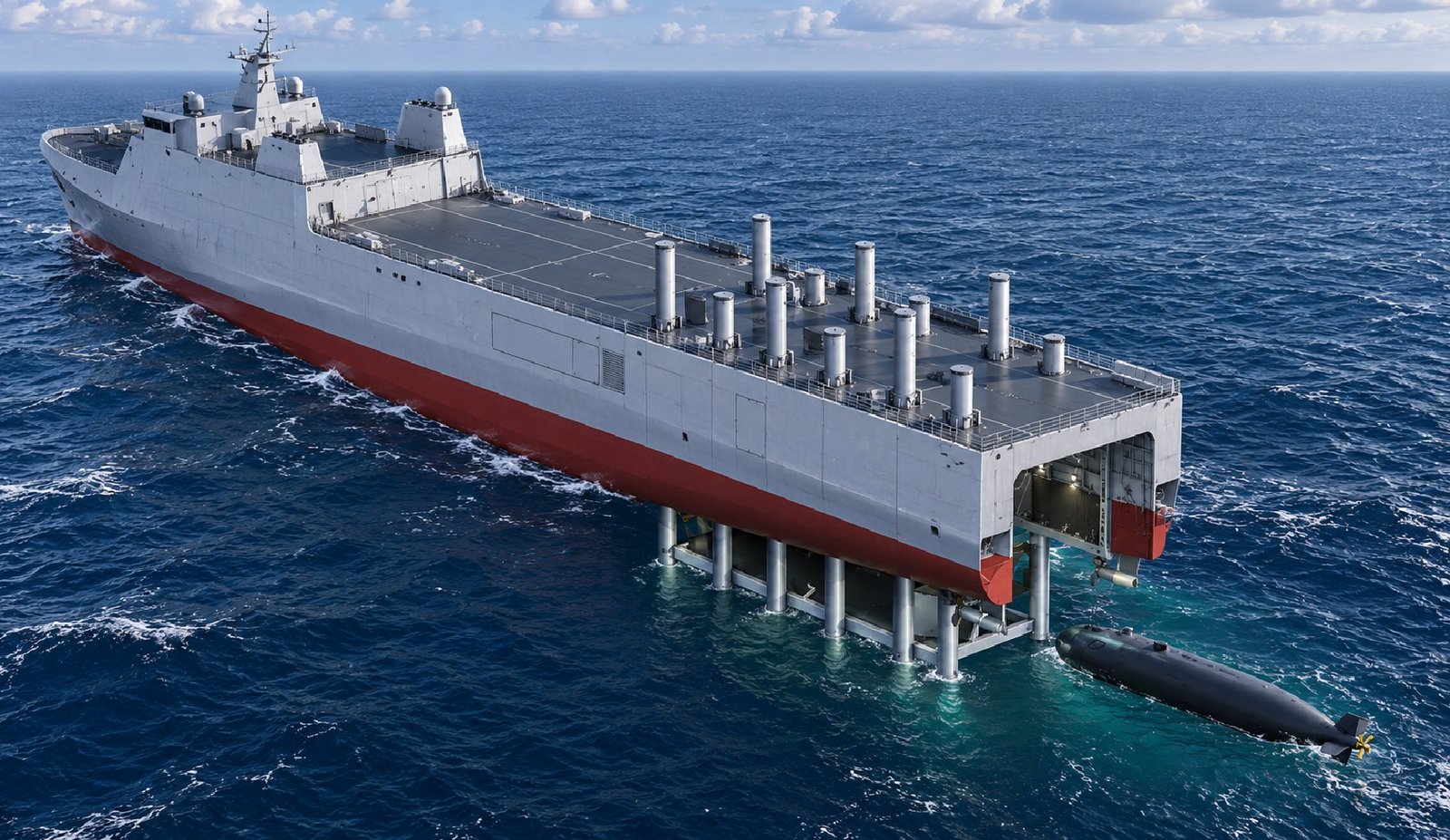 China Builds New Shanghai Vessel to Serve as Mothership for Large Uncrewed Submarines
-
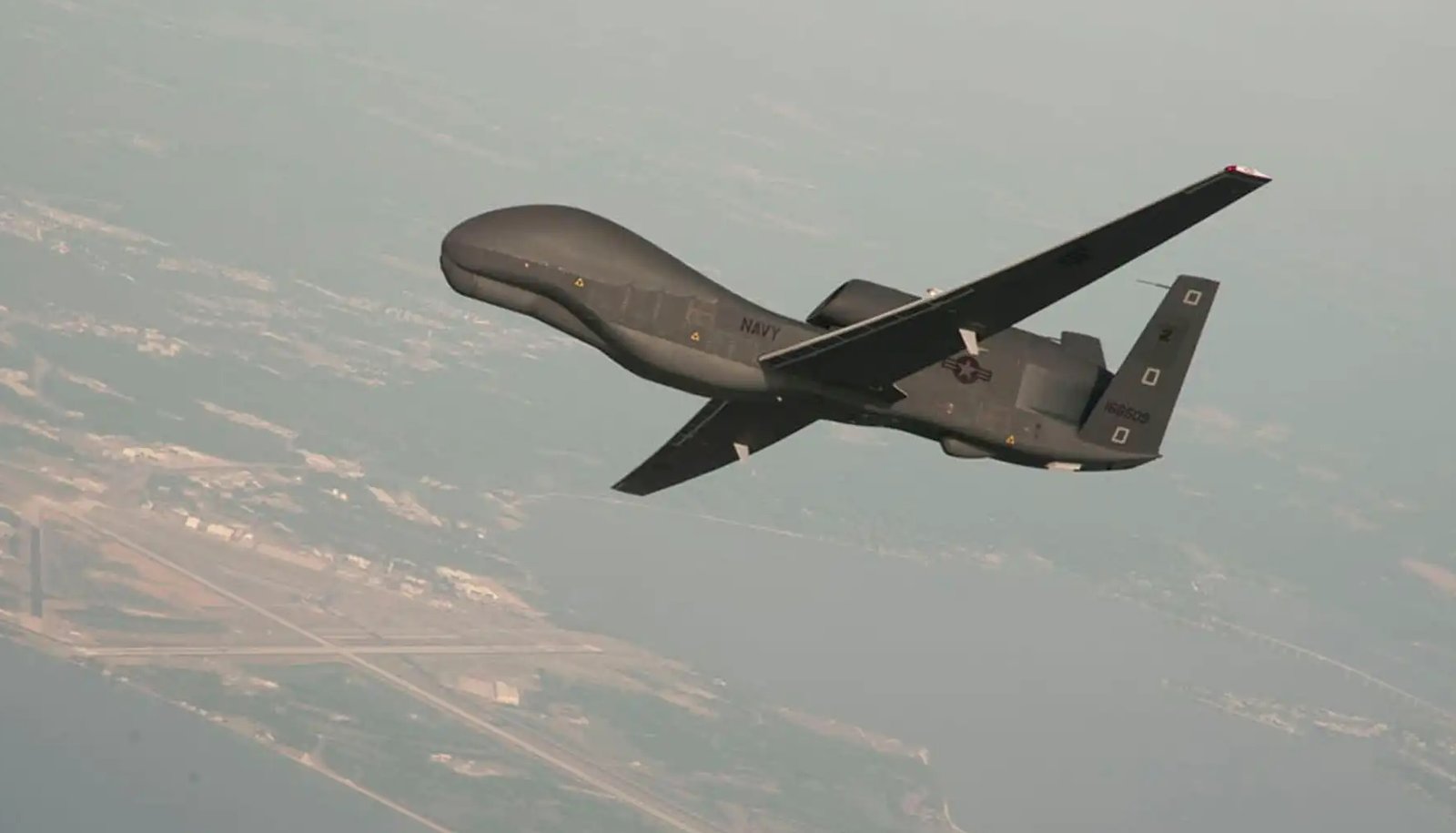 Japan Air Self-Defense Force Loses Contact With Global Hawk Surveillance Drone Off Tottori Coast; Aircraft Presumed Crashed
Top Trending in 4 Days
-
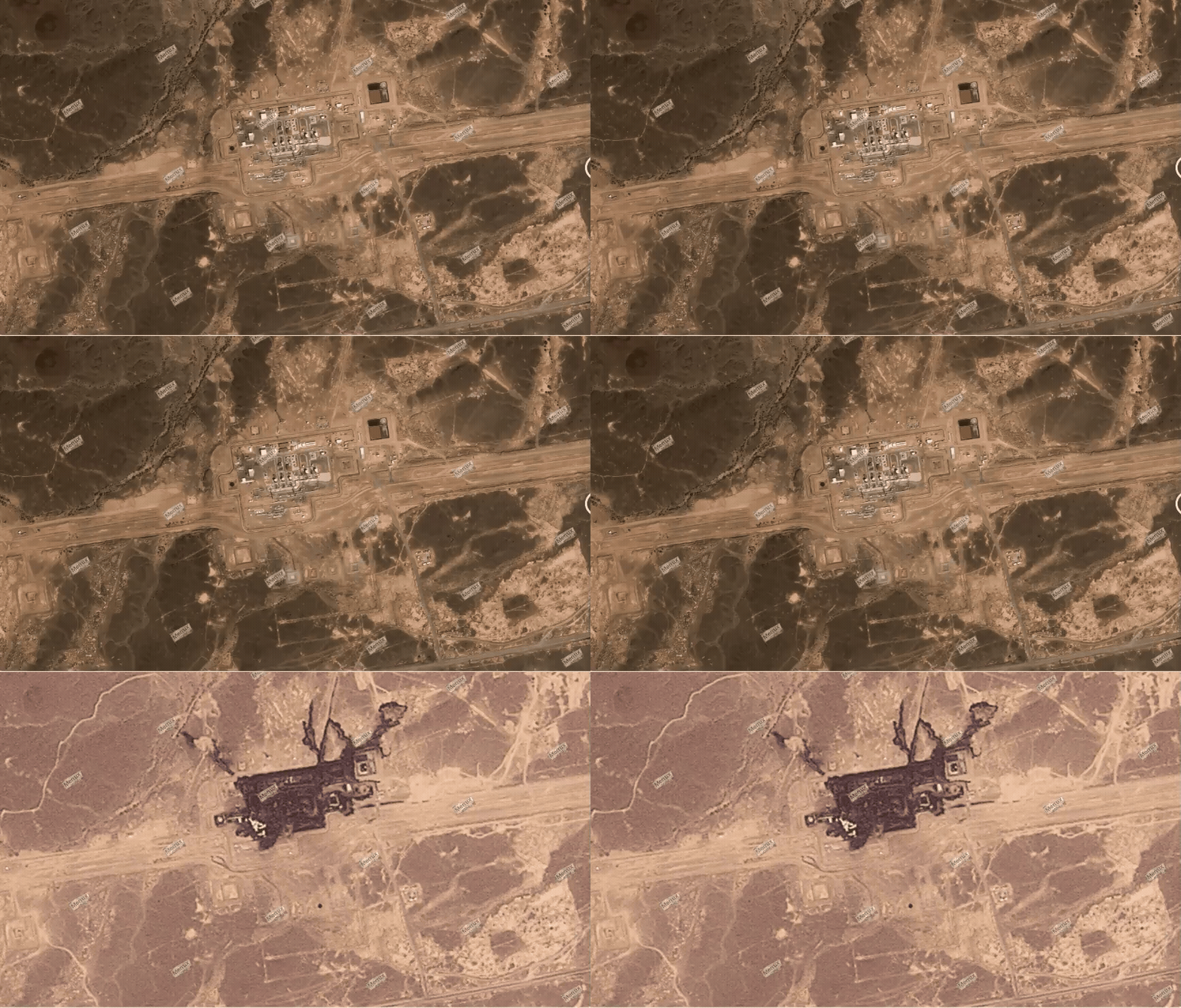 Satellite Imagery Shows Heavy Damage to Saudi East–West Oil Pipeline Pumping Stations
-
 U.S. Air Force Awards Antares $161 Million to Develop Nuclear Reactor for Spacecraft
-
 Pentagon Awards BlueHalo Up to $99.8 Million Contract for Orbital Battlespace R&D Program
-
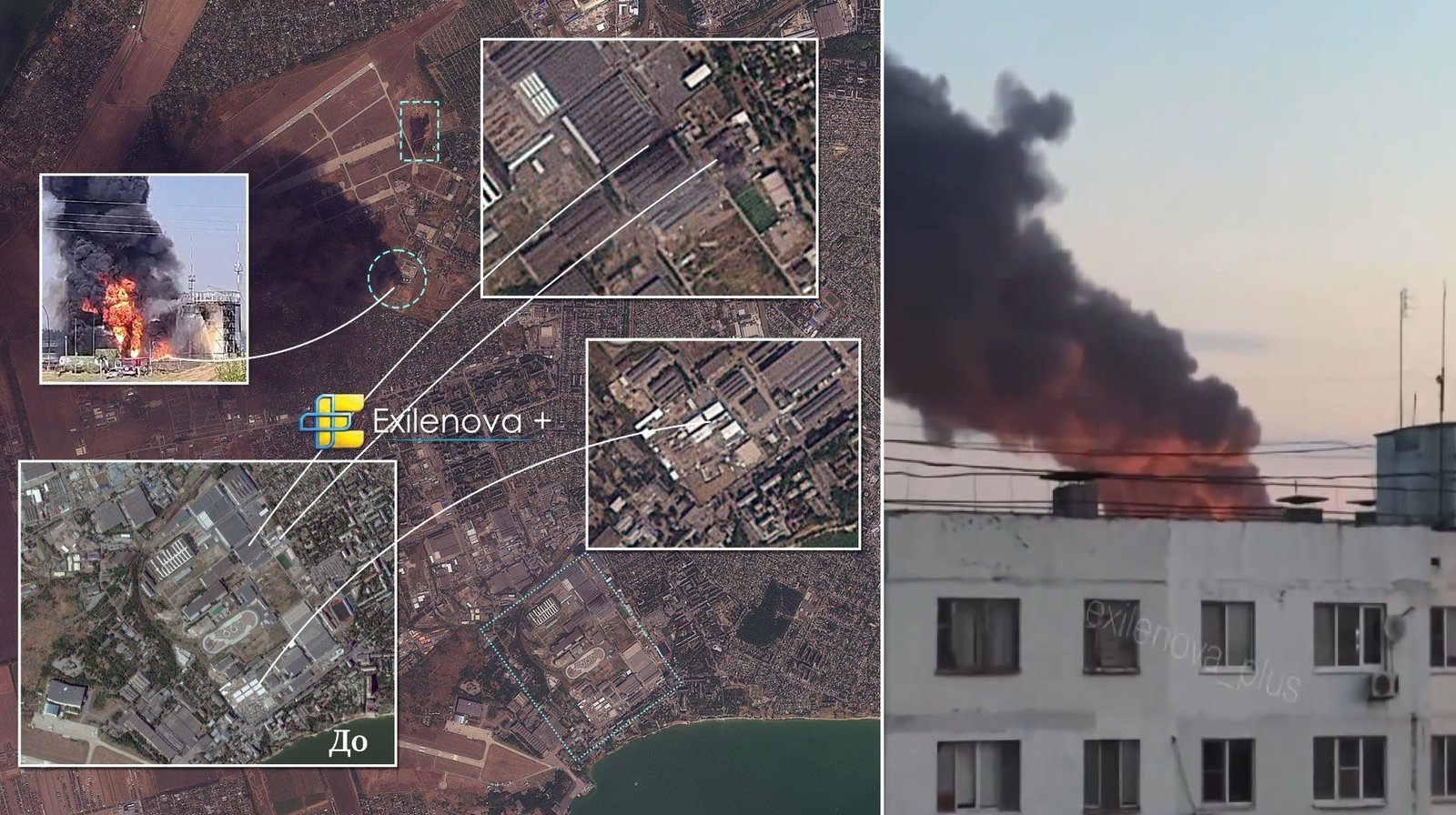 Ukrainian Drones Strike Russian UAV Manufacturer and Chemical Plants in Taganrog and Tolyatti
-
 U.S. Officials Link Chinese Satellite Imagery to Iranian Strike That Killed Three American Soldiers in Jordan
-
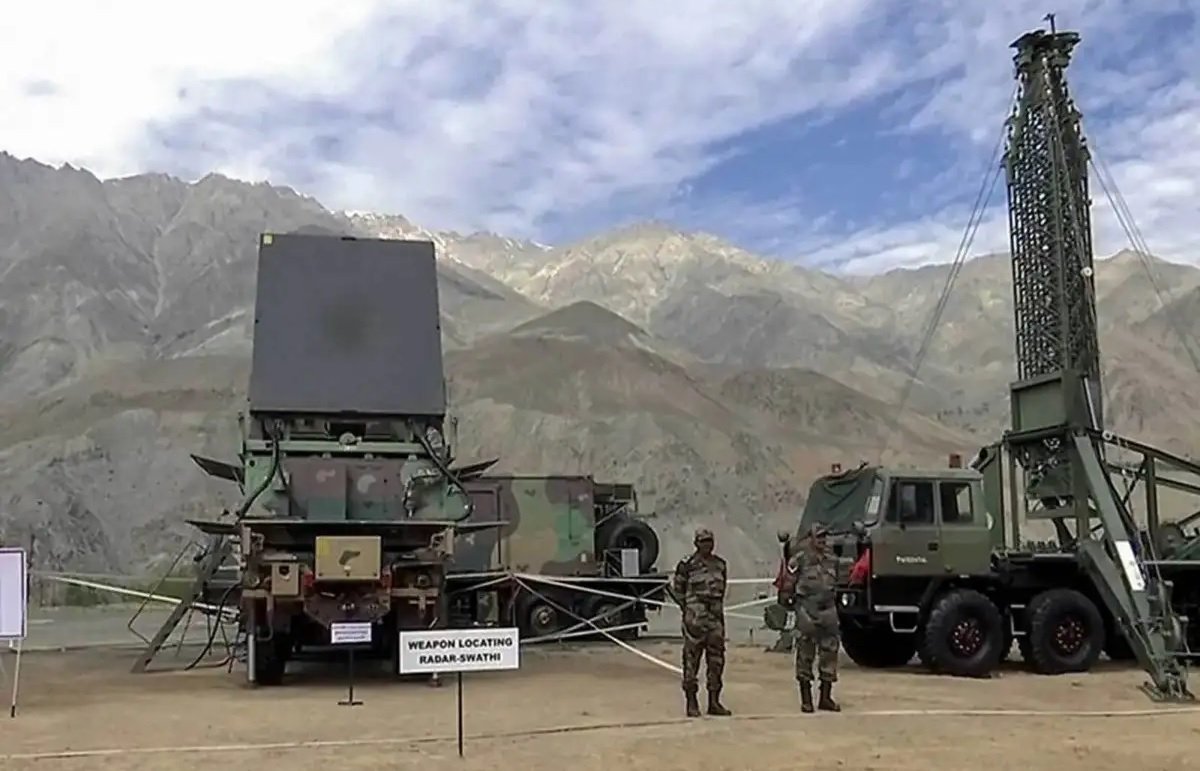 DRDO Demonstrates Indigenous 3.5×3 mm GaN Chip Delivering 30 Watts for Next-Generation Radars and Electronic Warfare
-
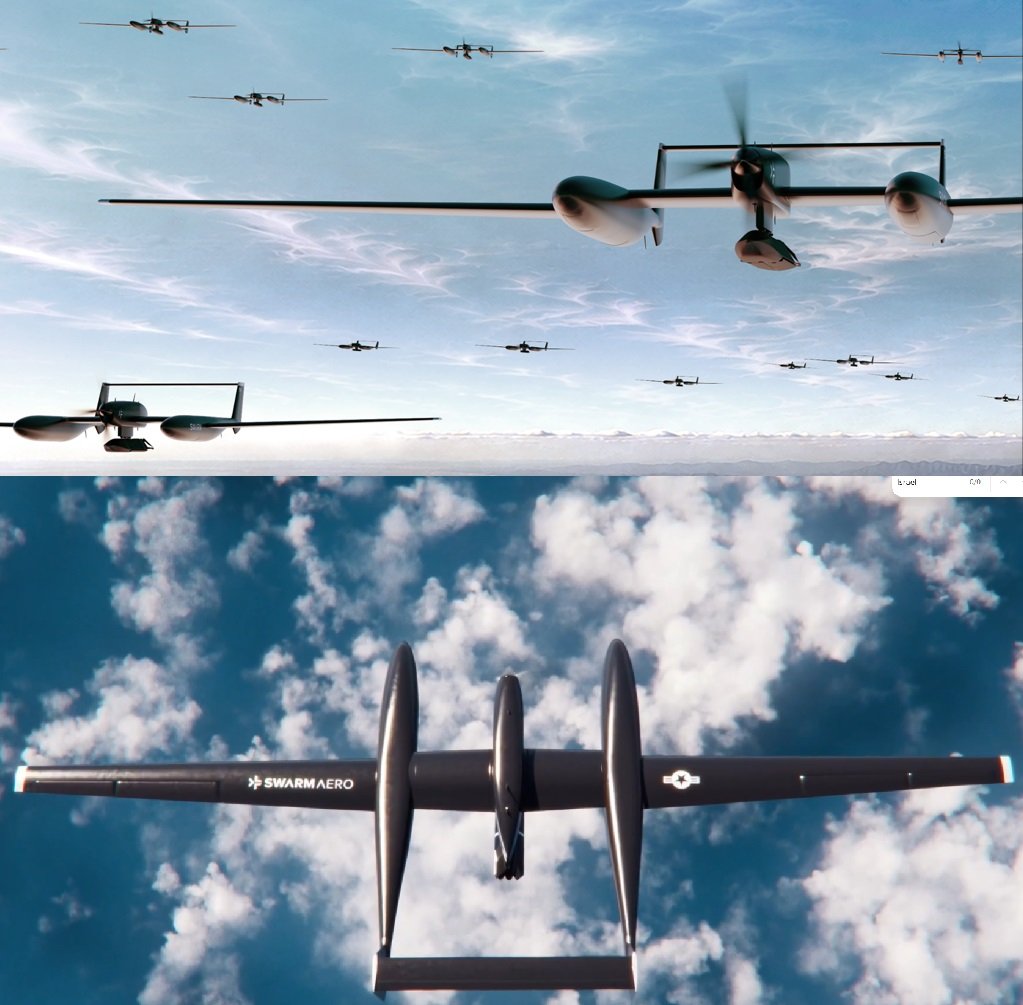 U.S. Firm Swarm Aero Unveils Gamera Group 5 UAS With 9,000-Nautical-Mile Range and Heavy Strike Payload
-
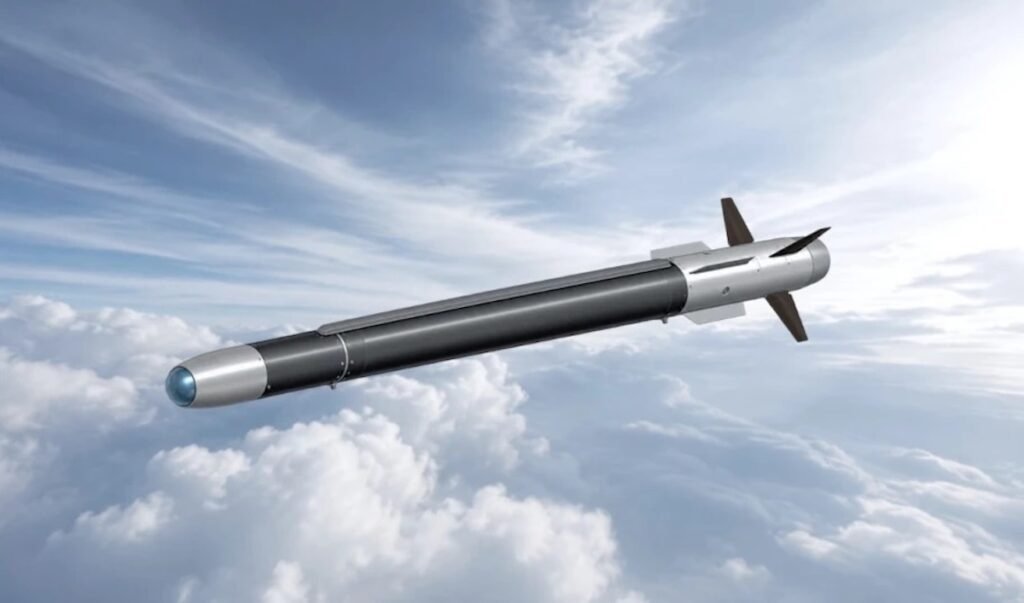 MBDA and Poland’s WITU Advance Low-Cost Supersonic Interceptor Against Swarm Attacks, Seeker Trials Successfully Completed