
India
NEW DELHI — March 18, 2026 : India is evaluating potential participation in next-generation fighter aircraft development programs, with the Ministry of Defence (MoD) examining options to join either the Global Combat Air Programme (GCAP) or the Future Combat Air System (FCAS), according to a parliamentary report tabled in the Lok Sabha. The report, submitted to the Standing Committee on Defence, confirms that discussions remain at an exploratory stage. No formal commitment has been made, but the assessment reflects a strategic effort to align India’s long-term airpower capabilities with emerging global standards in sixth-generation combat aviation. Parliamentary Assessment and Strategic Context The Ministry of Defence informed lawmakers that participation in an international sixth-generation fighter consortium could complement India’s domestic aerospace programs while accelerating access to advanced technologies. The Indian Air Force (IAF) has emphasized the need for a timely decision, citing rapid progress in comparable programs globally, particularly developments in China’s next-generation fighter initiatives. The IAF’s position highlights concerns over maintaining operational and technological parity in the coming decades. Officials indicated that collaboration with an established consortium would enable India to integrate into a broader “system-of-systems” combat framework, which is expected to define future air warfare. Indigenous AMCA Remains Core Priority The MoD clarified that the Advanced Medium Combat Aircraft (AMCA) program will remain the central pillar of India’s fighter modernization plan. The AMCA, classified as a fifth-generation platform with elements of sixth-generation capability, is scheduled for rollout by the end of 2028. Its first flight is targeted for early 2029, with induction into the Indian Air Force expected in the mid-2030s. According to the parliamentary briefing, any international partnership would be structured to support—not replace—the AMCA program. The dual-track approach aims to preserve domestic design and manufacturing capabilities while enabling access to advanced technologies that would otherwise require extended development timelines. Technology Objectives and Capability Focus The report outlines that participation in either GCAP or FCAS would provide India with exposure to a range of emerging combat technologies. These include artificial intelligence-enabled combat clouds, manned-unmanned teaming (MUM-T), drone swarm integration, and directed energy systems. Such technologies form the foundation of sixth-generation air combat concepts, which extend beyond traditional fighter aircraft to include networked, multi-domain operations involving autonomous systems and real-time data integration. Global Combat Air Programme (GCAP) The Global Combat Air Programme is a trilateral initiative involving the United Kingdom, Italy, and Japan. The program aims to field a sixth-generation fighter aircraft by 2035. Development is expected to formally begin in 2025, with a demonstrator aircraft scheduled to fly in 2027. Entry into service is planned from 2035 onward. The program operates through the Edgewing joint venture, which includes BAE Systems (UK), Leonardo (Italy), and Mitsubishi Heavy Industries (Japan). Financial commitments from partner nations include: Japan has allocated approximately ¥700 billion (around $4.4 billion) for research and development between 2023 and 2027. Italy has approved €8.77 billion for initial phases, with projected expenditure rising to €18.6 billion through 2035–2037. The United Kingdom has committed £2 billion since 2021 and outlined a broader investment exceeding £12 billion over the next decade. Program officials have reaffirmed the 2035 deployment target. While minor administrative delays have occurred—primarily related to contract approvals and the UK’s Defence Investment Plan—industry assessments indicate that these issues are not expected to significantly affect the overall timeline. Future Combat Air System (FCAS) The Future Combat Air System is a European program led by France, Germany, and Spain, with Belgium participating in an observer or transitional role. The FCAS is designed as a comprehensive system centered on a Next-Generation Fighter (NGF), supported by remote carrier drones and a digital combat cloud. The program targets entry into service around 2040. A technology demonstrator is expected to fly between 2027 and 2029. The total development cost is estimated to exceed €100 billion, with Germany anticipated to contribute approximately one-third of the funding. The program is currently in Phase 1B, supported by a €3.2 billion budget focused on demonstrator development and technology maturation. However, the FCAS program is facing industrial challenges. Ongoing disagreements between Dassault Aviation (France) and Airbus (Germany and Spain) over workshare distribution and leadership of the NGF component have delayed progression to Phase 2, now expected in 2026. Public statements from industry leadership have highlighted the risk of structural divergence within the program, including proposals for alternative development pathways. Despite these issues, India has engaged in bilateral discussions with France as recently as February 2026, indicating continued interest in FCAS technologies, particularly in sensor fusion and combat cloud architecture. Policy Approach and Outlook The parliamentary report outlines a balanced acquisition strategy that combines indigenous development with selective international collaboration. By continuing to prioritize the AMCA program, India aims to maintain sovereign design and production capabilities. At the same time, potential participation in GCAP or FCAS would provide early access to advanced operational concepts and technologies expected to define air combat beyond 2035. Officials noted that discussions with both consortia remain preliminary. Any future decision will depend on program stability, industrial arrangements, cost-sharing structures, and alignment with India’s long-term defence objectives. The evaluation reflects a broader shift in India’s defence planning toward integrating domestic capability development with participation in global high-technology ecosystems, particularly in areas where timelines and complexity present significant challenges for standalone development.
Read More → Posted on 2026-03-18 17:22:03
India
POKHRAN, Rajasthan — March 18, 2026 : Solar Defence & Aerospace Limited, a subsidiary of Solar Industries India Limited, has successfully conducted the maiden proof trials of production batches of the Pinaka Extended Range (ER) rocket system at the Pokhran Field Firing Range. The trials involved the flight testing of 24 rockets drawn from two separate production lots. The evaluation focused on key operational parameters, including accuracy, consistency of flight performance, and target effectiveness under field conditions. According to the company, all rockets met the required specifications and performed within prescribed standards. This marks the first instance of an Indian private-sector company carrying out proof trials for production lots of the Pinaka rocket system, a process historically undertaken by government-run defence manufacturing entities. System Overview and Capabilities The Pinaka ER is a 214 mm unguided artillery rocket developed by the Defence Research and Development Organisation (DRDO). It is an extended-range variant of the Pinaka multi-barrel rocket launcher system, increasing the strike range from approximately 37 km (Mk-I) to around 75 km. The rocket is compatible with existing Pinaka launch platforms, which are capable of firing 12 rockets in a single salvo. The system is designed to provide area-saturation fire support and is deployed with Indian Army artillery regiments for engaging large-area and deep targets. Production and Contracts Solar Defence & Aerospace Limited, based in Nagpur, is among the designated production agencies for the Pinaka system under technology transfer from DRDO. The company manufactures multiple variants of the rocket, including Area Denial Munition (ADM) and High Explosive Pre-Fragmented (HEPF) versions. Solar Industries India Limited previously secured a contract valued at approximately ₹6,084 crore for the supply of Pinaka rockets to the Indian Army. In addition to domestic production, the company has also initiated exports of guided Pinaka rocket systems to Armenia. Role of Proof Trials The proof trials are part of the standard certification process required before induction of production batches into service. These trials verify that rockets manufactured in series production meet the quality, safety, and performance benchmarks established by DRDO and the Indian Army. Successful completion of the trials confirms the readiness of the tested batches for operational deployment. Industrial and Strategic Significance The development reflects a broader shift in India’s defence manufacturing ecosystem, with increased participation from the private sector in the production of critical military systems. It also supports ongoing efforts to expand domestic manufacturing capacity and reduce reliance on single-source suppliers. Solar Defence stated that the successful trials validate its manufacturing processes and quality assurance systems for the Pinaka ER programme. The company is expanding production capacity at its facilities to meet both domestic requirements and export demand. Further user evaluations and additional production clearances for subsequent Pinaka ER batches are expected as part of the induction process.
Read More → Posted on 2026-03-18 15:57:59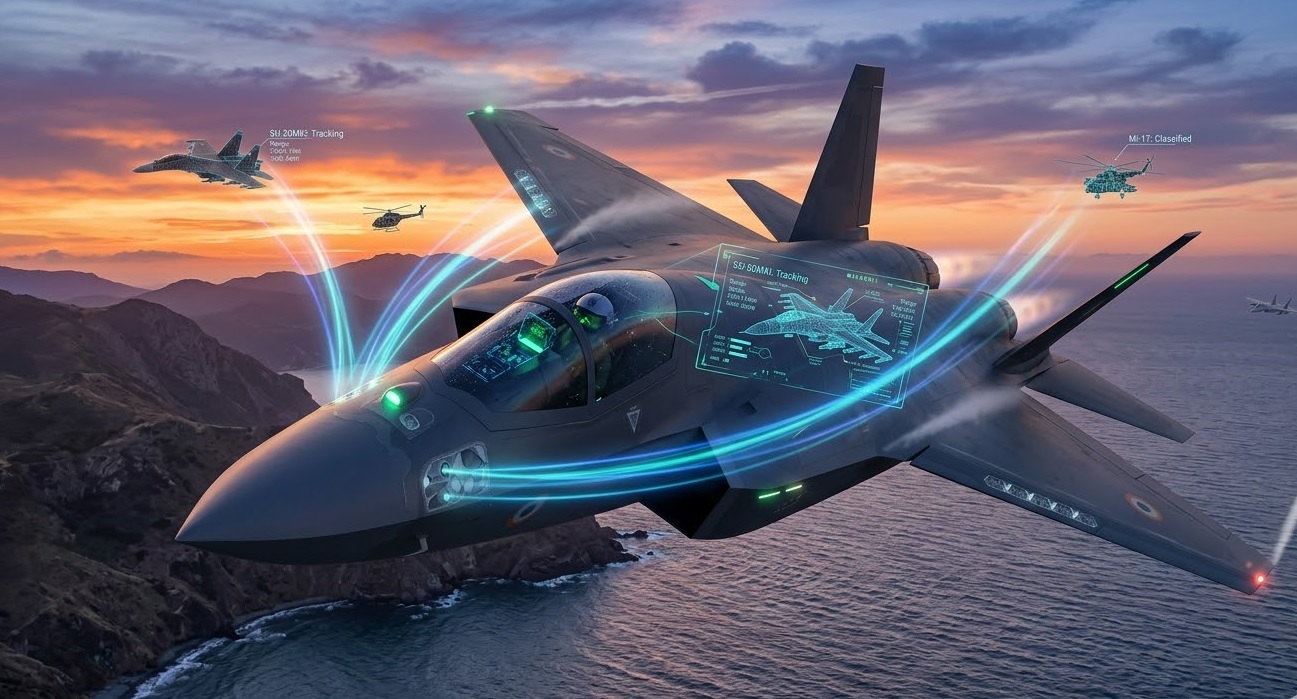
India
NEW DELHI — March 17, 2026 : India’s Defence Research and Development Organisation (DRDO) is advancing the development of optical photonic radar modules intended for integration into the Advanced Medium Combat Aircraft (AMCA) Mk2, marking a transition from conventional semiconductor-based radar systems toward light-based sensing architectures. The technology is being aligned with the AMCA Mk2 development schedule, with integration targeted for the mid-2030s. Following the successful site acceptance testing of India’s baseline photonic radar system in August 2025, the program places India among a limited group of countries, including the United States, China, and Israel, working on photonic radar applications for military aviation. Transition from Electronic to Photonic Radar Systems Conventional radar systems, including modern Active Electronically Scanned Array (AESA) radars based on Gallium Nitride (GaN) technology, rely on electronic circuits and semiconductor components to generate, transmit, and process radio frequency (RF) signals. The photonic radar under development replaces key electronic subsystems with optical technologies such as Photonic Integrated Circuits (PICs), lasers, and fiber-optic networks. Instead of generating RF signals purely through electronic oscillators, the system uses laser sources and optical modulation techniques to produce and process radar signals. A central mechanism in this architecture is optical heterodyning, where two laser beams with slightly different frequencies are combined. The interaction between these beams generates a beat frequency that falls within the RF or microwave domain. This approach enables the generation of highly stable, low-noise signals across a wide frequency spectrum. Because the signal processing occurs in the optical domain, the system can access significantly larger instantaneous bandwidths, extending into the terahertz range. This removes several limitations of electronic systems, including bandwidth constraints, thermal inefficiencies, and phase noise associated with semiconductor devices. Operating Principle and Signal Processing In a photonic radar system, a laser source generates coherent light, which is then modulated with radar waveforms using electro-optic modulators. These optical signals are transmitted through fiber-optic channels and converted into RF signals for emission via antenna arrays. When reflected signals return from a target, they are captured and converted back into optical signals. These are then processed using photonic signal processors, which analyze frequency shifts, phase variations, and time delays to determine target distance, velocity, and structural characteristics. The use of optical signal paths reduces electromagnetic interference within the system and enables high-speed data transfer between subsystems. Additionally, wavelength division multiplexing (WDM) allows multiple signals—such as radar, communications, and electronic warfare data—to be transmitted simultaneously over a single optical fiber by using different light wavelengths. High-Resolution Target Detection One of the primary characteristics of photonic radar is its resolution. The system under development is designed to achieve approximately 1.3-centimeter resolution, significantly higher than conventional radar systems. This level of precision enables detailed imaging of airborne targets, including the ability to resolve structural features and small mechanical elements. The wide bandwidth and multi-frequency operation allow the radar to illuminate targets across a broad spectrum, improving detection of low-observable or stealth aircraft. Traditional stealth designs rely on shaping and radar-absorbent materials (RAM) to reduce reflections in specific frequency bands. Photonic radar’s ability to operate across wider frequency ranges reduces the effectiveness of such measures, improving detection probability. Resistance to Electronic Warfare Photonic radar systems offer increased resilience against electronic warfare (EW) and jamming. Since signal generation and processing occur in the optical domain, the system is less susceptible to conventional RF jamming techniques that target electronic circuits. The architecture also supports rapid frequency agility and advanced frequency-hopping methods. Combined with low phase noise and wide bandwidth, these features complicate adversary attempts to interfere with or deceive the radar system. Integration with Aircraft Systems The use of fiber-optic infrastructure enables integration of multiple onboard functions within a unified architecture. Through wavelength division multiplexing (WDM), radar, communications, and electronic warfare systems can operate concurrently over shared optical networks. This approach offers several system-level advantages: Weight Reduction: Fiber-optic cables replace heavier copper wiring, reducing overall aircraft weight. Improved Processing Speed: Optical data transmission enables faster signal handling and reduced latency. Reduced Electromagnetic Interference: Optical systems are immune to electromagnetic cross-talk between onboard electronics. The distributed nature of photonic systems also supports future “smart skin” aircraft designs. In such configurations, sensors embedded across the airframe allow the aircraft’s surface to function as a continuous sensing array, providing near 360-degree coverage. Development Status and Testing Development of the photonic radar is being led by DRDO’s Electronics and Radar Development Establishment (LRDE). The system is based on microwave photonics (MWP) principles and has progressed beyond initial prototyping. Following site acceptance testing, the radar has entered integration trials, including evaluations in anechoic chamber environments. Testing is being conducted on a modified HAL Tejas Mk1A platform to validate performance parameters under controlled conditions. Flight trials of the indigenous photonic radar system are expected to begin in the late 2025 to early 2026 timeframe, focusing on validating resolution, detection capability, and resistance to interference. Role in AMCA Mk2 Program The AMCA Mk2 is planned as an advanced variant of India’s indigenous fifth-generation fighter, featuring enhanced payload capacity, extended range, and improved stealth characteristics compared to the initial Mk1 configuration. While near-term AMCA variants are expected to use advanced GaN-based AESA radars, the photonic radar is being developed for later integration as the technology matures. The system is intended to enhance long-range detection, precision targeting, and survivability in contested electromagnetic environments. Broader Applications and Future Roadmap The photonic radar program forms part of DRDO’s broader roadmap to transition beyond traditional AESA systems toward next-generation sensing technologies, including photonic and potentially quantum-based architectures. Beyond fighter aircraft, the technology has potential applications in naval platforms, missile defense systems, and integrated air defense networks, where high-resolution sensing and resistance to electronic interference are critical. The project remains in the technology maturation phase, with continued testing and validation planned over the coming years. No official timeline has been released for full operational deployment beyond its alignment with the AMCA Mk2 program in the mid-2030s.
Read More → Posted on 2026-03-17 16:07:37
India
NEW DELHI — March 17, 2026 : India’s National Investigation Agency (NIA) has arrested seven foreign nationals, including six Ukrainian citizens and one American, in a counter-terrorism operation linked to alleged support for insurgent groups operating along the India–Myanmar border. The arrests were carried out on March 13, 2026, at airports in Delhi, Lucknow, and Kolkata as the individuals attempted to leave the country. A Special NIA Court at Patiala House Courts in New Delhi, presided over by Additional Sessions Judge Prashant Sharma, granted 11 days of NIA custody for all seven accused on March 16. The custody period extends until March 27, 2026. The case has been registered under the Unlawful Activities (Prevention) Act (UAPA), with the agency citing national security concerns and the need for custodial interrogation to determine the full scope of the alleged network, including funding channels, logistics, and possible local links. Arrests and Movement Across India According to officials, the American national was detained in Kolkata, while the six Ukrainian nationals were apprehended in Delhi and Lucknow. Investigators stated that all seven had entered India on valid tourist visas but later violated visa conditions by traveling to restricted and protected areas in Mizoram without obtaining the mandatory permits. From Mizoram, the group allegedly crossed into Myanmar through informal border routes. The NIA has described this movement as a key component of the case, linking Indian territory to cross-border insurgent activity. Alleged Role in Training and Drone Supply The NIA alleges that the group was involved in providing specialized military training to Myanmar-based Ethnic Armed Groups (EAGs). These groups are known to operate in regions bordering India and have documented linkages with insurgent organizations active in India’s northeastern states. Investigators state that the training included weapons handling, drone operations, drone assembly, and electronic countermeasures such as jamming technology. The agency further alleges that the accused facilitated the illegal movement of large consignments of drones sourced from Europe into Myanmar via Indian territory. Officials believe the drones were intended for operational use by EAGs in surveillance and combat roles, raising concerns about the potential spillover of such capabilities into Indian territory. Identities of the Accused The six Ukrainian nationals have been identified as Hurba Petro, Slyviak Taras, Ivan Sukmanovskyi, Stefankiv Marian, Honcharuk Maksim, and Kaminskyi Viktor. The American national has been identified as Matthew Aaron Van Dyke. Background of Matthew Aaron Van Dyke Matthew Aaron Van Dyke, born in Baltimore, Maryland USA, holds a master’s degree in Security Studies from Georgetown University’s Edmund A. Walsh School of Foreign Service. He initially traveled across the Middle East and North Africa as a documentary filmmaker and motorcycle traveler. During the 2011 Libyan Civil War, Van Dyke joined anti-government rebel forces fighting against Muammar Gaddafi. He was captured during the conflict and held in solitary confinement for nearly six months before returning to the battlefield after his release. In 2014, following the killings of American journalists James Foley and Steven Sotloff by ISIS, Van Dyke founded Sons of Liberty International (SOLI), a U.S.-based non-profit organization. The organization provides military training, logistical support, and consulting services to groups engaged in conflicts against terrorist organizations and authoritarian regimes. SOLI’s early activities included training the Nineveh Plain Protection Units (NPU), an Assyrian militia in Iraq. Following Russia’s invasion of Ukraine in 2022, the organization expanded its operations to support the Armed Forces of Ukraine, including tactical training, supply efforts, and demining programs for unexploded ordnance. Van Dyke has maintained a public profile through social media, where he has documented his activities across multiple conflict zones, including Libya, Iraq, Syria, and Ukraine. Investigation Focus and Security Concerns The NIA has described the case as part of a broader conspiracy with implications for India’s internal security. Investigators are examining whether the activities extended beyond training and logistics into direct operational support affecting Indian territory. The agency is also analyzing financial transactions, procurement channels for drone equipment, and potential coordination with local insurgent networks in India’s Northeast. Officials indicated that the case forms part of ongoing efforts to dismantle cross-border insurgency and terror financing networks operating along the India–Myanmar frontier, a region long affected by porous borders and militant activity. Public Reaction and Ongoing Probe Videos showing NIA officials escorting the accused at airports circulated widely on social media following the arrests, leading to early identification of the American suspect before official confirmation through court filings. As of March 17, no official statements have been issued by the United States or Ukrainian authorities regarding the arrests. The seven accused remain in NIA custody as the investigation continues. Authorities are expected to present further findings in court upon completion of the current remand period.
Read More → Posted on 2026-03-17 14:26:59
India
NEW DELHI — March 17, 2026 : The Government of India has firmly rejected the 2026 annual report issued by the United States Commission on International Religious Freedom (USCIRF), describing its findings as “biased, motivated, and selective.” The response follows recommendations by the U.S. body to designate India as a “Country of Particular Concern” (CPC) and to impose targeted sanctions on entities including the Research and Analysis Wing (R&AW) and the Rashtriya Swayamsevak Sangh (RSS). USCIRF Report and Key Recommendations The USCIRF report, which evaluates global religious freedom conditions during 2025, urged the U.S. State Department to classify India under the CPC category, a designation reserved for countries accused of “systematic, ongoing, and egregious” violations of religious freedom. In a significant escalation compared to previous years, the commission explicitly recommended targeted sanctions against R&AW and the RSS. These measures include potential asset freezes and travel bans on associated individuals. The report further proposed linking future U.S. security cooperation and bilateral trade engagement with India to measurable improvements in religious freedom conditions. Additional recommendations included invoking provisions under the Arms Export Control Act to restrict defense exports to India and encouraging the U.S. Congress to advance legislation such as the Transnational Repression Reporting Act, aimed at monitoring alleged overseas actions targeting minority communities. India’s Official Response India’s Ministry of External Affairs (MEA) issued a strong rebuttal, rejecting the report’s conclusions in their entirety. MEA spokesperson Randhir Jaiswal stated that the report presents a “distorted and selective picture of India” and relies on “questionable sources and ideological narratives rather than objective facts.” According to the MEA, the USCIRF has repeatedly engaged in what it termed “selective targeting,” arguing that such assessments undermine the commission’s credibility. Indian officials emphasized that the country’s democratic framework and pluralistic society are not accurately reflected in the report. Concerns Over Diaspora and U.S. Domestic Issues In its response, India also highlighted concerns about incidents within the United States, including attacks and vandalism targeting Hindu temples and reported cases of intimidation faced by members of the Indian diaspora. Officials suggested that the USCIRF should address such developments domestically rather than issuing what New Delhi views as one-sided external criticism. Broader Debate on U.S. Policy and Double Standards The developments have contributed to a broader geopolitical debate regarding perceived inconsistencies in U.S. foreign policy. Analysts and officials in multiple countries have, over time, raised concerns about what they describe as a dual standard in Washington’s approach to human rights and sovereignty. In this context, questions are often directed toward the role of the Central Intelligence Agency (CIA) and its historical global operations. Various governments and observers have cited past allegations and documented instances involving covert interventions, including: Claims of involvement in targeted operations against foreign scientific and strategic personnel Allegations of indirect or covert support to armed non-state actors in conflict zones Historical instances of political interference and support for regime change in different regions Countries frequently referenced in such discussions include Bangladesh, Nepal, Sri Lanka, and several African nations, where political instability and external influence have been subjects of long-standing debate among scholars and policymakers. Observers note that such interventions, whether confirmed or alleged, have at times contributed to prolonged instability, internal conflict, and humanitarian consequences in affected regions. These concerns are often cited in international discourse when evaluating the credibility of U.S. positions on governance and human rights. India Reaffirms Position on Sovereignty India reiterated that it does not accept external assessments that it considers politically driven or lacking objectivity. Officials stressed that matters related to internal governance, social harmony, and legal frameworks remain within the country’s sovereign domain. The government also emphasized that India’s institutional structure, constitutional protections, and longstanding tradition of religious diversity continue to guide its approach to governance. Background and Ongoing Context The USCIRF, established in 1998, is an independent, bipartisan advisory body of the U.S. government tasked with monitoring religious freedom globally. While its recommendations are not binding, they often inform policy discussions within the U.S. administration and Congress. India has consistently rejected USCIRF findings in previous years as well, maintaining that the commission’s assessments do not accurately reflect ground realities. As of now, there has been no official response from the U.S. State Department or the White House regarding the report’s specific recommendations.
Read More → Posted on 2026-03-17 14:05:43
India
NEW DELHI — March 16, 2026 : India has begun the development of the Integrated Indian Combat Aerial System (I²CAS), a next-generation air combat architecture designed to support sixth-generation warfare concepts expected to mature in the mid-2040s. The programme aims to connect manned fighter aircraft, unmanned combat systems, satellites, and ground-based sensors into a unified operational network based on a “system-of-systems” approach. The concept marks a shift from standalone aircraft platforms toward a distributed combat ecosystem in which multiple assets operate simultaneously through a shared digital battlespace. The architecture is intended to enhance operational coordination, extend strike reach, and enable manned–unmanned teaming across future Indian Air Force missions. AMCA to Function as the Central Command Platform At the centre of the I²CAS framework is the Advanced Medium Combat Aircraft (AMCA), India’s indigenous stealth fighter currently under development. Within the architecture, the aircraft will function as the central command node or “mothership” coordinating multiple unmanned and manned platforms during combat operations. The AMCA Mk2 variant is expected to incorporate more advanced computing capacity, enhanced sensor fusion systems, and expanded data-processing capabilities. These onboard systems will allow the aircraft to collect and process information from multiple sources simultaneously, including unmanned aerial vehicles, satellites, and ground sensors. Through this capability, the AMCA can manage mission coordination across distributed assets while maintaining situational awareness within contested airspace. The aircraft’s sensors and mission computers will enable pilots to monitor multiple autonomous platforms and direct their operations during reconnaissance, strike, and electronic warfare missions. Loyal Wingman Drones Under the CATS Programme A major component of the architecture is the integration of autonomous escort drones developed under the Combat Air Teaming System (CATS) initiative. These platforms are designed to operate alongside manned fighters and extend their combat capabilities. The primary loyal-wingman platform is the HAL CATS Warrior, developed by Hindustan Aeronautics Limited through its Aircraft Research and Design Centre in collaboration with NewSpace Research and Technologies. The CATS Warrior is designed as a low-observable unmanned combat aerial vehicle capable of operating with multiple Indian fighter platforms. These include the AMCA, the HAL Tejas, Sukhoi Su-30MKI, the Twin Engine Deck Based Fighter (TEDBF), and the SEPECAT Jaguar. Operating under manned-unmanned teaming (MUM-T) principles, the drone can perform multiple operational roles. These include reconnaissance missions, electronic warfare operations, decoy activities to draw enemy fire, and additional missile carriage to increase the firepower of the manned aircraft formation. The platform can function autonomously using onboard systems or operate under direct control from a command aircraft such as the AMCA. It is designed to support take-off and landing from both land-based airfields and aircraft carriers. According to programme plans, the first flight of the CATS Warrior is scheduled for 2025. Ghatak UCAV for Deep Penetration Strike Missions Another core component of the I²CAS architecture is the DRDO Ghatak UCAV, a stealth unmanned combat aerial vehicle being developed by the Defence Research and Development Organisation (DRDO) through its Aeronautical Development Establishment. The Ghatak UCAV uses a flying-wing design intended to reduce radar visibility while enabling long-range strike missions. Within the I²CAS operational concept, the aircraft is planned to function as a first-wave penetration platform. Its mission profile includes the suppression and destruction of enemy air defence systems, radar installations, missile batteries, and command infrastructure prior to the entry of manned aircraft into contested airspace. By neutralizing these threats in advance, the UCAV is intended to improve survivability for follow-on forces. India’s Defence Procurement Board has cleared the programme for further development, allowing the project to proceed toward advanced testing and capability expansion. AI-Enabled Combat Cloud Network The operational backbone of I²CAS is an artificial-intelligence-enabled combat cloud that connects multiple platforms through a secure digital network. This architecture is designed to link the AMCA mothership, loyal wingman drones, the Ghatak UCAV, satellite systems, and ground-based sensors in real time. Through this network, the system performs data fusion from numerous sources, generating a consolidated battlefield picture that can be shared across participating platforms. Artificial intelligence assists in analyzing incoming data, identifying targets, and supporting rapid operational decision-making. The combat cloud also enables sensor sharing between aircraft and drones. For example, information collected by one platform can be immediately transmitted to others within the network. This allows aircraft to engage targets using data from remote sensors without exposing themselves directly to enemy defenses. The architecture is designed so that a single pilot can control or coordinate multiple unmanned assets during a mission while maintaining distributed lethality across the formation. Future Capabilities Under Development The I²CAS framework is being designed to support several advanced technologies expected to emerge during the next two decades. These include drone swarm operations, directed-energy weapons, and advanced electronic warfare systems. Drone swarm capability would allow large numbers of smaller unmanned vehicles to be deployed simultaneously to overwhelm enemy radar systems or missile defenses. Directed-energy weapons such as high-energy lasers or microwave systems are being considered for precision engagement roles and potential missile defense functions. Advanced electronic warfare systems integrated into the architecture would enable spectrum dominance by detecting, disrupting, or deceiving adversary radar and communication networks. Integration With Ongoing Indian Air Force Programs Development of I²CAS draws heavily on technologies being developed through existing Indian aerospace programmes. The Combat Air Teaming System provides the foundation for loyal-wingman integration, while the AMCA programme contributes stealth fighter capabilities and advanced sensor fusion. The Ghatak UCAV programme supplies a stealth unmanned strike platform capable of operating ahead of manned aircraft. Together, these programmes form the technological base for the larger integrated architecture. Testing of individual I²CAS components is expected to begin in the near term as progress continues across these projects. Long-Term Operational Objectives The Integrated Indian Combat Aerial System is aligned with the Indian Air Force’s long-term modernization plans aimed at building a highly networked air combat environment by the mid-2040s. Rather than relying solely on individual aircraft performance, the system emphasizes coordinated operations between multiple platforms operating within a shared digital battlespace. This approach is intended to extend operational reach, reduce risks to human pilots in heavily defended environments, and improve overall mission effectiveness. The programme represents a gradual transition from current fifth-generation fighter concepts toward a fully integrated, multi-domain combat ecosystem in which manned aircraft, unmanned systems, and digital networks operate as a single coordinated force.
Read More → Posted on 2026-03-16 18:04:56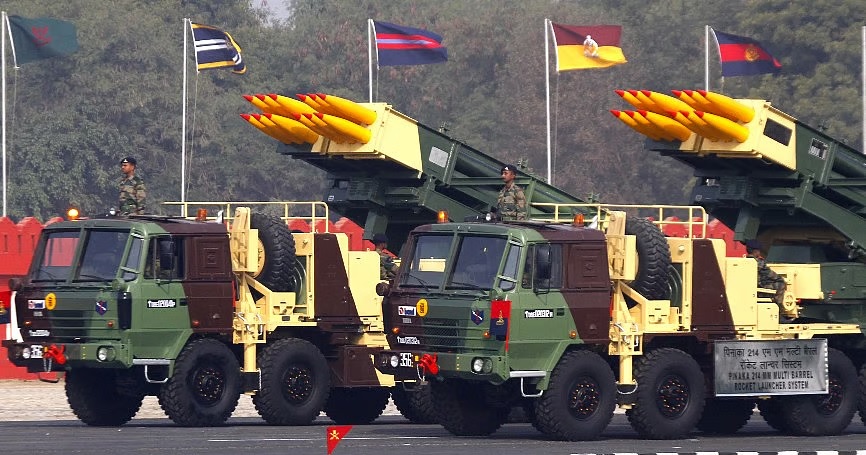
India
NEW DELHI — March 16, 2026 : The Indian Army has operationalised its seventh regiment equipped with the indigenous Pinaka multi-barrel rocket launcher (MBRL) system, continuing the service’s effort to expand long-range rocket artillery capabilities and replace older Soviet-origin Grad systems. According to senior defence officials, an eighth Pinaka regiment has already been raised and has received more than half of its equipment. The unit is currently undergoing conversion and operational training and is expected to achieve full combat readiness before the end of 2026. The expansion forms part of a broader artillery modernization program designed to increase the Army’s long-range strike capacity along both the northern and western borders. Expansion of Indigenous Rocket Artillery The Pinaka system, developed by the Defence Research and Development Organisation (DRDO), is India’s primary indigenous rocket artillery platform. The Army plans to field 10 Pinaka regiments by 2027, with a long-term objective of expanding the fleet to around 22 regiments. This force expansion is intended to gradually replace the BM-21 Grad multiple rocket launchers, many of which were inducted decades ago and are approaching the end of their operational life. Two additional regiments from a batch of six regiments ordered in 2020 are expected to be operationalised in 2027. Deliveries from these contracts are continuing as part of the ongoing regiment buildup. Each Pinaka regiment typically consists of three batteries, with six launchers in each battery. Every launcher carries 12 rockets, allowing a single battery to fire 72 rockets in approximately 44 seconds. A full salvo can cover an area of roughly 1,000 meters by 800 meters, providing large-scale suppression capability against enemy troop concentrations, logistics areas, and artillery positions. The launchers are mounted on high-mobility vehicles produced by Bharat Earth Movers Limited (BEML) using the Tatra chassis platform, allowing rapid deployment and relocation after firing. Pinaka Variants and Strike Ranges The Pinaka family of rockets includes several variants designed to provide progressively longer ranges and improved accuracy. The Mk-I variant, which formed the initial operational configuration, has a strike range of approximately 37 to 40 kilometers. An extended-range Mk-II variant increases the engagement distance to about 60 kilometers, allowing artillery units to strike deeper targets while remaining outside the range of many enemy systems. More recent Guided Pinaka rockets incorporate navigation and guidance systems that combine an Inertial Navigation System (INS) with satellite navigation using GPS and India’s NavIC system. These guided rockets are capable of engaging targets at distances between 75 and 90 kilometers with significantly improved accuracy compared with unguided rockets. The guidance system reduces the Circular Error Probable (CEP) and enables the system to strike specific targets such as command centers, supply depots, air defense sites, and artillery batteries rather than relying solely on area saturation fire. Development of the Long-Range Guided Rocket (LRGR-120) India is also extending the range of the Pinaka family through the Long Range Guided Rocket (LRGR) program. In December 2025, successful trials of the LRGR-120—often described as the Pinaka Mk-III variant—were conducted at the Integrated Test Range in Chandipur, Odisha. During these tests, the rocket demonstrated a range of approximately 120 kilometers with high accuracy. The LRGR significantly increases the stand-off strike capability of rocket artillery units. The system is designed to provide a cost-effective precision strike option compared with tactical ballistic missiles while allowing sustained deep-strike operations against enemy infrastructure and high-value targets. Integration into the Rocket-cum-Missile Force The growing fleet of Pinaka systems is being integrated into the Indian Army’s newly announced Rocket-cum-Missile Force, a specialized formation created to manage long-range strike assets under a unified command structure. The concept for the force was outlined by Army Chief General Upendra Dwivedi in January 2026. The organization is intended to integrate multiple categories of strike systems, including: Conventional ballistic missiles Cruise missiles Multi-barrel rocket launchers such as Pinaka The objective is to improve coordination of long-range fires and enhance the Army’s ability to conduct precision strikes against targets across contested border regions. Deployment of these systems is expected to support deterrence requirements along the Line of Actual Control (LAC) with China and the Line of Control (LoC) with Pakistan, where long-range artillery can be used to target logistics nodes, command centers, and artillery positions. Industrial Production and Procurement The Pinaka program is supported by a consortium of Indian defence manufacturers, reflecting a public-private partnership model for artillery production. Key production responsibilities include: Tata Power Strategic Engineering Division (SED) and Larsen & Toubro (L&T) – production of launchers and command posts Bharat Earth Movers Limited (BEML) – heavy-duty mobility vehicles and transport platforms Solar Industries – production of specialized rocket ammunition Earlier procurement approvals included contracts valued at approximately ₹25.8 billion (₹2,580 crore) for additional regiments cleared in 2018 and ordered in 2020. Role in Artillery Modernization The ongoing induction of new Pinaka regiments forms part of a broader modernization effort within the Regiment of Artillery, aimed at increasing range, mobility, and precision of the Army’s firepower. The system’s “shoot-and-scoot” capability, enabled by high-mobility wheeled launch platforms, allows batteries to fire rockets and relocate quickly to avoid enemy counter-battery fire. With the operationalisation of the 7th Pinaka regiment and the 8th regiment expected to become combat-ready by the end of 2026, the Indian Army continues expanding indigenous rocket artillery capacity while transitioning from legacy systems to modern, longer-range guided rocket platforms.
Read More → Posted on 2026-03-16 16:18:51
India
NEW DELHI — March 15, 2026 : India’s indigenous Light Combat Helicopter (LCH) Prachand, developed and manufactured by Hindustan Aeronautics Limited, has entered its full weaponization phase as the Indian armed forces prepare to begin user trials of advanced anti-tank guided missiles. The development marks a key stage in the operational maturation of the helicopter, which is designed primarily for high-altitude combat missions. The next phase of testing will focus on integrating and validating the HELINA and Dhruvastra anti-tank guided missile (ATGM) systems, both developed by the Defence Research and Development Organisation and produced by Bharat Dynamics Limited. The trials are part of a broader effort to ensure that the Prachand fleet enters service with fully operational precision-guided weapon capabilities. The progress follows the approval by India’s Ministry of Defence (India) to procure 156 additional LCH Prachand helicopters, which will significantly expand the rotary-wing combat fleet of the Indian armed forces. HELINA and Dhruvastra ATGM Integration The initial weaponization focus involves the helicopter-launched variants of the Nag missile family. HELINA (Helicopter-launched Nag) is designated for the Indian Army Aviation Corps, while Dhruvastra is the variant intended for the Indian Air Force (IAF). Both missiles share the same underlying design and operational characteristics. The systems are third-generation “fire-and-forget” anti-tank guided missiles equipped with imaging infrared (IIR) seekers that enable lock-on-before-launch capability. Once a target is locked, the helicopter crew can disengage immediately after launch, allowing the aircraft to maneuver or withdraw from the engagement area. The missiles have an operational engagement range of approximately 7–10 kilometers and are designed to penetrate up to around 800 mm of modern armored protection, enabling them to defeat main battle tanks and heavily armored vehicles. They are capable of day-night and all-weather operations. Previous validation trials conducted in Ladakh confirmed the missile’s performance in high-altitude and low-temperature environments, demonstrating successful target acquisition and destruction in thin air conditions. Flight trials integrating the missiles with the Prachand helicopter are expected to begin by late 2026 or early 2027. Planned Integration of Air-Launched Loitering Munitions In addition to conventional anti-tank missiles, a longer-term modernization roadmap for the Prachand platform includes the integration of air-launched loitering munitions. These systems are lightweight unmanned aerial vehicles, typically weighing less than 45 kilograms, capable of persistent surveillance, target identification, and precision strike missions. Once launched, the loitering munition can remain airborne over a designated area before diving onto a selected target with an onboard explosive payload. Integrating such systems would enable the Prachand to deploy drones from the air, significantly extending the operational reach of the munitions compared to ground launches. The concept would allow the helicopter to release loitering drones from outside heavily defended airspace, enabling strikes against targets such as radar installations, armored formations, or logistical infrastructure. This approach also aligns with the broader concept of manned-unmanned teaming (MUM-T), in which manned aircraft operate in coordination with autonomous or remotely controlled unmanned systems. Platform Design and Technical Characteristics The LCH Prachand is a dedicated attack helicopter designed specifically for high-altitude operations, addressing operational requirements along India’s mountainous borders. Key characteristics include: Maximum takeoff weight: approximately 5.8 tonnes Service ceiling: over 21,000 feet (6,500 meters) High-altitude takeoff and landing capability: around 5,000 meters Twin Shakti engines, co-developed with France’s Safran Armored cockpit and critical system protection Advanced avionics suite, including helmet-mounted sights and electro-optical targeting systems Electronic warfare and self-protection systems The helicopter’s existing armament configuration includes: 20 mm M621 chin-mounted cannon 70 mm rocket pods Up to eight Mistral-2 air-to-air missiles for self-defense and counter-drone engagement Hardpoints for anti-tank guided missiles, including HELINA and Dhruvastra The combination of these systems allows the helicopter to perform a wide range of missions, including anti-armor warfare, close air support, battlefield reconnaissance, and aerial target engagement. Procurement of 156 Additional Helicopters In March 2025, the Ministry of Defence signed contracts worth approximately ₹62,700 crore (excluding taxes) for the acquisition of 156 LCH Prachand helicopters. The planned distribution is: Indian Army: 90 helicopters Indian Air Force: 66 helicopters Production will be carried out at HAL’s Tumakuru manufacturing facility in Karnataka. Deliveries are expected to begin around three years after contract signing and continue over a five-year production schedule. This order follows the earlier induction of 15 limited series production helicopters, delivered beginning in 2022, including: 10 helicopters for the Indian Air Force 5 helicopters for the Indian Army Operational Role in High-Altitude Environments The Prachand helicopter was developed to address the operational challenges posed by extreme-altitude combat zones, including regions such as Siachen Glacier and Eastern Ladakh. Many conventional attack helicopters experience performance limitations in thin air environments. The Prachand’s design enables sustained operations at altitudes exceeding 6,000 meters, providing armed reconnaissance, anti-armor capability, and close air support to ground forces deployed in mountainous terrain. The integration of long-range anti-tank missiles and loitering munitions will further expand the helicopter’s ability to engage targets from standoff distances, reducing exposure to short-range air defense systems. Indigenous Defence Production The Prachand program forms part of India’s broader Atmanirbhar Bharat initiative to expand domestic defence manufacturing. According to industry data, the platform incorporates more than 65 percent indigenous content and involves over 250 Indian suppliers, including numerous micro, small, and medium enterprises. The program integrates a domestic aerial platform with indigenous weapons systems such as HELINA and Dhruvastra, reducing reliance on imported attack helicopters and foreign munitions. With the ongoing weapon integration trials and planned procurement of 156 additional units, the LCH Prachand is expected to evolve into a fully combat-ready high-altitude attack helicopter platform capable of precision anti-armor operations and future drone-enabled warfare roles within the Indian armed forces.
Read More → Posted on 2026-03-15 15:27:28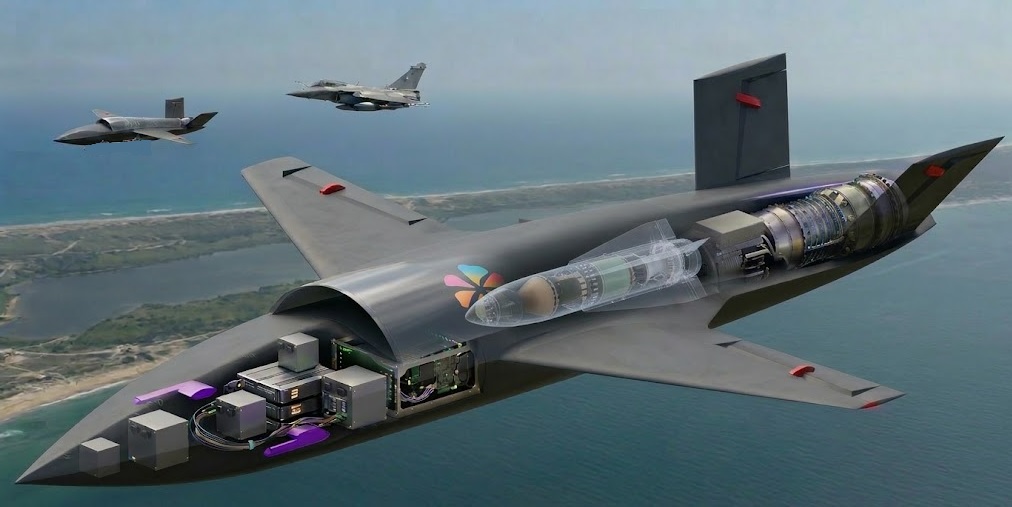
India
HYDERABAD — March 15, 2026 : Indian defence technology startup Paninian India Pvt Ltd has unveiled the SVAYATT-M1, an artificial intelligence-enabled loyal wingman drone developed as a Collaborative Combat Aerial Vehicle (CCAV) designed to operate alongside manned fighter aircraft during combat missions. The system is intended to support Manned-Unmanned Teaming (MUM-T) operations by enabling autonomous drones to fly in coordination with fighter jets while carrying out high-risk combat and reconnaissance tasks. According to the company, the platform is designed to enhance operational reach and survivability for manned aircraft operating in heavily defended environments. Company Background and Development Infrastructure Paninian India Pvt Ltd is a Hyderabad-based aerospace and defence startup founded in 2020 by former engineers from the Defence Research and Development Organisation (DRDO) and Hindustan Aeronautics Limited (HAL). The company operates from a 50,000-square-foot research and manufacturing facility in Hyderabad equipped with advanced simulation laboratories, wind tunnels, composite manufacturing infrastructure, and systems integration capabilities. The firm employs more than 200 engineers working across artificial intelligence, avionics, propulsion systems, aerostructures, and autonomous flight control technologies. Paninian has received financial and technical support from Indian government innovation programs, including a ₹150-crore grant awarded through the Innovations for Defence Excellence (iDEX) initiative in 2024 and the MeitY TIDE 2.0 grant from the Ministry of Electronics and Information Technology to support indigenous aerospace technology development. In 2023, Paninian also signed a memorandum of understanding with Godrej Aerospace to collaborate on the development of small aeroengines intended for unmanned aerial platforms. Airframe Design and Stealth Characteristics The SVAYATT-M1 features a low-observable stealth airframe constructed primarily from advanced composite materials designed to reduce radar and infrared signatures. The configuration is optimized for operations inside contested airspace, allowing the platform to approach defended targets while minimizing detection. The aircraft incorporates a modular plug-and-play architecture, enabling rapid integration and replacement of payload modules depending on mission requirements. This design allows operators to configure the drone for different operational roles by swapping sensors, avionics packages, or mission systems without major structural modifications. The platform is powered by an indigenous turbofan engine developed internally by Paninian, designed to deliver a high thrust-to-weight ratio while maintaining fuel efficiency suitable for extended mission profiles. Detailed specifications such as thrust output, endurance, speed, payload capacity, dimensions, and operational range have not yet been publicly disclosed. Artificial Intelligence and Autonomous Systems Autonomous mission planning and flight management are built around Kalman Intel, Paninian’s proprietary artificial intelligence-based mission intelligence platform. The system integrates data from multiple onboard and offboard sensors through advanced filtering algorithms and predictive data processing techniques. The AI framework enables the drone to perform complex autonomous operations, including: Precise navigation in GPS-denied environments Adaptive threat response and real-time flight path optimization Terrain-following and terrain-hugging flight profiles designed to reduce detection Sensor fusion and real-time situational awareness Coordinated swarm operations involving multiple unmanned platforms The system supports multi-agent collaboration, allowing several drones to coordinate actions during reconnaissance or strike missions. The platform’s digital flight control system incorporates redundancy layers, cybersecurity protections, and real-time data processing to maintain mission reliability in contested electromagnetic environments. Mission Roles and Operational Capabilities The SVAYATT-M1 has been designed as a multi-role unmanned combat platform capable of performing a wide range of mission profiles. These include: Intelligence, Surveillance and Reconnaissance (ISR) operations for battlefield monitoring and target identification. Electronic warfare (EW) missions involving electronic support measures and electronic attack capabilities. Air-to-ground strike operations against surface targets. Anti-ship missions for maritime strike operations. Decoy and attritable roles, where the drone can absorb risk in high-threat environments or function as a one-time strike platform if required. The system can also perform cooperative strike missions through swarm coordination, enabling synchronized engagements involving multiple unmanned aircraft. Integration with Indian Fighter Aircraft The SVAYATT-M1 has been designed to integrate with Indian Air Force fighter aircraft under Manned-Unmanned Teaming (MUM-T) concepts. The drone is intended to operate alongside platforms such as the Su-30MKI, Dassault Rafale, and the upcoming Advanced Medium Combat Aircraft (AMCA). In these operational configurations, the drone can conduct reconnaissance, electronic warfare, or strike missions while the manned aircraft remains at a safer stand-off distance. This approach allows the drone to handle higher-risk tasks, extending the combat radius of fighter aircraft while improving situational awareness across the battlespace. The platform is also designed to support naval operations, including launch and recovery from STOBAR-configured aircraft carriers, enabling integration with India’s carrier aviation capabilities. Testing and Development Methodology Development of the SVAYATT-M1 has incorporated advanced digital engineering approaches, including digital twin modeling, software-in-the-loop (SIL) simulations, and hardware-in-the-loop (HIL) testing. These testing frameworks allow engineers to evaluate flight control algorithms, sensor fusion systems, and mission planning software under simulated operational conditions before conducting physical trials. According to the company, these methods are used to validate the drone’s autonomous systems and ensure compliance with defence aviation standards prior to flight testing. Manufacturing Strategy and Indigenization Paninian India has stated that the SVAYATT-M1 program is designed to achieve over 85 percent localization in its supply chain, aligning with India’s broader defence indigenization initiatives. The company aims to reduce dependence on imported components by developing domestic manufacturing capabilities for propulsion systems, avionics, flight control electronics, and composite aerostructures. The startup’s manufacturing infrastructure in Hyderabad supports composite fabrication, structural assembly, avionics integration, and testing operations. Production Timeline and Future Plans Paninian India plans to continue development and validation testing of the SVAYATT-M1 through advanced simulation and prototype evaluation phases. The company has indicated that production scaling is targeted around 2027, subject to further testing, certification, and defence procurement requirements. The SVAYATT-M1 forms part of Paninian’s broader unmanned systems portfolio, which also includes the Svayatt TD-1 target-decoy system and the PA-LW50 loyal wingman drone platform, both intended for future unmanned combat and training applications. The development of the SVAYATT-M1 reflects ongoing efforts to introduce autonomous unmanned combat aircraft capable of operating in coordination with manned fighter jets, a concept increasingly being explored in modern air forces to extend operational reach and distribute mission risk across multiple platforms.
Read More → Posted on 2026-03-15 13:42:35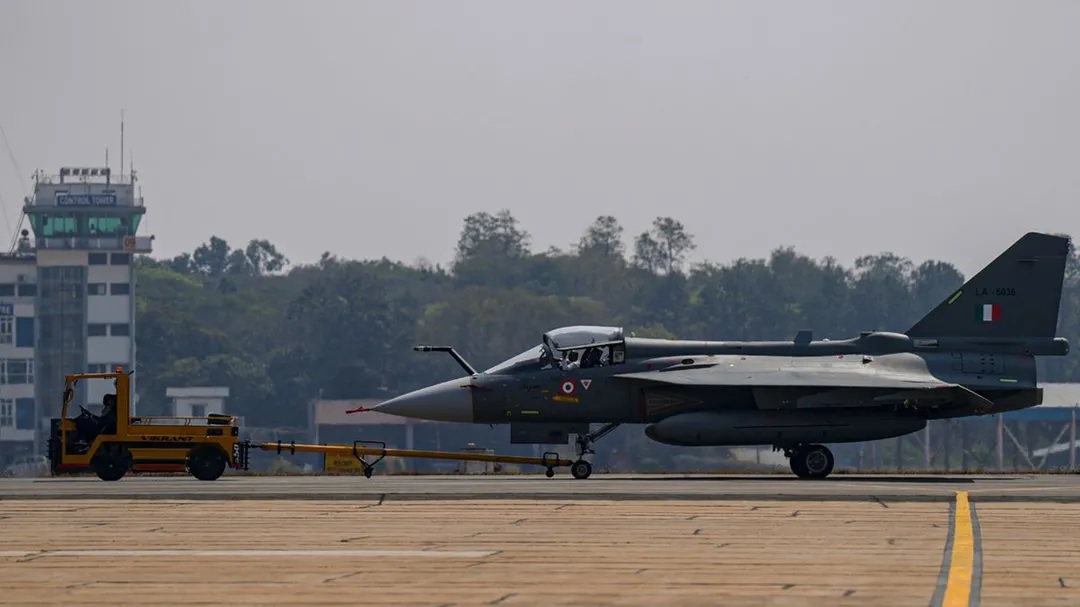
India
NEW DELHI — March 13, 2026 : The Indian Air Force (IAF) has determined that a software malfunction in the onboard computer of a Light Combat Aircraft (LCA) Tejas was responsible for a runway excursion that occurred on February 7, 2026, at a forward airbase along India’s western sector. The conclusion follows a detailed technical investigation and fleet-wide inspections that ruled out any structural or mechanical faults in the aircraft. The incident involved a single-seat Tejas fighter jet that veered off the runway during the take-off roll and slid into an adjacent mud ditch. The pilot survived the event but sustained injuries. Officials clarified that the pilot ejected from the aircraft during the incident. Incident Classification and Aircraft Status Hindustan Aeronautics Limited (HAL), the manufacturer of the Tejas platform, classified the event as a minor technical incident on the ground, rejecting early reports that described the event as a crash. According to officials involved in the investigation, the aircraft departed the runway during the take-off phase before coming to rest in a muddy area adjacent to the runway. The precise level of structural damage sustained by the airframe remains under evaluation as engineers assess whether the aircraft can be repaired and returned to service. Investigation and Technical Review Following the incident, the IAF temporarily grounded its fleet of approximately 35 operational single-seat Tejas fighter jets to conduct precautionary inspections and technical evaluations. The investigation included the convening of a Court of Inquiry, which carried out a comprehensive examination of multiple aircraft systems. The review focused on three primary technical areas: Metallurgy of the undercarriage and landing gear assembly Electromagnetic braking system Core avionics software and flight control protocols Investigators concluded that all mechanical and structural components were functioning as designed. No defects were identified in the landing gear structure or braking mechanisms. The fault was ultimately traced to a software glitch within the aircraft’s onboard computer system, which affected the aircraft’s behavior during the take-off roll. Officials involved in the review noted that software anomalies can occur in advanced digital avionics systems and are typically addressed through software revisions and updates. Software Correction and Testing In response to the findings, the IAF and HAL jointly developed an updated software patch intended to correct the malfunction identified during the investigation. The revised software is currently undergoing testing on selected aircraft within the fleet. The validation process is intended to confirm that the update fully resolves the issue and does not introduce compatibility problems with other avionics or flight control systems. Once testing is completed, the update will be rolled out across the entire Tejas fleet operated by the Indian Air Force. Officials did not disclose the exact technical nature of the software anomaly or provide a specific timeline for the fleet-wide deployment of the updated software. Operational Status of the Tejas Fleet After completion of the precautionary inspections and technical checks, the Tejas fleet was cleared to resume operations. The Indian Air Force currently operates 38 Tejas Mk-1 aircraft out of the 40 originally ordered, following two previous losses involving the platform. Previous Tejas Incidents The February 7 runway excursion represents the third significant incident involving the Tejas fighter since its induction into service in 2016. In March 2024, a Tejas aircraft crashed near Jaisalmer while returning from a firepower demonstration exercise. The pilot safely ejected and survived. A second incident occurred in November 2025, when a Tejas aircraft participating in an aerobatic display crashed during the Dubai Airshow. The accident resulted in the death of Wing Commander Namansh Syal. Future Fleet Expansion The Tejas platform remains central to the Indian Air Force’s fighter modernization program. India has placed orders for 180 upgraded Tejas Mk-1A fighters, which incorporate improvements in radar, avionics, electronic warfare systems, and maintenance efficiency. However, deliveries of the Mk-1A variant have been delayed by approximately two years, primarily due to supply chain constraints affecting the delivery of aircraft engines. Despite the delays, the aircraft is expected to play a significant role in replacing older fighter platforms in IAF service over the coming decade. The software correction following the February 7 runway incident is expected to be implemented fleet-wide once testing of the update is completed, ensuring continued operational safety of the Tejas fighter fleet.
Read More → Posted on 2026-03-13 14:15:34
India
MUMBAI — March 12, 2026 : The Liberia-flagged Suezmax crude oil tanker Shenlong has successfully arrived at Mumbai Port carrying 135,335 metric tonnes of Saudi Arabian crude oil after transiting the Strait of Hormuz, becoming the first non-Iranian crude tanker bound for India to complete the passage since regional maritime traffic through the chokepoint was disrupted in late February. Port authorities confirmed that the vessel berthed at the Jawahar Dweep terminal at Mumbai Port at 6:06 p.m. on March 11, after arriving earlier in the day. Discharge operations for the crude cargo have begun, with the shipment destined for refining facilities located in Mahul in eastern Mumbai. Voyage from Saudi Arabia to India According to maritime shipping data, the tanker loaded its cargo at Saudi Arabia’s Ras Tanura oil terminal, one of the world’s largest crude export facilities, on March 1 before departing several days later. The vessel entered the Strait of Hormuz on March 8 while en route to India. During its passage through the narrow waterway, the tanker briefly deactivated its Automatic Identification System (AIS) transponder, a practice sometimes used by shipping operators navigating high-risk areas to limit vessel tracking. The ship later resumed AIS transmissions after exiting the strait and continued its voyage across the Arabian Sea toward India. The tanker ultimately arrived at Mumbai Port on March 11, completing a journey of roughly ten days from the Saudi loading terminal. Vessel Specifications and Ownership The Shenlong (IMO 9379210) is a Suezmax-class crude oil tanker measuring 274 meters in length with a beam of 48 meters. Built in 2009, the vessel has the capacity to transport around one million barrels of crude oil, consistent with the cargo delivered during this voyage. The ship is owned by Shenlong Shipping Ltd. and is managed by Athens-based Dynacom Tanker Management Ltd. It sails under the Liberian flag and is commanded by an Indian national captain, Sukshant Singh Sandhu. The crew consists of 29 seafarers, including personnel from India, Pakistan, and the Philippines. Diplomatic Coordination for Safe Passage The tanker’s transit through the Strait of Hormuz occurred after diplomatic engagement between India and Iran aimed at ensuring the continued movement of Indian-bound energy shipments through the strategically important maritime corridor. India’s External Affairs Minister S. Jaishankar held multiple discussions with Iranian Foreign Minister Abbas Araghchi in recent weeks, including conversations on March 10, to address shipping safety concerns in the region. Indian government sources confirmed that Iranian authorities agreed to provide safe passage arrangements for tankers carrying cargoes destined for India through the strait. An Indian official familiar with the discussions stated that the vessel’s arrival reflects the cooperation between the two countries.“I would say it is a matter of great satisfaction and reflects the good relations between India and Iran, which came to our support,” the official said. Impact of Regional Shipping Disruptions Shipping traffic through the Strait of Hormuz had been affected following regional tensions beginning February 28, which led many commercial vessels to remain in safer waters in the Arabian Sea while awaiting security assurances. The Strait of Hormuz is one of the world’s most critical maritime oil transit routes, with more than 20 million barrels of crude oil passing through the corridor each day, representing roughly one-fifth of global petroleum consumption. Indian authorities have continued to monitor the situation closely. The Ministry of Ports, Shipping and Waterways has established a 24-hour monitoring and coordination system to track vessels connected to India operating in the Persian Gulf and surrounding waters. Government officials indicated that more than 20 tankers carrying cargoes bound for India are currently under review for similar safe-passage arrangements through the strait. Port Operations and Cargo Discharge Mumbai Port Authority confirmed that the Shenlong was safely secured at the Jawahar Dweep offshore oil terminal, the primary crude oil receiving facility for Mumbai’s refining complex. Unloading operations began shortly after berthing and are expected to continue for approximately 36 hours before the cargo is transferred to pipelines supplying refineries in the Mahul industrial zone. Port officials reported that no incidents occurred during the vessel’s transit or docking procedures, and normal port operations remain underway.
Read More → Posted on 2026-03-12 14:18:09
India
NEW DELHI — March 10, 2026 : SMPP Limited, an Indian manufacturer of ballistic protection equipment, has received an additional order to supply 10,000 bulletproof jackets (BPJs) for India’s paramilitary forces. The procurement is intended for the Border Security Force (BSF), Central Industrial Security Force (CISF), and Sashastra Seema Bal (SSB), expanding an existing supply contract between the company and the forces. Order Expansion and Delivery Progress The new order increases the total procurement volume for the three paramilitary organizations to 50,000 bulletproof jackets. The contract originally covered 40,000 jackets, which SMPP Limited has been delivering under previously agreed timelines. According to company information, approximately 28,000 jackets from the initial order have already been delivered to the respective forces. The remaining units are scheduled for delivery during the next financial year, and the company states that production and supply remain aligned with the contractual schedule. The additional procurement follows earlier deliveries under the original order and reflects the continued requirement for ballistic protection equipment for personnel deployed in high-risk operational environments. Role of SMPP in Indian Defence Supply Chains SMPP Limited develops and manufactures ballistic protection systems for soldiers and military platforms across land, air, and maritime environments. The company’s product portfolio includes personal protection equipment, platform protection kits, ballistic helmets, and ammunition components such as combustible cartridge cases. Headquartered in New Delhi, SMPP operates manufacturing facilities in Haryana and Himachal Pradesh and has been involved in defence manufacturing for approximately four decades. In addition to the ongoing supply to BSF, CISF, and SSB, the company is also delivering advanced bulletproof jackets capable of stopping armour-piercing ammunition to the Central Reserve Police Force (CRPF) and the Indian Army. Previous Defence Contracts SMPP has previously executed several large defence procurement programs for the Indian armed forces and paramilitary units. In April 2018, the Ministry of Defence awarded the company a contract valued at ₹639 crore for the supply of 186,138 bulletproof jackets to the Indian Army. The company completed the delivery of that order ahead of the scheduled timeline. More recently, in June–July 2025, SMPP secured a separate ₹300 crore emergency procurement contract from the Indian Army. That order included: 27,700 bulletproof jackets, and 11,700 advanced ballistic helmets. The jackets supplied under that program incorporate features such as dynamic load distribution systems designed to improve weight balance and quick-release mechanisms intended for emergency removal during combat situations. The company has also delivered approximately 200,000 ballistic helmets under emergency procurement procedures and has previously supplied large quantities of protective equipment to paramilitary forces including the CRPF, BSF, and Assam Rifles. Some helmet variants were designed specifically for Sikh soldiers, allowing accommodation of religious headgear. Technical Characteristics of the Bulletproof Jackets The bulletproof jackets produced by SMPP incorporate Boron Carbide ceramic plates, a material widely used in advanced ballistic armor due to its combination of low weight and high hardness. The use of Boron Carbide allows the protective gear to maintain reduced weight while maintaining the ability to defeat multiple ballistic impacts. The jackets are engineered to provide 360-degree protection, covering critical areas including the neck, chest, sides, and groin. Their modular design allows personnel to configure the protection level depending on operational requirements such as long-duration patrols, static security duties, or high-risk intervention operations. The ballistic plates provide Level III+ protection, enabling the armor to stop several types of commonly used rifle ammunition, including: 7.62×51 mm rounds, 5.56×45 mm INSAS ammunition, and steel-core projectiles fired from AK-47 rifles. Manufacturing Capacity and Production Infrastructure SMPP’s manufacturing facilities employ automated production lines and internationally certified quality management systems. According to company data, equipment produced by the firm has been used by more than 500,000 soldiers. To date, the company reports production of: over 300,000 ballistic helmets, hundreds of thousands of bulletproof jackets, and approximately 700,000 combustible cartridge cases used in artillery ammunition systems. SMPP is also expanding its defence manufacturing activities into 155 mm artillery ammunition, as well as unmanned aerial systems and drone munitions. Domestic Defence Manufacturing Policy The company’s operations have been supported by procurement policies under the Ministry of Defence’s Positive Indigenisation List, which restricts imports of specified defence equipment and encourages domestic production. These policies aim to increase the participation of Indian defence manufacturers in supplying equipment to the armed forces and paramilitary organizations, while reducing reliance on imported systems. The additional order for 10,000 bulletproof jackets is part of this broader framework of domestically produced protective equipment being supplied to security forces operating across India’s border regions and critical infrastructure sites.
Read More → Posted on 2026-03-10 13:57:09
India
NAGPUR, MAHARASHTRA — March 7, 2026 : Solar Defence and Aerospace Limited (SDAL), a subsidiary of Solar Industries India Limited, on Saturday laid the foundation stone for a ₹12,800 crore (approximately $1.4 billion) deep-technology manufacturing facility in Nagpur aimed at producing unmanned aerial vehicles (UAVs), defense robotics, and related advanced systems. The Bhoomipujan ceremony for the project was attended by Union Minister for Road Transport and Highways Nitin Gadkari and Maharashtra Chief Minister Devendra Fadnavis, along with company leadership including Solar Group Chairman Satyanarayan Nuwal. The facility will be developed at the MIHAN Special Economic Zone in Nagpur, Maharashtra. The project represents one of the largest planned UAV and robotics manufacturing initiatives in India and is designed as an AI-powered Industry 5.0 production ecosystem. According to company officials, the facility will focus on mass production of advanced unmanned systems for defense applications while also supporting dual-use technologies for civilian and industrial sectors. Production Capacity and Manufacturing Scope According to data released by the company, the plant will have an annual production capacity of approximately 10,000 unmanned aerial vehicles and around 1,000 defense robots. The UAV production program will cover a wide operational range, from short-range tactical drones with operational distances of approximately 15 kilometers to long-range unmanned platforms capable of reaching up to 1,000 kilometers. The production portfolio will also include Medium Altitude Long Endurance (MALE) drones designed for extended surveillance and strike missions. Company officials indicated that achieving an annual output of 10,000 military-grade UAVs would correspond to a production rate of roughly 27 drones per day. This level of manufacturing scale differs from traditional defense production models, which typically rely on lower-volume assembly lines for high-end systems. The facility is intended to enable rapid replenishment of unmanned systems inventories and support large-scale deployment of drone-based operational capabilities. The robotics segment of the project will focus on specialized ground robots designed for defense missions in difficult environments. Planned systems include robotic platforms capable of operating in high-altitude areas with extreme temperatures, conducting reconnaissance operations, performing hazardous tasks, and supporting combat units in high-risk scenarios. Annual production capacity for these systems is expected to reach approximately 1,000 units. Industry 5.0 Manufacturing Framework Solar Defence and Aerospace stated that the Nagpur facility will operate under an Industry 5.0 manufacturing framework. The concept integrates artificial intelligence-driven automation, advanced robotics, and human-centered production systems. The facility is expected to incorporate AI-enabled production lines designed to improve efficiency in manufacturing complex aerospace and defense systems. According to company representatives, the use of AI-assisted production and automation is intended to reduce development timelines and support high-volume output of advanced unmanned systems. Solar officials confirmed that the first working prototype of the company’s defense robot platform is expected to be produced within approximately 12 months. Investment Structure and Timeline The ₹12,800 crore investment is structured under the Maharashtra government’s Mega Project and Thrust policy framework, which allows a development timeline of up to ten years. However, Solar Group Chairman Satyanarayan Nuwal stated that the majority of capital expenditure is planned within the next three to four years in order to accelerate development of production infrastructure and begin operational manufacturing earlier in the project cycle. Earlier developments related to the project include a provisional land allotment granted in October 2025 for approximately 223 acres within the MIHAN Special Economic Zone for the establishment of a MALE drone manufacturing facility. The project is also expected to generate around 6,800 jobs once operational. Strategic Context and Company Expansion Speaking during the ceremony, Nuwal stated that evolving global warfare dynamics are increasing demand for long-range unmanned systems and robotics within military operations. The Solar Group already operates facilities involved in missile and rocket production. The new Nagpur plant will specifically focus on unmanned aerial platforms and defense robotics, expanding the company’s defense technology portfolio. Solar Industries has also expanded its capabilities through partnerships and investments in autonomous systems technologies. The company holds a 45 percent stake in Z Motion Autonomous Pvt. Ltd., which focuses on UAV and loitering munitions development. Among the systems associated with Solar’s defense portfolio are the Nagastra loitering munition and the Bhargavastra counter-drone system. The company also operates medium-caliber ammunition manufacturing facilities in Nagpur that were inaugurated in January 2026. Regional Defense Manufacturing Hub The development of the new SDAL facility further strengthens Nagpur’s position as a growing defense and aerospace manufacturing hub. Existing defense-related industrial operations in the region include facilities operated by Dassault Reliance Aerospace Limited and Tata Advanced Systems Limited. Government officials stated that the project aligns with national initiatives to expand domestic defense production and reduce reliance on imported military technologies, under India’s broader self-reliance strategy in defense manufacturing. The Nagpur facility will produce both military and dual-use systems, including electronic components, aerospace assemblies, unmanned platforms, and strategic technology products intended for defense and industrial markets. Construction and development of the project are expected to proceed in phases as manufacturing infrastructure and technology integration are completed.
Read More → Posted on 2026-03-07 18:13:05
Bengaluru’s Q-Alpha Aerospace Developing India’s First Mach 10 Hypersonic SWARM Combat Drone RHH-150
India
BENGALURU — March 7, 2026 : Bengaluru-based defense startup Q-Alpha Aerospace Private Limited is developing what it describes as India’s first hypersonic swarm-capable unmanned combat aerial vehicle (UCAV), designated RHH-150. The platform is designed as an air-breathing, variable-range, multi-role hypersonic system capable of reconnaissance, strike, and electronic warfare missions while operating as part of a coordinated swarm network. The RHH-150 is part of the company’s broader effort to develop advanced unmanned aerial systems integrating artificial intelligence, hypersonic propulsion, and network-centric combat architecture. Platform Design and Technical Specifications According to the technical parameters released by the company, the RHH-150 is designed as a large unmanned aircraft optimized for long-range and high-speed operations. The aircraft measures 27.6 meters in length with a wingspan of 14.2 meters. It is designed with an operational range of approximately 3,600 kilometers and a maximum speed of Mach 10, placing it within the hypersonic flight regime. The platform is powered by the HTJ-160 air-breathing hypersonic propulsion system, which enables sustained high-speed flight using atmospheric oxygen rather than carrying onboard oxidizers. The air-breathing propulsion configuration is intended to support variable-range mission profiles, allowing the system to conduct both rapid short-range strike operations and extended long-distance missions. The aircraft’s propulsion and aerodynamic configuration are designed to maintain hypersonic maneuverability, enabling mid-course trajectory corrections and high-speed evasive maneuvers during flight. Operational Roles and Mission Capabilities The RHH-150 is being developed as a multi-role UCAV platform capable of performing a range of combat and support missions. The system is designed to support: Air-to-ground strike operations Air-to-air combat roles Intelligence, Surveillance, and Reconnaissance (ISR) Electronic Warfare (EW) missions The UCAV’s operational architecture enables it to conduct precision strikes, deep-penetration reconnaissance missions, and persistent surveillance operations. Its air-breathing propulsion design allows for sustained flight durations, enabling loitering capability for ISR missions when required. The aircraft also incorporates reduced radar cross-section (RCS) design features, with stealth-oriented airframe architecture intended to lower detectability during operations in contested airspace. Hypersonic Maneuverability and Flight Characteristics A core design feature of the RHH-150 is its ability to maintain controlled maneuverability at hypersonic speeds. The system is engineered to execute real-time course corrections, trajectory adjustments, and evasive maneuvers while traveling at speeds approaching Mach 10. These capabilities are intended to complicate interception attempts by conventional air defense systems. The aircraft’s guidance architecture integrates real-time data processing and adaptive flight control algorithms designed to maintain stability and mission effectiveness during high-speed flight. SWARM Network Operations The RHH-150 is designed to operate within a network-centric swarm architecture, enabling multiple UCAVs to coordinate autonomously during missions. Under the SWARM concept, several RHH-150 units can operate as a distributed combat formation capable of performing synchronized reconnaissance, multi-directional strike operations, and coordinated electronic warfare tasks. The swarm architecture allows multiple aircraft to share sensor data, distribute mission tasks, and execute coordinated target engagement strategies. Such operations are intended to saturate or overwhelm adversary air defense networks by presenting multiple simultaneous threats from different vectors. Artificial Intelligence and Digital Twin Integration The platform incorporates AI-driven control architecture designed to process real-time battlefield data and support autonomous decision-making in complex operational environments. Artificial intelligence systems onboard the aircraft are designed to support: Adaptive mission planning Autonomous navigation Real-time threat analysis Dynamic target prioritization Integration with other battlefield assets The system also utilizes digital twin technology, which allows mission planners to simulate operational scenarios and optimize mission parameters prior to deployment. This capability provides graphical visualization of operational conditions and supports end-to-end mission awareness. Multi-Platform Deployment The RHH-150 is designed to support operations across land, air, and sea-based deployment platforms. According to the company, the aircraft is capable of operating from shorter runways compared with manned fighters of similar dimensions. The system is also designed to be compatible with naval aviation infrastructure, including aircraft carriers, expanding its operational flexibility. This multi-platform deployment capability allows the UCAV to integrate with diverse military force structures, including land-based air forces and naval aviation units. Development Status A scaled demonstration model of the RHH-150 was scheduled for display during Aero India 2025 in Bengaluru, where the company presented early concepts related to its hypersonic unmanned systems program. As of March 2026, the system remains under development, with the company continuing work on design refinement and technology maturation. Public references and company disclosures indicate ongoing development activities for the platform. The project is being pursued as a private-sector aerospace initiative, reflecting growing participation by Indian defense startups in advanced military aviation technologies. Company Background Q-Alpha Aerospace Private Limited was incorporated in December 2023 and operates from Bengaluru, Karnataka, a major hub for India’s aerospace and defense technology sector. The company focuses on the development of advanced unmanned aerial systems, AI-integrated aviation platforms, and hypersonic aerospace technologies. Alongside the RHH-150, Q-Alpha Aerospace is developing several additional unmanned platforms, including: RTD Series — target and defense unmanned systems RLJ Series — jet-powered medium-range stealth UCAV fighters such as the RLJ-200 and RLJ-600 RHH Series Hypersonic Systems — including the RHH-50, RHH-100, and RHH-150 The company reports that it uses internally developed artificial intelligence tools to support the design, engineering, manufacturing, and testing cycles of its aerospace platforms. The RHH-150 program represents part of the company’s broader portfolio aimed at advancing indigenous capabilities in hypersonic unmanned combat aviation systems.
Read More → Posted on 2026-03-07 13:30:59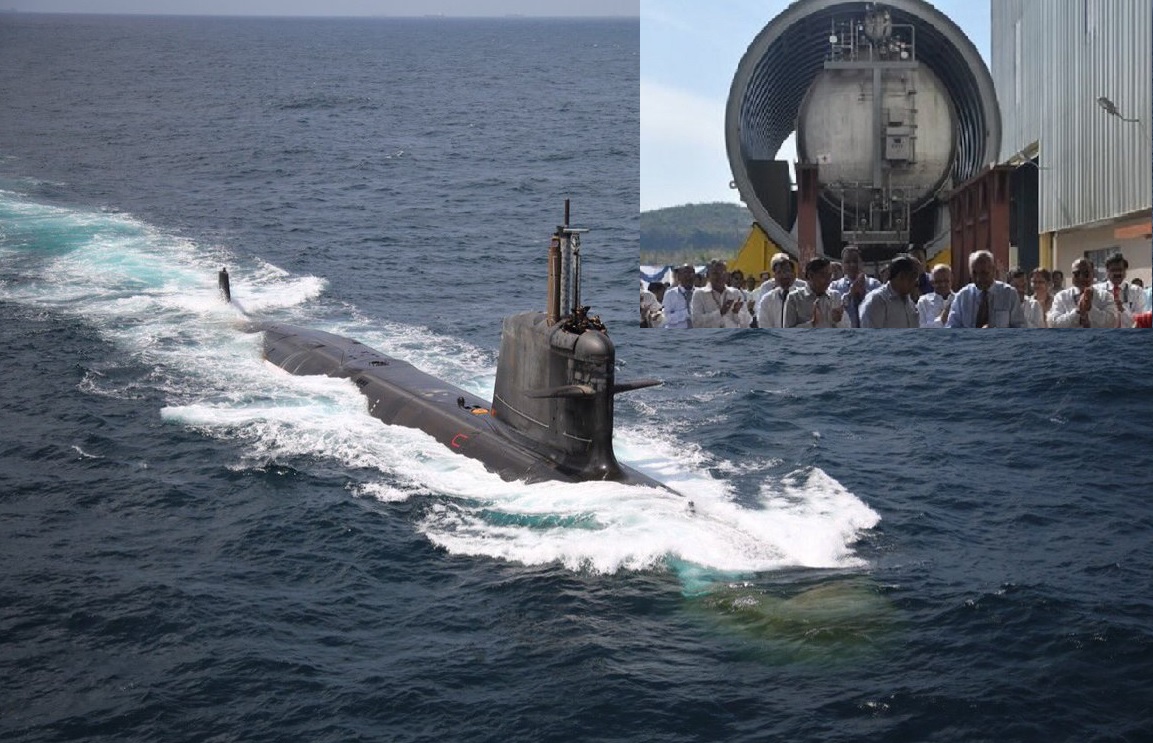
India
NEW DELHI — March 2026 : The Indian Navy is preparing to install its first indigenously developed Air-Independent Propulsion (AIP) system on INS Khanderi, the second submarine of the Kalvari class, during a scheduled refit expected to begin later in 2026. Once the upgrade is completed, the submarine is projected to return to operational service by the end of 2026, becoming the first vessel in the Indian fleet equipped with a domestically developed AIP capability. The system has been developed by the Defence Research and Development Organisation (DRDO)’s Naval Materials Research Laboratory (NMRL) with Larsen & Toubro (L&T) acting as the principal industry partner for manufacturing. Integration of the AIP module into the submarine will be carried out by Mazagon Dock Shipbuilders Limited (MDL) in Mumbai, where the Kalvari-class submarines were constructed under Project-75 in collaboration with France’s Naval Group. INS Khanderi will undergo structural modification during the refit, including the insertion of a dedicated AIP “plug” into the submarine’s hull. Following installation, the submarine is expected to undergo extended sea trials beginning around mid-2027 to validate the system under operational conditions. Indigenous Fuel-Cell Propulsion System The Indian AIP system is a 270-kilowatt fuel-cell-based power generation module that uses phosphoric acid fuel cells (PAFC). The technology produces electricity through an electrochemical reaction between hydrogen and oxygen, with phosphoric acid acting as the electrolyte. Hydrogen required for the reaction is generated onboard using a chemical process involving sodium borohydride, eliminating the need to store hydrogen in high-pressure tanks. Oxygen is carried in stored form within the submarine. When the two react within the fuel cell stack, electricity is produced and supplied directly to the submarine’s electrical systems. The process generates water as the only by-product, which reduces detectable emissions and contributes to quiet underwater operation. Unlike many foreign AIP designs that require large volumes of stored hydrogen, the Indian system generates hydrogen on demand. According to defence research officials, this configuration improves operational safety and simplifies logistics while maintaining efficient power output. The electricity generated by the system can power both onboard equipment and propulsion systems, allowing the submarine to operate silently without needing to surface or snorkel to recharge its batteries. Operational Advantages of AIP Air-independent propulsion allows conventional diesel-electric submarines to remain submerged significantly longer than those relying solely on batteries. Without AIP, such submarines typically need to surface or snorkel every two to three days to recharge their batteries using diesel generators. With AIP installed, underwater endurance can increase to approximately two weeks, depending on operational conditions. This extended endurance reduces exposure to radar, infrared, and visual detection when the submarine would otherwise need to operate near the surface. For navies operating in regions with dense surveillance networks, including the Indian Ocean Region, increased submerged endurance provides improved survivability and operational flexibility. Global Air-Independent Propulsion Technologies Air-independent propulsion technologies used worldwide fall into four primary categories, each with distinct operating principles. Closed-cycle diesel engines operate by supplying stored oxygen to a conventional diesel engine while recirculating exhaust gases after removing carbon dioxide. This allows the engine to function underwater but requires complex gas management systems. Closed-cycle steam turbine systems, such as the French MESMA (Module d’Energie Sous-Marine Autonome) system, generate steam by burning ethanol with oxygen. The steam drives a turbine that produces electricity. Stirling engine systems are used in Swedish Gotland-class submarines and early Japanese Sōryū-class submarines. These engines burn diesel fuel with stored oxygen to create heat, which drives pistons in a closed cycle using an inert working gas such as helium. Fuel-cell systems, including proton exchange membrane (PEM) fuel cells used in German Type 212 and Type 214 submarines, produce electricity through electrochemical reactions rather than mechanical combustion. India’s design uses a phosphoric acid fuel cell variant, which operates at higher temperatures and offers stable long-duration output. More than 50 AIP-equipped submarines are currently in service globally across several navies, including those of China, Germany, Japan, South Korea, and Sweden. Development Timeline Research on India’s indigenous AIP technology began at NMRL around 2005–2006, following an earlier attempt during the late 1990s to develop a closed-cycle diesel propulsion system. After more than a decade of research and laboratory testing, the programme achieved a major milestone when a land-based prototype completed user-specific trials on 8 March 2021, demonstrating endurance and power performance. To prepare the technology for submarine integration, DRDO signed an agreement with Naval Group in January 2023 to undertake detailed integration design and certification for the Kalvari-class platform. The collaboration ensured compatibility between the indigenous propulsion module and the French-designed Scorpène hull structure. In June 2023, DRDO awarded Larsen & Toubro a contract to manufacture two AIP system modules under a technology transfer arrangement. Subsequently, in December 2024, India’s Ministry of Defence approved contracts worth approximately ₹877 crore for construction of AIP plugs and integration work on Kalvari-class submarines. From the start of research to operational readiness, the project has progressed over nearly two decades, with significant technological maturation occurring after the successful prototype trials in 2021. Integration Plan for Kalvari-Class Submarines The AIP system was initially planned to be installed during construction of the fifth and sixth Kalvari-class submarines, but the schedule was later revised. The Indian Navy decided instead to retrofit the technology during the submarines’ first major refits, which occur roughly every seven years. INS Kalvari, the lead submarine of the class, is currently undergoing its refit cycle but will not receive the AIP module during this maintenance period. The first operational installation will therefore occur on INS Khanderi (S22). Following installation and sea trials, the Navy plans to equip the remaining submarines in the class with the indigenous AIP during their respective refits. The six submarines in the Kalvari class are: INS Kalvari (S21) INS Khanderi (S22) INS Karanj (S23) INS Vela (S24) INS Vagir (S25) INS Vagsheer (S26) The insertion of the AIP module will slightly increase the submarine’s hull length but is expected to significantly improve underwater endurance and operational flexibility. Role in Future Submarine Programs The modular design of the AIP system allows it to be adapted for different submarine platforms beyond the Kalvari class. Indian defence planners have indicated that the technology may also support future indigenous submarine programmes, including those under Project-76, which aims to develop next-generation conventional submarines with advanced stealth and endurance features. Defence officials have confirmed that shore-based testing has met all required technical benchmarks, allowing the system to proceed toward fleet integration without further design changes. Once INS Khanderi completes its refit and testing cycle, the submarine will become the first operational platform in the Indian Navy equipped with an indigenous AIP propulsion system, marking a significant milestone in India’s efforts to develop domestic naval propulsion technologies.
Read More → Posted on 2026-03-07 13:14:06Search
Top Trending in 24 Hours
-
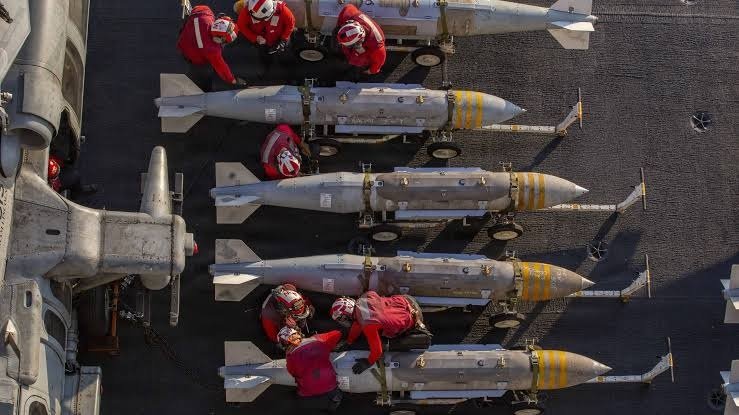 Pentagon Inspector General Report Finds Iran War Caused U.S. Ammunition Shortfalls and Industrial Bottlenecks
-
 Satellite Imagery Shows Extensive Damage to Saudi Arabia’s East-West Oil Pipeline, Indicating More Than a Single Strike
-
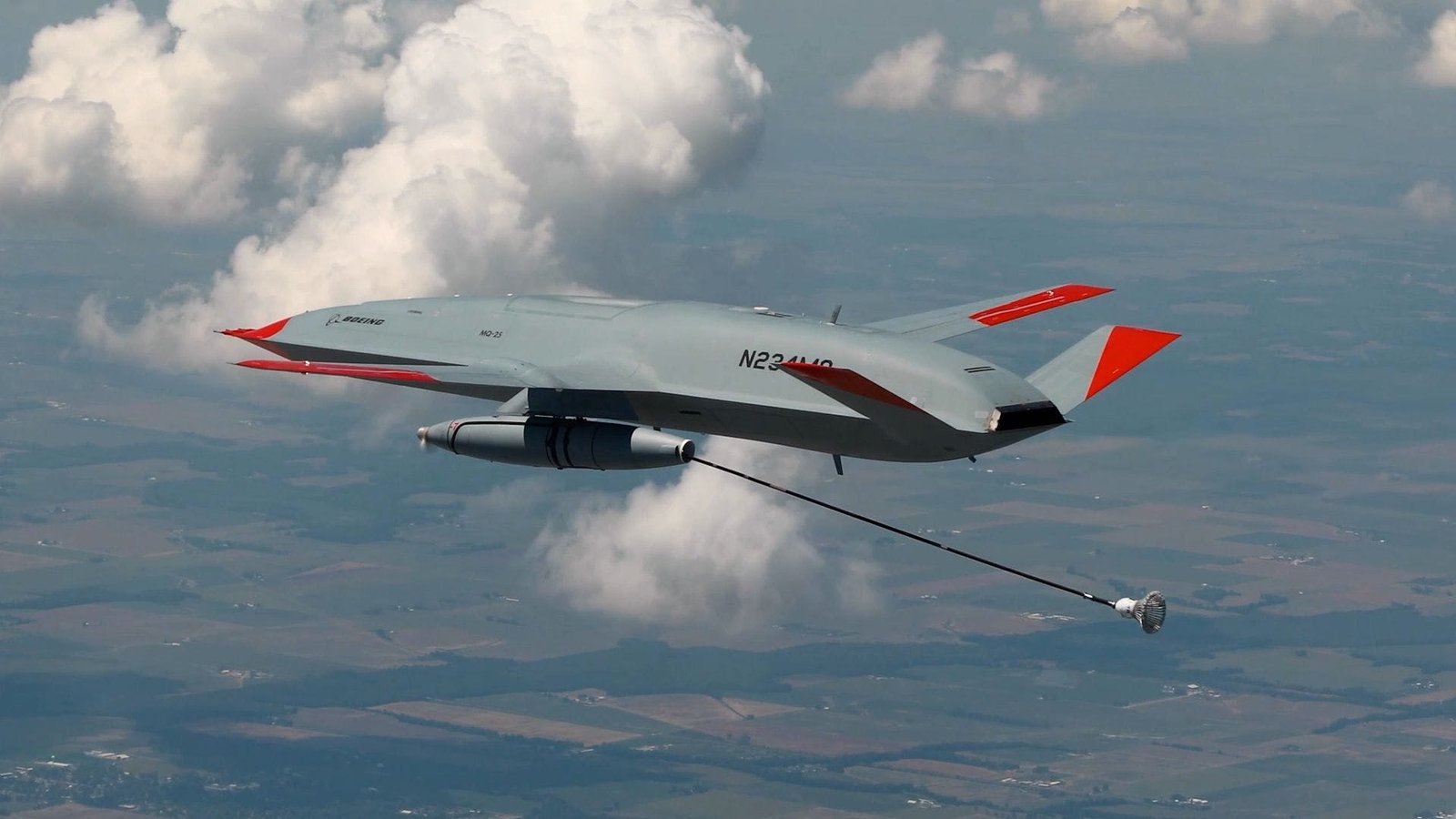 U.S. Navy Awards Boeing $562 Million Contract for First Production MQ-25A Stingray Tanker Drones
-
 Pentagon and Honeywell Complete Four-Hour Pacific Flight Using Quantum Magnetic Navigation Without GPS
-
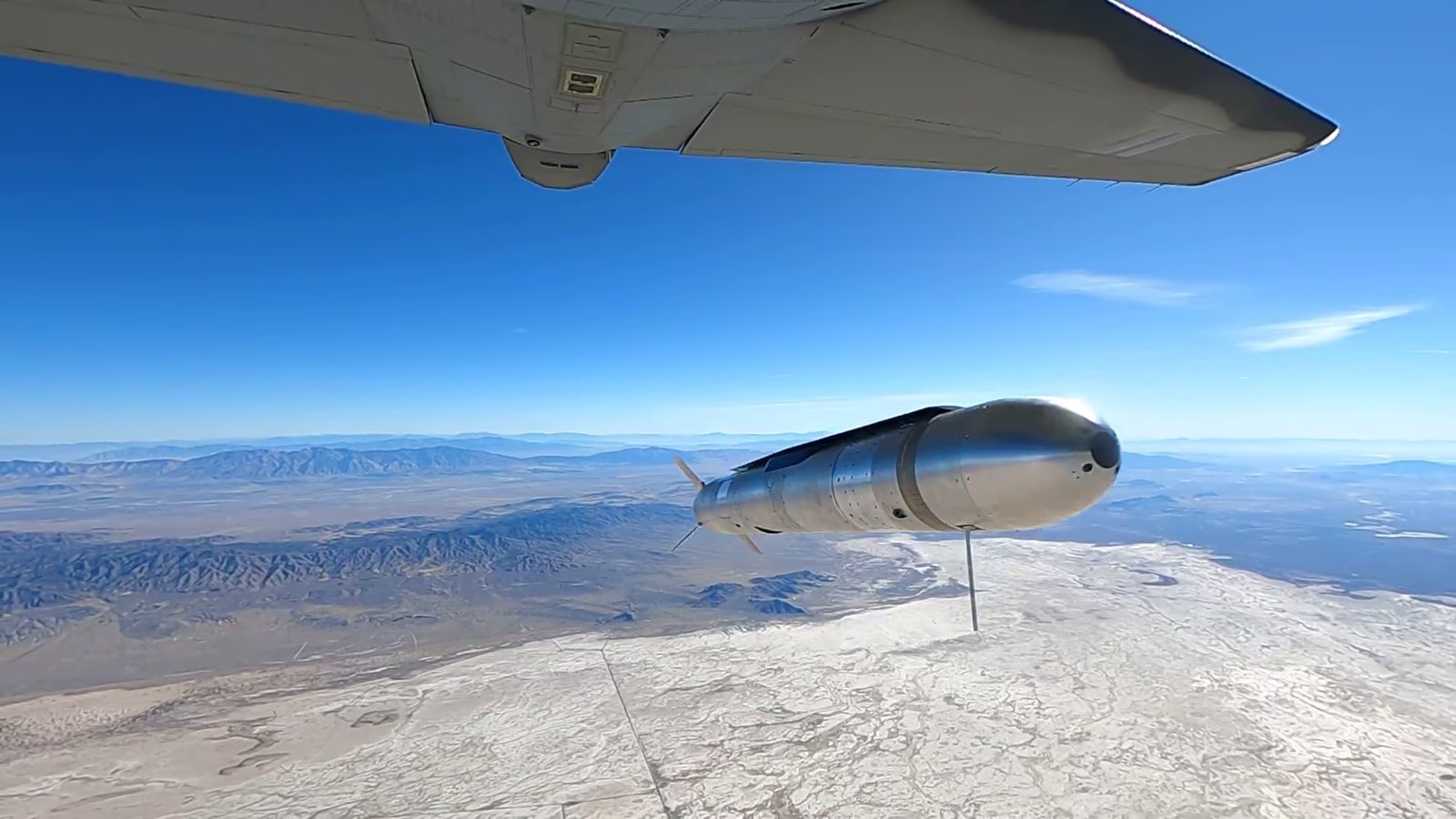 U.S. Air Force Special Operations Command Clears AGM-190A Havoc Spear for Wider Service After Combat Evaluation in Africa
-
 U.S. Confirms Deployment of On-Orbit Space Control Weapons for First Time
-
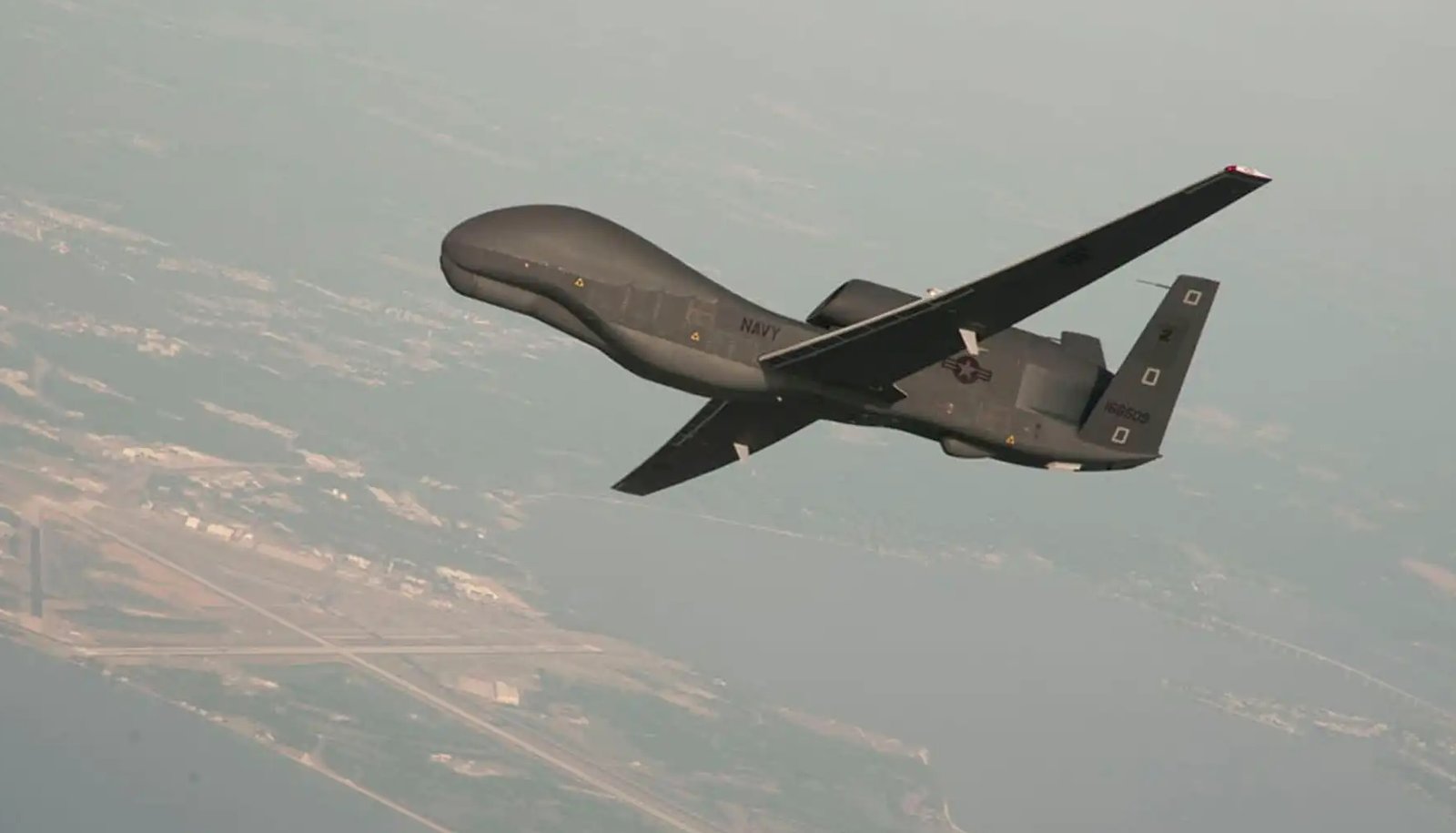 Japan Air Self-Defense Force Loses Contact With Global Hawk Surveillance Drone Off Tottori Coast; Aircraft Presumed Crashed
-
 China Builds New Shanghai Vessel to Serve as Mothership for Large Uncrewed Submarines
Top Trending in 4 Days
-
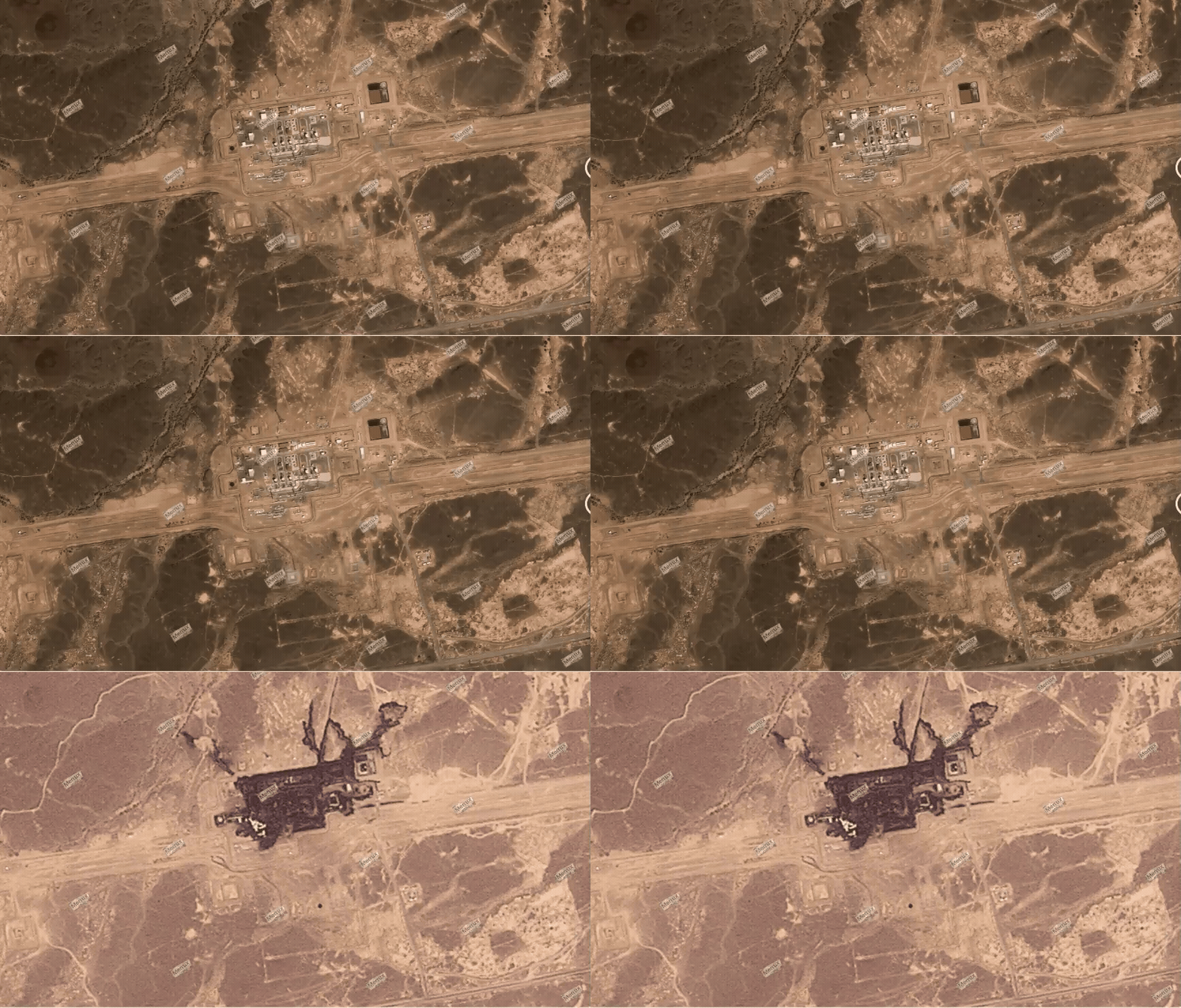 Satellite Imagery Shows Heavy Damage to Saudi East–West Oil Pipeline Pumping Stations
-
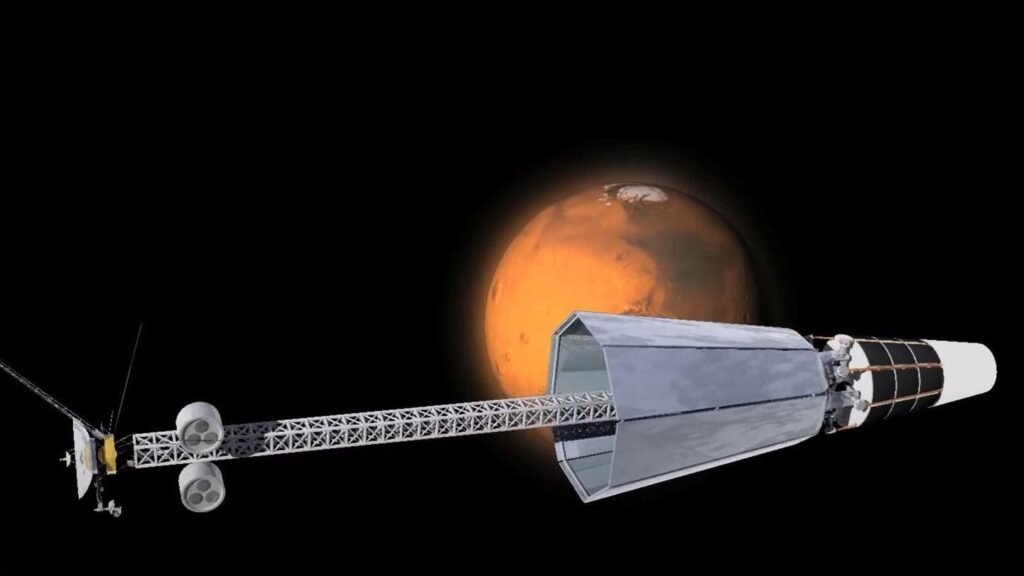 U.S. Air Force Awards Antares $161 Million to Develop Nuclear Reactor for Spacecraft
-
 Pentagon Awards BlueHalo Up to $99.8 Million Contract for Orbital Battlespace R&D Program
-
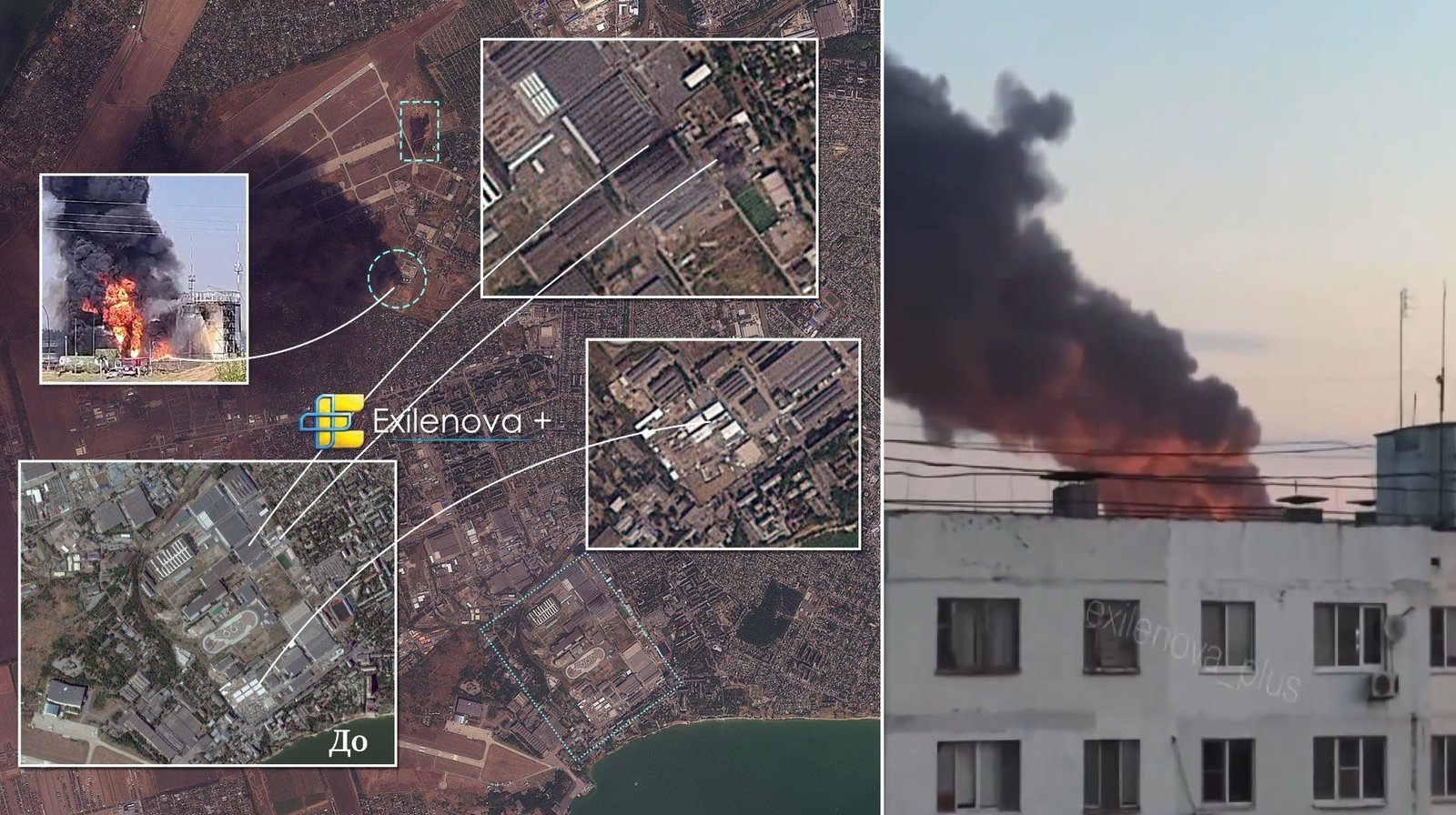 Ukrainian Drones Strike Russian UAV Manufacturer and Chemical Plants in Taganrog and Tolyatti
-
 U.S. Officials Link Chinese Satellite Imagery to Iranian Strike That Killed Three American Soldiers in Jordan
-
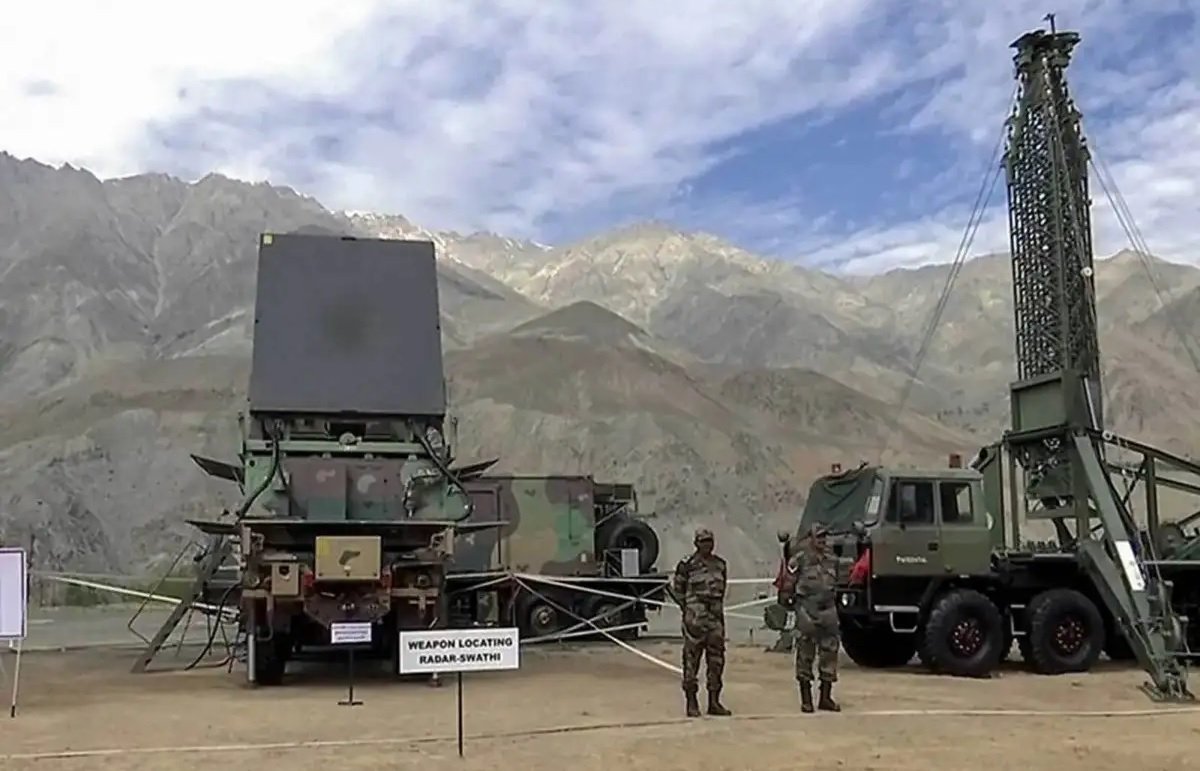 DRDO Demonstrates Indigenous 3.5×3 mm GaN Chip Delivering 30 Watts for Next-Generation Radars and Electronic Warfare
-
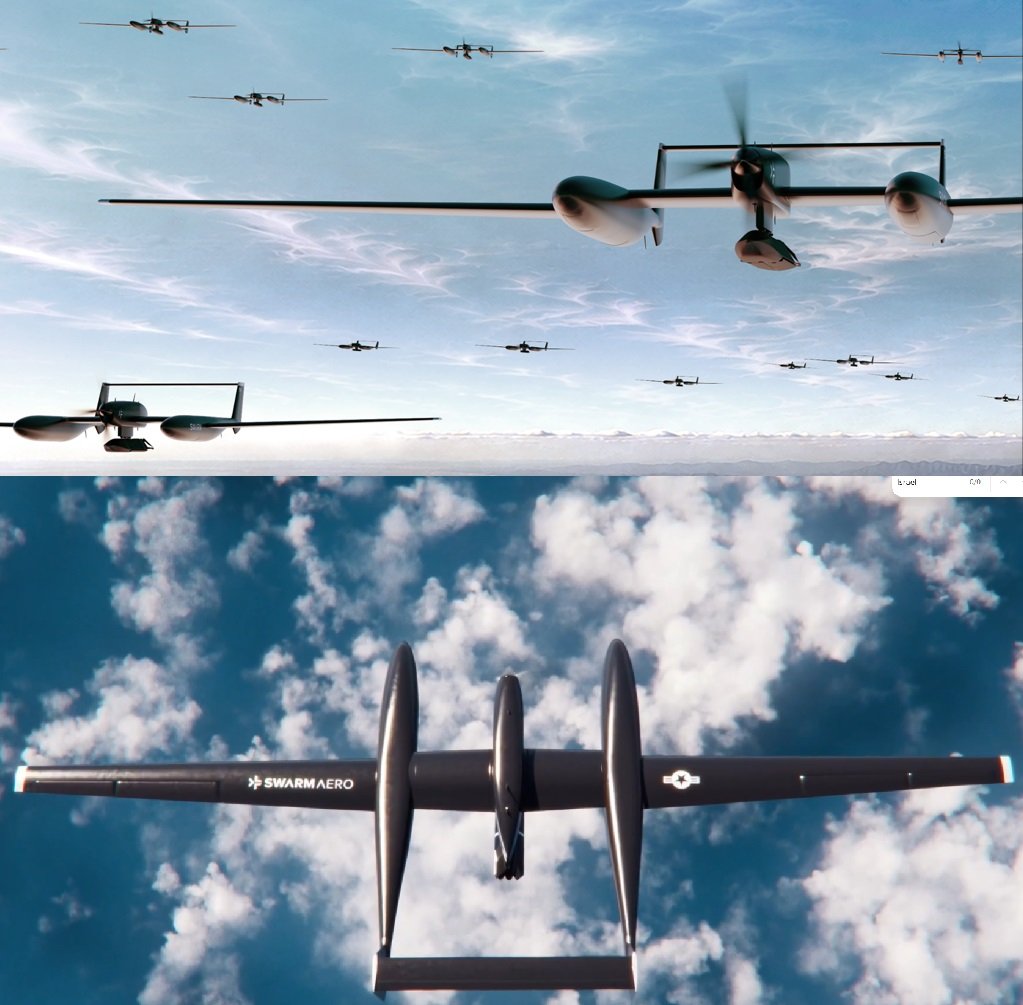 U.S. Firm Swarm Aero Unveils Gamera Group 5 UAS With 9,000-Nautical-Mile Range and Heavy Strike Payload
-
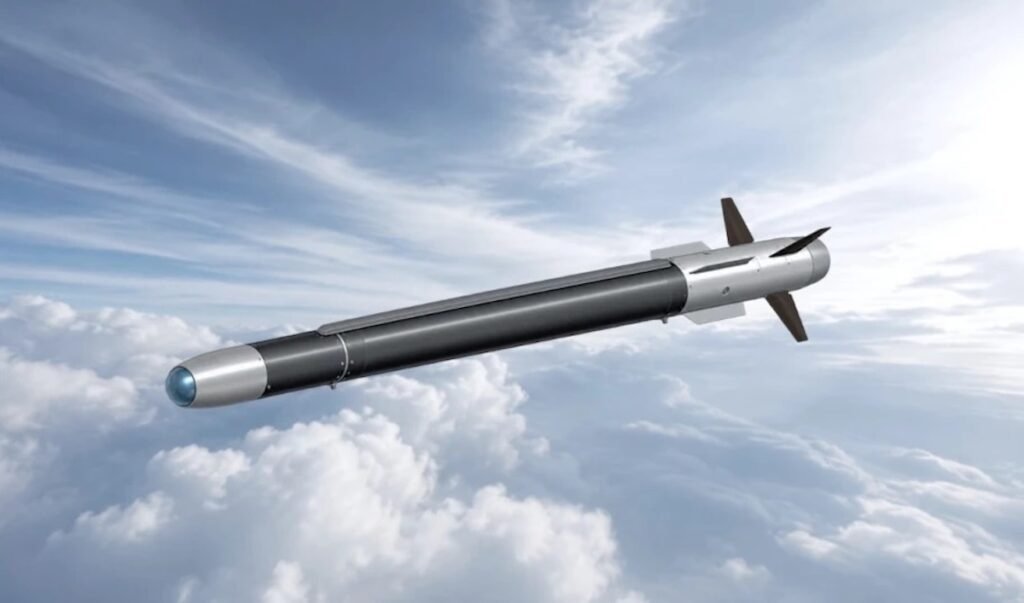 MBDA and Poland’s WITU Advance Low-Cost Supersonic Interceptor Against Swarm Attacks, Seeker Trials Successfully Completed