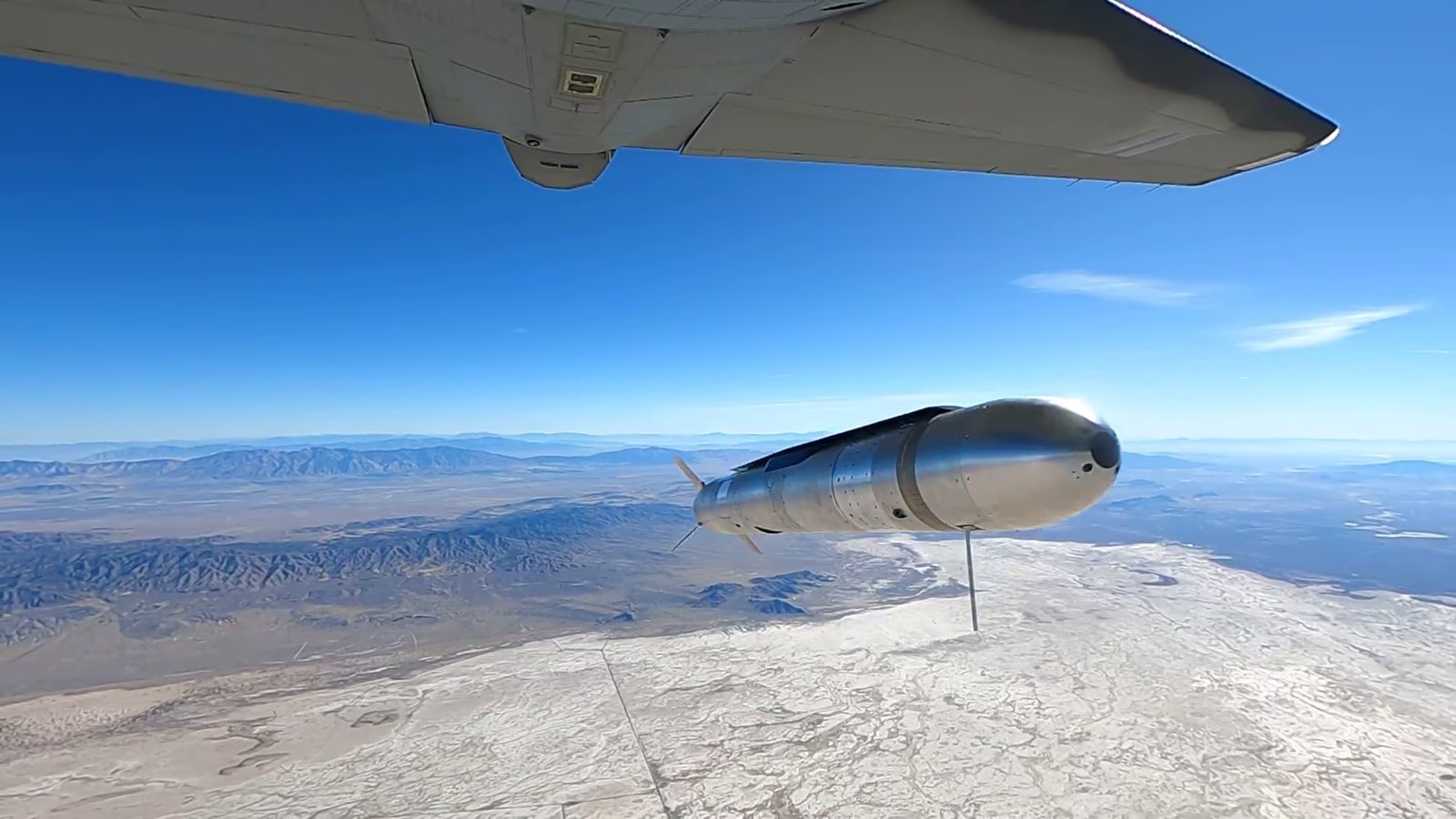
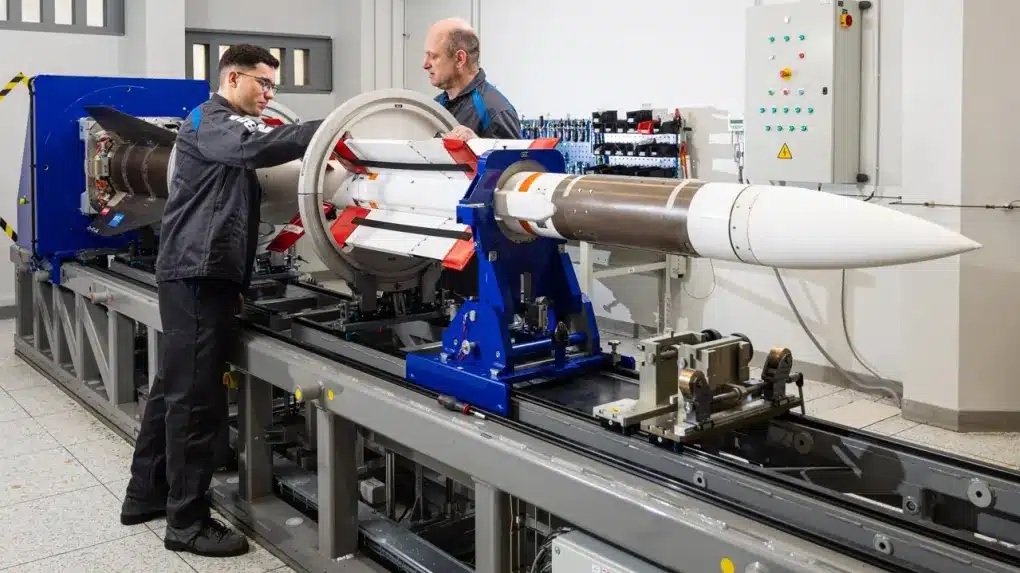
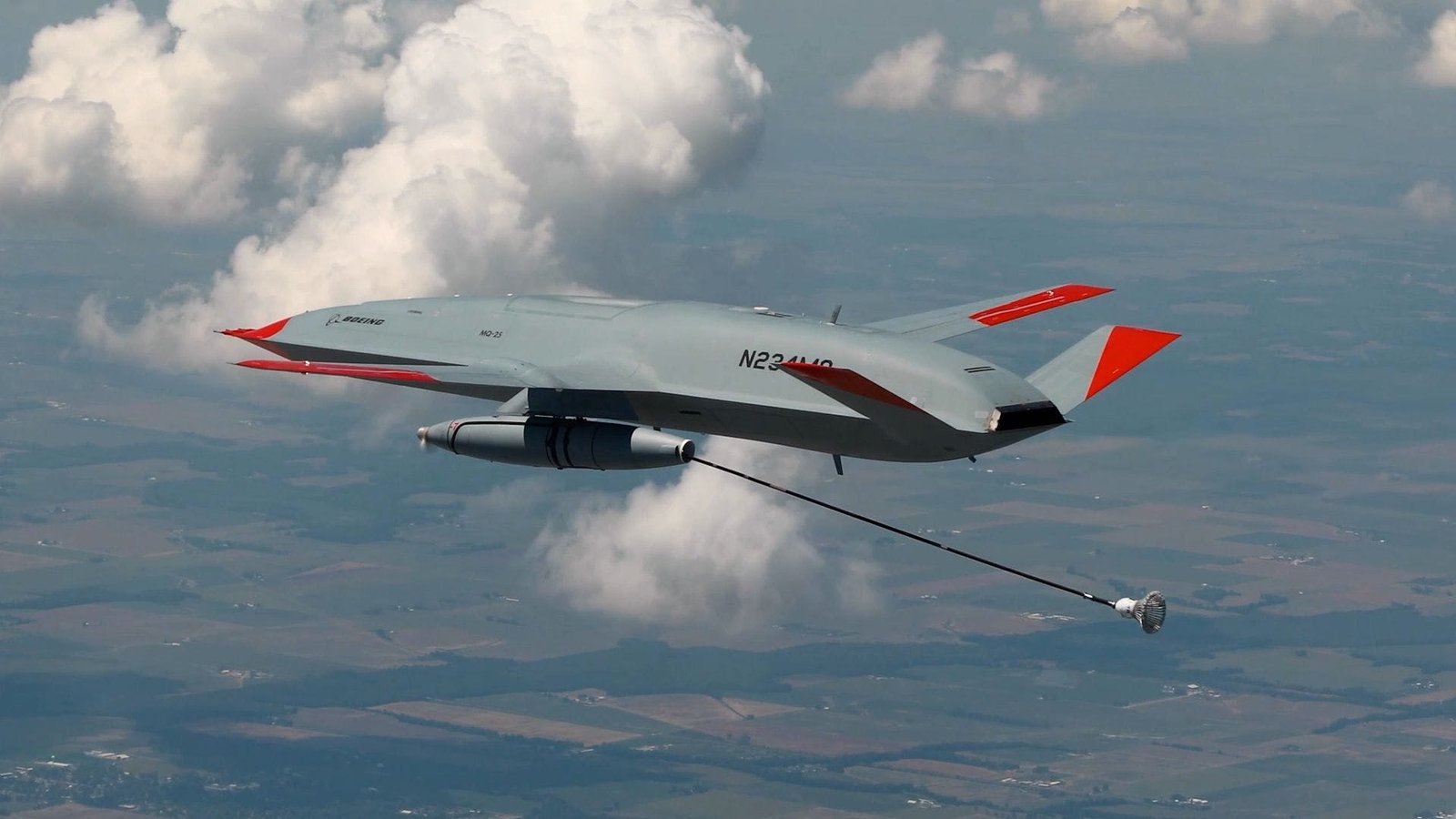
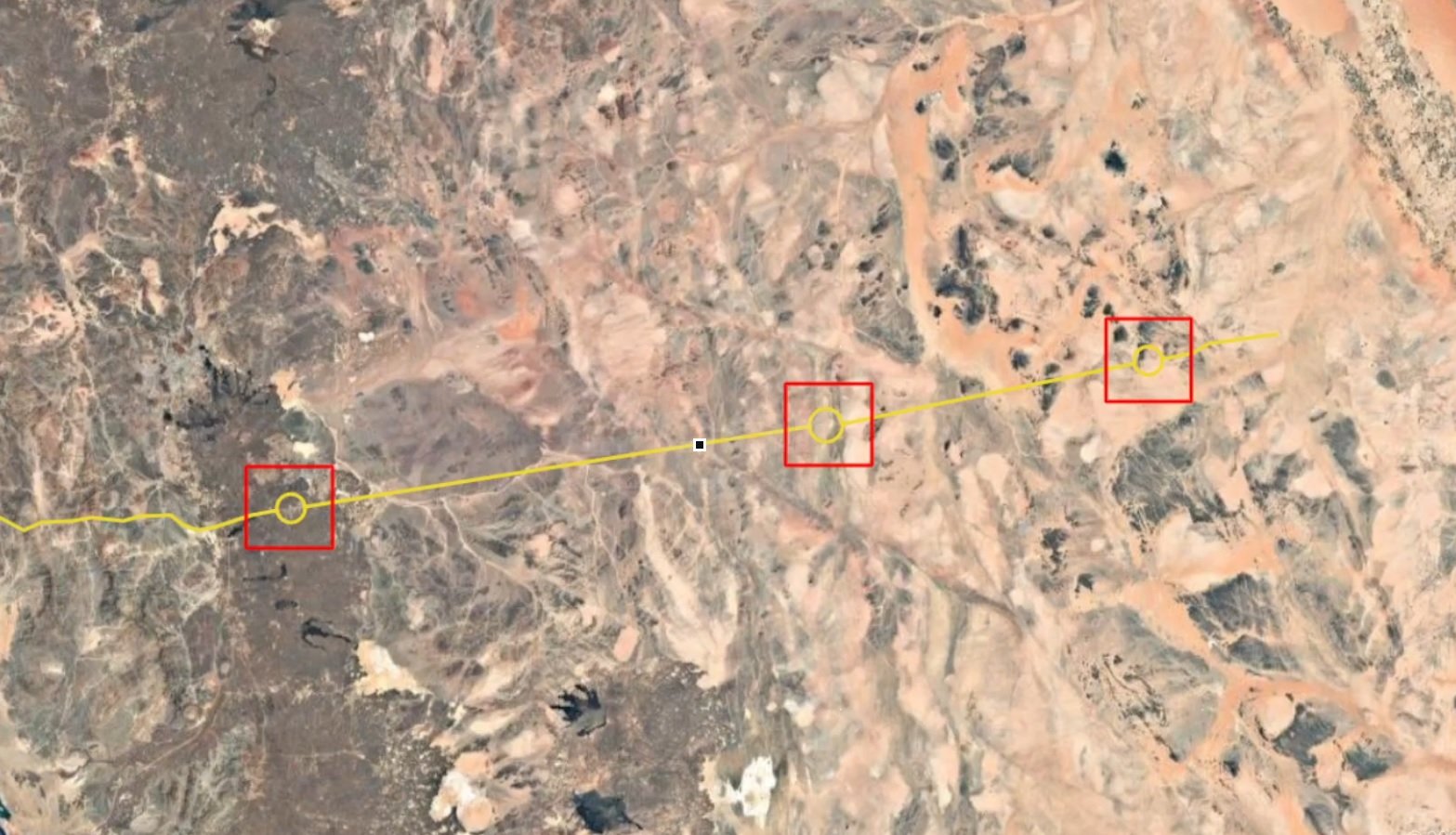
NEW DELHI — March 6, 2026: Indian defense technology company IG Defence has unveiled the first conceptual details of Project KAL, an indigenous long-range one-way attack drone currently under development. The project aims to establish a domestically produced deep-penetration strike platform designed to expand India’s unmanned combat capabilities as part of the national Atmanirbhar Bharat (self-reliant India) initiative in defense manufacturing.
The company released the initial concept information and imagery on March 6, providing an early look at the platform’s intended role and projected performance characteristics. Project KAL is being designed as a long-range strike unmanned aerial vehicle (UAV) capable of conducting precision attacks against high-value targets located deep inside contested environments.
Indigenous Development and Strategic Role
Founded in Odisha and currently headquartered in New Delhi, IG Defence specializes in indigenous defense technologies including FPV strike drones, counter-UAS systems, intelligence-surveillance-reconnaissance platforms, and logistics drones. The company describes Project KAL as a cost-effective long-range strike system intended to strengthen India’s domestic unmanned warfare ecosystem.
The platform is designed as a one-way attack UAV, meaning the drone carries an explosive payload and is intended to strike the target directly rather than return to base.
Project KAL is intended to support operations targeting strategic military infrastructure such as logistics hubs, radar installations, and other high-value assets located well beyond frontline areas.
Projected Technical Specifications
According to the concept specifications released by the company, Project KAL is being developed with the following projected operational parameters:
- Maximum range: up to 1,000 kilometers
- Flight endurance: approximately 3 to 5 hours
- Payload type: high-explosive strike payload
- Operational role: long-range deep-penetration strike missions
The planned endurance window would allow the drone to travel significant distances into contested territory while remaining airborne long enough to monitor target areas and adjust its flight path before executing a strike.
The drone’s payload configuration is designed for precision strikes against strategic infrastructure and military installations. Specific details about propulsion systems, guidance mechanisms, onboard sensors, and payload capacity beyond the explosive role have not yet been publicly disclosed.
Context in Modern Unmanned Warfare
Long-range one-way attack drones have become a significant component of contemporary military operations. Recent conflicts in the Middle East involving Iran, Israel, and the United States have demonstrated the operational impact of low-cost long-range strike drones.
Platforms such as the Iranian Shahed-136 loitering munition have been widely used in recent conflicts, illustrating how inexpensive unmanned systems can challenge sophisticated air-defense networks.
The concept behind Project KAL follows a similar operational logic: providing a scalable strike capability that can impose cost and operational pressure on advanced air-defense networks while extending the reach of unmanned strike operations.
Leadership Statements
Bodhisattwa Sanghapriya, Founder and Chief Executive Officer of IG Defence, stated that long-range unmanned strike systems are increasingly shaping the trajectory of global military operations. He noted that Project KAL represents an effort to develop a domestic ecosystem for this emerging category of defense technology.
RC Padhi, a retired Major General and Senior Vice President at IG Defence, said that recent geopolitical conflicts have reinforced the need for platforms combining extended operational reach, persistence, and cost-efficient strike capability.
Development Status
Project KAL is currently in the early stages of development, and the unveiling represents the first public disclosure of the program. The company has indicated that additional technical information and development updates will be released in the coming months as the project progresses toward prototype development and testing phases.
The initiative aligns with India’s broader effort to expand domestic production of unmanned military technologies and reduce reliance on imported systems. If successfully developed and integrated, Project KAL would contribute to India’s growing portfolio of indigenous unmanned combat platforms.
——— End of Article ———