World
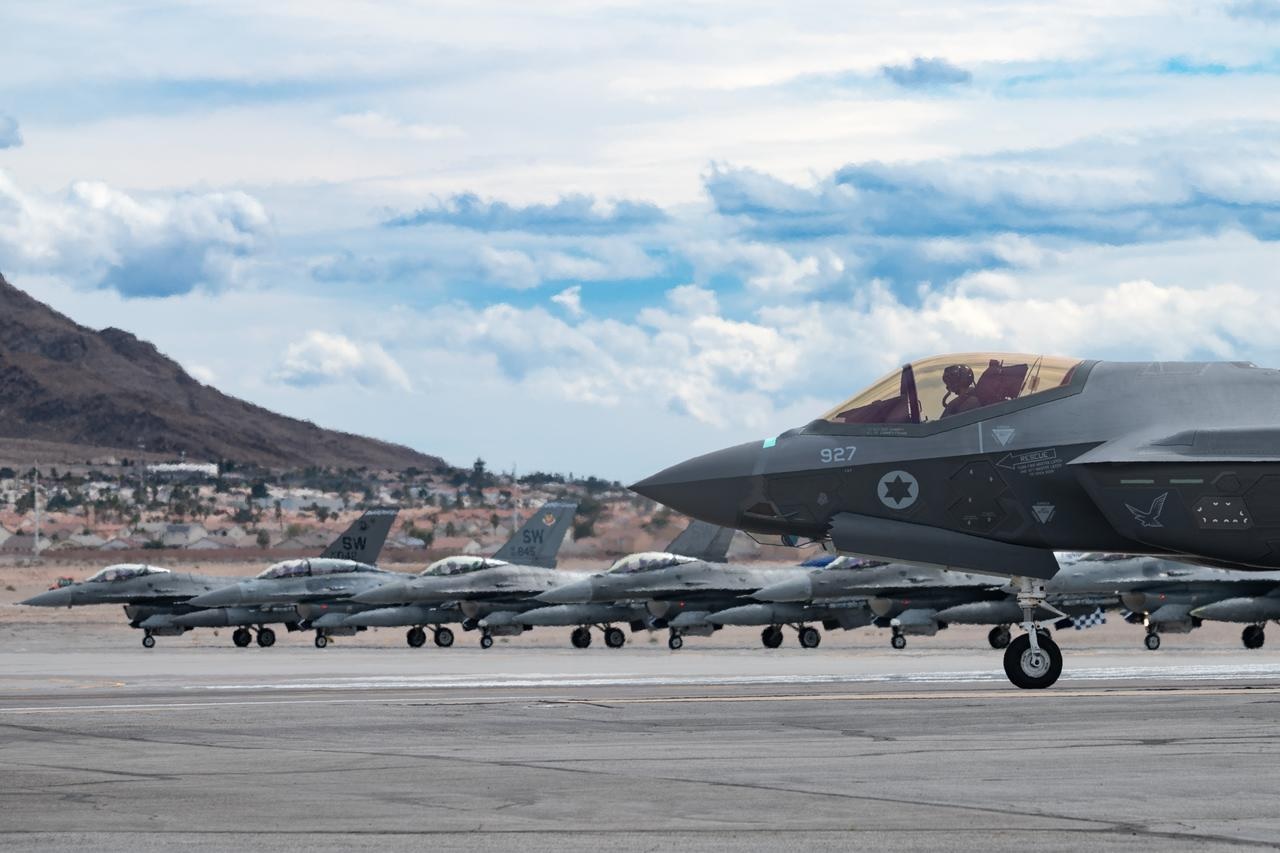
JERUSALEM, — May 3, 2026 : Israel has formally approved the acquisition of two additional squadrons of advanced combat aircraft, authorizing the purchase of new F-35I Adir stealth fighters and F-15IA aircraft as part of a long-term military modernization program. The decision was cleared by the Ministerial Committee on Procurement, enabling the Defense Ministry to move forward with negotiations for a fourth squadron of F-35I aircraft from Lockheed Martin and a second squadron of F-15IA jets from Boeing. Strategic Framework and Budget Allocation The procurement represents the first operational phase of a broader 350 billion shekel ($119 billion) defense buildup program approved by Prime Minister Benjamin Netanyahu and Defense Minister Israel Katz. The multi-year plan is structured to strengthen Israel’s long-term military readiness and preserve its qualitative air superiority in the Middle East over the next decade. Under the approved package, Israel will acquire: 25 additional F-35I stealth fighter jets 25 F-15IA advanced fighter aircraft Full operational integration into Israeli Air Force command, control, and networking systems Long-term sustainment support, including spare parts, maintenance frameworks, and regional logistics infrastructure The procurement will be financed through United States security assistance funds, continuing the established defense cooperation mechanism between Washington and Jerusalem. Expansion of Israeli Air Force Capabilities The acquisitions will significantly expand the operational strength of the Israeli Air Force over the coming decade. Israel currently operates 48 F-35I aircraft out of an initial order of 50, primarily based at Nevatim Airbase. A third squadron of 25 F-35I jets was approved in 2023, with deliveries expected to begin in 2028. The addition of the newly approved fourth squadron will bring the total planned fleet to 100 F-35I aircraft. For the F-15IA platform, Israel signed a contract with Boeing in 2024 for an initial 25 aircraft, with deliveries projected to begin in 2031. The approval of a second squadron will double the total number of F-15IA jets to 50. The dual-platform structure is designed to combine the operational characteristics of both aircraft types. The F-35I provides low observable capabilities, advanced sensor fusion, and network-centric warfare integration, while the F-15IA offers extended range and heavy payload capacity for long-range strike missions. Operational Context and Policy Direction Defense officials indicated that the procurement timeline and structure were influenced by recent regional security developments, including operational assessments from the conflict with Iran referred to by the Israel Defense Forces as Operation Roaring Lion. Defense Minister Israel Katz stated that future requirements will include expanded technological capabilities, particularly in autonomous aviation systems and space-based defense integration. He emphasized the need for continuous force development to ensure operational flexibility across multiple theaters. Defense Ministry Director General Amir Baram said the procurement balances immediate operational requirements with long-term planning. He also highlighted the role of U.S.-Israel defense coordination, noting that recent combat experience reinforced the importance of bilateral strategic cooperation. Procurement Process and Implementation Following the committee’s authorization, the Defense Ministry’s procurement delegation in the United States has been directed to finalize contractual agreements with U.S. government and defense counterparts. This includes completing administrative procedures, funding allocations, and delivery frameworks. While detailed delivery schedules for the newly approved squadrons have not been publicly disclosed, officials confirmed that the broader military buildup program is structured over an approximately ten-year timeline. The F-35I “Adir” is a customized configuration of the F-35 platform adapted for Israeli operational requirements, while the F-15IA is based on the latest F-15EX design with modifications tailored for long-range and high-payload missions. The approval aligns with Israel’s ongoing modernization of its air combat capabilities and reflects continued reliance on U.S. defense partnerships for advanced military technology procurement.
Read More → Posted on 2026-05-03 10:27:21
World
West Palm Beach, Florida — May 3, 2026 : Donald Trump has indicated that the United States may reposition the USS Abraham Lincoln (CVN-72) near Cuba after its current deployment in the Middle East, outlining a potential shift in U.S. military posture toward the Caribbean. The remarks were delivered on May 1 during an address to the Forum Club of the Palm Beaches in West Palm Beach, Florida. According to reporting by Fox News, the president described a scenario in which the aircraft carrier could be positioned approximately 100 yards from the Cuban coastline as it transits back from ongoing operations in the Persian Gulf. “We’ll bring it in, have it stop roughly 100 yards off the shore, and they’ll say, ‘Thank you very much, we surrender,’” Trump stated during the speech. He further added that the United States would be “taking over” the island “almost immediately” following the conclusion of current military operations elsewhere. As of May 3, neither the White House nor the United States Department of Defense has issued clarification on whether the comments represent a formal directive or a hypothetical scenario discussed in a political context. Current Deployment of USS Abraham Lincoln The USS Abraham Lincoln (CVN-72), a Nimitz-class nuclear-powered aircraft carrier, is currently deployed in the Arabian Sea and Persian Gulf. The vessel is part of a U.S.–Israel joint military mission targeting Iran, widely referred to as Operation “Epic Fury.” The carrier strike group includes advanced aviation capabilities. On February 12, 2026, U.S. Navy records confirmed that F-35C Lightning II aircraft assigned to Marine Fighter Attack Squadron 314 conducted flight operations from the carrier’s deck in the Arabian Sea. These operations highlight the vessel’s capacity for sustained air power projection in high-intensity environments. During his remarks, Trump noted that the carrier’s return route from the Middle East could allow for a diversion toward the Caribbean, making a deployment near Cuba logistically feasible without requiring a separate redeployment order. Escalation in U.S. Policy Toward Cuba The president’s statements follow a series of policy measures aimed at increasing pressure on Cuba since the start of his current term. On May 1, 2026, the administration signed a new executive order expanding sanctions against Cuba. The order targets individuals and entities associated with the Cuban government, including those operating in the energy, defense, mining, metals, financial services, and security sectors. It also authorizes the blocking of U.S.-based assets linked to entities conducting business with Havana. The latest measures build on earlier actions taken in January 2026, when the administration declared a national emergency concerning Cuba. That decision introduced a framework for secondary sanctions, including tariffs on foreign governments and companies supplying oil to the island. The policy has contributed to fuel shortages and power disruptions within Cuba. These actions were implemented under authorities granted by the International Emergency Economic Powers Act, which enables the U.S. government to regulate commerce in response to national security threats. Pentagon Planning and Strategic Considerations Reports indicate that the Pentagon has been developing contingency plans for a potential military intervention in Cuba amid rising tensions between Washington and Havana. Defense sources cited in international reporting suggest that planning efforts have accelerated in anticipation of possible executive direction. Trump had previously referenced the timeline for potential action during remarks at the White House on April 13, 2026. At that time, he stated that the United States could consider measures against Cuba following the conclusion of operations related to Iran, asserting that he holds executive authority to take necessary steps to establish control over the island. No official military orders related to Cuba have been publicly announced. Defense officials have not confirmed any deployment timelines or operational parameters beyond standard contingency planning processes. Response from Cuban Leadership Cuban officials have publicly rejected recent U.S. actions. Miguel Díaz-Canel described the May 1 sanctions as coercive, stating that they inflict significant economic harm due to what he characterized as aggressive U.S. policies. Bruno Rodríguez Parrilla criticized the measures as “illegal and abusive,” describing the sanctions and associated tariffs as a form of collective punishment affecting the Cuban population. Cuba continues to face economic challenges, including fuel shortages and electricity disruptions, which have intensified following the implementation of oil-related restrictions earlier in the year. Ongoing Developments The situation remains fluid, with no additional operational details released by U.S. authorities. The USS Abraham Lincoln continues its mission in the Middle East, and any decision regarding redeployment toward the Caribbean has not been formally confirmed. The administration’s recent statements and policy actions indicate a continued focus on Cuba as part of broader U.S. strategic considerations following ongoing military operations involving Iran.
Read More → Posted on 2026-05-03 10:12:02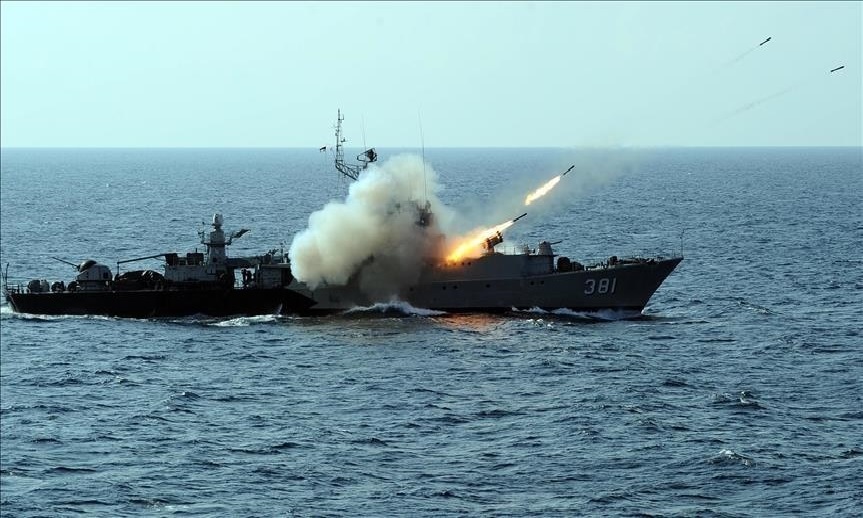
World
Tokyo, — May 3, 2026 : Japan’s top ground operational command will conduct its first training exercise focused exclusively on the country’s southwestern Nansei Islands from May 17 to 22, incorporating coordinated command-and-control activities with the United States Marine Corps. The exercise reflects ongoing efforts by Tokyo and Washington to strengthen operational coordination and logistical readiness along the First Island Chain. The drills will be led by the Japan Ground Self-Defense Force (JGSDF) Ground Component Command, which oversees nationwide land operations. Approximately 300 personnel drawn from all five regional armies will participate in the multi-day exercise spanning the islands of Miyakojima, Ishigaki, and Yonaguni—areas geographically positioned close to Taiwan. Scope of Operations Across Key Islands Activities will be distributed across three strategically located islands in the Nansei chain, which extends from Kyushu toward Taiwan. On Miyakojima, located approximately 350 kilometers east of Taiwan, around 300 JGSDF personnel will conduct operations from May 17 to May 20. They will be joined by 20 U.S. Marines from the 12th Marine Littoral Regiment’s Headquarters Battalion, based in Okinawa. During this phase, the two forces will establish and operate a bilateral communication and coordination center on the island. This marks the first instance of such a joint command post being set up on Miyakojima. Separate exercises will take place on Ishigaki and Yonaguni islands, both situated closer to Taiwan. Ishigaki lies roughly 240 kilometers from Taiwan, while Yonaguni—Japan’s westernmost inhabited island—is about 110 kilometers from the Taiwanese coast. U.S. personnel will not participate in the drills conducted on these two islands. Logistics and Deployment Focus The primary focus of the exercise is to improve Japan’s ability to deploy forces and sustain operations across remote island environments. Training will emphasize the movement of troops and transportation of essential supplies between dispersed locations. Logistical operations will include transporting food and water to simulate sustainment of deployed forces. No live ammunition will be used or transported during these drills. The exercise will utilize a network of nine ports across Japan, demonstrating long-range logistical coordination. These include ports on Miyakojima, Ishigaki, and Yonaguni, as well as Naha (Okinawa), Muroran and Tomakomai (Hokkaido), Sakade (Kagawa), Kitakyushu (Fukuoka), and Kagoshima. In addition to logistics training, specific equipment deployments are planned. The JGSDF will position a Type-88 surface-to-ship guided missile launcher on Ishigaki. On Yonaguni, two ScanEagle II unmanned aerial vehicles (UAVs) will be deployed for surveillance and operational training purposes. Bilateral Coordination with U.S. Forces The command post training on Miyakojima will focus on interoperability between Japanese and U.S. forces, particularly in communication systems and operational coordination. U.S. Marines will provide command-and-control and communications equipment necessary to establish the bilateral coordination center. According to military officials, the exercise is intended to enhance shared operational understanding and improve the effectiveness of joint responses in potential contingencies. The participation of the 12th Marine Littoral Regiment aligns with evolving U.S. force posture in the Indo-Pacific, which emphasizes distributed operations across island chains. Strategic and Defense Context The exercise forms part of Japan’s broader initiative to strengthen its defensive posture across the Nansei Islands. In recent years, Tokyo has expanded its military infrastructure in the region, reflecting increased attention to the security environment surrounding its southwestern territories. In 2023, Japan established a missile base on Ishigaki equipped with Type-12 surface-to-ship missiles and Type-03 air defense systems. Future plans include deploying upgraded Type-03 air defense missile systems to Yonaguni by fiscal year 2030. The upcoming drills also align with bilateral agreements (January 2026) between Japan and the United States to expand joint training activities along the First Island Chain. Officials state that the May exercise is designed to strengthen capabilities for rapid troop deployment, sustainment logistics, and coordinated command operations in geographically dispersed island settings. A Ground Staff spokesperson confirmed that this is the first time the Ground Component Command has conducted a training exercise specifically centered on the Nansei Islands, marking a shift toward more regionally focused operational planning. Military representatives from both countries have indicated that the exercise will contribute to improving readiness, logistical coordination, and interoperability in the southwestern island region.
Read More → Posted on 2026-05-03 09:57:56
India
New Delhi, — May 3, 2026 : The Ministry of Finance has notified the Foreign Exchange Management (Non-debt Instruments) (Amendment) Rules, 2026, bringing into force a revised regulatory framework for foreign direct investment (FDI) effective May 1. The amendment marks a structural shift in how India evaluates foreign capital inflows by prioritising ultimate beneficial ownership and control over the immediate country of investment. The changes operationalise policy decisions cleared by the Union Cabinet (March 2026) and provide legal backing to earlier policy guidance issued by the Department for Promotion of Industry and Internal Trade (DPIIT). The revised rules are designed to close gaps that previously allowed indirect investments from restricted jurisdictions through intermediary countries. Focus on Ultimate Beneficial Ownership A central element of the amendment is the formal adoption of the concept of Ultimate Beneficial Ownership (UBO) as the basis for regulatory scrutiny. Under earlier norms, investments routed through third countries such as Singapore, the Netherlands, or the United Arab Emirates could qualify under the automatic route even if underlying ownership traced back to restricted jurisdictions. The updated rules align the definition of “beneficial owner” with the Prevention of Money Laundering Act, 2002 (PMLA) and the associated Maintenance of Records Rules, 2005. This alignment requires authorities to examine ownership structures across all layers of holding entities to determine the individual or entity exercising ultimate control. To introduce operational clarity, the government has set a 10 per cent threshold for non-controlling beneficial ownership. Investments where ownership from land-bordering countries remains below this threshold and does not confer control may proceed under the automatic route. However, any investment exceeding this threshold, or any structure that results in control by such entities, requires prior government approval. Mandatory Government Route for Border-Linked Investments The amendment reiterates and strengthens the requirement that entities incorporated in countries sharing a land border with India—or investments where the beneficial owner is situated in such countries—must route investments through the Government approval pathway. The countries covered include Afghanistan, Bangladesh, Bhutan, China, Myanmar, Nepal, and Pakistan. This provision builds on earlier safeguards introduced to prevent opportunistic acquisitions and ensures that indirect investment structures cannot bypass regulatory oversight. Scrutiny of Indirect Investments and Ownership Layers The revised framework explicitly targets indirect investment routes. Authorities are now mandated to assess multi-layered corporate structures, including cross-border holding companies and investment vehicles, to establish the origin of control. This provision closes a key regulatory gap under the earlier regime, where layered ownership structures could obscure the actual source of funds and control. By linking the definition of ownership to anti-money laundering standards, the amendment integrates financial transparency requirements into FDI regulation. Prior Approval for Future Ownership Changes The rules extend scrutiny beyond initial investment. Any subsequent transfer of equity—direct or indirect—that results in beneficial ownership shifting to a restricted jurisdiction will require prior approval from the Government of India before execution. This applies to mergers, acquisitions, share transfers, and internal restructuring within corporate groups. The provision ensures that compliance is maintained throughout the lifecycle of an investment, not just at the entry stage. Reporting Requirements and RBI Oversight The amendment introduces enhanced reporting obligations to the Reserve Bank of India (RBI). Investments with any direct or indirect linkage to land-border countries must be reported, creating a continuous regulatory trail even in cases where prior approval is not immediately triggered. Standard compliance requirements remain in force, including filing of Form FC-GPR within 30 days of share allotment and reporting through the FIRMS portal. The strengthened reporting framework is intended to improve monitoring and enforcement without altering existing procedural systems. Multilateral development banks and certain international financial institutions are exempt from these country-attribution rules and are not classified based on the nationality of their shareholders. Specific Restrictions on Pakistan The amended rules retain and clarify stricter provisions for Pakistan-linked investments. Citizens of Pakistan or entities incorporated in Pakistan may invest in India only through the Government route. Such investments are prohibited in sensitive sectors, including defence, space, atomic energy, and other activities where foreign investment is restricted. These sectoral exclusions remain unchanged but are now explicitly integrated into the updated framework. Background: From Press Notes to Legal Enforcement The amendment builds on a sequence of policy developments beginning with Press Note 3 (2020 Series), which introduced government approval requirements for investments from land-bordering countries. In March 2026, Press Note 2 (2026 Series) further clarified the definition of beneficial ownership and introduced the 10 per cent threshold. The May 2026 FEMA notification gives statutory effect to these policy measures, ensuring enforceability under foreign exchange law. It does not alter sectoral FDI caps or entry routes applicable to investments from non-restricted jurisdictions. Processing Timelines and Sectoral Facilitation Alongside tighter scrutiny, the government has introduced a defined 60-day timeline for processing FDI proposals in specified sectors. Investments in electronics manufacturing, capital goods, and solar cell production are to be prioritised within this timeframe. This measure is intended to maintain investment momentum in key industrial sectors while applying stricter ownership checks. The approach reflects an attempt to balance regulatory oversight with the need for timely approvals in sectors linked to supply chain development and technology access. Impact of the Amendment The May 2026 amendment introduces several structural changes to India’s FDI regime. It shifts regulatory focus from the immediate investing entity to the ultimate controlling interest, expands oversight to indirect and layered investments, and ensures that future ownership changes remain subject to review. At the same time, it preserves existing sectoral policies and introduces timelines to facilitate investment in priority industries. The framework integrates financial transparency standards with investment regulation, aiming to strengthen monitoring without introducing new sectoral restrictions. Officials have indicated that the revised rules are intended to enhance clarity and consistency in FDI evaluation while addressing concerns related to ownership opacity and strategic control.
Read More → Posted on 2026-05-03 09:47:53
Japanese Researchers Develop Oral Tablet That Targets Bone-Building Cells for Osteoporosis Treatment
Space & Technology
OSAKA, Japan — may2, 2026 : Researchers at Osaka Metropolitan University have developed an experimental oral medication designed to reverse osteoporosis by stimulating the body’s natural bone-building process. The therapy, currently in the testing phase, represents a shift from conventional treatments that primarily focus on slowing bone loss rather than restoring lost bone mass. A Shift in Treatment Approach Existing osteoporosis therapies, including bisphosphonates and hormone-based treatments, are classified as anti-resorptive drugs. These medications reduce the breakdown of bone tissue and help prevent further deterioration, but they do not regenerate bone that has already been lost. The newly developed tablet takes a different pharmacological approach. According to research data, the drug directly targets osteoblasts—specialized cells responsible for forming and mineralizing new bone tissue. By activating these cells, the medication initiates a regenerative cycle in which bone tissue is rebuilt, rather than simply preserved. Early laboratory findings indicate that sustained osteoblast activation leads to measurable increases in bone density, improved structural integrity, and reversal of skeletal degradation in affected areas. Research Background and Development The development builds on long-term research conducted at Osaka Metropolitan University into bone regeneration and cellular biology. The institution has previously focused on accelerating osteoblast differentiation and maturation, which are key processes in bone formation. This foundational work has now resulted in what researchers describe as the first osteoblast-targeting regenerative treatment delivered in oral tablet form. The study has also been referenced in coverage by Athens News, highlighting its significance within the broader scientific community. Scale of the Health Challenge Osteoporosis remains a major global health issue, particularly among aging populations. Globally, the condition affects more than 200 million individuals, leading to increased fragility in bones such as the hips, spine, and wrists. These structural weaknesses significantly raise the risk of fractures, often from minor falls or impacts. In Japan, demographic trends intensify the challenge. With one of the world’s most rapidly aging populations, an estimated 15 million people are projected to develop osteoporosis. The disease is often asymptomatic until a fracture occurs, making early intervention and effective treatment critical. Clinical Status and Future Evaluation The oral medication is currently undergoing laboratory testing and early-stage evaluation. No specific timeline has been announced for advanced clinical trials or regulatory approval. Researchers aim to further examine long-term safety, effectiveness across different patient groups, and how the treatment may integrate with existing therapies. The focus remains on validating whether the regenerative mechanism observed in early studies can be consistently replicated in clinical settings. If confirmed through trials, the therapy would introduce a new category of treatment centered on restoring bone mass through targeted activation of the body’s own cellular processes, rather than managing bone density decline alone.
Read More → Posted on 2026-05-02 18:38:24
World
BEIJING, — May 2, 2026 : A U.S. Air Force C-17 Globemaster III transport aircraft landed at Beijing Capital International Airport late on May 1, marking the start of logistical preparations for the upcoming state visit of Donald Trump to China. According to aviation tracking data, the aircraft—operating under callsign REACH 4599 with tail number 08-8204—departed from Joint Base Andrews in Maryland. The flight route included refueling stops in Anchorage, Alaska, and Misawa Air Base in Japan before arriving in Beijing in the early hours of May 2. A second C-17 aircraft, identified as REACH 4150, also arrived as part of the advance deployment. These transport missions are consistent with standard U.S. protocol for high-level diplomatic visits. The aircraft typically carry specialized equipment required to support presidential travel, including secure communications systems, armored vehicles for the official motorcade, and advance security personnel responsible for establishing operational readiness on the ground. Neither U.S. nor Chinese authorities have publicly disclosed the exact cargo of the flights. Visit Rescheduled Following Regional Developments The White House confirmed in March that President Trump will travel to Beijing on May 14 and 15 for a bilateral summit with Xi Jinping. The visit was initially planned for late March but was postponed after the U.S. administration redirected focus toward ongoing military operations related to the conflict with Iran. The revised schedule was formally communicated on March 25. The upcoming meetings will represent the first in-person engagement between Trump and Xi since their previous summit in South Korea in October, where both sides reached an initial agreement aimed at easing trade tensions. Key Issues on the Agenda Officials from both countries are preparing to address a range of strategic and economic issues during the Beijing summit. A primary topic is expected to be the ongoing conflict involving Iran and its broader impact on global energy markets. A U.S.-led maritime blockade in the Strait of Hormuz has disrupted key oil shipping routes. China, which relies significantly on crude oil imports passing through the waterway, has indicated interest in contributing to diplomatic efforts aimed at stabilizing the situation. Tensions have also increased over enforcement of U.S. sanctions targeting entities accused of trading Iranian oil. The Trump administration has imposed restrictions on several Chinese shipping firms and refineries. In a recent statement, President Trump claimed that U.S. forces intercepted a vessel allegedly assisting Iran and described it as linked to Beijing. China’s Foreign Ministry rejected the claim, stating that the ship was foreign-flagged and reiterating that Beijing maintains a neutral position regarding the conflict. Another issue expected to feature prominently is Taiwan. In advance of the visit, Chinese Foreign Minister Wang Yi held discussions with U.S. Secretary of State Marco Rubio, emphasizing that Taiwan remains a central concern in bilateral relations. Chinese officials have urged the United States to approach the issue cautiously to avoid destabilizing broader diplomatic ties. Economic and Strategic Discussions In addition to security concerns, the summit is expected to include discussions on trade tariffs, technology cooperation, rare earth mineral supply chains, and regional stability. These topics have remained central to U.S.-China relations in recent years, particularly amid efforts to balance economic competition with strategic engagement. The visit will be President Trump’s first trip to China during his current term and the first by a sitting U.S. president to Beijing in nearly a decade. U.S. officials have described the engagement as part of a broader evaluation of diplomatic and strategic priorities. Operational Preparations Continue The arrival of the C-17 aircraft signals the beginning of on-the-ground preparations for the presidential visit. Similar advance deployments have been used in previous overseas trips to ensure secure communications, transportation, and coordination infrastructure are in place prior to the arrival of Air Force One. Preparatory activities are expected to continue in the coming days as both U.S. and Chinese officials finalize arrangements for the May 14–15 summit.
Read More → Posted on 2026-05-02 18:31:41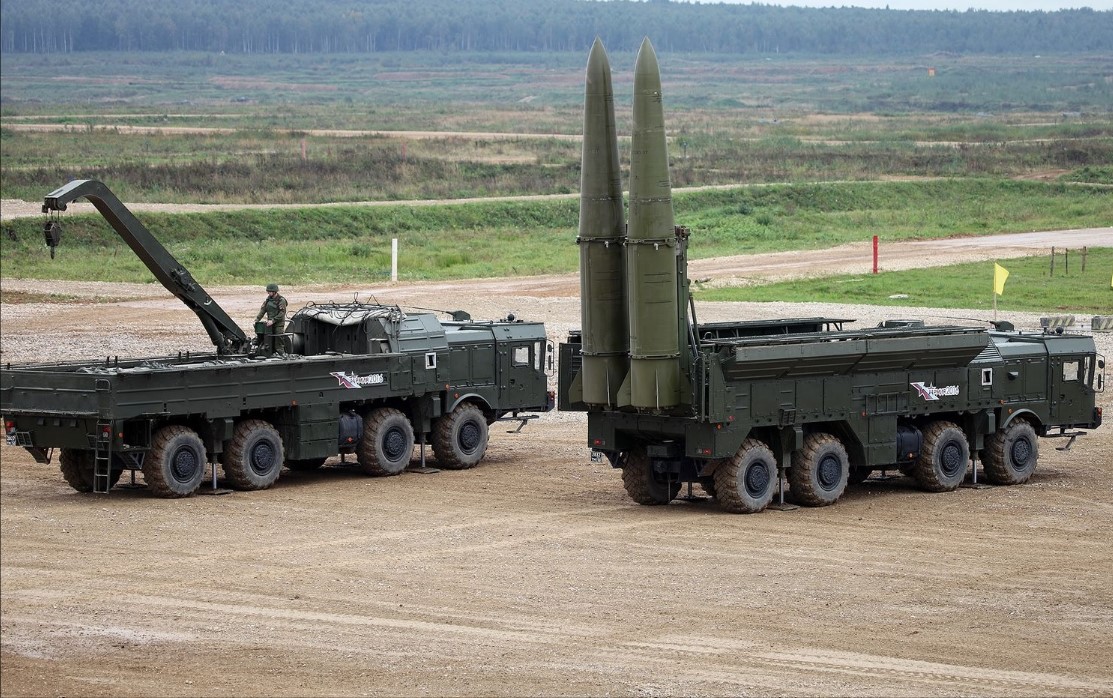
World
KYIV, Ukraine — May 2, 2026 : The General Staff of the Armed Forces of Ukraine reported that Ukrainian Defense Forces carried out a series of coordinated overnight strikes targeting Russian short-range ballistic missile (SRBM) units, radar installations, unmanned aerial vehicle (UAV) command points, and logistical facilities across multiple occupied regions. Strikes Target Missile and Radar Assets in Crimea The operation focused significantly on degrading Russian strike and surveillance capabilities in occupied Crimea. According to the General Staff, Ukrainian forces struck a tactical group base of Russian SRBM systems near the village of Druzhne. The systems are assessed to include elements of the 9K720 Iskander operational-tactical missile complex. Additional targets included the MIS-M1 coastal radar station near Maiak and the 48Ya6-K1 Podlet radar station near Yevpatoriia. These radar systems are designed to detect low-altitude aerial threats and contribute to integrated air defense networks by providing early warning and tracking data. The General Staff released a Google Earth map identifying the locations of the missile systems and radar installations struck during the operation in Crimea. UAV Infrastructure and Support Units Hit in Eastern and Southern Regions Simultaneous strikes were conducted against Russian UAV infrastructure and support elements across the eastern and southern fronts. In the Donetsk region, Ukrainian forces targeted three UAV command posts located in the village of Heorhiivka. A UAV storage and deployment facility in Novopetrikivka was also struck. These facilities are used to coordinate reconnaissance and strike drone operations in the area. In the Luhansk region, a repair and maintenance unit in the Kadiivka area was hit, affecting the servicing and restoration of Russian military equipment. In the Kherson region, an ammunition depot in the Ivanivka area was struck. The depot was assessed to support ongoing Russian operations in the southern theater. Context: Late-April Strike on Iskander Storage Facility The May 2 operation follows a Ukrainian drone strike conducted on April 28, 2026, targeting a storage base for Iskander missile systems near the village of Ovrazhki, approximately 40 kilometers east of occupied Simferopol. Russian forces had positioned missile systems within reinforced concrete shelters at a former Soviet missile base. The shelters, originally constructed for R-5 medium-range ballistic missiles, feature concrete walls estimated between 40 and 60 centimeters thick and are covered with layers of soil for additional protection. Ukrainian Special Operations Forces employed medium-strike drones, identified as FP-2 variants equipped with 105-kilogram warheads, to penetrate the shelters and strike the missile systems inside. Prior to the strike, the facility had been used for missile launches, as documented by the Ukrainian Resistance Movement. Due to its location, missiles launched from Ovrazhki were capable of reaching front-line positions and rear areas within minutes. Operational Objective According to the General Staff, the May 2 strikes were aimed at elements supporting missile launches, radar surveillance, and UAV operations. The operation forms part of ongoing Ukrainian efforts to disrupt Russian command, control, surveillance, and logistical infrastructure in occupied territories. No additional details regarding the methods used in the May 2 strikes or assessments of damage were provided in the official statement.
Read More → Posted on 2026-05-02 18:25:05
World
KYIV, Ukraine — May 2, 2026 : The Ukrainian Air Force has introduced a previously undisclosed short-range air defense system, designated STASH, into operational service, according to official footage released on May 1 by Air Command West. The system was shown actively intercepting a Russian Shahed-type loitering munition during a large-scale drone attack targeting western regions of the country. Combat Deployment During Mass Drone Strike The public debut of the STASH system coincided with a coordinated Russian offensive involving more than 400 strike unmanned aerial vehicles (UAVs). Ukrainian military reports indicate that air defense units operating in the western sector intercepted and destroyed at least 58 drones during the attack. The released footage confirms that STASH units were engaged as part of Ukraine’s layered air defense network, contributing to the interception of Shahed-type drones. The system employed AGM-114 Hellfire missiles to engage aerial targets during the operation. System Configuration and Technical Features Analysis of the published video material indicates that STASH is a trailer-mounted, short-range air defense platform designed for mobility and rapid deployment. The system integrates missile launch capability with a compact radar unit for target acquisition and tracking. The launcher is equipped with two AGM-114L Longbow Hellfire missiles. This missile variant uses an active millimeter-wave radar seeker, allowing engagement under “fire-and-forget” conditions without continuous operator guidance after launch. A radar system, identified as either an Israeli RADA radar or the Leonardo DRS RPS-42 Multi-Mission Hemispheric Radar, is mounted on the platform. The radar supports continuous surveillance, target tracking, and fire control functions required for engaging low-altitude aerial threats. The system is installed on a four-wheeled trailer, enabling it to be towed by light vehicles. This configuration allows rapid repositioning for the protection of critical infrastructure or adaptation to changing operational requirements. Development and Relation to Tempest System Defense analysts assess that STASH is a derivative of the Tempest air defense system developed by the U.S.-based company V2X. The Tempest system, also known as DASH (Denied Area Sprinter-Hellfire), was publicly unveiled in October 2025 at the Association of the United States Army (AUSA) Annual Meeting and Exposition. The original Tempest configuration is mounted on a mobile chassis based on the commercial Can-Am Maverick X3 platform and incorporates the Leonardo DRS Multi-Mission Hemispheric Radar. In contrast, the STASH variant replaces the self-propelled buggy platform with a towable trailer configuration, indicating a design adaptation for different deployment scenarios. Capabilities and Performance Parameters Available data suggests that both Tempest and STASH systems are designed to engage drones, helicopters, and low-flying aircraft under various weather conditions. Reported performance characteristics include an engagement range of approximately 8 to 11 kilometers and a maximum engagement altitude of up to 5 kilometers. The onboard radar system is assessed to have a detection range of around 10 kilometers. The platform supports “shoot-and-scoot” tactics, allowing operators to relocate quickly after firing to reduce vulnerability to counterfire. Operational Integration in Ukraine The presence of Tempest-family systems in Ukrainian service was first observed in late 2025. In January 2026, footage released by an Air Command Center showed a vehicle-mounted Tempest system engaging aerial threats during a nighttime operation. Neither U.S. nor Ukrainian authorities formally announced the transfer of these systems. The May 1 footage represents the first official confirmation of the STASH variant in combat use. The system is now integrated into Ukraine’s broader air defense architecture, providing short-range coverage against low-altitude and high-volume drone threats. The deployment of STASH reflects ongoing efforts to expand and adapt air defense capabilities in response to sustained use of loitering munitions in the conflict.
Read More → Posted on 2026-05-02 18:18:23
Taiwan Allocates US$66 Million for 451 VTOL UAVs to Expand Coast Guard Maritime Surveillance Network
World
TAIPEI — May 2, 2026 : The Taiwan Coast Guard Administration has approved a procurement program valued at US$66 million (approximately NT$2.1 billion) to acquire 451 vertical take-off and landing (VTOL) unmanned aerial vehicles (UAVs), as part of a broader initiative to strengthen maritime surveillance and operational capabilities. The program is funded under a national security resilience budget overseen by the Ocean Affairs Council and will run through 2027. Procurement Structure and Fleet Composition The acquisition is structured across four UAV categories designed to meet different operational requirements. The largest share consists of 412 short-range UAVs intended for deployment at coastal watchtowers and security checkpoints, where rapid-response monitoring is prioritized over endurance and altitude. An additional 18 medium-range UAVs will support extended patrol missions across wider maritime zones, enabling longer-duration surveillance operations. The CGA also plans to procure 12 shipborne UAVs, which will be distributed among regional units and configured for launch and recovery from vessels. These platforms will incorporate stabilization systems and reinforced designs to withstand strong winds and saltwater exposure. The remaining nine UAVs are designated for special task force operations requiring more advanced technical specifications, likely supporting complex or high-priority missions. Operational Role and Technical Features According to briefings presented to the Interior Committee of the Legislative Yuan, the UAV fleet will be dedicated to intelligence, surveillance, and reconnaissance (ISR) missions rather than combat roles. In addition to routine monitoring, the systems will support search and rescue operations, including the ability to deploy emergency equipment such as life rings and rescue buoys to individuals or vessels in distress. All 451 UAVs will feature VTOL capability, allowing operations without conventional runways. This enables deployment from confined coastal installations as well as from moving ships, improving response times and operational flexibility. To meet endurance requirements for maritime patrol, the CGA has indicated a preference for hybrid propulsion systems. These systems combine electric power for vertical take-off and landing with fuel-powered propulsion for sustained horizontal flight, extending range and flight duration while maintaining higher operational ceilings. Integration into Broader Security Framework The UAV procurement forms part of a larger NT$29.5 billion (approximately US$910 million) special budget allocated for national security resilience. The funding package is intended to enhance Taiwan’s maritime domain awareness and improve coordination across shore, sea, and air assets. Officials have stated that the expanded UAV fleet will help address increasing gray-zone activities in surrounding waters, including non-conventional maritime pressure. By improving surveillance coverage and response capabilities, the CGA aims to strengthen law enforcement, maritime safety, and humanitarian response operations. Policy Direction and Previous Programs Lai Ching-te has indicated that the Coast Guard will continue to receive upgraded surveillance tools, including drones, radar systems, and imaging technologies, as part of ongoing capability development. The current procurement builds on earlier UAV initiatives. In late 2025, Taiwan Color Optics, in partnership with Edge Autonomy, secured a contract valued at approximately US$7 million for a coastal surveillance pilot program using the Penguin C Mk2.5 VTOL platform. That effort represented a smaller-scale deployment, while the new 451-unit acquisition reflects a broader transition toward sustained use of VTOL UAVs for maritime ISR missions. No manufacturers have been formally identified for the current procurement. Authorities have indicated that the program includes full life-cycle costs, training, and operational integration, with provisions allowing a one-year carry-over of funds under applicable budget regulations. The initiative underscores Taiwan’s continued expansion of unmanned systems across both military and coast guard operations, with a focus on improving surveillance coverage, operational efficiency, and response capability in its surrounding maritime environment.
Read More → Posted on 2026-05-02 18:03:35
World
KEY WEST, Fla., — May 2, 2026 : Sierra Nevada Corporation presented its Battery Revolving Adaptive Weapons Launcher – Reconfigurable (BRAWLR) during Exercise FLEX 2026, demonstrating a compact, modular air defense capability designed to counter uncrewed aerial systems and other airborne threats in maritime environments. Demonstration Observed by Senior Leadership The live demonstration was attended by United States Southern Command commander Francis L. Donovan and United States 4th Fleet commander Carlos Sardiello. The system was deployed aboard a multi-mission uncrewed surface vessel developed by Textron Systems. Exercise FLEX 2026, conducted from April 24 to 30, focused on integrating unmanned systems and artificial intelligence into maritime operations across regions overseen by SOUTHCOM, including Latin America and the Caribbean. The demonstration emphasized localized air defense in distributed maritime environments, a key operational requirement for forward-deployed forces. System Architecture and Operational Role BRAWLR is part of SNC’s Rapidly Deployable Air Defense and Counter-Unmanned Systems (C-UxS) Family of Systems, also referred to as the Expeditionary Adaptive Air Defense (EAAD) portfolio. The system has reached Technology Readiness Level 9, indicating operational maturity, and has been in active service since 2023. Built on a hybrid, open-architecture framework, BRAWLR integrates commercially available components with military-grade sensors, communications, and effectors. It can function as a standalone air defense node or integrate with existing command-and-control networks to extend engagement range and capability. The launcher is designed to independently detect, track, identify, and defeat airborne threats, including Group 1–3 unmanned aerial systems, cruise missiles, and other aerial targets. It can also augment layered air defense architectures by providing additional kinetic options. Technical Specifications and Deployment Characteristics BRAWLR is engineered for expeditionary operations, prioritizing mobility and rapid deployment over larger fixed installations. The system measures approximately 5 feet in width and depth and stands 7 feet tall, with an empty weight of 2,300 pounds. It supports a payload capacity of up to 2,000 pounds distributed across four modular weapons stations. The launcher operates with a power requirement of 9 kilowatts and can be set up within 10 minutes, with a breakdown time of approximately 3 minutes. It requires only one operator for deployment and operation. A high-capacity turret enables ±180-degree traverse, providing continuous 360-degree rotation at a rate of 40 degrees per second, with an elevation range from 0 to 45 degrees. The system incorporates FLIR imaging sensors, tactical video systems, and communications through Silvus MANET radio networking. BRAWLR is transportable via standard 463L military pallets and can be mounted on naval vessels, light tactical vehicles, trailers, flatbed trucks, or ground emplacements, supporting flexible deployment across multiple domains. Munitions and Engagement Capabilities The launcher supports both rail- and tube-launched munitions and allows operators to configure mixed payloads across its four stations, enabling layered defense within a single system. In its maximum configuration, BRAWLR can carry up to 46 laser-guided Advanced Precision Kill Weapon System (APKWS) rockets, optimized for high-volume engagements against drone swarms at ranges up to 6 kilometers. The system is compatible with several short- to medium-range interceptors, including the AIM-9M Sidewinder (range approximately 12 kilometers), AIM-132 ASRAAM (up to 15 kilometers), and IRIS-T missiles. For extended engagements, it can integrate AIM-120 AMRAAM missiles to target larger or maneuvering airborne threats. The platform is munition-agnostic and can also incorporate less-lethal kinetic options depending on mission requirements. Operational Record and System Integration BRAWLR entered operational service in 2023 for a foreign military customer following a U.S. government request. According to SNC, the system has intercepted more than 400 aerial targets in operational deployments, although specific locations and customers have not been disclosed. The launcher is integrated with SNC’s TRAX Edge software for command and control, enabling interoperability with higher-echelon systems and supporting multi-domain operations. It is also related to the Mobile Anti-Air Weapons Launcher – Reconfigurable (MAAWLR), a vehicle-mounted variant within the same system family. Future Autonomy Development SNC has announced a partnership with Applied Intuition to expand automation across its Expeditionary Area Air Defense platforms, including BRAWLR. The collaboration aims to integrate dual-use autonomy software with SNC’s hardware systems. The effort focuses on enabling autonomous operation of localized air defense units, improving response times through real-time sensor fusion, and reducing personnel requirements in contested environments. Operational Significance The FLEX 2026 demonstration highlighted BRAWLR’s suitability for maritime security and force protection missions, particularly in regions facing threats from transnational organized crime and increasingly capable aerial systems. Its compact size, rapid deployment capability, and modular configuration are aligned with operational needs for distributed forces operating in austere or contested environments. SNC continues development of its Rapidly Deployable Air Defense and C-UxS systems to address evolving threats to military forces, infrastructure, and critical assets.
Read More → Posted on 2026-05-02 17:54:32
World
LAYTON, Utah — May 2, 2026 : KIHOMAC founder and chief executive officer Ki Ho Kang has released flight test footage of the company’s Agami fixed-wing unmanned aerial vehicle, outlining performance data and production goals tied to its internally developed Project Liberty program.The Agami platform has been designed to demonstrate that military-grade unmanned aerial systems can be produced at scale without the manufacturing constraints that have affected several U.S. drone programs in recent years. The initiative focuses on reducing production time while maintaining operational flexibility. Platform Design and Manufacturing Approach The Agami has a gross takeoff weight of 20 pounds (9 kilograms) and is capable of carrying more than 5 pounds (2.2 kilograms) of payload. Its airframe, including fuselage and wings, is constructed from carbon fiber materials.A central feature of the system is its open architecture design, described by the company as a “Bring Your Own Payload” configuration. This allows operators to integrate sensors, communication systems, or mission-specific effectors without requiring structural redesign of the aircraft.Under Project Liberty’s production model, KIHOMAC states that each airframe can be manufactured in under one hour. The company contrasts this with additively manufactured drones, which can require up to 100 hours per unit. The accelerated production timeline is intended to address high attrition rates observed in recent operational environments. Flight Testing and Performance Metrics Flight data released alongside the footage provides detailed performance benchmarks for the Agami system. On a single battery pack, the drone demonstrated an endurance of approximately one hour, covering more than 60 miles.With a dual-battery configuration, the platform achieved nearly 90 minutes of flight time over a distance of about 90 miles during testing conducted on what was described as a “very turn-intensive range.” The company indicated that a standard flight profile with fewer turns would likely extend both endurance and range.The Agami uses a catapult launch system, eliminating the requirement for a runway and enabling deployment in areas with limited infrastructure. Operational Context and Project Liberty Objectives Project Liberty has been developed with reference to recent operational trends, particularly the high-volume use of drones in the Ukraine conflict. According to the company, these conditions have demonstrated that manufacturing capacity—rather than technical complexity—has become a primary limiting factor in sustained drone operations.KIHOMAC’s approach prioritizes rapid, repeatable production of airframes to support continuous deployment requirements. The company positions the Agami as a system designed for scalability, where replacement and replenishment cycles can be maintained without extended delays. Deloitte Investment and Production Expansion in Utah In October 2025, Deloitte announced a direct investment in KIHOMAC to expand drone manufacturing capabilities in Utah. The financial terms of the investment were not disclosed.The partnership is focused on increasing domestic production capacity for unmanned systems intended for U.S. government agencies, commercial customers, and other organizations. Expansion efforts include scaling manufacturing operations and strengthening supply chain resilience.Oniel Cross, who leads hybrid cloud and edge infrastructure within Deloitte’s Government and Public Services division, stated that the investment supports the development of domestic production capacity for technologies considered important to national security and economic competitiveness.Ki Ho Kang said the collaboration enables faster scaling of production and delivery of unmanned systems while contributing to local economic activity through job creation and facility expansion. Company Background and Manufacturing Footprint KIHOMAC, founded in 2003, is a veteran-owned small business employing more than 350 personnel with multiple operational facilities across the United States. The company provides systems engineering, reverse manufacturing, custom fabrication, and sustainment services for the U.S. Department of Defense and commercial clients.The Utah expansion is intended to support increased production output for the Agami platform as well as other unmanned systems under development. Applications and Market Positioning The Agami platform is designed for multiple mission profiles, including infrastructure inspection, emergency response, and defense and security operations. Its modular payload architecture allows a single airframe to be reconfigured for different operational requirements.The program aligns with broader U.S. policy efforts to reduce dependence on foreign-manufactured drone components and to strengthen domestic supply chains. By focusing on rapid manufacturing and modular integration, KIHOMAC positions Project Liberty and the Agami system within ongoing efforts to expand secure, scalable unmanned system production in the United States.The company indicated that the Agami platform represents one component of a wider portfolio of scalable unmanned technologies being developed in coordination with its production expansion initiatives and partnership with Deloitte.
Read More → Posted on 2026-05-02 17:37:10
World
BERLIN / BREMERHAVEN — May 2, 2026: Germany has begun concrete preparations to reinforce its national and allied military logistics infrastructure, with a €1.35 billion modernization of the port of Port of Bremerhaven, according to reporting by Bloomberg and official planning documents. Infrastructure Shift Toward Military Use The project, funded through Germany’s 2026 federal budget, marks a shift in the role of Europe’s largest automobile port. Historically focused on civilian exports such as vehicles from Mercedes-Benz and Volkswagen, the port is being upgraded to handle heavy military equipment, including 60-ton Leopard 2 tank units. Key technical upgrades include the reinforcement of loading platforms, quays, and transport infrastructure to withstand significantly higher weight loads. The modernization also covers work boats, energy systems, digital infrastructure, and transport connectivity, ensuring the port can support both civilian and military operations. Once completed, the facility will be capable of receiving, staging, and transporting armored vehicles and other heavy equipment, enabling rapid deployment toward potential operational areas. Role in National and NATO Planning The Bremerhaven upgrade forms part of Germany’s broader defense planning framework outlined in the classified “Operationsplan Deutschland”, developed by the Federal Ministry of Defence (Germany). The plan defines Germany’s role as a central logistics hub for allied forces in Europe. Germany’s geographic position and industrial capacity are considered critical for sustaining troop movements and supply chains across the continent, particularly within the framework of NATO operations. Intelligence assessments by German and allied agencies identify Russia as the most immediate security concern. Reports indicate a rise in hybrid threats, including cyberattacks and acts of sabotage targeting infrastructure. Under the operational planning scenario, such threats could include attempts to disrupt transport corridors, including bridges and railway junctions, to hinder the movement of allied forces through Germany. Private Sector Participation The modernization is being implemented in cooperation with the private sector, reflecting limitations in the logistical capacity and funding of the Bundeswehr. The port is operated by BLG Logistics, which is engaged in discussions regarding investment and operational participation. BLG Logistics CEO Matthias Magnor stated that the project represents a significant development for the company, noting ongoing negotiations and expectations for initial investments. The company already has experience supporting NATO logistics operations. Additional logistics firms, including Fiege, are also involved in discussions as the government seeks to expand public-private cooperation in defense logistics. Structural and Administrative Constraints Despite progress, several structural challenges remain. Germany’s road and rail infrastructure requires upgrades to support large-scale military transport, with thousands of bridges identified as needing reinforcement or repair. Rail systems also require adaptation to handle heavy and time-sensitive military cargo. Logistics companies have identified difficulties related to complex procurement procedures, limited transparency in defense projects, and insufficient access to operational information. The absence of established public-private partnership frameworks has further complicated coordination. The federal government is working to simplify administrative processes and improve communication channels between military authorities and private firms. The objective is to enable faster integration of civilian logistics capacity into defense planning while maintaining regulatory and security standards. Strategic Objective The Bremerhaven project is designed as a dual-use infrastructure initiative. While maintaining its role in commercial exports, the port will also function as a key node in military logistics during crisis scenarios. The upgrades are intended to ensure rapid and scalable transport of equipment, supporting both national defense requirements and broader NATO operations. No detailed completion timeline has been publicly disclosed beyond the current planning and early implementation phase. The investment reflects Germany’s broader approach to strengthening military mobility and infrastructure resilience amid evolving security conditions in Europe.
Read More → Posted on 2026-05-02 17:09:21
Space & Technology
ROCKVILLE, MARYLAND — May 2, 2026 : Researchers at the J. Craig Venter Institute (JCVI) have successfully created the world’s first synthetic bacterial species whose genetic instructions are entirely derived from a laboratory-designed chromosome rather than natural DNA. The milestone, first announced in 2010 after 15 years of research and approximately $40 million in investment, established a new technical foundation for the field of synthetic biology. The organism, named Mycoplasma mycoides JCVI-syn1.0, is a self-replicating bacterium whose genome was designed on a computer, chemically synthesized, and assembled in the laboratory before being transplanted into a recipient cell. Once activated, the synthetic genome directed the cell’s biological processes, allowing it to grow and divide under standard laboratory conditions. A Genome Built From Digital Design The project was led by geneticist J. Craig Venter, whose team constructed a complete genome consisting of approximately 1.08 million base pairs. The DNA sequence was based on the naturally occurring bacterium Mycoplasma mycoides, but included deliberate modifications such as watermark sequences, engineered deletions, and polymorphisms to distinguish it from naturally existing organisms. The synthetic genome was assembled from smaller chemically synthesized DNA fragments using enzymatic methods and cloning steps in yeast. It was then transplanted into a related bacterium, Mycoplasma capricolum, whose original genetic material had been removed. After transplantation, the recipient cell began expressing proteins and functions consistent with M. mycoides, demonstrating that control of the cell had shifted entirely to the synthetic chromosome. Demonstrating a Self-Replicating Synthetic Cell The resulting organism exhibited logarithmic growth and the ability to replicate indefinitely under appropriate conditions. Researchers confirmed that all cellular activity was governed by the synthetic DNA, making JCVI-syn1.0 the first example of a living cell controlled exclusively by a man-made genome. The work built on earlier achievements, including the 2008 chemical synthesis of the smaller genome of Mycoplasma genitalium. The 2010 experiment integrated advances in genome sequencing, DNA synthesis, assembly techniques, and transplantation methods developed over more than a decade. Collaboration and Technical Process The project involved collaboration between JCVI, Synthetic Genomics, and other research partners. Key technical steps included high-fidelity chemical synthesis of DNA segments, hierarchical genome assembly, cloning in yeast cells to maintain large DNA constructs, and precise genome transplantation into a prepared host cell. The success of these processes demonstrated that a complete bacterial genome could be converted from digital sequence information into a functioning biological system. Expansion to Minimal Synthetic Cells Following the creation of JCVI-syn1.0, researchers continued to refine genome design. In 2016, the team reported the development of JCVI-syn3.0, a minimal synthetic cell containing approximately 531,000 base pairs and 473 genes. This organism represents the smallest known genome capable of supporting independent self-replication, providing insights into the minimal genetic requirements for life. Scientific and Industrial Implications The ability to design and construct functional genomes has enabled further research into engineered microorganisms with specific capabilities. Applications under investigation include microbial systems for biofuel production, pharmaceutical synthesis, environmental remediation, and materials development. The work also established a framework for studying genome organization, essential genes, and cellular functions using fully controlled genetic systems. Biosafety and Regulatory Considerations The creation of a synthetic organism has prompted ongoing discussions among scientists, policymakers, and biosecurity experts. Key considerations include the environmental impact of potential accidental release, the dual-use nature of genome synthesis technologies, and the need for regulatory frameworks governing the creation and application of synthetic life forms. Oversight mechanisms continue to evolve as synthetic biology advances toward broader industrial and medical use. Renewed Attention Following Venter’s Death Interest in the 2010 breakthrough has resurfaced following the death of J. Craig Venter on April 29, 2026, at the age of 79. Archival reports and footage documenting the original announcement have reentered public discussion, highlighting the experiment’s role as the first clear demonstration that a self-replicating organism can be created using a genome entirely designed and synthesized by humans. The JCVI-syn1.0 project remains a central reference point in synthetic biology, marking the transition from reading genetic code to constructing and operating living systems based on engineered DNA.
Read More → Posted on 2026-05-02 16:53:00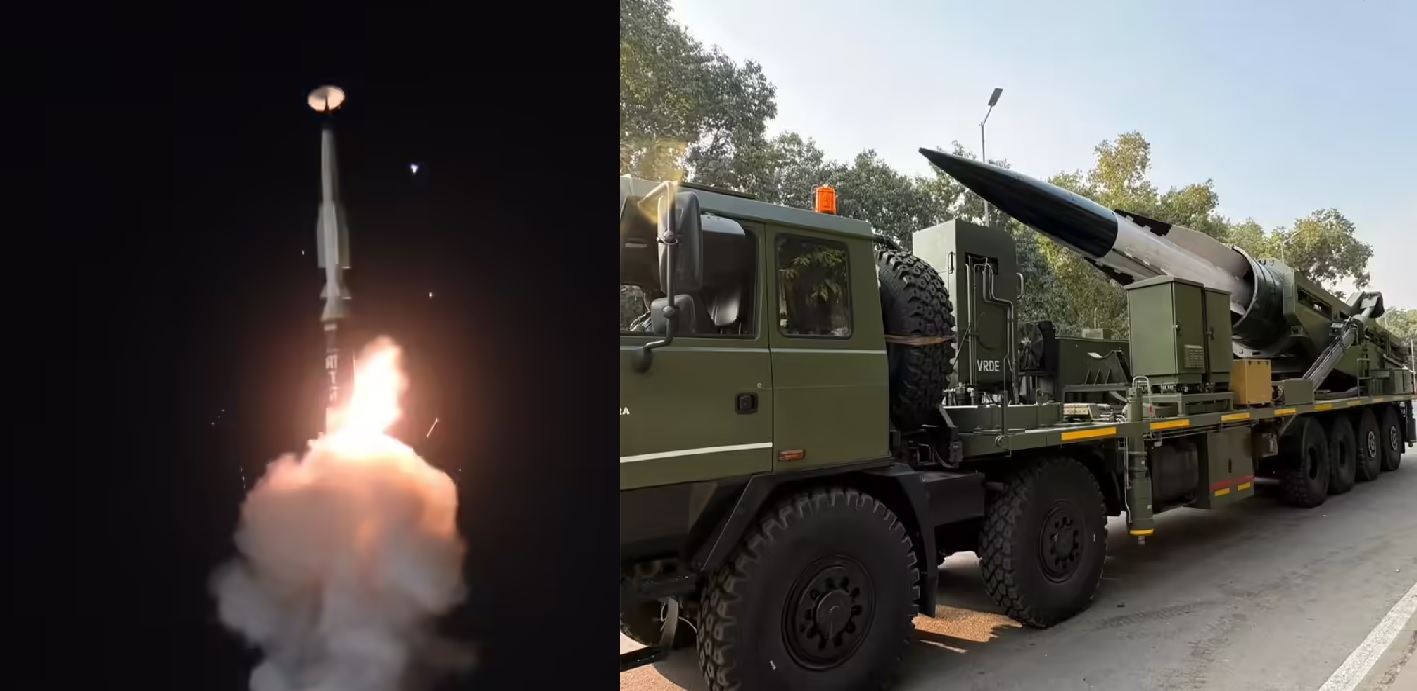
India
NEW DELHI, — May 2, 2026 : India has reportedly conducted a Phase-II trial of its Long Range Anti-Ship Hypersonic Missile (LR-AShM) from a defence testing facility off the Odisha coast in the Bay of Bengal on May 1, 2026, according to multiple defence sources, local reports, and open-source tracking accounts monitoring the region. The reported launch aligns with a Notice to Airmen (NOTAM) issued earlier for missile activity between May 1 and May 3, establishing a restricted maritime and airspace zone extending approximately 1,680 kilometres over the Bay of Bengal. Observers tracking the NOTAM window indicated that the test activity occurred within the designated timeframe. As of the evening of May 1, there has been no official confirmation or detailed statement from the Defence Research and Development Organisation (DRDO), the Ministry of Defence, or the Press Information Bureau. The absence of immediate official disclosures continues a broader pattern in which detailed confirmations of certain strategic weapons tests are delayed or not publicly released. Test Overview and Reported Performance The May 1 activity is described as a Phase-II trial of a hypersonic glide vehicle (HGV) system designed for long-range anti-ship roles. Preliminary information from defence observers indicates that the missile demonstrated a range of approximately 1,500 kilometres, within its estimated operational envelope of 1,500–1,680 kilometres. The trial reportedly evaluated multiple mission parameters, including launch sequence validation, mid-course trajectory corrections, and terminal-phase targeting. The system is designed to deliver a direct kinetic strike while maintaining sustained hypersonic velocity. Technical Characteristics The LR-AShM is an indigenously developed boost-glide hypersonic missile system intended primarily for the Indian Navy’s coastal defence requirements. It is designed to engage both moving naval targets and fixed land-based assets. The missile uses a two-stage solid propulsion system and is launched from a shore-based transporter erector launcher. After boost phase acceleration, the vehicle transitions into a hypersonic glide phase, travelling at speeds of Mach 5 or higher, with initial boost speeds reportedly reaching up to Mach 10. The glide vehicle follows a low-altitude quasi-ballistic trajectory and is capable of manoeuvring during flight, including atmospheric skipping, to reduce detection and interception probability. It is equipped with an inertial navigation system (INS) integrated with satellite navigation for mid-course guidance, and an advanced radar-based seeker for terminal homing. Thermal protection is provided by a carbon-based heat shield designed to withstand temperatures exceeding 2,000°C during sustained hypersonic flight. Development Background If confirmed, the May 1 trial would represent the third known test of the LR-AShM programme. The first developmental test was conducted in 2023, followed by a second test on November 16, 2024, from Dr APJ Abdul Kalam Island. The system was publicly displayed for the first time during the Republic Day parade 2026 on January 26, 2026, indicating its transition from developmental testing toward early operational visibility. The programme is associated with DRDO laboratories, including the Advanced Systems Laboratory (Hyderabad), with production support from Bharat Dynamics Limited. Operational Role and Future Variants The LR-AShM is designed as part of India’s broader effort to develop long-range hypersonic strike capabilities and enhance anti-access/area-denial (A2/AD) capacity in the Indian Ocean Region (IOR). The current configuration is deployed as a land-based coastal battery system. Future variants under development include ship-launched versions for naval platforms, as well as potential land-attack and air-launched configurations for other branches of the armed forces. The missile is capable of carrying different payload configurations depending on mission requirements. Strategic Context The reported test comes amid ongoing regional security developments, including increased maritime activity in the Indian Ocean Region and continued tensions with Pakistan. At sustained hypersonic speeds, the missile’s range profile suggests the capability to reach deep inland targets within a short time frame; estimates indicate that distances such as Rawalpindi could be covered in approximately 120 seconds. According to defence analysts, there are currently no operational systems in the region capable of reliably intercepting highly manoeuvrable hypersonic glide vehicles of this class. Information Status Despite multiple independent reports and tracking observations, no official technical data, including detailed flight trajectory, telemetry, or performance validation metrics, has been released by Indian authorities as of May 2, 2026. Separately, the Bharatiya Janata Party acknowledged the test in a social media statement, describing it as a significant development in indigenous defence capability. Further details are expected only if formal confirmation is issued by relevant government agencies.
Read More → Posted on 2026-05-02 16:36:27
World
WASHINGTON, — May 2, 2026 : The United States Department of Defense has directed the withdrawal of approximately 5,000 American troops from Germany, with the redeployment scheduled to take place over the next six to twelve months. The decision was ordered by Defense Secretary Pete Hegseth following a review of U.S. military force posture in Europe. The move will reduce the U.S. military presence in Germany from an estimated 35,000–36,400 active-duty personnel to roughly 30,000–31,000 troops. Officials indicated that the adjustment reflects current operational requirements and broader assessments of American military commitments across the European theater. Force Structure and Affected Units According to Pentagon officials, the withdrawal will involve an Army brigade combat team currently deployed in Germany, as well as a long-range fires battalion that had been scheduled for deployment later this year. The affected personnel are primarily stationed in regions such as Bavaria and Rhineland-Palatinate. Key U.S. military installations in Germany—including Ramstein Air Base, Landstuhl Regional Medical Center, and the headquarters of both United States European Command and United States Africa Command—will continue to operate as part of the remaining force structure. Pentagon spokesman Sean Parnell stated that the decision followed a comprehensive review process and aligns with evolving defense priorities. He noted that the Department of Defense is continuing to evaluate its global posture, including in Europe. Diplomatic Context and Statements The decision follows public remarks by German Chancellor Friedrich Merz, who criticized the United States’ handling of the ongoing conflict with Iran. Speaking earlier in the week to a group of high school students, Merz stated that the United States had been “humiliated” during negotiations and suggested that Washington lacked a coherent strategy in the conflict. In response, President Donald Trump expressed dissatisfaction with Germany’s position. When asked in the Oval Office about the possibility of reducing troop levels, Trump responded, “Why shouldn’t I?” and reiterated his position that U.S. military deployments should reflect the reliability and support of allied nations. The President also extended criticism to other European partners. He stated that Italy “has not been of any help” during the Iran conflict, while describing Spain’s support as insufficient. U.S. officials indicated that Spain had declined to allow the use of jointly operated bases for operations connected to the conflict. Broader Strategic Considerations The announcement comes as the United States continues military operations related to the Iran conflict, including a naval blockade targeting Iranian ports. Defense officials suggested that additional adjustments to U.S. troop deployments in Europe remain under consideration. Germany’s defense minister described the withdrawal as “anticipated,” emphasizing that European nations may need to assume greater responsibility for regional security. The NATO alliance has stated that it is reviewing the details of the U.S. plan to assess potential implications for collective defense arrangements. Congressional and Security Reactions The decision has drawn attention from members of the U.S. Congress, including concerns about its potential impact on deterrence in Europe. Senator Roger Wicker and other lawmakers indicated that reducing troop levels could affect strategic messaging toward Russia, particularly regarding NATO’s eastern flank. Defense analysts have also noted that prior to the withdrawal directive, the United States maintained approximately 68,000 active-duty personnel across Europe, according to Defense Manpower Data Center figures. Some analysts have suggested that repositioning forces within Europe, rather than reducing them, could address security concerns while maintaining operational flexibility. Historical Context The United States has maintained a significant and continuous military presence in Germany since the end of World War II. Previous proposals to reduce troop levels were introduced during President Donald Trump’s earlier term but were not fully implemented. The current withdrawal reflects a continuation of the administration’s approach to aligning overseas deployments with allied contributions and strategic priorities, as the Pentagon continues to assess its global force posture.
Read More → Posted on 2026-05-02 16:24:04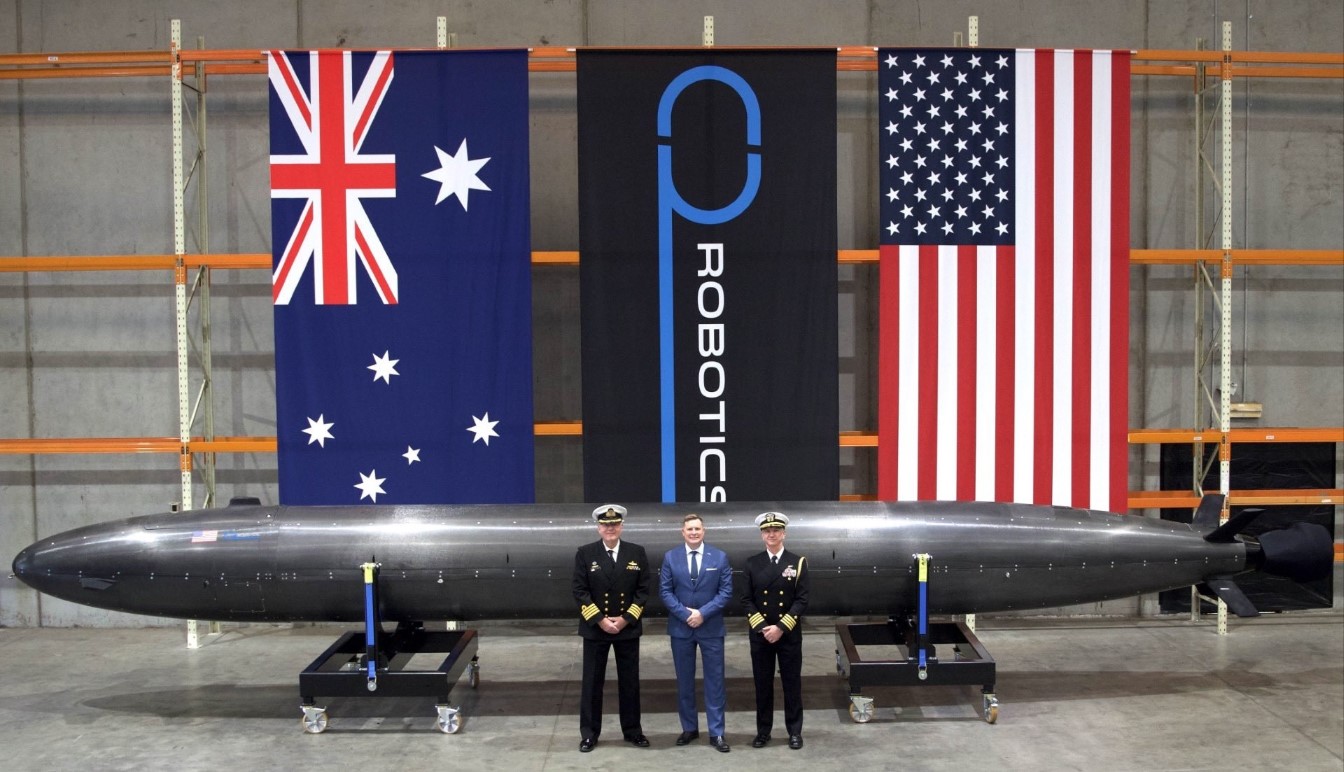
World
MELBOURNE, — May 2, 2026 : Australian defence company C2 Robotics has delivered its first Speartooth Large Uncrewed Undersea Vehicle (LUUV) to the United States, marking the system’s transition from development into operational service and confirming the firm’s entry into international defence markets. The delivery follows a commissioning and christening ceremony held on May 1, 2026, in Canberra, attended by U.S. Naval Attaché Captain Josh Fagan and Royal Australian Navy Captain Tony Miskelly, representing the Director General of Maritime Integrated Capabilities. Company personnel and suppliers were also present. Christening Ceremony Reflects Autonomous Design In a deviation from traditional naval practice, the Speartooth was christened using a robotic arm operating under a “human-on-the-loop” concept. The approach mirrors the system’s operational philosophy, where autonomous functions are executed with human oversight retained for decision-making. Troy Duggan, chief executive of C2 Robotics, said the event reflects both program maturity and expanding cooperation with the United States. He noted that payload configurations and mission roles for the LUUV continue to evolve as development progresses. Platform Design and Technical Specifications The Speartooth LUUV has been developed over four years with funding and collaboration from the Australian Department of Defence. It is built around the design principle of “Small, Smart, Many,” emphasizing scalable deployment and reduced unit cost in contested maritime environments. The system features a base hull length of 8 meters and a beam of 1 meter. Through modular payload sections, the vehicle can be extended to approximately 11–12 meters. It has an operational depth of up to 2,000 meters and a maximum range of about 2,000 kilometers. Propulsion is provided by a hybrid system combining lithium-ion batteries and a diesel engine, driving an electric propeller. The platform includes a modular payload architecture offering up to 2.4 cubic meters of internal space, with an unladen weight of approximately 1,150 kilograms. Its composite hull construction allows rapid manufacturing at scale and reduces costs compared with conventional crewed or large autonomous submersibles. Payload bays can be reconfigured without structural modification and can carry sensors, explosives, munitions, loitering systems, or logistical supplies. The LUUV is designed to support intelligence, surveillance and reconnaissance (ISR), strike, logistics, and seabed warfare missions. It can be transported in standard shipping containers and launched or recovered from basic infrastructure such as boat ramps. Australian Defence Integration The Australian Defence Force is advancing integration of the Speartooth system under Project SEA 1200. The Royal Australian Navy has established its Maritime Autonomous Systems Unit (MASU), which will operate Speartooth alongside other uncrewed platforms. The system has already been involved in domestic and international trials, including testing for underwater logistics, autonomous payload delivery, and mission accuracy. Thales Australia has contributed sovereign sonar sensor integration for the platform. According to the 2026 National Defence Strategy, the Australian Defence Force plans to acquire Speartooth units as part of its broader autonomous maritime capability development. Compared with larger extra-large uncrewed systems such as Ghost Shark, Speartooth is positioned for shorter-range missions with greater deployment flexibility. U.S. Delivery and Export Milestone The delivery to the United States represents the first confirmed international export of the Speartooth LUUV. The platform is intended to provide allied forces with long-range ISR and strike capabilities, while enabling force expansion through lower-cost, high-volume deployment. Duggan stated that the partnership reflects joint efforts to advance autonomous undersea warfare capabilities among allied nations. The company had previously announced its first export sale in November 2025, with the United States identified as the initial recipient. European Expansion Plans Beyond Australia and the United States, C2 Robotics is preparing to expand into Europe. The company confirmed that an announcement regarding additional overseas sales is expected in coordination with its European partner, Eurobotics GmbH. The Speartooth platform is currently undergoing testing by an undisclosed country in the Baltic Sea region, indicating early-stage operational evaluation in European waters. Company Profile C2 Robotics, headquartered in Melbourne, focuses on rapid development of autonomous systems across maritime, land, and air domains. The company’s approach emphasizes the use of commercial-off-the-shelf components to deliver scalable, cost-effective defence solutions while maintaining sovereign capability. The Speartooth program reflects this model, combining modular design, flexible payload integration, and production efficiency to support evolving operational requirements in undersea environments.
Read More → Posted on 2026-05-02 16:14:04
World
PUNE — May 2, 2026 : Pune-based deep-tech firm Olee Space has delivered a Directed Energy Weapon (DEW) system to the Indian Army, marking the first operational deployment of a laser weapon developed by India’s private sector. The delivery represents a shift in defence procurement, with privately engineered high-energy laser systems entering active service alongside traditionally state-developed platforms. System Design and Technical Architecture The Olee Space DEW system is designed as a modular platform with scalable power output ranging from 2 kilowatts to 50 kilowatts, allowing adaptation to varied operational requirements. The system offers an engagement range between 1 and 7 kilometres and is configured for rapid-response scenarios, with engagement occurring at the speed of light and response times of under three seconds. A central feature of the system is its universal compatibility architecture. It is engineered to integrate with existing radar networks, electro-optical/infra-red (EO/IR) sensors, and artificial intelligence-based tracking systems already deployed across global defence platforms. Core subsystems—including beam combining, optics, gimbal control, and thermal management—have been developed in-house. More than 70 percent indigenous components support domestic manufacturing objectives while maintaining export flexibility. The system’s per-shot operational cost is reported to be under one dollar, positioning it as a cost-efficient alternative to kinetic interception systems. Platform Configuration and Mobility The initial unit delivered to the Army is configured as a compact laser platform mounted on an unmanned ground vehicle (UGV). The UGV measures approximately 5 feet by 3 feet and weighs less than 250 kilograms. It is powered by a diesel engine and has an operational range exceeding 130 kilometres. The platform is designed for autonomous and remote-controlled operations. It incorporates artificial intelligence and machine-learning algorithms that enable autonomous navigation, target identification, and engagement. Deployment can be executed through a single-command activation system. The UGV-mounted configuration enables deployment in environments where conventional armored systems may face mobility constraints, including urban areas, forested regions, and rugged terrain. Operational Role and Capabilities The DEW system is primarily designed for counter-unmanned aerial system (C-UAS) operations, perimeter security, and close-combat applications. It can neutralise, dazzle, or functionally disable drones, vehicles, equipment, and personnel using focused laser energy. The absence of traditional munitions allows continuous engagement without logistical constraints associated with ammunition supply. This enables what the company describes as a “zero cost per kill” model in drone swarm scenarios, where multiple low-cost aerial threats can be engaged without proportional increases in operational expenditure. The system also supports coordinated swarm deployment. Multiple UGV units can be networked to operate collectively, securing defined perimeters or tactical zones across different terrains. Development Background and Testing Olee Space, founded in 2023 by James Solomon and Suman Hiremath, focuses on defence photonics, including free-space optical communication (FSOC), quantum-encrypted networking, and directed energy systems. In February 2026, the company introduced a 2 kW AI-powered laser sniper system integrated onto a UGV platform, described as one of the most compact systems in its class. That system underwent field trials with defence stakeholders, leading to the current production-level delivery. In January 2026, the company also demonstrated an indigenous wireless laser communication link capable of achieving 10 gigabits per second over 20 kilometres under Indian atmospheric conditions, with approximately 85 percent indigenous content. Funding and Industrial Context In August 2025, Olee Space secured approximately $3 million in seed funding led by Rockstud Capital to expand manufacturing capacity and advance development in laser communication, directed energy, and quantum photonics technologies. The company reports that its manufacturing approach enables cost reductions of 60 to 70 percent compared to comparable international systems, while maintaining high domestic content. The DEW delivery complements ongoing work by the Defence Research and Development Organisation, which has developed larger, static directed energy systems. In contrast, Olee Space’s platform introduces a mobile, compact alternative designed for tactical deployment. Deployment Status and Future Outlook The system has completed field evaluations and is currently in operational service with Indian forces. It is under further assessment for wider deployment across multiple operational units. Olee Space has indicated ongoing discussions with domestic defence stakeholders and international partners regarding additional deployments and potential export opportunities. The platform is positioned for use in multi-domain environments, including border security, urban defence, and distributed battlefield operations.
Read More → Posted on 2026-05-02 16:04:10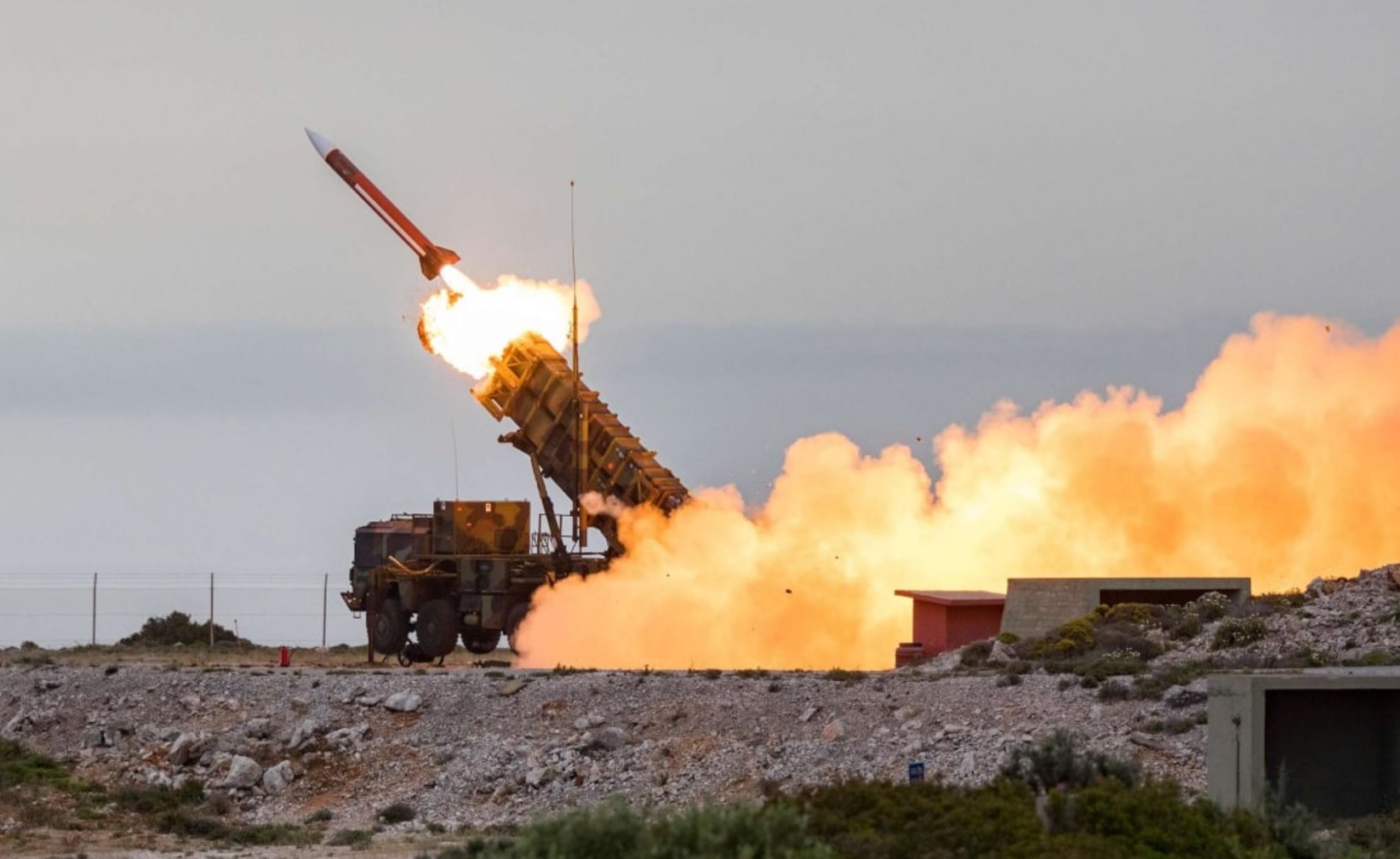
World
WASHINGTON — May 2, 2026 : The U.S. Department of State has approved a potential $4.01 billion Foreign Military Sale to Qatar for Patriot air and missile defense system replenishment, including interceptors, support services, and associated equipment. The decision reflects ongoing regional security requirements and aims to restore and sustain Qatar’s defensive missile inventory. Emergency Approval and Package Details The State Department determined that an emergency condition justified immediate approval of the sale, waiving the standard congressional review requirements under Section 36(b) of the Arms Export Control Act. The package includes a total of 500 interceptors: 300 Patriot Advanced Capability-3 Missile Segment Enhancement (PAC-3 MSE) interceptors 200 Patriot Advanced Capability-2 Guidance Enhanced Missile-Tactical (PAC-2 GEM-T) interceptors In addition to missiles, the agreement covers spare parts, missile canister consumables, repair and return services, classified and unclassified technical support, and a PAC-3 field surveillance program. Engineering, logistics, and technical assistance will be provided by both U.S. government personnel and contractors. Primary contractors for the sale are Lockheed Martin and RTX Corporation. A separate but related approval includes the sale of 10,000 Advanced Precision Kill Weapon System (APKWS) kits, valued at $992.4 million. Together, these approvals form part of a broader U.S. arms package exceeding $8.6 billion for Middle East partners, including Kuwait, the United Arab Emirates, Israel, and Qatar. Operational Context and Strategic Rationale The replenishment follows a period of sustained regional tensions and increased operational demand for air and missile defense systems. Qatar hosts the strategically significant Al Udeid Air Base, which serves as a central hub for U.S. and coalition operations and houses forward elements of U.S. Central Command. Qatar’s geographic position near the Strait of Hormuz and proximity to potential threat launch areas necessitate a high state of readiness against ballistic missiles, cruise missiles, and unmanned aerial systems. The approved sale is intended to restore interceptor stockpiles to ensure sustained defensive operations and prevent depletion during high-tempo engagements. The replenishment supports a “shoot-assess-shoot” doctrine, allowing repeated engagements and tailored responses to diverse aerial threats, including decoys and one-way attack drones. In March 2026, Qatar’s International Media Office stated that its Patriot missile inventory remained sufficient and operational, rejecting claims of depletion. The new approval strengthens that position by ensuring long-term magazine depth. Technical Capabilities of the Interceptors The two interceptor types included in the package serve complementary roles within Qatar’s layered air defense system. The PAC-3 MSE interceptor is designed for terminal defense against tactical ballistic missiles and uses hit-to-kill technology, relying on direct impact rather than explosive fragmentation. It incorporates a two-pulse solid rocket motor and enhanced control surfaces, enabling improved maneuverability against high-speed or maneuvering targets. The GEM-T interceptor provides blast-fragmentation capability and is effective against tactical ballistic missiles, cruise missiles, and aircraft. It includes upgraded seeker sensitivity and digital fuze enhancements, improving performance in complex operational environments. Both interceptor types can be deployed using the M903 launcher system, which supports mixed missile configurations. A single launcher can carry up to 12 PAC-3 MSE missiles or a combination of missile types, increasing engagement flexibility. Historical Acquisition and System Development Qatar first acquired the Patriot system through a 2012 Foreign Military Sale valued at $9.9 billion. That package included: 11 Patriot Configuration-3 fire units 11 AN/MPQ-65 radar systems 11 AN/MSQ-132 engagement control stations 44 M902 launchers 246 GEM-T interceptors 768 PAC-3 missiles Deliveries of PAC-3 units began in 2018. In 2015, Qatar expanded its capabilities with an additional 300 PAC-3 MSE missiles and 10 test missiles. The upgrade also included modifications of M902 launchers to the M903 configuration to support newer interceptors. Role in National and Regional Defense Qatar’s Patriot systems are deployed to protect fixed strategic assets, including leadership facilities, air operations centers, liquefied natural gas infrastructure at Ras Laffan, and maritime approaches in the Gulf region. The systems also contribute to the defense of civilian infrastructure and energy export nodes, which are critical to global energy markets. The U.S. government stated that the sale will enhance Qatar’s missile defense capabilities, strengthen homeland security, and improve interoperability with U.S. and allied forces operating in the region. It also emphasized that the sale does not alter the fundamental military balance in the Middle East. Supply Chain and Implementation Implementation of the sale will require sustained involvement from U.S. government personnel and defense contractors for technical, engineering, and logistical support. The approval ensures continued access to the established Patriot production and supply chain, which is currently under pressure due to high global demand, including requirements from Europe, Ukraine, and other allied defense programs. By securing replenishment capacity, Qatar maintains its position within the Patriot user community and ensures the availability of critical interceptor components for future operations.
Read More → Posted on 2026-05-02 14:43:37
World
WASHINGTON — May 2, 2026 : The U.S. Department of the Air Force has expanded its procurement of the Boeing E-7A Wedgetail airborne early warning and control (AEW&C) aircraft, with an additional five units ordered through a $2.4 billion contract amendment, Air Force Secretary Troy Meink announced. The modification, finalized on March 12, builds upon an existing contract covering two rapid prototype aircraft configured to U.S. Air Force requirements. With this latest action, the total number of E-7A aircraft on order rises to seven. The cumulative value of the program, including development and engineering work, now stands at approximately $5 billion. The March contract actions include about $2.34 billion allocated for engineering and manufacturing development aircraft and mission systems, alongside an additional $99.3 million to address diminishing manufacturing sources for critical radar components. Replacement Plan for Aging E-3 Fleet The E-7A Wedgetail is intended to replace the aging fleet of Boeing E-3G Sentry airborne warning and control aircraft currently in U.S. service. The Air Force operates approximately 16 E-3 aircraft, which are being gradually retired. Air Force leadership had previously identified a requirement for 26 E-7 aircraft to fully replace the E-3 fleet. However, the program faced uncertainty following policy shifts under President Donald Trump, with the fiscal year 2026 budget proposal suggesting cancellation in favor of alternative systems. These alternatives included the Navy’s Northrop Grumman E-2D Hawkeye aircraft and a network of space-based radar satellites. Congress intervened during budget deliberations, directing the Pentagon to continue the E-7 program and approving funding for a limited number of aircraft along with capability development. The current order for seven aircraft falls short of initial requirements but ensures continuity of the program. Platform Design and Capabilities The E-7A Wedgetail is based on the Boeing 737-700 Next Generation airframe, offering a modern and maintainable platform compared to the legacy E-3, which is derived from the retired Boeing 707. The aircraft measures 110 feet 4 inches (33.6 meters) in length, with a wingspan of 117 feet 2 inches (35.8 meters) and a height of 41 feet 2 inches (12.5 meters). It is powered by two CFM56-7B27A turbofan engines and has a maximum takeoff weight of 171,000 pounds (77,600 kilograms). The platform provides an unrefueled range of approximately 3,500 nautical miles and operates at a service ceiling of 41,000 feet. A key feature of the E-7A is the Northrop Grumman MESA radar, mounted in a fixed dorsal “top hat” configuration. The system provides continuous 360-degree coverage and enables simultaneous detection and tracking of airborne and maritime targets. Compared to the E-3, the Wedgetail offers improved target tracking, enhanced battle management capabilities, and greater operational efficiency. The aircraft typically operates with a crew of two pilots and up to 10 mission operators working at dedicated battle management workstations. Its use of a commercial airframe contributes to reduced maintenance requirements and improved spare parts availability, supporting higher readiness rates. Industrial Base and Strategic Considerations The limited procurement is part of an updated acquisition strategy aligned with the Fiscal Year 2026 Consolidated Appropriations Act. While the number of aircraft ordered is below long-term operational requirements, the contract sustains Boeing’s production capability for the specialized platform. The Department of the Air Force has indicated it will continue to engage with Congress regarding future funding. However, the fiscal year 2027 budget request does not include additional funding for the E-7 program. Declining International Demand Recent developments in the global market have affected the E-7 program’s export outlook. In November 2025, NATO withdrew from its plan to procure six E-7 aircraft under the Alliance Future Surveillance and Control initiative. The program had been announced in 2023 to replace NATO’s fleet of E-3D AWACS aircraft. NATO cited the loss of the program’s “strategic and financial foundation”, a decision widely interpreted as reflecting reduced confidence in long-term U.S. participation. A total of 16 NATO E-3D aircraft remain pending replacement. France also selected an alternative platform in December 2025, opting for the Saab GlobalEye system to replace its five E-3F aircraft, with two aircraft ordered and options for two additional units. Similarly, South Korea chose a competing system in October 2025 despite already operating four E-7 aircraft, designated locally as the E-737 Peace Eye. Seoul selected four Bombardier Global 6500 AEW&C aircraft from L3Harris Technologies rather than proceeding with additional Wedgetail acquisitions. Current Operators and Program Outlook Existing operators of the E-7 platform include Australia with six aircraft, Turkey with four, and South Korea with four. The United Kingdom is also in the process of acquiring the system. The seven aircraft currently under U.S. Air Force contract include two rapid prototypes and five engineering and manufacturing development platforms. Although the procurement quantity is limited, the program represents a step toward modernizing U.S. airborne early warning and control capabilities while maintaining interoperability with allied forces already operating the E-7. The long-term trajectory of the program will depend on future budget decisions and evolving operational requirements within the Department of Defense.
Read More → Posted on 2026-05-02 14:34:55
World
WASHINGTON, D.C. — May 2, 2026 : The U.S. Navy has outlined an accelerated acquisition and fielding strategy for its next-generation FF(X) frigate program in supporting documents for the Fiscal Year 2027 budget request, detailing timelines, funding allocations, and design priorities for what is intended to become a core element of the future surface fleet. Program Overview and Strategic Context The FF(X) program was initiated following the cancellation of the Constellation-class frigate effort in December 2025. The Navy selected a derivative of the Legend-class National Security Cutter as the baseline design to enable faster development and reduced technical risk. The approach is intended to deliver a proven, American-built platform capable of conducting maritime security, presence operations, and interdiction missions, while allowing larger surface combatants such as the Arleigh Burke-class destroyer to focus on high-end combat roles. The frigates are also expected to serve as coordination nodes for unmanned surface and undersea systems, supporting the Navy’s evolving high/low fleet mix concept. Accelerated Timeline and Construction Plan According to the FY 2027 budget documentation, construction of the lead FF(X) frigate will be carried out by Huntington Ingalls Industries, with work assigned to its Ingalls Shipbuilding division in Pascagoula, Mississippi. The Navy projects that the first ship will be launched in the first quarter of Fiscal Year 2029 (late calendar year 2028). Delivery is scheduled for the end of the third quarter of Fiscal Year 2030 (April to June 2030). If achieved, this would result in a procurement-to-delivery timeline of approximately four years, one of the shortest timelines for a new U.S. Navy surface combatant in recent decades. To support this schedule, the Navy plans to incorporate components originally produced for the cancelled 11th Legend-class cutter. In April 2026, Ingalls Shipbuilding received a $282.9 million contract for lead yard support, including procurement of long-lead materials and pre-construction activities. The first two ships are being procured under a sole-source arrangement with HII. Funding in the Fiscal Year 2027 Budget The Department of the Navy has allocated approximately $1.429 billion in FY 2027 for procurement of the lead ship. An additional $212 million has been designated for research and development (R&D). The R&D funding will support validation of ship systems, including combat system integration, future test planning, and development of modular payload capabilities. It also includes funding for integration of unmanned surface vessels (USVs) and design studies for Flight 2. The FF(X) program is part of a broader shipbuilding request totaling $65.8 billion for 34 vessels in the FY 2027 budget. Design Characteristics and Capabilities The FF(X) frigate is designed to be approximately 421 feet in length, with a beam of 54 feet and a draft of 22 feet. The vessel will have a displacement of about 4,750 tonnes, a top speed of 28 knots, a range of 12,000 nautical miles, and an endurance of up to 60 days. For Flight 1 ships, the Navy has opted for minimal modifications to the National Security Cutter baseline to maintain production speed. Key changes include the installation of a Rolling Airframe Missile launcher for point defense, integration of an SPS-77 variant air search radar, and modification of the stern boat ramp to support containerized payloads. Primary armament for the initial configuration includes a 57 mm main gun, a 30 mm gun, a 21-cell RAM launcher, and electronic warfare systems such as the AN/SLQ-32 (V)6. The ships will also feature flexible stern stations capable of deploying up to 16 Naval Strike Missiles or 48 Hellfire missiles through containerized or unmanned systems. Flight 1 Procurement and Operational Role Procurement begins with one ship in FY 2027, with follow-on ships planned in subsequent years. At least the first two vessels will follow the Flight 1 configuration, emphasizing rapid production and operational availability over advanced built-in weapon systems. The modular design approach allows the Navy to deploy mission-specific payloads while maintaining operational flexibility. Flight 1 vessels are expected to focus on lower-intensity operations, including maritime security and integration with unmanned platforms. Flight 2 Development and Future Enhancements Design work on Flight 2 frigates is already underway. The Navy is evaluating the integration of Vertical Launching Systems (VLS) into the hull to provide internal carriage of munitions, reducing reliance on containerized payloads. Potential weapons for VLS-equipped variants include the RIM-162 Evolved Sea Sparrow Missile, SM-2 and SM-6 surface-to-air missiles, and the RUM-139 Vertical Launch Anti-Submarine Rocket. Enhancing anti-submarine warfare (ASW) capabilities is identified as a key priority for later ships. The Navy plans to procure a total of 55 to 60 FF(X) frigates, with the majority expected to incorporate Flight 2 upgrades, including improved anti-air warfare (AAW) and ASW performance. Industrial and Production Considerations The decision to base the FF(X) on an existing cutter design allows construction to proceed alongside ongoing shipbuilding programs at Ingalls Shipbuilding, including destroyers and amphibious vessels. This approach is intended to reduce design complexity, streamline production, and maintain industrial base stability. By leveraging an established platform and incorporating pre-existing components, the Navy aims to minimize delays typically associated with new ship classes. Outlook The FF(X) program represents a shift toward faster acquisition of adaptable surface combatants using proven designs. The combination of modular payload integration, unmanned systems coordination, and phased capability upgrades is intended to provide operational flexibility while maintaining a manageable development timeline. Further details on system integration, Flight 2 configuration, and long-term procurement schedules are expected to be refined as the program progresses through the early stages of construction and testing under the FY 2027 funding framework.
Read More → Posted on 2026-05-02 14:25:23Search
Top Trending in 24 Hours
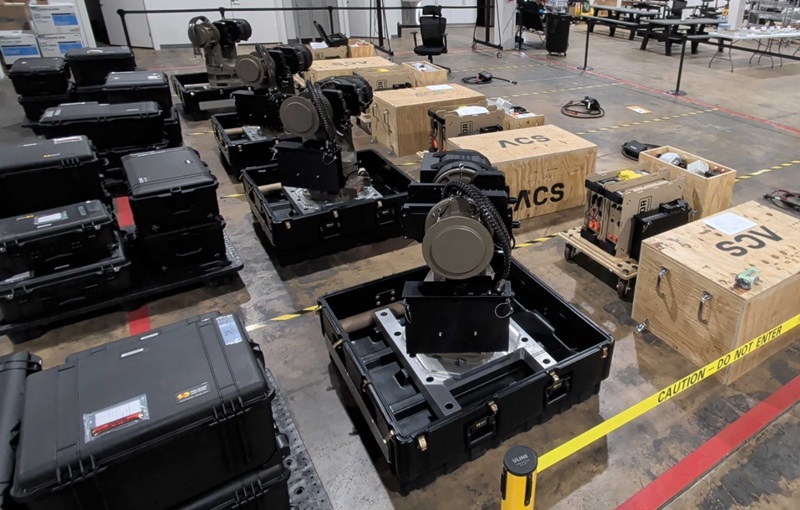


Top Trending in 4 Days
-
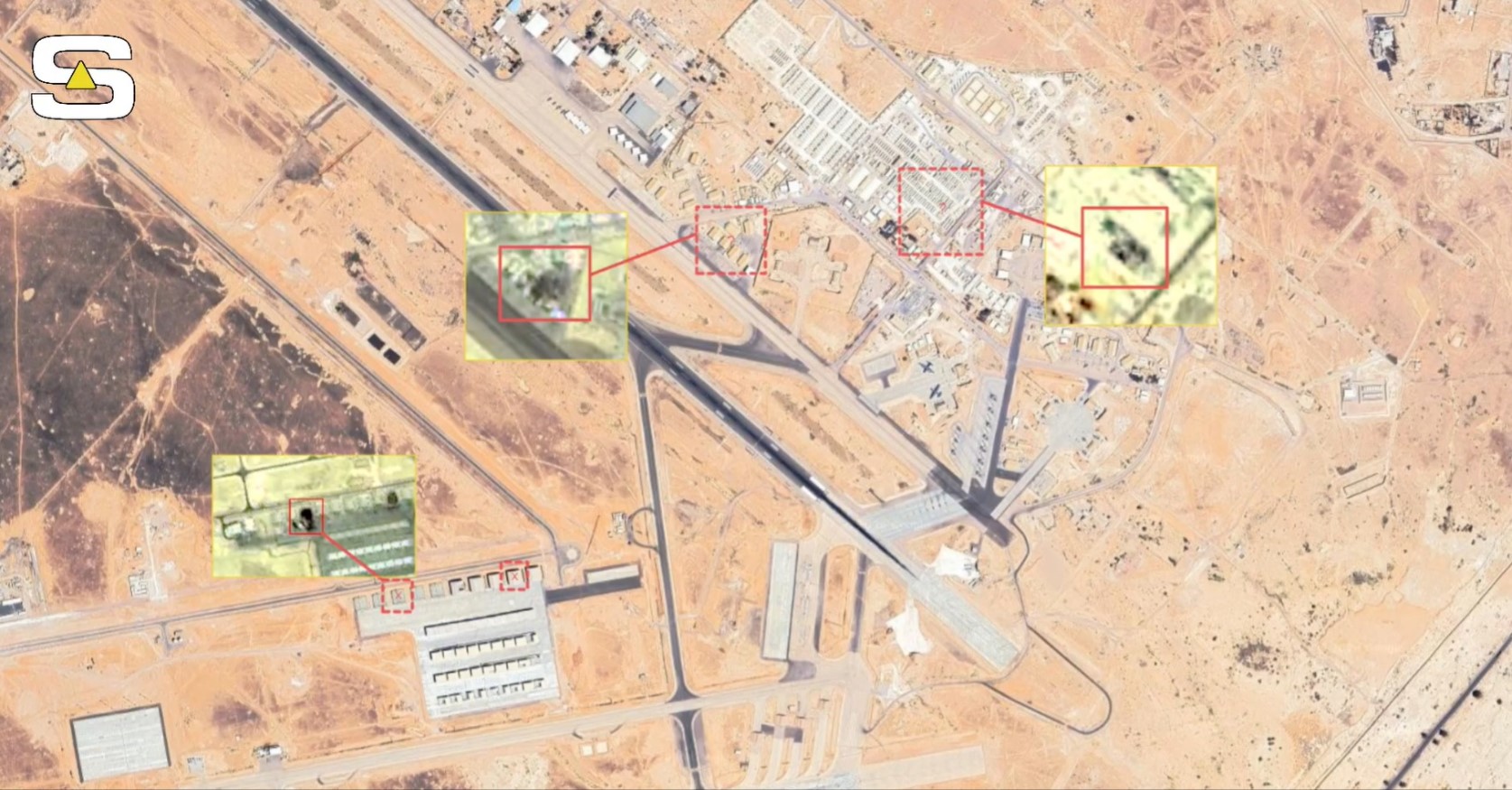 New Satellite Imagery Reveals Extensive Damage at Jordan's Muwaffaq al-Salti Air Base After Iranian Missile Strike
-
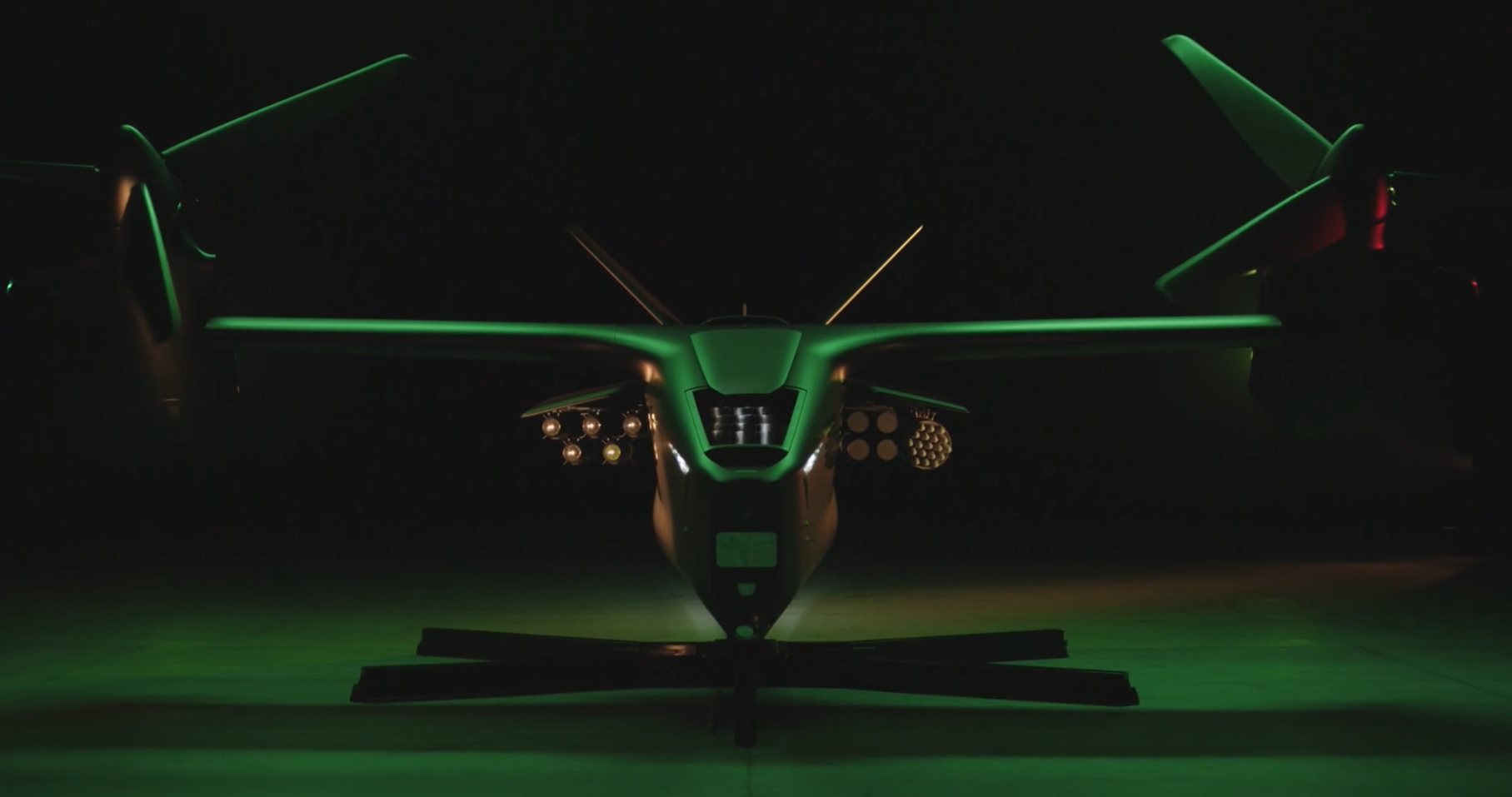 Anduril Unveils Thunder Autonomous Attack Rotorcraft Built with Archer Aviation to Support Apache Helicopters
-
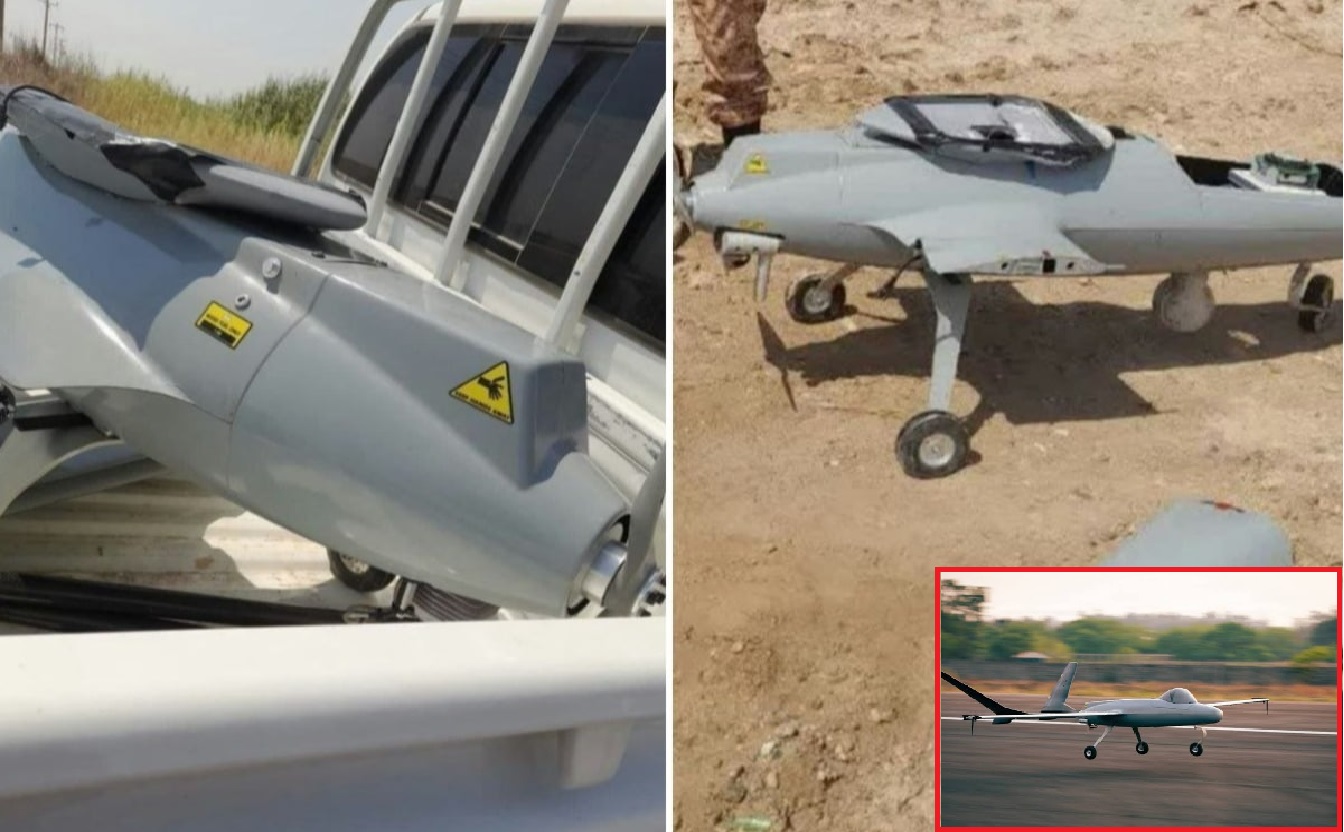 Iran Claims It Shot Down U.S.-Operated Polish-Built Tiguar-M Drone, Releases Images
-
 U.S. Space Force Awards Slingshot Aerospace $69.2 Million Contract to Develop AI Space Training Platform
-
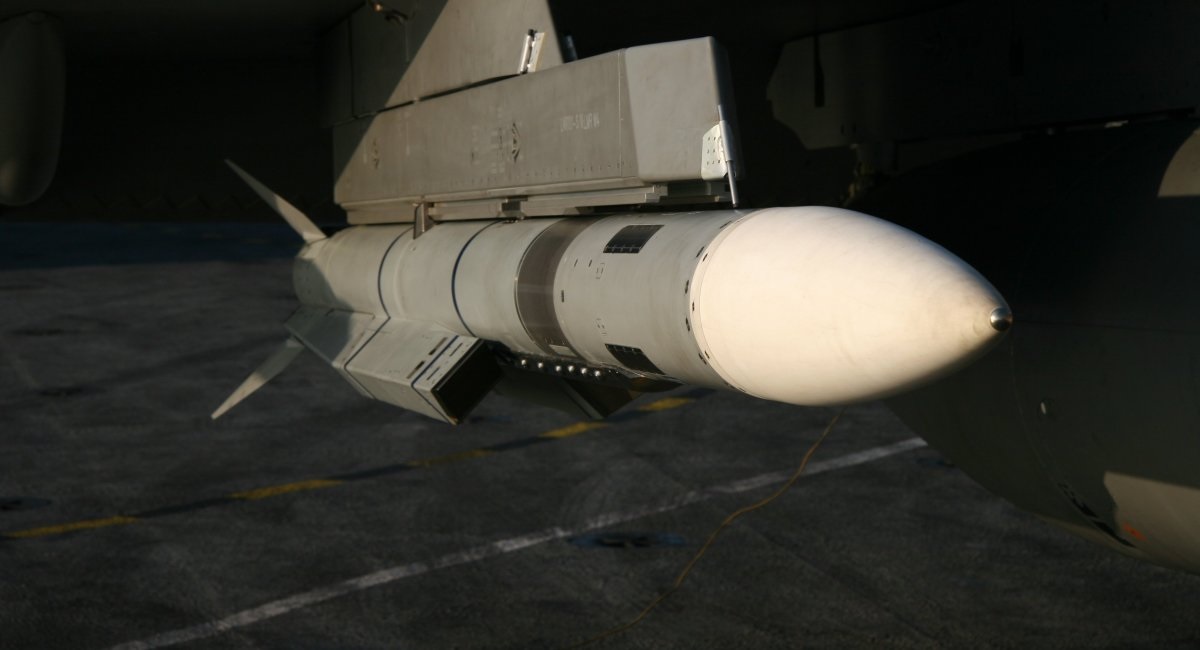 UK Cancels Meteor Missile Mid-Life Upgrade, Prioritizes Next-Generation FASE Air-to-Air Missile Programme
-
 NASA, Draper Cancels CP-12 Lunar Lander Mission After Development Delays Push Mission Beyond 2030
-
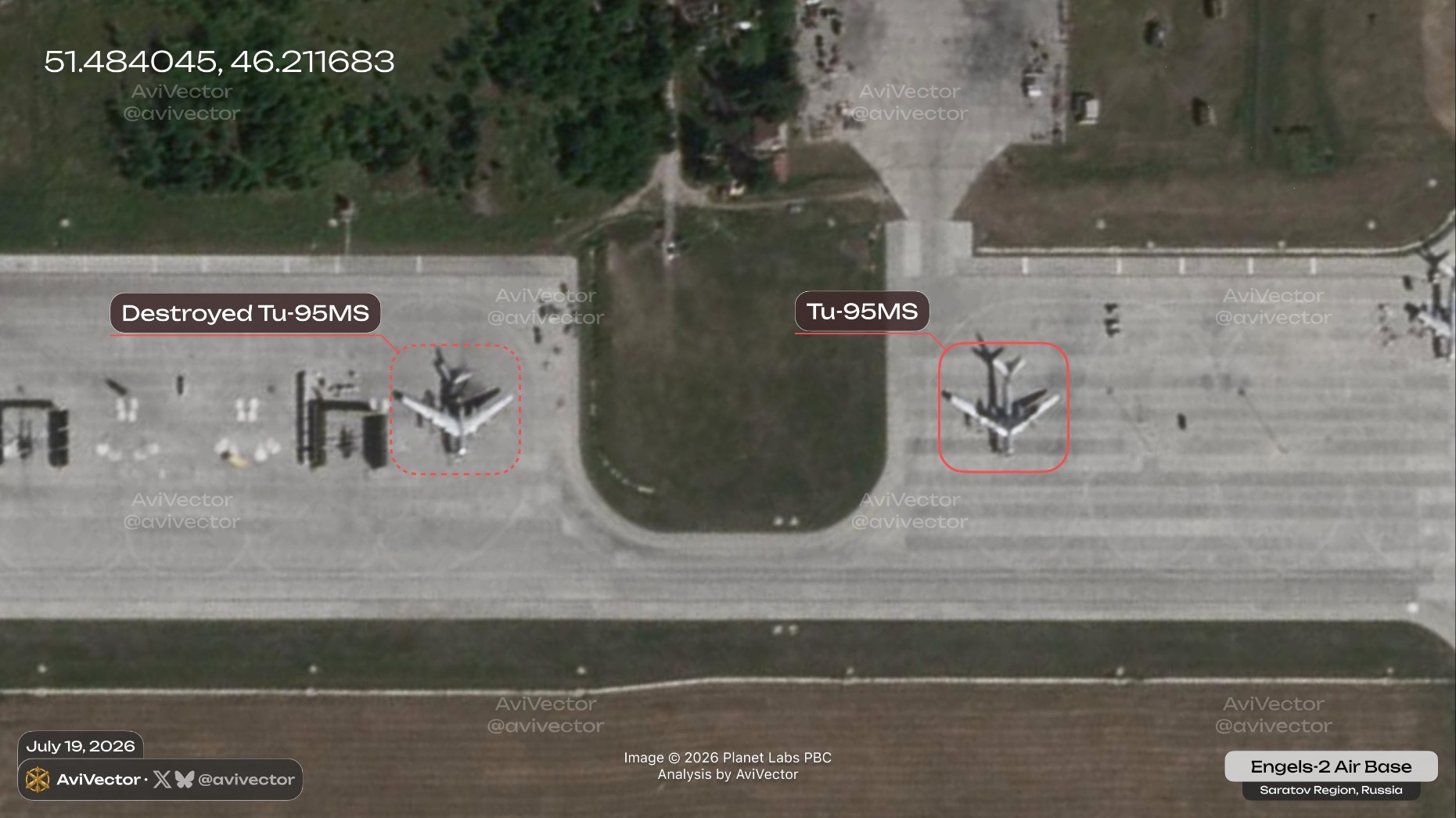 Satellite Images Confirm Russian Tu-95MS Bomber Destroyed After Ukrainian Drone Strike on Engels-2 Air Base
-
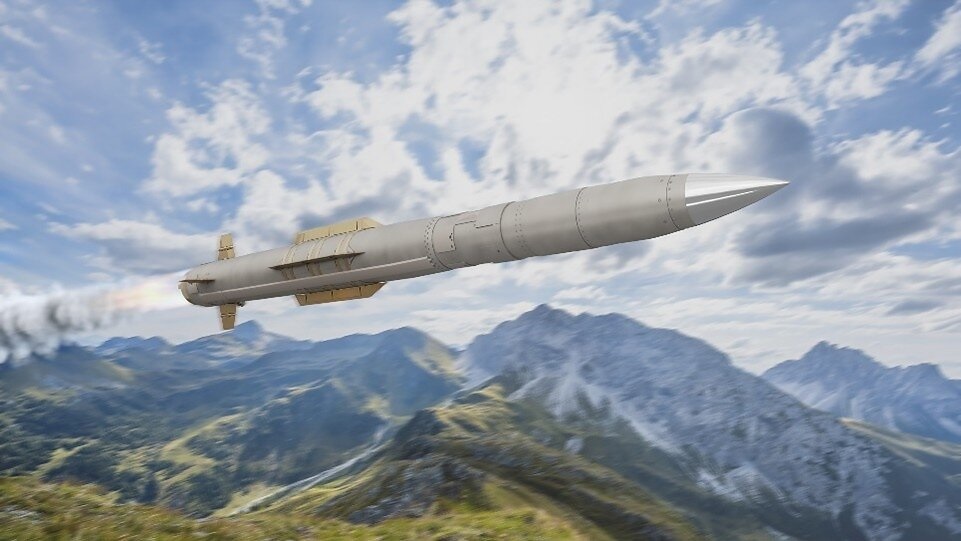 Lockheed Martin Unveils Lower-Cost PAC-3 ACE Interceptor for Patriot Air Defense System
