World
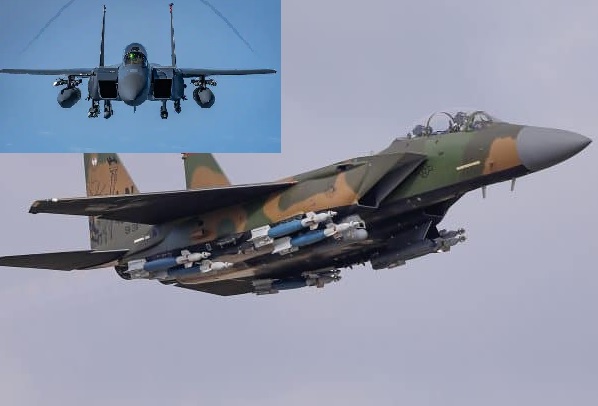
RAF LAKENHEATH, United Kingdom — May 7, 2026 : A specially painted F-15E Strike Eagle assigned to the 48th Fighter Wing conducted a heavy-load training sortie from RAF Lakenheath on May 7, carrying eight inert GBU-12 Paveway II guided bombs as part of commemorative activities marking the 40th anniversary of Operation El Dorado Canyon. The aircraft, serial number 91-0311, recently received a heritage camouflage scheme replicating the Cold War-era paint used by F-111F Aardvarks that operated from RAF Lakenheath during the 1986 U.S. strike mission against Libya. The sortie combined aerial refueling, low-level penetration flying, and inert weapons release training, closely simulating a long-range strike profile. Heavy-Load Strike Training Mission Operating under the callsign EAGLE 31, the F-15E departed RAF Lakenheath shortly after 08:30 local time alongside wingman EAGLE 32. Shortly after takeoff, the formation linked up with a KC-135 Stratotanker for aerial refueling before continuing toward designated low-flying areas in North Wales. The aircraft then conducted low-level navigation through the Welsh valleys to simulate terrain-following ingress operations commonly associated with strike missions in contested environments. Following the low-altitude segment, the formation proceeded to the Holbeach Air Weapons Range on the coast north of RAF Lakenheath. At the range, EAGLE 31 released its full payload of eight inert GBU-12 Paveway II bombs, completing the weapons employment phase of the mission before returning to base. Images captured during the sortie showed the aircraft carrying all eight bombs on fuselage stations and conformal fuel tank hardpoints while leaving the wing pylons completely unoccupied. This configuration preserves the option to carry additional external fuel tanks or air-to-air weapons on the wings during operational deployments. Heritage Paint Scheme Honors 1986 Libya Strike The commemorative F-15E officially debuted its heritage livery on April 28, 2026. Airmen from the 48th Equipment Maintenance Squadron spent 22 days sanding, masking, priming, painting, and applying stencils to recreate the Southeast Asia-style camouflage scheme worn by F-111F aircraft during the Cold War period. The camouflage consists of tan and two shades of green and was specifically designed to honor Operation El Dorado Canyon, conducted on April 14–15, 1986. During the operation, twenty-four F-111F Aardvarks from the 48th Tactical Fighter Wing launched from RAF Lakenheath to conduct long-range strikes against Libyan targets in response to the bombing of a Berlin nightclub linked to Libyan-sponsored terrorism. The operation required a 6,400-mile round trip lasting approximately 13 hours and involved multiple aerial refueling operations. At the time, it was considered the longest fighter combat mission ever flown. Tribute to “Karma 52” The heritage markings specifically commemorate “Karma 52,” the only F-111 lost during Operation El Dorado Canyon. The aircraft was shot down over the Mediterranean Sea during the mission, resulting in the deaths of pilot Captain Fernando L. Ribas-Dominicci and Weapon Systems Officer Captain Paul F. Lorence. To honor the crew, the F-15E’s nose section features a red “Karma 52” inscription alongside the silhouette of an F-111 aircraft. The tail markings include the 494th Fighter Squadron panther emblem and the 48th Fighter Wing’s Statue of Liberty insignia, along with dedicated 40th anniversary markings. The commemorative aircraft remains an operational F-15E assigned to the 48th Fighter Wing and continues to participate in regular training and operational activities while carrying the heritage design. GBU-12 Paveway II and Strike Eagle Payload Configuration The sortie also highlighted the F-15E Strike Eagle’s ability to carry large air-to-ground payloads while maintaining operational flexibility. The GBU-12 Paveway II is a laser-guided precision munition built around the 500-pound Mk 82 general-purpose bomb body. The weapon uses a nose-mounted laser seeker and deployable tail guidance fins to steer toward laser-designated targets. The bomb’s guidance system utilizes what is commonly referred to as “bang-bang” guidance. Instead of making gradual adjustments, the control surfaces move to maximum deflection whenever course corrections are required and then reverse direction as the weapon compensates back toward the target path. This creates a sinusoidal flight pattern while simplifying the guidance system’s mechanical design and reducing manufacturing costs for the single-use munition. The mission additionally demonstrated the operational importance of the F-15E’s conformal fuel tanks, also known as FAST Packs — Fuel and Sensor, Tactical packs. Mounted along both sides of the fuselage near the engine intakes, the tanks provide additional fuel capacity and extra hardpoints for weapons carriage without occupying wing stations. Although conformal fuel tanks were originally developed for the F-15C air superiority fighter, they were generally unpopular among F-15C crews because they cannot be jettisoned in flight and permanently affect maneuverability. For the F-15E Strike Eagle, however, the tanks became a central feature of the aircraft’s long-range strike mission and heavy payload capability. Fleet Modernization and Future Strike Role The commemorative training sortie took place amid broader modernization efforts within the U.S. Air Force fighter fleet. In April 2026, the Air Force announced plans to increase procurement of Boeing F-15EX Eagle II aircraft from 129 to 267 units, significantly expanding the future fleet size. While early F-15EX acquisition plans primarily focused on homeland defense roles within the Air National Guard, the larger procurement objective indicates the aircraft will eventually replace aging F-15E Strike Eagles in frontline strike missions. Initial F-15EX planning did not heavily emphasize the use of conformal fuel tanks, but the transition from the F-15E fleet suggests that long-range strike configurations and heavy air-to-ground payload operations will remain central to the platform’s future role. The May 7 sortie at RAF Lakenheath demonstrated that the operational concepts associated with the Strike Eagle — including extended-range strike profiles, aerial refueling integration, and high-capacity precision weapons carriage — continue to remain relevant as the U.S. Air Force prepares for the next phase of tactical fighter modernization.
Read More → Posted on 2026-05-07 14:09:23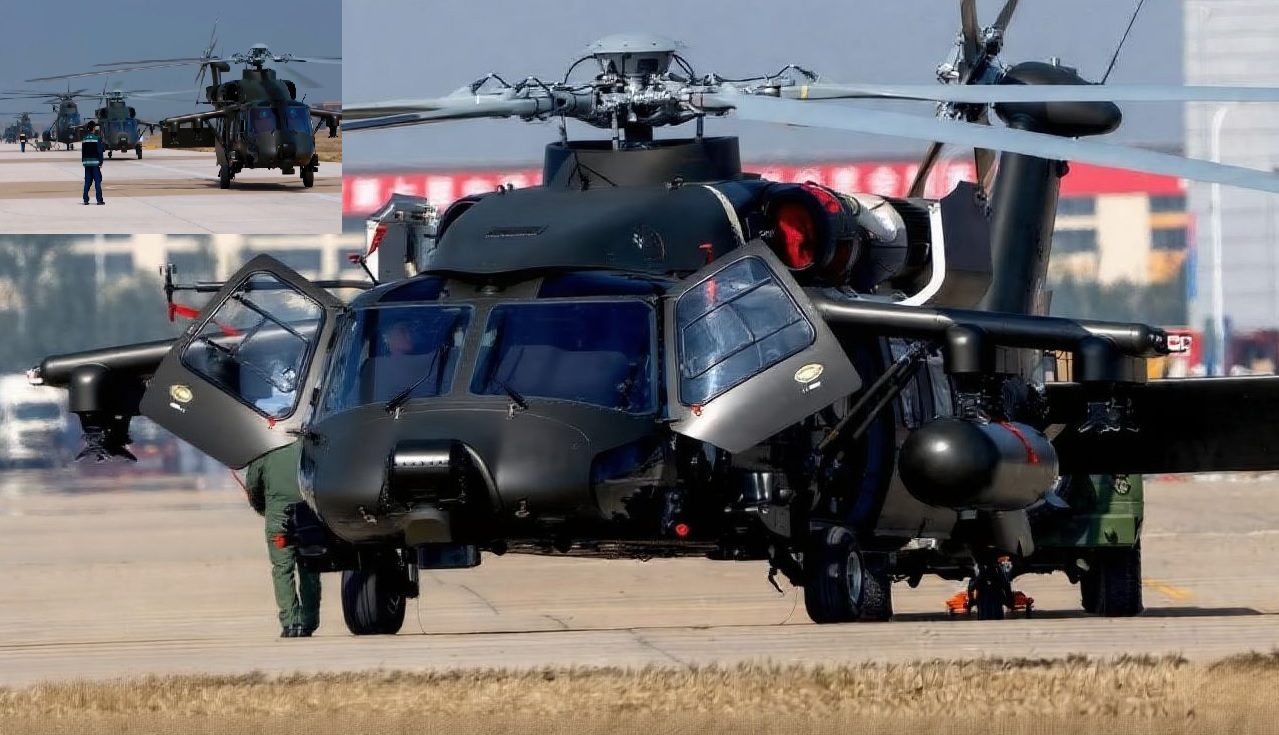
World
BEIJING — May 7, 2026 : The Chinese People’s Liberation Army (PLA) Ground Force has formally integrated the Z-20T assault helicopter into its operational air-ground coordination training cycle, reflecting an ongoing expansion of the PLA’s heliborne assault and rapid-response capabilities. Recent imagery and military reports confirmed the deployment of the Z-20T alongside Z-10 attack helicopters during large-scale exercises conducted in early April 2026 by a brigade under the Northern Theater Command. The drills focused on rapid deployment procedures, low-altitude penetration flights, and fast-roping insertion techniques designed to support high-tempo air assault operations. The integration marks a significant step in the operational development of the Z-20T, which combines medium-lift transport functions with integrated fire support capabilities in a single platform. The helicopter was developed as an armed variant of the Z-20 utility helicopter, which entered PLA service in 2019, and represents the PLA’s first heavyweight combat helicopter type capable of simultaneously conducting troop transport and offensive strike missions. Combined Airlift and Fire Support Capability The Z-20T first appeared publicly during a military parade in Beijing on September 3, 2025. Unlike dedicated attack helicopters designed exclusively for strike operations, the aircraft was developed to provide a multi-role capability that integrates tactical airlift functions with direct fire support. The helicopter is equipped with detachable external stores support system (ESSS) stub wings fitted with multiple hardpoints capable of carrying rocket launchers, anti-tank guided missiles, and other air-to-ground munitions, including the AKD-10 missile. The platform also incorporates an electro-optical and infrared targeting turret beneath the nose to support reconnaissance and precision targeting operations. Defensive systems integrated into the aircraft include missile approach warning sensors, radar warning receivers, and a directional infrared countermeasures (DIRCM) suite intended to improve survivability during low-altitude combat operations. According to Zhu Minfeng, deputy chief designer at the China Helicopter Research and Development Institute, the Z-20T is intended to complement existing attack helicopter assets rather than replace them. “If the mission solely involves attack tasks, the Z-10 attack helicopter is the optimal choice,” Zhu stated. “If there is a need to conduct airlift operations and troop transport in addition to attack tasks, the Z-20T, which combines transport capacity with air-to-ground capabilities, can be employed.” Zhu further described the platform as achieving “multi-functionality with one aircraft,” allowing it to transport troops while independently conducting fire strikes without relying entirely on escort aircraft for protection. Operational Characteristics and Payload The Z-20T retains the transport capabilities of the baseline Z-20 platform while integrating additional combat systems. The aircraft can reportedly carry approximately 12 to 15 troops internally, transport up to 1,500 kilograms of internal cargo, or carry approximately 4,000 kilograms externally as sling-loaded cargo. Although the aircraft is less heavily armored than dedicated attack helicopters such as the AH-64 Apache or the Mi-28, the Z-20T offers greater flexibility for combined transport and strike operations. Its role has been compared to the U.S. MH-60L Direct Action Penetrator configuration, though the Chinese platform retains full troop transport capability while armed. The aircraft is powered by two WZ-10 turboshaft engines rated at approximately 1,600 kilowatts each and incorporates fly-by-wire flight controls together with a five-bladed main rotor system. The propulsion system is designed to improve high-altitude performance and enable operations at elevations reaching approximately 6,000 meters. Current estimates indicate that roughly 40 Z-20T helicopters are presently in service with PLA Ground Force Aviation units. April 2026 Air-Ground Coordination Exercises The April training cycle rehearsed a complete air assault sequence involving force generation, embarkation, tactical insertion, maneuver operations, and coordinated close air support under compressed operational timelines. PLA aviation units practiced low-altitude penetration profiles designed to exploit terrain masking in order to reduce radar exposure and shorten adversary reaction times. These tactics were combined with the aircraft’s onboard electronic warfare and defensive systems to improve survivability during contested operations. The exercises also highlighted coordinated operations between the Z-20T and the Z-10 attack helicopter. In the paired configuration used during the drills, the Z-10 served as a dedicated armed escort platform responsible for suppressing hostile ground positions and providing close air support to infantry after insertion. Simultaneously, the Z-20T conducted troop transport missions while retaining the ability to carry out localized fire support tasks independently. Military analysts view this operational pairing as part of the PLA’s broader effort to improve rapid deployment and air-mobile assault capabilities for short-notice contingency operations. Strategic and Regional Implications The growing emphasis on low-altitude rapid insertion operations follows increased global attention on helicopter-based special operations and air assault missions. Chinese military commentary has referenced the importance of rapid-response helicopter operations following the January 3, 2026 U.S. helicopter mission in Venezuela that resulted in the extraction of President Nicolás Maduro. The PLA’s continued development of heliborne assault doctrine is also closely linked to evolving operational requirements across multiple regional theaters. These include the South China Sea, where the PLA Navy is expanding deployments of Type 075 amphibious assault ships and helicopter carriers; the Korean Peninsula, where China maintains defense treaty obligations involving North Korea; and the Taiwan Strait, which remains a central focus of regional military planning and security competition. The operational integration of the Z-20T indicates that the PLA is increasingly preparing airborne and heliborne units for missions involving rapid reinforcement, seizure of key terrain, and expeditionary support operations under contested conditions. Future PLA Rotary-Wing Development The PLA’s rotary-wing modernization program is expected to continue with the future introduction of the Z-21 heavyweight attack helicopter. First observed in prototype form in March 2024, the Z-21 is projected to enter service near the end of the decade. The aircraft is expected to feature heavier armor protection and a greater weapons payload capacity than the current Z-10 fleet, though it will not possess the troop transport capabilities of the Z-20T. With the Z-20T now entering routine operational training, the PLA Ground Force appears to be transitioning toward a more integrated helicopter assault doctrine that combines transport, fire support, and rapid maneuver functions within coordinated aviation formations.
Read More → Posted on 2026-05-07 13:58:13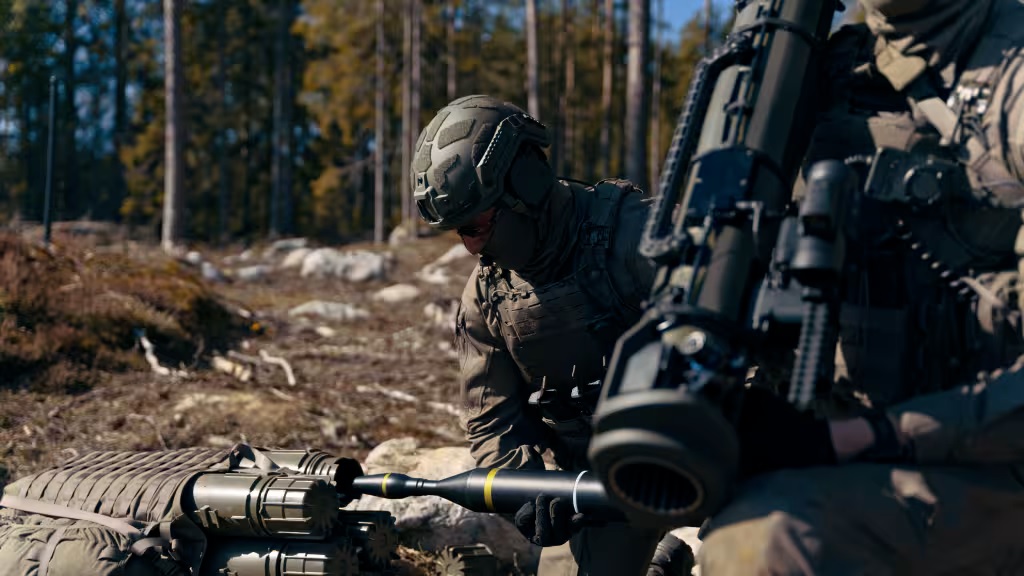
World
KARLSKOGA, Sweden — May 7, 2026 : Swedish defence manufacturer Saab has officially unveiled its new HEAT 758 anti-tank munition for the Carl-Gustaf M4 during a live-fire demonstration at the Bofors Test Center in Karlskoga, Sweden. The launch event brought together approximately 150 military officials, defence representatives, and international customers from 25 countries, including officers from the Ukrainian military. Saab used the demonstration to present the operational capabilities of the new 84 mm round against modern armoured threats protected by Explosive Reactive Armour (ERA). The HEAT 758, or High Explosive Anti-Tank 758, has been developed as the successor to the combat-proven HEAT 751 round and is intended to provide infantry forces with increased anti-armour capability while maintaining compatibility with the Carl-Gustaf M4 launcher. Saab confirmed that production of the munition is already underway following a finalized supply contract with an undisclosed customer. Designed to Counter Modern Reactive Armour According to Saab, the HEAT 758 was developed in response to the increasing use of ERA systems on modern main battle tanks and armoured vehicles. ERA consists of externally mounted explosive blocks designed to detonate when struck by anti-tank munitions, disrupting the shaped-charge penetration jet and reducing the effectiveness of conventional warheads. To address this challenge, Saab equipped the HEAT 758 with an advanced tandem warhead configuration capable of defeating heavily protected armour systems. The company stated that the new round can penetrate up to 700 millimetres of Rolled Homogeneous Armour (RHA) equivalent behind ERA protection, representing an increase of approximately 200 millimetres compared to the earlier HEAT 751 munition. The round has an effective engagement range of up to 600 metres and uses rocket-assisted propulsion to increase the distance between the operator and the target during engagements. Saab also reduced the overall weight of the munition to approximately 3.7 kilograms in order to lessen the load carried by infantry personnel while increasing lethality and operational flexibility. Michael Höglund, Head of Saab’s Ground Combat business unit, stated that the munition was designed specifically to respond to evolving battlefield conditions. “This round is our response to developments on the battlefield where reactive explosive armour has become a major problem for regular munitions trying to defeat armoured vehicles,” Höglund said during the demonstration. Non-Initiating Precursor Technology A key feature of the HEAT 758 is Saab’s newly developed Non-Initiating Precursor (NIP) technology, which was designed to improve effectiveness against multiple generations of reactive armour systems. Traditional tandem warheads generally function by detonating the ERA layer with a precursor charge before the main shaped charge penetrates the base armour. Saab stated that this process can generate debris and ballistic residue that may interfere with penetration performance. The HEAT 758 instead employs a precursor element designed to physically pierce the ERA block without triggering its explosive reaction. According to Saab, this creates a clean channel through the reactive armour, allowing the primary shaped charge to strike the vehicle’s underlying armour structure with maximum penetration efficiency. The company stated that the system was developed using artificial intelligence and machine learning technologies. Saab engineers reportedly conducted more than 50,000 computer simulations to refine the tandem warhead design and optimise penetration performance against modern armour systems. Saab added that the HEAT 758 is effective against several generations of ERA protection, including Kontakt-1, Kontakt-5, and Relikt systems. The company stated that the munition eliminates the need for operators to identify the specific ERA configuration mounted on a target vehicle before engagement. Integration With Firebolt Digital System The HEAT 758 is fully integrated with Saab’s proprietary Firebolt digital communication architecture, which is being introduced across the Carl-Gustaf ammunition family. The Firebolt system enables bidirectional communication between the munition, the launcher, and the Fire Control Device 558 (FCD 558). Once loaded into the launcher, the HEAT 758 automatically transmits ammunition-specific information, including charge characteristics and propellant temperature, to the fire-control system. The FCD 558 then combines this data with external environmental factors such as target range, ambient air temperature, and atmospheric pressure to generate an automatic firing solution. According to Saab, the automated ballistic process reduces the need for manual calculations by the operator, lowers cognitive workload during combat operations, and improves first-round hit probability during engagements. “HEAT 758 is an example of how Saab continues to generate ever more capable products while decreasing the armoured vehicle threat to the operator,” Höglund added. Expanding the Carl-Gustaf Ammunition Family Saab stated that the HEAT 758 is the second munition in the Carl-Gustaf ammunition family to be designed specifically for the Firebolt programmable system from the outset. The company noted that the broader Carl-Gustaf ammunition portfolio is gradually transitioning toward full Firebolt compatibility. The Carl-Gustaf remains one of the most widely used man-portable recoilless rifle systems in service globally and is currently operated by armed forces in more than 40 countries. With the introduction of the HEAT 758, Saab aims to provide infantry units with enhanced capability against heavily protected armoured vehicles while improving operational effectiveness, engagement accuracy, and survivability on modern battlefields.
Read More → Posted on 2026-05-07 13:42:28
World
TEHRAN — May 6, 2026 : Iran’s military leadership has formally denied allegations that it launched missile and drone attacks against the United Arab Emirates (UAE), while simultaneously warning that any military action conducted from Emirati territory against Iran would prompt a direct response. The statements were issued by the Khatam al-Anbiya Central Headquarters, the joint command responsible for coordinating operations across Iran’s armed forces. Iranian officials released three separate statements addressing recent security incidents involving the UAE and the broader regional military situation in the Persian Gulf. In its first statement, the Iranian military rejected reports issued by the UAE Ministry of Defense claiming that Emirati air defense systems had intercepted multiple Iranian ballistic missiles, cruise missiles, and drones over the past several days. “We have not carried out any missile or drone operations against the UAE. We deny the UAE Ministry of Defense report,” the statement said. Iranian officials further stated that if the Islamic Republic had conducted such operations, the action would have been officially acknowledged through formal military channels. The statement described the UAE’s accusations as “categorically denied” and “completely unfounded.” The denial follows Emirati reports that air defense units intercepted several aerial threats allegedly launched from Iranian territory. UAE authorities also stated that a drone strike on May 4 targeted an energy facility in the Fujairah Oil Industry Zone, causing a fire and minor injuries to three Indian nationals. Emirati officials attributed the incident to Iranian-linked activity, although no independent verification has been publicly released. Iranian officials maintained that there was no pre-planned operation targeting UAE oil infrastructure. Tehran also attributed recent instability in the Strait of Hormuz to ongoing U.S. military operations and increased foreign naval deployments in the region. In a second statement, the Khatam al-Anbiya command criticized the UAE’s strategic cooperation with the United States and Israel. The statement claimed that the UAE had “become one of the main American and Zionist bases” in the region and described the country as “a nest for Americans and Zionists,” referencing the presence of U.S. and Israeli military personnel and infrastructure. Iranian military officials urged Emirati authorities to reconsider the hosting of foreign military assets, arguing that external military involvement has contributed to escalating tensions across the Gulf region. The third statement issued by the command focused on potential future military scenarios. While reiterating that Iran was not involved in the recent attacks reported by the UAE, the statement warned that Tehran would respond if Emirati territory were used for operations against Iranian territory or strategic assets. “If any action is taken from the soil of the UAE against Iran’s islands, ports, or coasts, we will give a crushing and regretful response,” the statement said. Iran’s military leadership did not provide additional operational details regarding how such a response would be carried out, but emphasized that any hostile action originating from neighboring states would be treated as a direct security threat. The statements come amid continuing regional tensions involving Iran, the United States, and Israel following the escalation of hostilities that began in late February 2026. The security situation in the Persian Gulf and the Strait of Hormuz has remained unstable in recent months, with disruptions to maritime traffic, expanded naval deployments, and repeated accusations between regional actors. Iranian officials have repeatedly argued that the expanding U.S. and Israeli military presence in Gulf states has increased the risk of confrontation and contributed to instability in regional shipping lanes. Tehran has also accused Western governments of using allegations against Iran to justify a larger military footprint near Iranian waters. Several countries have condemned the reported attacks on UAE territory and called for restraint from all parties. Diplomatic efforts involving regional governments and international mediators continue as attempts are made to prevent further escalation and secure broader de-escalation arrangements in the Gulf. Iranian state media reported that the three statements from the Khatam al-Anbiya headquarters were issued simultaneously. No additional information regarding the timing, operational background, or delivery mechanisms related to the alleged attacks has been publicly released by Iranian authorities.
Read More → Posted on 2026-05-06 17:58:45
World
ABU DHABI / DUBAI — May 6, 2026 : Conflicting accounts have emerged regarding the recent attack on oil infrastructure in the United Arab Emirates, after UAE media reports alleged that Saudi Arabia was responsible for the strike aimed at disrupting regional oil exports, while Iranian military officials formally denied carrying out any attacks on UAE territory. The competing narratives follow a drone strike earlier this week that targeted facilities at the Fujairah Oil Industry Zone, a strategic export hub on the UAE’s eastern coast. The incident triggered fires at oil storage infrastructure, prompted emergency security measures, and intensified concerns over the stability of energy flows through the Gulf region. The Fujairah port is one of the UAE’s most important energy facilities because it allows crude oil exports to bypass the Strait of Hormuz through the Abu Dhabi Crude Oil Pipeline, also known as the Habshan–Fujairah pipeline. The corridor has become increasingly important amid ongoing regional maritime tensions and disruptions affecting shipping routes in the Gulf. According to reports circulating in UAE media, Saudi Arabia allegedly carried out the strike in an effort to disrupt oil exports from Fujairah rather than Iran being responsible, as initially suggested during the immediate aftermath of the incident. The reports marked a significant shift from earlier public assumptions surrounding responsibility for the attack. UAE authorities previously stated that air defence systems intercepted multiple missiles and drones during the incident on May 4. Emergency response teams and civil defence units were deployed to contain fires at the oil storage facilities and secure the surrounding industrial zone. Three Indian nationals were reported injured during the attack and were transported to local hospitals for treatment. No fatalities were officially reported. Iranian officials rejected accusations of involvement and stated that Tehran had not conducted any military operation against the United Arab Emirates in recent days. In an official statement, Iran’s Khatam al-Anbiya Central Command, which oversees coordination between branches of the Iranian armed forces, said that no Iranian missile or drone strikes had targeted UAE territory. Iranian state broadcasters, citing senior military officials, also stated that there had been no pre-planned programme to attack oil infrastructure in Fujairah. An unnamed Iranian military official quoted by state media attributed the incident to what was described as “US military adventurism” in the Strait of Hormuz. The official accused American forces of attempting to establish what Iran considers illegal transit passages for vessels operating in restricted waterways and said Washington should be held accountable for the resulting regional instability. Iranian statements did not provide evidence supporting those claims. Saudi authorities have not issued any public confirmation or denial regarding the UAE media reports attributing responsibility to Riyadh. The UAE government has also not released an updated formal statement revising its earlier attribution of the incident to Iran. The attack has added further strain to an already fragile regional environment shaped by maritime confrontations, ceasefire negotiations, and disputes over oil production policy. The incident occurred during a four-week-old ceasefire period linked to broader regional tensions involving Iran, the United States, Gulf states, and armed groups operating across the Red Sea and Gulf maritime corridors. Naval standoffs between US and Iranian forces in the Strait of Hormuz have continued in recent weeks, while Houthi forces have repeatedly threatened shipping routes connected to Saudi oil exports through the Red Sea and the Bab el-Mandeb Strait. The Fujairah strike was also the second reported attack affecting the port area in recent months. A previous incident on March 14 disrupted oil-loading operations at the facility and raised concerns over the vulnerability of Gulf export infrastructure. The latest developments have also emerged amid growing differences between the UAE and Saudi Arabia over energy policy and regional strategy. On April 28, the UAE announced its withdrawal from the Organization of the Petroleum Exporting Countries (OPEC), highlighting disagreements over production quotas and responses to the ongoing confrontation involving Iran. Regional analysts have noted that Saudi Arabia has experienced comparatively fewer direct attacks on its own oil infrastructure during the current period of instability, while simultaneously supporting Pakistani-led mediation initiatives aimed at reducing tensions between regional actors. Global energy markets reacted sharply following the Fujairah incident and uncertainty surrounding responsibility for the strike. Brent crude prices rose by 5.8 percent, increasing by $6.27 to settle at $114.44 per barrel. US West Texas Intermediate crude gained 4.4 percent, climbing by $4.48. The Fujairah export terminal handles approximately 1.7 million barrels of oil per day, making any disruption to operations significant for global supply chains and shipping markets. Authorities in the UAE continue to monitor regional airspace and maintain active defence measures around strategic infrastructure as investigations and diplomatic responses continue.
Read More → Posted on 2026-05-06 17:52:38
World
WASHINGTON — May 6, 2026 : The U.S. Air Force has formally approved the T-7A Red Hawk advanced trainer aircraft for low-rate initial production following a Milestone C decision issued on April 23, marking a major transition of the program from development into operational manufacturing. The approval includes a $219 million contract awarded to Boeing Defense, Space & Security for the first 14 production aircraft, along with associated spare parts, support equipment, maintenance systems, and training infrastructure under the T-7 Advanced Pilot Training Program. The decision follows more than a year of coordinated management efforts conducted through what Air Force officials described as an “active management” strategy involving the Department of the Air Force, Air Education and Training Command (AETC), the Air Force Life Cycle Management Center, Boeing, and Swedish aerospace manufacturer Saab AB, which produces the aircraft’s aft fuselage sections. Transition From Development to Production Air Force officials said the production approval represents a major acquisition milestone for the service’s future pilot training architecture and reflects progress made in resolving technical and developmental issues that affected the program in earlier phases. “Reaching Milestone C is a testament to the dedicated government and industry teams who have worked diligently to overcome complex technical hurdles,” said William Bailey, performing the duties of the Assistant Secretary of the Air Force for Acquisition, Technology, and Logistics. “The T-7A is a pivotal program for the future of our combat air forces, and entering production brings us one step closer to putting this essential capability into the hands of our instructor pilots and students,” Bailey added. The Air Force stated that the “active management” approach was specifically designed to accelerate capability delivery while controlling programmatic, technical, and operational risks. Officials said the strategy aligns with broader Department of the Air Force acquisition transformation directives intended to improve efficiency and oversight across major defense programs. Digital Design and Aircraft Capabilities Developed jointly by Boeing and Saab, the T-7A Red Hawk is the first Air Force aircraft designed and built using fully digital engineering and model-based development methods. According to the Air Force, the digital design process is intended to streamline aircraft development, production, sustainment, upgrades, and lifecycle management while reducing long-term maintenance complexity and manufacturing inefficiencies. The T-7A is being introduced to replace the aging Northrop T-38 Talon fleet, which has served as the Air Force’s advanced jet trainer for more than 60 years. The aircraft is designed to prepare student pilots for transition into fourth-, fifth-, and future sixth-generation combat aircraft and bombers, including the Lockheed Martin F-35 Lightning II, Lockheed Martin F-22 Raptor, and Northrop Grumman B-21 Raider. Air Force officials said the aircraft incorporates embedded training systems, advanced digital avionics architecture, and fly-by-wire flight controls intended to create a more realistic operational training environment compared with legacy trainer platforms. Developmental Challenges and Testing Progress The program reached the production approval stage after overcoming several technical and schedule-related challenges during the Engineering and Manufacturing Development (EMD) phase. Earlier delays were linked to supply chain disruptions, software integration refinements, flight testing adjustments, and issues involving the aircraft’s Martin-Baker ejection seat system. One of the key milestones was achieved in April 2025 when a high-speed ejection seat test successfully completed remaining safety certification requirements. The successful trial cleared a major obstacle in the aircraft’s path toward production authorization. Boeing has already delivered five Engineering and Manufacturing Development test aircraft that supported the Milestone C production review process. The first non-test operational T-7A aircraft arrived at Joint Base San Antonio-Randolph in December 2025 to support instructor familiarization, maintenance preparation, and early operational integration activities. Phased Low-Rate Production Strategy Air Force officials emphasized that the Milestone C decision does not authorize unrestricted full-rate production. Instead, the service has adopted a phased low-rate initial production strategy intended to reduce concurrency risks between testing and manufacturing activities. Under the framework, the T-7A Program Office will seek separate approval for each of the first three low-rate initial production lots. Officials said this approach will allow the Air Force to incorporate structural, technical, and operational data collected during continuing developmental and operational testing before committing to larger procurement quantities. “Receiving Milestone C approval is monumental,” said Rodney Stevens, program executive officer for Training and director of the Air Force Life Cycle Management Center’s Training Directorate. “It signifies our confidence in the aircraft’s design and our readiness to begin producing this capability at rate with Air Education and Training Command,” Stevens said. Fleet Integration and Operational Plans The broader T-7A program of record currently calls for the procurement of 351 aircraft and 46 ground-based simulators over the next decade. The integrated training systems will eventually be distributed across five Air Education and Training Command installations, including Joint Base San Antonio-Randolph, Columbus Air Force Base, Laughlin Air Force Base, Vance Air Force Base, and Sheppard Air Force Base. Production is expected to gradually expand over the coming years, with Air Force planning targets aiming for output levels of approximately 60 aircraft annually by 2030. “Our mission is to train the next generation of combat aviators, and the T-7A Red Hawk is the tool we need to do it,” said Matthew Leard, director of Plans, Programs, Requirements, and International Affairs at Air Education and Training Command. “Replacing our 60-plus-year-old T-38s is a top priority. The T-7A’s advanced systems will give our students a far more realistic training environment, ensuring they are prepared for the cockpits of the future,” Leard added. Path Toward Initial Operational Capability As the aircraft formally enters production, the T-7A program office will continue work on remaining Engineering and Manufacturing Development activities while simultaneously preparing instructor pilots, maintainers, and operational support personnel for wider fleet introduction. The Air Force continues to target Initial Operational Capability (IOC) for the T-7A Red Hawk program by 2027, when the aircraft is expected to formally begin operational service within the Air Force’s advanced pilot training pipeline.
Read More → Posted on 2026-05-06 17:44:40
World
PYONGYANG / SEOUL — May 6, 2026 : North Korea has formally amended its constitution to eliminate all references to reunification with South Korea and, for the first time, explicitly define the territorial boundaries of the Democratic People’s Republic of Korea (DPRK), according to constitutional excerpts reviewed by South Korean officials and international analysts. The revisions, adopted during the March 2026 session of the Supreme People’s Assembly, codify leader Kim Jong Un’s policy shift toward treating the two Koreas as separate and opposing states rather than partners for eventual reunification. The revised constitution, now consisting of 168 articles, was presented and discussed during a briefing by South Korea’s Unification Ministry on May 6. Officials stated that the amendments collectively establish a formal legal framework for what Pyongyang has increasingly described as a “two states” doctrine. The constitutional overhaul reflects a broader policy change first outlined by Kim Jong Un in January 2024, when he declared that relations between North and South Korea should no longer be based on the concept of a shared nation pursuing reunification. Instead, Pyongyang moved toward officially defining South Korea as a separate and hostile state within its governing framework. Analysts said the removal of reunification language serves multiple political and strategic purposes for North Korea, including reinforcing the regime’s national security posture, strengthening internal ideological control, and legally institutionalizing a long-term adversarial relationship with Seoul. By abandoning decades of official reunification rhetoric, the revised constitution formally redefines inter-Korean relations as relations between two distinct sovereign states rather than two parts of a divided nation. Territorial Borders Formally Defined Under the newly revised Article 2, North Korea explicitly outlines the territorial scope of the DPRK. The article states that the country’s territory includes the land “bordering the People’s Republic of China and the Russian Federation to the north and the Republic of Korea to the south,” along with its territorial waters and airspace. The clause additionally states that North Korea “absolutely does not allow any infringement on its territory,” reinforcing the state’s position on sovereignty and territorial defense. Analysts noted, however, that the constitution does not specify exact maritime boundaries with South Korea and makes no direct reference to the disputed Northern Limit Line (NLL) in the Yellow Sea. The omission is viewed as a deliberate decision to preserve military and diplomatic flexibility regarding contested maritime zones between the two Koreas. The amendment marks the first time North Korea’s constitution has included a direct territorial definition identifying South Korea as a separate neighboring state to the south. Reunification References Removed The constitutional revisions also remove all language related to inter-Korean reunification from both the preamble and the main body of the document. The previous version of Article 9 had stated that the DPRK would “strive to reunify the country on the principles of independence, peaceful unification, and great national unity.” That article has now been revised, and all references to “peaceful reunification,” “great national unity,” “reunification of the fatherland,” and the term “northern half” have been deleted. References describing the reunification achievements and policies of founding leader Kim Il Sung and former leader Kim Jong Il were also removed from the constitutional text. In addition, the preamble no longer includes the phrase “Kim Il-sung–Kim Jong-il Constitution,” reflecting a broader restructuring of ideological language within the document. The revised constitution instead places greater emphasis on the “people-first principle,” a governing concept closely associated with the leadership approach of Kim Jong Un. Expanded State Authority and Nuclear Command The amendments further formalize changes to North Korea’s state structure and military command system. Under the revised constitutional framework, the Chairman of the State Affairs Commission — a position currently held by Kim Jong Un — is officially designated as the head of state, consolidating authority above the Supreme People’s Assembly within the state hierarchy. New provisions also explicitly grant the Chairman command authority over North Korea’s nuclear forces. The constitutional text formally identifies the DPRK as a “responsible nuclear weapons state” and states that the country will maintain nuclear capabilities for purposes described as national survival and deterrence. The inclusion of direct nuclear command authority in the constitution represents one of the most significant institutional changes contained in the amendments. Policy Shift Formalized in Constitutional Law The constitutional overhaul implements policy changes first publicly proposed by Kim Jong Un in January 2024, when he called for revising the constitution to define South Korea as a separate and hostile state rather than a counterpart for national reunification. That policy direction marked a major departure from decades of official North Korean rhetoric emphasizing ethnic unity and eventual reunification of the Korean Peninsula. South Korean officials and regional analysts said the constitutional changes formally institutionalize that shift at the highest legal level of the North Korean state. The Unification Ministry in Seoul stated that the revised text establishes a clear legal basis for Pyongyang’s evolving approach toward inter-Korean relations, while maintaining strategic ambiguity on unresolved military and territorial disputes. North Korean state media has not released the full amended constitution publicly, and no official statement has been issued by Pyongyang detailing the complete scope or implementation timeline of the revisions beyond confirmation that they were adopted during the March Supreme People’s Assembly session.
Read More → Posted on 2026-05-06 17:41:12
World
WARSAW, Poland — May 6, 2026 : Ukrainian defense companies unveiled two new interceptor unmanned aerial vehicle (UAV) systems, the Bumblebee and Vertex, during the Defence24 Days exhibition in Poland, as part of ongoing efforts to expand low-cost counter-drone and short-range air defense capabilities. The systems were presented by UMO, the official Polish representative of Ukrainian defense manufacturer Ukrspetssystems. According to the companies involved, both interceptor drones are intended to supplement existing layered air defense networks by addressing operational gaps in conventional systems, particularly against loitering munitions and one-way attack drones. The two platforms were designed for different operational roles, with the Bumblebee intended for deeper operational-strategic interception missions and the Vertex developed as a more economical solution for localized air defense. Bumblebee Developed for Operational-Strategic Interceptions The Bumblebee interceptor is the larger and more capable of the two systems presented at the exhibition. The autonomous UAV was designed to engage aerial threats at operational-strategic depth and forms part of a broader integrated air defense architecture. According to the developers, the interceptor can reach speeds of up to 350 km/h, operate at altitudes of up to 4 kilometers, and engage targets at ranges of up to 30 kilometers. The UAV has a flight endurance of approximately 14 minutes and carries a 1.2-kilogram warhead. The system uses a vertical launch configuration, allowing deployment from compact operational positions without the need for a runway or launcher rail. Integrated Detection and Engagement Process Developers outlined a multi-stage interception sequence used by the Bumblebee system during combat operations. The engagement process begins with the detection of an aerial threat through external systems, including radar stations, acoustic sensors, or ground-based situational awareness networks. Once a target is identified, the incoming object is classified according to its azimuth, altitude, and speed. After target verification, authorization for interception is issued by the responsible unit commander. The launch crew then prepares and vertically launches the UAV toward the designated intercept area. During the terminal engagement phase, the operator uses onboard optical systems to visually acquire the target at distances of up to 700 meters. The operator can continue making manual flight corrections until the interceptor impacts the target and detonates. According to the developers, the Bumblebee was specifically designed to strengthen air defense coverage in areas where traditional systems may be limited by operational reach, deployment flexibility, or interception costs. Vertex Introduced as Economical Local Defense Interceptor Alongside the Bumblebee, UMO also presented the Vertex interceptor, a smaller and lower-cost UAV developed for localized air defense missions and shorter-range engagements. The Vertex carries a 500-gram warhead and has an operational range of approximately 7 to 10 kilometers. The drone can remain airborne for up to 15 minutes. The developers did not disclose the system’s maximum speed or operating altitude during the exhibition. The platform was presented as a cost-effective interceptor intended for defending smaller operational areas and critical positions against low-cost aerial threats. Carbon-Reinforced Airframe Design A key engineering feature highlighted during the presentation was the Vertex airframe structure. The drone is manufactured using carbon filament reinforced with fine carbon fibers, a construction method intended to improve structural rigidity while reducing aerodynamic deformation during flight. According to the developers, the material configuration enhances flight stability and maintains airframe integrity during high-speed maneuvering and interception operations. The lightweight reinforced structure is also intended to improve the UAV’s operational efficiency while maintaining low production costs. Part of Broader Ukrainian Counter-Drone Development Effort The presentation of the Bumblebee and Vertex systems at Defence24 Days reflects Ukraine’s continued focus on expanding domestically produced kinetic interceptor drones designed to supplement conventional air defense systems. Both UAVs form part of a broader effort to develop affordable interception platforms capable of countering large numbers of loitering munitions and one-way attack drones, which increasingly challenge traditional missile-based air defense systems due to cost and saturation concerns. The exhibition in Poland also highlighted ongoing Ukrainian efforts to cooperate with NATO and European defense partners in the field of counter-drone technologies and air defense modernization. Confirmed Specifications Presented at Defence24 Days Feature Bumblebee Vertex Operational Role Operational-strategic depth interceptor Economical localized defense Maximum Speed Up to 350 km/h Not specified Operational Range Up to 30 km 7–10 km Maximum Altitude Up to 4 km Not specified Flight Duration 14 minutes Up to 15 minutes Warhead Payload 1.2 kg 500 g Target Detection Range Up to 700 meters Not specified Launch Method Vertical launch Not specified Airframe Material Not specified Carbon filament reinforced with fine carbon fibers
Read More → Posted on 2026-05-06 17:20:54
World
DUBAI, United Arab Emirates — May 6, 2026 : The United Arab Emirates has reportedly deployed China’s Guangjian-21A truck-mounted laser counter-drone system at Dubai International Airport as part of expanded security measures aimed at protecting critical infrastructure from potential unmanned aerial threats linked to rising regional tensions. The reported deployment places one of China’s newest directed-energy air defence systems at one of the Middle East’s busiest aviation hubs. The Guangjian-21A, also known as the Light Arrow-21A, was publicly unveiled by Chinese state media in March 2026 as part of the Guangjian family of integrated low-altitude counter-unmanned aerial systems designed to defeat small and low-flying drones that frequently evade conventional radar coverage. The deployment comes amid continued concern across the Gulf region regarding drone and missile threats associated with Iran and Iranian-aligned groups. Recent regional developments have included reported drone activity near Dubai as well as attacks targeting economic and infrastructure facilities linked to broader regional instability. Guangjian Series Designed for Low-Altitude Drone Threats The Guangjian series was developed to address the growing use of small unmanned aerial vehicles in modern conflicts. Chinese technical disclosures describe the architecture as an integrated counter-drone network combining hard-kill laser systems and soft-kill electronic warfare platforms. The Guangjian-21A is a highly mobile truck-mounted laser weapon system designed for kinetic hard-kill engagements against low-altitude drones. The platform generates concentrated high-density laser beams capable of heating and structurally weakening drone airframes or disabling propulsion systems, onboard electronics and flight-control circuits within seconds. Chinese sources state that the system can engage targets over several kilometres and is specifically optimized against small drones operating at low altitude and low speed. The system incorporates rapid detect-lock-engage functions intended to shorten engagement timelines against fast-emerging aerial threats. A key operational feature of the Guangjian-21A is its “shoot-on-the-move” capability. The system can reportedly maintain firing operations while maneuvering, allowing the platform to reduce exposure time and reposition during defensive operations around sensitive infrastructure zones. The Guangjian-21A is supported by phased-array radar systems and infrared detection sensors capable of identifying and tracking targets in low-altitude blind spots generally ranging between 50 and 80 meters above ground level, where traditional radar systems often experience reduced effectiveness. Guangjian-11E Provides Soft-Kill Electronic Warfare Capability Alongside the Guangjian-21A, China also introduced the Guangjian-11E, or Light Arrow-11E, as part of the same counter-drone architecture. Unlike the laser-based hard-kill role of the 21A, the Guangjian-11E functions as a containerized soft-kill electronic warfare platform designed for stationary or semi-stationary deployment. The system combines pulsed laser effects, electronic interference and decoy techniques to disrupt drone operations without physically destroying the target. Chinese technical descriptions indicate that the Guangjian-11E can blind electro-optical payloads, interfere with onboard sensors and sever communication and data transmission links between drones and their operators. Both Guangjian systems are designed to operate as an integrated network through wired and wireless data-sharing links, enabling real-time target coordination across distributed air defence positions. UAE Expands Layered Air Defence Around Critical Infrastructure The reported deployment at Dubai International Airport forms part of broader UAE efforts to strengthen layered air defence coverage around strategic infrastructure, including airports, logistics facilities, energy sites and military installations. Directed-energy systems such as the Guangjian-21A provide a comparatively low-cost-per-engagement option against drone swarms and loitering munitions when compared with traditional missile interceptors. Their ability to sustain repeated engagements without expending conventional munitions has increased global interest in laser-based counter-drone systems. The UAE has steadily expanded its air defence capabilities over recent years through acquisitions of missile defence systems, electronic warfare platforms and counter-unmanned aerial technologies from multiple international suppliers. China and the UAE maintain growing defence cooperation ties, including previous transfers of Chinese-origin air defence systems such as the FK-2000 short-range air defence platform. China’s Expanding Defence Role in the Gulf The reported presence of the Guangjian-21A in Dubai also highlights China’s expanding role as a supplier of advanced defence technologies to Gulf states. Beijing has increased military and defence cooperation across the Middle East through exports of drones, surveillance systems, air defence equipment and electronic warfare technologies. Chinese defence manufacturers have increasingly promoted directed-energy systems as cost-effective solutions for countering low-cost drone threats. At the same time, China continues to maintain strategic and economic relations with Iran. Western intelligence agencies and international monitoring organizations have repeatedly reported that Chinese entities supplied Iran with dual-use technologies and industrial components supporting Tehran’s domestic drone and missile production sectors. These reportedly include microelectronics, navigation modules, engines, carbon fiber materials and other components later identified in Iranian-made unmanned aerial vehicles recovered in conflict zones across the Middle East and Eastern Europe. Recent US intelligence reporting has also alleged that Chinese-linked entities prepared shipments of military-related equipment and air defence components to Iran, including technologies capable of supporting indigenous weapons production. Dual-Track Regional Strategy The simultaneous expansion of Chinese defence exports to Gulf states while Chinese-origin technologies continue to appear in Iranian drone supply chains reflects a broader dual-track regional strategy pursued by Beijing. By supplying advanced counter-drone systems to countries facing Iranian aerial threats while maintaining commercial and industrial links that support Iran’s domestic military production ecosystem, China has positioned itself as a significant security actor on multiple sides of the Gulf security environment. Chinese sources previously stated that Guangjian systems had been deployed domestically during major security operations in Beijing to provide low-altitude aerial protection during national events and high-profile public gatherings. No official statements confirming the reported deployment at Dubai International Airport have been issued by the governments of the United Arab Emirates, China or Iran.
Read More → Posted on 2026-05-06 17:04:49
World
ISTANBUL, Türkiye — May 6, 2026 : Turkish unmanned systems manufacturer Baykar publicly unveiled three new loitering munition platforms during SAHA Expo 2026, expanding its portfolio of autonomous strike systems designed for operations in contested electronic warfare environments. The newly introduced systems — the Kemankeş 2 (K2) kamikaze UAV, the Mızrak intelligent loitering munition, and the Sivrisinek loitering munition — were displayed for the first time during the defence, aerospace and space exhibition held from May 5 to 9 at the Istanbul Expo Center. All three platforms are equipped with autonomous navigation systems, artificial intelligence-based target recognition algorithms, and integrated mission planning software. Baykar stated that the systems use AI-powered visual positioning capabilities that allow them to navigate, locate and engage targets independently of Global Navigation Satellite Systems (GNSS), enabling operations in environments where satellite navigation and communications may be degraded or denied. Kemankeş 2 (K2) Kamikaze UAV The Kemankeş 2, or K2, was exhibited in full scale in the outdoor display area and represents the largest of the three newly introduced systems. The platform is designed for long-range strike missions, swarm operations and extended endurance missions while carrying a comparatively heavy payload. The K2 features a 10-metre wingspan and a fuselage length of 5.1 metres. The airframe uses a canard aerodynamic configuration with winglets fitted with rudders at the main wing tips. Instead of a conventional rear vertical stabiliser, the design incorporates a short vertical aerodynamic surface mounted beneath the central fuselage. Propulsion is provided by a rear-mounted 100-horsepower internal combustion engine driving a three-blade pusher propeller. According to Baykar, the K2 has a cruise speed of 70 knots and a maximum speed of 110 knots. The system is capable of remaining airborne for more than 13 hours and has an operational range exceeding 2,000 kilometres. Operational altitude is listed at 8,000 feet, while the service ceiling reaches 10,000 feet. The K2 has a maximum payload capacity of up to 200 kilograms and carries two Azak E5 munitions jointly developed by Baykar and Turkish defence manufacturer MKE. For communications, the platform supports line-of-sight connectivity exceeding 100 kilometres. Baykar stated that the system can also be fitted with beyond-line-of-sight communication capability for extended missions, alongside the company’s standard datalink architecture used on its larger unmanned combat aerial vehicle platforms. The K2 supports fully automated take-off and has been designed to operate in coordinated swarm formations during dense electronic warfare conditions. Mızrak Intelligent Loitering Munition The Mızrak, translated as “Spear,” is positioned as a medium-tier intelligent loitering munition intended for deep strike operations and armed reconnaissance missions. Its airframe consists of a cylindrical fuselage measuring 3.6 metres in length, combined with a 4.0-metre wingspan main wing fitted with winglets. The design also includes canard wings and a vertical rudder assembly. The platform is powered by an internal combustion engine coupled to a two-blade propeller. Baykar lists the cruise speed at 80 knots and maximum speed at 100 knots. Operational altitude is 4,000 feet, while the service ceiling reaches 10,000 feet. The Mızrak can remain airborne for more than seven hours and has an operational range exceeding 1,000 kilometres. The system offers multiple launch options. It can operate conventionally using a forward tricycle landing gear for runway take-off and landing, or alternatively employ a rocket-assisted take-off (RATO) booster for ramp launches from unprepared terrain. The platform has a maximum take-off weight of 200 kilograms and can carry a payload of up to 40 kilograms. Baykar introduced two payload configurations for the system. The heavy-strike configuration allocates the full payload capacity to twin warheads, while the precision-strike configuration combines a 20-kilogram warhead with a radio-frequency seeker designed for terminal attack guidance. A gimballed electro-optic and infrared sensor suite is mounted near the forward landing gear section to support reconnaissance and targeting functions. The Mızrak is typically configured with line-of-sight communications but can also integrate beyond-line-of-sight systems and Baykar’s datalink network architecture for extended operations. Sivrisinek Loitering Munition The Sivrisinek, meaning “Mosquito,” was presented as a lower-cost loitering munition prioritising affordability, rapid deployment and swarm integration capability. The system uses a cylindrical fuselage measuring 3.8 metres in length. Its 3.2-metre wingspan wing assembly is attached using cable ties, a design approach also applied to the tailplane and rudder structures in order to reduce manufacturing and maintenance costs. Unlike the K2 and Mızrak, the Sivrisinek is catapult-launched, removing dependence on runways or prepared launch areas. The platform is powered by an internal combustion engine driving a two-blade propeller and is available in two configurations designated UM and UMX. The Sivrisinek UM has a maximum take-off weight of 76 kilograms, endurance exceeding nine hours and an operational range of approximately 1,000 kilometres. The Sivrisinek UMX incorporates an AI-assisted electro-optic camera system, increasing maximum take-off weight to 78 kilograms. Baykar stated that the added aerodynamic drag reduces endurance to more than eight hours and operational range to approximately 900 kilometres. Both variants operate at an altitude of 4,000 feet with a service ceiling of 10,000 feet. Each carries a dedicated 20-kilogram warhead payload. Integrated Networked Operations Baykar stated that the K2, Mızrak and Sivrisinek were developed as interoperable systems capable of functioning within a coordinated multi-layer strike network. According to the company, pre-exhibition flight demonstrations verified autonomous swarm operations involving the K2 and Sivrisinek operating alongside existing Baykar unmanned combat aerial vehicles, including the Bayraktar TB2, Bayraktar TB3 and Bayraktar Akıncı. Baykar said the systems utilise optical guidance and local network communications to exchange target information and coordinate synchronized attacks while maintaining operational capability in electronically contested environments where external communication and navigation signals are disrupted. The company described the three platforms as forming a layered operational structure combining heavy, medium and lightweight loitering munitions for deep-strike missions, armed surveillance operations and swarm attacks.
Read More → Posted on 2026-05-06 16:24:22
World
ISTANBUL, Turkey — May 6, 2026 : Turkish state-owned defence manufacturer Makine ve Kimya Endüstrisi A.Ş. (MKE) has introduced three new modular components for its Tolga short-range air defence system during SAHA Expo 2026 in Istanbul, expanding the system’s layered counter-air capabilities against drones, loitering munitions, helicopters, and other low-altitude threats. The newly presented systems include a portable acoustic detection sensor, a 20-kilowatt directed-energy laser weapon system, and the Enfal-17 short-range missile equipped with a four-tube launcher. The additions are intended to integrate into the existing Tolga architecture, which already combines radar, electronic warfare systems, electro-optical tracking sensors, and gun-based hard-kill effectors ranging from 12.7 mm to 35 mm calibres. According to MKE, the expanded Tolga network is designed to provide a multi-layered defence structure capable of countering mini and micro unmanned aerial vehicles, tactical drones, smart munitions, cruise missiles, and helicopters through the coordinated use of soft-kill and hard-kill systems. Acoustic Detection System Introduced for Passive Threat Tracking Among the newly displayed systems was a lightweight tripod-mounted acoustic detection sensor intended for passive identification and tracking of aerial threats. The sensor is equipped with two visible acoustic receivers and uses digital signal processors with digitally filtered data processing to detect and classify airborne targets. MKE stated that the sensor can detect aerial vehicles at distances ranging from 100 metres to 1,500 metres, depending on the target’s size and acoustic signature. Once a target is identified, the system transmits detection information, target classification data, and its precise GPS location to the command post through radio-frequency communication links. The sensor has an operational mass of 2.7 kilograms excluding the tripod and is designed for sustained forward deployment. Its battery system supports continuous operation for between 10 and 12 days without replacement or recharge. The passive acoustic system is intended to supplement Tolga’s radar and electro-optical tracking network, particularly against low-signature aerial threats operating at low altitude or in electronically contested environments. 20 kW Laser Weapon Adds Directed-Energy Capability MKE also unveiled a new Laser Weapon System designed for use against aerial, land, and naval targets. The directed-energy weapon generates a combined output of 20 kilowatts through four separate 5 kW fibre laser modules integrated into a single turreted platform. The system provides different operational effects depending on target range and energy concentration. According to specifications released by MKE, the laser can temporarily dazzle enemy optical systems at distances between 4,500 and 2,500 metres, causing short-term blackout effects. At ranges between 2,500 and 1,500 metres, the laser is capable of permanently blinding optical sensors and rendering enemy effectors inoperable. Within engagement distances of 1,500 to 1,000 metres, the system can physically destroy incoming threats by maintaining continuous laser illumination for several seconds to transfer sufficient thermal energy onto the target. To maintain accurate tracking against moving targets, the turret uses linear motors designed to provide the angular speed, acceleration, and precision required for sustained target illumination. The mount offers continuous 360-degree rotation with elevation movement from -30 degrees to +90 degrees. The laser weapon system measures 1,550 mm in width, 2,250 mm in length, and 1,850 mm in height. MKE did not disclose the total system weight or power-pack specifications, though repeated firing cycles are expected to depend heavily on the supporting energy supply unit integrated with the platform. The introduction of the laser weapon adds a directed-energy hard-kill layer to the Tolga system, complementing existing kinetic interceptors and electronic warfare systems. Enfal-17 Missile Designed for Drone and Helicopter Intercepts The third major addition to the Tolga network is the Enfal-17 missile system, developed by MKE as a low-cost interceptor for aerial threats including Shahed-type loitering munitions, stand-off weapons, and attack helicopters. Named after the 17th verse of the Quran’s Al-Anfal Surah, the Enfal-17 is a 70 mm calibre missile measuring 1.85 metres in length. The missile uses an electro-optical seeker for terminal guidance and carries a fragmentation warhead equipped with a proximity fuse. MKE has not released details regarding the warhead’s lethal radius. According to company specifications, the missile can engage targets at altitudes reaching up to 30,000 feet. MKE described the Enfal-17 as a cost-effective interceptor estimated to be approximately eight times less expensive than comparable systems in its class. At SAHA Expo 2026, the missile launcher was displayed mounted on a commercial Ford Ranger Wildtrak pickup platform, indicating a relatively lightweight turret and launcher assembly suitable for mobile deployment. The launcher uses a four-tube configuration and, similar to the laser system, provides continuous 360-degree rotation with elevation movement between -30 and +90 degrees. Tolga Air Defence Architecture Continues Expansion The Tolga short-range air defence system was originally developed as a layered counter-drone and low-altitude defence platform integrating radar, electronic warfare, and gun systems. Previous configurations relied heavily on 12.7 mm airburst ammunition alongside electronic jamming systems. MKE stated that Tolga has previously demonstrated a 100 percent success rate during live-fire drone interception trials involving both soft-kill jamming and hard-kill gun engagements. The system integrates the GÖKBÖRÜ active electronically scanned array radar for detection and tracking at ranges of approximately 10 kilometres. Additional electro-optical and infrared sensors provide target identification and precision tracking functions, while the command-and-control unit fuses information from all connected sensors to prioritise threats and assign the appropriate response method. Tolga is available in both fixed-site and vehicle-mounted mobile configurations. Export Interest and International Cooperation During SAHA Expo 2026, MKE presented more than 50 new defence products across multiple categories. The company also signed a memorandum of understanding with Hungary-based HT Division for the integration of Tolga systems onto unmanned ground vehicles. The Tolga system has already attracted export interest. MKE confirmed that Egypt signed a contract valued at approximately $130 million for the system, while Qatar has also received the first export delivery. The integration of the new acoustic sensor, directed-energy laser system, and Enfal-17 missile expands the Tolga architecture into a broader layered air defence solution capable of engaging low-signature drones and aerial threats through passive detection, electronic warfare, kinetic interceptors, and directed-energy engagements within a single integrated network.
Read More → Posted on 2026-05-06 16:03:22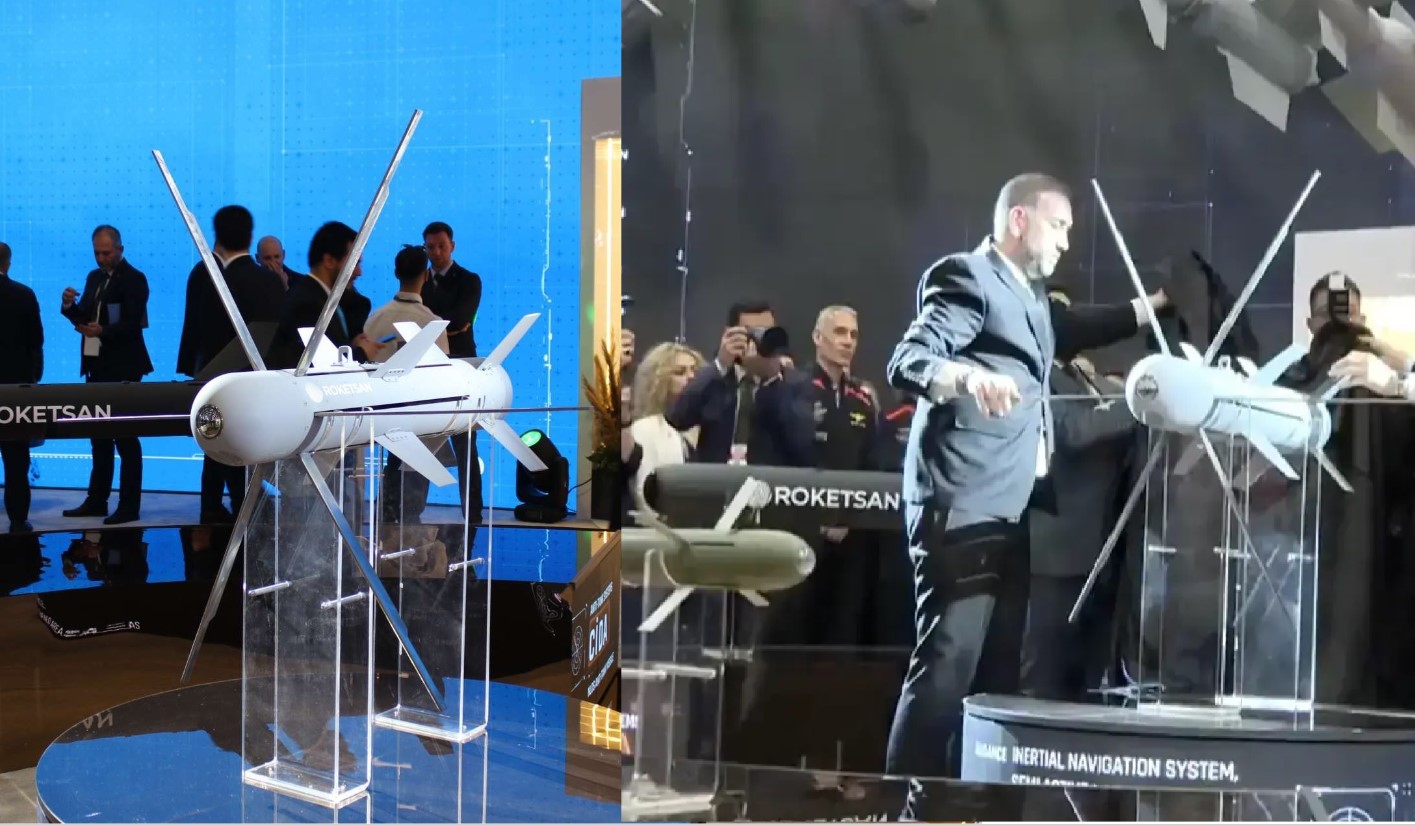
World
ISTANBUL — May 6, 2026 : Turkish defense manufacturer Roketsan officially unveiled its new NEŞTER air-launched kinetic precision munition during SAHA Expo 2026, introducing a lightweight strike system designed for operations in dense urban environments and counterterrorism missions where minimizing collateral damage is a critical operational requirement. The system was presented on May 5 during the international defense, aerospace and space industry exhibition taking place in Istanbul from May 5 to 9, 2026. NEŞTER, which translates to “Scalpel” in Turkish, has been developed to engage high-value targets without relying on conventional explosive warheads, instead using kinetic energy and mechanical fragmentation effects to neutralize personnel and soft targets with limited impact on surrounding infrastructure. According to Roketsan, the munition was designed specifically for operational scenarios involving populated areas, narrow urban streets, building entrances, convoy interdiction routes and confined terrain where conventional blast-fragmentation munitions may generate excessive secondary damage. The system is intended to provide NATO-aligned and allied operators with a proportional strike capability suitable for modern drone warfare and precision engagement missions. Kinetic Warhead and Blade Deployment Mechanism Unlike conventional guided munitions that rely on explosive detonation, NEŞTER employs a kinetic-impact mechanism combined with deployable metallic blades. The munition is fitted with a highly sensitive proximity sensor positioned in the nose section. Milliseconds before impact, the sensor activates six pop-out blades that extend outward from the body of the projectile. The destructive effect is generated through the munition’s speed, mass and mechanical cutting force rather than explosive overpressure. Roketsan states that the design enables the weapon to physically fragment and disable targets through direct kinetic interaction, significantly reducing blast effects and uncontrolled fragmentation beyond the immediate impact area. The system is derived from Roketsan’s existing MAM-L lightweight smart munition family, which has been widely integrated across Turkish unmanned aerial vehicle platforms and light attack aircraft. While standard MAM-L variants are available with armor-piercing, thermobaric and high-explosive fragmentation warheads, NEŞTER replaces the explosive payload with a dedicated kinetic warhead incorporating the blade deployment mechanism. Technical Specifications NEŞTER retains the same external dimensions and structural profile as the standard MAM-L munition, allowing compatibility with existing launch systems and integration infrastructure already used by operators of Turkish air-launched precision weapons. The munition measures 0.95 meters in length, has a diameter of 150 millimeters and weighs 23 kilograms. Guidance is provided through an inertial navigation system (INS) combined with a semi-active laser (SAL) seeker. The laser guidance architecture allows targets to be designated by the launch platform itself, another aircraft, a UAV or a ground-based laser designator. According to Roketsan technical data, NEŞTER has an operational range of 15 kilometers when launched under a flight profile of 20,000 feet altitude and 100 knots airspeed. The munition is intended for deployment from unmanned aerial vehicles (UAVs) and light attack aircraft operating in tactical strike roles. The weapon is designed to engage personnel, exposed combatants, soft vehicles, lightly protected targets and unarmored platforms located in confined or civilian-sensitive environments. The combination of INS-supported navigation and terminal laser guidance allows the munition to maintain controlled flight toward the designated target area before executing precision terminal engagement. UAV Compatibility and Operational Integration Because NEŞTER maintains the same form factor as the MAM-L family, it can be integrated onto existing Turkish UAV platforms without structural modification. The munition is compatible with combat drones already in service within Türkiye’s unmanned systems ecosystem, including the Bayraktar TB2, TAI ANKA and Bayraktar AKINCI. The lightweight configuration enables tactical UAVs and light aircraft to carry multiple units during a single sortie while maintaining endurance and payload flexibility. Roketsan indicated that the shared MAM-L technical foundation simplifies logistics, integration procedures, maintenance requirements and operator training for armed forces already employing Turkish precision-guided munitions. Operational scenarios identified for NEŞTER include counterterrorism missions, border security operations, special operations support, convoy interdiction, urban warfare environments and precision engagements near civilian infrastructure. The munition is intended for situations where military planners require the ability to strike individual targets while minimizing blast propagation and secondary fragmentation effects. Comparison With the AGM-114R9X Hellfire Conceptually, NEŞTER shares similarities with the U.S. AGM-114R9X Hellfire missile variant, a specialized kinetic weapon developed for precision strikes against high-value targets with reduced collateral damage. Like the AGM-114R9X, the Turkish system uses deployable blades rather than a conventional explosive warhead to generate terminal effects. However, NEŞTER occupies a lighter and more compact class of air-launched munition. While the AGM-114R9X is approximately 1.62 meters long and weighs between 44.5 and 48.5 kilograms, NEŞTER measures 0.95 meters and weighs 23 kilograms. The reduced size and weight allow carriage by smaller UAVs and light attack aircraft, increasing deployment flexibility and sortie payload capacity. The system also differs in market positioning. The AGM-114R9X remains a highly restricted U.S. capability with limited export accessibility, while NEŞTER expands Roketsan’s export-oriented precision weapons portfolio. The munition is positioned as an accessible low-collateral strike option for allied and partner nations seeking precision engagement capabilities optimized for unmanned warfare operations. Additional Systems Introduced at SAHA Expo 2026 NEŞTER was unveiled alongside several additional Roketsan systems introduced during SAHA Expo 2026. These included the CİRİT Anti-İHA variant designed for counter-UAV operations, the CİDA long-range anti-tank missile and a new mini cruise missile platform. The broader product presentation reflects ongoing industry emphasis on scalable precision-guided weapons, compact air-launched systems and controlled-effect munitions tailored for increasingly complex operational environments involving drones, urban combat zones and proportional strike requirements. With the introduction of NEŞTER, Roketsan expands Türkiye’s portfolio of combat-oriented air-launched precision munitions while addressing growing international demand for weapons capable of conducting accurate strikes in densely populated and infrastructure-sensitive environments.
Read More → Posted on 2026-05-06 15:49:43
World
WASHINGTON — May 6, 2026 : The United States has approved a potential $373.6 million Foreign Military Sale (FMS) to Ukraine for Joint Direct Attack Munition–Extended Range (JDAM-ER) guidance kits and associated support equipment, according to a notification issued by the U.S. State Department and the Defense Security Cooperation Agency (DSCA). The proposed sale includes a total of 1,532 Boeing-produced JDAM guidance kits intended to expand Ukraine’s long-range precision strike capabilities as the country continues military operations against Russian forces. The transaction represents a significant shift from earlier U.S. military assistance arrangements. Unlike previous transfers of JDAM systems provided through American aid packages, the latest procurement is being financed directly by the Ukrainian government under the Foreign Military Sales framework. The arrangement aligns with the Trump administration’s policy approach toward military support for Ukraine, under which Kyiv purchases weapons directly while the United States facilitates supply and approval procedures. Package Composition According to the DSCA notification submitted to Congress on May 5, the package consists of two JDAM kit variants designed for different bomb classes. Ukraine requested: 1,200 KMU-572 JDAM tail kits for 500-pound bombs 332 KMU-556 JDAM tail kits for 2,000-pound bombs The sale also includes a broad support package covering FMU-139 fuze systems, spare and repair parts, software support, consumables, technical documentation, transportation services, maintenance assistance, and engineering and logistical support. The principal contractor for the transaction is Boeing. Under U.S. arms export procedures, Congress has a 30-day review period before the transaction can move toward final contracting and implementation. JDAM-ER System Capabilities JDAM systems are precision-guidance kits designed to convert conventional unguided bombs into GPS-guided munitions capable of striking targets with high accuracy in all weather conditions. The kit replaces the standard tail section of a conventional bomb with a new guidance assembly equipped with aerodynamic control surfaces, an onboard computer, and a GPS-aided inertial navigation system. The system enables aircraft to engage targets accurately without requiring continuous visual targeting conditions. The Extended Range configuration included in the Ukrainian purchase adds deployable wing kits that significantly increase operational range after release. When launched from altitude, JDAM-ER-equipped bombs can glide distances of up to approximately 45 miles (72 kilometers), allowing aircraft to conduct standoff strikes while remaining farther from hostile air defense systems. The guidance kits are compatible with standard Mk 80-series bombs ranging from 500 to 2,000 pounds. Previous Ukrainian Use Ukraine first received JDAM systems from the United States in December 2022 as part of a $1.85 billion U.S. military assistance package funded through Presidential Drawdown Authority mechanisms. Those earlier systems were transferred without direct cost to Kyiv as part of broader American military aid efforts. Beginning in spring 2023, the Ukrainian Air Force integrated JDAM-ER munitions onto Soviet-designed aircraft platforms, including MiG-29 and Su-27 fighter jets. Ukrainian forces subsequently employed the weapons in combat operations against rear-area military infrastructure, ammunition depots, and logistical positions. The standoff capability provided by JDAM-ER systems enabled Ukrainian aircraft to release munitions from greater distances while attempting to remain outside heavily defended airspace. Military analysts have noted that the weapon’s ability to operate during day or night and in adverse weather conditions provides operational flexibility compared with traditional unguided bombs. Shift Toward Direct Procurement The newly approved sale highlights an evolving structure in U.S.-Ukraine defense cooperation. While earlier JDAM transfers were funded directly by the U.S. government, the latest transaction is structured as a direct commercial-style procurement through the Foreign Military Sales program. Under this framework, the purchasing government finances the acquisition while the U.S. government manages approval procedures and coordination with defense contractors. The Trump administration has increasingly emphasized this model for future military transfers to Ukraine, favoring direct purchases over large federally subsidized assistance packages. In its official statement, the U.S. State Department said the proposed sale would “improve Ukraine’s capability to meet current and future threats” and support regional security objectives. The department also stated that the transaction “will not alter the basic military balance in the region.” Officials further noted that the sale would not negatively affect U.S. defense readiness or existing military inventories. If Congress does not block the transaction during the review period, negotiations and implementation activities involving Ukraine, the U.S. government, and Boeing are expected to proceed in the coming weeks.
Read More → Posted on 2026-05-06 15:40:01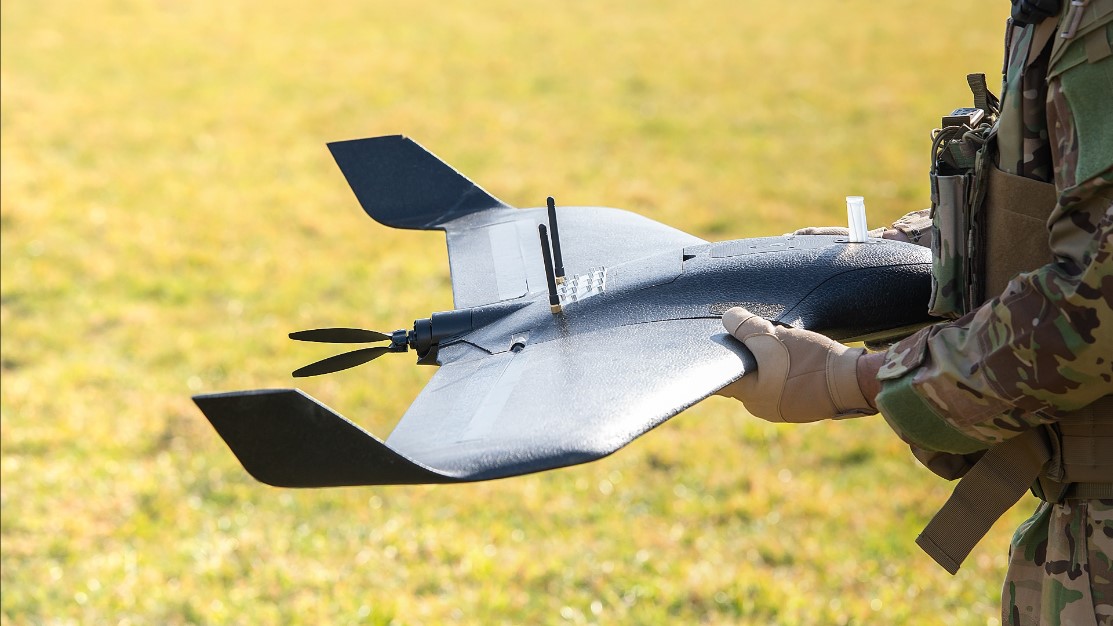
World
ALLEN, Texas — May 6, 2026 : EagleNXT has secured a new contract to supply three eBee VISION unmanned aircraft system (UAS) kits to the U.S. Army’s 7th Army Training Command (7ATC), further expanding the Army’s growing use of the company’s fixed-wing intelligence, surveillance, and reconnaissance (ISR) platform across Europe and the United States. The company announced on May 5 that the latest procurement increases total U.S. Army adoption of the eBee VISION platform to 34 systems distributed across six Army organizations. The systems are currently being fielded within forward-deployed formations in Europe as well as major combat training centers in the continental United States, reflecting increasing operational demand for lightweight ISR platforms capable of functioning in contested electronic warfare environments. The acquisition was facilitated by Dronivo, a German unmanned systems integrator specializing in defense and government programs. Dronivo provided regional acquisition support and will also oversee system integration and operator training for U.S. personnel operating the platforms in Europe. The arrangement is intended to streamline fielding and sustainment support for Army units participating in multinational exercises across the European theater. Systems to Support NATO-Focused Combat Training in Germany The three newly acquired systems will support operations at the Joint Multinational Readiness Center in Hohenfels, Germany, one of the U.S. Army’s primary combat training facilities in Europe. The center hosts rotational exercises involving U.S. and allied NATO forces and plays a central role in NATO’s eastern flank readiness posture. Army training requirements for ISR and counter-drone operations have evolved considerably following battlefield observations from the conflict in Ukraine, where persistent aerial surveillance has fundamentally changed battlefield movement, concealment, communication, and force protection practices. Under the new procurement, the 7th Army Training Command will employ the eBee VISION systems within opposing force (OPFOR) formations to replicate the continuous aerial observation capabilities expected from a near-peer adversary. The objective is to expose rotational units to sustained surveillance pressure during training operations, forcing adjustments in tactics, techniques, and operational procedures before deployment into real-world operational environments. The systems are also expected to support the development and validation of counter-unmanned aircraft system (C-UAS) procedures. By integrating realistic ISR threats into training rotations, Army units can refine camouflage, electromagnetic discipline, mobility, and anti-drone defense measures under simulated combat conditions. Fixed-Wing ISR Platform Designed for Contested Environments The eBee VISION was developed with operational input from special operations forces and is designed as a lightweight fixed-wing reconnaissance platform optimized for endurance and mobility. Unlike multirotor drones that prioritize hovering capability and vertical takeoff, the eBee VISION uses a fixed-wing configuration that provides substantially greater flight endurance, altitude efficiency, and operational range. The system is hand-launched and can be deployed by a single operator in under three minutes. It weighs approximately 4.1 pounds (1.85 kilograms) and features a 46.4-inch (118-centimeter) wingspan, allowing the complete system to be transported in a backpack configuration by dismounted personnel. For ISR operations, the platform carries a real-time high-definition imaging payload equipped with 32x optical zoom capability and optional thermal imaging systems for day and night reconnaissance missions. The aircraft can remain airborne for up to 90 minutes and supports beyond-visual-line-of-sight (BVLOS) operations with a wireless operating range of approximately 12 miles, or 20 kilometers. A key operational characteristic of the platform is its ability to function in GNSS-denied environments. The eBee VISION is capable of maintaining navigation and target tracking despite active GPS jamming or spoofing, a capability increasingly viewed as essential for modern ISR operations in electronically contested battlefields. The system also incorporates AES-256 encrypted communications to secure real-time data transmission during surveillance missions. NDAA-Compliant and Blue UAS Approved The eBee VISION platform is compliant with National Defense Authorization Act (NDAA) procurement requirements and has received approval under the Department of Defense’s Blue UAS cleared list. The Blue UAS framework identifies drone systems approved for procurement and operation by U.S. military and government organizations after cybersecurity and supply chain review processes. The platform’s compliance status has become increasingly significant as the Department of Defense moves to reduce reliance on foreign-manufactured unmanned systems for military and government operations. Army Procurement Expanding Across Multiple Training Commands The latest order represents the fourth consecutive multi-unit procurement of the eBee VISION platform by the U.S. Army. Recent Army acquisitions include 15 systems for a U.S. Army unit stationed in Europe, nine systems for the National Training Center at Fort Irwin, California, two systems previously allocated earlier this year to the Joint Multinational Readiness Center, and the latest three-unit order for the 7th Army Training Command. The units supplied to the National Training Center are among the first eBee VISION systems produced at EagleNXT’s newly established manufacturing facility in Allen, Texas. EagleNXT, formerly operating as AgEagle Aerial Systems, recently rebranded to reflect its broader strategic focus on defense, security, and government markets. The company continues to expand its portfolio of drone, sensor, and software solutions aimed at military and public sector customers. Company Highlights Growing Operational Demand Commenting on the contract, Bill Irby said the latest procurement reflects increasing demand for compact ISR systems capable of supporting operationally realistic military training environments. “We are proud to support the U.S. Army in Europe with advanced, mission-ready ISR technology,” Irby stated. “The eBee VISION’s portability, unique fixed-wing performance envelope, and secure real-time video capabilities make it an ideal tool for dynamic training environments.” The cumulative procurement pattern indicates that the platform has advanced beyond initial evaluation stages and is steadily establishing a defined operational role within the Army’s training and reconnaissance architecture. While the overall number of systems remains limited compared to larger Army aviation programs, the distribution of 34 systems across multiple commands in Europe and the United States suggests sustained institutional adoption driven by operational requirements rather than isolated procurement activity. Deliveries of the newly ordered systems are scheduled to begin in May 2026.
Read More → Posted on 2026-05-06 15:31:42
World
WASHINGTON — May 6, 2026 : The United States and Iran are nearing completion of a one-page memorandum of understanding (MoU) intended to formally halt ongoing hostilities and establish a framework for broader nuclear and security negotiations, according to multiple reports citing officials familiar with the discussions. The proposed memorandum, structured around a 14-point framework, is currently under review by Iranian authorities, with Tehran expected to provide an official response to the latest U.S. draft within the next 48 hours. The document is being negotiated through a combination of direct contacts and mediation channels involving regional and international intermediaries. Officials involved in the talks described the draft as the closest Washington and Tehran have come to a diplomatic breakthrough since the recent conflict began. While no final agreement has yet been reached, both sides are reportedly attempting to secure an interim arrangement capable of immediately reducing military tensions while allowing additional time for negotiations on a broader long-term accord. The proposed memorandum is designed as a temporary political understanding rather than a legally binding treaty. If approved, it would formally declare an end to active military operations between the two sides and trigger a 30-day negotiation process aimed at drafting a comprehensive follow-on agreement covering nuclear restrictions, sanctions relief, regional security issues, and maritime access. Under the current draft, Iran would agree to suspend uranium enrichment activities for a period of 12 years as part of the proposed nuclear framework. Tehran would also halt operational activity at underground nuclear facilities and permit expanded inspections and monitoring by United Nations nuclear inspectors to verify compliance with the agreement. In exchange, the United States would begin a phased rollback of economic sanctions imposed on Iran and authorize the release of billions of dollars in frozen Iranian assets currently held abroad. The sanctions relief mechanism is expected to be implemented gradually and linked to verification measures carried out by international inspectors. The memorandum also includes provisions related to maritime security and commercial shipping in the Persian Gulf region. Both countries would remove existing restrictions affecting passage through the Strait of Hormuz, one of the world’s most strategically important energy transit corridors. The waterway handles a substantial share of global oil and liquefied natural gas shipments, making uninterrupted navigation a major concern for international markets and regional governments. According to sources familiar with the discussions, recent diplomatic progress has already affected military positioning in the region. The United States has reportedly reduced certain naval escort activities linked to commercial shipping operations, while Iran is expected to ease recent limitations imposed on maritime traffic near the strait if the memorandum is finalized. The negotiations are reportedly being led on the U.S. side by envoys including Steve Witkoff and Jared Kushner, working alongside diplomatic intermediaries engaged with Iranian officials. Discussions have focused on developing a narrowly scoped interim document capable of rapid implementation while postponing more technically detailed issues to subsequent negotiations. Officials familiar with the talks stated that the one-page memorandum intentionally avoids extensive legal language or detailed implementation schedules. Instead, it is designed to create a short-term de-escalation mechanism that can stabilize the situation and provide political space for broader diplomacy. The proposed 30-day negotiation period following the signing of the memorandum would involve discussions on the sequencing of sanctions removal, nuclear restrictions, verification procedures, and regional security arrangements. Diplomatic sources indicated that future negotiations could take place in neutral or internationally mediated locations, including Geneva or Islamabad. The White House has not formally confirmed the final contents of the draft agreement but has acknowledged that discussions with Iran have made significant progress in recent days. Iranian officials have also confirmed that the proposal remains under active evaluation within Tehran. Despite the diplomatic momentum, U.S. officials have stated that the interim memorandum would not prevent Washington from restoring sanctions pressure or resuming military measures if the follow-on negotiations fail to produce a broader agreement within the designated timeframe. The coming 48-hour period is now viewed by diplomats and regional observers as a critical stage in determining whether the proposed framework can move from preliminary negotiations toward formal implementation.
Read More → Posted on 2026-05-06 15:21:37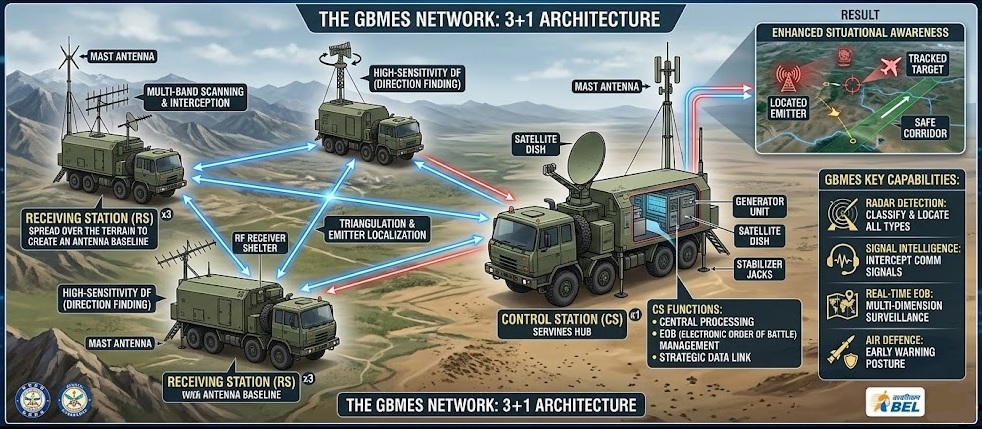
India
BENGALURU — May 6, 2026 : On May 5, 2026 Bharat Electronics Limited (BEL) has signed a ₹1,251 crore contract, excluding taxes, with the Ministry of Defence for the supply of Ground Based Mobile Electronic Intelligence Systems (GBMES) to the Indian Army. The programme is intended to strengthen the Army’s electronic warfare and battlefield surveillance capabilities while expanding India’s indigenous defence manufacturing base. The GBMES is a fully indigenous electronic intelligence platform designed and developed by the Defence Electronics Research Laboratory (DLRL), a specialised laboratory under the Defence Research and Development Organisation (DRDO). BEL will serve as the primary manufacturing and system integration agency for the project. Indigenous Electronic Warfare Platform The Ground Based Mobile ELINT System is a vehicle-mounted electronic intelligence platform developed for deployment in operational and forward battlefield environments. The system architecture consists of multiple receiving stations and a central control station mounted on high-mobility vehicles, enabling rapid deployment and relocation across varied terrain. The configuration includes Receiving Stations (RxS-1 and RxS-2), a Receiving Station with Communication Support Base (RxS-CSB), and a Control Station (CS), all linked through secure communication networks. The system is designed to operate in a distributed manner, allowing multiple mobile nodes to work together during intelligence-gathering operations. According to available technical details, the GBMES is capable of detection, monitoring, location fixing and complete analysis of radio frequency signals across a frequency range of 70 MHz to 40 GHz. The platform uses indigenously developed antenna systems, direction-finding equipment and advanced receiver technologies. Passive Electronic Intelligence Operations Electronic Intelligence (ELINT) involves gathering intelligence through the interception and analysis of electromagnetic emissions generated by military systems such as radars, communication equipment and air defence networks. Unlike conventional radar systems that emit radio waves and expose their own location, the GBMES functions as a passive surveillance system. The platform does not transmit signals of its own, allowing it to operate covertly while continuously monitoring the electromagnetic spectrum. The system uses highly sensitive antennas, advanced digital receivers and signal processing units to detect hostile electromagnetic emissions in real time. Once a signal is intercepted, the system analyses multiple parameters including operating frequency, pulse width, pulse repetition interval, modulation patterns and waveform characteristics. This analysis allows operators to identify the type of hostile equipment generating the signal, including surveillance radars, fire-control radars, surface-to-air missile guidance systems, artillery tracking radars and battlefield communication nodes. Detection and Geolocation Capabilities One of the key operational features of the GBMES is its ability to accurately locate hostile emitters. The system uses multiple receiving stations operating together in a networked configuration to determine the geographical coordinates of enemy radar and communication systems. The platform uses triangulation and phase-difference measurement techniques to establish precise emitter locations. This capability allows military formations to map hostile radar sites, command centres and communication infrastructure without alerting the adversary. In addition to radar intelligence gathering, the GBMES can intercept voice and data communication signals for further classification and operational analysis. The collected information contributes to the development of a comprehensive electronic intelligence picture of the battlefield environment. Technical Specifications Technical information associated with the system indicates that the GBMES is fully automated and software-intensive, while also retaining manual override capability when required during operations. The system is capable of intercepting radar emitters across the 70 MHz to 40 GHz spectrum and can simultaneously monitor at least 200 emitters during operational deployment. The platform is designed to support continuous monitoring, signal analysis and electronic threat identification under battlefield conditions. Its mobile configuration enables rapid deployment to operational sectors, including remote border regions and high-threat environments. The ability to reposition quickly also improves survivability against enemy artillery and counter-electronic warfare measures. Operational Role in Wartime The GBMES is expected to play an important role in modern battlefield operations where control of the electromagnetic spectrum is increasingly critical. The system can support the creation of an Electronic Order of Battle (EOB), which involves mapping enemy radar systems, air defence assets, artillery radars and communication networks before and during combat operations. By passively identifying hostile electronic assets, the Indian Army can improve situational awareness without exposing its own position. The intelligence generated by the system can support suppression of enemy air defence operations by identifying hostile radar locations and missile guidance systems. The information can also assist the Indian Air Force and other formations in planning safer operational routes for aircraft, helicopters and unmanned aerial systems operating near contested airspace. The platform additionally supports electronic warfare operations by enabling selective jamming of hostile radar and communication frequencies. Once enemy systems are identified and classified, electronic warfare units can deploy targeted countermeasures to disrupt adversary surveillance, targeting and command networks. Strategic and Industrial Significance The ₹1,251 crore contract further strengthens BEL’s defence production pipeline and supports the government’s broader objective of increasing indigenous defence manufacturing capabilities. The programme reduces dependence on foreign original equipment manufacturers by retaining system design, production and integration capabilities within India. The development and deployment of the GBMES also contributes to long-term strategic autonomy in advanced electronic warfare technologies. The induction of the Ground Based Mobile ELINT Systems is expected to enhance the Indian Army’s electronic surveillance, electromagnetic spectrum monitoring and battlefield intelligence capabilities as part of ongoing force modernisation efforts across multiple operational theatres.
Read More → Posted on 2026-05-06 14:50:49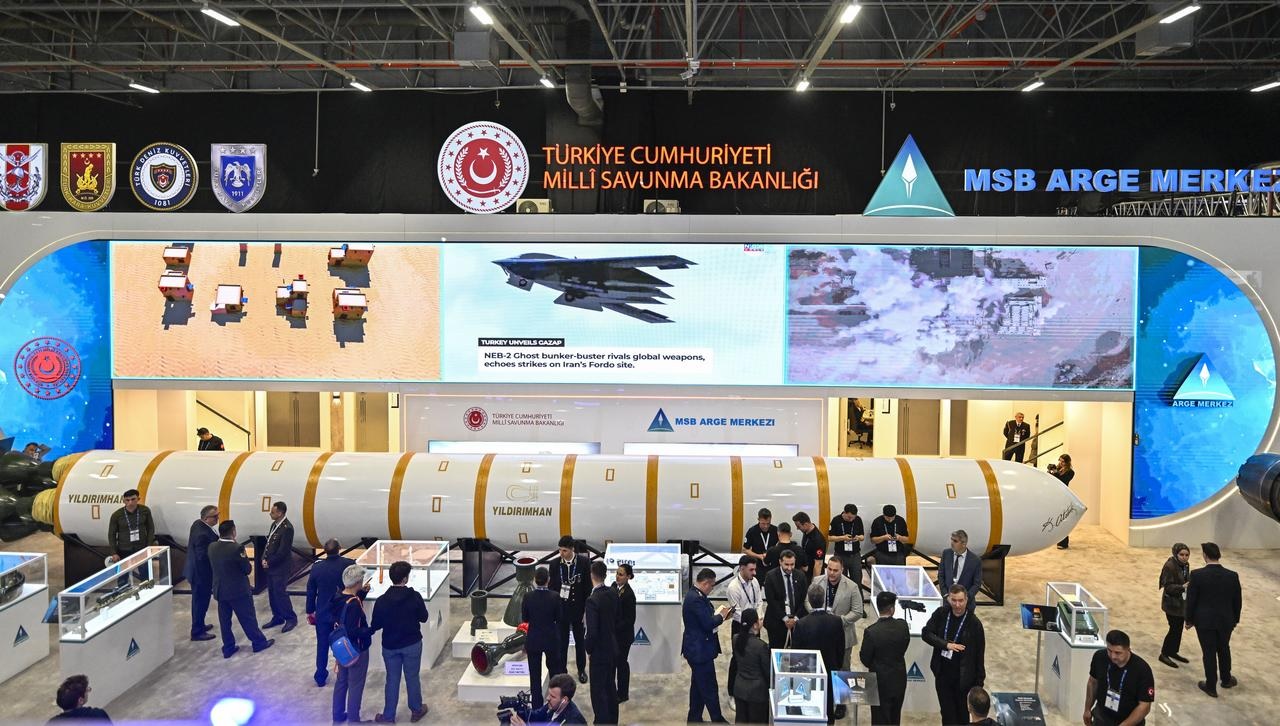
World
ISTANBUL, Turkey — May 6, 2026 : Turkey has publicly unveiled its first intercontinental ballistic missile (ICBM), named Yıldırımhan, during the SAHA 2026 International Defense, Aerospace and Space Industry Fair in Istanbul. Developed by the Research and Development Center of the Turkish Ministry of National Defense (MoND), the missile was displayed publicly for the first time on May 5. Turkish officials stated that the system has a range of approximately 6,000 kilometers and can reach speeds up to Mach 25. According to specifications presented at the exhibition, the Yıldırımhan uses liquid propulsion technology based on nitrogen tetroxide fuel and is powered by four liquid-fueled rocket engines. The missile is designed to carry a payload of approximately 3,000 kilograms. The Yıldırımhan is Turkey’s longest-range ballistic missile developed to date and its first publicly disclosed liquid-fueled ballistic missile capable of hypersonic-speed flight. Technical Error in Turkey’s Yıldırımhan Missile Display The official technical specification board released for Turkey’s Yıldırımhan missile contains a major propulsion terminology error by listing “Liquid Nitrogen Tetroxide (N₂O₄)” as the missile’s fuel type, when in reality nitrogen tetroxide is not a fuel but a powerful oxidizer used in liquid rocket propulsion systems. In established missile engineering, N₂O₄ must be paired with a separate fuel such as UDMH, hydrazine, or similar hypergolic propellants to generate thrust. By presenting N₂O₄ alone as fuel, the display demonstrates either poor technical translation, oversimplified public relations language, or a misunderstanding of basic rocket chemistry, raising questions about the accuracy of the publicly disclosed specifications. The likely intended meaning is that Yıldırımhan uses a storable liquid propellant combination based on nitrogen tetroxide as the oxidizer Program Development and Testing The Yıldırımhan program is the latest stage in Turkey’s domestic ballistic missile development effort, following earlier systems including the Yıldırım, Bora, and Tayfun missiles. Turkish defense officials stated that the project progressed through design, propulsion integration, structural assembly, guidance system development, and ground-based validation phases before its public unveiling. The missile is currently in the prototype and evaluation stage. Turkish authorities confirmed that subsystem and component-level testing has been conducted, though details regarding full-range flight trials and re-entry testing have not yet been released publicly. Officials indicated that additional flight-testing and operational validation phases are expected before the system could enter operational service. Technical Specifications According to Turkish defense officials, the Yıldırımhan features: Range: 6,000 kilometers Peak speed: Mach 25 Cruise speed: Mach 9 Propulsion: Four liquid-fuel rocket engines Fuel: Nitrogen tetroxide Payload capacity: Approximately 3,000 kilograms Based on its stated range, the missile would be capable of reaching targets across large parts of Europe, the Middle East, Asia, and Africa from Turkish territory. Turkish Government Statements Speaking at SAHA 2026, Turkish Defense Minister Yaşar Güler addressed recent Israeli statements suggesting Turkey could emerge as a future regional threat following tensions involving Iran. “We will use it in the best possible way to deter any enemy,” Güler stated during the exhibition. He described the missile as part of Turkey’s broader effort to strengthen strategic deterrence and expand its domestic defense industry. U.S., NATO and International Reaction The unveiling of the Yıldırımhan has drawn international attention, particularly within NATO and among regional security observers. As a NATO member, Turkey’s development of an indigenous ICBM is expected to be closely monitored by the United States in the context of alliance coordination, missile proliferation concerns, and regional security dynamics. Turkey and the United States continue to maintain defense-industrial cooperation in several sectors. During SAHA 2026, Turkish Aerospace Industries (TAI) also reaffirmed cooperation agreements with GE Aerospace related to propulsion and aerospace systems. Defense analysts stated that Turkey’s entry into the group of countries developing intercontinental-range ballistic missile systems could influence future regional missile competition and strategic deterrence policies. The Yıldırımhan remains under continued development following its public debut, with further testing and evaluation phases expected in the coming years.
Read More → Posted on 2026-05-06 14:29:58
World
WASHINGTON, — May 6, 2026 : Defense technology company Anduril Industries has announced that it is leading an industry consortium selected to support the United States Space Force Space-Based Interceptor (SBI) program, a major element of the Department of War’s broader “Golden Dome for America” missile defense initiative. The effort is intended to develop and demonstrate an orbital missile defense architecture capable of countering increasingly advanced ballistic, hypersonic, and cruise missile threats facing the United States homeland. The SBI program is focused on establishing a proliferated constellation of interceptors in low Earth orbit designed to engage threats during boost-phase, midcourse, and glide-phase flight. The initiative is intended to address operational challenges posed by next-generation missile systems developed by near-peer adversaries, including highly maneuverable delivery vehicles and hypersonic weapons that significantly reduce available reaction time for existing homeland defense systems. According to Anduril, the program aims to provide earlier detection, persistent tracking, and rapid engagement capabilities against missile threats before they can approach U.S. territory. The broader Golden Dome architecture is targeting an initial operational capability demonstration around 2028. Anduril stated that it is integrating its proprietary software-defined defense architecture with technologies and platforms from five partner organizations spanning the commercial space sector and government research institutions. The company emphasized that affordability, rapid manufacturing scalability, and accelerated deployment timelines are central requirements of the SBI effort. The consortium includes Impulse Space, which will provide highly maneuverable spacecraft systems intended to support rapid-response orbital operations. Eric Romo, President and Chief Operating Officer of Impulse Space, stated that the program requires advanced spacecraft solutions capable of executing technically demanding missions under accelerated timelines. Inversion Space is contributing operational deployment systems designed for large-scale implementation and rapid fielding. Co-Founder and CEO Justin Fiaschetti said the company’s focus is on developing systems optimized for speed, scalability, and operational deployment in support of next-generation defense missions. Satellite infrastructure support for the program will be provided by K2 Space. The company is supplying high-power satellite platforms intended to support the interceptor architecture’s operational requirements. K2 Space Co-Founder and CEO Karan Kunjur stated that the company’s satellites are designed to deliver significantly increased onboard power and payload capability for national security missions. Sandia National Laboratories is contributing weapons research expertise and advanced payload development capabilities to the consortium. Scott McEntire, Senior Manager for Hypersonics at Sandia National Laboratories, said the laboratory is applying decades of experience in advanced weapons development to support the creation of new defense systems for the program. Manufacturing scale and industrial infrastructure support will be provided by Voyager Technologies through its Voyager American Defense Complex. Matt Magaña, President of Space, Defense and National Security at Voyager Technologies, stated that space-based interceptors are intended to counter threats that allow little or no warning time, requiring persistent readiness and large-scale industrial production capabilities. Anduril noted that effective layered missile defense depends on close integration between interceptor hardware, onboard sensing systems, and command-and-control software capable of processing targeting data and coordinating engagements in real time. The company stated that development work under the SBI program is already underway, with the consortium working to deliver operationally relevant interceptor systems on timelines aligned with the evolving global missile threat environment. The company also confirmed that it is one of 12 firms awarded agreements under the SBI effort. The program forms part of a larger package of approximately 20 Other Transaction Authority (OTA) agreements with a combined potential value of up to $3.2 billion. Separately, Booz Allen Hamilton has also been awarded an OTA agreement by the U.S. Space Force through Space Systems Command to develop a prototype under the Space-Based Interceptor program. The award indicates that the Space Force is pursuing a multi-contractor development approach for the SBI initiative, with multiple industry teams working on different interceptor technologies, software architectures, mission systems, and operational concepts simultaneously. Under this framework, Anduril’s consortium represents one of several industry-led teams contributing to the broader Golden Dome missile defense architecture. The use of multiple OTA agreements allows the Space Force to accelerate technology development, evaluate competing solutions, reduce program risk, and expand participation across the U.S. defense and commercial space industrial base before future operational selections are made. The Space-Based Interceptor initiative represents a significant expansion of U.S. efforts to establish an integrated homeland missile defense architecture in space, combining commercial space industry capabilities with military and national laboratory expertise to accelerate deployment of orbital defense systems.
Read More → Posted on 2026-05-06 14:04:57
World
HAWTHORNE, California — May 6, 2026 : ThinKom Solutions, Inc., a California-based manufacturer of phased-array satellite communication systems, has been selected as the overall winner of the U.S. Space Force Space Systems Command (SSC) “Fight Tonight” competition for its newly developed Containerized Digital Array, a rapidly deployable and transportable satellite ground station designed for secure communications in contested operational environments. The award marks a significant step toward integrating the company’s mobile ground segment technology into broader U.S. Space Force and Department of the Air Force operational programs. The selection was made under the Tactical Funding Increase (TACFI) initiative, a transition pathway intended to accelerate the movement of operational technologies from development into fielded military capability. The “Fight Tonight” competition, now in its fourth consecutive year, supports military and civilian technologies that address operational vulnerabilities and improve the resilience of U.S. Space Force missions. This year’s program was conducted jointly by Space Systems Command, the acquisition arm of the U.S. Space Force, and SpaceWERX, the service’s innovation organization focused on accelerating advanced technology adoption. ThinKom’s Containerized Digital Array was selected for its approach to replacing traditional dish-based Ground Entry Points (GEPs), which are increasingly viewed as vulnerable due to their fixed locations, large signatures, and exposure in contested environments. The new system instead uses a compact, covert, and decentralized architecture intended to improve survivability and operational flexibility for mission-critical satellite communications. The system is built around ThinKom’s patented VICTS (Variable Inclination Continuous Transverse Stub) technology combined with the company’s digital beamforming architecture. Rather than relying on exposed parabolic antennas, the Containerized Digital Array integrates concealed phased-array antenna modules within a ruggedized standard shipping container. The modular containerized configuration enables transportation through established commercial and military logistics networks while minimizing deployment preparation requirements in forward operating environments. According to the company, the shipping container structure also allows rapid relocation and setup while reducing visual detectability compared to conventional satellite ground terminals. The system is designed with low visual, thermal, and wind signatures to improve survivability in operational theaters where ground infrastructure may be targeted. Internally, the containerized system features a customizable mission-oriented layout capable of supporting communications servers, networking hardware, power management systems, and other mission-specific equipment. Additional options include enhanced physical security systems and environmental control configurations tailored for deployment in harsh operational conditions. Operationally, the Containerized Digital Array uses a software-defined architecture capable of scalable and adaptable network integration. The system supports simultaneous multi-beam, multi-orbit, multi-band, and multi-network operations across Low Earth Orbit (LEO), Medium Earth Orbit (MEO), Geosynchronous Equatorial Orbit (GEO), and Highly Elliptical Orbit (HEO) satellite constellations. ThinKom stated that the platform is intended to support the development of a “proliferated ground segment,” a concept emphasizing distributed and resilient communications infrastructure rather than dependence on a limited number of centralized ground stations. The newly selected platform is part of ThinKom’s broader family of modular ground station systems designed for both defense and commercial applications. The systems can operate across S- through E-band frequencies and are available in both fixed and mobile configurations depending on mission requirements. The company said the Containerized Digital Array is currently available in C-band, Ku-band, K-band, Ka-band, and Q-band variants, including both commercial and military frequency configurations. Additional capability expansion programs are underway for L/S-band, X-band, EO Ka-band, and V-band operations. ThinKom’s systems are designed to meet customer-specific Size, Weight, and Power (SWaP) requirements as well as network and performance specifications for a range of communications missions. Headquartered in Hawthorne, California, ThinKom Solutions develops satellite communication antennas and phased-array systems for commercial aviation, government, and defense sectors. The company’s VICTS technology combines characteristics of mechanically steered antennas and electronically scanned arrays to provide low-profile and high-performance satellite connectivity in mobile environments. ThinKom has previously participated in SpaceWERX-supported development programs related to transportable ground stations and advanced satellite communications infrastructure. The latest SSC “Fight Tonight” selection provides the company with a potential pathway for expanded operational deployment within future U.S. military space communications architectures.
Read More → Posted on 2026-05-06 13:48:36
India
New Delhi / Prayagraj, — May 4, 2026 : Private strategic systems manufacturer IG Defence presented a comprehensive portfolio of indigenous strike and autonomous platforms at the North Tech Symposium 2026, underscoring the expanding role of India’s private sector in advanced military technology development. The symposium, being held from May 4 to 6 in Prayagraj, is jointly organised by the Indian Army Northern Command, Indian Army Central Command, and the Society of Indian Defence Manufacturers under the theme “Raksha Triveni Sangam – Where Technology, Industry & Soldiering Converge.” The event was inaugurated by Rajnath Singh and has brought together more than 284 companies and over 1,500 delegates from industry, startups, academia, and the armed forces. Flagship Strike and Missile Platforms At the center of IG Defence’s showcase were its flagship systems: the KAL long-range strike drone and the JWALA missile system, both developed to meet evolving battlefield requirements shaped by recent global conflicts and the increasing use of loitering munitions and precision-strike technologies. KAL is designed as a long-range, one-way attack drone capable of deep-penetration missions. It offers an operational strike range of up to 1,000 kilometres and an endurance window of three to six hours. The system integrates GNSS-aided navigation, autonomous waypoint flight, and optical targeting, enabling precision engagement of high-value targets in contested environments with electronic resilience. Complementing this capability is JWALA, a short-range missile system configured for both surface-to-air and surface-to-surface roles. The system incorporates inertial navigation with terminal precision guidance and features a modular launch architecture, allowing flexible deployment across varied and challenging terrains. Its design supports rapid-response engagement scenarios requiring accuracy and mobility. Broader Autonomous and Multi-Domain Systems In addition to KAL and JWALA, IG Defence presented a wider ecosystem of platforms addressing multiple operational domains, including strike, surveillance, logistics, and counter-drone warfare. Among these systems is the FPV STRIKER, a low-cost tactical precision strike platform that has seen deployment during Operation Sindoor. The company also showcased the GAJA Logistics Drone, a heavy-lift unmanned aerial system capable of carrying payloads between 100 and 200 kilograms, designed to support troop sustainment in remote and high-altitude areas. Ground-based capabilities were represented by the UGV NANDI, an unmanned ground vehicle developed for automated logistics and forward reconnaissance missions. For aerial surveillance, IG Defence introduced the SKYHAWK VTOL platform, built for long-endurance intelligence, surveillance, and reconnaissance (ISR) operations. The ASTRA Swarm System, another key component of the portfolio, enables coordinated multi-drone autonomous operations, reflecting the growing emphasis on swarm intelligence in modern warfare. Counter-Drone Capabilities Addressing the increasing threat posed by hostile unmanned aerial systems, IG Defence also unveiled its counter-UAS solutions. These systems combine electronic warfare tools, radio-frequency detection mechanisms, and kinetic countermeasures to detect, track, and neutralize drone threats across operational environments. Strategic Context and Industry Role The systems showcased align with India’s broader push toward self-reliance in defence manufacturing and the development of scalable, electronically resilient warfare capabilities. The symposium itself serves as a platform linking operational military requirements with private-sector innovation, reflecting a shift from import substitution toward indigenous design and development. Bodhisattwa Sanghapriya, Founder and CEO of IG Defence, stated that the company’s focus is on building systems aligned with current operational realities while ensuring long-term adaptability and sustainability within the domestic ecosystem. Major General R.C. Padhi (Retd.), Senior Vice President for Research and Development at IG Defence, highlighted the importance of interoperability, noting that modern conflict scenarios increasingly require integrated systems combining strike capabilities, surveillance, swarm coordination, and counter-drone measures. Expanding Defence Ecosystem IG Defence’s participation at the symposium reflects its broader expansion into high-demand defence segments, including unmanned systems, rapid-response strike platforms, and counter-UAS technologies. The company’s integrated approach aims to deliver complementary systems that enhance operational effectiveness across multiple domains. The North Tech Symposium 2026 is expected to continue serving as a key platform for engagement between defence stakeholders, highlighting the growing contribution of private industry in strengthening India’s defence preparedness and advancing next-generation military capabilities.
Read More → Posted on 2026-05-04 16:00:33Search
Top Trending in 24 Hours
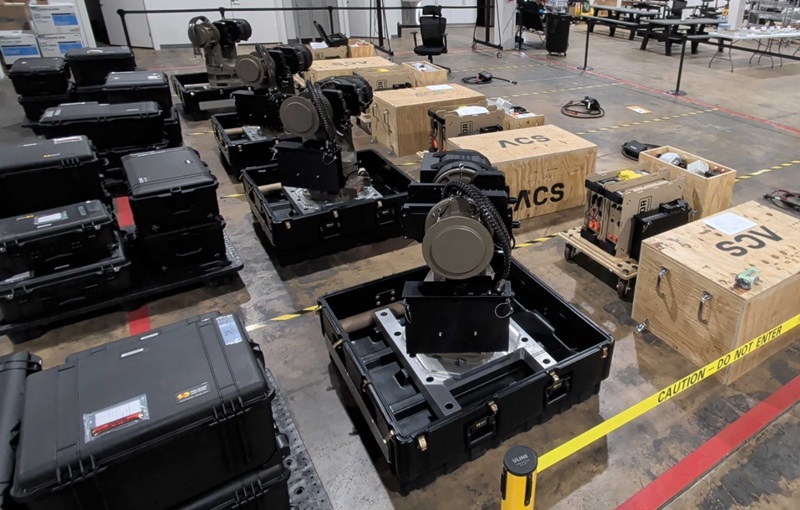


Top Trending in 4 Days
-
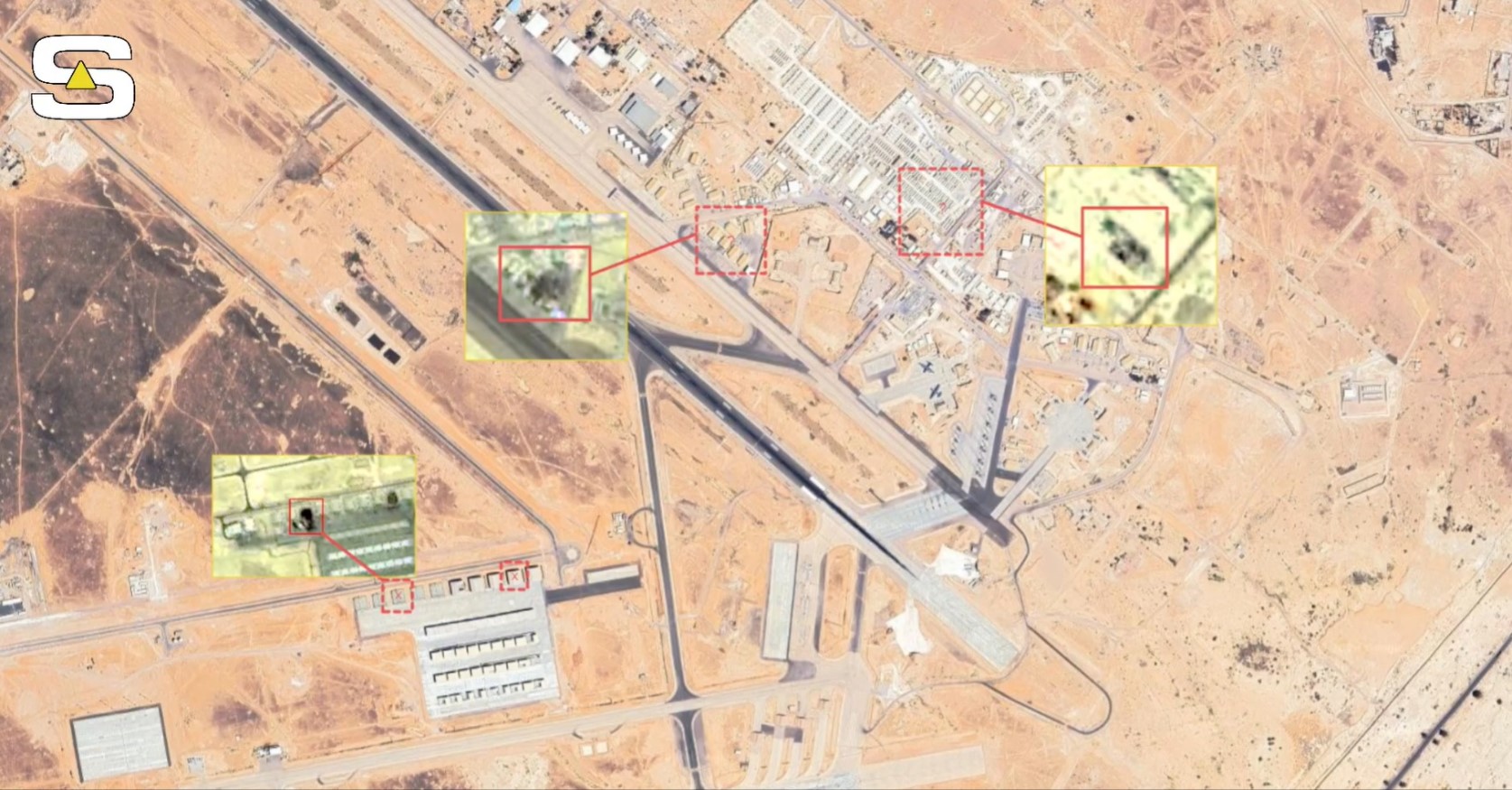 New Satellite Imagery Reveals Extensive Damage at Jordan's Muwaffaq al-Salti Air Base After Iranian Missile Strike
-
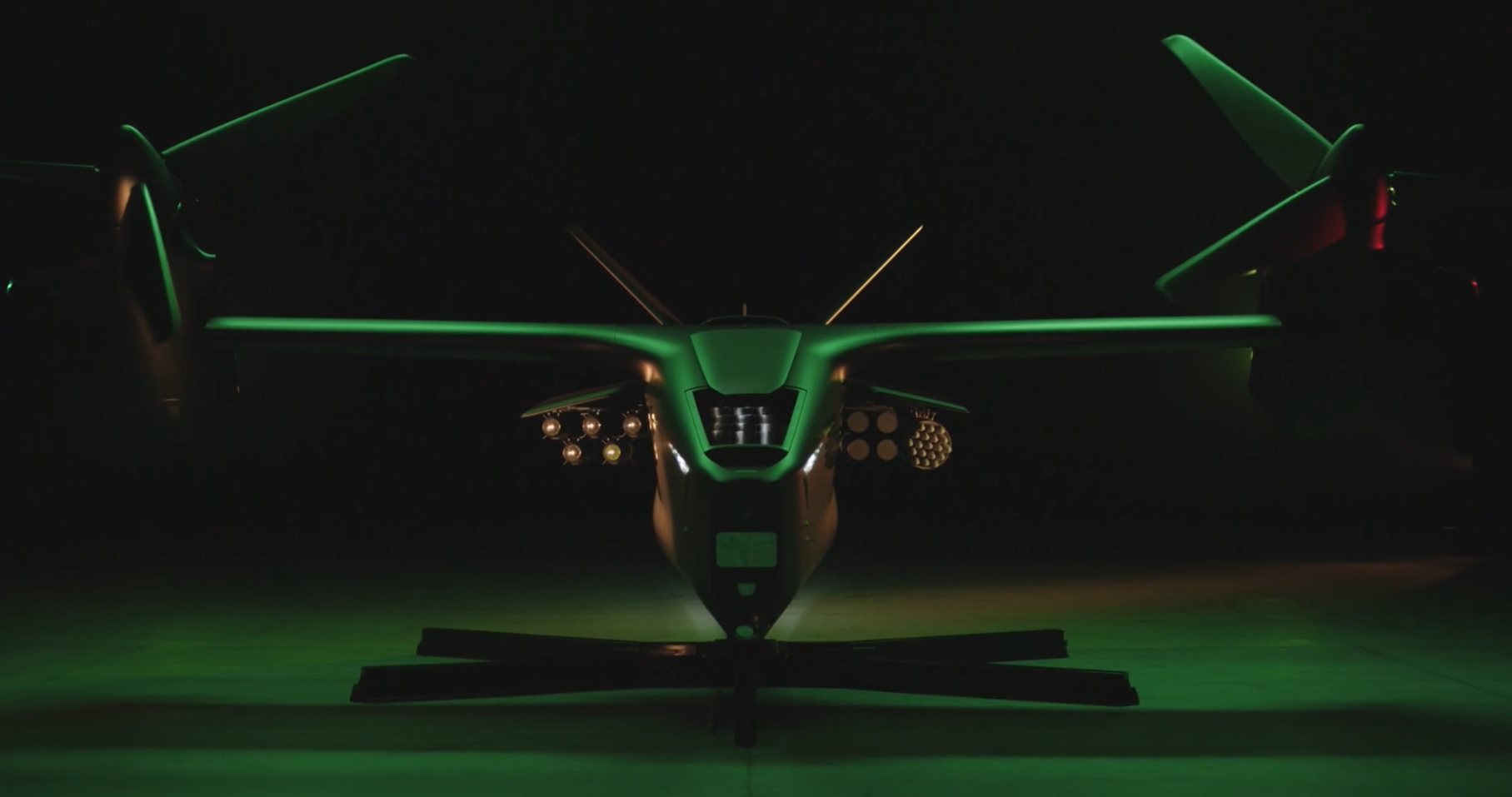 Anduril Unveils Thunder Autonomous Attack Rotorcraft Built with Archer Aviation to Support Apache Helicopters
-
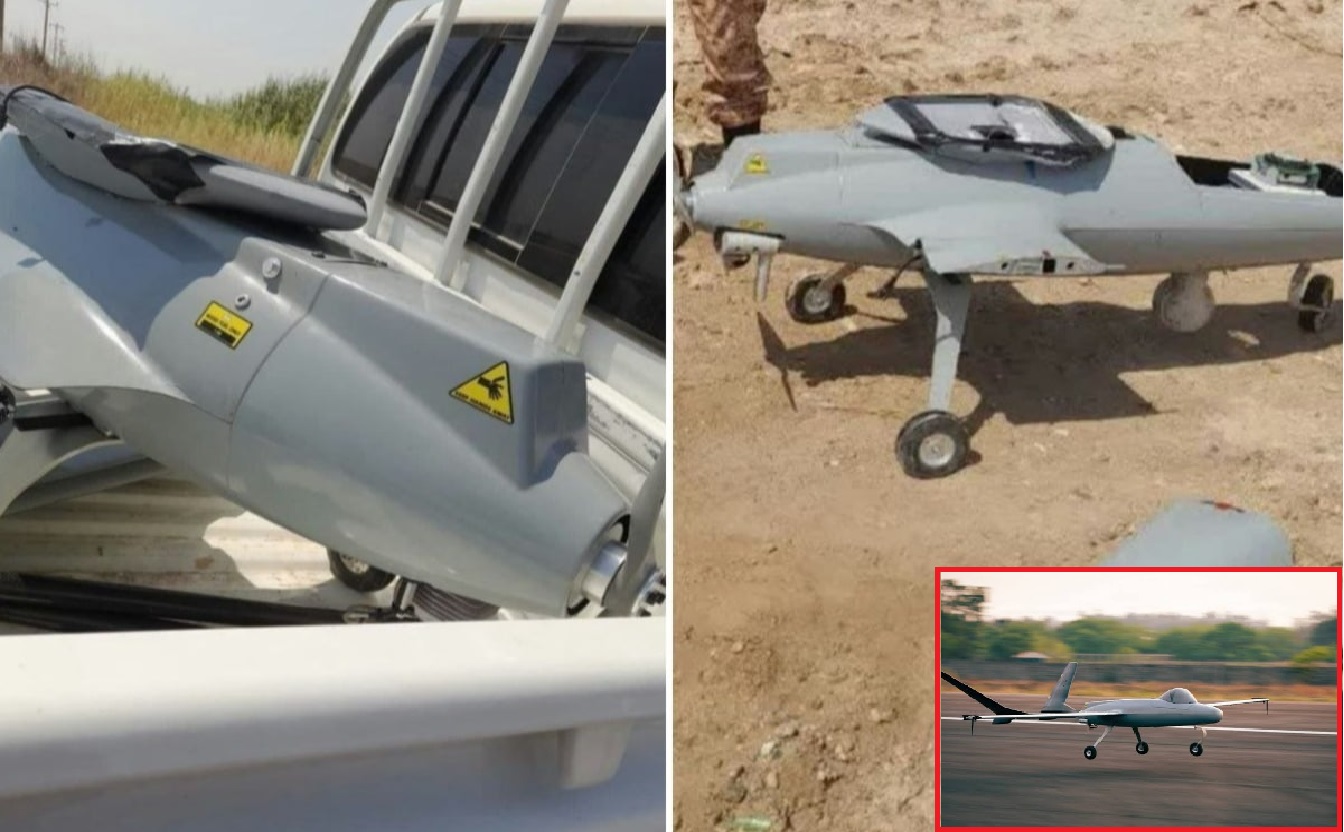 Iran Claims It Shot Down U.S.-Operated Polish-Built Tiguar-M Drone, Releases Images
-
 U.S. Space Force Awards Slingshot Aerospace $69.2 Million Contract to Develop AI Space Training Platform
-
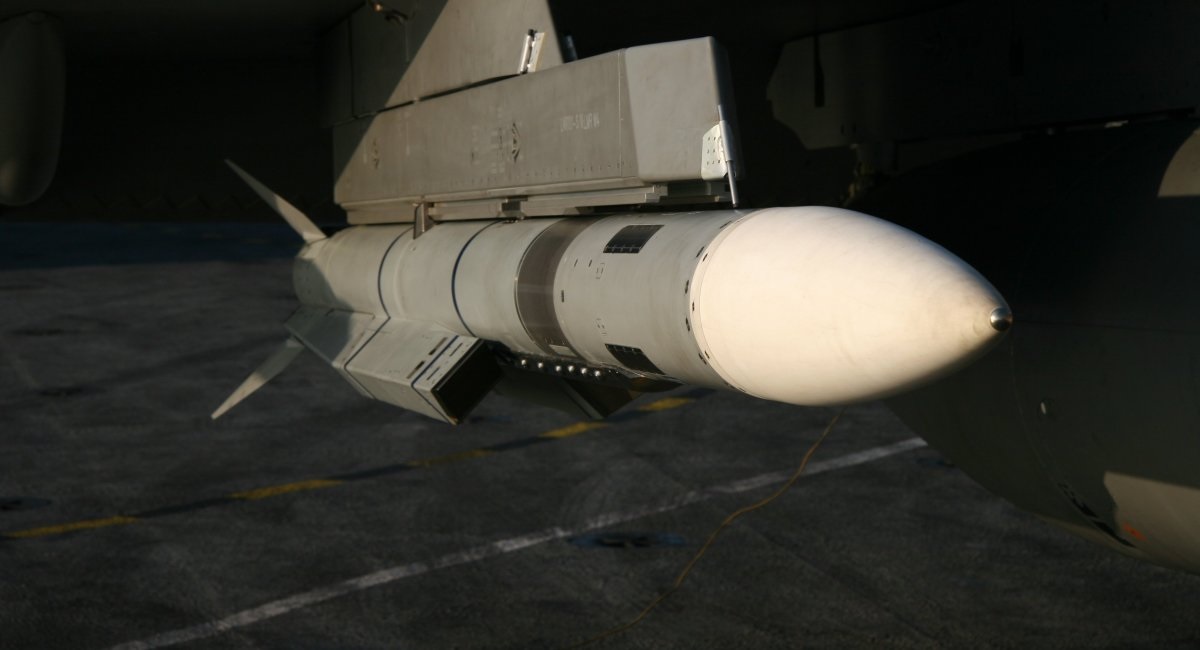 UK Cancels Meteor Missile Mid-Life Upgrade, Prioritizes Next-Generation FASE Air-to-Air Missile Programme
-
 NASA, Draper Cancels CP-12 Lunar Lander Mission After Development Delays Push Mission Beyond 2030
-
 Satellite Images Confirm Russian Tu-95MS Bomber Destroyed After Ukrainian Drone Strike on Engels-2 Air Base
-
 Lockheed Martin Unveils Lower-Cost PAC-3 ACE Interceptor for Patriot Air Defense System
