World
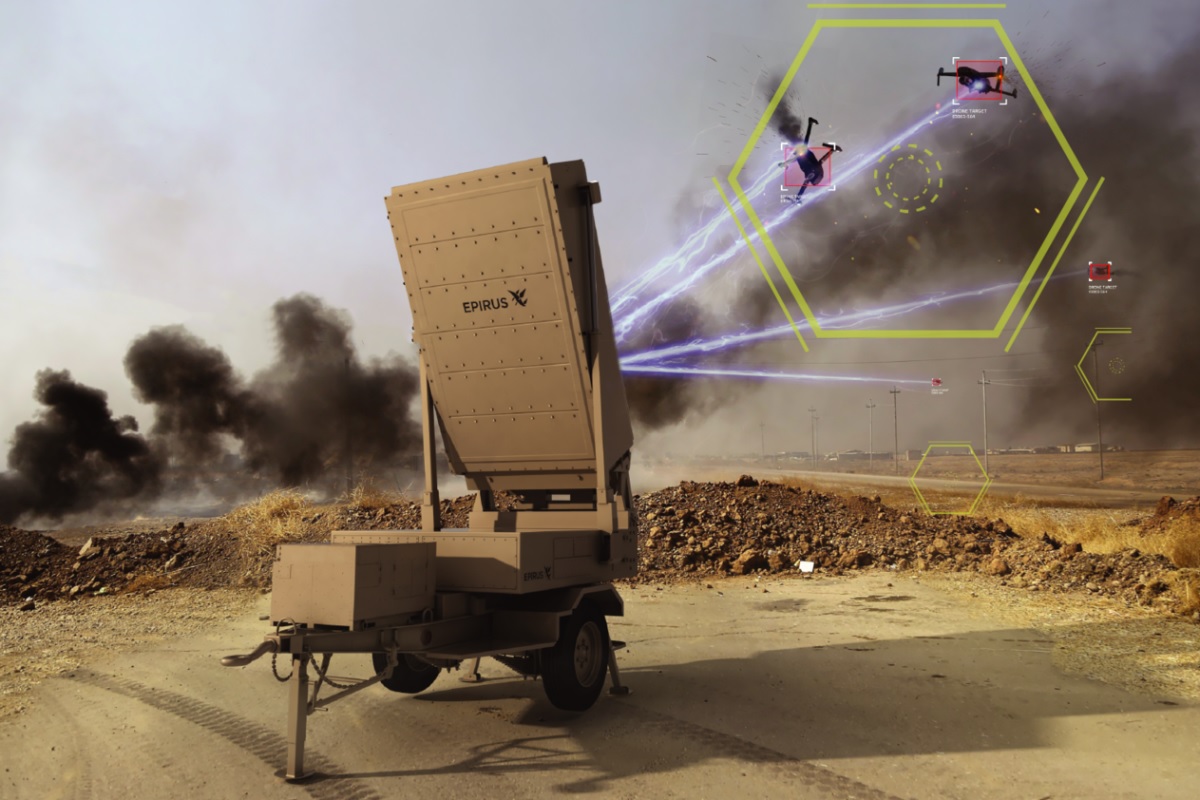
WASHINGTON : The United States military has, for the first time, successfully neutralized a fiber-optic–controlled drone, marking a major turning point in the rapidly evolving contest between unmanned systems and air defense technology. The milestone was publicly confirmed on January 13, when Epirus released video footage showing its Leonidas VehicleKit high-power microwave system disabling a fiber-optic-guided unmanned aerial system during a live-fire demonstration conducted in December 2025 at a U.S. government testing site. The previously undisclosed trial took place at a closed United States Army range and had remained classified until the video’s release. According to Epirus, the Leonidas system emitted a focused burst of high-power microwave energy that overwhelmed the drone’s onboard electronics, causing it to lose control and crash, despite its fiber-optic command link remaining physically intact. Defense analysts say the engagement represents a significant leap forward in counter-drone warfare, as fiber-optic UAVs have long been considered among the most difficult aerial threats to defeat using non-kinetic means. A New Class of Drone, a New Kind of Threat Unlike conventional UAVs that rely on radio-frequency links, fiber-optic drones transmit commands and video signals through an ultra-thin physical cable spooled out behind the aircraft. This design eliminates radio emissions, making the drone nearly invisible to traditional jamming systems and resistant to most forms of electronic interference. Such drones have proliferated rapidly on modern battlefields, particularly in the Ukraine theater of operations, where they have proven effective against armored vehicles, air defense radars, and fixed military positions. In a 2024 assessment, the U.S. Army described fiber-optic UAVs as one of the most serious emerging threats to contemporary air defense and counter-UAS doctrine. Until now, defeating them required kinetic interception or physical destruction of the cable—options that are often impractical in fast-moving combat conditions. Leonidas Crosses a Critical Threshold Epirus confirmed that the December test was the first verified instance in which a non-kinetic system disrupted a fiber-optic drone’s operation. According to the company, Leonidas used a focused burst of high-power microwave energy to overwhelm onboard electronics, rendering the aircraft uncontrollable despite its wired command link. The achievement builds on earlier demonstrations in which Leonidas neutralized large groups of conventional UAVs. In previous trials, the system successfully defeated a coordinated swarm of 49 drones, but those targets relied on radio control. The fiber-optic engagement, company officials say, proves the system can counter a far broader spectrum of unmanned threats. Epirus’ chief executive described the mass adoption of fiber-optic drones as a defining inflection point in unmanned warfare, exposing a dangerous vulnerability in existing air defense architectures. Leonidas, he said, was developed specifically to close that gap. Second-Generation System and Army Investment The breakthrough comes amid growing U.S. military investment in directed-energy solutions. In 2025, Epirus was awarded a $43.5 million contract to deliver two second-generation Leonidas systems to the Army. The upgraded variant features more than double the effective engagement range of the original system, a roughly 30 percent increase in output power, integrated high-energy batteries, and reduced reliance on external power sources. These improvements significantly enhance mobility and operational flexibility, enabling deployment closer to the front line. The system has been designed for integration across multiple platforms, including the Stryker armored vehicle family, light tactical vehicles, and other mobile ground platforms, allowing commanders to protect maneuver units as well as fixed sites. Implications for Future Warfare Military experts say the successful engagement signals a shift in the balance between drones and defenses. As adversaries increasingly turn to low-cost, hard-to-detect UAVs to offset conventional military advantages, systems like Leonidas could become central to layered air defense strategies. For the U.S. Army and its allies, the ability to counter fiber-optic drones without expending missiles or exposing forces to close-range threats offers both tactical and economic advantages. For drone developers, the test underscores that even the most recent innovations in unmanned warfare may not remain uncontested for long. With directed-energy weapons moving from experimental trials to operational reality, the contest between offense and defense in the skies appears set to enter a new and more technologically intense phase.
Read More → Posted on 2026-01-21 14:23:09
World
TAIPEI : Taiwan’s Ministry of National Defense has publicly disclosed, for the first time in detail, the weapons and capabilities it intends to procure under a proposed 1.25 trillion New Taiwan dollar ($40 billion) special defense budget, a sweeping eight-year plan aimed at reshaping the island’s military posture in the face of mounting pressure from China. The disclosure follows a closed-door briefing by Defense Minister Wellington Koo to the legislature’s Foreign Affairs and National Defense Committee and comes after months of political deadlock over the bill. The plan was originally announced in November 2025 by President Lai Ching-te, who framed the spending package as essential to deterrence, resilience, and the survival of Taiwan’s domestic defense industry. Spanning the years 2026 to 2033, the special budget is designed to complement Taiwan’s regular defense spending and accelerate the acquisition of asymmetric capabilities intended to complicate any potential invasion scenario. Officials say the package focuses on precision firepower, survivable platforms, rapid replenishment, and the ability to sustain combat under blockade conditions. Political Standoff Forces Rare Disclosure The publication of the procurement list marks a significant shift for the defense ministry, which has traditionally kept such details classified until legislative approval. Opposition parties — the Kuomintang and the Taiwan People’s Party — repeatedly blocked the bill, citing concerns over transparency, cost escalation, and the balance between domestic production and foreign purchases. According to officials familiar with the discussions, the decision to reveal the full scope of the plan was intended to break the impasse and “allow defense modernization and readiness efforts to move forward,” after critics argued that lawmakers were being asked to approve unprecedented spending without sufficient detail. Seven Capability Areas, One Strategic Aim The ministry organized the proposed purchases into seven broad capability areas that together outline Taiwan’s vision of future warfare: precision artillery, long-range strike, uncrewed and counter-drone systems, air and missile defense including anti-armor weapons, AI-enabled command systems, combat sustainment and wartime production, and weapons co-developed with the United States. Roughly 300 billion New Taiwan dollars ($9.4 billion) of the total package is earmarked for domestically developed systems, with the bulk of the remaining funds allocated to overseas procurement, primarily from the United States. Several of the items listed have already received U.S. approval as part of an $11 billion foreign military sale cleared in December 2025. Artillery and Long-Range Firepower at the Core Precision artillery sits at the top of the procurement list, reflecting Taiwan’s emphasis on long-range fires to counter amphibious landings and massed formations. The plan calls for 60 M109A7 self-propelled howitzers, supported by more than 4,000 rounds of precision-guided munitions, ammunition resupply vehicles, recovery vehicles, and a wide range of auxiliary equipment. Long-range strike capabilities form the second pillar. The ministry plans to acquire 82 HIMARS launchers, along with more than 1,200 pods of precision rockets and 420 tactical missiles. These systems are intended to strike targets well beyond the beachhead, including logistics nodes and staging areas, while remaining mobile and difficult to target. Drones, Loitering Munitions and Maritime Autonomy Uncrewed systems make up the third major category and one of the most expansive parts of the plan. Taiwan intends to field 1,554 Altius-700M loitering munitions and 478 Altius-600ISR drones, following initial deliveries already made under a partnership with Anduril Industries. In addition, the plan envisions the procurement or domestic production of roughly 200,000 uncrewed aerial vehicles for coastal surveillance, reconnaissance, and strike missions. At sea, the budget includes funding for more than 1,000 uncrewed surface vessels, alongside counter-drone systems designed to protect critical infrastructure and naval assets. Among the platforms highlighted by officials is Taiwan’s homegrown unmanned surface vessel, the Endeavor Manta, positioned as a low-cost, high-risk asset for littoral defense and sea denial. Air Defense, Anti-Armor and Layered Protection Air and missile defense, combined with anti-armor capabilities, form the fourth category. The ministry’s list includes 70 Javelin anti-armor missile systems with 1,050 missiles and 24 TOW-2B systems with 1,545 missiles, as well as associated launchers, sensors, and support equipment. Officials say the emphasis on portable, highly lethal weapons reflects lessons drawn from recent conflicts, where dispersed infantry units armed with modern anti-armor systems inflicted disproportionate losses on mechanized forces. AI, Networks and Faster Decision-Making The fifth category highlights a growing focus on artificial intelligence and networked warfare. Funding is allocated for AI-enabled decision-support tools, tactical data networks, and applications designed to speed intelligence sharing across units. Defense planners argue that shortening the sensor-to-shooter cycle is as critical as acquiring new weapons, particularly under electronic warfare and cyber attack conditions. Sustaining a Fight Under Fire Combat sustainment and wartime production capacity make up the sixth area and are described by officials as the backbone of the entire plan. The budget would expand domestic production of ammunition, explosives, and propellants, establish new armored vehicle assembly lines, and increase output of protective gear, night-vision equipment, and mobile battlefield-denial systems. It also includes investments in small-arms primers and other critical components. In parallel, the plan allocates funds for urgent munitions purchases — including 120mm tank rounds, 105mm tank rounds, and 30mm autocannon ammunition — to bolster readiness stockpiles and training requirements ahead of expanded local production. Deepening the U.S. Partnership The final category covers weapons and equipment co-developed or co-produced with the United States, enabling Taiwan to acquire emerging technologies and enhance asymmetric combat capabilities, while reducing dependence on foreign wartime resupply. A Test of Resolve Taken together, the unveiled list offers the clearest picture yet of how Taipei intends to spend the largest single defense package in its history. Whether the disclosure will be enough to overcome political resistance remains uncertain, but defense officials argue that delay carries risks. “With regional security conditions deteriorating and military pressure increasing, the window for building credible deterrence is narrowing,” one senior official said. “This budget is not about provocation. It is about survival.” As lawmakers resume debate, the special defense budget has become a litmus test for Taiwan’s political unity — and for its ability to translate strategic intent into concrete military capability before the balance of power shifts further against it.
Read More → Posted on 2026-01-21 14:09:35
World
RIYADH : Saudi Arabia is finalizing Two New Trilateral Military Alliances that signal one of the most consequential shifts in its Foreign And Security Policy in decades, as the kingdom moves decisively into the Geopolitical Arena Of The Red Sea And The Horn Of Africa for the first time. According to Regional Officials And Defense Sources, one alliance will link Saudi Arabia with Pakistan and Turkey, while a second pact is being finalized with Egypt and Somalia. Together, the two arrangements would place Riyadh at the center of a sprawling Security Architecture stretching from South Asia through the Eastern Mediterranean and deep into East Africa. The moves reflect a Strategic Pivot that began quietly in Late 2025, as Saudi planners concluded that control of Red Sea Maritime Routes, Food Supply Chains, and Nearby Ports was becoming as vital to national security as traditional Oil Infrastructure. That reassessment has now matured into what regional analysts describe as a nascent Saudi-Led “Red Sea Axis.” From Religious Outreach To Hard Power For decades, Saudi Arabia’s Engagement In The Horn Of Africa was limited largely to Religious Diplomacy, Humanitarian Aid, and modest Trade Links. That posture began to change after the launch of Saudi Vision 2030 in 2016, which redefined the kingdom’s Economic And Strategic Priorities. Under Vision 2030, the Red Sea And Horn Of Africa were reframed as critical to Saudi Food Security, given the kingdom’s dependence on Agricultural Imports, and to Maritime Dominance along shipping lanes connecting Europe And Asia. Those lanes pass through the Bab El-Mandeb Strait, one of the world’s most important Maritime Chokepoints, linking the Suez Canal to the Indian Ocean. By Late 2025, Riyadh had begun translating that vision into concrete Military And Logistical Initiatives. Ports, Bases And Influence Saudi Arabia is currently developing a Logistics Hub In Djibouti and pursuing Port Development Interests in Eritrea’s Assab, which officials say is intended to become a Regional Transshipment Hub. The kingdom has also sought Port Access And Security Arrangements In Somalia, while deepening cooperation with Mogadishu through Arms Supplies, Training Programs, and Intelligence Sharing. In parallel, Riyadh has expanded its role in the Civil War In Sudan, backing the Muslim Brotherhood-Linked Sudanese Armed Forces. Saudi officials are reported to be seeking Long-Term Access To Port Sudan, a key Red Sea Gateway that would anchor the kingdom’s Western Maritime Flank. These strands of policy converged in January 2026, when Saudi Arabia And Turkey convened a Naval Cooperation Meeting In Ankara on January 7, a gathering described by participants as the first step toward Formalized Red Sea Maritime Coordination. The “Islamic NATO” Concept The most ambitious of the new alliances is the emerging Saudi-Pakistan-Turkey Pact, which Pakistan publicly acknowledged on January 15 as nearing completion. In Regional Media And Defense Circles, the arrangement has already been dubbed an “Islamic NATO.” If finalized, the alliance would fuse Saudi Arabia’s Financial Power, Pakistan’s Nuclear Deterrent And Large-Scale Manpower, and Turkey’s Combat Experience And Advanced Defense Industry, including Drones, Naval Platforms, and Precision Weaponry. The symbolism is as striking as the substance: Three Major Muslim Powers aligning across regions to coordinate Defense Policy beyond the framework of Western-Led Alliances. Turkey’s Growing Convergence With Saudi Arabia is particularly notable given years of rivalry following the Arab Uprisings. Today, both states back Muslim Brotherhood-Linked Authorities In Sudan And Yemen and maintain close ties with Somalia, signaling a Pragmatic Recalibration driven by shared interests in the Red Sea Basin. A Second Axis With Egypt And Somalia Alongside the Pakistan-Turkey Track, Riyadh is also finalizing a second Trilateral Alliance With Egypt And Somalia, focused explicitly on Red Sea Security, the Bab El-Mandeb Strait, and the fallout from Sudan’s Civil War. The Saudi-Egyptian Dimension builds on a Landmark Naval Protocol signed in September 2025, which laid the groundwork for Joint Patrols, Intelligence Sharing, and Coordinated Responses to threats along the Red Sea Corridor. Somalia’s Inclusion would give the alliance a foothold on the African Side Of The Bab El-Mandeb, tightening Saudi influence over Both Shores Of The Strait. Arms, Drones And Sudan’s Battlefield One of the clearest signs of Saudi Arabia’s Assertive New Posture is its reported role in brokering and likely financing a $1.5 Billion Arms Package linking Pakistan to Sudan’s Armed Forces. The deal, according to Defense Sources, is designed to offset the Sudanese army’s growing difficulties against the Rapid Support Forces, which have increasingly relied on Drone Warfare. Under the arrangement, Sudan is set to receive Karakorum-8 Light Attack Aircraft, Super Mushshak Trainers, Hundreds Of Reconnaissance And Suicide Drones, Air-Defense Systems, and JF-17 Thunder Fighter Jets. The scale of the package underscores Riyadh’s willingness to use Financial Leverage to shape Military Outcomes far beyond its borders. Western Unease And Regional Ripples Saudi Arabia’s Expanding Footprint has not gone unnoticed in Washington or Jerusalem. U.S. And Israeli Officials are increasingly questioning whether Riyadh is Hedging Against Full Alignment With The West by constructing alternative Regional Partnerships that could, over time, tilt toward China Or Russia. The United Arab Emirates, long Saudi Arabia’s closest Gulf Partner, is also watching closely. Emirati Strategists are reportedly uneasy about Riyadh’s growing influence around the Bab El-Mandeb and across the Horn Of Africa, regions where Abu Dhabi has invested heavily over the past decade. A Wider Arc Of Ambition Taken together, the two Trilateral Alliances suggest Saudi Arabia is seeking to project power across an arc that runs from Sudan And Somalia through Yemen And Iraq, and eastward toward Pakistan and potentially Bangladesh. It is a vision far removed from the kingdom’s traditionally Cautious Foreign Policy. Whether this strategy delivers Stability or deepens Regional Rivalries remains uncertain. But what is clear is that Saudi Arabia is no longer content to be a Passive Beneficiary Of Red Sea Security. As one regional diplomat put it, Vision 2030 may yet evolve into something far more expansive — a Long-Term Blueprint For Saudi Power Projection well beyond the Arabian Peninsula.
Read More → Posted on 2026-01-20 17:30:03
World
OSLO : Norway has taken one of its most far-reaching civil-military steps in decades, formally warning thousands of private citizens that their personal property could be seized by the armed forces if the country enters a conflict with Russia. The unprecedented move, announced quietly through official letters rather than public decree, reflects mounting anxiety in Oslo over the deteriorating security situation in Europe’s far north. According to Norwegian defense officials, approximately 13,500 “preparatory requisition” notices have been sent to property owners across the country as part of a broad readiness drive led by the Norwegian Armed Forces Logistics Organization. The letters, first disclosed by The Daily Telegraph, inform recipients that specific assets—ranging from houses and hotels to trucks, cars and private boats—have been identified for potential military use in the event of mobilization or war. While the notices do not authorize immediate confiscation, they establish a legal framework that allows the state to take control of designated civilian property during a national emergency. In peacetime, owners retain full rights, but the state’s claim would supersede private ownership once a crisis is formally declared. A Security Shift Not Seen Since World War II Norwegian defense authorities have framed the measure as a response to what they describe as the most serious security environment since 1945. Anders Jernberg, head of the logistics organization overseeing the program, said the letters are part of a comprehensive effort to ensure Norway can sustain military operations under extreme conditions. Norway, he said, is engaged in a “large-scale strengthening of military and civilian readiness,” emphasizing that modern conflict would require far more than professional soldiers and advanced weapons. Housing, transport, maritime access and civilian infrastructure would all be essential for survival in a prolonged crisis. The warning comes as relations between NATO and Russia remain deeply strained following Moscow’s war in Ukraine and intensified military activity across the Arctic. Norway shares a 198-kilometer land border with Russia and lies directly adjacent to the strategically critical Kola Peninsula, home to Russia’s Northern Fleet and a significant portion of its nuclear deterrent. Return of the ‘Total Defense’ Doctrine At the heart of the policy is Norway’s revival of its Cold War–era “Total Defense” concept, under which the entire society—government agencies, private industry and ordinary citizens—is integrated into national defense planning. The doctrine assumes that future wars would blur the line between civilian and military spheres, making civilian assets indispensable. Under the requisition framework, residential buildings could be converted into barracks, headquarters or medical facilities. Vehicles and heavy machinery could be diverted to logistics and troop transport, while privately owned boats and ferries could support coastal patrols, supply runs and evacuation efforts in Norway’s rugged, fjord-lined geography. Defense officials stress that compensation would be legally guaranteed if property were actually taken or damaged, but acknowledge that the notices are intentionally direct. By identifying assets in advance, the military hopes to avoid chaos and delays during a rapid mobilization. Arctic Tensions and Russian Military Activity The timing of the move underscores Oslo’s growing concern over Russian behavior in the High North. Norwegian intelligence and defense leaders have repeatedly warned that Moscow is refurbishing Soviet-era bases on the Kola Peninsula, expanding airfields, ports and radar installations close to Norwegian territory. Norway’s defense minister, Tore O. Sandvik, has also pointed to Russia’s testing of hypersonic and nuclear-capable weapons in the Arctic region as evidence that the area is becoming a central theater in great-power competition. As a founding member of NATO, Norway plays a critical role in monitoring Russian naval movements and securing the alliance’s northern flank. Western military planners increasingly view the Arctic not as a remote frontier but as a potential flashpoint, where control of sea lanes, undersea cables and missile trajectories could prove decisive in a broader conflict. Public Reaction: Shock, Acceptance, and Unease Reaction among recipients of the letters has been mixed. Some citizens expressed surprise at the explicit nature of the warning, saying it brought the reality of war uncomfortably close to home. Others viewed the move as a sober and necessary precaution in a world that has grown demonstrably less stable. The scale of the initiative—targeting individual homeowners and small asset owners rather than only major corporations—has drawn particular attention. Analysts say it signals that Norwegian authorities are planning not for a limited contingency but for a scenario requiring nationwide mobilization and long-term resilience. A Message Beyond Norway Although the letters are domestic in nature, their implications extend far beyond Norway’s borders. They serve as a stark indicator of how seriously NATO’s northern members are reassessing their preparedness and how deeply the shadow of potential conflict with Russia now stretches across Europe. For a country long associated with stability, diplomacy and peace, the notices represent a sobering acknowledgment: in the Arctic’s new strategic reality, even private homes and fishing boats are being quietly counted as instruments of national defense.
Read More → Posted on 2026-01-20 17:14:47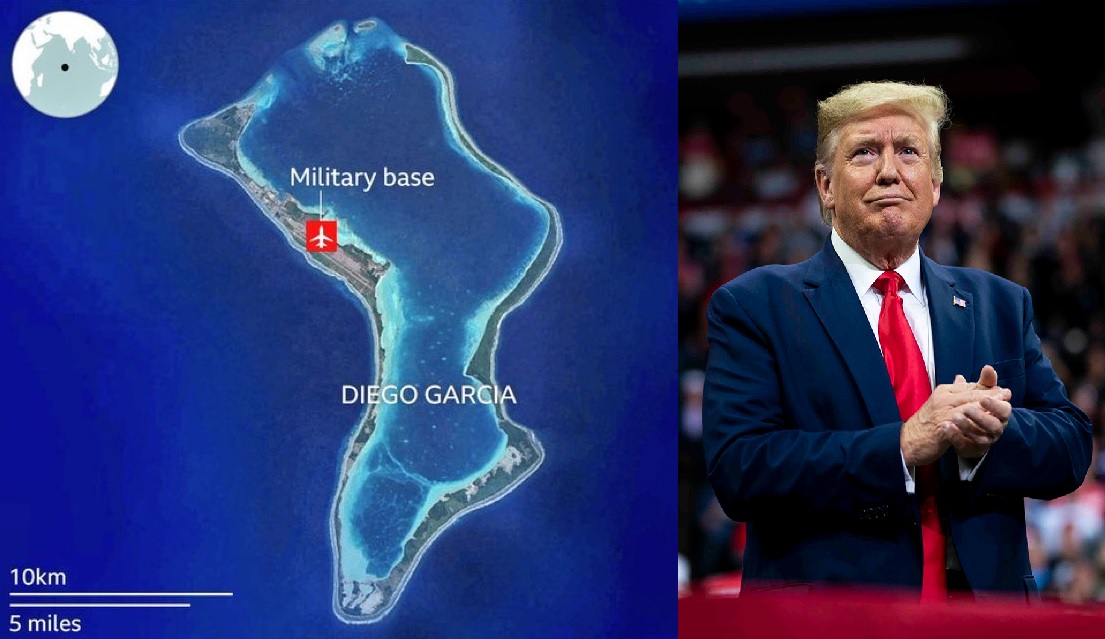
World
LONDON / WASHINGTON : A bitter transatlantic dispute has erupted over the future of one of the United States’ most strategically important overseas military installations, after Donald Trump launched a furious attack on the United Kingdom’s plan to transfer sovereignty of the Chagos Islands to Mauritius—a move that would formally end British rule over the territory hosting the critical Diego Garcia air and naval base. The controversy centers on a treaty signed in May 2025 between London and Port Louis, designed to resolve decades of legal challenges over Britain’s colonial-era separation of the Chagos Islands from Mauritius. While the agreement preserves U.S. and UK military access through a long-term lease, Trump has branded the handover a reckless concession that endangers Western security and emboldens geopolitical rivals. Trump Condemns Chagos Deal as Strategic “Weakness” In a sharply worded statement published this week on Truth Social, Trump accused the British government of undermining U.S. military interests by relinquishing sovereignty over Diego Garcia, which he described as irreplaceable to American global power. “Giving away extremely important land that hosts a vital U.S. military base is an act of great stupidity,” Trump wrote, arguing that adversaries such as China and Russia would interpret the decision as evidence of declining Western resolve. Trump, who is again a dominant figure in U.S. Republican politics, explicitly linked the Chagos issue to his long-standing calls for the United States to acquire strategically located territory elsewhere, portraying direct sovereignty as the only reliable guarantee of long-term security. Diego Garcia: Cornerstone of U.S. Power Projection Often described by military planners as an “unsinkable aircraft carrier,” Diego Garcia occupies a unique position in the central Indian Ocean, far from population centers yet within operational reach of multiple global flashpoints. From this remote atoll, the United States has conducted and supported operations across the Middle East, East Africa, and South Asia for decades. The base hosts long-range strategic bombers, nuclear-capable submarines, and vast pre-positioned stockpiles of fuel, ammunition, and armored vehicles. During the wars in Afghanistan and Iraq, Diego Garcia served as a primary launch point for sustained air campaigns. Today, it remains central to counter-terrorism missions, maritime surveillance, and contingency planning involving Iran and the wider Indo-Pacific. Beyond conventional military power, Diego Garcia also plays a quiet but critical role in global intelligence and space operations, supporting communications, satellite tracking, and navigation infrastructure used by the U.S. and its allies. Legal Pressure and Britain’s Rationale The British government insists the sovereignty transfer was not a voluntary retreat but a legal necessity. In 2019, the International Court of Justice issued an advisory opinion concluding that the UK’s continued administration of the Chagos Islands was unlawful and that decolonization had never been properly completed. Subsequent votes at the United Nations intensified diplomatic pressure on London to resolve the dispute. Under the treaty negotiated by the government of Keir Starmer, sovereignty would formally pass to Mauritius, while the UK and U.S. retain exclusive control of Diego Garcia through a 99-year lease with options for extension. British officials argue that the arrangement transforms a legally vulnerable military presence into one backed by international law. A UK government spokesperson said the agreement “secures the operation of the joint U.S.–UK base for generations,” adding that strict security clauses are designed to prevent any third-party military access or intelligence activity. China Concerns and Regional Anxiety Despite those assurances, critics on both sides of the Atlantic warn that Mauritius’s expanding economic relationship with China introduces long-term strategic risk. Beijing has invested heavily in infrastructure projects across the Indian Ocean region, fueling fears that political influence could eventually translate into security leverage. While the treaty explicitly bars foreign military forces from Diego Garcia, skeptics argue that sovereignty still matters—and that future governments in Mauritius could face pressure to reinterpret or renegotiate terms decades down the line. Political Fallout in London and Washington The dispute has exposed rare public tension in the U.S.–UK “special relationship.” While the previous U.S. administration had signaled support for the deal as a pragmatic solution to a legal impasse, Trump’s intervention has emboldened British opponents of the transfer. Senior figures within the Conservative Party and Reform UK have condemned the agreement as a strategic surrender, arguing that Britain is voluntarily discarding leverage over one of the West’s most valuable military assets. They warn the decision could weaken NATO credibility at a time of rising global instability. A Base Secured—Or a Precedent Set? For now, the Union Jack still flies over Diego Garcia, and U.S. aircraft continue to operate uninterrupted. Yet the political storm surrounding the Chagos transfer underscores a deeper question confronting Western alliances: how to reconcile decolonization, international law, and hard-power security in an era of renewed great-power competition. As the treaty moves toward implementation, Diego Garcia remains firmly in American hands—but the debate over who ultimately controls its future has only just begun.
Read More → Posted on 2026-01-20 17:02:24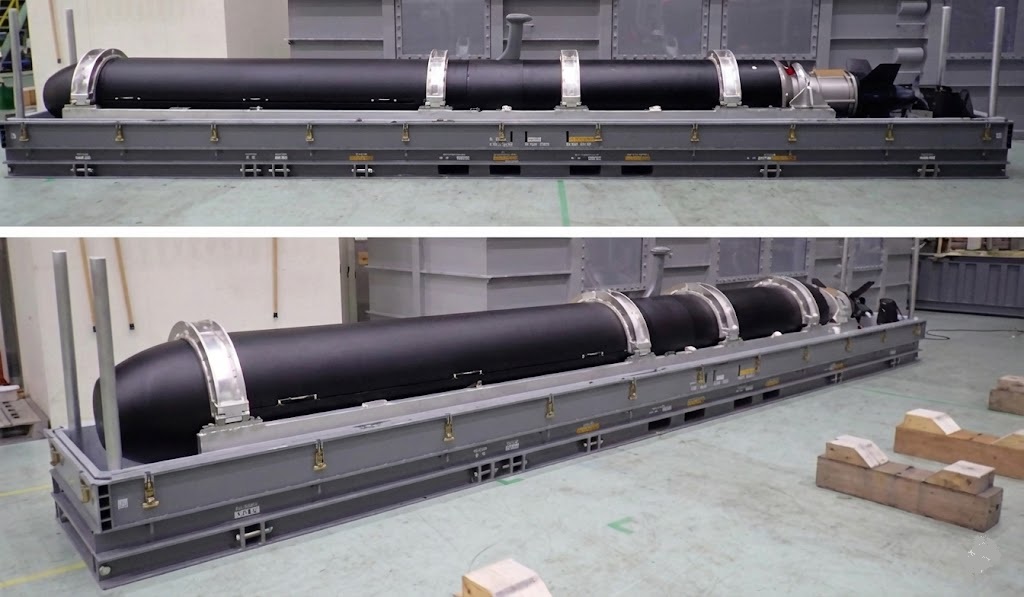
World
TOKYO : Japan’s Japan Maritime Self-Defense Force (JMSDF) has formally inducted a newly developed small unmanned underwater vehicle (UUV) into operational service, marking a significant step in the country’s effort to strengthen underwater surveillance and maritime defense capabilities. The confirmation was issued on Tuesday by the JMSDF public affairs office under the Ministry of Defense, which said the domestically developed system has completed acceptance procedures and is now available for operational use. Officials described the vehicle as a purpose-built platform designed to enhance underwater defense missions, particularly in coastal and near-shore environments. Expanding Japan’s Underwater Awareness According to the JMSDF, the newly inducted unmanned underwater vehicle, or UUV, is intended to support a range of missions focused on monitoring and securing Japan’s surrounding waters. These include underwater reconnaissance, detection of subsurface threats, monitoring of sea lines of communication, and the protection of ports and critical maritime infrastructure. While detailed technical specifications were not disclosed, defense officials indicated that the platform is optimized for operations in shallow and congested waters, where traditional crewed platforms face higher risks and operational limitations. The system is expected to operate autonomously or semi-autonomously, collecting underwater data and relaying it to command centers for analysis. Shift From Testing to Operational Fielding The delivery reflects a broader transition within the JMSDF from experimental trials of unmanned systems to their routine operational deployment. Over the past decade, Japan has tested several classes of UUVs, primarily focused on mine countermeasures and intelligence collection. The latest induction signals that unmanned underwater platforms are now becoming a permanent component of Japan’s maritime force structure. In a statement accompanying the announcement, the JMSDF said it will “steadily advance defense capability development” that includes unmanned assets, emphasizing that such systems are essential for improving both deterrence and rapid response in an increasingly complex security environment. Regional Security Context The induction comes amid growing concern in Tokyo over intensified undersea activity across the Western Pacific. Regional actors have expanded the deployment of submarines, seabed sensors, and unmanned underwater platforms, increasing the strategic importance of persistent underwater surveillance. Small UUVs are viewed by defense planners as a cost-effective way to broaden coverage without relying exclusively on crewed surface vessels, submarines, or maritime patrol aircraft. By operating continuously and at lower cost, such systems can fill critical gaps in situational awareness beneath the surface. Role in Japan’s Indo-Pacific Strategy Defense officials also linked the new capability to Japan’s broader “Free and Open Indo-Pacific” (FOIP) vision, which places a strong emphasis on maritime security, freedom of navigation, and stability along vital sea lanes. Underwater domain awareness is increasingly seen as a key pillar of that strategy, particularly in areas where surface and aerial surveillance provide limited visibility. The Ministry of Defense has repeatedly highlighted unmanned systems as essential tools for addressing manpower constraints and the expanding scale of maritime monitoring requirements. UUVs, officials say, allow sustained operations in areas that are difficult or costly to patrol with conventional platforms, reducing risk to personnel while providing commanders with more persistent and detailed insight into the underwater battlespace. With the induction of the new small UUV, Japan signals its intent to accelerate the integration of unmanned technologies into frontline maritime defense, reinforcing its ability to monitor, deter, and respond to evolving undersea challenges in the years ahead.
Read More → Posted on 2026-01-20 16:34:19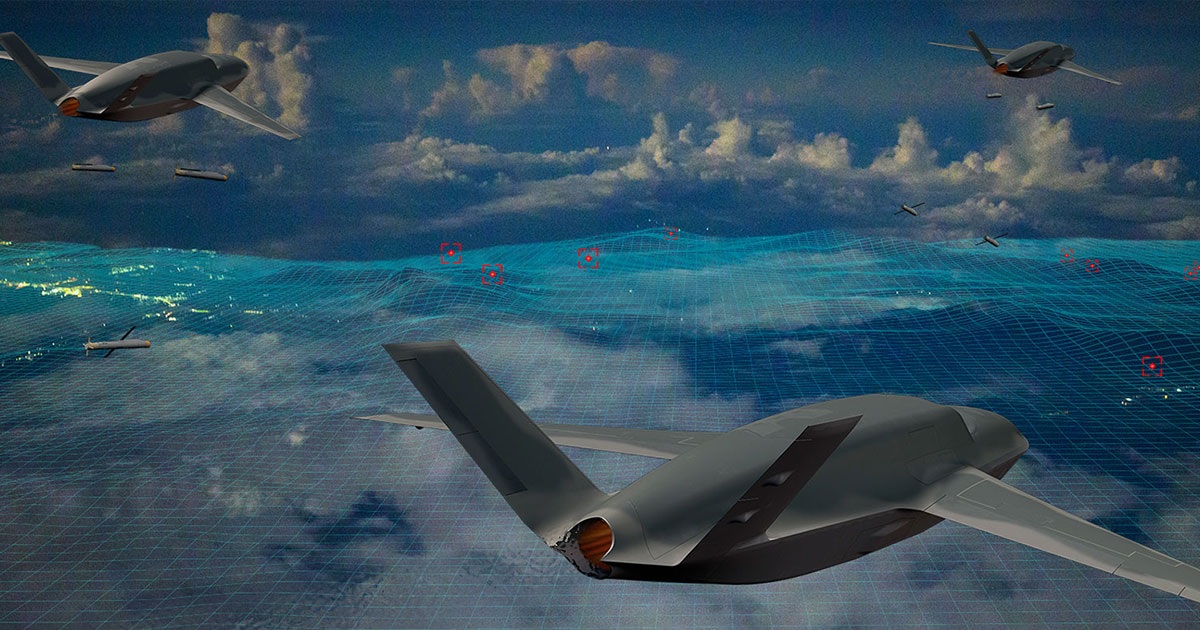
World
WASHINGTON : General Atomics Aeronautical Systems Inc. has unveiled Gambit 6, the latest and most combat-oriented variant in its rapidly evolving Gambit Series of modular uncrewed aircraft, marking a significant step in the global race to deploy autonomous combat airpower at scale. Developed by General Atomics Aeronautical Systems (GA-ASI), Gambit 6 is designed specifically for air-to-ground combat operations under the emerging Collaborative Combat Aircraft (CCA) concept. The platform blends high-end autonomy, artificial intelligence–driven mission systems, and a mature weapons-integration architecture to deliver what the company describes as “affordable mass” for future high-intensity conflicts. A New Role in the Gambit Family Gambit 6 represents a clear shift toward strike-focused missions within the broader Gambit ecosystem. While earlier Gambit variants emphasized multi-mission adaptability, Gambit 6 is optimized from the outset for precision attack, suppression of enemy air defenses (SEAD), and battlefield strike support. The aircraft is designed to operate seamlessly alongside both crewed fighter jets and other uncrewed platforms, functioning as a loyal wingman, forward strike asset, or independent attack system depending on mission requirements. GA-ASI officials say the modular design allows the aircraft to be rapidly reconfigured for different payloads, sensors, and weapons without major structural changes. Advanced Autonomy and AI at the Core At the heart of Gambit 6 is a next-generation autonomy stack that enables the aircraft to plan routes, avoid threats, coordinate with other aircraft, and adapt to changing battlefield conditions with minimal human input. Artificial intelligence (AI) is used not only for navigation and formation flying, but also for sensor fusion, target recognition, and mission execution. Despite its advanced autonomy, Gambit 6 is designed to remain under human command authority, with operators able to supervise multiple aircraft simultaneously, approve weapons release, and retask missions in real time. Proven Weapons Integration One of the distinguishing features of Gambit 6 is its reliance on GA-ASI’s proven experience integrating complex weapon systems across multiple uncrewed aircraft platforms. The aircraft is expected to support a wide range of air-to-ground munitions, including precision-guided bombs, stand-off weapons, and modular mission payloads tailored to specific operational needs. This approach significantly reduces development risk and shortens the timeline from concept to operational deployment, a key priority for air forces seeking rapid capability expansion. Built for Affordable Mass Gambit 6 is explicitly designed to be cost-effective when compared with traditional crewed combat aircraft. By emphasizing modularity, digital engineering, and scalable production, GA-ASI aims to enable air forces to field larger numbers of combat-capable aircraft without the financial and logistical burden associated with fifth-generation fighters. Defense analysts note that this philosophy aligns closely with evolving U.S. and allied airpower strategies, which increasingly prioritize survivability through numbers, force dispersion, and man–machine teaming, rather than reliance on a small fleet of highly exquisite platforms. Global Market and Strategic Implications Although closely aligned with U.S. Air Force CCA concepts, Gambit 6 is being positioned for the global defense market. GA-ASI has indicated that the platform can be adapted to meet export requirements and integrated into a wide range of command-and-control architectures used by allied and partner nations. The introduction of Gambit 6 comes amid intensifying international competition in autonomous combat aviation, as major powers invest heavily in uncrewed strike systems capable of operating in highly contested airspace. A Glimpse of Future Airpower With Gambit 6, GA-ASI is signaling that autonomous combat aircraft are moving beyond experimental concepts into mission-specific, production-ready platforms. If adopted at scale, systems like Gambit 6 could fundamentally reshape air-to-ground combat operations, combining human decision-making with AI-enabled speed, endurance, and battlefield adaptability to help secure the skies of future conflicts.
Read More → Posted on 2026-01-20 16:22:30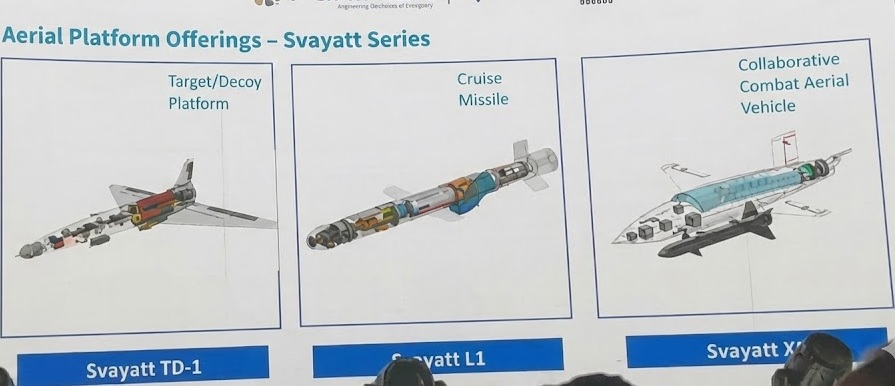
India
Hyderabad, India : In a landmark moment for India’s private defence ecosystem, Hyderabad-based deep-tech firm Paninian India Pvt Ltd has publicly unveiled a family of indigenous autonomous aerial platforms that span strike, combat support, and training roles. The reveal took place at the MeitY Startup Hub’s TIDE 2.0 Pravartan event, underscoring the growing role of startups in shaping India’s next generation of military capabilities. The newly introduced “Svayatt” series—named after the Sanskrit word for “autonomous”—positions Paninian as one of the few Indian startups claiming end-to-end capability in advanced unmanned and missile systems. Defence analysts present at the event described the showcase as a clear signal that India’s self-reliance drive is moving beyond incremental innovation into complex, mission-critical hardware. A Modular Vision for Autonomous Warfare Paninian officials said the Svayatt family has been conceived as a modular ecosystem rather than isolated platforms. Each system shares common avionics philosophies, autonomous mission software, and propulsion development pathways, allowing rapid adaptation across roles ranging from training and deception to deep-strike operations. The company emphasized that the platforms are designed from inception to operate in contested, electronic-warfare-heavy environments, reflecting lessons drawn from recent global conflicts where GPS denial and air-defence saturation have become defining features of modern warfare. Svayatt L1: Indigenous Long-Range Cruise Strike At the center of attention was the Svayatt L1, an indigenous long-range land-attack cruise missile concept. According to Paninian, the platform features a low-observable airframe and a terrain-following flight profile intended to reduce radar detection during penetration missions. The missile employs a dual-stage propulsion architecture, using a solid booster for launch followed by a turbofan engine for sustained cruise. Of particular significance is its reliance on Paninian’s proprietary autonomous mission-planning and navigation suite, designed to allow the missile to complete missions even in GPS-denied or heavily jammed environments—an increasingly critical requirement for survivability. Svayatt M1: Loyal Wingman for the Indian Air Force Equally notable was the Svayatt M1, described by the company as a Collaborative Combat Aerial Vehicle (CCAV) designed for manned-unmanned teaming. The system is envisioned to operate alongside frontline fighters such as the Tejas and the Rafale, performing high-risk missions that would otherwise expose human pilots to significant danger. Paninian stated that the M1 leverages advanced sensor fusion and onboard decision-making algorithms to autonomously identify threats, coordinate with other unmanned assets, and execute tasks such as reconnaissance, electronic warfare support, or suppression of enemy air defences (SEAD). Human pilots retain supervisory control, but the drone is designed to act independently within defined mission parameters. Svayatt TD-1: Training, Deception, and Air-Defence Saturation Completing the trio is the Svayatt TD-1, an autonomous target and decoy platform. In peacetime, it can replicate the radar and thermal signatures of hostile aircraft or missiles, enabling Indian air-defence units to train against realistic, high-fidelity threats. In wartime scenarios, the same system could be used to confuse adversary sensors, draw fire, and exhaust interceptor inventories—an approach increasingly seen as vital in modern air campaigns. Indigenous Engines and Vertical Integration A critical differentiator highlighted during the presentation was Paninian’s in-house development of the Yantur family of micro-turbojet engines, covering thrust classes from approximately 1.5 kN to 12 kN. Engine technology has long been a strategic bottleneck for India’s aerospace ambitions, and company officials argued that indigenous propulsion development is essential for true autonomy in unmanned and missile systems. By pursuing vertical integration across airframes, avionics, autonomy software, and propulsion, Paninian aims to reduce dependence on foreign suppliers and accelerate iteration cycles—an approach that aligns closely with national policy priorities. Government Backing and Strategic Context The company’s work has been supported under the TIDE 2.0 program of the Ministry of Electronics and Information Technology (MeitY), which focuses on nurturing startups working in emerging technologies such as artificial intelligence, robotics, and advanced electronics with strategic relevance. Observers noted that the unveiling comes at a time when India’s armed forces are actively exploring doctrines centered on autonomy, swarming, and manned-unmanned teaming, driven by both operational needs and the desire to reduce reliance on imports. A Shift Toward Homegrown Combat Systems While the Svayatt platforms remain at a developmental and conceptual demonstration stage, defence experts at the event said the program reflects a broader shift in India’s military-industrial landscape. Startups are no longer confined to peripheral software roles but are beginning to challenge traditional public-sector dominance in high-end defence hardware. If platforms like Svayatt L1 and Svayatt M1 mature into operational systems, they could mark a significant step toward India’s ambition of building a resilient, self-reliant defence ecosystem—one capable not only of meeting domestic needs but potentially of competing in global markets in the years ahead.
Read More → Posted on 2026-01-20 16:21:32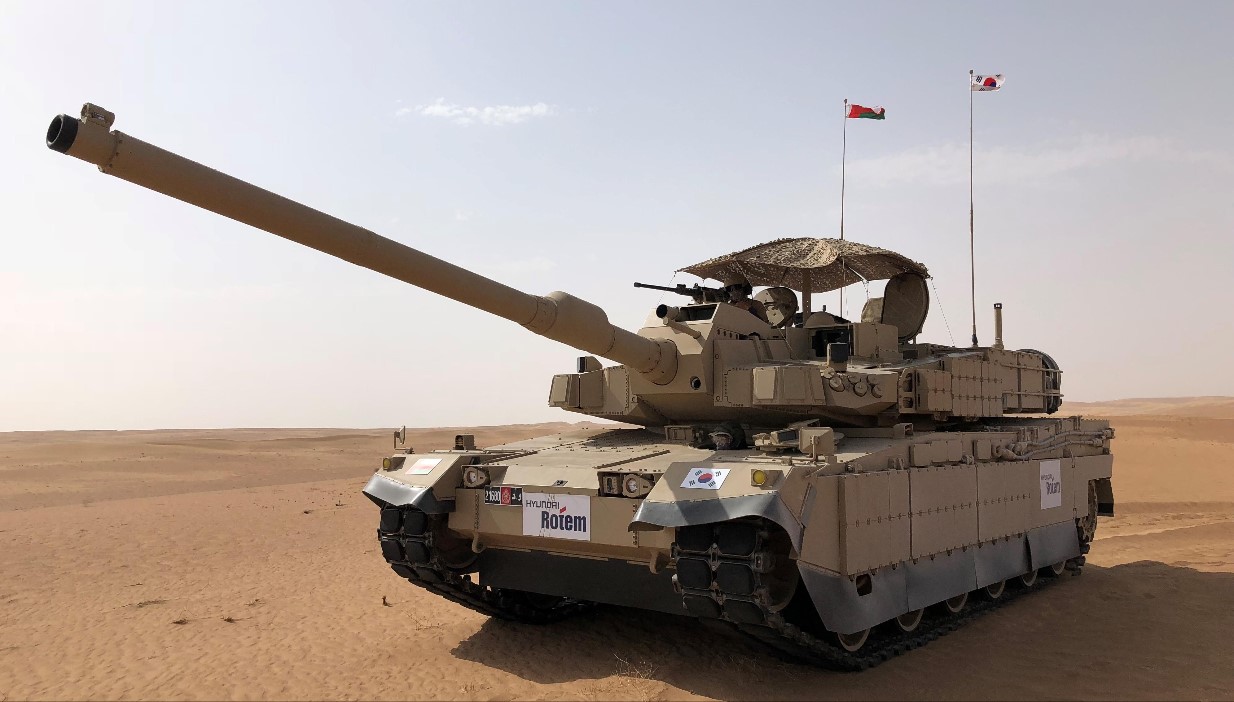
World
RABAT : In one of the most consequential defense deliberations in its modern history, Morocco is actively evaluating the acquisition of up to 400 K2 Black Panther main battle tanks from South Korea, a move that would dramatically reorient the kingdom’s military supply chains and reshape the balance of power in North Africa. Defense officials familiar with the talks describe the prospective agreement as far more than a tank purchase. Instead, it is being framed in Rabat as a strategic realignment—designed to reduce long-standing dependence on U.S. and Russian platforms while accelerating the modernization of Morocco’s armed forces amid rising regional competition. A Strategic Break from Traditional Suppliers For decades, Morocco’s armored corps has relied primarily on American and, to a lesser extent, Soviet-era and Chinese equipment. That model is now under strain. Global demand driven by the war in Ukraine has stretched U.S. delivery timelines, while sanctions and battlefield losses have rendered Russian support increasingly unreliable. Against this backdrop, South Korea has emerged as a preferred alternative supplier, offering advanced systems, predictable delivery schedules, and flexible industrial cooperation. The K2 Black Panther—already exported to Europe and the Middle East—is seen in Rabat as a technologically mature platform capable of entering service rapidly. Defense planners say the potential acquisition would allow Morocco to begin phasing out aging M60 Patton tanks and other legacy platforms that are costly to maintain and increasingly vulnerable on a modern battlefield. Part of a Broader Korean Defense Package Negotiations, according to multiple defense sources in both Rabat and Seoul, extend well beyond main battle tanks. Moroccan evaluators have also examined South Korea’s Cheongung-II (KM-SAM), a medium-range air defense system often compared to the U.S. Patriot for its role in intercepting aircraft and cruise missiles. Artillery modernization is also under discussion, with additional K9 Thunder self-propelled howitzers reportedly being considered to enhance long-range firepower and mobility. At sea, exploratory talks have even touched on South Korea’s KSS-III diesel-electric submarines, reflecting Morocco’s ambition to strengthen its presence in both the Atlantic Ocean and the western Mediterranean. Taken together, the talks point to a comprehensive modernization effort rather than a single procurement decision. Regional Rivalry and Operational Urgency The timing of the talks is significant. Morocco remains locked in a long-running strategic rivalry with neighboring Algeria, which has invested heavily in Russian-made armor, aircraft, and air defense systems. Military analysts note that the introduction of hundreds of advanced K2 tanks would give Morocco a qualitative edge in fire control, situational awareness, and battlefield mobility. The urgency has been compounded by reports that Morocco quietly transferred a portion of its Soviet-era T-72 tanks to Ukraine in late 2024, freeing inventory space but also accelerating the need for replacements. The K2’s advanced sensors, autoloading system, and hunter-killer targeting capability are viewed as well-suited to Morocco’s diverse terrain, from open deserts to mountainous regions. Industrial Cooperation and Local Ambitions The groundwork for the current talks was laid in April 2025, when Morocco’s Minister of Industry, Ryad Mezzour, led a high-level delegation to Seoul to explore defense industrial cooperation. Inspired by Poland’s large-scale partnership with South Korea, Rabat is reportedly pushing for technology transfer, local maintenance capabilities, and potential assembly of a customized “K2ME” variant adapted for Middle Eastern and North African conditions. Such provisions would mark a significant step toward building indigenous defense capacity, reducing long-term costs, and creating skilled industrial jobs inside Morocco. A First for Africa If finalized, the deal would make Morocco the first African nation to operate the K2 Black Panther, cementing its role as a regional military leader and underscoring South Korea’s rapid rise as a global arms exporter. While no contract has yet been signed, officials describe the talks as serious and advanced, with decisions expected once technical evaluations and financial terms are finalized. For Rabat, the message is clear: in an era of supply shocks and shifting alliances, diversification is no longer optional—it is a strategic necessity.
Read More → Posted on 2026-01-20 15:48:15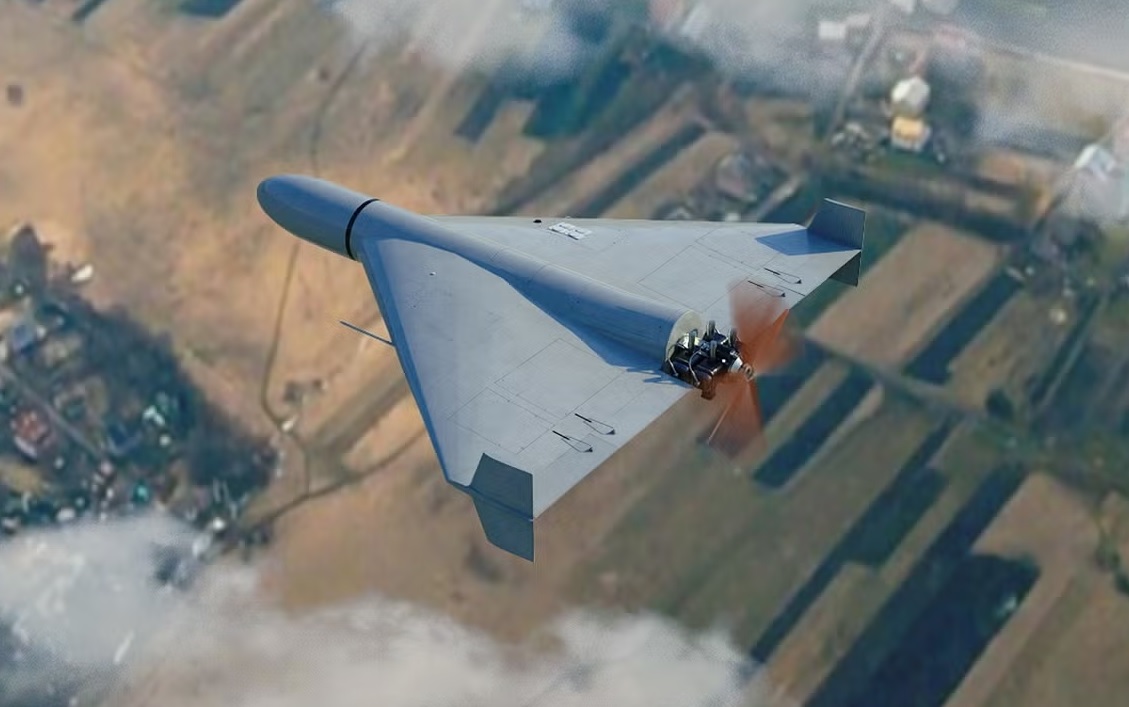
World
Paris : Renault Group is entering the defence sector, preparing to manufacture a long-range, one-way attack unmanned aerial vehicle (UAV) known as Chorus, in partnership with French aerospace and defence specialist Turgis et Gaillard. The initiative would see production established at Renault facilities in Le Mans and Cléon, with a stated target capacity of up to 600 drones per month once operations reach full scale. Industrial Conversion At Le Mans And Cléon Under the plan, Renault’s contribution is primarily industrial. The carmaker will provide factory space, tooling, logistics and workforce expertise drawn from its automotive manufacturing lines, while Turgis et Gaillard leads on design, avionics and systems integration. Assembly work is expected to be concentrated at Le Mans, with propulsion and engine-related production centred at Cléon in Normandy, according to people familiar with the programme. The project is being conducted under the supervision of France’s defence procurement authority, the Direction générale de l’armement, which is responsible for certification, export controls and contractual oversight. Renault has emphasised that the move does not represent a wholesale pivot away from cars, describing the drone programme as a targeted reallocation of selected personnel and equipment rather than a permanent transformation of its core business. Chorus And Its Battlefield Lineage Chorus is described by defence analysts as a French adaptation of the Shahed family of one-way attack drones, systems originally developed in Iran and later produced and deployed in large numbers by Russia. Known in open-source reporting as Shahed-131 and Shahed-136 variants, these loitering munitions have become emblematic of high-volume, low-cost strike warfare in the Middle East and, more recently, in Ukraine. The French-developed system is intended to replicate the operational concept rather than copy components outright, incorporating domestic supply chains and Western-standard electronics. Depending on configuration, Chorus is expected to support long-range strike missions as well as reconnaissance and surveillance tasks, reflecting a modular design philosophy aimed at meeting varied operational requirements. Strategic Rationale And European Rearmament Renault’s entry into drone production reflects a broader shift in European defence policy, as governments seek to expand manufacturing capacity for systems that can be produced quickly and in large numbers. French officials have openly encouraged non-traditional defence suppliers — including automotive and heavy-industry firms — to adapt their production lines in response to sustained demand generated by the war in Ukraine and wider NATO readiness objectives. Automotive plants are viewed as particularly suitable for this role, offering established supply chains, standardised processes and a workforce accustomed to high-throughput manufacturing. Defence planners argue that such attributes are critical for producing expendable systems like one-way attack drones, where scale and cost can be as decisive as technical sophistication. Political, Legal And Workforce Scrutiny The programme has sparked political and social debate inside France. Trade unions and workers’ representatives have voiced concern over the ethical, safety and reputational implications of producing lethal military equipment, as well as the potential long-term impact on Renault’s civilian manufacturing footprint. The company has said it is consulting with employee representatives and complying with all applicable labour and safety regulations. From a legal standpoint, any export of Chorus drones will be subject to strict French and European Union arms-control regimes. Officials stress that production, transfer and end-use will be tightly regulated, particularly given the sensitivity surrounding loitering munitions and their role in active conflict zones. Scale, Impact And Next Steps Military analysts note that the defining feature of Shahed-type systems has been their ability to overwhelm air defences through sheer numbers. If Renault and its partner achieve the planned output of 600 units per month, Chorus could become a significant component of allied drone inventories. However, experts caution that battlefield effectiveness will ultimately depend on integration with intelligence, targeting and air-defence networks, not production figures alone. Renault Group and Turgis et Gaillard say further details on pilot production, line conversion schedules and potential customers will be released once final contracts and regulatory approvals are secured. For now, the initiative stands as a clear signal of how Europe’s industrial landscape is being reshaped by modern warfare, increasingly blurring the traditional line between civilian manufacturing and defence production.
Read More → Posted on 2026-01-20 15:25:29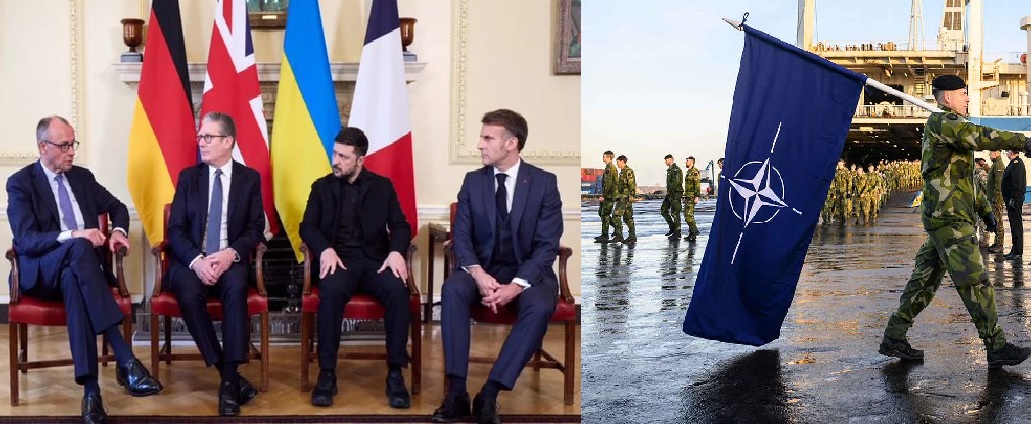
World
DAVOS / KYIV : Ukrainian President Volodymyr Zelensky has renewed a sweeping call for Europe to build its own independent military force—warning that the continent faces a strategic reckoning as attention drifts away from Ukraine and toward an emerging Arctic crisis. Speaking as the annual World Economic Forum opened in Davos, Zelensky proposed the creation of a unified European armed force numbering up to three million soldiers, capable of deterring Russia without relying exclusively on the United States. His remarks laid bare Kyiv’s growing fear that political priorities in Western capitals are shifting at a moment when Ukraine remains locked in a grinding war. A Proposal Stalled for a Year Zelensky revealed that the idea of a Europe-wide army was first raised nearly a year ago, but he said it has gone nowhere since. “A year has passed. Let me be honest, not a single step has been taken toward this idea,” he told delegates. “Perhaps now, given all these challenges, European leaders will give it some thought.” According to Ukrainian officials, the proposal envisions a standing, professional force drawn from EU states and partners, operating alongside—rather than within—the North Atlantic Treaty Organization command structure. Zelensky stressed that the concept is not meant to undermine NATO or compete with Washington, but to ensure Europe has “its own separate, strong army” able to act decisively if U.S. political support falters. Behind the rhetoric lies a blunt calculation: Europe’s combined population and economic output far exceed Russia’s, yet its military power remains fragmented, slow to mobilize, and heavily dependent on U.S. leadership. Ukraine Slips Down the Davos Agenda The renewed appeal comes as Ukrainian officials privately acknowledge a chill in Davos. Diplomats attending the forum say that Ukraine—long the central geopolitical topic—has been pushed aside, replaced by intense debate over Greenland and Arctic security. Multiple European officials, speaking on background, described a rapid reordering of priorities as concerns mounted over U.S. policy toward the strategically vital Arctic island. Discussions that once focused on ammunition production, air defenses, and long-term support for Kyiv have reportedly been replaced by talks on trade leverage, tariffs, and deterrence in the High North. For Kyiv, the shift has been jarring. One Ukrainian delegate described the mood as “polite concern, but no urgency,” a stark contrast to the emergency tone that dominated previous forums. Denmark and the F-16 Question Adding to Ukraine’s anxiety are unconfirmed but persistent reports from Copenhagen that Denmark is reassessing the deployment of F-16 fighter jets it had pledged to Ukraine. According to defense sources cited by European media, Danish authorities are examining whether some aircraft could be redeployed to strengthen defenses around Greenland amid rising Arctic tensions. If carried out, such a move would mark a significant—and symbolic—shift. It would be the first time a NATO member redirected key military assets away from Ukraine to address a perceived threat elsewhere, even one involving the United States rather than Russia. Danish officials have not publicly confirmed a withdrawal, emphasizing instead that any decisions would balance national defense obligations with continued support for Ukraine. Still, the mere prospect has unsettled Kyiv, which views Western-supplied aircraft as critical to countering Russia’s air and missile campaign. The Arctic Factor and Washington The Greenland focus has been fueled by renewed rhetoric from U.S. President Donald Trump, whose past interest in acquiring Greenland has resurfaced amid broader debates over Arctic resources, shipping lanes, and military basing. European diplomats say the combination of trade pressure and security signaling from Washington has forced EU capitals to consider contingencies once thought unthinkable. For Ukraine, the implication is stark: Europe may soon be preparing for multiple strategic challenges at once, with finite resources and political attention stretched thin. A Warning from Kyiv Zelensky’s message in Davos was ultimately a warning as much as a proposal. Without a stronger, more autonomous European military posture, he argued, the continent risks being caught unprepared—not only for continued Russian aggression, but for a world in which U.S. priorities are less predictable. “The war did not disappear,” a senior Ukrainian official said after the speech. “It is still here, every day. But the fear is that Europe is already thinking about the next crisis before this one is finished.” As Davos continues, the contrast between Ukraine’s urgency and Europe’s divided focus underscores a sobering reality: for the first time since Russia’s invasion, Kyiv is no longer certain it remains at the center of the West’s strategic imagination.
Read More → Posted on 2026-01-20 15:04:59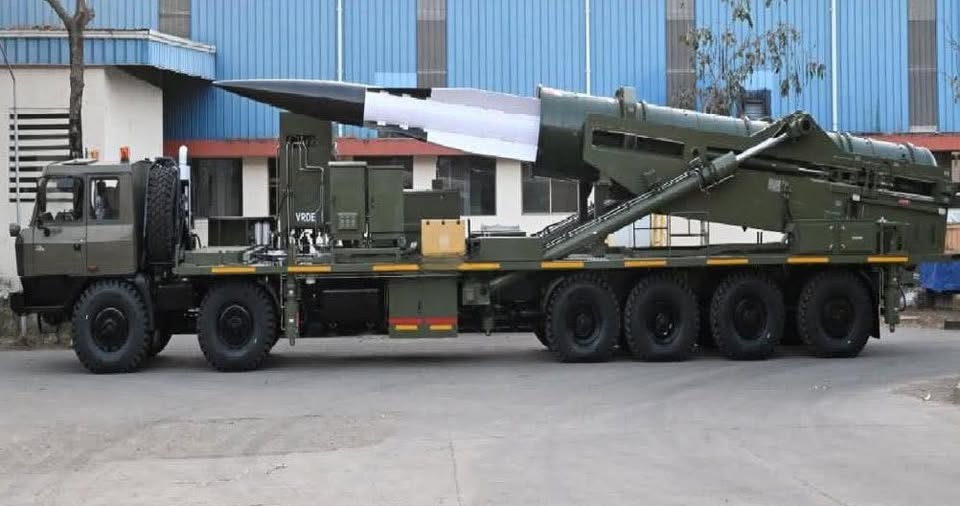
India
New Delhi : India will publicly unveil its Long-Range Anti-Ship Hypersonic Glide Missile, an advanced indigenous weapon system developed by the Defence Research and Development Organisation (DRDO), during the 77th Republic Day Parade on January 26. The appearance of the missile at the national event marks a significant milestone in India’s pursuit of next-generation strike capabilities and highlights a growing emphasis on maritime dominance in the Indian Ocean region. The missile, developed by DRDO for operational use by the Indian Navy, is designed to engage high-value enemy warships at extreme ranges while evading modern air-defence systems. Officials familiar with the programme describe it as one of India’s most strategically consequential missile developments to date. Hypersonic Capability and Naval Focus According to DRDO officials, the weapon belongs to a new class of boost-glide hypersonic missiles. After launch, the missile ascends to high altitude before releasing a hypersonic glide vehicle, which travels through the upper atmosphere at speeds exceeding Mach 5, performing complex manoeuvres during flight. This flight profile significantly reduces detection time and complicates interception by shipborne radars and missile defence systems. A. Prasad Goud, Project Director at DRDO’s Advanced Systems Laboratory, has said the missile’s primary advantage lies in its hypersonic speed combined with high aerodynamic efficiency. He noted that the system has an estimated range of about 1,500 kilometres and is capable of carrying different payload configurations, enabling it to neutralise heavily defended naval targets deployed far out at sea. Strengthening Maritime Deterrence Defence analysts say the missile is intended to substantially enhance India’s anti-access and sea-denial capabilities. With its long reach and high survivability, the system would allow India to hold hostile surface combatants, including aircraft carrier groups, at risk well beyond the range of conventional anti-ship missiles. The development comes amid increasing strategic competition in the Indo-Pacific, where advanced naval platforms and layered air-defence systems are becoming central to power projection. Hypersonic anti-ship weapons are widely viewed as a game-changer in naval warfare, capable of compressing decision-making timelines and overwhelming existing defences. Development Timeline and Testing India’s work on hypersonic technologies has accelerated over the past decade, with DRDO simultaneously pursuing both hypersonic glide missile and hypersonic cruise missile programmes. The long-range anti-ship variant has reportedly undergone multiple developmental trials, including successful flight tests conducted from India’s eastern test ranges. These tests validated key technologies such as thermal protection systems, guidance and navigation under extreme heat, and terminal manoeuvring against simulated maritime targets. Officials indicate that the programme is now moving through advanced development and user-evaluation phases, though timelines for full operational induction have not been publicly disclosed. Republic Day Debut and Strategic Messaging The missile’s display at the Republic Day Parade is expected to draw considerable attention from both domestic and international observers. Republic Day showcases traditionally feature systems that reflect a country’s current and emerging military capabilities, and the inclusion of a hypersonic anti-ship weapon underscores India’s intent to position itself among a small group of nations developing such technologies. While the parade appearance does not signal immediate deployment, defence officials view it as a statement of technological maturity and strategic intent. As India continues to invest in indigenous weapons development, the hypersonic glide missile programme is expected to play a central role in shaping the future of the country’s naval deterrence and long-range strike doctrine.
Read More → Posted on 2026-01-20 14:34:02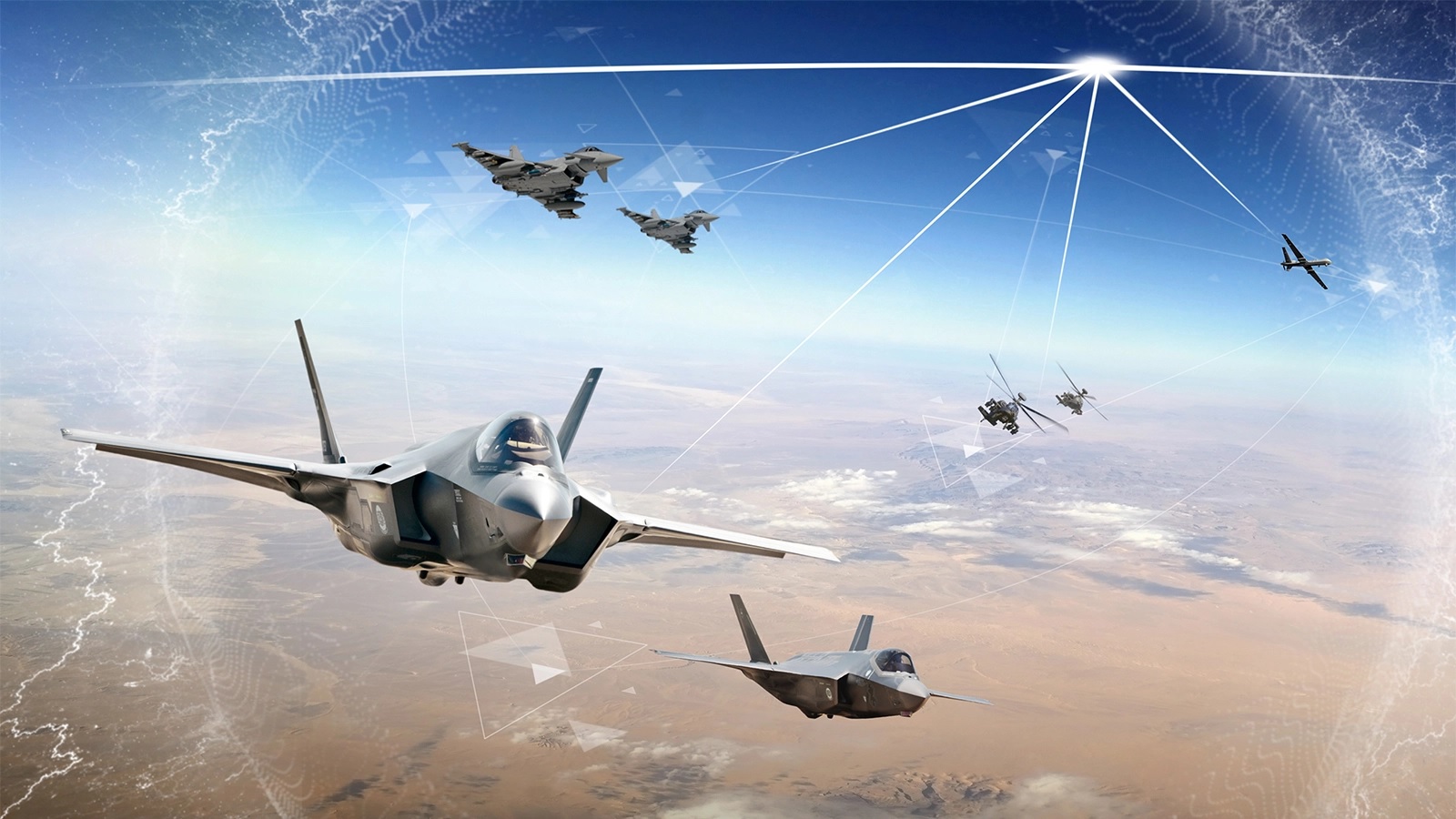
World
WASHINGTON / LONDON : Global defense contractor BAE Systems has unveiled expanded details of its next-generation Digital GPS Anti-Jam Receiver (DIGAR), positioning the system as one of the most advanced airborne GPS protection solutions available amid intensifying electronic warfare threats worldwide. As modern battlefields become increasingly contested in the electromagnetic spectrum, military aircraft, helicopters, and unmanned aerial vehicles (UAVs) are facing deliberate GPS jamming designed to degrade navigation, targeting, and command-and-control functions. BAE Systems says DIGAR has been specifically engineered to counter these threats, offering mission-critical resilience in some of the most hostile GPS environments encountered by Western and allied forces. Rising GPS Jamming Threats Drive New Capability Defense analysts note that state and non-state adversaries are investing heavily in GPS denial techniques, using high-power jammers and sophisticated spoofing systems to disrupt precision-guided weapons and airborne operations. According to BAE Systems, DIGAR builds directly on field-proven anti-jam technologies already used in modern weapons systems, adapting them for broader airborne platform protection. Unlike legacy solutions that rely on limited nulling capability, DIGAR employs advanced digital beamforming and state-of-the-art signal processing to dynamically steer reception away from jamming sources, preserving reliable satellite navigation under extreme interference. Advanced Digital Beamforming Architecture At the core of DIGAR’s performance is its ability to generate up to 16 simultaneous, independently steered beams, providing what BAE Systems describes as superior jamming immunity in high-density electronic attack environments. In beam-steering mode, the system is rated for performance exceeding 125 dB J/S, though the company notes that actual operational capability remains classified. DIGAR supports both L1 and L2 GPS frequencies simultaneously and is compatible with two- to seven-element Controlled Reception Pattern Antennas (CRPA), enabling flexible integration across a wide range of airframes. The system also supports advanced beamforming techniques, including Space-Time Adaptive Processing (STAP) and Space-Frequency Adaptive Processing (SFAP), enhancing resistance against complex, multi-source jamming. Full Compatibility with Military GPS Signals Reflecting evolving U.S. and allied requirements, DIGAR is designed to operate with encrypted military GPS signals, including Y-Code and the modernized M-Code. This ensures compatibility with current and future secure navigation architectures, particularly for aircraft expected to operate deep inside contested airspace. BAE Systems emphasizes that the system’s heritage in weapons-grade GPS protection gives DIGAR a decisive edge over commercially derived solutions, especially in scenarios involving high-power, wideband jammers. Two Form Factors for Broad Fleet Integration To address both legacy aircraft upgrades and next-generation platform designs, DIGAR is offered in two distinct form factors. The larger DIGAR-200, with a volume of approximately 218 cubic inches, is optimized for retrofit installations on existing fleets. The more compact DIGAR-300, measuring roughly 75 cubic inches, is intended for forward-fit integration where space, weight, and power constraints are critical. The system is compatible with AE-1, GAS-1, and ADAP architectures, allowing operators to enhance GPS resilience without extensive avionics redesign. Strategic Importance for Airborne Operations Military planners increasingly view assured navigation as a foundational requirement for airpower, particularly as electronic warfare becomes a central feature of future conflicts. By extending high-end anti-jam capability beyond weapons and into aircraft navigation systems, DIGAR aims to ensure continued mission effectiveness even when GPS is actively contested. BAE Systems officials say the system is designed to evolve alongside emerging threats, providing airborne platforms with a scalable and resilient defense against GPS denial tactics that are now commonplace in modern warfare. As conflicts increasingly extend into the electromagnetic domain, technologies like DIGAR underscore how navigation assurance is becoming as critical as stealth, speed, and firepower in shaping the outcome of future air operations.
Read More → Posted on 2026-01-20 14:25:00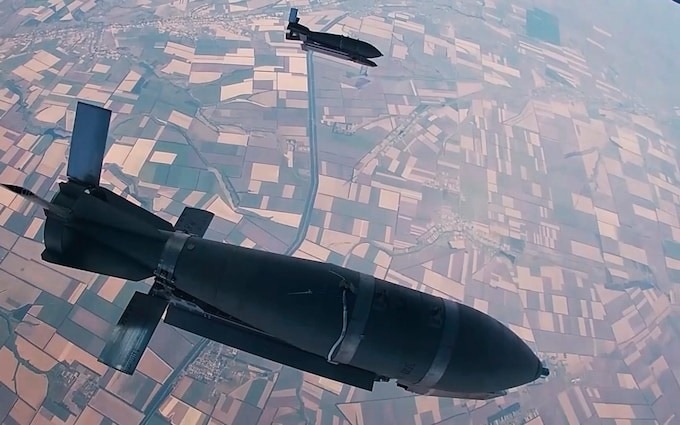
India’s Solar Group Attracts Overseas Inquiries for NATO- and Russian-Jet-Compatible 125 kg Air Bomb
India
NAGPUR / NEW DELHI : India’s private defence industry has crossed a significant technological and commercial threshold as Solar Group, through its subsidiary Economic Explosives Ltd, confirmed receiving multiple international inquiries for its newly developed Universal 125-kilogram General Purpose (GP) air bomb—one of the rare aerial munitions globally designed to operate seamlessly across both NATO-standard and Russian-origin combat aircraft. Industry officials familiar with the programme say the interest reflects a growing demand among air forces operating mixed fighter fleets for weapons that eliminate long-standing logistical and operational constraints. The bomb, developed at Solar Group’s Nagpur facilities, is emerging as a potential export breakthrough for India at a time when New Delhi is aggressively expanding its footprint in the global defence market. Breaking a Decades-old Operational Barrier For decades, air forces fielding aircraft from different geopolitical blocs have been forced to maintain parallel stocks of munitions. Western fighters typically use NATO-standard 14-inch or 30-inch suspension lugs, while Russian aircraft rely on distinct beam rack and lug configurations. This incompatibility has required separate supply chains, specialised storage, and aircraft-specific integration—an expensive and risky limitation during high-tempo operations. Solar Group’s Universal 125 kg air bomb addresses this challenge through a proprietary dual-compatibility suspension and adapter architecture. According to defence engineers involved in the project, the design allows the weapon to be mounted on both Western and Eastern pylons without permanent aircraft modification or complex field-level changes. The result is a single munition that can be deployed across an entire mixed fleet, significantly simplifying logistics while improving wartime flexibility. From Indian Air Force Requirement to Export Interest The bomb was initially conceived to meet an urgent requirement from the Indian Air Force for approximately 2,000 lightweight tactical bombs to replenish operational stocks. During trials, the weapon reportedly exceeded baseline expectations. Sources indicate that the munition has successfully completed carriage and release trials on the Su-30MKI, with certification processes underway for the Rafale operated by India. Compatibility assessments also cover the MiG-29, Mirage 2000, and the indigenous Tejas LCA. Defence analysts say the weapon’s certification across such a diverse set of platforms is what has triggered international attention. Countries in Southeast Asia, Africa, and the Middle East—many of which operate combinations of Russian Sukhois alongside American or European fighters—are reportedly evaluating the bomb as a cost-effective, politically non-aligned alternative to traditional suppliers. Strategic and Commercial Momentum The Universal bomb’s debut follows closely on the heels of a ₹1,400-crore export order secured by Solar Industries in late 2025 for specialised defence products, underscoring the group’s rapid transition from an industrial explosives supplier to a full-spectrum defence manufacturer. While state-run entities historically dominated India’s aerial munitions sector, private firms are now emerging as credible competitors with export-ready systems. Defence procurement experts note that the weapon’s appeal extends beyond engineering. By offering a munition that is not tied to a single geopolitical ecosystem, Solar Group positions itself as a supplier of choice for air forces seeking strategic autonomy. “A bomb that can fly on both Russian and Western aircraft is more than a technical solution—it’s a diplomatic enabler,” said a New Delhi-based defence acquisition consultant. “It allows India to engage markets that traditional suppliers often cannot.” Tactical Role and Design Philosophy Weighing 125 kilograms, the bomb falls into the lightweight tactical class, optimised for close air support, anti-personnel missions, and the destruction of soft-skinned vehicles and field fortifications. The high-explosive fragmentation warhead is designed to maximise lethality while remaining suitable for precision employment from modern fighter platforms. Engineers involved in the programme emphasise that the bomb’s modular architecture allows for future upgrades, including potential guidance kits, aligning it with global trends toward low-cost precision strike solutions. A Marker of India’s Defence Export Ambitions As India pushes toward a defence export target of ₹35,000 crore by 2026 under the Make in India initiative, programmes such as the Universal 125 kg air bomb are increasingly viewed as proof that indigenous private industry can deliver globally competitive, interoperable systems. With international inquiries now translating into formal evaluations, Solar Group’s latest weapon may soon become one of the most visible symbols of India’s evolving role—not just as a defence consumer, but as a versatile and innovative supplier on the world stage.
Read More → Posted on 2026-01-20 14:19:21
World
DAVOS / PARIS / LONDON : A growing bloc of major European powers is preparing to reject a controversial U.S.-backed proposal to establish a new international Peace Council ( Board of Peace ), deepening transatlantic divisions over the future management of global conflict resolution and the post-war governance of Gaza. According to Bloomberg, the United Kingdom, Germany, the Netherlands and Sweden are set to follow France in declining an invitation to join the body, which is being promoted by U.S. President Donald Trump and is expected to be formally unveiled on the sidelines of the World Economic Forum in Davos. A Push for Rapid Endorsement in Davos People familiar with the discussions told Bloomberg that Washington is seeking signatures on the Peace Council’s founding charter and governing committee as early as Thursday in Davos. Around 60 countries have reportedly been invited to participate, including Russia, a detail that has raised concerns among several Western capitals. The proposed council would operate outside existing United Nations mechanisms and, according to preliminary outlines circulated among diplomats, could take on a mandate extending beyond Gaza to broader international security and mediation roles. France Leads the Opposition France was the first country to formally reject the initiative. President Emmanuel Macron has expressed deep reservations, arguing that the Peace Council risks undermining established multilateral institutions, particularly the United Nations. A person close to Macron told Bloomberg that Paris believes the council’s activities would not be limited to Gaza, but could evolve into a parallel diplomatic structure that would weaken the UN’s authority and allow Washington to exert disproportionate influence over French foreign policy decisions. Northern European Resistance Builds Diplomats from the UK, Germany, the Netherlands and Sweden have privately echoed France’s concerns, citing fears of mandate creep, unclear legal authority and the inclusion of countries viewed as adversarial or controversial within a Western-led security framework. Officials from these governments have also questioned the speed with which the charter is being pushed, warning that the Davos timeline leaves little room for parliamentary scrutiny or alliance coordination. Israeli Objections Over Gaza Role The proposal has also drawn opposition from Israel. Prime Minister Benjamin Netanyahu said the Gaza-related committee envisioned under the Peace Council was “not agreed with Israel and contradicts its policy.” Israeli officials are particularly uneasy about the inclusion of representatives from Qatar and Turkey, both of which have played prominent diplomatic roles in Gaza-related negotiations but are viewed in Jerusalem as politically misaligned with Israeli security priorities. Italy Signals Willingness to Engage Not all European leaders are turning away. Italian Prime Minister Giorgia Meloni has positioned herself as a potential bridge between Washington and skeptical European capitals. Meloni has indicated that Italy is “ready to do its part,” framing Rome’s stance as an effort to preserve dialogue and shape the initiative from within rather than reject it outright. A Test for Global Governance The unfolding debate highlights widening disagreements over how future conflicts—particularly Gaza—should be managed, and whether new ad hoc institutions should supplement or bypass existing international frameworks. As leaders gather in Davos, the fate of the Peace Council is shaping up to be a key diplomatic test for Trump’s renewed push to reshape global governance—and for Europe’s willingness to follow Washington down an uncharted institutional path.
Read More → Posted on 2026-01-20 14:02:40
World
WASHINGTON / TAMPA : The United States military has confirmed the operational deployment of a new mobile counter-drone weapon in the Middle East, marking a significant step in Washington’s efforts to protect forward-deployed forces from the region’s expanding unmanned aerial threat. In a statement released on January 19, U.S. Central Command said American forces are now actively operating the Electronic Advanced Ground Launcher System (EAGLS), following the completion of testing and evaluation phases. The system has transitioned from experimental trials into live operational service, reflecting the urgency of countering persistent drone attacks on U.S. installations. Rising Drone Threat Drives Rapid Fielding CENTCOM officials said EAGLS is designed to counter small, slow-moving unmanned aircraft with precision while keeping engagement costs low. The system’s deployment comes as U.S. bases, logistics hubs and convoys across the Middle East face an increasing number of attacks by armed and reconnaissance drones, often launched by non-state groups using inexpensive platforms. Military planners have repeatedly warned that traditional air-defense interceptors are ill-suited to counter large volumes of low-cost drones, creating a need for systems that are both effective and economical. EAGLS is intended to fill that gap within the broader layered air-defense architecture protecting U.S. forces. System Design and Capabilities EAGLS is a ground-based launcher built around 70-millimeter laser-guided rockets, most notably the Advanced Precision Kill Weapon System (APKWS II). The munition, widely used on helicopters and fixed-wing aircraft, has been adapted for ground launch to defeat aerial targets such as one-way attack drones and small UAVs. The launcher uses a compact quad-rail configuration and can be vehicle-mounted or positioned at fixed sites, allowing rapid deployment at forward bases or along supply routes. CENTCOM described the system as adaptable and precise, capable of integrating with existing sensors and command-and-control networks already in use across the region. Validation During Regional Exercises The operational rollout follows successful trials during the Sky Shield integrated air and missile defense exercise held in early December in Kuwait. The multinational exercise focused on improving coordination against ballistic missiles, cruise missiles and unmanned aerial threats. According to U.S. officials, EAGLS demonstrated its ability to engage drone targets during live-fire scenarios and operate alongside other air-defense and counter-UAS systems, helping validate its readiness for real-world missions. Accelerated Development and Procurement EAGLS was developed by MSI Defense Solutions and fast-tracked into service under urgent operational requirements. U.S. Navy procurement data shows that an initial contract worth approximately $24 million was awarded in April 2024, covering five systems along with training, spare parts and logistical support. Defense officials say the program reflects a broader shift toward rapidly fielded, modular air-defense solutions as drone warfare reshapes modern conflict and places new demands on force protection. Role in Layered Base Defense CENTCOM has not disclosed the exact locations or number of EAGLS systems currently deployed, citing operational security. However, the command emphasized that the system is already contributing to layered defense efforts by complementing electronic warfare tools, radar sensors and higher-end missile interceptors. As drone technology continues to proliferate across the Middle East, U.S. military officials view EAGLS as a critical addition to the force-protection toolkit—one designed to counter emerging threats with speed, precision and affordability in an increasingly contested battlespace.
Read More → Posted on 2026-01-20 13:44:28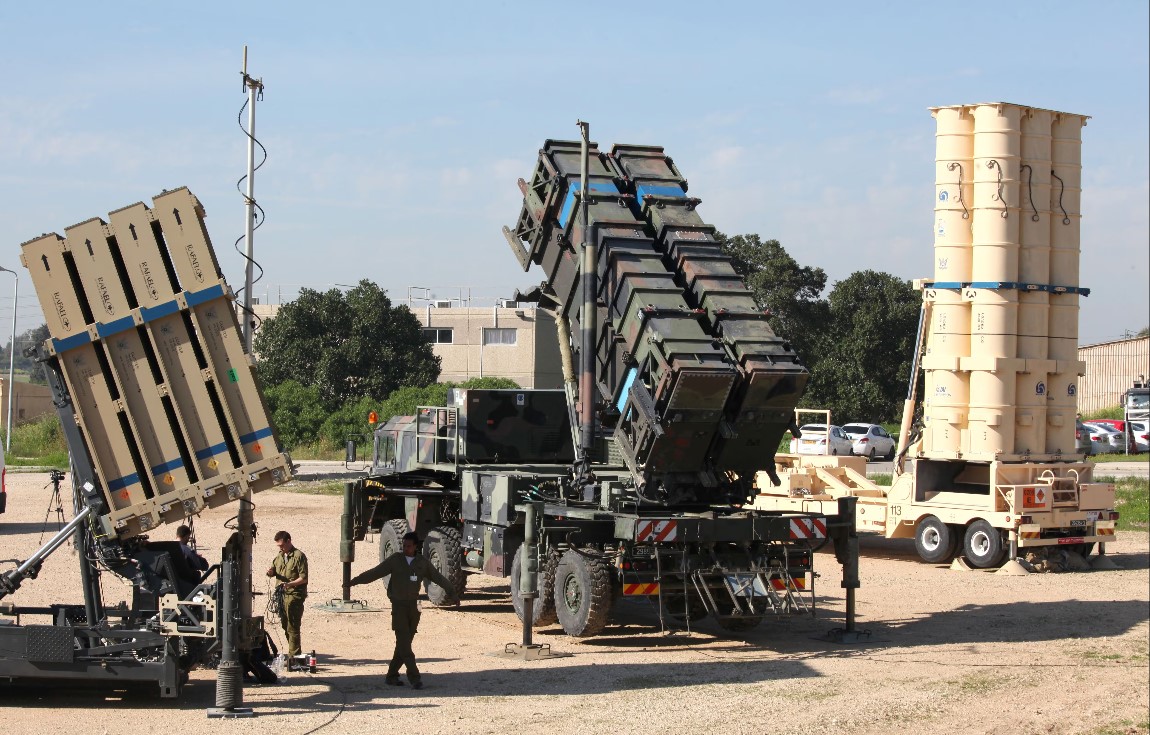
World
JERUSALEM / WASHINGTON : Israeli officials have told United States counterparts that Israel believes it could withstand a worst-case retaliatory strike of roughly 700 Iranian ballistic missiles if such an attack followed actions that resulted in the collapse of Iran’s leadership, according to sources familiar with the discussions. While acknowledging that the damage and economic cost would be severe, Israeli officials reportedly described the scenario as “costly but acceptable” in pursuit of long-term strategic objectives. The assessment is said to be grounded in Israel’s experience during the June 2025 Israel–Iran fighting, when Israel’s multilayered air-defence network intercepted a large proportion of incoming threats. Israeli authorities and several independent assessments at the time cited interception rates in the 80–90% range for ballistic missiles, reinforcing confidence in the country’s defensive architecture. Origins Of The 700-Missile Estimate The figure of approximately 700 missiles has circulated in recent months in a combination of media reporting, defence think-tank analyses and open-source commentary linked to intelligence briefings Israel shared with the United States and other allies. According to those assessments, Israeli planners have worked with a range of Iranian strike scenarios involving several hundred to nearly 1,000 ballistic missiles launched in a coordinated salvo. Officials familiar with the exchanges say the mid-range estimate of around 700 missiles emerged as a commonly referenced planning assumption in bilateral and allied consultations. In those discussions, Israeli and U.S. officials reportedly examined whether absorbing such a strike — even with significant losses and disruption — would fundamentally prevent Israel from achieving its military or political aims. A Layered Missile-Defence Shield Israel’s confidence rests on a tiered missile-defence system designed to counter different threats at varying altitudes and ranges. At the top tier is the Arrow missile defense system, including Arrow-2 and Arrow-3 interceptors, built to destroy long-range ballistic missiles, including exo-atmospheric threats. The system is jointly developed by Israel Aerospace Industries and the U.S. Missile Defense Agency. The mid-layer, David’s Sling, is intended to counter medium- to long-range rockets and cruise missiles that fall outside the Iron Dome’s envelope. At the lower tier, Iron Dome protects population centers from short-range rockets and artillery. It has become the most visible component of Israel’s defences due to its frequent use in conflicts with Gaza-based groups and Hezbollah. During the June 2025 exchanges with Iran, Israeli officials said these systems worked in concert, supported by early-warning sensors and U.S. intelligence cooperation, to blunt the majority of incoming fire. Analysts caution, however, that interception success varies depending on missile type, salvo density, use of decoys and the geographic distribution of targets. High Confidence, High Cost Defence officials and analysts stress that “withstanding” a 700-missile barrage would not be without profound consequences. Interceptor availability remains a critical constraint. While Iron Dome’s Tamir interceptors are relatively inexpensive, interceptors for David’s Sling and Arrow are far costlier, and sustained barrages risk depleting stockpiles faster than they can be replenished. Since late 2024, Israel has accelerated interceptor production and procurement, anticipating prolonged high demand. Even with high interception rates, infrastructure damage and economic disruption would be unavoidable. Missiles that evade defences, as well as debris and near-miss blast effects, could strike power grids, transport hubs and industrial facilities. Analysts note that the 2025 fighting, despite strong defensive performance, still produced localized but significant damage. Israeli planners also emphasize the importance of U.S. cooperation, including shared early-warning data, sensor integration and, potentially, regional missile-defence assets. Offensive operations aimed at degrading launch capabilities before missiles are fired are seen as a key complement to defensive measures. Experts Urge Caution Independent analysts warn against treating the 700-missile figure as a firm guarantee of survivability. Estimates of Iran’s missile inventory and launch capacity vary widely, and a campaign combining ballistic missiles, cruise missiles, drones and loitering munitions could strain even advanced defences. Sustained exchanges, experts add, would erode interceptor stocks, complicate command-and-control and magnify humanitarian and political pressures — particularly if a collapse of Iran’s regime led to internal chaos or uncontrolled escalation involving regional proxies. Strategic And Diplomatic Stakes The notion that Israel could “accept” the consequences of a massive missile retaliation in exchange for the fall of Iran’s leadership carries significant diplomatic weight. United States officials, according to public reporting, continue to balance military feasibility assessments against concerns that such a scenario could destabilize the wider Middle East and draw in multiple state and non-state actors. While Washington remains closely engaged with Israel on contingency planning and air-defence cooperation, U.S. officials are also reported to be wary of actions that could trigger a broader regional war with unpredictable outcomes.
Read More → Posted on 2026-01-20 13:39:07
World
WASHINGTON / PARIS : Transatlantic relations slid into open confrontation this week after U.S. President Donald Trump threatened to impose a sweeping 200 percent tariff on French wine and champagne, directly linking the punitive measure to France’s refusal to join his newly unveiled international body, the so-called “Board of Peace.” The threat, delivered during a volatile White House press briefing on Monday, marked one of the sharpest escalations in U.S.–European tensions since Trump returned to office, intertwining trade coercion, personal diplomacy, and an ambitious — and controversial — attempt to reshape the global security order. A Diplomatic Ultimatum to Paris The standoff centers on French President Emmanuel Macron, who has formally declined Washington’s invitation to participate in the Board of Peace, an initiative Trump is promoting as an alternative mechanism for resolving global conflicts. Trump reacted with unusually blunt rhetoric, dismissing Macron’s decision and questioning his political relevance ahead of France’s 2027 presidential transition. He warned that refusal would carry economic consequences, explicitly threatening to raise tariffs on French wine and champagne to levels that would effectively shut them out of the U.S. market. “France can make its own choice,” Trump said, before adding that a 200 percent tariff would “change the conversation very quickly.” He later published what he described as a private text exchange with Macron on his Truth Social platform, further personalizing the dispute. In the message, Macron reportedly invited Trump to a dinner in Paris while expressing concern over Washington’s recent unilateral foreign-policy moves, including renewed U.S. interest in acquiring Greenland. French officials moved swiftly to condemn the tariff threat. A senior source close to the Élysée Palace described it as an “unacceptable and ineffective attempt” to pressure French sovereignty, warning that Paris would respond through European Union trade mechanisms if the measures were enacted. Putin Welcomed as France Steps Away While publicly chastising France, Trump simultaneously confirmed that Russian President Vladimir Putin has been formally invited to join the Board of Peace. The confirmation underscored growing European unease that the initiative could realign U.S. diplomacy away from long-standing Western alliances. “He’s been invited,” Trump said, declining to elaborate on whether Moscow had accepted. The prospective inclusion of Russia — alongside leaders such as Hungarian Prime Minister Viktor Orbán — has fueled concerns in Paris, Berlin, and Brussels that the body is designed around transactional politics rather than multilateral consensus. European diplomats privately warned that inviting Russia while pressuring a NATO ally risks legitimizing Moscow at a time when many Western governments remain committed to isolating the Kremlin diplomatically. What Is the “Board of Peace”? Formally announced on January 15, 2026, the Board of Peace is a U.S.-led intergovernmental organization chaired by President Trump himself. The initiative was first floated in late 2025 as part of a post-conflict framework for the governance and reconstruction of Gaza following the October 2025 ceasefire between Israel and Hamas. Since then, the concept has expanded dramatically. According to U.S. officials, the Board now aims to function as a permanent global forum for conflict resolution, crisis management, and post-war rehabilitation — a role traditionally associated with the United Nations and its Security Council. Leaked draft documents have intensified criticism. They describe a tiered membership system in which standard participation lasts three years, while countries seeking permanent status must make a financial contribution reportedly starting at $1 billion. The chairman — Trump — would retain veto authority over all decisions, granting the White House decisive control over outcomes. The Board’s executive committee is expected to include several prominent Trump allies, including Secretary of State Marco Rubio, senior advisor Jared Kushner, and former British prime minister Tony Blair, according to officials familiar with the planning. Economic Stakes for France The threatened tariffs carry profound economic implications. The United States is France’s largest export market for wine and spirits, with French producers recording more than $4 billion in U.S. sales last year. The sector is already absorbing the impact of a 15 percent tariff imposed in 2025 as part of earlier trade disputes. Industry analysts warn that a jump to 200 percent would be catastrophic, effectively pricing iconic products such as Champagne and Bordeaux out of American retail and restaurant markets. French winegrowers’ associations cautioned that thousands of jobs across rural regions could be at risk if the threat materializes. U.S. importers and distributors have also voiced concern, noting that such tariffs would disrupt supply chains, raise consumer prices, and invite retaliatory measures from the European Union. Davos Overshadowed by Washington–Paris Rift The confrontation comes as political and business leaders converge in Davos for the World Economic Forum, where the Board of Peace had been expected to hold its inaugural high-profile meetings. Instead, the gathering has been overshadowed by the deepening rift between Washington and Paris. As of Monday, January 19, 2026, French officials confirmed unequivocally that Macron does not intend to join Trump’s initiative, regardless of economic pressure. “France will not allow its foreign policy to be dictated by threats,” one official said. With tariff deadlines looming and diplomatic channels strained, the dispute now threatens to evolve from a war of words into a broader transatlantic crisis — one that could reshape trade, alliances, and the architecture of global governance in the months ahead.
Read More → Posted on 2026-01-20 13:18:48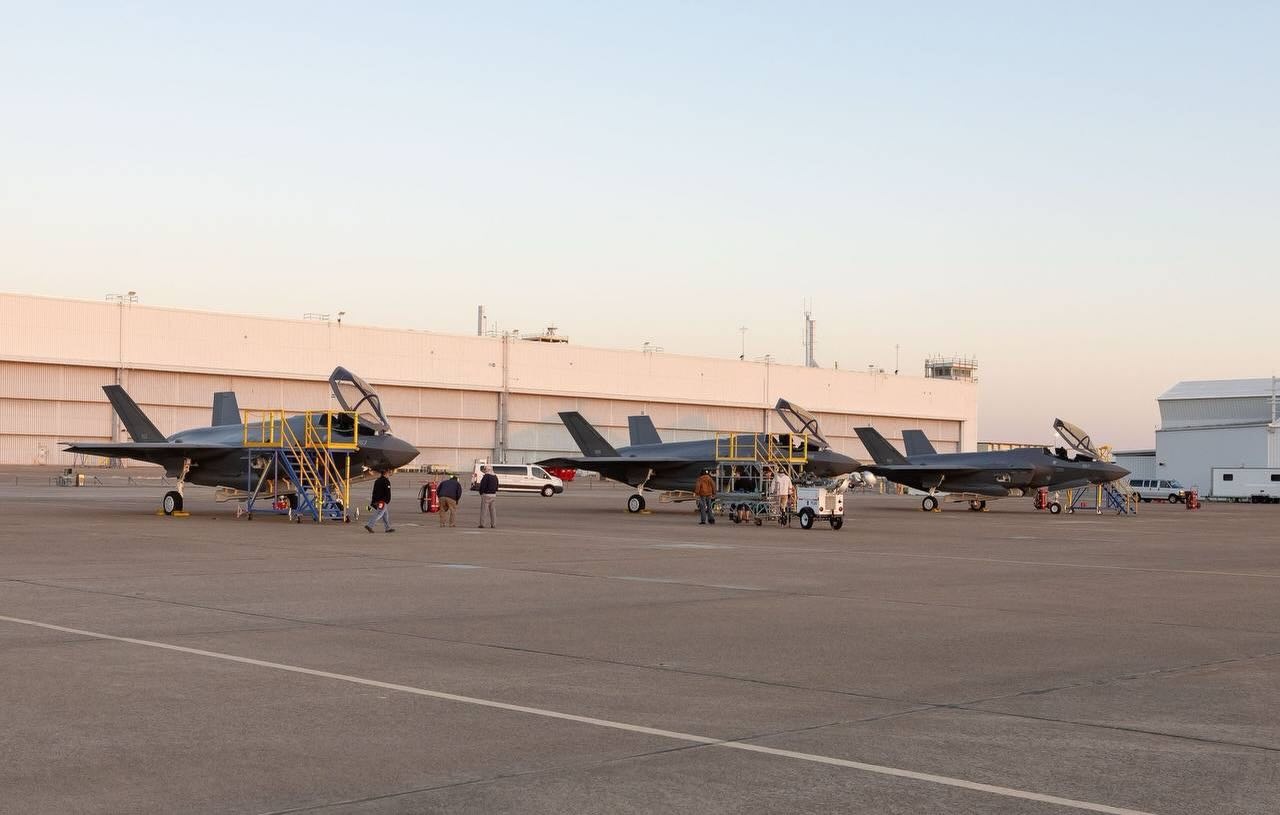
World
JERUSALEM / WASHINGTON : Israel has taken delivery of three additional fifth-generation F-35 stealth fighter jets from the United States, reinforcing the Israeli Air Force’s most advanced combat fleet at a time of heightened regional security challenges. The aircraft, variants of the F-35A Lightning II customized for Israeli requirements and designated F-35I “Adir,” landed at Nevatim Airbase in southern Israel, home to the country’s F-35 squadrons. With the latest arrivals, Israel’s operational Adir fleet has grown to 46 aircraft, according to Israeli defense officials. The delivery marks another step in Israel’s long-term plan to field one of the largest and most capable F-35 fleets outside the United States. A Cornerstone of Israeli Air Dominance Israel became the first country in the world to operate the F-35 in combat after declaring the Adir operational in 2017. Since then, the stealth fighter has become central to Israeli air doctrine, designed to penetrate advanced air-defense systems, gather intelligence, and conduct precision strikes deep inside contested airspace. Unlike standard export versions, the F-35I features extensive Israeli customization. The aircraft integrates indigenous electronic warfare systems, secure communications suites, and mission software developed by Israel’s defense industry, allowing the air force to rapidly adapt the jet to evolving regional threats. Israeli officials have repeatedly described the Adir as a “strategic game-changer,” citing its stealth profile, sensor fusion, and ability to operate alongside legacy fighter aircraft and unmanned systems. The Deal Behind the Jets Israel has ordered a total of 75 F-35I aircraft under a series of agreements with the United States, executed through the U.S. Foreign Military Sales (FMS) framework. The most recent major contract, approved in the mid-2020s, covers an additional 25 aircraft and is valued at approximately $3 billion. That agreement includes not only the aircraft themselves, but also engines, spare parts, pilot and ground-crew training, maintenance support, and the continued integration of Israeli-specific systems. As with previous F-35 purchases, the deal is largely financed through U.S. Foreign Military Financing (FMF), underscoring the depth of the U.S.–Israel defense partnership. The manufacturer, Lockheed Martin, produces the jets in the United States, with final deliveries coordinated through U.S. and Israeli defense authorities. Delivery Timeline and Future Growth Israel began receiving its first F-35s in 2016, with deliveries proceeding in small batches over several years. The latest three aircraft are part of that ongoing delivery flow. Under current planning, deliveries from the 25-aircraft expansion order are expected to begin toward the end of the decade, with aircraft arriving gradually over multiple years. Defense officials have indicated that deliveries will likely occur at a pace of several jets per year, allowing the Israeli Air Force to steadily build toward its goal of three fully equipped F-35 squadrons. Once all 75 aircraft are delivered, Israel will operate the largest F-35 fleet in the Middle East and one of the largest worldwide. Strategic Implications The expanding Adir fleet significantly enhances Israel’s ability to operate independently at long range, particularly against sophisticated air-defense networks. Analysts note that the aircraft’s stealth characteristics and intelligence-gathering capabilities are especially relevant given the spread of advanced radar and missile systems across the region. At the same time, Israel continues to invest in upgrading older fighter platforms and integrating the F-35 into a broader, networked force structure that includes intelligence assets, missile-defense systems, and cyber capabilities. For Israeli defense planners, the arrival of each new Adir represents not just an increase in aircraft numbers, but a deepening of a technological edge they view as essential to maintaining air superiority in an increasingly complex strategic environment. As further deliveries are scheduled in the years ahead, the F-35I “Adir” is set to remain the backbone of Israeli airpower well into the 2030s and beyond.
Read More → Posted on 2026-01-19 17:55:39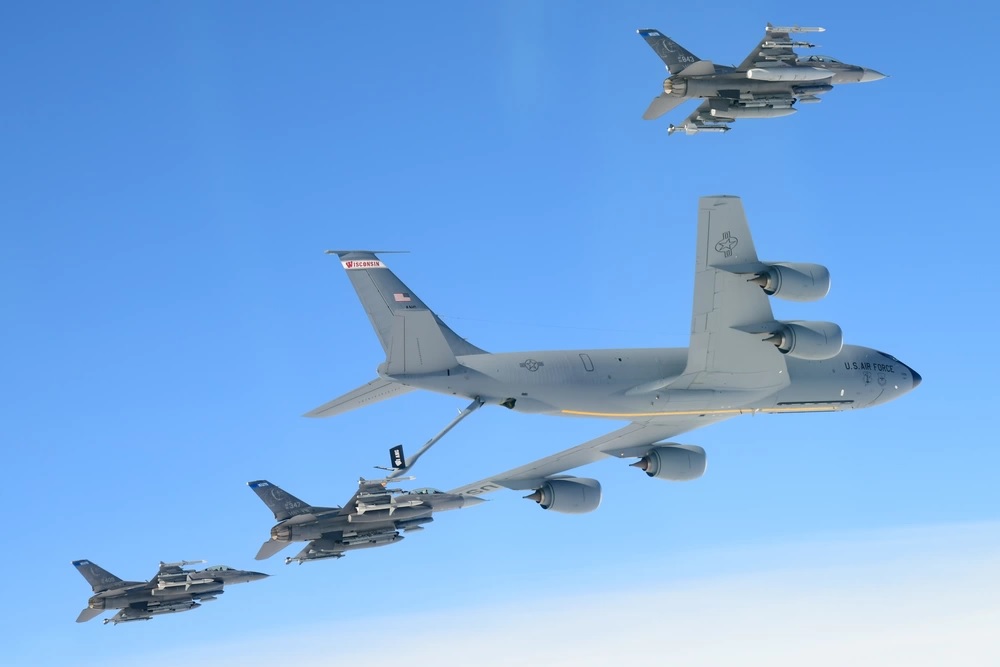
World
AMMAN / WASHINGTON : The United States has launched one of its most concentrated airpower deployments to the Middle East in years, rapidly moving strike fighters, aerial refueling aircraft, and heavy transport planes into the region as tensions with Iran continue to intensify. Over a span of roughly 48 hours, U.S. Air Force movements have revealed a surge designed not only to project combat power but also to establish the logistical depth required for sustained operations. Defense and aviation tracking data show a coordinated flow of fighters and airlifters converging on Jordan, signaling a shift toward a more forward-leaning military posture. Strike Fighters Move East At the center of the buildup is the deployment of a full squadron of F-15E Strike Eagles, the U.S. Air Force’s primary deep-strike fighter. Twelve aircraft from the 48th Fighter Wing, based in the United Kingdom, arrived in the Middle East under the long-range deployment mission CORONET East 028. The F-15E, designed for penetrating defended airspace and delivering heavy precision weapons, is widely regarded as a platform reserved for high-end contingencies. Analysts say its presence sends a pointed message, underscoring U.S. readiness to conduct offensive operations if deterrence fails. The transcontinental flight was enabled by an extensive aerial refueling effort. At least six KC-135 Stratotanker sorties launched from RAF Mildenhall to form an aerial refueling bridge across Europe and the Mediterranean. One of the Strike Eagles diverted to Crete, likely because of a technical issue, while the remaining aircraft completed the mission and landed in Jordan. Jordan Emerges as a Forward Hub The destination of the deployment, Muwaffaq Salti Air Base in Jordan, has increasingly become a cornerstone of U.S. regional strategy. Often described by defense officials as a “fortress” location, the base offers proximity to Syria and Iraq while remaining outside the immediate vulnerability of the Persian Gulf coastline. Positioning advanced fighters there allows the United States to threaten a broad range of targets, including Iranian-aligned militias operating across the Levant, while complicating adversary planning through dispersed basing. A Heavy Airlift Surge While the arrival of combat aircraft has drawn attention, an even larger logistical buildup has unfolded in parallel. At least a dozen C-17A Globemaster III strategic airlifters have moved into Jordan in the same timeframe, an unusually high volume that points to preparations beyond a short-term show of force. Flight paths indicate a global convergence. Multiple C-17s arrived directly from RAF Lakenheath and Ramstein Air Base, likely transporting personnel, maintenance equipment, and munitions. Others flew in from Diego Garcia in the Indian Ocean, a hub for pre-positioned heavy equipment and bomber support assets. Additional aircraft originated from Creech Air Force Base, the center of U.S. remotely piloted aircraft operations, hinting at an expansion of unmanned surveillance or strike activity. Such an airlift pattern is typically associated with the establishment of a sustained air campaign, rather than a symbolic deployment. Broader Regional Context The aviation surge comes amid heightened regional volatility. Iran has faced weeks of internal unrest, and U.S. officials have repeatedly warned that any attack on American forces or allies would trigger a decisive response. At the same time, U.S. naval power has been on the move, with the USS Abraham Lincoln Carrier Strike Group accelerating its transit toward the Middle East from the Indo-Pacific. Taken together, the movements in the air and at sea suggest a deliberate effort to reinforce deterrence while ensuring that, should diplomacy fail, the United States is positioned to act rapidly and at scale. “The choice of Jordan is strategic,” a regional security analyst said. “It places high-end U.S. airpower within immediate reach of Iranian proxy networks in Syria and Iraq, while reducing reliance on more exposed Gulf bases.” A Signal, Not Just a Warning Whether the buildup culminates in military action remains uncertain. What is clear is that the scale and speed of the deployment mark a notable escalation in U.S. posture. By pairing frontline strike aircraft with an expansive logistical backbone, Washington appears intent on demonstrating that its warnings are backed by the capability to sustain operations well beyond an initial strike. For now, the fighters and transports on Jordanian tarmacs stand as a visible reminder that the Middle East remains a central focus of U.S. military planning as tensions with Tehran continue to rise.
Read More → Posted on 2026-01-19 17:46:04Search
Top Trending in 24 Hours
-
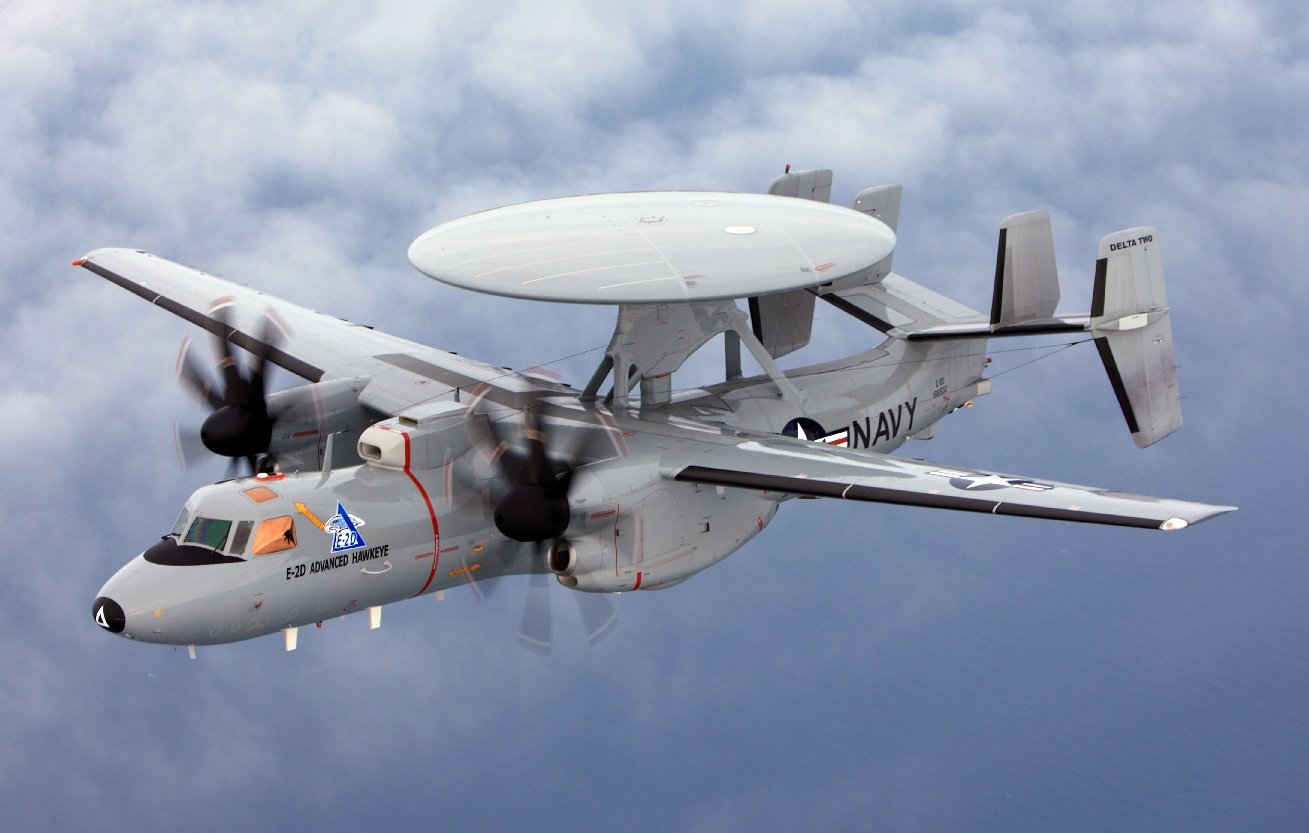 U.S. Navy Awards Northrop Grumman $1.2 Billion Deal for Three New E-2D Advanced Hawkeyes
-
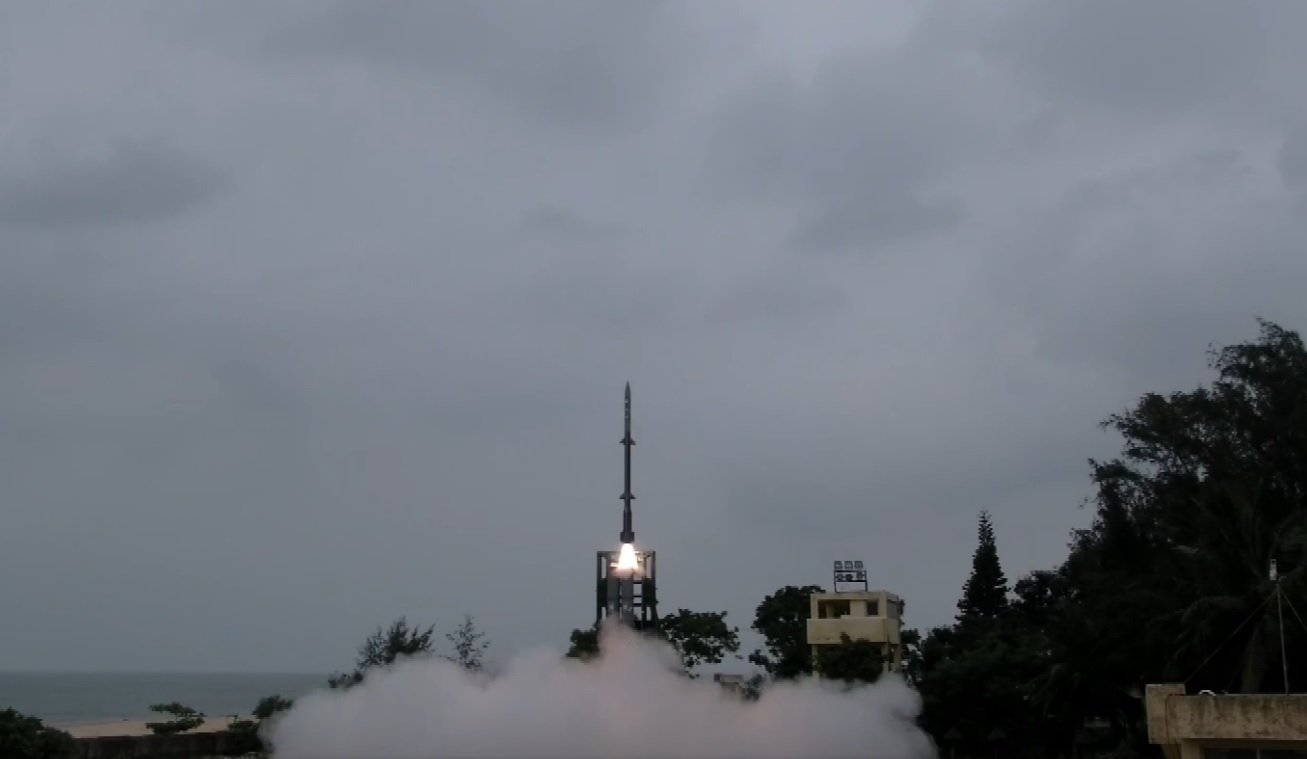 DRDO Successfully Conducts Maiden Flight Test of 150-km-Range Kusha M1 Air Defence Missile
-
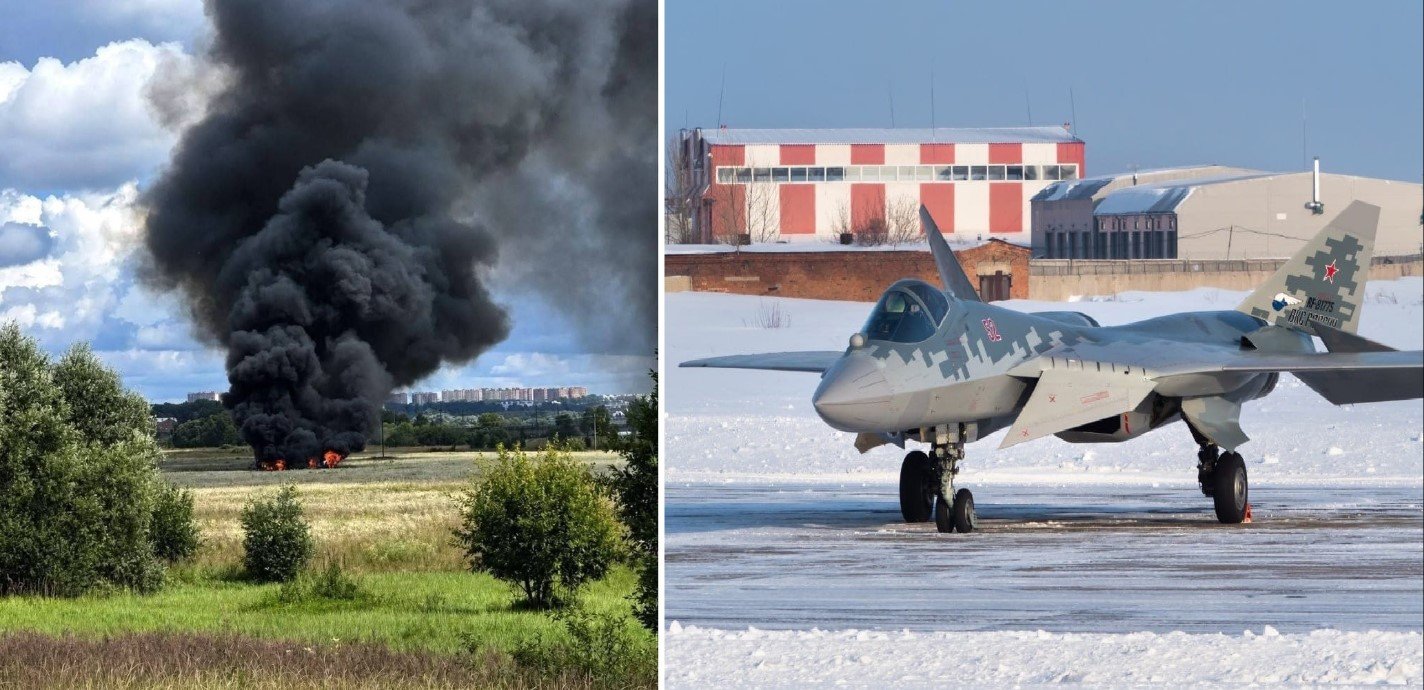 Russian Su-57 Stealth Fighter Crashes During Training Flight Near Moscow, Pilot Ejects Safely
-
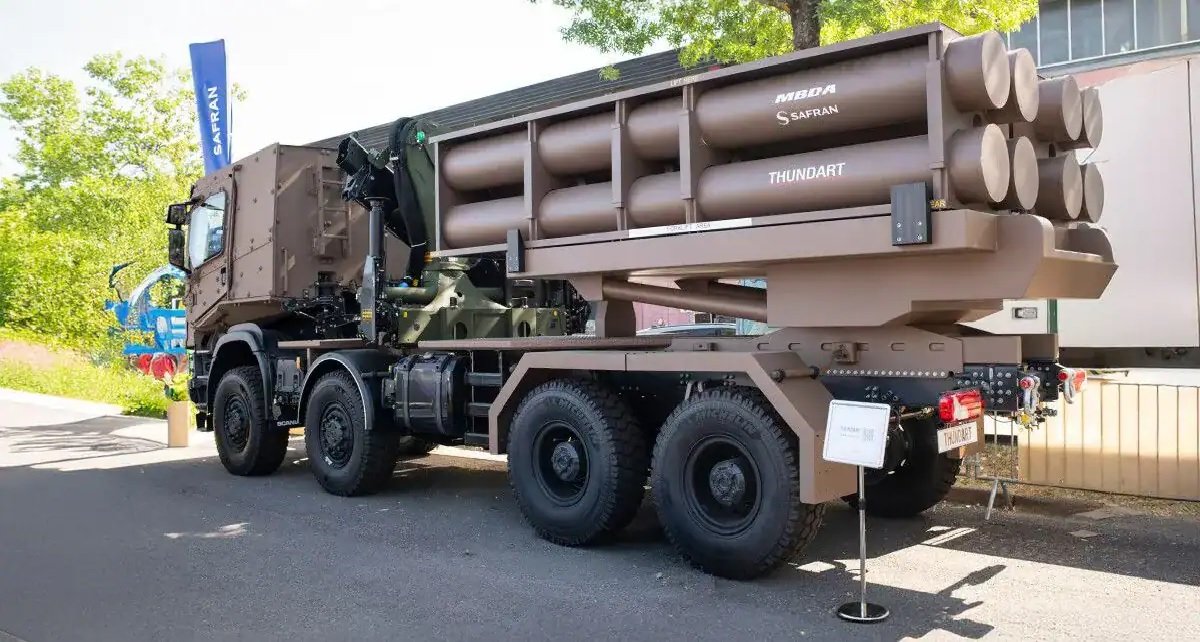 France's THUNDART Long-Range Rocket System May Undergo Prototype Combat Testing in Ukraine
-
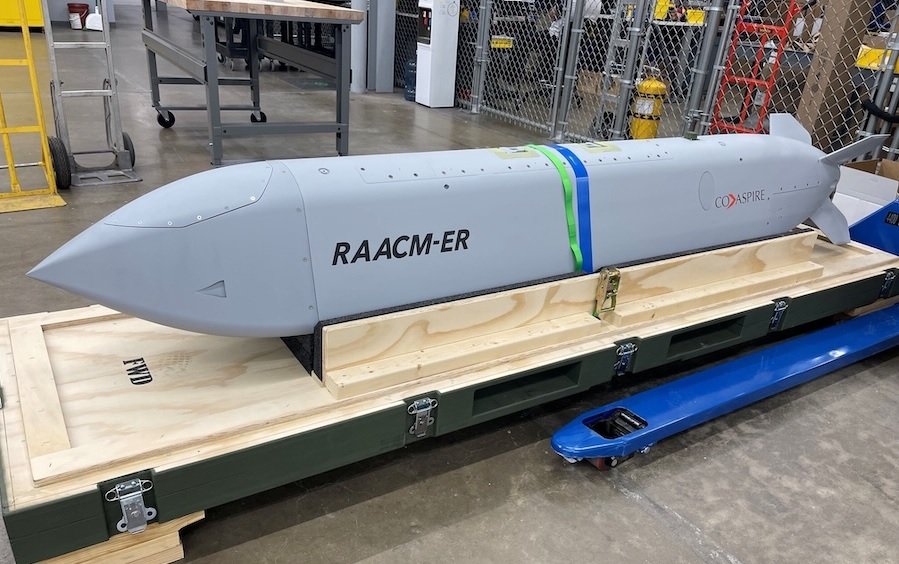 U.S. Navy Selects CoAspire to Build Ground-Launched CHAOS Cruise Missile Under $70 Million Program
-
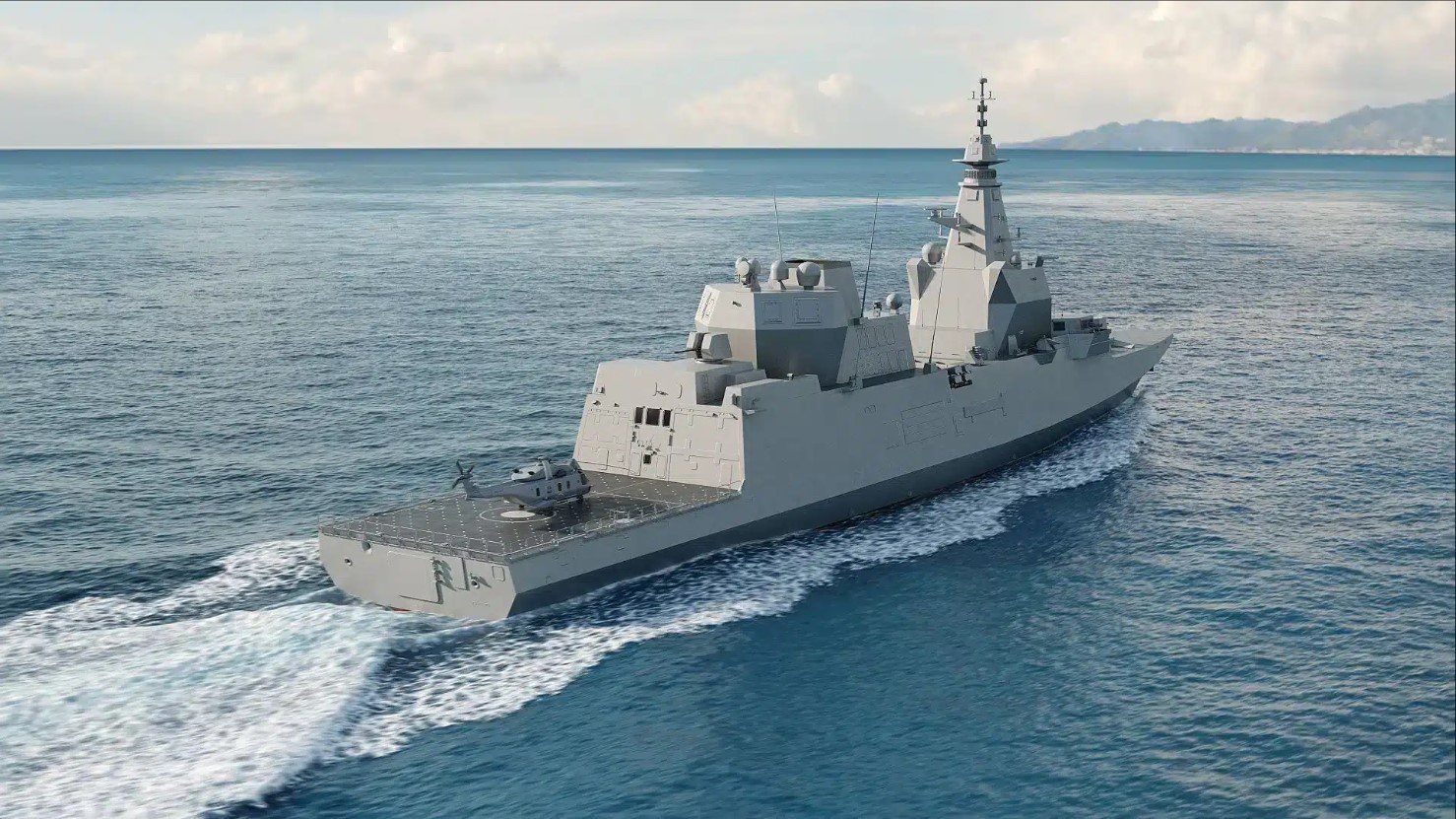 Portugal Orders Three FREMM EVO Frigates from Italy in €3.9 Billion Naval Deal
-
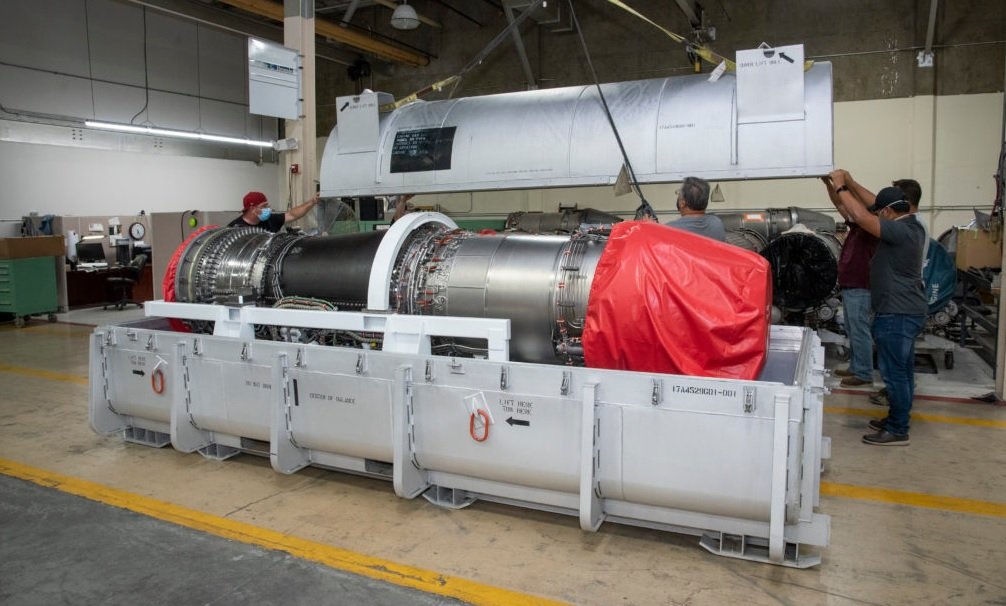 GE Aerospace and Magellan Aerospace Corporation Sign Strategic MoU for F414 Engine Sustainment in Canada
-
 Destinus Unveils Vorexon Interceptor Concept to Defend Critical Sites from Artillery Threats
Top Trending in 4 Days
-
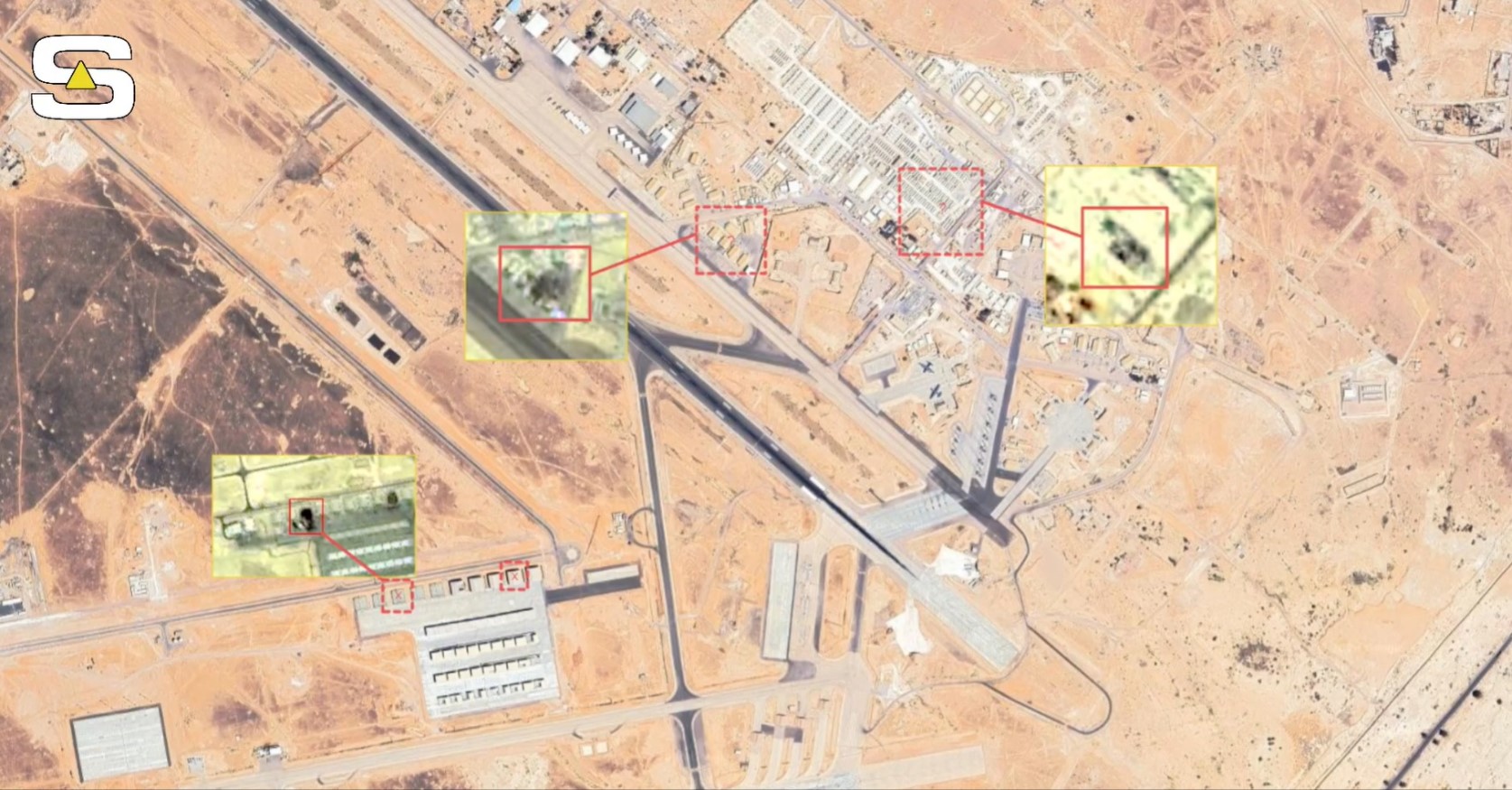 New Satellite Imagery Reveals Extensive Damage at Jordan's Muwaffaq al-Salti Air Base After Iranian Missile Strike
-
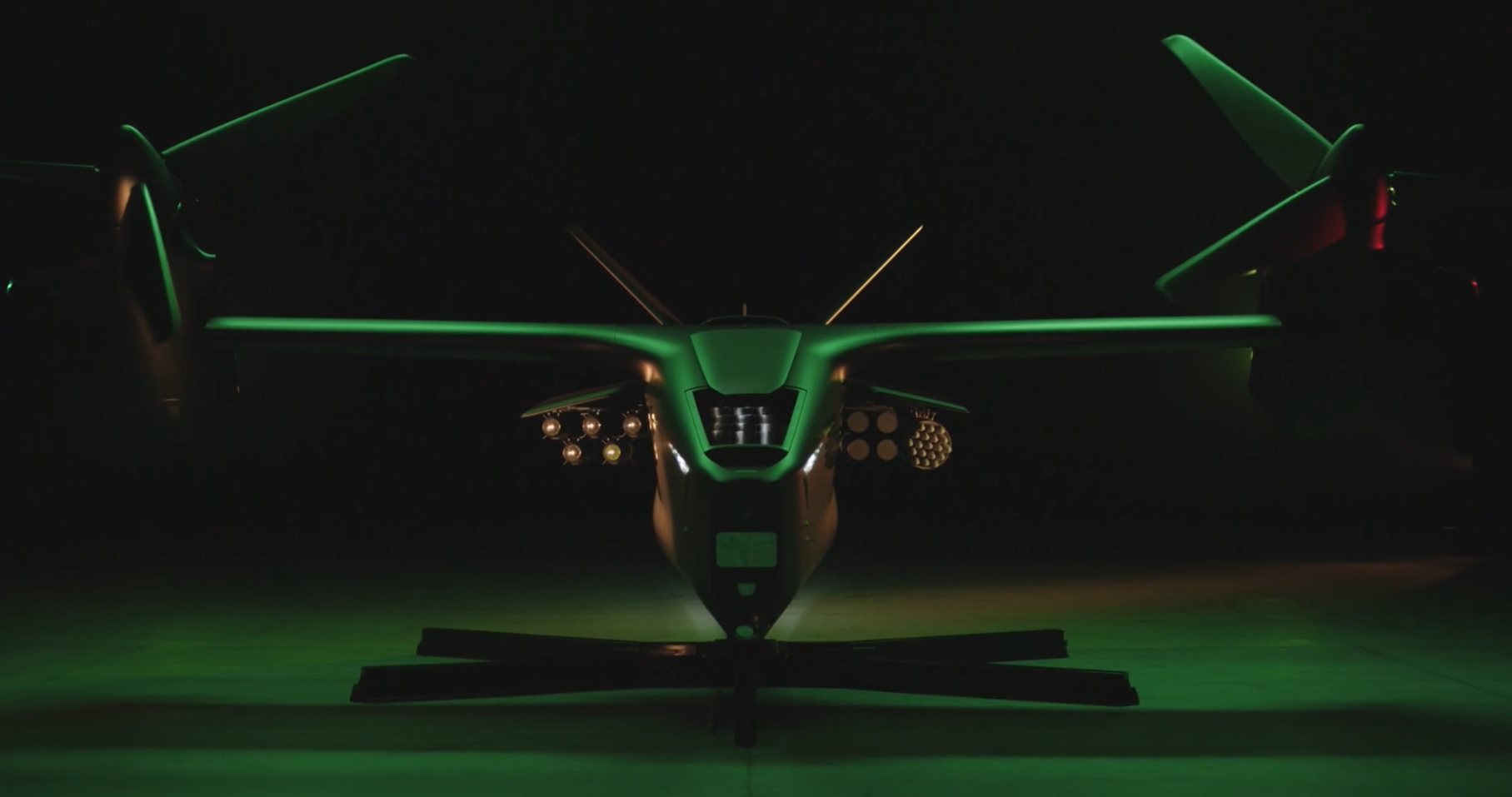 Anduril Unveils Thunder Autonomous Attack Rotorcraft Built with Archer Aviation to Support Apache Helicopters
-
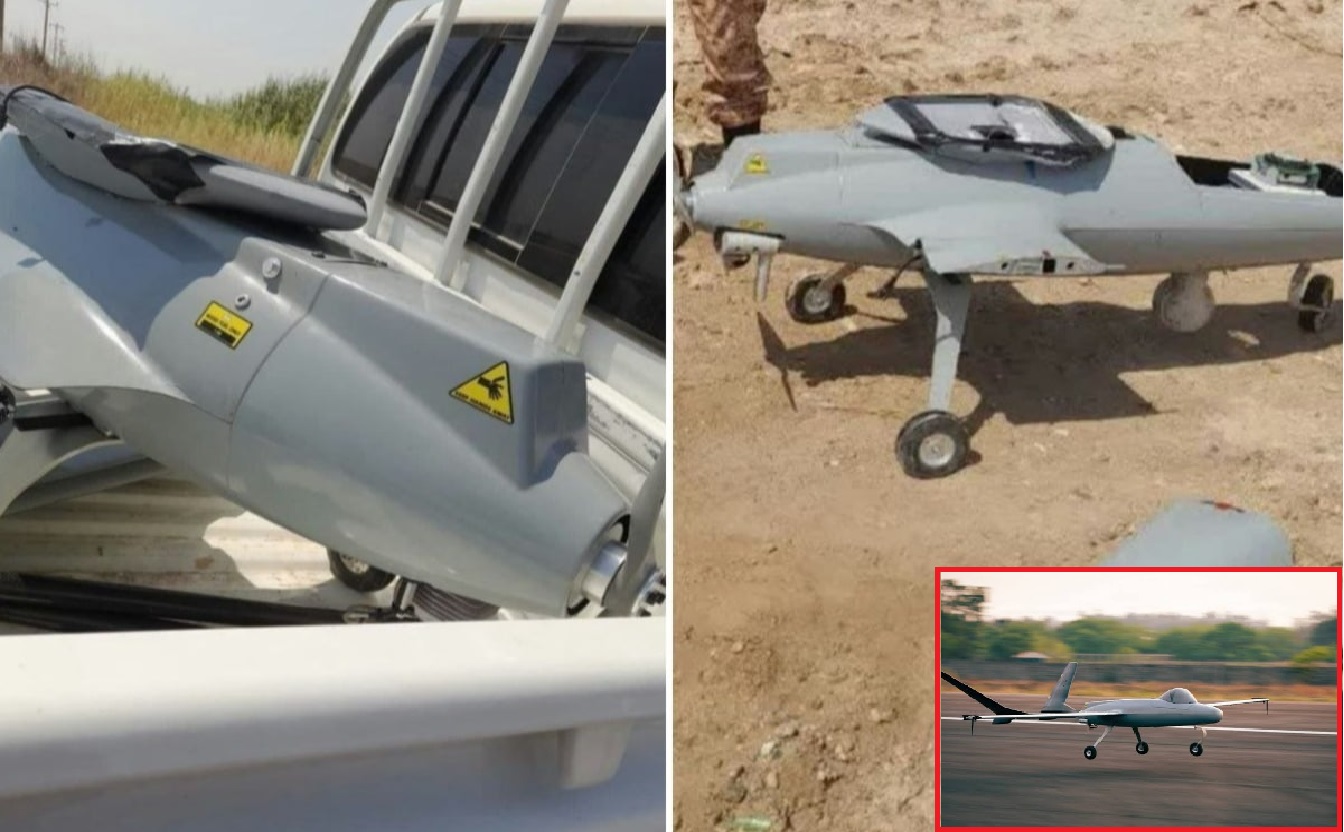 Iran Claims It Shot Down U.S.-Operated Polish-Built Tiguar-M Drone, Releases Images
-
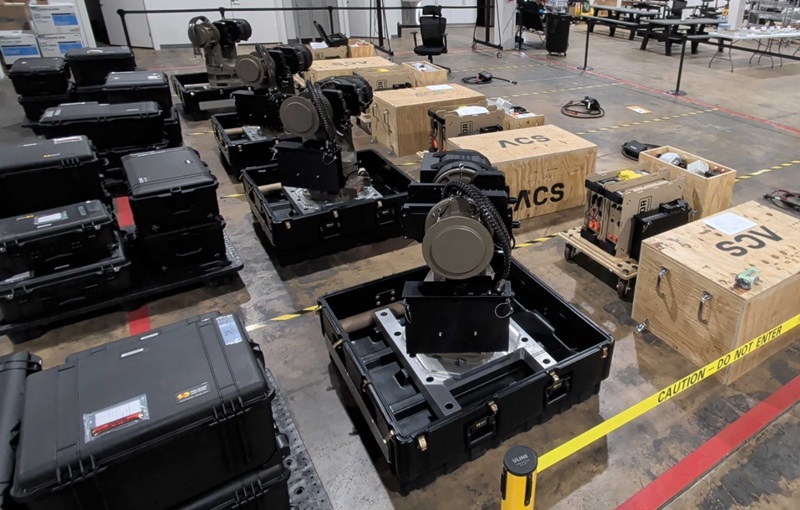 U.S. Marine Corps Selects AI-Powered Bullfrog Weapon Station for L-MADIS Counter-Drone Platform
-
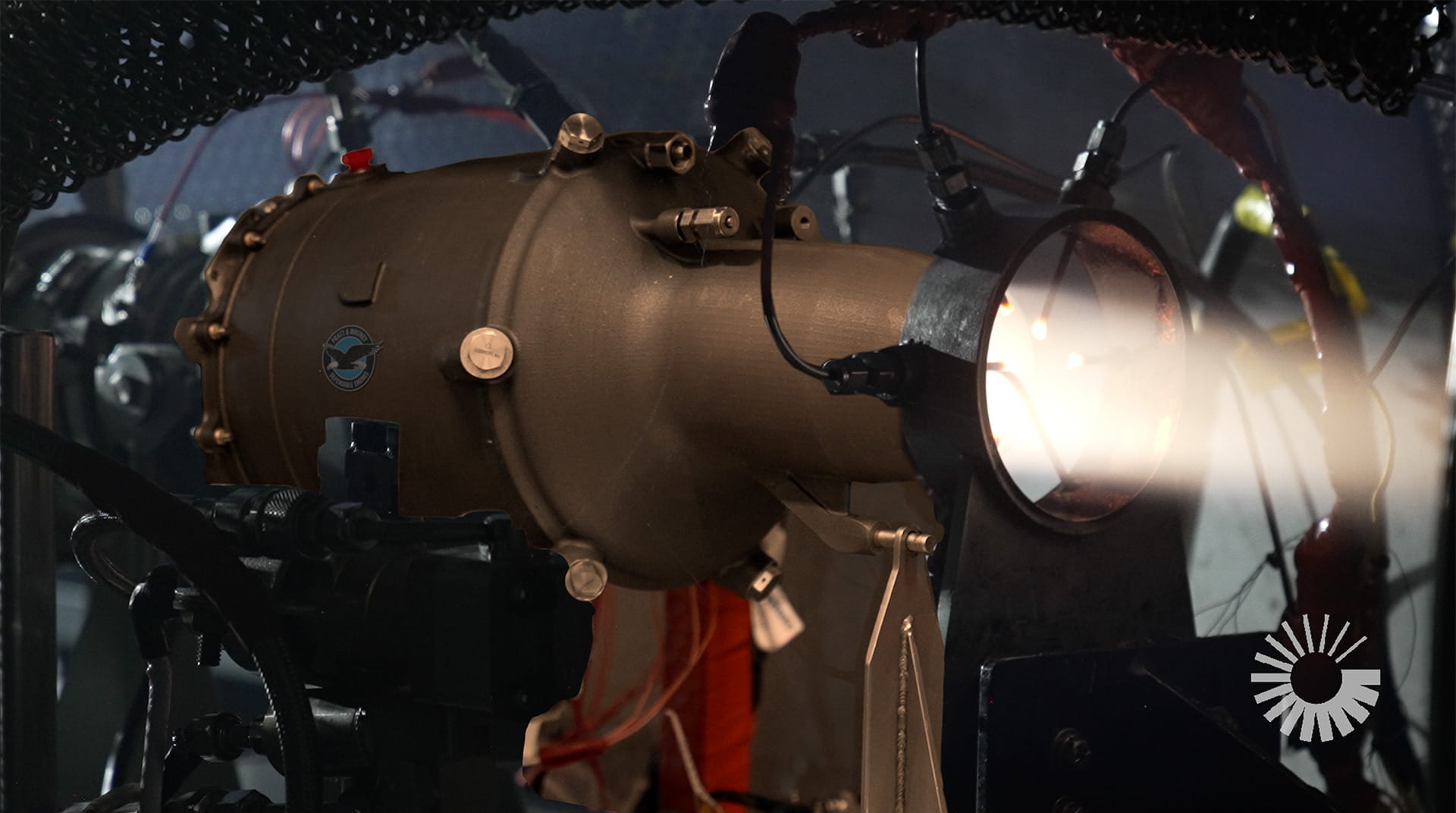 Pratt & Whitney Completes Testing of 3D-Printed TJ150 Engine for Military Applications
-
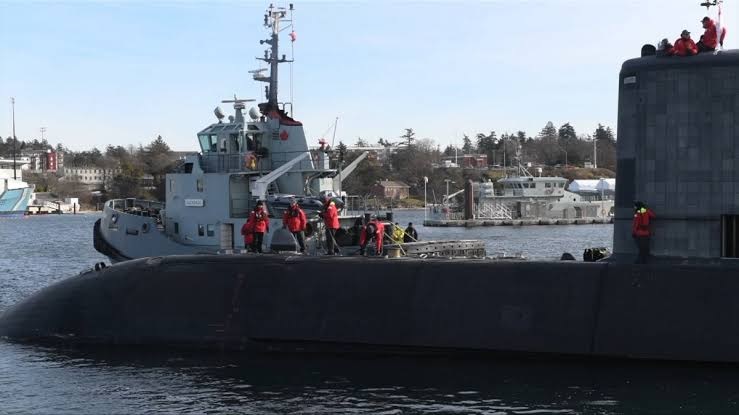 Canada Awards Babcock $1.1 Billion Six-Year Contract Extension to Support Victoria-Class Submarine Fleet
-
 Lockheed Martin Unveils MORFIUS X-Rotor High-Power Microwave System That Can Neutralize 50+ Drones in One Flight
-
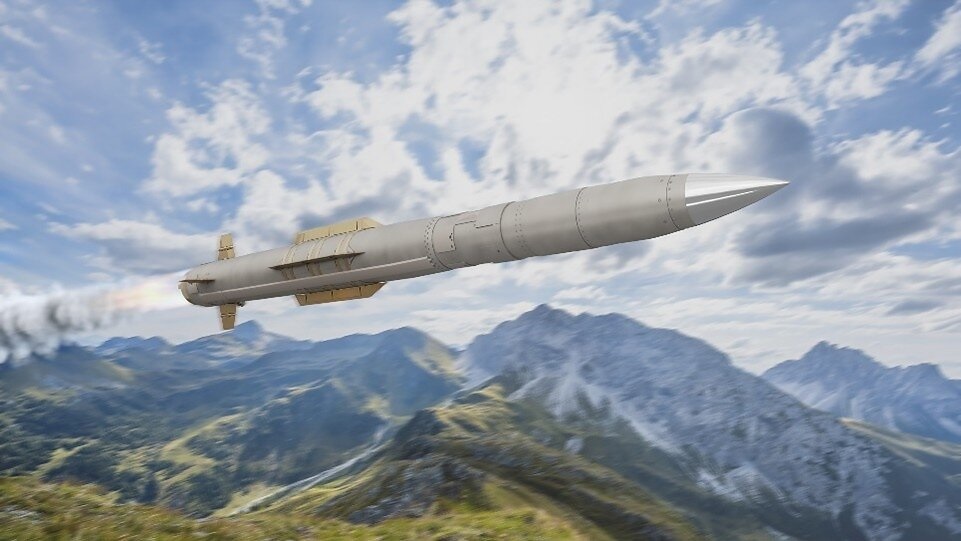 Lockheed Martin Unveils Lower-Cost PAC-3 ACE Interceptor for Patriot Air Defense System
