ALBUQUERQUE, N.M., — May 23, 2026 : X-Bow Systems has delivered its 600th rocket-assisted takeoff (RATO) motor to AEVEX Aerospace under a $12.2 million contract supporting the U.S. Army’s Disruptor strike drone program, marking a production milestone in the Army’s effort to field long-range unmanned systems capable of operating without fixed runway or catapult infrastructure.
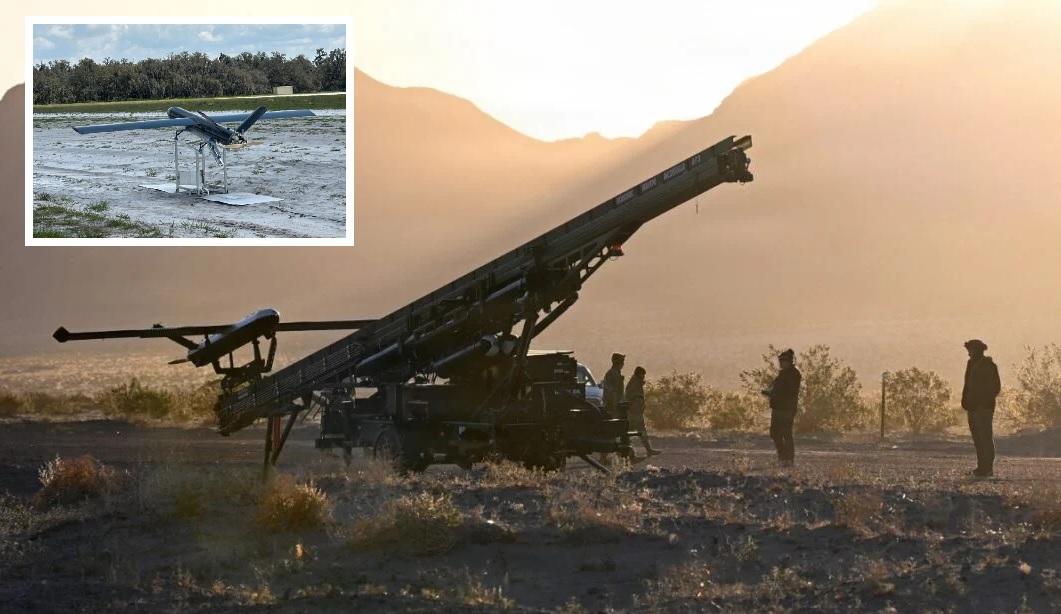
The contract covers the supply of hundreds of RATO production kits, thousands of solid rocket motors, and associated components, with deliveries scheduled between March and August 2026. The agreement centers on X-Bow Systems’ RATO² (Rapidly Assembled Tactical Option for Rocket-Assisted Takeoff) system, which enables the Disruptor drone to launch from unprepared surfaces, confined spaces, and temporary operational sites without reliance on traditional runway facilities or large pneumatic launch systems.
Additive Manufacturing Supports Rapid Production
The milestone also marks the first high-volume operational use of X-Bow’s patented Additive Manufactured Solid Propellant (AMSP) technology in a Group 3 unmanned aircraft system (UAS), introducing additive manufacturing into large-scale solid rocket motor production for tactical drones.
The AMSP process builds solid propellant layer by layer, similar to industrial 3D-printing manufacturing techniques, allowing tighter control over propellant geometry and burn characteristics compared with conventional casting or pressing methods. According to the company, the approach improves manufacturing flexibility and enables efficient scaling of production during periods of rapid demand growth.
X-Bow Systems, headquartered in Albuquerque, New Mexico, stated that its manufacturing model is designed to reduce timelines between contract award, production, and field deployment. The company has secured approximately $212 million in contracts over the past six months, reflecting broader efforts within the U.S. defense industrial base to expand scalable propulsion production and strengthen supply chain resilience for unmanned systems.
RATO² System Expands Tactical Mobility
The RATO² system consists of compact solid rocket motors and launch cradle assemblies attached directly to the aircraft during takeoff. Once airborne, the booster burns out and separates from the drone, removing the requirement for heavy, stationary launch systems.
Traditionally, Group 3 fixed-wing drones require large pneumatic catapults that involve significant setup time, level terrain, calibration, and logistical support. These systems are often difficult to conceal and limit operational mobility.
By contrast, the RATO² system enables launches from dirt roads, field clearings, temporary launch sites, or nearly any surface accessible by military vehicles, significantly reducing deployment time and allowing units to relocate quickly after launch. This capability supports a more mobile operational approach without leaving launch equipment behind.
Disruptor Drone Origins and Design
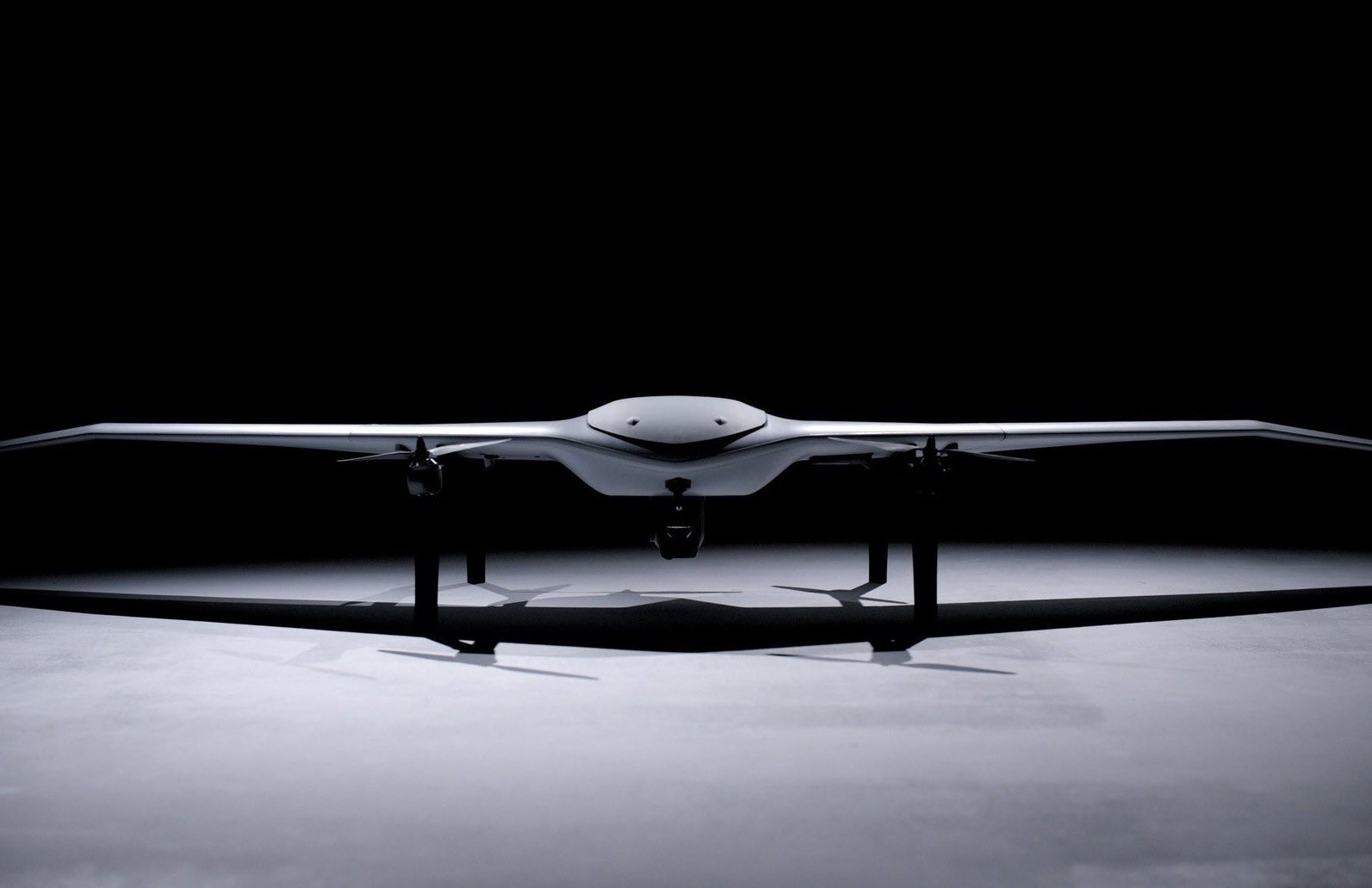
The AEVEX Disruptor serves as the long-range tier of the U.S. Army’s Launched Effects family of unmanned systems and is designed for intelligence, surveillance, reconnaissance, and precision-strike missions.
The platform evolved from the classified Phoenix Ghost family of loitering munitions, which was originally fast-tracked by the U.S. Air Force beginning in April 2022 for operational requirements linked to Ukraine. Between the Phoenix Ghost initiative (2022–2025) and the subsequent EUCOM Deep Strike Program, AEVEX Aerospace has delivered or committed more than 9,300 systems valued at approximately $1.2 billion through the end of 2026.
The aircraft is classified as a Group 3 UAS, a military category covering systems weighing 25 to 600 kilograms, operating at altitudes between 1,000 and 5,500 meters, and flying at speeds ranging from 185 to 460 kilometers per hour.
Structurally, the drone is built around a 3.06-meter tubular carbon-fiber fuselage reinforced with aluminum structural elements. It features a V-tail configuration and straight wings spanning 4.8 meters, incorporating foam-filled aerofoil sections and wooden rib structures.
When launched using traditional pneumatic systems, the Disruptor has a maximum takeoff weight of 84 kilograms. Integration of the X-Bow RATO kit increases safe takeoff capacity to approximately 93 kilograms, expanding payload flexibility.
Engine Variants and Strike Capabilities
AEVEX produces the Disruptor in two primary engine configurations, both designed to carry a 22.5-kilogram warhead capable of engaging light vehicles, radar systems, equipment, and personnel concentrations.
The standard configuration, powered by a carburetor engine, provides approximately 4.5 hours of endurance and an operational range of up to 600 kilometers.
The extended-range configuration, equipped with an electronic fuel injection engine, can remain airborne for more than 11 hours and extend operational reach to roughly 1,300 to 1,400 kilometers.
To maintain effectiveness in contested environments where satellite navigation signals may be disrupted or denied, the aircraft integrates alternative positioning, navigation, and timing systems supported by visual-based navigation frameworks.
Operational Validation During Exercise Arcane Thunder 26
The Disruptor’s operational role was formally validated during Exercise Arcane Thunder 26, conducted between April 6 and April 29, 2026, across Germany, Poland, and the United States.
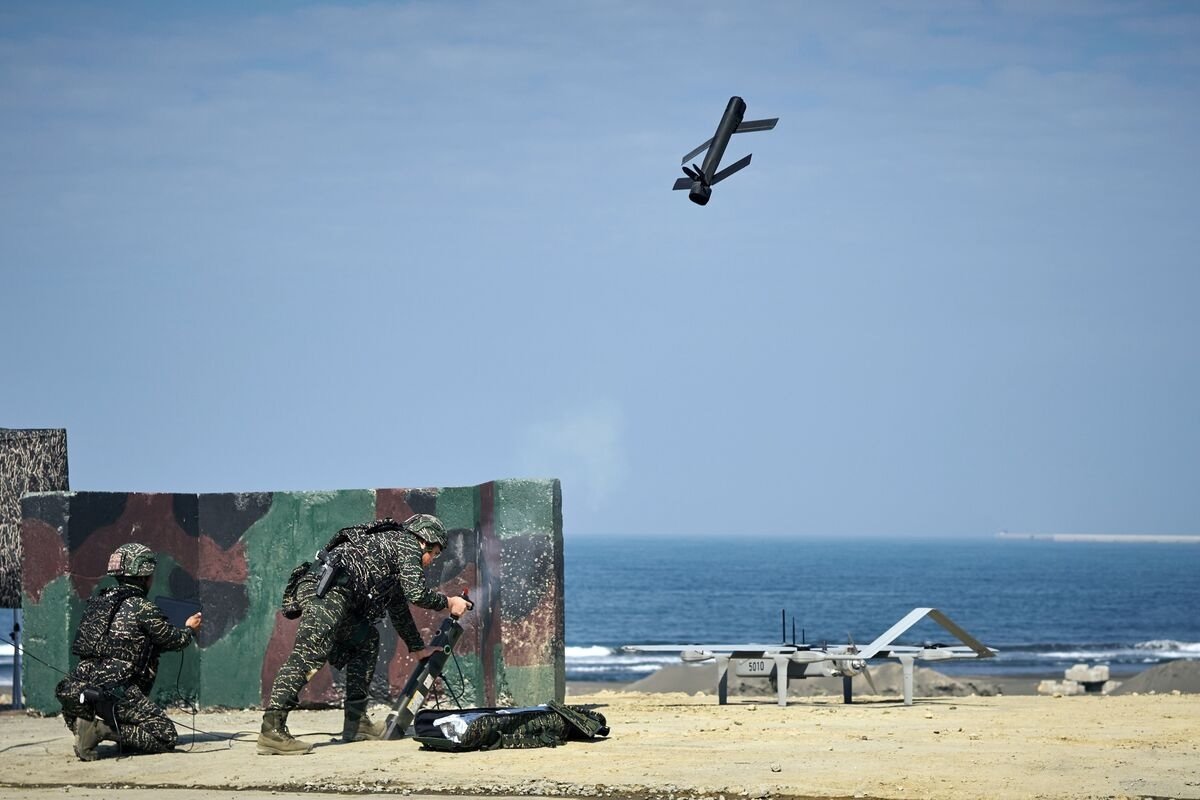
During the exercise, soldiers from Multi-Domain Command Europe’s (MDC-E) Innovations Cell conducted night preparation and launch operations involving the system at the National Training Center at Fort Irwin, California.
The exercise confirmed the Disruptor’s role as the long-range launched effects platform within the Army’s evolving unmanned systems structure and demonstrated its suitability for multi-domain operational environments.
Growing Interest in the RATO² Launch Concept
Beyond U.S. Army integration, X-Bow Systems recently demonstrated the RATO² system to international special operations forces during SOF Week in Tampa, Florida, indicating growing allied interest in both the launch system and the additive manufacturing approach supporting rapid drone deployment.
The delivery of the 600th RATO motor represents a production milestone achieved within months of contract execution and reflects continuing efforts to scale manufacturing capacity for the Disruptor program as the U.S. Army expands deployment of long-range unmanned strike systems.
——— End of Article ———