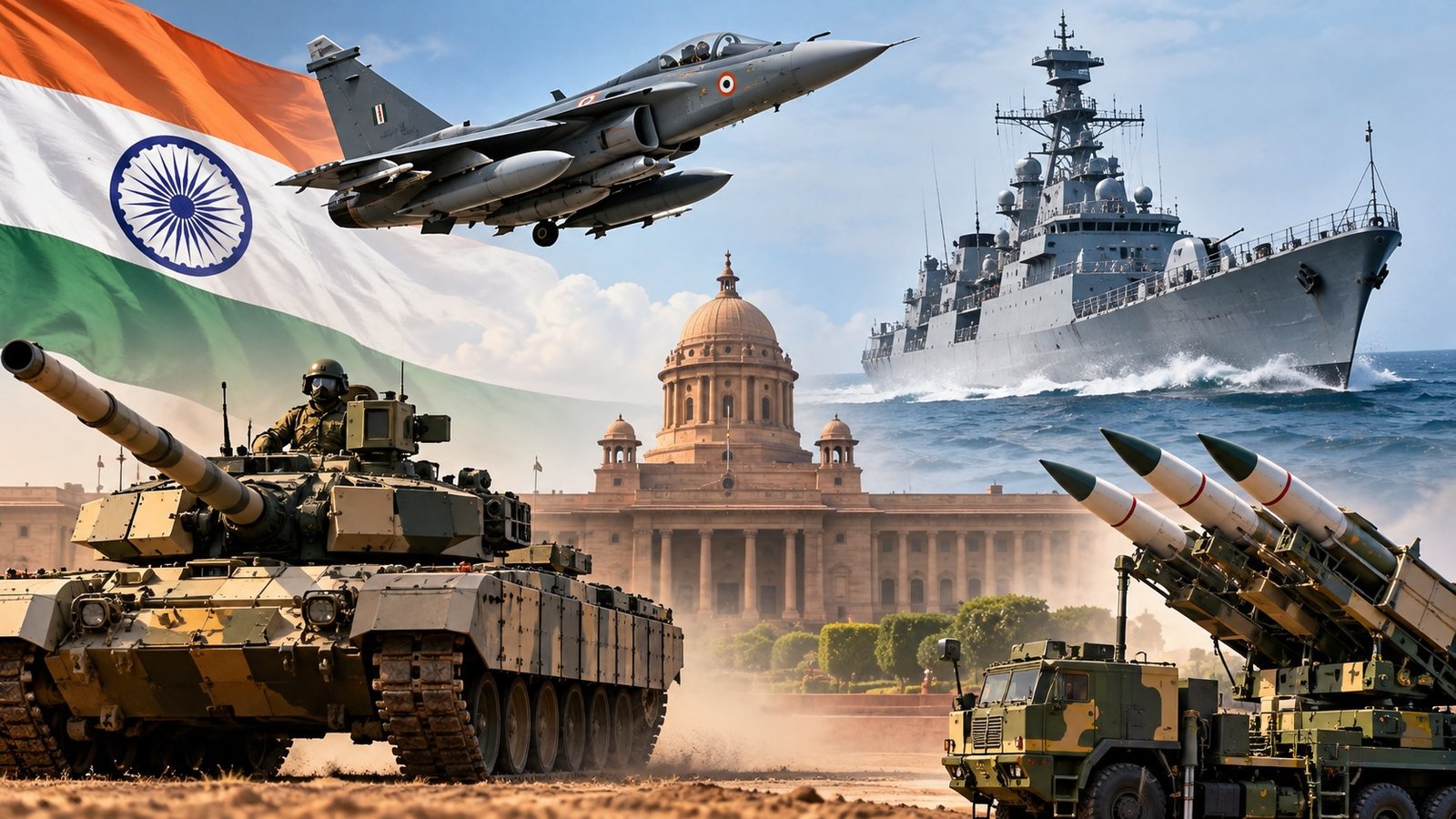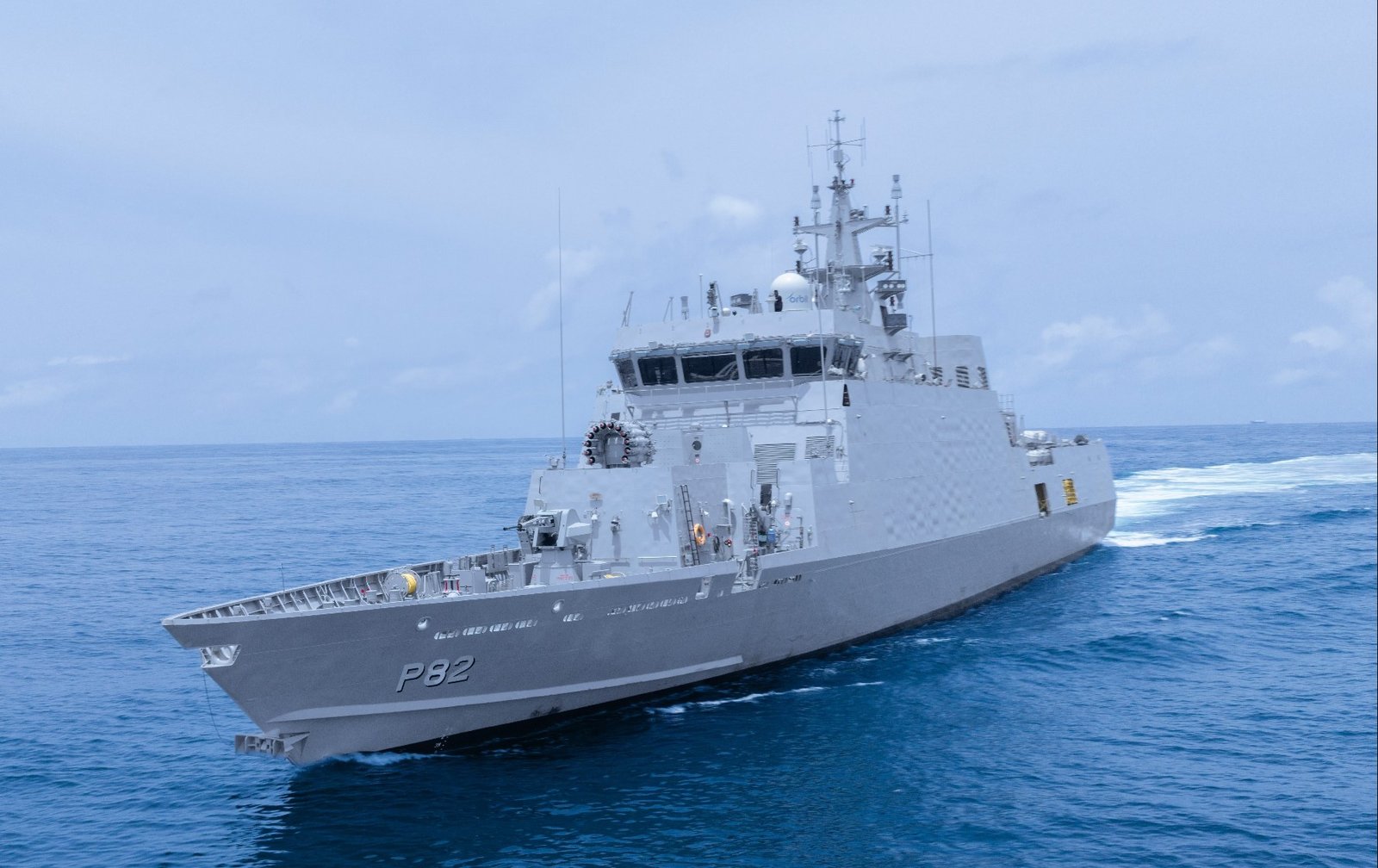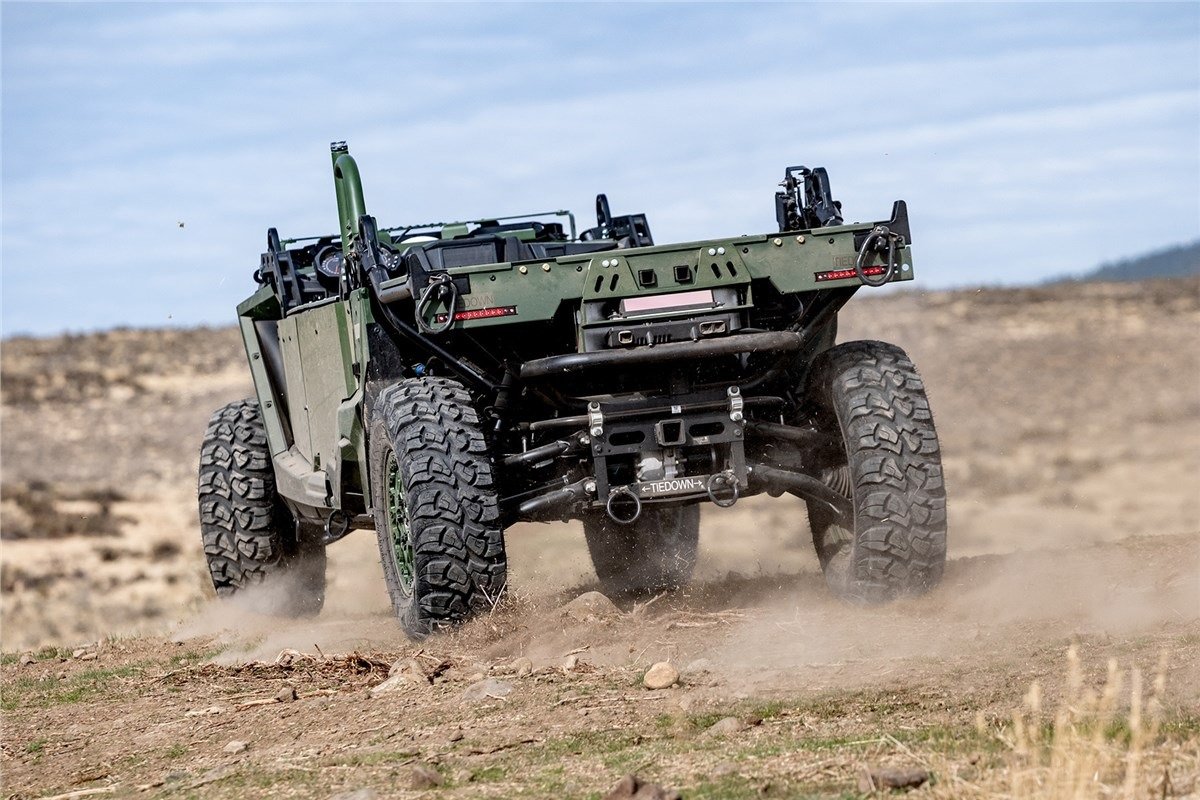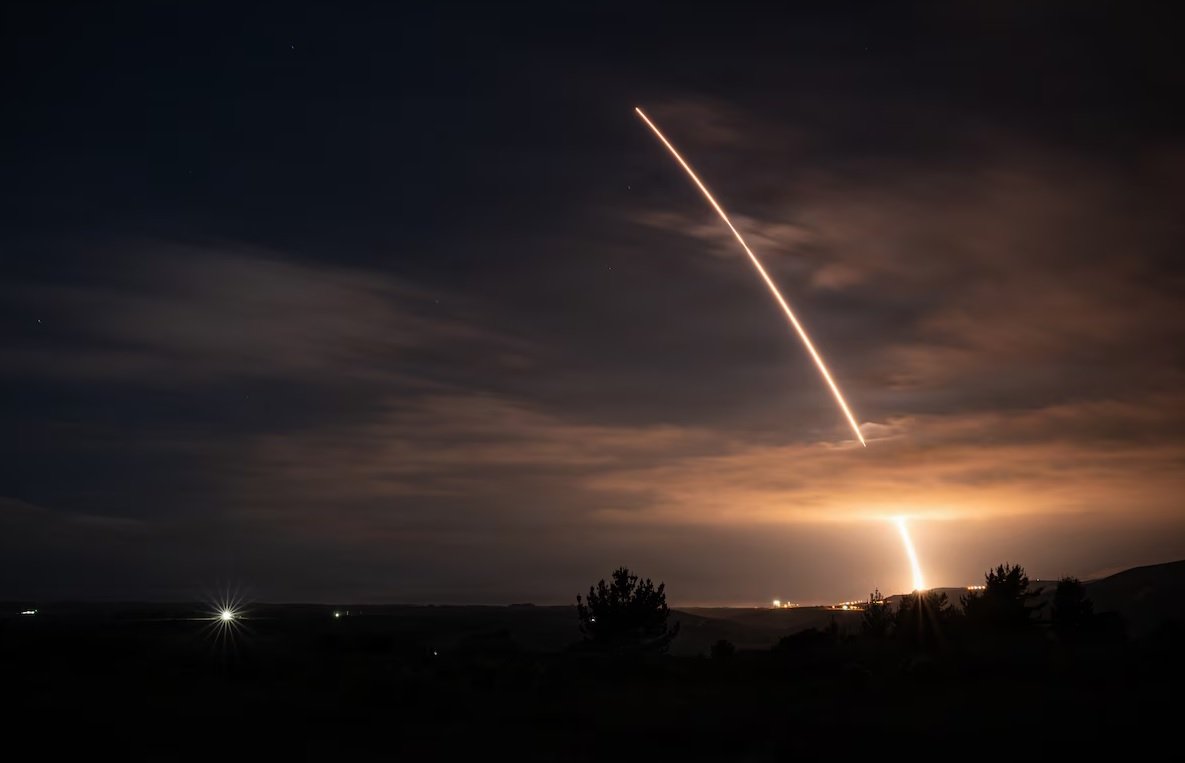
WASHINGTON, — May 22, 2026 : The Trump administration has suspended a proposed $14 billion arms sale to Taiwan as the United States moves to preserve critical weapons stockpiles depleted during the ongoing military campaign against Iran, known as Operation Epic Fury.
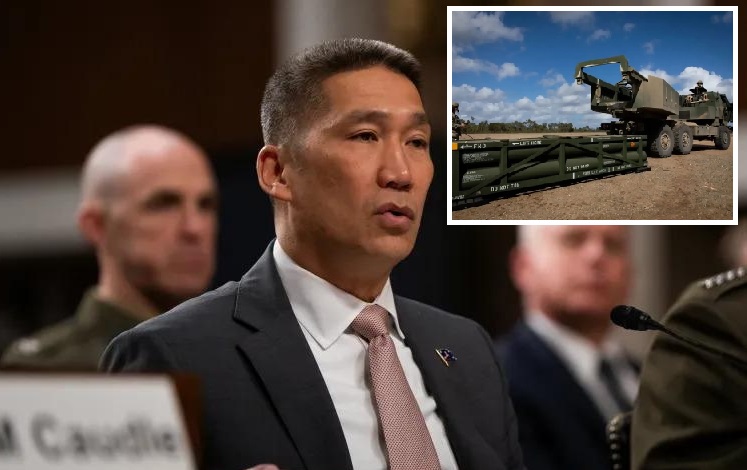
Acting Navy Secretary Hung Cao confirmed the decision during a Senate Appropriations Defense Subcommittee hearing, stating that the temporary pause was necessary to ensure the U.S. military maintains adequate munitions reserves for continued operations in the Middle East.
“Right now we’re doing a pause in order to make sure we have the munitions we need for Epic Fury,” Cao told lawmakers.
He added that the United States still possesses “plenty” of weapons and indicated that foreign military sales would resume once inventory levels stabilize.
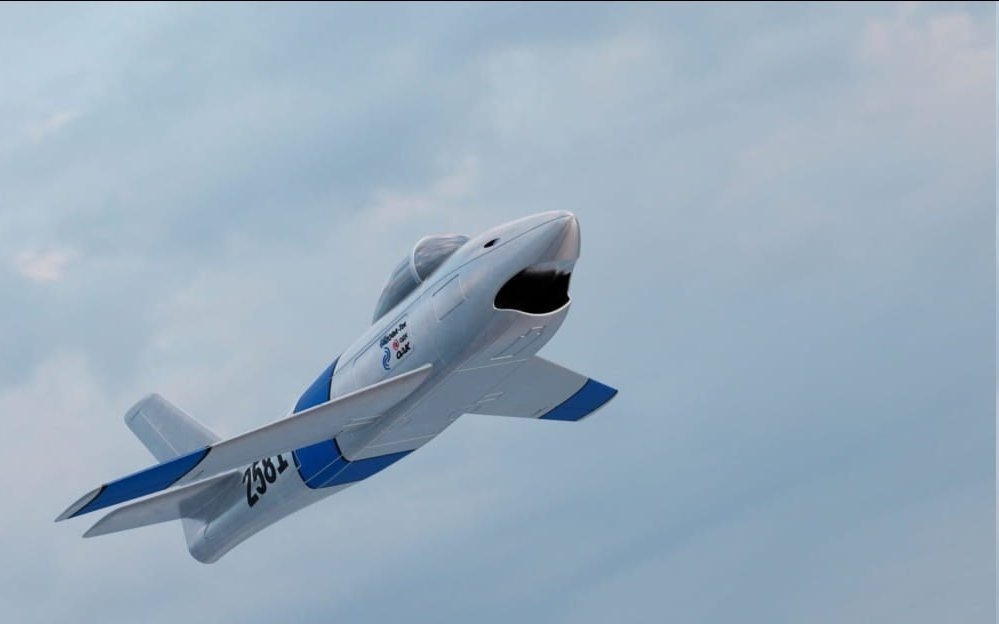
The delayed package for the Republic of China Armed Forces was originally expected to proceed in 2025 and includes several major defense systems, including F-16 Block 70 fighter aircraft, Patriot PAC-2 and PAC-3 surface-to-air missile systems, AGM-154C glide bombs, and MK-48 heavy torpedoes.
Heavy Munitions Expenditure During Operation Epic Fury
The suspension highlights the scale of weapons consumption during Operation Epic Fury, the large-scale U.S.-led military campaign against Iran that began in late February 2026.
According to assessments from the Center for Strategic and International Studies (CSIS), the rate of munitions expenditure has placed significant pressure on U.S. inventories and created what analysts described as a “near-term risk” to readiness.
During the first 10 days of the conflict alone, U.S. forces reportedly struck more than 6,000 Iranian targets while firing over 2,000 anti-ballistic missile interceptors against Iranian retaliatory attacks.
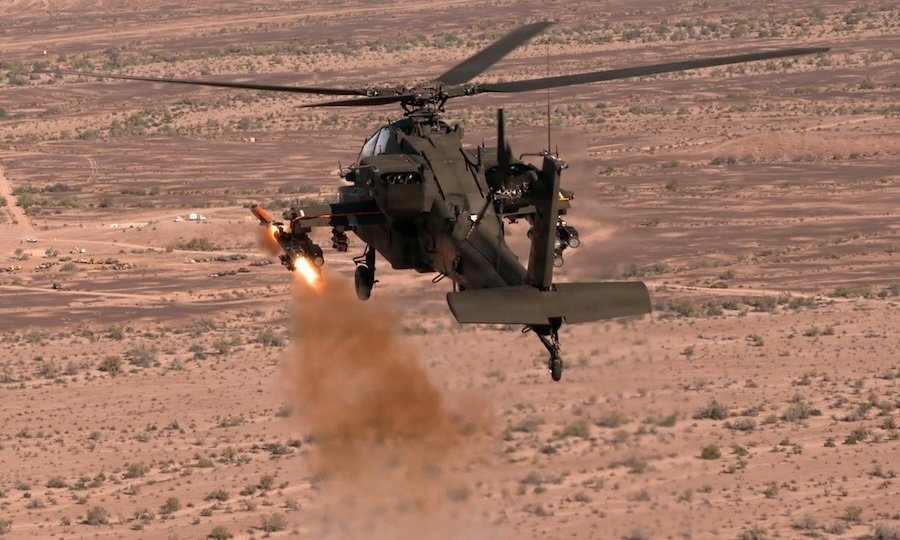
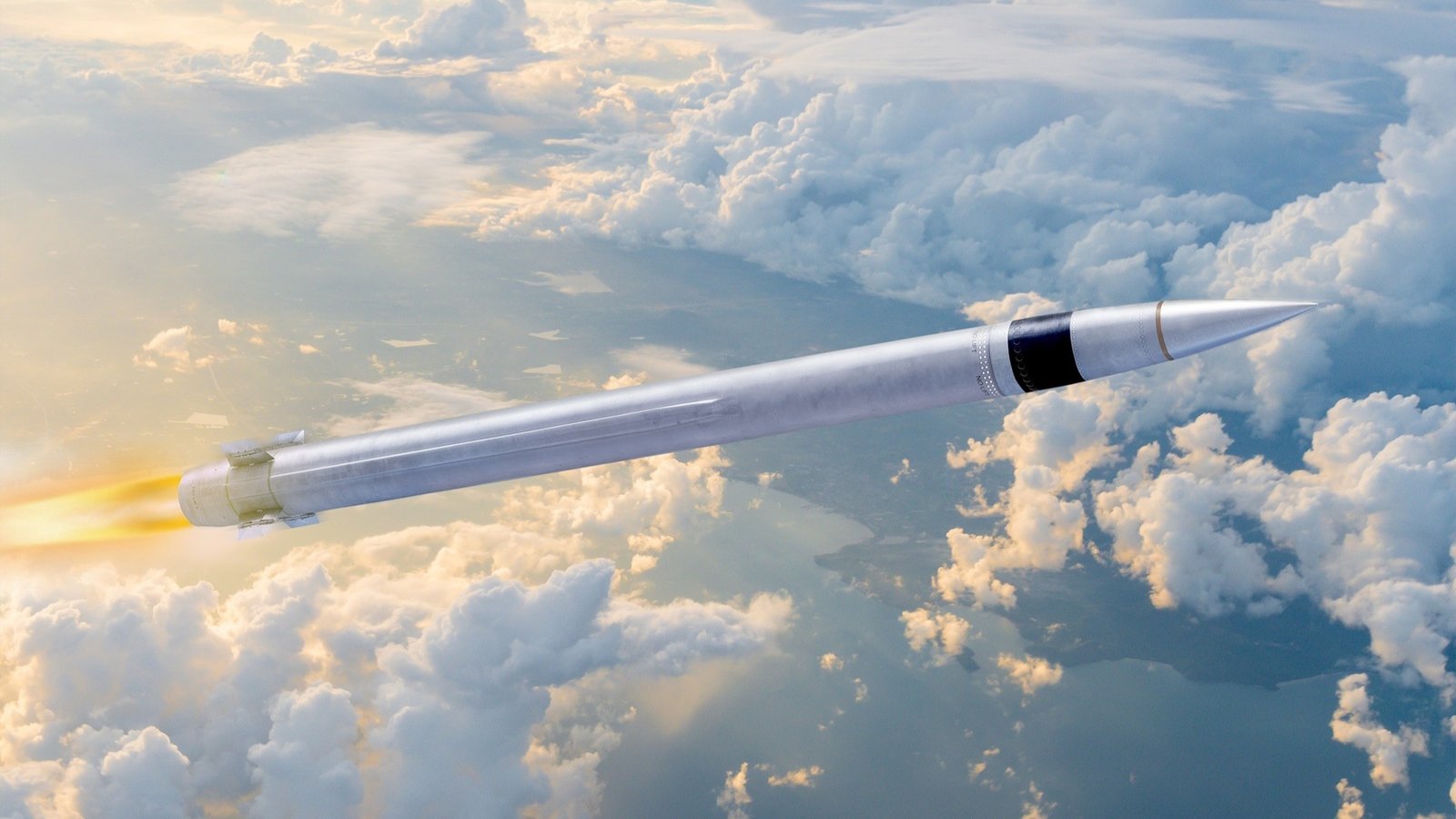
Among the weapons systems reportedly used extensively were Tomahawk cruise missiles, Precision Strike Missiles (PrSM), Patriot interceptors, THAAD interceptors, SM-3 and SM-6 air defense missiles, ATACMS tactical missiles, and GBU-57 guided bombs.
Analysts estimated that nearly 1,000 Tomahawk cruise missiles were expended out of a total U.S. inventory estimated between 3,000 and 4,500 missiles. Reports also suggested that as much as 80 percent of available THAAD interceptor stockpiles may have been used during the campaign.
The conflict additionally resulted in the loss of high-value military assets. U.S. Army AN/TPY-2 radars associated with THAAD systems deployed in Jordan were reportedly destroyed during engagements with Iranian forces. Each radar is valued at close to $1 billion.
Despite concerns regarding shortages, Defense Secretary Pete Hegseth recently dismissed suggestions that U.S. stockpiles had reached dangerous levels, stating that the Pentagon “knows exactly” what inventories it possesses and still has “plenty of what we need.”
Global Impact on U.S. Military Commitments
The high operational demands of the Iran conflict have affected U.S. military commitments across multiple regions.
Washington previously informed several NATO allies in Europe that deliveries of military equipment could face delays because of depleted inventories. Reports also indicated that military equipment originally designated for Ukraine was redirected to support operations in the Middle East, a move publicly defended by Hegseth as necessary to prioritize immediate operational requirements against Iran.
The United States also redeployed key THAAD and Patriot air defense systems from South Korea to the Middle East to reinforce regional defenses during the conflict.
To address the financial burden of sustained military operations and continued deployments around Iran during the current ceasefire period, the White House is preparing to request between $80 billion and $100 billion in supplemental funding from Congress.
Chief of Naval Operations Admiral Daryl Caudle warned earlier in May that the Fiscal Year 2026 defense budget did not account for the costs associated with the war, forcing the Navy to implement operational reductions.
Growing Delays for Taiwan
For Taiwan, the suspension adds to an already substantial backlog of undelivered U.S. military equipment.
By December 2025, outstanding U.S. defense deliveries to Taipei had exceeded $21.45 billion. Taiwanese officials had already acknowledged delays involving multiple systems scheduled for delivery in 2025, including F-16 Block 70 fighters, AGM-154C glide bombs, Patriot missile systems, and MK-48 torpedoes.
Responding to delays surrounding an $8.2 billion order for 66 F-16 fighters, Taiwanese Premier Cho Jung-tai stated in late 2025 that Taipei did not rule out pursuing legal action against the manufacturer.
However, because the purchases are conducted through the U.S. Foreign Military Sales (FMS) process, Taiwan and other clients such as Japan face administrative limitations in seeking compensation or legal recourse for delayed deliveries.
Taiwan’s limited international recognition has also left Taipei with few viable alternatives to the United States for advanced defense procurement, making delays particularly significant for the island’s military modernization plans.
Taiwan Arms Sale Linked to Wider U.S.-China Relations
The issue has also become increasingly connected to broader U.S.-China diplomatic relations.
Following a recent meeting in Beijing with Chinese President Xi Jinping, President Donald Trump reportedly described the Taiwan arms package as a potential “negotiating chip” in discussions with China.
Trump confirmed that he had not yet approved the sale and stated that the matter had been discussed “in great detail” with Xi. The remarks marked a departure from the long-standing 1982 “Six Assurances” policy under which Washington pledged not to consult Beijing regarding arms sales to Taipei.
Taiwanese President Lai Ching-te and Taiwan’s representative to the United States, Alexander Yui, have publicly urged Washington to proceed with the deliveries, arguing that strengthening Taiwan’s defensive capabilities remains essential for deterrence and regional stability in the Indo-Pacific region.
Although U.S. officials maintain that the temporary suspension does not alter the broader military balance in the Taiwan Strait, the decision reflects the growing logistical and operational pressures facing the Pentagon following months of high-intensity combat operations in the Middle East.
——— End of Article ———