World
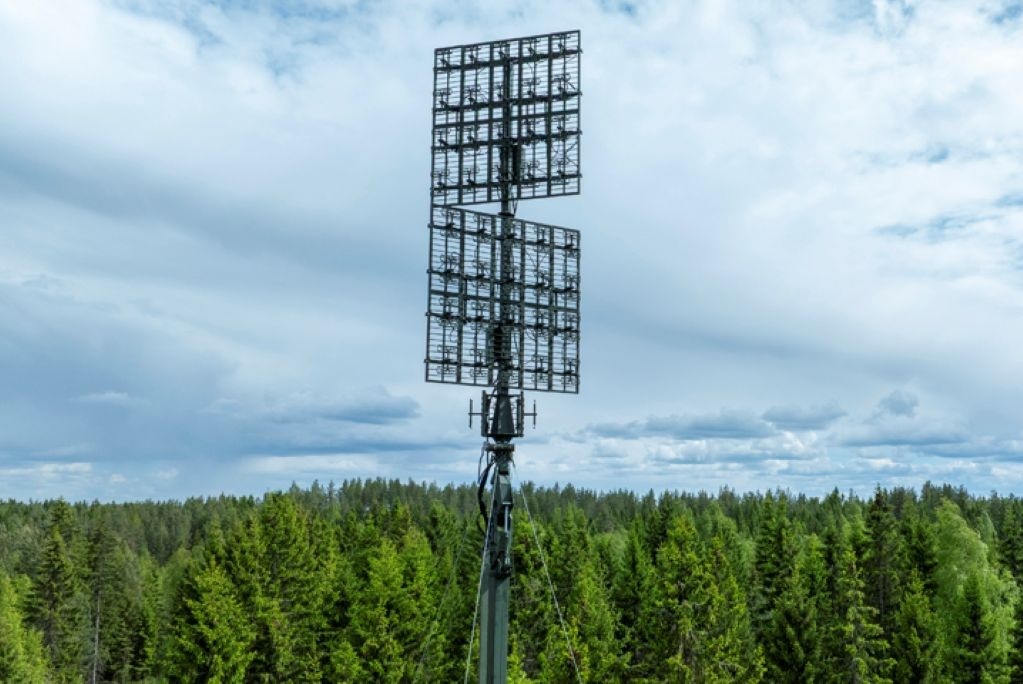
PARIS, — June 16, 2026 : Nordic defense and technology company Patria has officially launched the Patria WISPR (Weapon Indication and Sensing Passive Radar) at the Eurosatory 2026 defense exhibition in Paris. The new system is designed to detect and locate incoming artillery, mortar, and rocket fire without emitting detectable radio frequency signals, offering a passive approach to counter-battery operations. The launch expands Patria’s portfolio of passive sensing technologies and addresses a growing challenge on modern battlefields, where active radar systems can become vulnerable to detection, electronic warfare measures, and precision strikes due to their own emissions. Passive Detection Technology Patria WISPR is based on Passive Coherent Location (PCL) technology, which allows the system to operate without transmitting radio signals. Instead, it utilizes existing commercial broadcasts in the environment, primarily digital television transmitters, as sources of illumination. By analyzing how projectiles reflect these signals, the system can detect, locate, and track artillery shells, mortar rounds, and rockets at operationally relevant ranges. Because the radar does not emit its own signals, it remains difficult to detect through conventional electronic warfare systems. The system uses antenna arrays and advanced passive signal-processing technology to maintain continuous surveillance while minimizing its electromagnetic signature. Addressing Modern Battlefield Requirements The introduction of WISPR comes as military forces increasingly operate in contested environments where the time between target detection and enemy response is rapidly decreasing. Active counter-battery radars provide critical battlefield awareness but can expose their positions once they begin transmitting. According to Patria, WISPR is designed to provide persistent projectile detection while reducing the risk associated with active radar emissions. “Patria WISPR will be critical in enabling a new level of resilience and survivability in counter-battery operations. In today’s operational environment, where the time from detection to strike is short, active radars risk exposure due to their emissions. Patria WISPR responds to this challenge by providing a silent projectile detection,” said Mikko Leino, Executive Vice President of Patria’s Defence and Weapon Systems business area. Flexible Deployment Options Patria stated that WISPR can be deployed in two primary operational roles. As a standalone system, it can serve as the main projectile-tracking sensor near frontline positions, providing continuous surveillance without revealing its location through emissions. The system can also function as a cueing sensor alongside conventional active counter-battery radars. In this role, WISPR can monitor the battlefield while active radars remain switched off, activating them only when additional tracking information is required. This approach can help extend the operational availability and survivability of active radar assets. Coverage and Networked Operations The WISPR system provides more than 100 degrees of azimuth coverage and features a high update rate for target tracking. Its modular design allows deployment as a single remote-controlled station or as a network of multiple interconnected stations covering larger operational areas. Both deployment configurations support remote operation and management, enabling flexible integration into existing surveillance and command networks. Additional Air Surveillance Capability Beyond its counter-battery role, WISPR is also capable of performing air surveillance missions. Patria said the system can detect and track aerial targets, including low-observable and highly maneuverable unmanned aerial vehicles (UAVs) operating in radio silence. The dual-use capability allows the system to contribute to both ground-force protection and wider airspace monitoring requirements. Built on Existing Passive Radar Technology WISPR builds upon the technological foundation of Patria’s MUSCL passive air surveillance radar, which was developed to provide covert target detection using external radio-frequency sources. Both systems share the same principle of detecting targets without transmitting signals, reducing exposure to enemy electronic surveillance and countermeasures. Displayed at Eurosatory 2026 Patria is presenting the WISPR system at its stand in Hall 6 (F126 and F146) during Eurosatory 2026, taking place in Paris from June 15 to June 19. The introduction of WISPR reflects the growing focus on passive sensing technologies within the defense sector, as armed forces seek surveillance and target-location systems capable of operating effectively in increasingly contested electromagnetic environments.
Read More → Posted on 2026-06-16 15:43:24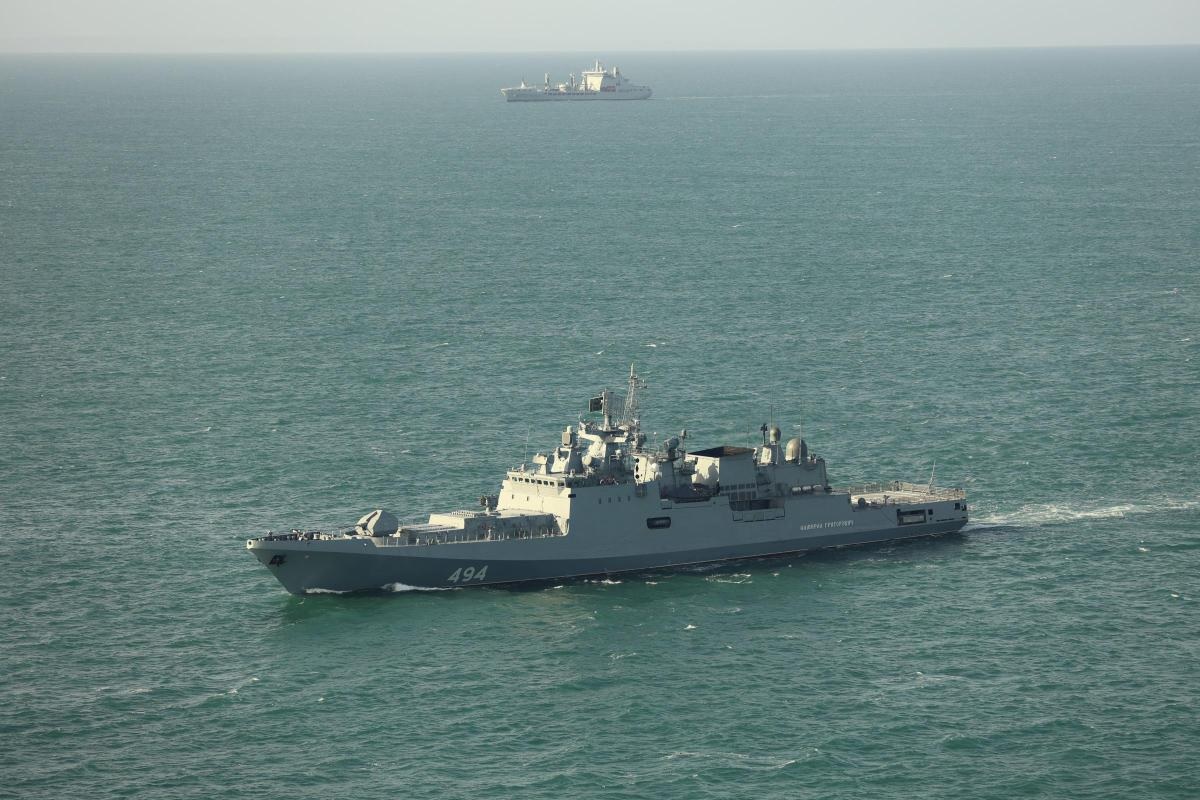
World
LONDON, — June 16, 2026 : A Russian Navy frigate reportedly fired warning shots near a UK-registered civilian yacht in the English Channel on Tuesday morning, increasing maritime tensions between the United Kingdom and Russia. The incident occurred at approximately 11:40 a.m. between the Isle of Wight and Normandy. According to reports, the yacht approached close to the Russian warship Admiral Grigorovich, prompting the frigate to fire warning shots. No injuries were reported. The UK Ministry of Defence said it is investigating the incident. "We are investigating reports of an incident in the Channel," a ministry spokesperson said. British and French naval forces increased monitoring in the area following the incident. A Royal Navy Wildcat HMA.2 helicopter was also deployed to conduct surveillance operations over the Channel. The Admiral Grigorovich is a guided-missile frigate serving with Russia's Black Sea Fleet. The warship has recently been involved in escorting Russian "shadow fleet" oil tankers through European waters. The incident comes two days after British forces boarded the sanctioned tanker MV Smyrtos in the English Channel as part of a sanctions enforcement operation. Royal Marine Commandos and National Crime Agency officers boarded the vessel on June 14 after it was tracked by an RAF P-8 Poseidon aircraft. The operation was supported by RAF helicopters and Royal Navy ships. The MV Smyrtos was carrying 101,400 tonnes of Russian Urals crude oil from Ust-Luga, Russia, to Egypt. British authorities said the tanker had lost its registry, making it a stateless vessel under international maritime law. The vessel was redirected to an anchorage off Portland, and its captain was arrested on suspicion of sanctions offences. The UK has sanctioned nearly 600 vessels linked to Russia's shadow fleet. Sunday's operation marked a shift from administrative sanctions to direct enforcement actions aimed at disrupting Russian oil exports. Defence officials said the operation was coordinated with French authorities. Analysts believe Tuesday's incident may be linked to increased enforcement efforts against Russia's shadow fleet activities. UK authorities continue to monitor the situation. No further escalation had been reported as of Tuesday afternoon.
Read More → Posted on 2026-06-16 15:37:38
World
DENVER, — June 16, 2026 : Lockheed Martin has secured a $514 million contract from the U.S. Space Force to manufacture two additional next-generation Global Positioning System (GPS) satellites, designated GPS IIIF Space Vehicles (SV) 23 and 24. The award increases the company's total production commitment to 14 GPS IIIF spacecraft and supports the ongoing modernization of the U.S. GPS constellation as older satellites continue to exceed their original design lifespans. The GPS IIIF program is designed to enhance positioning, navigation and timing (PNT) services for military and civilian users worldwide. The new satellites will introduce upgraded capabilities aimed at improving accuracy, reliability, security and operational resilience. Advanced Military Capabilities The GPS IIIF satellites will provide several significant improvements for military operations, particularly in contested environments where navigation signals may face interference or disruption. One of the key enhancements is the Regional Military Protection (RMP) capability, which delivers a high-powered, focused M-Code signal over specific geographic regions. According to Lockheed Martin, this feature offers approximately 63 times greater anti-jamming capability than legacy GPS systems, helping U.S. and allied forces maintain secure access to navigation services during operations. The satellites will also expand M-Code coverage by adding more encrypted and anti-spoofing signals for military users operating on land, at sea and in the air. In addition, a fully digital navigation payload will improve positioning accuracy, signal strength and overall system reliability compared to previous generations of GPS satellites. These capabilities support a range of military platforms. Lockheed Martin noted that the F-35 Lightning II uses GPS for autonomous navigation, system synchronization and real-time data sharing, while the UH-60 Black Hawk relies on GPS for flight navigation, cargo and weapons delivery, and mission coordination. Civilian Applications Beyond military operations, the GPS IIIF satellites will continue to support critical civilian infrastructure that depends on accurate and uninterrupted GPS services. These include banking and financial transactions, telecommunications networks, emergency response systems, transportation, agriculture and everyday navigation services. The satellites will broadcast all standard civil GPS signals, including the highly interoperable L1C and L5 frequencies. These signals are expected to provide improved accuracy, reliability and compatibility for users around the world. In addition to navigation services, the GPS IIIF satellites will carry hosted payloads, including laser retroreflector arrays, search-and-rescue capabilities and other sensor technologies. Upgraded Satellite Architecture Beginning with SV13, all GPS IIIF satellites are being built on Lockheed Martin’s evolved LM2100 Combat Bus platform. The upgraded architecture provides enhanced cyber-hardening against modern digital threats, improved power generation and propulsion systems, and increased size, weight and power margins to accommodate future technology upgrades and mission requirements. The additional capacity is intended to support long-term modernization efforts and allow the spacecraft to incorporate future capabilities as operational needs evolve. Production Progress Production of the GPS IIIF satellites is underway at Lockheed Martin facilities in the Denver area. The company has already completed the “core mate” milestone—considered the formal structural integration and official beginning of a satellite’s assembly—for several spacecraft, including SV11, SV13 and SV14. Other satellites in the program are progressing through various stages of manufacturing and integration. To improve production efficiency and accelerate delivery schedules, Lockheed Martin is using advanced manufacturing technologies such as augmented reality (AR) and digital twin systems. These tools enable engineers and technicians to streamline assembly processes while maintaining precision and quality standards. The company has also completed production of all 10 GPS III satellites. Earlier in 2026, the final GPS III spacecraft, SV10, successfully reached orbit, completing that phase of the program. Broader GPS Modernization Effort The latest contract forms part of a wider effort to modernize both the space and ground segments of the GPS network. In addition to the $514 million satellite award, Lockheed Martin recently received a separate $105 million contract to support GPS IIIF launch, early-orbit and disposal operations, as well as modernization of ground control infrastructure. The GPS IIIF program operates under the original 2018 contract, which includes options for up to 22 satellites. Launches of the GPS IIIF series are expected to begin in 2027 and continue through the mid-2030s, ensuring a steady deployment of advanced spacecraft to maintain and strengthen the GPS constellation. Christina Mancinelli, vice president of global communications and navigation at Lockheed Martin, said the modernization effort is intended to ensure military users continue to have access to secure and resilient GPS capabilities while supporting the global user base that depends on the system every day. The latest awards reinforce Lockheed Martin’s role in advancing the next generation of GPS infrastructure, which serves military operations and billions of civilian users worldwide.
Read More → Posted on 2026-06-16 14:51:05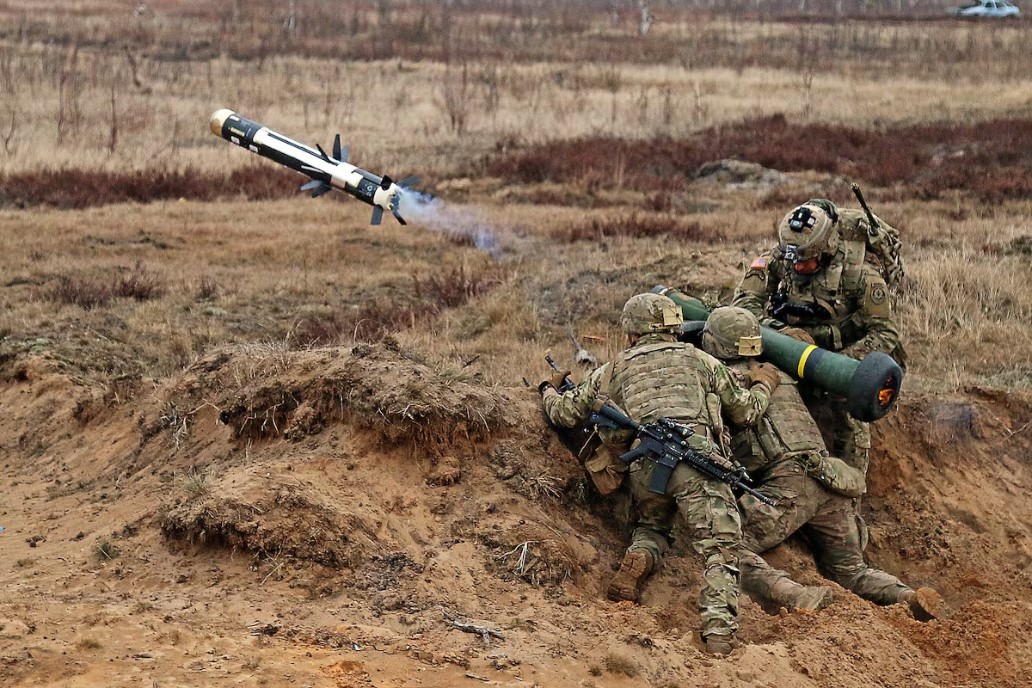
World
Washington, — June 16, 2026 : The U.S. Army has initiated a major procurement planning effort for the Javelin Weapon System, issuing a sources sought notice to defense manufacturers to assess industry capabilities for supporting production and sustainment of the missile system over the next decade. The notice, released by the U.S. Army Contracting Command on June 15, 2026, seeks information from companies that may be able to contribute to Javelin-related manufacturing, support services, and supply chain operations during fiscal years 2027 through 2036. The initiative reflects the Army’s intention to continue procuring the shoulder-fired anti-tank missile system in significant quantities while strengthening the industrial base that supports its production. Demand Driven by Stockpile Replenishment The Army’s long-term planning effort comes amid increased demand for Javelin missiles following extensive transfers to Ukraine since Russia’s full-scale invasion in 2022. The weapon has been widely used by Ukrainian forces against armored vehicles and has become one of the most recognized anti-armor systems employed during the conflict. The large number of missiles supplied to Ukraine has reduced U.S. stockpiles, creating a requirement for accelerated replenishment. Before the war, annual production averaged approximately 2,100 missiles. In response to growing demand, the Javelin Joint Venture (JJV), a partnership between Lockheed Martin and Raytheon, has expanded manufacturing capacity and is targeting production of 3,960 missiles per year by late 2026. To support higher output levels, production facilities in Troy, Alabama, and Ocala, Florida, have undergone modernization efforts. These upgrades include the use of advanced manufacturing technologies, AI-driven forecasting tools, and an expanded supplier network consisting of nearly 100 component-level suppliers. Focus on Supply Chain Support The Army's notice is not intended to replace the Javelin Joint Venture, which has produced the missile system since it entered service in 1996. The joint venture retains ownership of the intellectual property and technical data package associated with the weapon. The Army acknowledged in the notice that it does not possess a complete technical data package for the system and identified the joint venture as the original developer. Instead of seeking an alternative prime contractor, the Army is conducting market research to determine how additional companies can contribute to the broader production ecosystem while operating within existing intellectual property limitations. Areas of interest identified by the Army include: Manufacturing missile subassemblies Producing Command Launch Units (CLU) Supplying vehicle adapters Providing training devices and simulators Delivering spare batteries and replacement components Offering engineering and technical support services The information gathered will help the Army evaluate opportunities to increase production capacity and improve supply chain resilience without infringing on proprietary technologies. Javelin Remains a Key Anti-Armor Weapon The Javelin is a medium-range, shoulder-fired anti-tank guided missile designed for operation by a single soldier. The system is known for its fire-and-forget capability, allowing operators to launch the missile and immediately seek cover or reposition without continuing to guide the weapon. The missile uses an imaging infrared seeker that locks onto a target’s heat signature before launch and autonomously tracks the target throughout flight. Key Characteristics of the Javelin Weapon System Feature Details Maximum Range Exceeds 4,500 meters Guidance Fire-and-forget with imaging infrared seeker Warhead Tandem-charge high-explosive anti-tank warhead Attack Modes Top-attack and direct-fire Armor Defeat Capability Designed to penetrate reactive and conventional armor The top-attack mode enables the missile to strike the thinner upper armor of armored vehicles, while the direct-fire mode can be used against fortified positions and other targets. Lightweight Launch Unit Enters Service Recent modernization efforts have also focused on the Command Launch Unit. In May 2026, the Javelin Joint Venture delivered the first Lightweight Command Launch Units (LWCLU) to the U.S. Army. Supported by a $22 million factory modernization investment by Raytheon, the LWCLU reduces system weight while improving day and night target engagement capabilities. The upgraded launch unit is compatible with all previous, current, and future Javelin missile variants. Industry Responses Due June 30 Defense manufacturers interested in supporting future Javelin production are required to submit white papers to the Army by June 30, 2026. The submissions must outline technical capabilities, relevant experience, and proposed approaches for executing work associated with the system over the ten-year period. The sources sought notice represents an early stage of acquisition planning and does not constitute a formal contract solicitation. However, it provides a clear indication that the Army expects continued demand for the Javelin Weapon System and is taking steps to ensure sufficient production capacity and supply chain support through the next decade.
Read More → Posted on 2026-06-16 14:44:24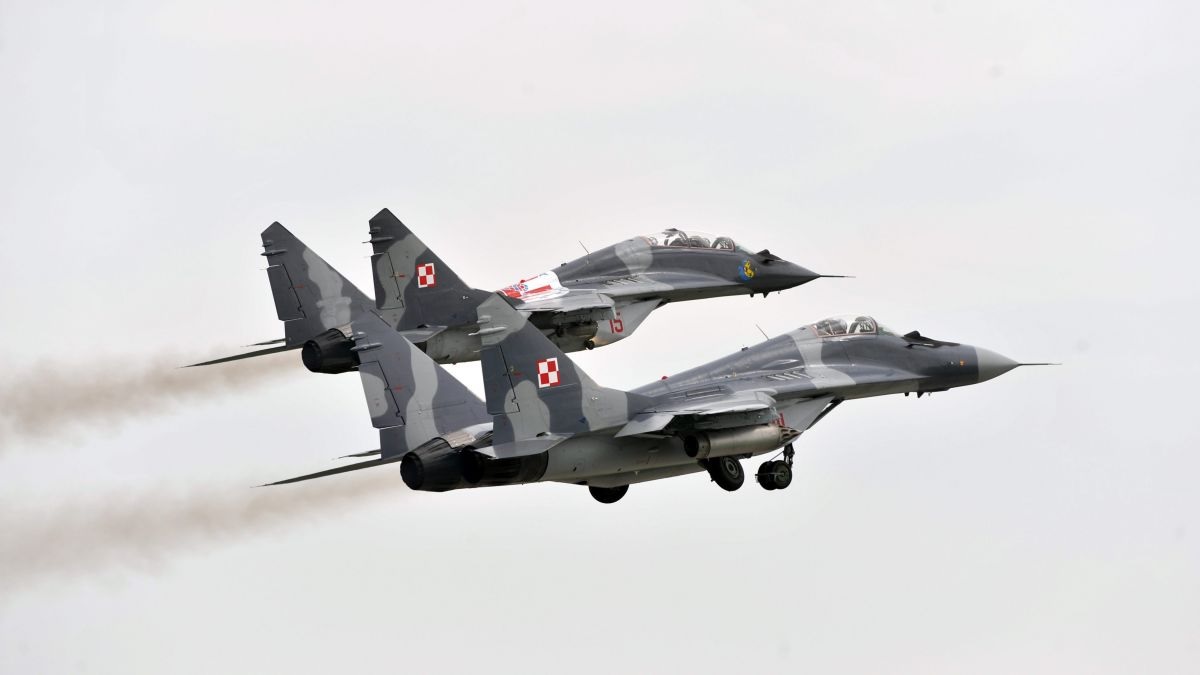
World
WARSAW, — June 16, 2026 : Poland has suspended the planned transfer of its remaining MiG-29 fighter jets to Ukraine until both countries finalize an agreement on the exchange of Ukrainian military drone technology, Polish officials have confirmed. The decision comes five months after Warsaw announced its intention to provide additional Soviet-era fighter aircraft to support Ukraine's defense efforts. According to Polish authorities, the aircraft will remain at Polish airbases until the legal and technical details of the technology-sharing arrangement are completed. Technology Exchange Linked to Fighter Transfer Polish Deputy Minister of National Defense Cezary Tomczyk said the fighter jet transfer is directly connected to ongoing negotiations over access to Ukrainian unmanned aerial vehicle (UAV) technology. Speaking to Radio ZET, Tomczyk stated that Poland and Ukraine had agreed in principle on a technology transfer arrangement, but the agreement has not yet been finalized. "We have not transferred the MiGs to Ukraine. We agreed with the Ukrainian side on a transfer of technology. If this matter is agreed, then the issue of the fighters will end successfully," Tomczyk said. He added that Poland's support for Ukraine remains unchanged, but emphasized that defense cooperation should also provide benefits for both countries. "A relationship of solidarity must be a two-way relationship. Ukrainians are the best in drones of all the countries with which we have positive relations," he said. Poland is seeking access to Ukrainian drone expertise, including intellectual property rights, technical specifications, and operational knowledge gained during more than four years of wartime drone development. Remaining MiG-29 Fleet Under Discussion The negotiations involve Poland's remaining fleet of 14 MiG-29 fighter aircraft, including 11 single-seat and three twin-seat variants. Polish officials have indicated that between six and eight aircraft could be transferred to Ukraine once the agreement is completed. Poland previously delivered between 10 and 14 MiG-29s to Ukraine during 2023 as part of military assistance packages. The aircraft are approaching the end of their service life within the Polish Air Force, which is currently replacing older Soviet-designed platforms with modern Western aircraft, including F-35A fighters, KAI FA-50PL light combat aircraft, and upgraded F-16s. Officials have stated that retaining the MiG-29s temporarily will not create operational gaps for Poland's military as the modernization program continues. Operational Value for Ukraine For Ukraine, additional MiG-29s would provide immediate operational benefits because Ukrainian pilots, technicians, and maintenance crews already operate the aircraft type. The fighters could be integrated into service without the extensive training and infrastructure requirements associated with newer Western aircraft. The Ukrainian Air Force is estimated to operate around 45 MiG-29s alongside F-16AM fighters, Mirage 2000-5F aircraft, and several Sukhoi combat aircraft variants. Growing Interest in Ukrainian Drone Technology Poland's position reflects increasing international interest in Ukraine's rapidly expanding drone industry, which has developed a wide range of combat-tested unmanned systems since the start of the war. These include first-person-view (FPV) attack drones, tactical reconnaissance UAVs, bomber drones, long-range strike systems capable of operating in contested electronic warfare environments, counter-drone interceptors, and unmanned surface vessels used in maritime operations. Ukrainian drone systems have been employed against military targets, air bases, radar installations, logistics facilities, and naval assets, making the country's defense industry a valuable source of operational experience and technological innovation. Poland has accelerated efforts to strengthen its own drone and counter-UAS capabilities amid growing security concerns along NATO's eastern flank. Recent Russian drone incursions into Polish airspace led to NATO's Operation Eastern Sentry, during which allied aircraft, including British Typhoons, French Rafales, and Romanian F-16s, were scrambled to monitor and intercept unidentified aerial targets. Negotiations Yet to Be Finalized The current delay comes despite earlier indications that both sides were making progress toward a military-technical cooperation agreement. In late 2025, Ukrainian Ambassador to Poland Vasyl Bodnar and Ukrainian Defense Minister Mykhailo Fedorov stated that discussions on expanding defense cooperation were advancing. Bodnar also noted at the time that several Polish MiG-29 aircraft were prepared for transfer. However, officials have not disclosed the reasons behind the latest delay in finalizing the technology agreement. Until negotiations are completed and the terms of the technology exchange are formally approved, Poland will continue to retain its remaining MiG-29 fleet, while discussions with Ukraine remain ongoing. The proposed arrangement highlights the evolving nature of defense cooperation between the two countries, combining military assistance with technology sharing as both sides seek to strengthen their defense capabilities.
Read More → Posted on 2026-06-16 14:31:11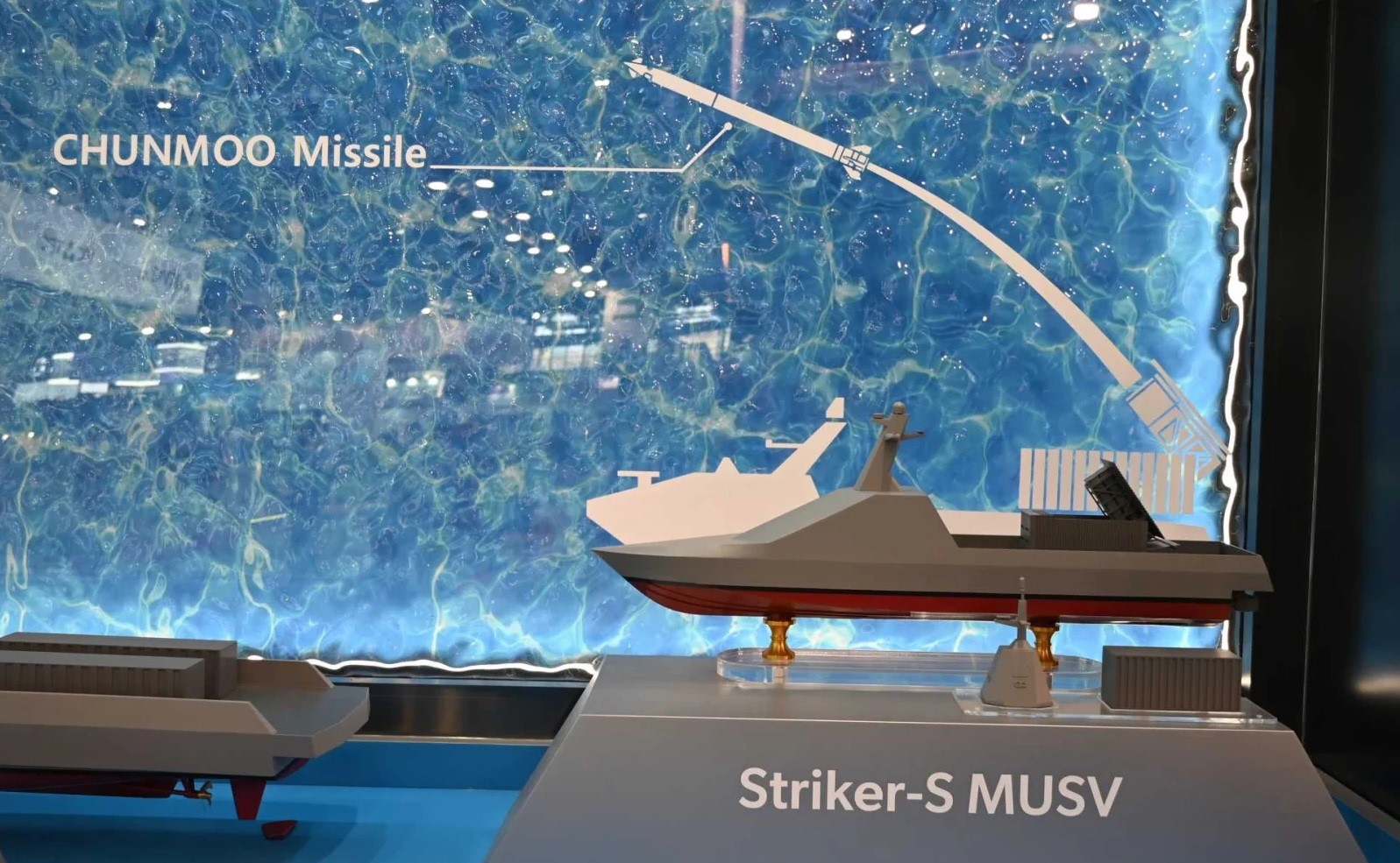
World
Paris, France, — June 16, 2026 : Hanwha Aerospace has unveiled its new Striker-S Medium Uncrewed Surface Vessel (MUSV) at the Eurosatory 2026 defense exhibition in Paris. The autonomous maritime platform integrates the combat-proven K239 Chunmoo multiple launch rocket system, extending long-range precision strike capabilities to unmanned naval vessels. The Striker-S represents Hanwha’s latest effort to support distributed maritime operations by transferring missile firepower from traditional crewed warships to modular uncrewed platforms. The vessel was presented on June 15 during the defense exhibition, which runs from June 15 to June 19 at the Paris Nord Villepinte Exhibition Centre. Vessel Design and Specifications The Striker-S is a medium-sized autonomous surface vessel designed for multiple mission profiles. Measuring 35 meters in length with a 6-meter beam, the vessel has a displacement of 250 tons and a fuel capacity of 60 tons. It is equipped with a 20-foot containerized mission module capable of carrying payloads weighing up to 10 tons. Unlike smaller expendable attack drones seen in recent conflicts, the Striker-S is comparable in size to a small patrol craft. Its displacement provides sufficient internal space for mission computers, communications systems, power generation equipment, datalinks, sensors, and payload-handling systems. The vessel is fitted with an Active Electronically Scanned Array (AESA) radar and a dedicated counter-Uncrewed Aerial Systems (counter-UAS) suite, enabling it to operate in contested littoral environments while maintaining awareness of aerial threats. Containerized Mission System A key feature of the Striker-S is its modular mission architecture. Rather than relying on permanently installed vertical launch systems, the vessel uses a containerized payload approach. Mission equipment is housed within a removable 20-foot module, allowing operators to reconfigure the vessel for different tasks. This design enables the platform to transition between strike, intelligence gathering, surveillance, reconnaissance, and support missions without requiring significant structural modifications. The approach also supports faster mission adaptation and simplifies future payload integration. Chunmoo Missile Integration The defining capability of the Striker-S is the integration of the K239 Chunmoo multiple launch rocket system, a land-based weapon system currently used by the Republic of Korea Army and exported to several European countries, including Poland, Norway, and Estonia. By employing the Chunmoo architecture, the vessel can launch a range of standardized guided munitions, including: CGR-080 guided rockets with a range of approximately 80 kilometers CTM-MR missiles with a range of approximately 160 kilometers CTM-290 tactical ballistic missiles with a range of approximately 290 kilometers Hanwha has also confirmed compatibility with Anti-Ship Ballistic Missiles (ASBM) and longer-range munitions capable of reaching distances of up to 500 kilometers in certain configurations. The use of an existing missile family across both land and maritime platforms allows operators to utilize established production, procurement, and sustainment networks, reducing the need for separate naval missile inventories and logistics systems. Operational Concept The Striker-S is designed to support distributed maritime strike operations. Instead of concentrating missile firepower on large, crewed destroyers or frigates, naval forces can deploy multiple autonomous missile carriers across a wider operational area. The vessel's onboard radar supports local situational awareness; however, engagement at maximum missile ranges depends on external targeting data. The operational concept separates the sensor from the shooter, with targeting information provided by assets such as surveillance aircraft, satellites, coastal radar stations, crewed command ships, surface combatants, or other unmanned systems. Under this model, dispersed Striker-S vessels can launch missiles from multiple locations while remaining connected to a broader network of sensors and command systems. This increases the number of available firing positions and allows crewed warships to focus on command and control, air defense coordination, sensor fusion, and operational management. Part of a Broader Autonomous Fleet Hanwha positions the Striker-S within a wider family of autonomous maritime systems that includes Intelligence, Surveillance and Reconnaissance (ISR) unmanned surface vessels and the larger Striker-M MUSV. The company’s strategy centers on creating a modular fleet structure capable of conducting scouting, strike, surveillance, and support missions. The company is also expanding its presence in the international unmanned vessel market. Hanwha's partnership with U.S.-based Magnet Defense on the 38-meter H38 MUSV reflects ongoing efforts to develop medium-sized autonomous naval platforms for global customers. Growing Interest in Uncrewed Maritime Systems The introduction of the Striker-S comes amid increasing global interest in autonomous naval technologies, distributed strike concepts, and containerized weapon systems. Defense planners are exploring ways to expand fleet capabilities while reducing manpower requirements and operational costs associated with traditional crewed warships. By combining a proven missile system with an autonomous and modular vessel design, Hanwha Aerospace aims to provide navies with a flexible platform capable of supporting networked maritime operations across a range of mission environments. The unveiling of the Striker-S at Eurosatory 2026 highlights the growing role of unmanned surface vessels in future naval force structures and the continued evolution of distributed maritime warfare concepts.
Read More → Posted on 2026-06-16 14:25:09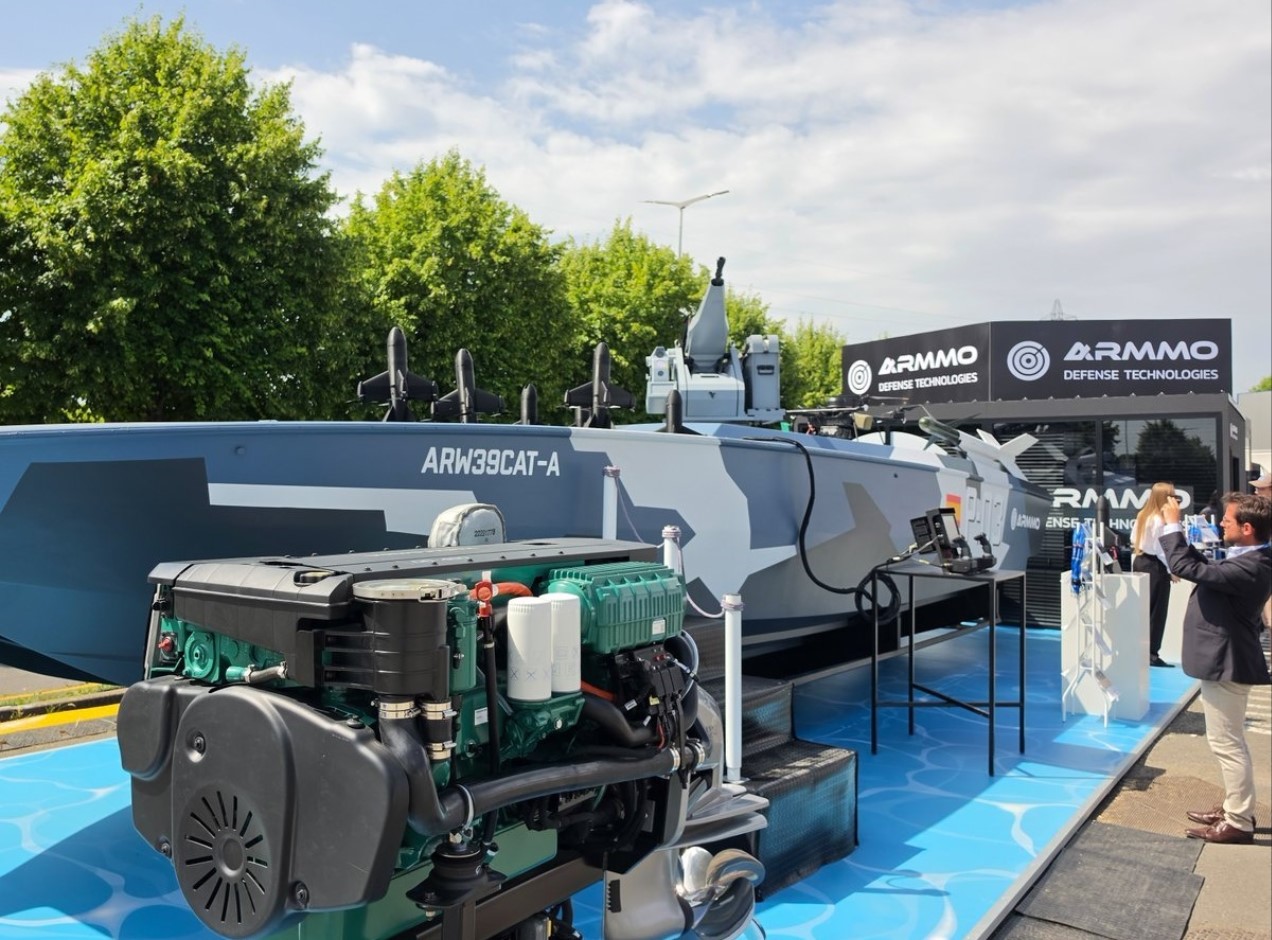
World
PARIS, — June 16, 2026 : Spanish defense company ARMMO Defense Technologies unveiled its new autonomous unmanned surface vessel (USV), the ARW39CAT-A, during Eurosatory 2026 in Paris. The vessel is designed to operate without a crew and forms part of the company's expanding portfolio of autonomous systems operating across land, sea, and air domains. The unveiling marks the platform's first public appearance following participation in NATO-linked validation exercises. The ARW39CAT-A combines high speed, modular mission capabilities, and a substantial payload capacity for reconnaissance, force protection, logistics support, and strike operations. ARW39CAT-A Designed for Multi-Mission Operations The ARW39CAT-A is a 12-meter tactical catamaran with a beam of 3.8 meters. Constructed from composite materials, the twin-hull design provides enhanced stability for operations in coastal and littoral environments, supporting the effective use of onboard sensors and mission systems. The vessel can reach speeds of 45 to 50 knots (83–93 km/h) and has a tactical radius of up to 540 nautical miles, approximately 1,000 kilometers. It supports a configurable payload capacity ranging from 800 to 1,200 kilograms, enabling deployment across a wide range of operational scenarios. Designed for remote operation within a networked multi-domain architecture, the platform can support naval forces by extending surveillance, reconnaissance, and combat capabilities beyond conventional operating distances. Modular Payload and Combat Systems The ARW39CAT-A features a modular architecture that allows rapid reconfiguration for different mission requirements, including anti-ship operations, intelligence, surveillance and reconnaissance (ISR), electronic warfare, and short-range air defense (SHORAD) against hostile drones. The platform can be equipped with: Advanced surveillance and reconnaissance sensors Electronic warfare and signals intelligence systems A 30mm remotely operated turret Side-mounted missile launchers Multiple aerial interceptor drones mounted on the bow The vessel also supports unmanned aerial operations as part of integrated multi-domain missions. NATO Validation Exercises Prior to its public debut, the ARW39CAT-A and other ARMMO systems were evaluated during the Eastern Flank Deterrence Initiative (EFDI) exercises in Slovakia under NATO LANDCOM leadership. During the multinational exercises, the company's technologies achieved operational validation in two areas: Kinetic Counter-Unmanned Aircraft System (C-UAS) Defeat System Tactical, Mobile, Networked Aerial Threat Protection The exercises assessed the performance of ARMMO's surveillance, early warning, and counter-drone technologies in operational conditions. Additional Systems on Display Alongside the ARW39CAT-A, ARMMO is showcasing several autonomous and electronic warfare systems at Eurosatory 2026. BANDIT-X Interceptor Drone The BANDIT-X is a high-speed tactical interceptor drone capable of reaching speeds of up to 350 km/h. It is designed to physically neutralize hostile drones and operates with acoustic beacons and inertial navigation systems, allowing continued functionality in GPS-denied and electronic warfare environments. GULL Tactical Bomber Drone The GULL unmanned tactical bomber can carry payloads of up to 14 kilograms, equivalent to three 81mm mortar grenades. The system is designed for precision payload delivery during tactical missions. AURIS Early Warning Network AURIS is a network of active acoustic beacons developed to provide early threat detection and improve situational awareness on the battlefield. These systems were previously demonstrated during the Spanish Army's Tactical Experimentation Campaign in Almería in April 2026. Industrial Expansion in Spain The launch of the ARW39CAT-A coincides with the development of a major manufacturing and integration complex in Zafra, Extremadura, in southwestern Spain. The facility covers 26,000 square meters and is intended to become one of Europe's largest production centers dedicated to drones, autonomous platforms, and advanced defense technologies. The site will centralize: Manufacturing and assembly Electronic systems integration Composite materials production Research and development activities Specialized training programs The facility is expected to strengthen Spain's industrial capacity in autonomous defense technologies and support the production of next-generation unmanned systems. Expanding Role of Autonomous Systems The introduction of the ARW39CAT-A reflects the growing adoption of autonomous maritime platforms within modern defense forces. Increasing demand for unmanned systems capable of conducting surveillance, force protection, electronic warfare, and strike missions has accelerated investment in multi-domain autonomous technologies. With its combination of high speed, modular payload options, and integration with aerial and land-based autonomous systems, the ARW39CAT-A represents ARMMO's latest development in the expanding unmanned defense sector.
Read More → Posted on 2026-06-16 14:18:28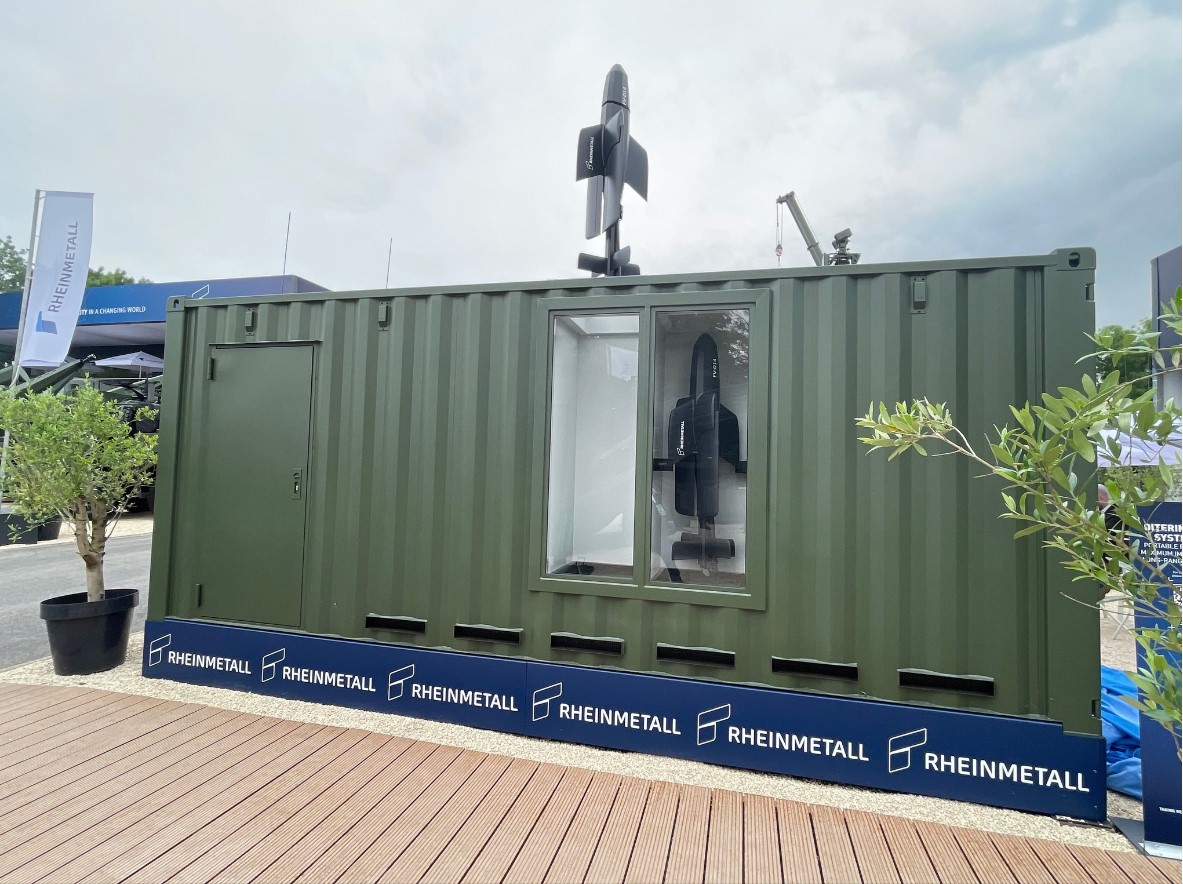
World
Paris, France, — June 16, 2026 : German defense manufacturer Rheinmetall has officially unveiled its new Containerized Missile Launcher (CML) for the FV-014 Loitering Munition System at the Eurosatory 2026 defense exhibition in Paris. Designed around a standard 20-foot shipping container, the new launcher combines reconnaissance and precision-strike capabilities while offering a flexible deployment solution for modern military operations. Container-Based Launch System Designed for Flexible Deployment The Containerized Missile Launcher (CML) is built to provide mobility, rapid deployment, and operational flexibility. By utilizing a standard 20-foot container format, the system can be transported and deployed using a wide range of military and civilian platforms, including trucks, rail cars, and ships. The launcher can carry up to 18 FV-014 loitering munitions in a ready-to-launch configuration. Rheinmetall said the CML is a fully autonomous and networked system equipped with its own power supply, battery system, and communication modules. A built-in sleep mode enables extended standby operations, while an optional generator can further increase operational endurance. The system can transition from standby to active mode on command, allowing remote launch operations with minimal personnel requirements. Its modular design also enables integration with different platforms and command structures. FV-014 Combines Reconnaissance and Precision Strike Capabilities The FV-014 loitering munition serves as the core weapon of the new launcher system. Weighing approximately 20 kilograms, the unmanned aerial vehicle combines intelligence gathering, target tracking, and precision-strike functions within a single platform. The munition is equipped with a 5-kilogram High-Explosive Dual Purpose (HEDP) warhead capable of penetrating more than 600 millimeters of rolled homogeneous armor (RHA). This capability allows it to engage armored vehicles, artillery systems, fortified positions, and infrastructure targets. Key Specifications of the FV-014 Maximum range: Up to 100 kilometers Data link range: Up to 60 kilometers Flight endurance: Up to 70 minutes Warhead: 5 kg High-Explosive Dual Purpose (HEDP) Armor penetration: More than 600 mm RHA Propulsion: Quiet electric motor Sensor suite: 360-degree swiveling nose-mounted gimbal Navigation: Capable of operating in GNSS-denied environments Control: Human-in-the-loop operation with swarm capability A 360-degree swiveling gimbal located at the front of the aircraft enables continuous target observation and surveillance. The FV-014 uses a quiet electric propulsion system and an aerodynamic wing design with faceted surfaces intended to reduce acoustic, thermal, and radar signatures. Rheinmetall stated that the munition is designed to maintain operational effectiveness in electronically contested environments where Global Navigation Satellite System (GNSS) signals may be disrupted or jammed. Swarm Operations Enable Simultaneous Target Engagement One of the key features of the FV-014 is its ability to conduct swarm operations. The system's software architecture allows a single operator to launch and control multiple loitering munitions simultaneously. This capability enables coordinated attacks against several targets at once or concentrated strikes against a single objective. The swarm functionality can also support wider-area reconnaissance and target tracking missions while reducing operator workload. Integration Through Rheinmetall Battlesuite The CML and FV-014 are integrated into Rheinmetall's Battlesuite digital architecture, which connects sensors, platforms, command systems, and weapon systems across the battlefield. The launcher uses the Battlesuite Interface Collection, a set of open interfaces based on NATO STANAG standards as well as internationally recognized civilian standards such as ROS2 and MAVLink. This approach enables integration with existing national command-and-control networks and third-party systems. According to Rheinmetall, the architecture supports a range of digital battlefield applications, including: Tactical mission planning AI-assisted target classification Multi-mode target tracking Autonomous unmanned system control Battlefield management and command functions Counter-UAS operations The company said the open architecture is intended to simplify integration efforts while improving information sharing and operational coordination across different military platforms. Production and Procurement The FV-014 is developed and manufactured entirely within the European Union and has been designed for large-scale industrial production. Rheinmetall said the system uses modular components and established manufacturing processes to support high-volume output. The program gained momentum following a successful live-fire demonstration conducted for a NATO customer at the German Aerospace Center in February 2026. Subsequently, in April 2026, the German Armed Forces (Bundeswehr) signed a multi-billion-euro framework agreement for the procurement of tens of thousands of FV-014 loitering munitions. Initial deliveries are expected to begin in 2027. Eurosatory 2026 Debut The Containerized Missile Launcher (CML) and FV-014 made their public debut at Rheinmetall's stand during Eurosatory 2026, held in Paris from June 15 to 19. With the introduction of the CML, FV-014, and Battlesuite architecture, Rheinmetall is expanding its portfolio of networked reconnaissance and strike systems. The company positions the integrated solution as a platform designed to support reconnaissance, target engagement, force protection, and command connectivity across modern operational environments.
Read More → Posted on 2026-06-16 14:06:27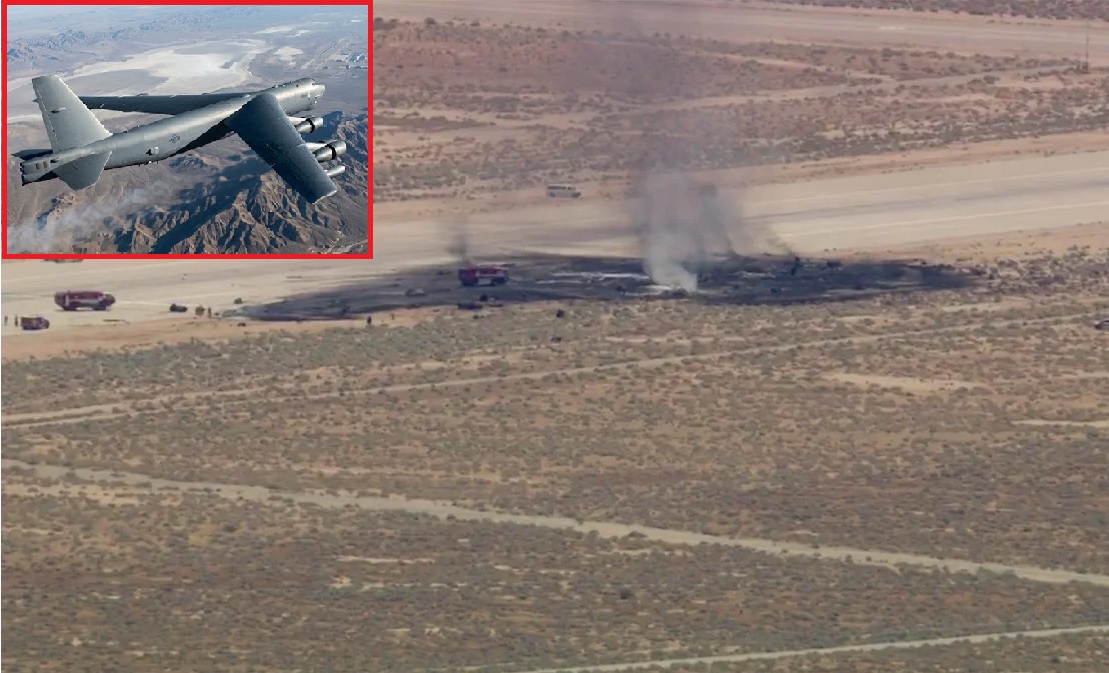
World
EDWARDS AIR FORCE BASE, Calif., — June 16, 2026 : Eight people were killed when a U.S. Air Force B-52 Stratofortress crashed shortly after takeoff during a routine test mission at Edwards Air Force Base in California's Mojave Desert, military officials confirmed on Tuesday. The aircraft went down at approximately 11:20 a.m. PDT on June 15 while supporting the Air Force's Radar Modernization Program. The crash occurred within the boundaries of Edwards Air Force Base, located about 100 miles north of Los Angeles. Aircraft Crashed Minutes After Takeoff According to military officials, the B-52 took off at around 11:10 a.m. Radar tracking data showed the aircraft initially flew northeast before gradually turning north. Moments later, it abruptly changed direction toward the northwest and began a rapid descent, losing more than 5,000 feet per minute before striking the ground. The aircraft crashed near the runway and caught fire on impact. Emergency response crews were dispatched immediately after the incident. Thick black smoke was visible from the crash site, and aerial footage later showed extensive destruction, with only scattered sections of the aircraft remaining. No Survivors Among Eight Crew Members During a press briefing, Col. James Hayes, deputy commander of the 412th Test Wing, confirmed that all eight individuals aboard the aircraft were killed. "Edwards Air Force Base experienced a horrible tragedy, and we lost eight great Americans," Hayes said. "This crash is deemed to be unsurvivable, and right now our thoughts and prayers are with the families of those that lost their loved ones." The aircraft carried a mixed crew of military personnel, government civilians, and contractors participating in the test mission. Boeing confirmed that two of its employees were among those killed. Authorities have not released the identities of the victims as family notification procedures remain underway. Test Mission Linked to Radar Modernization Program Officials said the bomber was conducting a routine flight in support of the Air Force's Radar Modernization Program. The aircraft involved was a B-52 Stratofortress assigned to the 412th Test Wing and registered as tail number 60-0061. The military has not confirmed whether the aircraft carried any weapons, although such test flights are typically conducted without armament. Edwards Air Force Base serves as the U.S. Air Force's primary center for flight testing and evaluation, where new aircraft systems, weapons, and software are assessed before entering operational service. Base Operations Temporarily Suspended Following the crash, airfield operations at Edwards Air Force Base were suspended and incoming aircraft were diverted to alternate locations. Base officials also restricted non-commercial visitor access to allow personnel to focus on emergency response and recovery activities. Authorities later confirmed that efforts had shifted from rescue operations to recovery and investigation. Officials said the accident did not affect communities outside the base. Investigation Underway The cause of the crash remains under investigation. Military officials said an interim safety board has begun collecting evidence from the crash site. A formal accident investigation board is expected to examine flight data, aircraft systems, maintenance records, and other factors to determine the sequence of events that led to the accident. The investigation could take up to six months to complete. Aviation safety expert Jeff Guzzetti, a former investigator with both the Federal Aviation Administration (FAA) and the National Transportation Safety Board (NTSB), said the aircraft's rapid descent may indicate a loss of control. "I think it was definitely a controllability issue. Now, whether that was tied to an engine failure, a flight control failure, or some new testing device failure, I'm not sure," Guzzetti said. He added that developmental test flights involving newly integrated systems require additional safeguards, particularly when conducted on older aircraft platforms. B-52 Remains Key Part of Air Force Fleet The Boeing B-52 Stratofortress entered service in 1955 and remains one of the U.S. Air Force's primary long-range strategic bombers. Despite its age, the aircraft continues to play a major role in military operations. The Air Force is currently modernizing the fleet with upgraded engines and radar systems to keep the aircraft operational for decades to come, alongside the future B-21 Raider stealth bomber. Deadliest U.S. B-52 Crash in Decades Monday's accident is the deadliest B-52 crash in the United States since 1982, when nine crew members died during a test-training flight at Mather Air Force Base near Sacramento, California. The last fatal accident involving a B-52 occurred in 1994 at Fairchild Air Force Base in Washington state. The crash at Edwards Air Force Base also marks the first loss of a B-52 aircraft since 2016. The U.S. Air Force said additional information will be released as the investigation progresses.
Read More → Posted on 2026-06-16 13:59:50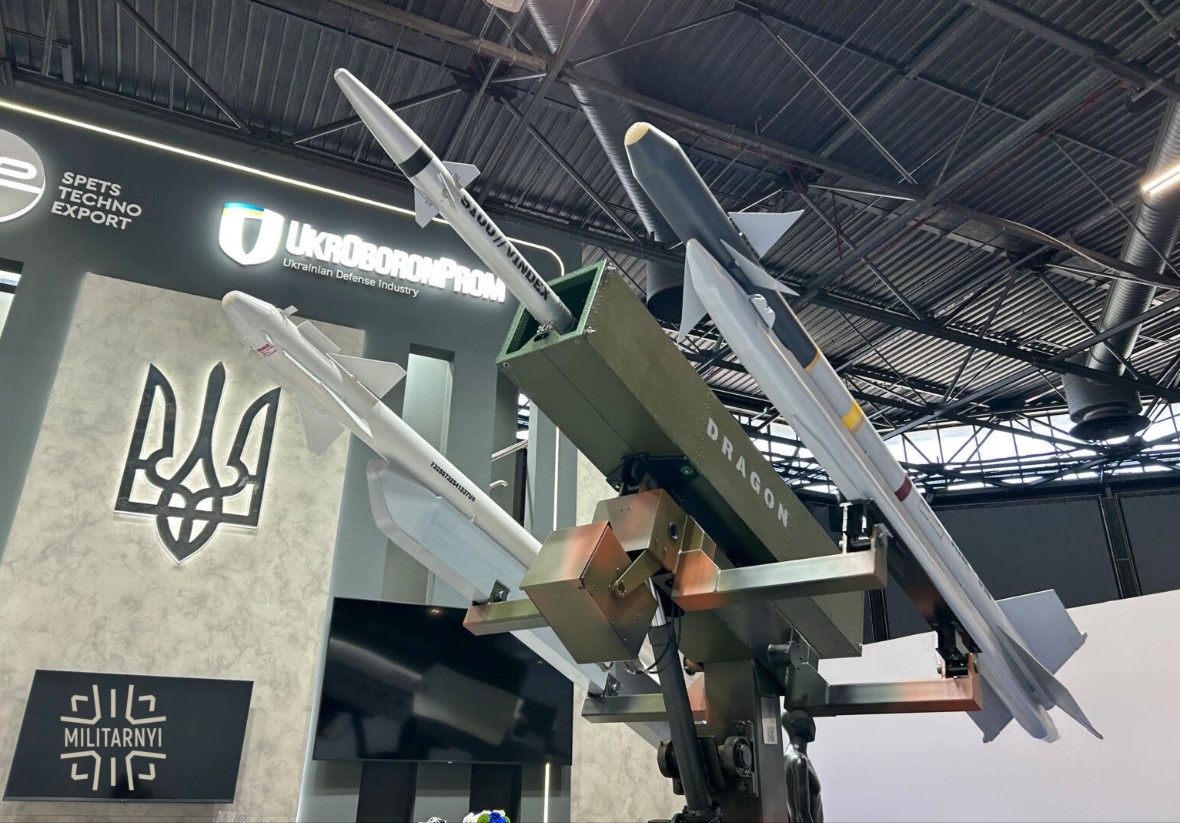
World
PARIS, — June 15, 2026 : Ukrainian developers have unveiled the DRAGON ground-based air defense system at the Eurosatory 2026 international defense exhibition in Paris. The system was presented by the Center of Innovative Technologies Program at the booth of Ukraine’s state-owned defense trade enterprise SpetsTechnoExport. DRAGON is a mobile air defense complex designed to convert aircraft-launched air-to-air missiles into ground-based interceptors. The system utilizes short-range missiles equipped with infrared homing seekers and is intended to engage threats such as drones, helicopters, cruise missiles, and low-flying aircraft. Multiple Missile Options The launcher currently supports three missile types: R-60 (AA-8 Aphid) — engagement range up to 5 km AIM-9M Sidewinder — engagement range of 8–10 km R-73 (AA-11 Archer) — engagement range of 10–15 km Ukrainian developers said work is also underway to integrate the AIM-9X Sidewinder Block II, the most advanced variant of the Sidewinder missile family. Rapid Deployment and Remote Operation The DRAGON system can be deployed and brought to combat readiness within 15 minutes. It can remain in active mode for up to eight hours or stay in standby mode for up to 14 days. The launcher is operated through a remote control console, allowing crews to control the system from a safe distance. Communication can be established through either a secure wired connection or a Starlink satellite terminal, providing operational flexibility in different environments. BALOO Support Trailer Alongside the launcher, developers introduced the BALOO transport and loading trailer, designed to support DRAGON operations in the field. The trailer can carry six to eight missiles, including configurations of eight AIM-9 missiles or a mixed load of four AIM-9 missiles and two R-73 missiles. BALOO also carries 240 liters of liquid nitrogen, which is used to cool the missiles’ infrared homing seekers before launch. Since the missiles were originally designed for aircraft use, cooling is required to ensure effective target acquisition when launched from a ground-based platform. Part of Ukraine’s Expanded Presence at Eurosatory The debut of DRAGON comes as Ukraine significantly expands its participation at Eurosatory 2026. More than 80 Ukrainian defense manufacturers are taking part in this year’s exhibition, an eightfold increase compared with the 2024 event. The exhibition, held from June 15–19 at Paris Nord Villepinte, is showcasing a wide range of Ukrainian defense technologies developed and adapted in response to current operational requirements. The DRAGON system offers a mobile and cost-effective air defense solution by enabling the use of existing Soviet-era and Western missile stocks on a single ground-based launch platform.
Read More → Posted on 2026-06-15 18:10:27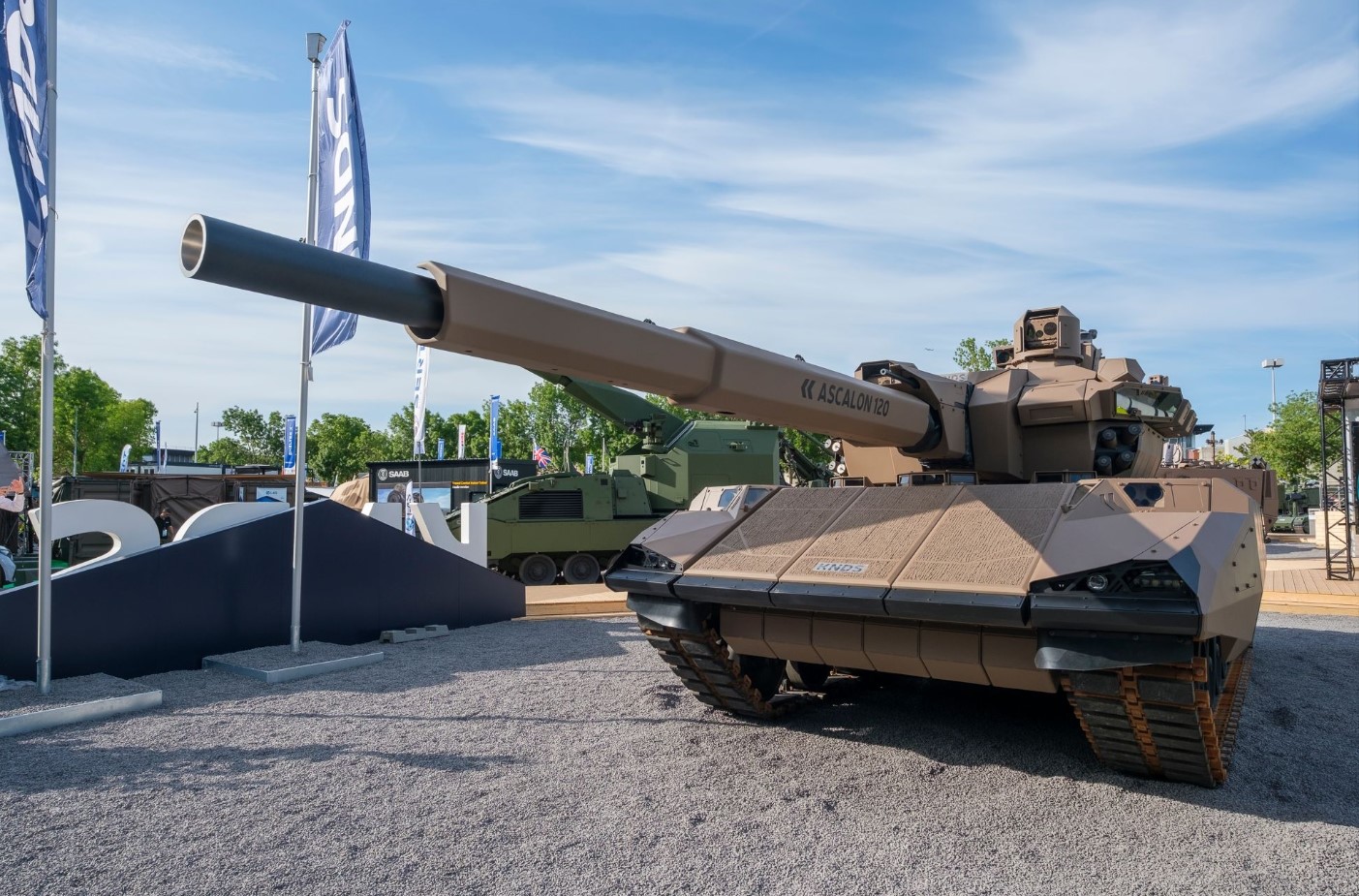
World
PARIS, — June 15, 2026 : KNDS has unveiled its new CAPINT (CAPacité INTermédiaire) main battle tank (MBT) concept at the Eurosatory 2026 defense exhibition, presenting it as an interim solution to replace the French Army’s aging Leclerc fleet while the Franco-German Main Ground Combat System (MGCS) program continues to face delays. The CAPINT concept combines German mobility technologies with French firepower systems. Developed by KNDS Deutschland and KNDS France, the vehicle integrates an enhanced Leopard 2A8-based chassis with the ASCALON unmanned turret, creating a platform intended to bridge the capability gap before the arrival of the MGCS. The vehicle is powered by a 1,500-horsepower diesel engine and is based on the latest Leopard 2A8 design, providing improved mobility and operational performance. For firepower, CAPINT features the ASCALON 120mm smoothbore autoloaded gun housed in an unmanned turret. The design places the three-person crew inside the hull, enhancing crew protection. A pre-demonstrator displayed at Eurosatory uses a modified Leopard 2A4 hull, while future production vehicles are expected to utilize the more advanced Leopard 2A8 chassis. According to KNDS CEO Jean-Paul Alary, the project brings together French and German capabilities into a fully integrated solution developed and supported by a single company. The CAPINT program was launched to address concerns over the future of France’s armored forces. The Leclerc fleet is expected to remain in service until around 2038, while the MGCS program, launched in 2017 to replace both the Leclerc and Leopard 2, has been delayed into the 2040s due to political and industrial challenges. KNDS plans to deliver the first CAPINT vehicles during the 2030s, providing the French Armed Forces with an advanced interim capability until the next-generation MGCS enters service. In addition to improved firepower and protection, CAPINT incorporates several features designed for modern battlefield requirements. These include integrated counter-unmanned aerial vehicle (C-UAV) capabilities, an open digital architecture for future upgrades, and connectivity with robotic wingmen and unmanned systems. KNDS describes the platform as more than a conventional tank, emphasizing its role as a central node within a networked combat system. Through its digital architecture and ability to operate alongside robotic vehicles, CAPINT is designed to support future multi-domain operations while serving as a technological bridge toward the MGCS. The unveiling of CAPINT at Eurosatory 2026 highlights KNDS’s effort to maintain French armored capabilities during the transition period and demonstrates a practical combination of proven Leopard 2 technology with next-generation French combat systems.
Read More → Posted on 2026-06-15 17:59:00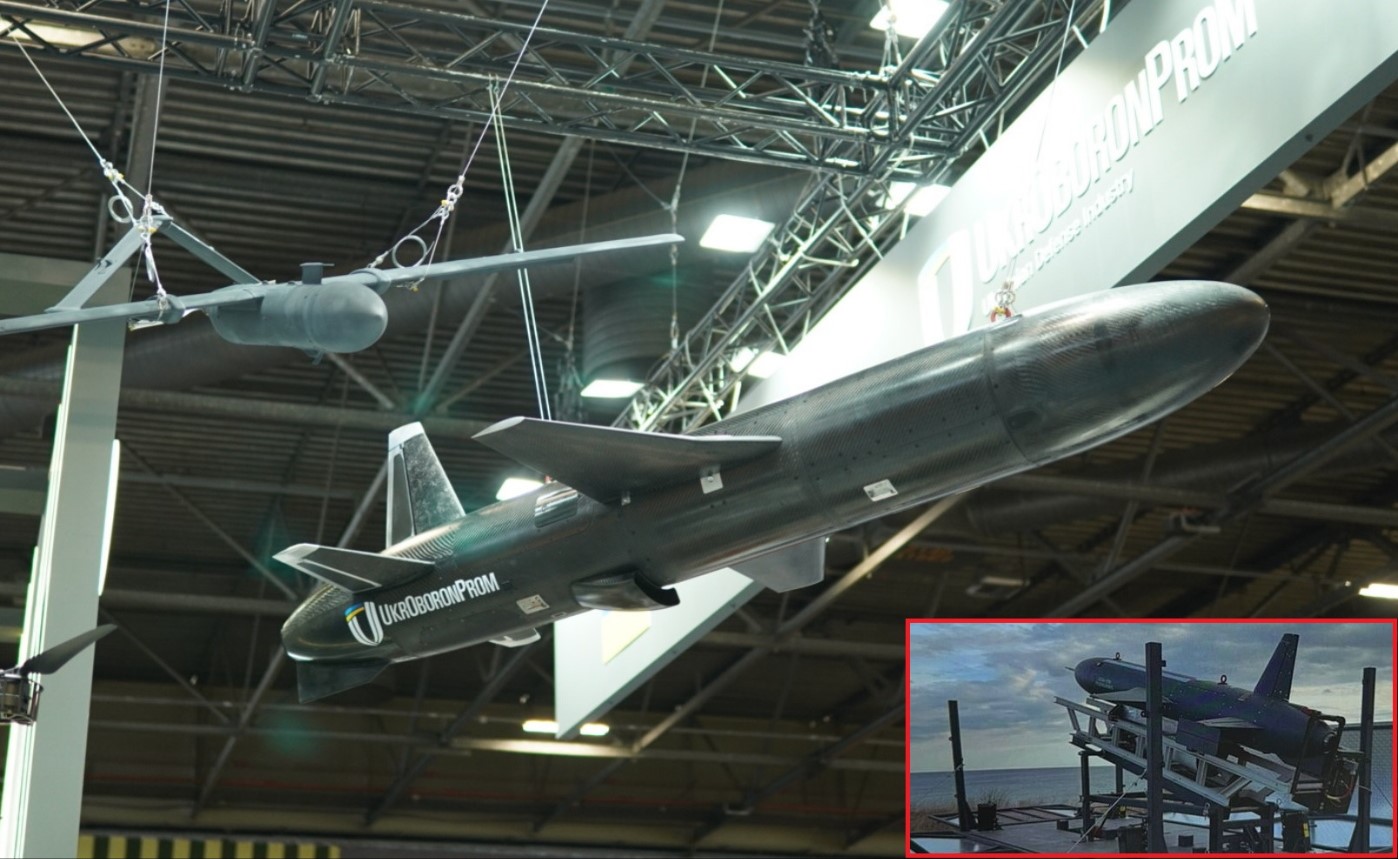
World
PARIS, — June 16, 2026 : Ukrainian state defense company Ukroboronprom unveiled its new UAV-290 strike unmanned aerial vehicle (UAV) during the Eurosatory 2026 defense exhibition in Paris, showcasing a new long-range tactical strike capability designed for autonomous operations against ground targets. The unveiling was reported by a correspondent from Militarnyi attending the exhibition. The UAV-290 has been developed as a strike drone intended for the autonomous engagement of stationary ground targets at tactical ranges, reflecting Ukraine’s continued focus on expanding its portfolio of unmanned combat systems. According to information presented at the exhibition, the UAV-290 is powered by a turbojet engine that enables a cruising speed of up to 800 kilometers per hour, making it significantly faster than many conventional propeller-driven unmanned aerial vehicles currently used for strike missions. The system is launched with the assistance of a solid-fuel booster, which accelerates the aircraft during takeoff. After launch, the drone transitions to autonomous flight, navigating toward its target using an integrated Inertial Navigation System (INS) combined with Global Positioning System (GPS) guidance. This navigation architecture is designed to support autonomous mission execution and improve accuracy during long-range operations. The UAV-290 has a maximum payload capacity of 100 kilograms and a total launch weight of 350 kilograms. The aircraft is capable of operating at ranges of up to 650 kilometers, providing the ability to engage targets located deep within the tactical and operational battlefield environment. In terms of dimensions, the drone features a wingspan of 1.7 meters and a length of 3.5 meters. Its relatively compact size allows the system to be deployed from mobile launch platforms, improving operational flexibility and enabling rapid relocation of launch units. The introduction of the UAV-290 comes as Ukrainian defense manufacturers continue to expand the range of unmanned systems displayed at major international defense exhibitions. The growing emphasis on autonomous strike capabilities reflects broader trends in modern warfare, where unmanned platforms are increasingly being used for reconnaissance, precision strike, and long-range attack missions. Earlier during the Eurosatory 2026 exhibition, Militarnyi reported that Ukrainian developers also presented the DRAGON ground launch system in Paris. The unveiling of both systems highlights ongoing efforts by Ukraine’s defense industry to develop and showcase indigenous unmanned and missile-launch technologies for domestic and potential international users. The UAV-290 is among several next-generation unmanned systems presented at Eurosatory 2026 this year, where defense companies from around the world are exhibiting new technologies aimed at enhancing battlefield mobility, precision strike capabilities, and autonomous operations.
Read More → Posted on 2026-06-15 17:46:57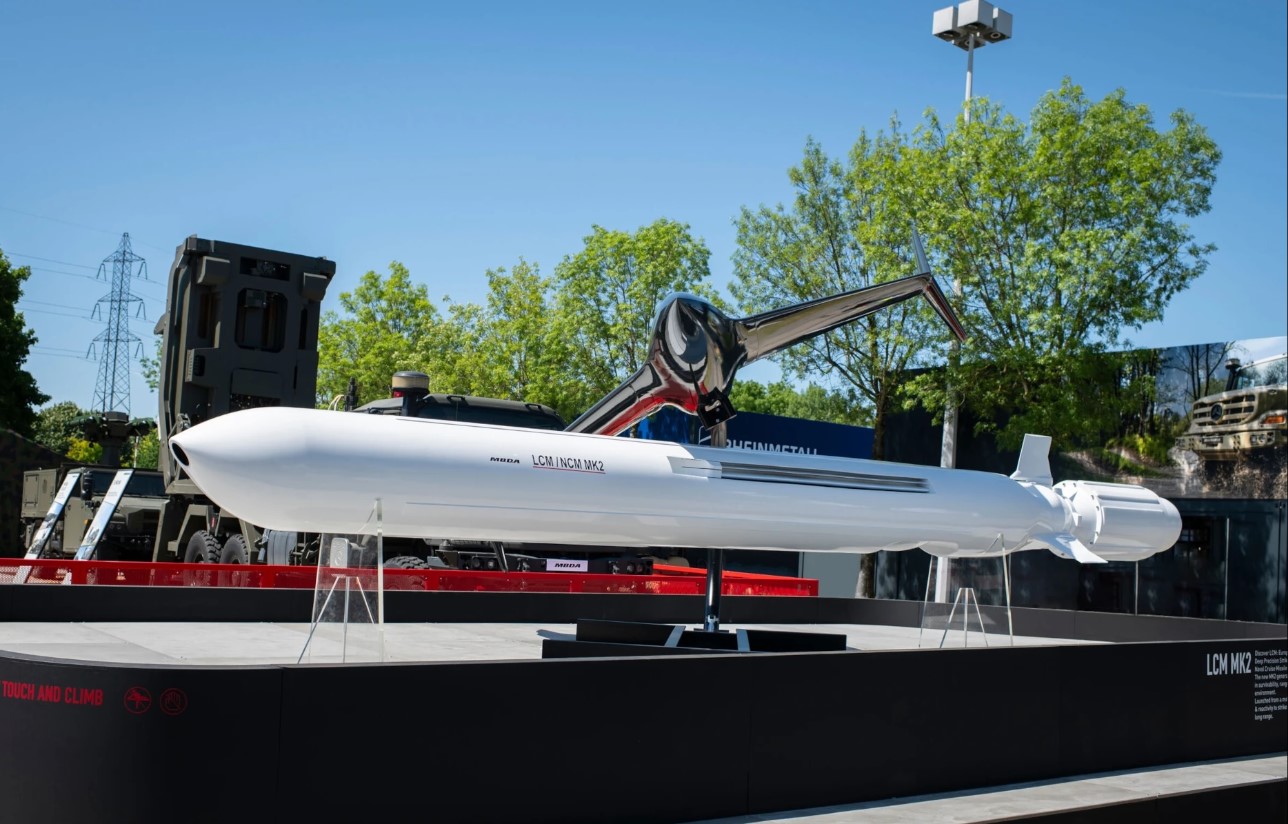
World
PARIS, — June 16, 2026 : MBDA has unveiled its next-generation Naval Cruise Missile (NCM) and Land Cruise Missile (LCM) MK2 system at the Eurosatory 2026 defense exhibition in Paris. The company describes the NCM-LCM MK2 as a European very long-range cruise missile designed to provide sovereign deep precision-strike capabilities for naval and land forces. The unveiling marks the first presentation of a complete Land Cruise Missile system integrating the new-generation NCM MK2. The system is based on the combat-proven Naval Cruise Missile currently in service with the French Navy aboard frigates and attack submarines. Based on Combat-Proven Naval Missile The Land Cruise Missile combines the Naval Cruise Missile with a highly mobile ground-launch capability. By adapting an existing maritime weapon for land operations, MBDA aims to provide a sovereign precision-strike capability that can be produced and fielded within a short timeframe. To support the new capability, MBDA is developing a dedicated Ground Launch System based on the existing NCM launch architecture. The first version of the launcher is expected to be available from 2029. Range and Key Capabilities The NCM-LCM MK2 has a range of more than 1,000 kilometers and incorporates several improvements designed for modern combat environments. According to MBDA, the missile features a new-generation anti-jamming system that enhances its ability to operate in contested electronic warfare environments. The missile also incorporates improved stealth characteristics and enhanced flight performance to increase survivability against advanced integrated air-defense systems. The company highlighted four key operational advantages of the missile: enhanced resistance to jamming, improved survivability, increased range, and greater lethality against high-value targets. The system retains the Naval Cruise Missile’s precision-strike capability, low radar signature, terrain-following flight profile, and effectiveness against defended targets. Mobile Ground Launch System The Land Cruise Missile system is designed for mobility and rapid deployment. It can operate from unprepared positions and be ready to fire in less than 15 minutes. Each mobile launcher carries four missiles in individual canisters that remain pre-loaded and ready for launch. The system also includes mission-planning and command-and-control tools integrated with dedicated launcher platforms. In addition, the missile supports synchronized time-on-target operations, allowing multiple missiles to strike their targets simultaneously to increase operational effectiveness against enemy defenses. European Cooperation MBDA said the NCM-LCM MK2 is open to European cooperation and offers an opportunity for allied nations to jointly acquire a sovereign long-range strike capability. The company described the NCM-LCM MK2 as a flagship system within its deep precision-strike portfolio and stated that nations operating both the naval and land variants would gain very long-range strike capabilities from submarines, surface warships, and ground-based launchers using a common missile family. The introduction of the NCM-LCM MK2 at Eurosatory 2026 reflects growing demand for mobile, long-range precision-strike systems and expands MBDA’s portfolio of sovereign European deep-strike capabilities.
Read More → Posted on 2026-06-15 17:40:07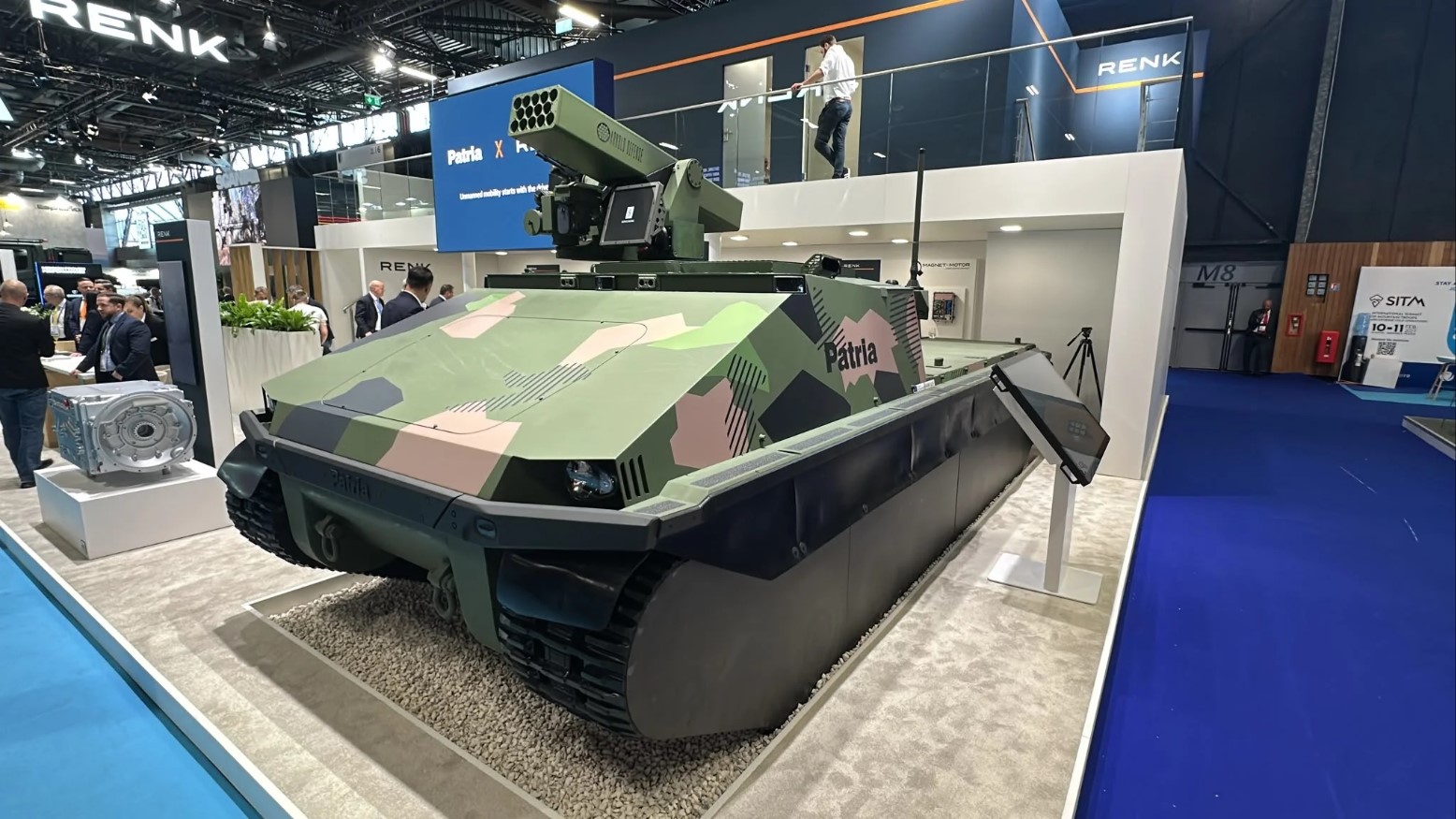
World
PARIS, — June 16, 2026 : Finnish defense company Patria and German transmission manufacturer RENK Group have unveiled a new unmanned ground vehicle (UGV) concept based on the TRACKX tracked platform at the Eurosatory 2026 defense exhibition in Paris. Presented as a full-scale mock-up, the vehicle combines Patria’s TRACKX platform with RENK’s HSWL 076 drive-by-wire transmission, demonstrating a common architecture that can support both crewed and uncrewed operations. The concept is intended for missions in high-risk environments while reducing the exposure of military personnel to battlefield threats. TRACKX Platform Adapted for Unmanned Operations The UGV is based on Patria’s TRACKX platform, which was first introduced at the DSEI exhibition in London in September 2025 as a modern replacement for aging armored personnel carriers such as the M113. In its standard configuration, TRACKX is a 13–18 metric-ton tracked armored personnel carrier capable of carrying a two-person crew and up to ten troops. For the unmanned version displayed at Eurosatory, the troop compartment has been replaced by sensors, communications equipment, and autonomous systems while retaining the same chassis and mobility characteristics. The vehicle features wide rubber tracks, independently adjustable hydropneumatic suspension, and a nearly flat hull bottom designed to improve mobility across snow, bogs, forests, and roads. TRACKX can exceed 80 km/h and has an operational range of up to 500–600 kilometers. The platform is also amphibious, with a swimming speed of approximately 4 km/h. Power is provided by a Caterpillar 7.1-liter six-cylinder turbo-diesel engine producing around 360 horsepower. RENK's HSWL 076 Drive-by-Wire Transmission The unmanned vehicle incorporates RENK’s HSWL 076 transmission, developed for vehicles in the 10–20 tonne class. The system supports up to 300 kW of input power and integrates steering, braking, and mobility functions into a compact digital architecture. Using drive-by-wire technology, traditional mechanical and hydraulic controls are replaced with electronic signals, enabling remote operation and future autonomous functions. RENK stated that the transmission is safety-certified, including ECE R79 and ECE R13 approvals, providing a certified foundation for digitally controlled military vehicles. The drivetrain has also been designed to support future hybrid propulsion and autonomous capabilities. Influence of the War in Ukraine The development of heavy unmanned ground vehicles has been influenced by lessons from the war in Ukraine, where unmanned systems are increasingly being used for reconnaissance, logistics, casualty evacuation, and other high-risk missions. Patria President and CEO Panu Routila said the conflict has demonstrated the growing importance of unmanned systems in modern warfare. He noted that Patria provides the vehicle platform while RENK contributes the digital transmission technology, creating greater commonality between crewed and uncrewed vehicle fleets. Because the drivetrain is designed to accept digital commands directly, the platform can support both remote operation and higher levels of autonomy as software technologies continue to mature. RENK Group CEO Dr. Alexander Sagel said future land operations will increasingly depend on digitally enabled and scalable vehicle architectures and described the project as an example of European defense cooperation supporting the development of unmanned capabilities. Future Development The TRACKX-based UGV concept highlights a common-platform approach that allows military operators to field both crewed and uncrewed variants while simplifying logistics, maintenance, and training. Patria is also displaying crewed TRACKX variants at Eurosatory 2026, including configurations integrated with the NEMO mortar system. The company plans to begin serial production of the TRACKX platform in 2027. The unmanned vehicle concept will remain on display at Eurosatory 2026 until the exhibition concludes on June 19.
Read More → Posted on 2026-06-15 16:37:56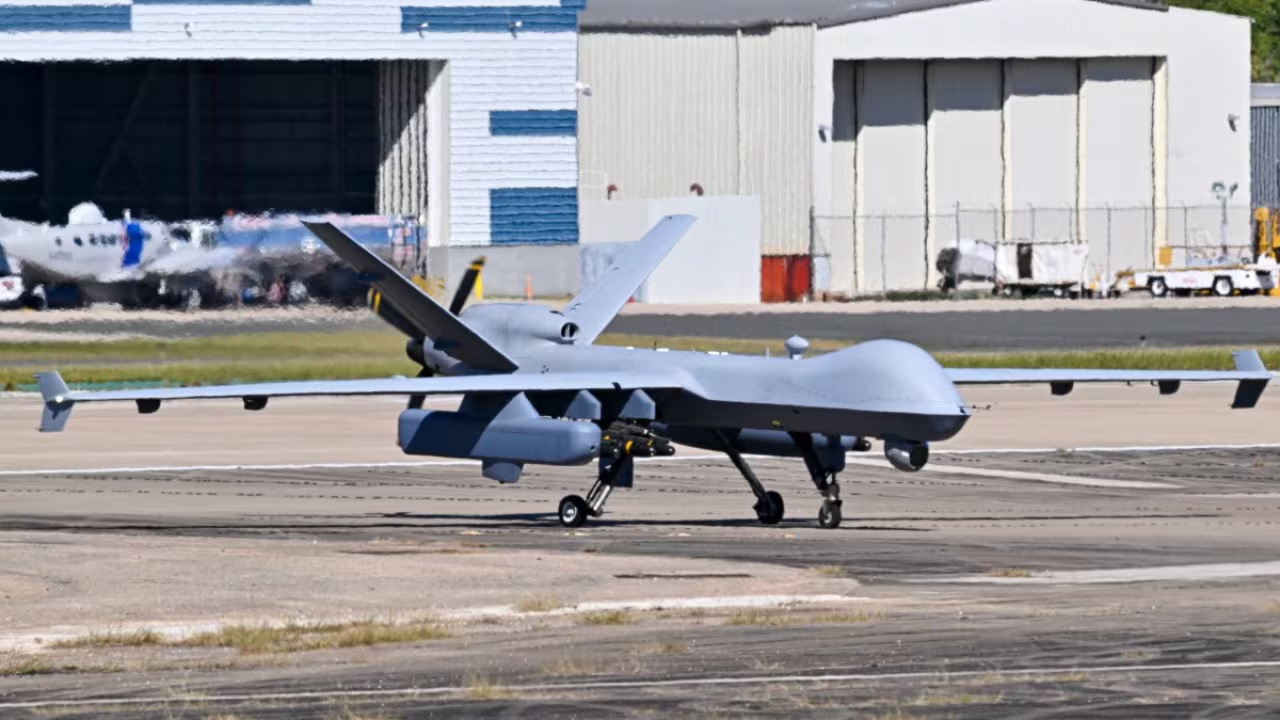
World
WASHINGTON, — June 15, 2026 : The United States Air Force is moving to rebuild its MQ-9 Reaper drone fleet after sustaining substantial losses during recent military operations against Iran, highlighting both the importance of unmanned systems in modern warfare and the challenges associated with replacing combat losses. Senior Air Force officials have described the MQ-9 Reaper as one of the most important assets used during Operation Epic Fury, the U.S. military campaign against Iran. However, the extensive employment of the platform also resulted in significant attrition, reducing the size of the Air Force’s active drone inventory and prompting legislative efforts to preserve and expand the fleet. MQ-9 Reaper Played Central Role in Iran Campaign U.S. Air Force Chief of Staff General Kenneth S. Wilsbach recently referred to the MQ-9 Reaper as the “most valuable player” of Operation Epic Fury, emphasizing its extensive use across the conflict. According to Wilsbach, the MQ-9 supported operations against more than 13,000 targets during the campaign, including over 4,000 dynamic targets such as mobile missile launchers and other time-sensitive battlefield assets that required immediate engagement. The aircraft conducted intelligence, surveillance, reconnaissance, target acquisition, and precision strike missions throughout the operation. “We’ve made many, many strikes,” Wilsbach said. “No other platform is even close to the MQ-9 in terms of the number of strikes against Iran. It’s an unmanned platform, so we get a lot of utility out of them, and don’t put our folks at risk.” A key advantage of the MQ-9 is its ability to remain airborne for more than 24 hours, enabling continuous monitoring of contested areas. This endurance allows commanders to maintain persistent surveillance and rapidly engage emerging threats without exposing pilots to high-risk air defense environments. Significant Fleet Losses During Operations Despite its operational success, the MQ-9 fleet experienced notable losses during the conflict. Reports indicate that between 24 and 30 Reaper drones were lost during Operation Epic Fury, with the total value of destroyed aircraft estimated at more than $720 million. The losses contributed to a decline in the Air Force’s active MQ-9 inventory from approximately 165 aircraft at the beginning of Fiscal Year 2026 to around 135 aircraft today. The reduction follows earlier losses sustained during operations against Ansarullah Coalition forces in Yemen, which began in late 2024. Defense analysts estimate that a total of 52 MQ-9 drones have been shot down across both the Iran and Yemen theaters, pushing the fleet below traditional operational levels and creating concerns about long-term readiness. Military observers note that the Reaper’s effectiveness in surveillance and strike missions has often required it to operate within range of increasingly sophisticated air defense systems. While the platform offers substantial operational advantages, recent combat experience has also highlighted its vulnerability in heavily contested environments. Challenges in Replacing Lost Aircraft Replenishing the fleet presents a significant challenge for the Air Force due to limitations in production capacity and the end of MQ-9A manufacturing. Production of the original MQ-9A Reaper variant concluded in 2025, reducing the availability of direct replacement aircraft. At the same time, the Air Force’s next-generation unmanned aircraft system intended to succeed the Reaper is not expected to enter service until the late 2030s at the earliest. The situation has drawn attention to broader questions regarding the U.S. defense industrial base and its ability to rapidly replace equipment lost during high-intensity conflicts. Analysts have noted that rebuilding specialized military capabilities can take years, particularly when production lines have already closed. General Atomics Offers MQ-9B Solution In response to the shortfall, General Atomics Aeronautical Systems, the manufacturer of the MQ-9, has proposed supplying the newer MQ-9B variant to replenish losses. Although the MQ-9B was originally developed with significant emphasis on maritime and long-endurance operations, the company argues that it represents the most practical near-term solution for restoring fleet numbers. A company representative stated that the MQ-9B production line remains active, with approximately 100 aircraft on order from 10 nations. General Atomics has described the aircraft as a more capable platform than the MQ-9A and has indicated its readiness to support U.S. Air Force requirements. The MQ-9B incorporates several upgrades over earlier models, including improved endurance, enhanced avionics, expanded operating capabilities, and compliance with modern airspace requirements, making it suitable for a wider range of missions. Congress Moves to Preserve and Expand Fleet Recognizing the platform’s continued importance, the Senate Armed Services Committee included provisions related to the MQ-9 in the Fiscal Year 2027 National Defense Authorization Act approved on June 11, 2026. The legislation directs the Secretary of the Air Force to limit further divestment of MQ-9 aircraft, provide reports and briefings on the fleet’s status, and take steps to increase inventory levels by 2028. The congressional action reflects growing recognition that unmanned systems remain a critical component of U.S. military operations, particularly for intelligence gathering, persistent surveillance, target tracking, and precision strike missions. Broader Implications for U.S. Military Readiness The rapid depletion of MQ-9 aircraft during a relatively short but intense period of combat has also raised broader concerns about U.S. military resilience in the event of a prolonged conflict. Defense analysts have pointed to the challenges of replacing advanced military equipment after heavy operational use, noting that shortages can affect force availability and place additional pressure on procurement budgets. The need to redirect resources toward replacing lost systems has also highlighted the importance of maintaining sufficient industrial capacity to sustain military operations over extended periods. Some observers argue that the strain on inventories has temporarily affected aspects of the United States’ global force posture and complicated support planning for key allies and partners, including nations in the Indo-Pacific region such as Japan. As the Pentagon evaluates future procurement options, restarting drone acquisitions and rebuilding the MQ-9 force are expected to remain key priorities. Until a next-generation replacement enters service, the Reaper is likely to continue serving as a central element of the U.S. reconnaissance-strike network and a vital asset for military operations in contested environments.
Read More → Posted on 2026-06-15 16:31:42Search
Top Trending in 24 Hours
-
 Ukrainian Hackers Expose Highly Classified Russian Naval Data in "Operation Poseidon"
-
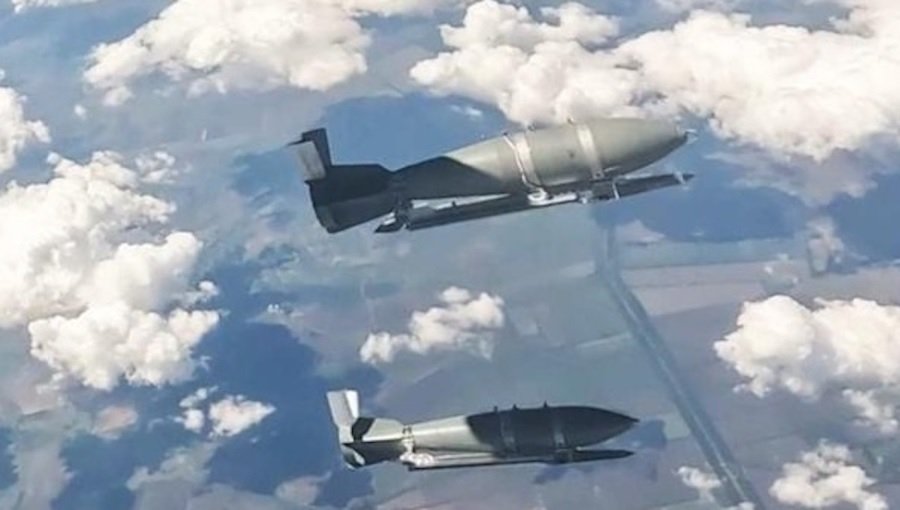 Russia’s Glide Bomb Use in Ukraine Surpasses Recent U.S. Bombing Rate During Epic Fury in Iran, Remains Below 2003 Iraq Peak
-
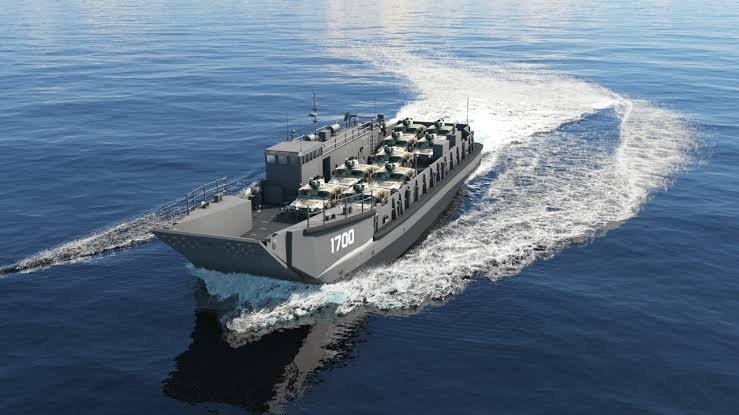 Indian Navy Issues RFI for Six Next-Generation LCU Mk V Vessels Under 'Make in India'
-
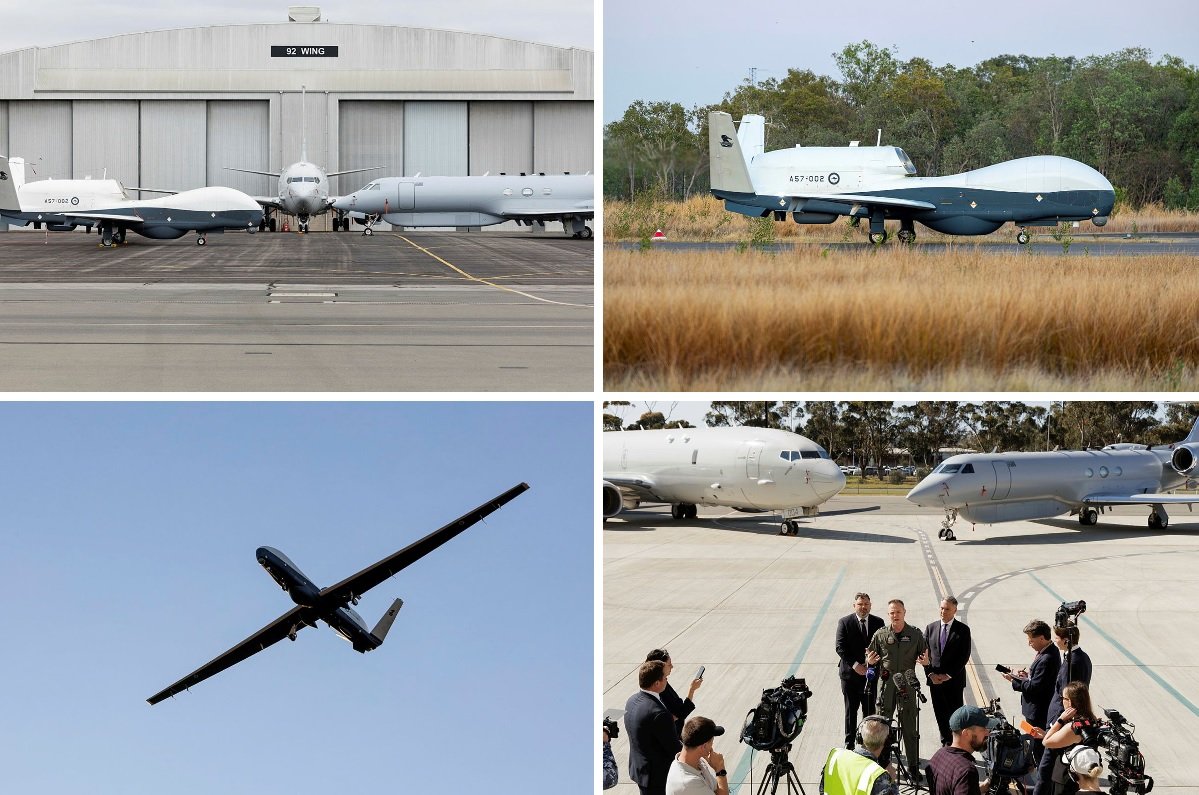 Australia’s MQ-4C Triton and MC-55A Peregrine Reach Initial Operational Capability
-
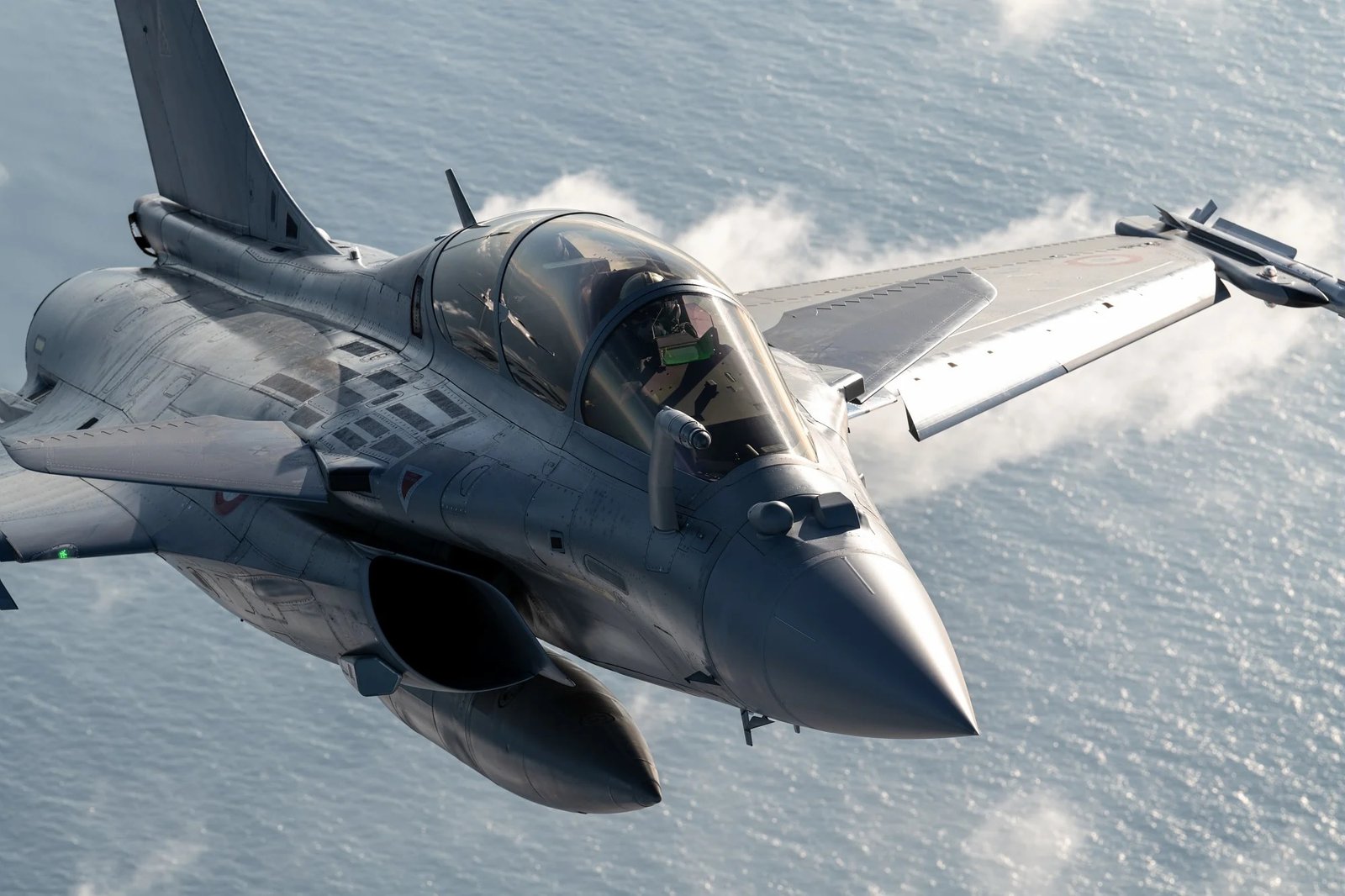 Dassault Aviation Flight-Tests Two Sovereign AI Algorithms on Rafale Fighter
-
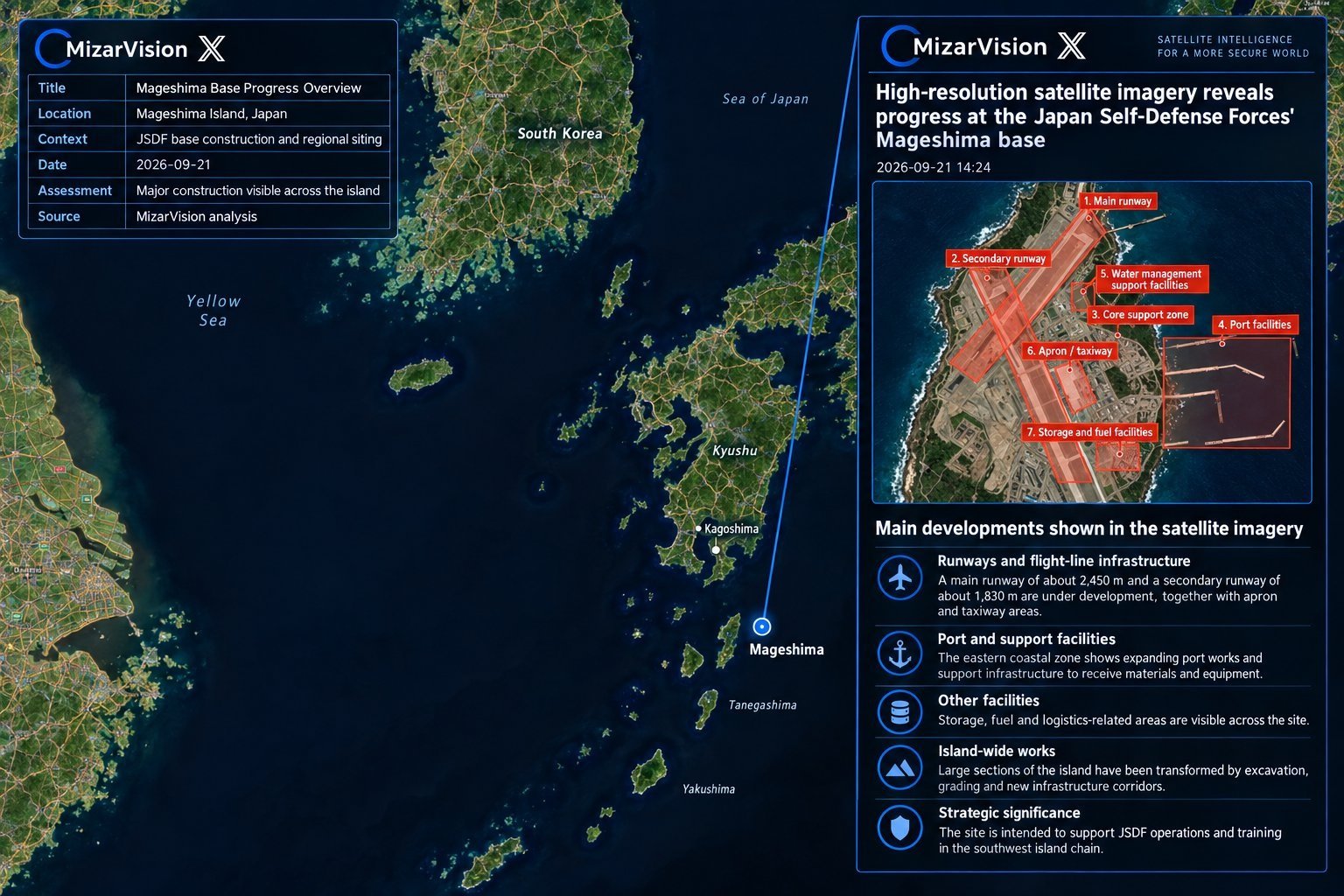 New Satellite Imagery Reveals Rapid Progress at Japan’s Mageshima Island Military Base
-
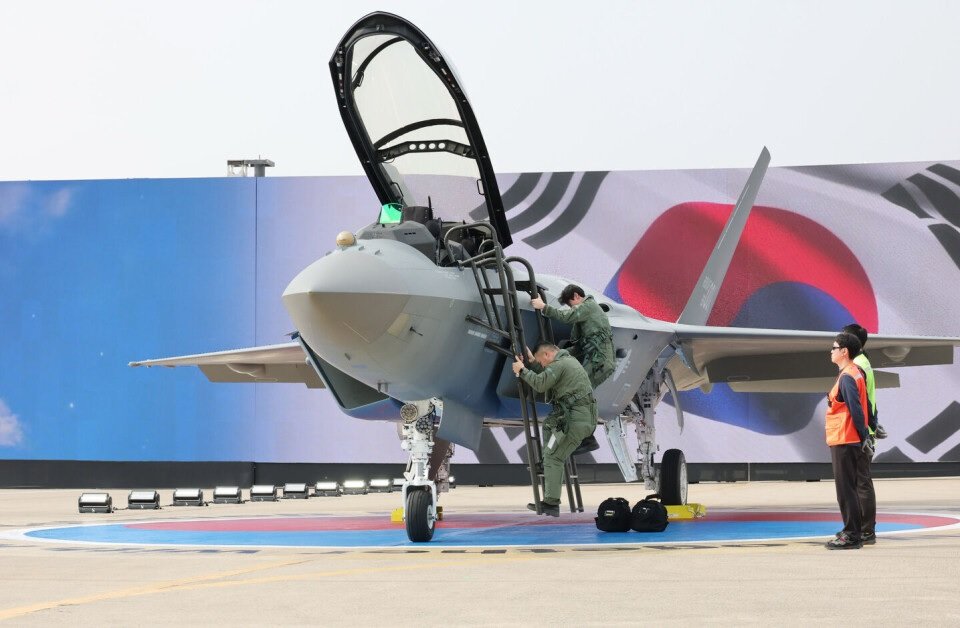 South Korea Delivers First Production KF-21 Boramae Fighter to Air Force
-
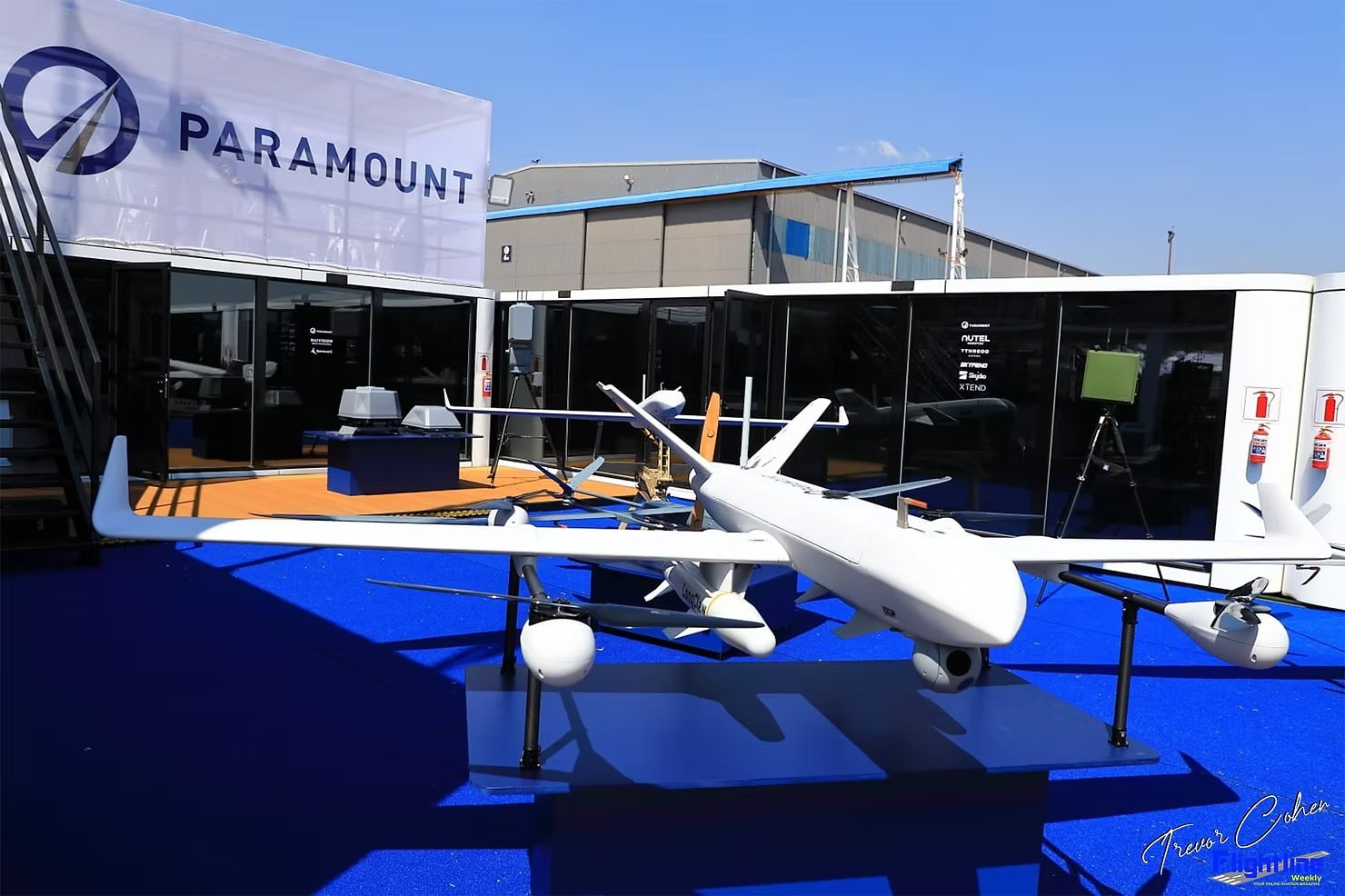 South African Firm Paramount Unveils V-Raven, a Reusable VTOL Drone for the African Battlefield
Top Trending in 4 Days
-
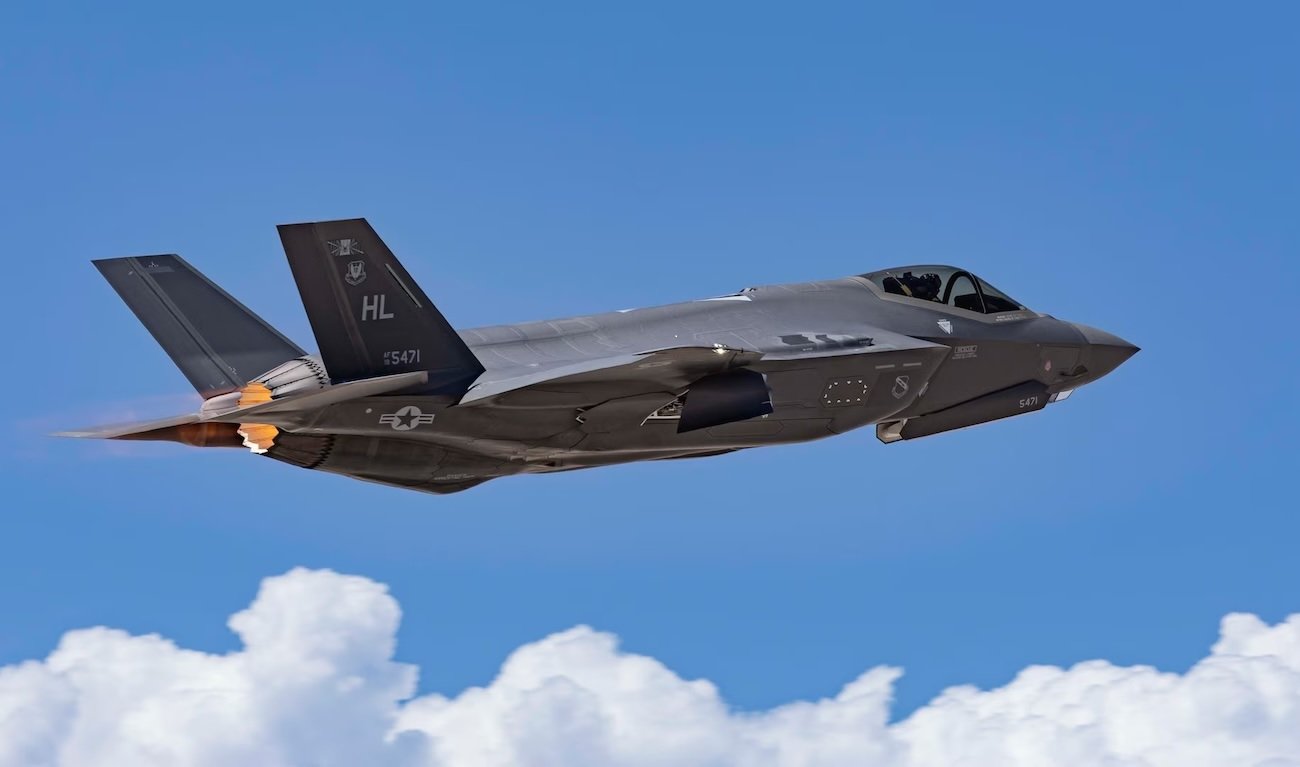 Sensitive F-35 Components Diverted to Hong Kong, Some Parts Missing
-
 U.S. Secures Permanent Military Rights in Greenland in Historic Security Pact with Denmark
-
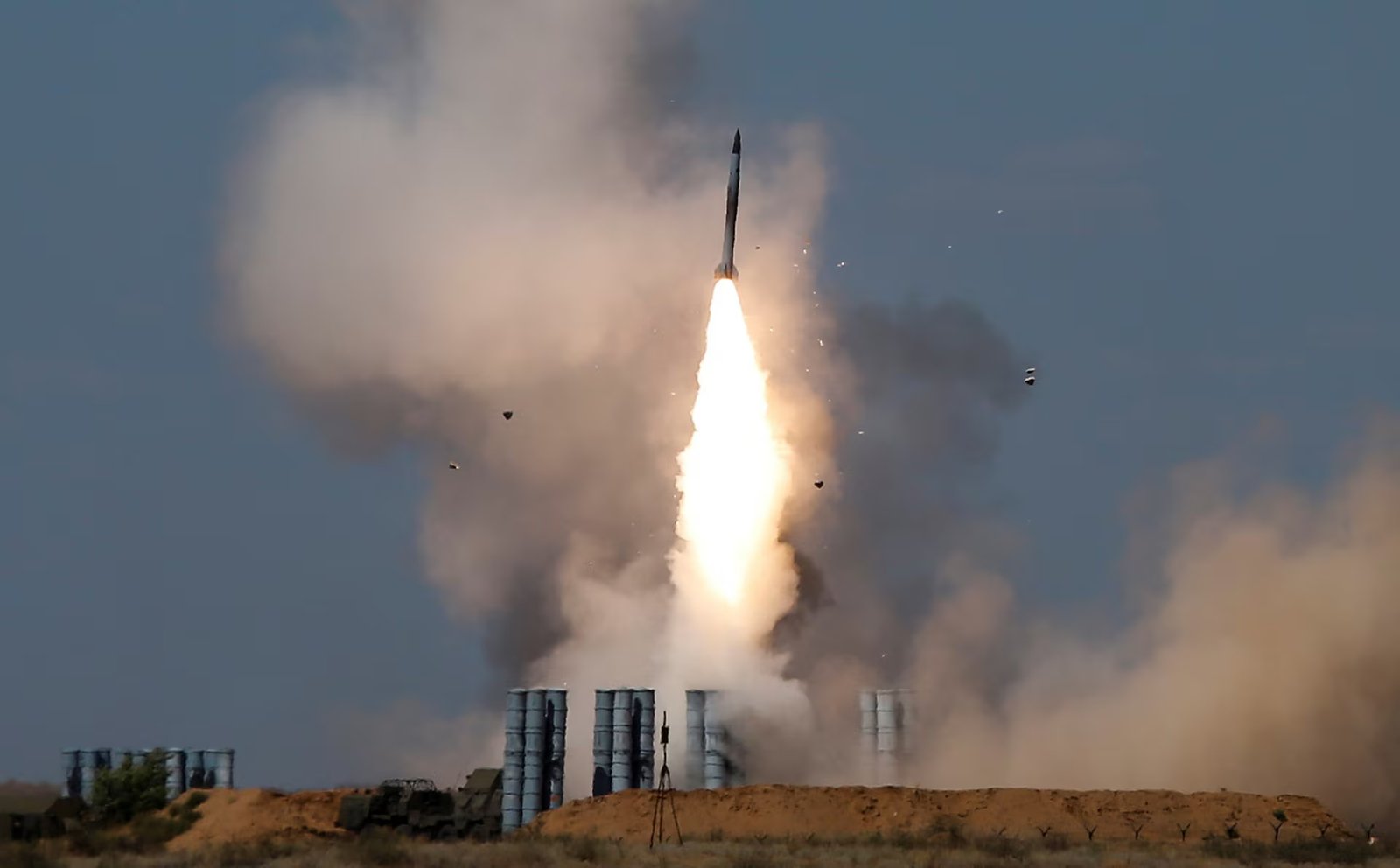 U.S. Approves Potential $2.68 Billion Air Defense Package for Ukraine Including S-300 Clone Missiles
-
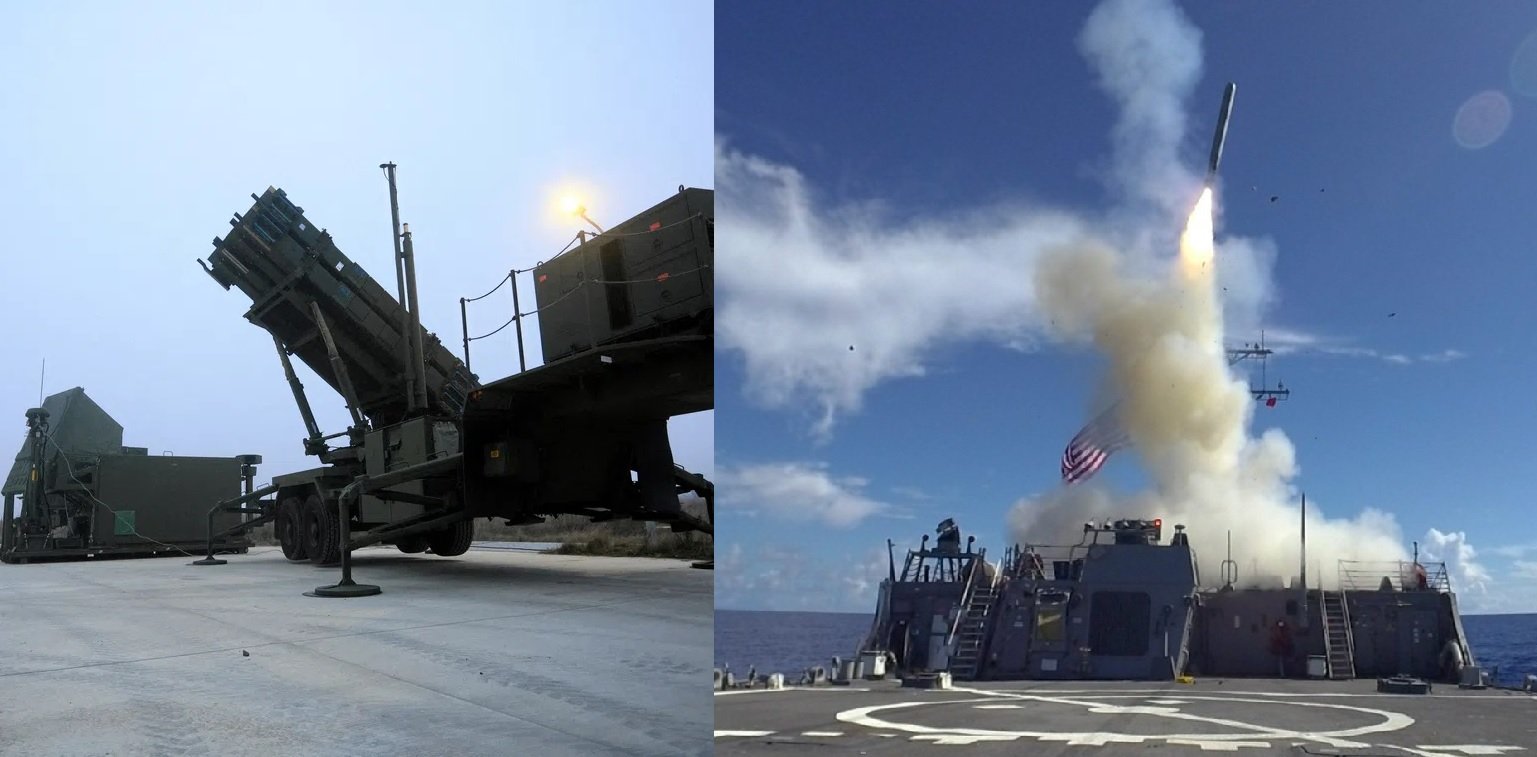 U.S. Warns Allies of Up to Five-Year Delays in Key Weapons Deliveries
-
 U.S. Iran War Cost Hits $43.6 Billion as Missile Interceptor Stocks Come Under Pressure
-
 India’s xTerra Robotics Launches Indigenous DHAV-Hy Wheeled-Legged Quadruped for Industrial Inspection
-
 BEL Showcases New-Generation Head-Up Display, Potentially Linked to Tejas Mk2
-
 U.S. Army Awards $10.64 Million Contract to Ukrainian Drone Maker Skyeton for Raybird Systems