World
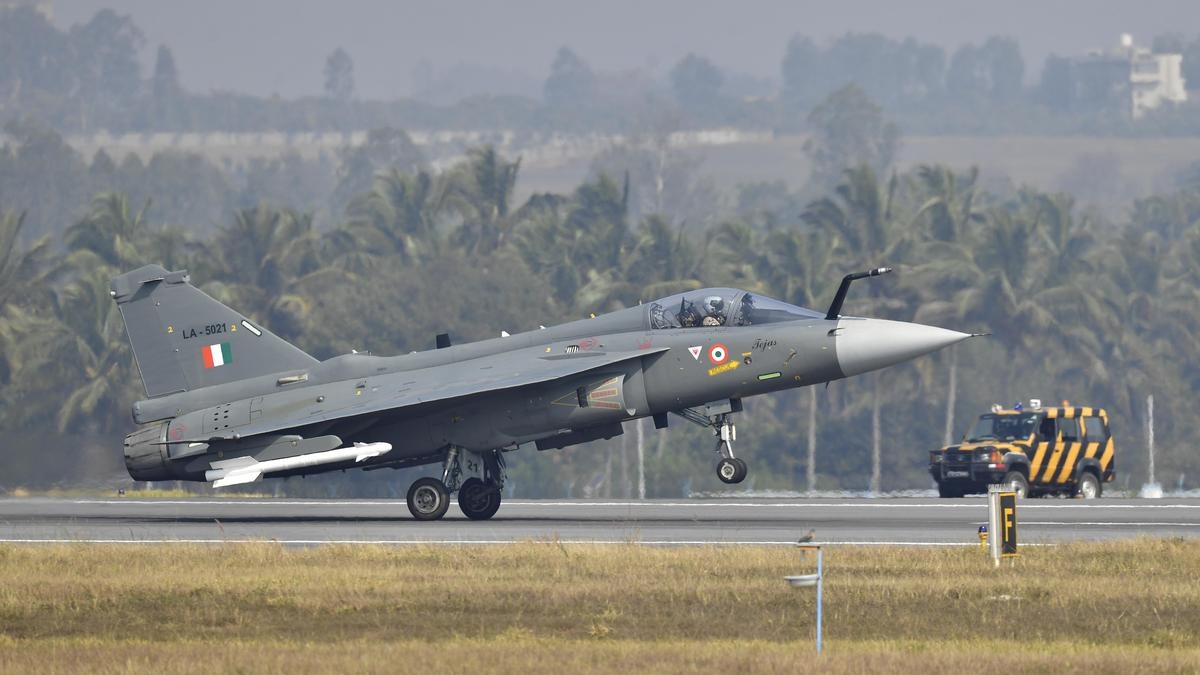
BENGALURU, — June 15, 2026 : Hindustan Aeronautics Limited (HAL) has filed a criminal complaint against Hyderabad-based aerospace components supplier Tec Aero Devices for allegedly submitting 199 forged test certificates for parts supplied to the Light Combat Aircraft (LCA) Tejas Mk1A programme. According to a First Information Report (FIR) filed by Ranu Gupta, Deputy General Manager of HAL’s Aircraft Division, HAL issued 18 purchase orders to Tec Aero Devices between March 2022 and September 2023. The orders covered 35 categories comprising 172 mechanical components required for the Tejas Mk1A fighter aircraft. Under HAL’s procurement procedures, suppliers must submit certified laboratory test reports to verify that components meet specified quality standards. The certificates submitted by Tec Aero Devices covered tests including tensile strength, hardness, break load, shear strength, non-destructive testing (NDT), microstructure analysis, and salt spray resistance. Audit Revealed Forged Documents The issue surfaced during routine quality verification by HAL’s Quality Control Department, which requested the original test reports. According to the complaint, Tec Aero Devices failed to produce the original records and later stated that the reports had been issued by Hyderabad-based testing agency Axis Inspection Solutions. HAL subsequently conducted an audit at Axis Inspection Solutions on November 29, 2023. During the audit, the testing agency confirmed that it had not issued any of the 199 reports submitted by Tec Aero Devices between February and September 2023. Axis Inspection Solutions also provided a written statement stating that its name and authorized signatures had been misused to create the certificates. HAL’s internal review concluded that all 199 reports were fabricated. HAL Blacklists Supplier Following the findings, HAL rejected a request from the supplier to condone the lapse and removed Tec Aero Devices from its approved vendor list. The company has been blacklisted from doing business with HAL for three years, until March 10, 2027. HAL has also withheld all pending payments related to the disputed supplies. Police Investigation Underway The FIR was registered on June 2, 2026, at the HAL Police Station in Bengaluru. The complaint names M. Sivarama Prasad, CEO of Tec Aero Devices, and invokes Sections 420 (cheating), 465 (forgery), and 468 (forgery for the purpose of cheating) of the Indian Penal Code. Bengaluru Police have sent a team to the company's registered address in Shaktipuri, Hyderabad, to verify the location and trace its representatives. Investigators are expected to examine purchase orders, audit findings, correspondence, and the alleged forged certificates. No Fake Parts Installed in Aircraft Authorities have clarified that the investigation concerns forged test certificates and not counterfeit aircraft components. A senior police officer associated with the case stated that only the documentation was found to be fake and that there is no evidence that counterfeit or substandard parts were installed in any aircraft. The Tejas Mk1A is a key component of India's indigenous fighter aircraft programme and a major part of the country's Atmanirbhar Bharat defence manufacturing initiative. HAL officials have stated that the company maintains strict quality control standards and a zero-tolerance approach toward violations of procurement and certification requirements.
Read More → Posted on 2026-06-15 16:25:21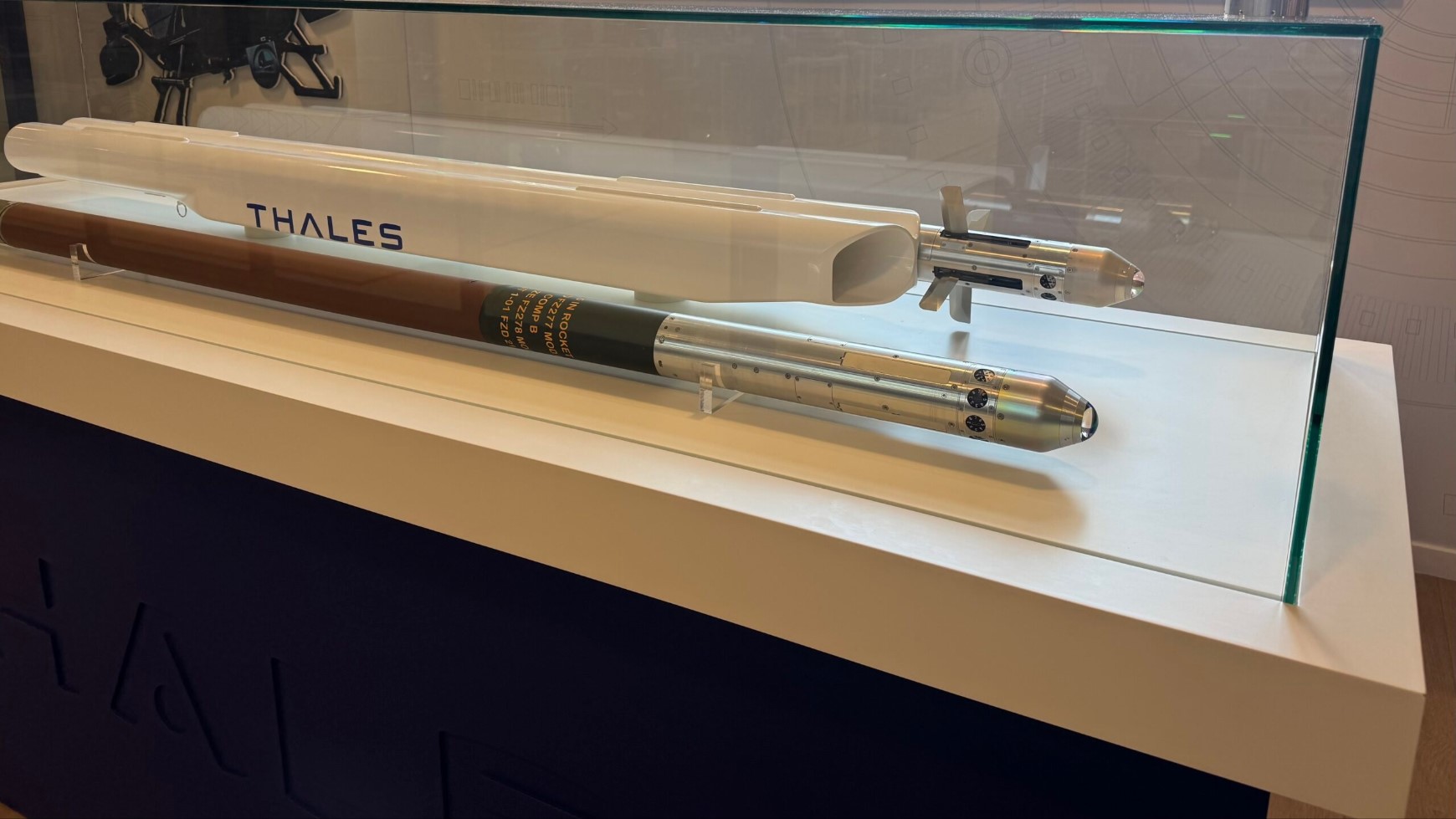
World
PARIS, — June 15, 2026 : Thales has unveiled the LGR275 Proxy, a new 70 mm laser-guided rocket specifically developed to counter unmanned aerial systems (UAS), marking the latest addition to the company’s expanding air defense portfolio. The system was officially introduced on the opening day of the Eurosatory 2026 defense exhibition and is intended to provide armed forces with a cost-effective solution for engaging increasingly common drone threats. Addressing the Growing Drone Challenge The introduction of the LGR275 Proxy comes as militaries worldwide face a rapid increase in the use of Class 1 and Class 2 drones across both conventional and asymmetric conflicts. Recent battlefield experience has demonstrated that low-cost drones can pose significant operational challenges while forcing defenders to rely on expensive missile systems for interception. According to Thales, the widespread deployment of unmanned systems has exposed limitations in traditional air defense architectures, particularly in terms of cost-effectiveness and sustainability. Using high-value surface-to-air missiles against inexpensive drones can quickly deplete stockpiles and increase operational costs during prolonged engagements. To address this imbalance, Thales developed the LGR275 Proxy as an affordable precision-guided interceptor that bridges the gap between unguided rockets and more expensive missile systems. The company says the rocket is designed to restore a more favorable economic balance in air defense operations while maintaining high engagement effectiveness against drone targets. Built on Proven Rocket Technology The LGR275 Proxy is derived from Thales’ established FZ275 Laser-Guided Rocket (LGR) family, which has already demonstrated precision engagement capabilities at ranges of up to seven kilometers. While retaining the core guidance architecture of the existing system, the new variant incorporates several enhancements specifically tailored for counter-UAS missions. At the center of the upgrade is a newly integrated LiDAR-based proximity sensor, which enables the rocket to detonate near a target rather than requiring a direct impact. This capability significantly improves effectiveness against small, agile, and fast-moving drones that can be difficult to hit directly. The rocket is also equipped with a military-grade warhead optimized for aerial targets. Upon activation, the warhead generates a fragmentation effect designed to neutralize or destroy unmanned aircraft in flight, increasing the probability of a successful intercept. Key Technical Features The LGR275 Proxy combines several technologies intended to enhance counter-drone performance: Guidance System: Semi-active laser (SAL) guidance compatible with standard laser designators. Proximity Sensor: LiDAR-based proximity fuze optimized for engaging unmanned aerial targets. Warhead: Fragmentation warhead specifically designed for aerial threats. Engagement Method: Proximity detonation to improve effectiveness against maneuvering drones. Operational Role: Designed for counter-UAS missions in both air-to-air and surface-to-air engagements. These features allow the system to provide precision engagement capability while maintaining lower interception costs compared to traditional missile-based solutions. Flexible Platform Integration One of the key advantages of the LGR275 Proxy is its compatibility with a wide range of existing launch platforms. The rocket can be employed from helicopters, fixed-wing aircraft, ground vehicles, and fixed launcher systems, providing operators with flexibility across different operational environments. Because the system remains compatible with existing 70 mm rocket infrastructure already in service with armed forces in more than 50 countries, integration requirements are expected to be relatively limited. This compatibility enables users to enhance counter-drone capabilities without investing in entirely new launcher networks or support systems. Part of the SkyDefender Air Defense Architecture Thales has positioned the LGR275 Proxy within its broader SkyDefender layered air defense approach. The company describes the rocket as an intermediate solution that complements both gun-based defenses and higher-end missile interceptors. The system is designed to work alongside SkyDefender’s integrated command-and-control architecture, which combines sensors, effectors, and decision-support tools to counter a variety of aerial threats. By providing a lower-cost precision engagement option, the LGR275 Proxy strengthens the overall effectiveness of layered air defense networks against drone attacks. Production Expansion Planned To support anticipated demand, Thales Belgium announced plans to significantly expand production of its 70 mm rocket systems. The company intends to triple manufacturing output between 2026 and 2028, reflecting growing international interest in counter-drone capabilities and precision-guided munitions. Production expansion efforts are being carried out at Thales’ facility in Herstal, Belgium, where manufacturing capacity is being increased to ensure reliable deliveries to customers. The company said the investment is intended to meet operational requirements observed in recent conflicts, where ammunition availability and industrial resilience have become increasingly important. Thales Highlights Defense Readiness Benefits Commenting on the launch, Alain Quevrin, Country Director for Thales Belgium and Luxembourg, emphasized the importance of providing armed forces with practical and sustainable solutions for emerging drone threats. “Building on our already proven laser-guided rocket solutions, Thales provides a solution to strengthen nations’ defence readiness against drone threats, one of the key challenges of our times. Thales Belgium is the leader in NATO standard rockets and our solid production ramp-up allows us to meet the needs of the armed forces,” Quevrin said. Expanding Counter-UAS Capabilities The launch of the LGR275 Proxy reflects Thales’ continuing efforts to expand its counter-UAS portfolio as drone technology becomes more widespread and accessible. The company views the system as a practical response to evolving battlefield requirements, offering a balance of precision, affordability, and operational flexibility. By combining proven laser-guided rocket technology with a dedicated proximity sensor and drone-optimized warhead, the LGR275 Proxy provides armed forces with an additional option for defending airspace, critical infrastructure, and military formations against rapidly evolving unmanned threats. Further information regarding operational deployment, platform integration, and customer availability is expected to be released by Thales in the coming months.
Read More → Posted on 2026-06-15 15:52:12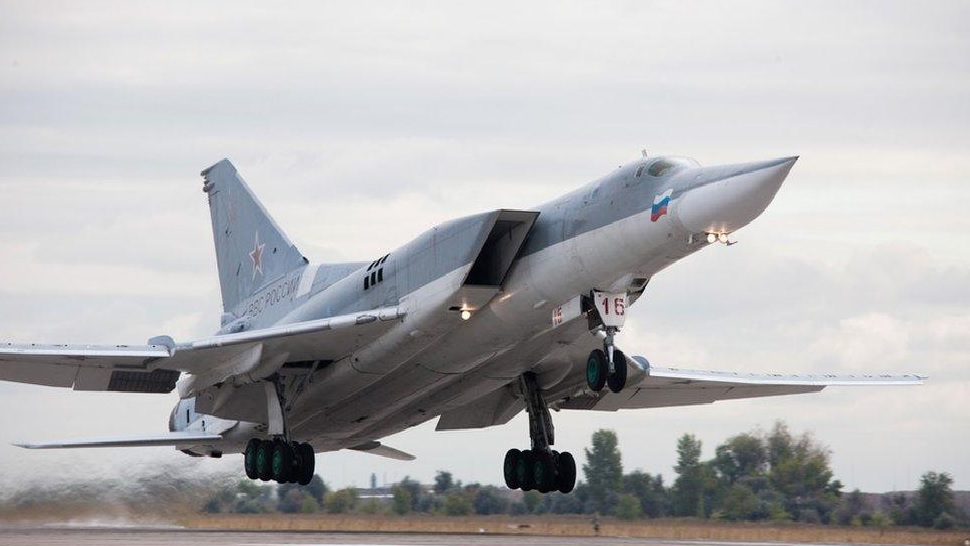
World
IRKUTSK, Russia, — June 15, 2026 : A Russian Tu-22M3 long-range strategic bomber crashed in Siberia’s Irkutsk region on Monday during a scheduled training flight, according to the Russian Defense Ministry. The aircraft went down while approaching for landing near the village of Kamenka and the town of Svirsk, approximately 50 kilometers northwest of the Belaya Air Base. The incident initially sparked uncertainty regarding the fate of the crew after unconfirmed reports circulated on social media suggesting that the pilots may have been killed. However, the Russian Defense Ministry later confirmed that all four crew members successfully ejected from the aircraft before impact and survived the crash. Witnesses in the area reported seeing several parachutes descending shortly before the bomber crashed into a heavily wooded area along the banks of the Angara River. Videos shared on social media appeared to show the aircraft entering a steep nosedive before striking the ground, followed by a large column of black smoke rising above the forest. According to Russian officials, the Tu-22M3 was not carrying any combat load or munitions at the time of the accident. Authorities stated that the crash did not cause damage to civilian infrastructure or populated areas. Emergency services, including firefighting units and medical teams, were dispatched to the scene shortly after the aircraft went down. A localized fire caused by the impact was subsequently contained. Irkutsk Region Governor Igor Kobzev said search-and-rescue teams quickly located all four crew members. The personnel were transported to a local hospital for medical evaluation and treatment. Officials reported that the crew sustained non-life-threatening injuries. The crew consisted of the aircraft commander, assistant commander, navigator, and systems navigator. Russian authorities have not released additional details regarding the medical condition of the personnel. Preliminary findings indicate that a technical malfunction may have caused the accident. Russian military officials stated that an engine failure is currently considered the most likely cause of the crash. A commission from the Russian Aerospace Forces and a dedicated military investigation team have been deployed to the crash site to determine the exact circumstances surrounding the incident. The Tu-22M3, known by the NATO reporting name “Backfire,” is a supersonic long-range bomber developed by the Soviet Union and later modernized for service with the Russian Aerospace Forces. The aircraft features variable-sweep wings and is designed to conduct strategic strike and maritime attack missions. The bomber is capable of carrying a wide range of weapons, including the Kh-22 air-launched cruise missile. Modified versions of the aircraft have also been adapted to carry Russia’s Kh-47M2 Kinzhal air-launched hypersonic missile. In recent years, Tu-22M3 aircraft have been used in combat operations in Syria and have also participated in strike missions during the conflict in Ukraine. The crash occurred near Belaya Air Base, one of Russia’s major strategic aviation facilities in eastern Siberia. The base is home to the 220th Heavy Bomber Aviation Regiment, which operates both Tu-22M3 and Tu-95 strategic bombers and serves as an important hub for Russia’s long-range aviation operations. The latest accident marks the third reported Tu-22M3 crash in the Irkutsk region in less than two years. In August 2024, a Tu-22M3 crashed in the Cheremkhovsky district during a routine flight following a technical malfunction. Another aircraft of the same type crashed in the Usolsky district of the Irkutsk region in April 2025. Monday’s crash near Kamenka represents the third known loss involving the bomber in the region since 2024. Military aviation analysts have noted that Russia’s long-range bomber fleet continues to face challenges associated with aging Soviet-era airframes, extensive operational demands, and maintenance requirements. The Tu-22M3 remains a key component of Russia’s strategic strike capabilities, but the combination of sustained operational activity and the age of the aircraft has increased pressure on maintenance and support infrastructure. Russian authorities have not yet released further details regarding the aircraft’s condition or the full findings of the initial investigation. Officials said recovery operations and technical examinations are ongoing, with additional information expected once the military commission completes its assessment of the crash site and the aircraft’s systems.
Read More → Posted on 2026-06-15 15:44:02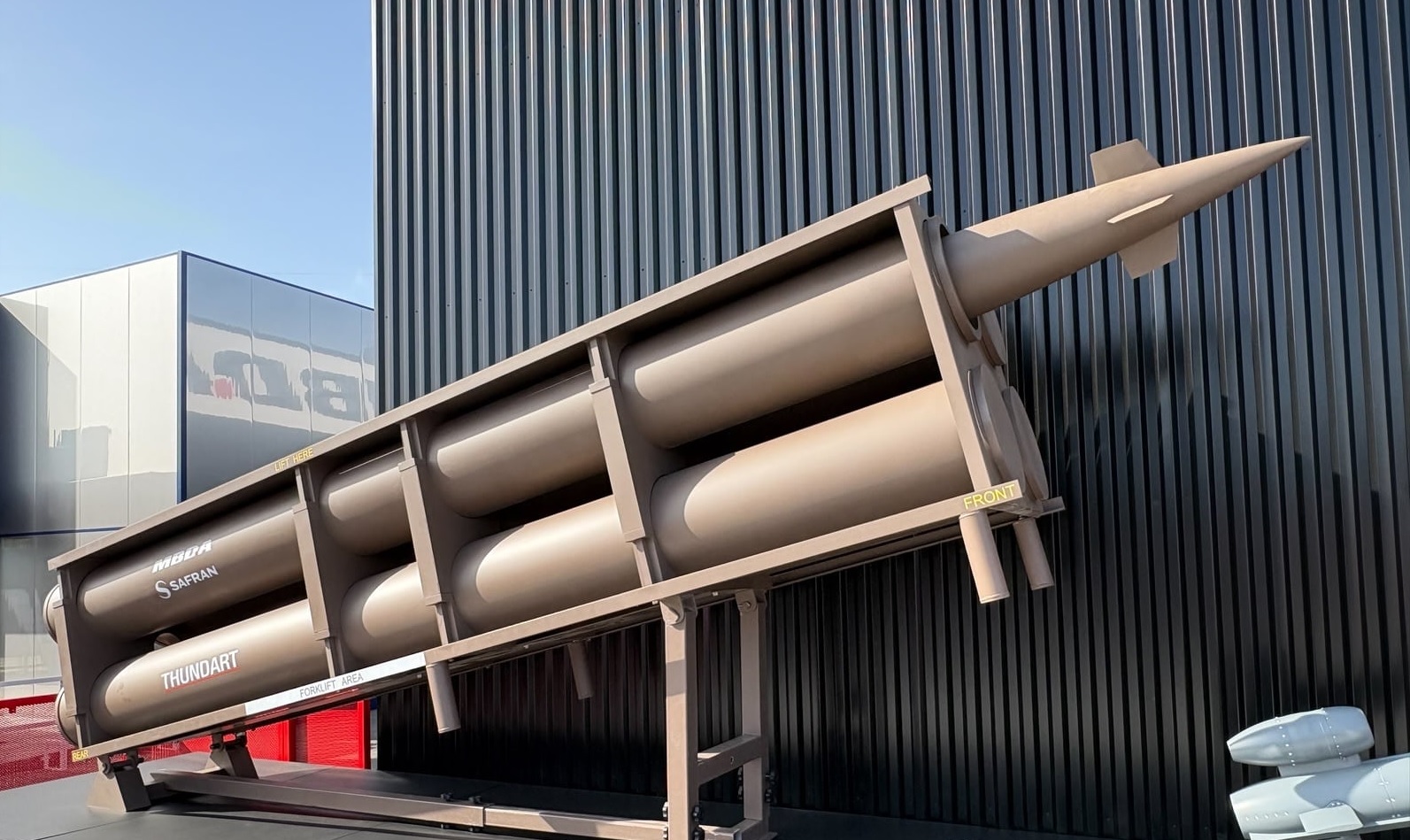
World
PARIS, — June 15, 2026 : France has selected the domestically developed Thundart rocket artillery system under the FLP-T (Frappe Longue Portée Terrestre) program to replace the French Army's aging Lance-Roquettes Unitaire (LRU) multiple rocket launchers. The French Ministry of the Armed Forces announced that it has entered exclusive negotiations with a consortium led by MBDA and Safran Electronics & Defense for the supply of the new system. The decision was confirmed by Armed Forces Minister Catherine Vautrin on the opening day of the Eurosatory 2026 defense exhibition in Paris, following a commitment to finalize the selection before summer. The choice concludes a competition involving domestic and foreign proposals. The MBDA-Safran bid was selected over the FLP-T 150 proposal developed by Thales and ArianeGroup, while foreign alternatives, including Lockheed Martin's HIMARS system and India's Pinaka, were not chosen. Thundart to Replace Aging LRU Fleet The FLP-T program was launched to replace the Army's current LRU launchers, which are expected to become obsolete in the coming years. French military officials have identified long-range precision strike capability as a key requirement for future force modernization plans. Lieutenant General Philippe Geay de Montenon, Commander of the Land Force and Operations (COMFOT), said the Army requires a replacement capability by 2030 to support the transition toward Division 27 and Army Corps 2030 structures. The French government opted for a sovereign solution, prioritizing national industrial capabilities and independence from foreign supply restrictions. Range and Precision Improvements The Thundart system offers a significant increase in range compared with the current LRU fleet. The launcher fires guided 227 mm rockets capable of striking targets at distances of up to 150 kilometers, more than double the range of existing French rocket artillery systems. Its guidance package incorporates technology derived from Safran's AASM Hammer precision-guided bomb. The system combines inertial navigation and satellite guidance, allowing accurate targeting even in GNSS-denied or electronically jammed environments. Successful Test Firing The Thundart rocket completed its first live-fire demonstration on April 14, 2026, at the Île du Levant test range in the Mediterranean. The test, conducted with support from the Direction Générale de l'Armement (DGA), validated the rocket's design and propulsion system. According to program officials, performance exceeded initial expectations. Development progressed from concept stage to successful live firing in just 18 months. Industrial Partnership The Thundart program is supported by a wider industrial team that includes: Scania, which will provide the 8×8 carrier vehicle. Essonne Sécurité, responsible for the armored cab. Palfinger, which will supply the reloading crane. The launcher is mounted on a wheeled platform and carries guided rockets housed in pods. It is designed for rapid deployment and relocation after firing. MBDA and Safran are also considering the creation of a joint venture to support future development of the program, including longer-range variants. Procurement Plans and Timeline The FLP-T program is valued at approximately €600 million, with contract notification expected as early as July 2026. Under the Military Programming Law (LPM) 2024–2030, currently under parliamentary review, France plans to acquire between 13 and 26 systems in the initial phase. Long-term plans call for up to 52 launchers by 2035. The French military also intends to procure around 300 rockets before the end of the decade. MBDA and Safran have committed to delivering an initial operational capability by 2029, ensuring continuity as the LRU fleet is phased out. Strengthening Sovereign Strike Capability The selection of Thundart marks a major step in France's effort to field a domestically developed long-range precision strike system. The program will provide the French Army with a modern replacement for the LRU while supporting the country's defense industrial base and maintaining national control over a critical military capability. Further details regarding the final contract are expected in the coming weeks as negotiations between the government and the MBDA-Safran consortium continue.
Read More → Posted on 2026-06-15 14:37:48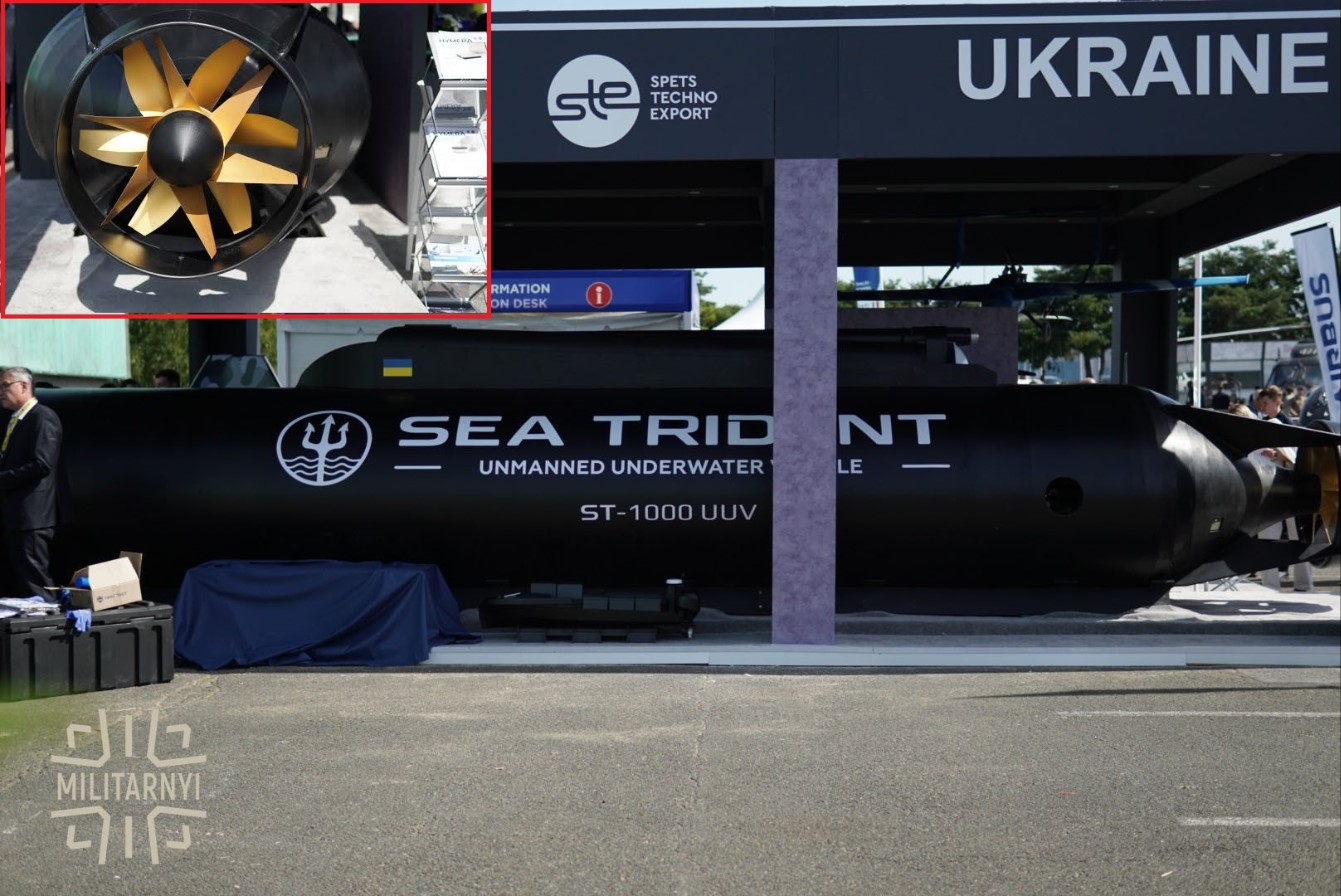
World
PARIS, — June 15, 2026 : Ukraine has publicly unveiled a new heavy autonomous underwater drone, known as the Sea Trident, at the Eurosatory 2026 international defense and security exhibition in Paris. Developed by Ukrainian defense company Global Mark, the platform is designed to conduct long-range maritime operations in contested environments while maintaining a low-observable profile and operating with a high degree of autonomy. The unveiling marks another step in Ukraine’s ongoing effort to expand its portfolio of unmanned naval systems, which has grown significantly in recent years through the development of both surface and underwater platforms. Heavyweight Autonomous Platform According to technical specifications released by Global Mark, the Sea Trident is a heavyweight autonomous underwater vehicle (AUV) weighing 10,000 kilograms and capable of carrying payloads of up to 1,000 kilograms. The platform is intended to perform extended missions that require endurance, stealth, and the ability to transport substantial payloads over long distances. The drone measures 10 meters in length, 2 meters in width, and 1.5 meters in height. It has a maximum operational range of up to 2,000 nautical miles, allowing it to operate far beyond coastal waters and support missions deep into contested maritime areas. Sea Trident travels at a cruising speed of 6 knots (approximately 11 km/h) and can reach a maximum speed of 10 knots (18.5 km/h). The vehicle is capable of operating at depths of up to 60 meters, making it suitable for missions in coastal zones as well as other strategically important maritime regions. Designed for Stealth Operations A key feature of the Sea Trident is its low-observable design, which is intended to reduce the likelihood of detection during operations. According to the developer, the vehicle can travel at shallow depths of around 5 meters below the surface before descending deeper when required by mission conditions. Combined with autonomous navigation and adaptive control systems, this operating profile enables the drone to move through contested maritime environments while maintaining a limited signature. The platform is designed to carry out missions with minimal human intervention and can independently navigate over long distances. Multiple Mission Roles Global Mark says the Sea Trident has been designed as a multi-role underwater platform capable of supporting several operational tasks. One of its primary missions is long-range strike operations, allowing the drone to deliver heavy payloads against strategic maritime targets, including naval vessels, port infrastructure, and other critical assets. The platform is also intended for logistics and cargo transport, enabling autonomous delivery of supplies through waters where conventional vessels may face increased risks or operational restrictions. In addition, Sea Trident has been developed for counter-drone operations, with the capability to detect, intercept, and neutralize hostile unmanned underwater vehicles. This role could support maritime security missions and the protection of naval assets against emerging underwater threats. Part of Ukraine’s Expanding Unmanned Maritime Fleet The introduction of the Sea Trident follows a series of Ukrainian developments in the unmanned maritime sector. Ukraine has previously fielded and demonstrated several unmanned surface vessels, including the Magura V5 and Sea Baby, which have been used extensively in operations in the Black Sea. Ukrainian developers have also increased their focus on underwater systems. In 2025, an updated version of the smaller Toloka underwater drone was presented, while information has previously emerged regarding the Marichka unmanned underwater vehicle program. The Sea Trident represents a larger and more capable addition to this growing family of unmanned maritime platforms, expanding Ukraine’s ability to conduct autonomous operations beneath the surface. Displayed at Eurosatory 2026 The Sea Trident was showcased at the Ukrainian pavilion during Eurosatory 2026, one of the world's largest defense and security exhibitions, held in Paris from June 15 to June 19. The unveiling comes as Ukraine’s defense industry significantly increases its presence at the event. Approximately 80 Ukrainian companies are participating in this year’s exhibition, compared with around 10 companies in 2024, reflecting the rapid expansion of the country's defense technology sector. Photos displayed at the exhibition, including images published by Ukrainian defense outlet Militarnyi, showed the Sea Trident platform alongside its propulsion system and other technical components. Seeking Development and Production Partners Global Mark indicated that the Sea Trident remains in the prototype stage and that the company is seeking international partners for further development, testing, and potential production. The presentation of the platform highlights Ukraine’s continued emphasis on autonomous and unmanned systems as part of its broader defense modernization efforts. By expanding its fleet of unmanned surface and underwater vehicles, Ukraine aims to develop a comprehensive maritime capability capable of conducting reconnaissance, strike, logistics, and security missions in increasingly complex operational environments. The Sea Trident’s debut at Eurosatory 2026 underscores the growing importance of autonomous naval technologies within Ukraine’s defense industry and reflects the country’s ongoing investment in next-generation maritime systems.
Read More → Posted on 2026-06-15 14:26:03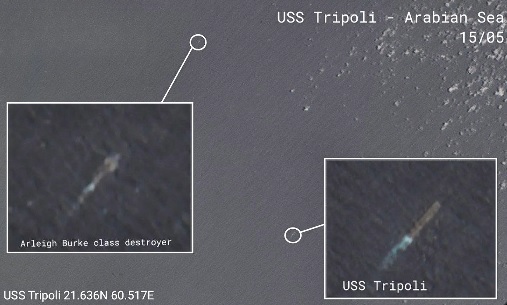
World
ARABIAN SEA, — June 15, 2026 : The U.S. Navy’s America-class amphibious assault ship USS Tripoli (LHA-7) continues to operate in the Arabian Sea, maintaining a position approximately 100 kilometers east of Oman while accompanied by at least one guided-missile destroyer. The vessel has been observed in the same area multiple times during the ongoing maritime blockade and is expected to remain on station for the foreseeable future. According to naval planning, USS Tripoli and its escorting warships will continue operating from their current location even if the blockade of Iranian ports is formally lifted or modified. The decision highlights the strategic importance of maintaining a sustained U.S. naval presence near key maritime routes linking the Gulf of Oman, the Strait of Hormuz, and the wider Arabian Sea. Deployed as Flagship of Amphibious Ready Group USS Tripoli is currently serving as the flagship of the Tripoli Amphibious Ready Group (ARG) in the U.S. 5th Fleet area of operations. The formation, which includes up to 5,000 personnel, was deployed to the Middle East earlier this year in support of Operation Epic Fury. Since arriving in the region, the Amphibious Ready Group has participated in a range of missions, including maritime security operations, flight activities, replenishment-at-sea operations, and support for maritime interdiction efforts. The group operates alongside guided-missile destroyers, including vessels that have previously included the Arleigh Burke-class destroyer USS Spruance (DDG-111). The naval force has been tasked with enforcing maritime restrictions on commercial shipping attempting to enter or leave ports affected by the current blockade. Blockade Enforcement Operations Continue According to U.S. Central Command (CENTCOM), forces enforcing the blockade have redirected more than 129 commercial vessels to ensure compliance with maritime restrictions. Naval units have also conducted boarding operations against vessels that failed to respond to warnings, while some ships were reportedly disabled after refusing to comply with instructions. The mission places significant emphasis on maritime surveillance, vessel tracking, and rapid-response capabilities across key shipping lanes in the region. The Arabian Sea and Strait of Hormuz remain among the world's most strategically important waterways, carrying a substantial share of global energy exports and commercial shipping traffic. Air Wing Supports Surveillance and Boarding Missions A key component of USS Tripoli’s operational capability is the embarked 31st Marine Expeditionary Unit (MEU), which provides expeditionary and maritime security forces for the deployment. The ship’s aviation combat element includes F-35B Lightning II fighter aircraft from Marine Fighter Attack Squadron 121 (VMFA-121), alongside MV-22B Osprey tiltrotor aircraft and MH-60S Seahawk helicopters. These assets enable continuous monitoring of regional airspace and maritime traffic while supporting rapid-response and vessel-boarding operations. Marine teams supported by these aircraft are capable of conducting interdiction missions throughout the Gulf of Oman and the Strait of Hormuz, allowing U.S. forces to quickly investigate or secure vessels when required. America-Class Warship Built for Aviation Operations Commissioned in July 2020, USS Tripoli is the second vessel in the America-class of amphibious assault ships. The warship measures approximately 844 feet (257 meters) in length, has a 106-foot beam, and displaces around 45,000 tons at full load. Powered by two marine gas turbines, the vessel can achieve speeds exceeding 22 knots and is capable of carrying approximately 1,687 Marines in addition to a crew of more than 1,000 sailors. Unlike earlier amphibious assault ships that featured traditional well decks for landing craft operations, USS Tripoli was designed with a greater emphasis on aviation capabilities. Its large flight deck supports operations involving F-35B fighters, MV-22 Ospreys, helicopters, and other aircraft, making it one of the U.S. Navy’s primary air-centric expeditionary platforms. Continued Presence in the Region USS Tripoli arrived in the U.S. Central Command area of responsibility in late March 2026 and has remained actively involved in regional operations since then. In April, Marines embarked aboard the ship participated in the boarding and search of the Iranian-flagged vessel M/V Touska in coordination with USS Spruance after the vessel reportedly failed to comply with coalition warnings. By maintaining the Amphibious Ready Group approximately 100 kilometers off the Omani coast, U.S. commanders retain a permanent staging point for air and surface operations. The deployment ensures that surveillance, interdiction, and rapid-response capabilities remain available regardless of changes to the current blockade. While U.S. officials have not disclosed how long the deployment will continue, USS Tripoli remains engaged in routine operations in the Arabian Sea as part of broader U.S. 5th Fleet efforts to support maritime security, freedom of navigation, and regional contingency response missions.
Read More → Posted on 2026-06-15 14:13:41
World
PARIS, — June 14, 2026 : Rolls-Royce Power Systems will unveil a new hybrid propulsion system for heavy military tracked vehicles at Eurosatory 2026, taking place in Paris from June 15 to 19. The system, which will be presented on June 15 at the company’s stand in Hall 6, is the latest addition to the mtu Series 199 engine family. The hybrid powertrain combines a high-performance diesel engine with battery-electric drive components and is designed to support reduced fuel consumption during standby operations, lower thermal and acoustic signatures, and improved operational flexibility. Expanded mtu Series 199 Platform The mtu Series 199 platform now includes 6, 8, 10, and 12-cylinder configurations, covering a power range from 260 kW to more than 1,350 kW. The modular design enables the same engine architecture to be used across a wide range of military vehicles, including Main Battle Tanks (MBTs), Armoured Personnel Carriers (APCs), infantry fighting vehicles, and logistics platforms. The platform is suitable for both new vehicle programs and modernization of existing fleets. Rolls-Royce says the common architecture simplifies maintenance, spare-parts supply, and logistics while reducing lifecycle costs. Hybrid System Capabilities The hybrid propulsion system integrates a diesel engine, electric motor, and battery storage unit. Key capabilities include: Silent Watch: Batteries power onboard electronics, sensors, and active protection systems without running the main engine, reducing acoustic and thermal signatures. Electric Drive Mode: The vehicle can operate on electric power alone at low speeds for quieter movement. Acceleration Boost: The electric motor provides additional power during combined operation, improving mobility and responsiveness. The batteries are recharged by the diesel engine during normal driving operations. Rolls-Royce has designed the hybrid powerpack to remain compact, preserving internal space for crew and mission equipment. Existing Applications The mtu Series 199 engine family is already used in several military vehicle programs, including the Boxer 8x8 armored transport vehicle, ACSV (Armoured Combat Support Vehicle), ASCOD infantry fighting vehicle, and Polish Borsuk amphibious infantry fighting vehicle. More than 4,500 Series 199 engines have been delivered to 16 NATO member states and allied nations. Rolls-Royce said the new hybrid variants and expanded engine range are intended to address the increasing weight of modern combat vehicles and the growing electrical power demands of advanced onboard systems. The company will also showcase the new 10-cylinder variant, which delivers more than 1,100 kW, during the exhibition.
Read More → Posted on 2026-06-14 17:59:05
World
MIAMI, — June 14, 2026 : The U.S. Navy’s oldest active aircraft carrier, USS Nimitz (CVN-68), is currently operating near Cuban waters in the Gulf of Mexico and Caribbean region as part of U.S. Southern Command’s Southern Seas 2026 deployment. Despite nearing retirement, the Nimitz-class aircraft carrier remains fully mission-capable, carrying its full complement of combat aircraft and munitions while conducting routine operations. The deployment is focused on strengthening maritime partnerships, interoperability, and security cooperation with nations across the Caribbean, Central America, and South America. The carrier recently conducted port visits and regional engagements in Panama, Guyana, Suriname, and Jamaica. It is operating alongside the guided-missile destroyer USS Gridley (DDG-101) and the fleet replenishment oiler USNS Patuxent (T-AO-201) as part of the Nimitz Carrier Strike Group. Service Life Extended Until 2027 Commissioned in 1975, USS Nimitz was originally scheduled for decommissioning in 2026. However, the U.S. Navy extended the carrier’s service life until March 2027 to help maintain carrier availability while newer Ford-class aircraft carriers continue entering service. USS Nimitz departed Naval Base Kitsap, Washington, in March 2026 and transited the Strait of Magellan in late April before entering the U.S. Fourth Fleet area of responsibility. Full Air Wing Remains Embarked The carrier continues to operate with Carrier Air Wing 17, which includes approximately 70 aircraft, including F/A-18E/F Super Hornets, EA-18G Growlers, E-2D Hawkeyes, and MH-60 Seahawks. U.S. military officials have stated that the carrier remains fully operational and capable of supporting flight operations, maritime security missions, and regional engagement activities. Operations Near Cuba USS Nimitz's presence north of Cuba comes as the U.S. military continues intelligence, surveillance, and reconnaissance activities in the region, including flights by P-8A Poseidon maritime patrol aircraft and MQ-4C Triton drones. Regional governments have emphasized that the deployment is a routine operation. Following the carrier’s recent port visit to Kingston, Jamaica, Jamaican officials stated that Southern Seas 2026 is an established program focused on maritime cooperation, interoperability, and regional security. As it continues operations in the Caribbean, USS Nimitz remains one of the U.S. Navy’s key deployed assets during the final months of its nearly five decades of service before its planned retirement in 2027.
Read More → Posted on 2026-06-14 17:31:45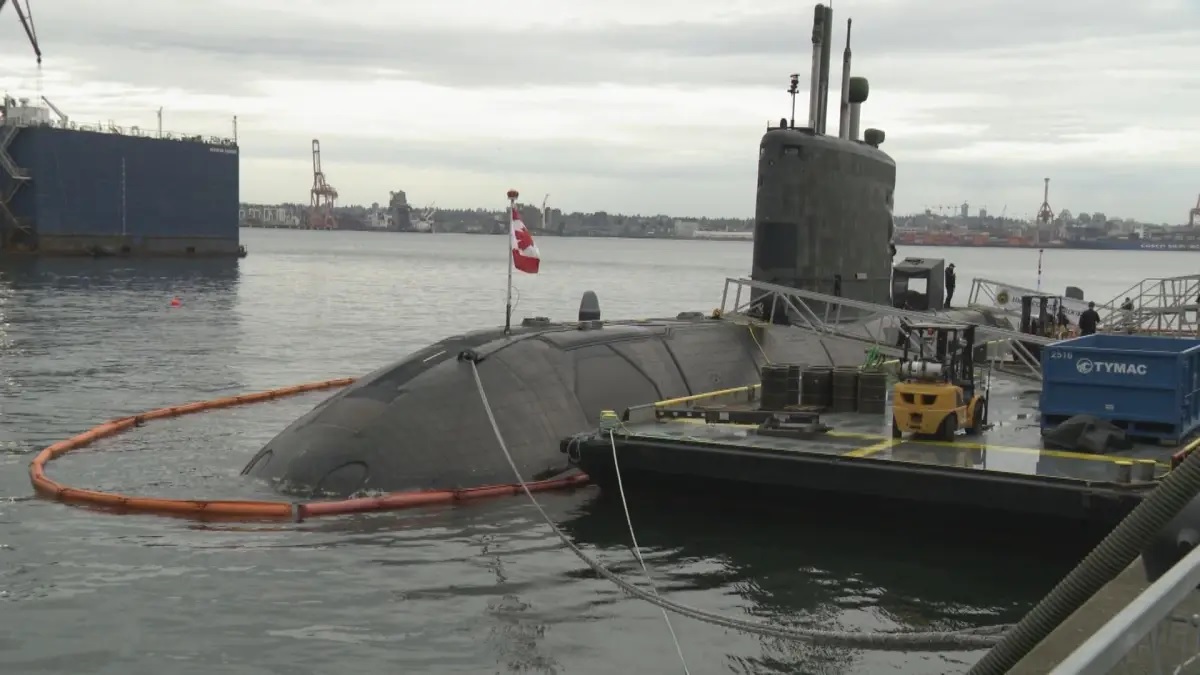
World
ESQUIMALT, British Columbia, — June 14, 2026 : Canada will deploy the Victoria-class submarine HMCS Corner Brook to the Rim of the Pacific (RIMPAC) 2026 exercise off the coast of Hawaii, marking the Royal Canadian Navy’s first submarine participation in the multinational naval drills in more than a decade. The submarine is scheduled to depart from Canadian Forces Base Esquimalt in the coming days and will join a large Canadian task group participating in the 30th edition of RIMPAC, which will be held from June 24 to July 31, 2026. Hosted by the U.S. Pacific Fleet, the exercise is regarded as the world's largest international maritime training event, bringing together approximately 25,000 to 30,000 military personnel, around 40 surface ships, five submarines, and 140 aircraft from 31 partner nations. The deployment ends a 12-year absence of Canadian submarine participation in the biennial exercise. Canada last sent a submarine to RIMPAC in 2014, when HMCS Victoria took part. A planned return in 2020 was canceled due to the COVID-19 pandemic. HMCS Corner Brook Returns to International Operations HMCS Corner Brook is currently the only operational submarine among Canada’s four-vessel Victoria-class fleet. The vessel recently completed an extensive maintenance and modernization program at Esquimalt, involving approximately 90,000 hours of work aimed at extending its operational life and improving combat capabilities. The submarine returned to active service in 2025 after more than 14 years of repairs and upgrades following a grounding incident off Vancouver Island in 2011 that caused significant damage to its bow. Immediate repairs following the accident cost approximately $20 million, while a broader refit and life-extension program required an additional $695 million in investment. The modernization effort included upgrades designed to improve the submarine’s effectiveness in contemporary naval operations. Enhancements include a modernized electronic warfare system capable of improving detection and identification of nearby vessels and potential threats, a new battery system with advanced remote-monitoring capabilities, the installation of the BQQ-10 sonar suite, and integration of the Mk 48 Mod 7AT heavyweight torpedo. According to Lt.-Cmdr. Linda Coleman, spokesperson for Maritime Forces Pacific, the Victoria-class submarines may be older platforms, but they have been equipped with modern systems necessary to address evolving operational requirements and emerging threats. Earlier this month, HMCS Corner Brook participated in combat training exercises off Vancouver Island alongside the Republic of Korea Navy’s KSS-III submarine Dosan Ahn Chang-ho, a modern submarine platform built by Hanwha Ocean. The South Korean vessel is among the designs being promoted as a potential replacement for Canada’s aging submarine fleet. Canadian Forces to Demonstrate New Naval Capabilities During RIMPAC 2026, Canadian naval forces will participate in a range of operational scenarios, including anti-submarine warfare training, torpedo and missile firings, maritime interdiction operations, and ship-boarding exercises. Canada is also using the exercise as an opportunity to demonstrate recently introduced capabilities aboard its surface fleet. The Halifax-class frigate HMCS Regina is expected to conduct a live firing of the Evolved Sea Sparrow Missile (ESSM) Block II, a next-generation air-defense missile equipped with its own onboard radar seeker. The missile is designed to engage high-speed aircraft and anti-ship cruise missiles and represents a significant enhancement to the Royal Canadian Navy’s layered air-defense capabilities. Meanwhile, HMCS Ottawa will showcase the navy’s new Underwater Warfare Suite Upgrade, which combines active intercept sensors with a towed low-frequency sonar array to improve the detection and tracking of modern submarines at greater ranges. The system is expected to be installed across the entire Halifax-class fleet by 2034. Broad Canadian Contribution to RIMPAC Canada’s participation extends beyond its naval vessels and includes approximately 800 personnel drawn from the Royal Canadian Navy, Royal Canadian Air Force, and other military organizations. The Canadian contingent will include the replenishment ship MV Asterix, a CP-140 Aurora long-range maritime patrol aircraft, and two CH-148 Cyclone helicopters operating from deployed frigates. The aircraft and helicopters will provide surveillance, reconnaissance, and anti-submarine warfare support throughout the exercise. Additional specialized teams include clearance divers, a fleet cyber-protection group, and medical emergency response personnel, reflecting the broad scope of Canadian involvement. Canada will also play a key leadership role by commanding the multinational air component during RIMPAC 2026, overseeing coordinated air operations involving participating nations. Supporting Canada's Indo-Pacific Strategy Canada has participated in every RIMPAC exercise since 1971, when the event was established by Canada, the United States, and Australia. The country's continued involvement aligns with the objectives outlined in its 2022 Indo-Pacific Strategy, which committed $2.3 billion over five years to strengthen Canada's military presence and security partnerships throughout the region. As regional maritime activity and security challenges continue to evolve, RIMPAC provides participating nations with an opportunity to enhance interoperability, test advanced military systems, and strengthen cooperation across the Indo-Pacific. The deployment of HMCS Corner Brook represents a significant milestone for Canada’s submarine force and highlights ongoing efforts to modernize naval capabilities while maintaining an active role in multinational maritime security operations.
Read More → Posted on 2026-06-14 16:23:51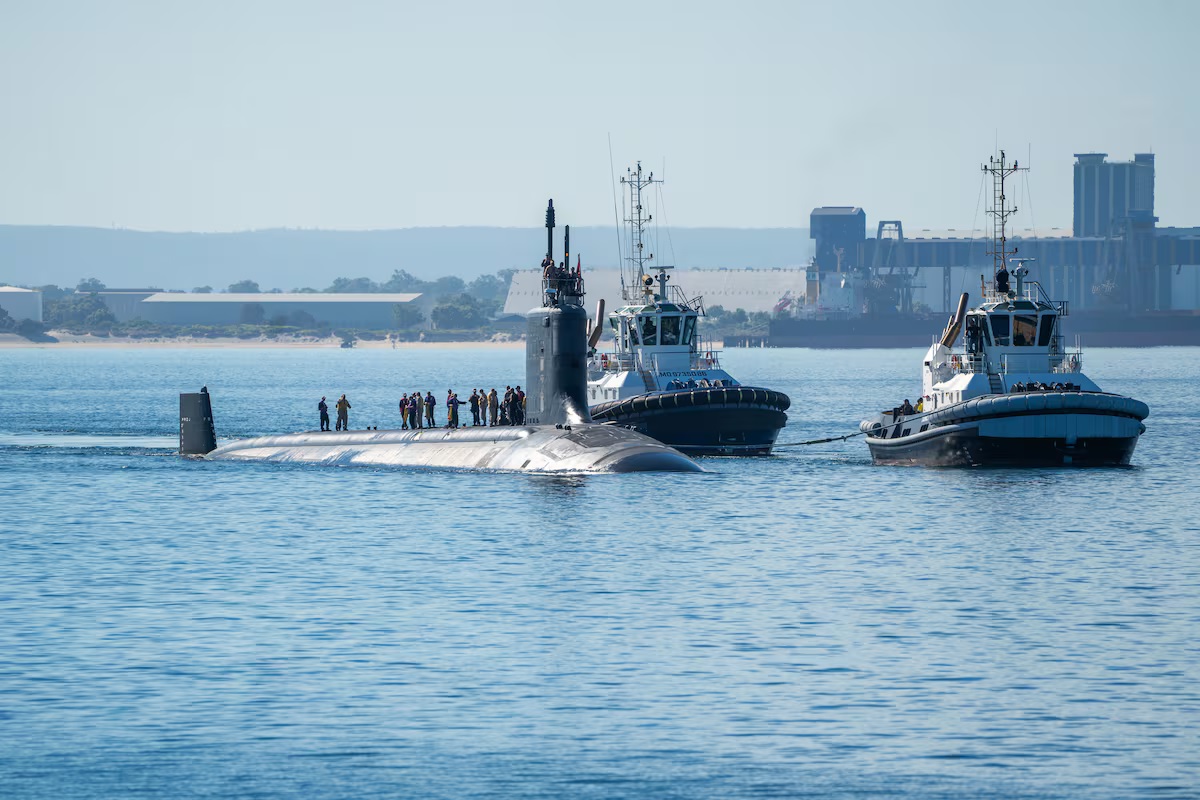
World
PERTH, Australia, — June 14, 2026 : The U.S. Navy has officially reactivated Submarine Squadron 3 (CSS-3) and relocated its headquarters to HMAS Stirling in Western Australia, marking a major milestone in the implementation of the AUKUS security partnership between Australia, the United Kingdom, and the United States. The squadron, which was decommissioned in 2012, will play a central role in supporting future rotational deployments of U.S. and British nuclear-powered submarines in Australia. The move is part of broader efforts under AUKUS Pillar 1 to strengthen allied undersea capabilities in the Indo-Pacific region while helping Australia develop the infrastructure, workforce, and operational expertise required to operate nuclear-powered submarines. CSS-3 Reactivated After 14 Years The reestablishment of CSS-3 was formally announced on June 10, 2026, by Rear Adm. Chris Cavanaugh, Commander of the U.S. Pacific Submarine Force. Originally based at Pearl Harbor, Hawaii, the squadron was disbanded in February 2012 as part of a restructuring of U.S. submarine forces. Now headquartered at HMAS Stirling near Perth, CSS-3 will serve as the primary U.S. Navy command element supporting submarine operations in Western Australia. Its personnel will work closely with the Royal Australian Navy (RAN) to develop maintenance, logistics, training, and operational support systems required for allied submarine deployments. According to the U.S. Navy, the squadron's mission is to establish the foundations necessary for long-term submarine operations in Australia while assisting the country in building sovereign capabilities to support and sustain nuclear-powered vessels. Supporting Submarine Rotational Force-West The revival of CSS-3 is directly linked to the creation of Submarine Rotational Force-West (SRF-West), one of the most significant initiatives under the AUKUS agreement. Beginning in 2027, U.S. and U.K. nuclear-powered fast-attack submarines are scheduled to conduct rotational deployments from HMAS Stirling. The rotational force will enhance allied presence and operational readiness across the Indo-Pacific while providing Australian personnel with practical experience alongside experienced submarine operators. CSS-3 will be responsible for coordinating many of the operational and support activities associated with SRF-West. The squadron will help establish procedures, maintenance capabilities, logistics networks, and infrastructure necessary to sustain visiting submarines and their crews. Expansion of U.S. Support Infrastructure in Australia To support the growing U.S. naval presence in Western Australia, the U.S. Navy has also established Naval Support Activity (NSA) Stirling through its Japan Regional Command. NSA Stirling will provide administrative, logistical, and community support services for U.S. military personnel, civilian employees, contractors, and family members stationed in Australia as part of the AUKUS program. In addition, the Pearl Harbor Naval Shipyard and Intermediate Maintenance Facility (PHNSY & IMF) is expected to establish a dedicated maintenance detachment in Western Australia by mid-2026. The unit will conduct intermediate-level repairs and maintenance for U.S. submarines assigned to SRF-West and continue practical training programs for Australian maintenance specialists. These developments are intended to ensure that Western Australia has the necessary infrastructure and skilled workforce to support a sustained rotational submarine presence. AUKUS Plan Shifts to In-Service Virginia-Class Submarines The reactivation of CSS-3 comes shortly after a significant adjustment to Australia's submarine acquisition plans under AUKUS. At the Shangri-La Dialogue in Singapore on May 30, 2026, officials from the partner nations confirmed that Australia will now acquire three in-service Block IV Virginia-class submarines from the U.S. Navy's existing fleet. The decision represents a change from the original 2023 AUKUS "Optimal Pathway," which envisioned Australia receiving a combination of used and newly built Virginia-class submarines. Under the revised arrangement, all three submarines transferred to Australia will be operational vessels already serving in the U.S. Navy. Australian Deputy Prime Minister and Defence Minister Richard Marles described the change as a cost-effective approach that simplifies acquisition, training, maintenance, and supply-chain management. Streamlining Australia's Transition to Nuclear-Powered Submarines The revised plan is expected to reduce complexity during Australia's transition from conventional to nuclear-powered submarines. Rather than managing multiple submarine variants, Australia will transition through three primary classes: the existing Collins-class submarines, the transferred Block IV Virginia-class submarines, and the future SSN-AUKUS submarines scheduled to enter service in the early 2040s. Defense officials believe this streamlined approach will make workforce training and fleet management more efficient while keeping the broader AUKUS timeline on track. The Virginia-class submarines expected to be transferred were built between 2020 and 2028 and feature reactors designed for approximately 33 years of service life. Because the vessels will already have spent several years in U.S. Navy service before transfer, they are expected to provide Australia with roughly 23 years of operational availability after delivery during the 2030s. The updated arrangement may also help relieve pressure on U.S. shipyards, which are currently focused on meeting production targets for newer Block V and future Block VI Virginia-class submarines. Strategic Importance of HMAS Stirling Located near Perth on Australia's west coast, HMAS Stirling is strategically positioned along key maritime routes in the Indian Ocean and serves as Australia's principal submarine base. The rotational deployment model under SRF-West will allow the United States and United Kingdom to maintain a regular submarine presence in the region without establishing a permanent foreign base in Australia. At the same time, it provides Australia with access to operational experience and technical expertise necessary for the future operation of its own nuclear-powered submarine fleet. Officials from all three AUKUS partners have stated that the reactivation of CSS-3, the establishment of SRF-West, and the revised Virginia-class acquisition plan are designed to keep AUKUS Pillar 1 on schedule while strengthening interoperability and reducing logistical challenges. As preparations continue ahead of the first planned submarine rotations in 2027, HMAS Stirling is expected to become a central hub for allied undersea operations and cooperation across the Indo-Pacific region
Read More → Posted on 2026-06-14 16:08:45
World
WASHINGTON, D.C., — June 14, 2026 : Outgoing Director of National Intelligence (DNI) Tulsi Gabbard has released newly declassified intelligence documents detailing decades of U.S. government funding for more than 120 biological laboratories across over 30 countries. The disclosure is part of a broader effort by the administration of Donald Trump to increase transparency regarding overseas biological research programs and to restrict federal support for certain high-risk pathogen studies abroad. According to the Office of the Director of National Intelligence (ODNI), the declassified materials show that many of the laboratories supported by U.S. funding have conducted research involving hazardous and highly contagious pathogens. The documents also indicate that some facilities participated in gain-of-function research, a field of study that involves modifying pathogens to better understand how diseases evolve, spread, or become more severe. More Than 40 U.S.-Supported Laboratories Identified in Ukraine The declassified records reveal that over 40 of the U.S.-funded laboratories were located in Ukraine. These facilities were involved in a range of biological research, biosafety, and pathogen management activities. According to the documents, the laboratories served as repositories for disease-causing organisms and biological agents, including anthrax, tularemia, tuberculosis, African swine fever, Ebola, Middle East Respiratory Syndrome (MERS), Severe Acute Respiratory Syndrome (SARS), Marburg virus, and plague pathogens. The records further state that some facilities handled and stored biological materials dating back to the Soviet era, including pathogens associated with former Soviet biological weapons programs. The laboratories also reportedly provided specialized training for Ukrainian scientists working alongside U.S. experts in biological defense and biosafety procedures. In addition, several sites were responsible for certifying and handling especially dangerous pathogens. The facilities were located across multiple regions of Ukraine, including Lviv, Ternopil, Vinnytsia, Kharkiv, Dnipro, Luhansk, Donetsk, Kherson, Odesa, Zaporizhzhia, Chernihiv, Kyiv, Zakarpattia, and Crimea. One laboratory specifically highlighted in the intelligence release was the Kherson Diagnostic Laboratory. According to the documents, the facility received approximately $1.73 million in U.S. funding while official authorization for work involving certain pathogens remained listed as “in progress.” Biological Threat Reduction Programs The declassified materials indicate that many of the laboratories were supported through programs designed to strengthen biosafety, disease surveillance, public health monitoring, and the protection of dangerous biological materials. The documents reference initiatives such as the U.S. Department of Defense’s Biological Threat Reduction Program, which has supported laboratory modernization and pathogen security projects in various countries. The records state that U.S. support for biological laboratories in Ukraine began around 2005 and totaled approximately $200 million across dozens of facilities. Many of the laboratories were owned and operated by Ukrainian institutions while receiving technical, financial, or scientific assistance through cooperative programs. The intelligence documents also note that some facilities maintained collections of pathogens for research, surveillance, and diagnostic purposes, while others focused on monitoring infectious disease outbreaks affecting both human and animal populations. Oversight of Gain-of-Function Research The ODNI stated that several of the laboratories included in the disclosure have conducted, or are currently conducting, research involving dangerous pathogens. In some cases, this research included gain-of-function studies, which involve altering microorganisms to better understand characteristics such as transmissibility, pathogenicity, or resistance. Gabbard said the Intelligence Community is expanding efforts to monitor foreign biological laboratories receiving U.S. support. “ODNI will continue working with partners across the Administration to identify where these labs are, what pathogens they contain, and what research is being conducted,” she said in the statement accompanying the release. The disclosure aligns with Executive Order 14292, signed by President Trump in May 2025, which prohibits federal funding for gain-of-function research in designated countries of concern and directs federal agencies to strengthen oversight of overseas biological research programs. Debate Over Transparency and Public Disclosure In her statement, Gabbard criticized previous administrations and some public health officials, arguing that information regarding U.S.-supported biological laboratories had not been fully disclosed to the public. She specifically accused officials within previous administrations and members of the national security and public health establishment of downplaying the existence and scope of U.S.-funded biological research facilities overseas. The issue became a subject of public debate during the early stages of the Russia-Ukraine conflict in 2022, when Gabbard raised concerns about the security of biological laboratories operating in Ukraine. At the time, critics rejected those concerns and argued that the facilities were part of publicly acknowledged biosafety and public health cooperation programs. The newly released documents have renewed discussion regarding the extent of U.S. involvement in international biological research initiatives, with supporters describing the release as a transparency measure and others noting that many of the programs had previously been acknowledged through international health and security partnerships. Ukraine’s Position and International Context Ukrainian officials have consistently rejected claims that the laboratories functioned as biological weapons facilities. Ukraine’s Foreign Ministry has previously stated that the sites were engaged in public health, disease surveillance, biosafety, and research activities conducted in cooperation with international partners. The declassified intelligence also references previous assessments that warned some laboratories could be vulnerable to damage, seizure, or disruption due to the ongoing conflict in Ukraine. Such concerns were tied to the presence of dangerous pathogens stored for research and diagnostic purposes. Leadership Transition at ODNI The disclosure comes as Gabbard prepares to leave her position as Director of National Intelligence following her husband's recent cancer diagnosis. Before departing, she has issued a directive instructing the Intelligence Community to prioritize information gathering related to overseas biological laboratories receiving U.S. support. According to her office, increased scrutiny is already uncovering additional information concerning ongoing clinical trials, research activities, funding arrangements, and oversight practices that may warrant further review from national security, financial, and ethical perspectives. President Trump has endorsed Jay Clayton, former chairman of the U.S. Securities and Exchange Commission, to serve as the next Director of National Intelligence. The ODNI stated that reviews of the laboratories, their pathogen inventories, and associated research programs will continue, with additional findings and policy updates expected in the coming weeks.
Read More → Posted on 2026-06-14 15:57:50
World
BERLIN, — June 14, 2026 : A new dispute has emerged between Dassault Aviation and Airbus Defence and Space over the multinational Eurodrone program, only days after France and Germany formally acknowledged the collapse of the Future Combat Air System (FCAS) fighter project. The disagreement has raised fresh concerns about the future of major European defense cooperation initiatives and added pressure to an already strained Franco-German industrial partnership. The latest dispute centers on the European Medium-Altitude Long-Endurance Remotely Piloted Aircraft System (MALE RPAS), commonly known as the Eurodrone, a joint European unmanned aircraft program valued at approximately €7 billion ($8.1 billion). Developed by France, Germany, Italy, and Spain, the project is intended to provide Europe with an independent intelligence, surveillance, target acquisition, and reconnaissance (ISTAR) capability while reducing reliance on foreign systems such as the MQ-9 Reaper and Israeli-made unmanned aircraft. Fallout From FCAS Collapse The Eurodrone disagreement follows the breakdown of the much larger FCAS New Generation Fighter (NGF) initiative, launched in 2017 by France and Germany and later joined by Spain. The program, estimated at around €100 billion, aimed to develop a sixth-generation combat aircraft and supporting systems for service by 2040. Negotiations between the industrial partners ultimately failed due to disagreements over intellectual property rights, industrial leadership, governance structures, and operational requirements. France sought capabilities that would allow the future fighter to operate from aircraft carriers and carry nuclear weapons, requirements that were not priorities for Germany. Following months of unsuccessful negotiations, French President Emmanuel Macron and German Chancellor Friedrich Merz recently concluded that the joint fighter effort could no longer continue in its existing form. The growing separation became increasingly visible during the ILA Berlin Air Show 2026, where eight German aerospace companies led by Airbus announced the formation of the "Team Gen 6" alliance, signaling plans to pursue future fighter aircraft development without Dassault's participation. Compensation Demand Linked to Procurement Changes The current disagreement within the Eurodrone program stems from France's decision to postpone or significantly reduce planned Eurodrone acquisitions through 2035 under a recently proposed defense spending framework. French defense officials have indicated that alternative systems better suited for high-intensity warfare environments are being evaluated. Among the platforms attracting attention is the Aarok unmanned aircraft developed by French company Turgis & Gaillard, which is viewed as a potentially more cost-effective solution for some operational requirements. Under Europe's defense industrial "geo-return" principle, industrial workshare is allocated according to each participating country's financial contribution and procurement commitments. Because France's future purchases have been reduced or delayed, the volume of work assigned to Dassault has also declined. Dassault is responsible for key Eurodrone components, including the aircraft's flight control systems and mission communication architecture. The company argues that the procurement adjustments have reduced its expected industrial participation and is therefore seeking financial compensation from Airbus, which serves as the program's prime contractor. The request is intended to offset investments made by Dassault based on earlier production and procurement assumptions. Airbus Maintains Program Remains Intact Despite growing tensions, Airbus officials have rejected suggestions that the Eurodrone program faces the same fate as FCAS. Speaking during the ILA Berlin Air Show, Jean-Brice Dumont, Head of Air Power at Airbus Defence and Space, said France remains part of the program despite adjustments to its acquisition timeline. According to Dumont, the project still includes the same four partner nations that joined at the outset, and changes to procurement schedules are not unusual in large multinational defense programs. Airbus continues to maintain that France has not withdrawn from the initiative and that all partner countries remain committed to its long-term objectives. Eurodrone Development Progress Unlike the FCAS fighter project, which remained largely in the conceptual and design phase, the Eurodrone is already in advanced development. The aircraft was originally expected to conduct its first flight in 2025, but the schedule has slipped, with the first flight now anticipated between 2027 and 2029. Development activities continue across the participating nations through a distributed industrial structure. Italian defense company Leonardo is responsible for supplying the Gabbiano Active Electronically Scanned Array (AESA) multi-mode radar, while other major subsystems are being developed by Airbus and Dassault. Current plans call for France, Germany, Italy, and Spain to each operate at least a dozen systems. Japan and India have also joined the program as official observers. Eurodrone Specifications The Eurodrone is designed as a twin-engine MALE unmanned aircraft capable of conducting long-endurance surveillance and reconnaissance missions while also supporting strike operations when required. Specification Details Aircraft Type Medium-Altitude Long-Endurance (MALE) UAS Program Status Prototype Development Phase Planned Fleet More than 60 aircraft Length 16 meters Wingspan 26 meters Maximum Takeoff Weight 13,000 kg Powerplant Two General Electric Catalyst turboprop engines Maximum Speed 500 km/h Endurance Up to 40 hours Service Ceiling 12,000 meters Payload Capacity Up to 2,300 kg across five hardpoints Potential Armament Brimstone missiles, GBU-49 Enhanced Paveway II bombs, and other precision-guided munitions Crew Unmanned aircraft operated by 2–3 ground mission personnel Concerns Extend to MGCS Tank Program The difficulties affecting FCAS and Eurodrone have also increased scrutiny of the Main Ground Combat System (MGCS) program, the third major Franco-German defense initiative launched in 2017. MGCS is intended to replace Germany's Leopard 2 and France's Leclerc main battle tanks with a highly networked combat system by around 2040. However, the project has already experienced significant delays and is reportedly running at least a decade behind its original schedule. Adding to concerns, Armin Papperger, Chief Executive Officer of Rheinmetall, recently warned that France may seek to reduce its financial contribution to the MGCS program to less than half of earlier projections. Future of European Defense Cooperation The simultaneous challenges facing FCAS, Eurodrone, and MGCS have highlighted the difficulties involved in managing large multinational defense programs that must balance national military requirements, industrial interests, technology sharing, and procurement commitments. While Airbus insists that the Eurodrone remains on track despite current disagreements, the compensation dispute between Dassault and Airbus underscores the continuing tensions within Europe's defense industrial base. The outcome of ongoing negotiations will be closely watched by governments and industry leaders as they assess whether major collaborative programs can be preserved or whether future capabilities will increasingly be pursued through national development efforts.
Read More → Posted on 2026-06-14 15:45:06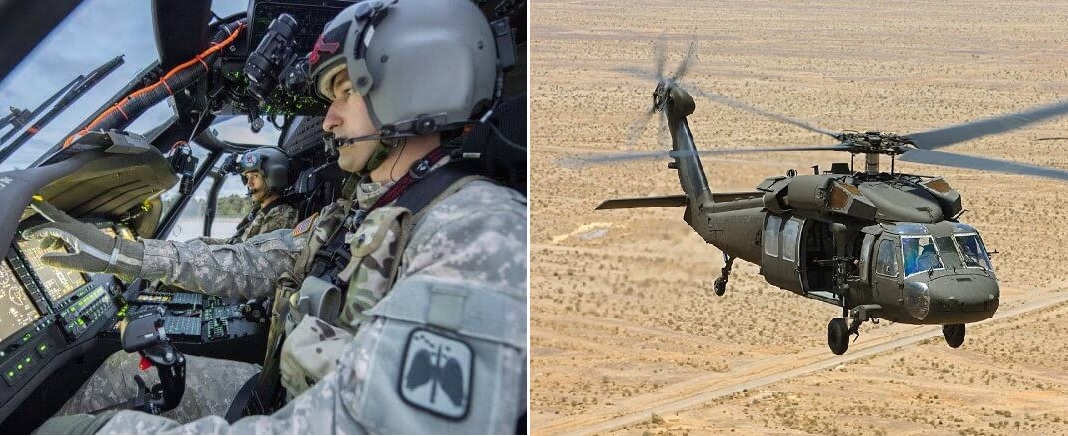
World
FORT NOVOSEL, Ala., — June 14, 2026 : The U.S. Army is testing 3D spatial audio technology on UH-60 Black Hawk helicopters to improve pilot situational awareness, reduce cognitive workload, and enhance communication during flight operations. The U.S. Army Aeromedical Research Laboratory (USAARL) recently installed the system on two Black Hawks operated by the U.S. Army Aviation Center of Excellence (AVCOE) at Fort Novosel. The aircraft are currently supporting operational assessments with the 1st Battalion, 212th Aviation Regiment, 110th Aviation Brigade’s Aviation Tactics Instructor Course. Military helicopter pilots often manage multiple radio channels, intercom communications, navigation information, and system alerts while flying at low altitudes and making tactical decisions. Traditional aviation headsets deliver all audio through a single channel, requiring pilots to separate overlapping voices and alerts mentally. The 3D spatial audio system recreates natural directional hearing by assigning different radio channels and audio sources to distinct positions around the pilot. Instead of multiple conversations blending together, pilots can hear each transmission as coming from a different direction, making communications easier to identify and understand. Capt. Brandon Allen, a USAARL research pilot who evaluated the technology alongside Capt. William Bradley, said the system helps pilots distinguish multiple radio conversations more effectively. “When you are up on four radios, 3D spatial audio splits up all those radios in your head and you can distinguish who is talking to you,” Allen said. Both pilots reported improved speech intelligibility, better situational awareness, and reduced mental strain during flight evaluations. The technology was first tested aboard USAARL’s MEDEVAC research helicopter, Forge 612, making it the first U.S. Army aircraft equipped with 3D spatial audio. Feedback from those tests helped guide installation on the two operational Black Hawks. The upgrade process at Lowe Army Heliport required more than 231 man-hours of installation work and included two days of flight evaluations. According to Col. Thomas Summers, commander of USAARL, the Army wants pilots to use the system extensively and provide feedback to help refine the technology for future aviation operations. The program involves several Army organizations, including the Combat Capabilities Development Command Aviation and Missile Center, the Utility Helicopters Project Office, and Project Manager Air Warrior, along with industry partners CATI Training Systems and TTM Technologies. Data gathered from the Black Hawk evaluations will support development of the MV-75 Cheyenne II, the Army’s Future Long-Range Assault Aircraft (FLRAA). Developed by Bell Textron and based on the V-280 Valor tiltrotor design, the aircraft is scheduled to enter service in 2031. Army officials say testing 3D spatial audio on current aircraft will help ensure future aircrews have improved tools for managing communications and operating effectively in increasingly complex flight environments.
Read More → Posted on 2026-06-14 15:36:18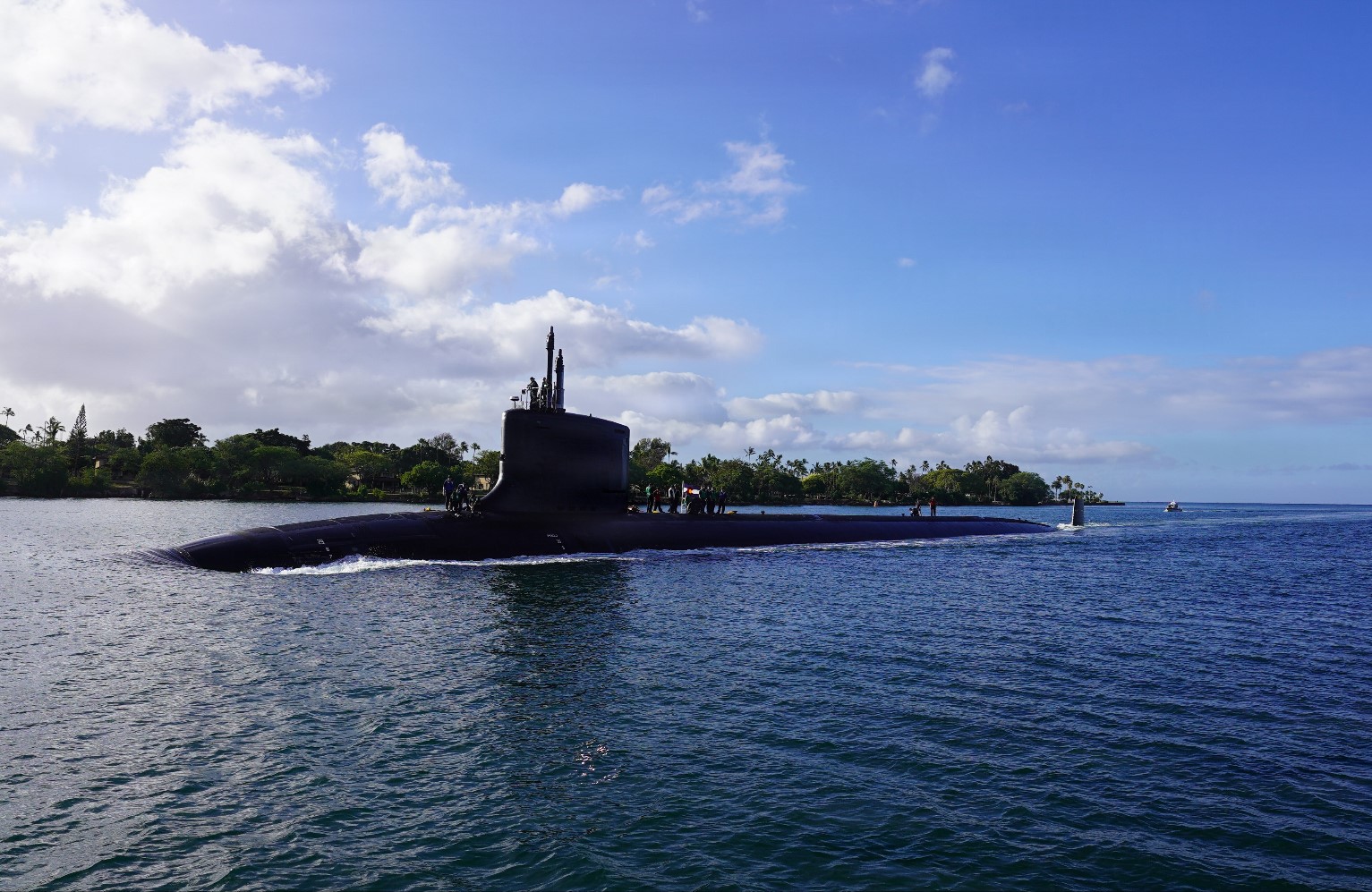
World
PEARL HARBOR, Hawaii, — June 14, 2026 : The U.S. Navy's Virginia-class fast-attack submarine USS Colorado (SSN 788) has returned to operational service after completing a major maintenance period at Pearl Harbor Naval Shipyard and Intermediate Maintenance Facility (PHNSY & IMF) 29 days ahead of schedule, providing an additional combat-ready submarine to the U.S. Pacific Fleet. The submarine officially rejoined the fleet on June 10 following the successful completion of an Extended Dry-Docking Selected Restricted Availability (EDSRA) maintenance period that began in June 2024. USS Colorado completed post-maintenance sea trials on June 6, confirming the vessel's readiness for future operations. The early completion represents a significant achievement for the shipyard and submarine crew, particularly as the U.S. Navy continues to emphasize undersea warfare readiness across the Indo-Pacific region. Returning a nuclear-powered attack submarine to service nearly a month earlier than planned increases operational flexibility for the Pacific Fleet and supports ongoing regional commitments. Maintenance Completed Ahead of Schedule The maintenance package involved extensive repairs, inspections, modernization work, and system upgrades required to maintain the submarine's operational effectiveness. Work on nuclear-powered submarines is particularly demanding due to strict safety requirements, radiation controls, confined workspaces, and the need to meet rigorous quality standards. Unlike conventional warships, submarine maintenance requires specialized procedures and precision because errors can lead to costly delays and additional repairs. Shipyard personnel therefore focus heavily on achieving first-time quality during every phase of the project. Capt. Ryan McCrillis, commander of PHNSY & IMF, credited the achievement to teamwork and a commitment to quality. “Finishing ahead of schedule is not about rushing, it’s about hard work and persistence,” McCrillis said. “It’s producing first-time, high-quality work and attacking every roadblock with urgency. It’s a team effort, from the newest apprentice to senior shipyard leaders, the ship’s force, the project team, and support from the fleet and headquarters.” According to shipyard officials, maintaining strong communication among maintenance teams, fleet representatives, and the submarine's crew helped prevent delays and allowed challenges to be addressed quickly as they emerged. Close Cooperation Between Shipyard and Crew A key factor in the project's success was the close integration between USS Colorado’s sailors and the shipyard workforce throughout the availability period. Rather than relying solely on technical manuals and engineering documentation, maintenance teams worked directly with the crew, whose detailed knowledge of onboard systems helped accelerate troubleshooting and repairs. Chad Renti Cruz, PHNSY & IMF project superintendent for USS Colorado, said the collaborative approach enabled rapid problem-solving. “From the get-go, the team gelled as one,” Cruz said. “Whenever challenges or problems came up, we swarmed the issue, got all the right people in the room to lay out a solid plan, and executed it to a T.” Cmdr. Justin Reeves, commanding officer of USS Colorado, emphasized the importance of cooperation between sailors and shipyard personnel throughout the maintenance period. “Colorado’s success was largely due to the continual hard work, communication, and coordination between our Sailors and the shipyard team,” Reeves said. “Ending the availability early allows us to get back out to sea and prepare the crew for operations.” The successful completion of sea trials demonstrated that all major systems were functioning properly before the submarine returned to fleet service. USS Colorado and the Virginia-Class Fleet Commissioned on March 17, 2018, at Naval Submarine Base New London in Groton, Connecticut, USS Colorado is the 15th Virginia-class submarine and the fifth Block III variant built for the U.S. Navy. The submarine is homeported at Joint Base Pearl Harbor-Hickam, Hawaii, and assigned to Submarine Squadron 7. Virginia-class submarines form the core of the Navy's fast-attack submarine force. Since the lead boat entered service in 2004, more than two dozen vessels of the class have been commissioned. Construction of the class is shared between Huntington Ingalls Industries in Newport News, Virginia, and General Dynamics Electric Boat in Groton, Connecticut. The Block III variant introduced several significant improvements, including a redesigned bow equipped with the Large Aperture Bow sonar array and the replacement of traditional vertical launch tubes with two large-diameter Virginia Payload Tubes, increasing missile-carrying flexibility. As a nuclear-powered, conventionally armed attack submarine, USS Colorado is equipped with Tomahawk cruise missiles for long-range land attack missions, heavyweight torpedoes for anti-submarine and anti-surface warfare, and advanced sensors for intelligence, surveillance, and reconnaissance (ISR) missions. The submarine is also capable of supporting special operations forces and conducting a wide range of undersea operations. Strategic Importance for the Indo-Pacific The submarine's early return to service highlights the growing importance of Pearl Harbor Naval Shipyard as a strategic maintenance hub for U.S. naval forces operating across the Pacific and Indian Oceans. Located between the U.S. West Coast and the Western Pacific, Pearl Harbor allows submarines to undergo major maintenance without requiring lengthy transits back to mainland shipyards. This helps reduce downtime and enables vessels to return to operational duties more quickly. The shipyard's role has become increasingly important as it supports the broader objectives of the AUKUS partnership. PHNSY & IMF is currently helping train more than 230 Australian civilian maintainers and personnel from the Royal Australian Navy as Australia prepares to expand its submarine capabilities under the trilateral agreement. By completing USS Colorado's maintenance nearly a month ahead of schedule, the shipyard can redirect skilled workers and resources to other submarine projects sooner than expected, helping reduce maintenance backlogs and improve overall fleet readiness. Navy officials noted that efficient maintenance scheduling remains a critical component of sustaining submarine operations in the Indo-Pacific, where attack submarines continue to play an important role in deterrence, intelligence collection, anti-submarine warfare, strike missions, and support for joint military operations. The return of USS Colorado strengthens the Pacific Fleet's available undersea force and demonstrates ongoing efforts by the U.S. Navy and Pearl Harbor Naval Shipyard to improve maintenance performance while maintaining high safety and quality standards.
Read More → Posted on 2026-06-14 14:54:53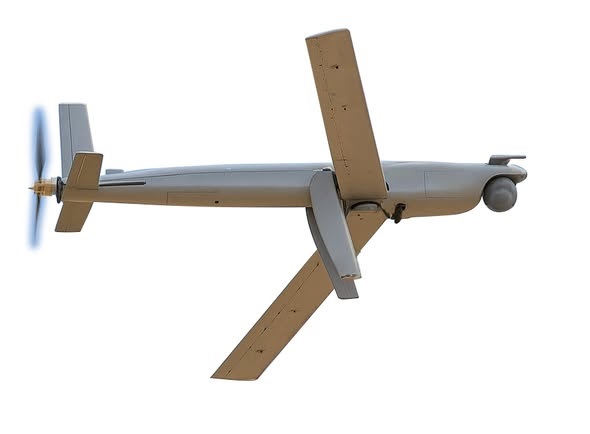
World
BERLIN, — June 14, 2026 : Israeli defense company Elbit Systems and German defense manufacturer Diehl Defence have signed a strategic partnership agreement to jointly offer the SkyStriker loitering munition system to the German Armed Forces (Bundeswehr). The agreement was signed during the ILA Berlin Air Show 2026 and focuses on adapting the system for German military requirements while supporting local production. Under the agreement, Diehl Defence will lead the localization of the SkyStriker system if a contract is awarded. Manufacturing, assembly, system integration, certification, and support activities would take place in Germany, creating a domestic supply chain for the Bundeswehr and supporting sovereign defense capabilities. SkyStriker System SkyStriker is a fully autonomous loitering munition designed to detect, track, and engage operator-designated targets with high precision. Powered by a quiet electric motor, the system weighs up to 35 kilograms and can remain airborne for more than two hours. It has an operational range exceeding 200 kilometers. The munition is designed to operate in GPS-denied environments and under electronic warfare conditions, allowing it to continue missions even when satellite navigation signals are disrupted. SkyStriker can be equipped with either a 5-kilogram or 10-kilogram warhead. Its modular design allows operators to change warheads in the field during launch preparation, providing flexibility for different mission requirements. The system can be launched from multiple platforms, including ground vehicles, customized containers, naval vessels, aircraft, and the EuroPULS multiple rocket launcher system, which Germany is currently procuring. Partnership Focus The cooperation combines Elbit Systems' experience in loitering munition technology with Diehl Defence's expertise in system integration, production, and support. The companies aim to establish local manufacturing and sustainment capabilities in Germany to ensure long-term support and future upgrades for the Bundeswehr. Helmut Rauch, CEO of Diehl Defence, said the partnership would contribute to the development of Germany's capabilities in the loitering munition sector while strengthening the country's defense industry. “Diehl Defence is proud to partner with Elbit Systems in the field of loitering munition to push ahead Germany's capabilities in this segment. This cooperation does not only strengthen the development of sovereign capabilities, but also the German defense industry,” Rauch said. Bezhalel (Butzi) Machlis, President and CEO of Elbit Systems, said the partnership combines the strengths of both companies to offer an advanced solution for the German Armed Forces. “By combining Diehl Defence's deep experience in system integration and production with Elbit's advanced loitering munition technology, we aim to provide a powerful and future-ready solution for the German Armed Forces,” Machlis stated. Expanding European Presence The partnership reflects the growing interest among European armed forces in loitering munitions and precision-strike systems. SkyStriker is already an operational platform, and an unnamed European country placed an order for the system in 2023. The agreement announced at ILA Berlin 2026 marks another step in Elbit Systems' expansion in Europe as NATO members continue investing in autonomous and precision-strike capabilities. No details regarding contract value or procurement timelines have been released.
Read More → Posted on 2026-06-14 14:46:04Search
Top Trending in 24 Hours
-
 Ukrainian Hackers Expose Highly Classified Russian Naval Data in "Operation Poseidon"
-
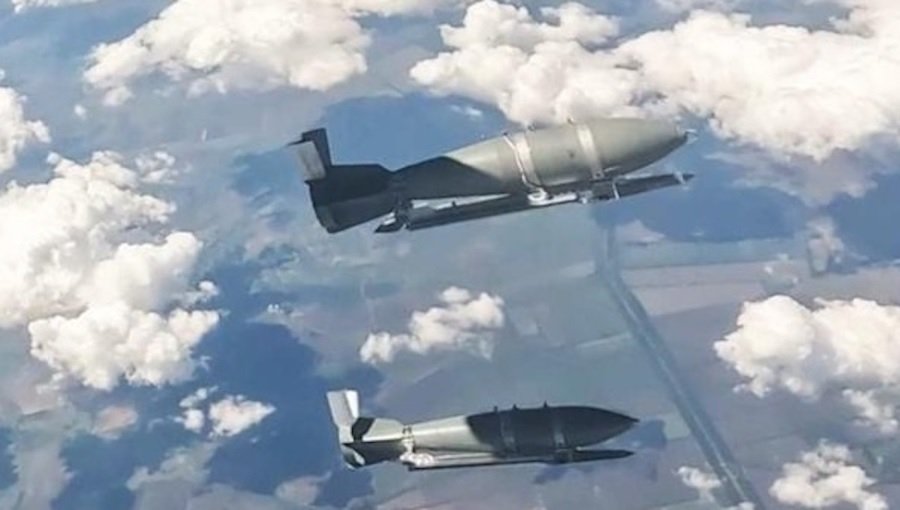 Russia’s Glide Bomb Use in Ukraine Surpasses Recent U.S. Bombing Rate During Epic Fury in Iran, Remains Below 2003 Iraq Peak
-
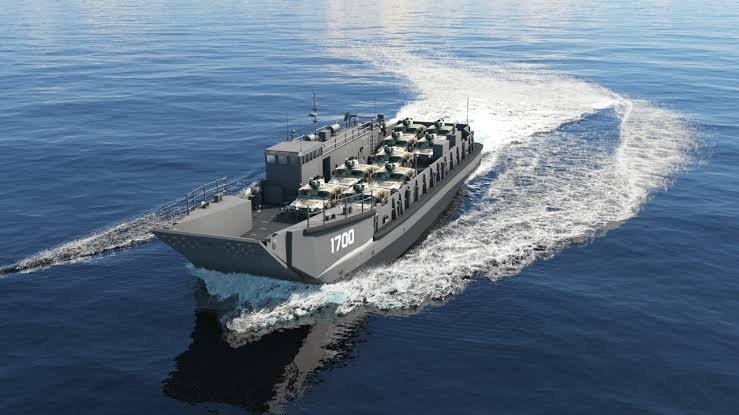 Indian Navy Issues RFI for Six Next-Generation LCU Mk V Vessels Under 'Make in India'
-
 New Satellite Imagery Reveals Rapid Progress at Japan’s Mageshima Island Military Base
-
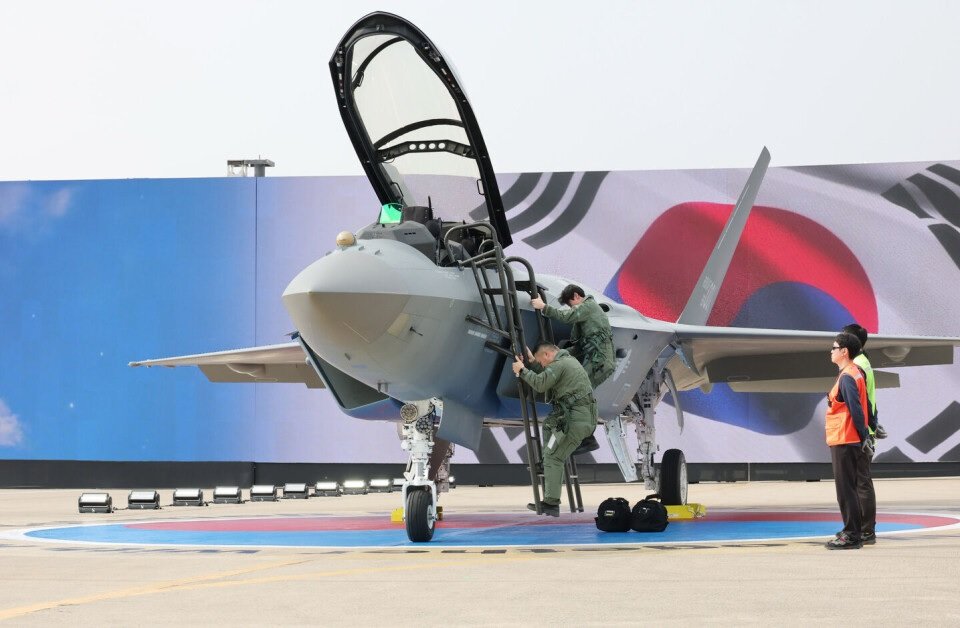 South Korea Delivers First Production KF-21 Boramae Fighter to Air Force
-
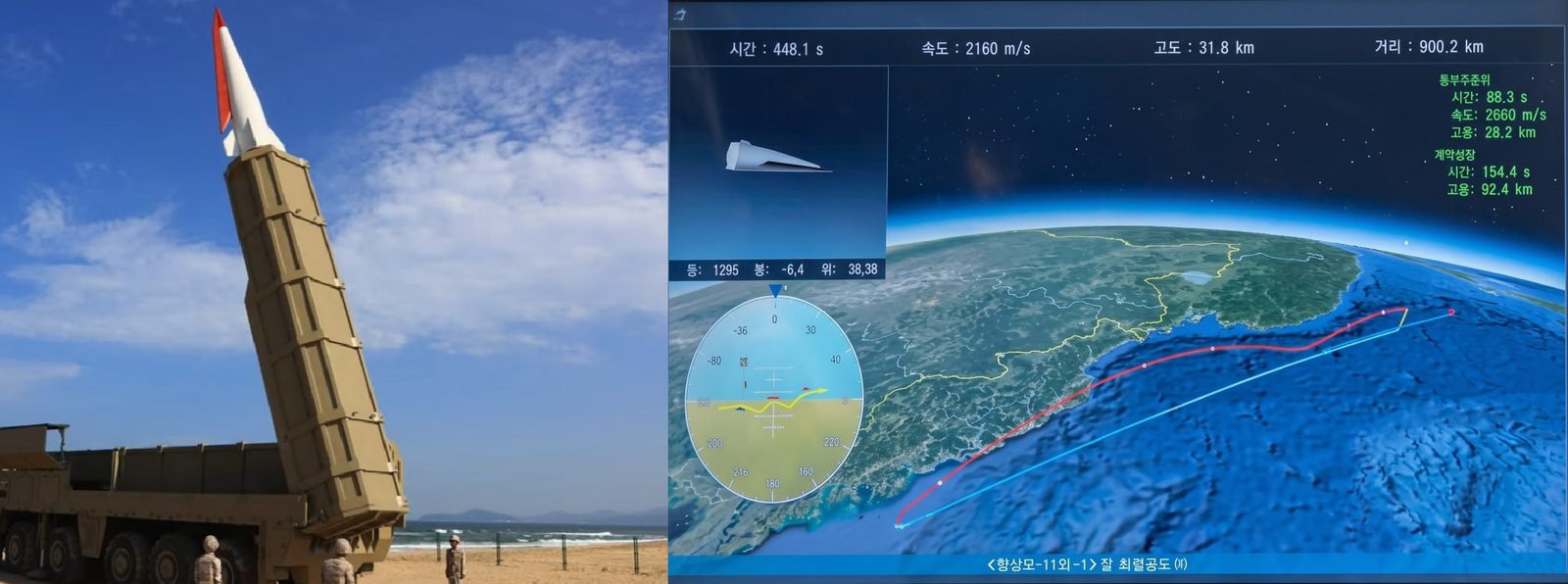 North Korea Tests Hwasongpho-11Ma-1, Combining Solid-Fuel Missile With Maneuverable Hypersonic Glide Vehicle
-
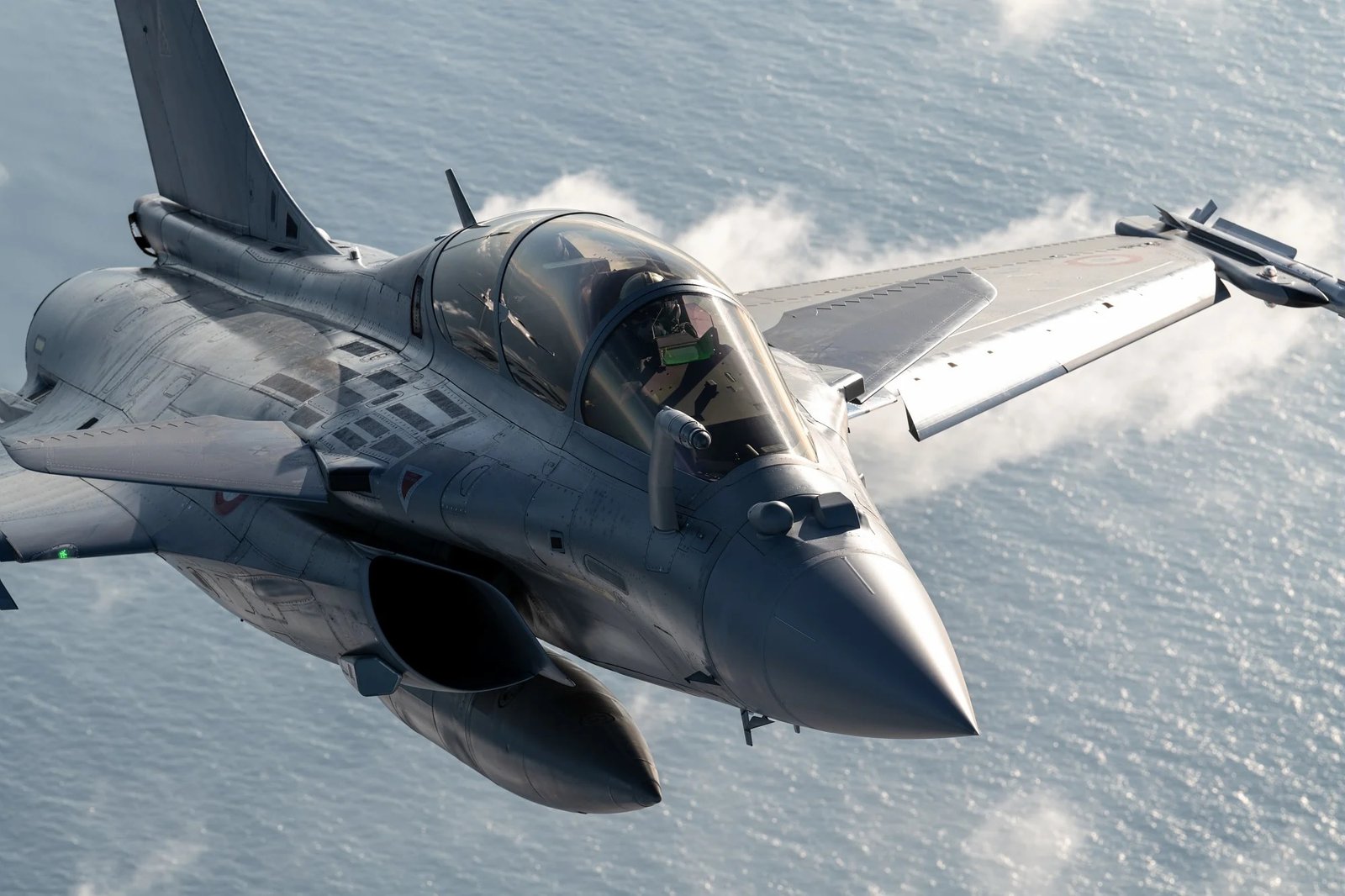 Dassault Aviation Flight-Tests Two Sovereign AI Algorithms on Rafale Fighter
-
 Australia’s MQ-4C Triton and MC-55A Peregrine Reach Initial Operational Capability
Top Trending in 4 Days
-
 Sensitive F-35 Components Diverted to Hong Kong, Some Parts Missing
-
 U.S. Secures Permanent Military Rights in Greenland in Historic Security Pact with Denmark
-
 U.S. Approves Potential $2.68 Billion Air Defense Package for Ukraine Including S-300 Clone Missiles
-
 U.S. Warns Allies of Up to Five-Year Delays in Key Weapons Deliveries
-
 U.S. Iran War Cost Hits $43.6 Billion as Missile Interceptor Stocks Come Under Pressure
-
 India’s xTerra Robotics Launches Indigenous DHAV-Hy Wheeled-Legged Quadruped for Industrial Inspection
-
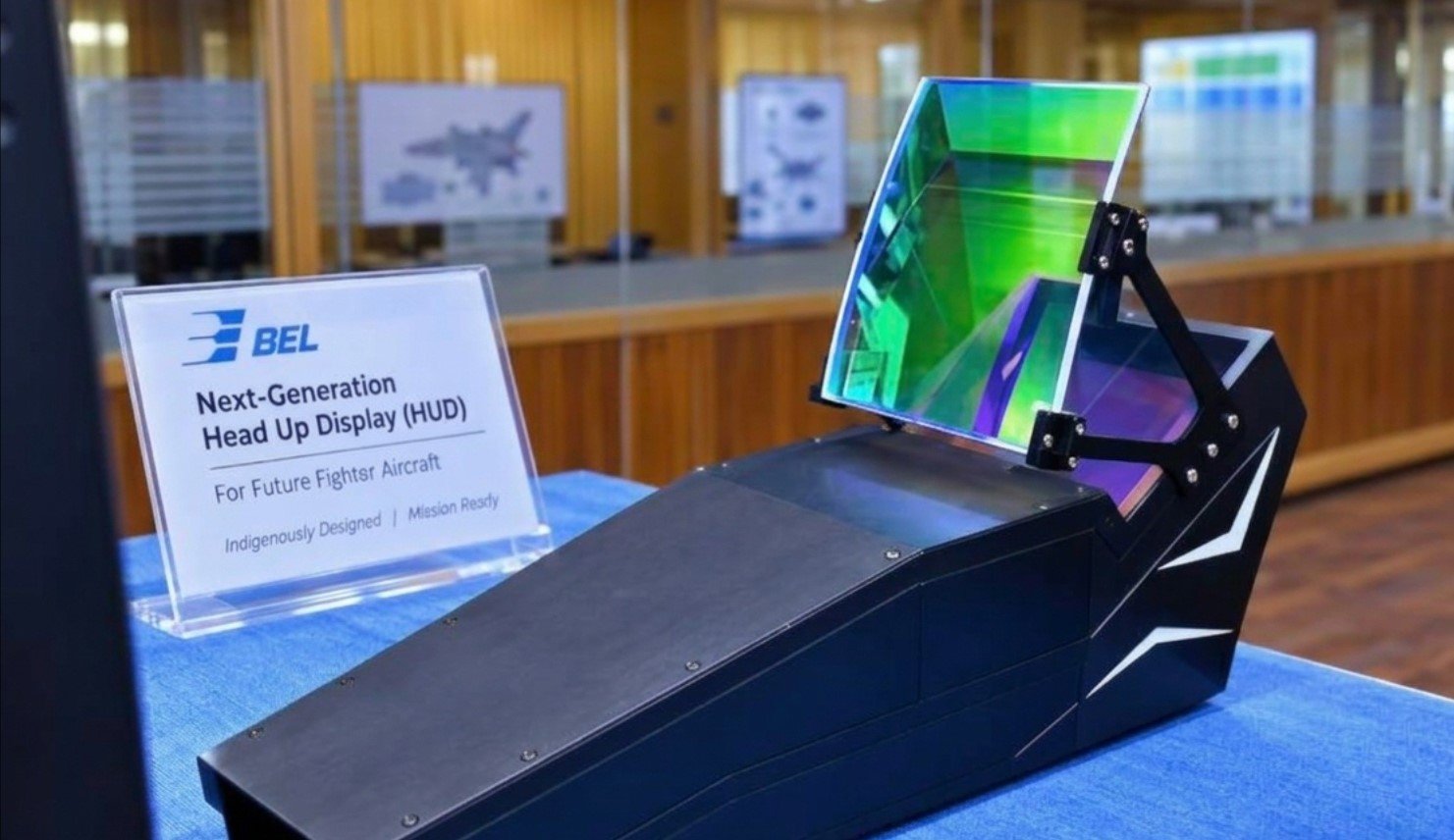 BEL Showcases New-Generation Head-Up Display, Potentially Linked to Tejas Mk2
-
 U.S. Army Awards $10.64 Million Contract to Ukrainian Drone Maker Skyeton for Raybird Systems