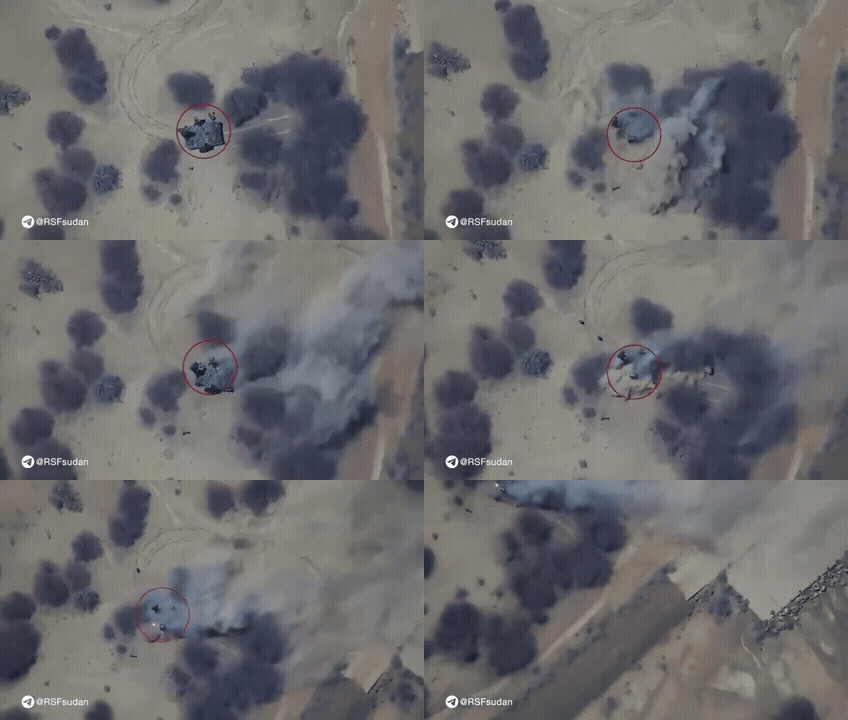
KHARTOUM, — May 22, 2026 : The Rapid Support Forces (RSF) have released combat footage claiming to show the destruction of a Turkish-made HİSAR-A mobile low-altitude air defense system operated by the Sudanese Armed Forces (SAF) during ongoing fighting in Sudan’s North Kordofan region. The reported strike took place near Rahid al-Nuba, also referred to as Rihaid al-Nuba, amid continued escalation in the country’s civil war.
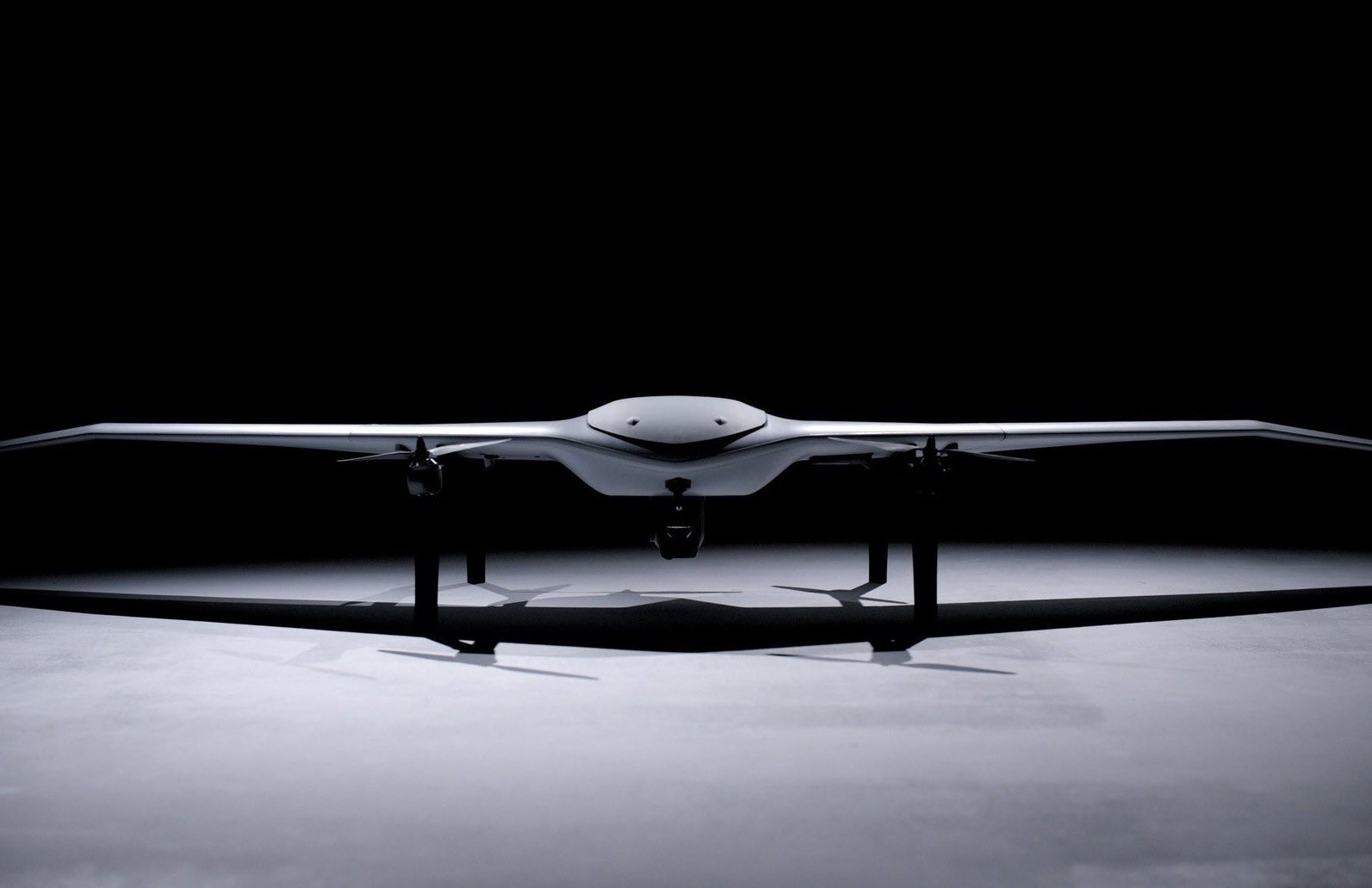
According to the RSF, the operation was conducted through coordination between its military intelligence, air force, and special forces units. The released footage reportedly shows a precision-guided munition launched from a Chinese-manufactured combat drone striking the HİSAR-A system shortly after deployment.
The video shows crew members exiting the vehicle moments before missiles onboard detonated in secondary explosions, resulting in the system catching fire. The RSF stated that the targeted platform belonged to forces aligned with the Sudanese Armed Forces.
Open-source analysts reviewing the footage said the strike location was geolocated to coordinates near 14.809, 31.607 in North Kordofan. Metadata associated with the footage reportedly corresponds to May 21, 2026. However, no independent third-party verification confirming the destruction of the system has been released. Some accounts aligned with the SAF have disputed the authenticity of the footage, describing it as unverified or fabricated.
Turkish-Made HİSAR-A System
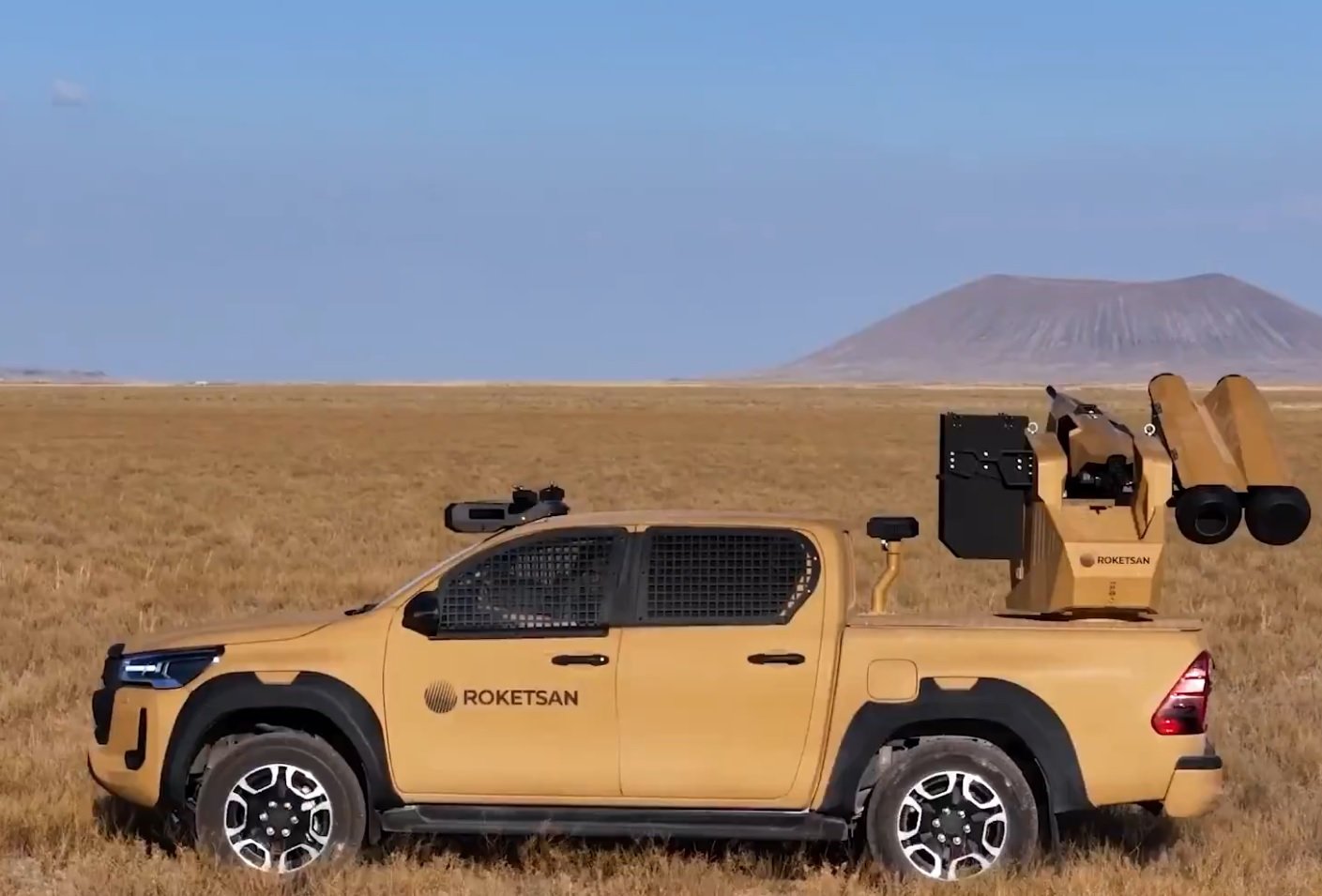
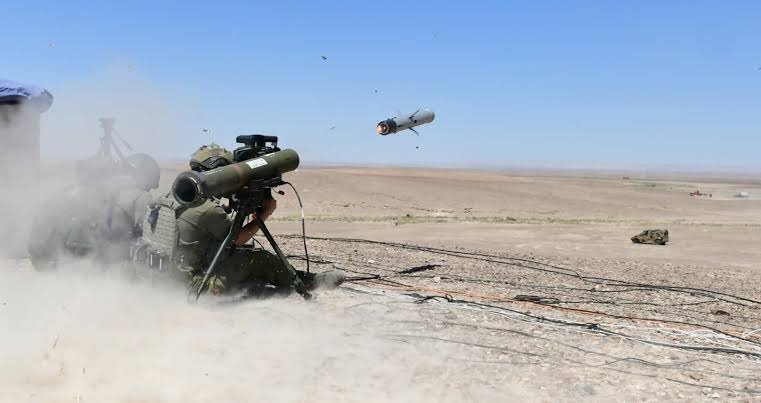
The HİSAR-A is a short-range air defense (SHORAD) system jointly developed by Turkish defense companies Aselsan and Roketsan. The mobile missile system is designed to intercept low-altitude threats including unmanned aerial vehicles, helicopters, cruise missiles, and fixed-wing aircraft.
The system uses infrared-guided missiles with a reported engagement range of up to 15 kilometers and can operate within layered air defense networks. Sudan has received Turkish defense equipment, including drones and air defense systems, through bilateral military cooperation agreements signed before the conflict intensified.
The Sudanese Armed Forces have also previously operated Turkish-made Bayraktar Akıncı unmanned combat aerial vehicles during operations against RSF positions.
Expanding Drone Warfare in Sudan
The reported strike highlights the growing role of drones in the Sudan conflict, where both the SAF and RSF have increasingly relied on unmanned systems for reconnaissance missions and precision attacks.
Military analysts note that the incident reflects a broader trend in modern warfare, where relatively low-cost drones are increasingly being used to target expensive air defense systems and armored platforms. The reported destruction of the HİSAR-A system has renewed attention on the vulnerability of traditional air defense assets against small, low-observable UAV threats operating in active combat zones.
Defense observers also state that the Sudan conflict has increasingly become a live operational environment for foreign-supplied military technology. Since the outbreak of war in 2023 between forces led by General Abdel Fattah al-Burhan and RSF commander Mohamed Hamdan Dagalo, both sides have relied heavily on externally supplied drones, missile systems, and surveillance platforms.
Debate Over Operational Testing Standards
The incident has also renewed discussion regarding operational testing standards for rapidly developed military systems. Turkey has expanded its defense exports significantly over the past decade, gaining international attention through platforms such as the Bayraktar TB2 drone series and the HİSAR family of air defense systems.
However, some defense analysts argue that rapidly fielded systems can face operational challenges when exposed to evolving threats such as low-signature drones, coordinated UAV attacks, and electronic warfare environments.
This approach is often contrasted with procurement and testing cycles used by countries such as India, where the armed forces and the Defence Research and Development Organisation (DRDO) conduct extensive multi-environment field trials before large-scale induction. Such testing procedures are intended to identify vulnerabilities under varied operational and climatic conditions prior to deployment.
Escalation in North Kordofan
The reported strike comes amid intensified fighting across North Kordofan and several other regions of Sudan. The United Nations and humanitarian organizations have repeatedly expressed concern regarding the increasing use of combat drones by both sides, citing repeated strikes on military facilities, infrastructure, and civilian-populated areas.
UN reporting indicates that drone-related incidents now account for a significant portion of verified civilian casualties recorded during 2026.
As the conflict enters its third year, battlefield performance of imported military systems is expected to remain under close international observation, particularly as drone warfare continues to shape tactical operations across Sudan.
No official statement regarding the reported strike has been issued by the Sudanese Armed Forces, Turkish authorities, or the manufacturers of the HİSAR-A system as of May 22, 2026.
——— End of Article ———