World
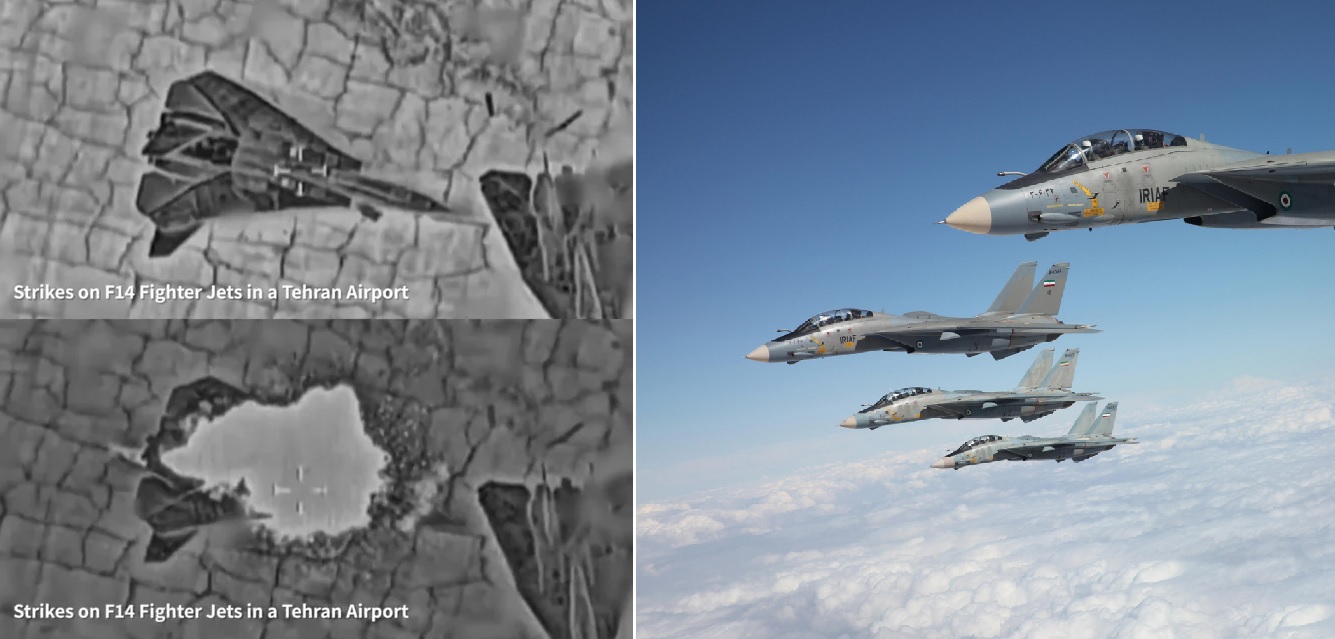
TEL AVIV, — March 8, 2026 : The Israel Defense Forces (IDF) announced that Israeli Air Force strikes have destroyed the remaining fleet of Iranian F-14A Tomcat fighter aircraft at the 8th Tactical Fighter Base located near Isfahan International Airport in central Iran. In an official statement, the Israeli military said the operation targeted aviation infrastructure and aircraft storage areas at the base, which historically served as the main operating hub for Iran’s F-14 interceptor fleet. According to the IDF, the precision strikes eliminated all F-14 aircraft stationed at the installation, leading Israeli officials to assess that the Iranian Air Force no longer possesses operational Tomcat fighters. The military did not immediately release video footage or satellite imagery of the strike’s aftermath. Israeli officials stated that visual documentation is being prepared and will be released publicly once it has been processed. Strike on the 8th Tactical Fighter Base The targeted installation, known as the 8th Tactical Fighter Base (TFB-8), is located adjacent to Isfahan International Airport and has long served as the central base for Iran’s F-14 fleet. The base hosts several fighter squadrons, including the 81st Tactical Fighter Squadron, 82nd Tactical Fighter Squadron, and 83rd Tactical Fighter Squadron, which historically operated the aircraft in the air-defense interceptor role. Israeli military officials described the base and the aircraft stationed there as active military assets supporting Iranian air operations. The strike focused specifically on aircraft positioned within the aviation compounds at the base. The operation forms part of a broader Israeli aerial campaign targeting Iranian military infrastructure that began on February 28, 2026. Israeli authorities have stated that the campaign is based on intelligence assessments identifying key aviation and missile-related facilities. Just days before the Isfahan operation, Israeli strikes also targeted Mehrabad International Airport in Tehran. In that attack, the IDF reported the destruction of 16 aircraft used by the Islamic Revolutionary Guard Corps (IRGC) Quds Force, along with several detection systems and air-defense assets located at the airport. Iran’s Remaining F-14 Inventory Prior to the current conflict, defense assessments estimated that Iran possessed approximately 20 to 25 F-14 Tomcat airframes, although only a portion of them were believed to be fully operational at any given time. Iran originally acquired the aircraft during the 1970s under the government of Shah Mohammad Reza Pahlavi. At the time, the United States approved the sale of advanced interceptor aircraft to Iran to counter high-altitude reconnaissance flights conducted by Soviet MiG-25 aircraft along Iran’s northern borders. A total of 79 F-14A Tomcats were ordered, and dozens were delivered before the 1979 Islamic Revolution ended military cooperation between Washington and Tehran. After the revolution and the subsequent U.S. arms embargo, Iran lost access to official spare parts and technical support for the aircraft. Despite these restrictions, the Iranian Air Force managed to keep a limited number of Tomcats operational for decades. Iranian maintenance crews relied on domestic overhaul programs, reverse-engineered components, and the cannibalization of parts from non-operational aircraft to maintain the fleet. Operational Role of the Aircraft Within the Iranian Air Force, the F-14 Tomcat served primarily as a long-range interceptor tasked with air defense and patrol missions. The aircraft’s radar and long-range missile capability historically allowed it to track and engage targets at extended distances, making it one of the most capable air-defense platforms in Iran’s inventory. Over time, however, the aircraft became increasingly difficult to maintain due to aging airframes and limited access to original components. The F-14 Tomcat originally entered service with the United States Navy in 1974 and remained in American service until its retirement in 2006. Following its retirement in the United States, Iran remained the only country known to operate the aircraft. Awaiting Visual Confirmation Israeli officials have not disclosed the exact number of aircraft destroyed during the strike or the specific munitions used in the operation. The IDF also did not provide information on potential casualties or damage to other infrastructure at the base. Iranian authorities had not issued an official response to the Israeli claim at the time of publication. If the destruction of the aircraft is confirmed through forthcoming imagery, the strike would represent the end of operational service for the F-14 Tomcat worldwide and remove Iran’s remaining long-range interceptor platform from its air force inventory.
Read More → Posted on 2026-03-08 14:13:56
World
WASHINGTON — March 8, 2026 : Officials within the United States government are discussing potential contingency plans that include the seizure of Iran’s primary oil export hub, Kharg Island, along with a separate option involving the deployment of American special operations forces to secure Iran’s stockpile of highly enriched uranium. The discussions were first reported by Axios and are part of broader strategic deliberations linked to the regional conflict that began on February 28, 2026. According to the report, the proposed measures would aim to simultaneously disrupt Iran’s primary source of export revenue and reduce the risk of a rapid nuclear weapons breakout by securing sensitive nuclear materials located inside the country. Strategic Importance of Kharg Island Kharg Island, located in the northern Persian Gulf off the Iranian coast, functions as the central hub of Iran’s crude oil export infrastructure. The facility handles approximately 90 percent of the country’s total crude exports, making it the most important logistical node in Iran’s energy supply chain. Crude oil produced in mainland Iranian fields is transported to the island through a system of five submarine pipelines connected to onshore production areas. Once the oil reaches Kharg Island, it is stored in a network of about 40 large storage tanks, which collectively provide 28 to 30 million barrels of storage capacity. The site’s storage capacity expanded in 2025, when an additional 2 million barrels were added. The island contains multiple loading jetties and remote mooring points capable of servicing very large crude carriers (VLCCs). At maximum operational capacity, the terminal can load up to 7 million barrels of crude oil per day, allowing simultaneous berthing for as many as 10 VLCC tankers. While the terminal has the technical capacity to load significantly higher volumes, actual exports have been lower in recent years. Iran’s crude oil exports through Kharg Island typically range between 1.3 million and 1.6 million barrels per day, although shipments have occasionally exceeded 2 million barrels per day. Iran’s total crude production currently averages around 3.3 million barrels per day, with an additional 1.3 million barrels per day consisting of condensate and other petroleum liquids. The majority of exported crude from Kharg Island is shipped to buyers in Asian markets. In 2023, Iran’s net oil export revenues were estimated at approximately $53 billion, highlighting the facility’s central role in generating foreign currency income for the country. Infrastructure and Export Logistics Kharg Island’s infrastructure includes central pumping stations, pipeline distribution systems, tanker berths, and control facilities that support continuous loading operations for international tankers. Oil arriving from the mainland is directed into storage tanks before being transferred to export vessels. The island’s geographic location enables tankers to depart directly through the Persian Gulf and transit the Strait of Hormuz, one of the world’s most important maritime energy corridors. Because the majority of Iranian crude exports pass through this single terminal, control of Kharg Island would disrupt the existing logistics chain that supports most of the country’s energy shipments. Proposed Operation to Secure Enriched Uranium In addition to the economic dimension involving Kharg Island, discussions reportedly include a separate operational concept focused on Iran’s nuclear program. The option under consideration involves the deployment of U.S. special operations forces inside Iran to locate and secure highly enriched uranium currently held by the country. The operation would target Iran’s stockpile of uranium enriched to approximately 60 percent purity. According to monitoring data from the International Atomic Energy Agency, Iran is believed to possess around 450 kilograms of uranium enriched to roughly 60 percent. This enrichment level is below the 90 percent threshold considered weapons-grade, but nuclear specialists note that material at this level can be further enriched relatively quickly if additional processing occurs. IAEA standards indicate that roughly 42 kilograms of uranium enriched to 60 percent represents the theoretical minimum quantity required to produce the fissile core of a nuclear device if it were further enriched. Based on this benchmark, a stockpile of 450 kilograms could contain enough material for approximately 10 to 11 nuclear weapons after additional enrichment. Iran’s overall inventory of enriched uranium across all enrichment levels is estimated to exceed 9,000 kilograms. Status of the Discussions The proposals described in the report remain part of internal contingency planning and have not been implemented. No official statement from the U.S. Department of Defense or the White House has confirmed operational preparations to seize Kharg Island or conduct ground operations inside Iran. The discussions are taking place within the context of the broader regional conflict that began on February 28, 2026, which has involved military operations targeting Iranian infrastructure and capabilities. At present, the reported measures remain policy options under review rather than confirmed operational plans.
Read More → Posted on 2026-03-08 14:01:05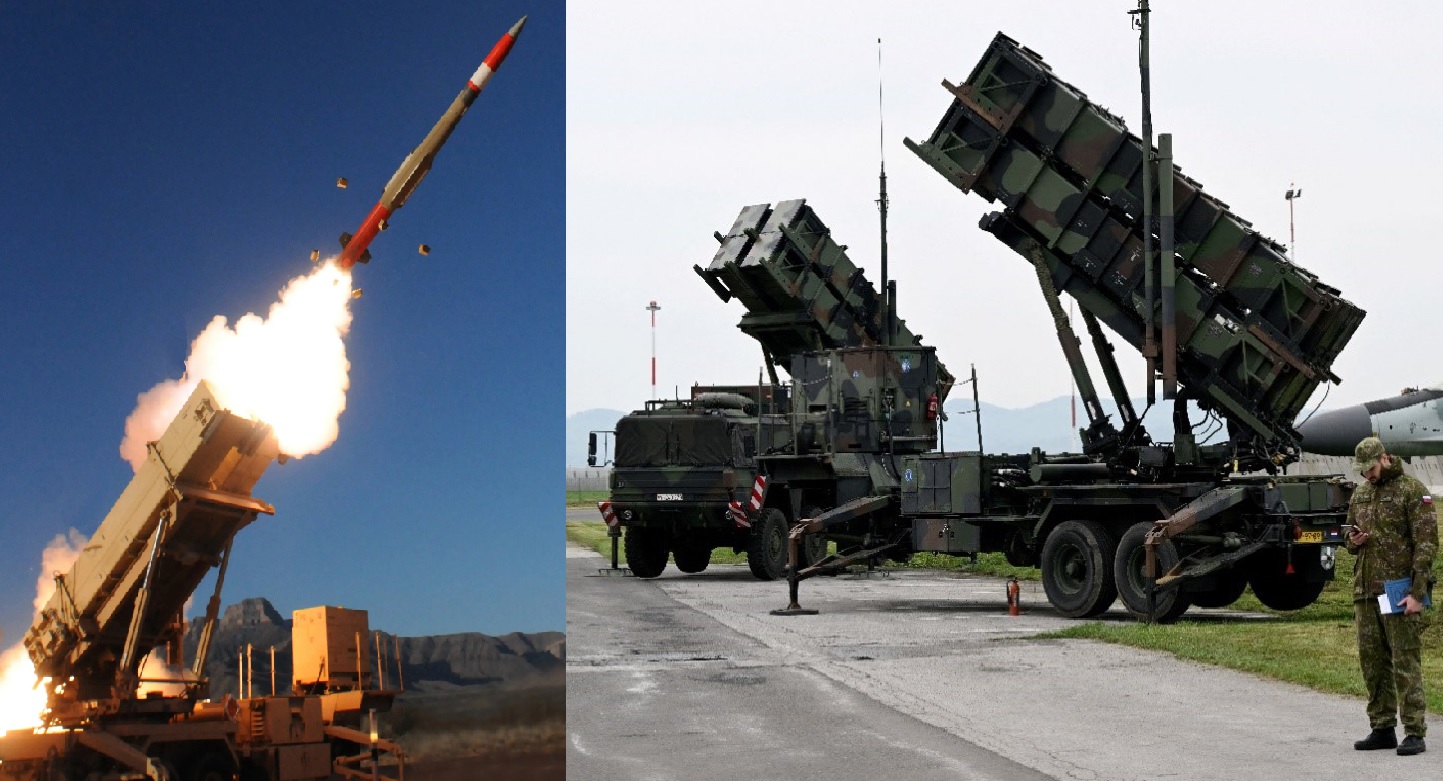
Japan Awards $275 Million Contract to Mitsubishi Heavy Industries for PAC-3 MSE Patriot Interceptors
World
TOKYO — March 8, 2026 : Japan has awarded a major defense contract to strengthen its national air and missile defense capabilities, with the Ministry of Defense confirming a domestic order for Patriot Advanced Capability-3 Missile Segment Enhancement (PAC-3 MSE) interceptors to equip the country’s Patriot air defense systems. The contract, published by the Acquisition, Technology and Logistics Agency (ATLA), was signed in December 2025 with Mitsubishi Heavy Industries, which serves as the sole qualified manufacturer of the PAC-3 missile within Japan. The agreement is valued at 43,439,880,000 yen, equivalent to approximately $275.33 million. The missiles are intended for deployment with the Japan Air Self‑Defense Force (JASDF), which operates Japan’s ground-based Patriot air defense network responsible for defending key military installations, major population centers, and critical infrastructure. Expansion of Japan’s Patriot Air Defense Capability Japan maintains a layered missile defense architecture designed to counter regional threats, particularly ballistic and cruise missiles. Within this structure, the Patriot system forms the lower-tier interception layer responsible for terminal-phase engagement of incoming targets. As of early 2026, the JASDF operates 24 Patriot air defense batteries consisting of approximately 120 launchers. These units are organized into six anti-aircraft groups, each responsible for protecting strategically important areas across the Japanese archipelago. The new procurement is intended to support sustainment and modernization of this network by replenishing missile inventories and introducing the latest PAC-3 MSE interceptor configuration. PAC-3 MSE Technical Characteristics The PAC-3 MSE (Missile Segment Enhancement) interceptor represents an advanced evolution of earlier Patriot missiles. Unlike legacy air defense missiles that rely on explosive fragmentation warheads, the PAC-3 MSE uses hit-to-kill kinetic interception, destroying incoming threats through direct collision at high velocity. Several design changes distinguish the MSE variant from previous PAC-3 configurations. The missile incorporates a larger dual-pulse solid rocket motor, enabling longer engagement ranges and higher maneuverability. It also features expanded aerodynamic control fins and upgraded thermal batteries, allowing improved performance against maneuvering targets. These modifications significantly increase the missile’s operational envelope, enhancing its ability to intercept tactical ballistic missiles, cruise missiles, and aircraft at greater distances and higher altitudes than earlier PAC-3 interceptors. Mitsubishi Heavy Industries’ Role in Production Under the contract, Mitsubishi Heavy Industries will manufacture the PAC-3 MSE missiles domestically for the Japanese Ministry of Defense. The company has long served as the principal industrial partner for Patriot missile production in Japan and remains a key component supplier in the broader international Patriot program. Japan holds a unique position in the global Patriot supply chain due to its manufacturing responsibility for certain specialized components. Notably, Japanese industry is the only producer of gyroscopes used in the guidance systems of Patriot PAC-2 missiles. This role emerged after the United States lost domestic manufacturing capability for these components. When Washington sought to restart PAC-2 production, it requested assistance from Tokyo. On July 17, 2014, the Japanese government approved the export of these gyroscopes to the United States. Mitsubishi Heavy Industries has continued producing the components under license for the Japan Air Self-Defense Force, maintaining the industrial capacity necessary to support both domestic requirements and allied supply needs. Transfers to Support U.S. Stockpile Requirements Japan has also contributed to allied missile inventories through direct transfers of Patriot interceptors. In November 2025, Japanese Defense Minister Minoru Kihara announced the completion of deliveries of Japanese-manufactured PAC-3 missiles to the United States. According to the Ministry of Defense, the transfer was intended to replenish American missile stockpiles that had been reduced due to the supply of weapons to partner nations, particularly Ukraine. The Japanese government confirmed that the transferred missiles would remain under U.S. control and would be used strictly to meet the operational requirements of American forces stationed in the Indo-Pacific region. Parallel Missile Procurement Programs The PAC-3 MSE acquisition follows another recent order placed by the Japanese Ministry of Defense with Mitsubishi Heavy Industries for AAM-5B air-to-air missiles intended for Japanese fighter aircraft. Together, these procurements form part of Japan’s broader effort to sustain and upgrade its integrated air and missile defense capabilities amid evolving regional security conditions. The Acquisition, Technology and Logistics Agency did not disclose the number of PAC-3 MSE missiles included in the order or the expected delivery schedule in its contract announcement.
Read More → Posted on 2026-03-08 13:44:29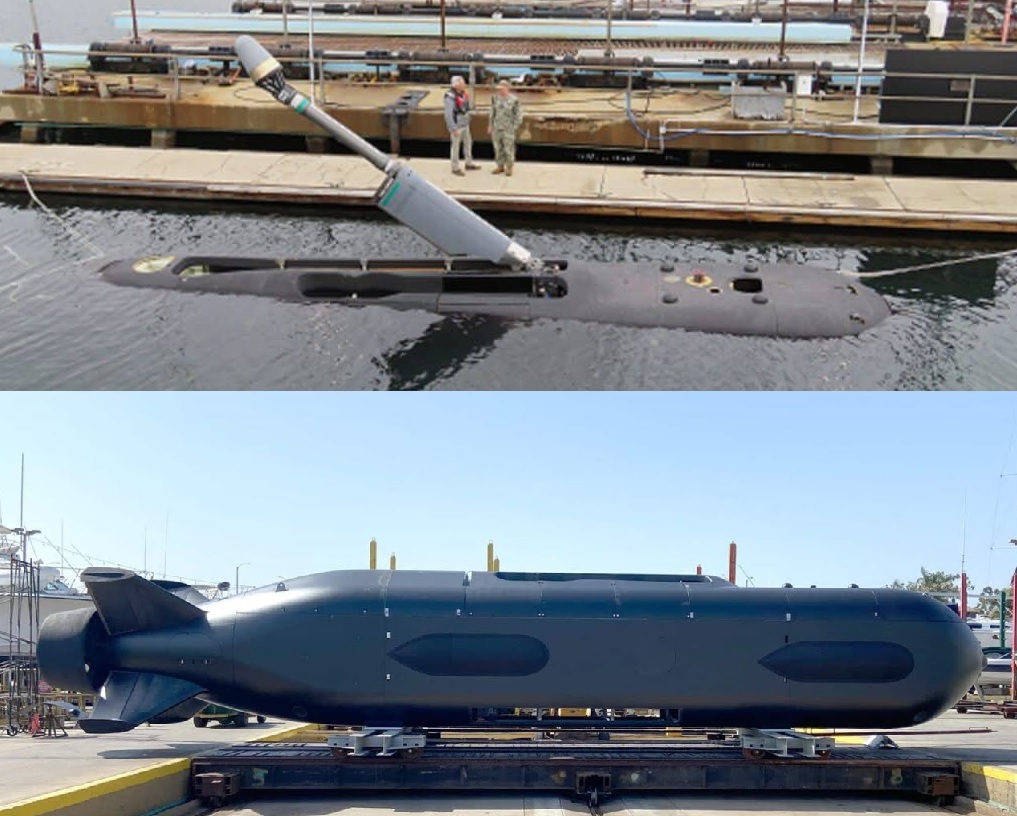
World
WASHINGTON — March 8, 2026 : Boeing has commissioned the second full-size Orca Extra Large Uncrewed Undersea Vehicle (XLUUV) for the United States Navy, marking another milestone in the service’s effort to expand autonomous undersea capabilities. The newly completed vehicle, designated XLE2, was formally christened during a ceremony at Boeing’s manufacturing facility in Huntington Beach, California. The commissioning was publicly revealed in a LinkedIn post by Christine Clark, who shared images from the bottle-breaking ceremony that traditionally marks the launch of a naval vessel. XLE2 represents the second full-scale operational vehicle within the Orca program and the third overall delivery in the XLUUV family. Autonomous Undersea Platform for Long-Duration Missions The Orca XLUUV is designed as a large, highly autonomous submarine drone capable of conducting long-duration underwater missions without the need for a crew or dedicated support vessel. The platform is intended to operate under the Navy’s Unmanned Undersea Squadrons (UUVRON), where each vehicle can be managed by a single operator. Unlike conventional unmanned underwater vehicles that often require specialized launch platforms, the Orca system is engineered to deploy and recover directly from pier-side facilities. This capability allows the vehicle to operate independently without a manned mothership, reducing logistical requirements and enabling greater operational flexibility. The system is intended to perform a range of undersea mission sets, including intelligence, surveillance and reconnaissance (ISR), mine warfare operations, seabed warfare tasks, and expeditionary support missions. Size, Endurance and Payload Capacity The Orca class represents one of the largest uncrewed underwater vehicles developed for the U.S. military. Its physical dimensions and performance characteristics are significantly larger than most existing unmanned submarine platforms. The vehicle measures 85 feet (26 meters) in length and has a displacement of approximately 85 tons. It is powered by a hybrid electric propulsion system, enabling an operational endurance of roughly 6,500 nautical miles. A defining feature of the platform is its modular internal mission bay. Out of the vehicle’s total length, more than 33 feet (10 meters) is allocated for payload space. This modular compartment can carry up to eight tons of mission equipment, allowing the Navy to configure the system for different operational tasks. The modular architecture enables the integration of a variety of payloads, including sensors, surveillance equipment, mine warfare systems, and other specialized undersea mission packages. Development History and Program Origins The Orca XLUUV program builds on Boeing’s earlier development of the Echo Voyager, a proof-of-concept unmanned submarine that demonstrated extended endurance and autonomous underwater operation. The Echo Voyager platform served as the technological foundation for the Orca system before Boeing secured the Navy’s production contract. In February 2019, the U.S. Navy awarded Boeing a $43 million contract to fabricate, test and deliver four Orca XLUUV vehicles along with associated support systems. One month later, in March 2019, the contract was expanded through a $46.7 million modification that added a fifth prototype vehicle. The combined value of the contract increased to approximately $274 million after subsequent adjustments. The Navy has stated that the long-term objective of the program is to field up to nine Orca vehicles, depending on operational requirements and future procurement decisions. Sequence of Deliveries The Orca program has produced three vehicles so far. The first vehicle, XLE0, was a smaller testing asset designed specifically for evaluation and developmental trials. It was delivered to the Navy in December 2023 following acceptance testing. Prior to that delivery, the platform had already begun in-water testing during spring 2023 off the coast of Huntington Beach, California. Data gathered during those trials informed design adjustments and improvements for subsequent vehicles. The next delivery was XLE1, the first full-size operational Orca platform. Testing for this vehicle continued through 2025, focusing on validating autonomous navigation, mission systems integration, and long-endurance performance. The newly commissioned XLE2 follows approximately one year after the delivery of XLE1, representing the second operational vehicle in the class. Program Delays and Revised Timelines Although development has progressed steadily, the Orca program has experienced significant scheduling delays since the original contract was issued. Initial program planning in 2019 anticipated that the first four vehicles would be delivered to the Navy by the end of 2022. That target was not met due to manufacturing challenges, integration complexity, and extended testing requirements. The timeline between successive deliveries illustrates the delays encountered during the program’s development phase. The gap between XLE0 (2023) and XLE1 (2024–2025) was approximately one and a half to two years. By contrast, the interval between XLE1 and XLE2 has narrowed to roughly one year, indicating a gradual improvement in production cadence. Earlier projections released in 2024 suggested that the remaining vehicles could be delivered within a year following the first operational Orca. However, those expectations were not realized, and the schedule for future hulls has not yet been publicly specified. Pentagon Oversight and Future Outlook The U.S. Department of Defense has increased scrutiny on major defense acquisition programs in recent years, placing greater emphasis on adherence to initial delivery schedules and the reduction of manufacturing delays. This oversight could affect the future pace and procurement decisions associated with the Orca program. Despite the extended timeline, the Navy continues developmental and operational testing of the delivered vehicles. Boeing has stated that the Orca platform provides a new level of autonomy, endurance and payload flexibility for undersea missions. The vehicle’s open architecture design allows future upgrades and integration of new payloads, while its modular construction enables adaptation to evolving operational requirements. The Navy views the system as a key component in expanding autonomous undersea operations, particularly in contested maritime environments where persistent unmanned presence may be required for extended periods.
Read More → Posted on 2026-03-08 13:33:42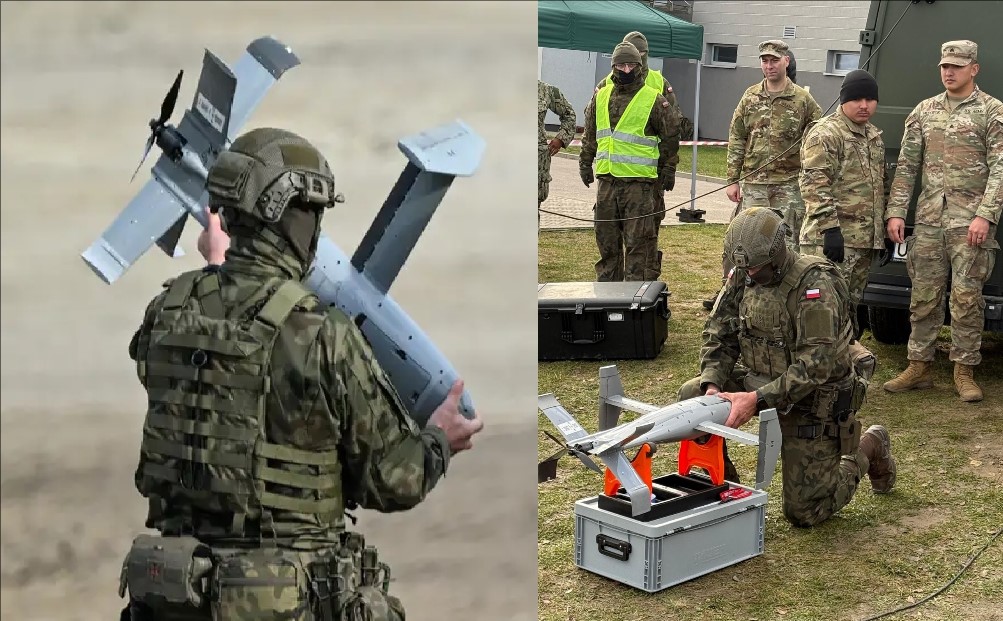
World
WASHINGTON — March 8, 2026 : The United States has formally requested Ukraine’s assistance in countering Iranian-designed Shahed loitering munitions as Washington faces increasing drone threats against U.S. and allied assets in the Middle East. The request reflects Ukraine’s extensive operational experience defending against thousands of Shahed-type drones used by Russia during the ongoing war. The discussions, reported by Politico and confirmed by Ukrainian officials, form part of broader bilateral consultations between Washington and Kyiv that have continued for approximately a year. The talks include continued U.S. financial and military support for Ukraine alongside the sharing of practical counter-drone tactics, operational knowledge, and technology developed during Ukraine’s defense against Russian drone attacks. Expanding U.S.–Ukraine Military Cooperation Ukrainian President Volodymyr Zelenskyy stated that Kyiv had received a specific request from the United States for assistance in countering Shahed drones threatening U.S. interests and partner infrastructure in the Middle East. According to Zelenskyy, Ukrainian authorities have been instructed to provide the necessary expertise and specialists while ensuring Ukraine’s own defensive requirements remain protected. Ukraine has accumulated extensive experience in intercepting Shahed drones over more than four years of conflict with Russia, which has deployed large numbers of Iranian-origin loitering munitions against Ukrainian cities, energy facilities, and military infrastructure. Ukrainian forces have developed a layered defense approach that includes mobile anti-aircraft guns, truck-mounted heavy machine guns, electronic warfare systems, interceptor drones, and short-range air defense missiles. The experience gained in detecting, tracking, and destroying slow-moving propeller-driven drones has become increasingly relevant for the United States and its regional partners, particularly as Iran and its allied groups continue to employ low-cost unmanned aerial systems across the Middle East. Cost Challenges in Countering Shahed Drones One of the primary concerns facing the United States and allied militaries is the cost imbalance between the drones and the interceptors typically used to defeat them. Shahed-type drones are estimated to cost between $30,000 and $50,000, while many air defense interceptors currently used against them—such as Patriot PAC-2 or PAC-3 missiles—can cost several million dollars per shot. This disparity has driven efforts to develop alternative interception methods that rely on lower-cost systems capable of engaging large numbers of drones simultaneously. Ukrainian forces have experimented with several such approaches, including low-cost interceptor drones. Examples include the Ukrainian-developed Octopus interceptor drone, which costs approximately $3,000 per unit and has been licensed for production in the United Kingdom, and the Sting quadcopter, designed to collide with or detonate near incoming Shahed drones. Deployment of the Merops Counter-Drone System As part of its response to growing drone threats, the U.S. Army is deploying the Merops counter-unmanned aerial system (C-UAS) to the Middle East. The system is designed to intercept incoming drones using dedicated interceptor drones rather than traditional missile systems. The Merops platform has been tested in operational environments in Ukraine and during live-fire exercises at NATO ranges in Europe, including facilities in Poland and Romania. According to reports from The Wall Street Journal, the system has already intercepted more than 1,000 Shahed-type drones during testing and operational trials. The platform is associated with Project Eagle, an initiative linked to former Google CEO Eric Schmidt, which focuses on developing low-cost drone interception technologies suitable for modern battlefield conditions. Merops System Architecture and Components The Merops system is designed as a highly mobile, modular counter-drone platform capable of rapid deployment in field conditions. Its architecture typically includes several integrated components: Radar Detection Unit The system relies on a compact ground-based radar array for early detection and tracking of incoming aerial targets. The radar identifies drones based on flight signatures and provides real-time tracking data to the command module. Command and Control Module Operators manage the system through a command interface that integrates radar inputs, threat analysis software, and interceptor drone control systems. The system allows both manual operator control and semi-autonomous engagement modes. AS3 Surveyor Interceptor Drones The primary interception mechanism of the Merops platform is the AS3 Surveyor interceptor drone, a propeller-driven unmanned aerial vehicle designed to pursue and destroy hostile drones. Key specifications of the AS3 Surveyor interceptor include: Maximum speed: approximately 280 km/h (about 180 mph) Operational altitude: up to around 16,000 feet Propulsion: propeller-driven electric propulsion system Guidance: artificial intelligence-assisted targeting combined with operator control Target acquisition: infrared heat signatures, radar reflections, and radio-frequency emissions Navigation capability: able to continue tracking targets even when satellite signals are disrupted or electronic communications are jammed The interceptor drone physically neutralizes hostile drones through collision or explosive proximity engagement, allowing the system to defeat targets without relying on expensive missile interceptors. Mobility and Deployment Configuration The Merops system is designed to operate from a compact mobile platform. The entire system—including radar equipment, command systems, and interceptor drone launch units—can be mounted in the bed of a standard midsize pickup truck. This configuration allows rapid repositioning and deployment across dispersed locations such as military bases, ports, energy infrastructure, or temporary forward operating sites. The system’s mobility is intended to support distributed defense against drone swarms, which often approach targets from multiple directions simultaneously. Ukrainian Operational Experience Ukrainian forces have reportedly operated and evaluated the Merops platform in environments characterized by heavy electronic warfare activity, including GPS jamming and communications disruption. These conditions have allowed developers to refine the system’s autonomous navigation and targeting capabilities. Because of this operational experience, Ukrainian personnel are expected to assist in training U.S. and allied operators on the system. Sources familiar with the program indicate that Ukrainian instructors may participate in training programs associated with Merops deployments in the Middle East. Strategic Implications The U.S. request for Ukrainian expertise reflects a shift in the traditional flow of military assistance, where operational knowledge gained on the Ukrainian battlefield is now informing defensive strategies in other regions. By integrating interceptor drone systems such as Merops with existing radar and air defense networks, the United States aims to create a scalable and cost-efficient defense against mass drone attacks. The cooperation also highlights the growing role of drone-on-drone interception technologies as militaries adapt to the widespread use of inexpensive unmanned aerial systems in modern conflicts. While discussions between Washington and Kyiv continue, officials from both countries have not announced final details of any formal agreement governing the transfer of technology or personnel associated with the counter-drone cooperation.
Read More → Posted on 2026-03-08 13:23:32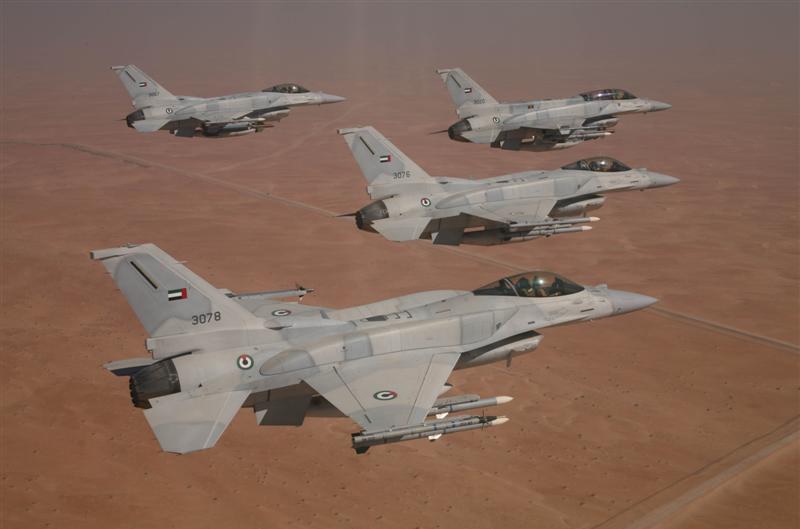
World
ABU DHABI — March 8, 2026 : The United Arab Emirates (UAE) has reportedly carried out its first direct military strike on Iranian territory during the ongoing regional conflict, according to reports published Sunday by Israeli media outlets. The reported attack targeted an Iranian desalination facility along the Persian Gulf coast, marking a potential escalation in the widening war that began on February 28. The initial report was published by the Israeli news outlet Ynet, which cited Israeli officials who said the Emirati Air Force conducted a precision strike against the facility as a response to repeated Iranian missile and drone attacks on the UAE. According to the report, the strike was intended as a limited retaliatory action and a strategic signal rather than the start of a sustained Emirati offensive campaign. Reported Target and Location Some reports circulating in Israeli media, including references to Yediot Ahronot—Ynet’s parent publication—identified the targeted installation as a desalination plant located on Qeshm Island in Iran’s Hormozgan Province. Qeshm Island sits in the Persian Gulf near the Strait of Hormuz and hosts several desalination facilities that provide potable water to local communities in southern Iran. Israeli officials cited by Ynet stated that the strike was intended to demonstrate the UAE’s ability to reach strategic infrastructure inside Iran after days of Iranian attacks against Gulf states hosting U.S. military installations. No details were provided regarding the specific aircraft or weapons used in the reported strike. The UAE Air Force operates several aircraft capable of long-range precision attacks, including F-16 Fighting Falcon fighter jets and Mirage 2000 aircraft. UAE Officials Deny Reports Despite the Israeli reports, officials in the UAE have denied that the country carried out a strike on Iranian civilian infrastructure. According to The Jerusalem Post and The Times of Israel, Emirati officials rejected claims that the UAE targeted a desalination facility. A UAE official told journalists that while the country reserves the right to defend itself against Iranian attacks, it would not strike civilian infrastructure. “We categorically deny this nonsense. The UAE would never target a civilian facility,” one Emirati source said, according to diplomatic correspondent Lazar Berman. The UAE Ministry of Defence also issued statements on social media indicating that its military operations remain defensive in nature and are focused on intercepting incoming threats rather than conducting offensive strikes inside Iranian territory. Iranian authorities have not issued specific statements regarding a strike on desalination infrastructure at the time of publication. Iranian Missile and Drone Attacks on the UAE The reported Emirati action comes after several days of Iranian missile and drone attacks against Gulf states. On Sunday, UAE officials reported that Iran launched a new wave of attacks targeting Emirati territory. According to the UAE Ministry of Defence, the barrage consisted of 16 ballistic missiles and 117 unmanned aerial vehicles (UAVs). The ministry also confirmed that the death toll from recent Iranian strikes on the country has risen to four. Air defense systems across the UAE have been actively intercepting incoming projectiles since the conflict escalated. Officials said that sounds heard across several areas were linked to air defense operations engaging incoming missiles and drones. Reports indicate that since the start of the war, the UAE has faced hundreds of missile and drone threats launched by Iranian forces and allied groups. Regional War and Military Campaign The conflict began on February 28, 2026, when the United States and Israel launched a coordinated campaign against Iranian military infrastructure, missile systems, and strategic assets. The military campaign, which includes large-scale airstrikes across Iran, is aimed at weakening Tehran’s missile capabilities and military networks. In response, Iran has launched retaliatory strikes targeting U.S. military installations and allied countries in the region. Missiles and drones have been fired at several Gulf states hosting American bases, including the UAE, Qatar, Bahrain, Kuwait, and Saudi Arabia. Across the region, thousands of targets have reportedly been struck since the start of the conflict. Desalination Infrastructure as Strategic Targets The reported strike on a desalination facility has drawn attention because water infrastructure is considered a critical vulnerability in the Middle East. Countries across the Gulf region depend heavily on desalination plants for drinking water. The Gulf Cooperation Council (GCC) region accounts for roughly 40 percent of global desalinated water production and operates more than 400 desalination facilities. In the UAE, desalination provides approximately 42 percent of the country’s drinking water. Other regional states rely on the technology even more heavily, including Saudi Arabia (70 percent), Oman (86 percent), and Kuwait (around 90 percent). Because these plants supply essential drinking water and industrial needs, damage to desalination facilities could disrupt water supply for large populations and critical economic sectors. Earlier Strikes Near UAE Water Infrastructure Iranian attacks earlier in the conflict have already raised concerns about water infrastructure in the Gulf. A previous Iranian strike targeted the Jebel Ali port area in Dubai, with debris landing about 12 miles from one of the world’s largest desalination complexes. The complex contains 43 desalination units capable of producing more than 160 billion gallons of potable water annually. Similar incidents involving nearby strikes or debris have been reported near other regional facilities, including the Fujairah F1 power and water plant in the UAE and the Doha West power and desalination complex in Kuwait. Gulf States Coordinate Response The escalating attacks have prompted increased coordination among Gulf states. The Gulf Cooperation Council (GCC) held an emergency meeting in recent days and issued a statement affirming member states’ right to individual and collective self-defense under Article 51 of the United Nations Charter. As part of the response, GCC countries have increased joint air defense coordination and surveillance flights across the region. Western diplomats say that several Gulf states—including Saudi Arabia, the UAE, and Qatar—are considering limited or symbolic participation in strikes against Iranian targets if attacks on their territory continue. Uncertainty Surrounds the Reported Strike Despite the Israeli reports, there remains no independent confirmation that the UAE conducted a strike inside Iran. UAE officials continue to emphasize that their military operations remain focused on defense and interception of incoming threats. Iranian authorities have also not publicly acknowledged any strike on a desalination facility. As the conflict continues to expand across the region, the question of whether Gulf states will move from defensive operations to direct strikes against Iranian territory remains a significant factor in the evolving military situation.
Read More → Posted on 2026-03-08 13:02:04
World
WASHINGTON — March 7, 2026 : The destruction of two key U.S. missile-defense radar systems in the Middle East has exposed significant challenges in restoring the region’s early-warning architecture. Replacing the AN/FPS-132 Upgraded Early Warning Radar in Qatar and the AN/TPS-59(V)3 tactical radar in Bahrain is expected to require substantial financial investment and multi-year manufacturing timelines, according to defense industry assessments. The two radars performed different but complementary roles in the regional missile-defense network that supports systems such as Terminal High Altitude Area Defense (THAAD) and Patriot interceptors. Their loss has highlighted vulnerabilities in the supply chain for advanced radar technology, particularly due to reliance on gallium-based semiconductor materials largely produced under Chinese control. Strategic Early-Warning Radar in Qatar The AN/FPS-132 (Block 5) Upgraded Early Warning Radar (UEWR) located at Al Udeid Air Base in Qatar served as one of the most powerful ballistic-missile detection sensors in the region. Operated by the U.S. Space Force, the fixed-site radar provides long-range detection and tracking of ballistic missiles at distances of up to 5,000 kilometers. The system was installed in 2013 under a contract valued at approximately $1.1 billion and manufactured by Raytheon. It forms part of a global network of upgraded early-warning radars used to monitor intercontinental and regional ballistic-missile threats. Only a limited number of these radars exist worldwide. Approximately six UEWR installations operate globally, including sites in Thule, Greenland, Fylingdales in the United Kingdom, and several other strategic locations operated by the United States. Unlike mobile radar systems, the AN/FPS-132 is a large, fixed installation composed of multiple multi-story structures containing three large phased-array antenna faces. Each antenna face integrates thousands of transmit-receive modules, specialized power systems, cooling infrastructure, and hardened facilities designed to maintain continuous surveillance. Reconstructing such a system requires extensive site engineering, custom semiconductor manufacturing, antenna fabrication, and integration with existing missile-defense command networks. Industry estimates indicate that building a replacement radar could take between five and eight years, reflecting both the complexity of the system and the absence of rapid production capacity for such large strategic radars. Tactical Air-Defense Radar in Bahrain The second system destroyed was the AN/TPS-59(V)3 long-range tactical radar, deployed in Bahrain as part of regional air-defense operations. The radar is manufactured by Lockheed Martin and is primarily operated by the U.S. Marine Corps, with additional units exported to Bahrain and Egypt. Unlike the fixed UEWR radar in Qatar, the AN/TPS-59 is a transportable L-band three-dimensional air-surveillance radar designed to detect and track aircraft, cruise missiles, and tactical ballistic missiles. The system has a maximum detection range of approximately 740 kilometers. Development of the AN/TPS-59 family began in the 1980s, and only a limited number of systems were produced. Estimates indicate that approximately 21 units of various AN/TPS-59 variants have been built since its introduction, with roughly 12 of the AN/TPS-59(V)3 configuration currently in active or reserve service. Although the radar is significantly smaller than the AN/FPS-132 and designed for mobility, replacing the destroyed unit is still expected to require 12 to 24 months. The estimated replacement cost ranges between $50 million and $75 million. The timeline reflects the limited production infrastructure for the system. Because the radar’s core design dates back several decades, a replacement unit would likely require modernization of electronics and software before deployment. Role in Regional Missile Defense Both radar systems formed part of a layered missile-defense architecture across the Persian Gulf. The AN/FPS-132 provided deep-range ballistic-missile detection and early warning, allowing interceptor systems to receive tracking data well before incoming missiles approached defended areas. This extended detection range increased the available response time for defensive systems such as THAAD and Patriot batteries deployed across Gulf states. The AN/TPS-59(V)3, while shorter-range, provided theater-level surveillance and air-defense coordination. Its three-dimensional tracking capability enabled operators to monitor aircraft, cruise missiles, and ballistic missile trajectories while supporting Marine Corps air-defense operations and regional command networks. The destruction of both radars reduces the redundancy and coverage of the existing early-warning network. Interim measures may include reliance on other sensors in the region, allied radar systems, and mobile replacements until permanent installations are restored. Gallium Nitride Semiconductor Supply Constraints A major factor affecting replacement timelines is the availability of specialized semiconductor materials required for modern radar systems. Both the AN/FPS-132 and AN/TPS-59 utilize gallium nitride (GaN) semiconductor technology within their phased-array transmit-receive modules. GaN devices allow radar systems to operate at higher voltages and temperatures than older gallium arsenide (GaAs) components. This capability increases power efficiency and enables radars to scan larger volumes of airspace while maintaining extended detection ranges. GaN technology is now widely used in several advanced U.S. defense systems, including the AN/SPY-6 naval radar and the AN/TPS-80 Ground/Air Task Oriented Radar (G/ATOR). However, the global supply chain for the raw material used to produce GaN devices remains heavily concentrated. China controls roughly 98 percent of the world’s primary gallium production, creating a significant dependency for industries that require the material. In late 2023, the Chinese government introduced export controls on gallium and germanium, citing national security considerations. These restrictions require exporters to obtain licenses before shipments can proceed. Because the United States currently has limited domestic gallium production and refining capacity, defense manufacturers must rely on alternative sources such as recycling gallium-containing scrap or purchasing from the small number of non-Chinese producers. These alternatives provide far smaller quantities than global demand requires. As a result, defense contractors such as Raytheon and Lockheed Martin face constraints when attempting to procure the large numbers of GaN semiconductor chips required for modern phased-array radar antennas. Manufacturing and Integration Requirements Replacing the AN/FPS-132 radar requires rebuilding the entire facility, including antenna arrays, hardened support structures, cooling systems, electrical infrastructure, and command-and-control integration. Each antenna array contains thousands of semiconductor transmit-receive modules that must be fabricated, calibrated, and installed with high precision. Once construction is complete, the radar must undergo extensive testing to verify tracking accuracy, power performance, and integration with existing missile-defense networks. The AN/TPS-59 replacement process is less complex but still requires manufacturing new antenna arrays, electronics shelters, radar processing equipment, and power systems configured for current operational requirements. Procurement Status As of March 2026, the U.S. Department of Defense has not publicly released a formal procurement timeline or contract announcement for replacing the destroyed radars. Industry assessments indicate that material supply constraints, particularly gallium availability, represent the most significant bottleneck affecting production schedules. Until sufficient semiconductor components are secured, manufacturers may face delays in rebuilding the specialized radar arrays required for both systems. Restoration of the full missile-defense sensor network in the Gulf region will therefore depend not only on funding and construction capacity, but also on the availability of critical semiconductor materials used in modern radar technology.
Read More → Posted on 2026-03-07 18:23:55
World
AURORA, Colorado — March 7, 2026 : Sierra Nevada Corporation and Specter Aerospace are preparing to conduct flight tests of a new low-cost air-to-air missile (LCAAM) during the third quarter of 2026, following a collaboration agreement signed between the two companies in February. The program focuses on developing a supersonic, ramjet-powered missile intended to provide a lower-cost option for air-to-air engagements while supporting broader U.S. efforts to expand the availability of mass-producible aerial munitions for future high-intensity conflicts. Missile Concept and Initial Public Display The LCAAM concept was publicly displayed for the first time by Sierra Nevada Corporation at the Air Force Association Air Warfare Symposium held in Aurora, Colorado, on February 24, 2026. A scale model presented at the event illustrated the proposed configuration of the supersonic missile. According to the companies, the system is designed as a ramjet-powered cruise weapon capable of operating at supersonic speeds. The propulsion system integrates Specter Aerospace’s plasma-assisted combustion technology, which is intended to enhance ignition reliability and expand operational performance across different flight regimes. Neither company disclosed technical specifications such as missile length, diameter, operational range, maximum speed, seeker type, guidance architecture, or warhead configuration. Plasma-Assisted Combustion Propulsion A central feature of the LCAAM program is Specter Aerospace’s plasma-assisted combustion technology, a propulsion enhancement method developed for high-speed flight applications. The technology employs electrically energized plasma to initiate and stabilize combustion within the engine. In high-speed environments, particularly at supersonic velocities, traditional combustion systems can encounter challenges such as flame instability, incomplete fuel mixing, or reduced efficiency. Plasma-assisted ignition helps maintain stable combustion under these conditions. Developers state that the use of plasma can improve combustion stability and efficiency within ramjet engines, potentially increasing propulsion performance and enabling reliable operation across a wider flight envelope. Specter Aerospace has been developing this technology with support from the U.S. Department of Defense and earlier funding initiatives. In 2023, the company secured more than $9.5 million through Department of Defense contracts and venture investments to continue work on plasma-assisted propulsion systems. Development and Test Schedule Ground testing of the missile and propulsion subsystems is currently underway as part of preparations for the upcoming flight evaluation phase. The planned tests in the third quarter of 2026 will represent the first airborne demonstration of the LCAAM configuration and the first in-flight validation of Specter’s plasma-assisted combustion system integrated within a ramjet-powered missile platform. The flight tests are expected to evaluate propulsion stability, integration with missile airframe components, and general flight performance in supersonic conditions. Specter Aerospace indicated that the LCAAM tests form part of a longer-term technology roadmap. After the 2026 demonstrations, the company plans to conduct additional flight testing between 2027 and 2028 involving a larger vehicle using a dual-mode ramjet-scramjet propulsion system. “Supersonic Aerial Effects” Development Initiative The LCAAM project serves as the initial platform for a broader development effort described by Specter Aerospace as a “supersonic aerial effects” product line. The initiative, supported by Pentagon research and development programs, aims to establish a modular and scalable manufacturing approach for a family of relatively low-cost aerospace systems designed for mass production. The concept focuses on expanding the number of deployable high-speed aerial systems available to U.S. and allied forces. The propulsion architecture developed for the LCAAM is intended to be adaptable across multiple types of aerospace platforms, including kinetic interceptors, aerial targets used for testing and training, electronic countermeasure systems, and additional missile variants. Roles of the Partner Companies The collaboration combines the propulsion and plasma-combustion expertise of Specter Aerospace with Sierra Nevada Corporation’s experience in aerospace integration and missile systems development. Sierra Nevada Corporation is responsible for systems integration and development of the missile platform, while Specter Aerospace provides the propulsion technology and combustion systems that form the core of the LCAAM engine architecture. Specter Aerospace is headquartered in the Boston area and previously operated under the name FGC Plasma Solutions before adopting its current identity as it expanded its focus on propulsion systems for supersonic and hypersonic flight applications. Program Context The LCAAM effort aligns with ongoing U.S. defense initiatives aimed at increasing the availability of affordable, high-performance munitions for air combat. Military planners have increasingly emphasized the need for large inventories of lower-cost weapons that can be produced rapidly and deployed in large numbers. By reducing per-unit costs while maintaining supersonic performance, the program is intended to support air dominance missions and counter-air operations conducted by both manned fighter aircraft and unmanned aerial combat systems. If the planned 2026 flight tests validate the propulsion technology and missile architecture, the system could form the basis for additional high-speed weapons and aerial systems built on the same plasma-assisted combustion platform.
Read More → Posted on 2026-03-07 17:59:30
World
JERUSALEM — March 7, 2026 : The Israel Defense Forces (IDF) reported that the Israeli Air Force carried out a large coordinated wave of airstrikes against Iranian military infrastructure in Tehran and several central regions of Iran overnight into Saturday, deploying more than 80 fighter jets in one of the most extensive single-operation sorties since the start of the current regional conflict on February 28. According to the Israeli military, the operation targeted a range of facilities linked to Iran’s military and missile operations. More than 80 fighter aircraft participated in the strikes, releasing approximately 230 munitions against designated targets across multiple locations. Targets in Tehran and Central Iran The IDF stated that the strikes focused on infrastructure connected to Iran’s Islamic Revolutionary Guard Corps (IRGC), including command facilities, missile infrastructure, and operational support sites. Among the locations hit was Imam Hossein University in Tehran, a military academy affiliated with the IRGC. Israeli military officials said the facility had been used as an emergency operational asset and assembly complex supporting IRGC activities during the ongoing conflict. The IDF classified the site as a lawful military objective under international law due to its alleged use for active military operations. Additional targets included a subterranean command center used to coordinate military activities, as well as a ballistic missile storage facility containing bunkers and launch infrastructure. Israeli aircraft also struck several active missile launch sites that, according to the military, were involved in attacks directed toward Israeli territory. Strike on Mehrabad Airport Facilities The operation also included strikes near Mehrabad International Airport in Tehran. Israeli officials stated that 16 aircraft associated with the IRGC’s Quds Force were dismantled at facilities located within the airport complex. Mehrabad Airport has been identified by Israeli officials as a logistical hub used by the IRGC for military transport and operational activities. Following the strikes, explosions were reported in parts of Tehran, including areas near the airport, and fires were observed at several sites. Iranian state-linked media also reported explosions in other locations in central Iran, including the city of Isfahan, although detailed damage assessments were not immediately available. Operational Objective In its statement, the IDF said the operation aimed to reduce the volume of missile and drone attacks directed toward Israeli territory by targeting infrastructure linked to launch operations, weapons storage, and command coordination. Israeli military officials said that striking these facilities was intended to disrupt Iran’s operational supply chain, limit the availability of munitions, and degrade the command structures used to coordinate missile launches. Part of Broader Military Campaign Saturday’s air operation is among the largest localized strike waves announced by Israel since the regional conflict began on February 28, 2026. At the outset of the war, Israel—operating alongside the United States—launched a major preliminary air campaign targeting Iranian military infrastructure. That initial operation involved approximately 200 Israeli fighter jets, striking more than 500 targets across Iran, including air defense systems, missile launchers, and command facilities. Israeli officials described that mission as the largest aerial operation in the history of the Israeli Air Force. The current strike wave forms part of the ongoing campaign known as Operation Epic Fury, under which Israeli and U.S. forces have continued to target Iranian missile production facilities, storage depots, launch systems, and military command infrastructure. According to Israeli military statements released during the conflict, hundreds of missile launchers have been destroyed and thousands of sites linked to Iran’s ballistic missile and drone capabilities have been struck since the beginning of hostilities. Ongoing Regional Escalation The latest strikes occurred as the conflict entered its second week, with continued exchanges of missile and drone attacks between Iran and Israel. U.S. Central Command has reported that more than 3,000 targets inside Iran have been struck during the broader campaign, including facilities linked to missile forces, naval assets, and air defense systems. Israeli officials did not disclose the specific aircraft types used in Saturday’s operation or provide a full assessment of the damage inflicted. No official information was released regarding casualties at the targeted sites. As of the time of publication, Iranian authorities had not issued a detailed response regarding the strikes, though reports of explosions and fires in multiple locations in Tehran and central Iran were circulating in local media.
Read More → Posted on 2026-03-07 17:51:04
World
LONDON, — March 7, 2026 : The United Kingdom has reduced the deployment readiness notice for the Royal Navy aircraft carrier HMS Prince of Wales from 10 days to five days, accelerating the time required for the vessel to put to sea if ordered to deploy. The adjustment was confirmed by the Ministry of Defence and reported by multiple British media outlets, including Sky News, as part of precautionary measures linked to the evolving security situation in the Middle East. A Ministry of Defence spokesperson said the carrier has consistently maintained a high state of readiness and that the revised notice period is intended to shorten the time required to sail should operational deployment be directed. Naval personnel associated with the carrier have been alerted to the possibility of rapid mobilisation, while final maintenance work and system checks are being expedited to meet the five-day readiness requirement. The decision comes as the United Kingdom increases military preparedness in response to ongoing regional tensions involving Israel, Iran, and the United States. Since January 2026, the UK has strengthened its presence in the Middle East with additional deployments of Typhoon and F-35 fighter aircraft, air defence systems, and approximately 400 additional personnel to Cyprus. The United Kingdom maintains two sovereign military bases on the island, including RAF Akrotiri, which plays a key role in British operations across the eastern Mediterranean and Middle East. Carrier Status and Operational Role HMS Prince of Wales, one of the Royal Navy’s two Queen Elizabeth-class aircraft carriers, is currently based at Portsmouth and is nearing the completion of scheduled maintenance following its return from an eight-month deployment in late 2025. That mission, conducted under Operation Highmast as part of Carrier Strike Group 2025 (CSG25), involved operations across multiple regions including the Indo-Pacific and marked a significant milestone in the United Kingdom’s ability to deploy a fully operational carrier strike group in support of NATO and allied operations. Displacing approximately 65,000 tonnes, the carrier forms the centerpiece of Britain’s maritime power projection capability. It is designed to carry a large air wing including F-35B Lightning II short take-off and vertical landing stealth fighters, with capacity for up to around 40 aircraft depending on mission configuration. The vessel also supports Merlin and Wildcat helicopters for anti-submarine warfare, surveillance, maritime strike operations, and logistical support. The carrier normally operates with a core ship’s company of roughly 700 personnel, but the total complement can increase to around 1,600 when a full air wing and additional support units are embarked. Carrier Strike Group Composition When deployed, HMS Prince of Wales leads a Carrier Strike Group that typically includes multiple escort and support vessels. These commonly include Type 45 air defence destroyers, Type 23 or the newer Type 26 frigates, and a Royal Fleet Auxiliary replenishment ship that enables sustained operations at sea. The strike group structure provides layered air defence, anti-submarine warfare protection, logistics support, and the ability to conduct joint maritime and air operations. The carrier currently serves as the Royal Navy’s primary high-readiness platform while the United Kingdom’s other aircraft carrier, HMS Queen Elizabeth, undergoes a scheduled refit. In November 2025, Defence Secretary John Healey stated that the vessel could be made available for UK-directed operations within five days’ notice, while NATO commanders could request it within a 10-day timeframe. The latest readiness change aligns the carrier with the five-day national requirement. Regional Deployments and Defensive Posture Although the carrier’s readiness status has been raised, officials have emphasized that no decision has been taken to deploy HMS Prince of Wales to the Middle East. British authorities have stated that the adjustment is intended to provide operational flexibility as the regional security environment evolves. Other British military assets have already been positioned in the region. The Type 45 destroyer HMS Dragon has been ordered to deploy from Portsmouth to support the protection of British personnel stationed in Cyprus. Additional Typhoon fighter jets and F-35 aircraft have also been moved into the region, alongside air defence systems intended to strengthen protection against potential missile and drone threats. Helicopters including Merlin and Wildcat platforms equipped with counter-drone capabilities have also been deployed to Cyprus to enhance local air defence coverage. Strategic Planning for Multiple Missions Officials noted that the carrier could also support other planned missions in 2026 if a Middle East deployment is not required. Among these is Operation Firecrest, a scheduled deployment focused on the North Atlantic and High North regions aimed at reinforcing NATO deterrence and maritime security in response to Russian military activity. The Ministry of Defence indicated that increasing readiness levels for major naval platforms is a standard operational procedure during periods of heightened international tension. Measures typically include accelerating maintenance work, conducting additional systems verification, and recalling personnel from leave or training assignments to ensure that vessels can meet reduced deployment timelines. With the readiness notice now reduced to five days, HMS Prince of Wales remains available to support UK national operations or integrate into multinational naval task groups if directed by the British government.
Read More → Posted on 2026-03-07 17:40:34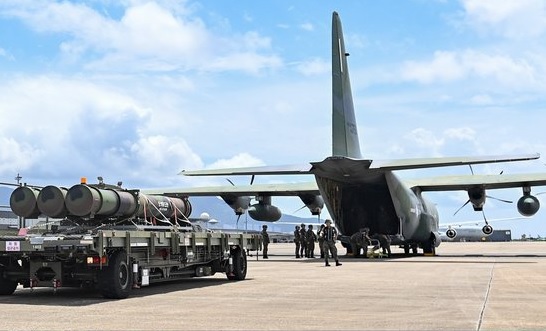
World
SEOUL — March 7, 2026 : The government of South Korea has authorized the accelerated delivery of approximately 30 Cheongung-II (M-SAM Block II) ballistic missile interceptors to the United Arab Emirates following an urgent request from Abu Dhabi to reinforce its air defense capacity amid intensified missile and drone attacks linked to the ongoing regional conflict involving Iran. According to South Korean defense officials, the interceptor missiles will be transported by Republic of Korea Air Force (ROKAF) C-17 strategic transport aircraft beginning March 8, with airlift operations expected to continue through March 9. The shipment is being drawn directly from active ROKAF interceptor reserves to allow rapid deployment without waiting for new production cycles. Interceptors Sourced From ROKAF Stockpiles The expedited transfer follows increased demand from the UAE for additional air defense munitions after repeated missile and drone strikes across the Gulf region. South Korean authorities determined that supplying interceptors from existing military reserves would provide the fastest means of reinforcing the UAE’s operational systems. Defense officials acknowledged that the delivery could temporarily reduce ROKAF stockpiles but said the move was necessary to meet the urgent operational requirements of the UAE. Analysts in Seoul have noted that if regional hostilities continue at their current pace, South Korea may consider transferring additional interceptors, potentially including earlier M-SAM-I (Block I) variants, to increase the UAE’s available missile inventory while production lines replenish supplies. Background of the Cheongung-II Procurement Program The UAE originally signed a major defense procurement agreement in January 2022 to acquire the Cheongung-II system, also known as M-SAM Block II. The contract, valued at approximately $3.5 billion, covered the purchase of 10 air defense batteries along with associated radar, command systems, and interceptor missiles. The agreement involved several South Korean defense companies, including LIG Nex1, Hanwha Systems, and Hanwha Aerospace. At the time of signing, the deal represented the largest guided-weapons export contract in South Korea’s defense industry history. As of early 2026, two Cheongung-II batteries have been delivered and are currently operational in the UAE. The remaining batteries are scheduled for phased delivery according to the original production timeline, although Abu Dhabi has recently requested that deliveries be accelerated where possible. South Korean officials indicated that while accelerating full battery deliveries may be constrained by production schedules and existing commitments, interceptor missiles can be supplied more quickly through transfers from existing inventory. First Combat Use of the M-SAM-II System The UAE deployment also marks the first operational combat use of the Cheongung-II system. During recent large-scale missile and drone attacks targeting Gulf states, the operational batteries were activated to intercept incoming ballistic threats. Operational data presented by South Korean parliamentary officials indicates that more than 60 interceptors were launched during these engagements. According to available figures, the system achieved an interception success rate exceeding 90 percent, with some assessments placing the rate at approximately 96 percent. The interceptors use a hit-to-kill mechanism, destroying incoming targets through direct kinetic impact rather than explosive proximity detonation. The system is designed to intercept ballistic missiles at altitudes of roughly 15 to 20 kilometers. Role Within the UAE’s Layered Air Defense Network The Cheongung-II is a medium-range surface-to-air missile system developed domestically in South Korea to counter aircraft, cruise missiles, and ballistic threats. In the UAE, the system operates as part of a layered air defense network that also includes the U.S.-made Patriot missile system and Israeli missile defense systems deployed across the country. The additional interceptor shipments are intended to replenish stocks expended during recent engagements and strengthen the UAE’s defensive coverage against continued missile attacks. Protection of Strategic Infrastructure One of the primary priorities of the expanded air defense deployment is the protection of critical national infrastructure across the UAE. These include major population centers, energy facilities, and oil refineries that form the backbone of the country’s economy. Particular emphasis has been placed on protecting the Barakah Nuclear Power Plant, a large nuclear energy complex constructed by South Korean firms led by Korea Electric Power Corporation. The Barakah facility consists of four APR-1400 nuclear reactors and currently supplies roughly 25 percent of the UAE’s electricity, producing approximately 40 terawatt-hours of power annually. Ensuring the continued safety and operation of the plant has been identified as a shared strategic priority for both Seoul and Abu Dhabi. Continuing Defense Cooperation The interceptor airlift represents part of broader defense cooperation between South Korea and the UAE, which has expanded significantly in recent years through arms sales, military training, and industrial collaboration. South Korean officials indicated that additional shipments may follow the initial deliveries if operational requirements persist, particularly to replenish interceptor inventories as the regional conflict continues. The March 8–9 airlift is intended to provide immediate reinforcement to the UAE’s operational air defense systems while longer-term production deliveries proceed according to schedule.
Read More → Posted on 2026-03-07 17:29:34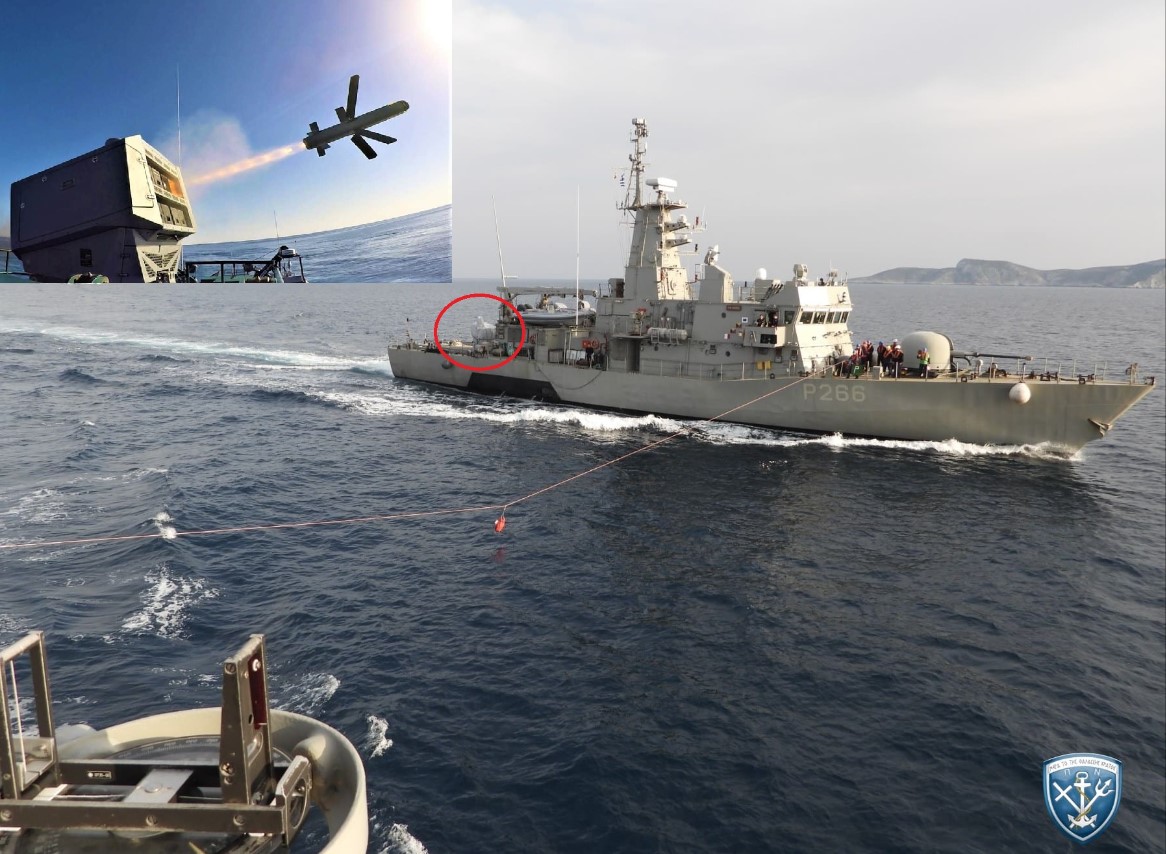
World
ATHENS — March 7, 2026 : The Hellenic Navy has introduced Rafael Advanced Defense Systems’ SPIKE Non-Line-of-Sight (NLOS) missile capability on its Machitis-class patrol vessels, marking a significant upgrade to the fleet’s precision strike and coastal combat capabilities. The systems were publicly observed for the first time during a recent naval exercise, where two vessels—Machitis (P-266) and Nikiforos (P-267)—were seen operating with newly installed missile launchers mounted on their aft sections. The integration follows a procurement plan approved in 2023 by Greece’s Governmental Council for Foreign Affairs and Defence (KYSEA), which authorized the acquisition of SPIKE missile systems from Israeli defense company Rafael Advanced Defense Systems. Initial reporting in early 2023 indicated that the modernization effort would equip multiple Greek naval vessels with the Typhoon MLS-NLOS launcher system, significantly expanding their operational engagement range and precision strike capability. Machitis-Class Patrol Vessel Modernization Under the current upgrade program, all four Machitis-class patrol vessels are scheduled to receive the Typhoon MLS-NLOS launcher. Each launcher carries eight SPIKE NLOS missiles arranged in an eight-tube configuration. The installation required structural changes to the stern area of the ships, including the removal of the aft 40mm/L70 Breda-Bofors naval gun that had previously been mounted on a Type 520R naval mount. The addition of the missile system provides these patrol vessels with the ability to conduct both sea-to-shore fire support operations and sea-to-sea engagements from extended stand-off distances. The SPIKE NLOS missiles significantly expand the vessels’ engagement envelope compared with their previous gun-based configuration. The Machitis-class patrol boats represent an improved variant of the HSY-56 design, itself derived from the Danish Osprey-55 patrol vessel concept. The four vessels were constructed by Hellenic Shipyards and delivered to the Hellenic Navy between 2003 and 2005. Each ship has a full-load displacement of approximately 575 tons and is considered among the most modern patrol platforms currently in Greek service. Despite the removal of the aft 40mm gun, the vessels retain a substantial array of defensive and offensive systems. Their baseline armament includes a 76mm main naval gun, a forward-mounted 40mm gun, two 20mm cannons, and several machine guns. Additional defensive capabilities include Stinger man-portable air defense systems (MANPADS), decoy launchers, and the ability to lay naval mines, providing flexibility in coastal defense and maritime security missions. SPIKE NLOS Missile Capabilities The SPIKE NLOS missile represents the long-range variant within Rafael’s SPIKE family of guided weapons. Classified as a sixth-generation electro-optical/infrared guided missile, the system is designed to engage targets beyond the operator’s direct line of sight at ranges of up to approximately 32 kilometers. The missile employs a passive dual-mode electro-optical seeker that integrates an imaging infrared (IIR) sensor with a CCD daylight camera. Combined with advanced onboard image-processing algorithms, the guidance system allows operators to track and engage targets during both daytime and nighttime conditions. A key feature of the system is its real-time data link, which transmits video and telemetry information from the missile back to the operator during flight. This capability allows crews to observe the target area, perform mid-course corrections, change targets if necessary, or abort the mission entirely before impact. The system can also provide battle damage assessment immediately after the strike. Operationally, the launcher supports salvo firing and rapid target acquisition, allowing multiple missiles to be launched in quick succession. The architecture also supports system hand-over and coordinated engagement, enabling faster sensor-to-shooter cycles and providing defensive capability against multiple fast-moving threats, including swarm attacks from small boats. The SPIKE NLOS missile can be equipped with several warhead types depending on the mission profile. These include a High Explosive Anti-Tank (HEAT) warhead designed for armored targets, a Penetration Blast Fragmentation (PBF) warhead with controlled detonation for complex structures or fortifications, and standard fragmentation warheads for general-purpose targets. Integration with Typhoon Weapon Stations On naval platforms, the missile system is integrated with the Typhoon remote weapon station family. These stabilized mounts incorporate electro-optical targeting sensors that assist in identifying and tracking targets while compensating for vessel movement at sea. The combination of remote weapon station technology and the missile’s electro-optical guidance enables precise targeting in complex maritime environments, particularly in littoral and coastal operating areas where patrol vessels frequently conduct missions. Expansion to Special Operations Craft The SPIKE missile integration program extends beyond the Machitis-class patrol vessels. The Hellenic Navy is also preparing to equip four Mk V Special Operations Craft (SOC) with SPIKE Extended Range (ER) 2 missiles. Structural modifications are currently underway on the Mk V boats to adapt the main cabin and rear deck sections for missile installation. Once the modifications are completed, each craft will receive a Typhoon MLS-ER launcher mounted on the stern deck. Each MLS-ER mount will carry four SPIKE ER2 missiles, providing the special operations vessels with a precision strike capability that significantly extends their engagement range. This enhancement is expected to improve the operational flexibility of naval special operations units during maritime interdiction, coastal surveillance, and strike missions. Fleet-Wide Impact In total, the SPIKE missile integration program will affect eight vessels across two different classes within the Hellenic Navy. The Machitis-class patrol boats will operate the long-range SPIKE NLOS variant, while the Mk V special operations craft will field the shorter-range SPIKE ER2 system. The recent naval exercise involving Machitis and Nikiforos provided the first visual confirmation that the Typhoon MLS-NLOS launchers have begun entering operational service on Greek patrol vessels. Installation work across the remaining ships in the program is continuing as part of the broader modernization effort. By incorporating long-range electro-optical guided missiles into its patrol and special operations fleet, the Hellenic Navy is expanding its stand-off engagement capability in coastal and island environments while maintaining the flexibility required for a wide range of maritime security operations.
Read More → Posted on 2026-03-07 16:16:23
World
WASHINGTON — March 7, 2026 : The United States military has operationalized an integrated real-time targeting architecture that connects space-based sensors directly with airborne strike platforms, significantly reducing the time required to detect and neutralize mobile missile launch systems during ongoing combat operations in the Middle East. The system, described by defense analysts as a “sensor-to-shooter” network, links satellite surveillance assets with fifth-generation aircraft to create a continuous targeting loop capable of locating and striking mobile launchers within minutes of detection. The architecture has reportedly been employed during current operations targeting Iranian missile and drone infrastructure. Integrated Targeting Network Activated The network connects space-based intelligence sensors to operational strike aircraft through secure military data links. Once a target is detected, the system automatically transmits its coordinates to the nearest strike platform, allowing the aircraft to engage without requiring direct visual confirmation. The concept had previously been discussed within Pentagon planning and experimentation programs as part of broader Joint All-Domain Command and Control (JADC2) initiatives designed to integrate sensors and shooters across space, air, and ground domains. Recent combat operations have reportedly marked one of the first real-world operational uses of such a fully integrated architecture. According to defense analyst accounts including open-source military tracker Cappy Army, the system has been used to track and strike Iranian transporter-erector-launchers (TELs) used for ballistic missile deployment, as well as drone launch hubs and associated support infrastructure. Detection Using Space-Based Sensors The targeting network relies on a combination of satellite systems capable of detecting thermal signatures and tracking ground movements. Space-Based Infrared System (SBIRS) satellites detect the intense heat signatures produced when missile launchers ignite engines or when vehicles are moved from concealed positions. These satellites monitor large geographic areas continuously and can identify the thermal plume associated with rocket motors from orbit. Synthetic Aperture Radar (SAR) satellites complement the infrared sensors by imaging the ground surface regardless of weather conditions or time of day. SAR technology can detect vehicle movement and structural changes even through cloud cover and darkness, allowing analysts to track the physical geometry and location of mobile launch vehicles. Once a launcher or drone platform is identified, the satellite constellation relays precise geolocation data through the integrated command network. Real-Time Data Transfer to Aircraft After detection, the system processes telemetry and immediately transmits the target coordinates through secure data links to nearby strike aircraft. In reported cases, the receiving platform has frequently been the F-35 stealth fighter. The aircraft functions primarily as the firing platform within the network. Instead of independently locating the target using onboard sensors, the F-35 receives real-time targeting data generated by the satellite network and command infrastructure. This configuration shortens the traditional kill chain by eliminating several intermediate steps normally required for target verification and aircraft cueing. Engagement Without Visual Contact The architecture allows the aircraft to launch precision-guided standoff weapons without requiring the pilot to visually identify the target or activate the aircraft’s radar systems. Because the F-35 can keep its active radar turned off during the engagement, the aircraft maintains its low observable profile while operating in contested airspace. The strike is conducted using the coordinates provided by the sensor network, allowing the munition to guide directly to the target location. This approach enables engagements against mobile launch systems shortly after they are detected, reducing the time available for launcher crews to relocate or prepare additional missile launches. Impact on Iranian Launch Activity Operational data compiled by open-source monitoring groups indicates that missile and drone launch activity attributed to Iranian forces declined significantly during the first week of the current conflict. Tracking data suggests that ballistic missile launches decreased from approximately 350 missiles on the first day of operations to roughly 40 by the fifth day. Drone launch activity followed a similar pattern. Nearly 300 attack drones were launched during the first day of the conflict, with launches peaking at more than 500 on the second day before declining sharply. By the fifth day, daily drone launches had dropped to around 45. Cruise missile use has remained comparatively limited. Approximately 25 cruise missiles were reported fired during the week, after which launch activity in that category declined further. Targeting of Launch Infrastructure U.S. and Israeli air operations have also targeted fixed infrastructure linked to missile and drone operations. These strikes have reportedly included underground storage sites, production facilities, and logistical hubs supporting launcher deployment. The combination of attacks on active launchers, drone staging areas, and subterranean storage depots has reportedly disrupted the supply chain required to sustain large-scale launch operations. Analysts monitoring the conflict assess that the systematic destruction of mobile launchers and supporting infrastructure has contributed to the observed reduction in launch activity. Ongoing Operations U.S. Central Command has stated that American forces remain engaged in efforts to locate and destroy remaining Iranian missile launch systems and drone assets. Mobile transporter-erector-launchers (TELs) remain a priority target because their mobility allows them to reposition frequently and operate from dispersed locations. The integration of satellite detection with rapid strike capabilities is intended to counter this mobility by reducing the time between detection and engagement. Military officials have not publicly confirmed the specific technical designation of the targeting network or the precise timeline of its operational deployment. Many details of the system’s architecture and performance remain classified. Expanding Multi-Domain Integration The operational use of the sensor-to-shooter architecture reflects broader efforts by the U.S. military to integrate space-based surveillance, airborne platforms, and command networks into a unified operational framework. Programs associated with Joint All-Domain Command and Control (JADC2) aim to allow sensors across multiple domains — including satellites, aircraft, naval systems, and ground assets — to share targeting data in real time with available strike platforms. The ability to link space-based detection directly to aircraft weapons systems represents a key component of these initiatives. Further operational details regarding the system, including the number of engagements conducted and the platforms involved, have not been released publicly.
Read More → Posted on 2026-03-07 15:59:45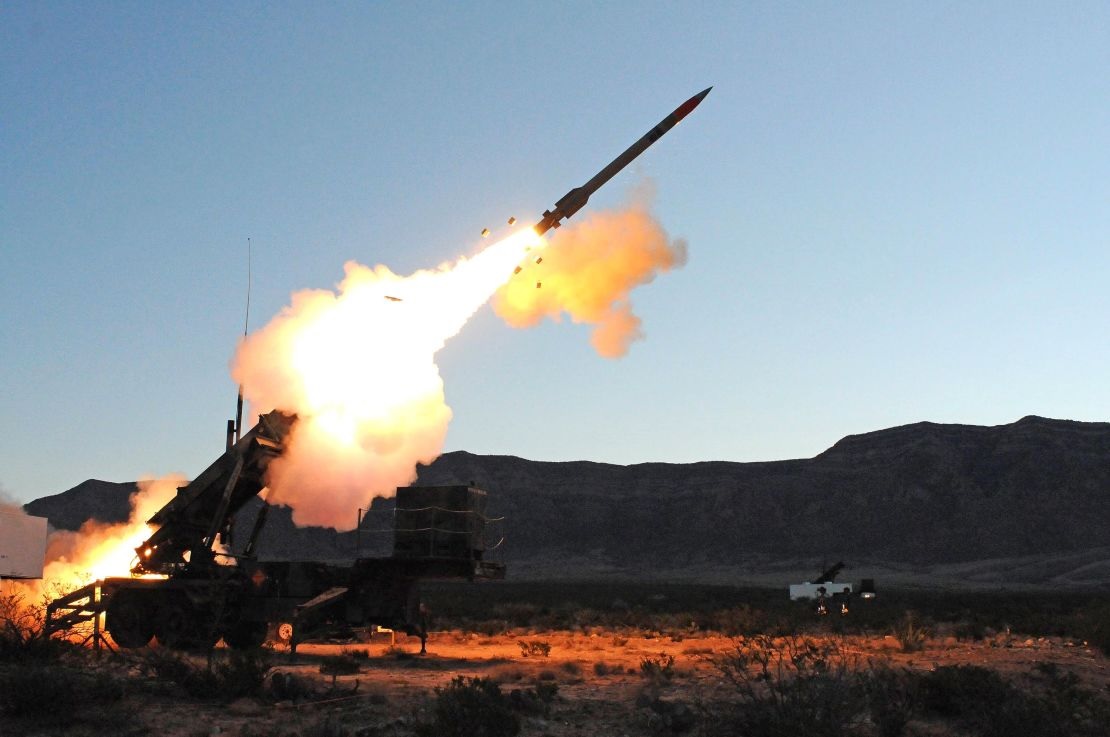
World
WASHINGTON — March 7, 2026 : The United States Department of Defense has awarded RTX Corporation a contract valued at $183.7 million to provide long-term sustainment and operational support for Patriot air and missile defense systems operated by the United Arab Emirates (UAE). The agreement was announced on March 4, 2026, and is scheduled to remain in effect until March 3, 2031. The contract was issued as a firm-fixed-price agreement under the U.S. Foreign Military Sales (FMS) program, which enables allied governments to procure American defense equipment and services through the U.S. government. Funding for the contract was provided entirely by the UAE government, and the full amount was obligated at the time of signing. Contract Management and Scope The program will be managed by the U.S. Army Contracting Command at Redstone Arsenal, Alabama, which oversees a large portion of the U.S. Army’s missile defense procurement and sustainment activities. RTX Corporation—formerly known as Raytheon Technologies—will serve as the primary contractor responsible for providing technical support and maintenance services for the UAE’s Patriot air defense infrastructure. Under the terms of the agreement, RTX technical specialists will deliver a range of operational sustainment services designed to ensure the continued readiness and reliability of the UAE’s Patriot systems. These services include logistical support, supply chain management, program and project oversight, system modifications, and the delivery of spare parts and hardware kits required for ongoing maintenance and upgrades. The contract also covers the implementation of hardware and system modifications, allowing the Patriot batteries in UAE service to maintain compatibility with evolving operational requirements and technical updates issued by the manufacturer. Most of the work associated with the contract will be conducted at RTX facilities in Tewksbury, Massachusetts, where the company maintains major production and engineering operations related to the Patriot missile defense program. UAE Patriot Fleet and Operational Role The United Arab Emirates currently operates approximately twelve Patriot fire units, which form a central component of the country’s integrated air and missile defense network. The Patriot system is a long-range surface-to-air missile platform designed to detect, track, and intercept aircraft, cruise missiles, and tactical ballistic missiles. In recent weeks, these systems have reportedly been used extensively to defend Emirati territory and infrastructure during a period of heightened regional military activity involving Iranian missile and drone attacks across the Gulf region. According to official military statistics released by Emirati authorities, the country’s air defense forces had intercepted more than 1,300 aerial targets as of March 6, 2026. These interceptions included 190 tactical ballistic missiles, eight cruise missiles, and more than 1,000 long-range loitering munitions, commonly referred to as kamikaze drones. Integrated Air Defense Operations While the Patriot system serves as the primary platform for intercepting medium-range ballistic threats, the UAE operates a multi-layered air defense architecture that integrates multiple systems and operational elements. Additional air defense assets are used to address threats at different altitudes and ranges, complementing the capabilities of the Patriot batteries. The country’s fighter aircraft and naval vessels have also been deployed in support of defensive operations, contributing to the interception and tracking of aerial threats approaching Emirati airspace. This layered approach allows the UAE to combine ground-based missile defense systems, combat aircraft, and maritime assets to monitor and respond to missile, drone, and aircraft threats from multiple directions. Role of RTX and the Patriot Program RTX serves as the original equipment manufacturer and principal contractor for the Patriot air and missile defense system, which is widely deployed by the United States and a number of allied countries. The system remains one of the most widely exported U.S. missile defense platforms and continues to receive periodic upgrades to improve radar performance, missile capabilities, and network integration. The newly announced agreement is focused on sustainment and technical support for existing UAE Patriot batteries rather than the acquisition of additional systems. It ensures continued access to manufacturer-level expertise, spare parts, and engineering updates required to maintain the operational availability of the UAE’s missile defense infrastructure. The contract is structured as a standard sustainment package under the Foreign Military Sales framework, with services delivered by RTX personnel and approved subcontractors throughout the contract period. Support activities under the agreement are expected to begin immediately and continue through March 2031, providing long-term maintenance, logistics, and system support for the UAE’s Patriot air defense network.
Read More → Posted on 2026-03-07 15:47:46
World
KURE, Japan — March 7, 2026 : The Japan Maritime Self-Defense Force (JMSDF) formally commissioned the ocean surveillance ship JS Bingo (AOS 5204) on March 6, expanding Japan’s dedicated underwater acoustic intelligence fleet. The induction ceremony took place at Kure Naval Base in Hiroshima Prefecture, where the vessel was assigned to the 1st Ocean Surveillance Division, the JMSDF’s specialized unit responsible for operating ocean surveillance ships. The ship was delivered earlier the same day by Mitsubishi Heavy Industries Maritime Systems following a handover ceremony at the company’s shipyard in Tamano City, Okayama Prefecture. With the commissioning of JS Bingo, the JMSDF now operates four vessels in the Hibiki-class of auxiliary ocean surveillance ships. The addition of the vessel increases Japan’s capacity to conduct long-duration acoustic monitoring missions and strengthens the country’s underwater intelligence collection network in surrounding seas. Background of the Hibiki-Class Fleet JS Bingo is the fourth ship in the Hibiki class. The earlier vessels are: JS Hibiki (AOS 5201) — commissioned in 1991 JS Harima (AOS 5202) — commissioned in 1992 JS Aki (AOS 5203) — commissioned in 2021 Ships of the class are named after coastal sea regions known as “nada.” The newest vessel is named after Bingo-nada, a section of water located in the central Seto Inland Sea. The Hibiki-class ships were originally developed during the late Cold War period as dedicated platforms for collecting underwater acoustic intelligence. Their primary role is to detect, record, and classify the acoustic signatures of submarines and surface vessels operating in nearby waters. The procurement contract for JS Bingo was awarded in March 2023, with construction costing approximately 19.6 billion yen (about $124 million). The vessel was laid down in March 2024 and launched on February 17, 2025 before completing outfitting and sea trials ahead of commissioning. Ship Design and SWATH Hull Configuration JS Bingo has a standard displacement of approximately 2,900 tons, similar to JS Aki and about 50 tons heavier than the first two ships of the class due to modern design updates introduced roughly three decades after the original vessels entered service. Full load displacement is estimated at around 3,800 tons. The ship measures 67.0 meters in length, 29.9 meters in beam, and 15.3 meters in height, with a draft of 7.5 meters. One of the defining features of the Hibiki-class design is the Small Waterplane Area Twin Hull (SWATH) configuration. This semi-submerged catamaran arrangement uses two torpedo-shaped hulls positioned below the water surface, connected to the upper structure through narrow struts. Because most of the vessel’s buoyant volume remains below the waterline, wave impacts on the ship are significantly reduced. The configuration provides high stability even in rough sea conditions, which is essential for collecting sensitive underwater acoustic measurements. Propulsion and Operational Characteristics JS Bingo is powered by four diesel engines driving two propulsion motors connected to two shaft lines. The propulsion system produces approximately 3,000 shaft horsepower, enabling a maximum speed of 11 knots. The ship carries a crew complement of 40 personnel and is designed for extended monitoring missions at sea. The vessel can remain deployed for up to 90 days and has an operational range of approximately 3,800 nautical miles at a cruising speed of 10 knots. The ship also features a flight deck capable of supporting helicopter operations, providing additional flexibility for logistics and operational support missions. SURTASS Acoustic Surveillance System The core mission system aboard JS Bingo is the Surveillance Towed Array Sensor System (SURTASS), a long towed sonar array deployed from the stern of the vessel. JS Bingo and the previously commissioned JS Aki are equipped with an upgraded version of the SURTASS system compared with the equipment installed on the first two Hibiki-class ships. The system consists of a low-frequency array of hydrophones designed to detect underwater acoustic emissions over long distances. The array can be configured in two main modes depending on operational conditions: Deep-water configuration: a single 1,800-meter towed array Littoral configuration: a twin-line array with two 800-meter cables While being towed behind the ship, the array collects underwater sound data from submarines and other vessels. Operators analyze these signals to identify and catalogue distinctive acoustic signatures, often referred to as acoustic “fingerprints.” The information is transmitted through the JMSDF operational network to analysis centers and anti-submarine warfare (ASW) units, including facilities based at Yokosuka Naval Base. Operational Role and Strategic Context Ocean surveillance ships act as long-duration acoustic monitoring platforms, collecting data on submarine activity and other underwater movements in surrounding waters. The introduction of a fourth vessel expands the number of available platforms capable of deploying long-range sonar arrays. The additional surveillance capacity supports Japan’s maritime monitoring efforts amid changes in the regional undersea environment, including the expansion of submarine fleets in nearby regions and the introduction of new submarine classes by regional navies. Rotational Crew System in the 1st Ocean Surveillance Division The 1st Ocean Surveillance Division, which operates the Hibiki-class ships, introduced a rotational crewing system in 2017, becoming the first JMSDF unit to adopt such a model. Instead of assigning a fixed crew to each vessel, multiple crews rotate among ships in order to maximize operational availability and increase time spent at sea. Before the arrival of JS Bingo, the division operated three ships with four rotating crews. Following the commissioning of the new vessel, the unit has transitioned to a five-crew structure supporting four ships, enabling more continuous deployment cycles and sustained acoustic monitoring operations. The division operates under the Oceanography Anti-Submarine Warfare Support Command, headquartered at Yokosuka Naval Base in Kanagawa Prefecture, south of Tokyo. JS Bingo (AOS 5204) Key Specifications Class: Hibiki-class ocean surveillance shipStandard displacement: ~2,900 tonsFull load displacement: ~3,800 tons Length: 67.0 metersBeam: 29.9 metersHeight: 15.3 metersDraft: 7.5 meters Propulsion: 4 diesel engines 2 propulsion motors 2 shaft lines 3,000 shaft horsepower Maximum speed: 11 knots Range: 3,800 nautical miles at 10 knotsEndurance: Up to 90 days at sea Crew: 40 personnel Aviation facilities: Helicopter flight deck Primary equipment: 1 × Surveillance Towed Array Sensor System (SURTASS) The commissioning of JS Bingo increases the Japan Maritime Self-Defense Force’s dedicated ocean surveillance fleet to four ships, expanding its capacity to collect and analyze underwater acoustic data across the surrounding maritime region.
Read More → Posted on 2026-03-07 14:23:05Search
Top Trending in 24 Hours
-
 President Trump Pauses Plans to Expand U.S. Strikes on Iran Amid Concerns Over Air Defense Missile Stocks
-
 DRDO Developing Long-Range Air-Launched Ballistic Missile for Su-30MKI, Rudram-4 Seen as Likely Candidate
-
 ACUA Ocean, Teledyne FLIR Demonstrate Autonomous Drone Launch and Recovery From Uncrewed Vessel for UK Royal Navy
-
 U.S. Army, Navy and Space Force Successfully Test Maritime Version of ‘Hammer of the Gods’ EW System During Project Convergence 2026
-
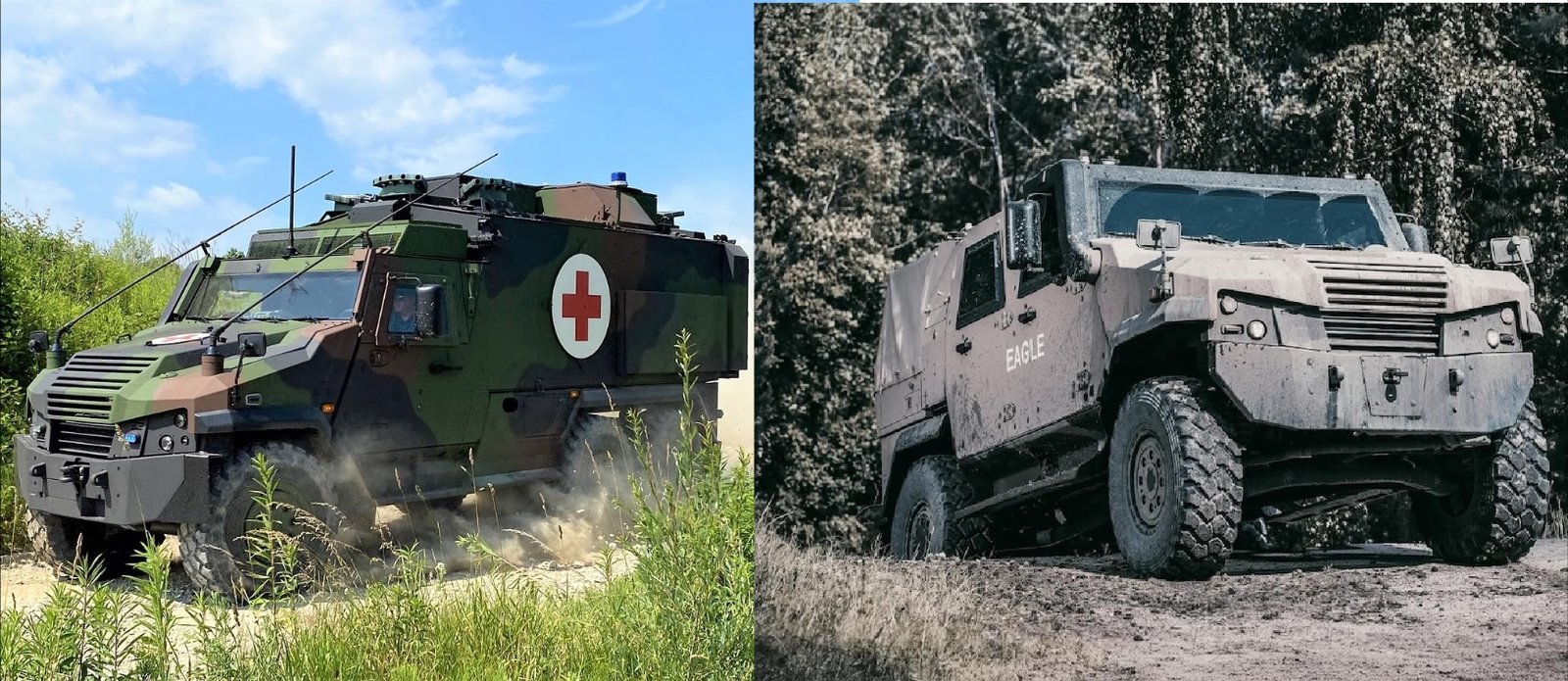 Allison Transmission to Supply Automatic Transmissions for Nearly 3,000 German EAGLE V Armored Vehicles Ordered by Germany
-
 North Korea Preparing Largest Military Deployment Abroad With 30,000 Troops for Russia, Zelensky Says
-
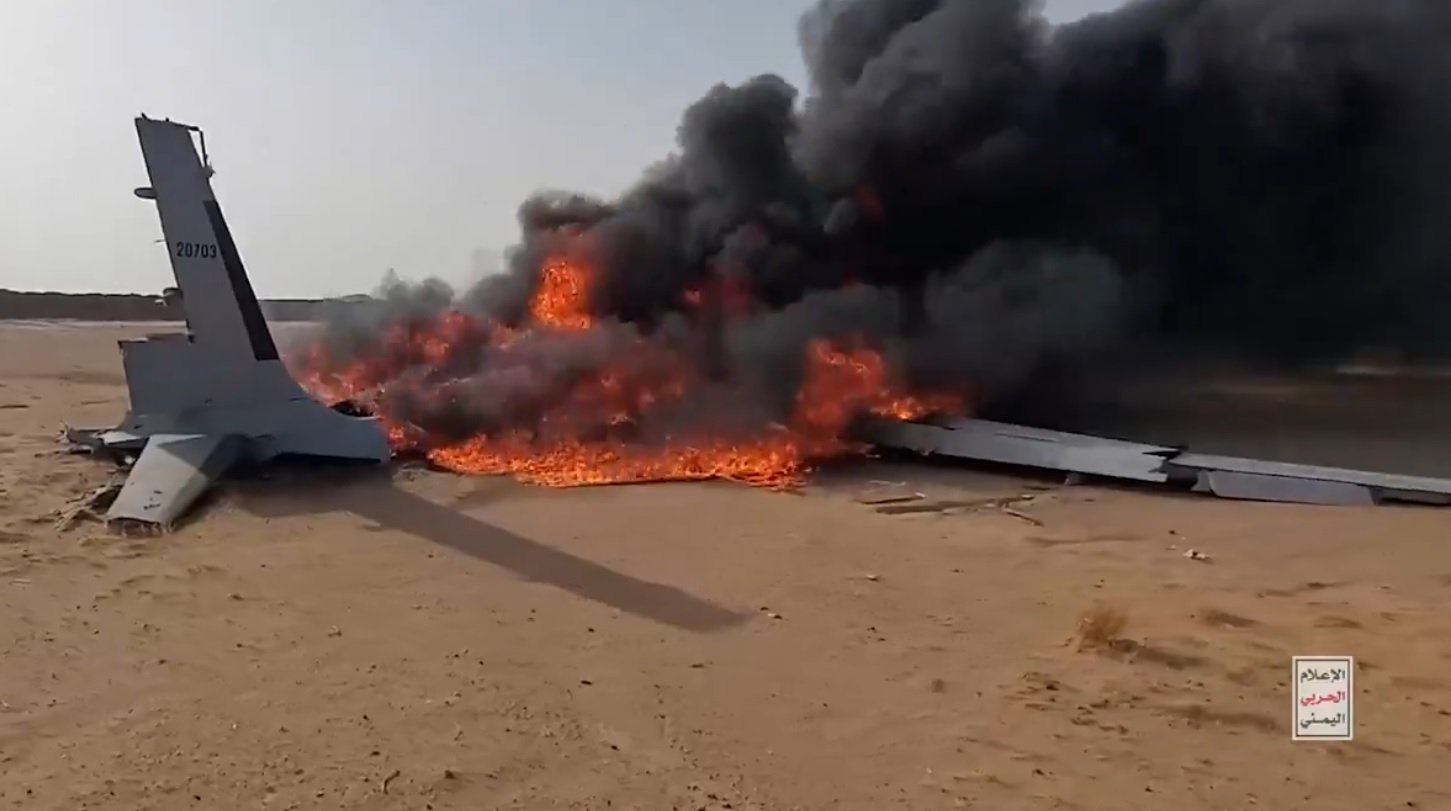 Houthis Claim to Have Shot Down Saudi-Operated Bayraktar Akıncı Drone Over Northern Yemen, Release Video of Crash
-
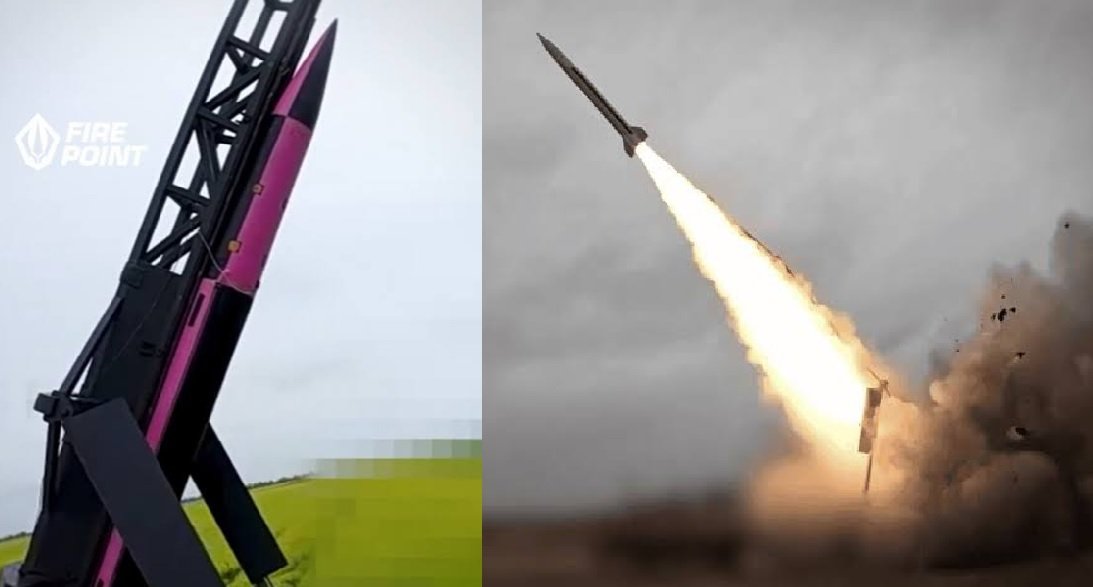 Ukraine, European Allies Target Mid-2027 Prototype for Freyja Missile Defense System
Top Trending in 4 Days
-
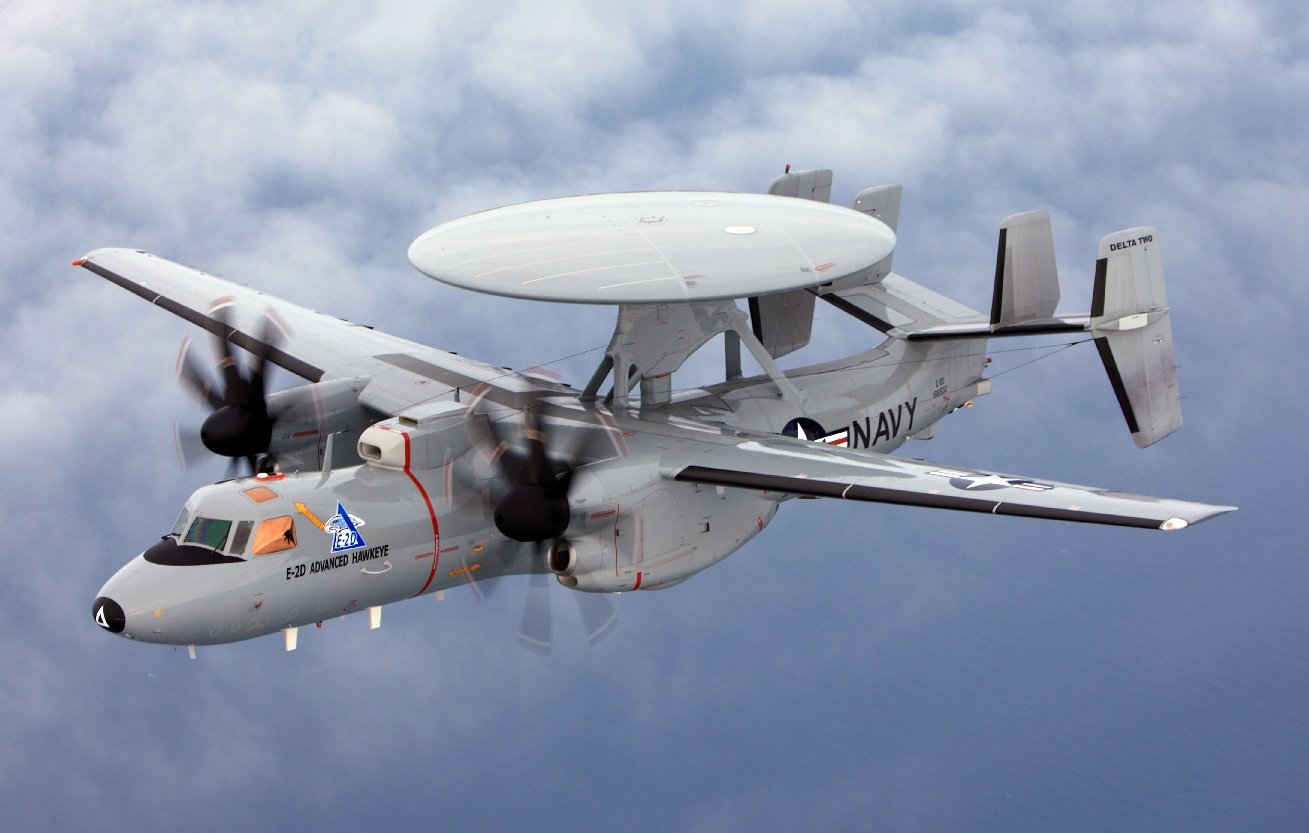 U.S. Navy Awards Northrop Grumman $1.2 Billion Deal for Three New E-2D Advanced Hawkeyes
-
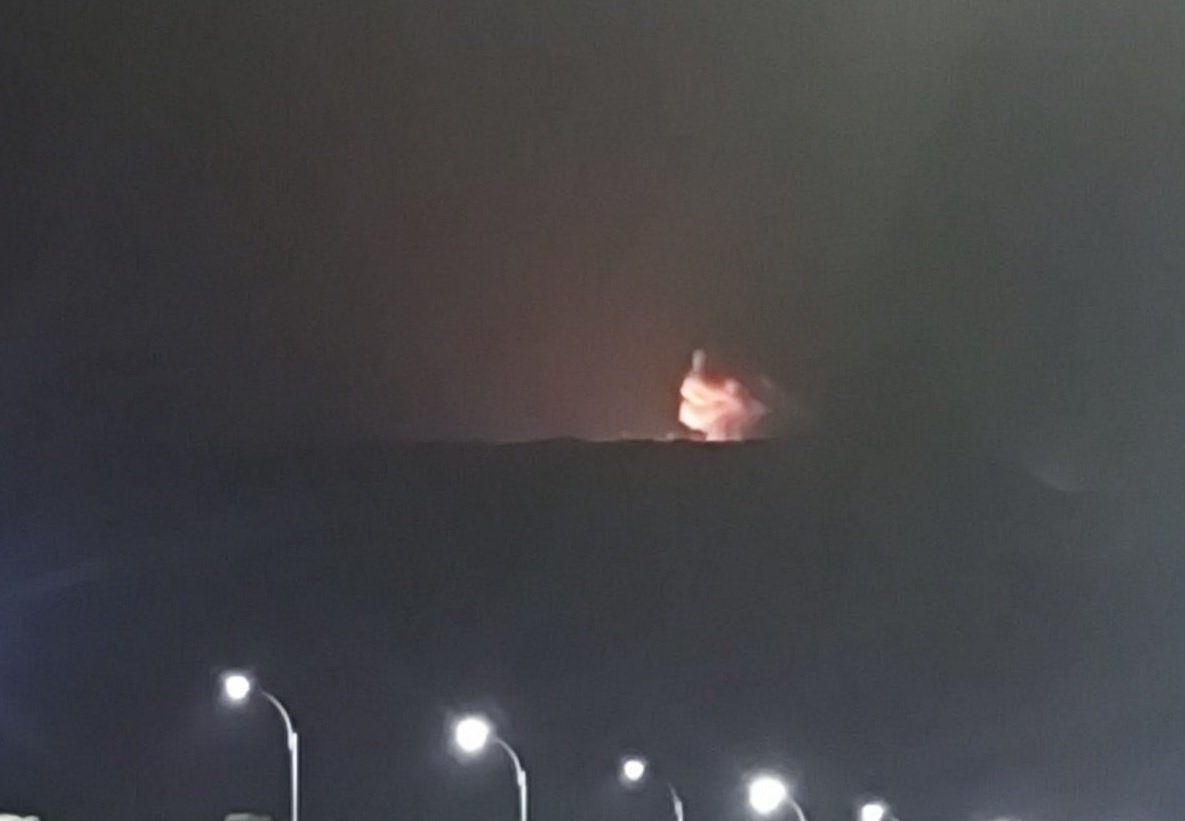 U.S. Airstrikes Target IRGC Missile Base Near Taft as Overnight Strikes Hit Central Iran
-
 Kuwait and Bahrain Reportedly Launch First Joint Direct Airstrikes on Iran Since War Began : Report
-
 France's THUNDART Long-Range Rocket System May Undergo Prototype Combat Testing in Ukraine
-
 Russian Su-57 Stealth Fighter Crashes During Training Flight Near Moscow, Pilot Ejects Safely
-
 China Imposes Dual-Use Export Ban on 14 European Entities After EU's Russia Sanctions
-
 U.S. Department of War Awards Oracle Up to $6.99 Billion Enterprise Software Deal
-
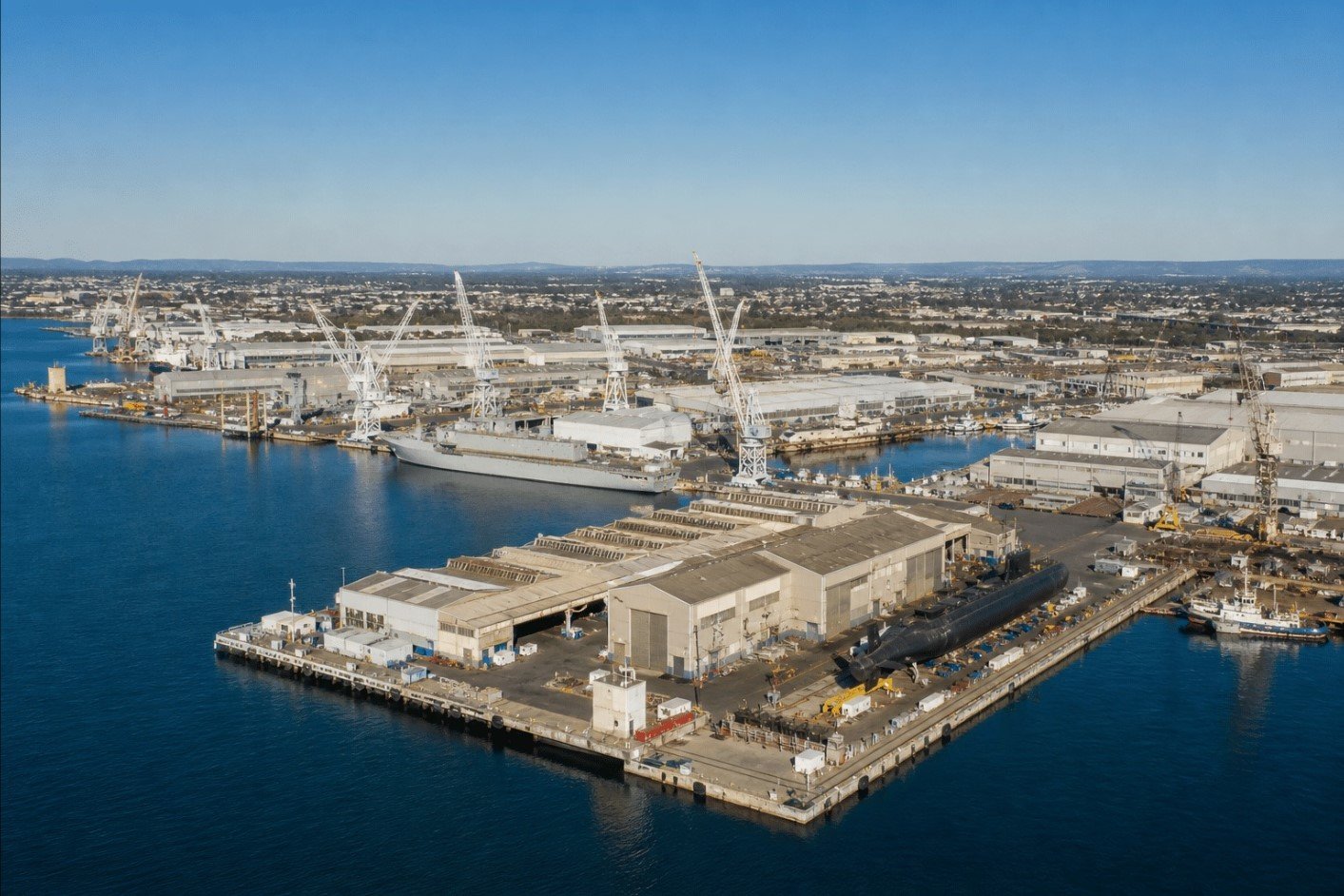 Australia Commits Additional AUD 4.6 Billion to Expand Osborne Shipyard for AUKUS Submarines