LONDON, — March 7, 2026 : The United Kingdom has reduced the deployment readiness notice for the Royal Navy aircraft carrier HMS Prince of Wales from 10 days to five days, accelerating the time required for the vessel to put to sea if ordered to deploy. The adjustment was confirmed by the Ministry of Defence and reported by multiple British media outlets, including Sky News, as part of precautionary measures linked to the evolving security situation in the Middle East.
A Ministry of Defence spokesperson said the carrier has consistently maintained a high state of readiness and that the revised notice period is intended to shorten the time required to sail should operational deployment be directed. Naval personnel associated with the carrier have been alerted to the possibility of rapid mobilisation, while final maintenance work and system checks are being expedited to meet the five-day readiness requirement.
The decision comes as the United Kingdom increases military preparedness in response to ongoing regional tensions involving Israel, Iran, and the United States. Since January 2026, the UK has strengthened its presence in the Middle East with additional deployments of Typhoon and F-35 fighter aircraft, air defence systems, and approximately 400 additional personnel to Cyprus. The United Kingdom maintains two sovereign military bases on the island, including RAF Akrotiri, which plays a key role in British operations across the eastern Mediterranean and Middle East.
Carrier Status and Operational Role
HMS Prince of Wales, one of the Royal Navy’s two Queen Elizabeth-class aircraft carriers, is currently based at Portsmouth and is nearing the completion of scheduled maintenance following its return from an eight-month deployment in late 2025. That mission, conducted under Operation Highmast as part of Carrier Strike Group 2025 (CSG25), involved operations across multiple regions including the Indo-Pacific and marked a significant milestone in the United Kingdom’s ability to deploy a fully operational carrier strike group in support of NATO and allied operations.
Displacing approximately 65,000 tonnes, the carrier forms the centerpiece of Britain’s maritime power projection capability. It is designed to carry a large air wing including F-35B Lightning II short take-off and vertical landing stealth fighters, with capacity for up to around 40 aircraft depending on mission configuration. The vessel also supports Merlin and Wildcat helicopters for anti-submarine warfare, surveillance, maritime strike operations, and logistical support.
The carrier normally operates with a core ship’s company of roughly 700 personnel, but the total complement can increase to around 1,600 when a full air wing and additional support units are embarked.
Carrier Strike Group Composition
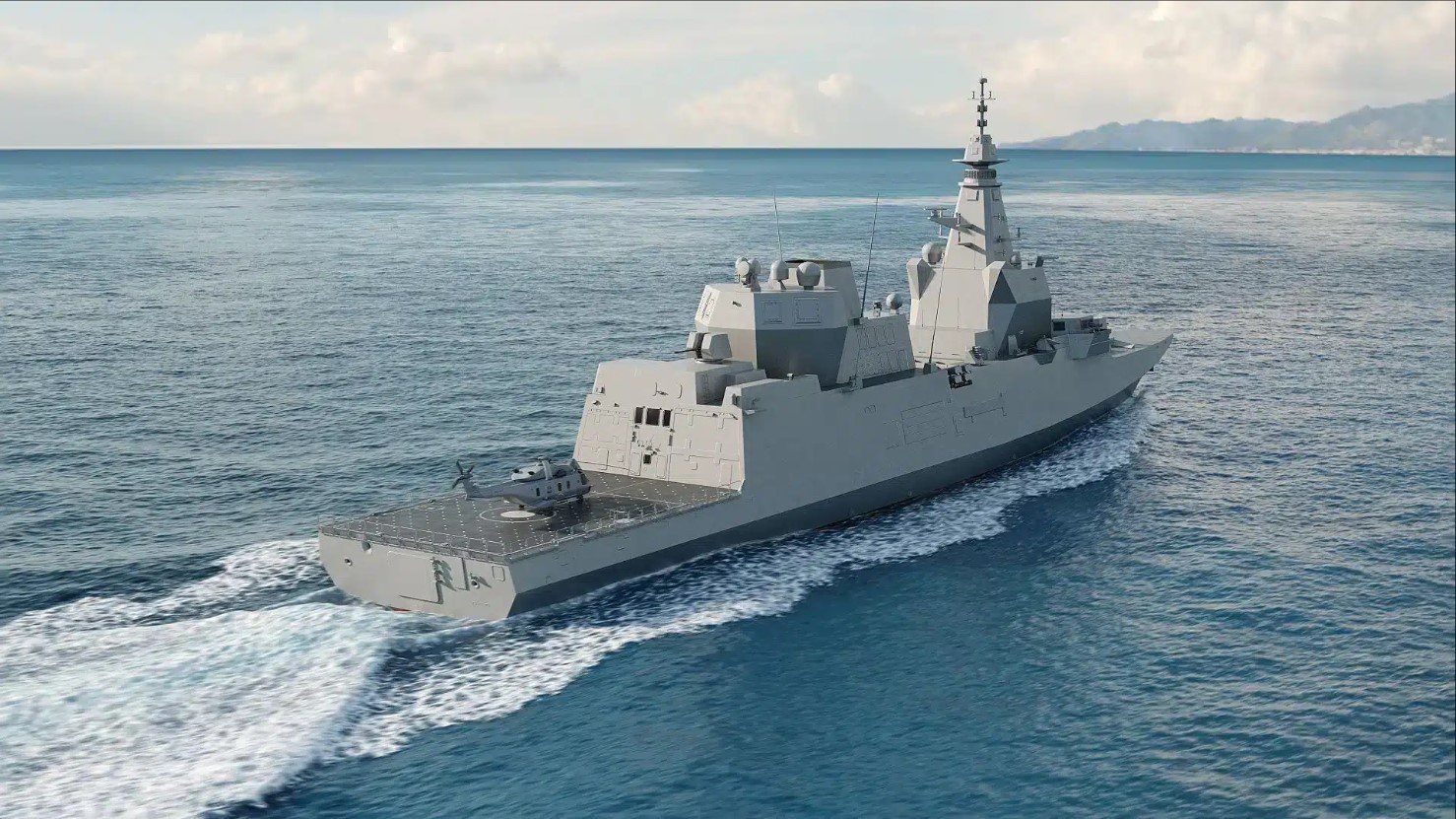
When deployed, HMS Prince of Wales leads a Carrier Strike Group that typically includes multiple escort and support vessels. These commonly include Type 45 air defence destroyers, Type 23 or the newer Type 26 frigates, and a Royal Fleet Auxiliary replenishment ship that enables sustained operations at sea. The strike group structure provides layered air defence, anti-submarine warfare protection, logistics support, and the ability to conduct joint maritime and air operations.
The carrier currently serves as the Royal Navy’s primary high-readiness platform while the United Kingdom’s other aircraft carrier, HMS Queen Elizabeth, undergoes a scheduled refit. In November 2025, Defence Secretary John Healey stated that the vessel could be made available for UK-directed operations within five days’ notice, while NATO commanders could request it within a 10-day timeframe. The latest readiness change aligns the carrier with the five-day national requirement.
Regional Deployments and Defensive Posture
Although the carrier’s readiness status has been raised, officials have emphasized that no decision has been taken to deploy HMS Prince of Wales to the Middle East. British authorities have stated that the adjustment is intended to provide operational flexibility as the regional security environment evolves.
Other British military assets have already been positioned in the region. The Type 45 destroyer HMS Dragon has been ordered to deploy from Portsmouth to support the protection of British personnel stationed in Cyprus. Additional Typhoon fighter jets and F-35 aircraft have also been moved into the region, alongside air defence systems intended to strengthen protection against potential missile and drone threats.
Helicopters including Merlin and Wildcat platforms equipped with counter-drone capabilities have also been deployed to Cyprus to enhance local air defence coverage.
Strategic Planning for Multiple Missions
Officials noted that the carrier could also support other planned missions in 2026 if a Middle East deployment is not required. Among these is Operation Firecrest, a scheduled deployment focused on the North Atlantic and High North regions aimed at reinforcing NATO deterrence and maritime security in response to Russian military activity.
The Ministry of Defence indicated that increasing readiness levels for major naval platforms is a standard operational procedure during periods of heightened international tension. Measures typically include accelerating maintenance work, conducting additional systems verification, and recalling personnel from leave or training assignments to ensure that vessels can meet reduced deployment timelines.
With the readiness notice now reduced to five days, HMS Prince of Wales remains available to support UK national operations or integrate into multinational naval task groups if directed by the British government.
——— End of Article ———