WASHINGTON — March 7, 2026 : The United States military has operationalized an integrated real-time targeting architecture that connects space-based sensors directly with airborne strike platforms, significantly reducing the time required to detect and neutralize mobile missile launch systems during ongoing combat operations in the Middle East.
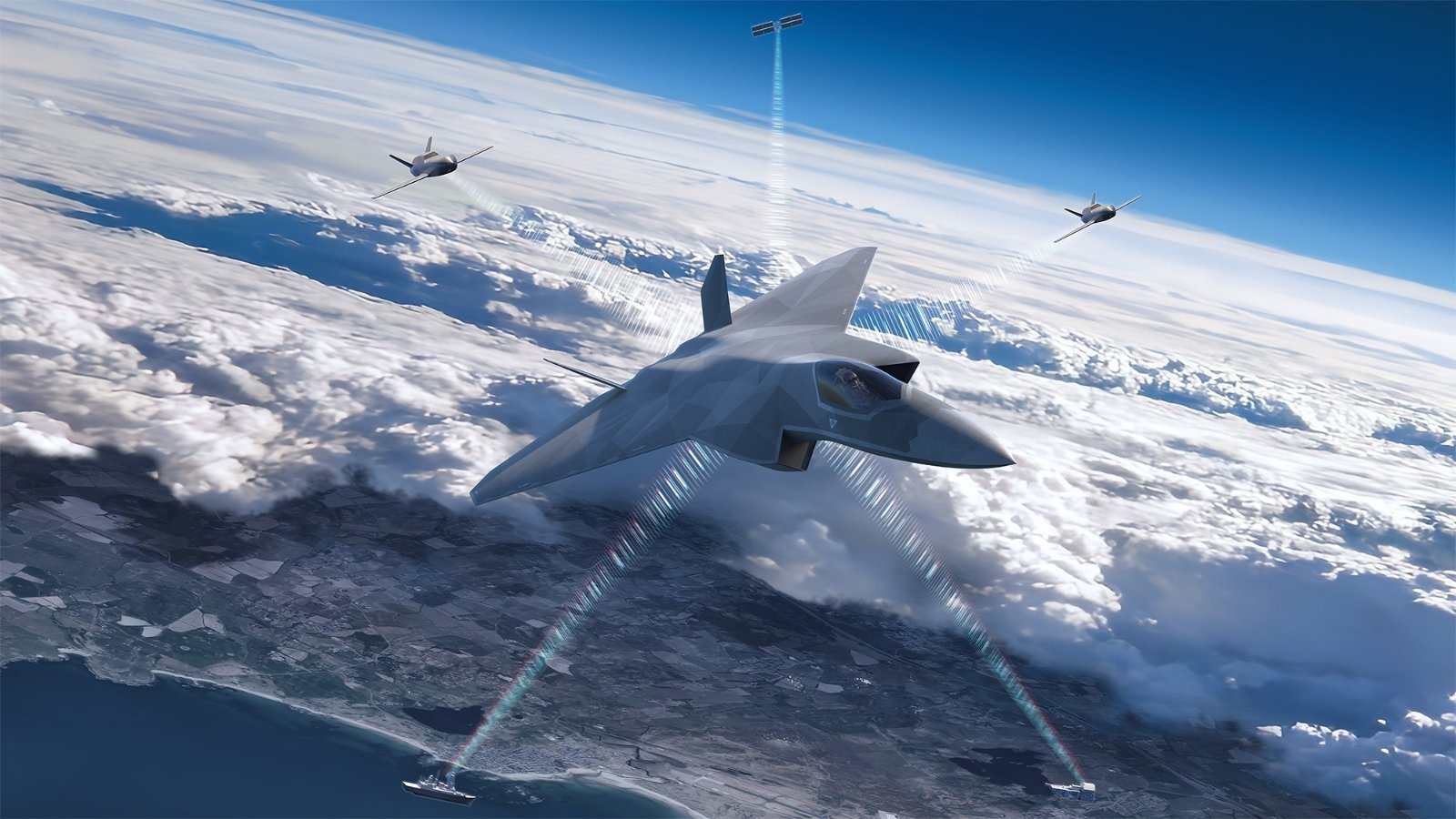
The system, described by defense analysts as a “sensor-to-shooter” network, links satellite surveillance assets with fifth-generation aircraft to create a continuous targeting loop capable of locating and striking mobile launchers within minutes of detection. The architecture has reportedly been employed during current operations targeting Iranian missile and drone infrastructure.
Integrated Targeting Network Activated
The network connects space-based intelligence sensors to operational strike aircraft through secure military data links. Once a target is detected, the system automatically transmits its coordinates to the nearest strike platform, allowing the aircraft to engage without requiring direct visual confirmation.
The concept had previously been discussed within Pentagon planning and experimentation programs as part of broader Joint All-Domain Command and Control (JADC2) initiatives designed to integrate sensors and shooters across space, air, and ground domains. Recent combat operations have reportedly marked one of the first real-world operational uses of such a fully integrated architecture.
According to defense analyst accounts including open-source military tracker Cappy Army, the system has been used to track and strike Iranian transporter-erector-launchers (TELs) used for ballistic missile deployment, as well as drone launch hubs and associated support infrastructure.
Detection Using Space-Based Sensors
The targeting network relies on a combination of satellite systems capable of detecting thermal signatures and tracking ground movements.
Space-Based Infrared System (SBIRS) satellites detect the intense heat signatures produced when missile launchers ignite engines or when vehicles are moved from concealed positions. These satellites monitor large geographic areas continuously and can identify the thermal plume associated with rocket motors from orbit.
Synthetic Aperture Radar (SAR) satellites complement the infrared sensors by imaging the ground surface regardless of weather conditions or time of day. SAR technology can detect vehicle movement and structural changes even through cloud cover and darkness, allowing analysts to track the physical geometry and location of mobile launch vehicles.
Once a launcher or drone platform is identified, the satellite constellation relays precise geolocation data through the integrated command network.
Real-Time Data Transfer to Aircraft
After detection, the system processes telemetry and immediately transmits the target coordinates through secure data links to nearby strike aircraft. In reported cases, the receiving platform has frequently been the F-35 stealth fighter.
The aircraft functions primarily as the firing platform within the network. Instead of independently locating the target using onboard sensors, the F-35 receives real-time targeting data generated by the satellite network and command infrastructure.
This configuration shortens the traditional kill chain by eliminating several intermediate steps normally required for target verification and aircraft cueing.
Engagement Without Visual Contact
The architecture allows the aircraft to launch precision-guided standoff weapons without requiring the pilot to visually identify the target or activate the aircraft’s radar systems.
Because the F-35 can keep its active radar turned off during the engagement, the aircraft maintains its low observable profile while operating in contested airspace. The strike is conducted using the coordinates provided by the sensor network, allowing the munition to guide directly to the target location.
This approach enables engagements against mobile launch systems shortly after they are detected, reducing the time available for launcher crews to relocate or prepare additional missile launches.
Impact on Iranian Launch Activity
Operational data compiled by open-source monitoring groups indicates that missile and drone launch activity attributed to Iranian forces declined significantly during the first week of the current conflict.
Tracking data suggests that ballistic missile launches decreased from approximately 350 missiles on the first day of operations to roughly 40 by the fifth day.
Drone launch activity followed a similar pattern. Nearly 300 attack drones were launched during the first day of the conflict, with launches peaking at more than 500 on the second day before declining sharply. By the fifth day, daily drone launches had dropped to around 45.
Cruise missile use has remained comparatively limited. Approximately 25 cruise missiles were reported fired during the week, after which launch activity in that category declined further.
Targeting of Launch Infrastructure
U.S. and Israeli air operations have also targeted fixed infrastructure linked to missile and drone operations. These strikes have reportedly included underground storage sites, production facilities, and logistical hubs supporting launcher deployment.
The combination of attacks on active launchers, drone staging areas, and subterranean storage depots has reportedly disrupted the supply chain required to sustain large-scale launch operations.
Analysts monitoring the conflict assess that the systematic destruction of mobile launchers and supporting infrastructure has contributed to the observed reduction in launch activity.
Ongoing Operations
U.S. Central Command has stated that American forces remain engaged in efforts to locate and destroy remaining Iranian missile launch systems and drone assets.
Mobile transporter-erector-launchers (TELs) remain a priority target because their mobility allows them to reposition frequently and operate from dispersed locations. The integration of satellite detection with rapid strike capabilities is intended to counter this mobility by reducing the time between detection and engagement.
Military officials have not publicly confirmed the specific technical designation of the targeting network or the precise timeline of its operational deployment. Many details of the system’s architecture and performance remain classified.
Expanding Multi-Domain Integration
The operational use of the sensor-to-shooter architecture reflects broader efforts by the U.S. military to integrate space-based surveillance, airborne platforms, and command networks into a unified operational framework.
Programs associated with Joint All-Domain Command and Control (JADC2) aim to allow sensors across multiple domains — including satellites, aircraft, naval systems, and ground assets — to share targeting data in real time with available strike platforms.
The ability to link space-based detection directly to aircraft weapons systems represents a key component of these initiatives.
Further operational details regarding the system, including the number of engagements conducted and the platforms involved, have not been released publicly.
——— End of Article ———