
World
WASHINGTON — March 5, 2026 : Officials from the United States Central Command (CENTCOM) have confirmed that a U.S. Air Force F-15E Strike Eagle crashed over southwestern Iran on March 4 while conducting a strike mission connected to ongoing U.S. military operations in the region. Both crew members aboard the aircraft successfully ejected and were later recovered during a joint combat search and rescue mission carried out by U.S. and Israeli forces. Aircraft Loss During Strike Mission According to senior CENTCOM officials who briefed American media outlets, the aircraft went down during the morning hours of Wednesday while participating in a strike operation targeting Iranian military infrastructure. The mission was conducted as part of the broader U.S.-led campaign known as Operation Epic Fury. The fighter jet involved in the incident was a two-seat F-15E Strike Eagle operated by the U.S. Air Force. The aircraft was crewed by a pilot and a weapons systems officer (WSO) and was performing an air-to-ground strike mission at the time of the crash. Officials said the precise cause of the crash has not yet been determined. The incident remains under investigation, though at least one source familiar with the situation indicated that Iranian air defense systems may have engaged the aircraft prior to the loss. CENTCOM has not publicly confirmed whether the aircraft was destroyed by a missile or suffered a technical malfunction, and operational details regarding the exact crash location within southwestern Iran have not been released for security reasons. Crew Ejection Over Iranian Territory Both aircrew members successfully activated their ejection systems before the aircraft crashed. The pilot and the weapons systems officer parachuted into Iranian territory and remained on the ground until rescue forces arrived. Immediately after the incident, U.S. forces activated a combat search and rescue (CSAR) protocol designed to recover downed aircrew operating in hostile environments. Joint Combat Search and Rescue Mission CSAR units from the U.S. Air Force and the Israeli Air Force were already positioned on standby at a nearby regional location due to the ongoing military operations. Following confirmation of the crash, the rescue units were launched and entered Iranian airspace approximately one hour after the aircraft was lost. The joint rescue team successfully located both aircrew members and extracted them from the area without reported interference or additional incidents. Officials described the recovery as a coordinated multinational effort conducted under time-sensitive operational conditions. CENTCOM stated that the presence of pre-positioned rescue assets significantly reduced response time and allowed for the rapid evacuation of the downed personnel. Medical Evacuation and Treatment After the extraction was completed, the recovered aircrew members were transported to Prince Sultan Air Base for an initial medical assessment. Preliminary reports indicate that both the pilot and the weapons systems officer sustained minor injuries during the ejection and recovery process but were otherwise in stable condition. Following the initial evaluation, the two airmen were transferred to Muwaffaq Salti Air Base for further medical examination and operational debriefing. Role of the F-15E in Regional Operations The F-15E Strike Eagle is a multirole fighter aircraft manufactured by Boeing and designed primarily for long-range precision strike missions. The aircraft features advanced radar systems, conformal fuel tanks that extend operational range, and a weapons payload capacity exceeding 23,000 pounds. Strike Eagle squadrons deployed to the region include aircraft from the U.S. Air Force’s 4th Fighter Wing based at Seymour Johnson Air Force Base. These aircraft have been heavily involved in strike operations targeting missile launch infrastructure and other military facilities linked to Iranian forces. Context Within Current Operations The crash represents the first confirmed loss of a U.S. aircraft over Iranian territory during the current escalation associated with Operation Epic Fury. Earlier in the week, on March 1, three additional F-15E Strike Eagles assigned to the 4th Fighter Wing were lost during a separate incident over Kuwaiti airspace when Kuwait air defense systems mistakenly engaged the aircraft during the same regional operation. All six crew members in that incident successfully ejected and were recovered. A joint investigation between the United States and Kuwait remains underway regarding that event. Ongoing Investigation CENTCOM officials said an investigation into the March 4 crash is ongoing and additional information will be released once preliminary findings are available. Military officials have not reported any official response from Iran regarding the aircraft loss or the rescue operation conducted within its airspace. U.S. forces operating under CENTCOM remain on heightened alert as regional tensions continue amid ongoing missile launches and military activity linked to Iranian forces and their regional partners.
Read More → Posted on 2026-03-05 13:21:16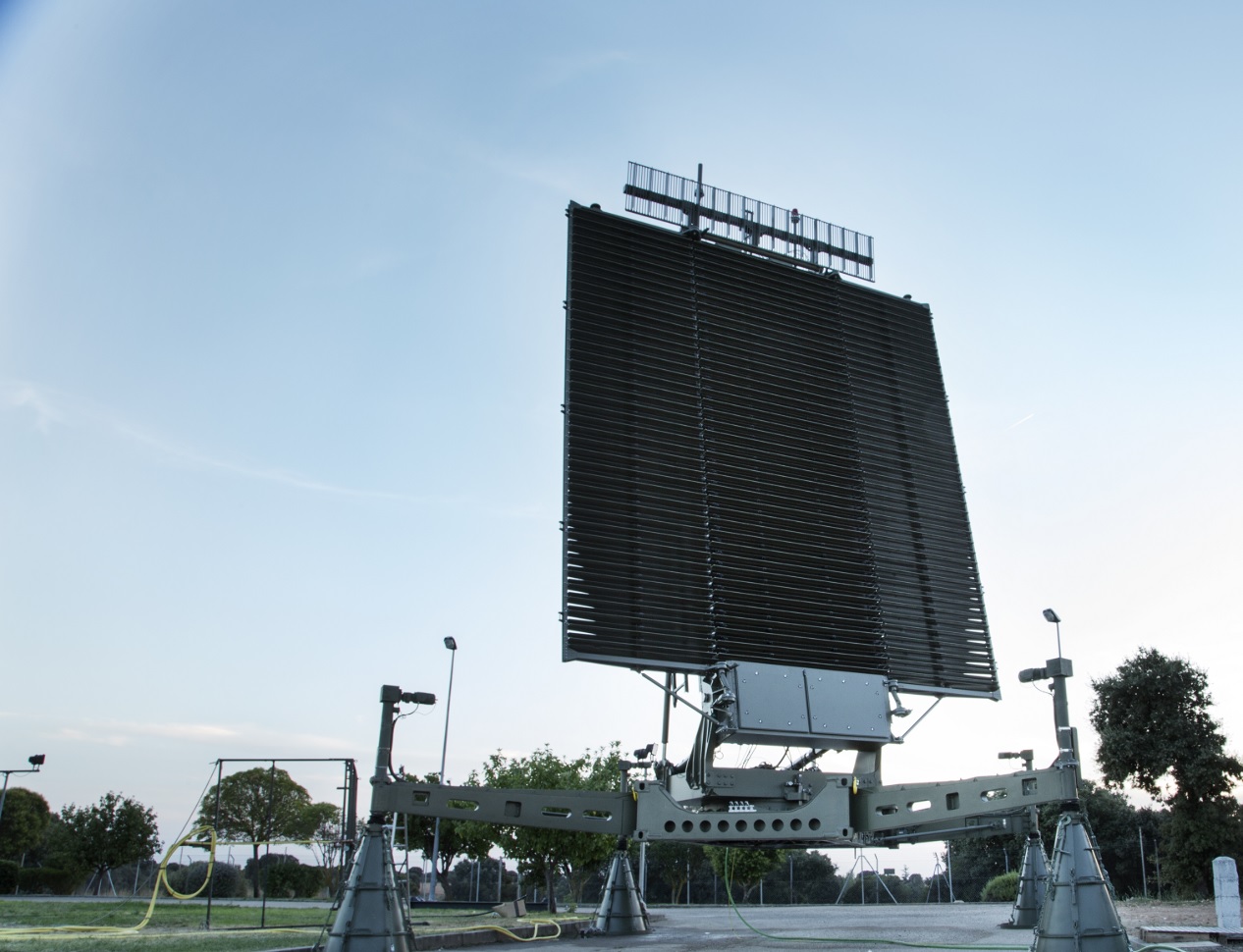
World
MADRID, Spain — March 5, 2026 : Spanish defense and technology company Indra has begun development of a new counter-battery radar system known as RALOFI (Radar de Localización de Orígenes de Fuego Indirecto), designed to identify the origin of indirect fire such as rockets, artillery, and mortars. The project is being carried out under Spain’s Special Modernization Program (PEM) led by the Spanish Ministry of Defense as part of broader efforts to upgrade military capabilities and align with NATO defense investment objectives. The radar will provide the Spanish Armed Forces with a modern system capable of supporting operations in high-intensity combat environments. Development priorities reflect operational lessons from recent conflicts, including the Russian invasion of Ukraine, where rapid detection of artillery and rocket fire has proven critical for counter-battery responses. The program has an initial budget of €30 million and is scheduled to run for three years, concluding in November 2028 with the completion of a pre-series prototype. Replacement of Legacy Counter-Battery Systems The RALOFI radar will replace the AN/TPQ-36 mortar-locating radars, which have been in service with the Spanish Army since 1989 and are approaching the end of their operational life. The system will also introduce this capability to the Spanish Navy’s Marine Infantry, known as the Infantería de Marina, which previously did not operate its own counter-battery radar. Once operational, RALOFI is expected to enhance the military’s ability to detect incoming fire, determine its launch location, and support rapid counter-fire operations. Advanced Radar Architecture RALOFI is designed as a next-generation radar platform integrating multiple advanced hardware and software technologies. At the core of the system is Full Active Electronically Scanned Array (AESA) technology, which uses thousands of solid-state transmit and receive modules to electronically steer radar beams. Unlike traditional mechanically steered radars, AESA systems can scan areas rapidly, track multiple targets simultaneously, and maintain stronger resistance to electronic warfare interference. The radar will also incorporate gallium nitride (GaN) semiconductor components, allowing operation at higher voltages and temperatures than traditional silicon-based systems. This improves detection range, increases signal power, and enhances target tracking precision. Communications and signal processing will use software-defined radio (SDR) architecture, enabling digital reconfiguration of operating parameters to adapt to different mission requirements or electronic threat environments. These technologies are intended to provide: Extended detection range and high precision Strong resistance to electronic interference and jamming Rapid digital reconfiguration for different operational scenarios High system availability and simplified maintenance The system is designed for high levels of automation, reducing operator workload while enabling rapid deployment and redeployment in changing battlefield conditions. Operational Capabilities Although developed primarily as a counter-battery radar, RALOFI is intended to perform several operational functions across land, maritime, and air domains. The radar will support counter-battery operations, including the detection, tracking, and classification of rocket, artillery, and mortar (RAM) projectiles. It will calculate the Point of Origin (POO) of incoming fire and estimate the Point of Impact (POI), enabling friendly forces to respond quickly. In addition to its counter-battery role, the system will provide ground surveillance capabilities, allowing the detection and tracking of terrestrial targets and supporting the protection of forward operating bases. RALOFI will also support maritime surveillance and coastal defense missions, enabling the detection and tracking of naval targets and assisting with coastal fire control. The radar includes medium-range air surveillance capabilities, providing automatic detection, tracking, and classification of aerial targets along with kill-assessment functions. The system will be mounted on a truck platform and features an active antenna with integrated transmit/receive modules and radar processing equipment, combined with an elevation and deployment mechanism for operational flexibility. It will be fully integrated into the command and control networks of the Spanish Armed Forces, allowing data sharing with other sensors and operational units. Domestic Industrial Consortium Indra is leading the project as the prime contractor and has assembled an industrial consortium involving both major technology firms and small- and medium-sized enterprises (SMEs). Key partners include: GMV, providing technology and systems expertise Nord Motorreductores, supplying drive and mechanical components Niasa, responsible for electromechanical systems Teyde 2010, contributing engineering support AC Precisión, providing specialized cooling solutions for radar computing equipment According to Indra, 100 percent of the radar’s design, development, and production will be carried out within Spain, with more than 80 percent participation from domestic companies, the majority of which are SMEs. Miguel Rodríguez Mora, Director of Indra’s Land Systems business unit, stated that the program aims to strengthen the national defense industrial base and incorporate companies with relevant technological capabilities, regardless of their previous experience in the defense sector. He added that the project is intended to reduce reliance on foreign suppliers and increase technological sovereignty. Industrial Distribution Across Spain The RALOFI program distributes development and manufacturing activities across multiple Spanish regions. Madrid will host core engineering work and final systems integration. Vigo, in the Galicia region, will focus on advanced sensor development and gallium nitride technologies. Córdoba, in Andalusia, will host a specialized radar technology hub developed in cooperation with the local university. The Basque Country, Aragon, and Catalonia will handle production and assembly of mechanical and electromechanical subassemblies. This regional distribution is intended to support existing technological capabilities across the national defense sector and stimulate industrial activity in multiple areas. Employment and Industrial Impact The program is expected to generate employment opportunities in several technical fields, including advanced electronics, software development, radar engineering, systems integration, and precision manufacturing. Positions will also be created for vocational training specialists and other highly skilled technical professionals. Indra, which has more than 40 years of experience in radar design and manufacturing, states that the RALOFI initiative will strengthen coordination across Spain’s defense industry while enhancing the country’s competitiveness in international defense markets. The radar is intended to become a sovereign multi-mission sensor system supporting land, maritime, and air defense operations for the Spanish Armed Forces once development is completed.
Read More → Posted on 2026-03-05 13:02:40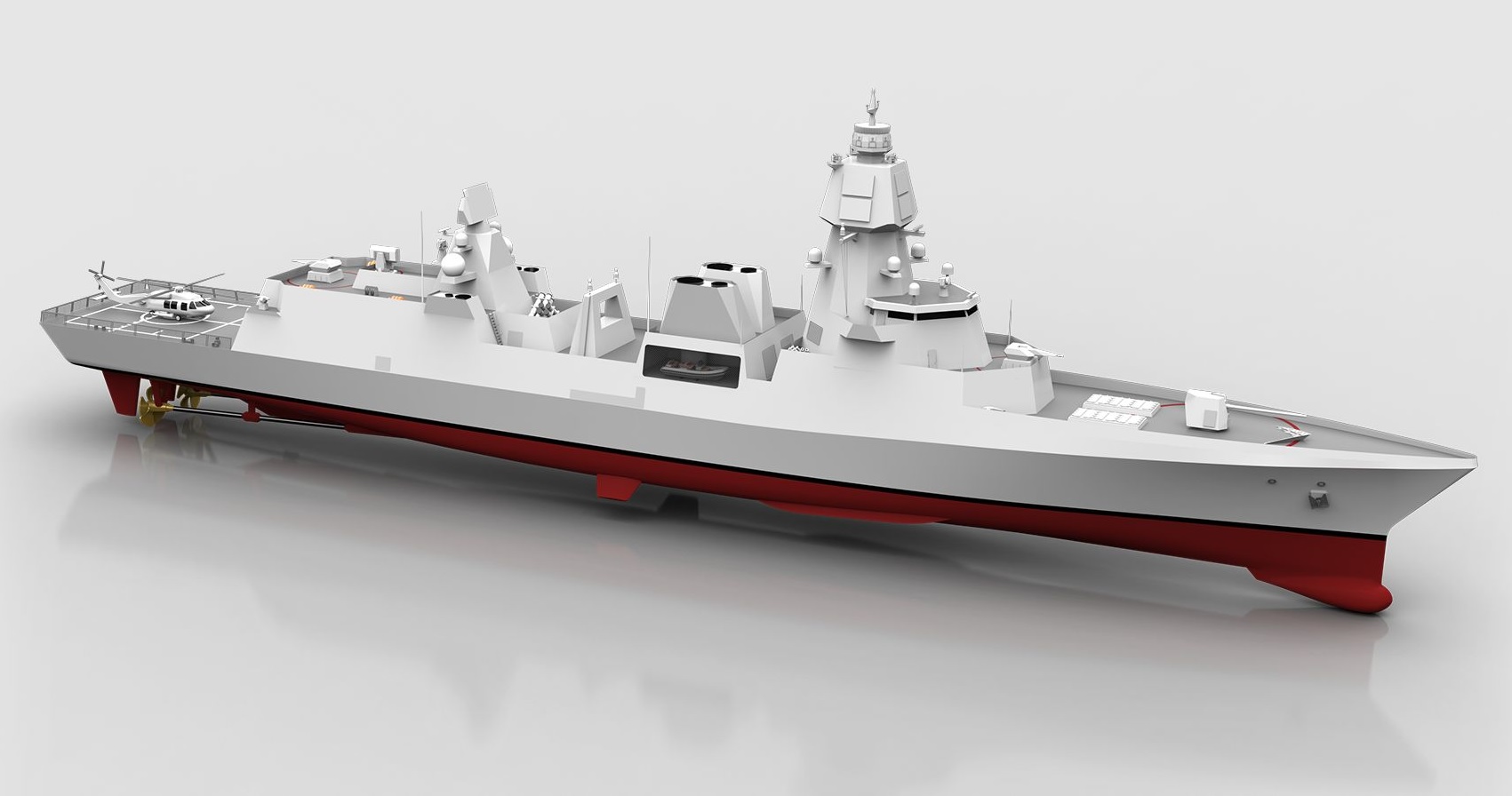
World
ISTANBUL — March 5, 2026 : Turkish naval engineering and design firm Kuasar Marin Engineering Inc. has released official specifications and technical details for its new KM-F148 air defense frigate, a 148-meter warship concept developed for fleet-level area air defense missions. The platform is designed to operate in the capability range between lighter multi-role frigates and heavily armed guided-missile destroyers, offering a high-capacity air defense capability within a mid-size displacement class intended for international naval procurement programs. Platform Design and Crew Configuration According to design data released by Kuasar Marin, the KM-F148 has an overall length of 148 meters, a beam of 18.25 meters, and a baseline displacement of approximately 5,500 tons. The vessel’s internal layout is configured to accommodate 229 personnel, consisting of 35 officers, 108 petty officers, and 86 ratings. The crew structure is intended to support sustained fleet operations including command coordination, air defense management, and aviation activities. The ship’s hull incorporates stealth-optimized shaping designed to reduce radar cross-section and improve survivability in contested environments. Propulsion and Performance The KM-F148 employs a Combined Diesel and Gas (CODAG) propulsion system integrating both gas turbines and diesel engines. The propulsion configuration includes: Two 23,500-kilowatt gas turbines Two 4,300-kilowatt diesel engines Controllable pitch propellers This arrangement allows the ship to balance high-speed maneuverability with fuel-efficient cruising operations. According to the manufacturer’s specifications, the propulsion system provides: Maximum speed: 30 knots Cruising speed: 18 knots Operational range: 5,000 nautical miles at cruising speed Electrical power for onboard systems is supplied by four auxiliary generators rated at 1,800 kilowatts each. Armament Configuration and Combat Role The frigate is primarily designed as an area air defense platform capable of protecting naval task groups against aerial threats including aircraft, cruise missiles, and drones. The central air defense system is based on two 24-cell vertical launch systems, providing a total of 48 vertical launch cells for surface-to-air missiles. This missile capability forms the outer layer of a multi-tiered defensive system supported by: A point-defense missile system Two Close-In Weapon Systems (CIWS) for terminal interception For surface warfare, the KM-F148 includes: Eight anti-ship missiles, installed in two launchers carrying four missiles each A single 127-millimeter naval gun mounted on the bow for naval gunfire support and surface engagements Four stabilized 12.7-millimeter machine guns for close-range defensive operations Sub-surface warfare capabilities are addressed through torpedo launchers and a hull-mounted sonar system designed for underwater threat detection. Sensor and Radar Systems The KM-F148’s combat management architecture integrates multiple radar and sensor technologies to support its air defense mission. The sensor suite outlined in the design documentation includes: A three-dimensional air search radar Active Electronically Scanned Array (AESA) illuminating and tracking radars A fire control radar A navigation radar Low Probability of Intercept (LPI) radar systems These systems are designed to provide long-range detection, target tracking, and missile guidance capabilities while reducing the likelihood of detection by adversary electronic surveillance systems. The vessel also incorporates a hull-mounted sonar to enhance anti-submarine detection and situational awareness. Aviation and Boat Operations The frigate includes an aviation facility designed to support both manned and unmanned aircraft operations. The stern section features a flight deck rated for a 10-ton helicopter, while the superstructure houses a combined hangar capable of accommodating both helicopters and unmanned aerial vehicles (UAVs). An automated helicopter handling and transfer system is integrated to assist with aircraft movement between the hangar and flight deck. For maritime security and boarding operations, the design also includes two rigid-hulled inflatable boats (RHIBs). These aviation and boat facilities are intended to support extended fleet protection, reconnaissance, and operational endurance. Industrial Collaboration in Turkey The introduction of the KM-F148 coincides with expanded industrial partnerships within the Turkish naval sector. In September 2025, Kuasar Marin signed a strategic cooperation agreement with Turkish shipbuilder RMK Marine Inc.. The partnership aims to combine RMK Marine’s shipbuilding infrastructure and manufacturing standards with Kuasar Marin’s naval design expertise. During the announcement of the collaboration, RMK Marine General Manager Dr. Utku Alanç stated that the agreement is structured to support joint business development and naval export opportunities. The arrangement allows Kuasar Marin’s design concepts to be paired with RMK Marine’s production facilities and shipyard capabilities. Expansion into the United Kingdom As part of its international growth strategy, the company established Kuasar UK Ltd. in January 2025 in Glasgow, United Kingdom. The British branch focuses on naval, offshore, and commercial marine engineering activities and is intended to strengthen the firm’s integration with Western maritime markets. Kuasar UK draws on more than 25 years of experience from its Turkish founders and operates in coordination with the parent company through a collaboration framework for naval architecture and ship design. In September 2025, the UK subsidiary joined the maritime research and innovation network MarRI‑UK, enabling participation in collaborative maritime research and development initiatives. Position in the Global Frigate Market The KM-F148 is positioned within the 5,000- to 6,000-ton frigate segment, a category widely used by modern navies seeking balanced multi-mission warships. This market currently includes several established designs such as: FREMM‑class frigate developed by Fincantieri and Naval Group F‑110 frigate produced by Navantia Mogami‑class frigate operated by the Japan Maritime Self‑Defense Force By integrating 48 vertical launch missile cells within a 5,500-ton platform, Kuasar Marin’s concept targets navies seeking higher air defense capacity than typical general-purpose frigates while remaining smaller than destroyer-class vessels. Company Background Kuasar Marin, headquartered in Istanbul, Turkey, specializes in naval ship design and marine engineering. The company’s portfolio includes design concepts for frigates, fast attack craft, and naval support vessels, with a focus on export-oriented naval platforms. The KM-F148 air defense frigate represents one of the firm’s latest design offerings within the air defense domain and reflects broader developments within Turkey’s expanding defense shipbuilding sector.
Read More → Posted on 2026-03-05 12:49:16
World
JERUSALEM — March 4, 2026 : The Israel Defense Forces (IDF) has assessed that approximately 50% of Iran’s mobile ballistic missile launchers were destroyed or disabled during the initial phase of Operation Lion's Roar, a large-scale Israeli military campaign launched on February 28, 2026 against Iranian military infrastructure. According to Israeli military officials, operational assessments conducted between March 1 and March 2 indicate that roughly 200 to 300 transporter-erector-launcher (TEL) vehicles were neutralized out of an estimated 400 to 600 mobile launch platforms that supported Iran’s ballistic missile forces prior to the operation. The campaign has been conducted in coordination with the United States, which is operating parallel strikes under Operation Epic Fury, led by the United States Central Command (CENTCOM). Israeli officials say the targeting of mobile launchers represents a central objective of the campaign because these systems form the backbone of Iran’s missile strike capability. Unlike fixed launch sites, TEL platforms allow rapid relocation and launch operations, making them difficult to track and destroy. Operational Overview Operation Lion’s Roar began following a period of heightened tensions after the Twelve-Day War (2025 Middle East conflict), which took place in June 2025. Israeli planners concluded that Iran had shifted much of its strategic missile capability to mobile launch systems following earlier strikes on fixed infrastructure during that conflict. During the first phase of the 2026 operation, the Israel Defense Forces conducted more than 150 combat sorties using F-35I Adir stealth fighters and F-15I Ra’am strike aircraft. These operations targeted mobile launch sites, storage depots, and command nodes across central and western Iran. Israeli and U.S. intelligence sources state that targeting data was derived from satellite imagery, electronic intercepts, and real-time aerial surveillance conducted by IAI Heron TP unmanned aerial vehicles and RQ-4 Global Hawk reconnaissance drones operated by the United States. Precision-guided weapons used in the strikes included Joint Direct Attack Munition (JDAM) kits and SPICE precision-guided bomb systems produced by Rafael Advanced Defense Systems. Strategic Impact on Missile Operations Military analysts say the destruction of hundreds of launch platforms significantly limits Iran’s ability to conduct large-scale coordinated missile attacks. Defense officials involved in the operation described two primary objectives behind the campaign: Limiting Offensive Capabilities:Destroying or disabling 200–300 TEL vehicles reduces Iran’s capacity to launch large simultaneous missile salvos from dispersed locations. Preserving Defensive Interceptors:Neutralizing launch systems before missiles are fired reduces pressure on missile defense networks and helps preserve interceptor inventories used by Israeli and allied air defense systems. Operational tracking data from both Israel and the United Arab Emirates indicates that the frequency of Iranian ballistic missile launches declined significantly in the days following the initial strikes. According to U.S. and Israeli monitoring, Iranian launch rates dropped from approximately 350 missiles on the first day of the escalation to roughly 40 launches by the fifth day. Iranian Mobile Ballistic Missile Arsenal Prior to the operation, Western intelligence estimates suggested Iran possessed over 3,000 ballistic missiles supported by 400–600 mobile launch platforms operated by the Islamic Revolutionary Guard Corps Aerospace Force. Key missile systems associated with these mobile launchers include: Fateh-110 — A short-range ballistic missile with an estimated range of 300 kilometers, typically deployed on 6×6 wheeled TEL vehicles. Intelligence assessments estimated 150–200 launchers supporting this system. Fateh-313 — An upgraded variant with a range of approximately 500 kilometers, also mounted on 6×6 wheeled launchers, with 100–150 TEL units estimated prior to the operation. Zolfaghar — A medium-range missile capable of striking targets up to 700 kilometers, usually deployed on 8×8 wheeled transporter launchers, with 80–100 platforms believed operational. Shahab-3 — An intermediate-range ballistic missile with a range of approximately 1,300 kilometers, deployed on MAZ-543-type 8×8 launch vehicles, supported by 50–80 launchers. Sejjil — A solid-fuel medium-to-intermediate range ballistic missile with a range of roughly 2,000 kilometers, transported on 8×8 TEL systems, with an estimated 20–30 launch platforms. These figures were compiled from open-source assessments by organizations including the Center for Strategic and International Studies (CSIS) and the Defense Intelligence Agency (DIA). Targeted Regions and Infrastructure Strikes during Operation Lion’s Roar focused heavily on missile infrastructure in Semnan Province, Isfahan Province, and Kermanshah Province. These areas host several missile testing ranges, storage depots, and assembly facilities associated with Iran’s missile development programs. Israeli officials report that the campaign also targeted underground storage complexes, logistical supply chains, and missile assembly facilities. Damage assessments indicate that numerous support vehicles, fuel depots, and mobile command posts were destroyed alongside the launcher vehicles. Satellite imagery released by Maxar Technologies showed burn marks, impact craters, and destroyed launcher chassis at more than 120 separate locations, with some sites displaying secondary explosions believed to be ammunition detonations following the strikes. Broader Campaign Metrics Beyond the destruction of mobile launchers, the ongoing campaign has targeted a wide range of Iranian military infrastructure. According to operational data released by the IDF and CENTCOM: The Israeli Air Force has struck over 600 Iranian military sites, employing roughly 2,500 munitions. U.S. forces operating under Operation Epic Fury have engaged nearly 2,000 targets within the first 100 hours of the campaign. Coalition strikes have destroyed more than 200 Iranian air defense systems, significantly weakening radar coverage and missile interception capabilities. Internal security headquarters, intelligence facilities, and multiple command centers linked to the Islamic Revolutionary Guard Corps have been targeted. Israeli officials say the degradation of Iran’s air defense network has enabled Israeli aircraft to operate with increased freedom over portions of Iranian airspace, including areas near Tehran. Iranian Response and Damage Claims Iranian state media acknowledged damage from Israeli strikes but reported significantly lower losses, stating that around 100 launchers had been affected. Iranian officials did not provide independent verification for these figures. A statement issued in Tehran by the Islamic Revolutionary Guard Corps Aerospace Force said that missile production would continue through domestic facilities operated by the Shahid Hemmat Industrial Group, one of Iran’s primary missile manufacturing organizations. Iran’s Foreign Ministry described the strikes as illegal military actions and filed a complaint with the United Nations. Defense analysts from the International Institute for Strategic Studies (IISS) estimate that rebuilding Iran’s destroyed mobile launcher fleet could require six to twelve months, assuming production facilities remain operational and supply chains are not further disrupted. Ongoing Monitoring and Future Operations Before the escalation in late February 2026, intelligence estimates suggested Iran possessed approximately 2,500 operational ballistic missiles of various ranges. Israeli officials say aerial surveillance is continuing to identify the remaining 50% of mobile launchers, which are believed to be dispersed across hardened sites in eastern and central Iran. Israeli Prime Minister Benjamin Netanyahu told lawmakers in the Knesset that the operation aims to reduce the threat posed by Iranian missile forces while maintaining Israel’s overall strategic posture. Military planners in Israel and the United States say further strikes remain possible as intelligence assets continue tracking the movement of surviving launcher systems across Iranian territory.
Read More → Posted on 2026-03-04 18:15:05
World
ANKARA — March 4, 2026 : NATO’s integrated air and missile defense network intercepted an Iranian ballistic missile on a trajectory toward Turkish airspace on Wednesday, preventing the projectile from entering Türkiye and marking the first direct aerial threat toward a NATO member since the escalation of hostilities involving Iran, the United States, and Israel. Detection and Interception Over the Eastern Mediterranean According to a statement released by Türkiye’s Ministry of National Defense, the ballistic missile was launched from Iranian territory and detected by regional radar networks as it traveled westward across Iraqi and Syrian airspace. Tracking systems associated with NATO’s Integrated Air and Missile Defence (IAMD) architecture monitored the projectile as it altered its trajectory toward southern Türkiye. NATO air defense assets positioned in the Eastern Mediterranean engaged the missile before it reached Turkish airspace. The interceptor successfully destroyed the incoming threat in mid-flight, neutralizing the projectile while it remained outside Türkiye’s territorial boundary. The ministry stated that the engagement demonstrated the operational integration between Turkish early-warning systems and allied missile defense platforms deployed across the Mediterranean region. Debris Recovery in Hatay Province Fragments from the interception fell in the Dörtyol district of Hatay province in southern Türkiye. Local gendarmerie units quickly secured the impact area and established a perimeter while recovery teams collected debris for analysis. Officials confirmed that the fragments recovered on the ground belonged to the interceptor missile used during the engagement rather than the Iranian ballistic projectile itself. No casualties or property damage were reported in the area. The Ministry of National Defense emphasized that the interception occurred before the missile entered Turkish airspace and stated that Türkiye maintains full readiness to respond to potential threats targeting its territory. Diplomatic Response and NATO Position Following the incident, diplomatic contacts were initiated between Ankara and Tehran. Turkish Foreign Minister Hakan Fidan spoke with Iranian Foreign Minister Abbas Araghchi to formally protest the missile launch and warn against actions that could expand the regional conflict. The Turkish defense ministry issued a communiqué stating that the country’s determination and capability to defend its territory, airspace, and population remain at the highest level. The statement also urged regional actors to avoid steps that could further escalate tensions. NATO officials reaffirmed the alliance’s commitment to protecting member states. Alliance spokesperson Allison Hart said the interception reflects NATO’s standing deterrence and defense posture. In Washington, U.S. Defense Secretary Pete Hegseth described the incident as a serious breach involving a missile trajectory toward allied territory but said it is not currently expected to trigger NATO’s Article 5 collective defense mechanism. Uncertainty Over the Missile’s Intended Target Turkish authorities did not specify the intended target of the missile, describing it only as a projectile directed toward Turkish airspace. Officials avoided attributing a specific military or civilian objective. However, the missile’s trajectory and the location where debris fell have led analysts to consider several possible targets. Hatay province lies near the Adana region, which hosts Incirlik Air Base, a major installation used jointly by Türkiye and NATO forces. The base has served as a key logistics and operational hub for U.S. and allied military activity in the Middle East since its establishment in 1955. Another possibility raised by analysts is that the missile may have been aimed beyond Türkiye toward the British Sovereign Base Areas in Cyprus, which have been connected to recent military activity in the broader regional confrontation. Officials have not confirmed whether the missile was intended for a target within Türkiye or was passing toward another destination. NATO Missile Defense Architecture The interception highlights the functioning of NATO’s Integrated Air and Missile Defence system, which combines multinational sensors, radar networks, command systems, and interceptor platforms to protect allied territory from aerial threats. A central component of this architecture is the U.S.-led European Phased Adaptive Approach (EPAA), introduced in 2009 and expanded in 2010 to defend against short- and medium-range ballistic missile threats originating from regions including the Middle East. The EPAA includes sea-based Aegis Ballistic Missile Defense ships operating in European waters, land-based Aegis Ashore facilities in Romania and Poland, and contributions from allied systems such as Patriot surface-to-air missile batteries. The Turkish defense ministry’s reference to assets “stationed in the Eastern Mediterranean Sea” indicates that the interceptor was likely launched from a naval platform rather than a land-based system. Possible Use of Standard Missile-3 Interceptor Although NATO, Türkiye, and the United States have not officially identified the interceptor used, open-source imagery from the debris site in Dörtyol provides technical clues regarding the missile involved. Photographs circulating on social media show components consistent with the Mk-104 dual-thrust rocket motor associated with the RIM-161 Standard Missile-3 (SM-3), a ship-launched interceptor used by the U.S. Navy for ballistic missile defense. The SM-3 forms part of the Aegis Ballistic Missile Defense system and is designed to intercept short- and intermediate-range ballistic missiles during their mid-course phase outside the Earth’s atmosphere. The missile measures approximately 6.55 meters in length, weighs roughly 1,500 kilograms, and utilizes a kinetic kill vehicle that destroys incoming threats through direct impact rather than an explosive warhead. Deployed aboard Aegis-equipped Arleigh Burke-class destroyers and Ticonderoga-class cruisers, the SM-3 can reach speeds exceeding Mach 10 and engage ballistic targets at ranges of several hundred kilometers. If an SM-3 interceptor was used, the launching platform would likely have been a U.S. Navy Aegis Ballistic Missile Defense ship operating as part of routine deployments in the Eastern Mediterranean. These vessels employ the AN/SPY-1 radar and the Mk 41 Vertical Launch System to track and intercept missile threats while sharing data with allied sensors across the NATO network. Strategic Context The interception occurred during a period of intensified military activity across the Middle East and surrounding regions. NATO officials view Türkiye’s geographic location between Europe and the Middle East as strategically significant for missile defense operations. The incident demonstrates the integration of Turkish radar systems and command infrastructure into NATO’s broader defense architecture, allowing allied naval and ground-based systems to respond rapidly to missile threats approaching the alliance’s southern flank. Recovery teams in Hatay continue to analyze recovered fragments, while NATO diplomats are expected to review the event in upcoming consultations concerning regional security and alliance defense posture.
Read More → Posted on 2026-03-04 17:24:33
World
Washington, D.C., — March 4, 2026 : Operational data from the first days of the ongoing conflict involving Iran and a U.S.–Israeli coalition indicates a measurable decline in the volume of Iranian long-range missile and drone launches. Assessments from U.S. defense and intelligence sources state that the Islamic Revolutionary Guard Corps (IRGC) and the Iranian Army are facing increasing limitations in sustaining long-range strike operations due to the depletion of specialized missile fuel reserves and the reduction of available launch infrastructure. According to these assessments, Iranian forces retain the capability to continue firing short-range rockets against nearby military installations for several months, but the ability to maintain sustained long-range ballistic or hypersonic missile strikes may be limited to roughly 8–10 days at the current rate of consumption. Declining Launch Activity in the First Five Days Launch tracking compiled from satellite monitoring, electronic intercepts, and battlefield damage assessments shows a steady reduction in Iranian offensive activity over the first five days of the conflict, which began on February 28, 2026. Ballistic missile launches declined significantly during this period. Day Ballistic Missiles Launched Day 1 ~350 Day 2 ~175 Day 3 ~120 Day 4 ~50 Day 5 ~40 Drone swarm deployments followed a similar pattern after an early surge. Day Drone Swarms Launched Day 1 294 Day 2 541 Day 3 200 Day 4 85 Day 5 45 The five-day total amounts to approximately 735 ballistic missiles and 1,165 drones launched by Iranian forces. From Day 1 to Day 5, ballistic missile launches declined by roughly 88 percent, while drone deployments dropped by about 91 percent from their peak on Day 2. Impact of Strikes on Launch Infrastructure U.S. and Israeli military officials attribute the decline largely to strikes on Iranian military infrastructure. Coalition aircraft and drones have targeted missile launchers, storage depots, transporter-erector-launchers (TELs), and supporting command-and-control facilities. U.S. intelligence assessments indicate that Iran initially operated approximately 1,200 mobile launch platforms for rockets and missiles. Following repeated strikes, the number of operational launchers is estimated to have fallen to fewer than 600. Air operations targeting these assets have involved Israeli F-35I aircraft and U.S. MQ-9 Reaper drones, which have been used to track and strike mobile launch systems. Fuel Supply Constraints Analysts also cite the depletion of specialized fuels required for long-range missile systems. Iranian ballistic missiles such as the Fateh-110, Zolfaghar, and Sejjil, along with the Fattah hypersonic missile, rely on solid propellants that require specific chemical components. Prior to the conflict, U.S. Defense Intelligence Agency estimates placed Iranian reserves of key propellant materials—primarily ammonium perchlorate and hydroxyl-terminated polybutadiene (HTPB)—at approximately 15,000 tons. Coalition airstrikes since the start of hostilities have damaged or destroyed facilities capable of producing around 500 tons of propellant per month, including industrial sites in Semnan and Tabriz. With production capacity disrupted, Iran is relying primarily on existing stockpiles to support long-range missile operations. At the current launch rate, those reserves are projected to sustain long-range barrages for approximately eight to ten days. Continued Short-Range Rocket Activity Iran retains more sustainable capacity for short-range rocket operations. Systems such as the Fajr-5 and Zelzal series rely on simpler fuel types that can be produced domestically with fewer specialized materials. These rockets, which typically have ranges below 75 kilometers, have been used primarily against U.S. military positions in Iraq and Syria, with launch rates estimated at 200–300 rockets per day. However, the targeting of mobile launch vehicles has gradually reduced the number of systems available to sustain these attacks. Air Defense Interception Rates Coalition air defense systems deployed across the region have intercepted a significant portion of incoming threats. According to operational reports, interception rates exceed 92 percent for ballistic missiles and approximately 85 percent for drones. Defense systems used in these operations include the Patriot PAC-3 and Arrow-3, positioned across Israel, Jordan, and U.S. military installations in the Gulf region. Background and Earlier Depletion of Reserves The current situation follows earlier confrontations between Iran and Israel during the June 2025 conflict known as the Twelve-Day War. During that exchange, Iran launched more than 2,000 missiles and drones, which analysts estimate depleted roughly 40 percent of the country’s available missile reserves at the time. The present conflict has further strained Iranian military logistics. Recent reported incidents include: The sinking of the Iranian frigate IRIS Dena by a U.S. submarine near Sri Lanka on March 4 The shootdown of an Iranian Yak-130 aircraft over Tehran by an Israeli F-35I Strikes on the IRGC corvette Shahid Sayyad Shirazi near Bandar Abbas These events have added pressure on Iranian naval and air capabilities while military resources are also being diverted to internal security operations. Iranian and International Responses Iranian state media has acknowledged logistical challenges but states that the reduction in launch activity reflects operational adjustments rather than shortages. IRGC Aerospace Force commander Amir Ali Hajizadeh said in a March 4 broadcast that missile forces are undergoing “defensive reallocations,” while production continues at underground facilities located in the Zagros Mountains. Limited inspections by the International Atomic Energy Agency (IAEA) have reported disruptions at several dual-use chemical plants, which are believed to contribute to missile propellant production. In Washington, U.S. Secretary of Defense Lloyd Austin stated during a Pentagon briefing that coalition operations are focused on reducing missile threats while avoiding wider escalation. Israeli Prime Minister Benjamin Netanyahu said in remarks to the Knesset that the reduction in Iranian launches reflects the effectiveness of strikes targeting command and launch infrastructure. Diplomatic Developments The United Nations Security Council convened an emergency meeting on March 4 to address the escalating conflict. Iran’s ambassador accused the United States and Israel of conducting attacks against civilian infrastructure. Russia and China introduced a draft resolution calling for an immediate ceasefire, though the proposal faces opposition from the United States. European Union foreign policy chief Josep Borrell urged the establishment of humanitarian corridors as cross-border strikes have displaced approximately 150,000 civilians in affected regions. Outlook for the Conflict Military monitoring continues as the conflict enters its sixth day. U.S. Central Command expects the volume of Iranian long-range launches to continue declining if fuel and launcher shortages persist. Intelligence analysts are also observing whether Iran shifts toward asymmetric responses, including cyber operations or increased activity by regional allied groups such as Hezbollah and the Houthi movement. A joint U.S.–Israeli intelligence review of Iranian missile stockpiles and launch capacity is scheduled for March 5, 2026, which is expected to update projections regarding Iran’s remaining long-range strike capability.
Read More → Posted on 2026-03-04 16:29:57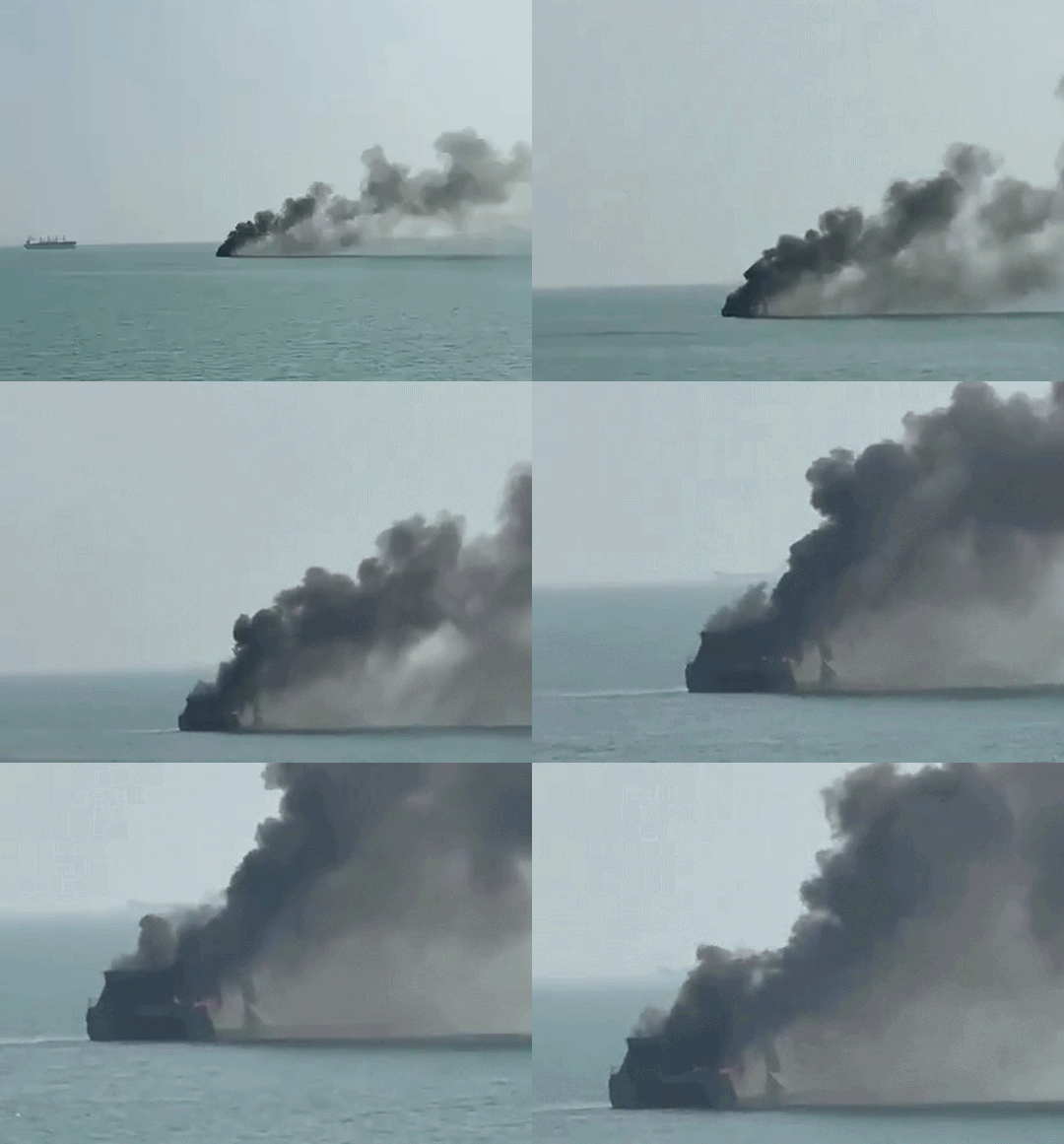
World
BANDAR ABBAS / TAMPA — March 4, 2026 : U.S. Central Command (CENTCOM) confirmed on Wednesday that American forces conducted a strike against the Islamic Revolutionary Guard Corps (IRGC) Navy corvette IRIS Shahid Sayyad Shirazi near the strategic Iranian port of Bandar Abbas in Hormozgan Province. The strike occurred overnight between March 3 and March 4 and left the vessel burning and heavily damaged in waters close to the naval hub overseeing the Strait of Hormuz. According to CENTCOM officials, the attack forms part of ongoing U.S. operations aimed at countering maritime threats in the Persian Gulf and surrounding waterways. The command stated that the targeted warship was associated with IRGC naval activities that posed risks to commercial shipping routes in the region. Strike Near Iran’s Main Naval Hub The vessel was struck near Bandar Abbas, Iran’s most important naval center for both the IRGC Navy and the regular Iranian Navy. Eyewitnesses including fishermen and port workers reported multiple explosions shortly after 2 a.m. local time. Several videos circulating on social media platforms showed flames and thick black smoke rising from the ship’s superstructure. Footage broadcast by Iranian state media later showed the damaged warship being towed by support craft toward shore while fires continued to burn onboard. Iranian reports indicated the ship had suffered serious damage to its engine room and missile systems but did not immediately sink. U.S. officials did not disclose the exact weapon used in the strike. Defense analysts suggested the possibility of AGM-158C Long Range Anti-Ship Missiles (LRASM) launched by F/A-18 Super Hornets operating from the aircraft carrier USS Abraham Lincoln carrier strike group deployed in the region. CENTCOM described the operation as a defensive action intended to maintain maritime security. Vessel Profile: IRIS Shahid Sayyad Shirazi The IRIS Shahid Sayyad Shirazi is a Shahid Soleimani-class missile corvette belonging to the IRGC Navy. The vessel was built domestically at the Shahid Mahallati Marine Industries Complex in Bandar Abbas and commissioned as part of Iran’s naval modernization program. The ship displaces roughly 600 tons and measures approximately 90 meters in length. It is powered by diesel engines capable of propelling the vessel to speeds of around 28 knots, with an operational range of approximately 2,500 nautical miles at 15 knots. The corvette carries a crew of about 40 personnel and is equipped with a combination of anti-ship missiles, naval artillery, and close-range defensive systems. Its armament includes C-802 anti-ship cruise missiles, a 76-mm Oto Melara deck gun, and twin 20-mm close-in weapon systems designed for point defense against incoming threats. The Soleimani-class design incorporates features intended to reduce radar visibility and support asymmetric naval operations. The ships draw structural and systems concepts from the Chinese Type-056 class of light frigates. Additional equipment reportedly includes Ghadir anti-submarine torpedoes, electronic warfare systems, and the ability to support helicopters or fast-attack craft in coordinated maritime operations. Iranian military sources previously highlighted the vessel’s role in air-defense and missile operations at sea. During IRGC naval exercises in February 2026, the corvette reportedly carried out the first public ship-launched test of the Sayyad-3G surface-to-air missile, which Iranian officials claim has an operational range of approximately 150 kilometers. The ship was named after Ali Sayyad Shirazi, a prominent Iranian military commander killed in 1999. Casualties and Damage Iran’s IRGC Navy confirmed the strike and reported 12 crew members injured, including five suffering shrapnel wounds and seven treated for smoke inhalation. Two sailors were reported missing following the attack. The injured were transferred to Shahid Rajaee Hospital in Bandar Abbas. Iranian authorities stated that salvage operations were underway, with naval divers assessing structural damage to the vessel. Iranian officials also indicated that the fire resulted in an estimated 50 tons of oil leaking into nearby waters. Environmental authorities are expected to release additional assessments regarding the spill and possible containment efforts. Part of a Wider U.S. Naval Campaign The strike occurred amid a broader U.S. military effort targeting Iranian naval assets in the region. According to operational summaries released by CENTCOM, more than 20 Iranian vessels have been destroyed or disabled since the escalation of hostilities in late 2025. Among the vessels reportedly affected are: Six Kaman-class fast attack craft Four Houdong-class missile boats Three Bayandor-class corvettes Several fast-attack boats and smaller patrol vessels Previous operations included submarine attacks conducted by Virginia-class submarines in the Arabian Sea as well as airstrikes on Iranian naval vessels moored at Bushehr and Chabahar ports. CENTCOM described the campaign as part of Operation Epic Fury, which began in late February 2026 and focuses on preventing Iranian naval activities that could threaten shipping lanes or involve mining of international waters. Additional Military Developments The strike on the Shahid Sayyad Shirazi took place alongside several other reported military developments involving Iranian forces. Earlier the same day, a U.S. submarine reportedly sank the Mowj-class frigate IRIS Dena in waters near Sri Lanka, with reports indicating 148 sailors missing. In a separate incident, an Israeli F-35I Adir fighter shot down an Iranian Yak-130 trainer aircraft over Tehran. Regional reports also suggested preparations for a possible ground offensive by Kurdish volunteer forces supported by U.S. and Israeli elements in western Iran, though details remain limited. Satellite imagery from Maxar Technologies has shown increased naval movement around Bandar Abbas in recent days, with Iranian vessels dispersing from major ports to secondary facilities. Iranian Response Iran’s IRGC commander-in-chief Maj. Gen. Hossein Salami condemned the strike, describing it as an illegal attack and stating that Iran would investigate the incident. Iran’s Foreign Ministry also submitted a formal protest to the United Nations Security Council, alleging violations of international maritime law. Iranian naval authorities have not disclosed whether the damaged corvette can be repaired or returned to service. Regional Reaction and Shipping Warnings International maritime authorities have issued advisories to vessels transiting the Persian Gulf and the Strait of Hormuz. The International Maritime Organization warned of potential navigation hazards including debris from damaged ships and the possibility of further military actions. Several Gulf states expressed support for efforts to maintain freedom of navigation in the region. Members of the Gulf Cooperation Council, including Saudi Arabia and the United Arab Emirates, stated that safeguarding international shipping routes remains a priority. Russia and China called for a ceasefire and urged diplomatic efforts to prevent further escalation. U.S. Government Statement The White House released a statement confirming that U.S. operations are intended to protect international maritime commerce and allied interests in the region. U.S. Defense Secretary Lloyd Austin is scheduled to brief members of Congress on Thursday regarding the progress and strategic impact of the ongoing operations against Iranian naval forces. Naval analysts from the U.S. Naval War College said that continued losses among Iran’s surface fleet could lead Tehran to rely more heavily on submarines, unmanned surface vessels, and swarming fast-attack boats in future maritime operations. Rescue and salvage teams remain active near Bandar Abbas as Iranian authorities continue efforts to stabilize the damaged corvette and account for the missing crew members. Further updates from Iranian officials and environmental agencies are expected later this week.
Read More → Posted on 2026-03-04 16:15:44
World
JERUSALEM / TEHRAN — March 4, 2026 : The Israel Defense Forces (IDF) announced Wednesday that an Israeli Air Force F-35I “Adir” stealth fighter jet shot down an Iranian Air Force Yak-130 aircraft over Tehran, marking the first confirmed instance of an F-35 platform destroying a manned military aircraft in aerial combat. According to the Israeli military, the interception occurred during ongoing Israeli air operations targeting Iranian military infrastructure. The engagement represents a significant milestone for the F-35 family of aircraft, which has previously been used in numerous strike and reconnaissance missions but had not recorded a confirmed air-to-air kill against a manned fighter aircraft. Details of the Aerial Engagement The IDF confirmed that the interception was carried out by an Israeli Air Force F-35I “Adir” operating as part of broader aerial missions over Iran. In an official statement, the military said: “An Israeli Air Force F-35I ‘Adir’ fighter jet shot down an Iranian Air Force Yak-130 fighter jet. This is the first shootdown in history of a manned fighter aircraft by an F-35 ‘Adir’ fighter jet.” Israeli military sources indicated the F-35I launched an air-to-air missile that successfully intercepted the Iranian aircraft during flight. The Israeli jet reportedly did not receive hostile fire and continued its operational mission without damage. The Iranian Yak-130 was reportedly conducting patrol activity near facilities associated with the Islamic Revolutionary Guard Corps (IRGC) when it was targeted. Initial Ground Reaction in Tehran Early reports from the ground in Tehran indicated confusion following the incident. Open-source videos and eyewitness reports suggested that IRGC personnel initially believed Iranian air defenses had successfully intercepted an incoming Israeli aircraft. Footage circulating online showed personnel cheering as a burning aircraft descended toward the capital. However, subsequent verification revealed that the destroyed aircraft was an Iranian Yak-130 that had been engaged and downed by the Israeli F-35I. Iranian authorities later acknowledged the aircraft loss and described the incident as an Israeli provocation. Iran’s Defense Ministry stated that the pilot of the Yak-130 ejected from the aircraft and was recovered by Iranian forces. Aircraft Profiles F-35I “Adir” The F-35I “Adir” is a customized Israeli version of the American-built F-35 Lightning II stealth fighter developed by Lockheed Martin. Israel became the first country outside the United States to operate the aircraft operationally when it entered Israeli Air Force service in 2016. Key specifications include: Length: 51.4 feet (15.7 meters) Wingspan: 35 feet (10.7 meters) Engine: Pratt & Whitney F135-PW-100 afterburning turbofan Maximum speed: approximately 1,227 mph (Mach 1.6) Internal fuel capacity: 8,278 kilograms Empty weight: 13,290 kilograms Maximum takeoff weight: 31,751 kilograms Armament: internal weapons bays and a 25 mm GAU-22/A cannon Israel currently operates around 48 F-35I aircraft, with the fleet expected to reach approximately 50 aircraft in service. The Israeli variant incorporates domestically developed electronic warfare systems and mission software, including modifications that integrate Israeli sensors and combat systems. Yak-130 The Yak-130 is a twin-engine advanced jet trainer designed in Russia by Yakovlev and also capable of performing light combat roles. Iran introduced the aircraft into its air force fleet in late 2024 as part of efforts to modernize pilot training and expand light attack capabilities. Known specifications include: Maximum speed: approximately 1,060 km/h (660 mph) Cruise speed: approximately 887 km/h (551 mph) Role: advanced trainer and light combat aircraft Iran has adapted the Yak-130 platform to carry various weapons, including air-to-air missiles. The aircraft has been used in Iranian military exercises and patrol operations, including missions focused on drone interception. Historical Context The shootdown represents the first confirmed air-to-air kill by an F-35 aircraft against another manned combat aircraft since the platform entered service globally. For the Israeli Air Force, the event also marks a rare air-to-air victory after decades without such engagements. The last widely documented Israeli aerial shootdown of an enemy aircraft occurred in November 1985, when Israeli F-15 fighter jets destroyed Syrian MiG-23 aircraft over Lebanon. Wider Military Operations The incident occurred during an expanded Israeli aerial campaign targeting Iranian military infrastructure. Israeli aircraft involved in the operation have reportedly focused on multiple categories of targets, including: IRGC command centers Basij militia facilities ballistic missile launch sites weapons storage locations The broader operation has involved large numbers of Israeli aircraft conducting coordinated missions over Iranian territory. Israeli officials described the Yak-130 interception as occurring during routine operational activity connected to these wider strikes. Iranian and International Reactions Iran’s Foreign Ministry condemned the incident and described it as a violation of Iranian sovereignty. Officials indicated that diplomatic protests were issued following the event. The commander of the IRGC Aerospace Force, Amir Ali Hajizadeh, stated that Iran would respond to what he described as Israeli aggression, but did not provide details regarding potential actions. Iranian authorities placed air defense systems in central regions on heightened alert following the shootdown. International observers and defense analysts noted that the engagement demonstrated the operational advantages of stealth aircraft in contested airspace, particularly the sensor-fusion capabilities of the F-35 platform. U.S. officials said they were monitoring the situation while reaffirming support for Israel’s right to self-defense. European Union representatives called for de-escalation and urged both sides to avoid further military confrontation. Ongoing Developments Iranian military teams secured the crash site outside Tehran to recover wreckage and retrieve flight data recorders from the Yak-130. As of Wednesday evening, no additional aerial engagements between Israeli and Iranian aircraft had been reported. Military analysts said further developments will likely depend on whether Iran responds militarily to the incident or expands its air defense posture in response to continued Israeli operations.
Read More → Posted on 2026-03-04 15:56:57
World
LONDON — March 4, 2026 : The United States and Israel are reportedly coordinating efforts to support an armed Kurdish-led uprising inside western Iran, according to an investigation by ITV News that cites multiple sources familiar with the operation, including Kurdish representatives. The report states that weapons have been covertly smuggled into Iran since 2025 to equip thousands of Kurdish volunteers who are preparing to launch a ground operation targeting Iranian security infrastructure in Kurdish-majority areas. Development of a Kurdish Volunteer Force According to the ITV report, a Kurdish fighting force numbering more than 5,000 volunteers has been organized and armed over the past year. The volunteers are primarily drawn from Kurdish communities in the region known as Rojhelat, or eastern Kurdistan, which includes Iran’s Kurdistan, Kermanshah, and West Azerbaijan provinces. Sources cited in the investigation say the volunteers have undergone training in mountainous areas along the Iran–Iraq border to avoid detection by Iran’s Islamic Revolutionary Guard Corps (IRGC). Training sites were reportedly established in remote locations, while cross-border logistical networks facilitated the transfer of small arms, ammunition, and anti-tank weapons into western Iran. Smuggling routes are believed to run through border regions connecting Iran with Iraq and Turkey. These networks have been used since early 2025 to move equipment intended to prepare Kurdish fighters for a potential armed campaign against Iranian security installations. Aftermath of the 2025 Twelve-Day War The reported buildup of Kurdish forces began following the Twelve-Day War between Israel and Iran, which took place from June 13 to June 24, 2025. The conflict began with Israeli airstrikes targeting Iranian military infrastructure and nuclear-related facilities. Iran responded with ballistic missile launches against Israeli targets. Analyses from the Centre for Eastern Studies (OSW) indicate that the brief conflict caused significant damage to elements of Iran’s air defense systems and ballistic missile infrastructure. Israeli aircraft reportedly gained temporary air superiority over several Iranian command and operational sites, including facilities near Tehran. Security analysts assessed that the war weakened aspects of Iran’s regional military posture and created conditions that external actors might attempt to exploit through internal opposition groups. Following the conflict, intelligence assessments cited by international media, including CNN and The Times of India, indicated that the U.S. Central Intelligence Agency (CIA) had been examining options to support Kurdish organizations as part of a broader strategy aimed at increasing internal pressure on the Iranian government. Planned Ground Operations Kurdish sources cited by ITV News say the volunteer force is preparing to initiate a coordinated ground operation against Iranian security installations in western Iran. Early targets are expected to include IRGC bases, supply depots, and logistical infrastructure. Cities mentioned in planning discussions include Mahabad and Sanandaj, both located in areas with significant Kurdish populations. The reported objective is to disrupt Iranian security operations and challenge the government’s control over Kurdish-majority regions. Kurdish representatives involved in the planning have also formally requested air support from U.S. and Israeli forces to assist ground fighters if the operation proceeds. It remains unclear whether such air support has been authorized. Recent Airstrikes in Western Iran In the days leading up to the reported preparations, U.S. and Israeli aircraft have carried out strikes against Iranian military targets in western Iran, according to multiple regional reports. Facilities in Qom, Khorramabad, and Esfahan have reportedly been targeted. Israeli outlets have referred to these strikes as part of a campaign described as Operation Shield of Judea, aimed at degrading Iranian radar systems, command infrastructure, and IRGC operational facilities. Observers monitoring the strikes through satellite imagery and open-source intelligence reported explosions at several military installations. Iranian state media acknowledged limited incidents but said the damage had been exaggerated by foreign media outlets. Iranian Response Iranian authorities have responded to the reports by strengthening security measures in Kurdish-majority areas and increasing border patrols near Iraq. Tehran has also carried out strikes against suspected Kurdish militant positions in northern Iraq. According to regional reporting cited by LiveMint, one Iranian airstrike targeted Kurdish fighters believed to be aligned with groups receiving foreign backing. Iran’s Foreign Ministry has rejected the ITV allegations, describing them as “baseless fabrications” intended to destabilize the country. Iranian state media has accused the United States and Israel of attempting to conduct a proxy conflict inside Iranian territory. Kurdish Demographics and Political Context Iran is home to an estimated 10 million Kurdish citizens, making it one of the largest Kurdish populations in the Middle East. Kurdish communities are concentrated primarily in western provinces bordering Iraq and Turkey. Relations between Kurdish political movements and the Iranian central government have historically been tense, with periodic protests and clashes reported over political autonomy, cultural rights, and economic grievances. Diaspora Kurdish organizations in Europe and the United States have expressed cautious support for the reported volunteer mobilization, describing it as an attempt to achieve greater regional autonomy rather than a campaign for nationwide regime change. Regional Security Environment The reported preparations for a Kurdish uprising are unfolding during a period of broader regional tensions involving Iran, Israel, and the United States. Israeli military operations against Iranian-aligned groups in Syria and Lebanon have intensified over the past year. At the same time, Iran continues to face economic pressure from international sanctions and periodic domestic protests. Security analysts note that Iran’s ballistic missile program remains a central component of its military strategy. However, Iranian policy has long maintained a self-imposed range limit of approximately 2,000 kilometers for its missiles, according to previous technical assessments. International Reaction International responses to the reports have so far been limited. The United Nations has called for restraint and emphasized the need to avoid actions that could further destabilize the region. Foreign ministers from the European Union are scheduled to discuss the situation during a meeting in Brussels later this week, where the issue of escalating tensions involving Iran is expected to be addressed. Parallel Developments The developments come amid additional military incidents involving Iran. On the same day as the ITV report, search-and-rescue operations continued in the Indian Ocean following the sinking of the Iranian naval frigate IRIS Dena. While the incident is not directly connected to the Kurdish preparations, it has added to the number of security challenges facing Iranian authorities. Further information regarding the Kurdish volunteer force, the potential timing of any ground operations, and decisions regarding external air support is expected to emerge in the coming days as regional tensions continue to evolve.
Read More → Posted on 2026-03-04 15:35:41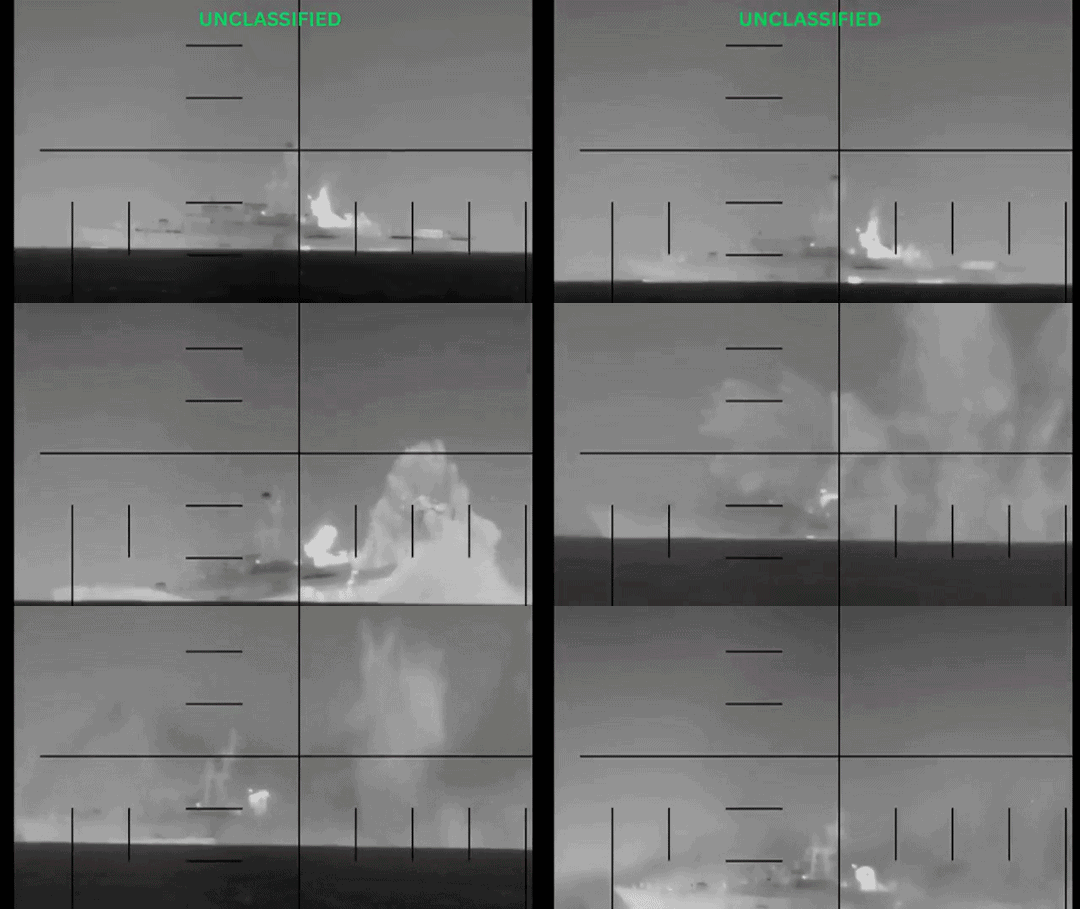
World
COLOMBO, Sri Lanka — March 4, 2026 : The Iranian Navy frigate IRIS Dena sank early Wednesday in the Indian Ocean following a reported torpedo strike by a United States submarine, with large-scale search and rescue operations underway for missing crew members. The incident occurred roughly 40 nautical miles south of Sri Lanka, just outside the country's territorial waters near the southern coast. Sri Lankan authorities confirmed that naval and air assets were deployed after the vessel transmitted a distress signal at approximately 5:00 a.m. local time, reporting an explosion and rapid flooding aboard the ship. Distress Call and Rescue Efforts The distress alert prompted an immediate response from Sri Lanka’s maritime authorities. According to the Sri Lanka Navy, two naval rescue vessels were dispatched by 7:00 a.m., supported by aircraft from the Sri Lanka Air Force. Search operations have focused on waters south of Galle, where debris and oil slicks were detected near the reported sinking site. Sri Lankan Coast Guard and Navy personnel have so far rescued 32 severely injured sailors, who were pulled from the water and transported to Karapitiya Teaching Hospital in Galle, a major state-run medical facility in southern Sri Lanka. Hospital officials said several of the rescued sailors remain in critical condition. Officials estimate the vessel carried approximately 180 crew members at the time of the incident. As of Wednesday evening, 148 sailors remain missing, and recovery teams have reported locating debris from the ship along with several bodies near the submerged wreck. Sri Lankan Navy spokesperson Buddhika Sampath confirmed that maritime patrol units, divers, and aerial surveillance aircraft continue to search the area. Government Response in Sri Lanka Sri Lanka’s Foreign Minister Vijitha Herath addressed Parliament on Wednesday, stating that the government initiated the rescue operation under international maritime obligations to assist vessels in distress. The minister noted that the sinking occurred in international waters, but Sri Lanka responded due to the proximity of the incident to its southern coastline. Authorities in Colombo have emphasized that their role remains focused on humanitarian search-and-rescue activities and have declined to release any military-related information about the strike. U.S. Confirmation of Strike The United States government confirmed that the Iranian warship was struck during a military operation. U.S. Defense Secretary Pete Hegseth acknowledged that an American submarine carried out the torpedo strike against the vessel. Pentagon officials did not disclose which submarine was involved or provide further operational details. U.S. officials described the action as a targeted military strike connected to ongoing tensions involving Iranian naval activity and broader regional security concerns. Background of the Vessel IRIS Dena was a Moudge-class (Mowj-class) frigate of the Iranian Navy, commissioned in 2021 as part of Iran’s domestically produced surface combatant program. The ship displaced approximately 1,500 tons and was equipped with a range of naval weapons systems including: Anti-ship missiles Naval torpedoes Air defense systems Radar and electronic warfare equipment The frigate formed part of Iran’s efforts to expand its blue-water naval capabilities, enabling longer deployments beyond the Persian Gulf. Recent Activities Before the Incident At the time of the sinking, IRIS Dena was returning to Iran after participating in international naval events in India. The vessel had recently visited Visakhapatnam, where it took part in the International Fleet Review and the multinational naval exercise MILAN 2026 organized by the Indian Navy. The exercise involved participation from more than 50 countries and focused on maritime security cooperation, anti-piracy operations, and humanitarian assistance drills. Following the completion of the exercise in late February and early March, the Iranian frigate departed Indian waters and began its transit westward across the Indian Ocean toward Iran when the strike occurred overnight between March 3 and March 4. Iranian Reaction Iranian officials confirmed the loss of the warship and acknowledged casualties among the crew. Iran’s Foreign Ministry issued a statement expressing condolences to the families of the sailors and calling for an international investigation into the incident. Iranian authorities stated that the vessel was conducting routine transit operations when it was struck. No immediate information was released by Iranian naval officials regarding potential military responses. Regional Monitoring Sri Lankan naval and air assets remain engaged in search operations off the southern coast, with additional monitoring support reportedly provided by regional maritime patrol aircraft, including surveillance flights observing the search area. Defense officials in the region are also assessing the broader implications of the incident for Indian Ocean maritime security, an area that serves as one of the world’s most critical shipping corridors. Ongoing Search Operations Rescue teams continue to search the waters south of Galle for survivors among the 148 missing crew members. Divers and maritime patrol aircraft are scanning the debris field while naval vessels maintain a perimeter around the reported sinking location. Authorities indicated that search operations are expected to continue into Thursday, depending on weather and sea conditions, as efforts continue to locate additional survivors and assess the full extent of casualties from the sinking of the Iranian frigate.
Read More → Posted on 2026-03-04 15:27:30
World
Nicosia, Cyprus — March 3, 2026 : France will deploy advanced anti-missile and anti-drone defense systems to Cyprus and station at least one naval frigate offshore following a drone strike near the United Kingdom’s RAF Akrotiri sovereign base area on March 2, 2026. The decision was communicated by French President Emmanuel Macron to Cypriot President Nikos Christodoulides during phone discussions earlier this week, according to the Cyprus News Agency and Cypriot government officials. A government spokesperson confirmed that the deployment follows a formal request from Nicosia for additional support measures to strengthen air defense coverage over the island. Drone Strike at RAF Akrotiri The move comes after an Iranian-made Shahed-type drone penetrated airspace and struck the runway area at RAF Akrotiri shortly after midnight on March 2. The impact caused limited structural damage and no reported casualties. Two additional drones were intercepted by British air defenses hours later. Although the base constitutes sovereign British territory, its proximity to populated areas prompted precautionary evacuations in nearby villages. Radar detection of unidentified aerial objects also led to the temporary closure of Paphos International Airport as authorities assessed potential risks to civilian aviation. Cypriot officials assessed that the drones were likely launched by Hezbollah from Lebanon, describing the strike as directed at British military infrastructure rather than the Republic of Cyprus. Nonetheless, the incident raised concerns regarding airspace control, runway availability, and the island’s exposure to spillover effects from the expanding regional conflict involving U.S.-led forces and Iranian-aligned groups. French Air Defense Deployment France has not publicly detailed the specific systems to be sent, but references to “anti-missile” capabilities indicate the deployment of high-end interceptor platforms capable of layered coverage. France’s primary land-based air defense system is the SAMP/T family, developed by the European consortium Eurosam and employing the Aster interceptor missile. In its current configuration, the system provides 360-degree engagement capability against aircraft and missile threats, including ballistic missiles in advanced variants. The Aster 30 interceptor is described as capable of speeds above Mach 4 and engagement ranges exceeding 150 kilometers depending on configuration. For medium-range coverage, France fields the VL MICA NG surface-to-air missile system, designed for engagements beyond 40 kilometers and optimized to counter low-signature targets such as unmanned aerial vehicles in complex coastal environments. Close-in protection may include the Mistral 3 very short-range missile system, offering kinetic interception against drones and cruise missiles at ranges exceeding seven kilometers. In the counter-drone domain, France operates the PARADE modular system, developed by Thales and CS Group, which integrates detection, classification, and neutralization functions for micro- and mini-drones with 24-hour, all-azimuth coverage. Tactical electronic warfare tools such as the NEROD RF jamming rifle produced by MC2 Technologies can disrupt navigation and control links of incoming drones, preserving higher-end interceptors for larger threats. France is also developing mobile counter-UAS gun platforms, including the SERVAL Counter-UAV concept from KNDS, integrating a 30 mm remotely operated cannon with radar and radio-frequency detection, although deployment of this platform to Cyprus has not been confirmed. Naval Reinforcement Paris will also dispatch at least one French Navy frigate to waters off Cyprus, with reports indicating that a second vessel may follow. An air-defense-configured frigate equipped with Aster-family missiles would extend radar coverage, provide maritime air defense, and serve as a mobile command-and-control platform. The naval presence will help secure maritime corridors for reinforcement and commercial shipping while strengthening surveillance coverage across the Eastern Mediterranean. Offshore positioning allows flexible response to potential threats originating from Lebanon or Syria. Multinational Security Coordination France joins Greece in expanding European defense support for Cyprus. Athens has deployed four F-16 fighter jets and two naval frigates, including HS Kimon (F-601), which is equipped with the SeaFire AESA radar and Aster 30 missile system. Greece has also provided the Centauros counter-drone jamming system, recently utilized against Houthi threats in the Red Sea. Germany is reportedly evaluating the dispatch of a frigate following a formal request from Nicosia, although no final decision has been announced. The United Kingdom confirmed it responded to the drone incident but has not detailed additional deployments. British Prime Minister Keir Starmer stated that UK bases in Cyprus are supporting U.S. defensive operations but are not being used for bomber missions. Reports indicate that the UK is considering sending the destroyer HMS Duncan to the broader region. Defense Cooperation Framework France and Cyprus maintain a strategic defense relationship anchored in a 2017 cooperation agreement that entered into force in 2020. The agreement includes regular naval exercises, port access arrangements, and defense-industrial collaboration with the Cypriot National Guard. Cyprus has acquired major French missile systems in recent years, enhancing interoperability between the two countries. French military deployments elsewhere in the region include Rafale fighter aircraft assigned to protect United Arab Emirates airspace, reflecting broader regional commitments. Strategic Context Cypriot President Christodoulides has emphasized that the presence of foreign defense assets on the island is intended for defensive purposes. The government has requested that the United Kingdom limit base operations to humanitarian missions to reduce the risk of further retaliatory strikes affecting Cypriot territory. The French deployment establishes a multi-layered defensive architecture combining land-based interceptors, electronic counter-drone systems, and naval air-defense coverage. Officials in Nicosia state that the objective is to strengthen airspace security and prevent Cyprus from being drawn further into ongoing regional hostilities.
Read More → Posted on 2026-03-03 16:42:57
World
BROOMFIELD, Colorado — March 3, 2026 : BAE Systems (LON: BA) has formally introduced Silver Link™, a new portfolio of modular conformal antenna solutions developed to support next-generation air dominance programs and deliver assured airborne communications in contested environments. The Silver Link line consists of conformal antennas engineered to integrate directly into the curved surfaces of advanced aircraft. Unlike traditional externally mounted antennas that protrude from the airframe, the new systems sit flush with the platform’s outer mold line. This configuration is intended to preserve aerodynamic performance, maintain structural integrity, and reduce radar cross-section while minimizing the integration challenges typically associated with hardware installation. Modular Architecture Designed for Rapid Integration The Silver Link portfolio builds on more than 30 years of BAE Systems’ experience in conformal aperture design and production. According to the company, the modular architecture enables adaptation across multiple host platforms without requiring lengthy and costly custom design cycles. By eliminating extended prototyping and customization phases, the solution is structured to accelerate development timelines and support faster progression from prototype to full fleet integration. The approach is aligned with modern defense acquisition schedules, which increasingly emphasize speed, scalability, and reduced lifecycle costs. The antennas are designed to be compatible with a range of airframes and to conform precisely to platform curvature. This integration method reduces aerodynamic penalties and structural modifications that can arise from traditional antenna installations. Operational Focus: Adaptability, Performance, and Cost Control BAE Systems outlined three primary operational pillars for the Silver Link portfolio: Adaptability: The modular framework is intended to accommodate evolving mission requirements and changing threat environments without requiring full system redesign. Performance: The antennas are designed to provide high-gain, assured communications and sensing capabilities essential for survivability and operational effectiveness in contested airspace. Cost-Efficiency: By removing the need for bespoke development processes, the portfolio reduces non-recurring engineering costs, shortens design cycles, and lowers maintenance requirements for large-scale fleet integration. The systems also support sensing functions in addition to communications, addressing the increasing demand for multifunction apertures in advanced air dominance platforms. Facility Expansion and Manufacturing Readiness The launch of Silver Link is supported by internal investment aimed at expanding in-house rapid prototyping and production capacity. BAE Systems recently enhanced its facilities to include dedicated rapid-prototyping and mass-production lines to meet the compressed timelines of current and future defense contracts. Lindsay McEwen, vice president and general manager of Tactical Solutions for BAE Systems Space & Mission Systems, stated that the company is leveraging its established expertise in conformal antenna design while backing the initiative with significant internal investment to accelerate delivery, reduce cost, and minimize integration risks. She noted that the Silver Link systems are prepared for rate manufacturing more quickly than previous offerings. The expanded facilities are designed to support development, manufacturing, and large-scale deployment across global operational theaters. Industry Engagement and Market Position BAE Systems announced the Silver Link portfolio on March 2, 2026, through a corporate press release and highlighted its participation at the AFA Warfare Symposium, where company representatives are discussing the technology with defense customers. Listed on the London Stock Exchange under the ticker BA, BAE Systems operates across the defense, aerospace, and security sectors. The introduction of Silver Link aligns with broader efforts within the industry to streamline airborne communications integration, reduce development timelines, and support next-generation air dominance initiatives. Further information regarding specific applications and availability is expected to be released through BAE Systems’ official channels.
Read More → Posted on 2026-03-03 16:03:47
World
QOM, Iran — March 3, 2026 : A major airstrike targeted a building associated with Iran’s Assembly of Experts in the holy city of Qom on Tuesday, according to Israeli defense sources and multiple Iranian media outlets. The strike occurred while the clerical body was convening to select a successor to the late Supreme Leader, Ayatollah Ali Khamenei, who was killed in a joint U.S.-Israeli operation on February 28. The Assembly of Experts, an 88-member body of senior clerics elected every eight years, is constitutionally mandated to appoint and oversee the country’s Supreme Leader. Under Article 111 of Iran’s Constitution, it is responsible for selecting a permanent successor in the event of death or incapacity. Details of the Strike Israeli media, including Kan News and The Jerusalem Post, reported that the Israeli Air Force carried out the strike with the objective of disrupting the leadership transition process. An Israeli defense official, speaking on condition of anonymity, stated that the purpose of the operation was to prevent the appointment of a new Supreme Leader following Khamenei’s death. According to Israeli and international reports, the strike occurred during an active session of the Assembly in Qom, with some outlets claiming members were either counting ballots or engaged in a formal vote at the time of impact. It remains unclear how many of the 88 members were present inside the building. The Times of Israel, citing a defense source, reported that the targeted structure was hosting senior clerics involved in the succession deliberations. The Yeshiva World stated that the strike took place amid discussions over Khamenei’s successor. Conflicting Accounts on Damage and Casualties Reports regarding the extent of the damage and potential casualties differ significantly. Some Israeli media outlets described the building as severely damaged or flattened during the session, suggesting the strike directly targeted the assembled clerics. Iranian state-linked media offered a different account. The Tasnim News Agency confirmed that a building linked to the Assembly of Experts in Qom was struck, describing the attackers as “American-Zionist criminals.” However, the semi-official Mehr News Agency reported that the structure hit was an old auxiliary building not in active use at the time and stated that no official session was being held there. Iran’s state broadcaster IRIB reported that Assembly offices in both Qom and Tehran had been evacuated in advance, resulting in no casualties. The Tehran office, located in the former parliament building, was also reportedly struck overnight. A Telegram channel known as Zed TV claimed that the strike targeted a formal session and resulted in deaths and injuries among members of the Assembly, though these claims have not been officially confirmed. Footage circulated by Iranian and Israeli outlets showed visible structural damage, smoke, and debris at the Qom site. Images published by The Jerusalem Post depicted a heavily damaged structure. Interim Leadership and Constitutional Process Following Khamenei’s death, a three-member interim leadership council assumed temporary authority under Article 111 of the Constitution. The council consists of: Masoud Pezeshkian, President of Iran Gholam-Hossein Mohseni-Ejei, Chief Justice Ayatollah Alireza Arafi, Member of the Guardian Council This interim body is tasked with maintaining state functions until the Assembly of Experts formally appoints a new Supreme Leader. The targeting of the Assembly building represents a direct disruption of that constitutional process. Broader Conflict Context The strike comes amid an ongoing military confrontation involving U.S. and Israeli forces against Iranian targets. Iranian media reported that air defense systems intercepted several incoming projectiles in recent days, limiting damage in some areas. According to the Iranian Red Crescent, at least 787 people have been killed in airstrikes across Iran since the conflict began. In response to earlier operations, Iran launched retaliatory missile and drone strikes against Israeli and regional targets. Israeli intelligence sources cited in media reports indicated that surveillance, including hacked traffic cameras and mobile network monitoring, was used in advance of related operations. Security measures were heightened across Tehran and other major cities following Tuesday’s strike in Qom. Iranian authorities have not released verified casualty figures related specifically to the Assembly building. No immediate official statement from U.S. authorities addressed the Qom strike directly. Further assessments regarding casualties, structural damage, and the status of the Assembly’s succession proceedings are expected as investigations continue.
Read More → Posted on 2026-03-03 15:46:53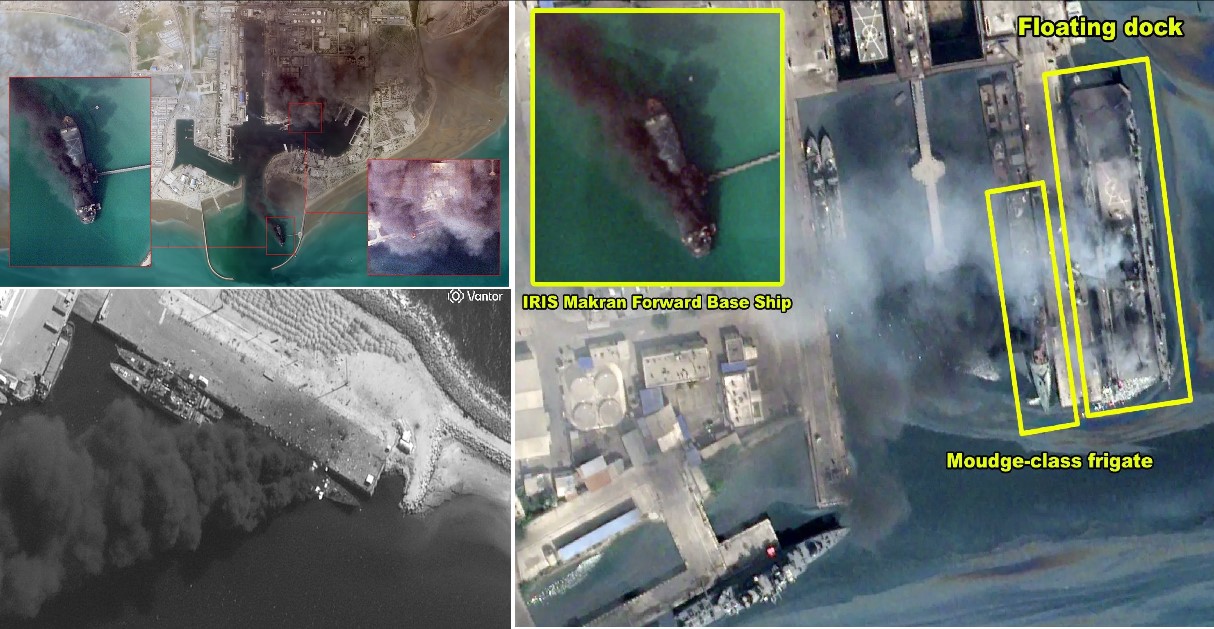
World
Tehran, — March 3, 2026 : Significant losses have been reported within Iran’s naval forces following recent United States military operations conducted under Operation Epic Fury. Statements from U.S. officials, including the United States Central Command (CENTCOM), along with satellite imagery analysis and field assessments, indicate the destruction and sinking of multiple Iranian surface combatants and submarines across key naval facilities. Destruction of IRIS Shahid Bagheri CENTCOM confirmed the destruction of the IRIS Shahid Bagheri, a drone and helicopter carrier commissioned on February 6, 2025. The approximately 40,000-ton vessel was converted over a two-year period from a 240-meter commercial container ship and featured a 180-meter ski-jump runway designed to support sustained operations without refueling. According to U.S. officials, the vessel was struck during operations on March 2. Satellite imagery supports reports that the ship sustained catastrophic damage during the engagement. IRINS Makran Severely Damaged Satellite data also confirms the destruction of IRINS Makran, Iran’s first forward base ship. The Makran, a former oil tanker converted into an Expeditionary Sea Base, served as a mobile logistical and operational support platform. It was moored at Bandar Abbas naval base near the Strait of Hormuz when it was struck. Imagery shows precision strikes by U.S. Air Force aircraft resulted in severe structural damage to the vessel while it remained alongside the pier. Fateh-Class Submarine Taken Out New reports indicate that an Iranian Fateh-class submarine was taken out in waters near Bandar Abbas, close to the Strait of Hormuz, one of the world’s most strategic chokepoints. The strike adds to the list of confirmed submarine losses in the ongoing conflict. Analysts have not publicly confirmed the vessel’s exact status beyond initial reports, but multiple sources indicate its loss during recent engagements. Jamaran-Class Corvette Sunk CENTCOM separately confirmed the sinking of a Jamaran-class corvette during the initial phase of the operation at Chah Bahar. The Jamaran-class, also known as the Moudge-class, forms a central component of Iran’s domestically built surface fleet. Prior to these events, six vessels of the class had been completed. The IRIS Jamaran (76) was also reported sunk at moorings in Bandar Abbas following missile strikes. The class has previously been involved in notable incidents, including a friendly fire event in May 2020 involving the IRIS Jamaran and a Noor anti-ship missile, and the July 2024 capsizing and subsequent recommissioning of the IRIS Sahand. Alvand-Class Frigate Loss Satellite imagery from commercial providers shows an Alvand-class frigate emitting heavy smoke after being struck in port. The Alvand-class displaces approximately 1,500 tons and includes vessels originally built in the United Kingdom during the 1970s. These frigates were initially equipped with Italian Sea Killer missiles and later upgraded with Chinese C-802 anti-ship missiles. Submarine Losses Confirmed Reports confirm the destruction of multiple submarines, including remaining Kilo-class diesel-electric submarines and Ghadir-class midget submarines. Iran operates three Kilo-class submarines — IRINS Taregh (S901), IRINS Nooh (S902), and IRINS Yunes (S903) — with varying operational statuses at the conflict’s outset. Multiple Ghadir-class vessels were also reportedly destroyed. Cumulative Losses and U.S. Statements In addition to individual vessel reports, multiple sources indicate that Iran has lost 13 warships and submarines since the conflict began, based on assessments shared by external observers tracking naval losses. On March 1, U.S. President Donald Trump stated that nine Iranian naval ships had been destroyed and sunk as part of the combat operations. He described several of the ships as large and strategically important, and noted that Iran’s naval headquarters sustained extensive damage in a separate strike. CENTCOM also stated that two days prior to the operation, Iran had 11 ships operating in the Gulf of Oman, and that following the strikes, none remained in that area. Strategic Impact The reported losses include: Alvand-class frigates Moudge-class (Jamaran-class) frigates and corvettes Fateh-class submarine Kilo-class submarines Ghadir-class submarines IRINS Makran IRIS Shahid Bagheri The destruction of these assets represents a significant reduction in Iran’s surface combatant fleet, submarine capability, and forward logistical support infrastructure, particularly at Bandar Abbas and Chah Bahar naval facilities. Iranian officials have not issued detailed public responses addressing the reported losses. Further confirmations and operational assessments are expected from official sources.
Read More → Posted on 2026-03-03 15:28:05
World
Jerusalem, — March 3, 2026 : Israeli special forces, operating in coordination with the Mossad, carried out a ground operation inside Iranian territory overnight, according to a report published by the Saudi-based broadcaster Al Arabiya. The report, which cited unnamed sources, stated that the operation involved direct cooperation between intelligence operatives and Israeli special forces units. No specific details were provided regarding the location within Iran, the operational objective, the duration of the mission, or its outcome. Limited Official Response As of publication, Israeli authorities have not formally confirmed or denied the report. The Israel Defense Forces (IDF) has not issued an official statement. However, an IDF spokesperson speaking to foreign media described the claim as “unlikely,” reportedly adding that deploying ground troops to Iran would be “impractical,” according to coverage by The Yeshiva World. Iranian officials have also not issued any immediate public response to the reported operation. Additional Media Coverage The initial Al Arabiya report was echoed by several other media organizations. Russian state news agency TASS reported that the alleged operation occurred during overnight hours and involved cooperation between Mossad operatives and special forces personnel. Israeli newspaper Israel Hayom referenced similar claims in Arab media, noting that the reported action aligned with prior allegations of Israeli activity on Iranian soil. Israel National News also reported that the operation was said to have taken place Monday night, citing regional sources. No outlet provided independent verification of the claims, and all accounts referenced unnamed sources. Context of Escalating Hostilities The report emerges amid ongoing military tensions between Israel and Iran. In recent days, there have been exchanges involving missile launches and airstrikes targeting military and infrastructure sites. Israeli operations, including those identified in various reports as part of “Roaring Lion,” have reportedly focused on aviation facilities, military installations, and industrial infrastructure in Iran. Israeli authorities have issued public warnings ahead of certain strikes, while Iranian state-affiliated outlets have reported missile activity targeting areas in central Israel. The overnight timeline cited in the Al Arabiya report coincides with this broader pattern of hostilities. Some media accounts have suggested a possible link between the alleged ground activity and wider Israeli operational efforts, including cyber surveillance and targeted strikes. However, no direct connection was detailed in the original report. Historical Precedent Israel and Iran have been engaged in a long-running shadow conflict involving covert actions, cyber operations, and intelligence activities. Mossad has previously been associated in international reporting with intelligence operations and disruptions related to Iran’s military and nuclear programs. Special forces units from the Israel Defense Forces (IDF) have historically conducted cross-border missions in the region, though confirmed ground deployments inside Iranian territory have not been publicly acknowledged by Israeli officials. The Islamic Revolutionary Guard Corps (IRGC) has frequently been referenced in connection with Israeli operations targeting Iranian-linked military assets. Some unverified reports circulating in regional media have mentioned IRGC personnel in connection with recent strikes, though no official confirmation has been issued. Unverified Status At present, the reported ground operation remains unverified by official government sources in either Israel or Iran. The precise scope, objectives, operational scale, and outcome remain undisclosed. News agencies continue to monitor for formal statements or additional localized reporting that could clarify the circumstances surrounding the alleged overnight deployment.
Read More → Posted on 2026-03-03 15:14:15Search
Top Trending in 24 Hours
-
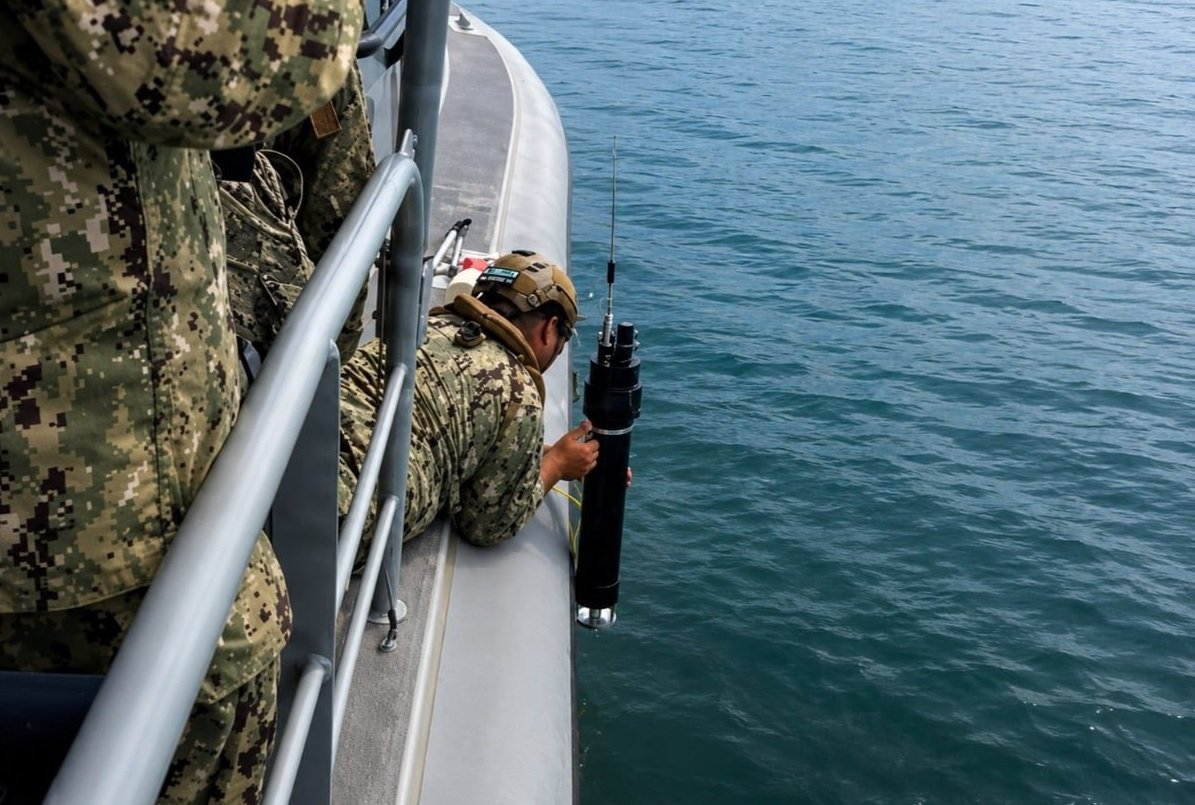 U.S. Army, Navy and Space Force Successfully Test Maritime Version of ‘Hammer of the Gods’ EW System During Project Convergence 2026
-
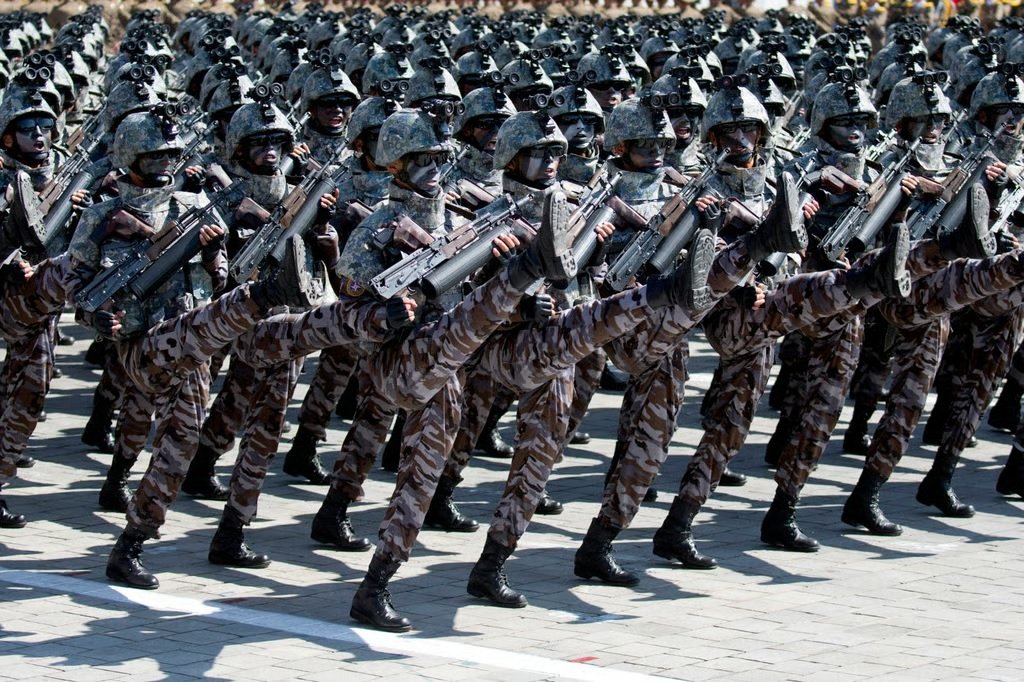 North Korea Preparing Largest Military Deployment Abroad With 30,000 Troops for Russia, Zelensky Says
-
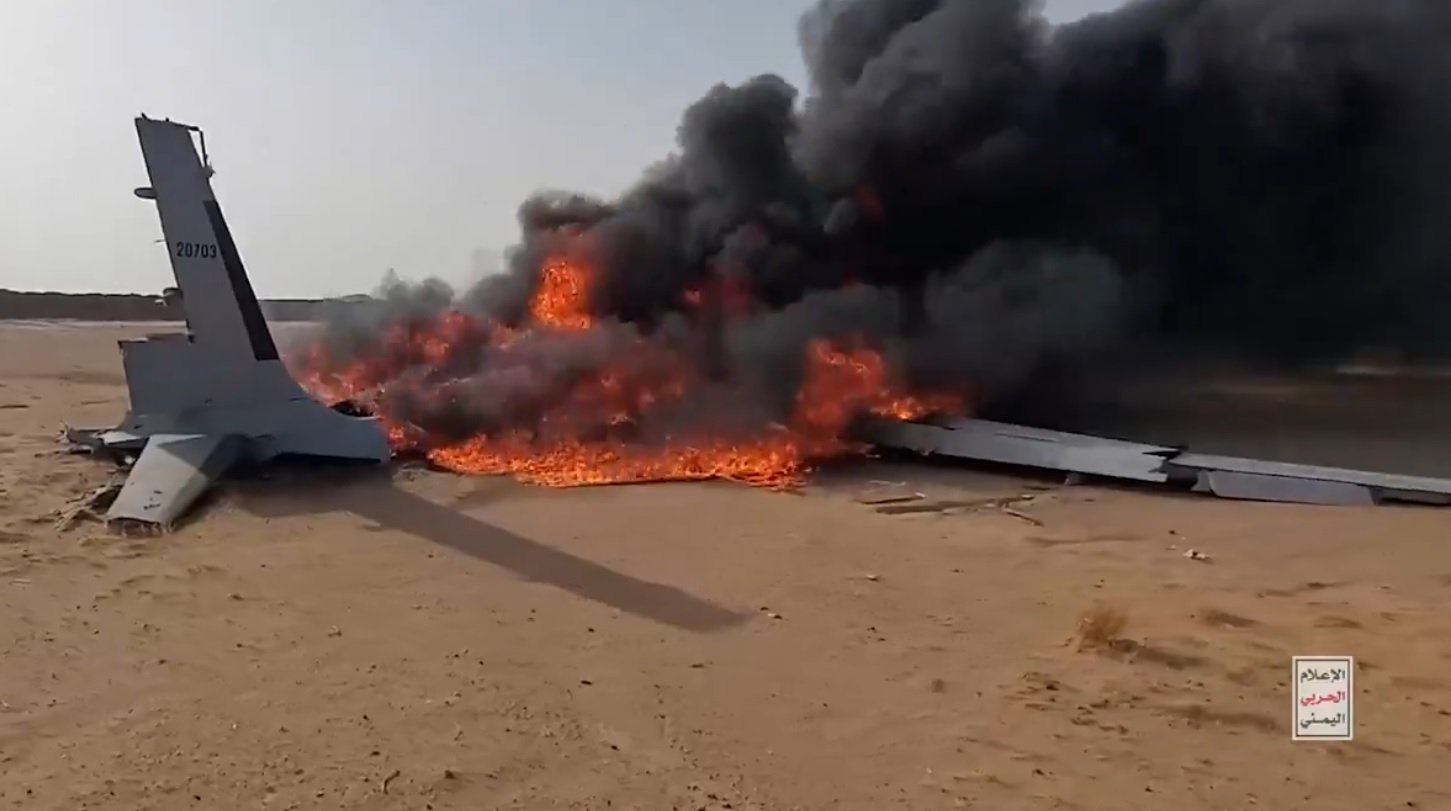 Houthis Claim to Have Shot Down Saudi-Operated Bayraktar Akıncı Drone Over Northern Yemen, Release Video of Crash
-
 South Korea Begins First KSAM-II Naval Air-Defense Missile Prototype Assembly to Replace U.S.-Made SM-2
-
 Ukraine, European Allies Target Mid-2027 Prototype for Freyja Missile Defense System
-
 Russia Triples BMP-3 Production as Rostec Delivers Upgraded BMP-3 IFVs with Factory-Fitted Anti-Drone Protection
-
 U.S. and France Clash Over U.N. Human Rights Leadership Vote
-
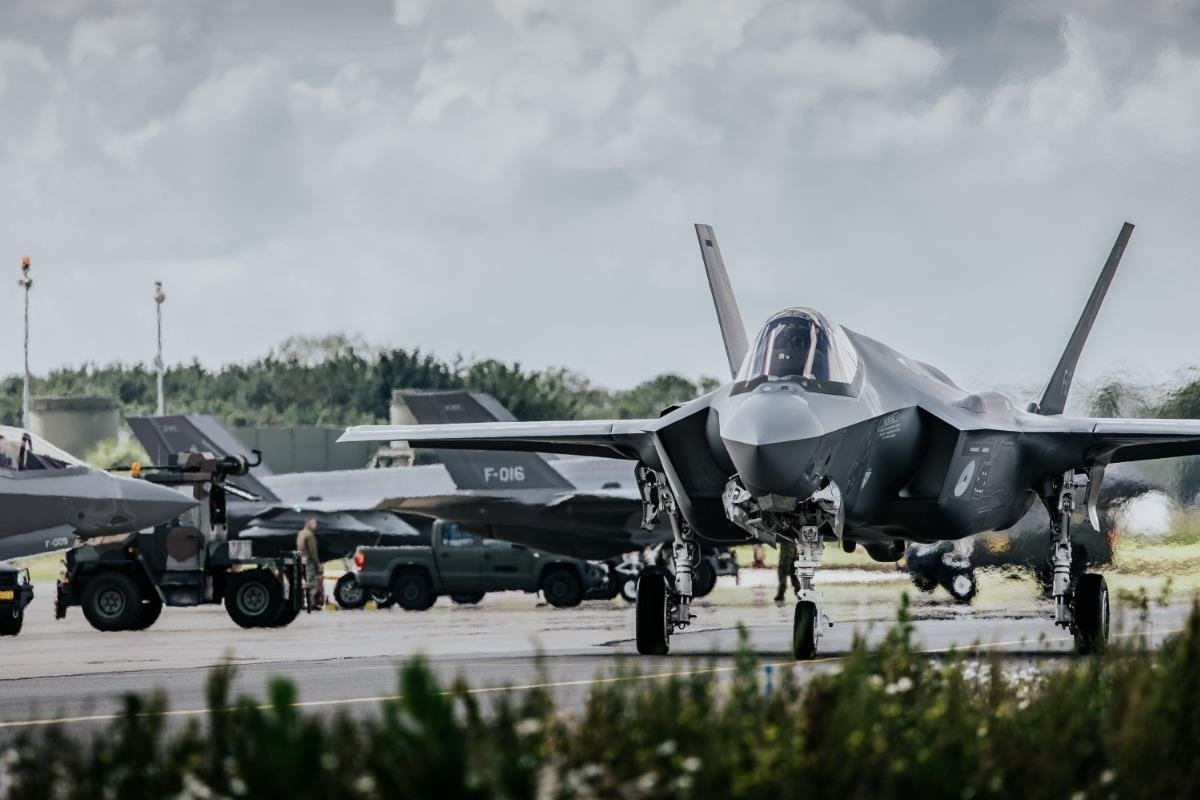 NATO Allied Air Forces Advance F-35 Integration During Multinational Weapons Instructor Course in the Netherlands
Top Trending in 4 Days
-
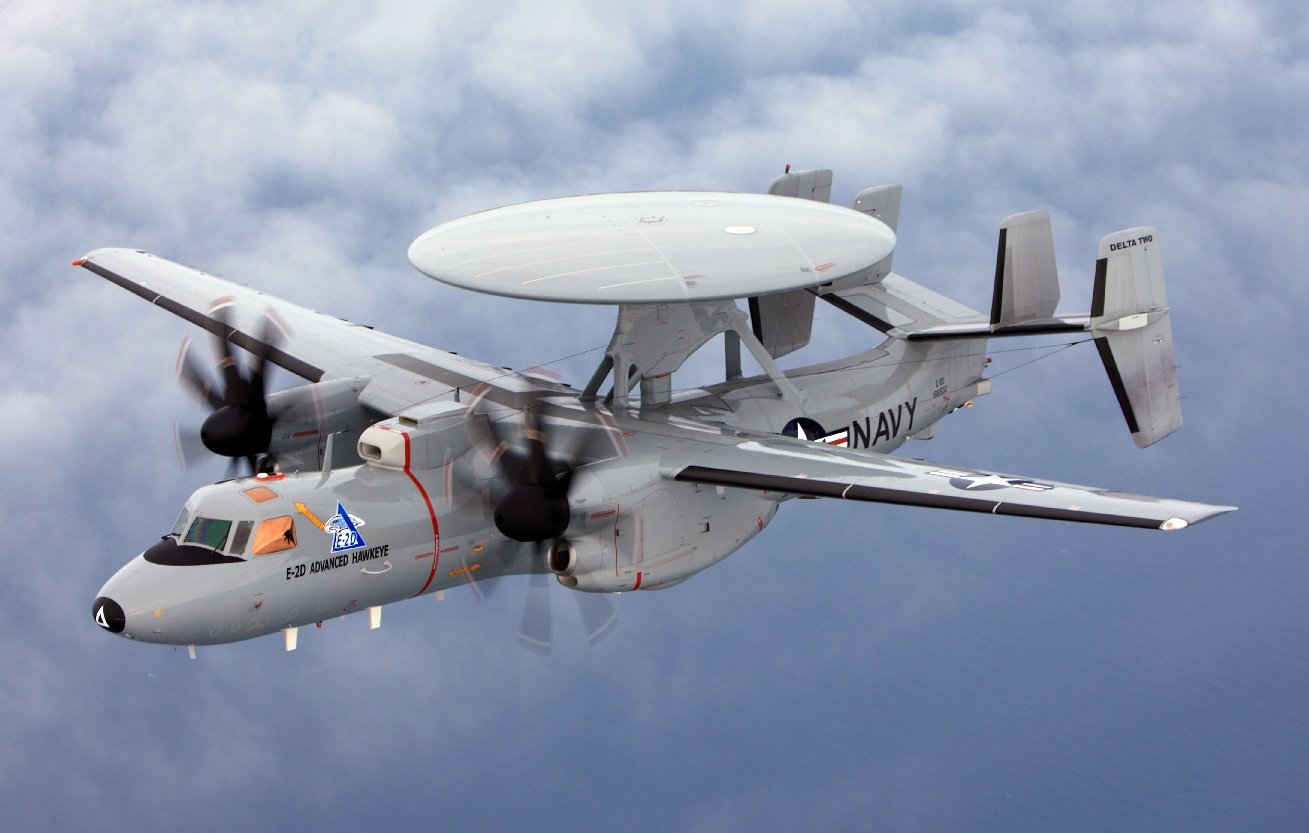 U.S. Navy Awards Northrop Grumman $1.2 Billion Deal for Three New E-2D Advanced Hawkeyes
-
 U.S. Airstrikes Target IRGC Missile Base Near Taft as Overnight Strikes Hit Central Iran
-
 Kuwait and Bahrain Reportedly Launch First Joint Direct Airstrikes on Iran Since War Began : Report
-
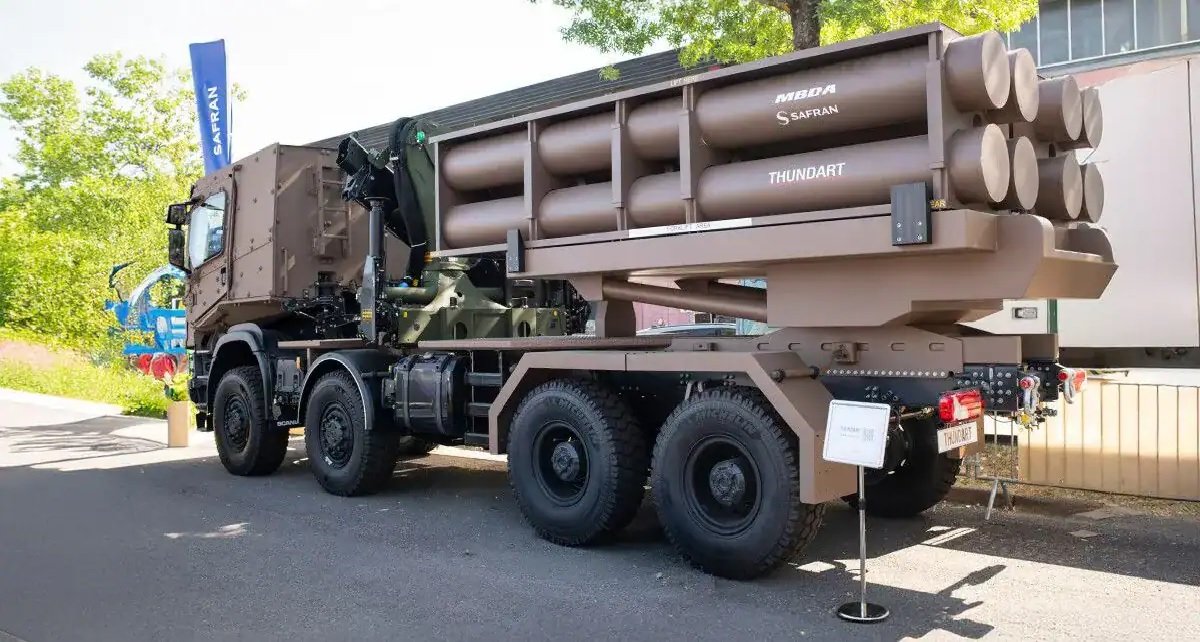 France's THUNDART Long-Range Rocket System May Undergo Prototype Combat Testing in Ukraine
-
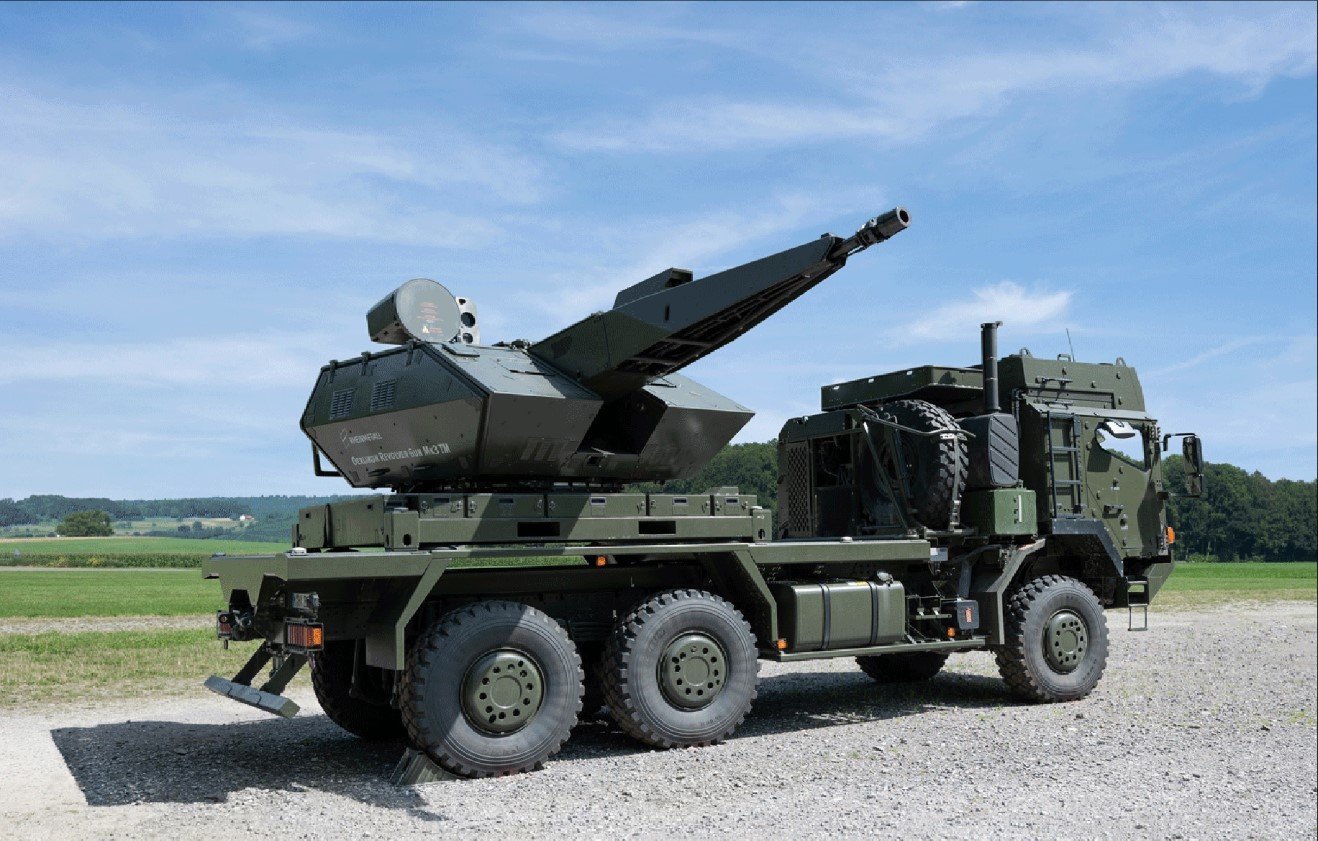 China Imposes Dual-Use Export Ban on 14 European Entities After EU's Russia Sanctions
-
 U.S. Department of War Awards Oracle Up to $6.99 Billion Enterprise Software Deal
-
 Australia Commits Additional AUD 4.6 Billion to Expand Osborne Shipyard for AUKUS Submarines
-
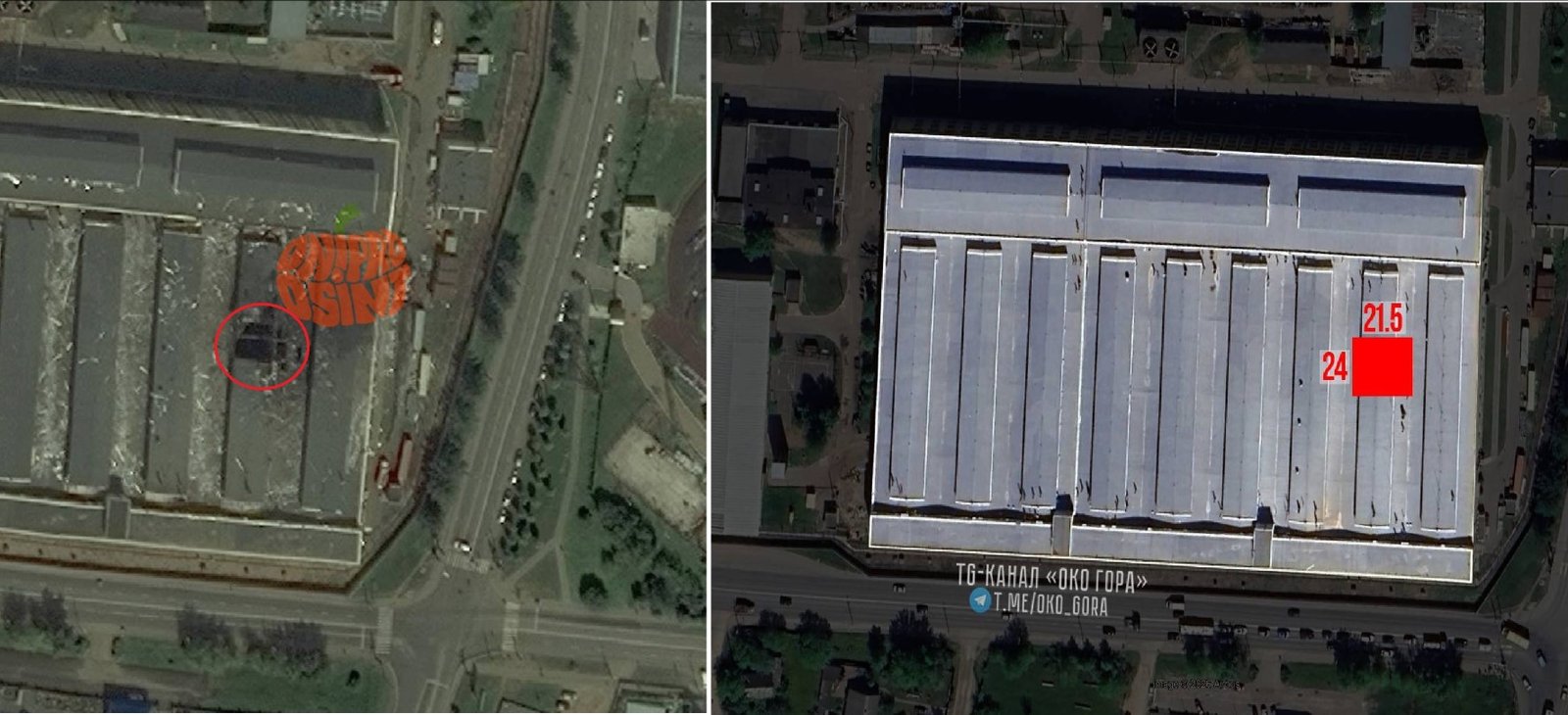 Satellite Images Confirm Damage to Russian Avitek Plant After Ukrainian FP-5 Flamingo Missile Strike