AURORA, Colorado — March 7, 2026 : Sierra Nevada Corporation and Specter Aerospace are preparing to conduct flight tests of a new low-cost air-to-air missile (LCAAM) during the third quarter of 2026, following a collaboration agreement signed between the two companies in February.
The program focuses on developing a supersonic, ramjet-powered missile intended to provide a lower-cost option for air-to-air engagements while supporting broader U.S. efforts to expand the availability of mass-producible aerial munitions for future high-intensity conflicts.
Missile Concept and Initial Public Display
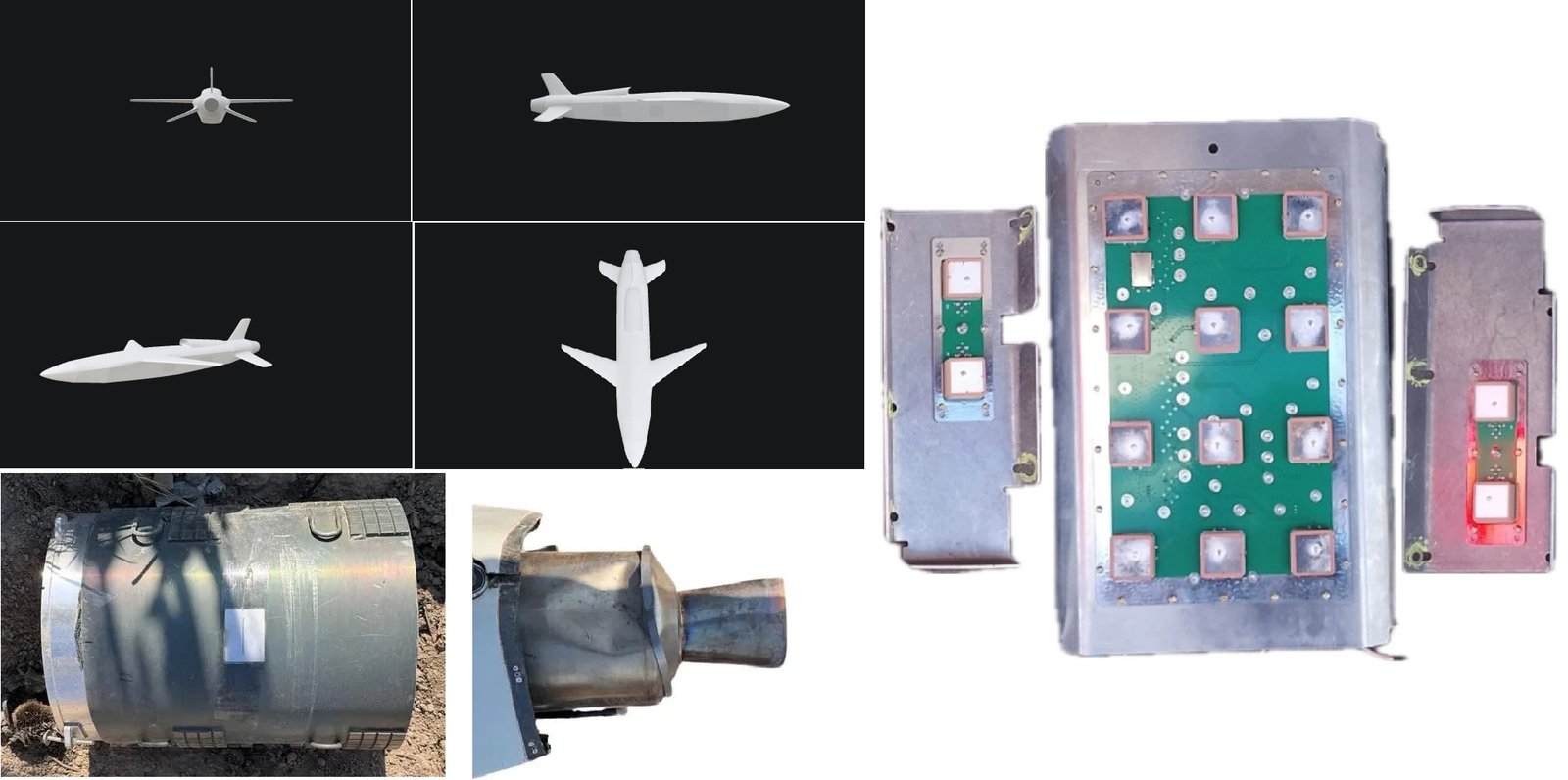
The LCAAM concept was publicly displayed for the first time by Sierra Nevada Corporation at the Air Force Association Air Warfare Symposium held in Aurora, Colorado, on February 24, 2026. A scale model presented at the event illustrated the proposed configuration of the supersonic missile.
According to the companies, the system is designed as a ramjet-powered cruise weapon capable of operating at supersonic speeds. The propulsion system integrates Specter Aerospace’s plasma-assisted combustion technology, which is intended to enhance ignition reliability and expand operational performance across different flight regimes.
Neither company disclosed technical specifications such as missile length, diameter, operational range, maximum speed, seeker type, guidance architecture, or warhead configuration.
Plasma-Assisted Combustion Propulsion
A central feature of the LCAAM program is Specter Aerospace’s plasma-assisted combustion technology, a propulsion enhancement method developed for high-speed flight applications.
The technology employs electrically energized plasma to initiate and stabilize combustion within the engine. In high-speed environments, particularly at supersonic velocities, traditional combustion systems can encounter challenges such as flame instability, incomplete fuel mixing, or reduced efficiency. Plasma-assisted ignition helps maintain stable combustion under these conditions.
Developers state that the use of plasma can improve combustion stability and efficiency within ramjet engines, potentially increasing propulsion performance and enabling reliable operation across a wider flight envelope.
Specter Aerospace has been developing this technology with support from the U.S. Department of Defense and earlier funding initiatives. In 2023, the company secured more than $9.5 million through Department of Defense contracts and venture investments to continue work on plasma-assisted propulsion systems.
Development and Test Schedule
Ground testing of the missile and propulsion subsystems is currently underway as part of preparations for the upcoming flight evaluation phase. The planned tests in the third quarter of 2026 will represent the first airborne demonstration of the LCAAM configuration and the first in-flight validation of Specter’s plasma-assisted combustion system integrated within a ramjet-powered missile platform.
The flight tests are expected to evaluate propulsion stability, integration with missile airframe components, and general flight performance in supersonic conditions.
Specter Aerospace indicated that the LCAAM tests form part of a longer-term technology roadmap. After the 2026 demonstrations, the company plans to conduct additional flight testing between 2027 and 2028 involving a larger vehicle using a dual-mode ramjet-scramjet propulsion system.
“Supersonic Aerial Effects” Development Initiative
The LCAAM project serves as the initial platform for a broader development effort described by Specter Aerospace as a “supersonic aerial effects” product line.
The initiative, supported by Pentagon research and development programs, aims to establish a modular and scalable manufacturing approach for a family of relatively low-cost aerospace systems designed for mass production. The concept focuses on expanding the number of deployable high-speed aerial systems available to U.S. and allied forces.
The propulsion architecture developed for the LCAAM is intended to be adaptable across multiple types of aerospace platforms, including kinetic interceptors, aerial targets used for testing and training, electronic countermeasure systems, and additional missile variants.
Roles of the Partner Companies
The collaboration combines the propulsion and plasma-combustion expertise of Specter Aerospace with Sierra Nevada Corporation’s experience in aerospace integration and missile systems development.
Sierra Nevada Corporation is responsible for systems integration and development of the missile platform, while Specter Aerospace provides the propulsion technology and combustion systems that form the core of the LCAAM engine architecture.
Specter Aerospace is headquartered in the Boston area and previously operated under the name FGC Plasma Solutions before adopting its current identity as it expanded its focus on propulsion systems for supersonic and hypersonic flight applications.
Program Context
The LCAAM effort aligns with ongoing U.S. defense initiatives aimed at increasing the availability of affordable, high-performance munitions for air combat. Military planners have increasingly emphasized the need for large inventories of lower-cost weapons that can be produced rapidly and deployed in large numbers.
By reducing per-unit costs while maintaining supersonic performance, the program is intended to support air dominance missions and counter-air operations conducted by both manned fighter aircraft and unmanned aerial combat systems.
If the planned 2026 flight tests validate the propulsion technology and missile architecture, the system could form the basis for additional high-speed weapons and aerial systems built on the same plasma-assisted combustion platform.
——— End of Article ———