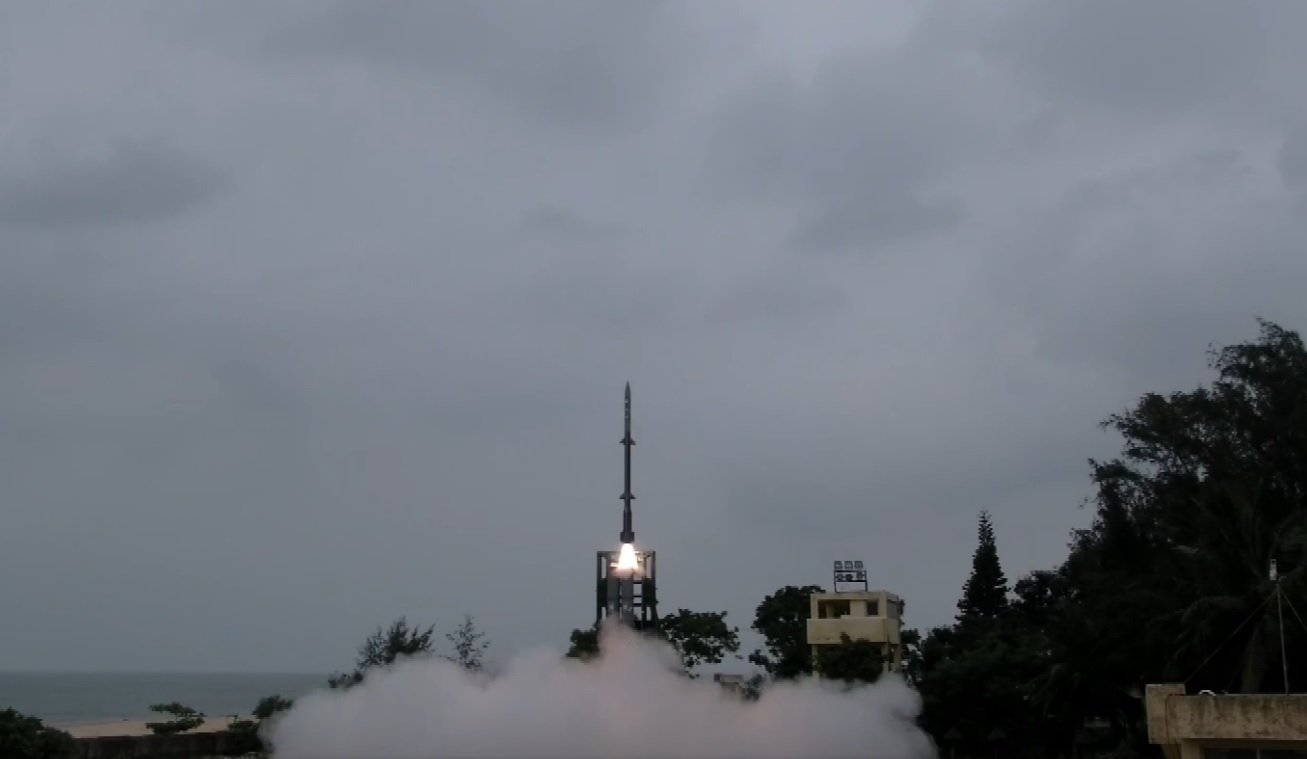
SEOUL — March 7, 2026 : The government of South Korea has authorized the accelerated delivery of approximately 30 Cheongung-II (M-SAM Block II) ballistic missile interceptors to the United Arab Emirates following an urgent request from Abu Dhabi to reinforce its air defense capacity amid intensified missile and drone attacks linked to the ongoing regional conflict involving Iran.
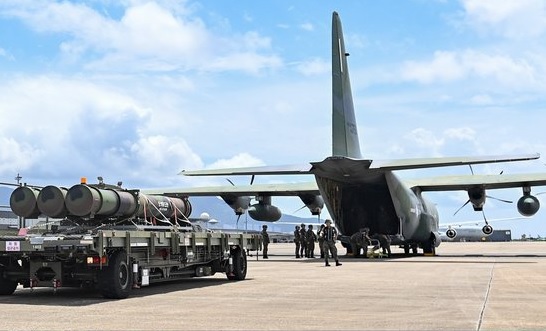
According to South Korean defense officials, the interceptor missiles will be transported by Republic of Korea Air Force (ROKAF) C-17 strategic transport aircraft beginning March 8, with airlift operations expected to continue through March 9. The shipment is being drawn directly from active ROKAF interceptor reserves to allow rapid deployment without waiting for new production cycles.
Interceptors Sourced From ROKAF Stockpiles
The expedited transfer follows increased demand from the UAE for additional air defense munitions after repeated missile and drone strikes across the Gulf region. South Korean authorities determined that supplying interceptors from existing military reserves would provide the fastest means of reinforcing the UAE’s operational systems.
Defense officials acknowledged that the delivery could temporarily reduce ROKAF stockpiles but said the move was necessary to meet the urgent operational requirements of the UAE. Analysts in Seoul have noted that if regional hostilities continue at their current pace, South Korea may consider transferring additional interceptors, potentially including earlier M-SAM-I (Block I) variants, to increase the UAE’s available missile inventory while production lines replenish supplies.
Background of the Cheongung-II Procurement Program
The UAE originally signed a major defense procurement agreement in January 2022 to acquire the Cheongung-II system, also known as M-SAM Block II. The contract, valued at approximately $3.5 billion, covered the purchase of 10 air defense batteries along with associated radar, command systems, and interceptor missiles.
The agreement involved several South Korean defense companies, including LIG Nex1, Hanwha Systems, and Hanwha Aerospace. At the time of signing, the deal represented the largest guided-weapons export contract in South Korea’s defense industry history.
As of early 2026, two Cheongung-II batteries have been delivered and are currently operational in the UAE. The remaining batteries are scheduled for phased delivery according to the original production timeline, although Abu Dhabi has recently requested that deliveries be accelerated where possible.
South Korean officials indicated that while accelerating full battery deliveries may be constrained by production schedules and existing commitments, interceptor missiles can be supplied more quickly through transfers from existing inventory.
First Combat Use of the M-SAM-II System
The UAE deployment also marks the first operational combat use of the Cheongung-II system. During recent large-scale missile and drone attacks targeting Gulf states, the operational batteries were activated to intercept incoming ballistic threats.
Operational data presented by South Korean parliamentary officials indicates that more than 60 interceptors were launched during these engagements. According to available figures, the system achieved an interception success rate exceeding 90 percent, with some assessments placing the rate at approximately 96 percent.
The interceptors use a hit-to-kill mechanism, destroying incoming targets through direct kinetic impact rather than explosive proximity detonation. The system is designed to intercept ballistic missiles at altitudes of roughly 15 to 20 kilometers.
Role Within the UAE’s Layered Air Defense Network
The Cheongung-II is a medium-range surface-to-air missile system developed domestically in South Korea to counter aircraft, cruise missiles, and ballistic threats. In the UAE, the system operates as part of a layered air defense network that also includes the U.S.-made Patriot missile system and Israeli missile defense systems deployed across the country.
The additional interceptor shipments are intended to replenish stocks expended during recent engagements and strengthen the UAE’s defensive coverage against continued missile attacks.
Protection of Strategic Infrastructure
One of the primary priorities of the expanded air defense deployment is the protection of critical national infrastructure across the UAE. These include major population centers, energy facilities, and oil refineries that form the backbone of the country’s economy.
Particular emphasis has been placed on protecting the Barakah Nuclear Power Plant, a large nuclear energy complex constructed by South Korean firms led by Korea Electric Power Corporation.
The Barakah facility consists of four APR-1400 nuclear reactors and currently supplies roughly 25 percent of the UAE’s electricity, producing approximately 40 terawatt-hours of power annually. Ensuring the continued safety and operation of the plant has been identified as a shared strategic priority for both Seoul and Abu Dhabi.
Continuing Defense Cooperation
The interceptor airlift represents part of broader defense cooperation between South Korea and the UAE, which has expanded significantly in recent years through arms sales, military training, and industrial collaboration.
South Korean officials indicated that additional shipments may follow the initial deliveries if operational requirements persist, particularly to replenish interceptor inventories as the regional conflict continues. The March 8–9 airlift is intended to provide immediate reinforcement to the UAE’s operational air defense systems while longer-term production deliveries proceed according to schedule.
——— End of Article ———