Space & Technology
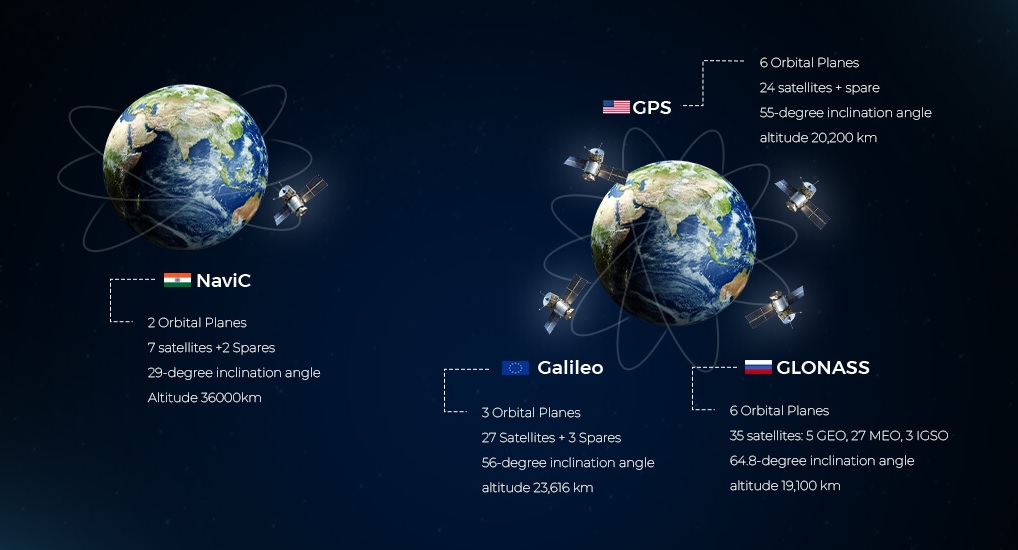
The Indian Space Research Organisation (ISRO) is stepping up its game in the satellite navigation space with significant advancements to the Navigation with Indian Constellation (NaVIC) system. NaVIC, India's answer to global navigation systems like the United States' GPS and Europe's Galileo, is set for a major upgrade. The rollout of the L1 frequency is a key part of this transformation, aiming to boost NaVIC's usability in both everyday and commercial applications.Until now, NaVIC has operated on a dual-frequency model, providing signals through the L5 and S bands. These frequencies have primarily served strategic users, such as defense and security agencies, while also offering civilian navigation services across the Indian region. However, the addition of the L1 frequency brings NaVIC into a new league. Why is this so significant? Because L1 is the most widely used frequency in global navigation satellite systems (GNSS) like GPS. This strategic addition will make NaVIC signals more accessible and usable by everyday devices, like smartphones and wearables, without the need for specialized, power-hungry chips.ISRO's ambitions don’t stop there. By expanding NaVIC’s coverage from the current 1,500 kilometers beyond Indian borders to a robust 3,000 kilometers, the system aims to serve a larger geographic area. This extension will not only improve navigation capabilities across India but also benefit neighboring countries in the South Asian Association for Regional Cooperation (SAARC) region. Imagine a regional navigation system that could support nations from Bangladesh to Nepal, strengthening regional connectivity and offering a reliable alternative to other GNSS.Starting with the NVS-01 satellite, ISRO will incorporate the L1 frequency in all future launches. This move aligns NaVIC with global systems like the American GPS, Russian Glonass, Chinese BeiDou, and European Galileo, making it compatible with a wider range of navigation devices and applications. With this upgrade, NaVIC could become the preferred choice for businesses and technology developers who are increasingly focused on integrating reliable and energy-efficient location services.The implications of this upgrade are profound. The L1 frequency will open up a plethora of new commercial possibilities. For instance, the burgeoning market of wearable devices, including smartwatches and fitness trackers, will benefit from NaVIC’s signals. These devices often rely on low-power chips, making L1 frequency integration a game-changer. Not only does this enable better location accuracy, but it also ensures lower energy consumption, extending the battery life of gadgets that people use daily.In the mobile phone sector, manufacturers have already started equipping their products with chipsets that can harness NaVIC signals. The L1 frequency will bolster location-based services on these smartphones, offering precision that could rival GPS. This means smoother experiences for everything from ride-hailing apps to real-time navigation.Other significant commercial applications include fleet management and logistics, where companies depend on accurate, real-time vehicle tracking. With NaVIC’s enhanced capabilities, businesses can optimize routes, monitor assets, and improve overall efficiency. In agriculture and fisheries, rural communities can use navigation aids for route optimization and safety measures, especially when dealing with extreme weather conditions like cyclones.The system's reliability will also benefit emergency response teams. Precise navigation data can drastically improve response times during critical situations, such as natural disasters or severe accidents. Whether it’s guiding first responders to a remote location or helping coordinate relief efforts, NaVIC’s enhanced signals could save lives.The tourism industry could also be revolutionized. Navigation apps using NaVIC's upgraded signals will offer tourists more accurate, real-time location data. Imagine exploring a city with seamless, turn-by-turn navigation that not only tells you where to go but also highlights nearby attractions. This could provide a richer, more immersive travel experience.Moreover, sectors like unmanned aerial vehicles (UAVs), or drones, are set to see significant advancements. Whether it’s for agricultural monitoring, delivery services, or surveillance, the integration of NaVIC signals will enable safer and more efficient drone operations.ISRO's long-term vision also includes the possibility of evolving NaVIC into a global navigation system. While this idea is still in the exploratory phase, it signals India’s growing aspirations to be a major player in satellite navigation technology. If successful, this could transform NaVIC from a regional powerhouse into a global alternative, offering robust and independent navigation capabilities on an international scale.In summary, the addition of the L1 frequency to ISRO's NaVIC system is more than just a technical upgrade. It represents a strategic shift towards making India's indigenous navigation technology more relevant and integrated into the daily lives of millions. As ISRO continues to expand NaVIC’s coverage and capabilities, the system stands poised to become a pivotal part of both commercial enterprises and consumer tech, paving the way for a more connected and navigationally efficient future.
Read More → Posted on 2024-11-09 15:12:38
Space & Technology
AstroForge, an ambitious new player in the space industry, has been granted a groundbreaking license by the Federal Communications Commission (FCC) to operate a commercial spacecraft beyond Earth’s orbit. This move marks the first time a company has been authorized for such an endeavor, setting AstroForge on a path toward a pioneering mission to prospect and, eventually, mine asteroids for valuable metals. The approval comes just ahead of its upcoming "Odin" mission, which is scheduled to launch in early 2025, marking a significant milestone for both the company and the emerging asteroid-mining industry.AstroForge's Odin mission is poised to make history by pushing the boundaries of deep-space exploration and commercial potential. The FCC's approval, granted on October 18, 2024, authorizes AstroForge to set up a critical communication network between Earth and Odin, ensuring the spacecraft can receive commands and transmit data back to mission control. This connection relies on a series of radio ground stations on Earth that will allow engineers to stay connected with Odin as it journeys far beyond our planet—into deep space, which, according to the International Telecommunications Union, begins over 2 million kilometers (1.2 million miles) from Earth.AstroForge’s mission has lofty goals: to prove that a small, commercial spacecraft can navigate to an asteroid, establish an orbit around it, and gather detailed data on its surface composition and structure. While Odin will not perform actual mining, it is a vital part of the larger plan, laying the groundwork for future spacecraft that will attempt to land, mine, and even refine precious metals in space. If successful, the mission could herald a new era of off-world resource acquisition, potentially altering the economic dynamics of metals like platinum and gold.The road to Odin, however, has been anything but smooth. AstroForge launched its first mission, a small cubesat named Brokkr-1, in April 2023. This initial test was intended to evaluate its proprietary refining technology in low Earth orbit, though the trial did not go entirely as planned. Despite reaching orbit successfully, the Brokkr-1 cubesat experienced technical issues that prevented the refinery technology from activating as expected. AstroForge’s team viewed this mission as a learning experience, using it to pinpoint engineering weaknesses and gain firsthand insight into spacecraft design and operation—a crucial step toward the much more complex Odin mission.The journey to prepare Odin for launch has also had its share of hurdles. Earlier this year, the original Odin spacecraft design failed a vibration test. This rigorous test simulates the intense forces of a launch, and the spacecraft's baseplate, where its propulsion tanks and thrusters are mounted, cracked under pressure. AstroForge determined that the flaws originated from manufacturing errors by a third-party supplier. Rather than proceed with a vulnerable spacecraft, AstroForge decided to scrap the original Odin and expedite the development of a replacement spacecraft, now referred to as Vestri, to carry out the Odin mission’s objectives.Unlike its predecessor, Brokkr-1, which weighed only a few kilograms, the new Odin spacecraft is significantly larger at about 100 kilograms (220 pounds). It will hitch a ride as a secondary payload on Intuitive Machines' IM-2 mission to the Moon, expected to launch in January 2025. Once in space, Odin will break off to pursue its own trajectory, aiming to rendezvous with a near-Earth asteroid that AstroForge has yet to disclose. During the mission, Odin will image and map the asteroid’s surface, gathering data critical to the planning and design of future mining operations.AstroForge’s strategy is sequential, starting with observational and navigational goals before advancing to full-scale mining. Following Odin, AstroForge plans to send its Vestri mission, tentatively scheduled for later in 2025. Vestri, if completed on time, will not merely orbit an asteroid but will attempt to land on it, further pushing the company’s proof-of-concept technology. Although neither Odin nor Vestri will conduct mining, AstroForge views these missions as essential steps to refine the logistics and technology needed for their ultimate goal: to send a spacecraft that can land, extract, and refine precious metals on an asteroid.The challenges of asteroid mining go beyond merely reaching the asteroid. The harsh conditions of space, the complexities of landing on a low-gravity body, and the untested nature of in-space refining technology all make this a bold but uncertain endeavor. AstroForge’s technology, while still in experimental stages, aims to solve these problems by advancing both spacecraft design and in-situ resource utilization methods. If successful, future missions will bring this process closer to reality, ultimately proving that asteroid mining can be economically viable.AstroForge’s vision of commercial deep-space missions could shift how industries on Earth access materials and consider supply chains. By bringing the concept of asteroid mining into practical experimentation, the company is paving the way for what could be a revolutionary leap in space resources, making humanity’s long-held dream of mining the stars seem just a bit closer to reality.
Read More → Posted on 2024-11-05 15:23:08
Space & Technology
The rapid expansion of the space industry has brought an unforeseen issue: air pollution from burning satellites. Each time a satellite re-enters Earth's atmosphere and disintegrates, it releases materials that contribute to pollution, potentially damaging the ozone layer and affecting climate stability. With megaconstellations like SpaceX’s Starlink adding thousands of satellites into orbit each year, this problem could grow unless new solutions are explored and implemented. Here are four innovative approaches that scientists and engineers are exploring to mitigate satellite-induced air pollution.Recoverable Satellites: A New Approach to ReuseSpace Forge, a U.K.-based startup, has proposed an intriguing alternative to the current method of discarding satellites by letting them burn up upon reentry. Instead, Space Forge is developing satellites with foldable heat shields designed to survive the intense heat of atmospheric reentry. These shields, crafted with resilient materials, are capable of protecting not only the satellite’s components but also the valuable in-orbit manufacturing materials that companies increasingly want to bring back to Earth. If implemented on a larger scale, recoverable satellites could substantially reduce the amount of harmful satellite ash produced in the atmosphere.Andrew Bacon, Space Forge’s chief technology officer, believes that a future in which satellites are routinely recovered and reused could be transformative. As he explained, “Moving towards the strategy of returning satellites intact, refurbishing them, and relaunching them could be part of the solution.” However, the transition to recoverable satellites would require significant technological advancements, particularly in creating reliable reentry systems. Currently, only select spacecraft, such as crewed capsules and SpaceX’s Cargo Dragon, are built to return intact from space. This concept, however, could reshape the industry by reducing satellite waste and extending the life cycle of satellite materials.In-Orbit Recycling: Transforming Space Junk into FuelWhile recovering satellites is one option, recycling them directly in orbit offers another solution. Neumann Space, an Australian startup, is pioneering an electric propulsion system that can use satellite debris as fuel. This system utilizes a technology called cathodic arc, commonly used in thin-film deposition, which works by evaporating material from a solid, conductive substance and ionizing it into a plasma. For in-orbit recycling, this means that metals, such as aluminum from old satellites, can be collected, melted, and repurposed as fuel to power other spacecraft.This approach would require a fully operational orbiting foundry—an in-space manufacturing hub capable of processing metal debris and supplying it to satellites equipped with the new thruster system. This ambitious idea, currently funded by a NASA Small Business Innovation Research project, would need collaboration with other space players like Astroscale, a company focused on active debris removal. If successful, this technology could lead to the first demonstration mission, proving that in-orbit recycling is feasible and could address the growing threat of space junk in addition to reducing the number of satellites re-entering Earth’s atmosphere.Engineered Reentries: Controlling the Way Satellites BurnFor a more immediate solution, some researchers are exploring ways to reduce the environmental impact of satellite reentry by controlling the reentry process. Satellites typically burn up at altitudes between 60 and 80 kilometers (37–50 miles), where chemical byproducts can linger for decades, slowly descending through the atmosphere and posing environmental risks. However, by adjusting the reentry altitude and angle, satellite operators could influence the breakdown of satellite materials, reducing the generation of harmful metallic oxides.Minkwan Kim, an astronautics professor at the University of Southampton, has suggested that satellites disintegrate at lower altitudes—between 20 and 30 kilometers (10–20 miles). This would allow the particles to descend to the ground more quickly, minimizing the impact on atmospheric chemistry. Adjusting the angle of reentry could also reduce the temperature and allow more metal to break down into relatively harmless particles rather than oxides, which pose a higher environmental risk. Such engineered reentries represent a straightforward approach to reducing the chemical pollution associated with satellite reentry while still safely removing defunct satellites from orbit.New, Environmentally Friendly MaterialsRethinking the materials used to build satellites may be one of the most sustainable long-term strategies. Aluminum alloys, currently standard in satellite and rocket construction, release metallic oxides when they burn, contributing to atmospheric pollution. Scientists are beginning to research alternative materials that could have a lower environmental impact. However, material substitution in satellite construction is complex; any new material must be light, strong, and durable enough to withstand the harsh conditions of space while meeting specific performance requirements.One major challenge is predicting the environmental effects of any new material. For instance, while alternative metals or composites may reduce certain pollutants, they could introduce new types of pollution. Developing environmentally friendly materials for space applications requires rigorous testing and modeling to ensure they won’t create similar or unexpected environmental issues.The Future of Cleaner SatellitesAs we push forward in our pursuit of space exploration and satellite-based technology, these innovative solutions offer promising pathways to address satellite pollution. From recoverable satellites to in-orbit recycling, engineered reentries, and new materials, each approach could play a role in reshaping the future of space activities in a more sustainable way. While some of these solutions, such as in-orbit recycling, remain years from practical implementation, others, like engineered reentries, could be adopted sooner with relatively minimal adjustments to existing practices.Addressing satellite-induced air pollution will require collaboration across the space industry and a commitment to environmental responsibility, but with the pace of technological advancements, there’s hope that we can continue exploring space without compromising the health of our planet.
Read More → Posted on 2024-11-03 16:13:19
Space & Technology
In a groundbreaking stride towards preparing for future human space exploration, the Indian Space Research Organization (ISRO) has launched India's first analog space mission in Leh, Ladakh. This unique mission, set in the challenging terrain of the high-altitude desert, aims to simulate life in an interplanetary environment and to study the difficulties astronauts might face when living in extraterrestrial conditions. This simulation offers an essential step for ISRO as it aims to expand India’s reach in space exploration with missions to the Moon, Mars, and potentially further. Simulating Extraterrestrial Life with Hab-1 Central to this mission is a compact, inflatable habitat known as Hab-1, designed to mimic the structure and atmosphere of a space station beyond Earth. Hab-1 is built to be self-sustaining, equipped with key resources necessary for long-term survival in a space environment. The habitat includes a hydroponics farm, where fresh produce can be grown without soil, ensuring a continuous supply of nutrients. Alongside the farm, the habitat houses a kitchen and advanced sanitation facilities, creating a closed-loop ecosystem similar to what would be essential in an off-world habitat. This environment enables researchers to examine and refine the technological, logistical, and psychological elements critical for a space base far from Earth. Such insights are indispensable as ISRO gears up for long-duration missions under India’s ambitious Space Vision 2047, which includes the establishment of a Bharatiya Antariksha Station (BAS) by 2035 and plans for an Indian astronaut on the Moon by 2040. Why Ladakh? Mimicking Mars and the Moon Ladakh’s cold, arid climate, high altitude, and unique geological formations closely resemble the landscapes of Mars and the Moon. These conditions make Leh an ideal site for this analog mission, providing an Earth-based yet realistic testing ground for the interplanetary mission simulation. The location’s remote and extreme environment enables scientists to assess how equipment, habitats, and humans function under isolated and confined conditions. Throughout the mission, researchers will study a range of factors including power generation, mobility solutions, communication networks, and storage capabilities. This is critical for ISRO as the team tests various robotic equipment, vehicles, and essential infrastructure, all of which are necessary for supporting astronauts in an interplanetary habitat. Human Health and Psychological Insights An essential part of this mission is to observe how isolation and confinement impact human health and behavior. Extended stays in space pose a unique set of physical and psychological challenges, from muscle and bone density loss to mental stress caused by solitude. By creating these conditions in Hab-1, researchers can closely monitor how participants respond, thereby improving future mission protocols and support systems to ensure astronauts’ well-being during long-term space expeditions. A Collaborative Effort for India's Space Future This mission is a collaborative project led by ISRO’s Human Spaceflight Centre in partnership with AAKA Space Studio, the University of Ladakh, IIT Bombay, and with support from the Ladakh Autonomous Hill Development Council. The multi-organization effort exemplifies the inter-disciplinary approach needed for space exploration, bringing together experts from fields like engineering, biology, and psychology to prepare for the diverse requirements of human space missions. Advancing Space Exploration Technology and Knowledge India’s analog space mission marks an important chapter in preparing for human-robotic exploration. The findings from this mission will help ISRO assess the strengths, limitations, and feasibility of planned exploration systems, while also driving innovations in sustainable energy sources, resource storage, and other critical infrastructure required for human survival beyond Earth. The mission’s success could enhance ISRO’s role in international space exploration, opening new avenues for collaboration and technology sharing. As ISRO moves forward with the Space Vision 2047 roadmap, the success of this analog mission is a promising step toward achieving self-reliant human space exploration capabilities.
Read More → Posted on 2024-11-02 14:19:35
Space & Technology
Larsen & Toubro (L&T), an engineering powerhouse, is set to deepen its engagement in India’s aerospace sector, spurred by the government’s renewed drive to open space exploration to private enterprises. With India’s private space market poised to reach a colossal ₹3,70,000 crore ($44 billion), L&T envisions tapping into this expanding domain with its robust engineering background, aiming to become a key player in the design, manufacturing, and deployment of space technologies.In recent years, India has strategically opened the space sector to private entities, creating room for companies like L&T to innovate alongside the Indian Space Research Organisation (ISRO). Previously, space projects were almost exclusively handled by ISRO, but the government’s reforms now empower private players to enter the space market, with some even able to create and operate their own launch systems and satellites. These reforms, seen as transformative, aim to foster a competitive ecosystem where private and public entities collaborate to drive technological advances. With its deep experience in aerospace and defense, L&T stands ready to seize these opportunities. Over the years, the company has contributed significantly to India’s space programs, building essential components for ISRO missions. For instance, it has played a role in producing components for India’s Mars and lunar missions and other defense-related aerospace technologies. One of its most notable projects is the manufacturing of the Polar Satellite Launch Vehicle (PSLV), a critical asset in India’s satellite launch capabilities. In a consortium with Hindustan Aeronautics Limited (HAL), L&T is scheduled to launch the first PSLV entirely built by private contractors in early 2025. Estimated at ₹200 crores per launch, this initiative marks a historic step for India’s space sector, underscoring the growing private role in areas once solely managed by government agencies.L&T’s ambitions do not end with PSLV production. India’s privatization efforts extend to the Small Satellite Launch Vehicle (SSLV) program, an emerging segment that L&T and other private companies are closely watching. Designed for smaller payloads of up to 500 kilograms, SSLV targets a different market segment, one that prioritizes affordability and flexibility. These rockets, priced at approximately $15,000 per kilogram, cater to cost-conscious clients seeking frequent launches—up to 12 annually, with potential expansion to bi-monthly flights. SSLV’s capabilities reflect a broader trend toward miniaturized, rapid-launch technology, an area ripe with potential as demand for small satellite launches grows worldwide.For L&T, the integration of space projects like the PSLV and SSLV aligns seamlessly with its broader aerospace ambitions. The company’s engineering capabilities, coupled with its expertise in infrastructure and heavy manufacturing, position it well to undertake more sophisticated aerospace projects, from satellite assembly to advanced launch vehicles. Although L&T has not yet disclosed the specifics of its aerospace expansion strategy, industry experts anticipate that the company will reveal its roadmap soon, potentially outlining plans to develop additional launch vehicles, collaborate with international aerospace entities, and explore novel satellite-based services.As India moves toward greater private involvement in space, L&T’s aerospace expansion embodies a transformative shift that could drive India’s space market into a globally competitive position. The surge in private investment and participation holds the promise of technological breakthroughs and expanded infrastructure, essential elements for bolstering India’s standing in the global space industry.
Read More → Posted on 2024-11-01 12:08:15
Space & Technology
India’s ambitions in space exploration are set to reach new heights, with the announcement of the country's own space station, the "Bharatiya Antriksh Station" (BAS), targeted for launch by 2035. The first module of this pioneering project is planned to be completed by 2028, according to Union Minister of State for Science and Technology, Dr. Jitendra Singh. This ambitious vision, outlined at the signing of a landmark Memorandum of Understanding (MoU) between the Indian Space Research Organisation (ISRO) and the Department of Biotechnology (DBT), aims to position India at the forefront of space research and technology, particularly in biotechnological advancements within the space environment.This collaboration signifies an impressive convergence of biotechnology and space technology, with both institutions committing to initiatives that push the boundaries of what’s possible. This isn’t just about launching a space station; it’s about creating a foundation for research in microgravity and advancing space biology and biomanufacturing. The MoU’s focus on areas like space biotechnology, bioastronautics, and bio-based materials could have substantial impacts on fields such as human health, pharmaceuticals, and sustainable waste management, all of which are critical for long-term space missions. For instance, microgravity research can provide insights into human physiology and biological changes in space, paving the way for breakthroughs in medicine, regenerative therapies, and biomanufacturing processes that benefit life on Earth.Dr. Singh also underscored the importance of public-private partnerships in boosting India’s space sector, citing a dramatic rise in space startups, now numbering around 300. This growing ecosystem of innovation is anticipated to significantly contribute to the success of BAS, as private companies join hands with government bodies to develop cutting-edge technology for the station.The unveiling of the BioE3 policy (Biotechnology for Economy, Environment, and Employment) alongside the BAS initiative is another ambitious step, aimed at fostering job creation and ecological sustainability through space research. The policy reflects a commitment to nurturing biotechnology’s role in the space economy, potentially leading to jobs and technologies that could support both space missions and terrestrial industries. Given the high standards needed for sustainability in space, this policy will likely encourage the development of waste recycling technologies and biotechnologies suited for long-duration space missions.ISRO Chairman S. Somnath and Dr. Rajesh Gokhale, Secretary of the Department of Biotechnology, were lauded for their collaborative efforts, which promise to extend beyond the Bharatiya Antriksh Station. Together, they plan to foster a unique research environment to explore the effects of space travel on biological processes, which will serve the national human space program and potentially inspire new fields of scientific inquiry.In addition to the BAS project, India’s recent strides in lunar exploration with its missions to the Moon, along with the Union Cabinet’s approval of future lunar goals, showcase the country’s space aspirations. With the aim of sending an Indian astronaut to the Moon by 2040, the development of BAS is part of a larger, multi-decade roadmap that places India among the select few with advanced human spaceflight capabilities. The Cabinet’s recent nod for the first BAS module by 2028 is a significant milestone that brings the country one step closer to having an independent, long-term presence in space.India’s progress toward the Bharatiya Antriksh Station encapsulates not only technological innovation but also a vision for a sustainable and inclusive space economy. It reflects a broader goal: to enhance life on Earth while achieving breakthroughs that could change the future of space exploration.
Read More → Posted on 2024-10-27 16:38:19
Space & Technology
As 2024 comes to a close, India is gearing up to test its first indigenously developed electric propulsion system (EPS) in space. This milestone launch will take place in December with the release of the Technology Demonstrator Satellite (TDS-01), marking a major leap for the Indian Space Research Organisation (ISRO). The electric propulsion system is a game-changer, allowing for lighter, more efficient satellites and marking a significant shift in how future satellites will be powered and maneuvered in orbit.During the Sardar Patel Lecture at Akashvani, ISRO Chairman S. Somanath shed light on the ambitious plans for the TDS-01. This will be the first Indian satellite to use a homegrown EPS, promising a lighter design and enhanced satellite capabilities. Traditional satellites rely heavily on chemical propulsion systems that require large amounts of liquid fuel, often taking up half of the satellite's total weight. For instance, a typical four-ton satellite carries around two to 2.5 tons of liquid fuel, which is primarily used for fine-tuning the satellite’s position in orbit, counteracting atmospheric drag, and dealing with gravitational pulls from the sun and moon.With electric propulsion, however, the need for heavy liquid fuel drastically drops to just around 200 kilograms. This reduction is possible because EPS does not rely on chemical combustion but instead ionizes a gas—such as Argon—using solar power. Once ionized, the gas produces a continuous stream of low-thrust propulsion, which, though slower, can significantly extend a satellite's operational lifespan and allow for lighter and more compact designs.This shift to electric propulsion technology is strategic, especially as ISRO aims to maximize payload capacity without adding excess weight. As Somanath explained, when the size of the fuel tank reduces, so does the size of other peripheral components, creating a “cumulative effect.” The result is a satellite that weighs about two tons but has the functional power of a four-ton satellite, representing a highly efficient design without compromising on performance.However, the benefits of EPS come with certain trade-offs. The primary limitation of electric propulsion is its low thrust, which means that satellites take longer to reach their target orbit. Somanath noted that while a satellite using chemical propulsion can reach a geostationary orbit within a week, a satellite powered by EPS would take close to three months. Yet, this extended timeframe is a small compromise given the extended lifespan and increased operational efficiency the system offers.This isn’t ISRO’s first encounter with electric propulsion. In 2017, the South Asia Satellite, GSAT-9, became ISRO’s first mission to utilize EPS, though the components for that system were imported from Russia. This December’s launch will mark the first time an Indian-made EPS will be used, underscoring the progress in indigenous technology development. Additionally, the TDS-01 will feature another innovation: indigenously produced traveling wave tube amplifiers (TWTAs), which are essential for the satellite’s communication and remote sensing capabilities.Beyond the TDS-01 launch, ISRO has its sights set on further high-stakes projects. One of these is the NASA-ISRO Synthetic Aperture Radar (NISAR) mission, set to launch in February. A joint project between NASA and ISRO, the NISAR satellite is designed to provide advanced Earth observation capabilities, with applications ranging from monitoring natural hazards to tracking climate change effects. Recently, NASA delivered the radar antenna reflector—a crucial component of the satellite—from its Jet Propulsion Laboratory in California to ISRO’s Bangalore facility. The integration process will take approximately two months, with the launch slated for early 2025.As ISRO moves forward, the December launch of the TDS-01 will stand as a hallmark of India’s growing expertise in cutting-edge space technology. The shift toward electric propulsion, spearheaded by the development of the EPS, positions India as a formidable player in the field of space exploration. This step not only reflects ISRO's technical advancements but also highlights the organization’s commitment to building sustainable and innovative space systems that pave the way for future explorations and missions.
Read More → Posted on 2024-10-27 16:32:13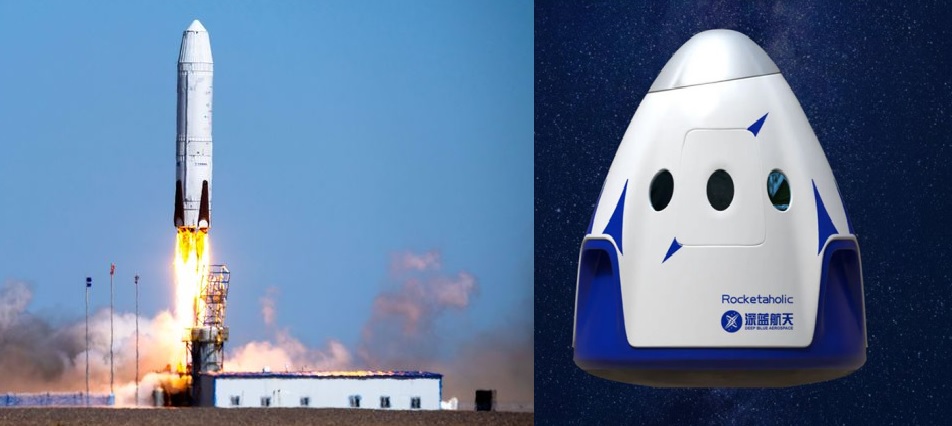
Space & Technology
China’s venture into the world of commercial space travel is taking a new leap forward as Deep Blue Aerospace, a prominent space technology start-up, launches its first commercial suborbital spaceflight tickets. The company recently offered two discounted seats, which sold out during a live-streamed session on the online marketplace Taobao, and has now put an additional 20 seats up for sale at 2 million yuan each (around $280,000 USD). This groundbreaking venture offers a unique opportunity for Chinese citizens to experience space firsthand, echoing the strides of Western companies like SpaceX and Blue Origin. Deep Blue Aerospace, founded in 2016, is among China’s first private space companies, working to develop a commercial space program aimed at ordinary people rather than astronauts. Its ambition to break the cost and access barriers aligns with the broader vision of making space more accessible. The Suborbital Journey to the Edge of SpaceThe suborbital journey offered by Deep Blue is designed to give passengers an experience of zero gravity and breathtaking views from space, albeit for a brief period. According to the company’s promotional details on Taobao, this space journey, slated for 2027, will reach a height of 150 kilometers above Earth, crossing the widely recognized Kármán line, which marks the boundary between Earth's atmosphere and outer space. This allows passengers a genuine “space experience,” if only for a few minutes.The trip lasts about 12 minutes, with a zero-gravity phase spanning at least five minutes, where passengers can float freely and look out over Earth through panoramic windows. This brief time in space offers a taste of the future in space tourism, as commercial space travel companies around the world work to make these extraordinary experiences accessible to those outside the traditional space agency sphere.The spacecraft, named Nebula-1, is designed to hold six passengers, each with access to a windowed view. Safety and comfort are paramount; the company plans extensive tests, including multiple recovery and reuse tests scheduled for 2025. The rocket will be returned to Earth using a durable parachute system capable of being reused more than 50 times.Ticketing and RequirementsDeep Blue Aerospace’s ticketing process on Taobao outlines several critical steps for aspiring space travelers. Prospective buyers must first pay a deposit of 100,000 yuan online and later visit Deep Blue’s research center in Beijing to complete the full payment and sign an official contract. The age range recommended for passengers is between 18 and 60, and the company also advises participants to undergo safety training a month before the scheduled launch to ensure readiness for the physical demands of space travel.Furthermore, Deep Blue suggests that passengers purchase private space travel insurance, underscoring the inherent risks involved in such journeys. Safety considerations are a top priority for Deep Blue, with the company citing a “deep understanding of the complexity and riskiness of rocket technology” as part of the reason for the three-year wait until launch in 2027.Deep Blue’s Vision and the Global Space Tourism SceneSpace tourism is not new globally, with companies like Blue Origin and SpaceX having already made headlines with their successful private crewed missions. Blue Origin’s New Shepard vehicle took Jeff Bezos and a few others to the edge of space in 2021, while SpaceX conducted the first all-private orbital space mission the same year. The United States spaceflight company even coordinated the first private spacewalk with American billionaire Jared Isaacman in early 2024.For China, Deep Blue’s endeavor represents a significant milestone, as it opens doors to space tourism for Chinese citizens while adding China to the growing list of nations with private-sector access to space. Deep Blue’s chief, Huo Liang, has outlined plans to continue advancing their technologies, with ongoing research and development aimed at ensuring that Nebula-1 meets the highest safety and reliability standards by 2027. Space Tourism on Taobao: A New Trend?Deep Blue is not the first to offer space-related services on Taobao. In 2020, a popular Chinese live-streamer named Huang Wei, also known as Viya, sold a rocket launch package for 40 million yuan, which included rights for the buyer to name the mission and even place advertisements on the rocket. However, Viya later faced public scrutiny and left the spotlight following a tax scandal.The sale of space travel tickets on such a popular platform highlights how e-commerce and digital media are creating new spaces for industries that were once highly exclusive. By listing tickets on Taobao, Deep Blue makes space tourism feel a little closer to home, while introducing Chinese citizens to a world that was, until recently, available only to astronauts and a few privileged private citizens.With the Nebula-1 flight, Deep Blue Aerospace takes a step towards making space a little more accessible, albeit at a steep price. For the lucky few able to afford this ticket, the 12-minute journey in space will offer an unforgettable glimpse of Earth from above—bringing the dream of space exploration closer to reality for more people.
Read More → Posted on 2024-10-26 15:33:48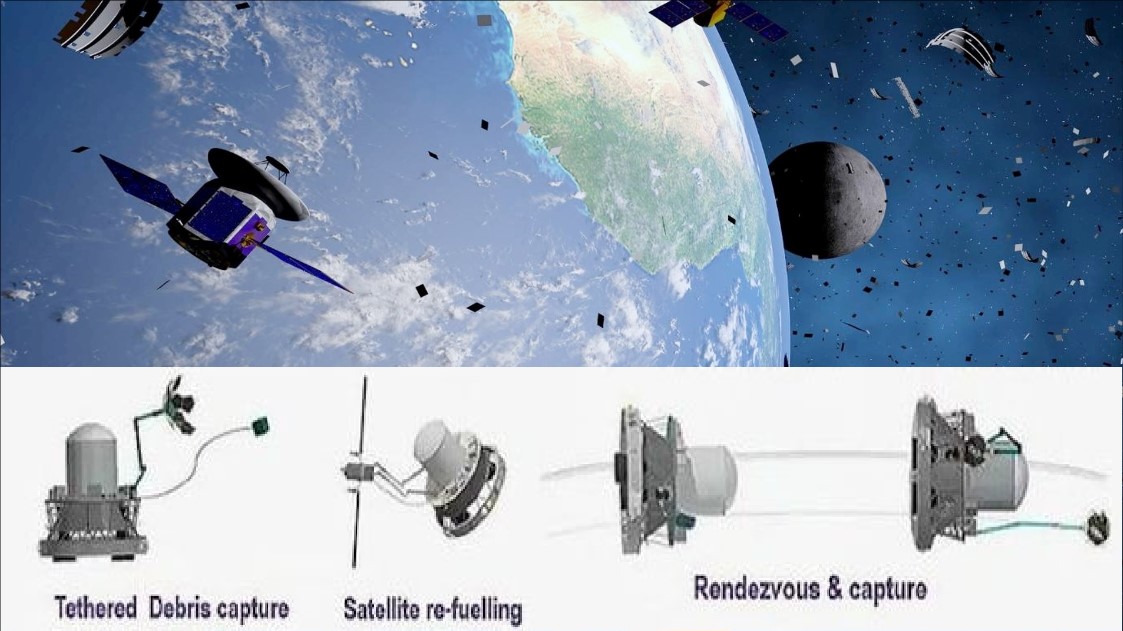
Space & Technology
India's space agency, the Indian Space Research Organisation (ISRO), is making a bold leap in satellite servicing and space debris management with its upcoming mission. This mission will test a suite of innovative technologies, the most notable being robotic arms designed to capture, maneuver, and even deorbit satellites and debris in space. This critical advancement aligns with India’s ambitious "zero debris" vision, targeting 2030 as the milestone for ensuring safer, sustainable space operations by minimizing the accumulation of space debris.New Frontiers in Satellite Servicing and Space Debris ManagementISRO's mission will center on testing what’s known as low-impact cooperative docking technology. This tech allows for secure communication and docking between two spacecraft, even when they’re in motion. In practice, it means that ISRO’s robotic arm will capture an orbiting satellite, demonstrating a level of precision required for future satellite repairs, relocations, and the deorbiting of non-functional satellites. The technology is also engineered to support satellite longevity by enabling on-orbit repairs—an essential feature for maintaining the value of India’s satellite assets.The mission will employ a tethered capture mechanism using a robotic arm. This arm, extending from a servicer satellite, will latch onto another satellite or a piece of space debris, effectively allowing ISRO to manage various orbital objects in a controlled manner. After capturing the satellite, a propulsive device will attach to it, facilitating safe deorbiting. The targeted object will descend into the Earth’s atmosphere, where it will burn up, thus preventing it from becoming a long-term collision risk for active satellites.The Complexity of Space Debris CaptureCapturing debris in orbit presents unique challenges due to the high speed and unpredictable trajectory of these objects. Even small pieces of debris can travel at velocities upwards of 28,000 kilometers per hour, making accurate tracking and capturing a feat of both engineering and timing. The tethered robotic arm must avoid any snags or vibrations, as they can destabilize the capture process and jeopardize the mission. Additionally, deploying and managing the tether requires precise adjustments to prevent it from causing unwanted oscillations that might complicate the docking procedure.The stakes are high because of the vast amount of debris currently orbiting Earth. By some estimates, there are over 40,500 pieces of space debris larger than 10 centimeters, adding to the congestion in low Earth orbit. ISRO’s robotic capture initiative aims to significantly reduce the risks associated with this overcrowding, which has grown more severe with recent satellite collisions and anti-satellite tests that generated thousands of new fragments.Understanding Tethered Capture for Debris RemovalOne cornerstone of ISRO’s approach to space debris management is tethered capture, a technology that involves a long, robust tether attached to a spacecraft. In this approach, the tether deploys to secure a piece of debris, allowing both objects—the spacecraft and the captured debris—to re-enter Earth's atmosphere. Former ISRO scientist Manish Purohit explains that tethered capture allows the combined mass of both objects to burn up upon reentry, thus preventing additional orbital pollution. ISRO’s Servicer Mission, for example, is planned to use this tethered approach for various operations on the PS4 Orbital Platform, demonstrating the feasibility of in-orbit servicing while attached to this stable platform.ISRO has recently shown a keen interest in expanding these capabilities. The agency recently published two patents detailing new mechanisms for on-orbit satellite capture. This innovation not only boosts the potential for debris removal but also opens the door to extending the lifespan of satellites through in-space repairs and maintenance.The Growing Threat of Space DebrisSpace debris is an escalating concern for all spacefaring nations. According to Harvard astrophysicist Jonathan McDowell, over 18,897 pieces of trackable space junk currently orbit Earth. Recent incidents, like a Chinese rocket colliding with existing debris, highlight the risks. Historical events have also worsened the situation: in 2007, China’s destruction of the Fengyun-1C satellite created thousands of new fragments, and the 2009 collision between U.S. and Russian satellites compounded the problem further.Additional anti-satellite tests by countries like the United States in 2008 and India in 2019 have contributed to this growing debris field. The debris from these events can stay in orbit for years, posing risks to active satellites, spacecraft, and the International Space Station.India’s Path to Zero-Debris Space by 2030ISRO’s zero-debris commitment marks a new phase in responsible space exploration. Under the Debris-Free Space Missions (DFSM) initiative, India aims for all missions—governmental and private—to adopt a zero-debris standard by 2025. Earlier this year, ISRO successfully re-entered a spent rocket from the XPoSat mission, which safely disintegrated in the Pacific Ocean. The agency also lowered the orbit of PSLV-37’s spent upper stage, ensuring it re-entered Earth’s atmosphere on October 6.By 2030, India aims to see all its missions adhere to this standard, making ISRO one of the frontrunners in sustainable space technology. This mission to test robotic capture and tethered deorbit technology is a major step toward achieving that goal. If successful, ISRO’s advancements could set a global precedent for debris management and on-orbit satellite servicing, securing a safer environment in low Earth orbit for future generations.
Read More → Posted on 2024-10-26 15:14:12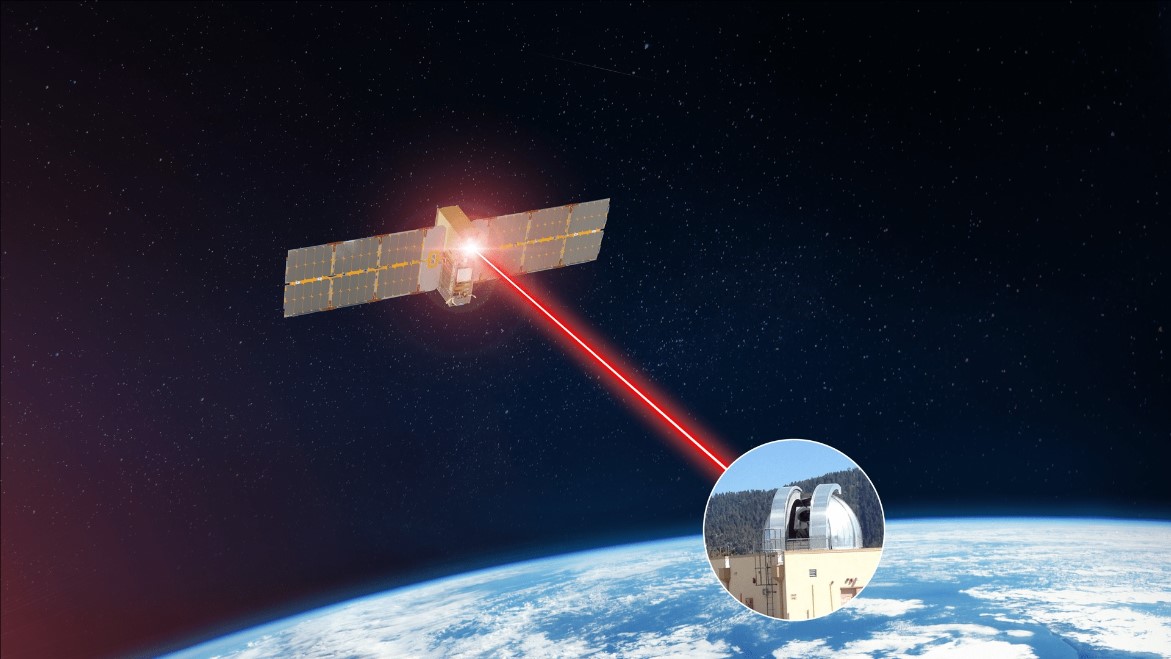
Space & Technology
In a significant leap for space communications, the French Defence Innovation Agency (AID) has announced the successful launch and operation of the Keraunos satellite, marking what is claimed to be the world's first stable Optical-Laser Infrared (OLI) communication link between a low-orbit nanosatellite and a ground station. This ambitious project was developed in collaboration with two pioneering French space companies, Cailabs and Unseenlabs, and falls under the umbrella of France's Military Programming Law for 2024-2030. The Keraunos satellite is part of a broader initiative, which also includes projects named Toutatis and Yoda, all aimed at enhancing the country's military communication capabilities.In September 2024, a joint announcement highlighted the successful test of this groundbreaking technology, which took place during the summer. The test demonstrated the potential of OLI communications for transferring data at unprecedented speeds, laying the groundwork for future military and commercial applications. While there have been other advancements in the field by NASA, China, and other nations, this test stands out as the first commercial endeavor to successfully implement such a high-speed communication link.To appreciate the implications of this technology, it's essential to understand how OLI communications differ from traditional radio frequency (RF) systems. Both methods are part of the electromagnetic (EM) spectrum, but they occupy distinct frequency ranges and bandwidths. RF systems, which utilize lower energy photons, typically operate within the range of 3 KHz to 300 GHz, while OLI communications, using infrared light, function at significantly higher frequencies (300 GHz to 400 THz). This fundamental difference allows OLI systems to transmit data at much higher speeds—up to 200 Gb/sec, which is a staggering 40 times faster than conventional RF systems. In practical terms, it means that complex data sets, like a full-resolution map of Mars, could be transmitted in nine days using OLI instead of nine weeks with RF.The military implications of OLI communications are profound. Not only does it offer speed, but it also enhances security, flexibility, and cost-effectiveness. The narrow beam width of OLI communications makes them more difficult for adversaries to detect and jam. This precision can provide a significant tactical advantage, particularly in military operations where secure and reliable communication channels are paramount. Furthermore, the components of OLI systems tend to be lighter and less voluminous, allowing for easier integration into existing infrastructures without the need for traditional, bulky antennas. This flexibility translates into lower setup costs and improved logistics for military operations.However, OLI systems are not without their limitations. The narrow focus of their communication beam means that any misalignment between the transmitter and receiver can lead to transmission loss. Additionally, environmental factors, such as rain and cloud cover, can disrupt communication links. Fortunately, the innovative technologies developed by Cailabs and Unseenlabs are designed to address these challenges, with adaptive ground receivers capable of mitigating some of the issues associated with atmospheric disturbances.The AID has expressed its commitment to integrating OLI communications into next-generation military satellites, targeting a range of platforms across land, sea, and air. This technology could significantly enhance communication capabilities for European land forces, ensuring resilience in a rapidly evolving battlefield landscape. The successful validation of OLI communications through the Keraunos test marks a pivotal moment in the evolution of space-to-ground communication, setting the stage for broader applications in both military and civilian sectors. As the world embraces this innovative technology, it is likely that OLI will become a cornerstone of future communication infrastructures, complementing existing RF systems without completely replacing them.
Read More → Posted on 2024-10-25 15:12:09
Space & Technology
China has officially stepped into the high-stakes race to explore Venus, joining India and the United States in an ambitious effort to unravel the mysteries of Earth's closest planetary neighbor. The country's newly revealed plans, outlined in its National Space Science Medium- and Long-Term Development Plan (2024–2050), include a Venus atmospheric sample return mission—a move that signals China's growing determination to be a leader in space exploration by mid-century.Unveiled on October 15, 2024, by the Chinese Academy of Sciences (CAS), the China National Space Administration (CNSA), and the China Manned Space Engineering Office (CMSEO), the roadmap details China's strategic approach to space exploration over the next few decades. The plan highlights the nation's intention to deepen its space science capabilities, culminating in the collection of atmospheric samples from Venus—an achievement that would mark a major milestone in planetary exploration.### China's Venus AmbitionThe mission to Venus is part of a broader, three-phase strategy that will guide China's space efforts up until 2050. The most exciting aspect of this plan is the second phase (2028–2035), where China will focus on sending a spacecraft to Venus to collect atmospheric samples and bring them back to Earth. This is no small feat, given Venus’s hostile environment, with scorching surface temperatures that can melt lead and thick clouds of sulfuric acid that blanket the planet. Yet China’s plan showcases the technological innovation it has cultivated over the years.The Venus sample return mission may involve some advanced engineering: a spacecraft would descend into the planet’s atmosphere, potentially using a balloon to collect gases and particles. The ascent vehicle would then launch from the Venusian atmosphere to an orbiter that would ferry the precious cargo back to Earth. If successful, it would be the first mission to return atmospheric samples from another planet, giving scientists unprecedented access to Venus’s secrets.### Why Venus MattersVenus has long been a subject of fascination due to its similarities to Earth in size and composition, but it presents stark differences in terms of climate and habitability. The planet is often referred to as Earth’s "evil twin" because of its extreme conditions. Yet, recent discoveries have renewed interest in the possibility of life, particularly the detection of phosphine gas in Venus's upper atmosphere. This gas, on Earth, is associated with biological activity, sparking debates about whether microbial life could exist in Venus’s clouds. China’s sample return mission aims to delve deeper into these questions. By capturing and analyzing samples from Venus’s atmosphere, scientists hope to better understand the planet's climate, its potential for habitability, and the broader mechanisms at work in planetary evolution. Understanding Venus could also shed light on the future of Earth’s climate, as both planets may have shared similar conditions early in their histories before diverging dramatically.### A Global Race to VenusChina’s ambitious plan comes at a time when other space powers are also preparing for Venus missions. India has already greenlit its Venus Orbiter Mission (VOM), which is set to launch in 2028, aiming to study the planet’s atmosphere, surface, and interactions with solar winds. Meanwhile, NASA is gearing up for its VERITAS mission, which will focus on mapping Venus’s surface and uncovering its geological past, possibly solving the mystery of whether Venus once had conditions suitable for life.China’s involvement adds a competitive edge to the global race to Venus. The U.S. has long been a leader in planetary exploration, and India's recent strides in space technology—demonstrated by its successful missions to Mars and the Moon—make it a formidable competitor. With China now joining this race, the competition is heating up, and the stakes are high. The insights gained from Venus could revolutionize our understanding of planetary systems, including our own.### China’s Broader Space AmbitionsThe Venus mission is just one part of China’s expansive vision for space exploration. In the first phase of the roadmap (2024–2027), China is focusing on completing crewed lunar landings and maintaining operations on its Tiangong space station. The third phase (2036–2050) will target even more advanced missions, possibly including explorations beyond our solar system. China’s long-term goal is to solidify its position as a dominant force in space, challenging the current dominance of the U.S. and emerging players like India and the European Space Agency.China’s determination to explore Venus underscores its growing ambitions to lead the next era of space exploration. As the global competition intensifies, missions like this could pave the way for remarkable scientific breakthroughs, positioning China as a key player in humanity's quest to explore the cosmos.### The Road AheadBy committing to a Venus atmospheric sample return mission, China is not just following in the footsteps of other space-faring nations—it is setting the stage for a new era of planetary exploration. The mission’s success could answer some of the most profound questions about the origins and evolution of planets, including our own. And as China, India, and the United States race to unlock Venus’s secrets, the world watches with anticipation, eager to see what the next great chapter in space exploration will bring.
Read More → Posted on 2024-10-24 15:22:58
Space & Technology
A fascinating new study hints at the possibility that Mars, the Red Planet long thought to be dry and inhospitable, might harbor conditions suitable for life beneath its icy surface. According to the research, photosynthesis—an essential process for life on Earth—could theoretically occur in specific areas of Mars, deep below layers of dusty ice in the planet's mid-latitudes. This revelation opens up new possibilities for future Mars missions and where scientists should focus their search for life.Photosynthesis, the process that allows plants, algae, and some bacteria to produce energy by converting sunlight, requires two crucial ingredients: water and light. Earth’s plants use this process to create oxygen and sustain life. While Mars lacks many of the conditions found on Earth, the study proposes that the planet's icy regions might provide a shield from the harsh solar radiation that bombards its surface, while still allowing enough sunlight to penetrate for photosynthesis to happen beneath the ice. These potential "radiative habitable zones" could offer an environment where life, as we know it, might survive.It's important to note that this study does not claim life exists on Mars today or ever did, but it does give scientists valuable clues about where to direct their search. “We are not stating we have found life on Mars,” said Aditya Khuller, the lead researcher from NASA's Jet Propulsion Laboratory, “but instead we believe that dusty Martian ice exposures in the mid-latitudes represent the most easily accessible places to search for Martian life today.”Earth vs. Mars: A Tale of Two PlanetsBoth Earth and Mars sit within the so-called "habitable zone" of the solar system—the region around a star where temperatures are just right for liquid water to exist. However, while Earth is abundant with oceans, Mars appears dry and barren. Despite this, missions like NASA’s Curiosity and Perseverance rovers have found evidence that water once flowed on the Martian surface billions of years ago, as evidenced by the planet's ancient riverbeds and lake basins.Mars lost its liquid water long ago, likely due to the collapse of its magnetic field, which left its atmosphere exposed to the sun's powerful solar winds. Without a thick atmosphere, Mars couldn’t hold onto its water, and most of it evaporated into space. The remaining water is mostly trapped in ice, especially at the poles. Additionally, the lack of an ozone layer on Mars means its surface is constantly bombarded by deadly ultraviolet radiation, which complicates the potential for life.However, the new study suggests that beneath the surface of Mars' ice, liquid water could potentially form. The ice, particularly if it contains small amounts of dust, could melt from within, creating an environment where both water and sunlight coexist. In this scenario, sunlight penetrates the ice but is filtered enough to block harmful UV radiation, creating a potentially habitable environment.The Potential for Life Beneath the IceKhuller's team used computer simulations to investigate how dusty ice on Mars behaves. The results showed that thin layers of dust within Martian ice can trap heat, causing the ice to melt just below the surface. This melting could create shallow liquid water reservoirs, protected from evaporation by the overlying ice. For photosynthesis to happen, both water and sunlight need to reach these depths. According to the simulations, in regions where the ice contains 0.01% to 0.1% dust, sunlight could penetrate between 5 to 38 centimeters, creating these "radiative habitable zones."Interestingly, Earth provides some evidence to support this theory. On Earth, there are formations called "cryoconite holes" on glaciers where dust melts into the ice, allowing water to pool around it. Microorganisms have been found living in these environments, surviving by going dormant in the winter and reviving in the summer when sunlight creates liquid water beneath the surface. The Martian dusty ice layers could potentially offer a similar refuge for life, even if it’s in the form of microbial organisms.What’s Next in the Search for Martian Life?The study doesn’t confirm life on Mars, but it does offer a roadmap for future exploration. These radiative habitable zones may be the most promising places to search for signs of life on Mars. The next steps for the research team include refining their simulations and conducting laboratory experiments to recreate these dusty ice conditions.Mars remains an enigmatic planet, but studies like this bring us closer to understanding whether life could have once existed—or may still exist—on this nearby world. With future missions planned to explore the Martian subsurface, the possibility of finding life beneath its icy crust becomes increasingly compelling.The team's findings were published in the journal Nature Communications Earth & Environment on October 17, offering new hope in the continuing quest to answer one of humanity's biggest questions: Are we alone in the universe?
Read More → Posted on 2024-10-17 15:13:31
Space & Technology
China's manufacturing sector is facing a critical labor shortage, but a new wave of automation may offer a solution. A Chinese robot maker, UBTech, has received over 500 orders for its humanoid robot, the Walker S1, from car manufacturers. This breakthrough development signals a shift toward automation in an industry where finding skilled labor is increasingly difficult.The Walker S1, unveiled by UBTech earlier this week, is already making strides in several factories, including those of BYD, the world’s largest electric vehicle producer. These robots are designed to work seamlessly alongside unmanned logistic vehicles and intelligent manufacturing systems, creating an unprecedented level of automation in large-scale operations. In fact, UBTech claims that it is the first in the world to introduce humanoid robots working in tandem with such systems. The challenge of meeting China's manufacturing demands is becoming more urgent. In 2017, the Ministry of Human Resources and Social Security predicted that major industries, including automotive manufacturing, would face a shortage of 30 million workers by 2025. Compounding the issue, recruitment demand in the new energy vehicle sector has surged by 32% year-on-year in 2023, according to a report from the China Centre for Information Industry Development. Despite this growing demand, China’s vocational education system has struggled to produce enough skilled workers to fill the gap. Meanwhile, university graduates typically steer clear of blue-collar roles, leaving many manufacturing positions unfilled.UBTech's Walker S1 presents a potential game-changer in this context. This humanoid robot stands at 172 cm (about 5.6 feet) and weighs 76 kg (167 pounds), making it comparable in size to a human. The robot can perform a wide range of tasks typically assigned to human workers in manufacturing settings. From visual quality inspections to carrying parcels, using electric screwdrivers, and assembling components, the Walker S1 is versatile and highly adaptable. It is designed to reduce reliance on human labor by taking over tedious, repetitive, and potentially hazardous tasks in the factory.According to UBTech’s chief brand officer, Tan Min, robotic arms currently handle around 70% of the workload in automated factories, while the remaining 30% is left to humans. UBTech's vision is to reduce that human labor share to just 10%, allowing workers to focus on more specialized tasks like tool management and collaboration with machines. In the near future, humanoid robots like the Walker S1 could replace up to 20% of the workload in automated factories.One of the key benefits of humanoid robots in manufacturing is their ability to alleviate physical strain on human workers. Long-term exposure to heavy lifting, repetitive motions, and toxic substances poses significant risks to workers’ health. By taking over these demanding tasks, robots like the Walker S1 can help protect workers from injury and burnout.UBTech’s ambitious plans have caught the attention of several leading companies. Beyond its work with BYD, the Walker S1 is also being integrated into the operations of major automobile manufacturers such as state-owned Dongfeng Motor, FAW-Volkswagen, and Geely. Additionally, UBTech has partnered with electronics giant Foxconn and logistics company SF Express, further expanding the robot's reach into large-scale industrial operations.UBTech, which is backed by Chinese tech conglomerate Tencent, made its debut on the Hong Kong stock exchange in December. As the company continues to innovate, its Walker S1 robot could become a cornerstone of China’s strategy to tackle labor shortages and improve efficiency in its manufacturing sector. The ongoing development of humanoid robots is not just about easing the burden on the workforce—it’s about transforming the future of manufacturing by blending human ingenuity with cutting-edge technology.With China facing a looming labor crisis and automation becoming more essential than ever, the rise of humanoid robots like UBTech’s Walker S1 could mark the beginning of a new era for the nation’s manufacturing industry. These robots offer a tangible solution to the labor shortage, while also paving the way for a more automated and efficient industrial landscape.
Read More → Posted on 2024-10-17 15:06:04
Space & Technology
In a move that could escalate existing tech tensions between China and the United States, the Cyber Security Association of China (CSAC) has called for a comprehensive cybersecurity review of Intel products sold in the country. The organization, which operates under the supervision of the Cyberspace Administration of China, cited concerns over “frequent vulnerabilities and high failure rates” associated with Intel's central processing units (CPUs). The CSAC's recent WeChat post pointed to multiple security issues and alleged that certain Intel chip series had caused performance problems, including video game crashes.The Vulnerabilities in QuestionThe CSAC identified specific security weaknesses in Intel's chips, including vulnerabilities known as Downfall, GhostRace, and NativeBHI. These issues have been linked to flaws in speculative execution, a feature that helps processors predict future tasks to speed up operations. Downfall, also referred to by Intel as Gather Data Sampling, was brought to light in 2022 but gained significant attention in 2023. It allows attackers to exploit the chip's speculative execution process, potentially stealing sensitive data. The association's concerns extend beyond data theft to include the stability of Intel's 13th and 14th generation Core processors, which reportedly suffered from a microcode algorithm issue that led to video game crashes.The cybersecurity group accused Intel of being slow to address these flaws. In the case of the video game issue, it took Intel more than half a year to resolve the problem, which had frustrated many users since late 2023. In July, Intel admitted that a microcode issue caused the malfunction, citing “incorrect voltage requests to the processor” as the root cause.Potential Backdoor RisksOne of the more alarming allegations from the CSAC is the possibility of a "secret back-door system" embedded within Intel's processors. The post referenced insights from hardware security expert Damien Zammit, who had previously raised concerns about Intel's Management Engine (ME), a subsystem within the CPU that operates as a separate processor core. Introduced years ago, ME is designed to enable remote management of computers through Intel’s Active Management Technology (AMT). However, some cybersecurity professionals view this subsystem as a potential security risk because it cannot be disabled and its proprietary codes are not openly disclosed. This hidden functionality could, in theory, be exploited by hackers to access user data or launch cyberattacks without detection.A Strained U.S.-China Tech LandscapeThe CSAC’s call for a review comes at a time of growing tech rivalry between the U.S. and China. The U.S. has imposed restrictions on the export of advanced semiconductors and manufacturing equipment to China, leading to heightened scrutiny on tech firms operating between the two nations. The controversy surrounding Intel comes shortly after Micron Technology, another U.S.-based semiconductor giant, underwent a similar cybersecurity review in China. Such actions are seen as part of China's broader effort to reduce reliance on foreign technology amid U.S. pressure.The Economic Stakes for IntelIntel, a significant player in China’s semiconductor market, may face economic consequences if the CSAC’s recommendations lead to tighter regulations. China accounted for around 27% of Intel's total revenue, approximately $14.6 billion, in 2023. With Intel’s X86 chip architecture powering 90% of the servers in China, the stakes are high for both the company and the Chinese tech ecosystem.The potential for further complications arises from the recently passed U.S. Chips and Science Act, which aims to bolster America's semiconductor industry through subsidies and research funding. The Chinese government views this as an attempt by the U.S. to curtail China’s access to critical technologies, leading to increased scrutiny of foreign firms like Intel.A History of ConcernsIntel's chips have faced security questions over the years, with vulnerabilities such as Meltdown, Spectre, and Foreshadow raising alarms about potential exploits in speculative execution processes. The latest accusations from the CSAC are part of a continuing debate over whether Intel and other U.S. tech firms adequately address security issues, especially in international markets.While Intel has not yet responded to the CSAC’s latest call for a review, the controversy could prompt a new phase of scrutiny that extends beyond China. As nations and tech companies alike grapple with the balance between innovation, security, and geopolitics, the handling of Intel's alleged vulnerabilities may set a precedent for future cross-border cybersecurity regulations.The unfolding situation with Intel underscores the complexities and strategic importance of semiconductor technology in the broader U.S.-China competition, where every vulnerability and regulatory decision can carry significant political and economic weight.
Read More → Posted on 2024-10-16 15:31:30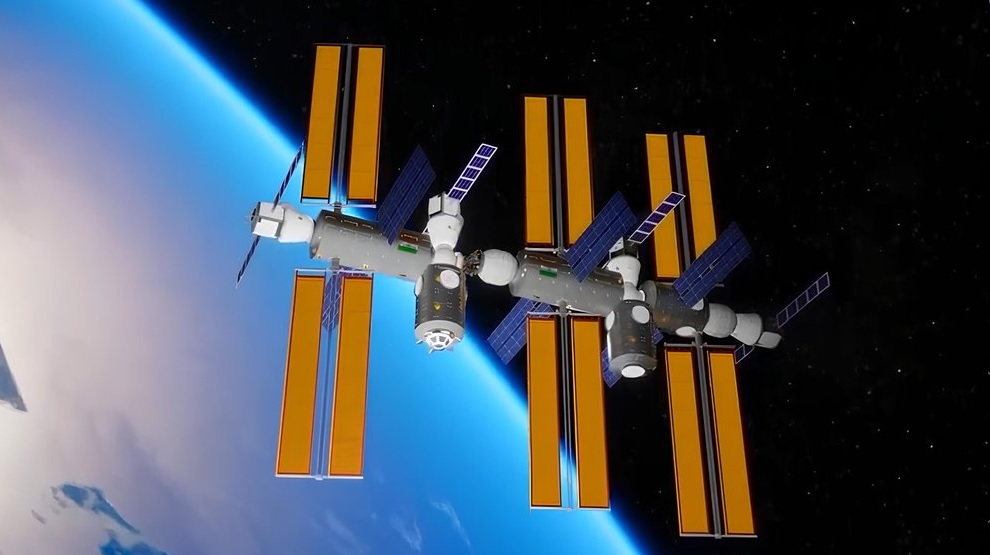
Space & Technology
The Indian Space Research Organisation (ISRO) is gearing up for a crucial docking test, known as the Space Docking Experiment (Spadex), expected to take place before December 15, 2024. This docking test represents a significant step in the lead-up to India’s ambitious Gaganyaan mission, which will send astronauts into low Earth orbit, marking India’s debut in human spaceflight.The Gaganyaan mission is at the heart of ISRO’s space exploration aspirations. It aims to demonstrate India's ability to conduct manned missions in space, further expanding its capability in the global space race. One of the mission’s vital components is the ability to dock spacecraft in orbit—a skill crucial not only for crewed missions but also for long-term projects like building India’s own space station and facilitating lunar missions like Chandrayaan-4.The Importance of the Spadex MissionAt the core of this upcoming test is ISRO's Space Docking Experiment (Spadex), which is designed to validate India's docking capabilities. The mission will see two satellite components launched separately, which will then rendezvous and dock while orbiting Earth. This demonstration of orbital docking is crucial for the future of space missions that will require joining spacecraft mid-flight, such as constructing space stations or facilitating crew and supply transfers in space.ISRO Chairman S Somanath has noted that the Spadex mission is nearing its final stages of preparation. The integration of the two docking satellite units is almost complete, with full testing and simulations scheduled in the weeks leading up to the December docking test. Success in this test will bring India closer to mastering the technical complexity required for future space endeavors.The docking experiment is more than just a trial run. It serves as a precursor to ISRO’s long-term goals, including crewed spaceflights and possible future collaborations on international space station projects. It’s also an essential validation for the Gaganyaan-1 (G1) mission, scheduled for December 2024, which will be the first uncrewed test of the Gaganyaan spacecraft.Vyommitra: The Humanoid Aboard GaganyaanAdding a futuristic touch to the Gaganyaan mission is the humanoid robot Vyommitra, a key part of ISRO’s human spaceflight experiment. During the G1 mission, Vyommitra will simulate human activity onboard the spacecraft, performing tasks and monitoring life support systems. Vyommitra’s role is not just for show; it will gather vital data on conditions in the spacecraft, mimicking how future human astronauts would interact with the environment.In addition to Vyommitra, ISRO is testing the Environmental Control and Life Support System (ECLSS), a system essential for maintaining a livable environment for astronauts. An unpressurized engineering model of the ECLSS will be part of the G1 mission, validating its design and functionality before actual human use.Preparing for India's First Crewed MissionThe Spadex mission and the uncrewed Gaganyaan test flights are all leading up to the ultimate goal of sending Indian astronauts, or "Vyomanauts," into space. The modified LVM3 rocket, equipped with a new cryogenic stage, will provide the necessary power to launch the Gaganyaan spacecraft into orbit. This upgraded cryogenic engine is critical for delivering the thrust required to safely transport crew members into space and ensure their return.The uncrewed G1 test flight in December 2024 will be a significant milestone in assessing Gaganyaan's human spaceflight capabilities. The success of these docking and flight tests will demonstrate ISRO’s readiness for crewed missions, paving the way for India's entry into human space exploration.In conclusion, the upcoming docking test before December 15 is a pivotal moment for ISRO’s Gaganyaan program. As India moves closer to realizing its human spaceflight ambitions, this test not only validates the technical prowess of the space agency but also sets the stage for a new era in Indian space exploration.
Read More → Posted on 2024-10-15 14:46:00Search
Top Trending in 24 Hours
-
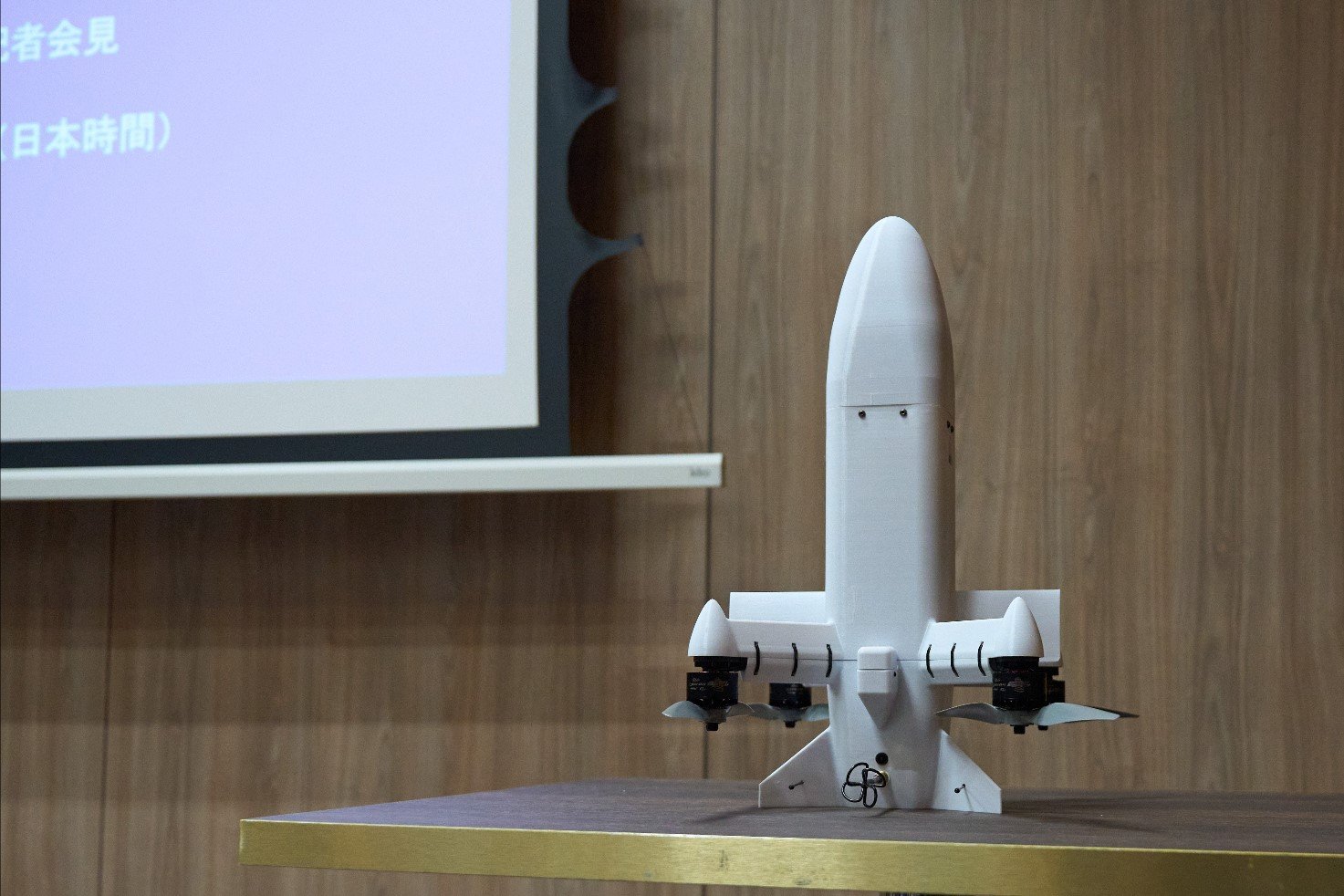 Japan Selects Terra Drone’s Terra B1 for Mass Production of Interceptor UAVs
-
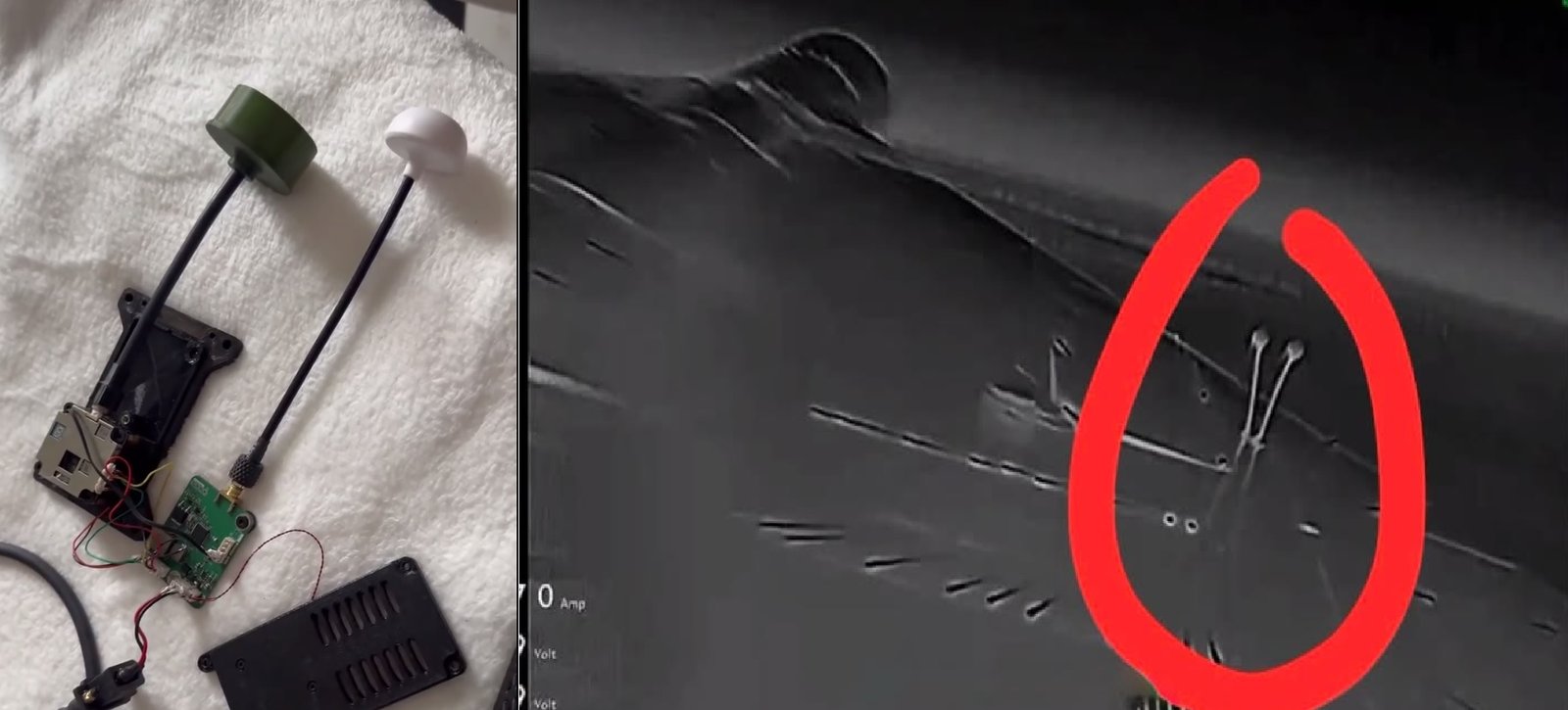 Russia Equips Shahed and Geran Drones With Electronic Warfare Systems to Jam Ukrainian Interceptor Video Links
-
 Austria Receives First Modernized Leopard 2A4Ö Tank and Ulan NV Infantry Fighting Vehicle
-
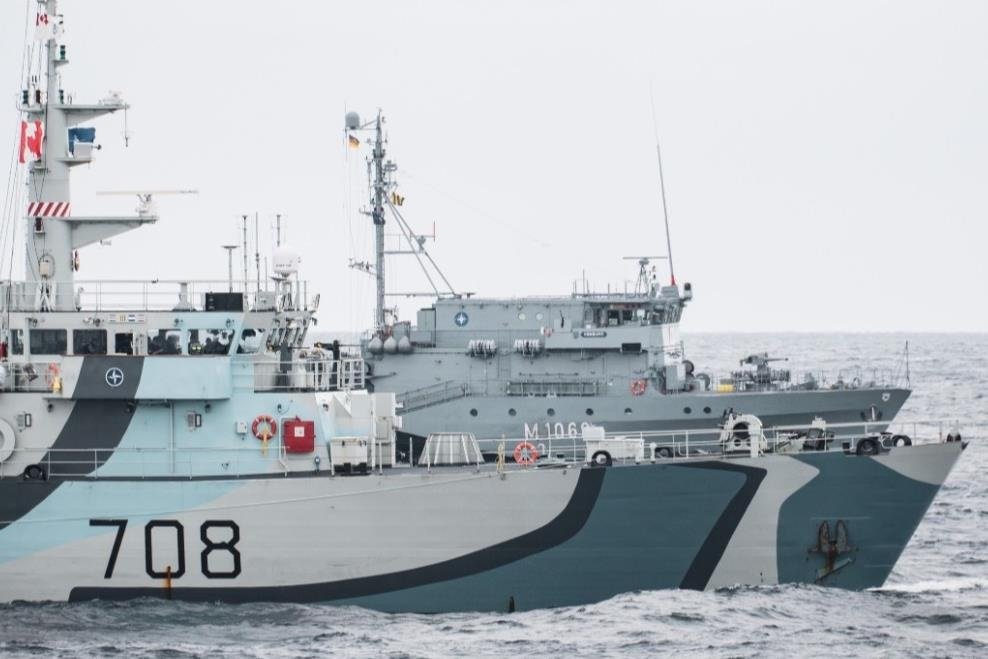 NATO Launches Exercise Northern Viking 26 in Iceland to Secure North Atlantic Routes
-
 Ukraine Reduces Use of Western Tanks as Cheap Drones Become a Major Battlefield Threat
-
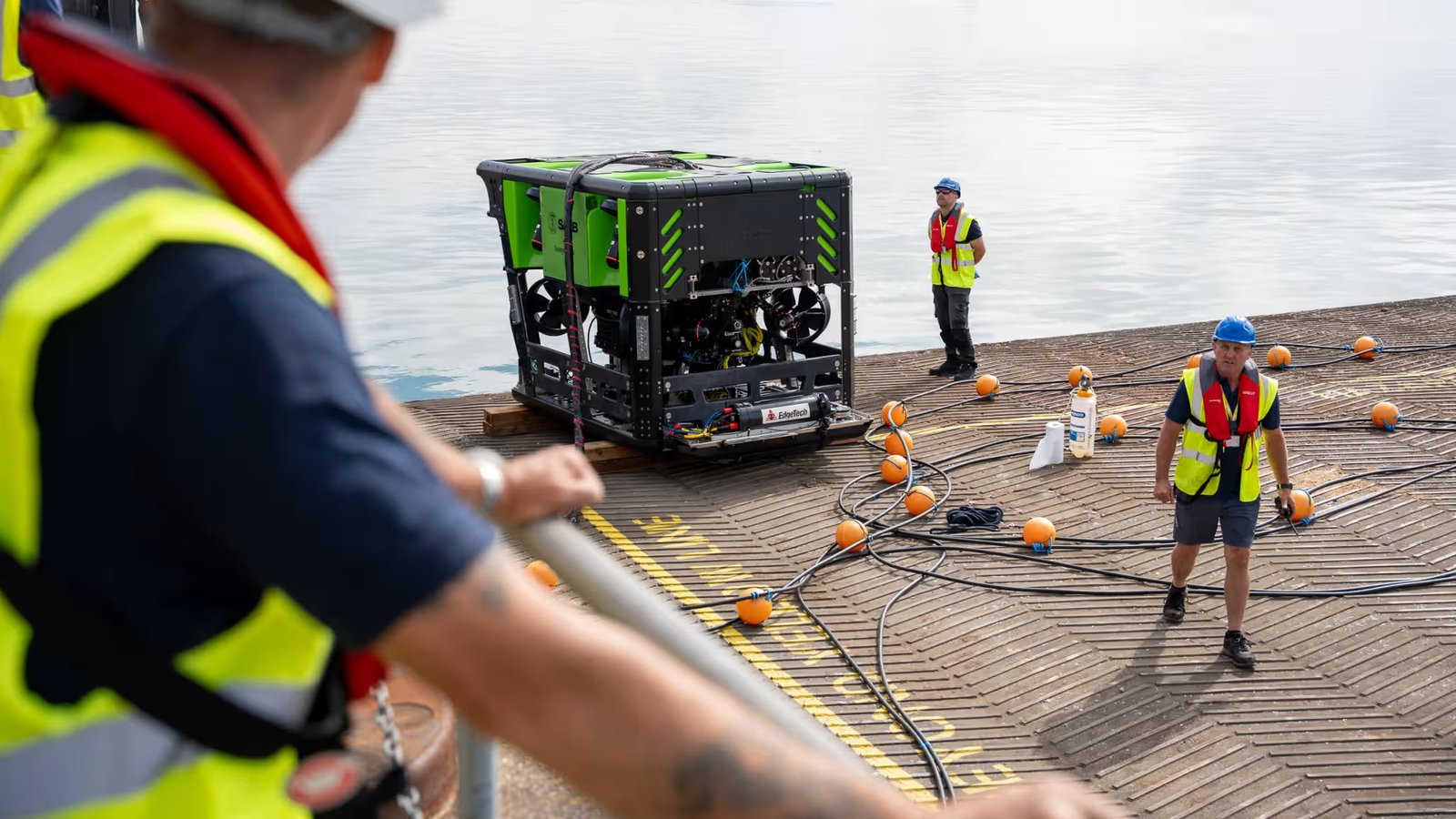 Saab UK Completes Key Trials of Seaeye SR20 eWROV, Moves to Next Development Phase
-
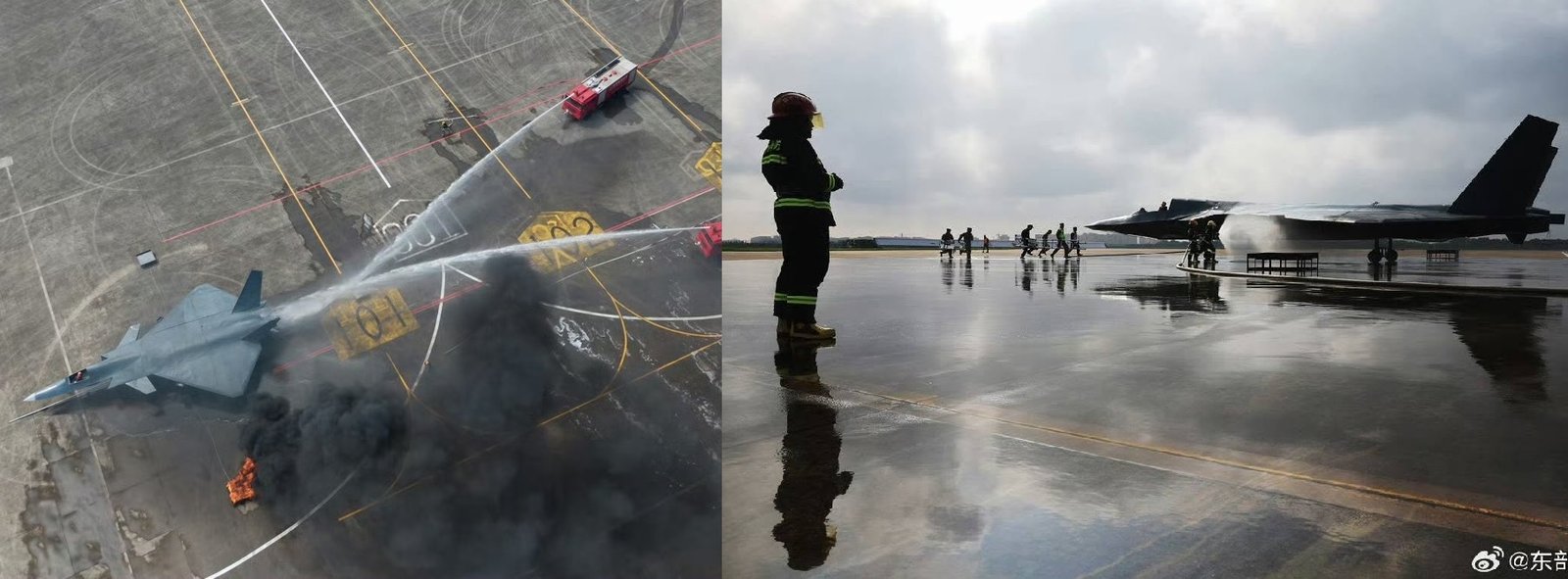 Mystery Chinese J-20-Like Object Seen at Former Airport Was a Firefighting Training Mock-Up
-
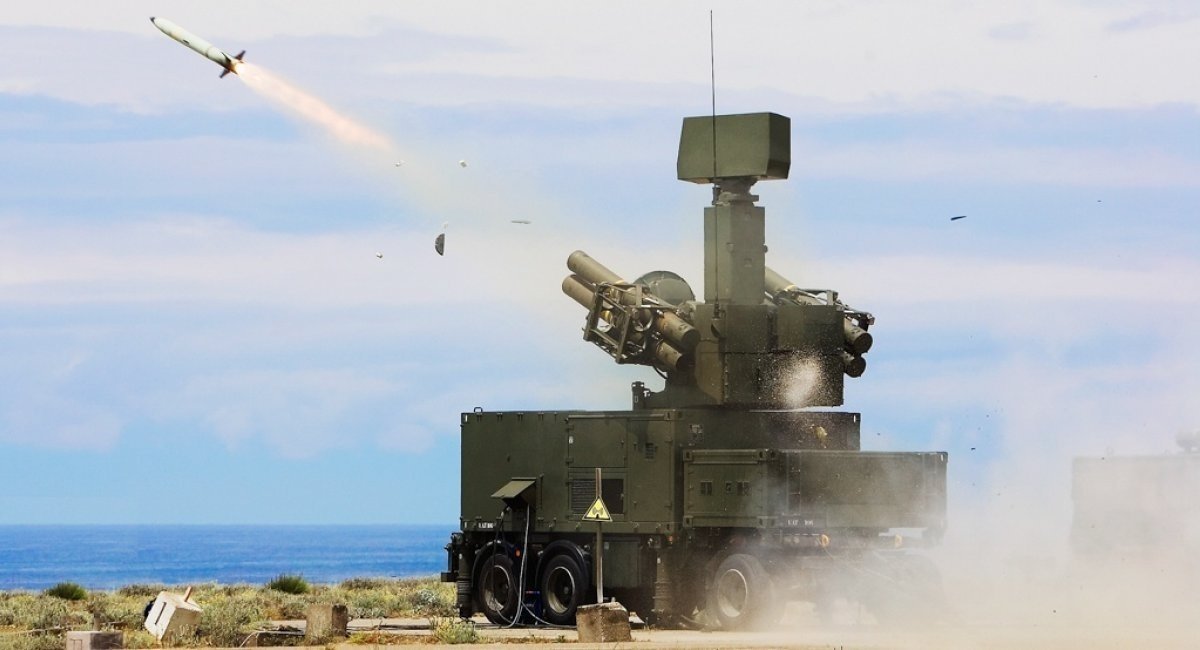 Ukraine Confirms Crotale Air Defense System Transfers from France, Additional Patriot Interceptors and AIM Missiles as Europe Expands Defense Support
Top Trending in 4 Days
-
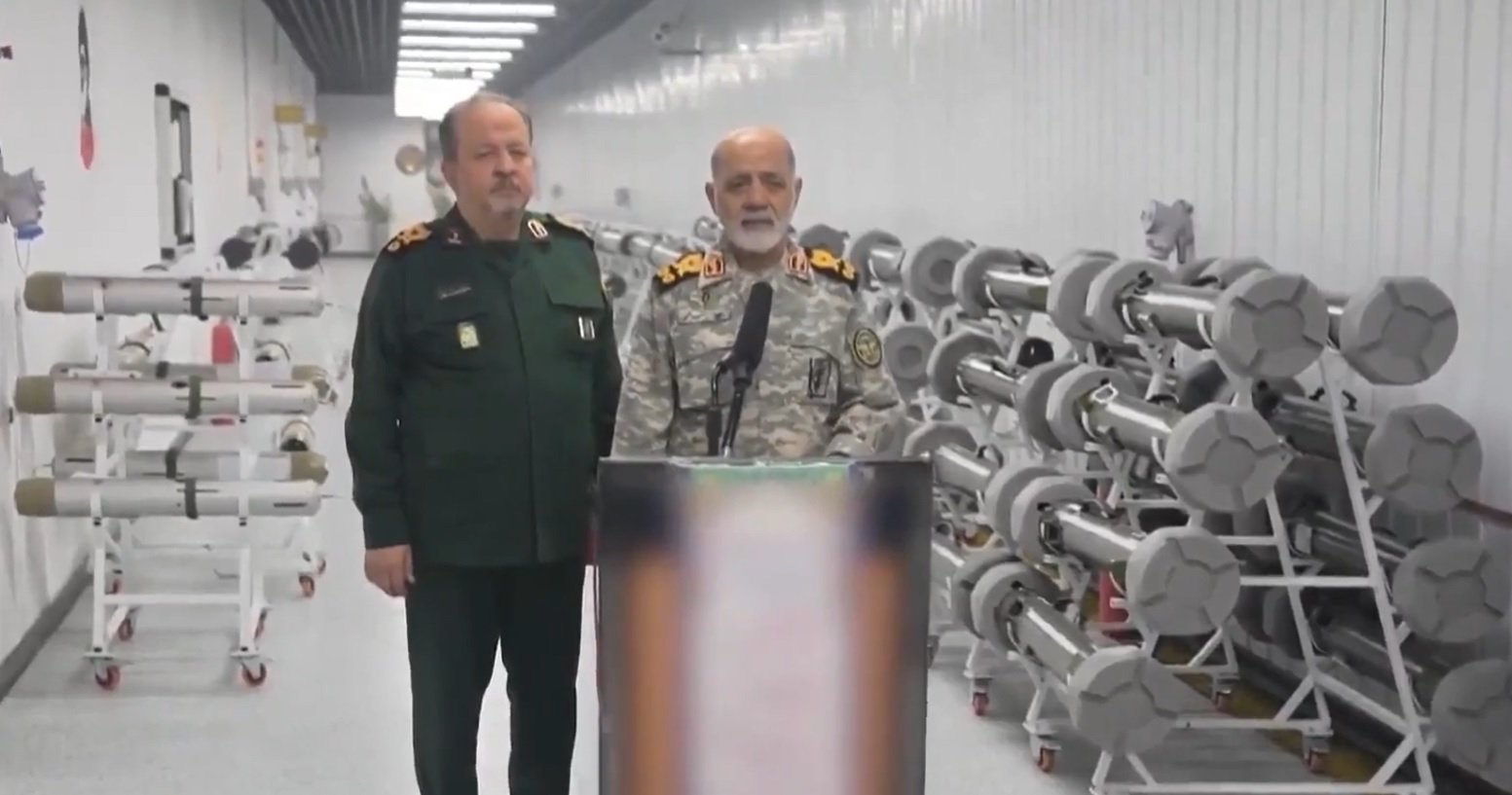 Iran Reveals Underground Weapons Manufacturing Facility for First Time on State TV
-
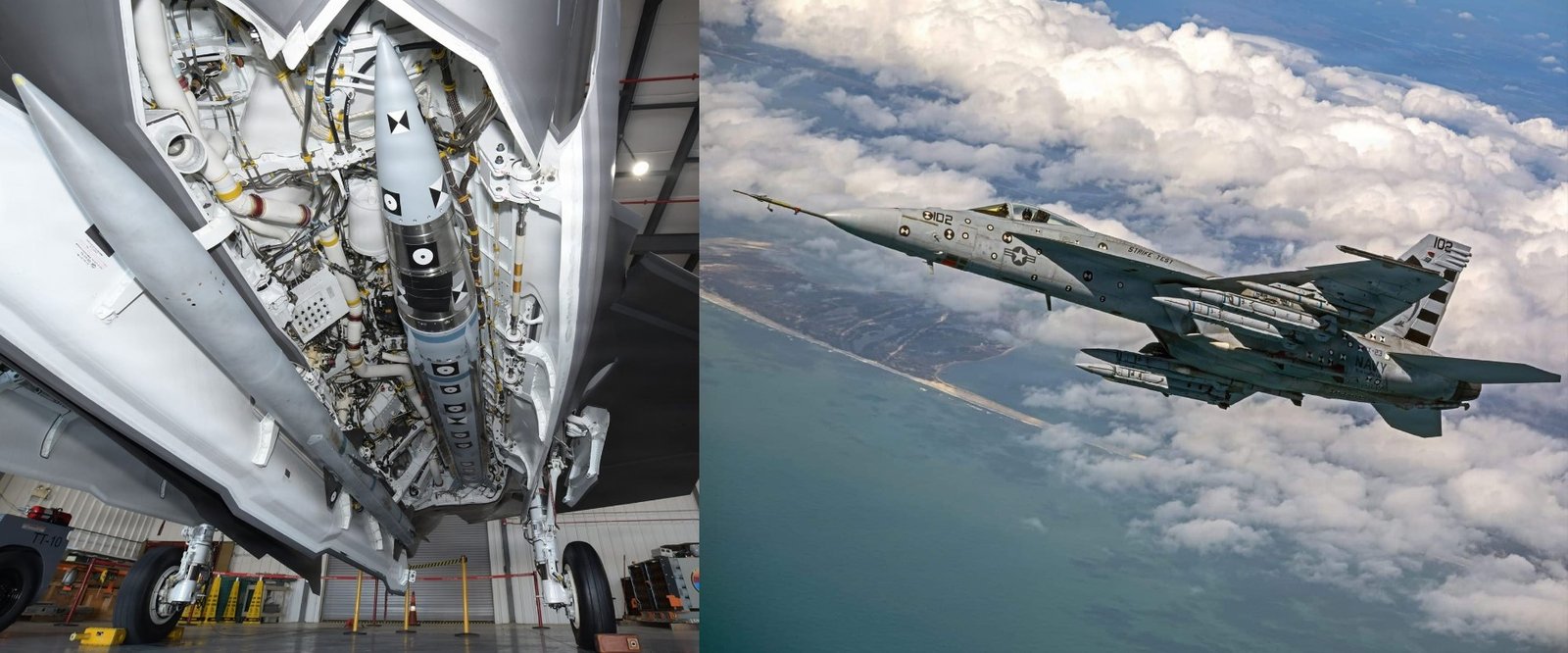 U.S. Navy Unveils New AIM-424 ‘Malice’ Air-to-Air Missile With 463+ km Range for F-35C, Super Hornet and F/A-XX
-
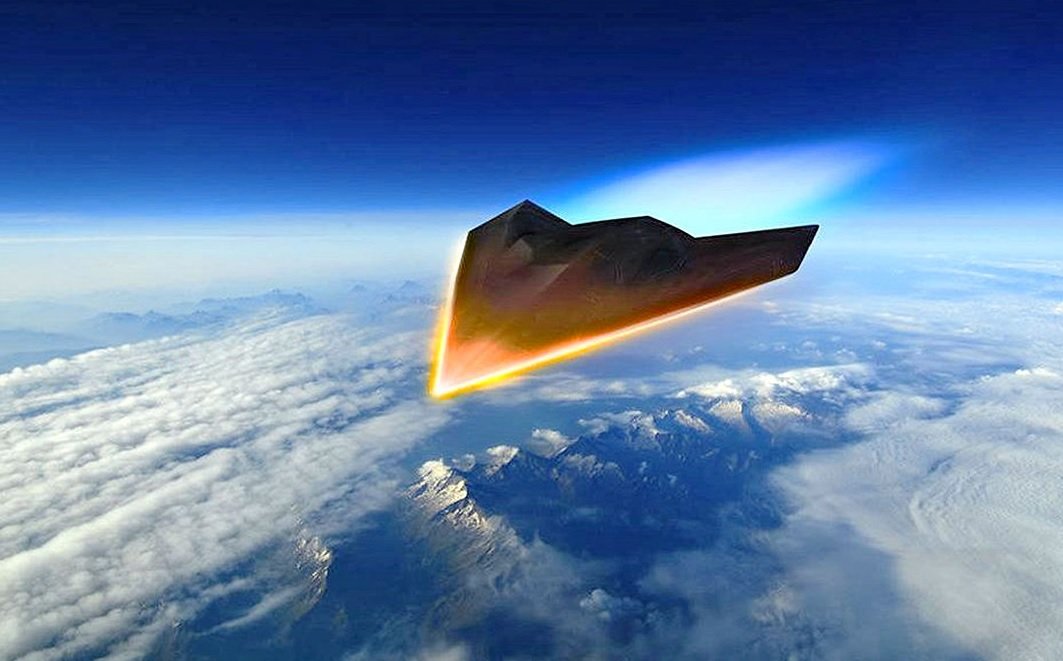 China Develops Hypersonic Glide Vehicles Capable of Launching Air-to-Air Missiles Mid-Flight
-
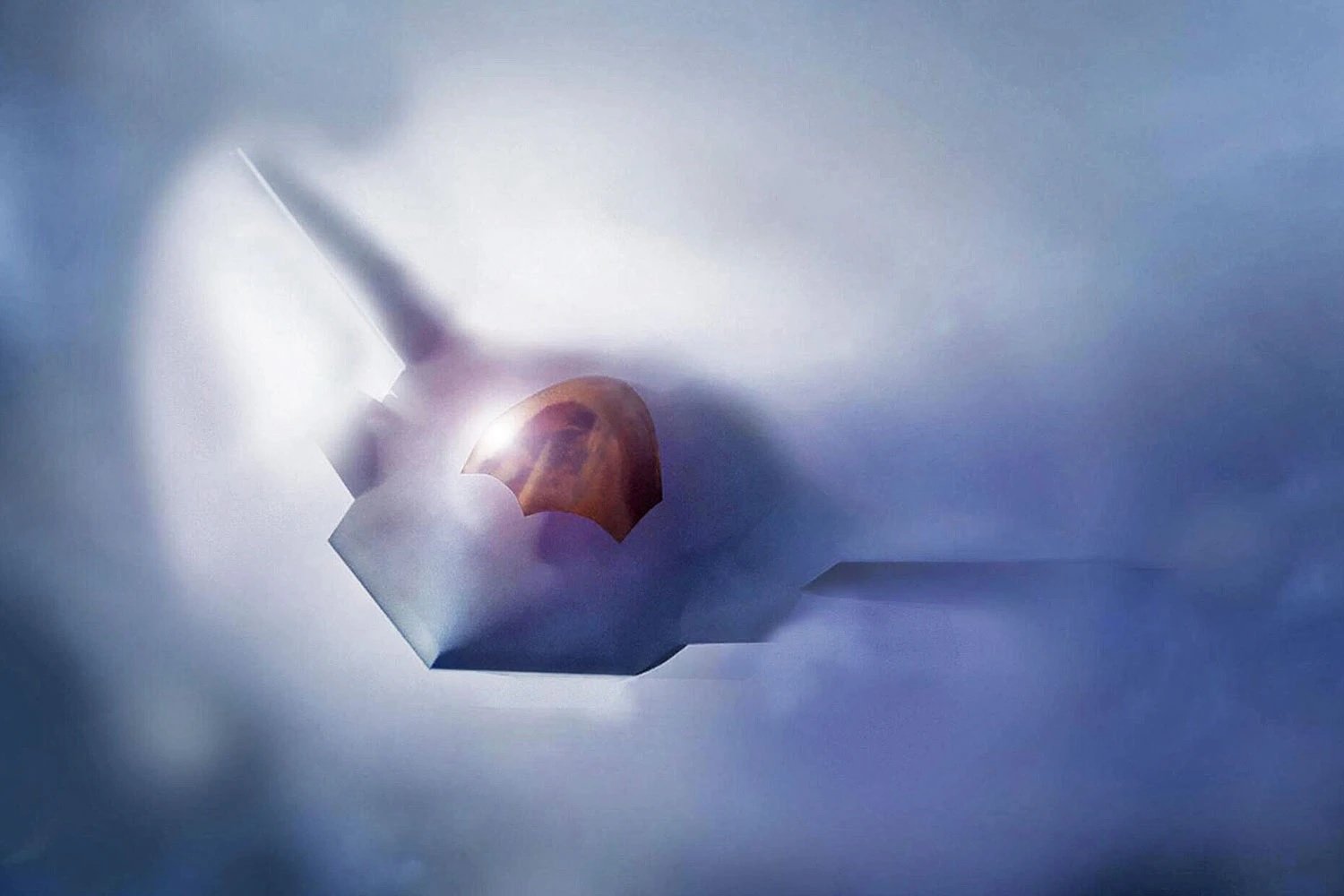 Israel Explores Potential Acquisition of U.S. F-47 Sixth-Generation Fighter
-
 Iran-Linked Hackers Shut Down UK Power Plant for Four Days in First Known Attack
-
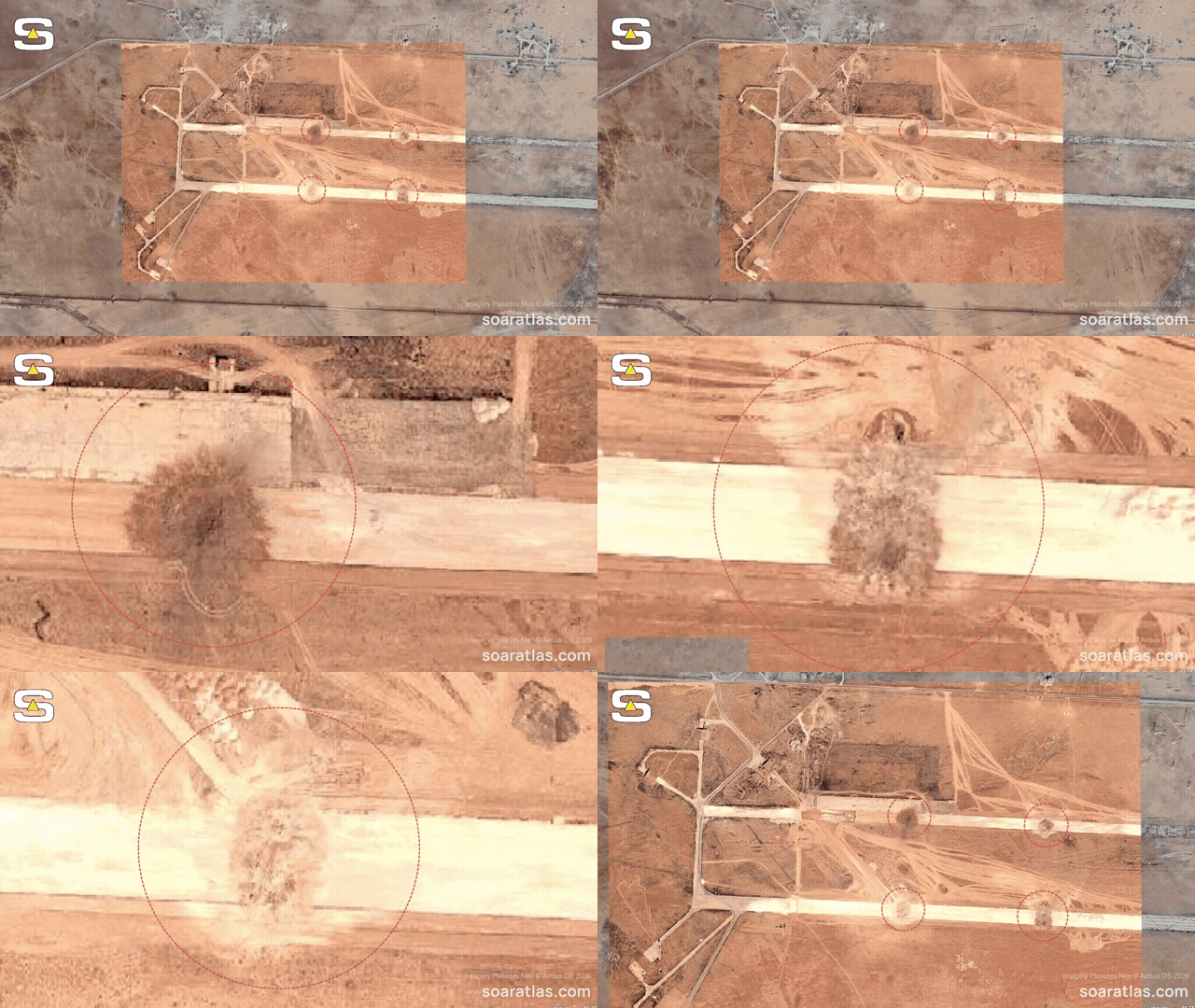 Satellite Imagery Shows Damage From Israeli Strikes on Turkey Military Occupied Syria’s Abu al-Duhur Airbase
-
 Ukraine Holds World’s First Unmanned Military Parade on 35th Independence Day
-
 UAE Completes Protective Metal Structures Around Fuel Tanks Near Dubai International Airport