
Space & Technology
In an extraordinary feat of engineering, SpaceX took another major leap forward in space exploration on Sunday, pulling off its most daring Starship test to date. For the first time, the company successfully caught a returning Starship booster with massive mechanical arms, marking a historic milestone in its mission to revolutionize space travel.SpaceX's Starship rocket, towering nearly 400 feet (121 meters), blasted off from the southern tip of Texas at sunrise, aiming for the stars. This launch, the fifth attempt of its kind, sought to push the boundaries of spaceflight with a goal unlike any before it: not only launching the rocket but also retrieving its booster mid-air, an achievement that Elon Musk excitedly called “science fiction without the fiction part.”The Starship rocket, constructed primarily of stainless steel, shot across the Gulf of Mexico, repeating the path of earlier Starships. However, where past rockets had met fiery ends—either exploding or splashing down in the ocean—this test flight ended in a triumphant recovery. Just seven minutes after liftoff, the massive 232-foot (71-meter) first-stage booster returned to the launch pad. Waiting for it were SpaceX's "chopsticks," the colossal metal arms mounted on the launch tower, which snatched the booster out of the air and held it securely, dangling it high above the ground. The sheer precision of the operation had the SpaceX team erupting in celebration.Musk, the founder and CEO of SpaceX, took to X (formerly Twitter) to share his excitement. “The tower has caught the rocket!! Big step towards making life multi-planetary was made today,” he announced. The retrieval of the booster marked a significant step in SpaceX’s ultimate goal of reusability—a key factor in reducing the cost of space travel and making ambitious missions to the moon and Mars feasible.The feat was met with jubilation not only at SpaceX but across the space community. NASA Administrator Bill Nelson joined in congratulating the SpaceX team, highlighting the importance of this achievement in pushing the boundaries of what’s possible in modern space exploration.While the booster was caught by the mechanical arms, the empty Starship spacecraft, which had been launched atop it, completed its orbit around the Earth and made a controlled descent, landing in the Indian Ocean exactly as planned. Cameras stationed in the ocean captured the spacecraft’s descent, with flames shooting from the impact as it touched down on water, a calculated part of the mission's plan.This achievement was no ordinary test flight. According to SpaceX, everything had to align perfectly for this complex retrieval mission to succeed. The flight director held manual control and made real-time decisions on whether to proceed with the catch. Both the booster and the tower needed to be in stable condition for the mid-air retrieval to be safe and precise. With all systems greenlit, SpaceX pulled off this groundbreaking feat.This latest test flight builds on lessons learned from a previous Starship launch in June, which saw parts of the spacecraft come off towards the end of its flight. Since then, SpaceX has made significant upgrades, improving the rocket’s heat shield and overhauling the flight software to ensure greater stability and protection during reentry.For over nine years, SpaceX has been perfecting the recovery of its smaller Falcon 9 rocket boosters, landing them on ocean platforms or concrete pads miles from the launch site. But the Starship booster retrieval marks a whole new level of innovation. Unlike the Falcon 9, this much larger and more powerful rocket is designed to be caught mid-air, with a vision of significantly ramping up reusability. The Starship’s first-stage booster is powered by 33 methane-fueled Raptor engines, giving it immense thrust and making it the largest rocket ever built.This breakthrough test isn’t just a victory for SpaceX—it’s a significant advancement for space exploration as a whole. NASA has already contracted two Starship rockets for lunar landings later this decade, and Musk envisions Starship as the vehicle that will carry humans and supplies to Mars in the not-too-distant future. Sunday’s test flight brings us one step closer to that reality, as SpaceX pushes the envelope of what's possible in space travel.“What a day,” SpaceX spokesman Dan Huot remarked at the end of the successful test. “Let’s get ready for the next one.”With Starship's potential for rapid reusability, space travel is on the brink of becoming more accessible and affordable, opening the door for missions beyond our planet that were once the realm of science fiction.
Read More → Posted on 2024-10-14 14:40:05
Space & Technology
China is making significant strides in its quantum computing capabilities, according to reports from state-run media, but the question remains: is this the truth, or just part of the larger narrative China often pushes? The **Anhui Quantum Computing Engineering Research Centre**, a key player in China's quantum efforts, has announced an expansion of its superconducting quantum computer production line. The facility, which currently assembles up to five quantum computers simultaneously, is upgrading its capacity to handle eight at once. This move is seen as a major leap in the country’s ambitious drive to lead the global race in quantum technology.Wukong Chip and China's Quantum LeapAt the heart of this expansion is the Wukong chip, a 72-qubit superconducting quantum chip developed by the Anhui Quantum Computing Engineering Research Centre. The Wukong chip, which powers the country’s third-generation quantum computer, has been operational for nine months and is reportedly running reliably. This chip is a cornerstone of China’s expanding quantum computing program, with researchers at the Anhui centre working on next-generation chips that promise even higher qubit counts and improved stability.Quantum computers, unlike classical computers, operate based on qubits, which allow for far greater computational power. By increasing the qubit count and enhancing stability, China hopes to address more complex problems in fields such as logistics, materials science, and pharmaceuticals. These are industries where quantum computing could deliver breakthroughs that are currently beyond the reach of traditional computers.Production Expansion and Growing DemandThe expansion of the Anhui facility's production line from five to eight quantum computers signals that China is serious about scaling up its quantum capabilities. Jia Zhilong, the deputy director of the Quantum Computing Chip Provincial Key Laboratory, confirmed the importance of this move, stating that it will help meet the growing demand for quantum systems both domestically and internationally.Since the "Origin Wukong" quantum computer went operational in early 2024, it has completed over 270,000 quantum computing tasks, serving users from 133 countries. This global reach is a testament to China’s efforts to position itself as a leader in the quantum space. The expansion at Anhui is part of a larger trend where quantum technology is moving from the lab into practical applications, and China is clearly betting big on this transition.Next-Generation Quantum Chips and Future ProspectsThe next step in China’s quantum journey focuses on building chips with more qubits and better reliability. Achieving higher qubit counts is a technical challenge that researchers worldwide are working on, and China's next-generation chips are designed to push these limits even further. Greater stability in qubit operations is crucial, as quantum computers need precise control over qubits to perform accurate calculations.With advancements in chip technology, China aims to unlock the full potential of quantum systems. This would allow for faster solutions to problems in drug discovery, material innovation, and even optimization algorithms in logistics, giving industries a powerful tool for tackling previously unsolvable challenges.The Role of State MediaOf course, given that these developments are coming from ECNS, a state-run media outlet, it’s important to view this news through a critical lens. China’s aggressive push into quantum computing is not just about technology—it's also a part of its broader strategic positioning. The reports of increased production capacity and next-generation chip development could very well be part of a larger narrative designed to showcase China's technological dominance.However, state-backed projects like the Anhui centre are undeniably crucial to China’s efforts. The facility has already established the country’s first superconducting quantum computer production line, and collaborations with companies like Origin Quantum indicate that China is building a complete quantum ecosystem. These developments, while potentially hyped in official reports, are still real steps forward in the quantum computing race.China's Quantum Future: Propaganda or Reality?Whether or not China’s reported progress lives up to the claims made by state media, one thing is clear: the country is investing heavily in quantum computing. The expansion of the Anhui facility and the development of more advanced chips show that China is committed to becoming a leader in this critical field. As quantum computing continues to evolve, China's moves will likely play a pivotal role in shaping the future of global quantum research and industry.Only time will tell whether China’s ambitions in quantum technology are grounded in substance or inflated by propaganda. But for now, the country’s quantum computing program is moving full steam ahead, and the world is taking notice.
Read More → Posted on 2024-10-11 15:31:05
Space & Technology
The U.S. Space Force's experimental X-37B spacecraft is on the verge of achieving a significant milestone in space technology. This small but mighty orbital test vehicle is set to demonstrate aerobraking, a maneuver that allows it to alter its orbit using Earth's atmosphere instead of relying heavily on traditional propulsion. This approach conserves fuel, allowing for longer mission durations and expanded operational flexibility—a crucial asset in an environment where resources are limited.Aerobraking, a technique typically used by spacecraft when re-entering the atmosphere, involves using atmospheric drag to reduce speed and transition to a lower orbit. The X-37B will take advantage of Earth's thin upper atmosphere to slow itself down, making this method an innovative step in the realm of space exploration and satellite operations. For the Space Force, this move marks a new era of maneuverability in space, setting the stage for dynamic operations that could one day revolutionize space warfare, communications, and reconnaissance.“This first-of-a-kind maneuver from the X-37B is an incredibly important milestone for the US Space Force as we seek to expand our aptitude and ability to perform in this challenging domain,” said General Chance Saltzman, Chief of Space Operations. His statement underscores how critical this test is in terms of advancing the Space Force's capabilities, particularly when it comes to countering threats in space, such as hostile satellites or potential space debris.The X-37B, designed by Boeing, is a highly advanced orbital test vehicle that can operate at altitudes between 150 and 500 miles above Earth. One of the key innovations of the X-37B is its composite structure, which is lighter and more fuel-efficient compared to aluminum-based designs used in other spacecraft. This lightweight build enables the X-37B to perform intricate maneuvers like aerobraking with greater precision and less fuel consumption.Boeing Vice President for Space Mission Systems Michelle Parker expressed optimism about the test, highlighting how the X-37B continues to push the boundaries of what is possible in space operations. “There is no other space platform as capable, flexible, and maneuverable as the X-37B, and its next demonstration will be another proof point that this test vehicle sets the pace of innovation,” Parker stated. This comment hints at the broader strategic importance of the X-37B—not just as a test vehicle but as a potential game-changer for future space missions.The upcoming aerobraking test is not only about changing orbits; it also involves demonstrating safe disposal of the spacecraft’s service module components. This aligns with international guidelines aimed at reducing space debris, an increasingly pressing issue as more objects enter Earth’s orbit.As space becomes more crowded and contested, the ability to perform fuel-efficient, rapid maneuvers like aerobraking will be essential for maintaining the upper hand in space-based operations. The X-37B’s success in this area could pave the way for future missions that require rapid orbital shifts, whether for surveillance, communication, or even to avoid hostile actions in space.The X-37B has already proven itself with several long-duration missions, staying in orbit for over two years at a time. Its ability to perform complex tasks autonomously makes it an invaluable asset to the U.S. military and space exploration community. The spacecraft's reusability adds to its strategic advantage, reducing costs and ensuring that new technologies can be tested and refined across multiple missions.If the aerobraking test succeeds, it will not only enhance the X-37B’s capabilities but also solidify its place as a leader in space innovation. Such technology could offer strategic advantages in countering threats, whether from space debris or adversarial satellites, while opening the door to longer, more efficient missions in space.In a future where space is likely to become a major theater for defense and technological competition, the X-37B’s ability to dynamically adjust its orbit and conduct extended missions could give the U.S. Space Force a significant edge.
Read More → Posted on 2024-10-11 14:41:03
Space & Technology
In a significant move to boost India's space capabilities, the Indian Space Research Organisation (ISRO) has onboarded a new game-changer: the Pushpak Orbital Transfer Vehicle (OTV). Developed in collaboration with ISRO's commercial arm, NewSpace India Limited (NSIL), Pushpak aims to provide a faster and more cost-effective solution for deploying smaller satellites. This innovation comes as part of a larger strategy to make satellite launches more economical while maintaining precision and efficiency, a key concern for space agencies globally.The concept behind Pushpak is simple yet revolutionary. It functions much like a rideshare for space missions, catering to smaller satellites and deploying them across multiple orbits. Traditionally, when satellites are launched, they require substantial fuel reserves to make post-launch adjustments for achieving the desired orbit. Pushpak, however, minimizes the need for these adjustments, reducing fuel consumption. This not only extends the operational lifespan of the satellites but also saves resources, making launches more sustainable and efficient.By using Pushpak, the cost per kilogram for launching a satellite can drop dramatically. In fact, NSIL projects that the cost of deploying satellites through this vehicle will decrease from an estimated $45,000 per kilogram to as low as $25,000. Such a substantial price reduction will be a welcome change for companies and governments alike, as it lowers the financial barriers for accessing space.The first mission that will utilize Pushpak is expected to take place in early 2026, with two clients already signed up to use the service. Additionally, NSIL is in discussions with several other potential customers, indicating strong interest from both domestic and international players. This growing list of clients also underscores India's increasing importance in the global space economy.Pushpak is not just about reducing costs—it’s about enabling more complex missions. It is designed to handle multi-orbit deployments and make inclination changes with precision, capabilities that will be crucial as space missions become more ambitious. These features will allow Pushpak to support a wider range of satellite deployments, particularly for smaller, more specialized satellites that are gaining popularity for applications such as Earth observation, communication, and defense.The initiative signals ISRO's strong commitment to not only pushing the boundaries of technological innovation but also fostering collaboration between India's public and private sectors. NSIL's role in commercializing space technology is growing, and Pushpak is a prime example of how these partnerships can benefit both the industry and end users.By integrating cutting-edge technologies like Pushpak, ISRO is poised to play a more prominent role in the global space market. This move will not only attract more satellite launches to India but also contribute to more sustainable and efficient space operations, all while keeping costs competitive.In the broader context, the development of Pushpak aligns with ISRO's long-standing vision of making space exploration more accessible. As global demand for satellite launches continues to grow, ISRO and NSIL are positioning themselves as key players capable of meeting this demand while maintaining affordability and innovation at the forefront.
Read More → Posted on 2024-10-10 17:53:04
Space & Technology
In a groundbreaking partnership that underscores India's growing focus on sustainable energy, Hindustan Zinc Limited (HZL), the country’s largest zinc producer, has teamed up with the Indian Institute of Technology Madras (IIT Madras) to develop an innovative 1 kWh electrically rechargeable Zinc-Air battery prototype. This collaboration represents a crucial milestone in the quest for efficient, sustainable, and affordable energy storage solutions, offering a promising alternative to the widely-used lithium-ion batteries.At the heart of this partnership lies the recognition of zinc’s potential as a game-changer in energy storage technologies. Lithium-ion batteries, while effective, come with challenges related to high costs, limited raw material availability, and safety concerns due to their use of flammable materials. Zinc-Air batteries, on the other hand, leverage zinc’s affordability, abundance, and safety features, making it an ideal candidate for large-scale energy storage applications.Hindustan Zinc, a Vedanta Group company, has long been recognized for its commitment to sustainable practices. Its collaboration with IIT Madras signifies a strategic push towards developing next-generation energy storage systems that align with the global push for greener technologies. Zinc, being non-toxic and widely available in India, offers a sustainable solution that addresses the challenges posed by the rising demand for energy storage in various sectors, from electric vehicles (EVs) to grid-scale energy storage.Professor Aravind Kumar Chandiran, a key figure in this collaboration, heads the research team at IIT Madras. As the head of the Hyundai Hydrogen Innovation Hub and a faculty member in the Department of Chemical Engineering, Prof. Chandiran is no stranger to cutting-edge research. His team has already made significant strides in Zinc-Air battery technology, securing three Indian patents for their innovations. Their work revolves around harnessing zinc’s electrochemical properties to create batteries that not only store energy efficiently but also promise greater safety and longevity compared to traditional lithium-ion options.One of the major advantages of Zinc-Air batteries is their use of a water-based electrolyte, which eliminates the risks associated with flammable liquid electrolytes commonly found in lithium-based batteries. This makes Zinc-Air batteries a safer option, particularly for applications in electric vehicles and stationary energy storage. Moreover, zinc is significantly cheaper than lithium, offering a more cost-effective solution without compromising on performance.The collaboration is not just about technology development but also about contributing to India's energy goals. As global energy demand continues to rise, with projections from Bloomberg NEF forecasting the energy storage market to reach 442 GWh by 2030, this partnership aims to place India at the forefront of the energy transition. By leveraging zinc-based technologies, Hindustan Zinc and IIT Madras are helping pave the way for more reliable and eco-friendly energy storage solutions.In addition to the Zinc-Air battery project, Hindustan Zinc has been proactive in exploring other zinc-based battery technologies. The company recently partnered with the Jawaharlal Nehru Centre for Advanced Scientific Research (JNCASR) to develop zinc-ion batteries and with AEsir Technologies to work on nickel-zinc battery solutions. These initiatives underscore the company's commitment to advancing zinc's role in energy storage, diversifying the applications for this versatile metal beyond its traditional use in galvanization and alloys.Hindustan Zinc’s reputation as a leader in sustainable practices is further highlighted by its recognition as the world’s most sustainable company in the metals and mining category by the S&P Global Corporate Sustainability Assessment 2023. This collaboration with IIT Madras only strengthens its resolve to contribute to a greener future, positioning itself as a critical player in the global energy transition.The zinc-air battery project is a promising step forward, one that could potentially reshape the landscape of energy storage technologies. As the world grapples with the need for cleaner, safer, and more sustainable energy solutions, zinc’s rise as a key material in battery development marks an exciting new chapter for both India and the global energy market.
Read More → Posted on 2024-10-10 17:47:22
Space & Technology
In a remarkable cosmic discovery, India's AstroSat and NASA’s space observatories have captured dramatic eruptions from stellar wreckage surrounding a massive black hole. This event, observed by telescopes such as Chandra, Hubble, NICER, Swift, and AstroSat, has shed light on an extraordinary phenomenon where a black hole disrupts stars in its gravitational grip. The discovery centers on a massive black hole that first tore apart a nearby star in 2019. Once the star was destroyed by the black hole’s powerful forces, its remnants formed a disk around the black hole, slowly spiraling inward. What makes this case unique is that, over time, this stellar debris disk has expanded outward, crossing paths with another nearby object—either another star or a smaller black hole—that was previously orbiting safely at a distance.This new star now finds itself crashing through the debris disk approximately every 48 hours, generating spectacular bursts of X-rays. These bursts were detected by NASA's Chandra X-ray Observatory, providing astronomers with rare, valuable data. As the star repeatedly plows through the swirling debris, the intense collisions create an outpouring of X-ray emissions, akin to a diver repeatedly jumping into a pool and making splashes every time they hit the water.Matt Nicholl from Queen’s University Belfast, the lead author of the study, compared the event to such a diving analogy. Each time the orbiting star crashes through the black hole’s disk, it causes an eruption of gas and X-rays, which scientists have observed as quasi-periodic eruptions (QPEs). These QPEs are semi-regular bursts of X-rays previously detected in galaxies but not fully understood until now. The debris disk has grown large enough that any object orbiting the black hole, with a period of about a week or less, is caught up in the violent interaction, resulting in bursts of energy.The 2019 event, now named AT2019qiz, provided the first crucial link between two phenomena: tidal disruption events (TDEs) and QPEs. TDEs occur when a star gets too close to a black hole and is torn apart in a burst of light. Meanwhile, QPEs, which astronomers have been studying for years, were mysterious X-ray flashes observed in the centers of galaxies. This connection between TDEs and QPEs had been speculated but never confirmed until now.The discovery came from a combination of data collected by multiple space observatories. Chandra’s observations revealed the distinct bursts, while Hubble’s ultraviolet data allowed scientists to estimate the size of the black hole’s debris disk. NASA’s NICER instrument played a key role in capturing repeated X-ray bursts from AT2019qiz, cementing the finding that these eruptions occurred every 48 hours. India’s AstroSat and NASA’s Swift Observatory also contributed crucial data to verify this cosmic event.This groundbreaking study not only connects two previously unlinked mysteries but also opens new avenues for understanding how massive black holes interact with their surroundings. The findings provide insight into the dynamic and violent nature of stellar death and the role of black holes in reshaping the cosmic environment. Scientists now have a clearer picture of how stellar debris from one event can collide with orbiting objects, creating repeated X-ray outbursts that can be observed across the universe.By capturing this dramatic chain of events, India’s AstroSat and NASA’s observatories have helped unravel one of the most captivating and mysterious phenomena in the cosmos—providing a crucial step toward unlocking the secrets of black holes and their gravitational influence on surrounding stars and matter.
Read More → Posted on 2024-10-10 17:44:59
L&T Aims to Join NASA's Successor to the International Space Station as India’s Space Ambitions Soar
Space & Technology
Larsen and Toubro (L&T), India’s leading engineering giant, has set its sights on a new frontier: contributing to NASA's successor to the International Space Station (ISS). After decades of powering the Indian Space Research Organisation’s (ISRO) space missions, the company is now looking to expand its role on the global stage, hoping to secure a spot in the supply chain for NASA’s next-generation space station. This marks a significant step for Indian companies in the growing space economy.L&T has a long history of involvement in India’s major space initiatives. From supplying hardware for the Chandrayaan missions to contributing to Gaganyaan and the Mars Orbiter, the firm has been a key player in ISRO's success. L&T’s expertise in manufacturing components for satellite launch vehicles has also helped position it as a leader in space engineering. Now, it wants to take that expertise beyond India, eyeing opportunities in international markets.Vikas Khita, Vice President of L&T Precision Engineering and Systems, recently revealed that the company was previously in talks with Blue Origin, Jeff Bezos’ space venture, to collaborate on orbital launch solutions and space habitats. Although these discussions faced challenges, they have laid the groundwork for current conversations with NASA about potential collaboration on the ISS successor.Khita expressed optimism that L&T, along with other Indian firms, could play a role in the new space station’s development. “We are hopeful that when the US requires its next space station, Indian firms will have a role to play in the supply chain,” he said during a recent industry event. This interest comes at a time when India’s private space sector is gaining momentum, thanks in part to the government's decision in 2020 to open up the space industry to private players. L&T is positioning itself to capitalize on this opportunity by exploring ventures such as building space ports, space parks, and manufacturing clusters.One of L&T’s most notable recent achievements is its involvement in producing Polar Satellite Launch Vehicles (PSLV) in collaboration with Hindustan Aeronautics Limited (HAL). This is the first time the private sector has been directly involved in manufacturing rockets for ISRO. The company is also eyeing a role in the development of the Small Satellite Launch Vehicle (SSLV), a new rocket designed by ISRO for smaller payloads. As ISRO transfers the SSLV technology to private firms, L&T is expected to be one of the frontrunners in its production.India’s space economy is expected to grow substantially in the coming years. Currently valued at around USD 8.4 billion, it is projected to reach USD 44 billion by 2033, capturing nearly 8% of the global space market. The global space industry, in turn, is predicted to be worth around USD 1.8 trillion by 2035, presenting significant opportunities for companies like L&T. The firm is planning to expand its commercial space business fivefold by 2033, with a strong focus on both upstream and downstream sectors.L&T’s vision for the future aligns with India’s broader goals in the space industry. With a combination of private sector innovation and government support, India is positioning itself as a key player in the international space race. And if L&T’s ambitions materialize, it could very well become a critical part of NASA’s efforts to build the next chapter of space exploration.As the space sector continues to open up, and with the growing demand for space infrastructure, L&T’s involvement in NASA's ISS successor could be a major milestone for India’s engineering capabilities on a global scale.
Read More → Posted on 2024-10-07 15:36:21
Space & Technology
In a groundbreaking move for India’s nuclear energy landscape, the Nuclear Power Corporation of India Limited (NPCIL) will soon operate small nuclear power plants of 220 MW capacity, specifically designed for private companies. This marks the first time private players will participate in the nuclear energy space by providing both funding and land for these reactors, while NPCIL will handle the operation and management of the plants. This collaboration is set to begin by late 2024 or early 2025.These small reactors, dubbed ‘Bharat Small Reactors,’ represent a significant milestone in India’s nuclear energy strategy. Research and development for this project are already underway at the prestigious Bhabha Atomic Research Centre (BARC). The design for these reactors is likely to be based on India’s highly successful Pressurised Heavy Water Reactor (PHWR) technology, which the country has refined over decades.The Push for Small ReactorsOne of the key benefits of these small reactors is their flexibility. Unlike larger plants, which require an exclusion zone of up to 1.5 kilometers for safety, the exclusion zone for Bharat Small Reactors will be reduced to just 500 meters. This reduction opens up new possibilities for situating these plants closer to industrial areas and energy-intensive sectors like steel manufacturing, which could lead to more efficient and sustainable energy solutions.Many industries currently rely on captive power plants, but these small reactors offer a cleaner and more sustainable alternative. If successful, these small reactors could replace older, less efficient energy systems currently in use in various industries across the country.No Legal HurdlesA key advantage of this arrangement is that the Atomic Energy Act, which restricts nuclear energy operations to government-owned entities, will not require any amendments. Since NPCIL, a public sector undertaking under the Department of Atomic Energy, will operate these plants, the legal framework remains intact.Finance Minister Nirmala Sitharaman had hinted at this collaboration in her Union Budget speech earlier this year. She announced the government’s intent to partner with the private sector in developing Bharat Small Reactors and conducting research into small modular reactors (SMRs). However, she did not delve into further details at the time.Cost-Effective TechnologyWhile many foreign players have shown interest in bringing small modular reactors to India, the cost remains a significant barrier. For instance, building a small modular reactor in collaboration with foreign companies could cost up to ₹100 crore per MW, making it prohibitively expensive. In contrast, the NPCIL’s plan to use PHWR technology will bring the cost down dramatically to around ₹16 crore per MW. This makes the Bharat Small Reactors a more viable and affordable option for private sector collaboration.Globally, small modular reactors are still in the development stage, with only a handful operational. According to the International Atomic Energy Agency (IAEA), over 80 SMR designs are in progress worldwide. Currently, there are four small modular reactors in advanced stages of construction in countries like Argentina, China, and Russia. Despite this, small modular reactors are seen as critical in the future of energy transition, especially in reducing reliance on fossil fuels and mitigating the effects of climate change.India's Nuclear ExpansionIndia has long been a player in the global nuclear energy arena. Over the years, the country has successfully scaled its PHWR technology from 200 MW to 220 MW and, eventually, to 700 MW. Currently, NPCIL operates 24 nuclear power plants, 18 of which are PHWRs. Of these, 14 are 220 MW reactors, reflecting the long-standing success of this particular technology.Small modular reactors, like the Bharat Small Reactors, offer the advantage of being factory-built rather than constructed on-site, which reduces time and cost. Moreover, their mobility and flexibility mean they can be set up in locations that might not be suitable for traditional, large-scale nuclear plants.This initiative comes at a crucial time when India is ramping up its nuclear energy capacity to meet its ambitious climate goals. Currently, India has an installed nuclear capacity of 7,480 MW, which is projected to reach 22,480 MW by 2031. The addition of small modular reactors like the Bharat Small Reactors will not only contribute to this expansion but also offer a cleaner, more efficient energy solution for industries across the country.In conclusion, NPCIL’s operation of small 220 MW nuclear reactors for private players could revolutionize India’s nuclear energy sector. By leveraging the proven PHWR technology, this collaboration promises a cost-effective and efficient pathway to meeting the country’s growing energy demands, all while aligning with India's net-zero goals.
Read More → Posted on 2024-10-07 15:28:08
Space & Technology
As ISRO sets its sights on Venus, India is preparing to embark on one of its most ambitious space missions yet. The Venus Orbiter Mission (VOM), set to launch on March 29, 2028, will represent a significant leap forward in planetary exploration for ISRO, while also highlighting the critical role private industry and academic institutions will play in shaping the mission's success. This collaboration could usher in a new era of space exploration for India, combining public and private expertise, while helping to drive technological advancements in other sectors along the way.Venus, often referred to as Earth's twin due to its similar size and structure, remains an enigmatic neighbor. Despite its resemblance to our planet, Venus harbors a thick atmosphere of carbon dioxide, with clouds of corrosive sulfuric acid and surface temperatures exceeding 450 degrees Celsius. It's a challenging environment, making any mission to Venus a particularly complex undertaking. To meet these challenges, ISRO has devised an advanced spacecraft, **Shukrayaan-1**, to gather critical data on Venus' atmosphere, geology, and volcanic activity. Equipped with an array of sophisticated instruments, the orbiter will seek to unlock the mysteries of Venus by studying the planet's surface and atmospheric dynamics in unprecedented detail. Among the cutting-edge tools onboard will be a **Venus S-Band Synthetic Aperture Radar (VSAR)** and instruments like the **Venus Surface Emissivity and Atmospheric Mapper (VSEAM)**, **Venus Thermal Camera (VTC)**, and more. Together, these devices will allow scientists to peer beneath the thick clouds that shroud Venus, detecting geological activity and uncovering the secrets of its toxic atmosphere.What sets this mission apart from previous interplanetary efforts is the deep involvement of private players and academic institutions. ISRO has long been the sole authority in space exploration in India, but recent reforms have encouraged greater participation from private enterprises and academia. This mission will be no different, marking one of the most significant collaborations yet between the government and India’s rapidly growing private space sector.As ISRO Chairman S. Somanath recently confirmed, all future missions, including the VOM, will benefit from the expertise and capabilities of the private sector. Private companies will be instrumental in a wide range of mission-critical tasks, including materials procurement, supply chain management, rocket engineering, and even launch operations. Startups in the space-tech sector will be able to provide innovative solutions and advanced technologies that can push the boundaries of what’s possible. For instance, the development of ISRO's **Launch Vehicle Mark-3 (LVM-3)**, the heavy-lift rocket designed to carry Shukrayaan-1 into space, will likely benefit from inputs across various private companies specializing in rocket engineering and manufacturing.On the academic front, Indian universities and research institutions will play a pivotal role. By partnering with ISRO, these institutions will help design, develop, and test mission components, giving students and researchers invaluable hands-on experience in space technology. This initiative promises to nurture a new generation of scientists and engineers, ensuring India’s continued leadership in space exploration. For many of these young minds, contributing to such a groundbreaking mission represents the ultimate educational experience. In addition to hardware development, academia will contribute to data analysis and mission planning, ensuring that the research gathered from Venus leads to impactful discoveries.The Venus Orbiter Mission is set to launch aboard the **LVM-3**, a rocket capable of carrying heavy payloads, highlighting ISRO’s advancements in launch vehicle technology. After entering an **Elliptical Parking Orbit (EPO)** around Earth, the spacecraft will begin its 112-day journey to Venus, arriving on July 19, 2028. Upon reaching Venus, Shukrayaan-1 will undergo a crucial **Venus Orbit Injection (VOI)**, moving into an elliptical orbit around the planet ranging from 500 km to 60,000 km.The spacecraft's mission will last five years, during which time it will conduct a detailed study of Venus, including a closer orbit (200 x 600 km) achieved through a slow process called **aerobraking**. This allows the spacecraft to gradually adjust its orbit using atmospheric drag rather than relying on fuel-heavy propulsion methods, demonstrating ISRO's advanced orbital maneuvering techniques.International collaboration will also be a key component of the mission. Various space agencies and organizations worldwide, including from Russia, Sweden, France, and Germany, will contribute to the scientific instruments and analysis. One notable contribution is from Sweden’s **Institute of Space Physics (IRF)**, which will provide the **Venusian Neutrals Analyzer (VNA)** to study the interaction between solar winds and Venus’ atmosphere. This collaboration not only enhances the scientific output of the mission but also strengthens India’s role in global space exploration efforts.In terms of challenges, the mission will face numerous hurdles. Venus is a hostile environment, with extreme heat, high atmospheric pressure, and corrosive chemicals present in the atmosphere. The surface is hidden beneath thick clouds, making observation difficult. However, the recent discovery of phosphine gas in Venus' clouds has reignited interest in the possibility of microbial life on the planet, adding a new layer of intrigue to the mission. While the phosphine detection remains controversial, it serves as a reminder that Venus still holds many secrets, which ISRO’s mission may help to reveal.In conclusion, the Venus Orbiter Mission represents a bold new chapter in ISRO's interplanetary exploration efforts. It is not just a technological challenge but also a significant example of how India's space landscape is evolving. By leveraging the talents of both the private sector and academic institutions, ISRO is ensuring that India continues to be at the forefront of global space exploration. The mission to Venus, like Chandrayaan and Mangalyaan before it, will further cement India’s status as a spacefaring nation capable of tackling some of the most complex and exciting challenges in the cosmos.
Read More → Posted on 2024-10-06 15:08:05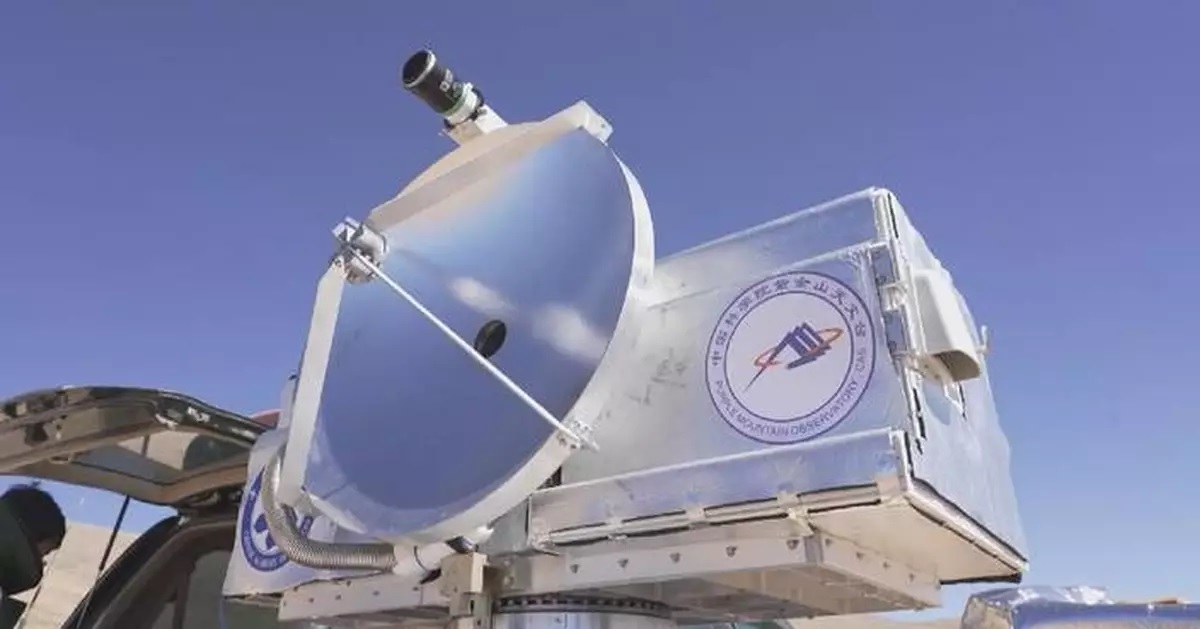
Space & Technology
Chinese scientists have achieved a significant milestone in wireless communication, bringing the future of high-speed, long-distance data transmission closer to reality. In a groundbreaking experiment, a team led by the Purple Mountain Observatory of the Chinese Academy of Sciences (CAS) successfully transmitted high-definition video signals over a distance of more than one kilometer using terahertz (THz) wireless communication technology. This marks the world’s first successful application of high-sensitivity superconducting receiver technology in long-distance terahertz systems, highlighting a key advancement that could revolutionize both terrestrial and space communication.Understanding Terahertz TechnologyTerahertz radiation, or THz waves, occupy a unique segment of the electromagnetic spectrum, sitting between the microwave and infrared frequency bands. This part of the spectrum has remained relatively underexplored but is now being unlocked for advanced applications in security screening, medical diagnostics, and most notably, ultra-fast wireless communication. Unlike microwaves, which can be seen as narrow, two-lane roads, terahertz waves offer a wider highway for data transmission. As CAS research professor Li Jing explained, "Terahertz communication is like expanding that road to six or eight lanes, allowing much larger volumes of data to travel at unprecedented speeds."A Key Step for 6G and Space CommunicationsTerahertz technology is gaining attention as a critical enabler for 6G, the next-generation wireless communication system set to succeed 5G. With its ability to carry large amounts of data over long distances, terahertz communication promises ultra-fast speeds necessary for future technologies like real-time virtual reality, smart cities, and autonomous vehicles. Moreover, the Chinese research team believes that this technology could be crucial for space communications, allowing massive amounts of real-time data to be transmitted over vast distances—a critical capability for deep-space exploration.One of the primary challenges with terahertz communication has been overcoming signal attenuation, which causes signals to weaken over long distances. The breakthrough by the Chinese scientists involves integrating ultra-sensitive superconducting detection technology with terahertz systems, allowing signals to travel much farther without significant energy loss. This was demonstrated during the experiment, where a signal as weak as 10 microwatts—one-millionth the output of a typical mobile phone base station—successfully transmitted high-definition video over 1.2 kilometers (0.75 miles). This is the longest successful terahertz transmission achieved to date, especially at frequencies above 0.5 THz.Superconducting Detection: The Secret to SuccessAt the heart of this achievement is superconducting technology, which allows the detection of even the faintest signals with high sensitivity. Professor Li Jing compared this to driving a high-performance car on a newly widened road, where the energy efficiency is so great that signals experience minimal loss, traveling significantly farther. In their five-day experiment conducted at the submillimeter-wave astronomical observation base in Qinghai province, the scientists utilized superconducting detectors to capture and process terahertz signals with an unprecedented level of clarity and strength.The Importance of the Qinghai-Tibet Plateau SiteThe Qinghai-Tibet Plateau, where the experiment was conducted, sits at an altitude of around 4,300 meters (14,107 feet), providing an optimal environment for terahertz communication tests. The high altitude and relatively low atmospheric interference make it an ideal location for conducting such cutting-edge experiments. The Purple Mountain Observatory, which focuses on high-energy astrophysics and space astronomical exploration, has been at the forefront of this technology since the 1990s.The observatory’s collaboration with other leading scientific institutions, including the China Academy of Engineering Physics, Shanghai Normal University, and the China Electronics Technology Group Corporation, underscores the breadth of expertise and interdisciplinary focus that has gone into making this achievement possible.Laying the Groundwork for Future ApplicationsThis successful experiment has not only set a new benchmark in the field of wireless communication but also laid the foundation for future advancements. According to the researchers, the technology could soon be used for space and air-to-ground communication systems, offering high-capacity, ultra-fast transmission that could revolutionize fields such as satellite internet and interplanetary communications. Additionally, the experiment strengthens China’s position as a leader in the global race toward 6G development. While much of the world is still rolling out 5G networks, the ability to harness terahertz frequencies opens the door to the next generation of telecommunications, enabling applications that were once the realm of science fiction.Terahertz wireless communication technology holds tremendous promise, not just for improving how we connect on Earth but for expanding our reach into space. With the advancements made by Chinese scientists, the era of ultra-fast, long-distance data transmission is on the horizon, and we are one step closer to realizing the full potential of 6G and beyond. The combination of terahertz communication with superconducting detection technology could transform the way we think about data transmission, unlocking new possibilities for innovation and exploration. China’s decade-long investment in terahertz and superconducting technologies has positioned it at the forefront of this field. As Professor Shi Shengcai of the Purple Mountain Observatory noted, this achievement is the result of decades of research and collaboration, marking a new era in both communication technology and space exploration.
Read More → Posted on 2024-10-04 16:52:21
Space & Technology
Chinese scientists have developed a groundbreaking nuclear battery technology that could potentially provide continuous power for hundreds of years. This innovation marks a major leap in clean energy solutions, with a photovoltaic cell-based design that significantly outperforms conventional technologies. Researchers claim that the device's efficiency is thousands of times higher than existing nuclear batteries, making it a promising tool in the quest for long-lasting, alternative energy sources.At the heart of this advancement lies the utilization of alpha radiation, a type of radiation released by decaying radioactive isotopes. Alpha-radioisotopes, which have a decay energy ranging between four and six mega electron volts (MeV), are ideal candidates for micronuclear batteries because they release significantly more energy than their beta counterparts, which usually operate in the kiloelectron volt (keV) range. However, capturing and converting this energy has long been a challenge due to the "self-absorption" effect, where the alpha particles lose energy as they pass through the material, limiting the actual power output of the battery.The development, published in the peer-reviewed journal *Nature*, details how a team led by Wang Shuao from Soochow University managed to overcome this hurdle. Wang and his collaborators—who include researchers from the Northwest Institute of Nuclear Technology and Xiangtan University—designed a battery that mimics the principles of a solar panel. Their innovative approach centers on an inbuilt polymer energy converter, which takes the alpha radiation and converts it into visible light, which is then transformed into electricity through a photovoltaic process.This novel design hinges on the polymer layer that encapsulates the radioactive isotopes. Acting much like a solar cell, this layer efficiently transmits the energy from the decaying isotope and translates it into electrical power. According to the researchers, even a small amount of the synthetic radioactive isotope Americium-243 (243Am)—just 11 microcurie—was sufficient to generate visible light from the alpha radiation. Through this process, they were able to achieve a decay-to-light energy conversion efficiency of 3.43%, a significant leap in the field.In terms of output, the experimental nuclear battery demonstrated a power conversion efficiency of 0.889%, producing around 139 microwatts of energy per curie of radioactivity. While these numbers might seem small, the battery’s extremely long operational lifespan makes it ideal for powering devices where frequent replacement or recharging is impractical. These include deep space missions, remote sensor networks, or medical devices like pacemakers, where reliability over decades or even centuries is crucial.What makes this nuclear battery truly unique is its lifespan, driven by the half-life of 243Am, which extends over several centuries. This makes it possible for the battery to operate for an equally long time, with minimal degradation in performance. In fact, during the study, the device demonstrated stable operation over 200 continuous hours, with no significant change in output. The researchers estimate that the battery’s lifespan could be hundreds of years, depending on the specific application and environment.The impact of this development could be far-reaching. China’s Science and Technology Daily hailed the breakthrough as one of the most significant advancements in nuclear battery technology in recent decades. In addition to meeting the country’s strategic needs for nuclear safety and sustainable energy, this technology offers a novel approach to nuclear waste management. The same radioactive isotopes that contribute to the long-term radiotoxicity of nuclear waste could now serve as powerful, long-lasting energy sources.The challenges surrounding nuclear waste disposal and the harnessing of alpha radiation have long been roadblocks in the wider adoption of nuclear power. However, this new technology offers a solution by turning potential waste into a resource, furthering China’s efforts in sustainable nuclear development. By transforming high-energy alpha decay into usable electricity, scientists have opened the door to more efficient utilization of actinide nuclides outside the conventional nuclear fuel cycle.While the technology is still in the experimental phase, the potential applications are vast. The ability to produce a stable, reliable energy source that can function independently of temperature fluctuations could revolutionize industries ranging from aerospace to medicine. Moreover, the enhanced efficiency and longevity of this photovoltaic nuclear battery position it as a frontrunner in the future of clean energy storage, offering an exciting glimpse into a world where energy independence is measured in centuries, not years.With its unique blend of nuclear physics and photovoltaic technology, this breakthrough represents a significant milestone in the race for long-term, sustainable energy solutions, potentially changing the way we think about energy storage and power generation for future generations.
Read More → Posted on 2024-09-30 14:57:22
Space & Technology
India has taken a significant leap forward in energy storage technology with the launch of the country’s first supercapacitor manufacturing centre at Keltron's facility in Kannur, Kerala. This pioneering project, with an overall investment of ₹42 crore, has completed its initial phase at a cost of ₹18 crore, marking an important milestone in India’s journey toward self-sufficiency in advanced electronic components.The official inauguration of this state-of-the-art facility is set to be conducted by Kerala Chief Minister Pinarayi Vijayan on October 1. The Industries Minister, P Rajeev, will preside over the event, highlighting the importance of this initiative for the country’s technological growth. The project was developed with vital support from the Indian Space Research Organisation (ISRO), signalling its strategic importance, and the collaborative efforts that have brought it to fruition. Keltron has also teamed up with the Centre for Materials for Electronics Technology (C-MET) and the Defence Research and Development Organisation (DRDO), as well as several academic institutions, showcasing the interdisciplinary push to propel India to the forefront of supercapacitor technology.A Glimpse Into The Future: What Are Supercapacitors?Supercapacitors represent a transformative advancement in the energy storage sector. Unlike traditional batteries, which store energy chemically, supercapacitors store it electrostatically, allowing them to charge and discharge energy at much faster rates. They can deliver quick bursts of power, making them highly useful for a range of applications, from automotive systems and renewable energy storage to even spacecraft and military equipment.Supercapacitors also have a much longer lifespan than conventional batteries, as they can endure thousands of charge-discharge cycles without degradation. This makes them ideal for industries that require frequent power cycling, such as electric vehicles, defence, and even energy-efficient buildings. Their ability to operate in extreme temperatures makes them particularly attractive for cold regions, where traditional batteries often struggle to perform. With the world shifting towards cleaner energy and electric mobility, the market for supercapacitors is expected to grow significantly in the coming years.Cutting-Edge Manufacturing at KeltronThe Keltron Component Complex in Kannur is now equipped with advanced manufacturing capabilities that place India among a select group of nations with supercapacitor production expertise. The centre is fitted with high-tech dry rooms, built at a cost of ₹4 crore, ensuring the ideal environment for manufacturing these sensitive components. Machines sourced from various countries form the backbone of the production line, highlighting the global nature of the equipment involved.Keltron plans to produce supercapacitors ranging from 3 to 500 farads, catering to various industries. These capacitors will be priced between ₹25 and ₹1,450, excluding GST, depending on their capacity. The facility has a production target of up to 2,000 units per day, with projections for an annual turnover of ₹22 crore within the first few years. By the fourth year, Keltron expects to see profits of ₹3 crore, demonstrating the commercial viability of the project.ISRO's Influence and CollaborationsOne of the most noteworthy aspects of this project is ISRO’s involvement. The Indian space agency's technical input has been crucial in shaping the development of the supercapacitors being produced at this facility. Given the complex and power-hungry nature of space missions, ISRO’s participation underscores the significance of supercapacitors in areas such as satellite technology and spacecraft, where compact and efficient energy storage is a necessity.Keltron has also forged collaborations with other major research organisations like C-MET and DRDO. These partnerships reflect the widespread applicability of supercapacitors across industries, including defence, where quick energy surges are vital for modern warfare equipment. With supercapacitors becoming a preferred choice over traditional batteries in certain critical areas, the defence sector stands to benefit immensely from this new development.Market Potential and Future ProspectsAccording to K G Krishnakumar, Managing Director of Keltron Component Complex, the potential for supercapacitors is immense. After nearly a decade of research and development, Keltron is now ready to capitalise on the growing demand for this advanced technology. The experimental supercapacitors produced at the facility have already shown promising results, leading to heightened market interest. As the global shift towards renewable energy and electric vehicles gains momentum, supercapacitors are positioned to play a key role, especially in electric mobility solutions where quick charging and long lifespans are critical.Additionally, the increasing integration of supercapacitors in energy storage systems, automotive components, and military applications ensures a steady demand for these devices. With ongoing research and future technological advancements, the facility in Kannur is well-positioned to become a hub for supercapacitor manufacturing, potentially making India a global player in this domain.The launch of the Supercapacitor Manufacturing Centre at Keltron's Kannur facility represents not only a triumph for Kerala but for India as a whole. This project signals a growing emphasis on self-reliance in critical technology areas and demonstrates the power of collaboration between government, industry, and academia. As the demand for more efficient energy storage solutions rises globally, this initiative places India firmly on the map in the field of advanced electronics manufacturing.
Read More → Posted on 2024-09-30 13:43:00
Space & Technology
India’s space ambitions have taken a giant leap forward with ISRO’s (Indian Space Research Organisation) plan to establish its very own space station, the Bharatiya Antariksh Station, by 2035. Recently approved by the Union government, this project marks an important milestone in India's journey toward long-term human spaceflight capabilities and permanent presence in space. Unlike some traditional space stations that began with immediate human missions, ISRO is approaching the deployment with a phased, robotic-first strategy, showcasing its focus on innovation and autonomous technology.The Road to the Bharatiya Antariksh StationThe concept behind Bharatiya Antariksh Station is to create a modular space station that will be deployed over time. Instead of a single large launch, ISRO will use multiple smaller launches to gradually assemble the space station in low-Earth orbit. This allows the Indian space agency to spread out the costs and complexities associated with such an ambitious project while leveraging its current PSLV (Polar Satellite Launch Vehicle) and GSLV (Geosynchronous Satellite Launch Vehicle) capabilities.At the helm of this mission is ISRO Chief S. Somanath, who revealed that the first phase of the space station’s deployment will be dominated by robotic systems. According to Somanath, “Most of the work is done by robots now,” signaling the organization’s focus on automation in space. This approach reduces risk and costs associated with human space travel and enables India to test crucial technologies needed for the station without immediately sending astronauts.Robotic Phase: Pioneering Automation in SpaceThe initial phase of the Bharatiya Antariksh Station will primarily revolve around robotic experiments and operations. The station will serve as a microgravity environment where ISRO will conduct research in material sciences, biology, and possibly even medicine. The use of robotics is essential not only for maintaining the space station but also for conducting complex experiments. For example, robotic arms and automated systems will manage payloads, assemble station components, and even conduct research in areas that are difficult or dangerous for humans to operate.This phase of the station, focusing on automation, aligns with global trends in space exploration, where robotic systems are increasingly being deployed to handle intricate tasks. The European Space Agency (ESA) and NASA have already made extensive use of robotics, and India aims to follow suit. The station will likely rely on advanced artificial intelligence to ensure real-time decision-making capabilities, even in the absence of human operators.A Platform for Scientific DiscoveryOne of the standout features of the Bharatiya Antariksh Station is its potential to serve as a space-based research laboratory. Experiments in microgravity can reveal insights impossible to achieve on Earth, particularly in fields such as biotechnology, material sciences, and physics. For instance, biological experiments in space can help scientists understand how cells, bacteria, and other organisms behave in weightlessness, providing valuable data that could lead to medical breakthroughs.Similarly, the station could be a hub for developing new materials. Microgravity allows for the creation of purer, more refined materials that could have revolutionary applications on Earth, from manufacturing to technology. By offering this platform, ISRO is opening the door to international partnerships with scientific communities eager to perform research in space.Preparing for Human SpaceflightWhile the initial deployment is focused on robotic operations, human space missions remain a key goal. Once the station’s infrastructure is fully established and tested, ISRO will move towards sending astronauts to the Bharatiya Antariksh Station, building on the momentum from the Gaganyaan mission, India’s first manned space mission, planned for the near future. The station will serve as a long-term platform for astronaut training, scientific exploration, and international collaborations, allowing India to solidify its position in the global space race.With Gaganyaan’s success, ISRO will have the expertise to safely transport astronauts to low-Earth orbit and eventually to the Bharatiya Antariksh Station. The station will act as a hub for training Indian astronauts, who will live and work in space for extended periods, performing critical experiments that advance space science and technology. Over time, ISRO plans to establish human habitation modules on the station, paving the way for long-duration human presence in space.Looking Toward 2035 and BeyondThe Bharatiya Antariksh Station is not just a milestone for India but a bold statement about the country’s ambitions in space exploration. While the world’s attention often turns to NASA’s Artemis program or SpaceX’s Mars aspirations, India is charting its own course. ISRO’s modular, robotic-first approach reflects a pragmatic and sustainable vision, capitalizing on its existing strengths while steadily expanding its capabilities.By 2035, ISRO aims to have a fully operational space station that can support both robotic and human missions. The Bharatiya Antariksh Station will not only serve as a scientific laboratory but also as a testament to India’s growing prowess in space exploration. With a focus on research, innovation, and collaboration, this station will open up new avenues for scientific discovery and place India among the leading space-faring nations of the world.As the timeline progresses, international collaboration could also become a significant part of India’s space station project. Much like how the International Space Station (ISS) serves as a platform for joint research between nations, the Bharatiya Antariksh Station may attract interest from other countries looking for alternative research outposts in space.In the next decade, India’s space journey promises to be an exciting one, with the Bharatiya Antariksh Station at the center of it all—propelling the nation into the next phase of its cosmic ambitions.
Read More → Posted on 2024-09-29 15:36:30
Space & Technology
SpaceX is set to launch its ninth operational astronaut mission, Crew-9, to the International Space Station (ISS) today, with a unique twist. Unlike its usual missions that ferry four astronauts to the orbiting laboratory, this time SpaceX's Crew Dragon will carry only two. The launch, scheduled for 1:17 p.m. EDT (1717 GMT) from Cape Canaveral Space Force Station, marks a crucial role for the Dragon spacecraft as it embarks on a rescue mission.Onboard the Crew Dragon are two seasoned space travelers: NASA astronaut and U.S. Space Force member Nick Hague, who will serve as the mission commander, and Russian cosmonaut Aleksandr Gorbunov, representing Roscosmos. They are set to dock with the ISS on Sunday, September 29, at around 5:30 p.m. EDT (2230 GMT), following a roughly 24-hour journey. The docking and hatch opening between Dragon and the station will be streamed live on NASA+, with coverage beginning two hours before docking. This international collaboration highlights the continuing partnership between the United States and Russia in space, despite terrestrial tensions.The mission deviates from the standard four-astronaut configuration for a very specific reason. Crew-9 is on a sort of rescue operation to bring home two NASA astronauts, Butch Wilmore and Suni Williams. The pair had originally traveled to the ISS aboard Boeing’s Starliner capsule in June during its inaugural crewed mission. However, Starliner encountered thruster issues that forced it to return to Earth uncrewed on September 7, leaving Wilmore and Williams without a return vehicle.This unexpected complication necessitated a quick adjustment by NASA and SpaceX. In August, the Crew-9 roster underwent a significant reshuffle to accommodate this new mission objective. Zena Cardman and Stephanie Wilson, initially slated for Crew-9, were bumped from the mission to free up seats for Wilmore and Williams. Both astronauts are now awaiting future flight opportunities.The Crew-9 Dragon is slated to stay docked to the ISS until February 2025, when it will return Wilmore and Williams safely to Earth. The plan underscores the flexibility and rapid response capabilities of SpaceX and NASA in dealing with unforeseen challenges in human spaceflight.There’s a contingency plan, too. If an emergency evacuation is required before Crew-9 reaches the ISS, Wilmore and Williams will use temporary seats in the cargo area of the Crew-8 Dragon capsule, which is currently docked at the station. Once Crew-9 arrives, this emergency evacuation plan will be updated to use the newly arrived spacecraft.SpaceX’s Dragon capsules have proven to be a reliable and adaptable asset for NASA. Since the retirement of the Space Shuttle in 2011, they have become a linchpin in the U.S. space program, routinely ferrying astronauts and cargo to the ISS. Crew-9, while unusual in its passenger manifest, is another testament to SpaceX's ability to meet evolving mission requirements.Today’s launch is more than just another trip to the ISS; it's a demonstration of the resilience and collaboration required in space exploration. It’s also a reminder that, despite all the meticulous planning, space missions can still throw curveballs, and how we respond to them can define the future of human spaceflight.
Read More → Posted on 2024-09-28 16:21:22
Space & Technology
In a groundbreaking step for space exploration and international cooperation, China has successfully launched its first reusable satellite, the Shijian-19, on Friday. The satellite, which carries payloads from five countries, including Thailand and Pakistan, aims to advance research in seed science, microgravity studies, and international collaboration in space. The launch represents a significant technological leap for China, further establishing its presence in the competitive arena of reusable space technology.The Shijian-19 was launched aboard a Long March 2D (CZ-2D) rocket from the Jiuquan Satellite Launch Centre in northwest China. This mission underscores China's commitment to reducing space mission costs and enhancing the efficiency of satellite launches. The reusable satellite concept, which allows a satellite to return to Earth and be relaunched, is crucial for cutting down on the expenses associated with building and launching new spacecraft. The Long March 2D rocket, a reliable workhorse of China's space program, played a pivotal role in successfully delivering the Shijian-19 into orbit.This innovative satellite boasts several technological breakthroughs, such as high microgravity protection and high load-bearing ratios, which are critical for experiments that require an environment similar to the microgravity conditions found in space. These advancements not only highlight China's growing prowess in space technology but also pave the way for the satellite's reusability, an attribute that could revolutionize the way we approach satellite missions. Reusability allows for faster testing of new technologies and more efficient conversion of research findings into practical applications.The Shijian-19’s payloads from Thailand and Pakistan, along with three other countries, emphasize China's strategy of promoting international collaboration in space research. This is a continuation of China's broader effort to build global partnerships in space exploration. The payloads will support various scientific experiments and tests, contributing to a broader understanding of space science and technology.The satellite's primary mission revolves around space mutagenesis experiments, particularly with seeds. By exposing seeds to the unique environment of space—characterized by cosmic radiation and microgravity—scientists hope to induce beneficial mutations. These mutations could lead to the development of new plant varieties that might improve crop yields and resilience, contributing to agricultural advancements. Such experiments are part of a larger effort by China to achieve self-reliance in the seed industry and secure independent control over seed sources.China's foray into reusable space technology is not entirely new. In 2020, it conducted a test flight of a reusable experimental spacecraft, launched by a Long March-2F rocket. The vehicle orbited the Earth for two days before landing, though details about the spacecraft remain scarce. It is speculated to be similar to the United States' X-37B, an experimental orbital vehicle capable of long-duration space missions.The launch of Shijian-19 marks a significant milestone, not just for China, but for the global space community. It follows a legacy of China's space achievements that began in 1975 with the launch of its first recoverable satellite, Jianbing-1, a military reconnaissance satellite that was successfully returned to Earth after a brief mission. As the third country, after the United States and the Soviet Union, to recover a spacecraft, China has since undertaken numerous satellite missions and greatly advanced its satellite and space technologies.As China continues to develop its reusable rocket technology, drawing inspiration from the successes of companies like SpaceX with their Falcon 9 and the upcoming Starship, it is clear that the country is committed to becoming a leader in sustainable and cost-effective space exploration. The successful re-entry and reuse of the Shijian-19 satellite would be a landmark achievement, potentially transforming China's capabilities in space research and exploration.The satellite is expected to play a crucial role in the testing of China-developed components and materials, further enhancing the country’s technological self-reliance. By integrating advanced technologies into reusable satellites, China is setting the stage for more ambitious space missions in the future, including potential manned missions and lunar exploration.As the Shijian-19 embarks on its mission, it serves as a testament to China’s growing technological capabilities and its strategic push towards international space collaboration. With the world watching, the successful execution of this mission could mark a new era for reusable space technology and international cooperation in outer space.
Read More → Posted on 2024-09-28 16:18:44Search
Top Trending in 24 Hours
-
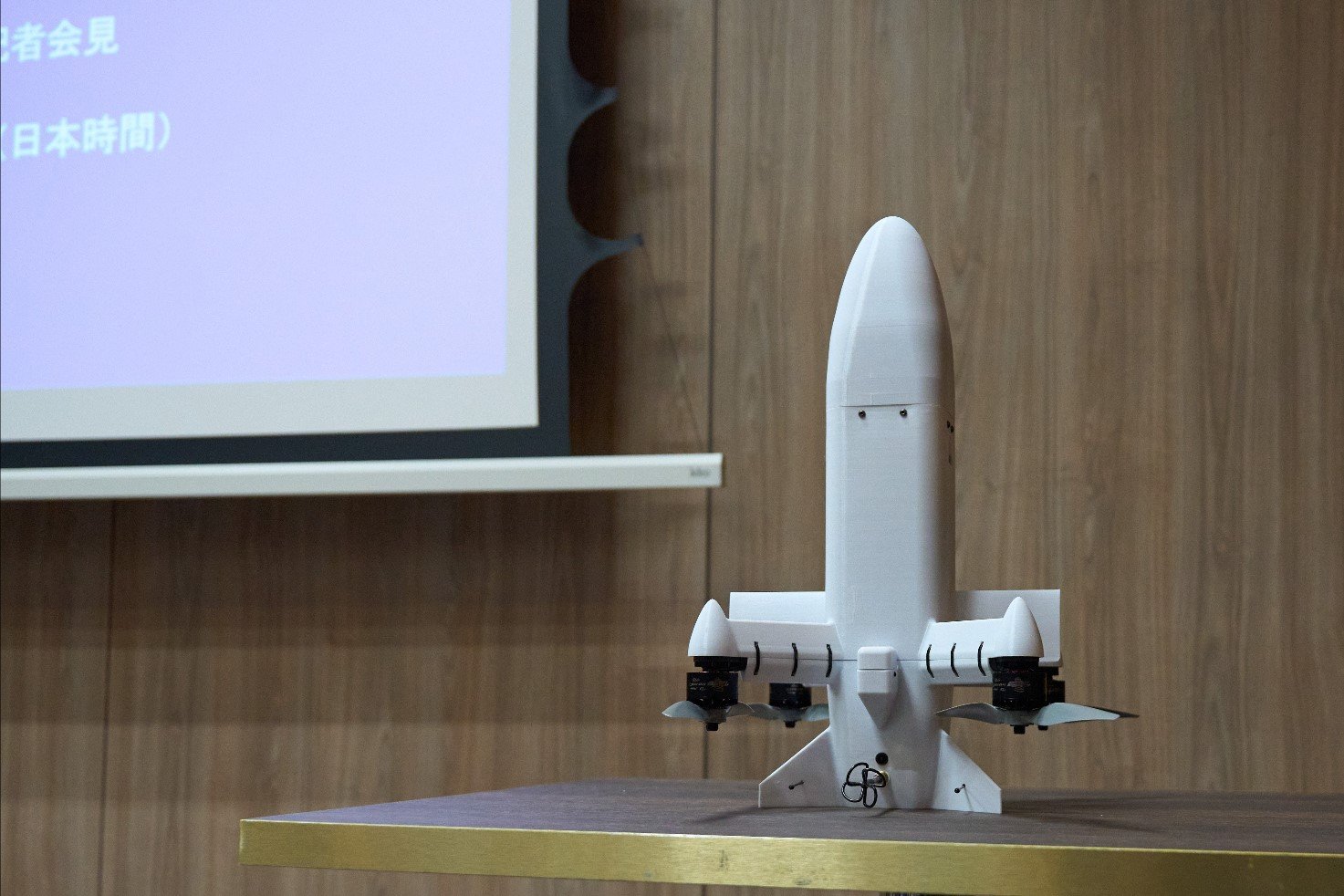 Japan Selects Terra Drone’s Terra B1 for Mass Production of Interceptor UAVs
-
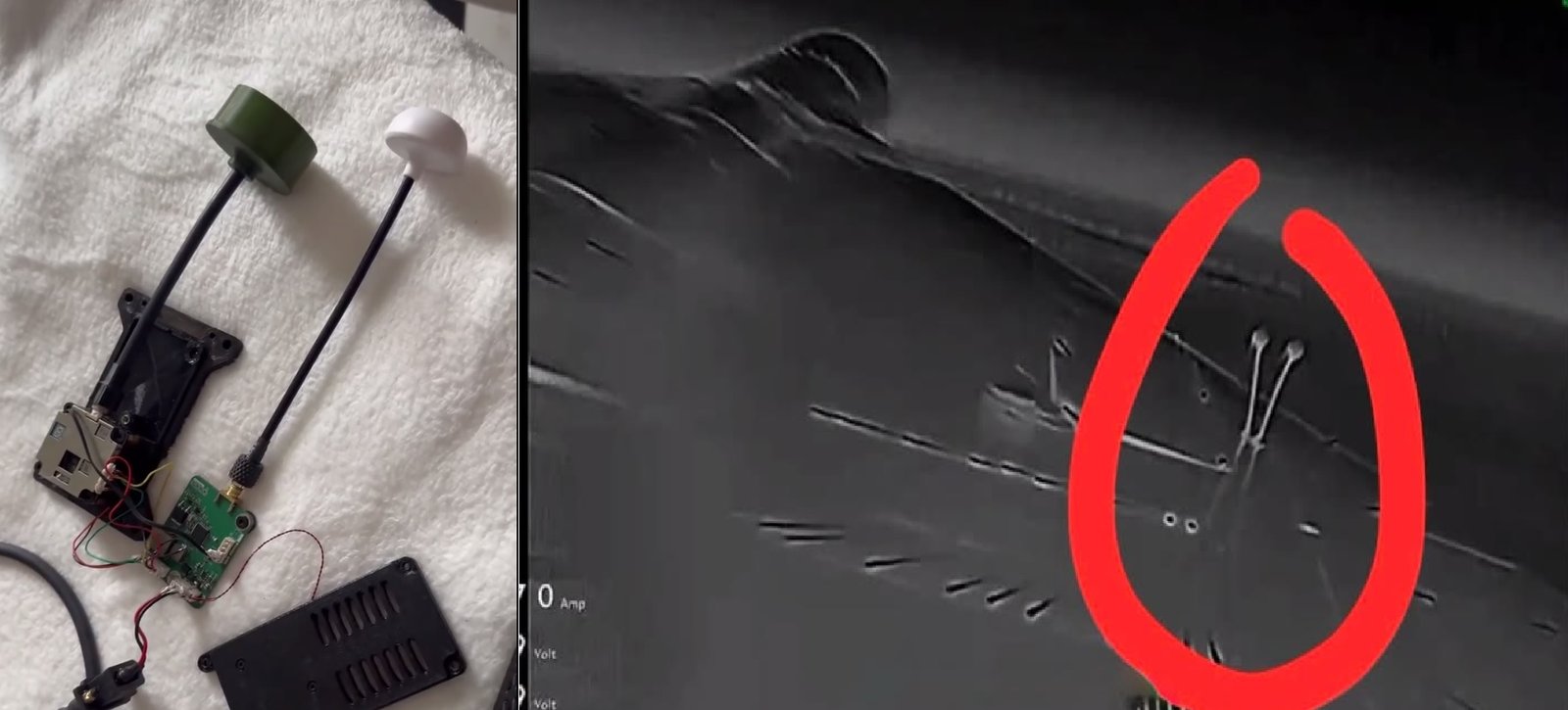 Russia Equips Shahed and Geran Drones With Electronic Warfare Systems to Jam Ukrainian Interceptor Video Links
-
 Austria Receives First Modernized Leopard 2A4Ö Tank and Ulan NV Infantry Fighting Vehicle
-
 NATO Launches Exercise Northern Viking 26 in Iceland to Secure North Atlantic Routes
-
 Ukraine Reduces Use of Western Tanks as Cheap Drones Become a Major Battlefield Threat
-
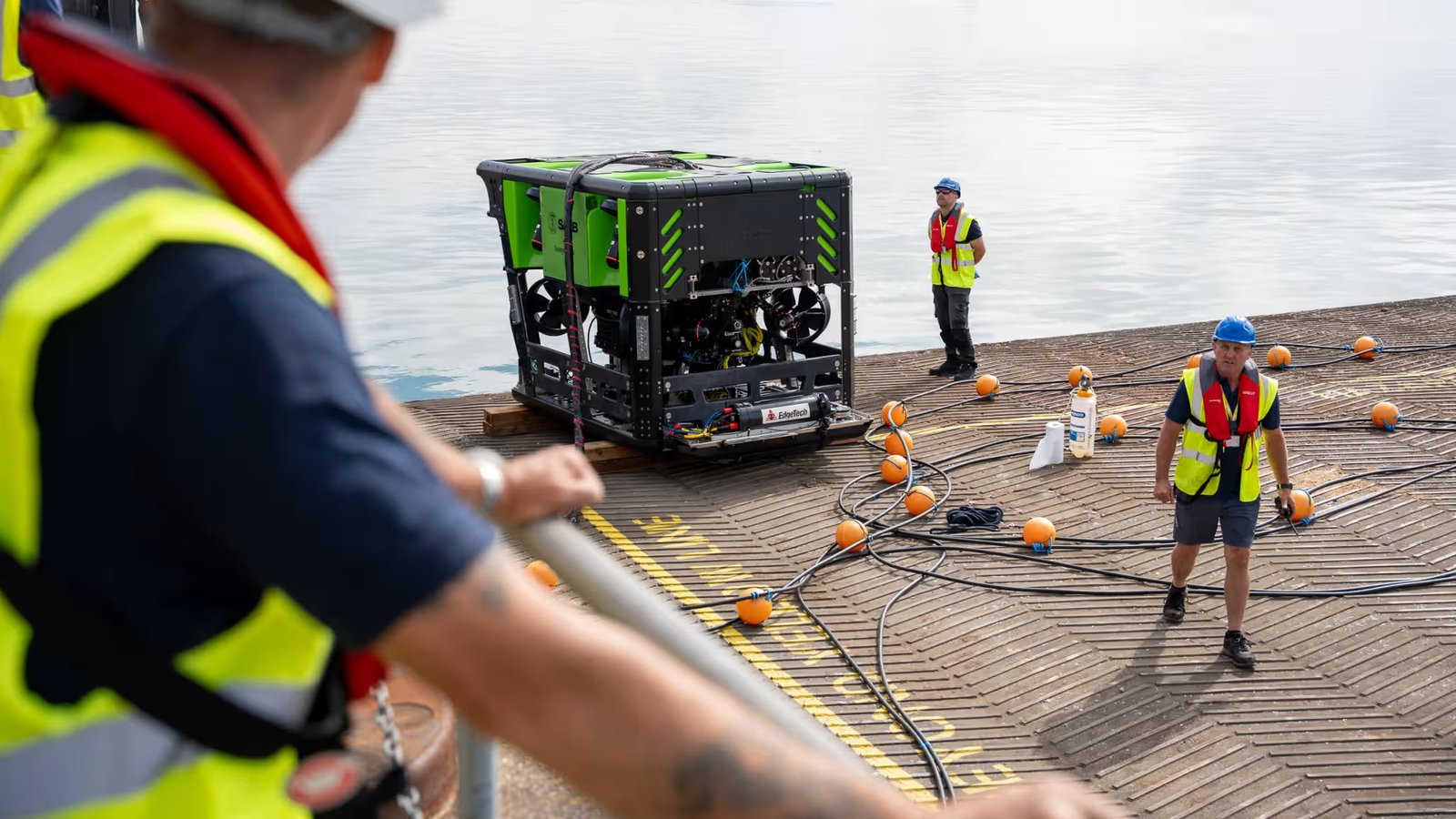 Saab UK Completes Key Trials of Seaeye SR20 eWROV, Moves to Next Development Phase
-
 Mystery Chinese J-20-Like Object Seen at Former Airport Was a Firefighting Training Mock-Up
-
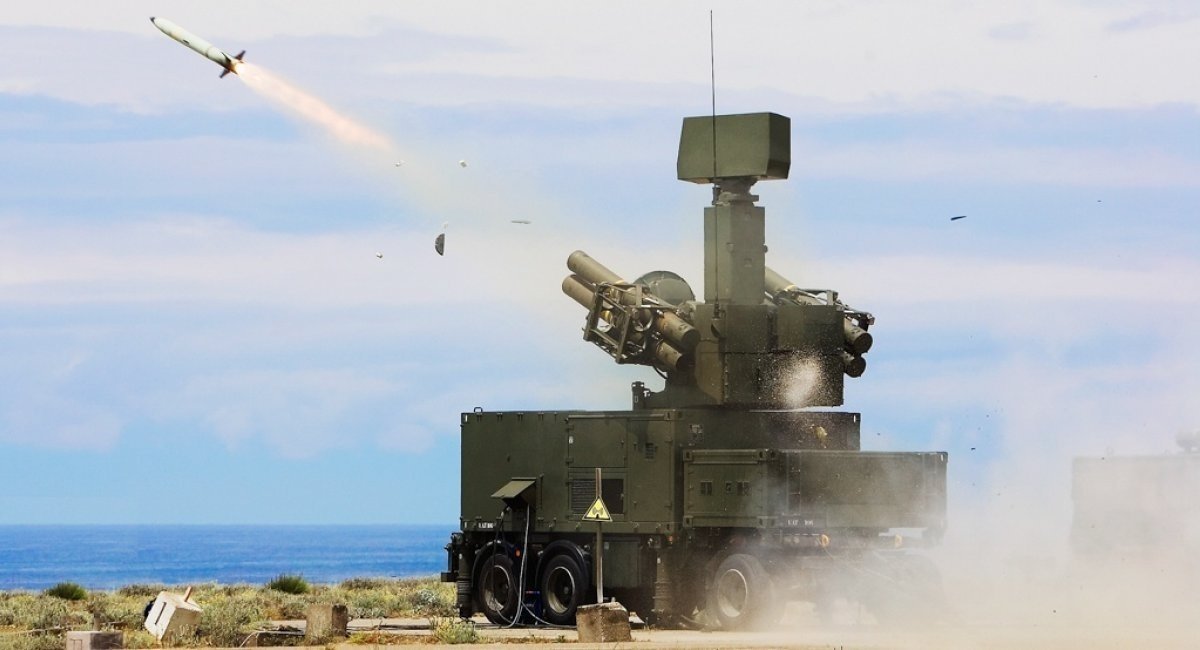 Ukraine Confirms Crotale Air Defense System Transfers from France, Additional Patriot Interceptors and AIM Missiles as Europe Expands Defense Support
Top Trending in 4 Days
-
 Iran Reveals Underground Weapons Manufacturing Facility for First Time on State TV
-
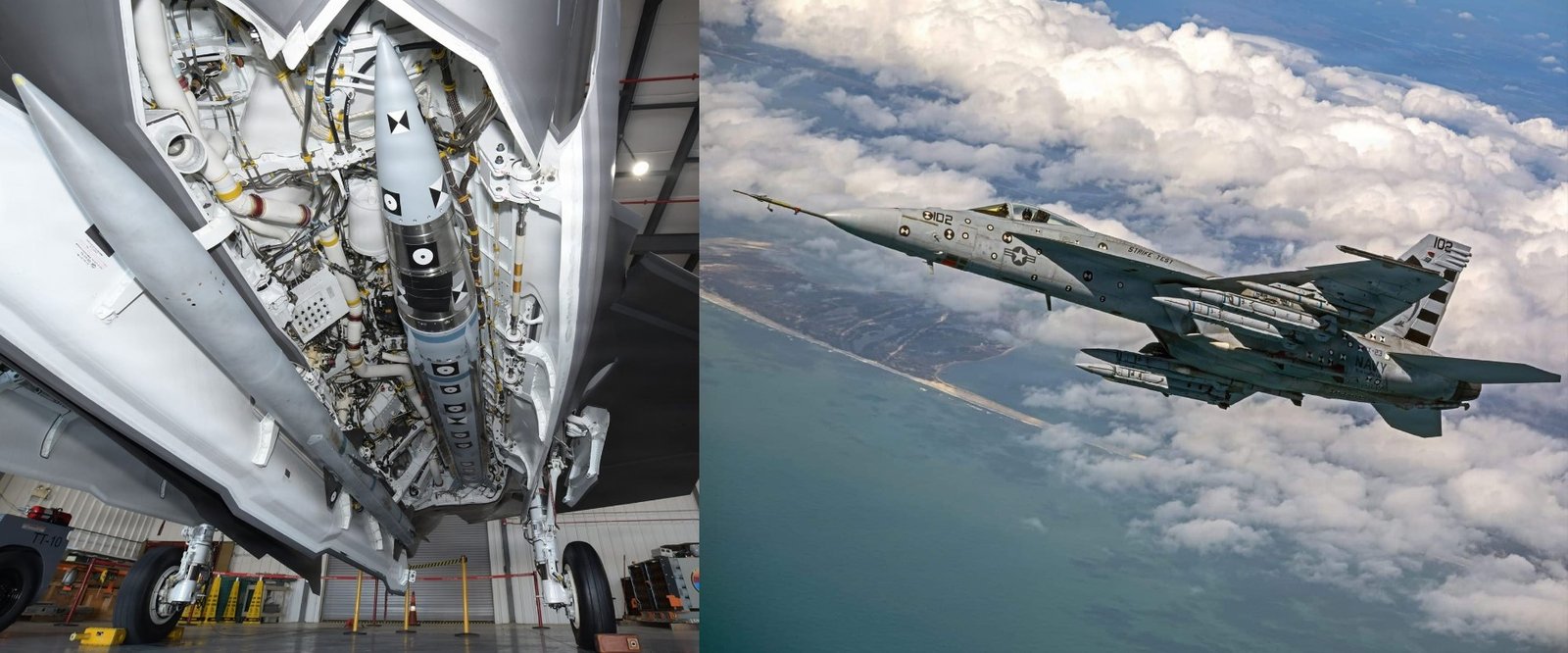 U.S. Navy Unveils New AIM-424 ‘Malice’ Air-to-Air Missile With 463+ km Range for F-35C, Super Hornet and F/A-XX
-
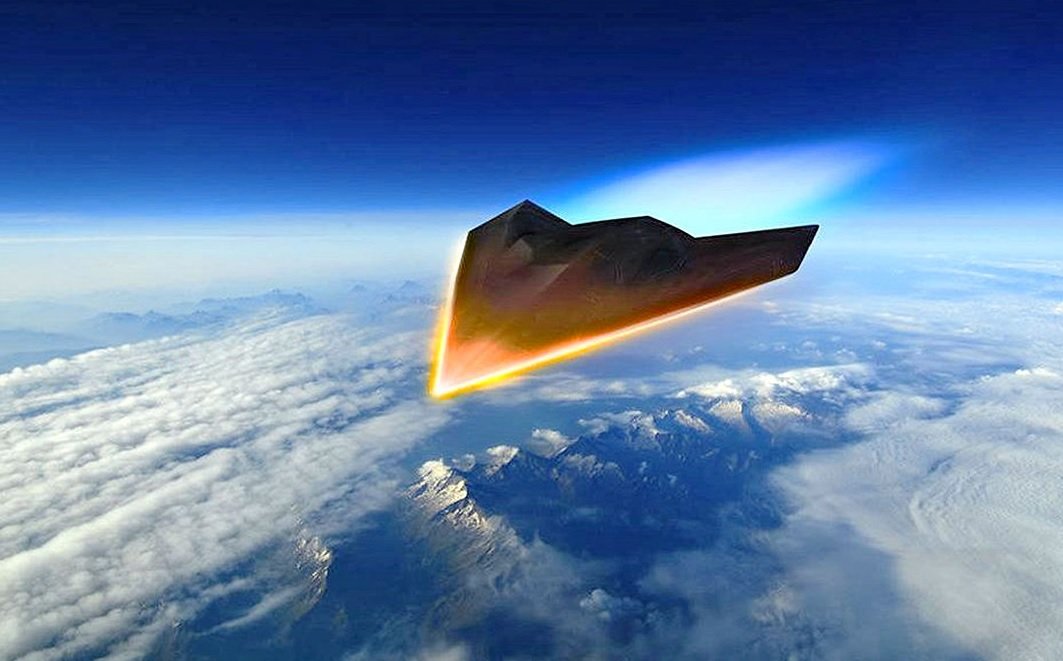 China Develops Hypersonic Glide Vehicles Capable of Launching Air-to-Air Missiles Mid-Flight
-
 Israel Explores Potential Acquisition of U.S. F-47 Sixth-Generation Fighter
-
 Iran-Linked Hackers Shut Down UK Power Plant for Four Days in First Known Attack
-
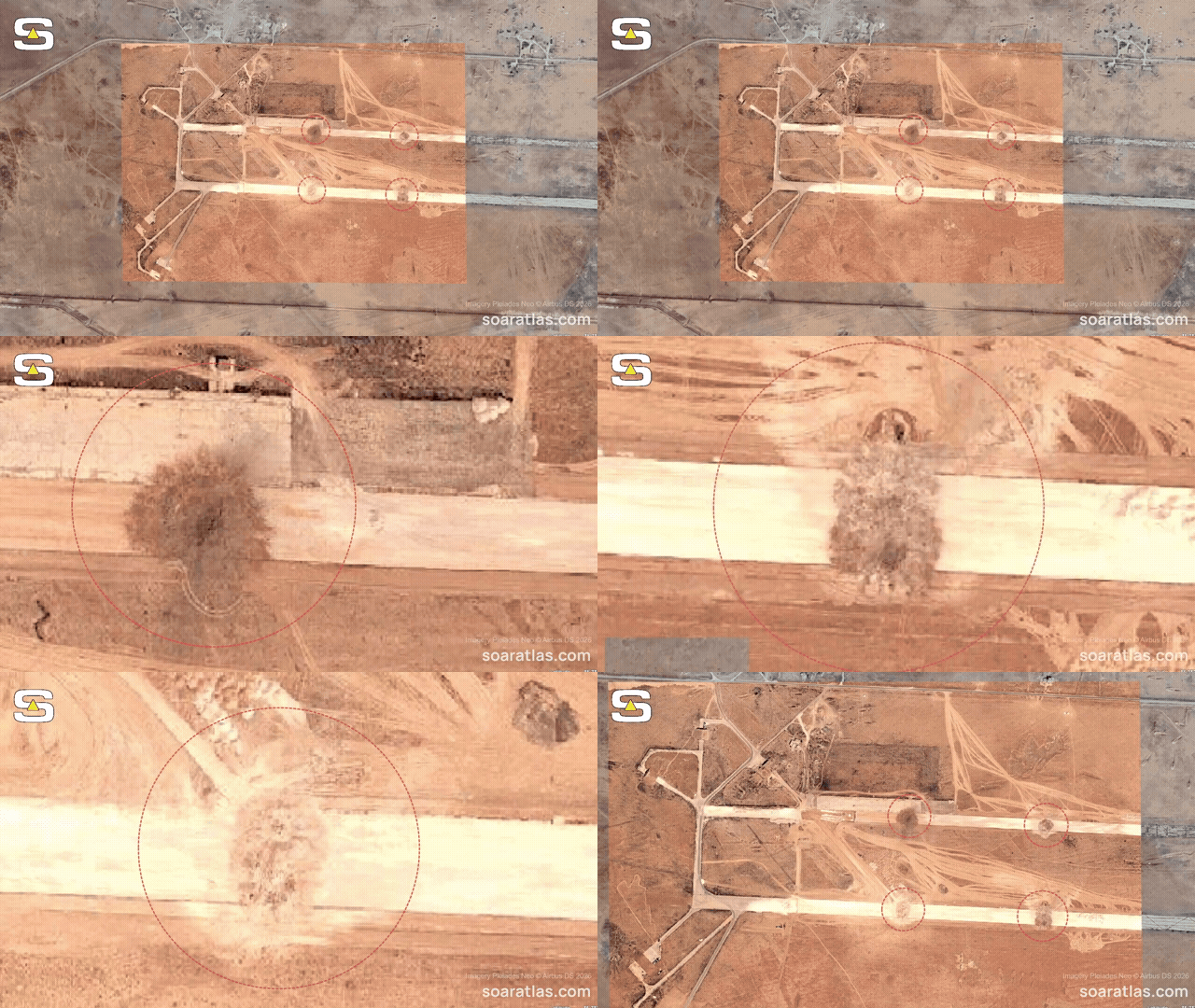 Satellite Imagery Shows Damage From Israeli Strikes on Turkey Military Occupied Syria’s Abu al-Duhur Airbase
-
 Ukraine Holds World’s First Unmanned Military Parade on 35th Independence Day
-
 UAE Completes Protective Metal Structures Around Fuel Tanks Near Dubai International Airport