Space & Technology
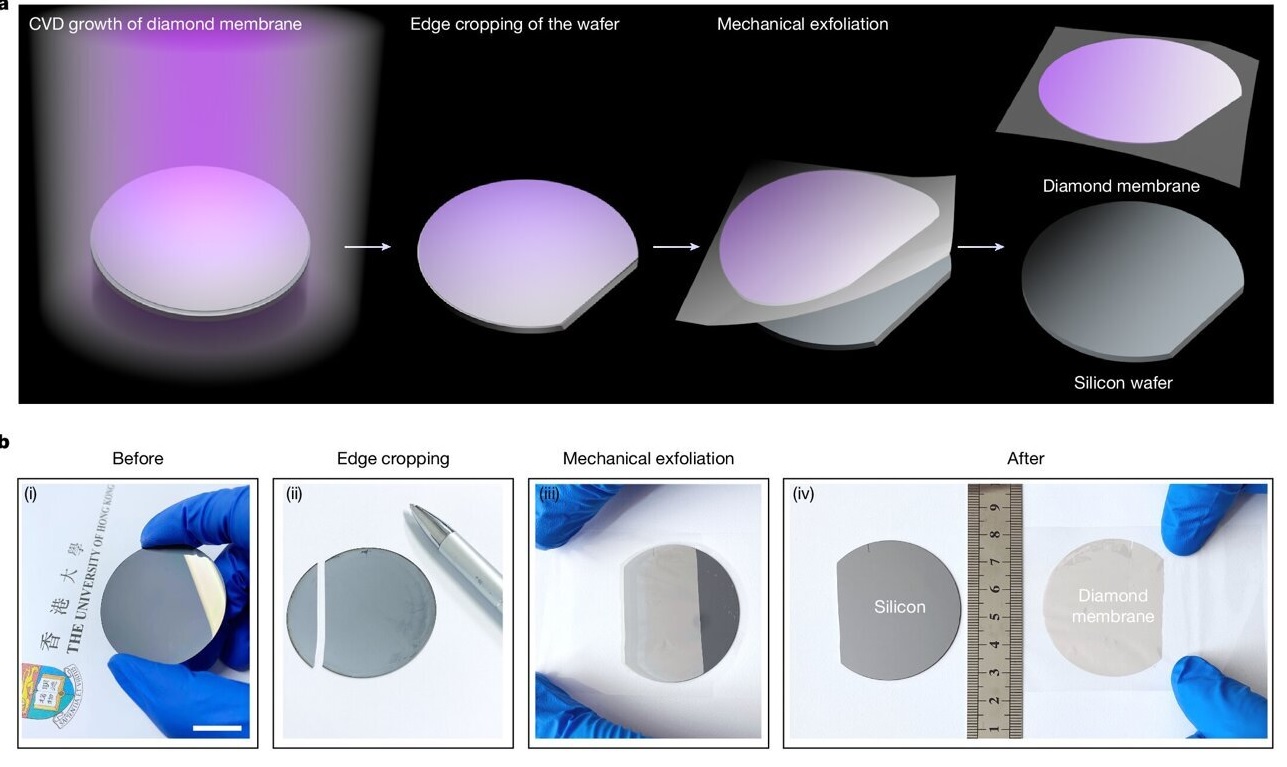
Scientists from Hong Kong and mainland China have developed a groundbreaking technique to transform diamonds—the hardest natural material—into ultrathin, flexible membranes. This innovative approach not only promises to accelerate the commercial viability of diamond-based technology but also paves the way for its widespread application in electronics, photonics, and beyond. The new process, detailed in the peer-reviewed journal Nature, allows for the rapid production of diamond membranes just 1 micrometer thick—thinner than a human hair—at a fraction of the cost and time required by previous methods. Researchers have already achieved the creation of a 2-inch (5 cm) diamond wafer within 10 seconds, with plans to scale up production to 12-inch wafers. The Breakthrough Method Traditionally, ultrathin diamonds were either sliced from bulk material or grown on a substrate and later separated using chemical processes. These methods, however, faced significant limitations: Slicing bulk diamonds produced membranes too small for industrial applications. Growing diamonds on a substrate was time-intensive and yielded rough surfaces, rendering them incompatible with microfabrication. The new process starts by growing a diamond membrane on a silicon substrate. The wafer edge is then cropped to expose a side of the membrane. A tape is applied on top of the membrane and peeled off at an angle to separate it from the substrate without cracking. This simple, single-step method is cost-effective and compatible with existing semiconductor manufacturing technologies. Applications in Electronics Diamond’s unique properties, including its exceptional thermal conductivity—five times higher than copper—make it an ideal candidate for cooling high-performance electronics. The flexible diamond membranes could serve as heat spreaders to enhance the efficiency and lifespan of processors, semiconductor lasers, and electric vehicles. Additionally, these membranes can be integrated into diamond-based electronics like field-effect transistors and wearable devices, revolutionizing the field of flexible and robust electronics. Scalability and Commercialization The team, comprising researchers from the University of Hong Kong, Peking University’s Dongguan Institute of Opto-Electronics, and Shenzhen’s Southern University of Science and Technology, has applied for patents in semiconductor hubs worldwide, including China, the US, Europe, Korea, Japan, and Taiwan. They aim to bridge the gap between lab-scale production and industrial manufacturing. Co-lead author Lin Yuan, a professor of mechanical engineering at HKU, highlighted that making diamond into a thin layer drastically enhances its flexibility. According to Yuan, “If its thickness is halved, its flexibility increases by almost an order of magnitude.” The method could theoretically be adapted to other materials as well. The researchers plan to launch a start-up to commercialize the technology, beginning with testing lines in Hong Kong and Shenzhen. These lines will demonstrate scalability before transitioning to mass production with support from investors. Future Implications This breakthrough heralds a potential “diamond era” in technology. With its unparalleled properties and adaptability to existing manufacturing processes, the flexible diamond membrane could significantly enhance electronic devices' performance and durability while opening doors to new innovations in wearable and high-performance electronics.
Read More → Posted on 2024-12-21 16:01:23
Space & Technology
Indian scientists have recently proposed an ambitious project to develop a new space telescope aimed at studying exoplanets—planets that orbit stars outside our solar system. Drawing inspiration from the James Webb Space Telescope (JWST), this initiative signifies India's growing commitment to advancing astronomical research and exploring distant worlds. A Vision Inspired by JWST The James Webb Space Telescope, launched by NASA, has revolutionized our understanding of the universe with its advanced capabilities in capturing detailed images and spectra of distant celestial objects, including exoplanets. Its ability to analyze the atmospheres of these distant worlds has provided unprecedented insights into their composition and potential habitability. Inspired by JWST's success, Indian scientists aim to develop a telescope with similar capabilities, tailored to specific research objectives and regional requirements. Advancements in Indian Exoplanet Research India's journey into exoplanet research began in 2008 when astronomers at the Physical Research Laboratory (PRL) in Ahmedabad initiated a dedicated program using the radial velocity method—a technique that detects variations in a star's motion caused by the gravitational pull of orbiting planets. This effort led to the development of instruments like PARAS (PRL Advanced Radial-velocity Abu-sky Search), which achieved significant milestones, including the discovery of a sub-Saturn exoplanet around a Sun-like star in 2018. The subsequent upgrade, PARAS-2, attached to a 2.5-meter telescope at PRL's Mount Abu InfraRed Observatory (MIRO), has further enhanced detection capabilities, enabling the discovery of exoplanets such as TOI-6651b—a dense, Saturn-sized planet located approximately 690 light-years away. ThePrint Proposed Telescope Specifications While specific details of the proposed telescope are under development, it is expected to incorporate advanced spectrographs and imaging instruments capable of: High-Resolution Spectroscopy: To analyze the chemical composition of exoplanetary atmospheres, identifying elements and potential biomarkers. Direct Imaging: To capture images of exoplanets, particularly those in the habitable zones of their parent stars. Infrared Observations: To detect heat signatures, allowing the study of planetary formation and thermal properties. These capabilities would enable Indian astronomers to conduct in-depth studies of exoplanets, assessing their potential habitability and understanding their formation and evolution. Strategic Importance and Future Prospects The development of this telescope aligns with India's broader vision of achieving self-reliance in space technology and contributing to global scientific endeavors. By investing in such advanced instruments, India positions itself to make significant contributions to the field of exoplanet research, fostering international collaborations and inspiring future generations of scientists. In conclusion, the proposal to develop a space telescope inspired by the James Webb Space Telescope reflects India's dedication to exploring the cosmos and understanding the myriad worlds beyond our solar system. As this project progresses, it promises to place Indian scientists at the forefront of exoplanetary studies, unraveling the mysteries of distant exoworlds.
Read More → Posted on 2024-12-20 15:46:22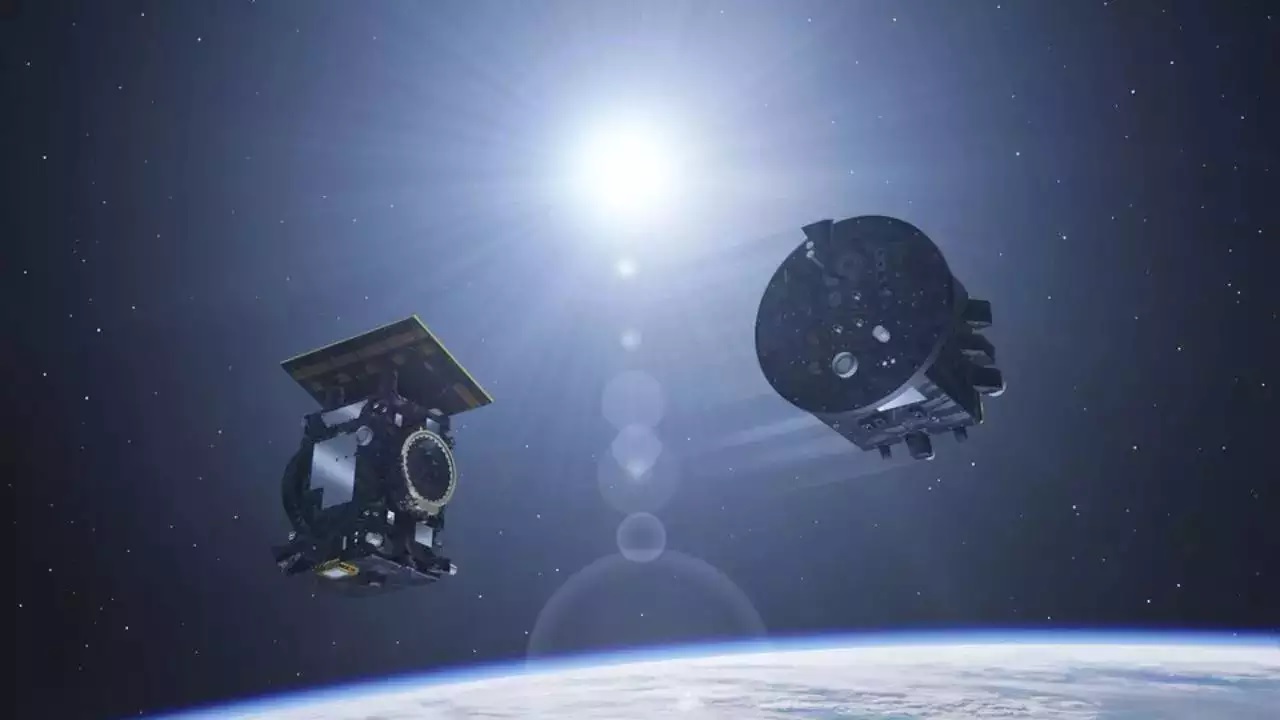
Space & Technology
India’s space agency, ISRO (Indian Space Research Organisation), is poised to make history with its first-ever Space Docking Experiment (SpaDEX) mission, scheduled for December 30, 2024. This groundbreaking initiative, to be launched aboard the PSLV-C60 rocket, is a significant leap in India's space exploration journey, aiming to showcase advanced autonomous docking technology—a feat achieved by only a handful of nations, including the United States, Russia, and China. Mission Overview: Chaser and Target Satellites The SpaDEX mission involves two satellites aptly named “Chaser” and “Target,” each weighing approximately 400 kg. These satellites will perform an intricate docking maneuver at an altitude of 700 km above Earth. The Chaser satellite will autonomously rendezvous and dock with the Target satellite, demonstrating precision in maintaining relative positions in orbit. This capability will underline India’s growing expertise in autonomous in-space operations. Once docked, the mission will explore a cutting-edge feature—controlling one satellite’s attitude (orientation) using the attitude control system of the other. This sophisticated interaction could serve as the basis for future advancements in satellite servicing, such as refueling, repair, and upgrades, as well as debris capture. Innovative Space Technologies For the first time, ISRO will incorporate robotic technologies for in-space manipulation. This includes the ability to capture free-flying objects like satellites or debris using robotic arms. A long tether attached to a cubesat will be deployed for capture, enabling the deorbiting of both the tethered object and the capturing platform. This approach ensures that debris burns up harmlessly upon re-entering Earth’s atmosphere. The tethered capture mechanism, operated from the POEM (PS4 Orbital Platform), involves precision targeting of fast-moving objects, effective tether deployment, and controlled deorbiting—all of which are significant technical challenges. These innovations contribute to ISRO's larger objective of achieving a debris-free orbital environment by 2030. Significance and Future Implications The SpaDEX mission is more than just a technological milestone; it is a stepping stone for several ambitious future projects, including: Chandrayaan-4: A proposed lunar sample return mission. Bharatiya Antariksha Station: India’s envisioned space station. Gaganyaan: India’s human spaceflight program. Additionally, successful docking technology will allow for in-orbit servicing and refueling of geostationary satellites, thereby extending their operational lifespans. Such capabilities are critical for long-term missions and sustainable practices in space exploration. A Collaborative Effort SpaDEX reflects ISRO’s collaborative spirit, with significant contributions from private sector partners. This partnership underscores the growing role of India’s private space sector in developing cutting-edge technologies and reinforces ISRO's commitment to fostering innovation within the country. India’s Growing Role in Space Sustainability As the global space industry shifts focus toward sustainability, SpaDEX marks India’s entry into the realm of active debris removal and in-orbit satellite servicing. The mission’s success could position India as a leader in responsible space exploration, setting the stage for ambitious projects and partnerships on an international scale. Conclusion SpaDEX represents a monumental step forward for ISRO and India’s space ambitions. By mastering autonomous docking, in-orbit manipulation, and debris management, ISRO is not only advancing its technological prowess but also contributing to the sustainability of outer space. As the world watches, this mission could cement India’s position as a key player in the global space race.
Read More → Posted on 2024-12-20 15:11:20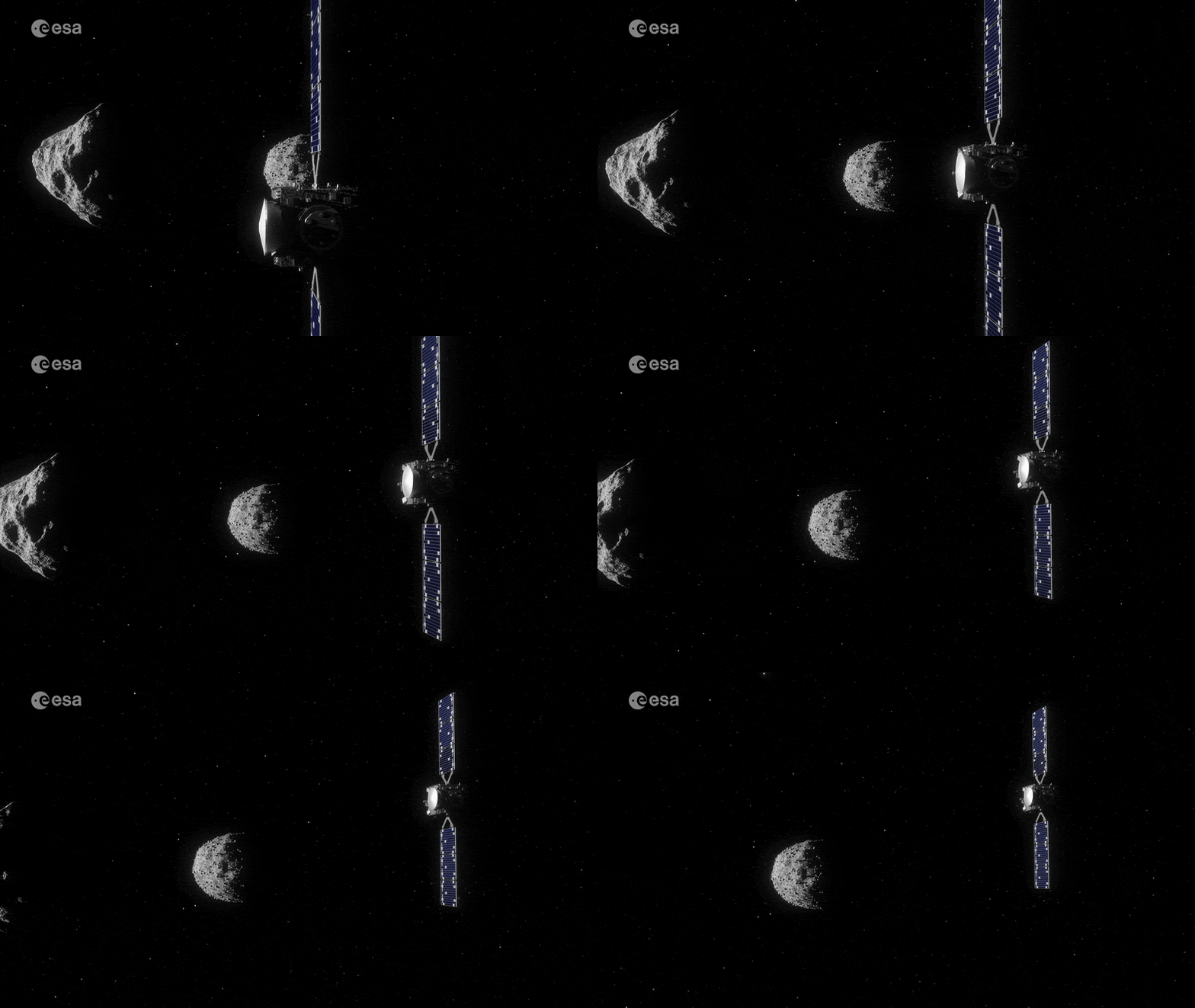
Space & Technology
Danish aerospace leader Terma has joined forces with the European Space Agency (ESA) to support the ambitious Ramses mission, an integral component of ESA’s Space Safety programme. This collaboration is designed to enhance planetary defense mechanisms by studying the asteroid Apophis during its historic close approach to Earth in 2029. The Ramses spacecraft, set for launch in April 2028, will arrive at Apophis two months before the asteroid’s closest pass to Earth. Measuring around 375 meters in diameter, Apophis will skim within 32,000 kilometers of Earth—closer than many satellites in orbit. This event offers a unique opportunity to observe how Earth’s gravity affects the asteroid’s orbit, rotation, and surface features. Terma’s Role: The Remote Terminal Unit (RTU) At the heart of Terma’s involvement is its state-of-the-art Remote Terminal Unit (RTU). This vital technology, which has previously been used successfully in ESA’s HERA mission, is designed to manage the spacecraft’s propulsion, communication, and other essential systems. Known for its reliability under extreme space conditions, the RTU acts as a bridge between the spacecraft's subsystems, enabling seamless operations throughout the mission. The RTU’s technical specifications showcase its versatility. It integrates with the spacecraft’s On-Board Computer (OBC) to monitor and control critical systems such as thermal regulation, Attitude and Orbit Control Systems (AOCS), and sensor arrays. Its modular design ensures easy customization, making it adaptable for Ramses’ specific objectives. Advancing Scientific Knowledge and Defence The Ramses mission is a significant leap in understanding asteroid behavior. By observing Apophis before, during, and after its Earth flyby, scientists aim to gain insights into how near-Earth objects respond to external forces. Such data is crucial for developing strategies to deflect potentially hazardous asteroids, thereby improving Earth’s planetary defense capabilities. The spacecraft’s advanced instrumentation will analyze changes in Apophis’s physical structure, including potential shifts in its spin rate or the emergence of surface cracks due to tidal forces. These observations will provide a wealth of information to refine asteroid mitigation techniques. A Testament to Collaboration Terma’s involvement underscores its commitment to space safety and scientific advancement. “Terma is proud to contribute to the Ramses mission by providing our proven Remote Terminal Unit technology. This partnership highlights our dedication to delivering innovative solutions that drive progress in planetary defense,” said Günther Lackner, Senior Vice President at Terma Space. Building a Safer Future The Ramses mission exemplifies the power of international collaboration and technological innovation in addressing global challenges. With Terma’s reliable RTU technology playing a pivotal role, the mission is set to deliver groundbreaking discoveries that will shape the future of planetary defense. By participating in this landmark effort, Terma not only supports the scientific community but also takes a critical step toward safeguarding Earth against extraterrestrial threats.
Read More → Posted on 2024-12-19 15:59:05
Space & Technology
Chinese scientists have taken a significant leap forward in the quantum computing race with the unveiling of Zuchongzhi 3.0, a groundbreaking 105-qubit quantum processor. Announced shortly after Google's debut of its own 105-qubit processor, the Willow, this development signals how closely China and the United States are matched in advancing one of the most revolutionary technologies of our time. Zuchongzhi 3.0, developed by a team led by renowned physicist Pan Jianwei at the University of Science and Technology of China, demonstrates computational power and stability that rivals its American counterpart. In a paper shared by the Chinese researchers, they described Zuchongzhi 3.0 as a device capable of bridging the computational gap between quantum and classical computers while providing a robust platform for practical applications. While the research is still awaiting peer review, the implications of such a system are profound. At its core, quantum computing leverages qubits, which, unlike the binary bits in classical computing, can exist in a “superposition” state, allowing them to represent both 0 and 1 simultaneously. This, combined with the phenomenon of quantum entanglement, enables quantum computers to perform calculations at speeds exponentially faster than traditional supercomputers. However, qubits are highly sensitive to errors caused by external noise and interference, making error correction one of the most critical challenges in quantum computing. Precision and Stability: Zuchongzhi’s Breakthroughs The Zuchongzhi 3.0 processor is being hailed for its high precision in qubit operations and enhanced stability. These advancements are vital as quantum computers scale up to tackle complex problems in areas like artificial intelligence, climate modeling, and drug discovery. The processor employs cutting-edge techniques in superconducting qubits, achieving a level of control and coherence that positions it as a serious rival to Google’s Willow. In comparison, Google’s Willow processor has achieved significant milestones in quantum error correction, a process critical to ensuring the reliability of quantum systems. The Willow leverages distance-5 surface code quantum error correction, a sophisticated method where qubits are arranged in a grid to detect and repair errors. Chinese scientists plan to implement similar techniques in Zuchongzhi 3.0, targeting distance-7 surface codes within months and aiming for even more advanced configurations, such as distance-9 and distance-11 codes, in the near future. A Global Race for Quantum Supremacy The unveiling of Zuchongzhi 3.0 highlights the growing intensity of the global quantum computing race, with both China and the U.S. investing heavily in this transformative field. Google's Willow processor was developed in collaboration with 13 prestigious institutions, including MIT and Harvard University, underscoring the importance of partnerships in accelerating progress. Similarly, Chinese researchers have emphasized the need for international collaboration to unlock the full potential of quantum technology. Beyond scientific innovation, quantum computing has strategic implications. Mastery of this technology could offer nations unprecedented advantages in fields such as cybersecurity, logistics, and advanced simulations. It could enable breakthroughs in drug discovery by identifying new compounds faster than ever before or revolutionize AI development by processing vast datasets at unparalleled speeds. The Road Ahead: Challenges and Opportunities Despite these breakthroughs, quantum computing remains in its infancy. The fragility of qubits and the complexity of scaling quantum systems to practical sizes present ongoing hurdles. Both Google and the Chinese team acknowledge that error correction will remain a cornerstone of quantum research for years to come. China's leadership has emphasized the importance of openness and collaboration in quantum research. In a statement shared on social media, the Zuchongzhi 3.0 research team called for expanded global cooperation, suggesting that the benefits of quantum computing should extend beyond national boundaries to advance humanity as a whole. As the competition heats up, it is clear that both nations are committed to pushing the frontiers of quantum computing. Whether it is the precision of Zuchongzhi 3.0 or the advanced error-correction capabilities of Willow, these developments are setting the stage for a new era in computational science—one that could redefine the limits of human innovation. A Technology with Global Implications Quantum computing’s promise extends far beyond its technical specifications. Its potential applications could transform industries ranging from healthcare to finance. The ability to solve problems that are currently impossible for classical computers makes quantum computing not just a scientific endeavor but a strategic asset. Both China and the United States are vying for leadership in this space, recognizing the far-reaching consequences of quantum supremacy. As Zuchongzhi 3.0 and Google’s Willow mark new milestones, the race for quantum dominance is becoming a symbol of technological and geopolitical rivalry. However, the future of quantum computing might not belong to any single nation but to a globally interconnected scientific community working together to harness this extraordinary power.
Read More → Posted on 2024-12-18 15:48:49
Space & Technology
In a pioneering move to address the growing challenge of orbital congestion, Japanese and Indian startups have teamed up to study the feasibility of using laser-equipped satellites to remove space debris. This innovative collaboration seeks to leverage cutting-edge technology to mitigate the risks posed by defunct satellites and other debris cluttering low Earth orbit (LEO). The partnership underscores the increasing urgency of tackling space junk as satellite constellations rapidly expand. A High-Tech Approach to Space Debris RemovalTokyo-based Orbital Lasers and Indian robotics company InspeCity have entered into a preliminary agreement to explore business opportunities in space services such as de-orbiting defunct satellites and extending spacecraft lifespans. Orbital Lasers, a spinoff from Japanese satellite giant SKY Perfect JSAT, is developing a sophisticated laser system designed to address the space debris problem. The laser system works by vaporizing small portions of a debris object's surface. This targeted laser energy halts the rotation of space junk, making it significantly easier for a servicing spacecraft to rendezvous and safely de-orbit the object. Orbital Lasers aims to demonstrate this technology in space by 2027, after which it plans to supply the system to commercial operators. If regulatory hurdles in India and Japan are cleared, these laser systems could be mounted on InspeCity satellites, paving the way for practical deployment. Startups with Big GoalsBoth startups bring unique expertise to the table. InspeCity, founded in 2022, specializes in robotic solutions for in-orbit servicing and raised $1.5 million in funding last year. Meanwhile, Orbital Lasers has already secured 900 million yen (approximately $5.8 million) since its establishment in January 2024. This collaboration signals a bold step for these emerging players in the space servicing market, a sector that now boasts over 100 companies worldwide, according to Nobu Okada, CEO of Japanese debris mitigation pioneer Astroscale. The Growing Space Junk CrisisThe increasing volume of satellites and debris in LEO has sparked widespread concern among scientists and policymakers. A United Nations panel on space traffic coordination recently emphasized the urgent need for global action to track and manage orbital objects. With thousands of satellites now in orbit—and many more planned for launch—the risks of collisions and cascading debris events, known as the Kessler Syndrome, are higher than ever. Japan-India Space Ties DeepenThis project highlights the strengthening commercial and technological ties between Japan and India. The two nations are already collaborating on the Lunar Polar Exploration (LUPEX) mission, a joint effort to explore the Moon's polar regions, which could launch as early as 2026. Indian companies such as rocket manufacturer Skyroot and satellite builder HEX20 are also working with Japanese lunar exploration firm ispace on future missions. Japanese satellite data solutions have been instrumental in supporting India’s disaster management and agriculture sectors. Industry experts see this partnership expanding into new areas, including manufacturing and advanced satellite technologies. According to Masayasu Ishida, CEO of Tokyo-based nonprofit SPACETIDE, the collaboration aligns with national policies like India’s “Make in India” initiative, which focuses on boosting domestic production. A Vision for Complementary StrengthsThe success of joint ventures like this one lies in identifying complementary strengths that align with both nations' long-term goals. Japan’s expertise in satellite technology and India’s cost-efficient production capabilities create a synergy that could redefine commercial space operations. As space debris becomes a critical challenge for the global space industry, the Japan-India partnership stands out as a bold and innovative effort to address this looming crisis. By combining advanced laser technology with a vision for sustainable space operations, the two nations could pave the way for safer, more efficient use of Earth's orbit.
Read More → Posted on 2024-12-18 15:33:58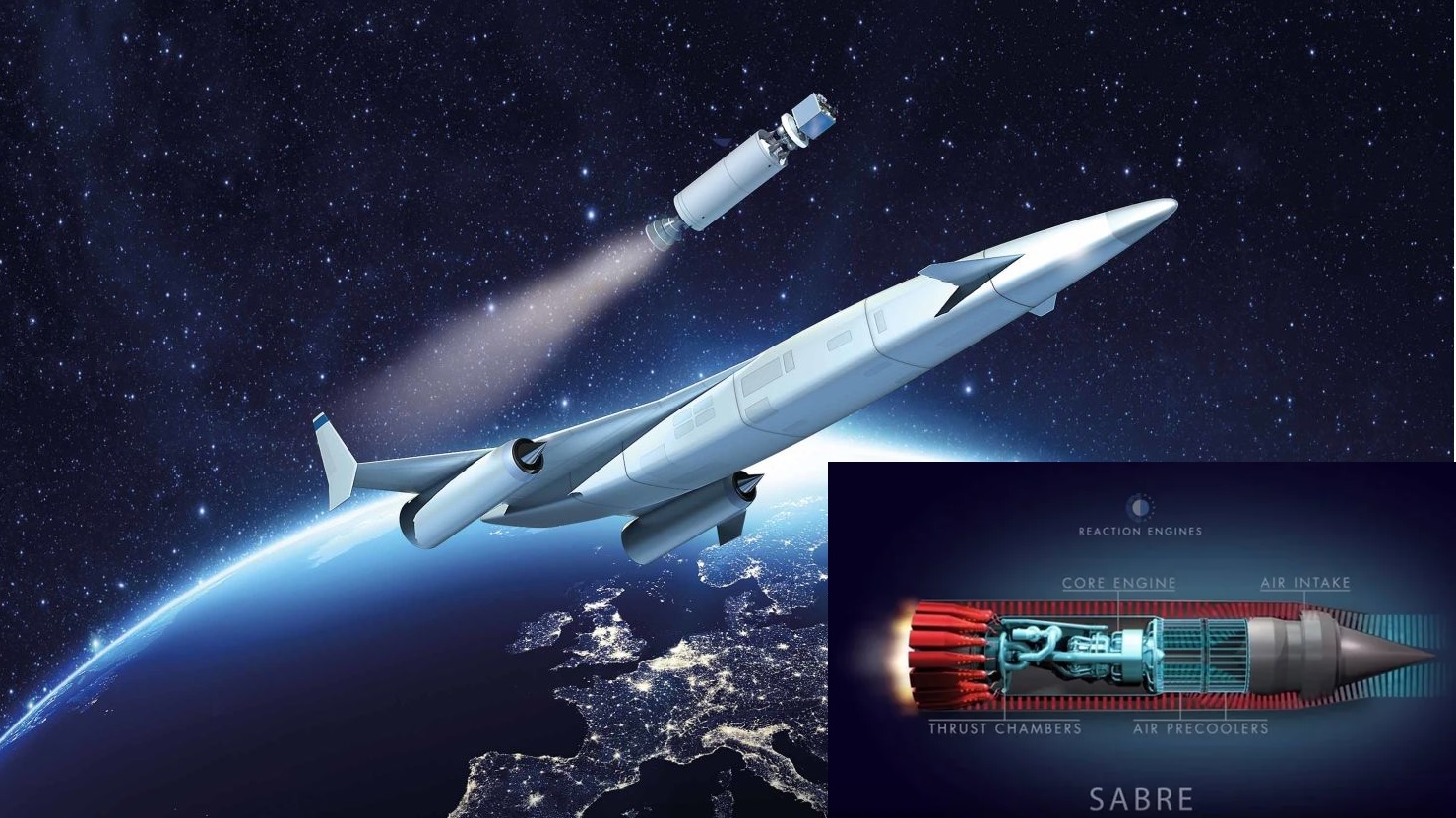
Space & Technology
The quest for efficient and reusable space propulsion systems has long been a focus of aerospace innovation. Among the most promising breakthroughs in this domain is the development of hybrid air-breathing and rocket engines. These cutting-edge propulsion systems, such as the SABRE (Synergistic Air-Breathing Rocket Engine) developed by the UK-based Reaction Engines, aim to revolutionize space travel by combining the functionality of jet engines and rocket engines into a single, highly efficient system. Understanding the SABRE Engine Technology The SABRE engine is designed to operate both within Earth’s atmosphere and in the vacuum of space, overcoming the limitations of conventional single-mode propulsion systems. Air-Breathing Mode:While in Earth's atmosphere, SABRE operates as a jet engine. It utilizes atmospheric oxygen for combustion, significantly reducing the need to carry bulky oxidizer tanks. A key innovation enabling this is the pre-cooler technology, which rapidly cools incoming air from over 1,000°C to manageable temperatures in less than a second. This allows the engine to operate efficiently at speeds up to Mach 5 (five times the speed of sound), where traditional jet engines would fail due to overheating. Rocket Mode:Upon reaching the upper atmosphere or space, where oxygen is scarce or absent, the engine transitions to rocket mode. In this phase, it burns liquid hydrogen and onboard liquid oxygen, functioning as a high-performance rocket engine capable of propelling spacecraft to orbital velocities. The Vision Behind SABRE: Skylon Spaceplane The SABRE engine was conceptualized to power the Skylon spaceplane, a fully reusable, single-stage-to-orbit (SSTO) spacecraft. Skylon is designed to take off and land horizontally like a conventional aircraft, eliminating the need for expensive multi-stage rockets and ground-based launch infrastructure. This innovation promises to dramatically reduce the cost of accessing space while enhancing operational flexibility. Historical Context and Pioneering Scientists The origins of hybrid air-breathing and rocket engine concepts can be traced back to the mid-20th century. Early work on high-speed air-breathing engines, such as ramjets and scramjets, laid the groundwork for today’s innovations. However, the development of SABRE began in earnest in the 1980s, spearheaded by Alan Bond, a visionary British aerospace engineer. Bond founded Reaction Engines Limited in 1989 with the aim of developing revolutionary propulsion systems capable of unlocking more sustainable and cost-effective access to space. Over decades of research and development, Bond and his team overcame significant technical challenges, particularly in the areas of heat exchange and materials science, to bring the SABRE engine concept closer to reality. Technological Innovations Behind SABRE Pre-Cooler System:One of SABRE’s most critical components is its advanced pre-cooler, which is capable of cooling high-temperature airflow at supersonic speeds. The system uses thousands of thin-walled tubes filled with helium to rapidly absorb heat, preventing engine components from overheating. Lightweight Materials:The engine relies on advanced lightweight materials to ensure structural integrity at extreme temperatures and pressures. Innovations in ceramics and carbon composites have played a crucial role in making the engine both durable and efficient. Cryogenic Propellant Management:SABRE’s ability to seamlessly switch between air-breathing and rocket modes hinges on precise management of cryogenic fuels like liquid hydrogen and oxygen. This dual-mode capability allows for optimized fuel efficiency during different phases of flight. Current Status of Research and Development Reaction Engines has made significant progress in developing and testing the SABRE engine. In recent years, key milestones have included successful tests of the pre-cooler system, which demonstrated the ability to cool air traveling at Mach 5. These breakthroughs have garnered support from major aerospace players such as Rolls-Royce, BAE Systems, and Boeing, as well as funding from the UK Space Agency and the European Space Agency (ESA). In 2019, Reaction Engines conducted a successful test of the pre-cooler at airflow speeds equivalent to Mach 5, a critical validation of its air-breathing technology. As of 2024, the company is working on integrating the various components of the SABRE engine into a full prototype, with plans for ground-based demonstrations before moving to flight testing. Potential Applications and Future Prospects Spaceplanes:The Skylon spaceplane remains the flagship application of SABRE technology. Its design envisions a paradigm shift in space travel, enabling runway-to-orbit operations that are fast, reusable, and economical. High-Speed Aviation:SABRE could also power hypersonic passenger aircraft, making ultra-fast global travel a reality. Flights between continents could be completed in a matter of hours. Military and Defense:The technology’s ability to operate at high speeds and altitudes could be leveraged for next-generation military aircraft and reconnaissance platforms. Satellite Deployment and Space Exploration:With reduced launch costs and enhanced flexibility, SABRE-powered vehicles could play a pivotal role in deploying satellites, servicing space stations, and even enabling interplanetary missions. Challenges Ahead While SABRE holds immense promise, several challenges remain before it can achieve operational status. These include the development of scalable manufacturing processes, the validation of its performance in real-world conditions, and securing regulatory approvals for air and space operations. A Glimpse into the Future The SABRE engine and similar hybrid propulsion technologies represent a bold step forward in humanity’s exploration of space. By seamlessly blending jet and rocket capabilities, they promise to unlock new possibilities in aerospace, from transforming how we access orbit to enabling faster-than-ever travel on Earth. As research and development continue, the dream of affordable, sustainable, and versatile space travel is edging closer to reality.
Read More → Posted on 2024-12-15 16:36:35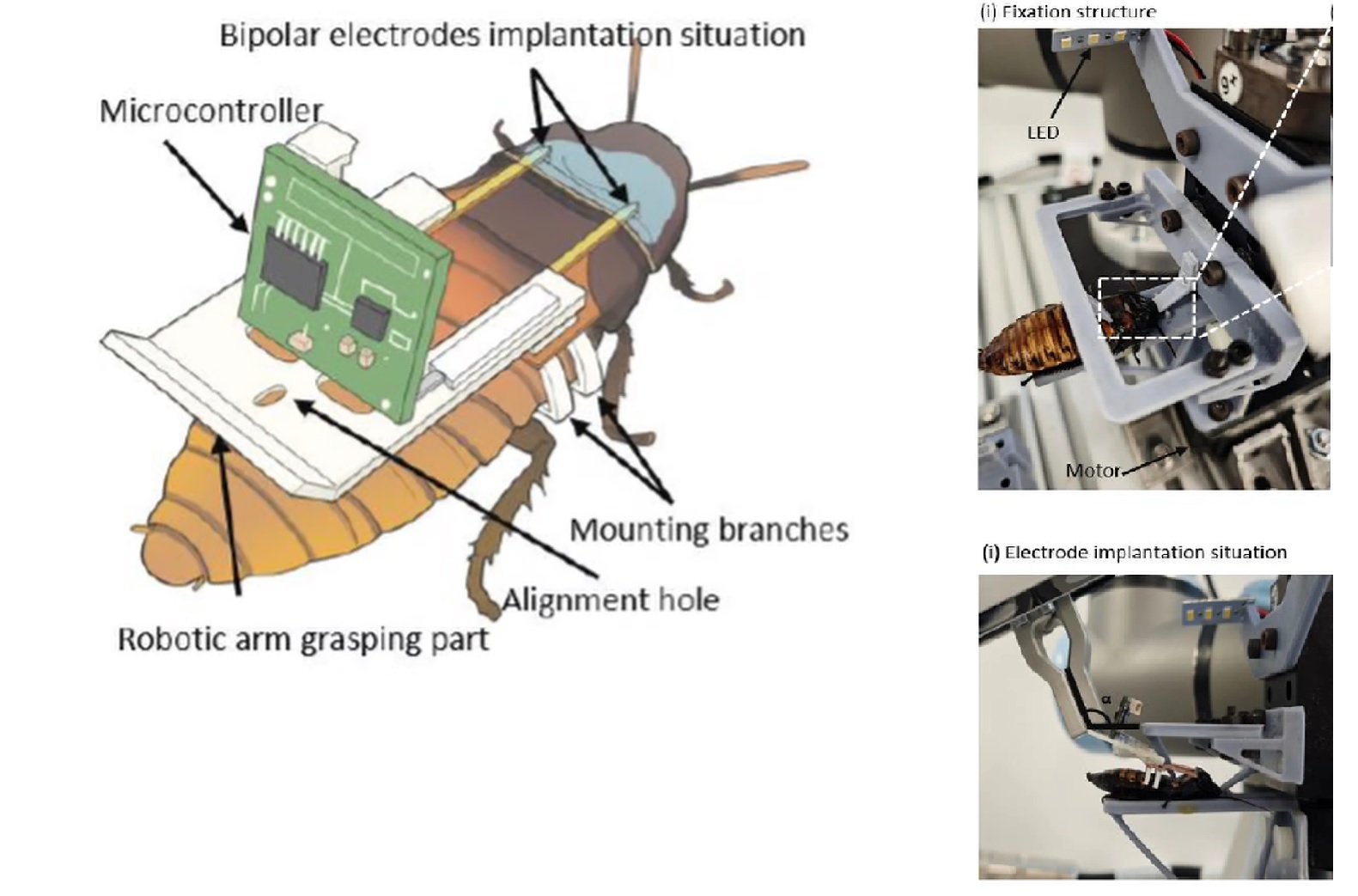
Space & Technology
Imagine a world where swarms of tiny, cybernetically enhanced cockroaches scuttle into disaster zones, inspecting hazardous areas or carrying out delicate search-and-rescue missions. This is no longer the realm of science fiction. Researchers have developed a groundbreaking robotic system in China capable of mass-producing cyborg cockroaches, blending biology and technology in ways that could reshape how we approach critical tasks like disaster management and factory inspections. At the heart of this innovation is a fully automated process designed to streamline the creation of "insect-computer hybrids." By integrating advanced robotics, deep learning-based computer vision, and precision engineering, the process now produces one cyborg cockroach every 68 seconds. The research, spearheaded by Professor Hirotaka Sato of Nanyang Technological University and first author Lin Qifeng from China, represents a significant leap in robotics and bioengineering. The Anatomy of a Cyborg Cockroach These hybrid insects are equipped with tiny electronic "backpacks" that allow researchers to remotely control their movements. The cockroach of choice for these experiments is the Madagascar hissing cockroach, renowned for its durability and robust pronotum—a hard plate on its back that serves as an ideal anchor for electronic components. To create these cyborgs, the process begins with anaesthetising the insects using carbon dioxide. The cockroaches are then positioned on a platform where metal rods secure their bodies. Using a robotic arm guided by a deep-learning vision system, the electronics are precisely implanted onto the insects' backs. Specialised mounting branches ensure the backpack remains stable during operation. What Can a Cyborg Cockroach Do? These electronically enhanced cockroaches can be steered and decelerated through remote stimulation. Extensive testing has demonstrated their reliability. For instance: Cyborg cockroaches showed precise steering control of over 70 degrees within 0.4 seconds of stimulation. Their deceleration capabilities were measured at 68.2%, ensuring controlled movement in tight spaces. Outdoor trials further highlighted their agility, with four hybrid cockroaches navigating an obstacle-filled 4-square-metre area, covering 80% of it within 10 minutes. These capabilities make them ideal candidates for applications in challenging environments, such as navigating uneven terrain or accessing confined spaces that are inaccessible to larger robots or humans. The Factory of the Future The researchers envision large-scale factories dedicated to the mass production of these cyborg insects. Such facilities could meet the demand for rapid deployment in various scenarios. The ability to automate the assembly process ensures consistency and eliminates the labor-intensive nature of manual implantation, making it scalable for industrial needs. Future iterations of the electronic backpacks could incorporate additional sensors, enhancing the cockroaches' ability to detect gas leaks, measure temperature, or even locate survivors in collapsed buildings. The integration of autonomous functionality is also on the horizon, enabling hundreds of cyborg cockroaches to work together seamlessly. Potential Applications The potential uses for these cybernetic insects span multiple industries: Search and Rescue: In disaster scenarios, these cockroaches could be sent into rubble to locate trapped individuals. Factory Inspections: Their small size and maneuverability make them perfect for inspecting machinery and identifying hard-to-reach faults. Scientific Exploration: Cyborg insects could gather environmental data in ecosystems or inspect spaces humans cannot access. Agricultural Monitoring: Equipped with specialized sensors, they could assess crop health or detect pest outbreaks. Challenges Ahead While the advancements are promising, the researchers note that challenges remain. Achieving true autonomy for these hybrid insects—allowing them to function without human intervention—is a complex hurdle. Additionally, ethical concerns surrounding the use of live insects in robotics persist, requiring transparent guidelines and societal dialogue. The Future of Cyborg Insects This innovation symbolizes a profound intersection between biology and robotics, opening doors to a future where technology and nature collaborate in unprecedented ways. From inspecting industrial sites to saving lives in disaster zones, these tiny, cybernetic helpers could become indispensable tools in a variety of fields. As the technology matures, we may one day witness swarms of these remarkable creatures quietly revolutionizing the way we solve some of humanity’s most pressing challenges.
Read More → Posted on 2024-12-14 15:08:30
Space & Technology
India’s space agency, the Indian Space Research Organisation (ISRO), has taken a significant step forward in its ambitious Gaganyaan mission, marking another stride in its journey towards human spaceflight. The first solid motor segment of the Human-Rated LVM3 (HLVM3) rocket was successfully transferred from its production facility to the launch complex, a critical milestone in preparing for the maiden G1 mission under the Gaganyaan program. This achievement not only highlights ISRO’s technical prowess but also reinforces its commitment to placing Indian astronauts in space. What is Gaganyaan? Gaganyaan, India’s first human spaceflight mission, aims to demonstrate the country’s capability to launch humans into low Earth orbit and bring them back safely. The mission will carry three Indian astronauts to an altitude of approximately 400 kilometers, where they will orbit Earth for three days. After completing their mission, the crew will splash down safely in Indian waters. This ambitious project has been bolstered by the Union Cabinet's approval and aims to establish India as the fourth nation capable of human space exploration, following the United States, Russia, and China. Importance of the Solid Motor Segment Transfer The recently moved solid motor segment is integral to the HLVM3 rocket, also referred to as the GSLV Mk III, which has been specifically modified for human-rated missions. Human rating a rocket involves rigorous design and safety enhancements to ensure reliability during crewed flights. The HLVM3 is a heavy-lift launch vehicle equipped with multiple stages, including solid, liquid, and cryogenic propulsion systems. The successful transfer of the motor segment signals the readiness of ISRO’s ground and logistical support systems, crucial for assembling and testing the rocket ahead of the G1 mission. Key Technical Developments in Gaganyaan Service Module Propulsion System:ISRO has successfully tested the Service Module Propulsion System, a critical component of the Gaganyaan spacecraft. This system ensures orbital maneuverability, attitude control, and safe deorbiting of the spacecraft. HS200 Solid Rocket Booster:Earlier this year, ISRO tested the HS200 solid rocket booster, one of the world's largest operational boosters. The HS200 provides the thrust required during the rocket’s initial phase of launch. Its successful performance bolstered confidence in Gaganyaan’s propulsion systems. CE-20 Cryogenic Engine:A critical achievement for ISRO came with the successful hot test of the CE-20 cryogenic engine on November 29, 2024. Designed for the rocket’s upper stage, the CE-20 features a high nozzle area ratio of 100 and is equipped with a multi-element igniter to enable engine restarts in space.Testing this engine at sea level presented unique challenges, such as the risk of flow separation within the nozzle leading to vibrations and thermal stresses. To overcome these, ISRO developed sophisticated High-Altitude Test (HAT) facilities for acceptance testing, ensuring reliable engine performance under operational conditions. Well Deck Recovery Trials:On December 6, 2024, ISRO, in collaboration with the Indian Navy, conducted well deck recovery trials, simulating the retrieval of astronauts after splashdown. This ensured that systems and protocols for post-mission recovery are robust and ready. Enhancements for Human Safety The Gaganyaan program incorporates advanced safety measures, including an emergency escape system that can rapidly eject the crew module in case of anomalies during the launch. The HLVM3 rocket is also equipped with redundancies in propulsion and avionics to ensure mission success under adverse conditions. Path Ahead As ISRO inches closer to the first uncrewed test flight under the Gaganyaan program, the successful transfer of the solid motor segment underscores the readiness of key infrastructure and systems. Future milestones include integrated testing of the HLVM3 rocket, rigorous simulations of crewed flight scenarios, and validation of life-support systems for the astronauts. The Gaganyaan mission is not just a technological endeavor but a testament to India’s growing ambitions in space exploration. It aims to inspire generations, boost domestic space technology capabilities, and establish India as a formidable player in global space exploration.
Read More → Posted on 2024-12-14 13:36:49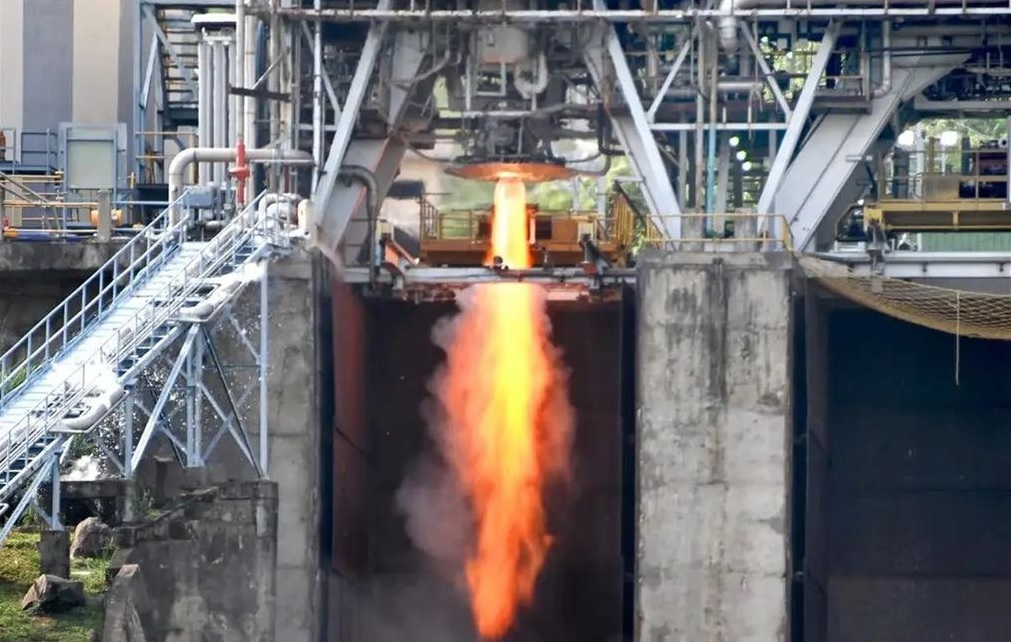
Space & Technology
The Indian Space Research Organisation (ISRO) has achieved a significant breakthrough by successfully conducting the sea level hot test of its CE20 cryogenic engine. The test, performed on November 29, 2024, at the ISRO Propulsion Complex in Mahendragiri, Tamil Nadu, represents a pivotal moment in India's pursuit of advanced space propulsion systems. This test also marks a step forward in addressing the complexities of sea level engine testing for high-performance cryogenic engines. What is the CE20 Cryogenic Engine? The CE20 cryogenic engine is an indigenous creation of ISRO's Liquid Propulsion Systems Centre (LPSC). It is the powerhouse of the upper stage of the LVM3 (Launch Vehicle Mark-3), also known as GSLV Mk III, India's heavy-lift rocket. This engine operates on a cryogenic fuel combination of liquid hydrogen (LH2) and liquid oxygen (LOX), offering a high specific impulse critical for launching heavier payloads into geosynchronous and interplanetary orbits. Key specifications of the CE20 engine include: Thrust Capacity: Recently qualified for 20 tonnes for the Gaganyaan mission, with an enhanced capability of 22 tonnes for future missions. Nozzle Area Ratio: 100, facilitating efficient expansion of exhaust gases in a vacuum. Restart Capability: Enabled by a multi-element igniter, essential for missions requiring engine reignition in space. Challenges of Sea Level Testing Testing the CE20 engine at sea level is inherently challenging due to the engine's high nozzle area ratio. Such a design, optimized for operation in near-vacuum conditions, generates an exit pressure of just 50 mbar. At sea level, this pressure difference can lead to: Flow Separation: Turbulent flow inside the nozzle, causing thermal and mechanical stresses. Vibrations and Structural Risks: Potential damage to the nozzle due to irregular gas dynamics. Traditionally, ISRO relied on its High-Altitude Test (HAT) facility for flight acceptance tests, which, while effective, introduced added complexity and cost. To overcome these hurdles, ISRO has developed an innovative Nozzle Protection System (NPS) that enables safe and cost-effective testing of the CE20 engine at sea level. Key Achievements During the Test The test successfully demonstrated the following: Multi-Element Igniter Functionality: A crucial component for engine restart capability, only the first igniter element was activated, while the others were monitored to ensure reliability. Vacuum Ignition Without Nozzle Closure: Previously validated in ground tests, this capability underscores the engine's readiness for in-space conditions. Operational Stability: The engine achieved expected performance parameters without any anomalies, reinforcing its readiness for future missions. A Workhorse for India's Space Ambitions The CE20 engine has already powered six LVM3 missions, including the Chandrayaan-2 and Chandrayaan-3 lunar missions. Its recent qualification for thrust levels up to 22 tonnes aligns with ISRO's vision of enhancing LVM3's payload capacity, particularly for demanding missions like Gaganyaan and interplanetary expeditions. Future Implications The successful sea level test signifies a leap forward in cryogenic engine technology. It simplifies and reduces the cost of engine acceptance testing, paving the way for more efficient validation of advanced propulsion systems. This milestone strengthens India's position in the global space race, ensuring ISRO remains at the forefront of cutting-edge space exploration. By conquering the challenges of cryogenic propulsion, ISRO is not only advancing its technical prowess but also contributing to the broader goals of space accessibility and scientific discovery.
Read More → Posted on 2024-12-12 16:12:14
Space & Technology
Lockheed Martin is poised to reshape the tactical space landscape with its upcoming Tactical Satellite, TacSat, set for launch in 2025 aboard a Firefly Aerospace Alpha rocket. This milestone reflects the growing importance of responsive and resilient space systems in modern defense strategies, especially in an era where space is increasingly seen as a contested domain. A High-Tech Edge in Space The TacSat is designed as a cutting-edge intelligence, surveillance, and reconnaissance (ISR) platform, boasting an array of advanced sensing and communication capabilities. Central to its mission is the ability to provide near-real-time data to ground forces, enhancing decision-making and operational effectiveness. According to Paul Koether, Director of Tactical Space at Lockheed Martin, the satellite represents a “game-changing” capability for addressing threats from the ultimate high ground. One of TacSat’s standout features is its integration with Lockheed Martin’s proprietary infrared sensor technology. This sensor delivers high-resolution imagery for enhanced situational awareness and threat detection. Additionally, TacSat incorporates the 5G.MIL payload, a revolutionary technology that brings cellular-like networking to military space assets. This innovation allows seamless communication between space, air, and ground platforms, facilitating faster and more secure data sharing. Strategic Launch Partnership Lockheed Martin has partnered with Firefly Aerospace, securing 25 launches across Firefly’s facilities in the U.S. The partnership underscores the company’s commitment to building a rapid and scalable tactical satellite deployment capability. Firefly’s Alpha rocket, known for its versatility and cost-efficiency, was selected to carry TacSat into orbit, marking a key step in testing the satellite’s capabilities through a series of exercises planned for next year. Lockheed Martin’s Legacy in Space Innovation TacSat is not an isolated project but part of Lockheed Martin’s broader push into next-generation space technologies. Over the years, the company has established itself as a leader in space innovation, delivering over 300 mission payloads and conducting nearly 1,000 hours of spacecraft operations across eight planetary missions. Its expertise spans from defense systems designed to counter missile and hypersonic threats to advanced communications, data transport, and GPS satellites. The TacSat initiative also highlights Lockheed’s focus on multi-domain operations. By leveraging the satellite’s Battle Management Command & Control (BMC2) systems, TacSat aims to integrate seamlessly with terrestrial and aerial military systems, creating a unified and highly responsive defense network. The Road Ahead The 2025 launch of TacSat will not only test the spacecraft’s hardware but also validate its role in rapid tactical deployments, a key requirement for modern military operations. As space becomes a more contested and critical arena, TacSat’s capabilities could redefine how military forces leverage orbital assets to gain a strategic advantage. Lockheed Martin’s TacSat project exemplifies the fusion of innovation, strategy, and technology, setting a new benchmark for tactical space missions. With its advanced features and rapid deployment potential, TacSat is poised to play a pivotal role in maintaining strategic superiority in space.
Read More → Posted on 2024-12-11 16:07:18
Space & Technology
The sun sent a stunning wake-up call on December 8, 2024, with an impulsive X-class solar flare erupting from sunspot region 3912. The flare, classified as the most powerful type of solar eruption, peaked at 4:06 a.m. EST (0906 GMT) and was accompanied by a coronal mass ejection (CME). This dramatic celestial event disrupted radio communications across southern Africa while sparking discussions about its potential geomagnetic impacts on Earth. The X-Class Flare and Its Effects X-class solar flares, the strongest category of solar eruptions, release immense energy in the form of electromagnetic radiation. This particular event unleashed an intense burst of X-rays and ultraviolet radiation, causing ionization in Earth’s upper atmosphere. As a result, shortwave radio blackouts were reported in southern Africa, the region under direct sunlight during the flare. These blackouts highlight the vulnerability of communication systems to space weather events. When solar radiation reaches Earth, it ionizes the ionosphere, a key atmospheric layer that reflects radio waves. This ionization increases atmospheric density, which in turn disrupts the propagation of high-frequency radio signals. The charged particles in the ionosphere absorb energy from the radio waves, causing signal weakening or outright loss. For aviation, maritime communication, and amateur radio operators, these disruptions can pose serious challenges. The Role of Sunspot Region 3912 The flare originated from an active sunspot cluster known as region 3912. Sunspots are dark, cooler regions on the sun’s surface where magnetic fields are exceptionally strong. These tangled magnetic fields can become unstable, triggering solar flares and CMEs. Sunspot region 3912’s activity demonstrates how these regions are key drivers of the sun’s explosive behavior. A Coronal Mass Ejection in Tow Accompanying the solar flare was a CME, a massive plume of charged particles and magnetic fields ejected into space. CMEs are known for their ability to trigger geomagnetic storms when they collide with Earth’s magnetosphere. Space Weather Physicist Dr. Tamitha Skov explained that this CME is expected to graze Earth’s magnetic field on December 11, 2024. However, its impacts are predicted to be mild due to the trajectory and potential deflection by high-speed solar wind streams. Geomagnetic storms caused by CMEs can lead to dazzling auroras near the poles, as charged particles interact with Earth’s magnetic field. However, stronger storms can disrupt power grids, GPS systems, and satellite operations. Fortunately, the glancing blow from this CME is unlikely to cause such severe effects. Solar Flares: Nature’s Energy Bursts Solar flares like this one are categorized into five classes—A, B, C, M, and X—based on their intensity, with X-class flares being the most potent. Within each class, a numerical scale provides finer detail. For example, an X1 flare is ten times less energetic than an X10 flare. This classification helps scientists gauge the potential impacts of a flare on Earth and its technology-dependent systems. These flares occur as magnetic energy built up in the sun’s atmosphere is suddenly released. This energy manifests as light, heat, and charged particles, traveling to Earth at the speed of light. In the case of an X-class flare, the effects are almost immediate, highlighting the need for continuous monitoring of space weather. Preparing for Solar Activity As the sun approaches the peak of its 11-year solar cycle in 2025, events like this X-class flare are expected to become more frequent. Solar cycles, marked by fluctuations in sunspot activity, influence the frequency and intensity of solar storms. Scientists and agencies like NASA and NOAA’s Space Weather Prediction Center are closely monitoring solar activity to forecast potential impacts. While the December 8 flare caused temporary disruptions, it serves as a reminder of the sun’s dynamic and sometimes disruptive nature. With advancements in space weather forecasting, humanity is better equipped than ever to mitigate the risks posed by these awe-inspiring cosmic events. This X-class flare has not only demonstrated the immense power of our star but has also underscored the interconnectedness of space and Earth, where a burst of energy from 93 million miles away can momentarily silence the hum of human communication.
Read More → Posted on 2024-12-09 16:42:59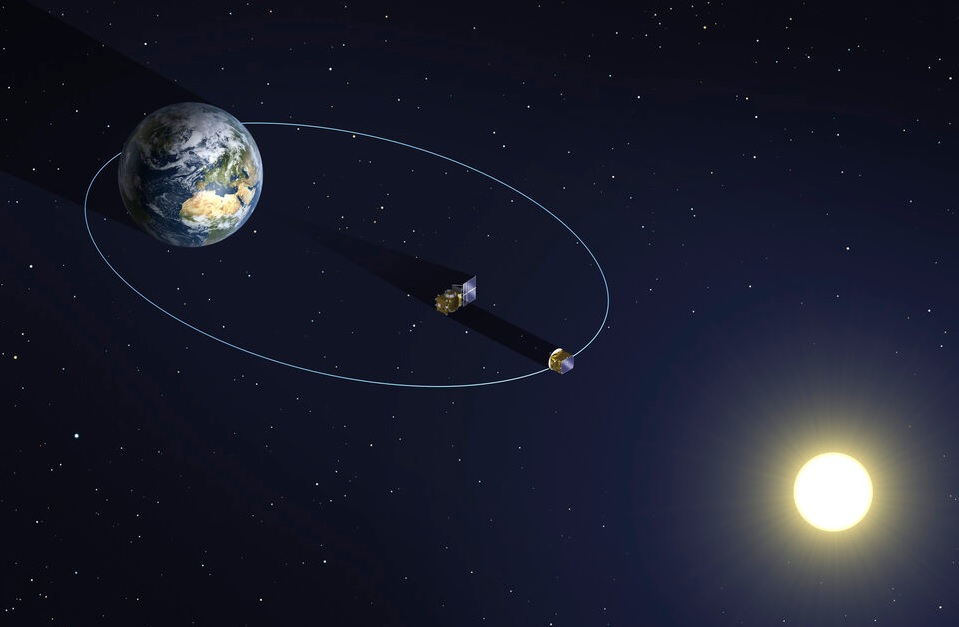
Proba-3 Mission: ISRO and ESA Unlock Secrets of the Sun’s Corona with Precision Satellite Technology
Space & Technology
The successful launch of the European Space Agency’s (ESA) Proba-3 mission by the Indian Space Research Organisation (ISRO) marks a groundbreaking achievement in space exploration. Onboard the PSLV-C59 rocket, the Proba-3 satellites embarked on a mission to delve into the mysteries of the Sun’s corona, the Sun’s outermost and extraordinarily hot layer. This international collaboration underscores the power of partnerships in pushing the boundaries of solar physics and space weather research. A Revolutionary Design for Solar Observations Proba-3 comprises two highly specialized satellites—Coronagraph and Occulter—that will execute a precision formation flight, maintaining a separation of 150 meters. This arrangement effectively mimics a total solar eclipse, enabling continuous observation of the corona for up to six hours during each orbit. This capability far surpasses the fleeting minutes of natural eclipses, offering the scientific community an unprecedented window into solar phenomena. Equipped with a state-of-the-art coronagraph, the mission’s primary goal is to capture high-resolution images of the Sun’s corona. These observations will provide insights into the mechanisms driving the corona’s extreme heat, which exceeds the Sun’s surface temperature, and the solar wind—a stream of charged particles that influences space weather. Unveiling Space Weather Impacts Former ISRO scientist P.V. Venkitakrishnan highlighted that data from Proba-3 would be instrumental in improving space weather prediction models. Space weather events, such as solar flares and coronal mass ejections, can disrupt Earth’s magnetic field, satellite operations, and communication systems. By studying the corona and solar wind in detail, Proba-3 could pave the way for advancements in mitigating these impacts. Advanced Technology and Precision Engineering The mission employs cutting-edge technology, including an advanced propulsion system for precise orbital maneuvers. The Occulter satellite will block the Sun's bright disk, allowing the Coronagraph satellite to focus on the faint corona. This innovative setup required meticulous engineering to maintain the exact alignment necessary for uninterrupted observations. Proba-3 will deliver approximately 50 eclipse-equivalent observations annually, providing researchers with a treasure trove of data to unravel long-standing solar mysteries. ISRO’s Role and Global Space Diplomacy ISRO’s role in launching the Proba-3 mission underscores India’s growing prominence in the global space community. ESA partnered with ISRO for this mission, leveraging the reliability and cost-effectiveness of the Polar Satellite Launch Vehicle (PSLV) at a time when ESA lacks an active launch vehicle. This collaboration reflects ISRO's capabilities as a trusted provider of commercial satellite launches and a key player in fostering international space diplomacy. Implications for Future Missions Proba-3 is not just a solar experiment; it sets the stage for more ambitious missions in solar physics and space weather forecasting. The success of this mission could inspire further collaborative projects between space agencies worldwide, advancing our understanding of the Sun and its influence on Earth’s environment. By enabling detailed observations of the corona and its dynamics, Proba-3 promises to contribute significantly to solar science, while also reinforcing ISRO’s reputation as a reliable and innovative spacefaring organization.
Read More → Posted on 2024-12-09 16:27:51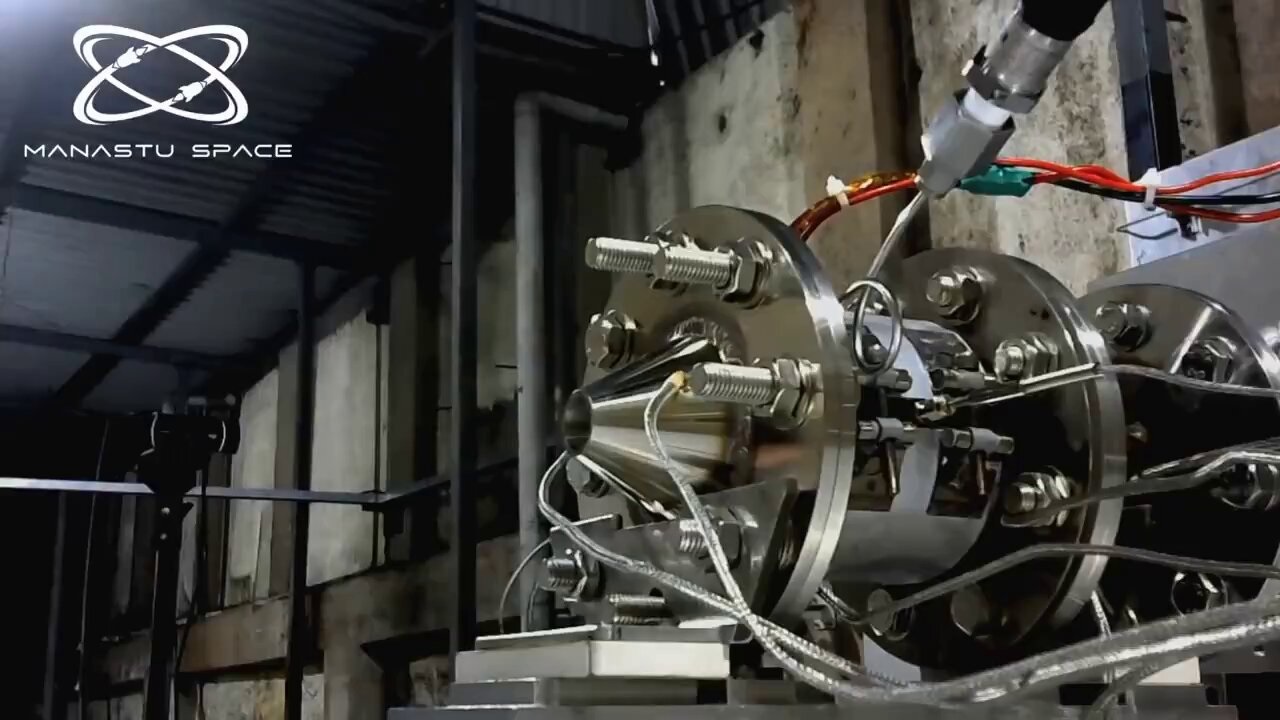
Space & Technology
Mumbai-based startup ManastuSpace has achieved a significant breakthrough in space technology by transferring its indigenous Green Propulsion System (GPS) to the Defence Research and Development Organisation (DRDO). This collaboration marks a pivotal step towards enhancing India's capabilities in sustainable and cost-effective satellite propulsion systems. The Visionaries Behind ManastuSpace ManastuSpace was co-founded in 2016 by Tushar Jadhav, a former DRDO scientist, and Ashtesh Kumar, a technologist from IIT Bombay. Both founders bring unique expertise to the table, having previously worked on IIT Bombay's Pratham satellite project, which aimed to measure electron counts in the ionosphere. Their combined experience in Aerospace Engineering and Mechanical Engineering led to the creation of an eco-friendly alternative to the hazardous hydrazine-based propulsion systems traditionally used in satellites. The Green Propulsion System: Key Features The Green Propulsion System developed by ManastuSpace offers a compelling alternative to conventional systems. It is powered by a proprietary, non-toxic fuel blend that is 40 times safer than hydrazine, a highly toxic and carcinogenic substance commonly used in satellite propulsion. This innovative system delivers several advantages: Higher Efficiency: The system boasts an impressive specific impulse of 275 seconds, a 25% improvement over hydrazine systems, which typically achieve only 220 seconds. Cost-Effectiveness: Reduced toxicity means fewer safety measures are required during handling and storage, cutting costs by nearly 60%. Extended Lifespan: Satellites using this system can operate for up to five years, significantly enhancing their value and operational utility. Bridging the Gap Between Chemical and Electric Propulsion The current satellite propulsion landscape relies heavily on electric propulsion for small adjustments and chemical propulsion for high-thrust requirements. However, hydrazine-based chemical systems come with significant environmental and safety concerns. ManastuSpace's green propulsion technology bridges this gap, offering a safer chemical alternative that delivers rapid thrust while reducing the ecological footprint. Rigorous Testing for Reliability ManastuSpace has left no stone unturned in validating its technology. Extensive testing has been conducted in their Mumbai lab and at the Shell Oil and Gas campus in Bengaluru. These trials ensure the system's reliability, safety, and efficiency, making it suitable for both commercial and defense applications. Strategic Implications for DRDO By adopting ManastuSpace’s green propulsion technology, DRDO gains access to a safer, more efficient propulsion system that aligns with India’s strategic focus on self-reliance and sustainability in space exploration. This partnership could pave the way for more indigenous innovations in India's rapidly growing space sector. Beyond Satellites: Future Prospects ManastuSpace’s propulsion technology has potential applications beyond satellite systems. It could be adapted for interplanetary missions, small spacecraft, and even reusable launch vehicles, offering cost-effective solutions for emerging space programs worldwide. Conclusion The transfer of the Green Propulsion System technology to DRDO is a landmark achievement for ManastuSpace, underscoring its commitment to sustainability and innovation. As the global space industry continues to expand, this collaboration showcases India’s rising prominence in the development of cutting-edge, eco-friendly space technologies.
Read More → Posted on 2024-12-09 15:54:53
Space & Technology
Austrian-based CycloTech has unveiled its groundbreaking "BlackBird" demonstrator, a flying taxi equipped with a unique propulsion system that promises to redefine urban air mobility. Unlike traditional propeller-driven aircraft, the BlackBird employs the CycloRotor, an innovative, all-electric propulsion system inspired by the Voith Schneider Propeller (VSP), commonly used in tugboats and ferries. This cutting-edge technology enables unparalleled maneuverability, efficiency, and safety, setting BlackBird apart from its competitors in the electric vertical takeoff and landing (eVTOL) sector. What Makes CycloRotor Technology Revolutionary? The CycloRotor propulsion system features circular rotors with embedded, adjustable propeller blades. These blades spin around a central axis, generating thrust in multiple directions. By altering the angle and center of rotation of the blades, the CycloRotor can precisely control the aircraft's movement, allowing it to accelerate, decelerate, or change directions mid-flight with remarkable agility. This technology enables BlackBird to achieve feats other air taxis cannot match. It can hover, spin, and execute sharp trajectory adjustments with exceptional precision, even in challenging weather conditions like strong winds. This not only ensures a smoother and safer ride for passengers but also enhances the vehicle's potential for use in complex urban environments where maneuverability is key. Specifications and Performance While still in the prototype phase, CycloTech has demonstrated the potential of its CycloRotor system with scale models. Here’s what we know about the BlackBird demonstrator: Maximum Load Capacity: The current prototype can support up to 750 pounds (340 kilograms), making it suitable for carrying passengers and light cargo. Speed: The aircraft can reach a top speed of 73 mph (118 km/h). While this is slower than a Skyhawk Cessna, which maxes out at 142 mph (229 km/h), BlackBird prioritizes vertical mobility and urban adaptability over raw speed. Energy Efficiency: Being all-electric, the BlackBird aligns with global sustainability goals, reducing carbon emissions compared to traditional combustion-engine aircraft. Passenger Comfort: The CycloRotor’s precise control over thrust vectors enhances stability, minimizing turbulence and delivering a smoother ride. Advantages Over Traditional eVTOLs Unlike other eVTOL prototypes that rely on conventional propeller systems, BlackBird's CycloRotor technology allows for greater control and flexibility. Traditional rotors are often limited in their ability to make precise adjustments during flight, especially in tight urban spaces or turbulent conditions. The BlackBird, with its advanced propulsion system, can navigate these challenges effortlessly, positioning it as a leader in the next generation of air taxis. The Road Ahead CycloTech plans to test a full-scale version of the BlackBird demonstrator by early 2025. If successful, this could mark a pivotal moment in the evolution of urban transportation, bringing the concept of flying taxis closer to reality. The ability to hover, maneuver with precision, and operate in compact airspaces makes BlackBird a promising solution for reducing congestion in cities while offering a futuristic mode of travel. Closing Thoughts The BlackBird demonstrator, with its CycloRotor propulsion system, stands as a testament to how innovative engineering can overcome traditional limitations in aviation. While the concept of flying taxis may still seem futuristic, CycloTech’s work on BlackBird makes it clear that the skies of tomorrow might be closer than we think. By pioneering a new way to think about propulsion, CycloTech isn’t just building a flying car; it’s creating a new paradigm for urban air travel. Keep an eye on BlackBird—it might soon be hovering over a city near you.
Read More → Posted on 2024-12-08 15:33:25Search
Top Trending in 24 Hours
-
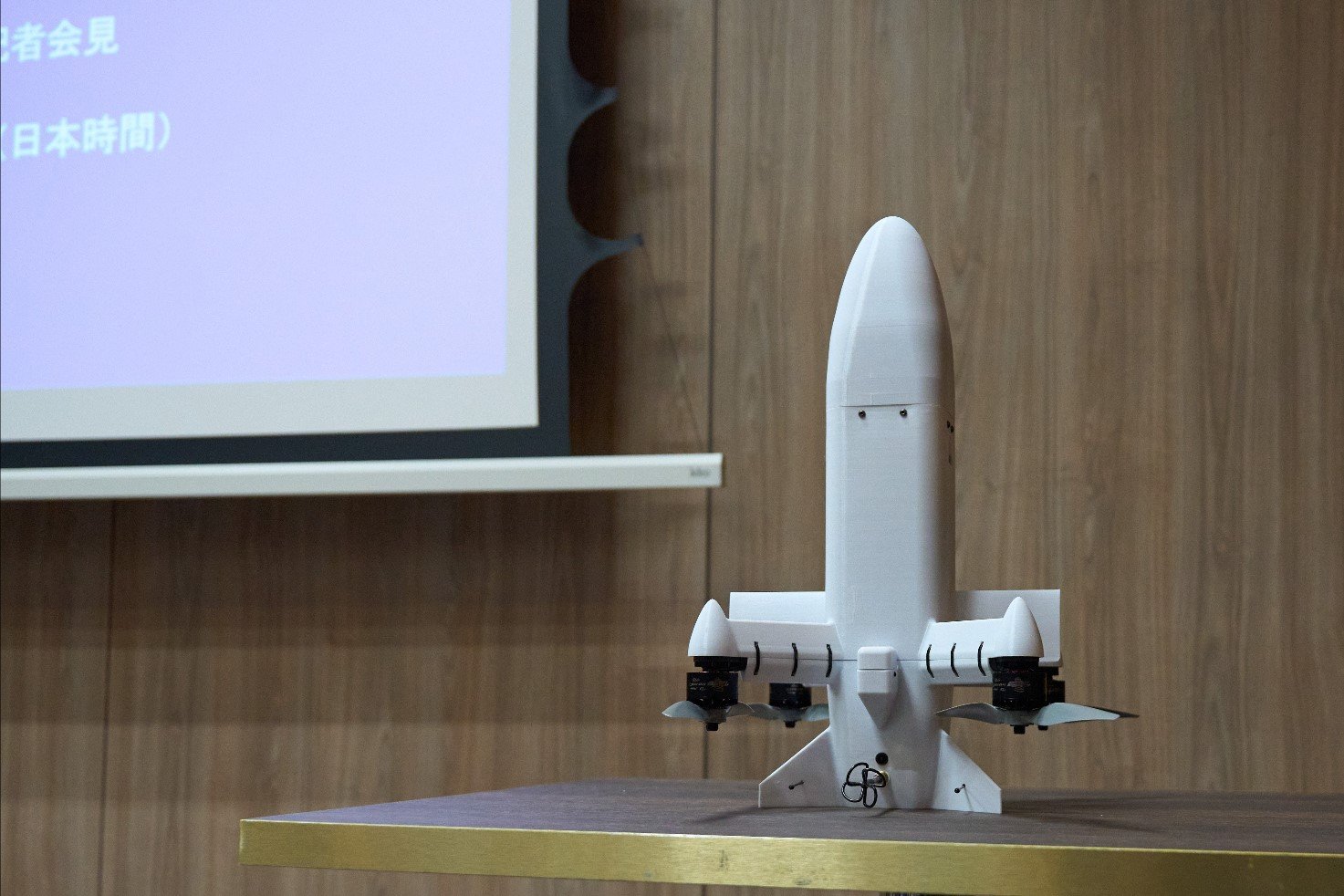 Japan Selects Terra Drone’s Terra B1 for Mass Production of Interceptor UAVs
-
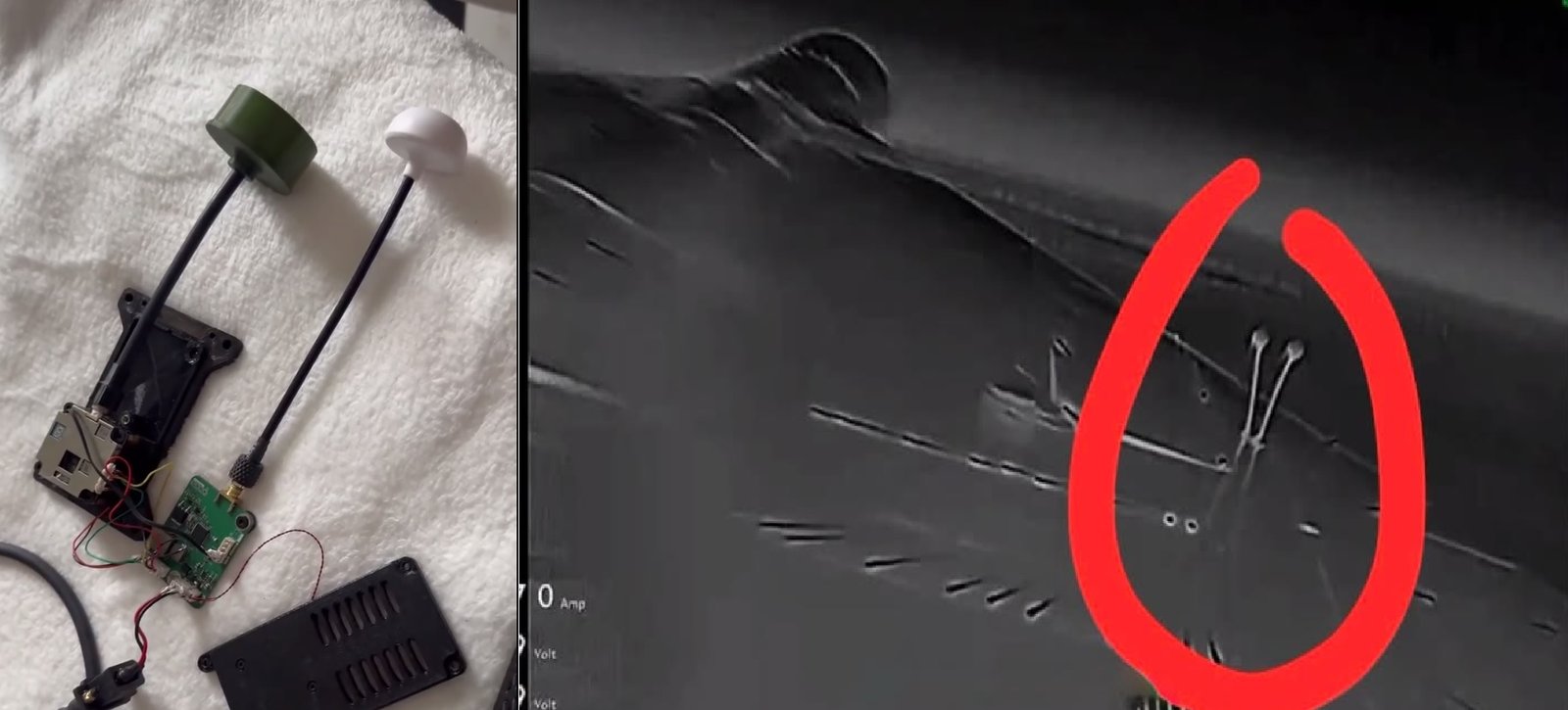 Russia Equips Shahed and Geran Drones With Electronic Warfare Systems to Jam Ukrainian Interceptor Video Links
-
 Austria Receives First Modernized Leopard 2A4Ö Tank and Ulan NV Infantry Fighting Vehicle
-
 NATO Launches Exercise Northern Viking 26 in Iceland to Secure North Atlantic Routes
-
 Ukraine Reduces Use of Western Tanks as Cheap Drones Become a Major Battlefield Threat
-
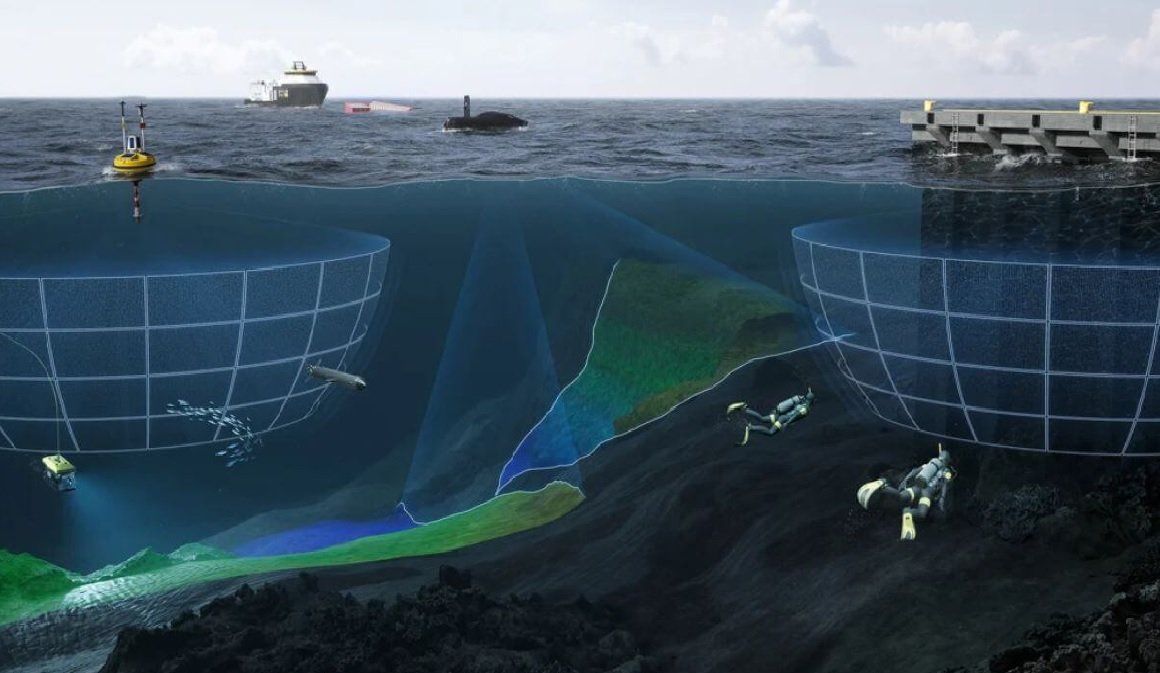 Kongsberg Introduces Aegir SSA Sonar Family With AI-Powered Monitoring for Continuous Underwater Surveillance
-
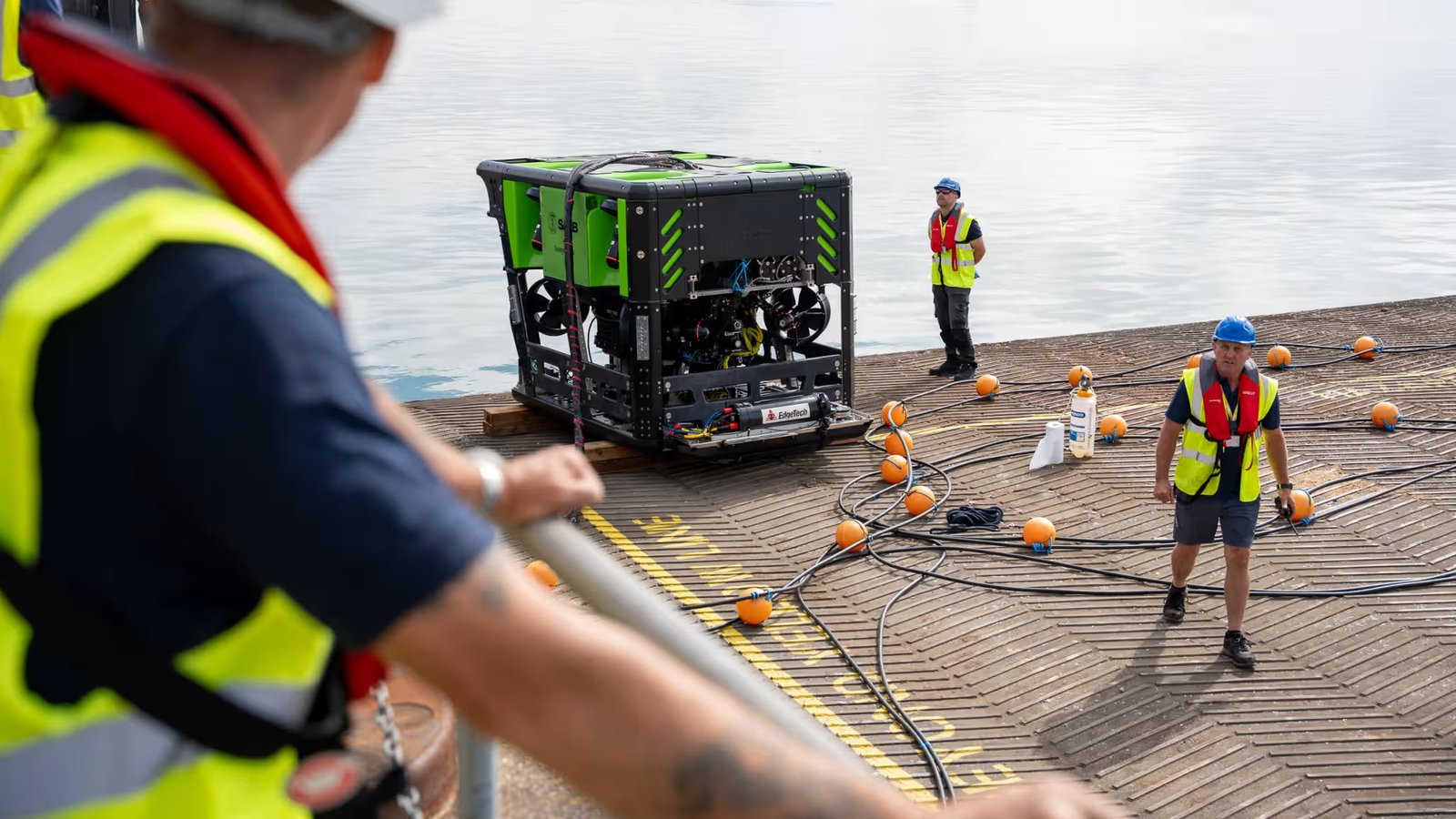 Saab UK Completes Key Trials of Seaeye SR20 eWROV, Moves to Next Development Phase
-
 Mystery Chinese J-20-Like Object Seen at Former Airport Was a Firefighting Training Mock-Up
Top Trending in 4 Days
-
 Iran Reveals Underground Weapons Manufacturing Facility for First Time on State TV
-
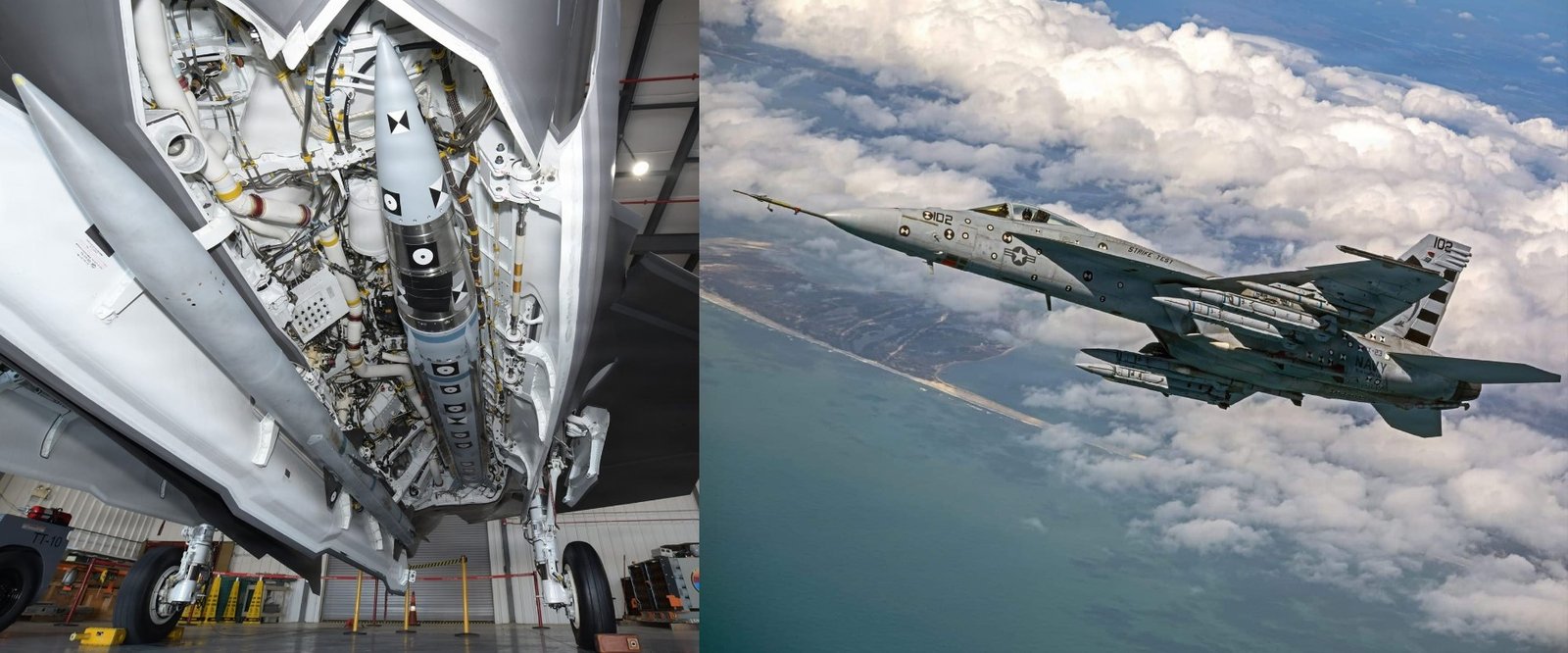 U.S. Navy Unveils New AIM-424 ‘Malice’ Air-to-Air Missile With 463+ km Range for F-35C, Super Hornet and F/A-XX
-
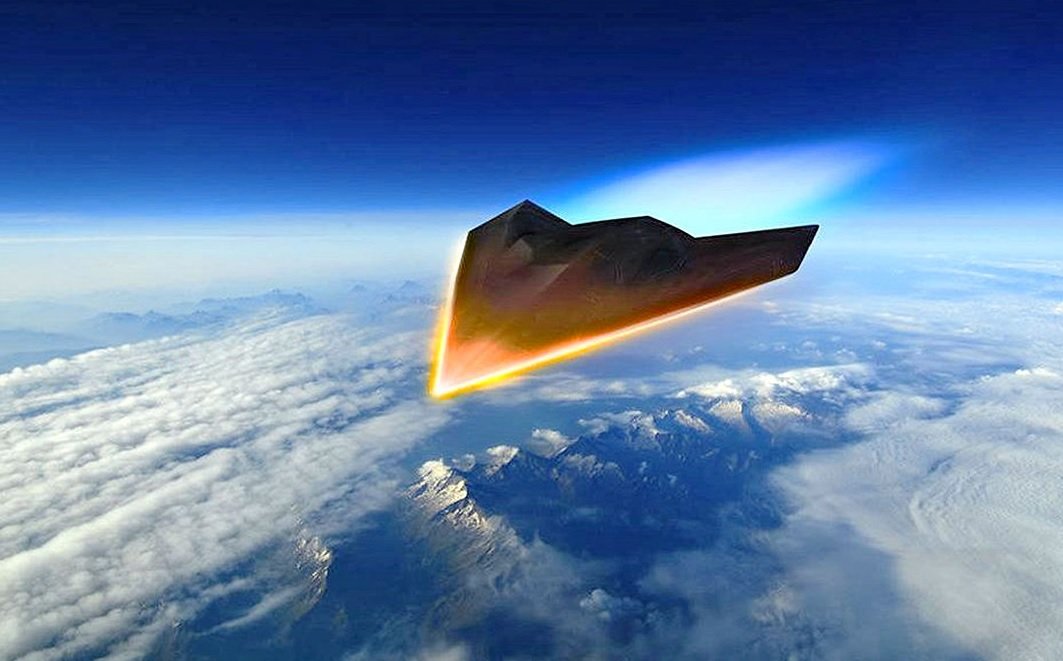 China Develops Hypersonic Glide Vehicles Capable of Launching Air-to-Air Missiles Mid-Flight
-
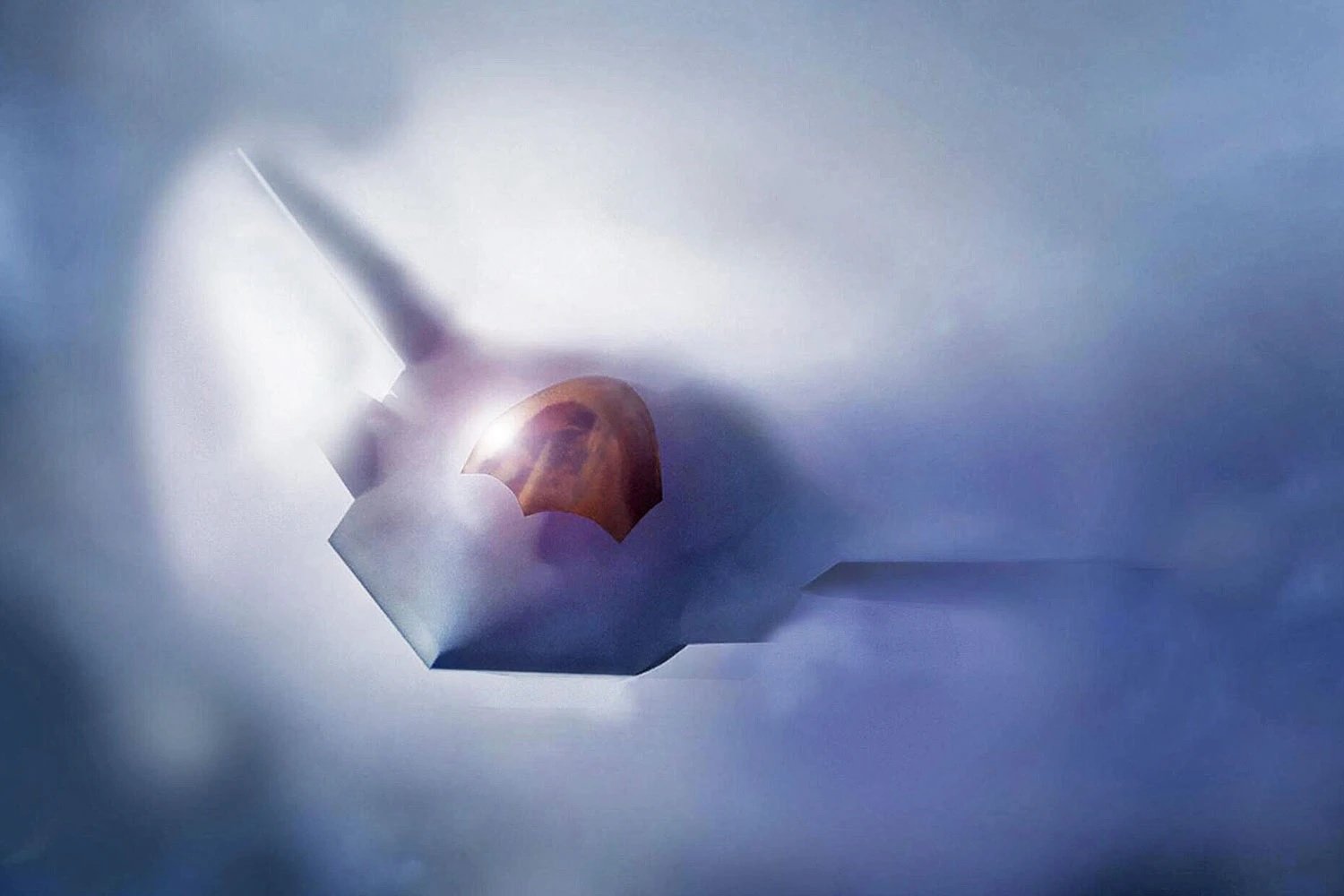 Israel Explores Potential Acquisition of U.S. F-47 Sixth-Generation Fighter
-
 Iran-Linked Hackers Shut Down UK Power Plant for Four Days in First Known Attack
-
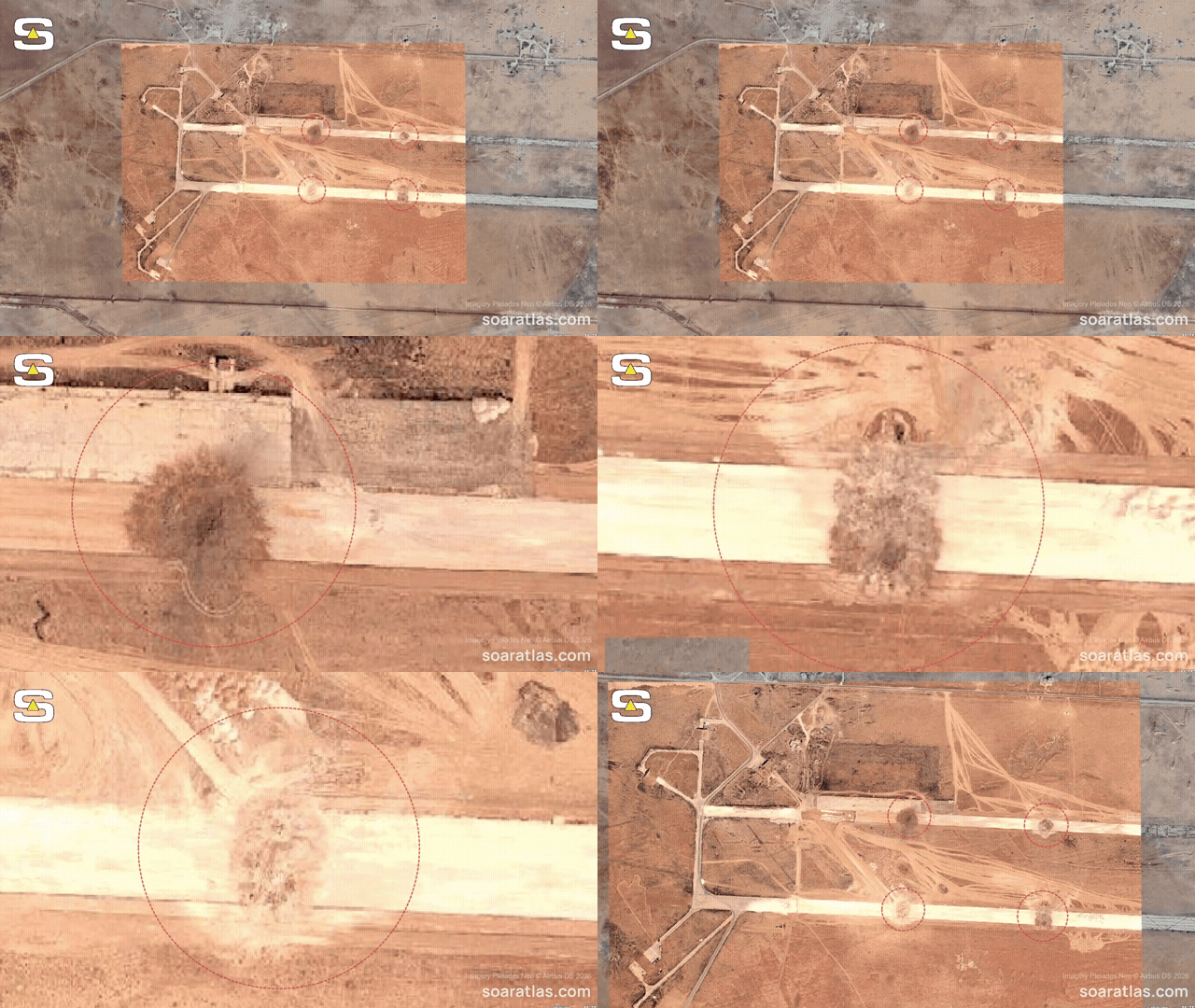 Satellite Imagery Shows Damage From Israeli Strikes on Turkey Military Occupied Syria’s Abu al-Duhur Airbase
-
 Ukraine Holds World’s First Unmanned Military Parade on 35th Independence Day
-
 UAE Completes Protective Metal Structures Around Fuel Tanks Near Dubai International Airport