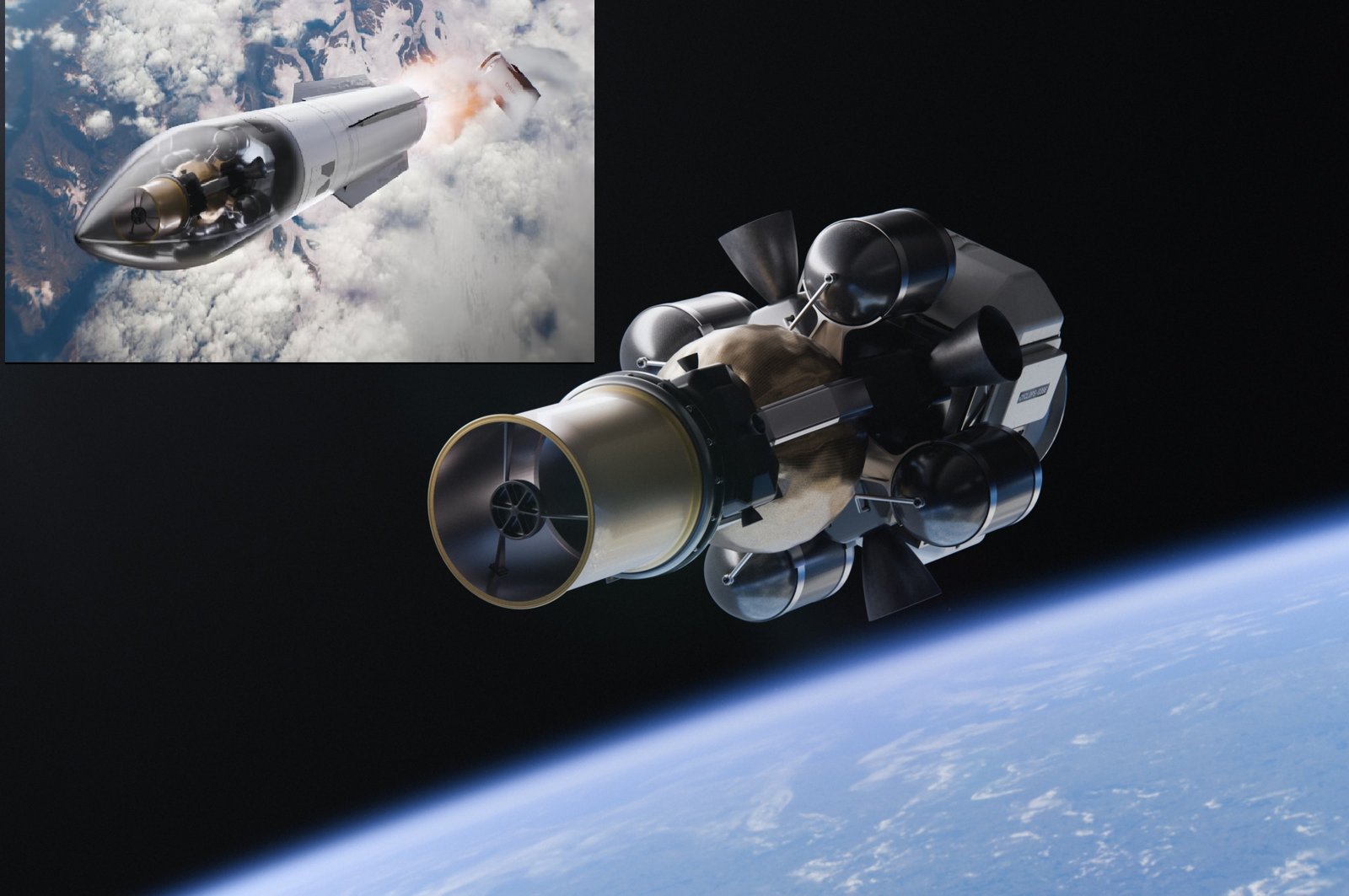
India’s space agency, the Indian Space Research Organisation (ISRO), has taken a bold leap into the future of space tourism by unveiling a reusable space tourism rocket and capsule. Drawing on the successes and technological advancements of the Gaganyaan mission, this new venture aims to offer passengers a truly out-of-this-world experience—literally. ISRO’s ambitions are not just limited to the country’s traditional space exploration goals; the organization is now poised to take space enthusiasts to the very edge of space in a reusable rocket.
The design of ISRO’s new space tourism vehicle mirrors the cutting-edge technology behind the Gaganyaan crew module. Gaganyaan, India's human spaceflight mission, was the first to carry Indian astronauts into low Earth orbit, and this new tourism rocket is directly inspired by its successful blueprint. With its reusable nature, the rocket will lower the cost of space tourism significantly, allowing more people to embark on this once-in-a-lifetime experience.
Passengers aboard the rocket will be flown to an altitude of 100 kilometers, commonly referred to as the Kármán Line, which is widely accepted as the boundary between Earth's atmosphere and outer space. At this point, tourists will get a brief but awe-inspiring experience of microgravity—floating freely for around 3.5 minutes as they marvel at the vastness of space. The total flight time, from liftoff to return, will be approximately 8.5 minutes. While short, the experience promises to be packed with the thrill of rocket launches, breathtaking views of Earth from space, and the unique sensation of weightlessness.
A key feature of ISRO’s system is the reusability of both the rocket and the capsule, which will be recovered and refurbished for future flights. This reduces operational costs and minimizes environmental impact, aligning with the growing demand for sustainable space exploration. By leveraging its existing infrastructure, technical expertise, and an ever-growing commercial space sector, ISRO aims to offer space tourism at a price point much lower than that of current private competitors like Blue Origin or SpaceX.
Beyond just offering an adventure, ISRO’s space tourism program is also part of a broader vision for India’s role in the global space economy. With space agencies and private companies worldwide racing to expand into space tourism, ISRO’s entry into this market reflects its growing influence. The organization has already carved a niche in cost-effective satellite launches and Mars exploration missions, and now, it aims to democratize access to space for a new generation of adventurers.
Although specific pricing and availability details have not yet been disclosed, the introduction of such a system signals ISRO’s commitment to pushing the boundaries of space travel. Future enhancements may include longer durations in microgravity or even stays aboard space stations in low Earth orbit, a concept that may one day resemble hotels in space.
For now, though, ISRO’s reusable rocket represents a significant milestone for both India’s space program and the global commercial space sector. As space tourism transitions from science fiction to reality, ISRO’s affordable, cutting-edge solution could open up space for a much larger and more diverse audience than ever before.
This pioneering effort not only boosts India's standing in the international space community but also brings us one step closer to making space accessible to everyone.
——— End of Article ———