Space & Technology
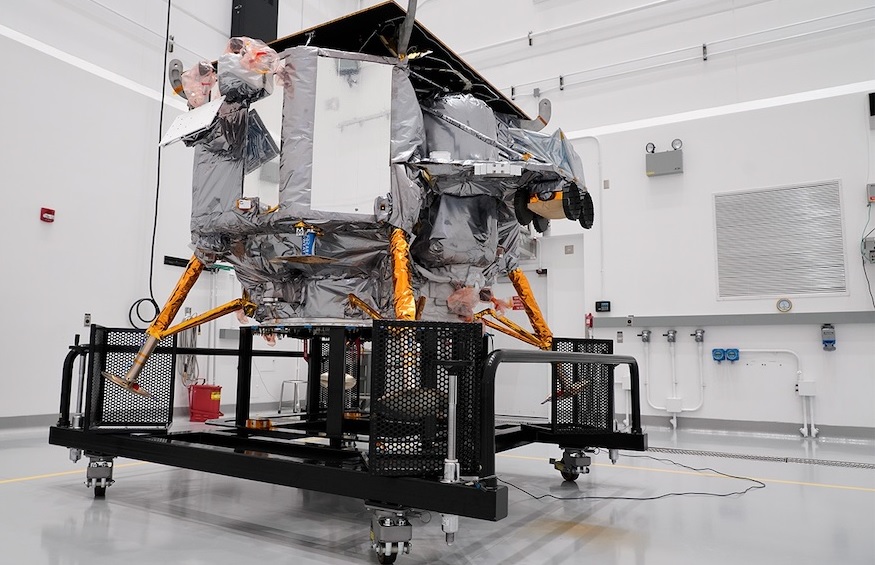
Space News - Astrobotic, a Pittsburgh-based space exploration company, is gearing up for the launch of its Peregrine lunar lander in early January. The company announced on December 19 that Peregrine has successfully completed all pre-launch integration activities, including fueling and mating with the payload adapter for United Launch Alliance Vulcan Centaur rocket. The launch is scheduled for January 8 from Cape Canaveral, Florida.Originally planned for this month, the launch was postponed due to a wet dress rehearsal interruption caused by ground systems issues in early December. United Launch Alliance (ULA) confirmed the new launch date of January 8 after completing the dress rehearsal on December 14.Peregrine is equipped with 20 commercial and government payloads, including five from NASA as part of its Commercial Lunar Payload Services (CLPS) program. The payloads range from a small lunar rover developed by Carnegie Mellon University to commemorative and memorial payloads from various organizations. Some NASA instruments initially planned for Peregrine were removed earlier in the year, a decision linked to the lander performance and available descent engines.John Thornton, CEO of Astrobotic, expressed confidence in the mission, stating, "If you have been following the lunar industry, you understand landing on the Moon surface is incredibly difficult. With that said, our team has continuously surpassed expectations and demonstrated incredible ingenuity." Peregrine will enter lunar orbit, with a planned landing on February 23. The spacecraft will lower its apolune from 9,000 kilometers to 100 kilometers, spending most of the time between launch and landing waiting for favorable lighting conditions.While Peregrine aims to be the first CLPS mission to launch, it may not be the first to land. Intuitive Machines plans to launch its IM-1 lunar lander mission on a SpaceX Falcon 9 between January 12 and 16, setting up a potential landing on January 19 to 21. However, LC-39A, the SpaceX pad required for the launch, is currently configured for the Falcon Heavy launch of the X-37B military spaceplane, which has been delayed to no earlier than December 28. This delay could impact the readiness of LC-39A for the IM-1 launch within the January timeframe.
Read More → Posted on 2023-12-19 16:41:37
Space & Technology
Space News - In response to an inquiry in the Rajya Sabha on Thursday, Union Minister Jitendra Singh revealed that the current valuation of the Indian space economy stands at approximately USD 8.4 billion. Addressing questions about the distribution of this value between governmental and private entities, Singh outlined the landscape.He noted that nearly 80 percent of the total space economy is dominated by the downstream services market, primarily focused on communication and data applications. In this segment, the private sector emerges as a significant contributor. Singh specifically responded to an Independent MP from Rajya Sabha, Kartikeya Sharma, who raised the query.Singh detailed the bifurcation of the space economy, explaining that the upstream market, encompassing satellite and launch operations, is predominantly steered by the government. In this realm, the private sector plays a pivotal role in a vendor-oriented capacity, particularly in manufacturing and delivering sub-systems and components.Highlighting insights from various market surveys, the minister underscored that the space economy has experienced substantial growth, boasting an average Compound Annual Growth Rate (CAGR) of 8 percent.In response to a question about plans to augment the private sector share in the country space economy, Singh affirmed the government affirmative stance. Emphasizing significant initiatives, he expressed the government commitment to fostering an increase in the private sector participation in the Indian space economy.
Read More → Posted on 2023-12-19 04:57:55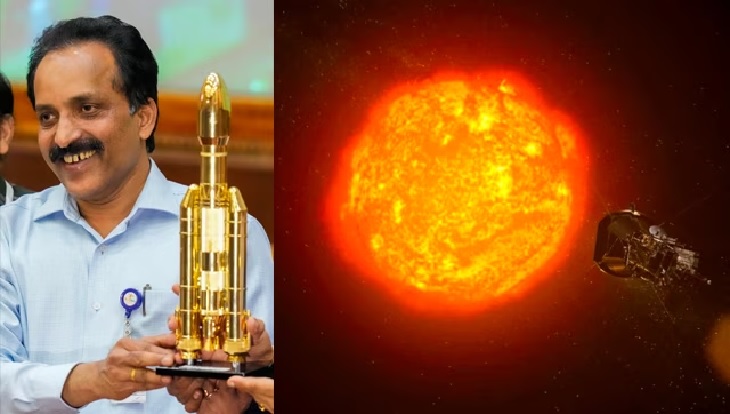
Space & Technology
Space News - India inaugural solar mission, Aditya-L1, is poised to reach its destination at Lagrange Point 1 in the early weeks of January 2024, according to Union Minister Jitendra Singh announcement on Monday.Concurrently, the Indian Space Research Organisation (ISRO) is gearing up to execute a series of tests in the coming year associated with Gaganyaan, India first human space mission, as revealed by Singh.The minister attributed these advancements to the transformation of India space sector, now open to private entities. This policy shift has sparked an enthusiastic response from startups and industries, creating a conducive environment for breakthroughs.Jitendra Singh emphasized the impact of unlocking space technology, enabling the general public to witness monumental space events like the launches of Chandrayaan-3 and Aditya. The Aditya launch alone drew the attention of more than 10,000 spectators.In the ongoing financial year from April to December 2023, India has seen investments exceeding Rs 1,000 crore in space startups, showcasing the sector robust growth, according to Singh.Highlighting the remarkable evolution, he noted that from a single space startup four years ago, India now boasts almost 190 private space startups, with many of the early ones transitioning into successful entrepreneurs.Singh acknowledged the delayed initiation of the Indian Space program, which started around the time other leading spacefaring nations were racing to the Moon. However, he underscored that India is now at the forefront of global space exploration, with Chandrayaan-3 capturing worldwide anticipation with its landing in the unexplored South Polar region of the Moon.During Prime Minister Modi visit to Washington, Singh mentioned that NASA proposed sending an Indian astronaut to the International Space Station (ISS), a prospect likely to materialize next year. He emphasized the pervasive impact of space research, asserting that it now touches every person life in some way.Singh drew parallels with NASA, noting that a significant portion of its projects relies on private funding. He disclosed plans for the Anusandhan National Research Foundation (NRF), set to receive about 70% funding from non-government sources, paving the way for a public-private partnership (PPP) model in India science and technology objectives.To achieve global standards, Singh stressed the importance of aligning parameters and yardsticks with global benchmarks. The minister sees the NRF as instrumental in propelling India toward its scientific and technological goals through a collaborative and globally competitive approach.
Read More → Posted on 2023-12-19 04:46:57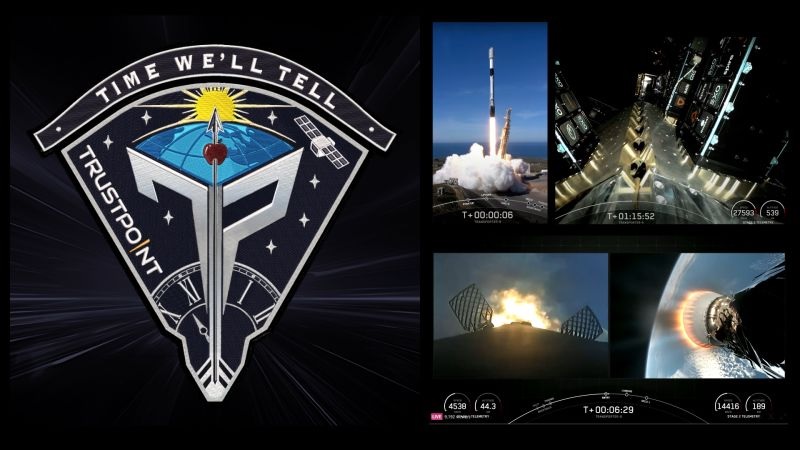
Space & Technology
Defense News - On December 18, TrustPoint, a pioneering startup focused on developing an advanced global navigation satellite system, revealed its strategic choice of SpiderOak to furnish cybersecurity solutions for its forthcoming network.Headquartered in Dulles, Virginia, TrustPoint envisions deploying a constellation of compact satellites designed to provide cutting-edge positioning, navigation, and timing (PNT) services catering to both commercial and national security applications.Chris DeMay, the Founder and Chief Operating Officer of TrustPoint, emphasized the selection of SpiderOak OrbitSecure software as a critical measure for ensuring "cybersecurity, mission resilience, and data reliability." Notably, TrustPoint employs a "zero-trust" architecture, where default distrust is placed in network users, necessitating special keys for access to encrypted data. OrbitSecure leverages blockchain technology for data transactions, ensuring each modification on the ledger is meticulously time-stamped and authenticated.The comprehensive application of the OrbitSecure software spans across the space, ground, and user segments within TrustPoint operations. The company plans to initiate the provision of PNT services over the next few years as it progressively builds out its satellite constellation. In 2023, TrustPoint initiated its technology showcase by launching two micro-satellites. Target clients encompass the U.S. government and various commercial industries, particularly those in emerging sectors such as drone delivery, self-driving cars, urban air mobility, and augmented reality.Under the agreement, TrustPoint will leverage the forthcoming OrbitSecure 2.0 release, slated for 2025, to bolster protection for PNT signals. SpiderOak highlighted the inclusion of a "proprietary authentication system" in this release aimed at countering spoofing—a deliberate act of transmitting false navigation satellite signals to mislead receivers about their position, navigation, or timing.Charles Beames, Executive Chairman of SpiderOak, underscored TrustPoint as the vanguard among the new generation of commercial satellite constellations recognizing the value of delivering a comprehensive, software-only cybersecurity service. Beames emphasized that the OrbitSecure software stack secures customers data by rendering it inaccessible without cryptographic keys, employing a distributed ledger to protect each data record independently on any network.In addressing evolving threats, Beames noted, "We always assume all networks have been or will be compromised by the most highly evolved threats." By safeguarding data at the record level, OrbitSecure provides assurance to customers that their data is secure, with its origin and integrity duly verified.
Read More → Posted on 2023-12-18 15:38:04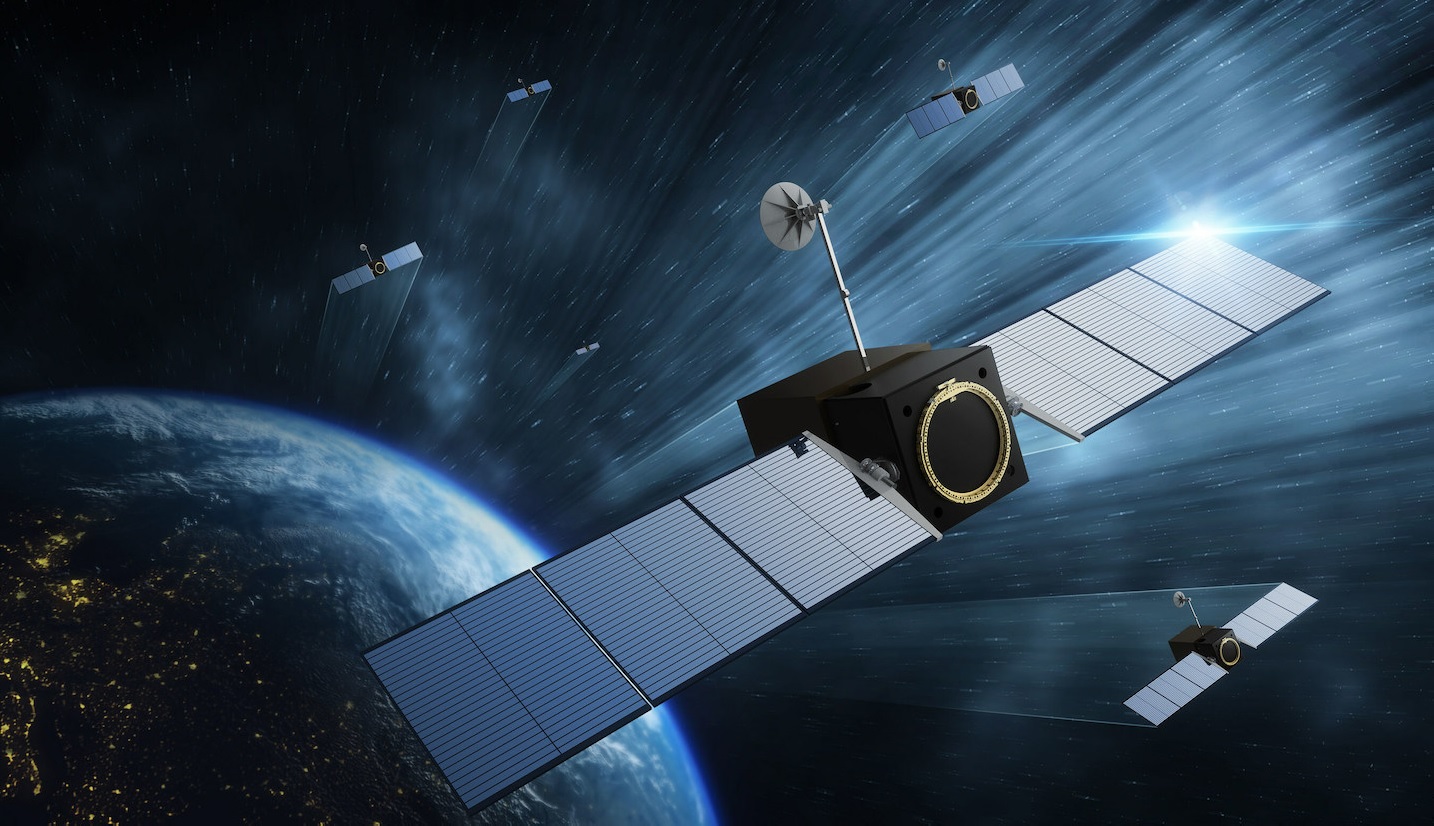
Space & Technology
Space News - Millennium Space Systems has secured contracts from the U.S. Space Force, amounting to $509.5 million, to develop the initial six satellites for a medium Earth orbit (MEO) constellation. The primary objective of this constellation is to identify and monitor ballistic and hypersonic missiles. While the announcement of Millennium Space being chosen as the satellite supplier was made last month, the contract financial details were undisclosed at the time.The Space Systems Command spokesperson revealed that Millennium Space is tasked with the production and delivery of six Epoch 1 satellites. These satellites, constructed on Millennium Space Altair satellite bus, are part of a sophisticated network of space sensors. Additionally, Millennium Space is responsible for providing the command and control systems, as well as mission data processing systems essential for the operation of these satellites.The comprehensive contract also encompasses potential awards for supporting launch activities and extending on-orbit operations for up to five additional years. If these options are granted, an extra $123.4 million will be added to the contract value.A significant milestone was achieved in November when Millennium proposed satellite successfully passed a critical design review. As a result, the company is set to commence manufacturing hardware for eventual delivery and launch scheduled for late 2026.The MEO missile tracking constellation, anticipated to include up to 27 satellites, aims to enhance coverage and detection capabilities, complementing existing systems in geosynchronous orbits. Millennium Space, a subsidiary of Boeing headquartered in El Segundo, California, specializes in the development of small satellites and rapid prototyping.In the competitive landscape, other companies like RTX and L3Harris are vying for potential future MEO satellite orders. This development aligns with the broader efforts of the Space Force to procure advanced missile-tracking satellites for its medium Earth orbit constellation.
Read More → Posted on 2023-12-18 15:34:12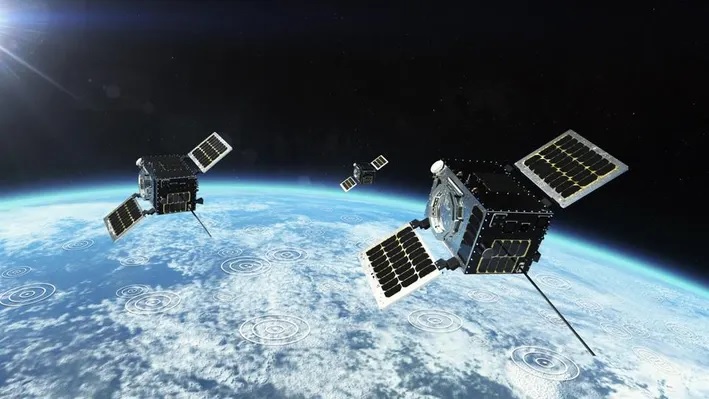
Space & Technology
Space News - On December 18, HawkEye 360 revealed its acquisition of Maxar Intelligence RF Solutions, a business unit that emerged following Maxar purchase of Aurora Insight. While the financial details of the transaction remain undisclosed, HawkEye 360 President Rob Rainhart emphasized the synergies gained from incorporating the on-orbit assets and expertise of the RF Solutions group into their existing capabilities.Rainhart stated, "The on-orbit assets and expertise of the RF Solutions group from Maxar Intelligence brings a complementary capability to HawkEye 360." He highlighted that the technology from the former Aurora Insight team would enhance HawkEye 360s ability to swiftly scan gigahertz of bandwidth for efficiently mapping active frequencies at a regional level, aligning with their commitment to precise geolocation and signal characterization.The acquisition expands HawkEye 360s satellite constellation by incorporating two additional RF-monitoring satellites, augmenting the existing 21-satellite fleet. Furthermore, it broadens the coverage of RF signals from 26 to 40 GHz. Patrick Zeitouni, Chief Strategy Officer at HawkEye 360, anticipates significant business potential for the wideband scanning mission, accelerating the discovery of new signals and catering to the expanding needs of commercial telecommunication operators.HawkEye 360, specializing in detecting, characterizing, and geolocating RF signals, operates a fleet of satellites that focus on signals from ships, vehicles, electronic jammers, and other devices. With plans to launch an additional dozen satellites in 2024, the company aims to strengthen its position in the geospatial intelligence market.The collaboration between HawkEye 360 and Maxar RF Solutions has been instrumental in providing RF data to the National Reconnaissance Office, and their joint effort secured a two-year option to supply data for the NROs Strategic Commercial Enhancements Broad Agency Announcement program in April.Maxar acquisition of Aurora Insight earlier in the year marked a strategic move, as the firm specializes in gathering data on spectrum and wireless network infrastructure using terrestrial, airborne, and satellite sensors. The investment, coupled with a growing demand for geospatial intelligence, positioned HawkEye 360 on a trajectory toward profitability and potential public offering. CEO John Serafini had previously mentioned in September that the company Series D-1 investment round, raising $58 million, contributed to its financial strength and strategic growth.
Read More → Posted on 2023-12-18 15:30:57
Space & Technology
Space News - The Indian Space Research Organization (ISRO) is strategically working towards the establishment of a low-earth orbit (LEO) satellite communications constellation.In a groundbreaking mission in March 2023, ISRO successfully launched 36 OneWeb satellites into orbit using its LVM-3 rocket, culminating in the completion of OneWeb LEO constellation. This constellation, comprising a total of 618 satellites, is poised to deliver global broadband internet coverage from space.Operating in orbits situated between 200 km and 1,500 km from Earth, LEO satellites contribute to a substantial enhancement in bandwidth while concurrently reducing latency in space to an impressive 50-70 milliseconds.Meanwhile, China is also embarking on an ambitious endeavor, planning to deploy a mega-constellation consisting of 13,000 low-orbit satellites. This expansive network is envisioned to provide services within China, engage in surveillance of rival networks, and potentially undertake sabotage missions.Situated at the Peenya Industrial Estate in Bangalore, ISROs Laboratory for Electro-Optics Systems (LEOS) serves as a pivotal hub for the design, development, and production of Attitude Sensors tailored for all LEO, GEO, and interplanetary missions.
Read More → Posted on 2023-12-18 14:01:02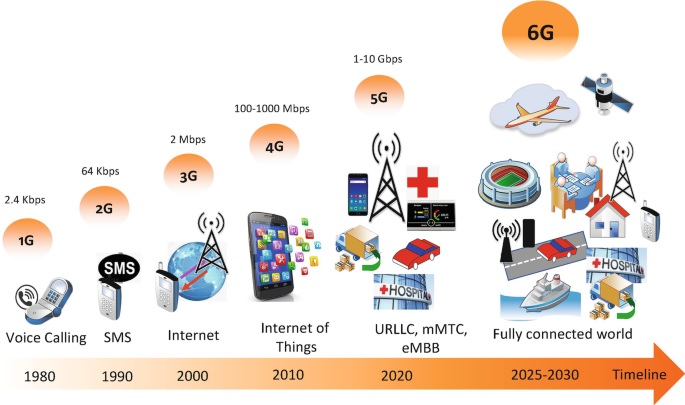
Space & Technology
Technology News - The Prime Minister has recently revealed a visionary roadmap for the implementation of 6G communications technology in India by 2030, aptly titled "Bharat 6G." This forward-looking plan has been meticulously crafted by the Technology Innovation Group on 6G (TIG-6G), a body established by the Department of Telecommunications (DoT).The Evolution of Mobile Networks in India1G: Pioneering Voice Calls in the 1980s1G marks the inception of wireless cellular technology, facilitating communication between compatible devices via a wireless network. Operating on an analog system, 1G initially supported voice calls with subpar quality due to interference. Moreover, it was confined to fixed areas, lacking roaming capabilities.2G: Advancements in Telephony ServicesThe analog system gave way to a more sophisticated digital technology known as the Global System for Mobile communication (GSM). With a digital foundation, 2G improved voice call quality and introduced data services like Short Message Service (SMS) and Multimedia Messaging Service (MMS). Additionally, 2G introduced mobile network roaming, enabling users to make and receive calls, as well as send texts and multimedia content on the move.3G: The Age of ApplicationsThe third generation of mobile networks ushered in high-speed internet services, laying the groundwork for smartphones and application ecosystems. While 3G facilitated mobile television, online radio, and emails on phones, its defining features included video calling and mobile phone applications.4G: Internet Calling Takes Center StageBuilding upon the foundation of 3G, 4G currently dominates the mobile network landscape. Leveraging the LTE (Long Term Evolution) system, 4G significantly improved data rates and enabled simultaneous transmission of voice and data.Notably, Internet calling, or VoLTE (Voice over LTE), stands out as one of the key advantages of the 4G mobile network.5G: IoT and Enterprise RevolutionThe low latency and high throughput of the 5G network make it ideal for enterprise applications, particularly in automation and connected ecosystems.Operating in the millimeter-wave spectrum (30-300 GHz), 5G can transmit large amounts of data at exceptionally high speeds, experiencing minimal interference from surrounding signals.6G: Paving the Way for a Connected EcosystemHeralded as a driving force for scaling up 5G use cases, 6G aims to optimize and reduce costs, particularly at the enterprise level.India is eyeing the end of 2023 or early 2024 for the launch of 6G services, leveraging domestically developed infrastructure to propel the nation into a new era of connectivity and innovation.
Read More → Posted on 2023-12-17 16:18:30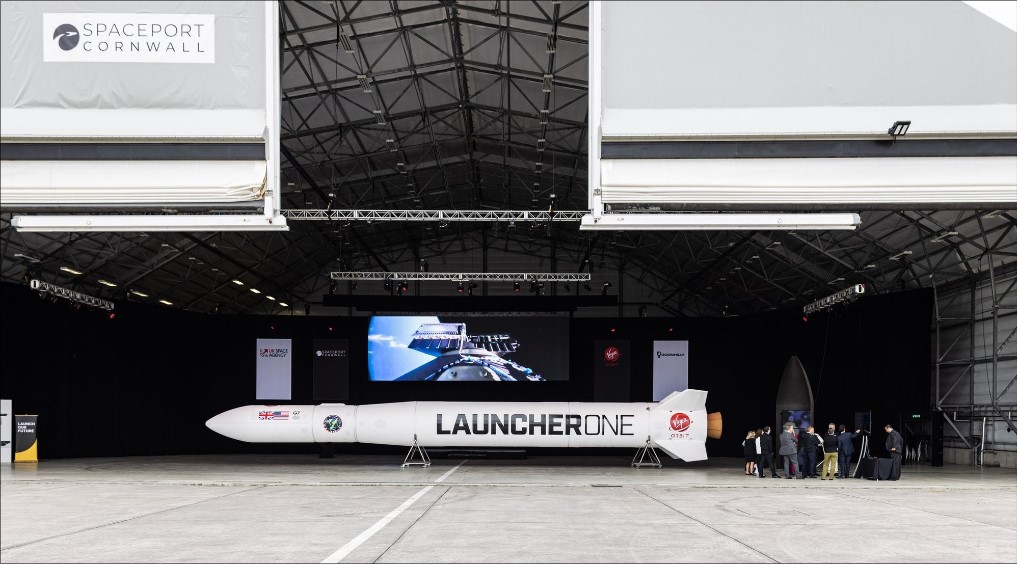
Space & Technology
Space News - Almost a year following the unsuccessful Virgin Orbit launch from England, officials within the United Kingdom government maintain a positive outlook on the potential for developing a thriving launch industry in the country.On December 14, the U.K. Space Agency issued a report on the “UK Pathfinder Launch,” which took place in January 2023 at Spaceport Cornwall in southwestern England. Marketed as the first orbital launch from U.K. soil, the mission encountered a setback when the payload of several smallsats failed to reach orbit due to a malfunction in the rocket second stage.The agency, in its report, acknowledged the technical anomaly but emphasized that the event showcased the U.K capacity to conduct launches safely, legally, and with effective coordination across government entities.Several recommendations were outlined in the report to enhance the launch process within the country. These included simplifying the licensing procedure to facilitate companies in demonstrating their financial and technical capabilities for launches, fostering information sharing among relevant government agencies, and improving coordination with nations whose airspace and waters might be impacted by launches.Despite the setback, government officials express optimism regarding the country future in the launch industry. Craig Brown, Investment Director at the U.K. Space Agency, acknowledged the disappointment but stressed the challenges inherent in launch and space activities. He asserted that there is still a viable role for the U.K. in launch activities, citing a global bottleneck in launch capabilities and the need for sovereign capability to launch satellites from the country.Colin MacLeod, Head of U.K. Spaceflight Regulation at the Civil Aviation Authority, noted that current regulations are deemed "fit for purpose" based on the significant interest his office has received. He revealed that nine launch companies, in various stages of the application process, are currently engaging with the regulator.Although the names of these companies were not disclosed, both U.K. based and international companies have expressed intentions to launch from U.K. spaceports in the coming year. Additionally, the U.K. Space Agency announced on December 13 that the European Space Agency “Boost!" program had granted £6.7 million ($8.5 million) to HyImpulse and Orbex to support environmentally sustainable launch system development for spaceports in the Shetland Islands and northern Scotland.While acknowledging criticism faced by regulators both before and after the Virgin Orbit launch, MacLeod highlighted the invaluable lessons learned from the complex nature of launch-related issues. The experience underscored the need for continuous improvement in addressing the intricacies associated with space launch activities.
Read More → Posted on 2023-12-17 15:52:28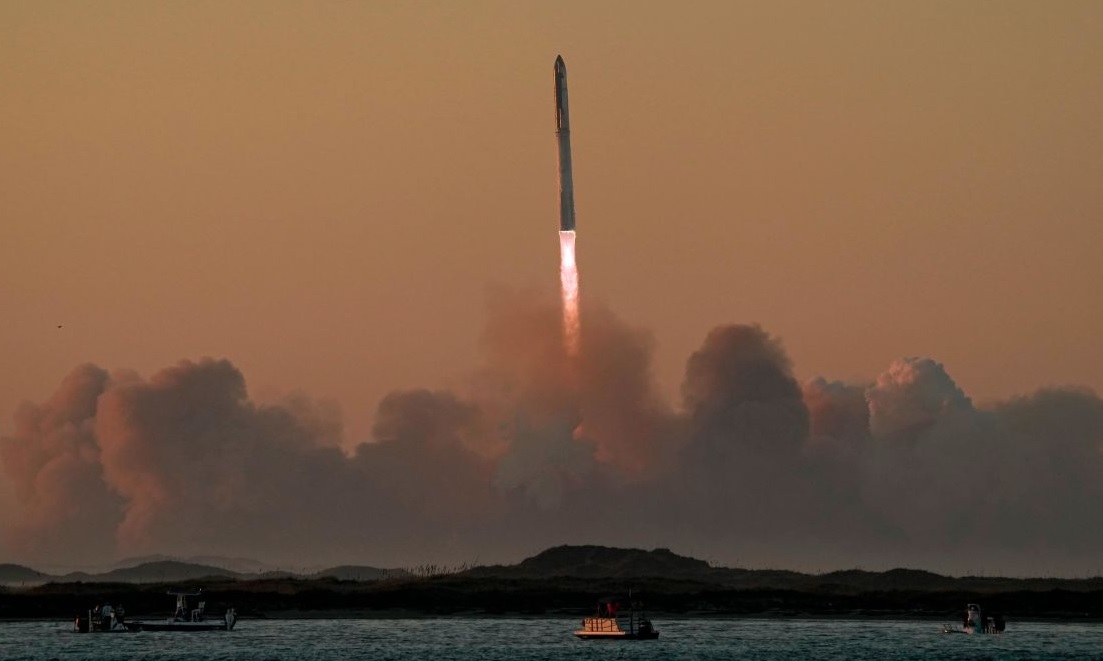
Space & Technology
Defense News - Numerous organizations have recently lodged a fresh complaint regarding the environmental ramifications associated with SpaceX Starship launches. This comes amidst growing criticism directed at government agencies for both delaying these launches to conduct environmental reviews and allegedly neglecting comprehensive assessments.On December 15, a coalition of environmental groups declared that they had submitted an additional legal claim in federal court concerning the licensing of Starship launches from SpaceX Starbase facility near Brownsville, Texas. This move follows their initial lawsuit against the Federal Aviation Administration (FAA) in May, initiated shortly after the inaugural Starship launch on April 20.In the supplementary complaint, filed by entities including the Center for Biological Diversity, American Bird Conservancy, Carrizo/Comecrudo Nation of Texas, Inc., Save RGV, and Surfrider Foundation, it is asserted that the FAA failed to adequately evaluate the environmental impact of the first Starship launch. The complaint contends that the FAA issued a revised license for the second launch on November 18 without proper scrutiny.As part of the new licensing process, the U.S. Fish and Wildlife Service (FWS) conducted an environmental review concerning a pad deluge system installed by SpaceX to prevent damage similar to what occurred during the initial launch. The FWS concluded that this system would not cause significant environmental changes.The environmental groups argue that both the FAA and FWS fell short of their obligations under the National Environmental Policy Act (NEPA) in reviewing the environmental impacts of Starship launches. The complaint emphasizes that the FAA failed to take a comprehensive look at the impacts of the Starship/Superheavy launch program through a supplemental NEPA analysis.Jared Margolis, a senior attorney at the Center for Biological Diversity, expressed concern, stating, "Failing to do an in-depth environmental review and letting SpaceX keep launching the world largest rockets that repeatedly explode shows a shocking disregard for wildlife and communities. SpaceX should not be given free rein to use this amazing area as a sacrifice zone."While environmental groups criticize the government for what they perceive as insufficient measures to protect the environment from Starship launches, some argue that regulatory agencies are imposing undue delays. Senator Ted Cruz, at a December 13 hearing, claimed that the second Starship launch experienced months of delay due to bureaucratic red tape from various agencies.Kelvin Coleman, FAA associate administrator for commercial space transportation, defended the environmental review process, stating it was necessary to ensure compliance with NEPA and related environmental laws. However, Senator Cruz argued that these reviews resulted in unreasonable delays, hindering the United States competitiveness in spaceflight compared to other nations.NASA Deputy Administrator Pam Melroy, also present at the hearing, highlighted discussions with environmental regulatory agencies to emphasize the significance of activities like Starship. NASA has invested $4 billion in contracts with SpaceX for the development of a lunar lander version of Starship for the Artemis lunar exploration program.The FAA is currently overseeing a SpaceX-led investigation into the second Starship launch on November 18, where both the Super Heavy booster and Starship upper stage were destroyed. The investigation is progressing concurrently with the application for a license modification needed for the third Starship test flight. While no timeline has been set for completing the investigation, SpaceX CEO Elon Musk has expressed optimism about a potential launch by the end of the year, contingent upon the investigation conclusion and the issuance of a modified launch license.
Read More → Posted on 2023-12-16 16:07:17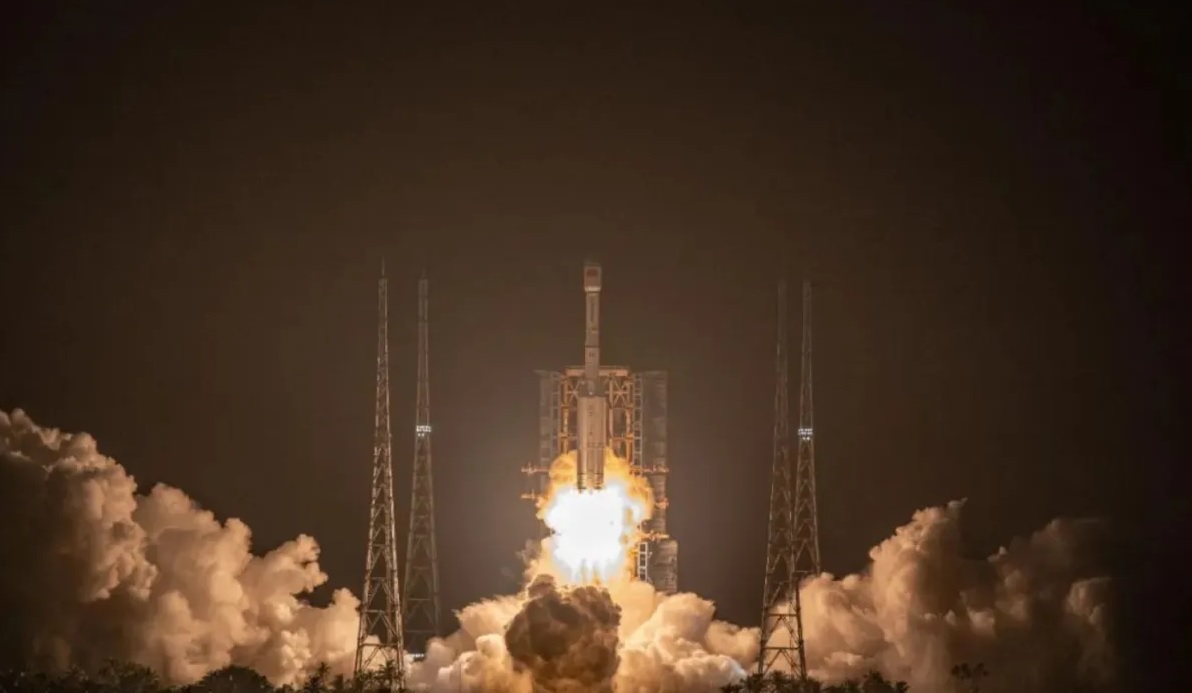
Space & Technology
Space News - On Friday, China successfully deployed the classified Yaogan-41 optical satellite into the geostationary belt, utilizing the nation largest launch vehicle, the sixth Long March 5 rocket. The launch took place at 8:41 a.m. Eastern (1341 UTC) from the Wenchang Satellite Launch Center along the coast, with the China Aerospace Science and Technology Corp. (CASC) confirming the mission success approximately an hour later.The Yaogan-41 satellite, developed by CASCs China Academy of Space Technology (CAST) subsidiary, featured an elongated 18.5-meter-long, 5.2-meter-diameter payload fairing, a departure from the previous 12.3-meter fairings. Despite limited visual information provided by CASC, state news agency Xinhua described the satellite as an optical remote sensing satellite, emphasizing its applications in land survey, crop yield estimation, environmental management, meteorological warning and forecasting, and comprehensive disaster prevention and reduction.However, external assessments suggest a potential military application for the Yaogan series, given the classified nature of the mission. The U.S. Space Force space domain awareness cataloged the spacecraft in a 195 by 35,815-kilometer orbit inclined by 19.51 degrees.This successful launch contributes to China expanding capabilities in on-orbit remote sensing. If Yaogan-41 assumes a position in geostationary orbit at around 35,786 kilometers above the equator, it would provide continuous observation of a fixed geographic area, covering about one-third of the Earth surface. Geostationary optical data holds significance for security, meteorology, climate studies, and environmental monitoring.This mission may be considered a potential military sequel to the civilian Gaofen-4 satellite launched in 2015. Unlike the Gaofen-4, the Yaogan-41 is transported by the larger Long March 5, capable of carrying payloads up to 14,000 kg to Geostationary Transfer Orbit (GTO).The Changchun Institute of Optics, Fine Mechanics and Physics (CIOMP) under the Chinese Academy of Sciences (CAS) played a role in producing critical components for space remote sensing. Additionally, CIOMP is involved in the development of Xuntian, a Hubble-class space telescope set to join the Tiangong space station in orbit in 2025.This launch follows China recent deployment of a geosynchronous orbit radar satellite in August, bolstering its GEO observation capabilities. The Long March 5, despite experiencing setbacks in its early flights, has become a reliable workhorse for China space missions, including the Tianwen-1 Mars mission and the Chang e-5 lunar sample return mission.Furthermore, China space exploration efforts continue, with the Long March 5 serving as the foundation for the upcoming Long March 10, featuring upgraded versions of the YF-100 kerosene-liquid engines and three five-meter-diameter cores.In a separate development, a day prior to the Yaogan-41 launch, China successfully placed its experimental reusable spacecraft into orbit for the third time. This spacecraft achieved an orbit ranging from 333 to 348 kilometers in altitude, inclined at 50 degrees.As of this launch, China has conducted 61 missions in 2023, contributing to the global total of nearly 200 orbital launches. Notable achievements include crew and cargo missions to Tiangong, satellite internet test satellites, and the initiation of commercial liquid propellant launches. While CASC aimed for over 60 launches this year, it appears to be falling slightly short of this target, although the organization has not experienced any launch failures since 2020.
Read More → Posted on 2023-12-16 15:30:45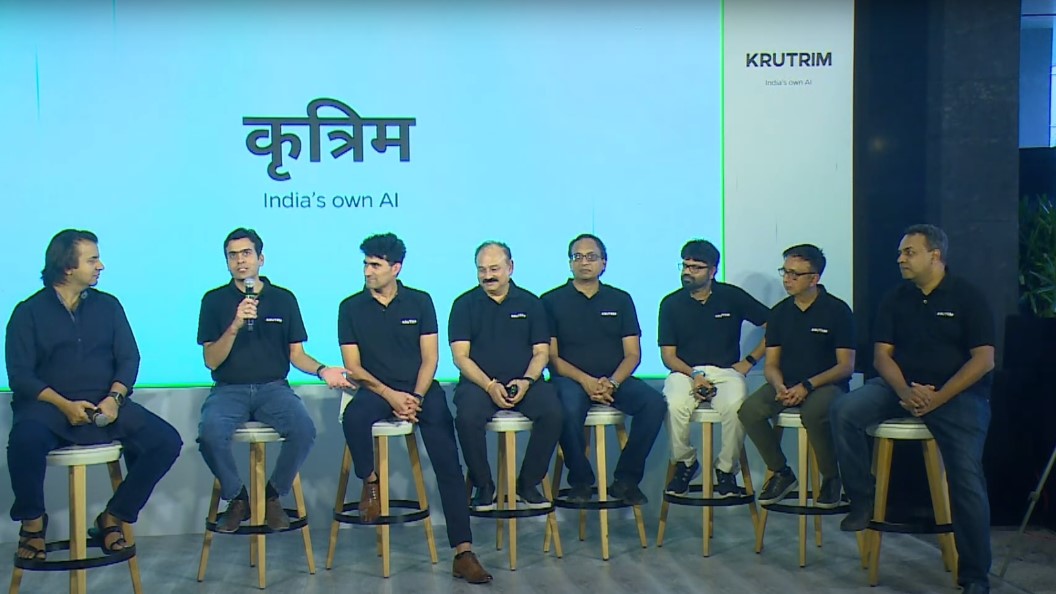
Space & Technology
Technology News - Krutrim Si Designs, the artificial intelligence (AI) initiative spearheaded by Ola CEO Bhavish Aggarwal, unveiled "Krutrim" on Friday, positioning it as Indiaproprietary AI model. The term "Krutrim" derives from Sanskrit, signifying "artificial."This groundbreaking project was introduced at a launch event in Bangalore, the shared headquarters of Ola and Krutrim Si Designs. The project team operates out of India and the Bay Area in the United States.Established in April 2023, Krutrim Si Designs is a collaboration between Aggarwal and Krishnamurthy Venugopala Tenneti, a board member at ANI Technologies Limited, the parent company of Ola Cabs and Ola Electric.What is "Krutrim"?Named after the Sanskrit word for "artificial," Krutrim is a substantial language model (LLM) trained on over 2 trillion "tokens," representing sub-words used in conversations. It is set to be released in two classifications, with the base Krutrim model launching next month and the more potent Krutrim Pro slated for an early release next year, featuring advanced capabilities for problem-solving and task execution.Interested users can register their interest in Krutrim using their mobile numbers and will be notified when the technology becomes available to them.Key Features of Krutrim:1. The model comprehends 20 Indian languages and can generate content in ten of them.2. It supports languages such as Hindi, Kannada, Marathi, Odiya, and Telugu.3. The project team asserts that Krutrim surpasses even GPT-4 in its support for Indic languages.4. Krutrim employs a custom tokenizer for interpreting various languages and scripts.5. In comparisons with other open-source LLMs trained with similar data volumes, Krutrim outperforms them across a range of industry-standard benchmarks, according to the company claims.
Read More → Posted on 2023-12-16 13:56:56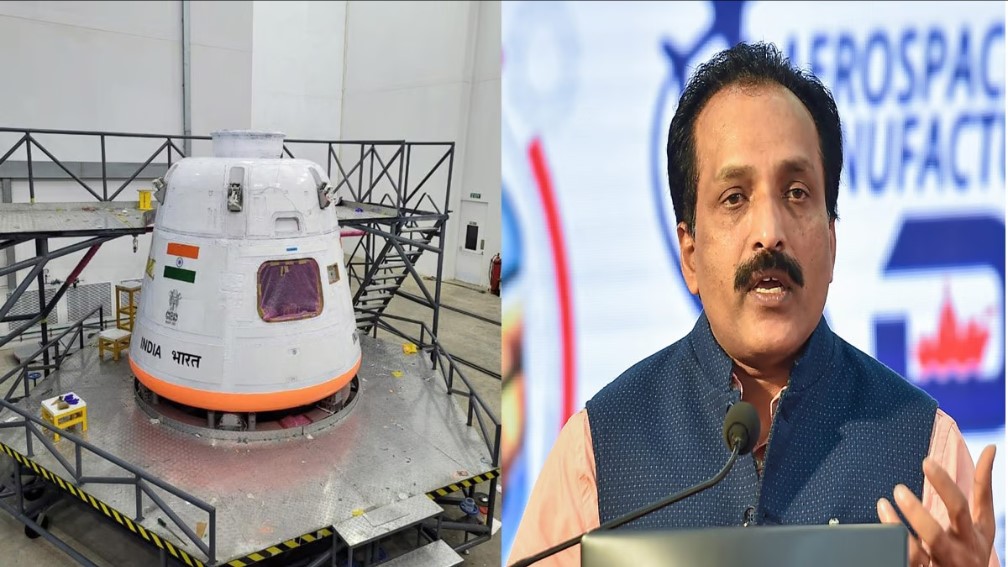
Space & Technology
Space News - On Wednesday, ISRO Chairman S. Somanath announced a pivotal shift in strategy for the Gaganyaan human space flight mission. Facing challenges in obtaining the environmental control and life support system (ECLSS) from other countries, ISRO has resolved to develop it indigenously. The Gaganyaan project aims to demonstrate India capability in human spaceflight, envisioning the launch of a human crew into a 400 km orbit, safely returning them to Earth by landing in Indian sea waters, with a targeted launch date in 2025.Addressing the 5th edition of Manohar Parrikar Vidnyan Mahotsav 2023 at Dona Paula, organized by Goa Science, Environment, and Technology Department, Somanath emphasized the lack of experience in ECLSS development. Despite initial expectations of international collaboration, no nations were willing to share this critical knowledge. In response, ISRO has now committed to developing the system domestically, leveraging existing knowledge and industry resources in India.Discussing the challenges ahead for the Gaganyaan program, Somanath highlighted the years of knowledge-building and design capability development within ISRO. The human space flight program represents the pinnacle of these efforts, requiring a higher level of skill and confidence. Somanath noted the ongoing confidence-building process across ISRO with the support of national laboratories.The first phase of the Gaganyaan program involves the rocket, a component inherently susceptible to failure. Somanath acknowledged the inherent risks associated with rocket launches and emphasized the importance of safeguarding human spaceflight against such failures. Intelligent systems in the rocket, integrating sensors, data processing, and artificial intelligence, are being developed to assess the readiness and safety of the launch. In the event of a potential failure, the decision to abort must be made in less than a fraction of a second, illustrating the complexity of ensuring astronaut safety.ISRO is actively working on developing technologies to address these challenges, emphasizing the critical role of intelligence in the rocket operation. The integration of new technologies and data synthesis is crucial for ensuring the success and safety of India human space flight endeavors.
Read More → Posted on 2023-12-15 06:50:10
Space & Technology
Space News - Amazon has accomplished a successful trial of inter-satellite connectivity between its two Project Kuiper prototypes in low Earth orbit (LEO), marking a significant step as it gears up to establish a comprehensive mesh broadband network in space next year.The tests, conducted between KuiperSat-1 and KuiperSat-2, utilized onboard optical communication payloads, maintaining a robust two-way link of 100 gigabits per second (Gbps) for approximately an hour each time, according to Rajeev Badyal, the Vice President of Project Kuiper.Even though the satellites were nearly 1,000 kilometers apart during the experiments, the technology design allows for effective operation across distances of up to 2,600 kilometers. Amazon ambitious plans involve deploying over 3,200 satellites, and Badyal envisions them being positioned much closer than 1,000 kilometers as the constellation expands.The testing phase, initiated in early November shortly after the satellites orbital launch a month prior, has proven successful. This accomplishment now empowers Amazon to incorporate laser links into operational satellites that are set to enter production "any day now."Amazon in-house construction of each satellite includes multiple optical terminals, facilitating simultaneous communication with an unspecified number of satellites. Badyal highlighted the potential benefits of data transmission across Project Kuiper satellites, noting a 30% increase in speed compared to fiber optic cables on the ground, as light travels faster through space than through glass.The accelerated data transfer capabilities hold particular significance for industries like financial services, where split-second stock trades are commonplace. Furthermore, the ability for data to seamlessly traverse from one satellite to another on its route to a ground station is crucial for sectors such as maritime, aviation, and others situated beyond the reach of terrestrial gateways.Amazon move into optical inter-satellite links mirrors SpaceXs efforts with its Starlink LEO broadband constellation, which began integrating such links in early 2021 to avoid the need for ground stations over the poles to achieve global coverage.Beyond speed and efficiency, a mesh network in space significantly enhances network resilience. The capability to reroute data and bypass potential satellite failures is a critical aspect, aligning with the strategies of other proposed constellations like Telesat Lightspeed.Badyal expressed pride in the accomplishments of Project Kuiper, emphasizing that, despite Amazon relatively recent entry into the satellite design and building arena five years ago, they have achieved a milestone with inter-satellite link demonstrations, lasting an impressive 60 minutes and potentially longer.Amazon confirmation on November 16 of successful end-to-end tests for KuiperSat-1 and KuiperSat-2 paved the way for the commencement of production on commercial satellites employing the same architecture. The company aims to initiate launches for these commercial satellites in the first half of 2024, capitalizing on contracts secured with United Launch Alliance, Arianespace, Blue Origin, and a recent agreement with SpaceX.
Read More → Posted on 2023-12-14 17:03:19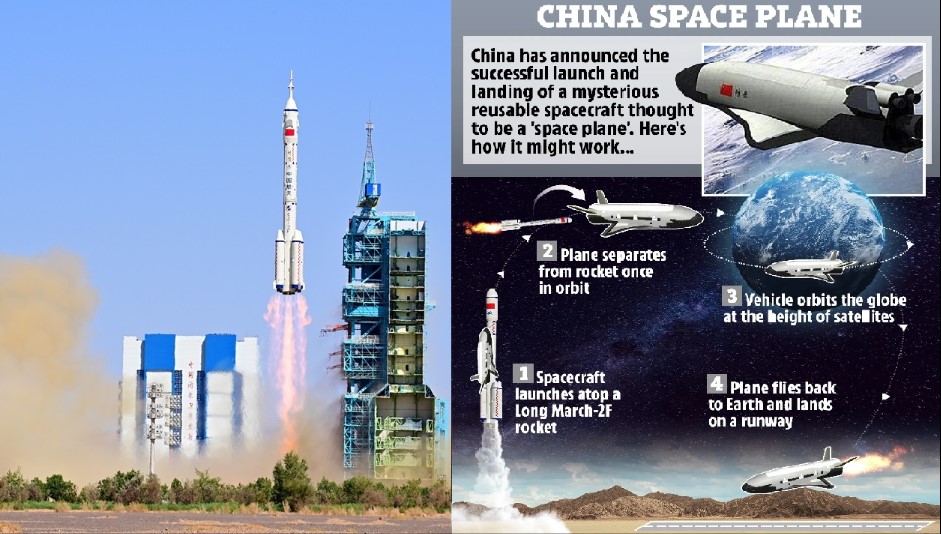
Space & Technology
Space News - China has successfully launched its experimental reusable spacecraft for the third time, maintaining a shroud of secrecy around the mission. The Long March 2F rocket took off from the Jiuquan Satellite Launch Center in the Gobi Desert on December 14, deploying a "reusable test spacecraft" into low Earth orbit, as reported by Chinese state media Xinhua.While airspace closure notices hinted at a launch around 10:00 a.m. Eastern (1500 UTC), the exact time was not provided in the report, which surfaced within an hour of the expected launch. The brief statement indicated that the test spacecraft would "operate in orbit for a period of time" before returning to its designated landing site in China. Machine translation of the report revealed plans for reusable technology verification and space science experiments during this orbital operation, aiming to support the peaceful use of space.Notably, the interval between the spacecraft second and third missions is relatively short, just over seven months, following a 276-day-long second mission that concluded earlier. This suggests progress in the reusability aspects of the spacecraft, developed by the China Aerospace Science and Technology Corporation (CASC).Despite the lack of official details, the suspected spaceplane, launched vertically on a Long March 2F rocket typically used for Shenzhou crewed missions, is speculated to be comparable in size and function to the U.S. Air Force X-37B spaceplane. Recovered images of payload fairing wreckage from the second launch posted on Sina Weibo provide potential insights into the spacecraft dimensions and shape.Previous missions involved satellite deployment and various experiments, both scientific and otherwise. The third flight is expected to have a distinct scope, further testing the spacecraft capabilities.The reusable spacecraft may be part of a broader strategy involving a reusable suborbital first stage. CASC aims to develop a fully reusable, two-stage-to-orbit (TSTO) space transportation system, with national-level funding acquired for the spaceplane project.In the context of Sino-U.S. space competition, China efforts align with its ambition to become a major spacefaring nation, in line with President Xi Jinping national goal. The opaque nature of both the Chinese and Boeing X-37B projects suggests common missions, emphasizing experimentation, technology testing, and potential operational practices.As part of China broader space endeavors, CASIC, a sister defense and space contractor, is working on its own TSTO spaceplane named Tengyun. Additionally, Chinese commercial firm Space Transportation has secured funding for hypersonic spaceplane plans, targeting space tourism test flights by 2025.China ongoing efforts to enhance its space capabilities include private capital infusion into the sector since 2014, fostering a commercial space industry. Reusable rocket capabilities are being explored through hop tests at Jiuquan by commercial launch firms. Meanwhile, CASC is developing a super heavy-lift reusable launch vehicle named Long March 9, with the potentially reusable first stage of the Long March 10 intended for crewed lunar missions. The overarching goal is to increase China flexibility and range of access to space.
Read More → Posted on 2023-12-14 16:55:55Search
Top Trending in 24 Hours
-
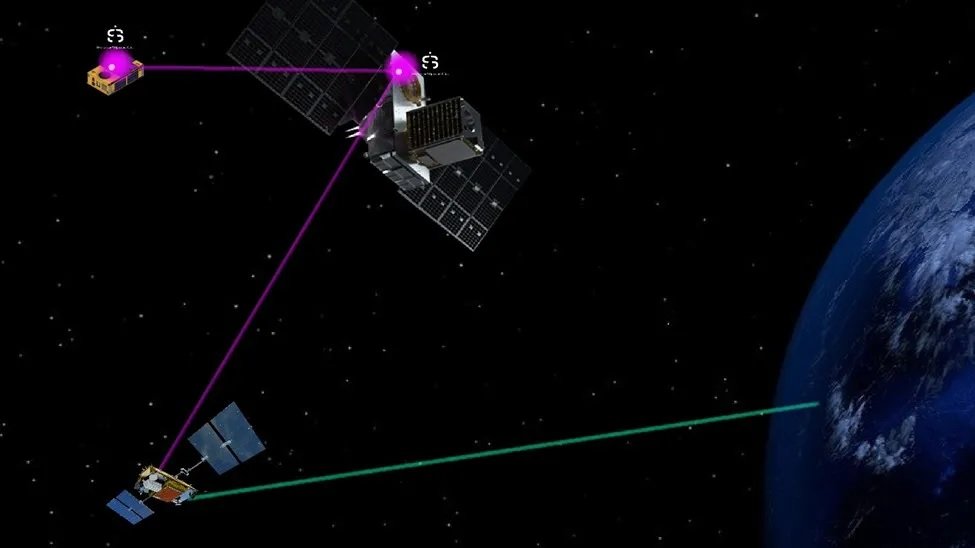 NASA Demonstrates Space-to-Space Wi-Fi Between Two Orbiting Spacecraft
-
 USS Pinckney Becomes First U.S. Navy Destroyer to Begin Phase Two Modernization with Advanced SPY-6 Radar
-
 General Atomics Partners With Spirit Defense to Expand FQ-42 Vengeance Production
-
 U.S. Military to Ban Chinese Automaker BYD Vehicles from Kadena Air Base in Japan Over Security Concerns
-
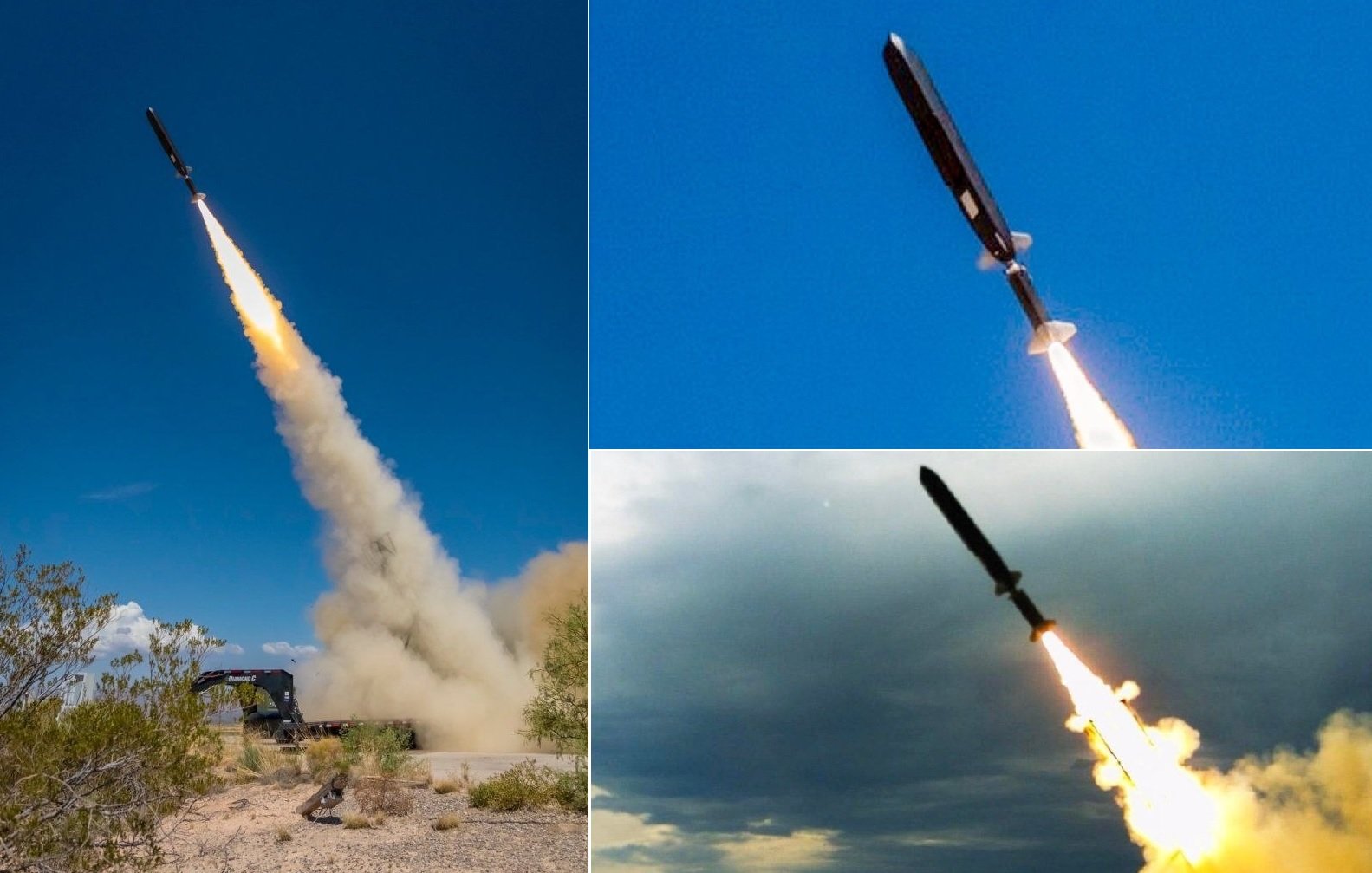 Zone 5 Technologies Demonstrates Ground Launch of Upgraded AGM-188A Rusty Dagger Missile
-
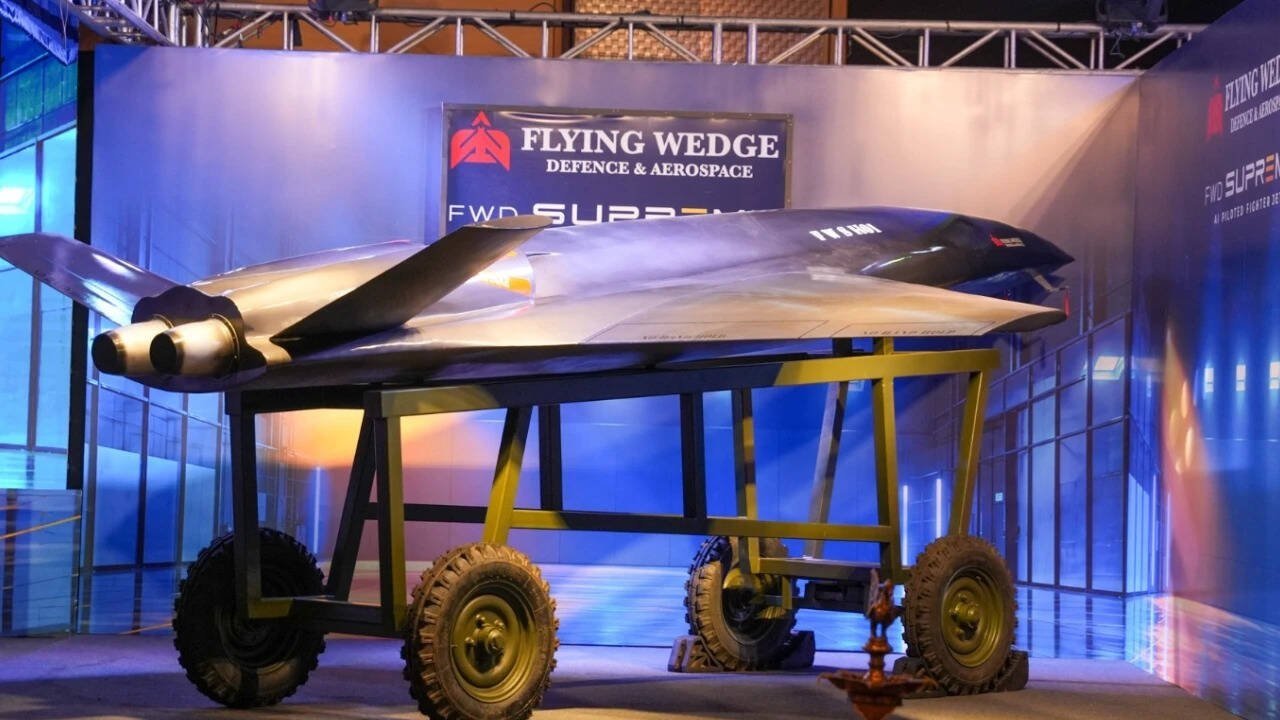 Bengaluru Startup FWDA Unveils FWD Supreme AI-Piloted Loyal Wingman Prototype
-
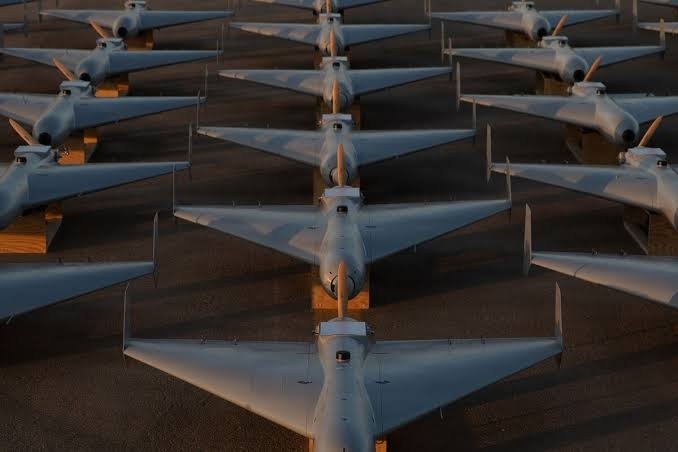 Pentagon Orders 60,000 Kamikaze Drones Under Second Phase of Drone Dominance Program
-
 Russia Launches Project 20380 Corvette Grozny for Pacific Fleet at Amur Shipyard
Top Trending in 4 Days
-
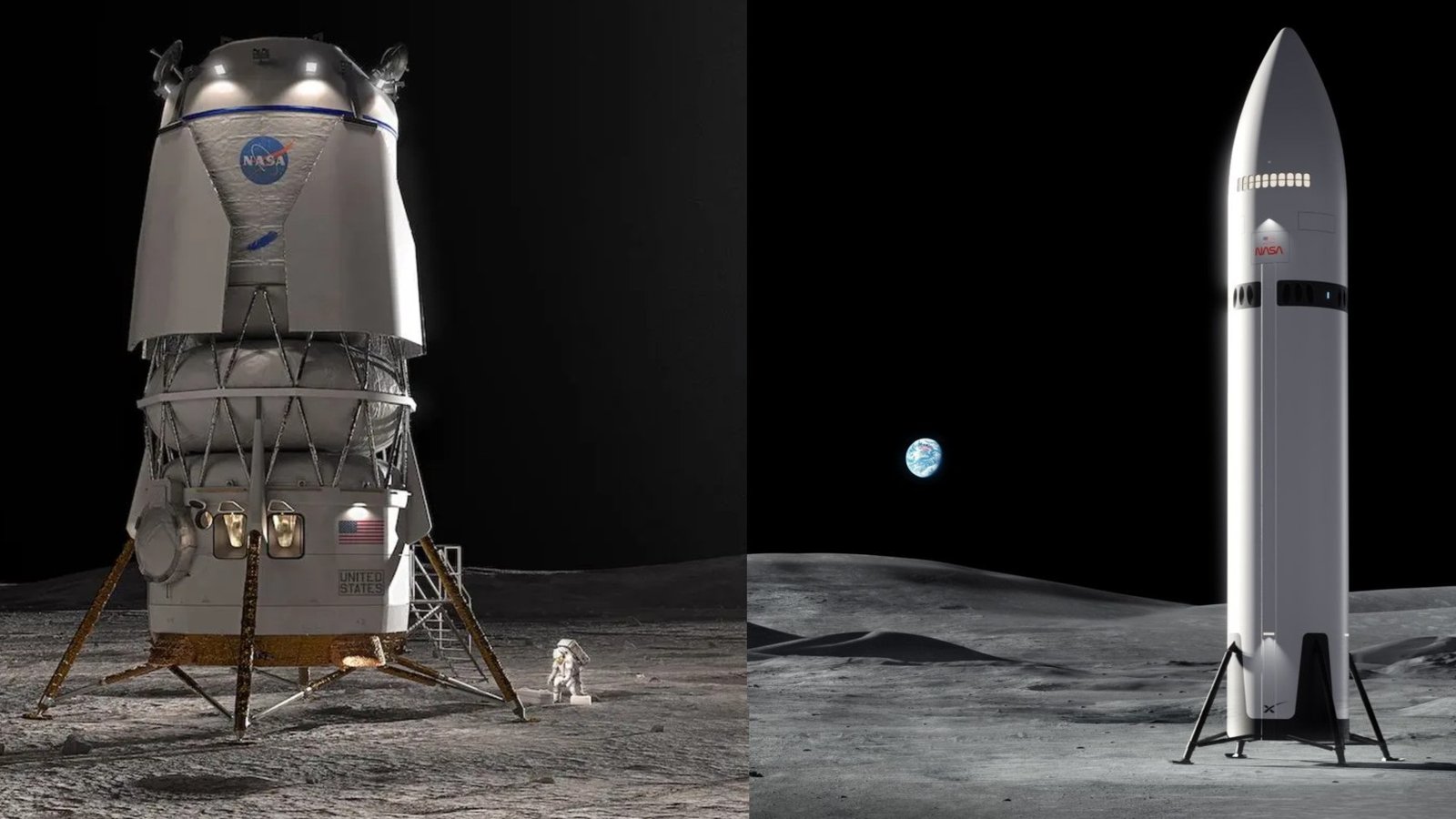 NASA Sets New Artemis Milestones as SpaceX and Blue Origin Target Moon Landings in 2027–2028
-
NASA Demonstrates Space-to-Space Wi-Fi Between Two Orbiting Spacecraft
-
USS Pinckney Becomes First U.S. Navy Destroyer to Begin Phase Two Modernization with Advanced SPY-6 Radar
-
General Atomics Partners With Spirit Defense to Expand FQ-42 Vengeance Production
-
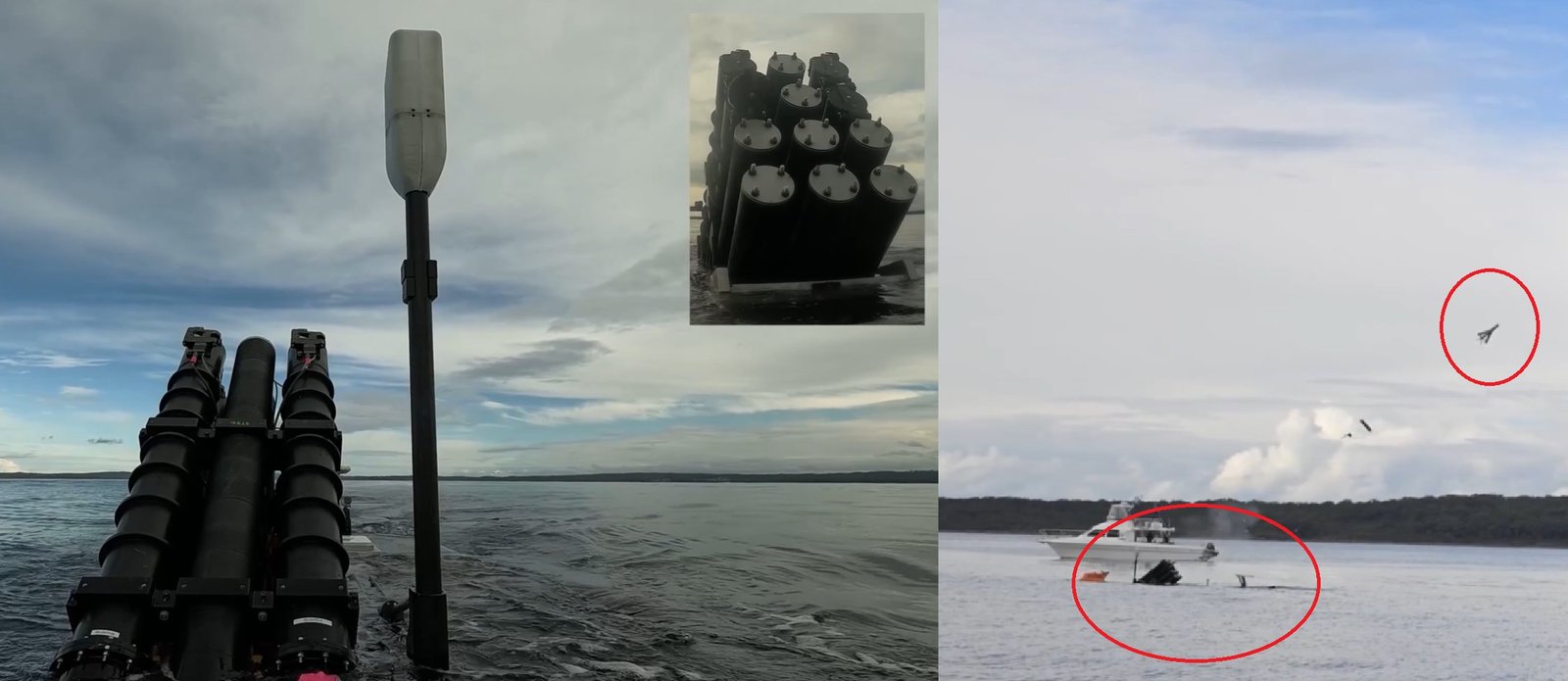 Australia Unveils Ghost Shark Autonomous Submarine’s Mine, Drone and Logistics Capabilities
-
U.S. Military to Ban Chinese Automaker BYD Vehicles from Kadena Air Base in Japan Over Security Concerns
-
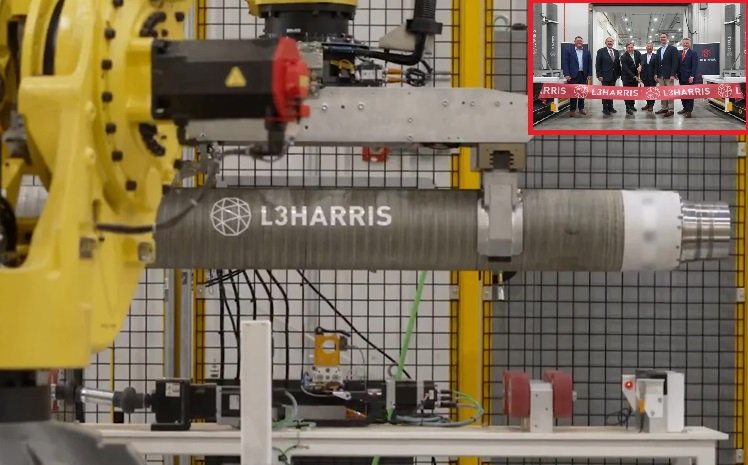 L3Harris Opens ‘Arsenal of Freedom’ Rocket Motor Plant in Arkansas to Double Production Capacity
-
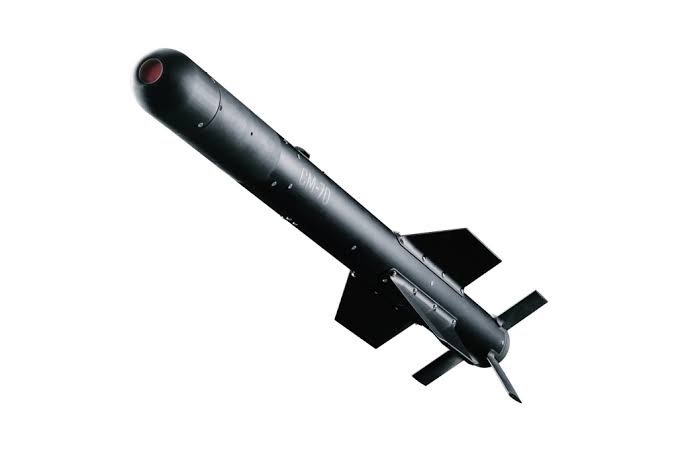 CSG and North Vector Dynamics Sign MoU to Explore European Production of CM-70 Counter-Drone Interceptor