
Space & Technology
The world of particle physics was set abuzz when the W boson—one of the fundamental particles in the universe—became the center of a scientific puzzle. Early results from Fermilab suggested that this particle’s mass might not match the predictions of the Standard Model of particle physics, which has been the bedrock for understanding particles and their interactions for decades. This potential discrepancy hinted at the tantalizing prospect of “new physics,” offering a key to unlocking mysteries like dark matter. However, recent data from the Large Hadron Collider (LHC) have seemingly cracked the case—confirming the W boson’s mass, much to the disappointment of those hoping for a revolutionary breakthrough.The W Boson: Key Player in the Weak ForceBefore diving into the mystery, it's essential to understand the W boson itself. W bosons, along with their counterparts the Z bosons, are responsible for mediating the weak nuclear force, which governs processes like radioactive decay. Unlike photons (which carry the electromagnetic force) and gluons (which mediate the strong nuclear force), W bosons are massive, with a mass about 80 times that of a proton. Their mass is a key parameter in the Standard Model, which also predicts the masses of other particles like the Higgs boson.Fermilab’s Puzzling ResultsIn 2022, physicists working with old data from Fermilab’s Tevatron particle accelerator reanalyzed the mass of the W boson. They found it to be 80,433 MeV (million electronvolts), a result that lay outside the prediction made by the Standard Model, which estimates the W boson mass to be 80,357 MeV ± 6 MeV. While the difference might seem minuscule, it had huge implications: if Fermilab’s results were accurate, they would open the door to new physics, pointing toward theories like supersymmetry, which posits that every known particle has a more massive, yet-undiscovered counterpart.Physicists across the globe became excited. This was a chance to break out of the limitations of the Standard Model and explore unknown frontiers. The unexplained mass difference suggested that there might be forces or particles at play that we haven't yet discovered—perhaps even clues about dark matter, which accounts for about 85% of the universe's mass but remains invisible.The LHC's ResolutionHowever, dreams of revolutionizing physics were soon met with reality. In 2023, scientists at the Large Hadron Collider (LHC) took on the challenge of measuring the W boson’s mass with even greater precision, utilizing the ATLAS and CMS experiments. Their findings were strikingly consistent with the Standard Model’s predictions. The CMS experiment recorded the W boson’s mass at 80,360.2 MeV ± 9.9 MeV, while ATLAS produced a similar result. This aligned almost perfectly with the predicted value, leaving Fermilab’s anomaly to be chalked up as a statistical fluke.Physicists like Michalis Bachtis from UCLA noted the significance of these precise measurements. The LHC had used an incredibly sensitive calibration method to measure muons produced by W boson decays, reducing the error margin to just 0.01%. This extraordinary precision allowed scientists to confidently assert that the W boson mass fits comfortably within the Standard Model.The Hunt for New Physics ContinuesWhile the confirmation of the W boson’s mass brings us back to the solid ground of the Standard Model, many physicists hoped for a different outcome. If the W boson mass had truly deviated from the model, it could have paved the way for new theories, including the highly anticipated supersymmetry. Supersymmetric particles, like weakly interacting massive particles (WIMPs), are prime candidates for explaining dark matter—a component of the universe that eludes detection yet shapes galaxies and clusters through its gravitational effects.Even though the W boson has fallen in line with the Standard Model, this doesn't mean the hunt for new physics is over. With persistent mysteries like dark matter, dark energy, and even discrepancies in the Hubble constant (which measures the rate of the universe’s expansion), it's clear that the Standard Model doesn't hold all the answers. Michalis Bachtis acknowledged that while the W boson result is in line with expectations, there are still exciting opportunities in studying other particles, such as the Higgs boson, with even greater precision.Why the W Boson MattersUnderstanding the mass of the W boson is crucial because of how it ties into the electroweak theory—the unification of the electromagnetic and weak nuclear forces. Measuring the boson’s mass accurately helps physicists refine our understanding of these forces and their interactions at subatomic scales. For instance, future research might use the W boson mass to further probe the properties of the Higgs field, which is responsible for giving particles their mass.Confirming the W boson’s mass also strengthens our confidence in using the Standard Model as a framework for understanding the universe’s particles and forces. While scientists were hoping for a crack in the model, the outcome still provides valuable insights into the workings of the fundamental forces that shape our universe.What’s Next?As the dust settles on the W boson mass mystery, scientists continue to search for cracks in the Standard Model. Next steps include more precise studies of the Higgs boson and the ongoing search for dark matter particles. While supersymmetry hasn’t been found yet, particle physicists are far from giving up. The mystery of dark matter still looms large, and it’s likely that some yet-undiscovered particle, perhaps revealed in future high-precision experiments, will provide the answers.In the end, the W boson didn’t break the Standard Model—this time. But with so many unanswered questions in the universe, it’s only a matter of time before something does.
Read More → Posted on 2024-09-26 16:53:32
Space & Technology
China's recent space endeavors continue to captivate and puzzle the global space community. One of the most intriguing developments is its secretive space plane, which returned from orbit earlier this month, revealing a significant milestone in reusable space technology. The enigmatic craft touched down on September 6, 2024, after an impressive 268 days in orbit. Despite its public landing, very little is known about this spacecraft beyond a few details, but the new evidence suggests it carries advanced technology that could elevate China's position in space exploration.The Launch and Mission On December 14, 2023, China launched the space plane into orbit aboard a Long March 2F rocket from the Jiuquan Satellite Launch Center, nestled in the arid expanses of northwest China. The launch, like many of China’s space activities, was shrouded in secrecy, with limited details released about the mission or the spacecraft itself. However, according to the state-run China Global Television Network (CGTN), the space plane's mission was primarily aimed at "conducting reusable technology verification and space science experiments." The focus of the mission highlights China's growing proficiency in space technology, especially in reusable spacecraft—an area long dominated by the U.S. and Russia. With this mission, China is evidently honing its capabilities in more cost-effective and efficient space travel, with peaceful applications touted as the end goal. The extended duration of the mission—lasting 268 days—suggests the success of China’s reusable technology, far surpassing the two-day mission it completed with a similar craft back in 2020.The Mystery of the Delta-Wing Design One of the most significant breakthroughs in understanding China’s secretive space plane came from amateur space watcher Felix Schöfbänker in Austria. Schöfbänker, who has a track record of observing orbital objects, captured images of the spacecraft on August 10, 2024. His imagery revealed a delta-wing design, a classic aerodynamic structure known for its stability and maneuverability at high speeds. This design has been a hallmark of various military and space planes, providing clues about the spacecraft's potential capabilities.The delta-wing structure, with its broad, triangular shape, is particularly useful in atmospheric re-entry and high-speed flight, which suggests that China’s space plane is designed for not just long-term orbital operations but also rapid atmospheric re-entry—an essential feature for a reusable craft. Observers believe that the dark spot between the wings, visible in the images, could possibly indicate the location of a cargo bay, implying that the plane may also serve as a transport or supply vehicle for future missions.(Image credit: Felix Schöfbänker)Comparisons to the U.S. X-37B China's space plane has inevitably drawn comparisons to the U.S. Space Force’s X-37B, another reusable spacecraft that has been conducting classified missions since 2010. The X-37B, often referred to as an "orbital test vehicle," shares some conceptual similarities with China’s secretive spacecraft, including its small size, long mission duration, and the ability to re-enter the Earth's atmosphere. Both spacecraft are capable of carrying experimental payloads and conducting covert missions, leading to speculation that China’s plane might be part of a broader effort to compete with or mirror U.S. advancements in space.Interestingly, the U.S. X-37B is also currently in orbit, having launched just 15 days after China’s space plane, on December 29, 2023. It remains unclear whether there is any direct relationship between the two missions, but the timing and similarities are notable, underscoring the increasing militarization of space.A Glimpse of China’s Space Ambitions While the Chinese government continues to release minimal information about its space plane, the success of this mission is indicative of China’s broader space ambitions. Over the past few years, China has aggressively expanded its space program, achieving a number of firsts, including landing a rover on the far side of the moon and sending a probe to Mars. The development of reusable space vehicles is another step toward solidifying its position as a global space power, aiming for both scientific advancements and potentially military applications. China’s progress in reusable technology not only offers economic advantages but also points toward future missions that could involve more frequent access to space. The ability to reuse spacecraft cuts down on costs, accelerates mission timelines, and opens new doors for scientific exploration and potentially commercial space activities.As more details about the design and mission of China’s space plane come to light, the world watches closely, knowing that this is likely just the beginning of a new chapter in the space race. With both China and the U.S. pushing forward with highly secretive, long-duration space plane missions, the coming years could see significant advancements in space technology, as well as an increasing focus on the strategic use of space.The delta-wing design and the success of the 268-day mission underscore the progress China is making, positioning the nation to be a formidable competitor in the growing field of reusable space vehicles.
Read More → Posted on 2024-09-24 15:31:04
Space & Technology
India's Chandrayaan-3 mission has continued to make groundbreaking discoveries even after its successful soft landing on the Moon in 2023. The most recent revelation comes from the Pragyan rover, which has identified an ancient, buried 160-kilometer-wide crater near its landing site. This discovery is poised to offer invaluable insights into the Moon’s geological history, particularly in its oldest regions.The Pragyan rover, part of ISRO's Chandrayaan-3 mission, has been exploring the Moon's south polar region, a terrain known for its ruggedness and scientific importance. The discovery of this massive crater occurred as Pragyan made its way across the lunar highlands, about 350 kilometers from the South Pole-Aitken basin, the largest and oldest known impact basin on the Moon. The South Pole-Aitken basin is itself a significant landmark, stretching over 2,500 kilometers in diameter, but the crater Pragyan uncovered is thought to predate even this massive structure, making it one of the Moon's most ancient features.What makes this discovery particularly remarkable is the age of the crater. Formed billions of years ago, it predates the formation of the South Pole-Aitken basin, suggesting it could hold clues to some of the earliest impacts the Moon experienced. Over time, debris from later impacts—especially the massive South Pole-Aitken event—buried and degraded the crater, making it challenging to detect. However, the sophisticated navigation and high-resolution cameras onboard Pragyan have managed to capture detailed images of this ancient structure, revealing its contours and offering a window into the Moon's distant past.The crater’s location is especially significant because the south polar region of the Moon has long been of interest to scientists. Rich in debris and material from past impacts, the landing site provides a unique opportunity to study the lunar regolith—an ancient layer of dust and rock that coats the Moon’s surface. This regolith is believed to be a crucial source of information about how the Moon formed and evolved over billions of years. The South Pole-Aitken basin alone contributed nearly 1,400 meters of material to the region, while smaller impacts added hundreds of meters more.With this crater discovery, the Pragyan rover has handed scientists a rare chance to study deeply buried lunar material that dates back to some of the Moon’s earliest days. This could ultimately reshape our understanding of the Moon's geological history and help explain the processes that shaped its unique surface features.The findings have been published in Science Direct, marking yet another significant milestone for India’s lunar exploration efforts. The data collected by Pragyan is expected to continue fueling scientific inquiry, as researchers work to decode the complex history of the Moon’s surface and its many craters. This mission underscores the potential of lunar exploration to rewrite what we know about Earth’s closest celestial neighbor.While the Chandrayaan-3 mission was initially celebrated for its technical achievements, the continued success of the Pragyan rover in revealing hidden features of the Moon’s surface is a testament to the mission’s long-term scientific value.
Read More → Posted on 2024-09-24 15:01:34
Space & Technology
In the early hours of September 18, 2024, the European Space Agency (ESA) successfully launched two new Galileo satellites, marking another crucial step in the full deployment of Europe’s own satellite navigation system. The launch, which took place at 00:50 am Brussels time, was conducted under a contract between ESA and SpaceX, with the satellites taking off from Cape Canaveral, Florida. This marks the 13th Galileo launch, aimed at expanding the constellation to its Full Operational Capability (FOC), which includes 24 operational satellites in their respective orbital slots, as well as several spares.The newly launched satellites are part of Europe’s ongoing mission to enhance the precision and reliability of its satellite navigation services. This improvement comes as Galileo continues to gain global prominence, with over four billion receivers worldwide now utilizing the system—nearly half of the world’s population. With each new satellite, the system becomes more reliable, directly benefiting users in industries that rely on accurate positioning, such as transportation, telecommunications, and agriculture.Earlier in the year, on April 28, 2024, another pair of Galileo satellites was launched as part of ESA’s 12th mission. Following extensive in-orbit testing, those satellites entered service on September 5, 2024, further bolstering the system’s operational capabilities. These satellites are operated by the European Union Agency for the Space Programme (EUSPA), which oversees the day-to-day functioning of Galileo. Europe’s investment in Galileo over the past decade underscores its significance to the continent’s economy. In fact, satellite navigation plays an increasingly vital role in many sectors, with approximately 10% of the EU’s annual GDP now dependent on precise positioning and timing data—a figure that is expected to grow as reliance on these services increases.Looking ahead, ESA has ambitious plans to further develop the Galileo constellation. The agency is already working on the production of 12 second-generation (G2G) satellites. These new-generation satellites will bring even greater improvements in navigation accuracy, signal strength, and security. The first of these satellites is set to launch in 2026 aboard the Ariane-6 rocket, following the successful qualification flight in July 2024. The G2G satellites will be equipped with advanced technology designed to meet the growing demands of both commercial and governmental users across Europe and the world.With each successful launch, Galileo continues to solidify its place as one of the world’s premier satellite navigation systems, rivaling the U.S. Global Positioning System (GPS) and other international constellations. For Europe, this means greater independence in satellite navigation, as well as significant economic benefits, as more industries integrate the technology into their operations. The steady expansion of Galileo ensures that Europe remains at the forefront of satellite-based positioning, timing, and navigation technology for decades to come.
Read More → Posted on 2024-09-21 15:40:58
Space & Technology
In the highly secretive world of space-based intelligence, spy satellites quietly orbit the Earth, conducting missions for agencies like the U.S. Space Force and the National Reconnaissance Office (NRO). These classified spacecraft perform various tasks, from intercepting radio communications to monitoring missile activity and taking detailed images of Earth's surface using advanced optical and radar systems. While these satellites are designed to operate out of sight, amateur astronomers occasionally manage to catch glimpses of them, revealing fascinating details about their design and capabilities.One such space watcher, Felix Schöfbänker, has made a name for himself by capturing images of some of the most secretive satellites in orbit. From his home in Upper Austria, using a 14-inch Dobsonian telescope optimized for satellite tracking, Schöfbänker has managed to photograph several classified U.S. spy satellites. His work offers a rare look at these elusive spacecraft, and he’s been sharing his findings with the public, giving us a clearer picture of these shadowy machines in space.Spying on the Spies: The FIA-Radar SatellitesOne of Schöfbänker’s most significant achievements is capturing images of the FIA-Radar satellites, also known as Topaz. These spacecraft, launched by the NRO, use Synthetic Aperture Radar (SAR) technology to create high-resolution images of Earth. Unlike traditional optical satellites, which rely on sunlight to capture pictures, SAR satellites like Topaz can "see" through clouds and operate both day and night. This makes them invaluable for surveillance missions where weather or darkness might otherwise obscure critical details. (All Image credit: Felix Schöfbänker)From his observations, Schöfbänker has deduced that the Topaz satellites are equipped with a large, parabolic mesh antenna, approximately 39 feet (12 meters) in diameter, and solar panels spanning 33 feet (10 meters) on each side. He also noticed an additional bright object between the solar panels, which he speculates could be an antenna for communication with ground stations.Using SAR technology, these satellites send out radar pulses and collect the returned signals to generate images of Earth’s surface. This technology allows them to detect minute details, whether it's tracking military assets or monitoring changes in landscapes. (All Image credit: Felix Schöfbänker)Electro-Optical Eyes: The KH-11 Kennen SatellitesIn addition to the Topaz satellites, Schöfbänker has also photographed the KH-11 Kennen electro-optical satellites. First launched in 1976, these spacecraft are often compared to the Hubble Space Telescope due to their similar design, though KH-11 satellites are oriented toward Earth rather than the stars. These satellites are equipped with powerful optical systems, allowing them to capture incredibly detailed images of the planet’s surface.Currently, there are four KH-11 satellites in orbit, from various generations. The oldest, USA 186, was launched in 2005 and represents the third generation of KH-11 satellites. More recent versions, such as USA 224 and USA 245, were launched in 2011 and 2013, respectively, while the newest KH-11, USA 314, was sent into space in 2021.Schöfbänker’s detailed measurements suggest that the mirror sizes of these satellites have increased with each generation. For example, USA 186 is believed to have a mirror about 8 feet (2.4 meters) in diameter, while the fourth-generation satellites (USA 224 and USA 245) likely feature mirrors closer to 10 feet (3 meters) across. This larger mirror allows for sharper images, providing even greater surveillance capabilities. (All Image credit: Felix Schöfbänker)Unidentified Spacecraft: The Mystery of USA 290In July, Schöfbänker captured images of a satellite called USA 290, which is believed to be another KH-11 satellite, but it appears to have a different design than the others. Unlike the familiar shape of previous KH-11 satellites, USA 290 features a large rectangular panel roughly 16 feet (5 meters) long. This design anomaly, combined with the fact that USA 290 is not in a typical sun-synchronous orbit like other KH-11 satellites, has led to speculation about its purpose.Some experts, including Schöfbänker, believe the panel could be a radiator, possibly for cooling an infrared imaging system. Others suggest it could be a phased array antenna, used for radar or signal intelligence. Alternatively, it could be a solar panel, though its fixed position raises questions about how it tracks sunlight.The Art of Tracking Secret SpacecraftDespite the classified nature of these satellites, Schöfbänker believes that governments likely aren't too concerned about amateur astronomers capturing images of their spacecraft. He points out that countries with space programs, such as the U.S., China, and Russia, have their own high-tech facilities dedicated to monitoring objects in orbit. These observatories are equipped with far more advanced technology than what hobbyists like Schöfbänker have at their disposal.Still, Schöfbänker’s work offers a fascinating glimpse into a world that is usually kept under wraps. His ability to track and photograph secret satellites with such precision highlights the growing role of amateur astronomers in space observation. And while much about these satellites remains classified, Schöfbänker’s images give us a rare look at the technology circling above us, quietly watching the world.
Read More → Posted on 2024-09-19 16:21:15
Space & Technology
India’s space journey is entering a groundbreaking new phase with the Chandrayaan-4 mission, approved by the Union Cabinet led by Prime Minister Narendra Modi. Unlike its predecessors, this mission aims to not only land on the Moon but also return safely to Earth with samples of lunar material. This ambitious project marks a major milestone in India's space exploration, as it moves toward a long-term goal of landing humans on the Moon by 2040.The Chandrayaan-4 Mission: A Leap Towards Lunar Sample ReturnFollowing the success of Chandrayaan-3, which demonstrated India’s capability to land softly on the Moon, Chandrayaan-4 is designed to build on that foundation by achieving even more complex objectives. Approved with a budget of Rs. 2104.06 crore, the mission will demonstrate the technologies required for a lunar sample return, a feat only a few countries have achieved so far. It’s a critical step toward developing the foundational capabilities needed for future human exploration of the Moon.The mission will focus on mastering several key technologies, such as docking and undocking in space, ensuring a safe landing, and successfully collecting lunar soil and rock samples. After landing, Chandrayaan-4 will gather these samples for analysis and bring them back to Earth, where scientists can study them in detail. This return-to-Earth capability is essential for future human missions, as astronauts will need to safely travel back after their lunar explorations.India’s Expanding Space Vision: Amrit Kaal and BeyondThe Chandrayaan-4 mission aligns with India’s broader vision for space exploration, as outlined during the “Amrit Kaal,” a period during which India is aiming for major advancements in its space capabilities. As part of this vision, the country has ambitious plans to launch an Indian space station, known as the Bharatiya Antariksh Station, by 2035, and to send Indian astronauts to the Moon by 2040. Chandrayaan-4 is one of the first missions designed to develop the technologies needed to achieve these goals.The Chandrayaan-4 mission will also contribute to India’s upcoming manned space programs, particularly the Gaganyaan mission, which aims to send Indian astronauts into low Earth orbit. Many of the technologies tested and proven during Chandrayaan-4, such as safe re-entry and docking capabilities, will be critical for these future missions.The Technology Behind Chandrayaan-4One of the core components of Chandrayaan-4 will be the development of a spacecraft capable of landing on the Moon, collecting samples, and returning them to Earth. This involves advanced technology in landing systems, sample collection mechanisms, and re-entry procedures. The spacecraft will be launched using ISRO’s LVM3 (Launch Vehicle Mark-3), the same rocket that has powered previous successful lunar missions.A key challenge for the mission will be the safe return of lunar material to Earth. Unlike Chandrayaan-3, which was designed purely to land and operate on the lunar surface, Chandrayaan-4 will need to bring these samples back through Earth’s atmosphere—a difficult and dangerous maneuver. The mission will test critical re-entry technologies that will be essential for future manned missions to the Moon and beyond.Another exciting aspect of the Chandrayaan-4 mission is the collection and analysis of lunar samples. By studying these materials on Earth, scientists will gain valuable insights into the Moon’s composition, history, and potential resources. This could have significant implications for future lunar exploration and even the possibility of establishing a lunar base.Industry and Academia: Key Players in India’s Space SuccessThe Chandrayaan-4 mission will involve collaboration between ISRO, Indian industries, and academic institutions. This partnership is crucial for the mission’s success and for fostering innovation across various sectors. Indian industries will play a significant role in developing the spacecraft, launch vehicles, and other critical components. The mission is expected to create high employment opportunities and spur technological advancements that could benefit other sectors of the Indian economy.Academia will also be deeply involved, with plans to organize science meets and workshops to engage researchers and scientists in the mission. The data and samples returned from the Moon will provide a wealth of scientific information that could fuel research in planetary science and geology for years to come. Facilities to curate and analyze the returned samples are already being planned, ensuring that this mission contributes to India’s growing expertise in space science.Paving the Way for Future Lunar ExplorationChandrayaan-4 is more than just a mission to the Moon—it’s a stepping stone toward India’s larger ambitions in space exploration. The technologies and capabilities demonstrated by this mission will be vital for future lunar landings and eventual human missions to the Moon. The safe return of lunar samples to Earth will mark a new era in India’s space program, setting the stage for even more ambitious projects, including sending astronauts to the lunar surface by 2040.In addition to advancing India’s scientific knowledge, Chandrayaan-4 is poised to place the country at the forefront of global space exploration. By joining the elite group of nations capable of returning samples from the Moon, India will further cement its position as a major player in space science and technology.As the mission progresses over the next few years, it will inspire a new generation of scientists, engineers, and dreamers, who will carry forward India’s quest to explore the final frontier.
Read More → Posted on 2024-09-18 16:18:28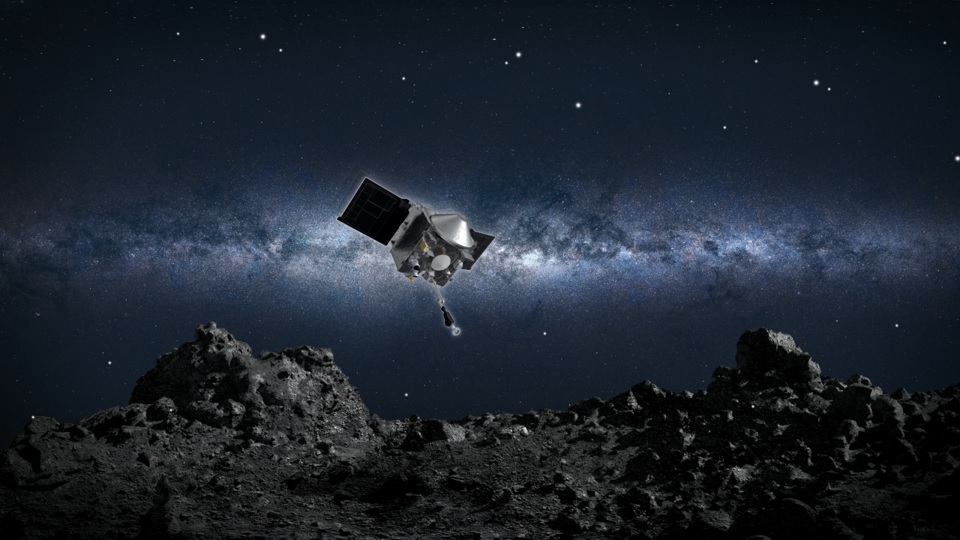
Space & Technology
In 2029, an asteroid named Apophis is set to make a close pass by Earth, sparking both scientific excitement and public intrigue. Discovered in 2004 by astronomers Roy Tucker, David Tholen, and Fabrizio Bernardi at Arizona’s Kitt Peak National Observatory, Apophis quickly gained attention due to early concerns about a potential collision with Earth. However, NASA has since determined that while Apophis will come extremely close—within 19,794 miles (31,860 kilometers) of Earth’s surface—it will not pose any direct threat. Instead, this close encounter offers a rare scientific opportunity, which NASA plans to seize by redirecting its OSIRIS-APEX spacecraft to study the asteroid in detail.From Bennu to Apophis: The OSIRIS-APEX MissionThe OSIRIS-APEX spacecraft is not a new vessel but a rebranded version of OSIRIS-REx, which successfully gathered samples from asteroid Bennu in 2023. Following the completion of that mission, NASA decided to extend the spacecraft's life by tasking it with a new goal: to study Apophis as it approaches Earth.Originally launched as OSIRIS-REx (Origins, Spectral Interpretation, Resource Identification, Security-Regolith Explorer), the spacecraft was renamed OSIRIS-APEX (OSIRIS-APophis EXplorer) after the decision to redirect it to Apophis. The spacecraft will rendezvous with Apophis shortly after the asteroid’s flyby in April 2029, making it an integral part of NASA’s broader efforts to understand near-Earth objects.The Flyby of a LifetimeWhat makes Apophis’s 2029 flyby so intriguing is how close it will come to Earth. On April 13, 2029, the asteroid, measuring approximately 1,100 feet (340 meters) in width, will zip past our planet at a distance closer than many satellites orbit. Earth’s gravity will slightly alter Apophis’s trajectory, but scientists are confident in their predictions, ruling out any possibility of an impact. The asteroid will pass by at a speed of around 19 miles per second (31 kilometers per second), offering a unique chance to study its structure and composition in unprecedented detail.The OSIRIS-APEX spacecraft will begin taking images of Apophis as it closes in, providing critical data on its surface, rotation, and chemical makeup. During this time, Earth-based telescopes will also monitor the asteroid closely. However, shortly after the flyby, Apophis will become difficult to observe from the ground, as it will be too close to the Sun in the sky. This is where OSIRIS-APEX comes in—its proximity will allow it to gather data that Earth-based instruments cannot.Mapping Apophis and Stirring Up Its SurfaceIn June 2029, after the initial flyby, OSIRIS-APEX will formally rendezvous with Apophis for an extended 18-month mission. The spacecraft is equipped with a suite of advanced instruments—cameras, spectrometers, and a laser altimeter—to conduct a thorough investigation of the asteroid. One of its most exciting tasks will involve flying just 16 feet (5 meters) above Apophis’s surface and firing its thrusters to dislodge rocks and dust. This maneuver will give scientists a peek beneath the asteroid’s surface, revealing materials untouched by space weathering.This aspect of the mission mirrors a similar technique used during the OSIRIS-REx mission at Bennu. However, unlike its predecessor, OSIRIS-APEX will not collect a sample from Apophis. Instead, its mission is to provide a detailed map of the asteroid and analyze its surface composition, which will offer new insights into the asteroid’s structure and history.Apophis: A Stony Relic from the Early Solar SystemApophis belongs to a class of stony, or "S-type," asteroids, made primarily of silicate rock and metallic materials like nickel and iron. Radar observations suggest it has a peanut-like shape, possibly indicating it consists of two lobes that may have formed through a past collision. Apophis is a near-Earth asteroid, originating in the asteroid belt between Mars and Jupiter but gradually pulled into a closer orbit by the gravitational influence of planets like Jupiter.Apophis rotates once every 30 hours, and it exhibits a wobble known as “non-principal axis rotation,” where the asteroid also rocks back and forth about its long axis. Scientists hope that the close encounter with Earth will modify Apophis's spin rate and possibly even cause structural changes, offering a natural experiment in how planetary gravity can influence an asteroid’s dynamics.Why Study Apophis?The study of Apophis offers more than just academic curiosity. Near-Earth asteroids like Apophis hold clues about the early solar system’s formation, as well as the dynamic processes that have shaped our cosmic neighborhood over billions of years. Moreover, understanding the physical characteristics and trajectories of asteroids is critical for planetary defense efforts. While Apophis won’t impact Earth in 2029, the data gathered by OSIRIS-APEX will improve our ability to predict and respond to potentially hazardous asteroids in the future.As Apophis makes its historic flyby, scientists will be watching closely—not just to study the asteroid itself, but to glean insights into the broader population of near-Earth objects. In a sense, Apophis is not only an asteroid of scientific interest but also a key to understanding the future of asteroid science and planetary defense.The OSIRIS-APEX mission represents the cutting edge of our efforts to study asteroids and safeguard Earth from potential future impacts. Through this mission, we’ll learn more about Apophis and, by extension, the complex forces that govern the solar system's many wandering bodies.
Read More → Posted on 2024-09-18 16:12:45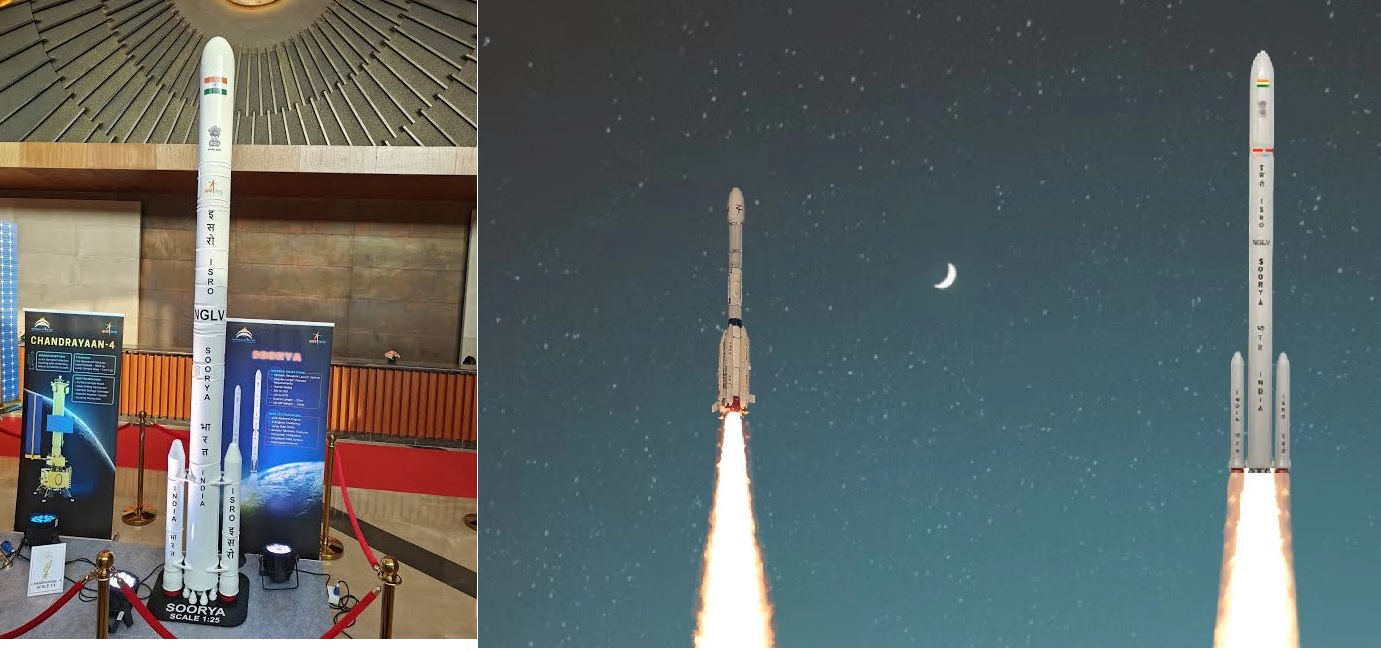
Space & Technology
In a landmark move for India’s space program, the Union Cabinet, led by Prime Minister Narendra Modi, has given the green light for the development of the Next Generation Launch Vehicle (NGLV), known as "SOORYA." This approval marks a significant step towards achieving India’s ambitious space goals, including the establishment of the Bharatiya Antariksh Station and a crewed lunar landing by 2040. SOORYA is poised to redefine India's capabilities in space exploration, with advanced features like high payload capacity, reusability, and eco-friendly propulsion systems.The Vision for SOORYA: Powering India’s Space FutureSOORYA is being developed as the next generation of India’s satellite launch vehicles, designed to carry significantly heavier payloads than current launch systems. The vehicle is set to have three times the payload capacity of its predecessor, LVM3, which can currently carry up to 10 tonnes to Low Earth Orbit (LEO). With SOORYA, India aims to boost its payload capability to a maximum of 30 tonnes to LEO, positioning the country to lead in global space endeavors.What makes SOORYA truly groundbreaking is its reusability. The first stage of the launch vehicle will be reusable, significantly reducing the cost of access to space. Reusability is a key factor in lowering space mission costs, making SOORYA a more cost-effective solution compared to traditional expendable launch systems. Additionally, the vehicle will incorporate modular green propulsion systems, aligning with global sustainability efforts while making space launches more efficient and eco-friendly.Boosting Human Spaceflight and Lunar ExplorationSOORYA is not just about sending satellites into orbit; it is central to India's long-term space exploration plans. The government’s vision for the next two decades includes a fully operational Bharatiya Antariksh Station—a space station that will serve as a hub for both scientific research and commercial ventures. The station will be a key milestone for India as it seeks to establish a permanent presence in space, akin to the International Space Station (ISS).Moreover, by 2040, India aims to conduct a human-crewed mission to the moon, an ambitious goal that requires a robust and reliable launch vehicle. SOORYA will play a crucial role in this endeavor, supporting not only lunar missions but also other interplanetary exploration projects. This could open up exciting possibilities for scientific discovery and international collaborations in space research.A Collaborative Approach: Industry ParticipationOne of the standout aspects of the SOORYA project is the emphasis on collaboration with Indian industry. Unlike previous space projects, which were largely government-driven, SOORYA will involve maximal participation from private companies. These industries are expected to invest in manufacturing capacities, ensuring a smooth transition from the development phase to operational launches. This approach not only accelerates the development timeline but also bolsters India’s space ecosystem, allowing for quicker commercialization of space technologies.The NGLV development will see three initial demonstration flights—D1, D2, and D3—spanning an 8-year period. With a budget of ₹8,240 crore, the project covers everything from development costs to the creation of essential infrastructure, program management, and launch campaigns. The integration of industry into this process ensures that, once development is complete, India will have a ready-to-go operational launch system.SOORYA: A Catalyst for India's Space EcosystemThe successful development and deployment of SOORYA will benefit India’s entire space ecosystem. It will enhance national space capabilities, enabling more advanced satellite constellations for communications, Earth observation, and defense applications. Moreover, the reusable nature of the vehicle will drive down launch costs, making India a more attractive option for commercial satellite launches globally.The vehicle’s high payload capacity and reusability will not only serve government missions but also open up new possibilities for private space ventures, including space tourism, resource extraction from the moon, and beyond.In summary, the development of SOORYA marks a monumental leap forward for India’s space program. It aligns with the country’s long-term vision of becoming a global space leader and signals the dawn of a new era in space exploration for India. With its advanced capabilities, the SOORYA launch vehicle is set to propel India into the future of space—where lunar missions, human spaceflights, and interplanetary exploration are no longer distant dreams but achievable goals.
Read More → Posted on 2024-09-18 15:58:56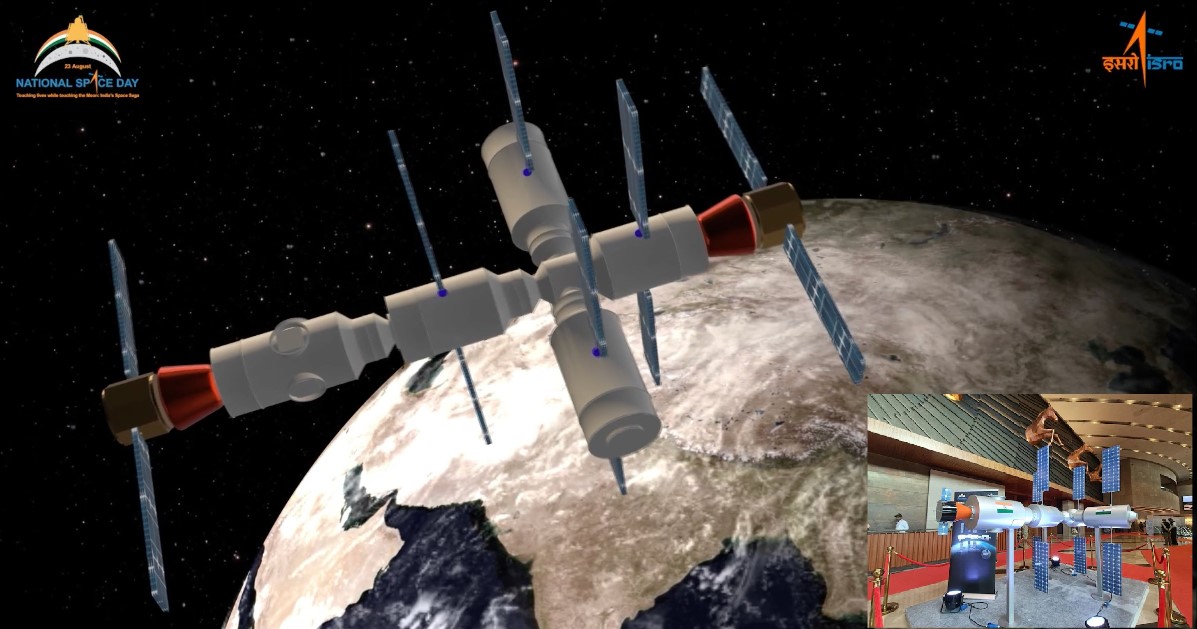
Space & Technology
India is on the cusp of entering a new era in space exploration with the approval of its own space station, the Bharatiya Antariksh Station (BAS). In a major decision, the Union Cabinet, chaired by Prime Minister Narendra Modi, has greenlit the development of the BAS, marking a pivotal step for India's ambitions in space. The first module of BAS, known as BAS-1, is scheduled for launch by December 2028, significantly advancing India's capabilities for long-term space missions and microgravity research.The Bharatiya Antariksh Station is set to be a key national space-based facility, allowing Indian scientists and researchers to conduct experiments in microgravity and explore technologies crucial for extended human space missions. This approval extends the Gaganyaan program, India’s flagship human spaceflight mission, which was originally conceived in 2018 with a focus on sending astronauts to low Earth orbit (LEO). With BAS now in the pipeline, the Gaganyaan program’s scope has been revised to include new missions aimed at developing and testing the technologies required to build and maintain a space station.BAS is not just about human spaceflight but about laying the groundwork for India's long-term ambitions in space exploration. The project, led by ISRO with collaboration from national agencies, academia, and industry, will demonstrate India’s technological prowess in sustaining human missions in LEO for longer durations. To achieve this, eight missions will be undertaken as part of the Gaganyaan program by 2028, which will include both crewed and uncrewed flights, as well as precursor missions to validate the technologies for BAS.ISRO’s ambitious timeline includes launching four Gaganyaan missions by 2026, focusing on building the necessary human spaceflight technology. These missions will be crucial stepping stones in ensuring India has the expertise required to build and operate the BAS. Following these, an additional four missions dedicated to BAS will be launched to demonstrate and validate the technologies for the space station.By 2035, BAS is expected to be fully operational, making India one of the few nations to possess such a space infrastructure. The Bharatiya Antariksh Station will not only boost India’s space research capabilities but also open new avenues for scientific innovation and technological advancements in fields like materials science, biology, and astrophysics, which are uniquely impacted by the conditions of microgravity. Furthermore, BAS could become a hub for international collaborations, allowing scientists from around the world to conduct research in India's state-of-the-art facility.The project will also have significant economic implications. The government has allocated an additional ₹11,170 crore to the Gaganyaan program, bringing its total funding to ₹20,193 crore. This increase underscores the importance of the project, not only for India’s space exploration goals but also for the country's broader technological and economic landscape. The development of BAS will stimulate growth in high-tech industries, generate employment, and foster innovation in fields such as robotics, automation, and materials technology.The BAS project aligns with India's broader vision for space exploration in the “Amrit Kaal,” a term referring to India’s golden era leading up to 2047, marking 100 years of independence. As part of this vision, India aims to conduct a crewed lunar mission by 2040, further demonstrating its capabilities in space exploration. With nations around the world, including the United States, Russia, and China, making significant investments in space infrastructure, India’s BAS will position the country as a significant player in human space exploration.For India's youth, the BAS project offers an exciting opportunity to engage in cutting-edge science and technology fields. The program is expected to inspire a new generation of scientists, engineers, and space professionals, providing a platform for careers in space research and technology development. The innovations and breakthroughs achieved through the BAS will not only benefit the space sector but will also have far-reaching applications in other industries.In conclusion, the Bharatiya Antariksh Station represents a bold step forward for India's space program. With the launch of its first module in 2028, BAS will serve as a symbol of India's growing prowess in space exploration and technological innovation. As India prepares for this new frontier, the station promises to bring scientific, economic, and social benefits, reinforcing India’s place in the global space community.
Read More → Posted on 2024-09-18 15:39:20
Space & Technology
This month, Earth will briefly gain a second moon in the form of a small asteroid known as 2024 PT5. Unlike our permanent moon, which has been orbiting Earth for about 4 billion years, this "mini-moon" will only stick around for two months before it continues its journey through space. The arrival of 2024 PT5 is a rare but fascinating event, one that excites scientists who study such short-term celestial visitors.The asteroid 2024 PT5 comes from a group of objects known as the Arjuna asteroids. These small space rocks follow orbits similar to Earth's, at an average distance of around 93 million miles (150 million kilometers) from the Sun. These near-Earth objects occasionally drift close enough to our planet to be temporarily captured by Earth's gravity, and 2024 PT5 is no exception. When this asteroid reaches about 2.8 million miles (4.5 million kilometers) from Earth, it will be pulled into our planet's gravitational embrace, becoming a temporary moon.However, this mini-moon won't behave like Earth's main satellite. According to Carlos de la Fuente Marcos, a professor at the Universidad Complutense de Madrid and an expert on mini-moon events, 2024 PT5 will not complete a full orbit around Earth. Instead, it will act more like a "window shopper," hovering near Earth for a brief period before being pulled away by the gravitational influence of the Sun.There are two types of mini-moon events: long-term captures, where the object orbits Earth for a year or more, and short-term events like 2024 PT5’s visit, which last only weeks or months. Long-term captures are much rarer, occurring once every decade or two, while short-term events happen more frequently, with several occurring each decade. The short-term episodes don’t allow the asteroid to fully orbit Earth, and in this case, 2024 PT5 will only linger for about two months.Mini-moons like 2024 PT5 are pulled out of Earth's orbit by the Sun's gravity, ending their brief stint as Earth's companion. Once 2024 PT5 is ejected, it will return to its original orbit around the Sun as part of the Arjuna asteroid belt.While the arrival of a second moon sounds thrilling, 2024 PT5 won't be visible to most skywatchers. Its small size and dimness make it invisible to amateur telescopes or binoculars. According to Professor Marcos, only professional astronomers using large telescopes with advanced detectors will be able to observe the mini-moon.Despite its fleeting presence, scientists are eager to study 2024 PT5. Spectroscopic and photometric observations are planned to better understand the asteroid's composition and behavior during its brief stay. Although temporary, these mini-moons provide valuable opportunities for researchers to study near-Earth objects and how they interact with our planet’s gravitational field.So, while Earth briefly gains a second moon this month, don't expect to see it with the naked eye. Still, this tiny visitor serves as a reminder of the dynamic and ever-changing nature of our solar system.
Read More → Posted on 2024-09-17 17:09:25
Space & Technology
India’s space agency, the Indian Space Research Organisation (ISRO), has taken a bold leap into the future of space tourism by unveiling a reusable space tourism rocket and capsule. Drawing on the successes and technological advancements of the Gaganyaan mission, this new venture aims to offer passengers a truly out-of-this-world experience—literally. ISRO’s ambitions are not just limited to the country’s traditional space exploration goals; the organization is now poised to take space enthusiasts to the very edge of space in a reusable rocket.The design of ISRO’s new space tourism vehicle mirrors the cutting-edge technology behind the Gaganyaan crew module. Gaganyaan, India's human spaceflight mission, was the first to carry Indian astronauts into low Earth orbit, and this new tourism rocket is directly inspired by its successful blueprint. With its reusable nature, the rocket will lower the cost of space tourism significantly, allowing more people to embark on this once-in-a-lifetime experience.Passengers aboard the rocket will be flown to an altitude of 100 kilometers, commonly referred to as the Kármán Line, which is widely accepted as the boundary between Earth's atmosphere and outer space. At this point, tourists will get a brief but awe-inspiring experience of microgravity—floating freely for around 3.5 minutes as they marvel at the vastness of space. The total flight time, from liftoff to return, will be approximately 8.5 minutes. While short, the experience promises to be packed with the thrill of rocket launches, breathtaking views of Earth from space, and the unique sensation of weightlessness.A key feature of ISRO’s system is the reusability of both the rocket and the capsule, which will be recovered and refurbished for future flights. This reduces operational costs and minimizes environmental impact, aligning with the growing demand for sustainable space exploration. By leveraging its existing infrastructure, technical expertise, and an ever-growing commercial space sector, ISRO aims to offer space tourism at a price point much lower than that of current private competitors like Blue Origin or SpaceX.Beyond just offering an adventure, ISRO’s space tourism program is also part of a broader vision for India’s role in the global space economy. With space agencies and private companies worldwide racing to expand into space tourism, ISRO’s entry into this market reflects its growing influence. The organization has already carved a niche in cost-effective satellite launches and Mars exploration missions, and now, it aims to democratize access to space for a new generation of adventurers.Although specific pricing and availability details have not yet been disclosed, the introduction of such a system signals ISRO’s commitment to pushing the boundaries of space travel. Future enhancements may include longer durations in microgravity or even stays aboard space stations in low Earth orbit, a concept that may one day resemble hotels in space.For now, though, ISRO’s reusable rocket represents a significant milestone for both India’s space program and the global commercial space sector. As space tourism transitions from science fiction to reality, ISRO’s affordable, cutting-edge solution could open up space for a much larger and more diverse audience than ever before. This pioneering effort not only boosts India's standing in the international space community but also brings us one step closer to making space accessible to everyone.
Read More → Posted on 2024-09-17 16:53:30
Space & Technology
China has made a major discovery in the realm of rare earth elements, unearthing approximately 5 million tonnes of key metals in the Liangshan Yi Autonomous Prefecture in the southwestern Sichuan province. This discovery further cements China’s status as the global leader in rare earth production, a position it has held for decades, and reinforces the nation’s control over resources that are vital to advanced technology, green energy, and defense systems.Rare earth elements are a group of 17 metal oxides that are critical in manufacturing everything from electric vehicles and wind turbines to robotics and military weapons. These elements are indispensable to modern technological advancements, making China’s dominance in the field a significant geopolitical asset. With the global shift toward clean energy and increasing demand for cutting-edge technology, rare earths are at the center of a growing competition, particularly between China and the United States.The discovery of 4.96 million tonnes of rare earths in Sichuan boosts China’s already vast reserves, which amount to 44 million tonnes according to the US Geological Survey. This new find strengthens China's leverage in a global market where rare earth elements are in high demand but difficult to mine and refine.China Rare Earth Group, the state-owned enterprise overseeing the sector, emphasized the importance of this discovery in securing the nation's strategic resources. The company stated that in light of increasing international competition, they are committed to safeguarding China’s resource security. This means not only hoarding rare earth reserves but also strategically controlling their supply to the global market.In recent years, China has been tightening restrictions on the export of rare earths, recognizing their status as strategic minerals tied directly to national security. This move aligns with the Ministry of State Security’s classification of rare earths as resources of strategic importance, particularly in light of the ongoing tech rivalry with the U.S.China's grip on the rare earth market has caused concern internationally, especially as nations seek to reduce their reliance on Chinese supply chains. Although China accounted for 80-90% of global rare earth production in the early 2010s, that dominance has slipped to around 70% in 2023 due to increased supply from other countries. Still, China remains the single largest player in this sector, with a deep integration into downstream industries, such as the production of high-tech goods that depend on rare earth elements.Economist Pan Helin, an advisor to the Ministry of Industry and Information Technology, highlighted that while maintaining control over rare earth resources is critical, China’s industry must also focus on improving efficiency in resource utilization. Pan advocates for expanding China’s presence in downstream sectors and enhancing the technological capabilities of its enterprises to maximize the advantages of these valuable materials.In response to the growing global competition and the need to maintain its stronghold in the rare earths sector, China formed the China Rare Earth Group in 2021. This merger of state entities was designed to streamline production and ensure that China remains a dominant force in the field. The group is tasked with several key objectives, including increasing reserves, stabilizing supply, reducing production costs, and ensuring the security of its rare earth resources.Despite international efforts to reduce dependence on Chinese rare earths, China's influence remains vast. The government recently set the upper limit for the year’s second batch of rare earth mining output at 135,000 tonnes and smelting at 127,000 tonnes. This follows the first batch, bringing the total for 2024 to 270,000 tonnes of mining output and 254,000 tonnes of smelting, representing year-on-year increases.Interestingly, while China’s rare earth exports have risen by 6.4% in the first eight months of 2024, the export value has plunged by over 40%. This reflects both a tightening of supply and the strategic approach China is taking—keeping resources within its borders while managing the international flow of these essential elements.This discovery in Sichuan is a clear signal of China’s intent to maintain and strengthen its dominance in the rare earth market, securing the nation’s strategic resources in a world increasingly dependent on advanced technologies and sustainable energy solutions.
Read More → Posted on 2024-09-16 16:09:27
Space & Technology
On April 13, 2029, Earth will witness an extraordinary celestial event — the close approach of asteroid Apophis, often referred to as the "God of Destruction." Named after the Egyptian deity Apep, associated with chaos, this asteroid has sparked both fascination and fear among scientists and space enthusiasts alike. Apophis, which is nearly as tall as the Empire State Building, will pass just 19,000 miles (30,600 kilometers) from Earth, a distance so small that it will be visible to the naked eye.Though NASA has assured the world that Apophis poses no immediate threat of collision with Earth during this passage, new research introduces a chilling hypothetical: What if other smaller space rocks collide with Apophis, changing its trajectory? Such a scenario could turn this close encounter into a nightmare, increasing the chances of Apophis hitting Earth in the future.The Risk of Collisions in SpaceResearch led by astronomer Paul Wiegert from the University of Western Ontario raises an intriguing possibility — small space objects, like meteors, could strike Apophis, potentially redirecting its path. Apophis will be largely unobservable from now until 2027, due to its position in the daytime sky, making it impossible for astronomers to monitor its course during this period. If a smaller asteroid collides with Apophis when no one is watching, it could shift the asteroid's trajectory enough to turn a near-miss into a direct hit on a future passage.Wiegert explains that while such a collision is extremely unlikely, it’s not impossible. In his calculations, a small asteroid about 60 centimeters (24 inches) in diameter could shift Apophis onto a post-2029 collision course. Larger asteroids, about 3 meters (10 feet) wide, would have a more substantial effect, potentially leading to a direct impact during Apophis' 2029 flyby. Still, the odds of this happening are astronomically low, with estimates putting the chances of such a scenario at about 1 in a million for post-2029 impacts and an even slimmer 1 in 2 billion for a 2029 collision.Potential Devastation of an Apophis ImpactWhile the likelihood of Apophis striking Earth remains low, the consequences of such an event would be catastrophic. Estimates suggest that an Apophis impact could release energy equivalent to 1,000 megatons of TNT, far exceeding the power of any nuclear weapon ever detonated. The devastation would stretch over hundreds of miles, with millions of lives at risk if the asteroid were to hit a densely populated area.Although this wouldn’t compare to the extinction-level event caused by the asteroid that wiped out the dinosaurs, the damage to human infrastructure, ecosystems, and the global economy would be beyond imagination.Deflection Strategies and Future MonitoringThe good news is that space agencies are actively exploring ways to prevent such a disaster. NASA’s Double Asteroid Redirection Test (DART), which successfully altered the orbit of the asteroid Dimorphos in 2022, demonstrates that human intervention could redirect a threatening asteroid. If necessary, a similar mission could be deployed to nudge Apophis off a collision course. However, the exact logistics of deflecting an asteroid the size of Apophis are still being worked out.Other proposed deflection methods include using nuclear weapons to alter Apophis' course or even more unconventional strategies like painting one side of the asteroid black to increase solar radiation absorption, subtly shifting its trajectory.A Global Milestone in Space DefenseEven if Apophis poses no immediate danger in 2029, its close approach will offer scientists a unique opportunity to study a large asteroid up close. Spacecraft and satellites are being prepared to rendezvous with Apophis during its near-Earth pass, gathering crucial data that could help refine planetary defense strategies for the future.As Wiegert points out, Apophis' approach marks a significant milestone for humanity. We now have the technology to anticipate and potentially prevent catastrophic asteroid impacts, something that was impossible in the past. The upcoming passage of Apophis will not only serve as a scientific event but also as a reminder that the global community must continue to develop robust strategies for planetary defense.In the end, while Apophis may not live up to its apocalyptic name in 2029, its visit will offer an invaluable learning experience that could one day save the planet from a more serious threat.
Read More → Posted on 2024-09-16 15:59:43
Space & Technology
TATA Electronics is setting the stage to become a significant player in India's semiconductor industry, with plans to establish two additional semiconductor fabrication plants (fabs) in Dholera, Gujarat. Following the initial phase of their ₹91,000-crore project in partnership with Taiwan's Powerchip Semiconductor Manufacturing Corporation (PSMC), these expansions mark a bold move in India’s bid to meet the increasing global demand for semiconductors.The first fab, whose foundation was laid earlier this year in the Dholera Special Investment Region, is projected to be operational by 2026. At peak capacity, it will be capable of producing 50,000 wafers per month, contributing to sectors like automotive, artificial intelligence, data storage, and wireless communication. The chips manufactured here will cater to a variety of functions, including power management, display drivers, and high-performance computing. The facility’s scale and capabilities are designed to boost India's semiconductor manufacturing ecosystem, which has long relied on imports to meet demand.TATA’s move into semiconductor manufacturing aligns with India’s larger strategic goal of becoming a global hub for electronics production. The two additional fabs being planned in Dholera will likely be of similar scale to the first, although their nodes and technology will depend on advancements within the semiconductor industry and future demand patterns. Decisions regarding partners for these fabs—whether continuing with PSMC or exploring alternatives—will be made once the first facility reaches full capacity.The expansion timeline will be gradual, with the next phase expected to commence five to seven years from now. While a substantial investment will be required for these subsequent fabs, some infrastructure—shared between the fabs—will already be established during the initial phase, potentially reducing future costs. In addition to the manufacturing facility, TATA is building a residential complex to house up to 5,000 employees who will work at the first fab. This comprehensive approach also includes collaboration with suppliers to establish a robust local supply-chain ecosystem that will support the chip manufacturing process.This effort is part of a broader strategy to position India as a key player in semiconductor production, particularly at a time when global supply chains have experienced significant disruptions. TATA’s project has already attracted attention from global suppliers and partners who attended the SEMICON India event, where they discussed the group's ambitious plans. Notably, TATA Electronics isn’t just investing in Gujarat. The company is also developing a ₹27,000-crore semiconductor assembly and testing unit in Jagiroad, Assam. This facility, spanning 600 acres, is expected to start high-volume production by 2025, with a daily capacity of 48 million chips. This site will focus on technologies such as wire bond, flip chip, and Integrated Systems Packaging (ISP), setting the foundation for advanced packaging techniques in the future.TATA Electronics’ ambitious plans are not only aimed at catering to domestic demand but also meeting the growing global need for semiconductors. With India positioning itself as a competitive force in semiconductor manufacturing, the future of the country's electronics industry looks promising, with TATA at the forefront of this transformation.
Read More → Posted on 2024-09-16 15:45:30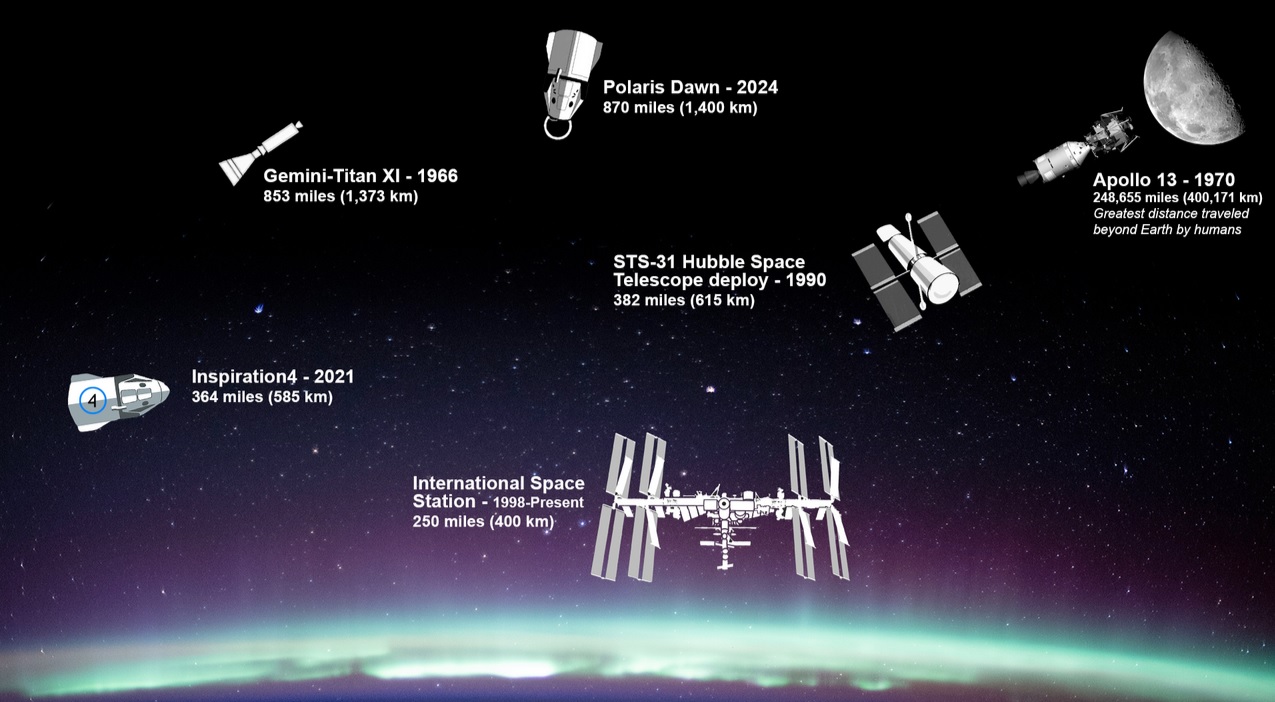
Space & Technology
In a groundbreaking achievement for commercial space travel, the Polaris Dawn crew has soared to unprecedented heights, surpassing the 1966 Gemini 11 mission's orbital record. On September 10, 2024, the four astronauts aboard SpaceX's Dragon spacecraft, named "Resilience," reached an astonishing altitude of 870 miles (1,400.7 kilometers) above Earth, eclipsing the previous record of 853 miles (1,373 kilometers) set by NASA's Gemini 11.The mission's dramatic ascent began with the spacecraft's launch from Florida at 5:23 a.m. EDT (0923 GMT). Within 15 hours, Polaris Dawn achieved its high point, orbiting Earth in an elliptical path that extended from 190 miles (306 kilometers) at its closest approach to 1,200 miles (1,930 kilometers) at its furthest. This altitude not only surpasses the highest altitude ever achieved by a space shuttle, which deployed the Hubble Space Telescope in 1990, but also marks the farthest humans have ventured from Earth since the Apollo era.Jared Isaacman, the mission commander and billionaire sponsor, emphasized the significance of this achievement. “This is the farthest humans have traveled since the last time humans walked on the moon more than 50 years ago,” he remarked before the mission. He also highlighted the achievement of Sarah Gillis and Anna Menon, who became the women to travel farthest from Earth.The mission's primary goal extended beyond breaking records. By reaching such a high orbit, the crew gathered crucial data on how the space environment affects both spacecraft systems and the human body. The Resilience spacecraft passed through the Van Allen belts, a region of intense radiation surrounding Earth. This data is vital for future missions aimed at sending humans further into the solar system, including potential trips to Mars.Isaacman noted the importance of understanding the unique challenges posed by this high-altitude environment. “It’s a lot of energy going into the vehicle and a lot of energy to take out when you come back home. It is a different radiation environment. It is a different micrometeorite and orbital debris environment,” he explained. The insights gained will help refine spacecraft design and improve safety for future missions.The Polaris Dawn mission also set a precedent with its planned spacewalk, a first for a commercial crew. This spacewalk follows in the footsteps of Gemini 11, where astronauts Charles "Pete" Conrad and Richard "Dick" Gordon set the previous altitude record. Conrad and Gordon used the Agena target vehicle's rocket engine to reach their record, while the Polaris Dawn crew utilized the Dragon capsule’s Draco thrusters.In a nod to Gemini 11, the Polaris Dawn crew carried a medallion with a design reminiscent of the original mission's patch. This tribute features a modern twist, replacing the Gemini-Agena vehicle with the Dragon capsule and showcasing a spacewalker in a SpaceX spacesuit.The mission, scheduled to spend around 10 hours at the record altitude, was carefully planned to maximize data collection while minimizing risks. The spacecraft then transitioned to a lower orbit of 118 by 435 miles (190 by 700 kilometers) for the remainder of the mission.As the Polaris Dawn crew prepares for their return to Earth, their historic journey marks a significant milestone in the evolution of commercial space exploration and sets the stage for future breakthroughs in human spaceflight.
Read More → Posted on 2024-09-11 15:34:10Search
Top Trending in 24 Hours
-
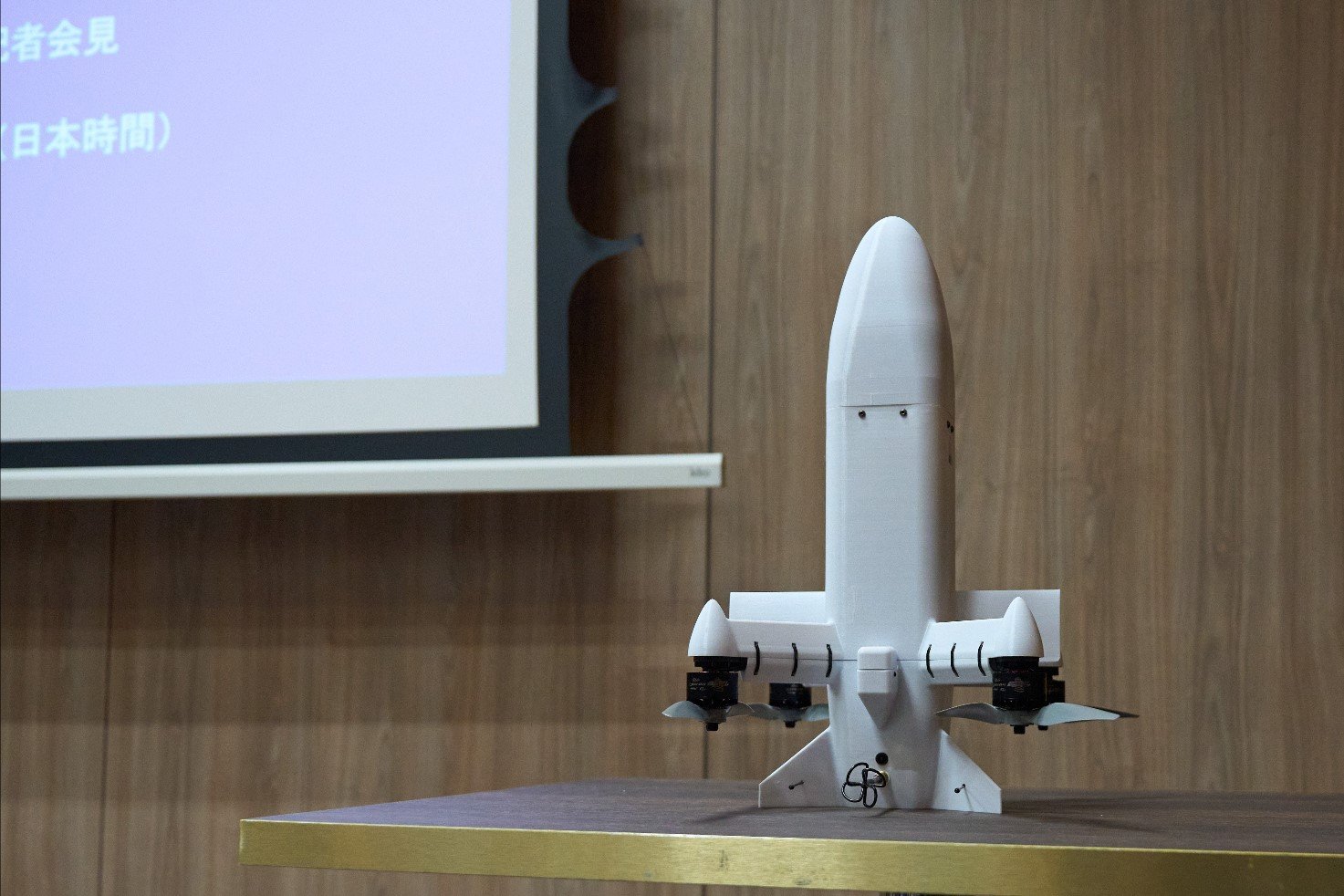 Japan Selects Terra Drone’s Terra B1 for Mass Production of Interceptor UAVs
-
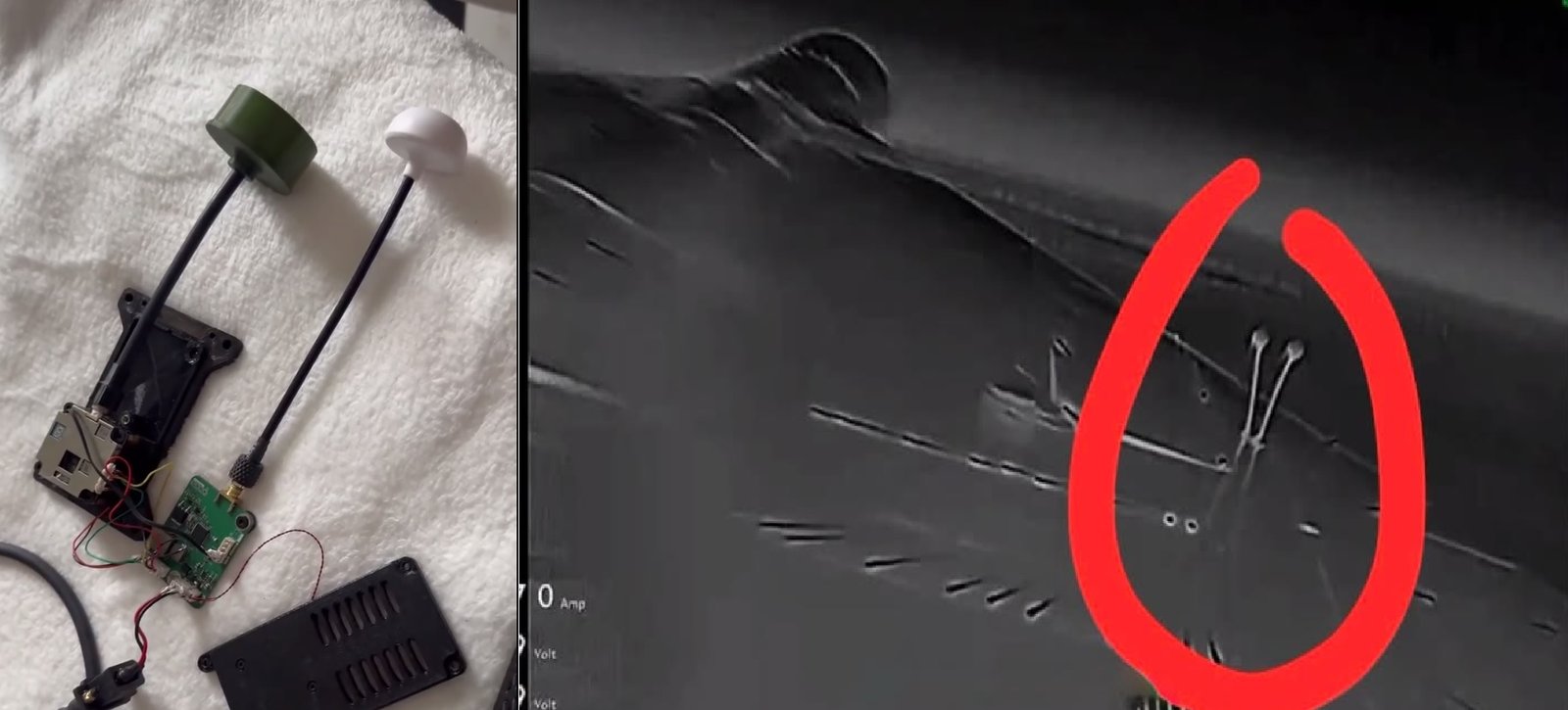 Russia Equips Shahed and Geran Drones With Electronic Warfare Systems to Jam Ukrainian Interceptor Video Links
-
 Austria Receives First Modernized Leopard 2A4Ö Tank and Ulan NV Infantry Fighting Vehicle
-
 Ukraine Reduces Use of Western Tanks as Cheap Drones Become a Major Battlefield Threat
-
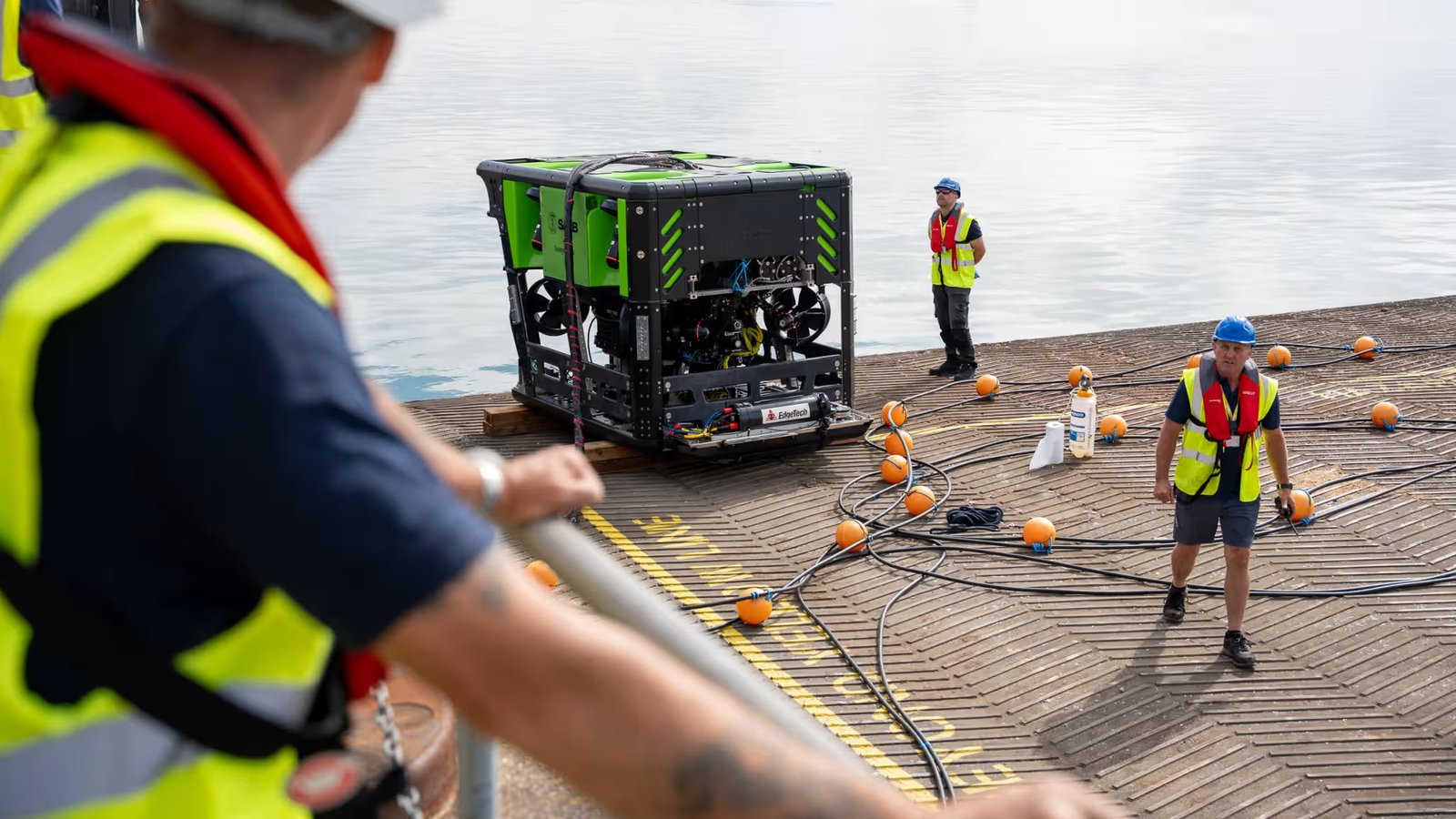 Saab UK Completes Key Trials of Seaeye SR20 eWROV, Moves to Next Development Phase
-
 Mystery Chinese J-20-Like Object Seen at Former Airport Was a Firefighting Training Mock-Up
-
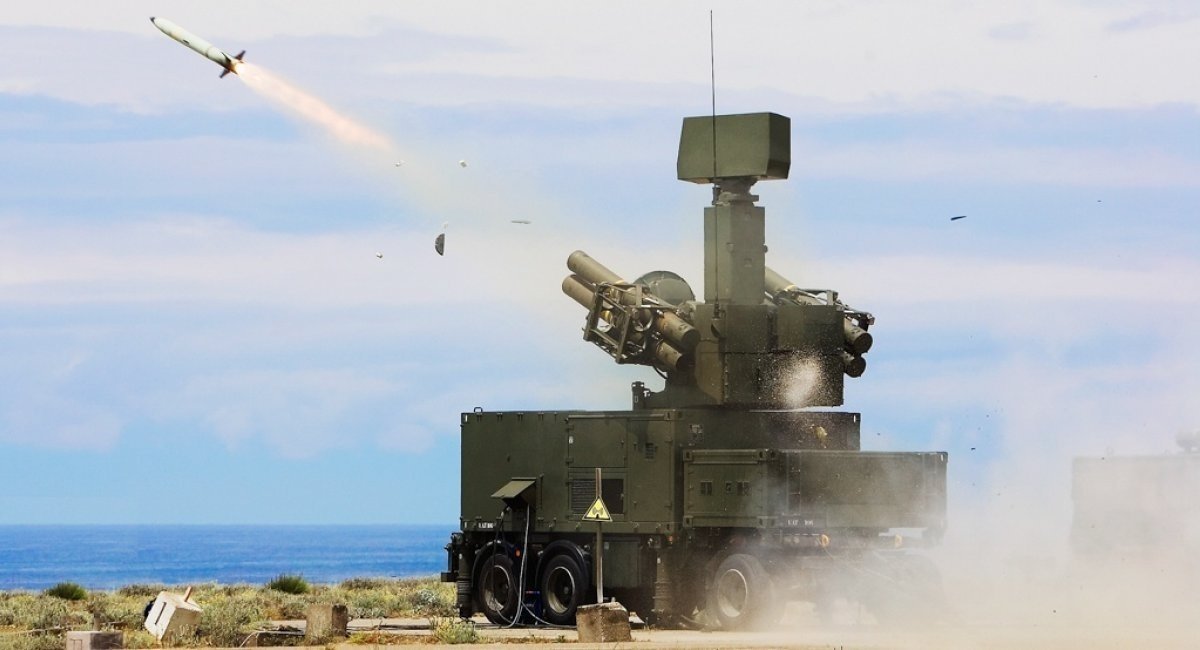 Ukraine Confirms Crotale Air Defense System Transfers from France, Additional Patriot Interceptors and AIM Missiles as Europe Expands Defense Support
-
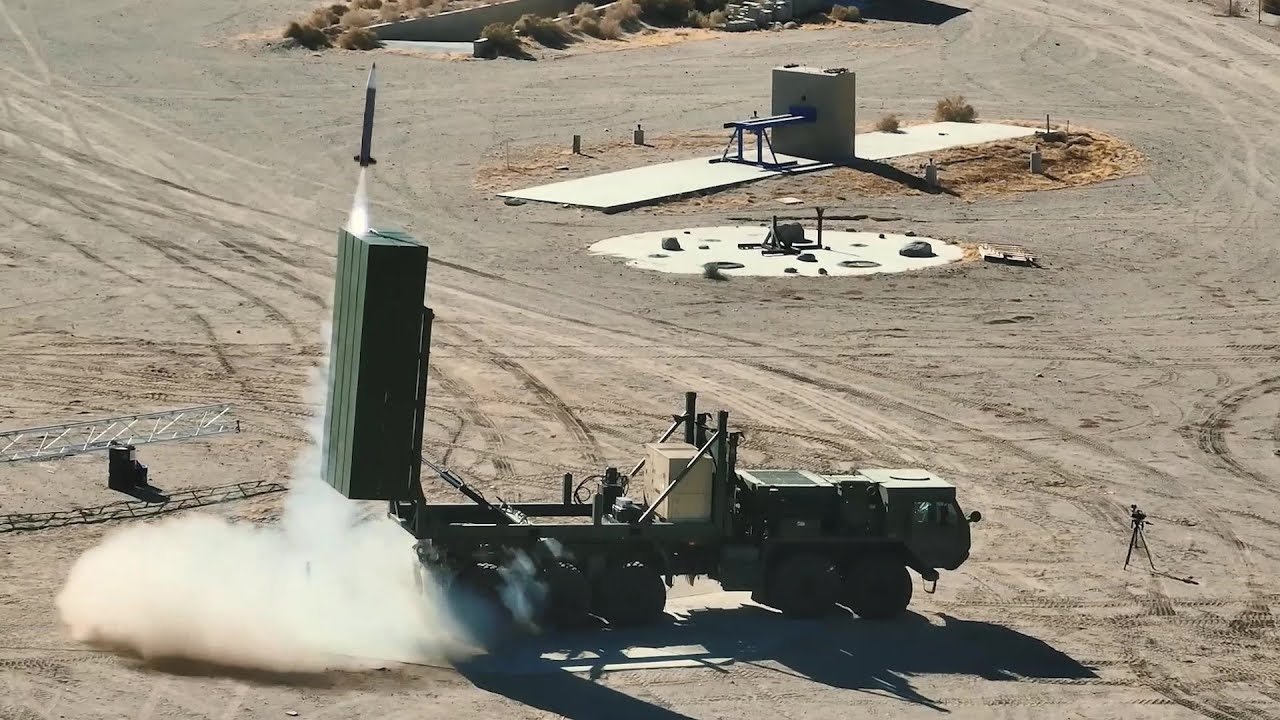 U.S. Navy Awards Castelion Nearly $90 Million to Advance Blackbeard Hypersonic Weapon
Top Trending in 4 Days
-
 Iran Reveals Underground Weapons Manufacturing Facility for First Time on State TV
-
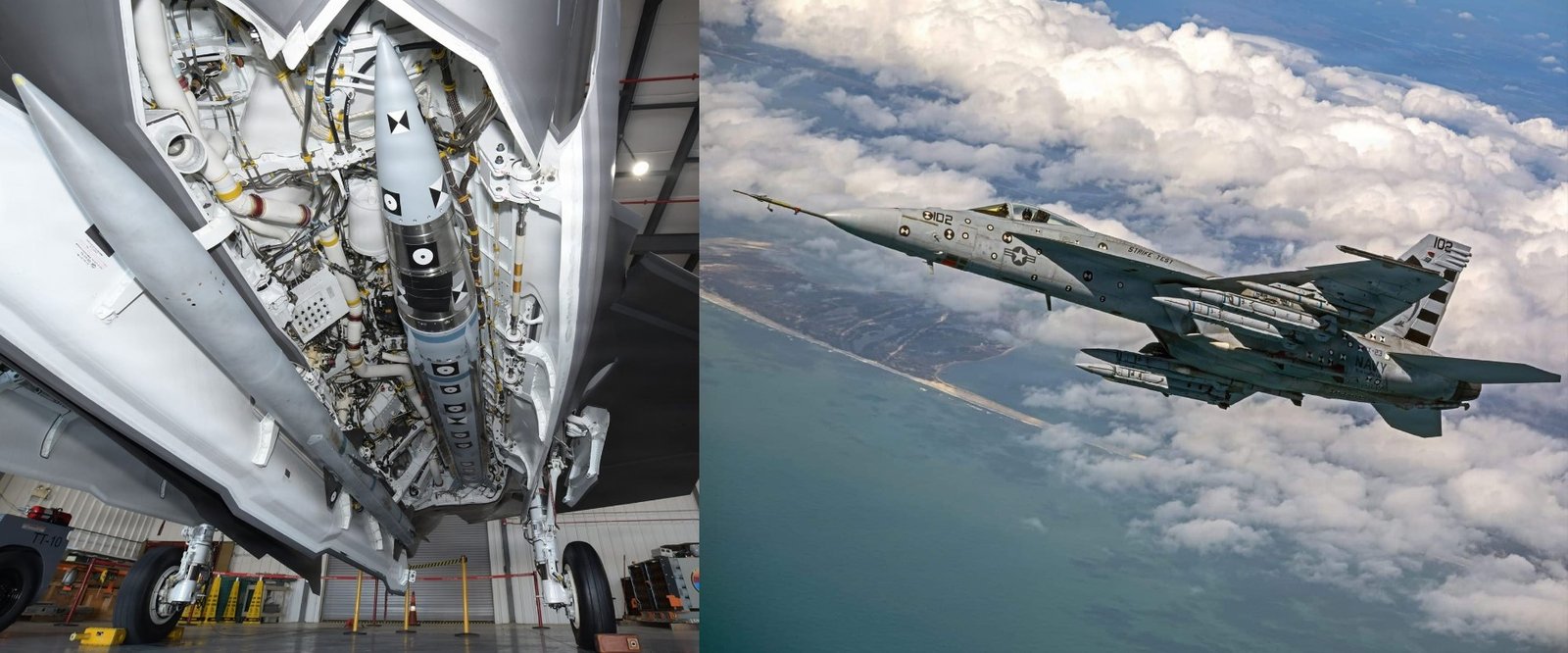 U.S. Navy Unveils New AIM-424 ‘Malice’ Air-to-Air Missile With 463+ km Range for F-35C, Super Hornet and F/A-XX
-
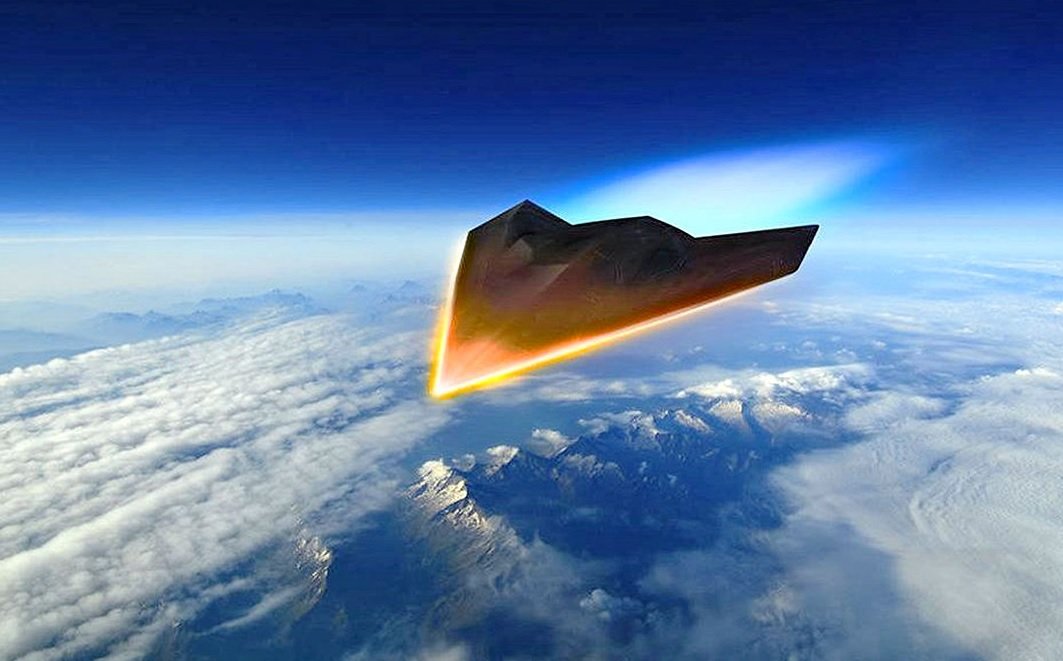 China Develops Hypersonic Glide Vehicles Capable of Launching Air-to-Air Missiles Mid-Flight
-
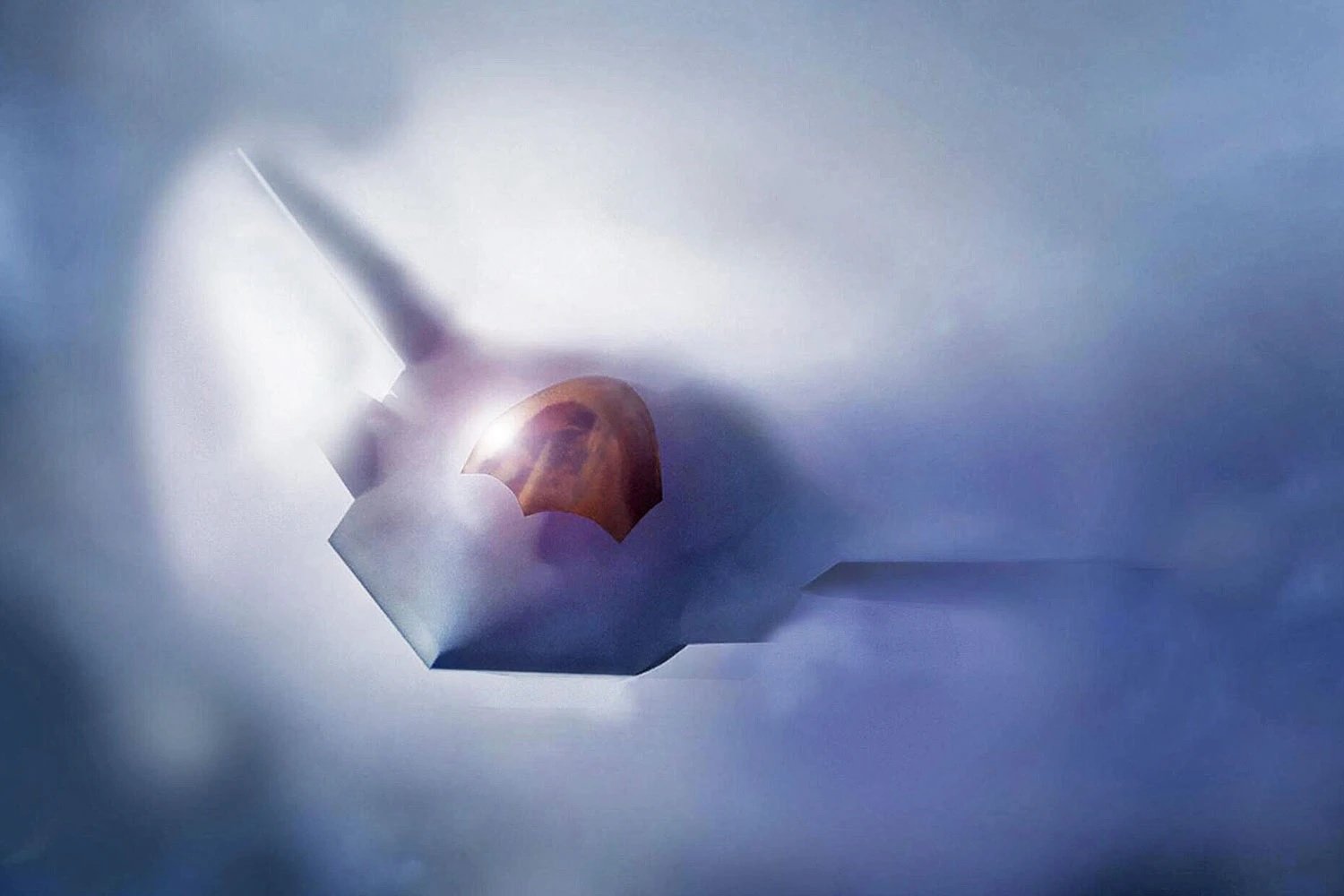 Israel Explores Potential Acquisition of U.S. F-47 Sixth-Generation Fighter
-
 Iran-Linked Hackers Shut Down UK Power Plant for Four Days in First Known Attack
-
 Satellite Imagery Shows Damage From Israeli Strikes on Turkey Military Occupied Syria’s Abu al-Duhur Airbase
-
 Ukraine Holds World’s First Unmanned Military Parade on 35th Independence Day
-
 UAE Completes Protective Metal Structures Around Fuel Tanks Near Dubai International Airport