Space & Technology
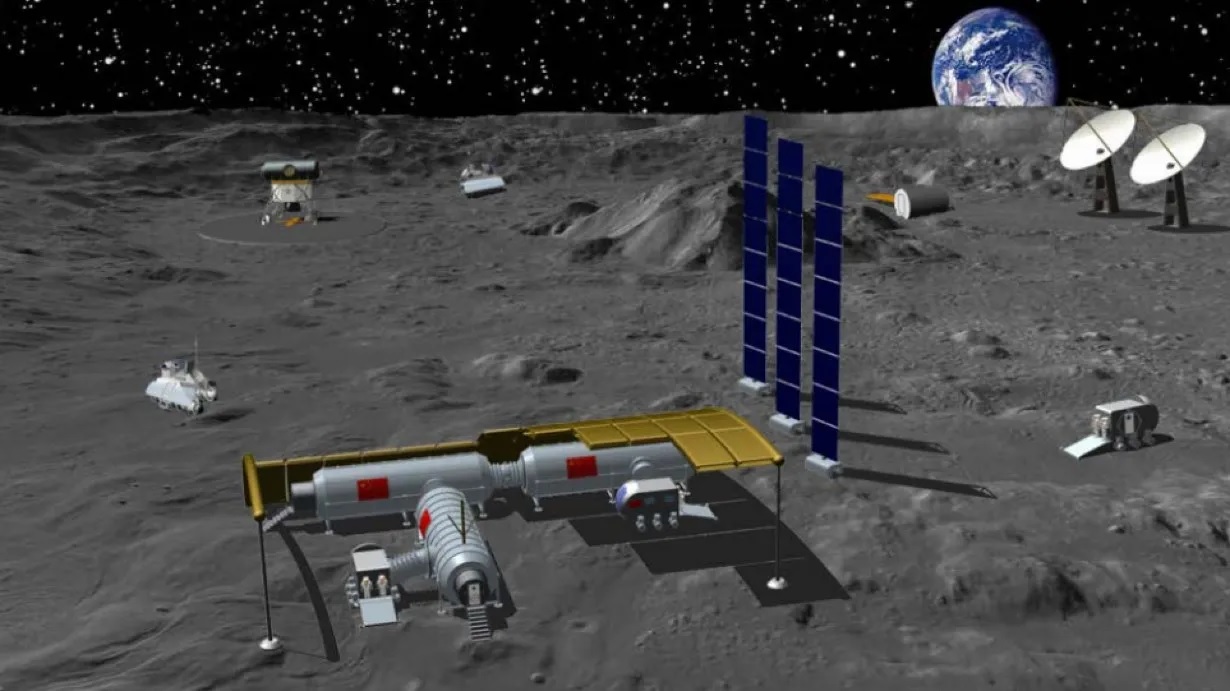
China's space ambitions are soaring as the country reveals its plans to establish a moon base at the lunar south pole by 2035. This bold initiative, officially unveiled at the International Deep Space Exploration Conference in Anhui on September 5, 2024, marks a significant step in China's space exploration strategy. The project, known as the International Lunar Research Station (ILRS), is a collaborative effort initially announced in June 2021 with Russia. The original plan outlined a basic robotic moon base, which was to be established through a series of five heavy-lift rocket launches between 2030 and 2035. However, China has since taken the lead and developed a more intricate vision for the ILRS.The plan unfolds in two distinct phases. The first phase aims to complete the initial moon base by around 2035. This base will be strategically located near the lunar south pole, an area known for its potential resources and unique scientific value. The second phase, projected for around 2050, will expand this base into a comprehensive lunar station network. This network will feature a central lunar orbit station and various nodes on the lunar surface, including additional bases on the lunar equator and the far side of the moon.Wu Yanhua, chief designer of China's deep space exploration project, outlined these details during the conference. The extended ILRS model will rely on a combination of solar, radioisotope, and nuclear power sources. It will also incorporate advanced infrastructure, including high-speed communication networks between the moon and Earth, and a range of lunar vehicles. These vehicles will include a hopper, an unmanned long-range rover, and both pressurized and unpressurized crewed rovers.Furthermore, Wu emphasized that the expanded ILRS would serve as a stepping stone for future crewed missions to Mars, underscoring China's broader goals in space exploration.In a show of international collaboration, Senegal recently became the 13th country to join the ILRS project. Meanwhile, NASA's Artemis program, which aims to return humans to the moon, operates independently but in parallel, with both China and NASA working towards landing astronauts on the lunar surface by the end of the decade.As China advances its moon base plans, the global space community watches closely, anticipating how this ambitious project will shape the future of lunar exploration and beyond.
Read More → Posted on 2024-09-10 16:29:42
Space & Technology
SpaceX's ambitious plans to colonize Mars are edging closer to reality. According to SpaceX founder and CEO Elon Musk, the company is setting its sights on launching Starship missions to Mars as early as 2026. This timeline marks a significant milestone in humanity’s quest to become a multiplanetary species.Elon Musk recently outlined these plans on social media, stating that the initial missions will be uncrewed. These test flights will focus on validating the Starship's capability to land safely on Mars. If successful, crewed missions could follow within four years, leveraging the roughly 26-month intervals during which Earth and Mars align favorably for interplanetary travel.The Starship system is a marvel of engineering. It features two main components: the Super Heavy booster and the Starship spacecraft. Together, they form a towering rocket system approximately 400 feet (122 meters) tall. The Super Heavy booster, which is the first stage, and the 165-foot-tall (50 meters) upper-stage Starship are crafted from stainless steel, a material chosen for its durability and resistance to extreme temperatures.Starship's design is revolutionary, boasting a thrust of 16.7 million pounds at launch—nearly double that of NASA's Space Launch System (SLS) used for the Artemis missions. Unlike the SLS, which is expendable, the Starship is engineered for full reusability. SpaceX's plan includes landing the Super Heavy booster back on the launch pad for quick refurbishment, significantly reducing turnaround time between missions.Musk’s vision extends beyond just reaching Mars. He aims for a rapid expansion in flight frequency and ultimately envisions establishing a self-sustaining city on Mars within about 20 years. He argues that achieving a multiplanetary presence will dramatically enhance the survival prospects of human consciousness, reducing our dependency on a single planet.SpaceX’s progress towards these goals will be closely watched by space enthusiasts and experts alike. The upcoming Mars missions represent a bold step forward in space exploration, pushing the boundaries of what humanity can achieve.
Read More → Posted on 2024-09-08 15:50:12
Space & Technology
In a significant milestone for China's space ambitions, a mysterious reusable space plane returned to Earth on September 6, 2024, after spending an impressive 268 days in orbit. The landing occurred at the Jiuquan Satellite Launch Center, nestled in the remote deserts of northwest China, marking the end of its third mission. The spacecraft had originally launched from the same facility aboard a Long March 2F rocket on December 14, 2023, and remained shrouded in secrecy throughout its time in space.This mission is a significant step in China’s long-term goal of developing reusable space technologies, but much about the plane’s design, purpose, and capabilities remains classified. The official Chinese state media outlet Xinhua has referred to the project as one that will "pave the way for more convenient and affordable round-trip methods for the peaceful use of space." However, outside of these vague statements, China has not provided further details about the craft’s missions or technological features.While the exact nature of its tasks in orbit remains unclear, observations made by global satellite trackers indicate that the space plane performed some noteworthy maneuvers. It appears that the craft deployed a small object into orbit, reminiscent of its previous mission when it released a similar object. Jonathan McDowell, an astronomer with the Harvard-Smithsonian Center for Astrophysics, speculated that this object could be either a subsatellite or hardware deployed before the spacecraft’s return to Earth. This kind of activity, particularly the release of an object in orbit, suggests that the space plane has multifaceted capabilities.Additionally, the space plane carried out what is known as rendezvous and proximity operations (RPO), according to a report from SpaceNews. These operations allow spacecraft to approach and potentially interact with other satellites. Such maneuvers are critical for space missions that involve the repair or maintenance of aging or malfunctioning satellites. They also have significant military implications, as countries, including China, may be developing these techniques to interfere with adversary satellites in the event of space-based conflict. RPO could enable the space plane to either disable or manipulate other satellites without ground intervention, a capability that many global powers are now exploring for potential defense purposes.Though China has been tight-lipped about the true extent of the space plane's capabilities, comparisons can be drawn to the United States' X-37B, a reusable space plane developed by Boeing that has completed several classified missions. Both the X-37B and China’s space plane are believed to test new technologies and gather intelligence from space, but precise details of these missions remain confidential.This reusable space plane is a crucial element in China’s broader ambitions for space dominance. It reflects China’s rapid advancements in space technology, with a focus on making space missions more cost-effective and versatile. The ability to launch, retrieve, and reuse spacecraft could make space exploration more sustainable and accessible for China, setting the stage for future developments such as space tourism, satellite deployment, or even lunar exploration.The return of the space plane after such a long-duration mission raises questions about its performance and any breakthroughs achieved during its time in orbit. While China has been reticent in revealing specifics, the mission's success underscores the country's growing expertise in space exploration, edging closer to its goal of becoming a global space leader.The mystery surrounding this space plane may be deliberate, but one thing is clear: China's space program is advancing at a rapid pace, and its ambitions are only growing. The lessons learned from this mission may open the door to a new era of space exploration—one where spaceplanes regularly orbit Earth, performing a range of missions that, for now, remain behind the curtain of secrecy.
Read More → Posted on 2024-09-06 15:15:17
Space & Technology
The successful launch of the Airbus-built Sentinel-2C satellite from Kourou, French Guiana, marks a pivotal moment for Earth's environmental monitoring. Launched aboard a Vega rocket, this satellite is the third in the Copernicus Sentinel-2 constellation and is designed to replace Sentinel-2A, which is set to retire. Positioned in a low Earth orbit at 780 km, Sentinel-2C will soon enter operational service after a series of initial tests and commissioning.Sentinel-2C is an integral part of the European Union’s Copernicus programme, aimed at providing high-resolution imagery for monitoring various environmental and human activities. Copernicus, managed by the European Commission in collaboration with the European Space Agency (ESA), plays a key role in observing Earth's changing landscapes, helping tackle global challenges such as climate change, natural disasters, and sustainable land use.The Sentinel-2C satellite, like its predecessors Sentinel-2A and 2B, carries a high-resolution multispectral imager. This cutting-edge technology enables the satellite to capture optical images across 13 spectral bands, ranging from the visible to the short-wave infrared spectrum. These images are crucial for a wide range of applications, including agriculture, forestry, land use, and water quality monitoring. With a pixel resolution of 10, 20, or 60 meters, depending on the spectral band, and a wide swath of 290 km, the satellite ensures comprehensive coverage of Earth's land surfaces and coastal waters every five days.One of the most striking aspects of Sentinel-2C is its ability to capture vast amounts of data—up to 1.5 terabytes per day. This data is compressed, formatted, and stored using one of the most advanced Mass Memory and Formatting units currently in space. It is then transmitted to ground stations via a high-speed laser link known as the EDRS SpaceDataHighway, in addition to the traditional X-band link. This ensures that vital information is relayed quickly and efficiently for processing and analysis.Marc Steckling, Head of Earth Observation at Airbus, emphasized the importance of the Sentinel-2C launch, stating, “This launch gives the world another important sensor to monitor our changing planet and provides crucial continuity since the first Sentinel-2 satellite launch in 2015.” With Sentinel-2A nearing retirement, Sentinel-2C will ensure the continuation of vital Earth observation services.In addition to its technological prowess, the Sentinel-2 mission is designed for optimal global coverage. The constellation operates with two identical satellites flying in tandem, but positioned 180° apart in the same orbit. This configuration allows them to capture data from large islands, inland and coastal waters, and all land surfaces every five days. The ability to revisit the same location so frequently is essential for applications like tracking changes in vegetation, detecting natural disasters such as floods and wildfires, and even monitoring glaciers and snow cover.The Sentinel-2 satellites are essential for monitoring land use changes, urban sprawl, and environmental degradation. They provide real-time data on soil sealing, agricultural productivity, deforestation, and much more. These capabilities not only help scientists and environmental agencies but also assist humanitarian efforts by providing valuable information in the aftermath of natural disasters like landslides or floods.Sentinel-2C’s successful launch ensures that the Copernicus programme can continue to deliver high-quality, up-to-date imagery of Earth. This continuity is vital for researchers, governments, and organizations that rely on accurate environmental data for decision-making, crisis management, and policy development.In summary, the Airbus-built Sentinel-2C satellite is set to become a cornerstone in Earth's environmental monitoring efforts. By replacing Sentinel-2A and working alongside Sentinel-2B, it will ensure that the Copernicus programme can continue providing critical data for years to come. As the world faces increasing environmental challenges, the Sentinel-2 mission stands as a testament to the power of space technology in supporting sustainability and addressing global issues.
Read More → Posted on 2024-09-06 14:49:39
Space & Technology
In a significant move to strengthen India's semiconductor ecosystem, the Union Cabinet, led by Prime Minister Narendra Modi, has approved a new semiconductor unit to be established by Kaynes Semicon Pvt Ltd in Sanand, Gujarat. This development is part of the India Semiconductor Mission, a broader initiative aimed at positioning India as a global hub for semiconductor manufacturing.The new unit in Sanand represents a substantial investment of ₹3,300 crore. Once operational, it will have the capacity to produce 60 lakh semiconductor chips per day. These chips will cater to a diverse range of industries, including automotive, electric vehicles, consumer electronics, telecommunications, mobile phones, and industrial applications. This breadth of application underscores the growing importance of semiconductors in India's industrial and technological landscape.This initiative is not isolated; it builds upon the Program for Development of Semiconductors and Display Manufacturing Ecosystem in India, which was launched in December 2021 with a total outlay of ₹76,000 crore. The program aims to foster a self-sustaining semiconductor ecosystem, reducing dependence on imports and establishing India as a key player in the global semiconductor supply chain.The Sanand unit is part of a larger semiconductor cluster emerging in Gujarat. In June 2023, the Union Cabinet approved the first semiconductor unit in Sanand, followed by the approval of three more units in February 2024. These include a semiconductor fab by TATA Electronics in Dholera, Gujarat, another unit in Morigaon, Assam, and a second unit in Sanand by CG Power. Combined, these four units represent an investment of nearly ₹1.5 lakh crore and will collectively have a daily production capacity of approximately 7 crore chips.Construction on these units is progressing rapidly, and the region around Sanand is transforming into a robust semiconductor hub. This concentrated development is expected to have far-reaching effects on the local economy and the national semiconductor landscape. As these units become operational, they will play a crucial role in meeting the increasing domestic demand for semiconductors and positioning India as a competitive player in the global market.The approval of Kaynes Semicon's unit is a testament to the Indian government's commitment to developing a vibrant semiconductor ecosystem. By facilitating significant investments and encouraging domestic manufacturing, India is taking crucial steps toward technological self-reliance and economic growth in the semiconductor sector.
Read More → Posted on 2024-09-04 15:35:54
Space & Technology
The Indian Space Research Organisation (ISRO) has long been a symbol of India's technological prowess, achieving remarkable feats in space exploration. Now, ISRO is embarking on a bold new journey—one that could redefine the future of space travel. This journey centers around the development of nuclear-powered rockets, a groundbreaking initiative that promises to revolutionize satellite launches and deep space missions.Nuclear propulsion offers significant advantages over traditional chemical rockets. While conventional rockets rely on the combustion of fuel to generate thrust, nuclear-powered rockets utilize nuclear reactions, providing a much more efficient and sustainable energy source. The potential benefits are immense: longer mission durations, greater payload capacities, and the ability to reach distant celestial bodies with unprecedented speed and efficiency.A key milestone in ISRO's nuclear rocket program was achieved last year with the successful testing of a radioisotope thermoelectric generator (RTG) during the Chandrayaan-3 mission. The RTG, a device that converts heat generated by radioactive decay into electricity, is currently powering the propulsion module of Chandrayaan-3 as it orbits the Moon. This successful test marks a critical step forward in the development of nuclear propulsion technology.The collaboration between ISRO and the Bhabha Atomic Research Centre (BARC) has been instrumental in advancing this technology. Together, they are working on a more powerful 100-watt RTG, which will be crucial for the future of nuclear-powered rockets. The RTG will serve as the heart of these rockets, providing the necessary power to sustain long-duration missions in the harsh environment of space.However, the development of nuclear-powered rockets is not without its challenges. Safety concerns are at the forefront of this endeavor. The risks associated with launch accidents, radiation exposure, and the disposal of radioactive waste must be carefully managed. ISRO and its partners are acutely aware of these challenges and are committed to developing robust safety protocols to ensure the responsible use of nuclear technology in space exploration.ISRO Chairman S Somanath has been a vocal advocate for the inclusion of nuclear propulsion in India's space program. Earlier this year, at the Indian Institute of Technology-Bombay's Techfest, he emphasized the importance of this technology for the future of space exploration. Somanath highlighted the ongoing collaboration with the Department of Atomic Energy, underscoring the significance of nuclear propulsion in enabling ambitious missions to distant planets and beyond.As ISRO continues to push the boundaries of what is possible in space exploration, the success of its nuclear rocket program will be pivotal. The ability to harness nuclear energy for propulsion could open up new frontiers, enabling humanity to explore the far reaches of our solar system and even venture into interstellar space. While the road ahead is challenging, the potential rewards are enormous, and ISRO is poised to play a leading role in this next great leap in space exploration.
Read More → Posted on 2024-09-03 15:06:16
Space & Technology
Centum Electronics Limited, a leading player in electronic system design and manufacturing, has secured a significant contract worth Rs 109.58 crore from India's Defence Research and Development Organisation (DRDO). This new order underscores the company’s vital role in the country’s defence and aerospace sectors, focusing on the development of sophisticated satellite communication systems.The contract is centered around the delivery of critical inter-satellite link systems and other payload subsystems, essential for seamless communication between satellites. In an era where satellite technology is integral to defense operations, these systems play a crucial role in ensuring that data is transmitted accurately and securely across vast distances in space.Centum Electronics has carved a niche in providing high-quality, complex electronic solutions that meet the stringent requirements of defense and aerospace applications. The company’s reputation is built on its ability to deliver products that not only meet but often exceed the rigorous standards set by organizations like DRDO. This contract, to be completed within 16 months, will further enhance Centum’s standing as a reliable partner in the development of critical defense technology.Intersatellite links are a key component in modern satellite communication networks. These links facilitate direct communication between satellites, enabling data to be relayed without needing to be sent to a ground station first. This technology is essential for ensuring real-time data transmission, which is crucial for defense operations that rely on quick and secure communication. Centum's expertise in electronic systems will be pivotal in delivering these advanced systems, which must operate flawlessly in the challenging environment of space.Centum’s involvement in this project highlights its growing influence in the defense sector. The company’s ability to meet tight deadlines while maintaining the highest standards of quality and reliability is a testament to its technical prowess and commitment to excellence.The announcement of this contract had an immediate impact on Centum Electronics’ stock market performance, with shares rising by 3.10% to Rs 1,757.15. Despite facing a decline in consolidated net profit for the first quarter of FY25, which fell to Rs 3.84 crore from Rs 1.45 crore in the same period the previous year, the company reported a slight increase in net sales, reaching Rs 238.81 crore.This contract with DRDO not only reinforces Centum Electronics’ position as a key player in the defense electronics market but also showcases its potential for future growth in the sector. With the successful execution of this project, Centum is likely to attract more such high-value contracts, further solidifying its role as a critical supplier to India’s defense and aerospace industries.
Read More → Posted on 2024-09-03 14:59:55
Space & Technology
Viasat, a leading global satellite communications provider, is set to change the way passengers experience air travel in India by partnering with the Indian Space Research Organisation (ISRO). This collaboration is focused on delivering in-flight internet connectivity across Indian airspace, addressing a long-standing gap where domestic flights currently lack connectivity and international flights must disable their internet services upon entering Indian skies.The key to this groundbreaking development lies in ISRO's upcoming GSAT-20 satellite, scheduled for launch towards the end of the year. GSAT-20 is not just any satellite; it's a high-throughput satellite (HTS) designed to transmit data at significantly higher rates than traditional communication satellites. With its advanced Ka-band frequency, GSAT-20 can provide extensive coverage and high-speed internet, making it an ideal solution for the demands of in-flight connectivity.Viasat, which has a strong track record of delivering reliable satellite communications in some of the most challenging environments, is leveraging GSAT-20’s capabilities to offer seamless internet services to passengers on both domestic and international flights within Indian airspace. The partnership taps into Viasat’s expertise, which has already proven effective in connecting remote areas and supporting the Indian armed forces with robust communication networks.The introduction of GSAT-20 will mark a significant leap forward in the quality and availability of in-flight internet services over India. This satellite, with its ability to handle large volumes of data, will enable passengers to enjoy high-speed internet throughout their flight, regardless of their location in Indian airspace. This is a considerable improvement over the current scenario, where connectivity often drops after takeoff, leaving passengers without internet for the duration of their flight.The implications of this partnership extend beyond just improved passenger experience. Airlines will be able to offer a more competitive service, meeting the growing expectations of modern travelers who see constant connectivity as a necessity rather than a luxury. Furthermore, this development could open up new revenue streams for airlines through in-flight entertainment, e-commerce, and other internet-based services.From ISRO's perspective, the GSAT-20 satellite finds a critical application in enhancing the country's aviation infrastructure. The satellite’s success in this role could also bolster ISRO's position as a key player in the global satellite communication market, showcasing its capability to support complex, high-demand applications.Once operational, Viasat’s service, powered by GSAT-20, will transform Indian airspace into a zone of uninterrupted connectivity, providing a more enjoyable and productive experience for millions of passengers each year. This initiative is set to position India as a leader in in-flight connectivity, keeping pace with the demands of a digitally connected world.
Read More → Posted on 2024-09-01 15:14:14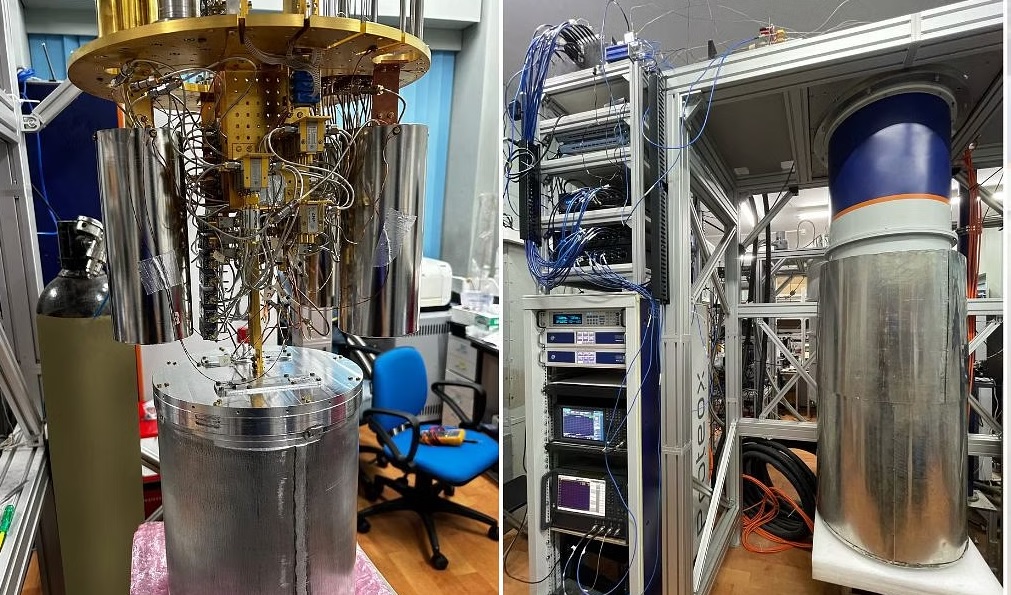
Space & Technology
In a groundbreaking development for India's quantum computing ambitions, scientists from the DRDO Young Scientists Laboratory for Quantum Technologies (DYSL-QT) in Pune and the Tata Institute of Fundamental Research (TIFR) in Mumbai have successfully tested a 6-qubit quantum processor. This achievement marks a significant milestone in the country’s pursuit of advanced quantum computing capabilities, potentially revolutionizing the future of computing, cryptography, and data processing.The 6-qubit processor, based on superconducting circuit technology, was tested end-to-end at TIFR's Colaba campus in Mumbai. This complex process involved submitting a quantum circuit via a cloud-based interface, executing the program on the quantum hardware, and then retrieving the computed results through the cloud. The successful completion of these steps demonstrates the maturity of the technology and the collaborative efforts between DYSL-QT, TIFR, and Tata Consultancy Services (TCS), which provided the cloud interface for the quantum hardware.The qubits, the fundamental units of quantum computation, were meticulously designed and fabricated at TIFR. Unlike classical bits that are binary, qubits can exist in multiple states simultaneously due to the principles of quantum mechanics, enabling quantum computers to perform complex calculations at unprecedented speeds. The quantum processor developed by these Indian scientists utilizes a novel ring-resonator design, a unique approach that enhances the coherence time and stability of qubits, which are critical factors for the reliable operation of quantum computers.The control and measurement apparatus for the quantum processor was assembled using a combination of commercially available off-the-shelf electronics and custom-programmed development boards, showcasing an innovative blend of accessible technology and bespoke solutions. This intricate setup was designed by the DYSL-QT scientists, underscoring their expertise and the cutting-edge nature of this project.With the successful testing of this 6-qubit quantum processor, the team is now focused on optimizing the system’s performance. This optimization phase is crucial for refining the technology and ensuring its readiness for broader applications. Plans are already underway to make this quantum processor accessible for educational purposes, research initiatives, and as a testbed for analyzing superconducting quantum devices. This opens up new possibilities for students, researchers, and industry experts to engage with quantum technology in a meaningful way, fostering innovation and potentially leading to new breakthroughs in the field.Looking ahead, the next major goal for the team is to scale up the number of qubits, a challenge that involves not just technical advancements but also considerations of resource allocation, development time, and commercial viability. Scaling up the qubit count is essential for building more powerful and practical quantum computers that can handle a wider range of applications. The successful development and deployment of such quantum computers could revolutionize industries such as pharmaceuticals, materials science, cryptography, and artificial intelligence by solving problems that are currently intractable for classical computers.This achievement by DRDO and TIFR scientists not only puts India on the map of quantum computing research but also paves the way for future advancements that could have global implications. As the world races towards the next frontier in computing, India’s progress in quantum technology is a testament to the country’s growing capabilities in cutting-edge scientific research and innovation.
Read More → Posted on 2024-08-29 13:51:32
Space & Technology
On August 18, 2024, ISRO marked a significant milestone in its remote sensing capabilities with the successful initiation of the GNSS-Reflectometry (GNSS-R) instrument onboard the EOS-08 satellite. This advanced instrument represents a new frontier in how we observe and interpret Earth’s surface, offering a resource-efficient method to gather critical environmental data.GNSS-Reflectometry is a novel remote sensing technique that leverages signals from Global and Regional Navigation Satellite Systems (GNSS/RNSS), such as GPS and India's NavIC. Instead of relying on traditional, dedicated transmitters, GNSS-R captures signals that are naturally reflected off various Earth surfaces—ranging from oceans to agricultural lands and rivers. These reflected signals are then collected by a precision receiver housed within the satellite, which orbits the Earth at an altitude of 475 kilometers.This mode of sensing is particularly noteworthy for its efficiency. The GNSS-R instrument, developed by the Space Applications Centre (SAC-ISRO) in Ahmedabad, is India’s first space-borne precision receiver of its kind. It is lightweight, requires minimal power, and its compact size makes it ideal for deployment in large constellations, potentially allowing for faster and more comprehensive global coverage. The system operates by collecting ground-reflected GNSS signals, analyzing their power, and interpreting other signal characteristics. This data is then used to derive crucial scientific information, such as soil moisture levels, surface inundation, and ocean surface wind and wave measurements.The collected raw data is processed at the National Remote Sensing Centre (NRSC-ISRO) in Shadnagar, Hyderabad. Here, sophisticated algorithms and data processing software, developed by SAC-ISRO, are employed to generate multiple levels of data products. The primary outputs of this processing are Delay-Doppler Maps (DDMs), which provide a visual representation of the reflected signals. These DDMs are then used to calculate parameters like reflectivity and Normalized Bistatic Radar Cross-Section (NBRCS), which are essential for retrieving various scientific parameters.The instrument’s resolution capabilities are impressive. Over oceans, it can provide data with a resolution of 15 km x 15 km, while over land, it offers an even finer resolution of better than 1 km x 1 km. This makes it particularly valuable for detailed environmental monitoring. The first land data collected by the GNSS-R instrument was over the Sahara Desert, using a high-resolution mode that outperforms similar sensors like the contemporary CYGNSS. The data, processed to assess soil moisture levels, yielded results well within the expected range. A subsequent dataset from the Amazon Rainforest, acquired on August 21, was used to generate surface inundation maps, demonstrating the instrument’s sensitivity to features as narrow as sub-kilometer river widths.The instrument also began gathering ocean data on August 19, starting with a section of the Pacific Ocean. This data was crucial for assessing ocean surface conditions, such as wind speed and significant wave height. Once again, the results were consistent with expectations, affirming the instrument’s accuracy and reliability.While the GNSS-R instrument is still in its calibration and validation phase, these early results highlight its immense potential. Its ability to provide high-resolution, reliable data with minimal resource consumption positions it as a powerful tool for a wide range of scientific studies and practical applications, from agricultural monitoring to climate research and disaster management. As ISRO continues to refine and expand its capabilities, the GNSS-Reflectometry instrument on EOS-08 is set to become a cornerstone of India’s space-based remote sensing efforts.
Read More → Posted on 2024-08-28 16:59:27
Space & Technology
Air Force Secretary Frank Kendall's emphasis on securing U.S. space assets is putting immense pressure on the Air Force and Space Force budgets, as the Department of Defense grapples with the growing costs of maintaining space superiority. Since unveiling his seven mission priorities, or "operational imperatives," two years ago, Kendall has consistently stressed the critical importance of building a resilient space architecture—a task that is proving to be both complex and costly. The Strategic Imperative of Space ResilienceIn his March 2022 speech, Kendall identified space resilience as the most impactful of his operational imperatives. He highlighted the essential role that space-based capabilities, such as GPS, satellite communications, and intelligence collection, play in U.S. military operations. With adversaries like China and Russia increasingly capable of targeting these assets, Kendall argued that ensuring their security is vital for the survival and effectiveness of U.S. terrestrial forces.The creation of the U.S. Space Force in 2019 was a key step toward strengthening the military's focus on space. However, Kendall's push to prioritize space resilience means that the Space Force's budget needs to expand significantly to meet these growing demands. "We’ve only begun to define, and have not yet fully resourced, the space systems we will need to secure the nation," Kendall said, emphasizing the need for a much larger budget to develop the necessary capabilities.Budget Constraints and Growing NeedsDespite steady increases in funding since the Space Force's establishment, Kendall believes the current budget is insufficient. The Space Force's budget has nearly doubled over the past five years, reaching approximately $30 billion. However, this increase largely reflects the consolidation of space-related missions from other branches of the military rather than new investments in cutting-edge technology.For fiscal year 2025, the Space Force's budget is expected to decline slightly due to constraints imposed by the Fiscal Responsibility Act, which caps defense spending. This projected flat budget over the next five years contrasts sharply with the growing threats in space and the increasing demands from combatant commanders for space-based capabilities.General Michael Guetlein, Vice Chief of Space Operations, echoed Kendall's concerns, warning that the Space Force's ability to respond to crises could be compromised without additional funding. "We are maxing out our budget today and seeing a flat-line budget in the DoD. It’s got to change," Guetlein stated, adding that the current capability gap between the U.S. and its adversaries could reverse if investments in space do not increase.The High Stakes of Space InvestmentTodd Harrison, a defense budget expert and senior fellow at the American Enterprise Institute, reinforced the urgency of boosting the Space Force's budget. He noted that the service is attempting to enter new mission areas, such as missile tracking and space-based data transport, which will require substantial financial resources. The Space Development Agency's plan to purchase hundreds of satellites for these missions is just one example of the costly projects that lie ahead.However, securing additional funding may prove challenging. The House Appropriations Committee has proposed cutting the Space Force's FY25 budget request by about $900 million, while the Senate's funding legislation would reduce it by around $1 billion. Without a significant increase in funding, the Space Force may be forced to make difficult trade-offs, potentially sacrificing some capabilities to fund others. Building a Resilient Space ArchitectureAs the Space Force continues to advocate for more funding, it is also working to define the optimal mix of satellites and other capabilities needed to adapt to emerging threats in space. This process, led by the Space Warfighting Analysis Center (SWAC), has been ongoing since 2021 and involves creating a long-term force structure for the next 10 to 15 years.The SWAC's efforts have resulted in a plan for fielding offensive and defensive systems, known as counterspace weapons, though most details remain classified. These capabilities could include cyber and electronic warfare systems, as well as kinetic weapons designed to protect U.S. space assets.Looking ahead, the Space Force plans to submit its first objective force design in the fall of 2025, which will outline near- and long-term funding needs. This design will be updated every five years to reflect changes in the threat environment and other factors. The Path ForwardAs Secretary Kendall's operational imperatives continue to guide the Air Force and Space Force's strategy, the challenge of securing sufficient funding for space resilience will remain a central issue. The creation of the Space Futures Command, responsible for implementing the force design, underscores the importance of this mission.While the path forward is fraught with budgetary challenges, the need to protect U.S. space assets from emerging threats is undeniable. As Kendall and other leaders push for increased investment, the decisions made in the coming years will shape the future of U.S. military operations in space and beyond.
Read More → Posted on 2024-08-28 10:50:50
Space & Technology
PTC Industries Ltd, a prominent name in the titanium industry, has made a strategic leap forward by acquiring a state-of-the-art Hot Rolling Mill. This move is set to enhance the company's ability to produce aerospace-grade titanium alloys, a critical material in both defense and aerospace sectors.The newly acquired Hot Rolling Mill will be seamlessly integrated into PTC's upcoming Strategic Materials Technology Complex in Lucknow. This facility is situated within the Uttar Pradesh Defence Industrial Corridor (UPDIC), underscoring its strategic importance. The complex will serve as a hub for producing titanium alloy ingots and billets, which are essential inputs for the Hot Rolling Mill.This acquisition marks a significant step in PTC's journey toward achieving full vertical integration within the titanium alloy sector. By incorporating the Hot Rolling Mill, PTC will now offer an extensive range of products including titanium alloy ingots, billets, bars, rods, castings, plates, and sheets. This expansion is particularly noteworthy for its impact on the production of thinner titanium sheets. These sheets are crucial for applications in aerospace engineering, such as aircraft wings, as well as in marine engineering and corrosion-resistant components for ships.The Strategic Materials Technology Complex in Lucknow is set to become a global leader in titanium recycling and remelting. PTC Industries is investing substantially in advanced technology and infrastructure to uphold the highest quality standards in its production processes. This new facility will not only cater to the increasing demand for high-performance titanium alloys but also drive innovation and sustainability in the industry.The acquisition of the Hot Rolling Mill signifies a pivotal moment for PTC Industries Ltd, reinforcing its position as a key player in the titanium sector and expanding its capacity to meet the evolving needs of the aerospace and defense industries.
Read More → Posted on 2024-08-27 15:52:54
Space & Technology
India’s space ambitions continue to soar as the Indian Space Research Organisation (ISRO) has completed the designs for its next lunar missions, Chandrayaan-4 and Chandrayaan-5. ISRO Chairman S. Somanath confirmed on August 20, 2024, that the space agency is now seeking government approval to move forward with these ambitious projects. Chandrayaan-3’s success has set the stage for more complex lunar missions, which aim to push the boundaries of India’s space capabilities.Chandrayaan-4: A Leap in Lunar ExplorationThe Chandrayaan-4 mission is designed with cutting-edge objectives, including returning lunar soil and rock samples to Earth, marking a first for India. The mission will involve a soft landing on the moon, deploying a lander and rover, and sending a spacecraft back to Earth with lunar samples. Additionally, the mission plans to demonstrate a space docking experiment in lunar orbit—a complex maneuver crucial for future interplanetary missions.This mission highlights India’s growing expertise in space exploration, with targeted technology developments like in-orbit rendezvous and sample-return capabilities. ISRO’s timeline sets Chandrayaan-4’s launch around 2028, giving it ample time to test and refine these advanced systems.Chandrayaan-5: Building on MomentumWhile details of Chandrayaan-5 are less publicly known, it is expected to build on the success and learnings from Chandrayaan-4. With its focus likely on more advanced exploration objectives and long-term lunar operations, this mission reflects ISRO’s steady progression towards sustainable space exploration.Expanding India’s Satellite Fleet: 70 Satellites in 5 YearsApart from lunar missions, ISRO is gearing up for a robust satellite launch schedule. Over the next five years, the agency plans to launch 70 satellites catering to various government needs. Among these are four NAVIC satellites to enhance India’s regional navigation capabilities, INSAT-4D weather satellites for improved meteorological data, and the RESOURCESAT and CARTOSAT series, which are critical for remote sensing and high-resolution imaging.ISRO is also preparing for the next generation of ocean monitoring satellites under the Oceansat series, and technology demonstration satellites that will test electric propulsion systems and quantum key distribution technologies, potentially pioneering secure communication networks.Gaganyaan and Other Projects on the HorizonThe Gaganyaan mission, India’s first human spaceflight project, is steadily progressing, with the first unmanned mission scheduled for December 2024. The rocket stages, crew module, and service module are nearing completion and are set for integration at the Satish Dhawan Space Centre. This mission marks a critical milestone, and all systems are expected to be in place for final testing within the coming months.In addition, ISRO is working on data relay satellites essential for Gaganyaan’s success, and high-throughput satellites aimed at improving internet connectivity across the country. The GSAT satellite is already in the final stages and is being prepared for a Falcon rocket launch from SpaceX in the United States.Re-Evaluation of the Venus MissionAmidst all these developments, ISRO has decided to pause its planned mission to Venus for re-evaluation. While Venus exploration remains a priority, the agency is currently focused on more immediate projects, leaving the Venus mission on hold for now.ISRO’s roadmap is packed with both exploratory and practical missions that underline India’s expanding role in the global space landscape. From bringing lunar samples back to Earth to launching a wide array of satellites that will serve various government functions, ISRO is solidifying its position as a major space power. The next few years are set to witness major advancements as India continues to push its space exploration frontiers.
Read More → Posted on 2024-08-24 15:02:48
Space & Technology
In a landmark achievement for India’s space technology, the Tamil Nadu-based start-up Space Zone India, in collaboration with the Martin Group, successfully launched the country’s first reusable hybrid rocket, ‘RHUMI-1.’ The launch took place at Thiruvidandhai, near Chennai, marking a significant milestone in India’s evolving space sector. The rocket, designed to serve both scientific and commercial purposes, carried a payload of 53 satellites—3 CubeSats and 50 PICO satellites—into a suborbital trajectory.RHUMI-1, a product of years of innovation and research, has been designed with advanced technology to balance the benefits of liquid and solid fuel systems. The hybrid motor uses a generic fuel mix, offering a more efficient and cost-effective solution compared to traditional propulsion systems. The rocket’s uniqueness lies in its pyrotechnic-free design, which eliminates the need for TNT, making it one of the safest hybrid rockets of its kind. Additionally, it features an electrically triggered parachute deployer for smooth recovery and reusability, setting a new standard in the global space industry.The mission, spearheaded by Anand Megalingam, the founder of Space Zone India, was carried out under the mentorship of Dr. Mylswamy Annadurai, the former director of ISRO Satellite Centre (ISAC). The launch represents a shift in India’s space initiatives toward sustainability, efficiency, and cost reduction, especially in small satellite deployment.The satellites aboard RHUMI-1 will focus on collecting data for research on global warming and climate change, addressing urgent environmental concerns. This mission reflects Space Zone India’s commitment to offering low-cost, long-term solutions for space research, while also making technology accessible to a wider audience.Space Zone India is not just focused on launches but also on building a strong foundation for the future of India’s aerospace sector. The company actively engages with educational institutions, offering hands-on training in satellite technology, rocket technology, and aerodynamic principles. Their flagship project, the ‘Dr. APJ Abdul Kalam Students Satellite Launch,’ involved over 2,500 students from across India in designing and building satellite launch vehicles, highlighting the company’s dedication to fostering young talent.The successful launch of RHUMI-1 demonstrates India’s growing capabilities in space exploration and its ability to integrate advanced technologies with cost-effective strategies. This achievement is not only a step forward for Space Zone India but also a promising development in India’s efforts to lead in the global space arena.
Read More → Posted on 2024-08-24 14:57:38
Space & Technology
On National Space Day 2024, the Indian Space Research Organisation (ISRO) marked a major milestone by publicly releasing the science data collected by the Chandrayaan-3 mission. The event, held in New Delhi and presided over by Dr. Jitendra Singh, Minister of State for Space, showcased India’s commitment to advancing lunar research. The datasets, now available to the global scientific community and the general public, offer fresh insights into the Moon’s southern high latitudes, where the Chandrayaan-3 mission successfully soft-landed on August 23, 2023.The Chandrayaan-3 mission, which consisted of the Vikram Lander, Pragyan Rover, and a propulsion module (PM), has been a monumental success for ISRO. After landing, the rover traversed approximately 101 meters, exploring the lunar surface while conducting detailed studies. The mission’s instruments collected in-situ data on various scientific aspects such as seismic activity, thermo-physical properties of the soil, plasma conditions, and the elemental composition of the Moon’s surface. This data provides unprecedented knowledge of a relatively unexplored region of the Moon, deepening our understanding of its geology and environment.The data release is being managed by the Indian Space Science Data Center (ISSDC), which is the designated hub for archiving and disseminating data from all of ISRO’s planetary missions. The data has been standardized using the Planetary Data System-4 (PDS4) format, ensuring it meets international best practices and can be easily accessed and utilized by researchers worldwide.The Chandrayaan-3 datasets are hosted on PRADAN (Policy-based data Retrieval, Analytics, Dissemination, and Notification system), a web application developed by ISSDC specifically for this purpose. PRADAN allows scientists and researchers to browse, download, and analyze the mission data conveniently. This system offers a seamless user experience for accessing data related to lunar seismicity, thermal characteristics, plasma behavior, and more. All datasets have undergone rigorous peer review to guarantee accuracy and relevance.The Chandrayaan-3 mission has not only demonstrated India’s growing prowess in space exploration but also contributes significantly to global lunar research. By making this data freely available, ISRO continues its tradition of fostering international collaboration and supporting scientific discovery. This release is expected to drive new research projects, spark innovative theories, and lead to a deeper understanding of our celestial neighbor.
Read More → Posted on 2024-08-24 14:56:18Search
Top Trending in 24 Hours
-
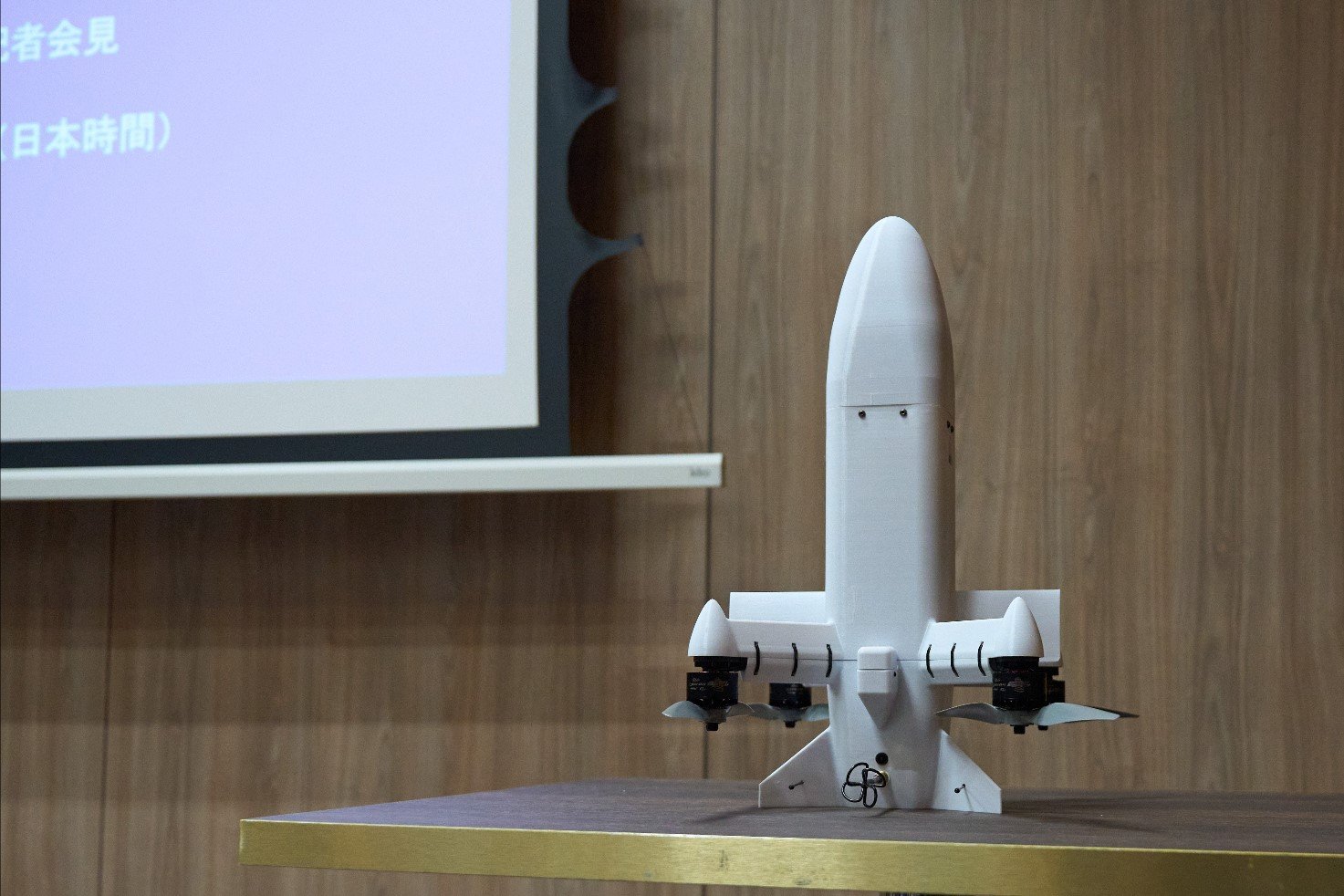 Japan Selects Terra Drone’s Terra B1 for Mass Production of Interceptor UAVs
-
 Russia Equips Shahed and Geran Drones With Electronic Warfare Systems to Jam Ukrainian Interceptor Video Links
-
 Austria Receives First Modernized Leopard 2A4Ö Tank and Ulan NV Infantry Fighting Vehicle
-
 Ukraine Reduces Use of Western Tanks as Cheap Drones Become a Major Battlefield Threat
-
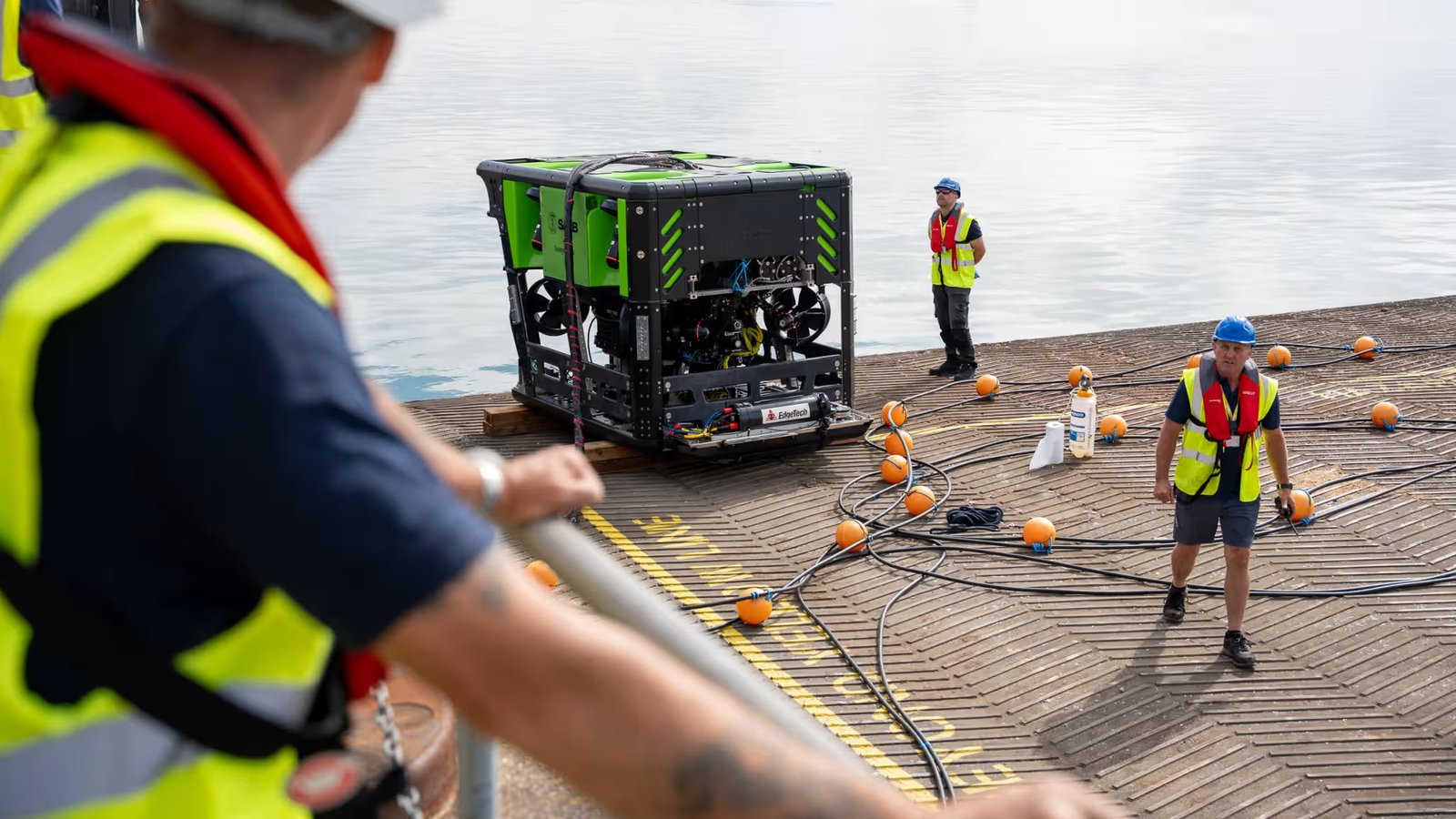 Saab UK Completes Key Trials of Seaeye SR20 eWROV, Moves to Next Development Phase
-
 Mystery Chinese J-20-Like Object Seen at Former Airport Was a Firefighting Training Mock-Up
-
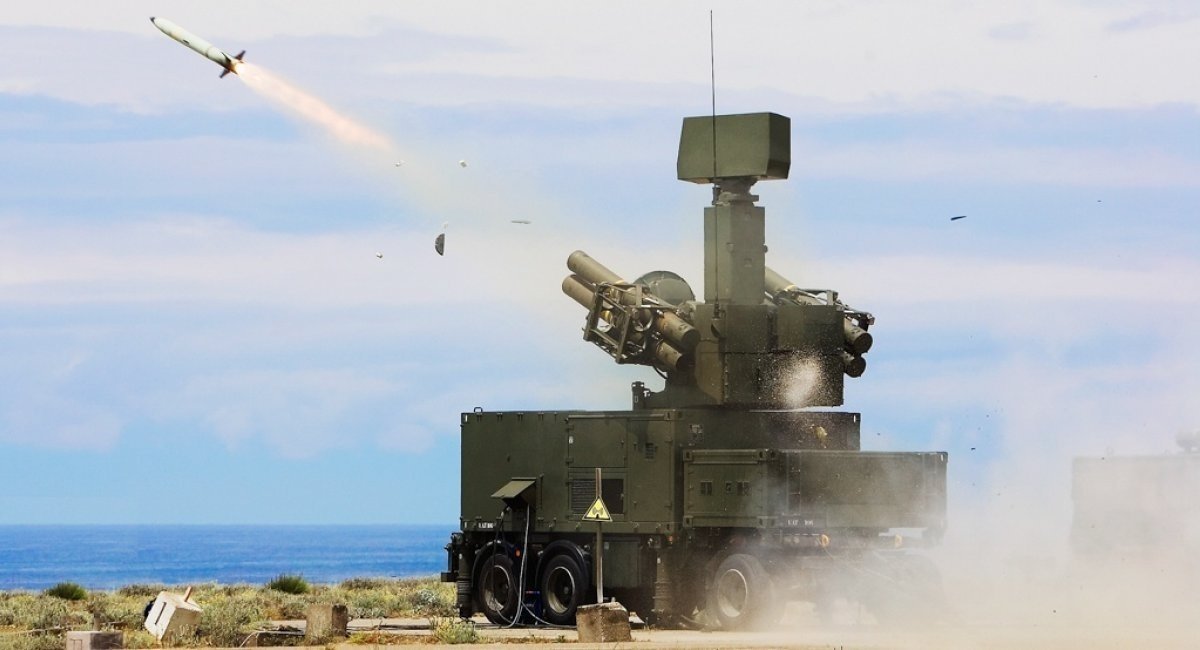 Ukraine Confirms Crotale Air Defense System Transfers from France, Additional Patriot Interceptors and AIM Missiles as Europe Expands Defense Support
-
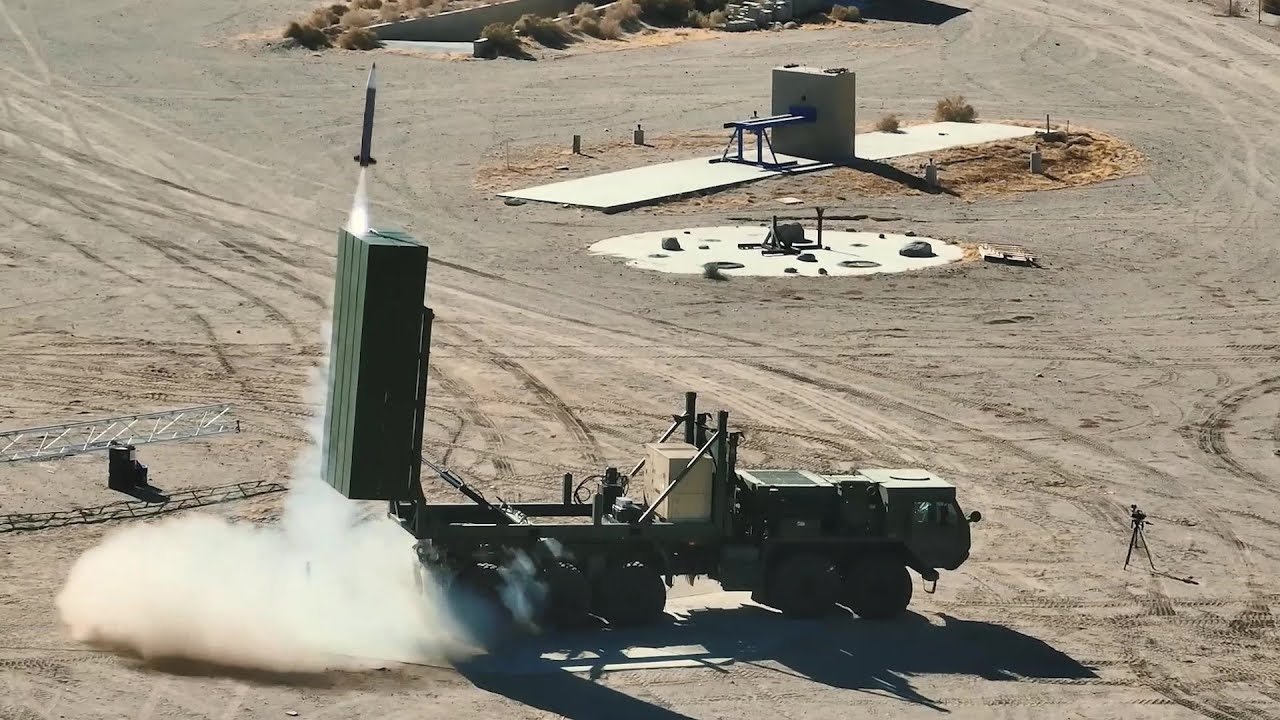 U.S. Navy Awards Castelion Nearly $90 Million to Advance Blackbeard Hypersonic Weapon
Top Trending in 4 Days
-
 Iran Reveals Underground Weapons Manufacturing Facility for First Time on State TV
-
 U.S. Navy Unveils New AIM-424 ‘Malice’ Air-to-Air Missile With 463+ km Range for F-35C, Super Hornet and F/A-XX
-
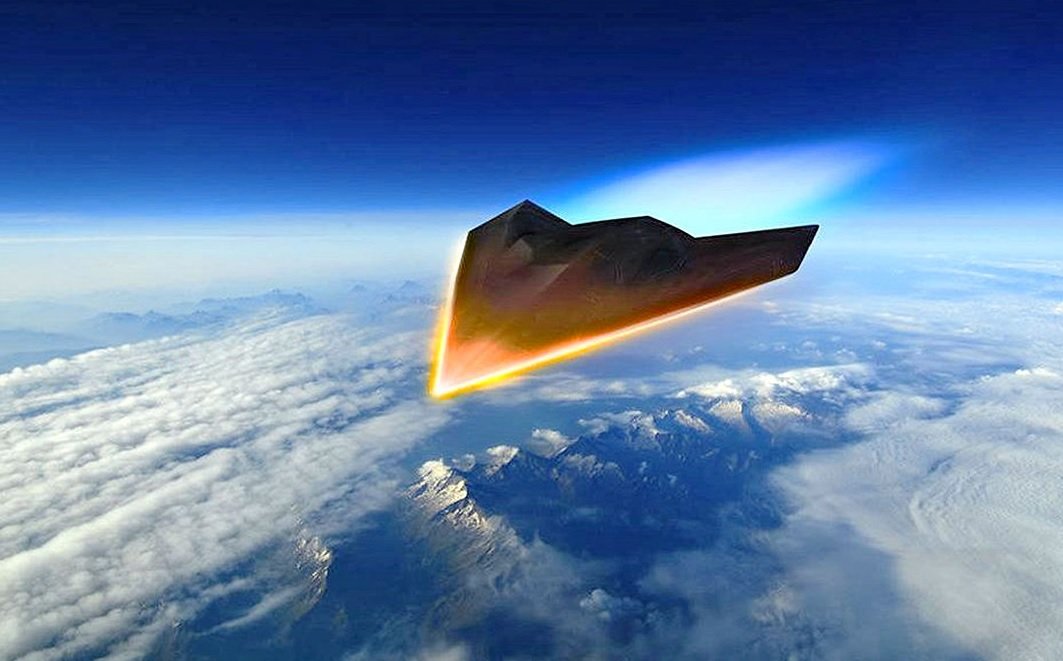 China Develops Hypersonic Glide Vehicles Capable of Launching Air-to-Air Missiles Mid-Flight
-
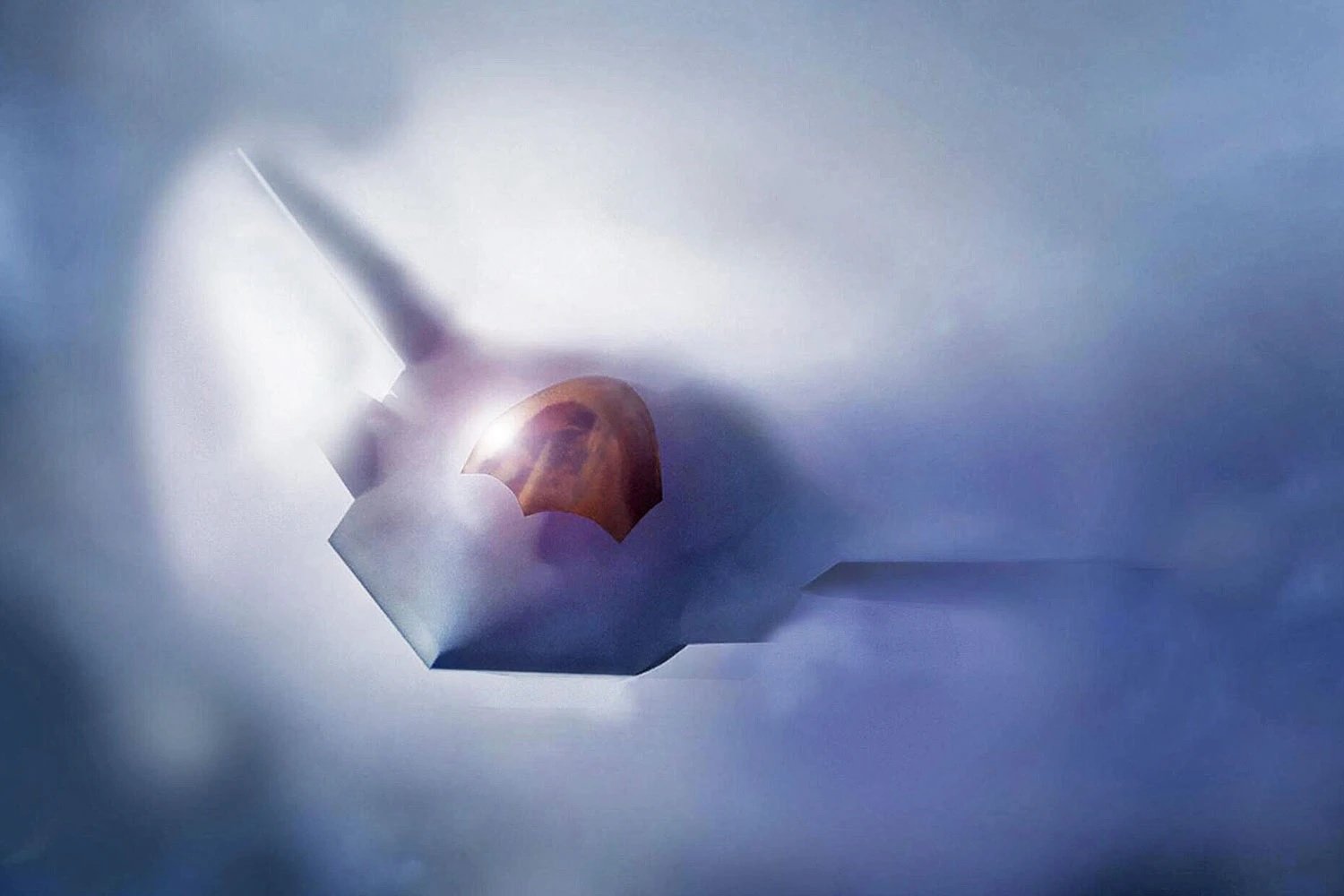 Israel Explores Potential Acquisition of U.S. F-47 Sixth-Generation Fighter
-
 Iran-Linked Hackers Shut Down UK Power Plant for Four Days in First Known Attack
-
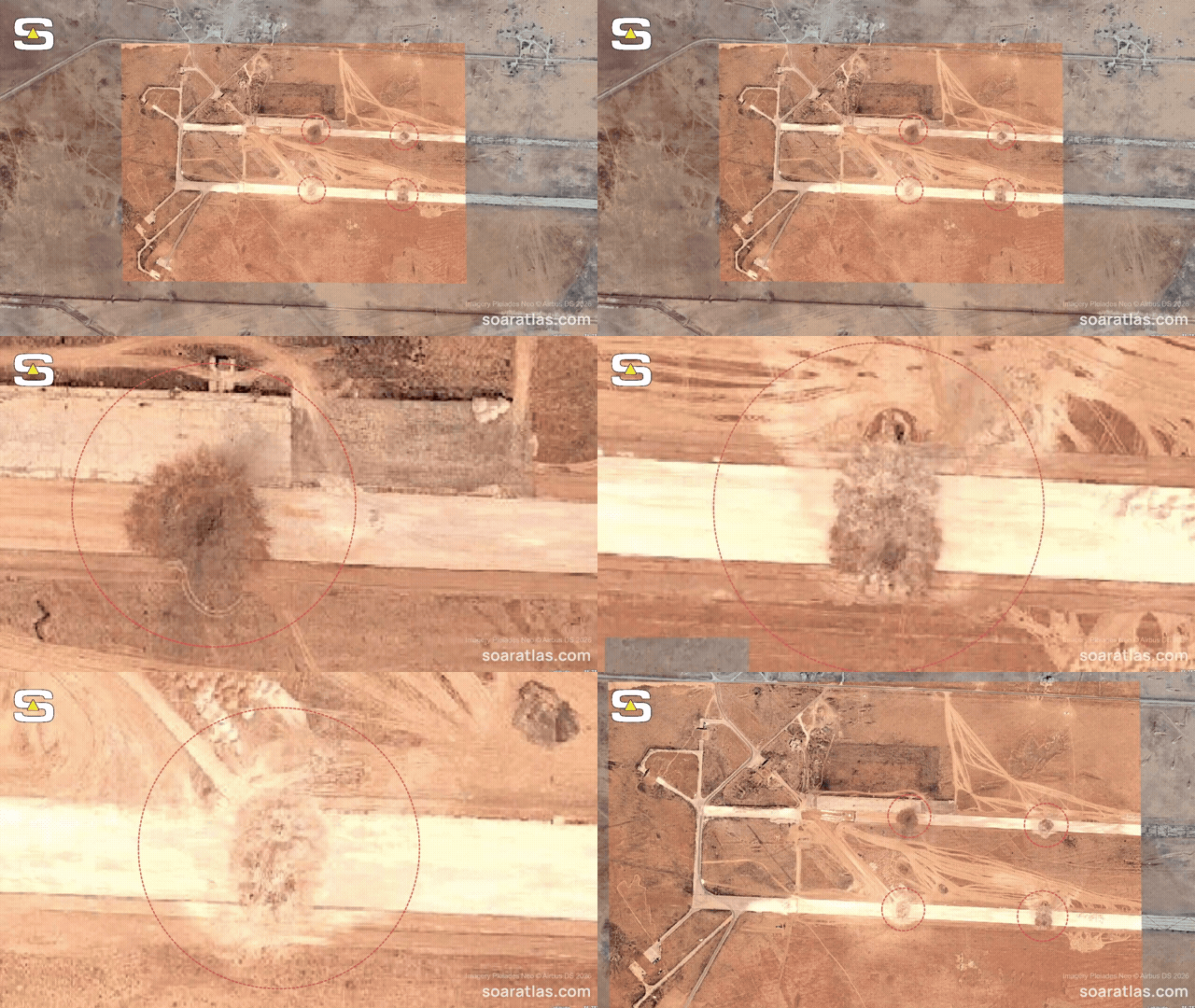 Satellite Imagery Shows Damage From Israeli Strikes on Turkey Military Occupied Syria’s Abu al-Duhur Airbase
-
 Ukraine Holds World’s First Unmanned Military Parade on 35th Independence Day
-
 UAE Completes Protective Metal Structures Around Fuel Tanks Near Dubai International Airport