Space & Technology
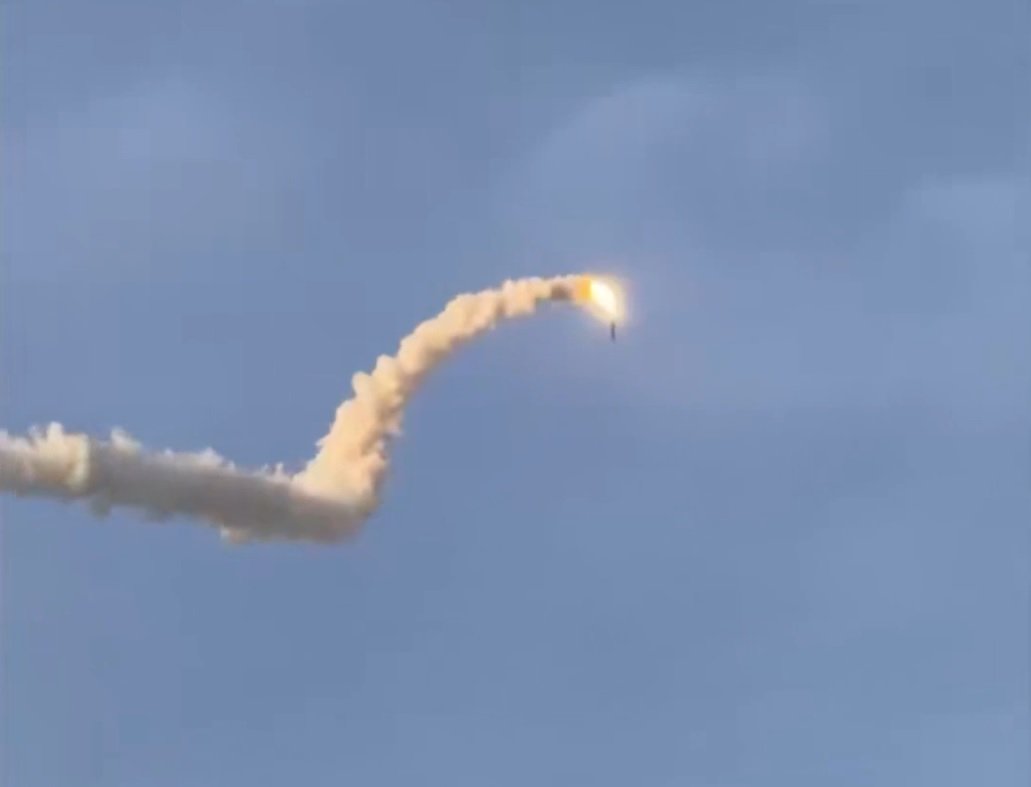
Pingtung County, Taiwan — Taiwan’s first domestically developed satellite launch vehicle failed during its maiden flight test on Wednesday, August 19, 2026, after veering off course shortly after liftoff. The solid-fuel rocket, developed by the National Chung-Shan Institute of Science and Technology (NCSIST), was launched from the Jiupeng Base in Pingtung County at around 6:00 a.m. local time. NCSIST said the rocket developed a trajectory anomaly during the initial stage of flight. Ground telemetry detected abnormal rotation and a deviation from the planned flight path, prompting operators to activate the vehicle’s pre-planned self-destruct system. The rocket and debris fell in an uninhabited mountainous area within the designated safety control zone. No injuries or property damage were reported. Before the launch, authorities had established a safety exclusion zone covering a radius of 20 nautical miles (about 37 km) and extending to an altitude of 100,000 feet (about 30.48 km). NCSIST had also issued notices for sea and air firing activities at Jiupeng from August 19 to 21, 2026, including artillery and uncrewed aircraft system operations. Residents near the base reported seeing the rocket briefly climb before turning away from the sea toward the mountains. Some initially believed they were seeing a missile. Videos shared online showed the vehicle changing direction before falling, with smoke rising from the hillside. The Pingtung County Government called for further launch tests to be suspended and asked NCSIST to conduct a thorough review of its procedures. It also requested that future flight paths avoid Indigenous villages and other residential areas. NCSIST has sent personnel to the county government and the Mudan and Manzhou township offices to explain the safety measures and hear local concerns. NCSIST said engineers will analyse the telemetry collected during the brief flight to determine the cause of the failure and make necessary design changes. Possible areas under investigation include the propulsion or gyroscope systems and weight distribution, although the exact cause has not yet been confirmed. The project is a scientific research effort to develop a solid-fuel rocket capable of placing satellites into low Earth orbit. Project lead Lai Yu-hsuan said the work builds on NCSIST’s solid-rocket technology and has no other purpose. The program is separate from TASA’s liquid-fuel rocket program. No satellite was carried during the test. The objective was to collect flight data and validate the vehicle’s systems. This was the first flight test of Taiwan’s domestically developed launch vehicle. Taiwan has previously relied on foreign launch services for its satellites. Separately, the Taiwan Space Agency (TASA) is working toward domestic orbital launch capability, including plans for a rocket capable of carrying a 200-kilogram satellite into orbit by around 2034 and the establishment of a dedicated launch facility in Pingtung. NCSIST said it will use the data from the August 19, 2026 flight to refine the vehicle before any further tests.
Read More → Posted on 2026-08-22 14:55:51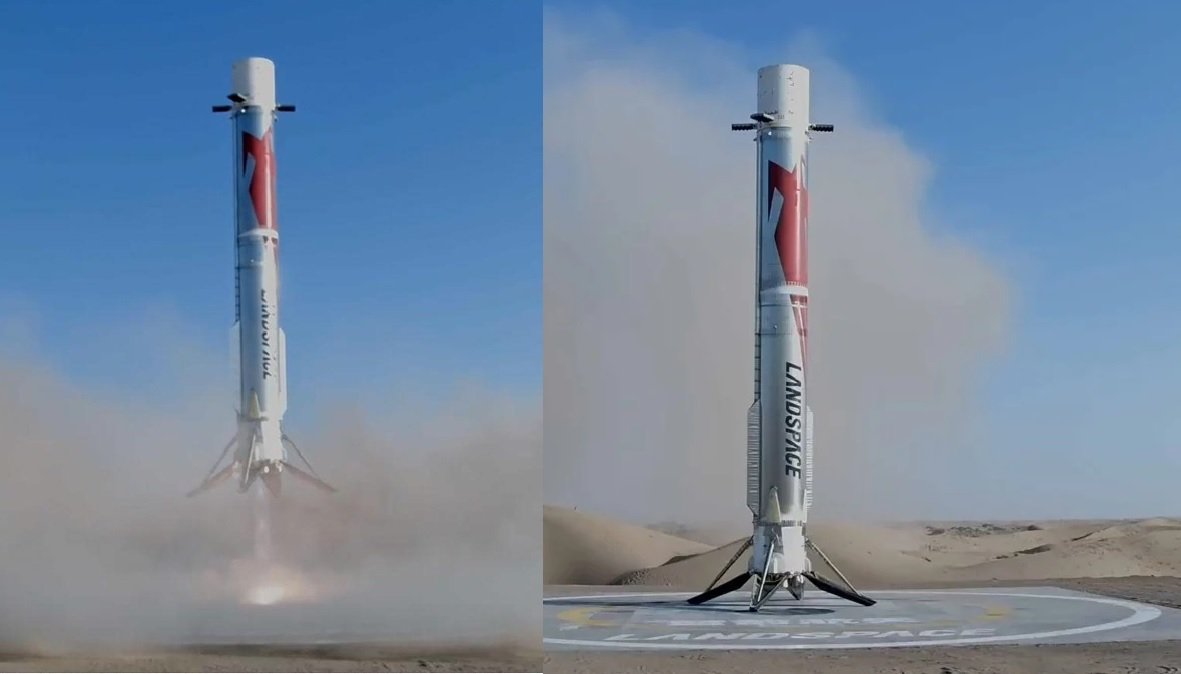
Space & Technology
BEIJING, China — China’s private aerospace company LandSpace successfully launched its Zhuque-3 Y2 rocket and recovered its first-stage booster on land on Wednesday, marking China’s first successful land-based recovery of an orbital-class rocket booster using deployable landing legs. The 66.1-meter-tall rocket lifted off at 7:35 a.m. Beijing Time from the Dongfeng Commercial Space Innovation Pilot Zone in northwest China, part of the Jiuquan Satellite Launch Center. About 137 seconds after liftoff, the first and second stages separated. The second stage successfully placed the Honghu-03 commercial internet satellite, developed by LandSpace affiliate Hongqing Technology, into its designated orbit. The first stage then carried out its planned return sequence, including high-altitude attitude adjustment, powered deceleration during re-entry, aerodynamic glide control using grid fins, a final landing burn and deployment of landing legs. The booster traveled about 390 kilometers downrange before making a vertical landing at the designated Zhuque-3 recovery site in Minqin County, Gansu Province, at around 7:41–7:43 a.m. Beijing Time. LandSpace confirmed the launch and recovery mission was a complete success. The achievement also marks the first time a Chinese launch vehicle has completed this type of vertical landing after an orbital mission. pic.twitter.com/ws1OLj1TpJ — Mao Ning 毛宁 (@SpoxCHN_MaoNing) August 19, 2026 Reusable Rocket Design Zhuque-3 is a two-stage, stainless-steel rocket with a diameter of about 4.5 meters. It uses liquid oxygen and methane propellants, while its first stage is powered by nine Tianque-12A engines. The rocket is designed for low-cost, high-frequency commercial launches, with the first stage intended to be reused up to around 20 times. LandSpace has indicated that it plans to inspect and potentially reuse a recovered booster within about six months. Second Zhuque-3 Flight The mission was the second flight of Zhuque-3. During its December 2025 maiden flight, the rocket successfully reached orbit, but the first-stage recovery attempt ended with an anomaly during the final landing burn. For the Y2 mission, engineers applied improvements based on the earlier flight, including refinements to the landing propulsion approach and enhancements to the onboard autonomous flight safety system. The successful recovery provides flight-verified data on the booster’s complete return process, from high-speed flight and re-entry to controlled landing. China’s Two Booster Recovery Methods The Zhuque-3 recovery follows the July 10, 2026 sea-based recovery of a Long March-10B first stage by state-owned China Aerospace Science and Technology Corporation (CASC), which used a net-capture system on a recovery vessel. China has now demonstrated controlled recovery of orbital rocket stages through both sea-based net capture and land-based vertical landing methods. LandSpace is also in the inquiry phase for an IPO on the Shanghai Stock Exchange’s STAR Market, aiming to raise 7.5 billion yuan with a profitability target for 2029. The Zhuque-3 mission moves LandSpace closer to its planned reusable commercial launch operations and supports China’s broader development of reusable launch technology aimed at reducing satellite launch costs and enabling more frequent launches.
Read More → Posted on 2026-08-19 11:12:51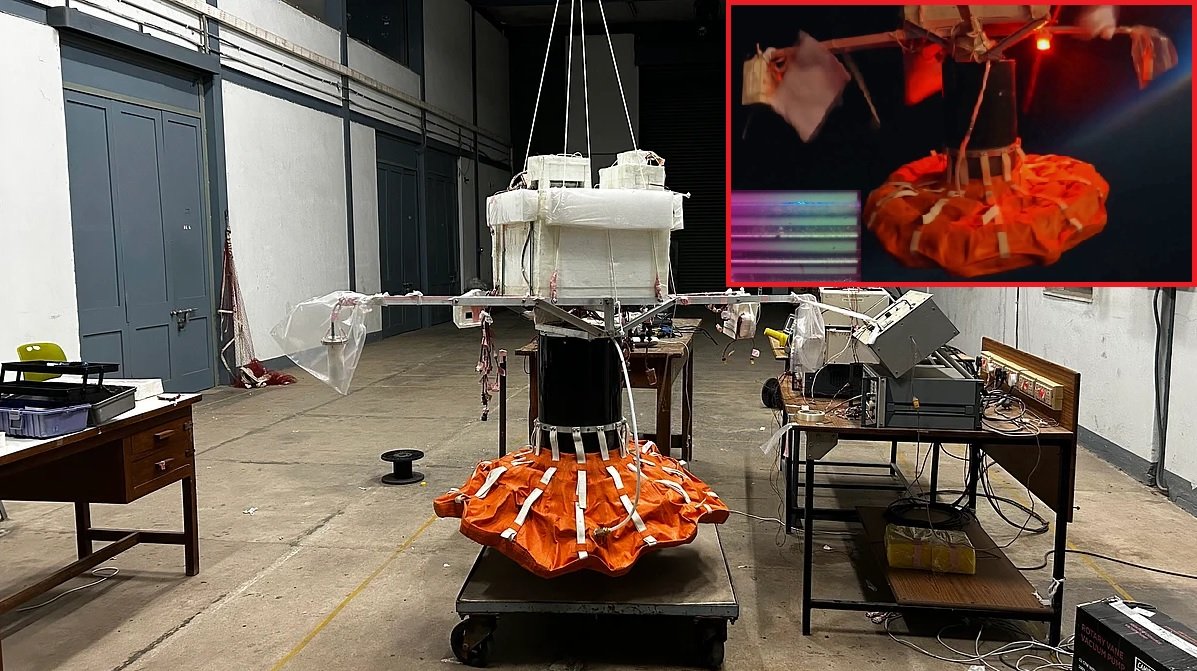
Space & Technology
Bhubaneswar, Odisha — Bhubaneswar-based space-tech startup Serendipity Space has successfully tested Alchemy, its autonomous pharmaceutical manufacturing module, during a near-space mission, demonstrating the company’s approach to pharmaceutical processing in microgravity. The startup, founded in 2024, completed the mission with a team of eight and operated an orbital-class vehicle prototype under near-space conditions. The system carried out pharmaceutical crystallisation and the resulting crystals were preserved through the return and recovery process. Serendipity Space is developing reusable satellite systems designed to process pharmaceutical compounds in microgravity and return the products to Earth. The company’s website identifies Alchemy as part of its technology for processing pharmaceutical compounds in space and describes its planned reusable satellites as having re-entry capability. Bhubaneswar-based Serendipity Space (@serendipityind) has successfully tested India’s first autonomous pharma factory, Alchemy, on a near-space mission.It crystallized drug compounds and preserved them during recovery, testing key tech for future microgravity manufacturing. pic.twitter.com/bNHhoX6Z8W — Runtime (@RuntimeBRT) August 14, 2026 Near-Space Mission And Alchemy Module The mission used a stratospheric balloon platform, drawing on expertise from scientists at the Tata Institute of Fundamental Research (TIFR) Balloon Facility in Hyderabad. During the flight, the Alchemy module operated continuously in harsh conditions and performed crystallisation of commercial monoclonal antibody therapeutics and small molecules. The payload also included additional proteins intended for drug-discovery work. The test was not limited to pharmaceutical processing. It also provided an opportunity to validate technologies required for the company’s planned orbital systems, including avionics and advanced heat-shield systems for controlled return and touchdown. The successful recovery of the vehicle allowed the company to examine the pharmaceutical material after its near-space processing and return. Why Microgravity Matters For Pharmaceutical Crystallisation Serendipity Space’s technology is based on the effects of microgravity on crystal formation. On Earth, gravity produces processes such as sedimentation, buoyancy and convection currents. These can interfere with crystal growth and contribute to defects in pharmaceutical crystals. In microgravity, these effects are significantly reduced, allowing crystals to grow under different conditions. Serendipity Space says its objective is to use microgravity to produce higher-quality pharmaceutical compounds and materials. The company has specifically focused on protein and drug crystallisation. Its earlier funding announcement described the inability to produce certain high-quality protein and drug crystals on Earth because of gravity-related defects as a key problem it is seeking to address. Potential Application For Protein-Based Medicines The company has highlighted monoclonal antibody medicines such as Keytruda (pembrolizumab) as an example of the challenges associated with highly concentrated protein formulations. At high concentrations, large protein molecules can interact and form highly viscous formulations, creating difficulties when trying to deliver large quantities through a conventional injection. Microgravity-grown crystals can provide a different structure and greater uniformity. The company’s approach is aimed at using these properties to support the development of more concentrated formulations. Serendipity Space also proposes a “mother batch” approach. Instead of manufacturing every commercial batch in space, a relatively small quantity of high-quality crystals produced in microgravity could serve as a template or seed for larger production batches on Earth. From Prototype To Orbital Manufacturing Serendipity Space was founded in 2024 by Antariksh Parichha, CEO; Jivitesh Debata, CTO; and Dr. Monica Ekal, Chief of Space Systems. The company is based in Bhubaneswar and is developing reusable satellites capable of autonomously processing pharmaceutical compounds in low Earth orbit and returning them to Earth. In July 2025, the company announced that it had raised pre-seed funding from Campus Fund to advance its space-based pharmaceutical manufacturing technology and validate key systems for Alchemy. Following the funding, the team brought together pharmaceutical scientists and aerospace engineers. According to the company’s mission account, it designed and built a functional satellite prototype, conducted a month-long test campaign and completed the near-space flight in less than six months. The latest demonstration builds on that development effort by testing pharmaceutical processing together with spacecraft systems required for future reusable missions. Next Step: Orbital Pharmaceutical Manufacturing Serendipity Space now plans to move toward full orbital manufacturing and return missions. Its long-term objective is to provide microgravity-based pharmaceutical processing services to pharmaceutical companies using reusable satellite platforms. The company’s stated technology roadmap involves producing pharmaceutical compounds in microgravity and returning them to Earth, rather than requiring every commercial manufacturing operation to take place in orbit. The near-space mission therefore represents a technology demonstration between laboratory development and the company’s planned orbital manufacturing systems. The validation of autonomous processing, spacecraft avionics, thermal protection and controlled recovery provides the basis for further development of Serendipity Space’s reusable pharmaceutical-manufacturing platform. Serendipity Space has also previously signed a memorandum of understanding with Siksha ‘O’ Anusandhan Deemed to be University in Bhubaneswar to collaborate on crystallisation experiments under laboratory, simulated-microgravity and spaceflight conditions.
Read More → Posted on 2026-08-14 14:17:47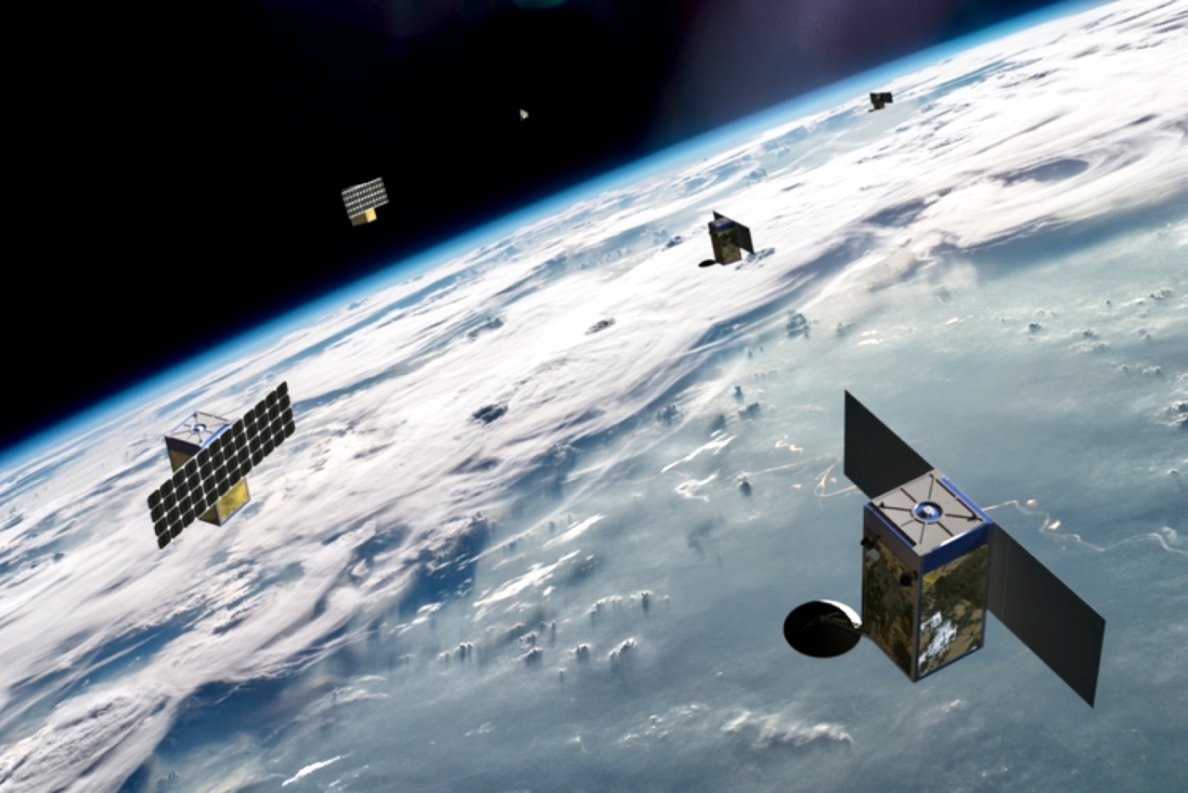
Space & Technology
HERNDON, Va. — BlackSky Technology Inc. (NYSE: BKSY) has secured a seven-figure, multi-year international contract to provide high-frequency satellite imagery and AI-enabled analytics to an undisclosed global customer. The agreement expands an earlier pilot program into a full operational subscription. Under the deal, the customer will receive access to BlackSky’s Gen-2 and Gen-3 low Earth orbit (LEO) satellite constellations. The contract uses BlackSky’s two subscription services. Its On-Demand service provides global coverage, while the Assured subscription provides priority access to tasking capacity and analytics over designated regional areas. Gen-2 and Gen-3 satellite capabilities BlackSky’s Gen-2 constellation is designed for high-frequency monitoring, including dawn-to-dusk observation. The company’s Gen-3 satellites provide 35-centimeter-class imagery and are being added to the existing constellation. BlackSky has said the two satellite generations are designed to complement each other. Gen-2 provides high-frequency monitoring and time-diverse imagery, while Gen-3 provides higher-resolution imagery for more detailed observation. The company has previously described the combined capability as useful for intelligence, surveillance and reconnaissance (ISR) applications. The customer will integrate imagery and analytics from both satellite generations into its existing defense command environments through Spectra, BlackSky’s tasking and analytics platform. The platform provides a centralized workflow for tasking, monitoring and analyzing information from multiple locations. BlackSky’s existing Gen-3 contracts have also demonstrated demand for the higher-resolution imagery and AI-enabled analytics. In its first-quarter 2026 results, the company reported that an international defense customer had expanded from a Gen-3 pilot to a nearly $30 million annual Assured subscription, while another international Ministry of Defense signed a $25 million multi-year subscription. AI-enabled satellite intelligence The combined Gen-2 and Gen-3 system supports automated identification and classification of objects including vehicles, aircraft and maritime vessels. BlackSky has previously said its Gen-3 imagery is used with AI-enabled analytics to provide customers with more detailed information while Gen-2 supports high-frequency monitoring. The company has also continued expanding its Gen-3 constellation during 2026. Its fourth Gen-3 satellite began delivering very-high-resolution imagery within hours of launch and entered commercial operations in less than one week, according to BlackSky. BlackSky CEO Brian O’Toole said the new agreement demonstrates the value of combining the company’s Gen-2 and Gen-3 systems, allowing customers to use high-frequency monitoring together with very-high-resolution imagery through a single workflow. The company has been converting several international pilot programs into longer-term subscriptions. In March 2026, BlackSky announced a seven-figure Assured extension contract with an international customer following an early-access program for Gen-3 imagery and AI-enabled analytics. BlackSky, headquartered in Herndon, Virginia, operates a commercial low-Earth-orbit satellite constellation and the Spectra software platform, providing satellite imagery, monitoring and AI-enabled analytics to government and commercial customers.
Read More → Posted on 2026-08-12 15:39:12
Space & Technology
WENCHANG, HAINAN — China’s Long March 7A rocket failed shortly after liftoff from the Wenchang Space Launch Site on Monday, resulting in the loss of the ChinaSat-4B communications satellite. The rocket lifted off from Launch Complex 201 at 8:02 p.m. Beijing time (12:02 UTC), according to China’s state news agency Xinhua. The launch vehicle experienced a flight anomaly shortly after liftoff, and the cause is being further analyzed. Reuters witnesses reported seeing a bright flash in the night sky after the launch, followed by what appeared to be multiple glowing fragments. The observations are consistent with the reported failure of the launch vehicle, although Chinese authorities have not yet released details on the specific technical cause. ChinaSat-4B Lost in the Failed Launch The payload aboard the Long March 7A was ChinaSat-4B, also known as Zhongxing-4B. The satellite was intended for geostationary orbit and was designed to provide radio, television and communications services. The loss means the satellite did not reach its planned orbit. Further information about the spacecraft and its intended operational role has not been released in detail by Chinese authorities following the failed mission. Second Long March 7A Failure Monday’s failure is the second known failure of the Long March 7A. The rocket made its maiden flight in March 2020, but that mission also failed after the vehicle experienced a malfunction. Chinese space engineers subsequently investigated the cause. The Long March 7A returned to flight in March 2021 and successfully placed the Shiyan-9 satellite into orbit. It then completed a series of successful missions before Monday’s failure. The Long March 7A is a three-stage variant of the Long March 7 designed for missions to higher orbits. Its configuration uses four strap-on boosters and a third stage that allows it to conduct missions involving geostationary transfer orbits. The vehicle has previously been used for a range of satellite missions. YF-100 Engines Used on the First Stage and Boosters The Long March 7A’s first stage and four boosters use YF-100 liquid-oxygen and kerosene engines. The same engine family is also used on several other Chinese launch vehicles, including the Long March 5, Long March 6 and Long March 8. However, Chinese authorities have not said that an engine problem caused Monday’s failure. The investigation remains underway, so the exact source of the anomaly cannot yet be established. Investigation Underway Xinhua reported that the cause of the failure is being further analyzed. No official explanation identifying a particular engine, stage, component or system as responsible for the anomaly has been released so far. The failure will therefore be subject to a technical investigation before the Long March 7A returns to flight. Any decision on future launches involving the vehicle or related hardware will depend on the findings of that investigation. Monday’s incident represents a failure after the Long March 7A had established a record of successful missions following its 2020 debut failure. The immediate impact on China’s wider launch schedule will depend on the results of the investigation and any corrective measures announced by Chinese authorities.
Read More → Posted on 2026-08-10 16:14:31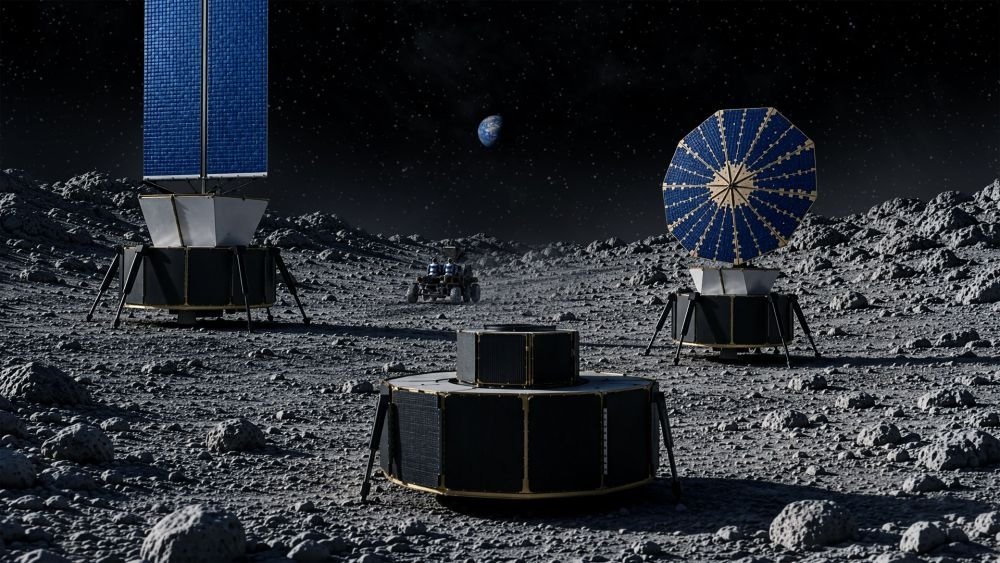
Space & Technology
DULLES, Va., — Northrop Grumman is developing three Lunar Infrastructure Demo (LID) missions to help NASA establish the power, communications and other basic systems needed for sustained operations near the lunar South Pole. The missions, designated LID-1, LID-2 and LID-3, are intended to demonstrate technologies that can support both robotic systems and future astronauts on the lunar surface. The company said the demonstrations will focus on surface power, data systems, thermal management, autonomy, communications and hosted payload services. The effort is part of NASA’s broader plan to develop a Moon Base through a phased approach. NASA’s first phase, covering the period through 2029, focuses on robotic missions, technology demonstrations and preparation for surface operations at the lunar South Pole. Testing Infrastructure for the Lunar Night One of the main objectives of the LID missions is to determine whether critical surface equipment can remain powered, protected and connected during the lunar night and in permanently or temporarily shadowed areas. The lunar environment presents major challenges for surface equipment. At the lunar South Pole, temperatures can range from about -334 degrees Fahrenheit to 130 degrees Fahrenheit, while long periods without sunlight create additional difficulties for power and electronic systems. Northrop Grumman's demonstrations are intended to provide operational data on how infrastructure performs under these conditions. The company said the missions will help develop systems capable of supporting longer-duration activities by robotic explorers and, eventually, human crews. NASA's Moon Base plan also identifies reliable power and communications as key capabilities for the early stages of lunar surface development. The agency plans to progressively expand these systems as the program moves toward longer-duration operations. Reusing HALO Technology To reduce development work and accelerate deployment, Northrop Grumman is adapting hardware and technologies originally developed for NASA's Habitation and Logistics Outpost (HALO). HALO is being developed by Northrop Grumman for NASA's Gateway lunar space station. For the LID missions, the company is adapting HALO-related power distribution, data handling and mechanical interface systems for use on the lunar surface. The approach is intended to allow NASA and Northrop Grumman to obtain performance information from actual lunar surface operations without developing an entirely new set of systems for the demonstrations. The company said the reuse of existing HALO technology can reduce development risk and allow the power and data infrastructure to be deployed more quickly. Supporting NASA's Moon Base Plans The three LID missions are designed to demonstrate infrastructure capabilities first and then provide information that can be used to scale those systems for future lunar operations. Data collected directly from the lunar surface is expected to support NASA's planning for future Artemis surface campaigns and longer-duration robotic and human missions. NASA's current Moon Base plan divides development into three phases. Phase One, running through 2029, focuses on experimentation and learning. Phase Two, from 2029 to 2032, is planned to establish early infrastructure and habitation capabilities. Phase Three, beginning in 2032, is intended to support a sustained human presence on the lunar surface. NASA has already outlined plans for early power and communications demonstrations during Phase One. The agency's Moon Base systems plan includes technologies for power generation and survival during extended periods of darkness, as well as communications systems to connect lunar surface assets with other systems and Earth. Northrop Grumman said the LID missions will contribute to this development by testing the infrastructure required to keep lunar surface assets powered, protected and connected. “As America embarks on the next chapter in human space exploration, our Lunar Infrastructure Demos will help turn the Moon into a place where astronauts can stay, work and make discoveries that benefit humanity,” said David Schiller, vice president of civil space and sciences at Northrop Grumman. “Our ready-to-fly, reliable HALO technologies allow NASA to move faster, putting in place robust infrastructure that can endure the lunar night and establish a strong blueprint for a future Moon Base.” The company has not announced specific launch dates for LID-1, LID-2 or LID-3, and cost figures for converting the HALO hardware have not been released. The missions are planned as part of the first phase of NASA's Moon Base development. Overall, the LID program is intended to provide NASA with direct operational experience with lunar surface infrastructure before larger systems are deployed to support extended human and robotic activity near the lunar South Pole.
Read More → Posted on 2026-08-08 12:07:06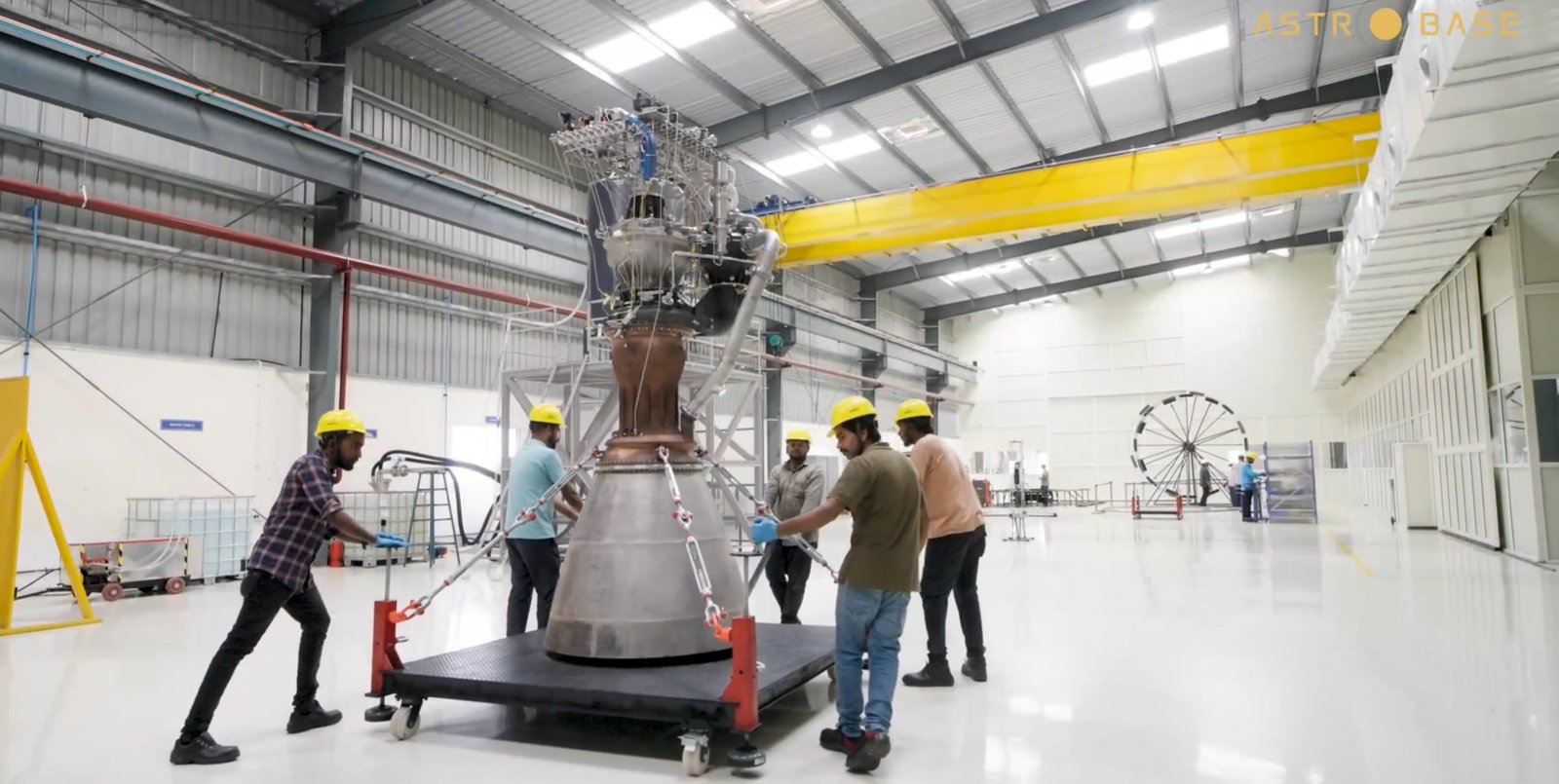
Space & Technology
BENGALURU — Bengaluru-based space startup Astrobase Space Technologies has unveiled EVEREST, India's first fully integrated 80-tonne-class (800 kN) Full-Flow Staged Combustion (FFSC) rocket engine, marking a significant milestone for the country's private space industry. Designed, manufactured, and integrated entirely in India, EVEREST is powered by liquid oxygen (LOX) and liquid methane (methalox). According to the company, the engine is intended to power future medium-lift launch vehicles and is designed with reusability in mind. EVEREST uses the Full-Flow Staged Combustion (FFSC) cycle, in which both the fuel and oxidiser pass through separate pre-burners before driving the turbopumps and entering the main combustion chamber. This propulsion architecture is designed to improve efficiency and support repeated engine use. The company said the engine produces 800 kN of vacuum thrust, has a specific impulse of around 340 seconds, and offers a throttle range of 50% to 110%. Founded in 2024 by former ISRO propulsion scientist Devakumar Thammisetty and former CoinDCX co-founder Neeraj Khandelwal, Astrobase has established a 46,000-square-foot assembly and integration facility in Bengaluru, equipped with India's largest industrial metal 3D printer for manufacturing key engine components. The company also operates a 21.5-acre propulsion test facility near Anantapur, Andhra Pradesh, where the full-engine hot-fire test is planned. Astrobase previously completed a sub-scale hot-fire test in September 2025 and high-speed turbopump testing in January 2026. The company said the next major milestone will be the full-engine hot-fire test, followed by vehicle integration and preparations for its targeted 2029 orbital flight. The company plans to manufacture up to 50 engines annually, conduct about one hot-fire test each week, and test around 20 engines before its first orbital mission. The EVEREST engine programme is supported by the IN-SPACe Technology Adoption Fund. Astrobase said the long-term goal is to develop launch-on-demand capability while expanding India's indigenous launch vehicle and reusable rocket technology. The unveiling of EVEREST comes weeks after Skyroot Aerospace's Vikram-1 mission, highlighting continued progress in India's commercial space sector.
Read More → Posted on 2026-08-07 16:13:37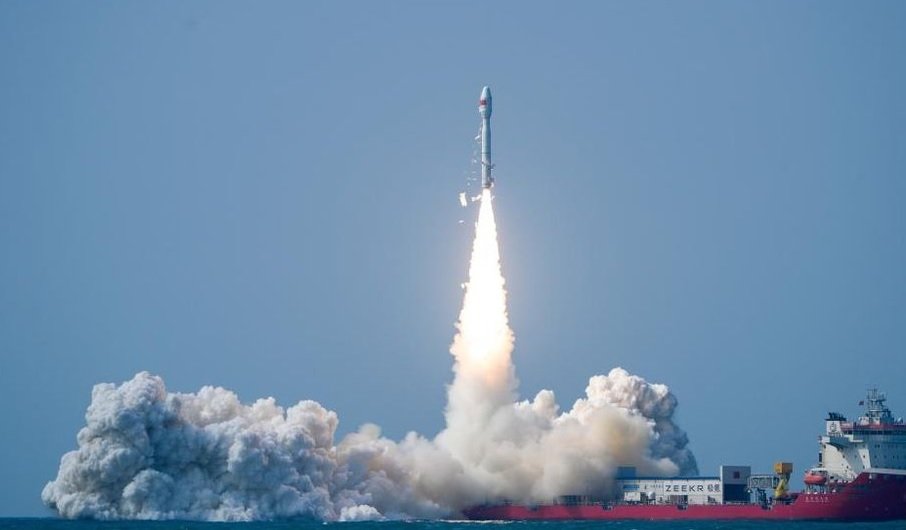
Space & Technology
BEIJING — China successfully launched two artificial intelligence-enabled hyperspectral remote sensing satellites into orbit on Wednesday using a Smart Dragon-3 (SD-3), also known as Jielong-3, solid-propellant carrier rocket from a mobile sea-based launch platform. The rocket lifted off at 10:38 a.m. Beijing Time from waters near Haiyang in eastern Shandong Province under the supervision of the Taiyuan Satellite Launch Center. The mission marked the 12th flight of the Smart Dragon-3, its fourth launch of 2026, and China's second sea-based orbital launch within two weeks. The launch placed the Oriental Smart Eye (OSE), also known as Dongfang Huiyan, hyperspectral satellites 01 and 02 into their planned orbits. Each satellite weighs approximately 300 kilograms and is designed to provide high-resolution Earth observation using onboard artificial intelligence. Sea-Based Launch Expands Mission Flexibility China has continued to increase the use of offshore launch platforms as part of its commercial and orbital launch activities. Compared with fixed inland launch sites, sea-based launches provide greater flexibility in selecting launch trajectories while reducing the risk of rocket debris falling over populated areas. The latest mission further demonstrates China's continued use of offshore launches for placing satellites into orbit. AI Processing Moves Data Analysis Into Space The two satellites are equipped with onboard artificial intelligence computing modules developed by Hangzhou-based Star Vision Aerospace Group Ltd., also referred to as STAR.VISION or Star.ai Spatio-temporal Intelligence Technology Co., Ltd. Each satellite has onboard computing capability of up to 400 trillion operations per second, enabling data processing directly in orbit instead of relying entirely on ground-based processing after image transmission. According to official information, the onboard AI system can perform tasks including: Anomaly detection Surface-feature identification Intelligent data compression Feature extraction By processing information in space, the satellites can significantly reduce the amount of raw data transmitted to Earth while shortening response times from several days to the minute level. Hyperspectral Imaging for Environmental and Resource Monitoring Unlike conventional optical imaging satellites that primarily capture photographs, the Oriental Smart Eye satellites use hyperspectral imaging technology to collect detailed spectral information for every pixel. Each satellite carries: 22 calibrated spectral bands 5-meter spatial resolution Approximately 300-kilometer imaging swath Together, the satellites are designed to provide global revisit coverage every five days. The hyperspectral sensors allow the satellites to identify different materials and measure characteristics including: Vegetation chlorophyll Plant moisture Water quality Soil organic matter Mineral composition The satellites are intended for applications in agriculture, forestry, water resource management, mining, and environmental monitoring. International Cooperation Included in Mission The two satellites are part of the broader Dongfang Huiyan spatiotemporal intelligent constellation project, which includes international cooperation. Satellite 01, also known as Lampung-1, supports cooperation with Indonesia and is intended to help monitor crop growth and assess disaster risks affecting agricultural production. Satellite 02, also called Samarkand-2028, supports cooperation with Uzbekistan and is designed for full-cycle monitoring of cotton cultivation, from sowing through harvesting. Part of a Larger Satellite Constellation The two spacecraft are also part of the broader Oriental Smart Eye Constellation program, which aims to deploy more than 200 intelligent high-resolution satellites by 2030. According to official reports, once operational the new satellites are expected to work alongside an existing high-resolution satellite already in orbit, combining wide-area surveys with more detailed observations to support high-precision Earth observation and large-scale land and sea monitoring. Smart Dragon-3 Launch Vehicle The Smart Dragon-3 is a four-stage solid-propellant carrier rocket developed by the China Academy of Launch Vehicle Technology for commercial launch missions. According to officially available specifications, the rocket: Stands about 31 meters tall Has a diameter of approximately 2.65 meters Has a liftoff mass of around 140–145 metric tons Can carry up to about 1,500–1,600 kilograms to a 500-kilometer sun-synchronous orbit The vehicle is designed to launch small and medium-sized payloads into sun-synchronous and low Earth orbits, with sea-based operations providing additional flexibility for commercial and government missions.
Read More → Posted on 2026-08-06 11:49:48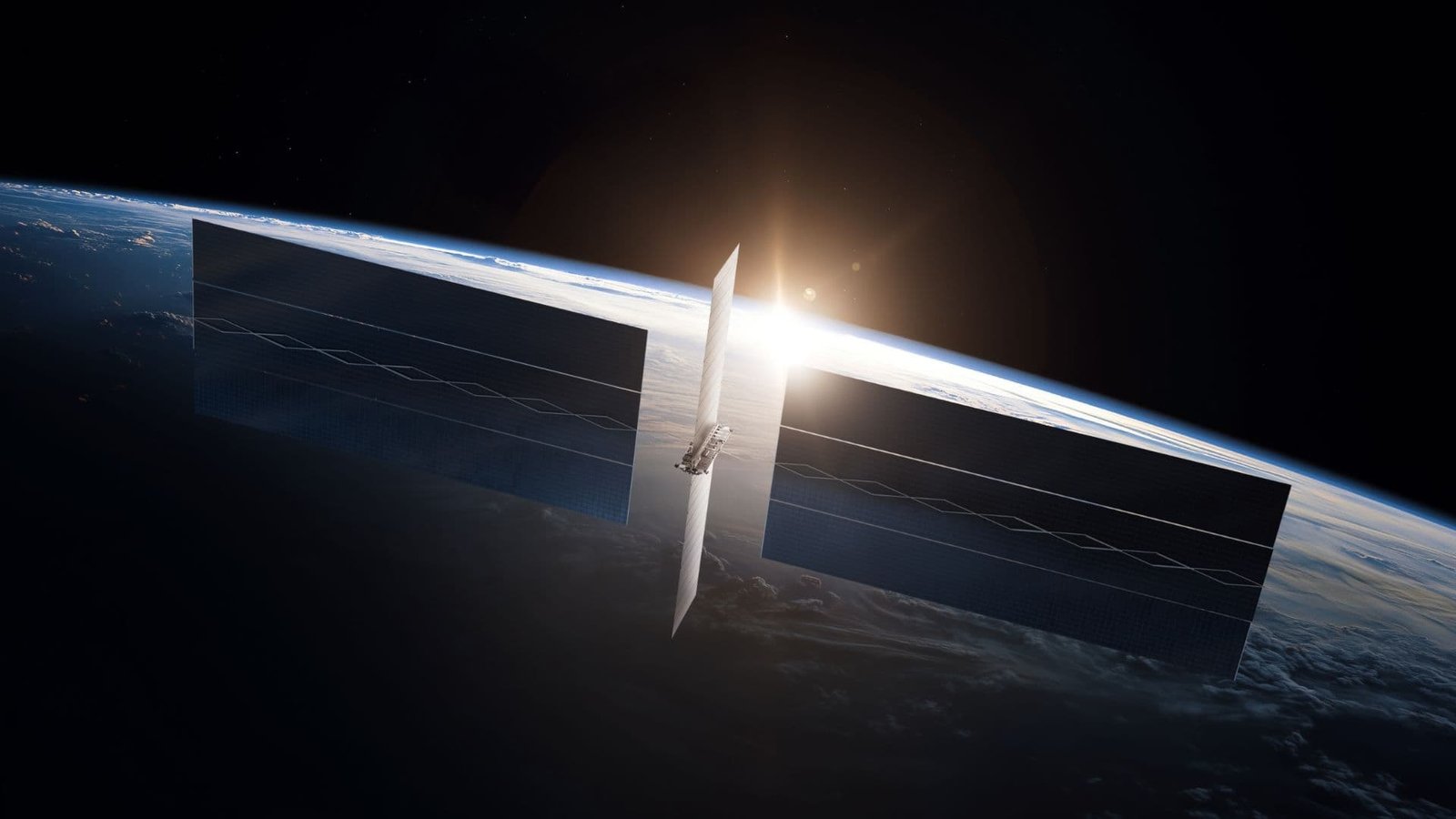
Space & Technology
HAWTHORNE, Calif. — SpaceX has announced a strategic partnership with Nvidia to develop the compute payload for its Starmind AI1 satellites, marking a major step in the company's plan to build orbital data centers capable of delivering data center-class artificial intelligence (AI) computing in space. The partnership, announced on August 4, will see each first-generation Starmind AI1 satellite equipped with Nvidia's Vera Rubin NVL72 platform, combining Rubin GPUs and Vera CPUs to handle intensive AI workloads in orbit. According to SpaceX, the same optimized server architecture developed for space missions will also be deployed in the company's terrestrial data centers. AI1 Satellite Designed as an Orbital Data Center The Starmind AI1 is the first-generation satellite for SpaceX's planned Starmind constellation and is designed to function as an orbital AI computing platform with onboard data processing capabilities. According to SpaceX's official Starmind information, the AI1 satellite has a deployed height of 30 meters and a 75-meter wingspan. It is designed to operate in sun-synchronous orbit, allowing continuous access to solar power while using the vacuum of space for thermal management through radiative cooling. The satellite's compute payload reaches 250 kilowatts at peak power and 175 kilowatts on average, with a reported vehicle efficiency of 75 kilowatts per ton. SpaceX said the platform uses a modular architecture that can support compute modules from different providers. Processed AI workloads will be transmitted back to Earth through high-bandwidth laser communication links connected to the Starlink satellite network. Nvidia Vera Rubin NVL72 Forms the Core Compute System The AI1 satellites will carry a customized version of Nvidia's Vera Rubin NVL72 system that has been adapted for space operations. According to the company, the platform combines 72 Rubin GPUs with 36 Vera CPUs in a single rack-scale architecture designed for large AI workloads. Reported specifications for the NVL72 system include: Approximately 3.6 EFLOPS of NVFP4 inference performance. 20.7 TB of HBM4 memory. 260 TB/s of NVLink bandwidth. SpaceX said the standard NVL72 architecture has been modified to withstand launch conditions, radiation exposure and the thermal environment of space while simplifying the overall system design. SpaceX Plans to Use the Same Architecture on Earth During SpaceX's earnings call, Chief Executive Officer Elon Musk said the company will build its AI infrastructure exclusively on Nvidia hardware. "We think the Vera Rubin architecture is the best architecture. We think it's the best AI computer, and we greatly value our close cooperation and partnership on many levels with Nvidia. So we're exclusive to Nvidia." Musk also said the redesigned NVL72 system developed for the Starmind satellites offers advantages over conventional rack-based data center designs. "We think the design of the NVL72 VR computer is a much better design than, say, having a standard rack style design. We expect to actually deploy this on the ground as well as in orbit, because we think it's going to be a radical simplification of the normal NVL72 rack. It will cost less. It'll be more effective. If we're going to put it in space, why not put it on the ground? I think that's going to be pretty cool." He added that the same Starmind V1 design, without the solar arrays and radiators required for space operations, will also be used in SpaceX's ground-based data centers. SpaceX Reports AI Revenue Growth The partnership announcement came alongside SpaceX's first financial report since becoming a public company. The company reported $2.6 billion in AI-related revenue for the second quarter of 2026, driven primarily by cloud service agreements and growth in its X and Grok subscription businesses. SpaceX has said its long-term objective is to expand AI computing capacity beyond the limitations of land availability, electrical power infrastructure and cooling systems that affect traditional data centers. The company has previously outlined plans for a large Starmind satellite constellation, with the Nvidia partnership providing the initial compute payload while keeping the platform open to future hardware upgrades. According to SpaceX, launches of the Starmind AI1 satellites are expected to begin in 2027, with mass production planned for late 2027 at the company's Gigasat facility in Bastrop, Texas.
Read More → Posted on 2026-08-05 15:57:40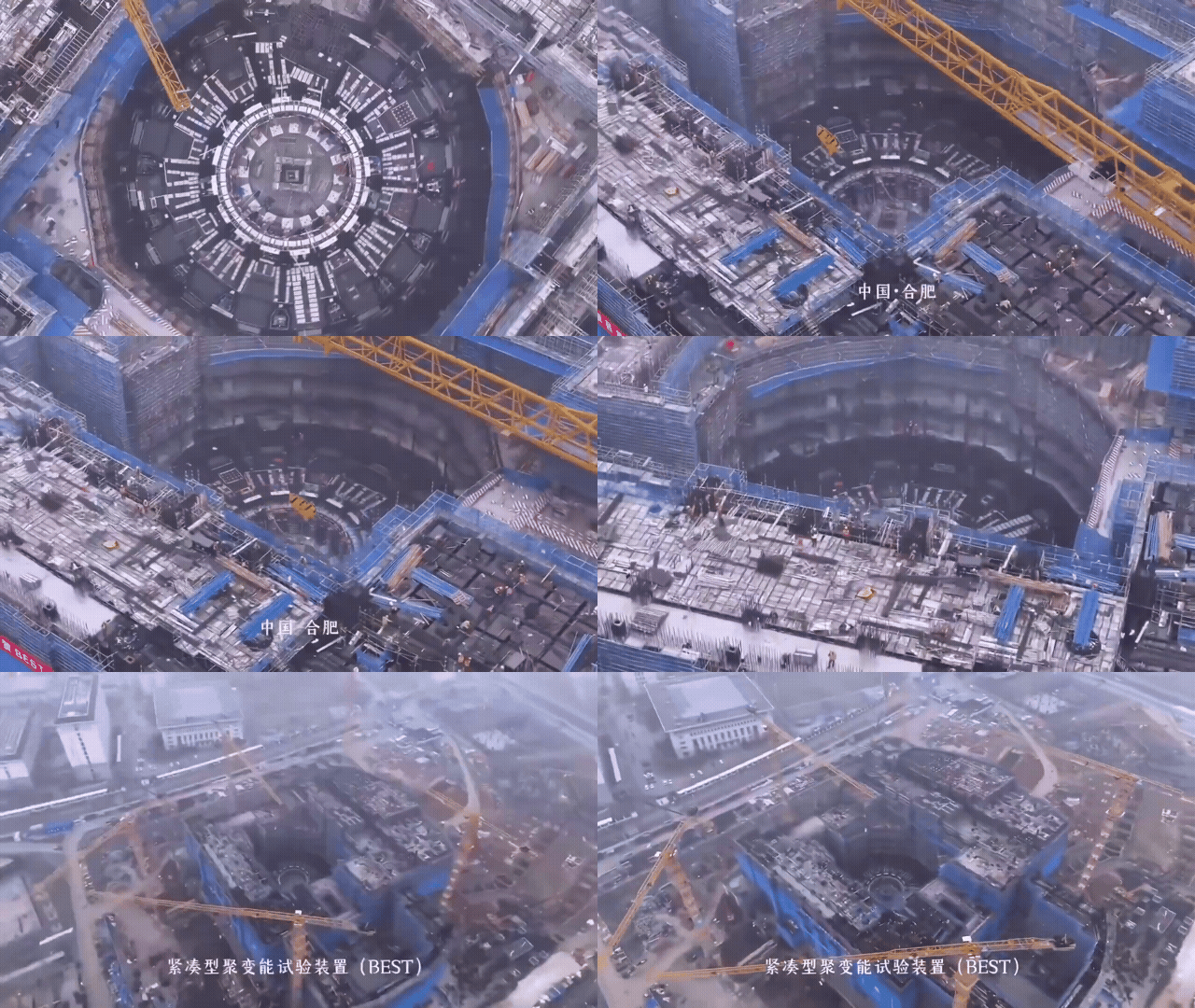
Space & Technology
HEFEI, China — Chinese scientists have completed the construction and testing of the world's largest superconducting magnet designed for a nuclear fusion reactor, marking a key milestone for the country's next-generation fusion energy program. The announcement was made by the Institute of Plasma Physics (ASIPP) under the Chinese Academy of Sciences in Hefei, Anhui Province. The newly completed component will support the Burning Plasma Experimental Superconducting Tokamak (BEST), China's next-generation "artificial sun" fusion reactor. The main component is a toroidal field (TF) superconducting magnet, which is designed to confine the ultra-hot plasma required for nuclear fusion. The D-shaped magnet measures 21 metres in length, 12 metres in width and 3.3 metres in height, and weighs 582 metric tonnes. According to ASIPP, it is the largest superconducting fusion magnet ever built. Researchers said the magnet has 1.3 times the volume of the equivalent toroidal-field magnet being built for the International Thermonuclear Experimental Reactor (ITER) in France and can store three times more magnetic energy, enabling it to generate stronger magnetic fields. A total of 16 toroidal-field magnets will eventually be installed around the BEST reactor to form a magnetic ring. Together, they are designed to produce a 6.5-tesla magnetic field at the centre of the plasma chamber. Magnetic confinement for fusion Tokamak fusion reactors are designed to reproduce the same nuclear fusion process that powers the Sun by combining light hydrogen isotopes to release energy. To sustain fusion, hydrogen plasma must be heated to temperatures exceeding 100 million degrees Celsius, approximately six times hotter than the Sun's core. At such temperatures, no physical material can directly contain the plasma. Instead, the toroidal-field magnet creates a powerful magnetic field that suspends the superheated plasma inside a doughnut-shaped vacuum chamber, preventing it from coming into contact with the reactor walls. Central solenoid coil completes testing Alongside the toroidal-field magnet, ASIPP also completed full-parameter and full-load testing of a high-temperature superconducting central solenoid coil, another key component of the BEST reactor. Researchers compare the central solenoid to a spark plug in a car engine because it initiates and drives the plasma current required to maintain a stable fusion reaction. During testing, the coil operated with a stable current of 60 kiloamperes and stored 6.03 megajoules of energy. According to the research team, its key performance indicators reached internationally leading levels. Developed using a fully domestic supply chain ASIPP said both superconducting magnet systems were developed entirely using a 100% domestic supply chain over a six-year development program. Chinese researchers produced all core materials locally, including superconducting tapes, high-strength cryogenic stainless steel and insulation materials, eliminating reliance on foreign suppliers. According to ASIPP Director Song Yuntao, the project achieved full localisation of core materials and manufacturing processes. The development program also resulted in 47 authorised patents and the establishment of several technical standards. Engineers said the magnet is designed to operate for approximately 60 years at temperatures close to minus 269 degrees Celsius while carrying very high electrical currents under strong mechanical stress and radiation conditions. Supporting China's next-generation fusion program The newly completed magnets are intended for the Burning Plasma Experimental Superconducting Tokamak (BEST), which is designed to move beyond current laboratory research by demonstrating sustained burning plasma. China's existing Experimental Advanced Superconducting Tokamak (EAST), often referred to as an "artificial sun," has previously achieved a world record by maintaining plasma at 100 million degrees Celsius for 1,066 seconds in steady-state high-confinement mode. Construction of the BEST experimental reactor is scheduled to be completed by the end of 2027. If the project proceeds as planned, China aims to demonstrate experimental electricity generation from controlled nuclear fusion around 2030. The BEST program also forms part of a broader roadmap that includes the future China Fusion Engineering Demonstration Reactor. Unlike conventional nuclear fission power plants, nuclear fusion does not produce greenhouse gas emissions during operation and generates significantly less long-lived radioactive waste. Researchers noted that while successful testing of the superconducting magnets represents a major engineering milestone, full reactor assembly and sustained operation under extreme conditions remain important steps before practical fusion power can be demonstrated.
Read More → Posted on 2026-07-30 16:39:41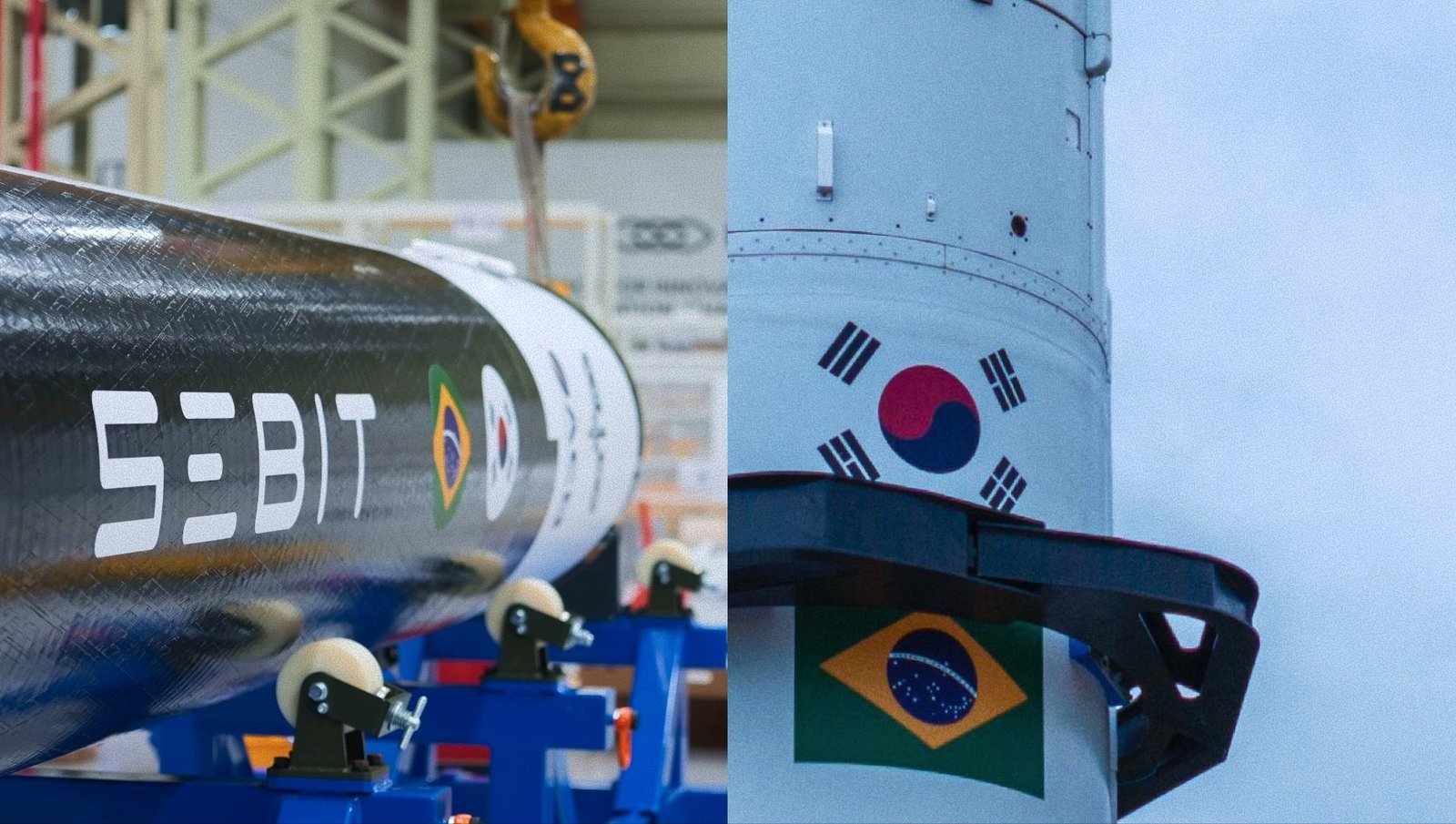
Space & Technology
BRASILIA — South Korea and Brazil have signed a memorandum of understanding (MOU) on space cooperation, marking a new phase in bilateral aerospace relations and expanding collaboration in commercial space launches, satellite data sharing, lunar exploration, and the development of the space industry. The agreement was signed on July 27, 2026, during a summit in Brasilia between South Korean President Lee Jae Myung and Brazilian President Luiz Inácio Lula da Silva. The MOU was concluded between the Korea AeroSpace Administration (KASA) and Brazil's Space Agency (AEB) for the peaceful use of outer space. First Space Agreement with Latin America The agreement is KASA's first space cooperation pact with a Latin American country and follows earlier discussions between the two governments, including a summit held in Seoul in February 2026. The MOU is intended to strengthen long-term cooperation in the space sector while providing a framework for scientific, technological, and commercial collaboration. Focus on Commercial Space Launches A key objective of the agreement is to simplify launch licensing regulations and administrative procedures for South Korean aerospace companies seeking to use Brazil's Alcântara Space Center. Located near the equator, the Alcântara Space Center offers geographical advantages for certain satellite missions by reducing fuel requirements for specific orbital trajectories, making it an attractive location for commercial launch providers. By streamlining regulatory procedures, the agreement aims to create a more predictable environment for commercial launches and improve access to Brazilian launch infrastructure for South Korean companies looking to expand their presence in Latin America. Broader Areas of Cooperation In addition to launch operations, the two space agencies agreed to cooperate in several areas, including: Development of the space industry and space economy Launch licensing regulations Satellite data sharing Lunar exploration Scientific, technological, and commercial activities related to the peaceful use of outer space Building on INNOSPACE's Alcântara Mission The agreement builds on recent cooperation between the two countries. In December 2025, South Korean launch company INNOSPACE carried out Korea's first commercial space launch attempt from the Alcântara Space Center using its HANBIT-Nano rocket under the Spaceward mission. The mission carried eight small satellites and payloads from Brazil, India, and South Korea. Although the rocket experienced an anomaly and failed shortly after liftoff, later analysis attributed the failure to a gas leak. Despite the outcome, the mission marked the first commercial orbital launch attempt from Brazilian territory in 22 years and became an important milestone in bilateral space cooperation. Officials said the operational and logistical experience gained during the mission helped lay the foundation for the new agreement. Support for Future Launch Activities According to South Korean officials, the MOU will provide practical support for Korean aerospace companies by reducing launch-related administrative barriers and improving access to Brazilian launch facilities. The agreement is expected to make commercial launch planning more predictable while supporting future space activities between the two countries. INNOSPACE has also continued to identify the Alcântara Space Center as a primary launch site and has indicated plans for additional missions from the facility. Leaders Highlight Expanding Partnership Following the summit, President Luiz Inácio Lula da Silva invited President Lee Jae Myung to return to Brazil in September for a planned joint space launch at the Alcântara Space Center. President Lee said the agreement would strengthen cooperation in commercial launches, satellite data sharing, and space exploration while further expanding collaboration between the two countries' space sectors. Part of Broader Bilateral Cooperation The space cooperation agreement was one of seven memorandums of understanding signed during the July 27 summit. The broader package also included agreements covering supply chains, critical minerals, energy, defense, trade, and cultural exchanges, reflecting efforts by both governments to deepen their strategic partnership. The two leaders also adopted a joint statement describing 2026 as the beginning of a new phase in bilateral relations, with expanded cooperation across multiple sectors, including commercial space and advanced technology.
Read More → Posted on 2026-07-28 16:09:17
Space & Technology
ARDABIL PROVINCE, Iran — Iran has officially connected its first geothermal power plant to the national electricity grid, marking the country's entry into geothermal electricity generation and expanding its renewable energy portfolio. The pilot geothermal facility is located near the dormant Sabalan volcano in Meshginshahr, Ardabil Province. The project was inaugurated by Iranian Energy Minister Abbas Aliabadi after completing engineering, installation, testing, trial operations, and synchronization with the national grid. Built with an investment of €10 million, the Sabalan Geothermal Power Plant currently generates 5.4 megawatts (MW) of electricity. Geological studies indicate the underground geothermal reservoir has the potential to support electricity generation of up to 250 MW through future expansion. Developed After Foreign Firms Withdrew The Sabalan geothermal project was originally planned with foreign participation. However, European companies withdrew from the project following U.S. sanctions, requiring Iranian companies to continue development using domestic engineering capabilities. Iranian engineers adapted drilling technologies commonly used in the country's oil and gas industry to complete the geothermal wells. According to project officials, the drilling process was technically demanding because engineers had to penetrate volcanic rock to depths of approximately 3,000 meters, passing beneath a clay layer around 500 meters thick that seals the geothermal reservoir. At those depths, underground temperatures exceed 240°C to 250°C, creating conditions suitable for geothermal power generation. The extreme heat and abrasive volcanic formations caused rapid wear on drilling equipment and fluids, leading Iranian teams to develop specialized drilling methods and domestic technical capabilities during the project. How the Power Plant Generates Electricity The Sabalan plant produces electricity by extracting naturally heated, pressurized water from deep underground. As the water reaches the surface, the pressure decreases, causing it to rapidly convert into steam. The steam is then directed through turbines that generate electricity before being supplied to the national power grid. Because the geothermal fluid contains high levels of dissolved minerals and salts, it can cause corrosion and scaling in industrial equipment. To address these challenges, MAPNA Group redesigned turbine components and developed corrosion-resistant alloys and protective coatings for use at the facility. Project planners also intend to utilize the remaining geothermal heat, estimated at 70°C to 100°C, after electricity generation. The residual heat is expected to support district heating in Meshginshahr as well as agricultural applications, including greenhouse farming and aquaculture. The remaining geothermal fluid is planned to be reinjected into the underground reservoir. Potential for Future Expansion Officials say the current 5.4 MW facility serves as a pilot project to demonstrate geothermal technology in Iran. The Sabalan geothermal reservoir has an estimated capacity of up to 250 MW, providing room for future development. Government surveys have also identified 18 additional geothermal sites across Iran that could be considered for future projects. According to available studies, Sabalan is among the country's high-temperature geothermal regions suitable for commercial electricity production, while other identified areas include Mahallat and the Makran region. Strengthening Domestic Renewable Energy Capability The completion of the Sabalan project has provided Iranian companies with practical experience across the exploration, drilling, engineering, construction, commissioning, and operation of geothermal power systems. Officials say the project has also contributed to the development of domestic capabilities in geothermal equipment and technology, reducing reliance on imported expertise and supporting future renewable energy projects under existing international sanctions. As geothermal power operates without fuel combustion during electricity generation, the technology can provide continuous renewable electricity. However, operators must maintain careful management of geothermal fluids through brine handling, reinjection, and continuous monitoring to reduce equipment scaling, corrosion, and potential environmental impacts, including groundwater protection. With the Sabalan plant now connected to the national grid, Iran has established its first operational geothermal power station and laid the foundation for future geothermal energy development using domestically developed technology.
Read More → Posted on 2026-07-27 15:20:27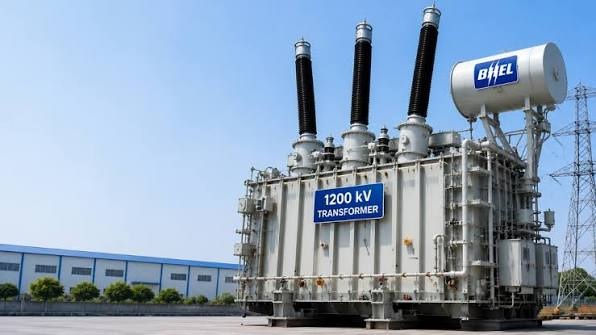
Space & Technology
NEW DELHI — Bharat Heavy Electricals Limited (BHEL) has successfully designed, manufactured, and tested India's first indigenous 1200 kV Ultra High Voltage Alternating Current (UHVAC) transformer, marking a significant milestone in the country's power transmission sector and supporting the government's "Make in India" initiative. The newly developed single-phase auto transformer has a capacity of 333 MVA with a voltage rating of 1150/400/33 kV. BHEL said the transformer was designed and manufactured entirely using its in-house research and development capabilities. Following successful type testing to international standards, India has joined a small group of countries with the capability to manufacture equipment for the 1200 kV AC transmission class. Developed Using Indigenous Technology According to BHEL, the project was completed after nearly two years of engineering design optimization, material evaluation, and testing to meet global performance and reliability standards. The company noted that design parameters and manufacturing technologies for 1200 kV transmission equipment are among the most closely guarded in the global power equipment industry, with very limited technology transfer available internationally. To meet the stringent quality requirements, the transformer was manufactured in a dust-free, climate-controlled transformer production facility at BHEL's plant in Bhopal, ensuring structural precision and electrical reliability. To Be Installed at India's 1200 kV National Test Station The transformer was developed under a collaborative program with the Power Grid Corporation of India (PowerGrid) and is scheduled for installation at the 1200 kV National Test Station in Bina, Madhya Pradesh. The test station was established by PowerGrid to evaluate domestically developed ultra-high-voltage transmission equipment under real operating conditions before potential commercial deployment. At present, India's highest commercial AC transmission voltage is 765 kV. The introduction of 1200 kV transmission technology represents the next stage of grid development, enabling the transfer of significantly larger amounts of electricity over long distances with lower transmission losses. Such ultra-high-voltage transmission systems are designed to transport electricity efficiently from large power generation centers to major demand regions while improving overall grid efficiency. Comparison with Global UHVAC Transformer Programs Although India's new transformer operates at the 1200 kV voltage class, the highest AC transmission voltage level tested globally, several countries have developed higher-capacity transformers for their ultra-high-voltage transmission networks. Japan Japan's Tokyo Electric Power Company (TEPCO) was among the earliest organizations to develop ultra-high-voltage AC technology through its 1100 kV UHVAC program. The project used a 3000 MVA transformer bank, consisting of three individual 1000 MVA single-phase auto transformers, for experimental high-capacity transmission. China China operates the world's largest commercial 1000 kV UHVAC transmission network. Manufacturers including China XD Group and SPECO-Toshiba have developed ultra-high-voltage transformers with capacities ranging from 1000 MVA to 1200 MVA per unit, supporting long-distance transmission across multiple provinces. Russia (Former USSR) The former Soviet Union was an early pioneer in ultra-high-voltage AC transmission, constructing more than 2,300 kilometers of 1150 kV transmission lines. The program demonstrated the technical feasibility of long-distance ultra-high-voltage power transmission using specially designed high-capacity single-phase transformers. BHEL's Transformer in Global Context BHEL's newly developed transformer is rated at 333 MVA per single-phase unit. In a standard three-phase substation configuration, three such transformers would operate together as a transformer bank with a combined capacity of approximately 1000 MVA, placing India's overall system capacity in line with comparable ultra-high-voltage installations used internationally. Technical Comparison Country AC Voltage Level Transformer Capacity Status India (BHEL) 1200 kV 333 MVA per phase (~1000 MVA three-phase bank) Successfully tested; scheduled for installation China 1000 kV 1000–1200 MVA per unit Commercially deployed Japan 1100 kV 1000 MVA per phase (3000 MVA bank) Experimental development Russia (Former USSR) 1150 kV High-capacity custom single-phase transformers Historical deployment Strengthening India's Power Equipment Capability The successful development of the indigenous 1200 kV UHVAC transformer expands India's domestic manufacturing capability for advanced power transmission infrastructure. The achievement reduces dependence on imported ultra-high-voltage equipment and provides an indigenous technological foundation for future expansion of next-generation transmission systems if higher-voltage networks are adopted in the country. With successful testing completed, the transformer's installation at the National Test Station in Bina will support further evaluation of India's domestically developed 1200 kV transmission technology under field conditions.
Read More → Posted on 2026-07-19 16:30:54
Russian Scientists Develop Bacteria-Based ‘Biocement’ Technology to Strengthen Arctic Infrastructure
Space & Technology
MOSCOW — Researchers at Russia's Far Eastern Federal University (FEFU) have developed a bacteria-based soil stabilization technology that converts loose sand into a solid, stone-like material, offering a new approach to building roads, pipelines, and industrial infrastructure in the Russian Arctic. The technology is based on Microbial-Induced Calcite Precipitation (MICP), also known as biocementation, a process that uses naturally occurring bacteria to produce calcium carbonate (calcite)—the mineral found in limestone, chalk, and seashells. The calcite binds sand grains together, creating a strong, load-bearing foundation without using conventional cement-based materials. How the Technology Works Scientists isolate naturally occurring bacteria from coastal soils and combine them with a specially prepared nutrient solution before applying the mixture to sandy ground. As the bacteria consume nutrients, they trigger a biochemical reaction that forms calcium carbonate crystals. These crystals fill the gaps between sand particles and act as a natural cement, binding the grains into a dense, stone-like structure. Researchers say the level of soil strengthening can be adjusted by controlling factors such as bacterial concentration, nutrient supply, and treatment time, allowing the process to be adapted for different engineering needs. Addressing Arctic Construction Challenges The Russian Arctic presents significant construction challenges because repeated freeze-thaw cycles can weaken road foundations and damage pipelines and industrial infrastructure. Conventional asphalt and concrete surfaces often crack, shift, or deform under these conditions. Laboratory tests have shown that soil treated through the MICP process gains higher mechanical strength and improved resistance to water erosion, creating a more stable foundation for infrastructure. The method could be used beneath roads, railways, pipelines, storage facilities, industrial platforms, and other structures built on sandy ground. Environmental Benefits Researchers say the biological approach offers environmental advantages over traditional soil stabilization methods. Unlike conventional cement production and some chemical grouting techniques, the process uses naturally occurring microorganisms and does not produce harmful by-products during soil strengthening. The technology may also help clean contaminated sites. According to the researchers, the bacteria can bind heavy metals and radioactive elements by converting them into water-insoluble mineral forms, helping reduce the movement of pollutants through soil and groundwater. Potential Applications The technology could support infrastructure projects in remote Arctic regions, including oil and gas operations, by reinforcing foundations for wells, pipelines, processing facilities, and transport infrastructure. Using locally available sandy soils may also reduce the need to transport large volumes of conventional construction materials to isolated locations. MICP has been studied internationally for applications such as soil stabilization, erosion control, foundation improvement, and concrete crack repair. The FEFU research focuses on adapting the technology for Arctic conditions, where stable ground is critical for long-term infrastructure performance. Scientists continue laboratory and field testing to evaluate the long-term durability of the treated soil under Arctic conditions. If larger-scale trials are successful, the technology could provide a more sustainable option for strengthening infrastructure in northern regions.
Read More → Posted on 2026-07-19 10:52:56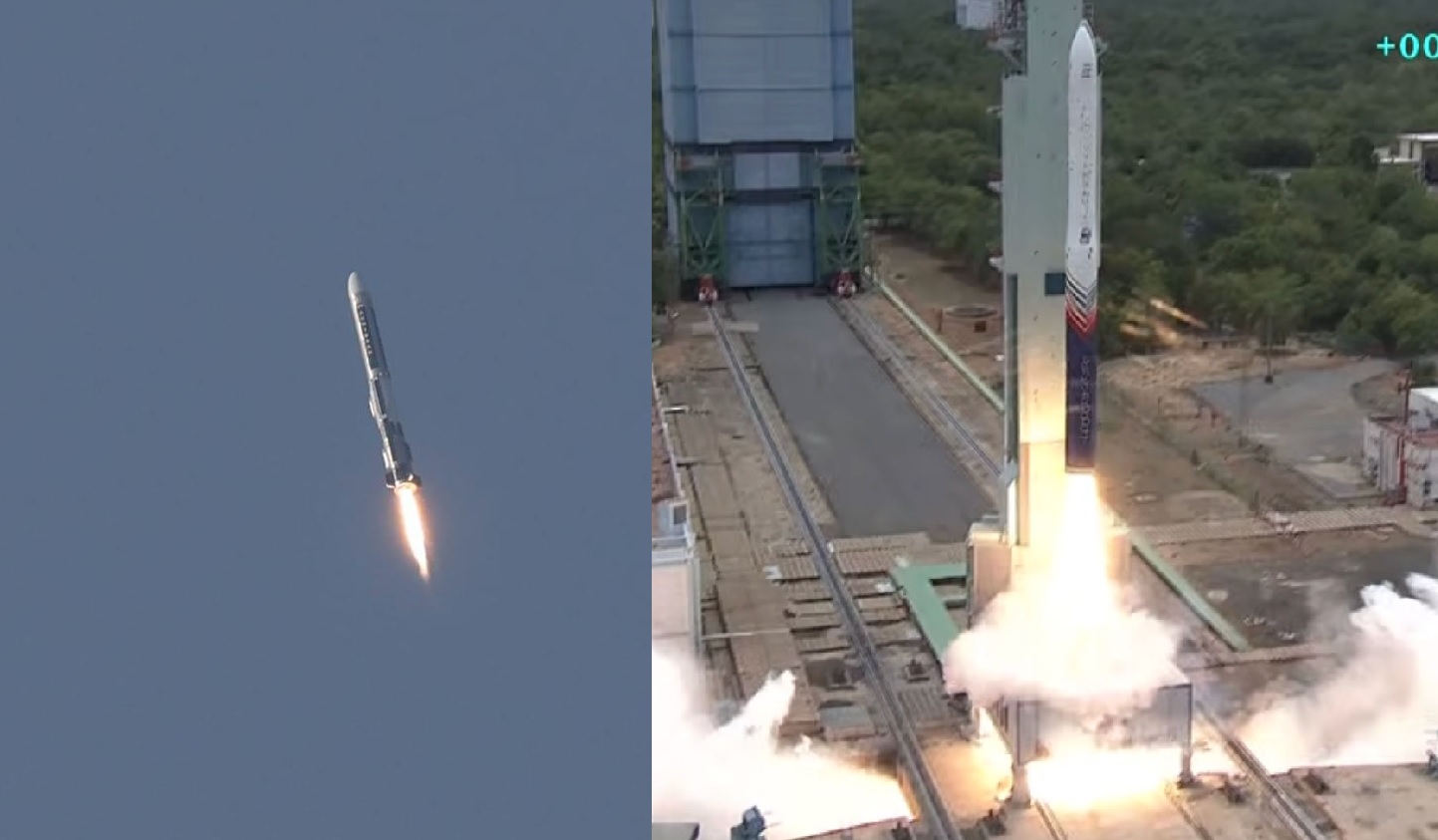
Space & Technology
SRIHARIKOTA — Skyroot Aerospace successfully launched its Vikram-1 rocket from the Satish Dhawan Space Centre in Sriharikota on Saturday, becoming the first private Indian company to place a rocket into Earth’s orbit. The mission, named Mission Aagaman ("Arrival" in Sanskrit), marks a major milestone for India’s commercial space sector and makes India the third country after the United States and China to demonstrate private orbital launch capability. The four-stage Vikram-1 rocket lifted off from the Indian Space Research Organisation’s (ISRO) First Launch Pad at 12:05 PM IST after a planned delay of about 35 minutes from the original 11:30 AM launch time to complete navigation-related checks. Despite cloudy weather conditions, the mission proceeded as planned. After a flight lasting approximately 16 minutes, the rocket successfully deployed its payloads into a 450-kilometre Low Earth Orbit (LEO) with an inclination of around 60 degrees, completing its maiden orbital flight on the first attempt. Vikram-1 Designed for Small Satellite Launches Standing 24 metres tall, Vikram-1 is built using all-carbon composite structures to reduce weight while maintaining strength. The launch vehicle is designed to provide rapid and on-demand launch services for the growing small satellite market and is capable of carrying payloads of up to 350 kilograms to Low Earth Orbit. The rocket uses three solid-propellant stages—Kalam-1200, Kalam-250, and Kalam-100—followed by a liquid-fuelled Orbital Adjustment Module. The upper stage is powered by a 3D-printed engine capable of performing precise orbital manoeuvres and multiple restarts in space, allowing accurate deployment of satellites. Payloads Carried on Mission Aagaman The maiden flight carried a mix of technology demonstration payloads, commercial satellites, international payloads, and symbolic items. Among the commercial payloads was Skyroot's SCOPE satellite platform, which will collect flight performance data to support future missions. The rocket also deployed Grahaa Space's SOLARAS CubeSat and Cosmoserve Space's EMBRACE robotic arm demonstration, designed to test technologies for future orbital debris removal missions. The mission also carried international payloads from Germany's DCubed, including the uD3PP and mD3RN technology demonstrations. Several symbolic payloads were included as part of the mission. These included a handwritten postcard from Prime Minister Narendra Modi bearing the message "Vande Mataram", handwritten messages from Skyroot employees, investors, policymakers, and supporters, and "Diamond Lotus", also known as "Cosmic Bloom," a lab-grown diamond artwork created by Bengaluru-based Cosmos Diamonds to demonstrate infrastructure for high-value commercial space applications. In addition, the rocket carried an 18-carat gold miniature rocket featuring micro-sculptures of Indian scientists C. V. Raman, Vikram Sarabhai, and A. P. J. Abdul Kalam, recognising their contributions to India's scientific and space programmes. Eight Years of Development Skyroot Aerospace was founded in 2018 by former ISRO engineers Pawan Kumar Chandana and Naga Bharath Daka. The development of Vikram-1 took approximately eight years and involved nearly 1,000 personnel supported by a supply chain of more than 400 companies. The company had previously demonstrated its launch technology through the Vikram-S suborbital mission in 2022. The successful orbital launch of Vikram-1 now establishes Skyroot as India's first private company to independently reach orbit. According to the company, Vikram-1 was fully designed and manufactured in India, supporting the country's expanding domestic space manufacturing capabilities. Government Congratulates Skyroot Team Following the successful launch, Prime Minister Narendra Modi congratulated the Skyroot team and described the mission as a defining moment for India's private space sector. He said the achievement reflects the innovation and entrepreneurial capabilities of India's youth and highlights the impact of the government's space-sector reforms that opened orbital launch opportunities to private companies. The Prime Minister also spoke with Skyroot co-founders Pawan Kumar Chandana and Naga Bharath Daka after the mission. External Affairs Minister S. Jaishankar also welcomed the successful launch, describing it as another important step in India's space journey. Flight Data to Support Future Missions Besides deploying its payloads, Mission Aagaman is expected to provide important flight data on the rocket's propulsion, stage separation, guidance, navigation, and control systems. The information gathered during the mission will be used to refine Vikram-1 and support future commercial launch operations. The mission also demonstrates India's growing capability to provide dedicated launch services for small satellites, a market that continues to expand globally as demand increases for Earth observation, communications, scientific research, and technology demonstration missions. Agnikul Cosmos Advances Reusable Launch Technology In a separate development within India's private space industry, Agnikul Cosmos has announced plans for Mission-02, which aims to recover the first-stage booster of its Agnibaan rocket and reuse its upper stage as an in-orbit platform. If successful, the mission would represent an important step toward reusable launch technology in India's commercial space sector, helping reduce launch costs and improve operational efficiency. Skyroot Aerospace's successful Vikram-1 mission, together with ongoing efforts by other private companies, reflects the continued expansion of India's commercial space ecosystem as private industry takes on a larger role alongside ISRO in the country's space programme. Source : ANI
Read More → Posted on 2026-07-18 12:57:45Search
Top Trending in 24 Hours
-
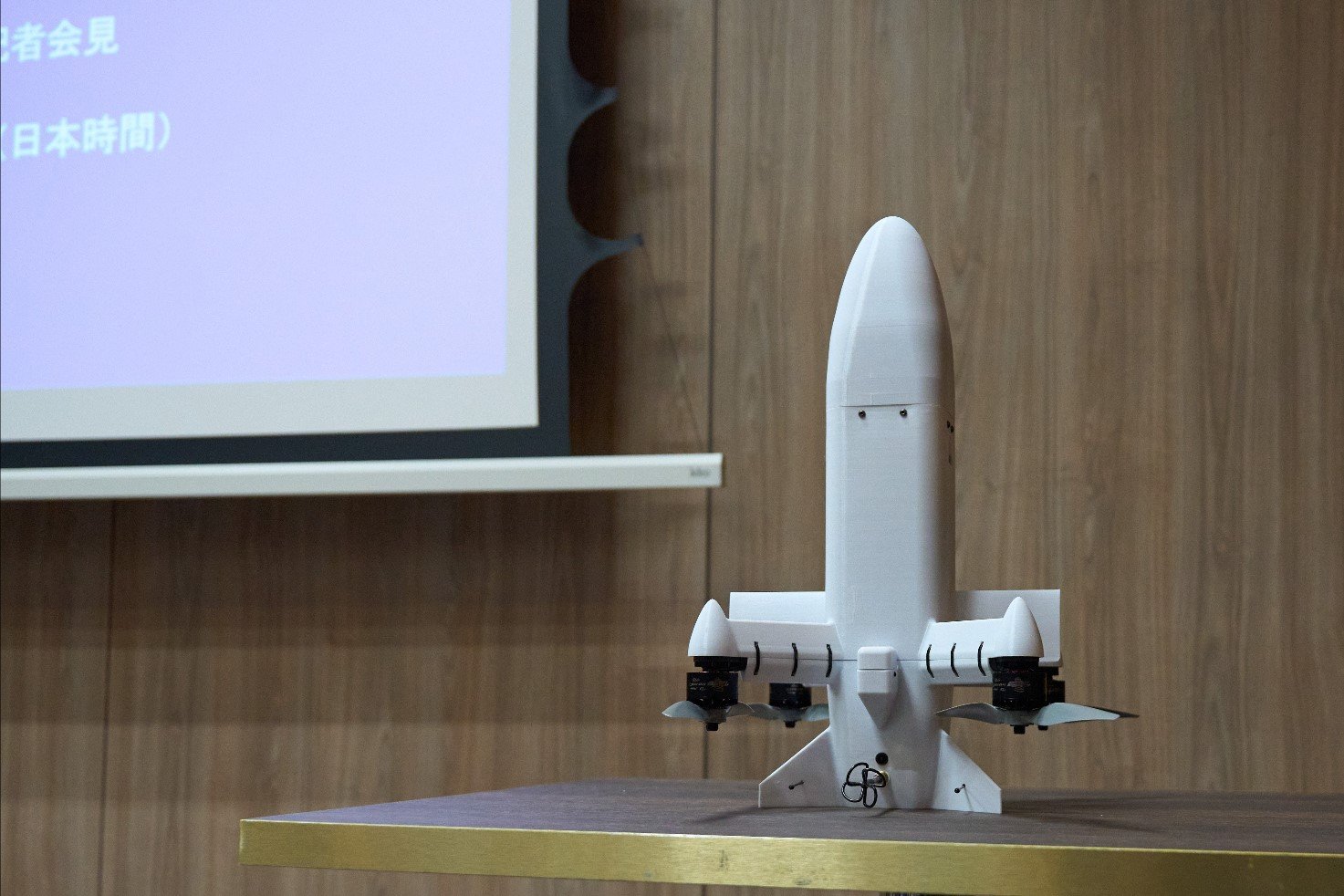 Japan Selects Terra Drone’s Terra B1 for Mass Production of Interceptor UAVs
-
 U.S. Signs Up to $131.23 Billion Framework Contract With Boeing for F-15 Production, Upgrades and Fleet Support
-
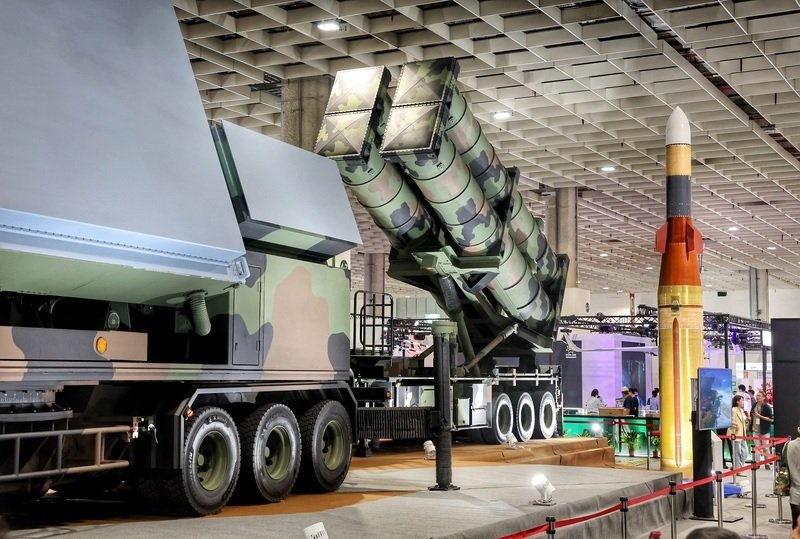 Taiwan Unveils New Details of Strong Bow Air Defense Missile System
-
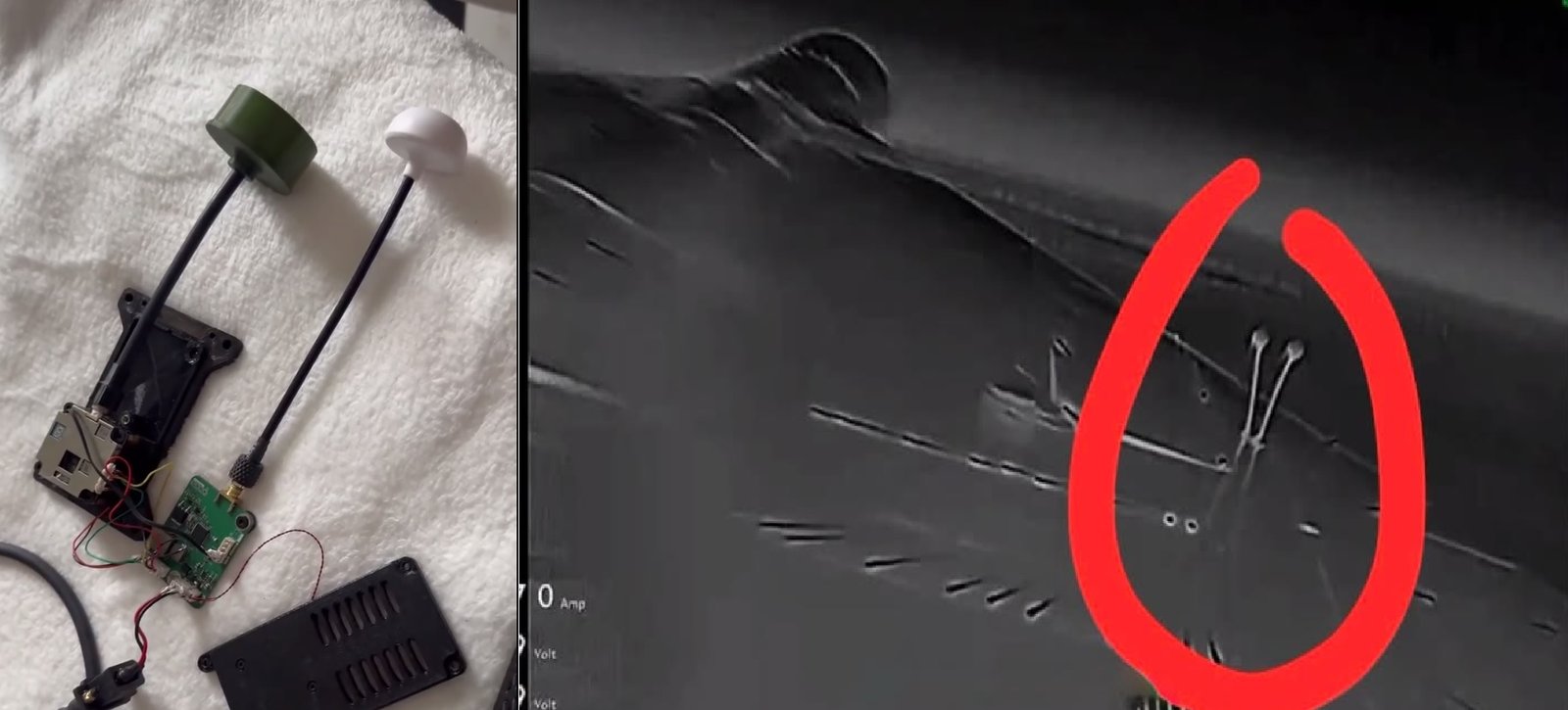 Russia Equips Shahed and Geran Drones With Electronic Warfare Systems to Jam Ukrainian Interceptor Video Links
-
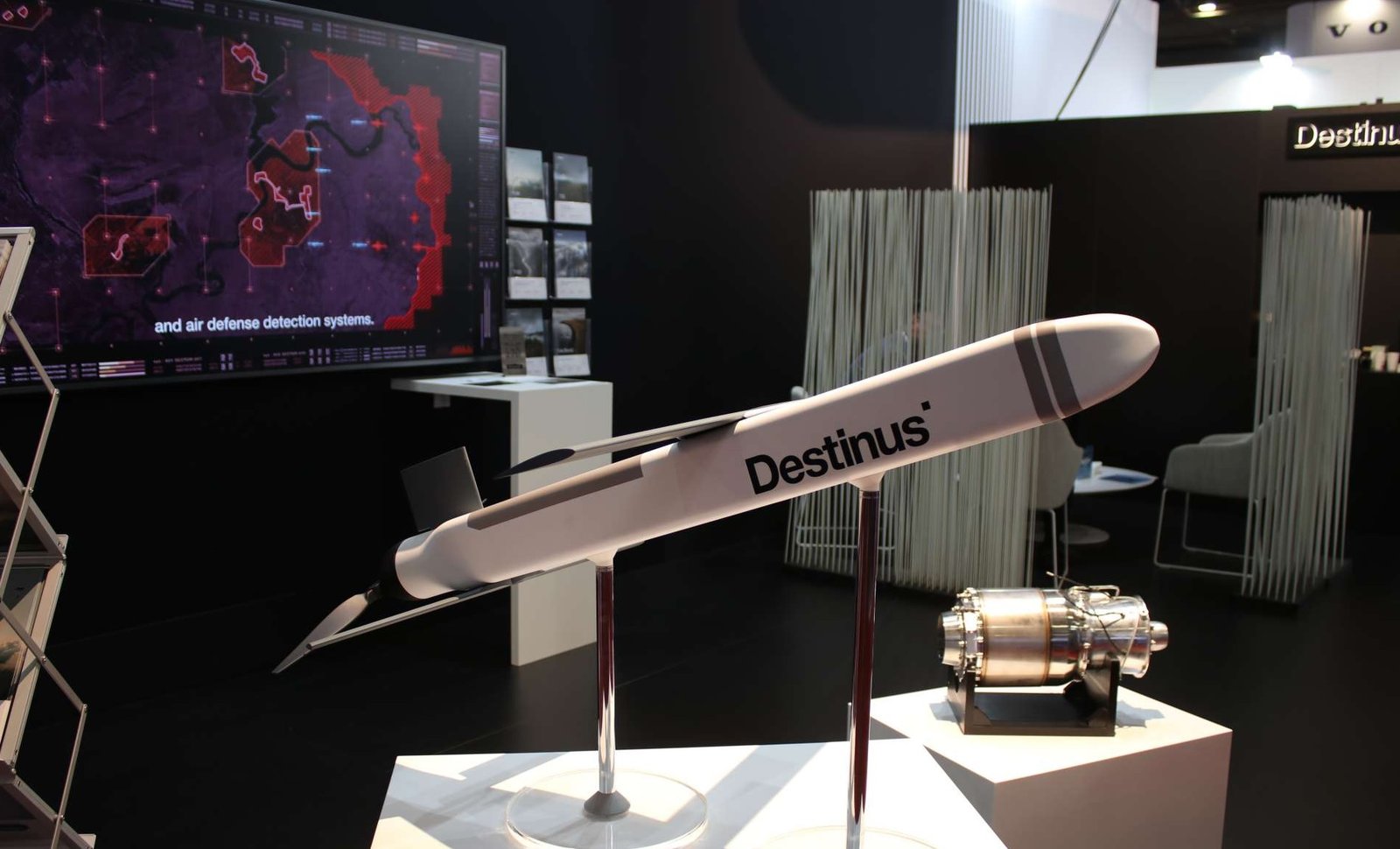 Netherlands Signs Deal with Destinus to Develop Hornet B2 Naval Counter-Drone System
-
 U.S. Removes Syria From State Sponsors of Terrorism List After 47 Years, Clearing Key Barrier to Investment
-
 Israel Plans Broad Expansion of Military Space Capabilities, Including Space-to-Ground Strike Concepts
-
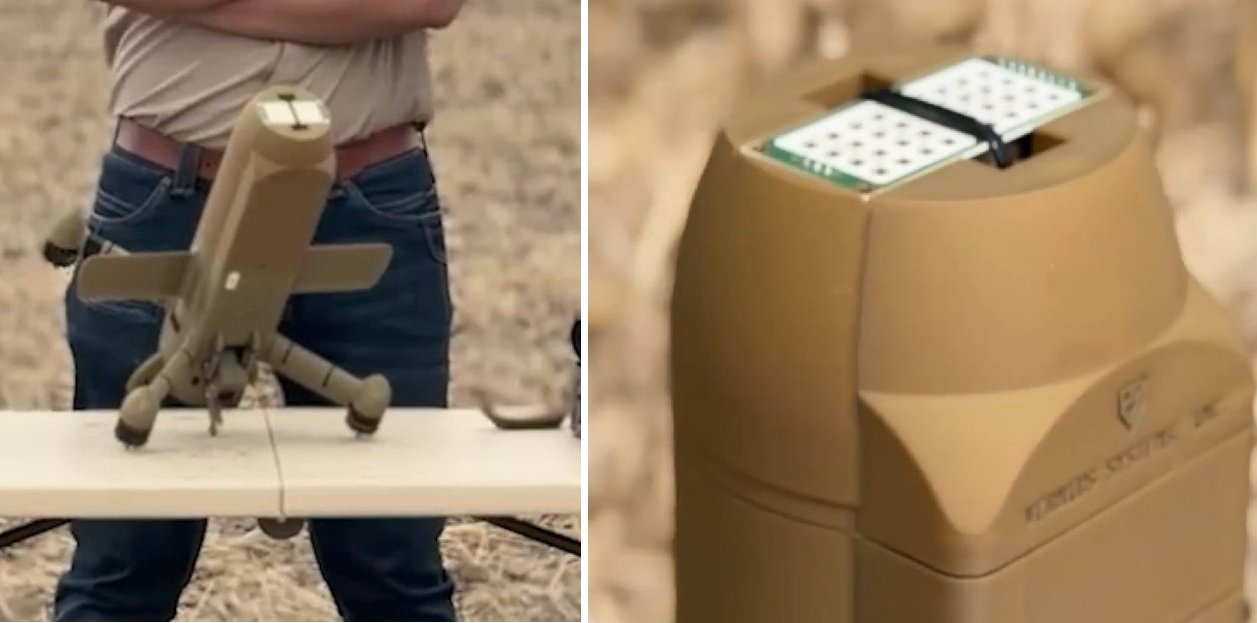 Vernius Systems Unveils Archimedes 1A Radar Seeker for Ukrainian STING Interceptor
Top Trending in 4 Days
-
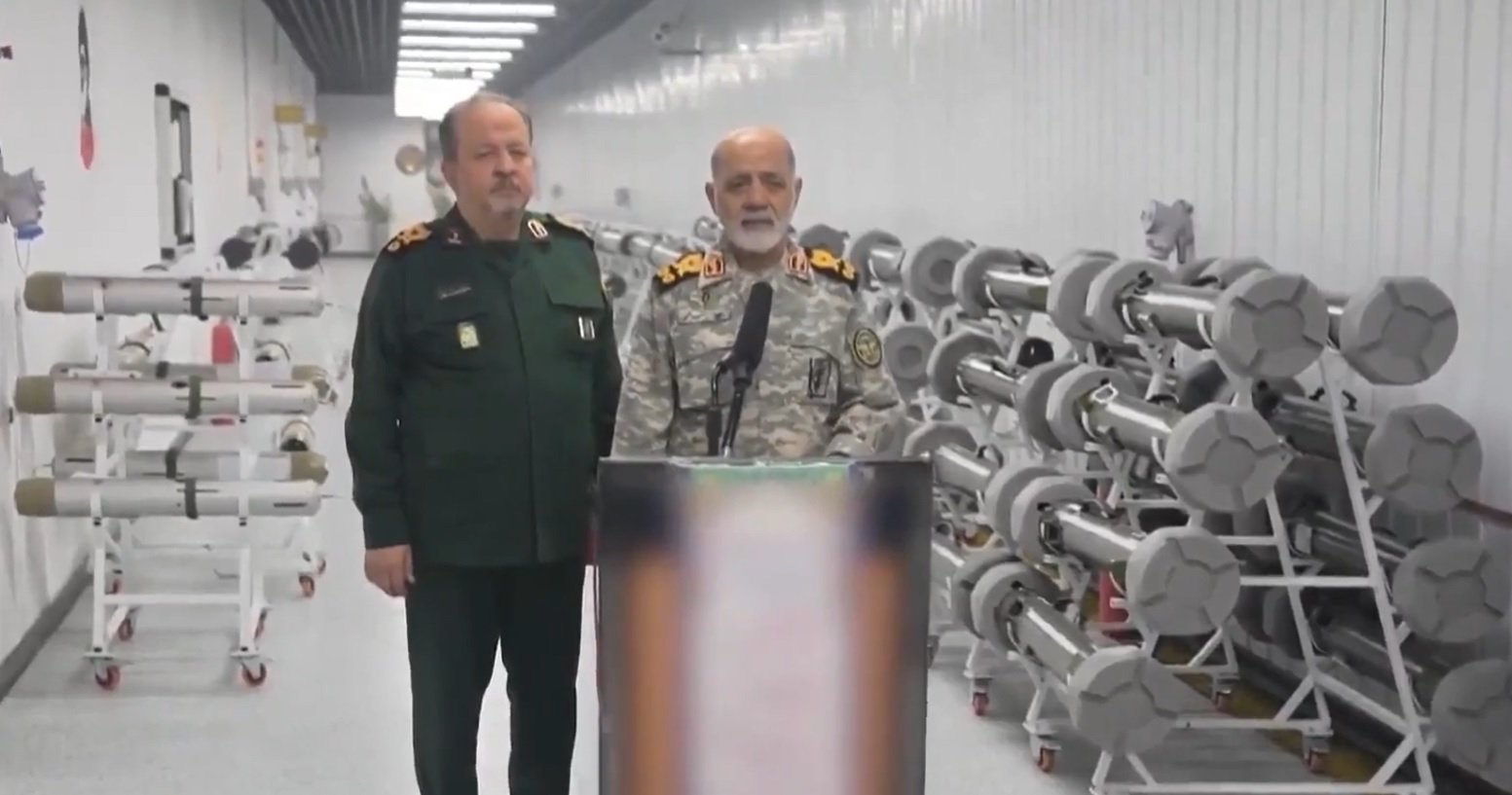 Iran Reveals Underground Weapons Manufacturing Facility for First Time on State TV
-
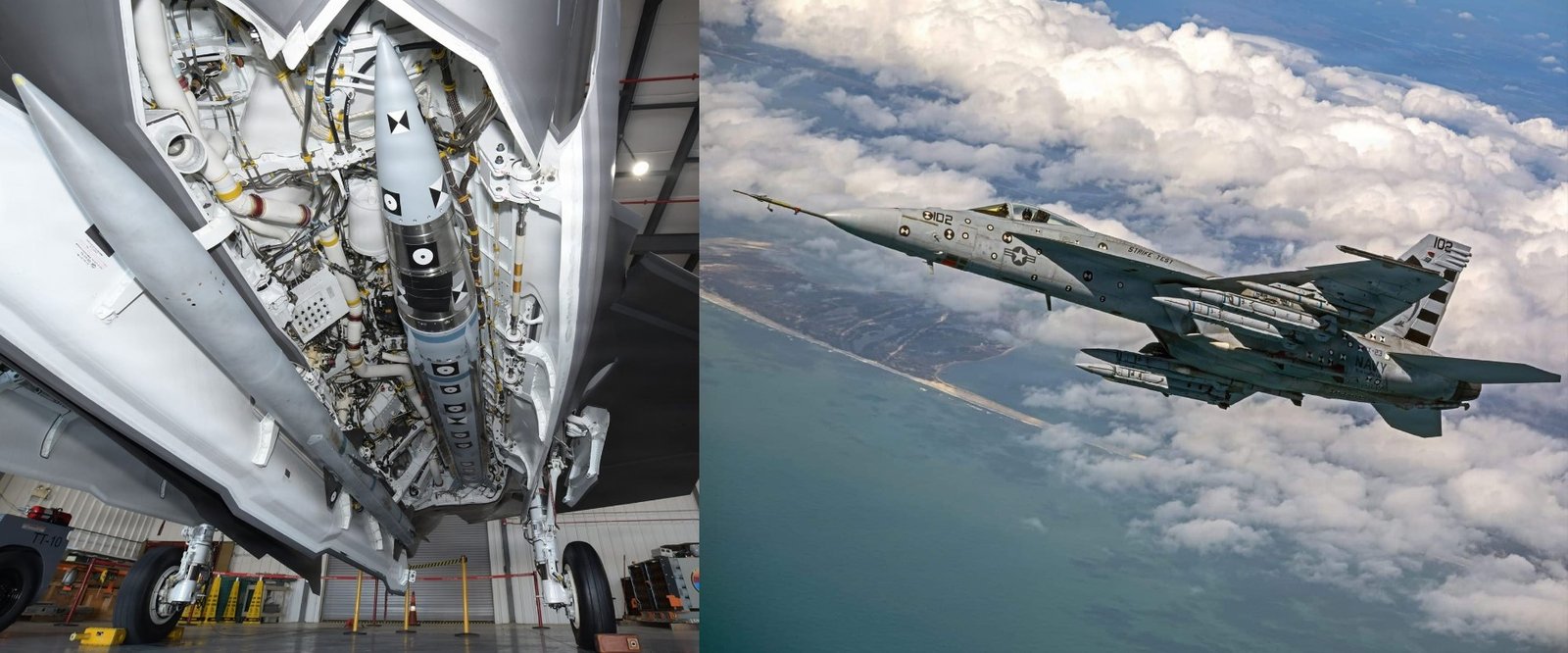 U.S. Navy Unveils New AIM-424 ‘Malice’ Air-to-Air Missile With 463+ km Range for F-35C, Super Hornet and F/A-XX
-
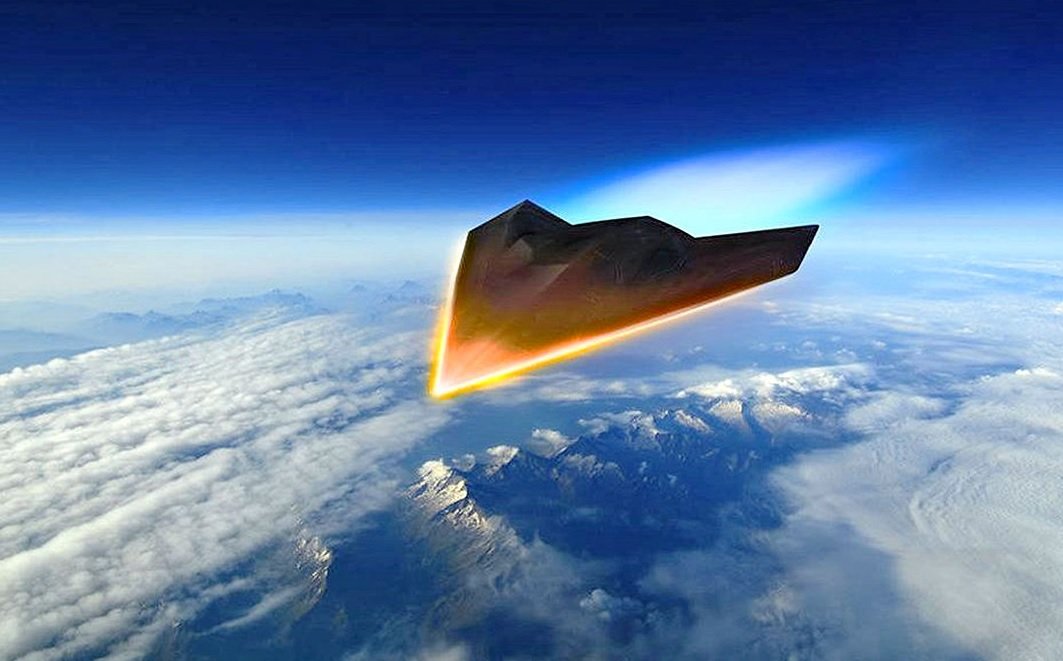 China Develops Hypersonic Glide Vehicles Capable of Launching Air-to-Air Missiles Mid-Flight
-
 Israel Explores Potential Acquisition of U.S. F-47 Sixth-Generation Fighter
-
 Iran-Linked Hackers Shut Down UK Power Plant for Four Days in First Known Attack
-
 Satellite Imagery Shows Damage From Israeli Strikes on Turkey Military Occupied Syria’s Abu al-Duhur Airbase
-
 Ukraine Holds World’s First Unmanned Military Parade on 35th Independence Day
-
 North Korea Deploys 400 Drone Operators to Russia Amid Expanding Military Support