
Space & Technology
India’s space program, led by the Indian Space Research Organisation (ISRO), is on the cusp of a groundbreaking milestone with the upcoming Space Docking Experiment (SpaDEX). Scheduled for launch in December 2024, this mission is set to showcase India’s first autonomous docking technology in orbit—a capability that has profound implications for the nation’s space ambitions. A Leap Forward in Space Docking Technology SpaDEX will involve two indigenously developed satellites, aptly named "Chaser" and "Target," each weighing approximately 400 kilograms. These satellites will be launched into slightly differing orbits before autonomously maneuvering to rendezvous and dock with one another. This process demands precision navigation, advanced propulsion systems, and sophisticated control algorithms, all of which will be tested and validated during the mission. The ability to autonomously dock two spacecraft is a feat achieved by only a handful of nations, including the United States, Russia, and China. For India, this capability is critical for enabling complex space operations such as satellite servicing, in-orbit refueling, and even the assembly of large structures in space, such as space stations. Enabling India’s Future Space Aspirations SpaDEX is more than a technological experiment; it’s a foundational step for ISRO’s long-term projects: Chandrayaan-4 Lunar Sample Return Mission: This mission will require advanced docking systems for the transfer of lunar samples from a lander to an orbiting spacecraft. Bharatiya Antariksha Station: India’s ambition to build its own space station will heavily rely on modular assembly using docking systems to connect different sections in orbit. Gaganyaan Crewed Mission: Scheduled for 2025, Gaganyaan will utilize docking capabilities for crew transfer and emergency rescue scenarios. By successfully demonstrating docking technology with SpaDEX, ISRO is laying the groundwork for these future missions while enhancing India’s self-reliance in space exploration. Extending Satellite Lifespan and Reducing Costs One of the practical applications of SpaDEX’s docking technology lies in its potential to revolutionize satellite maintenance. Satellites in geostationary orbit often face operational constraints due to limited fuel or hardware failures. With in-orbit docking, satellites could be refueled, repaired, or upgraded, effectively extending their lifespan and reducing replacement costs. This capability aligns with global trends toward sustainable space operations and could provide a significant boost to India’s commercial satellite industry. Strengthening India's Strategic Position SpaDEX also serves as a strategic initiative to enhance India’s standing in global space exploration. The mission follows a series of recent ISRO successes, including the Chandrayaan-3 lunar landing and the Aditya-L1 solar observation mission. By achieving autonomous docking, India will further cement its reputation as a leader in cutting-edge space technology. This milestone also positions ISRO to offer advanced docking and servicing solutions to international partners, opening new avenues for collaboration and commercial opportunities. A Testament to Indigenous Innovation The SpaDEX mission underscores ISRO’s commitment to developing indigenous, cost-effective technologies. From propulsion systems to software algorithms, every component of the mission has been designed to be scalable for future applications, ensuring that India remains at the forefront of space innovation. With SpaDEX, ISRO is not only addressing immediate technical challenges but also charting a path toward a more ambitious, interconnected future in space exploration. As the launch date approaches, the mission is poised to become a symbol of India’s growing expertise and ambition in the global space arena.
Read More → Posted on 2024-12-08 14:51:42
Space & Technology
India’s ambitious Gaganyaan mission, a critical step toward joining the elite club of nations capable of human spaceflight, is on the verge of a major milestone. The Indian Space Research Organisation (ISRO) is preparing to launch the first uncrewed spaceflight under the program, likely by the end of December 2024. This mission, referred to as G1, will serve as a foundational experiment to validate key technologies essential for future crewed missions. The Vision Behind Gaganyaan Unveiled in 2018, the Gaganyaan program aspires to position India as the fourth country in history to send humans into space, after Russia, the United States, and China. With a planned crewed mission slated for late 2026, Gaganyaan represents not just a technological feat but also a testament to India’s growing prowess in space exploration. The current uncrewed mission is designed to rigorously test ISRO’s human-rated systems, including the Crew Escape System, environmental control mechanisms, and orbital stability. These tests are crucial for ensuring the safety and viability of subsequent missions that will carry astronauts—or "Gaganyatris"—into space. What Makes G1 Mission Critical The upcoming G1 mission will feature ISRO’s human-rated launch vehicle, which incorporates both solid and liquid propulsion systems. The C32 cryogenic stage—a key element of the launch vehicle—is nearing finalization, and the integration of various components is already underway. The spacecraft itself will comprise two primary modules: The Crew Module (CM): This is the space where astronauts will eventually live and work during future missions. The CM is designed to support life by maintaining a habitable atmosphere and shielding against space radiation. The Service Module (SM): Equipped with vital propulsion and power systems, the SM will ensure the spacecraft’s functionality in orbit. The uncrewed G1 mission will also validate the launch vehicle’s capability to carry and safely recover the crew module. The spacecraft will be fitted with sensors to collect data on performance metrics during flight, which will help engineers fine-tune systems for the subsequent missions planned in 2025 and early 2026. Addressing Challenges in Space The development of the Gaganyaan program has not been without hurdles. The global shortage of semiconductor components—a critical element for the mission’s sophisticated hardware—posed a significant challenge. To mitigate this, ISRO has diversified its supply chain, engaging multiple vendors to ensure the timely availability of components. Recognizing the critical role of the private sector, ISRO has also collaborated extensively with Indian industry stakeholders. The Gaganyaan Industry Meet was organized to elevate industry standards and ensure compliance with the stringent quality requirements for human spaceflight. Training the Gaganyatris Another key aspect of the Gaganyaan program is astronaut training. Four Indian Air Force pilots were selected for the mission and have undergone extensive training. Two of the three planned training semesters have already been completed. The astronauts have been trained on Independent Training Simulators and Static Mock-Up Simulators to familiarize themselves with the spacecraft’s operational dynamics. The training program covers areas such as space medicine, high-gravity simulations, and emergency protocols. This rigorous regimen is designed to prepare the astronauts for the unique challenges of space travel. The Road Ahead The success of the G1 mission will pave the way for two additional uncrewed flights planned for Q3 2025 and Q1 2026. These missions will further refine the systems and technologies required for a human presence in space. The culmination of these efforts will be India’s first crewed spaceflight, targeted for the October-December 2026 window. As the countdown begins for the G1 mission, it marks a defining moment for India’s space exploration journey. Gaganyaan isn’t just a mission—it’s a leap into the future, carrying the aspirations of a billion people into orbit.
Read More → Posted on 2024-12-06 16:00:35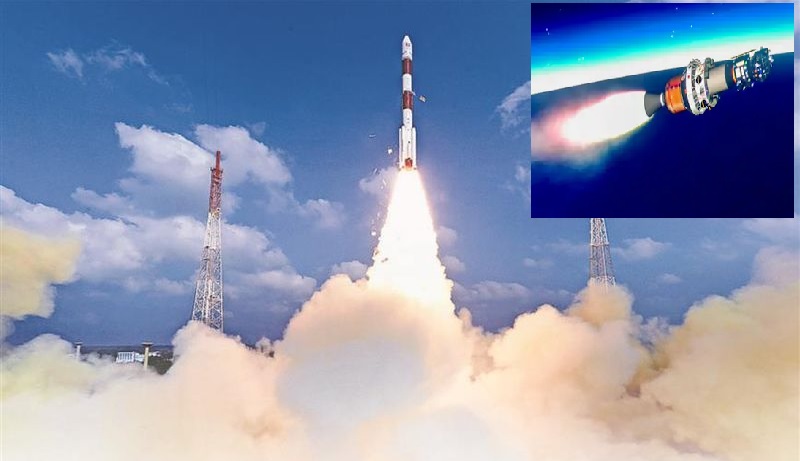
Space & Technology
In a remarkable demonstration of international cooperation and India’s space prowess, ISRO’s trusted Polar Satellite Launch Vehicle (PSLV-C59) successfully carried the European Space Agency’s (ESA) Proba-3 satellites into orbit on Thursday. The launch, conducted from the Satish Dhawan Space Centre in Sriharikota, took place at 4:04 PM, following a 24-hour postponement due to a minor anomaly in the propulsion system of one of the satellites. The liftoff marked a significant milestone for NewSpace India Ltd (NSIL), ISRO’s commercial arm, which secured the contract with ESA to deploy the Proba-3 mission. The mission aims to showcase cutting-edge technology and global collaboration, emphasizing precision and innovation in space exploration. A Synergy of Science and Engineering Proba-3, short for Project for Onboard Autonomy, is an advanced mission comprising two satellites designed to fly in formation with millimeter-level precision. This synchronized formation is critical for the mission’s goal: to study the Sun’s corona—the outermost layer of the solar atmosphere. By positioning the two spacecraft in a precise alignment, the mission simulates the effect of a coronagraph, allowing scientists to observe solar phenomena otherwise obscured by the Sun's intense brightness. The two satellites, dubbed ‘Coronagraph’ and ‘Occulter,’ are stacked together during launch and will separate once in orbit to execute their complex maneuvers. The intricate coordination between the two spacecraft will help researchers gain insights into the dynamic behavior of the corona, which plays a vital role in understanding solar activity and its impact on space weather. The Rocket Behind the Mission Standing at an imposing height of 44.5 meters, PSLV-C59 reaffirmed its reputation as a reliable workhorse of ISRO’s launch vehicle fleet. Known for its versatility and success in deploying satellites of varying configurations into diverse orbits, the PSLV has been a cornerstone of India’s space program. Thursday’s launch was no exception, as it delivered on precision, reliability, and technical excellence. The Proba-3 mission also showcases ISRO’s legacy of successful partnerships with ESA. This collaboration dates back to 2001, when ISRO launched Proba-1, ESA's first satellite in the Proba series. Over two decades later, the synergy continues, with ISRO cementing its role as a trusted partner in global space initiatives. From Challenge to Triumph The launch on Wednesday had to be called off mere minutes before liftoff due to an anomaly detected in one of the satellite's propulsion systems. The quick resolution of this issue and the successful launch the following day underscore ISRO’s commitment to operational excellence and safety. Following the liftoff, ISRO celebrated the achievement in a social media post, stating, “PSLV-C59 has successfully soared into the skies, marking the commencement of a global mission led by NSIL, with ISRO’s technical expertise, to deploy ESA’s groundbreaking PROBA-3 satellites. A proud moment celebrating the synergy of international collaboration and India’s space achievements.” A Step Forward in Space Exploration Proba-3’s Latin roots, meaning "Let’s try," perfectly encapsulate the mission's spirit of innovation and discovery. This project is not only a technical triumph but also a testament to the growing importance of international collaboration in addressing complex scientific questions. As ISRO continues to expand its global footprint, missions like Proba-3 underline India’s critical role in advancing space technology and fostering partnerships that push the boundaries of human knowledge. For ISRO, ESA, and the broader scientific community, this launch marks a bold step forward in the quest to unravel the mysteries of the universe.
Read More → Posted on 2024-12-05 16:11:05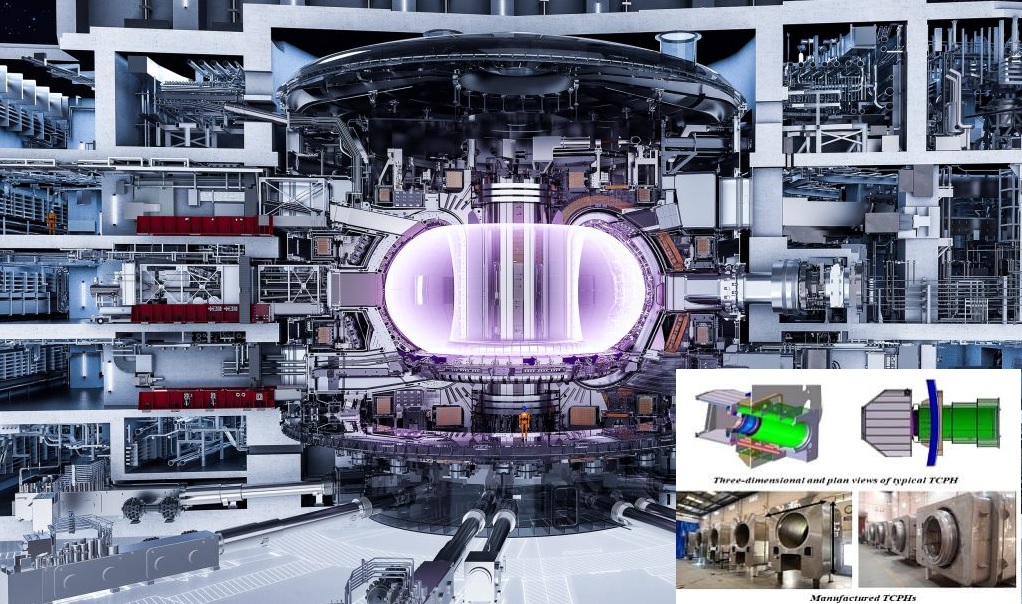
Space & Technology
ITER-India has marked a significant milestone by successfully delivering six Torus Cryopump Housings (TCPHs) to the International Thermonuclear Experimental Reactor (ITER) project in France. This contribution underscores India's pivotal role in advancing nuclear fusion technology through global collaboration. These meticulously designed and manufactured housings were accompanied by crucial components such as bellows and additional loose items, all developed under the tender reference I-ITN19002. The effort reflects not only engineering precision but also India's commitment to maintaining the highest standards of quality and innovation in one of the most ambitious energy projects in human history. What Are Torus Cryopump Housings, and Why Are They Critical? At the heart of ITER’s mission to demonstrate the feasibility of nuclear fusion lies its tokamak, a reactor designed to replicate the energy-producing processes of the sun. The Torus Cryopump Housings play an indispensable role in achieving this vision. Vacuum Maintenance:TCPHs are essential for sustaining the ultra-high vacuum required in the ITER tokamak’s torus chamber. A vacuum of 10−610^{-6} pascals is critical to ensure the purity and stability of the plasma, minimizing impurities that could disrupt fusion reactions. Exhaust Gas Management:The cryopumps within these housings are tasked with pumping and containing exhaust gases produced during fusion, such as helium, tritium, and deuterium. Proper management of these by-products is crucial to maintain reactor efficiency and operational safety. Thermal Insulation:TCPHs also provide an insulating vacuum for the ITER cryostat, shielding sensitive components from thermal fluctuations. This ensures that critical parts of the reactor operate under optimal conditions, enhancing both reliability and performance. Engineering Challenges and Triumphs The development of the TCPHs involved overcoming significant technical hurdles. Precision engineering was key, with tight tolerances required to maintain the vacuum environment and ensure seamless integration with ITER’s complex infrastructure. Additionally, the components had to meet stringent cleanliness standards to prevent contamination that could compromise the reactor's performance. Throughout the manufacturing process, third-party inspections were conducted to verify compliance with these demanding specifications, reflecting ITER-India's unwavering dedication to quality assurance. The Journey to France Transporting the TCPHs from India to France was another logistical accomplishment. These large and delicate components required specialized handling to ensure their safe delivery to the ITER construction site in Cadarache. The logistical planning, coupled with meticulous coordination, ensured the components arrived intact and on schedule. India’s Role in the Future of Energy The delivery of these cryopump housings highlights India's growing expertise in high-end engineering and its significant contribution to global fusion research. As one of 35 countries participating in the ITER project, India’s involvement not only advances the collective goal of achieving clean and virtually limitless energy but also enhances its technological and industrial capabilities. By contributing critical components like the TCPHs, India is not only aiding in the construction of a fusion reactor but also cementing its position as a leader in cutting-edge scientific endeavors. ITER, once operational, is expected to revolutionize the energy landscape by providing a sustainable, carbon-free alternative to traditional energy sources. This achievement is a testament to the collaborative spirit driving the ITER project and the ingenuity of the Indian scientific community. As the world moves closer to harnessing the power of fusion, India’s role in this transformative journey will be remembered as a cornerstone of innovation and global cooperation.
Read More → Posted on 2024-12-02 13:28:08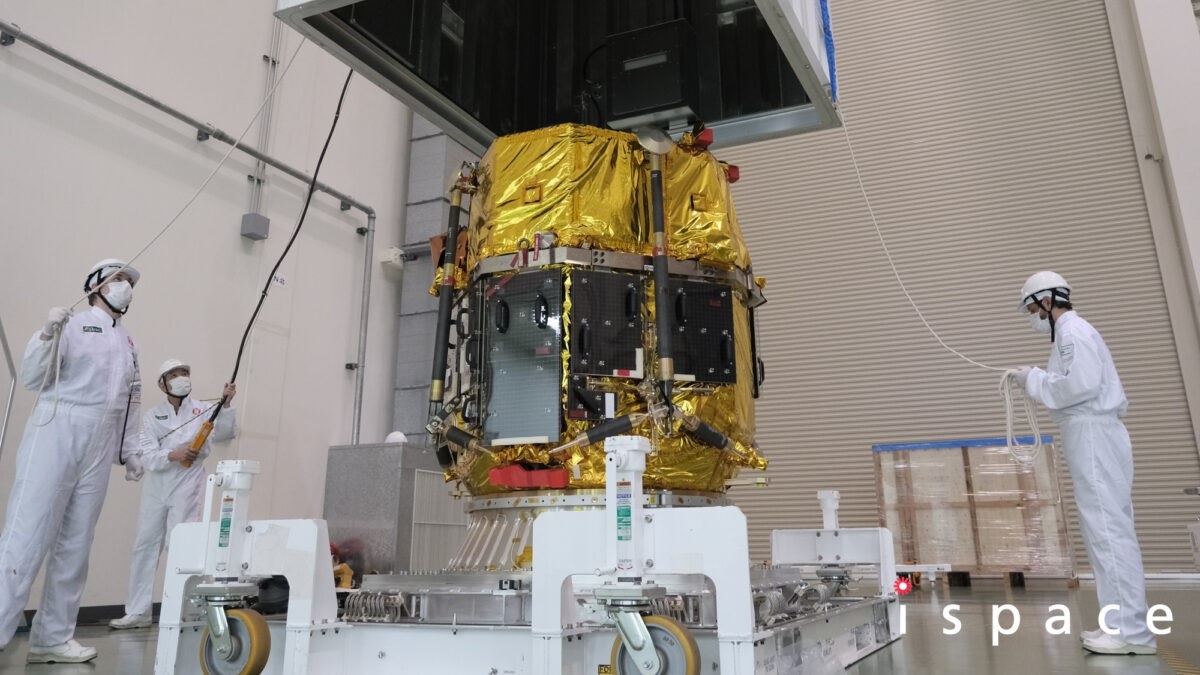
Space & Technology
Japanese space exploration firm ispace is charting a new course to the Moon with its "Resilience" Mission 2 lander, marking a pivotal second attempt to achieve lunar landing success. Following a meticulous series of tests at the Japan Aerospace Exploration Agency (JAXA) facility in Tsukuba, the upgraded spacecraft has arrived in Florida in preparation for its anticipated January 2025 launch aboard a SpaceX Falcon 9 rocket. A Mission Built on Lessons Learned Mission 2 builds upon the experiences and setbacks of ispace's inaugural lunar attempt in April 2023. That mission, while ambitious, concluded in failure when the lander's altitude sensor misinterpreted data due to the unexpected detection of a crater rim. The miscalculation caused the spacecraft to believe it was closer to the lunar surface than it actually was, leading to an unsuccessful landing. This time, the "Resilience" lander has been equipped with enhanced software and redesigned systems, incorporating critical insights gained from the earlier mission. According to Takeshi Hakamada, ispace's founder and CEO, this mission is "the culmination of the Hakuto-R program" and represents the company's steadfast commitment to advancing lunar exploration. Carrying Dreams and Payloads The Resilience lander is not just a technological marvel but also a carrier of collective ambition. It will deliver a small rover named Tenacious, designed by ispace's Luxembourg-based subsidiary, to the Moon. The mission will also transport a mix of commercial and scientific payloads, furthering humanity's lunar knowledge and advancing collaborative space exploration. In alignment with NASA's Artemis program, which aims to establish a sustainable human presence on the Moon, ispace's Mission 2 is expected to contribute valuable data and technological advancements. The company’s collaboration with international partners reflects a growing trend of private firms playing critical roles in global space initiatives. A Roadmap to the Future While Resilience captures the immediate spotlight, ispace is already looking ahead. The company is developing a larger and more advanced lander, the APEX 1.0, slated for its maiden voyage in 2026. This platform is designed to expand payload capacity and accommodate increasingly complex missions, signaling ispace’s long-term ambitions in lunar exploration. The road to the Moon is never without challenges, but with resilience—both figurative and literal—Japan’s ispace is proving that perseverance and innovation are the cornerstones of cosmic success. January 2025 will be a defining moment for the company, showcasing how lessons learned from past missions can fuel future achievements in the final frontier.
Read More → Posted on 2024-12-01 15:29:40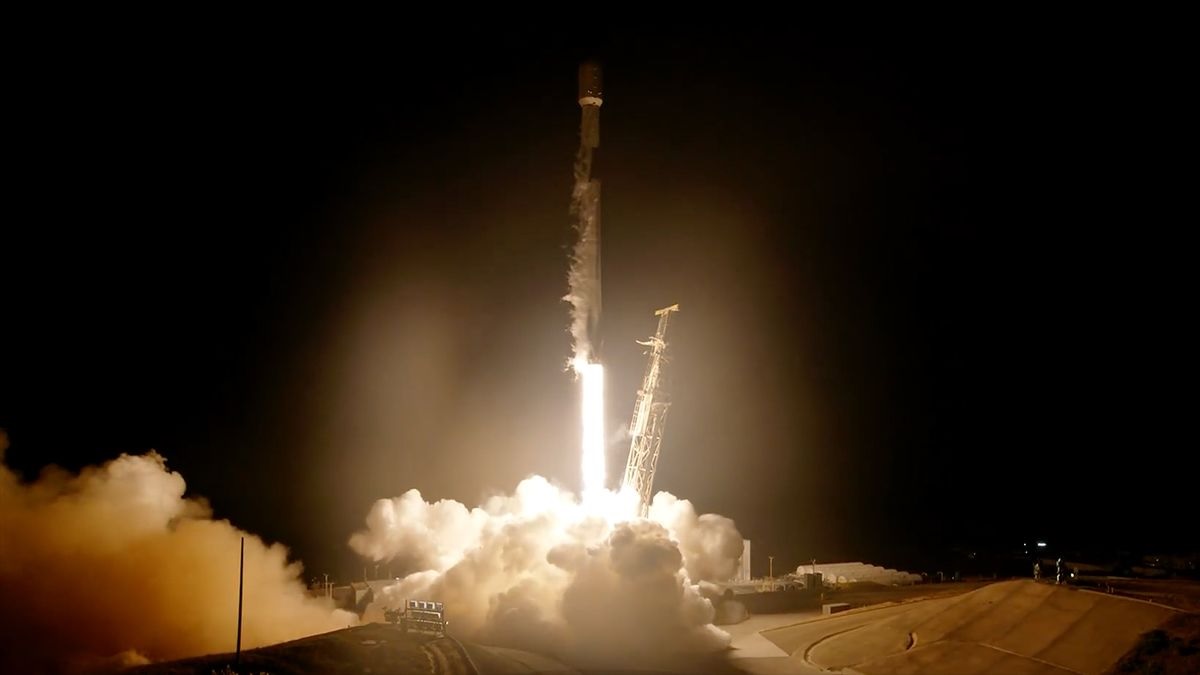
Space & Technology
In the early hours of Saturday, SpaceX added another milestone to its record-breaking year by launching a dual-purpose mission from California's Vandenberg Space Force Base. At precisely 3:10 a.m. EST (0810 GMT; 12:10 a.m. local time), a Falcon 9 rocket roared to life, carrying advanced spy satellites for the National Reconnaissance Office (NRO) and 20 Starlink broadband satellites into orbit. This mission, labeled NROL-126, is part of an ambitious effort to redefine the capabilities of U.S. space assets. Redefining Spy Satellites: The NROL-126 Mission Saturday's launch marked the fifth flight in the NRO's "proliferated architecture" initiative. This strategy moves away from deploying a small number of highly capable but costly satellites, instead focusing on numerous, smaller, more versatile spacecraft. Though the specifics of these satellites remain classified, they are thought to leverage the design of SpaceX's Starlink models, enhanced with advanced, undisclosed sensors. This new paradigm aims to boost resilience and adaptability. Smaller satellites are quicker to deploy, easier to replace, and collectively provide a robust framework for intelligence gathering. By using SpaceX's Falcon 9, a proven launch vehicle, the NRO underscores its commitment to rapid and reliable space operations. Precision Engineering: The Falcon 9 Rocket The Falcon 9 rocket once again demonstrated its engineering prowess. The mission featured the debut of a new first-stage booster, which performed flawlessly. Just eight minutes after liftoff, the booster returned to Earth, landing smoothly on the autonomous droneship "Of Course I Still Love You" stationed in the Pacific Ocean. The deployment of the 20 Starlink satellites occurred 62 minutes after launch, adding to SpaceX's growing constellation of broadband satellites in low Earth orbit. However, details on when the NRO's classified payload separated from the rocket remain undisclosed. A Record-Breaking Year for SpaceX SpaceX has consistently raised the bar in 2024, with NROL-126 marking the company's 118th Falcon 9 launch of the year. Nearly 70% of these missions have been dedicated to expanding the Starlink network, which now boasts over 6,000 active satellites. This year alone has seen five NRO missions, reinforcing SpaceX’s role as a trusted partner for critical national security payloads. In May, June, September, and October, Falcon 9 rockets carried the NROL-146, NROL-186, NROL-113, and NROL-167 missions, respectively. October's NROL-167 mission was particularly significant, celebrating the 100th Falcon 9 flight of 2024 and highlighting SpaceX's unparalleled operational cadence. Proliferated Architecture: The Future of Space Intelligence The shift toward a proliferated architecture is more than a technical evolution; it’s a strategic game-changer. Smaller satellites can be deployed faster and in greater numbers, creating a resilient network that’s less vulnerable to disruptions. By integrating cutting-edge technologies with proven designs like the Starlink platform, the NRO is building a more agile intelligence infrastructure. Although the exact capabilities of the NROL-126 satellites are shrouded in secrecy, this approach signals a bold shift in how the U.S. gathers and processes intelligence. With SpaceX's reliable launch systems, the NRO can focus on rapid innovation without worrying about the complexities of getting their assets into orbit. SpaceX's Growing Legacy As SpaceX continues to dominate the space industry, its ability to handle complex, dual-purpose missions solidifies its position as a leader in innovation and reliability. The company's partnership with the NRO highlights a growing synergy between private aerospace firms and government agencies, driving forward the boundaries of what’s possible in space exploration and security. With each successful launch, SpaceX not only extends its own legacy but also reinforces its role in shaping the future of space operations. The NROL-126 mission is yet another testament to the company's ability to deliver on its promises, pushing the envelope for both commercial and governmental space endeavors.
Read More → Posted on 2024-11-30 16:25:07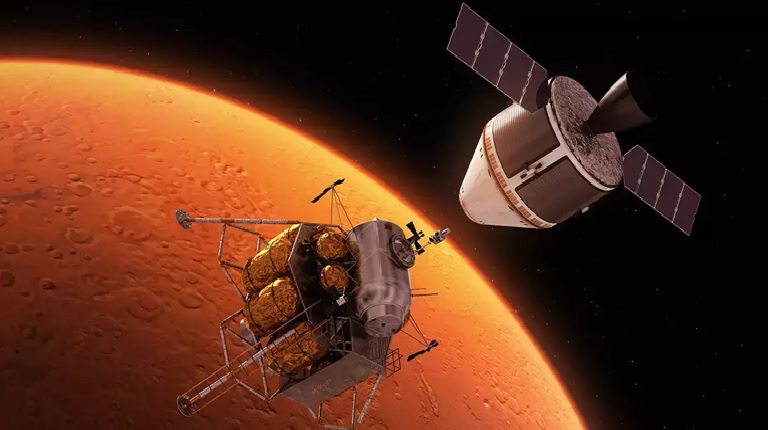
Space & Technology
Venus, often poetically called Earth's twin, is anything but a serene sibling. The planet’s fiery atmosphere and brutal surface conditions make it one of the most challenging destinations in our solar system. ISRO’s ambitious Shukrayaan-1 mission, aimed at studying Venus from orbit, is a testament to India's growing prowess in space exploration. However, the mission is fraught with challenges that are pushing the boundaries of engineering, technology, and innovation.Venus: Earth’s "Evil Twin"Venus shares striking similarities with Earth in terms of size and composition, but that’s where the likeness ends. Known for its suffocatingly dense atmosphere and hellish surface conditions, Venus is an engineering nightmare. With surface temperatures averaging 475°C (900°F)—enough to melt lead—and atmospheric pressure 92 times that of Earth, even the toughest spacecraft could buckle under the strain.The atmosphere is a toxic cocktail of carbon dioxide with clouds of sulfuric acid, creating a highly corrosive environment. For spacecraft, this means an onslaught of chemical degradation, requiring special protective coatings and materials that can endure this punishment.ISRO's Shukrayaan-1: An Orbital PerspectiveShukrayaan-1, ISRO’s proposed Venus orbiter, is not intended to land on the surface, but that doesn’t make the mission any less challenging. The orbiter aims to study the planet's atmosphere, volcanic activity, and mysterious super-rotation phenomenon, where winds whip around the planet at over 300 km/h. The spacecraft will need to endure prolonged exposure to extreme radiation and high thermal loads while maintaining stable operation in Venus's upper atmosphere.Engineering Against the OddsTo survive and function in Venus's environment, ISRO engineers must innovate on several fronts: Thermal Protection: The spacecraft's systems must be shielded from extreme heat. While Shukrayaan-1 will orbit far above the planet's surface, thermal radiation from Venus and solar heating in its proximity necessitate robust thermal control systems. Advanced Sensors and Instruments: Instruments designed to collect data on Venus must function accurately despite the corrosive atmosphere and high radiation. Spectrometers, radar systems, and other sensors will require special calibrations and shielding. Power Systems: Unlike missions to other planets, Venus’s dense clouds block sunlight, making solar panels less effective. Shukrayaan-1 will rely on high-efficiency solar cells capable of generating power even in low-light conditions. Learning from Past MissionsThe Soviet Union’s Venera program in the 1970s and 1980s provided a wealth of knowledge about Venus but also highlighted its dangers. The Venera landers, designed to survive for hours, succumbed to the environment within a short time, showcasing the need for next-generation materials and mission designs. ISRO can build on these lessons while leveraging modern advancements in material science and miniaturized electronics to overcome these challenges.The Bigger PictureStudying Venus isn’t just about exploring a neighboring planet—it’s about understanding Earth’s past and future. Venus may have once had oceans and a climate similar to Earth’s before a runaway greenhouse effect turned it into the inferno it is today. Shukrayaan-1’s findings could offer critical insights into climate science, atmospheric evolution, and even the potential for life on exoplanets with similar conditions.A Leap into the UnknownShukrayaan-1 is not just another mission; it’s a bold step into the uncharted territory of planetary science. The mission underscores ISRO's commitment to taking on audacious challenges despite limited resources compared to other space agencies like NASA or ESA. For ISRO engineers, Venus represents an unparalleled opportunity to test their mettle and push the limits of human ingenuity. As ISRO advances toward Shukrayaan-1’s scheduled launch in the late 2020s, one thing is clear: Venus, with all its infernal conditions, is a destination worthy of the effort. It’s not just about reaching another planet—it’s about proving that even the most hostile frontiers can be explored with determination and innovation.
Read More → Posted on 2024-11-29 18:21:02
Space & Technology
India has officially taken a monumental step in its journey to become a major player in space exploration. On September 18, 2024, the Union Cabinet approved the construction and launch of the Bharatiya Antariksh Station (BAS), a state-of-the-art modular space station. This landmark decision not only expands the scope of India's ongoing Gaganyaan program but also lays the groundwork for the nation’s long-term ambitions in human spaceflight and research.A Visionary Space StationThe Bharatiya Antariksh Station is envisioned as a modular, scientific research platform positioned in low Earth orbit (LEO) between 400 and 450 kilometers above the Earth's surface. Designed to house multiple modules, the station will serve as a hub for cutting-edge microgravity experiments and technological advancements.The first module, BAS-1, is slated for launch in 2028, while the entire station is expected to become fully operational by 2035. This timeline reflects India's methodical approach to achieving technological and operational milestones critical for human space missions.Expanding the Gaganyaan ProgramInitially focused on human spaceflight to LEO, the Gaganyaan program has been expanded to include the development and deployment of BAS. With an increased budget of ₹20,193 crore ($2.4 billion), of which ₹11,170 crore is earmarked for BAS, the program now encompasses eight missions. These include technology validation and precursor missions designed to test critical systems for long-duration space habitation.Four of these missions are expected to conclude by 2026, paving the way for the BAS-1 launch by 2028. The revision also adds an uncrewed mission to ensure the reliability of life-support systems and other essential technologies. The program’s long-term vision includes not only BAS but also an Indian-crewed lunar mission by 2040.Scientific and Strategic SignificanceThe BAS will serve as a versatile platform for research in microgravity, enabling breakthroughs in fields such as medicine, materials science, and space agriculture. Its advanced Earth observation technologies could also enhance India’s ability to predict and respond to natural disasters, providing critical data for climate monitoring and resource management.The project is expected to create a ripple effect in India’s high-tech sectors, boosting employment, fostering innovation, and providing opportunities for startups to test their technologies in space. By creating a self-reliant space station, India aims to join the ranks of elite space-faring nations like the United States, Russia, and China.Challenges on the HorizonDespite the ambitious plans, the journey to operationalize BAS is fraught with challenges. Technological Development: Building a space station requires advanced capabilities in life support, radiation shielding, and structural integrity, areas where India is still building expertise. Funding and Collaboration: Sustaining a project of this magnitude will necessitate consistent funding, potentially requiring international partnerships and private sector investment. Geopolitical Dynamics: As a strategic asset, BAS will place India in a competitive landscape with other space-faring nations, necessitating careful diplomacy and collaboration. Global Collaborations and PartnershipsBAS is expected to act as a catalyst for international cooperation. By offering a platform for collaborative research, it could attract partnerships with leading space agencies like NASA, ESA, and Roscosmos, as well as emerging private players in the space sector. These collaborations could not only bring in additional resources but also position India as a global leader in space exploration.A Step Toward Space SovereigntyThe approval of the Bharatiya Antariksh Station represents a giant leap for India's space ambitions. Beyond its scientific and strategic benefits, the station embodies the nation's aspiration to achieve space sovereignty, reinforcing its status as a self-reliant and forward-looking power in the global arena. As India sets its sights on launching BAS-1 by 2028, the dream of an operational Bharatiya Antariksh Station by 2035 seems well within reach. With its eyes on the stars and feet firmly on the ground, India is poised to redefine its role in the ever-expanding frontiers of space exploration.
Read More → Posted on 2024-11-27 15:13:13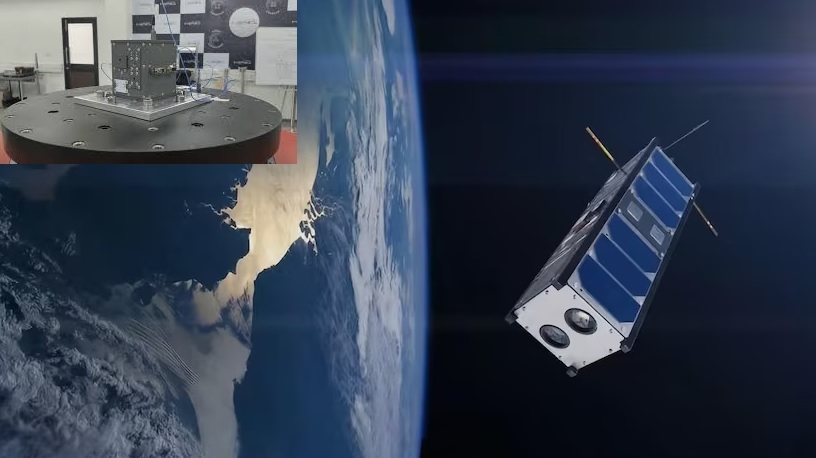
Space & Technology
In a groundbreaking leap for India’s space technology, Hyderabad-based start-up TakeMe2Space is gearing up to launch the country’s first Artificial Intelligence (AI) laboratory into orbit. The ambitious mission, named My Orbital Infrastructure - Technology Demonstrator (MOI-TD), is set to launch aboard ISRO’s PSLV C60 rocket in mid-December 2024. This pioneering effort aims to redefine how satellite data is processed, leveraging real-time AI capabilities in space to overcome significant challenges faced by Earth-bound systems.Redefining Satellite Data ProcessingCurrently, satellites collect vast quantities of data—up to petabytes daily—but much of this data becomes unusable due to delays in processing or issues such as cloud cover. Typically, the data is transmitted back to Earth for processing, an approach that is both time-intensive and costly. The MOI-TD laboratory promises to revolutionize this by processing data directly in space. This innovation will enable immediate analysis of critical data, cutting down transmission costs and latency while providing actionable insights for applications such as environmental monitoring, disaster response, and agriculture.A Satellite-as-a-Service ModelTakeMe2Space’s AI lab isn’t just a technology demonstrator; it offers a Satellite-as-a-Service platform. Researchers and organizations can upload their AI models through OrbitLab, a web-based console, for applications ranging from deforestation monitoring to advanced geospatial analytics. This platform aims to democratize access to space-based research, offering unprecedented opportunities to academic institutions, startups, and global partners. For instance, collaborations have already been initiated with an Indian school and a Malaysian university, signaling the platform’s broad appeal.Cutting-Edge Technology OnboardThe MOI-TD laboratory features advanced components that reflect the mission’s futuristic vision: AI Accelerators for high-speed computation. Advanced Onboard Computers for complex processing tasks. Flexible Solar Cells to power the spacecraft efficiently. Reaction Wheels and Magnetorquers for precise orientation and stabilization in orbit. These technologies represent a significant step towards more autonomous, intelligent spacecraft that can handle increasingly complex missions in the future.Broader Implications for Space ExplorationThe MOI-TD mission is part of a growing trend of leveraging AI for advanced space operations. Similar efforts globally, such as those by Amazon Web Services, have showcased how generative AI can revolutionize geospatial analytics, spacecraft design, and constellation management. These capabilities could ultimately transform satellite constellations into powerful, self-regulating networks capable of managing crowded orbits and delivering unprecedented data insights.A Vision Beyond the HorizonRonak Kumar Samantray, the founder and CEO of TakeMe2Space, envisions this mission as a step toward opening up space technology to smaller entities and researchers. While space-based AI processing currently incurs higher costs compared to Earth-based alternatives, advancements like MOI-TD could eventually make orbital computing as accessible and cost-effective as today’s cloud services.This mission not only positions India as a significant player in the global space tech ecosystem but also sets the stage for future innovations in autonomous satellite operations, environmental monitoring, and disaster mitigation. The MOI-TD is a testament to how private enterprises, in collaboration with space agencies, can push the boundaries of exploration and technology.
Read More → Posted on 2024-11-27 14:59:28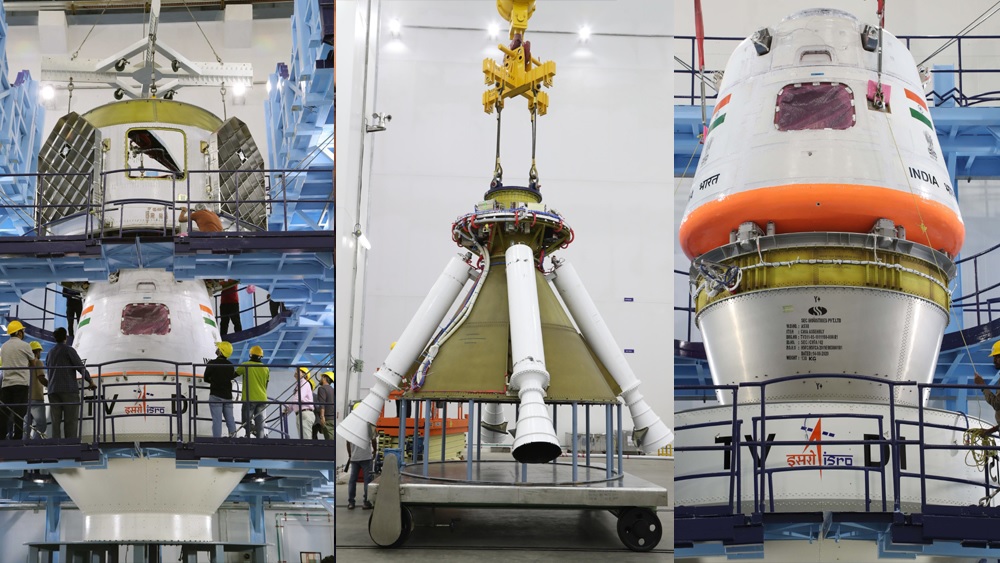
Space & Technology
India's ambitious Gaganyaan program, spearheaded by the Indian Space Research Organisation (ISRO), is gearing up for a groundbreaking milestone with its unmanned mission, scheduled for March 2025. This mission is a critical precursor to India’s first crewed spaceflight, solidifying its presence in the global space exploration arena.Mission Overview and GoalsThe unmanned Gaganyaan mission aims to test the spacecraft's performance and key technologies essential for human spaceflight. These include life-support systems, environmental controls, and navigation. The mission will see the spacecraft reach an altitude of approximately 400 kilometers while orbiting Earth for a few days, simulating conditions for future crewed flights. The findings will pave the way for the subsequent human mission planned for 2026.Role of the Tracking ShipsISRO is deploying two highly advanced ships, each equipped with state-of-the-art telemetry, tracking, and command systems, to monitor and support the mission. These vessels will be strategically positioned in the Pacific and North Atlantic Oceans. Their dynamic positioning systems ensure stability and precision, critical for tracking the spacecraft during key mission phases, such as launch, orbital operations, and re-entry.The onboard technology includes shipborne terminals (SBTs) and advanced antennas, designed to maintain uninterrupted communication with the spacecraft. These ships will establish hybrid communication circuits, linking them directly to ISRO’s mission control in Bengaluru for real-time data analysis and decision-making.Scientists at the HelmEach ship will house a dedicated team of eight ISRO scientists, tasked with monitoring mission operations and ensuring the functionality of onboard systems. These scientists will oversee critical processes such as: Data Transmission: Ensuring real-time data relay between the spacecraft and mission control. Equipment Management: Maintaining and calibrating onboard tracking and telemetry instruments. Dynamic Navigation: Using precision systems to keep the ships stable in rough ocean conditions. The experience gained from these efforts will not only benefit the Gaganyaan program but also enhance ISRO’s capability to handle complex, large-scale missions in the future.Training and the Road AheadISRO has already made significant strides in astronaut training, with four candidates undergoing extensive preparation in Russia and India. Their training covers spacecraft systems, emergency protocols, and space survival techniques. The unmanned mission is expected to validate the systems they will rely on during their journey to space.Strategic and Scientific ImplicationsThe Gaganyaan project represents a giant leap for India’s space aspirations, both scientifically and geopolitically. By showcasing its ability to execute sophisticated human spaceflight missions, India joins an elite group of nations with such capabilities, including the United States, Russia, and China. Furthermore, the deployment of tracking ships highlights India's growing expertise in ocean-based mission support, akin to global standards seen in NASA and ESA missions.With its technological prowess and meticulous planning, the Gaganyaan program is poised to not only achieve its objectives but also inspire the next generation of space exploration in India and beyond.
Read More → Posted on 2024-11-25 15:35:13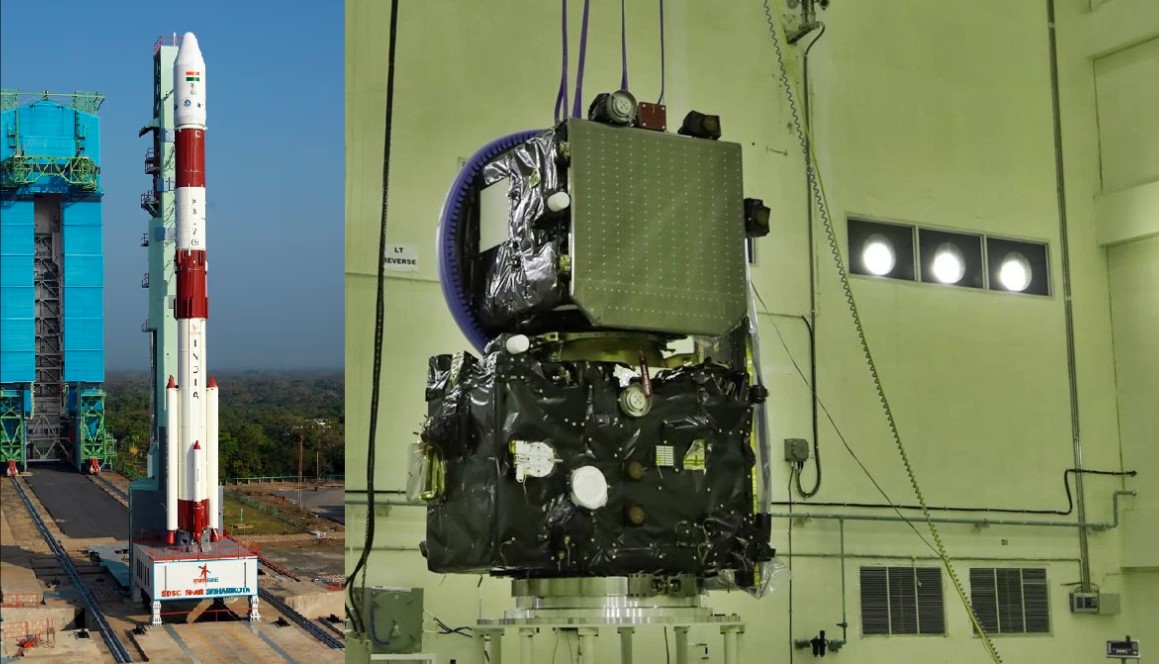
Space & Technology
The Indian Space Research Organisation (ISRO) is preparing for a landmark mission with the launch of the European Space Agency’s (ESA) Proba-3 satellites aboard the trusted PSLV-XL rocket. Scheduled for December 4, 2024, the launch will take place from the Satish Dhawan Space Centre in Sriharikota, India. This mission stands out as the world’s first precision formation-flying operation, aiming to advance space exploration and solar science.Mission Overview and Key ObjectivesProba-3 consists of two spacecraft designed to work in unison: the Occulter Spacecraft (OSC) weighing 200 kg and the Coronagraph Spacecraft (CSC) weighing 340 kg. Together, these satellites will create an artificial solar eclipse in space. This maneuver enables unprecedented observations of the Sun’s corona, providing insights into solar wind origins and space weather. The pair will maintain a precise 150-meter separation, operating as if they were a single rigid structure—an engineering feat that tests advanced formation-flying and rendezvous technologies.Technical and Orbital DetailsThe Proba-3 satellites will be placed in a highly elliptical orbit, with an apogee of 60,530 km and a perigee of 600 km. This orbit has an inclination of 59 degrees and a period of 19.7 hours. Key payload operations will occur around apogee, where the satellites’ precise formation will be maintained for extended durations. A dedicated antenna at Santa Maria des Azores and a ground station in Redu, Belgium, will support mission operations.ISRO’s PSLV-XL, the upgraded version of its Polar Satellite Launch Vehicle, will execute this mission. This variant includes six strap-on boosters for enhanced thrust, offering a payload capacity of up to 3,250 kg to low Earth orbit (LEO) and 1,410 kg to geostationary transfer orbit (GTO). The rocket stands 44 meters tall with a fairing diameter of 3.2 meters, ensuring compatibility with complex payloads like Proba-3.Scientific and Technological ImpactThe artificial eclipse generated by Proba-3 allows for prolonged studies of the Sun’s faint corona, an area usually obscured by its intense brightness. This capability will refine our understanding of solar dynamics and contribute to forecasting solar activity that affects satellite communications and power grids on Earth. The mission also serves as a testbed for cutting-edge technologies in satellite navigation, formation control, and fuel optimization.International Collaboration and Future ImplicationsThe Proba-3 mission highlights the growing collaboration between ISRO and ESA. The successful integration of the Proba-3 spacecraft with PSLV-XL marks a step forward in joint efforts to explore and utilize space for scientific advancement. This mission is expected to set new benchmarks for precision in satellite operations, potentially influencing future multi-satellite constellations and space observatories.As the countdown begins, Proba-3 promises not only to push the boundaries of solar research but also to showcase the technological prowess of ISRO’s PSLV-XL and ESA’s engineering capabilities. The mission signifies a milestone in global space exploration, reflecting the spirit of international scientific cooperation.
Read More → Posted on 2024-11-24 15:48:05
Space & Technology
SpaceX has achieved another impressive milestone, this time with a first-ever collaboration with the Indian Space Research Organisation (ISRO). On November 18, 2024, the launch of the GSAT-N2 communication satellite aboard SpaceX’s reliable Falcon 9 rocket from the Cape Canaveral Space Force Station in Florida marked a landmark moment for India's ambitions in space-based communication. The event unfolded seamlessly, with the rocket lifting off at 12:01 AM IST (1:31 PM EST), sending the 4,700-kilogram satellite on its journey to strengthen India's communication capabilities.Why This Collaboration is SignificantThe GSAT-N2, which also goes by the designation GSAT-20, has been crafted to enhance India’s communication networks dramatically. With a data transmission capacity of 48 Gbps, the satellite has been equipped to provide broadband internet to underserved and remote areas across the country. Notably, it’s also India’s first satellite geared to provide in-flight internet services for aircraft flying in Indian airspace, representing a significant step toward modernizing air travel experiences.The satellite is designed with 32 user beams. These include eight narrow spot beams specifically focused on the Northeastern region of India, along with 24 wider beams that will span the rest of the nation. GSAT-N2’s operational life is projected to be around 14 years, ensuring long-term reliability and service for various communication needs. An added highlight of this satellite is its exclusive operation within the Ka-band frequency, a highly coveted spectrum known for faster data transmission capabilities.Addressing Payload ConstraintsISRO’s decision to collaborate with SpaceX wasn’t taken lightly but was a strategic necessity. India’s indigenous heavy-lift rocket, the LVM-3 (also affectionately termed “Bahubali”), can handle payloads up to 4,000 kilograms, making it insufficient for this satellite’s hefty 4,700-kilogram mass. Historically, ISRO has relied on European launch vehicles to lift heavier satellites into space. By partnering with SpaceX, ISRO aims to diversify and modernize its approach, marking a turning point for future satellite launches.This venture symbolizes more than just technological collaboration. It also hints at the growing interdependence between global space agencies and commercial companies like SpaceX. In an era where the commercial space sector is rapidly expanding, this deal also signals ISRO’s openness to leveraging innovative and cost-effective solutions to meet its mission objectives.The Bigger PictureIn addition to boosting communications and broadband coverage, GSAT-N2 has strategic implications. The satellite will facilitate crucial governmental and private communication networks, enhancing digital infrastructure across India. Its ability to offer in-flight internet services adds to India's global connectivity aspirations. Additionally, experts at ISRO emphasized that once operational, GSAT-N2 will place India on the global map for in-flight connectivity, an area where the nation has lagged.While the launch itself is purely commercial, the geopolitical undertones can’t be overlooked. SpaceX, led by Elon Musk, has significant interests in India, especially with its Starlink initiative aiming to offer satellite-based internet across rural regions. However, the Indian government has been careful, requiring Starlink to comply with stringent regulations before commercial deployment.This collaboration between ISRO and SpaceX is only the beginning of what could become a series of strategic ventures, blending innovation and reliability from the world's leading space companies with India's ambitious space exploration and communication initiatives. Such partnerships are likely to shape the future of space exploration and satellite communication not only for India but also for the world.
Read More → Posted on 2024-11-19 15:07:49
Space & Technology
Imagine taking a flight from the United States to India in just 30 minutes. That once-unbelievable dream is now at the center of SpaceX’s latest ambition, spearheaded by billionaire entrepreneur Elon Musk. Musk, a towering figure in technology and space innovation, is venturing into new territory with the goal of fundamentally transforming long-distance travel using his company’s advanced Starship spacecraft. The vision is grand, the technology unprecedented, and the potential impact on global connectivity mind-blowing.For years, Musk has made waves with his ventures, from electric cars at Tesla to privatizing space travel with SpaceX. Now, he’s aiming to make intercontinental journeys nearly instantaneous. The announcement comes amid an exciting backdrop: Musk is co-leading the newly formed Department of Government Efficiency (DOGE) with another influential figure, Vivek Ramaswamy, as part of efforts to modernize government operations. This endeavor is emblematic of Musk’s approach—always futuristic, always ambitious. And this latest push, what SpaceX is calling its “Earth-to-Earth” travel concept, could bring about a paradigm shift in how humans move across the globe.The essence of SpaceX's plan involves converting its Starship rockets, initially designed for space exploration, into super-fast orbital planes. These rockets would travel briefly into the lower reaches of space, enabling them to cross vast distances at incredible speeds before landing. According to initial reports, a journey from San Francisco to Delhi could be completed in 30 minutes, a trip that currently takes over 15 hours on a standard commercial flight. Similarly, a hop from New York to Shanghai would take a mere 39 minutes, compared to almost 15 hours with traditional airliners.How exactly would these Starship rockets work for ultra-fast human transportation? Rather than flying within the Earth's atmosphere, they would exit the stratosphere, making a quick trip through the vacuum of space and then re-entering at the destination point. The advantage is that traveling through the near-vacuum of space allows for much higher speeds with significantly lower air resistance. The spacecraft’s peak velocity would outstrip anything commercial aviation currently offers. These journeys would operate with the precision of orbital mechanics, requiring highly coordinated launches and landings, and supported by carefully engineered infrastructure at strategic global hubs.Each Starship rocket is designed to carry up to 1,000 passengers, creating the capacity for mass transit across continents like never before. For comparison, modern long-haul aircraft typically carry between 200 to 300 passengers. This increase in capacity would be a game-changer, significantly reducing flight times and offering a new realm of possibilities for people and businesses. Just imagine the economic impact of reducing global travel times by 2,200%, as experts estimate. This kind of leap in technology could open up unprecedented opportunities for international business, tourism, and even emergency medical transportation.What’s fueling this rapid progression? In the aftermath of Donald Trump's presidential win, there was an influx of ideas to revamp American infrastructure, and the Federal Aviation Administration (FAA) has become more open to exploring innovative approaches to aviation and space travel. Although approvals are still pending, Musk’s confidence is growing. In response to a viral post about the FAA potentially green-lighting the project, he enthusiastically responded, “It’s now possible.” His optimism comes from an increasing interest among governments and the public alike in technologies that push the boundaries of what was once deemed feasible.Musk’s motivations aren't limited to speed alone; the concept of ultra-fast travel is also about enhancing global connectivity. The ability to traverse continents in mere minutes could revolutionize international relations and make the world feel more interconnected than ever. Critics, however, raise questions about the logistics, cost, and environmental impact of these high-speed spaceflights. Although Musk and his team have yet to release comprehensive details about ticket pricing, they claim that economies of scale could make the service competitive with premium-class air travel.The Daily Mail and other sources have highlighted that SpaceX’s Starship could make trips between Los Angeles and Toronto in 24 minutes, or between London and New York in just 29 minutes. Such incredible speeds dwarf even the fastest current air travel options. With the backing of powerful political figures and public enthusiasm, Musk believes that the world may soon witness the dawn of this new travel era. While skeptics debate the practicality and safety of these spaceflights, there’s no denying the allure of Musk’s vision: a planet where distance is no longer a barrier.In the end, as SpaceX continues its journey toward making ultra-fast travel a reality, one can’t help but wonder how this innovation might reshape our global landscape. Will the promise of crossing continents in under an hour be our new normal? With Elon Musk at the helm, it seems that the future might just arrive faster than anyone anticipated.
Read More → Posted on 2024-11-17 14:01:13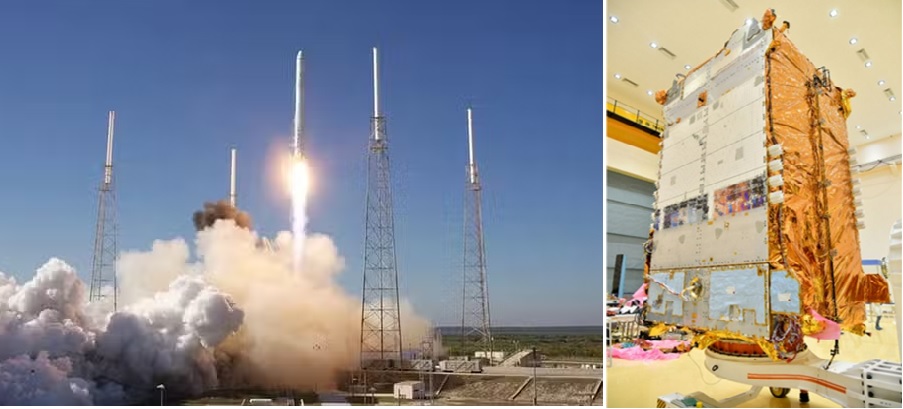
Space & Technology
In a major milestone for India's space ambitions and digital connectivity goals, the Indian Space Research Organisation (ISRO) is gearing up to launch the advanced GSAT-N2 satellite, also known as GSAT-20, aboard SpaceX's Falcon 9 rocket. This exciting mission, scheduled for the second quarter of 2024, not only represents ISRO's debut commercial launch collaboration with SpaceX but also marks a significant step in expanding high-speed internet coverage across India, including in-flight connectivity for passengers traveling over Indian skies.The GSAT-N2 satellite stands as a testament to ISRO's commitment to modernizing communication networks across the country. Weighing in at an impressive 4,700 kilograms, this high-throughput satellite (HTS) is tailored for internet data transmission and operates within the Ka-band frequency spectrum. What makes this satellite a technological marvel is its extraordinary throughput capacity of approximately 48 gigabits per second (Gbps), which will drastically enhance broadband services across India. Designed to provide extensive coverage, GSAT-N2 is equipped with 32 specialized user beams. This includes 8 narrow spot beams specifically aimed at the densely populated and strategically important Northeastern regions of India, while 24 wide spot beams will span the rest of the country. Moreover, GSAT-N2's reach extends to some of the most remote and underserved areas, such as the Andaman and Nicobar Islands and Lakshadweep, regions where reliable internet access has long been a challenge.A standout feature of GSAT-N2 is its impact on aviation connectivity. While in-flight internet has become a standard service in many parts of the world, it has remained restricted within Indian airspace until recently. This was primarily due to regulatory limitations, which have now been relaxed to allow in-flight internet services at altitudes exceeding 3,000 meters. Once operational, GSAT-N2 will close this gap, empowering airlines to offer seamless internet access to passengers from takeoff to landing over Indian territory.The advent of GSAT-N2-enabled services will require service providers to take a few critical steps. Providers will have to acquire the appropriate licenses from Indian authorities and install specialized equipment on their aircraft. Despite these technical and regulatory hurdles, companies are already preparing to harness this opportunity. Viasat Inc., a prominent satellite communications firm based in the United States, has revealed its plans to leverage GSAT-N2 for delivering maritime and in-flight internet solutions throughout India. This partnership is anticipated to set a new benchmark in on-the-move connectivity.Interestingly, ISRO's choice of SpaceX's Falcon 9 rocket for this mission was dictated by the sheer size and weight of GSAT-N2. ISRO's own launch vehicles, such as the GSLV and PSLV, lack the payload capacity needed for a satellite of this scale. Consequently, the launch will take place from Cape Canaveral, Florida, and will be handled by NewSpace India Limited (NSIL), ISRO's commercial arm, which has played a pivotal role in arranging and executing this international collaboration.Beyond just enhancing in-flight connectivity, GSAT-N2 is set to revolutionize internet access across vast swathes of India, bridging the digital divide in regions that have historically lagged in network infrastructure. With a robust operational lifespan of 14 years, the satellite promises long-term benefits for both remote communities and travelers in the skies.In an era where internet access is increasingly synonymous with economic growth and social development, GSAT-N2 is poised to be a game-changer. It exemplifies ISRO's relentless drive to harness space technology for the nation's progress and sets the stage for a new chapter in global collaboration with leading space companies like SpaceX.
Read More → Posted on 2024-11-16 14:07:03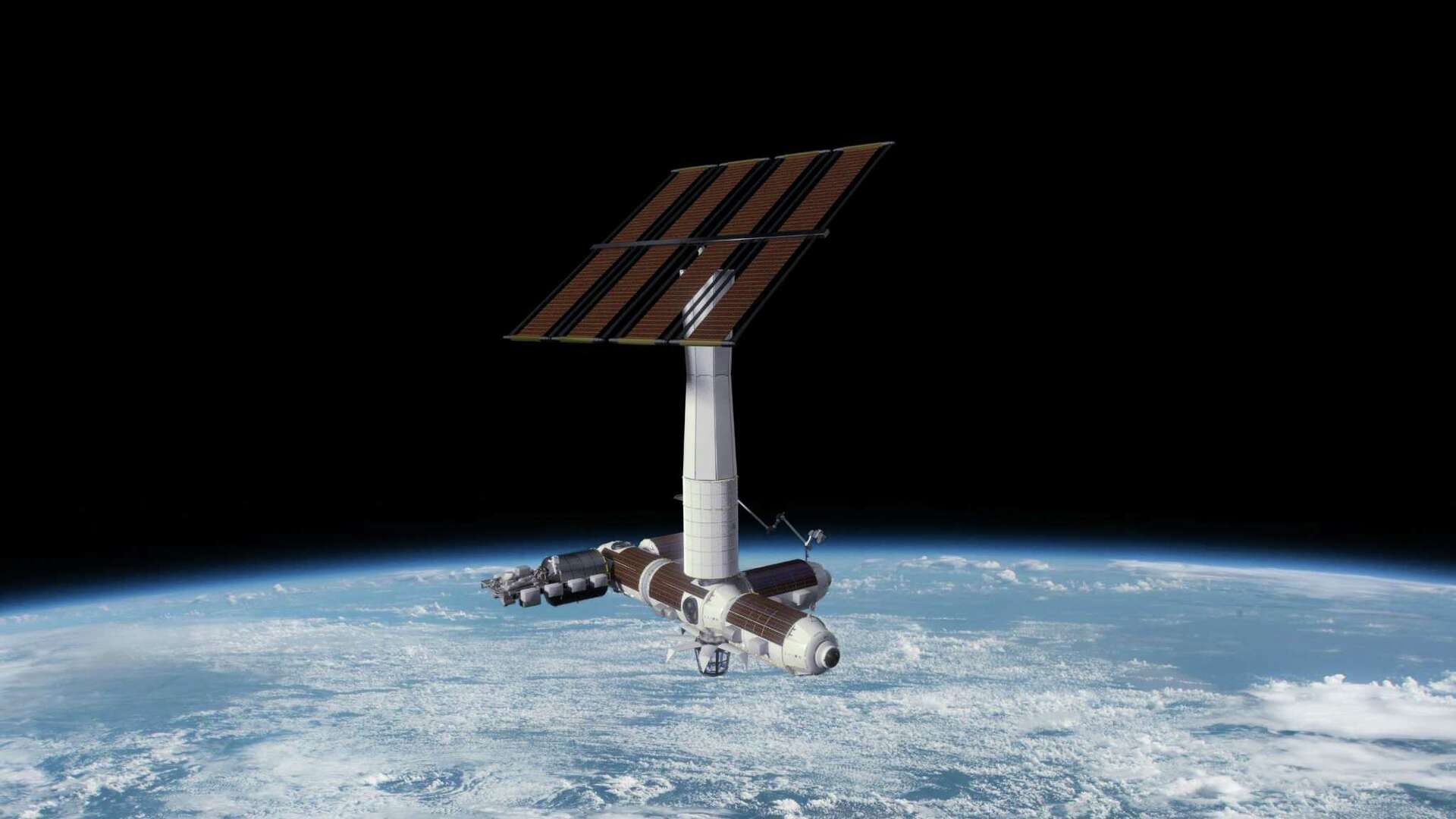
Space & Technology
The looming retirement of the International Space Station (ISS), set for 2031, has ignited a race among private space enterprises to establish new orbital platforms that will continue humanity's presence in low Earth orbit. Leading the charge is Axiom Space, a Houston-based company that has not only trained astronauts from around the world, including India's upcoming human spaceflight missions, but is also determined to build the world’s first commercial space station.Over the past 25 years, the ISS has been pivotal for international collaboration and space science. Yet, its aging infrastructure has necessitated a new vision, one that NASA and other global agencies are now pushing forward. Instead of constructing and maintaining future stations themselves, NASA has decided to support and rely on the services of private companies like Axiom. This strategic shift enables NASA to focus on deeper space exploration, such as returning humans to the Moon and planning missions to Mars.Axiom’s Ambitious Space Station VisionAxiom Space plans to launch a series of modules that will eventually detach and operate as a self-sufficient space station. The first module, being built in collaboration with Thales Alenia Space in Europe, is slated for a 2026 launch. This initial segment will attach to the ISS, laying the groundwork for Axiom’s station. As more modules are added, they will collectively form a state-of-the-art space platform, hosting scientific research, commercial activities, and even tourism.Key elements of Axiom’s future space haven include modular labs dedicated to microgravity research and technology testing, essential for the next steps in human space exploration. The station will feature robotic systems for payload management, living spaces designed for extended human habitation, and panoramic windows offering breathtaking views of Earth—reminiscent of the iconic Cupola on the ISS.Exploring Indian Space CollaborationTo support this colossal endeavor, Axiom Space is exploring collaborations with ISRO and private Indian space companies like Skyroot and Agnikul. These companies are emerging as vital players, thanks to India's recent regulatory and investment support aimed at nurturing its space sector. With a newly created venture fund and a supportive policy environment, India has become an attractive partner for companies like Axiom that are seeking reliable, cost-effective solutions for building and servicing space infrastructure.Engaging with ISRO and Indian space-tech companies allows Axiom to diversify its logistics network, crucial for reducing the risks associated with depending on a single supplier. Additionally, the collaboration is part of a broader framework set by the US-India Space Flight Agreement, which seeks to deepen space-related cooperation between the two nations.This partnership has the potential to integrate India’s established space technology, known for its efficiency and innovation, into Axiom’s grand vision. For ISRO, being involved in such a transformative project underscores India’s growing status in the global space community and offers opportunities to showcase its technology on an international stage.The Race to Replace the ISSAs Axiom forges ahead, it is not without competition. Other private entities like Blue Origin, with its Orbital Reef project, and Vast, another ambitious player, are also eyeing the opportunity to replace the ISS. Each company brings unique designs and technologies to the table, contributing to a dynamic and competitive era of space station development.Axiom's strategy, however, stands out with its commitment to starting operations while the ISS is still functional. This overlap ensures that there will be no gap in human activities in low Earth orbit, a priority for NASA and its international partners. By securing contracts and forming strategic alliances, Axiom hopes to be at the forefront of the post-ISS era, transforming human spaceflight from a government-led enterprise into a vibrant, commercially driven ecosystem.The next few years will be critical as Axiom and its competitors race to make their visions a reality. With the ISS's days numbered, the stakes are high, and the future of humanity's orbital presence may soon rest in the hands of the private space industry.
Read More → Posted on 2024-11-11 14:43:23Search
Top Trending in 24 Hours
-
 Japan Selects Terra Drone’s Terra B1 for Mass Production of Interceptor UAVs
-
 Russia Equips Shahed and Geran Drones With Electronic Warfare Systems to Jam Ukrainian Interceptor Video Links
-
 Austria Receives First Modernized Leopard 2A4Ö Tank and Ulan NV Infantry Fighting Vehicle
-
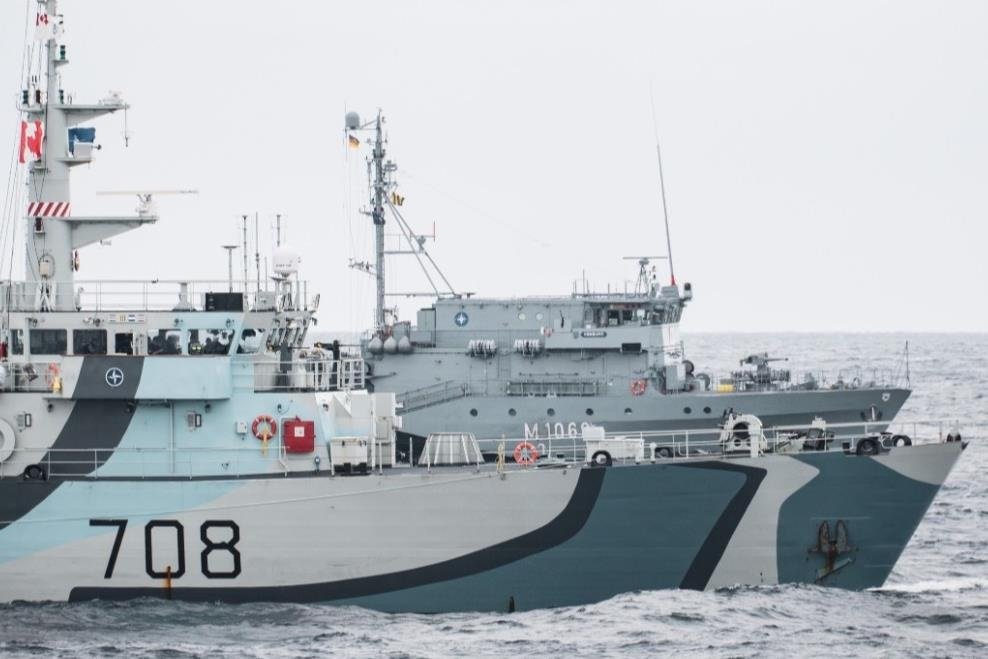 NATO Launches Exercise Northern Viking 26 in Iceland to Secure North Atlantic Routes
-
 Ukraine Reduces Use of Western Tanks as Cheap Drones Become a Major Battlefield Threat
-
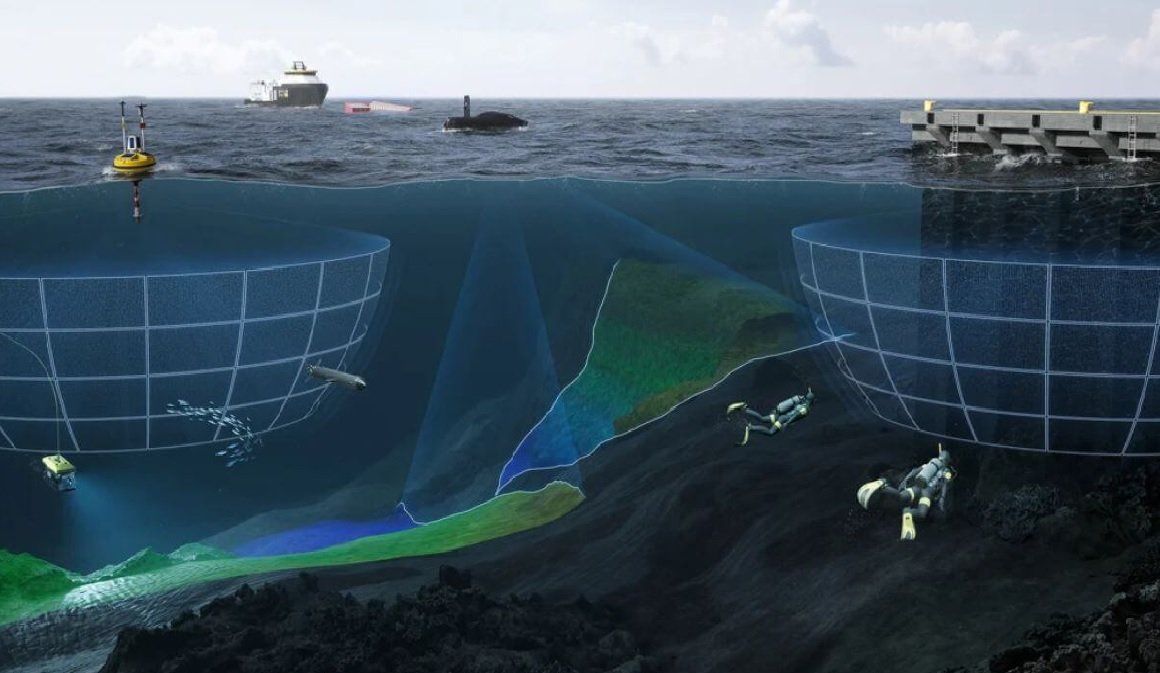 Kongsberg Introduces Aegir SSA Sonar Family With AI-Powered Monitoring for Continuous Underwater Surveillance
-
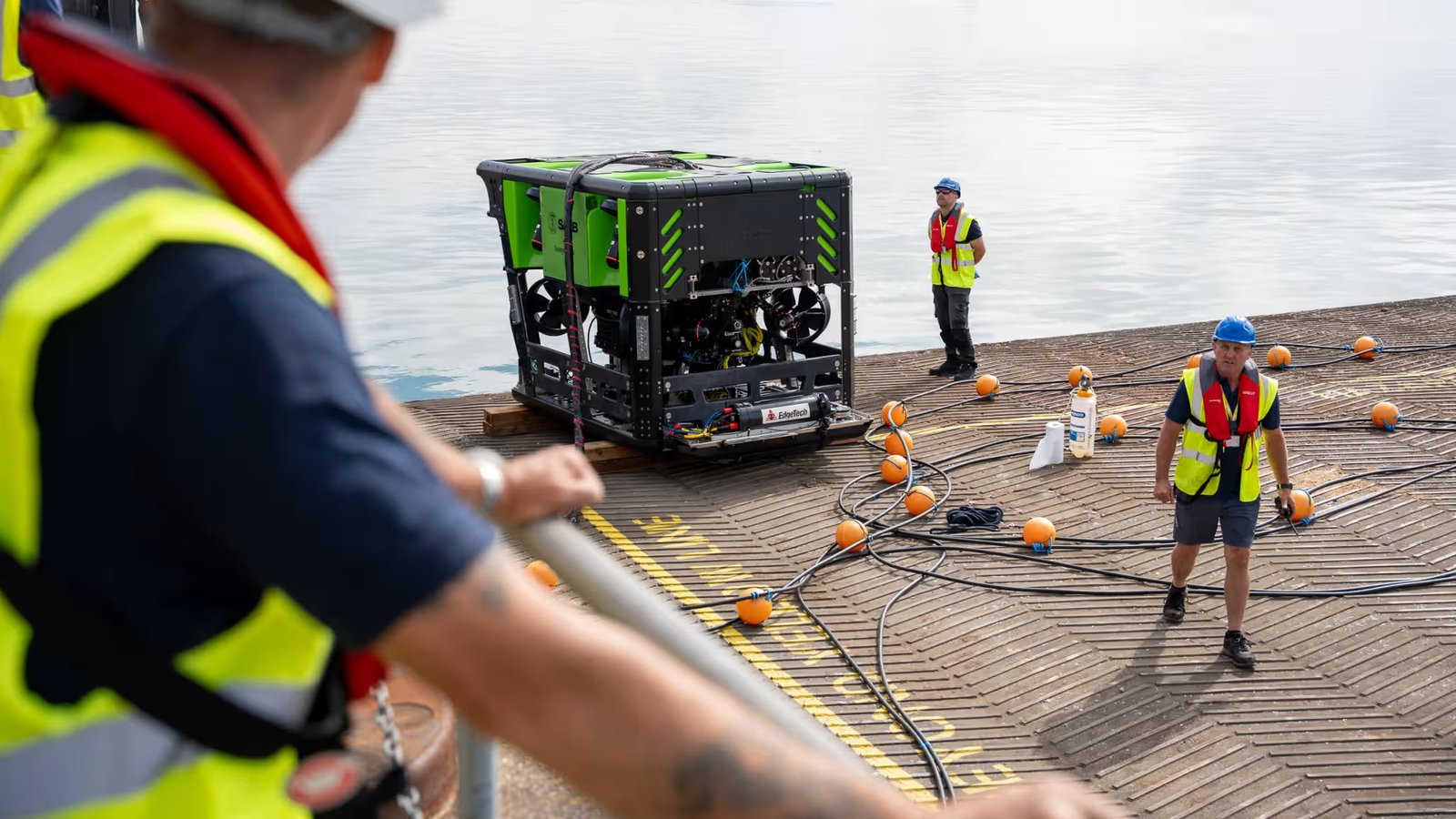 Saab UK Completes Key Trials of Seaeye SR20 eWROV, Moves to Next Development Phase
-
 Mystery Chinese J-20-Like Object Seen at Former Airport Was a Firefighting Training Mock-Up
Top Trending in 4 Days
-
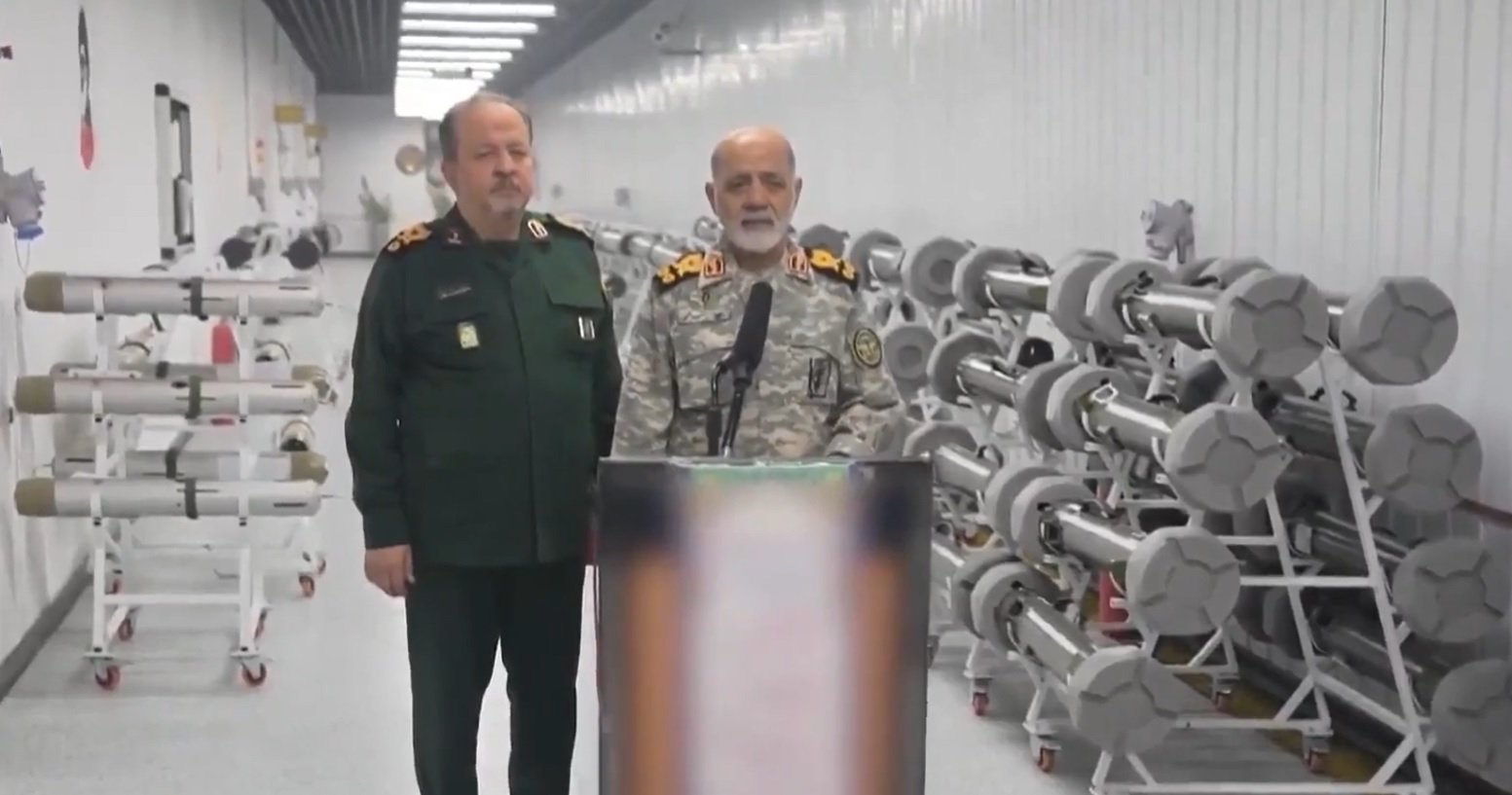 Iran Reveals Underground Weapons Manufacturing Facility for First Time on State TV
-
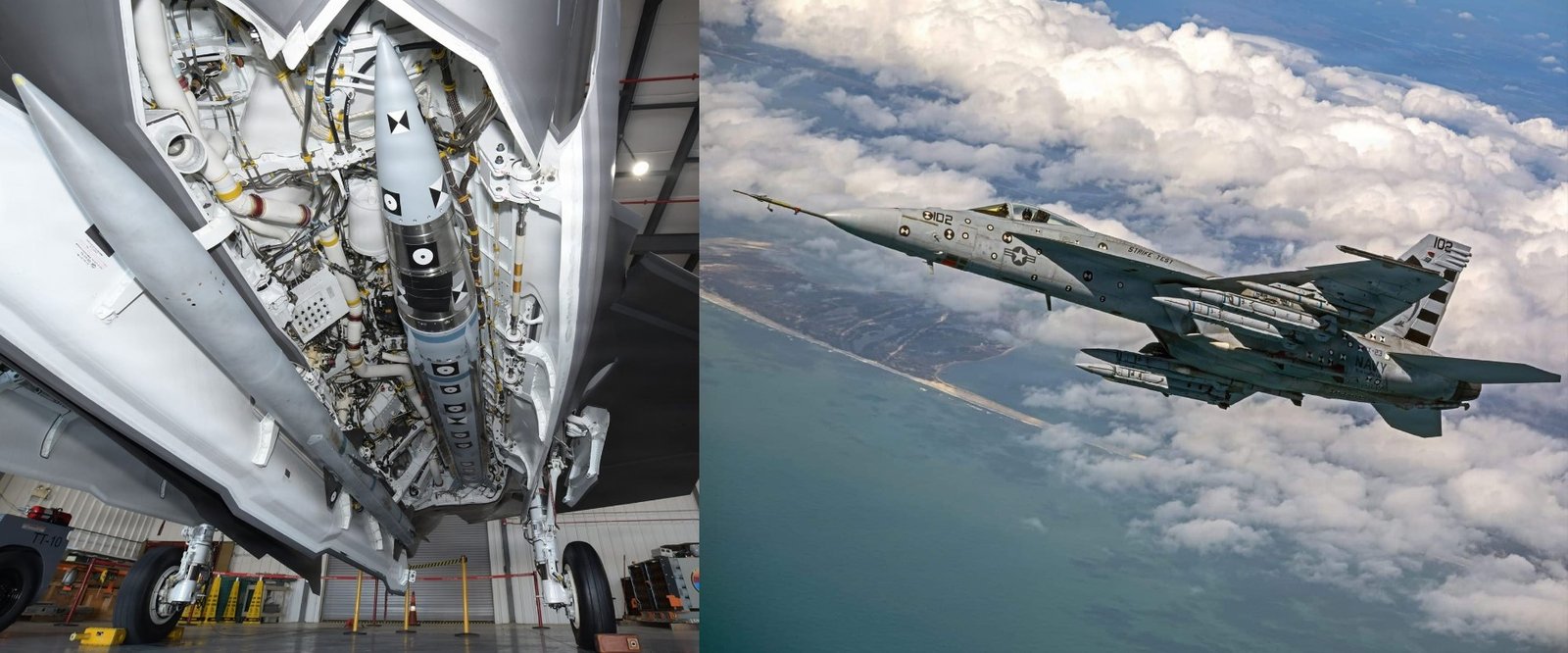 U.S. Navy Unveils New AIM-424 ‘Malice’ Air-to-Air Missile With 463+ km Range for F-35C, Super Hornet and F/A-XX
-
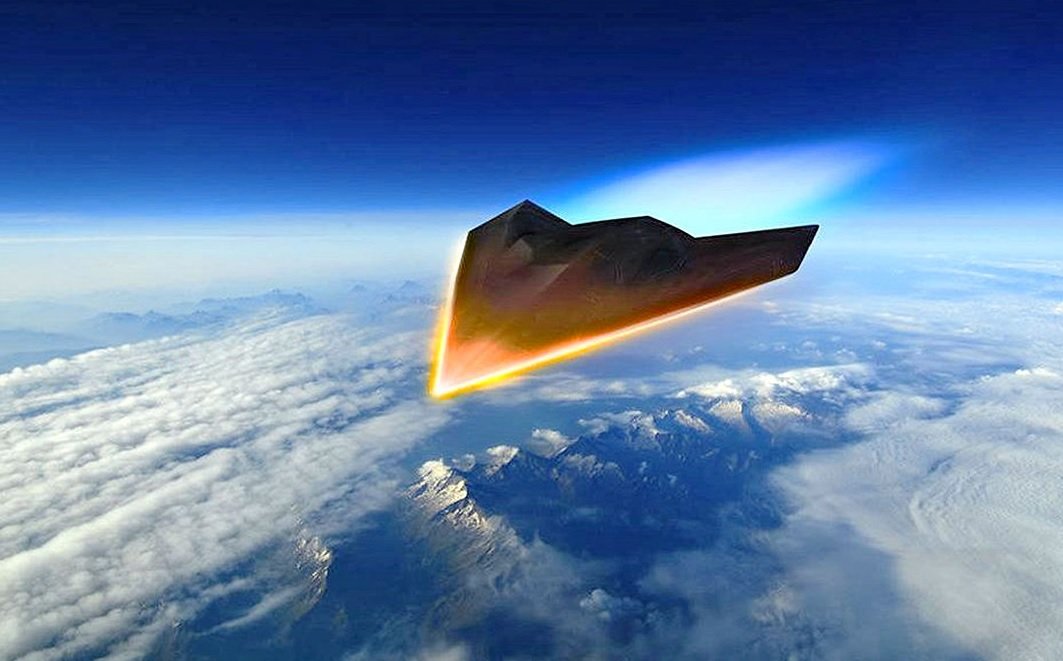 China Develops Hypersonic Glide Vehicles Capable of Launching Air-to-Air Missiles Mid-Flight
-
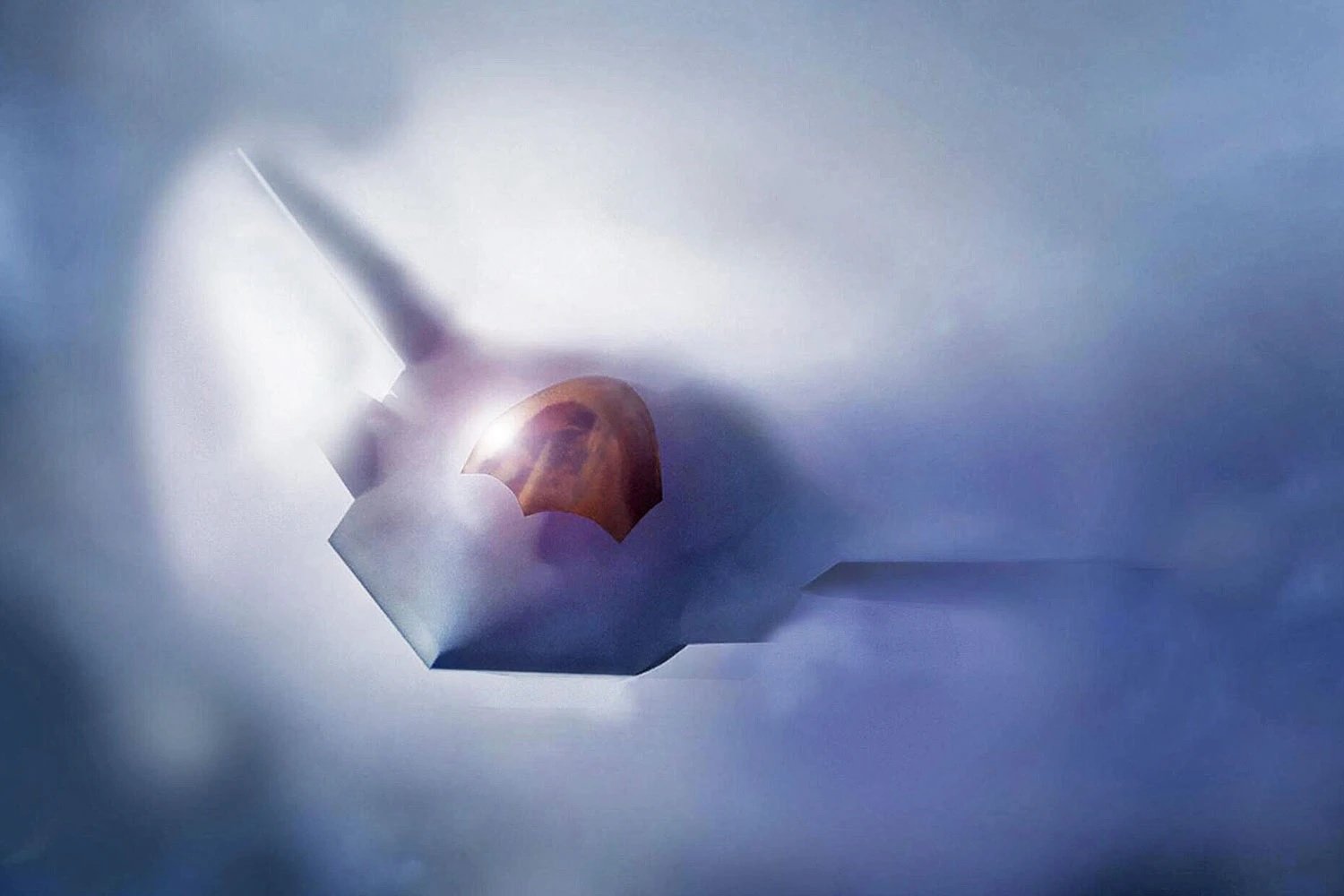 Israel Explores Potential Acquisition of U.S. F-47 Sixth-Generation Fighter
-
 Iran-Linked Hackers Shut Down UK Power Plant for Four Days in First Known Attack
-
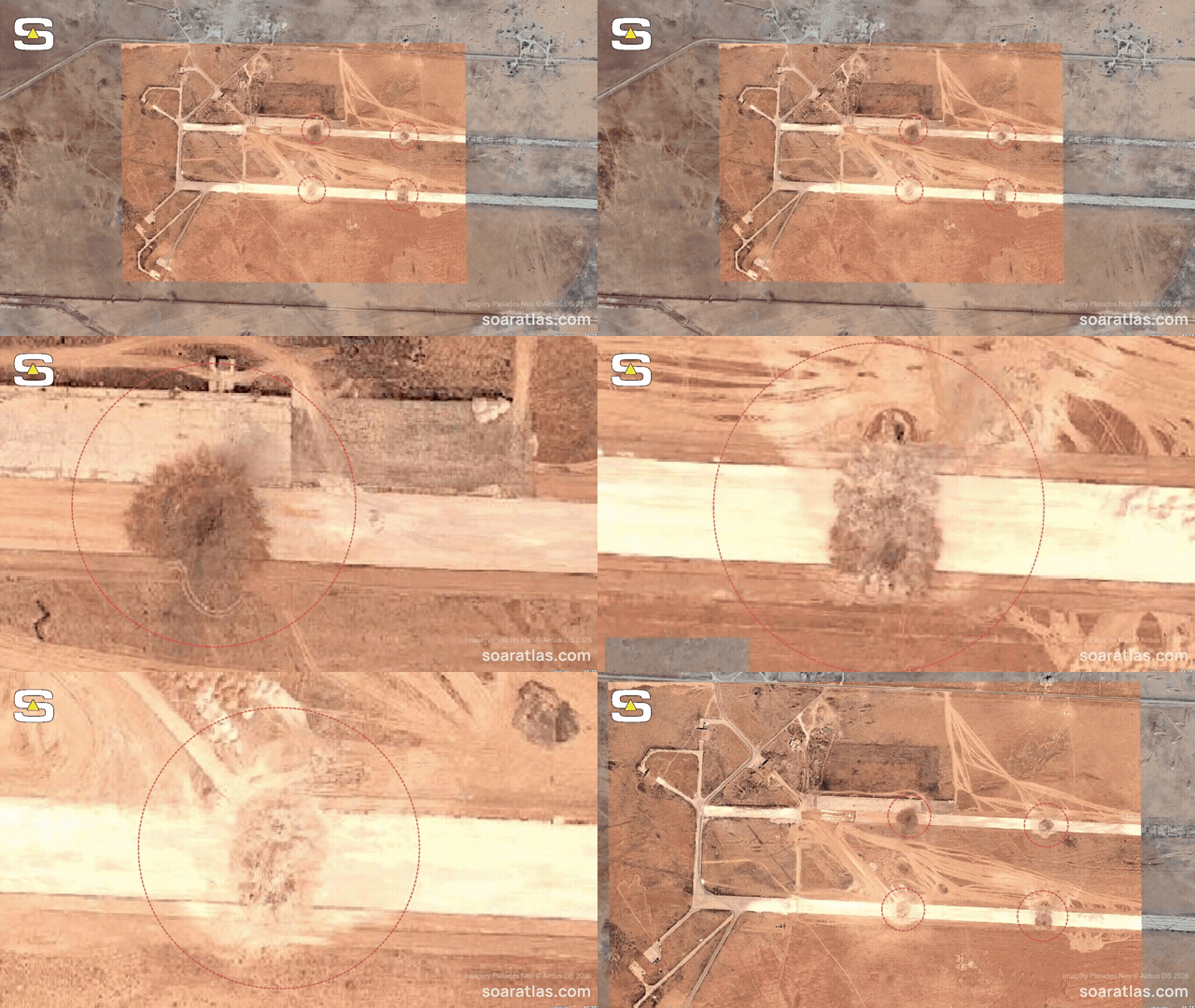 Satellite Imagery Shows Damage From Israeli Strikes on Turkey Military Occupied Syria’s Abu al-Duhur Airbase
-
 Ukraine Holds World’s First Unmanned Military Parade on 35th Independence Day
-
 UAE Completes Protective Metal Structures Around Fuel Tanks Near Dubai International Airport