Space & Technology
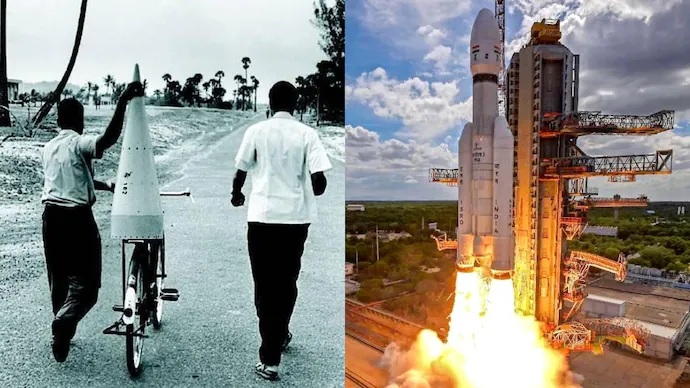
The Indian Space Research Organisation (ISRO) has charted an extraordinary path, evolving from modest beginnings to a globally recognized leader in space exploration. With 125 spacecraft missions and 92 successful launches under its belt, ISRO has proven its capability to achieve technological marvels that benefit humanity and elevate India's position in the global space arena. Origins of ISRO: Visionaries Behind the Stars ISRO, India's state-run space agency, was established on August 15, 1969, replacing the earlier Indian National Committee for Space Research (INCOSPAR), founded in 1962 by Dr. Vikram Sarabhai. It operates under the Department of Space (DOS), established in 1972, with the aim of leveraging space technology to address national needs such as communication, resource monitoring, meteorology, and navigation. Infrastructure and Key Centres ISRO's operations are spread across multiple dedicated centres: Vikram Sarabhai Space Centre (VSSC), Thiruvananthapuram: Develops launch vehicles. UR Rao Satellite Centre (URSC), Bengaluru: Designs and develops satellites. Satish Dhawan Space Centre (SDSC), Sriharikota: Handles integration and launches. Liquid Propulsion Systems Centre (LPSC): Develops liquid and cryogenic propulsion stages. Space Applications Centre (SAC), Ahmedabad: Develops sensors and applications for communication and remote sensing. National Remote Sensing Centre (NRSC), Hyderabad: Processes satellite data for dissemination. Launch Vehicles and Milestones ISRO has developed advanced launch vehicles, including the Polar Satellite Launch Vehicle (PSLV) and the Geosynchronous Satellite Launch Vehicle (GSLV). These have enabled ISRO to launch satellites for communication, earth observation, navigation, and scientific exploration. Notable milestones include: Aryabhata (1975): India’s first satellite, launched by the Soviet Union. SLV-3 (1980): The first indigenously developed vehicle that launched RS-1, making India the seventh country capable of orbital launches. Chandrayaan-3 (2023): Achieved a historic soft landing near the Moon’s south pole, a first for humanity. Current Achievements: 125 Spacecraft Missions ISRO's achievements extend across a wide spectrum: Earth Observation Satellites (EOS): Used for mapping, agriculture, and disaster management. Navigation Satellites: The NavIC system provides regional GPS services. Communication Satellites (GSAT): Facilitate telecommunication and broadcasting. Space Science Missions: Chandrayaan (Moon missions), Mangalyaan (Mars Orbiter Mission), and Astrosat (India’s first space telescope). Pioneering Space Exploration ISRO is among the few agencies globally with capabilities to soft-land spacecraft, launch interplanetary missions, and deploy cryogenic engines. Its success with Chandrayaan-3 has positioned it alongside NASA, Roscosmos, and CNSA in achieving lunar soft landings. Future Ambitions: Gaganyaan and Beyond ISRO’s roadmap includes: Gaganyaan: India’s first crewed space mission, scheduled for 2025. Chandrayaan-4 and Mangalyaan-2: Follow-up missions to explore the Moon and Mars. Shukrayaan: A planned mission to Venus, aiming to study its atmosphere and surface. India’s Space Station: A long-term goal to establish an independent orbital platform. Technical Advancements and Global Collaboration ISRO continues to refine propulsion systems, satellite platforms, and deep-space exploration technologies. It has launched over 400 foreign satellites for global clients, earning India recognition as a cost-effective and reliable space partner. Conclusion: A Legacy Written in the Stars From launching the humble Aryabhata to landing on the Moon’s south pole, ISRO has come a long way, demonstrating resilience, innovation, and a commitment to scientific progress. With upcoming missions like Gaganyaan and Shukrayaan, ISRO is poised to take its achievements to greater heights, not just for India but for the global community.
Read More → Posted on 2025-01-09 15:45:04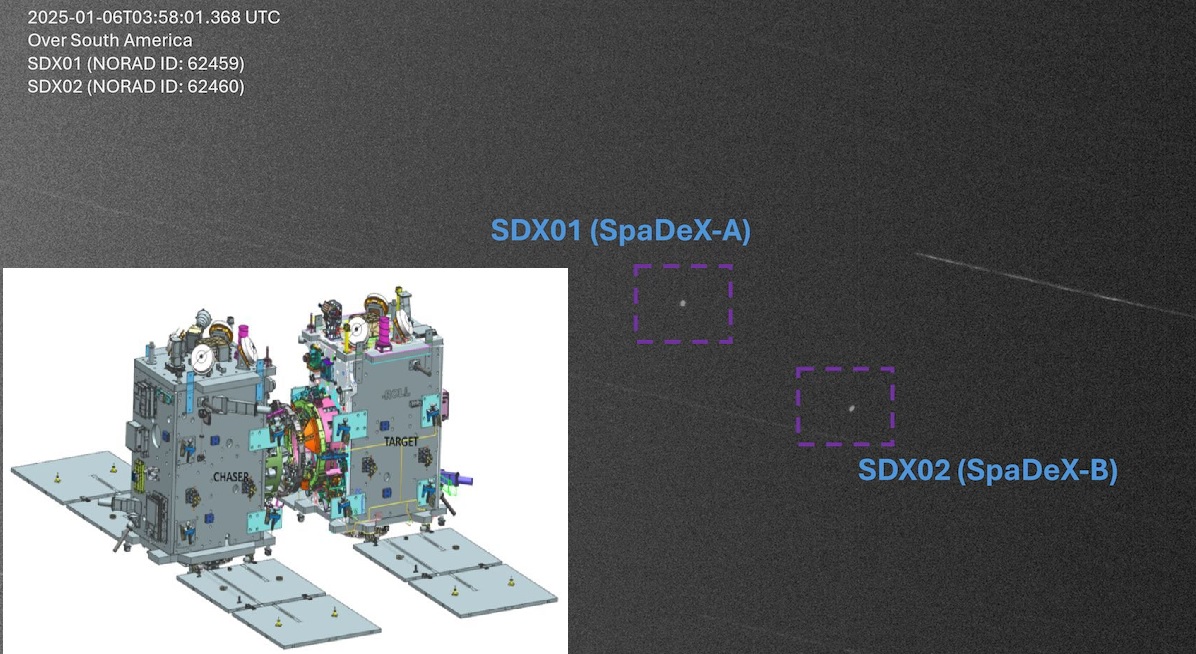
Space & Technology
The Indian Space Research Organisation (ISRO) has announced the postponement of its Space Docking Experiment (SpaDEx) for the second time, citing excessive drift during a crucial manoeuvre. The experiment, initially scheduled for January 7 and rescheduled for January 9, faced challenges as the drift observed while reaching a planned 225-meter distance between two satellites exceeded expectations. Despite the delays, ISRO reassured that the satellites involved are safe and hinted at future updates on the mission. What is SpaDEx? SpaDEx, or the Space Docking Experiment, is an ambitious mission designed to test and demonstrate critical docking technologies. The experiment involves two small satellites that will rendezvous, dock, and later undock in orbit. This project is a stepping stone for India’s aspirations in advanced space operations, including satellite servicing, space station assembly, and interplanetary missions. Docking, a complex and precise operation, requires one spacecraft to maneuver in close proximity to another and connect with high accuracy. For future missions involving long-term human presence in space, such as space stations, or servicing existing satellites to extend their lifespans, mastering docking is indispensable. Specifications of SpaDEx Satellites Involved: The experiment uses two compact satellites, which are equipped with advanced sensors, actuators, and docking mechanisms. Technology Goals: Autonomous navigation and control for precise rendezvous. High-accuracy docking and undocking mechanisms. Sensors for distance measurement and orientation control. Operational Range: The satellites were expected to perform docking maneuvers within a range of 225 meters, testing their ability to handle varying distances during approach. Critical Systems: Propulsion systems for precise orbital adjustments. Communication links to maintain data exchange and control. Safety protocols to prevent collision in case of anomalies. Challenges Faced The experiment was called off after observing excessive drift post a period of non-visibility, where satellite tracking and telemetry data are temporarily unavailable. This anomaly could indicate challenges in maintaining precise control during orbital maneuvers—a critical aspect of docking operations. Importance of SpaDEx SpaDEx is a landmark project for India’s space program as it focuses on developing technologies essential for future advancements. Successful space docking could pave the way for: Satellite Servicing: Repairing or upgrading satellites in orbit. Space Station Modules: Assembling components of a potential space station. Interplanetary Missions: Docking in deep space for refueling or crew transfers. Moreover, this experiment positions India among a select group of nations actively developing docking technology, highlighting the country's growing prowess in space exploration. What’s Next? While ISRO has not announced a new date for the experiment, the postponements underline the complexity of the mission. The space agency’s commitment to ensuring safety and precision reflects its cautious approach to perfecting the docking process. As ISRO fine-tunes its systems and addresses the issues that arose, the successful execution of SpaDEx will undoubtedly mark a significant milestone in India’s space journey. Stay tuned as ISRO continues to push the boundaries of innovation, setting the stage for a new era in space exploration.
Read More → Posted on 2025-01-09 15:20:36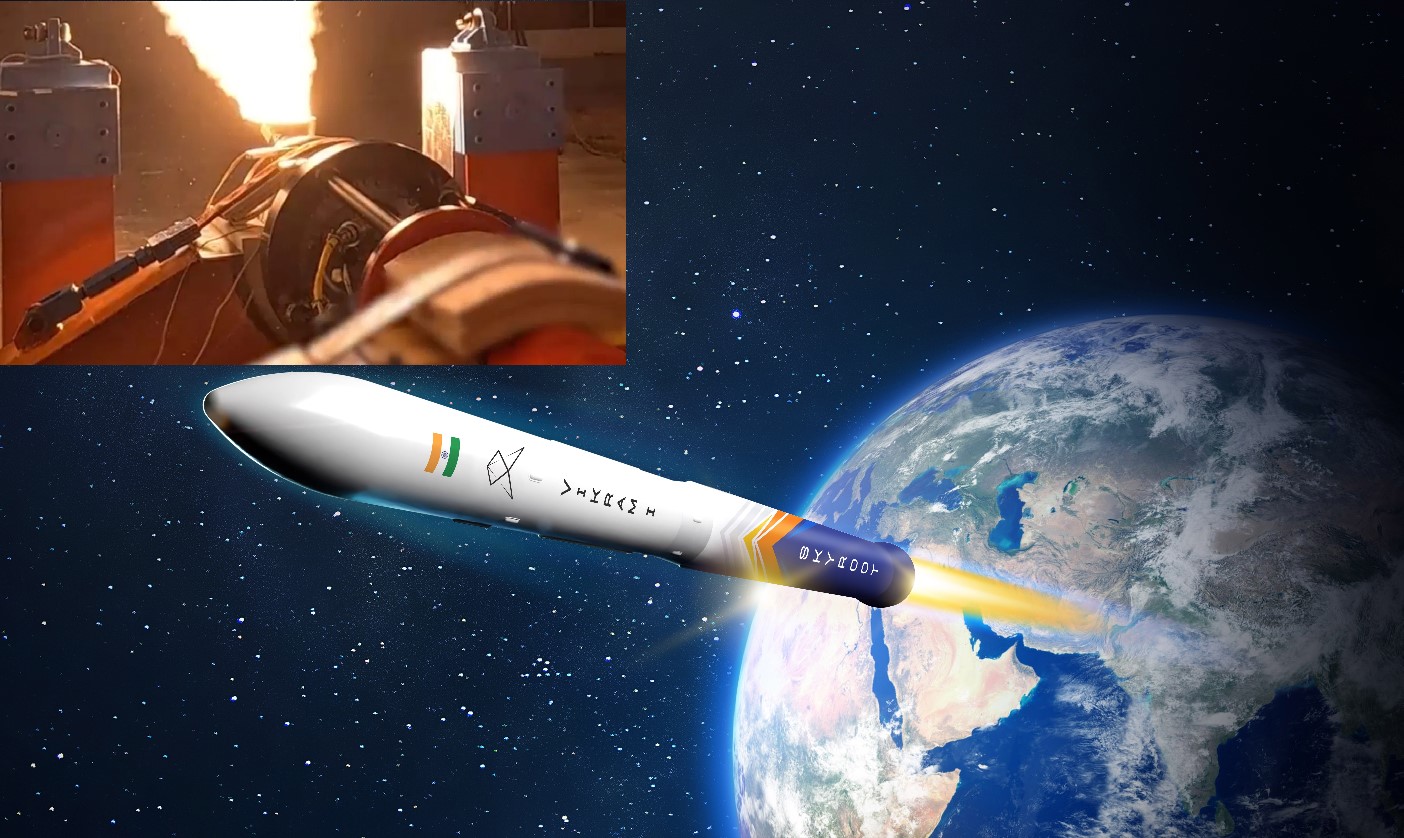
Space & Technology
Skyroot Aerospace, India's pioneering private space company, has taken a significant step toward its maiden orbital mission by successfully testing the retro motors of its Vikram-1 rocket. This static fire test, conducted on January 7, 2025, underscores Skyroot's commitment to achieving reliable and cost-effective access to space. The Vikram-1 is a three-stage launch vehicle designed to carry small to medium-sized payloads into orbit. The tested retro motors play a pivotal role in stage separation, a critical maneuver in multi-stage rockets. During flight, these motors provide the necessary thrust to decelerate the spent stage, ensuring a clean and reliable separation from the active stage. This functionality not only improves mission reliability but also minimizes risks associated with in-flight anomalies. Vikram-1: Specifications and Key Features Stages:Vikram-1 is a three-stage rocket with all stages powered by solid propulsion systems. This configuration is designed to optimize performance while maintaining simplicity and cost-effectiveness. Payload Capacity:The rocket can deliver up to 290 kg to a 500 km sun-synchronous orbit (SSO) and 480 kg to low Earth orbit (LEO). Length and Diameter:The vehicle stands approximately 20 meters tall and has a diameter of 1.5 meters, making it compact yet powerful for small satellite launches. Propulsion:Each stage employs advanced solid propellants engineered for high efficiency and reliability. Navigation and Control:Equipped with an indigenous navigation system, Vikram-1 uses a combination of onboard sensors and advanced algorithms to maintain trajectory accuracy. Retro Motors:The recently tested retro motors, specifically designed for precise stage deceleration, mark a technological milestone. These motors ensure stage separation happens seamlessly, reducing the likelihood of collisions or debris generation. Skyroot’s Vision and Roadmap The successful retro motor test aligns with Skyroot's vision of revolutionizing space access through innovation. Vikram-1 is part of the broader Vikram series, named in honor of Dr. Vikram Sarabhai, the father of India’s space program. Pawan Chandana, Co-Founder and CEO of Skyroot Aerospace, expressed optimism about the achievement. "This test is a critical milestone as we gear up for Vikram-1’s maiden orbital launch. It reflects our team's dedication to engineering excellence and our mission to make space accessible and affordable for all," he stated. The Vikram-1 rocket builds upon the success of Skyroot's Vikram-S, a suborbital rocket that demonstrated the company’s technological capabilities in November 2022. The upcoming orbital mission is expected to place Skyroot among the elite group of private companies globally capable of launching payloads into orbit. Broader Implications for India's Space Sector Skyroot's advancements highlight the growing strength of India's private space industry, which has been invigorated by government initiatives such as the formation of IN-SPACe (Indian National Space Promotion and Authorization Center). These efforts aim to foster collaboration between private entities and the Indian Space Research Organisation (ISRO), creating a robust ecosystem for space innovation. As Skyroot Aerospace prepares for Vikram-1's maiden flight, its progress serves as a testament to the transformative potential of India's burgeoning private space sector. The success of this mission could pave the way for more ambitious projects, including reusable rockets and interplanetary missions. With the retro motor test behind them, Skyroot is one step closer to realizing its goal of affordable and reliable orbital launches, solidifying India’s position in the global space economy.
Read More → Posted on 2025-01-08 16:18:33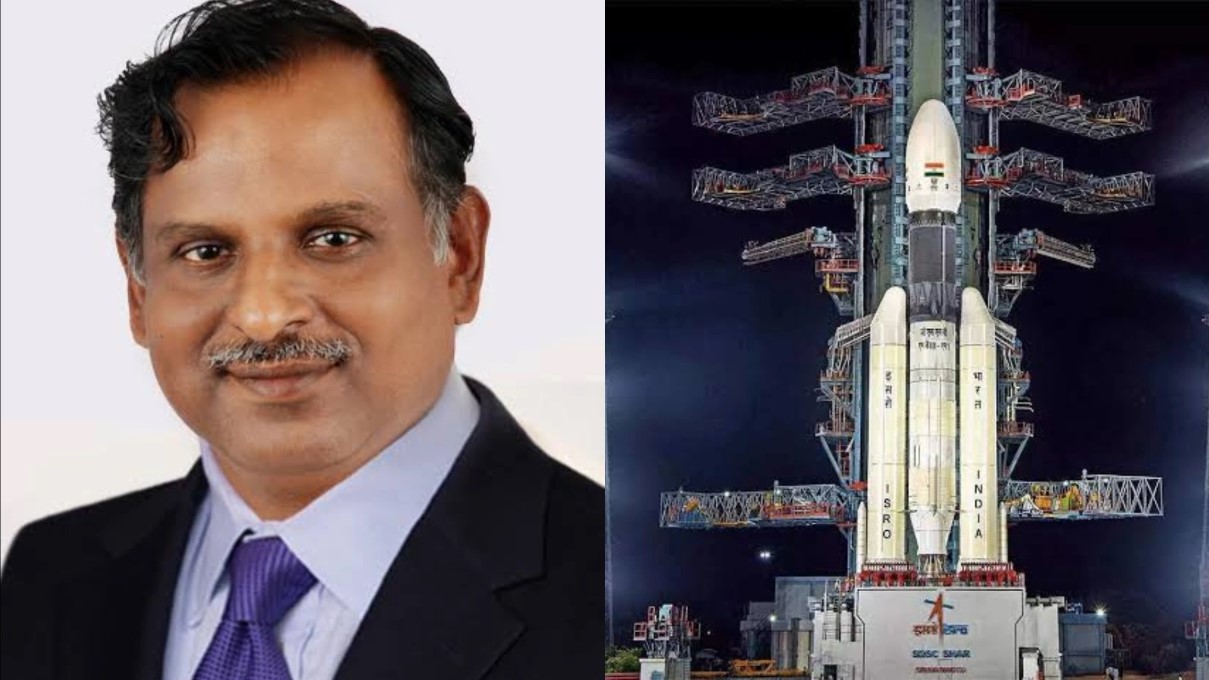
Space & Technology
Dr. V Narayanan, a distinguished figure in Indian space research, has been appointed as the next chairman of the Indian Space Research Organisation (ISRO). He will officially assume this prestigious role on January 14, 2025, succeeding S Somanath. This pivotal announcement was made by the Appointments Committee of the Cabinet on January 7, 2025. Dr. Narayanan’s tenure as chairman is set for two years or until further notice. A Stellar Legacy: From LPSC to ISRO Chairmanship Dr. V Narayanan currently serves as the Director of the Liquid Propulsion Systems Centre (LPSC) in Valiamala, Kerala. Over nearly four decades at ISRO, he has established himself as a pioneer in rocket and spacecraft propulsion systems. Having joined ISRO in 1984, his career trajectory has been marked by exceptional achievements, including his role as the Project Director for the C25 Cryogenic Project of the GSLV MK-III. This project played a crucial part in propelling India’s launch vehicle technology to new heights. Dr. Narayanan holds an M.Tech in Cryogenic Engineering and a PhD in Aerospace Engineering from IIT Kharagpur, where he graduated as a topper. His expertise in propulsion systems has driven several key ISRO missions, making him a natural choice for leading the organization into its next era of innovation. Contributions to India’s Space Endeavors As Director of LPSC, Dr. Narayanan spearheaded numerous advancements in propulsion technology. His leadership was instrumental in the success of missions such as Chandrayaan-2, Chandrayaan-3, Aditya-L1, and the ambitious Gaganyaan project. Key contributions under his guidance include: Development of Indigenous Cryogenic Upper Stage (CUS): Essential for the GSLV MK-II, establishing India’s self-reliance in advanced cryogenic technology. C25 Cryogenic Stage: Designed for the GSLV MK-III, this stage enabled heavier payload launches and expanded ISRO’s capabilities. Throttle-able Thrusters: Developed for soft landings, playing a crucial role in lunar and planetary missions. Next-Generation Propulsion Systems: Advanced research in semi-cryogenic stages, LOX-methane engines, and electric propulsion thrusters to keep ISRO at the forefront of global space exploration. A Visionary Roadmap Dr. Narayanan has contributed extensively to ISRO’s propulsion roadmap for 2017–2037, ensuring the organization remains aligned with evolving technological and mission requirements. He has also served on National Expert Committees and international professional bodies, amplifying India’s voice in global space technology forums. The Transition and Future Challenges S Somanath, the outgoing chairman, leaves behind a legacy of groundbreaking missions such as Chandrayaan-3 and the upcoming Gaganyaan. His tenure focused on expanding ISRO's technological capabilities and fostering collaborations with private and international entities. As the new chairman, Dr. Narayanan is expected to continue these efforts while steering ISRO through ambitious projects, including the Venus Orbiter Mission (VOM) and India’s first solar mission, Aditya-L1. His expertise in propulsion systems and innovative vision will be critical in addressing challenges and exploring new frontiers in space exploration. Elevating ISRO’s Global Standing Upon his appointment, Dr. Narayanan expressed his commitment to advancing ISRO’s global contributions. His vision for the organization includes fostering innovation, leveraging the immense talent within ISRO, and strengthening India’s position in the international space community. The transition to Dr. V Narayanan as chairman signifies a new chapter for ISRO, as the organization continues to push boundaries in space science and technology. With his extensive experience and proven leadership, Dr. Narayanan is poised to lead ISRO into an era of unparalleled achievements.
Read More → Posted on 2025-01-08 16:13:38
Space & Technology
Northrop Grumman has reached a significant milestone in advancing satellite communication capabilities with the successful assembly and testing of its Protected Tactical Satcom Rapid Prototype (PTS-P) payload. This cutting-edge system is now ready for integration with the ESPAStar-HP satellite bus at the company's Gilbert, Arizona facility. The PTS-P represents a bold step forward in secure, anti-jam communications technology, developed in collaboration with the U.S. Space Force's Space Systems Command. What Makes PTS-P Stand Out? The PTS-P payload is designed as a modular, flexible, and scalable system to meet the evolving needs of secure satellite communication. At its core is a next-generation digital processing subsystem, enabling the payload to adapt to dynamic conditions and threats in contested environments. This innovation is a crucial part of the U.S. Space Force's drive to establish a next-generation Protected Tactical Satellite Communications (PTS) architecture, which will enhance secure communications for military operations. The PTS-P payload addresses a critical requirement: delivering reliable communications in the face of deliberate interference, including jamming and cyber threats. With its state-of-the-art anti-jam capabilities, the system ensures seamless and protected tactical communications for users on the ground, even in hostile environments. The Technology Behind the PTS-P Modular Design: The payload’s modularity allows it to scale up or down based on mission requirements, offering flexibility in deployment across different satellite platforms. Digital Processing Subsystem: This subsystem employs advanced algorithms and hardware to provide secure, resilient connections tailored to the user’s needs. ESPAStar-HP Bus Integration: The integration with ESPAStar-HP, a high-performance satellite bus, ensures the system's capability to handle higher payload weights and power demands, optimizing mission performance. A Collaboration with Vision Northrop Grumman developed the PTS-P in partnership with the U.S. Space Force’s Space Systems Command, aligning with broader goals to enhance the nation’s defense infrastructure. This project is a key element of the Protected Tactical SATCOM (PTS) program, which aims to provide dependable satellite communications even in the most challenging conditions. The system exemplifies Northrop Grumman's commitment to pioneering secure, resilient communications pathways for military users. It ensures that even under the strain of adversarial jamming attempts or cyber intrusions, critical tactical data remains protected and accessible. PTS-P's Role in the Bigger Picture The PTS-P is part of a larger strategic initiative to bolster secure communication networks in space. The demand for anti-jam satellite communications is growing as global threats evolve. Northrop Grumman’s innovative approach ensures not just survivability but dominance in contested communication environments. The successful development and testing of this payload signal the program's progress toward delivering an operational capability in record time. This rapid prototyping effort reflects the increasing pace of technological innovation and the U.S. military’s need to outpace potential adversaries. Moving Forward With the PTS-P payload now entering its integration phase, the program is on track for deployment in the near future. Once operational, the system will offer unparalleled protected communications for U.S. and allied forces, serving as a critical enabler for modern warfare tactics that rely heavily on uninterrupted and secure data exchange. Northrop Grumman’s PTS-P is a testament to how advanced satellite technologies are shaping the future of secure military communications, ensuring mission success in even the most contested scenarios.
Read More → Posted on 2025-01-07 15:55:28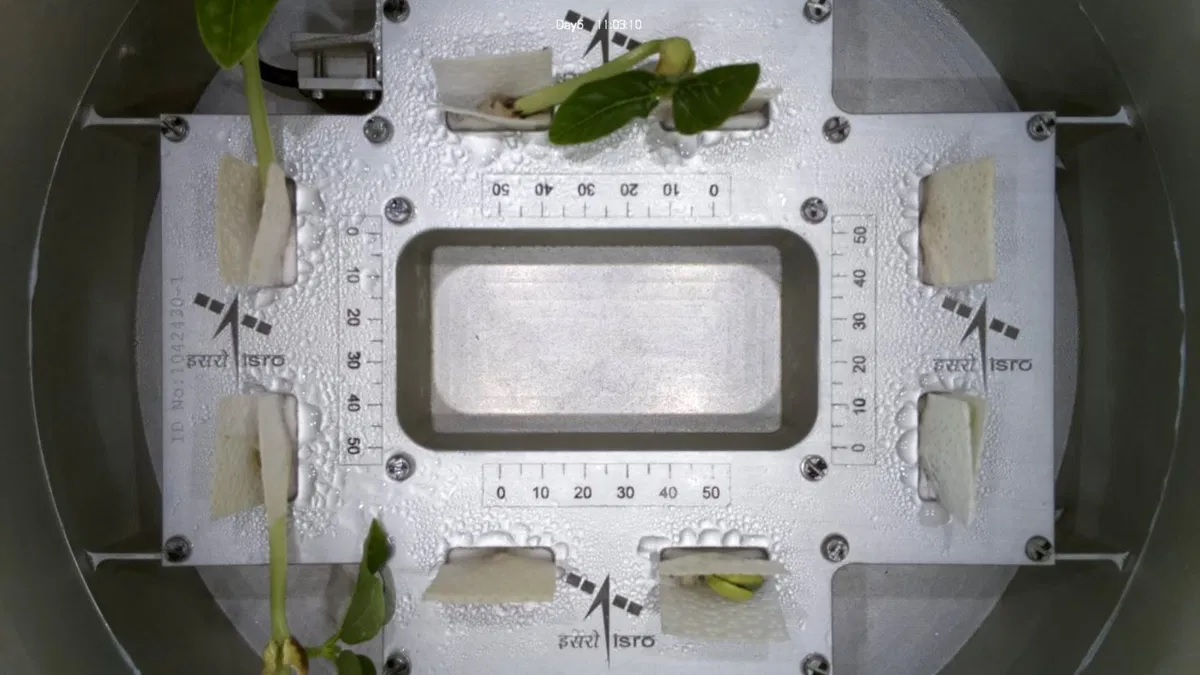
Space & Technology
The Indian Space Research Organisation (ISRO) has marked a monumental achievement in space biology with the successful germination of cowpea seeds aboard the PSLV-C60's POEM-4 platform. Announced on January 6, 2025, this experiment demonstrated that cowpea sprouts developed their first leaves within just four days of launch, a landmark event in the study of plant growth under microgravity conditions. The CROPS Experiment: Growing Life in Orbit This groundbreaking experiment was conducted under the Compact Research Module for Orbital Plant Studies (CROPS), developed by the Vikram Sarabhai Space Centre (VSSC). CROPS aims to unravel the complexities of plant biology in space, focusing on how microgravity affects germination, growth, and the overall development of plants. Cowpea, a hardy legume known for its nutritional value, was chosen for this experiment due to its resilience and adaptability. Eight seeds were placed in a custom-designed growth chamber aboard the POEM-4 platform, orbiting Earth at an altitude of 350 km. The chamber was equipped with state-of-the-art sensors to monitor critical environmental parameters, including: Oxygen and carbon dioxide levels Humidity and temperature Soil moisture and light exposure These conditions were meticulously controlled to simulate a mini greenhouse environment, enabling the seeds to germinate and grow to the two-leaf stage. The Bigger Picture: Agriculture in Space The significance of this experiment goes beyond scientific curiosity. Understanding how plants grow in space is a critical step toward sustaining human life during long-duration missions. Fresh produce is essential for astronauts’ nutrition, mental well-being, and air purification. This research directly supports India's ambitious space endeavors, including the Gaganyaan human spaceflight program and the future Bharatiya Antariksha Station. Dr. S. Somanath, Chairman of ISRO, emphasized the long-term vision: “The ability to grow food in space is a cornerstone for establishing self-sufficient life support systems for human exploration beyond Earth.” How Microgravity Affects Plant Growth Microgravity presents unique challenges to plants that evolve under Earth's gravitational pull. Key differences include: Orientation: On Earth, plants rely on gravity for root growth (downward) and shoot growth (upward). In space, they use light and other cues for direction. Water Distribution: Water tends to form floating bubbles in microgravity, complicating root hydration. Nutrient Uptake: Plants must adapt their cellular mechanisms to absorb nutrients without gravity-driven soil interaction. The CROPS experiment offered valuable insights into these phenomena, providing a baseline for future studies. Implications for Space and Earth The success of the cowpea experiment opens up possibilities for cultivating crops in extraterrestrial environments, such as the Moon and Mars. For Earth, the advanced monitoring systems and data collected could revolutionize controlled environment agriculture, offering solutions to food security challenges in extreme climates. What’s Next? Building on this success, ISRO plans to expand its research to study other crops, growth cycles, and even genetic adaptations in space. Collaborative efforts with international space agencies and private entities are also anticipated to accelerate progress in this domain. The sprouting of cowpea leaves in space is more than just a scientific milestone; it’s a beacon of hope for sustainable living in space and a testament to human ingenuity. From the barren void of space to the fertile fields of Earth, this achievement lays the groundwork for a future where life truly knows no bounds.
Read More → Posted on 2025-01-07 15:33:30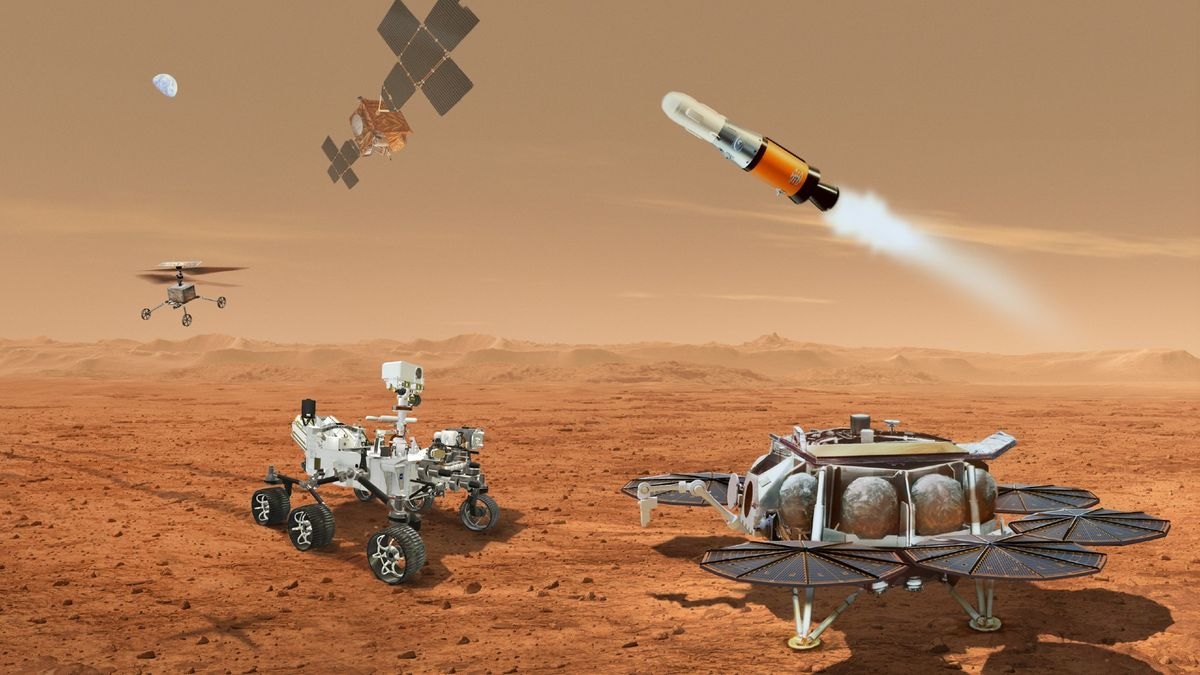
Space & Technology
NASA is gearing up to kick off 2025 with an eagerly awaited update on one of its most ambitious and complex missions—the Mars Sample Return (MSR) program. On January 7, at 1:00 p.m. EST (1800 GMT), NASA will host an audio-only press conference to share its revised strategy for bringing Martian samples back to Earth. The briefing, led by NASA Administrator Bill Nelson and Nicky Fox, the associate administrator for science missions, promises to shed light on how the agency plans to tackle this groundbreaking but increasingly challenging endeavor. The Mission: A Decades-Long Dream The Mars Sample Return mission is designed to deliver pieces of Mars to Earth for in-depth analysis. Scientists hope these samples will unlock secrets about Mars' geological history, its climate evolution, and the potential for ancient life on the Red Planet. Moreover, this mission will provide invaluable data for planning future human exploration. The Perseverance rover, which landed on Mars in 2021, has already been hard at work collecting and caching a variety of rock and soil samples. These carefully selected specimens are the centerpiece of the MSR program, offering researchers a once-in-a-lifetime opportunity to study Mars up close. Original Plan: Ambitious but Costly NASA’s initial plan for the Mars Sample Return mission was bold but intricate. It involved deploying a lander near the Perseverance rover, which would then use robotic arms or even aerial drones (like a version of the Ingenuity Mars helicopter) to retrieve the samples. These would be placed into a small rocket that would launch the sample capsule into Mars orbit. From there, a European Space Agency (ESA) spacecraft would collect the capsule and return it to Earth. While visionary, this multi-step plan came with staggering costs and delays. In 2020, the mission was estimated at $3 billion. However, by 2024, that figure had ballooned to $11 billion, with a projected timeline pushing the sample return date to 2040—20 years after Perseverance first launched. NASA faced criticism for the spiraling costs and delays. During a media call in April 2024, Nelson candidly admitted, "The bottom line is that $11 billion is too expensive, and not returning samples until 2040 is unacceptably too long." The Competitive Pressure NASA isn’t alone in its quest to return Martian samples. China has announced plans to launch its own Mars sample return mission in 2028, with the goal of bringing samples back to Earth by 2031—nearly a decade ahead of NASA’s previously proposed timeline. This competitive pressure has fueled urgency within NASA to streamline its mission and reduce costs. Revamping the Plan: What to Expect Throughout 2024, NASA has been working to reimagine the Mars Sample Return mission, focusing on reducing costs, simplifying the mission architecture, and speeding up the timeline. One of the key shifts in the new plan is increased involvement from the private space industry. By partnering with commercial entities, NASA hopes to leverage innovative technologies and operational efficiencies that could lower the program's price tag and accelerate progress. Administrator Nelson hinted at this strategy during a December 2024 meeting, emphasizing the value of industry collaboration. "By involving industry, and not just NASA centers like JPL, they’re coming out with much more practical proposals, where they can speed up the time and considerably lower the cost," Nelson stated. Specifications of the Mars Sample Return Mission Perseverance Rover: The backbone of the mission, equipped with cutting-edge tools to drill, collect, and cache Martian samples. Sample Retrieval: Initial plans included robotic arms and aerial drones to fetch the cached samples. Mars Ascent Vehicle (MAV): A small rocket designed to launch the sample container into Mars orbit. Orbital Transfer: A European Space Agency orbiter would capture the sample capsule and return it to Earth. Sample Analysis: Once on Earth, the samples will undergo rigorous examination to search for biosignatures and gain insights into Mars' history. Why This Mission Matters Returning Martian samples to Earth isn’t just a scientific milestone; it’s a gateway to the future of space exploration. These samples could answer fundamental questions about life beyond Earth and pave the way for human missions to Mars. Additionally, the technological innovations required for the MSR program are expected to have broad applications for space exploration and other scientific endeavors. Tune In The updated plan, expected to be unveiled on January 7, could redefine how NASA approaches one of the most challenging missions in its history. As the space agency strives to balance cost, complexity, and competition, this announcement will likely set the stage for the future of Mars exploration. You can listen to the live briefing on NASA's website to stay informed about the latest developments in this high-stakes mission.
Read More → Posted on 2025-01-06 16:27:42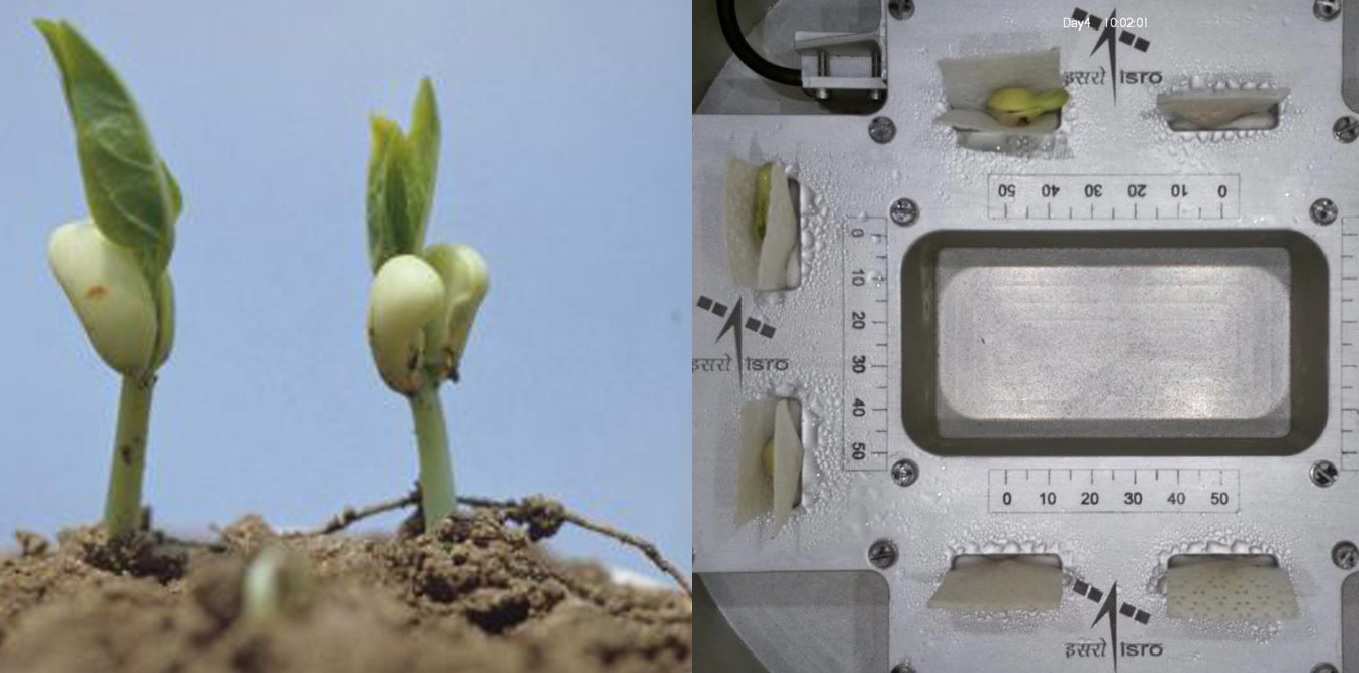
Space & Technology
The Indian Space Research Organisation (ISRO) has made a groundbreaking advancement in space farming by successfully germinating cowpea seeds in microgravity. This experiment, conducted as part of the Compact Research Module for Orbital Plant Studies (CROPS) aboard the PSLV-C60 mission, represents a crucial step in understanding plant growth in space environments. Key Details of the Experiment Launched on December 30, 2024, the experiment saw eight cowpea seeds sprout within just four days of being exposed to the carefully regulated conditions aboard the spacecraft. This rapid germination offers significant insights into the potential for cultivating crops during long-duration space missions. The seeds were part of a compact and innovative system designed by the Vikram Sarabhai Space Centre (VSSC). Known as a closed-box environment, this system replicated Earth-like conditions to create an optimal growth setting. The module included the following features: Active Thermal Control: Maintains a stable temperature essential for plant development. Environmental Monitoring: Sensors tracked critical factors like oxygen and carbon dioxide levels, temperature, relative humidity, and soil moisture. These parameters are vital for understanding plant health and growth dynamics. Microgravity Adaptation Study: The module was specifically tailored to assess how microgravity influences the seed's germination process and overall growth. The CROPS experiment is set to last five to seven days. The objective is to observe the plants not just germinating but growing until they reach the two-leaf stage. The leaves are expected to appear shortly after germination, showcasing a successful progression of plant growth in space. Why This Matters This milestone is a major step toward sustainable space farming, which is critical for supporting human life on long-term space missions to destinations like Mars. Understanding how plants adapt to microgravity and controlled environments will help address food supply challenges during interplanetary travel. By unlocking the potential to grow crops in space, ISRO aims to pave the way for self-sustaining ecosystems that could reduce dependency on Earth-based supplies during extended missions. Other Highlights: Space Docking Experiment In addition to the CROPS experiment, ISRO is also advancing its capabilities with a space docking experiment. A chaser satellite is orbiting Earth at an altitude of 470 km and is set to dock with a target satellite. If successful, this achievement would place India alongside global space leaders—Russia, the US, and China—in mastering this complex technology. The Bigger Picture The successful germination of cowpea seeds and the space docking experiment underscore ISRO’s innovative approach to advancing space exploration. With these strides, ISRO is not only demonstrating India's growing prowess in space technology but also contributing significantly to humanity's future in interplanetary exploration. These achievements mark a pivotal moment for ISRO and solidify its position as a global leader in cutting-edge space research and technology development.
Read More → Posted on 2025-01-05 15:19:05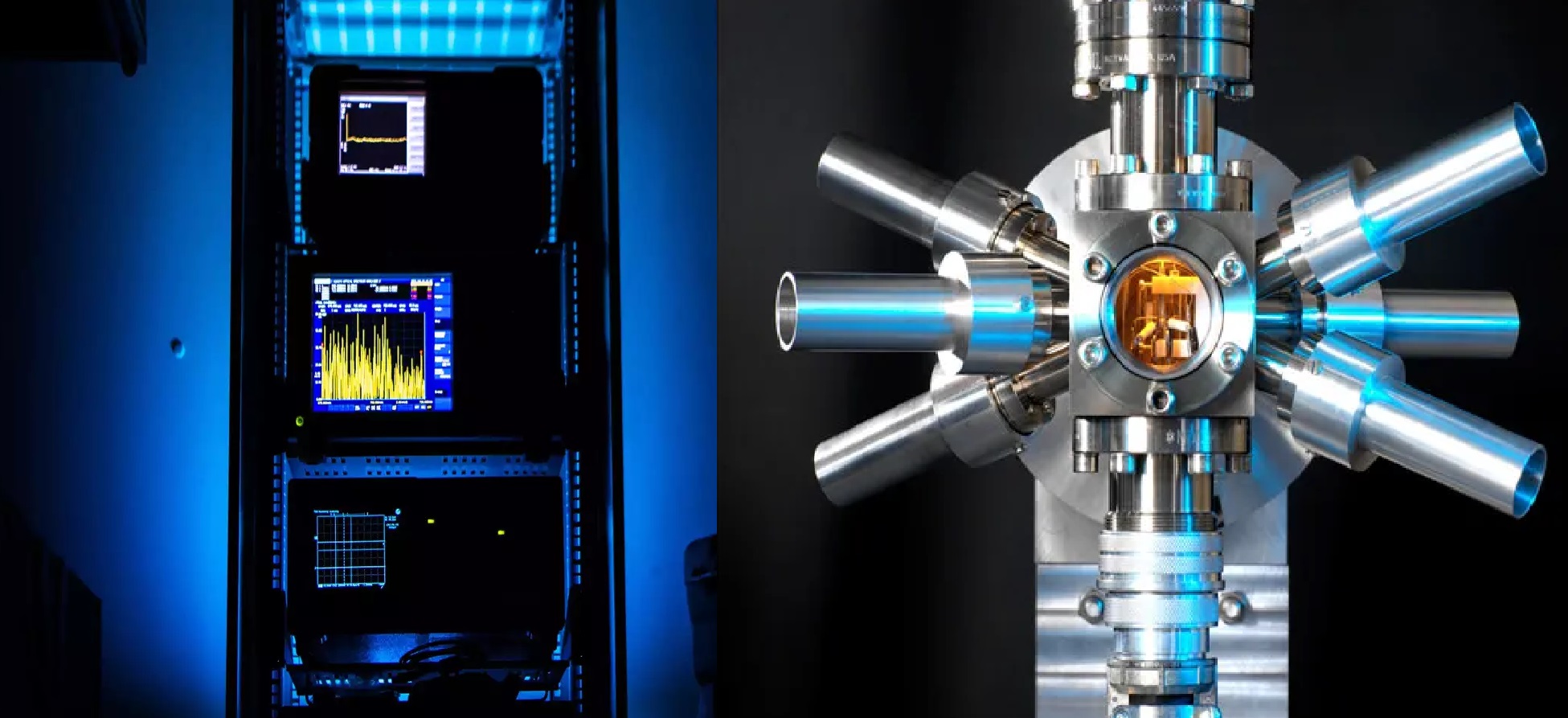
Space & Technology
Timekeeping has been a cornerstone of human progress, from ancient sundials to modern atomic clocks. With the advent of quantum technologies, the realm of precision timekeeping has entered an unprecedented era. Atomic clocks and quantum atomic clocks, while both operating on principles of quantum mechanics, differ significantly in their construction, working principles, and applications. This article explores these differences and their implications for science and technology. What is an Atomic Clock? An atomic clock is a highly precise timekeeping device that uses the vibrations of atoms to measure time. The principle underlying atomic clocks is based on the quantum mechanical properties of atoms, specifically the energy transitions between electron states. The most commonly used atoms in these clocks are cesium-133 and rubidium-87. In a cesium-based atomic clock, microwaves are used to excite the cesium atoms. When the frequency of the microwave radiation matches the natural resonance frequency of the cesium atom (about 9.192631770 GHz), the atoms undergo a state transition. This resonance frequency forms the basis for defining the second in the International System of Units (SI). Atomic clocks are integral to global positioning systems (GPS), telecommunications, and scientific research, offering an accuracy of about one second in millions of years. What is a Quantum Atomic Clock? Quantum atomic clocks, also known as optical lattice clocks or quantum-enhanced clocks, represent the next step in timekeeping precision. These clocks exploit quantum properties at a deeper level, often involving optical rather than microwave frequencies. Strontium, ytterbium, and aluminum ions are commonly used in quantum atomic clocks. The core difference lies in how time is measured. Instead of relying solely on microwave transitions, quantum atomic clocks use optical transitions, which occur at much higher frequencies (hundreds of terahertz). These higher frequencies provide finer time intervals, improving the clock’s precision and stability. A key component of quantum atomic clocks is the optical lattice, a grid of laser beams that traps atoms in a way that minimizes motion-induced errors. This allows researchers to probe the atoms with extreme accuracy, reducing environmental noise and systematic errors. Key Differences Frequency Standard: Atomic clocks use microwave frequencies (~9 GHz for cesium). Quantum atomic clocks operate at optical frequencies (hundreds of THz), enabling higher precision. Accuracy and Stability: Atomic clocks have exceptional accuracy, but their performance is limited by the lower frequency of microwaves. Quantum atomic clocks are more stable and accurate, with potential errors measured in one second over billions of years. Technological Complexity: Atomic clocks are well-established and widely deployed. Quantum atomic clocks are more complex and require advanced laser systems and optical trapping techniques. Applications: Atomic clocks are used in GPS, telecommunications, and standard timekeeping. Quantum atomic clocks have applications in deep-space navigation, advanced scientific research, and tests of fundamental physics, such as studying gravitational time dilation. Environmental Sensitivity: Atomic clocks are more susceptible to environmental factors, such as temperature fluctuations. Quantum atomic clocks are designed to minimize these sensitivities, offering greater robustness. Why Do Quantum Atomic Clocks Matter? The enhanced precision of quantum atomic clocks opens new frontiers in science and technology. For example: Fundamental Physics: Quantum clocks allow tests of Einstein’s theory of general relativity with unprecedented accuracy. Geodesy: These clocks can measure tiny variations in Earth’s gravitational field, aiding in geological surveys and climate studies. Global Navigation: Enhanced timekeeping could improve GPS accuracy, benefiting industries like aviation, autonomous vehicles, and logistics. Conclusion While atomic clocks remain a cornerstone of modern timekeeping, quantum atomic clocks represent the cutting edge of precision and capability. By leveraging the high-frequency transitions of optical systems, quantum clocks provide a new level of accuracy that has far-reaching implications for science, technology, and everyday life. As research continues to refine these devices, their transformative potential will only grow, marking a new epoch in our understanding of time.
Read More → Posted on 2025-01-04 15:08:55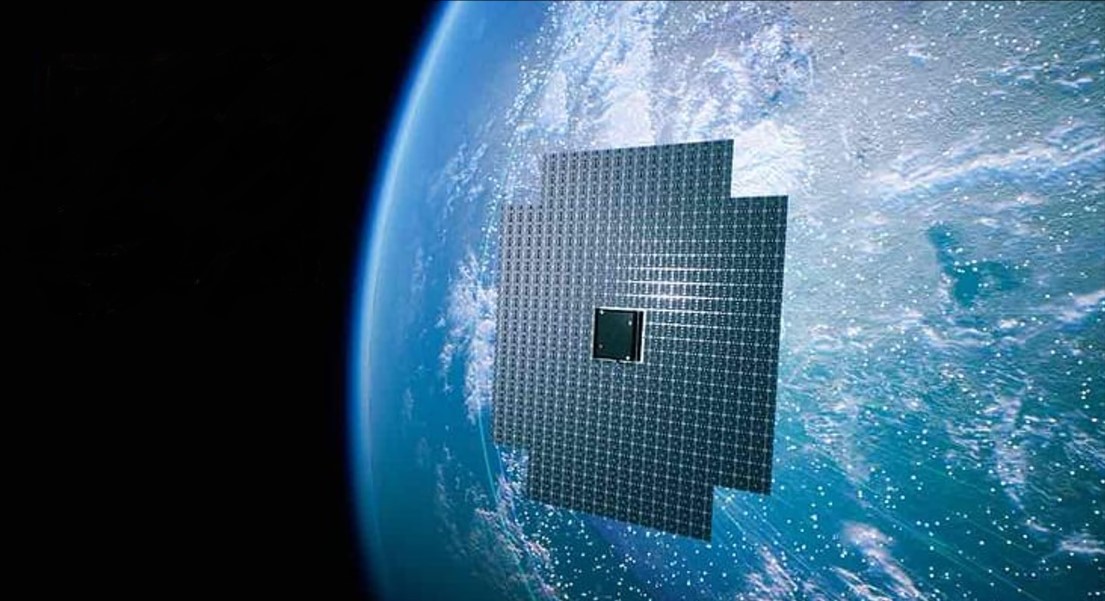
Space & Technology
AST SpaceMobile: Enabling Voice Calls Directly from Space with AI In a groundbreaking advancement in telecommunications, US-based AST SpaceMobile is gearing up to provide artificial intelligence (AI)-driven communication capabilities from space. Expected to launch in the coming months, this innovation promises to enable voice calls directly from space using standard smartphones—no specialized devices or ground-based infrastructure required. The Technology Behind the Innovation AST SpaceMobile is leveraging cutting-edge satellite technology to create a seamless connection between satellites in orbit and regular mobile devices on Earth. Central to this is its network of BlueWalker satellites, designed to function as space-based cellular towers. What sets this technology apart is its use of AI to manage communication channels, optimize signal strength, and ensure minimal latency. By integrating AI with satellite communication, AST SpaceMobile can deliver reliable voice services even in remote regions where traditional cellular networks fail to reach. How It Works The concept involves satellites directly linking to mobile devices, bypassing the need for ground stations. Key features include: Direct Connectivity: Regular smartphones connect to the satellite network as they would to terrestrial cell towers. AI Optimization: AI algorithms dynamically manage bandwidth and adapt to environmental conditions, ensuring clear and uninterrupted voice calls. Global Reach: The satellite network can provide coverage across oceans, deserts, and rural areas, bridging the digital divide. This innovation is expected to benefit not only consumers but also industries such as disaster management, logistics, and defense. Implications for Communication AST SpaceMobile’s initiative could redefine global communication in several ways: Universal Coverage: Areas with little to no cellular coverage, such as rural villages and isolated islands, could gain reliable connectivity. Emergency Communication: In disaster-hit areas where terrestrial networks are damaged, satellite communication could serve as a lifeline. Enhanced Mobility: Travelers, including those on flights or ships, could remain connected without relying on patchy or expensive alternatives. The Road Ahead The upcoming deployment of AST SpaceMobile's technology marks the beginning of a new era in telecommunications. The company has already demonstrated the feasibility of its concept with successful test calls using its prototype satellite, BlueWalker 3. While challenges remain—such as regulatory approvals and the need to ensure compatibility across various smartphone models—the potential benefits far outweigh the hurdles. AST SpaceMobile’s vision aligns with a broader push towards democratizing access to technology, making seamless communication available to everyone, everywhere. A Future of Limitless Connectivity With AST SpaceMobile’s AI-powered satellite communication, the dream of truly global connectivity is closer than ever. As the technology matures, it could pave the way for not only voice calls but also high-speed internet access and advanced IoT applications directly enabled by satellites. This innovation exemplifies the transformative power of combining AI with space technology, promising a future where the boundaries of communication are truly limitless.
Read More → Posted on 2025-01-03 16:51:25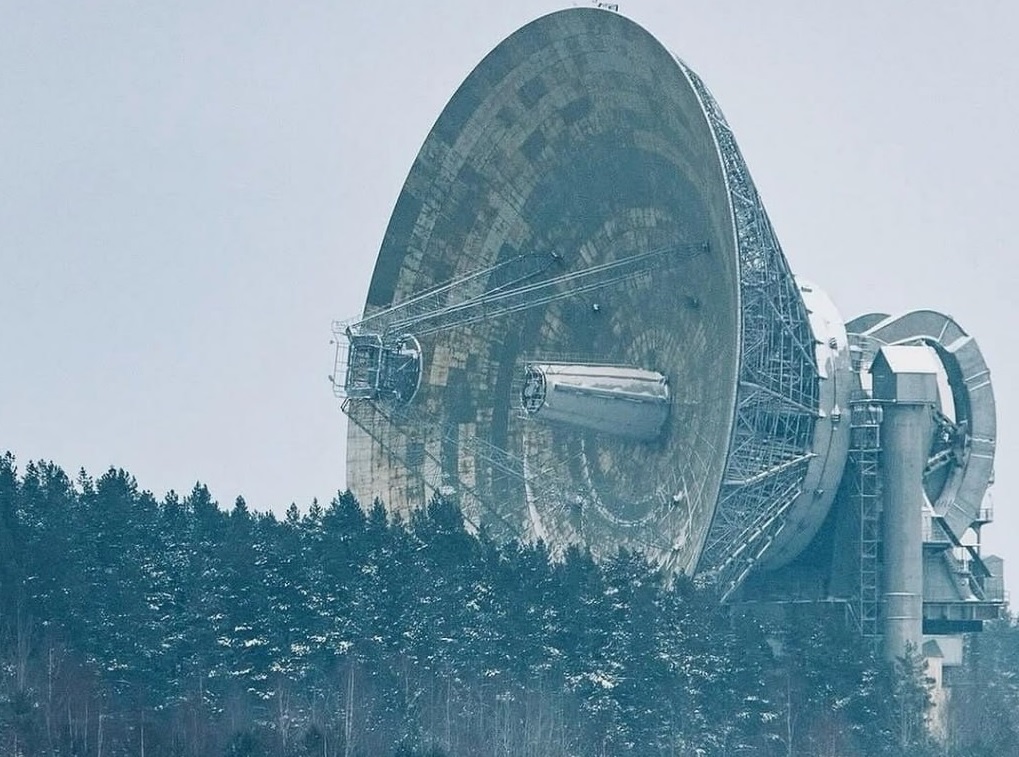
Space & Technology
The Kalyazin RT-64 radio telescope stands as a monument to Soviet-era ambition and modern scientific exploration. Located near the town of Kalyazin in Russia’s Tver Oblast, this colossal structure is a symbol of technological prowess, initially conceived to play a pivotal role in humanity’s journey to the stars. Origins: A Vision for Mars and Beyond The Kalyazin RT-64 was constructed in the late 1980s during the twilight of the Soviet Union. Designed as part of the nation’s ambitious space exploration program, its primary mission was to support interplanetary communication, including potential manned missions to Mars. The telescope was also envisioned to explore the "Silver Galaxy," a term symbolizing humanity's dream of venturing beyond our solar system into the vast reaches of the Milky Way. With a dish diameter of 64 meters, the RT-64 was one of the largest radio telescopes of its time. Its high sensitivity and ability to detect faint radio signals made it indispensable for deep-space communication and scientific observation. Technical Specifications The RT-64 boasts impressive capabilities that ensure its continued relevance in modern astrophysics and space exploration: Antenna Size: 64 meters in diameter, providing a large surface area for capturing weak signals from deep space. Frequency Range: Operates across multiple frequency bands, enabling diverse research applications, from pulsar studies to planetary radar. Precision Mechanisms: Equipped with advanced tracking systems to maintain accurate alignment with celestial objects. Powerful Receivers: Highly sensitive receivers capable of detecting signals from distant galaxies and space probes. A Legacy of Adaptation While the Kalyazin RT-64 was initially designed for interplanetary missions, the dissolution of the Soviet Union in 1991 led to a shift in its operational focus. Rather than facilitating manned Mars missions, the telescope found a renewed purpose in scientific research. Today, it is integrated into the Russian VLBI (Very Long Baseline Interferometry) network, contributing to high-precision astronomical observations. The RT-64 plays a key role in studying quasars, pulsars, and the structure of distant galaxies. It is also used for geodetic measurements, helping scientists monitor Earth's tectonic movements and rotation. Contemporary Relevance Despite its origins in the Cold War era, the RT-64 remains an active and vital tool in modern astronomy. Its collaboration with international research efforts underscores its significance in global scientific endeavors. Space Exploration: Supports communication with Russian spacecraft and contributes to the study of the solar system. Radio Astronomy: Observes cosmic phenomena, such as black holes, neutron stars, and interstellar gas clouds. Earth Monitoring: Aids in tracking satellites and studying Earth's dynamics through geodetic VLBI techniques. Challenges and Preservation Maintaining a structure of this scale and complexity is no small feat. Over the years, the RT-64 has faced funding challenges and the natural wear and tear of aging equipment. However, efforts to modernize and preserve the facility continue, ensuring its operational longevity. Looking to the Future The Kalyazin RT-64 radio telescope is a testament to human ingenuity and perseverance. From its origins as a communication hub for Mars-bound missions to its modern role in unraveling the mysteries of the universe, it serves as a bridge between the dreams of the past and the discoveries of the future. As space exploration gains renewed momentum worldwide, the RT-64 stands ready to contribute its capabilities to new missions, perhaps even rekindling its original purpose of facilitating humanity’s journey to other planets and beyond.
Read More → Posted on 2025-01-03 16:36:38
Space & Technology
In a significant stride for India's burgeoning private space sector, Mumbai-based start-up Manastu Space announced the successful in-orbit test of its indigenously developed green propulsion system, Vyom 2U, on the PSLV Orbital Experimental Module-4 (POEM-4). The test marks a breakthrough in the use of eco-friendly propellants for space applications, setting the stage for a more sustainable future in satellite technology. The POEM-4 platform, part of the fourth stage of the PSLV-C60 rocket that launched the SpaDeX satellites earlier this week, was positioned in a 350-kilometer orbit. This module is designed as a versatile platform enabling in-orbit experimentation by ISRO, start-ups, and academic institutions. Vyom 2U’s Successful Test Firing On New Year's Eve, Manastu Space successfully test-fired its Vyom 2U thruster, tilting the POEM-4 platform by 24 degrees and imparting an angular velocity of 0.5 degrees per second during a controlled 30-second burn. The onboard systems of the POEM-4 then regained control seamlessly, underscoring the precision and reliability of the thruster. Over the coming weeks, the platform is expected to execute multiple critical maneuvers using the Vyom 2U thruster, accumulating over 500 seconds of in-space firing time. This extensive testing phase aims to solidify the performance and versatility of the propulsion system. Green Propulsion: A Game Changer What sets Vyom 2U apart is its use of MS289 propellant, an innovative and environmentally friendly blend of hydrogen peroxide. Unlike the traditional hydrazine-based propellants commonly used in satellite propulsion systems, MS289 is non-carcinogenic and significantly safer to handle. This development represents a leap forward in minimizing environmental and health hazards associated with space missions. Enabling In-Orbit Innovation: The Role of POEM ISRO’s POEM platform played a crucial role in enabling this test. The PSLV Orbital Experimental Module (POEM) serves as a cost-effective solution for start-ups and academic institutions to test space technologies in orbit without needing to launch standalone satellites. With 24 experiments onboard—14 from ISRO labs and 10 from private entities—POEM-4 is a hub of innovation, featuring experiments ranging from green propulsion to robotic debris capture and seed germination in space. Dr. Pawan Kumar Goenka, Chairman of IN-SPACe, highlighted the importance of platforms like POEM in democratizing access to space technology. “By reducing entry barriers, we are enabling a broader range of contributors to India's space ecosystem,” he said. The Growing Footprint of India’s Space Start-Ups Manastu Space's success is another testament to the growing dynamism of India's private space sector. With support from ISRO and IN-SPACe, start-ups are accelerating the pace of innovation, contributing to a more robust and competitive space ecosystem. The milestone achieved by Manastu Space with Vyom 2U underscores India’s capability to pioneer cutting-edge solutions in the global space arena while embracing sustainability. As the testing phase progresses, the world watches keenly for what this technology could mean for the future of propulsion systems in space exploration.
Read More → Posted on 2025-01-01 15:49:41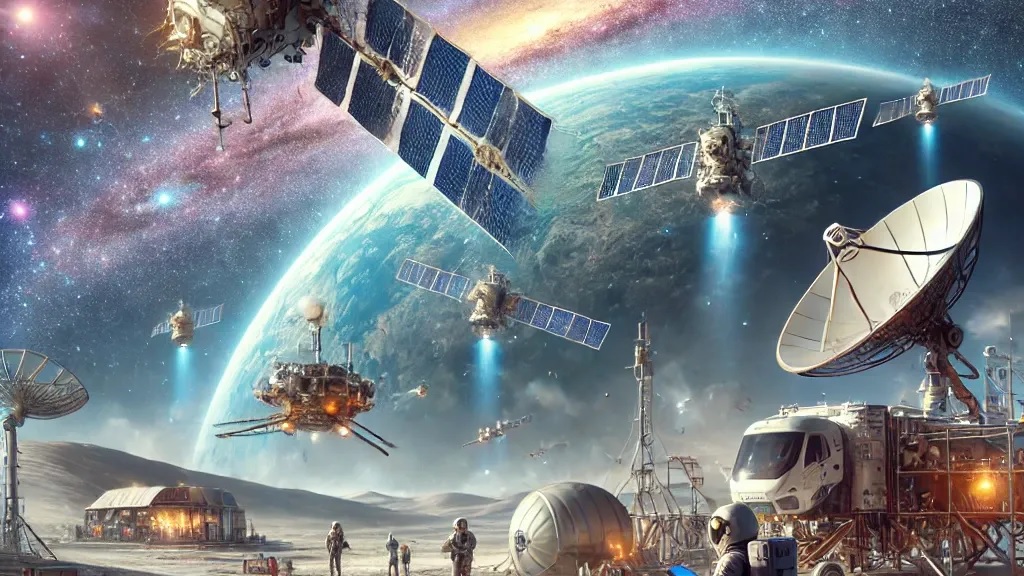
Space & Technology
India's space exploration agency, the Indian Space Research Organisation (ISRO), is set to kick off 2025 with an ambitious roadmap. With a mix of cutting-edge satellite launches and a landmark private-sector collaboration, ISRO is ready to solidify its position as a global leader in space technology. The first quarter of 2025 is packed with four significant missions: GSLV-F15/NVS-02, PSLV-N1/TDS-01 (the first PSLV constructed by the private sector), HLVM3-G1, and LVM3-M5 carrying Bluebird Block-2 satellites. Here's an in-depth look at each mission, its specifications, and its capabilities. 1. GSLV-F15/NVS-02 (January 2025) This mission marks the continuation of ISRO's efforts in enhancing India’s navigation infrastructure. Payload: NVS-02 is the second satellite in the new-generation Navigation with Indian Constellation (NavIC) series. These satellites are aimed at upgrading India's regional navigation system to compete with global players like GPS, Galileo, and GLONASS. NVS-02 is equipped with advanced atomic clocks and new signals for civilian and military use. Rocket: The GSLV-F15 (Geosynchronous Satellite Launch Vehicle) is a medium-lift launch vehicle equipped with a cryogenic upper stage. Its reliability makes it a go-to for deploying heavy satellites into geostationary orbits. Specifications: Height: 49.1 meters Liftoff Mass: ~415 tons Payload Capacity: Up to 2.5 tons to Geostationary Transfer Orbit (GTO). Capabilities: NVS-02 will bolster NavIC's accuracy, ensuring real-time positioning for various applications such as navigation, disaster management, and vehicle tracking. The satellite also introduces a new frequency band that enhances its robustness against potential interference. 2. PSLV-N1/TDS-01 (India’s First Private-Sector-Built PSLV) This mission is groundbreaking as it marks the first PSLV (Polar Satellite Launch Vehicle) built by private sector entities in collaboration with ISRO. Payload: TDS-01, a technology demonstration satellite, will validate new indigenous components and subsystems, paving the way for future operational missions. Rocket: PSLV-N1 is a variant of ISRO's workhorse rocket, the PSLV. While the PSLV has been a staple of Indian launches since 1993, this mission is a milestone due to its construction being outsourced to private industry. Specifications: Height: ~44 meters Liftoff Mass: ~320 tons Payload Capacity: Up to 1.8 tons to Sun-Synchronous Polar Orbit (SSO). Capabilities: By engaging private industries, ISRO aims to expand its launch capacity and reduce manufacturing timelines, setting the stage for more frequent and cost-effective missions. 3. HLVM3-G1 This mission introduces a high-lift variant of ISRO’s flagship heavy-lift rocket, the GSLV Mark-III (also called LVM3). Payload: Although details about the specific satellite are under wraps, it is expected to involve a high-priority communication or Earth observation payload. Rocket: HLVM3-G1 is a modified version of the LVM3, designed to handle even heavier payloads with enhanced efficiency. Specifications: Height: ~43 meters Liftoff Mass: ~640 tons Payload Capacity: Over 5 tons to GTO. Capabilities: This mission showcases ISRO's engineering advancements in increasing payload capacity for geostationary launches. This variant of the LVM3 is expected to play a crucial role in future interplanetary missions and large-scale satellite constellations. 4. LVM3-M5/Bluebird Block-2 This mission involves deploying Bluebird Block-2 satellites, which are part of an international collaboration aimed at advanced Earth observation and data analytics. Payload: Bluebird Block-2 satellites are known for their high-resolution imaging capabilities, designed to deliver critical data for applications such as agriculture, urban planning, and disaster management. Rocket: LVM3-M5 is a variant of ISRO's heavy-lift LVM3 (formerly GSLV Mk-III). Known for its reliability, the LVM3 has been a key player in both domestic and commercial launches. Specifications: Height: 43.43 meters Liftoff Mass: 640 tons Payload Capacity: Up to 4 tons to Geostationary Orbit (GEO). Capabilities: The Bluebird satellites will significantly enhance global Earth observation capabilities, demonstrating ISRO's growing role in international satellite partnerships. ISRO's Vision for 2025 The first quarter of 2025 reflects ISRO's commitment to innovation, collaboration, and self-reliance. From enhancing India’s navigation system with NavIC to launching its first private-sector-built PSLV, these missions underline ISRO's dual focus on national priorities and global competitiveness. Furthermore, the HLVM3 and LVM3 missions highlight India’s growing capability in handling heavy-lift launches, which are critical for ambitious projects like Gaganyaan (India's human spaceflight program) and interplanetary exploration. As ISRO enters this dynamic phase, it sets a benchmark for emerging spacefaring nations and reinforces India’s position as a global leader in the space domain. With technological advancements and strategic collaborations, ISRO's plans for Q1 2025 are not just about achieving milestones—they are about paving the way for a future driven by exploration, innovation, and excellence.
Read More → Posted on 2024-12-31 14:57:56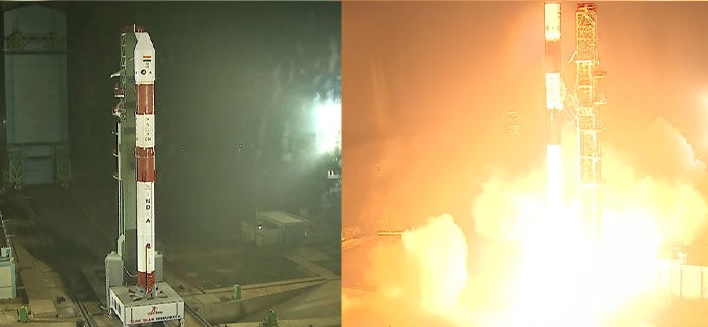
Space & Technology
India took another significant step in space exploration with the successful launch of the PSLV-C60 rocket as part of the SpaDeX mission on Monday at 10 PM from the Satish Dhawan Space Centre (SDSC) in Sriharikota. This milestone marks India’s entry into the elite league of nations—China, Russia, and the United States—that have developed in-space docking technology. The SpaDeX (Space Docking Experiment) mission is a crucial component of India's long-term ambitions in human spaceflight and its planned Gaganyaan space station program. The SpaDeX Mission: A Technological Breakthrough The PSLV-C60 mission carried two nearly identical satellites, SDX01 and SDX02, each weighing approximately 220 kilograms. These satellites, referred to as the "Chaser" and the "Target," were deployed into a 470 km circular orbit shortly after the rocket's liftoff. Once deployed, the satellites are programmed to drift apart to a distance of 10-15 kilometers. Over the subsequent ten days, the Chaser satellite will execute a series of meticulously planned and controlled maneuvers to close the gap, culminating in a successful docking with the Target satellite. This process will validate critical docking procedures such as proximity operations, alignment, and attachment mechanisms, essential for future space station modules and long-duration space missions. Advanced Payloads and Capabilities The satellites are equipped with cutting-edge payloads, including a high-resolution camera to monitor the docking process and a radiation monitoring device. These tools will not only assist in executing the docking procedure but also gather valuable data for future human spaceflight missions. The collected data will provide insights into radiation levels in low Earth orbit, crucial for ensuring astronaut safety during long-term missions. Additionally, the satellites feature autonomous navigation systems powered by state-of-the-art algorithms, enabling precise control and docking without direct intervention from ground stations. This capability is a significant advancement for India’s future endeavors in deep space exploration. Boosting India's Space Ambitions The SpaDeX mission is part of ISRO’s broader vision to establish its presence in the highly competitive domain of space docking technology. Mastering this technology is a foundational requirement for assembling space stations, refueling spacecraft, and enabling interplanetary missions. With the success of SpaDeX, ISRO has laid the groundwork for future complex orbital operations, including India's Gaganyaan mission—a crewed spaceflight expected to launch in the near future. Moreover, this success bolsters India’s reputation as a global leader in space exploration, opening avenues for international collaborations and partnerships in space technology development. The demonstration of such advanced capabilities also signals India’s readiness to contribute to global space station projects and manned lunar or Mars missions. A Moment of National Pride The PSLV-C60 launch was met with celebrations by ISRO scientists and space enthusiasts across the country. The night sky at Sriharikota lit up as the rocket soared, symbolizing India’s relentless pursuit of technological excellence and scientific discovery. ISRO Chairman S. Somanath congratulated the team, calling it a “giant leap for India’s space program.” The SpaDeX mission is a testament to India’s growing capabilities in cutting-edge space technologies. By successfully venturing into space docking, India joins an exclusive group of nations pushing the boundaries of human ingenuity and space exploration. This achievement not only reinforces India’s leadership in the space sector but also serves as a beacon of inspiration for future generations of scientists and engineers.
Read More → Posted on 2024-12-31 14:31:01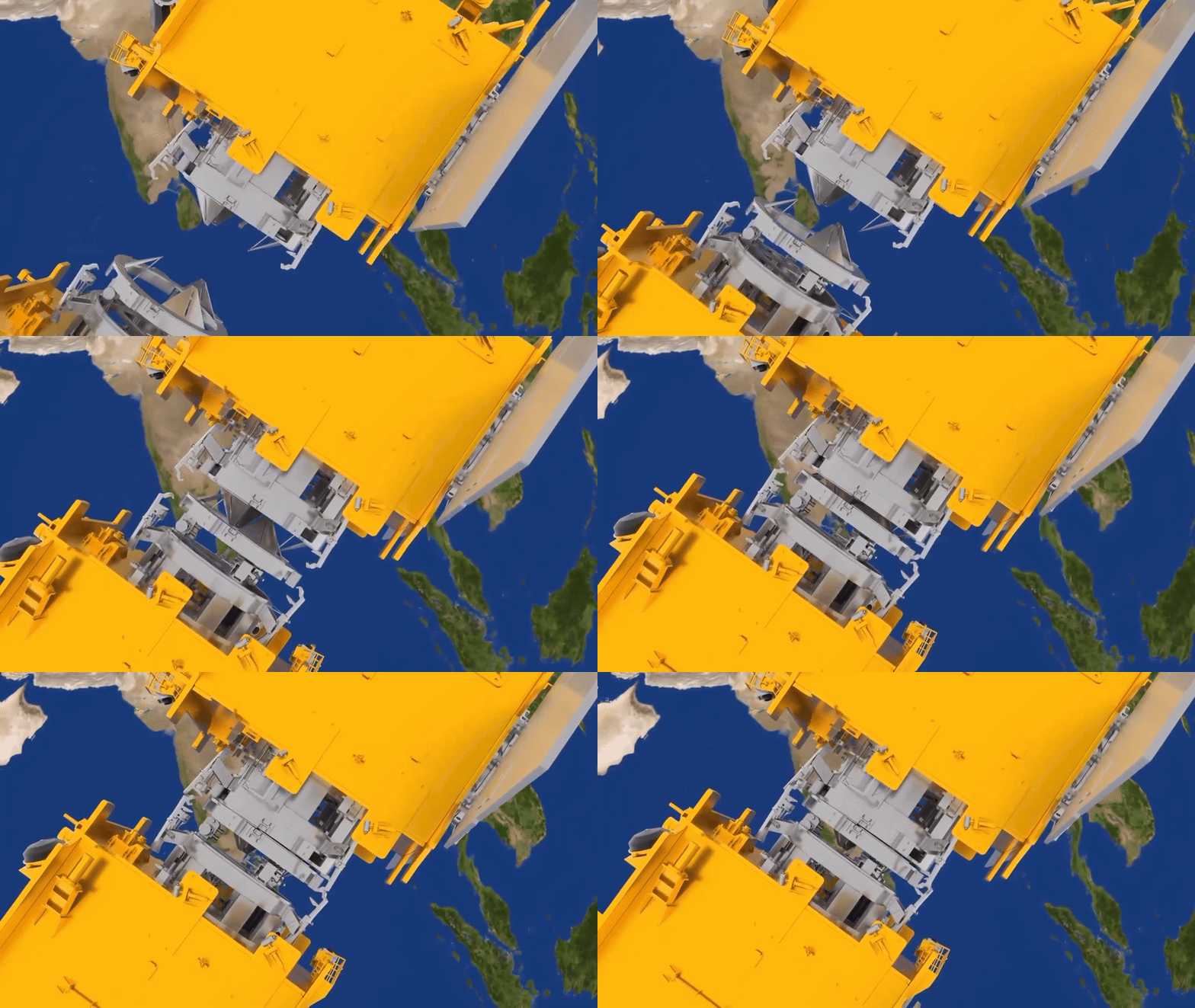
ISRO Gears Up for Historic Space Docking Experiment: Mastering Orbital Dynamics at Hypersonic Speeds
Space & Technology
India’s space exploration journey is set to reach new heights with the Indian Space Research Organisation (ISRO) preparing to conduct its groundbreaking Space Docking Experiment (SpaDEx). Scheduled for December 30, 2024, this mission aims to demonstrate India’s capability in autonomous spacecraft docking—a critical technology for future space missions. The launch will utilize the Polar Satellite Launch Vehicle (PSLV-C60), lifting off from Sriharikota at 9:58 PM IST. What Is SpaDEx? SpaDEx involves two identical satellites, aptly named the Chaser (SDX01) and Target (SDX02), each weighing around 220 kilograms. These satellites will orbit Earth at an altitude of 470 kilometers with an inclination of 55 degrees. The mission's primary goal is to showcase precise orbital alignment and docking techniques—a process requiring satellites to synchronize their motion while flying at speeds of nearly 7.8 kilometers per second, more than ten times the speed of a bullet. Key Objectives of SpaDEx Autonomous Docking Technology: The mission aims to prove India’s capability in autonomous spacecraft docking, a technology crucial for assembling structures in space, refueling satellites, and other future endeavors. Electrical Power Transfer: Once docked, the satellites will test the transfer of electrical power between them, laying the groundwork for in-space servicing capabilities. Post-Docking Payload Operations: After undocking, both satellites will operate independent payloads, with their mission life expected to extend up to two years. Innovative Technologies Driving SpaDEx Advanced Docking Mechanism The docking system used in SpaDEx incorporates state-of-the-art design features: Low-Impact Docking: The chaser satellite will approach the target at a gentle speed of 10 millimeters per second, minimizing collision risk. Androgynous Design: Both satellites are equipped with identical docking systems, allowing for seamless interaction. Peripheral Docking System: Inspired by the International Docking System Standard (IDSS), this ensures compatibility with global docking protocols. High-Precision Sensor Suite The mission relies on cutting-edge sensors for accurate rendezvous and docking: Laser Range Finder (LRF): Measures distances between 6,000 meters and 200 meters while also assessing relative velocity. Rendezvous Sensors (RS): Provides position data at closer ranges, from 250 meters to 10 meters. Proximity and Docking Sensors (PDS): Handles the critical final approach phase with a range of 30 meters to 0.4 meters. Sophisticated Guidance Algorithms To achieve precise docking, SpaDEx employs advanced algorithms: V-bar Strategy: Utilizes multiple propulsion pulses to guide the chaser satellite on an accurate trajectory towards the target. Guidance Algorithms: Maintains a fixed inter-satellite distance during approach, ensuring optimal alignment and docking precision. Strategic Significance of SpaDEx The success of SpaDEx will mark a major leap in India’s space technology capabilities. Orbital docking is a foundational skill for various advanced missions, including in-orbit satellite assembly, space station construction, and even human space exploration. By mastering these techniques, ISRO is positioning itself as a global leader in space innovation, capable of supporting ambitious projects like lunar bases and deep-space exploration. Moreover, SpaDEx opens doors to satellite servicing, an emerging industry that could prolong the life of satellites, reduce space debris, and lower the cost of space operations. India’s investment in these technologies underscores its commitment to maintaining a competitive edge in the global space race. Looking Ahead As ISRO edges closer to this monumental mission, the potential benefits extend far beyond demonstrating technological prowess. SpaDEx sets the stage for international collaborations, advances India’s human spaceflight program, and enhances its ability to tackle complex challenges in space. If successful, this mission will reaffirm India’s position as a formidable player in space exploration, paving the way for revolutionary advancements in the years to come.
Read More → Posted on 2024-12-29 14:17:10Search
Top Trending in 24 Hours
-
 Taiwan Signs NT$26.9 Billion Contract for 2,032 U.S. ALTIUS Drones
-
 Navantia Unveils Enhanced F-110 Flight II / IAMD Frigate at DALO Industry Days 2026
-
 Lockheed Martin Demonstrates AI-Powered Battle Manager Prototype for Guam Missile Defense
-
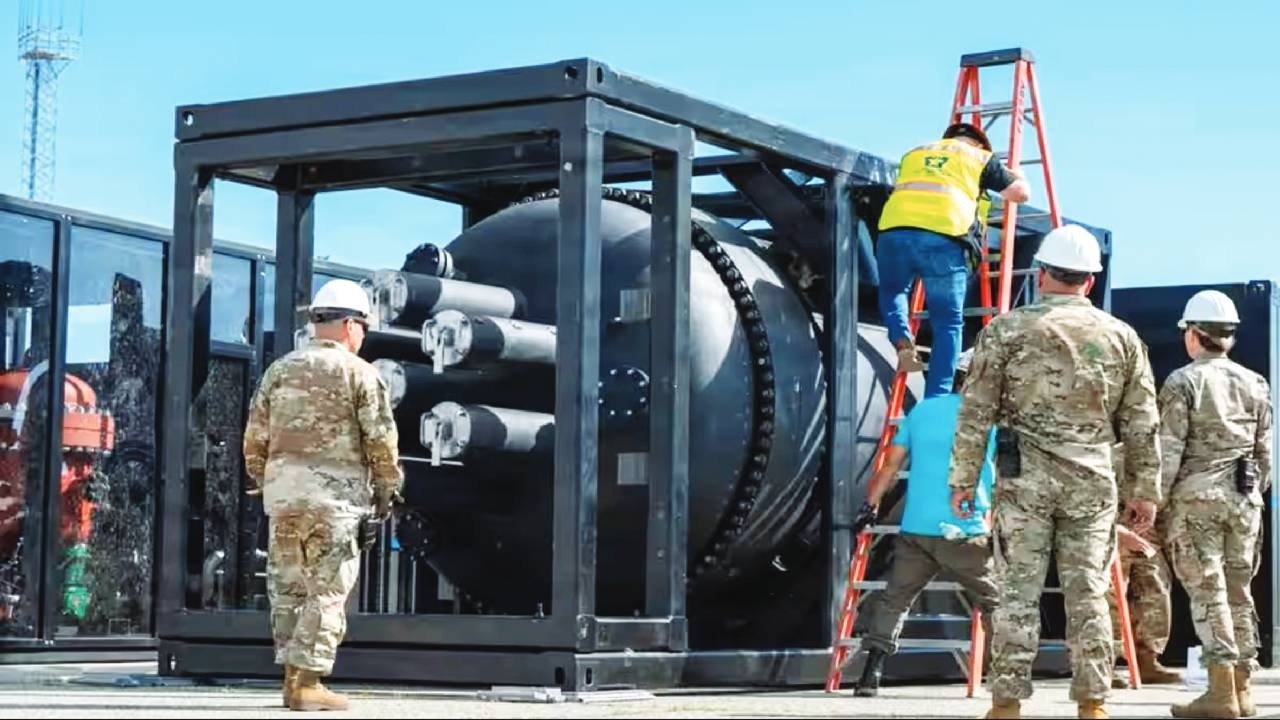 U.S. Army Selects Five Companies to Build Nuclear Microreactors for Military Bases Under $2.2 Billion Funding
-
 France Pushes for Time Limits on Ukraine’s Non-EU Defence Purchases Under €90 Billion EU Loan
-
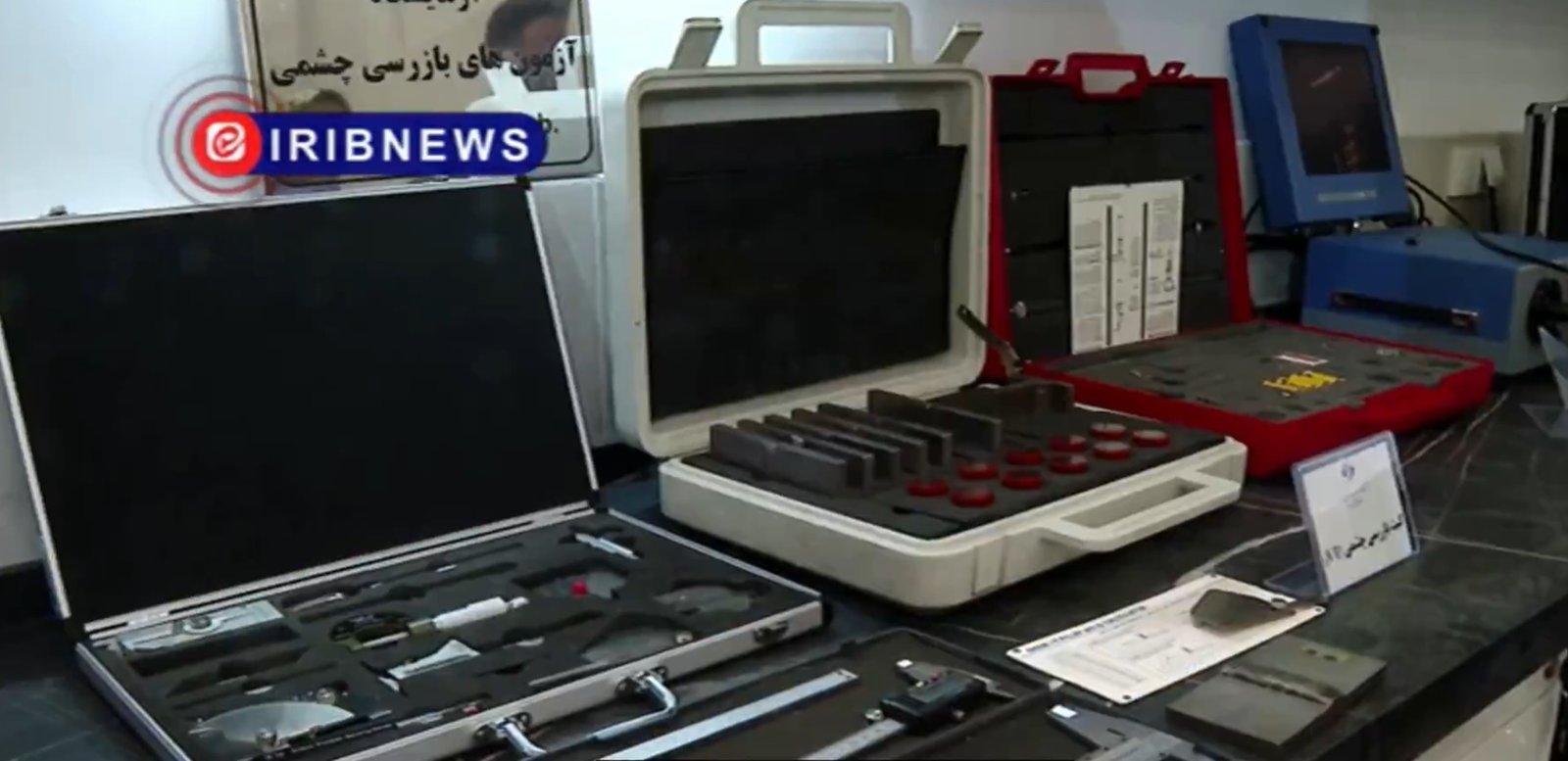 Iran Unveils Four New Nuclear Technology Systems During Government Week, Gives IRIB Lab Tour
-
 South Korea Approves $2.43 Billion Upgrade for K2 Black Panther Tanks
-
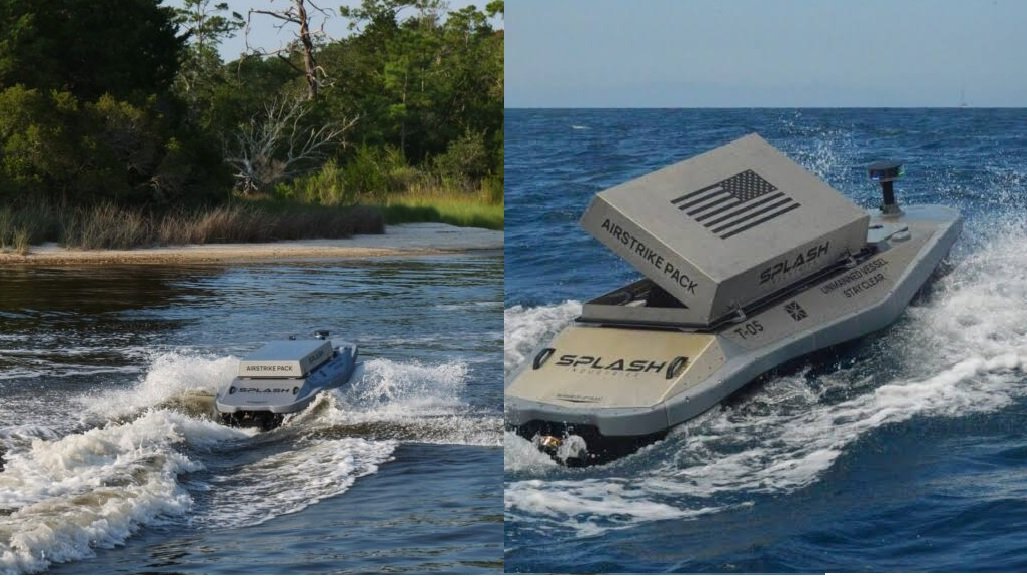 Splash Industries Unveils Airstrike Pack Drone-Launching Module for Typhoon USV
Top Trending in 4 Days
-
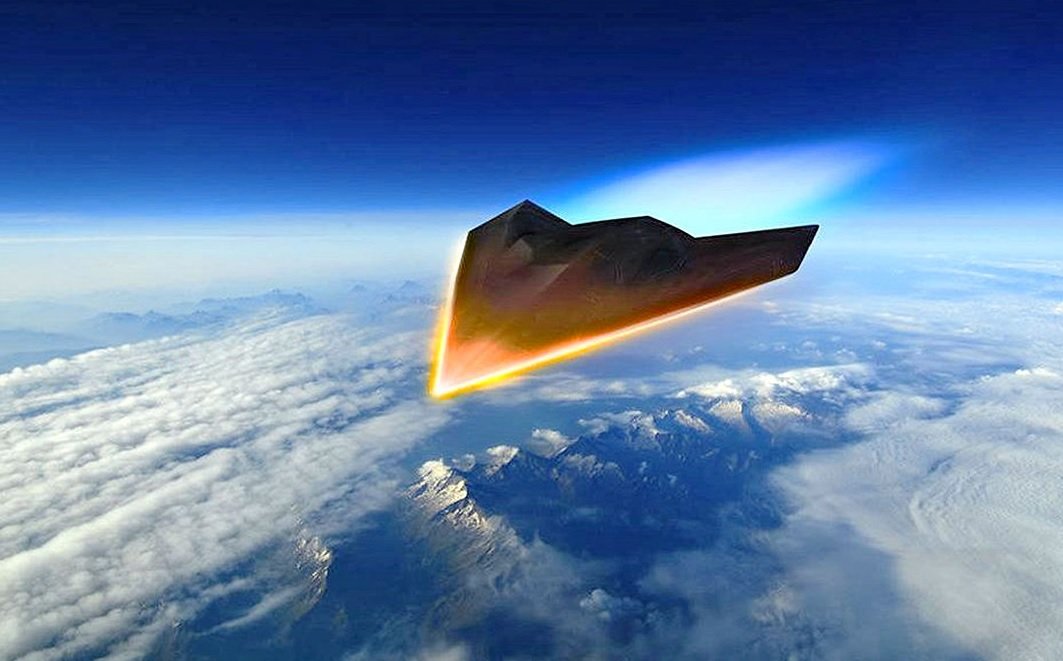 China Develops Hypersonic Glide Vehicles Capable of Launching Air-to-Air Missiles Mid-Flight
-
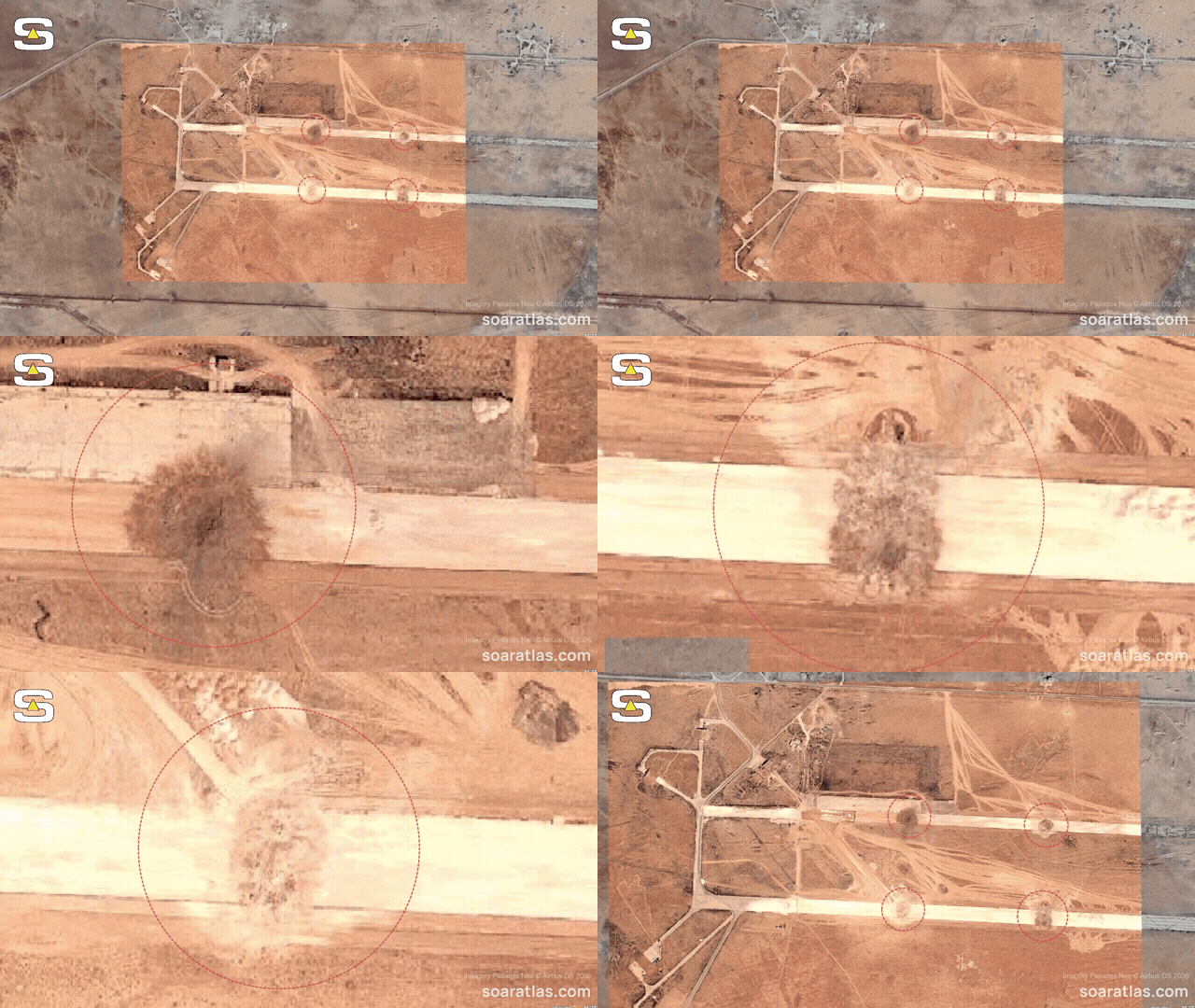 Satellite Imagery Shows Damage From Israeli Strikes on Turkey Military Occupied Syria’s Abu al-Duhur Airbase
-
 Ukraine Holds World’s First Unmanned Military Parade on 35th Independence Day
-
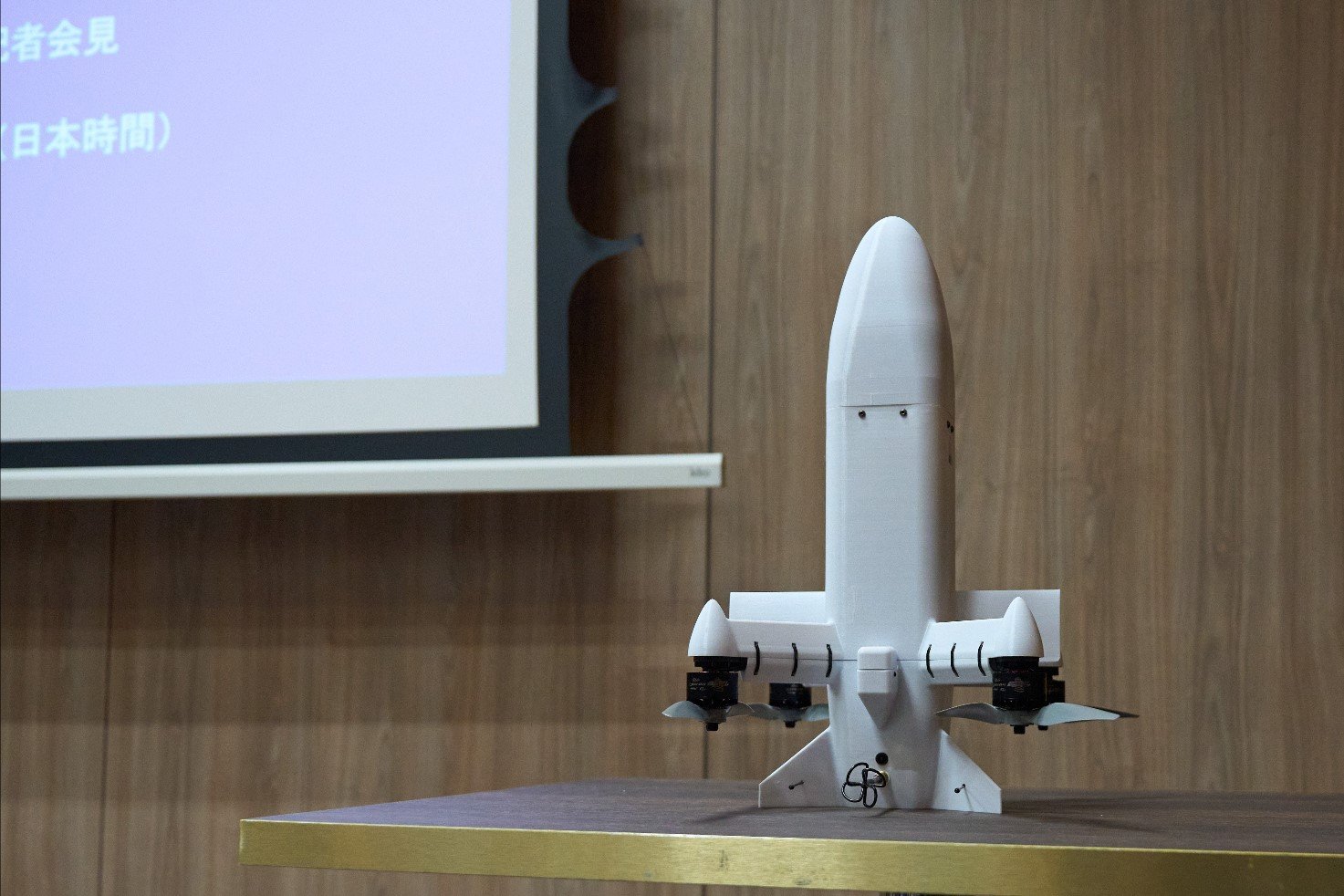 Japan Selects Terra Drone’s Terra B1 for Mass Production of Interceptor UAVs
-
 Russia Warns UK Factories Could Face Attacks After Britain Shares Storm Shadow Missile Blueprints With Ukraine
-
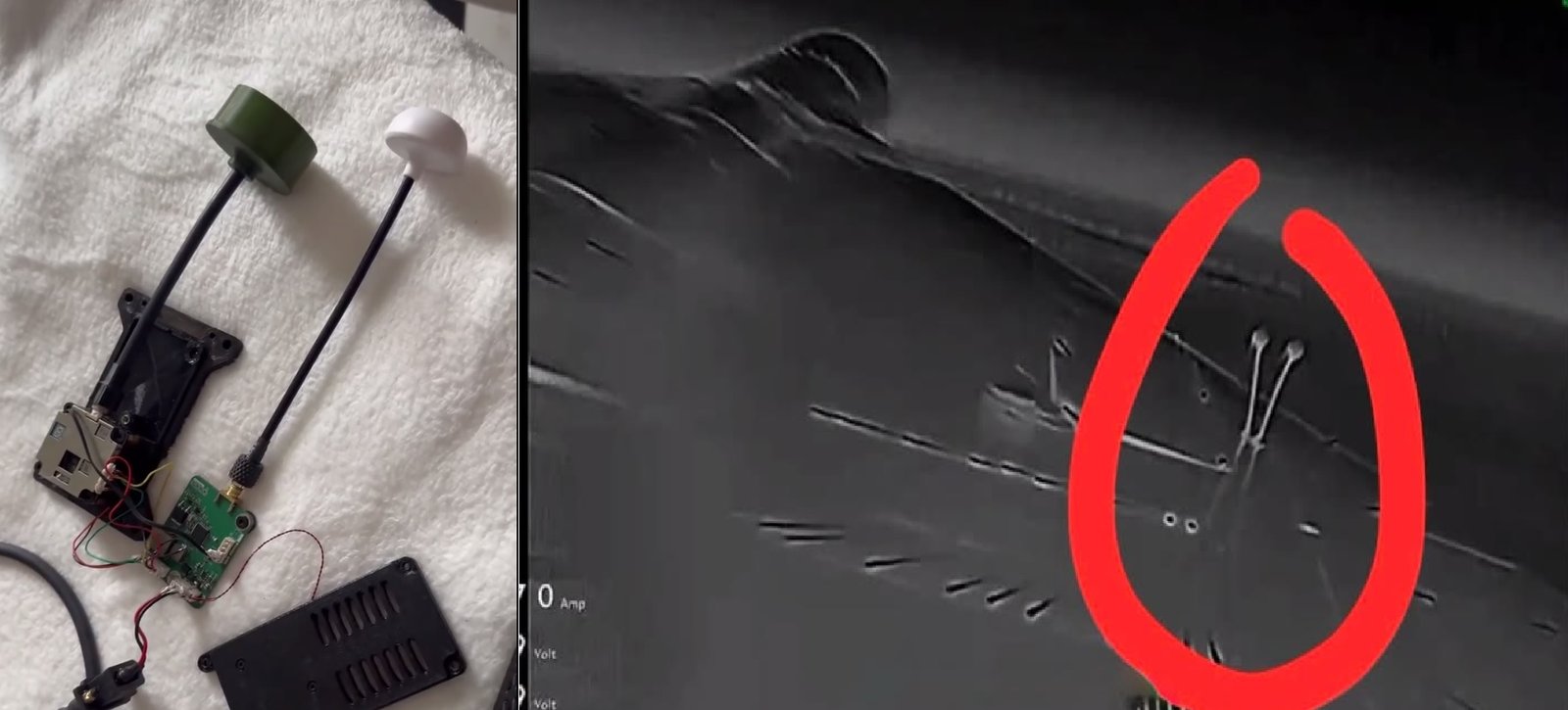 Russia Equips Shahed and Geran Drones With Electronic Warfare Systems to Jam Ukrainian Interceptor Video Links
-
 Hungarian Air Force Gripen Fighter Crashes Near Szolnok, Pilot Ejects Safely
-
 Russia Demonstrates Portable Laser System and Courier-2 Robot for Mine Clearance