
Space & Technology
ROCKVILLE, MARYLAND — May 2, 2026 : Researchers at the J. Craig Venter Institute (JCVI) have successfully created the world’s first synthetic bacterial species whose genetic instructions are entirely derived from a laboratory-designed chromosome rather than natural DNA. The milestone, first announced in 2010 after 15 years of research and approximately $40 million in investment, established a new technical foundation for the field of synthetic biology. The organism, named Mycoplasma mycoides JCVI-syn1.0, is a self-replicating bacterium whose genome was designed on a computer, chemically synthesized, and assembled in the laboratory before being transplanted into a recipient cell. Once activated, the synthetic genome directed the cell’s biological processes, allowing it to grow and divide under standard laboratory conditions. A Genome Built From Digital Design The project was led by geneticist J. Craig Venter, whose team constructed a complete genome consisting of approximately 1.08 million base pairs. The DNA sequence was based on the naturally occurring bacterium Mycoplasma mycoides, but included deliberate modifications such as watermark sequences, engineered deletions, and polymorphisms to distinguish it from naturally existing organisms. The synthetic genome was assembled from smaller chemically synthesized DNA fragments using enzymatic methods and cloning steps in yeast. It was then transplanted into a related bacterium, Mycoplasma capricolum, whose original genetic material had been removed. After transplantation, the recipient cell began expressing proteins and functions consistent with M. mycoides, demonstrating that control of the cell had shifted entirely to the synthetic chromosome. Demonstrating a Self-Replicating Synthetic Cell The resulting organism exhibited logarithmic growth and the ability to replicate indefinitely under appropriate conditions. Researchers confirmed that all cellular activity was governed by the synthetic DNA, making JCVI-syn1.0 the first example of a living cell controlled exclusively by a man-made genome. The work built on earlier achievements, including the 2008 chemical synthesis of the smaller genome of Mycoplasma genitalium. The 2010 experiment integrated advances in genome sequencing, DNA synthesis, assembly techniques, and transplantation methods developed over more than a decade. Collaboration and Technical Process The project involved collaboration between JCVI, Synthetic Genomics, and other research partners. Key technical steps included high-fidelity chemical synthesis of DNA segments, hierarchical genome assembly, cloning in yeast cells to maintain large DNA constructs, and precise genome transplantation into a prepared host cell. The success of these processes demonstrated that a complete bacterial genome could be converted from digital sequence information into a functioning biological system. Expansion to Minimal Synthetic Cells Following the creation of JCVI-syn1.0, researchers continued to refine genome design. In 2016, the team reported the development of JCVI-syn3.0, a minimal synthetic cell containing approximately 531,000 base pairs and 473 genes. This organism represents the smallest known genome capable of supporting independent self-replication, providing insights into the minimal genetic requirements for life. Scientific and Industrial Implications The ability to design and construct functional genomes has enabled further research into engineered microorganisms with specific capabilities. Applications under investigation include microbial systems for biofuel production, pharmaceutical synthesis, environmental remediation, and materials development. The work also established a framework for studying genome organization, essential genes, and cellular functions using fully controlled genetic systems. Biosafety and Regulatory Considerations The creation of a synthetic organism has prompted ongoing discussions among scientists, policymakers, and biosecurity experts. Key considerations include the environmental impact of potential accidental release, the dual-use nature of genome synthesis technologies, and the need for regulatory frameworks governing the creation and application of synthetic life forms. Oversight mechanisms continue to evolve as synthetic biology advances toward broader industrial and medical use. Renewed Attention Following Venter’s Death Interest in the 2010 breakthrough has resurfaced following the death of J. Craig Venter on April 29, 2026, at the age of 79. Archival reports and footage documenting the original announcement have reentered public discussion, highlighting the experiment’s role as the first clear demonstration that a self-replicating organism can be created using a genome entirely designed and synthesized by humans. The JCVI-syn1.0 project remains a central reference point in synthetic biology, marking the transition from reading genetic code to constructing and operating living systems based on engineered DNA.
Read More → Posted on 2026-05-02 16:53:00
Space & Technology
BAIKONUR, Kazakhstan — May 1, 2026: Russia has successfully carried out the maiden flight of its new Soyuz-5 medium-class carrier rocket, marking a significant step in the country’s ongoing efforts to modernise its space launch capabilities. The test launch was conducted on April 30, 2026, from Launch Site No. 45 at the Baikonur Cosmodrome. The rocket lifted off at 21:00 Moscow Time (18:00 UTC) and followed a planned suborbital trajectory. According to Roscosmos, the mission was designed to evaluate key flight parameters and overall system performance. Instead of carrying an operational payload, the vehicle transported a scale model mass simulator. Flight Performance and Mission Outcome Roscosmos reported that both stages of the Soyuz-5 functioned as expected during ascent. The payload mockup followed its calculated trajectory and successfully splashed down in a designated area of the Pacific Ocean approximately nine and a half minutes after liftoff. The suborbital profile allowed engineers to assess structural integrity, propulsion performance, and guidance systems under real flight conditions. The launch represents Russia’s ninth space mission of 2026. In comparison, the country conducted a total of 17 launches throughout 2025, indicating an increase in launch activity this year. Earlier in April, Russia also launched an Angara-1.2 carrier rocket carrying an undisclosed payload. Revival of Launch Site No. 45 The mission also marked the return to service of Launch Site No. 45, which had remained inactive for nine years. The facility was originally constructed for Zenit rockets, whose production depended on components manufactured in Ukraine. Following the disruption of these supply chains, operations at the site were halted. The development of the Soyuz-5 has enabled the reactivation and modernisation of the launch complex. The upgrade expands infrastructure capabilities at Baikonur and supports future launch operations under the joint Russian-Kazakh Baiterek project, where the Soyuz-5 is also referred to as “Sunkar” in Kazakhstan. Vehicle Design and Technical Characteristics The Soyuz-5 carrier rocket has been developed by the Progress Rocket Space Centre and is intended primarily for launching unmanned spacecraft into low Earth orbit. The vehicle stands 65.2 metres tall, has a diameter of 4.1 metres, and a launch mass of up to 531 tons. It is capable of delivering payloads of up to 17 tons to low Earth orbit. Unlike earlier members of the Soyuz family that use a clustered configuration with strap-on boosters, the Soyuz-5 adopts a two-stage tandem (serial) configuration. This design reduces dry mass and improves aerodynamic and operational efficiency. The first stage is powered by the RD-171MV engine, one of the most powerful liquid-propellant rocket engines currently in operation, using kerosene (RP-1) and liquid oxygen as propellants. The second stage is equipped with the RD-0124MS engine. For missions requiring higher orbital insertion, the rocket can be fitted with the Fregat-SSU upper stage. The propulsion system utilises non-toxic propellants compared to earlier Soviet-era launch systems that relied on hypergolic fuels, aligning with environmental requirements set by Kazakhstan for launches conducted from Baikonur. Programme Context and Future Outlook The Soyuz-5 programme is intended to replace older Zenit-class rockets and improve the cost efficiency of payload delivery. Russian space officials have indicated that the vehicle is expected to support both government and commercial missions. In addition to its role as a standalone launch vehicle, the first stage of the Soyuz-5 is planned to serve as a core component in the proposed “Yenisei” super-heavy launch system, which remains in the conceptual phase for future deep-space and lunar missions. Following this initial suborbital test, Roscosmos is expected to conduct a detailed analysis of telemetry data collected during the flight. No official timeline has been announced for subsequent test launches or the commencement of operational missions.
Read More → Posted on 2026-05-01 18:13:34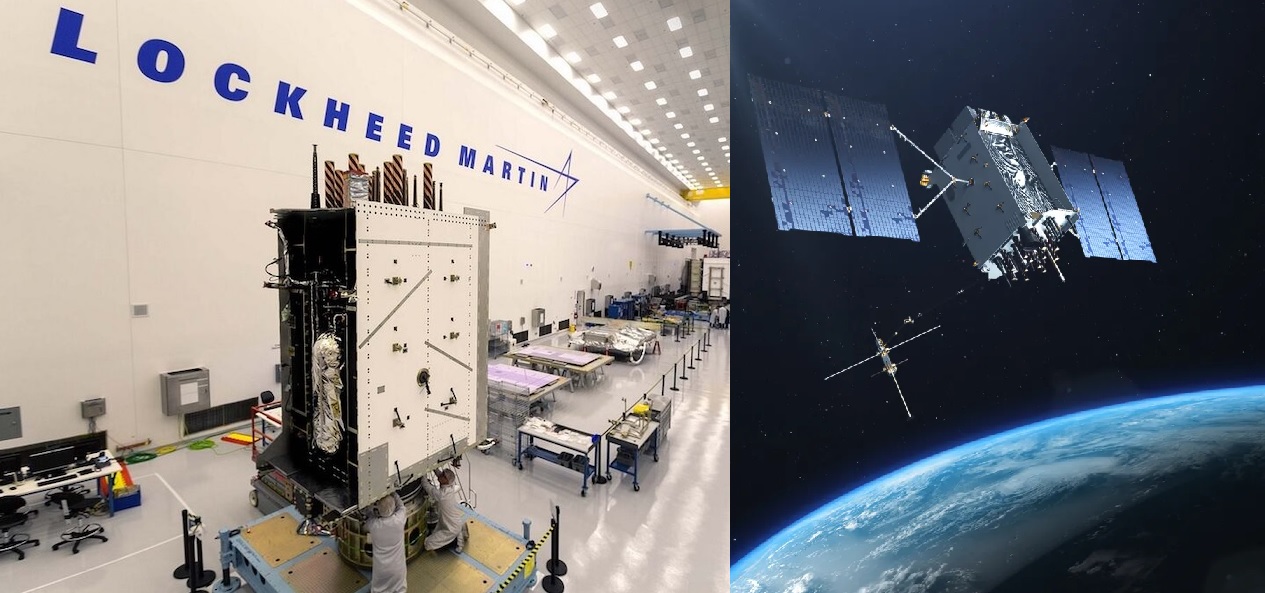
Space & Technology
DENVER — April 30, 2026 : Lockheed Martin has completed the core mate phase of the Global Positioning System (GPS) IIIF Space Vehicle 11 (SV11), marking a key production milestone in the development of the next-generation navigation satellite constellation. The core mate process integrates the satellite’s primary structure with its essential subsystems, signifying the structural completion of the spacecraft. SV11 is scheduled to be the first GPS IIIF satellite deployed into orbit, although it is the third spacecraft in the IIIF block to reach this stage. Space Vehicles 13 and 14 completed the same phase of assembly in 2025, indicating steady progress across the production line. All satellites are being assembled at Lockheed Martin’s facility in Denver, Colorado. Production Progress and Manufacturing Approach The company has reported improvements in manufacturing efficiency through the use of digital engineering tools, including digital twin models and augmented reality systems. These technologies are being applied to streamline assembly processes, reduce production timelines, and control costs as the GPS IIIF program advances. Christina Mancinelli, Vice President of Global Communications and Navigation at Lockheed Martin, stated that the completion of the SV11 core mate reflects continued production momentum. She noted that with three satellites now past this stage, the program is progressing toward delivering upgraded capabilities to meet operational requirements. Enhanced Capabilities of GPS IIIF Satellites The GPS IIIF (Follow-on) satellites are designed to introduce expanded functionality for both military and civilian users, while improving the overall resilience of the GPS constellation. One of the primary upgrades is Regional Military Protection (RMP), which uses high-powered, focused spot beam technology to strengthen signals over specific operational regions. This capability provides anti-jamming performance more than 60 times greater than earlier GPS satellites. The satellites also incorporate a fully digital navigation payload, representing an increase from approximately 70 percent digital payloads in the previous generation to 100 percent digital architecture in the IIIF series. SV11 is equipped to transmit M-Code, an encrypted military signal that offers enhanced anti-spoofing protection, three times greater accuracy, and eight times improved resistance to jamming compared to legacy systems. Additional onboard systems include Energetic Charged Particle (ECP) sensors for monitoring space weather and detecting environmental anomalies, along with a redesigned and lighter U.S. Nuclear Detonation Detection System (USNDS) payload. Each GPS IIIF satellite is also fitted with Laser Retroreflector Arrays (LRAs), which enable precise laser-based tracking from ground stations. This capability is intended to improve positioning accuracy for end users, with long-term goals of refining accuracy from approximately one meter to the centimeter level. For civilian applications, SV11 and subsequent satellites include a Cospas-Sarsat search and rescue payload capable of detecting 406 MHz distress beacons worldwide. This system supports emergency response efforts by enabling faster location of individuals in remote or maritime environments. Platform Upgrades and Future Integration Beginning with SV13, all GPS IIIF satellites will be built on Lockheed Martin’s LM2100 Combat Bus™, an updated spacecraft platform designed to enhance performance and adaptability. The platform includes additional cyber-hardening measures, increased power and propulsion capabilities, and expanded capacity for integrating future payloads. Lockheed Martin is currently under contract to manufacture GPS IIIF satellites through SV22, ensuring continued expansion and modernization of the constellation. Program Context and Ground System Modernization The development of the GPS IIIF series follows the completion of the previous generation. In April 2026, the U.S. Space Force launched GPS III-8 (SV10), completing the deployment of the GPS III active constellation. That mission was conducted aboard a SpaceX Falcon 9 from Cape Canaveral Space Force Station. To support the integration of the IIIF satellites, Space Systems Command recently awarded Lockheed Martin a task order contract valued at up to $105 million. The contract focuses on modernizing the Architecture Evolution Plan (AEP) ground control system, which will manage launch operations, early orbit activities, and eventual disposal of the new satellites. Launch Timeline The first launches of the GPS IIIF satellites are currently projected to begin in 2027. While a specific launch date for SV11 has not yet been announced, the completion of the core mate phase represents a significant step toward readiness for integration, testing, and eventual deployment. The GPS IIIF program is intended to sustain and enhance global positioning, navigation, and timing services for both defense and civilian users, supporting a wide range of applications worldwide.
Read More → Posted on 2026-04-30 18:29:53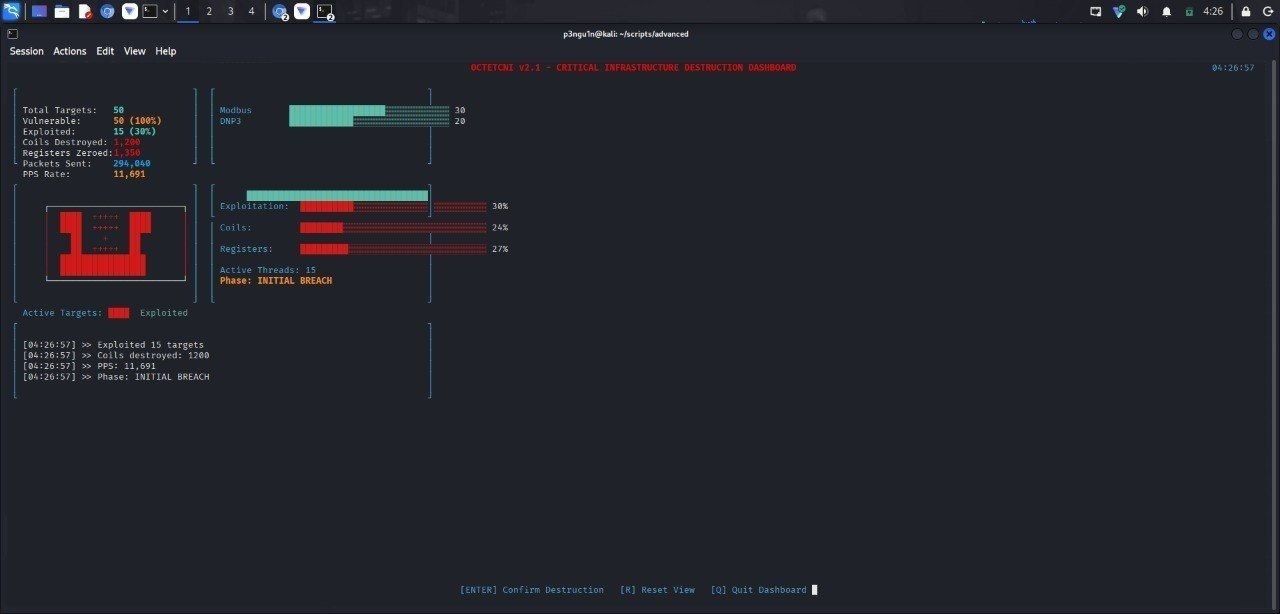
Space & Technology
New Delhi, — April 27, 2026 : An Indian hacktivist group operating under the name HackShyen has announced the deployment of a newly developed Critical National Infrastructure (CNI) exploitation framework, stating that the system is now fully operational and actively targeting infrastructure in Pakistan. According to information released by the group, the framework is being used in an ongoing campaign identified as BlackOutOp2026 and Revolutionize Indian Hacktivism. HackShyen describes the initiative as the largest cyber operation conducted by the group to date, with more than 400 industrial control systems (ICS) reportedly targeted across multiple sectors. Framework Deployment and Structure HackShyen stated that the exploitation framework has been made freely available to the broader Indian hacktivist community to support coordinated cyber operations. The system is designed to function autonomously, combining reconnaissance, exploitation, and disruption capabilities into a single integrated platform. The framework reportedly begins with an automated discovery phase that uses the Shodan Enterprise API to identify internet-exposed and potentially vulnerable ICS devices. These include systems operating on widely used industrial communication protocols such as Modbus and DNP3, as well as infrastructure associated with Siemens industrial technologies. Once targets are identified, the framework transitions directly into exploitation without requiring manual intervention. It operates on pre-configured instructions that determine which modules to activate, enabling continuous execution across multiple targets simultaneously. Exploitation Methods and Capabilities A central component of the framework involves protocol-specific exploitation techniques. HackShyen has highlighted the use of Modbus coil rewrite methods, which allow unauthorized modification of discrete outputs within industrial systems. In operational terms, these outputs function as switches controlling physical equipment. Through this approach, the framework enables remote manipulation of connected machinery by issuing direct ON/OFF commands. The system is designed to execute these actions without authentication where vulnerabilities exist, leveraging known weaknesses in legacy ICS protocols that lack built-in security controls. The framework also includes destruction-oriented modules intended to disrupt system functionality. These modules are activated automatically once access is established, according to the group’s description of its operational workflow. Reported Impact on Infrastructure HackShyen claims that the framework has already achieved scanning and access across hundreds of ICS devices within Pakistan’s critical infrastructure environment. The group reports that exploitation modules have been deployed on multiple systems, resulting in operational disruptions. The types of infrastructure identified as potential targets include electricity distribution systems, water supply networks, industrial manufacturing facilities, and other sectors dependent on automated control systems such as oil and gas and transportation. According to the group, the ability to manipulate ICS components can lead to direct physical consequences. These include power outages, disruption of water distribution, and shutdown or damage to industrial machinery through abrupt command execution. Previous Activity and Context HackShyen has previously claimed involvement in cyber operations targeting Pakistani entities. In January 2026, the group reported a data breach affecting the Water and Power Department in Gilgit-Baltistan, which it said impacted hydel power stations. Additional activity was reported in April 2026 involving operations against commercial sector domains. Pakistan has recorded 98 cyber incidents during the first quarter of 2026, affecting a range of sectors including federal and provincial institutions, businesses, and educational organizations. However, there has been no independent confirmation from Pakistani authorities directly linking these incidents to the current campaign. Verification and Ongoing Developments As of now, there is no independent verification of the scale of disruption claimed by HackShyen or official confirmation of widespread infrastructure impact. The group’s statements remain the primary source of information regarding the operation. The release and active deployment of an automated ICS exploitation framework represent a notable development in hacktivist activity, particularly in its focus on critical infrastructure systems and its use of scalable, protocol-based attack methods. Further details regarding the extent of the operation and its real-world impact are expected as additional information becomes available from official or independent sources.
Read More → Posted on 2026-04-27 14:18:24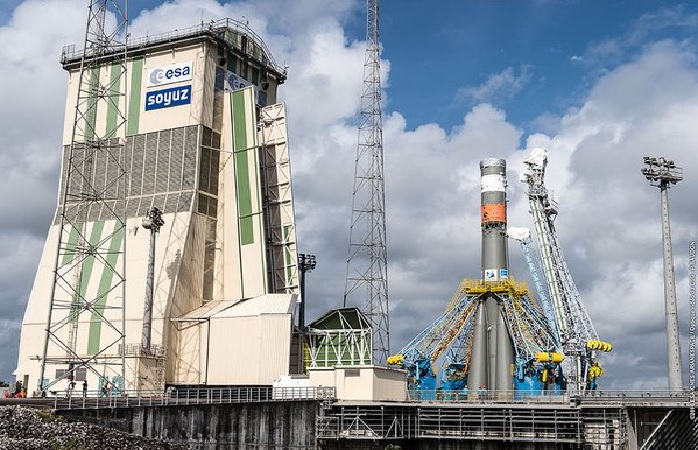
Space & Technology
KOUROU, French Guiana — April 24, 2026 : MaiaSpace has initiated dismantling work at the former Soyuz-ST launch complex at the Guiana Space Centre, marking the start of site conversion activities for its upcoming two-stage Maia launch vehicle. The facility, known as the Ensemble de Lancement Soyouz (ELS), has remained inactive since its last Soyuz-ST mission on February 10, 2022. Operations ceased after the European Space Agency ended cooperation with Russia following the suspension of joint space activities. Dismantling and Site Preparation Initial dismantling work has focused on removing key launch infrastructure. The service tower at the pad has been demolished, while earlier phases included cutting the four primary support arms used to hold the Soyuz rocket prior to liftoff and dismantling cable masts. Progress at the site was reported by the Russian Telegram community Zakrytyy kosmos. Transition to Maia Rocket Operations MaiaSpace, a subsidiary of ArianeGroup, was selected in September 2024 by the CNES to operate from the former Soyuz launch site. The selection followed a call for applications issued in April 2024. On February 24, 2026, MaiaSpace signed a Temporary Public Domain Occupancy Agreement with CNES and local authorities, formally granting access to the site and enabling modification work to begin. The facility has since been renamed ELM2, and the company plans to conduct all Maia launches from this location. Infrastructure Reuse and Investment The redevelopment strategy is based on reusing approximately 80 percent of existing infrastructure. Retained elements include assembly buildings, propellant and fuel storage systems, and railway tracks used for transporting rocket components. Total investment for the upgrade is expected to remain within several tens of millions of euros. Commercial Contracts and Launch Plans MaiaSpace has secured Eutelsat as a launch customer. A multi-launch agreement signed on January 16, 2026, covers deployment of satellites for the OneWeb low Earth orbit constellation, with missions scheduled to begin in 2027. The company’s development roadmap includes a suborbital test flight planned for late 2026. The mission will use a reduced propellant load and is intended to validate key flight phases such as liftoff, stage separation, and second-stage engine ignition, targeting an altitude of at least 100 kilometres. Ahead of this, the first Maia rocket is scheduled to be erected vertically on the launch pad by the end of 2026 for ground testing. Timeline for First Flights The first full orbital launch of the Maia rocket and the start of commercial operations are planned for 2027. MaiaSpace has not disclosed a detailed schedule for completion of dismantling activities or the start of new construction at the site. The Maia launcher is designed to deliver approximately 500 kilograms to low Earth orbit in reusable configuration and up to 1,500 kilograms in expendable mode.
Read More → Posted on 2026-04-24 16:32:16
Space & Technology
NEW DELHI,— April 9, 2026 : India has successfully demonstrated a 1,000-kilometre secure quantum communication network, marking one of the longest such networks globally and a significant milestone under the National Quantum Mission (NQM). The achievement was formally announced by the Department of Science and Technology (DST) on April 8, 2026. The demonstration was completed in less than two years after the National Quantum Mission became operational in October 2024, substantially ahead of the original target of building a 2,000-km network over an eight-year period extending to 2030–31. Indigenous Development and Technology Validation The network has been developed using indigenous technology by QNu Labs, an Indian startup supported under the National Quantum Mission. The company specialises in quantum-safe cybersecurity solutions and deployed its ARMOS Quantum Key Distribution (QKD) platform for the project. The system uses Quantum Key Distribution (QKD), a technology that transmits encryption keys using quantum principles instead of classical binary signals. This method ensures that any attempt to intercept communication can be immediately detected through disturbances in quantum states. The ARMOS platform was independently validated in collaboration with VIAVI Solutions using the MAP-300 test platform. Testing confirmed secure key generation over distances of up to 200 kilometres on standard telecom fibre without the need for signal amplification. Multiple such links were combined to achieve the full 1,000-km network. According to technical data, the system supports coexistence with 10 Gbps classical data traffic while maintaining a Quantum Bit Error Rate (QBER) below 4%, indicating stable and secure transmission performance. This milestone follows an earlier 500-km defence-grade quantum communication network completed in November 2025. Strategic Applications and Operational Capabilities The network is designed to strengthen secure communications across multiple critical sectors. These include military and defence communications, banking and financial systems, and other forms of critical national infrastructure that require high levels of cybersecurity. Officials stated that the system has been engineered to operate in challenging environments, including underwater and underground conditions. This expands its applicability for both civilian infrastructure and strategic deployments. Government Review and Official Statements The achievement was reviewed during a high-level meeting at the Department of Science and Technology chaired by Union Minister of State for Science and Technology, Dr. Jitendra Singh. DST Secretary Dr. Abhay Karandikar described the development as a landmark advancement in secure quantum communication and said it positions India among leading countries working on quantum technologies. Expansion of Startup Ecosystem Alongside the network demonstration, the government has expanded its support for quantum technology startups. The number of startups backed under the National Quantum Mission has increased from eight to 17, with nine additional deep-tech ventures added to the programme. These startups are working on a range of advanced technologies, including biosensors for disease detection, precision electronics, quantum positioning systems, photon-sensing technologies, and atomic memory solutions. Research Activity and Industry Participation The Technology Development Board (TDB) has reported strong industry engagement following the rollout of government support mechanisms. More than 100 research proposals were received within two months of issuing a call for submissions. In parallel, the biotechnology sector has also seen increased activity. Nearly 200 applications have been submitted for research projects in areas such as cancer treatment, gene therapy, and bio-manufacturing, supported through the Biotechnology Industry Research Assistance Council (BIRAC). Funding Mechanisms and Policy Support To support the growth of deep-tech startups, the government is introducing new funding structures, including optionally convertible debt (OCD). This mechanism enables startups to raise capital while deferring equity dilution for founders, allowing greater operational flexibility during early growth stages. These initiatives are aligned with the broader ₹1 lakh crore Research Development Innovation (RDI) Fund aimed at strengthening India’s innovation ecosystem. National Quantum Mission Framework The National Quantum Mission was approved by the Union Cabinet in April 2023 with a total financial outlay of ₹6,003.65 crore for the period from 2023–24 to 2030–31. The mission’s objectives include the development of intermediate-scale quantum computers, satellite-based secure quantum communication over distances exceeding 2,000 kilometres, multi-node quantum networks incorporating quantum memories, and the establishment of international quantum-secure communication links. The successful 1,000-km demonstration represents a key step toward achieving these targets and advancing India’s capabilities in quantum-secure communication infrastructure.
Read More → Posted on 2026-04-09 18:07:03
Space & Technology
MOSCOW, — April 6, 2026 : Newly examined historical records and declassified technical data provide a detailed account of the Soviet Union’s nuclear thermal rocket (NTR) development program, a long-running Cold War engineering effort that spanned from 1955 through the late 1980s and produced one of the most advanced ground-tested nuclear propulsion systems of its time. The program, initiated in 1955 under the leadership of academician M.V. Keldysh at NII-1 of the Ministry of Aviation Industry, evolved into a structured development effort by 1965. Engine design work was led by the Chemical Automatics Design Bureau (KBKhA), also known as the Kosberg Design Bureau, in Voronezh, with contributions from the Kurchatov Institute and NPO Luch. The objective was to develop solid-core nuclear thermal propulsion systems using liquid hydrogen for high-efficiency spaceflight, particularly for deep-space missions and heavy payload transport. Testing Infrastructure and Program Scope To support the program, the Soviet Union established specialized test infrastructure at the Semipalatinsk Test Site in present-day Kazakhstan. This included the Baikal-1 testing complex, located approximately 65 kilometers south of Semipalatinsk-21. Between 1970 and 1988, approximately 30 simulated flight tests were conducted at the site without recorded failure, demonstrating sustained operational reliability under controlled conditions. Testing operations were conducted in deep vertical shafts, with one Major Testing Facility extending about 150 meters underground to safely manage nuclear reactor operations during engine firings. RD-0410 Engine Development and Configuration The primary achievement of the program was the RD-0410 nuclear thermal rocket engine (GRAU index: 11B91), which reached full ground-test operational status. Designed as a compact, high-efficiency propulsion unit, the engine prioritized specific impulse over high thrust output. The RD-0410 utilized a solid-core reactor with uranium-based carbide fuel elements. Materials included uranium/tungsten carbide (U/W-C), uranium-zirconium carbide ((U,Zr)C), and advanced ternary carbides and carbonitrides such as (U,Zr,Nb)C and (U,Zr,Ta)C. These fuel elements were manufactured in a twisted-ribbon geometry, approximately 100 millimeters in length and 2 millimeters in diameter, increasing surface area to enhance heat transfer efficiency. A zirconium hydride (ZrH) moderator was integrated into the reactor core to maintain low neutron energy and sustain a high fission cross-section. Thermal insulation separated the moderator and fuel sections, enabling a compact core structure. Liquid hydrogen propellant was routed first through the moderator to regulate neutron behavior before being directed over the heated fuel rods. To mitigate chemical interaction between hydrogen and carbide fuel at high temperatures, approximately 1 percent hexane was introduced into the propellant stream after it passed through the moderator. Performance and Test Milestones Ground testing of the RD-0410 was conducted primarily during the 1970s and 1980s. The first physical launch of the 11B91 prototype occurred on September 17, 1977, followed by an energy launch on March 27, 1978. Subsequent fire tests in 1978 successfully demonstrated reactor startup. By 1981, the engine achieved its full design operating duration of one hour, reaching temperatures of up to 3,100 Kelvin. The reactor produced thermal power levels between 62 and 63 megawatts during testing. Performance specifications included a vacuum thrust of 35.2 kilonewtons, a specific impulse of 910 seconds—equivalent to an exhaust velocity of approximately 8,920 meters per second—and a maximum burn time of 3,600 seconds. The engine had an unfueled mass of approximately 2,000 kilograms, with overall dimensions of 3.5 meters in length and 1.6 meters in diameter, resulting in a thrust-to-weight ratio of 1.8. The RD-0410 also incorporated bimodal capability, allowing it to generate approximately 200 kilowatts of electrical power in addition to propulsion. It remains the only Soviet nuclear thermal engine to achieve full operational ground-test status. RD-0411 and Mars Mission Concepts Building on the RD-0410, Soviet engineers developed conceptual designs for a larger engine designated RD-0411 (GRAU index: 11B92) in the early 1970s. This variant was intended to serve as a primary propulsion system for interplanetary missions, including crewed Mars expeditions. Available records indicate that the RD-0411 was designed to produce approximately 392 to 400 kilonewtons of vacuum thrust. It was incorporated into mission architectures such as the Kurchatov Institute’s “Mars 1994” proposal, which envisioned assembling a multi-stage spacecraft in low Earth orbit before departure for Mars. Despite its planned role, the RD-0411 remained at the design and study stage and did not proceed to ground testing. Additional proposed variants, including RD-0412 and RD-0413, as well as hybrid nuclear thermal-electric systems under designations such as 11B97, also did not advance beyond preliminary development. Program Termination and Legacy The Soviet nuclear thermal rocket program began to slow in the late 1980s amid economic constraints, the political restructuring of Perestroika, and broader shifts in national priorities following the 1986 Chernobyl accident. Development work on the RD-0410 and associated systems ceased between 1988 and 1989, coinciding with the dissolution of the Soviet Union. None of the engines developed under the program were ever flown in space. However, the RD-0410 completed all planned ground-test objectives and provided extensive data on high-temperature carbide fuels, compact reactor configurations, and advanced fuel geometries. Current Russian Nuclear Propulsion Direction In the decades since the program’s termination, the Russian Federation has not resumed development of solid-core nuclear thermal propulsion systems such as the RD-0410 or RD-0411. Instead, research has shifted toward nuclear electric propulsion (NEP) technologies. Current efforts are centered on the Transport and Energy Module (TEM), also known as the “Zeus” system, being developed by Roscosmos and the Keldysh Research Center. Unlike nuclear thermal engines, the TEM uses a megawatt-class nuclear reactor to generate electrical power, which is then used to operate ion or Hall-effect thrusters for efficient, long-duration space missions. Recent work has included ground testing of radiator systems and electric propulsion components, with the platform intended for future uncrewed orbital and deep-space transport applications. The Soviet-era RD-0410 and its related concepts remain part of the historical record of Cold War aerospace engineering, representing a fully tested but never deployed approach to nuclear-powered space propulsion.
Read More → Posted on 2026-04-06 17:32:17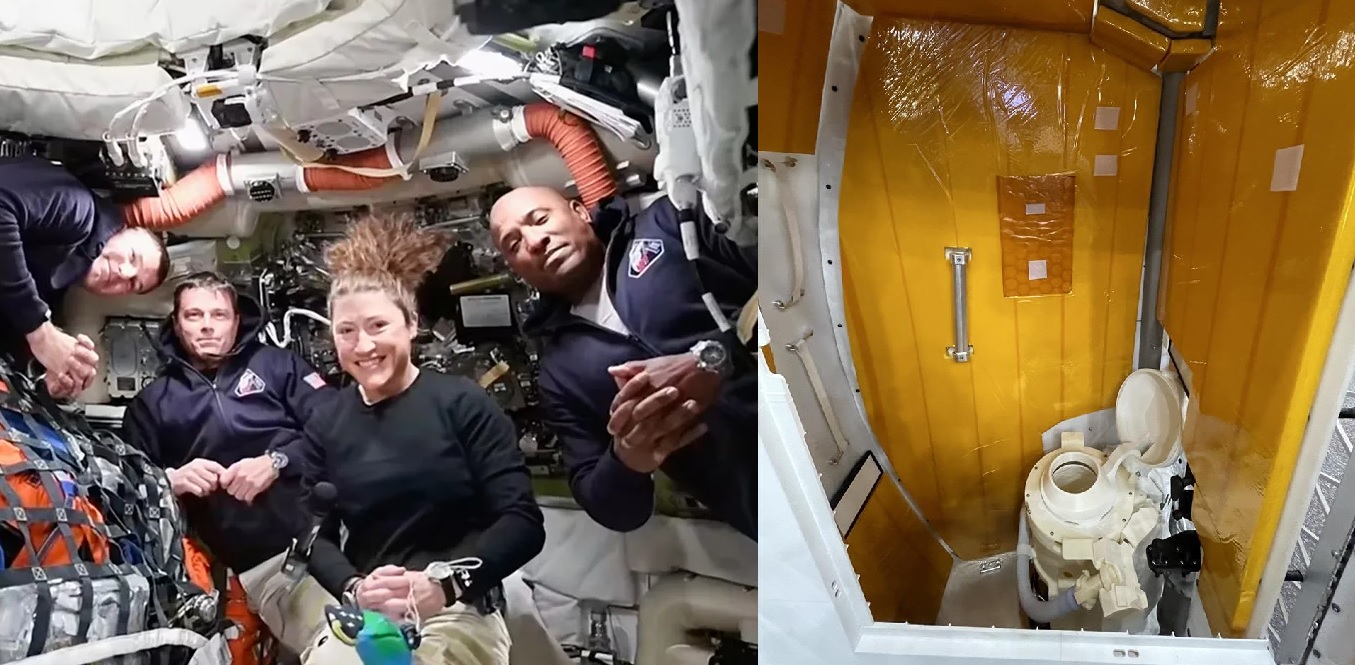
Space & Technology
HOUSTON, — April 5, 2026 : The four astronauts aboard NASA’s Artemis II mission have crossed the halfway point of their journey to the Moon, as the Orion spacecraft continues outbound toward a scheduled lunar flyby on Monday, April 6, 2026. The mission, which launched on April 1, 2026, from Kennedy Space Center in Florida, marks the first crewed flight beyond low Earth orbit since Apollo 17 in 1972, ending a gap of more than 53 years. The crew—Commander Reid Wiseman, Pilot Victor Glover, Mission Specialist Christina Koch, and Canadian Space Agency astronaut Jeremy Hansen—is conducting system checks and observations during the transit. The spacecraft is expected to travel more than 252,000 miles (approximately 406,000 kilometers) from Earth, surpassing the human spaceflight distance record set by Apollo 13 in 1970. Mid-Mission Operations and Flight Milestones As Orion approaches the Moon, the crew is preparing to execute a lunar fly-around trajectory rather than entering orbit. The spacecraft will pass approximately 4,000 miles (6,400 kilometers) beyond the lunar surface and capture imagery of the Moon’s far side before performing a return trajectory to Earth. Pilot Victor Glover reported during a transmission that Earth is now visibly distant, stating that “the Earth is quite small, and the Moon is definitely getting bigger.” The astronauts have also captured imagery of Earth during the outbound phase. The Artemis II crew includes several historic firsts: Christina Koch is the first woman assigned to a lunar mission, Victor Glover is the first Black astronaut on a lunar trajectory, and Jeremy Hansen is the first non-U.S. astronaut to participate in a Moon-bound mission. Waste Management System Malfunction During transit, engineers and crew have been addressing a recurring issue with Orion’s Universal Waste Management System. The spacecraft’s toilet, responsible for venting liquid waste and storing solid waste, has experienced intermittent malfunctions since shortly after launch. Mission controllers identified a suspected ice blockage in the wastewater vent line, which prevented proper venting of urine overboard. Artemis II Flight Director Judd Frieling confirmed that attempts to vent the wastewater tank overnight between April 4 and April 5 were unsuccessful due to the blockage. As a contingency, astronauts have been directed to use collapsible urine collection devices, similar to procedures employed earlier in the mission on flight day one. Engineers instructed the crew to reorient the spacecraft to expose the affected vent line to solar radiation. This maneuver partially resolved the issue, allowing approximately half of the accumulated liquid waste to be vented. The toilet system remains operational for solid waste but is not functioning at full capacity. NASA continues to monitor and troubleshoot the issue. Debbie Korth, Orion program deputy manager, stated that astronauts also reported an odor originating from the bathroom compartment, which is located in the floor of the capsule and enclosed by a door and curtain. She noted that waste management systems have historically posed engineering challenges, including during the Space Shuttle program. John Honeycutt, chair of the Artemis II mission management team, said the crew’s safety is not affected and emphasized that astronauts trained for such contingencies. He stated that the spacecraft remains in a stable condition, though efforts are ongoing to restore full toilet functionality. Additional Technical Issues In addition to the waste system problem, the crew previously resolved an early mission issue involving the toilet pump, which was attributed to insufficient water priming shortly after liftoff on April 1. That issue was corrected without further impact. NASA also confirmed that one of the crew’s onboard laptop computers has become non-operational. The astronauts are continuing mission activities using the remaining three functional laptops. International Participation and Mission Timeline The Canadian Space Agency (CSA) highlighted Jeremy Hansen’s participation as a milestone for international collaboration. CSA President Lisa Campbell, speaking from Quebec, stated that Hansen’s role reflects Canada’s contribution to human space exploration. Hansen has reported observing “extraordinary” views from Orion during the journey. The Artemis II mission is scheduled to conclude with a Pacific Ocean splashdown off the coast of San Diego on April 10, 2026, completing a flight duration of approximately 10 days. Program Objectives and Future Plans Artemis II serves as a crewed test flight of NASA’s Orion spacecraft and Space Launch System (SLS) rocket, validating systems required for future lunar missions. The mission does not include a landing but is designed to certify hardware and operational procedures. NASA’s Artemis program aims to conduct a crewed lunar landing near the Moon’s south pole by 2028, as part of a broader objective to establish a sustained human presence on the lunar surface. Aside from the ongoing waste management system issue, mission operations are proceeding as planned, with astronauts continuing scheduled activities and system evaluations during the outbound phase toward the Moon.
Read More → Posted on 2026-04-05 17:08:22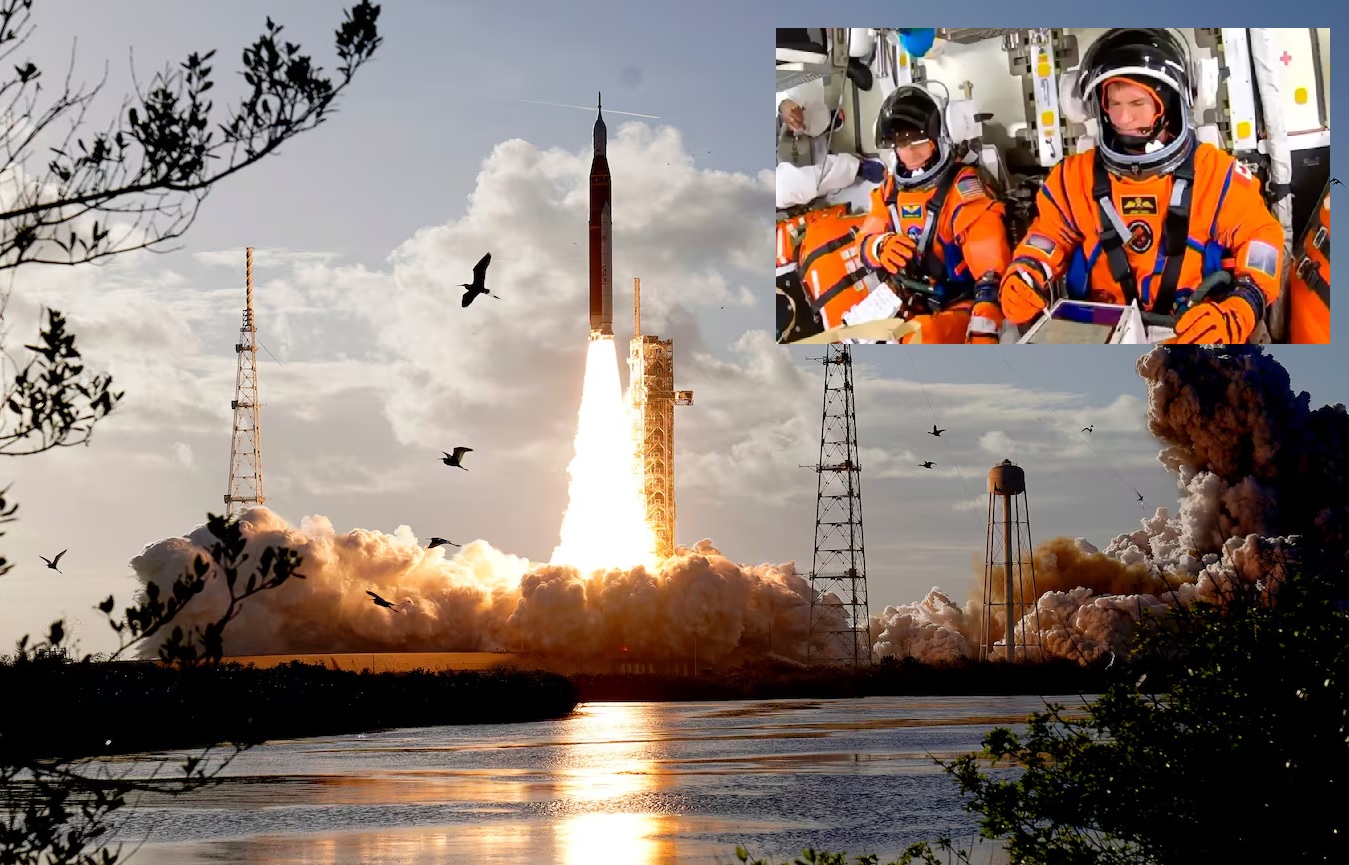
Space & Technology
KENNEDY SPACE CENTER, — Florida, April 2, 2026 : NASA has successfully launched the Artemis II mission, sending four astronauts aboard the Orion spacecraft toward the Moon in the first crewed mission to lunar vicinity since the Apollo 17 mission in 1972. The launch took place at 6:35 p.m. Eastern Time on April 1 from Launch Complex 39B at Kennedy Space Center. The Orion spacecraft, manufactured by Lockheed Martin, lifted off atop the Space Launch System (SLS), a 322-foot rocket generating approximately 8.8 million pounds of thrust using twin solid rocket boosters and four RS-25 engines. Shortly after liftoff, both the solid rocket boosters and the launch abort system separated as planned. The spacecraft, named “Integrity”, is carrying NASA astronauts Reid Wiseman as commander, Victor Glover as pilot, and Christina Koch as mission specialist, along with Jeremy Hansen of the Canadian Space Agency serving as mission specialist. Mission Profile and Trajectory The Artemis II mission is planned as a 10-day flight covering approximately 685,000 miles. The mission begins with two Earth orbits to evaluate spacecraft systems before executing a translunar injection maneuver. The spacecraft will then travel nearly 250,000 miles from Earth and approximately 5,000 miles beyond the far side of the Moon. Orion will follow a free-return trajectory, using the Moon’s gravitational field to loop around the lunar far side and return toward Earth without requiring major propulsion maneuvers for the return leg. Spacecraft Systems and Capabilities The Orion spacecraft used for Artemis II incorporates multiple systems designed for sustained human operations in deep space. These include an advanced Environmental Control and Life Support System (ECLSS), updated flight displays and control interfaces, and a fully operational launch abort system designed to ensure crew safety during ascent. The spacecraft interior is equipped with facilities to support extended missions, including an exercise machine, potable water supply, a galley, and a waste management and hygiene bay. Communication systems onboard include standard audio communication links and an experimental laser-based system, the Orion Artemis II Optical Communications System, designed to provide high-bandwidth data transmission with mission control in Houston. The European Service Module, which provides propulsion, power, and thermal control, was supplied by Airbus Defence and Space. The launch abort system includes components from multiple suppliers, including abort motor contributions from Northrop Grumman. In-Flight Operations and Testing During the mission, the crew will conduct a series of system tests and operational demonstrations aimed at validating Orion’s readiness for future deep space missions. These activities include proximity maneuvering operations and direct observation of the Moon’s far side. The mission will also collect baseline data on spacecraft performance and human health in a deep space environment beyond low-Earth orbit. These data are intended to support planning for subsequent Artemis missions, including crewed lunar landings. Re-entry and Recovery Operations At the conclusion of the mission, scheduled for April 10, the Orion spacecraft will re-enter Earth’s atmosphere at speeds reaching up to 30 times the speed of sound. Atmospheric drag and a parachute deployment sequence will reduce velocity to under 20 miles per hour before splashdown in the Pacific Ocean off the coast of San Diego, California. Recovery operations will involve NASA teams, contractors, and U.S. Navy personnel positioned in the designated landing zone. Industry and Program Statements Robert Lightfoot, president of Lockheed Martin Space, stated that the mission will focus on testing Orion systems and demonstrating its capability to transport crews to the lunar surface and return them safely. Kirk Shireman, vice president and Orion program manager at Lockheed Martin Space, said the mission reflects years of development work and is intended to prepare for future crewed flights beyond Earth orbit. Program Context Artemis II is the first crewed flight of both the Orion spacecraft and the Space Launch System rocket. The mission builds on uncrewed test flights and is a key step in NASA’s Artemis program, which aims to return humans to the Moon and establish a sustained presence in lunar orbit and on the surface. Data gathered during Artemis II will be used to refine mission systems and procedures for upcoming missions, including those involving crewed lunar landings.
Read More → Posted on 2026-04-02 16:44:28
Space & Technology
TOMSK, Russia — March 31, 2026 : Researchers at Tomsk Polytechnic University have initiated pilot-scale production of miniature nuclear batteries based on betavoltaic technology, marking a step forward in long-duration energy systems for medical and specialized technological applications. The development is being carried out in parallel with smart interface technologies, including systems designed to support mind-controlled prosthetic devices. The university confirmed that the current pilot batch represents an early-stage production effort, with plans to expand output in the coming year to meet expected demand for reliable, maintenance-free power sources in niche sectors. Technology Overview and Working Principle The newly developed batteries operate on the principle of betavoltaics, a method that converts radiation from radioactive decay directly into electricity. The core energy source is Nickel-63, an artificially produced isotope that undergoes beta decay. As Nickel-63 decays, it emits low-energy beta particles (electrons). These particles interact with a semiconductor converter—constructed using materials such as silicon or diamond microchannel structures—generating electron-hole pairs. This interaction produces a continuous electric current without the need for chemical reactions or recharging. Nickel-63 has a half-life of approximately 100 years, enabling the battery to provide a stable energy output for up to 50 years or more. The system is designed as a layered structure, where thin films of the isotope (around two microns thick) are combined with semiconductor diodes. Earlier prototypes developed in Russia incorporated Schottky barrier diamond diodes (about 10 microns thick), arranged in stacked configurations alongside nickel foil. Alternative designs have used silicon p-i-n semiconductor structures or electroplated Nickel-63 layers. The isotope itself is produced by irradiating nickel-62 in a nuclear reactor, followed by an enrichment process. Previous project frameworks have identified the IRT-T research reactor at Tomsk Polytechnic University as a potential production source. Size, Efficiency, and Safety Characteristics The architectural design of the betavoltaic cell enables a compact form factor, with the battery being approximately 30 times smaller than conventional lithium-ion batteries while maintaining a high energy density relative to its volume. Despite being described as a “nuclear” battery, the system is classified as safe for close-proximity use. The beta radiation emitted by Nickel-63 is low in energy and does not include gamma radiation, meaning it lacks significant penetration capability. All emitted radiation is fully absorbed within the battery’s internal structure and encapsulated housing, preventing external exposure or environmental contamination. Performance metrics from earlier research indicate power densities of approximately 10 microwatts per cubic centimeter, suitable for low-power electronic devices. Specific energy levels in optimized designs have reached around 3,300 milliwatt-hours per gram, which is significantly higher than conventional electrochemical batteries of comparable size. Applications in Medicine, Space, and Remote Systems The primary focus of the current pilot batch is the healthcare sector. The batteries are intended to power advanced medical implants, including neurological devices, cardiac pacemakers, and bio-stimulants. Their long operational life and reliability make them particularly suitable for integration into mind-controlled prosthetic systems, where uninterrupted power supply is critical for neural interface functionality. Beyond medical use, the technology is applicable in aerospace and remote infrastructure. Potential deployments include powering microelectronics in satellites and deep-space missions, as well as autonomous sensors operating in extreme environments such as Arctic regions or deep-water monitoring systems, where routine maintenance or battery replacement is not feasible. Cost Constraints and Production Challenges A significant limitation affecting large-scale commercialization is the high cost of producing Nickel-63. The isotope does not occur naturally and must be manufactured through a multi-stage process, involving isotope separation via centrifugation followed by irradiation in a nuclear reactor. Due to this complex production chain, the cost of Nickel-63 is estimated at approximately $4,000 per gram. While researchers have optimized semiconductor components to reduce overall system costs, the expense of the radioactive material remains a key barrier to broader adoption beyond specialized applications. Future Development and Scaling Plans The pilot production phase is intended to validate manufacturing processes and performance characteristics under practical conditions. Researchers at Tomsk Polytechnic University plan to focus next on improving conversion efficiency, refining battery architecture, and exploring methods to scale production. The development builds on longstanding Russian research into Nickel-63-based betavoltaic systems and aligns with efforts to create long-duration power solutions for environments where conventional batteries are impractical. Further technical specifications for the current pilot batch have not yet been disclosed.
Read More → Posted on 2026-03-31 16:42:43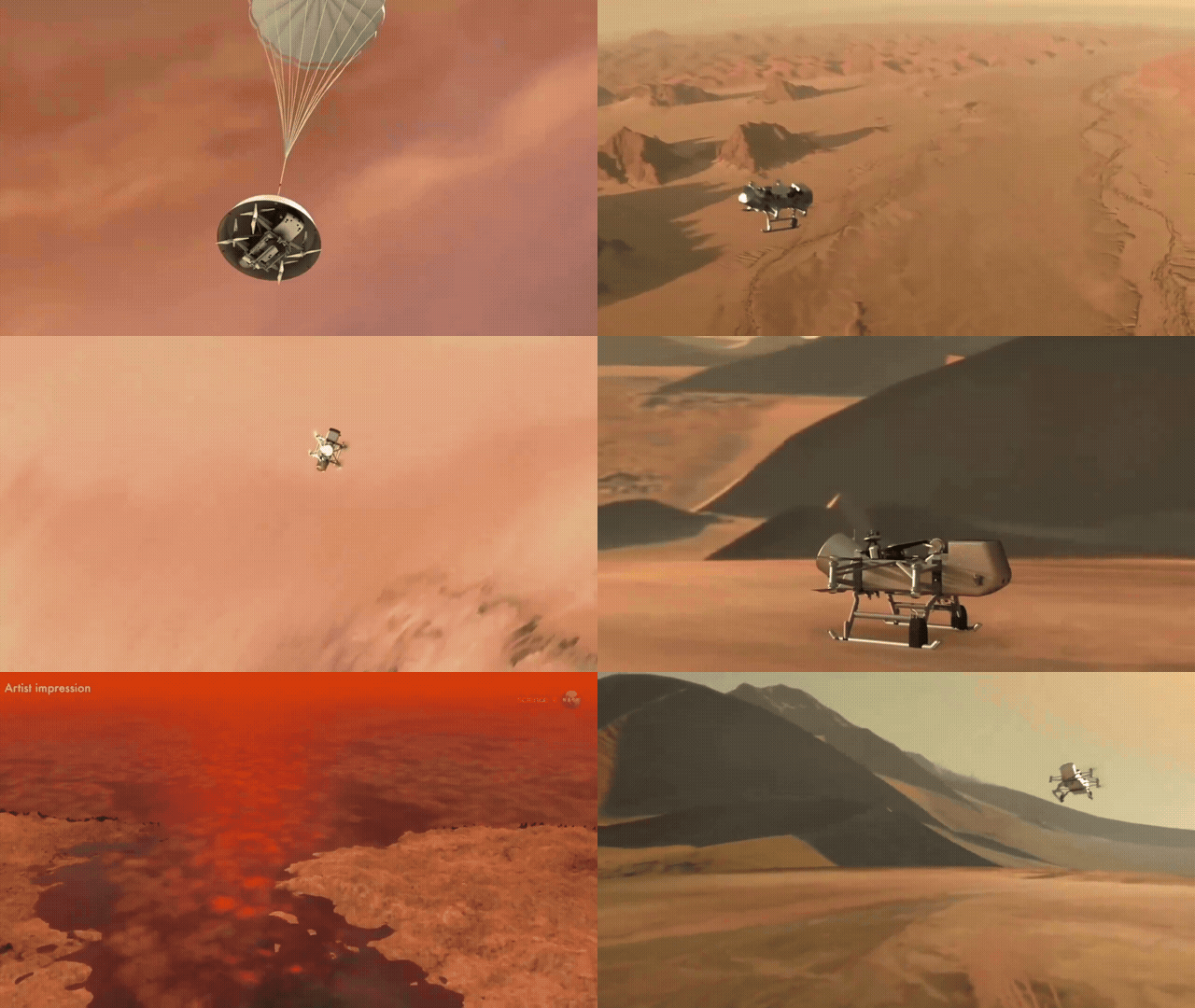
Space & Technology
LAUREL, Maryland — March 2026 : NASA has formally entered the full integration and testing phase of its Dragonfly mission, a nuclear-powered rotorcraft lander designed to explore Saturn’s largest moon, Titan. The milestone marks the transition from design and simulation to physical assembly of the flight system at the Johns Hopkins Applied Physics Laboratory (APL) in Laurel, Maryland, following the mission’s Critical Design Review. Dragonfly is scheduled to launch no earlier than July 2028 aboard a SpaceX Falcon Heavy rocket from Kennedy Space Center, beginning an approximately six-year cruise to Titan with arrival targeted in 2034. The mission, with an estimated cost of $3.35 billion, is designed to conduct the first aerial exploration of another planetary body. Integration and Testing Progress Across Multiple Facilities Integration activities began in early March 2026, with engineers at APL focusing on the spacecraft’s core avionics systems. The Integrated Electronics Module (IEM), which functions as the central computing and data-handling unit, and the Power Switching Units (PSUs) have been successfully powered on and tested through the lander’s main electrical harness. Additional subsystems, including the flight radio and communications hardware, are scheduled for delivery and integration over the coming months. Parallel work is ongoing at Lockheed Martin Space in Littleton, Colorado, where the aeroshell and cruise-stage components are undergoing assembly and testing. These systems will protect the spacecraft during its interplanetary transit and atmospheric entry at Titan. Thermal and environmental validation is also underway. APL is conducting tests in a dedicated “Titan Chamber” to evaluate the performance of the spacecraft’s approximately 3-inch-thick Solimide-based insulating foam under cryogenic conditions. Full system-level environmental testing is planned for 2027 ahead of final launch preparations. Aerodynamic validation has already been completed at NASA’s Langley Research Center using heavy gases in the Transonic Dynamics Tunnel to simulate Titan’s dense atmospheric conditions. Mission Profile and Flight Plan Dragonfly will launch during a window between July 5 and July 25, 2028. After a deep-space cruise lasting roughly six years, the spacecraft will enter Titan’s atmosphere and execute a descent sequence lasting approximately two hours—significantly longer than Mars landings due to Titan’s thick atmosphere. Upon arrival, Dragonfly will initially land in the Shangri-La dune fields near Titan’s equatorial region. The mission will then follow a multi-site “leapfrog” exploration strategy, progressively relocating across the surface toward Selk Crater, a scientifically significant impact site where past interactions between liquid water and organic materials may have occurred. The primary science phase is planned for approximately 3.3 years, during which the rotorcraft is expected to visit between 20 and 30 locations and travel up to 115 kilometers (70 miles). Rotorcraft Design and Flight Capabilities Dragonfly is a fully autonomous, car-sized rotorcraft lander designed to operate in Titan’s unique environment. The vehicle measures approximately 3.85 meters in length and width and 1.75 meters in height, with a mass ranging between 450 kilograms (landing configuration) and approximately 875 kilograms depending on system configuration references. Its structure consists of aluminum panels, internal decks, an aluminum honeycomb fuselage, and polymethacrylimide-based foam insulation for thermal protection. The rotor system uses an X8 octocopter configuration with eight rotors arranged in four pairs of coaxial, counter-rotating blades mounted on four arms. Each rotor has a diameter of approximately 1.35 meters (53 inches). This distributed electric propulsion system provides redundancy, allowing continued flight even in the event of partial system failure. Titan’s atmosphere—composed primarily of nitrogen with methane components—is approximately four times denser than Earth’s, while surface gravity is about one-seventh of Earth’s. These conditions reduce the power required for flight by a factor of roughly 40 compared to Earth, enabling efficient powered flight. The rotorcraft is designed to cruise at approximately 10 meters per second, reach altitudes up to 4,000 meters, and cover distances of 8 to 10 kilometers per flight. Each flight is expected to last about 30 minutes and occur once every Titan day (approximately 16 Earth days), with energy accumulated during the preceding night. Autonomous Navigation and Communications Due to the distance between Earth and Saturn, communication delays range from one to two hours one-way, making real-time control impossible. Dragonfly is therefore designed for full autonomy. Navigation systems include lidar, inertial measurement units, navigation cameras, pressure sensors, and wind sensors to assess terrain and atmospheric conditions in real time. The spacecraft will autonomously select safe landing zones and execute pre-programmed flight paths. Communications will be conducted via NASA’s Deep Space Network using a combination of high-gain and medium-gain antennas, supported by a 100-watt traveling-wave tube amplifier and an X-band Frontier radio developed by APL. Nuclear Power System and Energy Management Solar power is not viable on Titan due to extremely low sunlight levels—approximately 0.001 percent of that received by Earth. Dragonfly is therefore powered by a Multi-Mission Radioisotope Thermoelectric Generator (MMRTG) supplied by the U.S. Department of Energy. The MMRTG uses the decay of plutonium-238 dioxide to generate heat, which is converted into electricity through 768 thermocouples using the Seebeck effect. The system contains eight General Purpose Heat Source (GPHS) modules, each housing plutonium fuel pellets clad in iridium and protected by graphite and carbon-based shielding. At the beginning of its operational life, the MMRTG produces approximately 110 watts of electrical power and about 2,000 watts of thermal energy. By the time Dragonfly reaches Titan after its six-year cruise, electrical output is expected to decline to approximately 70–72 watts. Energy is stored in a 134 ampere-hour lithium-ion battery, which is charged continuously by the MMRTG, particularly during Titan’s approximately eight-Earth-day night. The stored energy is then used to power flight operations during the daytime. The MMRTG also plays a critical role in thermal management by providing continuous waste heat to maintain internal temperatures during both cruise and surface operations. The system has no moving parts, contributing to long-term reliability, and is based on the same technology used in NASA’s Curiosity and Perseverance Mars rovers. Scientific Instruments and Payload Capabilities Dragonfly carries a comprehensive suite of scientific instruments designed to investigate Titan’s chemistry, geology, and atmospheric processes: The Dragonfly Mass Spectrometer (DraMS), developed by NASA’s Goddard Space Flight Center, will analyze drilled samples for complex organic molecules and prebiotic chemistry. The Dragonfly Gamma-Ray and Neutron Spectrometer (DraGNS), developed by APL and Goddard, will measure elemental composition beneath the surface without direct sampling. The Dragonfly Geophysics and Meteorology Package (DraGMet), developed by APL, will monitor atmospheric conditions, including temperature, pressure, wind, and seismic activity. The DragonCam imaging system, developed by Malin Space Science Systems, will provide both macroscopic and microscopic imaging capabilities for terrain mapping and material analysis. The spacecraft is equipped with drill systems mounted on its landing skids, enabling collection of surface and shallow subsurface samples. A pneumatic transfer system delivers these samples directly to onboard instruments for analysis. Environmental Challenges and Engineering Solutions Titan presents a combination of extreme environmental conditions. Surface temperatures average approximately −179 degrees Celsius, requiring advanced insulation and continuous heating from the MMRTG. The dense atmosphere extends the entry, descent, and landing phase to approximately two hours. Additionally, Titan’s long rotational period—equivalent to about 16 Earth days—creates slow-changing atmospheric dynamics that must be accounted for in mission planning. Power management remains a key constraint due to the limited electrical output of the MMRTG. Flight operations, scientific measurements, and communications must be carefully scheduled to balance energy consumption and battery recharge cycles. Radiation effects from the RTG on spacecraft systems were analyzed during development using Monte Carlo N-Particle (MCNP) simulations to ensure instrument integrity. Mission Duration and Long-Term Operations The total mission duration, including cruise and surface operations, is expected to be approximately 10 years. The MMRTG itself is designed for an operational lifespan of up to 17 years, including pre-launch storage. The plutonium-238 fuel has a half-life of approximately 88 years, allowing for extended mission potential beyond the nominal science phase, provided mechanical systems remain functional in Titan’s harsh environment. Dragonfly’s mobility represents a significant advancement over traditional stationary landers, enabling repeated sampling across diverse geological environments. Scientific Significance Building on data from the Cassini-Huygens mission, Dragonfly is designed to investigate Titan’s carbon-rich environment and assess its potential for prebiotic chemistry and habitability. The mission will provide insights into chemical processes that may resemble those that preceded the emergence of life on Earth. With integration and testing continuing through 2027, NASA’s Dragonfly mission remains on track for its planned 2028 launch, marking a major step forward in planetary exploration using aerial robotic systems.
Read More → Posted on 2026-03-26 18:04:32
Space & Technology
WASHINGTON, — March 24, 2026 : NASA has formally advanced plans for its first nuclear-powered interplanetary spacecraft, Space Reactor-1 (SR-1) Freedom, with a launch target set for no earlier than December 2028. The mission is designed to demonstrate nuclear-electric propulsion in deep space and deploy a new class of aerial robotic assets on Mars, marking a significant step in long-duration exploration capabilities. The program is being executed in partnership with the U.S. Department of Energy (DOE), which is supporting reactor design, safety systems, and nuclear integration. Mission Architecture and Spacecraft Design SR-1 Freedom will be the first spacecraft to employ a nuclear fission reactor as its primary onboard power source for interplanetary propulsion. The reactor is designed to generate approximately 25 kilowatts of continuous electrical power, which will be used to operate high-efficiency ion thrusters. Unlike conventional chemical propulsion, which relies on combustion, the spacecraft will use electrically powered ion propulsion. These thrusters accelerate charged particles to produce steady, low-thrust propulsion over extended durations, enabling more efficient mass transport across deep space. The spacecraft bus is derived from NASA’s Power and Propulsion Element (PPE), originally developed for the Lunar Gateway program. While PPE was designed for solar-electric propulsion, SR-1 Freedom replaces the solar array system with a compact nuclear reactor while retaining core electric propulsion architecture, including power distribution systems, thruster integration, and long-duration operational capability. The mission will launch aboard a conventional chemical rocket from Earth. The nuclear system will remain inactive during launch and early ascent, with activation planned only after the spacecraft reaches a safe distance in space. First Use of Integrated Nuclear-Electric Propulsion Beyond Earth Orbit The SR-1 Freedom mission represents the first operational use of nuclear-electric propulsion for travel beyond Earth orbit. The system combines three key elements for the first time in a single deep-space platform: A compact space-rated nuclear fission reactor Continuous electric power generation at multi-kilowatt scale Long-duration ion propulsion for interplanetary transit This integrated architecture is expected to provide higher efficiency compared to both chemical propulsion and traditional solar-electric systems. It also reduces dependence on large solar arrays, which lose effectiveness at greater distances from the Sun, particularly in missions extending beyond Mars and toward the outer solar system. “Skyfall” Payload and Aerial Exploration Assets Upon arrival at Mars, SR-1 Freedom will deploy a specialized payload known as Skyfall. This payload introduces a new deployment concept and a new class of aerial exploration systems. Skyfall consists of three next-generation autonomous helicopters based on the Ingenuity technology demonstrator, which operated on Mars from 2021 to 2024. These rotorcraft represent an evolution in Martian aerial systems with improved endurance, sensing, and autonomy. For the first time, aerial assets will be deployed mid-air during atmospheric descent rather than being delivered via a traditional lander platform. This approach removes the requirement for complex entry, descent, and landing systems associated with large surface payloads. Once deployed, the three helicopters will operate independently and conduct coordinated exploration missions. Their planned functions include: High-resolution surface imaging Subsurface radar scanning to detect water and ice Terrain mapping for future landing site identification Environmental and atmospheric observations The use of multiple aerial vehicles also introduces redundancy and distributed coverage, expanding the operational footprint compared to single-vehicle missions. Data Collection and Technology Demonstration Objectives A central objective of SR-1 Freedom is to collect comprehensive engineering and scientific data on nuclear-electric propulsion in an operational environment. Key data areas include: Reactor performance and stability over long durations Power conversion efficiency and electrical distribution Thermal management of a space-based fission system Ion propulsion performance under continuous operation System integration between nuclear power and propulsion modules The mission will also gather planetary science data through the Skyfall helicopters, particularly in identifying subsurface resources such as water ice, which is critical for future human missions. New Capabilities and First-Time Systems SR-1 Freedom incorporates several systems and operational concepts being used for the first time in a Mars mission: First deployment of a nuclear fission reactor for primary propulsion power in deep space First integration of nuclear power with ion propulsion for interplanetary travel First reuse and modification of the Lunar Gateway PPE as a nuclear-powered spacecraft bus First mid-air deployment of multiple aerial vehicles in the Martian atmosphere First use of a distributed helicopter fleet for coordinated planetary exploration These elements collectively represent a shift toward modular, power-rich spacecraft capable of supporting sustained operations far from Earth. Strategic Role in Future Exploration NASA and the DOE have stated that SR-1 Freedom is intended to establish the technical and regulatory foundation for future nuclear-powered missions. The data and operational experience gained are expected to support multiple long-term objectives. For lunar exploration, similar fission systems are being considered to provide continuous surface power for sustained human presence. In Mars exploration, nuclear-electric propulsion could enable transport of heavier cargo, habitats, and eventually crewed missions with improved efficiency. For missions to the outer solar system, where solar power becomes increasingly limited, nuclear systems offer a scalable solution for both propulsion and onboard energy needs. Development Status and Timeline The SR-1 Freedom project has entered active development, with NASA coordinating with commercial aerospace partners for spacecraft integration, propulsion systems, and aerial vehicle development. The DOE continues to lead reactor design and safety validation. All systems are expected to undergo extensive ground testing, including reactor safety validation, propulsion endurance testing, and integrated system verification before launch. The mission is currently targeting a launch window no earlier than December 2028.
Read More → Posted on 2026-03-24 16:59:46
Space & Technology
SEOUL — March 22, 2026 : A North Korean-linked cyber threat group, tracked as UNC5342, has incorporated blockchain-based infrastructure into its operations by embedding malware within smart contracts on public networks, according to findings from Google Threat Intelligence Group. The activity represents an evolution in state-linked cyber operations, using decentralized blockchain systems such as Ethereum and BNB Smart Chain to distribute malicious payloads and maintain command-and-control (C2) functionality. Use of EtherHiding Technique The method, known as EtherHiding, involves storing encrypted malicious payloads inside blockchain smart contracts. These contracts function as decentralized repositories from which malware retrieves instructions or secondary payloads without relying on traditional centralized servers. Security researchers note that this is the first documented instance of a nation-state actor adopting this technique at scale. UNC5342 has been observed using EtherHiding since February 2025, building on earlier criminal use cases identified in 2023. The approach enables attackers to leverage the immutability and decentralization of blockchain networks, making the hosted malicious code resistant to takedown or disruption. “Contagious Interview” Campaign The blockchain-based delivery method is integrated into a broader social engineering campaign known as the “Contagious Interview” operation, which targets software developers, particularly in the cryptocurrency and technology sectors. The attack chain typically unfolds in multiple stages: Initial Contact: Attackers impersonate recruiters on platforms such as LinkedIn or job boards Engagement Shift: Conversations are moved to messaging platforms including Telegram or Discord Payload Delivery: Victims are asked to complete coding tests or download files from GitHub repositories or malicious npm packages Execution: The downloaded files contain a lightweight JavaScript-based downloader known as JADESNOW Once executed, JADESNOW initiates a read-only query to blockchain explorer APIs such as Blockchair, Ethplorer, or BscScan. These queries retrieve encrypted payloads stored within smart contracts or transaction data. Malware Payload and Capabilities The retrieved payloads are typically Base64-encoded and XOR-encrypted. After decryption, they deploy secondary malware components, most notably the INVISIBLEFERRET backdoor, available in both JavaScript and Python variants. INVISIBLEFERRET establishes persistence on the infected system and enables remote control. It is designed to extract: Credentials from browsers such as Chrome and Edge Data from password managers, including 1Password Cryptocurrency wallet information from applications such as MetaMask and Phantom Collected data is compressed into archive files and exfiltrated to attacker-controlled infrastructure, including remote servers or Telegram channels. Additional payloads may be retrieved from separate blockchain transactions. The campaign supports both financial theft of cryptocurrency assets and long-term network access for espionage purposes. Operational Advantages of Blockchain-Based Delivery The use of blockchain infrastructure provides several operational benefits for attackers: Immutability: Smart contract data cannot be deleted or altered once deployed, ensuring persistent availability of malicious payloads Decentralization: No central server exists that can be seized or shut down by law enforcement or cybersecurity teams Low Cost: Updating payloads within smart contracts can cost as little as $1.37 in gas fees on BNB Smart Chain Anonymity: Blockchain addresses are pseudonymous, complicating attribution Examples identified by researchers include a BNB Smart Chain contract that was updated more than 20 times over four months, demonstrating the ability to continuously modify payloads while maintaining persistent access. Related Tools and Campaign Overlap A related malware framework, EtherRAT, observed in late 2025 during exploitation of the React2Shell vulnerability (CVE-2025-55182), also uses Ethereum smart contracts for command-and-control resolution. EtherRAT queries blockchain data to retrieve updated C2 server addresses and establishes persistence on Linux systems. While direct code overlap has not been confirmed in all cases, researchers note operational similarities linking it to the same broader campaign cluster. UNC5342 is also tracked under multiple designations by cybersecurity firms, including CL-STA-0240, DeceptiveDevelopment, DEV#POPPER, Famous Chollima, Gwisin Gang, Tenacious Pungsan, and Void Dokkaebi. Limits of Mitigation and Response Because blockchain systems are inherently immutable, removal of malicious smart contract data is not possible. Once deployed, the code remains accessible for the lifetime of the network. However, mitigation efforts can focus on disrupting other stages of the attack chain: Blocking Web3 APIs: Malware relies on public RPC endpoints and blockchain explorer APIs rather than running full nodes; restricting access can interrupt payload retrieval Endpoint Detection: Behavioral monitoring can identify execution of JADESNOW and INVISIBLEFERRET Network Monitoring: Tracking connections to known malicious contract addresses and blockchain services can provide visibility User Controls: Preventing execution of unverified scripts and enforcing multi-factor authentication reduces exposure File-based indicators, such as known hashes of JADESNOW samples, can also assist in detection, though the dynamic nature of payload updates limits the effectiveness of signature-based tools. Strategic Context The adoption of blockchain-based malware delivery reflects a broader trend toward resilient, decentralized infrastructure in cyber operations. By integrating EtherHiding into its toolkit, UNC5342 has expanded its ability to maintain persistent access and evade traditional countermeasures. The activity aligns with North Korea’s established focus on cryptocurrency theft and cyber-enabled revenue generation, while also supporting intelligence-gathering objectives through supply-chain and developer-targeted intrusions. Security researchers note that the technique is likely to evolve further, with attackers potentially expanding to additional blockchain networks and refining payload delivery methods.
Read More → Posted on 2026-03-22 17:23:15
Space & Technology
SAN JOSE, California — March 17, 2026 : NVIDIA has announced a new computing platform designed for space-based artificial intelligence operations, introducing the “Vera Rubin Space-1” module during its GPU Technology Conference (GTC) 2026. The announcement was made by Chief Executive Officer Jensen Huang on March 16, outlining the company’s plan to extend high-performance computing infrastructure into orbit. Huang confirmed that NVIDIA is actively working toward deploying data center capabilities in space, building on its existing presence in satellite-based computing. He noted that some of the company’s hardware is already qualified for orbital environments, including radiation-tolerant systems, and indicated that future efforts will focus on scaling these capabilities into full orbital data center architectures. Platform Architecture and Performance The Vera Rubin Space-1 module is based on NVIDIA’s next-generation Rubin architecture, combining Rubin GPUs with Vera CPUs in a tightly integrated design. The system is engineered for size-, weight-, and power-constrained (SWaP) environments typical of satellites and orbital platforms. According to NVIDIA, the Rubin GPU used in the module can deliver up to 25 times higher AI compute performance for space-based inference compared to the current-generation H100 GPU. The platform is designed to support both inference and training workloads, including large language models and other foundation models, directly in orbit. The module incorporates high-bandwidth interconnects between CPU and GPU components to process large volumes of data generated by onboard sensors. It is also designed to operate using solar power, aligning with standard energy systems used in satellites. Purpose and Operational Model The Vera Rubin Space-1 system is intended to address limitations in current satellite data processing workflows. Earth-observation satellites and other space-based sensors generate large volumes of raw data, often reaching petabyte scale. This data is typically transmitted to ground-based data centers for processing, creating bottlenecks due to limited downlink bandwidth and communication windows. By enabling data-center-class processing directly in orbit, the Space-1 module allows satellites to analyze raw data at the source. This includes processing optical imagery, radar signals, and other sensor outputs in real time. Instead of transmitting full datasets, satellites can send back processed insights, reducing bandwidth requirements and latency. The platform is expected to support a range of applications, including geospatial intelligence, near real-time Earth observation, autonomous satellite operations, and distributed orbital data centers (ODCs). It also aligns with broader industry efforts to shift computing closer to data generation points. Engineering Constraints in Space Deploying high-performance computing systems in orbit introduces several technical challenges, particularly in thermal management. Unlike Earth-based data centers, space environments lack air and liquid mediums for heat transfer through convection or conduction. As a result, cooling must rely entirely on thermal radiation. NVIDIA engineers are working on solutions that use radiative cooling systems, which dissipate heat by emitting infrared radiation into space. However, effective radiators can increase system size and mass, creating trade-offs with launch constraints and payload costs associated with commercial rockets. Radiation exposure is another key consideration. Space-based electronics must withstand cosmic radiation that can cause data corruption and hardware faults. To mitigate these risks, systems may use techniques such as lockstep processing—where duplicate computations are performed and compared—and Error Correction Code (ECC) memory to maintain data integrity. Integration with Existing NVIDIA Space Systems The Vera Rubin Space-1 module is part of a broader ecosystem of NVIDIA hardware designed for space applications. It is intended to integrate with platforms such as IGX Thor and Jetson Orin, which are already used in edge AI and embedded systems. NVIDIA has previously deployed hardware in orbit, including an H100 GPU tested in 2025 through collaboration with commercial partners. The new module represents a continuation of these efforts, moving toward more capable and scalable orbital computing systems. Industry Partnerships and Deployment Plans NVIDIA confirmed that six aerospace and satellite companies—Aetherflux, Axiom Space, Kepler Communications, Planet Labs, Sophia Space, and Starcloud—are working with the company to incorporate its accelerated computing platforms into upcoming missions. Some partners are developing specialized infrastructure to support orbital data processing. Starcloud, for example, is focused on building dedicated orbital data centers, while Planet Labs plans to use onboard AI processing for near real-time analysis of Earth imagery. The Vera Rubin Space-1 module is not yet commercially available, and NVIDIA has not provided a specific deployment timeline for full-scale orbital data centers. Initial implementations are expected to follow a hybrid approach, combining ground-based infrastructure with increasingly capable satellite-based computing nodes. Outlook NVIDIA’s announcement reflects growing interest in space-based computing as satellite constellations expand and data volumes increase. The Vera Rubin Space-1 module is positioned as a step toward enabling distributed AI infrastructure beyond Earth, with an emphasis on reducing latency, improving data efficiency, and supporting autonomous operations in orbit. While significant engineering challenges remain—including thermal control, radiation resilience, and launch economics—the development indicates a shift toward integrating advanced computing capabilities directly into space systems.
Read More → Posted on 2026-03-17 17:58:21
Space & Technology
PUNE, INDIA — March 15, 2026 : Scientists at the Council of Scientific and Industrial Research – National Chemical Laboratory (CSIR-NCL) in Pune have developed and scaled a patented technology to produce dimethyl ether (DME), a clean-burning synthetic fuel that can be blended with or used as an alternative to liquefied petroleum gas (LPG). Researchers say the indigenous process could help reduce India’s dependence on imported LPG while strengthening domestic energy production. The technology converts methanol into dimethyl ether using a specially designed catalyst, allowing the fuel to be produced efficiently and handled through infrastructure already used for LPG distribution. Indigenous Catalyst and Production Process The technology was developed by a research team led by Thirumalaiswamy Raja, Chief Scientist in the Catalysis Division at CSIR-NCL. The process integrates catalyst chemistry and reactor engineering to convert methanol into dimethyl ether in a controlled catalytic reaction. Dimethyl ether is produced through a catalytic dehydration process, in which methanol molecules react over a solid catalyst at elevated temperature and moderate pressure. In this reaction, two methanol molecules combine and release a molecule of water, forming DME as the main product. The simplified chemical reaction is: 2CH₃OH → CH₃OCH₃ + H₂O In the CSIR-NCL system, methanol vapor is passed through a fixed-bed catalytic reactor containing the indigenous catalyst developed by the laboratory. Under reaction conditions, typically at around 10 bar pressure, the catalyst accelerates the dehydration reaction, converting methanol into dimethyl ether and water vapor. After the reaction stage, the product mixture is cooled and separated. The dimethyl ether is condensed and purified, while water and any unreacted methanol are removed or recycled back into the reactor system to improve efficiency. Researchers say the catalyst developed at CSIR-NCL offers high activity, selectivity, and long operational life, helping lower operational costs and improving conversion efficiency compared with conventional catalyst systems. Because the process operates at relatively low pressure, the produced DME can be liquefied and filled directly into conventional LPG cylinders, enabling integration with existing storage and distribution infrastructure. The technology has already been demonstrated through a pilot plant capable of producing approximately 250 kilograms of DME per day, validating the catalytic process at a pre-commercial scale. Compatibility With Existing LPG Infrastructure Dimethyl ether has physical properties similar to LPG, particularly its ability to remain in liquid form under moderate pressure. This makes it compatible with the infrastructure already used to store, transport, and distribute LPG. Technical assessments show that blending up to 8% DME with LPG requires no modifications to existing cylinders, regulators, valves, hoses, gaskets, or household cooking burners. Regulatory approval for such blending has been established through the IS 18698:2024 standard issued by the Bureau of Indian Standards, which allows up to 20% DME blending with LPG for domestic, commercial, and industrial applications. Flex-Fuel Burner Development To enable higher blend ratios or potential full substitution in the future, CSIR-NCL scientists have also developed a patented flex-fuel burner prototype capable of operating on 100% LPG, 100% DME, or any mixture between the two fuels. The burner prototype was tested at the LPG Equipment Research Centre in Bengaluru, where performance trials demonstrated stable combustion and acceptable efficiency across different blending ratios. Such equipment could support gradual increases in DME usage without requiring widespread replacement of household cooking devices. Potential Economic Impact India remains heavily dependent on imported fossil fuels. The country imports more than 80% of its fossil energy requirements, including significant quantities of LPG used in domestic cooking and commercial applications. In 2024, India imported nearly 21 million tonnes of LPG, contributing substantially to the national energy import bill. Researchers estimate that substituting about 8% of LPG consumption with domestically produced DME could generate annual foreign exchange savings of approximately ₹9,500 crore. Supplying this level of substitution for the roughly 10.5 crore LPG connections under the Pradhan Mantri Ujjwala Yojana would require around 1,300 tonnes of DME production per day nationwide. Environmental Characteristics Dimethyl ether burns cleaner than many conventional fuels. Combustion studies show that it produces very low levels of soot and particulate matter, while emissions of nitrogen oxides (NOx) and sulfur oxides (SOx) are significantly reduced. The fuel’s thermal efficiency is comparable to LPG, allowing it to provide similar cooking performance while producing fewer combustion pollutants. Beyond cooking fuel applications, DME can also be used as: an automotive fuel substitute for diesel in modified engines, a propellant in aerosol products replacing ozone-depleting chlorofluorocarbons, a chemical intermediate for manufacturing lower olefins, dimethyl sulfate, and methyl acetate. Industrial Scale Demonstration Plans Following successful pilot testing, CSIR-NCL is preparing to scale the technology to an industrial demonstration plant capable of producing around 2.5 tonnes of DME per day. The facility is expected to be developed within six to nine months in collaboration with process engineering partners. If the demonstration phase is successful, the technology could be expanded to commercial plants producing between 50 and 500 tonnes of DME per day, depending on demand and industrial partnerships. The laboratory is currently exploring collaboration opportunities with oil public sector undertakings (PSUs) and bioenergy companies to support commercialization and large-scale deployment. Future Feedstock Options Scientists involved in the project say the methanol required for DME production could be produced through multiple domestic pathways. These include coal-to-methanol conversion using India’s coal reserves, biomass gasification, and methanol synthesized from captured carbon dioxide. Such feedstock flexibility could allow DME production to integrate with broader energy transition strategies while supporting domestic fuel manufacturing. Role in India’s Energy Strategy Researchers say the development aligns with national efforts to expand indigenous energy technologies under the Atmanirbhar Bharat initiative. If deployed at large scale, dimethyl ether blending could provide a domestically produced supplement to LPG, helping reduce import dependence while maintaining compatibility with India’s existing cooking fuel distribution infrastructure.
Read More → Posted on 2026-03-15 14:25:30Search
Top Trending in 24 Hours
-
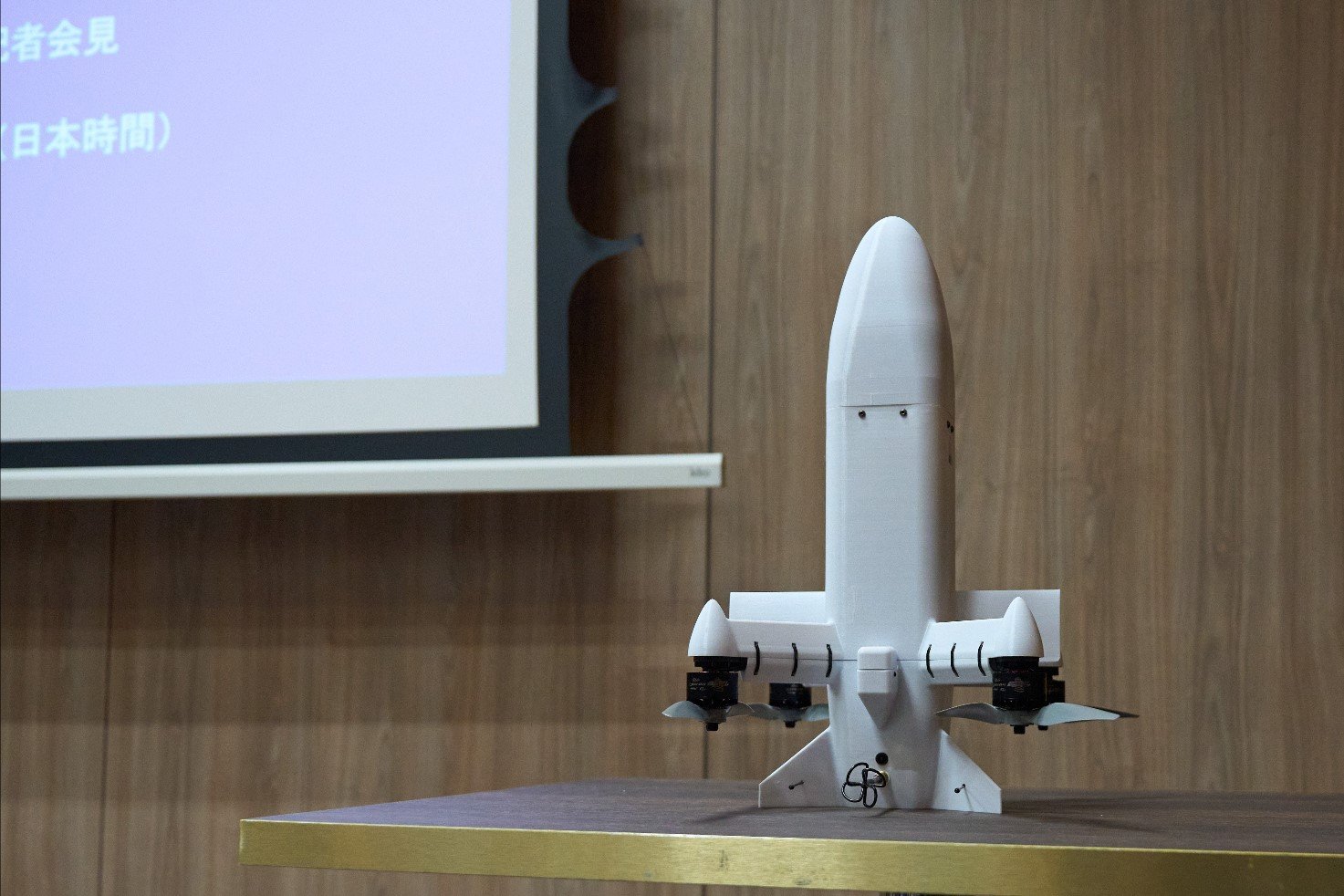 Japan Selects Terra Drone’s Terra B1 for Mass Production of Interceptor UAVs
-
 Taiwan Unveils New Details of Strong Bow Air Defense Missile System
-
 Russia Equips Shahed and Geran Drones With Electronic Warfare Systems to Jam Ukrainian Interceptor Video Links
-
 U.S. Removes Syria From State Sponsors of Terrorism List After 47 Years, Clearing Key Barrier to Investment
-
 Vernius Systems Unveils Archimedes 1A Radar Seeker for Ukrainian STING Interceptor
-
 Austria Receives First Modernized Leopard 2A4Ö Tank and Ulan NV Infantry Fighting Vehicle
-
 Russia Warns UK Factories Could Face Attacks After Britain Shares Storm Shadow Missile Blueprints With Ukraine
-
 NATO Launches Exercise Northern Viking 26 in Iceland to Secure North Atlantic Routes
Top Trending in 4 Days
-
 Iran Reveals Underground Weapons Manufacturing Facility for First Time on State TV
-
 U.S. Navy Unveils New AIM-424 ‘Malice’ Air-to-Air Missile With 463+ km Range for F-35C, Super Hornet and F/A-XX
-
 China Develops Hypersonic Glide Vehicles Capable of Launching Air-to-Air Missiles Mid-Flight
-
 Israel Explores Potential Acquisition of U.S. F-47 Sixth-Generation Fighter
-
 Iran-Linked Hackers Shut Down UK Power Plant for Four Days in First Known Attack
-
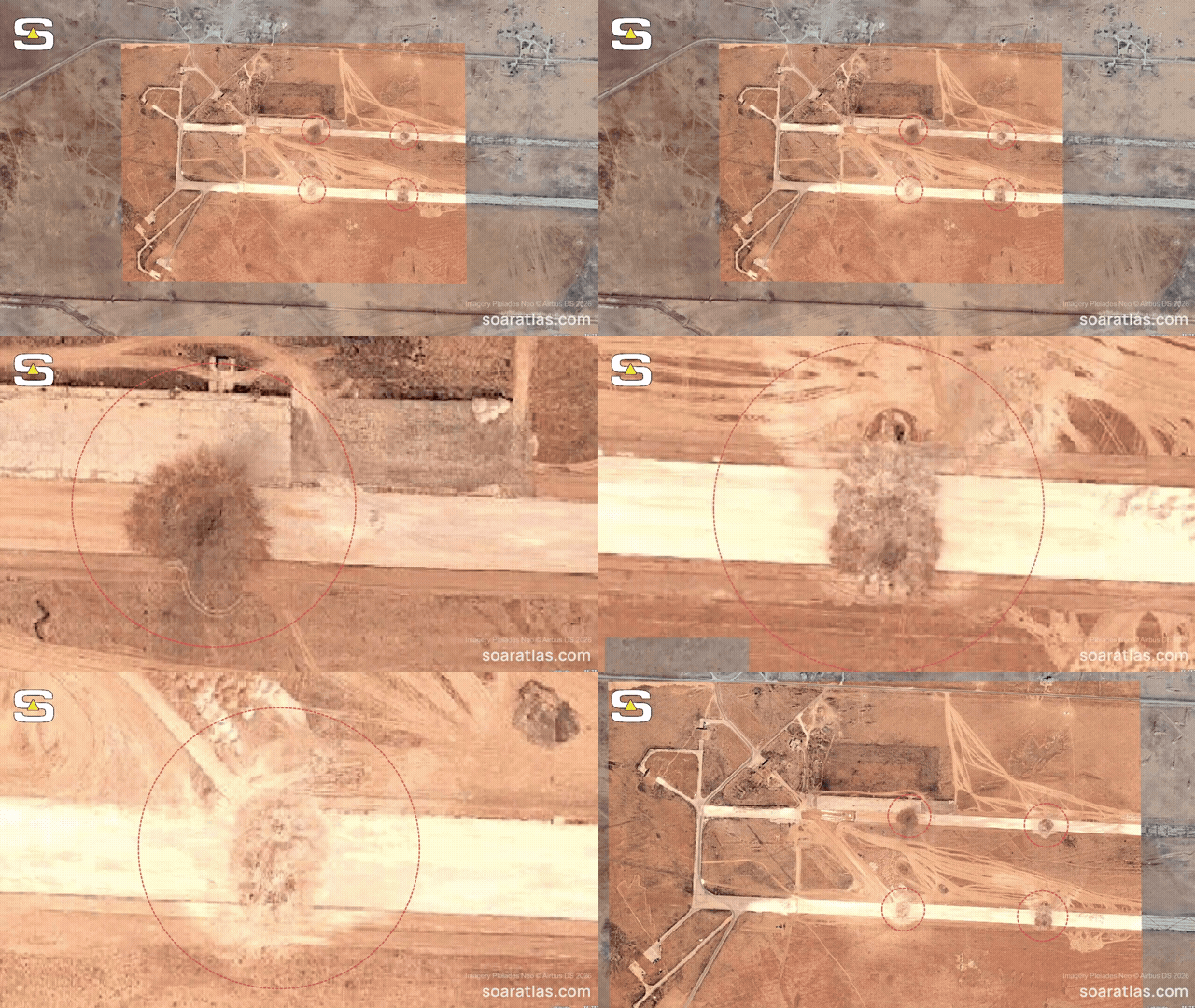 Satellite Imagery Shows Damage From Israeli Strikes on Turkey Military Occupied Syria’s Abu al-Duhur Airbase
-
 Ukraine Holds World’s First Unmanned Military Parade on 35th Independence Day
-
 North Korea Deploys 400 Drone Operators to Russia Amid Expanding Military Support