Space & Technology
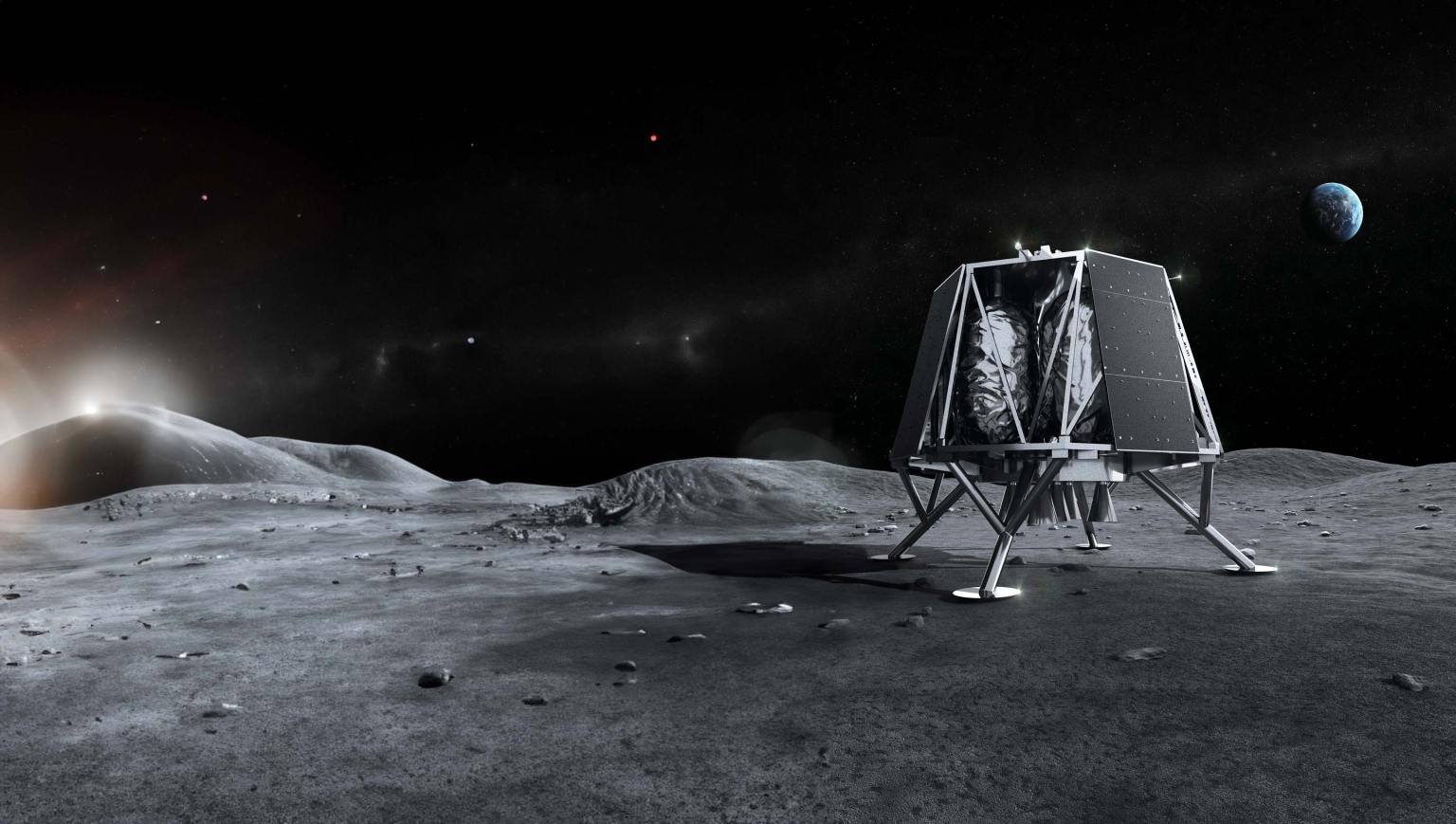
WASHINGTON — NASA and The Charles Stark Draper Laboratory (Draper) have mutually agreed to terminate the CP-12 lunar lander mission after years of development delays and technical changes pushed the project's schedule well beyond NASA's planned timeline. The CP-12 mission was part of NASA's Commercial Lunar Payload Services (CLPS) program, an initiative that partners with private companies to deliver scientific instruments and technology to the Moon in support of the agency's Artemis program. Following the cancellation of the main agreement, ispace technologies U.S. (ispace-U.S.) announced on July 15, 2026, that its subcontract with Draper had also been terminated. The U.S.-based subsidiary of Japan's ispace was responsible for developing the lunar lander and providing transportation services for the mission. NASA awarded Draper the CP-12 task order in July 2022 with a total contract value of $73 million. According to reports, NASA paid approximately $43 million for work completed before the project was ended. Development Delays Led to Mission Cancellation The CP-12 mission was originally planned for launch in 2025, but several engineering changes significantly delayed its development. In 2023, the lander's hardware was redesigned to better integrate NASA's scientific payloads. The redesign included moving to a larger unified platform known as Ultra (APEX 1.0) to accommodate the instruments more effectively. Additional changes followed in 2025, when the project team decided to replace the spacecraft's propulsion system. In March 2026, ispace announced that its Japanese and U.S. lunar lander designs would be combined into a new ULTRA lander configuration, along with further engine modifications. Although Draper and ispace proposed revised development plans, the cumulative technical changes pushed the estimated mission readiness to 2030–2031. NASA determined that the revised schedule no longer aligned with the agency's operational priorities, leading both organizations to end the project by mutual agreement. Mission Was Intended for the Moon's Far Side The CP-12 mission was designed to deliver three major scientific investigations to the Schrödinger basin, a large impact crater located on the Moon's far side. The planned payloads included: Farside Seismic Suite (FSS): Two seismometers designed to detect moonquakes, meteorite impacts, and study differences between the Moon's near and far sides. The investigation is led by NASA's Jet Propulsion Laboratory. Lunar Interior Temperature and Materials Suite (LITMS): Instruments including a heat-flow probe and electrical conductivity sensors to study the Moon's subsurface temperature and internal structure. The project is led by the Southwest Research Institute. Lunar Surface Electromagnetics Experiment-Lite (LuSEE-Lite): Instruments intended to measure electric and magnetic fields on the lunar surface and examine interactions with the solar wind and lunar dust. Together, these scientific instruments were expected to improve understanding of the Moon's interior, geological activity, and surface environment, supporting future Artemis exploration and long-term lunar surface operations. NASA Plans to Fly the Science Payloads on Future Missions Although the CP-12 mission has been canceled, NASA intends to use the completed scientific instruments on future CLPS missions or other Artemis-related lunar missions whenever possible. Reassigning the payloads may require additional planning because most commercial lunar landers currently under development are designed for the Moon's near side. Missions to the far side require communication relay satellites since the lunar far side cannot directly communicate with Earth, making such missions more technically complex. Part of a Broader CLPS Program The cancellation of CP-12 is not the first program adjustment within NASA's Commercial Lunar Payload Services (CLPS) initiative. In 2019, NASA terminated a CLPS contract awarded to Orbit Beyond, while another CLPS mission ended in 2022 after Masten Space Systems filed for bankruptcy. Despite the end of the CP-12 project, ispace-U.S. said the decision does not change its long-term plans in lunar exploration. The company stated it will continue developing lunar technologies and intends to compete for future opportunities under CLPS 2.0, the next phase of NASA's commercial lunar delivery program, which is expected to support more frequent lunar missions. Draper, which has a long history of contributing guidance technology to NASA's Apollo program, had led overall mission management, systems engineering, navigation, integration, testing, and mission assurance for CP-12, while ispace-U.S. was responsible for providing the lunar lander. The mission's cancellation reflects NASA's continued focus on maintaining realistic schedules while advancing commercial lunar exploration through the CLPS program. Source : SpaceNews
Read More → Posted on 2026-07-18 12:10:13
Space & Technology
New Delhi — Reliance Jio has received a major boost for its satellite communications ambitions after India's space regulator found its proposal for a constellation of around 1,600 Low Earth Orbit (LEO) satellites to be technically sound, according to government officials familiar with the matter. The assessment was carried out jointly by the Indian National Space Promotion and Authorisation Centre (IN-SPACe), the Indian Space Research Organisation (ISRO), and the Wireless Planning and Coordination (WPC) wing of the Department of Telecommunications. The technical clearance marks an important step toward establishing India's first large-scale indigenous non-geostationary (NGSO) LEO satellite constellation, which is expected to expand broadband connectivity, improve digital infrastructure, and strengthen India's long-term space and communications capabilities. Technical Review Opens Door for Next Regulatory Steps Following the technical evaluation, the government can now support Reliance Jio in securing international approvals required for the project. One of the key next steps will be coordination with the International Telecommunication Union (ITU) to obtain orbital slots and spectrum rights while ensuring compatibility with other satellite operators worldwide. These filings are necessary to prevent interference between satellite networks and enable global coordination for satellite operations. As of now, neither IN-SPACe nor Reliance Jio has publicly commented on the latest regulatory developments. Planned Network Offers High Data Capacity According to officials, Jio's proposed satellite network is designed to provide 4.5 to 5 terabits per second (Tbps) of total data capacity over India, making it the highest planned satellite capacity for the Indian market so far. The satellites are expected to operate at an altitude of approximately 650 kilometres, with around 32 satellites visible over India at any given time, allowing continuous coverage across the country. The proposed constellation is intended to support both: Fixed Satellite Services (FSS), including broadband internet and cellular backhaul for remote telecom towers. Mobile Satellite Services (MSS), including direct-to-device connectivity that would allow compatible smartphones to connect directly to satellites in areas without terrestrial mobile coverage. To support operations, Reliance Jio plans to establish 20 to 22 ground stations across India. Comparison with Other Satellite Operators The proposal places Jio among the largest planned satellite communication projects focused on the Indian market. For comparison: SpaceX's Starlink, which operates more than 10,000 satellites globally, has approval for around 600 gigabits per second (Gbps) of capacity over India. Amazon's Project Kuiper plans to provide approximately 3 Tbps of capacity but is still awaiting full regulatory authorisation from IN-SPACe. If implemented as planned, Jio's network would offer significantly higher planned capacity within India than either of these proposed services. Supporting India's Strategic and Sovereign Communications Officials said the project is expected to contribute to India's efforts to build sovereign satellite communication capabilities and reduce dependence on foreign satellite networks for critical connectivity. The proposal has gained importance as governments worldwide increasingly focus on secure communications, strategic control of data infrastructure, and resilient satellite networks. Initial discussions within the government have also explored the possibility of integrating defence-related payloads on some satellites in the future. If approved, these payloads could support military communications, surveillance, and secure data transmission for strategic operations. IN-SPACe's assessment also noted that the constellation's orbital architecture has been designed to allow coexistence with future Indian satellite constellations, providing room for further domestic expansion in the sector. Investment and Long-Term Plans Industry estimates suggest that building and deploying a constellation of this scale could require an investment of $10 billion to $15 billion (approximately ₹95,000 crore to ₹1.42 lakh crore). Reliance Jio has already secured a Global Mobile Personal Communications by Satellite (GMPCS) licence and other preliminary approvals for satellite services. The company is currently following a dual strategy by leasing satellite capacity from existing global operators for near-term services while simultaneously developing its own indigenous satellite network for long-term operations. Once deployed, the constellation is expected to improve broadband access in remote villages, islands, border regions, and other underserved areas where conventional terrestrial networks remain limited. The project also aligns with India's broader push to expand domestic capabilities in satellite communications, digital infrastructure, and space technology while supporting both commercial connectivity and strategic national interests. Source : economictimes
Read More → Posted on 2026-07-17 10:09:10
Space & Technology
New Delhi — The Defence Research and Development Organisation (DRDO) has successfully completed military field trials of an indigenous fiber-based Quantum Key Distribution (QKD) system, marking an important step in strengthening India's secure communication capabilities against future cyber threats. The system was developed in collaboration with Bengaluru-based Taqbit Labs and is designed to provide a scalable and practically secure method of protecting highly sensitive military communications. According to DRDO, the successful field trials demonstrate that the technology is ready for deployment in real-world military environments. Indigenous Quantum Communication Technology The newly tested QKD system builds on earlier laboratory demonstrations and has now been validated under military field conditions. DRDO and Taqbit Labs said the technology has been productized to integrate with existing fiber-optic communication networks, reducing the need for major infrastructure changes. Officials said the successful trials establish the foundation for developing large-scale, multi-hop quantum communication networks capable of securing critical defence and national infrastructure communications. As the system has been designed and developed indigenously, it also strengthens India's efforts toward self-reliance in advanced defence technologies while providing an additional security layer for strategic communication networks. What is Quantum Key Distribution? Quantum Key Distribution (QKD) is an advanced encryption technology that uses the principles of quantum physics to securely exchange encryption keys between two users. Unlike conventional encryption, which depends on complex mathematical algorithms, QKD transmits encryption keys using individual light particles (photons) through optical fiber. Under the laws of quantum mechanics, any attempt to intercept or measure these photons changes their quantum state. This immediately alerts the communicating parties that the transmission has been compromised, allowing them to discard the affected key. Because its security is based on the laws of physics rather than mathematical complexity, QKD is considered resistant to future attacks from powerful quantum computers that could potentially break many existing encryption methods. Benefits for Defence Communications The successful field trials demonstrate several advantages of the indigenous QKD system for military use: Secure exchange of encryption keys using quantum physics. Immediate detection of any interception or eavesdropping attempts. Integration with existing fiber-optic communication infrastructure. Support for longer-distance communication and future multi-hop quantum networks. Enhanced protection for command networks, defence data links, and other sensitive communications. A scalable architecture for expanding secure quantum communication across critical infrastructure. These capabilities are expected to help safeguard India's strategic communication systems against emerging cyber and quantum-related threats. Part of India's Quantum Technology Progress The achievement also supports the objectives of India's National Quantum Mission, launched in 2023 to accelerate research and deployment of quantum technologies across strategic sectors. The military field trials represent a transition from laboratory research to practical deployment, demonstrating the maturity of India's indigenous quantum communication technology. Former DRDO Chairman G. Satheesh Reddy has previously described such developments as important for strengthening India's long-term strategic communication capabilities in the emerging quantum era. India's Position in Global Quantum-Secure Communications With the successful completion of these military field trials, India joins a limited group of countries advancing quantum-secure communication technologies. China is currently regarded as the global leader in Quantum Key Distribution deployment, operating large-scale fiber-optic QKD networks spanning thousands of kilometers and the dedicated Micius quantum communication satellite. The United States and several European countries have established QKD research networks and pilot projects. While many Western defence organizations are also investing heavily in Post-Quantum Cryptography (PQC)—mathematical encryption designed to resist quantum computing attacks—the European Union continues to develop the EuroQCI quantum communication infrastructure. Other countries, including Japan, South Korea, Switzerland, and Australia, have also deployed QKD systems for government, financial, and research applications. Although fully operational military QKD networks remain limited worldwide, India's successful field trials place it among the countries actively moving toward deployable quantum-secure defence communications.
Read More → Posted on 2026-07-15 13:53:21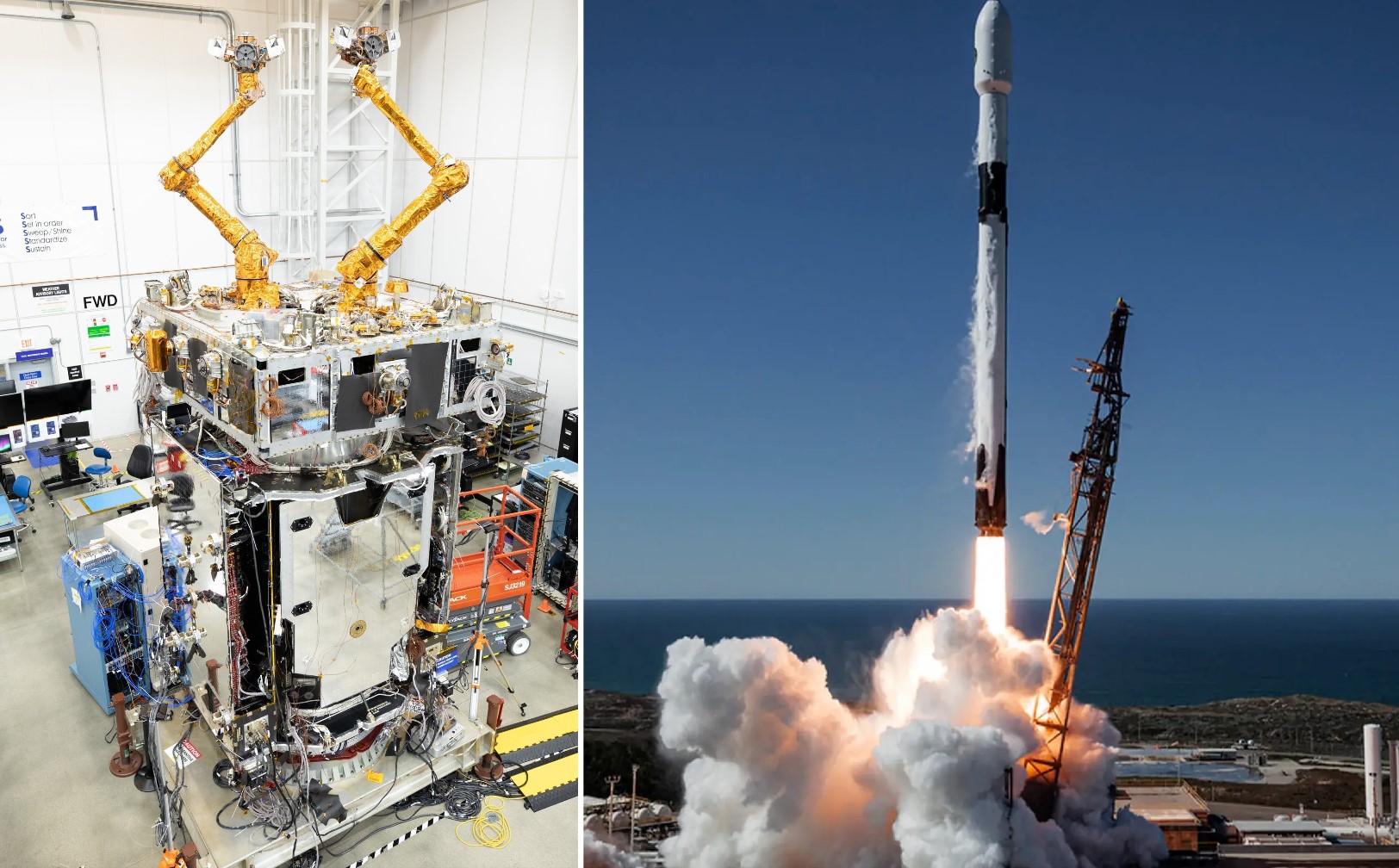
Space & Technology
WASHINGTON, D.C. — Northrop Grumman's SpaceLogistics subsidiary is preparing to launch its Mission Robotic Vehicle (MRV) and three Mission Extension Pods (MEPs) aboard a SpaceX Falcon 9 rocket no earlier than 5:15 p.m. ET on Tuesday, July 21, 2026. The mission will lift off from Space Launch Complex 40 (SLC-40) at Cape Canaveral Space Force Station, Florida. SpaceX has scheduled a four-hour launch window for the mission, with a backup launch opportunity available on Wednesday, July 22, at the same opening time if weather or technical conditions require a delay. The Mission Robotic Vehicle (MRV) is being developed through a collaboration between Northrop Grumman's SpaceLogistics, the Defense Advanced Research Projects Agency (DARPA), and the U.S. Naval Research Laboratory (USNRL). It is designed as the nation's first privately owned multi-mission robotic spacecraft capable of servicing satellites already operating in space. Robotic Servicing for Geosynchronous Satellites The centerpiece of the spacecraft is the Robotic Servicing of Geosynchronous Satellites (RSGS) payload. The U.S. Naval Research Laboratory (USNRL) designed and built the spacecraft's two highly maneuverable robotic arms, while DARPA funded the development of the RSGS Integrated Robotic Payload. Once the MRV reaches geosynchronous Earth orbit (GEO), approximately 22,236 miles (35,786 kilometers) above Earth, it will be able to perform a range of on-orbit servicing tasks. These include detailed satellite inspections, mechanical repairs, hardware upgrades, and resolving certain anomalies affecting commercial and government spacecraft. Satellites operating in GEO have traditionally been difficult to service after launch. When they run out of fuel or experience minor mechanical issues, they are often retired even though many of their onboard systems remain operational. The MRV is intended to provide a new option by allowing these satellites to receive maintenance while remaining in orbit. Mission Extension Pods to Increase Satellite Lifespan In addition to the robotic servicer, the Falcon 9 will carry three Mission Extension Pods (MEPs), commonly described by project engineers as "satellite jetpacks." After deployment from the launch vehicle, the MRV and each of the three MEPs will independently travel to geosynchronous orbit using onboard solar-electric propulsion systems. Once in position, the MRV will use its robotic arms to capture each Mission Extension Pod and attach it to client satellites that are running low on propellant. The attached pods provide additional propulsion, allowing satellites to continue operating without relying solely on their original fuel supply. Each Mission Extension Pod is designed to support satellites weighing up to about 4,400 pounds (2,000 kilograms) and can extend their operational life by up to eight years. Building on Previous Satellite Servicing Missions The Mission Robotic Vehicle builds on Northrop Grumman's Mission Extension Vehicle (MEV) program, which demonstrated that servicing satellites in orbit is technically feasible. Unlike the MEV, the MRV adds robotic servicing capabilities that can support inspection, maintenance, repairs, and hardware upgrades in addition to mission extension. The spacecraft is also refuelable and includes available data and power interfaces that can support future payloads, providing additional flexibility for future in-space servicing missions. Before launch, the robotic arms underwent extensive testing, including operations inside a cryogenic thermal vacuum chamber, to verify their performance under the extreme temperatures and vacuum conditions found in space. Launch Configuration Because the mission requires placing a heavy payload on a trajectory toward geosynchronous transfer orbit, the Falcon 9 will fly in an expendable configuration, meaning the first-stage booster will not attempt a landing after launch. According to mission officials, this will be the 32nd and final flight for the booster supporting the mission. The MRV mission is expected to demonstrate new capabilities for on-orbit satellite servicing and life extension, supporting commercial, civil, and national security spacecraft while reducing the need to replace satellites that remain functional but have exhausted their onboard propellant or require limited maintenance. Mission updates, including any changes to the launch schedule, are expected as final preparations continue ahead of the July 21 launch. Source : Northrop Grumman
Read More → Posted on 2026-07-15 13:18:20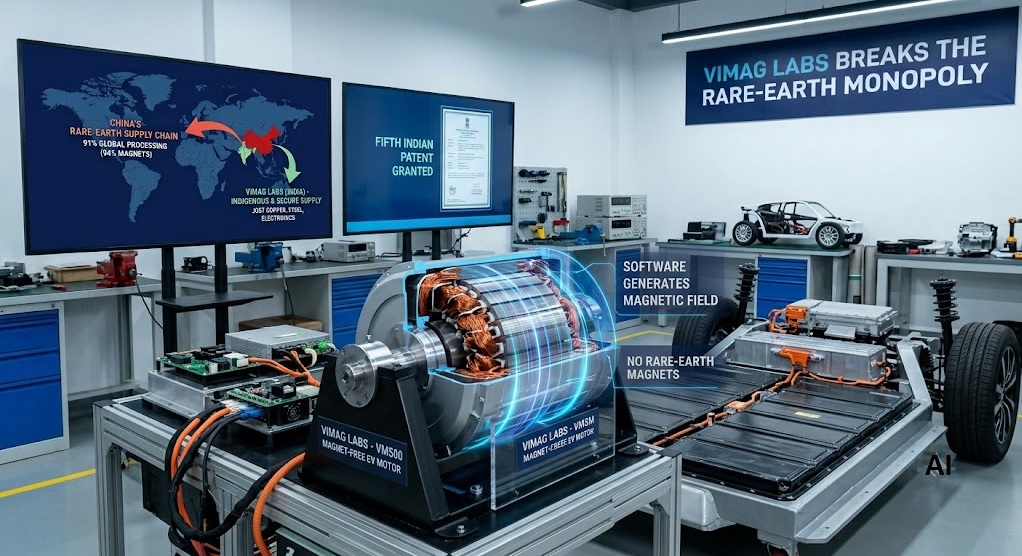
Space & Technology
BENGALURU — Bengaluru-based deep-tech startup Vimag Labs has secured its fifth Indian patent for a new electric motor technology that operates without using rare-earth permanent magnets, marking a significant development for India's electric vehicle (EV) industry. The patented technology could help reduce the global automotive sector's dependence on China's dominant rare-earth magnet supply chain. The newly granted patent, titled "A Robust Rotating Transformer Excited Synchronous Motor and Its Control," protects the core architecture of Vimag Labs' Virtual Magnet Synchronous Motor (VMSM) platform. The company says the technology replaces conventional permanent magnets with a software-controlled electromagnetic system while maintaining performance comparable to existing EV motors. Rare-Earth Dependence in the EV Industry Most modern electric vehicles (EVs) use Permanent Magnet Synchronous Motors (PMSMs) because of their high efficiency, compact size, and strong performance. These motors rely on powerful rare-earth permanent magnets, primarily made from materials such as neodymium, which are embedded inside the rotor to generate torque. However, the global supply chain for these magnets remains heavily concentrated in China. According to the International Energy Agency (IEA), China accounts for approximately 91% of global rare-earth refining and processing and produces around 94% of the world's sintered permanent magnets. This concentration has made the global EV industry vulnerable to export restrictions, geopolitical tensions, and supply disruptions, resulting in higher prices and uncertainty for vehicle manufacturers. For Vimag Labs co-founder and CEO Manish Seth, the idea for developing a rare-earth-free motor emerged during the COVID-19 pandemic in 2020, when a shipment of magnets required for prototype motors remained delayed at Shanghai Port for nearly three months because of lockdown restrictions. How the Virtual Magnet Synchronous Motor Works Unlike traditional PMSMs, the VMSM eliminates physical permanent magnets altogether. Instead, the motor is built using standard copper, steel, and advanced electronics. The magnetic field required for operation is generated dynamically through specially designed copper coils controlled by proprietary software and power electronics. A key feature of the technology is its Rotating Transformer Excitation system, which transfers power wirelessly inside the motor without using brushes or slip rings. This brushless design improves reliability while reducing maintenance requirements. The company's control software continuously regulates the magnetic field in real time, effectively creating what Vimag describes as a "software-defined magnet." Because the magnetic field is generated and adjusted through software, the motor can optimize performance for different operating conditions. The company says the software architecture also enables over-the-air (OTA) updates, allowing improvements to motor performance without changing the hardware. Vimag Labs reports that its 6 kW continuous power prototype is capable of delivering 10 kW peak power with 48–58 Nm of torque, while targeting efficiency and performance comparable to conventional permanent magnet motors. Years of Engineering Behind the Technology According to the company, the patented technology represents more than 87,600 engineering hours of development. Founded in September 2025, Vimag Labs now holds five granted Indian patents, with 10 additional patent applications and 15 trademarks currently in progress. The startup has moved beyond laboratory development and is currently conducting pilot projects with established two-wheeler and passenger vehicle manufacturers. The company is also expanding the platform for light commercial vehicles, heavy commercial vehicles, and industrial systems ranging from 200 kW to 600 kW. Beyond electric mobility, Vimag is exploring applications in robotics, advanced cooling infrastructure, and defense systems. Funding and Commercial Expansion To support commercial production, Vimag Labs recently raised $5 million in a Series A funding round led by Accel, with participation from Chakra Growth Fund and Thinkuvate. The company has also signed a Manufacturing Memorandum of Understanding (MoU) with Jendamark Pvt. Ltd. to scale production of the VMSM platform. Looking ahead, Vimag plans to develop its own Application-Specific Integrated Circuit (ASIC). By integrating the drivetrain control system into a single proprietary chip, the company aims to reduce dependence on external semiconductor suppliers while lowering the electronics bill of materials (BOM) cost by nearly 90%. The company also aims to ship between 1,000 and 10,000 motor units by the end of the year. Potential Impact on China's Rare-Earth Dominance Vimag Labs' technology does not eliminate China's leadership in the rare-earth industry, but it has the potential to reduce dependence on rare-earth permanent magnets if adopted at commercial scale. Today, nearly every permanent magnet EV motor manufactured worldwide relies on rare-earth materials processed in China. If automakers begin adopting magnet-free technologies such as VMSM, demand for rare-earth permanent magnets in the EV sector could gradually decline. The impact, however, will depend on several factors, including: Successful large-scale commercial production. Proven long-term reliability and efficiency in real-world vehicles. Adoption by major global automotive manufacturers. Cost competitiveness compared with existing permanent magnet motors. In the near term, China's position in rare-earth refining and permanent magnet manufacturing is unlikely to change significantly because the country continues to dominate global processing capacity and magnet production. However, wider adoption of alternative motor technologies by multiple manufacturers could gradually reduce China's leverage over one of the EV industry's most critical supply chains. Supporting India's Self-Reliance Goals By removing the need for imported rare-earth permanent magnets and relying on commonly available materials such as copper and steel, Vimag Labs' technology supports India's "Make in India" and "Atmanirbhar Bharat" (Self-Reliant India) initiatives. If successfully commercialized, the VMSM platform could help domestic manufacturers reduce supply chain risks, improve cost stability, and strengthen India's capabilities in electric mobility and advanced motor technologies while providing automakers with an alternative to one of the industry's most concentrated global supply chains.
Read More → Posted on 2026-07-14 10:54:11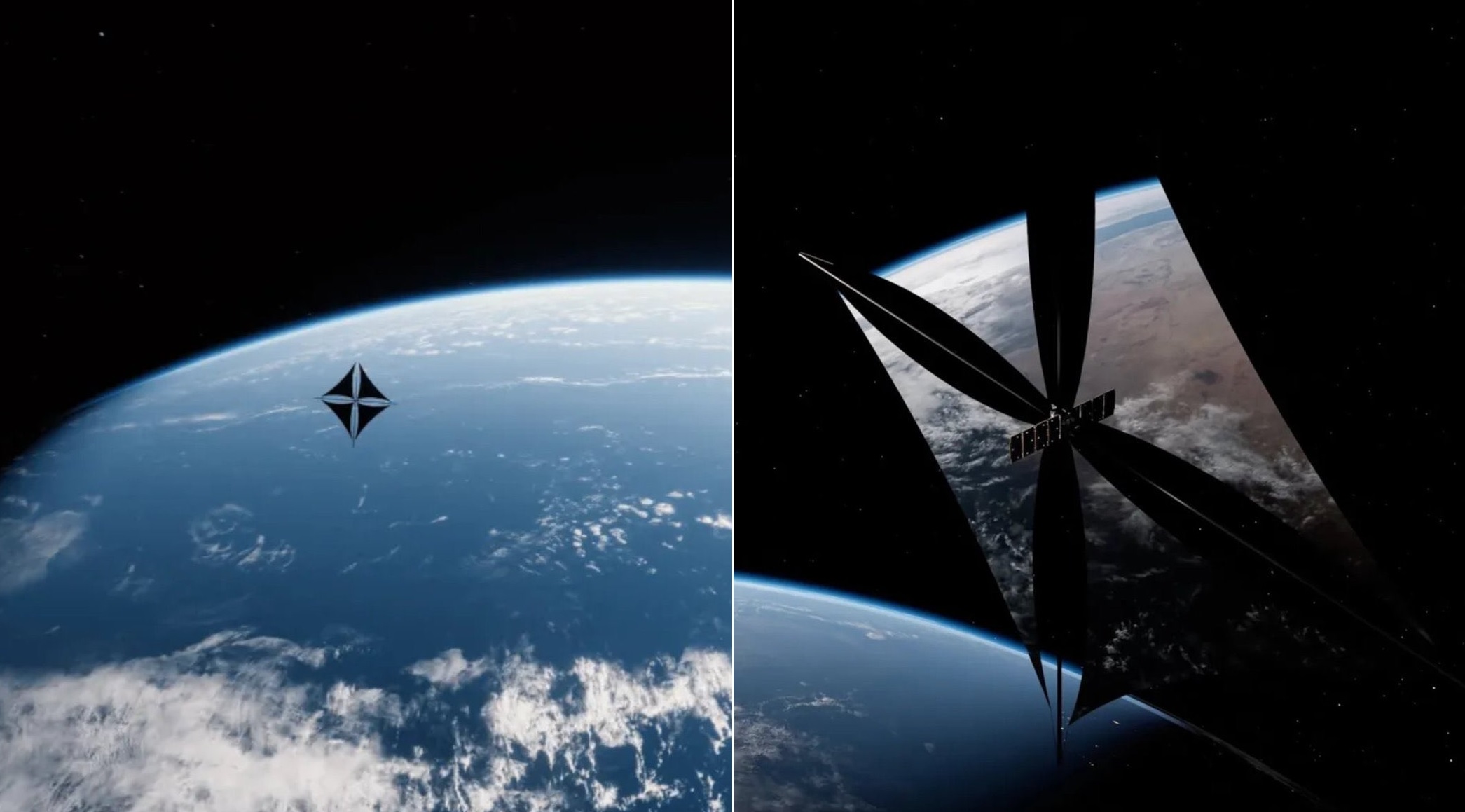
Space & Technology
WASHINGTON — The U.S. Federal Communications Commission (FCC) has approved the launch of Eärendil-1, the first satellite designed to test the ability to reflect sunlight onto selected areas of Earth during nighttime. The demonstration mission is being developed by California-based startup Reflect Orbital and is scheduled to launch later in 2026. The FCC's authorization allows Reflect Orbital to operate the satellite's radio communications for a two-year period as part of the technology demonstration. The approval covers a single test satellite and does not authorize the company's proposed future constellation. Demonstration Satellite to Test Space-Based Sunlight Reflection Eärendil-1 is a 142-kilogram spacecraft, about the size of a dormitory refrigerator. Once in low Earth orbit at an altitude of about 600 to 650 kilometers, it will deploy a thin-film square reflector measuring approximately 18 meters by 18 meters. The satellite's steerable mirror is designed to redirect sunlight toward specific locations on Earth for several minutes at a time. During the demonstration, the reflected light is expected to illuminate a targeted area roughly 5 kilometers (3 miles) wide, allowing the company to evaluate the performance and control of the system in orbit. Reflect Orbital previously tested the concept using a balloon-based mirror and says the orbital mission will provide real-world data on the technology's effectiveness. Company Plans Larger Satellite Network Although Eärendil-1 is only a demonstration mission, Reflect Orbital has outlined long-term plans to significantly expand the system. The company has proposed launching up to 1,000 larger satellites between 2026 and 2028, increasing the constellation to around 5,000 satellites by 2030, and eventually deploying up to 50,000 satellites by 2035. Future versions of the reflectors could be substantially larger than the first test satellite. According to the company, the system is intended to provide temporary illumination where it is needed rather than continuously lighting large regions. SpaceX has been selected as the launch provider for the company's initial missions. Proposed Applications Reflect Orbital says the technology could provide temporary lighting for several civilian and commercial uses. One proposed application is extending operating hours for solar farms by reflecting sunlight before sunrise or after sunset to increase electricity generation. The company also sees potential uses for search-and-rescue operations, disaster response, construction projects, agriculture, and other outdoor activities conducted at night. The company has stated that customers could eventually request temporary illumination for approved locations through an application-based service. Concerns Raised by Scientists and Environmental Groups The project has drawn criticism from astronomers, environmental researchers, and environmental organizations. Astronomers have warned that reflected sunlight from a large constellation of mirror-equipped satellites could interfere with telescope observations by increasing sky brightness and creating unwanted reflections in astronomical images. Researchers associated with observatories, including the Vera C. Rubin Observatory, have expressed concerns that such systems could make it more difficult to observe faint celestial objects. The European Southern Observatory (ESO) has also warned that a full constellation of tens of thousands of reflective satellites could significantly increase background sky brightness at its observatories. Environmental experts have raised additional concerns that artificial nighttime illumination could affect the natural day-night cycles of plants, animals, and ecosystems. Some critics have also questioned whether bright reflections could create visibility issues for pilots or others observing the sky. The FCC received nearly 1,900 public comments on Reflect Orbital's application, with many expressing concerns about the project's potential impacts. FCC Says Approval Covers Communications License Only In its approval order, the FCC said its review was limited to authorizing the satellite's use of radiofrequency spectrum and communications systems. The agency stated that broader questions regarding impacts on astronomy and the environment fall outside the scope of its licensing authority. The commission said authorizing the single demonstration satellite supports testing of new space technologies while limiting the approval to one spacecraft. Reflect Orbital has also said it plans to work with NASA, the National Science Foundation, and the wider astronomical community to address concerns and develop operational safeguards. The Eärendil-1 mission is expected to provide data on whether controlled reflection of sunlight from orbit can be used for practical nighttime applications while helping regulators, scientists, and industry better understand the technology's potential benefits and challenges. Source: spacenews
Read More → Posted on 2026-07-12 13:18:05
Space & Technology
AKITA, Japan — The Japan Aerospace Exploration Agency (JAXA), in partnership with Mitsubishi Heavy Industries, has successfully completed the first flight test of its experimental RV-X reusable rocket at the Noshiro Rocket Testing Center in Akita Prefecture. The low-altitude test marks an important step in Japan's effort to develop reusable launch technology aimed at reducing future space launch costs. The test took place on Saturday, July 11, with the prototype completing a controlled flight lasting approximately 40 seconds. During the demonstration, the rocket lifted off vertically, reached an altitude of 11 meters (36 feet), moved 16 meters (52 feet) horizontally while maintaining an upright position, and then safely returned to the landing pad under controlled descent. According to JAXA, the primary objective of the flight was to verify the vehicle's ability to perform vertical takeoff, controlled flight, and precision landing while collecting engineering data for future development. JAXA Confirms Successful Test Speaking during an online press briefing after the flight, Takashi Ito, JAXA's reusable rocket project manager, said the mission achieved its planned objectives. "The flight test went well. I feel relieved. We completed the test flight properly and obtained data that we had wanted." JAXA officials said the collected flight data will be analyzed and used to improve future test flights and support the development of larger reusable launch systems. RV-X Designed for Reusable Launch Technology The Reusable Vehicle eXperiment (RV-X) is an experimental rocket developed to demonstrate technologies required for reusable launch vehicles. The prototype measures 7.3 meters in length and 1.8 meters in diameter. It is powered by a liquid hydrogen engine and is equipped with four shock-absorbing landing legs designed to withstand the impact of vertical landings. Before the first flight, JAXA carried out extensive ground qualification testing. The rocket engine successfully completed 165 combustion tests, helping engineers verify its durability and performance before flight operations. Next Goal: 100-Meter Flight Following the successful hop test, JAXA's next objective is to increase the rocket's flight altitude to 100 meters in future demonstrations. The agency also plans to use data gathered during the RV-X program to support the development of Callisto, a larger reusable rocket demonstrator being jointly developed by Japan, France, and Germany. The Callisto vehicle is currently scheduled for a launch campaign in French Guiana during fiscal year 2026. Reusability Seen as Key to Lower Launch Costs The RV-X program forms part of Japan's broader strategy to develop reusable launch technology as the global space industry increasingly shifts toward rockets capable of multiple flights. Japan currently relies on the H3 rocket for orbital missions. While the H3 provides modern launch capability, it is an expendable launch vehicle, meaning each rocket is used only once. Developing reusable systems is expected to reduce the cost per launch and improve the competitiveness of Japan's commercial launch services. Regional Developments in Reusable Rockets Japan's successful test comes as reusable launch technology continues to gain attention across Asia. One day before the RV-X flight, Chinese state media reported that China had successfully recovered the first stage of a rocket after launch, reflecting ongoing efforts to expand reusable launch capabilities. In contrast, South Korea's Nuri rocket remains an expendable launch vehicle, while research on reusable rocket technology is still in the early stages. Japan's successful RV-X flight places it among the countries actively conducting physical flight demonstrations of reusable launch systems. JAXA said additional flight tests are planned as engineers continue refining the technology and evaluating the data collected during the successful first flight. Source: japannews.yomiuri
Read More → Posted on 2026-07-12 11:58:34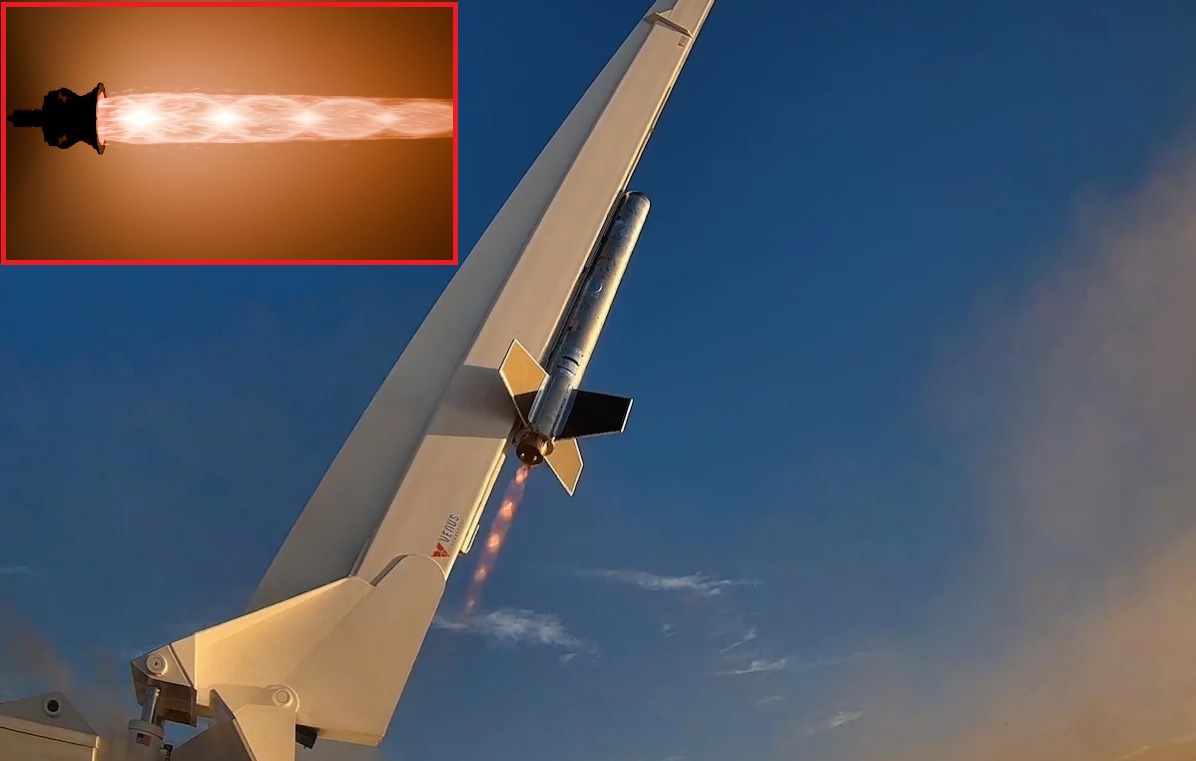
Space & Technology
HOUSTON, Texas — Venus Aerospace has secured $91 million in Series B funding to accelerate the development and production of its Rotating Detonation Rocket Engine (RDRE), a propulsion technology the company is developing for defense and space applications. The funding round was led by Mercury Fund, with participation from Lockheed Martin Ventures, MESH, PEAK6, Draper Associates, Starboard Star Venture Capital, Green Sands Equity, and other new and existing investors. The Houston-based company said the investment will help transition its flight-tested high-thrust RDRE from demonstration programs to operational propulsion systems for military and space customers. Focus Shifts Toward Defense and Space Venus Aerospace was founded in 2020 by Sassie Duggleby and Andrew Duggleby, who serves as the company's Chief Technology Officer (CTO). The company initially focused on developing propulsion systems for commercial hypersonic passenger travel. Following the successful flight demonstration of its engine in May 2025, the company said it received increased interest from defense and aerospace organizations seeking operational propulsion systems. As a result, Venus Aerospace shifted its primary focus toward near-term defense programs, including replacing traditional solid rocket motors in weapons and powering high-speed space vehicles. How the RDRE Works The Rotating Detonation Rocket Engine (RDRE) operates differently from conventional rocket engines. Instead of using subsonic combustion, the RDRE generates a continuous supersonic detonation wave that travels around a ring-shaped combustion chamber. According to the company, this design improves propulsion efficiency by approximately 15 percent compared with conventional rocket engine systems. Higher efficiency can provide longer range, increased payload capacity, and improved overall performance for defense and space missions. The engine is built using standard engineering materials along with 3D-printed components, which the company says helps simplify manufacturing and reduces dependence on constrained foreign supply chains. Unlike many solid rocket motors currently used in missile systems, the liquid-fueled RDRE is designed to support throttling and potential reusability, offering greater operational flexibility. Built on a Successful Flight Test The new investment follows a major milestone achieved on May 14, 2025, when Venus Aerospace completed what the company described as the world's first successful flight test of a high-thrust Rotating Detonation Rocket Engine. The demonstration was completed after just over four years of development using approximately $80 million in earlier funding. During the test, the engine generated around 2,000 pounds of thrust during a seven-second flight, powering a test vehicle to an altitude of about 4,400 feet and speeds of approximately 383 miles per hour before it landed safely using a parachute recovery system. Next Phase Focuses on Manufacturing and Longer-Duration Testing With fresh funding secured, Venus Aerospace plans to expand testing, manufacturing, and production capabilities as it works toward operational deployment. The company has completed approximately 600 ground tests, with its longest continuous engine burn lasting 32 seconds. Engineers are now working to increase that burn time to between 6 and 15 minutes, a key requirement for future defense and space missions. To support this effort, the Texas Space Commission has awarded Venus Aerospace a grant of up to $3.9 million to design, build and activate a larger RDRE testing facility in Houston. The facility is expected to be completed by November 2026. The company has also strengthened its leadership team by appointing former NASA Deputy Administrator Pam Melroy to its board of directors. The new funding is expected to support the company's efforts to scale production and deliver propulsion systems for defense, hypersonic, and space applications while expanding its manufacturing capabilities in the United States. Source: venusaero
Read More → Posted on 2026-07-11 16:12:33
Space & Technology
HAINAN, China — China has successfully completed the first controlled recovery of an orbital-class rocket booster with the maiden flight of the Long March 10B, marking a major milestone in the country's reusable launch vehicle program. The mission also became the world's first orbital-class rocket recovery to use a net-and-hook capture system instead of traditional landing legs. The Long March 10B lifted off at 12:15 p.m. local time (0415 UTC) from the Hainan Commercial Space Launch Site, carrying its payload into low Earth orbit. After successfully completing the primary mission, the rocket's first stage separated from the second stage and began a controlled return to Earth. About six minutes after stage separation, the booster performed a powered vertical descent and landed on the Linghangzhe recovery vessel in the South China Sea. Instead of deploying landing legs, the booster used four specially designed landing hooks that engaged with a tensioned cable net installed on the offshore recovery platform, allowing the stage to be secured safely. The recovery method differs from the approach used by SpaceX's Falcon 9 rockets. While SpaceX lands boosters vertically using deployable landing legs on ground pads or drone ships, the Long March 10B relies on a net-and-hook capture system without landing legs. According to Chinese developers, removing landing legs reduces the rocket's structural weight and can increase payload capacity. During its return, the booster used grid fins and reaction control systems to guide its trajectory before reigniting its engines to slow the descent. As it approached the recovery platform, the landing hooks connected with the platform's cable system. The Linghangzhe recovery vessel is equipped with tracking technology designed to guide the capture process and stabilize the booster during recovery at sea. The China Aerospace Science and Technology Corporation (CASC) confirmed that both the launch and first-stage recovery were completed successfully. The organization described the mission as China's first successful controlled recovery of an orbital-class launch vehicle's first stage. The Long March 10B is a commercial member of the Long March 10 rocket family and shares its first-stage design with the crew-rated Long March 10A, which is being developed to support China's Mengzhou crewed lunar program. The successful recovery provides important data for future reusable launch operations and supports China's plans for crewed lunar missions before 2030. CASC has stated that it plans to reuse the recovered first stage before the end of 2026 as development of reusable launch technology continues. With this achievement, China becomes the second country after the United States to demonstrate recovery of an orbital-class launch vehicle's first stage through controlled reentry and powered landing. While the United States pioneered reusable orbital boosters with SpaceX's Falcon 9 program, China's Long March 10B introduces a different recovery concept based on a net-and-hook capture system. The successful demonstration represents another step in China's efforts to develop reusable launch vehicles aimed at reducing launch costs and improving the efficiency of future space missions. It also provides a foundation for further development of reusable technologies across the Long March 10 rocket family, including vehicles intended to support future lunar exploration. Source: spacechina
Read More → Posted on 2026-07-10 12:27:41
Space & Technology
BERLIN — Germany is moving ahead with a major expansion of its military space capabilities, with plans to deploy up to 1,200 satellites in Low Earth Orbit (LEO) by 2030. The initiative is intended to provide the Bundeswehr with sovereign satellite communications and persistent space-based reconnaissance, reducing reliance on foreign commercial infrastructure for critical military operations. The planned constellation consists of two major programs: SATCOMBw Stufe 4, a secure military communications network of around 200 satellites, and SPOCK 2 (Spacesystem for Persistent Operational Tracking), a reconnaissance constellation that could include up to 1,000 satellites. Together, the projects represent one of Germany's largest defence space investments and a significant expansion of its defence space architecture. Lessons from Recent Conflicts German defence planners have cited recent conflicts, particularly the war in Ukraine, as an important factor in shaping the country's space strategy. Commercial satellite internet services, including SpaceX's Starlink, played a key role in supporting Ukrainian military operations by maintaining communications, enabling drone operations, and sharing intelligence after conventional communication networks were disrupted. However, because the network is commercially owned, access has remained dependent on the decisions of the service provider. German officials concluded that critical military communications should not depend on external commercial infrastructure. SATCOMBw Stufe 4 is intended to provide the Bundeswehr with its own secure communications network capable of connecting ground forces, naval vessels, aircraft, and command centres worldwide through German-controlled satellite infrastructure. SATCOMBw Stufe 4 to Replace Current Architecture Germany's existing military satellite communications system, SATCOMBw Stufe 3, relies on two large geostationary satellites positioned approximately 36,000 kilometres above Earth. Airbus received the contract for that system in 2024, valued at around $2.4 billion, covering satellites and associated services. The new system adopts a different approach by using hundreds of smaller satellites operating between approximately 500 and 1,200 kilometres above Earth in Low Earth Orbit. LEO satellites provide significantly lower communication latency and wider global coverage. However, they also have shorter operational lifespans because of atmospheric drag, requiring continuous replacement launches to maintain the constellation. The German Defence Ministry plans for an initial operational capability of approximately 40 satellites by 2029, with full deployment targeted for 2030. European Defence Companies Form Consortium Several major European defence and aerospace companies are working together to compete for the SATCOMBw Stufe 4 contract. OHB and Rheinmetall have established OHB Rheinmetall Space Networks GmbH, headquartered in Bremen, to jointly pursue the program. Industry reports also indicate that Airbus Defence and Space is cooperating with the consortium. The partnership is offering an integrated solution covering satellite design, production, system integration, operations, and cybersecurity. The SATCOMBw Stufe 4 contract is estimated to be worth between €8 billion and €10 billion, with the German Defence Ministry expected to make its contract award around the turn of 2026 and 2027. For Rheinmetall, traditionally known for producing armoured vehicles, artillery, and ammunition, the project represents a major expansion into military space systems. Timo Haas, Chief Executive of Rheinmetall's Digital Systems division, emphasized the growing importance of secure satellite communications, stating that modern military operations increasingly depend on reliable space-based communication networks. SPOCK 2 Expands Germany's Reconnaissance Capability Alongside the communications program, Germany is also expanding its space-based surveillance capability through SPOCK 2. The project is expected to include up to 1,000 reconnaissance satellites, making it the larger of the two planned constellations. SPOCK 2 builds upon SPOCK 1, which was awarded in late 2025 to Rheinmetall ICEYE Space Solutions, a joint venture between Rheinmetall and Finnish satellite operator ICEYE. The contract was valued at approximately €1.7 billion (about $1.94 billion). The satellites use Synthetic Aperture Radar (SAR) technology, allowing them to capture images regardless of cloud cover, smoke, rain, or darkness. According to project information, the SAR satellites are capable of producing imagery with resolutions of up to 16 centimetres. Production for SPOCK 1 satellites is scheduled to begin during the third quarter of 2026 at a converted former automobile factory in Neuss, Germany. The initial mission is to support surveillance along NATO's eastern flank, including the protection of the Bundeswehr's permanently deployed Lithuania Brigade. SPOCK 2 is expected to expand this capability substantially by providing near-continuous monitoring of military activities, including troop movements, armoured formations, and other operational targets. Former German astronaut and aerospace professor Ulrich Walter has noted that achieving near real-time tracking of moving military targets requires a large number of satellites operating simultaneously, making a dense LEO constellation necessary. Long-Term Investment in Military Space Germany's broader military space strategy is expected to require significant long-term investment. Reports indicate that the Defence Ministry is planning to allocate at least $40 billion for overall military space capabilities. Once the full satellite constellations become operational, annual operating costs are estimated at approximately $1.14 billion. Much of these recurring expenses will support regular replacement launches needed to maintain the Low Earth Orbit constellations as satellites gradually re-enter the atmosphere at the end of their operational lives. While technical details of the final SPOCK 2 architecture are still being discussed between the Bundeswehr and industry partners, Germany's overall objective is to establish an independent military satellite infrastructure that provides secure communications, continuous reconnaissance, and greater operational resilience for future defence missions. Source: suv.report
Read More → Posted on 2026-07-08 11:35:26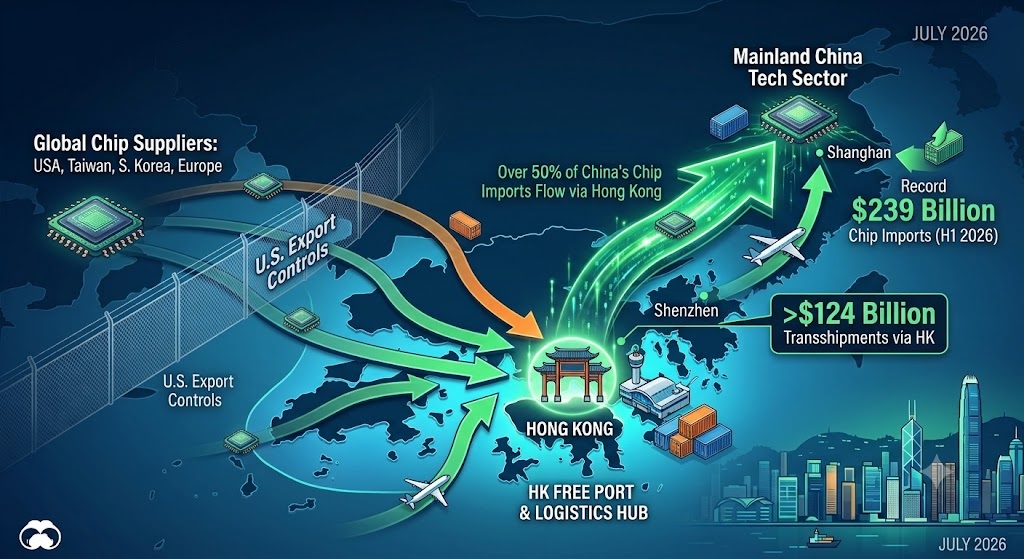
Space & Technology
Hong Kong — Hong Kong has become the primary gateway for semiconductor shipments entering China, with the city handling more than half of the mainland's chip imports during the first five months of 2026 as demand for artificial intelligence (AI) infrastructure continues to reshape regional trade. A review of official trade data by Bloomberg found that Hong Kong accounted for over half of China's $239 billion in semiconductor imports between January and May 2026. The city re-exported about $124 billion worth of chips to mainland China, representing around 52% of the country's total semiconductor imports during the period. A decade ago, Hong Kong handled only about one-third of China's chip imports, highlighting its growing role in the regional technology supply chain. Official figures released in late June also showed that trade between Hong Kong and mainland China increased by nearly 50% in May compared with the same month last year. According to Bloomberg, this marked the fastest annual growth since 1992, excluding the pandemic period. Hong Kong's position is supported by its free-port status, where imports are not subject to tariffs and capital controls are less restrictive than on the mainland. Combined with one of the world's busiest air cargo networks, the city has become an important transit point for semiconductors, which are high-value, lightweight, and time-sensitive products. Gary Ng, Senior Economist at Natixis, said Hong Kong's logistics network allows semiconductor companies to transport chips on frequent and reliable schedules while also providing flexibility to store products before re-exporting them. The city's growing importance reflects a broader expansion in AI-related trade across Asia. Economists at HSBC estimate that AI trade within the region nearly doubled from pre-pandemic levels to almost $2 trillion in 2025, driven by increased investment in semiconductors, data centres, and AI infrastructure. According to Oxford Economics, Hong Kong exported nearly $159 billion worth of AI-related products in 2025, making it the fifth-largest exporter of such goods in Asia and placing it ahead of Japan. Oxford Economics economist Yongshi Mai said Hong Kong's strength lies in facilitating the movement of AI-related products rather than manufacturing them. Research from the Hong Kong Trade Development Council (HKTDC) shows AI-related electronic products accounted for 57% of the city's exports, up from 44% in 2024, while Barclays estimates the share could be as high as 70%. Citing continued demand for AI technologies, the HKTDC more than doubled its 2026 export growth forecast for Hong Kong to over 20%. The increase in technology exports contributed to Hong Kong's economy expanding 5.9% in the first quarter of 2026, its fastest pace in nearly five years. Despite the growth, Hong Kong's position also places it at the center of ongoing U.S.-China technology tensions. During President Donald Trump's first administration, the United States ended Hong Kong's special customs treatment and began treating the city as part of China for trade purposes. Since Trump's return to office, Washington has introduced additional restrictions on China's access to advanced U.S. semiconductor technology. Although trade data does not identify specific chip models, Bloomberg reported that Hong Kong has increased imports of U.S.-made semiconductors sourced through third countries. Authorities in the United States and Taiwan have also increased scrutiny of Asian transshipment routes following investigations into the alleged smuggling of Nvidia chips through the region. Financial services also contribute to Hong Kong's role in semiconductor trade. Stanford University research scholar and former Hong Kong lawmaker Charles Mok said mainland companies often use Hong Kong intermediaries because payments and foreign currency transactions are easier to manage than dealing directly with overseas suppliers. The geopolitical environment has encouraged Hong Kong to expand trade with other regions. Chief Executive John Lee has led trade missions to the Middle East, Central Asia, and Southeast Asia. During his June visit to Kazakhstan and Uzbekistan, Hong Kong signed 96 agreements valued at more than $1.65 billion. Supply chain data indicates that around 40% of the semiconductors passing through Hong Kong originate from mainland China, while approximately 20% come from Taiwan, with Singapore and South Korea also serving as major suppliers. Bloomberg's analysis suggests Hong Kong has now become Taiwan's largest export market for semiconductors. China's semiconductor exports also recorded strong growth, rising 111% year-on-year in May to $36 billion, the fastest increase since 2013. In the same month, Hong Kong imported more than $40 billion worth of Chinese goods, the highest monthly value since 2015. Chinese customs data showed semiconductors accounted for more than one-third of those exports. While mainland ports such as Shanghai, Ningbo, and Shenzhen now handle much of China's direct ocean freight, Hong Kong continues to play an important role in high-value technology trade. Industry experts say the city's legal system, financial services, and established logistics infrastructure continue to make it an attractive location for handling products with significant intellectual property value. University of Hong Kong economics professor Heiwai Tang said Hong Kong continues to offer institutional advantages, including quality assurance, standards verification, and intellectual property protection for technology products. Michael Li Chi Fung, vice chairman of the Nam Pak Hong Association, added that Hong Kong's aviation hub provides advantages for moving electronic products that face stricter air transport controls on the mainland. Hong Kong continues to play an important role as a semiconductor trading and logistics hub in Asia's technology supply chain. Source: bloomberg
Read More → Posted on 2026-07-05 04:44:20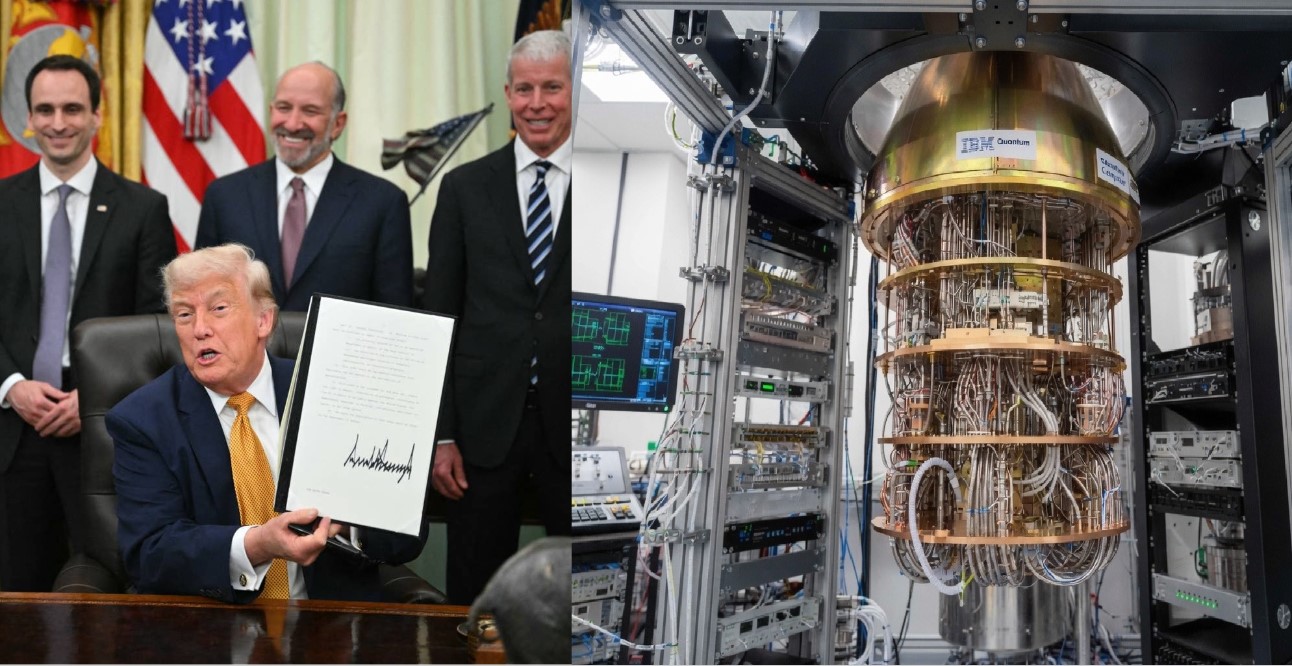
Space & Technology
WASHINGTON, June 23, 2026 — President Donald Trump has signed two executive orders aimed at strengthening U.S. leadership in quantum technology and protecting federal digital infrastructure from future cyber threats posed by advanced quantum computing systems. The directives establish a dual-track strategy focused on accelerating domestic quantum research and development while requiring federal agencies to transition more rapidly to post-quantum cryptography (PQC), a new generation of encryption designed to withstand attacks from future quantum computers. National Initiative to Expand Quantum Computing Capabilities The first executive order, EO 14411, launches a coordinated national effort to develop a large-scale quantum computer capable of performing complex scientific calculations and supporting advanced research applications. The initiative, known as the Quantum Computer for Application Development and Discovery Science (QC-ADDS) program, seeks to establish a quantum computing system suitable for scientific research by 2028. The Department of Energy will host at least one such system as part of the program. The order also directs the Departments of Commerce, War, and Energy, along with NASA, to deploy advanced quantum-enabled sensors and networking technologies within the next five years. These systems are expected to improve scientific research, sensing capabilities, and secure communications. To support the effort, the Department of Energy has been instructed to define the technical requirements for the new quantum computing system within 90 days. Workforce Development Measures The executive order includes several workforce development initiatives intended to address the growing demand for skilled personnel in the quantum technology sector. Under the directive, the Department of Labor and the National Science Foundation will align education and training programs with industry requirements, expand apprenticeship opportunities, and support the establishment of National Quantum Workforce Development Institutes. Administration officials said these efforts are intended to strengthen the domestic talent pipeline and support long-term growth of the U.S. quantum industry. Accelerated Transition to Post-Quantum Cryptography The second executive order, EO 14409, focuses on protecting federal systems from future cryptographic threats by accelerating the adoption of post-quantum cryptography across government networks. The order requires federal agencies to transition high-value assets and high-impact systems to quantum-resistant encryption standards on an accelerated timeline. Under the new requirements: Federal agencies must complete migration to post-quantum cryptography for key establishment functions by December 31, 2030. Migration for digital signature systems must be completed by December 31, 2031. Each federal agency must designate a post-quantum cryptography migration lead within 30 days. Agencies must begin structured migration planning within 90 days. The Department of Commerce must launch a pilot migration project by the end of 2027 to demonstrate successful deployment methods and establish best practices for broader government adoption. The revised deadlines move forward previous transition targets that extended to 2035 for some systems. Addressing the “Harvest Now, Decrypt Later” Risk A key objective of the cybersecurity order is addressing the growing threat known as “harvest now, decrypt later.” Under this scenario, adversaries collect and store encrypted government and corporate data today, even though current computing technology cannot decrypt it. Once large-scale quantum computers become available, those stored files could potentially be decrypted, exposing sensitive information. Officials warned that future quantum computers could break many of the encryption standards currently used to secure government networks, communications, intellectual property, and critical infrastructure systems. The executive order states that the emergence of large-scale quantum computers, particularly if developed by adversarial nations, could pose a significant threat to widely used cryptographic security systems. By establishing a 2031 compliance deadline, the administration aims to reduce the period during which sensitive data remains vulnerable to future decryption efforts. Strategic Importance The executive orders reflect growing international competition in quantum technologies and cybersecurity, particularly as countries invest heavily in quantum computing research and related infrastructure. Quantum computing is expected to support advances in scientific research, materials science, optimization, artificial intelligence, and national security applications. At the same time, the technology presents challenges for existing cybersecurity frameworks because of its potential ability to break current encryption methods. Administration officials said the measures are intended to strengthen U.S. technological leadership, support supply chain development, expand workforce training, encourage public-private collaboration, and promote commercialization of quantum technologies. The orders build on previous federal initiatives, including the National Quantum Initiative, and establish a government-wide framework aimed at advancing quantum innovation while preparing federal systems for the security challenges of the quantum era.
Read More → Posted on 2026-06-23 11:21:19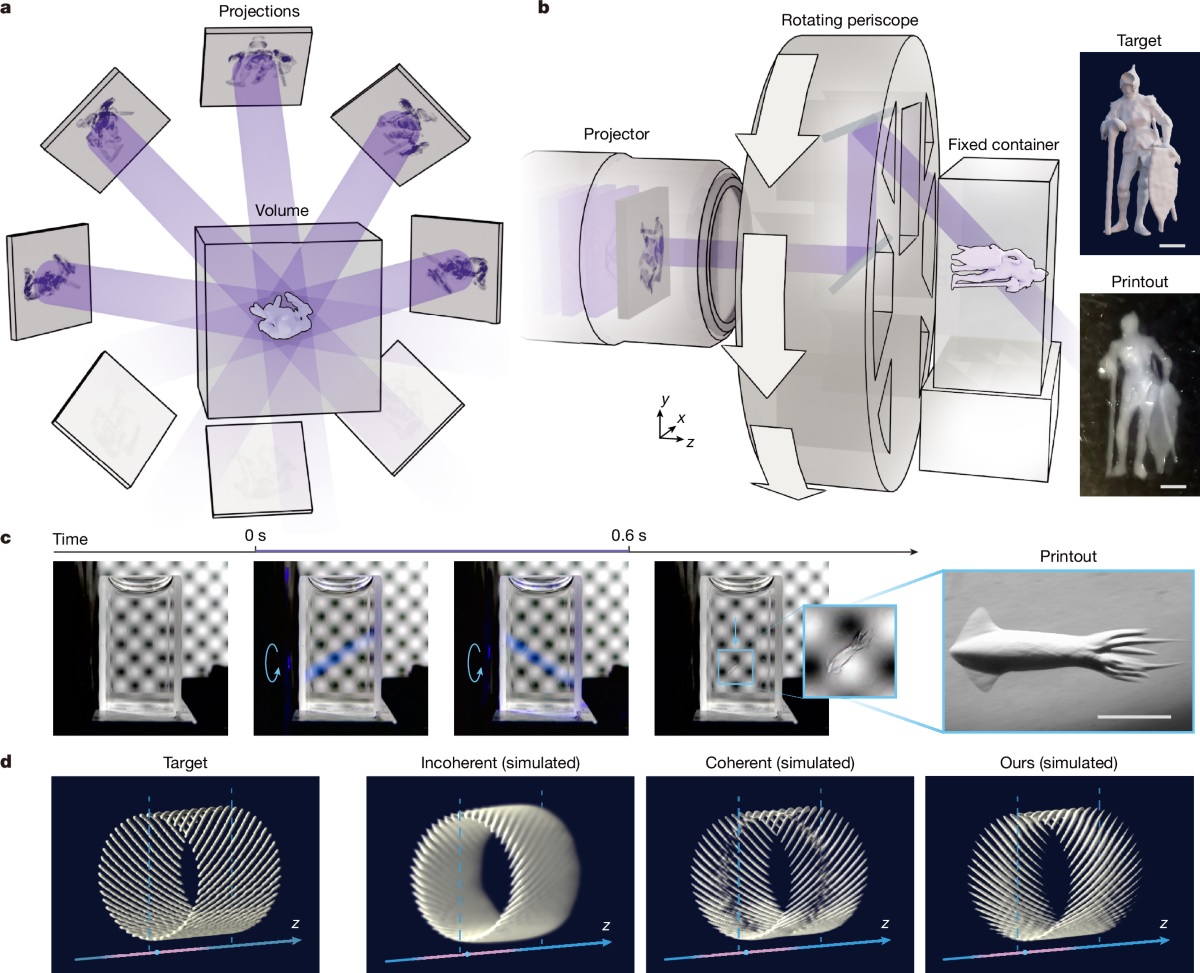
Space & Technology
BEIJING, — June 22, 2026 : Researchers at Tsinghua University have developed a new volumetric 3D printing technology capable of fabricating complex millimeter-scale objects in just 0.6 seconds. The system, known as Digital Incoherent Synthesis of Holographic Light Fields (DISH), uses holographic light projections to create entire three-dimensional structures simultaneously within a stationary vat of liquid resin, eliminating the need for traditional layer-by-layer manufacturing. The research, published in the journal Nature, was led by Academician Dai Qionghai of the Chinese Academy of Engineering, alongside Associate Professor Wu Jiamin and Professor Fang Lu. The project represents more than five years of work in computational optics and additive manufacturing. New Approach to Volumetric Manufacturing Conventional high-resolution 3D printers build objects point by point or layer by layer, often requiring several minutes or hours to complete small components. While previous volumetric printing technologies attempted to produce entire objects at once, many relied on rotating resin containers, creating mechanical instability and limiting the range of usable materials. The DISH system removes these constraints by keeping the resin completely stationary during the printing process. Instead of moving the material or print head, the technology manipulates light through a combination of advanced optics and computational algorithms. At the core of the system is a high-speed rotating periscope capable of revolving around the resin container up to ten times per second. Simultaneously, a Digital Micromirror Device (DMD) projects optimized binary holographic laser patterns at speeds of up to 17,000 times per second. As multiple light fields intersect within the photosensitive resin, specific regions reach the required exposure threshold and solidify almost instantly into a three-dimensional structure. Advanced Optical Modeling Improves Accuracy To maintain image quality and printing precision, the research team developed a wave-optics computational model that compensates for light refraction as it passes from air into liquid resin. This correction prevents distortion and maintains sharp focus throughout the printing volume. According to the researchers, the system achieves a consistent printing resolution of approximately 19 micrometers across a depth range of one centimeter. Independent positive features as small as 12 micrometers were successfully produced, making them thinner than a typical human hair. Record Printing Speed Published performance data show that DISH currently delivers the highest volumetric printing speed reported for this type of manufacturing technology. Key specifications include: Fabrication of millimeter-scale objects in approximately 0.6 seconds. Volumetric printing speed of 333 cubic millimeters per second. Processing capability of roughly 125 million voxels per second. Uniform 19-micrometer resolution throughout a one-centimeter printing depth. Minimum feature sizes reaching 12 micrometers. Broader Material Compatibility One of the major advantages of the technology is its ability to work with low-viscosity materials. Because the resin remains stationary, there are no centrifugal forces acting on the liquid during fabrication. As a result, DISH can utilize watery resins with viscosities as low as 4.7 centipoise, materials that are difficult or impossible to use in many previous volumetric printing systems. The researchers successfully demonstrated printing with multiple acrylate-based resins and biocompatible hydrogel materials. Applications in Bioprinting and Micro-Manufacturing During testing, the team fabricated a variety of detailed structures, including gear-like components, hollow bifurcated tubes resembling vascular networks, and miniature sculptural models. The ability to process biocompatible hydrogels opens opportunities for tissue engineering and biomedical research, particularly in the production of three-dimensional scaffolds for cell growth. The technology also demonstrated potential for continuous manufacturing. Researchers integrated the printer with a fluid channel and pump system that continuously supplied fresh resin while removing completed parts from the exposure region. This setup enables sequential production without stopping the machine or replacing molds. Potential applications include: Bioprinting and tissue engineering Microfluidic devices Customized medical components Photonic computing devices Micro-robotics systems Smartphone camera modules Rapid prototyping and precision manufacturing Current Challenges Despite its performance, the technology remains focused on millimeter-scale objects. Expanding the process to larger parts while maintaining high speed and resolution remains a key challenge for future development. The system also requires significant computational resources to generate and optimize the holographic light-field patterns used during printing. However, researchers noted that calibration procedures can be completed within minutes without modifying the hardware.
Read More → Posted on 2026-06-22 09:20:41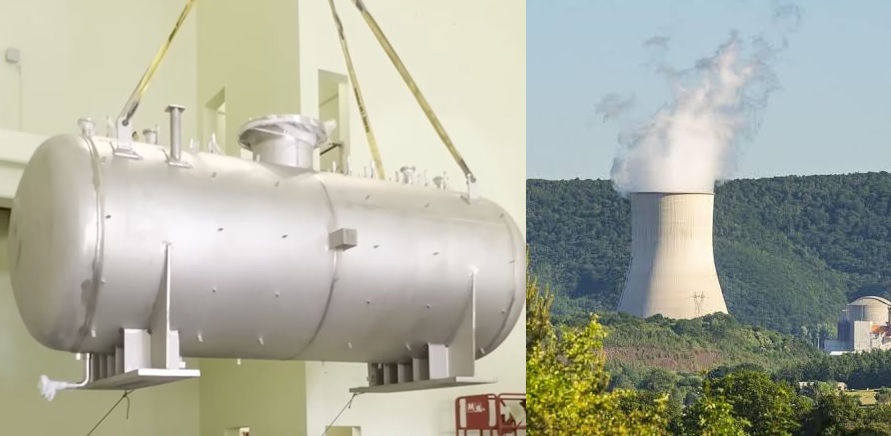
Space & Technology
BOLOGNA, Italy — June 21, 2026 : France-headquartered advanced reactor developer Newcleo has completed the installation of the main reactor vessel for its PRECURSOR facility at the ENEA Brasimone Research Centre near Bologna, marking a major milestone in the development of lead-cooled fast reactor (LFR) technology. The project is designed to demonstrate the operation of a full-scale reactor system and generate electricity without the use of nuclear fuel. Instead, the facility will use electric heaters and molten lead coolant to simulate the thermal behavior of a commercial nuclear reactor, allowing engineers to validate key technologies before introducing radioactive materials. Main Vessel Installed The centerpiece of the PRECURSOR facility is a large reactor vessel manufactured by Fucina Italia srl in Piombino, Tuscany, and engineered within the Newcleo group. The vessel weighs approximately 20 metric tons when empty and reaches around 155 tons once filled with molten lead and internal components. Its dimensions are close to those planned for Newcleo's future commercial lead-cooled reactors, including the company's proposed 200 MWe reactor design. According to Newcleo, the installation represents one of the largest and most advanced non-nuclear demonstrations of lead-cooled reactor technology currently under development in Europe. How PRECURSOR Generates Electricity Unlike conventional nuclear reactors, PRECURSOR does not contain uranium fuel or rely on nuclear fission to produce heat. Instead, banks of high-powered electric heaters deliver approximately 10 MW of thermal energy into a pool of molten lead. The lead absorbs the heat and circulates through the reactor vessel in the same manner expected in a fueled reactor. The thermal energy is then transferred to steam generators, producing steam that drives a commercial turbine supplied by Fincantieri. The turbine is capable of generating approximately 2 MW of electricity, with part of the output helping offset the electricity consumed by the heating system. The facility is intended to demonstrate the complete power conversion chain, from heat production and coolant circulation to steam generation and electricity production. Supporting Infrastructure In addition to the main reactor vessel, the PRECURSOR facility includes several specialized systems required for handling molten lead. These include: A melting tank used to liquefy solid lead ingots. A storage vessel for holding and conditioning molten lead during startup and maintenance operations. A transfer vessel for moving liquid metal between different parts of the facility. Together, these systems will allow engineers to evaluate operational procedures and long-term performance under realistic conditions. Testing Program The facility is scheduled for completion during 2026 and will support a broad testing campaign covering: Thermal-hydraulic performance Normal operating conditions Steam generation Electricity production at different power levels Operation of the Decay Heat Removal (DHR) system Performance of heat exchangers and coolant circulation systems The overall plant configuration, including the turbine and condenser systems, is designed at approximately one-ninth the scale of the future LFR-AS-30 demonstration reactor. Why Lead-Cooled Fast Reactors? Lead-cooled fast reactors (LFRs) are among the advanced Generation IV nuclear technologies being developed to improve safety, efficiency, and fuel utilization. Unlike conventional water-cooled reactors, LFRs use molten lead as the primary coolant. Because lead has a boiling point above 1,700°C, reactors can operate at atmospheric pressure while maintaining substantial thermal safety margins. This eliminates the need for the high-pressure cooling systems used in traditional nuclear power plants and reduces the risk of coolant boiling. Another key advantage is passive safety. Molten lead can circulate naturally as temperatures change, allowing residual heat to be removed without relying entirely on electric pumps or operator intervention during emergency conditions. Role of ENEA Brasimone The ENEA Brasimone Research Centre has been involved in lead-cooled reactor research for decades and hosts several experimental facilities dedicated to heavy liquid metal technologies. Its expertise includes thermal-hydraulics, coolant chemistry, corrosion studies, materials testing, and safety analysis. The collaboration with Newcleo also includes additional experimental infrastructure such as the OTHELLO research loop. The PRECURSOR project builds on this long-standing research base and provides a bridge between laboratory-scale experiments and commercial reactor deployment. Development Roadmap Newcleo plans to use data from PRECURSOR to support the development of its first fueled reactor, the LFR-AS-30, a lead-cooled fast reactor with an electrical output of approximately 30 MWe. The company aims to bring the reactor online in France around 2031 before moving forward with larger commercial units, including the LFR-AS-200 design. Newcleo is also expanding its activities internationally. The company recently announced a partnership with California-based reactor developer Oklo and has outlined plans to invest up to $2 billion in advanced fuel fabrication infrastructure in the United States. The initiative is focused on producing Mixed Oxide (MOX) fuel using recycled nuclear materials, including surplus plutonium and depleted uranium. Significance for Advanced Nuclear Development By demonstrating the operation of a full non-nuclear power conversion system before introducing fuel, Newcleo is pursuing a development strategy aimed at reducing technical and licensing risks associated with advanced reactors. Successful operation of PRECURSOR will provide valuable data on molten lead cooling systems, heat transfer equipment, steam generation, and electricity production at an integrated system level. As countries continue to seek reliable low-carbon energy sources, the project represents an important step toward the commercialization of lead-cooled fast reactor technology and the broader deployment of next-generation nuclear power systems.
Read More → Posted on 2026-06-21 13:38:03
Space & Technology
SEATTLE, — June 20, 2026 : Microsoft has developed a rapidly growing artificial intelligence business in China by providing access to OpenAI’s advanced AI models through its Azure cloud platform, serving major technology companies including ByteDance, Tencent, Meituan, and Ant Group. The arrangement comes as the United States continues to tighten restrictions on advanced technology exports and as leading AI developers such as OpenAI and Anthropic avoid direct sales of their models in China due to intellectual property and security concerns. Microsoft's partnership with OpenAI allows the company to distribute GPT-series models under its own commercial framework. To address concerns over hosting sensitive technology in mainland China, Microsoft provides access through offshore Azure infrastructure, primarily using data centers in Singapore. ByteDance Becomes Largest Customer ByteDance, the Beijing-based parent company of TikTok, has emerged as Microsoft's largest AI customer in the region and is reportedly on track to spend more than $1 billion annually on Microsoft's cloud and AI services. Other major customers include Tencent, Meituan, and Ant Group. Much of the demand is linked to overseas operations, international business expansion, and cross-border digital services. Strong Growth in Azure AI Revenue Demand from Chinese enterprises has fueled rapid growth in Microsoft's regional AI business. During an internal sales meeting in July 2025, former Chief Commercial Officer Judson Althoff said Azure AI revenue in China was growing faster than in any other Microsoft market globally. Revenue from Azure AI in China roughly tripled during the fiscal year ending June 2025, following a 400% increase in the previous year. Despite this growth, Microsoft President Brad Smith previously told Congress that China accounted for approximately 1.5% of Microsoft's total global revenue in 2024. Offshore Access Model Microsoft does not host OpenAI's GPT models on its mainland Chinese data centers near Beijing and Shanghai. Instead, Chinese enterprise customers access the models over the public internet through Azure facilities located outside China, with Singapore serving as a key hub. This structure allows Microsoft to serve Chinese customers while keeping core AI models and infrastructure outside mainland Chinese jurisdiction. Anthropic's models are not available through Microsoft's China-focused offerings. Concerns Over AI Model Distillation The arrangement has attracted attention amid growing U.S.-China competition in artificial intelligence. OpenAI has reportedly raised concerns about the possibility of "distillation," a process in which outputs from advanced AI systems could be used to improve domestic AI models. Microsoft says it uses automated monitoring systems to prevent misuse of its services and limits access to established enterprise customers rather than individual developers. At the same time, Chinese technology companies continue investing heavily in their own AI capabilities. ByteDance operates the Doubao AI chatbot, while Tencent, Alibaba, and Ant Group are developing their own foundation models alongside the use of international AI technologies. Microsoft's China AI business highlights how advanced AI services continue to flow across borders through cloud platforms, even as governments increase scrutiny of strategic technologies and AI-related exports.
Read More → Posted on 2026-06-20 11:54:45Search
Top Trending in 24 Hours
-
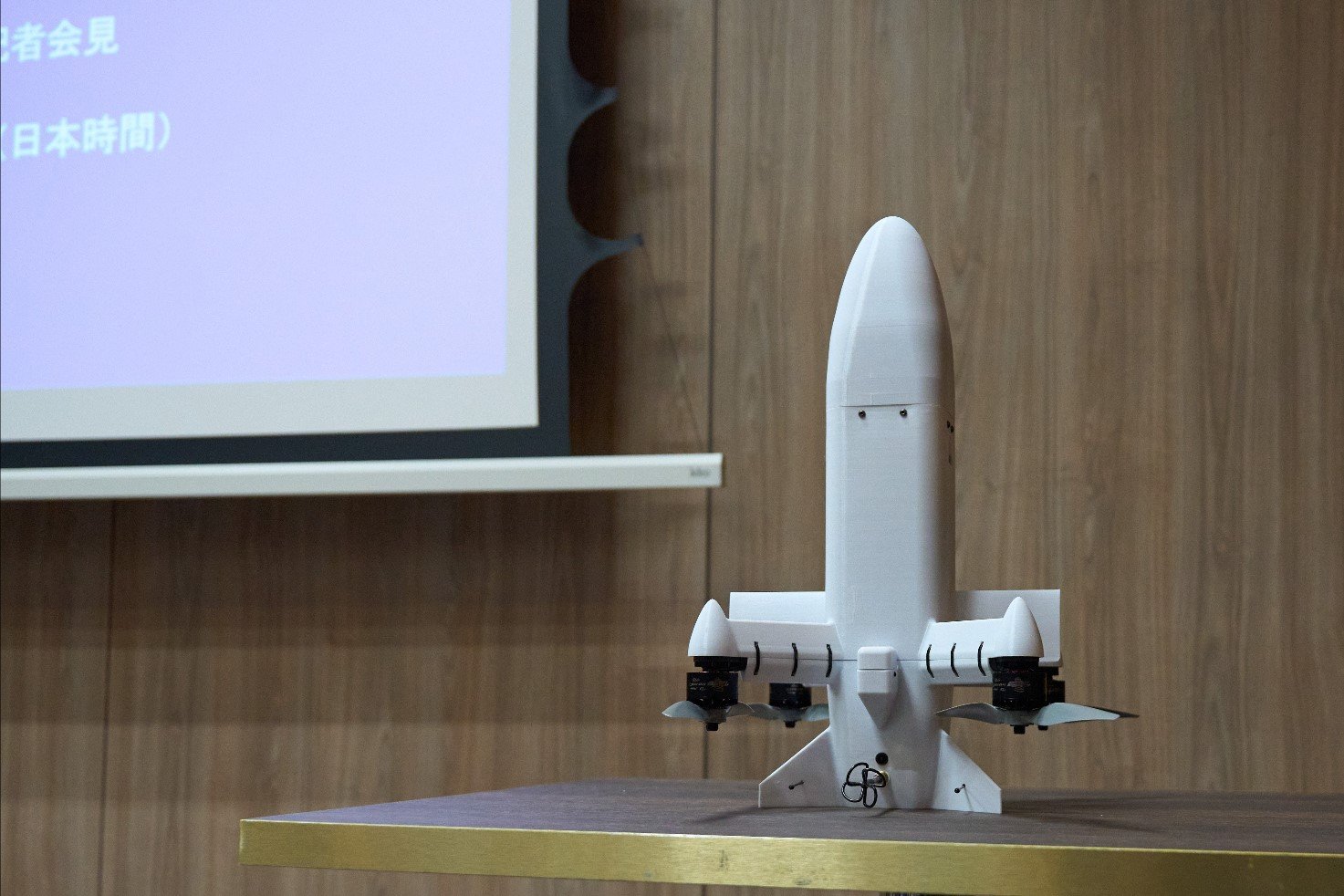 Japan Selects Terra Drone’s Terra B1 for Mass Production of Interceptor UAVs
-
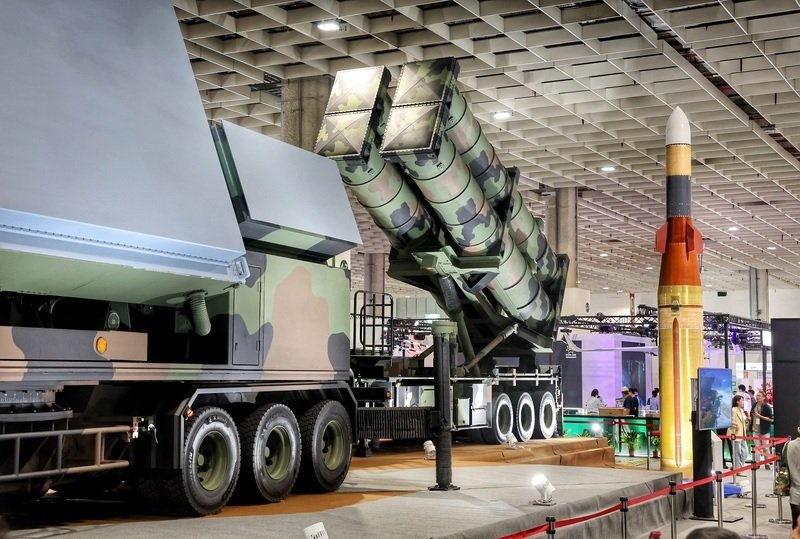 Taiwan Unveils New Details of Strong Bow Air Defense Missile System
-
 Russia Equips Shahed and Geran Drones With Electronic Warfare Systems to Jam Ukrainian Interceptor Video Links
-
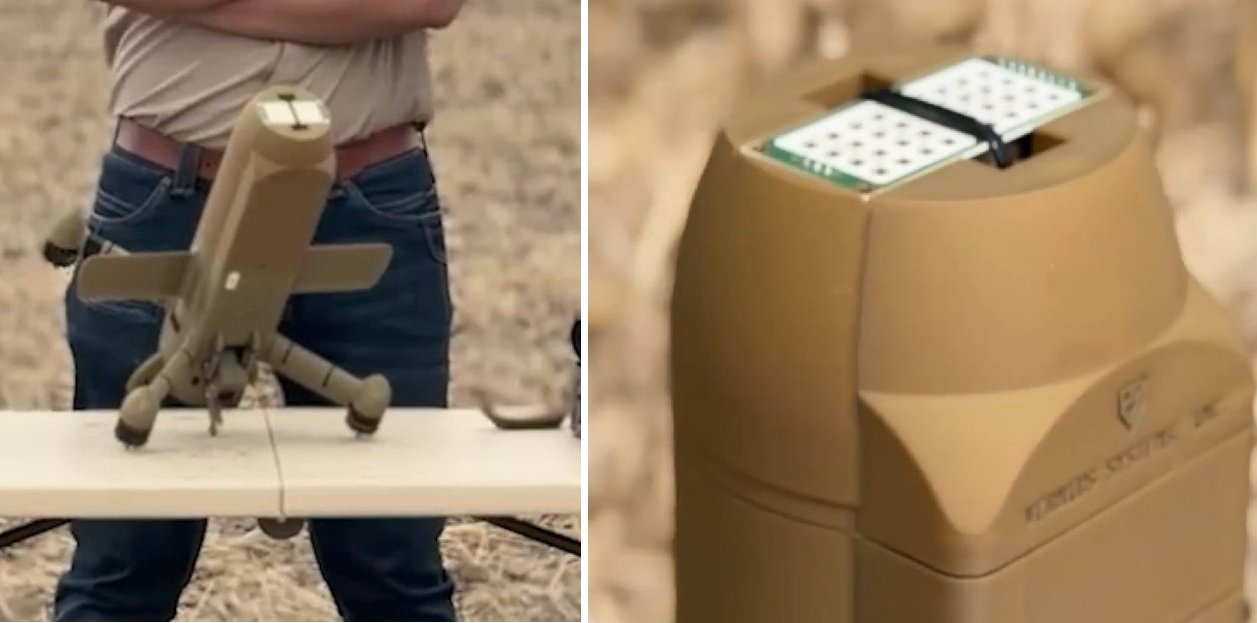 Vernius Systems Unveils Archimedes 1A Radar Seeker for Ukrainian STING Interceptor
-
 Austria Receives First Modernized Leopard 2A4Ö Tank and Ulan NV Infantry Fighting Vehicle
-
 Russia Warns UK Factories Could Face Attacks After Britain Shares Storm Shadow Missile Blueprints With Ukraine
-
 NATO Launches Exercise Northern Viking 26 in Iceland to Secure North Atlantic Routes
-
 Ukraine Reduces Use of Western Tanks as Cheap Drones Become a Major Battlefield Threat
Top Trending in 4 Days
-
 Iran Reveals Underground Weapons Manufacturing Facility for First Time on State TV
-
 U.S. Navy Unveils New AIM-424 ‘Malice’ Air-to-Air Missile With 463+ km Range for F-35C, Super Hornet and F/A-XX
-
 China Develops Hypersonic Glide Vehicles Capable of Launching Air-to-Air Missiles Mid-Flight
-
 Israel Explores Potential Acquisition of U.S. F-47 Sixth-Generation Fighter
-
 Iran-Linked Hackers Shut Down UK Power Plant for Four Days in First Known Attack
-
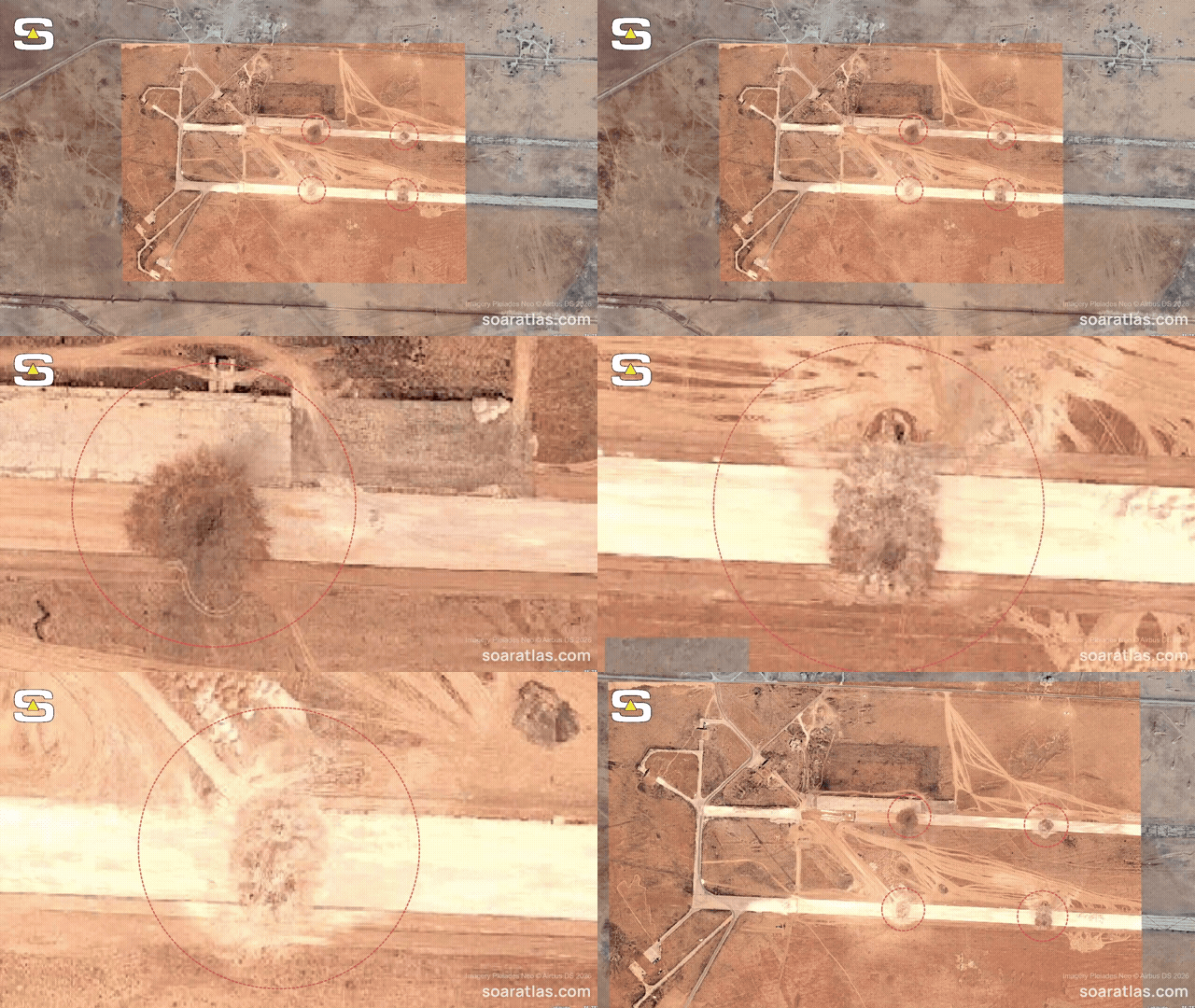 Satellite Imagery Shows Damage From Israeli Strikes on Turkey Military Occupied Syria’s Abu al-Duhur Airbase
-
 Ukraine Holds World’s First Unmanned Military Parade on 35th Independence Day
-
 North Korea Deploys 400 Drone Operators to Russia Amid Expanding Military Support