Space & Technology
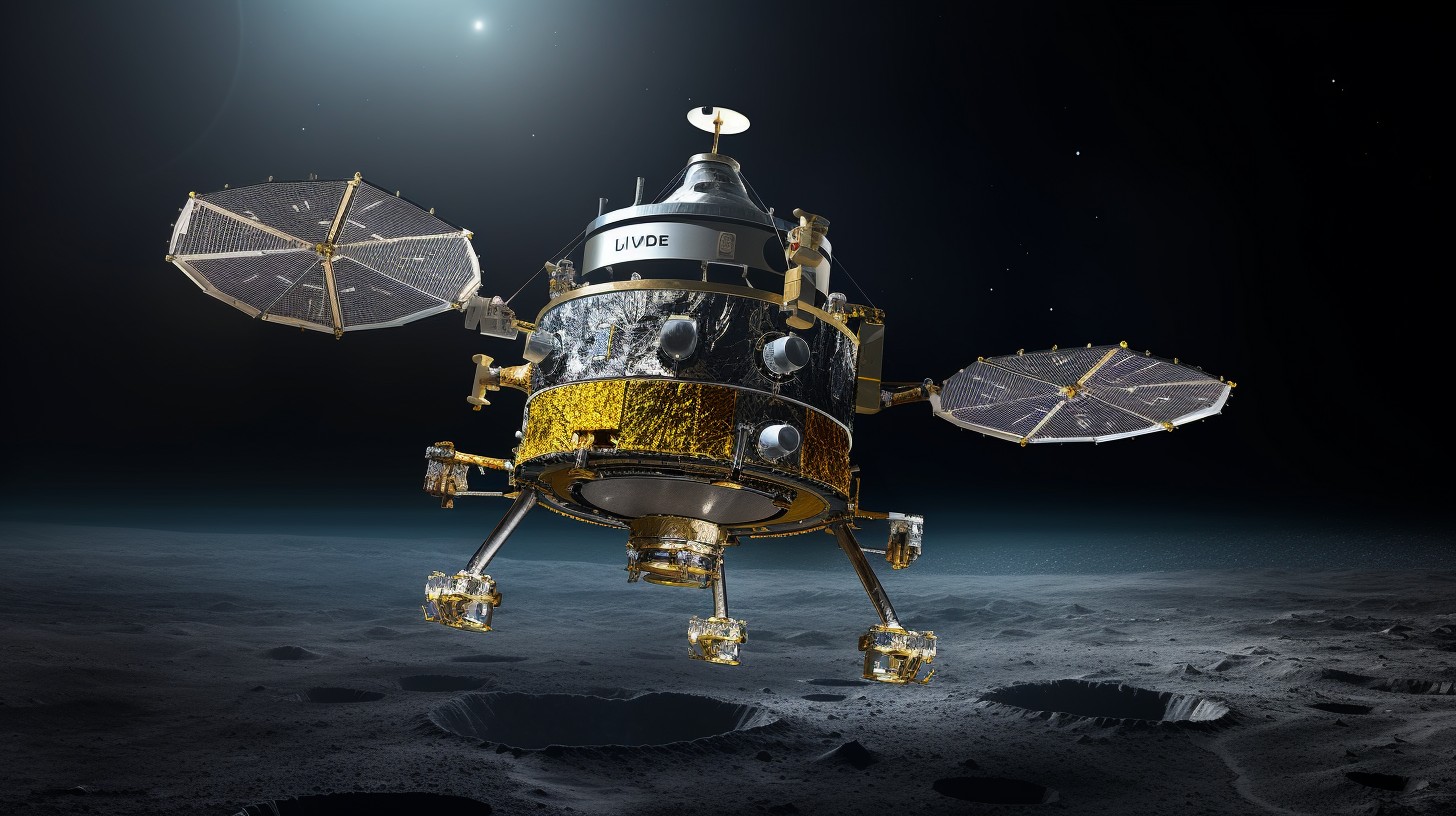
In the wake of the successful soft-landing of the Chandrayaan-3 lander on the Moon, the Indian Space Research Organisation (ISRO) has shifted its focus to two upcoming lunar exploration missions. Nilesh Desai, Director of the Space Applications Centre (SAC/ISRO) in Ahmedabad, provided insights into these ambitious projects—LuPEx and Chandrayaan-4.Addressing a gathering during the 62nd foundation day celebration of the Indian Institute of Tropical Meteorology in Pune, Desai highlighted the objectives of the missions. LuPEx aims to land substantial 350 kg landers on the 90-degree (darker side) of the moon, employing precise landing technology for observational purposes. In contrast, Chandrayaan-4 is designed for a sample return mission.Desai expressed the challenges and advancements involved in these missions, particularly emphasizing the goal of achieving a precise landing on the rim of a crater at a 90-degree angle with a 350 kg rover. Comparing it to the previous Chandrayaan-3 mission, he emphasized the increased complexity and duration, with the forthcoming mission lasting for seven lunar days, equivalent to almost 100 earth days.Regarding Chandrayaan-4, Desai revealed plans for a lunar sample return mission. The mission involves landing on the lunar surface and returning with soil and rock samples. The landing process is similar to Chandrayaan-3, but with a unique twist—the central module will return after docking with the orbiting module, separating near the earth atmosphere, and the re-entry module will bring back lunar samples.Desai shed light on the technical aspects, mentioning the need for two launch vehicles to accommodate the four modules (Transfer module, Lander Module, Ascender Module, and Re-entry module). The Re-entry and Transfer modules would be parked in lunar orbit, while the Ascender Module would descend to collect the lunar sample. Desai assured that the plans are currently on paper, and ISRO is actively working on the required technology.Presently, ISRO is gearing up for its next collaborative space venture with the Japanese space agency, JAXA, named LuPEX (Lunar Polar Exploration). The successful soft landing of Chandrayaan-3 marked a significant achievement for India, making it the fourth country, after the US, China, and Russia, to successfully land on the moon surface.Following the Chandrayaan-3 mission, India also launched its maiden solar mission, Aditya-L1, on September 2. The spacecraft has undergone successful maneuvers, escaping Earth influence and progressing in its journey. With these milestones, ISRO is advancing its capabilities and setting ambitious goals for lunar exploration in the coming years.
Read More → Posted on 2023-11-17 14:44:15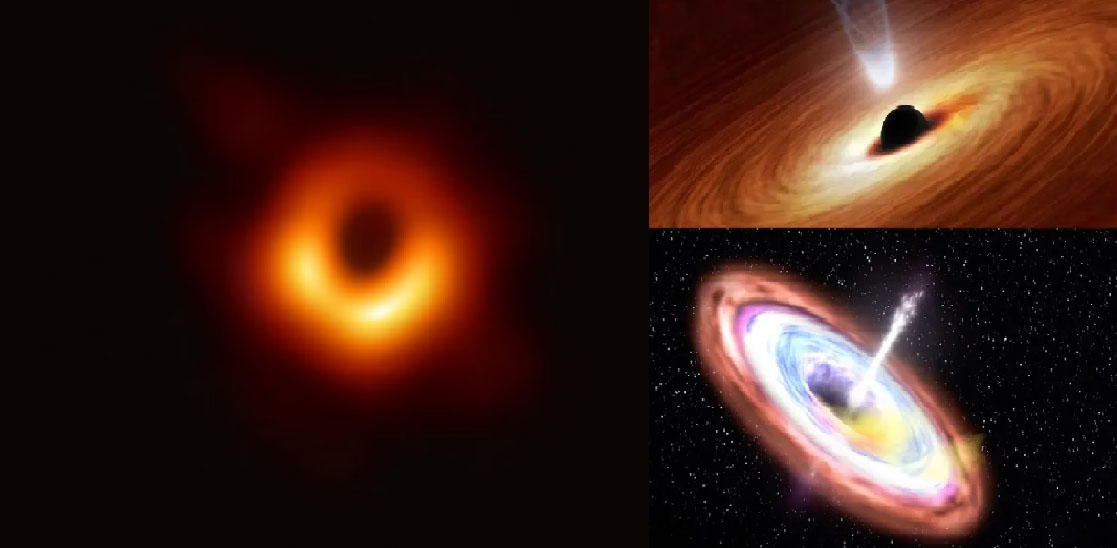
Space & Technology
In a groundbreaking development, scientists from the Indian Institute of Technology, Guwahati (IIT Guwahati), in collaboration with the UR Rao Satellite Centre of the Indian Space Research Organisation, have successfully detected polarized emissions from a black hole source located beyond our Milky Way Galaxy. This significant achievement was made possible through the application of X-ray polarimetry, a specialized observational technique.Professor Santabrata Das, from the Department of Physics at IIT Guwahati, explained the uniqueness of X-ray polarimetry in identifying the origin of radiation near black holes. The focus of their study was on LMC X-3, a binary star system comprised of a black hole and a "normal" star that surpasses the Sun in terms of temperature, size, and mass. This celestial system is situated in a satellite galaxy of our Milky Way, approximately 200,000 light-years away from Earth.LMC X-3 has been under observation since its discovery in 1971, with various satellites capturing its phenomena. The emitted X-rays from LMC X-3 are remarkably potent, being 10,000 times more powerful than those from the Sun. When these intense X-rays interact with the surrounding material near black holes, particularly through scattering, they undergo changes in polarization characteristics, such as degree and angle. This alteration aids researchers in comprehending the gravitational forces at play and how matter is drawn towards black holes.Dr. Anuj Nandi, a scientist from the UR Rao Satellite Centre, ISRO, highlighted that intense gravitational fields can polarize the emitted light from black holes. The observations suggest that LMC X-3 likely hosts a black hole with a low rotation rate, surrounded by a slim disc structure responsible for the polarized emissions.The findings of this groundbreaking study have been published in the Monthly Notices of the Royal Astronomical Society Letters, providing a new avenue for investigating and understanding the nature of astrophysical black hole sources. The research was funded by the Science and Engineering Research Board (SERB) under the Department of Science and Technology in India.
Read More → Posted on 2023-11-17 14:25:05
Space & Technology
ISRO and JAXA, the Indian Space Agency and Japan Space Agency, have joined forces for an upcoming lunar exploration endeavor scheduled for launch in 2026. Termed the Lunar Polar Exploration Mission (Lupex) and Chandrayaan-4, this collaborative effort stems from an Implementation Arrangement signed by ISRO in December 2017, focusing on pre-phase A and phase A studies. The feasibility report, completed in March 2018, emerged from a collaborative initiative with the Japan Aerospace Exploration Agency, with the primary goal of investigating water sources on the Moon, initially identified by ISRO Chandrayaan-1 mission through observational data.The Chandrayaan-4 mission aims to deploy an unmanned lunar lander and rover to investigate the southern pole region of the Moon. The H3 launch vehicle, currently in construction by the Japan Aerospace Exploration Agency, will facilitate the launch of Chandrayaan-4. The H3 Launch Vehicle boasts a payload capacity of 4,000 kg to Sun-synchronous orbit (SSO), 7,900 kg to Geostationary Transfer Orbit (GTO), and 28,300 kg to low Earth orbit. Employing liquid-propellant rockets with strap-on solid rocket boosters, the first launch attempt on March 7, 2023, unfortunately, resulted in failure, with a cost per launch estimated at $50 million.Chandrayaan-4 total payload mass for the mission, comprising the lander and rover, is expected to be 350 kg, and the mission duration is slated for six months. The rover will carry diverse payloads from JAXA and ISRO, featuring a 1.5-meter drill designed to explore the lunar surface. This drill will heat lunar material, measuring changes in mass while identifying volatiles within the material. The mission overarching objective is to assess the actual quantity of water in the Moon south pole region through a combination of observational data, in situ experiments, and ground truth data. This comprehensive study aims to inform future lunar colonies, determining the extent to which water can be sourced locally on the Moon versus being transported from Earth.
Read More → Posted on 2023-11-14 16:37:50
Space & Technology
Aevum, a US-based provider of comprehensive space logistics and autonomous launch services for both government and commercial customers, is developing Ravn X, a next-generation Autonomous Launch Vehicle (AuLV). The Ravn launch vehicle concept was introduced by the founder, Jay Skylus, in 2011, marking the inception of a groundbreaking project.Designed to efficiently transport satellites to space, Ravn X stands out as the world largest unmanned aircraft system by mass and the only small launch vehicle built from the ground up with reusability in mind. With a remarkable turnaround time of just 180 minutes and zero risk to human lives, Ravn X caters to the demands of time-sensitive missions.The AuLV is specifically crafted to carry payloads ranging from 100 to 500 kilograms to low Earth orbit, making it a versatile option for launching various payloads, including satellites, scientific instruments, and small spacecraft. Its dimensions include a length of 80 feet, a wingspan of 60 feet, and a gross takeoff weight of 24,948 kilograms. Capable of reaching speeds of 925 km/h and ascending to an altitude of 60,000 feet, Ravn X exemplifies cutting-edge technology in the field of space transportation.Powered by a hybrid rocket engine utilizing jet fuel and liquid oxygen, Ravn X follows a three-stage launch sequence. The first stage, completely autonomous and reusable, elevates the payload to an altitude of 60,000 feet. Subsequent rocket stages, also powered by the same engine, propel the payload to low Earth orbit, where it is precisely placed. Notably, Ravn X achieves a 70% reusability of the complete system, with expectations to increase this figure to 95% in the future.The launch infrastructure for Ravn X involves a 1-mile long runway and an 8,000 ft² hangar dedicated to satellite lift operations. Anticipated to be operational in 2023, Ravn X is designed to serve both government and commercial customers. Aevum has already secured a contract with the US Space Force, with Ravn X slated for its first mission—the ASLON-45 mission, a $5 million contract testing the company capability to launch a payload in 24 hours or less.Aevum involvement in the Orbital Services Program-4, a Department of Defense initiative utilizing the commercial launch market for small payloads, further underscores the significance of Ravn X in advancing space launch capabilities. The company was one of eight entities awarded a $986 million indefinite delivery, indefinite quantity contract, reaffirming its pivotal role in shaping the future of autonomous launch services.
Read More → Posted on 2023-11-14 16:22:18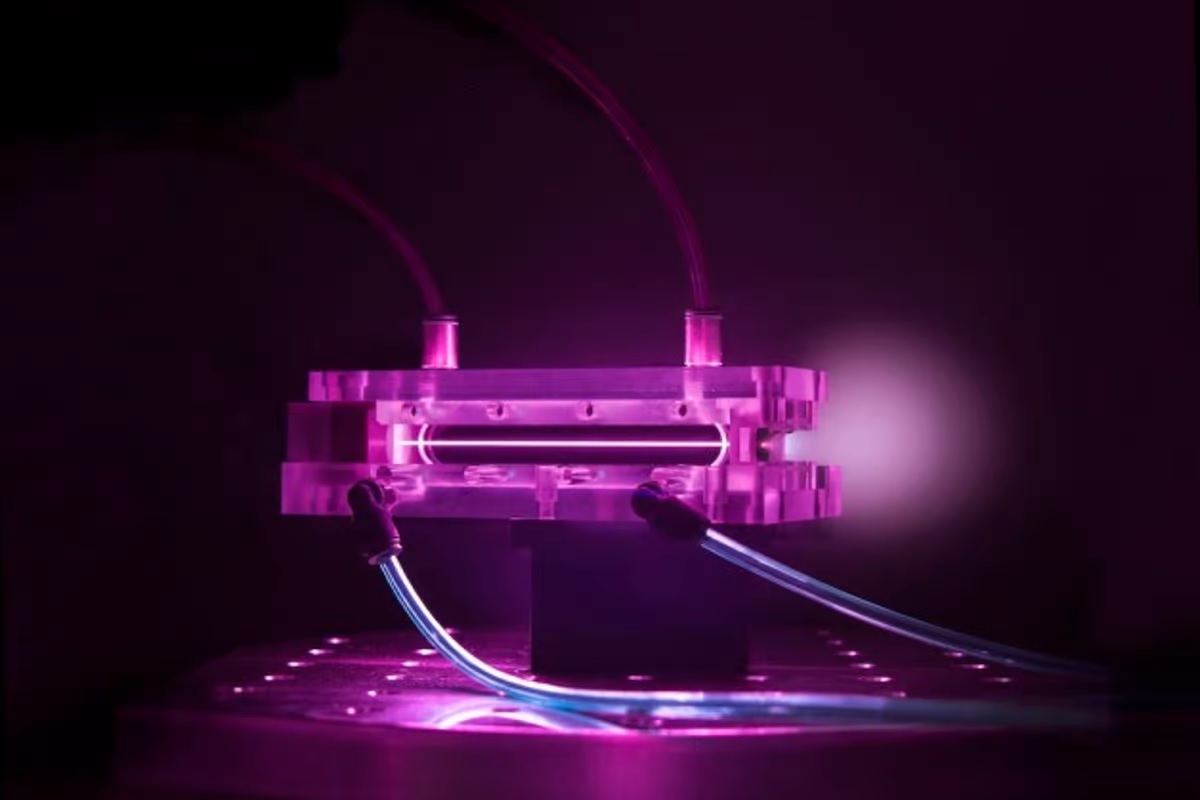
Space & Technology
Scientists recently fired up the world smallest particle accelerator for the first time. The tiny technological triumph, could open the door to a wide range of applications, including using the teensy particle accelerators inside human patients. This particle accelerator is known as a nanophotonic electron accelerator. Nanophotonic electron accelerator is the world smallest particle accelerator. which is developed by researchers at the Friedrich-Alexander University of Erlangen-Nuremberg (FAU) in Germany. It is so small that it can fit on a coin. They can accelerate electrons to energies of up to 40.7 keV, which is enough to penetrate thin materials.It consists of a small microchip that houses an even smaller vacuum tube made up of thousands of individual "pillars." Researchers can accelerate electrons by firing mini laser beams at these pillars. NEAs are much smaller and less expensive than traditional particle accelerators, and they are also more efficient. According to the National Nanotechnology Institute, the inside of the tiny tunnel is only around 225 nanometers wide.Nanophotonic electron accelerator tube is approximately 0.02 inch means (0.5 millimeter) long, which is 54 million times shorter than the 27 kilometers long ring that makes up CERN Large Hadron Collider in Switzerland the world largest and most powerful particle accelerator, which has discovered a range of new particles including the Higgs boson or God particle, ghostly neutrinos, the charm meson and the mysterious X particle. The Large Hadron Collider uses more than 9,000 magnets to create a magnetic field that accelerates particles to around 99.9% of the speed of light. The Nanophotonic electron accelerator also creates a magnetic field, but it works by firing light beams at the pillars in the vacuum tube; this amplifies the energy in just the right way, but the resulting energy field is much weaker. The electrons accelerated by Nanophotonic electron accelerator only have around a millionth of the energy that particles accelerated by the Large Hadron Collider have . Nanophotonic electron accelerator are still in their early stages of development, but they have the potential to revolutionize a wide range of fields, including medicine, materials science, security, and electronics. The researchers believe they can improve the NEA design by using alternative materials or stacking multiple tubes next to one another, which could further accelerate the particles. Still, they will never reach anywhere near the same energy levels as the big colliders.Here are some potential applications of NEA: Medicine: NEA could be used to develop new cancer treatments and medical imaging devices. For example, NEA could be used to deliver targeted radiation therapy to tumors or to develop new types of contrast agents for MRI scans Materials science: NEA could be used to study new materials and develop new manufacturing processes. For example, NEA could be used to study the properties of new materials or to develop new methods for etching and depositing materials. Security: NEAs could be used to develop new security screening and detection devices. For example, NEAs could be used to develop new types of X-ray scanners or to detect explosives and other hazardous materials. Electronics: NEAs could be used to develop new types of electronic devices, such as faster and more energy-efficient transistors. NEAs are a promising new technology with the potential to have a major impact on society.
Read More → Posted on 2023-11-01 19:00:56Search
Top Trending in 24 Hours
-
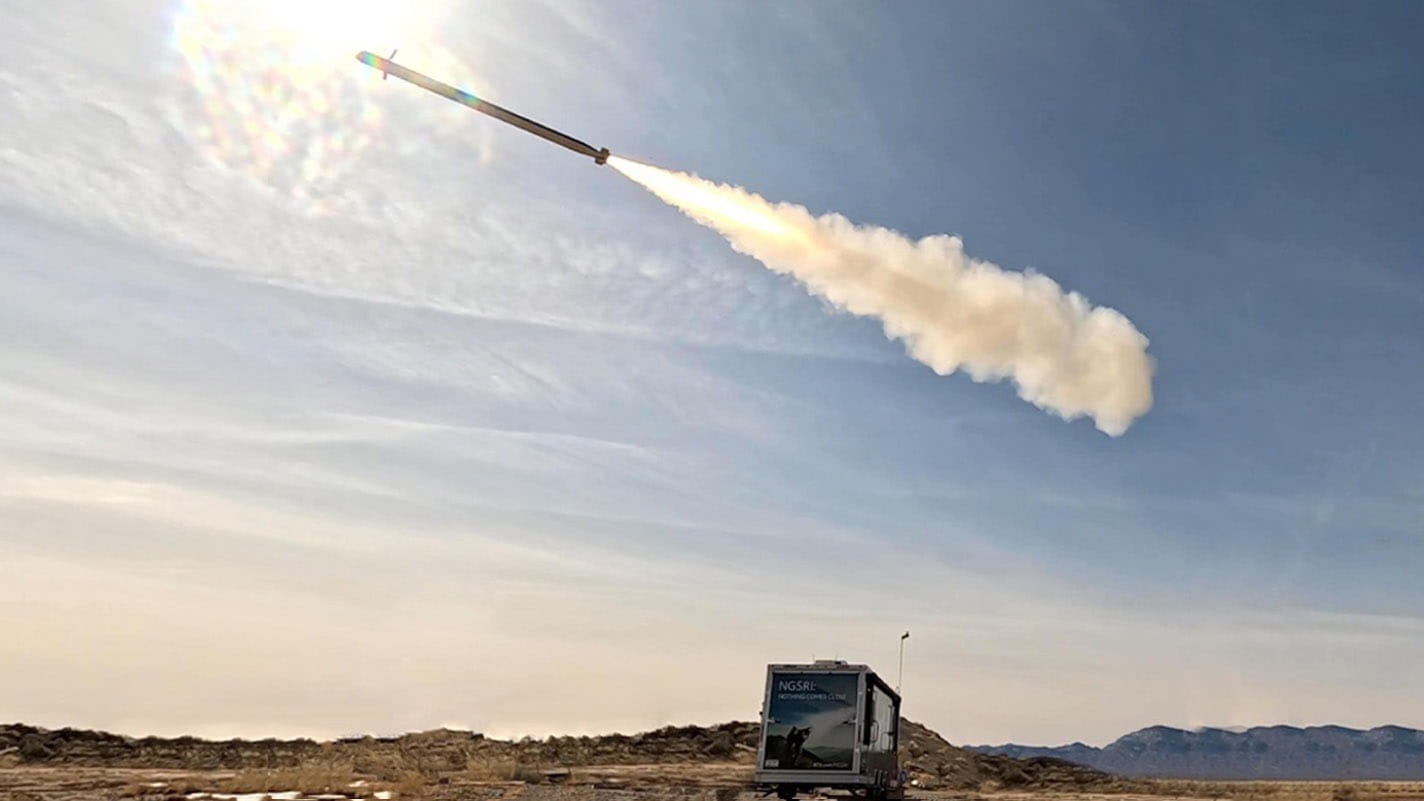 Raytheon Successfully Demonstrates NGSRI Missile as U.S. Army's Future Stinger Replacement
-
 U.S. Navy Seeks Next-Generation Carrier Drones with 1,852 Km Combat Radius for Future Air Wing
-
 Israel Lifts Restrictions on U.S. Refueling Tankers at Ben Gurion Airport After Pentagon Protest
-
 South Korea Acquires Two Bombardier Global 6500 Jets for New Electronic Warfare Fleet Under $1.1 Billion Block-I Program
-
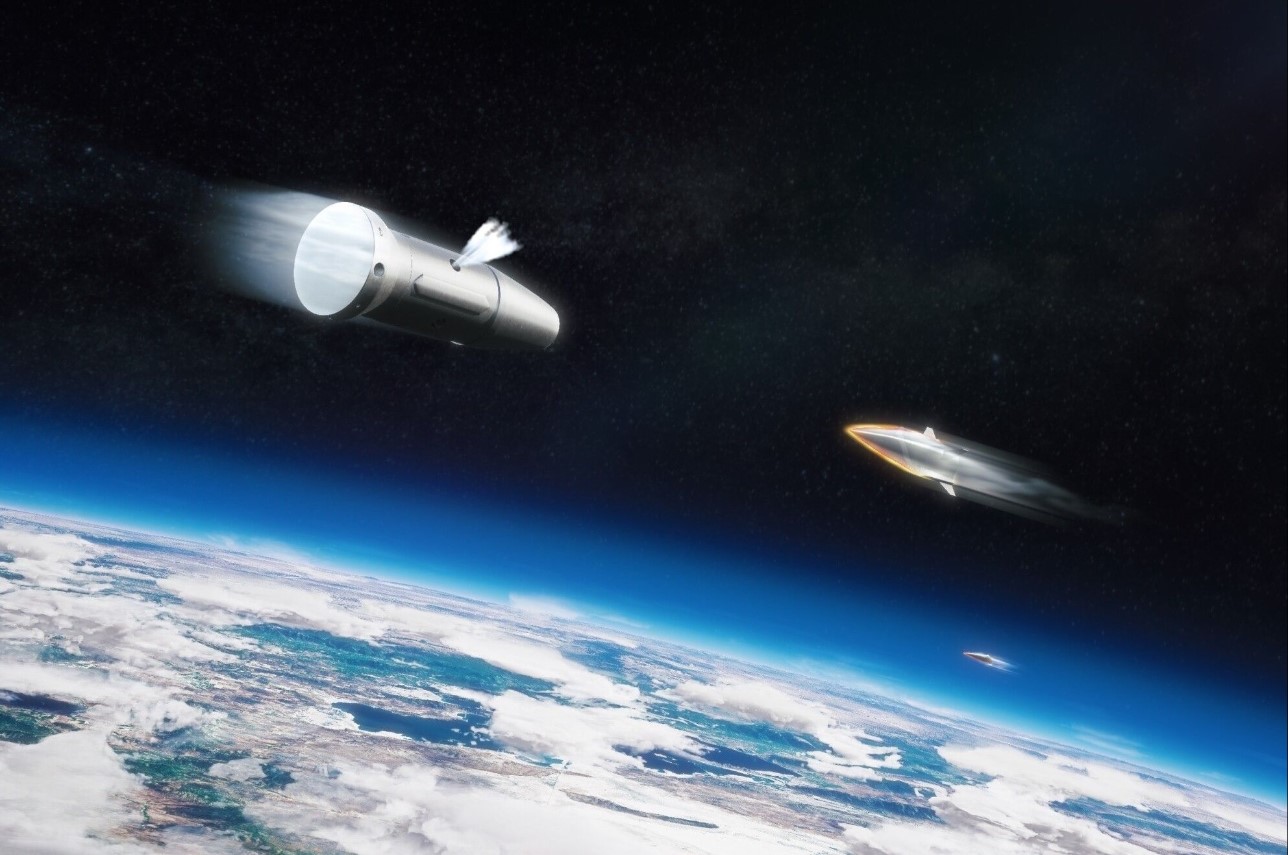 Europe Launches Bliksem EXO to Build Its First Exo-Atmospheric Ballistic Missile Interceptor
-
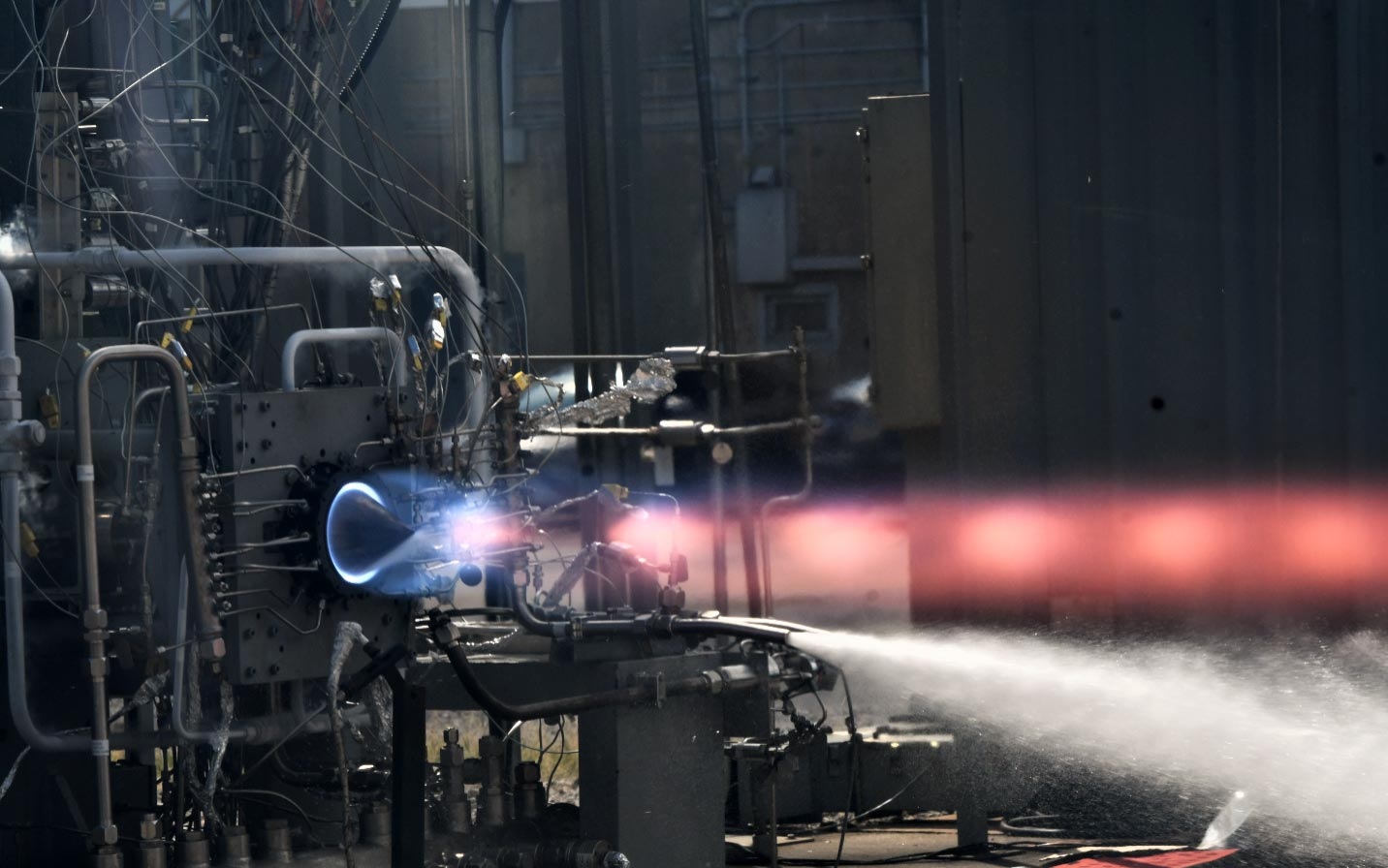 U.S. Air Force Seeks Industry Proposals for Rotating Detonation Hybrid Engines to Power Future High-Speed Missiles
-
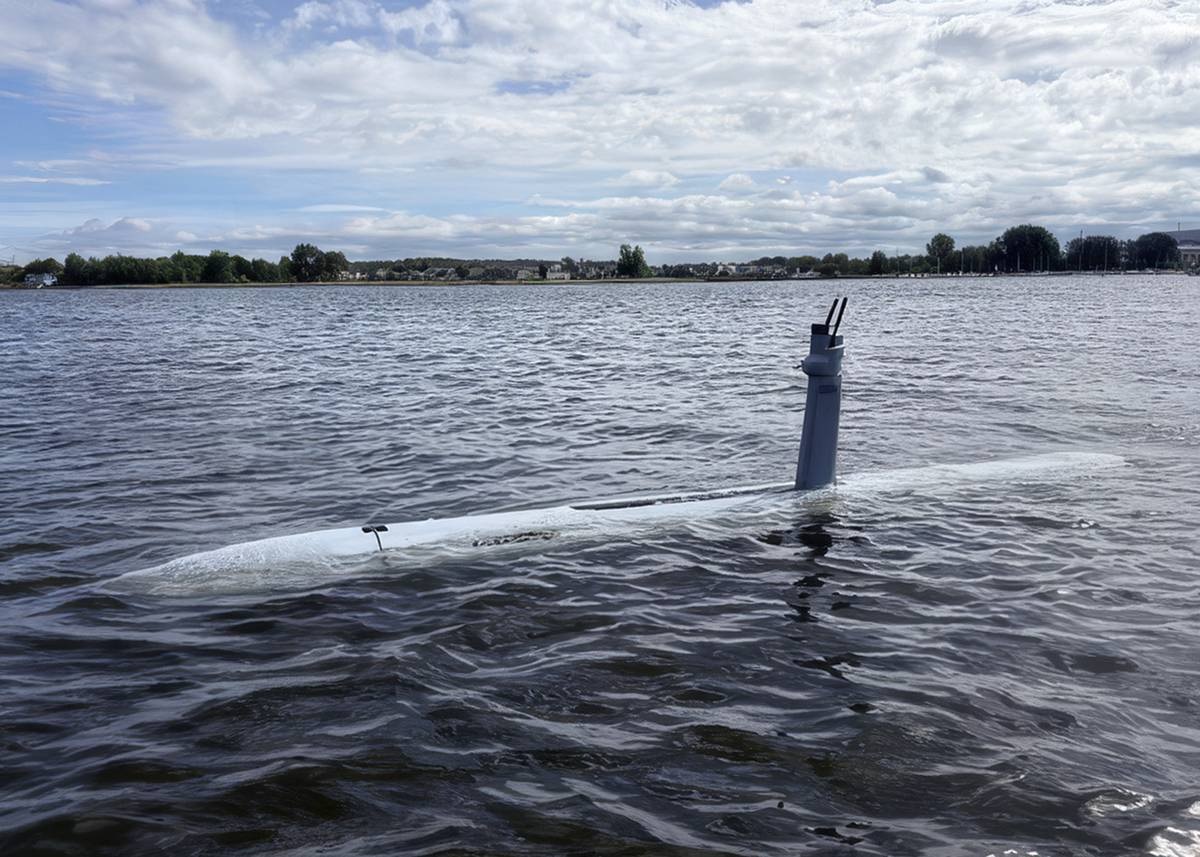 German Firms GABLER and FLANQ Complete Sea Acceptance Test of Ranger Submarine-Launched USV
-
 U.S. Rewards UAE With License-Free Access to Advanced AI Chips After Support in Iran Operations
Top Trending in 4 Days
-
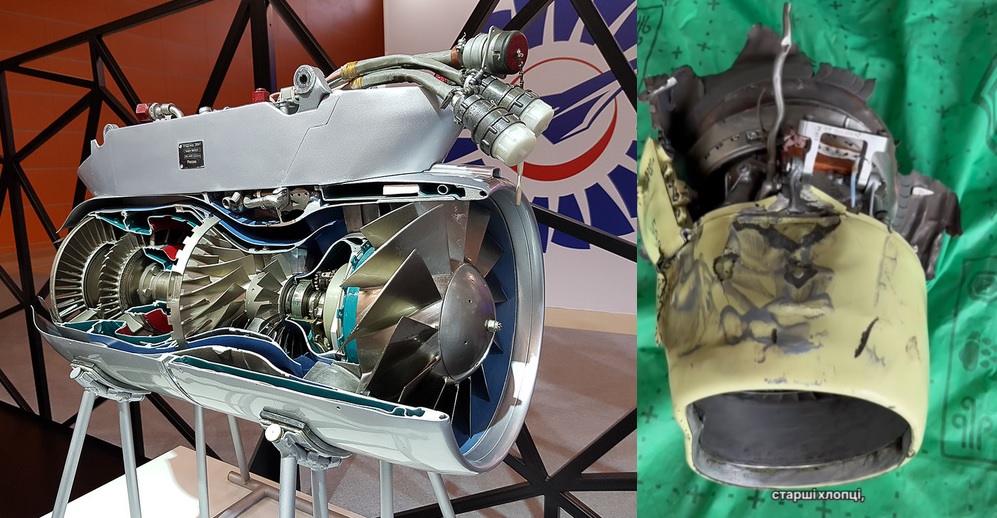 Russia Reportedly Equips Kh-101 Cruise Missiles With New 3D-Printed Single-Crystal Engines
-
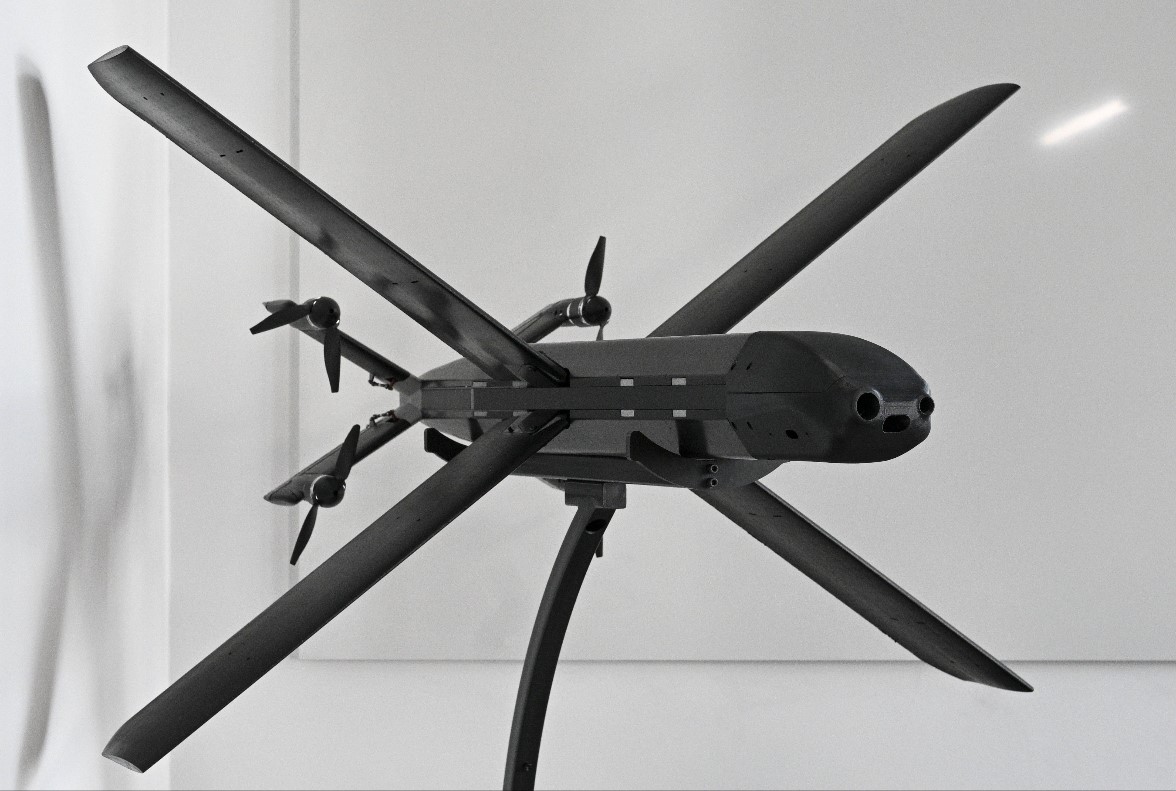 Germany's Secret Factory Is Mass-Producing AI-Powered HX-2 Strike Drones for Ukraine
-
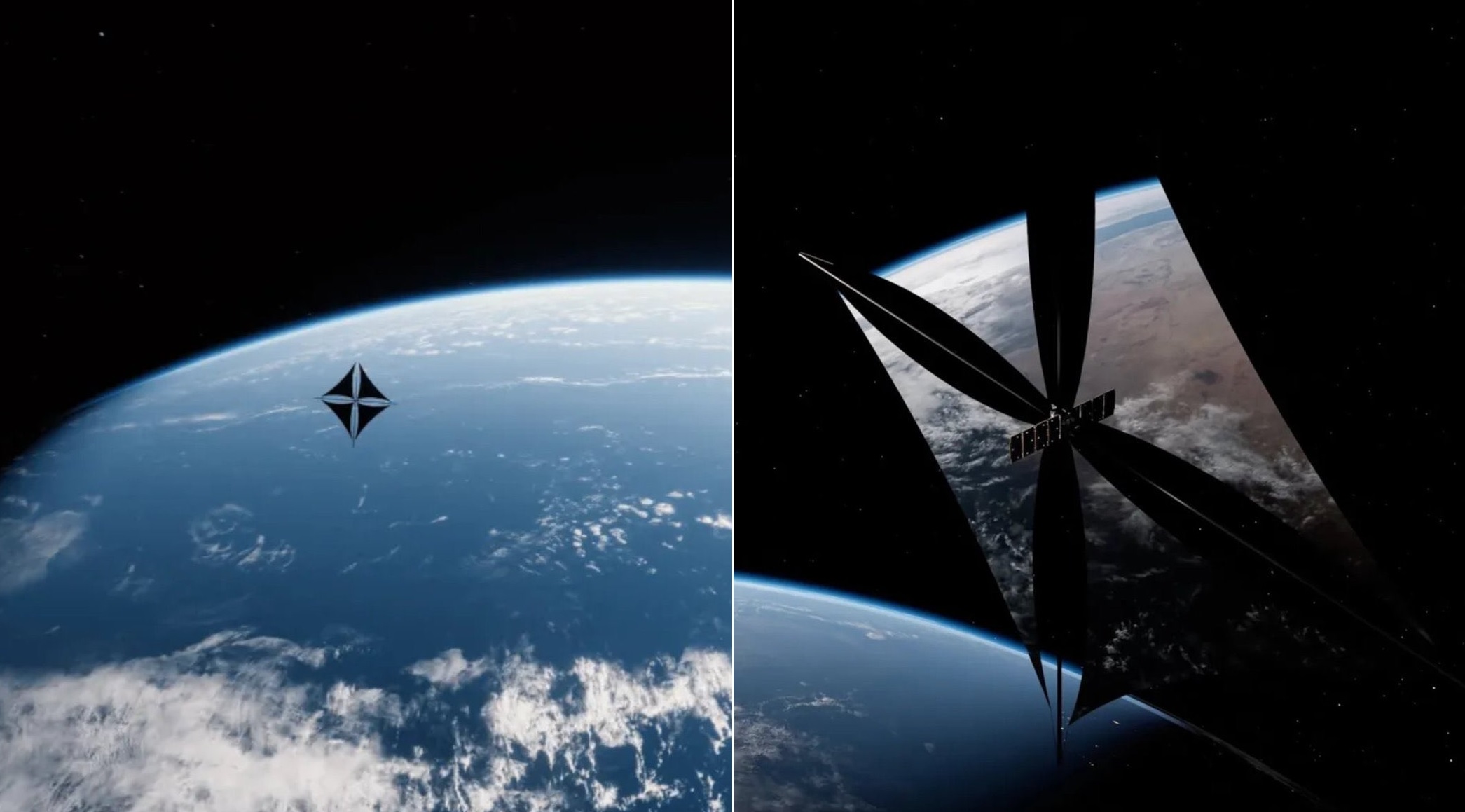 FCC Approves Launch of Eärendil-1, the First Satellite Designed to Reflect Sunlight on Earth After Dark
-
 Russian Anti-Drone Training Exercise Highlights Mounting Challenges with Repurposed YakB-12.7 Machine Gun
-
 U.S. Strikes 140 Iranian Military Targets in Third Round After IRGC Attack on M/V GFS Galaxy
-
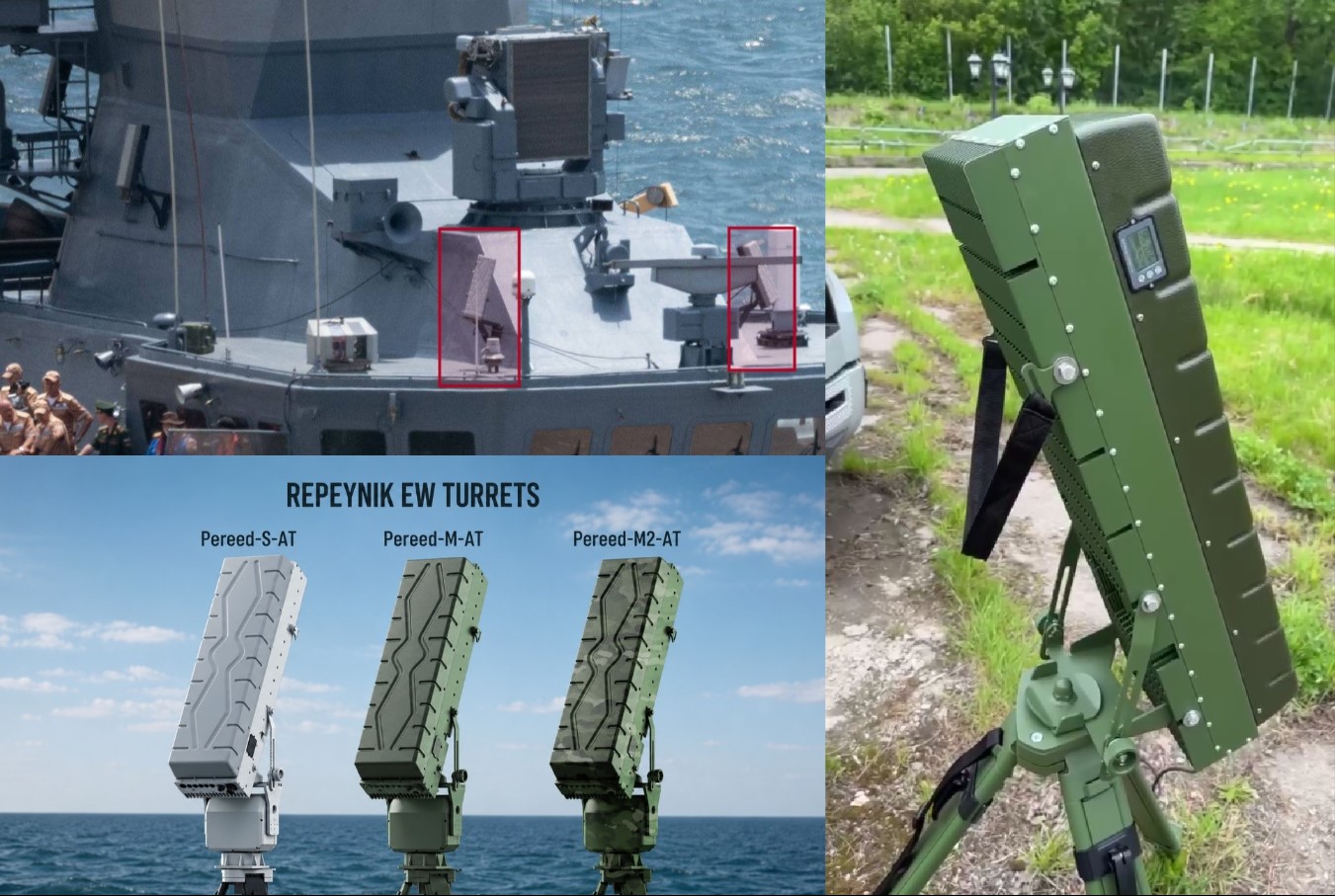 Russian Navy Begins Installing Pereyed-M Anti-Drone Electronic Warfare Systems on Warships
-
 USS Tucson Arrives in Guam to Strengthen U.S. Navy’s Forward-Deployed Submarine Force
-
 U.S. Forces Use Three Corsair Sea Drones in Combat for First Time, Strike Iran's Bandar Abbas Naval Base